Eli Genauer: The Evolution of a “רש״י ישן” as Presented by Artscroll Rashi Breishit 12:2 – “ואעשך לגוי גדול”
The Evolution of a “רש״י ישן” as Presented by Artscroll
Rashi Breishit 12:2 – “ואעשך לגוי גדול”
Eli Genauer
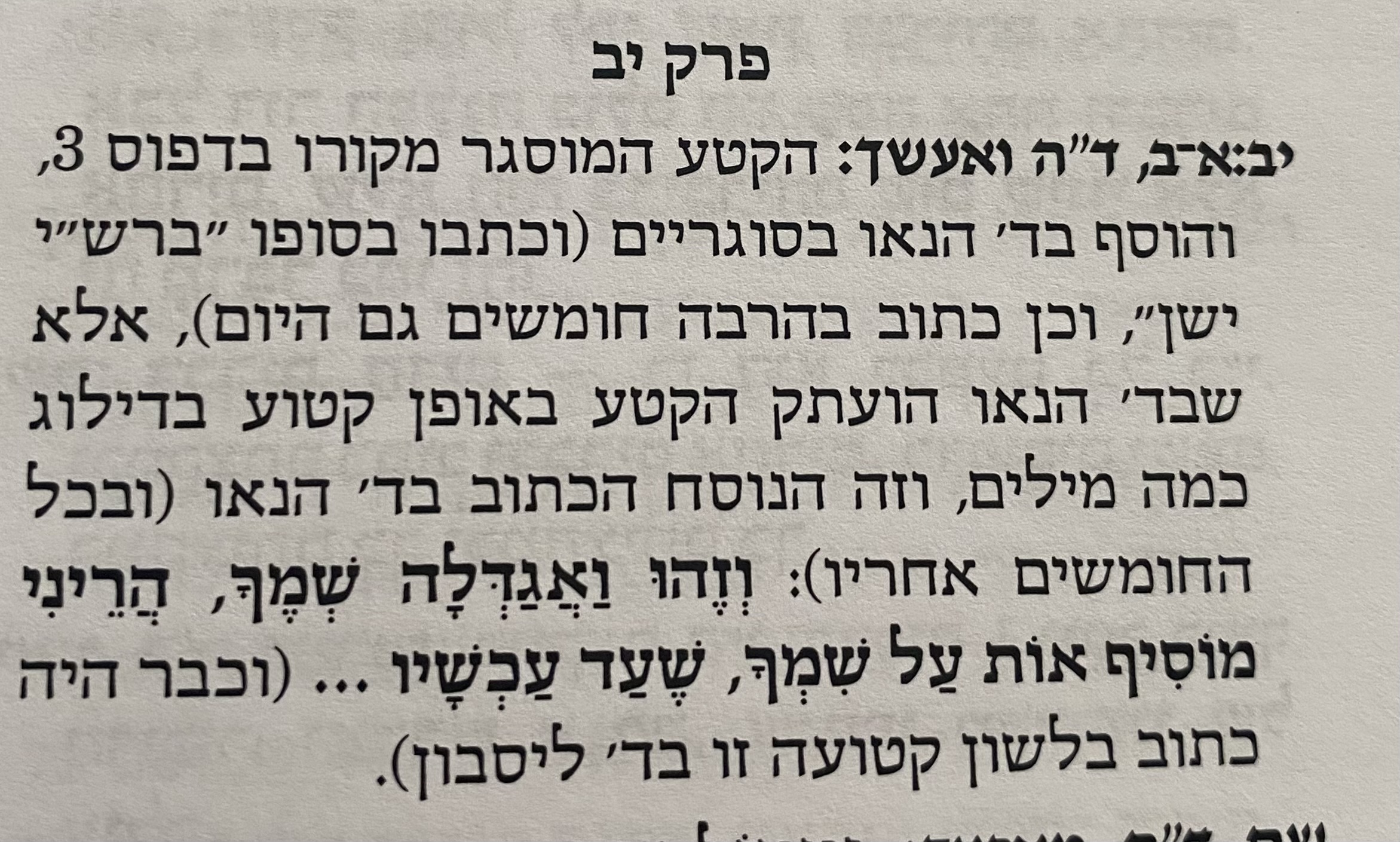
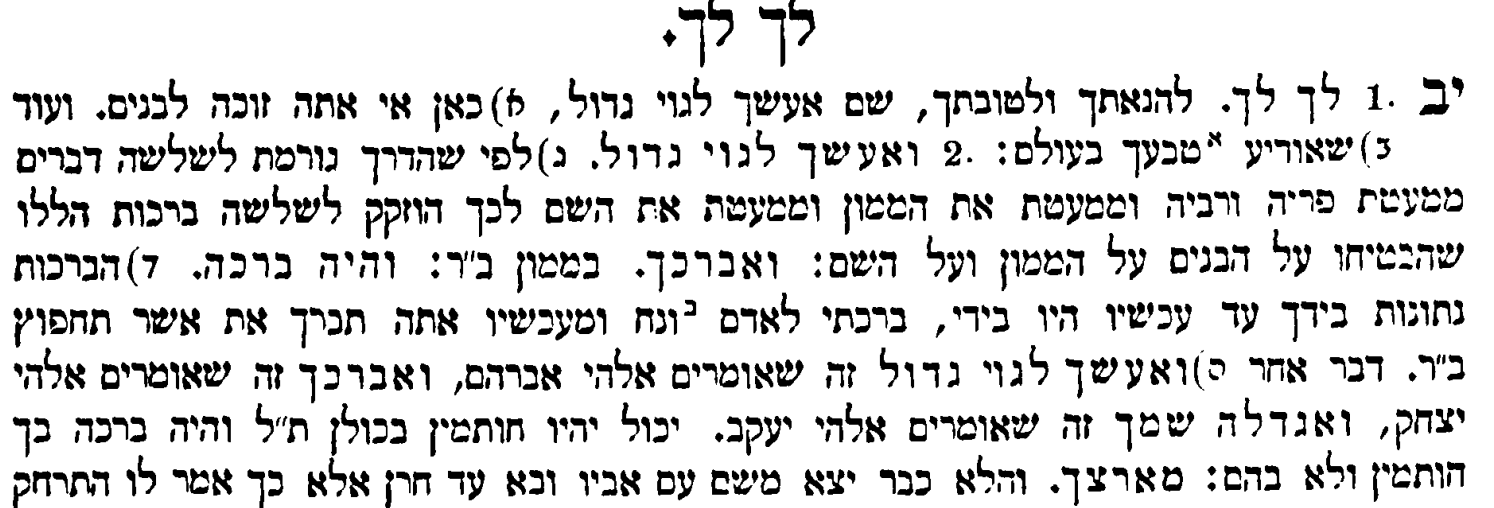
The term “רש״י ישן” in printed editions often appears after a comment recorded in parentheses. An example of this is Rashi in Breishit 12:2. Here is how it looks in the first edition of the Artscroll Stone Chumash printed in November 1993
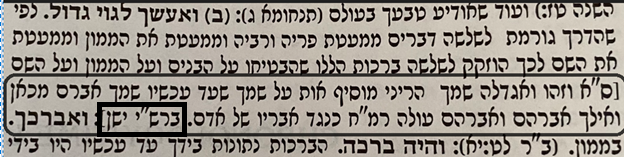
Rashi’s comments are recorded as follows
Comment #1
ואעשך לגוי גדול. לְפִי שֶׁהַדֶּרֶךְ גּוֹרֶמֶת לִשְׁלֹשָׁה דְבָרִים, מְמַעֶטֶת פְּרִיָּה וּרְבִיָּה וּמְמַעֶטֶת אֶת הַמָּמוֹן וּמְמַעֶטֶת אֶת הַשֵּׁם, לְכָךְ הֻזְקַק לִשְׁלֹשָׁה בְּרָכוֹת הַלָּלוּ, שֶׁהִבְטִיחוֹ עַל הַבָּנִים וְעַל הַמָּמוֹן וְעַל הַשֵּׁם:
Comment #2 is attributed to ס״א (ספרים אחרים) and found in what is termed a “רש״י ישן”
]ס״א (ספרים אחרים) ואגדלה שמך הריני מוסיף אות על שמך שעד עכשׁיו שמך אברם מכאן ואילך אברהם, ואברהם עולה רמ״ח כנגד איבריו של אדם. ברש״י ישן[
One gets the impression that this comment might be more authentic than those comments normally attributed to Rashi because it was found in a “רש״י ישן”.[1]
To understand why this comment is recorded as being from a “רש״י ישן’ one must go back to the first time it appeared as such. In this case it is an edition of Chumash and Rashi printed in Hanau 1611-1614.[2]

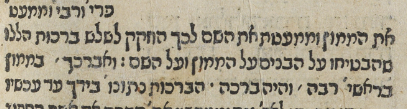
The most probable source for the text as recorded in the Hanau 1611-14 edition is an edition of Chumash and Rashi printed in Lisbon in 1491. As you can see, it is recorded almost word for word the same as the Hanau edition, without the words ס״א (ספרים אחרים) at the beginning of the comment and without the words ברש״י ישן at the end.[3]

It later appeared in an edition printed in Constantinople in 1522, also without the words ס״א (ספרים אחרים) at the beginning of the comment and without the words ברש״י ישן at the end.
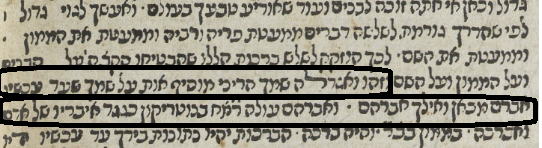
And still yet in an edition in Constantinople of 1546

Why did the editors of the Hanau edition include this comment in parentheses and attribute it to a “רש״י ישן’?” Simply put because it had rarely appeared in print from 1491 until 1611 despite the fact that many other editions of Rashi had been printed. The editors most likely felt it was important to attribute the comment to something “new” they had found in old ספרים אחרים, what they called “רש״י ישן’.”[4]
Here are some examples of texts printed between 1491 and 1611 where the comment does not appear. (Some of these editions are of Rashi alone, and others have the text of the Chumash along with Rashi)
1.Napoli 1492 7. Sabionetta 1557
2. Bomberg Venice 1518 8. Juan Di Gara Venice 1567
3. Bomberg Venice 1524-26 9. Cristoforo Zanetti Venice 1567
4. Augsburg 1534 10. Cracow 1587
5. Giustiani Venice 1548 11. Juan di Gara Venice 1590[5]
6. Bomberg Venice 1548
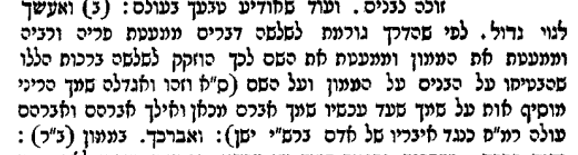
After the comment was included in the Hanau edition of 1611-14, it was identified as a “רש״י ישן” from then on. Examples are:
Amsterdam 1635 (Manasseh ben Israel), Amsterdam 1680 (first edition of Siftai Chachamim), Berlin 1703, and Vienna (Netter) 1859[6] where it appears like this
As mentioned, it appeared this way all the way up to 1993 in the Artscroll Chumash. Though important to the Hanau editors, it did not make much sense 400 years later. It might have been more helpful to tell us the source in Chazal for the comment and that is precisely what Artscroll did.
In the Enhanced Edition of 2015 – (7th Impression 2020) it looked like this
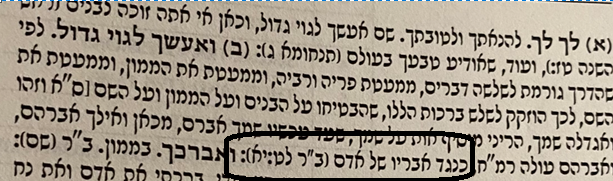
The same was true of Rashi Sapirstein Student Edition 20th Impression -2019[7]

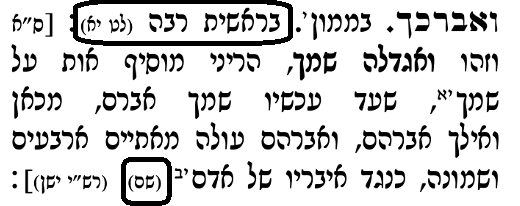
Gone was the information that the comment in parentheses came from a “רש״י ישן’”, to be replaced with the helpful information that the Midrashic source for the entire comment was Breishit Rabbah 39:11. The first part of this Rashi “לְפִי שֶׁהַדֶּרֶךְ גּוֹרֶמֶת לִשְׁלֹשָׁה דְבָרִים” clearly appears there as does the idea of הריני מוסיף אות על שמך. However, though it includes the Gematria of 248, it is not the total of the name אברהם, rather it is the total of the word אֲבָרֶכְכָה. It is clear that Breishit Rabah 39:11 is not the source for the idea that new spelling of the name אברהם now equals 248.
Here is the relevant text of Breishis Rabah 39:11
אָמַר רַבִּי חִיָּא לְפִי שֶׁהַדֶּרֶךְ מַגְרֶמֶת לִשְׁלשָׁה דְבָרִים, מְמַעֶטֶת פְּרִיָּה וּרְבִיָּה, וּמְמַעֶטֶת אֶת הַיְצִיאָה, וּמְמַעֶטֶת אֶת הַשֵּׁם. מְמַעֶטֶת פְּרִיָּה וּרְבִיָּה, וְאֶעֶשְׂךָ לְגוֹי גָדוֹל. מְמַעֶטֶת אֶת הַיְצִיאָה, וַאֲבָרֶכְךָ. מְמַעֶטֶת אֶת הַשֵּׁם, וַאֲגַדְלָה שְׁמֶךָ. וּלְפוּם דְּאָמְרִין אִינְשֵׁי מִבַּיִת לְבַיִת, חֲלוּק, מֵאֲתַר לַאֲתַר, נָפֶשׁ. בְּרַם אַתְּ לֹא נֶפֶשׁ אַתְּ חָסֵר וְלֹא מָמוֹן. רַבִּי בֶּרֶכְיָה בְּשֵׁם רַבִּי חֶלְבּוֹ אָמַר, שֶׁיָּצָא מוֹנִיטִין שֶׁלּוֹ בָּעוֹלָם. אַרְבָּעָה הֵם שֶׁיָּצָא לָהֶם מוֹנִיטִין בָּעוֹלָם, אַבְרָהָם, וְאֶעֶשְׂךָ לְגוֹי גָּדוֹל, יָצָא לוֹ מוֹנִיטִין, וּמַהוּ מוֹנִיטִין שֶׁלּוֹ, זָקֵן וּזְקֵנָה מִכָּאן בָּחוּר וּבְתוּלָה מִכָּאן. יְהוֹשֻׁעַ: וַיְהִי ה’ אֶת יְהוֹשֻׁעַ וַיְהִי שָׁמְעוֹ בְּכָל הָאָרֶץ (יהושע ו’:כ”ז), יָצָא לוֹ מוֹנִיטִין בָּעוֹלָם, מַהוּ, שׁוֹר מִכָּאן וּרְאֵם מִכָּאן, עַל שֵׁם: בְּכוֹר שׁוֹרוֹ הָדָר לוֹ וְקַרְנֵי רְאֵם קַרְנָיו (דברים ל”ג:י”ז). דָּוִד: וַיֵּצֵא שֵׁם דָּוִיד בְּכָל הָאֲרָצוֹת (דברי הימים א י”ד:י”ז), יָצָא לוֹ מוֹנִיטִין בָּעוֹלָם, וּמָה הָיָה מוֹנִיטִין שֶׁלּוֹ מַקֵּל וְתַרְמִיל מִכָּאן וּמִגְדָּל מִכָּאן, עַל שֵׁם: כְּמִגְדַּל דָּוִיד צַוָּארֵךְ (שיר השירים ד’:ד’). מָרְדְּכַי: כִּי גָּדוֹל מָרְדְּכַי בְּבֵית הַמֶּלֶךְ וְשָׁמְעוֹ הוֹלֵךְ בְּכָל הַמְדִינוֹת (אסתר ט’:ד’), יָצָא לוֹ מוֹנִיטִין, וּמַה מּוֹנִיטִין שֶׁלּוֹ שַׂק וָאֵפֶר מִכָּאן וַעֲטֶרֶת זָהָב מִכָּאן.
אָמַר רַבִּי יוּדָן קוֹבֵעַ אֲנִי לְךָ בְּרָכָה בִּשְׁמוֹנֶה עֶשְׂרֵה, אֲבָל אֵין אַתְּ יוֹדֵעַ אִם שֶׁלִּי קוֹדֶמֶת אִם שֶׁלְּךָ קוֹדֶמֶת, אָמַר רַבִּי אֲחוּיָה בְּשֵׁם רַבִּי זְעֵירָא שֶׁלְּךָ קוֹדֶמֶת לְשֶׁלִּי, בְּשָׁעָה שֶׁהוּא אוֹמֵר מָגֵן אַבְרָהָם אַחַר כָּךְ מְחַיֵּה הַמֵּתִים. רַבִּי אַבָּהוּ אָמַר הַבֶּט נָא שָׁמַיִם אֵין כְּתִיב כָּאן אֶלָּא הַשָּׁמַיְמָה (בראשית ט”ו:ה’), אָמַר הַקָּדוֹשׁ בָּרוּךְ הוּא בְּהֵ”א בָּרָאתִי אֶת הָעוֹלָם הֲרֵינִי מוֹסִיף הֵ”א עַל שִׁמְךָ וְאַתְּ פָּרֶה וְרָבֶה. וְאָמַר רַבִּי יוּדָן וְהָיוּ אוֹתוֹתֶיךָ מִנְיַן אֲבָרֶכְכָה, מָאתַיִם וְאַרְבָּעִים וּשְׁמוֹנֶה
The rest of the Ma’amar “ואברהם עולה רמ״ח כנגד איבריו של אדם” is found in Medrash Tanchuma 16[8] and in Nedarim 32b[9]. This is reflected in the Artscroll Rashi Elucidated Edition of 2023
T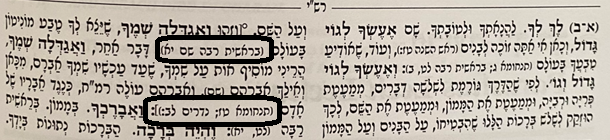
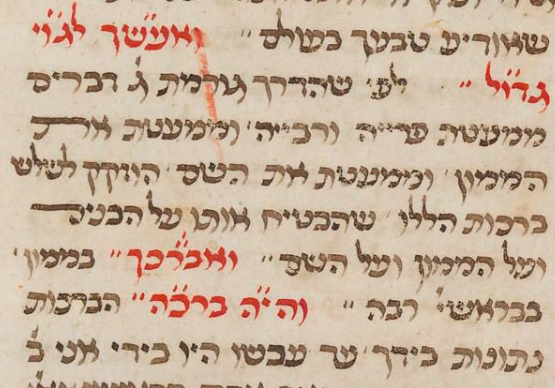
The section called שפתי ישינים in the back of this edition informs us that the first time these comments (הריני מוסיף אות על שמך) appeared in print was the Alkabetz Guadalajara, Spain edition of 1476, (דפוס 3) though in a slightly elongated form where the words “שיצא לך טבע מוניטין בעולם ד״א” preceded it.
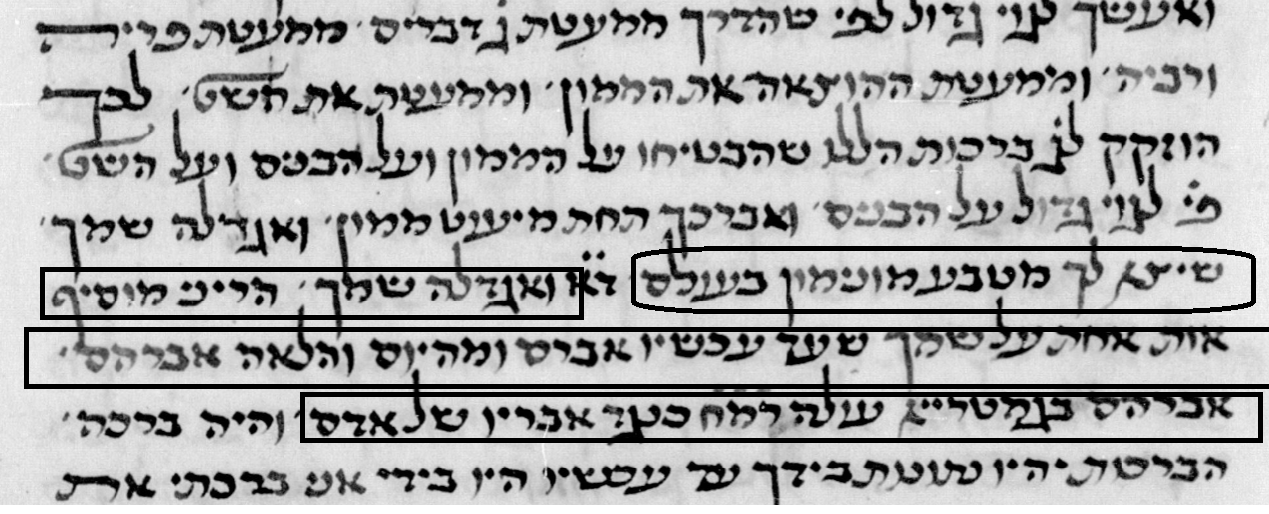
Here is the Alkabetz text which includes this other idea from Breishit Rabah 39:1.

Here is Hijar, 1490 which generally copied from Alkabetz
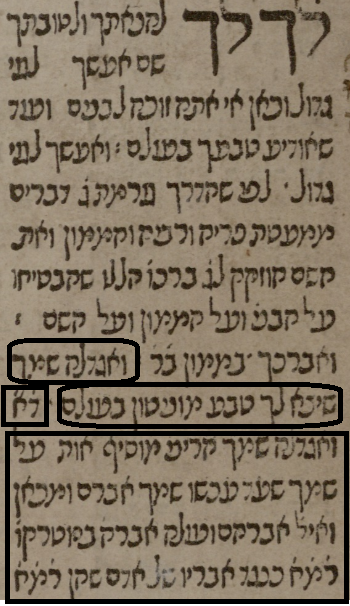
It appeared in a shortened form in Lisbon 1491, and it is clear that this was the basis for the Hanau edition because Hanau deviates appreciably from Alkbatez. It was added to the text of Rashi in parentheses by Hanau, and it is recorded that way even today by many Chumashim.[10]
Were these comments included by Rashi in his original commentary?
The respected website Al HaTorah notes on this additional comment that it is found in one manuscript[11] and in the Alkabetz edition, but that it does not appear in any other manuscript that it checked[12]
אעשך לגוי גדול וגו’ – לפי שהדרך מגרמתד לשלשה דברים: ממעטת פריה ורביה, וממעטת את הממון, וממעטת את השם, הוזקק לשלש ברכות הללו: שהבטיחו על הבנים, ועל הממון, ועל השם.
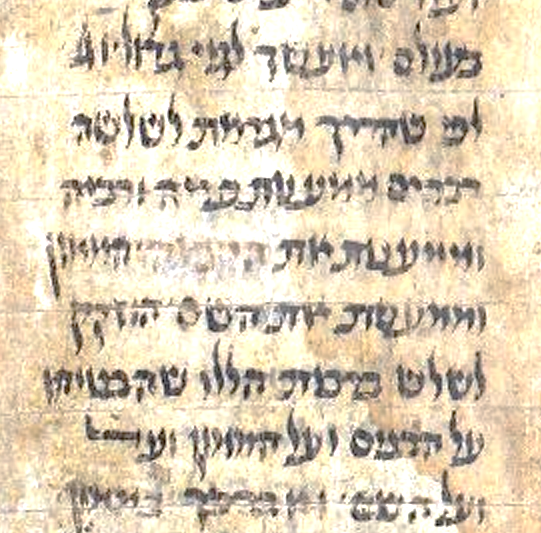
בכ״י פריס 157 ובדפוס אלקבץ נוסף כאן: ״וזהו ואגדלה שמך שיצא לך טבע מוניטון בעולם. דבר אחר: ואגדלה שמך – הריני מוסיף אות על שמך, שעד עכשיו שמך אברם ומכאן ואילך אברהם, ועולה אברהם בנוטריקון רמ״ח כנגד איבריו של אדם שהן רמ״ח.״ הביאורים חסרים בכל כ״י האחרים שבדקנו
(“these explanations are missing in all the manuscripts we checked”)
I found this to be most likely correct in that I checked the following 13 manuscripts from the 13-14th centuries and did not find the extra comment in one of them.
Oxford CCC 165/Neubauer 2440(1194), Munich 5 (1233), Hamburg 13 (1265), London 26917 (Neubauer 168) (1272), Berlin 1221, Berlin Qu. 514 (1289), Vatican Urbanati 1 (1294), Nurenberg 5 (1297), Parma 3115 (1305)[13], Paris 155, Parma 2868, Cincinnati HUC 7, and Paris 156
Neither did I find the extra comment in these nine manuscripts copied over in the 15th century, close to the time of the printing of the Alkabetz edition of 1476
Oxford-Bodley Opp. 35 (Neubauer 188) (1408), Vatican ebr.47 (1413), Breslau 102 (Saraval 12) (1421), Parma 2979 (1432)[14], Parma 2989 (1454), Jerusalem Ms. Heb. 2009=38 (1462), Frankfurt Oct 24 (1472), Hamburg 103 (1474)[15], and Parma 2707 (1480)
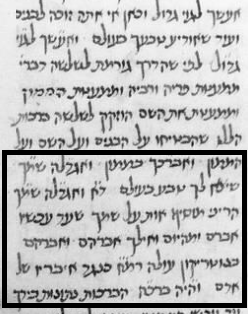
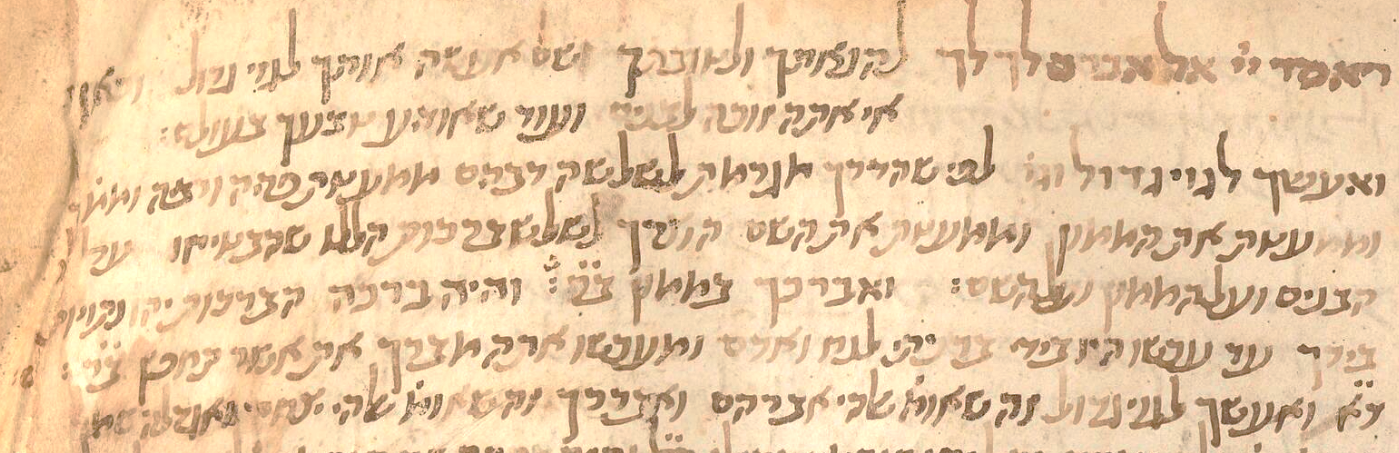
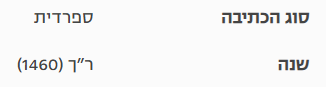
I did find it in one other manuscript known as Casanatense 2924 (1460). It is described as a Sephardic manuscript and therefore aligns with the textual transmission available to Alkabetz[16]
As mentioned, it is absent from most printed editions of the late 1400’s and the 1500’s. Yosef Da’at does not include it. Avraham Berliner did not include it in either of his editions of Zechor L’Avraham (1867 and 1905)[17]. It is not included in Mikraot Gedolot HaKeter, and in Torat Chaim of Mosad Harav Kook (1993), nor in Rashi Hashalem (Mechon Arial 1987)[18], and it is not included in the text of Rashi in Al HaTorah. Clearly the comment existed in some manuscripts as evidenced by its appearance in the Alkabetz edition. But the weight of evidence is that it did not originate with Rashi.
Finally, I feel that Artscroll should be acknowledged for continuing to “upgrade” its presentation of the Rashi text as it has clearly done in this case.
-
It also doesn’t indicate the source in Chazal for this comment as is done so often in Rashi editions. A good example of this is the Oz VeHadar Chumash Rashi Hamevuar of 2015 which indicates that it is a “רש״י ישן” but also tells you that the source of the comment in Chazal is בראשית רבה ל״ט:י״א (by saying ״שם״ which refers back to the citation immediately preceding it, בראשית רבה ל״ט:י״א)
-
The comment is word for word the same as the Stone Chumash of 1993 except for the fact that it has the word ״וזהו״ before the words “ואגדלה שמך” ↑
-
The three very similar “versions” of this added comment are then as follows
Artscroll Stone Chumash 1993
ואגדלה שמך הריני מוסיף אות על שמך שעד עכשׁיו שמך אברם מכאן ואילך אברהם ואברהם עולה רמ״ח כנגד איבריו של אדם
Hanau 1611-14 -only adds the word “וזהו”
וזהו ואגדלה שמך הריני מוסיף אות על שמך שעד עכשׁיו שמך אברם מכאן ואילך אברהם ואברהם עולה רמ״ח כנגד איבריו של אדם
Lisbon 1491 – leaves out the word שמך and adds the word בנוטריקון
וזהו ואגדלה שמך הריני מוסיף אות על שמך שעד עכשׁיו אברם מכאן ואילך אברהם ואברהם עולה רמ״ח בנוטריקון כנגד איבריו של אדם ↑
-
I do not think they had access to manuscripts, as they do not mention it at all in their description of the book ↑
-
Here are two examples where the comment beginning with “ואגדלה שמך הריני מוסיף” does not appear
Rashi Sabionetta 1557

Venice Juan Di Gara 1567
-
This edition was quite influential in that it served as the model for many subsequent printings of Mikraot Gedolot ↑
-
This source of Bereishit Rabbah 39:11 was also noted in the Oz Vehadar Mikraot Gedolot of 2012, although the Rashi Yashan designation remained. ↑
-
Tanchuma Lech Lecha 16
אָמַר לוֹ הַקָּדוֹשׁ בָּרוּךְ הוּא: מָה אַתָּה סָבוּר שֶׁאַתָּה תָמִים שָׁלֵם, אַתָּה חָסֵר מֵחֲמִשָּׁה אֵבָרִים. אָמַר לוֹ הַקָּדוֹשׁ בָּרוּךְ הוּא: עַד שֶׁלֹּא תָמוּל, הָיָה שִׁמְךָ אַבְרָם, א’ אֶחָד, ב’ שְׁנַיִם, ר’ מָאתַיִם, מ’ אַרְבָּעִים, הֲרֵי מָאתַיִם וְאַרְבָּעִים וּשְׁלֹשָׁה. וּמִנְיַן אֵבָרִים שֶׁבָּאָדָם מָאתַיִם וְאַרְבָּעִים וּשְׁמוֹנָה, מוּל וֶהְיֵה תָמִים. כְּשֶׁמָּל, אָמַר לוֹ הַקָּדוֹשׁ בָּרוּךְ הוּא: לֹא יִקָּרֵא עוֹד שִׁמְךָ אַבְרָם וְהָיָה שִׁמְךָ אַבְרָהָם. הוֹסִיף לוֹ ה’, חֲמִשָּׁה, מִנְיַן רַמַ״ח אֵבָרִים. לְפִיכָךְ וֶהְיֵה תָמִים. ↑
- Nedarim 32b
וְאָמַר רָמֵי בַּר אַבָּא: כְּתִיב ״אַבְרָם״, וּכְתִיב ״אַבְרָהָם״. בַּתְּחִלָּה הִמְלִיכוֹ הַקָּדוֹשׁ בָּרוּךְ הוּא עַל מָאתַיִם וְאַרְבָּעִים וּשְׁלֹשָׁה אֵבָרִים, וּלְבַסּוֹף הִמְלִיכוֹ עַל מָאתַיִם וְאַרְבָּעִים וּשְׁמוֹנֶה אֵבָרִים, אֵלּוּ הֵן: שְׁתֵּי עֵינַיִם, וּשְׁתֵּי אׇזְנַיִם, וְרֹאשׁ הַגְּוִיָּיה. ↑
-
This is the comment of Siftai Yeshainim
-
This is how Paris 157 (13th-14th century) appears. Both extra comments of Alkabetz are included.
-
Leipzig 1 is considered to be one of the most important Rashi manuscripts and the comment is absent from it
-
Parma 3115 is known as a Sephardic Mahadura and much of the Alkabetz edition came from there or a similar manuscript, but it is not there
-
This is a particularly beautiful manuscript
-
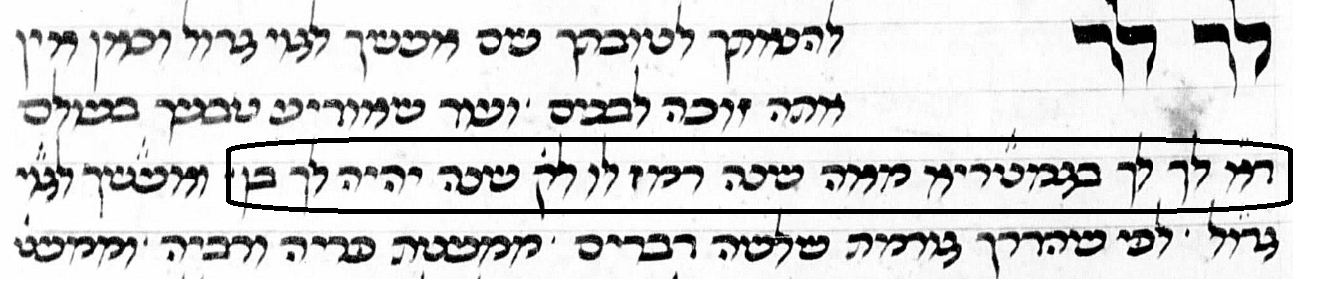
This manuscript has this interesting addition to the text of Rashi
לך לך בגימטריא מאה שנה, רמז לו לק׳ שנה יהיה לך בן
The source seems to be Medrash Tanchuma, Parshat לֶךְ לְךָ 3
לֶךְ לְךָ – מַהוּ לֶךְ לְךָ, ל’ שְׁלֹשִים, כ’ עֶשְׂרִים, הֲרֵי עוֹלֶה בְּגִימַטְרִיָּא מֵאָה. רָמַז לוֹ, כְּשֶׁתִּהְיֶה בֶּן מֵאָה, תּוֹלִיד בֵּן כָּשֵׁר, הֲדָא הוּא דִכְתִיב, וְאַבְרָהָם בֶּן מְאַת שָׁנָה וְגוֹ’
It is not in any other manuscript which I accessed
-
NLI Listing
Casanatense Library Rome Italy Ms. 2921
-
Zechor L’Avraham, Avraham Berliner (Berlin) 1867
-
Rashi Hashalem notes below the line the Girsa of the Alkabetz edition and the sources for it. ↑



4 thoughts on “Eli Genauer: The Evolution of a “רש״י ישן” as Presented by Artscroll Rashi Breishit 12:2 – “ואעשך לגוי גדול””
Maybe there were 2 editions of Rashi’s writing, Mahadura Kama and Mahadura Basra. Perhaps the addition in the Kasnata manuscript came from another copy of Rashi. Otherwise we have no explanation as to who and why this was added in the Rashi manuscript to begin with.
Doesn’t really need an explanation. It’s extremely common for works of Rishonim to include additions from other authors. What would happen is that people would add their own comments in glosses to the text, and these would later be copied into the text itself.
This pretty much ceased to occur after the invention of printing, when the distinction between the printed text and hand-written glosses was very distinct. But it was extremely common prior to that.
Bottom line is that there’s no way to know if the text from רש”י ישן was really from Rashi and was dropped from other editions, or was was another edition written by Rashi himself as you suggest, or was a gloss from an unknown author.
The statement that “though it includes the Gematria of 248, it is not the total of the name אברהם, rather it is the total of the word אֲבָרֶכְכָה. It is clear that Breishit Rabah 39:11 is not the source for the idea that new spelling of the name אברהם now equals 248” is incorrect.
As you quote it, the medrash states “וְהָיוּ אוֹתוֹתֶיךָ מִנְיַן אֲבָרֶכְכָה, מָאתַיִם וְאַרְבָּעִים וּשְׁמוֹנֶה”. Meaning I will make your letters (i.e. the gematriya of your name) the same as that of אברכה, which is 248.
האם אתם יודעים איזה דברים אודות רש”י ישן, כי ראיתי כמה ספרים מביאים איזה רש”י ישן בירמיה, שרש”י מביא בשם הספר סוד משרים, שאחר נטילת הצפרנים יחתכו חתיכת עץ מהשלחן וישרפו יחד עם הצפרנים?