Final Response

 Final Response

By Marc B. Shapiro

In response to Rabbi Herschel Grossman’s strong criticisms of my Limits of Orthodox Theology, I wrote four responses on the Seforim Blog. You can view them hereherehere, and here. I then stopped responding even though there are still many criticisms I could have commented on. Readers can compare Grossman’s arguments with my replies and draw their own judgment. Grossman has recently responded to my posts and offered further criticisms in an article published in Dialogue. See here.

I do not wish to respond to all of his points in his new article, but I feel I need to make some comments and then I will leave this matter and let the readers decide which side is more compelling. Because Grossman complains in his article that “the merits of the arguments are easily lost in the loose internet format and enthusiastic cheering of his online supporters,” I have decided not to allow comments to this post. I can only express my regret at the style that Grossman chose to adopt in his articles. Had he written in an appropriate fashion then it would have been possible to have had a constructive discussion and debate.

P. 161: “DIALOGUE editors offered the author, Dr. Marc Shapiro, an opportunity to respond directly in these pages. He chose instead to issue a response on his own blog, where he wrote a number of lengthy posts in his defense.”

Dialogue never offered me an opportunity to respond in the journal. The Seforim Blog is not my own blog. I am a writer on it like lots of others.

P. 162: “In his [Shapiro’s] view, the tenets of belief are Rambam’s innovations and are therefore disputable.” The word “innovation” implies that the Rambam invented the doctrines he includes in his principles. I never said such a thing.

P. 163: In giving examples of supposed distortions in my book, Grossman writes: “One example is when Shapiro cites Rivash in support of the statement that Christians believe in a three-part God while the Kabbalists believe in a ten-part God – a clear rejection of the Second Principle. A quick glance at Rivash reveals that he does indeed say such a thing as a quote from a philosopher, which he then proceeds to debunk.”

I would like readers to take a look at the relevant page of my book (p. 40) and see if what Grossman says is correct, that I cited Rivash in support of the statement that Kabbalists believe in a ten-part God.

Pp. 166-167. Readers should see my discussion here. I cite a number of sources that support what I say, and thus contrary to what Grossman states, I do not just insist on my right to offer an interpretation. In note 21 Grossman writes: “Dr. Shapiro attempts to salvage his theory by speculating that the Vilna Gaon may not have really meant what he wrote.” Readers can turn to my discussion here and will see that I never said that.

p. 173. We see here an example of how Grossman just talks past me, leading to nothing productive. I had questioned why in the Mishneh Torah the Rambam did not require that the convert be instructed in the Thirteen Principles. In his original essay, Grossman criticized this question which he said showed lack of understanding of the method of the Mishneh Torah. In my response here I cite rabbinic authorities who deal with this very question, thus showing that it is not an ignorant point, as Grossman portrayed it. One of those I cite is R. Chaim Sofer who writes [1]:

והדבר נפלא הלא יש י”ג עיקרי הדת והי’ לו לב”ד להאריך בכל השרשים

Grossman replies that while I quote R. Sofer, I neglect “to apprise [my] readers of R. Sofer’s subsequent words ‘Rambam didn’t add to the talmudic formula,’ exactly as I had written and directly in contradiction to Dr. Shapiro’s position.”

Here is the paragraph from R. Sofer.

R. Sofer says exactly what I quote him as saying. The final passage in the paragraph, which is mistranslated by Grossman, has nothing to do with my point and does not refute it in any way.

I would also note that in his fascinating Ha-Emunah ha-Ne’emanah, p. 142, R. Dovid Cohen offers an explanation as to why אין לומדים כל י”ג עקרים טרם שיתגייר הגר

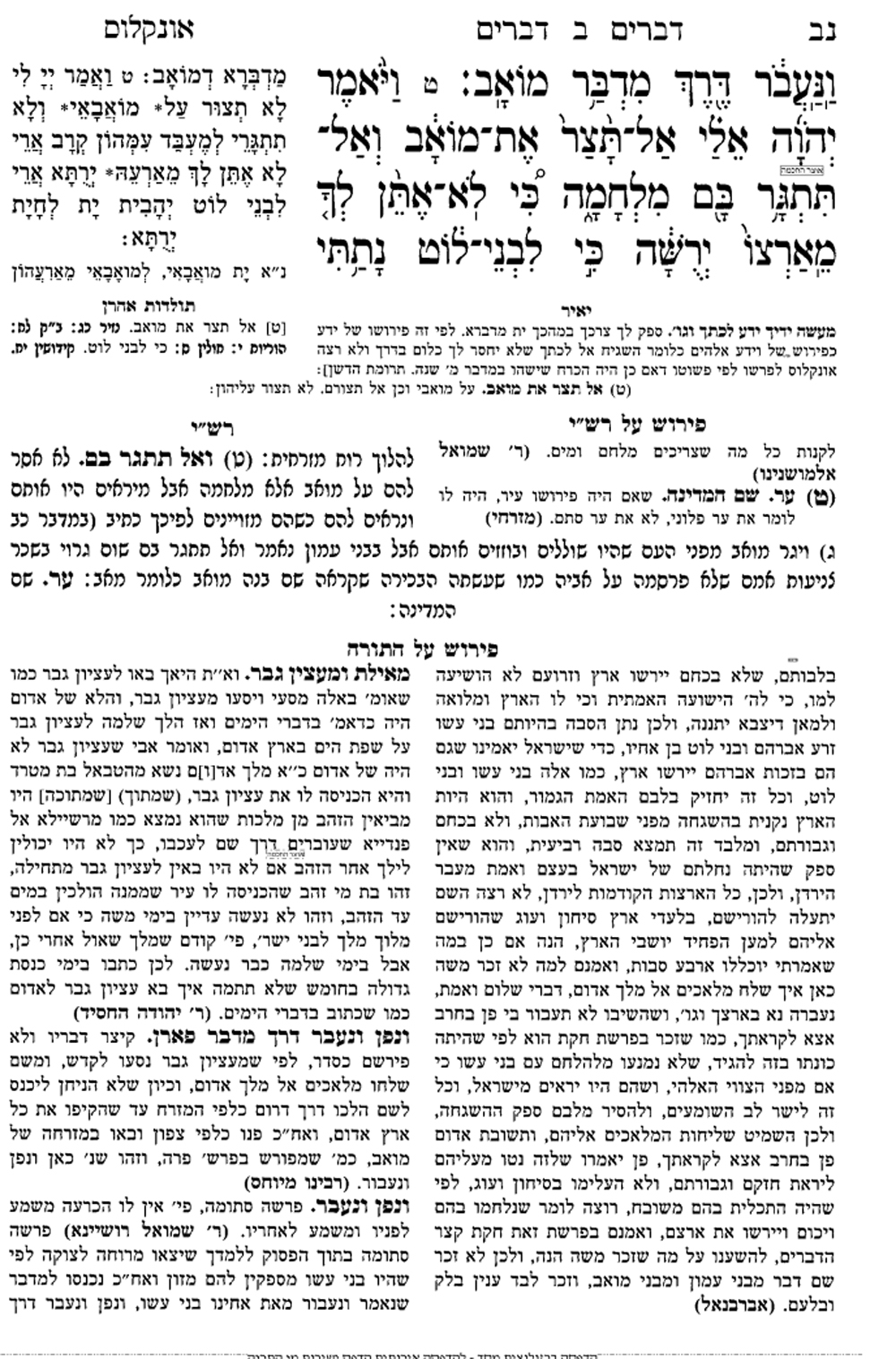
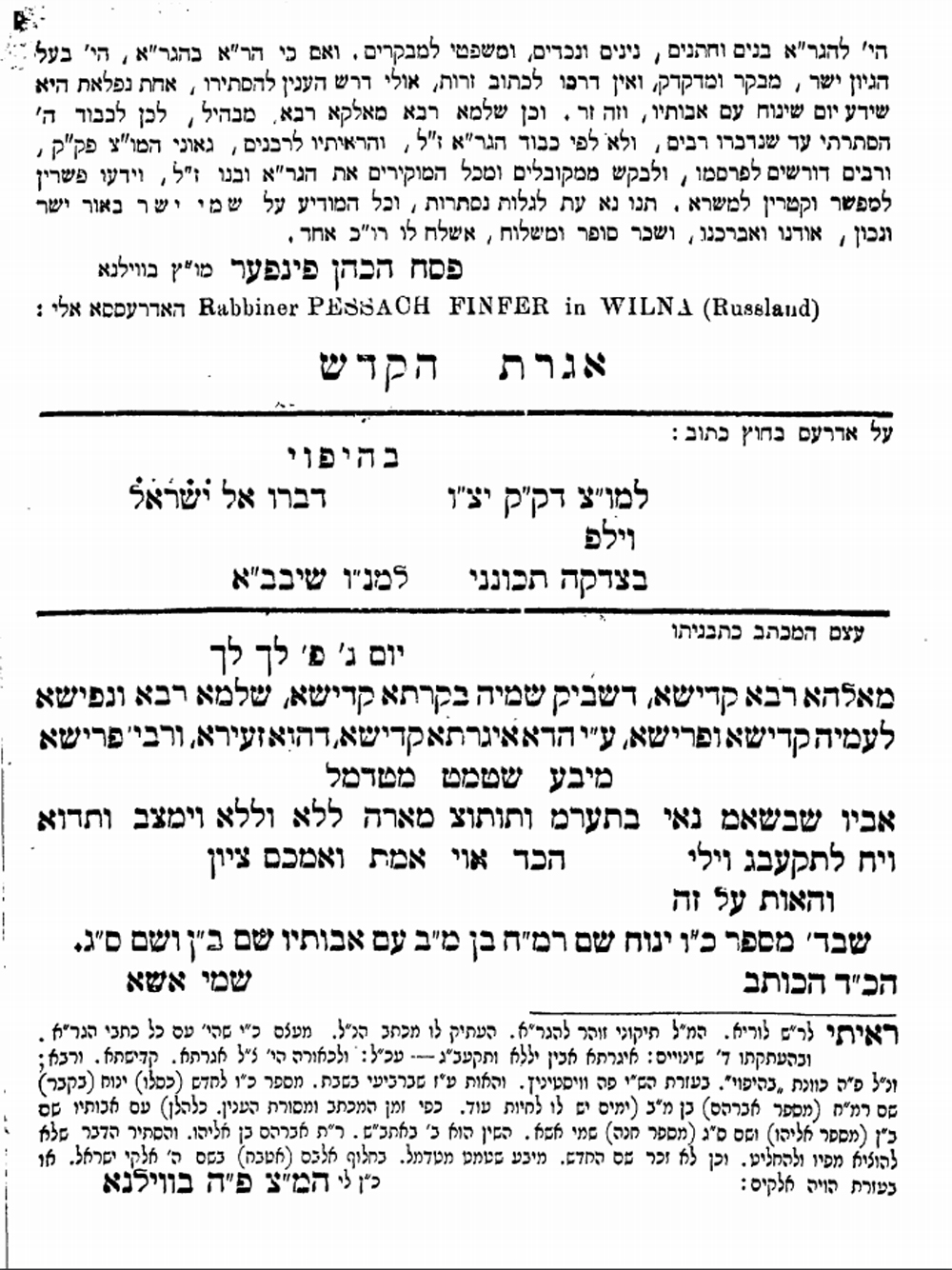
P. 174. In Limits I discuss different approaches to the phenomenon of tikkun soferim. While the generally accepted approach is that tikkun soferim is not to be taken literally, I cite a number of authorities who did take it literally and assumed that Ezra or the Anshei Keneset ha-Gedolah made changes to biblical texts (including the Torah). In a later post here (which has nothing to do with Grossman), I cited some other examples of sources that understood tikkun soferim literally. One of those I mentioned is R. Pesach Finfer.[2] He states as follows:

ראוי הי‘ עזרא שתנתן התורה על ידו . . . והוא ונחמי‘ עשו תיקון סופרים וכינויי סופרים

Grossman says that it is unclear what I see in this line. What I see is that R. Finfer states that Ezra and Nehemiah were responsible for tikkunei soferim. This is the same language that is used in other sources that take the notion of tikkun soferim literally. For those who don’t take it literally, Ezra has nothing to do with tikkun soferim. Following the sentence I quoted from R. Finfer, he refers in parenthesis to Radbaz’s comment which offers a different perspective, that tikkun soferim is halakhah le-Moshe mi-Sinai. Here is the page.

While on the topic of tikkun soferim, let me share something else that is relevant. In Limits I mentioned that the evidence points to Rashi understanding tikkun soferim literally, namely, that the biblical text was changed by the Scribes. There was some pushback to this assertion by those could not accept that Rashi would ever hold such a position. Yet subsequent to my book, Yeshayahu Maori also came to the conclusion that Rashi understood tikkun soferim literally.[3] Furthermore, R. Avraham Pessin also explains that Rashi understands tikkun soferim literally.[4] He states that according to Rashi the Anshei Keneset ha-Gedolah had the authority to alter the text of the Torah:

ומבואר ברש”י שניתן הכח לאנשי כנסת הגדולה לשנות גם תורה שבכתב

I find this significant, because although one can point to numerous statements that such an approach in unacceptable, R. Pessin sees it as the clear meaning of Rashi (and among traditional interpreters he is not alone in this understanding[5]). Here are the pages from R. Pessin’s sefer.

Speaking of tikkun soferim, the most famous of which is Gen. 18:22: ‘ואברהם עודנו עומד לפני ה, I found something in R. Solomon Algazi’s Yavin Shemuah (Venice, 1639), p. 15a, which is fascinating and, as far as I know, unique in rabbinic literature. It is also in opposition to Maimonides’ Eighth Principle which establishes that the Torah in its entirety was delivered by God to Moses. In discussing ‘ואברהם עודנו עמוד לפני ה, R. Algazi claims that when God dictated the Torah to Moses, He said that God was standing before Abraham. But Moses on his own, out of respect for God, changed the verse to read that Abraham was standing before God. I guess we can say that this falls between the traditional view that the verse was never changed and the view that the Scribes altered the verse out of respect for God. For R. Algazi it was Moses who made the alteration, but as far as Maimonides is concerned, this is just as problematic as viewing tikkun soferim as an alteration of the Scribes. Here is R. Algazi’s surprising interpretation.

כיון דהב”ה היה אומר לו על כל מלה כתוב א”כ ודאי דהב”ה אמר לו וה’ עודנו עומד דלא איש אל ויכזב ומשה היה משנה על דרך כבוד וכותב ואברהם עודנו עומד א”כ מה שייך בזה הלכה למשה מסיני והוא על דרך המשל שדוד המלך יאמר לסופר מהי’ [מהיר] כתוב שדוד מצוה לפלוני והסופר משנה על דרך כבוד וכותב המלך דוד אבל המלך בעצמו אינו אומר כתוב המלך מצוה כך הב”ה יתעל’ לא אמר למשה שהיה סופר כתוב ואברהם עודנו עומד שהוא דרך כבוד אלא אמר לו האמת וה’ עודנו עומד ומשה שינה על דרך תיקון סופרים

Pp. 175-176. I wrote here: “Even when it comes to other basic ideas of Maimonides, which are not included as part of the Thirteen Principles, we find that scholars wondered why Maimonides did not include them in Hilkhot Yesodei ha-Torah.” I then cited Joseph Ibn Caspi in support of this statement. Here is the page from Amudei Kesef u-Maskiyot Kesef (Frankfurt, 1848), p. 113.

What I would add here is the interesting point that Ibn Caspi, Commentary on Guide 2:32, actually concludes that the Mishneh Torah’s formulation is in line with Maimonides’ true view, namely, that prophecy is a completely natural phenomenon which will of necessity occur if someone has both the ability and training. On the hand, he thinks that the view expressed in Guide 2:32 as being the “opinion of our Law and foundation of our doctrine”, namely, that God might prevent a prophet from prophesying, is not Maimonides’ true opinion, but is an example of the famous “seventh contradiction”.

Grossman is also mistaken when he writes, “In Moreh Nevuchim [2:32], Rambam argues—in opposition to the philosophers—that prophecy is only activated proactively by God, even if the requisite conditions are met.” Maimonides actually says the exact opposite of this. He states that the Torah view of prophecy is identical to the philosophic view except that God can choose, if He wishes, to prevent someone from prophesying even though according to nature he would be a prophet. This is the opposite of what Grossman states, that “prophecy is only activated proactively by God.”

Pp. 176-177: I stated that the notion that Maimonides changed his mind about including Reward and Punishment among the Principles was suggested by R. Solomon of Chelm. To this Grossman replies that Maimonides did not withdraw his belief in Reward and Punishment. It is just that in the Mishneh Torah he classified things differently. Again, Grossman misunderstands. I never said that Maimonides rejected the idea of Reward and Punishment. I was only referring to whether it should be included as part of the Thirteen Principles. As R. Solomon of Chelm explains, Maimonides’ later understanding is that Reward and Punishment is included as part of other principles and thus does not need to be listed separately.

Pp. 177-178. Grossman claims that I cite R. Avraham Hochman in an improper way, and in response R. Hochman states that the entire theme of his sefer “is to show that Rambam’s Principles are absolute and that he derived all of the Thirteen Principles from the Talmud.” He also is quoted as saying, “Academics often quote a question and forget that for the wise, the question is half the answer. But the professors stick to the question and don’t wait around for the answer.” Grossman then speaks of my “brazenness of citing a recognized authority to promote a position that the author himself openly rejects.”

I don’t know if R. Hochman reads English, and could see what I actually wrote, or if he only is responding to what Grossman told him. Either way, his letter, published at the end of Grossman’s article, is a complete distortion of my position. Leaving aside the particular examples that people can see, look at this characterization:

ולפי הבנה מוטעית זו שפך חמתו על הרמבם מנין לו לחדש הלכה שאינה במשנה . . .

Talk about describing a writer inaccurately!

And what is one to make of this statement from him?

אין שום חולק על עיקר מיסודי הדת אלא שנחלקו על מספר העיקרים

It is precisely against such a false view that I wrote my book in the first place. A typical response to the book has been that the opinions in opposition to Maimonides are “not accepted.” But here he denies that anyone actually disagrees with any of Maimonides’ principles. With such an outlook, we can’t even begin to have a dialogue.

The following paragraphs are what I quoted from R. Hochman. Nothing I quote here has any connection to what Grossman states or what R. Hochman writes in his letter responding to my supposed incorrect conclusions that I derived from his words. As the reader can see, contrary to what R. Hochman states, I mention not just his question but his answer as well. Of all of Grossman’s criticisms this one is very difficult to understand, because there is nothing at all controversial in what I write, and my summary of R. Hochman is accurate.

As for my wondering why the Principles are not listed together as a unit, which Grossman sees as an illustration of how I am unaware of the structure of the Mishneh Torah, let me begin by repeating what I wrote in my last post: R. Yaakov Nissan Rosenthal, on the very first page of his commentary Mishnat Yaakov to Sefer ha-Madda, also wonders about the point I made, that the Thirteen Principles as a unit are never mentioned in the Mishneh Torah. (Had I known this when I wrote my book, I certainly would have cited it.)

ותימא למה לא הביא הרמב“ם בספרו ה”יד החזקה” את הענין הזה של י“ג עיקרי האמונה, וצ”ע

R. Avraham Menahem Hochman writes:

מאחר וכל כך חמורה הכפירה, וגדולה החובה לדעת את י”ג העיקרים, כיצד זה השמיטם מספרו ה”יד החזקה”, ולא כתבם כפי שסדרם בפירוש המשנה

והנה אחר שהתבאר שהאמונה בי”ג העיקרים היא בסיס לתורה נשוב לשאלה הרביעית (בסוף פרק ה’) אשר לכאורה היא פליאה עצומה מדוע השמיט הרמב”ם ביד החזקה את החובה הגדולה להאמין בי”ג עיקרים, באופן חיובי, ולא סדרם כי”ג יסודי האמונה שחובה להאמין בהם

R. Hochman goes on to explain that most of the Principles are indeed mentioned in Hilkhot Yesodei ha-Torah in a positive sense (even if not as a unit of Thirteen Principles). He also notes the following important point, that when principles of faith are mentioned in the Talmud, they are never listed in a positive sense, that one must believe X. Rather, they are listed in a negative sense, that one who denies X has no share in the World to Come. Why Maimonides, in his Commentary on the Mishnah, chose to formulate the Principles in a positive sense and require active belief as a necessity for all Jews—something the Talmud never explicitly required—is an interesting point which we will come back to. Regarding some of the Principles the difference is clear. For example, according to the Talmud, denial of Resurrection is heresy, but one who has never heard of the Resurrection and thus does not deny it, or affirm it, is a Jew in good standing. For Maimonides, however, the doctrine of Resurrection must be positively affirmed. In a future post we can come back to which Principles even the Talmud implicitly requires positive affirmation of (obviously number 1, belief in God, but there could be others as well).

After reading these paragraphs, please look at Grossman’s article, pp. 177-178, and R. Hochman’s letter, pp. 188-191, and you will see that nothing there has any connection to what I actually say when referring to R. Hochman. I simply cite him to show that the question I asked is not an ignorant one, as Grossman stated. I also cite R. Hochman’s answer. So Grossman’s seizing on this and printing a lengthy letter from R. Hochman is nothing short of bizarre.

Pp. 178-179. Grossman writes:

Things really start to go “off the rails” when we examine Shapiro’s claim in the name of R. Shlomo Fisher, zatzal, that one need not accept Mosaic authorship, that the Rambam abandoned his principles, and that “Rambam’s formulation of the tenets of Jewish belief was far from universally accepted.”

Grossman responds that he found these attributions questionable so he checked with the family and students, and “they were horrified that anyone would be using R. Fisher’s name in this way.”

What exactly did I say that Grossman finds so objectionable? In Limits of Orthodox Theology, p, 126, I quote the following sentence from R. Bezalel Naor, Post-Sabbatian Sabbatianism (Spring Valley, 1999), p. 8: “The truth, known to Torah scholars, is that Maimonides’ formulation of the tenets of Jewish belief is far from universally accepted.” R. Naor tells us that he heard this insight from his teacher, R. Shlomo Fisher. (Anyone needing any indication of the high regard that R. Fisher held R. Naor in can examine their published correspondence.)

Grossman sees this as a radical statement whose authenticity he cannot accept. I don’t think readers of this blog will find it radical at all. In fact, I have elsewhere mentioned that R. Fisher made this statement in discussing R. Judah he-Hasid’s view on the authorship of the Torah, which diverges from Maimonides’ Eighth Principle. Contrary to Grossman, in none of my posts did I quote R. Fisher as saying that one need not accept Mosaic authorship. I simply cited his view about R. Judah he-Hasid. I also quoted his opinion that medieval Ashkenazic authorities had a different view on the matter of complete Mosaic authorship than Maimonides in that they did not regard the assumption that there are post-Mosaic verses in the Torah as heretical (a view also argued by Prof. Haym Soloveitchik, see here). Grossman claims that R. Fisher could not have said this, even though students can testify to him having said it. In fact, I can state right here that I too heard him make this distinction.

The final point that Grossman can’t accept is what I mentioned in 2007 here, from a student who attended R. Fisher’s weekly shiur on Avnei Miluim. “Interestingly enough, he reported to me that a few weeks ago R. Fisher declared that he believes the Rambam abandoned his system of 13 Principles, the proof being that they are never mentioned as a unit in the Mishneh Torah. In my book, I noted that R. Shlomo Goren held the same view.” Grossman summarizes my statement as “the Rambam abandoned his principles,” which would lead the reader to think that I was saying that the Rambam no longer accepted the truth of his 13 Principles, which would indeed be a radical position. But what I was really talking about, and I refer to this approach in my book, is the notion that the Rambam no longer accepted a system of 13 Principles. This would mean that he adopted another model to categorize the essential dogmas of Judaism, or as R. Goren suggested, maybe he later advocated a conception of Jewish theology like that held by Abarbanel, that one should not distinguish between so-called principles of Judaism and other aspects of the religion, since all must be regarded as equal.

When all is said and done, nothing I have attributed to R. Fisher is strange, radical, or unbelievable. Why Grossman would be horrified by what I wrote is anyone’s guess.

Grossman quotes from a 2018 letter put out by R. Fisher (some might say, put out by his family). In the letter, R. Fisher writes that no one is to quote anything he said in matters of Aggadah and hashkafah without the approval of his sons. This was because in the past he had been misquoted. We all know that misquoting of gedolim is nothing new. There are numerous examples of particular great rabbis being quoted as saying contradictory things, and of these rabbis stating that no one should believe anything they hear in their names unless they hear it directly from the rabbi. Yet this has never stopped people from quoting the gedolim and never will. This is simply the nature of the world. 

R. Fisher gave thousands of shiurim (a tiny percentage of them are online) and there are thousands of students who heard words of Torah from him. As with all students, they have repeated, and will continue to repeat, that which they heard from the rav, just like all students do. They have been doing this for at least fifty years. If R. Fisher’s letter means what it says, that no one is to repeat things that R. Fisher said, then this is simply an impossible request, and it also seems unprecedented in Torah history. It would mean that one who listens to a shiur from him dealing with non-halakhic matters, e.g., this one here, is not allowed to repeat any insights he heard. It would also mean that much of what was mentioned at the many eulogies, where people recalled things R. Fisher said, or on sites such as this and this, is inappropriate. It would mean that students are not allowed to repeat that which they heard from their rebbe. I don’t see how this is possible.

P. 179. Here is something that is really comical. Take a look at this page.

Grossman states that I mention that Shadal (Samuel David Luzzatto) claims that Ibn Ezra believed in post-Mosaic additions to the Torah. He writes: “Upon checking the source, we find yet another instance of Dr. Shapiro citing an author as believing something he actually vociferously denies. As Shadal points out, the primary source for this take on Ibn Ezra was the noted heretic Baruch Spinoza.”

I say this is comical since Grossman doesn’t have a clue as to what is going on here. The only way I can explain this is that Grossman merely skimmed the passage and thus misread it.

Shadal rejects Spinoza who (intentionally?) misunderstood Ibn Ezra to be hinting to the notion that Moses was not the author of the Torah.[6] This misinterpretation of Ibn Ezra is what Shadal rejects (and this is not mentioned in my book because it has nothing to do with what I was discussing). However, exactly as I said, Shadal also states that Ibn Ezra believed in certain post-Mosaic additions to the Torah. Here is the page in Shadal that I cited (as well as the subsequent page) so everyone can see it with their own eyes.

Shadal’s outlook in this matter is no secret, and he repeats this point elsewhere. See e.g., Mehkerei ha-Yahadut, vol. 2, p. 195:

מה שכתב ראב”ע ברמז, היות בתורה מקראות שנוספו בה אחר כמה דורות

In Iggerot Shadal, vol. 2, p. 246, he writes:

כי סברתו שיש בתורה מקראות נוספים קשה מדעת זולתו שקצת מלות מוטעות

In my book and subsequent posts I have identified around forty medieval and more recent authorities who share Shadal’s viewpoint in this matter.[7] Incidentally, R. Joseph Kafih, in his first work written when he was seventeen years old, attacks Shadal for attributing this view to Ibn Ezra. See Sihat Dekalim (Jerusalem, 2005), p. 90.

I must also note that Grossman does not simply miss Shadal’s meaning, but he also compares me to Spinoza in trying to ensnare the unsuspecting masses. If this wasn’t so comical, I might actually take offense. But I think readers should wonder how an author could say such a thing, and how a journal could publish it. It is simply beyond belief, made all the more absurd since Grossman is so mistaken about what Shadal actually states.

Incidentally, since we are talking about Shadal, it is worth noting that R. Elijah Benamozegh, whose commentaries on the Torah continuously dispute with Shadal, when it comes to Ibn Ezra and post-Mosaic additions, Benamozegh has the same position as Shadal. Here is what he writes in Ha-Levanon, July 3, 1872, p. 351, now easily available in the new edition of Em la-Mikra: Bereshit (Haifa, 2021), p. 114:

בראש ספר דברים ובמקומות אחרים רומז בעיניו מולל באצבעותיו ועל דלתות השער יתאו לרמוז שיש דברים בתורה נוספים ולא משה כתבם רק נביאים וצופים. ואני הפרתי את עצתו וקלקלתי את מחשבתו

P. 181. “Shapiro’s weakest scholarship appears when discussing kabbalistic matters.” I agree, which is why I try not to discuss these matters. If I do have to deal with them, I only rely on what recognized authorities have said,

P. 182. I wrote that according to Maimonides’ Seventh Principle, Moses was the greatest prophet who ever lived and there will never be a prophet as great as him in the future. Grossman says that I am mistaken, and that Maimonides does not declare that Moses was the greatest prophet, only that he was the “father of all prophets.” This statement is astounding. There are hundreds of discussions of the Seventh Principle in traditional rabbinic literature, and as far as I know they all agree with what I have written. The entire basis of the Seventh Principle is that Moses was greater than all other prophets. Maimonides states explicitly in the principle that “All are below him in rank . . . He reached a greater understanding of God than any man who ever existed or will ever exist.” This is so obvious that I do not want to spend any more time on it. It is only a mystery how Grossman could say something so wrong, and I do not know of anyone else who has ever written on this principle and made such a mistake (which Maimonides regards as heresy). Did no one from the editorial board of Dialogue read the article before publication? It is nothing short of incredible that an issue of Dialogue includes the false claim that there is no principle of faith to believe that Moses was the greatest prophet in Jewish history.

In addition to his explicit assertion that Moses was the greatest prophet, Maimonides does have an interesting formulation, stating that Moses is the father of all the prophets who preceded him and all who came after him. How can one be the “father” of those who came before him? R. Hayyim Dov Moshe Halpern explains it well[8]:

“אב” הכונה במעלה ולכן שייך לומר שהוא אב גם למי שקדם לו

Here are some passages from other authors whose books are found in my library. They all explain the principle correctly.

R. Yochanan Meir Bechhoffer writes[9]:

רבינו השווה את האמונה בעליונות משה רבינו על הנביאים הקודמים לו, לאמונה בעליונותו של הבאים אחריו. ואף כי אמת היא, שכך נחתמת התורה, לא קם כמשה וגו’, מ”מ יש לעיין מה הצורך בזה. נהי דהמאמין שאחר משה בא נביא גדול ממנו שיכול לבטל דבריו, כפר בנבואת משה, אך מה הסתירה לנבואת משה בחשבה שמי שקדם לו היתה גדול ממנו, הלוא הנביא הקדום לא יחדש דבר על פני משה

R. Ben Zion Epstein writes[10]:

ולכן נתנה למשה דוקא, כי היה דבוק כולו באין סוף ב”ה. ולכן היתה מדרגת נבואתו גדולה מכל הנביאים, ושכינה מדברת מתוך גרונו.

R. Avraham Menachem Hochman’s heading to his discussion of the Seventh Principle reads[11]:

להאמין בנבואת משה רבינו שהוא למעלה מכל הנביאים שהיו לפניו ולאחריו

And to mention one classic text (I could mention many more), R. Elchanan Wasserman writes[12]:

והנה בעיקרי הדת שמנה הרמב”ם בפירוש המשניות (פרק חלק) מנה שם עיקר אחד שכל דברי נביאים אמת, ועוד עיקר אחר שנבואת מהרע”ה היתה למעלה מנבואת כל הנביאים

R. Yaakov Weinberg in his Fundamentals and Faith, pp. 73ff. elaborates on Moses’ “prophetic superiority” (p. 81)

And finally, R. Yehudah Meir Keilson’s new edition of Kisvei ha-Rambam (which I encourage everyone to acquire), affirms my point (which as mentioned, is simply what Maimonides himself explicitly says, so it is not a question of how to interpret him).

Keilson, p. 82: “The Seventh Principle teaches that the nature of Moshe’s prophecy is unparalleled. . . . Rambam elaborates on Moshe’s prophetic superiority, which was the result of his moral and intellectual perfection.”

Keilson, p. 82 n. 1. “The title ‘father of all the prophets’ . . . Rambam takes this to refer to Moshe’s superiority in prophecy to that of all other prophets.”

Keilson, p. 154: “Rambam uses the expression that Moshe was the ‘father of all prophets’ to signify that he was the greatest of all prophets – that the level of his prophecy was superior to that of any prophet who ever was or who ever will be.”

Pp. 184-185. None of this makes any sense, and what Prof. Menachem Kellner writes has no relevance what I was referring to. I asked a simple question, which I later found that others asked as well (see here): Why does the Rambam not specify that future converts are to be instructed in the 13 Principles?

Coming next: Reviews of books by Benji Levy and Eitam Henkin, and an unknown article by R. Joseph B. Soloveitchik.

* * * * * * *

[1] Mahaneh Hayyim, Yoreh Deah 2, no. 25 (p. 139).
[2] Masoret ha-Torah ve-ha-Nevi’im (Vilna, 1906), p. 6. Regarding tikkun soferim as seen in the Genizah, see Joseph Ginsberg’s post here.
[3] “‘Tikkun Soferim’ ve-‘Kinah ha-Katuv’ be-Ferush Rashi la-Mikra,” in Yaakov Elman, et al., eds. Neti’ot le-David (Jerusalem, 2004), pp. 99-108.
[4] See his Temurat Ayil, Megillah, vol. 2 , pp. 93-95.
[5] In addition to the sources I have cited in Limits and here, see R. Petahyah Berdugo, Pituhei Hotam (Jerusalem, 1980), p. 187.
[6] Regarding Spinoza’s interpretation of Ibn Ezra, see Warren Zev Harvey, “Spinoza on Ibn Ezra’s “secret of the twelve,” in Yitzhak Y. Melamed and Michael A. Rosenthal, eds., Spinoza’s Theological-Political Treatise: A Critical Guide (Cambridge, 2010), pp. 41-55. See also Bezalel Naor, Ma’amar al Yishmael (Spring Valley, 1998), pp. 23-24.
[7] Shadal’s negative view of Ibn Ezra (and Maimonides) is well known. R. Jacob Bacharach’s poem in this regard is apt; Ishtadlut im Shadal (Warsaw, 1896), vol. 1, p. 19b:

הוא האיש אשר שם את הרמב”ם סיר רחצו, ועל הראב”ע השליך נעלו

[8] Hemdah Tovah (Lakewood, 2012), p. 131 n. 1.
[9] Even Shetiyah (Ramat Beit Shemesh, 2005), p. 74.
[10] Yud Gimmel Ikkarim (Jerusalem, 2009), p. 95.
[11] Ha-Emunah ve-Yud Gimmel Ikkareha (Jerusalem, 2004), p. 46.
[12] Kovetz Ma’amarim ve-Iggerot (Jerusalem, 2006), vol. 1, p. 57.


Response to Criticism Part 4; Rabbi Zvi Yehuda and the Hazon Ish

 Response to Criticism Part 4; Rabbi Zvi Yehuda and the Hazon Ish

Marc B. Shapiro

Continued from here.

1. In Limits,p. 14 n. 55, I write

I should call attention to a significant philosophical and halakhic point which appears to have gone unnoticed. The Vilna Gaon (R. Elijah b. Solomon Zalman (1720-97) apparently believed that the First and Second Principles are the only true Principles in Judaism. According to him, one who believes in God’s existence and unity, despite his other sins, is regarded as a Jew in good standing and he is thus able to be included in a minyan (quorum for public prayer). None of the numerous discussions regarding whether a Sabbath violator maybe in included in a minyan seems to have taken note of the Gaon’s comment, which appears in his commentary on Tikunei Zohar, 42a.

Grossman writes:

Apparently, concludes Shapiro, since the Gaon cites only idolatry as invalidating prayer and does not cite the rest of the Thirteen Principles, he is disputing Rambam’s classification of the others as binding fundamentals. However, this source has no bearing on the Principles. The Gaon’s comment refers to counting one for a minyan and to having one’s prayer accepted by God. He is clearly not referring to the Principles, since [in his commentary to Tikunei Zohar] he includes in the metaphor of the scorpion the sin of consorting with gentile women, which is unrelated to any Principle. (p. 48)

The first thing to note is that I never said that the Vilna Gaon disputed “the Rambam’s classification of the others [other Principles] as binding fundamentals.” Of course the Gaon held that people must believe that there is prophecy, that God gave the Torah, that there will be a Messiah, etc. But that is not what I am referring to when I say that for the Gaon the First and Second Principles are the only true Principles in Judaism. As I explain, for the Rambam the Thirteen Principles are special in that if you deny any of them you are to be regarded as having removed yourself from the Jewish people. When the Gaon makes the fascinating comment that belief in the First and Second Principles are enough to be regarded as part of the Jewish people, thus enabling one to be counted in a minyan, this means that as far as he is concerned (in this passage at least), only these beliefs qualify as Principles in the absolute sense that denial of them removes you halakhically from the Jewish people. If I were writing the book today, I would say that the Gaon focuses on three Principles, since he includes belief in the unity of God and an affirmation of God’s corporeality (Principle no. 3) certainly violates God’s unity.

I have to say, however, that while the Gaon’s comment is of great importance when it comes to the issue of Sabbath violation, I am no longer sure about the correctness of my larger point. It could just as well be that when the Gaon derives from the passage in Tikunei Zohar that if you believe in God and His unity, despite your other sins, you are still a Jew in good standing, it does not necessarily mean that these are the only true Principles. It could be that he is merely explicating the meaning of the passage in Tikunei Zohar, which relates to God, but that if it was a different passage he could have spoken about different principles, for example, as long as you believe in the Messiah and the resurrection even if you sin you are still a Jew in good standing. Here is some of what the Gaon writes:

כ”ז שמאמין באחדותו ית’ אפי’ עובר כמה עבירות אינו מומר לכל התורה ואעפ”י שחטא ישראל הוא ומצטרף למנין כמ”ש עבריין כו’ ונכלל תפלתו בכלל ישראל . . . אבל עקרב הוא המודה בעבודת כוכבים ומשתחוה לאל אחר וכן בבת אל נכר אז הקוץ ח”ו מסתלק מצדו וזהו פירוד הגמור וז”ש ואיהו פוסק וברח כו’ ר”ל יוסף במדרגתו ומסתלק הקב”ה ממנו כלל וכלל ואין תפלתו עולה כלל

In the Mishneh Torah, Hilkhot Teshuvah 3:7, the Rambam says that if you believe that God has a physical form you are a heretic, and Rabad famously defends those who did not know any better. According to Rabad, although these people are wrong they are certainly not heretics because of their mistake. Regarding this dispute there is R. Hayyim Soloveitchik’s famous statement in defense of the Rambam’s position that “one who is nebech an epikores is still an epikores.”[1]

In Limits I referred to the Hazon Ish’s opinion that the Rambam actually agrees with Rabad when dealing with a heretic who does not know any better. I further note, in agreement with R. Hayyim, that the Hazon Ish’s suggestion cannot be correct, and the Rambam, Guide 1:36, specifically rejects the Hazon Ish’s point. In fact, R. Kafih thinks that the Rambam saw Rabad’s criticism of what he wrote in the Mishneh Torah, and the end of Guide 1:36 was written in response to Rabad and is the Rambam’s defense of his position that faulty education or simply ignorance is no defense when it comes to belief in God’s corporeality.[2] In truth, even if we did not have this chapter of the Guide, the Hazon Ish’s position cannot be sustained, as it is in opposition to the Rambam’s entire conception of immortality which is a natural process. Thus, there is no room to raise questions about “fairness” or why does God not judge an ignorant person mercifully and grant him a share the World to Come if through no fault of his own he believes that God has a physical form.

Grossman, on the other hand (p. 49), claims that a close reading of the Guide supports the Hazon Ish’s position that someone who does not know any better, and who has no one to teach him, is not to be regarded as a heretic. Suffice it to say all scholars of the philosophy of the Rambam agree with R. Hayyim in this matter. Furthermore, the issue is not whether we regard someone as a heretic or not. There could be societal reasons that determine whether or not one is to be regarded as such. The dispute between the Rambam and Rabad is regarding someone who doesn’t know any better and denies a principle of faith, does such a person have a share in the World to Come? It is clear, as Rabad recognized, that according to the Rambam the answer is no. That is why I wrote that when the Hazon Ish explained the Rambam to really be agreeing with Rabad—that an unwitting heretic has a share in the World to Come—that this approach should be seen as in opposition to the Rambam’s position, even though the Hazon Ish was offering his approach as an interpretation of the Rambam.[3]

Grossman then writes (p. 49 n. 65): “In another example of the same hubris towards a giant of Torah scholarship, Shapiro, on p. 37, asserts that the Chazon Ish’s acceptance of Torah She-be’al Peh as having Divine authority (Iggeros 1:16 [should be 15]) is disputing Rambam. Chazon Ish there is merely emphasizing Rambam’s Eighth Principle, but Shapiro claims that Chazon Ish actually ‘added a new dogma.’”

The reader who turns to my book, p. 37, will find that contrary to what Grossman states, I do not mention anything about Torah she-be’al peh. The issue I was concerned with is the authority of Aggadah. In one of his most often quoted letters (Kovetz Iggerot Hazon Ish, 1:15), the Hazon Ish writes that all aggadot have their origin in the sages’ prophetic power, and one who denies this is a heretic.

משרשי האמונה שכל הנאמר בגמ’ בין במשנה ובין בגמ’ בין בהלכה ובין באגדה, הם הם הדברים שנתגלו לנו ע”י כח נבואי שהוא כח נשיקה של השכל הנאצל, עם השכל המורכב בגוף . . . נרתעים אנחנו לשמוע הטלת ספק בדברי חז”ל בין בהלכה בין באגדה, כשמועה של גידוף ר”ל, והנוטה מזה הוא לפי קבלתנו ככופר בדברי חז”ל, ושחיטתו נבילה, ופסול לעדות, ועוד, ולכן נגעו דבריך בלבי

Incidentally, in the published version of the letter it has

והנוטה מזה הוא לפי קבלתנו ככופר כדברי חז”ל

Here is the section of the actual letter of the Hazon Ish where you can see that it should read ככופר בדברי חז”ל.

Searching on Otzar haChochma, I see that almost everyone who cites this passage corrects the printing error.

It is with regard to this statement about aggadah, and this statement alone, that I spoke of a new dogma—which can perhaps already be seen in the Maharal if not earlier—that is not held by the Rambam who, together with the entire geonic and medieval Sephardic rabbinic tradition, did not have such a view about the binding nature of all aggadot. The reader of Grossman’s article who does not examine my book would think that I claimed that the Rambam did not believe that Torah she-be’al Peh has divine authority. Yet the difference of opinion between the Rambam and the Hazon Ish is over a different matter, namely, what is included in Torah she-be’al Peh. In fact, this is not really a dispute between the Rambam and the Hazon Ish, but a dispute between two traditions regarding how to understand Aggadah.

Incidentally, in the Hazon Ish’s letter just mentioned, in discussing the difference between prophecy and ruah ha-kodesh, he says something directly in opposition to the Rambam’s view.

אבל יש הבדל יסודי בין נבואה לרוה”ק. נבואה, אין השכל המורכב של האדם משתתף בה, אלא אחרי התנאים הסגוליים שנתעלה בהם עד שזכה לזוהר נבואי, אפשר לו להיות לכלי קולט דעת. . . , מבלי עיון ועמל שכלי, אבל רוה”ק היא יגיעת העיון ברב עמל ובמשנה מרץ, עד שמתוסף בו דעת ותבונה בלתי טבעי

In the published version of the letter there are three periods after the word דעת which I have underlined in. Usually when there are three periods it means that something has been removed from the letter, but in this case nothing has been removed. In fact, in the original letter there are only two periods, followed by a comma, and I don’t know why the Hazon Ish used these periods.

Continuing with Grossman, he sees it as obvious that the Hazon Ish’s opinion regarding an unwitting heretic is exactly what the Rambam held, and in support of this he points to Hilkhot Mamrim 3:1-3. Here the Rambam states that Karaites, who were raised with heretical beliefs and don’t know any better, are not to be judged like the original Karaite heretics who consciously rejected the Oral Law. With those who don’t know any better the Rambam counsels “not to rush to kill them,” but to draw them close to Torah with words of peace. (The words “not to rush to kill them” were removed from some printings.)

Does this passage have any relevance to the Rambam’s view of unintentional heresy? The answer is no, as here the Rambam is only counseling tolerance when dealing with Karaites who don’t know any better. He is only concerned with how we should relate to them. Rather than hating them and hoping for their destruction, which is normally the case with regard to heretics, the Rambam tells us that we should relate to the Karaites in a positive way and attempt to convince them to abandon their mistaken path. However, from the theological perspective, a heretic has no share in the World to Come and cannot be exculpated based on the argument that he does not know any better. I make this argument in Limits, p. 12, and it is also affirmed by R. Chaim Rapoport.[4]

Not only is this the peshat in the Rambam, but no other understanding works within the context of his philosophical system. That is, the Rambam’s entire philosophical understanding of the World to Come does not work with the notion that an unwitting heretic can also have a share in the World to Come. Any interpretations that assume otherwise are simply not in line with the Rambam’s approach, an approach that was well understood by both his supporters and opponents who argued at great length about this matter. It was also recognized by R. Hayyim who knew the Guide of the Perplexed well. R. Velvel, in discussing the passage in Hilkhot Mamrim pointed to by Grossman, stated exactly what I have just explained. Here are his words as quoted by R. Moshe Sternbuch[5]:

.הרי מפורש בדבריו [הרמב”ם] דמה שהוא אנוס מועיל רק לענין שראוי להחזירם בתשובה ולמשכם לחזור לאיתן התורה, אבל כל זמן שלא חזרו הם מומרים באונס, ושמם מומרים ואפיקורסים

If I were to argue in the fashion of Grossman, I could say that by asserting that the Hazon Ish is simply following what the Rambam says in Hilkhot Mamrim, that Grossman shows disrespect to R. Hayyim and R. Velvel, by not even seeing their positions as worthy of discussion.

There is a parallel to what we have been discussing elsewhere in the Mishneh Torah. In Hilkhot Avodah Zarah 2:5 the Rambam states that the repentance of heretics (minim) is never accepted. Yet in Hilkhot Teshuvah 3:14 the Rambam states that heretics who repent have a share in the World to Come. The Rambam was asked about this apparent contradiction and he replied that indeed there is no contradiction.[6] In Hilkhot Avodah Zarah he is speaking about how the Jewish community is to relate to heretics. As far as the community is concerned, even if a heretic repents the community is not to accept him, as one can never be sure that his repentance is authentic. However, Hilkhot Teshuvah is referring to the heretic’s relationship with God. As far as God is concerned, a true repentance is always accepted. (I don’t know of anyone today who accepts the Rambam’s opinion in this matter. If, say, a leading atheist philosopher or Reform rabbi decided to become Orthodox, not only would the community accept him, but people would make a very big deal of this and he would become a sought-after speaker at Orthodox synagogues.)

Grossman writes:

In an attempt to list various authorities who took issue with Maimonides, Shapiro tells us that “[i]n Abarbanel’s mind, only limited attention . . . should be paid to Maimonides’ early formulation of dogma, and it would certainly be improper to make conclusions about his theological views on the basis of a text designed for beginners.” (p. 50)

My citing of Abarbanel on p. 7 of my book has nothing to do with authorities who took issue with Maimonides. The mention of Abarbanel is with reference to my discussion about how the Thirteen Principles do not appear as a unit in the Mishneh Torah or the Guide, and in this regard I cited Abarbanel who writes as follows in Rosh Amanah, ch. 23:

This explains why he did not list these principles in the Guide, in which he investigated deeply into the faith of the Torah, but mentioned them rather in his Commentary on the Mishnah, which he wrote in his youth. He postulated the principles for the masses, and for beginners in the study of Mishnah, but not for those individuals who plumbed the knowledge of truth for whom he wrote the Guide.

Following his misunderstanding of my point, Grossman spends the next page explaining that Abarbanel accepts the truth of the Rambam’s Principles, a fact that I never denied. However, Abarbanel also believes that for the most profound understanding of the Rambam’s theological views, one needs to turn to the Guide. As I mention in the book, pp. 32-33, Abarbanel also does not accept the Maimonidean concept of Principles of Faith.

Regarding the Rambam positing Thirteen Principles of Faith, which I claimed is a novelty of the Rambam, let me cite R. Moses Sofer who says exactly this.[7]

י”ג העיקרים המציא הרמב”ם שהוא היה הממציא הראשון בזה, ואשר לפנים לא ידענום

Grossman’s final comment in the first half of his review is as follows (p. 52):

Another example of Shapiro’s proofs that Rambam’s theology differs from one work to another is the following. In his Commentary on the Mishna, Rambam states that “lack of belief in any of the Principles makes one a heretic.” [Quotation from Limits, p. 8] Yet, in his Mishneh Torah, he writes (Shapiro’s translation): “Whoever permits the thought to enter his mind that there is another deity besides God violates a prohibition, as it is said: You shall have no other gods before me . . . and denies the essence of religion – this doctrine being the great principle on which everything depends.”

This proves, says Shapiro, that one is not considered a heretic for such thoughts since the Rambam does not say that one who holds these beliefs is a heretic. However, the very source he adduces clearly says the opposite. The words kofer be-ikar,[8] used by the Rambam in this quotation, are a synonym for “heretic,” even according to Shapiro’s rendition of the words as one who “denies the essence of religion.”

If the Rambam writes that recognition of God as the source of all existence is a Principle upon which all of Judaism stands, it is obviously a Principle of faith.

I don’t think that anyone who reads these paragraphs will have a clue as to what my point was. What I noted is that in the Commentary on the Mishnah, in discussing Principles of Faith, Maimonides speaks of belief (or knowledge, depending on how you translate). This is a mental state. However, in Hilkhot Teshuvah, in discussing what makes someone a heretic, Maimonides writes: “One who says”.[9] In other words, he speaks of verbalizing one’s heresy publicly, not simply belief. If all we had was Hilkhot Teshuvah, one could conclude that even one who has heretical ideas, but conducts himself as a good Jew publicly, does not lose his share in the World to Come.

In the book I then turned to Hilkhot Yesodei ha-Torah 1:6 which speaks about one who imagines that there is another God, and by doing so denies the essence of Judaism. A similar comment can be found in Hilkhot Ishut 8:6 where the Rambam writes: “For the sin of idol worship is so great that even when a person thinks of serving [idols] in his heart [without acting upon it] he is considered wicked.” I noted that while a person who believes something heretical like this has, in his mind, denied the essence of Judaism, as long as his heresy is not publicly voiced he apparently is not to be regarded as a complete heretic with all the communal implications this implies. (For example, if you found someone’s private diary which revealed that he denied certain basic principles of faith, as far as the community is concerned he would apparently remain a Jew in good standing as he never publicized his heresy. But he would still have no share in the World to Come.)

It is clear that the Rambam believes that one who affirms a heretical doctrine loses his share in the World to Come, no matter what the reason he does so. But we need to ask why the Rambam specifically uses the formulation of “one who says”. The easiest answer is that he was simply adopting, and making wider use of, the language found in the Mishnah, Sanhedrin 10:1, which also categorizes two types of heresy by using the expression “one who says.”

It makes sense to assume that only one who publicly verbalizes his heresy is to be treated as a heretic by the larger community, but despite the language in the Mishnah, I think many will still wonder why in Hilkhot Teshuvah, which speaks of losing one’s share in the World to Come, Maimonides also uses the language “One who says.” I don’t have an answer to this question. All I did in the book was note that the Rambam’s formulation in the Mishneh Torah is different than what he writes in the Commentary on the Mishnah. Although I have found some rabbinic discussions of this problem, I am surprised that none of the major commentaries take up the issue of why the Rambam uses the word האומר in defining heresy. It seems that they would agree with R. Uri Tieger[10] who writes:

לאו דוקא האומר אלא אפי’ חושב כן ולא מוציא בפיו

It is noteworthy, though, that immediately following these words R. Tieger offers an alternative approach which speaks to the very point I was discussing

וי”א דאף דכל הני שרשי איסורם הוא במחשבה מ”מ לא נחתם עונם עד כדי שיקראו מינים ואפיקורסים עד שיוציאו הדברים בפיהם

R. Avraham Gottesman also raises the issue, and he too sees the Rambam’s formulation in the Mishneh Torah as possibly significant.[11]

‘האומר . . . הרי שלא הזכיר גם שם ממחשבה. ואולי תנא ושייר או לא רצה להחזיקו לאפיקורס ע”י העדר אמונת מחשבה כי רבות מחשבות בלב איש שאין בהם ממש וגם רוב מחשבות אין הקב”ה מצרפן למעשה חוץ ממחשבות ע”ז כדאיתא בגמ

All this is important and worth exploring. But let us return to Grossman, who again attempts to make me look like a fool. He states: “This proves, says Shapiro, that one is not considered a heretic for such thoughts since the Rambam does not say that one who holds these beliefs is a heretic.” Grossman makes this false statement based on my discussion on pp. 8-9. Yet if he had only turned to page 13, at the end of my discussion of this matter, he would have found that I write as follows:

We must therefore conclude that Maimonides’ use of the words “one who says” in describing a heretic is only in imitation of Mishnah Sanhedrin 10:1 where the same formulation is found, and not too much should be read into this. One who believes in a corporeal God or in the existence of many gods, even without saying so publicly, is indeed a heretic as far as Maimonidean theology is concerned. Such a one will not face any penalties from an earthly court, but he is certainly denied a share in the world to come.

In other words, my conclusion is the exact opposite of what Grossman attacks me for (and is indeed in line with Grossman’s own opinion).

As for the word האומר as opposed to המאמין, R. Nissim of Marseilles writes as follows with reference to the usage of the term האומר in Mishnah, Sanhedrin 10:1.[12]

והאומר אין תורה מן השמים, ולא אמר “המאמין” כי באמירה לבד הוא מזיק לרבים וכופר בתורה ואף אם יאמין כמונו שהיא רבת התועלת כי הוא מחטיא הכונה והופך קערה על פיה . . . ועל זה אמרו ז”ל: “האומר” כי אף אם יפרש ויתקן דבורו באיזה צד מן התקון ‘והפירוש, לא יועיל לו שלא יקרא כופר. כי הוא מביא אחרים להחליש תקותם בתורה, ומחטיא כונת השם ית

This is a very original approach that some might wish to use to explain the Rambam as well. According to R. Nissim, what is important is the public declaration as this has the result of leading others to heresy. In fact, even if you really don’t believe what you are saying, since you are publicly stating a heretical position this is enough for you to be regarded as a heretic.

I have now responded to every comment of Grossman in the first half of his review, where he discusses broad themes. The second half of the review, which we turn to next, discusses specific points about the Principles. For those who have asked why I am taking the trouble to respond to every single point of Grossman, the answer is that it gives me a chance to revisit texts that I spent so much time on years ago. Secondly, it gives me the opportunity to share much new material that I think will be of interest to readers.

Before ending I would like to add a few more points. Earlier I mentioned that R. Hayyim knew the Guide of the Perplexed well. Some might be wondering what the basis for this statement is, because unlike the Rogochover, R. Hayyim does not discuss the Guide in his works. I am relying on R. Joseph B. Soloveitchik who testified that R. Hayyim wanted to write a commentary on the Guide (as well as on the Minhat Hinnukh), but he never had the time.[13] Here is how he is quoted in R. Zvi Yosef Reichman, Reshimot Shiurim: Sukkah, p. 258:

ואמנם כלל גדול אצלנו שאין להקשות על סתירה שבין ספר היד לספר מורה הנבוכים, כי כן קבל רבינו שליט”א מפי זקנו מו”ר הגר”ח זצוק”ל, וזקנו זצ”ל קבע כך כמופלג גדול בספר מורה נבוכים שרצה לכתוב עליו פירוש. גם חשב לכתוב הערות על הספר מנחת חינוך. ברם שתי המחשבות לא יצאו לפועל מפני טרדות בזמן; וחבל

R. Hayyim’s knowledge of the Guide is noteworthy since, as R. Aharon Rakeffet has commented many times, R. Moshe Soloveichik “never held the book in his hands.” While this might be an exaggeration, the underlying point is that R. Moshe had no interest in, or knowledge of, the Guide. I can’t say whether there is any influence of the Guide on R. Hayyim’s commentary on the Mishneh Torah. R. Eliyahu Soloveitchik actually cites the Guide as standing in opposition to R. Hayyim’s famous explanation of the two types of kavanah, found in Hiddushei Rabbenu Hayyim Halevi, Hilkhot Tefillah 4:1.[14]

Another noteworthy difference between R. Hayyim and the Guide is the following: The Rambam in Guide 2:45 explains that the books of the Prophets were produced from a higher level of divine inspiration than the books of the Hagiographa. However, R. Hayyim held that the difference between the Prophets and the Hagiographa is that the divine inspiration in the Prophets was originally intended to be spoken, and only later was written down. On the other hand, the divinely inspired books of the Hagiographa were originally intended to be written down. Thus, the difference between the Prophets and the Hagiographa has nothing to do with levels of prophetic inspiration.

This view of R. Hayyim is recorded in a number of different places, including by his son, R. Velvel.[15] R. Hershel Schachter also quotes this opinion from the Rav, who was passing on what his father, R. Moses, reported. Here is the passage in R. Schachter’s Nefesh ha-Rav, p. 240.

This entire passage is copied, word for word, in R. Gershon Eisenberger’s Otzar ha-Yediot Asifat Gershon, p. 411. But following a “tradition” that has now become somewhat popular in certain circles, Nefesh ha-Rav is not mentioned by name. Instead it is referred to as  ספר אחד [16]

Returning to the passage from R. Soloveitchik quoted by R. Reichman, it is also of interest that R. Hayyim is quoted as saying that there is no point in calling attention to contradictions between the Mishneh Torah and the Guide. No reason is given for this, but no doubt it is because the works had different purposes, and this can explain different, even contradictory, formulations.

Regarding the Hazon Ish, in my book I assumed that he, and a number of other scholars who explained Hilkhot Teshuvah 3:7 similar to him (including R. Ahron Soloveichik, Parah Mateh Aharon, Sefer Mada, p. 194[17]), never saw what Maimonides wrote in Guide 1:36 where he explains why an honest error in matters relating to principles of faith does not change one’s fate. As mentioned already, R. Kafih states that these words were written in response to Rabad’s criticism in Hilkhot Teshuvah 3:7, where he states: “Why has he [Maimonides] called such a person a heretic? There are many people greater than and superior to him who adhere to such a belief on the basis of what they have seen in verses of Scripture and even more in the words of those aggadot which corrupt right opinion about religious matters.”[18]

I now believe that while it is certainly likely that some of the others I mention in my book had not seen the Guide, I would not say this about the Hazon Ish. Benjamin Brown has reasonably claimed that formulations in the Hazon Ish’s writings show that he was influenced by the Guide.[19] R. Yehoshua Enbal has harshly criticized Brown’s assertion that there was significant influence of the Guide on the Hazon Ish, but Enbal does not deny that the Hazon Ish knew the Guide.[20] It is reported that th Hazon Ish cited R. Moses Alashkar that Maimonides expressed regret about having “published” the Guide, and that if the work hadn’t already been spread so far, he would have removed it from circulation.[21] (This statement is not found in R. Alashkar’s works.) It seems to me that only one who had at least some idea of Maimonides’ philosophy, and why it could be viewed as problematic, would feel it necessary to identify with such an idea.

Can we point to any specific examples of influence of the Guide on the Hazon Ish? This is something that needs to be investigated and I am not prepared to offer an opinion on the matter. I would just note that R. Moshe Zuriel claims that a passage in the Hazon Ish about Divine Providence has its origin in Maimonides words in the Guide.[22]

2. Earlier in the post I discuss the Hazon Ish’s letter,Kovetz Iggerot1:15, which may be the most famous of all of the Hazon Ish’s letters. I also provide an image from the actual handwritten letter. For this I thank Mrs. Hassia Yehuda who graciously allowed me to take pictures of this and the other letters I will discuss.

Mrs. Yehuda is the widow of Rabbi Dr. Zvi Yehuda (1926-2014). Yehuda was a very close student of the Hazon Ish from 1941 until the early 1950s. During some periods he learned with him almost every day for 2-3 hours, and the Hazon Ish became a father-like figure to him. The letter in Kovetz Iggerot 1:15 was sent to Yehuda, and this is what Yehuda himself wrote about this letter (published here for the first time).

As with another close student of the Hazon Ish, Chaim Grade, Yehuda chose a different path than what his teacher would have preferred: He enlisted in the IDF, attended university, and became part of the Religious Zionist world.

Here is a picture that you can find on the internet.

From the Hebrew Wikipedia page for the Hazon Ish we learn the picture was taken in Ramat ha-Sharon when the Hazon Ish was visting a yeshiva ketanah there and testing the students. The man to the right of the Hazon Ish is R. Elijah Dessler. The young man to the right of R. Dessler is Yehuda. The man on the far left is R. Shmuel Rozovsky. Here is another picture from the same event where you can see R. Rozovsky clearly.

Here is a picture of Yehuda from much later in life.

The letters of the Hazon Ish to Yehuda are important as they present us with his responses to a curious young man who started to question things. We are not dealing with someone like Chaim Grade who would throw out traditional Judaism entirely. Rather, Yehuda was beginning to open himself to a more liberal type of Orthodoxy, one which valued academic studies and engaging with the outside world. Yehuda later taught Mishnah on Israel Radio and collaborated with Pinhas Kehati in writing the famous Mishnah booklets. In these booklets Yehuda’s role was acknowledged, but when the booklets were later incorporated into Kehati’s published volumes unfortunately there was no longer any acknowledgment. After coming to the United States, Yehuda completed his doctorate at Yeshiva University and his dissertation is titled “The Two Mekhiltot on the Hebrew Slave”.[23]

In Brown’s book on the Hazon Ish, he quotes from a lengthy interview with Yehuda which was included as an appendix to Brown’s doctoral dissertation. With the approval of Brown, I have uploaded Yehuda’s very interesting interview here. You can also listen to Yehuda being interviewed about the Hazon Ish at Torah in Motion here. Yehuda also published two articles about the Hazon Ish in Tradition.[24]

Because the published version of the Hazon Ish’s letters does not reveal who they were sent to, people have no idea that Yehuda was the recipient of a number of important letters that are often cited. The earliest of the letters from the Hazon Ish to Yehuda is 1:41. According to Yehuda (in unpublished comments on the Hazon Ish’s letters to him), this letter is from 1944. Here we get a glimpse of the strong connection between the Hazon Ish and Yehuda, as the Hazon Ish ends the letter with הדו”ש הדבוק באהבתך. The content of the letter is also of interest as the Hazon Ish writes:

רב שלומים, מאד הנני מתענין לדעת משלומך, וחידה סתומה היא בעיני, שלא התראית עמדי טרם עזבך עירנו, ומה קרה אשר הכאיב לבבך הטוב, אשר מנעך משפיכת רוחך? ואשר מהרת לברוח. לא אוכל להאמין שתעזוב את התורה, כי נפשך קשורה בה בחביון נשמתך ואצילות נפשך העדינה, נא אל תכחד ממני דבר, והודיעני הכל

The Hazon Ish had apparently heard that Yehuda was going to abandon full-time Torah study. He was disappointed with this information and asked Yehuda to explain what was going on.

Yehuda replied to the Hazon Ish and this led to the Hazon Ish’s next letter to Yehuda, which is found in Kovetz Iggerot 1:42. In this letter the Hazon Ish offers guidance to Yehuda, designed to keep him on what today we would call the haredi path:

הריני מאחל לך שתהא דעתך נוחה מחכמתך בתורה, ואל יוסף כח מנגד להדריך מנוחתך, ולנדנד איתן מושבך, שים בסלע קנך, ושמה בסתר המדרגה, הוי שקוד ללמוד תורה, וראה חיים שתחת השמש אין לו יתרון אך למעלה מן השמש יש לו יתרון

Kovetz Iggerot 1:19 was also sent to Yehuda, and it was written after the letters already mentioned. In this letter the Hazon Ish deals with Yehuda’s choice to leave the yeshiva world:

באמת לא מצאתי את המסקנא כדרך הנכונה, אך בידעי שאי אפשר לאכף עליך לעשות נגד רצונך הטבעי . . . לא הרהבתי בנפשי להרבות דברים בשבח הישיבה . . . ואולי תבוא שעה מוצלחת ועבר עליך רוח ממרום בבחינת יעבור עלי מה! ותכיר ישיבתך בישיבה להיותר מתאימה לנפשך ולמשאה בחזות הכל

Kovetz Iggerot 1:14 is the last of the fourteen letters the Hazon Ish sent to Yehuda. This was written when Yehuda’s life choice had been made and the Hazon Ish recognized that his pleas to Yehuda to remain in the yeshiva world had gone unanswered. We see in this letter the Hazon Ish’s great love for Yehuda together with his great disappointment that his dear student had chosen a different path for his life. I don’t think there is another published letter from the Hazon Ish where he writes with such emotion. It is a tribute to Yehuda’s memory that the world can see how the Hazon Ish loved him, and I am happy to be able to reveal who the addressee of this letter is, as over the years many people have wondered about this, and sections of this letter have often been reprinted.

Here is some of what the Hazon Ish wrote to Yehuda:

רב הרגלי לערוך את החיים בודאות גמורה של י”ג העיקרים שעם ישראל עליהם נטעו הקנו לי אהבת התורה בלי מצרים. עשיר אני גם באהבת זולתי, וביחוד לצעיר מצוין בכשרונות, ולב מבין. צעיר השוקד על התורה מלבב אותי וצודד את נפשי, וזכרונו ממלא את כל עולמי, ונפשי קשורה בו בעבותות אהבה בל ינתקו

בראותי בך מפנה פתאומי, אשר כפי שתארתיו, מובנו לבכר החיים של השוק על החיים של התורה אשר בישרון מלך, נפגשתי במאורע רציני בלתי רגיל, והייתי צריך להבליג יום יום על גודל הכאב, ולא יכולתי להשתחרר מרב היגון, הבלתי נשכח כל היום. מצד אחד הייתי מתפלל על תשובתך ומצד השני היה מתגבר עלי היאוש, ובאהבת האדם את עצמו הייתי מסתפק אולי צריך להשתדל להשכיח את כל העבר, ולומר וי לי חסרון כיס, ומצד שלישי אהבתי אליך לא נתנני מנוחה. אבל אורך הזמן שעזבתני עזיבה גמורה ואין לך שום חפץ בי, הכריע הכף לפנות אל השכחה שתעמוד בי בעת צוקה, ומה כבד עלי שבאת לעורר אהבה ישנה, אשר תאלצני להאמין בתקוות משעשעות, אבל כח היאוש אינו רוצה להרפות ידו, ועוד נשאר בלבי, כמובן . . . [הנקודות במקור] אבל בערך אולי תבין מצבי. הכותב בכאב לב חפץ באשרו

The letters of the Hazon Ish to Yehuda have recently been donated to the National Library of Israel. See here.

3. In previous posts I discussed how letters from the Rabbi Isaac Unna archive formerly kept at Bar-Ilan University were being sold at auction. The final shoe has now dropped as what appears to be the remaining items in the archive are now up for auction. The lot is described as follows: “Large Archive Of C. 350 Documents And Letters To, And Accumulated By, RABBI ISAK UNNA Concerning The Campaign To Protect Kosher Slaughter (Shechitah) In Germany.” You can see it here. Thus ends this disgraceful saga in which the family donated numerous historically important documents to Bar-Ilan to be preserved in an archive for scholars to use, and instead these items ended up being sold to the highest bidder.

4. For a while I have been fascinated by the over-the-top language in various charity appeals. It is not enough to stress the importance of the cause, but people feel that they need to speak about how the giver will benefit as well. Furthermore, all sorts of phony stories about “yeshuos” are included in these appeals. However, I don’t recall ever seeing such a blatant falsehood as what appeared right before Purim here in an appeal from the Vaad Harabanim fund. This is the text of the appeal.

Group Of Frum Men Travelling To Dangerous Arab Territory

Thursday 25th of February 2021 07:01:23 AM

A hand-selected group of talmidei chachamim arrived in Iran from Israel this morning, sent on an important mission by Rav Chaim Kanievsky himself. Rav Kanievsky sent the emissaries to pray at the tombs of Mordechai & Esther on behalf of all those who donate to Vaad HaRabbanim’s matanos l’evyonim campaign.

The tomb has been preserved against all odds by Iranian Jews for centuries, despite attempts and even threats by the government to destroy it. The group of travellers runs considerable safety risk appearing externally Jewish and carrying Israeli passports through the hostile Arab country. They do it all for the sake of the hundreds of widows, orphans, and talmidei chachamim who are turning to Vaad HaRabbanim for help.

Funds collected will be distributed to poor people on the day of Purim, in keeping with the observance of the mitzvah of matanos l’evyonim.

Names are being accepted for the prayer list at the tomb for the next few days only.

Where to begin? First of all, Iran is not an Arab country. Second, Israeli passport holders are not allowed into Iran. Quite apart from this, think about the idiocy of this appeal. They expect the reader to believe that in the midst of Covid, with Ben Gurion Airport closed, a group of Israeli talmidei chachamim flew to Iran of all places. And we are also expected to believe that R. Chaim Kanievsky sent these talmidei chachamim to Iran. Anyone who did a little research would have also learned that the tomb was closed because of Covid and even Iranian Jews could not go there.

The story is so obviously phony that I wonder how anyone could so brazenly actually post it. And yet, as with all these ridiculous stories, some people appear to have fallen for it. On the page that you donate here it tells us that $7799 was raised for this idiotic appeal. On this page the appeal begins dramatically: “Right now, a plane full of talmidei chachamim is headed to Iran on a special mission from Rav Chaim Kanievsky himself.” It would have been bad enough had the appeal said that one or two people are going to Iran, but a “plane full”! Of course, if there was actually a group of talmidei chachamim traveling to Iran then the cost of this junket would be more than the $7799 raised, so the snake oil salesman who prepares the next phony appeal might consider the fact that people donating to charity would prefer that it actually go to the poor, not to fund a group of people going on a trip.

* * * * * * * *

[1] R. Elhanan Wasserman, Kovetz Ma’amarim (Jerusalem, 2006), p. 11. R. Shimshon Pinkus, Nefesh Shimshon: Be-Inyanei Emunah, p. 99, notes that there are those who have claimed that R. Hayyim’s statement is not to be taken literally, and that he too agrees that one who does not know any better is not to be regarded as a heretic. R. Pinkus responds as follows to this distortion of R. Hayyim’s view:

כפי שקיבלתי את הדברים מבית בריסק – הגר”ח התכוון כפשוטו ממש! יהודי החסר את ידיעת עיקרי האמונה – אף שלא באשמתו – אינו מחובר לאמונת ישראל. וכשאין דבר המחבר אותו לנצחיות הרוחנית, מציאותו מנותקת ואין לו חלק לעולם הבא.

[2] See his edition of the Guide of the Perplexed, 1:36, n. 37.

[3] R. Joseph B. Soloveitchik discusses the unwitting heretic in Shiurei Ha-Grid: Tefillin, ST”M Tzitzit, p. 84 and ibid., note 7:

בשחיטה, שדין פסול מומר מיוסד על ההשוואה לעכו”ם, אין אנו פוסלים את כל אלו שמומרותם לא בקעה ועלתה מתוך מעשה איסור מיוחד. ובנוגע לאיסורים מסוימים הגורמים למומרות, אנו יודעים כי רק שבת, עבודה זרה ואפיקורסות מחדשים פסול כזה. ברם בסת”ם, שלגביהם גם אפיקורס בשוגג פסול משום שאיננו מאמין, אף על פי שלא חטא, מכל מקום אין הפסול תלוי בחטא, כי אם במצב הגברא ובחלות שמו. מאמין בקדושת התורה כשר, ואילו אינו מאמין פסול . . . אמנם, באפיקורס בשוגג לא חל שם רשע כל כך, שהרי איננו כופר במזיד, ומכל מקום נקרא אפיקורס, ומהווה חלות מיוחדת בגברא, אף על פי שאינה מושרשת במעשה עברה זדוני

[4] See his letter in my Iggerot Malkhei Rabbanan, pp. 286-287.
[5] Teshuvot ve-Hanhagot, vol. 4, p. 452.
[6] Teshuvot ha-Rambam, ed. Blau, vol. 2, no. 264. R. Joseph Karo, Kesef Mishneh, Hilkhot Avodah Zarah 2:5 and Hilkhot Teshuvah 3:14, did not have Maimonides’ responsum and thus offered a different suggestion.
[7] She’elot u-Teshuvot Hatam Sofer, Even ha-Ezer, no. 148.
[8] The proper transliteration is kofer ba-ikar (or ikkar) as there is a kamatz under the ב not a sheva.
[9] In his commentary to Hilkhot Teshuvah 3:7, R. Kafih writes:

כל “האומר” שהזכיר רבנו בהלכות הללו אינה סתם אמירה ודבור, אלא מי שהוא בדעה וסברא שכך הוא הדבר

[10] Le-Dofkei Teshuvah, p. 168.
[11] Emunah Shelemah, p. 158. Others who deal with the issue include R. Yitzhak Hecht, Sha’arei Kodesh, vol. 3, pp. 212-213, and R. Mordechai Movshovitz, Shalmei Mordechai, vol. 1, p. 4. R. Movshovitz writes:

וצריך לומר דלאו בדווקא נקט אומר אז חשוב מין, אלא כל שאומר רק במחשבה, הרי הוא עובר דהרי הוא כופר בעיקר

[12] Ma’aseh Nissim, ed Kreisel (Jerusalem, 2000), p. 160.
[13] See also R. Shimon Herschler, Gishmei Berakhah p. 495 (included in Herschler, Seh la-Bayit: Hiddushim u-Derushim al ha-Moadim [London, n.d.], who quotes Zalman Levine, the son of R. Hayyim Avraham Dov Ber Levine, the famous Malach, that his father studied the Guide of the Perplexed with R. Hayyim. Despite his father’s extremism, Zalman attended RIETS and shaved his beard. See Chaim Dalfin, Chabad and Gedolim II (Brooklyn, 2021), p. 155 n. 61. Although it is generally assumed that the title “Malach” was given to the elder R. Levine because of his piety, Dalfin quotes a report that the term was coined “to humiliate those individuals who joined Rabbi Haim Dovber Levine. The sentiment was that they put themselves on a pedestal making themselves ‘holier than thou'”. Habad Portraits (Brooklyn, 2015), vol. 3, p. 54 n. 89.
[14] “Ha-Tefillah be-Aspaklaryat ha-Rambam,” Yeshurun 9 (2001), p. 658. See similarly R. Moshe Yitzhak Roberts in his edition of R. Moses Trani, Beit Elokim: Sha’ar ha-Tefilah (Lakewood, 2008), section Kiryat Moshe, p. 269.
[15] Hiddushei Rabbenu ha-Griz ha-Levi, Menahot 30a.
[16] In the past I have referred to this phenomenon, and another example was recently mentioned by R. Yaacov Sasson in the Seforim Blog here.
[17] On this page R. Soloveichik also points to what he sees as a contradiction between how the Rambam regards unwitting heretics in Hilkhot Teshuvah and his position in Hilkhot Mamrim regarding people brought up in Karaite society, a matter already discussed in this post. He writes

אבל לכאורה זה סותר מה שכתב הרמב”ם בפ”ג מהל’ ממרים ה”ג שהצדוקים והקראים שנתגדלו וחונכו ע”י הוריהם להיות כופרים בתורה שבעל פה יש להם דין של תינוקות שנשבו ויש להם חלק לעולם הבא

In the copy of Parah Mateh Aharon on Otzar haChochma the words I have underlined are also underlined, and the following comment has been added:

פרי המצאת המחבר, ובר”מ שם ליתא (!) ולפי”ז אזדא כל תמיהת הרהמ”ח

The unknown author correctly notes that in Hilkhot Mamrim the Rambam never says that people brought up in Karaite society, who are unwitting heretics, have a share in the World to Come.
[18] Translation in Isadore Twersky, Rabad of Posquières (Cambridge, MA, 1962), p. 282.
[19] Ha-Hazon Ish (Jerusalem, 2010), pp. 171-172.
[20] Yeshurun 29 (2013), p. 938.
[21] Pe’er ha-Dor, vol. 4, p. 150.
[22] Le-Sha’ah u-le-Dorot, vol. 1, p. 283.
[23] The word מכילתא means “a measure”, yet why should the halakhic midrash be given this title? Isaac Baer Levinsohn, Beit Yehudah (Vilna, 1858), vol. 2, p. 48, suggests that the work was actually called מגילתא, but in the popular pronunciation came to be called מכילתא as ג without a dagesh sounded a lot like כ without a dagesh. This pronunciation of ג without a dagesh can still be heard among Middle Eastern Jews. Levinsohn, ibid., who is discussing halakhic midrash, also points out that Wolf Heidenheim, in his machzor for Shavuot in Yetziv Pitgam, vocalizes the words ספרא וספרין as Safra ve-Safrin, instead of Sifra ve-Sifrin. The words are also vocalized this way in Shlomo Tal’s Rinat Yisrael machzor.

Yet as Levinsohn points out, this would mean “writer and writers” –סופר וסופרים. Heidenheim was, of course, a great scholar (and Tal was also quite learned), so it doesn’t make sense that this is simply a mistake. Does anyone know of a source that ספרא should be read as Safra and not Sifra?
[24] “Hazon Ish on the Future of the State of Israel,” Tradition 18 (Summer 1979), pp. 111-117, “Hazon Ish on Textual Criticism and Halakhah,” ibid. (Summer 1980), pp. 172-180.


Response to Criticism, Part 3

Response to Criticism, Part 3

Marc B. Shapiro

Continued from here.

Let me continue with Rabbi Herschel Grossman’s review. [1] This post will complete my response to around a quarter of his review, so we still have a long way to go.

Grossman writes (p. 42)

According to Shapiro, “Maimonides would be surprised that . . . later generations of Jews . . . latched onto his earlier work;” and it “is certainly one of the great ironies of Jewish history that the Thirteen Principles became the standard by which orthodoxy was judged.” Finally, “the characteristic that gave them their afterlife . . . is precisely their outer form . . . Had Maimonides listed a different number of principles in the Mishneh Torah . . . these would have become the Principles of Judaism.” In other words, after postulating that Rambam innovated these obligatory beliefs, Shapiro concludes that it was the popular acceptance of these Principles that established halachic practice.

If you look at the quotations from my book that Grossman has cited, you can see ellipses. The problem here, and this would be unknown to the average reader who does not bother to see what I actually wrote, is that the complete sentences without the ellipses mean something very different than what Grossman wants the readers to think they say. Here is the complete first sentence that he cites (from p. 7 in my book): “Presumably, Maimonides would be surprised that in seeking to define the essentials of Judaism, later generations of Jews, both scholars and masses, had latched onto his earlier work rather than his more detailed formulation in the Mishneh Torah.” I think all readers will agree that the part of the sentence that Grossman quotes, with strategic ellipses, does not give the reader the true sense of the sentence. I can’t say whether this is a result of bad faith or careless writing.

Here is the complete second sentence that Grossman cites (from p. 15 in my book): “It is certainly one of the ironies of Jewish history that the Thirteen Principles became the standard by which orthodoxy was judged, for, as is well known, Maimonides himself was attacked for supposedly holding heretical views, at odds with his very own Principles.” Again, we see that by use of a strategic ellipsis, Grossman give the reader a false impression of what I wrote.

Here is the complete third selection that Grossman cites (from p. 14 in my book).

Returning to the Thirteen Principles, the characteristic that gave them their afterlife and caused them to become the formulation of the Jewish creed is precisely their outer form, that is, the fact that they were formulated as a catechism with all the Principles listed together. Had Maimonides listed a different number of Principles in the Mishneh Torah (e.g., twelve or fourteen), these would have become the principles of Judaism. But he did not, and thus the Thirteen Principles stuck.

In this case, the use of ellipses does not distort what I said.

Grossman states that I postulated that “Rambam innovated these obligatory beliefs.” We have already seen that this is complete nonsense. I never said that Maimonides invented the “obligatory beliefs,” as this would mean that before Maimonides there was no conception of traditional Jewish beliefs, which is a ridiculous notion.

In his final sentence, Grossman states that I concluded “that it was popular acceptance of these Principles that established halachic practice.” This is indeed my opinion, but I would also add that it obviously took time for the Principles to achieve widespread acceptance. Nothing I have said here is unusual or radical, and it is also opinion of many others who have written on the subject. Here, for example, is what R. Meir Orian writes in his book on the Rambam (published by Mossad ha-Rav Kook).[2]

ראינו כי בעצם ערר רבנו משה התנגדות בכל חיבור שכתב . . . גם קביעתם של שלשה עשר העיקרים של היהדות – שבמרוצת השנים נתקדשו בקדושת התורה והאומה – לא היתה לפי רוח גדולי הדור שבזמנו

There were other competing systems of dogma, but I state that none of them could compete with Maimonides’ formulation, both because of Maimonides’ supreme authority and also because popular piety prefers more dogmas to fewer. It is no accident that there are almost a hundred different poetic versions of the Principles, of which Yigdal is only the most famous. These are reflections of the popular attachment to the Principles, not to any rabbinic decision in favor of Maimonides. So if we conclude that the Principles establish halakhic practice, then yes, it was popular acceptance of these Principles that established the halakhic practice, much like popular acceptance and rejection of halakhic rulings throughout history has established halakhic practice.

Had the religious masses accepted an alternative formulation of Jewish dogma, then this would have become the standard. The rabbis can give rulings, but from talmudic times to the present it is the masses of religious Jews that determine if a halakhic ruling is accepted or not. Even with regard to the greatest poskim, you find that for some of their rulings the religious masses simply refused to accept them (perhaps because they found them too difficult and were already accustomed to do things in a different way, e.g., R. Moshe Feinstein and time clocks on Shabbat). I am not sure what Grossman’s problem is with the notion that popular acceptance can determine halakhic practice. Maybe he thinks that halakhah is only about the posek issuing a ruling. However, especially when speaking historically, we must also take into account that the religious masses (the “olam”) also have a crucial role to play in how halakhah develops.

This important notion is elaborated upon in the recent book by R. Ronen Neuwirth, The Narrow Halakhic Bridge, pp. 293ff. Here is one passage from R. Kook that R. Neuwirth quotes (from Eder he-Yekar, p. 39): “All of the mitzvot of the rabbis that we fulfill – their main foundation is the acceptance of ‘the entire nation’ which is the honor of the nation.”

Grossman, pp. 42-43, quotes the following sentence from my book (p. 17, mistakenly omitting a few words in his citation):

It seems that there is even halakhic significance to the Principles, as seen in the fact that R. Israel Meir Hakohen [Mishnah Berurah 126:2] records that one who denies the divinity of the Torah, reward and punishment, the future redemption, and the resurrection cannot serve as a prayer leader. Had Maimonides not included these Principles in his list, it is unlikely that denial of the last two, which are not necessarily of prime importance to a religious life, would disqualify one in this way.

Grossman writes:

Contrary to Shapiro’s hasty assumption, the Rambam is not the source for this Halacha. The source is the Talmud Yerushalmi, cited by the Tur [Orah Hayyim 126] as follows: “A prayer leader who skips two or three words does not have to go back to say them, except for one who does not mention ‘the Resurrection of the Dead,’ for perhaps he is a disbeliever [kofer] in the Resurrection of the Dead, and [the blessing] ‘Who rebuilds Jerusalem,’ for perhaps he does not believe in the Coming of the Mashiach.” Obviously, the ruling of the Mishnah Berurah is not an “invention” based on the Rambam.

Grossman’s translation is not exact as אין מחזירין אותו does not mean “does not have to go back”, and the translation also omits the words ומכניע זדים שמא מין הוא, but for our purposes this is not crucial.

The first thing to note is that I never said that the Mishnah Berurah’s source for his ruling is the Rambam’s Principles. What I said is that had the Rambam not included the Messianic era and Resurrection among his principles, denial of them would not have been enough to affect a Jew’s status (so that he couldn’t be a prayer leader, etc.). I will explain what I mean, as Grossman has once again completely misunderstood my point.

Let us take Resurrection, which is mentioned in the Mishnah as an obligatory belief. Nevertheless, the Rambam was suspected by both opponents and supporters as not really believing in it literally. In response to this suspicion, he wrote his famous Letter on Resurrection, which affirms the literalness of Resurrection and tells us that when he included it in his Principles he really meant it. Imagine if Maimonides, in his Letter on Resurrection, had not affirmed literal Resurrection, but instead defended the notion that it is to be understood metaphorically, as referring to the World to Come. Had that occurred, then the Rambam’s great authority would have ensured that belief in Resurrection would not be required.

My point is therefore simple: If the Rambam had declared that belief in Resurrection is not required, I do not believe that the Mishnah Berurah would have regarded this approach as heretical and thus invalidated a hazzan who held such a view, despite what other rishonim might have held. Similarly, had the Rambam not included the Messianic Era as a Principles of Faith, I do not believe that it would have been regarded as an obligatory belief, denial of which is heresy. It might have been a “recommended” belief, but not a generally accepted “obligatory” belief. In my opinion, this shows the great significance of the Rambam from both a theological and a halakhic perspective.

If you look at Jewish history, you will find that while many have asserted that certain beliefs are obligatory (e.g., gilgul, existence of demons, Divine Providence encompassing the animal kingdom, Daas Torah, R. Shimon Ben Yohai authored the Zohar, the Sages were infallible in matters of science), these beliefs have never become generally accepted to the extent that those who do not share them are regarded by the wider Orthodox world as outside the fold. Only Maimonides’s Principles were able to do such a thing. This explains what I mean when I say that had Maimonides not regarded the Messianic Era or Resurrection as obligatory beliefs, that “it is unlikely that denial” of them would have been enough to place the stamp of heresy on such a person, and thus to disqualify him from being a hazzan.

On p. 44 of his article, Grossman returns to the matter that I (and others) raised, that the Thirteen Principles are not mentioned in the Mishneh Torah. I also suggested that in his later works Maimonides was not attached to his earlier formulation of thirteen principles, as he presents a more detailed formulation of required beliefs in the Mishneh Torah.

In response to my point that one would have expected the Thirteen Principles to be listed in Hilkhot Yesodei ha-Torah, Grossman writes (p. 44)

Here, too, Shapiro indicates that he is unaware of the structure of the Mishneh Torah. The entire work is an expansion of the 613 Mitzvos: The entire work is introduced by Rambam’s Sefer haMitzvos which lists all 613 Mitzvos, and each of the sections (Halachos) has a listing of the Mitzvos included therein. Consequently, there is no place to highlight the Thirteen Principles in Hilchos Yesodey haTorah, since there are explicit Mitzvos for only three of them—emunah, yichud and avodah zarah, which he in fact does list in the introduction to this section. He could not have listed all the rest since they are not Mitzvos.

I reject this paragraph. There is a good deal in Hilkhot Yesodei ha-Torah that has nothing to do with “explicit Mitzvos.” For that matter, there is a good deal in the Mishneh Torah as a whole that is not related to “explicit Mitzvos.” In addition to what I mentioned in my last post, one can also add the last two chapters of Hilkhot Melakhim, which are about the messianic era and have nothing to do with mitzvot. The Rambam included these chapters because he felt that this material is important, and he did not limit himself in the Mishneh Torah to only matters that derive from ‘explicit Mitzvos”. Therefore, there is nothing about the “structure of the Mishneh Torah” that would have prevented him from listing the Thirteen Principles as a unit in Hilkhot Yesodei ha-Torah or elsewhere. In fact, most of the Principles are already listed in Hilkhot Yesodei ha-Torah, but just not together as a unit (which was my point), which shows that he had no problem listing them even though “they are not Mitzvos.”[3]

As for my wondering why the Principles are not listed together as a unit, which Grossman sees as an illustration of how I am unaware of the structure of the Mishneh Torah, let me begin by repeating what I wrote in my last post: R. Yaakov Nissan Rosenthal, on the very first page of his commentary Mishnat Yaakov to Sefer ha-Madda, also wonders about the point I made, that the Thirteen Principles as a unit are never mentioned in the Mishneh Torah. (Had I known this when I wrote my book, I certainly would have cited it.)[4]

ותימא למה לא הביא הרמב“ם בספרו ה”יד החזקה” את הענין הזה של י“ג עיקרי האמונה, וצ”ע

R. Avraham Menahem Hochman writes:[5]

. . .מאחר וכל כך חמורה הכפירה, וגדולה החובה לדעת את י”ג העיקרים, כיצד זה השמיטם מספרו ה”יד החזקה”, ולא כתבם כפי שסדרם בפירוש המשנה

והנה אחר שהתבאר שהאמונה בי”ג העיקרים היא בסיס לתורה נשוב לשאלה הרביעית (בסוף פרק ה’) אשר לכאורה היא פליאה עצומה מדוע השמיט הרמב”ם ביד החזקה את החובה הגדולה להאמין בי”ג עיקרים, באופן חיובי, ולא סדרם כי”ג יסודי האמונה שחובה להאמין בהם

R. Hochman goes on to explain that most of the Principles are indeed mentioned in Hilkhot Yesodei ha-Torahin a positive sense (even if not as a unit of Thirteen Principles). He also notes the following important point, that when principles of faith are mentioned in the Talmud, they are never listed in a positive sense, that one must believe X. Rather, they are listed in a negative sense, that one who denies X has no share in the World to Come. Why Maimonides, in his Commentary on the Mishnah, chose to formulate the Principles in a positive sense and require active belief as a necessity for all Jews—something the Talmud never explicitly required—is an interesting point which we will come back to. Regarding some of the Principles the difference is clear. For example, according to the Talmud, denial of Resurrection is heresy, but one who has never heard of the Resurrection and thus does not deny it, or affirm it, is a Jew in good standing. For Maimonides, however, the doctrine of Resurrection must be positively affirmed. In a future post we can come back to which Principles even the Talmud implicitly requires positive affirmation of (obviously number 1, belief in God, but there could be others as well).

Even when it comes to other basic ideas of Maimonides, which are not included as part of the Thirteen Principles, we find that scholars wondered why Maimonides did not include them in Hilkhot Yesodei ha-Torah. For example, R. Joseph Ibn Caspi writes:[6]

.הנה תמהתי על כבודו בספרי המכונה ספר הסוד, כי [אם] כן עשה הוא דעת תורתנו ויסוד הדת למה לא מנה זה בהלכות יסוד [!] התורה בתחלת מנותו היסודות

With regard to the Thirteen Principles themselves, in R. Jacob Yitzhaki’s popular Sephardic Mahzor Oholei Yaakov: Rosh ha-Shanah, p. 59b, he states:

.ובאמת גם הרמב”ם ז”ל לא זכר מהעיקרים הללו לא בספרו הגדול משנה תורה ולא בס’ המורה שחבר אחריו בזקנותו. ואם היה עודנו מחזיק בם היה לו להזכירם בס’ המדע והמורה, כי שם מקומם, ורק נזכרו בפי’ המשנה שחבר בבחרותו כידוע

R. Yitzhaki agrees with my point that it is significant that the Thirteen Principles as a unit are not mentioned in the Mishneh Torah(or in the Guide of the Perplexed; he is obviously aware that the individual principles appear in various places in the Mishneh Torah). His words, ואם היה עודנו מחזיק בם היה לו להזכירם, show that he, too, is not certain that the notion of Thirteen Principles was still something the Rambam held to when he wrote the Mishneh Torahand Guide of the Perplexed. Grossman can reject R. Yitzhaki’s point the same way he rejects what I wrote, but readers can see that what we have written is not something completely ignorant, as Grossman would have people believe.

On pp. 44-45, in response to my suggestion that in his later years the Rambam did not feel bound to the Thirteen Principles as the ultimate summation of Judaism, Grossman refers to a passage in the Rambam’s Letter on Resurrection. Here the Rambam mentions that in his commentary to Sanhedrin he expounded on fundamentals of Judaism, and he mentions that he did likewise in the Introduction to the Mishnah and the Mishneh Torah. I myself refer to this source in Limits, p. 6, as one of the few times the Rambam mentions the Principles subsequent to his the Commentary on the Mishnah. This does not change the fact that the Rambam does not refer to the Principles as a unit in the Mishneh Torah or the Guide, and the understanding of Judaism found in these latter works is not always the same as what we see in the Principles. I would assume that it is in the Rambam’s later, and indeed greater, works that we should look in order to identify his final statements on matters of Jewish belief.

The real problem is that again, Grossman simply does not understand what I am saying. He concludes this section of his criticisms by stating that, “Clearly the Rambam has not retracted his opinion that there are Principles, or roots – lacking belief in which, one is missing the fundamentals of Judaism.” Of course, I never said that in his later years the Rambam did not believe that there are Principles of Judaism. Even if we never had his Thirteen Principles, you can look at the Mishneh Torah and see that there are beliefs that if you deny them, you are missing the fundamentals of Judaism. My point about the Rambam not being tied to the Thirteen Principles has nothing to do with this. It thus makes no sense for Grossman, p. 46, to write that in the Guide the Rambam refers to the fundamentals of faith, and then to cite chapters from this work that require belief in God’s incorporeality, as if this has anything to do with what we are talking about. Let us not forget that it was the Rambam who chose thirteen principles.[7] He did not find this in the Torah or in the Talmud. When you examine the Mishneh Torah you see that he could just as easily have chosen fourteen principles, or even more (and later writers indeed added additional principles).

There is no need to belabor this any longer, but let me call attention to an error Grossman makes on pp. 46-47. He states that R. Joseph Albo refers to the Guide of the Perplexed “in explicating Rambam’s Principles.” He then cites Albo’s Sefer ha-Ikarim 1:3: “And why did he not include the dogma of creation, which everyone professing a divine law is obliged to believe, as Maimonides himself explains in the twenty-fifth chapter of the second part of the Guide of the Perplexed?” This is not an example of Albo using the Guide to explicate the Rambam’s Principles. In this chapter of Sefer ha-Ikarim, Albo asks why the Rambam does not include creation as one of the Thirteen Principles. He cites the Guide not to explicate the Principles but to show that the Rambam regarded creation as an essential doctrine, and therefore it should have appeared in the Principles. (Albo was unaware that later in life the Rambam added to the Fourth Principle the belief in creation ex nihilo.)

One point that Grossman is adamant about is that it is improper to suggest that the Rambam changed his mind when it comes to the Principles. That is because, Grossman states, the Rambam revised his Commentary on the Mishnah throughout his life, so if he did not change what he wrote in the Principles, it is “an indisputable indication” (p. 46) that it remained his opinion. The reader of Grossman’s essay will not realize that it is not a major point of my book to argue that the Rambam changed his mind about his formulations in the Principles. What I do suggest is that the Thirteen Principles as a unit is not his final statement of dogma, because he does not mention it in the Mishneh Torah or the Guide, and in those works you find other doctrines that are regarded as principles of faith which are not included in the Thirteen Principles. Furthermore, as we shall see in future posts, the Rambam has different emphases and even outright contradictions to the Thirteen Principles in his later works, so we are left with assuming that either he changed his mind or that his formulations in the Thirteen Principles were intended for a certain audience, but did not represent his true view, which would only later be revealed in the Guide – and perhaps even in the Mishneh Torah – to the spiritual and intellectual elites. I will deal with this in greater detail in a future installment of my response to Grossman. For now I just want to note that the approach that he regards as ignorant as well as apparently blasphemous, that the Rambam changed his views about certain matters in the Principles, is not unknown even among rabbinic figures.

In Limits, p. 148, I noted that R. Meir Don Plotzki claimed that while in the Twelfth Principle the Rambam requires that the Messiah be descended from Solomon, he does not mention this in the Mishneh Torah. For R. Plotzki, this shows that the Rambam retracted his earlier view (even though he never corrected what he wrote about this principle in the Commentary on the Mishnah).[8] This again illustrates the problem with so many of Grossman’s criticisms of me. He points to things I wrote that he thinks are absurd and ignorant, but what happens when I show that great rabbinic figures have said the same thing? Obviously, Grossman would not criticize them in the same way. Is this an example of the old “they could say it but you can’t”?

R. Eliyahu Meir Feivelson notes that in the Sefer ha-Mitzvot, Positive Commandment, no. 4, the Rambam includes as part of “fear of God,” fear of punishment. However, when he describes this mitzvah in the Mishneh Torah, Hilkhot Yesodei ha-Torah2:1-2, there is no mention of fear of punishment, only what is called יראת הרוממות. R. Feivelson writes[9]:

ויש להעיר עוד, שאולי יותר נכון לומר בדעת הרמב”ם, שהוא חזר בו מדבריו בספר המצוות, ולכן בספר משנה תורה נקט את יראת הרוממות. ורגליים לדבר, שהרי בהקדמתו לפרק חלק מנה הרמב”ם את האמונה בשכר ועונש, וכאחד מי”ג עיקרי אמונה. ואילו בהלכות תשובה (פ”ג הל, ו’-ח’) מנה את כל עיקרי האמונה פעם נוספת (ותחת זה מנה שם את האמונה בתורה שבכתב ושבע”פ לשני עיקרים), ולא הזכיר שם את האמונה בשכר ועונש, ושמא זה מוכיח על שינוי דעתו בענין זה

R. Feivelson mentions that in the Mishneh Torah, Hilkhot Teshuvah3:6-8, when the Rambam lists the different types of heretical beliefs, there is nothing about Reward and Punishment. He therefore suggests that the Rambam changed his mind and no longer regarded this as a Principle.

If Grossman would read R. Feivelson like he reads me, he would protest that it is outrageous to suggest that the Rambam stopped believing in, or requiring belief in, Reward and Punishment. But this would be a mistake. R. Feivelson knows full well that Reward and Punishment is an important Jewish belief. He also knows that Hilkhot Teshuvah, chapter 8, is all about Reward and Punishment. All he is suggesting is that the Rambam ceased to regard this as one of the Principles of Judaism, denial of which is heresy, and which everyone must also positively affirm to be regarded as part of the Jewish community. Or perhaps he only means to say that the Rambam removed Reward and Punishment from the Principles so people would not focus on this as a motivation to observe of the Torah. If R. Feivelson is correct, then Reward and Punishment is no different than other true beliefs which the Rambam didn’t see fit to include in the Thirteen Principles.[10]

R. Feivelson’s basic idea, that the Rambam changed his mind about including Reward and Punishment as one of the Principles, was actually earlier suggested by R. Solomon of Chelm in his classic commentary Mirkevet ha-Mishneh, Hilkhot Teshuvah3:8:

(. . .וזה מכוון נגד י”ג עיקרים שבפירוש המשנה אלא שבחדא יש חזרה, ושם מונה שכר ועונש, וכאן בחיבורו השמיטו (לפי דמצוה לעבוד שלא ע”מ לקבל פרס מאהבה

Let me turn to one other place where it is possible that the Rambam changed his mind in a matter of dogma. There are a number of discussions of the Rambam’s view of the Messiah, and it is typically stated that he believes that the Messiah will be a prophet. Since R. Alter Hilewitz was recently mentioned in the Seforim Blog here, let me cite him.[11]

שהמלך המשיח בעצמו יהיה נביא, ולא סתם נביא, אלא נביא יותר גדול מכל הנביאים פרט למשה

That the Messiah will be a prophet is often stated as part of the dogma of belief in the Messiah, yet there is nothing in the Twelfth Principle about the Messiah being a prophet. Why then do so many assume that this is part of the Rambam’s Principle? I think the answer is because in the Mishneh TorahHilkhot Teshuvah 9:2, the Rambam states that the Messiah will be a great prophet, close to the level of Moses. He also mentions this in his Letter to Yemen.[12]

As mentioned, there is nothing in the Twelfth Principle about the Messiah being a prophet. Does this mean that the Rambam changed his mind? I don’t think we can say for sure. Yet it is noteworthy that in the Mishneh Torah, Hilkhot Melakhim, ch. 11, when the Rambam speaks about the Messiah, he also does not mention anything about the Messiah being a prophet. In fact, in Hilkhot Melakhim 11:3 he tells us that R. Akiva thought that Bar Kokhba was the Messiah. Since Bar Kokhba was not a prophet, this is a proof that the Messiah does not need to be a prophet. Another relevant point is that in Hilkhot Melakhim 12:3 the Rambam speaks of the Messiah as having ruah ha-kodesh, which is a lower level than prophecy. Thus, it appears clear that according to Hilkhot Melakhim the Messiah will not be a prophet, or at least does not need to be a prophet.[13]

How to explain the fact that in Hilkhot Teshuvah the Rambam says that the Messiah will be a great prophet, while in Hilkhot Melakhim he does not mention this at all, and he refers to Bar Kokhba, thus showing that the Messiah does not need to be a prophet? R. Joseph Kafih states that the Rambam changed his mind on this matter. When writing his Letter to Yemen and Hilkhot Teshuvah the Rambam thought that the Messiah needed to be a prophet, however, his later position is reflected in Hilkhot Melakhim.[14] R. Kafih makes this claim even though there is no evidence that the Rambam ever altered what he wrote in Hilkhot Teshuvah. My point in mentioning this is not to claim that R. Kafih is correct in his assumption, only to show, in opposition to Grossman, that great commentators have indeed been prepared to state that the Rambam changed his mind, even if we have no evidence that he later corrected his earlier works.[15]

Regarding prophecy, R. Shlomo Aviner cites R. Kook that Adam was a greater prophet than Moses. I found this formulation noteworthy, as it contradicts Maimonides’ principle that Moses was the greatest prophet. In response to my question, R. Aviner replied to me that Adam is not to be included in regular history, and was thus not the among the prophets Maimonides was referring to.[16]

אדם הראשון הוא מחוץ לחשבון ההסטורי הרגיל ולפניו, ושורש כל בני האדם

R. Aviner cited as his source Orot ha-Kodesh, vol. 1, p. 280, which refers toזיהרא עילאה דאדה”ר. In fact, I found a more apt source in Shemonah Kevatzim3:66, where R. Kook puts the matter very clearly:

זיהרא עילאה דאדם הראשון היא כוללת מדה עליונה זו העולה עד למעלה מהאספקלריא המאירה של נבואת משה רבנו

The concept of Adam’s זיהרא עילאה is found throughout kabbalistic literature (which also states that Enoch would later receive this זיהרא עליאה). I had never understood it as also including prophecy, as opposed to simply greatness, but after investigating the matter I do not think that R. Kook is saying anything out of the ordinary by excluding Adam from the Rambam’s Principle. I think that this is also the sense you get from R. Hayyim of Volozhin when he discusses Adam.[17] In Nefesh ha-Hayyim 1:20, he also stresses the greatness of the Messiah, and he cites a rabbinic text that the Messiah will surpass Abraham, Moses, and Adam.[18] R. Hayyim adds that he will only surpass Adam after the Sin, but not before.

Regarding Adam before the Sin, R. Solomon Elyashiv writes:[19]

השגת אדה”ר קודם החטא שהשיג אז את כל האצילות הנה היה במדרגת האצילות של אז שהיה גבוה ונעלה מאד . . . כי מציאת אדה”ר שקודם הטא היה למעלה לגמרי מכל חק סוג אנושי אשר מאחר החטא ולהלאה

R. Isaiah Horowitz discusses Adam from a kabbalistic perspective on a few occasions. In Shenei Luhot ha-Berit[20], sectionToldot Adam: Beit Yisrael (p. 9a in the first printing, Amsterdam 1749; no. 104 in the newer printings), he writes:

והנה אדם עולה במספר קטן ט’ כי אדם לא בא בסוד יחידה מצד כתר המעלה העליונה עשירית, וזהו “אדם אחד מאלף לא מצאתי” א”ל [אל תקרי] אֶלֶף בסגול אלא אַלף שהיה חסר

This is exactly how the text appears in the first printing including the vowels. R. Horowitz cites Ecclesiastes 7:28, however the verse actually states: אדם אחד מאלף מצאתי. Only later in the verse does it say: ואשה מכל אלה לא מצאתי. It seems clear that this is simply a mistake and that R. Horowitz was citing from memory.[21] We find the same verse misquoted later in the Shelah, where the derash seems to be clearly based on the mistake:[22]

חותמו של הקב”ה אמת רומז על אה”יה אשר אהיה כי אהיה פעמי’ אה”יה עולה כמנין אמת. אדם הוא מעשר אמת כי ד”ם מעשר מ”ת ומהאלף לא שייך מעשר וזה רמז אדם אחד מאלף לא מצאתי כלומר אחד מאלף לא נמצא מעשר

This is all quite strange as using Otzar ha-Chochma I found two other places in the Shelah where the verse is cited correctly.[23]

Regarding Moses’ prophetic level, in Limits, p. 89, I cited authorities who understand Midrash Tanhuma’s statement that the Messiah will be “more exalted than Moses” to mean that he would be a greater prophet than Moses. Subsequent to the book’s publication, I found that the Lubavitcher Rebbe also leaves this as a possibility,[24] for in his Sefer Sihot: 5751, vol. 2, p. 789, he writes:

ובתנחומא (ס”פ תולדות) משמע שהוא נביא גדול ממשה – ראה לקו”ש ח”ו עמ’ 254 – ועצ”ע

Here is one additional point which is I think of interest. Although Judah David Eisenstein was not a religious authority, he was an Orthodox Jew and his works became quite popular in Orthodox homes.[25] It is noteworthy, therefore, that in his Otzar Dinim u-Minhagim, p. 325, he writes as follows, completely rejecting the Rambam’s system of dogma:

ואיך יעלה על הדעת לומר כי היהודי שאינו מאמין בלבו באיזה מן הי”ג עקרים חוץ מאמונת ה’ לבדו כי הוא יוצא מכלל ישראל. בפרט כי דת ישראל לא נוסדה על מחשבות ורעיונות רק על המעשה, מצות עשה ומצות לא תעשה, והיהודי המקיים כל המצוות הוא בודאי יהודי כשר אע”פ שאינו מאמין בלבו ברוב העקרים שמנה הרמב”ם

He then suggests that the Rambam retracted his understanding of ikkarim.

ונראה כי גם הרמב”ם חזר מעקריו אלה שכתב בערבית לפירוש המשניות, כי בספרו היד החזקה שכתב בעברית להלכה למשה [למעשה] הורה בגר שבא להתגייר, מודיעין אותו עקרי הדת שהוא ייחוד השם ואיסור ע”ז, ומאריכין בדבר הזה, ומודיעין אותו מקצת מצות קלות ומקצת מצות חמורות ואין מאריכין בדבר זה

Notice how Eisenstein requires belief in God, without which one is not part of Israel. But this takes us back to the question of what actually is belief in God. For the Rambam, someone who believes in a corporeal God is not really believing in God at all, and is thus a heretic, while Rabad disagrees. In Limits and in subsequent writings I have cited a number of authorities who agree with Rabad, which shows that the Rambam’s’ approach in this matter was not universally accepted. While it is true that Rabad and the others I cite believe that God is incorporeal, they do not accept that one who errs in this matter is to be regarded as a heretic, which is a major break with the Rambam as it means that denial of one of the Principles does not equal heresy.[26]

Here is another source that we can add to the list. The Hasidic master R. Meir Horowitz of Zhikov states that one who has a defect in his belief in God – which I assume can also include believing in God’s corporeality – but is part of a Hasidic community and accepts a rebbe, is not to be regarded as wicked. This is because by being devoted to the rebbe he will eventually be brought to a proper belief in God. What he is saying, if I am interpreting him correctly, is that you can have members of the Orthodox community whose beliefs might be incorrect, even heretical, but they should not be regarded as wicked because their very belonging to the community and acceptance of its rabbinic leadership is itself significant. I don’t know how many would agree with R. Meir, but what he says is quite fascinating.[27]

וכמו כן יש בנמצא בני אדם אשר יש להם חסרון באמונת הבורא כביכול, ועם כל זה יש להם אמונת צדיקים, ומקבלים עול הצדיק על עצמם . . . וגם אנשים כאלו אינם בכלל רשעים, יען כי על ידי אמונת צדיקים בודאי יבוא אחר כך לאמונת הבורא, כי על ידי התקשרות לצדיק במשך הזמן יזכה גם לאמונה גמורה. וכמו שפירשו בספרים הלואי אותי עזבו ואת תורתי שמרו היינו לשמור מה שהתורה מרבה בתיבת את ד’ א-להיך לרבות תלמידי חכמים

Finally, let me call attention to another unconventional view of R. Michael Abraham. R. Abraham states that since it impossible to force people to believe, the Thirteen Principles of Faith of the Rambam must be understood as only a suggestion which people are free to reject, not an obligation, as only behavior can be legislated, but not thought.[28]

באופן מהותי אי אפשר לצוות על אנשים להאמין דווקא בדבר מסוים. אתה יכול לצוות על אנשים שיתנהגו באופן מסוים, אבל אי אפשר להכתיב להם מה לחשוב, וגם איך תדע שהם חושבים אחרת מכפי שצוו. אז גם 13 עיקרי האמונה של הרמב”ם הם לא הלכה, אלא הצעה של הרמב”ם, ובהחלט אפשר גם לחשוב אחרת.

* * * * * * * *

[1] Regarding Grossman’s review, it is apt to cite the words of R. Yissachar Tamar, Alei Tamar, Shabbat, p. 6 (referred to by R. Neriah Guttel, Or Yekarot [Elkana, 2016], p. 290):

ומכאן אזהרה חמורה למבקרי ספרים שיעיינו הדק היטב עד שחורצים משפטם על ערך הספר וחשיבותו

In a future post I hope to also discuss another critique of my book, that of Seth Kadish. While I have argued that the Thirteen Principles reflect a conservative approach sometimes at odds with Maimonides’ other works, Kadish, in his very interesting and significant article, offers an alternative, I would even say revisionist, perspective. Here is some of what appears in the summary at the beginning of the article.

Such an attitude assumes that Maimonides’ famous list of the “thirteen foundations of the Torah” reflects a conservative stance (regardless of his wider agenda). This paper argues, to the contrary, that his dogma is best read in context as a natural reflection of radical formulations found in his pre-Guide rabbinic writings. It further argues that the great Iberian critics of Maimonidean dogma understood it in exactly this way and rejected it as such, offering meaningful alternatives in its place. They designed their alternative systems to reflect their views about the nature and substance of the Torah, not just to address the semantics of dogma.

Seth (Avi) Kadish, “Jewish Dogma after Maimonides: Semantics or Substance,” Hebrew Union College Annual 85 (2015), pp. 195-263.
[2] Ha-Moreh le-Dorot (Jerusalem, 1956), p. 92 (emphasis added).
[3] See R. Isaac Abarbanel, Rosh Amanah, ch. 19; Menachem Kellner, Dogma in Medieval Jewish Thought (Oxford, 1986) p. 228 n. 60; R. Dovid Yitzhaki’s essay in R. Jacob Emden, Luah Eresh (Toronto, 2001), p. 466. R. Yehezkel Sarne, Beit Yehezkel: Hiddushim u-Veurim be-Inyanim Shonim (Jerusalem, 1995), p. 242, has an interesting perspective:

.יסודי התורה אינו ענין לעיקרי התורה או עיקרי האמונה שהרי לא כלל הרמב”ם כאן כל העיקרים שאם אינו מאמין בהם נעשה כופר על ידן. אלא יסודי התורה היינו שהתורה עומדת עליהם ומי שאין לו היסודות גם תורה אין לו

Earlier in this note, I refer to R. Emden’s work לוח ארש. This is sometimes written as Luah Eres, yet this is a mistake. The second word is Eresh, as in the word ארשת (see Ps. 21:3) which has the connotation of “speech”. This is explained by R. Dovid Yitzhaki in his edition of Luah Eresh (referred to above), p. 3 n. 1 (second pagination).

In Shaharit of Yom Kippur, we recite the piyyut אדר יקר, the first line of which reads: אחוה בְּאֶרֶשׁ מלולי.

R. Aaron Samuel Katz’s commentary on Midrash Rabbah has the title Kore me-Rosh(Berdichev, 1811). It is divided into two sections, one of which is called ארש רבה. This is obviously a play on ארץ רבה (Ps. 110:6), and ארש also contains letters from the names אהרן שמואל.

Sephardic melitzah often uses the word ארש, such as in the expression ותשקוט הארש (sometimes written as האר’ש). Its meaning is that all speech or utterance should cease, that is, there is no need for any more discussion or argument about the issue. Another melitzah is באתי אל הארש (a play on Deut. 26:3), which means “this is what I have to say”.

There is also a melitzah ארש קדם (a play on Gen. 25:6) which means “words of introduction”.

Here is the beginning of R. David Pipano’s Avnei ha-Efod, vol. 1 (Sofia, 1913).

On pp. 24a and 171a R. Pipano uses another melitzah that I love, and which you can occasionally find in other Sephardic works: ובחפשון יצאתי (a play on Deut. 16:3). This means that he searched in rabbinic literature.

The title of R. Emden’s book, לוח ארש, is a play on לוח ארז that appears in Song of Songs 8:9. In the Bible, ארז is vocalized אׇרֶז as it comes at the end of a sentence. Does that mean that seforim with the title לוח ארז should also be vocalized Arez, and לוח ארש should be Aresh? The answer is no, because when we cite the title we are not quoting a biblical verse. Similarly, with R. Isser Zalman Meltzer’s book אבן האזל, just because in I Sam. 20:19 we read האבן הַאׇזֶל does not mean that when citing the name of the book, where it is not the end of a sentence, that we should write Even ha-Azel. Rather, the title is Even ha-Ezel. (The information in this paragraph has been confirmed with R. Dovid Yitzchaki.)
[4] Regarding R. Rosenthal, I think it is noteworthy that he held that at least in certain cases, such as with women who are unable to get married, it is permissible for single women to be artificially inseminated, and he ruled this way in practice. See R. Yehudah Berakhah, Birkat Yehudah, vol. 7, p. 267. R. Aharon Lichtenstein also held this position. See R. Shmuel David, “Teshuvot Ba’al Peh shel ha-Rav Aharon Lichtenstein,” Tzohar 40 (2016), p. 32:

?שאלהרווקה מבוגרת, כבת 41, מבקשת היתר לקבל תרומת זרע מגוי כדי לזכות להיות אם, האם ניתן להתיר לה

תשובה: אנחנו איננו ששים למצב שילד יגדל בלא אב, אך אי אפשר לראות את דמעתה ולחשות, ולכן כיוון שאין כאן איסור, הרי שמותר לה לקבל תרומת זרע מגוי, ורופא יזריק אותו, כמו שעושים לזוג נשוי

I believe that this is now the accepted position in the Modern Orthodox world, for the simple reason that strictly speaking there is no halakhic prohibition. In the haredi world, rabbis often forbid things for communal reasons, even though there is no real halakhic prohibition. But these types of rulings do not carry as much weight in the Modern Orthodox community.

It is also of note that before the creation of the State of Israel, R. Rosenthal went on the Temple Mount, as there was a tradition where it is permissible to go. However, he agreed that in contemporary times this should not be allowed. See the interview with his student, R. Shlomo Amar, here.
[5] Ha-Emunah ve-Yud Gimmel Ikareha (Jerusalem, 2005), pp. 84, 103-104.
[6]Amudei Kesef u-Maskiyot Kesef (Frankfurt, 1848), p. 113. See also ibid., p. 101:

למה לא מנה זה הדעת בהלכות יסודי התורה עם הייחוס בא-ל

[7] See R. Shimshon Dovid Pincus, Nefesh Shimsohn: Be-Inyanei Emunah (Jerusalem, 2005), p. 99:

הרמב”ם היה הראשון שמנה את י”ג העיקרים . . . מה הרמב”ם חיפש כשהוא יסד את אותם “עיקרים”, ובכלל מה הם “עיקרים”? . . . הרמב”ם פסק את י”ג העיקרים להלכה, וכנראה שקבלנו את שיטתו

[8] Hemdat Yisrael (Petrokov, 1927), vol. 1, p. 14a (final numbering; in Limits I referred to this as p. 14b, as it is found on the second column). Interestingly, on the very next page, p. 14b, R. Plotzki writes:

בשיעור שלמדתי בישיבת ר’ יצחק אלחנן ז”ל בפה ניויארק יום ב’ ט”ז תמוז באספת כל גדולי מורי הישיבה והרבה מגדולי הרבנים בנויארק

This shiur at Yeshivat R. Yitzchak Elchonon took place in 1926, during a fundraising visit to the United States.
[9] Va-Yavinu be-Mikra: Va-Yikra, p. 175 (emphasis added).
[10] Regarding R. Feivelson, see the recent news report here about how two young men from the extremist Peleg group took out a knife and threatened R. Feivelson that he stop giving shiurim or else suffer the consequences. In a future post, I hope to discuss why there has been strong opposition in some quarters to R. Feivelson’s approach.
[11] “Yemot ha-Mashiah be-Mishnato shel ha-Rambam,” Sinai 41 (1957), p. 17.
[12] Iggerot ha-Rambam, ed. Shilat, vol. 1, p. 106 (Arabic), pp. 154-155 (Hebrew). This is in line with the Rambam’s Seventh Principle which states that other prophets cannot reach Moses’ level of prophecy. In Limits, ch. 6, I discuss those who disagreed with this principle. I subsequently found what seems to be another example of disagreement with the Rambam in this matter. In speaking of the prophets in the Messianic era, R. David Kimhi, commentary to Joel 3:1, writes:

וכן יהיו בהם [הנביאים] מעלות זה למעלה מזה כמו שהיו בנביאים שעברו עד שאולי יקים בהם כמשה רבינו עה

In his final words he offers the possibility that future prophets will be as great as Moses.
[13] R. Hananel Sari writes as follows with reference to Maimonides’ description of the Messiah in Hilkhot Melakhim:

כאן המלך המשיח נמדד רק במידת הצלחתו להקים מחדש את הממלכה לפי חוקי התורה. כלומר, מבחן התוצאה בעניין זה בלבד, ואינו צריך להיות נביא, ובוודאי שאינו צריך להיות נביא גדול!

“Tekufatenu vi-Yemot ha-Mashiah be-Mishnat ha-Rav Kafih,” Masorah le-Yosef 7 (2012), p. 97.
[14] Commentary to Hilkhot Teshuvah, p. 650 n. 21. See also R. Kafih’s note to his edition of Iggerot ha-Rambam, p. 50 n. 26.
[15] Regarding Maimonides not correcting the Mishneh Torah to bring all of the halakhot in line, see my Studies in Maimonides and His Interpreters, pp. 6, 68 n. 275.
[16] See my Iggerot Malkhei Rabbanan, no. 120. Copies of this work are available here.
[17] Nefesh ha-Hayyim 2:17, 4:28.
[18] The rabbinic text R. Hayyim refers to is a Midrash, but he was apparently citing from memory, as the Midrash does not mention anything about Adam but instead mentions Abraham, Moses, and the angels. This Midrash is usually quoted from Midrash Tanhuma, ed. Buber, vol. 1, p. 70a, but this edition was not yet published in R. Hayyim’s lifetime, so he would have known the Midrash from Yalkut Shimoni, Zechariah, no. 571.
[19] Leshem Shevo ve-Ahlamah: Sefer ha-Deah (Petrokov, 1912), vol. 1, p. 85b. Following this passage, on the same page, R. Elyashiv says something noteworthy (and difficult to accept). He cites the following from Shemot Rabbah 41:6:

Another explanation of And He gave unto Moses (Ex. 31:18). R. Abbahu said: All the forty days that Moses was on high, he kept on forgetting the Torah he learned. He then said: “Lord of the Universe, I have spent forty days, yet I know nothing,” What did God do? At the end of the forty days, He gave him the Torah as a gift, for it says, And He gave unto Moses. Could then Moses have learned the whole Torah? Of the Torah it says: The measure thereof is longer than the earth, and broader than the sea (Job 9:9): could then Moses have learned it all in forty days? No, but it was the principles (kelalim) thereof which God taught Moses.

R. Elyashiv believes that the entire text just cited was stated by R. Abbahu, but it appears to me that the words beginning “Could then Moses have learned” were not said by R. Abbahu. Be that as it may, R. Elyashiv has a difficulty with the midrashic statement, which he attributes to R. Abbahu, that Moses was only taught the principles of the Torah, as this contradicts other aggadic statements that Moses was taught all the details as well. He therefore concludes that R. Abbahu did not really believe what he said, but his statement was only directed towards the heretics, whom he would sometimes dispute (see Avodah Zarah4a).

I find this quite difficult, since if his statement was directed towards the heretics, why does it appear in the Midrash without any such indication. This is quite apart from what many will regard as a more fundamental difficulty, namely, the assertion that a sage’s words in a classic rabbinic text are to be understood as a false statement designed to merely “shut up” the heretics. Here is what R. Elyashiv writes:

אך העיקר נראה לי כי ר’ אבהו לא אמר זה אלא כנגד המינין כי הוא היה רגיל להתווכח עם המינין. וכמ”ש בעבו”ז דף ד’ ע”א. וכדי שלא ליתן פתחון פה למינים להעיז נגד קבלת חז”ל אמר כמה דברים גם מה שהוא נגד דעתו, ע”ד שאמרו חולין כ”ז ב’ לאויבי דחיתי בקש. וע”ד ששינוי [!] הע”ב זקנים כמה דברים בתורה בהעתקתם לתלמי המלך כמ”ש במגילה ט’ ע”א . . . וכן הוא בענינינו כי מה שאמר ר’ אבהו בשמו”ר פ’ מ”א סי’ ו’ הנז’ שלא למדה משה רק כללים לא אמר זה אלא כנגד המינים וכדי לסכור את פיהם אבל הוא עצמו ודאי סובר ככל המאמרים הנז’ שלמד הקב”ה למשה כל דקדוקי תורה ודקדוקי סופרים

In Changing the Immutable, ch. 8, I discuss some who make the same claim as R. Elyashiv regarding other texts. Recently, I found that R. Judah Leib Landesberg also makes this point. In his Hikrei Lev (Satmar, 1905), vol. 1, p. 57, he discusses R. Judah’s statement in Sanhedrin 92b that Ezekiel’s vision of the Dry Bones coming to life was not something that happened in reality, but was only a parable (mashal). R. Landesberg cannot accept that R. Judah really meant this. He assumes that the point of his statement was polemical, and directed against the early Christians who spoke about the resurrection of Jesus and were strengthened in their false belief by the story of the resurrection of the Dry Bones.

מפני הוראת שעה ופריצת הדור החדש אשר על יסוד זה חפץ לבנות בנין שקר וכזב, מותר לומר שכל התחיה בימי יחזקאל היה “רק משל”, למען לא תתגבר ותתחזק האמונה הבדויה, שחנוך והתלוי קמו חיים ועלו השמים

On p. 66, he adopts the same approach regarding R. Hillel’s statement in Sanhedrin 99a: “There shall be no Messiah for Israel, because they have already enjoyed him in the days of Hezekiah.” As R. Landesberg sees it, R. Hillel did not believe what he said, but his statement was directed against those Jews who were being influenced by the followers of Jesus who claimed that the Messiah had arrived. R. Hillel was telling these people that Jesus could not be the Messiah, as there will be no Messiah since the prophecies were already fulfilled in the days of Hezekiah. According to R. Landesberg, R. Hillel’s false statement was justified as a “hora’at sha’ah”, an emergency measure to save Jewish souls from going astray. He also identifies R. Hillel with the Nasi Hillel II, and suggests that the Roman government required him to make the statement that there would be no Messiah.

ולא לבד העכו”ם גם רבים מהיהודים מתנצרים וטענותם והתנצלותם הי’ “כי משיח כבר בא” ע”כ היה הנשיא הילל מוכרח במעשה מטעם הממשלה, ומפני “הוראת שעה” לפרסם בישראל שלא יאמינו ברע ולא יבטחו בו ובשלוחיו, וחלילה להאמין כי הוא המשיח המקוה לישראל ע”כ גזר ואמר “אין משיח לישראל”! ונבואת ישעי’ כבר נתמלאה בימי חזקיה

[20] See R. Herschel Schachter, Divrei ha-Rav, p. 184, in the name of R. Joseph B. Soloveitchik, that the practice developed of calling this work the Shelah ha-Kadosh rather than its actual title, Shenei Luhot ha-Berit, because people thought that Shenei Luhot ha-Berit as a title was a bit “over the top”.
[21] See Eliezer Zweifel in Ha-Karmel, March 13, 1866, p. 249.
[22] P. 178b in the first printing. In more recent printings see section Masekhet Pesahim, no. 524.
[23] First printing, p. 348b, in more recent printings see section Bamidbar, no. 27; first printing, p. 409b, in more recent printings see section Torah she-Be’al Peh, no. 384.
[24] See the discussion of the Rebbe’s words by Aharon Meir Felder in Tamim be-Hukekha (Brooklyn, 2008), pp. 26ff.
[25] Regarding Eisenstein, see Robert L. Samuels, “The Life and Work of Judah David Eisenstein as Reflected Primarily in His Memoirs” (unpublished masters dissertation, Hebrew Union College-Jewish Institute of Religion, 1960), available here.

R. Binyamin Lau, Mi-Maran ad Maran (Tel Aviv, 2005), pp. 137ff., discusses R. Ovadiah Yosef’s attitude towards Eisenstein’s Hebrew encyclopedia, Otzar Yisrael. He first notes that in a responsum about the permissibility of using the secular calendar, R. Ovadiah cites Otzar Yisraelas a source that the secular year is not to be traced to Jesus’ birth, since he was actually born before the beginning of the Common Era. See Yabia Omer, vol. 3, Yoreh Deah, no. 9. R. Lau notes that R. Ovadiah is not consistent in how he relates to this encyclopedia. In R. Ovadiah’s responsum dealing with the halakhic status of the Ethiopian Jews, he refers to R. Eliezer Waldenberg’s reliance on Otzar Yisrael to demonstrate that they are not descended from Jews, and harshly attacks R. Waldenberg for relying on this work “which contains some matters of heresy.” Yabia Omer, vol. 8, Even ha-Ezer, no. 11:3.

R. Lau is content to note the inconsistency without probing further if perhaps this can be explained as R. Ovadiah delegitimizingOtzar Yisraelbecause it stood in opposition to his halakhic conclusion that the Ethiopians are Jewish. It appears likely that the delegitimization was ad hoc polemical rather than substantive, and thus able to be used when R. Ovadiah felt warranted. For another negative comment about Otzar Yisrael, see Yalkut Yosef, Orah Hayyim 131, p. 415.

In 1993, R. Hayyim Kanievsky’s notes to Eisenstein’s Otzar Midrashim were published. I received a copy of the pamphlet from David Farkas, who informs me that it was included with the recent reprint of Otzar Midrashim, obviously in order to make the book more “kosher”. It is interesting to examine what R. Kanievsky states should be deleted from Otzar Midrashim, as it is not merely references to academic scholars but also phrases that most will see as quite innocuous. Even Eisenstein’s comment that some scholars regard Eldad ha-Dani as a charlatan is to be deleted (R. Kanievsky’s note to p. 19), perhaps because this would reflect poorly on the rabbis who were taken in by him. (Shimon Steinmetz suggests that the reason is actually the reverse, that including this information would reflect poorly on those who were skeptical of Eldad.)

R. Kanievsky also says to delete any references to non-Jewish influence on these so-called Midrashim. To give one example, Eisenstein, p. 251, writes as follows about the medieval Midrash known as Sefer ha-Yashar:

.כנראה נתחבר ספר הישר במאה התשיעית או העשירית בזמן הגאונים. המקורים שמהם שאב המחבר הם מדרשות חז”ל ספר יוסיפון, והגדות הערביים

R. Kanievsky says to delete the words והגדות הערביים. I don’t understand why R. Kanievsky feels this way. I could just as easily imagine a great Torah scholar going through Eisenstein’s book and showing the problems with many of these Midrashim, precisely because of the questionable material in them, which would explain why they were never “accepted”. Even with regard to Sefer Zerubavel (Otzar Midrashim, pp. 158ff.), which is a seventh-century apocalypse that has no religious authority in traditional Judaism and is full of strange passages, R. Kanievsky objects to Eisenstein’s historical comments. Again, I don’t see why R. Kanievsky sees this as a religious imperative when dealing with such a work as Sefer Zerubavel, and am frankly surprised that he did not recommend deleting this entire “Midrash,” as he did with other “Midrashim” included by Eisenstein that he did not regard as authentic (see his notes to pp. 371, 372, and see also his notes to pp. 35, 400, where he expresses doubt that these “Midrashim” are from the Sages). Regarding Sefer Zerubavel, see David Berger, Cultures in Collision and Conversation(Boston, 2011), pp. 268ff.

Also of interest is the following passage from Otzar Midrashim, p. 583, about Midrash Tanhuma. I have underlined the word that R. Kanievsky said to remove:

.אמנם הוא [ר’ תנחומא] לא מחבר המדרש הזה ולא מסדרו, רק הבאים אחריו קבצו רוב דרשותיו וספחו אליהם דרשות מבעלי אגדה זולתו, וקראוהו על שמו מפני שהיה דרשן מצוין בזמנו

I do not know why R. Kanievsky was bothered by Eisenstein declaring that R. Tanhuma was a great darshan. Is it because this might imply that other sages were not such great darshanim? But how is this any different than saying, for example, that R. Akiva was a great Torah scholar, a statement that no one would object to?

Finally, R. Kanievsky (notes to p. 214) appears to be defending the so-called letter of R. Yohanan Ben Zakai. This is an obvious forgery, and according to Moshe Hillel was written in Poland in the eighteenth century. See Hillel, Megilot Cochin (Jerusalem, 2018), pp. 259ff. See also pp. 190ff., where Hillel discusses other scholars’ views about the matter
[26] Regarding the Rambam and Rabad, there is a very strange passage in R. Isaac of Komarno, Shulhan ha-Tahor, 167:3. I shudder to think what a Lithuanian rosh yeshiva would say if you mentioned to him the explanation offered for Rabad’s words.

אבל המצוה שיהיה מלח על השולחן ובפרט מי שהוא משורש קין יזהר מאד, מרן האר”י, ובזה תבין דברי הרמב”ם [הל’ חמץ ומצה ח, לח] שפסק לאכול מצה בחרוסת, הוא הטעם כיון שיש לפניו דבר שהוא משובח מן המלח מחוייב לאכול פרוסת הבציעה בדבר שמשובח כיון שעומד לפניו הכרח שיטבול בו את הבציעה המצה כי חרוסת שלהם הי’ מפירות יקרים הרבה מוטעם ביותר וכתב עליו הראב”ד זה הבל ותמהו עליו למה לו לההביל את הדבר שהוא מוזכר אצל הגאונים הראשונים עיין שם, אבל באמת כוונת רבינו רוח הקודש שלו הי’ זה הבל מי ששורשו הבל א”צ למלח ודי בלפתן אבל מי שהוא משורש קין בהכרח שיטבל במלח ולא בחרוסת והוא ענין נפלא

R. Nahum Abraham writes that it is forbidden to print this explanation, as it is so bizarre. See Darkhei ha-Ma’amarim, p. 13 (first pagination).
[27] Imrei Noam (Brooklyn, 2003), vol. 1, p. 225 (to Ex. 4:8-9). See Mendel Piekarz, Ha-Hanhagah ha-Hasidit (Jerusalem, 1999), p. 37.
[28] See here.


Post-Mosaic Additions to the Torah?

Post-Mosaic Additions to the Torah?

Marc B. Shapiro

In his post here, Ben Zion Katz deals with medieval rabbinic views regarding post-Mosaic additions to the Torah. Katz refers to The Limits of Orthodox Theology, and I have mentioned many additional sources in Seforim Blog posts. (A couple of people have commented that in a few recent publications on this topic it seems that the authors used my writings without any acknowledgment. I would only say that I don’t have a copyright on any sources. Once I discuss the sources publicly, then anyone is free to make use of them. It would, however, be appropriate for these authors to at least mention my book and posts if that is how they learned of these sources.)

In Limits, pp 109-110, I mention that the Tosafist R. Avigdor Katz cites interpretations found in R. Judah he-Hasid’s commentary to the Torah both with regard to post-Mosaic additions to the Torah and about material being removed from the Torah and placed in the book of Psalms. (While R. Avigdor only refers to one chapter [Psalm 136] being removed from the Torah, R. Judah he-Hasid speaks of this and all other anonymous Psalms written by Moses.) R. Avigdor does not mention R. Judah he-Hasid, and regarding the removal of the chapter from the Torah and placing it in the book of Psalms, before citing this interpretation he states, “I have heard.” Thus, I think it is fair to say that the “critical” interpretations he mentions were “in the air.”

H. J. Zimmels published the two passages from R. Avigdor just mentioned,[1] but there is another comment that appears as a note to R. Avigdor’s manuscript. It has recently been published by Miriam Weitman,[2] and states:

וישם את אפרים לפני מנשה פי‘ לא על יעקב אמ‘, אל‘ משה רבינ‘ שם ראש דגל אפרי‘ לפני מנשה בעבור שיעקב אמ‘ ואחיו הקטן יגדל ממנוויהושע או אנשי כנסת הגדול‘ כתבודאי משה כתבו אם היה לו [צל היה לו לומראני שמתי כמו שאומ‘ אחרכ‘ ואני נתתי לך שכם אחד על אחיך

This interpretation, speaking of a post-Mosaic addition to the Torah, is also found in R. Judah he-Hasid’s commentary. 

In a previous post, available here, I mentioned R. Shlomo Fisher’s rejection of R. Moshe Feinstein’s view that R. Judah he-Hasid’s “biblical criticism” is a forgery. As R. Fisher put it, R. Moshe assumed that R. Judah he-Hasid has to accept Maimonides’ Principles, but that is not the case, and when it comes to the issue of complete Mosaic authorship, R. Judah he-Hasid disagrees with Maimonides. R. Uri Sherki has apparently also discussed this matter with R. Fisher, as he cites R. Fisher as stating that the issue of whether post-Mosaic additions are religiously objectionable is a dispute between the medieval Ashkenazic and Sephardic sages. See here.

What this means is that in medieval Ashkenaz it was not regarded as heretical to posit post-Mosaic additions, while the opposite was the case in the Sephardic world (and this would explain why Ibn Ezra could only hint to his view). I am skeptical of this point, particularly because Ibn Ezra’s secrets are, in fact, explained openly by people who lived in the Sephardic world.[3] Yet Haym Soloveitchik has also recently made same point, and pointed to differences between Jews living in the Christian and Muslim worlds. His argument is that since medieval Ashkenazic Jews were not confronted with a theological challenge of the sort Jews had to deal with in the Islamic world, where Jews were accused of altering the text of the Pentateuch, there was no assumption in medieval Ashkenazic Europe that belief in what we know as Maimonides’ Eighth Principle was a binding doctrine of faith.

Here is some of what Soloveitchik writes (the emphasis does not appear in the original):

One tanna had stated, simply and with no ado, that the last eight verses were of Divine origin but not of Mosaic authorship, and R. Yehudah he-Hasid added that there were several more verses that were not penned by Moses. Was such a position seen as being thoroughly mistaken? Most probably. Was it viewed as odd and non-conformist? Undoubtedly; though hardly more eccentric than R. Yehudah’s view that King David, to flesh out his book of Psalms, lifted from the text of the “original” Pentateuch many anonymous “psalms” that Moses had penned! Were these strange and misguided views, however, perceived as being in any way heretical or even dangerous? At that time and place, certainly not. They contained no concession to the surrounding culture, opened no Pandora’s Box of questions. Indeed, one can take the religious temperature of R. Yehudah he-Hasid’s explanation by the matter of fact way European medieval commentators (rishonim) treated the passages in Menahot and Bava Batra where the tannaitic dictum of Joshua’s authorship is brought.[4] In their world, these words did not abut any slippery slope of a “documentary hypothesis” or of “Jewish forgery”. No need, therefore, to reinterpret this passage or to forfend any untoward implications. What concerned R. Yehudah he-Hasid’s contemporaries, the Tosafists, in this statement were its practical halakhic implications for the Sabbath Torah readings, not its theological or dogmatic ones, for to them, as to R. Yehudah, there were none.[5] 

One of the biggest theological changes in Orthodoxy in the last decades—perhaps the sources collected in Limits were significant in this regard—is the acknowledgment that asserting limited post-Mosaic additions to the Torah is not to be regarded as heretical.[6] In Limits and subsequent blog posts I have recorded around thirty-five rishonim and aharonim who claim that Ibn Ezra believed in post-Mosaic additions. When you throw in R. Judah he-Hasid, R. Avigdor Katz, R. Menahem Tziyoni, and other sources I referred to in Limits, it is hard to convince people this is a heretical position, despite what Maimonides’ Eighth Principle states. It is also hard to convince them that this matter has been “decided” in accordance with Maimonides’ view. R. Mordechai Breuer states flatly that the legitimacy of Ibn Ezra’s opinion cannot be denied.[7] 

אין אני יודעאם רוח חכמים נוחה מהדברים האלהמכל מקום הם יצאו מפי אבן עזראושוב לא נוכל לשלול את הלגיטימיות שלהם

Yet fifty years ago, speaking about these opinions would have been regarded as incredibly controversial, if not heretical in many eyes. Today, it seems like it is no big deal, and I have in mind not just Modern Orthodox circles but in the intellectual haredi world as well. It is significant that it its affirmation of Torah mi-Sinai, the Rabbinical Council of America did not deny the existence of views that speak of small additions to the Torah, but instead noted the great difference between these views and modern critical approaches. Here is the relevant paragraph (the entire statement can be seen here).

When critical approaches to the Torah’s authorship first arose, every Orthodox rabbinic figure recognized that they strike at the heart of the classical Jewish faith. Whatever weight one assigns to a small number of remarks by medieval figures regarding the later addition of a few scattered phrases, there is a chasm between them and the position that large swaths of the Torah were written later – all the more so when that position asserts that virtually the entire Torah was written by several authors who, in their ignorance, regularly provided erroneous information and generated genuine, irreconcilable contradictions. Beyond a shadow of a doubt, none of the above mentioned figures would have regarded such a position as falling within the framework of authentic Judaism

Without getting into the content of this statement which I believe is generally correct,[8] what is important for our purposes is that I do not believe such a statement would have been issued even fifty years ago, as it acknowledges the existence of “remarks by medieval figures” that are at odds with  Maimonides’ Eighth Principle.[9] 

What are we to make of the approach to Torah mi-Sinai in R. Judah he-Hasid’s “school”? Weitman suggests a few possibilities, one of which is that they believed in the existence of a “continuing revelation,” namely, that the Torah continued to be revealed even after the initial revelation to Moses. This would be an extension of the talmudic view that the last eight verses of the Torah were written by Joshua. While some might find this approach quite provocative, I think it is actually the meaning not just of R. Judah’s “school” but of Ibn Ezra and pretty much everyone who believed in intentional post-Mosaic additions. That is, they believed that these were added by prophets, as they would have regarded as completely unacceptable, indeed heretical, the notion that the Torah contains non-prophetic verses.

One of the most important sources in this matter is R. Judah he-Hasid, as he is a universally recognized rishon who pointed to post-Mosaic additions. Not surprisingly, his opinion is often quoted, and the censorship of his commentary has also been widely discussed. R. Judah he-Hasid’s words have been read in the exact same way by the greatest Torah scholars as well as the greatest academic scholars, and yet, what if everyone is mistaken? This is the claim of Eran Viezel, who in a recent article has argued that the passages in R. Judah he-Hasid’s commentary that point to post-Mosaic additions were actually written by R. Judah he-Hasid’s son, R. Moses Zaltman, a figure who does not have the religious authority of his famous father.[10] Since Viezel feels that he has removed the veil of “Bible critic” from R. Judah he-Hasid, he also wonders if R. Moses, and not R. Judah he-Hasid, should be identified as the source of the claim that texts were removed from the Pentateuch and placed in the Psalms. In this case, however, he acknowledges that there is no evidence to support his suggestion.

I have gone through Viezel’s arguments, and while I agree that it seems that R. Moses is the author of the “critical” comment to Leviticus 2:13, I don’t see this when it comes to the other passages. More importantly, none of the scholars I have consulted in this matter accept Viezel’s argument, so I don’t think we need to revise all the discussions about R. Judah he-Hasid and substitute his son, R. Moses. I would also add that it is precisely the other two passages in R. Judah he-Hasid’s commentary that speak of post-Mosaic additions, as well as the passage that speaks of Psalms being removed from the Torah, that appear as well in R. Avigdor Katz’s commentary (with the difference noted above that R. Avigdor only speaks of one Psalm having been removed). In other words, what we have here is not some radical individual view advocated by R. Moses, but a position that was shared by others and no doubt well known.

It is noteworthy that while earlier editions of Otzar haChochma included the censored version of R. Judah he-Hasid’s commentary, the current edition includes the uncensored text. Otzar haChochma is careful not to include anything heretical on its site, so this can be seen as a “koshering,” as it were, of the uncensored commentary of R. Judah he-Hasid. Also significant is that in the new Otzar ha-Rishonim on Torah, two of the four “critical” comments in R. Judah he-Hasid’s commentary are included (Lev. 2:13, Deut. 2:8). Here is the page that includes the commentary to Deuteronomy 2:8.

As far as I know, no one has placed the Otzar ha-Rishonim in herem for including R. Judah he-Hasid’s comments. 

There is one other thing that is noteworthy about this edition of the Humash. Here is a page where you can see something called Targum Yerushalmi ha-Shalem.

This is not found in the regular Mikraot Gedolot Humash. There you only have a fragmentary Targum Yerushalmi. In academic circles, the complete Targum Yerushalmi is known as Targum Neofiti, and it was only discovered in 1949. You can read about it in Wikipedia here. The Wikipedia entry states that Neofiti is “the most important of the Palestinian Targumim, as it is by far the most complete of the Western Targumim and perhaps the earliest as well.”[11] 

Returning to Viezel, I want to now offer  some valuable information which in my opinion not only shows that Viezel’s argument is lacking, but is significant in its own right. From this point on, when speaking of important medieval Ashkenazic sages who believed that there are post-Mosaic additions in the Torah, in addition to R. Judah he-Hasid and R. Avigdor Katz, we have to add R. Judah he-Hasid’s student, the great R. Elazar of Worms. This at least is Amos Geula’s identification of the author of an unpublished medieval commentary on the Torah, and for the purposes of this post I will assume Geula is correct.[[12] 

In his commentary to Genesis 36:1, R. Elazar writes:[13] 

ואלה המלכים [בראשית לולאלפי הפשט עזרא כתב ואלה המלכים עד שאולאו משה כתבו ברוח הקדשכבלעם שכתב מעשה אגג ומשיח . . . לפני מלוך מלך בישר[אל] אילו המלכים מלכו קודם שאול המלך כי כשהומלך שאול הכניע אדום כי נלחם באדום ובעמלק עד זמן יהורם שכת‘ ומלך אין באדום נצב מלך [מלא כבמח] . . . ואלה שמות אלופי (אדום) [עשו] [ברלוממזמן שאול עד יהורם

אלה המלכים המלכים היו קודם האלופים שהרי מנה אותם תחילהאלופים [מלכיםאילו קודם שמלך דוד שנ‘ לפני מלוך מלך לבני ישר[אלואין לך לומר לפני משה שהרי לא מצינו שמלך משהואין לומר ויהי בישורון מלך [דב‘ לג,המשה

R. Elazar explains that according to the peshat, Genesis 36:31-39, which gives the list of kings “that reigned in the land of Edom, before there reigned any king over the children of Israel,” was written by Ezra. He offers another suggestion that Moses wrote this prophetically, but as you can see from the rest of his comment, this is not the approach he adopts, as he assumes that these verses, as well as Genesis 36:40-43, are post-Mosaic.

This interpretation is already found in R. Judah he-Hasid and R. Avigdor Katz, who think that these verses were written in the days of Anshei Keneset ha-Gedolah. According to a medieval Tosafist collection of Torah commentaries, this view was also held by R. Samuel ben Meir (Rashbam).[[14] It is thus obvious that this was a common interpretation in medieval Ashkenaz, and as more medieval manuscripts are published we will no doubt find more such “critical” interpretations.

As Geula notes, in the published version of R. Elazar Rokeah’s commentary on the Torah,[15] which was apparently written not by him but by one of his students,[16] we also find the view that Genesis 36:40-43, in addition to Genesis 36: 31-39, are post-Mosaic.

הרי אילו יא אלופים היו בימי ח‘ מלכי ישראל לכן נקרא אלוף תמנע כי מנעו מהםמלך אין באדום נצב מלך (מלכים א כבמחכנגדם העמידו ישראל יא שפטים יהושע עד שמואלובימי השפטים העמידו מלכים באדום

From all we have seen of how members of this “school” explained this chapter of Genesis, it is clear that this commentary does not mean that the names of the chiefs or the kings were written prophetically.

Another comment from R. Elazar pointing to a post-Mosaic addition is on Genesis 47:26: “And Joseph made it a statute concerning the land of Egypt unto this day, that Pharaoh should have the fifth.” This refers to the produce given in Egypt to the Pharaoh. But what do the words “unto this day” mean? R. Elazar sees these words as a post-Mosaic addition.[17] 

ושם אתה יוסף לחוק למשפטעד היום הזה עד שהגלה נבוכד נצר [!] ובימי משה שכתב את התורה עדיין היה חוק

On this verse, R. Menahem ben Solomon (12th century), in his Midrash Sekhel Tov,[18] writes:

עד היום הזה אלו דברי הסדרן

Geula understands the “sadran” to be a post-Mosaic author, and at first glance this would seem to make the most sense. However, Richard C. Steiner has studied the use of the term “sadran” in various medieval works, and he believes that it could also be used with reference to Moses.[19] 

Returning to R. Elazar of Worms’ commentary, we find something interesting in the manuscript, although we have no way of knowing what the original text was.[20] The copyist wrote:

וכתב שדהו במשנה תורה [דב‘ היחלפי שכבר סמוך שייכנסו לארץ [וי]היה להם שדות

However, this was corrected to read:

לפי שכבר נכנסו לארץ והיה להם שדות

The question is why in the version of the Ten Commandments in Deuteronomy 5:18, in the commandment against coveting, does it include coveting your neighbor’s field while this point is missing from the Ten Commandments in Exodus 20:13. According to the second reading in the manuscript, the word שדהו was added after the Israelites entered the Land of Israel. Geula rightly asks, was this a “correction” of a reader of the manuscript, or was he returning the text to its original form?

With all the evidence that we now have, and as mentioned more will no doubt be forthcoming as additional manuscripts are published, it is clear that the viewpoint that there are limited post-Mosaic additions in the Torah was considered acceptable in medieval Ashkenaz (and thus it is hard to see how it can be regarded as an unacceptable view today[21]).

Regarding R. Judah he-Hasid, the following is also worth noting. Here is his commentary to Deuteronomy 2:8.

In the middle we see the following words:

שהוא נמצא כמו מרשיילא או פנדייא שעוברים דרך שם לעכבו כך לא היו יכולין לילך אחר הזהב אם לא היו באין לעציון גבר מתחילה

What does לעכבו mean? Viezel translates as follows: “For it was located like Marseille or Pontoise [place names], as a way station en route [to the gold] so that they were not able to go after the gold unless they came to Etzion Geber first.” (His identification of פנדייא as Pontoise must be correct, and in medieval times Pointoise was an important commercial center.)

Zev Farber in his article here translates the passage as follows: “For it is situated like Marseilles or Pandaya[22] such that people must pass through there to stop in, so that they could not get to the gold if they did not stop first in Etzion-geber.”

I have underlined the words that Viezel and Farber use as translations of לעכבו. Yet both of them overlooked what I pointed out in Limits, p. 109 n. 136, that the parallel text of R. Avigdor Katz allows us to see that the word לעכבו is a mistake and it should actually read לעכו, “to Acre”, which for almost two hundred years was part of the Crusader Kingdom of Jerusalem.[23] Now the passage makes perfect sense.

Let me make three final comments about the text of the Torah.

A. In Limits I discussed those who understand Tikkun Soferim literally. To the list of the authorities I mention, we can add R. Pesah Finfer,[24] R. Isidore Epstein, and R. Joseph Messas.


R. Finfer was a dayan in Vilna and considered the expert on masoretic matters in Lithuania.[25] In his Masoret ha-Torah ve-ha-Nevi’im (Vilna, 1906), p. 6, he writes:

ראוי הי‘ עזרא שתנתן התורה על ידו . . . והוא ונחמי‘ עשו תיקון סופרים וכינויי סופרים.

R. Epstein, Judaism (Baltimore, 1959), pp. 195-196, writes:

The spiritualization of the conception of God is reflected already in certain changes known as Tikkune Soferim (Corrections of the Scribes), which, ascribed to Ezra, were introduced into the Biblical text in order to tone down certain anthropomorphic expressions.

R. Messas, Minhat Yosef (Jerusalem, 2012), vol. 4, p. 40, writes:

וזה אחד מתקוני סופרים בתורה לכנוי ולתקון לשון עכ”ל. ענין זה מפורש בתנחומא פרשת בשלח על הכתוב וברוב גאונך, ובעץ יוסף שם, ובערוך ערך כבד . . . והעולה מכלם הוא, כי בי”ח מקומות בתנ”ך תקנו הסופרים שהם אנשי כנה”ג איזה תקונים בהם

B. One of the greatest Moroccan rabbis of the last two hundred years was R. Raphael Berdugo (1747-1821), known as המלאך, who wrote important responsa and biblical and talmudic commentaries. In his Mesamhei Lev on Joshua, chapter 5, R. Berdugo calls attention to verse 12 which shows us that even after entering the Land of Canaan, the Israelites were still fed for a time with manna. “And the manna ceased on the morrow, after they had eaten of the produce of the land; neither had the children of Israel manna any more; but they did eat of the fruit of the land of Canaan that year.”

R. Berdugo points out that Exodus 16:35 states: “And the children of Israel did eat the manna forty years, until they came to a land inhabited; they did eat the manna, until they came unto the borders of the land of Canaan.” The problem is obvious. The verse in Exodus is written from the perspective of when the Israelites were no longer eating the manna, yet we see from the book of Joshua that they continued eating the manna even after Moses’ death. So who wrote the verse in Exodus?

R. Berdugo acknowledges that one can say that it was prophetically written by Moses. Yet he doesn’t think that this makes sense, namely, to write a verse prophetically so that it appears to be written about an event that happened in the past. Therefore, he says that Joshua wrote the verse. It seems that that this does not raise any theological issues for him, and he compares it to the dispute about the last eight verses in the Torah where one tanna holds that Joshua wrote these verses because they refer to events after Moses’ death. Here, too, R. Berdugo states that since the verse refers to something that took place after Moses’ death, it makes sense to say that it was written by Joshua.[26] 

ויאכלו מעבור הארץ ולא היה עוד לבני ישראל מן וגומשמע שאחר שבאו לארץ כנען היו אוכלים מןומש בתורה את המן אכלו עד בואם אל קצה ארץ כנען הוא סמוך ליריחו אחר מות מרעהואכ צע מי כתב אותו פסוק בתורהואף כי אין מעצור לומר כי מרעה כתב זה ברוח קדשו ידע העתידות ושישראל יאכלו המן אחר מותו מכל מקום לשכל קשה זה וכש שיאמר אותם בלשון שכבר נעשוולכן העיקר שיהושע כתבו אחרי מות מרעהוכן מצאנו שנחלקו רזל בפסוק וימת שםשר‘ יוסי אמר שיהושע כתבו וכו‘.

Also of interest is R. Berdugo’s comment to Deuteronomy 34:10, where in speaking about verses at the end of the Torah written after Moses’ death, he attributes them to כותבי התורה rather than just to Joshua.[27] 

C. In the very interesting book, Derekh Sihah, which records conversations with R. Hayyim Kanievsky, the following questions and answers appear (vol. 1, pp. 323- 324):

שאלה: באור החיים הק‘ (לדכטכתב ממדרש שקרני ההוד נעשו עי שיור הדיו שנתן על ראשווהכוונה כי משה מרוב ענוה לא כתב והאיש משה עניו עם יודולכן נשאר דיווזה פלא וכי כתב איך שירצההרי כל אות היתה בנבואה

תשובה: כיוצא בזה כתב בעל הטורים (ריש ספר ויקראשכתוב אלף זעיראכי רצה משה לכתוב ויקר“, אמר לו הקבה כתוב עם אלףאבל ממ כתב אותה בזעיראוכנראה שזה לא נמסר לו איך לכתוב.

שאלה: שאלתי להרב שליטא עד דברי האור החיים” הק‘ שכתב כי קרני הוד של משה משיירי קולמוסשהיה צריך לכתוב עניו” עם יודוכתב בלא יודוכי זה נתון לדעתוואמר הרב שלא אמרו לו כיצד לכתובוחזינן שאמרו רק התוכןוגם כאן כן הוא.

תשובה: שם זה היה על התיבה הזאת בלבד שלא אמרו לו איך לכתובאבל פעם שאלתי מהגר גדליה נדל שליטא שרואים בחזל טענות על נביאים כיצד אמרו בלשון מסוייםכגון במסכת פסחים (סוב‘) כל המתייהר אם נביא וכו‘ מדבורה דכתיב חדלו וכו‘, וזה היה בנבואהוכן במסכת מגילה ידב‘ “כרכושתא כתיב בה אמרו לאיש ולא אמרה אמרו למלך“, ושם מלכים (ב‘ כבטוכתוב כה אמר ה‘, חזינן מזה שיש פעמים שהשאירו הבחירה ביד הנביא אלו תיבות לומר

R. Kanievsky states that Moses on his own decided to leave out the yud in the word ענו in Numbers 12:3. R. Kanievsky supports this position with the comment of the Baal ha-Turim on Leviticus 1:1 who states that Moses on his own wrote the final aleph in the word ויקרא in small print. (I did not cite this comment of Ba’al ha-Turim in Limits, as I don’t see it as in opposition to Maimonides’ Eighth Principle. The Principle speaks of the letters of the Torah themselves, not whether they are regular size or small.[28]

Despite the citation of Ba’al ha-Turim, I am sure that some will regard R. Kanievsky’s position as inappropriate, or even in opposition to the Eighth Principle which states that the entire Torah found in our hands is of divine origin, for R. Kanievsky states that Moses had the authority to determine if the word ענו should be written with a yud or not.[29] It is true that in the Mishneh Torah, Hilkhot Teshuvah 3:8, Maimonides defines a heretic as “One who says that the Torah, even one verse or one word, is not from God.” Maimonides here does not include one who says that a single letter is not from God. However, in the Eighth Principle he does not make such a distinction. Presumably, R. Kanievsky would say that the words of the Eighth Principle must be understood in line with what appears in the Mishneh Torah. Nevertheless, it is significant that R. Kanievsky regards as theologically legitimate the notion that Moses independently determined how a word in the Torah should be written, as the standard view is that all such matters were determined by divine command.

R. Kanievsky further supports his position with a striking insight. He points to Pesahim 66b and Megillah 14b where statements of Deborah and Hulda are criticized by the Sages for being boastful. Yet both these statements are actually part of a prophecy, so how could the Sages find problems with these words if they came from God? R. Kanievsky concludes from this that while the prophetic message comes from God, there are times when the actual words originate in the prophet’s mind, and this explains how the Sages can regard these words as problematic. Although Moses’ prophetic level was above that of all other prophets, R. Kanievsky believes that on at least one occasion Moses was allowed to choose how a word in the Torah was written.

***********

My Torah in Motion classes are now being placed on Youtube. Those who are interested can view them here.

***********

[1] Abhandlungen zur Erinnerung an Hirsch Perez Chajes (Vienna, 1933), pp. 259, 261.

[2] “Hedei Parshanuto shel Rabbi Yehudah he-Hasid be-Kitvei Talmidav – Hemshekh Mul Tzimtzum,” Megadim 55 (2014), p. p. 77.

[3] In Limits and subsequent blog posts I listed numerous rishonim and aharonim who understood Ibn Ezra’s hints to mean that there are post-Mosaic additions in the Torah.  Here is another important text, a comment by Tosafot (Tosafot ha-Shalem, ed. Gellis, to Gen. 12:6 [p. 14]:

והכנעני אז בארץ . . . ואם איננו כן יש לו סודכי כוונתו שזה לא כתבו משה אך נכתב אחר שנכבשהוכן דעתו בהרבה פסוקים

Tosafot rejects this opinion, stating:

ואנחנו לא ניאות בזה הדעת שכל התורה כתבה משה מפי ה’ בלא חילוק ושנוי

It is significant that Tosafot does not refer to Ibn Ezra’s interpretation as heretical. For another source that assumes that Ibn Ezra believed that there are post-Mosaic additions in the Torah, see R. Aharon Friedman, Be-Har ha-Shem Yeraeh (Kerem be-Yavneh, 2009), p. 30.

[4] I am aware of no evidence that the rishonim in the Islamic world interpreted these passages in a fundamentally different way than the Ashkenazic rishonim. As noted in Limits,  pp. 104-105, R. Joseph Ibn Migash openly accepted the viewpoint that Joshua wrote the last eight verses of the Torah. One point which I did not make in Limits is that while the Talmud attributes to individual tannaim the view that the last eight verses in the Torah were written by Joshua, in Sifrei, Devarim, piska 357, this opinion is cited anonymously, apparently signifying that it is the view of the Sages as a whole, which is then challenged by R. Meir.

וימת שם משה איפשר שמת משה וכותב וימת שם משה אלא עד כאן כתב משה מיכן ואילך כתב יהושע רבי מאיר אומר הרי הוא אומר ויכתוב משה את התורה הזאת איפשר שנתן משה את התורה כשהיא חסירה אפילו אות אחת . . .

See Nahum Bruell in Beit Talmud 2 (1881), p. 15.

[5] “Two Notes on the Commentary on the Torah of R. Yehudah he-Hasid,” in Michael A. Shmidman, ed. Turim (New York, 2008), pp. 245-246. Ephraim Kanarfogel, The Intellectual History and Rabbinic Culture of Medieval Ashkenaz (Detroit, 2013), p. 32, writes: “The availability of this kind of interpretational freedom and variety also allowed Hasidei Ashkenaz to be comfortable with Ibn Ezra’s stipulation of verses that may have been added to the Torah after the revelation at Sinai.”

[6] See my “Is Modern Orthodoxy Moving Towards an Acceptance of Biblical Criticism?” Modern Judaism 37 (May 2017), pp. 1-29, where I also discuss Modern Orthodox thinkers who go beyond this and have accepted the assumptions of modern biblical scholarship regarding source criticism. See also my post here. In my article, I neglected to mention R. Michael Abraham who also sees no religious objection to post-Mosaic additions to the Torah, or even that the Torah is composed from different sources (as posited by the Documentary Hypothesis). See herehereherehere, and here.

[7] Shitat ha-Behinot” shel ha-Rav Mordechai Breuer, ed. Yosef Ofer (Alon Shevut, 2005), p. 311. The standard view is that Ibn Ezra believed that the post-Mosaic additions are from later prophets, but R. Breuer seems to understand Ibn Ezra to mean that these additions are simply readers’ notes, which would not be prophetic (p. 312):

והואיל ואין כל ודאותשנוסח הרוב הוא גם הנוסח הנכוןכבר אפשרי הדבר שספר התורה שבידינו כולל דברים שנוספו לו אחר כך על ידי סופרים טועיםאך מעולם לא היו בספר שנמסר למשה מפי הגבורה.

והאמור בטעויות סופרים אמור גם בתוספות של תלמידיםשהרי הדבר ידועשדרכם של קוראים להוסיף את הערותיהם בגיליון הספר – ואחר כך באים תלמידים טועים” ומוסיפים את ההערות האלה בגופו של הספרואין לך ספר שאיננו כולל הוספות או גלוסות כאלהואבן עזרא סבורכנראהשגם ספר התורה לא יצא מכלל זהוהוא כולל אפוא גם דברים שלא נכתבו על ידי מחבר הספראלא נוספו לו אחר כך על ידי הלומדיםאבל מובן מאליושהוא יכול היה לומר את הדבר הזה רק על אותם מקומות מועטיםשתוכנם מעיד עליהם שהם הוספות מאוחרות.

[8] I say “generally correct” because the assumption that medieval figures only referred to “the later addition of a few scattered phrases” is not accurate if one includes explanations offered by commentaries on Ibn Ezra. In this post as well I give examples which refer to more than a few scattered phrases”

[9] R. Yehoshua Enbal, who often presents original perspectives, has a very strange passage in his Torah she-Ba’al Peh (Jerusalem, 2015), p. 685:

הטענה שכל התורה שבידינו היא המסורה למשה רבינו עליו השלום“, אינה באה בנימוק הגיוני שלא יתכן שאירעה איזו טעות בימי יהושע בן נון ונוספה אות ו‘ באיזו מלהכאשר בזמן משה לא היתה קיימת אות זוטכנית אולי הדבר ייתכןואף יש חילופי נוסח זעומים בפועל בין העדותאלא שמי שמחזיק בדעה כזועם כל הכבוד וההערכהוהנימוקים ההגיוניים שאולי יצרף לדבריואינו חלק מהדת שלנושכן ויתור על אות אחתהינו ויתור על הטקסט כולושאינו אלא סך של אותיות.  אם נוותר על א‘ ועל ב‘ ועל ג‘, איננו מאמינים בכלוםהקישור בין כלל זה לבין נימוק הגיונימעקר את הכללאין העיקר קובע שהגיוני מאד שלא אירע שום שינוי ואף מנסה לשכנע אותנושכן נימוק הגיוני אין כחו יפה בהכרח כנגד נימוקים שיבואו מולואו מחקרים אחרים שיבואו ביום מן הימיםהעיקר קובע שרירותית את גבולות הדתהדת מוקירה ומעריכה כל שימוש בהגיוןואף יכולה להביע הערכה להברקות מקוריותאבל המחזיק בדעה שלא כל התורה מפי הגבורהחוצה פורמלית את הגבול שבין דת להעידרה.

R. Enbal’s declaration that one who expresses doubt about the authenticity of a vav in the Masoretic text is to be regarded as a heretic cannot be taken seriously, especially as he himself notes, there are differences in this regard between different communities. In fact, before the printing press, there were widespread variations among Torah scrolls when it came to minor spelling differences, and the Talmud, Midrash, and medieval commentators often preserve different readings than the Masoretic text. See Limits, ch. 7. And what is one to make of his statement that העיקר קובע שרירותית את גבולות הדת? Principles of faith are to be determined arbitrarily without regard for truth? Earlier on the page he writes (emphasis added):

באוקיינוס של דעות מתפשטותשהתחיל כבר בזמן הרמבםוכמובן בזמננומבלי גבול שרירותינישאר רק עם טקסט.וכמובן גם הטקסט עצמו זקוק להגנה שרירותיתשכן ניתן לטעון שחלקים ממנו אינם מקוריים.

I can’t imagine that this approach, which sounds like it comes from Isaiah Leibowitz, will find many backers. R. Breuer obviously had a different perspective. See “Shitat ha-Behinot” shel ha-Rav Mordechai Breuer, p. 74:

אף על פי שרק נוסח המסורה ראוי להיקרא נוסח המקרא” – שהרי רק הוא נתקבל על ידי ההלכה – עדיין רשאים אנחנו לשאול אם זהו גם הנוסח המקורי של המקרא

[10] Viezel, “R. Judah he-Hasid or R. Moshe Zaltman: Who Proposed that Torah Verses were Written After the Time of Moses?” Journal of Jewish Studies 66 (Spring, 2015), pp. 97-115.

[11] In R. Menahem M. Kasher’s Torah Shelemah, beginning with parashat Ki Tissa, vol. 2, this Targum is included. R. Kasher was very excited by the discovery of this Targum and wrote about it in a number of places, in particular in Torah Shelemah, vol. 24, which is devoted to the Targumim. One of the most fascinating points he makes is as follows (Torah Shelemah, vol. 24, pp. 22ff.).

Deut. 24:3 states: וכתב לה ספר כריתות. Each of the three Targumim translates this passage differently.

Onkelos: ויכתוב לה גט פטורין

Neofiti: ויכתוב לה אגרא דשיבוקין

Ps. Jonathan: ויכתוב לה ספר תירוכין

Mishnah, Gittin 9:3 states:

גּוּפוֹ שֶׁל גֵּטהֲרֵי אַתְּ מֻתֶּרֶת לְכָל אָדָםרַבִּי יְהוּדָה אוֹמֵרוְדֵין דְּיֶהֱוֵי לִיכִי מִנַּאי סֵפֶר תֵּרוּכִין וְאִגֶּרֶת שִׁבּוּקִין וְגֵט פִּטּוּרִיןלִמְהָךְ לְהִתְנְסָבָא לְכָל גְּבַר דְּתִצְבַּיִן

The Gemara offers no reason for the text of the get that R. Judah requires. Why would one need to repeat the same thing in three different ways? (Contemporary gittin differ from R. Judah’s text, but still include the three terms: פטרית ושבקית ותרוכית) Later rabbinic authorities offer all sorts of forced explanations for this. R. Betzalel Ashkenazi, She’elot u-Teshuvot, no. 21, writes:

גט פטורין כמו שתרגם אונקלוס על גט כריתות אבל תרוכין ושבוקין ושאר הדברים שהם דברי עצמו אשר לא כתוב בספר

R. Ashkenazi recognizes that the words גט פטורין appear in Onkelos, but he thinks the other two words are original to R. Judah. (This shows that R. Ashkenazi did not have access to Targum Ps. Jonathan).

According to R. Kasher, R. Judah was simply using the Targumim known to him. He required inclusion in the get of the three different words that explain the term כריתות so that everyone would understand its meaning. In other words, he was including every possible translation of כריתות that was prevalent among the Aramaic speaking Jews, and this would ensure that a get written this way would be accepted by all who used these Targumim.

[12] Geula, “‘Le-Fi ha-Peshat Ezra Katav . . . O Moshe Ketavo be-Ruah ha-Kodesh’: Hearot al Hibbur ha-Torah be-Ferush Hadash le-Torah mi-Ketav Yad Vatican,” in Avigdor Shinan and Yisrael Y. Huval, eds.,Divrei Hakhamim ve-Hidotam (Jerusalem, 2018), pp. 89-114.

[13] Geula, pp. 91, 92. The verse is cited as מלוך מלך instead of מְלָךְ, but that is to indicate the pronunciation, as the first lamed has a kamatz katan. We find examples of this in our text of the Talmud (although we would have to check manuscripts to see how far back this goes). For example, the word כּׄתֶל, if you put a suffix on it, the holam then becomes a kamatz katan:  כָּתְלנו, as we see in Song of Songs 2:9. Yet throughout the Talmud we find the form כּותליinstead of כָּתְלי. The same thing happens if you put a suffix on the word צׄרֶך. Thus, in II Chron. 4:15 we have צָרְכך not צורכך. In the Talmud, however, you have the form צורכי (as well as צרכי). This was noted by R. Bentzion Cohen, Sefat Emet ((Jerusalem, 1997), p. 167.

[14]  See the text published by Isaac Lange in Ha-Ma’yan 12 (Tamuz, 5732), p. 83.

[15] Perush ha-Rokeah al ha-Torah (Bnei Brak, 1979), p. 258; also in Tosafot ha-Shalem al ha-Torah, vol. 3, p. 287,

[16] See Geula, p. 90.

[17] Geula, p. 96.

[18] Ed. Buber (Berlin, 1900), p. 298.

[19] “A Jewish Theory of Biblical Redaction from Byzantium: Its Rabbinic Roots, Its Diffusion and Its Encounter with the Muslim Doctrine of Falsification,” Jewish Studies Internet Journal 2 (2003), pp. 123-167.

[20] Geula, p. 100.

[21] On the other hand, R. Zvi Yisrael Tau, Tzaddik be-Emunato Yihyeh, pp. 281-282, rejects the legitimacy of this opinion in favor of Maimonides’ principle. He further states that allowing such a view, that there are limited post-Mosaic additions, will open the door to all forms of Higher Criticism and the consequent rejection of Torah min ha-Shamayim. As such, he does not believe that future teachers should be exposed the views of Ibn Ezra, R. Judah he-Hasid, and the others we have discussed.

מדוע חשוב לו כל כך לומר את זהלמה כל כך חשוב למרצה הזה שהמורה העתידי יידע את זההתשובה היא כי אחרי שעוברים את המחסום הזהנעשים פתוחים לכל ביקורת המקרא ולכל הדעות האוניברסיטאיות.

[22] Farber’s note: I do not know what city פנדייא is or even how to transliterate it properly.

[23] See Abhandlungen zur Erinnerung an Hirsch Perez Chajes, 259.

[24] This is the proper spelling, not Pinfer. See Masoret ha-Torah ve-ha-Nevi’im, p. 119.

[25] R. Finfer wished to publish a Tanakh that would replace the Christian chapters we have become accustomed to with the Jewish divisions. In Masoret ha-Torah ve-ha-Nevi’im, p. 118, he published a letter from R. Elijah David Rabinowitz-Teomim agreeing with him in this matter and calling this a “mitzvah gedolah. However, it is reported that the Hazon Ish disagreed, as the Ein Mishpat on the Talmud refers to the Christian chapters, and we have become so attuned to this that any change now would cause more problems than it is worth. See R. Reuven Elitzur, Degel Mahaneh Reuven, p. 363. (The Hazon Ish was the older brother of R. Finfer’s son-in-law, R. Moses Karelitz.) R. Finfer had a small success in that Koren’s divisions are based on R. Finfer. See R. Eliyahu Katz, Be’er Eliyahu (n.p., 2002), p. 151.

R. Finfer reports that the Vilna Gaon brought back the practice of reading the haftarah from a scroll, and that this then spread throughout Lithuania. See Masoret ha-Torah ve-ha-Nevi’im, p. 114.

Also of interest is that it was R. Finfer who published the famous mysterious letter of the Vilna Gaon. Often reprinted, the letter first appeared in the Jerusalem journal Torah mi-Tziyon 3 (Tishrei 5658).

Regarding unknown materials from the Vilna Gaon, I recently found a letter from Shirley Feuerstein to Yaacov Herzog that I think readers will find of interest. It is located in the Yaacov Herzog Archives at the Israel State Archives, available here; old file no.: 4068/21-פ, new file no.: 000zl9r.

[26] Mesamhei Lev (Jerusalem, 1990), p. 296, called to my attention by Rabbi Yitzhak Churaqi. R. Berdugo offers a different perspective in his Mei Menuhot (Jerusalem, 2009), vol. 2, p. 917:

שלא יחובר לתורתו של משה רבינו ע”ה שום נבואה אחרת כללת כי מסלוק משה רבינו ע”ה נחתמה התורה . . . כי לא קם ולא יקום מי שיוסיף על התורה אפילו אות אחת

[27] Mesamhei Lev, p. 150.

[28] See Pithei TeshuvahYoreh Deah 274:7, who cites R. Jonah Landsofer, Benei YonahYoreh Deah 274:20,  that if a letter is mistakenly written large or small it does not disqualify the Torah scroll.

[29] See R. Nahum Abraham, Darkhei ha-Ma’amarim (n.p., 2017), pp. 146-147 (first pagination), who states that what appears in Derekh Sihah is heresy, and therefore he denies that R. Kanievsky could have said it. 


Marc B. Shapiro – Forgery and the Halakhic Process

Forgery and the Halakhic Process
by Marc B. Shapiro


What is the role of academic learning in the determination of halakhah? In particular, I am referring to knowledge which is not available to the posek and which would affect his halakhic decision. This is, of course, a wide-ranging issue of which I will only discuss one aspect here, that relating to forgery. However, since the issue of the Mosaic text and R. Moshe Feinstein is relevant here, and I mentioned both of them in my last posting, let me make a few brief preliminary comments on this.


In The Limits of Orthodox Theology I quoted the following comment of R. Bezalel Naor, who was quoting his teacher, the Gaon R. Shlomo Fisher of Jerusalem: “The truth, known to Torah scholars, is that Maimonides’ formulation of the tenets of Jewish belief is far from universally accepted.” For those who don’t know, R. Fisher is one of the gedolim of our time, and you can see many of his shiurim on yeshiva.org.il. Many of these shiurim focus on Talmud (and he has published the great rabbinic work, Beit Yishai), but R. Fisher is also the only one of our gedolim who is an expert in Jewish philosophy. This explains why his Derashot Beit Yishai are very different than other collections of derashot. Professor Zev Harvey told me that from R. Fisher’s edition of Crescas’ Or ha-Shem, it is clear that he used Wolfson’s Hebrew text found in Crescas’ Critique of Aristotle.[1]

Someone I know currently attends R. Fisher’s weekly shiur on Avnei Miluim, the last half-hour of which is devoted to issues of hashkafah. Interestingly enough, he reported to me that a few weeks ago R. Fisher declared that he believes the Rambam abandoned his system of 13 Principles, the proof being that they are never mentioned as a unit in the Mishneh Torah.[2] In my book, I noted that R. Shlomo Goren held the same view. R. Goren also makes another interesting point, that while in the Commentary on the Mishnah Maimonides requires one to actually believe in certain principles, in the Mishneh Torah he only requires you not to deny any principles. One who has never heard of a principle obviously does not believe in it, which makes him a heretic according to the Commentary on the Mishnah. But according to the Mishneh Torah, since this person does not actually deny the principle, he is not regarded as a heretic.


Getting back to R. Moshe, as is well known, he ruled that the Commentary of R. Yehudah he-Hasid was a forgery, as he could not imagine that a rishon would acknowledge that there were some post-Mosaic passages in the Torah.[3] Only after my book appeared did Rabbi Naor tell me that the comment I quoted above in the name of R. Fisher was stated precisely with reference to R. Moshe’s positon on this issue. After R. Moshe banned R. Yehudah he-Hasid’s Commentary, R. Fisher commented that R. Moshe assumes that R. Yehudah he-Hasid has to accept the Rambam’s Principles, but in truth there were many disagreements with the Rambam, and R. Yehudah he-Hasid’s position on Mosaic authorship is one of them.

Along these lines, I read a recent shiur by R. Moshe Zuriel, a well-known baal machashavah in which he affirmed that all must accept the Thirteen Principles. I wrote to him asking what he would say about those who accepted the views of sages who disagreed with the Rambam, and I specifically referred to Ibn Ezra’s (exoteric) position that the last twelve verses were written by Joshua, which is a rejection of Maimonides’ insistence in the Eighth Principle that the entire Torah is Mosaic. He replied (emphasis added):

ודאי אני מודה שהסומך על ראב”ע (או אברבנאל וכיו”ב) ביחס לפסוקים הנוספים, איננו
נחשב לכופר, והוא נחשב ישראל . . . וכן כל דבר שיש מחלוקת ראשונים
In fact, in addition to the sources I cited in my book, Ralbag also says something interesting in this regard. Joshua 24:6 states:
ויכתב יהושע את הדברים האלה בספר תורת א-להים
Regarding this verse, the Talmud records a view that the reference is to the last eight verses of the Torah. But Ralbag explains it as referring to different verses:

ויכרת יהושע ברית לעם: על זה להיותם עובדים את ה’ ולהשאיר זכר לזה המעשה למען יבושו ישראל אם יסורו מאחרי ה’ כתב יהושע את הדברים האלה בספר תורת הא-להים

Another relevant source, which I also recently found, is R. Solomon David Sassoon, who wrote as follows (Natan Hokhmah li-Shelomo, p. 106; emphasis in original):

הדגש הוא על מה שאומר כי משה אמר זה מפי עצמו, אבל אם יאמר פסוקים אלה נביא אחר כתב אותם מפי הגבורה ומודה שקטע זה הוא מן השמים ומפי הגבורה, אדם שאומר כך אינו נקרא אפיקורוס, מה שהגדיר אותו כאפיקורוס אינו זה שאמר שלא משה כתב את הקטע אלא בזה שהוא אומר שדבר שזה מדעתו ומפי עצמו אמרו ושאין זה מן השמים

According to R. Sassoon, one who believes that parts of the Torah were written by a post-Mosaic prophet is not a heretic. (In another post I might speak more about the great R. Sassoon and his unique family.)

One of the strange passages in R. Yehudah he-Hasid’s Commentary is his assertion that the Hallel ha-Gadol (Psalm 136) was originally part of the Pentateuch and was later removed by David and placed in the Book of Psalms. In my book I note that this idea is also found in both R. Avigdor Katz (a rishon) and R. Menahem Zioni. I wrote: “Apparently, there was some tradition regarding this verse, the source and nature of which is unknown.” After my book appeared, R. Yaakov Hayyim Sofer published his Hadar Yaakov, vol. 1. On page 39, he notes that in two works of R. Eleazer ben Judah of Worms (the Rokeah), he mentions that Hallel ha-Gadol was recited by the Israelites at the Red Sea, a notion that is not found in extant rabbinic literature. (In Pesahim 117a it states that they recited the regular Hallel.) In R. Eleazar’s Siddur, p. 214, he cites Seder Olam as the source for this tradition. The editors refer the reader to Seder Olam Rabbah, yet nothing relevant appears there. Either R. Eleazar had a different version or he was referring to another book with this title. What is important for our purposes is that this tradition ties in with what is quoted by R. Yehudah he-Hasid and R. Avigdor Katz, even though the Rokeah doesn’t mention anything about this section being removed by David. Hopefully, more research into the writings of Ashkenazic rishonim will further illuminate matters.

Let me now speak of another issue, not of falsely ascribing forgery where there is none, but accepting as authentic that which is actually a forgery. The classic example is, of course, Besamim Rosh. There is no doubt that the volume is a forgery. There are those who have believed that at least some of the responsa are authentic, but it is more likely that the non-controversial material is a smokescreen for the controversial responsa. I plan to write an article about Besamim Rosh so I will not now reveal an internal proof, arrived at by use of a computer, that the book is a forgery. In an earlier article, I called attention to the fact that the Besamim Rosh assumes that a suicide has no share in the world to come, which is a popular 18th century conception, but not found among Ashkenazic or Sephardic rishonim.[4]

There is a talmid hakham, Rabbi Reuven Amar, who republished the Besamim Rosh and argues in his introduction that Saul Berlin was one of the gedolim. For all of his talmudic learning, Amar is very ignorant in this matter. He knows nothing about the history of Berlin and his haskalah ties. If he did, he would not have wanted to defend him. Yet Amar did know that many halakhic authorities quoted the Besamim Rosh, and he therefore wanted to turn it into a kosher book.

The problem Amar was faced with is what concerns me. What is one supposed to do with pesakim that rely on the Besamim Rosh? Fortunately, there can’t be many. In fact, offhand, I don’t know of any responsum in which a decision is based entirely, or even heavily, on Besamim Rosh, so that if you took this work away the decision would fall.

However, this is not the case with another forgery, as here the forgery is cited by all halakhic authorities of the last 140 years. I am referring to the Sefer ha-Eshkol, attributed to Rabbi Abraham ben Isaac. It was published by Rabbi Zvi Benjamin Auerbach (1808-1878), one of the leading German rabbis of his time. He was also the most prominent member of the famous Auerbach rabbinic family, which together with the Bamberger and Carlebach families (the ABCs, as they were known) were the most prominent rabbinic families in Germany.

According to Auerbach, his Sefer ha-Eshkol came from a Spanish manuscript. The work quickly became popular among scholars and was adorned with Auerbach’s commentary Nahal Eshkol, which is a mine of rabbinic knowledge. It came as quite a shock when in 1909, many years after Auerbach had died, the great scholar R. Shalom Albeck accused him of having invented the story of the Spanish manuscript in order to enable him to forge the work. This accusation aroused a great storm and four of the leading Orthodox scholars – David Zvi Hoffmann, Abraham Berliner, Jacob Schor, and Hanokh Ehrentreau – rushed to defend Auerbach, publishing the booklet Tzidkat ha-Tzadik (Berlin, 1910).

It is obvious that Auerbach’s defenders never gave Albeck’s charge any serious consideration. In their eyes, the fact that Auerbach was universally regarded as a tzadik, as well as one of the gedolim of Germany, rendered the accusation invalid from the start. There was no way they could impartially consider the evidence. In their mind they knew that for a pious Jew, some things are just impossible. Albeck responded to Tzidkat ha-Tzadik with the booklet Kofer ha-Eshkol (Warsaw, 1911), which explains how Albeck knew that the work is a forgery. In discussing the dispute between the four scholars on one side, and Albeck on the other, R. Shlomo Yosef Zevin[5] showed which side he was on.


אחד מול ארבעה – וההרגשה היא, שהנצחון לצדו של האחד

As far as I know, every academic scholar who has examined the evidence has concluded that Albeck is correct, and Auerbach’s Sefer ha-Eshkol is a forgery. This is so despite the defense of Auerbach by Issachar Dov (Bernard) Bergman in his essay in the Joshua Finkel Festschrift (New York, 1974;[6] it also appears in Sefer ha-Eshkol, vol. 4 [Jerusalem, 1986]).[7]

Needless to say, the supposed Spanish manuscript has never been found. In the words of Prof. Haym Soloveitchik, “Auerbach’s Eshkol appears as a clear forgery, incorporating arguments found in sixteenth, seventeenth, and even eightennth-century writings. . . . [The work] should not be used for historical purposes.[8] For this reason, I criticized Avi Sagi and Zvi Zohar for citing Auerbach’s Eshkol in their Giyur u-Zehut Yehudit.[9] R. Bezalel Naor writes:
I was told the following anecdote by Rabbi Aharon Lichtenstein. Licthenstein’s father-in-law, Rabbi Joseph Baer Soloveitchik (of Boston) expressed to Rabbi [Hayyim] Heller his amazement that the same obscure opinion of Mordecai in Niddah was to be found in the Eshkol, to which his mentor Hayyim Heller responded: “That is all?! You can find in Auerbach’s Eshkol a peckel Peri Megadims.” (Yiddish, a pack of Peri Megadim). . . . Prof. S.Z. Leiman informs me he found other irregularities in Auerbach’s historical works.”[10]
The late Prof. Israel M. Ta-Shma assumed that Auerbach’s Eshkol is a fourteenth-century forgery that he innocently published.[11] In discussing the issue, Ta-Shma makes the following incredible statement:

לדעתי עשה זאת משה די ליאון, וכך שמעתי גם מפי חברי פרופ’ י. זוסמן

De Leon is commonly said to have died in 1305, so unless the forgery was done at the very end of his life, we would be dealing with a 13th century forgery. In his Ha-Nigleh she-ba-Nistar, p. 144 n. 203, Ta Shma indeed writes

ויש רגליים לדבר כי זיופו, במגמה לקרבו לספר הזהר ותכניו, נעשה כבר במאה הי”ג

Yet Ta-Shma’s assumption doesn’t take into account that Auerbach’s Eshkol almost certainly contains material from later centuries. Furthermore, Ta-Shma ignored the well-founded assumption Auerbach forged other documents. According to Moshe Samet, some of Auerbach’s forgeries were actually designed to further a Neo-Orthodox agenda.[12] (It is well known that people who forge rarely do so once. Rather, seeing that they got away with it, they continue in this path, getting some sort of perverse pleasure from fooling the world.)

In Mordechai Breuer’s Modernity Within Tradition, p. 202, in discussing Orthodox scholarship and how it was often not rated highly by others because of its binding preconceptions, he writes:

One such example was the attempt of some scholars, especially R. Kirchheim in Frankfurt and Schalom Albeck in Poland, to expose the chief scholarly work of the late Rabbi B.H. Auerbach of Halberstadt (Ha-Eshkol, with commentary and notes, Nahal Eshkol, Halberstadt, 1861), as a plagiarism and a forgery. In spite of certain discrepancies in Auerbach’s work, this attempt failed after his defenders could prove that the attacks had not been free of prejudice.

In Between The Yeshiva World and Modern Orthodoxy, p. 77 n. 8, I responded to this as follows:

Breuer seems to be mistaken in pointing to the dispute over the authenticity of B. H. Auerbach’s edition of the Eshkol as an example of this phenomenon [i.e., Orthodox scholarship being looked down on]. To begin with, the main assault on Auerbach was led by Shalom Albeck (1858-1920), himself an Orthodox Jew. Secondly, this dispute had nothing to do with dogma interfering with scholarship, but was simply a question of whether Auerbach had forged the text. Finally, it is not so clear that Albeck’s attempt failed, as Breuer would have it. On the contrary, the authenticity of Auerbach’s edition is still highly questionable.
When I wrote this paragraph I didn’t want to appear disrespectful to Prof. Breuer, which is why I used soft language. In truth, as far as scholars of medieval halakhic literature are concerned, Albeck was entirely successful. As I note above, the attack of Albeck on Auerbach had nothing to do with the sort of “Orthodox scholarship” Breuer was referrring to, and which was subject to criticism by non-Orthodox scholars. Albeck wasn’t attacking Auerbach because of his supposed Orthodox close-mindedness.

Yet the point Breuer makes actually has relevance to another aspect of this dispute, and here I refer to the defense of Auerbach by the four scholars. Here we do find dogma of a sort, since they make it clear in their defense that the whole accusation is ipso facto invalid, and they even cite the Rambam, Commentary to Avot 1:6, that if you see a tzaddik do something that looks like a sin, you must assume that there is a reasonable explanation, even if it is very far-fetched.

Albeck’s response to this is that the Rambam is referring to a tzaddik who commits a sin between him and God, but not someone who


מתעה את לבות גדולי ישראל מורי ההלכה ודורשי החכמה, ודאי מצוה וחובה על כל איש המכיר בו, להוציא את בלעו מפיו, למען יהיה לאות לבני מרי, ולא יוסיפו לחלל ש”ש ולזייף את התורה

The issue mentioned by Albeck, that of the poskim being misled by a forgery, is what I would now like to raise. What is one to do if one sees that a posek has decided a halakhah based on the forged Eshkol? Is this person obligated to reject the pesak, or can he rely on the authority of the posek, even though the posek himself was misled. This obviously has implications for the use of the Zohar in pesak as well, as the poskim regard it as a tannaitic work. Yet I think everyone outside of the haredi community who has studied the issue assumes that it is a medieval work.

Rabbi Jehiel Jacob Weinberg raised a similar concern with regard to the Shulhan Arukh. There are certain halakhot which are based on false readings. He wondered if in a case like this we have to establish a new halakhah, or since we have accepted the Shulhan Arukh’s ruling we don’t change the halakhah but rather find a different justification for it.

Some might also see some connection with another position of R. Weinberg. As I noted in my book. R. Tam’s states that sex with a Gentile does not cause a woman to become forbidden to her husband. R. Weinberg had ethical problems with the reason R. Tam gives, and I don’t think it goes too far to say that he thought that, from our modern perspective, R. Tam’s justification is to be regarded as immoral.[13] Yet I also note that in seeking to find a heter for a woman who committed adultery with a non-Jew to return to her husband he is prepared to make use of R. Tam’s position.[14] I don’t think this raises any problems, since at the end of the day, R. Tam’s position is part of the halakhic tradition. If it can be used to to reach a lenient decision, then it serves a purpose, even if the contemporary posek doesn’t agree with the underlying assumptions of R. Tam’s pesak (Parallel to this is the widely accepted view that there is nothing wrong with using information derived from Nazi experiments on humans if it can help people. Obviously, everyone agrees that the experiments should never have been carried out, but once they were, the information can be used) As I said, I don’t see this as problematic, but I mention it since some might see it as an inconsistency in R. Weinberg.

An example which is more directly relevant is the following. In June of this year Prof. David Berger gave a presentation at Yeshivat Chovevei Torah on Jewish views of Christianity (as well as how to relate to Chabad). In his discussion of Christianity he explained the concept of shittuf, first mentioned by the Tosafists, and how in its original meaning it did not mean that non-Jews are permitted to believe in one God divided into different parts. Those who want the details on this can see Katz’ discussion in Exclusiveness and Tolerance. Katz was the first academic scholar to point to what he regarded as the common misinterpretation of the Tosafot. In addition, a number of poskim have concluded similarly, most notably the son of the Noda bi-Yehudah, whose responsum was published in his father’s work.

In my response to Berger I asked the following question (addressing myself to him):

You are certain that the common understanding of Tosafot is mistaken. Yet this understanding became the standard for poskim in Western Europe. It is also shared by the Rama. Do you feel that there is anything wrong with someone who agrees with you as to the historical truth nevertheless relying on those poskim who misinterpreted the Tosafot? In other words, do the decisions of the poskim based on Tosafot have independent validity even if their interpretation of Tosafot is incorrect?[15a]
Prof. Berger replied that he did not regard as illegitimate to rely on a pesak even if from the standpoint of historical scholarship, the pesak is incorrect. In the case we were discussing, one could legitimately rely on heterim which are based on the notion that according to Tosafot Gentiles are not obligated in shittuf, even though from a historical, i.e., factual perspective, Tosafot never said this. Historical truth and halakhic pesak thus occupy different realms.

While I understand Berger’s point, I think some reading this might be very uncomfortable with such a notion, namely, that one can have a historical truth and a halakhic truth, with the two being at odds with each other; or to put it another way, that a halakhic truth can be based on a historical error and yet still have validity. This brings us dangerously close to the old Latin Averroist notion of “double truth.” [15b]


Returning to Auerbach’s Eshkol, I am aware of only one posek who has refused to grant it any validity, and I daresay that the overwhelming majority of poskim are not even aware that it has been subject to controversy. The posek I am referring to is Rabbi Yitzhak Ratsaby. For those who don’t know, R. Ratsaby is one of the leading – if not the leadiing – Yemenite posek in Israel. He is an incredible scholar whose many works are particularly valuable as he records a variety of Yemenite practices and quotes from relatively unknown Yemenite writings, including from manuscript. He comes from the Kabbalah-friendly Yemenites, as uses the appellation of אחר in referring to R. Joseph Kafih. [16] Reflecting the typical haredi outlook, when he needs to refer to R. Kook, he writes “הרא”ק.” Doing so denies R. Kook the rabbinic titles given other great rabbis, and also spares haredi eyes from even seeing the name “Kook” in print.[17] Most haredi readers won’t even recognize who he is referring to. This is particularly unfortunate as it was R. Kook who stood together with many of the great Yemenite rabbis in opposing R. Yihye Kafih’s anti-Kabbalah stand. In Emunat ha-Shem, the volume published against R. Yihye Kafih, R. Kook’s two letters appear at the beginning. R. Kook is referred to as

רבנו הכהן הגדול נר ישראל וקדושו גדול הדור ונזרו מרן

R. Ratsaby is an example of how Ashkenazic haredi extremism and close-mindedness has also influenced those who do not come from this tradition.

Despite this flaw, there are many very interesting things in his works. Because my last post dealt with issues of dogma, let me refer to what R. Ratsaby states in Olat Yitzhak vol. 2 no. 259. He refers to the list of 24 heretics with no share in the world to come, enumerated by Rambam in Hilkhot Teshuvah, ch. 3. Among those are people who say there is no God, or there is more than one god – in other words, classic heretics. But according to R. Ratsaby, even though these people are heretics with no share in the world to come, that doesn’t mean that they can’t fulfill someone else’s religious obligation. As R. Ratsaby puts it

אפילו אותן עשרים וארבעה והנוספים עליהם שברור ומוסכם שאין להן חלק לעוה”ב, לא שמענו שאינן מוציאין אחרים ידי חובתן בברכות וכיוצא בזה, דסוף סוף הוא מחוייב בדבר וכל המחוייב מוציא יד”ח

R. Ratsaby is not referring to allowing such a person to daven for the amud, for which someone must be a proper Jew. Rather, he is speaking of the halakhah per se, i.e., if a heretic can be motzi someone else. I think the instinctive response of people would be that, of course, someone who is a heretic cannot be motzi someone else, and R. Moshe Feinstein states so explicitly. R. Ratsaby removes the issue from one of belief, and instead focuses on the obligation.which all Jews share.

In this same teshuvah, R. Ratsaby also points out something else quite interesting. Following the list of the twenty four who have no share in the world to come, Rambam gives a list of another group who, if they persist in certain evil actions (e.g., embarrassing someone in public, shaming scholars, etc.) also have no share in the world to come. He quotes R. Avraham ben ha-Rambam (hiddushim at the beginning of Ma’aseh Rakah) who cites his father as explaining that the way this works is that someone who is accustomed to do such bad things things will, almost of necessity, not be inclined to do what needs to be done to achieve immortality. In fact, it is much more likely that he will be led to those sins that really do deprive you of the world to come. But one should not take what Rambam writes literally, namely, that these sins by themselves cause one to lose his share in the world to come.


Returning to the Eshkol, many years ago I was studying R. Ratsaby’s Olat Yitzhak, vol. 1, and on page 410 I came across the following:

לענ”ד אין לחוש לדברים מחודשים שבספר זה שהוא בחשש גדול של זיוף, ואין להכחיש מה שהלב מרגיש

I found this quite amazing, since I knew of no other posek that recognized what modern scholars had determined. I was curious if he came to this on his own or had read Albeck’s pamphlet. He replied to me on 13 Iyar 5750


חשד הזיוף אצלי הוא מתוך העיון בדברים החדשים שם בקרב הראשונים ולקוחים מדברי אחרים (מה שראיתי דר”כ [=דרך כלל] היה לקוח מהבית יוסף) וגם הסגנון, שחנני השי”ת להכיר כזאת בטביעות-עין והלואי שאני טועה, אבל רחוק בעיניי מלצרפו עכ”פ לענין הלכה. ספר כופר האשכול לא בא לידי


I wrote back to him asking why, if he regards Auerbach as a forger, does he cite the Nahal Eshkol. He replied

נחל אשכול שאני מביא על אף החשד שלי נגד ספר האשכול גופו משום שאין לפסול גוף הדברים אם הם ניתנים להאמר מצד עצמם, רק לא לסמוך על ספר האשכול כמשקל בהכרעה בהלכה

R. Ovadiah Yosef offers the same justification in his haskamah to Amar’s 1983 edition of Besamim Rosh

חרף הביקורת שנמתחה על הספר “בשמים ראש”, במילי מעלייתא דאית ביה דרשינן

The last words come from Sanhedrin 100b, where R. Joseph says about the book of Ben Sira, “we may expound the good things it contains.” It would seem that using this logic, there can be no objection to studying the talmudic commentaries and halakhic writings of non-Orthodox rabbis, since one might find there a good argument or explanation of the sources. After all, Saul Berlin, the forger of Besamim Rosh, was a subversive, trying to destroy traditional Judaism from within. This makes him much worse than the typical Reform rabbi who has nothing to do with the Orthodox.


The summer is fast coming to an end, and with it, my free time to write things like this. But I have a number of other examples of forgery which I might post here, if people are interested (I am saving my examples of censorship for the book which I am hard at work on). Many people have told me that they like my “derekh agavs,” so I threw a lot of them in here, and I apologize to those who don’t like the many tangents.


Appendix


Since I don’t know when I will have a chance to write a new introduction to my book, and it is once again in the news with Rabbi Leff’s review, let me quote the following passages from R. Kook’s Shemonah Kevatzim 1:30-31 (I hope that R. Kook is still an acceptable authority for Jewish Action). Two important things stand out. First, while not condoning orthopraxy, R. Kook states that one who is observant, despite the fact that he denies ikkarim, is to be regarded as an erring Jew, not as a heretic. R. Kook’s position is a complete rejection of the idea that people who are shomrei Torah u-mitzvot can be read out of the fold and be regarded as heretics because of their incorrect beliefs. The second important point is that he rejects the Rambam’s entire theological conception of Principles of Faith and alligns himself with the Ra’avad, showing once again that the Rambam’s position has not attained unanimity.

אף על פי שהטעות בדברים האלהיים הוא דבר מזיק עד מאוד, מכל מקום אין עיקר ההיזק הנמשך מהמושגים המשובשים יוצא אל הפועל, עד כדי להמית את בעליו מיתת נשמה, רק כשהוא מתגלם במעשים, או לפחות כשהוא יורד לתוך דעות ורגשות כאלה שסופן מוכרח להתגלות במעשים. אבל כל זמן שהדבר עומד בצורתו המופשטת, אין כאן עקירה עקרית
ובזה הננו קרובים לסברת הראב”ד, שהשיג על הרמב”ם במה שקרא למי שמאמין ההגשמה באלהות מין. ונוכל להסכים, שכל זמן שאותו המגשם לא יעשה לו פסל ותמונה, הרי לא גמר את מחשבתו, ונשארה היא עדיין בחוג הרוח שלא תוכל להיות נכללת בשם עקירה ויציאה מן הדת

In a wide-ranging article which deals among other things with R. Kook’s view of heresy, the important scholar R Yoel Bin Nun[19] explains why R. Kook rejected the Rambam’s approach to heresy. R. Bin Nun also states that if you take what the Rambam says seriously, the Rambam himself, if he were alive today and saw how Aristotelian science has been overthrown, would not regard people who disagreed with his principles as heretics. In R. Bin Nun’s words (emphasis added):[19]

שיטת הרמב”ם ברורה: יסוד שתלוי באמונה, ואין בו הוכחה שכלית, וכל החכמים מתווכים עליו, אי אפשר להגדיר את מי שאינו מאמין בו כ”כופר” או כ”מין”. עצם העובדה שהדבר נתון בוויכוח שכלי בין החכמים מאפשר ומחייב לבנות על עולם האמונה, אך אינו מאפשר לשפוט ולדון את הכופרים. רק ודאות שכלית מוחלטת מאפשרת לדון אדם כמזיד בשאלות של אמונה וידיעה

In other words, according to R. Bin Nun there is no justification today for calling people heretics because they reject one (or more) of the Thirteen Principles.[20] (when he refers to hakhamim disputing matters, he is not referring to Torah scholars, but the general scientific-intellectual world). Whether R. Bin Nun is correct in his analysis of Rambam is not my purpose at present; I only wish to show that this outstanding rabbinic figure has a very tolerant view, one which rejects the Thriteen Principles as determining who is a heretic.

Notes:
A future post will deal with other issues of this controversy, and at that time S. Z. Havlin’s article on the issue in Yeshurun vol. 13 will be discussed.

[1] Professor Isadore Twersky once mentioned in class that although this book’s title should have mentioned Maimonides, in 1929 Harvard University Press would not publish a book with such a title. In this regard, he also called attention to the title of Sarah Heller Wilensky’s doctoral dissertation, “The Teaching of Issac Arama in the Framework of Philonic Philosophy.” This, too, is a false title, and the subject of the dissertation is seen more clearly by the title of the Hebrew book: R. Yitzhak Arama u-Mishnato. As Twersky explained, Harvard’s Department of Near Eastern Languages and Civilizations did not want a dissertation on a Spanish Jewish thinker unless it was given a more universal theme, hence the “Philonic Philosophy,” an allusion to Wolfson’s theory of philosophy, but this was put in just for show. Incidentally, Fisher’s edition of Or ha-Shem is responsible for my taking credit as being the only student ever to have made Prof. Twersky laugh in class. It was the 1990-1991 year and we were studying Crescas in his seminar. Twersky would often ask me to read, during the course of which he would often correct my pronounciation. When Fisher’s edition of Crescas appeared I immediately bought it and brought it to class. When Twersky called upon me to read, I replied that this time he wa not going to be able to correct my pronounciation. He asked, “why not?” to which I replied, holding up my new book, that I just purchased a new edition of Or ha-Shem, and it is “menikid.” This was too much for even the eternally staid Twersky, and he too was brought to a chuckle. (From inyana de-yoma, someone asked me if Noah Feldman studied with Prof. Twersky. He was not in any of Twersky’s seminars that year. He was, however, in Prof. Septimus’ seminar as well as that of Prof. Leiman, who was at Harvard in fall 1989 as a visiting scholar. In those years, long before he became famous [now, notorious] I would often tell people that one of my fellow students, an undergraduate taking graduate classes, was perhaps the most brilliant person I knew – a much better head than mine – and I have known many intellectual heavyweights. Yet I have read some people, who certainly don’t know him, describing Feldman as an expert in Shas and poskim. This is laughable. He has a great mind, and can grasp a Tosafot quicker than almost anyone, but he never spent any serious time in limudei kodesh after high school. I think my father best summed matters up after reading his article. He said: “Feldman may be very smart, but he isn’t very wise.”).

[2] R. Fisher has also expressed his support for the position of those rishonim – in opposition to the Rambam and R. Chaim Soloveitchik – who believe that one who, through no fault of his own, holds a heretical view is not to be regarded as a heretic.

[3] R. Moshe also detected a forgery in that R. Yehudah he-Hasid asks why homosexuality is forbidden, and then explains that the prohibition is to ensure that men procreate. According to R. Moshe, even asking such a question, and offering such a weak explanation, is a sign that the passage was not written by R. Yehudah he-Hasid but by a gay-friendly subversive. Yet as R. Chaim Rapoport points out, R. Yehudah he-Hasid is also quoted saying the same thing in the medieval Moshav Zekeinim al ha-Torah. Furthermore, the explanation he offers is also found in Ramban, Sefer ha-Hinnukh and Radbaz. See Rapoport, Judaism and Homosexuality: An Authentic Orthodox View (London, 2004), pp. 155-156.

[4] See my “Suicide and the World to Come,” AJS Review 18.2 (1993): 257 n. 54. Perhaps Prof. Shlomo Zalman Havlin will also use a computer to prove the forgery, much like he used a computer to show that R. Joseph Hayyim also wrote the book Torah li-Shma (link).

[5] Soferim u-Sefarim (Tel Aviv, 1959), p. 107.

[6] See also D. Simonsen, “Ueber die Vorlage des Sefer ha-Eshkol,” in Studies in Jewish Bibliography and Related Subjects in Memory of Abraham Solomon Freidus (New York, 1929), pp. 290-291.

[7] Israel M. Ta-Shma writes, concerning this defense (falsely attributing it to the editors of Sefer ha-Eshkol, vol. 4, rather than Bergman):

אולם לא מפיהם אנו חיים, ואילו זקוק היה הרב אויערבך להגנתם זו היה לוקה בכפלים

See Rabbi Zerahyah ha-Levi Ba’al ha-Meor u-Venei Hugo (Jerusalem, 1992), p. 40 n. 27.

[8] Haym Soloveitchik, “Review of Olam ke-Minhago Noheg, by Yishaq (Eric) Zimmer,” AJS Review 23.2 (1998): 227-228.

[9] See my “Review of Circles of Jewish Identity: A Study in Halakhic Literature by Avi Sagi and Zvi Zohar,” AJS Review 27.1 (2003): 120-122.

[10] Post-Sabbatian Sabbatianism (Spring Valley, 1999), p. 209.

[11] Rabbi Zerahyah ha-Levi Ba’al ha-Meor u-Venei Hugo, pp. 40-41.

[12] He-Hadash Asur min ha-Torah (Jersualem, 2005), pp. 69-70, 152 n. 255.

[13] Regarding judging positions of rishonim as immoral, R. Shlomo Aviner writes (Am ve-Arzto (Jerusalem, 2002), vol. 2 pp. 436-437):

וברור שבהלכה פנים לכאן ולכאן. לכן כיוון שנתיבים אלה הם נתיבים מוסריים יותר, עלינו להכריע על פיהם. לפעמים ההלכה מוכרעת, בגלל שעת הדחק, ולפעמים ההלכה מוכרעת כי כך המנהג. אם כן, בימינו ‘המנהג’ הוא להיות מוסרי . . . שאלה: האם ראשונים אחרים, שלא סוברים כרש”י הם מוסריים פחות? תשובה: כולם מוסריים בתכלית המוסריות, אך יש גם מושגים מוסריים המשתנים על פי המציאות. אב הסוטר לבנו הקטן, אינו דומה לאב הסוטר לבנו בן השמונה עשרה. האם סטירת לחי לבנו היא מעשה מוסרי או לא מוסרי? תלוי בנסיבות. לא כל הכרעות הפוסקים הן הכרעות נצחיות. לכן מזכירים במשנה גם דעת יחיד כדי לסמוך עליה בעתיד (עדויות א, ה). במצבנו כיום ישנם שיקולים מוסריים שמצטרפים להכרעותינו ההלכתיות דוד המלך היה מודד אנשים בחבל, ובוודאי הוא ראה כורח מוסרי לנהוג כן. מרן הרב קוק מסביר, שלא היתה אז דרך אחרת להרתיע את הרשעים (איגרות א, ק). יתכן שבנסיבות שלנו, דוד לא היה נוהג כן

[14] Kitvei R. Weinberg, vol. 1, p. 58.

[15a] One should not assume that this is a verbatim transcription of my remarks, as they were not written out at the time.

[15b] Prof. Berger recently noted to Menachem Butler the following point: “At the same time, those realms [i.e., history and halakhah] are not so distinct that someone weighing the question of which position to adopt must, or even should, ignore his judgment about historical truth. Thus, I personally do not regard the pesak that Christianity is not avodah zarah for Gentiles as one I should adopt, even though it has desirable consequences. I do, however, grant legitimacy to an opinion affirmed by major authorities and do not quarrel with those who rely on it.”

[16] Olat Yitzhak, vol. 2, p. 51.

[17] See ibid., p. 440.

[18] See his biography at http://www.ykd.co.il/hebrew/hebrew.htm.

[19] “’Kahal Shogeg’ Hiloniyim ve-Hiloniyut be-Halakhah,” Akdamut 10 (2000), p. 263.

[20] For those who don’t have access to the article, I should note that when he refers to hakhamim disputing matters, he is not referring to Torah scholars, but the general scientific-intellectual world.


Prof. Marc B. Shapiro response to Rabbi Chaim Rapoport

In response to Rabbi Chaim Rapoport’s recent response to Prof. Marc B. Shapiro’s response to Rabbi Zev Leff (see original review), Prof. Marc B. Shapiro has shared with the Seforim blog his original response to Rabbi Chaim Rapoport from several years ago.

ועש”ק פרשת בא תשס”ד

לכבוד ידידי אהובי הרה”ג החסיד המפואר, איש חמודות ונדיב לב, אוצר בלום לתורה ולחכמה, מוה”ר חיים ראפפורט שליט”א, אב”ד דק”ק אילפורד יע”א
אחדשה”ט באהבה נאמנה

תחילה אני מודה למע”כ על טירחתו לכתוב לי ולהעיר על דבריי הפעוטים . . . וכעת אבא לעיקר הנידן במכתבו, וטרם אתייחס לטענתו במישרין, הנני מצהיר שדבריי בזה הם כיהודה ועוד לקרא, שהרי רבנו הגר”א, אשר כל רז לא אניס ליה, כתב בפירוש שהרמב”ם מכחיש את הקמיעות והשמות, ואנן מה נענה אבתריה. וכל הנידון אינו אלא האם אפשר למצוא את זה במפורש בדברי הרמב”ם. ויאמין לי ידידי, כי אני זהיר מאד בכל לשונותי, ולפני שאני כותב דבר בשם הנשר הגדול יושב אני שבעה נקיים, ורק אח”כ הנני מעלה את הדיו על הנייר. וכמובן, מוכן אני להודות שטעיתי, כי אין אדם תחת השמש שיכול לומר שלא שגה, ולא אפונה כי יש בספרי דברים הצריכים תיקון, ושגיאות מי יבין, כל קבל דנא מחזיקנא טיבותא לך אם יעמידני על האמת, ואת הצריך תיקון אשוב ואתקן, אבל בנידון דידן, אינני חושב שטעיתי.

כתב האג”מ שהרמב”ם מודה שאיכא שמירה בשמות מלאכים ושמות קדושים ופסוקים, ובפירושו לסוטה ז, ד כתב הרמב”ם נגד אלה הטפשים שכותבים קמיעות ושמים בתוכם שמות קדושים ושמותיהם של מלאכים. זה פירושו של קמיע. וכשהאג”מ כותב “שמות קדושים” כוונתו לאלו השמות שנזכרים ע”י גדולי אשכנז, ולפי דעת הרמב”ם הכל הבל ואלו הכותבים קמיעות טפשים הם כי בדו מלבם כל השמות הללו, שמות ה’ ושמות מלאכים, ורבים הם וא”א לפורטן. ובספרי כתבתי שהרמב”ם שלל את כחם של שמות המלאכים ושמות קדושים (או “קדושים”) ואכן בפיהמ”ש ובמו”נ ברור מללו, וראה גם בפירושו של הרב קאפח להלכות מזוזה פרק ה אות יד.

נכון, כמו שכתב כת”ר, שהרמב”ם אינו שולל בפירוש את סגולת השמירה של שם המפורש או א’ משמות ה’ הנמצאים בתורה. אולם. כל מי שמכיר את דרכו של הרמב”ם יודע שמושג זה ממנו והלאה, וע”כ במבט לשעבר הנני מודה שכדאי היה לי להאריך קצת ולכתוב שאע”פ שהרמב”ם אינו שולל בפירוש את כח השמירה של שם המפורש, בכ”ז לפי הפילוסופיה שלו והשקפת עולמו אין מקום לרעיונות כאלו, כמו שהבין הגר”א ובעל שומר אמונים (א, יג) וכל אלו שהעמיקו בדברי הרמב”ם בלי יוצא מן הכלל, וע”כ תמהתי על האג”מ.

והנני בזה ידידו מוקירו דושה”ט באהבה, מודה ומכיר טובה על ענותנותו וטוב לבו לעיין ולהעיר בדברי.

מלך שפירא


Rabbi Chaim Rapoport on Prof. Marc B. Shapiro and Rabbi Zev Leff

In response to Prof. Marc B. Shapiro’s recent response to Rabbi Zev Leff (see original review), Rabbi Chaim Rapoport has submitted the following letter exclusively posted at the Seforim blog.

בס”ד. שלהי חודש תמוז ה’תשס”ז
לכבוד הרבנים מנהלי ‘בלוג הספרים’, וכל העוסקים במלחמתה של תורה לשם שמים, ה’ עליהם יחיו ויחיינו מיומים

בקשר להמחלוקת שפרצה מחדש בין המשפתים, בענין שיטת הרמב”ם ע”ד פעולת השמות הקדושים והטהורים, אף שאינני רוצה להכניס ראשי בין הרים גדולים[1], אבל הנני בזה כמעיר ובא לפני חכמים, להביא לכללות שיטת פרופ. שפירא סמוכין, מדברי הגאון יעב”ץ בספרו ‘לחם שמים’.
בפירושו ‘לחם שמים’ עמ”ס סוטה פרק שביעי כתב היעב”ץ על דברי הרמב”ם בפיהמ”ש שם משנה ד[2] בזה”ל: “לכאורה יראה מלשונו זה, שהי’ [הרמב”ם] מהביל כתיבת קמיעות לגמרי, ואם כן נגע ח”ו בכבוד חכמי התלמוד. ועיין מה שכתבתי ב’עקיצת עקרב’, משם תראה קצת התנצלות על מה שכתב גם בספר מורה נבוכים מענין זה כדומה לזה. אך מה שהפריז על המדה בענין באור שם המפורש, עם שהאמת אתו בזה שכן קורין חז”ל לשם הוי”ה ב”ה, אבל ניקודו ודאי צריך למסורת עכ”פ כמו שנראה בבירור בכמה מקומות בתלמוד, ביחוד ביומא ובפ”ד דקידושין וזולת. דוק ותשכח . . . וכמדומה שהי’ חושב גם כן משתגע למי שעוסק בידיעת צרופי שמות וכן שם בן ע”ב וכ”ב (והמה מוזכרים בתלמוד שהפליגו חז”ל בשבח היודעם וזהיר בהם) והדומים הידועים ומקובלים ליחידי סגולה, והנם אצלו נחשבים מהבילים ומשוגעים חלילה. אבל מחשבה כזאת היא חסרון ידיעה מסתרי תורה ודאי והעדר קבלה שלא זכה אלי’, היא שגרמה לו לשום במלאכי ה’ תהלה, שרי לי’ מרי’ וימציא לו מחילה. ופעולת השמות אמנם מפורש במקרא [3] מאז בעלי המגדל ידעו מזה כמ”ש (פ’ נח יא, ד) ‘ונעשה לנו שם’ (אלא שרצו להשתמש בו לפנייה חיצונית, לכן לא עלתה בידם, ע”י בלבול שפתם נתבטלה, לולי זאת היתה מחשבתם מתקיימת, כי חכמים גדולים היו כמ”ש בס”ה) בסוד ‘ויעש דוד שם’ (שמואל-ב ח, יג), המ”י [=המשכיל יבין]”. עכ”ל היעב”ץ.
מלשון היעב”ץ וסגנונו נראה בעליל, שהרמב”ם לא האמין בכח השמות וביטלו כליל, וזאת בגלל שהי’ לו חסרון מסורה, העדר הידיעה בחכמת האמת וסודות התורה.

[על דבר “העדר הקבלה” של הרמב”ם – ראה גם מ”ש היעב”ץ בספרו ‘מטפחת ספרים’ פי”ד המדבר “במעשיו הגדולים של הר”מ ז”ל ומדותיו האלקיות, כן הודיע גם בספר צדה לדרך בהקדמתו. גם האר”י ז”ל גלה עמוקות בסוד אחיזת נשמתו כי גבהה מאד, יעוין ספר הגלגולים. לכן חובה ודאי להפך בזכותו, ולא לתלות בי’ בוקי סריקי דספר מורה נבוכים[4], כי אמנם זולת זה כל חבוריו בתורה ובאמונה, ממנו יתד ממנו פנה. כולם נכונים למבין וישרים ליודעי בינה. חוץ איזה פרטים ומעטים, שלא יפלא אם שגה בהם מחסרון קבלה[5], ושכל אנושי עלול לחטוא, גם מבחר מין האנושי טעה איזה פעמים, לכן לא יחסר ממעלתו דבר. בפרט דרחמנא לבא בעי, וכל כוונתו ז”ל היתה לטובה, וכל מגמתו לחזק מוסדי הדת”].
בכבוד ובברכה לכל העוסקים בפרפראות לחכמה, יישר חילכם לאורייתא – הן הן גופי תורה, עלי ה’בלוג’ לא יבולו, ותורה יבקשו מפיהו
הרב חיים רפופורט
לונדון, אנגלי’.
נ. ב. לתועלת הרבים הנני בזה להעתיק קטע ממכתבי ששלחתי בשעתו לפרופ. שפירא כצורתו וכצלמו:
ב”ה. ג’ שבט ה’תשס”ד
שלום לרחוק בגשם וקרוב ברוח,
ידידי ורעי, ברכה על ראשו תנוח,
חוקר חריף ובקי, משנתו קב ונקי,
מפענח צפונות ופותר תעלומות,
קנה לו חבר, עט סופר מהיר,
הרב דר. מלך שפירא שליט”א
. . . ספרך על קצה הגבול של התיאלוגיה (האורטדוקסית), בו הבקיאות והחריפות משמשים בעירבוביא, קנה שביתה על שולחני, באמת – אוצר בלום של תורה ומחקר מדעי. וכבר הודעתי לחברים מקשיבים לעצתי, שעליהם לקנות את הספר היסודי, – גם זקנים שכבר קנו חכמה, גם מתחילים שיודעים לדבר בדברי תורה. ובעז”ה אם ירשה הזמן אכתוב דברי סקירה וביקורת כפי מסת ידי, אבל עכשיו באתי לפרש שיחתי, לבאר ביתר פירוט את שאלתי. ובהקדם:
בשו”ת אגרות משה (יו”ד ח”ב סימן קמא, ענף ג, עמוד רלט) כתב לאמר “שגם הרמב”ם מודה שאיכא שמירה בשמות מלאכים ושמות קדושים ופסוקים, ולכן פשוט שגם פרשיות דמזוזה לא גריעי משאר פסוקים ושמות ששייך לכותבם בקמיע לשמירה, ורק מה שסוברין שהנחת המזוזה בפתח הבית היא לשמירה גשמית דהנאת עצמן הוא בטול המצוה, ולכן שלא במקום המצוה אף ששם נכתבו לשמירה דקמיע אין בזה גרעון וחסרון לכתיבת הפרשיות והנחתן בפתח הבית למצוה, כדחזינן דפסוקים ושמות הם דברים שיש בהן ענין שמירה אף להרמב”ם ממה שכותבין בצד השני, שא”כ יש להבין מזה שגם הפרשיות יש בהו ענין שמירה אף שלא מצד המצוה, ומ”מ מודה הרמב”ם שאין בזה בטול וגריעותא להמצוה דאף דאיכא בה גם שמירה עכ”פ הוא מניחן בפתח למצוה ולא לקמיע, א”כ גם כשכותב אחד את הפרשיות לקמיע מה בכך הא כן הוא האמת שאיכא בהו ענין שמירה. ולכן אין למילף שהרמב”ם יאסור שם לכתוב פסוקי הפרשיות לקמיע כשמניחים במקום שלא שייך ענין מצות מזוזה, דאין ראי’ שסובר דאסור להאמין שכתיבת פסוקים ושמות יועילו לשמירה בכלל ואף לא שפסוקי הפרשיות יועילו, היפוך מה שמפורש בגמרא בשבת דף סא שהיו כותבין קמיעין מענינות הרבה ויש בהן משום קדושה ואיפסק כן ברמב”ם פ”י מס”ת ה”ה [הקמיעין שיש בהם ענינים של כתבי הקודש אין נכנסין בהן לבית הכסא אלא אם כן היו מחופות עור], וגם בכאן אינו כותב שהן טפשין שמאמינים בדבר שאין להאמין, אלא כתב שהן טפשין במה שמבטלין המצוה שעושין מצוה גדולה שהיא יחוד השם כאילו הוא קמיע שזהו הטפשות וגם איסור גדול לדעתו”.

ובספרך אשר כתבת (עמוד 157 בשולי הגליון) ציינת, לדברי האג”מ הנ”ל כ”דוגמא מדהימה”, לאי-ידיעתו של הגרמ”פ זצ”ל בספרי החקירה, של הנשר הגדול בעל משנה תורה. כתבת שהרמב”ם שולל בפירוש את כוחן של השמות הקדושים, לשמור מפגעים רעים ושאר מרעין בישין. (1) בפיהמ”ש סוטה פ”ז מ”ב ו(2)במו”נ ח”א פס”א.
והנה, כפי שכבר אמרתי: לית דין צריך בושש, שאם באנו להביא ראיות ואותות, לאשר דברנו ולקבעם במסמרות, מוכרחים אנו לתוקף של יתד בל תמוט. אמת נכון הדבר, שלפי השקפת עולמו ה’רציונליסטית’ של הרב המורה, קשה למצוא ‘מקום’ בהגיון, לפעולה על-טבעית של שמות העליון. גם מצינו בספריו דברי ביקורת חריפים, דברים כדרבונות כחיצים יורים, כנגד בעלי הקמיעות למיניהם, ביד החזקה הל’ מזוזה ובספריו הנ”ל שציינת אליהם.
אבל הנידון עלי’ עמדתי היתה, האם שלל הרמב”ם בפירוש את השיטה, המייחסת כח שמירה נסי לשמות ופסוקים, וע”ז טענתי שבמקומות שהזכרת אין הדברים מפורשים. ניתי ספר ונחזי:
בפיהמ”ש שם קאי על מה ששנינו בסוטה, “במקדש אומרים את השם ככתבו”, וע”ז כתב: “וכתבו [=השם ככתבו] הוא מה שנהגה מן יוד הא ואו הא, וזהו שם המפורש המרומם, דע זה, ואל תטריד את מחשבתך במה שהוזים כותבי הקמיעות וטפשי בני אדם”. וכוונתו במ”ש [“ואל תטריד את מחשבתך וכו'”] פשוטה, דכנגד הטפשים דיבר המורה, כלפי שאמרו בעלי הקמיעות, שהשם המפורש מרובה באותיות. לפי דבריהם שם בן ד’ קדושתו פחותה, משמות המרובים באותיות שחיברו לשמירה, “השם ככתבו” הינו שם ארוך בכמות, ולא שם הוי’ שאין בו אלא ארבע אותיות. וע”ז כתב הרמב”ם – להד”ם, אל תשגיחו בדברים חסירי טעם, את שם המפורש המירו הטפשים, בשמות שבדו להם הוזים בכוכבים. גם הרמב”ם מודה שישנן שמות קדושים לבורא, וכמ”ש בהלכות יסודי התורה; “השם ככתבו” דהיינו שם בן ארבע המורה על עצמו, בנוסף לשאר שמות ותוארים המורים על פעלו, שבעה שמות הם הקדושים במעלה, ושם המפורש העולה על כולנה.
איפה מצאת בדברי הרמב”ם בפירוש המשנה, ביטול דעת האומרים שהשמות האמיתיים כחן יפה, לשמור את האדם בשמירה מעולה, הלא מזה לא דיבר הרמב”ם מאומה?!
שמא תאמר הלא קרא לכותבי הקמיעות “טפשים”, ועל כרחך שלל מכל וכל את ערכן של הקמיעות והמחברים, לזה אני אומר המוציא מחבירו עליו הראיה, וכבר אמרו דברי תורה עניים במקום זה ועשירים במקום אחר. הלא עוד יצא כברק חצו במורה הנבוכים, לתקן הדיעות וליישר המעקשים, לא חס על הקמיעות וה’מכשפים’, הטועים ומתעים את העם בדברים מסולפים. שם (פס”א) נטה ידו לבאר החילוק בין שאר שמותיו שהם “שמות הנגזרים מן הפעולות . . . שהם כולם שמות הונחו לפי הפעולות הנמצאות בעולם” לשם המפורש המתייחס להבורא עצמו, “לא יהיה לו שם נגזר בשום פנים, אבל שם אחד מיוחד להורות על עצמו, ואין אצלנו שם בלתי נגזר אלא זה והוא יו”ד ה”א וא”ו ה”א אשר הוא שם המפורש גמור, לא תחשוב זולת זה”. ובהמשך לזה כתב: “ולא יעלה במחשבתך שגעון כותבי הקמיעות, ומה שתשמעהו מהם או תמצאהו בספריהם המשונים, ומשמות חברום, לא יורו על ענין בשום פנים, ויקראו אותן שמות, ויחשבו שהם צריכים קדושה וטהרה, ושהם יעשו נפלאות, כל אלה הדברים לא יאות לאדם שלם לשמעם, כל שכן שיאמינם, ואינו נקרא שם המפורש כלל זולת זה השם בן ארבע אותיות הנכתב אשר לא יקרא כפי אותיותיו”. עוד מתח עליהם את שבט הביקורת בסוף פרק סב: “וכאשר מצאו האנשים הרעים הפתאים אלו הדברים התרחב להם הכזב, והמאמר שיקבצו אי זה אותיות שירצו ויאמר שזה הוא שם יעשה ויפעל כשיכתב או כשיאמר על תאר כך, ואחר כך נכתבו הכזבים ההם אשר בדאום הפתאים הראשונים, ונעתקו הספרים ההם לידי הטובים רכי הלב הסכלים אשר אין אצלם מאזנים ידעו בהם האמת מן השקר, והסתירום ונמצאו בעזבונותם ונחשב בהם שהם אמת”.

שתים רעות עשו אלו, בעלי הקמיעות – במעלם אשר מעלו, על כן בצדק קרא להם הרמב”ם טפשים, גם לפי דעת האג”מ שאינו חולק על כחן של השמות הקדושים. (א) בדו להם שמות אשר “לא יורו על ענין בשום פנים”, והטעו את “רכי הלב הסכלים אשר אין אצלם מאזנים”, (ב) את השם המפורש המירו ברעתם, באותיות פורחות באוויר לעומתם.
ועוד בה שלישיה, מ”ש הרמב”ם בהלכות מזוזה, שהכותב שמות בפנים המזוזה עבודתו פסולה, ואם קבעה בדלת ביטל את המצוה. ואת רובע עשו האוילים, מוכרי הקמיעות והאלילים, במקום מצוות לאו ליהנות, החליפו ועשו ונתנו ‘סגולות’.
מקום הניח להגרמ”פ לבא ולטעון, שהרמב”ם לא חלק על הנסיון, וכפי שהעיד לנו בעצמו, בהלכות שבת אשר כתב ידו בחיבורו: “יוצאין בקמיע מומחה, ואי זה הוא קמיע מומחה זה שריפא לשלשה בני אדם או שעשהו אדם שריפא שלשה בני אדם בקמיעין אחרים, ואם יצא בקמיע שאינו מומחה פטור, מפני שהוציאו דרך מלבוש” (הלכות שבת פי”ט הי”ד).
הלא הוא הדבר אשר דברתי בתחלה, שאני הקטן לא מצאתי להדיא, בפירוש המשנה או במורה, ביד החזקה – משנה תורה, שלילת הדברים שכתב הגאון רבי משה. כולי עלמא מודים, ששמות בדויים אינם עוזרים, פיסול המזוזה ה”ה עון פלילי, הלא הגמרא (שבת לב, ב) אומרת שע”י ביטול מזוזה ימות ערירי.
הרואה באג”ם יווכח לדעת, שלא הצדיק ר’ משה את כותבי הקמיעות, במעלם אשר מעלו להמיר ולהחליף, ולעשות ככל העולה על דעתם הכוזב. אלו השמות לא יועילו, ואת כח השמירה לא יכילו, לא דיבר הגרמ”פ אלא מפסוקים הכתובים בתורה, ומשמות שנכתבו בקדושה ובטהרה.

בוודאי לא יקפיד כת”ר על המעורר, הלא כך הוא הדרך – זה בונה וזה סותר, נא אל תשיבני ריקם מלפניך, תורה היא וללמוד אני צריך ממך.
אסיים מעין הפתיחה, בכבוד ובברכה לכת”ר ולכל המשפחה, המקום ירחם עליהם ועל כל הנמצאים מאמיתת המצאו, ברוך עדי עד שם תהלתו
ידידו דושה”ט בלונ”ח תכה”י
חיים רפופורט.

Notes:
[1]
ה”ה הרה”ג ר’ זאב לעפ שליט”א ממושב מתתיהו באה”ק תובב”א והרב פרופ. מלך שפירא שליט”א מארה”ב יצ”ו.
[2]
וזה לשונו שם (לפי מהדורת קאפח): “. . . ואל תטריד את מחשבתך במה שהוזים כותבי הקמיעות וטפשי בני אדם”.
[3]
ראה גם מ”ש היעב”ץ – ע”ד פעולת השמות – בספרו ‘בירת מגדל עוז’ חלק ‘אוצר הטוב’ אות יו”ד: “. . . ההוא יקרא מעשה בראשית כשיושג ענין היצירה בעצם ובסבותיו, באופן שיגיע האדם לתכליתו ויוכל להמציא ג”כ יצירה חדשה מעיקרה, כענין ר”ח ור”א דעסקי בס’ יצירה ומיברי להו עיגלא, להורות יכות וחכמת הממציא העליון אשר חלק מחכמתו ליראיו, וגלה להם סודו לפרסם כח שמותיו הקדושים, ולידע שחולק לאוהביו מכבודו להשתמש בשרביטו שיתדמו לבוראם להוציא הוייות חדשות, ונתן כח בידם לברוא עולמות בכח צירוף השמות המתבאר בספר יצירה למי שיודעו, זוהי חכמת עצמת מעשה בראשית שהפליגו חז”ל בשבחה והעלימוה מאד, (כי אמנם עוונותינו הבדילו בינינו לבין אלקינו, וחטאתינו מנעו הטוב הגמור ממנו עד שאין אתנו יודע עד מה, ולא אחד בדור שראוי וכדאי להבין אותה חכמה), ועלי’ צוו חכמים במשנה (חגיגה רפ”ב) ‘אין דורשין במעשה בראשית בשנים’, לא על ידיעת שמות חומר וצורה ולידע שכל הגופים השפלים מורכבים מארבע יסודות ארמ”ע ושחומר הגלגל הוא גשם חמישי בלתי מושג ומנין גלגלים המדומה שבזה נכללו שני פרקים גדולים מהלכות יסוד התורה באריכות גדול ואין בהם עומק כלל ורובן סברות קלות והשערות מבני אדם חכמי העכו”ם אשר חכמת מה להם, אינן מקנות שלמות לא באמונה ולא בשכל ולא אפילו חידוד”.
[4]
השווה מ”ש על דבר הרמב”ם ב’אגרת בקורת’ ו, רע”ב: “חלילה לתלות בוקי סריקי ברבן של ישראל [!] ולהעמיס בלשונו הצך מה שאין במשמעו ושלא עלה על דעתו ז”ל”.
[5]
להעיר ממ”ש היעב”ץ בספרו ‘בירת מגדל עוז’ (הנ”ל הערה 3) על דברי הרמב”ם בהל’ יסוה”ת פ”ג ע”ד הגלגלים, וז”ל היעב”ץ שם: “כל הגלגלים אינן לא קלים ולא כבדים כו’, לא אוכל לדעת מניין לו דברים הללו, מי עלה שמים וירד ויגידה לנו גבהי שמים, מי ידע מה טבעם . . . אכן באמת הוא נטוי’ מדעת התורה ששמה מים מעל לרקיע, ואין מקרא יוצא מידי פשוטו, ואיני יודע מה בא הרב ללמדנו בכך, וכי כבוד הבורא תלוי בכך אם הגלגלים כבדים או קלים”.
ועל דבר מי שמאמין בפירוש הרמב”ם להמושגים מעשה מרכבה ומעשה בראשית –פשוטו כמשמעו, כתב היעב”ץ בספר ‘מטפחת ספרים’: “תכלית הדברים, כל המעלה בדעתו שהבלי הפלוסופים הם מעשה בראשית ומעשה מרכבה, הוא ודאי אפיקורוס. כופר לא לבד בדברי חכמים, כי גם בתורת משה, שריבוי השמות והכינויים, ופעולות הנראות גשמיות ומסורות יתרות וחסרות, ותיבות ולשונות זרות, ואותיות מלופפות ונזורות ונוספות, ונקודות ותגים ופרשיות, ומאמרים המתנכרים ומשקלות מורכבות והנקראים אצל בעלי הפשט זרים, הלא כל אלה צווחות ואומרות, דע כי לא דבר רק הוא, ואם הוא, מכם הוא. ואולם ודאי שחכמת הטבע תתכן להקרא מעשה בראשית ביחס אל מדרגת פשט המקרא. וכמו שלא יכול הפשטנים לתת טעם וסבה לזרים הנמצאים בו לרוב, וככה בטבע ימצאו זרים למהלך הטבעי, לא ידעו הטבעי, לא ידעו הטבעיים עלתם. אמנם חכמת הטבע של אנשי העולם, היא מלבוש הגס העב למעשה בראשית, שהוא הפרי הגנוז ועצם הענין במהותו, וחכמת מה היא הטבעית של פלוסופים, שעוסקים בקליפות החיצונות הנזרקות, שאינן למאכל ולא נחמדים להשכיל, כי אין להם השגה רק במקרים, ככל מעשה החושים החיצונים”. ואכ”מ להאריך בכ”ז.


Marc B. Shapiro — Response to Rabbi Zev Leff

Response to Rabbi Zev Leff
by Marc B. Shapiro

Rabbi Zev Leff (of Moshav Matityahu) reviewed my book, The Limits of Orthodox Theology: Maimonides’ Thirteen Principles Reappraised, in the most recent issue of Jewish Action [see review]. I don’t feel that he gave the readers a correct sense of what the book is about. To rectify that, I can only ask people to read for themselves and determine if his portrayal is accurate. For now, I would like to challenge him on the specific points he makes.

1. He writes “The Chatam Sofer in his responsa (Yoreh Deah 356) cites a source even older than Rambam who refers to Thirteen Principles of Faith.” As I noted in the book (p. 36 n. 176) the Hatam Sofer was mistaken about this. The source he refers to was actually composed by R. Yom Tov Lipmann Muelhausen (14th-15th cent.) and has recently been published. (I also point out that in another responsum, Even ha-Ezer II, no. 148, Hatam Sofer himself realizes that the source we are talking about has nothing to do with the Thirteen Principles which, he acknowledges, originate with Rambam.) The fact that R. Leff could include such a sentence, even though I showed it to be incorrect, leaves me with some doubts as to how closely he read my book.

2. He writes: “Today the [Thirteen] Principles are universally accepted.” I do not believe this to be the case, and whenever I hear prayers or selihot directed towards angels (a violation of the fifth principle), I am reassured of the correctness of my belief. If one is simply using the Thirteen Principles as a loose term to define traditional Jewish belief, then yes, R. Leff is correct. The purpose of my book was to show that, despite the widespread acceptance, there has nevertheless been a great deal of dispute regarding the Principles throughout Jewish history.

3. He writes: “One who denies any of them is outside the pale of the faith community of Torah Judaism.” Yet this sentence is followed by another sentence which contradicts it: “The Sages [1] do not agree whether to deem one a heretic for harboring this belief.” Which is it? Is one who believes in a corporeal God a heretic or simply an ignorant person who must be enlightened? As I discuss in my book, our sages have disputed this very point, with no less a figure than R. Arele Roth rejecting the Rambam’s view that such a belief turns a person into a heretic.

4. R. Leff then says that I misunderstand “so many Torah sources.” The first one he refers to Rashbam to Numbers 22:1. I referred to Rashbam as an example of one who believed that certain small parts of the Torah are post-Mosaic. Rabbi Leff writes that Rashbam “does not even intimate when this section was written. Rather, Rashbam simply explains that ‘beyond the Jordan’ was written to reflect what would be in the future.” Here are Rashbam’s exact words, as found in Martin Lockshin’s translation:

“The phrase ‘across the Jordan’ is appropriately written after they [i.e. the Israelites] had crossed [to the west side of] the Jordan. From their point of view the plains of Moab [on the east side of the Jordan] are called ‘across the Jordan’”

I assume that R. Leff’s understanding of Rashbam is based on David Rosin’s text (or one of the other editions or CD-Roms that use this text). Rosin’s edition removes anything radical from Rashbam. But as Lockshin has written, Rosin’s “reading is based on a conjectural emendation… I am convinced that Rosin’s emendation is based on his desire to make Rashbam’s comment here seem less heterodox.”

In my book, I also noted that according to a medieval Tosafist collection of Torah commentaries, Rashbam also identified Gen. 36:31-39 as post-Mosaic; yet R. Leff does not mention this.

5. I quoted sources that indicate that the notion of tikkun soferim is to be taken literally. Among these sources are Midrash Tanhuma and Yalkut ha-Makhiri (as well as the Arukh and a number of other texts which R. Leff does not mention, leaving the reader with the wrong impression).

He writes: “What Dr. Shapiro fails to mention is that those portions of the Tanchuma and Yalkut are not found in most early editions.” Let’s assume that this is correct (although to prove this one would need to actually examine the manuscripts, not simply refer to two apologetic comments found in the standard rabbinic commentary to Tanhuma). This would make perfect sense, as later copyists would be inclined to leave out that which they regarded as controversial or even heretical. What then does this prove?

Furthermore, the sources R. Leff mentions are only referring to Tanhuma. Neither of them mention anything about Yalkut ha-Makhiri. Of course, I am sure that he will also assert that this text is a forgery, or was written by a “mistaken student,” and will do the same with any other text that presents an alternate understanding of tikkun soferim.

6. The next section of his review concerns how to understand a passage in R. Nissim and the Midrash. In presenting this, I wrote that it was hard to see how the approach of these sources can be brought into line with Rambam’s understanding of revelation of the entire 5 books of Moses. Nothing that R. Leff writes has changed my mind in this respect. The reader should note, however, that before discussing this I stated that these views “seem to contradict Maimonides’ Principle” (emphasis added). I was well aware that the matter was not completely certain, for exactly the reasons that Rabbi Leff sets out.

7. R. Leff completely misunderstands my view about Principles of Faith and halakhah, so let me try to clear it up. I have said, and I repeat now, that no rishonim that I am aware of, and certainly not Rambam, believed that Principles of Faith can be decided in a halakhic fashion. Hatam Sofer says that they can. According to the Hatam Sofer, Principles of Faith can change in accordance with the halakhic decisions of the times; what used to be an obligatory belief can cease being so, and what is now an obligatory belief need not have been so in the past.

Yet nothing could be more at odds with the Rambam’s understanding. According to the Rambam, Principles of Faith are eternal truths. They define the essence of what Judaism was, is, and forever will be. If the majority of poskim determine that God has a body, this will not change the fact that it is still a basic principle of the Jewish faith to assert the opposite. For the Rambam, Principles of Faith don’t depend on the majority, be they right or wrong, for they are part of the essence of Torah. Principles of Faith have not, and indeed can never, change. Unlike the Hatam Sofer’s pan-halakhic approach, in the Rambam’s conception, one doesn’t need a halakhic decision for the Principles to be binding. As Menachem Kellner has put it, “Dogmas, it must be recalled, are beliefs taught as true by the Torah; is the truth taught by the Torah historically conditioned?”[2]

We can see that the rishonim held this view by how they dispute with the Rambam. When they want to show that one of his Principles is mistaken, they cite a talmudic passage to show that one of the tannaim or amoraim disagreed with him. Thus, to give an example which I only saw after my book was completed, R. Isaiah ben Elijah of Trani’s proof that belief in God’s incorporeality is not a Principle, denial of which is heresy, is that there were sages of the Talmud who held this belief![3]

אבל אם יחשוב אדם שהקדוש ברוך הוא בעל תמונה, לא הקפידה תורה בכך, וכמה היו מחכמי התלמוד הקדושים, שמהם תצא תורה לישראל, שלא נתנו לבם להתבונן בענין האלהות, אלא הבינו המקראות כפשוטם, ולפי תומם חשבו כי הקדוש ברוך הוא בעל גוף והתמונה, וחלילה שנקראו מינים לאשר נאמר עליהם לקדושים אשר בארץ המה

R. Isaiah doesn’t assume, or even raise as a possibility, that it used to be permitted to believe this, but now, since the halakhah has been decided, it is forbidden. On the contrary, he asserts, based on the fact that some talmudic sages believed in a physical God and they are not, Heaven forbid, to be regarded as heretics, that God’s incorporeality cannot be a Principle. This, to him, is the greatest proof that the Rambam is wrong in declaring that all who deny his third Principle are heretics. In other words, R. Isaiah also believes that for something to be a Principle of Faith, it has to be eternally true.

Thus, R. Leff is incorrect (with regard to the Rambam and other rishonim) when he writes that “faith and belief are mitzvot like all other mitzvot. Hence, the halakhic decision-making process applies to matters of faith in the way it does to other mitzvot.” In my book I acknowledge that this was the Hatam Sofer’s opinion, but it was not the Rambam’s view. In fact, the Rambam could not be more opposed to Rabbi Leff’s statement, as it means that his own Principles of Faith can be “voted out.” I can only wonder, after explaining my position, why Rabbi Leff sees this as “yet another example of Dr. Shapiro’s misunderstanding of Torah sources.”

Incidentally, R. Leff quotes from my book (p. 142 n. 15) that R. Abraham Isaac Kook also held the Hatam Sofer’s opinion. But in that note, I also call attention to other sources from R. Kook that have a different approach. Why does Rabbi Leff ignore them?

6. Finally, R. Leff claims that I “make a brazen attack on Rabbi Moshe Feinstein.” I am not sure why a valid criticism of R. Moshe qualifies as a brazen attack, but let’s move onto substance. (Anyone who has heard my lectures on R. Moshe at TorahInMotion.org, can have no doubt as to my great esteem for him.)

R. Moshe stated that the Rambam believed in the protective power of holy names and the names of angels, as used in amulets. R. Leff, in his criticism of me, states that in Hilkhot Mezuzah 5:4 “Rambam rules that God’s name ‘Shakai’ should be placed on the outside of the mezuzah, indicating his belief that the Shem does have protective powers.”

Yet the Rambam never says that the name of God “should be placed” there; rather, he permits people, in accordance with the widespread custom, to do so if they want to, as this action has no relevance to the mitzvah per se and does not violate any halakhic prohibition. But to say, as R. Leff does, that the Rambam believes that a name of God can protect you (and R. Moshe even says this about names of angels) is a complete distortion of Rambam’s philosophy. Relevant in this regard are R. Kafih’s short remarks in his commentary to Mezuzah 5:4, which could also be seen as a reply to R. Leff.

והדברים תמוהים מי זוטר תפקידה של המזוזה דתנטריה לבעל הבית בצאתו לרה”ר מלשגות בהרהורים, מי זוטר מה שמזכירה לאדם בצאתו למרחב את יחוד ה’ ואהבתו ולא יבוא לידי חטא אפילו במחשבה

In his commentary to Mezuzah 6:13 he writes:

ואין כוונת חז”ל לדעת רבנו שהמזוזה מהנה בעניני העולם הזה, אלא שבזהירות במזוזה ישווה ה’ לנגדו תמיד, ובכך תהיה השגחת ה’ עליו גדולה

Two hundred years ago, the great R. Wolf Boskowitz wrote:[4]

אלא ודאי מוכח מזה דרבינו ז”ל סובר דמצות מזוזה אין בו תועלת השמירה כלל בטבעה ובסגולתה, רק כי היא כמו אחת מכל מצוות ה’ אשר צוה אשר אין בהם תועלת לעניני עולם הזה רק לעשות רצון קונו יתברך אשר צוה על כך וקבלת פרס בעולם הבא, שתי אלה הם תכלית כל המצוות, ותכלית תכליתן היא קרבת אלקים כי זה חפצו יתברך וזה הוא גם כן תכלית מצות המזוזה ואפס זולתו

In his Commentary to Sotah 7:4, the Rambam speaks strongly against those who write amulets. These people put various holy names and names of angels in the amulets. In fact, this is the definition of a Jewish amulet. When R. Moshe speaks of holy names he is referring to the names of God that are mentioned in medieval works (such as כוזו במוכסז כוזו ). Yet according to the Rambam, this is all nonsense.

The Vilna Gaon recognized this.[5] Although he notes that the Talmud has stories of special powers associated with holy names, he also states that according to the Rambam .הכל הוא שקר R. Joseph Ergas wrote:[6]

הרמב”ם ז”ל, כיחש בזה, ולגלג הרבה על המאמין שיש כח בשמות לעשות שום פעולה

In my book, I assumed that R. Moshe’s position could be explained by the fact that he, like so many other poskim, did not immerse himself in philosophy. The fact that R. Leff could also assert this leaves me speechless. What is at issue is not the meaning of a citation of the Rambam from here or there, but a proper understanding of his entire philosophical worldview.

Sources:
[1] According to the scholarly convention, the word “sages” is only capitalized when referring to the Sages of the Talmud.
[2] See his review of my book (“Returning the Crown to its Ancient Glory: Marc Shapiro’s The Limits of Orthodox Theology: Maimonides’ Thirteen Principles Reappraised”) in The Edah Journal 4:1 (2004): 6.
[3] Sanhedrei Gedolah le-Masekhet Sanhedrin (Jerusalem, 1972), volume 5, section 2, p. 118. On the previous page, in direct contradiction to Rambam, he writes:

מי שיטעה בכך ולא ירד לעמקו של דבר, ומבין המקראות כפשוטן וסבור שהקדוש ברוך הוא בעל תמונה, לא נקרא מין, שאם כן הוא הדבר, איך לא פרסמה תורה על דבר זה ולא גילו חכמי התלמוד להודיע דבר זה בגלוי, ולהזהיר נשים ועמי הארץ שלא יהוא מינים ויאבדו עולמן. הלא כמה איסורים קלים כגון איסור מוקצה וכיוצא בו, חיברו חכמים כמה הלכות והרבו כמה דקדוקין להעמיד כל דבר על מכונו, ועל דבר זה שכל האמונה תלויה בו ויש בו כרת בעולם הזה ובעולם הבא, איך לא הורו חכמים על דבר זה בגלוי. אלא ודאי לא הקפידו לכך, אלא יאמין אדם [את] הייחוד כפי שכלו, ואפילו הנשים כפי מיעוט שכלן . . . שלא צותה תורה להורות על אלה הדברים

[4] Seder Mishneh, ad loc. (p. 197).
[5] See Beur ha-Gra, Yoreh Deah 179:13.
[6] Shomer Emunim 1:13.