Daf Yomi: Seforim on Masseches Taanis

Daf Yomi: Seforim on Masseches Taanis
By Eliezer Brodt

Daf Yomi just started learning Masseches Taanis this week.  Earlier today I had a conversation with Rabbi Moshe Schwed of All Daf.  The purpose of the conversation was for me to briefly highlight some of the Rishonim and Achronim “out there” on this masechtah, adding some tidbits of interest about them. A nice amount of the conversation was devoted to discussing if Rashi on Taanis is by Rashi or not.

We recorded it and it’s available for viewing here and here.

It’s only a half hour long. Many aspects could have been discussed at greater length but R. Schwed had mercy on potential listeners!

This is an experiment which we are trying on the Seforim Blog and we hope to have other presentations from others over time. Feedback or comments of any sort are appreciated.

This is the fourth such conversation I have had with him of this kind this year (earlier we discussed Yerushalmi Shekalim [here], Yoma [here], and Rosh Hashanah here).


Daf HaYomi: Seforim on Masseches Rosh Hashanah

Daf Yomi: Seforim on Masseches Rosh Hashanah

By Eliezer Brodt

Daf Yomi just started learning Masseches Rosh Hashanah this week. This past Monday evening I had a conversation with Rabbi Moshe Schwed of All Daf.

The purpose of the conversation was to briefly highlight some of the Rishonim and Achronim “out there” on this Messechtah, adding some tidbits of interest about them. We recorded it and it’s available for viewing here or here.

It’s only half an hour long. Many aspects could have been discussed at greater length but R. Schwed had mercy on potential listeners!

This is an experiment which we are trying on the Seforim Blog and we hope to have other presentations from others over time. Feedback or comments of any sort are appreciated.

This is the third such conversation I had with him of this kind this year (earlier we discussed Yerushalmi Shekalim [here] and Masseches Yoma [here]).


Towards a Bibliography of Coronavirus-related Articles & Seforim written in the past month (updated): Black Weddings and others Segulot

Towards a Bibliography of Coronavirus-related Articles & Seforim written in the past month (updated)

Black Weddings and others Segulot

By Eliezer Brodt

Introduction

When the lockdown began in Israel a few weeks ago, a friend of mine e-mailed me an article about plagues he was about to complete, asking if I had anything to add. Upon checking my collections of material, I found I had nothing special marked down in my indexes about the topic. At the time I had no plans of writing anything about it. However, a few weeks later, when I started preparing my e-mail of reading material which I send out a few times a year, I saw that I indeed had several articles related to different aspects of the current Coronavirus pandemic, articles which I had either received or collected from various sources. By that time, I myself was deep into writing an article on R’ Akiva Eiger and the 1831 Cholera outbreak (which I hope to complete shortly IYH).

I had originally planned on including an appendix to that article with some of the material published in the past few weeks. I then decided to just make it into its own blog post, which was published last week. I was not attempting to put up everything I saw or collected on this topic – there is just so much out there! Normally, I do not update such a post so early on, however this time I decided to make an exception. I would like to thank all those that sent me material and links, I hope people will continue to do so.[1]

In my first version of the bibliography I included about twenty-five booklets and articles. This new Version has more than double, listing over fifty items, plus new links and information on the subject.

The purpose of the post is to collect a wide range of material, covering many different aspects of the Coronavirus pandemic and making it available for people to learn from. I am not necessarily endorsing the various pieces or links mentioned.

I also included Two new Appendices. One related to a famous old segulah, the so-called ‘Black Wedding’. Another one relates to a Segulah of R. Shimshon of Ostropoli. (See also Footnotes 2 & 7).

Many of us have been under some sort of lockdown for over a month – some of us for less, some for more. However, this has not silenced the ‘voice of the Torah’; all kinds of Shiurim & classes on a wide range of topics have been made available via various methods. Otzar Hachochmah has made their database available free of charge as have the Bar Ilan Responsa Project and Project Kotar. Others have chosen to spread Torah by putting digital pen to Digital paper.

The truth is, like almost every other topic, it’s hard come up with something new; plagues and the like have occurred numerous times throughout our long history.

The famous bibliographer Avraham Ya’ari already devoted a chapter of a book of his to listing some of the Seforim which were written during plagues.[2]

One thing of note is that in contrast to the past, the speed which material is coming out in typeset, PDF form etc, is simple remarkable. Many of these booklets are being updated with new material every few days making it even more difficult to keep track; some of these booklets have been updated over five times!

I believe there has never been a time when so much material on a specific topic has been flowing at such speeds. This is due to the new age of technology and new information becomes available so fast. One suggestion I would make is based on the Rambam who wrote:

וממה שראוי שתדעהו, שהאדם אין ראוי לו לדבר ולדרוש באזני העם עד שיחזור מה שרצונו לדבר פעם ושנים ושלש וארבע, וישנה אותו היטב, ואחר כך ידבר, וכן אמרו עליהם השלום, והביאו ראיה מלשון הכתוב: “אז ראה ויספרה הכינה וגם חקרה”, ואחר כך “ויאמר לאדם”. זה נאמר על מה שצריך לאדם לדבר בו בפיו. ואולם מה שיחוק האדם בידו ויכתבהו על הספר, ראוי לו שיחזירהו אלף פעמים אילו יתכן זה; וזה האיש שלא עשה דבר מזה, אבל כתב אלו הענינים הנכבדים בטופס, ולא ראה לכתבם תחלה ולתקנם, מפני שהיה דברו אצלו בלי ספק בענין שלא היה צריך לחזור עליו, ומסרו ביד איש שישוט בם בכל עיר ובכל מדינה, והאפיל בם לבות בני אדם, שלח חושך ויחשיך ,איגרות הרמב”ם, מהדורת ר’ יצחק שילת, איגרות השמד, עמ’ לג-לד

He wrote this long before the printing press! I would say how much more so in our times, with computers and the world wide web, and the speed with which our words are disseminated; one should be even more careful as to what they say, and especially what they print, and realize it has lasting effects, not only now but in many years to come.

During each of these times in the past, many discussions related to aspects of plagues and epidemics arose.[3] The sources range from descriptions of the situation, discussions of what one should do, i.e. stay put or run,[4] tefilot[5] and/or segulot,[6] Hashkafah discussions,[7] to Halachik rulings regarding observing various Halachos.[8]

Right before Pesach, Machon Yerushalayim released a 300-pp. digital work collecting hundreds of such sources (item #20).

In the most recent issue of the journal Ha-Ma’ayan (#233) released this past month my good friend R’ Moshe Dovid Chechik wrote an article titled “The Prohibition or the Obligation to Flee the city during an Epidemic” (item #18). Since, others have written about it [see below (#4&5)]. [Here is a link to a recent Shiur on this topic from Rabbi Dr. Dovid Katz on the subject].

Much has been written about R’ Akiva Eiger and the 1831 Cholera outbreak (see below – R’ Eli Fisher and Dr. Eddie Reichman’s articles items 1,2 and 20). [See also Rabbi Pinni Dunner here].

This week, I received an excellent work from Rabbi Guttman all about the 1831 Cholera outbreak (item #24) [available upon request]. I too am working on an article on the topic and hope to complete it IYH within the next few days.

This terrible time has already seen many Teshuvot written, in regard to Pesach, Sefirah, and Minyanim. Especially of note is the vast amount written and that will continue to be written about davening with a Minyan (see below #34, and item # 35 and many others below, see also R’ Avishay Elbaum’s recent post [here]).

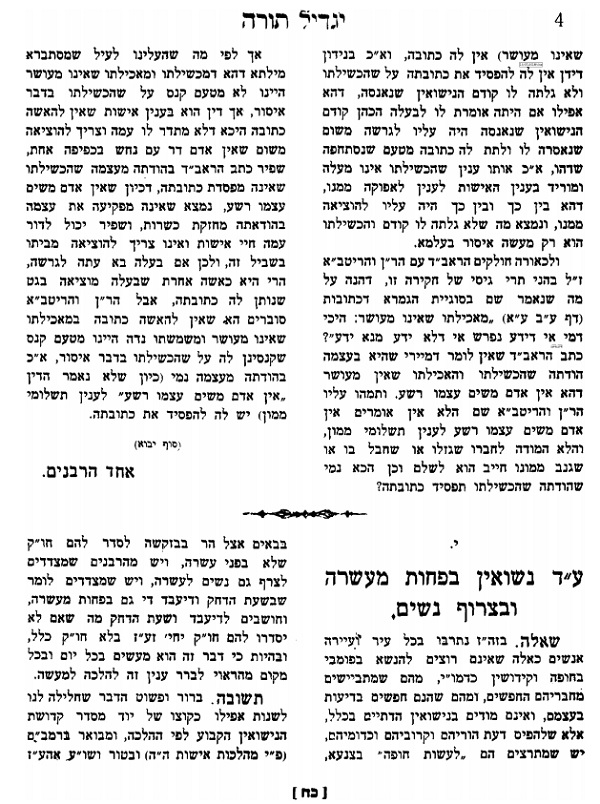
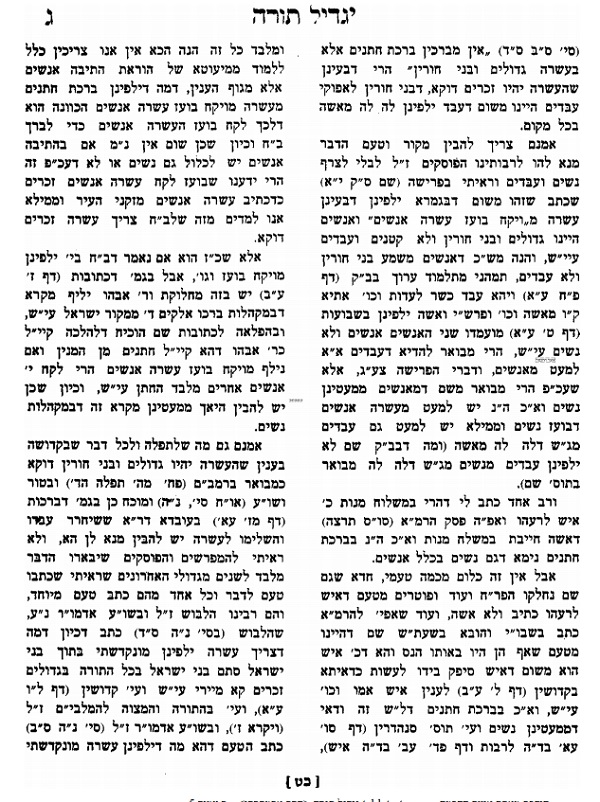
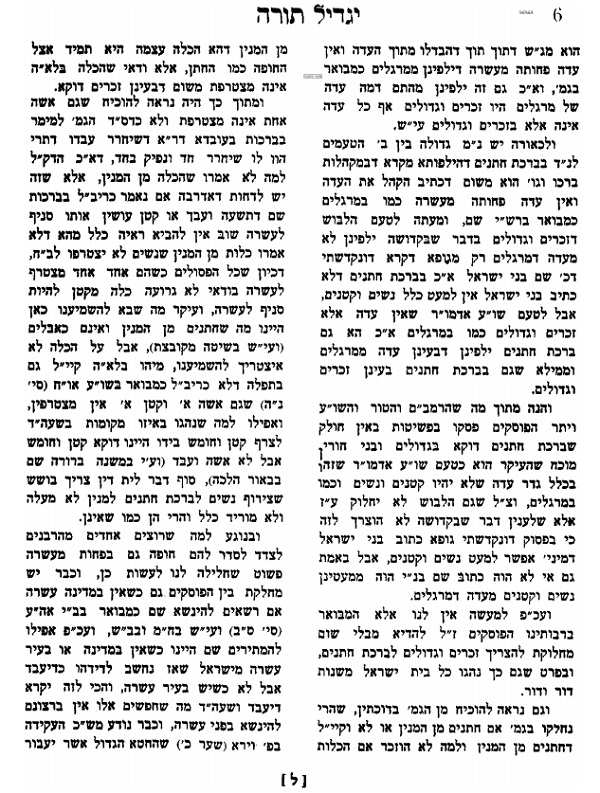
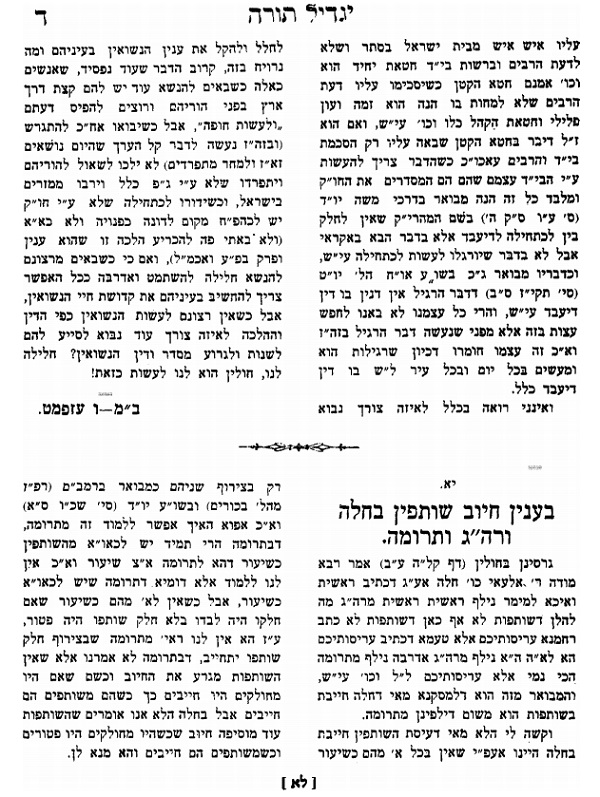
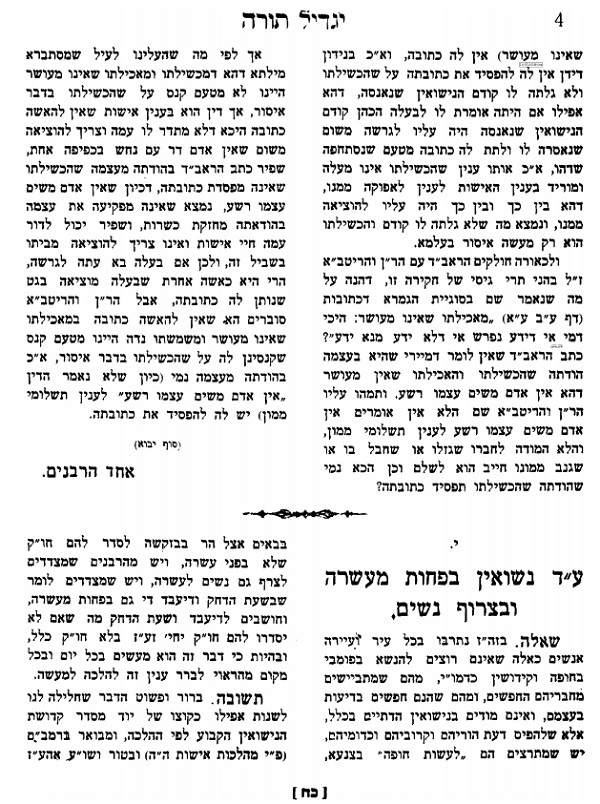
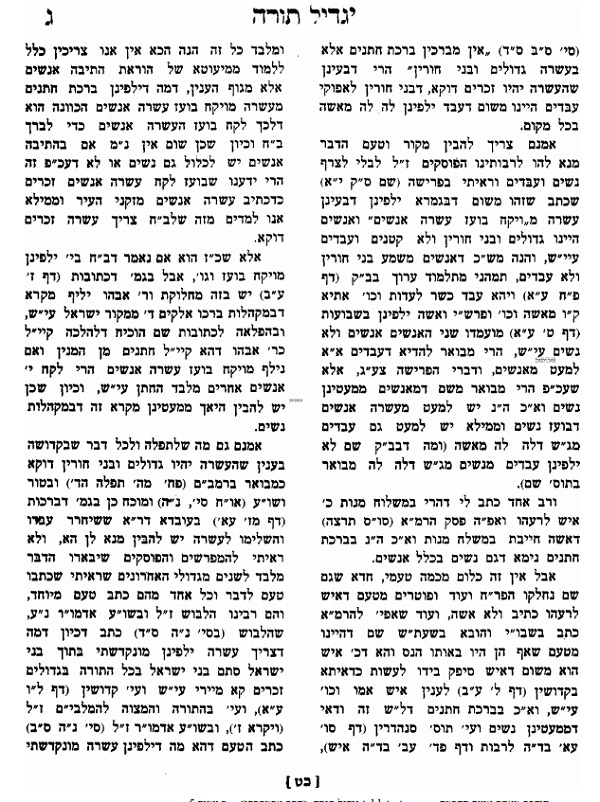
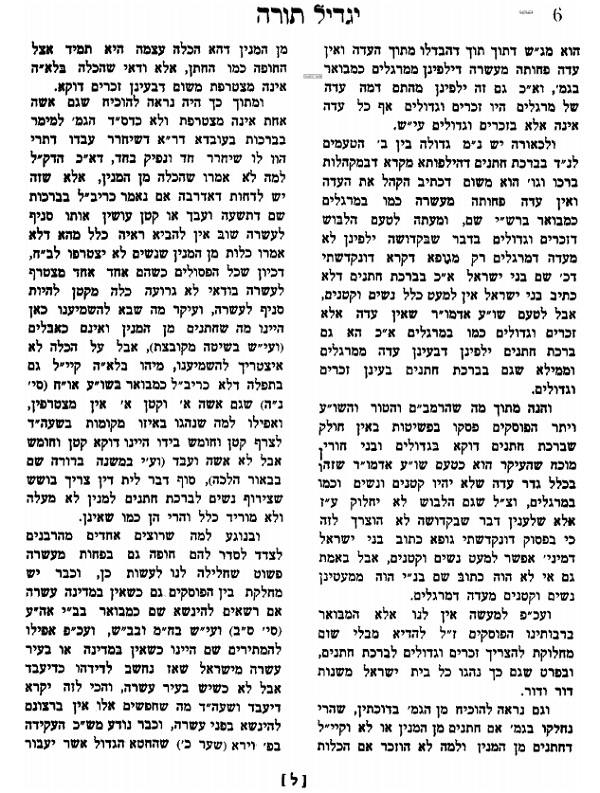
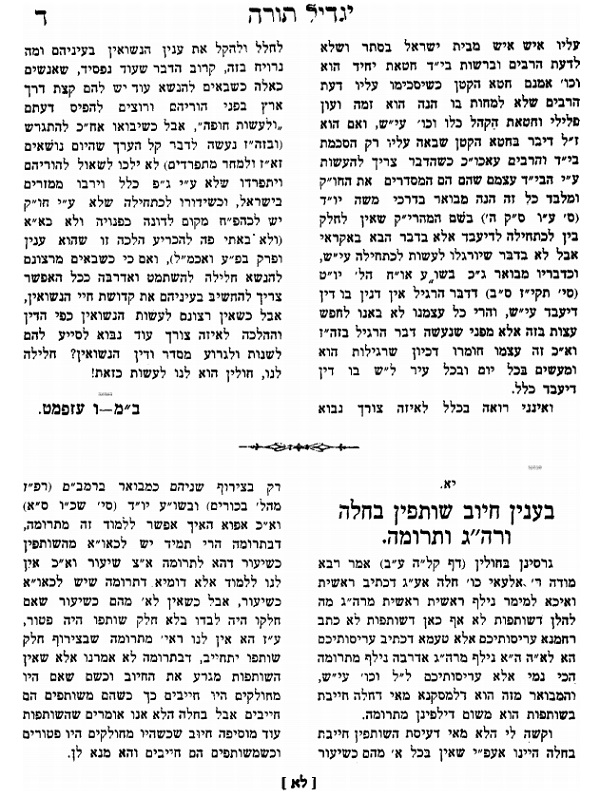
See below (Appendix five for a Teshuvah I came across recently, about a wedding with less than 10 people for a minyan, published in Russia in 1928 in the Journal Yagdil Torah edited by Rav Zevin and R’ Abramsky.

Databases – Blogs

There are also some online databases of material devoted specifically to the current Coronavirus pandemic. Kol Corona (here) is an excellent collection of material related to the Halachic aspects of Coronavirus pandemic, with many links.

Another is a database with links of material for a comparative study of Responses in Judaism, Islam and Christianity.

The Lehrhaus Blog also has many valuable articles related to the Coronavirus pandemic (see this link), as does the Torah Musing blog (see this link).

Worth mentioning is the online Newspaper-Journal Called Zarich Iyun: Charedi Thoughts and Ideas. Most of its articles are in Hebrew (below # 45-48). However, some of its Coronavirus pandemic related articles have been translated into English (see below #13-16). Some of the articles (especially # 48) have generated numerous comments as, one can see from the links. Related to some of this is Rav Michael Abraham’s article, available here, which also generated numerous comments.

Each week, Rabbi Y. Sprung of the The Beit Medrash Govoha for Medical Halacha (affiliated with Technion Medical School and under the leadership of Rav Asher Weiss) releases an article (in Hebrew and English) relating to the parsha and medicine. The past few weeks (from Ki Sisa) have related to coronavirus. See this link for these articles.

All of the items mentioned in the Bibliography bellow are available from me free of charge – just E mail me at eliezerbrodt@gmail.com

English

  1. Rabbi Eli Fischer, Rov in a Time of Cholera (here)

  2. Dr. Eddie Reichman, From Cholera to Coronavirus: Recurring Pandemics, Recurring Rabbinic Responses (here)

  3. Dr. Eddie Reichman, Incensed by Coronavirus: Prayer and Ketoret in Times of Epidemic (here)

  4. Rabbi Gil Student, Talmudic Advice on Epidemics (here)

  5. Dr. Tamara Morsel-Eisenberg, “Is It Permitted to Flee the City?” (here)

  6. Rokhl Kafrissen, Plague Weddings (here)

  7. Dr. Jeremy Brown, A Long-Forgotten Jewish Remedy for the Coronavirus Outbreak (here)

  8. Rabbi Shlomo Zuckier, Making Seder out of the Zoom Controversy (here)

  9. Rabbi Shlomo Brody, Does Jewish Law Oblige Doctors to Risk Their Own Health to Heal the Sick? (here)

  10. The Layman’s Guide to the laws of Mourning, By R’ Holzer, Based on the Rulings of Rav Asher Weiss

  11. Rabbi Prof. Avraham Steinberg, The Corona Virus Pandemic 2019-20- Historical Medical and Halakhic Perspectives, (41 pp.)

  12. Rabbi Michael Broyde, An Introduction to Pandemic Jewish Law, Responsa of Rabbi Hershel Schacter and Rabbi Asher Weiss (here)

  13. Rabbi Yehoshua Pfeffer, Coronavirus: The Charedi Response (here)

  14. Rabbi Reuven Leuchter, COVID-19: A view From Above (here)

  15. Rabbi Eli Stern, Coping without Community (here)

  16. Rabbi Moshe Farkash,COVID19: A community in Crisis (here)

  17. Professor Shaul Magid, COVID-19, Haredi Jewry, And Magical Thinking (here)

Hebrew

  1.  משה דוד צ’צ’יק, האיסור או החובה לברוח מן העיר בשעת המגפה [כאן]
  2. ר’ מנחם מענדל רוזנפלד, זמן מגיפה: הורים ילדים ומפחדים [כאן]
  3. ר’ דוד אברהם, נאמנו מאד, עדויות גדולי ישראל על הליכותיהם ומנהגיהם בימי חולי ומגיפה, אשר נאספו ונלקטו מתוך כתביהם וחיבוריהם, מכון ירושלים [ספר שלם, 300 עמודים]
  4. שמירת הסופר להינצל מחולי ומגפה מתורת החתם סופר [ספר שלם, קמא עמודים + חלק חדש של עוד 35 עמודים]
  5. ר’ שמואל ויטל, סדר משמרה לזמן המגפה, מכתב יד, בההדרת ר’ ישראל זאב גוטמאן
  6. אדם ישר, סגולות ותפילות לזמן המגפה, שחיבר ר’ יצחק אייזיק סאפרין מקאמרנא, בעל היכל הברכה [מהודרה חדשה], מא עמודים
  7. ר’ ישראל זאב גוטמאן, קונטרס טללי נוחם, כולל מכתב אגרות שפירין
  8. קונטרס תפילות מיוחדת למניעת מגיפת הקורונה, כבקשת… המקובל רבי בניהו שמואלי שליט”א, 40 עמודים [וגם קמיע למניעת המגיפה]
  9. הרב זלזניק, לוח ההלכות ומנהגים לחודש אייר, מיוחדת עם הלכות הנוגעות למגיפת הקורונה, 17 עמודים
  10. אוסף של 35 תשובות של הרב צבי שכטר שליט”א [בעברית וחלקם גם באנגלית]
  11. פסקי קורונה מאת הרב צבי שכטר שליט”א [51 עמודים]
  12. מנחת אשר, לקט שיעורים תשובות אגרות ומאמרים הנוגעים למגפת הקורונה מאת הרב אשר וייס שליט”א [100 עמודים]
  13. מנחת אשר, לקט שיעורים תשובות אגרות ומאמרים הנוגעים למגפת הקורונה מאת הרב אשר וייס שליט”א, מהדורה תניינא, [172 עמודים]
  14. הרב פרופ’ אברהם שטינברג, מגפת הקורונה התש”פ, היבטים היסטוריים, רפואיים והלכתיים, 30 עמודים
  15. ווי העמודים וחשוקיהם, ליקוט משעורי וחידוש ר’ יצחק זילברשטיין, קנו עמודים
  16. ר’ שלמה אבינר, קונטרס כתר יתנו לך, קורונה בהשקפה ובהלכה
  17. קונטרס פסקי הלכות, בשאלות שהזמן גרמן, מתוך כתבי ר’ אברהם יחיאל סגל דויטש
  18. ר’ צבי רייזמן, ‘צירוף למנין תפילה בציבור וברכת כהנים ב’בידוד בקורונה’
  19. ר’ יששכר אייכארן, פי כהן, בענין אם העומדין בשתי רשיות ורואין אלו את אלו מצטרפין למנין עשרה, 35 עמודים
  20. ר’ משה מרדכי קארפ, בדין צירוף לדבר שבקדושה ע”י חבורות ויחידים הרואין זא”ז ומניני המרפסות, 15 עמודים
  21. אליעזר יהודה בראדט, סגולת ברכת לבנה, [כאן]
  22. ר’ אברהם מימון, קונטרס בדד ישב, נח עמודים
  23. גליון עיטורי מרדכי, הלכות למגיפת הקורונה ע”י הרב מרדכי יעקב מאיר, 23 עמודים
  24. ר’ נהוראי אוחנה, הקורונה בהלכה, מהדורה חמישית, 123 עמודים
  25. ר’ יצחק לובינשטיין, המגיפה בתורה, 72 עמודים
  26. ר’ אברהם דרברמדיקר, קונטרס הקורונה, 23 עמודים
  27. קונטרס הסתר פנים, [חמישה שערים: שער חולי, שער בידוד, שער מגפה, שער חיים ושער בשורה טובה], 93 עמודים
  28. ר’ יהושע פפר, חרדים מהקורונה [כאן]
  29. ר’ ראובן לויכטר, מהותה של מגפה: מבט על [כאן]
  30. ר’ אלי שטרן, מי אנחנו ללא הקהילה? [כאן]
  31. ר’ משה פרקש, לעמוד על נפשנו [כאן]
  32. לקט מקורות ‘שומר מצוה לא ידע דבר רע’
  33. מעלת אמירת פרשת הקטרות להינצל ממגפה [מכון תורת הקרבנות], 16 עמודים
  34. קובץ תורני מה טובו אהליך יעקב, גליון י [כל הקובץ] [585 עמודים] [עניני פסח וקורונה]
  35. קישור לאוסף מאמרים על חג הפסח והמגיפות בהיסטוריה, בספרות בפיוט ובהגות. המאמרים פרי עטם של חברי וחברות סגל הפקולטה למדעי היהדות באוניברסיטת בר-אילן [כאן]
  36. לשונות של גאולה, אסופת שירה וספרות, 37 עמודים
  37. קובץ עץ חיים גליון לג [יש כמה מאמרים על קורונה]
  38. ירחון האוצר # 40 [יש כמה מאמרים על קורונה]


[1] Thanks to Nathan Hirsch from the NLI for sending me a few items which I did not see or did not have digital versions of.
[2] Mechkaray Sefer, pp. 90-99. See also Marvin Heller, Further Studies in the making of the early Hebrew Book, pp.79-90. See these recent posts here & here.

One of works mentioned by Ya’ari is R’ Chaim of Friedberg’s (the brother of the Maharal), beautiful work Sefer HaChaim (first printed in 1593) which, as he states in his introduction, he wrote during a plague in 1578. Less known (and not mentioned by Ya’ari) is that his earlier work Igerret Hatiyul was also written during an earlier Plague, in 1569. [For more information about these works see Eric Zimmer, The Fiery Embers of the Scholars, (heb.), pp. 177-219].

One bibliographical note about the Sefer HaChaim is the Haskamah of the Apta Rav who writes in the 1817 reprint:

…כל דיבור ודיבור מרגינותי’ תחותיה וברוח הקודש נאמרה

Recently the first draft of the Sefer HaChaim was printed in Yerushaseinu 10 (2019), pp. 19-55.

See note 7 for additional comments on Yaari’s article.
[3]See for example about one in Italy 1630-1631: R’ Yehudah Aryeh Modena, The Autobiography of a Seventeenth Century Venetian Rabbi, pp. 134-136; Sefer Olam Hafukh, a History of the Plague in Padua in the Year 1631, by Abraham Catalano, Kovetz Al Yad 4 (XIV) (1946), pp. 65-101 (printed by Cecil Roth). See Appendix Three about another plague in Italy in 1656.

For a description of one in 1866 see Y. Kotik, Ma SheRuetee, Edited by David Assaf, pp.349-354 (PDF available upon request).
[4] See Asher Ziv, HaRama, pp. 112-116.

See also, R’ Raphael Mordechai Malchi, Medical Essays, (ed. M. Benayahu), pp, 139-140. See also his Grandson, R’ David De Silva, Pri Megaddim, [Zohar Amar, Ed.], pp. 71-74.
[5] Two weeks, ago Rabbi Guttman released online, a PDF of a manuscript of R’ Shmuel Vital of Seder Tefilos based on Kabbalah, to say during such times (item #22). See also item # 23 & 25. See also #3, Dr. Eddie Reichman’s article on the topic.
[6] About Fasting, see Omer Ahituv, Fasting in Ashkenaz at the Beginning of the Seventeenth Century, MA thesis, Tel Aviv University 2019, (Heb.) pp. 70-74.

For other Segulot, see the various collections listed below. See also Appendix One about ‘Black Weddings’ and items # 6 &7.
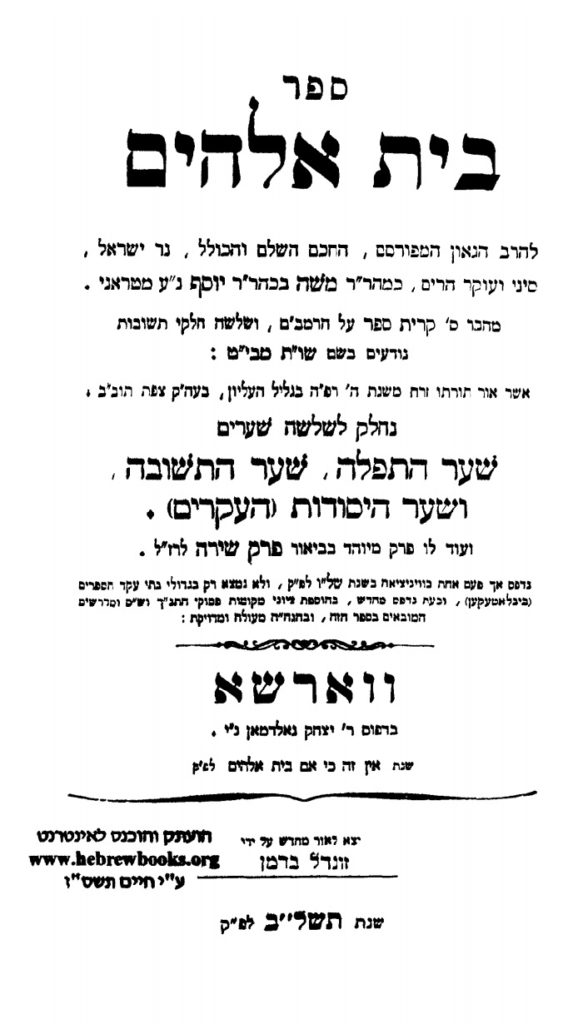
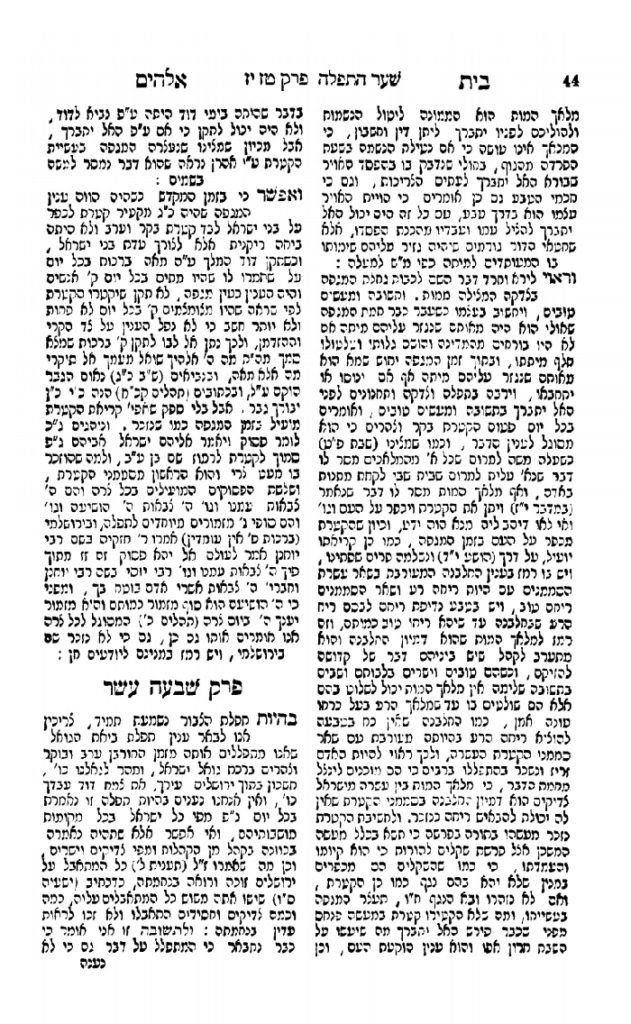
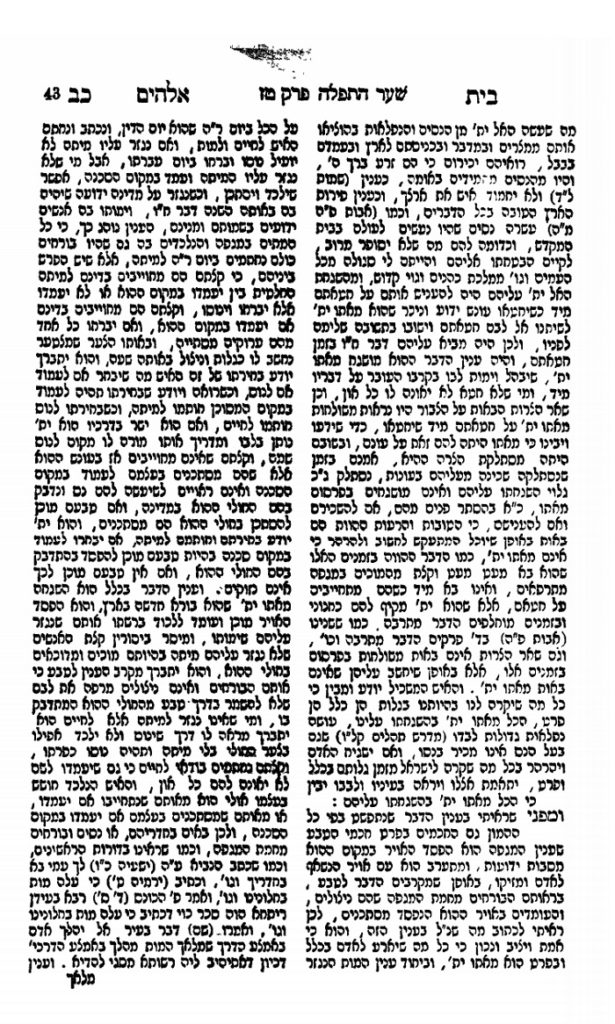
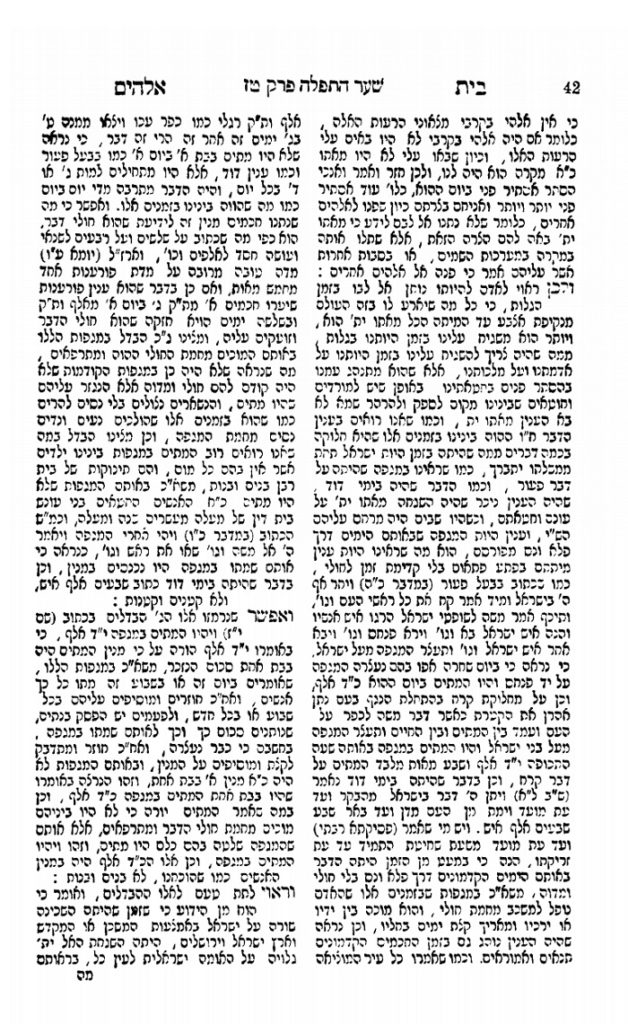
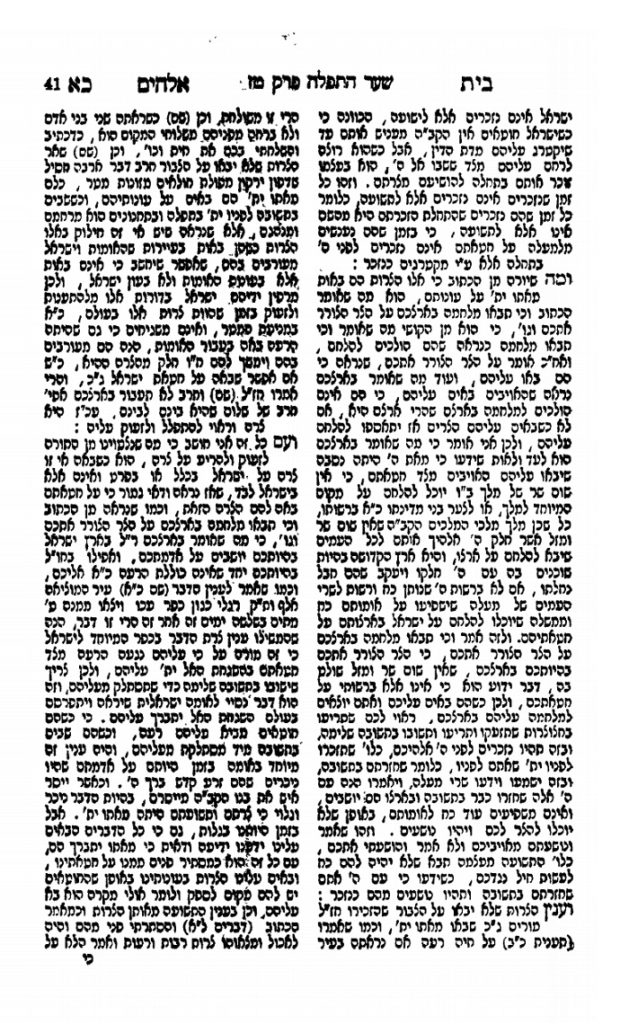
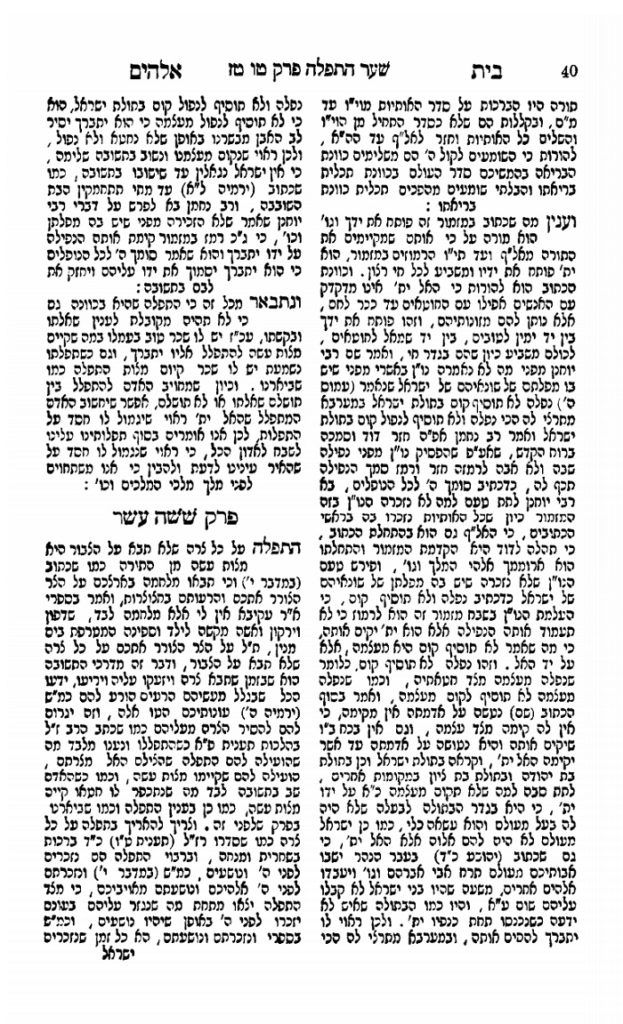
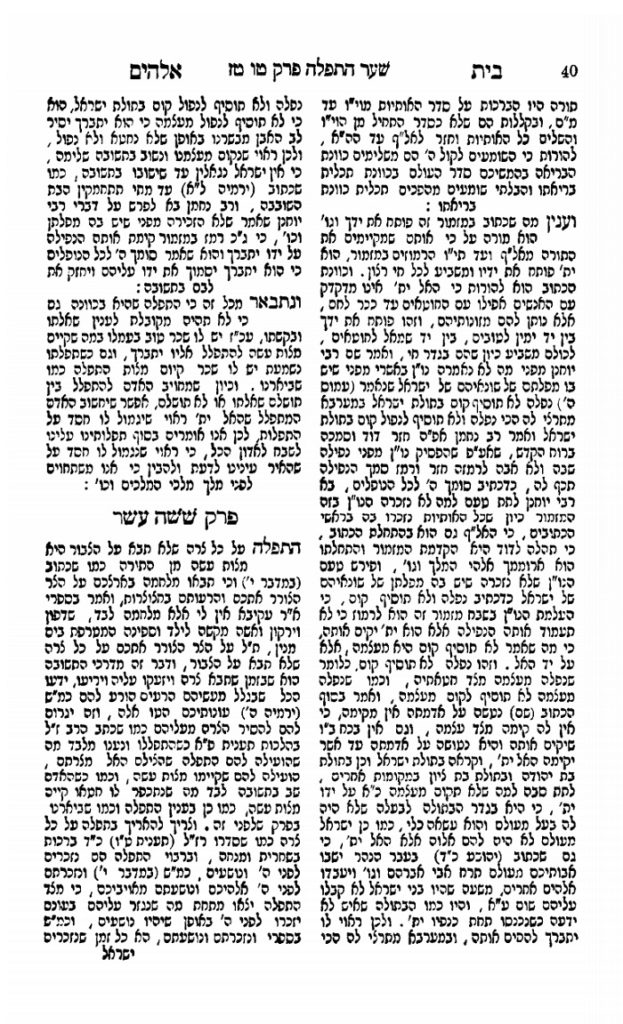
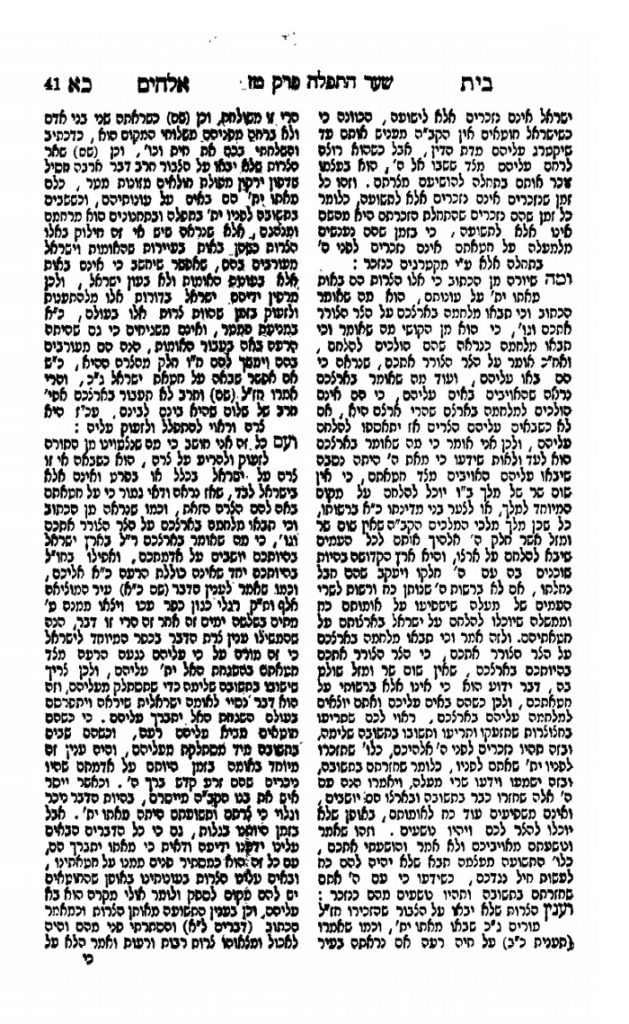
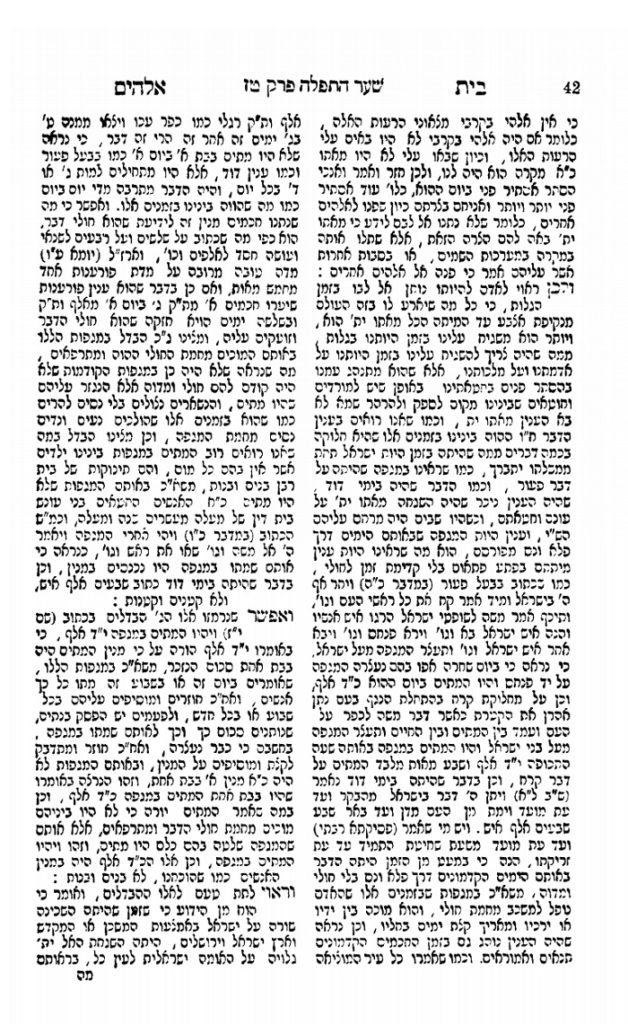
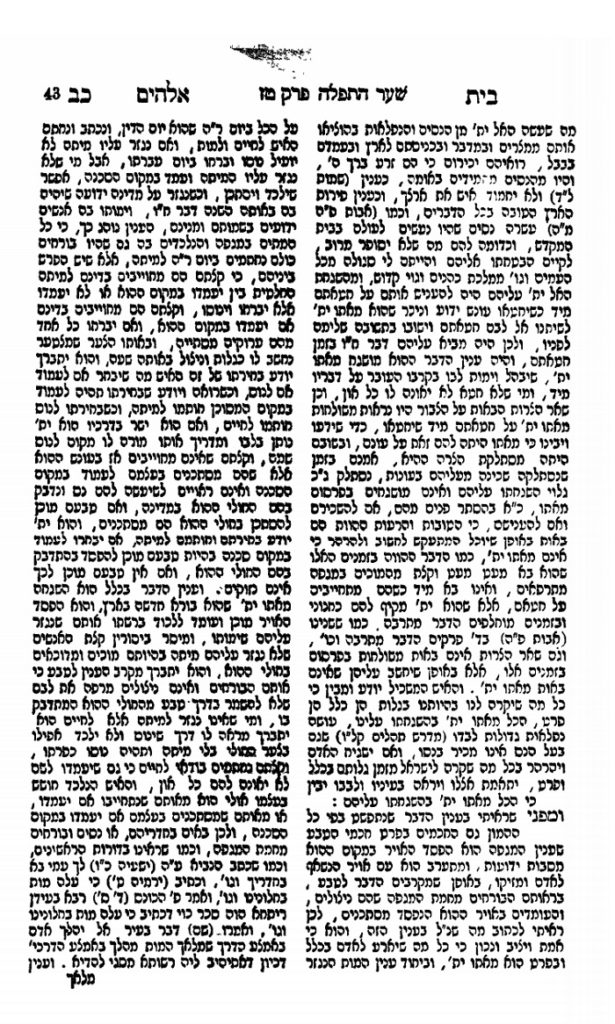
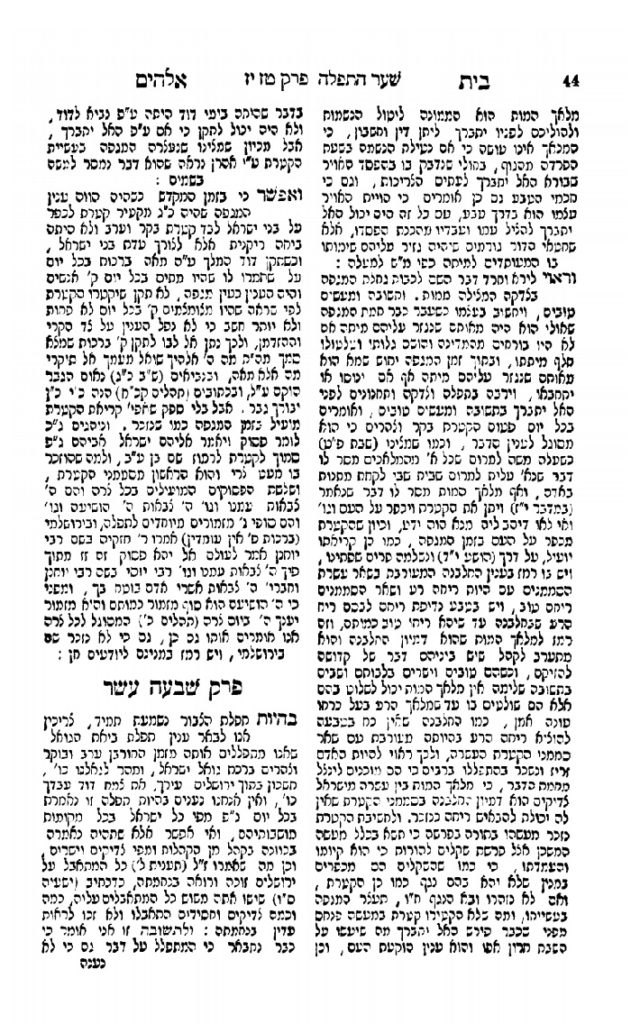
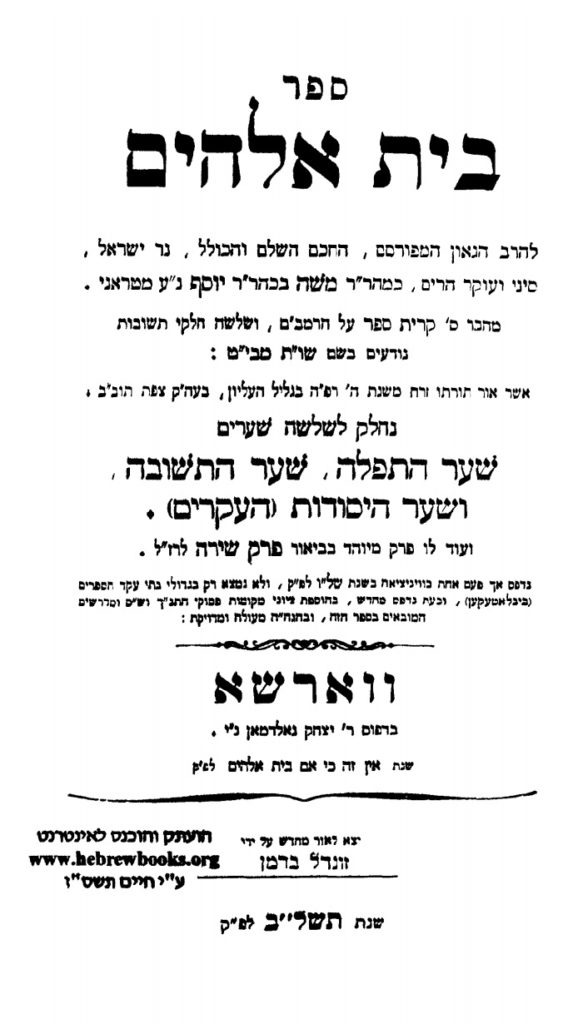
[7] See Appendix Four, for an important chapter from the Mabit’s incredible work Beis Elokiym, related to plagues in Hashkafah. The Mabit was writing about this based on experience as he lived through a few plagues himself and even authored a small work during one such plague called Igrot Derech Hashem, first printed in 1553. [Interestingly enough this work too is lacking from Ya’ari above cited chapter]. See Meir Benayahu, Yosef Bechiri, pp. 28-30,121-122. See also Ibid, p.131 about the story behind the writing of the Igrot Derech Hashem.

In an autobiography of The Mabit’s son the Maharit we find him describing some of these plagues (and others):

שנת השל”ג היתה מגפה בעיר והלך הרב אבא מארי ז”ל עמי לבוק”ע ובתחלתה נח נפשיה של הרב מהר”ר יצחק אשכנזי ז”ל מפני הרעה נאסף הצדיק. ובסוף המגפה נפל ממנו רב רב עתה הרף ידך הרב מהר”ר דוד ן’ זמרא ז”ל [שלם א (תשל”ד), עמ’ 215].

השל”ט באלול בבירייא הוכתי במגפה ובאתי בשערי שאול לולי אלקי’ אבי בעזרי בזכות א”מ והתענה עלי כל ח’ ימים ובחסדו העלה ארוכה לי [שם עמ’ 217].

השמ”ז ירדתי למצרים… בברחי מפני אימת המגיפה… [שם, עמ’ 219].

השנ”ה שנת השמיטה גלינו מאימת המגיפה בפורים לטבריא ובפסח לירושלים עיר הקדש… ושם חיברתי קונטריסין צרות הבית… [שם, עמ’ 221].

השס”ב ברחנו מחמת המגיפה כשמנה חדשים לבוקיעה… [שם, עמ’ 222].

In this autobiography we learn about an additional work written during a plague, by the Maharit. Now Yaari writes:

ר’ יוסף ב”ר משה מטראני ברח בשנת שנד מפני מגיפה מצפת… ושם חיבר את ספרו דרך הקודש על צורת בית המקדש שנדפס רק בשנת תע בקושטאדינא יחד עם הספר מגיד בראשית…”.

Yaari then quotes a passage from the Maharit at the end of the Derech Hakodesh where he describes writing this work during a plague. This complete passage from Ya’ari was quoted in a recent article in HaMevasser on the subject of seforim written during plagues without attribution. However, this information is incorrect. The Sefer that the Maharit wrote during the plague in 1595 was called Tzurot Habayis (as the Maharit wrote in the above passage). R’ Chayim Alfandri saw a manuscript copy of this work (as he writes in his introduction) and when he wrote his sefer Derech Hakodesh on the same subject he quoted numerous passages from it. However, the actual sefer by the Maharit was never printed. In 2007 Machon Zichron Aharon reprinted the Derech Hakodesh with numerous footnotes and indexes. On page 270 they list the numerous times the Maharit’s Tzurot Habayis is quoted (along with other manuscript works by Maharit that R”C Alfandri used).
[8] See the very special work by H.J. Zimmels, Magicians, Theologians and Doctors, pp. 99-110, 228-233 who has an excellent collection of material on this. See also the excellent work, Julius Preuss, Biblical and Talmudic Medicine, (translated by Fred Rosner), pp. 151-160; Herman Pollack, Jewish Folkways in Germanic lands (1648-1806) Studies in Aspects of Jewish Life, pp. 130-133, 304-305.

The Shvut Yaakov wrote in middle of a Teshuvah about money set aside for Pidyon Shivyoim, if one can use it instead for people suffering from a plague,:

אבל עכשיו בעו”ה שנתרבה עלינו עול הגלות ועלילות שקרי’ משונאינו שמעלילין עלינו כאלו הדבר בא ע”י ישראל דוקא וכשהיה הדבר בשנת תע”ג ברוב מקומות שהיו שמה מבני עמינו היה סוגרים רחוב היהודים באין יוצא ואין בא ממש ובדוחק ע”פ שתדלנו’ גדול שהניחו להביא להם צרכי מזונותיהם ובאיזה מקומות הוצרכו לילך ולחבות עצמן ביערים ומערות וישראל שהיו בדרך ועל פני השדה היו ממש מופקרים למות ואשרי מי שלא חמאן בצער ודוחק גדול כזה ואין לך שבי גדול מזו דגרע מכולהן דכולהן איתנהו ביה על כן אין צריך לפנים דמצוה זו הוי ממש פדיון שבוים ואפשר דגדול ממנו ולא הוי שינוי מדעת הנותן כי אין שעת הדחק גדול מזו (שבות יעקב, ב, סי’ פד).

[9] More sources for this can be found in H.J. Zimmels, Magicians, Theologians and Doctors, p. 233, footnote 141; David Assaf in his edition of Y. Kotik’s, Ma SheRuetee, p. 350 Hanna; Wegrzynek, Shvartze Khasene Black Weddings Among Polish Jews, Holy Dissent, 2011, pp. 55-68; Tzvi Friedhaber, Plague Marriages as Reflected in Hebrew Literature and the Hebrew Press, Dappim: Research In Literature 7 (1990), pp. 305-316; Kulmos 21, p. 26.
[10] On this work See A. Yaari, Shiluchei Eretz Yisroel, pp.96-97.
[11] Y. Kotik’s, Ma SheRuetee, p. 350.
[12] Nathaniel Deutsch, The Jewish Dark Continent: Life and Death in the Russian Pale of Settlement, p.233

Appendix One: Graveyard weddings of orphans

Recently (here, here and here) there has been some discussion about an old Segulah, performed by some towns during plagues, ; make a Wedding for Orphans in a graveyard.[9] One was even recently done in Bnei Brak (see here and here).

I would like to add some more sources to this segulah. One of the earliest sources quoted is R’ Moshe Reisher’s excellent work Sharei Yerushlayim, first printed in 1868.10 R’ Weiss, after quoting the Sharei Yerushlayim, writes:

[וגם אני שמעתי מזקני שער שעשו כן בשנת תרל”ג בפ”ב [שו”ת שיח יצחק, סי’ תצא

However, Y. Kotik, in his excellent memoir writes about a plague in 1866:

Due to the cholera epidemic, Jews resorted to all sorts of remedies; in other words: a crippled, mute virgin was married to a blind man. The wedding ceremony was held in the graveyard in the hope that they would produce a generation of righteous offspring…”.[11]

Another source from 1901 writes:

ראיתי להעלות על שלחן מלכים… על מה שנהו בסביבותנו בהרבה מקומות בעידן ריתחא ומחלת הח”ר ר”ל משיאין יתום ויתומה … ומעמידים החופה על בית הקברות ובעירנו בשנת תרנ”ג העמידו החופה סמוך שער גדר בית הקברות מבחוץ…. [ציוני שלום, יד שלום, עמ’ 154-155

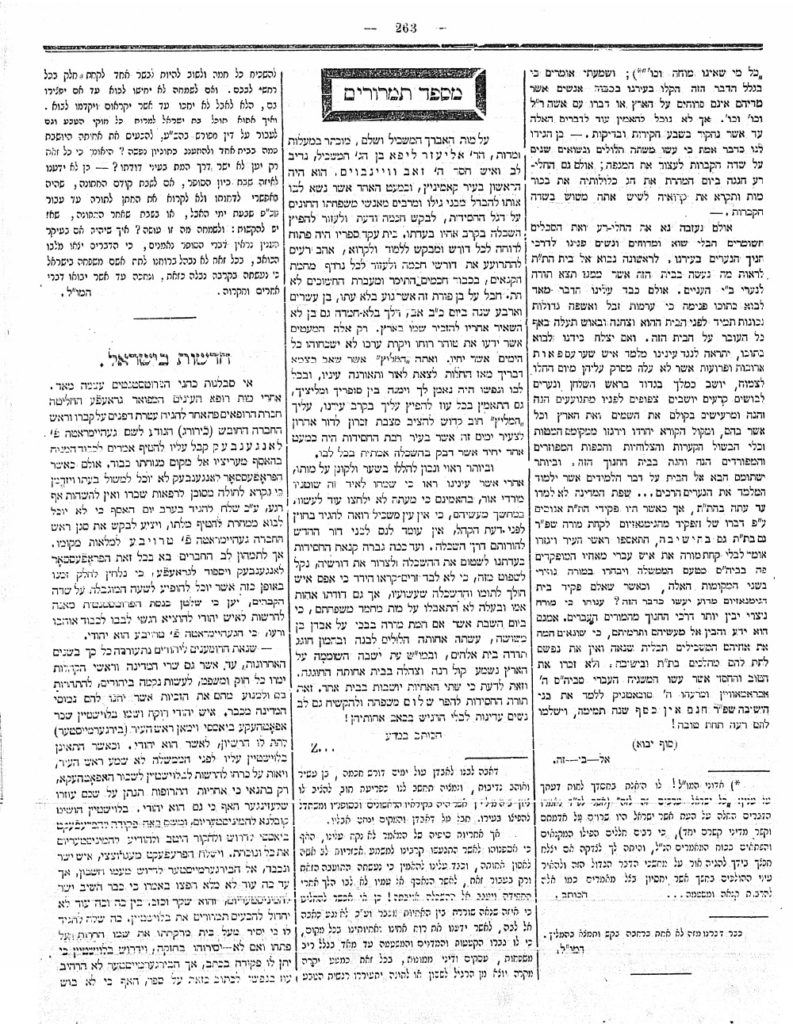
While searching for something else I came across mention of this in an article in Hamelitz 1871 (Year Eleven, Issue 33, p.263)


In the early 1900’s, the famous author and ethnographer who went by the pen-name S. Ansky started working on collecting and cataloging hundreds of details about every aspect of Jewish life in Europe. One of the ways he was planned on doing this was through a survey. The survey, in Yiddish, was a 200-page questionnaire with 2,087 questions about the Jewish life cycle. Sadly, he never got to finish the project. But each set of questions gives us a fascinating window into what Jewish life was like before World War I. In his introduction he set forth his goal:

“In order to revive traditional Jewish culture with all its customs, traditions, practices and beliefs, the team has put together a survey, hoping to reach everyone who remembers how people behaved in the past as well as in the present, in those places where Jewish life still continues in the old manner. When numerous responses to all the questions are collected, it will be possible to bring to life the entire structure of the traditional Jewish community, the Jewish family and communal life.”

In the wedding section[12] of the survey we find the following:

Do you know stories about weddings in cemeteries carried out as protections against misfortune? Does this occur only during a plague, or also in other cases, and if so which ones?

One last source related to this can be found in the Shut Maharsham (4:40)

ועד”ש לאשר נפרץ בעירו חולאת ילדים ר”ל ומורגל בין ההמון סגולה להעמיד חופה של יתום ויתומה בביה”ק וזה כמה שבועות עשו שם ביה”ק חדש שהקצוה לזה וגם כבר קברו שם כמה מתים ובנו סביבה מחיצות אבל לא נגמרו המחיצות עוד סביב רק ברוב המקומות כבר מקיף מחיצות.

והנה חתן היתום הוא כהן ונשאל מעכ”ת אם מותר להעמיד החופה בביה”ק תוך מקום המחיצות רחוק ד”א מהקברות עצמן. ורו”מ אסר מב’ טעמים מחשש הברכות על הבה”ק משום לועג לרש… אבל יל דוקא לזרוע ולנטוע שמרגילים רגל אדם משאכ בנד דהוי דבר מקריי פעם איש להקל וכיון דרוב מקום הפנוי אין בו קבר יל דכיון דלש בזה כל קבוע כמש הרש מקינון ועיחד סיקי אכ תלינן ברובא להקל וגם הרי לדבר מצוה מותר לילך בשדה שנחרש בה קבר כמש ביוד סישעב והנ הוי דבר מצוה להשקיט המיית המון העם ופחדם בעת ההוא:

Appendix Two: R’ Shimshon Ostropoler

I recently wrote an article about a book called The Rabbis Suitcase by Eli Friedwald. This book is based on Letters found in a suitcase buried in an attic, which contained over one thousand documents, as well as numerous letters from many Gedolim across the Globe. The correspondence belonged to two Litvish Rabonim in England who became dayanim on the Chief Rabbi’s Beis din during the years 1879-1905: Rabbi Yaakov Reinowitz (1818- 1893) and his son in law, Rabbi Sussman-Cohen (1841-1907). They included letters with the Netziv, R’ Yitzchok Elchonan Spektor, R’ Shmuel Salant, R’ Yehoshua Leib Diskin, R’ Yisroel Salanter, R’ Shmuel Mohilever and, R’ Eliezer Gordon, just to list a few names.

The author Eli Friedwald sent me a document found in a suitcase dated from 1754 which was headed as a segula of R. Shimshon Ostropoler.
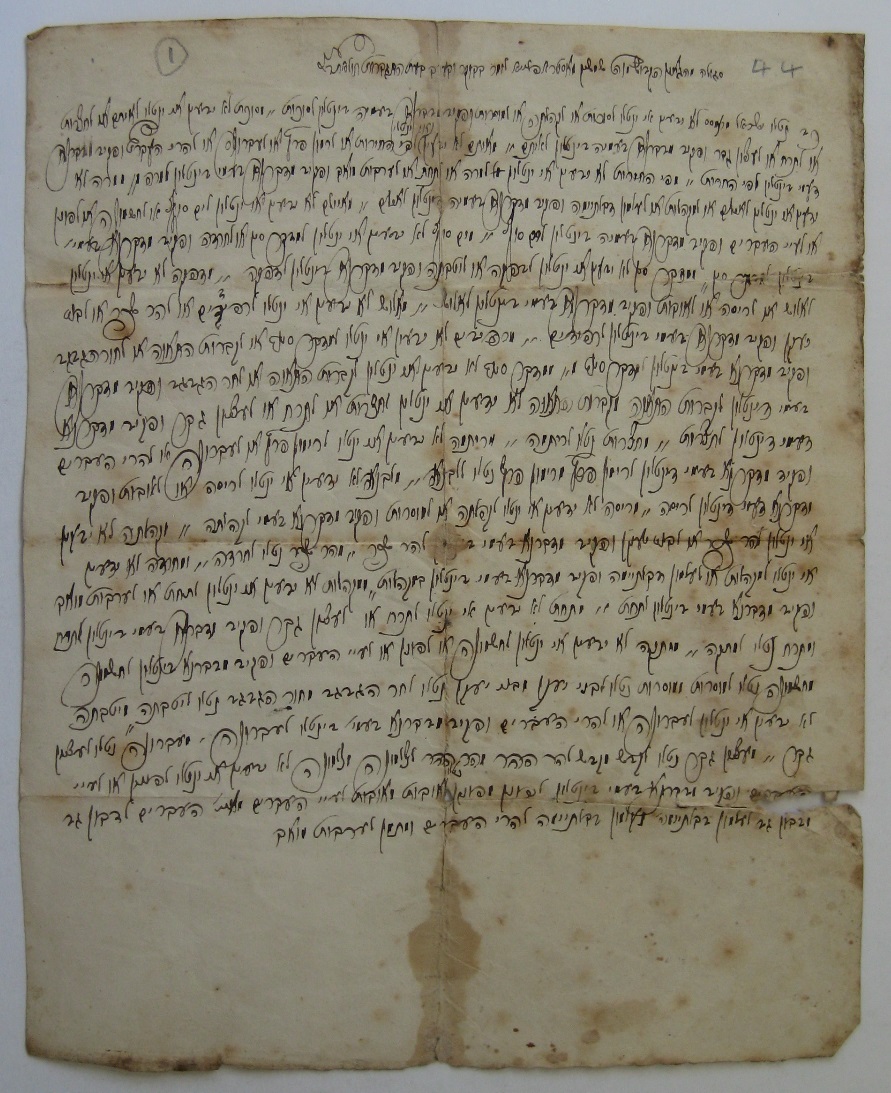


I reached out to Rabbi Bombach who has written and collected the existing material on R’ Shimshon who replied:

.אכן זו הסגולה נגד המגפה שהדפיס רבי פסח מזאלקווא בן אחותו של רבי שמשון בספרו זבח פסח (נדפס תפ”ג בערך) על סגולות ורפואות. ונדפסה בספרי ניצוצי שמשון פרשת מסעי, עם ביאור על פשר הדבר

Appendix Three

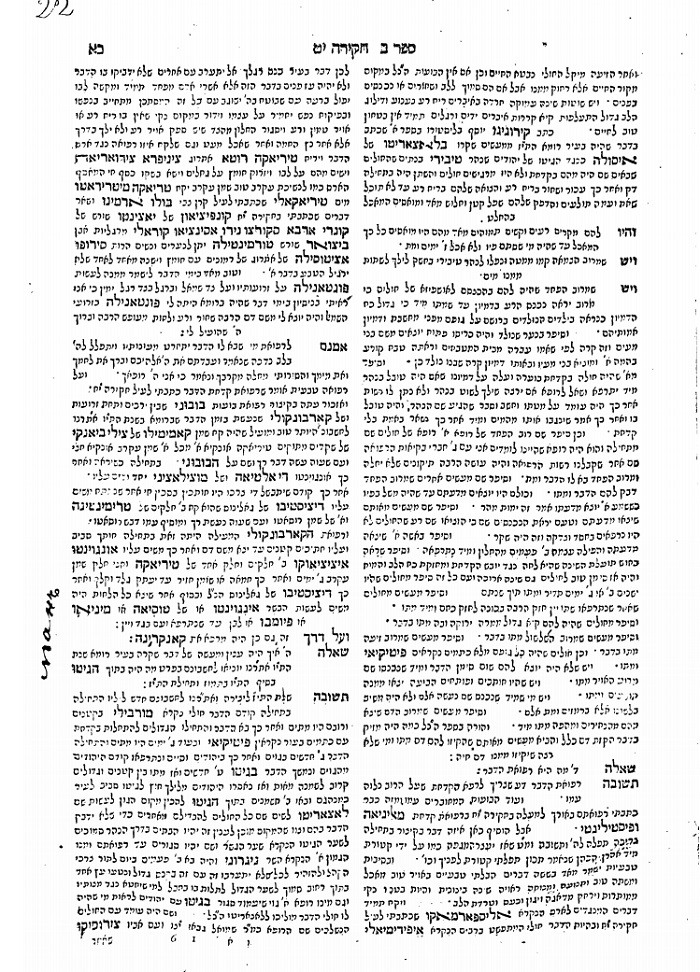
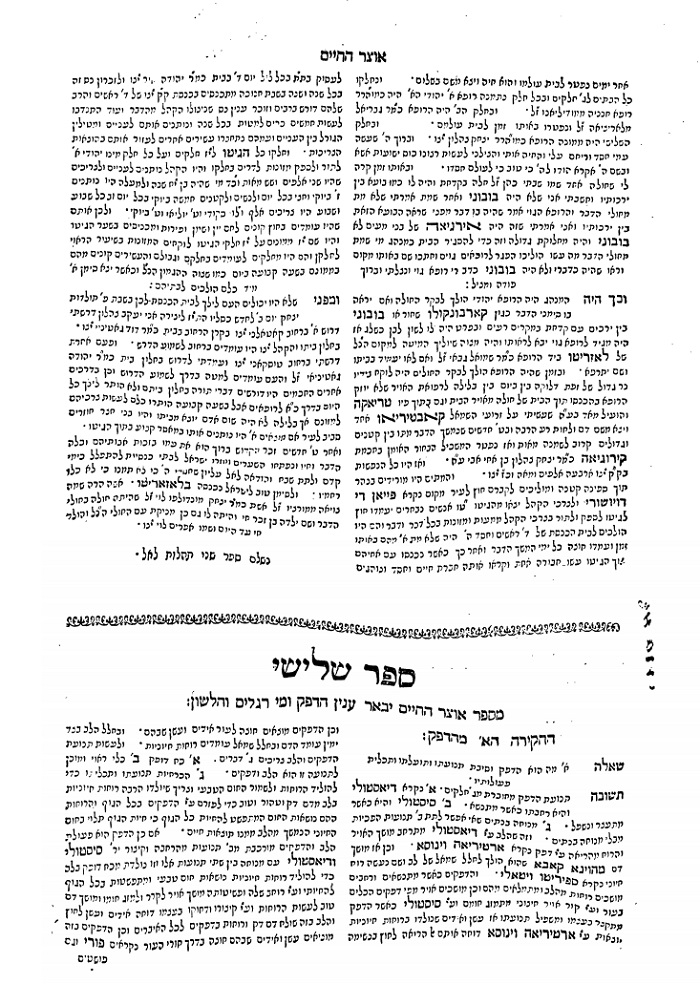
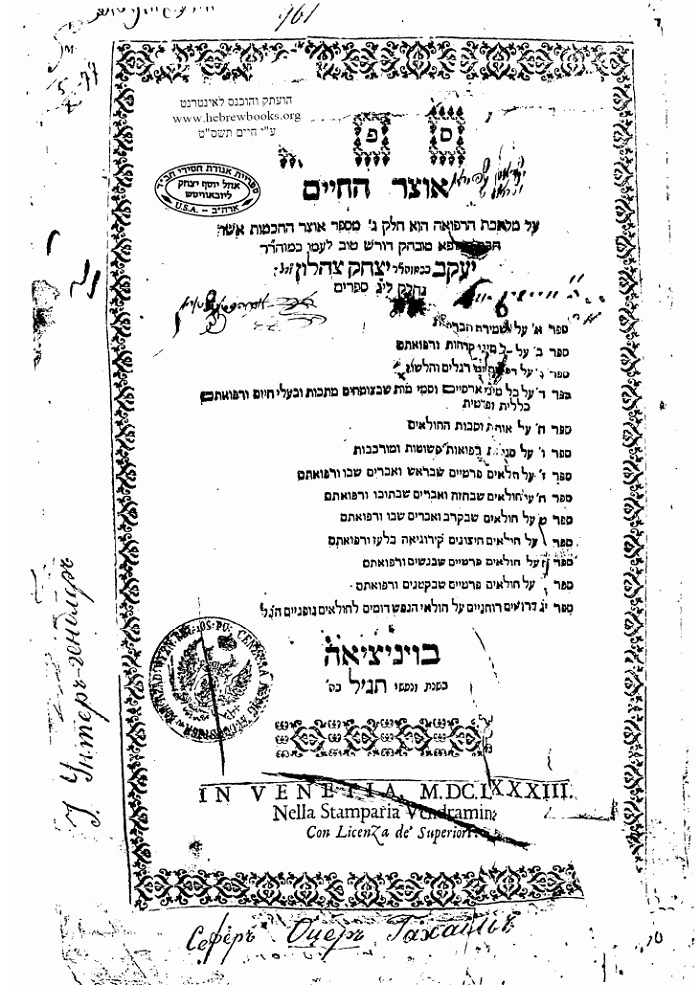
In a post from a few years back I wrote about R’ Yaakov Zahalon (1630-1693), a graduate of medical college in Rome, became a doctor at the age of twenty-six, and for several years, was also a Rav and Baal Darshan in Rome. He was famous for his important medical work, Otzar Ha-Hayyim. I also wrote a little about the work (see here).

He was very involved in the famous plague in the ghetto of Rome in 1656, which he describes at length in his work, Otzar Ha-Hayyim. Here is the very interesting passage about it which has relevance today.
Appendix Four Mabit


Appendix Five Yagdil Torah:


Towards a Bibliography of Coronavirus-related Articles & Seforim written in the past month

Towards a Bibliography of Coronavirus-related Articles & Seforim written in the past month
By Eliezer Brodt


Many of us have been under lockdown for over a month – some of us for less, some for more. However, this has not silenced the ‘voice of the Torah’; all kinds of Shiurim & classes on a wide range of topics have been made available via various methods. Otzar Hachochmah has made their database available free of charge as have others. Others have chosen to spread Torah by putting digital pen to Digital paper. 

The truth is, like almost every other topic, it’s hard come up with something truly new;  plagues and the like have occurred numerous times throughout our long history. 

The famous bibliographer Avraham Ya’ari devoted a chapter of a book of his to Seforim which were written during plagues.[1]

During each of these times many discussions related to aspects of plagues and epidemics arose.[2] The sources range from descriptions of the situation, discussions of what one should do, i.e. stay put or run,[3] tefilot[4] and/or segulot[5] to Halachik rulings regarding observing various Halachos.[6] Right before Pesach, Machon Yerushalayim released a 300 page, digital work collecting hundreds of such sources (item #8).

In the most recent issue of the journal Ha-Ma’ayan (#233) released this past month my good friend R’ Moshe Dovid Chechik wrote an article titled “The Prohibition or the Obligation to Flee the city during an Epidemic” (item #1). Since, others have written about it [see below (#4&5)]. 

Much has been written about R’ Akiva Eiger and the 1831 Cholera outbreak (see below – R’ Elli Fisher and Dr. Eddie Reichman’s articles items 1,2 and 9). [See also Rabbi Pinni Dunner here]. I too am working on an article on the topic and hope to complete it IYH within the next few days.

This terrible time has already seen many Teshuvot written, especially in regard to Pesach. See especially bellow #11-15. Much has been written and will continue to be written about davening with a Minyan (see below #15, see also R’ Avishay Elbaum’s recent post [here]).

See below (Appendix Three for a Teshuvah I came across recently, about a wedding with less than 10 people for a minyan, published in Russia in 1928 in the Journal Yagdil Torah edited by Rav Zevin and R’ Abramsky.

All of the items mentioned in the Bibliography below are available from me free of charge – just e-mail me at eliezerbrodt@gmail.com.

English 

1. Rabbi Elli Fischer, Rov in a Time of Cholera (here).
2. Dr. Eddie Reichman, From Cholera to Coronavirus: Recurring Pandemics, Recurring Rabbinic Responses (here).
3. Dr. Eddie Reichman, Incensed by Coronavirus: Prayer and Ketoret in Times of Epidemic (here).
4. Rabbi Gil Student, Talmudic Advice on Epidemics (here).
5. Dr. Tamara Morsel-Eisenberg, “Is It Permitted to Flee the City?” (here).

Hebrew

  1.  ר’ משה דוד צ’צ’יק, האיסור או החובה לברוח מן העיר בשעת המגפה, כאן
  2.  ר’ מנחם מענדל רוזנפלד, זמן מגיפה: הורים ילדים ומפחדים, כאן
  3. [נאמנו מאד, עדויות גדולי ישראל על הליכותיהם ומנהגיהם בימי חולי ומגיפה, אשר נאספו ונלקטו מתוך כתביהם וחיבוריהם, מכון ירושלים, [ספר שלם, 300 עמודים
  4. [שמירת הסופר להינצל מחולי ומגפה מתורת החתם סופר [ספר שלם, קמא עמודים
  5. ר’ שמואל ויטל, סדר משמרה לזמן המגפה, מכתב יד, בההדרת ר’ ישראל זאב גוטמאן
  6.  [אוסף של31  תשובות של הרב צבי שכטר שליט”א [בעברית וחלקם גם באנלגיש
  7.  [פסקי קורונה מאת הרב צבי שכטר שליט”א [51 עמודים
  8.  [מנחת אשר, לקט שיעורים תשובות אגרות ומאמרים הנוגעים למגפת הקורונה מאת הרב אשר וייס שליט”א [100 עמודים
  9. קונטרס פסקי הלכות, בשאלות שהזמן גרמן, מתוך כתבי ר’ אברהם יחיאל סגל דויטש שליט”א
  10. ר’ צבי ריזמן, ‘צירוף למנין תפילה בציבור וברכת כהנים ב’בידוד בקורונה’
  11. [קובץ תורני מה טובו אהליך יעקב, גליון י [כל הקובץ] [585 עמודים] [עניני פסח וקורונה
  12. קישור לאוסף מאמרים על חג הפסח והמגיפות בהיסטוריה, בספרות בפיוט ובהגות.  המאמרים פרי עטם של חברי וחברות סגל הפקולטה למדעי היהדות באוניברסיטת בר-אילן, כאן
  13. [קובץ עץ חיים גליון לג [יש כמה מאמרים על קורונה

Appendix One:

In a post from a few years back I wrote about R’ Yaakov Zahalon (1630-1693), a graduate of medical college in Rome, became a doctor at the age of twenty-six, and for several years, was also a Rav and Baal Darshan in Rome. He was famous for his important medical work, Otzar Ha-Hayyim. I also wrote a little about the work (see here).

He was very involved in the famous plague in the ghetto of Rome in 1656, which he describes at length in his work, Otzar Ha-Hayyim. Here is the very interesting passage about it which has relevance today.
Appendix One:


Appendix Two:


Appendix Three:


[1] Mechkerey Sefer, pp. 90-99. See also Marvin Heller, Further Studies in the making of the early Hebrew Book, pp.79-90. See these recent posts here & here.
[2] See for example about one in Italy 1630-1631: R’ Yehudah Aryeh Modena, The Autobiography of a Seventeenth Century Venetian Rabbi, pp. 134-136; Sefer Olam Hafukh, a History of the Plague in Padua in the Year 1631, by Abraham Catalano, Kovetz Al Yad 4 (XIV) (1946), pp. 65-101 (printed by Cecil Roth).
[3] See Asher Ziv, HaRama, pp. 112-116. See Appendix Two for an important chapter from the Mabit’s incredible work Beis Elokiym related to Plagues in Hashkafah. See also, R’ Raphael Mordechai Malchi, Medical Essays, (ed. M. Benayahu), pp, 139-140. See also his Grandson, R’ David De Silva, Pri Megaddim, [Zohar Amar, Ed.], pp. 71-74.
[4] Two weeks, ago Rabbi Guttman released online, a PDF of a manuscript of R’ Shmuel Vital of Seder Tefilos based on Kabbalah, to say during such times (item #11). See also #3, Dr. Eddie Reichman’s article on the topic.

[5] About Fasting, see Omer Ahituv, Fasting in Ashkenaz at the Beginning of the Seventeenth Century, MA thesis, Tel Aviv University 2019, (Heb.) pp. 70-74.
[6] See the very special work by H.J. Zimmels, Magicians, Theologians and Doctors, pp. 99-110, 228-233 who has an excellent collection of material on this.

In middle of a teshuvah about Pidyon Shivyoim the Shvut Yaakov wrote:

אבל עכשיו בעוה שנתרבה עלינו עול הגלות ועלילות שקרימשונאינו שמעלילין עלינו כאלו הדבר בא עי ישראל דוקא וכשהיה הדבר בשנת תעג ברוב מקומות שהיו שמה מבני עמינו היה סוגרים רחוב היהודים באין יוצא ואין בא ממש ובדוחק עפ שתדלנוגדול שהניחו להביא להם צרכי מזונותיהם ובאיזה מקומות הוצרכו לילך ולחבות עצמן ביערים ומערות וישראל שהיו בדרך ועל פני השדה היו ממש מופקרים למות ואשרי מי שלא חמאן בצער ודוחק גדול כזה ואין לך שבי גדול מזו דגרע מכולהן דכולהן איתנהו ביה על כן אין צריך לפנים דמצוה זו הוי ממש פדיון שבוים ואפשר דגדול ממנו ולא הוי שינוי מדעת הנותן כי אין שעת הדחק גדול מזו (שבות יעקב, ב, סיפד).

See also the excellent work, Julius Preuss, Biblical and Talmudic Medicine, (translated by Fred Rosner), pp. 151-160.


Pesach and Haggadah Themed Posts 2020

Pesach and Haggadah Themed Posts 2020

Here’s a roundup of Pesach and Haggadah-themed posts at the Seforim Blog.

                                                      Illustrations and the Haggadah

I. Racy Title Pages Update II 12.01.2005.

Discusses the title page of the Prague Haggadah of 1526. This particular Haggadah used an illustration of a nude woman in the Haggadah’s quotation of Ezekiel 16:7 (“I cause you to increase, even as the growth of the field. And you did increase and grow up, and you became beautiful: you breasts grew, and your hair has grown, yet you were naked and bare”). This is contrasted with the Venice 1603 Haggadah which not only used an almost identical illustration but even included a note alerting the reader that this is a picture of a man!

II. Prague 1526 Haggadah 3.30.2006.

Discusses this first fully illustrated Haggadah. Since according to rabbinic tradition Abraham was called an Ivri because he came from “the other side” of the river, he is depicted in a rowboat. In the Mantua 160 Haggadah a similar idea is shown, only Abraham rides in a gondola!

III. Separate Beds More on Illustrated Haggadot 4.04.2006.

Discusses the bedroom illustration in the Venice 1629 Haggadah. The Haggadah interprets “our pain” (Deut. 26:7) as referring to the separation of husbands and wives. This is illustrated with husband and wife sleeping in separate beds and a lit lamp.

IV. Haggadah, First Hebrew Map, and Forgery 4.10.2006.

Discusses the Amsterdam 1695 Haggadah. This Haggadah innovated by using copper plates rather than woodcuts, making its illustrations – by the convert Abraham b”r Ya’akov mi-mishpahto shel Avraham avinu – exceptionally intricate and pleasing. Includes one of the earliest Hebrew maps of the land of Israel.

V. Haggadah and the Mingling of the Sexes 3.27.2007.
The Mantua 1560 edition of the Haggadah shows men and women working together to bake matzot. The editors even included a verse from Psalms 148:12, highlighting old and young, bachelor and virgin, seeing matzah production as a fulfillment of this verse. By contrast, in the 1609 Prague Haggadah although a similar illustration is used there is no woman working the matzah oven. The interpretation of verses appearing to sanction the mingling of young boys and girls is also discussed.
VI. Review of Marc Michael Epstein, The Medieval HaggadahArt, Narrative & Religious Imagination.  
Epstein’s book is one of the most comprehensive on the illustrated Haggadah, and specifically four of among the most important illuminated Haggadot.
VII  A Few Comments Regarding the First Woodcut Border Accompanying the Prague 1526 Haggadah
Analysis of the first fully illustrated Haggadah and illustrated Hebrew books and titlepages, and the history of censorship of this Haggadah.
VIII.  Borders, Breasts, and Bibliography by Elliot Horowitz
Elliot Horwitz’s analysis of the 1526 Haggadah and the previous entry, “A Few Comments..”
IX. 1526 Prague Haggadah and its Illustrations by Eliezer Brodt
 Another post discussing this important haggadah.

X.   Halakhah and Haggadah Manuscripts

It highlights how halakha influenced the illustrations in medieval Haggadot.


Artichoke and Marror in Haggadah illustrations 


The Humble Artichoke

The First Artichoke Controversy of 2012 by Leor Jacobi

The Not-So-Humble Artichoke in Ancient Jewish Sources by Susan Weingarten

Elijah’s or the Fifth Cup

X. Eliyahu Drinking from the Cup 3.29.2006.
Discusses various beliefs about Elijah in connection with the Seder, illuminated from Haggadah illustrations.

XI.  The Cup for the Visitor: What lies behind the Kos Shel Eliyahu?  By Eliezer Brodt

XII. Mysteries of the Magical Fifth Passover Cup II, The Great Disappearing Act  by Leor Jacobi

Kitniyot


XIIII.  Shlomo Yosef Zevin, Kitniyot, R. Judah Mintz, and More by Marc B. Shapiro

Highlights a passage of R. Zevin’s Moadim Le-Simcha regarding Kitniyot that was altered in the Artscroll translation.

XIV.  Kitniyot and Stimulants: Coffee and Marijuana on Passover

Whether marijuana and coffee are classified as kitniyot.

Specific Haggadot

XV. On  the Maxwell House Haggadah

Discusses the connection between this coffee house and Passover.

XVI. Old Haggadot for Free 4.10.2006.
A notice that many important and old Haggadot are available online
 XVII. Elazar Fleckeles’s Haggadah Maaseh BR’ Elazar By Eliezer Brodt

XVIII. Book Announcement Gabriel Wasserman’s Haggadah

XIX.  New Book Announcement: Professor David Henshke’s Work on the Seder Night by Eliezer Brodt

XX. The Gematriya Haggadah By Eli Genauer

XXI. Pesach Journals, Had Gadyah, Plagiarism & Bibliographical Errors 3.27.2007.
Discusses Yeshurun’s special Pesach issue. The author of one of the article’s method of essentially repackaging scholarly journal articles for frum Torah journals is exposed.
XXI. Rabbi Eliezer Brodt on Haggadah shel Pesach: Reflections on the Past and Present 3.27.2007.
Discusses the interesting Haggadah of R. Yedidiah Thia Weil (Rav Korban Nesanel’s son). Among other things of note, the author mentions that he heard that Jews have one more tooth than non-Jews.
XXII. Pesach Drasha of the Rokeach by Eliezer Brodt, 4.02.2007.
Discusses a newly published derasha of R. Eleazer Rokeach’s Pesach , which mentions his personal Pesach customs, and of which confirms something long recorded in his name, but never known from his own words.
XXIII. Initial Bibliography of Important Haggadah Literature by Eliezer Brodt, 4.16.2008.
Discusses Haggadot and the historical development of the Haggadah, such as R. Menachem Kasher’s Haggadah Shelemah and Prof. Y. H. Yerushalmi’s Haggadah and History, as well as many others.
Miscellaneous

XXIV.  Afikoman Stealing and other related Minhagim by Elizer Brodt

XXV. Passover with Apostates:  A Concert in Spain and a Seder in the Middle of the Ocean By Eliezer Wiesel
A translation (by Shaul Seidler-Feller) of a Yiddish article written by Elie Wiesel describing a memorable 1949 seder.

XXVI. A New Perspective on the Story of R. Eliezer in the Haggadah Shel Pesach by Dovid Farkes

XXVII. The Date of the Exodus: A Guide to the Orthodox Perplexed by Mitchell First, 4.03.2011.
Discusses possible ways of identifying the specific Pharaoh of the Torah and therefore the date of the enslavement and exodus from Egypt.

Chag kasher ve-sameach!


Towards a Bibliography of seforim related to Shavuos and Megilas Rus (both new and old) – updated

Towards a Bibliography of seforim related to Shavuos and Megilas Rus (both new and old)

By Eliezer Brodt

Originally posted May 24, 2012 – Updated June 3, 2019

In this post I intend to start a list towards a more complete bibliography to the various seforim (new and old) and articles related to Shavuos (including many links). I hope to update it in the future.

When learning the Halachos of Shavuos, one is struck how the Tur does not mention anything special for Shavuos except for instructions related to davening and Keriyas Hatorah. The only custom he mentions that is unique to Shavuos is saying Azharot. Rabbi Yosef Caro in both of his works, Beis Yosef and Shulchan Aruch pretty much follows in this path. In the Codes is not until the Rema that some of the famous customs related to this Yom Tov are brought down, such as the custom of placing flowers in shuls and houses, the custom of eating Milchigs and eating special lechem to remember the Shtei Halechem. Only afterwards through the writings of the Matteh Moshe, Knesses Hagedolah and especially the Magen Avraham are the other customs related to this Yom Tov brought forward, among  them, when exactly is one supposed to daven Maariv Shavuos night, staying up the whole night learning, saying Akdamus, using a special Trope when leining the Aseres Hadibros, and leining Megilas Rus[1].

The first work worth mentioning, as its one of my all-time favorites, is Rav Zevin’s Moadim Be-halacha. In this work he has four pieces, none of which needs my approval! – related to Shavuos. He has a general piece, one related to various issues about the Shtei Halechem, another related to Megilas Rus and one related to various aspects of Aseres Hadibros.

Regarding general aspects of Aseres Hadibros one should see the collection of articles in the volume called Aseres Hadibros edited by B. Segal (Magnes Press, 1986) and the work Aseres Hadibros Ve-keriyas Shema from Moshe Weinfeld (2001).

For a discussion of the special Trope used when leining the  Aseres Hadibros see the article from Amnon Shiloah in the volume  Aseres Hadibros edited by B. Segal. See also Rabbi Dovid Yitzchaki in the back of his edition of Luach Eresh pp. 524- 540; the series of articles of Y. Laufer (available here, here and here) [special thanks to my good friend Mr. Yisroel Israel for bringing this to my attention]; this article from Y. Ofer. See also Jordon, Penkower, ‘Maimonides and the Alepp Codex‘, Textus IX (1981), pp. 115-117.

For discussion of the custom to stand during the leining of  Aseres  Hadibros see this earlier post by Dan Rabinowitz available here and especially the sources listed at the end. To add to the usage of the Teshuvos Harambam mentioned there, see Rav Zevin, Moadim Be-halacha, p. 389-390. See also what I mention here, and also Rabbi Oberlander, Minhag Avosenu Beyadenu, pp.605-622. In addition see here [thanks for Yissachar Hoffman for sending me this source]. In the work Shiurei Rav Elyashiv on Berachos (p. 93) it says that he held it’s assur to stand based on this teshuvah of the Rambam. I will add that I davened for many years at Rav Elyashiv’s minyan on shabbos. I always wanted to see if he would sit or stand but he almost always got that aliya – until one time he did not and I was able to see that he indeed stayed seated!

Regarding the dating of Matan Torah see A. Lifshitz, The Date of the Giving of the Torah In Rabbinic Sources, Netuim 16 (2010), pp. 33-68.

Regarding Shtei Halechem see the excellent work Birchat Haaretz from Rabbi Y. Mashbaum available here.

Regarding the time when to daven Maariv Shavuos night and making Kiddish see Rabbi Binyomin Hamburger, Shorshei Minhag Ashkenaz, 4:344-369. See also Eliezer Brodt, Halachic Commentaries to the Shulchan Aruch on Orach Chayim from Ashkenaz and Poland in the Seventeenth Century, PhD, Bar Ian University) July 2015, pp. 338-341.

Regarding staying up Shavuos night, see R. Hamburger, Shorshei Minhag Ashkenaz, 3:268-364, where he traces this minhag and deals with, at great length, the minhag of saying Tikun. See also Professor Moshe Chalamish, Ha-Kabalah, pp. 595- 612. See also J.D. Wilhelm, “Sidrei Tikkunim,” in Alei Ayin: Essays Presented to Salman Schocken (Jerusalem: Schocken 1948-1952), pp. 125-146, (Hebrew). Of course, I must mention my good friend Menachem Butler’s favorite article relating to all this, Elliott Horowitz, “Coffee, Coffeehouses, and the Nocturnal Rituals of Early Modern Jewry,” AJS Review 14:1 (Spring 1989) pp. 17-46 [available here for download]. For other Halachic issues related to staying up all night see the recent work, Ha-niyur Kol Ha-laylah. See Also my article Tracing the history of Shavuos night learning available in English here and Here. See also Eliezer Brodt, Halachic Commentaries to the Shulchan Aruch on Orach Chayim from Ashkenaz and Poland in the Seventeenth Century, PhD, Bar Ian University) July 2015, pp.354-360.

Regarding saying Akdamot see this earlier post from Dan Rabinowitz available here. See also Rabbi Dovid Yitzchaki in the back of his edition of Luach Eresh, pp. 541-542. See also Jeffrey Hoffman, “Akdamut: History, Folklore, and Meaning,” Jewish Quarterly Review 99:2 (Spring 2009) pp. 161-183. See also the recent work, from Rabbi Strickoff, Inside Akdamus and Yetziv Pisgam, 2019 (176 pp.) See also my extensive article on this in hebrew available here and updated here in the latest volume of Yerushaseinu (2018), pp.514-534, which also deals with Yetziv Pisgam. I hope to complete part two shortly.

Of course, I need to mention an earlier book related to this from one of my favorite writers, Y. Rivkind, Di Historishe Alegorye Fun R. Meir Shats, Vilna 1929 (Yiddish) (64 pp.) [A PDF is Available upon request]. Also, worth mentioning is the very valuable PHD on the topic originally written in Hungarian in 1946 from Naftoli Berger, Tefilos UPiutyim… Shirat Akdamut. It was translated into Hebrew in 1973.

For an interesting older Perush on Akdamus with a nice overview see here. See also this work.

Regarding the custom of saying Azharot on Shavuos see what I wrote here and available in pdf form here]. I hope to update this post in the near future. Meanwhile, see what I wrote in Yeshurun 25:447-449.

Another area worth learning about is Bikurim. For this I recommend the volume of the Safrai Family from their series of Mishnas Eretz Yisrael.

Regarding the custom of placing flowers in Shul and at home, see the works of Rabbi Oberlander, Minhag Avosenu Beyadenu, pp. 573-604 and the collections of material found in Moadim Li-simcha and Pardes Eliezer. See also Rabbi Yehuda Spitz, Adorning the Shul with Greenery on Shavuos (part one & part two). See also this earlier article on the seforim blog & my Hebrew article on it here (IyH, A more complete version is going to print shortly].

Regarding the custom of eating Dairy on Shavuos, much has been written. See the works of Rabbi Oberlander, Minhag Avosenu Beyadenu, pp. 623-647 and the collections of material found in Moadim Li-simcha and Pardes Eliezer. Recently Rabbi Moshe Dinin collected 160 reasons (!) for this custom in Kuntres Matamei Moshe (2008). Even more recently Rabbi Yosef Ohev Zion printed a work called Yoma De-atzartah (2009) [thanks to Yissochor Hoffman for bringing this work to my attention]. For important discussion related to this topic see the articles of my friend Rabbi Yehudah Spitz available here and here.  See More recently my articles on the topic , “The Mysteries of Milchigs”, Ami 71 (2013), pp. 89-93 (here) and the updated version, Tracing the history of eating milchigs on Shavuos (here). See also Rabbi Yehuda Spitz, The Halachic Challenges of the Cheesecake (here).

Related to this one should read the great article by Aviad A. Stollman, “Halakhic Development as a Fusion of Hermeneutical Horizons: The Case of the Waiting Period Between Meat and Dairy,” AJS Review 28:2 (November 2005) pp. 1-30 (Hebrew) [expanded from his M.A. on Perek Kol Habassar. See Also R’ Eitam Henkin HYd article available here.

Another custom that originally took place on Shavuos was when a child turned three, they used to conduct a special seder with eating cakes and reciting various pesukim and the like. This custom was dealt with by many; for a recent discussion of this topic, including sources, see my article in Yerushasenu 5 (2011), pp. 337-360. [A PDF is available upon request or its downloadable here].

Another issue of interest worth mentioning related to Shavuos is the plagiarism of the highly controversial Sefer Chemdas Yamim discussed many times on this blog (see here). Isaiah Tishbi in his various essays where he proves the plagiarisms of the Chemdas, uses many different topics related to Shavuos as samples. See the collection of his articles Chikrei Kabbalah Veshiluchoseh pp. 374-376 (regarding when to daven Maariv), 382-383 (which day was Matan Torah), pp. 389-391 (regarding standing during Aseret hadibrot), pp. 391-393 (regarding the Maggid visiting the Beis Yosef on Shavuos night) and pp. 340-341 (regarding eating meat after milk).

Here is a listing of some general works related to Shavuos that deal with many of the above aspects and more:

  1. ר’ שלמה קלוגר, קהלת יעקב, ירושלים תשס”ו, תמז עמודים..
  2. ר’ פנחס שווארטץ, מנחה חדשה, תרצ”ז, נו עמודים
  3. ר’ יצחק ווייס, בינה לעתים, בני ברק תשסד
  4. ר’ שריה דבליצקי, קיצור הלכות מועדים, תשס”ו, פב עמודים
  5. ר’ אבוגדר נבנצל, ירושלים במועדיה
  6. ר’ עובדיה יוסף, חזון עובדיה, יום טוב, ירושלים תשס”ג
  7. ר’ אהרן מיאסניק, מנחת אהרן, ירושלים תשס”ח, רצב עמודים
  8. ר’ גדליה אבערלאנדער, מנהג אבותינו בידינו, מאנסי תשס”ו
  9. פרדס אליעזר
  10. ר’ טוביה פריינד, מועדים לשמחה, ירושלים תשס”ח
  11. ר’ יצחק טעסלער, פניני המנהג, מונסי תשס”ח, תצב עמודים, ספר זה כולל אלפי מקורות וס”ד פרקים על עניני החג.
  12. ר’ יוסף חיים אוהב ציון, יומא דעצרתא, ירושלים תשס”ח.
  13. ר’ שמעון קרסנר, נחלת שמעון, ב’ חלקים, באלטימאר תשע”ה, תסו+של עמודים.

Over the centuries numerous works have been written explain this Megilah. Just to mention a few: until last year the best collection of Rishonim was in the Toras Chaim edition printed by Mossad Rav Kook. This edition has the commentaries of nine Rishonim printed based on manuscripts.

A few year ago, the Even Yisrael company printed a nicely done edition which had a few Rishonim and Achronim. But I cannot offer an opinion if it does not have mistakes and the like. More recently they reprinted this, adding many more Rishonim and Achronim. If one is interested in buying any one volume related to Rus this is the best to buy for your money, as you get a bunch of commentaries all in one volume.

Another work worth mentioning is called Tosfos Haslem this is a collection from many different manuscripts of the Baalei Hatosfos on the Megilah.

Another work on Rus worth mentioning is the Shoresh Yeshai from Rabbi Shlomo Alkabetz. There are many editions of this work, but I recommend the one printed a few years ago edited by Rabbi Shmuel Askhkenazi, as it includes a very good introduction, many notes and some very useful indices.

Another beautiful work on Rus worth learning through is the Meshivos Nefesh from the Bach. This perush goes through everything related to the megilah very thoroughly. He also wrote a work on Rashi called Be’er Mayim. This work was printed many times.

Another work is the Torah Sheleimah continuing in the path of Rabbi Menachem Kasher’s Torah Sheleimah on the Torah, collecting the many Midrashim on the Megilah. However, the great notes of Rav Kasher are definitely missed by many.

Another work I enjoyed on Rus was from Rabbi Yosef Zechariah Stern – one of my favorite Gedolim – his bekius here is simply remarkable (as it is in all his other works).

Another collection of useful works on Megilas Rus was printed a few years ago by my good friend Rabbi Moshe Hubner. The title of the volume is Uryan Toilessyah (314 pp.). This volume contains four works, the first being his own called Uryan Toilessyah. The style of this work is to deal with many of the issues that come up while learning the Megilah.The questions and answers are based on a very wide range of sources. He also includes many nice ideas of his own to various problems. It is very organized clear and to the point. He also printed three other earlier works, the first being Invei Hagefen first printed in 1863, the second being Rishon Mekor Hachaim first printed in 1697. He also reprinted some Teshuvos and articles related to Shavuos from his grandfather Rabbi Shmuel Hubner, author of the Nimukei Shmuel. [A few copies of this work are still available; email me for more details].

This year a few more important works related to Megilas Rus were just printed. First worth mentioning is the Mikraot Gedolot Haketer from Bar Ilan. This series began a few years back and has fallen asleep for awhile. Last week the project “woke up” and five volumes were released in the small size. The point of this series is to offer the most accurate texts of various Rishonim on Tanach based on all the manuscripts.

Another excellent work just printed is the Eshkol Hakofer from Rabbi Avraham Sbba, author of the Tzeror Hamor (259 pp.). This work had been printed many years ago based on one manuscript but this edition is printed based on numerous manuscripts and contains many pieces not found in the printed edition. This work is simply beautifully done, with a nice introduction and many useful notes.

Another work on Rus worth mentioning is Nachlas Yosef from R’ Yosef Lipovitz available here. About this Interesting personality see Hillel Goldberg, Between Berlin and Slobodka, pp. 137-145 and more recently in Sholomo Tikochinski, Torah Scholarship, Mussar and Elitism (2016), pp. 309-310.

Another great work that just was printed for the first time was the Toldos Shlomo by Rabbi Shlomo Kluger (436 pp.).

Another new work on Megilas Rus is called Megilas Rus Im Otzros Hameforshim (482 pp.) This work contains a few sections the first part contains separate extensive perushim on Targum, Rashi, Rav Yosef Kara and Ibn Ezra’s perushim. Besides for this, it contains an extensive peuish on the Megilah. Another section has in-depth lengthy discussions on various topics related to the Megilah, Rus and David Hamelech. As the bibliography at the end of the sefer shows it is based on many seforim.

Another work worth mentioning is the Ke-Motzo Shalal Rav on Rus and Shavuos. This work continues in the path of Rabbi Rosenthal’s earlier works on chumash and Yomim Tovim with the same name, collecting and presenting nice material, written clearly, and easy to understand related to Rus and Shavuos from famous and less famous works.

 [1] The Rema mentions this minhag earlier (490:9) but not in hilchos Shavuos.