1

An Illustrated Life of an Illustrious Renaissance Jew Rabbi Doctor Shimshon Morpurgo (1681-1740)

An Illustrated Life of an Illustrious Renaissance Jew Rabbi Doctor Shimshon Morpurgo (1681-1740)

By Rabbi Edward Reichman, MD

Shimshon (AKA Samson or Sanson) Morpurgo is a classic Italian Renaissance personality- physician, rabbi, liturgist/poet, author. Born in 1681 in Gradisca d’Isonzo, close to Gorizia, Morpurgo was brought by his father to Venice as a young boy. He spent his entire life in Italy, training to be a rabbi and physician, practicing medicine, composing prayers and poems, engaging in debate and dialogue with some of the generation’s prominent figures, and ultimately serving as the rabbi of the city of Ancona for the last twenty years of his life. While a definitive biography of Morpurgo remains a desideratum, he has been the subject of a number of dedicated essays.[1] Scholars have addressed his medical practice,[2] his philosophical work,[3] and his lengthy correspondence with Moshe Chagiz regarding the controversies involving both Shabtai Tzvi and Rabbi Moshe Chaim Luzzatto.[4] A collection of his halakhic responsa, Shemesh Tzedakah, was published posthumously by his son, Moshe Hayyim Shabtai,[5] and manuscript examples of his personal correspondence, halakhic responsa, and occasional poems can be found in various libraries.[6]

The present contribution is not primarily intended to expand upon Morpurgo’s narrative biography, though it will enhance it, but rather as a visual supplement. Here we bring to light previously unknown or little-known documents from significant chapters of his life, including his medical diploma, his semikhah and his portrait. It is a rarity to possess such a group of documents for any one figure in the pre-modern era.

Medical Diploma

Morpurgo graduated the famed University of Padua Medical School in 1700 at the age of nineteen. Padua was the first university in Europe to officially open its doors to Jewish students,[7] and hundreds of Jewish students studied there between the sixteenth and nineteenth centuries. A number of diplomas of Jewish graduates from this period are extant in libraries, museums and personal collections.[8] The full text of Morpurgo’s diploma is printed in Edgardo Morpurgo’s book on the Morpurgo family history,[9] but he provides neither a picture of the diploma nor any context to compare this diploma to that of other Padua medical graduates. Indeed, based on the question marks in the text and the occasional misspellings, it leads me to wonder if he had access to the original diploma when writing this text.[10] The original medical diploma, a portion of which is pictured below, is housed in the U. Nahon Museum of Italian Jewish Art in Jerusalem.[11]

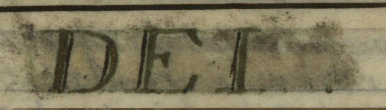
The diplomas of the Jewish graduates of the University of Padua Medical School possess unique features which are reflected in Morpurgo’s diploma. For example, the invocation for a standard issue medical diploma from Padua in this period, “In Christi Nomine Amen” (in the name of Christ Amen), is replaced with the non-Christian substitution, “In Dei Aeterni Nomine Amen” (in the name of the Eternal God, Amen). Morpurgo is referred to as Hebreus, typically added for the Jewish graduate. Other changes include the writing of the date as “current year,” as opposed to the typical forms of dating which included Christian reference (e.g., Anno Domini), and the location of the graduation ceremony, which was in a nondenominational venue, as opposed to a church. 

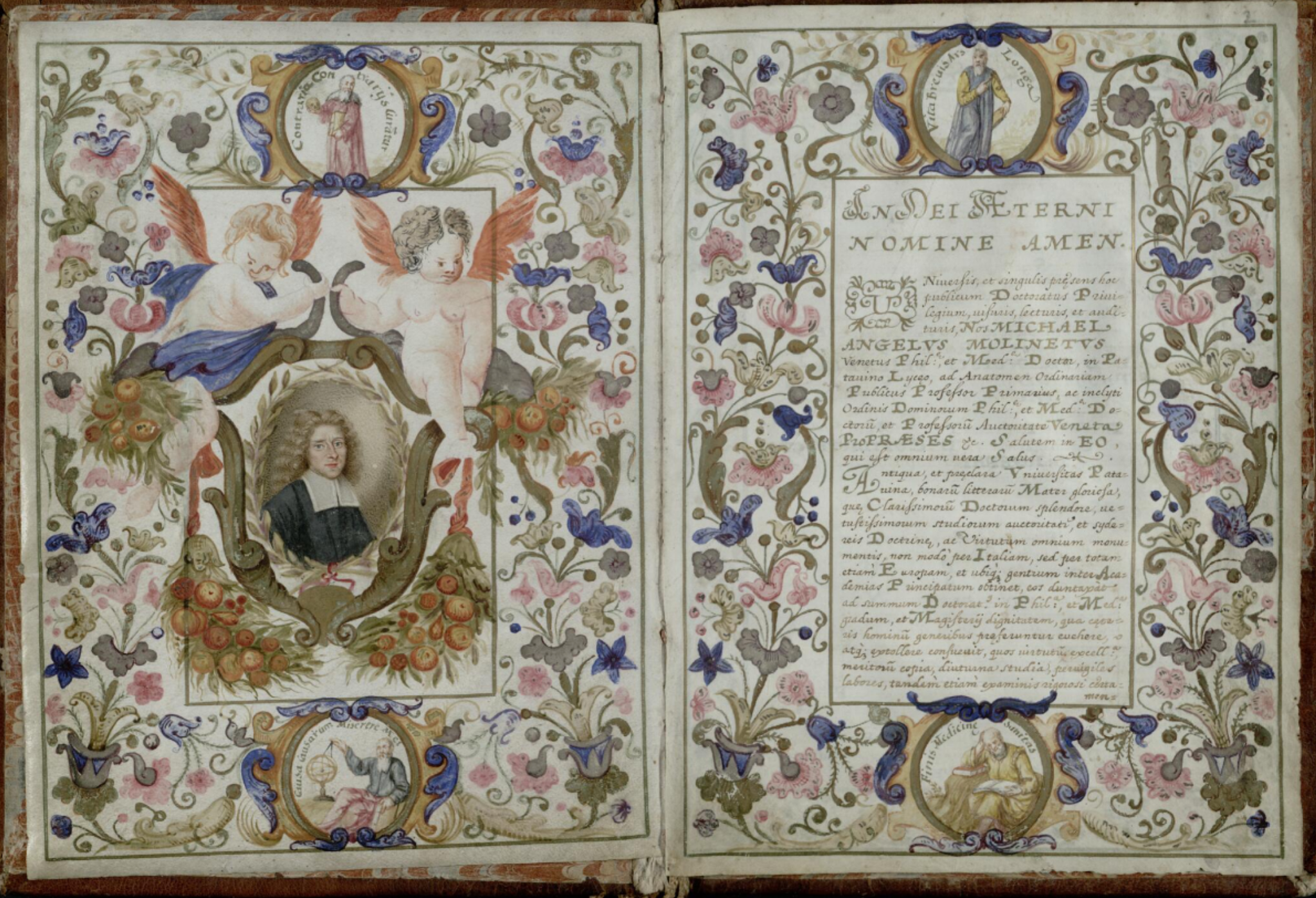
While similar to other Jewish diplomas in form, this is not the case with respect to style. In this regard, Morpurgo’s diploma stands apart from his peers. Most of the diplomas we possess of Padua graduates form this period, whether Jewish or not, are ornate elaborate works of art with magnificently illustrated borders, often including a portrait of the graduate and a family coat of arms. Indeed, Padua University hired its own staff of artists and calligraphers for this purpose. The Morpurgo family had a coat of arms- a depiction of the prophet Jonah in the clutches of the jaws of the whale- which appears in documents and tombstones of the family throughout the centuries.[12] Below are some examples:

Morpurgo’s diploma contains no portrait, no coat of arms, no illustration whatsoever. It is a simple calligraphic text.

Below are some example pages from the diplomas of two Jewish students, both of whom graduated within a year or two of Morpurgo. These diplomas were more the norm.[13]

Diploma of Lazarus De Mordis (1699)[14]

Diploma of Samuel Coen (1702)

Rabbinic Ordination (Semikhah)

As recorded in the preface to his responsa Shemesh Tzedakah, Morpurgo received his rabbinic ordination from Rabbi Yehudah Briel in 1709. Meir Benayahu records the text of the semikhah document in his article on Morpurgo.[15] Rabbi Briel was a mentor to other Padua medical graduates, including Yitzhak Lampronti.[16] 

The original document is housed in the National Library of Israel[17] and is reproduced below. The ordination is handwritten on a simple piece of paper (?parchment) with no ornamentation. 

This stands in stark contrast to the semikhah of Rabbi Brill himself, which is quite ornate.[18] 

The unembellished nature of both Morpurgo’s medical and rabbinic certificates, especially in the historical context of Renaissance Italy, may reflect a preference for simplicity or trait of humility.

Papal Privileges

In 1730, during a severe Influenza outbreak, Morpurgo distinguished himself by providing medical services to both Jew and Christian alike. This was particularly remarkable in light of the Papal decrees prohibiting Jews from treating Christians and reciprocally forbidding Christians from being treated by Jews. At the time, this earned him the approbation and commendation of Cardinal Prospero Lambertini.[19] Lambertini would later go on to become Pope Benedict XIV (1740 –1758). In gratitude, Morpurgo and his heirs received rights to act as superintendents of merchandise arriving at the port of Ancona and intended for use in the Apostolic Palace.[20] I have discovered three extant documents issuing privileges to Morpurgo’s heirs. None of the current bearers of these documents notes the existence of the others examples.

  1. 1787

The earliest example of a Papal privilege for the Morpurgo family dates from 1787. The document, a picture of which appears below, was sold by Sotheby’s Auction House on December 22, 2015.[21] The catalogue entry is titled as follows: Privileges Accorded to the Heirs of Samson Morpurgo, Granted by Filippo Lancellotti, Prefect of the Apostolic Palace, Rome: 1787.

  1. 1793

The second example is from the year 1793. This document is not found in any auction house or museum, but rather on the ancestry research website, MyHeritage.com, accompanying a Morpurgo family tree. While it is not as high quality a reproduction, it is clearly of the same origin as the other two issuances, similar to the third example below. These type of ancestry sites, which include elaborate family trees, often with accompanying historical documents (photos, paintings, etc.), represent an untapped resource for historical research. I will leave it to scholars to debate the use of such material, which may be unprovenanced. 

  1. 1794 

The final example comes from the Umberto Nahon Museum (Jerusalem).[22]

Cardinal Lancellotti, the Prefect who issued the first document above, died in 1794. The latter two were issued by Giuseppe Vinci, assumedly another Prefect of the Apostolic Palace. All three of the documents above were issued under the auspices of Pope Pius VI (1775-1799). It is quite possible that more such documents will surface in the future. 

Portrait of Shimshon Morpurgo

As mentioned above, the diploma of Morpurgo bears no illumination, and thus, no portrait, as is found in the diplomas of some other Jewish graduates. Be it for principled or financial reasons, Morpurgo elected not have his portrait adorn his certificate of medical school completion. He did however sit for a portrait later in life,[23] which represents his rabbinic pursuits exclusively, without allusion to his medical practice.[24]

He is pictured at his desk, with his hand on an open Hebrew book. The top line, spanning across both pages is legible, and reads, “ach bi-zelem yithalekh ish,” a phrase from Tehillim (39:7) with kabbalistic overtones. 

The remaining open pages of the book consist of scrawled lines. Inscriptions in Hebrew characters can be found in the works of European artists of the early modern period.[25] Behind Morpurgo are shelves lined with Hebrew books. Some of the titles are legible, including Rambam and Levush, though I cannot make out the others. 

The artist for the Morpurgo portrait is not known, though it is remarkably similar to the portrait of another rabbi physician of this period, Chakham David Nieto (1654- 1728).[26]


There are so many similarities in fact – the curtains, the chair, the bookshelf,[27] the desk, the quill, the book with a legible Hebrew top line- that I am inclined to suggest that they were either drawn by the same artist, or at the very least one was directly inspired by the other.[28]

The book under Nieto’s hand is an accurate representation of his own Mateh Dan, published in 1714, while the book under Morpurgo’s hand does not appear to be that of his own authorship.[29] This may explain why Nieto is holding a quill as if writing the text before him. 

The artist for Nieto’s portrait is David Estevens, a Dutch Jew. Though we do not know the exact date of Nieto’s portrait, Landsberger writes that inasmuch as the portrait shows certain books written by him in 1714 and 1715, it follows that the portrait must have been painted at a time subsequent to then.[30] He does not identify the books to which he refers. A number of books of Nieto’s clearly appear in the portrait. Mateh Dan was published in 1714 and Pascalogia in 1702. Esh Dat was published in 1715, and though not clearly completely visible, the word “Dat” in English appears on a book resting on its side on the bookshelf. Perhaps Landsberger was referring to this. What Landsberger did not know, is that there is a more obtuse reference to another work of Nieto’s which may bring the date of our portrait forward by a few years. On the notebook behind the book Mateh Dan appears the word “Noticias.” Cecil Roth suggests that this one word was used by Nieto to cleverly claim authorship of an anonymously published controversial work beginning with the same word.[31] This work was published in 1722. Thus, this portrait must have been drawn between 1722 and 1728. 

While there is no way to determine the exact year of Morpurgo’s portrait, we can likewise limit it to within a certain time period based on the internal aspects of the portrait. The card sitting on Morpurgo’s desk displays the name of the city Ancona, though unfortunately I cannot make out the other words on the card. It is in Ancona that Morpurgo settled for the later portion of his life, marrying the daughter of Rabbi Fiametta, the rabbi of Ancona, whose position he filled after the latter’s death. Thus, it is fair to assume that the portrait was drawn somewhere between 1710[32] and 1740.

Parenthetically, this portrait depicts Morpurgo without a beard. Recent discussions have addressed the issue of the beardless rabbis of the Renaissance period and have included Morpurgo’s portrait.[33]

Portrait of Morpurgo’s Son

While researching the portrait of Shimshon Morpurgo, I came across a portrait identified as Joseph Leon Morpurgo (d. 1786), the son of Shimshon.[34]

What makes this portrait of particular interest is less its connection to his father than its correlation with Joseph’s ketubah, presently in the Jewish Theological Seminary Library.

This spectacularly ornate renaissance ketubah is unique in that it contains miniature illustrations of a bride and groom. 

Ketubah of Morpurgo’s son Yosef

Ancona 1755[35]

Are these simply generic representations of a bride and groom, or are they actual portraits of the wedding party? A “head” to “head” comparison between the portrait and the ketubah may provide some insight. 

I will leave it to the reader to decide on the extent of the similarities. The Morpurgo coat of arms also appears on the top of the ketubah.[36]

Morpurgo’s Participation in Weddings and Circumcisions

In addition to his scholarly exploits, we have record of Morpurgo’s social activities as well. Like many of his Jewish Italian Renaissance peers, he wrote occasional poetry, including for the wedding of Shabtai Marini, a fellow medical graduate of the University of Padua, though some fifteen years earlier.[37] Marini has also been identified as a rebbe of Ramchal, though evidence is scant,[38] and translated Ovid’s Metamorphosis into Hebrew.[39]

Morpurgo also wrote a wedding poem for another Marini family wedding in 1721, the union of Benjamin ben Matzliach Rava and Elena bat Gemma and Isaac ben Solomon me-Marini.[40]

We also have record of Morpurgo serving as a witness for the Ketubah of two weddings in the year 1722,[41] with one example below.[42]

We can compare Morpurgo’s signature on the ketubah to that found on the inside cover of Morpurgo’s personal copy of Rashba’s commentary on Kiddushin.[43]

A Pinkas Mohel, or circumcizor’s ledger, from his time (1705- 1736) documents his involvement in varying capacities in the circumcisions of the time, including those of his children.[44]

Conclusion

Shimshon Morpurgo is one of the more remarkable figures in Jewish history, a true Renaissance personality. From an archival perspective, he may possibly be the only pre-Modern Jewish figure for whom we possess a copy of his rabbinic ordination, medical diploma and portrait, in addition to the other notable material included here. These visual supplements to Morpurgo’s biography will hopefully further enhance our appreciation of his illustrious life. 

[1] On Morpurgo, see Edgardo Morpurgo, La Famiglia Morpurgo di Gradisca sull’Isonza 1585-1885 (Premiata Societa Cooperativa: Padova, 1909), 32–34, 65–69, 77, 104; Yeshayahu Sonne, “Letter Exchange Between R. Moshe Chagiz and R. Shimshon Morpurgo,” (Hebrew) Kobetz al Yad, 12 (1937), 157–96; M. Wilensky, “On the Rabbis of Ancona,” (Hebrew) Sinai, 25 (1949), 68–75; M. Benayahu, “Rabbi Shimshon Morpurgo,” (Hebrew) Sinai 84 (5739), 134-165; David Ruderman, “Kabbalah, Science and Christian Polemic: The Debate Between Samson Morpurgo and Solomon Aviad Sar Shalom Basilea,” in his Jewish Thought and Scientific Discovery in Early Modern Europe (Yale University Press: New Haven, 1995), 213-228; A. Salah, La Republique des Lettres: Rabbins, Ecrivains et Medecins, Juifs en Italie au XVIIIe Siecle (Brill: Leiden, 2007), 455-460. On his graduation from the University of Padua, see A. Modena and E. Morpurgo, Medici e Chirurghi Ebrei Dottorati e Licenziati nell’Università di Padova dal 1617 al 1816 (Forni Editore: Bologna, 1967), 62, n. 147. In the eighteenth century, the Inquisition in Mantua routinely confiscated Hebrew books for expurgation. Some of Morpurgo’s books were confiscated in 1732, only to be returned six years later. See S. Simonsohn, The History of the Jews in the Duchy of Mantua (Kiryath Sepher: Jerusalem, 1977), 694, n. 398.
[2] Abraham Ofir Shemesh, “Two Responsa of R. Samson Morpurgo on Non-Kosher Medicines: Therapy vs. Jewish Halakhic Principles,” Journal for the Study of Religions and Ideologies 18:52 (Spring 2019), 3-16. In his introduction to his philosophical work Eitz Ha-Da’at (Venice, 1704), 3b, Morpurgo mentions his plans to write a manual on the laws of treifot which would include extensive anatomical discussions and illustrations. We have no record of this idea ever coming to fruition. Chaim Meiselman wrote a brief article for the University of Pennsylvania Library blog (Pennrare.wordpress.com) entitled, “An Illustrated Manuscript for Terefot: CAJS Rar Ms 480,” (February 27, 2019). Here he discusses an anonymous Italian manuscript on treifot with detailed illustrations and anatomical notes. Could this somehow be related to Morpurgo?
[3]
 Ruderman, op. cit.
[4]
See Sonne, op. cit; Yaakov Shmuel Speigel, “The Beginning of the Ramchal Polemic: Four New Letters from the Manuscripts of Rabbi Shimshon Morpurgo,” (Hebrew) HaMa’ayan 231 (Tishrei, 5780), 324-355; idem, “The Ramchal Polemic: The Complete Letter Sent by R’ Moshe Chagiz to R’ Shimshon Morpurgo,” (Hebrew) Da’at 89 (2020), 371-404. I thank Eliezer Brodt for this source.
[5]
 (Vendramin: Venice, 1743).
[6] See the National Library of Israel’s International Collection of Digitized Hebrew Manuscripts, https://web.nli.org.il/sites/nlis/en/manuscript, s. v., “Samson Morpurgo.”
[7] See E. Reichman, “The Valmadonna Trust Broadsides: A Virtual Reunion for the Jewish Medical Students of the University of Padua,” Verapo Yerapei 7 (2017): 55-76.
[8] See E. Reichman, “The ‘Doctored’ Medical Diploma of Samuel, the Son of Menasseh ben Israel: Forgery or ‘For Jewry’,” Seforim Blog (here), March 23, 2021; idem, “Confessions of a Would-Be Forger: The Medical Diploma of Tobias Cohn (Tuvia HaRofeh) and other Jewish Medical Graduates of the University of Padua,” forthcoming in K. Collins and S. Kottek, eds., Ma’ase Tuviya (Venice, 1708): Tuviya Cohen on Medicine and Science (Jerusalem: Muriel and Philip Berman Medical Library of the Hebrew University of Jerusalem, 2019), in press.[9] Morpurgo, op. cit., 65-68.
[10]  For example, the name of one of the witnesses is written in the book as “Sabbetteo. Vith [?] Marini hil.” while it appears clear in the original- Sabbatheo Vita Marini Phil (short for philosophy and medicine degree).
[11] I thank Dr. Andreina Contessa, former Chief Curator of the museum, for kindly providing me with the images of this diploma.
[12] The pictures of stone below appear on the cover of Marjetka Bedrac and Andrea Morpurgo, The Morpurgos, the Descendants of the Maribor Jews (Center Judovske Kulturne Dediscine Sinagoga, 2018). The fourth image appears at the top of a ketubah for the wedding of Zechariah ben Shemariah Morpurgo and Luna bat Isaac ben Shemariah Morpurgo in Venice on Wednesday, 14 Nisan 5472 (April 9, 1712). The item was auctioned by Sotheby’s, Important Judaica (December 19, 2018), item 153. There is an author named Michael Morpurgo who wrote a book titled, “Why the Whales Came.” I wonder if this is more than coincidence.
[13] For further discussion of these students and their diplomas, see Reichman, “Confessions,” op. cit.
[14] If the graduate requested, a portrait would be drawn in the medallion. There was an addition fee for this service
[15] Benayahu, op. cit., 157.
[16] For more on Briel and his circle of medical students, see Reichman, “Valmadonna,” op. cit.
[17] System n. 990001800790205171.
[18] Venice (1677) JTS B (NS) PP489
[19] The text is preserved in Edgardo Morpurgo, op. cit., 69.
[20] Awarding a person and his heirs for exceptional behavior was common practice in Europe at this time. Other Jewish families benefitted from this practice. For example, Benjamin Ravid writes, “In 1616, in accordance with the privilege granted by the Council of Ten 150 years earlier to David Mavrogonato of Crete that in return for his untiring services to Venice he and his heirs were, among other favors, to be exempted from the special Jewish distinguishing sign, the Cattaveri granted the request of Elie Mavrogonato of Crete to be allowed to wear a black capello.” See Benjamin Ravid, “From Yellow to Red: On the Distinguishing Head-Covering of the Jews of Venice,” Jewish History 6:1-2 (1992), 179-210, esp. 196. Ravid mentions other family members who benefitted from these privileges.
[21]  http://www.sothebys.com/en/auctions/ecatalogue/2015/important-judaica-n09447/lot.14.html (accessed April 17, 2021).
[22] Item number: ICMS-EIT-0825.
[23] C. Roth, The History of the Jews in Italy (Jewish Publication Society: Philadelphia, 1946), opposite p. 401. Roth identifies the portrait as an oil painting in the possession of the Morpurgo family. I have as yet been unable to identify the location of the original work. I have consulted museums, libraries and members of the Morpurgo family to no avail. All the copies of this portrait I have identified all seem to be from this one source. I have found no discussion or source detailing the whereabouts of the portrait or the identity of its author.
[24] A copy of this picture is pinned to the inside cover of Morpurgo’s original medical diploma in the U. Nahon Museum.
[25] Pawel Maciejko has recently added to the scholarship on this topic, which has included studies on the works of Rembrandt. See P. Maciejko, “A Portrait of the Kabbalist as a Young Man: Count Joseph Carl Emmanuel Waldstein and His Retinue,” Jewish Quarterly Review 106:4 (Fall 2016), 521-576, esp. 529-537. Maciejko notes that, “While Hebrew inscriptions were commonplace in Western paintings, representations of Hebrew books were rare.”
[26] On Nieto’s portrait, see Macienko, op. cit., 533-536; OntheMainline Blog, “David Nieto, an Art Mystery and the Joys of Digitized Books”  (October 9, 2009) http://onthemainline.blogspot.com/2009/10/david-nieto-art-mystery-and-joys-of.html (accessed April 17, 2021); F. Landsberger, “The Jewish Artist Before the Time of Emancipation,” Hebrew Union College Annual 16 (1941), 321-414, esp. 387-388.
[27]  A few books on the shelf of Nieto’s portrait appear to bear a title, though I cannot decipher them.
[28] The clarity and detail of the Nieto portrait appears far superior, but this may simply be a reflection of the quality of the reproduction.
[29] The phrase from Tehillim does not appear in his work, Eitz ha-Da’at, or in his responsa, Shemesh Tzedakah, published posthumously by his son, Moshe Hayyim Shabtai.
[30] According to Landsberger, op. cit., the reproduction here in mezzotint, done by I. MacArdell, did not appear until 1728, the year of Nieto’s death. The original oil painting upon which this work is based is lost today.
[31] See OntheMainline blog, “David Nieto, an Art Mystery and the Joys of Digitized Books”  (October 9, 2009) http://onthemainline.blogspot.com/2009/10/david-nieto-art-mystery-and-joys-of.html (accessed April 17, 2021); Cecil Roth, “The Marrano Typography in England,” The Library 5:2 (1960), 118-128, esp. 121-122.
[32] According to Benayahu, op. cit., 139, the earliest documentation placing Morpurgo in Ancona dates from July, 1711.
[33]See http://onthemainline.blogspot.com/2011/01/beards-and-beardlessness-in-italian.html (accessed April 17, 2021). Here the author writes, “apparently the native Jews of Salonica were scandalized by the closely trimmed beards of the Francos who lived among them. They demanded that they grow them or be expelled. The situation of the ex-pat Italians came to the attention of the Italian rabbis, including one of the foremost ones,  Samson Morpurgo (Shemesh Tzedakah #61). Morpurgo interceded on their behalf attempting to prevent the Salonica community from expelling those not sporting a full beard. It is pointed out that Morpurgo himself, as per the above portrait, was beardless.”

There is a portrait on myheritage.com which is identified as being that of Dr. Samson Morpurgo. Attempts to contact the curator of the site to learn more about the portrait were unsuccessful.

It depicts an older man with a salt and pepper beard. This man is dressed in garb similar to Morpurgo and is likewise seated at a desk with a feather and quill. I have no additional information to corroborate this identification and have seen no reference to this portrait elsewhere. If indeed verified, this would not only add to our visual history, it would also alter the discussion about Morpurgo’s beardlessness.
[34] The portrait is found on the MyHeritage.com website. Attempts to contact the curator of the site to learn more about the portrait were unsuccessful.
[35] JTS Library Ketubah 5 record # 265985. I thank Sharon Liberman Mintz for bringing this ketubah to my attention.
[36] Apparently as both the bride and groom were members of the Morpurgo family only one coat of arms was included.
[37] David Kaufmann Collection of Medieval Hebrew manuscripts in the Oriental Collection of the Library of the Hungarian Academy of Sciences, n. 580, p. 21. I thank Kinga Devenyi from the Kaufmann Collection in Budapest for providing a copy of this poem. While the poem is unsigned, Benayahu provides definitive proof that Morpurgo is the author. For additional information on Marini and this poem, see M. Benayahu, “Rabbi Avraham Ha-Kohen Mi-Zanti U-Lehakat Ha-Rof ’im Ha-Meshorerim Be-Padova,” Ha-Sifrut 26 (1978): 108-40, esp. 110-111.
[38] See OntheMainline blog (October 20, 2010), http://onthemainline.blogspot.com/2010/10/ramchals-rebbe-rabbi-sabbato-marini-of.html (accessed April 17, 2021). There, the rebbe of Ramchal, as well as the picture below are identified as Rabbi Dr. Shabtai Aharon Chaim Marini (1685-1762).

According to Laura Roumani, whose dissertation is on Shabtai Hayyim Marini, both the picture and rebbe of Ramchal are Shabtai Hayyim Marini (1662-1748). In addition, according to Roumani, “Shabbetay Aharon Hayyim Marini is not the one born in 1685 who died in 1762. That is Shabbetay son of Aharon Marini who got his degree in medicine in 1705. He belongs to another lineage of the family. Shabbetay Aharon Hayyim Marini passed away in 1809 and was a rabbi in the Spanish synagogue of Padua. He was the son of Shelomoh Marini son of Shabbetay Hayyim and the father of Armellina Stella Rahel Marini who married Avraham Sevi HaLevi who inherited all the autographs of Shabbetay Hayyim Marini.” See Laura Roumani, “Le Metamorfosi di Ovidio nella traduzione ebraica di Shabbetay Hayyim Marini di Padova” [Ovid’s Metamorphoses translated into Hebrew by Shabtai Ḥayim Marini from Padua] (PhD diss., University of Turin, 1992). See also L. Roumani, “The Legend of Daphne and Apollo in Ovid’s Metamorphoses Translated into Hebrew by Shabbetay Ḥayyim Marini” [in Italian], Henoch (Turin University) 13 (1991): 319–335.
[39] Joseph Almanzi composed an ode to Marini in his Nezem Zahav:

[40] JTS Ms. 9027 V2:29. The poem is signed זה שמ”י לעלם and the author is not identified in the JTS catalogue. As per correspondence with Laura Roumani, “The author is Shimshon Morpurgo (who used to sign as Shmi, shin mem being the initials of his name). Elena was the daughter of Gemma second wife of Yishaq Marini, Shabbetay Hayyim Marini’s father. The wedding took place after 1721 (Yishaq was deceased). Though Shelomoh Marini is mentioned, he was not Yishaq Marini’s father. Yishaq was the son of Shabbetay Marini the doctor, brother of Shelomoh.”
[41] National Library of Israel, system number 000301332 and system number 004092777.
[42] system number 004092777. The wedding of Shmuel Moshe Hakohen and Diamante Hakohen.
[43] This sefer is part of the Shimeon Brisman Collection in Jewish Studies at Washington University in St. Louis. http://omeka.wustl.edu/omeka/exhibits/show/brisman/item/6997 (accessed April 16, 2021).
[44] See University of Pennsylvania Library, CAJS Rar Ms 503 (https://franklin.library.upenn.edu/catalog/FRANKLIN_9969495443503681). The catalogue notes references to Morpurgo on pages 16r and 24r. There is an additional mention of Morpurgo on page 32v (item 167), which is pictured here. The name Morpurgo spans across two lines.


Book Week Sale 2021

Book Week Sale 2021

By Eliezer Brodt

This Book list of over four Hundred titles, from many different companies. I have attempted to put them in some sort of categories to make it easier to use. Most of these titles were printed in the past five-six years and are not found in regular stores.

  1. Almost all the books are either brand new or in good shape.
  2. Email your order to eliezerbrodt@gmail.com. I will than send you a bill based on what is available. Payment is with PayPal or Chase QuickPay, but other arrangements can be made.
  3. Shipping is not included in the price; that depends on the order and size of the book.
  4. All books will be air mailed out after I receive payment.
  5. There are other shipping possibilities available depending on the quantity of books ordered.
  6. Most of the titles are only available at these prices for the next two weeks.
  7. For every 5 titles purchased there is a 10 percent discount [not including the shipping] [a set counts as one title].
  8. Feel free to ask for details about any specific book on the list, or for books not found on the list.
  9. All questions should be sent to me at eliezerbrodt@gmail.com
  10. Part of the proceeds of this sale will be going to help support the efforts of the Seforim Blog.
  11. Enjoy!

תפילה ומנהג

  1. מקראה בחקר התפילה, $26
  2. נפתלי וידר, התגבשות נוסח התפילה במזרח ובמערב, 2 חלקים $34
  3. מחזור גולדשמידט, סוכות $25
  4. מחזור גולדשמידט, פסח $26
  5. מחזור גולדשמידט, שבועות $26
  6. עזרא פליישר, תפילה ומנהגי תפילה ארץ-ישראליים בתקופת הגניזה [מהדורה שניה] כריכה רכה, $25
  7. אורי ארליך, תפילת העמידה של ימות החול, נוסחי הסידורים בגניזת הקהירות שורשיהם ותולותיהם $28
  8. משה בר אשר, לשוננו רנה, עיוני תפילות בלשון ובסגנון בתכנים בנוסחות ובמנהגים, 382 עמודים, $27
  9. יעקב גרטנר, עיוני תפילה, מנהגים ותולדות, $25 [מצוין] [ניתן לקבל תוכן הענינים]
  10. יצחק לנדיס, ברכת העבודה בתפילה העמידה, $24
  11. ישראל תא-שמע, מנהג אשכנז הקדמון, $25
  12. ישראל תא-שמע, הלכה מנהג ומציאות באשכנז, $25
  13. ישראל תא-שמע, התפילה האשכנזית הקדומה, $25
  14. אליעזר בראדט, ליקוטי אליעזר 9$
  15. בין כסה לעשור, אליעזר בראדט, 14$
  16. יצחק זימר, עולם כמנהגו נוהג, פרקים בתולדות המנהגים וגלגוליהם [הדפסה שניה] $24
  17. יוסף תבורי, מועדי ישראל בתקופת המשנה והתלמוד $25
  18. ראובן קימלמן, לכה דודי וקבלת שבת, $25
  19. יואל רפל, התפילה לשלום המדינה, תולדותיה תכניה ופירושה $20
  20. יוסף קאפח הליכות תימן $23
  21. ר’ בן ציון אייכארן, זמירת ציון, בעניני זמירת שבת, תולדותיה ומנהגיה ובמיוחד הפיוט כל מקדש שביעי, ונספח בסופו ספר תפלה ורנה מכ”י על זמירת שבת מאת החכם ר’ יעקב רייפמן 15$
  22. יוסף תבורי, פסח דורות $20
  23. ברכה יניב, מעשה רוקם, תשמישי קדושה מטקסטיל בבית הכנסת האשכנזי, הספרדי והאיטלקי $17

מקרא וחזל

  1. עדיאל קדרי, עד שיבוא אליהו, דמותו של אליהו הנביא, בספרות התנאים, 202 עמודים
  2. ר’ אליעזר שמשון רוזנטל, עיונים בספרות התלמוד – שני כרכים, $42
  3. מנחם כהנא, מפני תיקון עולם, פרק ד ממסכת גיטין, $25
  4. משה הלברטל, הולדת הספק, $21
  5. נעה יובל חכם, אמנות ללא דמות – מגמות אנטי־פיגורטיביות באמנות היהודית בשלהי התקופה הביזנטית ובראשית התקופה המוסלמית , $28
  6. ג’פרי רובינשטיין, סיפורים תלמודיים, $23
  7. המשפחה: בשלהי העת העתיקה בין שארות לקהילה, אוריאל סימונסון ויניב פוקס (עורכים), $20
  8. יעקב ליכט, מעולמה הרוחני של יהדות הבית השני פרקי עיון במגילות מדבר יהודה ובספרים החיצונים, $20
  9. רונה טאוזינגר, תמר אשת ער – פואטיקה, מיסטיקה ופוליטיקה של תימה מקראית בספרות העברית, $28
  10. תלמוד האיגוד, גיטין פרק ט, $49
  11. יוסף פליישמן, תורת האבות מבראשית, $21
  12. דוד יעקבסון, קסמו של ההיסוס הנבון, סיפורי התלמוד בתרבות הישראלית , $21
  13. יוסי חקלאי, לא תעשה לך – יחסה של ההגות היהודית לאומנות החזותית, $21
  14. צחי כהן, פסוק לי פסוקך, $21
  15. חגי ארליך, ים סוף הים העצוב, $21
  16. אביגיל ראק, פרשני המקרא, $23
  17. אברהם יהושע השל, תורה מן השמים, א-ג, $48,
  18. אהרן קסל, העולם המופלא של נוסח התורה, $21
  19. אמנון בזק, נצחוני בני, שאלות יסוד בלימוד תורה שבעל פה, 486 עמודים, $25
  20. יונתן גרוסמן, יעקב סיפורה של משפחה, $23
  21. הרב ברנדס, מדע תורתך – על מסכת ברכות, $24
  22. משניות ארץ ישראל, ספראי, נדה, $22
  23. יונתן (תני) פיינטוך, כי בענן אראה – אגדה והלכה במסכת יומא, 292 עמודים, $20
  24. אליהו עסיס, איכה – מייאוש לתפילה, $18
  25. מיכאל רוטנברג, סופה להתקיים; הקיום המשותף בצל המחלוקת, $20
  26. בין יהודים לשומרונים – אידאולוגיה ומציאות בספרות הפולמוסית שבמקרא, $18
  27. ישי רוזן-צבי, בין משנה למדרש, קריאה בספרות התנאית, $26
  28. גנזי הירושלמי, יעקב זוסמן, בהשתתפות בנימין אליצור, בתוספת: שלמה נאה הערות ללשון קטעי הגניזה של התלמוד הירושלמי, 831 עמודים, $56
  29. נורית בארי, יצא לתרבות רעה, אלישע בן אבויה – אחר, 212 עמודים, $20
  30. רבקה חביב, חמודות אתה: דניאל וספרו באספקלריה של ספרות חז”ל, $21
  31. ניסן רובין, מסגרות מתעקמות: תהליכים של שינוי במסורות חז”ל, $21
  32. משה עסיס, אוצר לשונות ירושלמיים, ג’ חלקים, $90
  33. ישראל ייבין, המסורה למקרא $28 [מצוין]
  34. רפאל פוזן, העקיבות התרגומית בתרגום אונקלוס $24
  35. היא שיחתי, על דרך לימוד התנ”ך, ישיבות הר עציון והוצאת קורן [חומר מעניין] $15
  36. אמנון בזק, עד היום הזה [שאלות יסוד בלימוד תנ”ך – חומר חשוב] 24$
  37. ר’ יואל בן נון ור’ שאול ברוכי, מקראות עיון רב תחומי בתורה, יתרו, 278 עמודים $25
  38. ר’ יואל בן נון ור’ שאול ברוכי, מקראות עיון רב תחומי בתורה, משפטים, 608 עמודים $25
  39. מגילת תענית $26 מהדיר: ורד נעם
  40. סדר עולם, מהדורת חיים מיליקובסקי, ב’ חלקים, [מצוין], $67
  41. ספרות חז”ל הארץ ישראלית – מבואות ומחקרים [שני חלקים] [ניתן לקבל תוכן העניינים] $54
  42. חנן גפני, פשוטה של משנה, עיונים בחקר ספרות חז”ל בעת החדשה [מצוין] $20
  43. ספר מקבים ב מבוא תרגום ופירוש $26
  44. עדיאל שרמר, זכר ונקבה בראם הנישואים ימי הבית השני ובתקופת המשנה והתלמוד $21
  45. אהרן אופנהיימר, על נהרות בבל: סוגיות בתולדות בבל התלמודית $13
  46. דניאל שוורץ, אגריפס הראשון: מלך יהודה האחרון $23
  47. ישעיהו גפני, יהודי בבל בתקופת התלמוד $20
  48. ורד נעם, מקומראן למהפכה התנאים: היבטים בתפיסת הטומאה $23
  49. שאול ליברמן, הירושלמי כפשוטו $21
  50. שאול ליברמן, תוספת ראשונים, 2 חלקים, $38
  51. מדרש ויקרא רבה מהדורת מרדכי מרגליות, 2 חלקים, $30
  52. אבות דר’ נתן (שכטר) $20
  53. דוד הנשקה, מה נשתנה, ליל הפסח בתלמודם של חכמים, 650 עמודים $33
  54. דוד הנשקה, שמחת הרגל בתלמודם של תנאים, $24
  55. ספרי זוטא, ליברמן $22
  56. נחמן דנציג, מבוא לספר הלכות פסוקות $20
  57. ליאורה אליאס בר לבב, מכילתא דרשב”י, פרשת נזיקין, נוסח מונחים מקורות ועריכה, בעריכת מנחם כהנא, מאגנס, 392 עמודים, $26
  58. אייל בן אליהו, בין גבולות, תחומי ארץ ישראל בתודעה היהודית בימי הבית השני ובתקופת המשנה והתלמוד, 348 עמודים, [מצוין] $26
  59. מנחם כהנא, ספרי זוטא דברים $32
  60. שמא פרידמן, סוגיות בחקר התלמוד הבבלי $25
  61. מירה בלברג, פתח לספרות חז”ל $22
  62. ברכיהו ליפשיץ, ההלכה על דעת המקום או על דעת הקהל, $27
  63. יעקב זוסמן, תורה שבעל פה פשוטה כמשמעה – כוחו של קוצו של יו”ד, 228 עמודים $25
  64. חנן גפני, מפי סופרים – תפיסת התורה שבעל פה בראי המחקר, 342 עמודים, $25
  65. אהרן שמש, עונשים וחטאים מן המקרא לספרות חז”ל, הדפסה שנייה, מאגנס, 250 עמודים, $23
  66. שמא יהודה פרידמן, לתורתם של תנאים, אסופות מחקרים מתודולוגיים ועיוניים, ביאליק, 534 עמודים [מצוין], [ניתן לקבל תוכן העניינים] $32
  67. משנת ארץ ישראל, שמואל וזאב ספראי, כל כרך $20
  68. שמא פרידמן, מחקרי לשון ומינוח בספרות התלמודית, 565 עמודים [ניתן לקבל תוכן הענינים] $28
  69. משנת ארץ ישראל, ספראי, נדרים $23
  70. משנת ארץ ישראל, ספראי, כתובות, 2 חלקים $40
  71. ענת רייזל, מבוא למדרשים, $23 [מצוין]
  72. מדרש קהלת רבה א-ו, בעריכת מנחם הירשמן, קנ+363 עמודים, $20
  73. תלמוד ירושלמי, מפעל המילון ההיסטורי, הדפסה שלישית עם קו’ תיקונים מורחב, $70
  74. מדרש אסתר רבה, מהדירים: יוסף תבורי וארנון עצמון, קלג+284 עמודים, $20
  75. מדרש חדש על התורה, מהדירה: גילה וכמן, עא+297 עמודים, $20
  76. מדרש שמואל, $20
  77. תמר קדרי, מנחה ליהודה, יהודה תיאודור ועריכתם של מדרשי האגדה הארץ ישראליים, מכון שכטר, 217 עמודים, $19
  78. והנה רבקה יוצאת, עיונים במדעי היהדות לכבוד רבקה דגן, 293 עמודים [ניתן לקבל תוכן הענינים], $15

הלכה

  1. ד”ר יוסף בן לולו, קטניות בפסח, $25
  2. דניאל שפרבר, סדר נשי – הלכות לאשה המודרנית, 332 עמודים $25
  3. תשובות רבי משה יהודה עבאס, בשני כרכים, מהדיר: שמואל גליק, $53
  4. ובשנה השביעית, חלק ב’ / הרב ד”ר בועז הוטרר [מומלץ], $19
  5. ובשנה השביעית, חלק א’ / הרב ד”ר בועז הוטרר, $19
  6. הגהות הגר”א, מועד א / הרב אוריאל שלמוני $16
  7. הגהות הגר”א, מועד ב/ הרב אוריאל שלמוני, $16
  8. הגהות הגר”א, נשים, נזיקין, קדשים וטהרות / הרב אוריאל שלמוני $16
  9. הגהות הגר”א, מסכת שקלים \ הרב אוריאל שלמוני $16
  10. נועה ששר, גברים נעלמים – עגונות במרחב האשכנזי, $23
  11. אבי גורמן, גלגולה של הלכה, איסור נישואי מעוברת ומינקת, $23
  12. אבי גורמן, בין מסורת לחידוש, סוגיות מסדר נשים, $23
  13. יחזקאל ליכטנשטיין, ואמונתך בלילות, סוגיות מימי השואה בראי ההלכה, $19
  14. יחזקאל ליכטנשטיין, והסנה איננו אכל: סוגיות מימי השואה בראי ההלכה, 363 עמודים, $19
  15. יחזקאל ליכטנשטיין, מטומאה לקדושה, תפילה וחפצי מצווה בבתי קברות ועלייה לקברי צדיקים, $20
  16. יחזקאל ליכטנשטיין, המאבד עצמו לדעת, היבטים הלכתים, היסטוריים והגותיים, $20
  17. אברהם אופיר שמש, ריח גן עדן, ריחות בשמים וקטורת במסורת היהודית, 348 עמודים, $31
  18. יעקב כץ, גוי של שבת, $14
  19. דניאל שפרבר, דרכה של ההלכה, $27
  20. דניאל שפרבר, נתיבות פסיקה, $27
  21. ר’ יחיאל גולדהבר, קונדיטון [לשאלת החרם על ספרד; אסון הטיטאניק מנקודת מבטו של העולם היהודי] 15$
  22. יוסף שלמון, ובחוקותיהם לא תלכו, נתיבות בחקר האורתודוקסיה, $22
  23. פנקס דק”ק טיטקין שפ”א-תקס”ו מהדיר מרדכי נדב, 2 חלקים $38

ספרים של ריואל שילה

  1. היא חכמתכם [האסטרונומיה בהלכה] $21
  2. ראשית דגנך [הלכות תרו”מ חלה ערלה כלאים] $14
  3. היקף השבת [עירובין ושתילי זיתים] $14
  4. אור ההלכה [תרו”מ ערלה חלה כלאים עירובין ומקוואות – מתומצת עם תמונות רבות] $10
  5. אל יוציא [תחומין]$10
  6. מקוה טהרה [מקוואות – הלכות, סקירה היסטורית, שיפורים, חימוש חכמים] $10
  7. כל השביעין [הלכות שביעית] $10
  8. ותשקט הארץ [פאה נכרית]$11
  9. ממזרח שמש [זמן התפילה בהנץ החמה] + קו התאריך $10
  10. כעין תער [השימוש במכונת גילוח + איסור לא תקיפו פאת ראשכם] $10
  11. ממלכת כהנים [השימוש בכהן] + שתילי זיתים [שיעורי המצוות] $9

אהבת שלום

  1. תלמוד מסכת הוריות כת”י פאריש רש”י ותוס’ ראש מכתב יד, $16
  2. מנחת סוטה, שיטה על מסכת סוטה, $20
  3. ר’ שלמה סיריליאו, תלמוד מסכת עדיות, $20
  4. דברי יוסף ר’ יוסף סמברי, $20
  5. ספר הזכרונות, לר’ שמואל אבוהב, $17
  6. דרך חיים לר’ מנחם די לונזאני, $20 [מצוין]
  7. שו”ת תורה לשמה, $20
  8. הלכות ראו \ הלכות פסוקות, מכון אהבת שלום, ויד הרב ניסים, מהדיר: יוחנן ברויאר, כח+290 עמודים, $22
  9. מן הגנזים, א-יד, כל כרך $15
  10. אוצר כתבי האדר”ת: מכשירי מצווה, $13
  11. אוצר כתבי האדר”ת: זכור לדוד, אחרית השנים $15
  12. אוצר כתבי האדר”ת: הר המוריה אוזני ירושלים, $15
  13. אוצר כתבי האדר”ת: מגלת סימנים, תשובה מיראה, $15
  14. אוצר כתבי האדר”ת: עיני בנימין, קושט אמרי אמת, $15
  15. שער התפילה, אריז”ל, מהדורה בתרא, $23
  16. רנו ליעקב, מכתב יד, לר’ יעקב צמח , $15
  17. תפארת אדם, לר’ יעקב צמח, $16
  18.  מכתב מאליהו, מכתבים בין ר’ אליהו מני ובן איש חי, רצב עמודים, $19
  19. ספרי מהר”ם פאפרש, תורה אור, אור בהיר, אור הנר, אור השבת, אור צדיקים, $19
  20. מהר”ם פאפרש, אור זרוע, $19
  21. ר’ יעקב הלל, גבורת האר”י, $15
  22. ר’ משה בנימין מבגדאד, מעשה רב, ביאור מאמרי רבה בר בר חנה, $20
  23. ר’ יעקב כולי, משנה כסף על רמב”ם מדע, $16
  24. פחד יצחק, ר’ שם טוב גאגין, ב’ חלקים, $30

ספריות וספרים

  1. ספר הזכרון למאיר בניהו, שני חלקים [מומלץ], $56
  2. דרך ספר – ספר היובל לכבוד זאב גריס, $27 [מומלץ]
  3. עלי ספר כט, $20
  4. שושנה הלוי, ספרי ירושלים הראשונים, $50 [מצוין]
  5. הגדת היטלר, נסים בן שמעון, חיבור יהודי ממרוקו מתקופת מלחמת העולם השנייה, $22
  6. צבי ברסקי, חנות ותווית, מוכרי ספרים בארץ ישראל, 1870-1948, 308 עמודים, $30
  7. יעקב שמואל שפיגל, עמודים בתולדות ספר העברי, הדר המחבר, $25
  8. אמנון רז-קרקוצקין, הצנזור הערוך והטקסט, הצנזורה הקתולית והדפוס העברי במאה השש עשרה $22
  9. שרה צפתמן, הסיפורת ביידיש מראשיתה עד שבחי הבעש”ט, ביבליוגרפיה מוערת [הדפסה שניה], $17
  10. אלפא ביתא קדמיתא דשמואל זעירא – ר’ שמואל אשכנזי חלק א 852 עמודים $95
  11. אלפא ביתא תניתא דשמואל זעירא – ר’ שמואל אשכנזי, 2 חלקים 45$
  12. אגרות שמואל, ר’ שמואל אשכנזי, ג’ חלקים
  13. זאב גריס, הספר העברי פרקים לתולדותיו, $35
  14. מחווה למנחם – אסופת מחקרים לכבוד מנחם שמלצר [ניתן לקבל תוכן העניינים], $28
  15. ספריות ואוספי ספרים, משה סלוחובסקי יוסף קפלן עורכים, $17
  16. גיל וייסבלאי, קב ונקי – תחייתה של אמנות הספר העברי ברפובליקת ויימאר, $36
  17. Benjamin Richler, Guide to Hebrew manuscript collections, Second revised edition, Israel Academy of Sciences and Humanities, 409 pp. $66

לשון ובלשנות

  1. אהרן דותן, אוצר קונטרסי המסורה: מִכְמַנֵּי לָשׁוֹן מִנִּי קֶדֶם, $37
  2. אליצור בר-אשר סיגל, עיונים בלשניים ופילולוגיים בחקר העברית והארמית, $28
  3. עֵת הֵאָסֵף, א: מילים ומילונאות, $37
  4. אילן אלדר, תחייתה והתחדשותה של העברית: מחקרים ועיונים , $22
  5. יוחנן ברויאר, מארמית לעברית: שיטת התרגום בהלכות ראו, $33
  6. גלוסר המילים השאולות מן היוונית ומן הרומית במקורות היהודיים הבתר־מקראיים, $17
  7. ספר ה”מליץ” המיוחס לפינחס הכהן בן יוסף הרבן: מהדורה מדעית בצירוף מבוא ופירוש, $33
  8. ענייני התחביר שבכתאב אלתנקיח (ספר הדקדוק) לר’ יונה אבן ג’נאח, דוד טנא, $21
  9. ספר הההשגה; הוא כתאב אלמסתלחק לר’ יונה אבן-ג’נאח, מהדורת ד’ טנא וא’ ממן, $40
  10. אילן אלדר, תורת טעמי המקרא של ספר הוריית הקורא לפי קריאת ארץ ישראל במאה הי”א, $23
  11. אליקים ח’ וייסברג, הארמית הבבלית ומסורת הטקסט של התלמוד, $32

גאונים והתקופה

  1. יהושע בלאו, עיונים בתרגום רב סעדיה גאון לתורה, כרך א: בראשית, $26
  2. כתאב אלשהאדאת ואלות֒איק והוא ספר העדויות והשטרות לרב סעדיה גאון בעריכת ירחמיאל ברודי ומנחם בן ששון, $50
  3. רב סעדיה גאון במוקד של פולמוס בין-רבני בבגדאד, $21
  4. עוזיאל פוקס, תלמודם של גאונים: יחסם של גאוני בבל לנוסח התלמוד בבלי, 562 עמודים, $25
  5. ירחמיאל ברודי, ציון בן הפרת לחידקל עולמם של גאונים בבל, $28
  6. חיבורים הלכתיים לרב סעדיה גאון, $24
  7. ספר הבגרות לרבי שמואל בן חפני גאון, $23
  8. אוצר הגאונים, מסכת בבא בתרא, $25
  9. המעשים לבני ארץ ישראל הלכה והיסטוריה בארץ ישראל הביזנטית, הלל ניומן, $24
  10. חגי בן שמאי, עיונים במשנתו של רס”ג [מצוין], $33
  11. יורם ארדר, דרכים בהלכה הקראית הקדומה, $20

ראשונים והתקופה

  1. שמחה עמנואל, עטרת זקנים, עיון מחודש בתולדותיהם של חכמים [מצוין], $27
  2. פירוש האגדות לרבי עזריאל (מהדורה חדשה), $25
  3. שרה צפתמן, שבחי רבי שמואל ורבי יהודה חסיד ראשיתה של ספרות השבחים ביהדות אשכנז, $32
  4. עודד ישראלי, ר’ משה בן נחמן, ביוגרפיה אינטלקטואלית [מצוין], $25
  5. פירוש רש”י למסכת סוכה על פי כתבי יד, מהדיר: אהרן ארנד,$31
  6. שו”ת מן השמים, מהדורה חדשה [מלפני כמה שנים] [על פי כת”י] $26
  7. ר’ יהודה ליאון בן ר’ משה משוקני, אבן העזר, על פירוש לר’ אברהם אבן עזרא, ג’ חלקים, בעריכת חיים קרייסל, $52
  8. ר’ שמשון בר צמח דוראן, אוהב משפט על איוב, $20
  9. מורה נבוכים חלקים ב-ג מפעל הרמב”ם, כל כרך $35 [מצוין ומומלץ]
  10. רמב”ם המדויק ב’ חלקים, ר’ יצחק שילת [כל הסט], $92
  11. סידור קטלוניא, $25
  12. מגילת פירנצה – מסע מצויר של עולה רגל יהודי מימי הביניים, $44
  13. יצחק טברסקי, כמעיין המתגבר, הלכה ורוח ביצירת חכמי ימי הביניים, עורך: כרמי הורוביץ, 749 עמודים, $32 [מומלץ]
  14. אור השם מספרד, חייו, פועלו והגותו של ר’ חסדאי קרשקש, $28
  15. יהושע פראוור, תולדות ממלכת הצלבנים בארץ-ישראל, ב’ חלקים, $52
  16. יהושע פראוור, הצלבנים דיוקנה של חברה קולוניאלית , $32
  17. אברהם גרוסמן, רש”י והפולמוס היהודי־הנוצרי, $28
  18. רמי ריינר, רבינו תם פרשנות, הלכה, פולמוס, $31 [מומלץ]
  19. ספר המספיק לעובדי השם מאת ר’ אברהם בן הרמב”ם, מהדורה שניה מתוקנת, 358 עמודים [מומלץ], $32
  20. שרה הלר-וילנסקי, ר’ יצחק עראמה ומשנתו הפילוסופית, הדפסה שניה, $20
  21. מקראות גדולות, הכתר, איוב , $23
  22. מקראות גדולות, הכתר, דניאל, עזרא נחמיה, $20
  23. מקראות גדולות, הכתר, משלי, $19
  24. שלמה קלמן (סטפן) רייף, הגניזה מקהיר, $21
  25. פירוש רש”י למסכת ראש השנה [על פי כ”י], מהדיר אהרן ארנד, $22
  26. ספר הכוזרי, תרגום מיכאל שורץ, $27
  27. דיוואן שמואל הנגיד – קודקס מן הגניזה, יהונתן ורדי ומיכאל רנד, 230 עמודים, $28
  28. ר’ שת הרופא, חמאת החמדה – לחמישה חומשי תורה, מהדיר משה אורפלי, אוניברסיטת תל אביב, $28
  29. רבי אשתורי הפרחי, חלוץ חוקרי ארץ ישראל (קובץ מחקרים), $25
  30. אברהם גרוסמן, אמונות ודעות בעולמו של רש”י, $21
  31. אוריאל סימון, אזן מלין תבחן [מהדורה שניה], מחקרים בדרכו הפרשנית של ר’ אברהם אבן עזרא, 568 עמודים, $35
  32. שמחה עמנואל, מגנזי אירופה, חלק א, 512 עמודים, $26
  33. שמחה עמנואל, מגנזי אירופה, חלק ב, $26
  34. מחקרים במדעי היהדות לזכרו של י’ תא שמע, שני חלקים, $32
  35. שלם יהלום, בין גירונה לנרבונה, אבני בניין ליצירת הרמב”ן, $26
  36. איבן מרקוס (עורך), דת וחברה במשנתם של חסידי אשכנז, $12
  37. חיים סולוביצ’יק, היין בימי הביניים יין נסך פרק בתולדות ההלכה באשכנז, $26
  38. משה הלברטל, הרמב”ם, $20
  39. זאב הרוי, ר’ חסדאי קרשקש, $20
  40. רש”י דמות יצירתו, 2 חלקים, $32
  41. יואל קרמר, הרמב”ם – ביוגרפיה, 593 עמודים, $26
  42. ברכות לאברהם – יום עיון לכבוד אברהם גרוסמן בהגיעו לגבורות, $21
  43. פירוש רש”י לספר משלי, בעריכת ליסה פרדמן, $26
  44. חיים סולוביצ’יק, השו”ת כמקור היסטורי, $15
  45. אברהם גרוסמן, והוא ימשל בך? האישה במשנתם של חכמי ישראל בימי הביניים, $23
  46. שמחה עמנואל, שברי לוחות, ספרים אבודים של ‘בעלי התוספות’ $25 מצוין
  47. אברהם גרוסמן, חסידות ומורדות: נשים יהודיות באירופה בימי הביניים, $19
  48. איבן מרקוס, טקסי ילדות, חניכה ולימוד בחברה היהודית בימי הביניים, $14
  49. טלי מרים ברנר, על פי דרכם, ילדים וילדות באשכנז, $23
  50. א”א אורבך, בעלי התוספות, 2 חלקים, $$40
  51. דב רפל, הרמב”ם כמחנך $19

תקופת האחרונים

  1. מעוז כהנא, תרנגולת בלי לב, דת ומדע בכתיבה הרבנית במאה השמונה-עשרה, 430 עמודים, $23 [מצוין]
  2. ר’ יוסף קארו, היסטוריה, הלכה, קבלה, $29
  3. קונטרס מסעות, יוצא לאור לראשונה מכתב יד של מרן החיד”א, $22
  4. ר’ יוסף הכהן, ספר דברי הימים למלכי צרפת ומלכי בית אוטומאן, מהדיר: ראובן בונפיל, $48
  5. ר’ יוסף הכהן, עמק הבכא, מהדיר: ראובן בונפיל, $24
  6. שמואל פיינר, עת חדשה: יהודים באירופה במאה השמונה עשרה, 1750–  1800 [חלק ב], $31
  7. שמואל פיינר, עת חדשה: יהודים באירופה במאה השמונה עשרה, 1700–  1750 [חלק א], $31
  8. ר’ אהרן תמרת, כנסת ישראל ומלחמת הגויים, $25
  9. סופי בן ארצי, ענף הגדוע של הגרף פוטוצקי, רומן היסטורי על הַגֵּר אברהם בן אברהם, $26
  10. אילן וואיה, המבי”ט לדורו, 206 עמודים, $26
  11. מיכל טיקוצ’נסקי, משפטיך למדני, ניצני הלמדנות המשפטית בספר מנחת חינוך ואצל מחברו ר’ יוסף באב”ד, $50
  12. הראל גורדין, הרב משה פיינשטיין – הנהגה הלכתית בעולם משתנה, $22
  13. מאיר בניהו, מאמרים ברפואה לרבי רפאל מרדכי מלכי, מרבני ירושלים במאה הי”ז, $15
  14. מאיר בניהו, דור אחד בארץ, אגרות רבי שמואל אבוהב ורבי משה זכות בענייני ארץ ישראל, $20
  15. שאול רגב, הרמ”א משלוניקי – תולדותיו והגותו של ר’ משה אלמושנינו, $21
  16. ר’ אליה דלמדיגו, בחינת הדת, $28
  17. הרב יעקב מאיר 1856 – 1939 מחכם באשי לרב ראשי, $26
  18. יואל מרציאנו, חכמי ספרד בעין הסערה, תורה והנהגה במוצאי ימי הביניים, $22
  19. מיכאל גרוס, בן יהוידע, עיונים בפירושי הרב יוסף חיים לאגדוות התלמוד, $22
  20. שו”ת שארית יוסף $30
  21. מהר”ל אקדמות, פרקי חיים, משנה, השפעה, בעריכת אלחנן ריינר, 602 עמודים [ניתן לקבל תוכן הענינים] [מצוין], $22
  22. עמנואל אטקס, הציונות המשיחיות של הגאון מווילנה: המצאתה של מסורת [מומלץ], $24
  23. עמנואל אטקס, יחיד בדורו: הגאון מווילנה, $20
  24. רוני באר-מרקס, על חומת הנייר: עיתון הלבנון והאורתודוקסיה, 350 עמודים $17
  25. עיר ווילנא חלק ב (מהדיר: מרדכי זלקין), $24
  26. חיים גרטנר, הרב והעיר הגדולה הרבנות בגליציה ומפגשה עם המודרנה, 1815-1876, $15 [מצוין]
  27. מעוז כהנא, מהנודע ביהודה לחתם סופר, הלכה והגות לנוכח אתגרי הזמן, 486 עמודים, [מצוין], $20
  28. הגדולים – אישים שעיצבו את פני היהדות החרדית בישראל, בעריכת בנימין בראון ונסים ליאון, 968 עמודים [מהדורה שניה] $35
  29. מרדכי זלקין, מרא דאתרא? רב וקהילה בתחום המושב, 332 עמודים, $22
  30. יהודה פרידלנדר, בכבשונו של פולמוס, פרקים בספרות הפולמוס בין רבנים למשכילים בליטא במאה התשע-עשרה, 332 עמודים [רוב הספר הוא מאמרים של הגאון ר’ יוסף זכריה שטרן מתוך העיתונות] [מומלץ], $30
  31. רחל מנקין, יהודי גליציה והחוקה האוסטרית, ראשיתה של פוליטיקה יהודית מודרנית, 287 עמודים, $16
  32. גליקל: זכרונות 1719-1691, $28
  33. יעקב כץ, במו עיני, אוטוביוגרפיה של היסטריון, $14
  34. סדריק כהן סקלי, דון יצחק אברבנאל, 286 עמודים, $20
  35. מחזות של הרמח”ל ג’ חלקים: מעשה שמשון \ לישרים תהילה \ מגדל עוז $26
  36. ורד טוהר, חיבור המעשיות והמדרשות וההגדות (פירארה שי”ד) $21
  37. יעקב ברנאי, המראה של אירופה, פרקים בתולדות הקהילה היהודית באזמיר במאות השבע עשרה והשמונה עשרה [כולל בין השאר הרבה חומר על ה’כנסת הגדולה’], 433 עמודים, $21
  38. זיכרונות יחזקאל קוטיק, ההדיר: דוד אסף, 2 חלקים, $40 [מומלץ]
  39. מאיר רוט, אורתודוקסיה הומאנית על פר’ אליעזר ברקוביץ, $21

ישיבות

  1. חנה שטרר, הוויה ושברה, על פי הפרוזה של חיים גראדה, 380 עמודים, $50
  2. בן ציון קליבנסקי, כצור חלמיש, תור הזהב של הישיבות הליטאיות במזרח אירופה [מצוין], 550 עמודים, [ניתן לקבל תוכן הענינים], $26
  3. שאול שטמפפר, הישיבה הליטאית בהתהוותה, $17
  4. שלמה טיקוצינסקי, למדנות מוסר ואליטיזם, ישיבת סלבודקה מליטא לארץ ישראל, 394 עמודים, $20
  5. בנימין בראון, תנועת המוסר הליטאית, אישים ורעיונות, 178 עמודים, $20
  6. מרדכי ברויאר, אוהלי תורה: הישיבה תבניתה ותולדתיה, $24
  7. ישיבות ליטא, פרקי זכרונות, $21
  8. אסף ידידיה, ביקורת מבוקרת אלטרנטיבות אורתודוקסיות ל’מדע היהדות’1956-1873 , $21

קבלה

  1. יוסף יובל טובי, יהדות תימן, קבלה ומשיחיות, אסופת מאמרים, 450 עמודים [חדש]
  2. ישעיהו תשבי, תורת הרע והקליפה בקבלת האר”י (מהדורה חדשה), $20
  3. יוסף דן, תולדות תורת הסוד העברית: ימי הביניים – כרך יג, $33
  4. ליקוטים, מאת יוסף וייס, בעריכת יוסף שוויג ואבינעם סטלמן, $20
  5. יונתן מאיר, דמותו המיתולוגית של הבעש”ט, $20
  6. הלל צייטלין, געגועים ליופי, שלש מסות, בעריכת יונתן מאיר ולי ברטוב, $25
  7. הלל צייטלין, בחביון הנשמה, שלש מסות, בעריכת יונתן מאיר ושמואל גלובר-זמרה, $25
  8. יעקב ברנאי: שבתאות – היבטים היסטוריוגרפיים, $37
  9. דפנה לוין, הילכו שניים יחדיו בלתי אם נועדו – בין מורה לתלמיד האר״י ור׳ חיים ויטאל, $37
  10. משה חלמיש, לקט פתגמים וילקוט מאמרים, $37
  11. רפאל שוחט, שיחות ר’ חיים מוולוזין עם תלמידי הישיבה, 274 עמודים, $37
  12. ר’ יוחנן אלימנו, חשק שלמה, שיר השירים, מכתב יד, $56
  13. יוסף אביב”י (מהדיר), קיצור סדר האצילות, כתיבת ר’ חיים ויטל, העתקת ר’ מנחם די לונזאנו, 24$
  14. בועז הוס, כזוהר הרקיע, פרקים בהתקבלות הזוהר ובהבניית ערכו הסמלי, 500 עמודים, $28
  15. יובל הררי, הכישוף היהודי הקדום מחקר שיטה מקורות, $23
  16. יוסף אביב”י, קבלת האר”י, 3 חלקים, $92
  17. גרשם שלום, תולדות התנועה השבתאית, שוקן, 407 עמודים, $20
  18. רונית מרוז, הביוגרפיה הרוחנית של רבי שמעון בר יוחאי – דיון ביסודותיו הטקסטואליים של הזוהר, $29
  19. דוד רוטמן, דרקונים, שדים ומחוזות קסומים, על המפולא בסיפור העברי בימי הביניים, 575 עמודים, $20
  20. ישראל תא-שמע, הנגלה שבנסתר, $20
  21. יובל הררי, חרבא דמשה, $27
  22. יוסף דן, תולדות הסוד העברית ימי הביניים, בעקבות הזוהר, כרך יב, $27
  23. ברית המנוחה, ההדיר: עודד פורת, מהדורה מדעית ומבואות, ספריית הילל בן חיים, מאגנס, 610 עמודים, $25
  24. פאבל מצ’ייקו, ערב רב, פנים וחוץ בוויכוח הפרנקיסטי, 352 עמודים, $23
  25. ספר הבריאה לרבי נתן מעזה [נתן העזתי], 499+82 עמודים, $55
  26. יצחק נתנאל גת, המכשף היהודי משואבך, משפטו של רב מדינת ברנדנבורג אנסבך צבי הירש פרנקל, ספריית הילל בן חיים, 211 עמודים, 20$
  27. מורן הכהן, מחקר הקבלה בישראל, היסטוריוגרפיה אידיאלוגיה ומאבק על הון תרבותי, 315 עמודים
  28. יוסף דן, תולדות תורת הסוד העברית, ימי הביניים, יא, ספר הזוהר, 515 עמודים $28
  29. שד”ל, הויכוח, ויכוח על חכמת הקבלה ועל קדמות ספר הזוהר, וקדמות הנקודות והטעמים, כרמל, 41+142 עמודים, $24
  30. גרשם שלום, זרמים ראשיים במיסטיקה היהודית, 502 עמודים, $25
  31. יוסף אביב”י, זוהר רמח”ל, $21
  32. יוסף יצחק ליפשיץ, אחד בכל דמיונות: הגותם הדיאלקטית של חסידי אשכנז, 234 עמודים, $20
  33. סהדותא דמהימנותא לר’ שלמה לאנייאדו, מהדיר אבי אלקיים, $23
  34. משה חלמיש, סדר יומו של מקובל, $31
  35. כף הקטורת, פירוש קבלי לספר תהילים לרבינו יוסף טאיטאצאק, $56
  36. רות קרא-איוונוב קניאל, קדשות וקדושות, אמהות המשיח במיתוס היהודי, $20
  37. שרה צפתמן, צא טמא, גירוש רוחות ביהדות אשכנז בראשית העת החדשה, 597 עמודים, $30
  38. יהודה ליבס, לצבי ולגאון, משבתי צבי אל גאון מווילנא, 408 עמודים, $30
  39. משה חלמיש, הריטואל הקבלי – שילוב של הגות ומעשה, $24
  40. יהודי ביטי, הפילוסוף המקובל, עיונים בספר קול הנבואה, $20
  41. נמרוד זינגר, בעל שם והרופא, רפואה ומאגיה בקרב יהודי בראשת העת החדשה, $23

חסידות

  1. דוד אסף, הציץ ונפגע: אנטומיה של מחלוקת חסידית $28
  2. דוד אסף, דרך המלכות, ר’ ישראל מרוז’ין, $25
  3. שמואל ורסס, גנזי יוסף פרל, $21
  4. משה רוסמן, הבעש”ט מחדש החסידות, $20
  5. עמנואל אטקס, בעל השם: הבעש”ט מאגיה מיסטיקה הנהגה, $20
  6. עמנואל אטקס, בעל התניא, $20
  7. שמואל ורסס ויונתן מאיר, ראשית חכמה, חיבור גנוז בגונתה של החסידות, $20
  8. אוריאל גלמן, ספר חסידים חיבור גנוז בגונתה של החסידות, $12
  9. אהרן אשכולי, החסידות בפולין, $21
  10. צדיק ועדה, היבטים היסטוריים וחברתיים בחקר החסידות, בעריכת דוד אסף, $21
  11. עדה רפפורט-אלברט, חסידים ושבתאים אנשים ונשים, 522 עמודים, $20
  12. בנימין בראון, כספינה מיטלטלת, חסידות קרלין בין עליות למשברים, $29
  13. אוריאל גלמן, השבילים היוצאים מלובלין, צמיחתה של החסידות בפולין, $23
  14. דוד אסף, נאחז בסבך: פרקי משבר ומבוכה בתולדות החסידות, $20
  15. יוסף פרל, מגלה טמירין, ההדיר על פי דפוס ראשון וכתבי-יד והוסיף מבוא וביאורים יונתן מאיר, מוסד ביאליק.  3 חלקים: כרך ‘מגלה טמירין’ כולל 345 עמודים +מח עמודים; כרך ‘נספחים’ עמ’ 349-620;  כרך ‘חסידות מדומה’ עיונים בכתביו הסאטיריים של יוסף פרל, 316 עמודים, $56
  16. עמנואל אטקס, לשם שמים: חסידים, מתנגדים, משכילים ומה שביניהם, 466 עמודים, [מצוין] $26
  17. מרדכי וילנסקי, חסידים ומתנגדים, 2 חלקים, $35

הרב קוק

  1. יהודה מירסקי, הרב קוק: מבט חדש, 303 עמודים, $20
  2. אגרות הראי”ה, תרצ”א (א), $15
  3. ר’ אברהם וסרמן, קורא לדגל הראי”ה קוק ודגל ירושלים, 388 עמודים, $17
  4. יצחק שילת, בין החסידות לראי”ה, $25
  5. הרב חרל”פ, מי מרום, חלק כ, אגרות, $28
  6. אגרות מרום, מכתבים מאת ר’ יעקב חרל”פ [בעריכת יאיר חרל”פ], 541 עמודים , $28
  7. ר’ אברהם יצחק הכהן קוק, מציאות קטן, פנקס ביכורים [נכתב בעת כהונתו בזוימל שבליטא], תרמז עמודים $30
  8. יוסף אביב”י, קבלת הראי”ה, 4 חלקים [ניתן לקבל תוכן ודפי דוגמה], $92
  9. ר’ אברהם יצחק הכהן קוק, לנבוכי הדור [מצוין] מכתב יד, כולל מבוא והערות, $25
  10. יואל בן נון, המקור הכפול, השראה וסמכות במשנת הרב קוק לאחד את הבלתי מתאחד, 438 עמודים, $21
  11. בנימין איש שלום, בין רציונליזם למיסטיקה [מהדורה חדשה עם הוספות], 465 עמודים,$23
  12. בין שני כהנים גדולים, הקשרים בין החפץ חיים והראי”ה קוק, $20

יהדות זמננו

  1. מנחם קרן-קרַץ, הקנאי, הרבי מסאטמר – רבי יואל טייטלבוים, $29
  2. בנימין בראון, חברה בתמורה: מבנים ותהליכים ביהדות החרדית, 483 עמודים, $21
  3. הרב יהודה ברנדס, יהדות וזכויות אזרח: המסורת האזרחית בישראל, $21
  4. ד”ר ביטון, “הדין השכל והזמן”: מנהיגות, הלכה ומטא-הלכה בתורת הרב יוסף משאש, $14
  5. קיימי קפלן, עמרם בלוי – עולמו של מנהיג נטורי קרתא, $24
  6. ארלה הראל, יערב שיחי, שיחות עם הרב יעקב אריאל על השפקה עבודת ה’ ופרקים חיים, $21
  7. בנימין בראון, מדריך לחברה החרדית, אמונות וזרמים, 451 עמודים, $22
  8. יאיר אטינגר, נסים ליאון, באין רועה ש”ס וההנהגה החרדית מזרחית אחרי עידן הרב עובדיה יוסף, $18
  9. אבישי בן חיים, מרן הרב עובדיה יוסף – מנהיג בין הלכה לקבלה, $33
  10. יוסף פונד, תנועה בחרבות, מנהגיות אגודת ישראל לנוכח השואה, $23

שונות

  1. ר’ יחיאל היילפרין, סדר הדורות, מאנסי תשפ”א, חלק שני: סדר התנאים והאמוראים, ב’ חלקים, [אות א, 820 עמ’\ אותיות ב-ט, 717 עמ’] מהדירים : ר’ ישעיה מילער ור’ יצחק האגער, $40
  2. מכילתא א, $15
  3. מכילתא ב, $16
  4. ר’ אשר וויס, מנחת אשר על קורונה, $23
  5. כתבי תפארת ישראל, ר’ ישראל ליפשיץ, מכתב יד, $15
  6. ר’ אחיקם קשת, דרכי התלמודים, שורשיהם של חילוקים רבים בין הבבלי לירושלמי, 536 עמודים, $22
  7. ר’ טרענק, קונטרס ברא גברא, בדיני גולם, והאם הוא נחשב בר מצוה, $7
  8. ר’ יחיאל מיכל טוקצינסקי, אוצר חיים, $15
  9. ר’ נפתלי הירץ וויזל, פשוטו של מקרא – ביאור על חומש ויקרא , $25
  10. ר’ נפתלי הירץ וויזל, אמרי שפר, ב’ חלקים על חומש בראשית, מכתב יד, $32
  11. ר’ נפתלי הירץ וויזל, רוח חן, $28
  12. ר’ נפתלי הירץ וויזל, יין לבנון, על אבות, $25
  13. ר’ עזריאל קרעלענשטיין, המגיד מלאמזא, שארית עזריאל – ג’ כרכים – על התורה וההפטרות, מכתב יד, $36
  14. עלי מרבצך וערן רביב, הלוח העברי הקבוע – תולדות ומבנה, $15
  15. ר’ שמואל הילמן, אור הישר, דרשות ע”י ר’ פינחס דונר ואחרים [כולל תולדותיו ב-127 עמודים נכתב על ידי ר’ יחיאל גולדהבר], $21
  16. מי כמוך אדון חסדך, מאת ר’ יהודה הלוי בעל הכזורי עם הערות ונספחים על פי כת”י מאת ר’ ישראל אליהו, $15
  17. נחלת אבות, פירוש דון יצחק אברבנאל למסכת אבות, יד הרב נסים $24
  18. מסכת שקלים עם פי’ תקלין חדתין, על פי דפוס ראשון, $10
  19. ביאור הרלב”ג לתורה, פרקי מבוא, מאת ברוך ברנר כרמיאל כהן, הוצאת מעליות, $24
  20. רבינו מנחם מירזבורק, ב’ חלקים, מכתב יד, נימוקים ותשובות על ד’ חלקים שלחן ערוך, וחיבור על שחיטות ובדיקות, מהדיר: ר’ אפרים פישל הערשקאוויטש, $30
  21. פירוש העקידה למגילת רות על פי כתב יד, $10
  22. פרקי שירה, עם פירוש שיח יצחק ושער שמעון, נדפס לראשונה בווינציה תכ”ד, שד עמודים, $23
  23. בר און, הטלת גורל, אלהים ואדם במסורת היהודית, $24
  24. ר’ מרדכי ציון, הלכות קוויטל, $21
  25. ר’ מרדכי ציון, הלכות שטריימל, $21
  26. ר’ מרדכי ציון, הלכות טיש, $21
  27. ר’ מרדכי ציון, ניטל נאכט, $21
  28. ר’ עובדיה חן, הכתב והמכתב חלק ב, $21
  29. ר’ שמואל ואלדבערג, דרכי השינויים, על דרכי מדרש הכתובים בחז”ל, [דפוס מקור] 28$
  30. ספר המצרף, ביאורים והגהות לאגדות חז”ל, אברהם דובזויץ, (דפוס צילום, אודעסא תרל”ו) 9$
  31. ריכב רובין, צורת הארץ, ארץ ישראל במפה העברית מרש”י ועד ראשית המאה העשרים, $36
  32. זהר עמר, בעקבות תולעת השני הארץ ישראלית, 14$
  33. זהר עמר, חמשת מיני דגן, $18
  34. זהר עמר, החן שבאבן, $18
  35. זהר עמר, הארגמן, $18
  36. בתורתו של ר’ גדליה $28
  37. ספר היובל לכבוד מרדכי ברויאר, שני חלקים [הדפסה שניה] כריכה רכה, $35
  38. נטועים כ [חומר חשוב], 283 עמודים, $13
  39. נטועים כא [חומר חשוב], $15
  40. נעמי פריש, אתרוג הלב מסה על ארבעת המינים, 257 עמודים, $21
  41. יעקב אזואלוס, תורת המלאכים בתרגומים הארמיים לתורה, 222 עמודים, $17
  42. פירוש שד”ל על התורה, 5 חלקים על פי כ”י, כולל הרבה הוספות $65
  43. פירוש שד”ל על נ”ך, 5 חלקים על פי כ”י, כולל הרבה הוספות $70
  44. אנציקלופדיה של הסיפור היהודי, ד, $23
  45. מעשה סיפור, ד, $23


Book Week 2021

Book Week 2021

By Eliezer Brodt

Book week just began in Eretz Yisrael. Continuing with my now fourteenth year tradition, every year in Israel, around Shavuos time, there is a period of about ten days called Shavuah Hasefer – Book Week.

Many of the companies offer sales for the whole month. Shavuah HaSefer is a sale which takes place all across the country in stores, malls and special places rented out just for the sales. There are places where strictly “frum” seforim are sold and other places have most of the secular publishing houses. Many publishing houses release new titles specifically at this time.

In my lists, I sometimes include an older title, from a previous year, if I just noticed the book. As I have written in the past, I do not intend to include all the new books. Eventually some of these titles will be the subject of their own reviews. I try to include titles of broad interest. As this list shows although book publishing in book form has dropped greatly worldwide, Academic books on Jewish related topics are still coming out in full force.

This time around due to corona I included the titles that came out in the past two years as last year’s book week was much smaller.

The second section bellow are titles that were printed in the past two years, on a wide range of topics. These items are not specifically on sale at this time or easy to find. In addition, this is not an attempt to include everything or even close to that. Its just a list to help people learn about some of the seforim and Books that have been printed in the past two years.

To receive a PDF of the sale catalogs of some of the academic presses or from Mechon Yerushalayim, Zichron Ahron, Ahavat Shalom and other non-academic distributors, e-mail me at Eliezerbrodt-at-gmail.com.

As in previous years I am offering a service, for a small fee to help one purchase these titles (or titles of previous years). For more information about this email me at Eliezerbrodt-at-gmail.com.

Part of the proceeds will be going to support the efforts of the the Seforim Blog.

מאגנס

  1. ר’ אליעזר שמשון רוזנטל, עיונים בספרות התלמוד – שני כרכים
  2. שמחה עמנואל, עטרת זקנים, עיון מחודש בתולדותיהם של חכמים [מצוין]
  3. ר’ יוסף הכהן, ספר דברי הימים למלכי צרפת ומלכי בית אוטומאן, מהדיר: ראובן בונפיל
  4. ר’ יוסף הכהן, עמק הבכא, מהדיר: ראובן בונפיל
  5. שפת אמת בשפת האם, דרשות חדשות של רבי יהודה אריה לייב אלתר מגור מכתב יד
  6. פירוש האגדות לרבי עזריאל (מהדורה חדשה)
  7. ישעיהו תשבי, תורת הרע והקליפה בקבלת האר”י (מהדורה חדשה)
  8. ציפי קויפמן, הולדת האב
  9. מפני תיקון עולם, פרק ד ממסכת גיטין, מנחם כהנא
  10. שרה צפתמן, שבחי רבי שמואל ורבי יהודה חסיד ראשיתה של ספרות השבחים ביהדות אשכנז
  11. עודד ישראלי, ר’ משה בן נחמן, ביוגרפיה אינטלקטואלית
  12. פרופ’ משה הלברטל, הולדת הספק
  13. שלום צדיק, הגות השמד
  14. ירון זילברשטיין, בין אדם למדינתו – מדינת ישראל במשנתו ההלכתית של הרב שלמה גורן
  15. נעה יובל חכם, אמנות ללא דמות – מגמות אנטי־פיגורטיביות באמנות היהודית בשלהי התקופה הביזנטית ובראשית התקופה המוסלמית
  16. רמי ריינר ופנחס רוט, תשובות ריצחק בן שמואל מדמפייר (רי הזקן)
  17. שרה צפתמן, הסיפורת ביידיש מראשיתה עד שבחי הבעש”ט, ביבליוגרפיה מוערת [הדפסה שניה]
  18. יוסף יהלום, שורשי שירת הקודש

Littman Library

  1. Volume 3 of Professor Soloveitchik’s Collected Essays
  2. Marek Tuszewicki, A Frog Under the Tongue: Jewish Folk Medicine in Eastern Europe
  3. Susan Weissman, Final Judgment and the Dead in Medieval Jewish Thought

ביאליק

  1. מעוז כהנא, תרנגולות בלי לב, דת ומדע בכתיבה הרבנית במאה השמונה-עשרה, 430 עמודים
  2. פירוש רש”י למסכת סוכה על פי כתבי יד, מהדיר: אהרן ארנד
  3. מגילות יד
  4. מגילות טו
  5. ר’ יהודה ליאון בן ר’ משה משוקני, אבן העזר, על פירוש לר’ אברהם אבן עזרא, ג’ חלקים, בעריכת חיים קרייסל
  6. ג’פרי רובינשטיין, סיפורים תלמודיים
  7. שרה הלר-וילנסקי, ר’ יצחק עראמה ומשנתו הפילוסופית, הדפסה שניה
  8. יעקב ליכט, מעולמה הרוחני של יהדות הבית השני פרקי עיון במגילות מדבר יהודה ובספרים החיצונים
  9. יהושע פראוור, תולדות ממלכת הצלבנים בארץ-ישראל, ב’ חלקים
  10. יהושע פראוור, הצלבנים דיוקנה של חברה קולוניאלית
  11. המשפחה: בשלהי העת העתיקה בין שארות לקהילה, אוריאל סימונסון ויניב פוקס (עורכים)

בר אילן

  1. אברהם גרוסמן, רש”י והפולמוס היהודי־הנוצרי
  2. רמי ריינר, רבינו תם פרשנות, הלכה, פולמוס
  3. עלי ספר, כט
  4. ספר המספיק לעובדי השם מאת ר’ אברהם בן הרמב”ם, מהדורה שניה מתוקנת, 358 עמודים
  5. רונה טאוזינגר, תמר אשת ער – פואטיקה, מיסטיקה ופוליטיקה של תימה מקראית בספרות העברית
  6. מנחם פיש, ברית עימות – קווים לפולמוס המחויבות הדתית בספרות חז”ל
  7. פירוש יפת בן עלי לספר צפניה
  8. שרגא בר און, הטלת גורל, אלהים ואדם במסורת היהודית
  9. מקראות גדולות, הכתר, איוב
  10. מקראות גדולות, הכתר, דניאל, עזרא נחמיה
  11. מקראות גדולות, הכתר, משלי
  12. חיוב השכל ושלילתו בהגותו של ר’ שניאור זלמן מלאדי
  13. בדד כרך לה
  14. דעת פז
  15. דעת פח
  16. דעת, כרך פט
  17. אהרן גימאני, רבי שלום שבזי – עיונים בקובץ חדש בכתב ידו
  18. עיוני מקרא חלק יא
  19. A Dictionary of Jewish Babylonian Aramaic of the Talmudic and Geonic Periods – 2nd Revised and Expanded Edition

כרמל

  1. ספר הזכרון למאיר בניהו, שני חלקים
  2. אהרן קסל, העולם המופלא של נוסח התורה
  3. דרך ספר – ספר היובל לכבוד זאב גריס
  4. נועה ששר, גברים נעלמים – עגונות במרחב האשכנזי
  5. מיכאל רוטנברג, סופה להתקיים; הקיום המשותף בצל המחלוקת
  6. בין יהודים לשומרונים – אידאולוגיה ומציאות בספרות הפולמוסית שבמקרא
  7. אבי גורמן, גלגולה של הלכה, איסור נישואי מעוברת ומינקת
  8. אבי גורמן, בין מסורת לחידוש, סוגיות מסדר נשים
  9. איתמר גרינולד, מועדים למחשבה – חגי ישראל לאוֹר מקורותיהם
  10. גרשון ברין, פרשנים ביזנטיים יהודים באלף השני לספירה
  11. עלי מרבצך וערן רביב, הלוח העברי הקבוע – תולדות ומבנה
  12. דניה מיכלין, בראי הדורות; ירושלים-תל אביב 2010-1834, משפחות הכהן ומיכלין
  13. דבורה ברזילי ומשה יגר, משבר “אוגנדה” בציונות
  14. אילן אדלר, חקר הלשון העברית בימי־הביניים – טקסטים ומחקרים

כנרת

  1. יהודה מירסקי, הרב קוק: מבט חדש, 303 עמודים

אוניברסיטה הפתוחה

  1. ישי רוזן-צבי, בין משנה למדרש, קריאה בספרות התנאית

בן צבי

  1. גנזי הירושלמי, יעקב זוסמן, בהשתתפות בנימין אליצור, בתוספת: שלמה נאה הערות ללשון קטעי הגניזה של התלמוד הירושלמי, 831 עמודים
  2. גנזי קדם כרך טו
  3. גנזי קדם כרך טז
  4. ספר ירושלים בימי הבית השני, ב’ חלקים
  5. מגילת פירנצה – מסע מצויר של עולה רגל יהודי מימי הביניים
  6. רב סעדיה גאון במוקד של פולמוס בין-רבני בבגדאד
  7. עלי בן עמרם – מנהיג ומשורר
  8. מסורת העברית במרוקו – בין זהות יהודית לזהות מכילה
  9. יהודי לוב וסביבתם
  10. מחכם באשי לרב ראשי

מרכז זלמן שזר

  1. ר’ יוסף קארו, היסטוריה, הלכה, קבלה
  2. יצחק טברסקי, כמעיין המתגבר, הלכה ורוח ביצירת חכמי ימי הביניים, עורך: כרמי הורוביץ, 749 עמודים
  3. אור השם מספרד  חייו, פועלו והגותו של ר’ חסדאי קרשקש
  4. אנטישמיות: בין מושג היסטורי לשיח ציבורי, ד’ חלקים של ציון ביחד
  5. יוסף דן, תולדות תורת הסוד העברית: ימי הביניים – כרך יג
  6. מנחם קרן-קרַץ, הקנאי, הרבי מסאטמר – רבי יואל טייטלבוים
  7. תחיית המילים, תרבות היידיש במחנות העקורים
  8. שמואל פיינר, עת חדשה: יהודים באירופה במאה השמונה עשרה, 1750–  1800 [חלק ב]
  9. ציון פו
  10. עם עולם, שי לישראל ברטל
  11. יידיש בסימן קריאה

המכון הישראלי לדמוקרטיה

  1. בנימין בראון, חברה בתמורה: מבנים ותהליכים ביהדות החרדית, 483 עמודים
  2. הרב יהודה ברנדס, יהדות וזכויות אזרח: המסורת האזרחית בישראל
  3. ד”ר ביטון, “הדין השכל והזמן”: מנהיגות, הלכה ומטא-הלכה בתורת הרב יוסף משאש

ספריית הלל בן חיים

  1. רבקה חביב, חמודות אתה: דניאל וספרו באספקלריה של ספרות חז”ל
  2. שלמה קלמן (סטפן) רייף, הגניזה מקהיר
  3. ניסן רובין, מסגרות מתעקמות: תהליכים של שינוי במסורות חז”ל

אקדמיה ללשון העברית

  1. אהרן דותן, אוצר קונטרסי המסורה: מִכְמַנֵּי לָשׁוֹן מִנִּי קֶדֶם
  2. אליצור בר-אשר סיגל, עיונים בלשניים ופילולוגיים בחקר העברית והארמית
  3. עֵת הֵאָסֵף, א: מילים ומילונאות
  4. אילן אלדר, תחייתה והתחדשותה של העברית: מחקרים ועיונים
  5. יוחנן ברויאר, מארמית לעברית: שיטת התרגום בהלכות ראו
  6. גלוסרהמיליםהשאולותמןהיווניתומןהרומיתבמקורותהיהודייםהבתר־מקראיים
  7. ספר ה”מליץ” המיוחס לפינחס הכהן בן יוסף הרבן: מהדורה מדעית בצירוף מבוא ופירוש

האקדמיה הלאומית הישראלית למדעים

  1. יהושע בלאו, עיונים בתרגום רב סעדיה גאון לתורה, כרך א: בראשית
  2. כתאב אלשהאדאת ואלות֒איק והוא ספר העדויות והשטרות לרב סעדיה גאון בעריכת ירחמיאל ברודי ומנחם בן ששון

JTS – בית מדרש הרבנים

  1. תשובות רבי משה יהודה עבאס, בשני כרכים, מהדיר: שמואל גליק

בלימה

  1. ליקוטים, מאת יוסף וייס, בעריכת יוסף שוויג ואבינעם סטלמן
  2. יונתן מאיר, דמותו המיתולוגית של הבעש”ט
  3. הלל צייטלין, געגועים ליופי, שלש מסות, בעריכת יונתן מאיר ולי ברטוב
  4. הלל צייטלין, בחביון הנשמה, שלש מסות, בעריכת יונתן מאיר ושמואל גלובר-זמרה
  5. ר’ אהרן תמרת, כנסת ישראל ומלחמת הגויים

אידרא

  1. יעקב ברנאי: שבתאות – היבטים היסטוריוגרפיים
  2. דפנה לוין, הילכו שניים יחדיו בלתי אם נועדו- בין מורה לתלמיד האר״י ור׳ חיים ויטאל
  3. משה חלמיש, לקט פתגמים וילקוט מאמרים
  4. רפאל שוחט, שיחות ר’ חיים מוולוזין עם תלמידי הישיבה, 274 עמודים
  5. דב שוורץ, בריאה, תורה, צדיקות, גאולה: מקורות והשפעות בחסידות
  6. דב שוורץ, מטכניקה לתודעה – התגבשות הכתיבה הרב ממדית מר’ שלמה אבן גבירול ועד לרמב”ם
  7. ר’ יוחנן אלימנו, חשק שלמה, שיר השירים, מכתב יד

ידיעות ספרים

  1. אמנון בזק, נצחוני בני, שאלות יסוד בלימוד תורה שבעל פה, 486 עמודים
  2. יונתן גרוסמן, יעקב סיפורה של משפחה
  3. ר’ יהודה עמיטל, קול יהודה
  4. ר’ יעקב מדן, כי קרוב אליך – במדבר
  5. הרב יוסף דוב הלוי סולוביצ’יק, בכה תבכה בלילה , קינות לט’ באב
  6. הרב שג”ר, בריתי שלום
  7. הרב נחום אליעזר רבינוביץ, מסילות בלבבם
  8. ר’ חיים סבתו, לקראתי מצאתיך
  9. ר’ יעקב מדן, איוב
  10. הרב שטיינזלץ, פירוש המקרא בספרות השו”ת
  11. הרב שג”ר, שיעורים בספר תניא
  12. רונן נויבירט, גשר ההלכה
  13. חזי כהן, שערי חיים, בעקבי תורתו של הבן איש חי

מכללת הרצוג

  1. הרב ברנדס, מדעתורתך – על מסכתברכות
  2. משניות ארץ ישראל, ספראי, נדה
  3. יונתן (תני) פיינטוך, כי בענן אראה – אגדה והלכה במסכת יומא, 292 עמודים
  4. חגי שטמלר, עין בעין משנתו של הרב צבי יהודה הכהן קוק זצ”ל
  5. אליהו עסיס, איכה – מייאוש לתפילה

ראובן מס

  1. סופי בן ארצי, ענף הגדוע של הגרף פוטוצקי, רומן היסטורי על הַגֵּר אברהם בן אברהם
  2. אילן וואיה, המבי”ט לדורו, 206 עמודים
  3. דניאל שפרבר, סדר נשי – הלכות לאשה המודרנית, 332 עמודים
  4. בכייה לדורות, תשעה באב כיום אבל לאומי, מסע יהודי ישראלי מאז ועד היום
  5. תלמוד האיגוד, גיטין פרק ט

רסליינג

  1. יוסף פליישמן, תורת האבות מבראשית
  2. דוד יעקבסון, קסמו של ההיסוס הנבון סיפורי התלמוד בתרבות הישראלית
  3. יוסי חקלאי, לא תעשה לך – יחסה של ההגות היהודית לאומנות החזותית
  4. צחי כהן, פסוק לי פסוקך
  5. יהודית (ג’ודי) תידור בואמל-שוורץ, אלה תולדות ברניס
  6. חגי ארליך, ים סוף הים העצוב
  7. עבדאללה טרביה, שירת החשק הערבית והעברית

מגיד\ קורן

  1. הרב יהודה הנקין,  מהלכים במקרא – סוגיות במקרא מבריאת העולם ועד מתן תורה
  2. אברהם יהושע השל, תורה מן השמים, א-ג
  3. אביגיל ראק, פרשני המקרא
  4. ר’ אברהם ור’ דב סתיו, אבוא ביתך א
  5. ר’ אברהם ור’ דב סתיו, אבוא ביתך ב
  6. ר’ אריה קפלן, חידוש כמוני לא היה בעולם, חייו ועולמו של רבי נחמן מברסלב
  7. Rabbi Wiederblank, Illuminating Jewish Thought Faith, Philosophy and Knowledge of God, Vol 1
  8. Rabbi Elitzur, Places in the Parasha Biblical Geography and Its Meaning
  9. Rabbi Bazak, To This Very Day: Fundamental Questions in Bible Study
  10. Moshe Koppel, Judaism Straight Up Why Real Religion Endures
  11. Dr. Berman, Ani Maamin: Biblical Criticism, Historical Truth, and the Thirteen Principles of Faith

מכון ירושלים

  1. ר’ יוסף דוד זינצהיים, מנחת עני, ג’ חלקים
  2. ספר האורה
  3. מרדכי ד’ חלקים
  4. שו”ת תורת חסד חלק ג
  5. ספר התרומה
  6. כתבי ר”י אבוהב וחכמי רסיפי, חלק ג
  7. בית דוד אורח חיים
  8. מטה עז [מבעל שבת של מי] מכתב יד, ע”ס קדשים
  9. שיח יצחק, מסכת יומא

מכון שלמה אומן

  1. ר’ שמשון בר צמח דוראן, אוהב משפט על איוב
  2. שלחן תמיד \ שלחן עצי שיטים
  3. עמודי שלמה למהרש”ל ביאורים לסמ”ג [דפוס חדש]

מכון הר הברכה

  1. ובשנה השביעית – חלק ב’ / הרב ד”ר בועז הוטרר
  2. הגהות הגר”א – נשים, נזיקין, קדשים וטהרות / הרב אוריאל שלמוני
  3. הגהות הגר”א – מסכת שקלים\ הרב אוריאל שלמוני

מכון אופק

  1. תורת כהנים חלק ז

ספריית אור וישועה

  1. ר’ אליהו בן אמזוג, מסורת והיא תורה שבעל פה
  2. הרב זייני, עץ ארז חלק ו

אוניברסיטת תל אביב

  1. יובלי זוהר, מחקר ומהדורה ביקורתית מוערת של זוהר, פרשת שמות, 772 עמודים
  2. ר’ אליה דלמדיגו, בחינת הדת
  3. חגי דגן, שדים יהודים

אהבת שלום

  1. הלכות ראו \ הלכות פסוקות, מכון אהבת שלום, ויד הרב ניסים, מהדיר: יוחנן ברויאר, כח+290 עמודים
  2. מן הגנזים, יג
  3. מן הגנזים, יד
  4. חידושי הרא”ה על מסכת ביצה,
  5. שער התפילה, אריז”ל, מהדורה בתרא
  6. רנו ליעקב, מכתב יד, לר’ יעקב צמח
  7. תפארת אדם, לר’ יעקב צמח
  8.  מכתב מאליהו, מכתבים בין ר’ אליהו מני ובן איש חי, רצב עמודים
  9. ספרי מהר”ם פאפרש, תורה אור, אור בהיר, אור הנר, אור השבת, אור צדיקים
  10. מהר”ם פאפרש, אור זרוע
  11. ר’ יצחק בכר דוד, דברי אמת
  12. ר’ משה בנימין מבגדאד, מעשה רב
  13. ר’ משה בנימין מבגדאד, שערי ירושלים
  14. שו”ת שמן המור, ר’ מרדכי רובייו
  15. ר’ יעקב כולי, משנה כסף על רמב”ם מדע
  16. פחד יצחק, ר’ שם טוב גאגין, ב’ חלקים

הוצאת נבו

  1. ספר מנחם פינקלשטיין
  2. ספר אליקים רובנשטיין
  3. מיכל טיקוצ’נסקי, משפטיך למדני, ניצני הלמדנות המשפטית בספר מנחת חינוך ואצל מחברו ר’ יוסף באב”ד

שאר ספרים שיצאו במשך השנתיים האחרונות

ראשונים

  1. מורה נבוכים חלקים ב-ג מפעל הרמב”ם
  2. רמב”ם המדויק ב’ חלקים, ר’ יצחק שילת
  3. סידור קטלונויא
  4. פירוש רש”י ובית מדרשו, תפלת טל-גשם, מכתב יד, רנו עמודים
  5. תשובות רש”י א- ב
  6. ספר הישר לרבינו תם חלק התשובות בעריכת ר’ דוד דבליצקי
  7. ספר הישר לרבינו תם חלק החידושים בעריכת ר’ דוד דבליצקי
  8. ר’ יצחק דמן עכו, אוצר חיים
  9. ר’ אברהם בן הרמב”ם, שמות
  10. מאמר על הדרשות ועל האגדות לרבנו אברהם בן הרמב”ם \ מעתיקי השמועה ר’ משה מיימון
  11. ספר העיטור
  12. אברבנאל, ישועות משיחו
  13. ר’ יצחק קנפאנטון, דרכי הגמרא עם פ’ הגות לבי תבונות, 246 עמודים
  14. ר’ יצחק קנפאנטון, דרכי הגמרא, כולל מבוא ועוד מר’ ישראל אריאל, ור’ הורביץ, 472 עמודים
  15. מי כמוך אדון חסדך, מאת ר’ יהודה הלוי בעל הכזורי עם הערות ונספחים על פי כת”י מאת ר’ ישראל אליהו

שונות

  1. מסכת שקלים עם פי’ תקלין חדתין, על פי דפוס ראשון
  2. ביאור הרלב”ג לתורה, פרקי מבוא, מאת ברוך ברנר כרמיאל כהן, הוצאת מעליות
  3. חומש אוצר תרגומים- שמות
  4. רבינו מנחם מירזבורק, ב’ חלקים, מכתב יד, נימוקים ותשובות על ד’ חלקים שלחן ערוך, וחיבור על שחיטות ובדיקות, מהדיר: ר’ אפרים פישל הערשקאוויטש
  5. מרדכי הקטן על הלכות ספר תורה מזוזה ותפילין, מכתב יד, מהדיר: ר’ יקותיאל פולטמאן, 379 עמודים
  6. תורת חסד, רות, לר’ חיים בעל טור ברקת
  7. פירוש העקידה למגילת רות על פי כתב יד
  8. פרקי שירה, עם פירוש שיח יצחק ושער שמעון, נדפס לראשונה בווינציה תכ”ד, שד עמודים
  9. שו”ת רלב”ח, מבוא והערות מאת פר’ שלמה זלמן הבלין
  10. ר’ שאול בן ר’ דוד, טל אורות הקדמון, [מהדורה חדשה]
  11. גבורת הארי מהדורה חדשה עם הערות
  12. ר’ ברוך בענדיט, מסכת תמיד עם פירוש נר תמיד, צט עמודים
  13. שכל טוב, על התורה, נדפס לראשונה בתצ”ה
  14. ר’ יחיאל היילפרין, סדר הדורות, מאנסי תשפ”א, חלק שני: סדר התנאים והאמוראים, ב’ חלקים, [אות א, 820 עמ’\ אותיות ב-ט, 717 עמ’] מהדירים : ר’ ישעיה מילער ור’ יצחק האגער
  15. ר’ בנימין ריבלין, גביעי גביע הכסף, מכון הגר”א, רא עמודים
  16. ר’ משה מגיד, בית מדרש, מכון הגר”א, קיד עמודים
  17. אגרות הרב קוק חלק ו
  18. אגרות הראי”ה, תרצ”א (א)
  19. ר’ אברהם וסרמן, קורא לדגל הראי”ה קוק ודגל ירושלים, 388 עמודים
  20. ר’ שמואל הילמן, אור הישר, דרשות ע”י ר’ פינחס דונר ואחרים [כולל תולדותיו ב-127 עמודים נכתב על ידי ר’ יחיאל גולדהבר]
  21. אוסף ספרים של ר’ אליהו הבחור, מכון זכרון אהרן
  22. ר’ יהודה לנדי, ערכה של ארץ ישראל
  23. שערים ללוח העברי – מהדורה חדשה מתוקנת ומורחבת / רחמים שר שלום
  24. שארית יוסף, כללים
  25. משה נחמני, הגיבור הלאומי – פרקים בחייו של טרומפלדור
  26. ר’ יצחק שילת, בין החסידות לראי”ה
  27. שיעורים בגמרא ברכות הרב שגר
  28. חוג הראי”ה ג-ד – הרב הנזיר
  29. הרב חרל”פ, מי מרום, חלק כ, אגרות
  30. אגרות מרום, מכתבים מאת ר’ יעקב חרל”פ [בעריכת יאיר חרל”פ], 541 עמודים
  31. ר’ אחיקם קשת, דרכי התלמודים, שורשיהם של חילוקים רבים בין הבבלי לירושלמי, 536 עמודים
  32. ר’ חיים ישעיהו הדרי, נבואה שעריך
  33. הרב מזוז, קובץ מאמרים, ב’ חלקים
  34. ר’ יחיאל מיכל טוקצינסקי, אוצר חיים
  35. ר’ נפתלי הירץ וויזל, פשוטו של מקרא – ביאור על חומש ויקרא
  36. ר’ נפתלי הירץ וויזל, אמרי שפר, ב’ חלקים על חומש בראשית, מכתב יד
  37. ר’ עזריאל קרעלענשטיין, המגיד מלאמזא, שארית עזריאל – ג’ כרכים – על התורה וההפטרות, מכתב יד
  38. ר’ שלמה יאנאווסקי, דברי שלמה, חוברת על עקידת יצחק, 7+ מא עמודים
  39. ר’ עזרא אטלשולר, תקנת עזרא, על ש”ס
  40. ראש יוסף, על מסכת פסחים לבעל הפרי מגדים [בעריכת ידידי ר’ אפרים בנימין שפירא]
  41. מעלות התורה לרבינו אברהם בן הגר”א עם פירוש של ר’ יצחק אייזיק חבר
  42. ר’ מיכאל פארשלענגער, תורת מיכאל, שמות, רמא+פז עמודים
  43. ר’ אליהו גרינצייג, פקודי העדה, חידושים על רמב”ם הלכות סנהדרין, חלק ה
  44. ר’ אליהו גרינצייג, מקרא העדה, במדבר ח
  45. ר’ יהודה טשזנר, שערי המקדש והקרבנות, שכג עמודים
  46. ברכות המקדש, הלכות הברכות בבית המקדש, קמח עמודים
  47. ר’ אלקנה הוידה, פטורי נשים, בענייני המצות שנצטוו הנשים ושנפטרו מהן, שנז עמודים
  48. ר’ יהושע פרידמן, נזיר אלוקים – נזירות בזמן הזה הלכה למעשה
  49. ר’ אריאלי, מסורת אבן השתייה
  50. ר’ טרענק, קונטרס ברא גברא, בדיני גולם, והאם הוא נחשב בר מצוה
  51. ר’ יצחק שילת, במסילה העולה, על מסכת בבא קמא
  52. ר’ יששכר הופמן, שו”ת מדושני עונג [מעניין], רז עמודים
  53. חנה שטרר, הוויה ושברה, על פי הפרוזה של חיים גראדה, 380 עמודים
  54. יחיאל שיינטוך, החוש השביעי, ספרות ההומור ביידיש ובעברית
  55. תעודה כרך לא
  56. מעשה בוך, ב’ חלקים
  57. ר’ שמואל אשכנזי, אגרות שמואל, ג’ חלקים [מהדורה שנייה]
  58. יעקב שמואל שפיגל, עמודים בתולדות הספר העברי, תלמיד עורך
  59. מים חיים אל כלי, ד”ר עקיבא שטרנברג
  60. מסורת חיה: ל”ב עיונים ועיון מוגשים בהוקרה לפרופסור חיה בר-יצחק
  61. ד”ר יוסף בן לולו, קטניות בפסח
  62. מדרש בנימין, כתבי הרב פר’ בנימין דה-פריס, 382 עמודים
  63. ישעיהו מאורי, סוגיות בנוסח המקרא ובפרשנותו
  64. הגדת היטלר, נסים בן שמעון, חיבור יהודי ממרוקו מתקופת מלחמת העולם השנייה
  65. צבי ברסקי, חנות ותווית, מוכרי ספרים בארץ ישראל, 1870-1948, 308 עמודים
  66. ר’ מרדכי ציון, הלכות קוויטל
  67. ר’ מרדכי ציון, הלכות טיש
  68. ר’ מרדכי ציון, ניטל נאכט
  69. ר’ עובדיה חן, הכתב והמכתב חלק ב

הלכה

  1. אנציקלופדיה תלמודית כרכים מג-מו
  2. ר’ אריה כץ, שאגת כהן
  3. ארחות שבת חלק ד
  4. הלכה ברורה חלק יז
  5. תחומין לט-מ
  6. ירושתנו, יא (תשפ”א)
  7. מכילתא א-ב
  8. ר’ אשר וויס, מנחת אשר על קורונה
  9. ר’ יואל שילה, הכצעקתה, האם יש איסור תקרובת ע”ז בשערות ממקדשי הודו
  10. ר’ יעקב שטייף, עוף השמים, בירורים בעניני עופות בהלכה ובמציאות, תפז עמודים
  11. מעשה חמד, ג’ חלקים על ברכות אילנות
  12. שלמי ברכה, פסקים של ר’ שלמה זלמן אויערבאך, על הלכות ברכה, תתקנג עמודים
  13. מסורת משה חלק ד
  14. ר’ צבי פסח פרנק, תורת הארץ, שביעית
  15. ר’ שלמה גורן, משיב מלחמה, ג’ חלקים
  16. כתבי תפארת ישראל, ר’ ישראל ליפשיץ, מכתב יד
  17. בו תדבקון, רע”א הוראות והנהגות בימי המגפה תקצ”א-תקצ”ב, מכון אוצרות הסופר
  18. שו”ת הרב קאפח, ב-ג
  19. ביאור הגר”א על שלחן ערוך, או”ח, סי’ א-מה, נה+תרן+עו עמודים
  20. שאלת המטוטלת, חלק ב
  21. ר’ איל שרגא, עדות איש, הלכות עדות, ג’ חלקים
  22. נחום רקובר, סודו של המשפט העברי, ב’ חלקים [צדק משפט יושר ורחמים]
  23. ר’ נפתלי רוטנברג, אור חדש, בירור סוגיות והלכות חדש בזמן הזה, שסד עמודים
  24. ר’ נפתלי רוטנברג, קונטרס לב חדש, בירור דין מצה של חדש, קכו עמודים
  25. ר’ יהושע הערשקאוויטש, ממעיני הישועה, בירורי הלכה על ענינים שונים, קמא עמודים

תולדות

  1. עליות אליהו, על הגר”א, [דפוס חדש]
  2. ר’ דוד קמנצקי, רבנו חיים עוזר, רבן של כל בני הגולה, 680 עמודים
  3. אהל יהושע, על ר’ יהושע ליב דיסקין,
  4. סוד המאה ליטרא שקיבל החפץ חיים
  5. נוה שלום – רבני מצרים האחרונים וחכמיה / הרב אברהם דיין
  6. יש”א שלום, זכרונות ודברי הערכה מהגרי”ש אלישיב על הראי”ה קוק
  7. לטביה ורבניה
  8. בין הדעה לדיבור, ביוגרפיה על ר’ זלמן סורוצקין
  9. אחד יחיד ומאחד, על ר’ אליהו פרדס
  10. שנות דור ודור חלק ו
  11. ספר סופר וסיפור ספר הזכרון לר’ יהושע מונדשיין
  12. המשגיח רבינו ירוחם
  13. אהרן בכהניו פרקים חייו של ר’ אהרן וואלקין
  14. מראה אש, זכרון יהודה על ר’ מאיר א”ש, ב’ חלקים
  15. בני הצמח צדק, תולדות בני ונכדי אדמו”ר הצמח צדק מליובאוויטש מאת הרב עמרם בלוי
  16. ר’ ברוך אוברלנדר ואלקנה שמוטקין, שנים ראשונות, תיעוד שנותיו הראשונות של הרבי מליבאוויטש תרס”ב-תרפ”ט
  17. עטרת שלמה – קווים לדמותו ולפועלו של מרן הגאון הרב שלמה גורן זצ”ל
  18. מראה כהן, מתורתו מאורחותיו של רבי צבי כהן, 530 עמודים, בעל הערב פסח שחל בשבת ועוד ספרים רבים
  19. ר’ משה שבת, ישיבות בגדאד, חלק ג-ד
  20. קונטרס מסעות, יוצא לאור לראשונה מכתב יד של מרן החיד”א
  21. סדר שנה האחרונה, של בעל המנחת אלעזר, תרמח עמודים


Book Announcement: New edition of the Seder Hadorot

Book Announcement: New edition of the Seder Hadorot

By Eliezer Brodt

ר’ יחיאל היילפרין, סדר הדורות, מאנסי תשפא, חלק שני: סדר התנאים והאמוראים, ב’ חלקים, [אות א, 820 עמ’\ אותיות ב-ט, 717 עמ’]


This post serves a dual purpose; first, to describe in some detail a new edition of a very important work: Seder Hadorot, and thus make the Seforim Blog readership aware of its recent publication. The second purpose of this post is to make this sefer available for purchase to those interested. Part of the proceeds will be going to support the efforts of the Seforim Blog. The seforim are also available for purchase at Mizrahi Books [here]. Contact me at Eliezerbrodt@gmail.com for more information about purchasing it or for sample pages of this new work.

The study of Jewish history for itself, as well noting those who pursued this study are very important topics and IY”H I hope to write about it at length. One of the classic works of Jewish history printed in the past few hundred years is the Seder Hadorot, authored by Rabbi Yechiel Halperin, Av Beis Din of Minsk (1660–1742). Seder Hadorot was first printed in 1769, after the author’s passing, by his grandson and included many Haskamot of Gedolim of the time. Since then, the work has been reprinted numerous times and, as a very authoritative work on the subject, has been quoted thousands of times.

Many sources which made use of this work also cast bright light upon the author’s prodigiousness. One such source can be found in a fascinating piece at the end of R’ Pinchas of Poletsk’s Droshot:

קורות הזמן כאשר יעדתי גלל כן כתבתי בקצרה את חכמי הזמן שנתגלה אורם בהתחלת ימי וקודם מעט כמו עשר שנים, והיה דור דעה ויצאו לדפוס ונתפזרו בישראל לתורה ולתועדה ולהוראה ולפלפול וחריפות, הראשון הרב הגדול הגאון ר’ יונתן מפראג שיצאו ספריו לאור עולם,… והרב הגאון הגדול בעל המחבר ס’ סדר הדורות, כאשר נודע בספריו הקדושים יצאו לאור עולם… [פעולתי השמיני, ב, עמ’ תצה-תצו]

We thus find R’ Halperin listed as one of the great Gedolim in a generation that had many giants.

One significant point of his work is, it demonstrates that R’ Halperin, one of the great Gedolim of his time, saw fit to invest much time on history, as a topic for itself and even stressed its importance in his lengthy introduction.

We find the work quoted by Gedolim already close to its printing; e.g., R’ Yosef Steinhart, in a teshuvah to his extraordinary brother-in-law R’ Yeshaya Berlin, wrote:

ואחר כותבי הדברי’ האלה בא לידי ספר נקרא סדר הדורות נדפס מחדש בשנת תקכ”ט עם הסכמה גם ממני וראיתי שם, בסדר תנאי’ ואמוראים … [שו”ת זכרון יוסף, סוף סי’ טו].

Perhaps one of the greatest comments about this work was by the Chida who wrote in his Shem Hagedolim:

סדר הדורות מהגאון מהר”ר יחיאל אב”ד דק”ק מינסק… ובחלק התנאים ואמוראים הן הראנו את כחו בתלמוד ועוצם בקיאותו דכל רז לא אנס ליה כאשר יסתכל המעיין… והרגיל בו יכיר גדולתו כי הבבלי והירושלמי והמדרשים כמאן דמונח בכיסתיה, והקדמתו הארוכה והנוראה ותקוני הש”ס שאחריה וחלק התנאים והאמוראים מבהילים את הרעיון מראות נפלאות ופלאי פלאות בקיאותו וחפ”ש מחופש בכלהו ספרי דבי רב אשר היו עמו במחיצתו [שם הגדולים, מערכת ספרים, אות ס [ח] סדר הדורות]

This particularly powerful description is all the more impressive when we consider the Chida‘s almost unrivaled expertise in history.

However, from the first printing of the work and onward numerous typos crept in and more and more were created over time with each subsequent printing. Another issue with the sefer is that many of the author’s abbreviations were misunderstood leading to erroneous readings. Additionally, many paragraphs were transposed or similarly garbled and all too often the author’s true intent was misunderstood, left cryptic or worse.

In 1878-1882, R’ Naftoli Maskeleison published an edited edition of Seder Hadorot, in an attempt to correct these major issues, after having spent twenty years working on the project. This edition received many impressive Haskamot.

The original work of the Seder Hadorot contains three sections:

סדר ימות עולם סדר הדורות; תולדות אישים ומאורעות מאז בריאת העולם ועד סמוך לדורו של המחבר

סדר התנאים ואמוראים; תולדות התנאים והאמוראים

שמות בעלי מחברים וכל הספרים בערך א”ב מסודרים. מדור מיוחד למחברים ומדור מיוחד לספרים

Now, after close to two decades of work, a new version of the Seder Hadorot was recently released by Rabbi Yeshaya Miller and Rabbi Yitzchok Hager of Monsey, New York. The two volumes just published are just the beginning of the lengthy, encyclopedic work, covering the Seder Hatannaim V’amoraim section, letters Aleph (820 pp.) and Beis-Tes (717 pp.).

This section of the Seder Hadorot is the most important and original part of the work, and where the author’s intellectual prowess is clearly displayed, as highlighted by the Chida’s remarks (quoted above). Hence the editors’ decision to begin the printing of their edition of the work from this section, hoping IYH to continue on to the rest of the work. [The rest of the work is finished they are just working on preparing it for print].

With regard to this section’s importance, it’s worth quoting the Shoel Umeshiv‘s Haskamah to the Dikdukei Soferim:

מו”ה רפאל… ועמד על כל אות ואות מה שנמצא מכפי הדפוסים אשר נמצאו בידינו… כי הוא יהיה לנו לעינים לעמוד על עומק כוונת הש”ס על פי הגרסות החדשות הנמצאות שם גם בחלוף שמות התנאים והאמוראים ומואד שמח לבי בזה… והתועליות הגדולות אשר יצאו מזה אם בשמות התנאים והאמוראים אשר נמצאו בהשינוים וכבר האריך בזה… בעל הסדר הדורות בהקדמתו והגאון מהרי”ב ולבי אומר לי אם היו רואים השינוים האלה הנמצאים בכ”י וראשונים היה שמחים לקראתם

Many years ago, during one of my first meetings with R’ Shmuel Ashkenazi z”l, the Seder Hadorot came up. He asked me if I knew someone named Yeshaya Miller from Monsey who had been working on the sefer. At the time, R’ Ashkenazi was very excited about this and eagerly awaited its publication.

R’ Shmuel Ashkenazi wrote in a Letter to the Editors of this edition:

זה לי רבות בשנים יחלתי למהדורה מתוקנת של סדר הדורות. ואולם נער הייתי גם זקנתי ולא ראיתי מי שיקבל על עצמו את העבודה הקשה הזאת. והנה שמחתני בפעלך ובצפיתי אצפה לחזות בנועם הופעת ח”א בעגלה ובז”ק כשהוא מתוקן ומקובל [אגרות שמואל, ג, עמ’ 1588]

A few weeks ago, I received several copies of this new edition. I began going through the edition and was simply blown away by the editor’s tremendous investment and efforts in producing a stunningly masterful critical edition of Seder Hadorot. I elaborate:

The editor’s state:

הגהה מדויקת על פי דפו”ר, קארלסרוא תקכט; חלוקת הקטעים; כותרות קצרות לפני כל ענין; השוואה לכת”י רבינו המחבר שרשם בגליוני ספר יוחסין; בדיקת כל מקור בספרי דפוס וכת”י בדקדוק רב; השלמת אלפי ציונים; העתקת לשונות הספרים שצויינו בספר

Simply put, they invested years upon years in checking and double checking every source mentioned; literally every word was examined and researched to understand the author’s intent. This was accomplished by consulting early editions of R’ Halperin’s sources thus verifying his readings and comments. Many of these sources were extremely rare, however the editors spared no effort or cost in tracking down each and every source, thus enabling them to better understand each comment.

The following excerpt, sampled from just one footnote serves to give us a small glimpse of the prodigious amount of effort invested into this editorial endeavor:

אבוה דשמואל ולי עיילי לבית הכנסת. דשף ויתיב בנהרדעא והתפללו שם (ראש השנה כד ב, עבודה זרה, מג ב) כתב מסעות בנימן בעיר שפיתה בית הכנסת שנבנה מאבנים ועפר ירושלים

שפיתה. לא ידוע לנו מאיזה דפוס העתיק רבינו את הכתיב “שפיתה”. בדפוסי קושטא שג, פרייבורג שמג, ליידן שצג (שני הדפוסים), אמשטרדם תנא: “שפיתיב” (וכן העתיק בוקסטורף בספרו ‘טיבריאס’, באזל 1620, עמ’ 25). במסעות ר’ בנימין דפוס פיררא שיו: “שיפיתיב”. ובדפוס אמשטרדם תנח: “שפי’ תיב”. על הכתיב “שפיתיב”, במקום “שף יתיב”, ראה: המגיד שנה כא חוברת 25 עמ’ 237; ירחון הכרמל שנה ד עמ’ 274; מקור ברוך לר”ב עפשטיין חלק ג דף תשלה ע”א-ע”ב

בית הכנסת “דשף ויתיב” נבנה מאבני ירושלים ועפרה על ידי יכניה ואנשי גלותו, כמו שכתוב – בנוסחאות שונות – באגרת רב שרירא גאון עמ’ 62-61; תשובת רב האי גאון, בתוך: תשובות הגאונים – שערי תשובה סי’ עא; ערוך ערך שף השני; רש”י ראש השנה כד ב ד”ה דשף, ועבודה זרה מג ב ד”ה דשף; ספר התרומה הלכות ארץ ישראל; כפתור ופרח פרק י, חלק א עמ’ רלג, ועוד

מסורות שונות בנוגע למקום בית הכנסת זה וקורותיו, מובאות בסבוב העולם לר’ פתחיה (אוצר מסעות עמ’ 52); שו”ת הרשב”א חלק ח סי’ ד; שו”ת צדקה ומשפט הקדמת ר’ עזרא ראובן דנגור; עלי תמר זרעים ב עמ’ע

While working on this edition they discovered R’ Halperin’s personal copy of Sefer Yuchasin by R’ Avraham Zaccuto, which he used and even wrote numerous glosses along the margins, thus enabling R’ Miller and R’ Hager to further decipher many previously cryptic passages in Seder Hadorot. All of R’ Halperin’s glossa are included in the notes of this edition.

However, the editors did not simply content themselves with referencing R’ Halperin’s sources; wherever possible but further searched after the first edition of every source mentioned in Seder Hadorot — and in many cases, even the manuscript copies. This was done to avoid relying solely upon possible mistaken information R’ Halperin may have been exposed to, due to errata introduced in subsequent printings of his sources.

Other important additions to this new edition are: punctation to enhance readability; the creation of title and section headings to each entry, thus dividing the contents into material that can be easily and expediently perused; graphically differentiating between R’ Halperin’s comments and his base text, Sefer Yuchasin, by varying the fonts used. This last point is quite crucial; R’ Halperin quotes Sefer Yuchasin extensively, all the while interspersing his own thoughts and comments and differentiating between the two authors enables the reader to better comprehend the Seder Hadorot. Finally, I must note that the typesetting is beautifully done and makes reading the work an absolute pleasure.

The new edition includes a section titled: Likutei He’aros. In the editors’ words:

לקוטי הערות: אלפי הערות שנלקטו מפי ספרים וספרים, הנושאים ונותנים בדברי רבינו המחבר, מהן שהיו עד עתה בכת”י ומהן שכבר נדפסו; מופיעות כאן לראשונה הערות מכת”י החיד”א, בעל שער בת רבים הגה”ק משימאני, בעל איתן אריה, בעל אפרקסתא דעניא, מרן הגרח”ק, ורבים אחרים

Many Gedolim and scholars have commented on this work since it was first printed. In this section, literally thousands of comments and additions from numerous manuscripts and printed works were collected and printed in a very organized manner.

A third section of this edition is Meluiyim:

מילואים: הרחבת דברים במקומות שראינו צורך לתת השלמה, בירור נוסף ועיון מעמיק לענינים הנידונים בספר ובלקוטי הערות; בירורי גירסאות רבות על פי עדי נוסח קדומים; הצעת דעות, פירושים והערות שונות לכל הקשור לעניני הספר; העתקים לשונות ארוכים שלה הכילם הגליון בפנים

This section is devoted to lengthier pieces devoted to elaborating upon particular passages in Seder Hadorot. The research invested in this section is simply incredible; no stone was left unturned.

One example of this: Seder Hadorot lists three hundred and thirty mentions of ר’ אליעזר הגדול in the Mishnah. In their almost ten-page elaboration of this in this section, the editors examine each of these mentions. This is extremely valuable to scholar and researcher alike, as many passages are attributed to ר’ אלעזר בן שמוע.

In conclusion: this outstanding new edition of this incomparable work is truly masterful and I eagerly await the completion of this set.


The Meaning of Ayelet Ha-Shaḥar at Tehillim 22:1

The Meaning of Ayelet Ha-Shaḥar at Tehillim 22:1

By Mitchell First
MFirstAtty@aol.com

The phrase השׁחר אילת is found at Tehillim 22:1. The entire verse reads: “la-menatzeaḥ al ayelet ha-shaḥar mizmor le-David.” What is the meaning of השׁחר אילת ? This is the only time this phrase appears in Tanakh. Its meaning is so unclear that Radak offers five interpretations!

Literally, השׁחר אילת means: “doe of the dawn.” A male deer would be an ayal. An ayalah is a female deer (=a doe).[1] Ayelet is the construct state of ayalah. It means “ayalah of the…”

There are two times in Tanakh where the root איל has the meaning “strength.” These are at Tehillim 22:20: eyaluti, and 88:5: eyal.[2] Accordingly, some suggest that that the meaning of the phrase in our verse is “strength of the morning,” i.e., “sunrise.”3 But the איל words in those verses lack a dagesh in the yod. Our ayelet has a dagesh in the yod. With the dagesh, the meaning in Tanakh is always the “deer/doe” meaning.[4]

An amora in the Jerusalem Talmud (Berakhot 1:1 and Yoma 3:2) explains ayelet ha-shaḥar by taking the position that the light of morning first appears like two horns on the horizon and then illuminates the entire horizon. He probably means that there is a similarity to the antlers of a deer which branch out in different directions. In this interpretation, the verse is referring to the morning light.[5] But the word used in Tehillim 22:1 is ayelet, referring to a female deer, and 99% of the time, these have no antlers![6] (Of course, a response could be that the verse is speaking about male deer and for some poetic reason chose to use the female form.[7])

The above amora also mentions an alternative view that ayelet means כוכבתא .כוכבתא literally means “star,” but is commonly translated here as a reference to the planet Venus. Could ayelet have meant “star” at Tehillim 22:1?[8] This is very unlikely because nowhere else in Tanakh do ayal, ayalah, ayelet or other forms of איל have such a meaning.[9]

Many interpret ayelet ha-shaḥar as a musical instrument. Note for example that Tehillim chapter twelve begins as follows: la-menatzeaḥ al ha-sheminit mizmor le-David. Most likely, ha-sheminit is a musical instrument, one of eight strings. The format of our verse, 22:1, perfectly parallels the format of verse 12:1. But try as I might, I cannot imagine a musical instrument with a name like “doe of the dawn.”[10]

Rashi and Radak mention a view that the doe symbolizes Bnei Yisrael who seek the redemption symbolized by the word shaḥar.[11]

The key to solving our problem is the introductory sentence of psalm 56: la-menatzeaḥ al yonat eilem reḥokim. There are several possible interpretations of the words yonat eilem reḥokim, but most likely the reference is to a dove that is far away and the only issue is the meaning of eilem (אלם).[12] A “dove that is far away” cannot possibly be a reference to a musical instrument. The commentary in the Soncino edition writes here that it “is doubtless the title of a song to whose melody the Psalm was sung.”

This must be the approach we should take to verse 22:1. The introductory sentence is pointing to a well-known song called ayelet ha-shaḥar and telling the conductor to use the tune of this song. This approach is taken in the Encyclopaedia Judaica (13:1321)[13] and in the commentary on our verse in the Soncino edition: “In all probability, the name of a melody to the accompaniment of which the Psalm was to be rendered.”[14] Among our Rishonim, Ibn Ezra takes this approach as well on both verses, 22:1[15] and 56:1.

Although this “tune instruction” approach does not fit the word על perfectly, we should be able to live with it. The entry in the Encyclopaedia Judaica takes the position that al ayelet ha-shaḥar may have been the name of the song, but this is unlikely. It is too coincidental that the song at 56:1 would begin with al as well. Rather,על is a common word used in those first line instructions in the book of Tehillim. Sometimes it is an instruction regarding the specific musical instrument to be used and other times, like here, it can be an instruction with regard to the tune. (For examples of other times where the introductory verse likely refer to a tune, see the introductory verses to chapters 45, 57-59, 60, 69,75, and 80, and the commentary in the Soncino edition on each.)

——

Here are the five approaches that Radak had mentioned: 1) the name of a musical instrument, 2) strength of the morning, implying that the psalm was said at sunrise, 3) the name of a morning star, 4) an allusion to David fleeing from Saul, and 5) a way of referring to the Israelites. He preferred the last approach.

As to Rashi, here is what he offers: 1) the name of a musical instrument, 2) a way of referring to the Israelites, 3) the Sages’ homiletical approach that it refers to Esther (see Yoma 29a) and 4) strength, citing Menachem Ibn Saruk.[16]

Uriel Simon[17] points out that Ibn Ezra wrote two poems based on the theme that Israel is an ayelet. But as a commentator, he does not even mention this view in his standard commentary, since it is not at all a plain sense approach.[18]

Finally, it is interesting to offer a contemporary parallel to our interpretation of ayelet ha-shaḥar as an instruction regarding the tune of the psalm by referencing a well-known song. Nowadays we might say: “To the tune of Mary Had a Little Lamb.” (I thank Dr. Richard Gertler for this suggestion.)

[1] I am here reminded of the phrase “Doe a deer, a female deer” that I heard in the film The Sound of Music when I was a little child. That phrase finally came in handy!

[2] The Targum gives ayelet the strength meaning at 22:1, translating it as תקוף.

[3] This is the position taken by R. Saadiah Gaon. See Uriel Simon, Four Approaches to the Book of Psalms (1991), p. 51. It is referred to at the beginning of Ibn Ezra, although Ibn Ezra does not mention R. Saadiah by name.

[4] At Shir Ha-Shirim 2:7 and 3:5, אילות has the “deer/doe meaning” even without the dagesh.

[5] These statements in the Jerusalem Talmud are best understood in light of a statement at Yoma 29a.

[6] Female deer only have antlers when they have excess testosterone. This is very rare. Rashi (Yoma 29a) points out that ein karnayim le-nekeivah.

[7] In a different context, it is interesting to note the poetic license taken by the Israel Postal Company with their logo. For decades they have used a deer with antlers, intending an allusion to Gen. 49:21 (a verse that describes the delivery of imrei shefer.) But this verse refers to an ayalah. For further discussion, see my Links to Our Legacy (2021), pp. 205-208. (In recent years, their logo has been modified. Unless you knew, you cannot tell that a deer or any animal was intended originally.)

[8] Malbim is one who had adopted this interpretation.

[9] But “morning star” is a common understanding of the phrase ayelet ha-shaḥar in modern Hebrew.

[10] My son Shaya jokingly suggested that it could be a musical instrument that looked like a doe and was used to wake people in the morning! (My son’s wife is named Ayelet. It was his engagement to her in 2019 that inspired me to do this research.)

[11] See further Shir Ha-Shirim 6:10.

[12] As to eilem, perhaps it means “silent” or is a reference to a tree. Accordingly, the Encyclopaedia Judaica entry suggests “speechless dove far-off” and “dove of the far-off terebrinths.”

[13] This entry was authored by Nahum Sarna.

[14] Similarly, Robert Alter, The Book of Psalms (2007), p. 71, writes that the reference is to “a musical instrument of some sort, or alternately, to a melody.” Hebrew & Aramaic Lexicon of the Old Testament, eds. L. Koehler and W. Baumgartner (1995, revised edition), p. 40, has: “beginning of a song?” Finally, Daat Mikra follows the “tune instruction” interpretation in its main commentary (but suggests that the song is about the morning star) and then offers many other suggestions in the footnote.

[15] He thinks that the allusion is to a love song, since that word ayelet is used in the expression ayelet ahavim at Mishlei 5:19.

[16] Based on the manuscript evidence provided at Alhatorah.org, most likely the last was not in the original comment of Rashi and was added by others later.

[17] Four Approaches to the Book of Psalms, p. 240.

[18] But Simon points out that he does mention and reject it in an earlier recension of his commentary on Tehillim.


Legacy Judaica Spring 2021 Auction

Legacy Judaica Spring 2021 Auction

By Dan Rabinowitz and Eliezer Brodt

Legacy Auction Judaica is holding its Spring auction on May 30th (link) and it provides us the opportunity to discuss some interesting bibliographical and historical books and items.

Item #7 is the first edition of Charedim printed in 1601. This is the first appearance of R. Elazar Azkiri’s song Yedid Nefesh in print. For a full discussion of this Tefilah see Bentcy Eichorn, Zemirot Zion, pp. 91-106. This volume also has many unidentified glosses.

Another entry of note is Item #147, the Hida’s copy of the 1545 edition of the Sifra with what may be his marginalia.

An item with important glosses is Item #160 which has the notes of R’ Chaim Sofer known as ‘the Hungarian R’ Chaim,’ on the work Sharei Torah. See also Item #61 which has glosses from R’ Hirsch Berlin.

Item #79, is the first edition, Seder Zera’im. While small portions of the Tiferes Yisrael commentary on the Mishna proved controversial, this volume contains the approbation of R. Akiva Eiger, who is also listed on the subscriber list.

Another controversial work, the late R. Nosson Kamenetsky’s Making of a Godol, is Item #97. This is the first edition, not the later edition which censored material from the first. We discuss some of the controversy, bans, and differences between the editions, in a series of articles here, here, here, and here.

Also a controversial work is Item #100, Pulmus haMussar which discusses the dispute regarding the Mussar movement. Revealing the inner machinations between the parties proved controversial itself and Pulmus was printed just once and it has never been reprinted. Regarding this work, see Eitam Henkin, Ta’arokh le-fani Shulkhan, 123-139.

Item #136’s description contains an interesting cryptic note about the copy of Pe’as Hashulchan: “Includes the rare final page of corrections and polemics”.

Here is the story behind this sentence: In 1799 one of the earliest authorized works of the Gra printed was the Shenos Eliyahu. In the back there was a section called Likutim.

Here is the text of the Gra Related to Mesorah:

In 1821 R’ Wolf Heidenheim wrote about this:

This is what R’ Shklover is referring to in the last page of his work without naming who he was referring to:

Interestingly enough R’ Yitzchaki of Bnei Brak in an article in Yeshurun 5 (1999) pp. 535-537 concludes that R’ Heidenheim was correct. In later editions of the Pe’as Hashulchan has the piece of R’ Shklover added into the proper place in the important introduction of the work. (Thanks to Y. Yankelowitz for his sources and materials).

Another work of the Gra is the first edition of the Biur ha-Gra on Shulhan Orakh (Item #137). This edition removed many standard commentaries (Taz, etc.) but not the Be’er ha-Goleh because he was related to the Gra. A Shulhan Orakh with just the Gra’s commentary proved not viable because when people purchased a Shulhan Orakh they wanted all the standard commentaries in addition to the Gra’s. In the middle of the publication of the Even ha-Ezer volume the publishers decided that they would include the other commentaries even if it meant moving the Gaon’s commentary to the bottom, they received permission from R. Chaim Volozhin to do so.

About Item #18 Messechtas Purim see our discussion earlier on the blog here.

Item #25 is Peirush Megilas Achashverosh, Venice 1565. The description states:

R. Zechariah ben Saruk (1450-c. 1540), was one of the great Chachamim of Spain… With an important introduction, which provides a rare historical glimpse into the travails of Jews who were exiled from Spain as well into as other challenges of that period.

Worth quoting is part of another piece from this interesting introduction:

שהראשונים הניחו לנו לדבר אבל לא לקנטר ואני תמה מאד מן החכם העניו ה”ר שמואל די בידאש נ”ע איך נפל ברשת מאמר האומר אין משיבין על הארי אחר שמת? וזה לשתי סבות הא’ שהוא ידוע לקטני עריסה [רץ המונחים בעריסה] כי קטנם עבה ממתנינו, וההקש והערך שיש בין ידיעתם לידעתנו הוא בערך גלגל ערבות אל נמלה אחת, השנית שהחכמים ההם ע”ה שחברו מה שחברו, האירו לנו בחיבוריהם מפיהם אנו חיים, אם כן מה נהיה כפויי טובה ששתינו מים זכים מבורם ועתה נקנטר כנגדם. ובעת שאמר החכם הנזכר על בעל העטור והרא”ש והרמב”ם ז”ל שהוכו בסנורים, ודברים אחרים, זרים לכל חכם לב לאומרם מאשלי רברבי. ותמהני מחכמתו שאני הייתי מכיר אותו היטב שהוא חכם ועניו איך אמר בהקדמת ספרו מה שסתר אחר כך בספרו? כי אמר בהקדמתו שהסתירה אשר לא יכוןי הסותר לבייש את האשר נעלם ממנו דבר, כי אין זה מורידו מחזקתו. והאמת כן הוא. ובספרו, כשחלק על הגאונים הנזכרים אמר שהוכו בסנורים

ונראה לי דילמא מר נאים כדנפק שמעתתיה מפומיה, כמו שאמרו על רבי יהושע בן לוי, כדאיתא במסכת נדה פרק המפלת. ולא זו בלבד הזהיר לנו חז”ל, אבל גם כן אמרו במוסריהם שלא יחלוק אדם על רבו אפילו בעודו בחיים חייתו, ולכן אמרו בירושלמי לית ריש לקיש מתריס כלפי רבי יוחנן, למפיגל עליה לאפוקי מיניה עובדא. העובדא היה שהוראה רבי יוחנן לתלמידו ריש לקיש שהצפורן אינה מטמא, כמו שהמחלוקת הוא בירשלמי במסכת הורית פרק כהן משוח

ובעבור שזה האיש היה חשוב במדותיו, נאמר שזה היה כשגגה שיוצא מלפני השליט ולכן בכל מה שחלק כנגד גאונים עולם, לא אדבר אלא באחד, בעבור שנשבעתי ואקיימה להיות כנגד כל איש שיחלוק נגד הרא”ש והרמב”ם ז”ל וכו’

על כל שאר הדברים שהטיח כנגדם, ובפרט נגד הראב”ע ז”ל אשר אחר חתימת התלמוד היה רשום ככל הגאונים, אף אלפי שהיה הוא גאון, וראו מה שכתב עליו הרמב”ם לבנו, והוא היה חכם כולל ושלם בכל חכמה. ואנכי ראיתי חדושי הראב”ע ממסכת קידושין [ותוס’ הביאו בקידושין לו א], והם בתכלית הדקות האימות, ובא החכם ר’ שמואל די וידאש, האל יכפרהו לומר עליו, ולא אמר אמת ואינו נכון ודברים אחרים, שאינם ראויים לדבר כנגד האשל הגדול הראב”ע. ומה שאמרתי לא הייתי אומר, אלא שנקרת בפי’ אחד שלו מהמגלה הזאת

Last year this rare work was reprinted based on the first edition and manuscripts with notes and a useful introduction about the work.

Item #37 is the rare work Tal Oros. This work is almost completely unknown to most poskim. One important exception was the Magen Avraham who quoted it numerous times in his classic work on Shulchan Aruch. For additional information about this author see this earlier post on the blog (here).

Previously we have mentioned how we can learn about works found in different people’s libraries. Item #163 is the Beis Halevi’s copy of the classic work of the Malbim on Orach Chaim which sadly was never completed.

An interesting bibliographical scoop about this work can be found in an interview in Mishpacha Magazine in the September 4, 2019 (Issue #776, p. 50) by Rabbi Yonason Sacks. He describes purchasing the Malbim’s own copy which had an important gloss to a specific passage.

The catalog’s letters section is always an important way to learn about interesting unknown historical documents and the like.

Item #229 we learn about a newspaper written in Yeshivas Telz for Purim. This tradition is found already in Volozhin as described by Shaul Stampfer and continues until today.

Item #182 is another Letter of R. Yehiel Mikhel Epstein, author of the Orakh ha-Shulhan.

This letter has a very interesting passage (which the entry downplays) we already wrote about back in 2007 (here). In this letter he wrote not to write to R’ Spektor as he is מוקף מסביב and write to the Netziv even though he is sick.

Shockingly enough R’ Chaim Kanievskey advised R’ Horowitz, the editor of this edition, not to edit out this line.

Item #224 must be highlighted as this is an incredible manuscript, which relates to the famous controversy in Yerushalayim in the 1880’s.

This is a letter from 1887 written by R. Yosef Dov ha-Levi Soloveitchik, the author of the Bes ha-Levi, to his friend R’ Hildesheimer. The catalog description states in part:

During the late 1880’s the old Yishuv of Yerusholayim, then led by the great R. Yehoshua Leib Diskin, was supported by the “Chalukah” system, which was funded by Jews from the Diaspora… He continues that there is still one place that the plague of secular studies has not infiltrated and that is Yerusholayim, and despite the fact that scoffers want to implement secular studies there, the Yishuv, under the leadership of “Rabbeinu HaGadol Me’or Ha’Golah Yochid B’Doreinu B’Torah V’Yirah HaGaon MaHaRIL Diskin Shlit”a, have prevailed and held on to their sacred tradition. However, those who are opposed to the Chachomim are totally persistent in their publications against the Yishuv and the MaHaRIL”. The Beis Ha’Levi therefore requests that R. Hildesheimer publicize that he disagrees with this view, and that he reaffirm that it is forbidden for the school system in the Old Yishuv, which was constituted primarily of students with Lithuanian backgrounds, to implement these changes…

In this letter we see the incredible respect that the Beis Halevi had from R’ Yehoshua Leib Diskin, something known to us from many other sources.

R’ Hildesheimer’s role in this controversy has been discussed a bit by David Ellenson, Rabbi Esriel Hildesheimer and the Creation of a Modern Jewish Orthodoxy, pp. 110-112,123-126.

Many aspects of this fascinating controversy have been dealt with by R’ Eitam Henkin HY”d in various articles.

One important point is from the Beis Halevi letter it sounds like all Lithuanian Gedolim sided with R’ Diskin but this is not so simple at all. R’ Shmuel Salant definitely did not agree with R’ Diskin on this. IYH this will be discussed at greater length in the future.