S.Y. Agnon’s Forgotten Purim Parody

S.Y. Agnon’s Forgotten Purim Parody

A humorous tale published by the teenage S.Y. Agnon, using the penname “Mazal Tov,” appeared in a Purim supplement to a Kraków newspaper in 1908 but was not later included in his collected works — translated for the first time from Hebrew by Jeffrey Saks.


“Those Who Err All Their Days, and One Man Who Erred Not At All”—A Tale in Honor of Purim

They were both mistaken in a matter of halakhah.

Such is the way of the world: shrewd men commonly have ugly wives, while the wives of fools are fair. When the husband looked at his wife and saw how repulsive a creature she was—how ugly her countenance, how displeasing her face—he said in his heart: this proves that there is no wiser man in the world than I. And when his wife looked at him and saw what a fool he was, she supposed that there was none more lovely than herself. Through error they raised daughters instead of sons, and in error they married off one of those daughters.

They imagined that the young man they had chosen for her was truly a great gem, the like of which does not exist: a prodigious scholar, God‑fearing, and possessed of many other virtues. But they looked into it and soon found that he had nothing in this world but his folly. He read heretical books, burying his head in them all day long, and his heresy preceded his fear of Heaven. Not only this, but he was a coarse and lustful fellow—may the Merciful One save us—running after temptation and indulging in crass talk. And they found proof for their estimation when they saw erotic poetry falling from his lap.

When they realized this, it would have better suited them had he never been born rather than see what had come of him. He could forgo a few drops of his blood, but not these drops of ink with which his poems had been written. How beautiful this poem was in his eyes! How excellent it was! How he delighted in it! Each time he recited it he sounded the rhymes into his own ears with real feeling:

Oy! Oy! Oy! Hadassah!
So beautiful, so very fair.
My love for you has not ceased,
Entangled in the thicket’s snare.

Great is my love for you,
Hadassah—forever and a day.
For your sake even my lawfully married wife,
I shall divorce at once and without delay…

The words were still upon his lips when his wife flung herself upon him. All ten of her fingernails were sunk into him, raking the skin of his face. She struck him, and a voice burst forth from her throat, crying: “Just who do you say you’ll divorce? Take care lest I ‘divorce’ your soul from your body, you sinful scoundrel! Who is this whose heart drives him to chase foreign women? First I’ll bash in your skull—and the skull of your beauty as well!” Nor did her fury subside until she seized the page on which the poem was written, bundled it together with his pile of other papers lying before her, tore them to bits, and treated them with every manner of disgrace.

In vain did the husband seek to argue in his own defense: that he never chased after women, that he had no connection whatsoever with another, and that it was not his intention—God forbid—to divorce his wife. Rather, this poem spoke of none other than Queen Esther—she who is called Hadassah.

He then began telling her how much labor he had invested in this work, and how he had nearly completed a stage-play for the Yiddish theater, in which the beautiful tale would be told: how a certain man fell in love with Esther before King Ahasuerus had taken her to wife, but she, in her modesty, paid the man no heed. On account of his great heartbreak the man cast himself into the sea, where a great fish happened by and swallowed him whole. And for the banquet that King Ahasuerus made on the day he married Esther, fishermen hooked this great fish and hauled it up. As King Ahasuerus sat with his new queen, making merry together, a dish full of fish was set before them. When Esther stabbed her fork into one of them, a heavenly voice rang out, and a man leapt forth—the very man who had drowned himself in the sea because Esther had not yielded to him. A scandal ensued, and here began those fine and fascinating matters.

In the end, the poet’s wife was appeased. When she saw that her husband was innocent, she regretted her earlier deeds. She had been a fool, and she had erred in thinking that this Hadassah over whom her husband strayed in thought was an actual woman of flesh and blood.

But the husband could not be consoled. It pained him to see his hard work go down the drain. Had he produced his play for the Yiddish stage, his renown would have gone out into the world and his name would have been sung in praise. This, indeed, is a matter in which there is no error…

—Mazal Tov

Afterword by Jeffrey Saks

Shmuel Yosef Czaczkes (1887–1970)—later, Nobel laureate S.Y. Agnon—began his literary career in the newspapers of his native Galicia. Starting in 1904, dozens of short stories, poems, and even brief journalistic reports on events in his town of Buczacz flowed from his adolescent pen in Yiddish and Hebrew. Agnon signed his writings under various literary names: “One of the Townsmen,” “A Galician,” “A Zionist,” at times with initials: Sh. Y. Cz., or—as in the story presented here—“Mazal Tov.” Almost none of these writings were later anthologized in editions of Agnon’s collected works. The mature author apparently regarded them as “unripe fruit” and did not attempt to refine or restore them in his later writings.

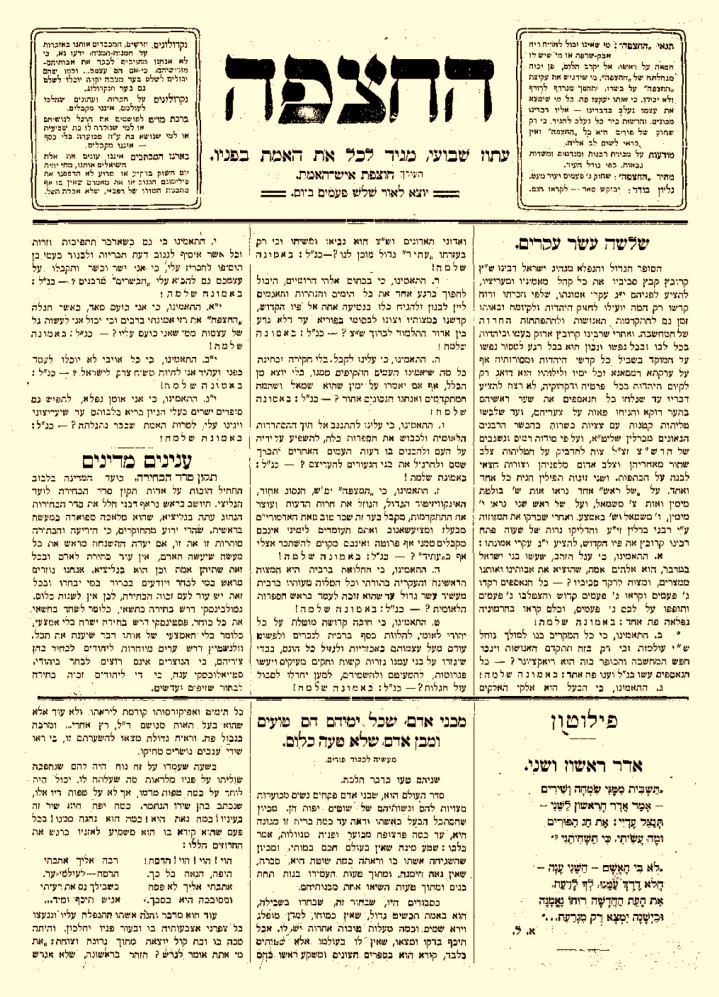
This story appeared in the Kraków Hebrew newspaper, HaMitzpeh (March 13, 1908), pp. 4–5, in a special Purim parody supplement playfully titled HaChutzpah. It bears several features characteristic of Purim‑spiel literature: the element of turn-about and reversal, double identity and mistaken recognition, and fish (of the Pisces season at that time of year)—here in a variation upon the Book of Jonah and the well‑known Talmudic legend of “Joseph Who Honors the Sabbath” (Shabbat 119a). This early tale also shows Agnon’s penchant for intertextuality, weaving in allusions to the biblical and rabbinic texts. In keeping with the Purim genre, there is also a light whiff of provocation—bold, playful, and faintly erotic. Is Hadassah the husband’s lover? Or is Hadassah in fact his fictional stand-in for the biblical Queen Esther?

Beyond the glimpse it affords of the raw talent of a tyro artist, the significance of this story lies in the fact that it was the last to be published while Agnon still dwelled in Europe. A few weeks after Purim 1908, the young Galician Czaczkes left his land, his birthplace, and his town, and set sail upon the heart of the seas on his way to become “Agnon” in the Land of Israel.

Rabbi Jeffrey Saks, Director of ATID and its WebYeshiva.org program, is Director of Research at Agnon House in Jerusalem and editor of the journal Tradition.

http://www.nybooks.com/wp-content/uploads/2017/03/alter_1-040617.jpg
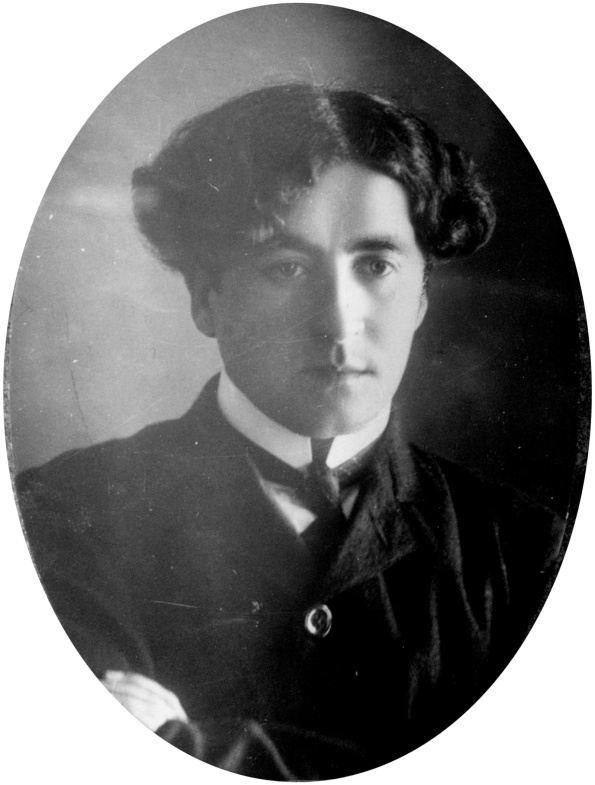
S.Y. Agnon, né Czaczkes, around 1908. Purim supplement to HaMitzpeh newspaper (Kraków, March 13, 1908): Agnon’s story begins at bottom.


Do We Cut Off or Bury One’s Head in the Sand?

Do We Cut Off or Bury One’s Head in the Sand?

Review: Elliott Horowitz, Reckless Rites: Purim and the Legacy of Jewish Violence

In 2017, the erudite and eclectic scholar Elliott Horowitz unexpectedly passed away. His oeuvre is exceptionally diverse, having authored more than seventy-five articles and reviews and five books, with topics ranging from studies on Italian art, Jews and coffee, the significance of the beard among Jews, comparing and contrasting Jewish and non-Jewish biblical exegesis, and Jewish violence (see his Academia page for most of them). Seven additional articles appeared on this site, in a similar vein as his others, covering Bugs Bunny, nude imagery in the Haggadah, Isaiah Berlin, Saul Lieberman, among others. He regularly used the “Molkho Institute for Absurdly Abstruse Research” to identify his affiliation in his email signature. Jewish violence was a long fascination of Horowitz. Beginning in 1994, with an article in the Hebrew journal Zion, he revisited the issue in no less than six articles that culminated in his 2006 book, Reckless Rites: Purim and the Legacy of Jewish Violence (Princeton University Press, Princeton, New Jersey). Horowitz documents how the conclusion of the Purim story, culminating in the Jews massacring 75,800 people over two days, was used as a justification for Jewish violence against non-Jews throughout history. Horowitz revisited this topic on this website, “Modern Amalekites from Adolf to Avigdor.” In a later article, he also identified the Biblical story of Dinah as another source for this type of violence.

While arguably, the violence at the end is only a minor part of the story, for some, that aspect has clouded everything about the Book of Esther and Purim. First, Horowitz looks at how non-Jews viewed the Book. Some had a very negative view due to the Jewish revenge. They considered that motif un-biblical (read non-Christian). Horowitz goes through each character and how first non-Jews interpreted their actions. For instance, Mordechai was treated rather harshly by many of these commentators, as was Esther, due to her passivity. What is especially fascinating is how these non-Jewish understandings sometimes crept into Jewish thought. Thus, Horowitz documents Jews parroting these rather un-Jewish, as it were, interpretations.

Horowitz then tackles the overarching theme of Amalek and how this has been understood throughout history. Some hold there is no obligation to destroy Amalek today, while others are willing to label any perceived enemy of Jews as deserving of the harsh consequences of Amalek. Some of these examples are rather disturbing.

After dealing with the Book of Esther specifically, Horowitz focuses on the Jewish practice of Purim. Specifically, he deals with Jewish violence or violent acts on Purim directed at non-Jews. He provides a discussion of the stereotype of the “mild” (read the wimp) Jew, including its origins and whether it is borne out by history. He then discusses numerous diverse examples spanning from the 5th century until today of Jewish violence. Some are not physical violence. Instead, it is host desecration or general enmity of non-Jewish symbols, while other, most recently Barukh Goldstein, is physical violence in its worst form.

Horowitz is compelling in the scope of this idea and how prevalent this is. It is especially telling when tracing and seeing how systematically Jews have decided to sweep these under the rug these examples; it demonstrates that censorship is not limited to any one group, and even amongst supposedly dispassionate scholars; they too can fall prey to their own biases.

To play down some of these incidents, we have Jewish historians who decided to avoid discussion of such matters or, at times, downplay their significance. However, in light of the many examples here, it is challenging to ignore such examples. Indeed, Shaul Magid noted in his review that Horowitz’s book “seems to elicit a kind of cognitive dissonance among peers, as if to say ‘this simply cannot be true’ even given the detailed evidence and argumentation to the contrary. This is often because of the audacity of the thesis and the way it challenges how we understand the present.” Hillel Halkin’s review of Commentary magazine is one example that fails to adequately address Horowitz’s thesis and his substantial evidence. Halkin claims that the book is a distortion of history and places too much emphasis on too few examples. In the next issue, Horowitz responded to Halkin’s criticism, noting Halkin’s misreading of some texts and inability to present any contrary evidence. In his inimical style, Horowitz invokes the Godfather to prove his point.

Halkin remained obsessed with Horowitz’s book and, a year later, returned to it and attempted to compare it and Michael Stanislawki’s book (A Murder in Lemberg), to Ariel Toaff’s Pasque di Sangue that seemingly argued Jews regularly killed non-Jewish children.”, which is riddled with methodological errors and has been entirely discredited (here). This time, not only Horowitz took issue with Halkin. Three scholars, Allan Nadler (who previously wrote a very positive review of Reckless Rites and presciently noted that Horowitz is a “scrupulously honest voice, dealing in exemplary fashion with an important subject that has been ignored by scholars precisely because of its extreme delicacy. In his execution of narrating the repercussions of Haman’s execution, Horowitz has enriched us with a model of historical scholarship. Anything but reckless, “Reckless Rites” is a rare gem of academic work that will make a real difference”), Elisheva Carlebach, and Naomi Gratz, derided Halkin’s attempt to tar Stanislawki and Horowitz. Perhaps it is best to view Halkin’s criticism through the prism of his long history of minimizing Israeli responsibility for violence, Horowitz being but one example. Indeed, Halkin himself seemingly accepted Yigal Amir’s murder of Yitzhak Rabin. Halkin claims that Amir’s error was not in the assassination itself; instead, “What made Yitzhak Rabin’s assassination exceptionally atrocious was not it’s being a murder, but it’s being a cataclysmic political blunder.” Hillel Halkin, “Israel & the Assassination: A Reckoning,” Commentary Magazine, January 1996. Halkin, however, was willing to criticize one person affected by Rabin’s murder, his son. Halkin, under the pseudonym Philologos, pokes fun at Rabin’s son’s pronunciation of the Kaddish he said on behalf of his father. See “On Language,” “Yuval Rabin’s Kaddish,” Forward, November 17, 1995. Perhaps if Amir had butchered a blessing rather than Rabin, Halkin would have found occasion to criticize.

Commentary, however, wasn’t done with Horowitz. In 2010, Commentary published Abby Wisse Schachter’s essay, “The Problem with Purim,” which is generally about feminist views of Purim characters. As an aside, she claims that Horowitz’s book contains “the questionable claim” and the “bizarre thesis” that “Purim has long been the occasion for outbreaks of Jewish animosity and even violence toward Christians.” She asserts that Horowitz’s thesis is based solely on the example of Baruch Goldstein. This is incorrect. As Horowitz demonstrates in his letter to the editor, it is evident that she could not have spent more than ten minutes with the book to arrive at her conclusion. Horowitz shows that Schechter’s article contains other mistakes beyond her discussion of his book.

In the end, there is little doubt that he wrote a well-researched and thorough book that inevitably engenders discussion, whether or not readers agree with Horowitz, is less the point. (See, for example, Eliezer Brodt’s post, “The Origins of Hamenstashen in Jewish Literature (Revisited),” on this site. Brodt references Horowitz’s discussion regarding a Saudi scholar who alleges Jews use blood to make hamenstashen.) Instead, as with all groundbreaking scholarship, a Talmudic approach, one that values discussion over conclusion is the best one can hope for.


Mishloach Manot of Rabbis and Scholars

In honor of Purim, and in memory of Tovia Preschel, the Seforim Blog is happy to present the following.
Mishloach Manot of Rabbis and Scholars
By Tovia Preschel


     Rabbis, scholars and writers used to send on Purim—in addition to the traditional Mishloah Manotspiritual food to their dear ones: a song, a study, even an entire book, they had written.
     In this article only a few of such “manot” (“portions”, “gifts”) can be mentioned.
     Rabbi Shlomo Alkabetz, the author of Lekha Dodi—wrote a commentary on the Book of Esther and sent it as a Purim present to his future father-in-law.
     In the introduction to the commentary, he tells us how he came to write it.  It was in 1529, with the approach of Purim, the season for sending gifts, he felt extremely bad, for he did not know what present he could give to Yitzchak HaKohen, his future father-in-law, the father of his bride.  Finally he decided to write a commentary on the Book of Esther and send it to R. Yitzchak.  He was sure that he would enjoy the present, for the man was a lover of Torah.  The commentary was, indeed, very well received by the entire family.  Alkabetz’ future brother-in-law Yosef HaKohen, even wrote a poem in its honor.
     The commentary which the author called Manot HaLevi (“Gifts of the Levite”—Alkabetz was a Levite), was first printed in Venice in 1585.
     Rabbi Moshe Isserles the great Halakhic authority of Ashkenazi Jewry served as rabbi and Rosh Yeshiva in Cracow. In 1556 he was forced to leave Cracow because a plague ravaged the city. He moved temporarily to Szydlowiec. Food was scarce and Purim could not be celebrated
with “feasting and gladness.”  However, Rabbi Isserles sought delight and joy by immersing himself in the study of the Book of Esther.  He wrote a commentary on the Megillah and sent it as a Purim present to his father, who was one of the leaders of Cracow’s Jewish community.  The commentary which was named by Rabbi Isserles Mahir Yayin, was first printed in Cremona, Italy, in 1559.
     On Purim of the year 1629, Rabbi Moses Samson Bachrach who served as rabbi in Worms and in other communities, wrote a song for the welcoming of the Sabbath.  He composed it for his wife, “that she might play it on an instrument.”  The song was published in the periodical Shomer Zion HaNeeman in the year 5619 (1858-1859).
     R. Yekuthiel (Gordon) ben R. Yehuda Leib of Vilna left his native country in order to study medicine in Padua, Italy.  During his stay there he became a disciple of R. Moshe Chaim Luzzatto.  After his return to Poland he resided in Grodno and Brest Litovsk.  On the occasion of Purim he sent to R. Shlomo Zalman Segal Sinzheim, a communal leader, a poem telling the story of Esther.  The initial letters of the words of each line of the poem form the word Megilla (in the first line, the initial letters are read from right to left; in the second line they should be read backwards from left to right; in the third line—again from right to left; in the fourth—from left to right; and so on).
     The poem was printed by L. Schlossberg in Vienna in 1879. 1


1 Rabbi Eliezer Ashkenazi, famous 16th century rabbi who served in various communities, dedicated his commentary on the Book of Esther, called Yosef Lekah, to Don Joseph Nassi, but we do not know whether he actually sent him a copy as a gift for Purim.
משלוח מנות של מחברים
מאת טוביה
פרשל
“משלוח מנות של מחברים”, בשם זה פירסמתי ב”הדואר” (ח’ אדר תשל”א) מאמר על יצירות ספרותיות שמחבריהן שלחו אותן מנה לפורים לרעיהם. יורשה לי היום, לרגל חג הפורים הבא עלינו, לציין עוד כמה “מנות שבכתב”. הרב אליהו פרץ, שהיה רב באדריאנופל במאה השמונה-עשרה, כתב שירים לעת-מצוא.  בפורים שלח לידידו ר’ משה דאנון שיר כמנה לחג:
האין כלבבי תשורה להביא יהא נא כתבי למשה למנה יכופל בטעם כמו אז להעם יטועם ויונעם למשה למנא ומנות לחכו יתעב כדרכו מתוקות
בערכו, למשה למה נא.
השיר נדפס על-ידי אברהם דאנון בספרו “תולדות בני אברהם” (פרסבורג תרמ”ז, עמ’ 123).[1] דוד כהן צדק, בעודו ילד, שלח לאביו הסופר יוסף כהן צדק כמנה לפורים שיר בשם “שלום אסתר”. “הנני שולח בזה את פטר רחם עטי לכהן צדק…לא לכבודי, אך לכבוד בית אבא, הנני מכבדך היום במנחתי הדלה הזאת במקום משלוח מנות…” כתב במכתב שליווה את השיר. אביו שלח באותו יום, יום הפורים, את השיר יחד עם “אגרת פורים”, פיליטון על המתרחש בעולם המדיניות, לבן אחותו—וגם הדפיס שניהם, את “אגרת פורים” ואת השיר “שלום אסתר” בעתונו “המבשר” (י”ח אדר ב, תרכ”ב). לחג הפורים תרל”ו שלח א. ב. שוויצר מאמר על המתימטיקאי והממציא, ר’ אברהם שטרן עם תמונה משלו, אותה מצא בכתב, עת רוסי ישן, לחיים זליג סלונימסקי, שהיה חתנו של שטרן.  הוא שלח אלה לחז”ס כמנחת-חג שיוכל “לתתה למנה גם לפני קוראי “הצפירה”. ואמנם הדפיס סלונימסקי את המאמר עם התמונה בעתונו (י”ב אדר) תחת הכותרת “משלוח מנות לפורים”.[2] בגליון האחרון של “אור המזרח” (תשרי-טבת תשל”ד) פורסמו מכתב-יד שנשרד מן השואה, חידושי תורה ששלח ר’ ישראל פנחס פיוטרקובסקי, אברך חסידי מלודז’, בשנת תרצ”ה, משלוח מנות לחותנו.  לחידושי תורה הקדים שיר בן שלושה בתים, בו הוא אומר בין היתר:
אלה הכינו מרקחות ומגדנות ואלה בשר צלי אש שמו באגנות ואנוכי עשות במתכונתם ידי קצרה לאלה יין ושמן בטנים ושקדים
בכלי כסף צרוף מזוקק שבעתיים. ואני שיקויי מי לחץ ולחמי עצבה…
על כן הוא שולח לחותנו משלוח מנות מפירות לימודו.[3]


[1]   אברהם דאנון מספר בספרו כי במאה הי”ח היו בתוגרמה שכתבו שירי פורים “ותחת כי ישלח משורר לרעהו ממתקים ומגדנות…יקום מניו בפרי עטו ובניב שפתיו ובזמירות יריע לו”.     בסוף “אגרת פורים” הנזכרת לקמן כותב יוסף כהן צדק לבן אחותו כי אין לו זמן “לשיר לכבודך היום, יום בו יצאו כל בעלי השיר בשירם ובזמרם”, מכאן, שגם במזרח-אירופה היו, במאה הי”ט משכילים שכתבו ביום הפורים שירים לכבוד רעיהם. במאמרי הקודם הזכרתי שירים שמיכ”ל ויל”ג שלחו לידידים “משלוח מנות”.  בין שירי רבי”ל נמצא מכתב שכתב אותו לכבוד א. ל. מנדלשטם בפורים תר”ח (“אשכול הסופר”, וארשה תר”ס, עמ’ 56-57).  יתכן ששלח לו אותו מנחה לחג. [2]  דברי הכותב כי מאמרו הוא הראשון על שטרן בספרות העברית אינם מדוייקים.  עוד בשנת תרכ”ד הופיע ב”הנשר” (ה’ וי”ג סיון) מאמר על שטרן מאת אלכסנדר חיים שור מדרהוביץ. באותו גליון של “הצפירה” בא גם מסופרו באודיסה אלימלך ווקסלר (“איש נעמי”) מאמר “משלוח מנות” לקוראי העתון, ותוכנו דרשה לפורים של הרב ד”ר שוואבכר, שהיה רב בית-הכנסת של אנשי ברודי באודיסה. ברם, כפי שציינתי כבר במאמרי הראשון, הנני מביא רק יצורות שנשלחו מנות לחג לאנשים מסויימים, להוציא מן הכלל כאלה שמתחילה הוגשו מנחה לכלל ציבור הקוראים. [3]   ב”בצרון” (שבט-אדר תשל”ג) פירסם א. ר. מלאכי, מתוך ארכיון ייוו”א בניו-יורק, אגרת-ברכה מליצית ששלח איש לרעהו, שהיה מלפנים גם רבו, “משלוח מנות” לפורים.


The Origins of Hamentashen from the Evidence of Jewish Literature: A Historical-Culinary Survey Revisited (yet again)

The Origins of Hamentashen From the Evidence of Jewish Literature: A Historical-Culinary Survey Revisited (yet again)
By: Eliezer Brodt
Eleven years ago I wrote about the origins of Hamentashen in Jewish Literature (here). A year later I revisited the topic (here). Two years ago, I rewrote parts of it for Hebrew Kulmos magazine with some new important material.
See here for previous posts on Purim and here for a Purim Round up.
ויאכלו את המן: מנהג אכילת אזני המן, מקורותיו והטעמים השונים שניתנו לו
מאת: אליעזר יהודה בראדט
מה לנו עם אזניו של המן, ומדוע אנו מהדרים לאכלם כשהם מלאים במיני מתיקה? * האם המן היה חרש? או שמא אזניו היו משולשות? * מעקב רב-עניין אחר מקורותיו של מנהג אכילת “אזני המן” והטעמים השונים שניתנו לו
כמו כל חג, גם ימי הפורים עשירים במאכלים מיוחדים שנהגו בהם בני ישראל, להדרם ולאכלם בשפע ובשמחה. בין מאכלי יום הפורים, ידוע מכולם הוא ‘אזני-המן’ או ה’המן-טשאן’. על חקר המאכלים היהודיים בכלל, כבר הצטער החכם מרדכי קוסובר שחכמת ישראל “לא נדרשה, לצערנו, לעניין מזונות ומאכלים במידה הראויה להם, ומעטים מאוד הם החכמים שעסקו בכך” (“על המזון, ברכת המזון וכיוצא בהם”, ניו יורק תשכ”ה, עמ’ 7), והדברים נכונים גם לעניין אזני-המן. מדוע נהגו לאכלם? מה באו לסמל? אימתי נוסד המנהג והיכן פשט? ננסה להטות אוזן אל המקורות ולהתחקות אחר מנהג ישראל תורה.
אך ראש לכל, ראוי לשים לב לאופייה של הספרות הדרושה למחקרנו. כדי למצוא מקורות למנהגים ומסורות העוסקים במאכלי החגים ומאכלים בכלל, עלינו להרחיק בדרך כלל אל ספרות היומנים והזכרונות. כתיבה אוטו-ביוגרפית אמנם לא הייתה נפוצה בישראל בזמנים קדומים, אך נותרו בידינו אי-אלו ספרי זכרונות, כספריהם של גליקל מהאמלין (1646-1724), רבי פנחס קצינעליבוגין ורבי יעקב עמדין זצ”ל ועוד. בספרים מעין אלו נמצאים דברים חשובים על חיי היהודים ונכללים בהם פרטים שונים, שלא מצינו בספרי הלכה ודרוש למיניהם.
בזכרונותיו של חכם אחד המספר על חייו, בשנת תק”פ (1820) לערך, מצינו שהכותב העיד: “בארבע עשר לחודש ניסן עשה אבי ז”ל משתה כי בכור היה… ממיני מתיקה מעשה אופה, אשר נשאר מיום הפורים הנקראים בפי ההמון כרים (קישעלך) וכיסי המן…” (א”ב גוטלובר, זכרונות ומסעות, ירושלים תשל”ו, עמ’ 82).
על הנהוג בערי גליציה מספר חכם אחר: “ביום הפורים היה לו לרבי שליח מיוחד משנה לשנה שהיה הולך… ומביא להם משלוח מנות שלו, כיסי המן אחדים ושאר מיני מגדנות כאלה…” (זכרונות אב ובנו, עמ’ 24).
גם אצל יהודי רוסיה וליטא אכלו ושלחו ‘אזני-המן’ בפורים. כך, למשל, מספר רבי אברהם אליהו קפלן: “הרבנית… מחמשה עשר בשבט ואילך כבר אפשר להשיג אצלה אזני-המן… רמז ליום פורים הממשמש ובא” (בעקבות היראה, עמ’ קמ). ורבי שמחה זיסל מקלם כתב: “אזני המן מנחה שלוחה לבני היקרים לכבוד פורים… הנה האזני-המן, המן-טאש הלז, צריך לאפות אותו יפה יפה…”, ולאחר הקדמה זו הוא מעלה על הכתב רעיון תורני (אור רש”ז, ב, עמ’ קטז).
מסיפורו של רבי ברוך עפשטיין (בעל “תורה תמימה”) על סבו רבי יעקב ברלין (אבי הנצי”ב מוואלוז’ין), ניתן ללמוד כמה היה מנהג זה חשוב בעיניו: פעם אחת, בתחילת חודש אדר, השגיח ר’ יעקב ברלין בכך שלא מכרו את ה’המן-טשאן’ כבכל שנה. לאחר בירור נודע לו הטעם, לפי שמחיר הקמח היה יקר מאוד באותה עת. הלך ר”י ברלין ונתן כסף לאופים לקנות קמח, ועל ידי זה היה המן-טשאן. רבי ברוך עפשטיין מציע טעם להקפדה זו על המנהג, לפי שמשנכנס אדר מרבים בשמחה, וכפי שבפסח נותנים לקטנים אגוזים וקליות כדי שישמחו, כך בפורים נותנים להם אזני-המן לשמחם (מקור ברוך, ב, עמ’ 974).
במקור אחר מסוף המאה ה-19, מספר הכותב על אחד שרבו נהג להענישו ולצערו כל השנה, ובפורים, ‘לאות נקמה’, הכין התלמיד לרבו אוזן-המן מלאה בפלפלים ודברים חריפים, כדי לצערו… (Between Worlds, pp. 37-38).
נוצרי שטייל בארץ ישראל בשנת 1865 בערך, מתאר בספר המסעות שלו כיצד בפורים קיבל מן היהודים מעדנים בעלי צורה משונה (מסעי נוצרים לארץ ישראל, עמ’ 725).
חיים המבורגר, איש ירושלים, כתב בזכרונותיו על ירושלים בתחילת המאה ה-20: “בפורים… והגברות נותנות לתוכה עוגה… אזני המן וכו’, ותוך כדי נתינה מבקשת להשגיח על מעשה ידיה (שלשה עולמות, ג, עמ’ כב). כמו כן בחיבור אחר “ליום הפורים הייתה בעלת הבית אופה עוגות אזני המן… (זכרונות הראשונים, עמ’ 54). גם אצל יהודי אמשטרדם (מנהגי אמשטרדם, עמ’ 149) ויהודי בוכארה (ילקוט המנהגים, עמ’ 210) מצינו שאכלו מאכלים הדומים לאזני-המן.
חוקרי רדיפות הנוצרים גילו כי ממקורות משנת 1803 עולה שהגויים העלילו על היהודים ששמים דם בתוך ‘אזני-המן’! (ראה על כל זה אצל E. Horowitz, Reckless Rites: Purim and the Legacy of Jewish Violence 2006, pp. 9. 218-219, 228 ).
אנו רואים אפוא שמנהג אכילת ‘אזני-המן’ בפורים רווח ברבות מאוד מקהילות ישראל, כבר מתקופות קדומות, ועדיין השאלה במקומה עומדת: מדוע? מה טיבו של מאכל זה, ומה הוא מסמל?
ומדוע הוא נקרא “אזני המן”? בעיתון הנפוץ ביותר בתחום-המושב בפולין וברוסיה, “הצפירה”, תהה כותב אחד בשנת 1912, מדוע ה”עברית המודרני” בחרה את השם “אזני המן” לתרגום המונח “המן טשאן”? האם אכן, רק ה”עברית המודני” היא שהמציאה את הכינוי ‘אזני המן’?


הצגות והעלאת מחזות בפורים
נניח לספרות הזכרונות, ונפנה אל ספרות המחזות. אף זו סוגה שאינה רווחת בישראל, ואולם אף גדולי עולם כרבנו הרמח”ל ורבי משה זכות עסקו בכתיבת מחזות, ומכל מקום – לענייננו, עשויה להימצא לנו תשובה מעניינת לשאלתנו, דווקא מתוך ספרי מחזות, שהשימוש בהם רווח יותר בימי הפורים.
הפוסקים כבר עמדו על השאלה מדוע לא הובאה ב”שולחן ערוך” ההלכה, שמשנכנס אדר מרבים בשמחה. אולם, אף שבשולחן ערוך לא הוזכרה הלכה זו, מכל מקום עמא דבר לנהוג במיני שמחה משנכנס חודש אדר. רבי יששכר תמר הציע שהטעם שבתי כנסיות תולים תמונות עם משפט זה ועם תמונה של בקבוקי יין וכדומה, בימים שקודם הפורים, הוא לפרסם דין זה (עלי תמר, מגילה, עמ’ ג).
דבר נוסף שעשו להרבות בשמחה הוא כתיבת חיבורי מחזות. לא רק שכתבו מחזות, בקהילות מסוימות נהגו אף להעלותם על במה ולהציגם בפני הציבור. יש לכך עדיות רבות בספרי הזכרונות, והד בלשונו של ה”מגן אברהם” בהלכות שבת (סימן שז, ס”ק כב) המרמז לזה: “והוא הדין ההולך לטרטיאות וקרקסיאות, והם מיני שחוק כדאיתא בעבודה זרה דף י”ח, ומיני תחבולה, ולא ידענא מי התיר להם בפורים, ואפשר שנמשך להם משחוק שעושים זכר לאחשורוש…”.
רבי יעקב עמדין כתב על הגמרא המפורסמת במגילה (ז, ב): “קם רבה ושחטיה לרב זירא”, שרבים התקשו להבינה כפשוטה: “נראה לי שלא שחטו ממש, אלא כל זה הענין לפי שהיו שמחים מאוד, וכתיב בכל עצב יהיה מותר, לכן עשה זאת להעציבן… ובאחיזת עינים שחטו רבה לרבי זירא… שהרואים היו סבורים ששחטו באמת…” (הגהותיו למגילה ז, ב). דהיינו שעשו הצגה!
מתוך עיון בחיבורים אלו האריך ישראל דוידזון בספרו הגדול ‘על פרודיס’, והראה כיצד ניתן ללמוד מהם הרבה על חיי היהודים באותן תקופות בכלל, ועל מנהגי ימי הפורים בפרט.
אחד החיבורים הראשונים והמפורסמים שנכתבו בסגנון זה, הוא “מסכת פורים”, שנכתב על ידי קלונימוס בן קלונימוס (1286-1328). סמוך מאוד לכתיבתו הופיע ספר דומה, בשנת 1319, אשר היום ידוע כי נכתב על ידי הרלב”ג. בחיבורים אלו המחברים מביאים דברים יפים בהומור קל, כתובים בסגנון התלמוד ומדרשי ההלכה.
מאות שנים אחר כתיבת ספרים אלו קמה להם התנגדות על ידי רבנים שונים, כמו רבי שמואל אבוהב (דבר שמואל, סימן קצג), חמדת ימים, ברית מטה משה והחיד”א (ראה מאמרו של רצ”י ליפשיץ, ‘מלך ליום אחד’, בגליון זה), שהגיעה עד כדי שריפת עותקים מהם (ספר וסייף, עמ’ 248). אבל כבר העיר החוקר א”מ הברמן, שספרים אלו היו קיימים זמן רב בטרם נשמעה ההתנגדו להם, וזאת מתוך שהובנו מתחילה כספרים הנועדים להרבות שמחה ולא לזלזול וליצנות ח”ו. גם ר’ קלונימוס עצמו כתב בסוף “מסכת פורים” אשר לו: “ולמה השלים המסכתא בפרק אין קורין? לפי שאין קורין בו אלא בשעה שאינו לא יום ולא לילה, שלא נכתב אלא לשחוק בעלמא, לשחוק האנשים ביום פורים, והקורא בו לא הפסיד אלא כמי שקורא בספרי רפואות ובדברים המועילים לגוף ואינן מזיקין לנפש…”.
והנה, שנינו ב”מסכת פורים” לרבי קלונימוס: “רב מרדכי אמר, עשרים וארבע מיני סעודות נאמרו למשה בסיני, וכולם חייב אדם לעשותם בפורים, ואלו הן קשטי ומולייתות, וטורטולי… אין פוחתין מהן אבל מוסיפין עליהם…”. בעיון ברשימת מיני הסעודות שמנה ‘רב מרדכי’, קשה לדעת אם רמז בדבריו גם ל’המן-טשאן’ שלנו. אולם במחזה מאוחר יותר, בן המאה ה-16, כבר ישנה התייחסות ישירה.
המחזה הראשון שנכתב בעברית הוא “צחות בדיחותא דקידושין”, מאת יהודה סומו (1592-1527). בהקדמה מתואר אופיו של הספר: “הוא ספר חדש מדבר צחות, אשר בדה מלבו פ’ בימי בחרותו, לצחק בו בימי הפורים ובשעת חדוה, להראות לכל עמי הארץ כי יש מילה בלשוננו הקדוש לכתוב כל מיני חבורים אשר בהם יתפארו חכמי יונים… ללשוניהם בארצותם…”.
בתוך דבריו אנו קוראים (עמ’ 67):
“יאיר: אם בדברים כאלה אכפרה פניו, כבר יש לי קושיא אחת אשר ייעפו כל תוספי התורה להתירה, כי הנה כתוב במגילת פורים: “ויתלו את המן”, ובפרשת בלק נכתב בפירוש “ויאכלו בני ישראל את המן”. ואיך יאכלו היהודים הנשמרים מכל רע את נבלת התלוי ההוא, ואל הכלב לא ישליכו אותה?
יקטן: גם זה ראיתי אני, וכבר תרץ הקושיא הזאת רב בלעם בן ביבי בשם אביו: כי מה שאמרה התורה “ויאכלו את המן” היא אזהרה וציווי לנו שנאכל בימי הפורים האלה מאזני המן – הן המה הרקיקים הנעשים בסולת בלולה בשמן, וזהו שאמר אחרי כן “וטעמו כצפיחית בדבש”.
יאיר: יפה פירוש בן ביבי זכור לטוב!” (פרופ’ חיים שירמן, שהדפיס את המחזה מכתב-יד, מעיר שהשם ‘רב בלעם בן ביבי’ הוא אחד משמות האנשים המוזכרים בחיבור ‘מסכת פורים’ של ר’ קלונימוס בן קלונימוס).
לאור דברי יהודה סומו אפשר להבין דבר נוסף: בספר ‘התשבי’ מאת ר’ אליהו בחור (1468-1549), שנדפס לראשונה בשנת 1541, כתב בערך ‘מנלן’: “מנלן להמן מן התורה שנאמר ויאכלו את המן; גם זו מלה מורכבת מן שתי מלות: אן ולן…”. כדוגמה לשימוש במילה ‘מנלן’ מביא ר’ אליהו בחור לשון חז”ל שאינה מופיעה בשום מקום, וכבר העיר על כך רבי ישעיה פיק בהגהותיו לספר התשבי: “בחולין איתא ‘המן מן התורה מנלן, המן העץ’. ואולי מצא המחבר דבר זה מפורש במדרש, ואגב דאתיא ליה ממדרש חביבא ליה לאתנויה, אף על גב דהוה ליה להביא מן הגמרא…”.
על כך מעיר רבי מאיר מזוז שליט”א (בהערותיו לספר התשבי): “קרוב לודאי שאין דרשה זו לא בגמרא ולא במדרש כלל, רק היא הלצה אשכנזית על המנהג שאוכלים אזני המן בפורים…”. דבריו מסתברים מאוד לאור העובדה שגם ר’ אליהו בחור עצמו עסק בכתיבת חיבורים מעין אלו, והלשון שהבאנו מן המחזה של יהודה סומו מסייעת לכך.
אך את השם “אזני המן” אנו רואים גם במקור איטלקי נוסף. בשיר של ר’ יעקב פרנסיש (1618-1703) מצינו: “אמנם נזרק העט ונקצר ענינים / כי יום פורים זה בא, נכין לו מעדנים / נכין מרקחות ממתקים מכל מינים / נגדיל אזני המן מאזני השכנים” (כל שירי יעקב פראנסיש, עמ’ 363).
במכתב של רבי מרדכי שמואל גירונדי (1799-1852), רבה של פאדובה, מצינו שכתב: “בעת ששון ימי פורים הלא אדרשה אחי… ותשלח נא אל עבדך מעט מגדי מעדניך… מעט חמאה מעם לחם וחלות רקיקי אזני המן ואסעד” (כתב-יד, הובא אצל מ’ שטיינשטנדר במאמרו “Purim Und parodie”).
נוכל אם כן לסכם שזמן רב לפני ה”עברית המודרני” כבר הכירו את הביטוי “אזני המן” באיטליה, כמאכל מיוחד לפורים.


בין סופגניות לאזניים, ולמה המן לא היה חרש?
מאכל הנקרא בשם “אזניים”, כבר מוזכר בפירושו לתורה של רבי יצחק אברבנאל (1437-1508), בפרשת בשלח (סוף פרק טז): “וצפיחית הוא מאכל הקמח מבושל בשמן, כצורת צפחת המים, והנאכל בדבש. והוא כמו הרקיקים העשוים מן הבצק כדמות אזנים, מבושלים בשמן ויטבלו אותם בדבש, ויקראוהו אזנים – ככה הוא צפיחית בדבש”.
אמנם האברבנאל אינו מדבר על מאכל שנאכל בפורים דווקא, אך אנו מוצאים כאן את תיאורו של מאכל הנקרא “אזניים”, בזמנים קדומים. ייתכן אף שהמקור קדום יותר, כיון שמקור דבריו אלו בפירושו של האברבנאל הוא בדבריו של רבי יוסף אבן-כספי (אשר פרט למקומות שבהם הוא חולק עליו, רבי יצחק אברבנאל אינו מזכירו בשמו), וזה נפטר בשנת 1340! (על נקודה זו העירני רבי שמואל אשכנזי שליט”א).
רמ”מ הוניג העיר לי שהמקור כנראה קדום יותר, כי הן ר”י אברבנאל והן ר”י אבן-כספי הכירו את המנהג הקדום לאכול סופגניות בחנוכה, וכפי שכתב רבנו מיימון אבי הרמב”ם: “אין להקל בשום מנהג ואפילו מנהג קל, ויתחייב כל נכון לו עשיית משתה ושמחה ומאכל לפרסם הנס שעשה השם יתברך עמנו באותם הימים. ופשט המנהג לעשות סופגנין, בערבי אלספינג, והם הצפיחיות בדבש, ובתרגום האיסקריטין הוא מנהג הקדמונים משום שהם קלויים בשמן, לזכר ברכתו (כלומר לנס שבפך שמן)”. בדומה לזה מצאנו במחברת עמנואל (עמ’ 168): “בכסליו… ואחרת תבשל הרקיקים, וצפיחית ומעשה החבתים”.
אולם לאור דברי יהודה סומו שהובאו לעיל, שכתב לעניין אזני-המן: “שנאכל בימי הפורים האלה מאזני המן – הן המה הרקיקים הנעשים בסולת בלולה בשמן, וזהו שאמר אחרי כן ‘וטעמו כצפיחית בדבש'”, אפשר לומר שלכך התכוין אבן-כספי, ולא לסופגניות.
ובכלל, נראה שכוונת כולם לתיאור כללי יותר, של מאפה ממולא, מעין “קרעפלאך”, הנעשה כמה פעמים בשנה, ביניהן חנוכה ופורים, כשלעיתים הוא מבושל במים, נאפה בתנור או מטוגן בשמן. אך מדוע בחג הפורים כינו אותו “אזני המן”?
דב סדן מספר שבילדותו שמע פעמים רבות את הפתגם ‘חרש כמו המן’ (ש”י עולמות, עמ’ 25). מה פשר הכינוי?
במחברת עמנואל הרומי (1261-1336) מצאנו: “מה אומר המן? לכל זמן. וזרש? לא תקלל חרש!” (עמ’ 109). ושוב: “ואם אמר: ארור המן וזרש! ישיבון: אל תקלל, דוד, לחרש!” (עמ’ 169). בעת שעסק בהכנת מהדורה מדעית של הספר “מחברת עמנואל” וחיפש מקורות ומקבילות לכל דבריו, פירסם דב ירדן מאמר קטן ובו דברים שלא מצא להם מקור במדרשים. אחד מן הדברים היה שורות אלו (ידע העם, ג, עמ’ 70). לאחר מכן ציין ירדן שמ”ד קאסוטו קישר דברי עמנואל למנהג אכילת אזני המן (לשוננו יז, תשי”א, עמ’ 148-149), ואף הביא דברי ה’כתר שם טוב’: “ובארץ ישראל… נותנים ביד כל הילדים כמין אוזן עשויה מעץ ובעת שהילדים מסבבים אותו משמיע קול…” (כתר שם טוב, א, עמ’ תקמב). אבל דב ירדן ודב סדן לא הצליחו למצוא מקור או מקבילה לדברי עמנואל הרומי.
אנו מתקרבים אפוא לזיהוי המקור, ודווקא בכתביו של עמנואל הרומי. על כך יש להעיר שתי הערות חשובות: א. פעמים רבות דברי עמנואל הרומי מבוססים על מדרשים וספרי חז”ל, אך בלא מעט פעמים אחרות, הוא הכניס בתוך דבריו דברי ליצנות, ובשל כך פסק ה”בית יוסף” שאסור לקרוא את מחברותיו אף בימות החול. ומכל מקום, אין זו הפעם הראשונה שדברי הבאי ממחברות עמנואל הפכו לדברים שגורים ואף נכנסו למקורות (ראה בדברי ר’ שמואל אשכנזי, אלפא ביתא תנייתא, עמ’ 210-214); ב. גם חשוב לציין, שעמנואל הרומי לא היה קל-דעת מפשוטי העם, כי אם מן החכמים הנכבדים שבדורו. החיד”א כותב ב”שם הגדולים” (מערכת ספרים, אות ב, בסוף, בערך קונטרס אחרון): “שמעתי שאמרו על הפירושים, שבאיוב יקרא האדם פירוש רלב”ג וירוה צמאונו, ובמשלי יקרא פירוש עמנואל, ובתהלים יקרא פירוש רבי דוד קמחי, ואתנח סימנא: שפת אמת תכון לעד. אמת – ראשי תיבות איוב משלי תהלים, לעד – ראשי תיבות לוי עמנואל דוד, והם כסדרן”.
אך יש להוסיף לכל זה מקור נוסף. רבי שמעון חיים נחמני (1707-1779), תלמיד-חכם ומקובל גדול שהרביץ תורה בקהילות סיינה וריגייה, כתב בספרו המפורסם “זרע שמשון”: “וכנגד עשיית העץ שעשה המן למרדכי בשביל שנטה אוזן לעצת אשתו, משום הכי אנו אוכלים מיני מתיקה וקוראים אותם אזנים של המן, שעיקר הנס בא מחמת עשייתו העץ שחרה אף המלך עליו ואמר תלוהו עליו…” (זרע שמשון, ב, עמ’ שכא).
לאור זה יש לנו מקור חדש, שאפשר שהוא כוונת עמנואל הרומי והפתגם ‘חרש כמו המן’: המן היה חייב שלא לשמוע לעצת אשתו, אבל בגלל ששמע  – נגרמה נפילתו. לאור זה, דברי עמנואל לא היו דבר ליצנות כלל.
בספרים מאוחרים מצאנו טעמים נוספים, על דרך דרש, למנהג אכילת אזני המן. רבי אברהם הירשאוויץ מביא בספרו “מנהג ישורון” (עמ’ 131): “הטעם כדי שיזכור כי המן צורר היהודים ביקש להשמיד… והמושיע עשה שתש כחו ולא יכול לעשות רע לכן נקרא המן תש – תש כחו”.
רבי מרדכי זק”ש כתב: “ומכאן החשיבות המיוחדת לסמל מגן דוד שנתקבל בכל תפוצות ישראל, לקבוע על הפרכות של ארוני הקדש בבתי הכנסת… כי המגן דוד הוא הסמל לעם ישאל ולסוד קיומי, כי הרי למגן דוד ישנם ששה ראשי תור לכל שש קצותיו וכן הוא עם ישראל המפוזר בכל ששת קצוות תבל… ובכל ששת הקצוות יש לו ראש תור להבליט את בדידותו מן העמים לבדד ישכון ולא ישכח את יחודו. וייתכן כי מכאן המקור למנהג של אכילת אזני המן בפורים, כי הם משולשים כראש תור, וזהוי התשובה הניצחת… לכל ‘המנים’ שבעולם, למען יאזינו היטב וידעו ויבנו כי עם ישראל הוא עם הנצח…” (מילי דמרדכי, עמ’ צב).
רבי יעקב קמנצקי כתב: “משום דאכילה הוא מעין איבוד של הדבר הנאכל, ובזה יש קיום של מחיית זכר עמלק, שהרי אנו מאבדין גם את המאכלים הנקראים על שמו” (במחיצת רבינו, עמ’ קמב).


אכילת זרעונים ומילוי הפרג
נוכל לומר עתה שמקורן של “אזני-המן” הולך ומתבהר, מן המסורת הקדומה המציינת את שמיעתו לרעה של המן בעצת אשתו. אך מדוע ממלאים את האזניים בפרג? וממתי החלו לנהוג כך?
רבי אהרן הכהן מפרובנס, בספרו “ארחות חיים” כתב: “והולכין לבתיהן לשלום ואוכלין סעודתן, והמנהג לאכול זרעונים באותה לילה זכר לזרעונים שהיו אוכלין בבית המלך דניאל וחבריו, כמו שכתוב ויתנו לנו מן הזרעונים”. דברי ה”ארחות חיים” הובאו ב”בית יוסף” בהלכות פורים. הרמ”א, בספרו “דרכי משה”, מביא רעיון דומה מספר “כל בו”, אף הוא מאת רבי אהרן הכהן מפרובנס, ואף ציין את המנהג במפתו לשולחן ערוך, סימן תרצה. על דברים אלו העיר ה”פרי חדש” (שם): “וטפי הווה ליה למימר זכר לזרעונים שאכלה אסתר, דאמרינן פרק קמא דמגילה, וישנה את נערותיה לטוב – האכילה זרעונים…”.
לפרש מנהג זה קצת, כתב ב”יוסף אומץ” (סימן תתרצט): “חיוב סעודת פורים הוא דוקא ביום, ולפחות עיקרה ביום אף אם יהיה סופה בלילה, וטוב לב משתה תמיד להרבות קצת בסעודה בליל כניסת פורים בין מגילה למגילה. אכן טוב לאכול מיני קטניות, שלא יהא נראה שהיא הסעודה העיקרית, גם הוא זכר לזרעוני דניאל”.
ומקובל זה מכבר שהשומשום או הפרג הניתן באזני המן הוא כדי לצאת ידי המנהג לאכול זרעונים, מבלי להיכנס לשאלה מדוע נקראים אלו ‘זרעונים’ (ראה “מנות הלוי” ב, ט; ש’ קרויס, “קדמוניות התלמוד”, ב, עמ’ 229-233). אך ממתי החלו לעשות כן?
בספר הנפלא “מנוחה וקדושה” שנדפס לראשונה בשנת 1864 בווילנא, מאת אחד מתלמידיו הגדולים של רבי חיים מוואלוז’ין, הוא רבי ישראל איסר מפאניועז שאף זכה לשמש את רבו, מצאנו דברים מעניינים על מנהג מילוי אזני-המן. אלו דבריו:
“ולחמי פורים בודאי מנהג ותיקין, שמוזכרים בתוספות במסכת ברכות. ונראה לי הטעם, שעד אותו הזמן היינו מורגלים בניסים מגולים, כמו מפלת סנחריב, סיסרא והרבה כמותם, וזה הנס היה נראה לכל שהוא על פי טבע… שטבע האיש לבטל דעתו לאהבת אשתו, כן מרדכי ושאר הקרובים למלך ידעו בברור שטבע אחשורוש שלא לחזור מדבריו בשום אופן, והבינו שהיה נס גדול, גם שהיה מוצנע בתוך הטבע ועיקרו הוא נס. לכן לזכר זה התקינו הלחמים שעיקרם המילוי (עיין במגן אברהם, סימן קסח, ס”ק טו) ומוסתר בתוך הבצק, כהצלתם נס מוסתר בתוך הטבע. ובחרו בזרעונים, טעם מפורש בשו”ע לאכול זרעונים בפורים, זכר לדניאל וחבירו… וטעם צורתם משולש כי מחלוקת יש בגמרא מהיכן קריאתה? רשב”י אומר מבלילה ההוא, ועוד שלש דעות, אחד מוסיף מ”גידל המלך את המן”, שני מוסיף מ”איש יהודי”, שלישי כולה, ונפסקה ההלכה לקרוא כולה. נמצא מ”בלילה ההוא” מחויבים לכל הדעות. ועוד נפסקה ונחתכה ההלכה להחמיר עוד כשלושתן, ולזכר זה חותכים הלחמים בשלוש הקצוות לזכור שנחתכה ההלכה כאלו השלושה…”.
ה”מנוחה וקדושה” ממשיך ומציין טעם נוסף: “ועוד אפשר להיות טעם מילואם… שמחמת יראת המלך לכתוב ולשלוח למרחקים בזיונו, עשו בחכמה לאפות לחמים ולהטמין המכתב בתוכם, ומי יעלה על דעתו לחפש בתוך הלחמים שאדם שולח דורון לחברו, ועל ידי זה ניצלו מסכנה. ואם כן היה מוכרח תיקון מילוי לחמים לזכרון זה הנס שנשלחו הכתבים מקצה העולם עד קצהו, ולא נתודע הדבר אל המלך” (מנוחה וקדושה, עמ’ רעא-רעב).
המעניין בדבריו הוא שלא הזכיר בדבריו אף לא פעם אחת, את השם “אזני המן” או “המן טאשן”, כי אכן כל דבריו שייכים גם על ‘קרעפלך’, ואף ציין לדברי ה”מגן אברהם” בסימן קסח, הדן במאכל זה.
גם בספרות הפארודיה לפורים, שהוזכרה לעיל, אנו מוצאים התייחסות למילוי “אזני-המן” בשומשמים. ב”מסכת פורים” מן “תלמוד שכורים” שנדפס לראשונה בשנת 1814, אנו מוצאים: למזבן שומשמין… ונראה למורי דמלתא אגב אורחא קא משמע לן דסמוך לפורים היה, והיה מזבין לעשות מהן למלייתא לבבות ולחמניות, שקורין בלשון אשכנז המן טאש”.
בספר אחר, בשם “כל בו לפורים”, שנדפס לראשונה בשנת 1855, מופיעה שאלה: “נחתום חדש בא לקהלתנו ורוצה לחדש מנהג חדש שלא היה בישראל עד עתה, והוא לעשות לחמניות של פורים שקורין המן טאשין מרובעים ולא משולשים, ולמלא אותם בשומשמין, ורבים מרננים עליו ואומרים דפורץ גדר הוא. תשובה… ועתה הם רוצים להוסיף חטא על פשע לשנות כמנהג אבותיהם ולעשות המן טאשין מרובעים בפורים או לאזנים שכך שומעות… מלבד זו הלחמניות המרובעים האלו חייבין בציצית, כדין כל כסות בת ד’ כנפות, והמן טאשין לאו כסות לילה הם דמצותם כל היום… אבל אותן השומשמין אשר רוצה למלא אותם דעתי נוחה ממנו…”.
מעניין לציין שמנהג אכילת “אזני-המן” לא היה ידוע באשכנז, אבל מאכלי המן אחרים היו והיו. רבי יאיר חיים בכרך מביא בספרו “מקור חיים” (סימן תצ, סעיף ט): “מדקדקים אוכלים בבוקר יום שני של פסח בשר יבש חתיכה הראוי להתכבד, ונקרא בלשון אשכנז המן, זכר לתליית המן בט”ז בניסן”. קודם לך אנו מוצאים בספר המוסר “מסה ומריבה”, מאת רבי אלכסנדר ב”ר יצחק פאפין-הופין, שנכתב בשנת 1627 בעברית וביידיש כשיר ויכוח בין שני מתדיינים, אחד עשיר ואחד עני: “…ברוט עשטו ואר איין ועטין המן”. תרגום: “…לחם אתה אוכל לפני “המן” שמן (מסה ומריבה, ירושלים תשמ”ה, עמ’ 319). המהדירה, ח’ טורניאנסקי (שם, עמ’121) כתבה לפרש כוונתו: “לחג הפורים היה קשור גם המנהג לאכול “המן”. זהו שמו של בשר מעושן שאכלו בחג זה באיזור אלזאס… ייתכן כי שם המאכל ומנהג אכילתו בפורים יסודם בנוהג לתלות את הבשר המעושן לייבוש… ולא שמו של המאפה שנאכל באזורים אחרים, ואפילו קרובים…” (ככל הנראה, גם דבריו של רבי חיים פלאג’י בספר מועד לכל חי, פורים, סימן מד: “גם מה שעושין מעיסה צורת המן ואוכלים הקטנים מהם נמצא כתוב בספר”, מכוונים למנהג זה).
מקורות: דב סדן, ש”י עולמות, עמ’ 25-38; Israel Davidson, Parody in Jewish Literature New York, 1907


Purim Roundup 2019

For a collection of posts on Purim see here.  These deal with topics as diverse as Jewish humor and parodies, a series on the the origins of hamantaschen (and here and here), banging at the mention of Haman’s name, piyutim for Purim, mishcholot manot, identifying the personalities of Megliat Ester in secular sources, how to approach the story of Ester with children by the late Elliot Horowitz, as well as a couple posts regarding his book on Jewish violence and Purim, and mixed dancing on Purim.


Purim in Tehran: The Symbolic Devaluation of the Ahrimanic Republic

Purim in Tehran: The Symbolic Devaluation of the Ahrimanic Republic

By Dan D.Y. Shapira

Dan (or, Dan D.Y.) Shapira is an Orientalist and grows more than fifty trees on the edge of the Judaean Desert. He’s a Full Professor at Bar-Ilan University.

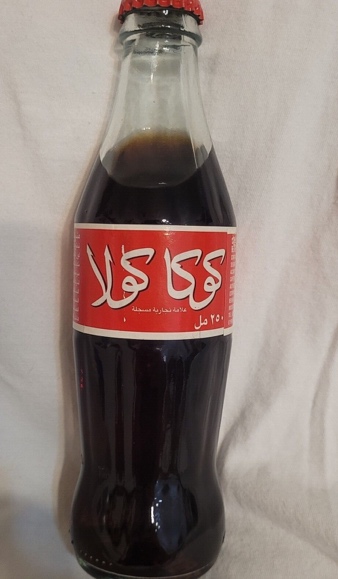
Some fifty years ago, my father brought home a small glass bottle of Iranian Coca Cola, no idea where from. I sat hypnotized looking at the bottle, with its Persian (well Arabic) letters, so beautiful.

It was easy to understand that two letters stand for k, one for l, one for o and one for a. The letters for o, l, and for k had some remote similarities to the corresponding Hebrew letters, if you rotate them a bit in your head. How I know that the letter for a, ا, is also like the Hebrew א, you should just squeeze the Aleph on both sides. And a couple of year later there was the Islamic revolution in Iran, at the end of the same year there was the Soviet invasion in Afghanistan, and new tasty, delicious words began to pour – baseej, inqhilab, Haqiqat-e Inquilab-e Saur, mujahedeen-e khalq, sipaas, Kermanshah, pasdaran, and somehow I began learning Persian.

The language struck me with its grammatical similarities to German and its lexical parallels to Yiddish. Just as Yiddish incorporates Hebrew and Aramaic, Persian is saturated with Arabic. In Yiddish, one can play with registers, tilting the language toward its Germanic core or thinning out its Hebraic elements. Persian offers the same flexibility, allowing a speaker to choose more, fewer, or even no Arabic words. Years later, many Jewish-American Iranists from the WWII generation confirmed this early impression. Learning the language went smoothly, as if I had already known it in a former gilgul.

When I was an Iranian studies student in the late 1980s at Hebrew University, one of my teachers told us that Persians are simply prone to short periods of mass hysteria before returning to “normal” and going back to counting money and carpets within a few years. Time has since proven that my former teacher understood Iranians quite poorly, as they have shown no symptoms of recovering to that supposed normalcy. I eventually realized that my chances of visiting Tehran or Shiraz are slim, perhaps reserved for a future gilgul. Being an Israeli Iranist without the possibility of visiting Iran is much like being Jewish without the possibility of joining a Gentile club.

I am writing this on Sunday, March 1. Today is my secular birthday, and tomorrow, Ta’anith Esther, is my Jewish one. Last night, Bibi and Trump sent me a wonderful gift. I shouted into the sky as drones sent from Iran turned into smoke: Khamenei kotlet shod (“Khamenei went kebab”) as millions of Iranians around the world shouted along with me.

My son just called. He is married to a girl whose parents were both born in Iran. “What do you say about your birthday present?” he asked. “I just realized that your entire life is connected to the fact that you were born on Ta’anith Esther.”

“Yes,” I replied, “and I am just now writing about that. I’ll send it to you.”

It was published today that the joint American-Israeli training for the very operation we witnessed yesterday began as early as January 2023. In January! This timing is critical; it means that even as the domestic anti-Bibi demonstrations began to surge and well before the horrors of October 7, the strategic “pedestal” for the current reversal was already being constructed.

In my view, the son of the last Shah has been designated by Bibi and President Trump to lead the transitional period in a post-Khomeinist Iran. Whether he will be able to restore the historical monarchy remains an open question.

As I discussed in my co-authored article with Reuven Kiperwasser, “Encounters between Iranian Myth and Rabbinic Mythmakers in the Babylonian Talmud,” published a dozen years ago in Encounters by the Rivers of Babylon Scholarly: Conversations Between Jews, Iranians and Babylonians in Antiquity (2014) and available here, the Babylonian sages often engaged in a process of symbolic devaluation. They created their own imagined worlds by taking elements of Iranian mythology and recasting them to define the borderlines of their own culture. After the certain dismiss of what many Iranians call “the Ahrimanic Republic” (instead of “the Islamic Republic,” with Ahriman being the wicked opposite, sitra oḥora, of the benevolent Ahurmazd, or Ahura Mazda), we are seeing this ancient devaluation play out as a modern geopolitical reality. In our analysis of Sanhedrin 39a, we examine a dialogue where a Magus claims the human body is divided, with the upper part belonging to Hwrmyz (Ohrmazd) and the lower, excretory part belonging to ‘hrmyn (Ahriman). The Talmudic sage Amemar sarcastically challenged this dualism by asking why Ahriman would permit Ohrmazd to send life-giving water through his “territory.” Today, this sarcasm has turned into a tangible reality as the “Ahrimanic” regime governed through the “lower” impulses of mass hysteria and regional chaos has been devalued by a population that has largely secularized and rejected the official ideology. With the collapse of this demonic mask, many Iranian exiles will return home (four to five millions Iranians live outside of the present borders of Iran). They return to a land ready to restore its “upper” civilizational identity, finally mirroring the way the rabbis once harmonized their world with the benevolent elements of the Iranian heritage.

In Iran, while 99% of the population is officially classified as Muslim (including a 5% to 15% Sunnite minority composed of Kurds, Arabs, Baluchis, and Turkmens living along the borders), the internal reality is starkly different. In truth, only about 30% to 40% of the population considers themselves Muslim at all. The actual majority has shifted toward being non-religious or atheist, with many becoming fiercely anti-Islamic or “spiritual” in various ways. Others identify as self-proclaimed “Zoroastrians” or have become secret converts to American-style Evangelical Christianity.

Under the Khomeinist regime, Iran has become largely secularized and has partially moved in an anti-Islamic direction. Today, nobody believes in the official ideology, a situation very much like the lack of belief in the official ideology during the late Brezhnev USSR. The “Ahrimanic republic” now sends Shi’ite clerics who oppose its ideology to prison or places them under home arrest, just as the late Brezhnev USSR did to the few who identified as “the real Marxists.”

The Iran of tomorrow will certainly be anti-Islamist, with the potential for the oppression of Islam itself. While the Iran of yesterday was a global leader in antisemitism, the Iran of tomorrow will be a global leader in the state-supported fight against the “Free Palestine” movement. The “Palestinian discourse” was central to the old Iran and will remain so in the New Iran, though with its emphasis entirely reversed.

The raison d’être of the Iran of tomorrow will be a staunch alliance with the USA and Israel. The principle of nahapokh hu from the Purim story reveals the sarcastic hypostasis of the Jewish God’s sense of humor. As the scripture asks, “See, this is new? It hath been already of old time, which was before us.” One need only consider the metamorphosis of pogromist Czarist Russia into what some, astonished by the transformation, termed “the Jewish Commune.”

Some predict that Iran will fall apart due to the separatism of ethnic minorities, but to me, this is absolute nonsense. Iran has only insignificant real minority groups; although some Iranians speak languages other than Persian, they are Iranians first and foremost. Fantasies about Azeri separatism in Iran are especially hilarious. It is as if Nazi Germany tried to lure Israel’s Hasidic Jews into a “Great Germany” separatism simply because those Jews speak Yiddish. Iranians of Azeri background are, more or less, the Iranian equivalent of Israel’s Ashkenazim.

But the borders of Iran might change. It is a significant topic, and once stabilization is achieved, one can envisage the enlargement, rather than the shrinking, of Iranian territory eastwards within a predictable span of time.

The position of the Iran of tomorrow as an ally of Israel will fundamentally change Israel’s strategy toward its Arab allies and partners. MBS understood this some time ago and, consequently, dragged his feet regarding a rapprochement with Israel.

Another significant point is Türkiye, which has emerged as a primary adversary of Israel since October 7, though I hope the motivations behind this shift were largely opportunistic and fundamentally misguided. However, if the IDF map is accurate, the fact that Israeli jets overflew Turkish territory on their way to Iran suggests a significant development. This possibility hints that Mr. Erdoğan is beginning to view the regional landscape through a more pragmatic lens, perhaps recognizing the inevitable devaluation of the “Ahrimanic” status quo in favor of a more stable, “upper” civilizational order.