1

New Seforim, books, random comments and Benny Brown’s Work on the Chazon Ish

New Seforim, books, random comments and Benny Brown’s Work on the Chazon Ish.
By Eliezer Brodt

As a courtesy to our readers, below I provide a list of some new seforim and books that I recently have purchased or become aware of. Some are brand-new, others have been out already for a few months. Some of these books, will be reviewed at great length at a later date, B”n. As I note, I have copies of the TOC of some of the works mentioned here, feel free to e mail me if you want a copy of the TOC.

ספרים
1. המעשים לבני ארץ ישראל, יד בן צבי, מהדיר: הלל ניומן.
2. פסקי הרי”ד, מסכת חולין, מכון תלמוד הישראלי
3. תשובות מהר”ם מרוטנבורג וחבירו, על ידי שמחה עמנואל, שני חלקים, 1251 עמודים, איגוד העולמי למדעי היהדות, כולל מבוא של 180 עמודים. ניתן לקבל תוכן הענינים.

This beautiful new work contains 501 teshuvot of Maharam Mi-rotenburg and his colleagues. Over 300 of these teshuvot were never printed before. Many of the others were only printed once before in a rare, little-known work of Y. Kahana.

4. פתחי שערים, ר’ יצחק אייזק חבר, עם הערות.
5. ר’ צבי פסח פרנק, הר צבי על התורה השלם, שס”ו עמודים.
6. ר’ דוב וואלף ליבשיץ, [אביו היה תלמיד של ר’ חיים מוואלז’ין] פרי חיים- כולל בתוכו באר חיים באור על סידור התפילה, רוח חיים באור על קהלת, מעין חיים חלק א חידוש תורה עם תולדות המחבר ומשפחתו, 260 עמודים בערך.
7. ר’ מנחם די לונזנו, דרך חיים, אהבת שלום, כולל מבוא חשוב, מפתחות והערות, שצ”ב עמודים. I will hopefully be dealing with this work at greater length in a future post shortly.
8. ר’ ישכר טייכטאל הי”ד, משנת שכיר, מועדים, ב’ חלקים.
9. ר’ שמואל אויערבאך, אהל רחל, חנוכה פורים, קצ עמודים.
10. חידוש הגר”מ הלוי סולוביצ’יק, מהדורא תנינא.
11. פתח הדביר, ה’ חלקים על שולח ערוך אורח חיים.
12. ר’ שלמה אלפאנדארי, יקהל שלמה, מערכת וזכרונות בהלכה ואגדה, חלק א, אהבת שלום, רס עמודים.
13. ר’ אברהם בן שמואל הלוי אבן חסדאי, בן המלך והנזיר, סידרה שירת תור הזהב, עם הערות ומבוא מאת אילת עטינגר, 242 עמודים. ראה כאן
14. פירוש ר’ יצחק ב”ר יוסף על התורה, מגדולי הראשונים שבספרד, תלמיד חבר של הרשב”א, בראשית, שנט עמודים, י”ל ע”י ר’ דוד וזכריה הולצר.
15. ר’ איתם הנקין, לכם יהיה לאכלה, בירור להלכה בסוגיית חרקים במזון, 167 עמודים, ראה כאן
16. ר’ חיים הלפרין, חמדה טובה, על י”ג עיקרים, לייקוואוד, שצ”ה עמודים. ראה כאן
17. ראש יוסף על מסכת שבת, פרקים ה-ז, עם הערות מר’ אפרים בנימין שפירא, כולל הפתיחה כוללת להלכות שבת ומפתח ענינים, תקע”ח עמודים.
18. ר’ חיים לפידות, עשות פרי, במעלת חידושי תורה, כתיבתם, והוצאתם לאור עולם, תתקנד עמודים.
19. ר’ אהרן בריסק, אוצר הזמנים, בין השמשות השיטות ובירורים, תקצג עמודים.
20. ר’ עובדיה יוסף, חזון עבודה שבת חלק ד.
21. ר’ משה היילפרין, זכרון משה על פירוש רש”י ורא”ם, עם מבוא והערות על ידי, ר’ פינחס קריגער, 249 עמודים, כולל הרבה חומר שלא נדפס במהדורת פייליפ.
22. ר’ יעקב גרייזמאן, ברוך ומקודש, דיני ברכת כהנים הנוגעים לישראל המתברך, דיני מצות וקדשתו ואיסור השתמשות בכהן, רסה עמודים.
23. רבנו חיים כסאר, דרך החיים, מצות תלמוד תורה ודרכי קניינה, מכון מרא”ה, קפ עמודים.
24. ר’ מרדכי הלפרן, רפואה מציאות והלכה, ולשון חכמים מרפא,546 עמודים, [מלא חומר חשוב], ניתן לקבל תוכן הענינים.
25. מציאות ורפואה בסדר נשים, עורך ר’ מרדכי הלפרין מהדורה שניה מורחבת, 462 עמודים, ניתן לקבל תוכן הענינים.
26. ר’ משה לייטער, צום העשרי על צום עשרת בטבת, רפז עמודים.
27. ר’ יצחק טסלר, פניני מנהג, ימי חנוכה ג’ חלקים. כריכה רכה מהדורת כיס.
28. ר’ מנחם גיאת, תורת חכם, אוצר דיני תלמיד חכם, שני חלקים, 1034 עמודים.

מחקר –היסטוריה

29. בן איש חי’ תולדותיו קורתיו ומורשתו לדורות, ניתן לקבל דוגמא מהספר אצלי.
This is a beautifully album size work on the Ben Ish Hai, including many rare documents and pictures.
30. ר’ יעקב ישראל סטל, סגולה, ספר ראשון, 153 עמודים, עיונים וברורים במנהג והלכה, פיוט מדרש ואגדה, נדפס במהדורה מצומצמת של 350 עותקים בלבד. ניתן לקבל תוכן הענינים וחלק מפרק לדוגמא.
This work is a excellent collection of articles on topics not usually written about, by others, full of interesting observations from an extremely rich and wide range of sources.
31. השלשלת מאיש לספר, אבישי יורב, ב’ חלקים, ראה כאן.
32. צורה ועריכה בספרות חז”ל, אברהם גולדברג ראה כאן.
33. כרמי שלי, מחקרים באגדה ובפרשנותה מושגים לפרופ’ כרמי הורוביץ, מכון לנדר. ניתן לקבל תוכן הענינים.
34. דוד סורוצקין, אורתודוקסיה ומשטר המודרניות, קיבוץ המאוחד 443 עמודים. ראה כאן
Some of the topics, dealt with in the book, are about the Maharal, R’. Yehudah Aryeh Modena, R’. Yaakov Emden and the Satmar Rebbe.
35. חנה כשר, על המינים האפיקורסים והכופרים במשנת הרמב”ם, קיבוץ המאוחד, 212 עמודים. ראה כאן.
36. ראשית חכמה, חיבור פולמוסי כנגד חסידים, 120 עמודים, מהדירים: יונתן מאיר ושמואל ורסס י”ל פעם ראשונה מכ”י. This is a critical edition of another very early work from an anonymous author attacking Chasidim. It is unclear if it’s from a maskil or a traditionalist talmid chacham. Much of it deals with attacking the Shivchei Habesht.
37. דניאל בוארין, מדרש תנאים, אינטרטסטואליות וקריאת מכילתא, הרטמן, 319 עמודים.
38. ר’ דוב בער שווארץ, משיב דברים, רעג עמודים, מאמרים ומכתבים בעניני היסטוריה.
39. ר’ חנניה ברוין, דרכי משה החדש, תולדות המהר”ם שיק, ש”ל עמודים.
40. ר’ דב אליאך, אבי הישיבות, תולדות חייו ומשנתו של ר’ חיים חיים מוולאז’ין וסיפורה של ישיבות וולאזי’ן מהדורה מורחבת, 719 עמודים.
41. עמנואל אטקס, בעל התניא, רבי שניאור זלמן מלאדי וראשיתה של חסידות חב”ד, מרכז זלמן שזר, 495 עמודים.
42. יונתן מאיר, רחובות הנהר, קבלה ואקזוטריות בירושלים (תרנ”ו-תשח) יד בן צבי, ניתן לקבל תוכן הענינים.
43. טוב עלם: זיכרון קהילה ומגדר בחברות יהודיות בימי הביניים ובראשית העת החדשה,ספר היובל לכבוד ראובן בונפיל, ביאליק, ניתן לקבל תוכן ענינים.
44. יוסף דן, תולדות תרות הסוד העברית ימי הביניים, חלק ז, מרכז זלמן שזר,480 עמודים
45. ספר תא שמע שני חלקים, מחקרים במדעי היהדות לזכרו של ישראל תא-שמע, הוצאת תבונות, 910 עמודים, ניתן לקבל תוכן הענינים. This collection is simply incredible, full of great articles on a wide range of topics.
46. שירת רבנו תם, מהדיר יצחק מיזליש, 185 עמודים.
47. חוה קליין, מתיר העגונות, 160 עמודים חיבור על אביה, ר’ שלמה זלמן קליין
48. רוח המשפט, מיכאל אברהם.
49. תלמידי הגר”א בארץ ישראל, היסטוריה, הגות, ריאליה, עורכים: ישראל רוזנסון ויוסף ריבלין, ניתן לקבל תוכן הענינים.
50. אפרים חמיאל,הדרך הממוצעת ראשית צמיחת הדתיות המודרנית, על שד”ל רב שמשון רפאל הירש, מהר”ץ חיות, הוצאת כרמל.
51. קובץ עץ חיים גליון טז, ניתן לקבל תוכן העינים.
52. עלי ספר חלק כב אפשר לראות תוכן ענינים כאן
53. קובץ המעין, גליון 200, ניתן לראות כל קובץ כאן.
54. ספר זכרון דגל מחנה ראובן, לזכרו של רבי ראובן אליצור,תקמג עמודים.
This work is composed of a few parts. One part is a biography of R. Reuven Elitzur. There are many interesting tidbits about life Eretz a seventy years ago. R. Elitzur was the long-serving librarian in Sifrat HaRambam in Tel Aviv, and was very knowledgeable about seforim. When asked about the story of the Maharal and the Golem, he said its baloney and was made up much later (p. 312). The second part of the work is a collection of historical articles that R. Elitzur wrote in various newspapers, especially against works written by maskilim (or people whom he claimed were maskilim). Among the topics he wrote about were R. Moshe Kunitz, the Cheshbon Hanefesh and Benjamin Franklin, R. Wolf Heidenheim, R. Zalman Hanau and much more. As R. Elitzur was R. Nissim Karelitz’s chavrusa for many years, some of his articles have the approval of R. Karelitz, such as his attack on publishers for printing Kunitz’s work Beis Rabbi in the introduction of Mishnayos Zeraim. R. Elitzur also used to provide rare seforim for R Chaim Kanievsky, such as the critical edition of the Sheva Massechtos published by Michael Higger which R. Kanievsky mentions in the introduction of his work on Geirim without mentioning Higger’s name.

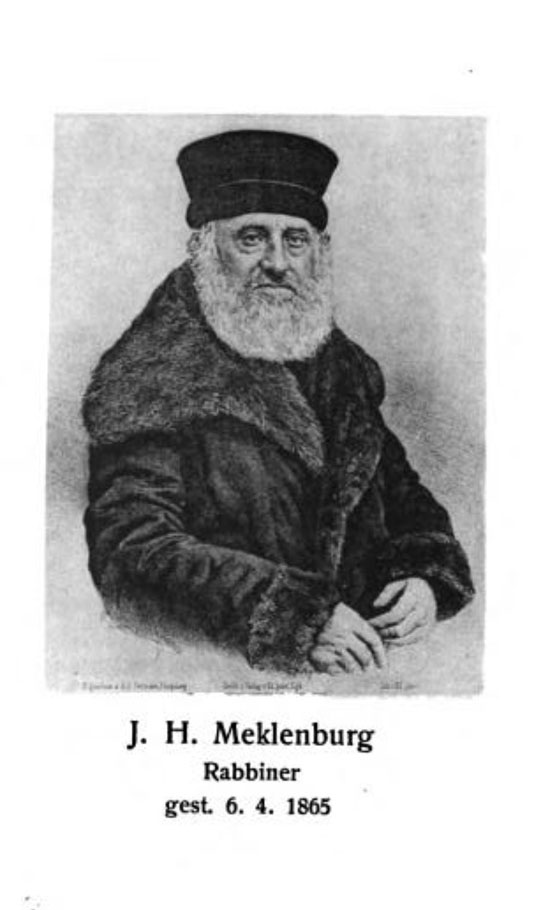
One last issue related to the last two items mentioned on this list; a few months back Dr. Benny Brown’s magnum opus on the Chazon Ish was printed by Magnes Press, as mentioned here on the Seforim Blog. The book sold out in two weeks – one thousand copies! It was reprinted shortly afterward and copies are still available. Shortly after the book appeared, with much surprise, various attacks began on different forums on the Web (see, e.g., here, here, here, here, here and here). One attack was written under a pen name in the Yated Neeman. Shortly afterward, a more restrained and respectful attack was published by the same author – under his real name, Yehoshua Levine, in the journal Ha-Maayan available for reading here. In the most recent edition of the Ha-Maayan Benny Brown responded, and it is available here. One issue not really dealt with in Levine’s review is that the bulk of Brown’s huge book (951 pages) is about the Halacha of the Chazon Ish, not his history, and whether Brown get that right or not. Levine claims he has an article on that part too, which has yet to be printed. If one is interested in this unpublished part of Levine’s attack e-mail me. In my opinion this part of the article needs a lot of work. As for the other parts, I will let the readers decide for themselves, but I am not at all convinced that Levine is correct in the overall picture.

One of the issues raised by Levine, and many others, was about Brown’s claim that the Chazon Ish had a religious crisis in his youth. They do not find Brown’s proof for this convincing. However, it seems that Brown is most likely correct, although one can never know to what extent this crisis was. In the above mentioned work, Sefer Zichron Degel Machaneh Reuven, they print a hesped given in Bnei Brak by R. Yakov Edelstein, a close friend of R. Elitzur. R. Edelstein also knew the Chazon Ish, and his brother is one of the Roshei Yehsiva of Ponevezh today. R. Edlestein said at this hesped, after quoting the famous Rav Hutner on stories of gedolim in their youth:

ואנשים שהתפרסמו לא נולדו ככה, הם עברו הרבה נסיונות והרבה קשיים, על החזון איש לא מספרים על הילדות שלו, על המלחמות שהיה לו בילדותו והצליח לנצח בהם. החפץ חיים סיפר על עצמו שכשהיה בחור צעיר אולי בגיל בר מצווה, כמעט שנפל במלכודת של המשכלים, שהיו תופסים ילדים בעלי כשרונות, ומתחברים אליהם ומקלקלים אותם, ואמר על עצמו שהו’ עזר לו ונתן לו שכל להיות גיבור ולעמוד בניסונות ולהינצל (ספר זכרון דגל מחנה ראובן עמ’ כג).

Another issue that Levine and others raise is that Brown did not interview any family members or close talmidim of the Chazon Ish. I wonder why there is no mention of R. Gedalyah Nadel in the book. However, a very strong defense for Brown in my eyes is found in a short article written by Prof. Saul Leiberman in the journal Bitzaron printed in 1981, which I was shocked to not see it mentioned in Brown’s book or bibliography. One of Brown’s sources throughout the book is Chaim Grade masterpiece Tzemach Atlas and Milchemes Hayetzer (printed as The Yeshiva in English, trans. by Curt Leviant). Although this book is a novelization of the people and period, almost all the details are true, including all the parts about the Chazon Ish, whom Grade knew very well as he learned and lived with him for many years. I have heard from various people that Chaim Grade had an amazing knack to really penetratingly see into people (see here for one great example). Others told me Grade was 100% on the mark regarding the Chazon Ish. One great person told me that it’s a shame that Grade was not good in learning, than he would have been able to give us a similar write up in that area too. Thus it should be seen as a fairly reliable source (with appropriate caution). Now, Saul Leiberman was a relative of the Chazon Ish, who was very close to him in both Europe and in Eretz a (see Lieberman’s small article about this in Mechkarim Betorat Eretz Yisrael pp.608-611). So he is a good person to see what he would say about Grade’s portrayal of the Chazon Ish. Lieberman writes that in 1946 his brother Meir Lieberman – as an aside this brother was much more Orthodox than Lieberman – gave him a work that he said he must read- it was from Grade. Leiberman writes:

כיצד אפשר לחסוף טובה מאדם מישראל בפרט מאחי ובשרי התחלתי על כן לקרוא בקונטרסן בחיוך, אולם מיד חשתי כי נעלם החיוך מפני ואני לובש רצינות יותר ויותר עד שהרגשתי בענן הכבד שנחת עלי הוספתי לקראו מהחל עד כלה…

Lieberman goes onto describe how he met Grade in New York and how he loved to read his articles in the paper weekly.

התחלתי לקרוא את הפרוזה בעתון ללא דילוג אף שבוע אחד, רציתי לנחש כיצד יתפתח הסיפור ומה יהיה בסופה של המעשיה. עלי להודות שלא הצלחתי בניחושי דבר שלא הייתי רגיל לו בעבודתי המדעית וחקר טכסטים…

Then Lieberman writes about Grade’s description of the Chazon Ish as follows:

כאשר קראתי את צמח אטלס נתמלאתי השתוממות לדיוק התיאורים מלבד הגיבור הראשי צמח אטלס, שהנהו דמות חזונית מרכבת מאידיאות מאליפות, הכרתתי כמעט כל הנפשות הפועולת ברומן הישיבה של גראדה…בעל המחזה אברהם [א.ב. החזון איש]… אף אחד לא היה יכול לתארם ביתר נאמנות…

For me it puts to rest the issue if Brown’s work is based on sources of people who knew the Chazon Ish. Many thanks, to Chanan Gafni for informing me about this small article of Lieberman’s.

I would like to conclude with three comments regarding Brown’s book.

One, throughout the work Brown refers the reader to the appendix of his doctorate which contains an interview that he conducted with Dr. Tzvi Yehudah. This interview is full of great material, and in my opinion should have printed as an appendix in the back of the Magnes book.

Two, in Brown’s discussion of the famous controversy on how to write the letter Tzadi, an important source not mentioned can be found in Prof. Shlomo Zalman Havlin’s article in Alei Sefer (12:13-20).

Three, Brown claims that the Chazon Ish’s writings and language shows he was familiar with haskalah literature. I have no problem with such a claim I just wanted a few actual samples.

There was another review written about Dr. Brown book by Sholomo Tikochinski printed in the latest issue of Akdamus. See also this post.

Small announcement- sale.

There is a special sale on the 11 volume set of Chaim Chamiel’s work on Targum, 100 Shekel for the complete set. Contact Reuven Mass at rmass@barak.net.il.


Review: Daniel Sperber, On Changes in Jewish Liturgy

Review: Daniel Sperber, On Changes in Jewish Liturgy

By Dan Rabinowitz and Eliezer Brodt


Daniel Sperber, On Changes in Jewish Liturgy, Options & Limitations, Urim Publications, Israel: 2010, 221, [1] pp.

The ever prolific Professor Daniel Sperber’s most recent book focuses on Tefillah. This book, as some of his others, has drawn some sharp criticism, most notably from Professor Aryeh Frimer in Hakirah (available here). To be sure, this post does not attempt to defend Professor Sperber or the feminist movement with regard to these issues, but, in the course of our review we hope to offer some relevant comments that will further this important discussion. Our main interest remains the substance of the book on this important topic – changes to the Jewish liturgy.

This book grew out of a lecture given at the Jewish Orthodox Feminist Alliance. Professor Sperber then decided to revisit the broader issue of the parameters of acceptable changes to the liturgy.

The prayerbook has become – and this is not a new trend – a battleground. In 19th century, the battle lines were drawn between Reform and Orthodox movements. Of course, earlier heterodox movements had also created their own prayerbooks, such as the Karaites, but in those instance, the praybook was more a reflection and outgrowth of the movement and was not, in and of itself, one of the wedge issues. In the modern period, however, the advent of the Reform movement argued for a variety of changes to the prayerbook to account and adjust for modernity. In this instance, it was both the substance of the prayers as well as their execution (Hebrew or not) that was at issue See generally, Jacob J. Petuchowski, Prayerbook Reform in Europe, New York, 1968.

Earlier examples of prayerbook controversy touched upon other theological debates; for example, some questioned the inclusion of Machnesi Rachamim as it can be read as a request for assistance from angels and not God (see here). Others questioned the inclusion of piyutim generally. Ibn Ezra’s critical comments regarding this topic are well-known. Sometimes prayer itself was employed for polemical purposes. Naftali Weider discusses a version of the blessing over the Friday night candles that incorporated a polemic against Karaism (see N. Weider, Hisgavshos Nusach HaTefillah B’Mizrach U’BeMaariv, Jerusalem, 1998, 329). And, of course, one must mention the oft-discussed blessing against heretics [in some versions] in the Shemoneh Esrei (see, most recently, Ruth Langer, Cursing the Christians?: A History of the Birkat HaMinim, Oxford Univ. Press: 2011).
Thus, it is scarcely surprising that discussing changes to the prayerbook might arouse controversy. That said, we must note – and this is the essential point of this book – the texts of the prayers have never been static, and they have been constantly evolving. At times this evolution was controversial while at other times the evolution and changes to the liturgy appears to have passed almost without notice.
Dr. Sperber focuses in this book on historic changes in an effort to support change today, mainly changes that are more sensitive to women. Sperber discusses a variety of changes to the prayerbook that are non-standard. For example, we have added whole sections, a liturgy for Kabbalat Shabbat (essentially created in the 16th century), abbreviated others – yotzrot, piyutim – and changed texts for a variety of reasons – grammatical, Kabbalah, and nationalist. For the most part, to those familiar with the history of the prayerbook, as well as Sperber’s prior works, much of this book is well-tread territory. Moreover, as Sperber notes, the notion of a a fixed nusach is absurd insofar as a large segment for those professing orthodoxy regarding the siddur, themselves pray in an entirely new nusach, one developed in the the past 200 years, namely the rite known as nusach Sefard. While this nusach may have antecedents in the Sefad Kabbalistic movement, that only moves it back to the 16th centruy, a veritable spring chicken vis-a-vis the purported codifiers of tefilah, Anshe Kenneset ha-Gedolah.
Sperber’s focus is on changes that incorporate women more directly into the tefilot as well as adapting the tefilot to be more sensitive to women. He then discusses exactly what the acceptable parameters for change are and discusses specific examples of historical change. He provides detailed discussions both in the body of the work as well as the numerous appendixes.
Sperber does an admirable job distinguishing between permanently fixed language to which change is prohibited, and the lesser fixed portions for which change is permissible. Sperber notes that even is quasi-fixed prayers, like those appearing in the first three and last three blessing in Shemonei Esreh, historically, we have altered those blessings. On this point Professor Frimer takes issue with some of Sperber’s conclusions, but some of Frimer’s criticism is rather weak. Rather than directly addressing the issue, Frimer attempts to delegitimatize and discredit the manuscripts that Sperber relies upon. (p. 76 note 38) Frimer merely states that we know little about those manuscripts that Sperber relies upon, or, in other words, Frimer, without any compelling argument or proof doubts the veracity of the manuscripts. This argument has been used by many in what has been coined the Chazon Ish’s Shitta about new manuscripts and the like. In this case the attempt is really to go further and dismiss much of the Geonic literature that has been discovered in the past century and, and Frimer’s reliance upon this argument demonstrates a serious lack of awareness of the scholarship in the area of manuscript authentication (a topic which we hope to return to at length in a future post).
Indeed, independently of the manuscript sources, Sperber goes even further showing that during the Ten Days of Repentance, we add and alter the first and last (supposedly immutable) blessing, but those alterations cannot be dated to Hazel or the Anshei Kenest ha-Gedola but date rather to the Geonim. Some, however, have argued that changes by the Geonim or Rishonim proves nothing, as they are special but we are not. Their argument goes (and Frimer is an ardent supporter of this) that somehow those persons were allowed to change prayer. Unfortunately, this argument is unsatisfying. Simply put, that rationale begs the question of what power did those persons use to make changes? Was it based upon their own view that they were worthy of changing the prayers? That is, if the only rule is “great people can change prayer” who told them at the time that they qualified as “great people?” Or, is this entirely post-hoc rationale just the tautology that because they changed the prayers and only special people can change prayer they must be special people? Sperber, however, has surveyed the literature and offered concrete rules of when and how to change the prayers that do not fall prey to these logical infirmities. Indeed, he would concede that certain prayers are immutable.
Sperber’s also takes a more reasonable view of which prayers are ripe for change. His view is that if some find it offensive, we should, if we can, attempt to appease those persons. Others have taken the somewhat counter-intuitive position that even if some find a prayer offensive if there is a non-offensive explanation for the prayer, that is satisfactory. Of course, this position ignores the very real fact that some may be offended by those prayers, no matter how many explanations are offered. Sperber’s position is that insofar as there is no prohibition to change, why not attempt to remove the offensive text entirely?
One of the changes that Sperber suggests is related to the שלא עשני אשה controversy and concerns the suggestion to remove it completely as it is offensive toward woman. This suggestion has been discussed in numerous articles, and Sperber cites many of them. Everyone feels they can add their two cents on the suggestion, so we will too. I will begin by saying that having davened in many shuls of all kinds in my life, I have almost never even heard them say this berachah out loud in the first place. While many woman, especially today, find this Beracha offensive and for this alone there might be grounds to remove it (as other berachos were removed over the ages for similar reasons – see Tzvi Groner’s excellent book for a good list) I (EB) personally do not understand why this issue is so contentious.
I will just quote three ideas from others on the topic which I honestly believe is not apologetic but, of course, some may disagree.
R. Yaakov Emden writes:
מה ששמעו אזני בשבוע זו… כי ערל אחד חרש רעה על היהודים שמברכים בכל יום ברוך שלא עשני גוי, אמר היהודים אינם מחשיבים לגוי אלא כבהמה מפקירים דמו וקנינו רוכושו, אמרתי אני שגם זה הבל זה הערל לא לבד ערל בשר אלא גם ערל לב הוא, ושלא היה לו לב לדעת מה שאנו אומרים עוד שתי ברכות הסמכות לזו ברוך שלא עשני עבד, ברוך שלא עשני אשה, הלא בודאי אין אנו נוהגין מנהג הפקר לא אפילו בעבד כנעני שחייב במצות שאשה חייבת בהן, ואמר איוב אם אמאס משפט עבדי כו’, אצ”ל באשה שלנו שאנו חייבים בכבודה וכבדה יותר מגופינו, הלא יראה מזה שנשתבש אותו המוציא דבה עלינו בעבור זה, אבל הענין ברכה זו לפי שהגוי אינו מצווה בתרי”ג מצות כמונו יוצאי מצרים ולכן אינו מצווה גם כן על שביתת שבת ויום טוב כמונו, כמו שהוא ענין בברכותינו על ,שלא עשנו עבד ושלא עשנו אשה שהעבד גם כן אינו מחוייב במצות רק כאשה, ואשה אינה חייבת רק במצות עשה שאין הזמן גרמא, ונכנעת תחת בעלה והוא ימשול בה, מ”מ חביבין עלינו כגופותינו כן הוא הענין בגוי [הקשורים ליעקב, עמ’ ריט].
R. Reuven Margolios writes:
ולאשר האשה אינה נענשת על בטול המצות עשה שהזמן גרמא וחלקה בעולם הבא כחלק האיש הי’ מקום למי אשר לא הגיע לחזות בנועם ה’ לומר מי יתן והייתי אשה שאז נפטרתי מעול כל מצות אלו לכן תקנו חכמינו ע”ה שימסור כל איש מודעה כי המצות האלו כן תקנו גם הודאה כוללת לכל זרע ישראל שנתחייבו במצות הרבה בכדי להגיע לחיי עולם הבא בעוד אשר הנכרי המקיים מצותיו השבע הוא בן עולם הבא והי’ מקום להמתרשל לומר מי יתן והייתי בן לאחד מגוי הארצות ולא נתחייבתי בכל אלו, לשלול זה יודה כל בן או בת ישראל לה’ על שלא עשהו גוי להורות שעושה המצות מאהבה (טל תחייה, עמ’ מז).
In regard to the topic of feminism in general see the Kesav ve-ha-Kabbalah who writes an important insight in his work on the Siddur:
והתבונן עוד כי מצות התורה יש להם סדר מיוחד לאיש איש כפי כח הכנתו הנפשית, יש מן המצות הערוכים ושמורים לכל נפשות זרע ישראל, ומהם נערכים במשקל ובמדה נאמנה לנפש זולת נפש, כי מהן המחוייבות רק לכהנים לבדם, ומהן ללויים לבדן ומהן לכהן גדול לבדו, ומהן לזכרים לבדם ולא לנקבות, כי לפי שהתורה מאת אדון כל היוצר רוח האדם בקרבו לא יפלא ממנו דבר, לחקוק חקים ומפשטים לפי ערך ומדרגת כל נפש, עד שיהיו מקובלים על לב כל אחד מהם, והם אפשרי הקיום לפי הכנת נפשו, עד”מ שאין ספק כי זרע אהרן הכהן מוכשרים הנפשות שנאצלו בהן כחות יקרות בשיעור רב מה שאין שאר זרע ישראל מוכשרים אליהן, וכן משפחות הלוי, וכפי הבדל נפשותיהן נבדלו בענין המעשים והעבודות המקבילות נגד נפשותיהן המעולות. וכן הכהן הגדול בעבור היות נפשו עוד נבדלת מכל אחיו הכהנים בכחות יקרות פנימיות הנודעות ליוצר כל ית’ , לכן מוכשר לקבל עוד מצות היתרות על שאר הכהנים, וכן הבדל כחות הנפש שבין זכרים לנקבות, הוא המסבב הבדל חיוביהן במצות, כי המצות הערכים במשקל ובמדה נאותה לפי הכנת על נפש ונפש, עד שאין מצות ממצותיה וחוק מחקותיה יוצא מגדר באפשרי משום נפש, לפי חלוף מצבי הנפשות בכחותיהן , ועל זה אמר ומתקן ומקבל. התורה במצותיה מתקנת ומסודרת, עד שהיא מתקבלת בלב כל איש ואיש לפי מצב נפשו וכח הכנתו, ואין אחד מהם יוכל לומר קיום דבר זה אצלי מסוג הנמנעות (עיון תפילה, דף נ ע”ב-נא ע”א).
Another offending passage Sperber discusses (pp. 46-47) is found in the Ve-hu Rachum tefilah where it says ושקצונו כטומאת הנדה. Sperber brings versions that did not have these words and suggests that we take it out. He then concludes (p. 50) that maybe this whole tefilah of Ve-hu Rachum should be made into a private tefilah and not obligatory, as its a late addition to the liturgy in the first place. Now it should be noted that although this sounds radical, in reality it is not. The omission of this prayer is common amongst Chassidm for far weaker reasons. Many omit it for any and all yarzheits of anyone who ever wore the mantel of “Rebbi.” Thus, Sperber appears to be in good company.
In regard to Sperber’s suggested change to add in the Imahot in the first bracha of Shemonah Esrei, although he does provide evidence that changes were made even in these berachos, I (EB) find it hard to accept these suggestions and I would have to agree with the issues Frimer raises in this regard.
One last point: while this study definitely shows that many changes were made in our liturgy, it is still not clear as to when and how and why. Exact guidelines, if there are any, need to be defined more clearly it is buried in a mass of amazing historical and bibliographical notes. Summaries and more exact conclusions should be written out more clearly, as this is such a dangerous topic as Sperber himself is well aware (see p. 129 and 124).
Here are some general notes and sources to add to Sperber’s plethora of sources. We would just like to mention that today, because of the internet, the study of Siddur has and will greatly change. Many rare and early printed siddurim and manuscripts related to Siddur are available for viewing in ones’s own home instead of being only available in far-flung libraries, available to professional scholars. Using these sources alone can revolutionize the study of the development of the Siddur.
Suggested Additions
p.9 on the Prayer for State of Israel see Joel Rappel, “The Identity of the Author of the Prayer for the State of Israel,” in Shulamit Eliash, Itamar Warhaftig, Uri Desberg, eds., Masuah Le-Yitzhak: Rabbi Yitzhak Isaac ha-Levi Herzog Memorial Volume (Jerusalem: Yad ha-Rav Herzog, 2008; Hebrew), 594-620, and his “The Convergence of Politics and Prayer: Jewish Prayers for the Government and the State of Israel,” (PhD dissertation, Boston University, 2008).
p. 23. regarding studies on Kabbalat Shabbat: to date the most comprehensive study on this topic is from Rabbi Y. Goldhaber, Kovetz Beis Aron V’Yisroel, 64: 119-138; 70: 125-146; 73: 119-13. Hopefully he will collect and update all this into a full length book in the near future.
p. 32 note 2 there is a typo it should read Shmuel Askenazi.
p. 36 see also D. Rabinowitz, “Rayna Batya and other Learned Women: A Reevaluation of Rabbi Barukh Halevi Epstein’s Sources,” Tradition 35 (2001).
p. 33-39:On the Shelo Asani Ishah controversy see E. Fram, My Dear Daughter, HUCP 2007, pp.37-41.
p. 34. On Rabbi Aaron Worms of Metz see the important article from Y. Speigel, Yerushasnu, 3, 2009, pp. 269-309; R. Dovid Tzvi Hillman, Yeshurun, 25, 2011, pp. 619-621.
p.40 and onwards; related to the שלא עשני אשה controversy see Yoel Kahn, The Three blessings Boundaries, Censorship, and Identity in Jewish Liturgy, Oxford 2010.
p. 41-42: On R Abraham Farissol see David B. Ruderman, The World of a Renaissance Jew, the life and thought of Avrhom Ben Mordechai Farissol, HUCP, 1981.
p. 52 D. Rabinowitz, “Is the Modern Placement of Bameh Madlikin A Polemic Against Hassidim?” Or Yisrael, 2007, 180-84.
p. 73 note 4 there is a typo, it should say R. Dovid Cohen.
p. 80 see D. Rabinowitz, “The Pitfalls of Changing the Liturgy: On Changes to the Nikkud of Kaddish,” Or Yisrael, 158-62, 2007.
p.100 See E. Brodt, The Avudraham and his usage of the Tur and Pirush of R Yehudah Ben Yakar (In print).
pp. 108-109: In regard to R. Emanuel Hai Ricchi see: B. Naor, Post Sabbatian Sabbatianism, pp. 53-57: Yeshurun, 24, p. 444.
p. 109: Darchei Noam is worth mentioning as this work is one of the only works that received a Haskamah from the Gra, see Eliach, Hagaon 3, p. 1257.
p. 133: It should say the brother of the Ketzot Ha-choshen, R. Yehudah author of the Terumot Ha-Kerei.
p. 157: On R. Yakov Emden’s Siddur and additions from others over the years. It is worth mentioning that a few years ago the printing house Eshkol printed a new version of the siddur including many new additions of R. Emden himself, from a manuscript of the siddur. One of the important features in this edition is they put all the material that was not R. Emden’s in different fonts so one can see exactly what was added by others over the years. Additionally, they provided a photo reproduction of the original siddur at the end of volume two.
p. 177: Sperber brings the special work of the Aderes on Tefilah. Sperber notes this books is full of textual changes, some based on manuscript but mostly on his own. To be more exact and correct, what Sperber writes about this work a very small part was printed in the Journal, Knesset Hagedolah. Many years later a few pieces of this work was printed in the journal Yeshurun. In 2002, Y. Amechi printed this work from manuscripts with many notes. In 2004 Ahavat Sholom printed this work again based on even more manuscripts. They also included other articles of his printed elsewhere related to Tefilah. The main thing worth noting is that this is a very special work related to Tefilah.
p. 179 on the well-known reason why during the week we say Magdil and on Shabbat we say Migdol, see: Shut Lev Shlomo, Siman 23; Noam Megidim, p. 13b; R. Reuven Margolios, Haggadah Shel Pesach p. 60; Y. Speigel, Yeshurun 6, 1999, pp. 759-762.
p. 189: A wealth of sources on the topic worthy of mention, regarding adding Zachrenu Lechaim during Aseret Yemei Teshuvah can be found in R. Dovid Zvi Rothstein, Sefer Torah Menukod, in Kovetz Ohel Sarah Leah, 1999, pp.632-771. See also the important article on this from U. Fuchs, Tarbitz 75 (2006), pp. 129-154.


Review of a Recent work of Rav Zvi Hirsch Grodzinsky

Review of a Recent work of Rav Zvi Hirsch Grodzinsky

By: Eliezer Brodt

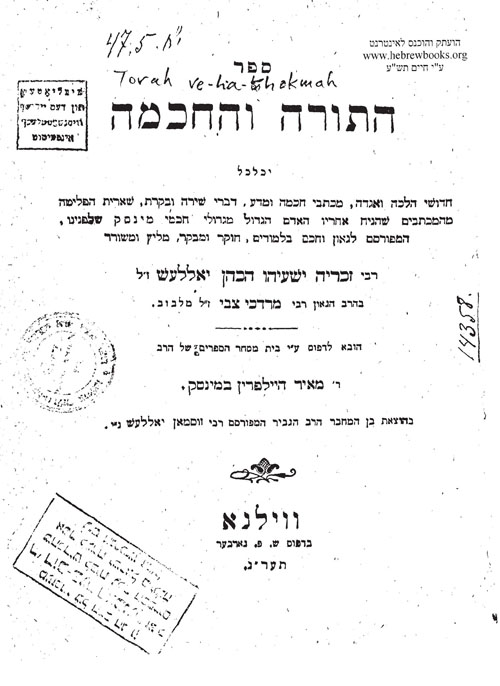
בית היין, על הלכות יין נסך עם ביאור קונדיטון, יצא לאור לראשונה מכתב יד, מאת הגאון רבי צבי הירש גראדזענסקי זצ”ל, מאנסי ניו יורק תשע”א, ש”ט עמודים.

In this post I would like to discuss an unknown Gaon – Rav Zvi Hirsch Grodzinsky, and a recently published manuscript of his on Hilchos Yayin Nessech. Not much is known about him except for what has been collected in a very nice article about him written by Jonathan Rosenbaum and Myron Wakschlag, “Maintaining Tradition: A survey of the Life and Writings of Rabbi Zvi Hirsch Grodzinsky,” AJH 82:14 (1994), pp. 263-288 which was of help to me when writing this post. R. Hirsch Grodzinsky was born in Lithuania in the year 1857. He was an older cousin of the famous Gadol Hador, Rabbi Chaim Ozer, and he learned by R. Chaim Ozer’s father for a few years. It is interesting to see what he writes about his younger cousin R’ Chaim Ozer:

ואת הגאון ר’ חיים עוזר ז”ל הייתי מכיר אותו מימי ילדותו… וכבר הכרנו אז הכשרונות של הילד הזה ר’ חיים עוזר ז”ל שעתיד להיות גדול בשיראל… (מקראי קודש, ג, הקדמה עמ’ 6).

In 1891 he moved to Omaha, Nebraska where he served as the Rav until he died in 1947 (and was known as Rabbi Henry Grodzinski). It is unclear why he chose to move so far out in the US rather than to a major Jewish center like New York City; perhaps it was so that he would be able to devote most of his time to his own learning rather than the pastoral duties of a rabbi in a large Jewish community. Evidently, this great gaon moved to the United States for parnassah, and is it perhaps due to this move he is basically unknown today. Had he remained in Europe he would likely have been better known and appreciated (but, of course, probably not with a peaceful end).


R. Grodzinsky was a prolific writer who authored many works on numerous topics. His first work, printed in 1898 was called Mikvei Yisrael, an in-depth work on Hilchos Mikvaos. He received haskamahs on this first work from various gedolim, among them R. Yitzchack Elchanan Spektor, (it is not established with certainty, but he might have even had semicha from him. According to one report R. Ephraim Oshry said that it was accepted as fact in the Litvishe yeshivos that R. Zvi Hirsch Grodzinsky had semicha from R. Yitzchak Elchanan). Either way, he was a great admirer of R. Yitzchak Elchanan, as he writes an incredible description about him in the introduction of his work on Hilchos Kriyas Hatorah, Mikroei Kodesh

לא כן רבותינו הרבנים והגאונים שהיו בדור שלפני דור זה, המה היו… ודעתם וסרותיהם הרחבה היה להלכה ברורה בכל מקצועות התורה בכל חלקי השלחן ערוך, כמו מרן הגאון האמתי רשכבה”ג מהרי”א זצ”ל אבד”ק קאוונא, שהיה ראשית דבר רב… בעל הוראה בכל ד’ חלקי השלחן ערוך, כבח”מ ואה”ע, כן בש”ע או”ח וי”ד כבש”ך וסמ”ע כן במג”א ופרמ”ג כבקצות ונתיבות, כן בחו”ד ודה”ח וח”א, כל רז לא אנס ליה, ומי כמוהו מורה ממנו יצא אורה בכל מקצועת התורה דבר קטן ודבר גדול, כמו בעניני עגונה כן בה’ ציצית ותפלין וקה”ת כו’, הכל גלוי וידוע לפני כסא כבודו מראשונים עד אחרון שבאחרונים, הוא היה בר סמכא, לסמוך על הוראותיו האמתי בכל הפרטים… פנו אליו בשאלות וספיקות לדינא בכל מקצעות התורה, ועל כולם השיב כהלכה לקטן ולגדולן גם לעת זקנותו… (מקראי קודש, ג, הקדמה עמ’ 5).

In 1916 he printed another work called Likutei Tzvi. In 1923 he printed another work called Mili Debrochos which is on part of Masseches Berachos (part two of this work was printed later). In 1936 he began printing his massive, three volume Mikraei Kodesh on Hilchos Kriyas Hatorah which he completed in 1941. This work is exceptional in both its breadth and depth. There are other important books on this topic from great gedolim such as the Chida and R. Ephraim Zalman Margolis, but none compare to this work. His later works do not have haskamos, as he writes against them in the introduction to the third volume of his Mikraei Kodesh.

ועתה בעו”ה נוהגין המחברים באמעריקא מנהג יפה מאד… לקבל הסכמה על חיבוריהם מהאי הדיוט בעל הלשון… דמיום שחרב בית המקדש גברו בעלי הלשון, ואל תהי הסכמת ההדיוט קלה בעינך ובדין הוא משום דלפנים היו מחברים ספרים בשביל ת”ח והיו צריכין להסכמת ת”ח הגדול בדורו, אך עתה במדינתנו שרוב המחברים מחברים ספריהם בשביל הדיוטים, לכן צריכין ליקח הסכמה ג”כ מהדיוט גדול, ובזכות זה יזכו שההדיוטים יקפצו לקנות חבוריהם ויראו שכר לעמלם, אשרי שככה לו, ואשרי הדור שיפתח בדורו כשמואל בדורו.

He left behind many complete manuscripts on different topics. After he died in 1947 his manuscripts were taken to Mechon Otzar Haposkim in Eretz Yisrael. Unfortunately almost nothing of his was printed except for a few teshuvos of his in various Torah Journals.[1] A few months ago a complete manuscript was printed, the Beis Hayayin, a complete work on Hilchos Yayin Nessech. This volume was published by Shalom Jacob, who has put out important and special works in the past (see here). The production of this work was a truly beautiful job. The work consists of two parts; the top is the Halachos in short, and the bottom part is called Kunditon. In the Kunditon, R. Grodzinsky goes through all the sources of each Halacha, starting from the Gemarah and going forward through the sugyos with the Rishonim and Acharonim. A small section was added by the editor at the bottom of each page called Mekorei Habayis which adds some additional sources and quotes related to the topics in the Kunditon section. The print and paper is beautiful, including small summaries on the side of each piece, making it a pleasure to use. Besides for these, there is an extremely thorough index of the work. To mention some of the interesting side points in this work; R. Grodzinski has a nice discussion of the way wine was made in the U.S. in his time (p. 42-43), as he was a rav hamachshir, he traveled to wine companies in California, to check out the exact way they made the wine. Another important piece is a lengthy discussion of the various levels of Mechalelei Shabbos in the U.S. (pp. 31-32, 190) in his time. This discussion gives us a sad but realistic glimpse of the level of American Jewish observance in those times. He writes that there were three categories; one group that came with the full intention of remaining frum, but due to the parnassah problem were forced to work on Shabbos, virtually having no other choice. This group he says, was very disturbed about having to be mechalel shabbos and whatever was not related to parnassah they were careful to observe the prohibitions. This group has a din of an oness. A second category were people who though initially forced to work on Shabbos due to parnassah issues kept on working on even when they became wealthy. Though they kept Shabbos in their homes, they do not have a din of an oness. The third category was people who besides working on Shabbos for parnassah never bothered to keep anything of Shabbos in their homes. These people, he writes, are the worst level of the three.
Another piece of interest to me was how he suggests a textual change in the girsa of a Yerushlami (p. 155). He is not one that is fast to do so in general, as a bit later where he quotes the Shach saying that there was a printing mistake, he goes out of his way to show that there is no need to suggest such a thing (p. 162). Another particular piece of interest for me was his using a piece of Rabbenu Chananel, from the fairly recently (in his time) printed manuscript on Avoda Zara (p. 54). There are two reasons why I found this interesting. One, in the journal Yeshurun (v. 2, pp. 202-205) there is a teshuva of his in regard to the custom of standing when the ba’al keriah recites the Aseres Hadibros (see here for more on this minhag). Someone had shown him a newly printed manuscript of the Shu”t Ha-Rambam who said it is improper to stand. R. Grodzinsky writes:

כי תשובות המיוחס להרמב”ם ז”ל לא נמצא אצלי ומעולם לא ראיתיו. רק פעם אחד הביא אלי השו”ב מק”ב את תשובות הנ”ל וראיתי כי נמצא שם כמה דברים הסותרים למ”ש הרמב”ם בספרו הגדול משנה תורה. ולבי אומר לי כי כמה דברים הנמצא שם ע”ש הרמב”ם הוא לא אמת רק איזה תלמיד טועה כתבם ויחסו ע”ש הרמב”ם ע”ד שאמרו חז”ל אם בקשת וכו’ התלה באילן גדול…

From this piece I generalized that he was opposed to “new rishonim” and the like. However, from this work I see it was not the case, or so simple, as he used the newly printed Rach. It is important to note that the Chazon Ish was against using the Rach[2] as he writes:

“וכן ראיתי בל’ ר”ח הנדפס בדפוס ראם, אבל לא ידענא אם אפשר לסמוך על הנדפסין מחדש שכבר הפסיקה המסורה בינינו, ואין אנו יודעין מי המה המעתיקים, שמלאכת ההעתקה כבדה מאד, ואף על ידי זריזין ומדקדקים מצוי ט”ס הרבה, ואם יעבור הדבר ע”י איזה רפיון בדקדוק הדברים יכול הדבר להשתנות לגמרי, ולכן הפוסקים שלא הפסיקה המסורה בינם ובינינו בכל הדורות, ששקדו עליהם חכמי דור דור, לשמרם ולנקותם, צריכים אנו לחשוב את ספריהם ליותר דוקנית, וכש”כ במקום שאין ללמוד מכונת הדברים אלא מדקדוק לשונם, שקשה לסמוך על החדשים…” (חזון איש, הל’ עירובין סי’ ס”ז, אות י”ב).

The Mishna Berurah argues, as we find numerous times he brings from the

ר”ח הנדפס מחדש [ביאור הלכה, סי’ ש”ב, ד”ה עליה; סי’ שט”ו, ד”ה טפח; סי’ תרכ”ו, ד”ה צריך; סי’ תרמ”ח, ד”ה מיהו, ועוד].

One thing I was rather surprised about was that there was no mention of the famous teshuva of the Rema on yayin nessech anywhere in this work. I was hoping to see his take on it. To summarize, this work is extremely important for anyone learning the complicated laws of yayin nessech and it is well worth the money.[3] The sefer is available for purchase at Biegeleisen in the U.S., and at Girsa and Otzar Haseforim in Jerusalem. I would just like to end by wishing Rabbi Jacob much success in printing the rest of the Rav Grodzinsky’s wonderful works from manuscripts.[4]

[1] Worth noting is the teshuvos printed in the Sefer Zicrhon Iyunim Beta’anis, pp. 174-183 regarding the fast that the Rabbonyim made during World War Two.
[2] For more on this topic see what I wrote in the Yeshurun 24 (2011), pp. 430-431
[3] I cannot neglect to mention that besides for this new work on YN, one’s understanding of the sugyos of YN, in the rishonim and the realia of their time would be greatly enhanced by using the special works of Professor Haym Soloveitchik on the topic (which will hopefully be translated into English in the future).
[4] Some of the notebooks have gone “missing” in recent years. If anyone knows their whereabouts it would be greatly appreciated if they would let me know.


The Chanukah Omission

The Chanukah Omission

by Eliezer Brodt

    Every Yom Tov has its famous questions that show up repeatedly in writings and shiurim. Chanukah, too, has its share of well-known questions. In this article, I would like to deal with one famous question that has some not-very-famous answers. A few years ago I dealt with this topic on the Seforim Blog (here). More recently in Ami Magazine (# 50) I returned to some of the topics related to this. This post contains new information as well as corrections that were not included in those earlier articles. The question is, why there is no special masechta in the Mishna devoted to Chanukah, as opposed to the other Yamim Tovim which have their own masechta?[1] Over the years, many answers have been given, some based on chassidus, others based on machshava, and still others in a kabbalistic vein.[2] In this article, I will discuss a few different answers. While, answering this question I will touch on some other issues: what exactly is Megillas Taanis, when was it written, and what role did Rabbenu Hakadosh have in the writing of the Mishna.

A first source and the seven masechtos

At the outset, I would like to point out that the first source I have found thus far that deals with this question is Rabbi Yosef Karo in his work Maggid Mesharim.[3]It is interesting to note, that the most famous question related to Chanukah was also asked by Rabbi Yosef Karo, and is commonly referred to by the name of his sefer, as the “Bais Yosef’s Kasha.[4] That question, is: Why is Chanukah eight days? Since there was enough oil for one night, what exactly was the miracle of the first night? One of the answers given to the question is based on a famous Rambam that gives an important insight about what Rabbenu Hakodesh included in the Mishna. According to the Rambam, the halachos of tefillin, tzitzis, and mezuzos, as well as the nusach of tefillah and several other areas of halacha are not included in the Mishna at all because these halachos are well-known to the masses; there was no need to include them.[5]

אבל דיני הציצית והתפלין והמזוזות וסדר עשייתן והברכות הראויות להן וכן הדינים השייכים לכך והשאלות שנתעוררו בהן אין ממטרת חבורנו לדבר בכך לפי שאנחנו מפרשים והרי המשנה לא קבעה למצות אלו דברים מיוחדים הכוללים את כל משפטיהם כדי שנפרשם, וטעם הדבר לדעתי פרסומן בזמן חבור המשנה, ושהם היו דברים מפורסמים רגילים אצל ההמונים והיחידים לא נעלם ענינם מאף אחד, ולפיכך לא היה מקום לדעתו לדבר בהם, כשם שלא קבע סדר התפלה כלומר נוסחה וסדר מנוי שליח צבור מחמת פרסומו של דבר, לפי שלא חסר סדור אלא חבר ספר דינים (פירוש המשנה, מנחות פרק ד משנה א.

(There are some achronim who posit that this rationale applies to Chanukah, as well. That is, Chanukah was also well-known, and that’s why it was not necessary to include it in the Mishna.[6] Rabbi Yaakov Schorr has a problem with the statement by the Rambam that the laws and details of tefillin and mezuzah were well known—these mitzvos are very complicated and contain many details. Indeed, they are arguably much more complex than Kriyas Shema, which does have its own mesechta. To illustrate this point, the Chofetz Chaim’s son writes that his father spent months working on just two simanim of Hilchos Tefillin for his work, the Mishna Berura.[7] So too, there are many halachos related to Chanukah, and it is hard to believe that everyone knew all the halachos. However, the Maharatz Chayes, who bases his answer to the question on this same concept of the Rambam, adds an important point which would answer Rabbi Schorr’s problem. He says that the masses all knew about lighting the menorah. All the rest of the halachos of Chanukah which are discussed in the Gemara are from after the period of the Mishna, he says, and that is why Rebbe did not include them in the Mishna.[8] Rabbi Schorr resolves his own problem by suggesting that there was a Maseches Soferim devoted to the laws of tefillin, but it was lost. He claims that it forms the basis of the Maseches Soferim which we have today.[9] With this introduction, we can perhaps understand the following answers to our question, which are based on the assumption that there was a Maseches Chanukah which was lost. The Rishonim refer to “seven minor masechtos“; however, the earlier Achronim did not have these masechtos. Today, we do have “seven masechtos “, although, as we shall see, not everyone agrees that these are the same seven masechtos that the Rishonim had. During the period that these masechtos were unknown, there was some speculation as to what they contained. Rav Avraham Ben HaGra quotes his father, the Gra, in regard to what the exact titles of the seven masechtos were, and he told him that amongst the titles was Maseches Chanukah.[10]

אמנם שמעתי מאדוני אבי הגאון נר”ו שהשבע מסכות קטנות המה חוץ מאשר נמצא לנו והן מסכת תפלין ומסכת חנוכה ומסי’ מזוזה. (רב ופעלים הקדמה דף ח ע”א) As far as we know today, we have all the seven masechtos and none of them are about Chanukah.[11]

But it is possible that there was such a masechta which was lost. Rav David Luria (Radal) assumes as much and uses this assumption to understand the Teshuvos Hagaonim and says that it evidences additional masechtos that are no longer extant.[12]

ובא אלינו איש חכם וחסיד זקן ודרש בישיבה כתיב ופן תשא עיניך השמימה וראית את השמש זה נדר ואת הירח זו שבועה… וסדר משנה תוספת על סדרי שלנו ראינו בידו שהיה מביא ולא זכינו להעתיק שסבתו גדולה ונחפז ללכת ואתם אחינו הזהרו בענין זה וטוב לכם (שערי תשובה, סימן קמג).

The Vilna Gaon’s great-nephew reports that the Gra said there was even a masechta titled Maseches Emuna, which also appears to have been lost.[13]

ואמר לי איך ששמע מדו”ז הגאון מו”ה אלי’ ז”ל שהיו כמה וכמה מסכות על המדות כמו מסכתא ענוה ומסכתא בטחון וכדומה רק שנאבדה ממנו.

The one we already had

A different answer given by many [14] is that the reason why Rebbe did not have a whole masechta about Chanukah was because there was one already: Megillas Taanis! In fact, in one of the editions of Megillas Taanis (the original edition with the Pirush ha-Eshel), it says on the frontispiece: “Megillas Taanis, which is Masseches Chanukah.” The Perush ha-Eshel on Megilas Taanis wants to suggest that the Gra did not mean that there was a masechta titled Chanukah. Instead, the Gra meant Megillas Taanis. Indeed, in earlier printings of the Shas, Megillas Taanis was included with the Masechtos Ketanos.[15] Whether or not the Gra himself meant Megillas Taanis, many do say that Megillas Taanis is really Maseches Chanukah, since the most important and lengthy chapter is about Chanukah. Therefore the answer to why Rebbi did not include a masechta about Chanukah was simply because there was one already— Megillas Taanis. This answer is backed up with a statement found in the Behag, which says “that elders of Beis Shamai and Hillel wrote Megillas Taanis.”[16] זקני בית שמאי ובית הלל,… והם כתבו מגילת תעניות… To better understand this, an explanation about the nature of Megillas Taanis is needed. Megillas Taanis is our earliest written halachic text, dating from much before our Mishnayos. Some say it was so well-known that even children knew it by heart.[17] In the standard Megillas Taanis, there are two parts: one written in Aramaic, which is a list of various days which one should not fast or say hespedim on. This part is only two hundred and seventy words long. The other part was written in Hebrew and includes a lengthier description of each particular day. The longest entry in the latter part is about Chanukah. It contains reasons for the Yom Tov and some of the halachos. With this in mind, it’s not so strange to say that there is no need for a special masechta about Chanukah. Since in the earliest written text we have there is a lengthy entry about Chanukah, why would Rabbenu Hakodesh have to repeat it? The problem with this answer is that while Megillas Taanis dates from before our Mishnayos, it contains significant additions from a later time. The Maharatz Chayes and Radal say that the Aramaic part was written very early, at the point when it was not permissible to write down Torah Sheba’al Peh. At a later point, when it was permitted, the Hebrew parts were added. Maharatz Chayes says that it was after the era of Rabbenu Hakodesh. Earlier than him, Rav Yaakov Emden wrote (in his introduction to his notes on Megillas Taanis) that it was completed at the end of the era of the Tannaim. The bulk of the discussion regarding Chanukah that appears in Megillas Taanis is in the Hebrew part. It doesn’t make sense that Rebbi did not include Chanukah in the Mishna because of sections of Megillas Taanis that had yet to be written.[18] The Gedolim who first suggested that Megillas Taanis is the reason that Rabbenu Hakodesh did not include Chanukah in Mishnayos did not realize that it was written at two different time periods. However, Rabbi Dovid Horowitz in an article in Hapeles turns the historical difficulty on its head when he argues, based on Tosafos, that the person who wrote the Hebrew parts of Megillas Taanis was Rabbenu Hakodesh.[19] The problem with Rabbi Horowitz’s point is that it seems most likely that the Hebrew portion was written later than Rabbenu Hakodesh, and most do not agree with Tosafos on this point. [20] Therefore, this answer does not explain the omission of Chanukah from the Mishna according to most authorities.[21] Another answer in the same vein was suggested by Rabbi S.Z. Schick. Rav Schick conjectures that there was a Sefer Hashmonaim written by Shammai and Hillel which recorded the nissim of Chanukah, and therefore, there was no separate Mishna.[22] This seems to be based on the quote from the Behag we brought earlier. Others say this might be a reference to Sefer Makabbim or Megillas Antiyochus. Although it is likely that these two works are from early times, it is not clear how early.[23] As an aside, there is a book bearing the title Maseches Chanukah, but it was written as a parody, similar to Maseches Purim of Rav Kalonymus[24].

Rebellion, Romans, and the Power of Tradition

Another explanation for the Chanukah omission is from the Edos Beyehosef, who quotes a Yerushalmi[25] which relates the following: A child was born to the King Trajanus on Tisha B’av, and the child died on Chanukah. The Jews were not sure whether or not to light neros Chanukah, but in the end, they did. The king’s wife told him to come back from a war that he was in middle of fighting in order to fight the Jews who were rebelling against him!

בימי טרוגיינוס הרשע נולד לו בן בתשעה באב והיו מתענין מתה בתו בחנוכה והדליקו נירות שלחה אשתו ואמרה לו עד שאת מכבש את הברבריים בוא וכבוש את היהודים שמרדו בך חשב מיתי לעשרה יומין ואתא לחמשה אתא ואשכחון עסיקין באורייתא בפסוקא ישא עליך גוי מרחוק מקצה הארץ וגומ’ אמר לון מה מה הויתון עסיקין אמרון ליה הכין וכן אמר לון ההוא גברא הוא דחשב מיתי לעשרה יומין ואתא לחמשה והקיפן ליגיונות והרגן אמר לנשיהן נשמעות אתם לליגיונותי ואין אני הורג אתכם אמרון ליה מה דעבדת בארעייא עביד בעילייא ועירב דמן בדמן והלך הדם בים עד קיפרוס באותה השעה נגדעה קרן ישראל ועוד אינה עתידה לחזור למקומה עד שיבוא בן דוד (תלמוד ירושלמי,סוכה, פרק ה)

The Edos Beyehosef writes that Rabbenu Hakadosh chose not to include Chanukah in the Mishna. If a simple lighting of neiros caused such a reaction from our enemies, all the more so if this would be included in our crucial text—the Mishna.[26]

וכתיבת דיני נר חנוכה יש בה פירסום יותר מהדלקה מפני שהדלקה היא בבתי ישראל בזמן מועט חי’ ימים בשנה חצי שעה בכלל לילה ואפ’ זה סמיה בידן להדליק בפנים אם יש חשש סכנה אבל דבר בכתב קיים כל הימים ומתפשט בעולם על ידי כל אדם המעתיקם כל מה שרוצה… ומפני זה השמיט רבי כתיבת דיני חנוכה…

Rabbi Yehoshua Preil in Eglei Tal relates that the Roman emperor, Antoninus, was a good friend of Rebbi, and he allowed the Jews to start keeping Shabbos and other Mitzvos. However, since he had just become king, allowing the Jews to celebrate Chanukah was dangerous for his kingdom. Therefore, Rebbi did not speak about this Yom Tov openly. [27]

כי הנה אנדריונוס קיסר אחרי הכניעו את המורדים בביתר שפך כאש חמתו על כל ישראל וישבת חגם, חרשם ושבתם כי גזר על שבת ויום טוב מלה ונדה וכיוצא בו, אולם בימי המלך הבא אחריו אנטוניוס פיוס ידידו של רבי רוח לישראל כמעט, אך כנראה לא השיב את גזרת ההולך לפניו בדבר חנוכה, כי באמת יקשה גם על מלך חסיד כמוהו להניח חג לאומי כזה לעם אשר זה מעט הערה למות נפשו ואך בעמל רב נגרע קרנו זה שנות מספר, ועל כן לא היה יכול רבינו הקדוש נשיא ישראל לדבר בזה בפומי…

Rabbi Reuven Margolios answers, along these lines, that the Romans at the time were interested in the Torah She-be’al Peh, specifically concerned that there was nothing in Torah She-be’al Peh that was against the non-Jews. Thus, in order that the Romans shouldn’t have the wrong idea about the Jews’ loyalty to the government, Rebbi did not want to include Chanukah in the Mishna.[28]

ובכן כאשר תלמי המלך בזמנו צוה להעתיק לו התורה שבכתב לידע מה כתיב בה כן התענייה הנציבות לידע תוכן התורה שבעל פה … דרישה כזאת היא אשר יכלה להמריץ את נשיא ישראל להתעודד ולערוך בספר גלוי לכל העמים תורת היהודים וקבלתם יסודי התורה שבעל פה להתודע ולהגלות שאין בה הטחת דברים נגד כל אומה ולשון ולא כל תעודה מדינית. ואחר אשר חשב רבי שספרו יבוקר מאנשי מדע העומדים מחוץ ליהודת שיחרצו עליו משפטם לפני כס הממשלה המרכזית ברומא. נבין למה השמיט ממשנתו דברים חשובים עקרים בתורת ישראל … כן לא שנה ענין חנוכה והלכותיה במשנה, בעוד אשר להלכות פורים קבע מסכת מיוחדת, שזהו לאשר כל כאלו היו למרות רוח הרומיים שחשבום כענינים פוליטיים חגיגת הנצחון הלאומי ותוקת חפשיותו.

Rabbi Dov Berish Ashkenazi writes that since the Chanukah miracle was to show us the authenticity of the transmission of Torah from Moshe Rabbeinu, the story of Chanukah was not written down— it is just based on mesorah[29]. Along these lines, Rabbi Alexander Moshe Lapidos answers that the reason Chanukah isn’t written down is to show the power of Torah She-be’al Peh.[30]

לא נכתבה מגילת חנוכה, לפי שנתקנה להורות תוקף תורה שבעל פה, ותולדתיה כיוצא שלא נכתבה… חנוכה המורה על תורה שבעל פה ע”כ לא ניתנה להכתב…

(תורת הגאון רבי אלכסנדר משה, עמ’ רנו)

Rav Shlomo Zalman Auerbach says something similar. He answers that the main bris between us and Hashem is the Torah She-be’al Peh. The Greeks wanted to take this away from us, yet Hashem made miracles so that it remained with us. That is why this mitzvah is so special to us and that is why it is not written down openly.[31]

יש להבין אם מצוה זו כ”כ חביבה היא לנו, כמו שכתב הרמב”ם שמצוה חביבה היא עד מאד, למה באמת לא ניתנה ליכתב, אולם עיקר כריתת ברית שכרת הקב”ה עם ישראל הוא רק בעבור תורה שבעל פה כמו שכתב בגיטין ס’ ע”ב ומשום כך הואיל ומלכות יון הרשעה רצתה שלא יהי’ לנו ח”ו חלק באלקי ישראל, לכן נתחבבה מצוה זו ביותר שנשארה כולה תורה שבעל פה אשר רק על ידי תורה שבעל פה איכא כריתת ברית בינינו ובין ה’ ולכן אפילו במשניות לא נזכר כלל דיני חנוכה וכל ענין חנוכה כי אם במקומות אחדים בדרך רמז בעלמא.

Another answer given by Rav Alexander Moshe Lapidos is that when Torah She-be’al Peh was allowed to be written, not everything was allowed to be written. Only later on, the Gemara was allowed to be written. Rabbenu Hakadosh only wrote down things that had sources in the Torah, or gezeros (decrees) to make sure one kept things in the Torah. Chanukah does not fall into those categories. Only later on, in the times of the Gemara, was it allowed to be recorded.[32]

דבקושי התירו לכתוב תורה שבעל פה והיו פסקי פסקי. מתחלה סתימת המשנה בימי רבנו הקדוש. ואחר זה בימי רבינא ורב אשי חתימת התלמוד, והשאר היו נוהגין במגלת סתרים עד שלאחר זה הותר לגמרי לפרסם בכתב כל מה שתלמיד ותיק מחדש. ורבנו הקדוש לא הרשה רק מה שהוא לפירוש לתורה שבעל פה ומה שיש לו סמך בכתוב, או מה שהוא לסייג, כמו הלל וברכות, ערובין, נטילת ידים, נר שבת ומגלה (מחיית עמלק). אבל חנוכה שאיננו לא פירוש ואין לו סמך בכתוב, ולא לסייג, לא היה נהוג רק במגלת סתרים בבריתות דר”ח ור”א… רק נרמזה במשנה ב”ק סוף פ”ו ואחריה הורשה לפרסם בכתב בתלמוד.

Rav Shmuel Auerbach writes: ובזה יבואר החביבות המיוחדת שבנס חנוכה, והטעם שאינו מפורש במשנה. בהשתלשלות, כל שלב יסודו מהמצב הקודם, והמשנה שהיא השלב הראשון של תורה שבעל פה, יש לה שייכות לתורה שבכתב, כי היא ראשית החלק הגלוי של תושבע”פ. וחנוכה כל מהותה היא גילוי תושבע”פ בלי מפורש בתורה שבכתב´היינו מציאות שחסר גילו שכינה ונבואה, בזמן של חושך וחורבן, ולזה לא שייך בנס החנוכה כתיבה. ודוקא המציאות שנס חנוכה לא נכתבה במשנה היא הסימן לחביבות מיוחדת, והיינו שחלקי התורה הפחות כתובים הם עילאיים. ומצב של של נס שכולו בתורה שבעל פה, ולא בתורה שבכתב, הרי כל כולו בין הקב”ה לעמו ישראל, ולא מופיע בחלקי התורה שנקראים גם על ידי הגוים בשבעים לשון (אהל רחל, חנוכה, עמ’ ל-לא).

Another answer given by Rav Shmuel Auerbach is: ונתבאר בזה גם הטעם שרבי לא פירוש דיני חנוכה במשנה. אמרו חז”ל עה”פ אילת השחר, שאסתר סוף הנסים, ופירושו, סוף הנסים הכתובים בכתבי הקודש. והמשנה אע”פ שהיא תחילת תורה שבעל פה, מכל מקום דיני המשנה הם דינים שיש להם שורשים בתורה שבכתב, וכל ענינו של חנוכה אינו שייך לתורה שבכתב, אלא הוא כל כולו תושבע”פ, שהתקוף של גילוי האור של תושבע”פ היא דוקא במצב של חושך והסתר פנים, שכבר נפסקה הנבואה, וזכו לכך דווקא מתוך ובגלל החושך, שהוצרכו לעמל ומסירות נפש כדי לגלות את אור התורה (אהל רחל, חנוכה, עמ’ קיח).

The Chasam Sofer’s answer

One of the most famous answers given to this question is by the Chasam Sofer, who is quoted by his grandson Rabbi Shlomo Sofer in the Chut Hameshulash as having said many times that the reason why the miracle of Chanukah is not in the Mishna is because Rabbeinu Hakadosh was a descendant of David Hamelech and the miracle of Chanukah was through the Chashmonaim who illegitimately took away the kingdom from the descendants of David. Since this was not to his liking, he omitted it from the Mishna, which was written with Ruach Hakodesh.[33]

מרגלא בפומי’ כי נס חנוכה לא נזכר כלל במשנה ואמר טעמו כי רבנו הקדוש מסדר המשנה הי’ מזרע דוד המלך ונס חנוכה נעשה על ידי חשמונאים שתפסו המלוכה ולא היה מזרע דוד וזה הרע לרבנו הקדוש ובכתבו המשנה על פי רוח הקודש נשמט הנס מחיבורו (חוט המשולש, דף נ ע”א).

This statement generated much controversy, and many went so far as to deny that the Chasam Sofer said such a thing.[34] The bulk of the issues relating to this answer of the Chasam Sofer were dealt with by Rav Moshe Zvi Neriah in an excellent article on the topic.[35] The most obvious objection to the Chasam Sofer is that the issue is not that Chanukah is never mentioned in the Mishna—in fact, it is a few times. The question is why there isn’t a complete mesechta devoted to it. Another problem raised by Rabbi Neriah is that, as we have seen above, the Behag writes that the elders of Shammai and Hillel, an ancestor of Rebbi, did record the story of Chanukah. Due to these and other issues, some have tried to explain the words of the Chasam Sofer differently.[36] This is not the first statement in the Chut Hameshulash that has been questioned. A daughter of the Chasam Sofer is reported to have said that the work is full of exaggerations.[37] דע לך כי מה שכתוב הרב ר’ שלמה סופר, רבה של בערעגסאס בספרו חוט המשולש על אבא שלי זה מלא הגוזמות. However Rabbi Binyamin Shmuel Hamburger of Bnei Brak, an expert on the Chasam Sofer, writes that today we are able to defend all the statements of R. Shlomo Sofer from other sources, and that it is, indeed a reliable work.[38] This explanation of the Chasam Sofer seems to be based in part on the Ramban, who writes that although the Chashmonaim were great people and without them Klal Yisroel would have been destroyed, in the end they were doomed because they were not supposed to become kings, not being descendants of Yehudah.

זה היה עונש החשמונאים שמלכו בבית שני, כי היו חסידי עליון, ואלמלא הם נשתכחו התורה והמצות מישראל, ואף על פי כן נענשו עונש גדול, כי ארבעת בני חשמונאי הזקן החסידים המולכים זה אחר זה עם כל גבורתם והצלחתם נפלו ביד אויביהם בחרב. והגיע העונש בסוף למה שאמרו רז”ל (ב”ב ג ב) כל מאן דאמר מבית חשמונאי קאתינא עבדא הוא, שנכרתו כלם בעון הזה. ואף על פי שהיה בזרע שמעון עונש מן הצדוקים, אבל כל זרע מתתיה חשמונאי הצדיק לא עברו אלא בעבור זה שמלכו ולא היו מזרע יהודה ומבית דוד, והסירו השבט והמחוקק לגמרי, והיה עונשם מדה כנגד מדה, שהמשיל הקדוש ברוך הוא עליהם את עבדיהם והם הכריתום: ואפשר גם כן שהיה עליהם חטא במלכותם מפני שהיו כהנים ונצטוו (במדבר יח ז) תשמרו את כהונתכם לכל דבר המזבח ולמבית לפרכת ועבדתם עבודת מתנה אתן את כהונתכם, ולא היה להם למלוך רק לעבוד את עבודת ה’ (בראשית מט,י).

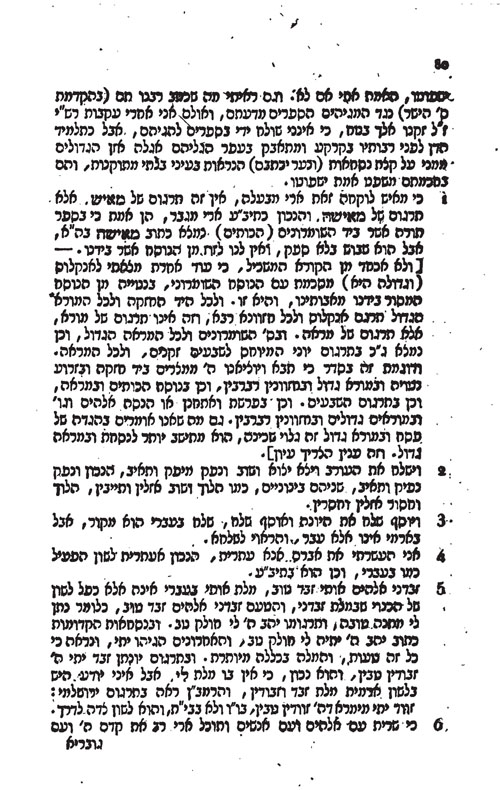
It should be noted that not everyone agrees with the Ramban. [i][39] R. Kosman shows[40] that there was some playing around with this piece of the Chasam Sofer. In the first edition it says:

מרגלא בפומי’ כי נס חנוכה לא נזכר כלל במשנה ואמר טעמו כי רבנו הקדוש מסדר המשנה הי’ מזרע דוד המלך ונס חנוכה נעשה על ידי חשמונאים שתפסו המלוכה ולא היה מזרע דוד וזה הרע לרבנו הקדוש ועל כן נשמט הנס מחיבורו

But in the second edition a piece was added to say:

מרגלא בפומי’ כי נס חנוכה לא נזכר כלל במשנה ואמר טעמו כי רבנו הקדוש מסדר המשנה הי’ מזרע דוד המלך ונס חנוכה נעשה על ידי חשמונאים שתפסו המלוכה ולא היה מזרע דוד וזה הרע לרבנו הקדוש ובכתבו המשנה על פי רוח הקודש נשמט הנס מחיבורו

Interestingly enough, the Chasam Sofer in his chiddushim on Gittin explains the Chanukah omission based on the Rambam we mentioned earlier that says that since Chanukah was well-known Rebbe did not include it in the Mishna.[41] Whether or not the Chasam Sofer did say the explanation quoted in the Chut Hameshulash, we have testimony from a reliable source that another gadol said it. The Chasdei Avos cites this explanation from the Chidushei Harim and he ties it to the Ramban mentioned above.[42]

דבשביל שהי’ לבם של בית הנשיא מרה על החשמונאים, שנטלו מהם המלוכה, והוא נגד התורה דלא יסור משבט יהודה, כמו שכתב ברמב”ן ויחי, לכן לא הזכיר רבנו הקדוש דיני חנוכה במשנה.

Rabbi Aryeh Leib Feinstein also offers this explanation on his own and uses it to explain many of the differences between the versions of the miracle of Chanukah found in the Gemara and Megillas Taanis, and to explain who authored the different parts (Aramaic and Hebrew) of Megillas Taanis.[43] Rabbi Avraham Lipshitz says that, based on the answer of the Chasam Sofer, it is possible to answer another famous difficulty raised by many, which is why we don’t mention Chanukah in the beracha of Al Hamichya. Rabb Liphsitz says that in Al Hamichya we mention Zion, which is Ir Dovid. Since the Chashmonaim took away the kingdom at that time from the descendants of Dovid, we do not mention Chanukah in connection to Zion.[44] Another answer suggested by Rav Chanoch Ehrentreu is that the Mishna is composed mostly of various parts from much before Rabbenu Hakodesh, from the time of the Anshei Knesses Hagedolah and onwards, which is before the story of Chanukah took place. When Rebbe began to compose the Mishna there was no place for the halachos of Chanukah, so he did not put them in.[45]With this he answers another problem – we find that the early Tannaim dealt with Chanukah as we see in a beraisa in Shabbos from Ziknei Beis Shammai and Hillel so why isn’t there a Massechtah devoted to Chanukah.

שגוף המשנה על חלקיה העיקריים הוא מעשה אנשי כנסת הגדולה… לאחר ימי אנשי כנסת הגדולה השלימו תנאים במקום שהיה טעון השלמה והוסיפו בשעה שנזקקו להוסיף, וחלקו על פירושה של משנה ראשונה וגם מסרו מחלוקות אלה לדורות. אך המשנה עצמה עתיקה מהלכות חנוכה. לכן ברור שתנאים שנו הלכות בענין חנוכה ונר חנוכה, אך כיון שכבר לא נמצא להם מקום בגוף המשנה נאספו אלה בברייתות

This answer is based on the assumption that there were parts of the Mishna that existed earlier than Rebbe, and that he was just the editor. This topic of when the Mishna was exactly written has been dealt with from the time of the Geonim and onwards and is beyond the scope of this article.[46] However, I would like to make one point that also relates to this and the Chasam Sofer’s answer discussed above. What was Rabbenu Hakodesh’s role in writing the Mishna? Was he an editor that just collected previous material, or did he add anything of his own? Rav Ishtori Haparchi writes in his Kaftor Vaferach that Rebbe never brings something that he does not agree with in the Mishna.

ורבנו הקודש לא יבא לעולם כנגד המשנה שהוא סדרה וחברה

(כפתור ופרח, פרק חמישי)

The Sefer Hakrisus disagrees. He says that Rebbe was mostly an editor. He gathered existing Mishnayos and, together with other Chachomim, chose what to include.[47] מצינו בלשון משנה על רבי הא דידיה הא דרביה… נראה אף על פי שרבי סדר המשניות היו סדורות קודם לכן אלא שסתם הילכתא, וגם על פי עשרים בני תלמידי חכמים זה היה אומר בכה וזה היה אומר בכה והוא בחר את אשר ישר בעיניו אבל המשנה והמסכתא לא זזה ממקומה וסדרה הוא כבראשונה… It would seem that the Chasom Sofer’s answer could only work according to the Kaftor Vaferach and Rabbi Ehrentreu’s answer is only possible according to the Sefer Hakrisus. According to the Sefer Hakrisus, even had Rabbeinu Hakadosh not wanted to include the story of Chanukah for some reason, it was not only his say that was important. This explanation of the Chasam Sofer was the accepted explanation for many years among Jewish historians as to why the Mishna omits the story of Chanukah. For example Zechariah Frankel wrote in his Darchei Ha-Mishnah[48]:

והנה גם מצות חנוכה באה לבד בדרך העברה … ולהדלקת נר חנוכה לא מצינו במשנה אפילו רמז (ועיין ב”ק פ”ו מ”ו). ואפשר שבזמן הבית לא חלקו כ”כ כבוד למצות זאת, כי גם מלכי בית חשמונאי אשר על ידי אבותיהם נעשתה התשועה לישראל, הכבידו עולם על העם ולא נחה דעת החכמים במלוכתם, ומצאו להם די בהזכרתם בתפילה חסדי השם עם עמו, ובמשך הימים כאשר נשכחו הצרות הראשונות תחת המלכים אלה נהגו בנר חנוכה, וגם אז נראה שלא לחובה כ”א למצוה, ונתנו המצוה ביד כל איש ואיש כפי דעתו…

(דרכי המשנה, עמ’ 321).

A while back, Gedaliah Alon wrote a classic article proving that this theory was not true at all. Subsequently, Shmuel Safrai backed this up. They both showed that there is positive mention of the Chashmonaim in many places in halachic literature. Therefore, this explanation does not suffice to explain the omission of Chanukah from the Mishna.[49]

Hidden halachos

The following answers relate to the concept found in the Gemarah numerous times, known as, chisura mechsara, something is missing, when trying to understand a specific statement in the Mishna. The Gemarah says that something is missing and really the Mishna should say this… The question asked by many is how did this happen. Many years ago I heard from one of my High school Rabbyim, Rabbi Lobenstein who heard from his Rebbi, Rav Hutner that this was done on purpose. The whole Heter to write down Torah She Bal Peh was a Horot Sho as Rabbenu Hakodesh saw that it was going to be forgotten. However he did not want all of it to be come accessible to all he wanted to retain a strong part of it to be dependent on Torah She Bal Peh on a mesorah from the past. Therefore he made that certain parts could only be understood based on a transmission from a previous generation. One of the ways he did that was to leave out certain sentences from the Mishna. I later found that Rav Hutner says this concept to explain why there is no special Mishna devoted to the Halchos of Chanukah:

ומקבלת היא נקודה זו תוספת בהירות מתוך עיון בכללי סדור המשנה ובמה שהורונו רבותינו בביאורם. בתוך כללי סידור המשנה נמצא כאלה שאינם נראה כלל כמעשי סידור, כגון אין סדר למשנה, חסורי מיחסרא… וכדומה. והורונו רבותינו בזה כי גם לאחר שהותרה כתיבתה של תורה שבעל פה, ומשום עת לעשות הוכרחו לכתבה או לסדרה לכתיבה, מכל מקום השאירום בשיעור ידוע כדברים שבעל פה גם לאחר שנכתבו, בכדי שגם הכתב יהא נזקק לסיוע של הפה, וסוף סוף לא תעמוד הכתיבה במקומה של הקבלה מפה לאוזן. ודברים הללו הם יסוד גדול בסדר עריכתם של דברי תורה שבעל פה על הכתב… מאורע מועד החנוכה יהא מופקע מתורת כתב, שכן כל עצמו של חידוש מועד החנוכה אינו אלא בנקודה זו של מסירות נפש על עבודת יחוד ישראל בעמים… ופוק חזי דגם במשנה לא נשנו דיני נר חנוכה, ולא נזכר נר חנוכה כי אם אגב גררא דענינים אחרים, והיינו כמו שהורונ רבותינו דגם לאחר שנכתבה המשנה עדיין השאירו בה מקום לצורת תורה שבעל פה על ידי החיסורי מיחסרא וכדומה, ובנר חנוכה בא הוא הענין הזה לידי השמטה גמורה, מפני שאורו של נר חנוכה הוא הוא האור שניתגלה על ידי מסירת נפש על אורות מניעת כתיבתם של דברים שבעל פה. בכדי שעל ידי זה תסתלק יון מלהחשיך עיניהם של ישראל על ידי תרגום דברים שבעל פה, כדרך שהחשיכה עיניהם של ישראל בתרגומם של דברים שבכתב

(פחד יצחק, עמ’ כח-כט).

A little different explanation of the concept of chisura mechsara without tying into Chanukah can be found in the incredible work from the Chavos Yair called Mar Keshisha where he writes as follows:

ובזה מצאנו טעם חכמי משנה שדברו דבריהם בקיצור נמרץ ובדרך זר ורחוק מתכלית הבנתו והמבוקש, וטעם שניהם להרגיל התלמידים בהתבוננות וחידוד, שיבינו דברים ששמעו אף כשהם עמוקים ועלומים, ומתוך כך יוסיפו מדעתם, ויבינו עוד דבר מתוך דבר… ובזה יישבנו גם כן מה שלפעמים דקדקנו בלשון התנא בסידור דבריו ובחיסור ויתור אות אחת… ולפעמים אמרינן חסורא מחסרא במשנה… והכל הוא להלהיב הלבבות ולחדדם ע”י שיעמיקו וידקדקו בלשון התנא, ולפעמים ליישב הדין והמבוקש… (מר קשישא, עמ’ כח-כט; שם, עמ’ נו).

The Rashash says:

ונראה דלפי שהיתר כתיבת המשנה לא היה רק משום עת לעשות וגו’ לכן לא באו בה רק עקרי הדינים בלבד בלי ביאור הטעמים, וכן לא בארה במחלקות הנמצאים בה טענות כל אחד מהצדדים ופעמים לא בארה גם עיקר הדין בשלמותו… וכן חסורי מחסרא והכי קתני, כי לא באה רק שעל ידה יזכרו לגרוס הענינים בשלימותם כפי הקבלה בעל פה, ולזאת תמצא ג”כ רבות שלשון המשנה איננו סובל את הענין כפי ישוב הגמ’ בה רק בדרך רחוק ודחוק, הכי רבינו לא היה יכול לדבר צחות ולבחור לשון ערומים.. שפעמים לא ביאר את הענין בדרך רמז… ויתכן לומר דלכן קראו לאיזו מהם מגילת סתרים

(נתיבות עולם,דף קי”א, ע”א).

Another answer to the mystery of the Chanukah omission is from Rabbi Gedaliah Nadel as I will explain this too has to do with the concept of chisura mechsara. There is a famous concept of various Rishonim and Achronim. Many times, the Gemara uses the phrase chisura mechsara, something is missing, when trying to understand a Mishna. Some Rishonim say that there is nothing actually missing in the Mishna. What appears to be missing is really there, but the naked eye cannot see it. That is what the Gemara means when it says something is missing and then adds the missing text. Just to list some sources for this concept: Rabbenu Bechayh writes:

ורבינו הקדוש שחבר המשנה ולמד אותם ברבים וכתבוה הכל בימיו, כונתו היתה כדי שלא תשכח תורה מישראל שראה הרשעה מתפשטת בעולם וישראל מתפזרין בגלות, על כן הותר לו לעשות כן משום שנאמר:

(תהלים קיט, קכו)

“עת לעשות לה’ הפרו תורתך”, וכתב וחבר המשנה שהיא תורה שבעל פה, ועל כן קראה “משנה” לפי שהיא שניה לתורה שבכתב ורובה לשון הקדש צח כתורה שבכתב… ואחרי כן נתמעטה החכמה וקצרו הלבבות ועמדו רבינא ורב אשי וחברו התלמוד שהוא פירוש המשנה, כי לרוב חכמת רבינו הקדוש וחכמת בני דורו היה פירוש התורה אצלם מבורר ופשוט מתוך המשנה, ואצל דורות רבינא ורב אשי היה עמוק וסתום מאד, ומזה אמרו בתלמוד על המשנה:

(ברכות יג ב)

חסורי מחסרא והכי קתני, שאין הכוונה להיות המשנה חסרה כלל חלילה, אבל הכוונה שהיא חסרה אצלנו מפני חסרון שכלנו מפני שאין אנו מגיעים לעומק חכמת דור של חכמי המשנה…

(רבנו בחיי, כי תשא, לד:כז).

Reb Avrhom Ben HaGra writes:

ומ”ש לפעמים חסורי מחסרא והכי קתני, שמעתי מא”א הגאון החסיד המפורסם נר”ו שאין במשנת רבי שום חסרון בלישנא ומה שהוסיפו הוא מובן בזך הלשון של רבינו הקדוש ז”ל, אפס כדי להסביר לעיני המון הרואים בהשקפה ראשונה לפיהם צריך להסביר יותר, והמעיין בדבריו יראה שהוא כלול בדבריו ביתרון אות אחת, ואחוה לך אחד לדוגמא… (רב פעלים, עמ’ 107).

Reb Yisroel Shklover also writes about the Gra: והיה יודע כל חסורי מחסרא שבתלמוד בשיטותיו דלא חסרה כלל בסדר שסידר רבינו הקודש המתני’

(פאת השלחן, הקדמה).

Rabbi Gedaliah Nadel says that most of Hilchos Chanukah can be found in the Mishna. The Mishna in Bava Kamma (62b) says that if a camel was walking in the public domain with flax, and the flax caught fire from a fire that was in a shop and did damage, the owner of the camel has to pay the damages. However, if the storekeeper’s fire was out in the public domain, then the storekeeper has to pay damages. Reb Yehudah says that if the fire was from neiros of Chanukah, then the storekeeper is not obligated to pay. From here, says Rabbi Nadel, we can learn the basic halachos of Chanukah: the neiros have to be lit outside, over ten tefachim and when people are passing by. The halachos of Hallel and Krias Hatorah are found in other places in the Mishna. The rest of the halachos are side issues.[50]

ולפי זה יש ליישב דענין נס חנוכה ומצות נרות וואדי היה מפורסם לחיוב ולא היה צריך להקדמה כלל, ואף דמ”מ היה צורך להכניס יסוד הדינים במשנה מ”מ לזה סגי לפרש הדברים בדרך רמז במשנה דב”ק. דאם נדקדק בדברי המשנה שם נמצא כל עיקר דין נר חנוכה דילפינן מינה דאיכא חיוב להניח הנר בחוץ ובתוך עשרה טפחים ושיהא בזמן שעוברים בשוק, ורק אנינים צדדים כמו מהדרין וכו’ לא חשש להזכיר. ודין דמדליקין מנר לנר וכו’ איכא למילף מדיני בזוי מצוה. ויתר הלכות חנוכה הוזכר אגב אורחא כל אחד במקומו, וכגון חיוב הלל גבי קרבן עצים (תענית פ”ד מ”ה). וחיוב קריאת התורה גבי דיני קרה”ת (מגילה פ”ג מ”ד ומ”ו), ודין אמירת על הנסים לא נזכר כמו שאר נוסחי תפלות שלא הוזכרו מפני שהיו ידועים ומוסרים

(ליקוט מתוך שעורי ר’ גדלי’, עמ’ מ).

I would like to suggest [51] that this answer is similar to the famous concept of various Rishonim and Achronim [52] mentioned above, nothing actually missing in the Mishna. What appears to be missing is really there, but the naked eye cannot see it. Similarly here, Chanukah is in the Mishna, but it’s not clear to the regular person. As Rav Nadel shows, the basic laws of Chanukah are hidden in the Mishna in Bava Kamma. The Chanukas Habayis, first printed in 1641, is a special work devoted to the halachos of Chanukah. This work explains how all of the halachos of Chanukah are found in a piece of Masseches Soferim—in Haneiros Hallalu.[53] Masseches Soferim, although it was composed at a late date, is really based on an earlier work from the time of Chazal. In other words, it contains halachos which date back to early times.[54] I would like to suggest that perhaps this piece was much earlier—from the times before Rabbenu Hakodesh composed the Mishna. And because it had hidden in it all of the laws of Chanukah, this could be another reason why Chanukah was not included in the Mishna, as there existed a halacha that had in it hidden all of the laws of Chanukah—Haneiros Hallalu.

A famous controversy

This whole issue of the Chanukah omission was a small part of a famous debate. In 1891, Chaim Selig Slonimski wrote a short article in Hazefirah (issue #278) questioning why there is no mention in Sefer Hashmonaim and Josephus of the miracle of the oil lasting eight days. Furthermore, he questioned why the Rambam omits the miracle of the oil when detailing the miracles of Chanukah. He contended that the answer is that a miracle did not actually occur, but the Kohanim created that impression to raise the spirits of the people. As can be expected, this article generated many responses in the various papers and journals of the time and even a few sefarim were written devoted to this topic. A little later, while defending his original article, Slonimski wrote that we do not find the halachos of Chanukah mentioned in the Mishna, only in the Gemara. Rabbi Ginsberg, in his work Emunas Chachimim, pointed out that the halachos are mentioned in Baba Kama.[55] Rabbi Lipshitz in his work Derech Emunah, written to deal with this whole issue, defended this omission based on Chanukah’s mention in Megillas Taanis, as mentioned above. Rabbi Y. Sapir also wrote such a defense.[56]

Appendix one: Megilat Taanis and Chanukah

Earlier I quoted some that some say that the reason why Rebbe did not have a whole masechta about Chanukah was because there was one already: Megillas Taanis! I would like to elaborate on what I wrote earlier and clarify a bit more on the work Megillas Taanis, especially its relationship to Chanukah. Megillas Taanis is our earliest written halachic text, dating from much before our Mishnayos. In the standard Megillas Taanis, there are two parts: one written in Aramaic, which is a list of various days which one should not fast or say hespedim on. This part is only four hundred and seventy words long. The other part was written in Hebrew and includes a lengthier description of each particular day. The longest entry in the latter part is about Chanukah. It contains reasons for the Yom Tov and some of the halachos. A few Achronim already used the MT for Chanukah to show that the famous Bais Yosef’s Kasha of why is Chanukah eight days has been asked by the author of the MT. [58] It would appear that the Bais Yosef did not have a copy of the MT.[59] Be that as it may when one compares the passages about Chanukah in the MT to the Bavli one will find some similarities and many differences. The question is which work influenced which, did the MT influence the bavli or vice versa. The Netziv writes: ת”ר נר חנוכה מצוה כו’ עיקרן של ברייתות אלו המה במגילת תעניות פ”ט, והוסיף שם ואם מתייראין מן הלצים מנחיה על פתח בית (מרומי שדה, שבת דף כא ע”ב). The Chida writes that the Bavli was aware of the MT: מאי חנוכה… דלא על עצם חנוכה שואל, דהרי המשנה סמכה על מגילת תעניות (חדרי בטן, עמ’ צז). There is an interesting little-known correspondence on this topic between the Aderes and R. Yaakov Kahana (Shut Toldos Yakov, Siman 29) about the topic of a Mesechet Chanukah and Megillat Tannis. Rav Kahana was bothered why the Bavli left out most of the MT from its discussion in regard to Chanukah.

וצ”ע מ”ה השמיטו הבעל הש”ס דידן האי בבא ממג”ת הלא דבר הוא… וקצ”ע על בעל הש”ס ירושלמי שלא הביאו האי עובדא דחנוכה המוזכר במג”ת פ”ט המובא בשבת כ”א ב’ וגם פלוגתת ב”ש וב”ה בנרות לא מוזכר שם.

The Aderes responded to R. Kahana: ומה שתמה על הש”ס למה לא הביאו האי בבא דמגילת תענית גם אנכי הערתי בזה ומצאתי תמי’ זו בהגהת הרצ”ה חיות ז”ל ובימי עולמו כתבתי מזה בס”ד ולא אדע אנה. ואשר התפלא מדוע לא נמצא הא דחנוכה בירושלמי באמת גם במשנה לא נמצא אולם בסוף פ”ו דב”ק שם נמצא וגם מעט בירושלמי בשלהי תרומות. ואנכי מתפלא מאד דגם מצות כתיבת ספר תורה לא נמצא במשנה…

R. Kahana wrote a lengthy response. He explained that it does not bother him that the Mishana does not mention this story of Chanukah from MT as the Bavli does not mention any of the incidences in MT. He is more bothered by the omission of the Yerushalmi of this story as found in the MT, as the Yerushlmi does mention other incidences of MT.[59] As to writing a sefer Torah not being mentioned in the Mishna R. Kahana gives a lengthy list of all the Mitzvos that are not discussed in the Mishna (and the list is long). Rabbi Lifshitz writes:

העתקתי כל דברי המגלת תענית כי יש ללמוד ממנו הרבה, האחד כי כל הברייתות המובאות בגמרא אינם ברייתות מאוחרות ודברי אגדה.. רק כולם המה לקוחים מהמג”ת הקדומה הרבה… דרך אמונה, עמ’ 17). Rav Zevin writes: הברייתא של מאי חנוכה שמקורה במגלת תענית והובאה בבלי… (המועדים בהלכה, עמ’ קפז).

We see from all these Achronim that it was obvious to them that the Bavli was written well after the MT. The question is when, was the MT written. Rav Yaakov Emden writes (in his introduction to his notes on Megillas Taanis) that it was completed at the end of the era of the Tannaim. The Chida writes it was written before the Mishna.[60] Earlier I mentioned that while Megillas Taanis dates from before our Mishnayos, it contains significant additions from a later time. Maharatz Chayes and Radal say that the Aramaic part was written very early, at the point when it was not permissible to write down Torah Sheba’al Peh. At a later point, when it was permitted, the Hebrew parts were added. Maharatz Chayes says that it was after the era of Rabbenu Hakodesh. But was it written before the Bavli or after? The Maharatz Chayes concludes that the Bavli did not have the same version of Chanukah as the MT as MT that part of MT was written later. The Maharatz Chayes observes that whenever the Bavli quotes the MT and it uses the words De-khesiv it is referring to the early part written in Aramaic when it says De-tanyah it is referring to the later part.[61] To answer this a bit of background is needed; MT as we have it was first printed in Mantua in 1514. Over the years various editions were printed some with Perushim on them. In 1895 Adolf Neubauer printed a version based on the manuscripts. In 1932 Hans Lichtenstein printed a better version based on the manuscripts.[62] S. Z. Leiman has already noted[63] that this work is to be used with great discretion. As late as 1990, Yakov Zussman noted in his classic article on Halacha and the Dea Sea Scrolls that a proper critical edition was still needed.[64] A little later a student of his, Vered Noam, began working on such a project and in 2003 a beautiful edition of this work was released by the Ben Tzvi publishing house.[65] Over the years Noam has written many articles about her finds unfortunately not all of these important articles are included in this final work printed in 2003.[66] Amongst the points discovered by Noam was that the scholion[67] part (as it was coined by Graetz) exists in two different manuscripts (besides for other fragments) and that each one of these versions are very different and include different things. At a later point these two independent works were combined into a hybrid version which is the basis of our printed text today. The hybrid version included both of the earlier versions and even added things not found in either version of the scholion. In her work, Noam deals with trying to identify when all this was done.[68] One of the key questions in her work is did the scholion have the Bavli or vica versa. She demonstrates that it is not a simple issue and each piece of MT has to be dealt with accordingly to compare the versions and the like. As far as Chanukah is concerned she concludes that most of the parts from the MT are from other sources but parts are from the Bavli but these parts from the bavli that are found in the scholion versions are from a later time. [69] Shamma Friedman argues on Noam’s conclusions in regard to Chanukah; he has many indications to show that as far as Chanukah is concerned the scholion was influenced by the Bavli.[70] One of indications for Friedman was that in one of the two additions of the scholion it says כדאיתא בבמה מדליקין! To clarify this point, in one version of the scholion it says: מצות נר חנוכה נר אחד לכל בית והמהדרין נר אחד לכל נפש והמהדרין מן המהדרין וכו’ כדאיתא בבמה מדליקין. However this passage does not appear at all in the other manuscript of the scholion but it does appear in the Hybrid version with changes. In the Hybrid version it says as follows:

מצות חנוכה נר איש וביתו והמהדרין נר לכל נפש ונפש והמהדרין מן המהדרין בית שמאי אומרים יום ראשון מדליק שמנה מכאן ואילך פוחת והולך ובית הלל אומרים יום ראשון מדליק אחד מכאן ואילך מוסיף והולך. שני זקנים היו בצידן אחד עשה כדברי בית שמאי ואחד כדברי בית הלל זה נותן טעם לדבריו וזה נותן טעם לדבריו זה אומר כפרי החג וזה אומר מעלין בקדש ואין מורידין. מצות הדלקתה משתשקע החמה ועד שתכלה רגל מן השוק ומצוה להניחה על פתח ביתו מבחוץ ואם היה דר בעליה מניחה בחלון הסמוך לרשות הרבים. ואם מתירא מן הגויים מניחה על פתח ביתו מבפנים ובשעת הסכנה מניחה על שלחנו ודיו.

As an aside over here we can see the differences between each version of the manuscripts of the scholion versions one has it in one line one does not have the passage at all and one has a very lengthy version of the passage. Now these words כדאיתא במה מדליקין are not the only factor for Friedman to reach his conclusions in regard to the sources of this passage of the scholion version of MT. He has many other points but just to list one more of them. Friedman has a whole discussion about the origins of the word “Mehadrin.” Louis Ginzburg noted that:

הברייתא שם, מצות חנוכה… והמהדרין וכו’ נראה שהיא בבלית שאין לשון מהדרין לשון חכמי המשנה שבארץ ישראל

(פירושים וחידושים, א, ברכות, עמ’ 279).

Friedman has an article with various proofs to show that this is true.[71] If this is so the fact that MT uses the word Mehadrin would be another indicator that at least in this case the MT was influenced by the Bavli. According to all this it would be impossible to answer that the reason why Rabbenu Hakodesh did not write a Mascetah about Chanukah was because he was relying on MT. As discussed here this part of the MT was written long after the Mishna and possibly even after the Bavli! I would like to conclude this section with some words about the Oz Ve-hador edition of Megilat Taanis. In 2007, the Oz Vehador publishing house released a new edition of Megilat Taanis. A few years back I wrote on the Seforim Blog about some of their censorships in regard to this work. Today I would like to turn to some other issues with this particular edition. In the introduction of this work they explain that one of the benefits of this work is that they used manuscripts and on the side of each page they indicate various differences based on the manuscripts. They write that they only include the differences that are important. They then include a nice long list of all the pieces of manuscripts and Genizah fragments that they used for this work. Ten such items were consulted and used they even give abbreviations for each one of the items in the list. The problem is as follows all this is plagiarized straight from Vered Noam’s edition of the MT printed in 2003. They copied her list and order, word for word, without bothering to even try to cover up their tracks. The reason this is obvious is that Noam made up abbreviations for each of the works, as is common in all critical editions to make it easier when quoting them. Now for whatever reason she decided to choose these abbreviations, for each one of the works Oz Ve-Hador happened to pick the exact same abbreviation. For example, for one genizah fragment she labeled, Gimel Peh and for another one she labeled it Gimel Aleph. Oz Ve-Hador did the same. Now what is interesting is Noam uses all these pieces in her work, as a quick look at her apparatus will show. Oz Ve-Hador only substantially quotes two manuscripts throughout their whole work, the Oxford MS and the Parma MS. They never use any Genizah fragments so why do they even mention them with abbreviations in their introduction? If that is the case, why did they bother to even copy this whole list from her, if they did not even bother to look at any other of the manuscripts or quote them? Why in the world are the abbreviations needed in the first place? The only reason why she has abbreviations is to make the usage of her scientific apparatus user friendly, something which Oz Ve-Hador does not even attempt to do. This would indicate that the person who copied the list did not even have a clue to what it was that he was copying. One other point is that almost all the changes seem to be a minor correction or spelling mistake. When one compares this to the apparatus in Noam’s addition this is absurd. What in the world was their basis for making corrections in the work, only correcting these few things when there are many, many things to correct or at least point out to the reader? Now a careful examination of the MT from Oz Ve-Hador will leave one wondering what exactly they did as far as using manuscripts are concerned. In the Chanukah piece of MT which there are many differences and pieces in each version they were able to come up with three differences! For example the important words כדאיתא בבמה מדלקין or that this whole long piece about Mehadrin etc. does not appear in one version of MT at all, and as explained earlier both of these issues are important. This would indicate to me even more, the person or persons involved in this part of their edition had no real clue to what he was doing, he chose some differences from the manuscripts and that was it. I would even go so far as to say that they did not bother to look at any of the actual manuscripts but rather just used Noam’s work and took a few differences from the two key manuscripts and put them in their work. However I do not have the patience to prove that so it will just remain a strong hunch for now. In short we have yet again another work of Oz Ve-Hador which shows how good and accurate they are in dealing with manuscripts.[72] Another small point of interest to me was that the Oz Ve-Hador edition was careful to never call the Hebrew part of MT the “scholion,” as that was a word coined by Maskilim. One last small point of interest to me in about the Oz Ve-Hador was that they seem to have no problem with the Maharatz Chayes as they quote his piece on the MT word for word with proper attribution. It would seem they argue (as do I) with Rebbetzin Bruriah David who concluded that the Maharatz Chayes was a Maskil.

[1] Chanukah is mentioned a few times in Mishnayos but the issue here is why there isn’t a whole mesechta devoted to it. See Machanayim 34:81-86 [See Tiferes Yeruchem pp. 60, 414]. As an aside, in the Zohar there is also no mention of Chanukah. See Tiferes Zvi (3:397,465) and Rabbi Yaakov Chaim Sofer in Beis Aharon ve-Yisroel (18:2, p. 110) and his Menuchos Shelomo (11: 43). [2] For chassidus sources: see Bnei Yissaschar , Ohev Yisroel and Moadim le-Simcha p. 38. For machshava sources see: R. Teichtal, Mishnat Sachir, Moadim, pp. 411-417; Sifsei Chaim (2:131); Pachad Yitzchak (pp. 29-32); Alei Tamar (Megilah p. 87); Rav Munk, Shut Pas Sadecha, (introduction, p. 7). As to kabbalah, the Yad Neman writes (p. 2b) that when he met Rabbi Dovid Pardo, author of the classic work on Tosefta, Chasdei Dovid, he told him a reason based on kabbalah. As to why the Sugyah of Chanukah in the Bavli is in Messechtas Shabbas, see Rabbi Shmuel Auerbach, Ohel Rochel, p.82, 113; N. Amenach, Sidra 14 (1998), pp. 59-76. For general sources on this topic see Rav Moshe Tzvi Neriyah, Shana Be-shanah 1988, pp. 159-68. It was then included in his Tznif Melucha pp. 177- 182 and then later translated into English in the journal Jewish Thought, Spring 5753, 2:2, pp.23-35. Rabbi Yona Metzger brings most of this piece in his Mayim Halacha (siman 111). (Thanks to my friend Yisroel Tzvi Ickovitz for bringing this and the Shana Be-shanah piece to my attention.) Rav Freund in Moadim Lisimcha relied heavily on this article of Rabbi Neriyah as he drops a few hints in middle of his piece on this topic such as on (p. 34 n.74), but of course without mentioning Rav Moshe Neriyah name as he was a Zionist. The Hebrew Kulmos of Mishpacha magazine, issue 19 (2005), p. 22-23 has a small article on this topic from R. Rosenthal which was then included and updated in his Kemotzo Shalal Rav. He definitely did not use Rav Neriyah article as he has a very small amount of sources on the topic. This year in the latest Hebrew Kulmos, issue 107 (2012), R. Kosman revisited this topic. His article is a rewritten version of Rav Neriyah article on the topic. He also buries the source of Rav Neriyah in one of the last footnotes of his article and does not really add anything to the story as Rav Neriyah presents it. I will mention one nice new point which he adds to this topic. There are also three very important, excellent articles related to this topic from M. Benovitz, See: Tarbitz, 74 (2005), pp. 5-20; Zion, 68 (2003), pp. 5-40; Torah Lishma, 2007, pp. 39-78. I have not included much of the important information found in these articles related to this topic. See also Y. Yerushalmi, Zakor, pp. 24-26. [3] This piece is not found in the regular editions of the Maggid Mesharim but only in one manuscript printed in Tzefunot, 6 (1990), p. 86. He writes: ומסכת מגילה גם כן נאמרה בסיני, כי הראה הקב”ה למשל דור ודור… וענין חנוכה אף על פי שהראהו הקב”ה בסיני, לא ניתן ליסדה בכלל המשנה, לפי שהיה אחר שנחתם חזון. I would like to thank Professor Shnayer Z. Leiman for bringing this important source to my attention. On this work in general see my Likutei Eliezer, pp. 90-118. [4] Although it has been pointed out that many rishonim and even the Megillas Taanis deals with this issue, it’s still called the Bais Yosef’s kasha. [5] Rambam, Perush Hamishna, Menochos 4. See also Melchemes Hashem, (Margolis ed.) p. 82. Regarding the Rambam’s comments in general, see Rabbi Reuven Margolis in Yesod Hamishna Vearichasa (pp. 22-23) who raises some issues with it. He shows that there are many sources that Jews were negligent in Tefilin so how can the Rambam say that there was no need to record the Halachos as they were well known. See my Bein Kesseh Lassur, p. 230. For additional sources on this Rambam see. Y. Brill. Movo Ha-Mishna, pp. 110-112, 156; Z. Frankel, Darchei Ha-mishna, p. 321. [6] The earliest source who gives this answer is Rav Chaim Abraham Miridna, Yad Neman, Solonika, 1804, p. 2b. Subsequently, many others give this answer on their own, such as the Maharatz Chayes (Toras Haneviyim p. 105), Rav Yaakov Reifmann (Knesses Hagedolah (3:90)), Pirish ha-Eshel on Megillas Taanis (p. 58b), Beis Naftoli son (#28), Yad Yitchach (#295) Rav Hershovitz in Minhagei Yeshurun (p. 48) Dorot Harishonim (4:46a) [see also Rav Eliyahu Schlesinger in Moriah (25:123) and in his Ner Ish Ubeso pp. 338-339]. [7] Michtivei Chofetz Chaim, p. 27. [8] Kol Kisvei Maharatz Chayes, vol. 1, pp.105-106. [9] Rav Y. Shor, Mishnas Ya’akov Jerusalem 1990, pp. 33-34. [10] Rav U’Pealyim, Intro, 8a. He also brings this down in his introduction to his edition of Midrash Agadah Bereishis. See also Yeshurun 4:228. On this work see here and Yeshurun, 24:447; Yeshurun, 25: 679-680. [11] See Heiger in his introduction to Masechtos Ketanos p. 6; M. Lerner in The Literature of the Sages, volume I, pp. 400-403; and Rav Brody, The Geonim of Babylonia and the Shaping of Medieval Jewish Culture, 1998, p. 109. [12] Sharei Teshuvah, siman 143; Radal notes to Midrash Rabbah Emor (22:1). See Rav Nachman Greenspan, Pilpulah Shel Torah p. 60 and his Maleches Machsheves p. 6. See also the Radal’s comments in Kadmus Hazohar at the end of section two; Rav Dovid Hoffman, Mishna ha-Rishona, pp.12-14;Yesod Hamishna ve-Arechsa p. 29 (and nt. 15) and 17. [13] See his introduction to his work on Avos, Bais Avos. [14] The earliest source who says this is Rav Yosef Hayyim ben Siman, Edos Beyosef, Livorno, 1800 (2:15). The Chida quotes this explanation in the collection of derashos entitled Devarim Achadim (derush 32). See also his Chedrei Beten, p. 97. Rabbi Lipshitz in Derech Emunah p. 24 also provides this explanation. See also Aishel Avraham in his introduction to his work on Megillas Taanis. [15] Pirush ha-Eshel p. 58, see also his introduction to MT. The piece on pg 58 is not found in the new Oz Vehadar edition as the Pirish Haeshel was printed only partially see this post. See what I wrote in Yeshurun, 25:456. [16] Behag, 3:335. On this statement see V. Noam, Migilat Tannis, pp. 383-385. [17] Rabbi M. Grossburg, Megilat Tannis, p. 26. [18] Mahritz Chayes, vol. 1, pp. 153-54; Radal, Kadmus Hazohar, p. 269. [19] Haples 1:182. On the authorship of the MT and Tosfoes, see: Chesehk Shlomo, RH. 19a; Shut Reishis Bikurim, p. 94; Sharei Toras Bavel, p. 60. [20] For more on all this see the Appendix. Rav Neriyha (above, note two), tries to answer how this answer can work out with the assumption that it was written at two different times but what he says is incorrect. [21] This is a brief explanation of the topic of Migilat Tannis. Here is a list of some of the sources on the time period of the Megillas Taanis and the two versions (and the nature of the work in general): see Y. Tabori, Moadei Yisroel Betekufos Hamishna Vehatalmud, pp. 307-22; Yesod Hamishna ve-Arechsa, p. 12 & n.26, p. 20 ; Rav N. D. Rabanowitz, Beno Shnos Dor Vedor, pp. 28-46; See also the nice introduction to the Oz Vehadar edition of Megillas Taanis; M. Bar Ilan, Sinai 98 (1986) pp. 114-37. See also the important points in Yechusei Tanaim ve-Amorim (Maimon edition) pp. 398-399. [22] Torah Shleimah 3:156a. See also his Shut Rashban, Siman 258 .On the statement of the Be-hag see V. Noam, Megilat Taanis, pp. 383-385. [23] On these works See Radal in his introduction to Pirkei De Reb Eliezer; Iyunim B’divrei Chazal Ubileshonam, p. 116; Binu Shnos Dor Vedor, pp. 121-150; N. Fried in Minhaghei Yisroel, vol. 5, pp. 102-20; Areshet vol.4 p. 166; Y. Tabori, Moadei Yisroel Betekufos Hamishna Vehatalmud, p. 390; Moadim le-Simcha p. 253-265, and Hasmonai U-Banav p. 2, On this Megilah in general see R. M. Strashun, Mivchar Kesavim p. 144; R. M. Leiter, Mamlechet Kohanim pp. 40-159. [24]The manuscript was printed in Areshet, 3:182-191. See also I. Davidson in Parody in Jewish Literature pg 39. One of the things we see from this parody is the widespread custom of playing cards on Chanukah. Another similar parody which also has in it a Masechta Chanukah was printed in New York in 1909 and was called Talmud Yankee. [25] Edos Beyosef (2:15) based on Yerushalmi, Succah 5:1. See Y. Tabori, Moadei Yisroel be-Tekufat ha-Mishna ve-HaTalmud, p. 373 [26] Rabbi Y. Buczvah in Shut Beis Halachmei (#4) does not like this answer as than other yom tovim also should not be included. Regarding this Yerushalmi, see: Yesod Hamishna ve-Arechsa p.22 nt.5; Ali Tamar, Sukkah p. 152; Tzit Eliezer, 19:26. [27] Eglei Tal pp.17-18. [28] Yesod Hamishna ve-Arechsa pp. 21-22. See also Rav Freidman in Machanayim 16:12 and Rav M. Cohen in Machanayim 37:43. [29] Nodeh Besharyim, 110b. [30] Toras Hagon Rebbi Alexander Moshe, p. 256. [31] Halechot Shlomo (p. 306 n.42). See also Shalmei Moed p. 254. [32]This answer is brought by R. Yakov Reiffmann in Knesses Hagedolah (3:90) where he brings that R. Alexander Moshe Lapidos wrote this answer to him. This is historically interesting as it shows that there was a connection between the two even though he was a known maskil (for more on R. Yakov Reiffmann ties with Litvish Gedoilm see here ). As an aside this piece of R. Alexander Moshe Lapidos is omitted from the otherwise excellent, recently printed, collection of all of R. Alexander Moshe Lapidos Torah in Torat Hagoan Reb Alexander Moshe. A similar idea to this is found in Tifres Zvi (3:465). [33] Chut Hameshulsesh, p. 50a. Others bring this answer without saying a source see Shut Beis Naftoli (# 28); Machanyim issue # 17:11. [34] See Mishmar Halevi (Chagigah #46-47); Or Torah (1991) p. 156); Zikhronos u-Mesoros Al ha-Chasam Sofer pp. 13-14; Otzros ha-Sofer (10:96); Hasmonai u-Banov pp. 111-112. [35] Shana Be-shanah 1988 (pp. 159-68, See above note 2. It seems that Rav Neriah was not aware that it was in the Chut ha-Meshulash as he cites only to the Ta’emi ha-Minhagaim (p. 365). [36] Shut MaHaryitz (#78). [37] Me-pehem, p. 171. [38] Rav B. Hamburger in his introduction to his Zikhronos u-Mesoros Al ha-Chasam Sofer, pp. 13-14. [39] Bereshis 49:10. For some sources see Yad Neman (p. 2b); Tzitz Eliezer (19:26), Rav Yaakov Kamenetsky, Emes le-Yaakov pp. 239-40, 271-73 and Chasmonai U-Banav pp.106-113. [40] Kulmos, above note two, p. 13. [41] Chasam Sofer, Chidushim on Gittin,78a. Some want (some of the sources at the end of note two above such as R. Neriyah and R. Kosman) to use this as proof that the Chasam Sofer could not have have said what the Chut ha-Meshulash brings in his name. I think this is a weak issue as the Chasam Sofer could have given different answers at different times. [42] Chasdei Avos (#17). In general on this passage from the Chasdei Avos see Benu Shneos Dor Vedor pg 52-71. [43] Kuntres Aleph Hamagen, pp. 69-72. [44] Yalkut Avrhom, p. 203. For more sources on this topic see Rabbi Reven Margolis, Hagadah Shel Pessach, Ber Miriam, 2002, p. 109; Rabbi Ovadia Yosef, Shut Yabbia Omer, 3:36. [45] Iyunim B’divrei Chazal Ubileshonam, p. 117. [46] This explanation and this whole issue in general gets involved with the famous discussion of what was Rebbe’s role in the writing of the Mishna. Just to list a few basic sources on the topic see: Rav Dovid Hoffman, Mishnah ha-Rishonah; Y.N. Epstein, Movo le-Nussach ha-Mishnah, 2: 692-706; C. Elback, Movo le-Mishna, pp. 99-116; Rav Margolis, Yesod Hamishna ve-Arechsa pp.59-64. Y. Sussman, Mechkarei Talmud, 3, pp. 209-384. See also the excellent doctorate of C. Gafni, The Emergence of Critical Scholarship on Rabbinic Literature in the Nineteenth-Century:Social and Ideological Contexts, pp. 41-111. See also this nice new book on this topic. A. Yoreb, Ha-Shelsheles Mish Lesefer. [47] Sefer Hakriesus, Part 5, Section 2:58. I just mention this issue here briefly for more on this see the important comments of Rabbi Yeruchem Fischel Perlow to the Kaftor Vaferach, pp. 141b- 114b. [48] On Using FrankeI’s work see my Likutei Eliezer, p. 35. I hope to return to the issue of using Frankel’s work shortly but for now see the interesting letter of the Sredei Eish who writes: כבר כתבתי לו כי אני מחוסר ספרים לגמרי… וכן ספרים במקצוע חכמת ישראל, כמו… דרכי המשנה… (יד יוסף, עמ’ תסב-תסג). [49] G. Alon, Mechkarim Betoldos Yisroel, 1:15-25; S. Safrai, Machanyim issue # 37 p. 51-58; M. Cohen, Machanyim issue #37 p. 43; Ben Zion Luria, in his introduction to his edition of Megillas Taanis p.20-32. See also Y. Tabori, Moedei Yisroel Betekufos Hamishna Vehatalmud, pp.372-373; Y. Gafni,Yemei Beis Chashmonyim, pp. 261-276. [50] Likut Me-toch Shiurei Reb Gedaliah, 2003, p. 40. On this work see Y. Shilat, Betoraso Shel Rav Gedaliah, p. 9. [51] Rabbi Nadel connects his answer to the Rambam mentioned in the beginning. The connection to the topic of chisura mechsara is mine. [52] Z. Frankel, Darchei Ha-mishna, p.295; Y.N. Epstein, Movo le-Nussach ha-Mishnah,1, pp. 595-598. [53] Chanukhas Habayis, p.21. [54] See Radal, Kadmus Hazohar, beginning of section three; Rav Dovid Zvi Rothstein, Sefer Torah Menukod, in Kovetz Ohel Sarah Leah, 1999, pp.773 and onwards; Higger, introduction to Masechtos Ketanos; M. Lerner in The Literature of the Sages, volume one pp. 396-403; Rav Brody, The Geonim of Babylonia and the Shaping of Medieval Jewish Culture, 1998, p. 112. [55] pp. 4a-4b. [56] Nes Pach Shel Shemen, p. 30.This controversy generated much discussion. See the article in Sinai, 100:202-09. Amongst those who responded about this was Rav Alexander Moshe Lapidos printed in Torat Hagoan Reb Alexander Moshe p. 456-58. A very sharp response against Slonimski was written by Rav Yaakov Reiffmann, printed from manuscript by M. Hershkowitz in Or Hamizrach (18:93-101). Hershkowitz wrote a bibliography on the topic which, unfortunately the editors Or Hamizrach did not include and, to the best of my knowledge, was never printed. I am currently working on an article collecting all the material on this controversy. A response (from manuscript) on the topic from the Aderes was printed where he wrote to his friend R. Reiffmann after seeing Reifmann’s response here הנני למלא רצונו להגיד לו דעתי על מאמרו הערות בעניני חנוכה, כי כל דבריו כנים ונאמנו בדבר הזה הייתי בר מזלי’, וחלילה לעלות על הדעת כי הרמב”ם לא האמין כלל בגוף נס השמן, וראיותיו צודקות ונאמנות, והחושב על הכהנים מחשבת פיגול במומו פוסל, כפי שידענו מן התורה נביאים וכתובים היו הכהנים העומדים בראש כל ישראל ומהם יצאה תורה לכל העם כולו והם הם שהיו המורים והשופטיםובכל זאת עליהם היו ממונים סנהדרין גדולה ששפטה אותם, ושטות ואולת גדולה לחשוב מה שכתב פלוני על אודות החשמונאים, והיא רק שיחה קלה להשיב לקלי דעת המאמינים לכל דבר ולא לתורתינו ועבדי’ חכמי התלמוד הנאמנים לד’ ולתורתו, אין ספק שמידי מעתיקי הרמב”ם בא אשמת החסרון בדבריו, ואין לדון מאומה מדברי ידידי מעכ”ת שי’ שהר”מ ז”ל האמין בלבבו הטהורה פשוטו כמשמעו, ככל המון בית ישראל, כפשטות ד’ הגמ’, וחלילה לנו להשליך דברי אלקים חיים מבעלי התלמוד אשר מימיהם אנו שותים אחרי גיוינו ולנוע אחרי ספרים חיצונים אשר לא בא זכרם בתלמוד הקדוש ומוקדש קודש הקדשים, ואין המאמר שוה להפסיד העת בבקורתו ילך לו בעל המאמר בשיטתו ואנחנו בשם אלקינו ועבדיו נזכיר אנחנו ובנינו אותו נעבוד כל ימינו לטוב לנו סלה” [57] See for example; Eliyhu Rabah, 670:9; Chida, Devarim Achadim (derush 32); Yemei Dovid, p. 142, 148; Zera Yakov, Shabbas, p.13a; Mahratz Chayis. Shabbas 21b; Shut Minchas Baruch, siman 109; Rav Tavyumi, Tal Oros, 1, p. 93-94. See also R. Illoy, Melchemet Elokyim, p. 203, 215. Rav Kook, Mitzvos Rayehu, (siman 670) [58] As far as a Bar Ilan search shows. See also the article in Ha-mayan 34 (1994), pp. 21-42, about the library of the Beis Yosef. [59] For more on the Yerushalmi’s omission see L. Ginsburg (Ginzei Schechter 2:476) who writes: וראוי להעיר שבתלמוד ארץ ישראל כמעט לא נזכרו דיני חנוכה כלל לא בדברי התנאים ולא בדברי האמוראים ורק בבבל שעובדי האש גזרו על מצוה זו וככל מצוה שמסרו ישראל נפשם עליה נתחזקה מאד בידיהם… See also G. Alon, Mechkarim Betoldos Yisroel, 1:15-2; M. Benovitz, Torah Lishma, 2007, pp. 39-78. [60] Shem Hagedolim, entry for MT. [61] Mahratz Chajes, vol. 1, pp. 153-54; Radal, Kadmus Hazohar, p. 269. The question is who said all this first Krochmal in his Moreh Nevuchei Hazeman (p. 254) brings this idea and adds the Maharatz Chayes proof from the way the Gemara quotes MT and on this last part he attributes it to the Maharatz Chayes. This indicates according to S. Friedman in Zion, 71 (2006), p. 33, in a Yakov Zussman like footnote, that Krochmal was the first to say this actual idea. On the close relationship between them see M. Hershkowitz, Rabbi Zvi Hirsch Chayes, pp. 233-275. However see, A. Rosenthal, Mechkarei Talmud, 2. p. 484. See also R. Elyaqim Milzahagi, Sefer Raviah, pp. 10b-11a, who said this idea himself around the same time. [62] H. Lichtenstein, ‘Die Fastenrolle – Eine Untersuchung zur jüdisch-hellenistischen Geschichte’, HUCA, VIII-IX (1931-2), pp. 317-351 [63] S.Z. Leiman, Scroll of Fasts: The Ninth of Tebeth, Jewish Quarterly Review 74:2 (October 1983), p. 174. [64] Tarbitz, 59 (1990), p. 43, Note 139. [65] For reviews on this work see here. M. Bar Ilan, Moed, 16 (2006), pp. 114-130. [66] See V. Noam in The Literature of the Sages volume two, pp. 339-62. It is worth noting that in 2008 another important page of a manuscript of MT was discovered from the 1300’s See Y. Rosenthal, Tarbiz, 77 (2008), pp. 357-410; V. Noam, Ibid, pp. 411-424. [67] On the name scholion, see S. Friedman, Zion 71 (2006), pp. 31-33. [68] The Scholion to the Megilat Ta‘anit: Towards an Understanding of Its Stemma, Tarbiz 62 (1992-93): 55-99 (in Hebrew); “Two Testimonies to the Route of Transmission of Megillat Ta‘anit and the Source of the Hybrid Version of the Scholion”, Tarbiz 65 (1995-96): 389-416 (in Hebrew). [69] The Miracle of the Cruse of Oil: A Source for Clarifying the Attitude of the Sages to the Hasmoneans? Zion 67 (2001-2): 381-400 (in Hebrew); The Miracle of the Cruse of Oil”, HUCA 73 (2003): 191-226. See also her MT, pp. 266-276. [70] Zion 71 (2006), pp. 5-40. [71] Leshonenu, 67 (2005), pp. 153-160. See also the articles of M. Benovitz cited above in note two. See the latest Hebrew Kulmos, issue 107 (2012), p. 36 for a small article on this topic which was obviously not aware of Friedman’s article on the topic. For more on this word see; Sefer Ha-Tishbi, Erech Hadar; ibid, Raglei Mevaser; Rav Teichtal, Shut Mishna Sachir, Siman 198 [= Mishna Sachir, Moadyim 1, p. 513]; M.B. Lerner, in Torah Lishma, 2007, p. 184. [72] For another recent example of such work by Oz Ve-Hador see the latest Yeshurun 25 (2011), pp. 724-735 in regard to the supposed work of the Malbim on Koheles which was printed from manuscript. [For an updated version of this piece one can e-mail me at Eliezerbrodt@gmail.com]

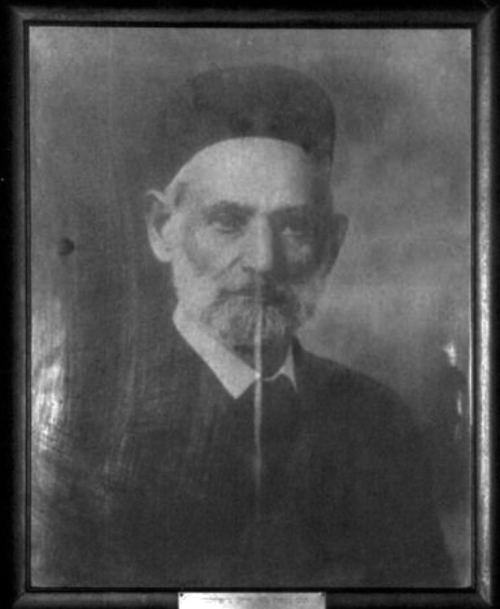


Using the works of Shadal and R. N. H. Wessely

Using the works of Shadal and R. N. H. Wessely

By Eliezer Brodt

This post is a continuation of my review of Rabbi Posen’s Parshegen, here. Many thanks to S. of On the Main Line for help with certain points.
In the beginning of Parshegen, when listing the important works on Targum Onkelos (TO), Rabbi Posen notes that one of the most crucial works ever written on the topic is Shadal’s Ohev Ger (Vienna 1830; rpt. Cracow 1895). He mentions in a footnote that today most Charedi works on TO do not use him, or do not mention it if they did. He notes that in the first generations after Shadal wrote Ohev Ger everyone used it. He refers his article in Italia 19, (2009) (pp. 104-109) on the topic of Shadal as a Parshan of the Targum, where he has a few pages dealing with Charedi works that use him, including the Minchas Yitzchak. Posen notes that the Maharatz Chajes quotes him respectfully, but what is important about this is that the Maharatz Chajes did not see eye to eye with Shadal on other issues[1] and even wrote an essay attacking his criticisms of the Rambam (link). Posen notes that R. D.Z. Hoffman uses him in his Shu”t Melamed Lehoel. I would add (something Posen is certainly well aware of) that R. Hoffman also uses him many times in his works on Chumash[2].
I would like to add a few more names toRabbi Posen’s list of people who used Shadal. Shoel Umeshiv[3], R. Yosef Zechariah Stern[4], R. Pesach Finfer[5], Dikdukei Sofrim[6], Seridei Eish[7], R. Chaim Heller[8], R. Kalman Kahana[9], R. Wolf Leiter[10] andR Dovid Tzvi Hillman[11]. S. of On the Main Line informs me that he has many more such references and is working on an extensive piece about Shadal in the eyes of talmidei chachomim through the ages.
I also found in the list of works recommended by the great Galician posek R. Meshulam Roth for students to learn in a proposed new school system, at the request ofR. Meir Shapiro, among the many interesting things he wanted talmidim to read when learning Targum Onkelos was Ohev Ger.[12]

When talking about this topic of the usage of Shadal in Charedi and Charedi-acceptable circles, Posen cites the introduction of Rabbi Yaakov Zvi Mecklenburg (1785-1865) to his Ha-Kesav Ve-ha-Kabbalah, printed only in the first edition of the work in 1839[13]. In this introduction he quotes a lengthy letter from Shadal[14] and clearly mentions that one of the works that he used when writing his sefer was from Shadal (which we would know anyway, because Shadal is cited by name many times in the commentary). Posen points out that in all subsequent editions this introduction has been removed. Posen suggests that the son-in-law who reprinted this work after he died (1880) removed it, and perhaps he did so due to the list of people that he used, especially theway he refers to Shadal, perhaps then no longer politically correct. Now, to be a little more accurate, the second edition of the work was printed in 1852 while Rabbi Mecklenburg was quite alive, and there a different version of the introduction appears. In this shorter version of the introduction it includes some of the works he used but there is no longer a specific mention of Shadal, neither in regard to using his work, or the lengthy letter of Shadal, which is now missing. In all subsequent editions printed after he died no introduction was printed. Thus we can see the son-in-law had nothing to do with it, but since it could hardly have been coincidental perhaps it did have to with Shadal’s image in some way, as Posen suggests. In his excellent article on the topic[15] Edward Breuer points out that there were differences between the two introductions, but he only notes that Julius Fuerst, whose name was mentioned in the first version of the introduction, was removed in the second version. Breuer did not note that Shadal’s name was also omitted.
Compare the introductions:

Mecklenburg – Haksav vehakabbalah 1839

Mecklenburg – Haksav vehakabbalah 1852

Since many of the controversial aspects of Shadal’s intellectual profile where already well-known by 1839 (e.g., proposing textual emendations of Nakh, fierce criticisms of the Rambam, assigning an author other than Shlomo to Koheles, etc.)[15b] my tentative suggestion as to why Shadal’s name and his letter were omitted by Rabbi Mecklenburg in the second edition could be because 1852 saw the printing of Shadal’s anti-Kabbalah work, the Vikuach Al Chochmas Ha- Kabbalah[16] (subtitled al Kadmus Sefer Ha-zohar). In addition, perhaps the advent of this work explains why later many did not use Ohev Ger on TO, feeling that they could not quote someone who was so anti-Zohar and anti-Kabbalah, even where he is not problematic and writes worthy ideas.
In Matzav Hayashar, R. Shneur Duber after quoting from Shadal’s work Vikuach Al Chochmas Ha- Kabbalah writes:

וה’ שד”ל בספרו ויכוח על חכמת הקבלה… וכל אלו הספרים הנההיראים החרדים לדבר ה’ נזהרים מאוד מלאחזיקם בביתם ומכש”כ מלעיין בהם משוםשהמה מהפכים את הלב האדם הקורא בהם ועושים רושם גמור בלבו רק לי התירו כמה גדולירבנים גדולים משום דאיתא במסכת אבות (פ”ב משנה יד) ודע מה שתשיב…”(מצבהישר, ב עמ’ 66].

It is also possible that R. Yaakov Kamenetsky was referring to the Vikuach in a sort of hidden way in Emes Leyaakov (p. 399). R. Yaakov records that he was asked by someone why is the Yom Tov of Hoshana Rabbah hidden and only found in Kabbalah literature? Before giving an answer R. Yaakov remarks he suspected there was a bit of cynicism in this question against the Zohar. It could be that he was hinting to the opening debate (before it spring boards in to other topics) in Shadal’s Vikuach Al Chochmas Ha-Kabbalah which takes place on Hoshana Rabbah and it is about where is the source for this Yom Tov.[17]
Another possible explanation as to why many did not use the works of Shadal could be understood with the complaints of R. Z. Y. Yolles in Hatorah VeHachochma. R Z. Y. Yolles sent Shadal a nice long letter related to TO in general and some comments on the Ohev Ger[18] in particular, which he liked a lot. He then writes:

ואין לזוז מן הנוסח אשר בידינו… כי עוד אחרת מצאתי לאונקלוס…מסכמת עם הנוסח השומרוני בנטיה מן הנוסח המסור בידינו מאבותינו,… וזהו ענין הצריך עיון… אלו הם דבריך הקשים [19],ואני בושתי ונכלמתי עליך משכיל חכם לב איך תדבר מן נוסחאות התורה, ותדלג מנוסח אל נוסחא כאלו היתה עיר קטנה, ומיודעיה מעטים וכל אשר יחפוץ להרסה יוכל לה, חס לנול האמין בשוא נתעה כזה ולשום אש דת שמרוה כמה אלפים חכמים ונבונים כחומה פרוצה לבל נמשך אחר דמינו, ומלבד שזהו עון פליפי נגד הקב”ה הנה גם אם נלך חפשי לשלוח יד בקודש על פי ההשערה, הלא במיעוט השקפה נראה שהוא דמיון כוזב, וכל ההשערות יהיו למאכולת אש, ואם אמנם כי נאמנו אתי רעיוניך הטהורות לבל יטו לבבך אחר ההבל ולהכניס בומחשבת פיגול… וזאת שאמרת וזהו ענין הצריך עיון המורה שיש ספק אצלך הנה אחשוב לשגיאת הסופר והמהירות וצרי לי מאוד אם יגיע הדבר באזני המתצדים ומחפשי מומי זולתם ויתנו עליך קולם לבלי חוק… הלא טוב הי’ לך לעזוב מאמר זה ולא יבא בתוך דבריך…

Here are Yolles and Shadal:

Here is the page from Ohev Ger with which the letter is concerned:

Although Shadal was very opposed to changing any texts in the Torah[20] and in a sense could be seen as standing in the breech, it could be that even such comments scared people away from his works.
Returning to the introduction of Rabbi Yaakov Mecklenburg to his Ha-Kesav Ve-ha-Kabbalah; It is of interest to me how he refers to R. Naftali Hirz Wessely (Weisel). He not only includes Wessely in the list of works he used, but in thebeginning of the introduction he says that Wessely is the only good work on Toras Kohanim which ties Torah Shebekhesav to Torah Shebaal Peh. This piece is also not found in the second edition of the introduction and is not noted by Breuer in his aforementioned article. A careful reading of the Ha-KesavVe-ha-Kabbalah shows that he used Wessely’s work numerous times throughout the work. Naturally no new views of Wessely’s were revealed between 1839 and 1852 to make Wessely more controversial.

Incidentally, here is a beautiful portrait of R. Mecklenburg as printed in the Festschrift zum 200 jährigen Bestehen des israelitischen Vereins für Königsberg (1904):

A few years ago in the pages of the excellent journal Ha-maayan, a controversy took place in relation to how to cite various works of people considered questionable (here). In the course of the controversy it turned to quoting Mendelssohn and Wessely, and their stories. Rabbi Posen mentioned that there was nothing wrong with Wessely, to which others argued. This controversy in regard to Wessely was not a new one[21], a few years before in the Kovetz Beis Aharon VeYisroel there was a series of articles based on various manuscripts showing how the gedolim at the time were very against Wessely. Towards the end of the series the author did a strange thing – he collected many citations of big name gedolim who did use Wessely’s work even after the controversy (here). Almost all of these gedolim were well aware of the controversy over Wessely’s Divrei Shalom ve-Emes in which his maskilic program for educational reform was outlined, and they came after the outcry of those early gedolim. So obviously disagreed with them (or were at least willing to accept him as a source to be used and cited by name). To me this was strange, as he undermined his own research – he wound up showing that there was a big controversy with many big people on both sides, so how in the world did he reach his conclusion that Wessely was bad according to everyone? Also of note, י”שר appears after Wessely’s name only in the first piece in the series. Perhaps in the course of his research the author realized that te matter was not as black-and-white as it first seemed.[22]
Nor did the modern controversy about Wessely end there, as a few years later two works of Wessely’s were reprinted; his Sefer Hammidos (2002), and his Yeyn Levanon (2003). In the introduction of both works there are lists of great people who used Wessely’s works. To be sure the kannoim did not remain quiet about this. That same year (2003) in the introduction to the Tomer Devorah reprinted by the Mishar publishing house, an introduction was printed about the evil works of Wessely recently reprinted. A few months ago the Kovetz Eitz Chaim (15, 2011, pp. 13-30) printed another manuscript on the controversy against Wessely, including some letters of various contemporary gedolim against the evil Wessely. In the recent work on R. Elyashiv Shlita, Hashakdan (2, pp. 136-137) they also mention how he was against the reprinting of the works of Wessely. The problem to me is how do they explain all the great Gedolim who did use his works? There is no clear answer.

To add to the lists of Gedolim who used Wessely’s works or quoted him in a positive light see; R. Eleazer Fleckeles[23], R.Moshe Kramer[24], Netziv[25], R. Mordechai Gimpel Yaffe[26], R. Yosef Zechariah Stern[27], R. Eliyahu Feivelson[28], R. Ezriel Hildsheimer[29], Dikdukei Sofrim[30], R. Y. Haberman[31], R. Chaim Bachrach[32], R. Y. Heller[33], R. Shneur Duber[34], R. Lazer Gordon[35], and R. Dovid Tzvi Hoffman[36]. Also see R. Moshe Mendelssohn (a maternal uncle of R Hirsch)[37] for many interesting remarks on Wessely. See also these great posts here and here in regard to Wessley.
I am sure many more sources for usages of both Shadal and Wessley can be found by searching Google Books, Hebrew Books and Otzar Hachochmah and just plain old learning, but I did not have a chance to do that yet.

I would liketo conclude with the following dream: just as R. Shlomo Dubno was vindicated in the past few years by R. Dovid Kamentsky,[38] it is my hope that Wessely too will be vindicated from all false charges against him and people will realize there is nothing wrong with his fine writings which are filled with chochma and yirah.

[1] See M. Hershkowitz, Maharatz Chajes,pp. 314-323. See also R. Toresh, Shivah Kochevei Leches, p. 8. Of course it will be argued that he is controversial too. However, this is only the case in some Torah circles. Where he is considered a perfectly reputable talmid chochom his use of Shadal could be considered notable.
[2] e.g., in Bereshis, p. 132. Shemos, p.287, 290, 351, 355. In Chumash Vayikra in his introduction he writes: הערות מצוינות אשפר למצוא… ובהמשתדל לש. ד. לוצטו.
[3] See Shem Me-shimon, (1965), p. 29, where it is related that he had a question related to Hilchos Gittin and he borrowed Shadal’s work on targum to help him. See M. Hershkowitz, MaharatzChajes, p. 445.
[4] Haggadah Shel Pesach, p. 7a.
[5] Mesoras Hatorah Vehaneviyim, p.6, 8, 14, 40, 42, 64.
[6] See his notes to Shem Hagedolim, (Yeshurun 23, p. 240, 289.) A look at the list of his working library in Ohel Avraham shows that he had all his seforim in this collection, including his work Vikuach Al Chochmas Ha- Kabbalah. The library belonged to his patron Abraham Merzbacher, but in many letters he refers to it as his library.
Dikdukei Sofrim quotes Shadal in Maamar al Hadfasas Ha-talmud p. 42 and numerous other places . He usually calls him רשד”ל. See this recent amazing post at On the Main Line for some general stuff about the Dikdukei Sofrim.
[7] Mechkarim Betalmud, p. 51, 60. See also Kesvei Sredei Eish 2, p. 323.
[8] Al Targum Yerushalmi, p. 36; Al Targum Hashivim, p. 36.
[9] Cheker Veiyun, p. 142. This is an incredible piece where he deals with a piece of R. Menashe Me-Ilya has on how to translate the wordהרעי where he says an original pshat that the Shoel Umeshiv attacks. See also M. Hershkowitz, Maharatz Chajes, pp. 449-451.
[10] Me-Torason Shel Rishonim, (p.102). [This is in regard to the topic of אמרי לה כדי that Rashi is supposed to say כדי is a name of a chacham. This source is not cited in the excellent essay on the topic in R. M. Friemann, Pores Mapah, pp. 61-94. See also Mar Kishisha, p. 121; D. Halivni, Mavos Limekorot Umesorot, pp. 34-35]. Shu”t Zion Lenefesh Chayah, Siman 109 [This is the famous Teshuvah where he attacks R. Reuven Margolios for plagiarism in his work Nefesh Chayah. He claims that he stole a particular piece from R. Meir Arik in his Tal Torah. He then goes on to note that Shadal has a piece on the topic. While I hope to return to this teshuvah to see what the exact claims of plagiarism are, in this case I do not see why R. Leiter assumes he stole this from R. Arik]. Note that R. Leiter thanks Alexander Marx and Boaz Cohen of the JTS in the English Foreward, and prays,” Remember this unto them, O G-d, for good.” See also the introduction to S. Freehof The Responsa Literature, where he thanks R. Leiter.
[11] In the Sefer Hazichron for the Seridei Eish, p. 109, 113. R. Hillman was known for not being a big liberal.
[12] This list is found in back of his Mevaser Ezra on Ibn Ezra p. 175. To be sure R. Roth was not a liberal, as is well known with the incident when he was supposed to receive the Kook prize with Saul Lieberman and he refused it. See: Iggeros of R. M. Roth recently printed; Marc B. Shapiro, Saul Lieberman and the Orthodox, pp.27-36.
[13] For a listing of all printings of the Ha-Kesav Ve-ha-Kabbalah see N. Ben Menachem, ‘Shtei Iggrot R. Yaakov Tzvi Meklenburg’, Sinai 65 (1969), pp. 327-332. For more on Rabbi Yaakov Mecklenburg and his Ha-Kesav Ve-ha-Kabbalah See: D. Druck, “Ha-Gaon Rabbi Jacob Zvi Mecklenburg,” Chorev4:1-2 (March – September 1937): 171-179 (Hebrew); C. Rabinowitz,’ R. Yaakov Tzvi Mecklenburg’, Sinai 57, pp. 68-75; Jay M. Harris, How Do We Know This? Midrash and the Modern Fragmentation of Judaism (Albany: SUNY Press, 1995), 212-220; Michal Dell – Orthodox Biblical Exegesis in an Age of Change – Polemics in the Torah Commentaries of R. J.Z. Mecklenburg and Malbim, PhD, Bar-Ilan University, 2008; Hebrew.
[14] Edward Breuer writes that he was unable to locate the source of this letter from Shadal (p. 271 fn. 39). I would like to suggest that as later in that article (p. 272) Breuer notes that the only published works of Shadal that Rabbi Yaakov Mecklenburg could have seen at this point was OhevGer and various articles in journals and that he corresponded with Shadal about his Ha-Kesav Ve-ha-Kabbalah (Igros Shadal, 5, pp. 647-648), so perhaps this too was a letter from Shadal written to Rabbi Yaakov Z. Mecklenburg. But S. of On the Main Line informed me that the letter is printed in Bikure Ha-ittim 7 (Vienna 1826) pg. 183 (link), under the title “המלות גזרת ענין (Etymologia),” and therefore was not specifically sent to Mecklenburg.
[16] See Breuer, p. 282. As an aside, Breuer points out (p. 281) that in the second edition Rabbi Yaakov Mecklenburg added a bunch of pieces from the Zohar, and also omitted a small number of comments from Shadal, Wessely and R. Shlomo Pappenheim. Note that many references to Shadal and Wessely remain in the commentary and are in all the editions to this day. Also note that the Latin title page in the 1839 edition, where it is named “Scriptura Ac Traditio,” was changed to German in the later editions, where it is titled “Schrift und Tradition.”
For more on Shadal’s work see, J. Penkower, ‘S. D. Luzzatto, Vowels and Accents and the Date ofthe Zohar’, Italia: Conference Supplement Series 2, Samuel David Luzzatto: The Bi-Centennial of His Birth, Magnes 2004, 79 – 13 [= Al Zeman Chiburim Shel Sefer HaZohar Vesefer HaBahir, 2011, pp. 75-116]; B. Huss, Kezohar Harekiyah, pp. 346-347
[17] See here for an English translation of this part ofthe Vikuach, and here for the entire translation by R. Josh Waxman of Parshablog. On the general question, see R. Shlomo Zalman Auerbach Halichos Shlomo, Moadim , 1 pp. 428-434.
[18] Hatorah VeHachochma, pp. 135- 153. The part I am quoting is on p. 143. See Shadal’s Response in Hatorah VeHachochma, pp. 148-149.
[19] Ohev Ger, p. 86.
[20] See: Z. Shazar, MePardes HaTanach,pp. 179-183; M. Margolies, Samuel David Luzzatto: His life and works, pp. 120-123; S. Vargon, Shadal Kecholetz Chokrei Hamikrah Hayehudim, Iyuni Mikra, 6, pp. 71-148; S. Vargon Yechasu shel Shadal le-farshanut ha-halakkah shel Chazal JSIS @ (2003) ; E. Chamiel, author of “Life in Two Worlds, ‘The Middle Way’: Religious Responses to Modernity in the Philosophy of Z.H. Chajes, S.R. Hirsch and S.D.Luzzatto,” (Hebrew; unpublished dissertation, Hebrew University ofJerusalem, 2006).
On the general topic of Shadal here, regarding targumim and our Mesorah, see R. Chaim Heller, Al Targum Hashivim; Seridei Eish, Mechkarim Betalmud, pp. 145-146; M. Shapiro, Between the Yeshiva World and Modern Orthodoxy, pp. 169-170. Also see M. Shapiro, ‘On Targum and Tradition: J.J. Weinberg, Paul Kahle and Exodus 4:22’, Henoch Vol. XIX, 1997, pp. 215-232.
[21] Much has been written on this controversy. See, e.g., M. Samet, Chodosh Assur Min Hatorah, pp. 67-92. But a full treatment in a doctorate is still needed. See also
S. Feiner מהפכת הנאורות pp. 16-187.
[22] The list of gedolim who appreciated Wessely’s commentary to Vayikra is not small. See here for the reported attitude of the Steipler and his son R. Chaim Shlit”a. The Vilna Gaon too is reported by Kalman Schulmann to have really admired this commentary. Schulmann gives as his source R. Meir Raseiner, a talmid of the Gra, who personally told him this. The gist of all the admiration is thatWessely did an excellent job tying together peshuto shel mikra and the halakhic interpretation of Chazal. In this he was a pioneer and precursor to Mecklenburg and Malbim.
These are the pages in Kovets Beis Aharon ve-Yisrael which list many who used the works of Wessely:

[23] Ahavat David, Introduction, see here and here. Not surprisingly it was edited out of some versions of the sefer.
[24] Zera Kodesh, p. 16b, 17b, Igres Rishpei Kodesh, p. 41.
[25] See Gil Perl, Emekha-Neziv A Window into the Intellectual Universe of Rabbi Naftali Zvi Yehudah Berlin, PhD dissertation, Harvard University (2006), p. 143.
[26] Haggadah shel Pesach, Beis Mordechai, p. 67.
[27] Haggadah Shel Pesach, p. 24, 52; Maamor Talachos Haagaddos, p. 9
[28] Netzach Yisroel, p. 166 but see ibid. p. 52, 22.
[29] Shut, O.C. p. 467.
[30] He had all his works in his collection, see Ohel Avraham, and above, note 6.
[31] Shearis Yakov, p. 14a.
[32] Zichron Chaim, p. 8a.
[33] See Y. Mark, Be-mechitzasom Shel Gedolei Hador, p. 54.
[34] Matzav Hayashar, 2, p. 94.
[35] See Pirkei Zichronos (p. 255) where Ben-Tzion Dinur writes that he used to quote it often and praise it. See also S. Stampfer, The Lithuanian Yeshiva, heb., p. 354.
[36] Introduction to Chumash Vayikra, p. 14: כמו כן ידוע הביאור המצוייןלתורת כהנים מאת נפתלי הירץ ויזל
[37] Pnei Tevel, pp. 239-241. About him see here and here.
[38] See Kamenetsky’s pieces in Yeshurun 8, 9 and 10 and Y. Mondshein in Or Yisrael 16. On this matter, see here.


Parshegen, an amazing new work on Targum Onkelos

Parshegen, an amazing new work on Targum Onkelos

By Eliezer Brodt
רפאל בנימין פוזן, פרשגן, ביאורים ומקורות לתרגום אונקלוס, בראשית,963 עמודים.
הנ”ל, העקיבות התרגומית בתרגום אונקלוס, מגנס, ירושליםתשס”ד, 362 עמודים.
After many years of waiting, one volume of a highly anticipated work on Targum Onkelos, Parshegen, has finallyappeared. This volume by Rabbi Dr. Rafael Posen is an in-depth study of Targum Onkelos. Many have studied Targum Onkelos over the centuries, and continue to do so – especially when doing Shenayim Mikra Ve-echad Targum weekly, but few have penetrated the depths of this incredible work. To be sure, many others have treated the Targum before this work, most notably Rashi and the Ramban. Different works and articles by many authors have focused on different aspects of the Onkelos. But there are few that have done what Rabbi Posen sets out to do in this work.
Rabbi Posen has long demonstrated his great expertise in the Targum in numerous articles in various journals (both academic and rabbinic) over many years. A few years ago Rabbi Posen published a work on the Targum based on his doctorate called Ha-Iykivut Ha-targumit Be-Targum Onkelos (The Consistency of Targum Onkelos’ Translation). This work, printed by Magnes Press, outlines some of his themes in dealing with the Targum.[1] I highly recommend it for someone who wishes to grow in his appreciation for Onkelos (henceforth TO). One of his themes in this book, which others have also dealt with, is to show the great consistency within TO and the significance of the exception. Many times TO uses a certain word to explain something consistently throughout the Chumash except for one or two places where he uses a different term. Posen successfully shows that there was a coherent system in how and when TO used which words in which places. He explains why he deviated in some places and that it was in no way random or sloppy. It is precisely these deviations, when understood, which can show what makes TO so special and that is not just a simple translation of the Torah.
In this work Posen uses manuscripts and the academic literature available on TO side by side with all the traditional seforim written on TO. He does not just gather information but he dissects and analyzes it all very carefully, sometimes reaching his own original conclusions. He also deals with other important aspects related to understanding why Onkelos translated as he did as it relates to Halacha, Aggadah and other theological issues, such as how TO deals with anthropomorphism, which is probably the most famous TO issue of all. He also deals with the relationship of Onkelos to Midrashei Halacha and Aggadah. In each case he gives a good overview of the prior literature and issues that have been raised on that particular topic.
However in this book he only gives samples of his commentarial work on TO, outlining his ideas, so although he deals with many different pieces in TO (as a quick look at the index will show) it’s not a running commentary of TO in any way.
In the introduction he mentions that he is in middle of writing a work on Targum Onkeles called Parshegen which will be a running commentary on the whole Targum. Parshegen volume one has just been released by Yefeh Nof, his nephew’s publishing house [which will perhaps explain why there is no mention that Rabbi Posen is a Dr. having written a PhD on TO][2].This new volume is just on Genesis and is 963 pages! The presentation of the material is beautiful, well organized, concise and to the point (and if it’s 963 page and concise, you know it’s good). It is therefore a veritable goldmine. Rabbi Posen’s focus is to give the reader a clear explanation of why TO says what it does. Under the assumption that TO always has a very good reason for specifically translating the words, Rabbi Posen demonstrates how exactly TO did this. As he does in his other work, he uses the necessary manuscripts, early prints of the Targum[3] and the academic literature available alongside the seforim written on TO. He does not just gather information, but he dissects and analyzes it very carefully, checking if they are consistent with other places in the Targum. His competent use of manuscripts show how many times they can help one understand different Targumic issues. This path was not followed by many of the more recent Charedi works on TO. Posen also shows how having a good background in the Aramaic language helps a great deal. Another area he focuses on is the various statements of TO that play a role in Halacha and to underscore this, how at times it is even quoted in the Shu”t literature. He also focuses on the Targum’s usage of Midrash (both Halacha and Aggadah) which others have dealt with before. To better understand Onkelos he sometimes compares and contrasts it with the other Targumim.
To mention some other highlights of the work, in the beginning he includes a nice collection of sources about Onkelos and a very good overview of the Targum literature in general, and who likely wrote TO, and where. He included a very cool, lengthy poem about Onkelos, written in Aramaic, which he authored, as well as a running commentary explaining it. The work concludes with a nice appendix (over forty-five pages) dealing with perhaps the most famous issues that his many predecessors, beginning with the Rambam, have dealt with – TO’s approach to anthropomorphism. Parshegen includes a very nice haskamah from Rabbi Avigdor Nebenzahl, who mentions that he went through this whole work as it was written over the years, adding many comments which Posen found useful and included in this work.
All in all if, one wants to learn TO on a high level and to appreciate how special the Targum is, I highly recommend it. I feel that Rabbi Posen successfully accomplishes the goals he set in the introduction of his book: to write a clear and concise commentary on the Targum Onkelos. If one uses it one will definitely be able to understand why TO enjoys pre-eminence of all the Targumic literature. I only hope that the remaining volumes will appear in the near future as planned.
 
Parshegen is distributed by Yefeh Nof and it should be available in all stores shortly. For now see Girsa in Jerusalem and Biegeleisen in NY. If one wants some samples pages please contact me at Eliezerbrodt@gmail.com.
I wanted to add one notation to this work. An area of halacha in which Targum Onkelos plays an important role isto differentiate between the names of Hashem in the Torah which are Kodesh and which are Chol. The reason why this is important is because the halacha is that every time a sofer writes a name of Hashem in a Sefer Torah he has to articulate that it’s “Leshem Kedushat Hashem. Failing to do so, the Sefer Torah is pasul. Now Rabbi Posen is well aware of this and deals withTO as it relates to this issue. However, one important work which I did not see him quote from is the Meleches Hakodesh(Prague 1812) of Rabbi Eleazer Fleckeles, who gathered all these ambiguous name, the opinions of everyone who remarked upon them and reached conclusions about each one. In addition, he deals with Onkelos in many of the places.[4]
Another work in relation to this topic, which Rabbi Posen does use, is called Biur Shemos Kodesh Vechol. This work was printed in 1923 by Haham Moses Gaster. For many years it was assumed to be from the Rambam, as per the attribution. Rabbi Kirshbaum wrote some interesting notes on this sefer (Tzion Le-menachem, siman 6). In 1985, Y. Levinger proved that it is a forgery and it is not from the Rambam.[5] Rabbi Posen writes that Rabbis Kapach and Nebenzahl also do not agree that it is from the Rambam. R. Yitzchac Shilat told me that he too does not believe it to be authentic. Rabbi Posen points all this out in a footnote in the end of the book (pp. 922-923). However he should have mentioned this already in the beginning when he quotes the work a few times (see p. 77, 112). Other recent works used this sefer without even realizing that – at best – it is hardly clear that it is an authentic work of the Rambam, such as Miat Tzori (p. 6) and Nikadesh es Shimcha (all over the sefer).
There will be follow-up post about Rabbi Posen’s footnote in Parshegen about Shadal’s path-breaking Ohev Ger (Vienna 1830; rp. Cracow 1895) on Targum Onkelos and it’s use. I will jump off from there and also discuss the use of Shadal and Rabbi Naftali Hirz Wessely in seforim in general.
[1] Reviewed in Hamayan 45:1 pp. 88-89.
[2] Although the author is not referred to asa Dr., the works of S. Leiberman (p. 66) Cassuto (p. 161) L. Ginzburg (p.4 3 ) L. Zunz (p. 42) are all referenced normally. In the volume printed by Magnes Press Posen thanks his teachers Dov Rafel and Nechama Leibowitz in the introduction, but probably for similar reasons he does not do so in this volume, although he does quote them both [for ex. see p. 142, 152]. This volume is surely intended as a “sefer.”
[3] See R. M. Frieman, Pores Mapah, pp. 190-198.
[4] On this topic see also R. Avraham ibn Ezra (not that one!), Batei Khnesiot, siman 285; R. Yaakov Shor, Mishnat Yakov p. 6.
[5] I. Twersky when he quotes this work inhis work on the Rambam does not comment. H. Davidson in his work on the Rambam, Moses Maimonides, (Oxford Press 2005), where he deals with works misattributed to the Rambam does not even mention such a work.