Rare Letters, Controversial & Valuable Hasidic Books – Genazym Auction
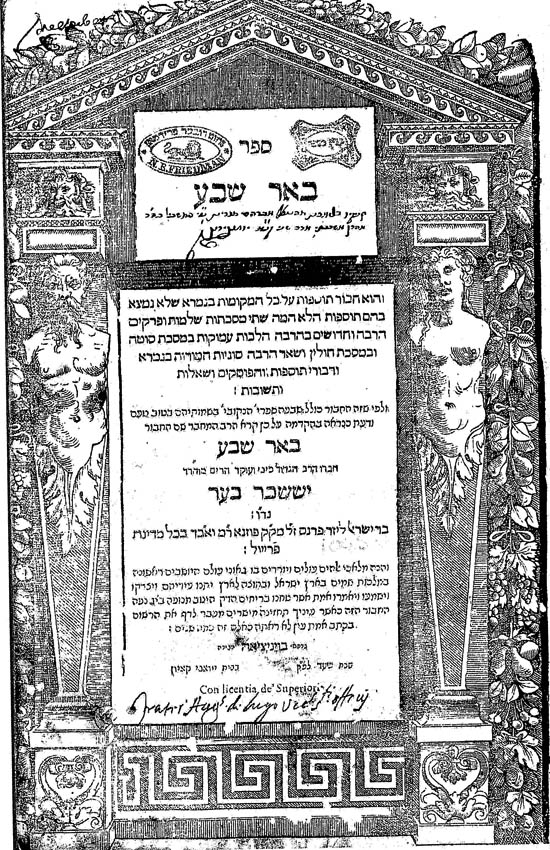
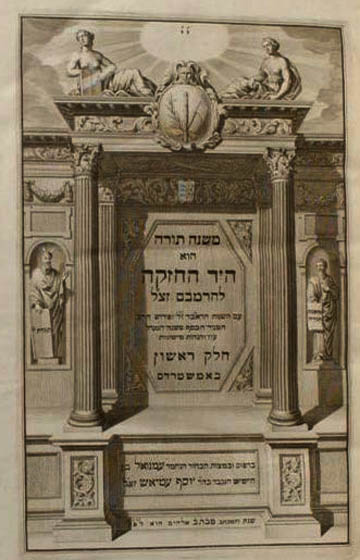
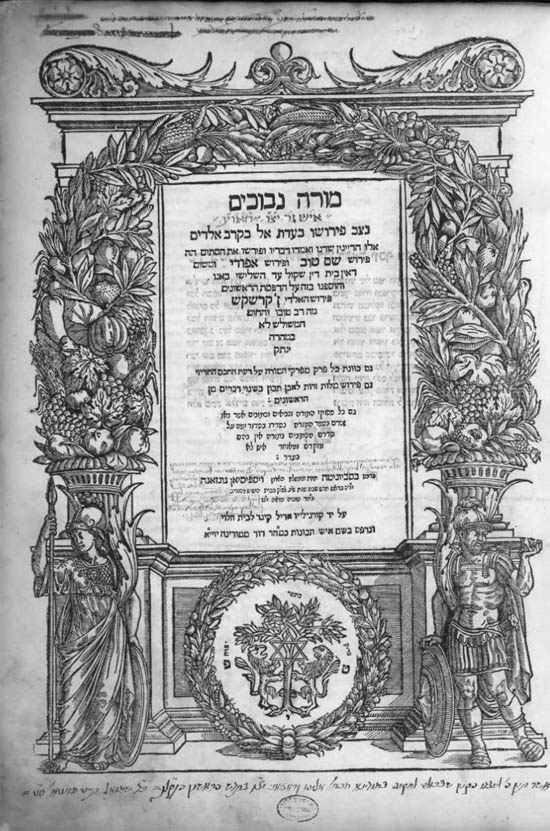
Genazym Auction is holding an auction on March 21st that includes many important letters and manuscripts and a small number of books (download a pdf of the catalog here). Many of the books are Hasidic or owned by well-known Hasidic figures. For example, the rare first edition of the No’am Elimelekh, 1788, by R. Elimelekh of Lyzhensk (lot 13). That book, like other early Hasidic books are both fundamental to the Hasidic philosophy and theology and were controversial among those opposed to the new movement. Indeed, according to Rabbi David of Makov, the book should be “eradicated from our homes.” (R. David of Makov, Shever Poshim, in Morecai Wilensky, Hasidim U-Mitnaggedim, vol. II (Jerusalem: Mossad Bialik, 1970). Similarly, the Tolodot Ya’akov Yosef, was published in Lvov, 1788, is among the most prized Hasidic books. The book was controversial when it was printed (likely without official approval of the censor) and some copies were destroyed in Brody. According to the legend recorded in Shivhei Ha-Besht the matter of the books was so important it was discussed in the heavenly court at the highest levels. Joseph Perl, in his satire, Megaleh Temirin, locates that bibliocide at “the home of R. Mikhel of Zlotchuv, in compliance with the order of the [Brody] court and the community there.” (See Jonathan’ Meir’s recent critical edition of the Megalah Temirim that provides additional evidence of the book burning. Sefer Megale Temirin, ed. Jonathan Meir (Jerusalem: Bialik Institute, 2013) 29n10). Ownership of the No’am Elimelekh is also valued as a segulah. There are other books that are prized not only for their content but also for such secondary reasons, for example, the Homat Eish, (R. Eliezer from Kalktshuv, Bresslau 1799), as the title implies is designed to protect from fire. (See also Avraham Ya’ari, Mehkerei Sefer (Jerusalem: Yehuda, 1958) 47-54)
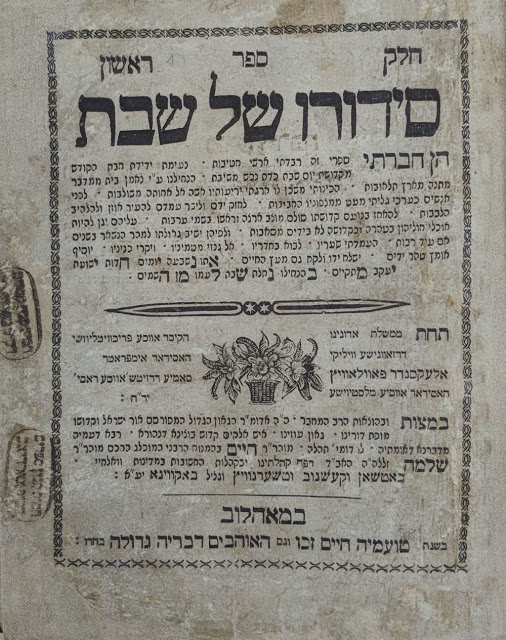
Another important Hasidic work is R. Hayyim of Chernowitz’s, Siduro shel Shabbat (lot 14), which is well-known as the source for the Leshem Yihud. That prayer is among the more controversial prayers, which we have discussed previously here and towards the end of this post. (See also Moshe Halamish, Kabalah: Be-Tefilah be-Halakha ube-Minhag (Ramat Gan: Bar Ilan University Press, 2000) 45-70 and Daniel Sperber, Minhagei Yisrael (Jerusalem: Mossad HaRav Kook, 2007) index “leshem yihud”).

Similarly, the Sh”ut Mayyim Hayyim (lot 18) by R. Hayyim Rapoport we have discussed at length here. The work establishes the existence Ba’al Shem Tov and is an indication of his scholarship. Our post discusses other bibliographical and historic items related to the work.
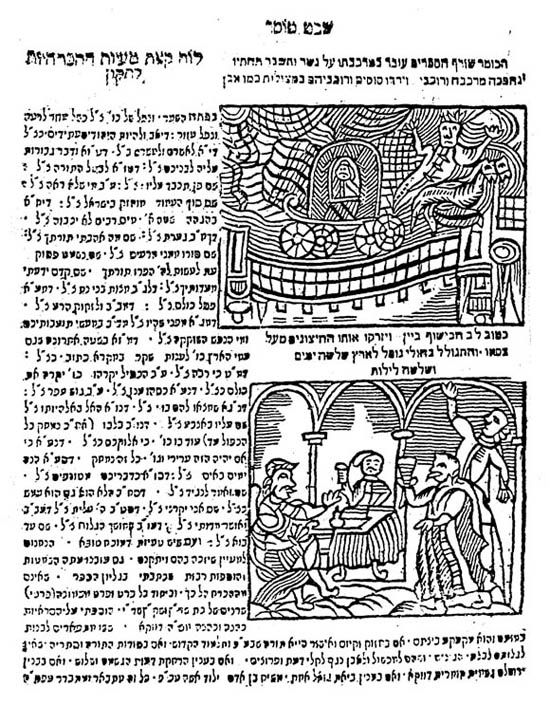
There are numerous historical and intellectually valuable letters among them the telegram sent from Kobe, Japan, just before Yom Kippur 1941 to the rabbis in Israel requesting clarification, because of the ambiguity of the location of the dateline, as to which day to fast on Yom Kippur. (Lot 48). A number of opinions are collected in Shitat Kav ha-Tarikh be-Kador ha-Arets, ed. Yehudah Areyeh Blum, (Jerusalem: [], 1990). Another book is (admittedly tangentially) related to the geography of the earth, and specifically Jewish astronomical calculations. An illustration at the top of the title page of Sefer Ebronot (Offenbach, 1772) provides a heliocentric view of the earth. The same illustrations appear in R. Yehuda Leib Oppenheim’s, Matteh Yehuda (Offenbach, 1722) and with the date displayed Ha-Moshiah ben David.
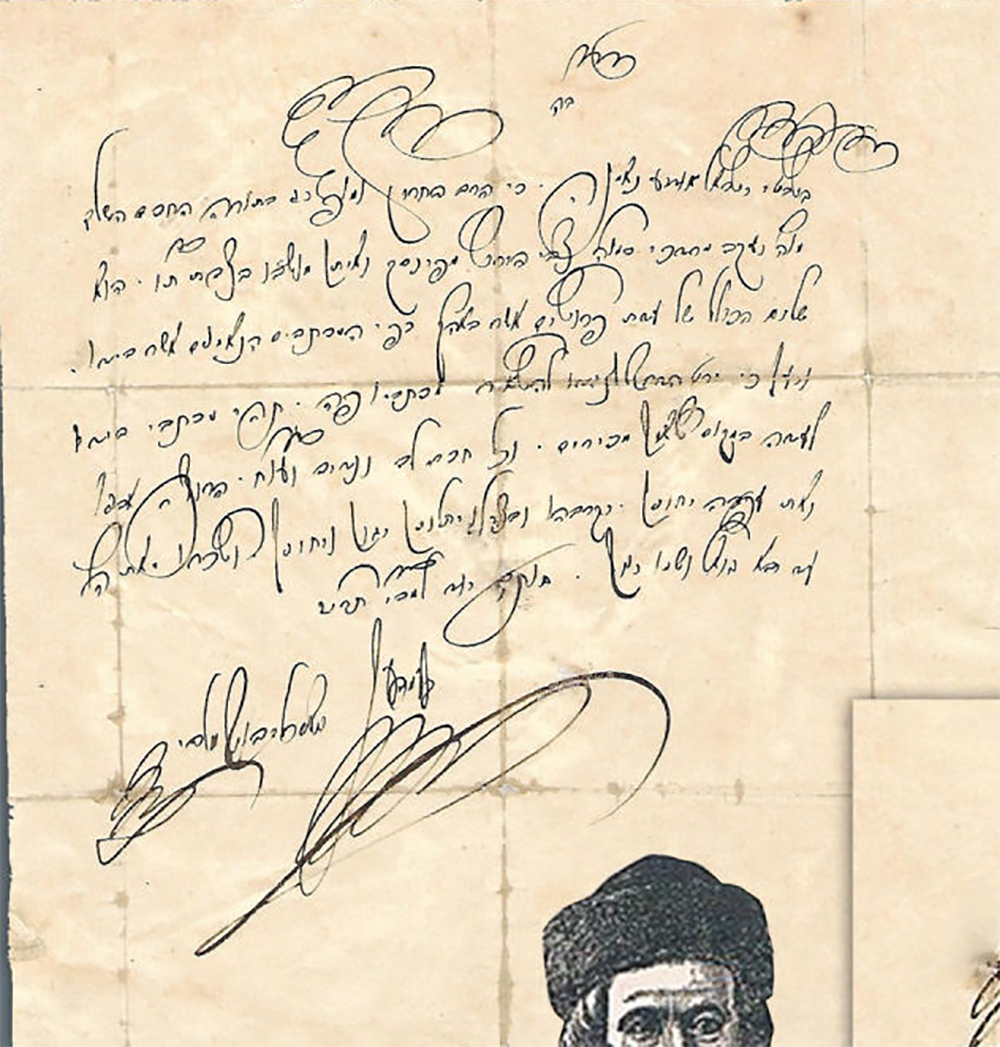
R. Eliayhu Guttmacher was a reknown “Ba’al Mofes.” But he was eventually overwhelmed with petitions for his assistance that he was forced to publish an advertisement in the Ha-Maggid newspaper begging people to stop sending him letters. R. Eliyahu Guttmacher, Mehtav me-Eliayhu (Jerusalem: Yisrael Bak, 1974) 89-91; see also Bromberg, Me-Gedolei ha-Torah veha-Hasidut, vol. 24 (Jerusalem: HaMakhon LeHssidut) 143-52, which prints some of R. Guttmacher’s letters regarding the same; and Glenn Dyner, “Brief Kvetches: Notes to a 19th century Miracle Worker, Jewish Review of Books (Summer, 2014), 33-35.
An important letter to R. Guttmacher is included in the auction(lot 43):
ויש הכרח ממני לכתוב כאן בקיצור, שבל יאמר מי: הלא נשמע כמה מעשיות אשר נעשים על ידך בעזה”י להציל מצרות רבות, אין זאת רק על ידי קבלת מעשית. וכאשר הגעתי אגרת ממרחק מחכם גדול… בהיותי שאני בקי בקבלה מעשיות ארחם לעשות בבזה שנתייאש מכל הרופאים. בקראי זאת נפלה עלי להיות חשוד בכך… קודם כל אודיע כי בכל התאמצות דחיתי מעלי כל הבא, אבל ראיתי סיבות נפלאות שכן היה רצון ה’. באשר שגדולי ישראל הסיעו הנדכאים עלי. ומה היה לי לעשות אם באו אב ואם ואחד מקרוביהם והביאו לי בנם, בוכים וצועקים לרחם. ישבתי ללמוד עם בחורים בבית המדרש והובא נער מן י”א שנה בכתף אביו וצעק לרחם עליו… והנער לא היה יכול לדבר מאומה… וקולו פעמים בנביחה ככלב ופמעים כעגל…וגם כל העוברים דרך העיר בשמעם עניניו לביתו לראות הנפלאות. ואני ידעתי שאין לי מאומה במה לרפאותו. בכל זאת חשבתי הלא ד’ ברוך הוא שולחו… ולקחתי ספר תהילים ובמקום שנפל אמרתי, והבאתי לכל תיבה כוונה לענין שלפני. וכוונתי היטב בשורש האותיות, ובמיוחד בהזכרת השם הקודש… פתאום הוציא הנער קול אשר נבהלו כולם, והראה באצבע למקום אחד. ואמרתי מהר לפתוח החלון, וכן היה ודיבר הנער ואמר יצאה אחת מן המכשפות ממנו ופתחתי לראות בבטנו כי אמר עוד שלש מכשפות בו… ואמרתי כיון שיש עת רצון אתפלל עוד. וכאשר אמרתי שוב בערך ד’ מינוטין שוב צעק בקול אשר בכל השכונה ברחוב ההוא נבהלו והחלון היה פתוח ושוב אמר הנה כולם יצאו… והיה כזה עוד בכמה אשר יש לכתוב כמעט ספר מכל הענינים, והכל היה בעל כרחי שהפיל עלי בכח. ורק על ידי תפלות ובקשות ולפעמים גם סגולות השכיחות… (עי”ש עוד דברים חשובים בזה, צפנת פענח, מאמר ט).
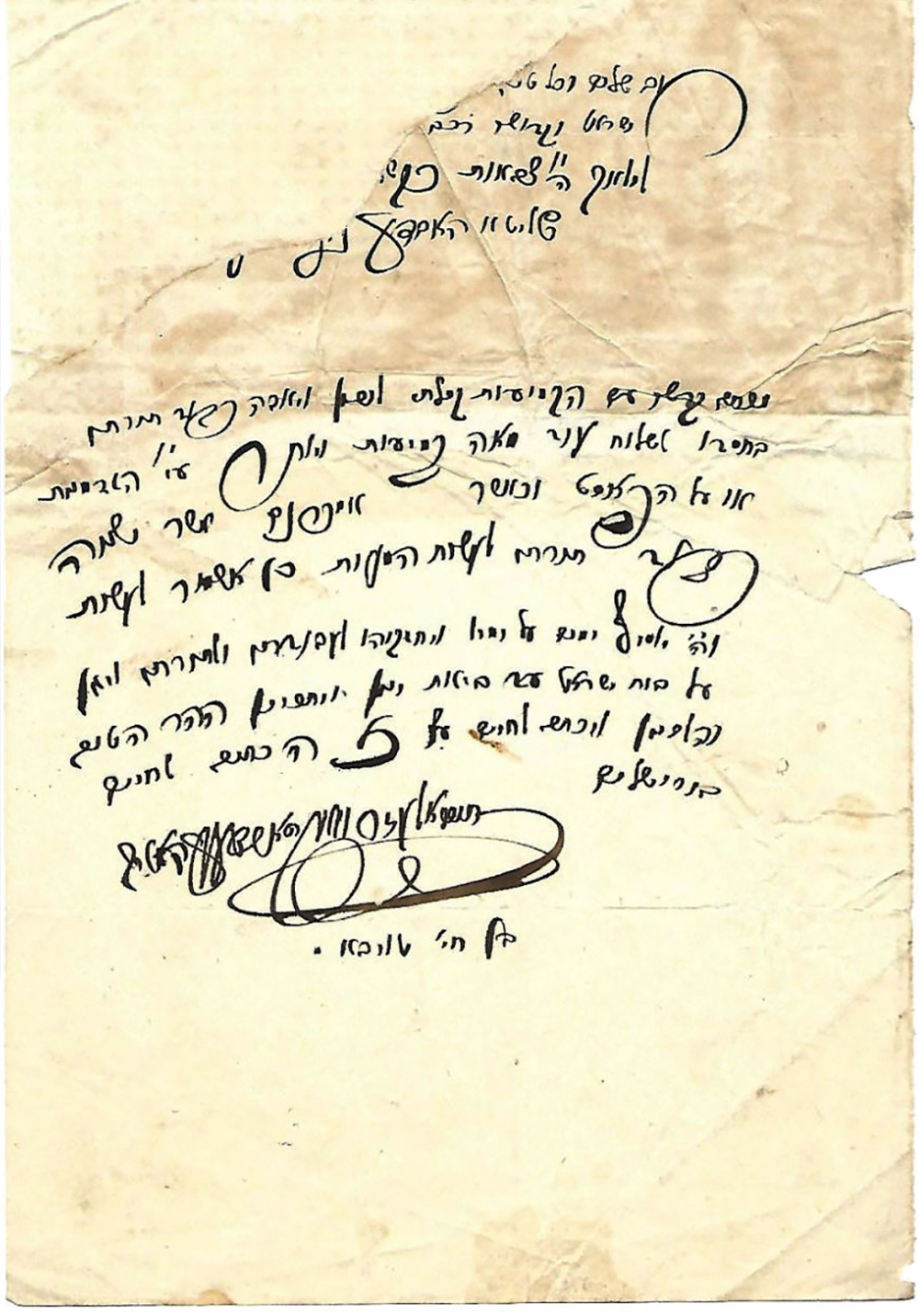
There are many other interesting items as well, such as R. Shlomo Kluger’s passport (lot 39):

A letter from the Malbim (lot 40) and much more: