(This post was originally part of the previous one, but since I know people don’t like reading posts more than twenty pages long, I split it up into two parts.)
1. I know that every year around Christmas time some people read my article on Torah study on Christmas eve. At the end of the article I raise the possibility that the various Nittel practices were actually based on non-Jewish superstitions. My suspicion was proven beyond any doubt in a wonderful article by Rebecca Scharbach, “The Ghost in the Privy: On the Origins of Nittel Nacht and Modes of Cultural Exchange.”[1] I recommend that everyone add this article to their “holiday reading”. (Due to reasons beyond my control, this post was not able to appear, as planned, before Christmas.)
As for our own holiday of Hanukkah, let me share something that I think people will find interesting. When it comes to the dating of various Psalms, for those in the Modern Orthodox/Religious Zionist world there don’t appear to be any dogmatic issues involved, much like there are no dogmatic issues raised if one assumes that the prophecies beginning in Isaiah chapter 40 come from a later prophet than those in the first part of the book.[2] Nevertheless, I think people generally assume that traditionalists will not speak about “Maccabean Psalms”. (Truth be told, I don’t know if there are even any academic scholars that still identify some of the Psalms as belonging to the Maccabean period.)
See S.’s post here where he notes that Philip Birnbaum, in his siddur, seems to allude to a psalm as having been written in the Maccabean period. However, S. also quotes R. Samson Raphael Hirsch as stating that Orthodox Judaism rejects the notion of “Pseudo-Isaiah”, and of “Maccabean songs under the name of David.” On the other hand, R. Solomon Judah Rapoport believed that at least one psalm (and perhaps more) were written during the Maccabean period. He identified other psalms as dating from the Second Temple period and defended the religious legitimacy of this view. “If the sages of the Talmud advanced the date of a number of Psalms from the time of David to that of Ezra, a period of more than five hundred years, we must have no scruples in advancing them another two hundred years.”[3] R. Samuel Barukh Rabinkow also felt that “the religious value of any of the Psalms is independent of the time of its composition or any historical consideration or reflection.”[4]
I found a very interesting passage by R. Abraham Saba in his Tzeror ha-Mor.[5] He appears to be saying that Psalm 30, which we recite every day (and which many recite after Hanukkah morning tefillah and after lighting the Hanukkah candles) was written when the Temple was rededicated by the Hasmoneans.
אני סבור כי מזמור שיר חנוכת הבית לדוד נתקן על חנוכת הבית של חשמונאי . . . ולכן נעש’ נס בשמן והדליקו ממנה שמנה ימים ועל זה סדר מזמור שיר חנוכת הבית
R. Saba continues by explaining the various verses in line with this conception. Now I realize that one can argue that what he means is that David prophetically wrote the psalm with the Hasmonean rededication in mind, and this interpretation is actually stated by R. Abraham the son of the Vilna Gaon.[6]
מזמור שיר חנוכת הבית לדוד: עשה המזמור הזה לשיר אותו בחנוכת הבית העתידה להיות בימי החשמונאים
Yet such an approach this does not appear to fit with the words of R. Saba:
נתקן על חנוכת הבית של חשמונאי
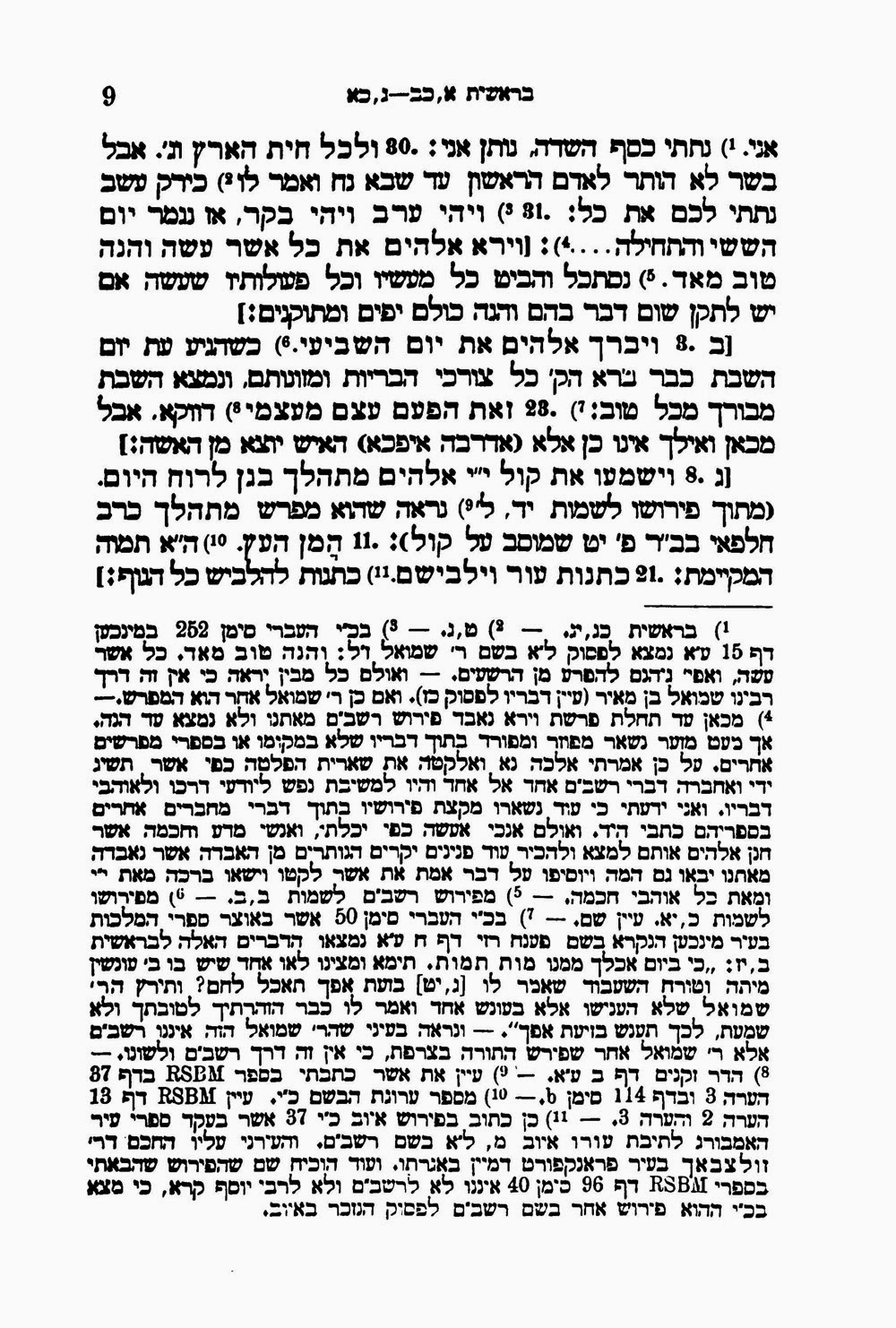
In his “translation” of this passage Eliyahu Munk writes: “I am convinced that David, in his holy spirit, foresaw such a period and dedicated Psalm 30, 1-13 to that period, therefore commencing with מזמור שיר חנוכת הבית לדוד ‘a song for the consecration of the House,’ the ‘house’ being the reconsecration of the Temple after the Hasmoneans’ victory.”[7] Yet all readers can see that in the original R. Saba does not mention David or his holy spirit.
R. Joseph Hayyim[8] believes that Psalm 30 as a whole was written by David, and he says it is possible that David also wrote the first verse. But he also says that it is possible that the first verse, which speaks of dedication of the Temple, was added to the psalm during the Maccabean period.
אפשר לומר לעולם דוד הע”ה לא אמר פסוק זה של חנוכת הבית, אלא גם הוא התחיל מן ארוממך, ופסוק זה בזמן בית שני כשעשה הקב”ה להם נסים וניצולו וחנכו הבית והמזבח מחדש הוסיפו על מזמור זה פסוק זה מפני שראו דכל דברי המזמור שייכים גם לעניינם.
He adds that this notion should not trouble anyone, as we know that according to one opinion in the Talmud the last eight verses of the Torah were added by Joshua, and he also notes that there were a couple of verses in the book of Joshua that were added after Joshua’s death. In other words, minor additions to abook after the death of the author are not religiously problematic.
Nevertheless, R. Meir Mazuz is indeed troubled by what R. Joseph Hayyim wrote.[9] He claims that the verses added to biblical books noted by R. Joseph Hayyim were added by prophets.[10] Yet in the case of Psalm 30, R. Joseph Hayyim is suggesting that an addition took place during Second Temple times after prophecy had already ceased and there was no longer the institution of anshei keneset ha-gedolah. According to R. Mazuz this is indeed religiously problematic. One can reply to R. Mazuz that while prophecy might have ceased, ruah ha-kodesh did not,[11] and therefore it was permissible for verses to be added to the book of Psalms even in the Maccabean period. After all, a standard view among rishonim is that the book of Psalms is not the product of prophecy but of ruah ha-kodesh.[12]
R. Mazuz adds a second reason why he cannot accept what R. Joseph Hayyim writes. He claims that R. Joseph Hayyim’s position will give support to the modern biblical scholars who believe that verses in the book of Daniel were added in the Maccabean period, a position he also finds religiously objectionable. I don’t understand this objection as the modern biblical scholars do not need, and do not look for, support from traditional commentators. They are completely oblivious to what rabbis like R. Joseph Hayyim have to say on these matters, and have no reason to cite his view as a support for their own position.R. Moses Isaac Ashkenazi discusses the authorship of Psalms in the introduction to his Ho’il Moshe on Tehillim (Livorno, 1880). Although he has his doubts, he says that one who assumes that Psalm 44 was composed during the Maccabean period “has what to rely on.”
So much for Maccabean psalms, but what about post-Davidic psalms in general? R. Ashkenazi identifies Psalms 79 and 137 as having been written during the Babylonian Exile. He also thinks that Psalms 126 and 129 might have been written then. He is led to his view because he can find no evidence that David was a prophet. While David had ruah ha-kodesh, it is only prophecy that reveals future events, and thus the psalms that reflect a post-First Temple era must indeed have been written centuries after David.
ואין להניח שמזמורים כאלה נכתבו בנבואה, שלא מצאנו בשום מקום שדוד היה נביא ה’, כלומר שה’ דבר עמו כמו שדבר עם שלמה בנו רק שלח אליו נביאיו נתן וגד, אולי מפני ששפך דם הרבה, רק רוח ה’ לבשתהו תמיד כשבא לחבר מזמוריו
As with R. Ashkenazi, his predecessor R. Eleazar ben Samuel Shmelke claims that Psalms 79 and 137 were composed after the destruction of the First Temple. He states that this was also Ibn Ezra’s opinion.[13] In Ibn Ezra’s introduction to Tehillim (which is not found in all mikraot gedolot editions) Ibn Ezra states that “others” held that Psalm 137 and a number of other psalms were written during the Babylonian Exile, yet he does not signal his acceptance of this view.
One of those Ibn Ezra had in mind who held that some psalms were written during the Babylonian Exile was R. Moses Ibn Gikatilla.[14] R. Raphael Berdugo also states that a number of psalms, including Psalm 137, were composed during the Babylonian Exile.[15]
In addition, Malbim, introduction to Tehillim, states that some Psalms were written during the Exile:
התפלות אשר יסדו בגלות בבל על שרפת המקדש ועל הגלות, עד שוב ה’ את שיבת ציון בימי כורש.
He refers in particular to Psalm 137 and also Psalm 85. After saying this, however, he has a footnote in which he states that what he just mentioned is only on the level of peshat, but that he really believes that these psalms were written prophetically in the days of David. I ask readers to examine the text and footnote, and tell me, does anyone think that Malbim is being frank in his comments in the note?
It appears to me that what he writes in the note does not reflect his actual view, which is indeed found in the text. The note is only apologetic, and designed to protect him from being attacked by those who would see his approach as heretical. He would therefore be able to say, “But look at what I wrote in the note.”
According to Rashbam, Commentary to Pesahim 117a s.v. Yehoshua, R. Yose ha-Gelili was of the opinion that the Hallel in Psalms (Ps. 113-118) originated with Mordechai and Esther, i.e., in the Persian period.[16]
In Rashbam’s commentary to Tehillim (which we can expect ArtScroll to censor if it ever publishes it), he points to psalms which were composed during the Babylonian Exile and also states that other psalms were written after Ezra’s return to Jerusalem. For example, Psalm 122:3 states: “Our feet are standing within thy gates, O Jerusalem. Jerusalem, that art builded as a city that is compact together.” According to Rashbam, these references to Jerusalem must date from after the return from exile.[17]
2. Here is a provocative passage quoted in the name of the hasidic master R. Uri of Strelisk (1757-1826).[18] Would any hasidic leader speak this way today?
והרה”ק מסטרעטן זצ”ל אמר משמו עה”פ שומר נפשות חסידיו מיד רשעים יצילם, שאמר: לפני ביאת המשיח יהיו רבי”ס רשעים גמורים ר”ל, אבל הן החסידים הם בתמימותם סוברים שרבם הוא עובד ה’ ולכן נוסעים אליו, לזאת התפלל דהמע”ה שומר נפשות חסידיו כי השי”ת ישמור את החסידים ומיד רשעים יצילם שלא שלא יכשלו ח”ו ברבי”ס כאלו
His comment was only applicable to the phony rebbes. But for an authentic rebbe it is worth travelling great distances and missing out on Torah and tefillah just to hear one bit of wisdom.[19]
אמר שיש ליסע לצדיק אמת אפילו אלפיים פרסאות ולבטל בהליכתו ובחזירתו מתורה ותפלה והכל כדי דיבור אחד של אמת אשר ישמע מפי צדיק אמת
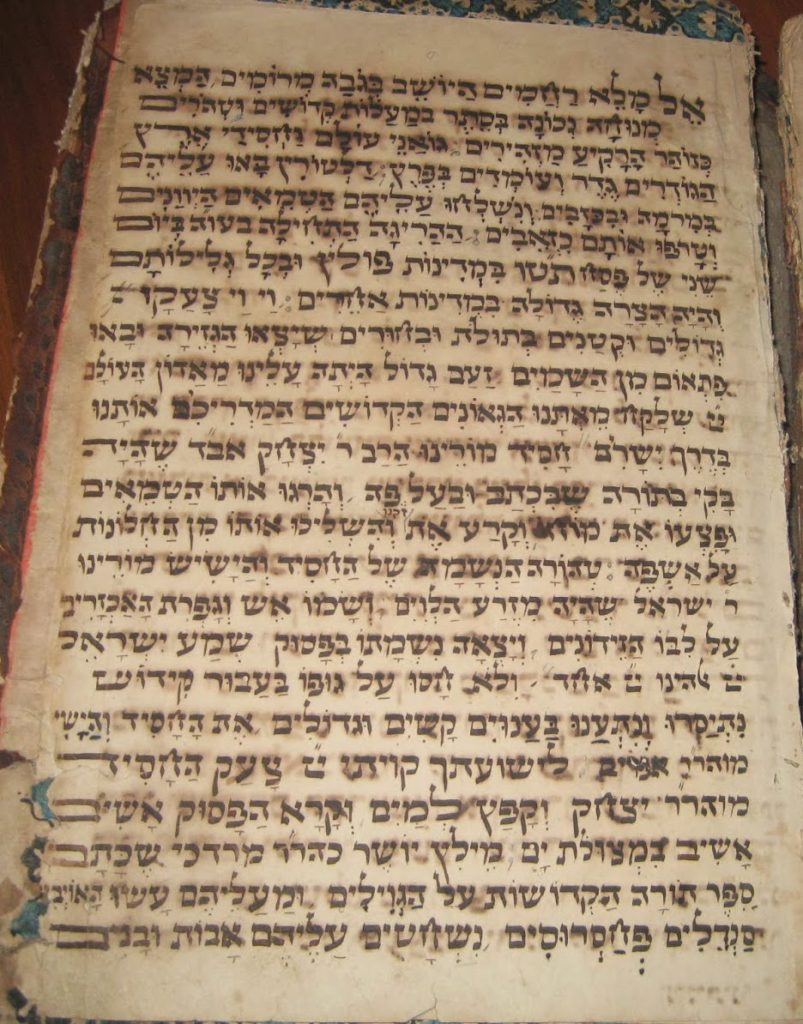
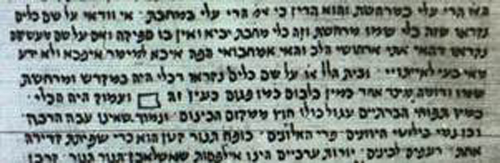
3. Every year there is discussion about the moment of silence in Israel in memory of the soldiers and Holocaust victims, and we always hear about how this is not a Jewish thing to do. Here is a page from R. Ovadyah Hadaya’s Yaskil Avdi, vol. 6, p. 300 (hashmatot Yoreh Deah 2:2).
He regards the moment of silence as entirely appropriate, seeing it as similar to the silence in a house of mourning which shows acceptance of God’s decree.
See also my post here where I wrote that in November 1965 R. Jehiel Jacob Weinberg gave a hesped for four recently deceased rabbis, among them R. Yerucham Warhaftig and R. Eliezer Yehudah Finkel. These latter two were good friends of R. Weinberg, and R. Weinberg’s friendship with R. Finkel went back to their youth. After the eulogy R. Weinberg asked everyone in the room to stand up. They stood silently for around ten seconds and then he asked them to sit down.
In this post I wrote: “I presume this was intended as a show of respect rather than as a moment of silence, since the latter could be done sitting down.” I now think that my statement is probably incorrect, because a moment of silence is also intended as a show of respect, i.e., the two are not in contradiction. In thinking of the story now, it appears that R. Weinberg’s request to stand in silence is really no different than what takes place in Israel.
4. A haredi biography on R. Isaac Blazer has recently appeared. Here is its title page.
Needless to say, R. Jehiel Jacob Weinberg is quoted a good deal in the book. Here is page 410 which contains a picture of R. Weinberg.
The book does not mention that this picture first appeared on the Seforim Blog; see my post here.
In the quotations from R. Weinberg, the book has no problem making “improvements”. For example, R. Weinberg sometimes refers to R. Isaac Blazer as רי”ב, and the new book has altered this to הגרי”ב. R. Weinberg certainly regarded R. Blazer as a gaon, and he sometimes does refer to him as הגרי”ב. However, he did not feel that it was necessary to always refer to R. Blazer this way. The author of the book therefore decided to “correct” what R. Weinberg wrote. I guess this author (who is unnamed) did not think that R. Weinberg showed proper kavod to R. Blazer, which itself is a crazy thought.
Speaking of R. Weinberg and kavod, I think readers will find the following interesting. R. Weinberg stated: “We are all human. I too like kavod. I try not to chase after it, but if it is put on my plate, I will take it.”[20] How many other great rabbis would be honest enough to admit that they are not at the level of the Hafetz Hayyim and R. Elijah David Rabinowitz-Teomim,[21] and that they too like kavod? What R. Weinberg was saying is that this is normal and nothing to be ashamed of, and that for “mere mortals” what is important is not to chase after kavod.5. In my post here. I discussed Haym Soloveitchik’s newly published volume 2 of his collected essays. I neglected to mention that on pp. 285-287 he deals with R. Yitzchak Grossman’s criticism of one of his essays, criticism that appeared on the Seforim Blog here here. Soloveitchik shows his scholarly honesty in that he is prepared to acknowledge that in two of his criticisms Grossman is correct. He also responds to another criticism of Grossman, and I ask people to read what Soloveitchik says very carefully. It was precisely this sort of interpretation, now standard in the academy, that R. Samson Raphael Hirsch was so opposed to. You can be sure that if these words were stated by R. Dov Linzer or R. Ysoscher Katz, that a certain author, on a certain website, would go after them for “undermining the mesorah”.
Ben sorer u-moreh, according to the setam mishnah, nidon al shem sofo. This runs contrary to every principle in Jewish law and, indeed, in most Gentile law. People are executed for crimes that they have committed, not for crimes that they might commit–preventive detention for the criminally inclined perhaps, but preventive execution?! If I find tanna’im attempting to make the implementation of this law impossible, does it strain the imagination to think that they did so because it contradicts their elementary sense of right and wrong? I, for one, think not.
Rabbi Grossman argues that we find a similar ruling about nig’ei battim and there is no ethical problem in this realm. Indeed, there isn’t; however, no one claimed that all instances of “never was and never will be” (lo hayah ve-lo nivra) are a result of ethical issues. Only those in which we find this type of problem, such as ben sorer u-moreh and, to add to the roster, the “apostate city” (ir ha-niddahat) as R. Eliezer Berkovits has contended (as noted by R. Grossman). . . . An exegesis that makes execution of a law more difficult may be simply a matter of interpretation; an exegesis that makes execution impossible has that in mind to begin with. One plausible reason that one might have sought to render a Divine directive inoperable is that such a dictate appeared inconceivable for a just God.
6. I want to call readers attention to the recently published Kovetz ha-Mashbir, vol. 1, edited by Yissachar Dov Hoffman and Ovadyah Hoffman. This volume is devoted to the writings and teachings of R. Ovadiah Yosef and is full of valuable articles. It can be purchased at Biegeleisen.
[1] Jewish Studies Quarterly 20 (2013), pp. 340-373.
[2] The point about Second-Isaiah has recently been made by R. Amnon Bazak, Ad ha-Yom ha-Zeh: She’elot Yesod be-Limud Tanakh (Tel Aviv, 2013), pp. 161-172. There is a good deal that can be said about this book, which deals with a number of themes we have discussed in previous posts. See e.g., p. 274 n. 60, which accepts the notion that sometimes the numbers given in the prophetic books are only symbolic and don’t reflect historical reality.
[3] Quoted in Isaac Barzilay, Shlomo Yehudah Rapoport (Shir), 1790-1867, and his Contemporaries ([Israel], 1969), p. 54.
[4] See Fritz Gumpertz’s recollections in Jacob J. Schacter, ed., “Reminiscences of Shlomo Barukh Rabinkow,” in Leo Jung, ed., Sages and Saints (Hoboken, N.J., 1987), p. 110. Gumpertz, ibid., also notes that Jacob Barth dated a number of psalms to the Second Temple period.
[5] Parashat Noah, p. 13a in the Venice, 1522 edition, and p. 13a in the Warsaw 1879, edition.
[7] Tzror Hamor, vol. 1 (Jerusalem, 2008), p. 156.
[8] Rav Pealim, vol. 3, Orah Hayyim no. 5.
[9] See his Emet Keneh on Psalm 30:1 (p. 513), and his recently published Asaf ha-Mazkir (Bnei Brak, 2014), p. 283. (My thanks to Dov Weinstein for kindly sending me a copy of Asaf ha-Mazkir.)
[10] I have discussed the matter of later prophets adding material to the Torah and other biblical books in a number of posts. This is the phenomenon of multiple authors for one book. What do readers make of the following example, which appears to be an example of attributing one verse to more than one prophet? The Av ha-Rahamim prayer states ועל ידי עבדיך הנביאים כתוב לאמור (“your servants the prophets) and then proceeds to only cite a verse from the book of Joel. Does this make any sense? Jacob Reifman did not think so and he actually found a manuscript that had עבדך הנביא. He claimed that this must be the authentic text and the one that printers should now use when they publish siddurim. See Ha-Magid, Jan. 23, 1861, pp. 14-15, Feb. 12, 1862, p. 55. Yet we also find in the liturgy for a ta’anit dibur that the words עבדיך הנביאים are used and this is followed by three verses from the book of Micah ch. 7. In other words, הנביאים is again used with regard to only one prophet. See this page from Seder ha-Selihot ha-Shalem Ateret Paz, p. 103 (second pagination).
When the phrase עבדיך הנביאים כתוב לאמר is used in the mussaf of Rosh ha-Shanah, in both the silent amidah and the repetition (two times in each), it is followed by citations from different biblical books.
[11] Although Yoma 9b (and parallels) states that ruah ha-kodesh ceased after the days of Haggai, Zechariah, and Malachi, it was always assumed that there were exceptions to this general statement (and some believed that when the Talmud stated “ruah ha-kodesh” it actually meant real nevuah). Also, the Talmud itself, ibid., states that even without ruah ha-kodesh people still had access to a “bat kol”. See R. Reuven Margaliyot’s introduction to his edition of She’elot u-Teshuvot min ha-Shamayim, pp. 25ff. See also R. Meir Ibn Gabai, Avodat ha-Kodesh, vol. 4, ch. 24; R. Isaac Sternhell, Kokhvei Yitzhak, vol. 2, p. 186; R. Aaron Maged, Beit Aharon, vol. 11, pp. 704-705. R. Joseph Engel, Gilyonei ha-Shas, Yerushalmi Shevi’it, 9:1, writes: צ”ל דתרי גווני רוח הקודש הם
[12] See Maimonides, Guide of the Perplexed 2:45, R. David Kimhi, introduction to his commentary on Psalms, Ritva, commentary to Rosh ha-Shanah 32a (col. 296 in the Mossad ha-Rav Kook edition) commentary to Moed Katan 16b, R. David Abudarham, Abudarham ha-Shalem (Jerusalem, 1963), p. 272. See also Meiri’s introduction to his commentary on Psalms, p. 9:
זהו דעת הקדומים בענין דוד המלך ע”ה ר”ל שלא להיות בכלל הנביאים [אבל] ברוח הקדש
[13] Ma’aseh Rokeah (Amsterdam, 1730), p. 65a. See his Ma’aseh Rokeah al ha-Torah (n.p., n.d.), parashat Va-Yehi, where he does not attribute this view to Ibn Ezra. See also Aharon Marcus, Barzilai (Jerusalem, 1983), pp. 271-272.
[14] See Uriel Simon, Four Approaches to the Book of Psalms, trans. Lenn. J. Schramm (Albany, 1991), pp. viii, ix, 120-121, 130ff.
[15] See Mesamhei Lev (Jerusalem, 1990), pp. 141, 222 (both of these page numbers are from the second pagination).
[16] See Yisrael Moshe Ta-Shma, Keneset Mehkarim (Jerusalem, 2004), vol. 1, pp. 286-287.
[17] See the selections of the commentary printed in Aharon Mondshine, “Al Gilui ha-Perush ha-‘Avud’ shel Rashbam le-Sefer Tehillim,” Tarbiz 79 (2010-2011), pp. 130, 133.
[18] Imrei Kadosh ha-Shalem (Jerusalem, 1961), Or Olam, no. 11.
[19] Imrei Kadosh ha-Shalem, no. 42. Regarding phony rebbes, see R. Pinhas Miller, Olamo shel Abba (Jerusalem, 1984), p. 245, regarding a rebbe in Bucharest who drank non-kosher wine.
[20] Hidushei Ba’al Seridei Esh (Jerusalem, 2012), vol. 3, p. 28 n. 21.
[21] See R. Kook, Eder ha-Yekar, p. 64.
R. Chaim Vital and his Unknown Work Sefer ha-Pe'ulot
R. Chaim Vital and his Unknown Work Sefer ha-Pe’ulot:
A Work on Science, Medicine, Alchemy and Practical Magic.
by: Eliezer Brodt
ספר הפעולות רבי חיים ויטאל, תש”ע, תלט עמודים כולל מבוא ומפתחות
A few years back, in a post at the Seforim blog discussing the history of plant known as baladur, I mentioned a sefer, Refuah Ma’asiyot le-Rav Chaim Vital. At the time, I only briefly touched upon this work. What follows is a more detailed discussion of the recently published edition as well as the history and substance of the work. The author is R. Chaim Vital, the most famous student of the Arizal. This work was virtually unknown, and is a collection of science, medicine, alchemy and kabbalah ma’asiyot (practical magic). In 2007, Professors Amar and Buchman published a part of this manuscript, entitled Refuah Ma’asios L’Rav Chaim Vital. A few months ago, someone printed the whole manuscript and provided a different title, Sefer ha-Pe’ulot.
As mentioned above, the author is R. Chaim Vital (1543- 1620). R. Vital is most well-known in the realm of kabbalah, and, specifically, as being the primary student of the Arizal entrusted with disseminating the Arizal’s works. R. Vital’s reputation, however, wasn’t confined to the Arizal’s teachings and kabbalah. R. Vital was well-represented in the niglah (revealed Torah) arena. R. Vital studied niglah with R. Moshe Alschich and R. Vital received (real) semikha during the time when such semikha was being given in Sefat.[1] Unfortunately, we do not have much of his writings in niglah with the few exception where his son quotes R. Vital in his son’s various works. For example, five responsa of R. Vital appear in Shu”t Baer Mayim Chaim (82-86) and the various pesakim scattered in his son’s works Chochmas Nashim, Chaim Shnayim Yeshalayim, and some of R. Vital’s other statements appear in Tosetos Chaim on Rashi. [2].
In Sefer ha-Chezyonot, R. Vital records R. Karo’s admonition to R. Alschich regarding R. Vital’s study in niglah:צוה מהר”ר יוסף קארו ז”ל למורי הר’ משה אלשיך בשם המלאך המגיד הדובר בו שיזהר מאוד ללמדני בכל יכלתו, כי אני הוא העתיד לישאר אחריו בדור ההוא ממלא מקומו של מהרי”ק (חזינות א:ג).
M. Benayhu in his work Toldos ha-Ari quotes R. Chaim Hakohen, a student of R. Vital, regarding R. Vital:וגם היה מקפיד מאוד שלא לכתוב קמיעות גם בתפילה לא הי’ מאריך כל כך רק אמר מלה במלה. והי’ אומר שאני רוצה ללמוד בשעה שאני זו שאני מאריך, וגם לא כאותן שמתפללין כל היום. והי’ לומד כל היום וכל הלילה (ספר תולדות האר”י, עמ’ 243)
For all the Kabbalah aspects related to R. Vital see Y. Avivi work’s Binyan Ariel, which caused great controversy, and his more recent three volume masterpiece Kabbalat ha-Ari. See also Lawrence Fine, Physicians of the Soul, Healers of the Cosmos.
Much has been written about Vital’s famous autobiography, Sefer ha-Chezyonot, (see here and here) G. Scholem sums up some of the history of the work:
ספר החזיונות יצא לאור מתוך כתב יד המחבר על ידי אהרן זאב אשכולי. ירושלים מוסד הרב קוק ג’ שלום כתב: אחרי הופעת הספר מיחו כמה רבנים בפני מוסד הרב קוק על שלא גנזו ספר זה וגרמו בזיון לתורה, וביניהם ראובן מרגליות מת”א שכתב להם שכתב היד בוודאי מזוויף מן האחרונים! (ספריית גרשום שלום בתורת הסוד היהודית, א, #4331)
Returning to the Seferha-Pe’ulot, it was first mentioned in brief by Gershon Scholem in Alchemie und Kabbala [recently translated into English by Klaus Ottman]. The alchemy section of this book was discussed by Raphael Patai in his book, Jewish Alchemists. Meir Benayahu discusses it in various places in his writings (amongst them in his book on the Ari and in two articles in Korot (9:3-17,9:91-111). Gerrit Boss, wrote an extensive article on this book called “Hayyim Vital’s Practical kabbalah and Alchemy; a 17th Century book of secrets” in the Journal of Jewish Thought and Philosophy, Volume 4, pp. 54-112. In this article Boss reorders the book, as the book, as it is appears in the manuscript isn’t a model of clarity, doing an excellent job of putting each remedy into its proper categories. [Boss also criticizes the discussion of Patai on the topic of alchemy in relation to this work.]. Yosef Avivi briefly discusses in his catalog of the Musayif collection (Ohel Shem, pp.191-93) as that it where this manuscript came from. The whereabouts of the actual manuscript today are a mystery, rumors are that it is sold page by page for a segulah, and each page fetches a large sum of money. More recently, Prof. Zohar Amar and Yael Buchman in published two articles in Sinai (121:231-38 and 125:202-215) they focus upon the various halachic aspects discussed in this work. Buchman also wrote her doctorate on this work of R. Vital, Aspects of Material Culture, Realia and Medicine in the works of Rabbi Hayyim Vital (1543-1620), Bar Ilan Univ., (Heb). Buchman’s main focus is not the kabbalah parts but rather the science and medical aspects of this work. She demonstrates, at length, that this is an excellent document to give us a picture of the medical world during that time period. She also has an additional article about this work based on her doctorate in Katedra (99:48-64). In 2007, Buchman and Amar printed part of this book, Refuah Ma’asiyot le-Rav Chaim Vital. But, they printed only the medical portion. This edition, however, is very useful in understanding the medical aspects of the sefer. They note that a volume on the realia part is being prepared. What makes Sefer ha-Pe’olot especially interesting is that we see R’ Chaim Vital in a different light than previously known. In the first part of this work we see him as a doctor of sorts. He provides remedies to people for all kinds of illnesses, in all areas of health, asthma, infertility, headaches, toothaches and much more. Much of the advice was based on Segulos or the like. In this work he shows a familiarity with real medical procedures from that time period. He quotes various pieces of medical advice that he had had read in various medical works. We already were aware of Vital’s interest in science as he wrote a work called Sefer ha-Techuna related to astronomy. But, in Sefer ha-Pe’olot aside from showing him to be very involved in medicine we also see him interested in other things. For example, Vital provides in-depth descriptions of how to make wine, various milk products and the making of honey. He has a lengthy discussions of how to remove stains from clothes, how to dye garments, how to make ink and reeds for writing. These discussions are a gold mind of information for those studying realia of various time periods of Eretz Yisroel. Realia is a prime topic of interest for Professor Amar and Bochman and they deal with that in their excellent introduction to Refuah Ma’asiyot le-Rav Chaim Vital. This is also the main focus of Bochman’s previously mentioned doctorate. As Bochman writes in her doctorate ”this manuscript… is the sole Hebrew source originating in 16th century EY still known today, which discusses directly and in detail different aspects of material culture, realia and medicine. He thus provides a rare insight into the daily routine of the Jewish community in EY during this period, of the problems it faced and the ways in which those problems were solved.” Gerit Bos in his above cited article (pp. 59-62) also touches a bit on this aspect of realia. Bochman suggest an interesting reason for R. Vital interest in writing about all these practical things such as wine making dyeing, cheese making etc. ”R. Chaim Vital’s purpose in writing about everyday issues is in fact a reflection of his Halachic world view. A study of his Halachic and practical teachings confirms that R. Vital preferred to make the goods he needed himself rather than buying them from gentiles. In order to do so he had to find ways of simplifying the manufacturing process of many products. He succeeded, and thus avoided the Halachic problems raised as a result form purchasing from foreign sources.”
Other Ideas Discussed in Sefer ha-Pe’olot
Another large section of this work is segulos and kabbalah masiyot. This section contains many parts, many of which R. Vital writes he tested and used successfully, other recipes he tested and they did not work and yet others which he heard from reliable sources that they worked but he had not independently tested. All these sections, however, are not in any order. He returns to the same topic than goes to another and comes back to it again and again. Bos in his previously mentioned article does a nice job of organizing some of it into topics. There are methods for all kinds of things just to list a few: methods preventing Ayin Hara, bones stuck in a throat, finding out which woman one will marry, talking to dead people, how to deal with plagues, ways to track down thieves, dealing with enemies and help having children. I will discuss a few of these ‘recipes ‘and a little about them in other sources.
She’elot Chalom – Asking Questions via DreamsHe includes many methods to find out information via dreams (pp. 11-12, 193, 250-51, 265, 276). We find many methods and instances for performing a dream question and answer from the Geonic period into the Middle Ages the process is generally referred to as שאלת חלום. One of the most famous works which was written utilizing this method is the Shu”t Min ha-Shamyim. Much has been written on this topic in general, as the use of such a procedure appears to run afoul of Rabbinic rule that Torah is not in heaven (Torah lav ba-shamayim). A nice collection of material on this topic has been collected by A. Heschel in a classic article printed in the Sefer Hayovel Lekovod Alexander Marx (see especially pp. 183-186, 195-208). R. Reven Margolis in his edition of Shu”t Min ha-Shamayim also does a great job of putting together the material on the topic. One should also read the introduction of R. Aron Marcus to his edition of Shut Min Ha-shmayim. Recently this topic has been dealt with in a doctorate by M. Goldstein called Histayos Begormim Min Hasmayim Be Hachras Halacha. See also the forthcoming article on this topic from Professor Kanarfogel called ”’For its not in heaven’: Dreams as a Determinant of Jewish Law and Practice in Northern Europe During the High Middle Ages”. See also Hagar Kahana-Smilansky, “Aristotle on Sleep and Wakefulness: A Medieval Hebrew Adaptation of an Unknown Latin Treatise,” Aleph 10:1 (2010): 67-118; (especially at the end of the piece); A. Kuyt, Hasidut Askenaz on the Angel of Dreams, in Creation and Re-creation in Jewish Thought. Yuval Harrari, “‘The Opening of the Heart’: Magical Practices for Gaining Knowledge, Understanding and Good Memory in Judaism of Late Antiquity and Early Middle Ages,” in Shefa Tal: Studies in Jewish Thought and Culture presented to Bracha Sack, eds., Z. Gries, H. Kreisel, and B. Huss (Beer Sheva, 2004), 336-344. See also. M. Idel, Mekubulim Shel Leiylah. See also the manuscript of a sefer Segulot from Italy available here p. 8,12,14,19,21,24 (of the PDF).Shadal writes about his father:ומה תאמר אם אגיד לך כי גם אדוני אבי זצ”ל היה עושה לעת הצורך שאלת חלום על פי חכמת קבלה מתות מה שלמד בס’ הברית, והשיג לפעמים חלומות צודקים כוללים הגדת עתידות שנתקיימו (ויכוח על חכמת הקבלה, עמ’ 125 [על אביו וספר הברית ראה: פרקי חיים (שולוואס) עמ’19 ]). Interestingly to note while looking for early sources that mention the Beshet, G. Scholem (The Latest Phase, (Heb.), p. 119) found one from the Shages Aryeh where he said: ואמר כל מה שהבעל שם טוב ידע היה הכל על ידי שאלת חלום בכל לילה.And one quoted from manuscript by S. Dubnov: זכרתי בהיות הרב המפורסם הבקי בחכמת אלקות מוה’ ישראל בעל שם זצ”ל עשה שאלת חלום והראו לו שנשמת אבי מורי ז”ל נשמת רב אלפס, ובעבור שלא חבור הרב אלפסי בסדר קדשים בא אדמ”ו לתקן זה (תולדות החסידות, עמ’ 484).Just for bibliographical purposes G. Scholem got the exact sources wrong it was the Gra who said it and not the Shages Aryeh – he misread the source. It says: גם אמר שהגאון אמר על השאגת אריה שהוא מרבה אחר הפלפול והשאגת אריה אמר על הגאון זצ”ל שהוא מרבה בפשטות. ועוד אמר שהבעל שם טוב מה שידע הי’ על ידי שאלות חלום בכל לילהThis is from a list of statements that R. Chaim Volzhiner told a student of his printed in the Tosfos Maseh Rav (p.18b, #113). Scholem understood that the whole statement was from the Shages Aryeh, as R. Chaim Volzhiner also studied with him. But, the statement following the period is really a new piece and is going back to the Gra which is what most of the sefer is material R. Chaim heard from the Gra. Today we have other manuscripts which contain this statement and confirm that this statement was made by the Gra and not by the Shages Aryeh, see Keser Rosh, (last chapter #13); Eliach, Kol Hakosev Lechaim, p. 239. Be that as it may it is clear the Gra held that the Beshet used this method often. But, R. A. Kemlar in his work Dor De’ah (p. 29) writes that Beshet was very anti using such methods. The source for R. Kemlar was probably R. Aron Marcus who makes this claim in his Keses Hasofer on Shut Min Ha-shmayim (p.8) and he used his works extensively. There is another possible source of the Besht using dreams and that is regards to eating Chadash:וסיפר שהבעל שם טוב שאל בחלומו על חדש בזמן הזה איך הדין. וענו לו שלאחר פטירת הב”ח צ”ל ציינו את הגהינם ארבעים יום מחמת שהיה צריך זה לכבוד הב”ח. ובבוקר עמד הבעל שם טוב זצ”ל ושלח להביא שכר מחדש ושתהו. ואמר כדאי הב”ח שמתיר לסמוך עליו (זכרון טוב, פיעטרקוב תרנב, דף יב ע”א אות יא).This story is very famous and has been dealt with at length by Y. Mondshine here. I will quote two sources from Mondshine’s article as this leads us into this next topic. He shows that how the story developed and to when this piece of the Besht and a dream was added to it. See also Pardes Yosef, Vayikra, p. 274; R. G. Oberlander, Minhag Avosenu Beyadnu, 2, pp. 512-24.Even if The Besht did not use dreams he used other methods such as השבעת עליית הנשמה as it is clear from the famous document אגרת עליית הנשמה. For the sources on this see Y. Mondshine, Shivhei ha-Besht, pp. 233-39; Shivhei ha-Besht (Rubenstein ed.), pp. 92-3; M. Rosman in Founder of Hasidism: A Quest for the Historical Ba’al Shem Tov pp. 99-113; E. Etkes, Baal Shem, (heb.), pp. 292-301.[Completely off topic but in light of tumult of two hundred and fiftieth Yarzheit of Beshet, Scholem in the earlier quoted lecture missed another early source about the Besht- in the Shem Hagedolim the Chida writes:אור החיים… ושמענו כי עתה בפולוניא הם מחשבים אותו הרבה ונדפס עוד שני פעמים ונתעורר זה על ידי שהרב החסיד קדוש מהרר”י הגיד גדלות נשמת מהר”ח הנזכר (שם הגדולים, ערך אור החיים).How To: Exorcisms R. Vital brings methods to remove dybukim, shedim and/or reuach rah that may attach themselves to people (pp. 176, 208, 222, 258-59). For recent discussion, on this topic see: J.H. Chajes, Between Worlds Dybbuks, Exorcists and Early Modern Judaism. See also J.H. Chajes, Jewish Exorcism: Early Modern Traditions and Transformations, pp.386-398, in Judaism in Practice, Ed. L. Fine; D. Ruderman, Kabbalah, Magic and Science, pp. 55-58; G. Nagel, Sipurei Dybuk Besafrus Yisroel; Dybbuk and Maggid: Two Cultural Patterned of Altered Consciousness in Judaism, AJS Review, 21:2(1996):341-366; Nishmat Chaim, 3:10; Ish ha-Emunah, p.45; C. Hamberger, Three Worlds, (heb.), 3:69-70. There is even a story of the Gra and a Dybbuk, see Ha-goan, pp. 499-502. For an additional story with a Dybuk in Lita, see Y. Kotick, What I saw,(Heb.), ed. D. Assaf (end of chapter eight); Etkes, Baal Shem, (heb.), p. 290; See also Emet le-Ya’akov, p.264. On the Chasam Sofer and a Dybuk see Chut ha-Mishulash, pp. 38a-38b. See also this great article from Y. Mondshine here. Some other well-known sources on dybukim:וכבר שמענו בזמננו זה מפי מגידי אמת הגדה מפורסמת שיקרה לאנשים נופלים נרדמים בבטול חושיהם ומפיהם יצא עתק לדבר ולהשיב ושפותותיהם בלתי נעות וקול דברים יוצא מגרונם שואלים ומשיבים כענין. וכן ראיתי כתב בא מצפת תוב”ב בשנה הזאת שנת ש”ס לפ”ק לענין אשה שהיתה נופלת כן (מעשי ה’ מעשה בראשית פרק ב, עמ’ יב .).The Simchas Hanefesh writes:
ואני הכרתי בק”ק טשאכטשב ילד בן שלש שניים שהיה דובר סודות התורה גדולים, והוא עצמו לא ידע מאי קאמר. גם בק”ק ליסא היתה בתולה אחת שהיתה מגדת סודות התורה ואחר כך הוברר הדבר שהיה זה קליפה… ובהיותי מתגורר במדינות פולין אירע שם מעשה כזה, באשה cאחת שדבק השד ימים כלילות ולבסוף הרג את ילדיה (שמחת הנפש, עמ’ נב-נג).
Earlier I cited a story of the Ba’al Shem and his dream in relationship to the Bach and eating Chadash. I quoted that Y. Mondshine has demonstrated that this is not the exact story and as tends to happen stories they get additions and undergo changes over time. The Chida in Shem Hagedolim writes:
ראיתי להרב מהר”ר רפאל בספרו תוס’ שבת… בהקדמתו… דרוח אחד נתגלה באיש אחד והרוח בתוך דבריו היה מסיח לפי תומו דכאשר עלה לשמים הרב ב”ח כרוזא קרי בחיל פנו מקום לר’ יואל מקרקא (שם הגדולים, ערך הרב הגאון גדול בדורו מהר”ר יואל סירקי”ס).
Rav A. Landau brings:
וקבלתי מישישים בשם צדיקים קדושים זי”ע דהמעשה שהביא בשם הגדולים… מהכבוד הנעשה לרבינו הב”ח… היה בשביל היתר החדש שהמציא הוא ז”ל (צלותא דאברהם, ב, עמ’ תריט).
Segulot for Better Memory-Petihat Lev
Another group of ideas mentioned in this work are methods related to helping ones memory (pp. 270, 299). Some of which are for Petihat Lev (pp. 270, 329, 348). One of the methods he mentions is eating baladur (p. 348, 343) which has been the subject of its own post: פתיחת לב לחכמי צרפת וכך היו נוהגים לעשות לבניהם וכך היו נותנין להם בכל בוקר… ונקרא בלאדור קטן… (עמ’ שמח)The subject of Petihat Lev has been discussed much in recent literature. This concept of Petihat Lev is found in many different sources where people used to do all kinds of things to help with memory and understanding Torah enabling one to understand and recall the Torah effortlessly. One example something done for Petihat Lev of this are the customs relating to the educational initiation ceremony of young boys still done today in many circles.Professor Y. Ta Shema printed a piece from manuscript (included in his Kneset Mechkarim 1:154) from a work written in 1294 called Sefer Hamaskil which gives us a little insight into this Petihat Lev it says: ומאותו היום שאכלו אדם הראשון ניתנו לו חדרדים בלבו לקבל כוח רוח עץ הדעת, שהוא רוח מעורבב מטוב ורע, ויש לו לאדם כמה חדרים בליבו, כל חדר ממונה על ממשלת חכמה אחת, חדר זה ממונה על מלאכת החרש… ובאמצעית הלב יש חדר גדול המקבל רוח שכל עץ הדעת ושותין ממנו שאר חדרים כולו. נסתם חדר אחר או שנים נסתמים ממונים עליהם, כאשר אתה רואה קצת בני אדם שהם סכלים בחכמות העולם והם חכמים גדולים בחכמת המלאכים. ובזמן שהחדר האמצעי כולו סתום, ואין הרוח יכול להתפשט מתמלא המוח עשן ומשתטה”.Some general sources on Petihat Lev can be found in: Ephraim Kanarfogel, in his Peering through the Lattices, Mystical, Magical and Pietistic Dimensions in the Tosafist Period(pp. 140-41,156, 237), Ivan G. Marcus, Rituals of Childhood, Jewish Acculturation in Medieval Europe (p. 28), and in the excellent article by Yuval Harrari, “‘The Opening of the Heart’: Magical Practices for Gaining Knowledge, Understanding and Good Memory in Judaism of Late Antiquity and Early Middle Ages,” in Shefa Tal: Studies in Jewish Thought and Culture presented to Bracha Sack, eds., Z. Gries, H. Kreisel, and B. Huss (Beer Sheva, 2004), 303–347 (available here). See also in his recent book Ha-Kishuf ha-Yehudi ha-Kodom picture 20 (at the end of the book) and the very recent Yeruschatanu 4:48. See also the manuscript of a sefer Segulot from Italy available here pp. 7,20, 30 (of the PDF). Remedies Against Lilith Another batch of remedies discussed by R. Vital are ways to prevent Lilith (p. 203, 140, 216). R. Vital writes that he used one particular procedure over two thousand times:בענין לילות… הנה פעמים רבות לאין קץ יותר מאלפים פעמים כתבתי אותם…”During the sixteenth century, many were concerned about Lilith. For example, R. Eliyahu Bocher [Elias Levita] (1469-1549) writes in his classic work Sefer Ha-Tishbi, in his entry for Lilith:לילת… נמצא כתוב, שאותן מאה ושלושים שנה שהיה אדם פרוש מחוה באו שדים ונתחממו ממנו והוליד שדין ורוחין ומזיקין. ובמקום אחר מצאתי ארבע נשים הם אמות השדים, לילית ונעמה ואוגרת ומחלת… ובספר בן סירה בשאלה הששית ששאל נבוכדנצאר אותו, וזה לשונו מפני מה הבנים מתים כשהם בני שמונה ימים? אמר לו, מפני שלילית הורגת אותם, והאריך שם הרבה, וקצתי לכותבם כי אינני מאמין בהם, אך מנהג פשוט בינינו האשכנזים שעושין עגול סביב כותלי החדר ששוכבת בה היולדת עם נתר או גחלים וכותבין בכל כותל אדם חוה חוץ לילית, ובפתח החדר מפנים כותבין שמות שלשה מלאכים אלו… כמו שהמסרה להם לילית בעצמה בשעה שרצו המלאכים האלו להטביע אותה בים, כל זה מבואר היטב בספר בן סירה, יעיין שם מי שמאמין בו. (ספר התשבי, ערך לילית).A little later R. Chaim Me-Friedberg (c. 1520-88), the Maharal’s brother, writes: “וכן המנהג לעגל את החיות בעת לידתם אחר שם שכובים על המטה, כדי שלא ישלוט בהם רוחין ולילין, וכל כן כותבים לילית חוץ בהזכרת שלשה שמות של המלאכים (ספר החיים, ספר חיים טובים פרק ח). R. Zev Rabinowitz offers a very different perspective on this custom, after quoting the words of the Tishbi, R. Rabinowitz writes:”ועוד בזמננו מצוי בינינו קמיע זה נדפס על נייר ותולין אותו למעלה מכל דלת שבבית היולדת. והמנהג למהר לתלותו תיכף אחר הלידה מפני חשש סכנה לדעת ההמון וגדוליו. וב”ה כי בטלתי קמיע זה (אשר לא ממקור טהור נובע) מביתי… והיולדת ובניה היו שלמים ובריאים, כי שומר ישראל ישמור מכל רע את כל הבוטח בו בלי שום כלי סגולה, תמיה תהיה עם ה’ (שערי תורת בבל, עמ’ 498)There are many articles devoted to the topic of Lilith see for example R. Reven Margolis in his Malechei Elyon. Additionally, Gershom Scholem wrote a few essays in which he collected a lot of the material on the topic and for recent updated versions of these essays see his work Shedim Ruchos and Neshmos edited by E. Leibes pp. 61-102 [also printed in his Mechkrei Kabalah, pp. 201-24] Although Scholem quotes many excellent sources including many from manuscript and he was aware of the manuscript Sefer ha-Pe’olot (as mentioned earlier) of R. Vital he does not quote with regard to Lilith. He also does not quote the source from Sefer ha-Chaim. See Mivchar Kitvei Mordechai Gimpel Shnaver, pp.4-6; Y. Stal notes to his edition of R. Y. Hachassid’s Amaros Tehoros. pp. 176-77; N. Rubin, Reshis ha-Chaim, pp. 56-59. See also D. Sperber, The Jewish Life Cycle, pp. 26-31; C. Hamberger, Three Worlds, (heb.), 3:7-9; Y. Dan, Toldot Torat ha-Sod ha-Ivrit, 2:532-37. See also this recent work which is devoted to the topic available here. Bibliomancy Another interesting method found in this sefer is the method of gorel using a Chumash to find out what to do: ואני הצעיר הכותב קבלתי שצריך לעשות הגורל הנז’ בחומש מכתיבת יד שאין בו כי אם חמשה חומשי תורה ואפילו לא הפטרות. והשלך שבעה שביעיות שהם מט, ומן שער החמישים יוצא כזה השלך ז’ עלין… (עמ’ קפט)This concept has been used by many and is more recently the subject of two books, Gorel Hagra and Hegyon ha-Gorel from E. Martzbach. See also Bromberg’s book, Me-Gedolei ha-Torah veha-Chasidut on the Marsham, pp. 129,144; Eliach in his book Ha-Goan, pp. 1110-1127; Alei Tamar, Shabbat, pp.83-4; R. Reuven Margolis, Mekor Chesed, p.214.
How To: Kefisot ha-Derech
R. Vital provides a method for ‘Kefisios haderech’ (p.278), or traveling at hight speed (before the advent of the Concorde). Additional methods for kefisiot ha-derekh can be found in many different early documents. In the collection Teshuvos ha-Geonim ha-Chadoshot we find a teshuva to Rav Hai Goan about this topic which says:
ודבר ברור ומפורסם לאנשי ספרד ומסורת בידם מאבותיהם כי מר נטרונאי גאון ז”ל בקפיצת הדרך בא אליהם מבבל ורבץ תורה וחזר וכי לא הלך בשיירא ולא נראה בדרך. וכמה ספרים מצויין אצלינו כתוב בהם מהשמות וכמה שמות מלאכים וצורת חותמות ואומ’ הרוצה לעשות כך והרוצה להגיע לכך יכתוב כך וכך כמו זה על כך וכך ויעשה כך ויתקיים לו המעשה (תשובות הגאונים החדשות, מהד’ עמנואל סי’ קטו, עמ’ 125).This Teshuva has been printed earlier in a few places amongst them in Perush le-Sefer Yetzirah Li-Ha-Ri Barcelona (p.103). It is worth reading the most complete version of this teshuva in S. Emanuel edition as it is the most comprehensive discussion of magic etc. in a Rabbinic source from that time period. Especially, as always it is worth reading, Emanuel’s excellent notes there (pp.121-46). See also R. Brody, The Geonim of Babylonia and the Shaping of Medieval Jewish Culture, Yale University Press 1998, pp.142-147 and Tzemichat ha-Kehillah ha-Yihudit be-Artzot ha-Islam 275-78; Yuval Harrari, Ha-Kishuf ha-Yehudi ha-Kodom, pp. 258-61; J.Tractenberg, Jewish Magic And Superstition: A Study In Folk Religion, p. 88; Louis Jacobs, Theology in The Responsa, pp. 18-21; Y. Dan, Toldos Torat ha-Sod he-Ivrit, 3:154-72. Another early source where we find kefisiot ha-derekh mentioned is in Megilat Achimatz (pp. 20-21). A later source for kefisiot ha-derekh can be found in R. Katzenelenbogen’s Yeish me-Nechlin, p. 65, 96. See also the manuscript of a sefer Segulot from Italy available here p. 13 (of the PDF). See also R. Margolis in the back of his edition of Sefer Chasidim pp. 586-89 and G. Nigal, Magic Mysticism and Hasidism, Heb. ,pp. 33-42,170-77. The Chida even brings in Shem Hagedolim (entry on R. Vital) a story of R. Vital himself doing kefisiot ha-derekh.For an amusing yet unsuccessful account of an attempt to do ‘Kefisios haderech’ see A. Ber Gotliber, Zikhronot u-Maseot, p. 120:אני וחברי אמרנו ננסה הפעם אחת מנפלאותינו הנה נא ידענו לעשות קמיע על קפיצת הדרך מה לנו לשבת בעגלה רתומה לסוסים נלכה ברגלנו והקמיע על צווארנו, ונראה מה יהיה, ונעש כן… ויהי העם רצים בסוסים אחרי מרכבת הרב, ואנחנו, אני ויעקב יוסף, רודפים אחריהם ברגל, כגיבור ששנו לרוץ אורח ברגלינו, לא הלכנו עוד כל ימי חיינ… ימים רבים הייתי כלוא אחר כך בביתי ולא יכולתי צאת ובוא כי רגלי בצקו, והכאב גדול מאוד, כי לא נוסיתי באלה, R. Yakov Emden writes about kefisiot ha-derekh:
מן המקרא נראה שאפילו הנביאים לא היו משתמשים בשם ללכת בקפיצה שהרי אליהו הנביא הגדול שבנביאים אחרי משה רבינו הלך נבוך במדבר ארבעים יום… (הגהות על עירובין דף מג ע”א).
Automatic Writing R. Vital brings a method for ‘automatic writing’ which basically via using a Shem so that the pen writes itself (p.175). The Chida writes in his travels that the Shach was able to perform this feat:עוד סיפור שהש”ך היה יודע שם הכותב והוא היה מדבר והקולמוס כותב מאליו ומשו”ה כתב כמה ספרים (מעל טוב השלם, עמ’ 144) R. Luria writes about his uncle the Radal (printed in the introduction of many editions of the Radal’s Pirkei De R’Eliezer) who writes:כח מהירת הכתיבה אשר חחנו הש”י הי’ מפליא עיני כל רואי עד שהיה כמפורסם לכל שזכה להשבעת הקולמוס, ובפרט כי היה נמצא בכתב יד במגלת סתרים שלו סדר השבעת הקולמוס. On automatic writing see also, M. Benayhu, Ha-Chida pp. 292, 563-68, and the important comments of Y. Tishbi, in Mishichut be-Dor Gerush Sefard u-Purtchagal, pp.55-56. There is even a story with the Chida and ‘automatic writing’ see Sefer Ha-Chida p.191 where he was in Paris and he saved the King’s son from drowning and as the story goes the queen asked him what he wanted as a reward: שתבקשי מהמלך שיתן לי רשות כדי שנוכל ליכנס ולראות הספריה של פאריס המפורסמת בכל העולם. אשת המלך עשתה רצונו מפני הטובה שקדם ועשה לה התחיה את בנה, ביקשה מבעלה ונתן לו רשות לזמן קצר, דהיינו שלושה ימים, כל יום שתי שעות, מפני שהדבר קשה עליו בפרט לאיש יהודי. לפיכך הוצרך החיד”א להשתמש בשבעות הקולמוס, כלומר שהיה משביע את הקולמוס בשמות הקדוש שיכתוב מאליו כל מה שירצה בקלות מרובה ובזמן מועט. בשלושה ימים אלה בלבד הספיק כמעט להעתיק כל מה שרצה בקיצור, ואחר כך התחיל ללמוד ולהתבונן בהם כראוי והוציא מהם כמה דברים חדשים ויקרים שהאיר את העולם בהם.Evil Eye This work is full of methods to remove the evil eye see pp. 175, 194, 241, 298-99.Torat Chaim writes
שענין עין הרע הוא ניצוץ ושפע רע ומזיק היוצא מן העין ומגיע דבר הנראה אליו ונדבק בו… (תורת חיים, ב”מ, דף פד ד”ה מה דגים).
C. Hamberger, Three Worlds, (2:145) in his excellent chapter on the Torat Chesed writes regarding the Torat Chaim:
הרב חשש מאוד לעין הרע,, לבד שלא אמר הח”י פרק משנה בפני כל איש, עוד כשבא אליו איש שלא נתיישר בעיניו, כשהלך האיש, אמר הרב פלוני הביט עלי עין הרע, ונכנס למטבח והקיא, לפיכך בכל לילה כשהלכו כל האנשים הוצרכו שנים ממכיריו לאמר לפניו את הלחש לעין הרע של החיד”א בשמו… (שלשה עולמות, ב, עמ’ קמה)
Chazon Ish writes:
מסודות הבריאה כי האדם במחשבתו הוא מניע גורמים נסתרים בעולם המעשה ומחשבתו הקלה תוכל לשמש גורם להרבה ולחרבן של גשמים מוצקים, וכדאמר פסחים נ’ ב’ כיון דנפיש אפחזייהו שלטא בהו עינא… ובשעה שבני אדם מתפעלים על מציאות מוצלחה, מעמידים את מציאות זו בסכנה, ומ”מ הכל בידי שמים וכל שלא נגזר עלי’ בדין שמים לאבדן הדבר ניצל, אבל שכנגזר הדבר לאבד, מתגלגל הדבר לפעמים על ידי שמת עין תמהון על הדבר ועל ידי זה הוא כלה… (חזון איש, הערות מסכות ב”ב סי’ כא, עמ’ רנה ע”א)
R. Gedalih Nadel writes:
שיש מציאות של עין הרע- זה דבר ברור. זה לא מעשה שדים וכשפים, אלא זהו רגש של קנאה, ומסירת דין לשמים… (בתורתו של ר’ גדליה, עמ’ קס-קסא).
R. Y. Kamentsky writes
ענין עין הרע שיכול להזיק, הוא מציאות גמורה, וכמו שמצינו כן בדברי חז”ל, ומכל מקום מזיק רק למי שחושש לעין הרע, ולמי שאינו חושש אינו מזיק… (במחיצת רבנו, עמ’ רכט-רל).
For some additional sources on evil eye. See: Nishmat Chaim, 3:27; R. David de Silva, Pri Megadim p.50; R. Yosef Zecariah Stern, Maymar Talchoet ha-Aggadot, p.13; R. Eliyahu Gutmacher, Sukkat Sholom, pp.84-85; Seder Eliyahu, p. 21; Shu”t Kol Mevaser, 2:7; S. Ashkenazi, Avnei Chain, pp. 221-253; C. Hamberger, Three Worlds, 3:7-10; Ish HaEmunah, p. 81. See also Yuval Harrari, Ha- Kishuf ha-Yehudi ha-Kodom, pp. 298-302 and his piece in The Literature of the Sages (pp. 534-36). It is worth quoting about this from the satirical work Ketav Yosher:
ויש לי ידיעות גם כן בחכמת הרפוא… ולא יאמין אדוני שלמדית חלילה חכמה הזאת בספרי הגוי’ ובכנסיה שלהם, שמו שיעשו פריצי בני עמונו חלילה! האם אין ספרי רפואות הרבה מאוד כמו מפעלות אלדים ושער אפרים מלאים סגולות ורפואות שאין בכל חכמי הגוים השגה לדעת דבר מהם לפי שהם למעלה מן הטבע, ואנכי ידעתי להסיר עין הרע בלחש… וכיוצא באלה (כתב יושר, דף ח ע”א).
On this work see M. Pelli, ‘Saul Berlin’s Ktav Yosher: The Beginning of Satire in Modern Hebrew Literature of the Haskalah in Germany,’’ in Leo Baeck Institute Year Book, XX (1975), pp. 109-127 see also this recent post [strangley enough KY is not listed in the classic work Parody in Jewish Literature].
Segulah of the Afikomon Many people have the custom to save a piece of the afikomon after Pesach for various reasons R. Vital writes: לשתוק הים מזעפו כזית מצה שמורה מן האפקומין תשליך לד’ רוחות הספינה… (עמ’ רמא).This custom of saving the afikomon has been dealt with by many, most recently by Bentcy Eichorn in his Simchat Zion (73 pps.). The earliest source he found at the time mentioning this segulah was from the Tur Brekes a talmid of R. Chaim Vital. In this work we have R. Vital himself recording this custom. One famous personality who actually used this segulah was Sir Moses Montefiore. See Cecil Roth, Personalities and Events in Jewish History, p. 85. See also Abigail Green, Moses Montefiore: Jewish Liberator, Imperial Hero (Cambridge, Mass.: Harvard University Press, 2010, pp. 83 and 447 n.104. [Thanks to Menachem Butler for this last source]. See also Gamliel Ben Pedahzur, The Book of Religion, Ceremonies and Prayers of the Jews, London 1738, p. 78 where he says it is used to prevent Evil Eye. [On this work see Cecil Roth, Personalities and Events in Jewish History, p.87-90, David B Ruderman, Jewish Enlightenment in an English Key, pp. 242-49]. See also See also D. Sperber, The Jewish Life Cycle, p. 585. Another source (not cited by B. Eichorn) is found in the rare book from R. Dovid Askenazi called Beis Dovid (available here) p. 46b. This work is quoted often by H. Pollack in his Jewish Folkways in Germanic Lands (1648-1806).
Miscellaneous How Tos Another method which R. Vital brings in this collection is how to have a angel visit you to teach you Torah (p. 299). The most famous person to have had this experience was R. Yosef Karo. For the most extensive discussion on this see J.Z. Werblowsky, Joseph Karo: Lawyer and Mystic. I hope to return to this topic shortly. For an earlier source of somone who had a angel visit him see R. Aron Marcus in his Ha-chasidut (p.242).
Another rather strange method found in this work is how to kill one’s enemy (p. 209) but later on he says:
ודע כי אין זה מותר אלא להורג שונא גוי אבל לשונא ישראל אסור אם משום לא תקלל חרש ואם מפני ששופך דמו והורגו… (עמ’ רסח).
R. Vital brings the known Segulah of saying Eliyhua Hanavi on Motzei Shabbat:
להרוויח פרנסתו בלי צער ויגיעה. בכל מוצאי שבת כשאומר ההבדלה יאמר שבעים פעמים אליהו הנביא לא פחות ולא יותר ואחר כך יכווין בלבו שם… (עמ’ רעו).
Interestingly enough when mentioning a segulah for שאלת חלום on Motzei Shabbas he also mixes in Eliyhua Hanavi.
שאלת חלום במוצאי שבת כשירצה ליישון ירחץ פניו וידיו ויאמר אליהו הנביא אליהו הנביא… (עמ’ שנג).
לדוד מזמור לה’… יאמר מזמור זה בליל ראשונה של ראש השנה ובליל יום הכיפורים קודם קדיש בתרא… ולא יחסרו לו כל ממזונותיו כל השנה ההיא… (עמ’ שכה).
On this topic see: R. Yosef Toemim (Pri Megadim) in Noam Megadim, 14b; the sources in Y. Goldhaver, Minhaghei Kehilot, 2:31; A. Brover, Zicronot Av u-Beno, p. 353, and my article in Yeruschnu 2:211.
This work has a few methods for one to use to determine the gender of a fetus (p. 214, 349, 357). R. Vital’s apparent permissive view on learning the gender of a fetus may provide support for the position which allows for one, today, to ask their doctor what one is having – as I had heard some people felt it is problematic.
R. Vital explains that reciting Parshas ha-Akieda helps for many things:להנצל מגנבים או לכל צרה תאמר כל פרשת העקידה בכונה שלימה (עמ’ קעו)
Elsewhere in this work R. Vital writes a method to help one stay up: להקיץ בלילה ולא יאנוס אותך השינה אומר… (עמ’ רלז)Bos already points out that this probably has to do with the custom of Tikun Chatzos and staying up afterwords. See also Elliott Horowitz, “Coffee, Coffeehouses, and the Nocturnal Rituals of Early Modern Jewry,” AJS Review 14:1 (Spring 1989): 17-46. Eating olives About eating olives R. Vital writes:ראיתי במופת כי הרגיל לאכול זיתים הרבה… מביא שכחה גדולה לאדם ההוא (עמ’ כא). R. David de Silva (son of the Pri Chodosh) writes in his work Pri Megadim:הזית עצמו עם היות שאמרו רז”ל בגנותו שהוא מטמטם את הלב, עכ”ז האוכל מעט מהם עם מזון בתוך הסעודה מחזק האיצטומכא וגורם תאות המאכל (פרי מגדים, עמ’ 123). On eating olives see: Zecher Aseh, pp. 406-09 and Shmirat Ha-guf Ve-Hanefesh pp. 38-41. On olives in general see Z. Amar, Agriculture Produce in the Land of Israel in the Middle Ages, (heb.), pp.136-64.
About raising doves R. Vital writes: יונים… המגדלים בתוך ביתו הוא בהכרח שימותו אחד או שנים מאנשי הבית בשנה ההיא. גם שאר היונים שמעתי שאינן סימן טוב לגדלם בבית לא לסבת הבנים ולא לסבת מיעוט ההצלחה בממון. ולכן טוב להתרחק גם מלגדל תורים… (עמ’ שיח) There is a nice comment from the Netziv on this topic: יש להתבונן למה שלח שני עופות הללו דווקא ערב ויונה. והלא יש הרבה עופות שפורחים טוב יותר מהם. ותו מאין היה רשות לנח להוציאם מן התבה לפני הזמן היציאה לכולם על כן היה נראה לפי הפשט דעורב ויונה הללו לא היו מן הזוגות שנכנסו להחיות זרע בדבר ה’. אלא בשביל שהיה נח לפני מי המבול כאחד מן השרים שמנהגם הי’ גם אז לגדל עורבים ויונים. כדאיתא בפ’ מפנין ונכנסו גם המה בכלל וכל ביתך כמ”ש לעיל והי’ מנהג העורב הגדל בבית שלא לשלחו במרחקים משא”כ יונה היא מלומדת לכך לשאת מכתבים למרחוק ולהביא דבר בפיה… (העמק דבר, נח, ח:ז).On this topic in general see: Tzar Balei Hachaim p. 237-40; R. Lerner in Shmirat Ha-guf Ve-Hanefesh pp. 709-11; Kovetz Eitz Chaim, 5:334-349. R.Vital quotes about being a sandek at a Bris Milah: גם מי שהוא סנדקוס לנימול אחד לא יהיה פעם אחרת סנדקות בשנה ההיא כי ח”ו א’ משני הנמולים ימות בשנה ההיא. אבל צוואת רבינו יהודה החסיד ז”ל היא שלא יהיה אדם א’ סנדקות לשני ילדים אחים בני איש אחד (עמ’ קמד).We see in this piece he was aware of the famous Tzavah of R. Yehudah Hachassid yet he disagreed with it.Sources of this work As mentioned much of the material from this book is collected from many different sources one such source is R. Yeuhdah Aryeh Modena work Sod Yesharim first published in 1595. This work of Modena as described by Howard E. Adelman in “Success and Failure in the Seventeenth-Century Ghetto of Venice: The Life and Thought of Leon Modena, 1571-1648,” (PhD dissertation, Brandeis University, 1985), (p. 334) as a collection of “cures remedies and magic… was collected from Galen, a second century Greek Physician, Italian folklore and popular Italian books . . . These show no relation to Talmudic or medical rabbinic traditions.” What is a bit interesting regarding R. Vital use of this source is aside from much of Modena’s work being sourced from non-Jewish works, Modena was very anti-Kabbalah and even against the teachings of the Arizal and still R. Chaim Vital quotes a large part of this work. See also Z. Gries, Safrut Ha-Hanhagot, p.95. Rashi and Kabbalah R. Chaim Vital brings a method from Rashi saying certain shemot (p. 223). This would be an addition source to show that Rashi was familiar with kabbalah. For more on this see my Bein Kesseh Leassur, p.177. For additional sources on this see: Chasdei Dovid, Sotah 159a; A. Berliner, KetavimNevcharim, vol. 2, p. 212; Zunz, Toldot Rashi, p. 25b; M. Idel, Kabblah, New perspectives, p. 238; Shadal, Vechuach Hakabalah, p.8; Maznei Zedek, p.239. See also R. Yitchack Dimin Akko who writes:ואילו היה רש”י ז”ל מקובל בסודות התורה לא היה שותק מלומר דברי כוונת רז”ל במאמר זה ובמקומות רבים ששתק, ואע”פ שהאיר עיני הגולה בתורה שבכתב ותורה שבעל פה וכל רז ממנו לא נעלם זכרו לחיי עולם (מאירת עינים, פרשת בהר, עמ’ רכט). Maharam Me-Rutenbergand Kabbalah Another person R. Chaim Vital brings a method from is Maharam Me-Rutenberg saying certain shemot (p. 222). M. Gudeman in Ha-Torah ve-Hachaim (1:135) writes that the Maharam had nothing to do with kabbalah. But, R. Aron Marcus in his Ha-chasidut (p.242) demonstrates that Gudeman was wrong. More recently, Ephraim Kanarfogel, in his Peering through the Lattices, Mystical, Magical and Pietistic Dimensions in the Tosafist Period (pp. 115-24) demonstrates quite conclusively that Maharam had plenty to do with Kabbalah. Another person R Chaim Vital brings (p.96) a method for someone having difficulty giving birth, is from the Marash Serlov. Marash Serlov was famous from his work on Mishnayois printed in many editions of Yachen Uboez called Melakhet Shlomo. But until now we did not have any sources connecting him to these kind of things.[Bos already point this out in his article (p.84)] What Rashi and Arizal were learning when they died A rather interesting historical statement found in this work is: גם כל רב ישיבה שלומד בישיבתו אחד מג’ מסכתות אלו והם יבמות ונדה ובבא בתרא הוא מסוכן שימות טרם ישלים אותה לקרותה. ורש”י ז”ל נפטר במסכת בתרא ומורי זלה”ה נפטר בהיותו קורא מסכת יבמות דרך בקיאות עם תלמידיו (עמ’ קמד).There are a few points of interest here one, he lists only these three volumes, Yevamot, Niddah, and Babba Batra are dangerous omitting the ones that other earlier sources list as being dangerous like Chulin and Moed Koton. Two, he brings the well-known legend that Rashi died while writing on Bava Basra. Three, he records something which had been unknown until now that the Arizal died while teaching Yevomos. Fourth, why is it considered dangerous to learn because they died during these Mesectos other great Gedolim died while learning other ones so are they dangerous to learn to? On Rashi dying while writing on Bava Basra Koreh Hadores brings the famous question that many ask (he brings it from R. Shlomo Algazi): if Rashi died in middle of writing his work on Baba Batra, how is it that others say he died while working on Makot? R. Conforte’s seemingly obvious answer is that Rashi must have been working on both at the same time (p.56).Another point about Rashi dying while working on Baba Batra is made by the Sredei Eish:במסכת בברא בתרא בפרק חזקת הבתים כתוב כאן מת רש”י ואחר כך מתחיל פירוש רשב”ם, והנה, אנשי המדע עמלו ולא גילו עד היום את הקבר של רש”י, הם לא מצאו אותו, האם זה בטרויש או בוורמש, החוקרים אינם יודעים אבל הלומדים יודעים! במסכת בבא בתרא נפטר, הוא מת בתוך הגמרא. וכך נאמר על משה רבינו ולא ידע איש את קבורתו אבל הוא מת בתוך התורה. הקב”ה כתב לו במצבה ולא קם עוד בישראל כמשה, ואת הזכות הזו היתה גם לרש”י, הוא מת במסכת בבא בתרא, לא צריך לחפש קברו פה הוא חי ופה הוא מת, זהו האידיאל של תלמיד חכם אמיתי”. (לפרקים, עמ’ תר).A different version of the story is:
, כאשר התחילו ללמוד מסכת בבא בתרא: בדף כט ע”א באמצע העמוד נפסק פירוש רש”י ובמקומו בא עד סוף המסכת פירוש נכדו הרשב”ם, כשלאחר סיום דברי רש”י מופיע משפט בשתי גירסאות א’ עד כאן פירוש רש”י זצ”ל וב’ כאן מת רש”י. ואמר הגר”י זצ”ל בתקיפתו, שרק הגירסא הראשונה נכונה: “רש”י לא מת הוא עדיין חי ויוסיף לחיות בתוכנו, כי אנחנו עוסקים במשנתו ובפרשנותו ומתפללים בדבריו ומתייגעים בכל עת ובכל שעה! (לפרקים, עמ’ 58)
For more on this topic of Rashi and when he died see: A. Berliner, Le-Toldos Pirushei Rashi, pp.194-195 who deals with if Rashi literally died here while writing. See also Y. Epstein, Tarbitz, 4:183,185; E. E. Auerbach, Bal’e Hatosfos, p. 39, 50; A. Grossman, The Early Sages of France, (Heb.), p.217; R. Y. Sofer, Menuchot Sholom, 4:104-105.
About this piece missing in the Pesaro edition printed by Soncino See R. N. Rabinovitz, Mamar Al ha-Dfasot ha-Talmud, p. 21; Marvin Heller, Printing the Talmud, p.119. Influence of this work on Chida This work clearly had an influence on the Chida as one can see in his travels, Magel Tov he writes: ולזה הוצרכתי להזכר שם קודש משמירת הדרך… (עמ’ 47).Elsewhere in the Magel Tov he writes:ובתוכם ראיתי ספר מופלא מכ”י מהרח”ו זצ”ל בקבלה מעשית וחכמת הצירוף וענינים אחרים… (עמ’ 59).We find him using Kabblah Maasios in his travels (p. 91), performing pidyonis (p.75,87) gorel (p.70) and שאלת חלום (p.116). We have a whole collection of his שאלת חלומות printed in Ha- Chida (pp. 556-563) For more on the Chida and Kabblah Maasios see Ha-Chida pp. 134-140. It is unclear why the editor of this new edition does not assume, as many others do, that the Chida had the Sefer ha-Pe’ulot. A possible proof (but not a strong one) to the opinion of the editor of this new Sefer ha-Pe’ulot could be is that in his travels the Chida brings a segulah to prevent someone from going off the derech (p.121, p. 76). But, although Vital, in Sefer ha-Peulot, (p. 188), records one segulah for this problem, the Chida’s is different from, Chida’s is from the Rema Mepano. Now it could very well be because he knew this one worked and not because he was not aware of the one in the Sefer ha-Pe’ulot.
Alchemy
Alchemy in Jewish Sources
A large part of this work is about alchemy (pp. 98-132). For a general background on this topic See Richard Kieckhefer, Magic in the Middle Ages, pp.133-39. Steinschneider argued [as quoted by Tractenberg (Jewish Magic And Superstition: A Study In Folk Religion, University of Pennsylvania Press 2004; p.356] that alchemy is really a non-Jewish topic and only much after its inception did Jews pick it up. However, after reading Gershon Scholem study on the topic Alchemie und Kabbala, which was recently translated into English by Klaus Ottman, I would disagree with Steinschneider. [Thanks to Menachem Butler to alerting me to this translation]. More recently R. Patai has written a complete work on the topic called The Jewish Alchemist, this book is composed of most of the material on the topic in print and in manuscript form. Just to mention a few sources on the topic. See also Gershon Scholem, Shedim Ruchos and Neshmos edited by E. Leibes pp. 183-85.
For other sources on Jewish alchemists some of which are cited in the works of Scholem and Patai some not.The Kuzari writes:כבר ראינו חרפת כל מי שהשתדל בדבר מהדרכים האלה מבעלי הכמי”א ובעלי הרוחניות. ואל תשיבני ממה שיכולים עליו האנשים מבריאת בעלי חיים בעשות הדבורים מבשר הבקר, והיתושים מהיין, כי זה איננו משעורם וחכמתם, אבל הוא מנסיונות שמצאום, כאשר מצאו המשגל יהיה ממנו הולד, ואין לאדם בה יותר מהנחת הזרע באדמה, שהיא מזומנת לקבולו ולהצלחתו בה ושעור הערכים שראויה להם הצורה האנושית איננו כי אם ליוצרה יתברך. וכן שעור האומה החיה הראויה לחול הענין האלהי בינה, איננו כי אם לאלהים לבדו, וצריך לשמוע אותו השעור והערך ממנו, ואל יתחכם אדם על דברו, כמו שאמר: אין חכמה ואין תבונה ואין עצה לנגד ה’. ואיך אתה רואה התחבולה שנתדמה לאבותינו ללכת אחריהם ולא נתחכם אנחנו בתורה (כוזרי, מאמר ג אות כג)…. כמו זה טעו בעלי הכמי”א והרוחניים. הכמיים חשבו שישערו האש הטבעית במשקליהם עד שיהיה להם מה שירצו, ותהפך להם העצמים, כאשר תעשה אש החום הטבעי בחיים אשר יהפך המזון לדם ובשר ועצם ושאר האיברים, וטורחים למצוא כאש הזאת. והתעו אותם נסיונות שמצאו אותם במקרה לא משעורם (שם, אות נג).In the Cheshek Shlomo on the Kuzari (recently printed from manuscript) he writes that this passage is referring to alchemy and he then goes on describe the process (p. 312-313). See also the Kol Yehudah in both places in his work on the Kuzari. Another early source on the topic is the Ibn Ezra:מי זהב. כן שמו. והגאון אמר צורף זהב. ואחרים אמרו רמז לעושים זהב מנחושת ואלה דברי רוח (אבן עזרא, וישלח, לו:לט).Elsewhere he writes: כי יש דבר שיושם באש עם הזהב, ומיד ישרף ויהיה שחור, ולעולם לא ישוב זהב. וזה דבר מנוסה ואמת הוא (אבן עזרא, כי תשא, לב:כ)The Tzfnos Paneiach and Ohel Yosef (both commentaries on Ibn Ezra) understand these places to be refering to alchemy (see also the Michokei Yehudah). Mendelson in his Biur – Nesivot Sholom writes (Shemot):וכן עמדו בעל החימ”יא הדור האחרון על הנסיון הזה, ואמרו שכשתערב מלח טר”טרי עם גפרית תוכל לפרר את הזהב באש עד אשר דק כעפר. In the Middle Ages there was a manuscript that was supposedly authored by the Rambam containing methods to do alchemy. Scholem, in his work on alchemy (p. 18) and in his famous article on the Rambam becoming a Mekubal (Mechkarei Kabalah, p. 195) explains that it is incorrect to associate the Rambam with this manuscript. See also Y. Shilat, Igres HaRambam 2:693. But, Vital, in Sefer ha-Pe’olot (p. 345) references a method for alchemy that he attributes to the Rambam. R. Yosef Kaspi writes:כי אין ספר שמלאכת אלכימיאה היא מלאכה אמתית, עד שהיודעה הנה תחת הנחשת יביא זהב (משנה כסף, עמ’ 18) R. Eliezer Ashkenazi in his Maasei Hashem writes (Thanks to my friend Zev Schonbrun for this source): הצעה שביעית. שכל הידיעות נכללו תחת שני סוגים עליונים, אחת ידיעת הטבעיות, ושנית, ידיעת האלהיות אשר המה למעלה מן הטבעיות. ואמנם הידיעה באלהיות כאשר תושג על אמתותה היא אין בה רק טוב, כמ”ש (תהלים ה, ה) לא יגורך רע, אבל הידיעה בטבעיות אפילו שתשיג אותה על אמתותה בין שתדע מצד החכמה הטבעית להחריב עיר אחת או שתדע לבנותה ולהעמידה הכל יקרא ידיעה, וכן כאשר תדע לעשות באלכימיי”א מהנחשת זהב או מהזהב נחשת עם היותו רע תקראנה ידיעה בטבעיות (מעשה ה’, מעשה בראשית, פרק טז, עמ’ 49).
One of the more famous people involved with alchemy was R. Yehudah Aryeh Modena as he writes in his autobiography. See The Autobiography of a Seventeenth Century Venetian Rabbi, Leon Modena’s Life of Judah at p. 102. Modena describes how he got involved with alchemy and spent much money on it. Additionally, in his Midbar Yehuda Modena writes:
חושבי מחשבות לעשות בזהב ובכסף, יודעים כי הטביע ה’ בטבע המתחכות בפרט, יסוד דק אשר בכח אש אולאנביקו יוציאוהו מהם, ונשאר המעט מחזק את המרבה ומתקיים זמן רב בלי הפסד (מדבר יהודה, דרשה טז). See also his Arei Noam, p. 30 And His Iggerot, p. 98. For more about Modena on this topic see Howard E. Adelman in “Success and Failure in the Seventeenth-Century Ghetto of Venice: The Life and Thought of Leon Modena, 1571-1648,” (PhD dissertation, Brandeis University, 1985), (pp. 231-32, 328-29).R. Delmedigo writes:ומשבח אני אמציאים איזו מלאכה לתעולת הרבים, ועסקי בעלי מהפכת המתכות חכמי פילוסופי הארלקימיאה המארים לעין אמתות התפלספותם (מצרף לחכמה, פרק ז).R. Emden on Alchemy R. Yakov Emden discusses alchemy in a few places in his writings:גם מדוע החריש ממלאכת האלקימיא הנכבדת, אשר יש בה ברכה, גם למי שלא עמד בסודה התכליתי, תועלתה רב בחלק הנגלה ממנה, ממנה תוצאות רפואות הרבה, חיים ומות בקרבה, ואוהביה יאכל פריה (מטפחת ספרים, פרק ט, עמ’ קה).Elsewhere he writes: על החלק העלם שבחכמת הטבע הנקרא אלקומיא שהיא חלק המעשי שבה להכיר ולידע הפרדת היסודות… שמא היינו מודים שהיא ססעיף ממעשה בראשית (מגדל עוז, אוצר הטוב, מוסר ד, אות י, דף כה ע”א)Additonally he writes:הרואה חכמי או”ה… ראוי לברך ברכה זו…ואפילו הגיעו למדרגה שיוכלו לשנות העצמים ממיני המתכות, כמו שאומרים בעלי האלקימיאה, מכל מקום היא מלאכה, ויוכל אדם לקבלה במסורת מבלי עיון. אמנם אשר השיג אותה על פי עיון ולימוד, שהעמיק להתחכם באותו מלאכה… כדומה שיתכן להקרא חכם (מור וקציעה, סי’ רכ”ד).In another place he writes:דוגמת זה מה שהפליגו בעלי האלקימיא לספר בשבח עוצם מעלת רפואה תעלת כללית. שאם אמת נכון הדבר בפיהם לדעתי היא באה מספר רפואות של שלמה המלך… ונראים הדברים שרבותינו חכמי המשנה והתלמוד היו בקיאין באותו חכמה וממנה נתעשרו כל העושר העצום המפולג ראב”ח… ראב”ע, ור”ע ורבי נכדו… וכיוצא בהם רבים שזכו לעושר שיעור שלא יאומן כי יספור על מלכי ארץ (אגרת בקורות, דף כו ע”א).See also his Shu”t Sheliot Yavetz (1:41, at the end). I was rather surprised to find no real discussion of this topic in Jacob J. Schacter, “Rabbi Jacob Emden: Life and Major Works,” (PhD dissertation, Harvard University, 1988). In R. Patai, The Jewish Alchemist he has a chapter on R. Emden but it is missing most of the above quoted sources.Sefer ha-Brit writes:לכן… שאסור להשתמש בקבלה מעשיית כי הקליפות מתדבקים מאד באדם העוסק… ולכן מפתין אותו ומטין אותו לדרכים לא טובים ומגלים לו ממשלת שדים ועניני הבל עולם הזה במלאכת האלכימיה… (ספר הברית, חלק ב, מאמר יא פרק א) R. Dov Ber Torish writes:אך הכה המחקר באלפיו והסכלות ברבבותיה, ועד היום לחט חרב הסכלות מתהפכת בעולם ועצומים הרוגיה (גנזי המלך, עמ’ 79).Another intresting person who was involved in alchemy was Mordechai Levison as he helped A. Nordeskjold translate his work A Plain System of Alchemy into English. See D. Ruderman in Jewish Thought and Scientific Discovery in Early Modern Europe, pp.345-357 esp. p. 348. See also this work Mivchar Kisvei Mordechai Gimpel Shnaver put out by S. Sprecher p. 7. See also, Moshe Pelli, Mordechai Gumpel Schnaber, “The First Religious Reform Theoretician of the Hebrew Haskalah in Germany,” JQR, New Series, Vol.64, No.4, (Apr.1974), pp.289-313; Moshe Graupe Heinz, “Mordechai Gumpel Shnaber-Levison The Life, Works and Thought of a Haskalah Outsider,” Leo Baeck Institute Year Book, 41 (1996) 3-20. Thanks to on the main line for these last two sources. See also here. R. Samuel Falk, aka “The Ba’al Shem of London,” who was a very colorful character was also a student of alchemy (his portait apears on the cover of Patai’s book-it is him and not the founder of Hassidut as been errouneously attributed). The Chida writes about him:
וסיפרו על בעל שם מלונדריס שמואל פולאק בן הרב יהושע פלאק נפלאות ולובש בגד זהב ואותיות חקוקות בו מעשה ידיו ויש לו חרב שפורחת, וכל עסקו ביערים ובשפת הים בהתבודדות והוא היה אומר שמתעסק לטובת העולם והוא משבט יהודה ומעשיו לא נתעסק אדם זה ת’ שנה והוא מלך על ארץ תבל שהלך הוא בשבילי הים… וכיוצא בזה שאר שטיות שהולך ביער שהוא מששת ימי בראשית, והנגלה הוא שיש לו ממון הרבה (מעגל טוב, עמ’ 155). [3]
Recently an entire book came out on the subject of gold from R. Yisroel Dandorovitz called Ha-Nechmadim me-Zahav. This book is twenty three chapters of different aspects related to gold. He uses many seforim, including many obscure sources, and puts together many nice original ideas. Chapter eleven is devoted to the subject of alchemy. [This chapter first appeared in the Eitz Chaim Journal (Vol. 8, 288-309)]. He brings many sources on the subject. Just to point out a few small minor points with this chapter. When discussing both Modena and R. Emden although he brings some of the sources I mentioned he does not bring all of them. When disucssing Ibn Ezra he brings the Pirish Nisvos Olam not realizing that this is Mendelssohn as he is quoting this from a secondary source. He also was not aware of neither Scholem or Patai’s work on the subject. A few additional sources worth noting that Dandorovitz didn’t include: Mekor Baruch (3:1224) where R. Epstein has a amusing story about the subject. According to the story he was going to go into partnership with someone to make gold based on a recipe he found in an old sefer. See also Pardes Yosef (2:331); Shliti Giborim, p. 399; Meor ha-Chaim, (Drashos of the Or Hachaim Hakodosh), p. 82.
Scholem already notes (ibid. p.49) that this piece is lacking in the Eshkoli edition of the Sefer ha-Chizyonot. But, it is unclear why this statement was removed. While it is clear that R. Vital engaged in the study of alchemy and that due to the Arizal’s negative views towards the topic abandoned it, it is unclear if Vital picked alchemy back up after the Arizal’s death. This newly published work, which was penned after the Arizal’s death suggests that Vital still showed an interest in alchemy even after the Arizal died. But, the editor of the Seferha-Pe’ulot suggests (p.1) that while R. Vital may have remained interested in the subject after the Arizal told him to stop he never returned to actually practicing it.
Kabbalah Masiyot
I would just like to point out one last very important issue about kabbalah masiyot (practical kabbalah) in general. Some feel that this sefer, Sefer ha-Pe’olot, is full of silly stuff – all kinds of weird and wacky segulos and it is even an embarrassment to R. Chaim Vital to print this work. The truth is this is not so at all and it is not an embarrassment to him at all. Furthermore, as I will demonstrate the printing of this sefer is very important. I will elaborate why and in the process give some insight into this kind of genre of seforim.
In the late 1600’s – early 1700’s we find an explosion of segulah type seforim being printed. Some of these works appeared in over seven or eight editions demonstrating great popularity. Titles of these works include: Sefer Shem Tov Koton, Amtacat Binyomin, Sefer Zechirah, Mifolot Elohyim and Tolodot Adam. These books were the subject of an excellent docotrate by C. Martus, Sefer Segulotum ve-Refuot be-Ivrit, Tachnetam u-Mekorotum, Heb, (hopefully it will be in book form shortly). Zev Gries also deals with this books in his excellent work Safrut Ha-Hanhagot. Even more recently worth mentioning is the sefer Segulot Yisroel this work is a collection full of segulot from many seforim and it is full of many nice haskomot first printed in 1905 and since than has been printed many times.
All of these seforim are full of segulot for all kinds of things, many of which were based on using methods of Kabblah Maasiot. Kabblah Maasiot is done through various methods some with saying certain shemios others using kemyios. R. Eliyahu Bahur writes in his definition of kemyiot:
קמיע… ונראה לי שהוא לשון קימעה בדברי רבותינו.. שפירשו מעט, ולפי שמשימין בקמיע פתקין קטנים עם כתיבה מעוטה בראשי תיבות וגימטריאות של שמות קדושים והשבעות לפכיך נקרא קמיע (ספר תשבי, ערך קמיע). [4]
Many of these people were called Balei Shem as R. Dembinzer writes:
ולאלה אנשי מופת אשר קמו בתוך בני ישראל מן השרידים אשר רוח ה’ נוססה בם לפעול ישועות בקרב הארץ ע”י תפלתם או על פי קבלת מעשיות, היו רגילים לתת להם כנוי בעל נס או בעל שם (כלילת יופי, א, דף עח ע”ב).
R. Tamar writes:
והנה היו בעלי שם בדורות שלפנינו כמו רבי אליהו בעל שם, זקנו של החכם צבי שיצר גולם בכח שמות הקדושה… וכמו המהר”ל מפראג… ואחרים בדורות שלפנינו שכולם פעלו ישעות ורפואת בכח שמות הקדושים ומפני כן קראו להם בעל שם (עלי תמר, אלון שבות תשנב, א, יומא, עמ’ שנב בסוף) [5]
Now, to be sure, all these works have impressive haskamot and, as I noted above, these works were printed many times. The problem is that of what is contained in these works appear to run counter to the Mishna in Avot (1:13) which says:
“ודישתמש בתגא, חלף”The source for this is a Mishna in Avot de Rebbe Nosson which says
ודאשתמש בתגא אבד ואזיל ליה כיצד שכל המשמתש בשם המפורש אין לו חלק לעולם הבא (סוף פ’ יג) [6]
The Semak brings from R. Yehudah Hachassid
וראיה מרבינו יהודה חסיד שהזהיר לתלמידיו שלא לילך לחופה מפני לסטים שבדרך והלכו ובטחו במה שידעו להזכיר את השם הלכו והזכירו ונצולו בחזרה אמר להם אבדתם העולם הבא אם לא תשובו בלא שום הזכרת השם ותמסרו נפשכם להריג’ והלכו ונהרגו (סמ”ק, מצוה ג).
R. Yosef Gitilah writes
ואם באמת היה ביד החכמים הראשונים שמות הקדושים מקובלים מפי הנבאים…והיו יכולים לחדש בהם אותות ומופתים בעולם. לא היו משתמשים בהם לצרכם רק בעת הגזירה לפי שעה או על צד קידוש השם (שערי אורה, שער א, דף א ע”א).
In order to understand this issue, it is worth quoting the words of R. Chaim Vital
“וזהו סוד ענין קבלה מעשית… ולכן אסור להשתמש בה, כי בהכרח יתדבק גם ברע המתדבק בטוב וחושב לטהר נפשו ומטנפה בסבת הרע ההוא. וגם אפילו שישיג, הוא אמת בתערובת שקר… וטומאת הקלפות מתדבקות באדם המתקרב להשיג על ידי קבלה מעשית, ולכן שומר נפשו ירחק מהם… וקח ראיה מרבי יוסף דילא ריינ”י ורבי שלמה מולכו שנשתמשו בקבלה מעשית ונאבדו מן העולם וכל זה לסבה הנזכר כי אין טוב בלתי רע. ולא עוד אלא שמכריחים אותן בעל כרחן על ידי השבעות ואז מפתים אותן ומטין אותן לדרכים לא טובים עד שמאבדים נפשם, וגדולה מזו כי כל דרכי ההשבעות האלו העלימום הראשונים ואין אנו בקיאים היטב בדרכיהן וראוי להתרחק מהם בתכלית” (שערי קדושה, ירושלים תשמה, חלק ג שער ו, עמ’ צו ).R.Yakov Emden writes pretty much the same thing: “טפשים מתעתעי’ כבן כוזביא… ר’ שלמה מולכו ורא”ל וזולתם המשתמשי’ בהשבעות וקבלה מעשית. פתאום עברו ונענשו אף על פי שהיתה כוונה לטובה (מגדל עוז, זיטאמיר תרלד, בית מדות, עליית הטבע, אות ז, עמ’ 242).
See also J.J. Schacter, “Rabbi Jacob Emden’s Iggeret Purim,” in Studies in Medieval Jewish History,2, p. 444. A very interesting bibliographic; piece was printed by S. Sprecher from Mordechai Levison (here) (for more on him see above):
בהיותי בעיר אלטונא בשנת תקטו לפ”ק כתבתי אגרת שלומים להרב מהור”ר יעקב חונה פה בעיר עמדין על דבר הקמיעות שכתב הרב מהור”ר יהונתן… אתם הרעשתם את הארץ על דבר הקמיעות כאילו שוא שקר ותפל, אמת הרמב”ם זצ”ל הכחיש השמות כולם באמרו הפתאים ראשונים בארו שקרים ובוא הספרים שחברו לידי אנשים רכי לבב… נזכר בש”ס… רק שכחו ובימים בא אחד ליסדו…
R. Eliyahu Gutmacher writes
אבל להיות עוסק במעשה בקבלה מעשית ודאי לא. אם לא אותן אשר הגיעו ידיעה על ידי גילו אליהו או זולת זה ממופתים ברורים שכן הוא רצון ה’ ברוך הוא שיעסקו, שבאו בשביל זה לעולם, ונשמתן מסוגל לזה. ומזה היה התנאים והאמוראים ואחרי זה בדורות שעסקו כך. אבל זולת זה לא לבד שיתרחק ממעשה, לענ”ד גם ממעשה, לענ”ד גם בדרישת הידיעה איך נעשה אין לכנס, כי קשה המעצר בעת הצורך מלחפש היתר (צפנת פענח, מאמר ט).
R. Chaim Vital explains why in the times of the Tanaim and Amoraim Kabblah Maasiot was allowed and used:
“וזהו סוד שמוש פרקי היכלות שנשתמשו בו רבי נחוניא ורבי עקיבא ורבי ישמעאל ואנשי-כנסת-הגדולה, ואחר-כך נשכחו גם דרכי השמושים ההם. ועוד אחרת, כי נאבד טהרת אפר פרה בזמן האמוראים עד זמן אביי ורבא, כנזכר בתלמוד, ולכן לא נשתמשו מאז ואילך בעלית הפרדס…” (שערי קדושה, שם, עמ’ צו).
I elaborated on this point in my sefer Bein Kesseh Leassur (pp. 97-111) and here. But the issue we must deal with is how did all these people write methods of kabblah maasiot to use we do not have the efer Parah Adumah today and even more problematic it is against the Mishna in Avot? A partial answer for this can be found in the introduction of Mifolot Eloyhim where R. Yoel Bal Shem writes:
שיש שמות הקדושים מאד מאד שאין צריכם טררה כלל ע”ד הלא כה דברי כאש והפעולות שהם מגדר הזה אם הם אמתיות בלי טעות מותר לפועל בהם בזמן הזה בלי אפר פרה ועי”ז יש קידוש השםשרואים בחוש נפלאות השם יתברך והבקיאים בקבלה מעשיות יודעים זאת” (מפעלות אלקים, [בתוך: ספרים קדושים מחכמי ספרד], ברוקלין תשמ”ה, דף ג ע”ב- ד ע”א).
But even with this fact it still does not explain how this works out with the Mishna in Avot which provides a blanket prohibition against any use of kabbalah maasiot.
Furthermore there is a great danger in using kabbalah maasiot. Sefer Chassdim writes,
R. Vital brings some one who used it who got hurt (p. 188) See also Sefer Chasdim # 211; R. Katzenelenbogen, Yeish Manchlin, pp. 88-90; Ephraim Kanarfogel, Peering through the Lattices, Mystical, Magical and Pietistic Dimensions in the Tosafist Period, p. 209
כי כל דרכי השבעות העלימו הראשונים ואין אנו בקיאין בהם וכל מה שנמצא כתוב בספרים מן הקבלה המעשיות והשבעות ופעולות יהיה בכתב או בדפוס רובם ככלם משובשים הכל הבל ואין בם מועיל… ונאמנה תדע שכל ההשבעות ופעולות אשר תמצא כתוב בכתב יד או בדפוס ומתיחסים בשם המקובלים הראשונים המפורסמים רובם ככולם מזוייפים ומשובשים כמה מהם נשתבשו על ידי העתקות באורך הזמן וכמה מהם הראשונים בעצמם שבשו אותם בכוונה כדי שלא ישתמשו בהם כמו ספר ברית מנוחה וספר רזיאל וכדומה (ספר הברית, חלק ב, מאמרי יא, פרק א-ב).
Matzav ha-Yosher:
Based on all these sources and others, R. Yakov Hillel comes out very strongly against using kabbalah maasiot. One of his main concerns is as mentioned even if one can use kabbalah maasiot it is very possible the texts of the various Shemios are wrong. But, R. Hillel needs to then account for these collection of very popular seforim mentioned above, all of which are full of kabbalah Maasiot. But, even more problematic is this sefer, Sefer ha-Pe’olot, of R. Vital especially as mentioned above R. Vital is against using kabbalah maasiot. For this R. Hillel answers that R. Vital collected this for himself and never intended to print it (p.271). R. Yakov Hiller deals with this topic in his Shu”t va-Yeshev ha-Yam (1:13) and in his very famous and popular work Tomim Teheyeh. This sefer received numerous important haskomos and is devoted to discourage people from going to people who claim to do all kinds of miracles. The editor of the Seferha-Pe’ulot echos R. Hillel’s justification (intro, p.18) although he apparently was unaware of R. Hillel’s discussion regarding Sefer ha-Pe’olot. R. Hillel claims based on his reading of the diary of the Chida that the Chida saw Sefer ha-Pe’olot but then he immediately returned it (p. 59). I believe this is an incorrect reading of the diary as eventually a few years later he did go through the sefer and keep it as is clear from that very same page in the diary. But even more importantly I am not sure R. Hillel is correct in his over all picture that he is presenting as I will explain.
It is true that there are many sources against using kabbalah maasiot as I listed some of them. Now I do not have a proper explanation for this at this time. However, I would like to point out that through out our history we find many people that did all kinds of things with kabbalah maasiot. From Chazal throught Geonim [7] Rishonim until late Achronim.[8] As Y.Harari writes: “In recent decades nothing short of a revolution has taken place in the way we understand ancient Jewish magic and its place within the broad spectrum of Jewish culture in Palestine and Babylonia, in the mishna and Talmud period.”
In order to see this one just has to read through the works of: R. Thompson, Semitic-Magic its origins and Development; J. Trachtenberg, Jewish Magic And Superstition: A Study In Folk Religion, University Of Pennsylvania Press 2004; regardingthe use of magic during the times of Chazal see: S. Lieberman, Greek in Jewish Palestine, pp. 97-114; J. Naveh, S. Shaked, Magic Spells and Formulae; E. E. Auerbach, Chazal, pp. 82-88, 103-114; Y. Gafni, Yehudi Bavel Be-Tkufos Hatalmud, p. 167-176; Y. Dan, Toldot Torat ha-Sod ha-Ivrit, 2:474-505; E. Kanarfogel, Peering through the Lattices, Wayne State University, 2000; G. Bohak, Ancient Jewish Magic A History, Cambridge University, 2008 and H.J. Zimmels, Magicians TheologiansDoctors, New York 1952 p.35, 194. See also the recent excellent study of Yuval Harrari, Ha-Kishuf Ha-yehudi Ha-kodom available for purchase here. See also the articles of Yuval Harrari (p.521-564) and Michael D. Swartz (p.393-420) in The Literature of the Sages. See also the bibliography in D. Ruderman in Jewish Thought and Scientific Discovery in Early Modern Europe, pp. 380-82. See also the many articles of Meir Bar Ilan some of which are avialable here see also D. Ruderman, Kabbalah, Magic and Science, pp. 102-120. See also this excellent bibliography from Scott Noegel.
There is a very nice exhibit of this currently at the Bible Lands Museum in Jerusalem (see here) “Angels & Demons, Jewish Magic Through The Ages,” which shows the acceptance of all this in to Jewish life. They even printed a very nice edition of this display with articles from the top academics of the field called Angels and Demons.
Now it is true that there were frauds amongst them [9] but many of them were great people. As I already mentioned there were many works full of kabbalah maasiot printed. These books were very popular as we know form the many times they each were printed. Some of them were written by big Mekubalim and many of these works have impressive haskomot.
Recent years has seen an explosion of studies related to the Baal Shem Tov and who he was. A while ago Professor Etkes wrote a excellent article in which he documents the phenomena of Balei Shem who were active in Europe before the Baal Shem Tov. [This article was than printed as the first chapter in his book on the Beshet.] This theory was expanded upon much more by Professor Rosman in the first chapter of his excellent work Founder of Hasidism: A Quest for the Historical Ba’al Shem Tov. The Baal Shem was continuing with this accepted path, except that he was much more successful and famous than of all the previous Balei Shem. In this article he shows that these people were known as great people and that we have reliable accounts of them. There methods were based for a large part on kabbalah maasiot and seemed to have been accepted. All this seems to show that the use of kabbalah maasiot was common practice. This article of Etkes has been accepted and used by most who have written on the topic. [10] Just to give one example of this to put the significance of this in perspective. Today there is an accepted custom to recite Ledovid during the month of Elul and Tishrei. Many groups were skeptical of this custom saying the earliest source for this custom was the Chemdat Yomim-a highly controversial work. However research has shown pretty conclusively that the first sources for this custom predates the Chemdat Yomim by a while as it is found in some of these segulah Seforim. More so based on a fascinating autobiography recently printed from Manuscript from a very learned Rav at that time period we see he writes good things about the author of the earliest source – R. Binyomin Ba’al Shem. All this shows that this minhag was started by a very special person – R. Binyomin Ba’al Shem.
Now the printing of this work of R. Chaim Vital just gives us one more work to add to such lists. The importance of this is that R. Vital was a great mekubal and a godol Hador in his time, much more famous and important than all the other authors known to have written on this subject to date. Even more so is that he obviously did not have a problem with using kabbalah maasiot. This sefer is full of examples of kabbalah maasiot many of which he says he himself tried and used one of which I quote earlier he used over two thousand times!
הנה פעמים רבות לאין קץ יותר מאלפים פעמים כתבתי אותם.
Now it is quite strange that R Chaim Vital was doing this as I previously mentioned that he was very against the use of kabbalah maasiot for a few reasons so why was he himself using it? It is even stranger because as I brought earlier R Chaim Vital’s oppsition to Shlomo Molcho because he practiced kabblah maasiot. [See M. Idel, “Shlomo Molcho as a Magician,” Sefunot, 1985, pp. 83-119]. But, according to Sefer ha-Pe’olot R. Vital himself also engaged in kabbalah masiyot! [As an aside in the otherwise excellent work of R. Hamberger Mishchei Sheker Umisnagdheim he blacklists R. Molcho because of the above statement of R. Chaim Vital. In so doing, Hamberger ignores all the rest of the positive opinions of great people about him in light of this work it is even stranger to do so. I hope to return to this issue in a full article in the near future]. So according to all this even if R. Hillel is correct that the book was not meant to be published but the issue at hand is did he practice kabbalah maasiot and the answer is from this book we see he definitely did!
Some say that he wrote this work before he met the Arizal but that is not true simply because he quotes the Arizal a few times in this work always in context of him being dead already (pp.144, 148, 265) and as I quoted earlier he even mentions when the Arizal died what he was learning (p.144). Be that as it may it is clear that his opinion on this topic needs clarification. [Amar and Buchman also address this problem in their work Refuah Maasiot le-Rav Chaim Vital, pp. 59-60].
Just a few words on this recent edition. The editor chose rather wisely not to bother putting in almost any footnotes. Rather he focused on trying to print an accurate and legible version of the complete text. On the Hyde Park forum there as a rather vicious fight about this new edition. Someone claimed that it was full of mistakes and that he did not transcribe the text of the manuscript properly. This is rather ironic as in the beginning of this new sefer the editor accuses Amar and Bochman for not transcribing the manuscript accurately (unfortunately typical of charedei work to criticize academics). The editor defended himself rather well (in my opinion) showing that the copy of the manuscript he was working with was very hard to read. After finding a clearer copy the editor went back and fixed many words he was unsure of there proper reading. These corrections are available from the editor. My personal opinion after carefully reading the whole fight was that the person who was criticizing this new version had an agenada which was because he himself was working on printing the sefer (see here). A copy of the manuscript is available on Otzar Hachochma.
The reason I say it is wise that the editor did not even attempt to put in notes is because it would have taken him years to decipher the basic sources for all the information mentioned in this work. This work is huge and is full of material in all areas as I mentioned. It would require consulting with experts in many different fields. A few years back in the journal Mekabtziel from Mechon Ahvat Sholom printed a few pages from this work. It appeared that they planned on printing the whole work with notes but it is unclear if they will publish the complete work. Although I am not sure what exactly motivated the editor of this new edition to to print this work, I thank him for it as I am sure many others do. Another thing of note is that he did make sure to consult Yosef Avivi the noted expert on Kabbalah especially of R Vital. He included a nice introduction and indexes. In truth the index could have been better but it is still very helpful. He has indexes for names of people of various shemios and of the plants brought down and the like brought in this work I do not necessarily agree with all that he writes in the introduction. For example, he claims this is not the work the Chida used I disagree (see above). He also writes the Arizal is only mentioned once this also is not true he is quoted a few times just see the index of this work which lists five times.
One rather interesting thing he writes in the beginning of the work is
מודעה ואזהרה ספר זה נועד לעיון בלבד ולא לשימוש מעשי, והעושה מפעולותיו על דעתו ובאחריותו הוא עושה. שומר נפשו וגופו ירחק מלעשותן, והיה שלום
Refuah Maasios L’Rav Chaim Vital Amar and Buchman also write this:
לשימת לב הקוראים ספר זה מסכם מידע רפואי, היסטורי ומסורתי ואין להשתמש בתרופות או בטיפולים המוזכרים בו מבלי להיוועץ ברופא. המחברים אינם אחראים לכל נזק שעלול להיגרם מהשימוש במידע הכלול בספר זה ודוחים מראש כל תביעה בנושא זה.
If one is interested in purchasing a copy of this work contact Bieleisein or the editor at hapeulot@gmail.com. It is not being sold in stores and was printed in a limited edition. If you already purchased a copy of the sefer you can get a few pages of corrections from the editor at the same e mail address.
[1] The document that attests to R. Vital’s semikha was puplished by M. Benayahu in his article on semikha in Sefer Hayovel Leyitzchak Baer, p. 266.
[2] See my Bein Kesseh Leassur, pp. 43-47. Additionally biographical information regarding R. Vital can be found in Koreh ha-Dorot, p. 149; D. Tamar, Eshkolot Tamar, pp. 81-115; M. Benayahu, Tolodt ha-Ari, index under R. Hayyim Vital; A. David, Aliyah ve-Hityashivot be-Eretz Yisrael be-Me’ah ha-T”Z, 167-69. Regarding R. Moshe Alshich see David, id. at 195; M. Benayahu, Yosef Beherei, 233-55; M. Idel, Messianic Mystics, pp. 165-69. See also the new edition of Eitz Hadas Tov of R. Chaim Vital where they printed an extensive biography on him. For a bibliography of his works see; N. Ben Menachen, Timron, 2, 265-334.
[3] Much has been written about him first by Hermann Adler, “The Baal Shem of London,” Transactions of the Jewish Historical Society of England 5 (1908): 148-173, and idem, “The Baal-Shem of London,” in A. Freimann and M. Hildesheimer, eds., Festschrift zum siebzigsten Geburtstage a. Berliner’s: Gewidmet von Freunden und Schülern (Frankfurt: J. Kaufmann, 1903), 1-9ץ Than Cecil Roth in his article, “The King and the Cabalist,” Essays and Portraits in Anglo-Jewish History (Philadelphia: Jewish Publication Society, 1962), 139-162 this was based on lectures he gave on the radio. Roth had some autobiographical material about him from Falk’s personal attendant’s diary which is what he based his article on. More recently Falks own autobiography has been discovered and a Hebrew critical edition has been printed by Mosad Bialik called ‘Me-Bal Shed Le-bal Shem’, edited by Michal Oron. An English translation of this work by the Littman Library is forthcoming.
R. Yakov Emden accused him of being a secret Sabbatian. However Oren writes based on what we have from Falk he can not find conclusive proof of this. See his Michal Oron, “Dr. Samuel Falk and the Eibeschuetz-Emden Controversy,” in Karl Erich Grozinger and Joseph Dan, eds., Mysticism, Magic and Kabbalah in Ashkenazi Judaism: International Symposium Held in Frankfurt a.M. 1991 (Berlin & New York, Walter de Gruyter, 1995), 243-256. See also on this point Marsha K. Schuchard, “Dr. Samuel Jacob Falk: A Sabbatian Adventurer in the Masonic Underground,” in Matt D. Goldish & Richard H. Popkin, eds., Millenarianism and Messianism in Early Modern European Culture: Jewish Messianism in the Early Modern World (Dordrecht: Kluwer Academic Publishers, 2001), 203-226; idem, “Yeats and the ‘Unknown Superiors’: Swedenborg, Falk, and Cagliostro,” in Marie Mulvey Roberts & Hugh Ormsby-Lennon, eds., Secret Texts: The Literature of Secret Societies (New York: AMS Press, 1995), 114-168. See also David B. Ruderman, Jewish Enlightenment in an English Key, pp.161-169 and R. Patai, The Jewish Alchemist, p. 455-462. See also R. Hamberger Mishchei Sheker Umisnagdheim, p. 694. I would like to thank Menachem Butler with his help for some of these sources. See also here and here.
One last side point related to the Baal Shem of London the famous Picture of the Baal Shem is not of him but is rather a picture of the Baal Shem of London see Richard I. Cohen, “The Rabbi as Icon,” Jewish Icons: Art and Society in Modern Europe (Berkeley and Los Angeles: University of California Press, 1998), 125-126 (figure 68) and 287n26-27. See also G. Scholem (The Latest Phase,(heb.), p. 147, 388. See also here.
[4] על קמיע: ראה י’ הררי, הכישוף היהודי, ירושלים תשע, עמ’ 167-179; שמואל וזאב ספראי, משנת ארץ ישראל, מסכת שבת, א, ירושלים תשסט, עמ’ 222-224.
[5] וראה: ח’ ליברמן, אהל רח”ל, א, ניו יורק תש”מ, עמ’ 5; ז’ גריס, ספרות הנהגות, עמ’ 50; ג’ נגאל, מאגיה, מיסטיקה וחסידות, ישראל תשנ”ב, עמ’ 13-32 וראה הערות עמ’ ו153-170; ר’ משה דוד צ’צ’יק, ישורון (שם, עמ’ תרסה הערה 6).
[6] ראה בפירושו של רבינו בחיי, בתוך: ר’ מרדכי קצנלנבוגן, (מהדיר) משנת ראובן, ירושלים תשס”ה, עמ’ קפד, ובפירוש לר’ יעקב ב”ר שמשון, שם. וראה ש’ עמנואל (מהדיר), תשובות הגאונים החדשות, ירושלים תשנ”ה, עמ’ 133. וראה בפירוש של ר’ עובדיה מברטנורא שהביא דברי האבות דר’ נתן בשם ‘שמעתי’. וראה סיכום חשוב בכל זה בדברי ר’ יעקב הלל, שו”ת וישב הים, ירושלים תשנ”ד, א, סי’ יג; ובספרו תמים תהיה, ירושלים תשנו; ור’ ראובן מרגליות בהערותיו לשו”ת מן השמים, ירושלים תשמ”ח, עמ’ נד-נו.
[[7 ראה פירש ספר יצירה לר’ יהודה ברצלוני, (מהדיר: ש’ הלברשטאם), ירושלים תשל”א, עמ’ 103: “שאלה לרבינו האי ז”ל… כי ראוי פלוני אדם ידוע מבעלי השם…”. וראה ש’ עמנואל (מהדיר), תשובות הגאונים החדשות, ירושלים תשנ”ה, עמ’ 124. וראה: ב’ קלאר, מגילת אחימעץ, ירושלים תשל”ד, עמ’ 22: “והזכיר הרב השם בכח היד…”. וראה מ’ בן-ששון, צמיחת הקהילה היהודית בארצות האסלאם קירואן, 800-1057, ירושלים תשנ”ז, עמ’ 275-278; R. Brody, The Geonim of Babylonia and the Shaping of Medieval Jewish Culture, Yale University Press 1998, p.142-147.
[8] כמו הבעל שם טוב, [עליו ובפרט על נקודה זה ראה: ע’ אטקס, בעל השם, ירושלים תשסב; מ’ רוסמן, הבעש”ט מחדש החסידות, ירושלים תש”ס]; והבעל שם ממיכלשטאט, [עליו ראה בעל שם ממיכלשטאט, ירושלים תשמ”ג].
See also The Master of An Evil Name: Hillel Ba’al Shem and his Sefer Ha- Heshek, Yohanan Petrovsky-Shtern,AJS Review 28:2 (2004),217-248;Moshe Idel, ‘Jewish Magic from the Renaissance period to early Hasidim, Religion Science and Magic in Concert and Conflict, Ed. J. Neusner, E. Freichs, P. Flesher pp. 82-117.
Another interesting source of a great person who knew Kabblah Maasios was R. Avrhom Simcha, the nephew of R. Chaim Volzhiner. The Netziv writes in his Hesped on R. Avrhom:אבל בפטירת הגאון מוהרא”ש זצ”ל אשר היה משיירי תלמידי הגאון אביר הרועים מוהר”ח זצ”ל והי’ מקובל ממנו כמה ענינים וסודות, וגם קבלה מעשית אשר היה מועיל הרבה בזה, רחוק שיעמיד אחר במקומו, באשר כי אין בדורות אלו ממי ללמוד ומי יבוא לעסוק באלו… (דרשות הנצי”ב, דרוש יח).To make this even more interesting recently a letter of the Netziv was printed about a amulet for a woman giving birth in the letter the Netziv writes:ודבר קמיע זו קלה וקצרה כאשר הנני שולחה לך, ומסודרת היא מפי הצדיק ר’ אברהם שמחה צ”ל אמנם אמר לי שאינו יודע אם תועיל ממני, באשר אין כל הנשמות מסגולות לכאלה, והיינו אתמחי גברא כמובן. ותאמין לי מחמדי כי עוד היום איני יודע אם היא לתועלת כאשר היתה באמנה מיד חותני זצ”ל או מיד הצדיק הנ”ל. הן אמת שהנשים המילדות אומרות שמועיל בכל זה איני מאמין כל כך. ומכל מקום הנני נותנה כדי לחזק בזה לב היולדת באשר חזוק הלב הוא דבר גדול… (ספר זכרון תפארת רפאל, עמ’ פו-פז). In the Matzav Hayashar he brings while discussing writing segulos:וכן שמעתי אומרים על הר”ר יצחק אבד”ק וואלאזין כידוע ומפורסם עוד היום מכמה מיני מעשיות אלא שאין דרכי להעלות בכתב סיפורי מעשיות והיינו שכוונתו היתה בזה שזכותו וזכות אביו הרב הצדיק ז”ל יגן על מותו האדם (מצב הישר, ב, דף ט ע”ב ).
As an aside for an interesting piece about R. Chaim Volzhiner and his knowledge in Kabbalah See what R. Eliyhu Rugler writes – printed by E. E. Auerbach, Meckarim Bmadyaei Hayehadus, 1, p. 415.
R. Eliyahu Gutmacher writes:ויש הכרח ממני לכתוב כאן בקיצור, שבל יאמר מי: הלא נשמע כמה מעשיות אשר נעשים על ידך בעזה”י להציל מצרות רבות, אין זאת רק על ידי קבלת מעשית. וכאשר הגעתי אגרת ממרחק מחכם גדול… בהיותי שאני בקי בקבלה מעשיות ארחם לעשות בבזה שנתייאש מכל הרופאים. בקראי זאת נפלה עלי להיות חשוד בכך… קודם כל אודיע כי בכל התאמצות דחיתי מעלי כל הבא, אבל ראיתי סיבות נפלאות שכן היה רצון ה’. באשר שגדולי ישראל הסיעו הנדכאים עלי. ומה היה לי לעשות אם באו אב ואם ואחד מקרוביהם והביאו לי בנם, בוכים וצועקים לרחם. ישבתי ללמוד עם בחורים בבית המדרש והובא נער מן י”א שנה בכתף אביו וצעק לרחם עליו… והנער לא היה יכול לדבר מאומה… וקולו פעמים בנביחה ככלב ופמעים כעגל…וגם כל העוברים דרך העיר בשמעם עניניו לביתו לראות הנפלאות. ואני ידעתי שאין לי מאומה במה לרפאותו. בכל זאת חשבתי הלא ד’ ברוך הוא שולחו… ולקחתי ספר תהילים ובמקום שנפל אמרתי, והבאתי לכל תיבה כוונה לענין שלפני. וכוונתי היטב בשורש האותיות, ובמיוחד בהזכרת השם הקודש… פתאום הוציא הנער קול אשר נבהלו כולם, והראה באצבע למקום אחד. ואמרתי מהר לפתוח החלון, וכן היה ודיבר הנער ואמר יצאה אחת מן המכשפות ממנו ופתחתי לראות בבטנו כי אמר עוד שלש מכשפות בו… ואמרתי כיון שיש עת רצון אתפלל עוד. וכאשר אמרתי שוב בערך ד’ מינוטין שוב צעק בקול אשר בכל השכונה ברחוב ההוא נבהלו והחלון היה פתוח ושוב אמר הנה כולם יצאו… והיה כזה עוד בכמה אשר יש לכתוב כמעט ספר מכל הענינים, והכל היה בעל כרחי שהפיל עלי בכח. ורק על ידי תפלות ובקשות ולפעמים גם סגולות השכיחות… (עי”ש עוד דברים חשובים בזה, צפנת פענח, מאמר ט). R. Eliyahu Gutmacher became a famous Baal Mofos. Eventually he published an ad in the Ha-maggid to beg people to stop coming and sending him letters for help. See Mechitav me-Eliyahu, pp. 89-91; See also Bromberg’s book, Megedolei ha-Torah veha-Chasidut on R. Gutmacher, pp. 143-152 where he prints some letters from manuscripts of R. Gutmacher about this.
[9] ר’ משה חגיז במשנת חכמים, ירושלים תשלד, דף לה ע”א, סוף אות ר”מ כתב: “כי נשבע אני שראיתי ודברתי עם כמה וכמה אנשים שהיו מחזיקין אותם ההמון למקובלים בעל קבלה ובעלי שם ולא היו יודעין דין דק”ש ונטילת ידים… והיהו כותבין על עצמן הרב הגדול החסיד”. ר’ יעקב עמדין במור וקציעה סי’ רכד כתב: “והמודיעים חדושים בטבע על ידי קבלה מעשית… אבל כבר אבדה חכמה זו מבנים. והמתפארים בה בדור זה בארצות האלה כפי שידענו מזויפים הם רמאים, אוחזי עינים לפתאים, כמו שנתברר בימינו הרבה”.
It is worth quoting here the words of the Ketav Yashar which I brought earlier:
ויש לי ידיעות גם כן בחכמת הרפואה שהתירה התורה, ולא יאמין אדוני שלמדית חלילה חכמה הזאת בספרי הגוי’ ובכנסיה שלהם, שמו שיעשו פריצי בני עמונו חלילה! האם אין ספרי רפואות הרבה מאוד כמו מפעלות אלדים ושער אפרים מלאים סגולות ורפואות שאין בכל חכמי הגוים השגה לדעת דבר מהם לפי שהם למעלה מן הטבע, ואנכי ידעתי להסיר עין הרע בלחש… וכיוצא באלה (כתב יושר, דף ח ע”א).
[10] To show further evidence to Etkes’s theory my friend M. Checick showed me the following source:
בשו”ת גאוני בתראי (סימן סג) ישנה תשובה מאת ר’ שמשון מייזליש אב”ד זאלקווא והגליל (חתן ר’ אביגדור הורוויץ מקאמינקא חתן ר’ צבי הירש מייזליש) בענין אשה שהודתה שזינתה תחת בעלה. סיבת הודאתה היא מגפה שפקדה את העיר, ואיימו על הקהל שיביאו בעל שם שיגלה בשל מי הסער הזה, ומתוך חששה – הודתה. וכך מספר ר’ שמשון: “אירע בימות הקיץ שעבר, בהיות בעו”ה מדת הדין ר”ל מתוח על העיר הזאת במיתות הילדים ר”ל. ועל רעיונו סליקא לשלוח לק”ק ראזדיל לכבוד הרב המאור הגדול המפורסם אב”ד נ”י אשר מוחזק בהמון ישראל שלפעמים מגלה מצפונים של בני אדם, ואולי יתוודע החטא אשר כאש בערה, ומה עשה ה’ ככה ומה חרי האף הגדול הזה. ושמעה אשה אחת זאת, ואמרה לבעלה ולפני בית חמיה: אל ישלחו חנם – מאיתי יצא הרע, שבהיותי פעם אחת ישינה בבית גיסי ובא עלי גיסי…”.
ראה: ע’ אטקס, בעל השם, ירושלים תשסב, עמ’ 15-53 [=’מקומם של המאגיה ובעלי השם בחברה האשכנזית במפנה המאות הי”ז-הי”ח’, ציון, ס, תשנה, עמ’ 69-104]; 04]; מ’ רוסמן, הבעש”ט מחדש החסידות, ירושלים תש”ס, עמ’ 23-40; מ’ אורון, מ’בעל שד’ לבעל שם, תל אביב תשסג, 13-27;ח’ פדיה,הדגם החברתי דתי כלכלי בחסידות בתוך: צדק ועדה, עורך: ד’ אסף, ירושלים תשס”א, עמ’ 363-367
See also G. D. Hundret, Jews in Poland- Lithuania In The Eighteenth Century, University of California Press 2004, pp. 142-153; G. Dynner, Men of Silk, pp. 137-147.
וראה: ג’ שלום השלב האחרון עמ’ 100 ועמ’ 110;ז’ גריס, ספרות ההנהגות, ירושלים תש”נ, עמ’ יט ועמ’ 97; הנ”ל, הספר כסוכן תרבות, תל אביב תשס”ב, עמ’ 41מ’ פייקאז’ בימי צמיחת החסידות, עמ’ 136 -137 [וראה על זה א’ רובינשטין, עלי ספר, יד עמ’ 184-186
על כל ספרים אלו והשפע על ההמון ראה: ח’ מטרס, ספרי סגולתם ורפואות בעברית תכנים ומקורות, עובדה לשם קבלת תואר דוקטר, האוניברסיטה העברית, ירושלים תשנ”ז. והנ”ל, ‘מבריאת אדם- להבראתו: עיונים בספרי סגולת ורפואות’, עמ’ 147-164, בתוך ספר היובל לכבוד י’ דן,
Creation and Re-creation in Jewish Thought, Mohor Siebeck 2005.
H. Pollack in Jewish Folkway in Germanic lands pp.113-145
See also Nimrod Zinger, ‘Natural’ And ‘Unnatural’ Causes For Illness In The Writings Of Ba’alei Shem, Doctors And Patients Among German Jews In The Eighteenth Century,” in Giuseppe Veltri and Maria Diemling, eds., The Jewish Body: Corporeality, Society, and Identity in the Renaissance and Early Modern Period (Leiden: EJ Brill, 2008), 127-55; Nimrod Zinger, “Our hearts and spirits were broken: The medical world from the perspective of German-Jewish patients in the seventeenth and eighteenth centuries,” Leo Baeck Institute Yearbook 54:1 (2009): 59-9; Nimrod Zinger, “The Baal Shem and the Doctor: Medicine in the Daily Life of German Jews, 1648-1770,” (PhD dissertation, Ben-Gurion University, 2010; Hebrew). Thanks to Menachem Butler for the last three sources.
Self-Censorship in the Arukh ha-Shulhan, ArtScroll’s Latest Betrayal, and Other Assorted Comments
Self-Censorship in the Arukh ha-Shulhan, ArtScroll’s Latest Betrayal, and Other Assorted Comments
Marc B. Shapiro
1. R. Mordechai Rabinovitch has recently published the second volume of his commentary on the Arukh ha-Shulhan, dealing with the laws of Hanukkah. I strongly encourage anyone who prepares for the holiday by studying the halakhot in the Arukh ha-Shulhan to use R. Rabinovitch’s valuable work.
Interestingly, R. Rabinovitch vocalizes the work as Arokh ha-Shulhan. This is based on the fact that these words, with this vocalization, appear in Isaiah 21:5. Yet this is incorrect. As R. Eitam Henkin has pointed out, when the work was published by R. Epstein himself, the title in Russian also appeared on the binding. R. Epstein knew Russian very well, and the Russian reads “Arukh”. Henkin also notes that in the edition published in Vilna by his daughter, the title appeared in Latin letters. Once again we see that it was pronounced “Arukh”.[1] This latter point might have been known to some long-time readers of the Seforim Blog, as this page with the Latin letters was reproduced in this post from 2007. Here it is again.
The Arukh ha-Shulhan was the subject of a dispute between R. Shaul Yisraeli, a member of the Supreme Rabbinic Court (Beit Din ha-Gadol) and Menachem Elon, of the Israeli Supreme Court. The context was that France had requested that Israel extradite a criminal. Elon argued that this was permitted according to Jewish law. In support of this he cited Arukh ha-Shulhan 388:7, which states that there is no law of mesirah when dealing with a civilized government and legal system, such as in Czarist Russia[!] and England. Here is the text.
When challenged by R. Shaul Yisraeli that the text in the Arukh ha-Shulhan was written with an eye to the anti-Semitic government, Elon defended his position that the text is R. Epstein’s authentic opinion.[2] I don’t wish to get into this dispute at present,[3] and readers interested in the topic can consult R. Michael Broyde’s article “Informing on Others for Violating American Law: A Jewish Law View”, available here.
R. Rabinovitch’s new commentary is also relevant to this debate, since he identifies examples of what he regards as self-censorship in the Arukh ha-Shulhan, and these are in areas not as potentially problematic as the halakhot dealing with mesirah. In his discussion of the Hanukkah story, Arukh ha-Shulhan 670:3, R. Epstein writes: שכשנכנסו אנשי אנטיוכס להיכל. Yet in the Talmud it states שכשנכנסו יוונים להיכל. R. Rabinovitch suggests that this is an example of self-censorship.[4] At first I thought that this was somewhat far fetched. I didn’t think that there was any reason to fear that government officials would be offended by a simple historical description that mentions the ancient Greeks. However, S. wrote to me as follows.
Yevanim was a particularly loaded term in Russia (for historical purposes this includes regions outside of Russia proper, like Ukraine), because Jews called the non-Jews Yevanim. They did so because many Ukrainians were of the Ukrainian Greek Catholic Church (the Russian Orthodox Church is an Eastern Orthodox Church and in that way ‘related’ to Greece as well). It is for this reason that Hanover called his account of the Khmelnitzky massacres Yeven Metzula, and refers to the Cossacks as yevanim – but we can see it from other sources, too. For example, see attached for a horrifying account of a massacre on the second day of Pesach 1655. You can see he calls the Cossacks yevanim (from here).
Supposedly it was also a play on the name Ivan, but I’m not sure if that’s just folk etymology. But more importantly, we can see that some works took it seriously and changed yevanim to something else, to avoid offending the censor. See here where changing yevanim to “yehirim” in Maoz Tzur was a somewhat common change.
And see here where it documents in the 1840s that Jews called the Russians yevanim – and doubtless you can show it from many Yiddish sources, too. See here where I discuss how the Slavuta Talmud actually changes a gemara; “Rabbi said, why speak Syriac in Eretz Yisrael? Speak Hebrew or Greek!” to “Speak Hebrew or Akum!”
So in my view the Arukh Ha-Shulchan definitely deliberately wrote Antiochos.
We can argue about whether this or that particular halakhah in the Arukh ha-Shulhan is an example of self-censorship, but there can be no doubt about the basic fact that R. Epstein did indeed censor himself for fear of the Czar. All one needs to do is see his fawning essay “Kevod Melekh”, at the beginning of Arukh ha-Shulhan, Hoshen Mishpat, to get a sense of the environment he had to operate in. In this essay he tells the reader how much the Jews love the Czar, and that is why they pray for him and his family every Shabbat and Yom Tov.
R. Eliyahu Zini,[5] whose books I hope to discuss in a future post, points to a clear example of the Arukh ha-Shulhan’s self-censorship in Orah Hayyim 329:9. There he writes:
לסטים שצרו על בתי ישראל אם באו על עסקי ממון . . . אבל אם באו על עסקי נפשות להרוג ולאבד או אפילו באו סתם והיינו שאין ידוע לנו על מה באו הוה ג”כ כבבירור על עסקי נפשות דסתם לסטים הם הורגי נפשות יוצאים עליהם בכלי זיין ומחללין עליהם את השבת ובזמן הקדמון בזמן שבהמ”ק היה קיים ובאו לעיר העומדת על הגבול. . . .
This halakhah is derived from Eruvin 45a, but in this text there is no mention of bandits – לסטים. Rather, the Talmud is speaking of non-Jews – נכרים (an alternate reading cited by Dikdukei Soferim is גוים). Secondly, there is nothing in the Talmud about the last halakhah I quoted only applying in the era when the Temple stood. These changes made by R. Epstein were due of fear of creating problems with the government. I think this is as clear as it can be, which makes it very surprising that R. Ovadiah Yosef took the Arukh ha-Shulhan at face value that the latter halakhah only applied in the days of the Temple. R. Ovadiah then points out that the Shulhan Arukh disagrees, seeing the halakhah as also applying in contemporary times.[6]
R. Zini cannot contain himself at this (mis)understanding of R. Ovadiah, and as he often does, he rejects R. Ovadiah’s point very strongly.[7]
ומי פתי הוא זה שלא יבין שבעל ערוך השלחן “צינזר את עצמו” מפחד הצאר, כפי שעשה בעשרות מקומות בספרו זה . . . ופלא נשגבה ממני איך הגר”ע יוסף שליט”א לא הבחין בכך?!
As mentioned already, the Talmud, Eruvin 45a, uses the word נכרים. This means non-Jews, and only non-Jews. Imagine my surprise, therefore, when I saw that the Soncino translation has the following: “If foreigners besieged Israelite towns.” Since there is no way that the translator, who was a learned man, could have made such a mistake, I can only assume that this translation was also designed to avoid any non-Jewish ill will.
Since the author of the Arukh ha-Shulhan, R. Jehiel Michel Epstein, was the brother-in-law of R. Naftali Zvi Judah Berlin, now is a good place to note the problem with one of the titles of R. Berlin’s works. His commentary to R. Ahai Gaon’s She’iltot is העמק שאלה. How should these words be pronounced? Some scholars write Ha-Amek She’alah, basing themselves on Isaiah 7:11. However, Gil S. Perl argues that the correct pronunciation is Ha-Amek She’elah. As he puts it, if the pronunciation in Isaiah was intended, “the title would mean ‘sink to the depths,’ the ‘depths’ (from the word she’ol) being a reference to the netherworld or Hell—a rather strange title for a work of halakhic commentary.” Perl therefore suggest that the Netziv “intended his title as a play on those words from Isaiah pronounced Ha’amek She’alah, meaning ‘delve into the question” or perhaps ‘delve into the She’ilta.’”[8]
Speaking of proper pronunciation of titles, ArtScroll might play a positive role in this. Since today so many people studying Talmud are using ArtScroll, they will see that the tractates are pronounced “Arachin”, not “Eruchin”, and “Horayos”, not “Horiyos”. So I hope that these yeshivish pronunciations will soon be a thing of the past, at least among English speakers, and if so this will be thanks to ArtScroll. Furthermore, since their edition of the Midrash Rabbah has started to appear people in yeshiva circles will begin to use it, and slowly the pronunciation “Medrish” may go by the wayside (at least we can hope so). Now if we could only rid people of the pronunciation “ikrim” instead of “ikarim”.
Having said all this, it is also the case that general convention can sometimes trump proper grammatical pronunciation. For example, take the words נודע ביהודה which appear Psalms 76:2. These words are pronounced Noda Bihudah, yet when referring to the book by this title the convention is to write Noda bi-Yehudah, even though this is not the correct pronunciation.
For those who want to see a bit of “Sephardic supremacy” when it comes to pronunciation, see this video where R. Ovadiah really lets the Ashkenazim have it.
Returning to the Arukh ha-Shulhan, its significance has declined in the last two generations. While figures such as R. Joseph Elijah Henkin, R. Moses Feinstein, and R. Yaakov Kamenetsky regarded the Arukh ha-Shulhan as more authoritative than the Mishnah Berurah,[9] not many poskim still have this perspective. Whereas the Arukh ha-Shulhan used to stand on its own, in our day we have seen the publication of an edition of the Arukh ha-Shulhan accompanied by the pesakim of the Mishnah Berurah, the point of which is to let the reader know that while one can study the Arukh ha-Shulhan as a theoretical work, when it comes to practical halakhah one must follow the Mishnah Berurah.[10]
The truth is that one can use the Arukh ha-Shulhan as a work of practical halakhah just like one can use the Mishnah Berurah. This reminds me of an experience I had many years ago when I believe I was still in high school. I was at a shiur where the rabbi was learning Mishnah Berurah. After reading one halakhah in the Mishnah Berurah he pointed out that “we don’t hold like this”. A member of the audience asked how one who learns the Mishnah Berurah by himself is supposed to know when that is the case, that is, when “we don’t hold” like it. The rabbi replied that this is why it is important to have a rav, so that you will know when we follow the Mishnah Berurah and when we don’t.
Even though I was quite young I thought that this was a mistaken reply, and the many years subsequent have not changed my mind. It is of course important to have a rav, but not for the reason the rabbi said. There is absolutely nothing wrong with someone learning the Mishnah Berurah (or Arukh ha-Shulhan) and following everything in it. One doesn’t need, and it would be an impossible task, to ask his rabbi about each and every halakhah if this is what “we follow”. One who lives in an Orthodox community will learn that sometimes the community practice is more lenient than what appears in these works, and sometimes it is more strict. It is in those circumstances that I think that one should consult one’s rav, and ask him if despite common practice it makes sense to be lenient in accord with either of these texts, or if one should be strict as recommended by either the Mishnah Berurah or Arukh ha-Shulhan even though the common practice is not like this. But as a general rule, and I have never had a teacher who thought otherwise, one can rely on either of these classic halakhic texts.
2. Many people were distressed to see the sources from great pre-modern poskim that spoke about all sorts of physical mutilation, including R. Asher ben Jehiel agreeing that an adulteress’ nose could be cut off. I have mentioned in the past, but it bears repeating here, that the various punishments seen were also found in the contemporary non-Jewish society.[11] I know this may be troubling to some readers, to see that leading rabbis had an approach to punishment that today people regard as barbaric. Yet there really is no alternative, as to a certain extent, every generation reflects the general values of society at large. Halakhah and Jewish thought are often likewise affected in this way. I have provided numerous examples of this throughout the years, so there is no need to go through it again.[12]
3. In a question “ripped from the headlines”, I was asked if I know of any past examples of someone secretly observing women in the mikveh. I don’t of any such cases, although in the anti-hasidic text Shever Posh’im[13] it quotes a hasidic author as follows:
ואני אומר דראוי לעמוד בשעת טבילה. ויאמין לי שפעם אחת עמדתי בעת שטבלה אשה אחת וראיתי באותו מקום ודי עלי כאוות ולא כלום. ולאחר שהלכתי משם שרי עלי קדושה גדולה.
I have never heard of such a mikveh, where men would bathe on one side and women immerse on the other. In fact, I wouldn’t pay this text any mind, since I find it hard to believe that anyone who examines the citations from the work, which are supposedly notes on the Tur, will not conclude that it is a forgery designed to make the Hasidim look bad.[14] There are so many outrageous things said in the text that nothing else makes sense. Did any hasid, even the most extreme, ever say that one who prays properly need not fast on Yom Kippur ?[15]
כתב הטור: יוה”כ אסור באכילה ושתי’. וכתב המין: ומי שיוכל לכוין בתפלה כתיקונה מותר בכל, ואין אכילה רק שיהא עם רוחניות ולא עם גשמיות כידוע ליודעי חן.
It is difficult even to record the following shocking text,[16] but we are not in the business of censorship here, and as mentioned, I have no doubt that this is a forgery.
כתב הטור: דבעל קרי מותר האידנא בתפילה . . . וה”ה אף להוציא זרע מחמת גודל החימום הק”ש והתפילה כי זהו העיקר לכבוד השי”ת, כידוע לחכמים השלימים.
Speaking of authentic texts, however, R. Joseph Hayyim does deal with a case of voyeurism and prescribes a teshuvah for this. I don’t want to get any more explicit, so for those who read Hebrew here is the text from Od Yosef Hai: Halakhot, parashat Shofetim, no. 51[17].
I am aware of only two times that a woman (other than one’s wife) can be seen without her clothes. One is the sotah, when her top is removed.[18] R. Judah states that if her breasts are attractive, they are not exposed,[19] but his opinion is not accepted. The other time is that the kohen must examine both men and women for tzara’at, and in both cases they are to be naked.[20]
As for the current controversy about whether dayanim need to see a female convert immerse, no one has yet referred to the following responsum from Kitvei R. Weinberg, vol. 1, no. 10. When I published this book I decided to have this short responsum translated from German, although I wasn’t sure if it was worth the trouble since all R. Weinberg was doing was repeating the halakhah as it appears in the Shulhan Arukh. Recent attempts to alter the traditional method of womens’ conversion, by arguing that the dayanim should not see the actual tevilah, show that even a simple responsum like this one can have value. I am very happy that it was translated and included in the sefer, so that it can now be part of the public conversation.
Regarding the sources that have been cited in support of changing the traditional practice, no one has yet referred to a responsum by R. Isaac Herzog in which in the specific case he discusses (and I don’t think it can be used le-khathilah for other cases) he allows that only women see the tevilah.[21]
Also worth noting, even though in my opinion it has no halakhic significance, is Masekhet Gerim 1:4 which states:
האיש מטביל את האיש והאשה מטבלת את האשה
R. Hayyim Kanievsky points out, in his commentary ad loc., that this implies that men did not see any part of the immersion (unlike the current practice).
משמע שהאנשים לא יראוה כשהיא טובלת . . . משמע שאין רואין טבילתה רק הנשים.
R. Aryeh Leib Grossnass, Lev Aryeh, vol. 2, no. 11, argues that the beit din does not actually have to see the immersion in order for the conversion to be valid. It is this responsum that R. Moses Feinstein is responding to in Iggerot Moshe, Yoreh Deah vol. 2, no. 127.
S. also called my attention to this document from 1844 signed by Isaac Leeser and currently on auction at Sotheby’s (link). It records how the conversion of a girl was only witnessed by two women, not by the beit din.
4. Simcha Goldstein was kind enough to send me these pictures from a Passover Haggadah sent out to donors by Yeshiva Torah Vodaath. It hardly needs to be said that such pictures (check out how the women are dressed), not to mention the Zionist theme as a whole, would never appear today in anything sent out by this yeshiva.
Regarding Yeshiva Torah Vodaath, in the book Mi-Pihem shel Rabbotenu (Bnei Brak, 2008), p. 49, there in an interview with R. Don Ungarischer who states that when R. Reuven Grozovsky came to the United States during World War II, Torah Vodaath was the only yeshiva in America. This is incorrect and I am not just referring to the existence of Yeshivat R. Yitzchak Elhanan or Beit ha-Midrash le-Torah in Chicago, as Yeshivat R. Chaim Berlin also existed during this period.
5. The second volume of Haym Soloveitchik’s collected essays has just been published. This is a very important work, especially since nine of the essays have never before appeared in print. Among these newly published essays are those that put forth a new thesis about the origins of Ashkenazic religious culture. There is so much learning in this book, and it is written in such an engaging style, that anyone with an appreciation for the history of halakhah will be spellbound.
The essay “The ‘Third Yeshivah of Bavel’”, where Soloveitchik elaborates on his new thesis, is a particular favorite of mine. It could be that in the end the scholarly community will reject his position. Yet just to read how he develops his argument, and attempts to create an entirely new paradigm, is a treat. Here is one lengthy paragraph from the essay that I found quite significant (p. 161).
Shift back now to the mid-tenth century and the original characteristics of Ashkenaz. I have noted that the new settlers saw no difference between the aggadic sections of the Talmud and the halakhic ones and exegeted both in equal detail. We take this, too, for granted because we find a commentary on both sections on every printed page of the Talmud that we have seen since early youth. Think, however, what this entails lexically. The halakhic portions of the Talmud are strongly formulaic, as is any unpunctuated text. If one knows some thirty to forty idiomatic phrases in Jewish Babylonian Aramaic, most halakhic passages will pose few linguistic problems. (Understanding their legal content is a different matter.) However, the aggadic narratives entail a wide-ranging and detailed knowledge of the Aramaic language—all the terms of different household utensils, farm equipment, agricultural practices, domestic animals, flora and fauna, to mention just a few areas of life that are reflected in the narratives of the aggadeta. We are talking about a vocabulary of some 10,000-12000 words, if not more. (Actually, much more, as one should count meanings rather than words or roots [shorashim]. Most words have multiple meanings, and commanding a language means precisely controlling the numerous meanings of its words, as well as its idioms.) Unless these settlers had a vast dictionary, alongside which the Sefer he-Arukh would seem a Berlitz phrase book, and unless this enormous dictionary and even the memory of it got lost in the Mainz academy within one generation, we must conclude that these immigrant founders of Ashkenazic culture were Aramaic speakers. Precisely because Aramaic was their native tongue, they could readily undertake what the scholars of Kairouan, Fez, and Lucena (all native Arabic speakers) could only attempt with trepidation, namely, to exegete the entire Talmud, leaving no phrase, halakhic or aggadic, unexplained.
6. The most recent issue of Milin Havivin has appeared. My article “Torah im Derekh Eretz as a Means of Last Resort” can be seen here.
I also published a letter from R. Jehiel Jacob Weinberg and part of another letter he wrote.
These are important letters as they show R. Weinberg’s strong belief that in the modern world rabbis need to have a secular education in order to be effective. Those who read Hebrew will see very clearly where R. Weinberg stood on this issue, and that for all his love and respect for the haredi roshei yeshiva, intellectually and spiritually he was not part of their world.
7 Finally, we come to what I have termed ArtScroll’s latest betrayal. These are harsh words, but I believe them to be entirely justified. It is one thing to censor R. Zevin, or to cut out passages from other recent works. But to do this with rishonim is a completely different matter. After my book appears, I will discuss a number of examples of censorship that for one reason or another I did not include in the book, as well as examples that I only became aware of after the book was in press. However, this is such an important example that I did not want to wait. Its importance is such that I have no doubt that according to halakhah, anyone who demands a refund from ArtScroll is entitled to his money back, as what I will show you is nothing less than a betrayal not only of the reader, who paid good money to get what he thought was a complete mikraot gedolot chumash, but also of one of the greatest rishonim, R. Samuel ben Meir (Rashbam).
Soon after Rosh ha-Shanah 2014, ArtScroll released the first volume of its mikraot gedolot chumash. It is a beautifully typeset edition, completely punctuated. The response was so positive that within a month the volume was reprinted, and it would not be a surprise if the ArtScroll mikraot gedolot became the new standard.
One of the new elements of this edition is that Rashbam to Genesis chapter 1 is included, which is not the case with the old mikraot gedolot chumashim. (It is found in the Mossad ha-Rav Kook Torat Hayyim mikraot gedolot). As you can see on this page, the Rashbam’s commentary is taken from the Rosin edition (which is where the commentary to Gen. ch. 1 first appeared).
In his commentary to chapter 1 Rashbam advances the notion that according to the peshat of the Torah, the day does not start in the evening, but in the morning. This is only one of many examples where Rashbam’s commentary explains biblical verses in accordance with the peshat, and in opposition to the rabbinic understanding. He even states that according to the peshat the commandment of tefillin in Exodus 13:9 is not to be understood literally.[22] Of course, Rashbam put on tefillin, but in this case he was only explaining what he thought the peshat was. Similarly, he began Shabbat in the evening, not in the morning, but this did not stop him from offering a peshat that differed from the halakhah.
For some reason, ArtScroll finds this difficult to take, and therefore decided to delete all of Rashbam’s “problematic” comments regarding the beginning and end of the day. I repeat, since I know this will be hard for people to believe: ArtScroll omitted portions of Rashbam’s commentary from its mikraot gedolot.
Here is Rashbam’s commentary on Gen. 1:4 and 1:5 in the Rosin edition.
Now look at ArtScroll’s version of Rashbam’s commentary to Gen. 1:4 and 1:5. Entire sections of his commentary to each of the verses have been omitted!
Here is Rashbam’s commentary to Gen. 1:8 in the Rosin edition.
Here is how the commentary to Gen. 1:8 appears in ArtScroll.
Again you can see that a section of the commentary has been deleted.
Here is Rashbam’s commentary to Gen. 1:31 in the Rosin edition.
ArtScroll completely omits this short comment.
It is not only in Genesis chapter 1 that Rashbam’s that has been tampered with. I only skimmed a few other places and I found the following problem with Gen. 49:16. The first words in ArtScroll’s version of Rashbam commentary are המפרש על שמשון.
Yet look at the Rosin edition where the first word is המפרשו.
Small emendations such as this are obviously not acceptable, but they are in an entirely different category than the censorship in Genesis chapter 1.
I also found problems with ArtScroll’s punctuation of Rashbam. For example, in his commentary to Gen. 37:2, which is one of his most famous passages, Rashbam states that he heard from his grandfather (Rashi) that if he had time he would write new commentaries לפי הפשטות המתחדשים בכל יום. The word הפשטות is to be vocalized as ha-peshatot, i.e., the plural of peshat. ArtScroll has the mistaken vocalization ha-pashtut. Later in this verse Rashbam writes (in the Rosin version) לפי דרך ארץ קורא אחיו. ArtScroll has קרא, changing the verb from participle to perfect. I have not gone through even one chapter of the book, comparing Rosin’s edition to ArtScroll (not to mention other commentaries). If I were to do so, I am sure many more such examples would be revealed.
This post does not need any long conclusion, as the evidence speaks for itself. I would only add that when modern publishers feel that they can start deleting commentaries of rishonim, then we have reached a new low. Will students of Torah, those who treasure the words of Rashbam, tolerate this betrayal? I think (hope) not, which is why it is imperative that in the next printing ArtScroll reinsert the words of Rashbam.
[2] See Elon, “Dinei Hasgarah be-Mishpat Ivri,” Tehumin 8 (1987), pp. 263-286, id. “Bisus ha-Ma’arekhet ha-Mishpatit al Dinei ha-Torah,” ibid., pp. 304-309; R. Yisraeli, “Hasgarat Avaryan le-Shiput Zar,” ibid., pp. 386-297. (also found in Yisraeli, Havot Binyamin, no. 23). R. Eliezer Waldenberg agreed with Elon. See Tzitz Eliezer, vol. 19, no. 52 (end).
[3] Among those who agree with R. Yisraeli is R. Menasheh Klein, Mishneh Halakhot, vol. 17, no. 108. (Look who this responsum is addressed to.)
Since I just mentioned R. Klein, let me present another responsum of his, from 1987, which unlike the others he sent me was not included in Mishneh Halakhot. It is published here for the first time.
The reason he did not include it in his responsa was undoubtedly because the “letter” he disputes is by none other than R. Kook, and R. Klein did not want to be associated with R. Kook even if he disputes with him. That explains why he won’t even mention his name here. In fact, when R. Klein cites a book published by Mossad ha-Rav Kook, he simply writes הוצאת קוק. See Mishneh Halakhot, vol. 10, p. 382. See also vol. 8, p. 78 where he writes הוצאת רמב”ן קוק.
Here is the letter from R. Kook to which R. Klein is responding (Iggerot ha-Re’iyah, vol. 1, pp. 99-100).
[4] See also p. 20 n. 13, where R. Rabinovitch points to another example where he thinks that R. Epstein’s formulation was influenced by fear of the government.
[5] Eretz Hemdatenu (Haifa, n.d.), p. 139.
[6] Masa Ovadiah (Jerusalem, 2007), p. 341.
[7] Eretz Hemdatenu, p. 139.
[8] The Pillar of Volozhin (Boston, 2012), pp. 17-18, n. 37. This too is perhaps not the best transliteration, as in most texts the ayin in העמק has a sheva. In a minority of texts it has a hataf patah.
After that post appeared a member of R. Moshe Feinstein’s family wrote to me as follows:
I spent a great deal of time learning with and talking to Reb Moshe, both on the East Side and in the mountains. He unambiguously told me exactly what you quote from Rav Henkin. He explained that the Aruch Hashulchan was a Rav, while the Mishna Berura was a Rosh Yeshiva, and the psak of a Rav is better authority. Therefore, when he was unwilling to make his own determination, he would follow the AH over the MB. I mentioned this story to Rabbi Dovid Zucker, Rosh Kollel of Kollel Zichron Shneur in Chicago, and he told me that he heard precisely the same thing from his Rebbi, Rav Yaakov Kaminetzki.
R. Yehudah Herzl Henkin wrote to me as follows:
I notice in Seforimblog from Jan. 26 ’08 that you quote R’ Ratzabi, concerning the superiority of MB [Mishnah Berurah] over AH [Arukh ha-Shulhan], as stating that the CI [Chazon Ish] wrote that MB is ‘like the Sanhedrin.’ He is undoubtedly referring to Igrot CI pt. 2 no. 41 which is widely misquoted in this regard. The CI says only that a ruling of the Bet Yosef and MA and MB all together– and that no one disagrees with– is like a ruling of the Sanhedrin, ayen sham. (The CI could hardly have thought that MB alone is like the Sanhedrin, as he disagrees with him in practice dozens of times.) By coincidence, I wrote this in Hatzofeh on Feb. 8 ’08. Incidentally, R’ Menashe Klein, in comments in BB [Bnei Banim] vol.1 p. 225, attributed the popularity of MB almost to a bat kol. I expressed my surprise. Later when he reprinted his comments in Mishne Halachot he omitted the term.
[10] See R. Eitam Henkin’s (unsigned) review of this edition in Alonei Mamre 120 (2007), pp. 119-124. The Hafetz Hayyim was aware of the fact that the popularity of the Mishnah Berurah led to a decline in study of the Magen Avraham. See Meir Einei Yisrael (Bnei Brak, 2004), vol. 5, p. 403.
[11] One reader called my attention to Tory Vandeventer Pearman, Women and Disability in Medieval Literature (New York, 2010), p. 80, who discusses how cutting off the nose of an adulterous woman was a common punishment and parallel to male castration. R. Menachem Sheinkopf reminded me of Hut ha-Meshulash (Munkacs, 1984), p. 38a, which records how the Hatam Sofer in his youth witnessed the sentencing to death of an informer. This text was deleted from the next edition of Hut ha-Meshulash. See Meir Hildesheimer, “The Attitude of the Hatam Sofer toward Moses Mendelssohn,” PAAJR 60 (1994), p. 155 n. 50. It is also reported that as a youth, the Hatam Sofer personally killed an anti-Semite. See Siah Sarfei Kodesh (Bnei Brak, 1989), vol. 4, p. 154. (I don’t think that this report has any substance).
[12] One example I have often given to illustrate this was that today every rabbi will be happy to speak about how Judaism opposes slavery, and that the slavery mentioned in the Torah was far removed from the slavery in pre-Civil War days. Yet two hundred years ago, plenty of rabbis would have found nothing objectionable with Southern slavery. (When I write “every rabbi” in the first sentence of this note, it is an exaggeration. See my post here. See also R. Avigdor Miller, Q&A, vol. 2, p. 12, that it was a mistake for Lincoln to free the slaves, as they could have used another 50 or 100 years of slavery in order to “civilize” them.)
[13] Published in Mordechai Wilensky, ed., Hasidim u-Mitnagdim (Jerusalem, 1970), vol.. 2 p. 117. This strange passage is mentioned by David Biale, Eros and the Jews (Berkeley, 1997), p. 125.
[14] Wilensky leaned in this direction, see ibid., p. 112.
[19] Ibid. Although the Mishnah states אם היה לבה נאה this is obviously a euphemism for breasts. As is to be expected, R. Jacob Emden, Lehem Shamayim, ad loc., has something to say on this passage. How does the kohen know that she has attractive breasts, to know whether or not they can be revealed? Emden states that he heard as much from her husband. But this answer does not satisfy him, for סתם אשה כל יופי שלה שם הוא. As support for this notion, he cites Berakhot 10b שאחזה בהוד יפיה, which Rashi explains to mean “breasts” If he was more of a fan of the Zohar perhaps he would have cited Zohar, Bereshit 45a: ושפירו דאתתא באינון שדים . Zohar, Shemot 80b, states
ר’ אבא פתח (שיר השירים, ח,ח) אחות לנו קטנה ושדים אין לה מה נעשה לאחותנו ביום שידובר בה. אחות לנו קטנה דא כנסת ישראל דאקרי אחות לקב”ה. ושדים אין לה היינו דתנינן בשעתא דקריבו ישראל לטורא דסיני לא הוה בהון זכוון ועובדין טבין לאגנא עלייהו דכתיב ושדים אין לה דהא אינון תקונא ושפירו דאתתא ולית שפירו דאתתא אלא אינון
See also R. Yitzhak Ratsaby, Olat Yitzhak, vol. 2, p. 390. The second quote from the Zohar shows the importance of understanding the literal meaning of Song of Songs in order to appreciate the allegory.
[20] See Mishneh Torah, Tum’at Tzara’at 9:12.
[21] Pesakim u-Khetavim, Yoreh Deah no. 99 (p. 327). On this page R. Herzog also states we should require all ba’alei teshuvah, especially public Sabbath violators, to immerse themselves in the mikveh. This is the upshot of the Vilna Gaon’s comment to Shulhan Arukh, Yoreh Deah 268:30.
[22] Commentary to Ex. 13:9.
The Strange Shape of the Marcheshet Pan
The Strange Shape
of the Marcheshet Pan
By Eli Genauer
“The underlying basis of our work is that
pictures are an organic part of the commentary, and it possible that Rashi even
allowed himself to limit his explanatory words when a picture was available to
the reader. This is in the sense of “a picture is worth a thousand
words”. The picture is an integral part of the written book, no less
important than the words.”
Dr Ezra Chwat
Department of Manuscripts, National Library of Israel
Giluy Milta B’Almah Blog
January 15, 2017
There were many vessels
used in the Beit HaMikdash. Nevertheless, without pictures or diagrams drawn
contemporaneous to their existence, there remains some doubt as to exactly what
they looked like. I would like to discuss one vessel used quite often in the
Temple and see what the diagrams of the Rishonim can tell us about its makeup.
I would also like to analyze a diagram in Rashi’s commentary to Talmud Bavli
and see how it fits into our discussion.
Massechet Menachot 63a האומר הרי עלי במחבת, לא יביא במרחשת; במרחשת, לא יביא במחבת. מה בין מחבת למרחשת–אלא שהמרחשת יש לה כסוי, ולמחבת אין לה כסוי, דברי רבי יוסי הגלילי; רבי חנניה בן גמליאל אומר, מרחשת עמוקה ומעשיה רוחשין, ומחבת צפה ומעשיה קשין One who says, “I take upon myself [to offer a grain offering prepared]
on a griddle, he must not bring [one baked] in a pan. If [he says “I take upon
myself to offer a grain offering prepared] in a pan,” he must not bring [one
prepared] on a griddle. What is the difference between a griddle and a pan? The
pan has a lid to it, but the griddle has no lid – [these are ] the words of
Rabbi Yose Hagili; Rabbi Hanina ben Gamliel says : a pan is deep and what is
prepared is spongy, a griddle is flat and what is prepared is hard.[1]
Leaving aside the opinion of Rabbi Yossi Haglili, let us concentrate on the statement of Rabi Chanina ben Gamliel
We would imagine that the Marcheshet is a deep vessel, and the Machvat
is flat, as it is described as a griddle.
Perhaps like this:
The Gemara then cites a Braita which deals with the following
situation. If a person takes a vow
saying “I take upon myself a Marcheshet”, it remains unclear whether he meant
he will bring the vessel called a Marcheshet, or the normal Korban Mincha that
is brought in a Marcheshet. Beit Hillel is of the opinion that since there was
a specific vessel in the Beit Hamikdash called a Marcheshet, we understand that
he is talking about that vessel and we require him to donate it to the Beit
HaMikdash.[2] Here are the words of the Braita which describe in some detail
the appearance of this Marcheshet pan:
כלי היה במקדש ומרחשת שמה ודומה כמין כלבוס עמוק וכשבצק מונח
בתוכם דומה כמין תפוחי הברתים וכמין בלוטי היוונים
There was a vessel in
the Temple called Marhesheth, resembling a deep mould, which gave the dough
that was put into it the shape of Cretan apples and Grecian nuts. (The Soncino
Hebrew/English Babylonian Talmud)
Rashi goes to great
lengths to explain this uncertain statement and includes a diagram in his commentary.
This diagram first appeared in printed form in the early 18th
century but unfortunately, it does not align with the words Rashi uses to
describe the overall shape of the pan.
Additionally, It does not match the diagram we have in a manuscript of
Rashi nor diagrams in manuscripts of other Rishonim.
But first some
background
The diagrams we have
today in the Vilna Shas in Rashi and other Rishonim come from earlier printed
editions. The first printed edition of the entire Talmud to contain diagrams
was the Behrmann Shas printed in Frankfurt on Oder, 1696-98.[3] Raphael Natan
Nata Rabinowitz posits that by the time diagrams were included in the printed
text, there were very few manuscripts around because most had been placed in
Genizah.[4] He therefore concludes that manuscripts were not used in the early
18th century as a source for diagrams. What was the source of those
diagrams for the Behrmann Shas ? According to the editors of the Behrmann Shas,
they mostly came from the Chochmat Shlomo of 1582.[5] It’s an extremely
reliable source because it was written by Rav Shlomo Luria who specifically
wrote it to correct the text of the Bomberg Shas and to insert the relevant
diagrams. Rav Shlomo Luria lived at a time when there were still many
manuscripts around, so either he used those manuscripts for his textual
emendations and as a source for his diagrams, or he used his own capabilities
to come up with his changes and additions. Since most of our present day
diagrams follow from the Behrmann edition, they have an aura of authenticity
attached to them.[6]
The problem arises when
we discover that Chochmat Shlomo does not include all the diagrams we have
today. For example, in our case, there is no Chochmat Shlomo on Menachot.
Let us now take a look
at the diagram in Rashi on Menachot 63a.
The first time it
appeared in print was in the Frankfurt am Main edition of 1722, exactly 200
years after the diagramless Bomberg edition. We know its source was not a
manuscript of Rashi nor was it the product of the Maharshal.
Putting aside the
diagram for a moment, let us concentrate on the words of Rashi as he tries to
describe the Marcheshet:
כלבוס
– גלואו”ן שם כלי עשוי כעין מחבת שלנו והדופן באמצעות כלפי פנים
כזה ומצוייר תוכו גומות גומות וכשהבצק מונח בתוכו [נכנס] הבצק
בגומות:
Rashi concentrates on
the word כלבוס as the Gemara itself says that a Marcheshet is shaped like a
deep כלבוס. Rashi first gives us an old French word
which is normally translated as “tongs”.[7] He says that the Marcheshet is like
his present day Machvat pan and that the “wall in the middle faces the inside,
like this”. The problem is that the diagram does not seem to show a wall in the
middle facing the inside. Additionally, if a כלבוס is a pair of tongs, and the shape of the
vessel looked somewhat like a pair of tongs, how does that align with the
diagram which is circular?
The Shita Mekubetzet
which is included on the standard page of the Vilna Shas has a completely
different diagram.
Notice that the word
Dofen is in the middle of the diagram just as Rashi says והדופן באמצעות כלפי פנים
The
volume of the Bomberg edition that belonged to Rav Betzalel Ashkenazi the
author of the Shita Mekubetzet contains the exact same diagram inserted in the
blank space of the Rashi.
Jerusalem – The National Library of Israel Ms. Heb. 4°79 (link).
In his book Dikdukei
Sofrim on Menachot (Munich, 1886) R.N.N. Rabinowitz writes about the
importance of the comments of the Shita Mekubetzet as they were addressed to
the Bomberg edition of 1522 and relied heavily on manuscripts which included a Rashi
manuscript.[8] The Acharit Davar printed at the end of the Vilna Shas also
extols the importance of the Shita Mekubetzet on Kodshim as it came from a
manuscript and was based in part on a manuscript misidentified but actually of
Peirush Rashi.[9]
Going back in history,
we can get an idea if a diagram did in fact exist in Rashi manuscripts by
looking at the first printed edition of Menachot which was Bomberg 1522. Its
source had to be from manuscripts because no printed edition preceded it.
You can see that the
Bomberg editors included the word “כזה” in the text of the Rashi and left 2
spaces indicating that their manuscript included 2 diagrams. This may explain
why our present diagram does not reflect the shape of the overall pan as there
may have been one diagram depicting its shape and a second one depicting the
apple like insets. In fact, a notation in the Oz Vehadar edition states quite
clearly that our diagram just illustrates the words “גומות
גומות”.
As mentioned before,
the words of Rashi seem to support the idea that the Marcheshet pan was
semicircular in nature. In addition, the shape of the vessel is likened to a כלבוס which is an
item dealt with a number of times by Rashi
For example this Rashi
on Shabbat 59b:
Rashi states that an
item worn by women called a “מנקתא פארי” ( starting with the letters “וי״מ” for ויש מפרשים) is “כּמין חצי עגול עשוי כמין כלבוס” and then draws your attention to a
diagram of a semi circle.
Fortunately I was able
to find a manuscript of Rashi on Menachot which is identified as Vatican
487 and is from the 13th
century. (Made available by the Polonsky Digitization Project) It pictures the
Marchseshet pan in a semicircular shape and thus fits in more with the words of
Rashi.
It’s clear that the
diagram included only deals with the semicircular nature of the vessel and not
the little depressions inside the “Tocho Shel Kli”. This diagram is very
similar to the one in the Shita Mekubetzet and it is possible it served as a source
for the Shita Mekubetzet.[10]
We are confronted with
another diagram of the Marcheshet pan in what is known as the Peirush Rabbeinu
Gershom first printed in the Vilna Shas. This Peirush describes the vessel
being shaped like a כלבוס and then says it is “כמו פגום”, which means incomplete. One would expect
to see a vessel like in the Shita Mekubetzet and in the Rashi manuscript which
is not either completely circular or square in nature. Nevertheless, the diagram
in the Vilna Shas depicts this vessel as being square like this
In the Achrit Davar the
editors of the Vilna Shas state that they had a manuscript of this Peirush
Rabbeinu Gershom however the following manuscript shows the pan as having an
indentation and not being square.
It could be they that
had a manuscript depicting a square pan, or it is possible that their
manuscript had a pan with an indentation and this was not transferred
successfully to the printed page. Certainly the words of the Rabbeinu Gershom
indicate the latter.
Conclusion:
Nowadays it is easy for us to transfer an image from a
manuscript to a printed or electronic page. All we have to do is point, shoot,
copy and paste. The result is an exact duplicate of what is on the manuscript,
and it is even easier to work with than the original. But hundreds of years ago
it was not so simple. A woodcut or an engraving of the image could be made and
then transferred to the printed page, but that was time consuming and
expensive. Because of this, images such as diagrams were just left out, and
when they were added, they were often misleading and sometimes even incorrect.
The printing revolution was a giant step forward for the dissemination of
Jewish knowledge, but, at least at its beginning, played havoc with many important
diagrams.
[1] English translation
from Sefaria.org.
[2] The Rambam Paskens
according to Beit Hillel. Since Beit Hillel speaks about the Marcheshet being
different than a Machvat, and not just having a cover) it is clear that the
Rambam holds like Rav Chananya ben Gamliel
[3] Maamar ‘al hadpasat ha-Talmudwith Additions, ed. A.M. Habermann, Mossad ha-Rav Kook, Jerusalem: 2006, p.41. The Soncino family printed individual editions of the Talmud between 1483- 1518, but not an entire set. Some of those editions such as Eiruvin did contain diagrams and some did not. The first complete set of the Talmud was the Bomberg edition 1519-1522. That edition did not contain diagrams, only empty spaces which were to indicate where diagrams were to go (the only exception was Sotah 43a). There were numerous full editions of the Talmud printed between 1522-1697, but these also did not contain diagrams.
[4] Printing
the Talmud: A History of the Earliest Printed Editions of the Talmud, Marvin J. Heller, Im Hasefer 1993 p.6 states as follows: “Rabbinovicz attributes the dearth of Talmud codices to
the manner in which they, and many other manuscripts, had been written; without
any commentaries, with errors and erasures, and lacking even lines. Rashi and
Tosafot (additions by Ashkenazic luminaries after Rashi) were separate
manuscripts, suffering from the same conditions. As a result, learning must
have been difficult, with the reader having to continuously peruse three different
works, assuming that he owned them. Therefore, when the Talmud was printed with
Rashi and Tosafot, “men no longer learned from their manuscripts, but
considered them as utensils without further value, placing them in genizahs, so
that they no longer exist.”
[5] Other sources mentioned by the editors of the Behrmann Shas are Maharsha and Maharam Lublin. Neither of those sources contain diagram for our Rashi.
[6] A good summary of
the subject of where our present day diagrams came from can be found in the
introduction to the Shas Nehardea, under the heading of “המקור לציורי הש”ס”. (Vagshal Publishing Ltd,
Jerusalem, 2008, p.5 of the introduction. The overall section on diagrams
starts on page 4 of the introduction under the heading “מבוא לציורי הש״ס”.)There are a few diagrams that are
not in the Berman Shas but first appear in the Frankfurt am Main edition of
1720-1722. Here too, the editors of that edition say that the source of their
diagrams was the Chochmat Shlomo.
[7] All the Meforshim
understand that Beit Hillel is saying that the Marcheshet pan is shaped like
a כלבוס,
meaning the pan is shaped like a pair of tongs.
I would imagine tongs to look like this, with the top part being
semicircular especially in the open position
Jastrow renders our
Braita saying that a Marcheshet is “a baking form in the shape of forceps with
cavities”
[8] Rabbinowitz writes
on page 1 of his introduction that when he wrote his emendations on Menachot
that “I had in my hand a handwritten manuscript of the Shita Mekubetzet by Rav
Betzalel Ashkenazi…..And he wrote his comments on the 1522 Venetian edition
including Gemara, Rashi and Tosafot with the help of handwritten manuscripts he
( Betzalel Ashekenazi) had in his hands”
[9] Achrit Davar at the
end of Masechet Nidah, p.6
[10] The Oz VeHadar edition of the Talmud
actually changes the diagram inside the Rashi to the diagram of the Shita
Mekubetzet
A selection from Strictly Kosher Reading by Yoel Finkelman
The Seforim Blog is happy to present this selection from Yoel Finkelman’s recent book, Strictly Kosher Reading: Popular Literature and the Condition of Contemporary Orthodoxy.
Coalescence
The first function of Haredi popular literature involves the “coalescence” of the Jewish and the non-Jewish. In defining coalescence, Sylvia Barack Fishman distinguishes it from two other common ways of describing relationships between Judaism and general culture. First, “compartmentalization” involves a situation in which the Jewish tradition holds sway in its own spheres, such as the synagogue or Shabbat table, while non-Jewish culture dominates in other areas of life, such as the workplace or the theater. Despite its conceptual clarity, Fishman claims that “compartmentalization” does not accurately describe actual American Jewish practice, since contemporary American Jews are too Americanized and America is too welcoming of Judaism for such neat divisions to have much explanatory power. Second, “adaptation” involves a situation in which the Jewish and the non-Jewish exist side by side. Tension between the two remains, and the individual or community “privileges one or the other as the situation seems to demand.”[1] Adaptation, she explains, “implies a continuing awareness of difference” between Jewish and general values and an attempt to negotiate these differences.
Yet, claims Fishman, many American Jews have lost an awareness of differences between Jewish and American values.
During the process of coalescence… the ‘texts’ of two cultures, American and Jewish, are accessed simultaneously…. These values seem to coalesce or merge, and the resulting merged message or texts are perceived not as being American and Jewish values side by side, but as being a unified text, which is identified as authoritative Judaism…. Many American Jews – including some who are very knowledgeable and actively involved in Jewish life – no longer separate or are even conscious of the separation between the origins of these two texts.[2]
Haredi popular literature, like much of Haredi popular culture, seamlessly merges aspects of the Jewish tradition with contemporary American cultural norms and styles. In coalescence, normative Judaism becomes a hybrid or syncretic combination of the Jewish and the American, the traditional and the modern, the past and the present. For example, Haredi music takes its lyrics from traditional Jewish texts, but its musical style imitates contemporary pop music.[3] Haredi self-help books, as we shall discuss, present contemporary values of individualism, personal happiness, self-expression, and (according to some critics) self-absorption as Jewish values, supposedly in the self-improvement tradition of musar.[4] Haredi novels borrow literary genres and formulas from the general best-sellers and fill them with Haredi characters and values. [5]
Given Haredi commitment to isolationism and rejection of non-Haredi culture, Haredi coalescence seems surprising. Still, Haredi Jews are genuinely acculturated, and the same cultural forces that make a genre or idea popular among the general public make it popular among Haredi Jews as well. Community members may prefer a Haredi version of a literary genre, such that it will more precisely match their values and style. In addition, imitating the most contemporary styles helps make the tradition seem sophisticated and up-to-date. This allows Haredi Judaism to respond to modernity and its perceived anti-Orthodox biases on modernity’s own terms.[6]
Take the example of Yaakov Levinson’s book, The Jewish Guide to Natural Nutrition. According to Levinson, there are “Jewish roots to natural nutrition.” Holistic health and natural foods are presented as traditional Jewish values. Levinson works to “combine a system for healthy living and eating with a strong connection to our important Jewish heritage.” He rhetorically grounds his work in traditional Judaism, explaining that “Rambam’s [Maimonides’] medical writings contain the Jewish roots of today’s system of natural nutrition. Our modern approach is basically an extension of his main principles and teachings.” [7]
Yet, the author says little about Maimonides’ specific nutritional advice or his medieval biology, and Levinson quotes from Maimonides’ medical writings only very rarely. Instead, Levinson focuses on contemporary scientific concepts such as cholesterol, vitamins, and the USDA food pyramid. Maimonides does not serve as an authority on the workings of the body. Rather, he is an authoritative precedent for the borrowing of contemporary medical advice. Levinson is, to a great degree, aware of and articulate about the fact that the medical and nutritional advice he suggests does not come from Torah, but from modern science. He dances a cautious dance between the new and the old, the modern and the traditional. Maimonides’ “medical writings were based on Jewish Talmudic sources as well as on secular, non-Jewish teachings.”[8] In other words, Levinson argues that it is authentically and traditionally Jewish for today’s Haredi Jews to self-consciously adapt contemporary scientific theories, just as Maimonides did in his day. Maimonides is important to Levinson not as a source of information about eating and health, but as a figure whose very name and reputation can help make the book seem authentically Jewish and grounded in the tradition, even if the book’s content is not actually derived from his writings.
The dust jacket of The Jewish Guide to Natural Nutrition clearly articulates coalescence. The author’s biography on the dust jacket celebrates his extensive Torah studies as well as his accomplishments in the field of medicine. Photographs visually reinforce this. The front cover shows a professional studio photograph of a bearded man – presumably the author – carrying a large, attractive basket of fresh green apples and dressed in a clean white lab coat. The apples signify the value of natural and healthy eating, while the lab coat symbolizes the scientific validity and authority of the book’s nutritional suggestions. The back cover includes a parallel photo of the same man dressed in Hasidic garb carrying a stack of Maimonides’ halakhic writings. Science and Jewish religion, including both its mystical-Hasidic and its rationalistic-legal-Maimonidean strands, are not only compatible with one another, but mutually enforcing. The authority of science is backed, symbolically and visually, by Torah, and Torah leads to an appreciation of contemporary nutritional science. Not accidentally, the book opens with three almost identical approbations: two by well-known yeshiva deans and one by a professor at a Jerusalem medical school. The approbation from the medical doctor praises coalescence, in that the book “melds an expert’s view of nutrition and disease with its special implication and application to religious Jewish tradition.”[9]
Levinson’s coalescence goes further. He not only provides standard American nutritional advice for Haredi readers, but also claims that following that advice is fundamentally a spiritual experience and religious obligation. Here Levinson goes beyond his Maimonidean precedent. For Maimonides, maintaining one’s health is a means to an end, a requirement so that illness or weakness would not distract the
individual from the higher values of study and religious self-development. “It is impossible to understand or know anything of the knowledge of the Creator when one is ill. Therefore a person must distance himself from things which damage the body and a person should become accustomed to things which make one healthy.” For Levinson, in contrast, health is not merely a means toward a higher end; rather, there is an inherent “spirituality in eating.”[10] Combining kabbalistic language and basic biology of the digestive system, Levinson explains that healthy eating exemplifies a central religious goal of separating the “good” from the “evil” in creation. The “nutrients” are good and therefore associated with the holy “sparks” of the Kabbalah, while the “waste” is the evil, associated with the evil kabbalistic “husks.” “The separation of nutrients from waste in the act of eating has its spiritual counterpart in the extraction of the sparks of holiness which are contained in food. And is not the physical and spiritual separation of good from evil the very meaning of human existence?”[11]
Levinson also hints that the foods people eat and how they eat them are not value free, but exemplify their cultural identity. “Foods are much more than just a collection of nutrients; they are a wealth of influences and connotations…. The various religions use foods to connote their special approach to life.” Levinson’s health advice exemplifies this point, perhaps more clearly than he intended. While he intends to underscore the inherent spirituality, according to Judaism, in eating, he also implies that eating like an American means having absorbed American mores and sensibilities. He advocates a “healthier, lighter style of eating,” which became a virtual American infatuation in the nutrition discourse of late twentieth and early twenty-first centuries (even as Americans grew fatter).[12] Levinson’s concern with calorie counting, weight-loss, and balanced consumption of nutrients reflects the biological knowledge and cultural aesthetics of contemporary America, a community of plenty with an almost infinite variety of foods to choose from, with a deep concern with the long-term health impact of overeating, and an aesthetic that celebrates thinness. For almost all of human history, the central culinary dilemma facing humans involved procuring enough food to fend off starvation or at least chronic hunger. In contrast, Levinson and his American Haredi readership share with other middle-class Americans a challenge of negotiating an almost unlimited quantity and variety of food.[13] The late twentieth-century American infatuation with light, healthy eating, which Levinson exemplifies, supports values that Haredim and the general population share and which are reflected in their culinary culture and popular literature. Levinson’s book suggests that religious people, even those profoundly committed to a given canon, read and interpret their scripture and tradition not only in their own terms, but “in order to make sense of their lived experiences.”[14]
That Haredi Jews share a culinary culture with their neighbors, and that they follow the best medical and health advice available, are relatively unproblematic notions from a Haredi perspective. After all, the Jewish tradition for the most part supports the idea that Jews should seek quality medical treatment,[15] and Maimonides indeed advocated learning from the best available science. However, other examples of coalescence raise significant ideological and religious challenges.
For example, Haredi popular literature, like its devout Christian counterparts, adopts the modern notion of the “companionate marriage.” Here the coalescence appears in a matter of profound ideological and religious significance, since, as Helen Hardcare explains about Protestant Fundamentalists, the family is a “primary unit for ritual observance as well as an influential site of religious education and the transmission of religious knowledge from one generation to the next.”[16] Or, as one Haredi author puts it, “The Jewish family [is] a vital force in insuring our people’s continued existence.”[17] Popular Haredi works identify the Torah’s “timeless formula for marriage,” and contrast that with the “non-Jewish system” that is “floundering in its own confusion” and therefore “has nothing to offer the Jew.”[18] Yet, a brief historical comparison reveals how acculturated Haredi families have become, and how the Haredi popular literature coalesces by presenting the modern, monogamous, suburban nuclear family as part and parcel of the tradition.
Both the contemporary Haredi family and the pre-modern Ashkanazic one share a commitment to strict monogamy, as opposed to the polygamy of ancient Judaism and at least some of historical Sephardic culture. Yet, in pre-modern Ashkenaz, parents contracted marriages for their children, often with the help of professional matchmakers. When choosing a partner for their child, parents paid less attention to emotional or romantic compatibility and more to finding a spouse who could offer the greatest socio-economic advantage. Often, marriages were arranged, if not always consummated, when the children were in their mid-teens. This marriage was more of an economic agreement than a romantic one, certainly at the outset. The couple might continue to live with the bride’s family for some time, until they became financially and socially independent. In this constellation, “personal compatibility not to speak of romantic attachment [between the couple] were not taken into account at all.” [19] On occasion, feelings of love and mutual attraction would push a young couple to choose one another as marriage partners, but rabbis and community members saw this as a rebellion against communal values rather than a fulfillment of them.[20]
Today, Haredi couples, usually in their early 20s, care deeply about emotional compatibility and therefore search for marriage partners through dating. This period of courtship allows the young couple to determine if they are emotionally compatible and romantically suited. Under these circumstances, when courtship and emotional compatibility have become central to Haredi images of marriage, Haredi authors write dating guidebooks for such young people, providing “guidelines for dating and courtship,” so that the dating couple can most effectively determine if they share the same values, if they have the same expectations from married life, and if their “personalities” will enable “the couple to get along with each other.”[21]
Furthermore, for medieval Ashkenazic Jews the home was a center of economic life, because merchandise and services were produced in the home for the use of its residents as well as for trade with others. Women, though also mothers, played central roles in the medieval Jewish marketplace, at a time and place when parenthood was not considered a full-time endeavor and where raising children was perceived as requiring less moment-to-moment vigilance than it does today.
For contemporary Haredi rhetoric, in contrast, the “Jewish home” rather than being a locus of economic production, serves as a “haven in a heartless world,” a domestic shelter from the dangers of the marketplace and the outside culture.[22] It is a modern, middle-class, child-centered, nuclear family. In these families, rearing offspring, who require full-time attention and continuous nurturing, requires parents primarily and educators secondarily to be sensitive, vigilant, and loving toward children more or less on a constant basis. Women are, therefore, encouraged by Haredi literature to dedicate themselves first and foremost to being mothers and wives, and to go to work only if the family’s financial situation requires it.[23]
As numerous historians of both the Jewish and non-Jewish family have noted, these modern family patterns, in broad terms, developed with the rise of the middle class, under conditions of urbanization and industrialization.[24] In their popular literature, acculturated contemporary Haredim describe, analyze, and celebrate this modern family. In particular, Haredi popular literature celebrates one particular aspect of this modern family: what historians and sociologists have come to refer to as the “companionate marriage.” In this modern family, marriage ought to lead to self-fulfillment, happiness, and the satisfaction of the psychological need for friendship and emotional closeness.
The ideal of companionate marriage came to dominate discussions of marriage in twentieth-century America…. It elevated anticipation of achieving emotional, sexual, and interpersonal fulfillment in marriage. The goal of marriage was no longer financial security or a nice home but emotional and sexual fulfillment and compatibility. Though marriages were not expected to be conflict and tension free, it was hoped that disagreements could be overcome if husbands and wives talked about their feelings, recognized the existence of conflicts, and worked out their problems through close “communication.”[25]
The norm of the companionate marriage has penetrated Haredi circles, and Haredi books which guide couples to achieving that kind of relationship serve as prime examples of coalescence. For medieval Ashkenazic Jews, there was “an absence of any philosophy promising happiness in marriage.”[26] Today’s Haredi books on marriage view happiness and self-fulfillment as the central goals of married life. These works focus particularly on communication skills between couples, in order to assure that the couple will remain emotionally responsive to one another. “A healthy relationship is built on clear and honest communication. Listening, understanding and conversing all contribute to the empathy so vital to a marriage.”[27] Furthermore, “Marriage… creates the possibility of the closest emotional relationship that can exist between living beings, the love between husband and wife.” “Happiness in marriage” can be achieved by “building trust,… maintaining affection,… [and] creating intimacy.” Ultimately, “Marriage is a primary catalyst for the development of each partner’s individual potential to the utmost.”[28]
The adoption of the model of the companionate marriage relates closely to another very popular genre of Haredi popular literature, namely the parenting guide. Here, too, coalescence prevails, with these parenting guides presenting images of child rearing as part and parcel of the Jewish tradition. And here too the coalescence appears in discussions of central religious values: how to raise children to become Torah-observant and God-fearing Jews. Hence, one might expect a greater reliance on traditional sources and a more suspicious stance toward contemporary norms. Still, Haredi parenting guides, even those that claim to reject so-called “modern” approaches to parenting, adopt the strategy of coalescence and share much of their style and content with their non-Haredi counterparts.
Lawrence Kelemen’s parenting guide, To Kindle a Soul, for example, claims in the subtitle to contain “ancient wisdom.” “At the foot of a mountain in the Sinai desert, the Creator of the universe directly revealed His profound wisdom to approximately three million people…. Those present received… a comprehensive guide for raising great human beings.” The book attempts to describe “this ancient, Torah approach to education” which is “more comprehensive and effective… than any of the schools of child psychology I studied at university.” Kelemen describes the “significant” differences between these supposedly “ancient traditions” and the practices of contemporary parents.[29]
Yet Kelemen’s parenting approach fits neatly within late twentieth-century American parenting discourse, and it differs significantly from that of pre-modern Jewish sources. Kelemen combines an American religious-right critique of supposedly decadent American family life with a child-centered parenting approach advocated by endless American mass-market parenting guides in the 1990s. Criticism of American materialism and permissiveness; advocacy of limiting the mother’s time at work; polemics against spanking; emphasis on good nutrition, proper sleep time, and bedtime routine; concerns about the adverse impact of television viewing; claims to provide a “system” for raising moral children; and advocacy of “quality-time” for empathy and close communication between parents and children, all characterized American experts’ suggestions to worried middle-class parents at the end of the twentieth century. Even Kelemen’s claim that his approach derives from the Bible follows the pattern of American religious parenting guides. Indeed, the book’s unstated assumptions – that parenting is a full-time endeavor, and that parents should actively monitor their children’s moment-by-moment lives – typify experts’ advice and popular assumptions in America during the so-called “century of the child.” [30]
Not only does Kelemen’s approach match that of contemporary parenting experts, but it differs from traditional Jewish sources on the topic. While a complete history of Jewish approaches to children and family has yet to be written, it is enough in this context to note that traditional Jewish literature speaks of childhood and parenting in spotty and unsystematic ways, scattered in works focused on other topics.[31] This reflects a historical past in which families were considerably less child-centered than they are today, and parents learned how to parent more by imitation, instinct, face-to-face conversation, and osmosis than from the written word of experts. Pre-modern Jews did not write parenting manuals since they assumed that knowing how to parent was an intuitive or natural thing.[32]
Take the example of Kelemen’s approach to corporal punishment and spanking. This is a particularly important example because traditional sources do say quite a bit on the topic, and what do they say clashes rather dramatically with the approach of contemporary Haredi parenting literature. Kelemen polemicizes against corporal punishment of children, and even harsh verbal reprimands. Instead – reflecting both contemporary notions of individual autonomy and the voluntary nature of modern religious commitments, which make it difficult to coerce people into religious conformity – he insists that parents should calmly explain to their children what is proper and improper. Parents should then serve as living role models of the proper, hoping thereby to help children come to their own appreciation of and identification with the parents’ values. While Kelemen advocates setting clear and consistent boundaries on children’s behavior, he claims that enforcing those boundaries with violence and verbal harshness undermines the child’s respect for the parents and prevents children from being receptive to higher values. “Yelling and hitting usually flips [sic] children out of the learning mode… which is characterized by a relaxed and happy state that facilitates accepting the educator’s values… and into the obedience mode… which is characterized by a nervous, distrusting or rebellious state.” Spanking is part of an “authoritarian” approach typical of “dictatorships,” which leads to uninspired obedience in which youth do not come to identify with the values of the parents. Ultimately, “harshness” leads to “rebellion.” Kelemen also argues for the importance of parental affection. “Affection is more than just attention. Attention just requires being responsive to a child’s needs. Affection is the next step. It is warm and it is the most powerful medium we possess for communicating love.” Kelemen teaches that, “If we want to produce people with integrity, internally driven by a specific value system, we must utilize gentle means.”[33]
This advice stands in stark contrast to traditional Jewish sources on child rearing, which explain that spanking does not promote rebellion but prevents it. In a typical passage, the ancient Jewish text, Midrash Rabbah, quoting the book of Proverbs, relates that, “‘He who spares his rod hates his child.’ This teaches that preventing physical punishment (mardut) leads [the child] to bad culture.”[34] R. David Altschuler, the seventeenth century Galician author of the Biblical commentary Metzudat David, goes further in commenting on the same verse: “Do not refrain from making [your son] suffer even if you see that this is not effective, because there is hope that much reproof will be effective.”[35] Sources, particularly from early-modern Ashkenazi culture but from other contexts as well, openly polemicize against fatherly affection. For example, R. Alexander Ziskind of Grodno, the eighteenth century mystic, explained that, “Even though I had many sons, I never kissed even one of them, and never held them in my arms, and never spoke with them of frivolous things, God forbid.”[36] The seventeenth century rabbi, Yeshayahu Horowitz (the Shlah), states: “If the father rebukes his son early in his life with the staff… and uses fear while he is young… then he [the son] will be accustomed to fear his father always.… If in childhood the father displays great affection… then later when he matures he will not listen.… Mothers are… not to spare the rod but to strike their sons even if they scream.… Women who are compassionate with their children… murder them.”[37]
In the next chapter we will examine the complex ways in which Kelemen defends the idea that his approach derives from the ancient tradition. Here it is enough to note the way in which his book reflects the strategy of coalescence: identifying contemporary American values as being authentically Jewish. To Kindle a Soul, like other contemporary Haredi books on parenting, shares more with contemporary American mass-market parenting guides than it does with pre-modern Jewish sources on parenting. However, a close examination of other aspects of these works on families reveals that coalescence is not the whole story. Haredi works may borrow the companionate marriage and child-centered parenting from contemporary culture, but they borrow selectively. This leads to a second function of Haredi popular literature in mediating the tension between isolation and acculturation: filtering.
[3] Haym Soloveitchik, “Rupture and Reconstruction,” 75.
For internal Haredi discussion regarding this issue, see Mordechai Schiller,
“Chasidus in Song – Not for the Record,” The Jewish Observer
10:8 (March, 1975), 21; Breindy Leizerson, “Set the Record Straight,” The Jewish Observer 20:4 (May, 1987), 40-41; Dovid Sears, “Who Took
the ‘Jewish’ Out of Jewish Music?,” The Jewish Observer 29:10
(January, 1997), 12-16; Yosef C. Golding, “How to Get the Entire Jewish Music
World Angry at Me… Or a Parent’s Guide to What Your Children Listen To,” The
Jewish Observer 40:4 (May, 2007), 36-37.
[4] Stolow, Orthodox by Design, 132-142; Andrew R.
Heinze, “The Americanization of ‘Mussar’: Abraham Twerski’s Twelve Steps,” Judaism
48:4 (1999), 450-469. On the self-absorption of this therapeutic self-help
literature, see Wendy Kaminer, I’m Dysfunctional, You’re Dysfunctional: The
Recovery Movement and Other Self-Help Fashions (New York: Vintage Books,
1993).
[5] See below and Yoel Finkelman, “Medium and Message in
Contemporary Haredi Adventure Fiction,” The Torah U-Madda Journal 13 (2005), 50-87.
[6] The academic literature has focused on this trend
primarily regarding the development of Orthodox historiography. See below,
Chapter Four, n. 4.
[7] Yaakov Levinson, The Jewish Guide to Natural
Nutrition (Jerusalem and New York: Feldheim, 1995), 4-5. Much of the
following analysis could be duplicated for the issue of The Jewish Observer
entitled “A Healthy and Productive Life as a Torah Jew,” 40:8 (November, 2007)
and for David J. Zulberg, The Life-Transforming Diet: Based on the Health
and Psychological Principles of Maimonides and Other Classical Sources
(Jerusalem and New York: Feldheim, 2007).
[8] Levinson, Natural Nutrition, 5. Zulberg, The
Life-Transforming Diet, quotes more extensively from selected passages from
Maimonides’ medical writings, those in line with contemporary sensibilities.
[9] Unpaginated approbation of Prof. Leon Epstein.
[12] Ibid., 4. Maimonides did advocate eating until not
fully satiated, though Levinson’s language, as noted, derives from modern, not
Maimonidean categories. See Maimonides, Mishneh Torah, Hilkhot De’ot,
4:2.
[13] Harvey Levenstein, Paradoxes of Plenty: A Social
History of Eating in Modern America (New York and Oxford: Oxford University
Press, 1993), Chap. 16. For further reflections on the contemporary Orthodox
diet, see Brill, “Judaism in Culture,” 3 and Stolow, “Aesthetics/Ascetics:
Visual Piety and Pleasure in a Stricly Kosher Cookbook,” Postscripts 2:1
(2006), 5-28 (some of which also appears in his Orthodox by Design).
Levinson does not put as much emphasis as American general culture on the
aesthetic aspects of weight loss, perhaps because he does not perceive looking
attractive as a religious goal. In this, Zulberg’s The Life-Transforming
Diet comes closer to the general American concern with body-image and
aesthetics.
[14] Molly Worthen, “Housewives of God,” The New York
Times Magazine, November 12, 2010, available here viewed November, 2010.
[15] See, for example, Shulhan ‘Arukh, Yoreh
De’ah, 336:1. The ambivalence about seeking doctors, on the theory that divine
providence governs illness and heath, was generally of theoretical import only,
and usually did not have practical implications. See the commentary of the Taz,
ibid.
[16] Helen Hardcare, “The Impact of Fundamentalism on
Women, the Family, and Interpersonal Relations,” in Fundamentalisms and
Society, Eds. Martin E. Marty and R. Scott Appleby (Chicago and London:
University of Chicago Press, 1993), 129. On similar Christian conflation of
modern notions of marriage with traditional ones, see James Davison Hunter, Evangelicalism:
The Coming Generation (Chicago and London: University of Chicago Press,
1987), 76-93.
[17] Avraham Pam and Tzvi Baruch Hollander, “The Jewish
Family – In Its Glory and in Crisis,” The Jewish Observer 29:4 (May,
1996), 6.
[18] Yirmiyohu Abramov and Tehilla Abramov, Two Halves of
a Whole: Torah Guidelines for Marriage (Southfield, MI: Targum/Feldheim,
1994),158.
[19] Jacob Katz, Tradition and Crisis: Jewish Society
at the End of the Middle Ages (New York: Schocken, 1971), 141-142.
Unfortunately, a systematic history of the Jewish family has yet to be written.
But see, Elisheva Baumgarten, Mothers and Children: Jewish Family Life in
Medieval Europe (Princeton: Princeton University Press, 2004); ChaeRan
Freeze, Jewish Marriage and Divorce in Imperial Russia (Hanover, NH:
Brandies University Press, 2004); David Kraemer, Ed., The Jewish Family:
Metaphor and Memory (New York and Oxford: Oxford University Press, 1989);
Avraham Grossman, Pious and Rebellious: Jewish Women in Medieval Europe,
Trans. Jonathan Chipman (Waltham, MA: Brandeis University Press, 2004), Chaps.
2-4.
[20] David Biale, Eros and the Jews (New York:
Basic Books, 1992), Chap. 3.
[21] Meir Winkler, Bayis Ne’eman b’Yisrael: Practical
Steps to Success in Marriage (Jerusalem and New York: Feldheim, 1988), 53,
57.
[22] The expression comes from Christopher Lasch, Haven
in a Heartless World: The Family Besieged (New York: Basic Books, 1977).
[23] Ironically, in the early modern period, the Haskalah,
rather than the tradition, called for marriages based on love and compatibility
rather than socio-economic advantage, and called to protect women from the
marketplace by carving out for them a domestic role in which they could spend
more of their time and energy on child-rearing. The central Jewish polemic
against marriage as a financial arrangement and against women’s role in the
workplace came from Haredi popular literature’s rhetorical enemies, the maskilim.
See Biale, Eros and the Jews, 159-161.
[24] Lawrence Stone, The Family, Sex, and Marriage in
England 1500-1800 (New York: Harper and Row, 1977); Steven Mintz and Susan
Kellogg, Domestic Revolutions: A Social History of American Family Life
(New York: Free Press, 1988).
[25] Mintz and Kellogg, Domestic Revoluations, 115,
describing the particular model of companionate marriage advocated by early
twentieth century progressives in America. Also see 186. Haredim, like these
progressives, advocate “divorce by mutual consent… on the grounds of incompatibility,”
at least as an unfortunate consequence of the failure of the companionate
marriage (ibid.). Yet, Haredim are less likely than these progressive to
support free use of contraception and open sex-education. Haredim also remain
attached to Victorian sensibilities that distinguish between the
feminine/domestic/secure sphere and the masculine/public/dangerous sphere, a
distinction against which progressives polemicized.
[28] Aharon Feldman, The River, the Kettle and the
Bird: A Torah Guide to Successful Marriage (Israel: CSB Publications,
1987), 11; Radcliff, Aizer K’negdo: The Jewish Woman’s Guide to Happiness in
Marriage (Southfield, MI: Targum/Feldheim, 1988), 11. Abramov and Abramov, Two
Halves, 19. Also see Malka Kaganoff, Dear Kallah: A Practical Guide for
the New Bride (Jerusalem and New York: Feldheim, 1993); Winkler, Bayis
Ne’eman.
[29] Lawrence Kelemen, To Kindle a Soul: Ancient Wisdom
for Modern Parents and Teachers (Southfield, MI: Targum Press and Leviathan
Press, 2001), 19-21. Some of Kelemen’s formulations, as well as one of the
book’s central metaphors – that parenting consists of “building” and “planting”
– come from the parenting guide of the twentieth-century Israeli Haredi rabbi,
Shlomo Wolbe, which Kelemen had been involved in translating into English.
Wolbe’s ideas themselves are influenced by modern psychological and cultural
categories, though the influence of modern psychology on contemporary
musaristis like Wolbe has yet to be studied, to the best of my knowledge. See
R. Shlomo Wolbe, Zeri’ah U’Vinyan BeHinnukh (Jerusalem: Feldheim, 1995),
23-24, and his Planting and Building: Raising a Jewish Child, Trans.
Leib [Lawrence] Kelmen (Jerusalem and New York: Feldheim, 2000).
[30] See Peter N. Stearns, Anxious Parents: A History
of Modern Childrearing in America (New York and London: New York University
Press, 2003), and Ann Hulbert, Raising America: Experts, Parents, and a
Century of Advice About Children (New York: Vintage Books, 2003), Chap. 11.
[31] On the difficulties in determining ancient Jewish
attitudes toward child rearing, see David Kraemer, “Images of Childhood and
Adolescence in Talmudic Literature,” in his Ed., The Jewish Family,
65-68.
[35] Also see B.T. Makkot, 8a, Bava Batra 21a; Midrash Tehillim, Buber, 6; Midrash Tenaim, Devarim 25:3;
Rashi on Mishlei 13:24 and on 19:18; Rambam, Mishneh Torah, Hilkhot
Talmud Torah, 2:2; Shulhan ‘Arukh, Yoreh De’ah, 240:20 and
Rama, 245:10; Sefer Hasidim, 302, cited in Baumgarten, Mothers and
Children, 162; R. Yeshayahu Horowitz, Shenei Luhot HaBerit
(Jerusalem: n.p., 1975), Letter Daled, paragraph 23-32; The Gaon of Vilna, Even
Shelemah (n.p.: n.d., n.d.), 6:4. When Shulhan ‘Arukh, Yoreh
De’ah, 240:20 insists that one not beat his older children (according to
Rama, 22-24 years old), this is not due to any opposition to corporal
punishment per se, but, following his source (BT Mo’ed Qatan 17a),
because the son might retaliate and violate the more serious prohibition of
injuring one’s parent.
[36] R. Alexander Ziskind of Horodno in his ethical will,
quoted in Simhah Asaf, Meqorot LeToldot HaHinnukh BeYisrael (New York
and Jerusalem: Jewish Theological Seminary, 2002), Vol. 1, 688. Also see
Yitzchak ben Eliakim, author of Sefer Lev Tov (published in Prague in
1620), who insists that parents “not reveal their love [of their children] in
their presence because then the children would not fear them and would not obey
them.” Cited in Gerson David Hundert, “Jewish Children and Childhood
in Early Modern East Central Europe,” in Kraemer, Ed. The Jewish Family,
82. Also see the related sources quoted in Hundert, 83, and Ephraim Kanarfogel,
“Attitudes Toward Childhood in Medieval Jewish Society,” in Approaches
to Judaism in Medieval Times, Ed. David R. Blumenthal (Chico, CA: Scholars
Press, 1985), Vol. 2, 1-34.
[37] Horowitz, Shnei Luhot HaBerit, Letter Daled,
para. 23-25.
Some Literary, Scholarly & Halachic Perspectives on Medieval Ash
Some Literary, Scholarly & Halachic Perspectives on Medieval Ashkenazi Attitudes Toward Martyrdom
George Eliot, in Daniel Deronda, depicts the ineffable, exquisite Mirah Lapidoth contemplating her recent abortive suicide attempt:
She went on musingly–
“I thought it was not wicked. Death and life are one before the Eternal. I know our fathers slew their children and then slew themselves, to keep their souls pure. I meant it so. (George Eliot, Daniel Deronda, Chapter XVII)
She elaborates, several chapters later:
Then I thought of my people, how they had been driven from land to land and been afflicted, and multitudes had died of misery in their wandering–was I the first? And in the wars and troubles when Christians were cruelest, our fathers had sometimes slain their children and afterward themselves: it was to save them from being false apostates. That seemed to make it right for me to put an end to my life; for calamity had closed me in too, and I saw no pathway but to evil. But my mind got into war with itself, for there were contrary things in it. I knew that some had held it wrong to hasten their own death, though they were in the midst of flames; and while I had some strength left it was a longing to bear if I ought to bear–else where was the good of all my life? (ibid. XX)
The one who “held it wrong to hasten [his] own death, though [he was] in the midst of flames” may be R. Hanina B. Tradyon:
מצאוהו לרבי חנינא בן תרדיון שהיה יושב ועוסק בתורה ומקהיל קהלות ברבים וספר תורה מונח לו בחיקו הביאוהו וכרכוהו בספר תורה והקיפוהו בחבילי זמורות והציתו בהן את האור והביאו ספוגין של צמר ושראום במים והניחום על לבו כדי שלא תצא נשמתו מהרה …
אמרו לו תלמידיו … אף אתה פתח פיך ותכנס [בך] האש אמר להן מוטב שיטלנה מי שנתנה ועל יחבל הוא בעצמו אמר לו קלצטונירי רבי אם אני מרבה בשלהבת ונוטל ספוגין של צמר מעל לבך אתה מביאני לחיי העולם הבא אמר לו הן השבע לי נשבע לו מיד הרבה בשלהבת ונטל ספוגין של צמר מעל לבו יצאה נשמתו במהרה אף הוא קפץ ונפל לתוך האור יצאה בת קול ואמרה רבי חנינא בן תרדיון וקלצטונירי מזומנין הן לחיי העולם הבא … (גמרא עבודה זרה דף י”ח ע”א)
Poetry
References to suicides and murders of children by their parents (and occasionally teachers) to avoid apostasy abound in both the Halachic and liturgical medieval Ashkenazic literature. A classic example from the former:
ואך את דמכם וגו’. אזהרה לחונק עצמו. ואמרו בבראשית רבה (ל”ד י”ג) יכול אפילו כחנניה מישאל ועזריה, תלמוד לומר אך. פירוש יכול אפילו כמו אלו שמסרו עצמן לקידוש השם שלא יוכל לחבול בעצמו אם הוא ירא שלא יוכל בעצמו לעמוד בנסיון, תלמוד לומר אך, כי בשעת השמד יכול למסור עצמו למיתה ולהרוג עצמו. וכן בשאול בן קיש שאמר לנערו שלוף חרבך ודקרני בה וגו’ (שמואל א’ פרק ל”א פסוק ד’). ומכאן מביאין ראיה אותן ששוחטין התינוק בשעת הגזירה…
ומעשה ברב אחד ששחט הרבה תינוקות בשעת השמד כי היה ירא שיעבירום על דת, והיה רב אחד עמו והיה כועס עליו ביותר וקראו רוצח והוא לא היה חושש. ואמר אותו רב אם כדברי יהרג אותו רב במיתה משונה, וכן היה שתפסוהו עכו”ם והיו פושטין עורו ונותנין חול בין העור והבשר, ואחר כך נתבטלה הגזירה, ואם לא שחט אותן התינוקות היו ניצולין: (דעת זקנים מבעלי התוספות בראשית פרק ט’ פסוק ה’, וכעין דבריהם עם קצת שינויים הובאו בבדק הבית יו”ד סימן קנ”ז בשם ארחות חיים)
Here are two poignant references, from the Kinos of Tishah B’Av, to suicide and the slaughter of children to avoid conversion and sin:
אראלים צאו וצעקו מרה / ספוד תמרור האגדו בחבורה קול כחולה צרה כמבכירה / התאוננו על עדת שה פזורה עלימו כי נגזרה גזרה / בחרי אף וזעם ועברה ונתועדו בפרישות ובטהרה / לקדש שם הגדול והנורא ואיש את אחיו חזקו בעזרה / לדבק [בו] ביראה טהורה בלי לכרוע לעבודה זרה / ולא חסו על-גבר וגבירה על פנים צפירת תפארה / אבל אזרו גבורה יתרה להלום ראש ולקרץ שזרה / ואלימו דברו באמירה לא זכינו לגדלכם לתורה / נקריבכם כעולה והקטרה ונזכה עמכם לאורה / הצפונה מעין כל ועלומה
אז הסכימו גדולים וקטנים / לקבל באהבה דין שוכן מעונים וזקנים דשנים ורעננים / הם היו תחלה נדונים ויצאו לקראתם עזי פנים / ונהרגו המונים המונים ונתערבו פדרים עם פרשדונים / והאבות אשר היו רחמנים נהפכו לאכזר כיענים / והפיסו על אבות ועל בנים ומי שגורל עלה-לו ראשונים / הוא נשחט בחלפות וסכינים ובחורים עלי תולע אמונים / הם לחכו עפר כתנינים והכלות לבושות שנים / מעלפות בזרועות חתנים מנתחות בחרב וכידונים / זכרו זאת קהל עדת נבונים ואל תחשו מהרבות קינים / והספידו על חסידים והגונים אשר צללו במים הזידונים / לזכר זאת נפשי עגומה (קינות לתשעה באב כמנהג פולין (מהדורת גולדשמידט)), “החרישו ממני ואדברה”, מספר כ”ג
Professors Simon Schwartzfuchs and Avraham Grossman disagree both on the quantity and significance of the liturgical poetry composed contemporaneously to the events of the First Crusade, and their divergent views on this question yield different inferences as to the magnitude of the Crusade’s impact on the ravaged German communities. Grossman details Schwartzfuchs’ position:
שוורצפוקס ממעיט ביותר ברישומן של גזירות אלה על הדורות הסמוכים ולאחריהם, וזאת הוא מסיק בעיקר ממיעוט העיסוק בהן ביצירה הרוחנית לענפיה ולסוגיה. עניין מיוחד יש בדבריו על הפיוטים. באותם ימים תפסו הפיוטים מקום נכבד בחיי הקהילות ולהדי הזמן ניתן בהם ביטוי מובהק. אם אכן לא נותר רישום הגזירות בהם, כי אז היה הדבר מעיד על מיעוט העניין בהן ועל הרושם הזעום שעשו על בני אותם דורות:
אשר לפיוטים שעניינם מסע הצלב הראשון, אשר ליקטו הברמן וקודמיו, מספרם הזעום מפתיע. הברמן הביא שניים שלושה פיוטים בני זמנו של מסע הצלב הראשון. יתרה מזאת, לא ברור כלל אם כולם דנים במסע הצלב. וכבר העיר ברון, שפיוטים אלה חוזרים על עצמם ועל ניסוחם, המעורפל במידה רבה, בכל הנוגע למאורעות שהם אמורים לתאר ולהזכיר (שוורצפוקס, “מקומם של מסעי הצלב בדברי ימי ישראל”, בתוך: ר’ בונפיל, מ’ בן-ששון, י’ הקר (עורכים), תרבות וחברה בתולדות ישראל בימי-הביניים, קובץ מאמרים לזכרו של ח”ה בן-ששון, ירושלים תשמ”ט, עמוד 257)
Yet Grossman himself disagrees:
קשה להסכים עם קביעות אלה מהטעמים דלהלן: מספר הפיוטים הקדומים המתייחסים אל גזירות תתנ”ו שהובאו בספרו של הברמן איננו ‘שניים או שלושה’. הוא הביא בספרו שבעה פיוטים כאלה, ועליהם יש להוסיף ארבע קינות של ר’ אלעזר ב”ר נתן (הראב”ן) המשולבות בתיאור הגזירות. למעשה, כבר כתב הברמן במפורש, כי הוא מביא לקט ומבחר מן הפיוטים על גזירות תתנ”ו, וכי הוא לא ירד למנות את כולם. בין אלה שלא הובאו על ידו יש לציין במיוחד את הקינה על חורבנה של קהילת וורמייזא שחוברה סמוך מאוד לאותן הגזירות, ואולי מיד עם סיומן, על ידי ר’ יעקב בר’ יצחק הלוי, בנו של ראש ישיבת וורמייזא…
בקינות אלה אין תיאורים כלליים של הגזירות אלא התייחסות מפורשת אל האירועים בשנת תתנ”ו. עליהם יש להוסיף פיוטים אחרים שנתחברו לאחר מסע הצלב השני וגזירות אחרות, אשר בהם תינו הכותבים את הצרות שתכפו עליהם מבלי להתייחס דווקא אל תתנ”ו, אך ניתן לחוש בבירור כי גם הן נלקחו בחשבון מניין הצרות. מדרך הטבע ישלב כותב מאוחר את פרעות זמנו עם אלה שקדמו להן ולא יסתפק בהזכרת הראשונות בלבד, ואין בעובדא זו כדי ללמד שנחלש או נעלם רישומן של הצרות הראשונות.
כללו של דבר, בתחום הפיוט נשארו הדים מרובים וקשים לגזירות תתנ”ו, ולכך יש חשיבות מרובה. הפיוט שימש באותם ימים ככלי הביטוי העיקרי להגיגיהם של בני הקהילות, ובו ביטאו את שמחותיהם ובעיקר את מכאוביהם ויגונם. יתר על כן, מסורות שונות היו מצויות בידי חכמי אשכנז שלאחר הגזירות, והן הועברו מדור לדור, תוך שמירת משמעותם של פרטים שונים הנמצאים באותם פיוטים שנתחברו על גזירות תתנ”ו. לפי מסורות אלה, אף שחלק מדברי הפייטנים נראים כתיאורים כלליים בלבד, נתכוונו בהם הכותבים לרמוז אל אירועים ממשיים שהתרחשו באותן גזירות. (אברהם גרוסמן, ‘שורשיו של קידוש השם באשכנז הקדומה’, בתוך: ישעיהו גפני, אביעזר רביצקי (עורכים), ‘קדושת החיים וחירוף הנפש, קובץ מאמרים לזכרו של אמיר יקותיאל’, עמודים 101 – 103)
Scholarship
Suicide and Infanticide in Halachah: A critique of Soloveitchik, Halbertal, and Berkovitz
All of this serves as an appropriate introduction to an analysis of Professor Haym Soloveitchik’s provocative discussion of medieval Ashkenazic halachic attitudes toward martydom in Halakhah, Hermeneutics and Martyrdom in Medieval Ashkenaz (Part I of II) (Jewish Quarterly Review, Volume 94 Number 1 Winter 2004 p. 77) [I am greatly indebted to Andy for drawing my attention to, and providing me with copies of Soloveitchik’s article, as well as the previously cited article by Grossman].
Soloveitchik opens by arguing:
Some fifteen years ago, I argued that there are occasions when cultural norms shape the perception of Halakhah, even on the part of its greatest thinkers. There is no pure empiricism in Halakhah, any more than in any other discipline. The simplest text, if it leads to unbelievable conclusions, will be either discounted or reinterpreted. The more outlandish the conclusions of the straightforward interpretation, the less plausible need be the reinterpretation. Despite its improbability, it will carry the air of verisimilitude to those who share the shock at the alternative. This does not happen often, but it does happen – even in such important areas of Jewish law as martyrdom.
The strange reasoning of the Tosafists on the subject of martyrdom does not, I contended, bear legal scrutiny. Both their justification of suicide when fearing that one might yield to torture and apostasize and their even more surprising defense of parents slaughtering infants to prevent them from being reared as Christians were post facto justifications of the conduct of Jewish communities during the first Crusade. …
The matter seemed fairly obvious to me, and I contented myself with one long footnote of documentation. This was evidently a mistake. Much to my surprise, this claim stirred considerable controversy. …
Clearly the matter needs to be treated in far greater detail. Let us turn to the Tosafist writings on martyrdom, examine them carefully, and see whether their hermeneutical sins on this topic are indeed so scarlet. …
Soloveitchik follows with an intricately detailed and closely reasoned argumentation showing that the Tosafists’ reasoning in this area is not compelling and arbitrary, but that, on the other hand, the dilemmas faced by the Jewish victims of the Crusades had been unbearably agonizing. [In a recent, brief post, Wolf2191 is dismissive of Soloveitchik’s entire argument, but I think it has more merit than he concedes, and that it is, in any event, worthy of a more detailed discussion.] Soloveitchik eloquently concludes:
The choice that now confronted the Jews probed the limits of the halakhah. The laws of martyrdom treat the issue of when one is obliged to lay down one’s life. What happens after one is dead is irrelevant legally, but only too relevant in real life. The fate of the child of the now-dead martyr was out of the purview of halakhah, but remained at the very center of Jewish concerns for their Jewish continuance. Halakhah could not adequately address that burning question, so Jews addressed it on their own. Halakhists endorsed their solution, some even rationalized it after a fashion. The inadequacy of their answers was not simply because they were given after the bloody fact, but also because the received halakhah was inadequate to resolve the tragic question raised by their present condition: What was the point of Jewish martyrdom if the children would be reared as Christians?
Although Soloveitchik’s arguments are, as I mentioned before, generally quite cogent, I believe that a couple of his points are erroneous. He writes:
Let us now turn to the issue of killing one’s children rather than allowing them to fall into the hands of the idolators (i.e. Christians). …
Perhaps nothing better illustrates the factors at work than [R. Meir of Rothenberg’s] responsum. It reads:
יהודי אחד שאל את ר’ מאיר שיחיה, אם צריך כפרה על ששחט(א) אשתו וד’ בניו ביום הרג רב בקופלינש עיר הדמים, כי כן ביקשוהו יען ראו כי יצא הקצף מלפני ד’ והתחילו האויבים להרוג בני קל חי הנהרגים על קדוש השם. וגם הוא רצה להרוג את עצמו במית(ו)תם אלא שהיצילו ד’ על ידי גויים.
וכתב לו: לא ידענא שפיר מה אידון ביה, כי ודאי ההורג את עצמו על ייחוד ד’ רשאי לחבול בעצמו, ואמר יכול כשאול, ת”ל אך. … אבל לשחוט אחרים צריך עיון למצוא ראייה להתיר, ומשאול אין ראייה לאיסור אחרי שצווה דוד להרוג אותו (וכן) בן איש גר העמלקי, שנאמר אנכ[י] מות(ו)תתי משיח ד’, [דדילמא משיח ד’] שאני. …
מיהו דבר זה פשט היתירו, כי שמענו ומצאנו שהרבה גדולים שהיו שוחטין את בניהם ואת בנותיהן. … ונראה להביא ראייה להתיר, דכי היכי דאמר יכול כשאול? ת”ל אך, ה”נ [הכי נמי] נימא דההורג את חבירו על קידוש השם מותר, דבההוא קרא כתיב ומיד האדם ומיד איש וגו’. …
ומי (שמטעינן) [שמטעינו] כפרה, הוא מוציא לעז על החסידים הראשונים. ואחרי שכוונתו היה טובה, מרוב אהבת יוצרינו יתברך שמו פגע ונגע (במעמד) [במחמד] עיניו, וגם הם חילו פניו על ככה … וצור ישראל ינקום את נקמתינו ונקמת תורתו ונקמת דם עבדיו השפוך בימינו ויראו (עינו) [עינינו] [וישמח לבינו]
… [R. Meir’s] arguments are shot through with inconsistencies. … When confronted with a proof against the practice of slaughtering others from the Saul narrative, R. Meir points out immediately, and quite correctly, that nothing can be inferred from Saul as he was God’s anointed king. Yet a line later, he advances the permissibility of suicide for anyone confronting religious persecution from that very same narrative. R. Meir perceives the noncomparability of royalty and commoners when the argument is against the killing of others but not when the argument is in its favor. (p. 98)
This objection is specious; Maharam’s logic is perfectly clear and consistent. The enormity of killing God’s anointed king is greater than that of killing a commoner, so we cannot extend a stringency found in the context of the former to the latter. A leniency found in the context of the former, however, must a fortiori apply to the latter! Perhaps Soloveitchik is suggesting that just as Maharam distinguishes between royalty and commoners as the objects of suicide, so too ought he to distinguish between them as the perpetrators, and grant more latitude to the former, but this is a non-sequitur.
A subsequent argument made by Soloveitchik is more profoundly flawed. He cites the following remarks of Rav Moshe of Zurich (Hagahos S’mak):
ואותם הקדושים ששחטו עצמם וזרעם כשבאו לידי ניסיון מפני שלא רצו לסמוך על דעתן … והיו יראים שיעבירום הגויים על דת ויהיו שם שמים מתחלל על ידיהם, כולם יש להם חלק לעולם הבא וקדושים גמורים הם … ומכאן סמכו לשחוט הילדים בשעת הגזירה שאינם יודעים בין טוב לרעה לפי שאנו יראים פן ישתקעו בין הגויים בגיותן כשיגדלו, מוטב שימותו זכאים ואל ימותו חייבים, שכן מצינו גבי בן סורר ומורה שעל שם סופם ללסטם את הבריות ומחלל שבתות, לפיכך הוא בסקילה, עד כאן לשון האבי העזרי.
and proceeds to challenge them:
The problem with his analogy is simply that the law of the rebellious son was declared inoperative by the Oral Law, a declaration which found expression in the famous talmudic dictum “there never was nor could there ever have been a case of the rebellious son” (lo’ haya ve-lo ‘atid lihiyot). The inconceivability of punishing someone – and capital punishment at that – not for the commission of a crime but on the basis of a prognosis of crime was an halakhic impossibility. If the Palestinian sages of the first and second century could not condemn a rebellious son to death as the Pentateuch had ordered, how could a medieval parent condemn an innocent babe to death on its basis?!…
Soloveitchik then proceeds to eloquently explicate how inconceivably horrific to a medieval Jewish parent would the thought of his child growing up Christian have been, and then concludes:
Of all the arguments, that of the rebellious son is the most absurd and at the same time the truest. What had been inconceivable to the Palestinian sages of the first and second century – How could one predict with absolute certainty that a child would become a murderer?! – had become only too real for the tiny Jewish minority in medieval Europe. They could predict with frightening accuracy that a child would live a life of crime and infamy. Death in this world was a small price to pay to forestall a life of sin and death for an eternity; any caring parent would pay that price willingly.
The fundamental problem with Soloveitchik’s argument here is that the Palestinian sages of the first and second centuries said no such thing! The passage in question states:
מתניתין: … רבי יהודה אומר אם לא היתה אמו ראויה לאביו אינו נעשה בן סורר ומורה: מאי אינה ראויה … אלא בשוה לאביו קאמר תניא נמי הכי רבי יהודה אומר אם לא היתה אמו שוה לאביו בקול ובמראה ובקומה אינו נעשה בן סורר ומורה מאי טעמא דאמר קרא איננו שומע בקלנו מדקול בעינן שוין מראה וקומה נמי בעינן שוין
כמאן אזלא הא דתניא בן סורר ומורה לא היה ולא עתיד להיות ולמה נכתב דרוש וקבל שכר כמאן כרבי יהודה איבעית אימא רבי שמעון היא דתניא אמר רבי שמעון וכי מפני שאכל זה תרטימר בשר ושתה חצי לוג יין האיטלקי אביו ואמו מוציאין אותו לסקלו אלא לא היה ולא עתיד להיות ולמה נכתב דרוש וקבל שכר אמר רבי יונתן אני ראיתיו וישבתי על קברו…
While a simple reading of the Gemara indicates merely that R. Yehudah and R. Shimon are setting forth technical reasons for the impossibility, or at least implausibility, of an actual occurrence of a בן סורר ומורה, Soloveitchik apparently understands that they are actually objecting in principle to the very idea of the בן סורר ומורה, and are therefore finding excuses to empty the law of practical significance. He, however, marshals not a shred of evidence for this reading. Moreover, we have seen that the Gemara subsequently cites a Beraisa which makes an identically worded assertion about the impossibility of a בית המנוגע. Is there some overwhelming ethical objection to that law, too?
It is important to note that the issue is not the plausibility or even correctness of Soloveitchik’s reading of the Gemara; the key question is merely whether Rav Moshe of Zurich (and the Ra’aviyah, if the attribution to him is correct) could have reasonably understood it in the way they did without a need to arrive at a predetermined conclusion. Insofar as the answer is in the affirmative, there is no basis whatsoever for terming the argument ‘absurd.’
Additionally, Soloveitchik neglects to mention the fact that these statements about בן סורר ומורה are apparently minority opinions and not normative! Rambam (Commentary to the Mishnah ibid. 71b), Meiri (ibid.) and Rav Ovadyah of Bartenura (ibid. 8:4) all state that the Halachah does not follow R. Yehudah. [I have not seen them, or anyone else, discuss whether the Halachah follows R. Shimon, perhaps for the very reason that his statement, contra Soloveitchik, is not prescriptive in the first place, and is merely expressing an assessment of the unlikelihood of an actual occurence of a בן סורר ומורה. This is indeed the understanding of Remah, as we shall see below.] Moreover, Rambam’s codification of the laws of בן סורר ומורה does not include the statements of R. Yehudah and R. Shimon, and it does not contain the slightest indication that the laws have no practical application (יד החזקה ממרים פרק ז).
The only clue that Soloveitchik gives as to the basis of his reading of the Gemara is a footnote reference to Professor Moshe Halbertal’s Interpretative Revolutions in the Making: Values as Interpretative Considerations in Midrashei Halakhah. Here is how Halbertal understands R. Yehudah’s statement:
תשובה אחרת והפוכה לדגם של גזרת מלך מצויה בתוספתא בדברי התנא קמא: ‘בן סורר ומורה לא היה ולא עתיד להיות’. כמו רבי שמעון בן אלעזר, תנא זה אינו מקבל את טענת ‘נדון על שם סופו’, אלא מציע לשאלת ‘וכי מפני…’ תשובה שונה לחלוטין מגזרת הכתוב. תשובה זו היא הקיצונית ביותר מבחינת המשקל שהיא מייחסת לטיעון מוסרי בפרשנות, ומהווה מודל שלישי של תגובה לבעיה המוסרית הטבועה בסוגייתינו. …
מדרשו של רבי יהודה … ודאי אינו נובע מהבנת הצמידות ‘אביו ואמו’ כפשוטה, שהרי צמידות זאת אינו מחייבת זהות מוחלטת בין ההורים אלא השתתפות שניהם בפעולת התפיסה…
בגישת רבי יהודה התנאים וההגבלות שנוצרו הם שרירותיים מבחינת תוכנם: אין כל טעם פנימי בדרישה שהוריו של הבן יהיו זהים בקולם, במראם ובקומתם. מטרתן של הגבלות אלו היא אפוא ביטול מימושה של הפרשה. (p. 59)
That which is self-evident to Professor Halbertal appears quite dubious to me; what evidence is there that R. Yehudah’s requirement of physical identity between the parents stems from anything other than technical textual, exegetical considerations? Indeed, the Gemara actually states similar requirements for the two Se’irim of Yom Ha’Kippurim and the two Zipporim of a Mezora (יומא דף ס”ב ע”א – ע”ב, ועיין תוספות ישנים שם, ציינו בגליון הש”ס בסנהדרין). Although Halbertal might argue that the derivations of the Gemara for those laws (inferences from linguistic superfluities) are more compelling than R. Yehudah’s, I think that anyone familiar with Talmudic exegesis must concede that it often involves textual arguments that we would not consider particularly compelling.
Rav Meir Ha’Levi Abulafia (Remah) elaborates slightly on R. Yehudah’s exegesis (יד רמה סנהדרין שם ד”ה מתניתין):
מאי טעמא דאמר קרא איננו שומע בקולינו משמע שני גופין וקול אחד ומאי קאמר קרא על כרחיך שוין קאמר ומדקול בעינן שוין מראה וקומה נמי בעינן שוין:
Remah seems to assume that R. Yehudah is engaged in typical and straightforward textual exegesis.
Halbertal continues with an analysis of R. Shimon’s position:
בהמשך מציע התלמוד זיהוי אחר לתנא הגורס ‘לא היה ולא עתיד להיות’:
אי בעית אימא רבי שמעון היא, דתניא אמר רבי שמעון וכי מפני שאכל זה תרטימר בשר ושתה חצי לוג יין האיטלקי אביו ואמו מוציאים אותו לסקלו? אלא לא היה ולא עתיד להיות, ולמה נכתכ, דרוש וקבל שכר. אמר רבי יונתן אני ראיתיו וישבתי על קברו.
ישנן שני דרכים להבין את שאלת רבי שמעון ותשובתו. אפשר ששאלת רבי שמעון היא הבעיה המוסרית ‘וכי מפני …’, ותשובתו – הפרשה לא ניתנה ליישום אלא ‘דרוש וקבל שכר’. לפי פירוש זה, בפנינו מתודה פרשנות מרחיקת לכת. שלא כרבי יהודה, שדורש את הביטוי ‘אביו ואמו’ ובאמצעיתו יוצר תנאים המונעים את חלות הפרשה, רבי שמעון אינו נזקק לדרשת הפסוקים אלא קובע מתוך הערכה כוללת שאין הם ישימים. לפי רבי שמעון, אין הפרשה עצמה קובעת את התנאים ההופכים אותה לבלתי אפשרית. לדעתו, העובדה שקיימת פה בעיה מוסרית מלמדת שאין ליישם פרשה זאת. הפרשן אינו נתלה בכתוב כלשהו כדי לבטל את הפרשה מתוכה: דיו בהעלאת השאלה ובהכרעה שהיא ניתנה ללימוד ולא למעשה, טיעון שגם אותו אין הוא מוכיח מהכתובים עצמם…מובן שאפשרות זאת בדברי רבי שמעון יוצרת תקדיש מדהים של חירות פרשנות שעל פיו אין כלל צורך בפירוש, אך קיימת אפשרות אחרת בהבנת דבריו.
האפשרות השנייה היא ששאלת ‘וכי מפני שאכל תרטימר בשר ושתה חצי לוג יין האיטלקי אביו ואמו מוציאין אותו לסקלו?!’ אינה שאלה מוסרית אלא שאלה אמפירית. לפי הפירוש האמפירי, לא ייתכן שהורים יקשו את לבם ויוציאו את בנם להיסקל בגלל מעשים כאלו, ומתוך כך אפשר להסיק שהפרשה ניתנה ללימוד ולא לעשייה. פירוש זה נסמך על כך ששאלת ‘וכי מפני …’ בנוסחה זאת אינה גורסת: ‘אמרה תורה יוציאוהו בית דין ליסקל’, אלא במקום ‘בית דין’ מופיע הביטוי ‘הוריו’. בדבריו של רבי שמעון אין אפוא בעיה מוסרית אלא קביעה אמפירית – שלא מצויים הורים כאלה שיוציאו את בנם להיסקל. עמדתו של רבי שמעון אינה משקפת אפוא שינוי ערכים אלא שינוי חברתי, ומה שנראה באפשרות מעשית במקרא נהפך לגביו לדבר אשר לא ייעשה…
Halbertal himself concedes that his former interpretation of R. Shimon is quite radical, and indeed, entirely uncompelled by the text, since he admits that there is an alternative reading, which he offers no reason for rejecting, and for which he actually suggests some support from the Gemara’s language. Moreover, he himself notes that Remah understands the Gemara according to this latter ’empirical’ interpretation:
ואיבעית תימא רבי שמעון דסבירא ליה דמילתא דלא שכיחא היא דליתו ליה אבוה ואמיה לבי דינא למרגמניה משום דאכל תרטימר בשר ושתה חצי לוג יין אבל לרבנן אף על גב דאינו נעשה בן סורר ומורה עד שיהו שניהם רוצים קסברי רבנן דלאו מילתא דלאו שכיחא היא דליתו ליה למרגמניה משום דמסקי אדעתייהו מאי סלקא ליה לבסוף: (יד רמה סנהדרין שם ד”ה מתניתין)
Rabbi Eliezer Berkovitz apparently also understands the Gemara similarly to Professors Halbertal and Soloveitchik
… occasionally the ethical conscience of Halakha weakened the very purpose of the law and even declared it completely nonoperative. …
There was the case of the “stubborn and rebellious son” who was a “glutton and a drunkard” and did not listen to the voice of his parents. If his father and mother together agreed that there was no other course for them but to hand him over to “the elders of the city,” then – says the Bible – he should be put to death. “So shalt thou put away the evil from the midst of thee; and all Israel shall hear, and fear”…
One may judge such a law rather cruel. From the beginning it required a justifying explanation. It was said that the “stubborn and rebellious son” was put to death because of his threatening end. …
The regulations attached to the law by the teachers of the Halakha were so numerous and so meticulous that even if one had followed the biblical injunction, in practice the law would have been implemented very seldom. In fact, Rabbi Shimeon, one of the halakhic authorities of the Mishnaic period, declared that a case of the “stubborn and rebellious son” never happened and would never happen. The reason he gave had nothing to do with Halakha. For, “because this son ate meat to the value of a Tartemor [an old Greek coin] and drank half a Log [a large liquid measure] of good Italian wine, his parents would hand him over to be stoned to death!” Such things do not happen. The law may say what it pleases; it has no application in human experience.
Another Mishnaic teacher, Rabbi Y’huda, went even further. He “interpreted” the biblical text in such a manner as to show that if you followed its literal meaning, it would hardly be possible to make any use of this law. …
And now follows the most surprising conclusion of this entire discussion. “If so, why was it written [i.e. why was the law given at all]?” The answer is: “To interpret it [showing that it was not meant to be implemented] and to receive reward [from God] for its study.” As if it had been a test for the intelligence and the conscience of the student and the teacher.
A similar “interpretation” was also placed on another law of the Torah. The Bible decreed that if an entire city is led astray to idol worship by some of its inhabitants, it should be destroyed, including its inhabitants and all of their property. The law was an expression of Judaism’s desperate struggle against polytheism. Faith in the One God was the raison d’etre of Jewish existence. Without monotheism there could be no Jewish people. Yet to destroy an entire city was not an easy matter. Thus we hear that this law was never enacted. “Ir Ha’Nidahat [the destruction of the city led astray] – it never was, nor will it ever be.” How so? The answer is that the Bible says: “And thou shalt gather all the spoil of it into the midst of the broad place thereof and shalt burn with fire the city …” … Therefore, this Mitsva was given “in order to be ‘interpreted’ and to be rewarded” for an interpretation that shows that the law was never meant to be applied. (Not In Heaven, pp. 28 – 31. I am indebted to Michael Makovi for bringing this passage to my attention.).
Rabbi Berkovitz, too, fails to provide any convincing argument for these rather dubious readings of the Gemara (and he, too, conveniently neglects to address the third Halachah about which the Gemara declares לא היה ולא עתיד להיות, the law of Mezora).
Returning to Soloveitchik, I reiterate that it is crucial to remember that the issue at hand is not the modern academic understanding of the Gemara, or even the correct interpretation of the Gemara. [I absolutely refuse to bracket the word ‘correct’ with irony quotes.] The issue is simply how medieval scholars would have naturally, in the absence of a “perception shaped by cultural norms”, understood the Gemara. I have argued that neither Halbertal, nor Soloveitchik, nor Berkovitz have provided any basis, other than their own judgments, for their fairly radical reading of the Gemara in the first place, let alone for Soloveitchik’s assumption that the Rishonim read (or should have read) it that way. Additionally, as I mentioned earlier, Soloveitchik ignores the fact that the positions of R. Yehudah and R. Shimon are not normative (a point not denied by Halbertal).
In summary, it is unacceptable to dismiss out of hand the reasoning of the Rishonim on the basis of speculative and uncompelling interpretations of what are anyway non-normative Talmudic statements.
_Page_1.jpg)
_Page_2.jpg)