Rav Shmuel Ashkenazi: a Hidden Genius

Rav Shmuel Ashkenazi: a Hidden Genius
By Eliezer Brodt

This Monday night is the first yahrzeit marking the passing of a unique Talmid Chacham, R’ Shmuel Ashkenazi of Yerushalayim, at the age of ninety-eight. R’ Shmuel was one of the hidden giants of the seforim world, in both ultra-orthodox and academic circles. I had the Zechus to learn much from him and in this article, I wish to describe this fascinating but hardly known Gaon and what we can learn from his life. An earlier abridged version of this article appeared in the Ami Magazine last year. IY”H in the future I will expand this essay.

One day back in 2000, while learning in the Mir as a Bochur, I was having a conversation with a friend, R’ Yaakov Yisrael Stahl, and R’ Shmuel Ashkenazi’s name came up, R’ Yaakov described him as an extraordinary Talmid Chacham. A little while later, during one of my daily seforim store trips I noticed a recent arrival, a very heavy sefer (844 pp.) with a peculiar title, Alfa Beta Kadmita de-Shmuel Zeira. I opened it up and immediately put two and two together, realizing that the author is the same R’ Shmuel Ashkenazi I just heard about. Upon purchasing it, I could not put it down. Learning through it I was immediately able to tell that my friend had not exaggerated in the slightest way. It appeared that this person knew literally everything about anything connected to Torah.

First Meeting

At the time, I had been working on researching and publishing my first article which dealt with tracing everything about the custom of not sleeping on Rosh Hashanah. One of the earliest sources quoted was in the name of a Yerushalmi which appeared to have been lost at some point. I had been searching all over for any information on this topic, and it was then that I noticed that R’ Ashkenazi was planning on writing about this topic in the next volume of his. I am not sure why but at the time I did not make an effort to speak with him about this. I returned to the US for a few years, and while in the US I drafted a letter to him listing all of my issues on this topic but I never got around to sending it. When I returned to Eretz Yisroel in 2004, one of the first of my planned stops was to visit R’ Shmuel Ashkenazi. Almost immediately upon returning a newly made friend, R’ Duvid Vieder, a Toldos Aharon Chossid who was close to R’ Ashkenazi, brought me into him to visit. From then on, I began to visit him regularly, this custom continued until a few weeks before the 2020 coronavirus lockdowns. At times I visited him once a week for an hour or so, other times once a month, other times I would speak to him on the phone.

I must preface my reminiscences by saying that, sadly, I did not heed the advice of the Chasam Sofer who told his children and talmidim that since he won’t be around forever, they should “chap arein” and listen to his stories. Unfortunately, this is not the first person with whom this has happened to me. I took for granted that Rav Ashkenazi would be around forever, (he did die at the age of 98!) and assumed I would always be able to ask him again for a particular story or an idea that he mentioned.

What was the connection?

Basically, each visit I would prepare lists of questions to ask him. I would also bring him new seforim or articles (printed out in big letters, to help him read it easier). Sometimes when I would ask him something, he would say he is old and his head does not work, other times it was amazing what he remembered – on the spot. Sometimes he would pull down a file of material stored in – no jokes here – old cornflakes boxes.
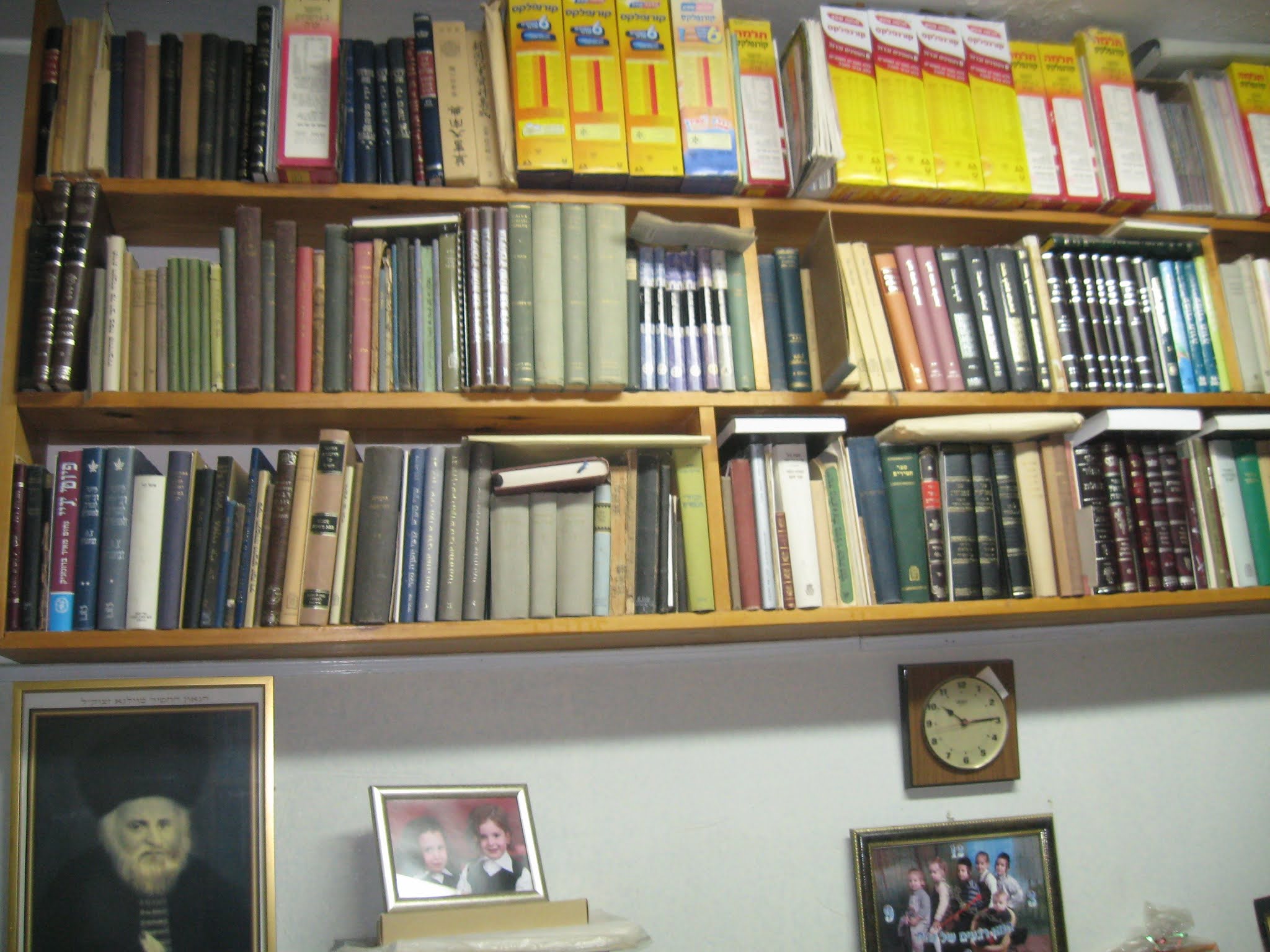
I would then scan some of the material. Other times he offhand did not have anything to add on a particular topic but when looking at a particular sefer I would find a note written on the side or in a paper stored in the sefer that would be related to what I was searching. Other times I would find something else which was of great importance. Rarely did I leave his house empty handed. We both shared a love for seforim and information on a wide range of topics.

Love of Seforim

What drew me to him, and particular developed my relationship with him, was our shared love of seforim. I would update him on new seforim. At times he would ask me to purchase it for him or would borrow my copy for a bit. He told me numerous times how he enjoyed visiting and buying seforim from various shops for many years and that he started collecting when he was seven years old! Now he could not go to stores as he was too old; I got to know him when he was over eighty.

When I joined the editorial board of the journal Yeshurun, I would bring him each new volume as it was printed. Each visit he would ask me to check on the shelf where he kept them, to see if he was up to date and if needed, to update him with any missing volumes. A true lover of seforim, his face would lit up at each new volume. I would then point out some of the articles I thought he would enjoy and he would put in markers to read them.

I always wondered if he read the various volumes of Yeshurun I brought him. After he was niftar, while going through his seforim, I found inserted in one rare book a small paper which he wrote: “for more information about this author see the article in Yeshurun”. Then in a different pen he added another cite from another issue from Yeshrun from a few years later.

This small story also demonstrates a bit of his methodology; he would collect all kinds of information and store them at times in a related sefer and would constantly update these notes.

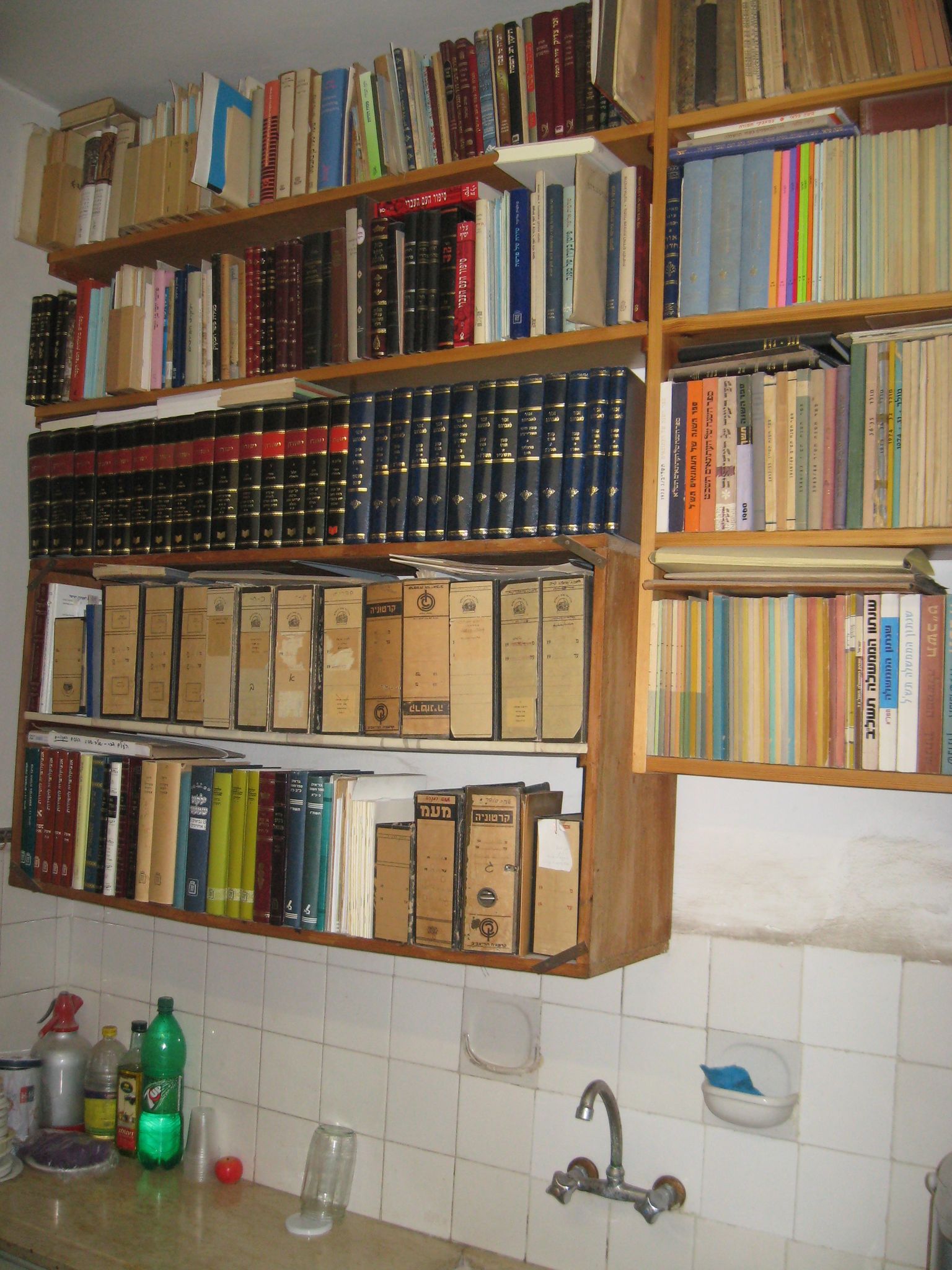
His love for seforim was something unique, the glow on his face when he opened up a new sefer, especially of someone he was into, was simply priceless. He would look carefully at the Shaar and if it was a reprint of an older sefer he would immediately check if they included the front page of the older edition to compare. He had seforim in every space possible in the four rooms of his apartment, including his porch. Many visitors noticed how even his kitchen was lined with seforim!
Dikdueki Sofrim Haskomot

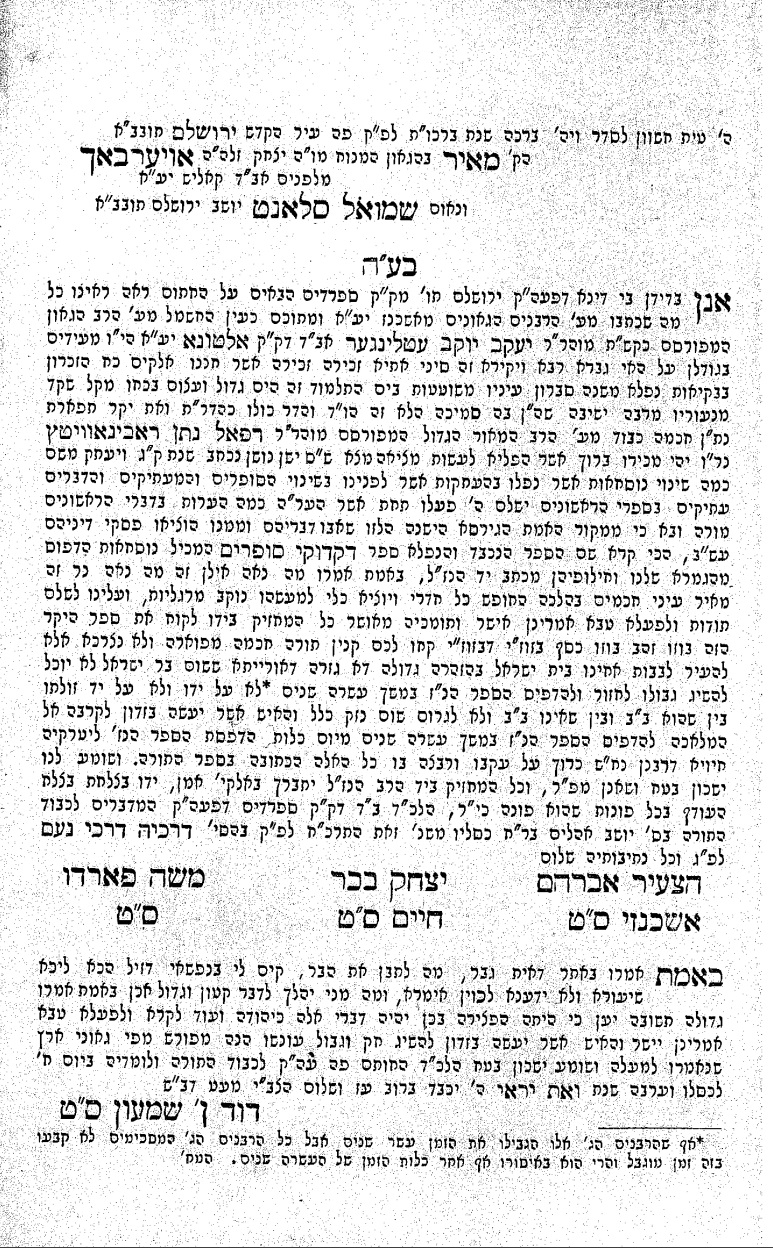
An interesting story happened with me and his library. While working on an article about the Dikdueki Sofrim I was unable to track down some recorded Haskomot that the author R’ R.N.N. Rabinowitz had received for the first edition of his work. I, along with other scholars, had searched numerous copies of the first edition, but with no luck. Late one night, I came to R’ Ashkenazi’s house and mentioned to him my problem. He said “show me the issue inside,” keeping with his custom to take care to always view the source material firsthand (Osiosi Machkemios – a topic he wrote a lot about). I took down his copy of the sefer, and lo and behold it was a first edition with the missing Haskamot! I published these missing Haskamot in my article on the Didukei Sofrim, and attributed this rare and miraculous find to his extraordinary library.

His History:

Where this unique Talmid Chacham came from is simply a mystery. He was born in Yerushalayim and lived in Batei Ungarn. He learned by Rav Yosef Tzvi Dushinsky of the Edah HaChareidis. Originally, his name was Deutsch but, at some point changed it to Ashkenazi. He had four children with his wife who died over forty years ago. Since then, he lived alone in his apartment near some of his children. His son did an excellent job of Kibud Av bringing him food every day and looking on him a few times a day. Yom Tov and Simchos he spent time with his family.

When I and others asked him, who was his Rebbe, he would just smile and say no one in particular. The truth is the Mishnah in Avos states: Knei Lecha Chaver. Aside from the simple peshat, Rashi explains this Mishnah by citing some who say it means via Seforim others commentators explain this as ‘buying a pen’ (see R’ Ashkenazi’s in-depth article on this for sources). R’ Ashkenazi employed all of these methods; his friends and teachers were his seforim and his pen.

R’ Ashkenazi was a short, quiet and unassuming person. Most, having seen him walking on the street, would never believe he was such an erudite Gaon. Many times, R’ Ashkenazi did not express much emotion except to give a pleasant smile and was friendly and polite in conversation. But there were times he got very excited; for example, when he recalled a good story from his younger years or something unique that he discovered years ago. He was very polite and was a real Yekeh; for example as soon as they bentched Rosh Chodesh Kislev his Menorah was already prepared in the window.

R’ Yechiel Goldhaber, a Talmid Chacham and author of numerous articles and seforim had a close relationship with R’ Ashkenazi for many years. He recalled when he was introduced to R’ Ashkenazi for the first time by his father-in-law, he thought to himself who is this simple looking man? He soon learned that this man was a master of all of Torah and swiftly became a close Talmid of his.

Many times, he would tell me he wishes he could come visit my library. In Later years he would spend his Yomim Tovim at his daughter. One Chol Hamoed Succos, when he was over ninety, he made the difficult trek from her house to mine in order to spend time in my library.
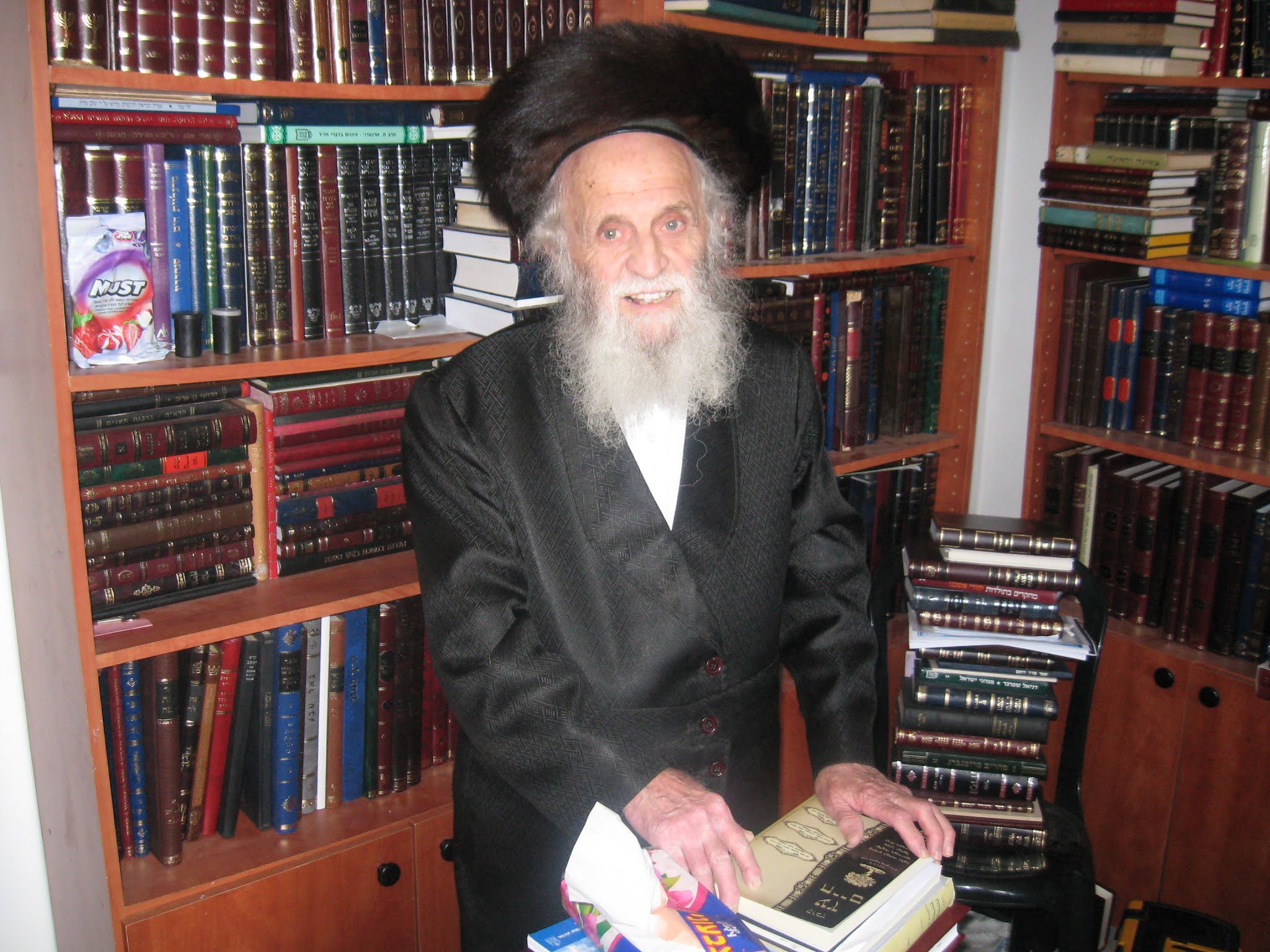
He would love to read everything he could get his hands on. I visited him at many different times of day, even late at night and I always found him learning a sefer – even when he was over ninety. He read everything newspapers, books – he was just curious about everything with an incredible thirst for knowledge.

I recall visiting him a few times when he eighty-five and noticed he was learning the Shelah Hakodosh very carefully. I asked him why (of course he had learned through this sefer numerous times before!) and he responded that someone is reprinting the sefer and asked him to go through the sefer and send comments. He therefore sat down to learn the whole sefer, line by line, after which he wrote a ten-page letter with his comments on the sefer.

Over time, I learned again and again that R’ Ashkenazi personally believed his purpose in this world was to help people with the incredible amounts of information that he had gathered over the years of intense learning. This incredible Middah can be seen in this light; he did not feel that he was the “owner” of this extraordinary wealth of information he had collected, and thus gave very willingly without any conditions. He never asked me to cite him when he gave me some rare source even – although I always told him I would; he just was so happy to help someone else.

He would collect and catalog much of what he read. He had all kinds of systems to file the information he had gathered over eighty plus years of learning. When he would read an important article in a magazine or journal, he would cut out the parts and store them in their appropriate place. He gathered information on thousands and thousands of subjects (not an exaggeration in any form) which had some connection to our rich heritage. What’s more astounding is that R’ Ashkenazi never used a computer or the internet; all of his erudition came about simple by learning through thousands of seforim; a great many of them rare or unknown.

Over the years he helped so many people and for many years after he retired, he would visit the National Library of Israel on Tuesdays, where throngs of people would line up in wait to speak with him about all kinds of subjects.

Many years ago, he received a call from a young chassidish Talmid Chacham living in Monsey who was starting to work on publishing a new edition of the classic historical work Seder Hadorot. He started asking him questions about various issues he had. Over many phone-calls R’ Ashkenazi answered many of his difficulties while training him in proper research and writing skills. This year some volumes finally were published (see here). And this was not a onetime occurrence – he helped so many more people. He used to remark to me that when he was younger so many people would come to visit him – until the late hours of the night.

He was an expert in so many different topics, whether it was the standard ones like Tanach, Chazal, Halacha, Minhag or Chassidus or less commonly studied subjects such as Tefilah, Piyut, Dikduk, Kabbalah, Philosophy, Machshavah, History and Bibliography. In all of these areas his expertise was remarkable.

His Uniqueness

A sample of his bekius; one time I noted that the Maharsha often quotes a “Sefer Yoshon Noshon” and asked if we have any idea which sefer this is? He immediately responded that he found it usually refers to R’ Todros Abulafiah’s Otzar Hakavod.

His incredible Bekius was bolstered by an almost photographic memory, as the following story demonstrates. Once someone used the Bar-Ilan Responsa search engine to locate a passage in the Tana DeBei Eliyahu to no avail. He went to ask R’ Ashkenazi who immediately told him where the passage could be found. Checking the Bar-Ilan text, it was discovered that when the sefer was being entered into their database the passage in question had been mistakenly omitted. I first heard this story from someone else, so to make sure it was accurate I asked him about it and he confirmed it. A similar story happened with him and a passage from the Shut Chasam Sofer.

A few years back a friend was working on publishing out an esoteric Rishon on Mesechet Megillah. He thought no one ever heard of this author and randomly mentioned this to R’ Ashkenazi – without batting an eyelash – replied “of course, and one can find material by this author in the work of Rav Shlomoh Alkabetz on Megillas Esther (Manos Halevi). The fellow was stunned in elation; he had just been gifted new and important material for his project.

This remarkable Bekius which even beat out computer search engines, was just one aspect that made him remarkable. He would receive numerous calls and letters from all over the world from people of all walks of life seeking his assistance in tracking down a statement. He had an incredible knowledge of all of Chazal. I do not just mean the “standards”; Bavli, Yerushalmi and Midrash – even all the numerous and very often almost unknown Midrashim printed over the years. He was also expert in what is known as the lost Midrashim. Over the years many Midrashim we had were lost but some traces of them can be found in various Piyutim, cited by Rishonim or in other obscure places. Through his incredible amounts of learning and his phenomenal memory he was able to recall so much in this field.

To illustrate this with some samples. A few years back someone who was editing for publication a never before printed pirush of a Rishon on Avos came across a few statements in the name of Chazal. This person, a Talmid Chacham in his own right and familiar with tracking down such material, could not locate sources for these statements. Immediately he penned a letter to R’ Ashkenazi. A few days after he received a letter from R’ Ashkenazi with various incredible sources for his questions. This was a very common occurrence.

Piyut, Tefilah and language

Earlier, I mentioned his expertise in Piyut, Tefilah and language. A bit of background is needed to explain this. Rabbi Joseph B. Soloveitchik, when describing Rabbi Elazar Hakalir’s greatness, (Koren Mesorat Harav Kinot (pp. 386-388) wrote the following:

The piyutim of Rabbi Elazar HaKalir, including his kinot, serve two purposes. The first is limmud, learning. Every sentence of the piyut quotes m’aamarei Chazal… The second purpose is tokhaha, rebuking the people for their misdeeds and instructing them in the proper way to act. These piyyutim deal with… repentance… acknowledgment of God’s justice. The shali’ah Tzibbur was not merely a chazan…, but was one of the great scholars of the generation who was the principal… moral critic of the people… Rabbi Elazar HaKalir was (also) a master of the Hebrew language and very creative in his use of Hebrew. If not for him, modern Hebrew could not have come into existence. Before HaKalir, the Hebrew language was very rigid. For example, the noun and verbs were fixed in their form… But HaKalir made a critical contribution to the development of the Hebrew language by endowing the language with flexibility… Rabbi Elazar haKalir’s piyutim served two purposes: limmud, study… As for the element of study, one of the dimensions of HaKalir’s piyyutim is that they are compilations of the statements of the sages. Most of us, who are expert in neither Hebrew nor aggadot Hazal, find HaKalir’s corpus of piyutim boring. But it is not boring at all; it is like a gold mine. His piyutim for Yom Tov explain the essence of the Yom Tov. The midrashim concerning Sukkot are replete with information about the sukka, etrog and lulav, and all the explanations in the Midrash, all the ta’amei sukka, the reasons for the sukka, all of the ma’amarei Hazal, are together in the HaKalir’s piyutim for the first day of Sukkot… If one were to study carefully and thoroughly the piyutim of Rabbi Elazar HaKalir for Rosh HaSahana, Yom Kippur, Sukkot, and Pesah, one would find many applicable halakhot and the entire pertinent Midrash, including many midrashim that are unknown to us from any other source.

Rav Ashkenazi was an expert on everything related to Tefilah and Piyut. He somehow read it all and retained it. But in addition, he was able to use his expertise in Chazal and Hebrew language to understand it on a much higher level and as a result was often contacted by the world experts on Tefilah and Piyut for his assistance. These requests came from experts such as Professor Shalom Speigel, Chaim Schirmann, Avraham Haberman, Ezra Fleischer and Daniel Goldschmidt who constantly sought his assistance while working on their Tefilah and Piyut related projects.

In an interview with Ami Magazine printed a few years back, Professor Shulamit Elitzur mentioned:

“there’s another amazing thing I find when doing research. I am constantly coming across midrashim that were lost to the ages… example, everyone knows that Haman was referred to as ‘the Agagi’ because Shaul allowed Agag to live one extra night, which allowed Haman’s ancestor to be born. However, the earliest makor we find in writing in the 16th century; this fact was discovered by Rav Shmuel Ashkenazi of Yerushalayim. But I found a ktav yad of a piyut about Purim that describes this very story and explains how Haman’s ancestor was born, which gives us a source from 1,000 years earlier! And there are many similar examples of lost midrashim being kept alive through unknown piyutim.”

R’ Ashkenazi wrote some articles on Piyut and Tefilah, but we have found much more among his papers and hopefully if I can raise enough funding all his fascinating material on Tefilah will come to light.

When the important Siddur Ezer Eliyahu (sponsored by his late friend Yeshaya Vinograd) was first printed, one can see R’ Ashkenazi’s name in the introduction, thanking him for his assistance (he assisted them for some of the later additions) and his great knowledge in this field.

I mentioned that he had an incredible knowledge of Dikduk and the Hebrew language and used it towards better understanding Piyut and Tefilah. He also authored articles on these subjects and in 1967, when reviewing an important dictionary, wrote a long article demonstrating this very point – and article that garnered much praise. He was very proud of this essay and mentioned it to me many times. A few years ago, I reprinted it with additions he had made in his own copy and a nine-page topical index.

One of the ways he developed this expertise was via learning Tanach so many times. He was an expert in Tanach and all the Rishonic commentaries (including the unknown ones); he even authored a small book of Riddles of Tanach.

He also used his extraordinary skills to become a master editor. However, in addition to the work he was born with an incredible innate sensitivity for text and language which made him one of the best editors out there. For many years he worked at the famous publishing house Mossad HaRav Kook, editing various works. He told me more than once how there was an expert there who would brag (jokingly) that after he read through an article it was impossible to find mistakes. The only person who could still find mistakes was R’ Ashkenazi. He had razor-sharp vision and could immediately spot a mistake.

Many times, I would bring an edited piece of mine to read. As soon as I put it down in front of him, he would take out a red pen and start marking it up and say to me “are you sure it’s been edited?”. He told me he had to mark up everything before he could read it properly, errata were so painful for him to see that it was hard for him to read something on Shabbos! He told me he was punished; when his work Alfa Beta Kadmita de-Shmuel Zeira came out, although he had edited it numerous times, he still found mistakes.

During his learning over the years, he found many people, great Gedolim as well as famous academics, had made mistakes, sometimes quite basic ones. At one point he printed two articles about this. However, he prefaced his articles that his intent was not to mock those who erred but to vividly illustrate that people are human and mistakes will happen. He was a master of humility and never held it over anyone that they did not know what he knew.

He was not only a great expert in all aspects of the Hebrew language but was an expert in Aramaic and Yiddish, both of which he displayed in various publications of his. Related to his expertise in Aramaic, which is very important for learning Gemara, is a very unique essay which he authored related to the Rambam as a translator of the Gemara. One of the world experts in old Yiddish is Professor Chava Turniansky, who has noted on many occasions that one of the people who have always helped her from her days as a student, was R’ Ashkenazi.

Related to this was another talent of his, which at first appears trivial; he was an expert on acronyms. This led to authoring a thesaurus of acronyms together with Dov Yardan, called Otzar Roshei Tevot, with a multitude of obscure and often almost impossible entries. His sensitivity to the text and work in the field of editing drew him to this field. Anyone who learns a lot, especially older material comes across abbreviations, and many times they cause great difficulty in understanding various passages. Abbreviations were employed in writing, sometimes as mnemonic devices and other times simply to save on printing costs. But over time many meanings were forgotten. This work is an extremely useful tool for solving this issue.

Ghostwriting

One day I was in a used bookstore and I noticed a small sefer titled Harif Umishnaso about the Rif. I recalled that this title appeared in the list in beginning of his work, Alfa Beta Kadmita de-Shmuel Zeira which listed out the various works he helped with over the years. I asked R. Ashkenazi if it’s worth buying and what his connection to the book was, as a different name appears on the cover.

R’ Ashkenazi replied “I can tell you it’s an important sefer and worthwhile to buy.” I noticed he was hesitant to continue the conversation. He then said “I will tell you something I did not tell anyone in over forty years – I wrote the whole sefer from beginning to end and it was one of the most important works I ever wrote.” The original plan was to for him to write a series of biographies on various Rishonim – in this book he already references a work on the Ri Migash – but due to a lack of funding this series was discontinued. However, not all of this remained unpenned; he wrote numerous entries in various encyclopedias. It turns out that R’ Ashkenazi had over fifteen different pen names!

I would like to elaborate on this work a bit more and thus cast further light upon R’ Ashkenazi’s uniqueness and greatness. The Rif’s Halachic work is one of the most important sources in Halacha, but what exactly makes it so unique has remained a mystery. R’ Ashkenazi sought to answer this question by collecting and collating all the authentic information we have about the Rif, from the Rif and from other Rishonim. He went through the Rif carefully examining what he did to each Gemara evaluating if remarks or material was added or not and to figure out why, allowing the reader to begin to understand the Rif’s significance. R’ Ashkenazi’s writing methods were honed to precision. He had an uncanny ability to utilize every piece of information without writing an extra letter and assemble it all in perfect order sans speculations commonly found in historical works. At times one does not need grand theories to understand something; just seeing all the known material in proper order helps one understand things. The wealth of material that Rav Ashkenazi commanded in producing this work is outstanding; this book was written in 1967 – long before any of the various search engines used today.

Haggadah Sheleimah

Similar to this is another work by R’ Ashkenazi, Haggadah Sheleimah. I hope to publish an article about this work in the near future, including the numerous additions R’ Ashkenazi found over the years and kept in his files. This work is highly unique for the following reasons. The collected bibliographies by Avraham Ya’ari and Yitzchak Yudlov bear witness to thousands of Haggados written throughout the generations in a multitude of styles, such as Pilpul, Peshat, Kabbalah, Derush and more. However, until 1955 there was no one work on the Haggadah which collected all the sources for each and every Halacha and minhag related to the Seder night. There was no volume which dealt with the various manuscripts of Geonim and Rishonim and at the same time to deal with the exact text of the Haggadah. Haggadah Sheleimah set out to fill those needs, and at the same time offer a running collection of Pirushim culled from over fifty different commentators focusing just on Peshat. In order to produce such an exacting work, it’s not good enough to just be a talented writer, one must also possess a keen understanding of all the material and relay this with incredible clarity. R’ Ashkenazi was such a person; one who sought out the simple Peshat, able to put this myriad of information together in so beautiful a fashion, and with tremendous clarity. His work in Haggadah Sheleimah is so clearly organized and always straight to the point that it is no wonder that to this day Haggadah Sheleimah remains a classic in both the Torah and Academic worlds.

Rav Ashkenazi once explained to me that one has to write precisely and to the point, not lengthily. He said he believed that one of the reasons Rashi’s works survived was due to his concise way it was written, as opposed to various works of Geonim which did not really survive as they were written in a much lengthier format.

Why didn’t he publish his material?

A few years ago, a partial bibliography of his writings was printed in his Alfa Beta Kadmita de-Shmuel Zeira. The listing is close to three hundred articles and seforim that he wrote or assisted in on some level. He started writing under various pen names over eighty years ago. The background to the publication of this volume was, as I mentioned previously, R’ Ashkenazi had been writing and collection information on thousands of topics for over eighty years. Unfortunately, he did not print much of what he gathered. The main reason for this was R. Ashkenazi’s “weakness”; he demanded incredible levels of perfection from himself. Although he strived for great perfection, nonetheless he stressed to me numerous times that he was mistaken in that approach and that I should not follow in his path. In his words it is better I print my work to the best of my current abilities and that worse comes to worse you can always reprint with additions and corrections. Over twenty years ago, R’ Teflinsky somehow convinced R’ Ashkenazi that his material needed to be printed. Together they began compiling some of his material for print, resulting in a volume over eight hundred pages!

After that experience both R’ Ashkenazi and R’ Teflinsky stopped, with no plans of continuing this project. A few years later my good friend, R’ Yaakov Yisrael Stahl and myself were able to convince him to continue. R’ Stahl took upon himself the daunting task to prepare the material for publishing; since, than three more volumes were printed.

Here is a small video clip of R’ Ashkenazi, when we brought him copies of the second and third volumes of his writings, ten years ago.

The topics that these works deal with cover, on some level, virtually everything; sources for expressions and idioms, for minhag, Halacha, the evolution of famous stories, bibliography, corrections of authors’ errors, encyclopedic style information on thousands of topics culled from thousands of seforim – many of them very rare or unknown. (A PDF of the Table of contents of this work is available upon request).

His Letters

Earlier I mentioned the story of someone who wrote him a letter seeking help. This was not a one-time occurrence. He authored well over a thousand such letters in response to such questions. Some requests were for sources to various Halachos or Minhagim, numerous others are various queries related to out rich literature. R’ Ashkenazi always invested his time to answer properly and clearly. Recently, R’ Stahl and I collected these letters for publication and the result is a three-volume set, available for purchase.

Over seventy years ago he purchased a typewriter which he used until his passing.

In an article written by the late Gaon R’ S. Deblitsky, he writes out various proper actions a Rav should “observe.” One of them is to respond to people who write to him, whether the issues are big or small. R’ Ashkenazi was very careful to try to respond promptly. Many people would send him their seforim after they were printed asking him for his comments. He would usually respond with a multi-page letter, beginning by thanking the author for sending it to him, then listing out some criticisms, usually written delicately, while adding all kinds of comments. He always tried to look to say something positive. Some people who heard of him through various channels over the years contacted him before they printed their works. Many times, he would write a collection of comments and corrections to such works. A sample listing of some of those works that benefited from him before going to print include recent editions of: Sefer Zechirah, Kav Hayasher, Sefer Hachayim and many others.

Thanks to the efforts of my special friend Menachem Butler, various academics wrote some praises about the significances of these letters; to partially quote one letter written by the esteemed Professor Shnayer Z. Leiman:

Reb Shmuel was

“bibliographer, bibliophile, and book collector, and his encyclopedic knowledge of all of Hebrew and Yiddish literature remains unparalleled in our time.” His collected writings are an intellectual treasure trove, “covering a wide range of topics in the field of Jewish Studies. Aside from his scholarly distinction, R. Shmuel Ashkenazi wrote in an elegant Hebrew with its own special charm. Not only did he advance discussion, but he did so in an aesthetically pleasing manner. Let it be said openly: this… set will enlighten every reader and will significantly advance scholarship. Anyone concerned with advancing the cause of quality Jewish scholarship will take special delight in the publication of these volumes…During his lifetime [Ashkenazi] corresponded with the greatest Jewish scholars and bibliographers the world over. They wrote to him, for only he could solve the countless historical and literary problems that stumped them…”

Another person to whom Menachem Butler reached out to via his numerous contacts was former editor of Mekizei Nirdamim’s journal Kabez Al Yad, Professor Shulamit Elizur of the Hebrew University of Jerusalem. In her aforementioned interview in Ami Magazine several years ago she said this:

“I am unequal to the task of adequately singing the praises of Rabbi Shmuel Ashkenazi, an erudite bibliophile. His familiarity with rabbinic writings from throughout Jewish history is unparalleled, and he is well-versed in the research literature of academic Jewish studies as well. I first met Rabbi Shmuel Ashkenazi through my teacher, the late Professor Ezra Fleischer. Prof. Fleischer, who was one of the greatest scholars of all time, would often chat with Rabbi Ashkenazi on scholarly topics, and he was careful to send Ashkenazi every article or book he published, knowing that in return he would receive enlightening comments on his work. When I began my own research, Prof. Fleischer instructed me in turn to send my publications to Rabbi Ashkenazi, and I too was privileged to learn a great deal from his comments. It once happened that I was searching for a particular midrashic theme which was alluded to in a liturgical poem (piyut), and although I consulted the leading scholars of Jerusalem who responded that it was a well-known homily, I was unable to locate its specific source. In my hour of need, I turned to Rabbi Ashkenazi, who immediately gave me several references. It emerged that every one of these references post-dated the piyut by almost a thousand years, and that this ancient tradition alluded to in the poem had been transmitted orally for that long period before being committed to writing in the later midrashim. Rabbi Shmuel Ashkenazi’s correspondence is a tremendous resource of Torah and scholarship. Every paragraph encapsulates a great deal in just a few words, and sometimes even with allusions whose explication require deep learning.”

Here is a short letter from Professor Gershom Scholem to R’ Ashkenazi:

Expressions and famous stories

In his writings some of the topics of these are about tracing expressions or the evolution of famous stories. Based on his knowledge, he was able to contribute a lot to these areas even editing some works on these topics.

One such story related to a supposed legend of a portrait of Moshe Rabbeinu which caused a great controversy over a century ago. In 1830, Rav Yisroel Lipschutz started printing his magnum opus, a commentary on the Mishnah titled Tiferes Yisroel. In the section on Maseches Kiddushin first printed in 1843, he brings a story about a king who lived in the time of Moshe, who, after hearing incredible things about this great leader, hired a painter to paint a picture of him so he could have his features analyzed by experts. The people who analyzed the picture reported that the person pictured was evil. The king went in person to visit Moshe Rabbeinu in the midbar and asked him how was it that an analysis of his pictures showed him to be of such wicked character. Moshe told him that the analysis was indeed true; however, after much work, he changed his character and became the great Moshe Rabbeinu.

In 1894 a booklet by the Vilkomir Maggid was printed railing against this story. This booklet presented numerous sources stating that Moshe Rabbeinu was born a kadosh and it was unthinkable to print such a story about him. Indeed, this story was censored out of the 1956 edition of the Tiferes Yisroel. In truth, this ancient legend can be found in various sources and in regard to different luminaries, some claiming it about Aristotle others, Socrates. In fact, R’ Ashkenazi documented it was long used in various Musar and Chasidus sefarim cited as an important lesson that one can change one’s born nature for the good, but not that it actually was true about Moshe Rabbeinu.

Another such story relates to a famous legend about the site where the Beis Hamikdash was built. Told in short, two brothers inherited a field, one brother had a family one did not. At the end of the harvest they divided up the wheat equally. That night the childless brother felt bad for his brother with a large family and said to himself “it’s unfair that while my brother needs more than I, we shared equally”, so he brought over from his pile to his brothers. The other brother thought that since his brother was childless, he should have a larger share of the crop, as consolation, so he added from his share to his brother’s. In the morning each brother realized their piles remained the same and this went on for two more nights. On the third night they met, realized each of their intentions was out of deep consideration for the other and hugged. Numerous people have searched for the early sources for this story. I decided to ask R’ Ashkenazi if he had any material on the subject. He found his file on the story and within was a letter from R’ Yudlov who had been asked by someone in the Education Ministry for the sources on this story. R’ Ashkenazi traced its first appearance in print to 1832 and from there he traced it to other sources.

Bibliography

I would like to conclude with just one more area in which R’ Ashkenazi was truly a legendary master: Bibliography. For many years, R’ Ashkenazi worked in the (now) National Library’s Bibliography of the Jewish Book Project. He also contributed to some of the important bibliographical works and journals written in the past century such as Kiryat Sefer, Otzar Sefer Haivri (Vinegrad) and Sifrei Yerushalyim Harishonim.

A few years back, while working on an article about the origins of eating Hamantaschen (see here), I found an important article from Dov Sadan containing sources on this topic. One of the sources was the interesting, controversial work Machberet Emanuel. I had a nice conversation with R’ Ashkenazi about this work – he had helped Dov Yardan prepare a critical edition of the work and even wrote a long book review on it (which he said he received a lot of Kovod for).

He mentioned two points of interest which will serve as a sample to some of his expertise. One, he noted that Emanuel of Rome wrote a commentary on sefer Mishlei. Interestingly, the preface to the Mishlei commentary sefer is signed Emanuel son of Yaakov, whereas Emanuel’s father’s name was Shlomo. Some have noted that this discrepancy and explained it is a mistake. R’ Ashkenazi suggested this was not a mistake, rather an intentional typo intended by the author to hide his connection to his controversial Machberes Emanuel. The second point he made to me was how the Chida writes in Shem Hagedolim that the best commentary to learn on Mishlei that by Emanuel of Rome. R’ Ashkenazi said he checked into the words of the Chida and he learned through all the works on Mishlei and concluded that the Chida was quite correct. He once had a dream to write a whole work on Mishlei, he even started to pen his comments in a special notebook, but the plans never worked out.

One final last story about R’ Ashkenazi’s bibliographic acumen. In 2009 my special friend Dr. S. Sprecher z”l (about him see this article on the seforim blog here) wished to reprint and distribute a small work called Tshuvah Be’Inyan Kriat HaKetubah, in honor of his son’s upcoming wedding, under that assumption that, just as the title page and the publisher’s introduction indicated, it represented an actual Halakhic Responsum issued in 1835 by the Chief Rabbi of Bialystok, one Rabbi Nechemiah. Sprecher wrote:

However, our close reading of this Tshuvah led us in an entirely different direction. To us, the work’s style manifested clear Maskilic echoes, and its arguments rejecting the binding nature of centuries-old Minhagim were clearly not in accord with 19th–century Halakhic thought. Our reaction was that the work must certainly be pseudepigraphal and could not have arisen from the pen of the Chief Rabbi of Bialystok. In fact, a quick perusal of the reference literature demonstrated that there never was any Chief Rabbi of Bialystok named Nechemiah.

At an impasse, we reached out to Professor Shnayer Z. Leiman, who suggested that the scholar most likely to solve the mystery would be the doyen of Israeli bibliographers, Rabbi Shmuel Ashkenazi. We were rewarded thanks to the tireless efforts of Eliezer Brodt who, on our behalf, pestered the aged Jerusalem sage until he successfully unmasked the name, but not quite the identity, of the author. Rabbi Ashkenazi concluded that the first line of the introductory poem that prefaced the Halakhic query contained the acrostic – “Meir Ish-Shalom”. (His initial contention was that this could not be the noted 19th–century Viennese scholar, Meir Ish-Shalom, because his heretofore known literary output began only some five years later, with his publication of the Sifre in 1864.)

Once Rabbi Ashkenazi had provided the key to the author’s name via the acrostic, it became apparent that all along the title page had been proclaiming that very same message. Let us recall the passage in Bavli Eruvin 13b where it is recorded that the celebrated Tanna, known to us as Rabbi Meir, was actually named Nehorai, according to one opinion; or alternatively, that both Meir and Nehorai were laudatory appellations reflecting his enlightening wisdom, whereas his actual name was Nechemiah. Recall also that the query first originated with Rabbi “Shalom” of Novgorod, and the word “shalom” appears twice more on the title page and is highlighted by the placement of a circle above one of its appearances.

In his copy of this work that Dr Sprecher printed for the Chasunah which I brought him, I found this paper inside:

A few weeks after R’ Ashkenazi’s Petirah the national library held a session devoted to him where Professor Zev Gries, Professor Chava Turniansky and R’ Yechiel Goldhaber spoke about him (here is a link to the whole session). I too had the privilege of being interviewed about him that night (Here is a link to my interview).

Publication of his writings

Last year, immediately after Rabbi Shmuel Ashkenazi was niftar I, along with my special friend Menachem Butler, initiated a campaign to raise funds to publish R. Ashkenazi’s letters via the Seforim blog. Baruch HaShem, and thanks to the help of some readers, enough money was raised to go to print and in the beginning of this past January copies of the book, coming in at over 1,700 pages, (three volumes!) arrived as announced (here). The Letters sold out in a few days. A second edition was printed right before Pesach (see here). Currently copies of the second edition are available for sale.

Future volumes

Already during the Shivah, R’ Stahl began going through the materials of R’ Ashkenazi to sort out what materials are print worthy.

Here is a picture of R’ Stahl taken during one such session which a friend of his humorously put side by side a famous picture of Solomon Schecter when working on Geniza documents.
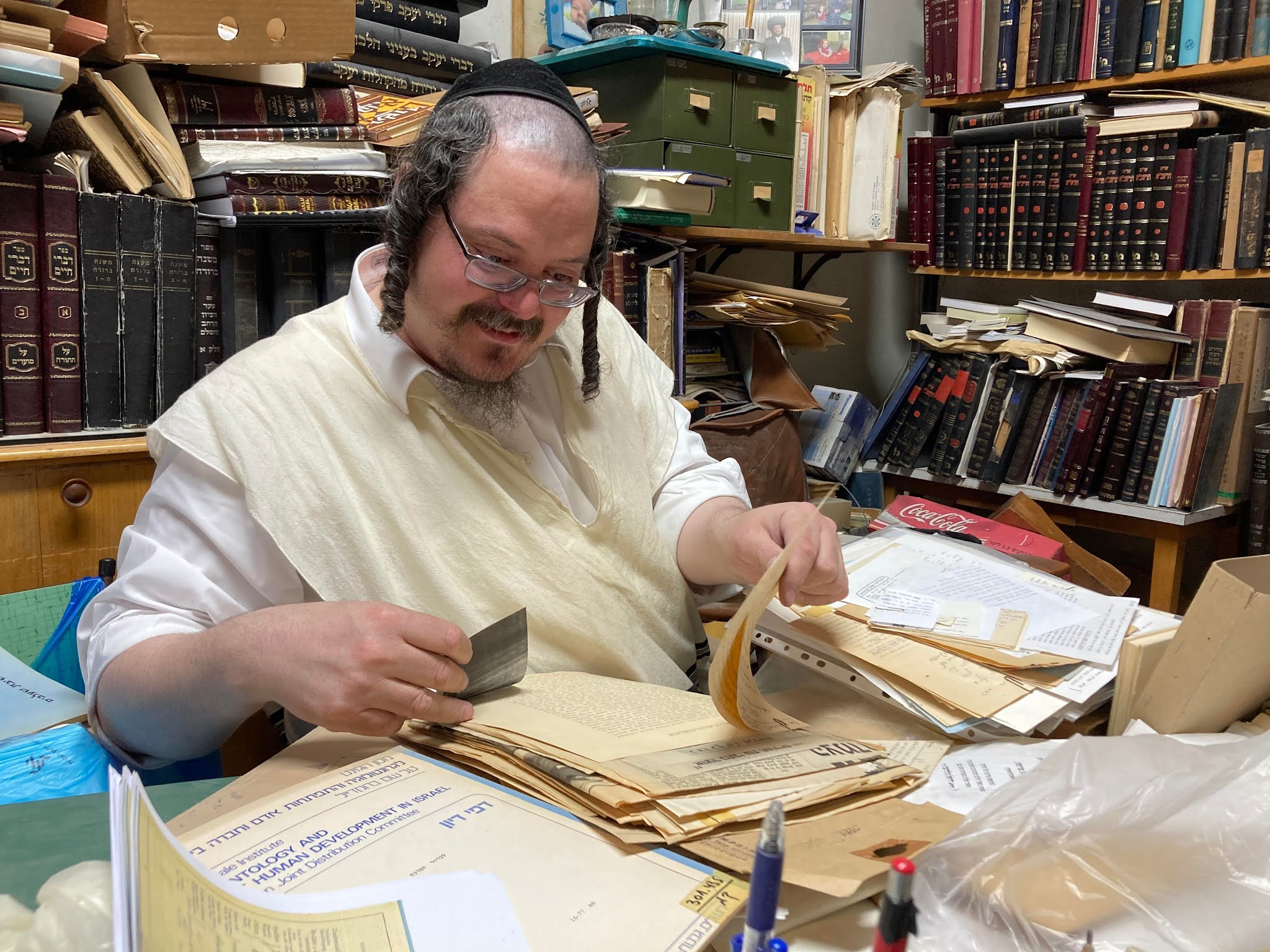
We never imagined we would find so much print-worthy material that we were not previously aware of; at least eight volumes’ worth of prepared writings which we hope to print. Currently, we are in the process of categorizing the material. Among the topics are: Tefilah, Minhag, articles on Seforim and authors – and much, much more. As we sort and scan R’ Ashkenazi’s legacy, some material is already being sent out to be typed up for publication. Each of the above endeavors comes at a price, and every contribution to the cause helps greatly. IY”H in the near future I will make a more formal announcement with precise details regarding the works slated for print. Anyone wishing to help with funding this project can contact me at Eliezerbrodt@gmail.com


Should we celebrate birthdays or not? Is it better to ignore them?

Should we celebrate birthdays or not? Is it better to ignore them?
By Rav Binyamin Wattenberg

This post was originally an answer posted on july 25 2016 on the French website techouvot.com (https://www.techouvot.com/feter_les_anniversaires-vp46393.html).

The author agreed to have it translated into English but did not review the translation.

The author, Rav Binyamin Wattenberg teaches Talmud in Neuilly sur Seine, France, among other talmudic activities (techouvot.com…)

This subject is widely debated in our sefarim. Some are convinced that it is entirely a “non-Jewish” custom which is important not to follow, but I think that it is rather because of ignorance of what has been written on the subject.

I will try to summarize the different rabbinical positions with their reason, and as we will see we can find anything and everything.

GOOD MAZAL

The Yerushalmi Rosh Hashana (III, 8) relates that Amalek placed soldiers on their birthday at the battle front because they would have a good “mazal” and Moshe had to “mix mazalot”. Korban Haeda explains that by raising his hands, Moshe “mixed / disturbed” the Mazalot to counter the good mazal of Amalek’s warriors.

This idea is also found in the Chida who writes (Chomat Anakh, Iyov 3) on behalf of the Kabbalists that the birthday is a day of good mazal.[1]

That would explain the wish of the day: Mazal Tov!

There is also Rabbi Tsadok Hacohen Rabinovicz of Lublin in his Resisei Layla (Divrei Chalomot 20) who writes that a man has nothing to fear on his birthday and while the Gmara Kiddushin (38a) says that Tzadikim die on their birthday (and therefore have something to fear about), it is because for them, death is an accession to a higher level (and is therefore a positive occasion).[2]

There is a more plausible explanation of the Maguen Avraham in his Zayis Raanan on Yalkut Shimoni (‘Habakkuk 3) who answers that it is a blessing for the tzaddik to die on his birthday because “the Holy One, Blessed be He, sits and completes the years of the righteous from day to day” (Kiddushin 38a, Sotah 13b and Rosh Hashana 11a).[3]

But some consider that this good mazal on this day concerns only non-Jews (like Amalek).[4]

This is perhaps why we find several authors who are very reluctant about the idea that a Jew could celebrate such a day.

AGAINST CELEBRATING:

For example, in his Torah Shleima (Vayeshev p.1522 note 49), Rav Menachem Kasher quotes a manuscript (Chemat Hachemda) commentary on Bereshit 40, 20, that still today, non-Jews celebrate birthdays (meaning that Jews do not).[5]

Certainly, in the Gmara (Moed Katan 28a) we are told that Rav Yossef celebrated his 60th birthday, but that also indicates that he did not celebrate his other birthdays – neither he nor the other Amoraim – and it is only for its 60th that he wished to celebrate because – as he says it – it excluded Karet’s punishment.

The Minchat Elazar (the Munkasz’ Rebbe) writes[6] that there is nothing to celebrate on one’s birthday since the Sages tell us (Eruvin 13b) that it would have been better for the man not to be born.[7]

It is also the position of many authors, such as : Rav Horovitz of Strasbourg (and then of Badats of Jerusalem) in his Shout Kinian Torah Bahalacha (III, §21), Arugat Habossem (II, §215),[8] Abelsohn (Shut Knesset Avraham Yoel, §6 p.116 – linked with Shut Etz Chaim),[9] R. Tsadok Hacohen (Likutei Maamarim §13, p.140), the Klausenburg-Sanz Rebbe (Michtevei Torah II, 82 p.55), Rav Shlomo Zalman Bloch (Hatzadik R. Shlomo, p.29, ot 18), Patsovsky rav (Pardes Yosef Vayeshev Milouim p.48 and in the new edition, Bereshit II, p.777), Rav Dunner (Leket Sheelot Hametzuyot IV, p.13 and Kol Hatorah 65, p.164), Rav Stern (Beer Moshe) and Rav Wozner (Shevet Halevy) both quoted by Rav Harfenes in Beit Vaad LaChachamim (adar 2009, p.356), Shut Lehorot Natan (IX, §5, 9),[10] Gdulat Yehoshua (Chelek 2, Hakdama), Rav Shmuel Mohliver (Midei Chodesh BeChodsho, II, Jerusalem 1957, p.192 and Shana Beshana 1976, p.237).

In Hapeles (shana III, 1903, p.633) it cites the Beer Yitzchak of rav Itzchak Ber Levinzohn (p.34) stating that birthdays were non-Jewish holidays close to Avoda zara, although this Rav himself was close to Haskala![11]

The Kinian Torah Bahalacha (III, §21) is also opposed to celebrating birthdays, and quotes in support the Vizhnits’ Rebbe, Ahavat Israel, who refused to make a seuda for his 70th birthday and recited a lot of Tehilim and Bakachot instead.[12]

Rav Israel of Rouzhin also vigorously refused the surprise birthday organized by his wife and dismissed all the guests.[13]

The Otsar Kol Minhaguei Yeshurun (4th ed., §XXVII, 4, p.60 and 3rd ed., St Louis 1917-8, Hashmatot §14, p.304) considers that celebrating one’s birthday is a non-Jewish custom and the only character in the Choumash that one finds celebrating his birthday is Paro.[14]

It seems that it is also the opinion of the Aderet in his Nefesh David (p.129) who did not appreciate when we wished him a happy birthday, saying that it was never a holiday among the Jews and that the only one that one finds celebrating his birthday in the Chumash is Pharaoh, while the Gmara Erouvin (13b) tells us that it would have been better not to be born … He even states that he tries to forget that it is his birthday because it causes him great sadness[15] (because “it is better not to be born …”).[16]

He emphasizes, however, that the Tzadikim have something to celebrate their birth, according to the opinion of Tosfot (Avoda Zara 5a).

He nevertheless rejoiced on the day of his 60 years for the same reasons as Rav Yosef in Moed Katan (28a), as he wrote in a letter (Eder Hayakar II, Igrot, p.93, §14 ).

Not that you have to be ashkenaz to oppose birthdays. The Rav Chalfon Moshe HaC ohen in his Yad Moshe (Vayeshev, §63 daf 70b) writes that the custom of celebrating birthdays is very present in Europe, but we (the Jews) mark this date with fasting and repentance, preferring in this the useful to the pleasant.

There is in any case a very clear tendency to connect the birthday party to Pharaoh and that would therefore be considered as a “non-Jewish” rejoicing.[17]

IN FAVOR OF CELBRATING BIRTHDAYS :

However, one could just as easily see things differently.

For the Sadigura Rebbe,[18] if the Torah tells us that there was a celebration in honor of Pharaoh’s birthday, it is not in vain, it is here for us to learn that we must celebrate birthdays. And even though Pharaoh is not a good person, the fact that the Torah mentions it indicates it has to be a followed practice. He brings as a support we learn the principle of not mixing two feasts (ein mearvin simcha bessimcha) from the Torah relating the habit of the non-Jews and particulary Lavan (see Bereshit XXIX, 27 and see Yeroushalmi Moed Katan I, 7) ; and Lavan is also the source for the idea of the seven days of wedding’s festivities.

Therefore, it should not be considered as a non-Jewish minhag, and there is no problem of Chukot hagoyim in celebrating birthdays (see also Shut Beth David, §176).

Rabbi Meir Mazouz also writes (annotations on Ben Ish Chai shana 1, Ree §7, p.580) that he has heard that some people are against celebrating birthdays but since he remembers reading that the Baal Shem Tov was celebrating his – on Elul 18th – and deduces that there is no problem.[19]

His brother-in-law, Rav Yitzchak Berdah, is even clearer in his Shut Yitzak Yeranen (V, §54) and validates the birthdays minhag by writing that those who do so have whom to rely upon.

Rav Nissim Karelitz (Chut Hashani, §195, 1, 6 p.215), unlike Rav Zeldner cited above, does not seem to consider it problematic to offer a birthday present.[20]

Ben Ish Chai (I, Ree, §17) writes that it is a good custom to celebrate birthdays every year and note that some are celebrating the anniversary of their circumcision, indicating that in his family, they usually follow the first minhag (= celebrate the day of birth).[21]

R. Avraham Pallagi in his Veavraham Zaken (Yod, §19) mentions also the minhag of celebrating birthdays. Yabia Omer (VI, WH, §29) also finds this positive.

The custom of a birthday seuda, has also been endorsed by multiple and different authors such as’ Havot Yair (§70), Shout Beth Israel (Landau) (§32), Beer Moshe (Yeroushalaimsky) (Maamar Zikhron Tov, daf 138a, §5).

The Tiferet Israel, in his will prompts his children to mutually wish each other good wishes on the days of their respective birthdays (Hamaayan -Tamuz 1971- ot 6).

It is also a habit taken seriously by Loubavitsh Chassidim. The chabad literature is full of advice and remarks on to conduct oneself on one’s birthday and even tracks sources for it in Kabbalah (Shaarei Halakha UMinhag II, §302).

We also find many Tzadikim who have celebrated their birthdays themselves.

Rabbi Avraham Pallagi already mentioned, celebrated his birthday every year from the age of 70 – according to the testimony of his son Rabbi Avraham Pallagi (Tsavaa Mechaim §40 and see also Guinzei Chaim, yud §16). And this is also the case of Rabbi David Chazan quoted in Yishrei Lev (daf 2b).[22]

We also find the Midrash Sechel Tov (XL, 20 ; p.247) stating that “the majority of “people” enjoy (mechavevim) their birthday, rejoice and make a feast”. (But it’s not clear if he speaks only of gentiles or also of jews.)

The Ktav Sofer probably did not celebrate each of his birthdays with great fanfare, but celebrated his 50th one publicly (see Shut Ktav Sofer Y “D, §148).[23]

We also know – as mentioned above – that Rav Yosef celebrated his 60th birthday (Moed Katan 28a).

And this habit was followed by several rabanim, such as the Trumat Hadeshen, quoted by his pupil (Leket Yosher II, Y “D, p.40), or the Tshortkov Rebbe and the Rudzimin’s Rabbi both cited by R.A Nayerman in his Toafot Reem (volume 1, Warsaw 1936, p.30, §23).

We also find the idea of especially ​​thanking G-d on one’s 60th birthday, as Pele Yoets in his Chesed Laalafim (§221-230, sk.8, p.372) who advocates reciting Shehechiyanu without shem UMalchut or else to prepare a fruit or a new garment for that. This is also the Ben Ish Chai’s opinion (I, Ree, §9) for the 60th and 70th birthday.

For the 70th birthday, we find in Shut Chavot Yair (§70) that it is necessary to recite Shehechiyanu (without restriction). But this opinion is not followed and the Chida (Birkei Yosef-Shiyurei Bracha §223, sk.2) will impose the same restrictions as for 60th birthday, i.e without pronouncing the name of G-d or wearing a new garment (or eating a new fruit).

See as well the Pri Megadim (Mish Zahav §444, sk.9), Shut Tzitz Eliezer (XVIII, §33), Shut Tshuva Meahava (II, §239), Samach Nefesh (erekh Shehechyanu), Rabbi Avraham Pallagi (Tsavaa Mechaim, §40), Hagahot Chatam Sofer (O.C §225), Shut R. Yedidia Tia Weill (Y “D §106 p.224 of the recent edition), Kaf Hachaim (§223, sk.28), Shut Beth Israel (Landau) (§32), Shut Beth David (§176), Chesed Laalafim (§221-23, sk.8), Divrei Israel (II, p.175) and Afarkasta Deania (I, §123), who all oppose reciting shehchiyanu “only because of the 70th birthday”, since this blessing should only be recited for the situations indicated by Chazal, as Shut Olat Shmuel (Kauder) writes (I, §22 ).[24]

However, it will still be necessary to mark the hit. The Chafetz Chaim, for his 70th birthday, invited rav Elchanan Wasserman and rav Yossef Shlomo Kahaneman for a little cake and drink and recited Shehechiyanu! (Mishnat Yaakov II, §225).

But according to other sources (Hechafetz Chaim, chayav UPealo, p.312), he did it (on his 70th birthday) on a new garment.[25]

The Chafetz Chaim also celebrated his 90th birthday and finished his Beth Israel that day (see Hechafetz Chaim, chayav UPealo, p.25).

I was myself invited to the 80th birthday (the last one) of my teacher Rabbi Chaim Yaakov Rottenberg (see Shut Beth Israel -Landau- §32), he did not recite shehechiyanu, but there was cake anyway.

Rav Fishman-Maïmon also celebrated his 80th birthday, and Rav Reuven Margulies participated to the “party” (Machanayim LXXII of Elul 5722 -1962, page 41).

Rav Nathan Adler, from London, traveled to Hanover, Germany for his mother’s 80th birthday (Letter from Rav Shlomo Eiger, printed in Igrot Sofrim, 1, p.83).

It seems that Rav Sonnenfeld also “celebrated” his 80th birthday and Rav Mendel Alter (son of the Sfas Emes) presented him his wishes despite some hesitation about the dubious origin of the birthday minhag (see his letter printed in Kerem Shlomo – Bobov – vol.205, p.47).

But for the 60 years, it is likely that there was nothing dubious, since his older brother, since the Imrei Emes, organized his (the Imrei Emes) 60th birthday party and during the meal he explained the reason for rejoicing, i.e Moed Katan 28a (Shut Maharaav – R. Avraham Binyamin Zilberberg – NY 1941, Volume 2, §61).

Returning to the 70th birthday, Rav Schneebalg (Shut Shraga Haméir IV, §69) was in favor of celebrating it.

Sdei Chemed also celebrated his (Hameassef X, Tevet 5665, IV, p.43 and p.46), and it is also the case of the Vizhnitz rebbe who celebrated it joyfully with his pupils (Israel Saba Kadisha, II, p. 177). This is also what Rav Michael Goldberger did.[26]

In 1860, for Shir’s 70th birthday (Rav Shlomo Yehuda Rapoport), his students had prepared a feast and honors for him, but he refused the honors, humbly explaining that he was born in the year Takan / TIKEN (1790) but he has not been Metaken – Ma Tikanti? (Toldot Shir of Bernfeld, p.126).

See also Voice of Truth (p.282-3) or in Hebrew Kol Chotsev (p.263-4) about the 70th birthday of Rav Schwadron.[27]

We ca find another rationale for the celebration of the 70th birthday. In the Mekor Chesed (Rav Reouven Margulies) on Sefer Chasidim (§213, note 1 ), it brings that the Yerushalmi (Yevamot VIII, 3) states that a plague occurs (at least) once every 60 or 70 years. Therefore, whoever reaches his 70 years has certainly escaped the plague that has declared “in his day”, and that’s a good reason to make a “seudat Hodaa”!

Finally, we even find in the Orchot Chaim (Bukhner) (Krakow edition 1654, §16) that the 60th and 70th birthday’s meals are of the nature of a Seudat Mitzvah.

We realize therefore that many (to the exception of those mentioned in the previous part) view positively the birthday party, and especially those of the 60th and 70th one. But we still have to define what should be done to celebrate a birthday properly.

HOW TO CELEBRATE?

On one’s birthday, it is proper to :

– as we have seen bless Shehechyanu on a fruit or a new garment (Shut Guinzei Yossef §4, 2 quoting his father-in-law, Rav Deutsch, author of Shut Pri Hassadé);

– give a lot of tzedakah (R. Chaim Pallagi in Tzedaka Lechaim – maarechet ayin §555)

– make it a “day of prayer” (Melitsei Esh p.54)

– dedicate this day or at least most of it for divine service (Torat Shalom-Schneersohn-p.398 ; Kerem Habad II, p.102 ; see also Hapardes, year 62 volume 9, p.2 on the name of the Lubavitsh Rebbe)

– learn a lot (Shut Hillel Omer, O “H §139).[28]

One should also be careful to reserve a moment for introspection and Cheshbon Hanefesh over the past year, as the Chut Hameshoulash (Munkasz edition 1893, volume 1, daf 59b-60a footnote) brings about the Ktav Sofer who had locked up hiself on his birthday (54th one) and someone who mistakenly entered the room found him sitting on the floor crying, and asked him what was happening to which he replied that he was crying over the loss of time over the past years (see also the preface to Ktav Sofer Al Hatorah, p.29)

In Shut Hadar (§18), the author states that his master – the Rav of Stretin – wanted to have an aliyah to the Torah on his birthday (which is not feasible every year …). In the same vein, the Divrei Yechezkel Shraga (parshat Vayakel) and the Tehilat Caim (p.409) bring down that the Divrei Yechezkel of Shinova wanted to be shaliach tzibur on his birthday (which is practicable more often). And this is also what R. Shaul Broch did (Shaul Behir Hashem, Ashkavta derabbi, p.275)

See also Torat Shalom (p. 406) who – for his birthday – advocates having an aliyah to the Torah, giving tzedakah, adding moments of prayer, tehilim, study and introspection, bless shehechiyanu on a fruit or a garnment (etc).

I have also read in the name Spinka Rebbe quoted in the Shut Chakal Yitzchak (I, 3) that it is appropriate on one’s birthday, to take upon oneself the commitment on something one knows he has to work on.[29]

There is also a notion of making a Siyum on a birthday.

Several rabanim wanted to make a siyum on their birthday, the Terumat Hadeshen did one on his 60th birthday (Leket Yosher II, Y “D, p.40).

See also Leket Hakemach (131) that it is appropriate to mix this rejoicing with a siyum massechet.

Thus, the Chatam Sofer planned that the end of the cycle of chumash study with his pupils falls on his birthday – the 7th Tishri (Minhaguei CS, VII, §14, p.31).[30]

His son Ktav Sofer also completed a massechet each year on his birthday (Chout Hameshoulash ed Munkasz 1893, Volume 1, daf 59b footnote).

Another fact deserves to be emphasized:

In the Sheerit Natan (p.392 ; quoted in Or Israel 46, p.249) we find a very particular siyum minhag that was taking place at Yeshivat Chachmei Lublin, every 7th Adar, birthday of the Rosh yeshiva Rabbi Meir Shapira (initiator of the study of Daf Yomi). Talmud treatises were “dispatched”, and each student took a massechet or half of it, in order that they altogether fnished Shas in one night, so that on the next day, the 7th of Adar, they were all together making a great Siyum Hashas with the Rav.

All this being said, personally, I will be tempted to give an argument in favor of those who celebrate their birthdays, but I have not seen any Acharon underlining this aspect (except Torat Shalom -Schneersohn (p.399-400 ) I found recently):

The halacha is to celebrate annually a miracle that would have happened to us (see Mishna Berura end of §218), for example the one who survives a fatal accident must celebrate this event every year.

If it is so, given the great danger of a baby birth, one could consider that it is necessary to celebrate the miracle of his birth each year.

True, nowadays, in civilized countries, the risk of miscarriage is pretty much reduced and infant mortality has also fallen down, B “H, but if the minhag has been implanted since a time when it was not the case, we may continue this custom because the danger is still not totally absent.

Only that according to this, it should also be that each mom celebrates the birthday of each of her children, because she also escaped death that day.

And, according to this rationale, we should celebrate the Hebrew date rather than the civil one.[31]

Anyway, even if no halakhic argument would push to celebrate the birthdays (and it is probable because we proved Moed Katan 28a that the Amoraim did not celebrate any birthday, only Rav Yosef distinguished itself by celebrating 60 years old – and only that one …), there is another reason, especially for children: nowadays this custom is widespread and children are sometimes misled and are tempted to move away from family. It is beneficial to show each child in the family that he is important and at least one day a year, we celebrate together. He becomes the hero of a day.

See also, a bit in this way, Kitvei Reb Eizik (Schwei) (p.273) and Torat Shalom (p.405).

At the time of the Talmud, it was not necessary, but today it can be according to the situations, the families and the place.

It would be inappropriate to say that since the Amoraim did not celebrate them, we must refrain from doing so.

To refrain from them at their time meant nothing particular, because no one was celebrating them (among the Jews at least). Today it would have another meaning for the child …

It cannot be said that he fails to celebrate, but that those who are accustomed to it should not lose it under a “religious” pretext, they must perhaps channel its spirit and enhance it by making it look, more “kadosh”, by giving more meaning to it.

See also Shut Mayim Hahalacha (Metzger) (IV, §46) who writes that it is necessary to know how to give a kedusha spirit to birthdays and not to celebrate them in frivolity.

More generally, Rav Shach used to say (see Machshevet Zkenim p.342 and also p.141 and 332) that each birthday brings us closer to death, so why rejoice? That is why only the “ben aliya”, the one who progresses from year to year in the Torah, must rejoice, because each passing year carries a new advance in Avodat Hashem, so it is closer to Chayei Netsach, the reverse of death, for the tzaddikim are called alive even after their death (Brakhot 18a).

Once a rav had suggested to the great and famous Rav Yechezkel Lewinstein – when he was mashgiach of Ponovez – to suppress the minhag of the “Santukha” (small celebration among friends of the Yeshiva when one of them is engaged) for it is systematically engaged in flattery to highlight the qualities of the chatan and the speaker, in a laudatory spirit, sometimes praises too much, which necessarily leads to a uncontrollable feeling of pride so repudiated by Baalei Moussar.

Rav Lewinstein exclaimed: “Once in the life of a man it happens that his friends give him compliments and even that you want to suppress?! “

IN CONCLUSION: It is perfectly legitimate to wish and celebrate birthdays, but you must know how to do it.

Those who are not used to accompany a family snack with Cheshbon Hanefesh are not required to adopt this minhag. But those who already celebrate this day with a small party should not abandon this beautiful habit because of some rabbis who grumble against birthdays; as we have seen, the rabbis who attached importance to these moments of rejoicing are very numerous and to the extent that one does not feast bestially but for a constructive purpose, with a feeling of Hodaa, Tshuva and introspection, it’s a very good Minhag.

[1] See also Ben Yehoyada Brachot 28a, that if a miracle happens on one’s birthday, it does not diminish his merits…
[2] It seems that some Tzadikim were not so happy to leave this world. The story that is told about the Gaon or the ‘Hazon Ish (or others, depending on the version), who would have cried before dying while saying regret a world where we can buy mitzvot for some pennies like Tzitzis, shows us that feelings are mixed ….
[3] Which means that by dying on that day, it indicates that they could have died before but have benefited from an extension, so it is “positive”.
[4] Taam Vodaas Bereichit XL, 20, however, see Nefesh Chaya (Orach Chaim §580).
[5] From Rav Aharon Zeldner’s Mate Aharon (p.68) it is deduced that giving a gift to a friend on his birthday is a non-Jewish custom not to follow.
[6] Minchat Elazar in his Divrei Torah (V, §88).
[7] This argument seems strange. In fact, we find in the prayers, all kind of different expressions of gratitude to G-d for the life He gives us (the Gomel, for example), which seems to indicate that life has its interest …

Moreover, Ramban (Shemot XIII, 16) writes that we must thank G-d for creating us.

We must therefore temper the teaching quoted (Erouvin 13b), since it is impossible to interpret it as if God had made a mistake by creating us!

It is only from men’s viewpoint that he would have been “noach“, pleasant/easier, to not have been created. Easier, certainly, but not “preferable” since G-d knows what He does.
[8] But his son (Shut Migdalot Merkachim, O.C, §31) greatly relativizes his father’s opposition by explaining the very particular context of this responsum and the specific case of the person who was concerned. Shut Vayaan Yossef (§73) also diminish the opposition of Arugat Habossem stating he was only opposed to big feasts, but not to small family party at home (see also in the same way Kvod Chachamim (Jerusalem 1982 – p.208, rav Meir Eisenstein’s maamar).
[9] See also in his Knesset Chachmei Israel, kountras 3, §66, 4 daf 65b and Kountras 6, §115, 1 daf 125a.
[10] Though he tolerates a birthday meal if it is exclusively reserved for scholars, as Rav Yossef did in Moed Katan 28a – see Lehorot Natan IX, § 5, 11.
[11] Rav H.D Halévy (Asse Lecha Rav IV, §26) has not read it, but writes that it is obvious that there is no issur Avoda Zara nor Chukot Hagoyim, because the Avoda Zara part was only the sacrifices they brought to their gods, but to celebrate a birthday is in itself a healthy idea.
[12] He quotes also his grandfather Rav Pinchas Chaim Horovitz, the Pitcha Zuta, whom he was surprised to see on his birthday – on the 18th Tamouz 1938 – crying while reading Tehilim. He explained to his grandson (the Ahavat Israel) that he was crying over the suffering he had cause to his mother when he was born 80 years earlier … However, see how Rav Eisenstein (Zichron Shlomo, p.214 and following) rejects every argument of Rav Horovitz.
[13] Shout Knesset Avraham Yoel – Abelsohn – §6 p.116 and Knesset Chachmei Israel §115, 1 daf 125a.
[14] He also states that when the pupils of Rav Yitzchak Elhanan Spektor of Kovno in 1889 wanted to celebrate the anniversary of his 50th year in the rabbinate, he was firmly opposed it – but this was not really a birthday [Actually, it was for his 25th years (not the 50th) in Kovno, as we see in Hatzfira (No. 68) and later on in Shana Beshana (1976, p.237), even if it was already his 52th in the rabbinate in different cities].

The opposition of the Rav was also published in Hatzfira (No. 77 – 11 Nissan 1889) and for more on this subject see Toldot Yitzchak p.114 of Rav Yaakov Lifshitz, Darkenu (shana II , guilion 3, p.16) and Pardes Yosef (Vayeshev Miluim p.48) who quotes several opponents of birthdays, including “the Toldot Yitzchak of an Italian rav with the Kotna rav’s haskama” [There is indeed a Toldot Yitzchak of the rav Yitzchak Luzzato but it is a book of poems and songs which does not contains neither an approval of the Kotna’s rav, nor opposition to birthdays party. In fact, the Pardes Yossef mixed up when copying the references on this subject from the Darkenu (op cit) which quotes Toldot Yitzchak and then Kochav MiYaakov of an Italian rav with approval of Kotna’s rav (in the Kochav MiYaakov it’s p.54)].

As an aside, many other rabanim did not mind celebrating the anniversary years of their rabbinate or action for Torah, often by the publication of a sefer Hayovel, as for R. Shimon Schkop for his 50 years of teaching (see what Moshe Avigdor Amiel writs in this collection, in 1943 there will also be a sefer Hayovel for him), Rabbi Meir Shapira from Lublin (in 1930) for his 20 years in the service of the Torah, Rav Fishman-Maïmon for his 50 years (in 1926), sefer Hayovel for Rav Rabinovicz’s 70th birthday (NY 1930), another for 70 years of rav Azriel Hildesheimer (Shay Lemora), and for his rav, rav Yitzchak Bernays, for whom his 25 years of rabbinate in Hamburg were celebrated with great fanfare in 1846 (Shana Beshana 5736 p.238).
[15] Rabbi David Pardo, author of many sfarim including Lamnatzeach LeDavid and Chasdei David, writes at the end of his commentary Shoshanim LeDavid that he finished it on his 34th birthday, 1st Nissan 1752, and it does not seem to sadden him at all …
[16] But he himself writes in his Har Hamoria (Ahavat Shalom ed., P.59) that he requoted the Bracha of Shehechiyanu for his birthday with great joy! [However, in this instance, he was sick, with 41 ° C fever (!) and thought he would pass away. So, when he had the strength to pray Shavuos Maariv BeTzibur, he rejoiced (and thus the Shehechiyanu blessing). Especially since having been born in Shavuot, he perhaps said it for the Yom Tov, although he wrote that he requoted it for his birthday).
[17] We also find some who were opposed to the celebration of a death day (yohrtseit) of a tzaddik! In 1890, some wanted to celebrate the 50 years of the death of Chatam Sofer, but his students, Rav Naftali Sofer (see the beginning of Kountras Beth Efraim printed at the end of Et Sofer Volume 2) and Rav Yehuda Modern (strange name for a disciple of Chatam Sofer, symbol of the opposition to modernism deviating from the massoret) for whom it was a non-Jewish custom directly inspired by Maskilim who had recently (in 1886) celebrated the 100 years of the death of their master Mendelssohn, opposed it. “Yohrtzeit” yes, but “specifically for the 50th years”, no ! (Leket Shoshana (1942, §19) and Beth Vaad Lachachamim (Nissan 5771, p.463)). It is the idea that there would be a particular reason to celebrate only the symbolic years because “round”, which displeased these Rabanim.

Personally, I do not see why this notion should be classified as heretical / non-Jewish, if not – and it is this their real motive – in my opinion – because of the likeness with the Maskilim whose aspirations were rarely holy. The Rabanim at that time were doing everything to remove their flock from the Maskilim in order to stop the spread of the Haskala “virus”, it is a kind of prophylactic disposition. It would have been purely conjunctural, so, nowadays “the prohibition” would no longer be appropriate, but disbanded. And it is probably what could explain why for the 100th years of the death of Chatam Sofer (in 1940), they published a Sefer Hazikaron with a great ceremony in Pressburg, presided over by R. Akiva Sofer himself.
[18] Quoted in Messilot-Kislev 5747 ; see also Abir Yaakov – of the Sadigura Rebbe- p.161
[19] He does not remember where he has read this about the Baal Shem Tov, but I suppose it’s in Chabad literature, for example in Sefer Hasichot (1943, p.154, 187), Kountras Chay Elul, and Kerem Chabad (II, p.100).
[20] See also Rav Halevy in Assé Lecha Rav (IV, §26) for whom there is also no problem.
[21] Shut Beer Eliyahu (Katz) (II, Y “D §32) writes that, in his opinion, the advantage of the day of circumcision can only concern the first twelve birthdays, but from the Bar Mitzvah and on, it is more logical to celebrate the day he took upon himself to commit to the mitzvos, which is birth.
[22] See the Knesset ChaChmei Israel – kountras 3 – §115, 1 for which only birthdays of 60 and 70 deserve attention, but not the following ones.
[23] see Afarkasta Deania (I, §123) who is surprised about it because it seems to be against his father’s position. In fact, the Chatam Sofer states (Torat Moshe, Vayera, Bereshit XXI, 8) that Avraham used to celebrate every year on his son Yitzchak’s circumcision day – not his birthday.
[24] This rationale is rejected by the Tshuva Meahava for whom the Chavot Yair is not absurd (when advocating the shehechiyanu blessing in other occasion than those of takanat chazal) because, as the Bach (où, O.C 225 ?) writes, it is a bracha that has been instituted on man’s joy (and not only on the precise situations listed by chazal.

The Komarno Rebbe (Chulchan Hatahor §223, 7) sides with the Chavot Yair and indicates – at odds with all the poskim listed- to recite the bracha (he often has marginal positions in this book).

See also Rav Shlomo Tzvi Shik (Shout Rashban I, §61). According to whom, Chavot Yaïr does not hold one should recite shehechiyanu (!), but he personally thinks we should.
[25] Hard to know who to trust when the two are also contradicted by Rav Shlomo Zalman Bloch who, when he heard that the Chafetz Chaim would have given a small snack for his 70th birthday, exclaimed : “Sheker Gomur! Dos iz nit kein arbeit far Chofetz Chaim, s’iz nit a yiddishe weg!” (Hatzadik R. Shlomo, p.29, ot 18). In other words, according to him, it is absolutely impossible for the Chafetz Chaim to do so, because it is not “Jewish” to celebrate his birthday … (see Or Israel 24, p.193 note 103).
[26] see Shut Rashban I, §61 where Rav Shik wrote to him that he learned from his son (the son of rav Goldberger) that his father (rav Michael Goldberger) was about to celebrate his 70th birthday and according to him (rav Shik) it would be appropriate to recite Shehechyanu, and that he himself, if he was able to attend, would have recited it (because of Haroe et chavero achar 30 yom) as well as shechalak MeChoChmato liyereav (which is recited at the sight of a great sage in Torah).
[27]
To celebrate the 70th years of a Tzadik is noble and desirable according to the Chesed LeAvraham (Brudno) (volume 2, pticha, p.6 §4)

We also find the idea of ​​rejoicing on the birthday -at least a tzadik’s one- in the Midrash Tanchuma (Pekoudei XI) which states that G-d wished to mix the joy of the Mishkan with the joy of the birthday of Yitzchak (the 1st Nissan).

See also Tosfot and Rosh (Nazir 14a) explaining there is a doubt arising when someone says “I will be as Moshe the 7th adar” (is he Nazir or not?) because this person might allude to Moshe’s death a sad day when mourners engage in a Nezirut, or he alludes Moshe’s birthday a day of celebration and joy …

Still on the subject of celebrating important people birthdays, it seems (from see Oshea (VII, 5) “yom malkenou” and Metzudas David, ad loc) that contrary to what Rav Fraenkel writes in his Labar-mitzvah Encyclopedia (p.217), Jews did celebrate their kings’ birthdays, who explains that this is the birthday of the king and there was a feast. However, Malbim (ad loc) explains otherwise.
[28] In yeshivos, the custom is to “have a mishmar”, i.e to study all the night of the 20 years anniversary.
[29] If we do not find one (we are a great tzaddik or we do not understand the concept), we can always work on acquiring a ” Jewish spirit “. In fact, it is sometimes thought that doing all the mitzvot makes us a good Jew, but the truth is that we can do lots of mitzvot, pray three times a day, put on tfilin and tzitzit, keep Shabbat, eat strictly kosher etc. … and yet … being far from a true Judaism.

The Piaseczner Rebbe, R. Kalmish Shapiro (killed by the Nazis in Trawniki camp on 4th Heshvan 1943 after being deported from the Warsaw Ghetto in April 1943 following the insurrection), had a diary in which he wrote on his 40th birthday (19 Iyar 1929) that he should take a commitment on himself, but that he does not know what to take as “kabala” this year, “to study more? it seems to me that I’m not wasting a moment in my schedule; stay away from Taavos ? Baruch Hashem I am not dependent on any material Taava ; so what do I lack ? What I lack … is being “a Jew”! I feel like a human form, with its colors and shapes etc. to which only one thing is missing: the Neshama! Master of the world! … This is what I wish for this year (from now on), I want to convert and become a Jew! “(Quoted in Mimaayanot Hanetsach p.294).
[30] However, in the Shut Afarkasta Deania (§123), he quotes the Chatam Sofer as being opposed to choosing the birthday rather than circumcision day (see on this subject Or Israel 49, p.142, note 46).
[31] But Zichron Shlomo (Jerusalem 1994, p.219) emphasizes that according to the idea that birthdays are days of good Mazal (as mentioned in the first part), as it is related to the stars (mazalot), one must follow the solar/civil calendar ! But more on this (which date someone should celebrate) in a future post.


R. David Nieto’s Matteh Dan, Life on Other Planets and Jewish Reactions to Copernicus

R. David Nieto’s Matteh Dan, Life on Other Planets and Jewish Reactions to Copernicus

by Eliezer Brodt


R. David Neito and the Mateh Dan

R. David Nieto was born in 1654 in Venice and died in England in 1728. Aside for being a tremendous talmid hakham, Nieto also had degrees in science, philosophy, and was a medical doctor. He was a Rav, Dayan and Darshan in Leghorn for a while. He then was hired to be Rav of the Sefardi Kehila in England in 1701. Besides for being a multi-talented Rav, he was a prolific writer authoring numerous works. Including on dealing with the calendar Pascologia, another work, De la divina Providencia was authored in his own defense after he gave a sermon claiming that G-d and nature are one, some people in the community called him a heretic for this. A copy of this sermon was sent to the Chacham Zvi who defended R. Nieto. This defense was printed in his Shu”t Chacham Zvi (#18). This incident is also mentioned in R. Jacob Emden’s autobiography Megilat Sefer (Bick Ed.),(p.55). See also Chida in Shem Hagedolim (Erech Mateh Dan) who quotes this; C. Dembeister, Klelas Yofee 1:95b; Cecil Roth, Essays and Portraits in Anglo Jewish History (Philadelphia: Jewish Publication Society, 1962), 118; Jacob J. Schacter, “Rabbi Jacob Emden: Life and Major Works,” (PhD dissertation, Harvard University, 1988), pp. 272 & 331; David B. Ruderman, Jewish Thought and Scientific Discovery in Early Modern Europe (New Haven: Yale University Press, 1995), 317-318]. See also here and here.

Another of R. Nieto’s works is Esh Dat which was written against Nechemiah Chiyyon. As far as halakhic literature we do not have any printed works but R. Nieto did produce works in this field yet they remain in manuscript until today (see Cecil Roth ibid.), one was recently auctioned off at a Asufa auction. Most of his works have never been translated into Hebrew.

Much has been written on R. Nieto in general, just to cite a few sources: see Moritz Steinschneider, Jewish Literature, (1967) p. 263; Israel Zinberg, Toledot Safrut Yisrael, vol. 3, pp. 243-44; especially Cecil Roth, Essays and Portraits in Anglo Jewish History, 113-29, later translated into Hebrew in the Mossad Rav Kook 1968 edition Mateh Dan; Raphael Loewe, “The Spanish Supplement to Nieto’s Esh Dath,” Proceedings of the American Academy for Jewish Research 48 (1981): 267-296; and David B. Ruderman, “Jewish Thought in Newtonian England: The Career and Writings of David Nieto (In Memory of Jacob J. Petuchowski),” Proceedings of the American Academy for Jewish Research 58 (1992): 193-219, later expanded in his work, Jewish Thought and Scientific Discovery in Early Modern Europe, 310-31; and the recently published article by Matt Goldish, “The Spirit of the Eighteenth Century in the Anti-Sabbatean Polemics of Hakham David Nieto,” in Jeremy D. Popkin, ed., The Legacies of Richard Popkin (=International Archives of the History of Ideas – Archives internationales d’ histoire des idées, no. 198 [2008]), 229-243. See, as well, Menachem Butler, “Hakham David Nieto and Hakham Zebi,” the Michtavim blog (14 November 2008), available here, which includes, as well, a picture of R. Nieto. Additionally, R. Nieto is mentioned in the excellent work of historical fiction by David Liss, A Conspiracy of Paper, pp. 109-10. David B. Ruderman shows in his Jewish Enlightenment in an English Key (Princeton Press, 2000), pp.185-86, that R. Nieto was the first Jewish thinker to grapple with Newton in his works although not by name.

R. Nieto is most well known for his Matteh Dan or the Kuzari Hashenei. First printed in 1714, this edition was issued in three versions at the same time, one in Hebrew one in Spanish and one in both Hebrew and Spanish. The Spanish only edition is exceedingly rare. According to one source there are but three complete copies of this edition extant. See Israel Solomons, “David Nieto and Some of his Contemporaries,” in Jewish Historical Society of England Transactions, vol. XII (1931) pp. 26-27. All of the various versions of the first edition include a drawing of Rabenu Hakodesh on the title page which some speculate was done by Nieto as he was an artist (see Roth, ibid, p. 128, but he is mistaken in claiming the drawing was of Moshe when the legend underneath the portrait states that is Rabbenu Hakodesh and the figure is pointing at a book that has the word “Mishna” in large letters). In 1779 the Matteh Dan was reprinted with a beautiful Haskama from the Shages Aryeh (also mentioned by the Chida in his Shem Hagedolim entry on R. Nieto). The title page of the 1884 edition of the Mateh Dan mentions these two Gedolim (Shages Aryeh and Chida) and the Chacham Zvi all endorsing this work. The Steipler (Chayhe Olam) includes the Mateh Dan in a small list of recommended reading material on emunah and refers to the Mateh Dan as “הספר הנפלא”. This work is quoted in many seforim just to cite a few: R. Y. Heller. Maoz Hadas, p. 35a, Meshiv Nefesh (p.18a), R. Kemlar in Talmud u-Maddah numerous times (pp. 16, 31, 58, 69) Shut Beis Mordecahei (#63) and even in some of the recent works on Bircas ha-Chammah, see, e.g., R. J. D. Bleich, Bircas Hachammah, p. 58; R. M.M. Gerlitz, Bircas Hachamah KeHilchosah,p.148; R. A. Brisk, Otzar Hazemanim, pp. 209, 225, 238. R. Meshulam Roth created a curriculum for his yeshiva, he included the Kuzari Hashnei as an essential sefer for his talmidim to read (among other interesting things in the program; see Mivasar Ezra, p.177, and Mivasar Vomer, p. 119); R. Meir Shapira even asked R. Roth if he could use the latter’s curriculum for Yeshivat Chachemei Lublin (see Mivasar Ezra, p. 172).


In 1968, Mossad ha-Rav Kook published an edition of the Mateh Dan based on the first printing. This edition is visually very nice, they did a nice job of laying out the sefer including a table of contents before each section of the sefer. But the notes although are helpful are very minimal [all quotes in this post are from this edition].

A few months ago a new English critical-edition of R. David Nieto’s Matteh Dan was translated from the Hebrew by Louis Loewe and completed by Raphael Loewe, published by the Spanish and Portuguese Jews’ Congregation of London, and Mechon Haktav of Jerusalem. This work was edited and prepared for publication by Yehuda Hershkowitz. This new edition is two volumes including a beautiful facsimile edition of the first printing on high quality paper leather bound. The facsimile volume reproduces the original edition of Hebrew with a Spanish translation on the side. The English translation had been done in 1845 by Louis Loewe. [I am aware that there is another English translation of this work published by Yashar Books, although it is only a partial translation and I never had a chance to see it.] This translation of L. Loewe was reprinted in this new set with some of the translation adjusted to our current English but as a whole remains the same. Many small useful notes were added in by the editors Raphael Loewe and Yehuda Hershkowitz. Besides for the nice interesting introduction by R. Loewe this new edition has an excellent overview by Yehuda Hershkowitz entitled “A Brief Survey of Calendar Making” (pp. 318-48). The purpose of Hershkowitz’s overview is to aid the reader in understanding the fifth section of Mateh Dan which deals with the calendar. Some other additions found in this edition were the many comments of R. Moshe Rimoni written in 1794 which were already included in the Mossad Rav Kook edition. In addition to this Yehuda Hershkowitz printed for the first time a manuscript from 1819 written by R. A. Lampronti about life on other planets.This manuscript comes from the now well known Valamadonna collection of Jack Lunzer.

I would like to highlight some of the very many points of interest in the Matteh Dan. The work pretty much starts where the Kuzari ends (hence the alternative title – Kuzari ha-Sheni), and the main focus of the Mateh Dan is to defend the legitimacy of Torah Shel bal Peh. It is written in debate format similar to the Kuzari. In the introduction of his work he writes:

ולפי שיש מחלוקות על מלך כוזר הראשון ועל מלכותו… יש אומרים שהרב המחבר המציא בדעתו מלך ומלכותו אשר לא היה ולא נברא. ויש אומרים שמעשה שהיה כך היה ככתוב בספר כדי שלא לאפושי במחלוקות על הכוזרי שלי אני מודיע נאמנה לכל קורא בספרי שלא נהיה כדברים האלה כי מלבני אני בודאם

The sefer is divided into five sections. In the first section he sets out to prove that the Jews always had Torah Shel Bal Peh from the times of Moshe and onwards. He shows how various Mitzvas its impossible to understand if we do not have Torah Shel Ba’al Peh. One of the many nice pieces in this section that he writes when dealing with the prohibition of carrying on Shabbas (p.12):

איסור משא קל כמעט שמפורש בתורה שהרי דוד המלך ע”ה אמר בדבר ה’ שמים נעשו ובכן היתה הבריאה ביום הראשון אמר השם יתברך יהי אור ויהי אור… ויכלו השמים והארץ וכל צבאם וכתבי וישבות ביום השביעי. נמצא שכששבת לא שבת אלא ממאמר בעלמא שהוא דבר שאינו יכול לגרום לו ליאות ויגעה משני טעמים חדא מפני שבו יתברך שהוא בלתי תכלית וכחו בלתי בעל תכלית לא יתכן ליאות ויגעה ב’ שאפילו תימה ח”ו שהיה ראוי לכך אי אפשר שייעף ויגע על הוצאת שתי מלות בכל יום בלבד נמצינו למדים שהקב”ה שבת ממה שלא היה יכול לייגעו בב’ טעמים, ולכן האיש הישראלי אשר ישבות ממשא כבד בלבד לא ישבות כמו ששבת הקב”ה אבל כשישבות אף ממשא קל אזי באמת שומר שבת מחללו ומחזיק בבריתו יתברך.

In section two he continues proving the truth of Torah Shel Bal Peh. A nice piece in this section is while proving that the esrog is the fruit the Torah requires one to take on Succos he writes (p.25):

בחג הסוכות אמר הכתוב ולקחתם… פרי עץ הדר… ואפשר שהכוונה היא על רמון נאה… אבל הם ז”ל פירשו שהוא אתרוג דווקא ופסלו כל מה שאינו אתרוג ממש כפי הסימנים אשר מסרונו אף על פי שיהיה מאותו המין, וזה גורם הוצאה רבה ועגמת נפש גדולה ליושבי ארצות ואקלים הקרים לפי שצריך שיביאו להם אתרוג מארץ הרחוקים לחוג בו את חג הסכות בהוצאה רבה. ולא עלתה תלונותי כי אין ציבור עני, אלא שלפעמים יש להם ההוצאה אבל לא השבח של המצוה כגון כשלא הגיע לידם אלא בתוך ימי החג או אחריו התאימין אדוני המלך שאנשים חכמים ונובנים בדו כל זה מלבם טעם ויסוד אחר אלא להתשרר על הצבור.

When dealing with the writing of the Mishnayos he writes (p.43):

אלא אפילו לאותן שנזכרו בהם תנאים באין חולק עליהם שכולם קבלה, לפי שרבינו הקודש לא היה אלא מלקט ומסדר ופוסק מה ששמע ואסף מימי התנאים אשר היו לפניו עד האחרונים אשר הוא אחד מהם.

When talking about asmactos he says (p.52):

אסמכתא… כח משפט חז”ל לסמוך העיקר המקובל על איזה פסוק אף על פי שהוא רחוק במטחוי קשתת מפשוטו, כי זה אינו אלא לעורר הזכירה. ובכן ברמז בעלמא סגי, כמו שעושין בני אדם, שקושרין קשר בסודר לזכור איזה דבר.

This understanding of asmactos follows the Rambam and other Rishonim yet there are other Rishonim disagree, at times rather sharply. For example, the Ritva who writes:

ומשום הכי קתני ר”ע שאמר הקב”ה אמרו לפני מלכיות זכרונות וכו’ שכל מה שיש לו אסמכתא מן הפסוק העיר הקב”ה שראוי לעשות כן אלא שלא קבעו חובה ומסרו לחכמים, וזה דבר ברור ואמת, ולא כדברי המפרשים האסמכתות שהוא כדרך סימן שנתנו חכמים ולא שכונת התורה לכך, חו ישתקע הדבר ולא יאמר שזו דעת מינות הוא, אבל התורה (העידה) [העירה] בכך ומסרה חיוב הדבר לקבעו [ל]חכמים אם ירצו כמו שנאמר ועשית על פי הדבר אשר יגידו לך, ולפיכך תמצא החכמים נותנין בכל מקום ראיה או זכר או אסמכתא לדבריהם מן התורה כלומר שאינם מחדשים דבר מלבם וכל תורה שבע”פ רמוזה בתורה שבכתב שהיא תמימה וח”ו שהיא חסירה כלום (ריטבא, ראש השנה דף טז ע”א).

This topic is dealt by many just to list some sources see: R. Yosef Engel, Beit Haotzar,1:190; R. Meshullam Roth, Shu”t Kol Mivasar, 2:21-22; Mivasar Ezra, 20-22; R. Yaakov Hayyim Sofer, Yeshurun 20:678; R. Yonah Martsbach, Aleh Yonah, 101-105; R. Gedaliah Nadel, Betorato Shel Rav Gedaliah, pp. 28-30; R. Gedaliah Nadel, Mila Dehespeda, pp. 130-31. In section three he discusses many specific points in regard to Torah Shel Bal Peh just to list some of the many interesting ones: When dealing with how exactly did arguments begin in Klal Yisrael in the times of the talmedei of Hillel and Shamaei he goes has a lengthy historical discussion of that period to explain what happened listing all the terrible decrees and persecutions that the Jews went through at that time. At the end the Kuzari asks him (p.65):

אבל מה תשיב על שכחת דברים הנוהגים בכל יום כגון קידוש והבדלה שמצינו בית שמאי ובית הלל חולקים בקידוש אם מברכין על היום תחילה או על היין וכן בהבדלה… וכי לא ראו ולא שמעו איך היו מקדשים אבותם ורבותם בשבתות וימים טובים, היאמן כי יספור ששכחו דברים כאלו שהם תמידים? אמר החבר: אין מקום לקושייתך משום דקי”ל סדר ברכות אין מעכבות… ולכן בראשונה כל אחד ואחד היה מקדים או מאחר שהיה רוצה, עד שבאו בית שמאי ובית הלל ועמדו למנין על סדר הברכות ונפסקו ההלכה. ואף על פי כן אם הקדים המאוחרת או איחר המוקדמת יצא. וכן יש לומר בכל המחלוקות שתמצא מזה המין…

[This answer applies to all such questions which others have dealt with at length like how did a argument between Rashi and Rabenu Tam evolve over the order of the Parshiyos in Tefilin why didn’t they check what previous generations did. The answer in short which is given is both were done by some.]

When dealing with the famous question dealt with by many of why can’t Amoraoim disagree with Tannoim he writes (p.68):

שלא חילקו האמוראים על התנאים מפני שהכירו שהיו גדולים מהם בכל הבחינות ודלא כמו שכתב הכסף משנה שקבלו על עצמם שלא לחלוק…

Then he writes that there is a constant yeridot ha-dorot when it comes to people’s knowledge (a point which not all agree with) so he wonders why do we say הלכה כבתראי. So he answers:

על דרך המשל הידוע שננס רוכב על גבי ענק רואה יותר ממה שרואה הענק אף על פי שהננס הוא כנמלה לגבי הענק.

Much has been written on this משל see the Alpha Beta Kadmita Deshmuel Zeriah from R. Shmuel Ashkenazi pp. 322-27; see also S. Leiman, “Dwarfs on the Shoulders of Giants,” Tradition 27:3, pp. 90-94 in both of these articles, the Kuzari Hashenei is not included. Just to add three more sources on the topic, not on either of the previously mentioned extensive lists see Simchat Hanefesh, p. 112; R. Y. Heller, Maoz Hadas, p.34b; A. Lipshitz, Avos Atorah Levonim. p. 175 n.6. On this topic in general see; I. Ta-Shmah, Halacha, Minhag Umitzyius Baskenaz, pp. 58-79; Daniel Sperber, Netivot Pesikah, p. 31 n.51, Joseph Davis, Yom-Tov Lipmann Heller Portrait of a Seventeenth- Century Rabbi, pp. 46-47, and A. Melamad, Al Kesefei Anakim. When listing the מצות דרבנן he writes that (p.72) they are:

מגלה, חנוכה, נר שבת ויום טוב, הלל , עירובין, נטילת ידים, יום טוב שני של גליות, שבעת ימי המשתה, שבעת ימי אבלות וארבע תעניות.

Not all agree with this listing as this topic has been discussed at great length in his usual incredible style by R. Shmuel Ashkanazi in Kovetz Beis Aron ve-Yisrael (issue # 35, pp. 97-114 and issue #38, pp.139-154). While discussing the reason why we do not blow Shofar when Rosh Hashonah falls out on shabas he writes about the masses of the Jews at the time (p.80):

שרוב עם בני ישראל היו עמי הארץ ומיעוטא דמיעוטא היו חכמים, וכיון שרובא היו עמי הארץ ממילא לא היו בקיאין בדוקדוקי מצות ולכן כשחל ראש השנה וסוכת בשבת ילך אצל בקי עם השופר או עם הלולב כדי שיתקע או יברך לו או כדי ללמוד נטילתו או ברכותו ויוליכנו ארבע אמות ברשות הרבים ויבוא לידי איסור סקילה ואף את יתרו בו לא ישמע לקול מוריו כי יאמר שאינו רוצה לבטל המצוה.

When discussing the topic of why we have two days of Yom Tov even thought we understand the calendar today he writes (p.83):

שאם מלך המושל בארץ ישראל קודם ביאת משיחנו ועודנו בגלות יתן רשות לישראל לשבת על אדמתם ולמנות עליהם סנהדרין יחזור העיבור ליושנו והיו מקדשין על פי הראיה כימי קדם קדמתה ואז לא היינו חוגגין לעולם יחד ביום אחד אלא לפעמים ג’ משום שכל דבר שבמנין צריך מנין אחר להתירו, וכיון שכל ישראל הרחוקים מארץ ישראל קבלו עליהם לעשות שני ימים להסתלק מן הספק, צריך שיסכימו כולם גם כן לבטל תקנה זו וזה איפשר דרך טבע מפני שאנו מפוזרים ומפורדים בין כל האומות העולם אחת הנה ואחת הנה ויש כמה וכמה מבני ישראל במדינות רחוקות, אשר אין אנו יודעים זה מזה ולא יש דרך הכרה ביניהם ובינינו בשום פנים, כגון במלכיות פרס והודו וכוש, ובמלכות גינה וטארטאריאה, כפי מה שמצאתי ראיתי בספרי המלחים והההלכים.

R. Menachem Kasher (Torah Shelemah, vol. 13, p. 129) already points out that the Meshech Chochma (Bo, 12:1) and others say the same thing. In section four he deals with many topics related to Chazal and their knowledge in science. He begins this section dealing with what exactly are the seforim chizonim that chazal prohibit one from learning and why are they prohibited (pp. 97-100). He is of the opinion as are many others that there is a connection between kabalah and philosophy (p. 98). He shows that chazal had great knowledge in philosophy (pp. 129-57), geometry, and mathematics including a whole lengthy discussion of the mathematical Gemaras in Succah (pp. 113-25). He also deals at great length showing there tremendous knowledge in understanding the calendar etc. (pp. 182-90). Many others have also shown Chazal knowledge in all areas of science just to mention one interesting work on the topic is R. Y. Kemhlar’s Hatalmud Vmadei Hatevel. In addition R. Nieto also has a lengthy discussion showing there expertise in the and anatomy of humans and animals (pp. 104-06). Others have also shown this for example see Meshiv Nefesh (p. 14b, 22a) R. Aron Marcus, Keses Hasofer (p. 78) and Hatalmud Vmadei Hatevel (p. 24). One additional source related to this is found in Chut Hamishulash (p.29a) where he writes about the Chasam Sofer:

לתכלית גדול הזה לברר הלכה לאמיתו ולהעמיד כל ענין על בוריו הי’ לו לכל שיעורי תורה כלים מיוחדים מדודים מאתו בדקדוק הדק היטב להראות לתלמידיו וכן הי’ לו בארגז מיוחד שני צורות תבנית זכר ונקבה מעשה אומן מופלא והיו נעשים פרקים פרקים וכל חלקי הפנימים מעשה חדש נפלא ללמוד וללמד חכמת הניתוח ולא הראה זה רק לתלמידים מובהקים אשר יראת ה’ אוצרם בעת למדו אתם הלכות נדה וכדומה.

After this R. Nieto brings that “the Kuzari asked him “(pp. 106-07) “I have no doubt that they knew science etc. but how did they have time to learn and time for the sciences”. To which R Nieto replied that they although some were real experts in science like Shmuel but most just knew what was necessary for them to understand those areas of Torah that required such knowledge.

R. David Nieto and life on other planets

He writes about life on other planets a very interesting thing (p. 128):

ר’ מאיר אגוז מצא תוכו אכל קליפתו זרק. וכן ראוי לנו לעשות בסברות חכמי האומות, שכל מה שהוא מנגד לתורתנו הקדושה והתמימה בין שבכתב בין שבעל פה שקץ תשקצנו ותעב תתעבנו כי חרם הוא, אבל מה שאינו נגד דבריה ולא נגד פירושה הרשות ביד כל איש ישראל להאמין או למאן בו לפי שכלו. ובכן כיון שאין שטן ואין פגע רע להאמין שכל הכוכבים בין המהלכים בין הקובעים בגלגל השמיני הם עולמות אשר בהם מכל בעלי חיים, בצדקתה החזקת ולא ארפה. ואפשר שלזה כיוונו רז”ל כשכתבו בסוף מסכת עוקצין עתיד הקבה הוא להנחיל לכל צדיק וצדיק שלש מאות ועשרה עולמו.

R. Pinchas Hurwitz in his Sefer Habris (pp.33-34) also says there could be life on other planets bringing proof from various Chazal and Zohar including the some of the same Chazal that R. Nieto uses.

However not everyone understands this Chazal literally just to list one other explanation R. A. Shor writes:

טעם מספר ש”י עולמות נראה לפי שעשרת הדברות יש בהן תר”ך אותיות נגד תרי”ג מצות ושבע מצות בני נח במספר כת”ר עליון ונראה שכנגדן יש לו לאדם תר”ך עולמות אלא לפי שהאדם נברא דו פרצופין זכר ונקבה ויקרא את שמם אדם וכן כל הנשמות זכר ונקבה נבראו ובין שניהם נשלם ונעשה האדם במלואו וטובו לשמור ולעשות את כל מצות ה’ לכך גם אותן תר”ך עולמות יחדיו יחלוקו מחציתן לזכר ומחציתן לנקבה והיינו ש”י עולמות לכל צדיק וצדיק (תורת חיים, סנהדרין, דף ק ע”א).

[On this Toras Chaim see R. S. Askanazi in Kovetz Beis Aron Vyisroel (issue #38, p.142)]. R. Yosef Zechariah Stern (Ma’amar Betalocas Aggaddos, p. 45) suggests even more that there is a printing mistake and it should say two (שני) not three hundred and ten (ש”י) worlds. [As an interesting bibliographical note R. Yakov Shor [Mishnat R. Yakov, p. 41] this chazal is not really the end of Ukztin rather it was stuck in from elsewhere because we like to end with something good]. This topic has been dealt with by many see for example the Ri Barcellona in his work on Sefer Yetzirah (pp.171-173) where he writes:

יח אלף עלמות שברא… שאפשר שזה העולם חביב לפניו יותר מכל שאר העלמות כי אולי באותן השאר עולמות לא נתן להם תורה… ואולי אפשר נמי לומר כי באותן היח עולמות אין בהם בריות בחטא ועון כמו באלה ואולי אותן הבריות מלאכים רוחות הן שברא המקום לכבודו או אולי קרובים להן והן בלא חטא שאין יצר הרע שולט בהן…

As mentioned earlier, Y. Hershkowitz printed for the first time a manuscript from R. Lampronti about life on other planets where the author deals with this topic at length. See also R. Chasdaei Crescas in Or Hashem (4:2), his rebbe, R. Albo in Ikryim (4:2); Ma’aseh Tuviyyah, 3:1; Sefer Elim, (p. 141a), Kol Yehudah (commentary on Kuzari 2:20 p. 68); Aryeh Kaplan, The Aryeh Kaplan Reader, pp. 170-75; A. Korman, Hemunah Hayisreleis, pp. 275-77; Evulutzyah ve-Yehadus pp.139-40; Y. Shabtei, Sha’ar Yosef vol. 1, p. 152; R. Kemeil, Shar Reveun, p. 269; N. Lamm in Challenge, pp. 354-98. When R. Nieto deals with the hard to understand famous Gemaras of Raba Bar Bar Chanah he writes (p.171):

שמא שנראה דבר תמוה ובלתי ראוי להאמין, כגון מה שסיפר רבה בר בר חנא מההוא טייעא, הוא דבר מורגל במקומות רחוקים מגלילותינו ואם נראה זר בעינינו הוא מפני חסרון ידיעתנו, לא מפני שהדבר בעצמו בלתי אפשר.

In section five he deals with explanation of how our calendar works very extensively and in depth. This section is not easy to understand if one does not have proper background.Just to mention one point from this section as its Inyana Deyomah and many are bothered with this issue – if the calendar according to Shmuel is off so why do we Pasken like him:

.(שמואל היה יודע שיעור שנת רב אדא ומכיר בו שהוא אמיתי ונכון, אך ביקש דרך קצרה וקלה להמון העם ואותה נתן להם למען ידעו בחשבון הגס שיעור השנה בקירוב בלי דקים וחלקים (ויכוח חמישי, אות קמו

[On this topic see: R. Alexander Moshe Lapides, Toras Hagoan R. Alexander Moshe pp.6-8; R. J. D. Bleich, Bircas Hachammah, pp.58-64; R. A. Brisk, Otzar Hazemanim, pp.223-226; R. M.M. Gerlitz, Bircas Hachamah KeHilchosah, pp. 145-59; R. Yehuda Hershkowitz, The Sun Cycle, pp. 137-38] Some other topics he deals with: are stars alive (pp. 125-26), how many Jews were there in the time of the second Beis ha-Mikdsash (pp. 79-80), the invention of the barometer and thermometer (p. 148) and a whole section on explaining the Thirteen Midos that we use to darshan (pp. 89-95). R. Nieto writes that R. Srug was a Talmid of Arizal (p. 99). This point has been dealt with by many, see the fabulous discussion by Y. Avivi in his recent classic work Kabballas ha-Ari (1:224-44); see also R. S. Deblitski, Benu Shenosu Dor Vedor, pp. 50-52; E. Katzman, Toldos Hamegalah Amukos, pp. 36-39; R. A. Marcus, Keses Hasofer, p.6. R. Nieto seems to hold that the Asra Harugei Malchus died during the same time frame (p. 64). This difficult historical riddle has been dealt with by many just to list some sources see Erchei Tanaim Vamorim, (Blau Ed.) vol. 2, pp. 708-15; S. Kraus in his series of articles in Hasholach 1925 (recently reprinted in Mered Bar Kochchba, pp. 239-76) and the recent book on the topic by E. Vilnar, Asreh Harugei Malchus printed by Mossad Rav Kook. R. Zev Rabanowitz writes when talking about this:

ובכלל רואים אנו, שמחברי אגדות כאלה לא היו בקיאים בדברי הימים ובסדרי הדורו, ורבותינו ז”ל הקדמונים בתמימותם האמינו לאגדות הכתובות וייסדו את פיוטיהם על פיהם למען עורר מספד והרבות בכי, ובזמננו מצוה להסירם מן המחזורים והקינות, כי דובר שקרים לא יכון נגד ה’ ותמה אני על הקדמונים שכבר ידעו ולא מחו מלומר פיוטים כאלה. ואולי מחו ולא נשמעו (שערי תורת בבל, עמ’ 410).

R. Nieto and Copernicus

One of the more famous things which R. Nieto is famous for is not accepting Nicolaus Copernicus‘s theories that the earth revolves around the sun and is not stationary.

He writes:

מיום ברוא אלהים אדם ועד קרוב לזמנו כל יושבי תבל ושוכני ארץ האמינו שהששה כוכבי לכת הם גופים חשוכים שמקבלים האור מהשמש, שהוא אחד מהם והגדול שבהם. ועתה האחרונים המציאו שהם ארצות ושהארץ אשר אנו יושבים היא אחת מהן, מפני שסוברים שהשמש באמצע בלי תנועה כמלך במסבו והששה מקיפים… ואם אדם ימאן בסברא הקודמת ויאמין בזאת תחזיקהו למין או אפיקורוס?… ודאי שמתקבלות על הסברא, אבל אין אנו יכולים להחזיק במונח הזה במה שהוא מבטל תנועת השמשף דביהושע כתיב שמש בגבעון דום … הרי שסובב והולך כשאר כוכבי לכת. ואף על פי שבעלי הסברא הזאת נתחבטו לתרץ הקושיא לריק יגיעו, כי אין תשובתם מספקת ולכן נטשתיה וגרשתיה מהסתפח בנחלת ה’… אמרו שהנביא אמר שמש בגבעון דום מפני המון העם דסבירא להו שהשמש מהלך ואינו יודע תנועת הארץ (כוזרי השני, ויכוח רביעי אות קי-קלב. וראה שם אות רנח, וויכוח חמישי אות ד).

The first reference to Copernicus, but not by name in Jewish literature, is by the Maharal who writes:

וכמו שבא אחד שהיה נקרא בעל תכונה חדשה, אשר נתן ציור אחר וכל אשר הבינו הראשונים אשר לפניהם ונתנו הראשונים ציור ומהלך לכוכבים ומזלות ולגרמים השמים סתר את כלם ונתן ציור חכמה חדשה רק שהוא עצמו כתב כי עדיין לא יוכל ליישב את הכל (נתיבות עולם, נתיב התורה, פרק יד).

[See Andre Neher in Jewish Thought and the Scientific Revolution of the Sixteenth Century (Littman Library, 1986), pp. 208-10]. The first reference to Copernicus by name in Jewish literature is by David Ganz in his small work Magen Dovid (of which only one known copy survives in Bodleian Library) first printed in Prague in 1612 (a year before he died). Quoted by Neher, idem p.1; see also, Y. Elbaum, Pseichot ve-Hestagrot, p. 250. What is even more interesting is this small work received Haskomos from R. Yom Tov Heller (author of the Tosfos Yom Tov), R. Ephraim Lenshitz (Klei Yakar) and R. Y. Cohen (son in law of Maharal) all these people were talmidim of the Maharal.[For a copy of this interesting and rare Haskamah of the Tosfos Yom Tov see; M. Hershkowitz, Shnei Kruvim, pp. 105-111; see also J. Davis, Yom-Tov Lipmann Heller Portrait of a Seventeenth- Century Rabbi, pp. 90-91. In Ganz’s other work, Nechmad Ve-Naim (which is really part of Magan Dovid), there is also reference to Copernicus but this work was first printed in 1743. Quoted by Neher, idem, p. 197. In both these works Ganz refers to Copernicus in a very positive light. Although, M.Steinschneider in Jewish Literature writes (p.262) that although Ganz was acquainted with the system of Copernicus Ganz follows the Ptolemaic system. But see the in depth discussion of Neher, idem, pp. 200-04, 224-28; see also A. Ziv, Ha-Ramah, p. 83. Another early reference to Copernicus is by R. Y. Delmedigo in Sefer Elim printed in 1629. In this work as well Copernicus is mentioned in a very positive light. What is even more significant about Ganz and Delmedigo endorsing of Copernicus is because besides for both of them being great Talmedei Chachamim they were both expert astronomers having trained by the worlds greatest experts of their times (Ganz by Tycho Brahe and Delmedigo by Galileo). [For more on Ganz in general see R. M. Strashun, Mivchar Kesavim pp. 234-42; A. Ziv, HaRamah, pp. 82-85;Y. Elbaum, Pseichos Vehestagros, pp. 250-52 and index]. However Nieto was not the only one to oppose Copernicus R. Tuviyyah Cohen did so earlier and much sharper as he writes in Masseh Tuviyyah first printed in 1707:

ראוי לכל פילסוף אלקי שיבטל דעת קופירניקוש ונלוים עליו כי כל אותן ראוי’ שהביא הוא וחבריו הם נגד כתבי הקדוש ודברי נבאי אמת הנאמנים בדבריהם מפני שכתוב בקהלת והארץ לעולם עומדת אבל כפי דעת קופירניקוש איננה עומדת כלל והשמש לא יזרח ולא ישקע… ואם כדבריו כן הוא למה כתוב וזרח השמש ובא השמש… הנך רואה שבכמה מקומות הפסוקים יתנו עידיהן ויצדקו שתשמש והלבנה יותר הכוכבים מסבבים סביב הארץ ולא שהארץ מסבבת סביב השמש ואם יבוא קופירניקוש בטענותיו וראיותיו ומופתיו כזביות אף אתה הקהה את שניו… ודע מה שתשיב לו כי בכור שטן הוא (מעשה טוביה, חלק ב, סוף פרק ג-ד).

[On R. Tuviyyah Cohen and Copernicus see David B. Ruderman, Jewish Thought and Scientific Discovery in Early Modern Europe, pp. 231 & 239-40.] Besides for these two Gedolim opposing Copernicus, R. Yonsan Eybshutz who was also knowledgeable in Astronomy was also opposed as he writes in 1779:

ועבור זה נתטפשו הרבה מתוכנ’ קופרניקוס וסעייתו באמרם שהארץ מסבב אבל שקר נחלו והאמת עד לעצמו כי הארץ לעולם עומדת… (יערות דבש, חלק א, דרוש ד, דף לו ע”א).

(Neher, idem, p. 253, is incorrect when he writes that Eybshutz was positive towards Copernicus’ theory). Here, again, we have Eybshutz’s antagonist, R. Yakov Emden, arguing and defending Copernicus as Emden writes:

ויקרא אלקים ליבשה ארץ… יש מפרשים מלשון רץ וכן פירשו רבותינו ז”ל שרצתה לעשות רצון קונה. ויהיה מזה גם כן סעד לדעת בעלי תכונה החדשה (קאפירניקוס) שהארץ סובבת, ולא תקשי מוהארץ לעולם עומדת [קהלת א’, ד’] כאשר מבואר במקום אחר בס”ד (סידור יעבץ, אשכול, ח”ב, מעמדות ליום שלישי, עמ’ תקפח).

As a bibliographical point the way R. Emeden concludes this piece is by saying כאשר מבואר במא בס”ד (and that is how it is in the first edition). For some reason some, (R. M.M. Gerlitz, Bircas Hachamah KeHilchosah, p. 31, Y. Bloch, Kuntres Hashemesh Begevorso, p.40 and some earlier prints of the siddur) understood this to be an abbreviation that R. Yakov Emden was referring to a work of his called מכתב אלקים which was never printed. While it true that he authored such a work it and it appears to have been lost but it does not talk about such topics based on the extant quotes [See Y. Rafel, Arshet, 3:276 & J. J. Schacter, “Rabbi Jacob Emden: Life and Major Works,” (PhD dissertation, Harvard University, 1988), p.143-144] we have from it from although one can never be sure for certain and the abbreviation could just mean simple כאשר מבואר במקום אחר בס”ד.

[On R. Emden comment see The Sun Cycle by R. Yehuda Hershkowitz p. 18 n.78; J. Elias edition of The Nineteen Letters, p.43]

Although R. Emden writes positively about Copernicus here elsewhere R. Emden writes very negatively about the science of astronomy on the whole including Copernicus:

חכמת התכונה של אומת העולם, רחוקה מכליותי לייחס דעת זו המגונה לרז”ל חלילה וחס להו לרבנן קדישי שיתפארו בחכמת הגויים. רעיוני אנשי העולם הבודים מלבם חכמה שאין לה עיקר ויסוד רק כפי העולה על רוחם נשענים על יסודות הנולדות במוחם לקרב כל דבר אל השכל להוליכו במנהגי הטבע המוחש. ועם כל זה הם עצמן נבוכים מאד. ומודים שאין מציאות אמתי לגלגל יוצא מרכז וגלגל נושא והדומה להם… והרבה כאלה קשות נמצאו באותה חכמה ונתחלקו לכתות כתות בהנחותיה ולא נחו ושקטו גלגלי רעיוניהם. עד שהמציאו תכונה חדשה לגמרי מקרוב באה לא שערוה ראשוניהם (וי”א שנמצא גם בקדמונים מאד מי שחשב עליה כזאת של קופירניקוס) יהי מה אינה ראויה להקרא חכמה כלל. אחר שאינה אל דמיונות ורעיונות ודתיה שונות כפי מחלוקת לבב בני אדם אשר חכמה מה להם… (עץ אבות, אבות פרק ג משנה יח).

[About R. Emden, Copernicus and astronomy in gerneral see: J. J. Schacter, “Rabbi Jacob Emden: Life and Major Works,” (PhD dissertation, Harvard University, 1988), p.620-621,685 nt.55].

André Neher, “Copernicus in the Hebraic Literature from the Sixteenth to the Eighteenth Century,” in Journal of the History of Ideas, Vol. 38, No. 2 (Apr. – Jun., 1977), pp. 211-26 and in his Jewish Thought and the Scientific Revolution of the Sixteenth Century (pp. 251-60) concludes (p. 253): “With the exception of the two earliest works, which we shall speak about in a moment, [Nieto and Cohen, E.B.] all the works on this list remained in the tradition of the pioneers of the sixteenth and seventeenth centuries: that is to say they were theologically positive towards Copernicus, even if they had practical reservations.” To demonstrate his point he lists many sources of mainstream Gedolim in favor of Copernicus.

Natan Slifkin writes in The Challenge of Creation (p.127): “It was not only the Church that strongly opposed the insights of Copernicus. With few exceptions, the rabbis of the seventeenth and eighteenth centuries condemned Copernican astronomy as being opposed to Scripture and as being scientifically flawed. It contradicted the simple meaning of the Scriptural statement that “the world stands forever”, as well as the account in Joshua of time halting by the sun miraculously standing still (as opposed to the earth standing still). “In a footnote listing sources for this statement, Slifkin also refers the reader to Neher; However, in reality, Neher concludes just the opposite. Another positive quote about Copernicus is found in the Yad HaKetnah first printed in 1800 anonymously:

לכת פילוסופים הקדמונים לפני שנים אלפים דעתם שכדור הארץ סובב תמיד. והשמים וכל צבאם עומדים. והפילוסופים שאחריהם קיימו וקבלו, שכל הגללים סובבים והארץ לעולם עומדת. ואחר כך בימים האחרונים זה קרוב לשלשה מאות שנים קם פילוסוף חכם מופלג והחזיק בדעת הקדמונים שהארץ סובבת והשמים עומדים. וחיבר על זה חיבר נפלא עמוק עמוק עד שמתקן כל דרכי התכונה לדעתו וכמובא בהקדמת הספר נחמד ונעים שחיבר בעל המחבר צמח דוד (יד הקטנה, שער י, שער דרכי הניסים, פרק ד).

There are those who show Copernicus theory is found in the Zohar:

ובספרא דרב המנונא סבא, פריש יתיר דהא כל ישובא מתגלגלא בעיגולא ככדור אלין לתתא ואלין לעילא וכל אינון בריין משניין בחזווייהו משינויא דאוירא כפום כל אתר ואתר וקיימין בקיומייהו כשאר בני נשא, ועל דא אית אתר בישובא כד נהיר לאלין חשיך לאלין לאלין יממא ולאלין ליליא, ואית אתר דכוליה יממא ולא אשתכח ביה ליליא בר בשעתא חדא זעירא )זוהר, ויקרא, דף י ע”א).

R. Herzog writes about this (translated from English):

תיאוריה הקשורה לשמו של קופרניקוס… הענין מוזכר באופן לא מפורש במקורות התנאיים. ניסוח מלא ישנו בזוהר בפסקה המצוטטת משמו של רב במנונא סבא. שאלת ייחוסו של ספר הזוהר אינה נוגעת לעניין כי רבי משה די לאון שאליו מייחסים המבקרים את החיבור הנפלא נפטר זמן רב לפני קופרניקוס… (יהדות חוק ומוסר, עמ’ 102)

R. Aron Marcus, writes about this:

יש לציין כי הזוהר מבטל את השיטה הפטולמאית, כבלתי מדעית ונוטה לצד השיטה הקופרניקאית, שהקדים אותה במאות שנים. נוסף על כך לפי דעתו של ר’ שמעון בר יוחאי, הרי השקפות של בני דורו בשטח התכונה, אינן אלא סברות של הדיוטות… (החסידות, תל אביב תשיד, עמ’ 78.).

Interestingly enough A. Neher claims in his Jewish Thought and the Scientific Revolution of the Sixteenth Century (pp. 104-05) that one could imagine that this was written by a pupil of Copernicus! The truth is that R. Yakov Emden on this Zohar writes

:כל ענין זה הולך על דרך חכמי מחקר לא על דרך רז”ל בתלמוד (מטפחת ספרים, עמ’ לז).

However R. Moshe Kuntz (Ben Yochai, p. 81) does not have a problem with Chazal saying this including the Zohar as he has other indications from Chazal like this. But others show that there might be a contradiction in the Zohar about this [see: R. Shpitzer, Nevrashet, Vol.2, p.18a; R. M.M. Gerlitz, Bircas Hachamah KeHilchosah, pp.29-30 and Y. Bloch, Kuntres Hashemesh Begevorso, pp.21-22]. C. Solonski in his introduction to his Kochva Deshvet, (p.14) also brings this Zohar to show that Chazal held like Copenicus. R. P. Hurwitz in his Sefer Habris (p.99) brings the Zohar when dealing with Copernicus but after a lengthy discussion he concludes by disagreeing with Copernicus (pp.98-102). [About this Zohar, See also R. Schick, Seder Haminhaghim, 2:24b; Y. Levi, The Science in Torah, pp.115]. The Chasam Sofer who was known for his knowledge in astronomy [see: Chut Hamishlush p. 29a & Zichronis Vmesoros Al Hachasam Sofer, pp. 58, 102, 305] writes about Copernicus in a work he started writing on astronomy (see ibid p.305) after quoting the Yavetz:

מעניני גלגלים וככבי לכת… . דמזה סיוע לכת קאפירניקוס שהארץ סובבת, ולא תקשי מוהארץ לעולם עומדת כאשר מבואר במקום אחר, עכ”ד. הנה במ”ש שאין קושיא מוהארץ לעולם עומדת, הדין עמו לפע”ד, לא דבר שם מסיבובי ארץ בגלגל, כי גם לדעת הזאת אין הכוונה שהארץ תסוב על צירה, אלא כל הכדור היסודות כמות שהוא, הוא מתגלגל, אשר הארץ באמצעי לו… מכל מקום אין בידי לדחות קופארניקוס ולא צד שכנגדו כי ראיותיהם עצומות משני הצדדים. ולדעת אותה הכת יש לנו תנועה חדשה, מלבד ג’ תנועות שהזכרתי בפרק דלעיל שסימנם אמ”י, ועתה יתחדש התנועה הסבובי’, אמנם אין לנו עסק בדעת זאת הכת, ונייח (ונייחס) תנועה הסבובי’ לגלגלים שאין להם תנועה אחרת זולתי הסבובים הלז (שות חתס, קובץ תשובות, סי’ כו, לאחרונה נדפס גם במאורות הסופר, עניני קידוש החמה, עמ’ צח).

[As an aside the Chasam Sofer was a very big fan of the Yavetz besides for what he writes about Mitpachat Seforim:

הנה נמצא בשכונתך ס’ מטפחת ספרים למהריעב”ץ תמצא שם כי דבר גדול דבר הנביא ז”ל בענין זה הלא ישתוממו רואיו וד”ל (שות חתס, חו”מ ליקוטים, סי’ נט)

See also B. Hamberger, Moriah, 17:1 pp.237-238 who cites many sources about the Chasam Sofer and Yavetz]. Elsewhere the Chasam Sofer writes about Copernicus:

אשר חלק ה’ אותם לכל העמים יש לפרש על פי דאיתא דקופערניקוס אחד מחכמי העמים אמר דהארץ סובבת לקבל אור השמש דאיך עצם השמים הטהורה יסבב וישמש את הארץ והאחרים הביאו ראייה כנכדו דאם הארץ מסבב איך אפשר שיזרוק חץ בעוף וישיגהו ויפול שם כיון שהארץ כבר השתנה מקומה ועל זה השיב די”ל דהארץ וכל אשר עליה וגם האויר מסבב האמנם ראייותיו מכח השכל שאינו רואי שישמש העליון לתחתון הוא רק לפי דיעות האומת העולם אבל לנו בני ישראל אדרבא הארץ אשר בה בני אדם וישראל עם קדושו הם תכלית הבריאה ובעבורם נברא העולם תבל וכל אשר בה וגלגלי השמים ושמי השמים לצורך האדם ואם כן ראוי שישמשו שאר חלקי העולם לעולם התחתון שבו ישראל וגם עי”ז כל העולמות הם אחד ולתכלית אחד נברא דלא כדעת האוה”ע שכל אחד הוא עולם בפני עצמו ולתכליתו נברא וזה שאמר אשר חלק ה’ אותם לכל העמים דאצלם הוא חלק משא”כ אצלנו הכל חד (תורת משה, פ’ ואתחנן, דף טו ע”א).

R. Y. Margolis a Talmid of the Chasam Sofer who also was an expert on astronomy (Zichronis Vmesoros Al Hachasam Sofer, p.305) writes:

אמנם מי שיאמן בה’ ובתורתו ויאמן כי הקב”ה בא במתן תורה ונגלה על סיני הר קטן לא יוקשה אם השמש שהיא א’ ממשרתיו תשמש את הארץ אשר עליה האדם הלומד התורה הזאת, וראי’ מבוררת ממה שאמר הכתוב ויתן אותם אלקים ברקיע השמים להאיר על הארץ הרי’ מבואר כי המאורות הגדולים נבראו להשתמש את הארץ (חזון למועד, סי’ א אות א, וראה גם סוף סי’ח וסי’ ט אות ד).

In 1889 R. Y Ginsburg, printed a sefer on astronomy called Ittim Levinah he endorses Copernicus theories in a few places in the sefer (pp. 7,9 & 409-10). The significance of this sefer is that it received many nice Haskomos from great Gedolim in Europe of the time (over twenty are printed and he received even more) amongst them the Adres, R. Eliezer Moshe Horowitz, R. Eliezer Gordon and R. Eliyhua Chaim Miesles.[See also Archos Rabenu, 1:282-283]. However a few years later a work was printed in Jerusalem called Nevrashet through out the work the author R. Shpitzer attempts to “prove” that Copernicus is wrong scientificaly and is against the Torah (see for example vol. 1, pp. 30b-36b, Vol.2, pp. 5a-12a,14b-17a). He goes so far as to write (1:31a) that none of the Rabonim who gave haskomos to the sefer Ittim Levinah noticed that he goes with Copernicus theories. He brings someone (2:17b) who says that R. Y. Leib Diskin was asked how does Copernicus work out with the Torah:

וזרח השמש ובא השמש וגו’ וענה לו שהכתוב אמר לפי ראות עיני האדם.

But he denies that R. Y. Leib Diskin ever said such a thing [see also Y. Bloch, Kuntres Hashemesh Begevorso p.40]. Even recently there are those who still say that Copernicus is Kefirah see here. Other recent source that do not appear to acknowledge Copernicus is Bircas Hachammah called Otzar Hazemanim by R. A. Brisk where he writes (p.3):

מעגל היומי של השמש: השמש סובבת את הארץ בכל יום… ובהערה 5: יש לציין כי לאסטרונמיה המודרנית ישנה הבנה אחרת בכל מהלכי גרמי השמים היא טעונת שהארץ סובבת סביב השמש ולא השמש סביב הארץ…

Even more recently Y. Bloch put out a booklet called Kuntres Hashemesh Begevorso, 56 pages long demonstrating that Copernicus besides for being against the Torah is false scientifically. In Bircat Hachamah Betekufoseah, R. Genot brings (p.131) from R. Chaim Kanievseky who says:

כי הנוקט כך הריהו כמכחיש מסורת וכופר באמונתנו.

On Copernicus see: Arshet, 2:190 it appears that there was an argument about this between R. A. Worms author of Meorei Or and E. Carmoly [thanks to Dan Rabinowitz for this source]; M. Steinschneider, Jewish Literature, p. 190; C. Solonski, Kochva Deshvet, pp.7-9; R. Zvi Cohen, Bircat Hachamah, pp. 65-68; A. Korman, Evulutzyah Vyehadus pp. 52; R. M.M. Gerlitz, Bircas Hachamah KeHilchosah, pp.26-34; see also N. Gutel in Hishtanyois Nateviyum Be-halacha pp. 172, 183 where he deals with R. Lampronti’s opinion in Pachad Yitzchack on this and p. 190 where he deals with R. Kook’s approach to this. See, David B. Ruderman, Jewish Thought and Scientific Discovery in Early Modern Europe, pp. 266-67 regarding R. Lampronti’s opinion; see also idem, p. 351; David B. Ruderman, Kabbalah, Magic and Science, pp. 99-100; J. Davis, Yom-Tov Lipmann Heller Portrait of a Seventeenth- Century Rabbi, p.167; see also the very recent excellent doctorate of Shua Englman, Harav Samuel Strashun (HaRaShaSh) VHaggahot Al Talmud Bavli, Bar Ilan 2009, p.223. [See also some comments in this thread.]

After completing this post R. Chaim Rapoport sent me an article of his on Jewish attitudes on Copernicus which will be published shortly, in the next Or Yisroel (I did not incorporate any of his sources into this post). See also his Bircat Hachamah Al Pei Minhag Chabad, pp.48-50. [My understanding of this topic in general was enhanced greatly from the work of André Neher, ‘Copernicus in the Hebraic Literature from the Sixteenth to the Eighteenth Century’ in Journal of the History of Ideas, Vol. 38, No. 2 (Apr. – Jun., 1977), pp. 211-226 and in his Jewish Thought and the Scientific Revolution of the Sixteenth Century especially pp. 169-228 & 251-60, but see Y. Tzvi Langerman’s reservations about Nehr’s work in Langerman’s review of Nehr’s work in Isis, vol. 81, no. 1, (Mar. 1990), pp. 105-07, (thanks to Dr. J. Brown for this source)]. In conclusion this sefer is full of important information it’s a shame that none of the editions I have seen have a proper index to the sefer. However as one can see from just from the few samples I brought this sefer has a wealth of material and should be studied. One only hopes that someone will collect all of R. Nieto’s writings translate them (both in other languages and from manuscript) into Hebrew and print a critical edition of these works including a real critical edition of this sefer Mateh Don. Until than one will have to do with this useful new edition. This edition is available for purchase by Biegeleisen, and for more information contact Yehuda Herskowitz at seforimlover-at-yahoo.com.

Kuntres Hashemesh Begevorso

I mentioned the recent booklet printed by R. Y. Bloch called Kuntres Hashemesh Begevorso, 56 pages long demonstrating that Copernicus besides for being against the Torah is false scientifically. I am not in any way qualified to deal with the scientific aspects of this booklet but I would like to point out some inaccuracies in the booklet not dealing with science. In the beginning he writes how the Rambam already writes not like Copernicus (pp. 9-11), that the earth is stationary and its Kefirah to go against this (I am just writing the gist as he builds it up much better but my point is still true) even though some say that the Rambam in the first four chapters of Hiclos Maadah is not Torah so one can argue on but he claims that this is a false Shita about the Rambam and it is against our Emunah to say such a thing he writes:

והגיד לי מרן הגאון רבי יהודה זאב סגל זצוקל המ”מ ממאנטשעסטר דאפילו הי’ אומר כן בעל החת”ם סופר או הנודע ביהודה לא היינו מקבלים דברים כאלה ממנו…

Now the first problem with this is that we have a very well known Godol who does say exactly what R. Bloch says is kefirah to say and that is R. Yakov Kamentsky who writes:

ודברי הרמב”ן אלה הם שעמדו לי בשעה שראינו איך שבני אדם יורדים מעל המטוס על ידי סולם על גלגל הלבנה וחשבתי בלבי מה יענה כעת הרמב”ם ז”ל שכתב שהלבנה היא בעלה צורה רוחנית… אבל כפי שאנחנו מתייחסים לדברי הראשונים שסוברים אנו בגדר של אלו ואלו דברי אלקים חיים אם כן אע”פ שבמקום זה אין הלכה כמותו אבל שיהיו דבריו דברי טעות לא יכלתי להשלים, ואם טעה הרמב”ם בהלכות יסודי התורה מדוע לא יטעה בהלכות שבת וכדומה? והנראה בזה דהנה לכאורה יש לתמוה על כל העינינם שכתב הרמב”ם בארבע הפרקים הראשונים של הלכות יסודי התורה…ובעל כרחנו אנו צריכין לומר שמה שמסר לנו הרמב”ם בפרקים אלו אין זה לא מעשה מרכבה ולא מעשה בראשית אלא כתב כל הד’ פרקים אלה מדעתו הרחבה מתוך ידיעות בחכמת חציונות כלומר שלא מחכמת התורה… ואין לדמות טעויות בהלכות אלו לטעויות בהלכות שבת וכדומה (אמת ליעקב על התורה, עמ’ טו-טז).

[He is not the only one to say such a thing see: Sefer Habris, pp.27-28 & my Bein Kesah L’Asur, p.182].

However, even if one does not want to side with R. Yakov Kamentsky, one can turn to the Rambam himself and what he writes about Chazal’s knowledge of astronomy:

לא תבקש ממני שיסכים כל מה שזכרוהו מענין התכונה למה שהענין נמצא, כי החכמות הלמודיות היו בזמנים ההם חסרות, ולא דברו בהם על דרך קבלה מן הנביאים, אבל מאשר הם חכמי הדורות בענינים ההם, או מאשר שמעום מחכמי הדורות ההם, ולא מפני זה אומר בדברים שאמצא להם שהם מסכימים לאמת שהם בלתי אמתיות או נפלו במקרה, אבל כל מה שאפשר לפרש דברי האדם עד שיסכים למציאות אשר התבאר מציאותו במופת, הוא יותר ראוי באדם המעולה המודה על האמת לעשותו (מורה נבוכים, חלק ג סוף פרק יד).

So if the Rambam could write such a thing on chazal so why can’t somone say the same about the Rambam’s knowledge of astronomy [See also R. Gedaliah Nadel, Betoroso Shel R’ Gedaliah, pp. 79-80].Another mistake in this work is on p. 42 R. Y. Bloch writes that Tycho Brahe was a friend of R. Yonsan Eybshutz. That is simply impossible as Tycho Brahe was born in 1546 and died in 1601 and R. Yonsan Eybshutz was born in 1690! Another inaccuracy in this work is that he claims that the Chasam Sofer was against Copernicus (pp. 32-34) but he fails to quote the statement of the Chasam Sofer in its entirety which is quoted above where the Chasam Sofer specifically writes about Copernicus:

דמזה סיוע לכת קאפירניקוס שהארץ סובבת, ולא תקשי מוהארץ לעולם עומדת כאשר מבואר במקום אחר, עכ”ד. הנה במ”ש שאין קושיא מוהארץ לעולם עומדת, הדין עמו לפע”ד, לא דבר שם מסיבובי ארץ בגלגל, כי גם לדעת הזאת אין הכוונה שהארץ תסוב על צירה, אלא כל הכדור היסודות כמות שהוא, הוא מתגלגל, אשר הארץ באמצעי לו… מכל מקום אין בידי לדחות קופארניקוס ולא צד שכנגדו כי ראיותיהם עצומות משני הצדדים. ..

He only quotes the last line which I put in bold but not the whole piece which shows the Chasam Sofer did not hold its in issue when it contradicts the possuk. Furthermore he gives much more weight to what I brought earlier from Chasam Sofer in Toras Moshe than this piece which is a work on the topic of astronomy. One last point about this work is that he says it is also very problematic to claim דברה תורה כלשון בני אדם to answer all the Pesokim against Copernicus (pp. 23-25). On this a great godol R. Yonah Martzbach who besides for being a Rosh Yeshiva of Kol Torah with R. Shlomo Zalman Aurbach, Martzbach was also a mathametician [On R. Yonah Martzbach see the excellent work from R. B. Hamberger, R. Yonah Martzbach Pirkei Chayov Darco Upolov], writes at length specifically when dealing with Copernicus and says it is not Kefirah and he specifically says that

דברה תורה כלשון בני אדם: לבעלי רוח הקדוש ולהם בלבד מתגלים דברי הטבע וחוקיו מתוך פסוקי המקרא בדברי חז”ל. אנשים אחרים עלולים לטעות בהם. לא נכתבה תורה להיות ספר מדעי הטבע ולא לשם כך אמרו חז”ל מה שאמרו. מי שרצה והיו אי פעם כאלה להוכיח שיש קצת לשמים ממזרח וממעריב, ושהאדמה שטח היא ולא כדורית, הסתמכו על מאמרי חז”ל וטעו, כי לא הבינו ש’דיברה תורה כלשון בני אדם’… וכן דיברו חז”ל, וכן מצוי במליצות תפלותינו ותשבחותינו, ואין המלים אלא לבוש חציוני לדברים עמוקים מאוד מאוד, וחידות להביע בהם סודות… ויש שדיברו בלשון ידיעות תקופתם אל בני דורם. וככל שאדם ירחיב ידיעותיו ישנה דיבורו, אלא שדבר ה’ יעמוד לנצח ודברו ניצב בהלכותיו וברעיונתיהם הנשגבים ומחשבותיהם הטמונות בלבוש דבריהם (עלה יונה, עמ’ עג-עד).

This Kuntres Hashemesh Begevorso is available for purchase at Biegeleisen and Girsa.


R. Chaim Vital and his Unknown Work Sefer ha-Pe'ulot

R. Chaim Vital and his Unknown Work Sefer ha-Pe’ulot:
A Work on Science, Medicine, Alchemy and Practical Magic.
by: Eliezer Brodt

ספר הפעולות רבי חיים ויטאל, תש”ע, תלט עמודים כולל מבוא ומפתחות

A few years back, in a post at the Seforim blog discussing the history of plant known as baladur, I mentioned a sefer, Refuah Ma’asiyot le-Rav Chaim Vital. At the time, I only briefly touched upon this work. What follows is a more detailed discussion of the recently published edition as well as the history and substance of the work. The author is R. Chaim Vital, the most famous student of the Arizal. This work was virtually unknown, and is a collection of science, medicine, alchemy and kabbalah ma’asiyot (practical magic). In 2007, Professors Amar and Buchman published a part of this manuscript, entitled Refuah Ma’asios L’Rav Chaim Vital. A few months ago, someone printed the whole manuscript and provided a different title, Sefer ha-Pe’ulot.

As mentioned above, the author is R. Chaim Vital (1543- 1620). R. Vital is most well-known in the realm of kabbalah, and, specifically, as being the primary student of the Arizal entrusted with disseminating the Arizal’s works. R. Vital’s reputation, however, wasn’t confined to the Arizal’s teachings and kabbalah. R. Vital was well-represented in the niglah (revealed Torah) arena. R. Vital studied niglah with R. Moshe Alschich and R. Vital received (real) semikha during the time when such semikha was being given in Sefat.[1] Unfortunately, we do not have much of his writings in niglah with the few exception where his son quotes R. Vital in his son’s various works. For example, five responsa of R. Vital appear in Shu”t Baer Mayim Chaim (82-86) and the various pesakim scattered in his son’s works Chochmas Nashim, Chaim Shnayim Yeshalayim, and some of R. Vital’s other statements appear in Tosetos Chaim on Rashi. [2].

In Sefer ha-Chezyonot, R. Vital records R. Karo’s admonition to R. Alschich regarding R. Vital’s study in niglah:צוה מהר”ר יוסף קארו ז”ל למורי הר’ משה אלשיך בשם המלאך המגיד הדובר בו שיזהר מאוד ללמדני בכל יכלתו, כי אני הוא העתיד לישאר אחריו בדור ההוא ממלא מקומו של מהרי”ק (חזינות א:ג).

M. Benayhu in his work Toldos ha-Ari quotes R. Chaim Hakohen, a student of R. Vital, regarding R. Vital:וגם היה מקפיד מאוד שלא לכתוב קמיעות גם בתפילה לא הי’ מאריך כל כך רק אמר מלה במלה. והי’ אומר שאני רוצה ללמוד בשעה שאני זו שאני מאריך, וגם לא כאותן שמתפללין כל היום. והי’ לומד כל היום וכל הלילה (ספר תולדות האר”י, עמ’ 243)

For all the Kabbalah aspects related to R. Vital see Y. Avivi work’s Binyan Ariel, which caused great controversy, and his more recent three volume masterpiece Kabbalat ha-Ari. See also Lawrence Fine, Physicians of the Soul, Healers of the Cosmos.

Much has been written about Vital’s famous autobiography, Sefer ha-Chezyonot, (see here and here) G. Scholem sums up some of the history of the work:
ספר החזיונות יצא לאור מתוך כתב יד המחבר על ידי אהרן זאב אשכולי. ירושלים מוסד הרב קוק ג’ שלום כתב: אחרי הופעת הספר מיחו כמה רבנים בפני מוסד הרב קוק על שלא גנזו ספר זה וגרמו בזיון לתורה, וביניהם ראובן מרגליות מת”א שכתב להם שכתב היד בוודאי מזוויף מן האחרונים! (ספריית גרשום שלום בתורת הסוד היהודית, א, #4331)

Returning to the Sefer ha-Pe’ulot, it was first mentioned in brief by Gershon Scholem in Alchemie und Kabbala [recently translated into English by Klaus Ottman]. The alchemy section of this book was discussed by Raphael Patai in his book, Jewish Alchemists. Meir Benayahu discusses it in various places in his writings (amongst them in his book on the Ari and in two articles in Korot (9:3-17,9:91-111). Gerrit Boss, wrote an extensive article on this book called “Hayyim Vital’s Practical kabbalah and Alchemy; a 17th Century book of secretsin the Journal of Jewish Thought and Philosophy, Volume 4, pp. 54-112. In this article Boss reorders the book, as the book, as it is appears in the manuscript isn’t a model of clarity, doing an excellent job of putting each remedy into its proper categories. [Boss also criticizes the discussion of Patai on the topic of alchemy in relation to this work.]. Yosef Avivi briefly discusses in his catalog of the Musayif collection (Ohel Shem, pp.191-93) as that it where this manuscript came from. The whereabouts of the actual manuscript today are a mystery, rumors are that it is sold page by page for a segulah, and each page fetches a large sum of money.
More recently, Prof. Zohar Amar and Yael Buchman in published two articles in Sinai (121:231-38 and 125:202-215) they focus upon the various halachic aspects discussed in this work. Buchman also wrote her doctorate on this work of R. Vital, Aspects of Material Culture, Realia and Medicine in the works of Rabbi Hayyim Vital (1543-1620), Bar Ilan Univ., (Heb). Buchman’s main focus is not the kabbalah parts but rather the science and medical aspects of this work. She demonstrates, at length, that this is an excellent document to give us a picture of the medical world during that time period. She also has an additional article about this work based on her doctorate in Katedra (99:48-64). In 2007, Buchman and Amar printed part of this book, Refuah Ma’asiyot le-Rav Chaim Vital. But, they printed only the medical portion. This edition, however, is very useful in understanding the medical aspects of the sefer. They note that a volume on the realia part is being prepared.
What makes Sefer ha-Pe’olot especially interesting is that we see R’ Chaim Vital in a different light than previously known. In the first part of this work we see him as a doctor of sorts. He provides remedies to people for all kinds of illnesses, in all areas of health, asthma, infertility, headaches, toothaches and much more. Much of the advice was based on Segulos or the like. In this work he shows a familiarity with real medical procedures from that time period. He quotes various pieces of medical advice that he had had read in various medical works.
We already were aware of Vital’s interest in science as he wrote a work called Sefer ha-Techuna related to astronomy. But, in Sefer ha-Pe’olot aside from showing him to be very involved in medicine we also see him interested in other things. For example, Vital provides in-depth descriptions of how to make wine, various milk products and the making of honey. He has a lengthy discussions of how to remove stains from clothes, how to dye garments, how to make ink and reeds for writing. These discussions are a gold mind of information for those studying realia of various time periods of Eretz Yisroel. Realia is a prime topic of interest for Professor Amar and Bochman and they deal with that in their excellent introduction to Refuah Ma’asiyot le-Rav Chaim Vital. This is also the main focus of Bochman’s previously mentioned doctorate. As Bochman writes in her doctorate ”this manuscript… is the sole Hebrew source originating in 16th century EY still known today, which discusses directly and in detail different aspects of material culture, realia and medicine. He thus provides a rare insight into the daily routine of the Jewish community in EY during this period, of the problems it faced and the ways in which those problems were solved.” Gerit Bos in his above cited article (pp. 59-62) also touches a bit on this aspect of realia. Bochman suggest an interesting reason for R. Vital interest in writing about all these practical things such as wine making dyeing, cheese making etc. ”R. Chaim Vital’s purpose in writing about everyday issues is in fact a reflection of his Halachic world view. A study of his Halachic and practical teachings confirms that R. Vital preferred to make the goods he needed himself rather than buying them from gentiles. In order to do so he had to find ways of simplifying the manufacturing process of many products. He succeeded, and thus avoided the Halachic problems raised as a result form purchasing from foreign sources.”

Other Ideas Discussed in Sefer ha-Pe’olot
Another large section of this work is segulos and kabbalah masiyot. This section contains many parts, many of which R. Vital writes he tested and used successfully, other recipes he tested and they did not work and yet others which he heard from reliable sources that they worked but he had not independently tested. All these sections, however, are not in any order. He returns to the same topic than goes to another and comes back to it again and again. Bos in his previously mentioned article does a nice job of organizing some of it into topics. There are methods for all kinds of things just to list a few: methods preventing Ayin Hara, bones stuck in a throat, finding out which woman one will marry, talking to dead people, how to deal with plagues, ways to track down thieves, dealing with enemies and help having children. I will discuss a few of these ‘recipes ‘and a little about them in other sources.

She’elot Chalom – Asking Questions via DreamsHe includes many methods to find out information via dreams (pp. 11-12, 193, 250-51, 265, 276). We find many methods and instances for performing a dream question and answer from the Geonic period into the Middle Ages the process is generally referred to as שאלת חלום. One of the most famous works which was written utilizing this method is the Shu”t Min ha-Shamyim. Much has been written on this topic in general, as the use of such a procedure appears to run afoul of Rabbinic rule that Torah is not in heaven (Torah lav ba-shamayim). A nice collection of material on this topic has been collected by A. Heschel in a classic article printed in the Sefer Hayovel Lekovod Alexander Marx (see especially pp. 183-186, 195-208). R. Reven Margolis in his edition of Shu”t Min ha-Shamayim also does a great job of putting together the material on the topic. One should also read the introduction of R. Aron Marcus to his edition of Shut Min Ha-shmayim. Recently this topic has been dealt with in a doctorate by M. Goldstein called Histayos Begormim Min Hasmayim Be Hachras Halacha. See also the forthcoming article on this topic from Professor Kanarfogel called ”’For its not in heaven’: Dreams as a Determinant of Jewish Law and Practice in Northern Europe During the High Middle Ages”. See also Hagar Kahana-Smilansky, “Aristotle on Sleep and Wakefulness: A Medieval Hebrew Adaptation of an Unknown Latin Treatise,” Aleph 10:1 (2010): 67-118; (especially at the end of the piece); A. Kuyt, Hasidut Askenaz on the Angel of Dreams, in Creation and Re-creation in Jewish Thought. Yuval Harrari, “‘The Opening of the Heart’: Magical Practices for Gaining Knowledge, Understanding and Good Memory in Judaism of Late Antiquity and Early Middle Ages,” in Shefa Tal: Studies in Jewish Thought and Culture presented to Bracha Sack, eds., Z. Gries, H. Kreisel, and B. Huss (Beer Sheva, 2004), 336-344. See also. M. Idel, Mekubulim Shel Leiylah. See also the manuscript of a sefer Segulot from Italy available here p. 8,12,14,19,21,24 (of the PDF).Shadal writes about his father:ומה תאמר אם אגיד לך כי גם אדוני אבי זצ”ל היה עושה לעת הצורך שאלת חלום על פי חכמת קבלה מתות מה שלמד בס’ הברית, והשיג לפעמים חלומות צודקים כוללים הגדת עתידות שנתקיימו (ויכוח על חכמת הקבלה, עמ’ 125 [על אביו וספר הברית ראה: פרקי חיים (שולוואס) עמ’19 ]).
Interestingly to note while looking for early sources that mention the Beshet, G. Scholem (The Latest Phase, (Heb.), p. 119) found one from the Shages Aryeh where he said:
ואמר כל מה שהבעל שם טוב ידע היה הכל על ידי שאלת חלום בכל לילה.And one quoted from manuscript by S. Dubnov:
זכרתי בהיות הרב המפורסם הבקי בחכמת אלקות מוה’ ישראל בעל שם זצ”ל עשה שאלת חלום והראו לו שנשמת אבי מורי ז”ל נשמת רב אלפס, ובעבור שלא חבור הרב אלפסי בסדר קדשים בא אדמ”ו לתקן זה (תולדות החסידות, עמ’ 484).Just for bibliographical purposes G. Scholem got the exact sources wrong it was the Gra who said it and not the Shages Aryeh – he misread the source. It says:
גם אמר שהגאון אמר על השאגת אריה שהוא מרבה אחר הפלפול והשאגת אריה אמר על הגאון זצ”ל שהוא מרבה בפשטות. ועוד אמר שהבעל שם טוב מה שידע הי’ על ידי שאלות חלום בכל לילהThis is from a list of statements that R. Chaim Volzhiner told a student of his printed in the Tosfos Maseh Rav (p.18b, #113). Scholem understood that the whole statement was from the Shages Aryeh, as R. Chaim Volzhiner also studied with him. But, the statement following the period is really a new piece and is going back to the Gra which is what most of the sefer is material R. Chaim heard from the Gra. Today we have other manuscripts which contain this statement and confirm that this statement was made by the Gra and not by the Shages Aryeh, see Keser Rosh, (last chapter #13); Eliach, Kol Hakosev Lechaim, p. 239. Be that as it may it is clear the Gra held that the Beshet used this method often. But, R. A. Kemlar in his work Dor De’ah (p. 29) writes that Beshet was very anti using such methods. The source for R. Kemlar was probably R. Aron Marcus who makes this claim in his Keses Hasofer on Shut Min Ha-shmayim (p.8) and he used his works extensively.
There is another possible source of the Besht using dreams and that is regards to eating Chadash:וסיפר שהבעל שם טוב שאל בחלומו על חדש בזמן הזה איך הדין. וענו לו שלאחר פטירת הב”ח צ”ל ציינו את הגהינם ארבעים יום מחמת שהיה צריך זה לכבוד הב”ח. ובבוקר עמד הבעל שם טוב זצ”ל ושלח להביא שכר מחדש ושתהו. ואמר כדאי הב”ח שמתיר לסמוך עליו (זכרון טוב, פיעטרקוב תרנב, דף יב ע”א אות יא).This story is very famous and has been dealt with at length by Y. Mondshine here. I will quote two sources from Mondshine’s article as this leads us into this next topic. He shows that how the story developed and to when this piece of the Besht and a dream was added to it. See also Pardes Yosef, Vayikra, p. 274; R. G. Oberlander, Minhag Avosenu Beyadnu, 2, pp. 512-24.Even if The Besht did not use dreams he used other methods such as השבעת עליית הנשמה as it is clear from the famous document אגרת עליית הנשמה. For the sources on this see Y. Mondshine, Shivhei ha-Besht, pp. 233-39; Shivhei ha-Besht (Rubenstein ed.), pp. 92-3; M. Rosman in Founder of Hasidism: A Quest for the Historical Ba’al Shem Tov pp. 99-113; E. Etkes, Baal Shem, (heb.), pp. 292-301.[Completely off topic but in light of tumult of two hundred and fiftieth Yarzheit of Beshet, Scholem in the earlier quoted lecture missed another early source about the Besht- in the Shem Hagedolim the Chida writes:אור החיים… ושמענו כי עתה בפולוניא הם מחשבים אותו הרבה ונדפס עוד שני פעמים ונתעורר זה על ידי שהרב החסיד קדוש מהרר”י הגיד גדלות נשמת מהר”ח הנזכר (שם הגדולים, ערך אור החיים).How To: Exorcisms
R. Vital brings methods to remove dybukim, shedim and/or reuach rah that may attach themselves to people (pp. 176, 208, 222, 258-59). For recent discussion, on this topic see: J.H. Chajes, Between Worlds Dybbuks, Exorcists and Early Modern Judaism. See also J.H. Chajes, Jewish Exorcism: Early Modern Traditions and Transformations, pp.386-398, in Judaism in Practice, Ed. L. Fine; D. Ruderman, Kabbalah, Magic and Science, pp. 55-58; G. Nagel, Sipurei Dybuk Besafrus Yisroel; Dybbuk and Maggid: Two Cultural Patterned of Altered Consciousness in Judaism, AJS Review, 21:2(1996):341-366; Nishmat Chaim, 3:10; Ish ha-Emunah, p.45; C. Hamberger, Three Worlds, (heb.), 3:69-70. There is even a story of the Gra and a Dybbuk, see Ha-goan, pp. 499-502. For an additional story with a Dybuk in Lita, see Y. Kotick, What I saw,(Heb.), ed. D. Assaf (end of chapter eight); Etkes, Baal Shem, (heb.), p. 290; See also Emet le-Ya’akov, p.264. On the Chasam Sofer and a Dybuk see Chut ha-Mishulash, pp. 38a-38b. See also this great article from Y. Mondshine here.
Some other well-known sources on dybukim:וכבר שמענו בזמננו זה מפי מגידי אמת הגדה מפורסמת שיקרה לאנשים נופלים נרדמים בבטול חושיהם ומפיהם יצא עתק לדבר ולהשיב ושפותותיהם בלתי נעות וקול דברים יוצא מגרונם שואלים ומשיבים כענין. וכן ראיתי כתב בא מצפת תוב”ב בשנה הזאת שנת ש”ס לפ”ק לענין אשה שהיתה נופלת כן (מעשי ה’ מעשה בראשית פרק ב, עמ’ יב .).The Simchas Hanefesh writes:

ואני הכרתי בק”ק טשאכטשב ילד בן שלש שניים שהיה דובר סודות התורה גדולים, והוא עצמו לא ידע מאי קאמר. גם בק”ק ליסא היתה בתולה אחת שהיתה מגדת סודות התורה ואחר כך הוברר הדבר שהיה זה קליפה… ובהיותי מתגורר במדינות פולין אירע שם מעשה כזה, באשה cאחת שדבק השד ימים כלילות ולבסוף הרג את ילדיה (שמחת הנפש, עמ’ נב-נג).
Earlier I cited a story of the Ba’al Shem and his dream in relationship to the Bach and eating Chadash. I quoted that Y. Mondshine has demonstrated that this is not the exact story and as tends to happen stories they get additions and undergo changes over time. The Chida in Shem Hagedolim writes:
ראיתי להרב מהר”ר רפאל בספרו תוס’ שבת… בהקדמתו… דרוח אחד נתגלה באיש אחד והרוח בתוך דבריו היה מסיח לפי תומו דכאשר עלה לשמים הרב ב”ח כרוזא קרי בחיל פנו מקום לר’ יואל מקרקא (שם הגדולים, ערך הרב הגאון גדול בדורו מהר”ר יואל סירקי”ס).

Rav A. Landau brings:

וקבלתי מישישים בשם צדיקים קדושים זי”ע דהמעשה שהביא בשם הגדולים… מהכבוד הנעשה לרבינו הב”ח… היה בשביל היתר החדש שהמציא הוא ז”ל (צלותא דאברהם, ב, עמ’ תריט).
Segulot for Better Memory-Petihat Lev

Another group of ideas mentioned in this work are methods related to helping ones memory (pp. 270, 299). Some of which are for Petihat Lev (pp. 270, 329, 348). One of the methods he mentions is eating baladur (p. 348, 343) which has been the subject of its own post:
פתיחת לב לחכמי צרפת וכך היו נוהגים לעשות לבניהם וכך היו נותנין להם בכל בוקר… ונקרא בלאדור קטן… (עמ’ שמח)The subject of Petihat Lev has been discussed much in recent literature. This concept of Petihat Lev is found in many different sources where people used to do all kinds of things to help with memory and understanding Torah enabling one to understand and recall the Torah effortlessly. One example something done for Petihat Lev of this are the customs relating to the educational initiation ceremony of young boys still done today in many circles.Professor Y. Ta Shema printed a piece from manuscript (included in his Kneset Mechkarim 1:154) from a work written in 1294 called Sefer Hamaskil which gives us a little insight into this Petihat Lev it says: ומאותו היום שאכלו אדם הראשון ניתנו לו חדרדים בלבו לקבל כוח רוח עץ הדעת, שהוא רוח מעורבב מטוב ורע, ויש לו לאדם כמה חדרים בליבו, כל חדר ממונה על ממשלת חכמה אחת, חדר זה ממונה על מלאכת החרש… ובאמצעית הלב יש חדר גדול המקבל רוח שכל עץ הדעת ושותין ממנו שאר חדרים כולו. נסתם חדר אחר או שנים נסתמים ממונים עליהם, כאשר אתה רואה קצת בני אדם שהם סכלים בחכמות העולם והם חכמים גדולים בחכמת המלאכים. ובזמן שהחדר האמצעי כולו סתום, ואין הרוח יכול להתפשט מתמלא המוח עשן ומשתטה”.Some general sources on Petihat Lev can be found in: Ephraim Kanarfogel, in his Peering through the Lattices, Mystical, Magical and Pietistic Dimensions in the Tosafist Period (pp. 140-41,156, 237), Ivan G. Marcus, Rituals of Childhood, Jewish Acculturation in Medieval Europe (p. 28), and in the excellent article by Yuval Harrari, “‘The Opening of the Heart’: Magical Practices for Gaining Knowledge, Understanding and Good Memory in Judaism of Late Antiquity and Early Middle Ages,” in Shefa Tal: Studies in Jewish Thought and Culture presented to Bracha Sack, eds., Z. Gries, H. Kreisel, and B. Huss (Beer Sheva, 2004), 303–347 (available here). See also in his recent book Ha-Kishuf ha-Yehudi ha-Kodom picture 20 (at the end of the book) and the very recent Yeruschatanu 4:48. See also the manuscript of a sefer Segulot from Italy available here pp. 7,20, 30 (of the PDF).
Remedies Against Lilith Another batch of remedies discussed by R. Vital are ways to prevent Lilith (p. 203, 140, 216). R. Vital writes that he used one particular procedure over two thousand times:בענין לילות… הנה פעמים רבות לאין קץ יותר מאלפים פעמים כתבתי אותם…”During the sixteenth century, many were concerned about Lilith. For example, R. Eliyahu Bocher [Elias Levita] (1469-1549) writes in his classic work Sefer Ha-Tishbi, in his entry for Lilith:לילת… נמצא כתוב, שאותן מאה ושלושים שנה שהיה אדם פרוש מחוה באו שדים ונתחממו ממנו והוליד שדין ורוחין ומזיקין. ובמקום אחר מצאתי ארבע נשים הם אמות השדים, לילית ונעמה ואוגרת ומחלת… ובספר בן סירה בשאלה הששית ששאל נבוכדנצאר אותו, וזה לשונו מפני מה הבנים מתים כשהם בני שמונה ימים? אמר לו, מפני שלילית הורגת אותם, והאריך שם הרבה, וקצתי לכותבם כי אינני מאמין בהם, אך מנהג פשוט בינינו האשכנזים שעושין עגול סביב כותלי החדר ששוכבת בה היולדת עם נתר או גחלים וכותבין בכל כותל אדם חוה חוץ לילית, ובפתח החדר מפנים כותבין שמות שלשה מלאכים אלו… כמו שהמסרה להם לילית בעצמה בשעה שרצו המלאכים האלו להטביע אותה בים, כל זה מבואר היטב בספר בן סירה, יעיין שם מי שמאמין בו. (ספר התשבי, ערך לילית).A little later R. Chaim Me-Friedberg (c. 1520-88), the Maharal’s brother, writes: “וכן המנהג לעגל את החיות בעת לידתם אחר שם שכובים על המטה, כדי שלא ישלוט בהם רוחין ולילין, וכל כן כותבים לילית חוץ בהזכרת שלשה שמות של המלאכים (ספר החיים, ספר חיים טובים פרק ח). R. Zev Rabinowitz offers a very different perspective on this custom, after quoting the words of the Tishbi, R. Rabinowitz writes:”ועוד בזמננו מצוי בינינו קמיע זה נדפס על נייר ותולין אותו למעלה מכל דלת שבבית היולדת. והמנהג למהר לתלותו תיכף אחר הלידה מפני חשש סכנה לדעת ההמון וגדוליו. וב”ה כי בטלתי קמיע זה (אשר לא ממקור טהור נובע) מביתי… והיולדת ובניה היו שלמים ובריאים, כי שומר ישראל ישמור מכל רע את כל הבוטח בו בלי שום כלי סגולה, תמיה תהיה עם ה’ (שערי תורת בבל, עמ’ 498)There are many articles devoted to the topic of Lilith see for example R. Reven Margolis in his Malechei Elyon. Additionally, Gershom Scholem wrote a few essays in which he collected a lot of the material on the topic and for recent updated versions of these essays see his work Shedim Ruchos and Neshmos edited by E. Leibes pp. 61-102 [also printed in his Mechkrei Kabalah, pp. 201-24] Although Scholem quotes many excellent sources including many from manuscript and he was aware of the manuscript Sefer ha-Pe’olot (as mentioned earlier) of R. Vital he does not quote with regard to Lilith. He also does not quote the source from Sefer ha-Chaim. See Mivchar Kitvei Mordechai Gimpel Shnaver, pp.4-6; Y. Stal notes to his edition of R. Y. Hachassid’s Amaros Tehoros. pp. 176-77; N. Rubin, Reshis ha-Chaim, pp. 56-59. See also D. Sperber, The Jewish Life Cycle, pp. 26-31; C. Hamberger, Three Worlds, (heb.), 3:7-9; Y. Dan, Toldot Torat ha-Sod ha-Ivrit, 2:532-37. See also this recent work which is devoted to the topic available here.
Bibliomancy Another interesting method found in this sefer is the method of gorel using a Chumash to find out what to do:
ואני הצעיר הכותב קבלתי שצריך לעשות הגורל הנז’ בחומש מכתיבת יד שאין בו כי אם חמשה חומשי תורה ואפילו לא הפטרות. והשלך שבעה שביעיות שהם מט, ומן שער החמישים יוצא כזה השלך ז’ עלין… (עמ’ קפט)This concept has been used by many and is more recently the subject of two books, Gorel Hagra and Hegyon ha-Gorel from E. Martzbach. See also Bromberg’s book, Me-Gedolei ha-Torah veha-Chasidut on the Marsham, pp. 129,144; Eliach in his book Ha-Goan, pp. 1110-1127; Alei Tamar, Shabbat, pp.83-4; R. Reuven Margolis, Mekor Chesed, p.214.

How To: Kefisot ha-Derech
R. Vital provides a method for ‘Kefisios haderech’ (p.278), or traveling at hight speed (before the advent of the Concorde). Additional methods for kefisiot ha-derekh can be found in many different early documents. In the collection Teshuvos ha-Geonim ha-Chadoshot we find a teshuva to Rav Hai Goan about this topic which says:

ודבר ברור ומפורסם לאנשי ספרד ומסורת בידם מאבותיהם כי מר נטרונאי גאון ז”ל בקפיצת הדרך בא אליהם מבבל ורבץ תורה וחזר וכי לא הלך בשיירא ולא נראה בדרך. וכמה ספרים מצויין אצלינו כתוב בהם מהשמות וכמה שמות מלאכים וצורת חותמות ואומ’ הרוצה לעשות כך והרוצה להגיע לכך יכתוב כך וכך כמו זה על כך וכך ויעשה כך ויתקיים לו המעשה (תשובות הגאונים החדשות, מהד’ עמנואל סי’ קטו, עמ’ 125).This Teshuva has been printed earlier in a few places amongst them in Perush le-Sefer Yetzirah Li-Ha-Ri Barcelona (p.103). It is worth reading the most complete version of this teshuva in S. Emanuel edition as it is the most comprehensive discussion of magic etc. in a Rabbinic source from that time period. Especially, as always it is worth reading, Emanuel’s excellent notes there (pp.121-46). See also R. Brody, The Geonim of Babylonia and the Shaping of Medieval Jewish Culture, Yale University Press 1998, pp.142-147 and Tzemichat ha-Kehillah ha-Yihudit be-Artzot ha-Islam 275-78; Yuval Harrari, Ha-Kishuf ha-Yehudi ha-Kodom, pp. 258-61; J.Tractenberg, Jewish Magic And Superstition: A Study In Folk Religion, p. 88; Louis Jacobs, Theology in The Responsa, pp. 18-21; Y. Dan, Toldos Torat ha-Sod he-Ivrit, 3:154-72. Another early source where we find kefisiot ha-derekh mentioned is in Megilat Achimatz (pp. 20-21). A later source for kefisiot ha-derekh can be found in R. Katzenelenbogen’s Yeish me-Nechlin, p. 65, 96. See also the manuscript of a sefer Segulot from Italy available here p. 13 (of the PDF). See also R. Margolis in the back of his edition of Sefer Chasidim pp. 586-89 and G. Nigal, Magic Mysticism and Hasidism, Heb. ,pp. 33-42,170-77. The Chida even brings in Shem Hagedolim (entry on R. Vital) a story of R. Vital himself doing kefisiot ha-derekh.For an amusing yet unsuccessful account of an attempt to do ‘Kefisios haderech’ see A. Ber Gotliber, Zikhronot u-Maseot, p. 120:אני וחברי אמרנו ננסה הפעם אחת מנפלאותינו הנה נא ידענו לעשות קמיע על קפיצת הדרך מה לנו לשבת בעגלה רתומה לסוסים נלכה ברגלנו והקמיע על צווארנו, ונראה מה יהיה, ונעש כן… ויהי העם רצים בסוסים אחרי מרכבת הרב, ואנחנו, אני ויעקב יוסף, רודפים אחריהם ברגל, כגיבור ששנו לרוץ אורח ברגלינו, לא הלכנו עוד כל ימי חיינ… ימים רבים הייתי כלוא אחר כך בביתי ולא יכולתי צאת ובוא כי רגלי בצקו, והכאב גדול מאוד, כי לא נוסיתי באלה,
R. Yakov Emden writes about kefisiot ha-derekh:

מן המקרא נראה שאפילו הנביאים לא היו משתמשים בשם ללכת בקפיצה שהרי אליהו הנביא הגדול שבנביאים אחרי משה רבינו הלך נבוך במדבר ארבעים יום… (הגהות על עירובין דף מג ע”א).
Automatic Writing
R. Vital brings a method for ‘automatic writing’ which basically via using a Shem so that the pen writes itself (p.175).
The Chida writes in his travels that the Shach was able to perform this feat:עוד סיפור שהש”ך היה יודע שם הכותב והוא היה מדבר והקולמוס כותב מאליו ומשו”ה כתב כמה ספרים (מעל טוב השלם, עמ’ 144)
R. Luria writes about his uncle the Radal (printed in the introduction of many editions of the Radal’s Pirkei De R’Eliezer) who writes:כח מהירת הכתיבה אשר חחנו הש”י הי’ מפליא עיני כל רואי עד שהיה כמפורסם לכל שזכה להשבעת הקולמוס, ובפרט כי היה נמצא בכתב יד במגלת סתרים שלו סדר השבעת הקולמוס.
On automatic writing see also, M. Benayhu, Ha-Chida pp. 292, 563-68, and the important comments of Y. Tishbi, in Mishichut be-Dor Gerush Sefard u-Purtchagal, pp.55-56.
There is even a story with the Chida and ‘automatic writing’ see Sefer Ha-Chida p.191 where he was in Paris and he saved the King’s son from drowning and as the story goes the queen asked him what he wanted as a reward:
שתבקשי מהמלך שיתן לי רשות כדי שנוכל ליכנס ולראות הספריה של פאריס המפורסמת בכל העולם. אשת המלך עשתה רצונו מפני הטובה שקדם ועשה לה התחיה את בנה, ביקשה מבעלה ונתן לו רשות לזמן קצר, דהיינו שלושה ימים, כל יום שתי שעות, מפני שהדבר קשה עליו בפרט לאיש יהודי. לפיכך הוצרך החיד”א להשתמש בשבעות הקולמוס, כלומר שהיה משביע את הקולמוס בשמות הקדוש שיכתוב מאליו כל מה שירצה בקלות מרובה ובזמן מועט. בשלושה ימים אלה בלבד הספיק כמעט להעתיק כל מה שרצה בקיצור, ואחר כך התחיל ללמוד ולהתבונן בהם כראוי והוציא מהם כמה דברים חדשים ויקרים שהאיר את העולם בהם.Evil Eye
This work is full of methods to remove the evil eye see pp. 175, 194, 241, 298-99.Torat Chaim writes

שענין עין הרע הוא ניצוץ ושפע רע ומזיק היוצא מן העין ומגיע דבר הנראה אליו ונדבק בו… (תורת חיים, ב”מ, דף פד ד”ה מה דגים).

C. Hamberger, Three Worlds, (2:145) in his excellent chapter on the Torat Chesed writes regarding the Torat Chaim:

הרב חשש מאוד לעין הרע,, לבד שלא אמר הח”י פרק משנה בפני כל איש, עוד כשבא אליו איש שלא נתיישר בעיניו, כשהלך האיש, אמר הרב פלוני הביט עלי עין הרע, ונכנס למטבח והקיא, לפיכך בכל לילה כשהלכו כל האנשים הוצרכו שנים ממכיריו לאמר לפניו את הלחש לעין הרע של החיד”א בשמו… (שלשה עולמות, ב, עמ’ קמה)
Chazon Ish writes:
מסודות הבריאה כי האדם במחשבתו הוא מניע גורמים נסתרים בעולם המעשה ומחשבתו הקלה תוכל לשמש גורם להרבה ולחרבן של גשמים מוצקים, וכדאמר פסחים נ’ ב’ כיון דנפיש אפחזייהו שלטא בהו עינא… ובשעה שבני אדם מתפעלים על מציאות מוצלחה, מעמידים את מציאות זו בסכנה, ומ”מ הכל בידי שמים וכל שלא נגזר עלי’ בדין שמים לאבדן הדבר ניצל, אבל שכנגזר הדבר לאבד, מתגלגל הדבר לפעמים על ידי שמת עין תמהון על הדבר ועל ידי זה הוא כלה… (חזון איש, הערות מסכות ב”ב סי’ כא, עמ’ רנה ע”א)

R. Gedalih Nadel writes:

שיש מציאות של עין הרע- זה דבר ברור. זה לא מעשה שדים וכשפים, אלא זהו רגש של קנאה, ומסירת דין לשמים… (בתורתו של ר’ גדליה, עמ’ קס-קסא).

R. Y. Kamentsky writes

ענין עין הרע שיכול להזיק, הוא מציאות גמורה, וכמו שמצינו כן בדברי חז”ל, ומכל מקום מזיק רק למי שחושש לעין הרע, ולמי שאינו חושש אינו מזיק… (במחיצת רבנו, עמ’ רכט-רל).

For some additional sources on evil eye. See: Nishmat Chaim, 3:27; R. David de Silva, Pri Megadim p.50; R. Yosef Zecariah Stern, Maymar Talchoet ha-Aggadot, p.13; R. Eliyahu Gutmacher, Sukkat Sholom, pp.84-85; Seder Eliyahu, p. 21; Shu”t Kol Mevaser, 2:7; S. Ashkenazi, Avnei Chain, pp. 221-253; C. Hamberger, Three Worlds, 3:7-10; Ish HaEmunah, p. 81. See also Yuval Harrari, Ha- Kishuf ha-Yehudi ha-Kodom, pp. 298-302 and his piece in The Literature of the Sages (pp. 534-36).
It is worth quoting about this from the satirical work Ketav Yosher:

ויש לי ידיעות גם כן בחכמת הרפוא… ולא יאמין אדוני שלמדית חלילה חכמה הזאת בספרי הגוי’ ובכנסיה שלהם, שמו שיעשו פריצי בני עמונו חלילה! האם אין ספרי רפואות הרבה מאוד כמו מפעלות אלדים ושער אפרים מלאים סגולות ורפואות שאין בכל חכמי הגוים השגה לדעת דבר מהם לפי שהם למעלה מן הטבע, ואנכי ידעתי להסיר עין הרע בלחש… וכיוצא באלה (כתב יושר, דף ח ע”א).
On this work see M. Pelli, ‘Saul Berlin’s Ktav Yosher: The Beginning of Satire in Modern Hebrew Literature of the Haskalah in Germany,’’ in Leo Baeck Institute Year Book, XX (1975), pp. 109-127 see also this recent post [strangley enough KY is not listed in the classic work Parody in Jewish Literature].

Segulah of the Afikomon
Many people have the custom to save a piece of the afikomon after Pesach for various reasons R. Vital writes: לשתוק הים מזעפו כזית מצה שמורה מן האפקומין תשליך לד’ רוחות הספינה… (עמ’ רמא).This custom of saving the afikomon has been dealt with by many, most recently by Bentcy Eichorn in his Simchat Zion (73 pps.). The earliest source he found at the time mentioning this segulah was from the Tur Brekes a talmid of R. Chaim Vital. In this work we have R. Vital himself recording this custom. One famous personality who actually used this segulah was Sir Moses Montefiore. See Cecil Roth, Personalities and Events in Jewish History, p. 85. See also Abigail Green, Moses Montefiore: Jewish Liberator, Imperial Hero (Cambridge, Mass.: Harvard University Press, 2010, pp. 83 and 447 n.104. [Thanks to Menachem Butler for this last source]. See also Gamliel Ben Pedahzur, The Book of Religion, Ceremonies and Prayers of the Jews, London 1738, p. 78 where he says it is used to prevent Evil Eye. [On this work see Cecil Roth, Personalities and Events in Jewish History, p.87-90, David B Ruderman, Jewish Enlightenment in an English Key, pp. 242-49]. See also See also D. Sperber, The Jewish Life Cycle, p. 585. Another source (not cited by B. Eichorn) is found in the rare book from R. Dovid Askenazi called Beis Dovid (available here) p. 46b. This work is quoted often by H. Pollack in his Jewish Folkways in Germanic Lands (1648-1806).

Miscellaneous How Tos
Another method which R. Vital brings in this collection is how to have a angel visit you to teach you Torah (p. 299). The most famous person to have had this experience was R. Yosef Karo. For the most extensive discussion on this see J.Z. Werblowsky, Joseph Karo: Lawyer and Mystic. I hope to return to this topic shortly. For an earlier source of somone who had a angel visit him see R. Aron Marcus in his Ha-chasidut (p.242).

Another rather strange method found in this work is how to kill one’s enemy (p. 209) but later on he says:

ודע כי אין זה מותר אלא להורג שונא גוי אבל לשונא ישראל אסור אם משום לא תקלל חרש ואם מפני ששופך דמו והורגו… (עמ’ רסח).
R. Vital brings the known Segulah of saying Eliyhua Hanavi on Motzei Shabbat:
להרוויח פרנסתו בלי צער ויגיעה. בכל מוצאי שבת כשאומר ההבדלה יאמר שבעים פעמים אליהו הנביא לא פחות ולא יותר ואחר כך יכווין בלבו שם… (עמ’ רעו).
Interestingly enough when mentioning a segulah for שאלת חלום on Motzei Shabbas he also mixes in Eliyhua Hanavi.
שאלת חלום במוצאי שבת כשירצה ליישון ירחץ פניו וידיו ויאמר אליהו הנביא אליהו הנביא… (עמ’ שנג).
לדוד מזמור לה’… יאמר מזמור זה בליל ראשונה של ראש השנה ובליל יום הכיפורים קודם קדיש בתרא… ולא יחסרו לו כל ממזונותיו כל השנה ההיא… (עמ’ שכה).

On this topic see: R. Yosef Toemim (Pri Megadim) in Noam Megadim, 14b; the sources in Y. Goldhaver, Minhaghei Kehilot, 2:31; A. Brover, Zicronot Av u-Beno, p. 353, and my article in Yeruschnu 2:211.

This work has a few methods for one to use to determine the gender of a fetus (p. 214, 349, 357). R. Vital’s apparent permissive view on learning the gender of a fetus may provide support for the position which allows for one, today, to ask their doctor what one is having – as I had heard some people felt it is problematic.

R. Vital explains that reciting Parshas ha-Akieda helps for many things:להנצל מגנבים או לכל צרה תאמר כל פרשת העקידה בכונה שלימה (עמ’ קעו)

Elsewhere in this work R. Vital writes a method to help one stay up:
להקיץ בלילה ולא יאנוס אותך השינה אומר… (עמ’ רלז)Bos already points out that this probably has to do with the custom of Tikun Chatzos and staying up afterwords. See also Elliott Horowitz, “Coffee, Coffeehouses, and the Nocturnal Rituals of Early Modern Jewry,” AJS Review 14:1 (Spring 1989): 17-46.
Eating olives
About eating olives R. Vital writes:ראיתי במופת כי הרגיל לאכול זיתים הרבה… מביא שכחה גדולה לאדם ההוא (עמ’ כא).
R. David de Silva (son of the Pri Chodosh) writes in his work Pri Megadim:הזית עצמו עם היות שאמרו רז”ל בגנותו שהוא מטמטם את הלב, עכ”ז האוכל מעט מהם עם מזון בתוך הסעודה מחזק האיצטומכא וגורם תאות המאכל (פרי מגדים, עמ’ 123).

On eating olives see: Zecher Aseh, pp. 406-09 and Shmirat Ha-guf Ve-Hanefesh pp. 38-41. On olives in general see Z. Amar, Agriculture Produce in the Land of Israel in the Middle Ages, (heb.), pp.136-64.

About raising doves R. Vital writes:
יונים… המגדלים בתוך ביתו הוא בהכרח שימותו אחד או שנים מאנשי הבית בשנה ההיא. גם שאר היונים שמעתי שאינן סימן טוב לגדלם בבית לא לסבת הבנים ולא לסבת מיעוט ההצלחה בממון. ולכן טוב להתרחק גם מלגדל תורים… (עמ’ שיח) There is a nice comment from the Netziv on this topic: יש להתבונן למה שלח שני עופות הללו דווקא ערב ויונה. והלא יש הרבה עופות שפורחים טוב יותר מהם. ותו מאין היה רשות לנח להוציאם מן התבה לפני הזמן היציאה לכולם על כן היה נראה לפי הפשט דעורב ויונה הללו לא היו מן הזוגות שנכנסו להחיות זרע בדבר ה’. אלא בשביל שהיה נח לפני מי המבול כאחד מן השרים שמנהגם הי’ גם אז לגדל עורבים ויונים. כדאיתא בפ’ מפנין ונכנסו גם המה בכלל וכל ביתך כמ”ש לעיל והי’ מנהג העורב הגדל בבית שלא לשלחו במרחקים משא”כ יונה היא מלומדת לכך לשאת מכתבים למרחוק ולהביא דבר בפיה… (העמק דבר, נח, ח:ז).On this topic in general see: Tzar Balei Hachaim p. 237-40; R. Lerner in Shmirat Ha-guf Ve-Hanefesh pp. 709-11; Kovetz Eitz Chaim, 5:334-349.
R.Vital quotes about being a sandek at a Bris Milah:
גם מי שהוא סנדקוס לנימול אחד לא יהיה פעם אחרת סנדקות בשנה ההיא כי ח”ו א’ משני הנמולים ימות בשנה ההיא. אבל צוואת רבינו יהודה החסיד ז”ל היא שלא יהיה אדם א’ סנדקות לשני ילדים אחים בני איש אחד (עמ’ קמד).We see in this piece he was aware of the famous Tzavah of R. Yehudah Hachassid yet he disagreed with it.Sources of this work
As mentioned much of the material from this book is collected from many different sources one such source is R. Yeuhdah Aryeh Modena work Sod Yesharim first published in 1595. This work of Modena as described by Howard E. Adelman in “Success and Failure in the Seventeenth-Century Ghetto of Venice: The Life and Thought of Leon Modena, 1571-1648,” (PhD dissertation, Brandeis University, 1985), (p. 334) as a collection of “cures remedies and magic… was collected from Galen, a second century Greek Physician, Italian folklore and popular Italian books . . . These show no relation to Talmudic or medical rabbinic traditions.” What is a bit interesting regarding R. Vital use of this source is aside from much of Modena’s work being sourced from non-Jewish works, Modena was very anti-Kabbalah and even against the teachings of the Arizal and still R. Chaim Vital quotes a large part of this work. See also Z. Gries, Safrut Ha-Hanhagot, p.95.
Rashi and Kabbalah
R. Chaim Vital brings a method from Rashi saying certain shemot (p. 223). This would be an addition source to show that Rashi was familiar with kabbalah. For more on this see my Bein Kesseh Leassur, p.177. For additional sources on this see: Chasdei Dovid, Sotah 159a; A. Berliner, Ketavim Nevcharim, vol. 2, p. 212; Zunz, Toldot Rashi, p. 25b; M. Idel, Kabblah, New perspectives, p. 238; Shadal, Vechuach Hakabalah, p.8; Maznei Zedek, p.239. See also R. Yitchack Dimin Akko who writes:ואילו היה רש”י ז”ל מקובל בסודות התורה לא היה שותק מלומר דברי כוונת רז”ל במאמר זה ובמקומות רבים ששתק, ואע”פ שהאיר עיני הגולה בתורה שבכתב ותורה שבעל פה וכל רז ממנו לא נעלם זכרו לחיי עולם (מאירת עינים, פרשת בהר, עמ’ רכט).
Maharam Me-Rutenberg and Kabbalah
Another person R. Chaim Vital brings a method from is Maharam Me-Rutenberg saying certain shemot (p. 222). M. Gudeman in Ha-Torah ve-Hachaim (1:135) writes that the Maharam had nothing to do with kabbalah. But, R. Aron Marcus in his Ha-chasidut (p.242) demonstrates that Gudeman was wrong. More recently, Ephraim Kanarfogel, in his Peering through the Lattices, Mystical, Magical and Pietistic Dimensions in the Tosafist Period (pp. 115-24) demonstrates quite conclusively that Maharam had plenty to do with Kabbalah.
Another person R Chaim Vital brings (p.96) a method for someone having difficulty giving birth, is from the Marash Serlov. Marash Serlov was famous from his work on Mishnayois printed in many editions of Yachen Uboez called Melakhet Shlomo. But until now we did not have any sources connecting him to these kind of things.[Bos already point this out in his article (p.84)]
What Rashi and Arizal were learning when they died
A rather interesting historical statement found in this work is:
גם כל רב ישיבה שלומד בישיבתו אחד מג’ מסכתות אלו והם יבמות ונדה ובבא בתרא הוא מסוכן שימות טרם ישלים אותה לקרותה. ורש”י ז”ל נפטר במסכת בתרא ומורי זלה”ה נפטר בהיותו קורא מסכת יבמות דרך בקיאות עם תלמידיו (עמ’ קמד).There are a few points of interest here one, he lists only these three volumes, Yevamot, Niddah, and Babba Batra are dangerous omitting the ones that other earlier sources list as being dangerous like Chulin and Moed Koton. Two, he brings the well-known legend that Rashi died while writing on Bava Basra. Three, he records something which had been unknown until now that the Arizal died while teaching Yevomos. Fourth, why is it considered dangerous to learn because they died during these Mesectos other great Gedolim died while learning other ones so are they dangerous to learn to?
On Rashi dying while writing on Bava Basra Koreh Hadores brings the famous question that many ask (he brings it from R. Shlomo Algazi): if Rashi died in middle of writing his work on Baba Batra, how is it that others say he died while working on Makot? R. Conforte’s seemingly obvious answer is that Rashi must have been working on both at the same time (p.56).Another point about Rashi dying while working on Baba Batra is made by the Sredei Eish:במסכת בברא בתרא בפרק חזקת הבתים כתוב כאן מת רש”י ואחר כך מתחיל פירוש רשב”ם, והנה, אנשי המדע עמלו ולא גילו עד היום את הקבר של רש”י, הם לא מצאו אותו, האם זה בטרויש או בוורמש, החוקרים אינם יודעים אבל הלומדים יודעים! במסכת בבא בתרא נפטר, הוא מת בתוך הגמרא. וכך נאמר על משה רבינו ולא ידע איש את קבורתו אבל הוא מת בתוך התורה. הקב”ה כתב לו במצבה ולא קם עוד בישראל כמשה, ואת הזכות הזו היתה גם לרש”י, הוא מת במסכת בבא בתרא, לא צריך לחפש קברו פה הוא חי ופה הוא מת, זהו האידיאל של תלמיד חכם אמיתי”. (לפרקים, עמ’ תר).A different version of the story is:

, כאשר התחילו ללמוד מסכת בבא בתרא: בדף כט ע”א באמצע העמוד נפסק פירוש רש”י ובמקומו בא עד סוף המסכת פירוש נכדו הרשב”ם, כשלאחר סיום דברי רש”י מופיע משפט בשתי גירסאות א’ עד כאן פירוש רש”י זצ”ל וב’ כאן מת רש”י. ואמר הגר”י זצ”ל בתקיפתו, שרק הגירסא הראשונה נכונה: “רש”י לא מת הוא עדיין חי ויוסיף לחיות בתוכנו, כי אנחנו עוסקים במשנתו ובפרשנותו ומתפללים בדבריו ומתייגעים בכל עת ובכל שעה! (לפרקים, עמ’ 58)
For more on this topic of Rashi and when he died see: A. Berliner, Le-Toldos Pirushei Rashi, pp.194-195 who deals with if Rashi literally died here while writing. See also Y. Epstein, Tarbitz, 4:183,185; E. E. Auerbach, Bal’e Hatosfos, p. 39, 50; A. Grossman, The Early Sages of France, (Heb.), p.217; R. Y. Sofer, Menuchot Sholom, 4:104-105.

About this piece missing in the Pesaro edition printed by Soncino See R. N. Rabinovitz, Mamar Al ha-Dfasot ha-Talmud, p. 21; Marvin Heller, Printing the Talmud, p.119.
Influence of this work on Chida
This work clearly had an influence on the Chida as one can see in his travels, Magel Tov he writes:
ולזה הוצרכתי להזכר שם קודש משמירת הדרך… (עמ’ 47).Elsewhere in the Magel Tov he writes:ובתוכם ראיתי ספר מופלא מכ”י מהרח”ו זצ”ל בקבלה מעשית וחכמת הצירוף וענינים אחרים… (עמ’ 59).We find him using Kabblah Maasios in his travels (p. 91), performing pidyonis (p.75,87) gorel (p.70) and שאלת חלום (p.116). We have a whole collection of his שאלת חלומות printed in Ha- Chida (pp. 556-563) For more on the Chida and Kabblah Maasios see Ha-Chida pp. 134-140. It is unclear why the editor of this new edition does not assume, as many others do, that the Chida had the Sefer ha-Pe’ulot. A possible proof (but not a strong one) to the opinion of the editor of this new Sefer ha-Pe’ulot could be is that in his travels the Chida brings a segulah to prevent someone from going off the derech (p.121, p. 76). But, although Vital, in Sefer ha-Peulot, (p. 188), records one segulah for this problem, the Chida’s is different from, Chida’s is from the Rema Mepano. Now it could very well be because he knew this one worked and not because he was not aware of the one in the Sefer ha-Pe’ulot.

Alchemy
Alchemy in Jewish Sources
A large part of this work is about alchemy (pp. 98-132). For a general background on this topic See Richard Kieckhefer, Magic in the Middle Ages, pp.133-39. Steinschneider argued [as quoted by Tractenberg (Jewish Magic And Superstition: A Study In Folk Religion, University of Pennsylvania Press 2004; p.356] that alchemy is really a non-Jewish topic and only much after its inception did Jews pick it up. However, after reading Gershon Scholem study on the topic Alchemie und Kabbala, which was recently translated into English by Klaus Ottman, I would disagree with Steinschneider. [Thanks to Menachem Butler to alerting me to this translation]. More recently R. Patai has written a complete work on the topic called The Jewish Alchemist, this book is composed of most of the material on the topic in print and in manuscript form. Just to mention a few sources on the topic. See also Gershon Scholem, Shedim Ruchos and Neshmos edited by E. Leibes pp. 183-85.

For other sources on Jewish alchemists some of which are cited in the works of Scholem and Patai some not.The Kuzari writes:כבר ראינו חרפת כל מי שהשתדל בדבר מהדרכים האלה מבעלי הכמי”א ובעלי הרוחניות. ואל תשיבני ממה שיכולים עליו האנשים מבריאת בעלי חיים בעשות הדבורים מבשר הבקר, והיתושים מהיין, כי זה איננו משעורם וחכמתם, אבל הוא מנסיונות שמצאום, כאשר מצאו המשגל יהיה ממנו הולד, ואין לאדם בה יותר מהנחת הזרע באדמה, שהיא מזומנת לקבולו ולהצלחתו בה ושעור הערכים שראויה להם הצורה האנושית איננו כי אם ליוצרה יתברך. וכן שעור האומה החיה הראויה לחול הענין האלהי בינה, איננו כי אם לאלהים לבדו, וצריך לשמוע אותו השעור והערך ממנו, ואל יתחכם אדם על דברו, כמו שאמר: אין חכמה ואין תבונה ואין עצה לנגד ה’. ואיך אתה רואה התחבולה שנתדמה לאבותינו ללכת אחריהם ולא נתחכם אנחנו בתורה (כוזרי, מאמר ג אות כג)…. כמו זה טעו בעלי הכמי”א והרוחניים. הכמיים חשבו שישערו האש הטבעית במשקליהם עד שיהיה להם מה שירצו, ותהפך להם העצמים, כאשר תעשה אש החום הטבעי בחיים אשר יהפך המזון לדם ובשר ועצם ושאר האיברים, וטורחים למצוא כאש הזאת. והתעו אותם נסיונות שמצאו אותם במקרה לא משעורם (שם, אות נג).In the Cheshek Shlomo on the Kuzari (recently printed from manuscript) he writes that this passage is referring to alchemy and he then goes on describe the process (p. 312-313). See also the Kol Yehudah in both places in his work on the Kuzari. Another early source on the topic is the Ibn Ezra:מי זהב. כן שמו. והגאון אמר צורף זהב. ואחרים אמרו רמז לעושים זהב מנחושת ואלה דברי רוח (אבן עזרא, וישלח, לו:לט).Elsewhere he writes: כי יש דבר שיושם באש עם הזהב, ומיד ישרף ויהיה שחור, ולעולם לא ישוב זהב. וזה דבר מנוסה ואמת הוא (אבן עזרא, כי תשא, לב:כ)The Tzfnos Paneiach and Ohel Yosef (both commentaries on Ibn Ezra) understand these places to be refering to alchemy (see also the Michokei Yehudah). Mendelson in his Biur Nesivot Sholom writes (Shemot):וכן עמדו בעל החימ”יא הדור האחרון על הנסיון הזה, ואמרו שכשתערב מלח טר”טרי עם גפרית תוכל לפרר את הזהב באש עד אשר דק כעפר.
In the Middle Ages there was a manuscript that was supposedly authored by the Rambam containing methods to do alchemy. Scholem, in his work on alchemy (p. 18) and in his famous article on the Rambam becoming a Mekubal (Mechkarei Kabalah, p. 195) explains that it is incorrect to associate the Rambam with this manuscript. See also Y. Shilat, Igres HaRambam 2:693. But, Vital, in Sefer ha-Pe’olot (p. 345) references a method for alchemy that he attributes to the Rambam.
R. Yosef Kaspi writes:כי אין ספר שמלאכת אלכימיאה היא מלאכה אמתית, עד שהיודעה הנה תחת הנחשת יביא זהב (משנה כסף, עמ’ 18) R. Eliezer Ashkenazi in his Maasei Hashem writes (Thanks to my friend Zev Schonbrun for this source):
הצעה שביעית. שכל הידיעות נכללו תחת שני סוגים עליונים, אחת ידיעת הטבעיות, ושנית, ידיעת האלהיות אשר המה למעלה מן הטבעיות. ואמנם הידיעה באלהיות כאשר תושג על אמתותה היא אין בה רק טוב, כמ”ש (תהלים ה, ה) לא יגורך רע, אבל הידיעה בטבעיות אפילו שתשיג אותה על אמתותה בין שתדע מצד החכמה הטבעית להחריב עיר אחת או שתדע לבנותה ולהעמידה הכל יקרא ידיעה, וכן כאשר תדע לעשות באלכימיי”א מהנחשת זהב או מהזהב נחשת עם היותו רע תקראנה ידיעה בטבעיות (מעשה ה’, מעשה בראשית, פרק טז, עמ’ 49).

One of the more famous people involved with alchemy was R. Yehudah Aryeh Modena as he writes in his autobiography. See The Autobiography of a Seventeenth Century Venetian Rabbi, Leon Modena’s Life of Judah at p. 102. Modena describes how he got involved with alchemy and spent much money on it. Additionally, in his Midbar Yehuda Modena writes:

חושבי מחשבות לעשות בזהב ובכסף, יודעים כי הטביע ה’ בטבע המתחכות בפרט, יסוד דק אשר בכח אש אולאנביקו יוציאוהו מהם, ונשאר המעט מחזק את המרבה ומתקיים זמן רב בלי הפסד (מדבר יהודה, דרשה טז).
See also his Arei Noam, p. 30 And His Iggerot, p. 98. For more about Modena on this topic see Howard E. Adelman in “Success and Failure in the Seventeenth-Century Ghetto of Venice: The Life and Thought of Leon Modena, 1571-1648,” (PhD dissertation, Brandeis University, 1985), (pp. 231-32, 328-29).R. Delmedigo writes:ומשבח אני אמציאים איזו מלאכה לתעולת הרבים, ועסקי בעלי מהפכת המתכות חכמי פילוסופי הארלקימיאה המארים לעין אמתות התפלספותם (מצרף לחכמה, פרק ז).R. Emden on Alchemy
R. Yakov Emden discusses alchemy in a few places in his writings:גם מדוע החריש ממלאכת האלקימיא הנכבדת, אשר יש בה ברכה, גם למי שלא עמד בסודה התכליתי, תועלתה רב בחלק הנגלה ממנה, ממנה תוצאות רפואות הרבה, חיים ומות בקרבה, ואוהביה יאכל פריה (מטפחת ספרים, פרק ט, עמ’ קה).Elsewhere he writes:
על החלק העלם שבחכמת הטבע הנקרא אלקומיא שהיא חלק המעשי שבה להכיר ולידע הפרדת היסודות… שמא היינו מודים שהיא ססעיף ממעשה בראשית (מגדל עוז, אוצר הטוב, מוסר ד, אות י, דף כה ע”א)Additonally he writes:הרואה חכמי או”ה… ראוי לברך ברכה זו…ואפילו הגיעו למדרגה שיוכלו לשנות העצמים ממיני המתכות, כמו שאומרים בעלי האלקימיאה, מכל מקום היא מלאכה, ויוכל אדם לקבלה במסורת מבלי עיון. אמנם אשר השיג אותה על פי עיון ולימוד, שהעמיק להתחכם באותו מלאכה… כדומה שיתכן להקרא חכם (מור וקציעה, סי’ רכ”ד).In another place he writes:דוגמת זה מה שהפליגו בעלי האלקימיא לספר בשבח עוצם מעלת רפואה תעלת כללית. שאם אמת נכון הדבר בפיהם לדעתי היא באה מספר רפואות של שלמה המלך… ונראים הדברים שרבותינו חכמי המשנה והתלמוד היו בקיאין באותו חכמה וממנה נתעשרו כל העושר העצום המפולג ראב”ח… ראב”ע, ור”ע ורבי נכדו… וכיוצא בהם רבים שזכו לעושר שיעור שלא יאומן כי יספור על מלכי ארץ (אגרת בקורות, דף כו ע”א).See also his Shu”t Sheliot Yavetz (1:41, at the end). I was rather surprised to find no real discussion of this topic in Jacob J. Schacter, “Rabbi Jacob Emden: Life and Major Works,” (PhD dissertation, Harvard University, 1988). In R. Patai, The Jewish Alchemist he has a chapter on R. Emden but it is missing most of the above quoted sources.Sefer ha-Brit writes:לכן… שאסור להשתמש בקבלה מעשיית כי הקליפות מתדבקים מאד באדם העוסק… ולכן מפתין אותו ומטין אותו לדרכים לא טובים ומגלים לו ממשלת שדים ועניני הבל עולם הזה במלאכת האלכימיה… (ספר הברית, חלק ב, מאמר יא פרק א)
R. Dov Ber Torish writes:אך הכה המחקר באלפיו והסכלות ברבבותיה, ועד היום לחט חרב הסכלות מתהפכת בעולם ועצומים הרוגיה (גנזי המלך, עמ’ 79).Another intresting person who was involved in alchemy was Mordechai Levison as he helped A. Nordeskjold translate his work A Plain System of Alchemy into English. See D. Ruderman in Jewish Thought and Scientific Discovery in Early Modern Europe, pp.345-357 esp. p. 348. See also this work Mivchar Kisvei Mordechai Gimpel Shnaver put out by S. Sprecher p. 7. See also, Moshe Pelli, Mordechai Gumpel Schnaber, “The First Religious Reform Theoretician of the Hebrew Haskalah in Germany,” JQR, New Series, Vol.64, No.4, (Apr.1974), pp.289-313; Moshe Graupe Heinz, “Mordechai Gumpel Shnaber-Levison The Life, Works and Thought of a Haskalah Outsider,” Leo Baeck Institute Year Book, 41 (1996) 3-20. Thanks to on the main line for these last two sources. See also here.
R. Samuel Falk, aka “The Ba’al Shem of London,” who was a very colorful character was also a student of alchemy (his portait apears on the cover of Patai’s book-it is him and not the founder of Hassidut as been errouneously attributed). The Chida writes about him:

וסיפרו על בעל שם מלונדריס שמואל פולאק בן הרב יהושע פלאק נפלאות ולובש בגד זהב ואותיות חקוקות בו מעשה ידיו ויש לו חרב שפורחת, וכל עסקו ביערים ובשפת הים בהתבודדות והוא היה אומר שמתעסק לטובת העולם והוא משבט יהודה ומעשיו לא נתעסק אדם זה ת’ שנה והוא מלך על ארץ תבל שהלך הוא בשבילי הים… וכיוצא בזה שאר שטיות שהולך ביער שהוא מששת ימי בראשית, והנגלה הוא שיש לו ממון הרבה (מעגל טוב, עמ’ 155). [3]
Recently an entire book came out on the subject of gold from R. Yisroel Dandorovitz called Ha-Nechmadim me-Zahav. This book is twenty three chapters of different aspects related to gold. He uses many seforim, including many obscure sources, and puts together many nice original ideas. Chapter eleven is devoted to the subject of alchemy. [This chapter first appeared in the Eitz Chaim Journal (Vol. 8, 288-309)]. He brings many sources on the subject. Just to point out a few small minor points with this chapter. When discussing both Modena and R. Emden although he brings some of the sources I mentioned he does not bring all of them. When disucssing Ibn Ezra he brings the Pirish Nisvos Olam not realizing that this is Mendelssohn as he is quoting this from a secondary source. He also was not aware of neither Scholem or Patai’s work on the subject. A few additional sources worth noting that Dandorovitz didn’t include: Mekor Baruch (3:1224) where R. Epstein has a amusing story about the subject. According to the story he was going to go into partnership with someone to make gold based on a recipe he found in an old sefer. See also Pardes Yosef (2:331); Shliti Giborim, p. 399; Meor ha-Chaim, (Drashos of the Or Hachaim Hakodosh), p. 82.
Scholem already notes (ibid. p.49) that this piece is lacking in the Eshkoli edition of the Sefer ha-Chizyonot. But, it is unclear why this statement was removed. While it is clear that R. Vital engaged in the study of alchemy and that due to the Arizal’s negative views towards the topic abandoned it, it is unclear if Vital picked alchemy back up after the Arizal’s death. This newly published work, which was penned after the Arizal’s death suggests that Vital still showed an interest in alchemy even after the Arizal died. But, the editor of the Sefer ha-Pe’ulot suggests (p.1) that while R. Vital may have remained interested in the subject after the Arizal told him to stop he never returned to actually practicing it.
Kabbalah Masiyot
I would just like to point out one last very important issue about kabbalah masiyot (practical kabbalah) in general. Some feel that this sefer, Sefer ha-Pe’olot, is full of silly stuff – all kinds of weird and wacky segulos and it is even an embarrassment to R. Chaim Vital to print this work. The truth is this is not so at all and it is not an embarrassment to him at all. Furthermore, as I will demonstrate the printing of this sefer is very important. I will elaborate why and in the process give some insight into this kind of genre of seforim.
In the late 1600’s – early 1700’s we find an explosion of segulah type seforim being printed. Some of these works appeared in over seven or eight editions demonstrating great popularity. Titles of these works include: Sefer Shem Tov Koton, Amtacat Binyomin, Sefer Zechirah, Mifolot Elohyim and Tolodot Adam. These books were the subject of an excellent docotrate by C. Martus, Sefer Segulotum ve-Refuot be-Ivrit, Tachnetam u-Mekorotum, Heb, (hopefully it will be in book form shortly). Zev Gries also deals with this books in his excellent work Safrut Ha-Hanhagot. Even more recently worth mentioning is the sefer Segulot Yisroel this work is a collection full of segulot from many seforim and it is full of many nice haskomot first printed in 1905 and since than has been printed many times.
All of these seforim are full of segulot for all kinds of things, many of which were based on using methods of Kabblah Maasiot. Kabblah Maasiot is done through various methods some with saying certain shemios others using kemyios.
R. Eliyahu Bahur writes in his definition of kemyiot:
קמיע… ונראה לי שהוא לשון קימעה בדברי רבותינו.. שפירשו מעט, ולפי שמשימין בקמיע פתקין קטנים עם כתיבה מעוטה בראשי תיבות וגימטריאות של שמות קדושים והשבעות לפכיך נקרא קמיע (ספר תשבי, ערך קמיע). [4]
Many of these people were called Balei Shem as R. Dembinzer writes:
ולאלה אנשי מופת אשר קמו בתוך בני ישראל מן השרידים אשר רוח ה’ נוססה בם לפעול ישועות בקרב הארץ ע”י תפלתם או על פי קבלת מעשיות, היו רגילים לתת להם כנוי בעל נס או בעל שם (כלילת יופי, א, דף עח ע”ב).
R. Tamar writes:
והנה היו בעלי שם בדורות שלפנינו כמו רבי אליהו בעל שם, זקנו של החכם צבי שיצר גולם בכח שמות הקדושה… וכמו המהר”ל מפראג… ואחרים בדורות שלפנינו שכולם פעלו ישעות ורפואת בכח שמות הקדושים ומפני כן קראו להם בעל שם (עלי תמר, אלון שבות תשנב, א, יומא, עמ’ שנב בסוף) [5]
Now, to be sure, all these works have impressive haskamot and, as I noted above, these works were printed many times. The problem is that of what is contained in these works appear to run counter to the Mishna in Avot (1:13) which says:

“ודישתמש בתגא, חלף”The source for this is a Mishna in Avot de Rebbe Nosson which says

ודאשתמש בתגא אבד ואזיל ליה כיצד שכל המשמתש בשם המפורש אין לו חלק לעולם הבא (סוף פ’ יג) [6]

The Semak brings from R. Yehudah Hachassid

וראיה מרבינו יהודה חסיד שהזהיר לתלמידיו שלא לילך לחופה מפני לסטים שבדרך והלכו ובטחו במה שידעו להזכיר את השם הלכו והזכירו ונצולו בחזרה אמר להם אבדתם העולם הבא אם לא תשובו בלא שום הזכרת השם ותמסרו נפשכם להריג’ והלכו ונהרגו (סמ”ק, מצוה ג).
R. Yosef Gitilah writes
ואם באמת היה ביד החכמים הראשונים שמות הקדושים מקובלים מפי הנבאים…והיו יכולים לחדש בהם אותות ומופתים בעולם. לא היו משתמשים בהם לצרכם רק בעת הגזירה לפי שעה או על צד קידוש השם (שערי אורה, שער א, דף א ע”א).
In order to understand this issue, it is worth quoting the words of R. Chaim Vital

“וזהו סוד ענין קבלה מעשית… ולכן אסור להשתמש בה, כי בהכרח יתדבק גם ברע המתדבק בטוב וחושב לטהר נפשו ומטנפה בסבת הרע ההוא. וגם אפילו שישיג, הוא אמת בתערובת שקר… וטומאת הקלפות מתדבקות באדם המתקרב להשיג על ידי קבלה מעשית, ולכן שומר נפשו ירחק מהם… וקח ראיה מרבי יוסף דילא ריינ”י ורבי שלמה מולכו שנשתמשו בקבלה מעשית ונאבדו מן העולם וכל זה לסבה הנזכר כי אין טוב בלתי רע. ולא עוד אלא שמכריחים אותן בעל כרחן על ידי השבעות ואז מפתים אותן ומטין אותן לדרכים לא טובים עד שמאבדים נפשם, וגדולה מזו כי כל דרכי ההשבעות האלו העלימום הראשונים ואין אנו בקיאים היטב בדרכיהן וראוי להתרחק מהם בתכלית” (שערי קדושה, ירושלים תשמה, חלק ג שער ו, עמ’ צו ).R.Yakov Emden writes pretty much the same thing:
“טפשים מתעתעי’ כבן כוזביא… ר’ שלמה מולכו ורא”ל וזולתם המשתמשי’ בהשבעות וקבלה מעשית. פתאום עברו ונענשו אף על פי שהיתה כוונה לטובה (מגדל עוז, זיטאמיר תרלד, בית מדות, עליית הטבע, אות ז, עמ’ 242).

See also J.J. Schacter, “Rabbi Jacob Emden’s Iggeret Purim,” in Studies in Medieval Jewish History,2, p. 444. A very interesting bibliographic; piece was printed by S. Sprecher from Mordechai Levison (here) (for more on him see above):
בהיותי בעיר אלטונא בשנת תקטו לפ”ק כתבתי אגרת שלומים להרב מהור”ר יעקב חונה פה בעיר עמדין על דבר הקמיעות שכתב הרב מהור”ר יהונתן… אתם הרעשתם את הארץ על דבר הקמיעות כאילו שוא שקר ותפל, אמת הרמב”ם זצ”ל הכחיש השמות כולם באמרו הפתאים ראשונים בארו שקרים ובוא הספרים שחברו לידי אנשים רכי לבב… נזכר בש”ס… רק שכחו ובימים בא אחד ליסדו…
R. Eliyahu Gutmacher writes
אבל להיות עוסק במעשה בקבלה מעשית ודאי לא. אם לא אותן אשר הגיעו ידיעה על ידי גילו אליהו או זולת זה ממופתים ברורים שכן הוא רצון ה’ ברוך הוא שיעסקו, שבאו בשביל זה לעולם, ונשמתן מסוגל לזה. ומזה היה התנאים והאמוראים ואחרי זה בדורות שעסקו כך. אבל זולת זה לא לבד שיתרחק ממעשה, לענ”ד גם ממעשה, לענ”ד גם בדרישת הידיעה איך נעשה אין לכנס, כי קשה המעצר בעת הצורך מלחפש היתר (צפנת פענח, מאמר ט).
R. Chaim Vital explains why in the times of the Tanaim and Amoraim Kabblah Maasiot was allowed and used:
“וזהו סוד שמוש פרקי היכלות שנשתמשו בו רבי נחוניא ורבי עקיבא ורבי ישמעאל ואנשי-כנסת-הגדולה, ואחר-כך נשכחו גם דרכי השמושים ההם. ועוד אחרת, כי נאבד טהרת אפר פרה בזמן האמוראים עד זמן אביי ורבא, כנזכר בתלמוד, ולכן לא נשתמשו מאז ואילך בעלית הפרדס…” (שערי קדושה, שם, עמ’ צו).
I elaborated on this point in my sefer Bein Kesseh Leassur (pp. 97-111) and here.
But the issue we must deal with is how did all these people write methods of kabblah maasiot to use we do not have the efer Parah Adumah today and even more problematic it is against the Mishna in Avot? A partial answer for this can be found in the introduction of Mifolot Eloyhim where R. Yoel Bal Shem writes:
שיש שמות הקדושים מאד מאד שאין צריכם טררה כלל ע”ד הלא כה דברי כאש והפעולות שהם מגדר הזה אם הם אמתיות בלי טעות מותר לפועל בהם בזמן הזה בלי אפר פרה ועי”ז יש קידוש השם שרואים בחוש נפלאות השם יתברך והבקיאים בקבלה מעשיות יודעים זאת” (מפעלות אלקים, [בתוך: ספרים קדושים מחכמי ספרד], ברוקלין תשמ”ה, דף ג ע”ב- ד ע”א).
But even with this fact it still does not explain how this works out with the Mishna in Avot which provides a blanket prohibition against any use of kabbalah maasiot.

Furthermore there is a great danger in using kabbalah maasiot. Sefer Chassdim writes,

R. Vital brings some one who used it who got hurt (p. 188) See also Sefer Chasdim # 211; R. Katzenelenbogen, Yeish Manchlin, pp. 88-90; Ephraim Kanarfogel, Peering through the Lattices, Mystical, Magical and Pietistic Dimensions in the Tosafist Period, p. 209
כי כל דרכי השבעות העלימו הראשונים ואין אנו בקיאין בהם וכל מה שנמצא כתוב בספרים מן הקבלה המעשיות והשבעות ופעולות יהיה בכתב או בדפוס רובם ככלם משובשים הכל הבל ואין בם מועיל… ונאמנה תדע שכל ההשבעות ופעולות אשר תמצא כתוב בכתב יד או בדפוס ומתיחסים בשם המקובלים הראשונים המפורסמים רובם ככולם מזוייפים ומשובשים כמה מהם נשתבשו על ידי העתקות באורך הזמן וכמה מהם הראשונים בעצמם שבשו אותם בכוונה כדי שלא ישתמשו בהם כמו ספר ברית מנוחה וספר רזיאל וכדומה (ספר הברית, חלק ב, מאמרי יא, פרק א-ב).
Matzav ha-Yosher:
Based on all these sources and others, R. Yakov Hillel comes out very strongly against using kabbalah maasiot. One of his main concerns is as mentioned even if one can use kabbalah maasiot it is very possible the texts of the various Shemios are wrong. But, R. Hillel needs to then account for these collection of very popular seforim mentioned above, all of which are full of kabbalah Maasiot. But, even more problematic is this sefer, Sefer ha-Pe’olot, of R. Vital especially as mentioned above R. Vital is against using kabbalah maasiot. For this R. Hillel answers that R. Vital collected this for himself and never intended to print it (p.271). R. Yakov Hiller deals with this topic in his Shu”t va-Yeshev ha-Yam (1:13) and in his very famous and popular work Tomim Teheyeh. This sefer received numerous important haskomos and is devoted to discourage people from going to people who claim to do all kinds of miracles. The editor of the Sefer ha-Pe’ulot echos R. Hillel’s justification (intro, p.18) although he apparently was unaware of R. Hillel’s discussion regarding Sefer ha-Pe’olot. R. Hillel claims based on his reading of the diary of the Chida that the Chida saw Sefer ha-Pe’olot but then he immediately returned it (p. 59). I believe this is an incorrect reading of the diary as eventually a few years later he did go through the sefer and keep it as is clear from that very same page in the diary. But even more importantly I am not sure R. Hillel is correct in his over all picture that he is presenting as I will explain.
It is true that there are many sources against using kabbalah maasiot as I listed some of them. Now I do not have a proper explanation for this at this time. However, I would like to point out that through out our history we find many people that did all kinds of things with kabbalah maasiot. From Chazal throught Geonim [7] Rishonim until late Achronim.[8] As Y.Harari writes: “In recent decades nothing short of a revolution has taken place in the way we understand ancient Jewish magic and its place within the broad spectrum of Jewish culture in Palestine and Babylonia, in the mishna and Talmud period.”
In order to see this one just has to read through the works of: R. Thompson, Semitic-Magic its origins and Development; J. Trachtenberg, Jewish Magic And Superstition: A Study In Folk Religion, University Of Pennsylvania Press 2004; regardingthe use of magic during the times of Chazal see: S. Lieberman, Greek in Jewish Palestine, pp. 97-114; J. Naveh, S. Shaked, Magic Spells and Formulae; E. E. Auerbach, Chazal, pp. 82-88, 103-114; Y. Gafni, Yehudi Bavel Be-Tkufos Hatalmud, p. 167-176; Y. Dan, Toldot Torat ha-Sod ha-Ivrit, 2:474-505; E. Kanarfogel, Peering through the Lattices, Wayne State University, 2000; G. Bohak, Ancient Jewish Magic A History, Cambridge University, 2008 and H.J. Zimmels, Magicians Theologians Doctors, New York 1952 p.35, 194. See also the recent excellent study of Yuval Harrari, Ha-Kishuf Ha-yehudi Ha-kodom available for purchase here. See also the articles of Yuval Harrari (p.521-564) and Michael D. Swartz (p.393-420) in The Literature of the Sages. See also the bibliography in D. Ruderman in Jewish Thought and Scientific Discovery in Early Modern Europe, pp. 380-82. See also the many articles of Meir Bar Ilan some of which are avialable here see also D. Ruderman, Kabbalah, Magic and Science, pp. 102-120. See also this excellent bibliography from Scott Noegel.
There is a very nice exhibit of this currently at the Bible Lands Museum in Jerusalem (see here) “Angels & Demons, Jewish Magic Through The Ages,” which shows the acceptance of all this in to Jewish life. They even printed a very nice edition of this display with articles from the top academics of the field called Angels and Demons.
Now it is true that there were frauds amongst them [9] but many of them were great people. As I already mentioned there were many works full of kabbalah maasiot printed. These books were very popular as we know form the many times they each were printed. Some of them were written by big Mekubalim and many of these works have impressive haskomot.
Recent years has seen an explosion of studies related to the Baal Shem Tov and who he was. A while ago Professor Etkes wrote a excellent article in which he documents the phenomena of Balei Shem who were active in Europe before the Baal Shem Tov. [This article was than printed as the first chapter in his book on the Beshet.] This theory was expanded upon much more by Professor Rosman in the first chapter of his excellent work Founder of Hasidism: A Quest for the Historical Ba’al Shem Tov. The Baal Shem was continuing with this accepted path, except that he was much more successful and famous than of all the previous Balei Shem. In this article he shows that these people were known as great people and that we have reliable accounts of them. There methods were based for a large part on kabbalah maasiot and seemed to have been accepted. All this seems to show that the use of kabbalah maasiot was common practice. This article of Etkes has been accepted and used by most who have written on the topic. [10] Just to give one example of this to put the significance of this in perspective. Today there is an accepted custom to recite Ledovid during the month of Elul and Tishrei. Many groups were skeptical of this custom saying the earliest source for this custom was the Chemdat Yomim-a highly controversial work. However research has shown pretty conclusively that the first sources for this custom predates the Chemdat Yomim by a while as it is found in some of these segulah Seforim. More so based on a fascinating autobiography recently printed from Manuscript from a very learned Rav at that time period we see he writes good things about the author of the earliest source – R. Binyomin Ba’al Shem. All this shows that this minhag was started by a very special person – R. Binyomin Ba’al Shem.
Now the printing of this work of R. Chaim Vital just gives us one more work to add to such lists. The importance of this is that R. Vital was a great mekubal and a godol Hador in his time, much more famous and important than all the other authors known to have written on this subject to date. Even more so is that he obviously did not have a problem with using kabbalah maasiot. This sefer is full of examples of kabbalah maasiot many of which he says he himself tried and used one of which I quote earlier he used over two thousand times!
הנה פעמים רבות לאין קץ יותר מאלפים פעמים כתבתי אותם.
Now it is quite strange that R Chaim Vital was doing this as I previously mentioned that he was very against the use of kabbalah maasiot for a few reasons so why was he himself using it? It is even stranger because as I brought earlier R Chaim Vital’s oppsition to Shlomo Molcho because he practiced kabblah maasiot. [See M. Idel, “Shlomo Molcho as a Magician,” Sefunot, 1985, pp. 83-119]. But, according to Sefer ha-Pe’olot R. Vital himself also engaged in kabbalah masiyot! [As an aside in the otherwise excellent work of R. Hamberger Mishchei Sheker Umisnagdheim he blacklists R. Molcho because of the above statement of R. Chaim Vital. In so doing, Hamberger ignores all the rest of the positive opinions of great people about him in light of this work it is even stranger to do so. I hope to return to this issue in a full article in the near future]. So according to all this even if R. Hillel is correct that the book was not meant to be published but the issue at hand is did he practice kabbalah maasiot and the answer is from this book we see he definitely did!

Some say that he wrote this work before he met the Arizal but that is not true simply because he quotes the Arizal a few times in this work always in context of him being dead already (pp.144, 148, 265) and as I quoted earlier he even mentions when the Arizal died what he was learning (p.144). Be that as it may it is clear that his opinion on this topic needs clarification. [Amar and Buchman also address this problem in their work Refuah Maasiot le-Rav Chaim Vital, pp. 59-60].

Just a few words on this recent edition. The editor chose rather wisely not to bother putting in almost any footnotes. Rather he focused on trying to print an accurate and legible version of the complete text. On the Hyde Park forum there as a rather vicious fight about this new edition. Someone claimed that it was full of mistakes and that he did not transcribe the text of the manuscript properly. This is rather ironic as in the beginning of this new sefer the editor accuses Amar and Bochman for not transcribing the manuscript accurately (unfortunately typical of charedei work to criticize academics). The editor defended himself rather well (in my opinion) showing that the copy of the manuscript he was working with was very hard to read. After finding a clearer copy the editor went back and fixed many words he was unsure of there proper reading. These corrections are available from the editor. My personal opinion after carefully reading the whole fight was that the person who was criticizing this new version had an agenada which was because he himself was working on printing the sefer (see here). A copy of the manuscript is available on Otzar Hachochma.
The reason I say it is wise that the editor did not even attempt to put in notes is because it would have taken him years to decipher the basic sources for all the information mentioned in this work. This work is huge and is full of material in all areas as I mentioned. It would require consulting with experts in many different fields. A few years back in the journal Mekabtziel from Mechon Ahvat Sholom printed a few pages from this work. It appeared that they planned on printing the whole work with notes but it is unclear if they will publish the complete work. Although I am not sure what exactly motivated the editor of this new edition to to print this work, I thank him for it as I am sure many others do. Another thing of note is that he did make sure to consult Yosef Avivi the noted expert on Kabbalah especially of R Vital. He included a nice introduction and indexes. In truth the index could have been better but it is still very helpful. He has indexes for names of people of various shemios and of the plants brought down and the like brought in this work I do not necessarily agree with all that he writes in the introduction. For example, he claims this is not the work the Chida used I disagree (see above). He also writes the Arizal is only mentioned once this also is not true he is quoted a few times just see the index of this work which lists five times.

One rather interesting thing he writes in the beginning of the work is

מודעה ואזהרה ספר זה נועד לעיון בלבד ולא לשימוש מעשי, והעושה מפעולותיו על דעתו ובאחריותו הוא עושה. שומר נפשו וגופו ירחק מלעשותן, והיה שלום
Refuah Maasios L’Rav Chaim Vital Amar and Buchman also write this:
לשימת לב הקוראים ספר זה מסכם מידע רפואי, היסטורי ומסורתי ואין להשתמש בתרופות או בטיפולים המוזכרים בו מבלי להיוועץ ברופא. המחברים אינם אחראים לכל נזק שעלול להיגרם מהשימוש במידע הכלול בספר זה ודוחים מראש כל תביעה בנושא זה.
If one is interested in purchasing a copy of this work contact Bieleisein or the editor at hapeulot@gmail.com. It is not being sold in stores and was printed in a limited edition. If you already purchased a copy of the sefer you can get a few pages of corrections from the editor at the same e mail address.

[1] The document that attests to R. Vital’s semikha was puplished by M. Benayahu in his article on semikha in Sefer Hayovel Leyitzchak Baer, p. 266.
[2] See my Bein Kesseh Leassur, pp. 43-47. Additionally biographical information regarding R. Vital can be found in Koreh ha-Dorot, p. 149; D. Tamar, Eshkolot Tamar, pp. 81-115; M. Benayahu, Tolodt ha-Ari, index under R. Hayyim Vital; A. David, Aliyah ve-Hityashivot be-Eretz Yisrael be-Me’ah ha-T”Z, 167-69. Regarding R. Moshe Alshich see David, id. at 195; M. Benayahu, Yosef Beherei, 233-55; M. Idel, Messianic Mystics, pp. 165-69. See also the new edition of Eitz Hadas Tov of R. Chaim Vital where they printed an extensive biography on him. For a bibliography of his works see; N. Ben Menachen, Timron, 2, 265-334.
[3] Much has been written about him first by Hermann Adler, “The Baal Shem of London,” Transactions of the Jewish Historical Society of England 5 (1908): 148-173, and idem, “The Baal-Shem of London,” in A. Freimann and M. Hildesheimer, eds., Festschrift zum siebzigsten Geburtstage a. Berliner’s: Gewidmet von Freunden und Schülern (Frankfurt: J. Kaufmann, 1903), 1-9ץ Than Cecil Roth in his article, “The King and the Cabalist,” Essays and Portraits in Anglo-Jewish History (Philadelphia: Jewish Publication Society, 1962), 139-162 this was based on lectures he gave on the radio. Roth had some autobiographical material about him from Falk’s personal attendant’s diary which is what he based his article on. More recently Falks own autobiography has been discovered and a Hebrew critical edition has been printed by Mosad Bialik called ‘Me-Bal Shed Le-bal Shem’, edited by Michal Oron. An English translation of this work by the Littman Library is forthcoming.

R. Yakov Emden accused him of being a secret Sabbatian. However Oren writes based on what we have from Falk he can not find conclusive proof of this. See his Michal Oron, “Dr. Samuel Falk and the Eibeschuetz-Emden Controversy,” in Karl Erich Grozinger and Joseph Dan, eds., Mysticism, Magic and Kabbalah in Ashkenazi Judaism: International Symposium Held in Frankfurt a.M. 1991 (Berlin & New York, Walter de Gruyter, 1995), 243-256. See also on this point Marsha K. Schuchard, “Dr. Samuel Jacob Falk: A Sabbatian Adventurer in the Masonic Underground,” in Matt D. Goldish & Richard H. Popkin, eds., Millenarianism and Messianism in Early Modern European Culture: Jewish Messianism in the Early Modern World (Dordrecht: Kluwer Academic Publishers, 2001), 203-226; idem, “Yeats and the ‘Unknown Superiors’: Swedenborg, Falk, and Cagliostro,” in Marie Mulvey Roberts & Hugh Ormsby-Lennon, eds., Secret Texts: The Literature of Secret Societies (New York: AMS Press, 1995), 114-168. See also David B. Ruderman, Jewish Enlightenment in an English Key, pp.161-169 and R. Patai, The Jewish Alchemist, p. 455-462. See also R. Hamberger Mishchei Sheker Umisnagdheim, p. 694. I would like to thank Menachem Butler with his help for some of these sources. See also here and here.

One last side point related to the Baal Shem of London the famous Picture of the Baal Shem is not of him but is rather a picture of the Baal Shem of London see Richard I. Cohen, “The Rabbi as Icon,” Jewish Icons: Art and Society in Modern Europe (Berkeley and Los Angeles: University of California Press, 1998), 125-126 (figure 68) and 287n26-27. See also G. Scholem (The Latest Phase,(heb.), p. 147, 388. See also here.

[4] על קמיע: ראה י’ הררי, הכישוף היהודי, ירושלים תשע, עמ’ 167-179; שמואל וזאב ספראי, משנת ארץ ישראל, מסכת שבת, א, ירושלים תשסט, עמ’ 222-224.
[5] וראה: ח’ ליברמן, אהל רח”ל, א, ניו יורק תש”מ, עמ’ 5; ז’ גריס, ספרות הנהגות, עמ’ 50; ג’ נגאל, מאגיה, מיסטיקה וחסידות, ישראל תשנ”ב, עמ’ 13-32 וראה הערות עמ’ ו153-170; ר’ משה דוד צ’צ’יק, ישורון (שם, עמ’ תרסה הערה 6).

[6] ראה בפירושו של רבינו בחיי, בתוך: ר’ מרדכי קצנלנבוגן, (מהדיר) משנת ראובן, ירושלים תשס”ה, עמ’ קפד, ובפירוש לר’ יעקב ב”ר שמשון, שם. וראה ש’ עמנואל (מהדיר), תשובות הגאונים החדשות, ירושלים תשנ”ה, עמ’ 133. וראה בפירוש של ר’ עובדיה מברטנורא שהביא דברי האבות דר’ נתן בשם ‘שמעתי’. וראה סיכום חשוב בכל זה בדברי ר’ יעקב הלל, שו”ת וישב הים, ירושלים תשנ”ד, א, סי’ יג; ובספרו תמים תהיה, ירושלים תשנו; ור’ ראובן מרגליות בהערותיו לשו”ת מן השמים, ירושלים תשמ”ח, עמ’ נד-נו.


[[7 ראה פירש ספר יצירה לר’ יהודה ברצלוני, (מהדיר: ש’ הלברשטאם), ירושלים תשל”א, עמ’ 103: “שאלה לרבינו האי ז”ל… כי ראוי פלוני אדם ידוע מבעלי השם…”. וראה ש’ עמנואל (מהדיר), תשובות הגאונים החדשות, ירושלים תשנ”ה, עמ’ 124. וראה: ב’ קלאר, מגילת אחימעץ, ירושלים תשל”ד, עמ’ 22: “והזכיר הרב השם בכח היד…”. וראה מ’ בן-ששון, צמיחת הקהילה היהודית בארצות האסלאם קירואן, 800-1057, ירושלים תשנ”ז, עמ’ 275-278; R. Brody, The Geonim of Babylonia and the Shaping of Medieval Jewish Culture, Yale University Press 1998,
p.142-147.

[8] כמו הבעל שם טוב, [עליו ובפרט על נקודה זה ראה: ע’ אטקס, בעל השם, ירושלים תשסב; מ’ רוסמן, הבעש”ט מחדש החסידות, ירושלים תש”ס]; והבעל שם ממיכלשטאט, [עליו ראה בעל שם ממיכלשטאט, ירושלים תשמ”ג].
See also The Master of An Evil Name: Hillel Ba’al Shem and his Sefer Ha- Heshek, Yohanan Petrovsky-Shtern,AJS Review 28:2 (2004),217-248;Moshe Idel, ‘Jewish Magic from the Renaissance period to early Hasidim, Religion Science and Magic in Concert and Conflict, Ed. J. Neusner, E. Freichs, P. Flesher pp. 82-117.

Another interesting source of a great person who knew Kabblah Maasios was R. Avrhom Simcha, the nephew of R. Chaim Volzhiner. The Netziv writes in his Hesped on R. Avrhom:אבל בפטירת הגאון מוהרא”ש זצ”ל אשר היה משיירי תלמידי הגאון אביר הרועים מוהר”ח זצ”ל והי’ מקובל ממנו כמה ענינים וסודות, וגם קבלה מעשית אשר היה מועיל הרבה בזה, רחוק שיעמיד אחר במקומו, באשר כי אין בדורות אלו ממי ללמוד ומי יבוא לעסוק באלו… (דרשות הנצי”ב, דרוש יח).To make this even more interesting recently a letter of the Netziv was printed about a amulet for a woman giving birth in the letter the Netziv writes:ודבר קמיע זו קלה וקצרה כאשר הנני שולחה לך, ומסודרת היא מפי הצדיק ר’ אברהם שמחה צ”ל אמנם אמר לי שאינו יודע אם תועיל ממני, באשר אין כל הנשמות מסגולות לכאלה, והיינו אתמחי גברא כמובן. ותאמין לי מחמדי כי עוד היום איני יודע אם היא לתועלת כאשר היתה באמנה מיד חותני זצ”ל או מיד הצדיק הנ”ל. הן אמת שהנשים המילדות אומרות שמועיל בכל זה איני מאמין כל כך. ומכל מקום הנני נותנה כדי לחזק בזה לב היולדת באשר חזוק הלב הוא דבר גדול… (ספר זכרון תפארת רפאל, עמ’ פו-פז).
In the Matzav Hayashar he brings while discussing writing segulos:וכן שמעתי אומרים על הר”ר יצחק אבד”ק וואלאזין כידוע ומפורסם עוד היום מכמה מיני מעשיות אלא שאין דרכי להעלות בכתב סיפורי מעשיות והיינו שכוונתו היתה בזה שזכותו וזכות אביו הרב הצדיק ז”ל יגן על מותו האדם (מצב הישר, ב, דף ט ע”ב ).

As an aside for an interesting piece about R. Chaim Volzhiner and his knowledge in Kabbalah See what R. Eliyhu Rugler writes – printed by E. E. Auerbach, Meckarim Bmadyaei Hayehadus, 1, p. 415.

R. Eliyahu Gutmacher writes:ויש הכרח ממני לכתוב כאן בקיצור, שבל יאמר מי: הלא נשמע כמה מעשיות אשר נעשים על ידך בעזה”י להציל מצרות רבות, אין זאת רק על ידי קבלת מעשית. וכאשר הגעתי אגרת ממרחק מחכם גדול… בהיותי שאני בקי בקבלה מעשיות ארחם לעשות בבזה שנתייאש מכל הרופאים. בקראי זאת נפלה עלי להיות חשוד בכך… קודם כל אודיע כי בכל התאמצות דחיתי מעלי כל הבא, אבל ראיתי סיבות נפלאות שכן היה רצון ה’. באשר שגדולי ישראל הסיעו הנדכאים עלי. ומה היה לי לעשות אם באו אב ואם ואחד מקרוביהם והביאו לי בנם, בוכים וצועקים לרחם. ישבתי ללמוד עם בחורים בבית המדרש והובא נער מן י”א שנה בכתף אביו וצעק לרחם עליו… והנער לא היה יכול לדבר מאומה… וקולו פעמים בנביחה ככלב ופמעים כעגל…וגם כל העוברים דרך העיר בשמעם עניניו לביתו לראות הנפלאות. ואני ידעתי שאין לי מאומה במה לרפאותו. בכל זאת חשבתי הלא ד’ ברוך הוא שולחו… ולקחתי ספר תהילים ובמקום שנפל אמרתי, והבאתי לכל תיבה כוונה לענין שלפני. וכוונתי היטב בשורש האותיות, ובמיוחד בהזכרת השם הקודש… פתאום הוציא הנער קול אשר נבהלו כולם, והראה באצבע למקום אחד. ואמרתי מהר לפתוח החלון, וכן היה ודיבר הנער ואמר יצאה אחת מן המכשפות ממנו ופתחתי לראות בבטנו כי אמר עוד שלש מכשפות בו… ואמרתי כיון שיש עת רצון אתפלל עוד. וכאשר אמרתי שוב בערך ד’ מינוטין שוב צעק בקול אשר בכל השכונה ברחוב ההוא נבהלו והחלון היה פתוח ושוב אמר הנה כולם יצאו… והיה כזה עוד בכמה אשר יש לכתוב כמעט ספר מכל הענינים, והכל היה בעל כרחי שהפיל עלי בכח. ורק על ידי תפלות ובקשות ולפעמים גם סגולות השכיחות… (עי”ש עוד דברים חשובים בזה, צפנת פענח, מאמר ט).
R. Eliyahu Gutmacher became a famous Baal Mofos. Eventually he published an ad in the Ha-maggid to beg people to stop coming and sending him letters for help. See Mechitav me-Eliyahu, pp. 89-91; See also Bromberg’s book, Megedolei ha-Torah veha-Chasidut on R. Gutmacher, pp. 143-152 where he prints some letters from manuscripts of R. Gutmacher about this.

[9] ר’ משה חגיז במשנת חכמים, ירושלים תשלד, דף לה ע”א, סוף אות ר”מ כתב: “כי נשבע אני שראיתי ודברתי עם כמה וכמה אנשים שהיו מחזיקין אותם ההמון למקובלים בעל קבלה ובעלי שם ולא היו יודעין דין דק”ש ונטילת ידים… והיהו כותבין על עצמן הרב הגדול החסיד”. ר’ יעקב עמדין במור וקציעה סי’ רכד כתב: “והמודיעים חדושים בטבע על ידי קבלה מעשית… אבל כבר אבדה חכמה זו מבנים. והמתפארים בה בדור זה בארצות האלה כפי שידענו מזויפים הם רמאים, אוחזי עינים לפתאים, כמו שנתברר בימינו הרבה”.
It is worth quoting here the words of the Ketav Yashar which I brought earlier:
ויש לי ידיעות גם כן בחכמת הרפואה שהתירה התורה, ולא יאמין אדוני שלמדית חלילה חכמה הזאת בספרי הגוי’ ובכנסיה שלהם, שמו שיעשו פריצי בני עמונו חלילה! האם אין ספרי רפואות הרבה מאוד כמו מפעלות אלדים ושער אפרים מלאים סגולות ורפואות שאין בכל חכמי הגוים השגה לדעת דבר מהם לפי שהם למעלה מן הטבע, ואנכי ידעתי להסיר עין הרע בלחש… וכיוצא באלה (כתב יושר, דף ח ע”א).
[10] To show further evidence to Etkes’s theory my friend M. Checick showed me the following source:
בשו”ת גאוני בתראי (סימן סג) ישנה תשובה מאת ר’ שמשון מייזליש אב”ד זאלקווא והגליל (חתן ר’ אביגדור הורוויץ מקאמינקא חתן ר’ צבי הירש מייזליש) בענין אשה שהודתה שזינתה תחת בעלה. סיבת הודאתה היא מגפה שפקדה את העיר, ואיימו על הקהל שיביאו בעל שם שיגלה בשל מי הסער הזה, ומתוך חששה – הודתה. וכך מספר ר’ שמשון: “אירע בימות הקיץ שעבר, בהיות בעו”ה מדת הדין ר”ל מתוח על העיר הזאת במיתות הילדים ר”ל. ועל רעיונו סליקא לשלוח לק”ק ראזדיל לכבוד הרב המאור הגדול המפורסם אב”ד נ”י אשר מוחזק בהמון ישראל שלפעמים מגלה מצפונים של בני אדם, ואולי יתוודע החטא אשר כאש בערה, ומה עשה ה’ ככה ומה חרי האף הגדול הזה. ושמעה אשה אחת זאת, ואמרה לבעלה ולפני בית חמיה: אל ישלחו חנם – מאיתי יצא הרע, שבהיותי פעם אחת ישינה בבית גיסי ובא עלי גיסי…”.

ראה: ע’ אטקס, בעל השם, ירושלים תשסב, עמ’ 15-53 [=’מקומם של המאגיה ובעלי השם בחברה האשכנזית במפנה המאות הי”ז-הי”ח’, ציון, ס, תשנה, עמ’ 69-104]; 04]; מ’ רוסמן, הבעש”ט מחדש החסידות, ירושלים תש”ס, עמ’ 23-40; מ’ אורון, מ’בעל שד’ לבעל שם, תל אביב תשסג, 13-27;ח’ פדיה,הדגם החברתי דתי כלכלי בחסידות בתוך: צדק ועדה, עורך: ד’ אסף, ירושלים תשס”א, עמ’ 363-367

See also G. D. Hundret, Jews in Poland- Lithuania In The Eighteenth Century, University of California Press 2004, pp. 142-153; G. Dynner, Men of Silk, pp. 137-147.

וראה: ג’ שלום השלב האחרון עמ’ 100 ועמ’ 110;ז’ גריס, ספרות ההנהגות, ירושלים תש”נ, עמ’ יט ועמ’ 97; הנ”ל, הספר כסוכן תרבות, תל אביב תשס”ב, עמ’ 41מ’ פייקאז’ בימי צמיחת החסידות, עמ’ 136 -137 [וראה על זה א’ רובינשטין, עלי ספר, יד עמ’ 184-186

על כל ספרים אלו והשפע על ההמון ראה: ח’ מטרס, ספרי סגולתם ורפואות בעברית תכנים ומקורות, עובדה לשם קבלת תואר דוקטר, האוניברסיטה העברית, ירושלים תשנ”ז. והנ”ל, ‘מבריאת אדם- להבראתו: עיונים בספרי סגולת ורפואות’, עמ’ 147-164, בתוך ספר היובל לכבוד י’ דן,
Creation and Re-creation in Jewish Thought, Mohor Siebeck 2005.
H. Pollack in Jewish Folkway in Germanic lands pp.113-145
See also Nimrod Zinger, ‘Natural’ And ‘Unnatural’ Causes For Illness In The Writings Of Ba’alei Shem, Doctors And Patients Among German Jews In The Eighteenth Century,” in Giuseppe Veltri and Maria Diemling, eds., The Jewish Body: Corporeality, Society, and Identity in the Renaissance and Early Modern Period (Leiden: EJ Brill, 2008), 127-55; Nimrod Zinger, “Our hearts and spirits were broken: The medical world from the perspective of German-Jewish patients in the seventeenth and eighteenth centuries,” Leo Baeck Institute Yearbook 54:1 (2009): 59-9; Nimrod Zinger, “The Baal Shem and the Doctor: Medicine in the Daily Life of German Jews, 1648-1770,” (PhD dissertation, Ben-Gurion University, 2010; Hebrew). Thanks to Menachem Butler for the last three sources.

Cherubim: Winged Celestial Beings on the Title-Pages of Early Hebrew Books

Cherubim: Winged Celestial Beings on the Title-Pages of Early Hebrew Books
by
Marvin J. Heller[1]


And having driven out the man, He stationed at the east of the Garden of Eden the Cherubim and the flame of the ever-turning sword, to guard the way to the Tree of Life (Genesis 3:24).

You shall make two Cherubim of gold—hammered out shall you make them—from both ends of the cover. You shall make one cherub from the end at one side and one Cherub from the end at the other; from the cover shall you make the Cherubim at its two ends. The Cherubim shall be with wings spread upward, shielding the Cover with their wings with faces toward one another; toward the cover shall be the faces of the Cherubim being turned toward the cover. (Exodus 25: 18-20).

Rav Ketina said: When the Jewish people would ascend for one of the pilgrimage festivals, the priests would roll up the curtain for them and show them the cherubs, which were clinging to one another, and say to them: See how you are beloved before God, like the love of a male and female (B.T. Yoma 54a).

Cherubim (angels) are a frequent presence on the title-pages of early Hebrew imprints in the sixteenth century and afterward, the latter beyond the scope of this article. They are also to be found in incunabula, on the frames of initial pages and head-pieces for text.

How do you define what are cherubim? One definition, that of the Encyclopedia Judaica, is “a winged celestial being which appears in the Bible in several different guises.” It then proceeds to give several descriptions of cherubim. The Jewish Encyclopedia begins with a more detailed description, stating cherubim are “the name of a winged being mentioned frequently in the Bible. The prophet Ezekiel describes the cherubim as a tetrad [set of four] of living creatures, each having four faces—of a lion, an ox, an eagle, and a man—the stature and hands of a man, the feet of a calf, and four wings.”[2]
The use of cherubim is also noted in the 1911 Encyclopædia Britannica where they are described as “imaginary winged animal figures of a sacred character, referred to in the description of Solomon’s temple (1 Kings vi. 23-35, vii. 29, viii. 6, 7), and also in that of the ark of the tabernacle (Ex. xxv. 18-22, xxvi. 1, 31, xxxvii. 7-9). . . . In Gen. iii. 24 the cherubim are the guards of Paradise . . .”[3]
The frequency of the appearance of cherubim in Hebrew literature can be found on Sefaria, a bibliography of Jewish texts, which records fifty-six entries for cherubim under biblical, Mishnah 27, and Talmud 991. Among other entries are Midrash, 590; Halakhah 7947; Kabbalah 747; and yet still others as well as multiples of commentaries on the first works.[4]

These multi-winged creatures are also a feature in general literature. Franz Sales Meyer, under the heading Miscellaneous heads, describes the “Angel faces, youthful heads, with a circular or disc-like halo, are first met-with in the Byzantine style, as the result of ecclesiastic articles,” He continues that in the early Italian Renaissance such renderings were charmingly naïve. They appeared as adornments on friezes and arches, medallions, and in borders. They also are to be found on tombs and are “Much used in Modern ecclesiastical decorations.” The text is accompanied by a page of examples of the cherub head, including one of a skull.[5]

It had been my intention to describe Hebrew title-pages with images of cherubim over a period of two centuries.[6] The numerous instances of such usage, however, has necessitated a considerable limiting of our subject period. Indeed, rather than noting all the examples in our current period, in the sixteenth century, we only describe several exemplars, giving background about the books in which they appear, that is, the publisher, author, and book subject.[7] This article is expansive, that is, in describing cherubim, it discusses the varieties of Hebrew literature, the authors of the subject works, the presses that published them, and even Hebrew book history. The title-pages and infrequent text pages with displays of cherubim addressed here are in chronological order, but from diverse locations and, again, on a variety of books, indicative of how widespread Hebrew publishing was and even more so the depth and nature of Hebrew literature.[8]

1514-18, Hameshei Humshei Torah – Our first work with the appearance of cherubim is a folio (20) edition Hameshei Humshei Torah (Pentateuch) with haftorat and commentary of Rashi printed in 1514-18 in Prague at the press of Gershom ben Solomon ha-Kohen and partners. Gershom later received a royal privilege from King Ferdinand of Bohemia, allowing him, that is Gershom alone, to enjoy a monopoly on Hebrew printing in Prague. His descendants, known as the Gersonides, continued to print in Prague until the mid-seventeenth century.


1514, Hameshei Humshei Torah
Courtesy of the Library of the Jewish Theological Seminary

A magnificent edition, with ornate woodcut frames and large type for the text. Each book has a unique decorative opening page, there is no title page, comprised of four separate pieces, those on the pillared sides with vases, leaves, and cherubim, similar but not identical, the top piece with a concave bottom edge. Genesis has a convex curved piece to fit with this top piece on the upper half of the page, with winged cherubim holding a shield with the spread hands of the Kohen giving the priestly blessing.[9]

Work on the Pentateuch began on 10 Sivan (June 14, 1514) but, perhaps as a result of the success of the prayer book, the partners found they had overextended themselves and found it necessary to suspend work on this project for two years. In 1530 Gershom and his sons reprinted this Pentateuch in an identical format, except for changes to the decorated initial pages.

1527, Dictionarium ChaldaiOur next entry with cherubim is an Aramaic grammar by the Christian-Hebraist scholar Sebastian Muenster (1489-1552). It was printed in Basle in 1527 at the press of Johannes Froben in quarto format (40: [1], 434, [7] pp.). The Froben family was the most significant printers of Hebrew books in Basle. Johannes Froben published as many as 250 titles, among them Hebrew/Latin books of the Bible and grammatical works, primarily works by Muenster.

Sebastian Muenster, a cosmographer, astronomer, and orientalist was, for twenty three years, professor at Basle. Born in Niederingelheim, Hesse, the son of a Spitalmeister (hospital master), Muenster had no university education nor did he ever receive a degree. His education consisted of some private instruction in Latin and later studies at Frieberg and attendance at lectures given by the Franciscans. In 1506, Muenster entered the Minorite order and was sent to study in Rufach under Conrad Pellican (Pellicanus, 1478-1556). The following year he took vows and, in 1512, was ordained a priest. Muenster assisted Pellican in teaching in Pforzheim and, from 1524-29, occupied the chair of Hebrew at the University of Heidelberg. In 1529, Muenster converted to Protestantism and moved to Basle, where he occupied the chair of Hebrew, at a salary of 60 gulden; from 1547/8 he was rector. From about 1525, Muenster was a student of Elijah Levita, translating and editing his grammatical works. Muenster also translated a number of other Hebrew works into Latin and was a prolific author in his own right. By the time of his death more than 100,000 volumes of his works were in circulation. His Jewish oeuvre, more than three-score publications, covers all aspects of Judaica, excepting Kabbalistic studies, which did not interest him. In 1523, Muenster published Dictionarium Hebraicum . . . adiectis Chaldaicis vocabulis, his study of the Aramaic language. The book reads from left to right but the text follows the Hebrew alphabet. Words are given in vocalized Hebrew, followed by their etymology, definition and examples.

The title page of the Dictionarium Chaldai has an architectural frame with cherubim in various positions, as well as additional cherubim below mounted and otherwise. This title page, designed by Hans Holbein, was used as early as 1516 on Basel statutes and into the seventeenth century.[10] [11]

Not long afterwards, from 1540 through 1543, at least five titles were printed in three locations with varied images of cherubim on the title-page, that is Augsburg, Prague, and Bologna. That is not to say these frames were not used on other books, most likely they were, but rather these are examples of cherubim used by the printers of Hebrew books at the time.

Augsburg has an early history related to Hebrew printing. Several early anti-Jewish works beginning with the apostate Johannes Pfefferkorn’s Der Judenfeind (1509) and other anti-Semitic books by apostates were published there. Another early Augsburg publication of note, this certainly more positive, albeit not a Hebrew edition of that popular and much republished work, is the first printing of R. Joseph ben Abraham Gikatilla’s (1248–c. 1325) kabbalistic classic, Sha’arei Orah, which explains and analyzes the ten Sefirot. This edition of Sha’arei Orah is a Latin translation of that work by the apostate Paulus Ricius (Paulus Israelita, 1480-1541) under the title Portae lucis, published in 1516 at the press of Johann Miller.

1527, Dictiorionarim Chaldai
Courtesy of the Fales Library and Special Collections, New York University

Serious Hebrew printing in Augsburg begins when Hayyim ben David Shahor, among the pioneers of Hebrew printing outside of Italy, came to Augsburg in about 1533/34. In Augsburg, Schwarz worked in the print shop of Silvan Otmar (d. 1540), a renowned and highly productive printer, and resided in the home of Bonifacius Wolfhart, a Protestant pastor who also served as the censor of Hebrew books for Augsburg.[12] Shahor printed several works in conjunction with his son, Isaac, and his son-in-law, Joseph ben Yakar, who assisted him at the press, although their names are not mentioned on the title-pages.[13]

Shahor likely joined with a non-Jewish printer, perhaps August Wind, a printer of Hebrew works for Christian clergyman. Hayyim left for Italy, returning to Augsburg in 1540. He then printed three books, Avkat Rokhel, Arba’ah Turim and a prayer book for, according to the Thesaurus of the Hebrew Book, a total of ten works in Augsburg. Due to a lawsuit by an apostate, Paulus Aemilus, with whom Shahor had been associated in Ferrara, resulting from their failed venture, Shahor and his family were forced to cease publication and leave Augsburg. Aemilus, seeing a market in Augsburg for Hebrew/Yiddish books, began to print on his own account. He issued a small number of titles, most notably the Melokhim Bukh (1543) and the Shmuel Bukh (1544), Yiddish poetical renditions of the books of Kings and Samuel, both with images of cherubim (below).[14]

1540, Avkat Rokhel Our first Augsburg title is Avkat Rokhel, an eschatological work on the principles of faith attributed to R. Machir ben Isaac Sar Hasid, a student of R. Judah ben Asher, son of the Rosh. Printed in octavo format (80: 18 ff.), perchance by Shahor. The Thesaurus of the Hebrew Book attributes it, albeit in brackets, to Hayyim Shahor, in contrast to the National Library of Israel that records the printer as unknown.[15]

The text of the title page is set within a decorative frame with nineteen cherubim and a number of animals. The title-page states that it is,

Sefer Avkat Rokhel

Printed by the printers named at the end of the volume. Edited with great care, with all our ability, “the good hand of our [Lord] upon us,” (ref. Ezra 8:18). And it was completed, here Augsburg, the great city, with the help of the Lord and His salvation. In the year, “[Rejoice, O you nations, with his people; for he will avenge the blood of his servants,] and will render vengeance to his adversaries, and will make expiation כפר (300=1540) for the land of his people” (Deuteronomy 32:43).

The names of the printers, Hayyim Shahor, Isaac ben Hayyim, and Joseph ben Yakar, the statement on the title page notwithstanding, are not given at the end of the volume. A brief introduction informs that the work was named Avkat Rokhel (the perfumer’s powders, Song of Songs (3:7)) for as the perfumer’s powders strengthen the soul, so too when one reads this book will he fear and cause his soul to be pure and free from all sin and transgression, thus meriting the good.

1540, Avkat Rokhel
Courtesy of the Dorot Jewish Division New York Public Library

The like title-pages of Avkat Rokhel and Unterricht Wie ain Christenmensch, the latter a non-Hebrew work printed approximately two decades earlier, reflect a relationship between Jewish and Christian printers, that is, Christian printers published Hebrew books in association with Jewish associates. The relationship between the printers was mutually beneficial. For the Christian publisher “the Hebrew books sector, being unique, was attractive to investors, being more limited and not so wildly competitive as the Italian book sector.”[16] In addition to the non-Jewish printer’s access to the Jewish book market, the Jewish publisher was able to not only publish Hebrew books, but he also gained access to the typographical material of his Christian associate. The latter, for example, frequently provided attractive frames to the former after having used them for his market and the Jewish partner also utilized the printer’s other ornamentation. This was of value to the Jewish partner as he did not have to go the expense of having decorative material prepared, at a relatively much greater expense as it would be utilized for a much smaller market. This despite the fact that the frames were often incompatible with traditional Jewish sensibilities.[17]

1521, Unterricht Wie ain Christenmensch [18]

The like title-pages of Avkat Rokhel and Unterricht Wie ain Christenmensch, the latter a non-Hebrew work printed approximately two decades earlier, reflect a relationship between Jewish and Christian printers, that is, Christian printers published Hebrew books in association with Jewish associates. The relationship between the printers was mutually beneficial. For the Christian publisher “the Hebrew books sector, being unique, was attractive to investors, being more limited and not so wildly competitive as the Italian book sector.”[19] In addition to the non-Jewish printer’s access to the Jewish book market, the Jewish publisher was able to not only publish Hebrew books, but he also gained access to the typographical material of his Christian associate. The latter, for example, frequently provided attractive frames to the former after having used them for his market and the Jewish partner also utilized the printer’s other ornamentation. This was of value to the Jewish partner as he did not have to go the expense of having decorative material prepared, at a relatively much greater expense as it would be utilized for a much smaller market. This despite the fact that the frames were often incompatible with traditional Jewish sensibilities.[20]

The title-page of Avkat Rokhel has the largest number of cherubim of our title-pages, nineteen in all, of our title-pages. The cherubim appear on the bottom, sides, and top of the frame, all active, albeit in different activities. The text of Avkat Rokhel is in three parts, each further subdivided. The first section addresses the struggle against one’s evil urge prior to redemption and the birth pangs and advent of the Messiah, and an explanation of the pertinent midrashim; the second part discusses the rewards and punishments of the soul after the resurrection, the nature of the world to come according to Judaism, in contrast to the views of non-Jews, and resurrection; and the third part the laws stated by the sages of the Talmud as halakhah Moshe me-Sinai, the formation of man and the number 248 limbs in a person, the statement of our sages concerning three partners in that process (God, man, and woman) and some gematriot.

This is the third edition of Avkat Rokhel, it having been printed previously in Constantinople (1516) and Rimini (1526). Ch. B. Friedberg records, in his Bet Eked Sepharim, more than twenty-five printed editions of Avkat Rokhel. It was translated into Latin by A. Hulsius and printed in his Theologia Judaica, (Breda, 1653) and a Yiddish edition was prepared by Naphtali Pappenheim (Amsterdam, 1647).[21]

1543, Melokhim Buch Two additional works printed in Augsburg, attributed to Moses (Esrim ve-Arbeh) Ashkenazi, are Yiddish poetical renditions of the books of Kings and Samuel. Moses’ appellation, Esrim ve-Arbeh (24), derives from either his birthplace, Vierundzwanzig Hoefe (24 courts) in Wuerttemberg, or from his extensive knowledge of the 24 books of the Bible. Moses’ accreditation with either authoring or transcribing the Melokhim Bukh is due to its similarity to the Shmuel Bukh, more reliably attributed to him. Nevertheless, sufficient differences exist between the two works that many scholars believe they do not share a common author. It is clear, however, that the author, even if not this Moses, was an Ashkenazi Jew. The Melokhim Bukh was published in quarto format (40: [123] ff.) by, according to the colophon, Paulus Aemilus. A Latin colophon states, Augustae Vindelicorum/ per Paulum Aemilium, Anno/ Domini M. D. XLIII. Meyer Waxman suggests that it is doubtful, the colophon notwithstanding, that the publisher was Aemilus; more likely it was Hayyim Shahor.

We have noted above that the frames on these title-pages were first used by Christian printers and that when that market no longer needed the frames, they were made available to Jewish printers. The cherubim frames noted above were generally acceptable to a contemporary renaissance Jewish public, although some, many, were questionable and would not be used today. In contrast, the title-page of the Melokhim Buch has a border made up of a four-part frame, the top with a representation of a king, the left and right sides respectively with images of Adam and Eve, unclad, the latter with the snake, two small children, and expecting. At the bottom are two cherubim. Use of this frame is surprising, for in contrast to other frames its’ contents appear to be objectionable, more so than other frames, even those with mythological characters. It seems likely that this frame might also be distasteful to Christian sensibilities.[22]

1543, Melokhim Buch
Courtesy of Dr. Moshe Rosenfeld

The title page states that it is “The book Melokhim (Kings) in Taytsher sprach, beautiful and clear and very entertaining to read. Printed in the imperial city of Augsburg in the year 303 (=1543)” [23] The colophon dates the completion of the work to Friday, 14 Av, 303 (July 25, 1543), which was a Sunday in 1543.

The Melokhim Bukh was not written as a sequel to the Shmuel Bukh. It is the older of the two books, originally written as a separate work, possibly as early as the fourteenth century. The format of the Melokhim Bukh, a rhymed paraphrase of the book of Kings, is that of the heroic epic, stylistically modeled after comparable German sagas, such as the Nibelungen. The subject matter is the events in Kings I and II, imaginatively and colorfully enhanced by material from the Talmud and Midrashim, all expressed with a deep piety. Intended as a complete history, it begins with a hymn of praise to God in three strophes followed by nine strophes from the Exodus to the last days of David, the contents of Kings, and as a sequel, the history of the Jews to the end of the second commonwealth in thirty strophes). An example of the text is,

You have frequently performed signs for the children of Israel;

Therefore they are obliged to have You for their Lord.

And to fear Your name-that is useful and good for them.

That man is foolish who acts contrary to Your word.[24]

1544, Shmuel Bukh The Shmuel Bukh was published, also likely by Hayyim Shahor in quarto format (Format 40: [102] ff.). It has an ornate title page made up of figurines above and about pillars with cherubim on the sides. It too is in Vaybertaytsh; among its reprints is a Latin edition (Ingolstadt,(1562). Waxman suggests that the Shmuel Bukh was likely written at least a hundred years earlier, most likely an original production of medieval Jewry. The author reworked the biblical material and incorporated aggadic elements. It was written in “vigorous poetic style” in eight line strophe and was meant to be sung.[25]

1544, Shmuel Bukh
Courtesy of Dr. Moshe Rosenfeld

In contrast to what was written above, “works that many scholars believe they do not share a common author,” Zinberg informs that both the Melokhim Bukh and the Shmuel Bukh are composed in the same verse-meter. Moreover, the title-page states that “Shmuel is the first part of

the book Melokhim, for it is all related.” Nevertheless, Zinberg quotes other sources that “these are two quite different works and were probably written by two different poets.”[26]

1553, Ma’yan GannimA composition book comprised of sample letters from R. Samuel ben Elhanan Jacob Archivolti (c. 1515-1611). Ma’yan Gannim was published in a small sextodecimo format (160: 45, [1] ff.) at the Venice press of Alvise Bragadin. The Bragadin press was active before the papal bull, dated August 22, 1553, by Cardinal Giovanni Pietro Caraffa, the future Pope Paul IV, an extreme reactionary and bitter anti‑Semite, who ordered the confiscation and burning of the Babylonian and Jerusalem Talmuds. This had a chilling effect on Hebrew printing and resulted in a considerable decline if not outright cessation of printing in Venice, and the subsequent expurgation and censorship of Hebrew books. When Hebrew printing resumed in Venice in 1563, among the Christian printers who took up the publication of Hebrew books was Alvise Bragadin. Bragadin died in the mid-1570’s, he was succeeded by his son, and after him by successive members of the family well into the eighteenth century, the last known Bragadin being Alvise III. Throughout that time the press remained a leading printer of Hebrew books in Venice.

1553, Ma’yan Gannim
Courtesy of the Library of Agudas Chassidei Chabad Ohel Yosef Yitzhak

Archivolti, a student of R. Meir Katzenellenbogen (Maharam, 1473-1565), served as rabbi, av bet din, and rosh yeshivah in Padua. Among his students was R. Judah Aryeh (Leon) Modena (1571-1648). Prior to settling in Padua in 1568, Archivolti worked as a corrector for the Hebrew presses in Venice.

In contrast to our preceeding examples of cherubim, this exemplar does not appear on the title-page of the book, which has the Bragadin device, that is, three crowns, but rather at the beginning of each of the book’s five chapters, a woodcut illustration comprised of three cherubim in a cage, surrounded on all four sides by a verse.

The title is from “A fountain of gardens (ma’yan gannim), [a well of living waters, and streams from Lebanon” (Song of Songs 4:15). The text states that there are fifty letters, that is, twenty-five letters with their responses, written by Archivolti. There is a preface and introduction from Archivolti, followed by a table of contents, and, beginning on 7a, the text. Ma’yan Gannim is the first book written by Archivolti, for he describes it as his first fruits, an offering to the Lord. Archivolti also wrote Degel Ahavah (Venice, 1551), an ethical work; He’arot le-Sefer he-Arukh (Venice, 1553), textual references for the Arukh of Nathan ben Jehiel; and, his most important title, Arugat ha-Bosem (Venice, 1602) a grammatical work in 32 chapters.

The sections or chapters, each on a different theme, are correspondence between a father and son; between friends; from an older to a younger man; with government officials; and others, including letters of a romantic, and even sensual nature. Such letters, at the very least inappropriate by modern religious standards, are intermingled with those of a sacred nature, reflecting contemporary mores and addressing current issues, including therefore, information of historical and cultural value. Ma’yan Gannim is designed to teach through example the rules of correspondence. The letters are in metrical form, designed by Archivolti as literary models, many with ethical content, for his students.[27]

1556, She’ilot u’Teshuvot Jacob ben Moses Moellin (Maharil) – Two hundred and five responsa from R. Jacob ben Moses Moellin (Maharil, c. 1360-1447). The She’ilot u’Teshuvot were published in Cremona at the press of Vincenzo Conti in octavo format (80: [7] 79 ff.). After the Talmud was burned in Venice in 1554 there was a precipitous decline, if not a complete cessation, in the number of Hebrew books printed in Venice for several years. The breach was filled by presses in Ferrara, Sabbioneta, Cremona, and Riva di Trento. Vincenzo Conti (d. 1569) printed briefly in Sabbioneta and subsequently in Cremona, where his press was active from 1556 to 1567, issuing more than forty titles.

Maharil was the leading halakhic authority of his time. His most important work is Sefer Maharil (Minhagei Maharil, 1556, Sabbioneta), a popular and influential work on customs and laws. It was composed by his pupil Eleazar ben Jacob (Zalman of St. Goar), from the discourses that he heard from Maharil. She’ilot u’Teshuvot is comprised of Two hundred and five responsa, a small part only of Maharil’s responsa. The subject matter, as in the Sefer Mahril, deals to a great extent with custom, but also includes much personal material. They also reflect Maharil’s considerable humility and compassion.

1556, She’ilot u’Teshuvot Jacob ben Moses Moellin (Maharil)
Courtesy of the Library of Agudas Chassidei Chabad Ohel Yosef Yitzhak

The title-page has an ornamental frame made up of four parts, enabling the printer to use them in other arrangements, although this is the manner in which the parts are most often employed. The top frame has the face of a man and cherubin; on the sides are suits of armor, shrubs, and musical instruments and, in the center of the left vertical frame the letters SPQR, reputedly standing for Senatus Populusque Romanus; and on the bottom a two headed crowned eagle and on the sides the cherubim. This frame was used by Conti on his early imprints, appearing on about ten works.

1558, Sefer Rav Alfas Sefer Rav Alfas, (Hilkhot Rav Alfas, Sefer ha-Halakhot of Alfasi, Rif) was published in Riva di Trento by R. Joseph Ottolenghi and Cardinal Cristoforo Madruzzo in a three volume folio format (20: 288, 268, 302 [8] ff.). The Tyrolese town of Riva di Trento is the source of an unusual episode in the history of the Hebrew book. It was for a short time, from 1558 to 1562, a refuge for the Hebrew book; one in which about forty Hebrew titles were printed. Believed to be the first work printed in Riva di Trento, Hilkhot Rav Alfas was likely selected, in addition to its inherent popularity and value, due to the ban on the Talmud, the Rif, being a halakhic compendium of the Talmud, filling, to some extent, the gap left by the scarcity of that work.

It was in Riva di Trento that Cardinal Cristoforo Madruzzo (1512-78), Cardinal of Trent, a scholar and supporter of learning, who argued at the Council of Trent (1562) for leniency and moderation in condemning books, became the patron and protector of a Hebrew press, which was also a source of revenue for him. Ottolenghi (d. 1570), originally of Ettlingen, in Baden, Germany, reflected in its Italianized form in his name, was rosh yeshivah at Cremona, and under his tutelage Talmudic studies had continued in Cremona after that work had been banned and burned elsewhere. He assisted the press, providing indices and annotations to a number of works and assuring that material offensive to the church had been deleted from those books of value to his yeshiva. and R. Jacob Marcaria, a dayyan on the bet din presided over by Ottolenghi and a physician, recruited by Madruzzo help finance and play a role in the press. Marcaria edited and wrote brief prefaces for most of the books printed in Riva di Trento. The press was located in the house of Antonio Broën.

Sefer Rav Alfas is a halakhic compendium by R. Isaac ben Jacob Alfasi (Rif, 1013-1103). Alfasi, born in the Algerian village of Qal’at Hammad, was a student of the great sages R. Nissim ben Jacob (c, 990-1062) and Hananel ben Hushi’el (d. c. 1055) in Kairouan. After learning with them Alfasi relocated to Fez, from where his surname al-Fasi (Rif) is derived, and became recognized as the leading Talmudic sage of the time. In 1088, at the age of 75, two informers denounced him to the government – the charges are unknown – and he was forced to flee to Spain. Eventually settling in Lucena, Alfasi succeeded R. Isaac ben Judah ibn Ghayyat (c. 1020-89), who had died a few months earlier, as head of the yeshiva.

1558, Sefer Rav Alfas
Courtesy of the National Library of Israel

The text of the title-page of each volume has cherubim at the sides, and below bears the Cardinal’s coat‑of‑arms , a significant statement of the Cardinals’ support and protection of the press at a time when his church was burning and banning Hebrew books. Furthermore, the title pages informs that Sefer Rav Alfas was edited with great care by the gaon R. Joseph Ottolenghi and was printed and financed by him, and that this was done, “in the dominion of” the following in bold letters “Cardinal Cristoforo Madruzzo.”

Sefer Rav Alfas, Alfasi’s major work, is one of the greatest works in halakhic literature. It is extracts all pertinent legal decisions from the Talmud, eliminating non-halakhic material, discussions, and subject matter not applicable today. It covers the following orders of the Talmud, Mo’ed, Nashim, and Nezikim, as well as tractates Berakhot and Hullin. Laws in Kodashim and Tohorot, such as mezuzah and tefillin, are organized as Halakhot Ketannot. Sefer Rav Alfas differs from earlier works, such as Halakhot Gedolot, in that it is more comprehensive, more detailed, and by the inclusion of material from the geonim, although, like them, it follows the order of the tractates.

1559-60, ZoharClassic kabbalistic work of Jewish mysticism, attributed to R. Simeon bar Yohai (second century). This, the second printing of the Zohar, it was published previously in Mantua (1558-60), published in Cremona at the press of Vincenzo Conti in a three volume folio format (20: 132, 122, 146 ff.) by Vincenzo Conti (d. 1569). Conti, who had printed briefly in Sabbioneta, is better known for his activity in Cremona, where his press, active from 1556 to 1567, issued more than forty titles.

The title page of has a decorative architectural frame with an arch, at the top a vignette of Akedat Yizhak (the binding of Isaac), surmounted by an eagle, and accompanying cherubim; below in the bottom squares, figurines, perchance also cherubim. It is dated, “For the Lord will not forsake כי לא יטש (319=1559) his people [for his great name’s sake] (Samuel I 12:22), and it was completed in the year ש”ך ([5]320=1560).” At the bottom of the page is an imprimature from the Inquisition on the title page, the sole Cremona imprint to place it there, as well as a longer permission at the end of the book.

1559-60, Zohar
Courtesy of the Library of the Jewish theological Seminary

Written in Aramaic and Hebrew, Sefer ha-Zohar al ha-Torah is a comprehensive system of kabbalistic theosophy, encompassing cosmology, the soul, and good and evil. It is an esoteric commentary on the Torah, with homilies, midrashic passages, parables, and numerous discursive passages. It is based on the concept that within scriptures is a concealed stratum, deciphered by Kabbalah, expressing the inner meaning of the Torah, with its “splendor, beauty, and greatness.”

The corrector (and expurgator) was the apostate Vittorio Eliano, grandson of the foremost grammarian, Elijah Bahur Ashkenazi Segal. A member of a Dominican commission to review Hebrew books, Eliano was associated with all the books published by Conti from 1558 through 1559. Although begun later than the Mantua edition, noted above, this printing, done in haste, was completed earlier. Nevertheless, it was not immediately released for sale, for when more than 10,000 Hebrew books were burned in Cremona, with the complicity of Eliano, the entire edition was seized. It was just barely saved, in contrast to other works, by the apostate Dominican, Sixtus of Siena. It is known as the Zohar Gadol (large Zohar), in contrast to the smaller Mantua edition (Zohar Katan), and is also referred to, because of Eliano’s involvement, as the “Christian edition.” This notwithstanding, the Cremona edition was the preferred of the two editions by eastern European kabbalists.[28]

1560, Shir ha-Yihud – Shir ha-Yihud (Hymn of Divine Unity) an anonymous piyyut (liturgical poem) written in the mid-twelfth century, most often attributed to Samuel ben Kalonymus he-Hasid (c. 1130-1175), less often to his son, Judah ben Samuel he-Hasid (c. 1150-1217), author of the Sefer Hasidim, both among the foremost representatives of the Hasidei Ashkenaz, and, on occasion, to yet others.

Shir ha-Yihud
Courtesy of the National Library of Israel

Shir ha-Yihud was published at the press of Eliezer and Joseph ben Naphtali Hertz Treves. Active for one year only, in 1560, they issued six books, before being forced to close by a meeting of the leaders, both Protestant and Catholic, of the Swiss Confederation in June, 1560, who feared that they were about to print the Talmud.

The frame, one of several with cherubim employed by the press, also was used on the title-page of Begidat Hazman, an allegoric maqāma (a poetic narrative in rhymed prose) by Mattathias (Mattityah ben Moses), a 15th century Spanish or Provençal Hebrew poet or Mattathias ha-Yiẓhari, a representative of the Jewish communities of Aragon at the Tortosa disputation (1413–14).

1568, Passover Haggadah Passover Haggadah printed in Mantua in folio format (20: 36 ff.) by Joseph Shalit ben Jacob Ashkenazi of Padua. This edition is a reprint of the 1560 Passover Haggadah, also printed in Mantua, but with modifications and the addition of the marginalia of R. Joseph Shalit ben Jacob Ashkenazi of Padua entitled Nimukei Yosef.

1568, Passover Haggadah
Courtesy of the National Library of Israel

The title page frame has representations of the Mars and Minerva followed by the first text page, which has two woodcuts of cherubim along the top. Following text pages have those cherubim image, as well as numerous other cherubim images, including several marginal cherubim images. This Haggadah shares some features with the Prague Haggadah of 1526. Woodcuts are accompanied by captions, given as rhymed couplets, a feature of Ashkenaz manuscript Haggadot. In some instances, for example, by the four questions, the earlier edition was framed by a lush Italian border, without illustrations. Here the types and the top and upper left borders with their vines and cherubs only are alike.[29]


1576, Yosef LekahYosef Lekah is a commentary on Megillat Esther by R. Eliezer ben Elijah Ashkenazi (1513-86). It was published in Cremona in 1576 by Christopher Draconi in octavo format (40: 83, 1 ff.). Draconi, previously associated with Vincenzo Conti, attempted to publish Hebrew books in Cremona. Although he would issue Latin books from 1569 to 1614, he printed one Hebrew book only, Yosef Lekah.

1576, Yosef Lekah
Courtesy of the Fales Library and Special Collections, New York University

R. Eliezer ben Elijah Ashkenazi was a multi-faceted individual, a Talmudist, physician, and well-rounded scholar, who served as rabbi in a number of varied communities. His first rabbinic position, from 1538-61, was in Fostat, Egypt. Forced to leave Fostat, Ashkenazi went to Famagusta, Cyprus, where he was rabbi for two years, and then to Venice. He left for Prague (1561), after a dispute with the Maharam of Padua, and after traveling as far as the Crimea, returned, via Famagusta, to Venice. Ashkenazi was next rabbi in Cremona, where he published Yosef Lekah. Shortly after he left to be rabbi of Posen, and, from 1584, was in Cracow. Ashkenazi experienced difficulties in Poland, disputing over his right to open a yeshiva in close proximity to an existing yeshiva, so that Joseph Solomon Delmedigo (1591-1655) wrote about him, “You have brought a vine from Egypt; you have cast out the nations, and planted it” (Psalms 80:9). Ashkenazi was highly regarded by his contemporaries, corresponding with prominent rabbinic figures such as R. Joseph Caro, R. Joseph Ha-Kohen (Katz), R. Moses Isserles (Rema), and R. Solomon Luria (Maharshal), several mentioning him in their responsa. R. Elijah of Pesaro, in Famagusta in 1563, praised Ashkenazi’s scholarship, noting that he was fluent in twelve languages.

The title-page has four cherubim images, two reclining at the top of the structure, two standing erect by the pillars at the sides. The title-page is dated “Therefore they called these days Purim קראו לימים האלו פורים (336 = 1576)” (Esther 9:26). Yosef Lekah is dedicated to Don Joseph Nasi, Duke of Naxos, whom Ashkenazi, in the introduction, compares to Joseph in Mizraim and Mordecai at the time of Ahasuerus. Ashkenazi, therefore, entitled this work Yosef Lekah. Two, almost identical, editions of Yosef Lekah exist, both dated 1576. Although almost exact copies of the original, it is clear, upon close examination, that the book was reset. Christopher Draconi’s Yosef Lekah was the last Hebrew book printed in Cremona.

Ashkenazi’s most important work is Ma’aseh HaShem (Venice, 1583), on the historical occurrences in the Torah, with a commentary on the Passover Haggadah; selichot; and, not extant today, a super-commentary on the Ramban (Nachmanides) and annotations to R. Caro’s Beit Yosef.[30]

Conclusion – In this article we have described books printed in Augsburg, Basle, Cremona, Mantua, Prague, and Venice. The cherubim imagery on these title-pages, reflecting the influence of Renaissance humanism, their attractiveness notwithstanding, do not appear on the title-pages or accompanying the text in Hebrew books published in more modern times. A review of the title-pages reproduced here, all dissimilar, with their numerous depictions of cherubim, attest to the popularity of that image. Given the strictures on Hebrew printing from the mid-sixteenth century in Italy, the frequent use of cherubim testify to the cooperation of Jewish and non-Jewish printers, their frequency perchance suggesting a positive relationship going beyond mere monetary gain.

We conclude with the Talmudic statement above, which suggests why the image of cherubim was so popular:

Rav Ketina said: When the Jewish people would ascend for one of the pilgrimage festivals, the priests would roll up the curtain for them and show them the cherubs, which were clinging to one another, and say to them: See how you are beloved before God, like the love of a male and female. (Yoma 54a)

Lastly, in conclusion an image of a cherub, both chronologically and, in cherubian activity, quite different from those depicted in this article. It is included as it is unusual and eye catching, an image of a Cherub smoking a pipe. It appears in in at least two Basle imprints published by Israel ben Moses ben Abraham Halle, active in Offenbach, although not continuously, from 1718/19 to c. 1738/43. The works are Anaf Etz Avot, R. Benjamin ben Yekutiel Wulff’s commentary on Pirke Avot, and tractate Sanhedrin (1721).[31]

  1. Once again, I would like to express my gratitude and appreciation to Eli Genauer for reading the article and his insightful comments.
  2. Emil G. Hirsch, W. Muss-Arnolt, J. Frederic McCurdy, Louis Ginzberg, “Cherub ( ; plural, Cherubim)” Jewish Encyclopedia IV (New York, 1901-06), pp. 13-16; Shalom M. Paul, Louis Isaac Rabinowitz, “Cherub” Encyclopedia Judaica IV (Jerusalem, 2007), pp. 600-01.
  3. Thomas Kelly Cheyne, 1911 Encyclopædia Britannica, Volume 6, reproduced in https://en.wikisource.org/wiki/1911_Encyclop%C3%A6dia_Britannica/Cherubim
  4. https://www.sefaria.org/search?q=%D7%9B%D7%A8%D7%95%D7%91%D7%99%D7%9D&tab=text&tvar=1&tsort=relevance&svar=1&ssort=relevance.
  5. Franz Sales Meyer, Handbook of Ornament: a Grammar of Art, Industrial and Architectural Designing in all its Branches for Practical as well as Theoretical use (New York, 1957), pp. 108-09.
  6. Codices and early imprints did not have title-pages, the first leaf normally being left blank to protect the book, that page later becoming a dedicated page. The first book with a detailed title-page was the Calendarium of Johannes Regiomontanus, appearing in 1476 (Venice), being a fifty-five year calendar (1475-1530), printed by Johannes Regiomontanus. The first Hebrew book with a title-page was the Sefer ha‑Roke’ah (Fano, 1505) of R. Eleazar ben Judah of Worms (c. 1165 – c. 1230).
  7. Cherubim also appear on the frames of Hebrew books printed in the incunabular period. For examples of such frames see Marvin J. Heller “Behold, you are beautiful, my love: The Use of Ornamental Frames in Hebrew Incunabula” Printing History NS 10 (New York, July, 2011), pp. 39-55, reprinted in Further Studies in the Making of the Early Hebrew Book (Leiden/Boston, 2013), pp. 3-33.
  8. The following book descriptions are selected, modified from Marvin J. Heller, The Sixteenth Century Hebrew Book: An Abridged Thesaurus ( Brill, Leiden, 2004), var. cit.
  9. Avraham Yaari, Hebrew Printers’ Marks (Jerusalem, 1943), pp. 7 and 126-27 n. 10 [Hebrew].
  10. Jerome Friedman, The Most Ancient Testimony. Sixteenth-Century Christian-Hebraica in the Age of Renaissance Nostalgia (Athens, Ohio, 1983), pp. 44-48, 214-15; A. M. Habermann, Title Pages of Hebrew Books (Tel Aviv, 1969), p. xi [Hebrew with English introduction], pp. 19-20, 125-26 nos. 4-5; Joseph Prijs, Die Basler Hebräischen Drucke (1492-1866) (Olten, 1964), pp. 49-51 n. 26; Frank Rosenthal, “The Rise of Christian Hebraism in the Sixteenth Century,” Historia Judaica II (New York, 1945), (New York, 1945), pp. 182-91; and Richard S.Westfall, “Sebastian Muenster,” http://es.rice.edu/ES/humsoc/Galileo/Catalog/Files/muenster.html
  11. An interesting example of this later usage is R. Moses ben Hanokh Altschul’s (c. 1546–1633) Brant Shpigl, a popular Yiddish work on ethics, correct demeanor, and customs for women, published by Konrad Waldkirch (Basle, 1602), also indicative of the passage of typographic material between printers.
  12. Stephen G. Burnett, “German Jewish Printing in the Reformation Era (1530-1633),” University of Nebraska – LincolnUniversity of Nebraska – Lincoln DigitalCommons@University of Nebraska – LincolnDigitalCommons@University of Nebraska.
  13. Ch. B. Friedberg, History of Hebrew Typography of the following Cities in Central Europe: Altona, Augsberg, Berlin, Cologne, Frankfort M., Frankfort O., Fürth, Hamberg, Hanau, Heddernheim, Homberg, Ichenhausen, Neuwied, Wandsbeck, and Wilhermsdorf. Offenbach, Prague, Sulzbach, Thannhausen from its beginning in the year 1513 (Antwerp, 1935), pp. 29-31 [Hebrew].
  14. A. M. Habermann, “The Printer Hayyim Shahor, his Son Isaac and Son-in-law Joseph Yakar,” in Studies in the History of Hebrew Printers and Books (Jerusalem, 1978), pp. 103-07 [Hebrew].
  15. Yeshayahu Vinograd, Thesaurus of the Hebrew Book. place, and year printed, name of printer, number of pages and format, with annotations and bibliographical references II (Jerusalem, 1993-95), p. 2 no. 10 [Hebrew].
  16. Zipora Baruchson, “Money and Culture: Financing Methods in the Hebrew Printing Shops in Cinquecento Italy,” La Bibliofilia 92 (1990), 25.
  17. For examples of such usage see Marvin J. Heller, “Behold, you are beautiful, my love: The Use of Ornamental Frames in Hebrew Incunabula” Printing History NS 10 (New York, July, 2011), pp. 39-55, reprinted in Further Studies in the Making of the Early Hebrew Book. (Brill, Leiden/Boston, 2013), pp. 3-33; “Mars and Minerva on the Hebrew Title Page,” The Papers of the Bibliographical Society of America 98:3 (New York, N. Y., 2004), pp. 269-92, reprinted in Studies in the Making of the Early Hebrew Book (Brill, Leiden/Boston, 2008), pp. 1-17; and the “The Printer’s Mark of Marc Antonio Giustiniani and the Printing Houses that Utilized It,’ Library Quarterly, 71:3 (Chicago, July, 2001), pp. 383-89, reprinted in Studies, pp. 44-53.
  18. Unterricht Wie ain Christenmensch by Urbanus Rhegiosu (1489-1541), a Protestant Reformer active in Northern and Southern Germany promoting Lutheran unity in the Holy Roman Empire. Unterricht is one of several titles with this frame printed by Silvan Otmar of Augsburg (https://www.flickr.com/photos/58558794@N07/6576279085).
  19. Zipora Baruchson, “Money and Culture: Financing Methods in the Hebrew Printing Shops in Cinquecento Italy,” La Bibliofilia 92 (1990), 25.
  20. For examples of such usage see Marvin J. Heller, “Behold, you are beautiful, my love: The Use of Ornamental Frames in Hebrew Incunabula” Printing History NS 10 (New York, July, 2011), pp. 39-55, reprinted in Further Studies in the Making of the Early Hebrew Book. (Brill, Leiden/Boston, 2013), pp. 3-33; “Mars and Minerva on the Hebrew Title Page,” The Papers of the Bibliographical Society of America 98:3 (New York, N. Y., 2004), pp. 269-92, reprinted in Studies in the Making of the Early Hebrew Book (Brill, Leiden/Boston, 2008), pp. 1-17; and the “The Printer’s Mark of Marc Antonio Giustiniani and the Printing Houses that Utilized It,’ Library Quarterly, 71:3 (Chicago, July, 2001), pp. 383-89, reprinted in Studies, pp. 44-53.
  21. Ch. B. Friedberg, Bet Eked Sepharim, (Israel, n. d), alef 286 [Hebrew].
  22. A later example of an objectionable title-page is the responsa of R. Joel ben Samuel Sirkes’ (Bach, 1561-1640), She’elot u-Teshuvot Bayit Hadash, printed in Frankfurt am Main (1697) by Johann Wust. The title-page had an ornate frame with forms of unclad women which aroused rabbinic opposition, for those authorities considered the title-page inappropriate and offensive to Jewish sensibilities. The quire had to be reprinted with a new title-page, now with two cherubim holding a floral wreath with grapes. A similar situation occurred earlier in Hanau in 1630. Sefer ha-Roke’ah, by R. Eleazer of Worms, was issued in a small format, 12×16 cm., due to the economic restrictions resulting from the Swedish War. On the title-page “Venus rises naked from the waters on a seashell – a common pagan motif” (The book was issued by a press belonging to a non-Jew, Hans Jacob Hena, so that, it has been suggested, no attention was initially given to the title-page. When the book was sold, “many Jewish purchasers tore out the offending page” (Raphael Posner and Israel Ta-Shema, ed. The Hebrew Book: An Historical Survey [Jerusalem: Keter Publishing House, 1975]). There does not appear to have been any opposition to this last title-page in Venice, for the Venus rising from the waters motif appears in Hebrew works printed there, where it was the press mark of Alessandro Gardoni (Venice, 1577-78) and can be found in the Mishneh Torah printed by Meir Parenzo at the press of Alvise Bragadin in 1574.
  23. Taytsher sprach (Vaybertaytsh), is a type generally but not exclusively reserved for Yiddish books, so named because these works were most often read by the less educated and women. Concerning the early use of Vaybertaytsh see Herbert C. Zafren, “Variety in the Typography of Yiddish: 1535-1635,” Hebrew Union College Annual LIII (Cincinnati, 1982), pp. 137-63.
  24. Israel Zinberg, A History of Jewish Literature, translated and edited by Bernard Martin VII (Cleveland, 1973), p. 116.
  25. Meyer Waxman, A History of Jewish Literature (1933, reprint Cranbury, 1960), II pp. 632-33.
  26. Zinberg, p. 106.
  27. Robert Bonfil, Jewish Life in Renaissance Italy (Berkeley, 1994), tr. Anthony Oldcorn, pp. 133, 169; Deror Schwartz, “Samuel Archivolti, his Life and Writings,” Asufot VII, ed. Meir Benayahu (Jerusalem, 1993), pp. 82-83 [Hebrew]; and Zinberg, II p. 130.
  28. Amram, pp. 324-27; Robert Bonfil, “Change in the Cultural Patterns of a Jewish Society in Crisis: Italian Jewry at the Close of the Sixteenth Century,” in Essential Papers on Jewish Culture in Renaissance and Baroque Italy, ed. David B. Ruderman (New York, 1992), p. 418; Rachel Elior, “Messianic Expectations and Spiritualization of Religious Life in the Sixteenth Century,” in Essential Papers . . ., p. 286.
  29. Yaari, Printers’ Marks, pp. 12, 132 n. 19; Yosef Hayim Yerushalmi, Haggadah and History (Philadelphia, 1975), nos. 28-31; and Isaac Yudlov, The Haggadah Thesaurus. Bibliography of Passover Haggadot: From the Beginning of Printing until 1960 (Jerusalem, 1997). p. 4 n. 25 [Hebrew].
  30. David Amram, The Makers of Hebrew Books in Italy (Philadelphia, 1909, reprint London, 1963), p. 319; Meir Benayahu, Hebrew Printing at Cremona: Its History and Bibliography (Jerusalem, 1971), pp. 22-24, 232-34; and Jacob Elbaum, Openness and Insularity. Late Sixteenth Century Jewish Literature in Poland and Ashkenaz (Jerusalem, 1990), p. 47, [Hebrew].
  31. This image appeared in my article “Offenbach Revisited: An enigma Reexamined,” published in the Gutenberg-Jahrbuch (Mainz, 2012), pp. 219-28, and reprinted in Essays on the Making of the Early Hebrew Book (Brill, Leiden/Boston, 2021) pp. 273-92. It was noted there that “in his observations to a draft of this paper, Professor Dr. Hans Schneider observes that he has never seen ‘a cherub smoking a pipe’ and suggests that if the figure is an angel the instrument is a flute. He agrees, however, that the object in question does look like a clay pipe as in the self-portrait of Gerrit Dou. Professor Dr. Schneider suggests that the figure might be an oriental man or boy, as was often painted in the seventeenth and eighteenth century, wearing a turban-like cap with plumes, and that what appears to be an angel’s wings might be a fluttering cape. The reader may draw his or her own conclusions.”


The Birkhat ha-Mazon as an Early Modern Supplementary Prayerbook

The Birkhat ha-Mazon as an Early Modern Supplementary Prayerbook

Morris M. Faierstein Ph.D.

morrisfaierstein.academia.edu

The opportunity to meet the liturgical needs of the Jewish community in the age of printing presented both possibilities and problems for the publishers and printers who wished to publish prayerbooks. Unlike biblical and rabbinic texts that were the same for all Jewish communities, prayerbooks were very diverse with different communities having their own rites and sub-rites. Another problem was what to include and what not to include in the text of given prayerbook. To include everything that one might need for the whole cycle of the year, was not practical as one sixteenth century printer explained in his introduction:

Observing that the material in this work is constantly increasing, that it is attaining the size of the Shulhan Arukh … and has become too cumbersome to be carried into the synagogue, the present publisher, with a pure heart, decided to print the siddur in two volumes, the first to contain the daily prayers, and the second the prayers for the holy days. This arrangement will enable one to purchase either part, as he may desire.”[1]

In addition to the division of the prayerbooks into one for the daily and weekly prayers and a second volume for the annual holidays, more specialized texts were published like Kinot for the Ninth of Ab, and the Passover Haggadah. The subject of this study is a subgenre of the daily /weekly prayerbook. It is called Birkhat ha-Mazon or Siddur Berakhah[2] but is very different from the modern publications of this name. The Early Modern prayerbook typically had the regular prayers but did not include all the other prayers and rituals that were not part of the synagogue services but still played an important role in Jewish religious life. The Seder Tefillot, as it was commonly called, contained the standard prayers for the morning [Shaharit], afternoon [Minchah] and evening [Ma’ariv] services for weekdays and Sabbaths, and occasionally added the special prayers for the New Moon [Rosh Hodesh]. These prayerbooks also had to be adjusted to the specific rite of its intended market. The Ashkenazi prayerbook usually came in either the Ashkenazi rite, which meant Germany, and the Polish rite,[3] which covered the area from Bohemia eastward to Poland and Lithuania. These prayerbooks did not normally include the special prayers for holidays. To solve this problem, another genre of prayerbook was created, called the Mahzor. This was not the large medieval Mahzor that contained the whole cycle of the year’s prayers along with rules and laws.[4] Rather it was small book that contained those parts of the High Holiday and Festival services that were unique to those occasions and not included in the standard prayerbook. Jacob ben Abraham of Meseritz, who published a Mahzor in 1599 describes the situation that he saw that convinced him of the need publish his Mahzor. He writes in his preface:

Blessed be the Lord, God of Israel, forever and ever, who helped me to print small Mahzorim for the whole year according to the Ashkenazi Rite, in order to benefit the public. I saw the great need for every Jew, and particularly in this time when Jews travel and make journeys from land to land, city to city, and place to place, with merchandise and for other needs. I decided to print a small Mahzor to lighten their load, and it should be in the hands of everyone. In particular, the visitors to the fair in the holy community of Frankfurt, on the three Pilgrim Festivals and the High Holy Days. It should be in their hands, to bring it with them to the holy community, to the fair where God has been gracious to me, and to fulfill their [religious] obligations in this way. I saw with my own eyes, the visitors standing outside the synagogue, running back and forth, and not paying attention to the cantor reciting the piyyutim. The reason for this is that each person does not have a Mahzor in their hand. Therefore, I was awakened, and many householders in the holy community of Frankfurt agreed with me, to print this Mahzor so that it will be in the hands of everyone, like this small prayerbook. With it, everyone will be able to fulfill their [religious] obligation.[5]

Another group of prayers and rituals that were missing from the Early Modern prayerbook were a whole variety of prayers and rituals that were not part of the normal prayer service but were integral to Jewish religious life. To meet the need for a collection of these prayers, another type of prayerbook which contained the prayers and rituals of Jewish life, was created, called, Birkhat ha-Mazon or Seder Berakhot.[6] This subgenre of prayerbook has not been the subject of previous scholarly study. The term Birkhat ha-Mazon has come to refer in the modern world to a small pamphlet containing the Grace after meals [Birkhat ha-Mazon] along with Sabbath songs and occasionally some other additions. The Early Modern Birkhat ha-Mazon was a much larger and more significant source of religious rituals and prayers. It was the repository for the prayers and rituals that were not part of the statutory daily prayers but were integral to the cycle of Jewish life and the rhythms of the Jewish calendar.

This study of the Early Modern Birkhat ha-Mazon as a supplementary prayerbook is preliminary for several reasons. First and foremost, it is based on a sample and not on a comprehensive survey of every work bearing this title. There are at least 25-30 editions of books entitled Birkhat ha-Mazon and Siddur Berakhot that can be found in the classic bibliographies of the Hebrew Book that are not included in this study.[7] A certain percentage of these are the small pamphlet that only includes the Birkhat ha-Mazon and some Sabbath songs, like the modern pamphlets of this name. My sample consists of twenty-four editions that I was able to download and examine the complete text. The publication dates ranged from 1563 to 1780. Seventeen editions are titled Birkhat ha-Mazon and are Ashkenazi in their ritual. All of these editions are bilingual, Hebrew-Yiddish. Six other editions were published in Italy and represent the Ashkenazi (3), Sephardi, Italian, and Rome (one each) rites. These editions are all in Hebrew but may have directions or brief discussions applicable laws and rules in a different language.[8] The last edition is the most unusual. It was published in Amsterdam in 1640 and has Hebrew and Spanish texts on facing pages.[9] The editions I chose to study were based on availability. The parameters were from the beginning of printing until 1800. I included every edition that I was able to find digitized and readable online or downloadable, so that a thorough description of the contents would be possible. Each edition included in this study is described in the Appendix.

The selection of prayers that were included in all of these editions, Ashkenazi, and Italian/Sephardi, are more or less similar. All of them include Festival prayers that are not part of the synagogue liturgy and prayers for the major life cycle events. Beyond that there is some variation in the exclusion or addition of prayers that were not as central. The sequence of some of the prayers also varies, but these variations are not of consequence for this study. They are editorial decisions made by the printer. The most significant difference between the two groups is the bilingualism of the Ashkenazi editions. All of them are bilingual, with most of the prayers translated into Yiddish along with the Hebrew originals. Occasionally a prayer or group of prayers will only be in Hebrew. Most commonly, the prayers relating to the circumcision ceremony and the redemption of the firstborn are only in Hebrew. On the other hand, the prayers relating to the wedding ceremony are usually translated. This is understandable, since in the first two cases, a rabbi or specialist officiates and translation of the prayers is not important, since everyone understands what is happening and why. On the other hand, people who are not fluent in Hebrew might have an interest in the meaning of the blessings that are part of the wedding ceremony.

The prayers of the Italian/Sephardi editions are completely in Hebrew and do not have translations. Even the Italian edition for the Ashkenazi rite does not have Yiddish translations of the prayers. All of the sixteenth and seventeenth century editions have instructions only in Hebrew. The two eighteenth century editions, published in 1737 and 1739, for the Italian and Ashkenazi communities in Italy respectively, have instructions in Italian, in the Latin alphabet. Most unusual is the Amsterdam, 1640 edition, which has a long Introduction in Spanish, and the text is completely translated with facing pages of Hebrew and Spanish. This edition was prepared for the recently organized community in Amsterdam whose members had a low level of Hebrew knowledge, which explains the variation for the Spanish–Portuguese community in Amsterdam.

Another interesting question is the introduction of kabbalistic elements, which were introduced into different communities at different times and ways. The earliest kabbalistic influence is found in the Venice, 1623. It includes the three Sabbath hymns attributed to Rabbi Isaac Luria. They were to be sung at the beginning of the three Sabbath meals, one for each meal. These hymns were mentioned only once more, for a second time in the Venice, 1739 Seder Berakhah. The Ashkenazi Birkhat ha-Mazon has no explicit kabbalistic material before the Frankfurt am Oder, 1753 edition. It includes for the first time the suggestion to sing Shalom Aleichem and Eshet Hayil before the Friday night meal.[10] The Prague, 1773 edition also recommends these two hymns and]adds the suggestion to recite Psalm 137 before the Birkhat ha-Mazon during the week and Psalm 126 instead on the Sabbath and Festivals.[11]

The question of Early Modern Ashkenazi bilingualism needs some clarification. There was a clear division between public worship and private worship and study. Public worship was only in Hebrew and the prayerbooks published for worship were only in Hebrew, though many did have brief instructions in Yiddish. On the other hand, Yiddish was a tool for study and was acceptable for private prayers by women and others who might not understand the meaning of the Hebrew prayers. Tehinnot, prayers of petition, in Yiddish are well known and both women and even men would pray in Yiddish at appropriate occasions.[12] However, when one moves into the realm of the texts used for public worship, prayerbooks and Humashim, to follow the Torah reading in the synagogue, are always in Hebrew. At most we find prayerbooks that have brief instructions in Yiddish.

There are a few prayerbooks and Humashim that might challenge this conclusion and need to be considered. I found three editions of Yiddish prayerbooks in the course of my research that should be considered. The oldest published Yiddish prayerbook was published by Joseph ben Yakar in Ichenhausen, 1555. The Introduction makes it clear that it was published for women who did not understand Hebrew, so that they could study it and understand the meaning of the prayers.[13]The second prayerbook was published in Mantua in 1562 and reprinted in Venice, in 1599. This prayerbook is unusual in that it was bilingual, Hebrew and Yiddish. It was the only one that I could find that was bilingual. The printer offers very little in the way of explanation for the publication. He writes in the title page, “Prayer book for the whole year, in Hebrew and Yiddish, the like of which you have never seen. men and women will see that nothing is missing. Blessed be the one who made it for us with such skill.”[14] Similarly, there were Humashim published in Yiddish, but they too were for personal study or for educational use to teach children. They could not have been used to follow the Torah reading in the synagogue.[15]

The purpose of this preliminary study has been to establish the existence of the Birkhat ha-Mazon/ Siddur Berakhah as a distinct subgenre within the broader category of Jewish liturgical texts. Many questions remain about these texts. Why do the particular prayers vary from edition to edition? Are there things that should have been included that were not, and vice versa? What is their place in Jewish society? The editions published in Western and Central Europe are bilingual, while the Italian editions are only in Hebrew. We know that Ashkenazi Jews in Italy abandoned Yiddish for Italian as early as 1600.[16] Sephardi and Roman Jews in Italy bever used Yiddish. Was Yiddish a liturgical language or just a language of study is an important question. A preliminary conclusion is that was used as a language of study and private prayer, but Hebrew remained the language of public prayer. There are other questions that may be of interest to experts in the history of Jewish prayer and its development. These remain for further research and study.

Birkhat ha-Mazon Editions

The majority of editions do not have a Preface, colophon or other paratexts beyond the title page. In the few case where these items are found, they will be included. Some editions are illustrated. This has been noted. The list of prayers in each individual work follows the sequence found in that edition. It is worth noting that there is no standard order, as one finds in Hebrew prayerbooks.

Libraries where the digitized editions are found.

Basel – University of Basel Library, online
FKT – Digitized Yiddish book collection, University of Frankfurt, online
HB – Hebrewbooks.org
NLI National Library of Israel, digitized books, online

Part I. Birkhat ha-Mazon editions. All of these editions have all or a majority of the prayers in both Hebrew and Yiddish. Occasionally, a few prayers are only in Hebrew.

1. Prague, 1580? [NLI][17]

2. Contents.

1. Title page is missing. 2. Begins in middle of Zemirot. 3. Havdalah. 4. 5. Hanukkah. 6. Song for Shabbat Hanukkah. 7. Purim Song. 8. Purim Reshut. 9. Wedding ceremony. 10. Circumcision ceremony. 11. Redemption of the first born. 12. Eruv Tavshilin. 13. Kapparot. 14. Visiting the cemetery on the eve of Rosh Hashanah and Yom Kippur. 15. Shema before sleeping. 16. Kiddush for Pesach, Shavuot, Sukkot. 17. Passover Haggadah. Ends ¾ through the Haggadah, end is missing. [95 pages]

2. Basel, 1600. [Basel]
1. Title Page.

Birkhat ha-Mazon

Songs printed in Hebrew and in Yiddish that the women understand what they are blessing or what the songs say, and also the blessings that they are obligated to recite over all food, before and after. Also, over wine, and over fruit, and all drinks. I also added the Four Questions [the Passover Haggadah], which has not yet been found in any bentshen, and also how we do things on Passover, as will be shown below.

Commissioned by Jacob son of Abraham, of blessed memory, Tihinger, along with Jacob son of Abraham, of blessed memory, Pollak, who is called Jacob the Bookseller, from the land of Reisen, from the holy community of Mezeritz of Lithuania, near Brisk.,
Here in Basel the great city.
At the press of Konrad Waldkirch and household.
In the year, “Bestow Your faithful care on those devoted to You”[18] [360] in the small counting.

2. Preface.

I, Jacob ben Abraham, may his memory be for a blessing, the writer, have published this Yiddish bentshen for all pious women. Therefore, dear ladies, pay attention to me and buy the book quickly, so that I may rush home to my wife and children as soon as possible, for I have been in German lands for three years. I pray to God that my children are not ashamed by the fact that I carried around books. I hope that no one will speak badly of me. I behaved well in this endeavor, and I was held in esteem by others. My name is Jacob the bookseller; I am known throughout the German lands. I hope to have a good reward for fulfilling the commandment from this. In all the communities they ask for me, when will the bookseller come here, so that he might bring us books? At home, I did not have, because of our many sins, anything to eat, when I was in the land of Reisen. However, in Germany, God almighty did not forget my need. I hope to Him that I will also not, heaven forbid, forget Him. Therefore, I have had this Yiddish bentshen published. Your heart will rejoice in it. I hope you will always think well of me when I will be far from you. Therefore, dear ladies, buy it quickly from me, so that I will soon be able to run to my wife and children, since I have been away too long. My wife and children will be worried about me. With this you will be worthy that you will soon come to the Holy Land. This prays your servant, Jacob Pollack, bookseller.

3. Contents.

1. Psalm 23. 2. Birkhat ha-Mazon. 3. Zemirot. 4. Havdalah. 5. Hanukkah. 6. Purim songs. 7. Purim Reshut. 8. Wedding ceremony. 9. Eruv Tavshilin and Eruv Hazerot. 10. Kapparot. 11. Prayers for visiting Cemetery. 12. Circumcision ceremony. 13. Shema at Bedtime. 14. Sabbath Kiddush. 15. Kiddush for Rosh Hashanah. 16. Kiddush for Pesach, Shavuot, Sukkot. 17. Havdalah for festivals when the second day is a Sabbath. 18. Passover Haggadah. 19. Birkhot ha-Nehenin. 20. Al ha-Michyah. 21. Tehinnah for women to be recited after candle lighting on Friday night. [150 pages]

3. Wilhermsdorf, 1687. [NLI – Has Illustrations].

1. Title Page.

Seder Birkhat ha-Mazon

The Zemirot printed in Hebrew and in Yiddish. The Ma Nishtana [Haggadah] also beautifully and finely printed with all of the illustrations, as in the large Haggadot, with good paper and ink: As we find in the Italian Haggadot with Yiddish on the side, much nicer than the previous ones. With many laws in Yiddish on the side: This was newly produced.

Under the rule of our lord, Baron Wolfgang Julius, General Field Marshall, His Highness, May his lordship be glorified and magnified, and he have long life, amen selah.
Printed here in the holy community of Wilhermsdorf
By the printer, Isaac son of Leib Yudel’s Katz, of blessed memory, of the Gershuni family.
Satisfy us with Your Goodness”[19][447], in the small counting.

2. Contents.

1. Birkhat ha-Mazon. 2. Zemirot. 3. Havdalah. 4. Hanukkah. 5. Song for Shabbat Hanukkah. 6. Purim songs. 7. Purim Reshut. 8. Wedding ceremony. 9. Circumcision ceremony. 10. Redemption of the First Born. 11. Eruv Tavshilin and Hazerot. 12. Kapparot. 13. Shema for bedtime. 14. Passover Haggadah. 15. Birkhot ha-Nehenin. [104 pages]

4. Dyhernfurth, 1692. [HB – Has Illustrations.]

1. Title Page.

Seder Birkhat ha-Mazon

The Zemirot printed in Hebrew and in Yiddish. The Ma Nishtana [Haggadah] also beautifully and finely printed with all of the illustrations, as in the large Haggadot, with good paper and ink: As we find in the Italian Haggadot with Yiddish on the side, much nicer than the previous ones. With many laws in Yiddish on the side: This was newly produced.[20]

Printed here in Dyhernfurth
By the noble Rabbi Shabbetai Bass, may his Creator protect him, from Prague:
Printed in the year, “Please, my blessing” [452], in the small counting.
Cum Licentia Superiorum

2. Contents.

1. Birkhat ha-Mazon. 2. Zemirot. 3. Havdalah. 4. Hanukkah. 5. Purim. 6. Wedding ceremony. 7. Circumcision ceremony. 8. Eruv Tavshilin and Hazerot. 9. Kapparot. 10. Shema for bedtime. 11. Kiddush for Sabbath and Festivals. 12. Passover Haggadah. [100 pages]

5. Wilhermsdorf. 1694 (?).[20] [Basel – Has Illustrations.]

1. Title Page.

Seder Birkhat ha-Mazon

The Zemirot printed in Hebrew and in Yiddish. The Ma Nishtana [Haggadah] also beautifully and finely printed with all of the illustrations, as in the large Haggadot, with good paper and ink: As we find in the Italian Haggadot with Yiddish on the side, much nicer than the previous ones. With many laws in Yiddish on the side: This was newly produced.

Under the rule of our lord, Baron Wolfgang Julius, General Field Marshall, His Highness, May his lordship be glorified and magnified, and he have long life, amen selah.
Printed here in the holy community of Wilhermsdorf
By the printer, Isaac son of Leib Yudel’s Katz, of blessed memory, of the Gershuni family.

2. Contents.

1. Birkhat ha-Mazon. 2. Zemirot. 3. Havdalah. 4. Hanukkah. 5. Song for Sabbath of Hanukkah. 6. Purim. 7. Wedding ceremony. 7. Circumcision ceremony. 8. Redemption of the Firstborn. 9. Eruv Tavshilin and Hazerot. 10. Kapparot. 11. Shema for bedtime. 12. Kiddush for Sabbath and Festivals. 13. Passover Haggadah. 14. Birkhot ha-Nehenin. [100 pages]

6. Frankfurt a. Main, 1696. [NLI].

1. Title Page.

Birkhat ha-Mazon for Satiety and not for Hunger

Bless us, Lord our God

This Bentshen is printed according to the customs of Ashkenaz and Poland together, so that everyone should be able to understand the Hebrew and the Yiddish with ease. Therefore, you pious men and women, look at this new Bentshen. Nothing like it has been printed before, with Vayishlach and Ribono shel Olam that we recite Saturday night.

The flower of the staff ,in the small counting.
Aaron of the house of Levi [456]
Printed in Frankfurt am Main
In the new Press of Juspa Tadir Katz

2. Contents.

1. Birkhat ha-Mazon. 2. Zemirot. 3. Havdalah. 4. Hanukkah. 5. Purim Reshut. 6. Wedding ceremony. 7. Circumcision ceremony. 8. Redemption of the firstborn. 9. Eruv Tavshilin and Hazerot. 10. Kapparot. 11. Prayers for visiting cemetery. 12. Prayers for visiting cemetery before High Holy Days. 13. Tehinnot on the eve of the High Holy Days. 14. Shema for bedtime. 15. Kiddush for Sabbath and Festivals. 16. Passover Haggadah. 17. Birkhot ha-Nehenin. [95 pages]

7. Frankfurt a. Oder, 1701. [NLI –Has Illustrations.]

1. Title Page.

Seder Birkhat ha-Mazon

The zemirot printed in Yiddish. The Ma Nishtana [Haggadah] also beautifully and finely printed with all of the illustrations, as in the large Haggadot, with good paper and ink: As we find in the Italian Haggadot with Yiddish on the side, much nicer than the previous ones. With many laws in Yiddish on the side: This was newly produced.

Printed in the year 461, in the small counting.
Here in the holy community of Frankfurt am Oder
Under the rule of our lord, His Majesty, king of Prussia, Fredrick the Third, and Grand Duke of Brandenburg. May God elevate his majesty and his kingdom, higher and higher, amen.
Printed in the press of the noble Michael Gottschalk:
Commissioned by the noble Rabbi Gershon Wiener from Frankfurt am Oder:

2. Contents.

1. Psalm 23. 2. Birkhat ha-Mazon. 3. Zemirot. 4. Havdalah. 5. Hanukkah. 6. Shabbat Hanukkah. 7. Purim Reshut. 8. Wedding ceremony. 9. Circumcision ceremony. 10. Redemption of the firstborn. 11. Eruv Tavshilin and Hazerot. 12. Kapparot. 13. Shema at bedtime. 14. Kiddush for Sabbath, Rosh Hashanah, and Festivals. 15. Havdalah when second day is Saturday night. 16. Passover Haggadah. [115 pages]

8. Amsterdam, 1701. [NLI].

1. Title page.

Birkhat ha-Mazon

This Bentshen is printed according to the customs of Ashkenaz and Poland together, so that everyone should be able to understand the Hebrew and the Yiddish with ease. Therefore, you pious men and women, look at this new Bentshen. Your children will rejoice when they read in this Bentshen. Through this you will be worthy to soon come into the land of Israel. May the Messiah of David come speedily in our days. Amen, so may it be His will:

In Amsterdam
In the House of and commissioned by the young man Emanuel son of the venerable Joseph Athias, of blessed memory
Then Israel sang this song”[Exodus, 15:1], in the small counting [461]

2. Contents.

1. Psalm 23. 2. Birkhat ha-Mazon. 3. Zemirot. 4. Havdalah. 5. Hanukkah. 6. Shabbat Hanukkah. 7. Purim songs and Reshut. 8. Wedding ceremony. 9. Circumcision ceremony. 10. Redemption of the firstborn. 11 Eruv Tavshilin and Hazerot. 12. Kapparot. 13. Prayers for visiting cemetery. 14. Prayers for visiting cemetery before Rosh Hashanah and Yom Kippur. 15. Shema at bedtime. 16. Kiddush for Sabbath, Rosh Hashanah, and Festivals. 17. Passover Haggadah. 18. Birkhot ha-Nehenin. 19. Tehinnah for women to be recited after candle lighting on Friday night. 20. Yiddish prayer to be recited every day before the prayers. 21. Additional prayers after Havdalah. 22. Counting the Omer. [143 pages]

9. Amsterdam, 1702. [NLI].[22]

1. Title page.

Birkhat ha-Mazon

The Bentshen according to the custom of Ashkenaz and Poland

We have had it printed anew, with many more blessings and accompanying laws. Also, translated the zemirot completely differently. This is because much was missing in previous translations. Therefore, everyone laments that that they cannot have any understanding from the Yiddish translation. I hired someone who made the rhymes so that one should be able to sing them with one’s own tune, very beautifully. For women and maidens who do not understand Hebrew. each law is placed separately. It will be a wonder for the one who reads it. I have not spared any money, and all the mistakes from the previous Bentshen corrected, and everything has been placed in its proper order. The has never been anything like it in the world. I know that everyone will be well pleased, and nobody will be disappointed with what he paid for it.

Commissioned by the young man, Solomon son of Rabbi Joseph Katz, of blessed memory, Proops, bookseller.
In Amsterdam
In the House of the young man Emanuel son of the venerable Joseph Athias, of blessed memory
In the year, “The writing was God’s writing” [Exodus, 32:16], [462]

2. Contents.

1. Birkhat ha-Mazon. 2. Tehinnah for women to be recited after candle lighting on Friday night. 3. Kiddush for Sabbath. 4. Zemirot. 5. Havdalah. 6. Hanukkah. 7. Shabbat Hanukkah. 8. Purim songs. 9. Wedding ceremony. 10. Circumcision ceremony. 11. Redemption of the firstborn. 12. Eruv Tavshilin. 13. Kapparot. 14. Prayers for visiting cemetery. 15. Prayers for visiting cemetery before Rosh Hashanah and Yom Kippur. 16. Shema at bedtime. 17. Kiddush for Rosh Hashanah, and Festivals. 18. Passover Haggadah. 19. Birkhot ha-Nehenin. 20. Yiddish prayer to be recited every day before the prayers. [141 pages]

10. Frankfurt a. Main, 1713. [FKT].

1. Title page.

Birkhat ha-Mazon for Satiety and not for Hunger
The Bentshen according to the custom of Ashkenaz and Poland

Set very evenly to live by it. At the end as at the beginning nothing has been spared. Beautiful print and paper. It will not be too expensive for anyone, sharply printed and beautiful, so that the women and maidens will be able to understand. No money has been spared for it, and many mistakes corrected. One will see that not much remained standing. I did what I could, and with this it has an end. The Holy One should send us the Messiah soon, and the exile should soon be removed from us, speedily in our days. May the Lord our God bless us. Amen, so may it be His will:

Printed here in the holy community of Frankfurt am Main, with the fonts of
Amsterdam
In the year, “When you have eaten your fill, give thanks to your God” [Deuteronomy, 8:10], in the small counting

2. Contents.

1. Birkhat ha-Mazon. 2. Kiddush for Sabbath. 3. Zemirot. 4. Havdalah. 5. Hanukkah. 6. Shabbat Hanukkah. 7. Purim songs. 8. Wedding ceremony. 9. Circumcision ceremony. 10. Eruv Tavshilin. 11. Kapparot. 12. Prayers for visiting cemetery. 13. Shema at bedtime. 14. Kiddush for Rosh Hashanah, and Festivals. 15. Passover Haggadah. 16. Passover Haggadah. 17. Birkhot ha-Nehenin. 18. Prayers for Kiddush ha-Levanah. [93 pages]

11. Amsterdam, 1722. [NLI – Has Illustrations].

1. Title Page.

Birkhat ha-Mazon
According to the custom of Ashkenaz and Poland
The Bentshen

We have had it printed anew, with many more blessings and accompanying laws. Also, translated the zemirot completely differently. This is because much was missing in previous translations. Therefore, everyone laments that that they cannot have any understanding from the Yiddish translation. We have made the rhymes in Yiddish so that one should be able to sing them, with one’s own tune, very beautifully, and it will please everyone. For women and maidens who do not understand Hebrew. Each law is placed separately. It will be a wonder for the one who reads it. I have included much more in this printing. One can see everything in it, how many illustrations are in it, and to honor the Holy One. In order that children become accustomed to like the commandments. Everything is placed in order, and it’s like has not yet been seen in the world.

In Amsterdam
Commissioned by and at the press of
Rabbi Solomon son of Rabbi Joseph Katz, of blessed memory, Proops, bookseller.
In the year, “The Lord your God will bless all your enterprises” [Deuteronomy, 14:29], in the small counting [482]

2. Colophon.

This expanded Bentshen and all sorts of books, which make it exceptional. It can be purchased from the printer himself, the famous bookseller, Rabbi Solomon, Katz, may His Creator protect him, Proops, living in the Broad Street in Amsterdam.

3. Contents.

1. Birkhat ha-Mazon. 2. Tehinnah for women to be recited after candle lighting on Friday night. 3. Kiddush for Sabbath. 4. Zemirot. 5. Havdalah. 6. Hanukkah. 7. Shabbat Hanukkah. 8. Purim. 9. Wedding ceremony. 10. Circumcision ceremony. 11. Redemption of the firstborn. 12. Eruv Tavshilin and Eruv Hazerot. 13. Kapparot. 14. Prayers for visiting cemetery. 15. Prayers for visiting cemetery before Rosh Hashanah and Yom Kippur. 16. Shema at bedtime. 17. Kiddush for Rosh Hashanah, and Festivals. 18. Passover Haggadah. 19. Birkhot ha-Nehenin. 20. Yiddish prayer to be recited every day before the prayers. [141 pages]

12. Amsterdam, 1723. [HB – Has Illustrations].[23]

1. Title Page.

Birkhat ha-Mazon
According to the custom of Ashkenaz and Poland
The Bentshen

We have had it printed anew, with many more blessings and accompanying laws. Also, translated the zemirot completely differently. This is because much was missing in previous translations. Therefore, everyone laments that that they cannot have any understanding from the Yiddish translation. We have made the rhymes in Yiddish so that one should be able to sing them, with one’s own tune, very beautifully, and it will please everyone. For women and maidens who do not understand Hebrew. Each law is placed separately. It will be a wonder for the one who reads it. I have included much more in this printing. One can see everything in it, how many illustrations are in it, and to honor the Holy One. In order that children become accustomed to like the commandments. Everything is placed in order, and it’s like has not yet been seen in the world.[24]

In Amsterdam
In the house and press of
Rabbi Isaac, son of, Jacob De Cordova bookseller
In the year, “All who are inscribed for life in Jerusalem” [Isaiah, 4:3], in the small counting [483]

2. Contents.

1. Birkhat ha-Mazon. 2. Tehinnah for women to be recited after candle lighting on Friday night. 3. Kiddush for Sabbath. 4. Zemirot. 5. Havdalah. 6. Hanukkah. 7. Shabbat Hanukkah. 8. Purim. 9. Wedding ceremony. 10. Circumcision ceremony. 11. Redemption of the firstborn. 12. Eruv Tavshilin and Eruv Hazerot. 13. Kapparot. 14. Prayers for visiting cemetery. 15. Prayers for visiting cemetery before Rosh Hashanah and Yom Kippur. 16. Shema at bedtime. 17. Kiddush for Rosh Hashanah, and Festivals. 18. Passover Haggadah. 19. Birkhot ha-Nehenin. 20. Yiddish prayer to be recited every day before the prayers. [142 pages]

13. Frankfurt a.M., 1727. [HB – Has Illustrations].

1. Title Page.

Birkhat ha-Mazon
According to the custom of Ashkenaz and Poland
The Bentshen

We have had it printed anew, with many more blessings and accompanying laws. Also, translated the zemirot completely differently. This is because much was missing in previous translations. Therefore, everyone laments that that they cannot have any understanding from the Yiddish translation. We have made the rhymes in Yiddish so that one should be able to sing them, with one’s own tune, very beautifully, and it will please everyone. For women and maidens who do not understand Hebrew. Each law is placed separately. It will be a wonder for the one who reads it. I have included much more in this printing. One can see everything in it, how many illustrations are in it, and to honor the Holy One. In order that children become accustomed to like the commandments. Everything is placed in order, and it’s like has not yet been seen in the world.[25]

Printed here in the holy community of Frankfurt am Main
Commissioned by and published by the printers
Rabbi Zalman, son of, Rabbi David Aptrood, may he live long:
And Moses, son of, Rabbi Jonah Gomberg, of blessed memory
In the fonts of Amsterdam:
In the year, “The Lord your God will bless all your enterprises” [Deuteronomy, 14:29], in the small counting [487]
Printed by Henrich Bayerhefer

2. Colophon.

Bentshen and all sorts of books can be obtained for purchase without exception, from the printers themselves, the famous bookseller, the famous, Moses, son of, Rabbi Jonah Gomberg, of blessed memory, who lives near the Jews bridge in Frankfurt am Main:

3. Content.

1. Birkhat ha-Mazon. 2. Tehinnah for women to be recited after candle lighting on Friday night. 3. Kiddush for Sabbath. 4. Zemirot. 5. Havdalah. 6. Hanukkah. 7. Shabbat Hanukkah. 8. Wedding ceremony. 9. Circumcision ceremony. 10. Redemption of the firstborn. 11. Eruv Tavshilin and Eruv Hazerot. 12. Kapparot. 13. Prayers for visiting cemetery. 14. Shema at bedtime. 15. Kiddush for Rosh Hashanah, and Festivals. 16. Passover Haggadah. 17. Birkhot ha-Nehenin. [93 pages]

14. Homburg a.d.Hohe, 1727. [NLI – Has Illustrations]

1. Title Page.

Birkhat ha-Mazon
According to the custom of Ashkenaz and Poland
The Bentshen

We have had it printed anew, with many more blessings and accompanying laws. Also, translated the zemirot completely differently. This is because much was missing in previous translations. Therefore, everyone laments that that they cannot have any understanding from the Yiddish translation. We have made the rhymes in Yiddish so that one should be able to sing them, with one’s own tune, very beautifully, and it will please everyone. For women and maidens who do not understand Hebrew. Each law is placed separately. It will be a wonder for the one who reads it. I have included much more in this printing. One can see everything in it, how many illustrations are in it, and to honor the Holy One. In order that children become accustomed to like the commandments. Everything is placed in order, and it’s like has not yet been seen in the world:[26]

Printed here in the holy community of Homburg an der Hohe
Established by Seligman, son of, Itzik Rothschild
In the fonts of Amsterdam:
In the year, “The Lord your God will bless all your enterprises” [Deuteronomy, 14:29], in the small counting [487]

2. Contents.

1. Birkhat ha-Mazon. 2. Tehinnah for women to be recited after candle lighting on Friday night. 3. Kiddush for Sabbath. 4. Zemirot. 5. Havdalah. 6. Hanukkah. 7. Shabbat Hanukkah. 8. Wedding ceremony. 9. Circumcision ceremony. 10. Redemption of the firstborn. 11. Eruv Tavshilin and Eruv Hazerot. 12. Kapparot. 13. Prayers for visiting cemetery. 14. Shema at bedtime. 15. Kiddush for Rosh Hashanah, and Festivals. 16. Passover Haggadah. 17. Birkhot ha-Nehenin. Missing some pages at the end. [82 pages]

15. Frankfurt a. O., 1753. [NLI – Has Illustrations]

1. Title Page.

This edition is missing the title page and several pages at the beginning. Bibliographical information is taken from NLI catalog entry.

2. Contents.

1. Birkhat ha-Mazon. 2. Tehinnah for women to be recited after candle lighting on Friday night. 3. Tikkunei Shabbat [Includes Shalom Aleichem and Eshet Hayil].[27] 4. Zemirot. 5. Havdalah. 6. Hanukkah. 7. Shabbat Hanukkah. 8. Wedding ceremony. 9. Circumcision ceremony. 10. Redemption of the firstborn. 11. Eruv Tavshilin and Eruv Hazerot. 12. Kapparot. 13. Prayers for visiting cemetery. 14. Shema at bedtime. 15. Kiddush for Rosh Hashanah, and Festivals. 16. Passover Haggadah. [83 pages]

16. Prague, 1773. [NLI – Has Illustrations]

1. Title Page.

Seder Birkhat ha-Mazon

With all the laws, Zemirot, Shema before bed, Kiddush for the whole year, Wedding ceremony, Circumcision and Redemption of the Firstborn, Kapparot, Prayers recited at the cemetery, Passover Haggadah. Also, with the Yiddish translation and all the illustrations included. This is very necessary, so come running and buy this. Pay what you can afford. The Messiah should come in our days, amen.

Printed here in Prague

Under the rule of the noble lady …[28] Maria Theresa, Queen of Hungary and Bohemia … and Austria … may her kingdom flourish, and may no stranger occupy her throne, and may her honor and her kingdom exceed that of her fellows, for length of days forever. Amen, so may it be Your will.

Gedruckt zu Ding in der Kakischen Buchdruck[29]

2. Colophon.

Completed, Praise to the Lord, Creator of the world
By the worker in the holy craft the typesetter and printer, Rabbi Selig, son of, Rabbi Wolf Bak, craftsman, judge, and teacher, here in Prague, may his memory be for a blessing.
By the worker in the holy craft the typesetter, the young man, David son of Lipman Bak, may his Creator protect him.
By the worker in the holy craft the printer, Lieberl, son of Rabbi Meir Stroz, of blessed memory. Grandson of Rabbi Lieberl, Rabbi, and teacher, here in Prague, author of Sefer Matitya’

3. Contents.

1. Proper practices for meals. [these are all in Yiddish]. 2. Hand washing, with laws relating to it, and Psalm 23. 3. Viduy [Confession] in the singular. 4. Good customs before eating, along with tehinnot to be recited. 5. Laws of ha-Motzi blessing and proper practices relating to meals. 6. “By the waters of Babylon” [Psalm 137] and “A song of Ascent when we returned to Zion” [Psalm 126]. These are recited before the Birkhat ha-Mazon.[30] 7. Laws and rules relating to Birkhat ha-Mazon. 8. Birkhat ha-Mazon. 9. Shema before bed. 10. Laws relating to lighting candles on the Sabbath and other festivals. 11. Laws relating to Friday night, including the following prayers, Shalom Aleichem, a Tehinnah, and Eshet Hayil.[31] 12. Laws relation to the recitation of Kiddush. 13. Kiddush. 14. Kiddush for Festivals. 15. Kiddush for Rosh Hashanah along with customs for Rosh Hashanah. 16. Zemirot for Shabbat. 17. Havdalah, preceded by laws and customs. 18. Laws and customs for Sanctification of the New Moon, along with appropriate prayers. 19. Laws and prayers for Hanukkah candle lighting. 20. Shabbat Hanukkah. 21. Laws concerning the Fast of Esther and Purim. 22. Wedding ceremony. 23. Circumcision ceremony. 24. Redemption of the Firstborn. 25. Laws and customs for Shavuot. 26. Tehinnot for visiting cemetery. 27. Laws and customs for the Ninth of Ab. 28. Kapparot. 29. Laws relating to Yom Kippur and the Sukkot. 30. Laws of Passover and text of the Haggadah. 31. Eruv Tavshilin and Eruv Hazerot. [151 pages]

17. Fürth, 1780.[32][FKT]

1. Title Page.

Birkhat ha-Mazon
According to the custom of Ashkenaz and Poland
The Bentshen

We have had it printed anew, with many more blessings and accompanying laws. Also, translated the zemirot completely differently. This is because much was missing in previous translations. Therefore, everyone laments that that they cannot have any understanding from the Yiddish translation. We have made the rhymes in Yiddish so that one should be able to sing them, with one’s own tune, very beautifully, and it will please everyone. For women and maidens who do not understand Hebrew. Each law is placed separately. It will be a wonder for the one who reads it. I have included much more in this printing. One can see everything in it, how many illustrations are in it, and to honor the Holy One. In order that children become accustomed to like the commandments. Everything is placed in order, and it’s like has not yet been seen in the world.

Printed here in the holy community of Fürth
In the house and praiseworthy and learned press of, Rabbi Itzik, may his Creator protect him, son of Rabbi David, of blessed memory.
In the fonts of Amsterdam:
In the year, “The Lord your God will bless all your enterprises” [Deuteronomy, 14:29], in the small counting [540]

2. Contents.

The contents of this edition are also a reprint of the Amsterdam, 1722 edition. [78 pages]

Part II. Italian and Spanish editions. All of the editions in this section are from the NLI.

1. Mantua, 1563. [NLI]

1. Title page.

Order of Blessings
According to the custom of the Ashkenazim
See, this is new, containing the blessings for things that are enjoyed. Everyone who sees its explanations and additions will appreciate it.
Here in Mantua
Under the rule of our lord, his majesty Duke Gulielmo Gonzaga
By Rabbi Joseph son of Rabbi Jacob, of blessed memory of Padua

2. Colophons.

a. First Colophon.

Completed

To the blessed Lord I give pleasantries that we have lived to this time, to benefit the populace, young and old. They should praise the name of God with them, since the exalted task of the making of these zemirot completely, with the addition of the prayer, “the compounding of the incense” and other beautiful things. On the twelfth of Adar I, 323 [1563], in the small counting.

Here in Mantua
By Rabbi Joseph son of Rabbi Jacob, of blessed memory of Padua

b. Second Colophon.

Completed, praise to the Lord of the world

Rosh Hodesh Adar II, 323 [1563], in the small counting, by Jacob of Gezolo and Rabbi Joseph son of Rabbi Jacob, of blessed memory of Padua

3. Contents.

1. Psalm 23. 2. Birkhat ha-Mazon. 3. Zemirot. 4. Havdalah. 5. Hanukkah. 6. Shabbat Hanukkah 7. Purim. 8. Wedding ceremony. 9. Shema before bedtime. 10. Circumcision ceremony. 11. Redemption of Firstborn. 12. Bettering a bad dream [Hatavat Halom].13. Eruv Tavshilin and Eruv Hazerot. 14. Kapparot. 15. Pitum ha-Ketoret.[33] 16. Prayers for visiting Cemetery. 17. Funeral prayers. 18. Birkhot ha-Nehenin with explanations. 19. Sabbath Kiddush. 20. Kiddush for Rosh Hashanah. 21. Kiddush for Pesach, Shavuot, Sukkot. 22. First colophon. 23. Passover Haggadah. 24. Second colophon. [103 pages]

2. Venice, 1617. [NLI]

1. Title Page.

Order of Blessings
According to the custom of the holy community of Sepharad:
Printed at the request of the humble Abraham Haver Tov:
Commissioned by their excellencies
Pietro and Lorenzo Bragadin
In the house of Giovanni Kiutz, in the year 377 [1617]
Apresso i Clar. Sig. Pietro Lorēzo Bragadin

2. Contents.

1. Birkhat ha-Mazon. 2. Sabbath Kiddush. 3. Havdalah. 4. Shema before bedtime. 5. Bettering a bad dream [Hatavat Halom]. 6. Sanctification of the New Moon. 7. Hanukkah. 8. Purim. 9. Passover Haggadah. 10. Kiddush for Rosh Hashana, Shavuot, Sukkot. 11. Blessings for Lulav, Sukkah. 12. Wedding ceremony. 13. Circumcision ceremony. 14. Eruv Tavshilin and Eruv Hazerot. 15. Prayer upon leaving the city. 16. Prayer when someone has a miracle happen for him. 17. Prayer after bathroom use. 18. Prayer before bloodletting. 19. Birkhot ha-Nehenin. 20. Deathbed confession. 21. Prayers for mourners. 22. Laws of slaughtering. [110 pages]

3. Venice, 1623. [NLI]

1. Title Page.

Order of Blessings
According to the custom of the holy community of Ashkenazim, may their Creator protect them:
Commissioned by and printed by their excellencies, Pietro and Lorenzo Bragadini:
In Venice, in the year, 5383 [1623]
In the house of Giovanni Coliani
Appresso gli Illustris. Sig Pietro e Lorenzo Brag.

2. Contents.

1. Birkhat ha-Mazon. 2. Azamer Bishevakhin, Asader be-Seudeta, Bnei Heichalah.[34] 3. Zemirot. 4. Havdalah. 5. Hanukkah. 6. Shabbat Hanukkah 7. Purim. 8. Wedding ceremony. 9. Circumcision ceremony. 10. Redemption of Firstborn. 11. Bettering a bad dream [Hatavat Halom]. 12. Eruv Tavshilin and Eruv Hazerot. 13. Kapparot. 14. Prayers for visiting Cemetery. 15. Funeral prayers. 16. Birkhot ha-Nehenin with explanations. 17. Miscellaneous Blessings. 18. Sabbath Kiddush. 19. Kiddush for Rosh Hashanah. 20. Kiddush for Pesach, Shavuot, Sukkot. [77 pages]

4. Amsterdam, 1640. [NLI]

1. Title Page.

Order of Blessings
Orden de BENDICION conforme el uso K. K. de Sepharad.
Añadido y acrescentado en muchas cosas a las prededentes imprensiones.
Estampado en casa de IMANUEL Benbeniste, Año 5400.

2. Introduction.

It has a seven-page Introduction, “To the Reader.” The prayers are in Spanish and Hebrew on facing pages. The Spanish is written in the Latin Alphabet.

3. Contents.

1. Birkhat ha-Mazon. 2. Sabbath Kiddush. 3. Havdalah. 4. Shema before bedtime. . 5. Bettering a bad dream [Hatavat Halom]. 6. Sanctification of the New Moon. 7. Hanukkah. 8. Purim. 9. Passover Haggadah. 10. Kiddush for Rosh Hashana, Shavuot, Sukkot. 11. Blessings for Lulav, Sukkah. 12. Wedding ceremony. 13. Eruv Tavshilin and Eruv Hazerot. 15. Prayer upon leaving the city [Tefillat ha-Derekh]. 16. Birkhot ha-Nehenin. 17. Deathbed confession. 18. Prayers for mourners. 19. Circumcision ceremony. 20. Redemption of the Firstborn. [191 pages]

5. Venice, 1673. [NLI]

1. Title Page.

Order of Blessings
According to the custom of the holy community of Rome, may their Creator protect them:
Including everything that was previously done:
I greatly rejoice in the Lord, my whole being exults in my God” [Isaiah, 61:10] [1673]
In Venice
At the Bragadin press
IN VENETIA, M.DC.LXXIII
Nella Stamperia Bragadina. Per Christoforo Ambrosini.
Con Licenza de Superiori, e Pruilegio

2. Contents.

1. 1. Psalm for the Day, from Sunday to Friday. 2. Laws concerning Birkhat ha-Mazon [Hebrew]. 3. Birkhat ha-Mazon 4. A brief Birkhat ha-Mazon for workers having their meal at the place of their employer. 5. A piyyut to be recited Friday evening before prayers, composed by R. Judah Moscato [in the same place and time as Lekha Dodi would be in other communities. 6. Piyyutim for Shabbat [many same as Zemirot]. 7. Psalm 92 and other Psalms to be recited before the meal on Friday night. 8. Kiddush for Shabbat. 9. Zemirot. 10. Psalms 111, 15 recited for Shabbat. 11. Prayers and songs for conclusion of Shabbat. 12. Havdalah. 13. Sanctification of the New Moon. 14. Hanukkah. 15. Purim. 16. Passover Haggadah. 17. Eruv Tavshilin and Hazerot. 18. Kiddush for Rosh Hashana, Shavuot, Sukkot. 19. Circumcision ceremony. 20. Redemption of the Firstborn. 21. Engagement and wedding ceremony. 22. Funeral service. 23. Bettering a bad dream [Hatavat Halom]. 24. Shema before bedtime. 25. Prayer for travelers. 26. Havinenu prayer. 27. One Hundred blessings [various prayers]. 28. Birkhat ha-Nehenin. [175 pages]

6. Venice, 1737. [NLI]

1. Title Page.

Order of Blessings
According to the custom of the holy community of the Italians, may God protect them:
Con tutte le dichiarationi In volgare, & Haggadah Con la sua cerimonia ben Distinta.
Printed for the desire of the pleasant student Gad, son of the physician, Rabbi Isaac Foa may his Creator protect him
In Venice
NELLA STAM. BRAGADI.
Con Licenza de Superiori.
In the year, “Yea, you shall leave in joy” [Isaiah, 55:12], in the small counting [1737]

2. Contents.[35]

1. Psalm for the Day, from Sunday to Friday. 2. Zemirot. 3. Sabbath Kiddush. 4. More zemirot. 5. Havdalah. 6. Sanctification of the New Moon. 7. Hanukkah. 8. Purim. 9. Passover Haggadah. 10. Counting the Omer. 11. Eruv Tavshilin and Hazerot. 12. Kiddush for Rosh Hashana, Shavuot, Sukkot. 13. Wedding ceremony. 14. Circumcision ceremony. 15. Redemption of the Firstborn. 16. Prayers for Ninth of Ab. 17. Funeral service. 18. Bettering a bad dream [Hatavat Halom]. 19. Shema before bedtime. 20. Havinenu prayer. 21. Prayer for travelers. 22. One Hundred blessings [various prayers]. [107 pages]

7. Venice, 1739. [NLI]

1. Title Page.

Order of Blessings
According to the custom of the holy community of Ashkenazim, may their Creator protect them:
With greater vigor for the ancients
Con tutte ie dichiarationi In volgare; Et l, הגדה Con la sua cerimonia ben Distinta.
Now printed anew
In Venice
Nella Stamparia Vendramin, Con Licenza de Superiori,
In the year 5499, in the large counting.

2. Colophon.

By the one who works in the holy craft, David the son of the sage Raphael Hayyim Bueno, of blessed memory.

3. Contents.[36]

1. Psalms 23. 2. The psalms for each day of the week. 3. Birkhat ha-Mazon. 4. Three Sabbath Hymns by R. Isaac Luria.[37] 5. Zemirot. 6. Havdalah. 7. Hanukkah. 8. Shabbat Hanukkah. 9. Purim. 10. Kapparot. 11. Prayers for eve of Rosh Hashanah and Yom Kippur. 12. Kiddush for Sabbath. 13. Kiddush for Rosh Hashana, Shavuot, Sukkot. 14. Passover Haggadah. 15. Counting the Omer. 16. Eruv Tavshilin and Hazerot. 17. Wedding ceremony. 18. Circumcision ceremony. 19. Redemption of the Firstborn. 20. Funeral service. 21. Bettering a bad dream [Hatavat Halom]. 22. Shema before bedtime. 23. Prayer for travelers. 24. Pitum ha-Ketoret.[38] 25. Havinenu prayer. 26. Birkhat ha-Nehenin. 27. One Hundred blessings [various prayers]. [99 pages]

[1] Quotation from, J.D. Eisenstein, “Prayerbooks.” Jewish Encyclopedia. 12 Vols. New York: Funk & Wagnalls, 1909, 10: 172.[28]
[2] The former term is used in the Ashkenazi realm while the latter term is used by Sephardi and Italian communities.
[3]
In medieval rabbinic literature, it is also called minhag Ostreich (Austria).
[4]
A well-known example of the medieval Mahzor is the Mahzor Vitry, by Simcha of Vitry.
[5]
This is taken from the Preface to the Mahzor for the Whole Year, published by the partners, Jacob bar Abraham o.b.m. Tihinger and second, Jacob bar Abraham o.b.m from the holy community of Meseritz of Lithuania, in the land of Reisen, who is called Jacob the Bookseller. Basel: Waldkirch, 1599. For more details see, Joseph Prijs, Die Basler Hebräischen Drucke. Freiburg im Breisgau: Urs Graf Verlag, 1964, No. 157.
[6]
For convenience, the term Birkhat ha-Mazon will be used to describe both, but as we will see, their contents and format are similar.
[7]
These include: M. Steinschneider, Catalogus Librorum Hebraeorum in Bibliotheca Bodleiana. 2 Vols. Berlin: Friedlander, 1852-1860, Nos. 2599 – 2658; C.B. Friedberg, Bet Eked Sefarim. 4 Vols. Tel Aviv: Friedberg, 1951, s.v., Birkhat ha-Mazon; Y. Vinogard, Ozar Sefer ha-Ivri. Jerusalem: Institute for Computerized Bibliography, 1994, s.v., Birkhat ha-Mazon.
[8]
These details are included in the discussions of the individual editions in the Appendix.
[9]
The Spanish text is in the Latin alphabet.
[10]
Faierstein, Morris M. Jewish Customs of Kabbalistic Origin. Boston: Academic Studies Press, 2013, 39.
[11]
Ibid. 18-20.
[12]
The role of Tehinnot is discussed at greater length in,Morris M. Faierstein, “The Earliest Published Yiddish Tehinnot (1590–1609). Hebrew Union College Annual 91 (2020): 157–206.
[13]
For more details about this edition and the text of the Introduction see, A. M. Habermann, “The Printer Hayyim Shachor, His Son Isaac, and his Son-in-Law Joseph ben Yakar.” Studies in the History of Hebrew Printers [Hebrew]. Jerusalem: Reuben Mass, 1978, 122–124, No. 17.
[14]
Chava Turniansky, and Erika Timm. Yiddish in Italia: Manuscripts and Printed Books. Milan: Associazione Italiana Amici dell’Uuniversità di Gerusalemme, 2003, 22, No. 13 and 24, No. 14.
[15]
This is discussed in my forthcoming monograph, The Early Modern Yiddish Bible: From the Mirkevet ha-Mishneh to Blitz and Witzenhausen. Cincinnati: Hebrew Union College Press, forthcoming.
[16]
This is documented in Turniansky, and Timm, Yiddish in Italia.
[17]
The bibliographical information for this text is taken from Isaac Yudlov, Sefer Ginzei Yisrael: Osef Dr. Yisrael Mehlman. Jerusalem: National and University Library, 1985, No. 271.
[18]
The verse is from Psalms, 36:11.
[19]
The phrase is taken from the Sabbath morning Amidah prayer.
[20]
This text is the same as the Wilhermsdorf, 1687 edition.
[21] This edition does not have a date on the title page and there is no colophon. According to Isaac Ben-Jacob, Otzar ha-Sefarim. Romm: Vilna, 1880, 88, no. 663, lists a second Wilhermsdorf edition in 1694. Perhaps this is that edition. This copy is found in the Basel University library.
[22] Yudlov, Sefer Ginzei Yisrael, No. 273.
[23] This edition is a copy of the Amsterdam, 1722 edition. The publisher is different.
[24] The Yiddish text is the same as the Amsterdam, 1722 edition.
[25] The Yiddish text is the same as the Amsterdam, 1722 edition.
[26] The Yiddish text is the same as the Amsterdam, 1722 edition.
[27] This is the first edition that contains these kabbalistically influenced hymns.
[28] This indicates words that can’t be read.
[29] This and a number of other things are approximations, as the print is indistinct.
[30] These are kabbalistic innovations. See, Morris M. Faierstein, Jewish Customs of Kabbalistic Origin. Boston: Academic Studies Press, 2013, 18-20.
[31] Ibid., 39. This was also introduced by the Safed kabbalists.
[32] This edition is the same as the Amsterdam, 1722 edition.
[33] A group of prayers relating to the incense in the Temple. It was believed to be a protection against the plague.
[34] These three passages are from the Zohar and are recommended by Rabbi Isaac Luria to be recited at the three Sabbath meals. See, Faierstein, Jewish Customs of Kabbalistic Origin, 40-41. It is particularly interesting that it is quite early to be included in a prayerbook and particularly in an Ashkenazi one.
[35] This edition has discussions of applicable laws and instructions in Italian in the Latin alphabet.
[36] This edition has instructions in Italian, written in the Latin alphabet.
[37] For more details, see the Venice, 1623 edition above.
[38] A group of prayers relating to the incense in the Temple. It was believed to be a protection against the plague.