Milah Books & Manuals

Milah Books & Manuals
by Eliezer Brodt & Ish Sefer
Much has been written on milah. Hebrew Books has over forty seforim on this topic. There are those books that discuss the various controversies, including abolishing milah in toto[1]or specific parts of milah such as metzizah be-peh.[2] Others focus on the philosophic and theological implications of milah.[3] This post, however, will focus on two types of milah books, one what we will refer to as milah manuals and the second, books about milah. The former is comprised of books that explain, in detail, the process of milah – these can include the physical process, i.e. how the surgery is to take place, as well as the more esoteric processes such as thoughts or prayers that are to accompany the milah. The second type of book doesn’t focus on the technical aspects of milah but instead focuses on the customs, the laws, etc. that are connected with the surgery. One final point, this is not intended to be a complete bibliography of either type of work, instead, we have picked out a few titles that hopefully will be of interest to the readers.
Milah ManualsThe first manual up for discussion is R. Tzvi Benyamin Auerbach’s, Brit Avraham, Frankfort, 1860. This book includes a nice introduction dealing with a history of the Ravan as well as other Rishonim. Additionally, all the liturgy associated with brit and explanations of the liturgy is included. There is a section on the laws relating to milah. At the beginning of this section, Auerbach notes that although he takes a different view of some of rules governing milah, he provides explainations for his divergent opinions in another section. Indeed, Auerbach does provide a detailed discussion of the law of milah including a discussion of most, if not all, relevant opinions. Interestingly, although the laws and liturgy are in Hebrew, this section, the section discussing the bases for Auerbach’s opinions, is in German. Not only is it in German, but in Latin characters indicating that Auerbach was trying to demonstrate the correctness of his opinion to only those who could read German. Let us explain. Auerbach’s work includes one other section in the vernacular. That section discusses various cures associated with milah. This section is written in Yiddish in Hebrew characters. Auerbach explains that he did so “so that even those who do not understand Hebrew will understand this section.” Thus, there are three potential audiences for this book. Those who only understand Yiddish, those who understand Hebrew, and finally, those who understand German as well. R. Auerbach is most well-known for another work, Sefer ha-Eshkol he edited and published from a manuscript and added his own commentary, Nahal Eshkol. As Dr. Shapiro has discussed, this work was accused of being a forgery, that although it was attributed to Rabbi Abraham ben Isaac, a Rishon, it was in fact a later invention. Ironically, in the introduction to Brit Avraham (pp. 24-25), Auerbach discusses the importance of authenticating manuscripts and ensuring proper attribution. Specifically, Auerbach provides Brother, the following story illustrates how must care and time one must take in authenticating old manuscripts that are found in various libraries. In fact, Gedolei Yisrael have erred because they failed to take proper care [in authenticating manuscripts] when it came to the prohibition of terafot. Auerbach offers the story that when he was studying under R. Leib Karlburg, R. Karlburg ruled that an animal was not a terifah which appeared to be in contravention with the understood law. Auerbach questioned him on this ruling and R. Karlburg explained that all the Rabbis in Cologne and Bonn permit this because of a responsum authored in 1626 and signed by numerous rabbis that remained in manuscript but was included in the communal pinkas from R. Yehuda Miller’s library. Auerbach went and looked this up, and indeed there was such a responsum attributed to various Rabbis. Auerbach, however, wrote to his father-in-law, an expert in yoreh deah, regarding this leniency, and his father-in-law told him to ignore it and follow the accepted stricter position. Auerbach continues, that after he got to Frankfort, he told R. Aaron Fuld this story and R. Fuld immediately showed Auerbach a responsum from R. Mordechai Halberstatt, Ma’amar Mordechai. R. Halberstatt published the responsum (as well as other manuscripts from R. Miller’s library) and after doing so states “all of the preceding manuscripts are forgeries and the product of the the doer of a terrible deed, may his name be blotted out, Lieb the non Jew who is the well-known informer Kreski (this wicked one is referred to in the book Ametz Yosef as the informer Krauss . . .) . . . he is the the one who forged and spoke falsehoods in the names of various luminaries.” Auerbach then finishes “that I have spoken at length [regarding the need for caution authenticating manuscripts] because there is still a community who follows the [erroneous] practice regarding the above issue of terifah.” Ironically, one of the justifications for Auerbach publishing a forgery was that Auerbach was duped regarding the manuscript and failed to do correctly authenticate the manuscript he attributed to the Sefer ha-Eshkol.[4] The next two manuals are interesting in both their content as well as their titles. These two manuals are more focused on the kabbalstic intent that one is to have during the ceremony. Sod ha-Shem has already been discussed here and here due to the fact the author, R. David Lida, has been accused of being a Sabbatian. But, it should also be noted that both Sod ha-Shem and Hotem ha-Shem use God’s name in the titles. Indeed, in the later case, God’s full name is spelled out – Yud, Hey, Vav, Hey (additionally, must of what is in Hotem ha-Shem comes from Sod ha-Shem). Such use of God’s name is not unique to these books. The first to discuss the issue of using God’s name in the title actually arose not because the book in question had God’s name but rather because the title could be (incorrectly) read to be referring to God. Of couse, we speak of Hezkiyah Medini’s Sedi Hemed. The Sedi Hemed was not published in a single set as it is available today. Instead, R. Medini sent kuntresim in paperback as the parts became available to various rabbis to get their opinions on the work. Although much of the feedback R. Medini got was positive, R. Medini recieved two letters from a rabbi R. Medini does not identify that questioned R. Medini’s work and more particularly, the title of his work. These letters complained that since the Sedi Hemed had a paper cover with the title on it, when one went to bind all the kuntresim together, the binder would inevitably remove one cover. According to the anonymous rabbi this was problematic because Sedi also spells out a name of god and thus opens the potential for discarding of a page with god’s name on it.

R. Medini responded by noting that since the word in question “sedi” is not intended to be holy, although the same word may also have a holy connotation, whether it is in fact holy is dependent upon the intent of the author (i.e. elohim referring to idols). Here, the intent was not god’s name so there is no problem. R. Medini also noted that of the many, many rabbis who wrote to him regarding his book, none had refrained from mentioning the title and none brought this “issue” to his attention. R. Medini then cataloged a few books that, like the Sod ha-Shem and Hotem ha-Shem, have god’s actual name in the title and none of these authors were at all bothered by that. Indeed, it seems rather odd to worry about a book title, when the entire book is to be respected. R. Medini then wrote to numerous rabbis to check and make certain that his logic was sound (they all responded that R. Medini was correct). The first he wrote to was the extremely erudite scholar, R. Yosef Zekhariah Stern. R. Stern agreed with R. Medini and offered additional titles that contain god’s name. Additionally, R. Stern also highlighted names that include god’s name in them such as eliyahu, eliezer, daniel and the like. R. Stern proclaims that although these names contain god’s name in them no one has ever had a problem with them nor did he ever see anyone hyphenate or otherwise alter the name to ensure that god’s name doesn’t appear. Today, however, the very practice that R. Stern notes was never done, has become commonplace in some quarters. In the end, R. Medini’s work retained the title Sedi Hemed; however, the title now carries nekkudot to ensure that no one makes a mistake regarding the pronunciation.
In 1892, Zichron Brit li-Rishonim was printed. Although published in the end of the nineteenth century, this manual is based on the pesakim of the rishonim R. Yakov ha-Gozer and his sons. Israel Ta-Shma points out that this is the first specialist sefer written in times of Rishonim where we do not know anything about them in others areas of torah (as there were other specialist seforim written before but by well-known gedolim). Additionally, Ta-Shma demonstrates that this work was meant for the Moheleim of the time to improve the field. See I. Ta-Shma, Keneset Mechkarim, Iyunei be-Safrut ha-Rabbanim be-yemi ha-Benyaim, (Bialik Institute, Jerusalem: 2004), vol. I, pp. 320-22; idem, Halakha, Minhag, u-Metziut be-Ashkenaz 1100-1350, (Magnes Press, Jerusalem: 1996), pp. 96-99 The question is why the name “ha-Gozer.” R. Yissacar Tamar in Alei Tamar [Moed 1:149];has a lengthy piece on the topic where he points out there are almost no sources in chazal that “gozer” refers to a mohel. He suggests that maybe the editor stuck it in. R. Tamar then suggests that perhaps the name “gozer” has nothing to do with Milah. Instead, it was a nickname of respect that he was a Tzadik and what he was gozer hashem did. [See also R. Elijah Levita, Tishbi, s.v. gezeriah.] However it appears that Alei Tamar missed a known Midrash which provides: שבעה הרי שמונה, אמר משה בזכות המילה שניתנה לשמונה נקרע הים, ונקלס באז. אמר ר’ לוי לגוזר ים סוף לגזרים (תהלים קלו יג), שכן בלשון ארמי קורין למהולין גזורים, בזכות המילה נקרע הים (מדרש תנחומא (בובר) פרשת בשלח סימן יב) .
Other Works on Milah An excellent sefer on milah, Koret ha-Brit, was written by R. E. Posek and first printed in Lvov in 1893 and recently reprinted (300 pgs). This sefer covers all topics relating to milah and provides incredible sources and many of his own fascinating insights on the topics. It also includes an abridged selection of all the kabbalah aspects mentioned in R. Lidas Sod ha-Shem. He received many nice haskomos to the sefer among them the Marsham, Adres and Sdei Chemed. Besides for receiving these haskomot he also received many notes on his work from the Adres and Marsham indicating that both read the book closely. The Adres, in his haskamah, discusses limiting oneself to a single topic. ומצאנו לרבותינו ז”ל שהיו מצוינם במקצוע אחת יותר מחבריהם [עי’ ברכות כ’ א’ , מו”ק כח ב, ע”ז ד’ א’ , ב”ק לט נג א, ב”מ ס”ו פו א’, חולין נב ב, גיטין ה’ ב] ומה”ט קבעו הלכה כמותם בזה [עי’ רש”י כתובת מג ב, רא”ש ב”ק פרק ד] כן נוכל לומר על ידידינו המחבר… Another important work was the Zecher Dovid written by R. Dovid Zechus Modena first printed in 1816 . This work is extremely special. This was very rare ever since it was printed and therefore it was rarely quoted even Sefer ha-Brit, discussed below, which quotes many seforim on the topic does not quote this work. The sefer Otzar ha-Brit from the famous yerushalmi mohel does quote this work often as he received special permission from Hebrew University to borrow it when he was working on his seforim. In 2001, Ahavat Sholom reprinted this work in a beautiful set of six volumes including a volume of indexes and a volume of dershos of his on chumahs that was never printed before. This work is an encyclopedia on Milah and many other topics. It is divided into three sections the first two relate to milah in all aspects of kabalah and halacha. The importance of this work is besides for quoting an excellent selection of sources on his topics he adds in many of his own nice points brings many sources from unprinted manuscripts and organizes it all very well making it a pleasure to read. The third section of this sefer is all about the cycle of the year from Shabbat and all the Yamim Tovim here too he deals a little bit about milah but mostly focuses on the Yamim Tovim and includes excellent discussions and sources on the topics. This is one of the best seforim which Ahavat Sholom has printed.

Another work on the topic is Machsehrei Milah written by R. Eliyhu Halevi, Livorno, 1793 and recently reprinted by Ahavat Sholom. This new edition includes a selection of the Kuntres on metzizah from R. Hezkiah Medini the author of the Sedi Hemed as well as a selection of halachos from R. Yakov Hillel. Another work is Sefer ha-Bris written by famous mohel R. Pirutinsky comprised of 415 pages and is an extremely thorough work on the topic. One section of great interest is on metzizah (pp. 216-26) where he brings many sources on the topic including R. Chaim Solovetick’s and R. Aron Kotler’s opinions (p. 224). Another sefer of interest is called Meshiv Nefesh first printed in 1906 and recently reprinted by Tuvias. The author was Dr. Sherhai a doctor who also appeared to be a big talmid chacham. This work consists of three parts. The first part titled Meshiv Nefesh is about Halacha Limoshe Misinai all over chazal He also deals with the Rambam Shitas on this topic at great length. The second part of the sefer deals with many aspects of Milah showing, at great length, that the metzizah is an very important part of the Mitzvah and is not just based upon danger to the baby. He has a interesting discussion about the famous concept nishtanh ha-teveh (pp. 21b- 22b, 34a-34b). He also claims, like many others, that the Chasam Sofer teshuvah on the topic of metzizah is not a forgery but, instead, was a horas sh’eah (p.64). The third part of the sefer is titled Bris Shalom in which the author argues, using medical sources, that metzizah is not dangerous at all. As an aside besides for all his discussions in regard to Milah he also has a few other interesting discussions where he deals with going to doctors (p12b), the knowledge of Noach, Moshe Rabenu (p.12b) Tanim vamorim in medical areas (p.18a) including a list of those that actually practiced medicine (pp.14b,17a). He also includes a list of Geonim Rishonim and achronim (pp.19a- 22b) who practiced medicine including Rashi (p.19b). He concludes this section with a very interesting piece (p.23a): מדוע נשתנה הדור הזה מדורות הראשונים שהיו גם כן חכמים גדולים בחכמת הרפואה וגאונים גדולים בחכמת התורה, אף שברוך ה’ לא אלמן ישראל כי נמצאים גם בזמננו בפרט בארץ אשכנז… ורופאים הושמרים תורתנו הקדושה כדיו וכדת בכל פרטיה ודקדוקיה מהם וגם כן גדולי תורה על כל זה אינם במדה מרובה כמו בדורות הראשונים… התשובה לשאלה הזאת נמצא גם כן בתורתינו הקדושה על פי מליצת חז”ל באמרם לעולם יכנוס אדם בכי טוב ויצא בכי טוב, פירוש כל מה שיתחל האדם ליכנס באיזה דבר או באיזה חכמה ללמוד יכנס בכי טוב ואין טוב אלא תורה פירוש אל יכונס אלא כשישים תורת ה’ לעיקר, וכן בדורות הראשונים שבתחלה מלאו כריסם בש”ס פוסקים כמו כל הגאונים שהבאתי ורצו ללמוד החכמה הזאת באשר היא שייכה לחכמת התורה, והרבה ענינים בחז”ל מה שלא יכלו לבארם בביאור נכון רק על ידי חכמת רפואה כמו כל הגאונים שהבאתי ורצו ללמוד החכמה הזאת באשר היא שיכה לחכמת התורה, והרבה ענינים בחז”ל מה שלא יכלו לבארם בביאור נכון רק על ידי חכמת הרפואה… וכוונתם היתה רצויה להיות להם מזה מטרה בח בחיים ושיהא להם לחם חוקם מזה בכדי שיוכלו ללמוד וללמד את שתי חכמות שתהינה מתאימות ועולות בד בבד ותהיינה לאחדים בידם וגם לקיים מצות מעשה היא פיקוח נפשות חיי דברייתא, ומאחר שנכנסו בכי טוב שלמים בחכמת הרפואה ומלאים במדות טובות וביראת שמים וכל שיראתו חטאו קודמת לחכמתו חכמתו מתקיימת, אבל לא כן עתה בדור הזה רובא דרובא נכנסו ללמוד הכמות ולשונות בעודנו כשהוא נער הוא כתינוק שנשבה לבין הנכרים דלא עסקו בלימוד התורה כפי הנצרך… Over the years many sefarim and articles have been written about metzizah pro and against doing it with a klei. One such work was called Sefer Dam Brit, printed in 1901 in London by Alexander Tertis. This work contained a method of doing metzizah be-klei called the Tertis-apparatus (see below) and including many important haskomot of gedolim. One haskamah was from the Orach Hashulchan (p.34) but R. Pirutinsky already points out that in his work Orach Hashulchan (Y.D. 264:19) that R. Epstein takes a different view than the one he expresses in his haskamah. דע שיש בזמנינו שאומרים שיותר טוב לעשות המציצה לא בפה אלא באיזה ספוג שמספג את הדם ולא נאבה לאם ולא נשמע להם ורבותינו חכמי הש”ס היו בקיאים ומחוכמים יותר מהם אך זהו בוודאי שהמוצץ יהיה לו פה נקי בלא שום מחלה ושניים נקיים… ואין לנו לחדש חדשות כאלה ונהיה כאבותינו ובמדינתינו לא שמענו זה: Many of the haskomot are worth studying and quoting but one of the important ones was from R. Yakov Yosef where he writes (p. 6): וכבר למדנו חז”ל ללמוד בדברים הנוגעים לחכמת הרפואה והטבע מחכמי הרופאים… ולמה לא נסמוך על הרופאים שאומרים כי מציצה של שמירת הבריאות תוכל להיות על ידי כלי מתוקן על זה וגם לא מצינו במסכת שבת באיזה אופן לעשות… This haskamah in particular incurred the wrath of the Adres in a rather harsh letter recently printed in his Shut Mayneh Eliyhu (p. 352). Shockingly this letter was not edited out .The letter is really worth quoting in its entirety as it is very important for the whole topic but here is part: לבי ידאב על מעשה הקובץ של לעטריס שהדפיס בעתונו היהודי המקבץ שו”ת ממי שהוא מונה וספור שלשים וא גם יותר רבנים המתירים, ובראשם ימנה הגאון חת”ס והגאון חריף שקוראים אותו בארץ ליטא חריף. צחוק מכאביב לב עשה לנו בהזוג הזה, ומאן מעייל בר נפח בארעא דעיילי זקוקין דנורא, מה ענין ר’ יעקב מנויארק אשר היה רב בזאגר ומ”מ בווילנא, ועל ידי מכונות ותחבולות כדרכו יצא לנויארק, וידענו היטב היטב את האיש ואת שיחו תהלוכותיו ותחבולותיו מתחילה עד סוף, מה ענינו לרבינו החתם סופר, אשר עוד כשמונים שנה בדור דעה שהיו אז כל הגאונים האידרים בחיים הי’ הוא הראש וראשון להוראה וממנו יצאה תורה לכל ישראל, ואותו הרב ר’ יעקב שלא שמש תלמידי חכמים ומלך מעצמו, על פי תבונותו, כי פקח גדול הוא, אינו מגיע לקרסולי תלמידי תלמידו של הגאון חתם סופר, לא בתורה ולא במעשים טובים, והרי לפנינו שעזב עיר וולינא תפארת ליטא, והלך לנוע על ארצות אמעריקא להיות שם רב ראשון בנויארק כחלומו אשר חלום… והרואה דברי הר”מ פ”ו ה”א מדיעות, יעי’ שם היטב בלשונו, יראה עד כמה מלאה לבו יראת שמים לעשות כן. ואיש כזה אשר בהיותו מולדותו לא הי’ מגדולי הרבנים רק מגדולי הדרשנים כיד הדיבור הטובה עליו, אשר בעבור זה נתקבל למ”מ בווילנא (אחרי תחבולות רבות מצידו), הוא נעשה חריף בעברו על הים ובא לארץ החדשה, כשושנה בין החוחים, ונעשה שר לסרוחים. והנה הוא גם בעל הוראה ויתיר כמו שלבו טוב עליו, ובדור החושך הזה מקלו יגיד לו, כל המיקל הרי זה משובח, וכל המחמיר הוא ללעג ולמטרה לפני בני עולה, כמעשה אתרוגי קורפו, שביעית, ועוד ועוד אשר הדבר נמסר לעורכי העתונים לעפר בעפר על כל מי שלא יאמר כדבריהם. Interestingly enough elsewhere the Adres writes much less harsh about the topic in his notes to R. Posek Kores Habris the Adres writes (pp.143a-143b) בזמנינו המציאו חכמי הרופאים פני המציצה כמין שפופרת חלקה למצוץ על ידה בפה ולא להכניס האבר בפה ולמוץ וכל זה מחשש חולי המתדבק להמוצץ או מהמוצץ להתינוק והתירו פרושים את הדבר ובכיוצא בזה י”ל שמאל דוחה וימין מקרבת As an aside we see from this letter the tremendous respect and kovod he had for the Chasam Sofer. Other places in his writings show this for example is in Shivis Zion (p.233) after quoting the famous Chasam Sofer in succcah … (36b) that some edited out that says: … לע”ד רבי ישמעאל נמי לא אמר מקרא ואספת דגנך אלא בא”י ורוב ישראל שרויין שהעבודה בקרקע גופה מצוה משום יישוב א”י ולהוציא פירותי’ הקדושי’ ועל זה ציותה התורה ואספת דגנך ובועז זורה גורן השעורי’ הלילה משום מצוה וכאלו תאמר לא אניח תפילין מפני שאני עוסק בתורה ה”נ לא יאמר לא אאסוף דגני מפני עסק התורה ואפשר אפילו שארי אומניו’ שיש בהם ישוב העולם הכל בכלל מצוה אבל כשאנו מפוזרי’ בעו”ה בין או”ה וכל שמרבה העולם יישוב מוסיף עבודת ה’ חורבן מודה ר”י לרשב”י וע”ז אנו סומכי’ על ר’ נהוראי במתני’ סוף קידושין מניח אני כל אומניות שבעולם ואיני מלמד בני אלא תורה היינו בח”ל … The Adres adds: … הרי לנו דבר נפלא מגאון עולם אביר הרועים רבינו שבגולה אשר הוא עומד ההוראה שכל בית ישראל נשען עליו ומי יבא אחריו … . [See also the list in Seder Eliyhu pp.122-123] For more on this see here . As an aside it seems that R. Yakov Yosef never knew about the Adres opinion of him as in a Haskamah to the sefer Neveh Sholom written five years later in 1900 he writes : ומחמת כי חולה אנכי ל”ע ע”כ לא יכילתי לעיין בו כראוי אבל המיעוט אשר ראיתי יעיד על ספרו כולו כי ראוי להוציא לאור עולם ובפרט כי כבר הוסכם ספר של מחבר הנ”ל מידידי הרב הגאון כו’ מו”ח אליהו דוד ראבניבוץ אב”ד פאנויעז ואין בודקין מן המזבח ולמעלה[Thanks to Eli Markin for this source.] Another excellent collection on Milah is called sefer Otzar Habris (four volumes) written by the famous Yerusalmi Mohel R. Yosele Weissberg. As an note of interest in his section on the metzizah controversy in volume four on page seven in the beginning of this section he gives credit to Jacob Katz for Katz’s essay on the topic

[1] See J. Katz, Divine Law in Human Hands, Magnes Press (Jerusalem: 1998), pp. 320-56. [2] J. Katz, Divine Law in Human Hands, Magnes Press (Jerusalem: 1998), pp. 357-402. [3] See, e.g., Shaye J.D. Cohen, Why Aren’t Jewish Women Circumcised?, University of California Press, (Berkely & Los Angeles, Ca.: 2005).[4] For more on this responsum, see Kuntress ha-Teshuvot, vol II, no. 2031.



Eli Genauer: The Evolution of a “רש״י ישן” as Presented by Artscroll Rashi Breishit 12:2 – “ואעשך לגוי גדול”

The Evolution of a “רש״י ישן” as Presented by Artscroll

Rashi Breishit 12:2 – “ואעשך לגוי גדול”

Eli Genauer

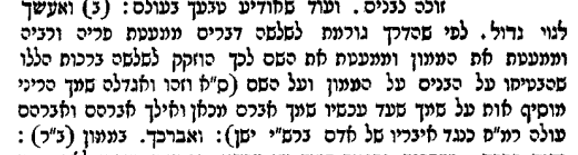
The term “רש״י ישן” in printed editions often appears after a comment recorded in parentheses. An example of this is Rashi in Breishit 12:2. Here is how it looks in the first edition of the Artscroll Stone Chumash printed in November 1993

Rashi’s comments are recorded as follows

Comment #1

ואעשך לגוי גדול. לְפִי שֶׁהַדֶּרֶךְ גּוֹרֶמֶת לִשְׁלֹשָׁה דְבָרִים, מְמַעֶטֶת פְּרִיָּה וּרְבִיָּה וּמְמַעֶטֶת אֶת הַמָּמוֹן וּמְמַעֶטֶת אֶת הַשֵּׁם, לְכָךְ הֻזְקַק לִשְׁלֹשָׁה בְּרָכוֹת הַלָּלוּ, שֶׁהִבְטִיחוֹ עַל הַבָּנִים וְעַל הַמָּמוֹן וְעַל הַשֵּׁם:

Comment #2 is attributed to ס״א (ספרים אחרים) and found in what is termed a “רש״י ישן”

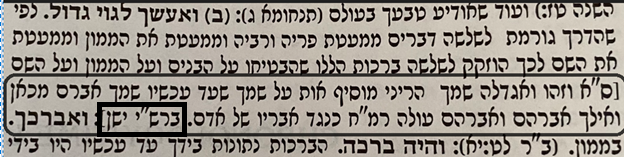
]ס״א (ספרים אחרים) ואגדלה שמך הריני מוסיף אות על שמך שעד עכשׁיו שמך אברם מכאן ואילך אברהם, ואברהם עולה רמ״ח כנגד איבריו של אדם. ברש״י ישן[

One gets the impression that this comment might be more authentic than those comments normally attributed to Rashi because it was found in a “רש״י ישן”.[1]

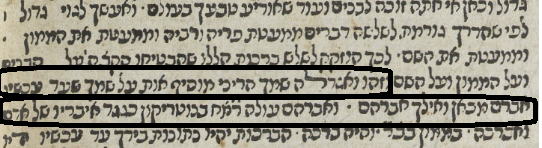
To understand why this comment is recorded as being from a “רש״י ישן’ one must go back to the first time it appeared as such. In this case it is an edition of Chumash and Rashi printed in Hanau 1611-1614.[2]

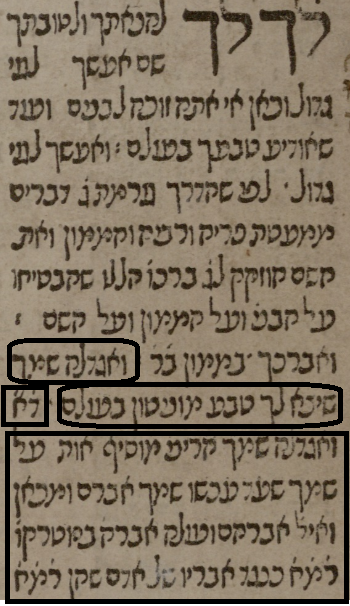
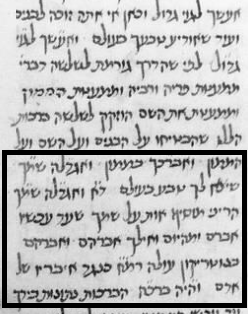
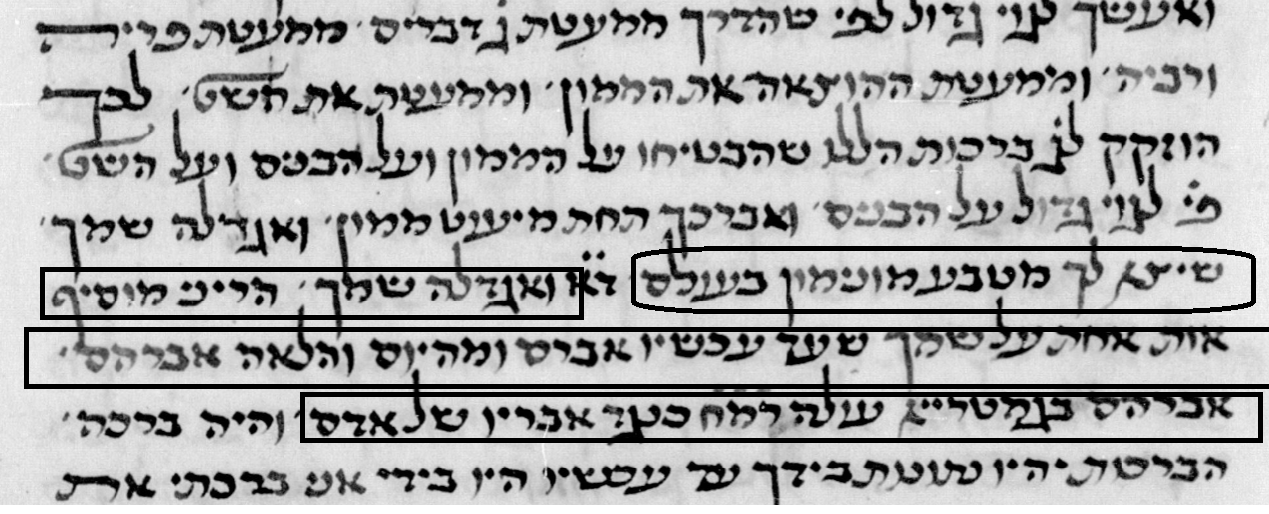
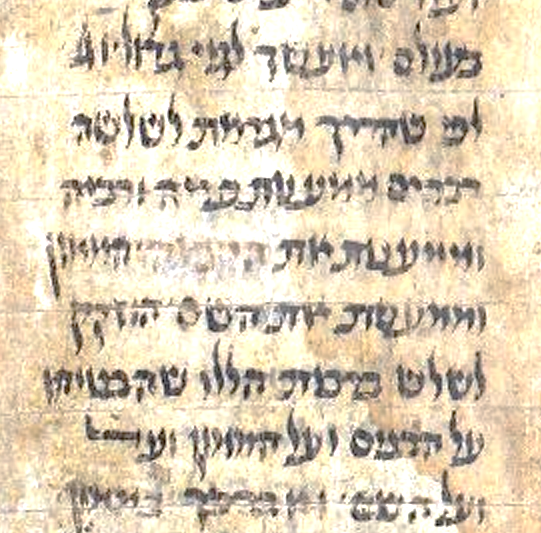
The most probable source for the text as recorded in the Hanau 1611-14 edition is an edition of Chumash and Rashi printed in Lisbon in 1491. As you can see, it is recorded almost word for word the same as the Hanau edition, without the words ס״א (ספרים אחרים) at the beginning of the comment and without the words ברש״י ישן at the end.[3]
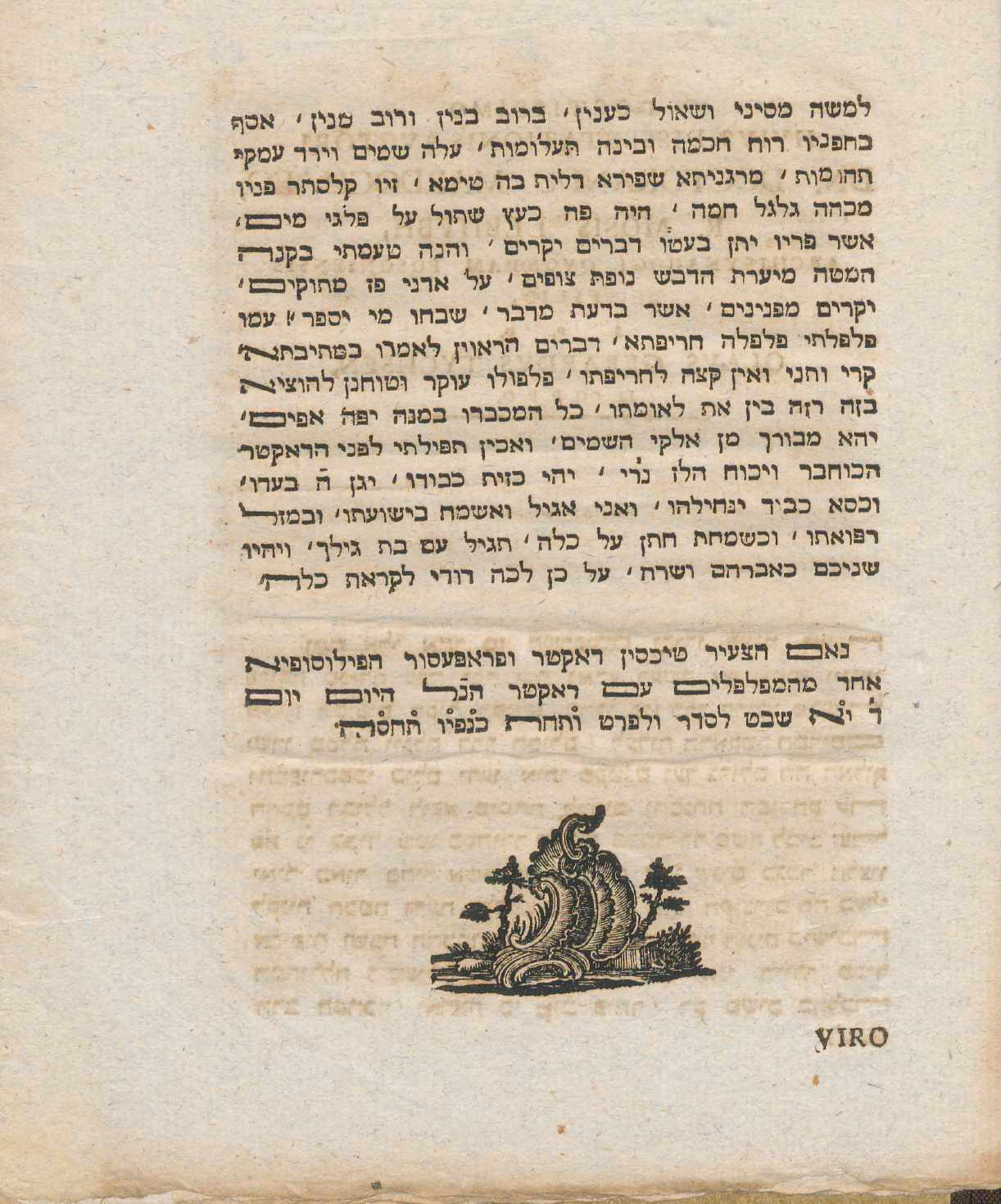
It later appeared in an edition printed in Constantinople in 1522, also without the words ס״א (ספרים אחרים) at the beginning of the comment and without the words ברש״י ישן at the end.

And still yet in an edition in Constantinople of 1546

Why did the editors of the Hanau edition include this comment in parentheses and attribute it to a “רש״י ישן’?” Simply put because it had rarely appeared in print from 1491 until 1611 despite the fact that many other editions of Rashi had been printed. The editors most likely felt it was important to attribute the comment to something “new” they had found in old ספרים אחרים, what they called “רש״י ישן’.”[4]

Here are some examples of texts printed between 1491 and 1611 where the comment does not appear. (Some of these editions are of Rashi alone, and others have the text of the Chumash along with Rashi)

1.Napoli 1492 7. Sabionetta 1557

2. Bomberg Venice 1518 8. Juan Di Gara Venice 1567

3. Bomberg Venice 1524-26 9. Cristoforo Zanetti Venice 1567

4. Augsburg 1534 10. Cracow 1587

5. Giustiani Venice 1548 11. Juan di Gara Venice 1590[5]

6. Bomberg Venice 1548

After the comment was included in the Hanau edition of 1611-14, it was identified as a “רש״י ישן” from then on. Examples are:

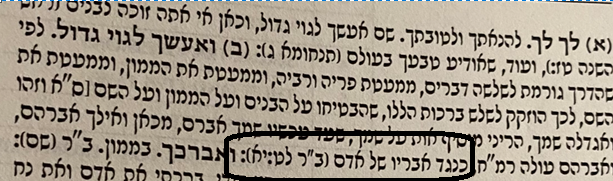
Amsterdam 1635 (Manasseh ben Israel), Amsterdam 1680 (first edition of Siftai Chachamim), Berlin 1703, and Vienna (Netter) 1859[6] where it appears like this

As mentioned, it appeared this way all the way up to 1993 in the Artscroll Chumash. Though important to the Hanau editors, it did not make much sense 400 years later. It might have been more helpful to tell us the source in Chazal for the comment and that is precisely what Artscroll did.

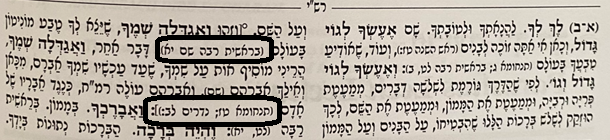
In the Enhanced Edition of 2015 – (7th Impression 2020) it looked like this

The same was true of Rashi Sapirstein Student Edition 20th Impression -2019[7]

Gone was the information that the comment in parentheses came from a “רש״י ישן’”, to be replaced with the helpful information that the Midrashic source for the entire comment was Breishit Rabbah 39:11. The first part of this Rashi “לְפִי שֶׁהַדֶּרֶךְ גּוֹרֶמֶת לִשְׁלֹשָׁה דְבָרִים” clearly appears there as does the idea of הריני מוסיף אות על שמך. However, though it includes the Gematria of 248, it is not the total of the name אברהם, rather it is the total of the word אֲבָרֶכְכָה. It is clear that Breishit Rabah 39:11 is not the source for the idea that new spelling of the name אברהם now equals 248.

Here is the relevant text of Breishis Rabah 39:11

אָמַר רַבִּי חִיָּא לְפִי שֶׁהַדֶּרֶךְ מַגְרֶמֶת לִשְׁלשָׁה דְבָרִים, מְמַעֶטֶת פְּרִיָּה וּרְבִיָּה, וּמְמַעֶטֶת אֶת הַיְצִיאָה, וּמְמַעֶטֶת אֶת הַשֵּׁם. מְמַעֶטֶת פְּרִיָּה וּרְבִיָּה, וְאֶעֶשְׂךָ לְגוֹי גָדוֹל. מְמַעֶטֶת אֶת הַיְצִיאָה, וַאֲבָרֶכְךָ. מְמַעֶטֶת אֶת הַשֵּׁם, וַאֲגַדְלָה שְׁמֶךָ. וּלְפוּם דְּאָמְרִין אִינְשֵׁי מִבַּיִת לְבַיִת, חֲלוּק, מֵאֲתַר לַאֲתַר, נָפֶשׁ. בְּרַם אַתְּ לֹא נֶפֶשׁ אַתְּ חָסֵר וְלֹא מָמוֹן. רַבִּי בֶּרֶכְיָה בְּשֵׁם רַבִּי חֶלְבּוֹ אָמַר, שֶׁיָּצָא מוֹנִיטִין שֶׁלּוֹ בָּעוֹלָם. אַרְבָּעָה הֵם שֶׁיָּצָא לָהֶם מוֹנִיטִין בָּעוֹלָם, אַבְרָהָם, וְאֶעֶשְׂךָ לְגוֹי גָּדוֹל, יָצָא לוֹ מוֹנִיטִין, וּמַהוּ מוֹנִיטִין שֶׁלּוֹ, זָקֵן וּזְקֵנָה מִכָּאן בָּחוּר וּבְתוּלָה מִכָּאן. יְהוֹשֻׁעַ: וַיְהִי ה’ אֶת יְהוֹשֻׁעַ וַיְהִי שָׁמְעוֹ בְּכָל הָאָרֶץ (יהושע ו’:כ”ז), יָצָא לוֹ מוֹנִיטִין בָּעוֹלָם, מַהוּ, שׁוֹר מִכָּאן וּרְאֵם מִכָּאן, עַל שֵׁם: בְּכוֹר שׁוֹרוֹ הָדָר לוֹ וְקַרְנֵי רְאֵם קַרְנָיו (דברים ל”ג:י”ז). דָּוִד: וַיֵּצֵא שֵׁם דָּוִיד בְּכָל הָאֲרָצוֹת (דברי הימים א י”ד:י”ז), יָצָא לוֹ מוֹנִיטִין בָּעוֹלָם, וּמָה הָיָה מוֹנִיטִין שֶׁלּוֹ מַקֵּל וְתַרְמִיל מִכָּאן וּמִגְדָּל מִכָּאן, עַל שֵׁם: כְּמִגְדַּל דָּוִיד צַוָּארֵךְ (שיר השירים ד’:ד’). מָרְדְּכַי: כִּי גָּדוֹל מָרְדְּכַי בְּבֵית הַמֶּלֶךְ וְשָׁמְעוֹ הוֹלֵךְ בְּכָל הַמְדִינוֹת (אסתר ט’:ד’), יָצָא לוֹ מוֹנִיטִין, וּמַה מּוֹנִיטִין שֶׁלּוֹ שַׂק וָאֵפֶר מִכָּאן וַעֲטֶרֶת זָהָב מִכָּאן.

אָמַר רַבִּי יוּדָן קוֹבֵעַ אֲנִי לְךָ בְּרָכָה בִּשְׁמוֹנֶה עֶשְׂרֵה, אֲבָל אֵין אַתְּ יוֹדֵעַ אִם שֶׁלִּי קוֹדֶמֶת אִם שֶׁלְּךָ קוֹדֶמֶת, אָמַר רַבִּי אֲחוּיָה בְּשֵׁם רַבִּי זְעֵירָא שֶׁלְּךָ קוֹדֶמֶת לְשֶׁלִּי, בְּשָׁעָה שֶׁהוּא אוֹמֵר מָגֵן אַבְרָהָם אַחַר כָּךְ מְחַיֵּה הַמֵּתִים. רַבִּי אַבָּהוּ אָמַר הַבֶּט נָא שָׁמַיִם אֵין כְּתִיב כָּאן אֶלָּא הַשָּׁמַיְמָה (בראשית ט”ו:ה’), אָמַר הַקָּדוֹשׁ בָּרוּךְ הוּא בְּהֵ”א בָּרָאתִי אֶת הָעוֹלָם הֲרֵינִי מוֹסִיף הֵ”א עַל שִׁמְךָ וְאַתְּ פָּרֶה וְרָבֶה. וְאָמַר רַבִּי יוּדָן וְהָיוּ אוֹתוֹתֶיךָ מִנְיַן אֲבָרֶכְכָה, מָאתַיִם וְאַרְבָּעִים וּשְׁמוֹנֶה

The rest of the Ma’amar “ואברהם עולה רמ״ח כנגד איבריו של אדם” is found in Medrash Tanchuma 16[8] and in Nedarim 32b[9]. This is reflected in the Artscroll Rashi Elucidated Edition of 2023

T

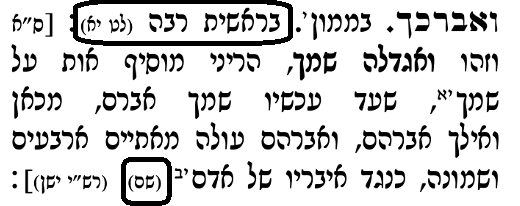
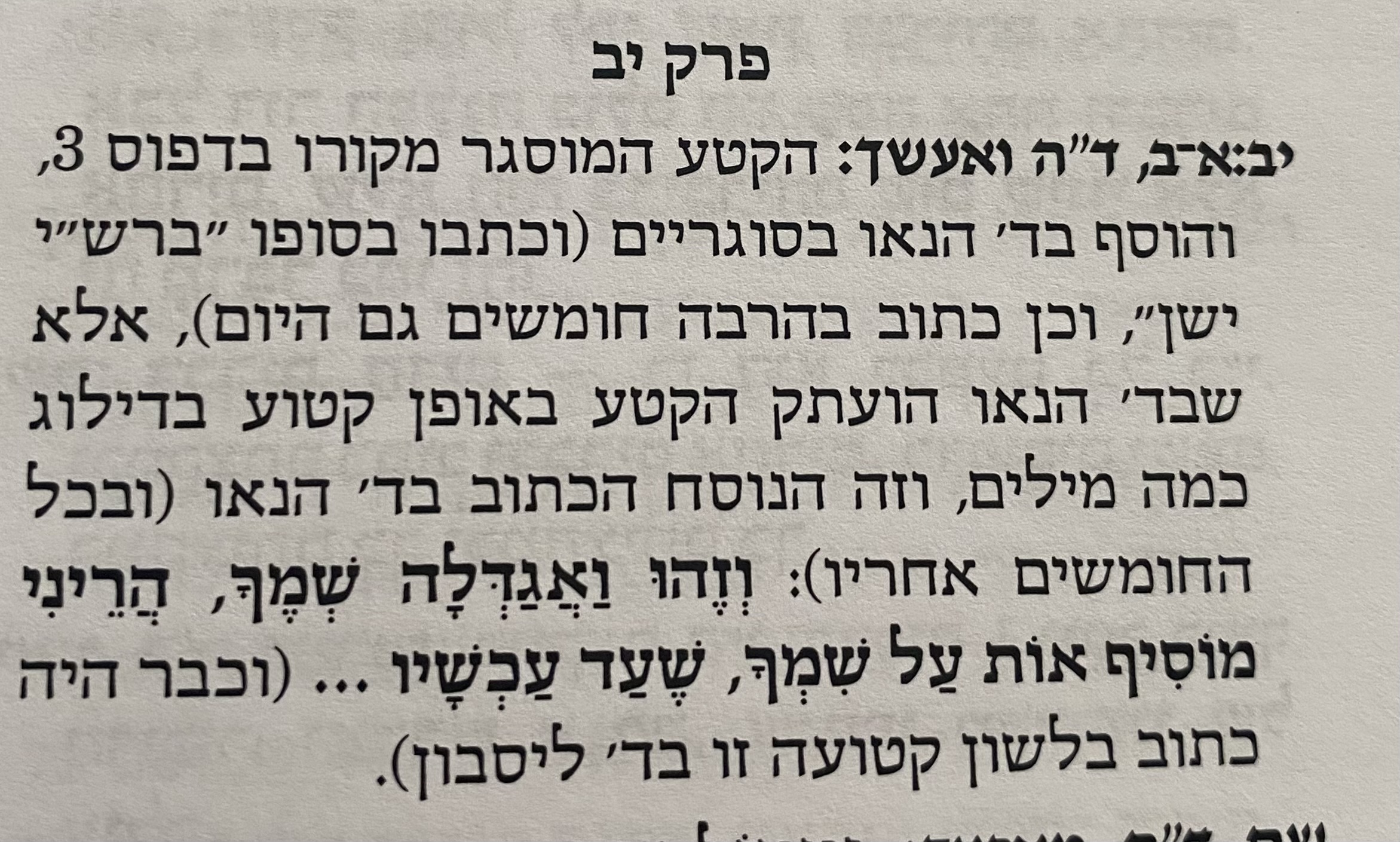
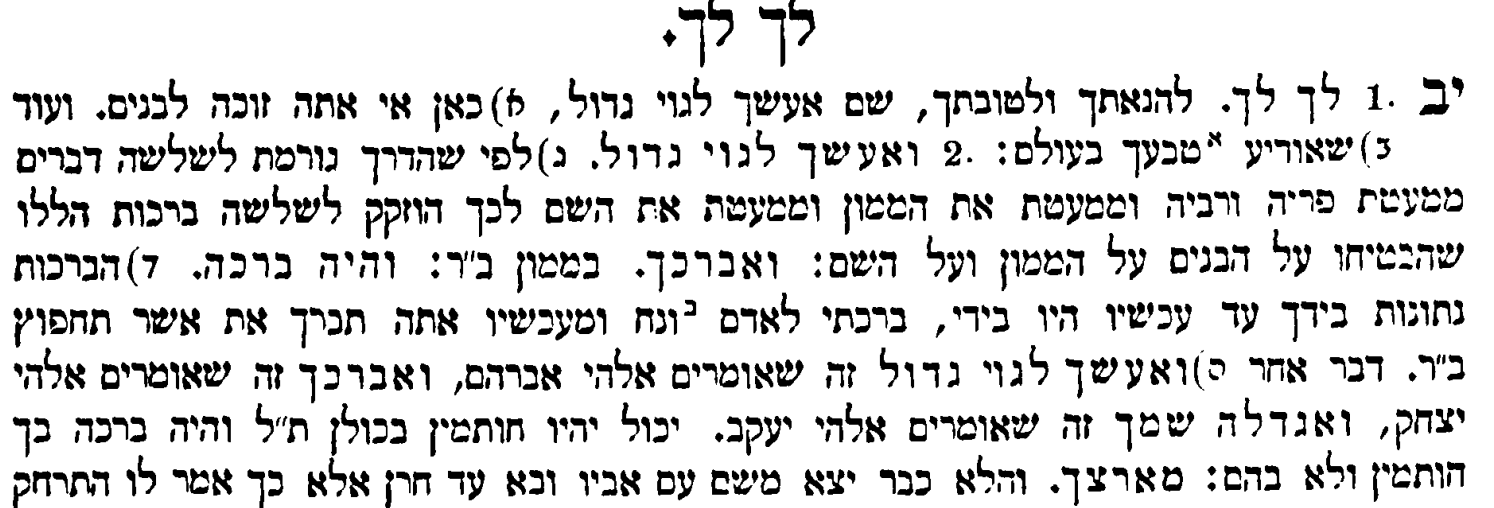
The section called שפתי ישינים in the back of this edition informs us that the first time these comments (הריני מוסיף אות על שמך) appeared in print was the Alkabetz Guadalajara, Spain edition of 1476, (דפוס 3) though in a slightly elongated form where the words “שיצא לך טבע מוניטין בעולם ד״א” preceded it.

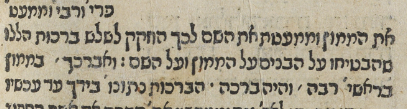
Here is the Alkabetz text which includes this other idea from Breishit Rabah 39:1.

Here is Hijar, 1490 which generally copied from Alkabetz

It appeared in a shortened form in Lisbon 1491, and it is clear that this was the basis for the Hanau edition because Hanau deviates appreciably from Alkbatez. It was added to the text of Rashi in parentheses by Hanau, and it is recorded that way even today by many Chumashim.[10]

Were these comments included by Rashi in his original commentary?

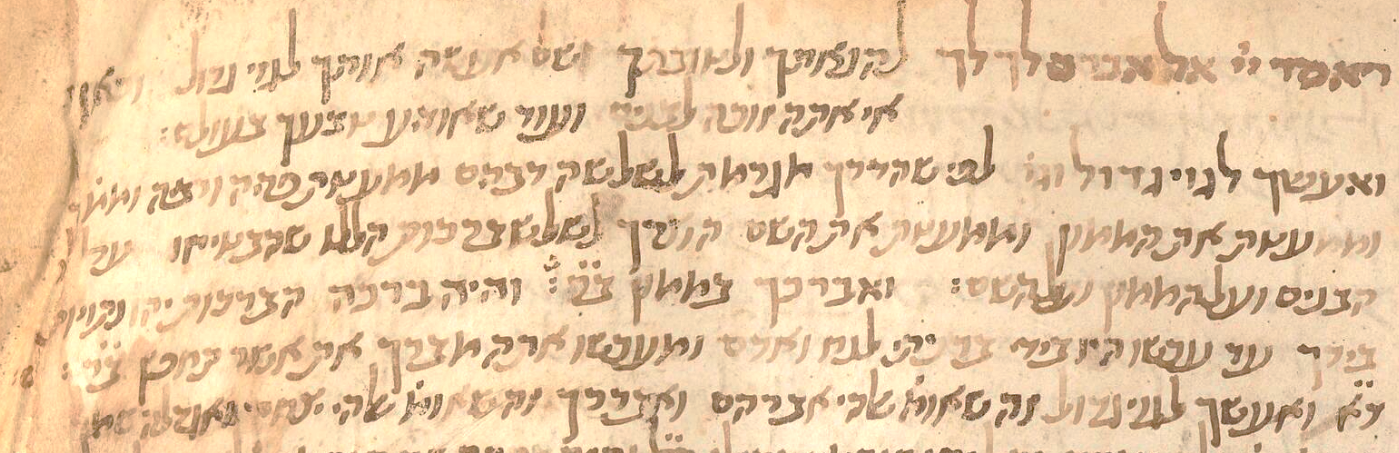
The respected website Al HaTorah notes on this additional comment that it is found in one manuscript[11] and in the Alkabetz edition, but that it does not appear in any other manuscript that it checked[12]

אעשך לגוי גדול וגו’ – לפי שהדרך מגרמתד לשלשה דברים: ממעטת פריה ורביה, וממעטת את הממון, וממעטת את השם, הוזקק לשלש ברכות הללו: שהבטיחו על הבנים, ועל הממון, ועל השם.

בכ״י פריס 157 ובדפוס אלקבץ נוסף כאן: ״וזהו ואגדלה שמך שיצא לך טבע מוניטון בעולם. דבר אחר: ואגדלה שמך – הריני מוסיף אות על שמך, שעד עכשיו שמך אברם ומכאן ואילך אברהם, ועולה אברהם בנוטריקון רמ״ח כנגד איבריו של אדם שהן רמ״ח.״ הביאורים חסרים בכל כ״י האחרים שבדקנו

(“these explanations are missing in all the manuscripts we checked”)

I found this to be most likely correct in that I checked the following 13 manuscripts from the 13-14th centuries and did not find the extra comment in one of them.

Oxford CCC 165/Neubauer 2440(1194), Munich 5 (1233), Hamburg 13 (1265), London 26917 (Neubauer 168) (1272), Berlin 1221, Berlin Qu. 514 (1289), Vatican Urbanati 1 (1294), Nurenberg 5 (1297), Parma 3115 (1305)[13], Paris 155, Parma 2868, Cincinnati HUC 7, and Paris 156

Neither did I find the extra comment in these nine manuscripts copied over in the 15th century, close to the time of the printing of the Alkabetz edition of 1476

Oxford-Bodley Opp. 35 (Neubauer 188) (1408), Vatican ebr.47 (1413), Breslau 102 (Saraval 12) (1421), Parma 2979 (1432)[14], Parma 2989 (1454), Jerusalem Ms. Heb. 2009=38 (1462), Frankfurt Oct 24 (1472), Hamburg 103 (1474)[15], and Parma 2707 (1480)

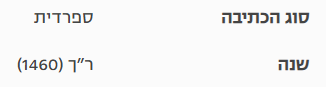
I did find it in one other manuscript known as Casanatense 2924 (1460). It is described as a Sephardic manuscript and therefore aligns with the textual transmission available to Alkabetz[16]

As mentioned, it is absent from most printed editions of the late 1400’s and the 1500’s. Yosef Da’at does not include it. Avraham Berliner did not include it in either of his editions of Zechor L’Avraham (1867 and 1905)[17]. It is not included in Mikraot Gedolot HaKeter, and in Torat Chaim of Mosad Harav Kook (1993), nor in Rashi Hashalem (Mechon Arial 1987)[18], and it is not included in the text of Rashi in Al HaTorah. Clearly the comment existed in some manuscripts as evidenced by its appearance in the Alkabetz edition. But the weight of evidence is that it did not originate with Rashi.


Finally, I feel that Artscroll should be acknowledged for continuing to “upgrade” its presentation of the Rashi text as it has clearly done in this case.

  1.  

    It also doesn’t indicate the source in Chazal for this comment as is done so often in Rashi editions. A good example of this is the Oz VeHadar Chumash Rashi Hamevuar of 2015 which indicates that it is a “רש״י ישן” but also tells you that the source of the comment in Chazal is בראשית רבה ל״ט:י״א (by saying ״שם״ which refers back to the citation immediately preceding it, בראשית רבה ל״ט:י״א)

  2.  

    The comment is word for word the same as the Stone Chumash of 1993 except for the fact that it has the word ״וזהו״ before the words “ואגדלה שמך”

  3.  

    The three very similar “versions” of this added comment are then as follows

    Artscroll Stone Chumash 1993

    ואגדלה שמך הריני מוסיף אות על שמך שעד עכשׁיו שמך אברם מכאן ואילך אברהם ואברהם עולה רמ״ח כנגד איבריו של אדם

    Hanau 1611-14 -only adds the word “וזהו”

    וזהו ואגדלה שמך הריני מוסיף אות על שמך שעד עכשׁיו שמך אברם מכאן ואילך אברהם ואברהם עולה רמ״ח כנגד איבריו של אדם

    Lisbon 1491 – leaves out the word שמך and adds the word בנוטריקון

    וזהו ואגדלה שמך הריני מוסיף אות על שמך שעד עכשׁיו אברם מכאן ואילך אברהם ואברהם עולה רמ״ח בנוטריקון כנגד איבריו של אדם

  4.  

    I do not think they had access to manuscripts, as they do not mention it at all in their description of the book

  5.  

    Here are two examples where the comment beginning with “ואגדלה שמך הריני מוסיף” does not appear

    Rashi Sabionetta 1557

    Venice Juan Di Gara 1567

  6.  

    This edition was quite influential in that it served as the model for many subsequent printings of Mikraot Gedolot

  7.  

    This source of Bereishit Rabbah 39:11 was also noted in the Oz Vehadar Mikraot Gedolot of 2012, although the Rashi Yashan designation remained.

  8.  

    Tanchuma Lech Lecha 16

    אָמַר לוֹ הַקָּדוֹשׁ בָּרוּךְ הוּא: מָה אַתָּה סָבוּר שֶׁאַתָּה תָמִים שָׁלֵם, אַתָּה חָסֵר מֵחֲמִשָּׁה אֵבָרִים. אָמַר לוֹ הַקָּדוֹשׁ בָּרוּךְ הוּא: עַד שֶׁלֹּא תָמוּל, הָיָה שִׁמְךָ אַבְרָם, א’ אֶחָד, ב’ שְׁנַיִם, ר’ מָאתַיִם, מ’ אַרְבָּעִים, הֲרֵי מָאתַיִם וְאַרְבָּעִים וּשְׁלֹשָׁה. וּמִנְיַן אֵבָרִים שֶׁבָּאָדָם מָאתַיִם וְאַרְבָּעִים וּשְׁמוֹנָה, מוּל וֶהְיֵה תָמִים. כְּשֶׁמָּל, אָמַר לוֹ הַקָּדוֹשׁ בָּרוּךְ הוּא: לֹא יִקָּרֵא עוֹד שִׁמְךָ אַבְרָם וְהָיָה שִׁמְךָ אַבְרָהָם. הוֹסִיף לוֹ ה’, חֲמִשָּׁה, מִנְיַן רַמַ״‎ח אֵבָרִים. לְפִיכָךְ וֶהְיֵה תָמִים.

  9. Nedarim 32b

    וְאָמַר רָמֵי בַּר אַבָּא: כְּתִיב ״אַבְרָם״, וּכְתִיב ״אַבְרָהָם״. בַּתְּחִלָּה הִמְלִיכוֹ הַקָּדוֹשׁ בָּרוּךְ הוּא עַל מָאתַיִם וְאַרְבָּעִים וּשְׁלֹשָׁה אֵבָרִים, וּלְבַסּוֹף הִמְלִיכוֹ עַל מָאתַיִם וְאַרְבָּעִים וּשְׁמוֹנֶה אֵבָרִים, אֵלּוּ הֵן: שְׁתֵּי עֵינַיִם, וּשְׁתֵּי אׇזְנַיִם, וְרֹאשׁ הַגְּוִיָּיה.

  10.  

    This is the comment of Siftai Yeshainim

  11.  

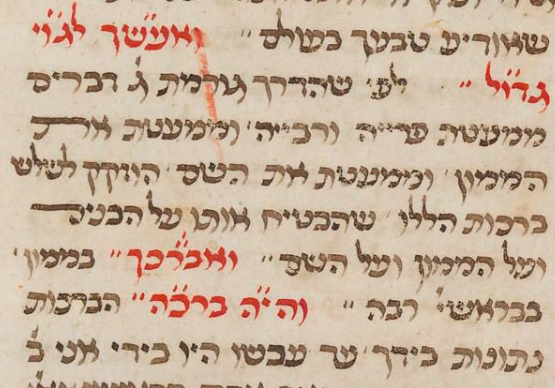
    This is how Paris 157 (13th-14th century) appears. Both extra comments of Alkabetz are included.

  12.  

    Leipzig 1 is considered to be one of the most important Rashi manuscripts and the comment is absent from it

  13.  

    Parma 3115 is known as a Sephardic Mahadura and much of the Alkabetz edition came from there or a similar manuscript, but it is not there

  14.  

    This is a particularly beautiful manuscript

  15.  

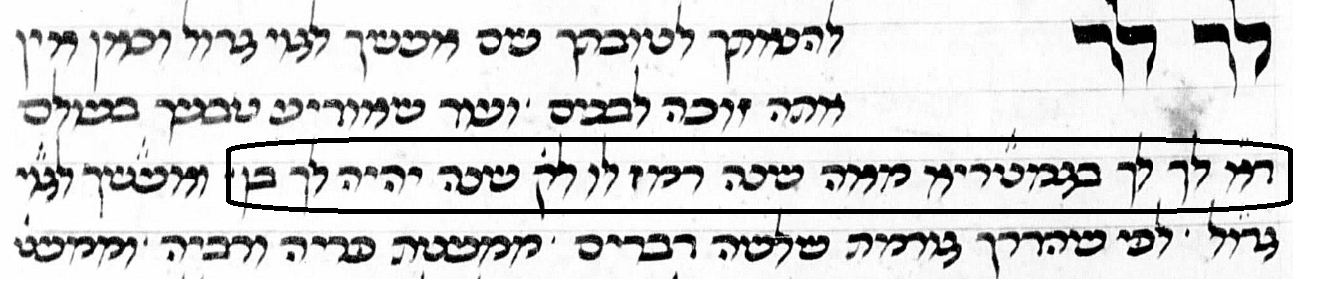
    This manuscript has this interesting addition to the text of Rashi

    לך לך בגימטריא מאה שנה, רמז לו לק׳ שנה יהיה לך בן

    The source seems to be Medrash Tanchuma, Parshat לֶךְ לְךָ 3

    לֶךְ לְךָ – מַהוּ לֶךְ לְךָ, ל’ שְׁלֹשִים, כ’ עֶשְׂרִים, הֲרֵי עוֹלֶה בְּגִימַטְרִיָּא מֵאָה. רָמַז לוֹ, כְּשֶׁתִּהְיֶה בֶּן מֵאָה, תּוֹלִיד בֵּן כָּשֵׁר, הֲדָא הוּא דִכְתִיב, וְאַבְרָהָם בֶּן מְאַת שָׁנָה וְגוֹ’

    It is not in any other manuscript which I accessed

  16.  

    NLI Listing

    Casanatense Library Rome Italy Ms. 2921

  17.  

    Zechor L’Avraham, Avraham Berliner (Berlin) 1867

  18.  

    Rashi Hashalem notes below the line the Girsa of the Alkabetz edition and the sources for it.


New book announcement: Yeshurun volume 36

New book announcement: Yeshurun volume 36
By Eliezer Brodt
This past Wednesday the thirty sixth volume of the Torah journal Yeshurun was released. As I am on the editorial board of this journal, I normally do not write a review of new volumes for fear of being biased, or the appearance thereof. In keeping with my stance, I will not write a review below, but rather just highlight some of the topics in the volume. Normally, Yeshurun is a bi-annual, with a new volume published before Rosh Hashanah and Pesach. This issue is an additional volume to the two regular ones. In general, each volume has a few sections: a section devoted to manuscripts which usually features material from geonim, rishonim or achronim. Then it follows that with a sort of sefer sikaron of a gadol or two that (usually) recently died, featuring an essay about him and a sampling of his Torah and machshavah from the particular gadol. The next section that usually follows are pieces of Torah from different people, some related to halacha. Following this is a section devoted to machshavah and last is Kulmos which generally features pieces related to history or minhag.
The main focus of this issue was to print a volume almost completely devoted to various modern halachic issues (as a result, shrinking the manuscript and Kulmos sections).  A few issues back there was a volume devoted almost entirely to halacha (vol. 31).  In my opinion and from what I heard from others that volume was not considered as interesting as other volumes.  This is the second attempt to issue such a volume and I think this time it is a success. It’s a nice combination of material.
Our volume has a few sections: The first section deals with bein hamitzarim: the Three Weeks, Nine Nine, etc. and begins with the publication of a nice manuscript by an anonymous author from the generation of the Rambam’s father edited by Professor Tzvi Langermann (this is the third chapter he has issued from this work, see here). It also features a collection of material on this time period culled from the various members of the Brisker Dynasty.
The next section, which in my opinion is fascinating and excellent, relates to the Mishna Berurah. The first part of the section contains an essay from Rabbi Trevitz (this is the third installment in the series) related to the numerous contradictions in the Mishnah Berurah and the role of his son R’ Aryeh Leib in writing the MB. There is also an interesting back and forth between Rabbi Trevitz and Rabbi Bergman (another young expert on the MB who has authored four works on the MB) about issues related to this subject. This section also contains some manuscripts of the MB and some new letters by the Chafetz Chaim.
The next section is devoted to R’ Refael Shmulevitz ztz”l. Having seen and heard him up close many times while learning in the Mir, I was always very impressed by this special gaon. The section is a nice tribute to him. It also features some letters related to his role as chief editor of the Encyclopedia Talmudit.  In one of them he writes:

 ואמרתי בפגישה עם ת”ח בעלי יכולת, שההא”ת מיועדת לכל, הן לבעלי בתים הרוצים לדעת את הענינים מ’למעלה’ והן לת”ח, טעין לי אחד מהם, שהוא אישית אינו מוצא תועלת בא”ת, שכן לפני שהוא לומד את הסוגיא אינו רוצה לעיין בה, ולאחר שהוא גמר את לימודו אינו מוצא בה תועלת. ענינתי לו שאף בענין שהוא לומד אותו בעיון, כדאי מאוד שלאחר שגמר ומיצה אותו ככל יכולתו, שישלים את עיונו בערך המתאים, שכן הא”ת היא עבודת צוות חשוב, וקשה מאוד לאדם יחיד להגיע למה שהצוות מגיע, ואז יתגלו לו עולמות חדשים בסוגיא שהוא למדה כבר… [עמ’ תקח].

The next section is devoted to modern halachic issues featuring pieces from various prominent rabbonim. See below for the Table of Contents.
The last section is dedicated to one of the editors and founders of Yeshurun, my dear friend Dr. Shlomo Sprecher, who was niftar a few months ago. This section includes a hesped for him and a reissued version of his excellent piece written together with his special friend Rabbi Menachem Silber on the topic of הפולמוס על אמרית מכניסי רחמים ותשובות רבי שמשון ב”ר רפאל הירש זצ”ל. This piece contains over twice the volume of footnotes.


What Became of Tychsen?: The Non-Jewish ‘Rabbi’ and his “Congregation” of Jewish Medical Students

What Became of Tychsen?: The Non-Jewish ‘Rabbi’ and his “Congregation” of Jewish Medical Students

By Dr. Edward Reichman, MD

This essay was inspired by two recent Seforim blog posts, one on Professor Shnayer Leiman’s contributions,[1] and the other on a topic related to R’ Yonasan Eybeshutz.[2]


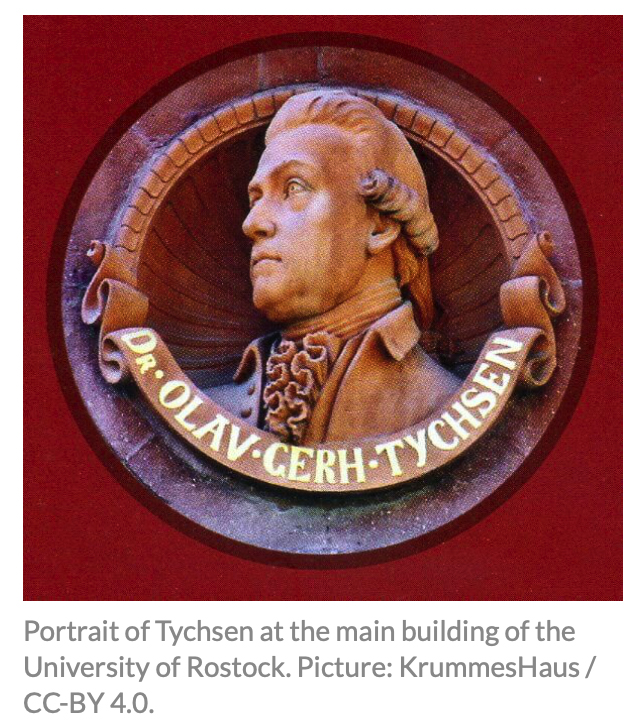
In November 16, 2006 an article by Dr. Shnayer Leiman appeared in the newly formed Seforim Blog entitled, “Two Cases of Non-Jews with Rabbinic Ordination: One Real and One Imaginary.” The “real” ordination was bestowed upon Olaf Gerhard Tychsen (1734-1815). In 1759, Tychsen received the title of Haver, a lower form of rabbinic ordination, by Moses the son of Rabbi Zvi Hirsch Lifshuetz. Tychsen is perhaps the only known case in Jewish history of a non-Jew receiving such an honor or degree.[3]

Leiman provides a biography of Tychsen. He pursued studies in Hindustani, Ethiopic and Arabic, as well as Hebrew and Yiddish and became an Orientalist of international renown making significant contributions to cuneiform studies and numismatics as well.[4] During his early years he also pursued various missionary activities in the Jewish community, largely unsuccessful by his own account. 

As Leiman notes, in 1752, while a student at the Christian Academy in Altona, Tychsen attended the lectures of R. Yonasan Eybeschutz. Leiman essentially leaves us at the point of Tychsen’s ordination, with brief mention of his subsequent academic career. What became of Tychsen’s “rabbinic” career after he received this singular distinction? Did he apply for a rabbinic position? Did he maintain any connection with the Jewish community? 

In fact, Tychsen did continue to maintain a strong connection to both rabbinic literature and the Jewish community in varying degrees throughout his life. He is perhaps best known for his involvement in the premature burial controversy, which would earn him a place of infamy in Jewish history. Tychsen taught at the university in Butzow, the residence of the Duke of Mecklenberg. During this period there was concern that physicians were misdiagnosing death, and as a result, people were being buried prematurely.[5] On February 19, 1772 Tychsen sent a letter to the Duke of Mecklenberg regarding the Jews’ burial practice, interring after waiting only three hours, where it is known that there can sometimes be misdiagnosis of death. Tychsen detailed the Jewish origins of hastening burial in general, reflecting familiarity with rabbinic literature. He claimed that the need to bury quickly was established in countries with hot climates, where the body would decompose quickly, not applicable to a country like Germany. He also reported cases of people who were supposedly buried alive.[6] On April 30, 1772, Duke Friedrich of Mecklenburg-Schwerin, in response to Tychsen’s letter, issued an order prohibiting the Jews in his realm from immediately burying their dead and requiring that they rather wait for three days after death before interment. This began what would become a worldwide halakhic debate about the halakhic definition of death and the time of burial.[7]

Tychsen was also peripherally involved with one of Jewish history’s greatest seforim collections. Rabbi David Oppenheim amassed an extraordinary collection of books and manuscripts which languished in storage for years after his death.[8] Tychsen visited the collection for three weeks, reporting on its manuscripts to the Italian Christian Hebraist Giovanni Bernardo De Rossi. He attempted to arouse the interest of potential buyers, including Catherine the Great, Empress of Russia, Duke Karl Eugen of Wurtemberg, and Archduke Frederick Francis I of Mecklenberg. His efforts were to no avail and the collection ultimately found its home in Oxford, where it remains to this day.[9]

Here we highlight a little-known, though more substantive, connection of Tychsen with the Jewish community. One year after his ordination, toward the end of 1760, Tychsen was appointed Professor of Oriental Languages at the newly established University of Bützow in Mecklenburg. It is in this capacity that Tychsen exercised a rabbinic role, becoming a university campus rabbi of sorts for a select group of Jews at the university. Though he may not actually have had a “minyan” of students, nonetheless, his impact on this select group was profound and long lasting, akin to that of a rebbe.[10]

The interactions of Tychsen with the Jewish community must be viewed through a particular lens. Tychsen was a devout Lutheran Protestant and trained and engaged in proselytizing activities in his early life. This fact remains at least in the background of all his interactions with the Jewish students at Butzow and has been evaluated elsewhere. Whether his relationships with the Jewish medical students were primarily or partially motivated by his proselytizing tendencies, or whether his proselytizing endeavors had ceased by then, is a matter of historical speculation.[11] This is not the focus of the present essay.[12]

In his capacity as a faculty member of the University of Butzow Tychsen encountered a number of Jewish students attending the university’s medical school. Though an Orientalist and not a physician or scientist, he nonetheless served as a mentor for these students to whom he was drawn by shared interests and possibly proselytizing intentions. Tychen served this role for all the Jewish medical students who attended the University of Butzow during its twenty-nine years of existence. 

The first Jewish student of the Butzow Medical School, and the first with whom Tychsen developed a relationship was Markus Moses. This relationship has been the subject of a number of dedicated essays.[13] Markus Moses was the son of Moshe ben Meir Harif Lemberger (Lvov), Chief Rabbi of Pressburg and head of its yeshiva. Lemberger, as well as his son Markus, were apparently involved in the Emden- Eybeshutz controversy.[14] Markus (Mordechai) was born in Pressburg in 1729, received a traditional Jewish education, and married. Shortly thereafter, his wife and two young children died. In 1758, after the death of his father, Markus began the study of secular subjects. Over the next few years he traveled to Germany and continued study in various cities, including the field of medicine, ultimately ending up in Butzow in 1763. Aron Isak, the leader of the Jewish community, took him under his wing and orchestrated his admission to the recently founded Butzow Medical School,[15] thus waiving the high taxes imposed upon the Jewish community for new town visitors. The faculty were impressed with Moses’ great intelligence and facility with multiple languages and accepted him, with the approval of the Duke and Professor George Detharding, the head of the faculty, with free tuition. Below is a letter in Hebrew from Paul Theodore Carpov, an Orientalist and Christian Hebraist at Butzow, supporting Moses’ acceptance to the medical school at Butzow and advocating for his financial support as well.[16]

As per the letter, Moses brought with him impressive letters of recommendation not only from the great scholars of “his nation,” but also from those of “our nation.” Carpov also notes the Duke’s approval, as well as the financial issues relating to his application. Carpov was clearly taken by the young Jewish student. 

Below is the record of matriculation of Markus Moses in 1764.

Moses clearly had a predisposition for the field of medicine and was soon relied upon by Detharding to see the latter’s private patients.[17]

Tychsen had a working academic relationship with Moses as evidenced by the multiple research papers Moses wrote under his mentorship. It is remarkable that all of the papers were on Jewish topics. I have found a number of cases, though relatively few in number, of Jewish medical students throughout the centuries who wrote their medical school dissertations on a Jewish related topic,[18] but I have never encountered any student who authored so many Jewish related papers as part of their medical training. The topics included the Samaritan Bible, a discussion of the kosher and non-kosher animals based on the work of Rambam, and an essay on the diseases of the old as reflected in Kohelet (chapter 12).[19] Moses’ graduation dissertation, discussed below, was also on a Jewish topic and was supervised by Tychsen.

Disputatio de Pentateucho Ebraeo-Samaritano, 1765[20]

Essay on kosher and non-kosher animals based on Rambam.[21]

The nature of the relationship Tychsen had with Moses, as well as with other Jewish medical students in Butzow, went far beyond the usual Professor-student model. There wrote each other dozens of letters and continued correspondence for years after graduation.[22] In one letter dated March 16, 1765[23] Moses apologizes for not responding promptly to Tychsen’s previous letter. Moses continues that soon he will either write again, or will see Tychsen in person. Moses signs the letter, hamitavek biafar raglekha.

גבר(א) דכולי() בי החכ(ם) הכולל המפורס(ם) שמו נודע בכל השערי(ם) הפרעפעסאר טיקסן

מרוב טרדות היום אין אוכל לתואר בתואר כראוי לגבר(א) כמותו ובאתי בלישנא קלילא אל תשים עלי חטאת שעדיין לא השיבני על כתב ידו הטהור מה שקבלתי ע”י ערל הבוח(ן) לבות יודע שהזמן גרמ(ה) לי רק זאת יהי(ה) לבו בטוח שהשבוע הבע” (?הא עלינו לטובה) או אכתוב לו או בנשיקת פא”פ (פה אל פה) אדבר בו[24] גם יקבל במתנה צורה של ר’ יהונת(ן) זצ”ל יותר אין לחדש כה המתאבק בעפר רגליו מרדכי מפב (?מפרשברג)ג


In the last line, Moses writes that Tychsen will also receive from him a gift of a portrait of Rav Yehonatan zt”l. Moses was obviously aware of the connection between Tychsen and Eybeshutz and believed this would be a meaningful gift. Eybeshutz died in 1764,[25] and his portrait was disseminated shortly thereafter. This is likely the portrait Moses purchased for Tychsen.[26]

As part of the requirements for the completion of a doctorate in medicine at most German universities, the student was required to engage in a public disputation on the topic of their dissertation. [27] The topic of Markus’ disputation was the analysis of a verse in Yehezkel which, according to Moses, reflects an ancient Jewish practice of placing salt of the skin of an infant as a prophylactic against disease. 

Moses engages in an expansive philological and grammatical analysis of the verse then posits that the Jews practiced this procedure and that it protected them from diseases like smallpox. The reason smallpox was prevalent during his time, Moses argues, is because people no longer routinely applied salt to the skin of infants. Moses is the only one of the Jewish medical students at Butzow who wrote his dissertation on a Jewish topic. 

Moses’ disputation was held on January 22, 1766 (11 Shevat, 5526). The event was held in a church, though Tychsen apparently noted that it was primarily a venue for non-ecclesiastic events. This may have been in deference to the halakhic concern about entering a church.[28] A number of Jewish families attended the event. Copies of the dissertation were sent to those invited to the public discourse, and additional copies were provided for the audience on the day of the event. The ceremony began with a Latin oration by the presiding professor, in Moses’ case, Professor Detharding, and was followed by the student’s reading of his dissertation. Upon completion of the reading, designated opponents presented their arguments and criticisms against the substance of the dissertation, with audience members occasionally allowed to participate. This was then followed by the candidate’s rebuttal. Tychsen served as one of the designated opponents for Moses’ disputation. 

On oath was also part of the graduation ceremony, and it typically involved avowing one’s belief in Christianity. Tychsen intervened with the Duke of Mecklenberg on Moses’ behalf to allow him to take his graduation oath invoking the name of the God of Israel as opposed to the Christian deity. He even publicly conversed with Moses in Yiddish at the graduation.[29] 

Below is the approbation of Tychsen appended to the published dissertation of Moses.

Tychsen’s freely inserts throughout allusions to rabbinic literature. He also uses a chronogram for the Hebrew year, typically done in Hebrew publications, and something Tychsen used frequently, as seen in his letters below. 

At the end of the approbation, Tychsen mentions the upcoming (second) wedding of Moses. Below is the handwritten wedding invitation of Moses to Tychsen.[30]

Both the title and signature of the invitation reflect the type of relationship they had. Moses also adds the clever pun of “hazmanah lav milsa,” assuming that Tychsen will appreciate it. 

The other letters appended to Moses’ published dissertation are also of great interest. In addition to Tychsen, another opponent at the disputation contributed a letter. Karl Leopold Carpov,[31] son of the Orientalist and professor at Butzow, Paul Theodore Carpov, who had written Moses’ letter of recommendation for admission (above). The older Carpov had died the previous year. The younger Carpov describes how beloved Markus was to his father, who considered him as another son, and, impressed by his brilliance, spent days and nights studying with him. Karl himself calls Markus his brother. While many focus on Markus’s close relationship with Tychsen, no mention has been made of his relationship with the other Orientalist, Carpov. 

The remaining letters were written by Judah Levi Strelitz,[32] the brother in law of Moses, and Meier (no other name is written), a fellow medical student. 

Moses was not the only Jewish student Tychsen took under his wings. Over the span of decades, throughout the short existence of the Butzow medical school, he endeared himself to a number of Jewish medical students.[33] He taught them, mentored them, and even financially supported them. They in turn sought his personal advice and recommendations, aided him in his intellectual quests, and invited him to their weddings.

Two Jewish medical students who matriculated in 1783 were also close with Tychsen, Isaac Salomonsen and Wulf Levinson. 

Matriculation record from University of Butzow November 24, 1783
Wulf Levinson and Isaacus Salomonsen[34]

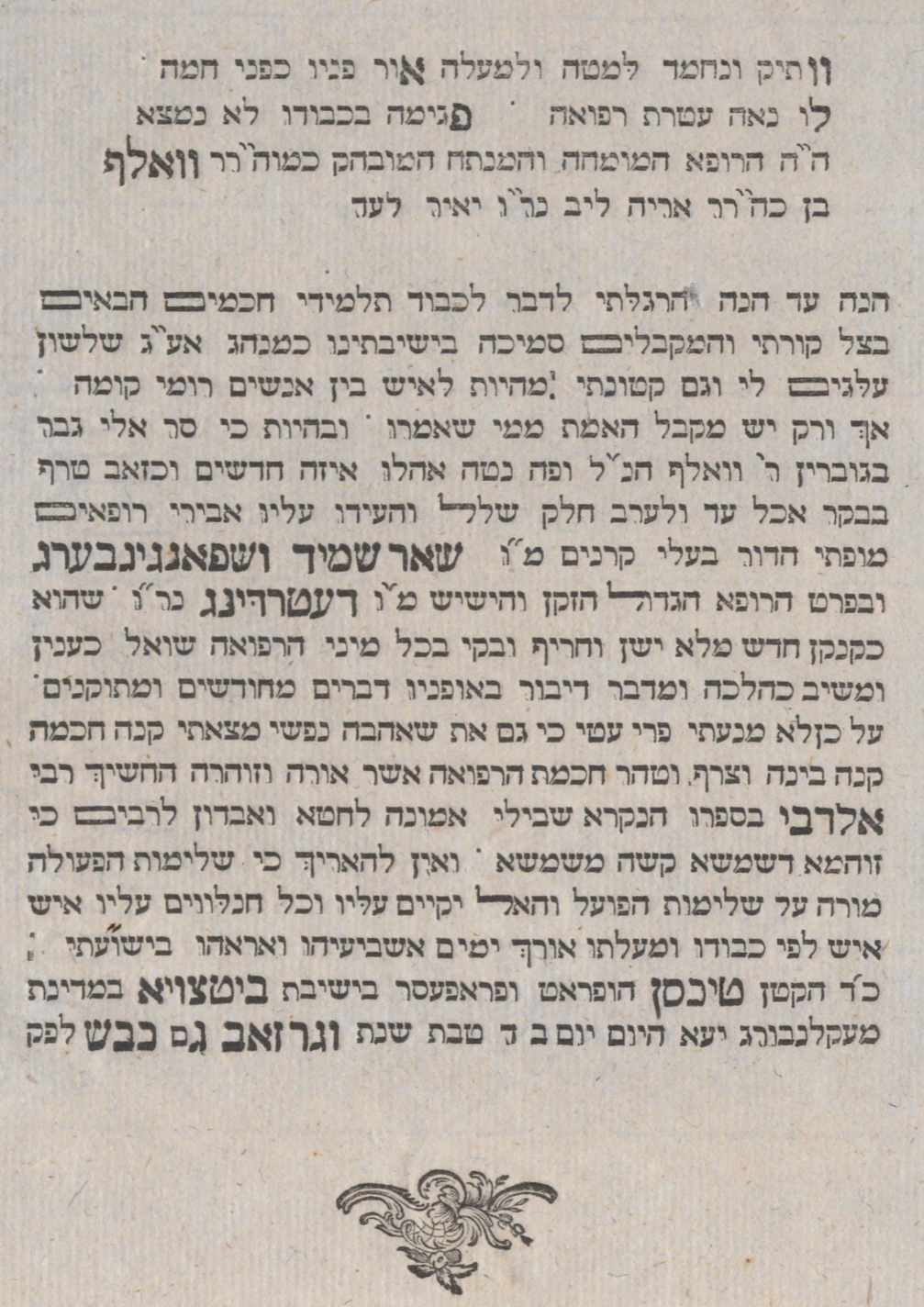
Below is Tychsen’s letter to Levinsohn upon his graduation.[35]

Tychsen includes that the Butzow anatomist August Schaarschmidt and Professor Detharding, who had accepted Markus Moses some twenty years earlier, attest to the student’s qualifications.[36]

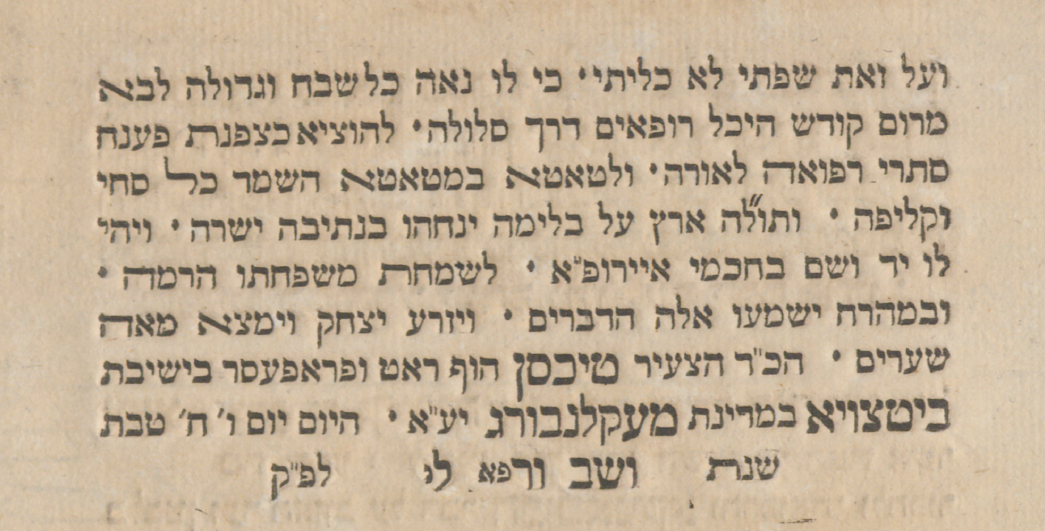
Below is the letter of Isaac Salomonsen presenting his dissertation to Tychsen.[37]

Below is Tychsen’s letter of approbation for Salomonsen’s dissertation in 1784. He mentions Isaac’s work in botany, which is in some form a continuation of the work of another Butzow medical student Tzadik de Meza, who died at the age of twenty-three.[38]

In another letter,[39] Salomonsen complained bitterly to Tychsen about his classmate Levinson, who had apparently been slandering him. He adds that the great personalities in the history of medicine, Aesculapius, Hygea and Hippocrates would be mourning and turning over in their graves if they knew how Levinson was misrepresenting and dishonoring them and the University of Butzow.

In the letter below dated 1784 from Salomonsen to Tychsen[40] we find a number of the elements common in Tychsen’s relationship with all the Jewish medical students. 

Salomonsen mentions the money he owes Tychsen and explains and apologizes for the delay in repayment. Tychsen routinely loaned money to the Jewish students. Salomonsen then reports that he was unable to obtain the sefer (shu”t Rabbi Moshe Alshikh) and Arabic coins Tychsen had requested. Tychsen was an avid bibliophile and his magnificent and important library was ultimately bequeathed to the University of Rostock, which absorbed the University of Butzow after its demise. It remains there to this day. Tychsen also collected Arabic coins and is considered the founding father of Islamic numismatics.[41] Salomonsen also mentions his acquaintance with a man named Mussafia[42] and his children, and how he enjoys spending time with them. Mussafia praised Tychsen and recalled something he had written on Tychsen’s behalf. He also possessed a work of Tychsen. Tychsen delighted in his name and reputation being spread throughout the Jewish community.

In sum, “Rabbi” Tychsen appears to have put his rabbinic degree to good use, at least from his perspective, cultivating an extremely devoted, loyal, and admiring, not to mention highly educated congregation. On the surface, he would be the envy of any modern rabbi, though much complexity lies beneath. While we did not focus on his proselytizing endeavors in this essay, perhaps this is one reason why Tychsen still remains to this day the only non-Jew to have received a form of rabbinic ordination. While Tychsen’s contributions to academia are vast, his tenure at the University of Butzow and his relationship with the Jewish students there represents one of the most unique, if lesser known, chapters in Jewish medical history. With the opening of the Rostock digital archives treasure trove we will certainly see further exploration of this topic. 

Edward Reichman

שנת וַתֵּעָצַ֖ר הַמַּגֵּפָֽה לפ”ק  

[1] Yitzhak Berger and Chaim Milikowsky, “Shnayer Leiman: In Appreciation,” (September 11, 2020).

[2] Moshe Haberman, “The Twice-Told Tale of R. Yonasan Eybeshutz and the Porger,” (September 15, 2020).

[3] For additional information on the semicha of Tychsen, see On the Main Line Blog, “On Non-Jews with Rabbinic Ordination, Real and Imagined: Some Notes on Dr. Leiman’s Post on Tychsen,” (September 20, 2011), http://onthemainline.blogspot.com/2011/09/on-non-jews-with-rabbinic-ordination.html.

[4] David Wilk, “Markus Moses’ Doctoral Dissertation or Who Remembers Butzow,” Koroth 9:3-4 (1986), 408-426, esp. 413.

[5] For an overview of this chapter in medical history, see Jan Bondeson, Buried Alive (Norton Publishers, 2001).

[6] For the text of the letter, see Siegfried Silberstein, “Mendelssohn und Mecklenburg,” Zeitschrift fur die geschichte der Juden Heft 4 (1930), 275-290, esp. 278-279. For reference to Tychsen as a key player in the issue of delayed burial, see for example, Rabbi Dr. Jacob J. Schacter’s doctoral dissertation, Rabbi Jacob Emden: Life and Major Works (Harvard University, 1988), 669, 723-724.

[7] For a comprehensive review of this historical chapter, see Moshe Samet, “Delaying Burial: The History of the Polemic on the Determination of the Time of Death,” (Hebrew) Asufot 3 (1989/1990), 613-665.

[8] For what follows see the comprehensive review of Oppenheim and his library by Joshua Teplitsky, Prince of the Press (Yale University Press: New Haven, 2019), 198.

[9] See Rebecca Abrams and Cesar Merchan-Hamann, eds., Jewish Treasures from Oxford Libraries (Bodleian Library, University of Oxford, 2020), and review of Paul Shaviv, Seforim Blog (July 14, 2020).

[10] The University of Butzow was an offshoot of the University of Rostock and later recombined with Rostock upon its demise. In addition, in 1817, Rostock University acquired the private library, including the manuscript legacy, of Tychsen, which included his significant Judaica and Hebraica collection. Over the last few years, the University of Rostock has devoted research efforts to explore the history of the Jewish students at the university with particular focus on their relationship with Tychsen. See Gisela Boeck und Hans-Uwe Lammel, eds., Jüdische kulturelle und religiöse Einflüsse auf die Stadt Rostock und ihre Universität (Jewish cultural and religious influences on the city of Rostock and its university) (Rostocker Studien zur Universitätsgeschichte, Band 28: Rostock 2014); Rafael Arnold, et. al., eds., Der Rostocker Gelehrte Oluf Gerhard Tychsen (1734-1815) und seine Internationalen Netzwerke (Wehrhahn Verlag, 2019). In the latter volume, see especially, Malgorzata Anna Maksymiak and Hans-Uwe Lammel, “Die Bützower Jüdischen Doctores Medicinae und der Orientalist O. G. Tychsen,” 115-133. I thank Malgorzata Maksymiak for her assistance and for providing me access to the Tychsen archives.

[11] See Wilk, op. cit. and Maksymiak, op. cit.

[12] Nimrod Zinger notes that the universities under Protestant auspices, in particular those affiliated with the Pietistic Movement, were more inclined to admit Jews, as they were interested in the possibility of converting them. He mentions as examples Yitzhak Isaac Wallich and his close relationship with Professor Hoffman at Halle, and that the student Avraham Hyman was admitted to Geissen with the intervention of the head of faculty, who was a Pietist. See his Ba’al Shem vihaRofeh (Haifa University, 2017), 263. Tychsen would certainly align with this theory.

[13] Bernhard Mandl, “Egy Magyar Zsido Orvos Nemet- Orszagban (1763-1782): Dr. Markus Moses, a Pozsonyi forabbi fia,” Evkőnyv Kiadja Az Izr. Magyar Irodalmi Tarsulat (1913), 145-165; Idem, Med. Dr. Markus Moses, Sohn der Pressburger Oberrabbiners R. Mosche Charif, praktischer Arzt in Deutschland von 1776 bis 1786: eine Lebensskizze (J. Pollak: Vienna, 1928); Wilk, op. cit.

[14] Die Juden und Judengemeinde Bratislava in Vergangen heit und Gegenwart (Brunn, 1932), 17-18, 85, cited in N. M. Gelber, “History of Jewish Physicians in Poland in the Eighteenth Century,” (Hebrew) in Y. Tirosh, ed., Shai LeYeshayahu: Sefer Yovel LeRav Yehoshua Wolfsberg (HaMercaz LeTarbut shel HaPoel HaMizrachi; Tel Aviv, 5716), 347-371, esp. 360.

[15] By this time, Jews were able to attend medical schools in Germany. Other German universities with Jewish graduates included Frankfurt on Oder, Duisberg, Halle, Geisen and Heidelberg. On the Jews in German medical schools, see Louis Lewin, “Die Judischen Studenten an der Universitat Frankfurt an der Oder,” Jahrbuch der Judisch Literarischen Gesellschaft 14 (1921), 217-238; Idem, “Die Judischen Studenten an der Universitat Frankfurt an der Oder,” Jahrbuch der Judisch Literarischen Gesellschaft 15 (1923), 59-96; Idem, “Die Judischen Studenten an der Universitat Frankfurt an der Oder,” Jahrbuch der Judisch Literarischen Gesellschaft 16 (1924), 43-87; Adolf Kober, “Rheinische Judendoktoren, Vornehmlich des 17 und 18 Jahrhunderts,” Festschrift zum 75 Jährigen Bestehen des Jüdisch-Theologischen Seminars Fraenckelscher Stiftung, Volume II, (Breslau: Verlag M. & H. Marcus, 1929), 173-236; Idem, “Judische Studenten und Doktoranden der Universitat Duisberg im 18 Jahrhundert,” Monatsschrift für Geschichte und Wissenschaft des Judentums Jahrg. 75 (N. F. 39), H. 3/4 (March/April 1931), 118-127; Monika Richarz, Der Eintritt der Juden in die akademischen Berufe: Judische Studenten Und Akademiker in Deutschland 1678-1848 (Schriftenreihe Wissenschaftlicher Abhandlungen Des Leo Baeck: Tubingen, 1974); Wolfram Kaiser and Arina Volker, Judaica Medica des 18 und des Fruhen 19 Jahrhunderts in den Bestanden des Halleschen Universitatsarchivs (Wissenschaftliche Beitrage der Martin Luther Universitat Halle-Wittenberg: Halle, 1979); M. Komorowski, Bio-bibliographisches Verzeichnis jüdischer Doktoren im 17. und 18. Jahrhundert (K. G. Saur Verlag: Munchen, 1991); Eberhard Wolff, “Between Jewish and Professional identity: Jewish Physicians in Early 19th Century Germany- The Case of Phoebus Philippson,” Jewish Studies 39 (5759), 23-34. John Efron, Medicine and the German Jews (Yale University Press: New Haven, 2001); Wolfram Kaiser, “L’Enseignement Medical et les Juifs a L’Universite de Halle au XVIII Siecle” in Gad Freudenthal and Samuel Kottek, Melanges d’Histoire de la Medicine Hebraique (Brill: Leiden, 2003), 347-370; ) Petra Schaffrodt, Heidelberg- Juden an der Universitat Heidelberg: Dokumente aus Sieben Jahrhunderten (Ruprecht Karls Universitat Heidelberg Universitatsbibliothek, August, 2012).

Below is a chart from Richarz of Jewish medical students in Germany at this time. The University of Butzow is not on this list.

[16] http://rosdok.uni-rostock.de/mcrviewer/recordIdentifier/rosdok_ppn859752100/iview2/phys_0007.iview2.

[17] For the history of Moses prior to attending Butzow, see Mandl, op. cit., and Wilk, op. cit.

[18] E. Reichman, “The History of the Jewish Medical Student Dissertation: An Evolving Jewish Tradition,” in J. Karp and M. Schaikewitz, eds., Sacred Training: A Halakhic Guidebook for Medical Students and Residents (Ammud Press: New York, 2018), xvii- xxxvii.

[19] While the first two essays are housed in the Rostock Library, I have not found a copy of this essay.

[20] http://opac.lbs-rostock.gbv.de/DB=1/XMLPRS=N/PPN?PPN=720262623.

[21] http://opac.lbs-rostock.gbv.de/DB=1/XMLPRS=N/PPN?PPN=304865346.

[22] For the letters in the archive just between Markus Moses and Tychsen, see here.

[23] http://purl.uni-rostock.de/rosdok/ppn860182010/phys_0027.

[24] This is an expression of endearment. See another example of a letter to Tychsen, from a Yehoshua Lifshutz of Apta, where the same expressions, peh el peh acronym and nishikat pihu, are used. http://rosdok.uni-rostock.de/mcrviewer/recordIdentifier/rosdok_ppn859752100/iview2/phys_0019.iview2.

[25] While we have no record of R. Eybeshutz himself communicating with Tychsen at the University of Butzow Medical School, he did send a letter to the faculty of medicine at another German medical school, the University of Halle. This letter related to the famous “heartless” chicken question initially posed to Hakham Tzvi. For more on this letter, its record in the Halle University archives, and its impact on the Emden Eybeschutz controversy, see E. Reichman, “A Letter from a Torah Sage of the 18th Century to the Medical Faculty of the University of Halle (January, 1763): The Selective Deference of Rabbi Yonatan Eybeschutz to Medical Expertise,”Verapo Yerapei: Journal of Torah and Medicine of the Albert Einstein College of Medicine Synagogue 6 (2015), 89-112.

[26] National Library of Israel, NLI 997003186660405171. See also Richard I. Cohen, “’And Your Eyes Shall See Your Teachers’: The Rabbi as Icon,” (Hebrew) Zion (1993), 407-452, esp. 418. The artist is Elimelech Polta ben Shimshon. I have as yet been unable to identify this physician. His name is not found among the Jewish medical students in German universities mentioned above.

[27] T. Broman, The Transformation of German Academic Medicine 1750-1820 (Cambridge University Press, 1996), 32ff.

[28] See Maksymiak, op. cit.

[29] See Wilk, op.cit., 417.

[30] http://purl.uni-rostock.de/rosdok/ppn859752100/phys_0081.

[31] Carpov trained at the University of Rostock before the formation of the University of Butzow. See his matriculation record, here.

[32] Strelitz, also known as Levin Hirsch Levi, lived in Altstrelitz and authored a treatise on resurrection (http://rosdok.uni-rostock.de/resolve/id/rosdok_document_0000014475) which was translated into German by Tychsen under the title,”Die Auferstehung der Todten aus dem Gesetze Mosis Bewiesen,” (1766) (http://rosdok.uni-rostock.de/resolve/id/rosdok_document_0000014215). Strelitz later became rabbi of Birnbaum, and then the first rabbi of Stockholm and Chief Rabbi of Sweden. The Jewish community of Stockholm had been founded only a few years before his arrival by Aron Isak, the sponsor of Markus Moses, Levi’s brother-in-law, and the shadchan for Moses and Levi’s sister. See Wilk, 419-420.

[33] Markus Moses (1764), Israel Joseph Meyer (1765), Justus Zadig de Meza, Isaac Heinrich Salomonsen (1783),Wolff Levinsohn (1783), Abraham Levin Spira (? Benjamin Levin, 1773), Simon Marcus (1771) and Moses Marcus(1785, son of Markus Moses). All of them-with one exception-received their doctorate in medicine in the twenty-nine years of existence of the University of Bützow.See Maksymiak,op.cit., which also addresses the emotional aspect of the ties of Tychsen with his students.

[34] http://dfg-viewer.de/show?set%5bmets%5d=http%3A%2F%2Frosdok.uni-rostock.de%2Ffile%2Frosdok_document_0000000177%2Frosdok_derivate_0000004407%2Fmatrikel1760ws-1788ws-Buetzow.mets.xml&set%5bimage%5d=54. Note that word “Judeus” appears after both of their names. It was common to identify students as Jews in university archives. For example, starting in the 1500s, Jewish students at the University of Padua were identified as“Hebrei.” There does not appear to have been any anti-Semitic associations with this identifier.

[35] http://rosdok.uni-rostock.de/mcrviewer/recordIdentifier/rosdok_ppn835297578/iview2/phys_0168.iview2. For Levinsohn’s dissertation, see http://rosdok.uni-rostock.de/resolve/id/rosdok_document_0000016729?_search=23e52c72-2882-421d-bfd5-16b218d11ae3&_hit=0. The letter was not published with the dissertation.

[36] Tychsen appears to make disparaging remarks against the work Shevilei Emunah, by Meir Aldabi. This work,written in the fourteenth century, was a primary reference on medicine in rabbinic literature for many centuries.

[37] http://rosdok.uni-rostock.de/mcrviewer/recordIdentifier/rosdok_ppn835297578/iview2/phys_0166.iview2.

[38] The Rostock archives contains a number of letters between Tychsen and de Meza.

[39] http://rosdok.uni-rostock.de/mcrviewer/recordIdentifier/rosdok_ppn835297578/iview2/phys_0176.iview2.

[40] http://rosdok.uni-rostock.de/mcrviewer/recordIdentifier/rosdok_ppn835297578/iview2/phys_0180.iview2.

[41] Rafael Arnold, et. al., eds., Der Rostocker Gelehrte  Oluf Gerhard Tychsen (1734-1815) und seine Internationalen Netzwerke (Wehrhahn Verlag, 2019); Ursula Kampmann, Maike Mebmann, trans., “Oluf Gerhard Tychsen (1734-1815), https://coinsweekly.com/oluf-gerhard-tychsen-1734-1815/(July 18, 2019).

[42] This was perhaps a relative of Binyamin Mussafia, a famous graduate of the University of Padua in 1625, and author of Musaf HaArukh, a commentary of the Sefer HaArukh.


Review: Macsanyuh Shel Torah

Review: Me'achsanya Shel ha-Torahby Eliezer Brodt Me'achsanya Shel ha-Torah, Rabbi Moshe Hubner, ed., New York, 2008, 297 pp.   As mentioned in the past, there is an austounding amount of seforim being published.  One genre, that is bursting at the seams, is sefarim on Chumash. There are seforim printed from famous people; some are still with us, while others have been gone for many years. These seforim focus on all kinds of topics: mussar, machashavah, pshat, kabbalah, d'rush, and halachah. In truth, it is virtually impossible to keep up with what is printed. I would, however, like to mention just one such sefer printed this year: Me'achsanya Shel ha-Torah. This sefer is composed of three generations of Torah from the Hubner family. Most notably, Rabbi Shmuel Hubner, z"l, who was a big Rav for many years; ybl"ch, his son, Rabbi Y. Hubner; and his grandson, Rabbi Moshe Hubner, a young author who is frequently featured in the Hamodia Magazine Torah section. This sefer contains many interesting pieces on Chumash, some short and many long, representing unique and interesting topics and styles in learning. Aside from the many interesting chiddushim presented, it is worthwhile to note the mention of many rare and exotic sefarim quoted as sources throughout the work. As in almost any sefer, a variety of interesting content can be found apart from the actual body of the work. I would like to mention just a few of the interesting discussions I found in this sefer.  The sefer begins with a very nice but straight to the point biography of Rabbi Shmuel Hubner, written by his son, Rabbi Y. Hubner. This biography was based on stories heard from Rabbi Shmuel Hubner throughout his lifetime (1891-1983). Rabbi S. Hubner  made his rounds in Europe, meeting many different gedolim (almost like a Forrest Gump). (One gets the impression that there are many more nice stories that should have been printed here.) Just to mention some of the facts mentioned: Rabbi S. Hubner attended the levayah of Harav Yosef Engel, zt"l, and heard the famous hesped of Harav Meir Arik, zt"l, who said on Rav Engel that he was a baki in all areas of Torah, Bavli Yerushalmi, Tosefta, etc., to which Rav Steinberg, the Brode Rav, asked him if he wasn't perhaps exaggerating a bit. Rav Arik replied that it was one hundred percent true, and there was no exaggeration involved.  Rav Hubner studied at the Berlin Seminary and heard shiurim from Harav Chaim Heller, zt"l. He was in Vienna when the Rogatchver Gaon, zt"l, passed away and he visited with him a bit before he died. He heard the Rogatchver expound on some topics in the parashah based on his well-known and unique methods of thought and assessment. Rabbi Hubner was the rebbi of the well-known scholar and writer, ybl"ch, Rabbi Tuviah Preschel.   After the war, Rabbi S. Hubner was a Rav in Brooklyn. Over the years he printed many pieces on all kinds of topics in the various Torah journals. Eventually, he collected many of them that related to practical halachah and printed them in a sefer entitled Sh"ut Nimukei Shmuel. This sefer received very warm haskamos from Harav Moshe Feinstein, zt"l, and Harav Shlomo Zalman Auerbach, zt"l. Some of the pieces have been reprinted in Me'achsanya Shel ha-Torah, along with many new pieces found in Rabbi Hubner's many personal journals, which have never before been printed. This leads to a now-famous discussion regarding divrei Torah left behind after a person's petirah. In particular, if the mechaber did not leave instructions as to whether his writings should be printed, is his family permitted to do so? Another issue is, do these pieces carry weight in halachah, since the writer might have changed his mind before he passed away. An additional questioned is, if the mechaber specified not to print his writings, must his family adhere to his wishes? Much has been written on these topics, but Rabbi M. Hubner found information in his grandfather's notes addressing this very issue, which he included in Me'achsanya Shel HaTorah. Being that Rabbi S. Hubner's answer was very original, I am quoting it here in its entirety (intro pg. 9-10):   קראתי את תשובתו שבה כת"ה שקיל וטרי באריכות בנידון השאלה אם יש לשמוע להמחבר שציוה שלא לפרסם את כתביו הכוללים חידושים ותשובות. ואחרי שכת"ה מביא צדדי היתר וצדדי איסור הוא מגיע למסקנת שאין לשמוע לצוואת המחבר ויש להדפיס את כתביו. לע"ד נראה שיש לחקור ולמצוא טעמו ונימוקו של המחבר מפני מה הוא ציוה שלא להדפיס את כתביו ופסק הדין בשאלה זו תלוי בנימוקו של המחבר. דעתי זו מיוסדת על דברי הח"ס באו"ח סי' ר"ח שכתב וז"ל : כל המחבר ספר ומתערב במחשבתו לגדל שמו רבצה בו האלה האמורה במילי דאבות : נגיד שמא אבד שמא (פרקי אבות פ"א מי"ג) ולא תעשינה ידיו תושיה להוציא מחשבתו לפועל, כי יבוא מבקרי מומין ויחפשו וימצאו, מלבד שהוא עובר איסור דאורייתא דברים שבעל פה אי אתה רשאי לכותבן, ולא הותר אלא משום עת לעשות לה', (גיטין ס א) ואם איננו עושה לה' הרי איסורו במקומו עומד. לעומת זה מי שיודע בעצמו כי כל מגמתו לשם הית"ב, להגדיל תורה ולהדירה ורק מונע בר מפני חשש מבקרי מומין ומלעיגים ומלעיבים במלאכי ה' עבירה היא בידו, וכשם שיקבל עונש על הדרישה הנ"ל [אם אינה לשם שמים], כן ייענש זה על הפרישה, עכ"ל. בדברי החתם סופר הללו נמצאת התשובה על השאלה דמר. אם הציווי של המחבר שלא לפרסם את כתביו נבע מן החשש הראשון הנזכר בדברי הח"ס אז לדעתי מצוה לקיים דברי המת ולא להדפיסם, כי לב יודע מרת נפשו, ואין היורשים רשאים לעבור על צוואתו, כי ע"י הדפסת הספר יעשו רעה להמחבר, ואילו היה חי היה מורה בכל תוכף נגד ההדפסה, ועכשיו שאינו יכול למחות פסק הדין צריך למנוע מעשות לו עול. ואם ישאלני איך אפשר עכשיו לידע מה היה הנימוק שבגללו אסר את הפירסום ? אשיבנו שזה אפשר להכיר מתוך תשובותיו. אם דברי הח"ס מובאים בתשובותיו ובחידושיו, אז קרוב לודאי שגם תשובה זו היתה ידועה לו והיא היא שהניעה והביאה אותו לידי כך שיאסור לפרסם את כתביו. ברם אף אם דברי הח"ס אינם מובאים בתשובותיו אפשר ואפשר שתשובות הח"ס ובתוכן גם התשובה הנ"ל היו ידועות לו, שכן לא יצוייר שמחבר תשובות לא ישתמש בתשובות הח"ס. בהתחשבות עם זה לבי מהסס להתיר הפרסום. הדבר שונה אם הנימוק העיקרי לצוואתו לא היה החשש הנ"ל אלא מטעם אחר כגון מפני חשש המבקרים או מפני שהיה מיראי הוראה, אז רשאי או יותר נכון מצוה להדפיס את כתביו כמפורש בדברי הח"ס שהבאתי לעיל. והנני להביא עוד ראיות לכך : בספר חסידים סי' תתקל כתב מי שגילה לו ה' דבר ואינו כותבו הוא גוזל את הרבים כדכתב סוד ה' ליראיו ובריתו להודיעם. ובשבט סופר (פ' כב) דעתיד אדם ליתן דין וחשבון על זה שאינו כותב חידושיו. ובספר מור וקציעה סי' רכג כתב דמי שגומר ספר בכתיבה וכל שכן בהדפסה יש לו לברך ברכת שהחיינו שכן עושין שמחה לגמרה של תורה, שאין שום קנין ובניו שיש בו שמחה יותר מזה. וכן מצינו ביבמות (צו ב) שדוד המלך התפלל אגורה באהלך עולמים (תהל' סא) וכי אפשר לאדם בשני עולמים ? אלא דוד אמר לפני הקב"ה רבונו של עולםל יהי רצון שיאמרו דבר שמועה מפי בעוה"ז. וכמו שאמר רשב"י כל ת"ח שאומרים דבר שמועה מפיו בעולם הזה שפתותיו דובבות בקבר. העיקר בנידון זה, לידע מאיזה טעם המחבר ציווה שלא לפרסם את כתביו.     Another very interesting discussion found in this sefer (pp. 264-66) is a piece about the authorship of Lecha Dodi. Being that I have never seen or heard a discussion of anyone denying that Harav Shlomo Alkebetz, zt"l, authored the tefilah, I feel it is worthwhile to quote this piece in part. Rabbi S. Hubner knew an interesting person named Reb Meir Sokel, who suggested to him as follows:    רק שני החרוזים הראשונים נכתבו ע"י שלמה אלקבץ, שבהם הוא שר על קדושת שבת. אבל שאר החרוזים, שבהם שוב אין זכר לשבת, ואין להם כל קשר לחרוזים הראשונים, הם מעשה ידי מזייף והם מכוונים לאיזה "איש הנערץ והנקדש", אישיות מהוללה ומפוארה, שאליה מדבר המזייף בלשון נקבה – כלומר המזייף מטיף בהם לנצרות באורח מוסווה… מאיר סוקל מסיק שהשיר "לכה דודי" לא יוכל להיכלל בשירי ישראל, ורק מתוך אי-ידיעה ואי-הבחנה הוכנס השיר לסדר התפילה ויש להימנע, לדעתו, מלאמרו. To which Rabbi S. Hubner replied to him at length:  א- השיר "לכה דודי", כמו שהוא לפנינו נדפס בפעם הראשונה בפראג בספר "ארחות חיים" בשנת שע"ב כשלושים שנה אחר פטירת המשורר. ולא יתכן כי בזמן שבני דורו של המשורר היו עוד בחיים יהיה איש לזייף באופן גס כזה, ישאיר רק שני חרוזים מקוריים ואת החרוזים האחרים ימיר בחרוזיו "החשודים", והזיוף לא הוכר ואיש לא מחה כנגדו. ב- דבר ידוע הוא שהאר"י [האשכנזי – ר' יצחק לוריא] שהמשורר הסתופף בצלו, בחר בשירי אלקבץ מפני שנכתבו על דרך האמת. והלא בזמן שנדפס השיר שהוא לפנינו היה ר' חיים ויטאל, איש סודו ותלמידו הגדול של האר"י עוד בחיים. אם כן איך אפשר הדבר, שר' חיים ויטאל לא הדגיש בזיוף ובשינוי שאיש בליעל ביצע בשירו של אלקבץ, שהאר"י בחר בו, וציין אותו כשיר שנכתב על דרך האמת, והשינוי נתקבל ? ג- מאיר סוקל קובע שהחרוזים האחרונים של השיר לא יצאו מתחת ידו של אלקבץ, שהרי אין להם שום קשר לחרוזים הראשונים. מסקנתו של מ. ס. בנויה על הנחות בלתי נכונות. לאמיתו של דבר אין כאן סטיה מן הענין, החרוזים האחרונים מחוברים וקשורים אל הראשונים. עובדה היסטורית היא שאלקבץ, אחר בואו מאדריאנופול לצפת, הצטרף לחבורה הקדושה שהתקבצה מסביב להאר"י. בין אלה היו גיסו של אלקבץ, המקובל ר' משה קורדובירו, ר' יוסף קארו [בעל השולחן ערוך], ר' משה אלשיך, ר' אליהו די וידאש [בעל ראשית חכמה] ועוד. ערגה עזה להופעתו של הגואל היתה ממלאה את לב כל אלה וכל מאוויי נפשם היו להחיש את הגאולה. חד לכוסף הגאולה, אנו מוצאים בחרוזים האחרונים של "לכה דודי". אחרי שהמשורר שר בשני החרוזים הראשונים על קדושת השבת, הוא נותן ביטוי בחרוזים האחרונים לתקוות הגאולה, שנפשו של המשורר ערגה לה כל כך. הוא פונה אל ירושלים הנקראת "מקדש מלך" (עמוס ז יג) ומנחם אותה שגאולת ה' קרובה לבוא, אחרי שבני ישראל קבלו את השבת – וזה על יסוד מאמרו של ר' שמעון בן יוחאי "אלמלי משמרין ישראל שתי שבתות כהלכתן מיד נגאלים".  כל הנימוקים האלה שהזכרתי מספיקים כבר להפריד את השערתו של מ. ס., אבל הוספתי עוד נימוק מענין והוא : הלא הרדר, מסופרי המופת בספרות הגרמנית, תרגם את השיר "לכה דודי" לגרמנית מפני חשיבותו של השיר ולא מצא בו שום דופי. גם המשורר בחסד עליון, היינריך היינה, נזדקק לשיר זה לתרגמו ולא פסל אותו בשל חוסר אחידות. והנה מ. ס. פסל תוך גישתו השכלתנית שיר שנתקדש אצל בני ישראל במשך דורות. את כל זה כתבתי לו, אבל איני יודע אם נימוקי שיכנעו אותו או עמד על דעתו.    Another discussion of interest, in a more bibliographical sense, is a chapter (pp. 271-75) written by Rabbi Tuviah Preschel. It concerns a translation of the Talmud that Rabbi Shmuel Hubner wrote while hidden away in Belgium during World War II. What is unique about this translation is that it was done in Yiddish. By 1944 (when Belgium was liberated), Masechtos Brachos, Baba Metziah and part of Bava Kama had been completed. By 1948, a few more masechtos were completed. As late as 1965, some of these volumes were already being reprinted. Due to technical reasons, the printing of these masechtos was never completed. What is interesting is that Rabbi Hubner's translation seems to have escaped the otherwise rather excellent article of  Rabbi Adam Mintz, "The Talmud in Translation" in Printing the Talmud, an updated version of his article in Torah Umadah.

Aside from these valuable pieces, there are many more to be found in Me'achsanya Shel ha-Torah. Just to note some, there is a very interesting discussion on the halachic aspects of adopting children (pp. 213-26); why the children "steal" the Afikomon on Pesach night (pp. 140-43); what reward can/does one get for learning via listening to a taped recording (p. 173)? (This question is found in the middle of a long discussion on the meaning of "שלא ברכו בתורה תחילה"); whether Hashem's shvuah to Noach not to destroy the world was only as pertains to a flood or any other means as well (pp. 31- 34); Zimri's understanding of the avodah zarah of baal pe'or (pp. 156-59); and an incredible lengthy discussion showing the historical background and logic behind the many the takonos of Ezra Hanavi (pp. 206-13).
For information regarding the sefer, Rabbi Moshe Hubner may be contacted at hubners@gmail.com


Bedatz Bans HaGaon

As discussed previously, there are some, mainly Hassidim, who had strong objections to R. Eliach’s biography HaGaon. Now it appears that Bedatz of Jerusalem has also issued a ban on the work (thanks to all those who sent this to me). The ban is reproduced on the side. The ban itself contains some interesting language. Specifically, the ban claims that the sources relied upon by Eliach were “maskilik.” You will recall that all Eliach did was reproduce many of the herems and the like from the non-Hassidim at the time. Now, it is correct that most of those polemics were collected by Wilensky in his Hassidim u’Mitnagdim, but the actual texts are those of some of the greatest Rabbis (not maskilim) of that time period.
Additionally, far from advancing haskalah (enlightenment) R. Eliach repudiates it. Many academics claim that the Gra was the precursor to modernity as the Gra advocates for studying secular subjects (among other things). Eliach, however, devotes an entire chapter demonstrating the Gra was against the haskalah. Eliach also includes additional material on this topic in other places as well. In doing so, he demonstrates that far from accepting maskilik or hasklah literature he actually accepts as true many anti-maskilik assertions. One example is particuarly telling. R. Eliach accepts that the Noda B’Yehuda banned R. Naftali Hertz Wessely. The source for this is an article which appeared in the Journal Kovetz Bet Ahron v’Yisrael by R. Y.A. Heschel. R. Heschel’s article is full of errors and wild assumptions. Most notably, R. Heschel assumes that the ban in question is from the Noda B’Yehuda solely because it was found in a stack of papers also from the Noda B’Yehuda. There is no other cooberating evidence. Instead, this is an unsigned letter that contains no other internal or external indica of reliablity. R. Eliach, however, in his attempt to prove the vehemence as well as the universiality of condemnation of the haskalah accepts this as true. Thus, it is somewhat difficult to understand how R. Eliach could be accused of accepting and advancing maskilik ideas and positions.

Finally, it is rather unclear why in August of 2006 the Bedatz is banning a book published in 2002. It was not as if this book was “under the radar.” Instead, immediatly with its publication there were other bans, articles and condemnations of the book. Further, R. Eliach secured the approbation of R. Chaim Kanievsky and was featured in Dei’ah veDibur the Haredi newspaper. While this wouldn’t be the first controversy between Beni Brak and Jerusalem, (famously the controversy over using the Ben Asher Nach was essentially between the two communities) it is a bit strange in its timing.