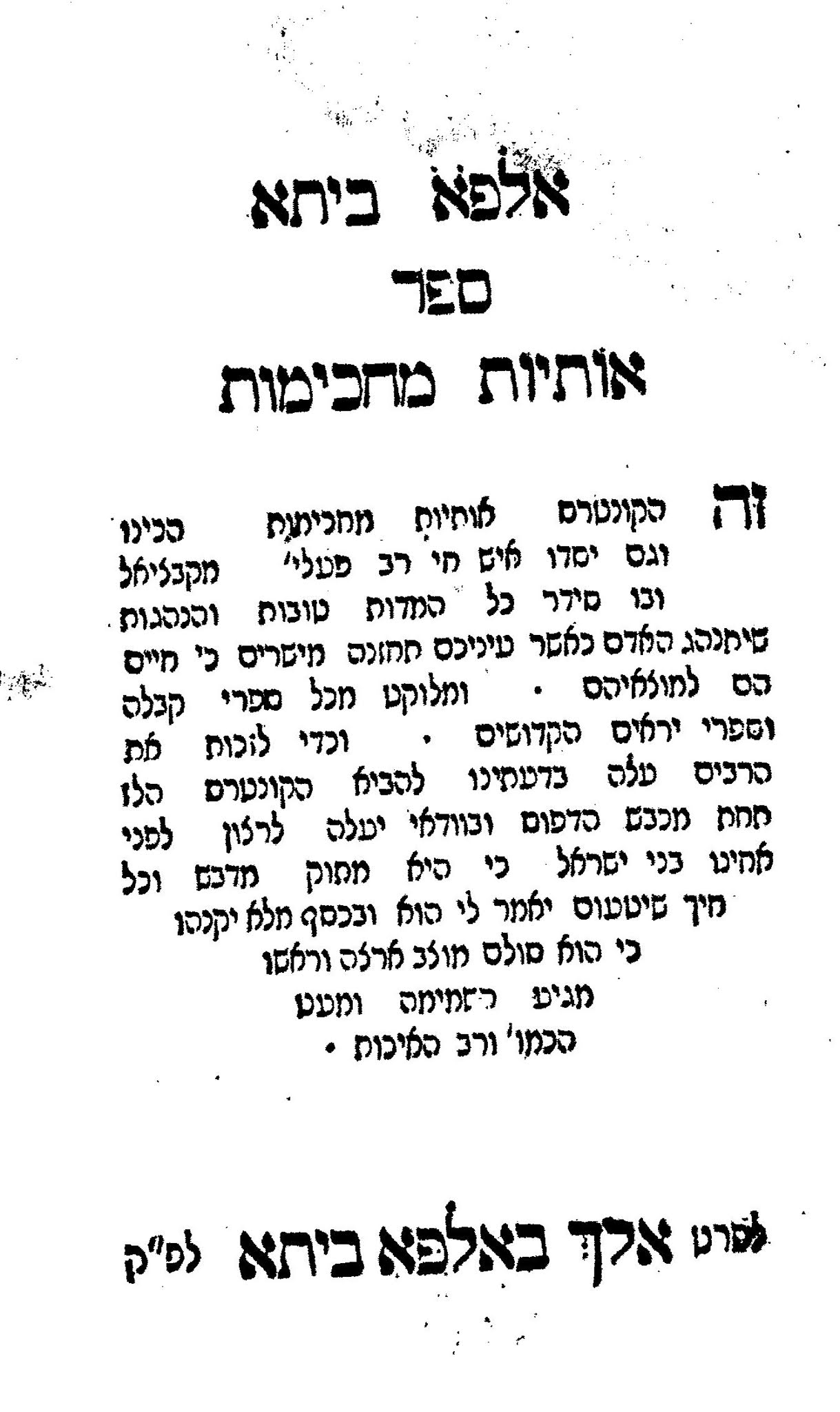
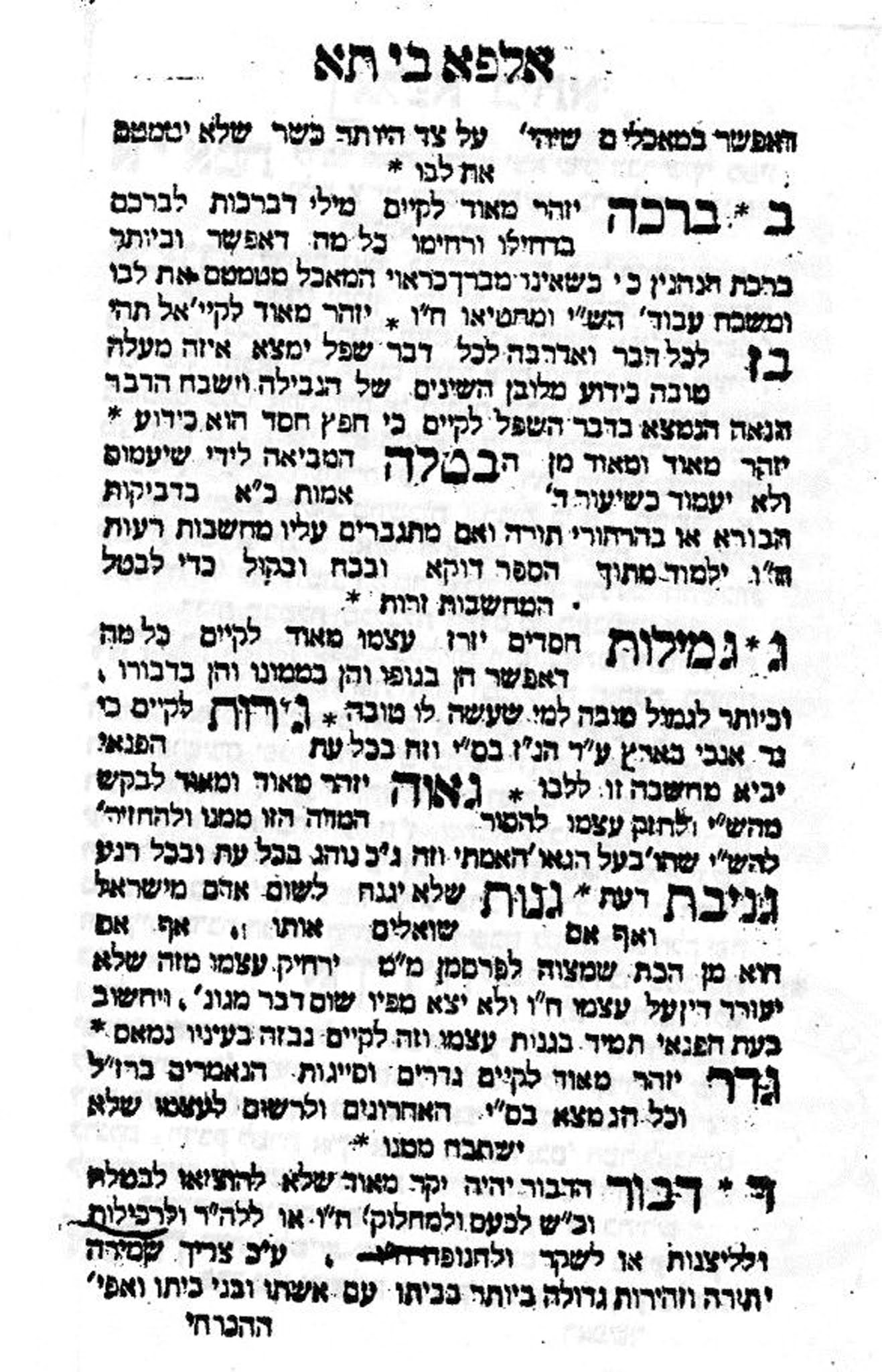
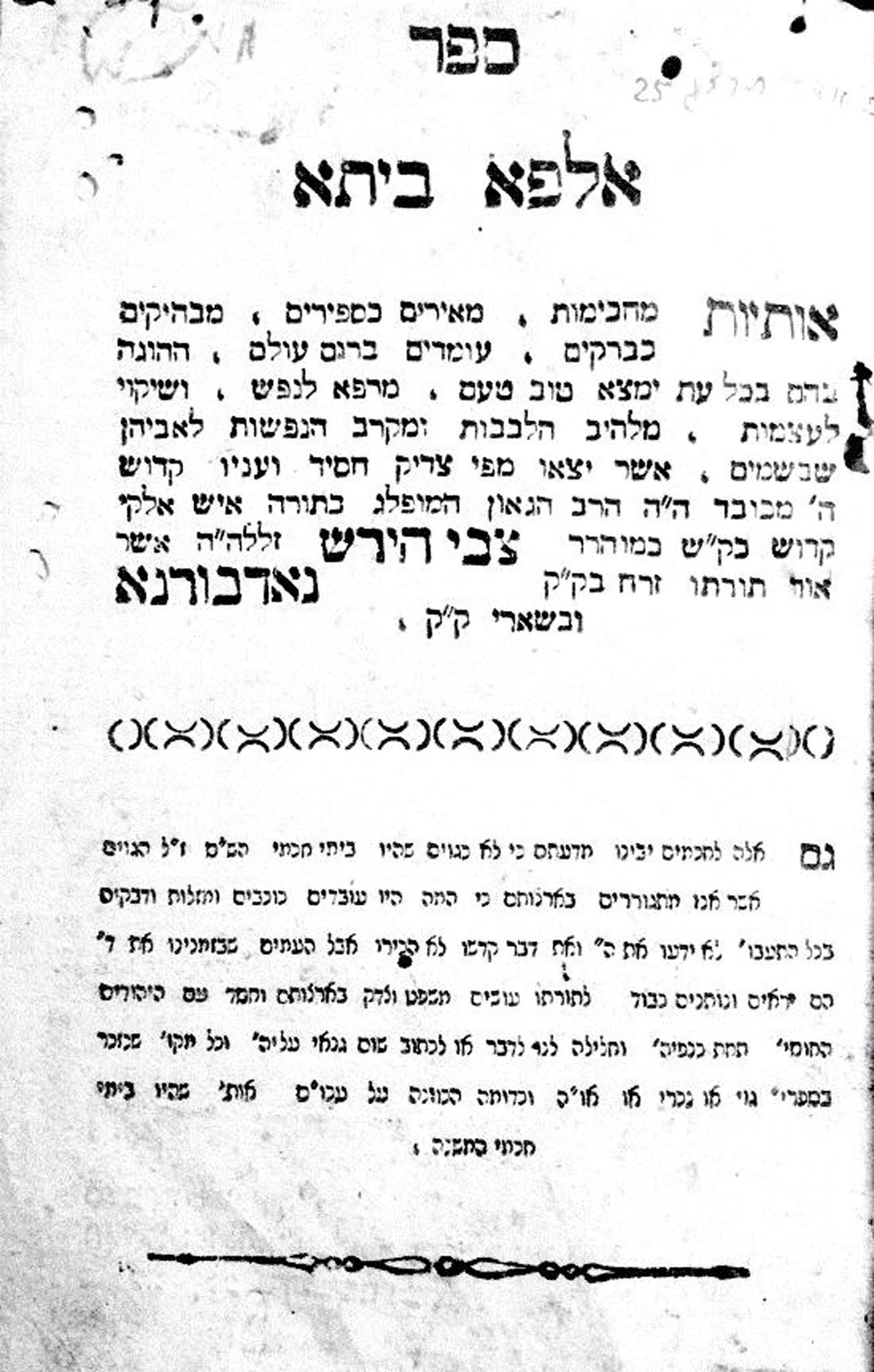
Towards A Reappraisal of the Recent Works of Rabbi Shelomoh Luriah (Maharshal)

Towards A Reappraisal of the Recent Works
Of Rabbi Shelomoh Luriah (Maharshal)
By Rabbi Eliezer Brodt

As previously mentioned on the Seforim blog by myself and others, our generation is privileged to something no previous generation has seen, a sheer volume of Jewish books being printed and reprinted. Many of these works are seeing print for the first time – works of Rishonim and Achronim on all sorts of topics brought to the public eye from manuscript form. Some of these printings are beautiful editions, critically edited, and even glossed with illuminating marginal annotations. Other times the only benefit is to see the change from an illegible typeface to a clear block print (oft as not without any particular in the editing). In many cases, specific institutions are founded solely to deal with works from a particular religious group, while at other times, entire publishing houses are established that deal with the writings of one particular author. Recently one Godol, the great prolific writer, the Aderet (Rabbi Eliyahu David Rabinowitz-Teomim), famous for, amongst many things, being the father-in-law of R Kook, has had over five distinct groups working on printing his writings although almost none of his writings were published in his lifetime.

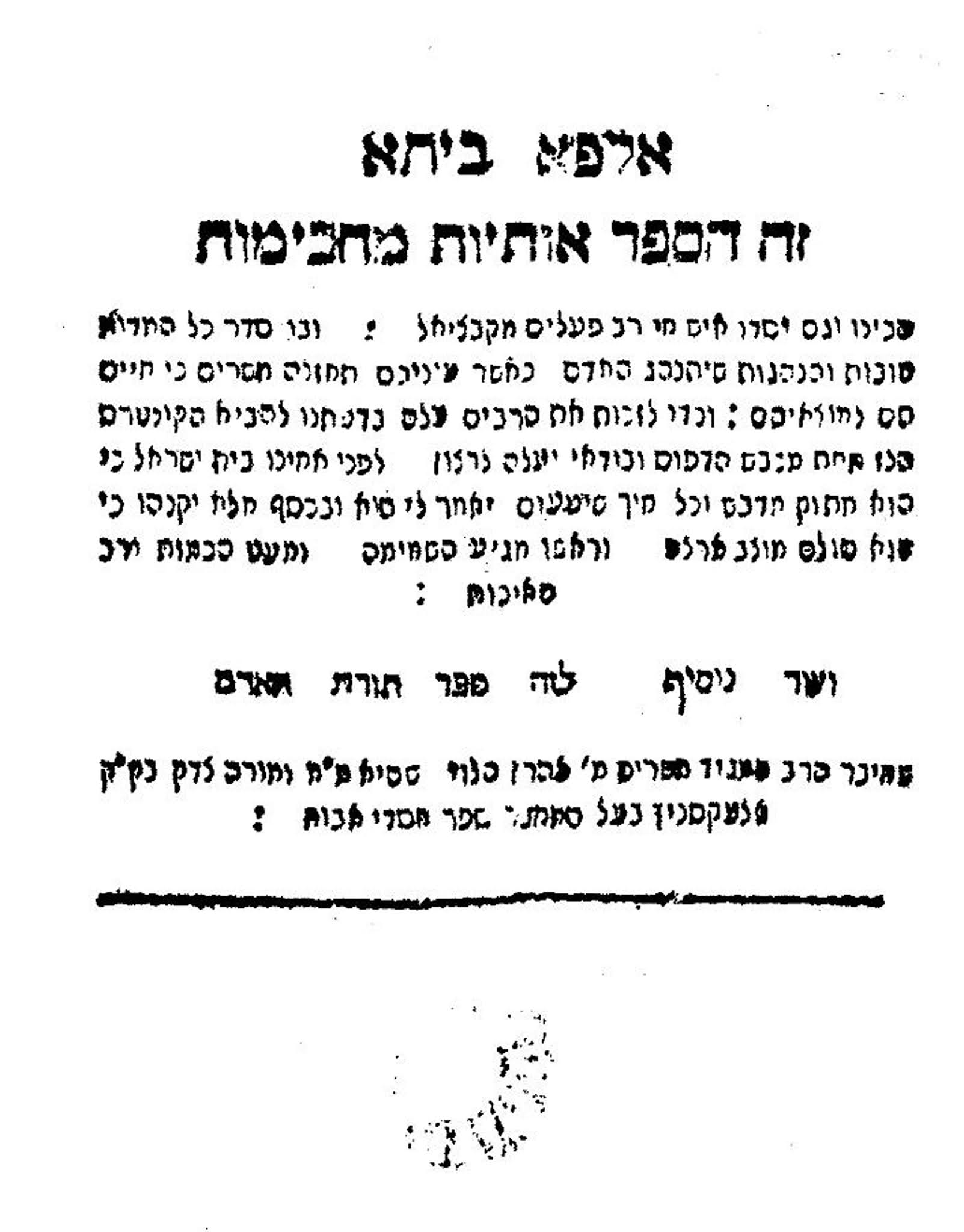
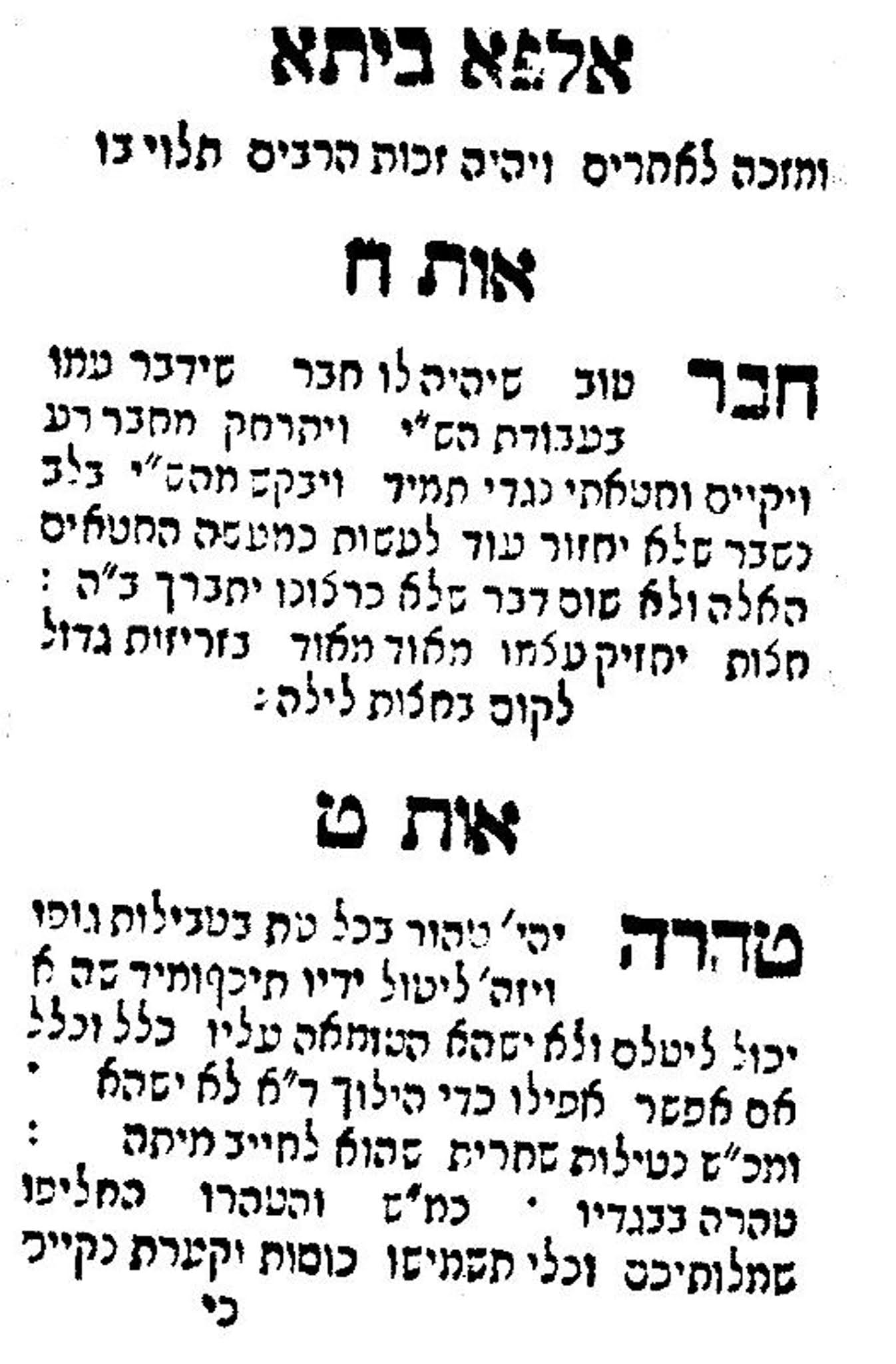
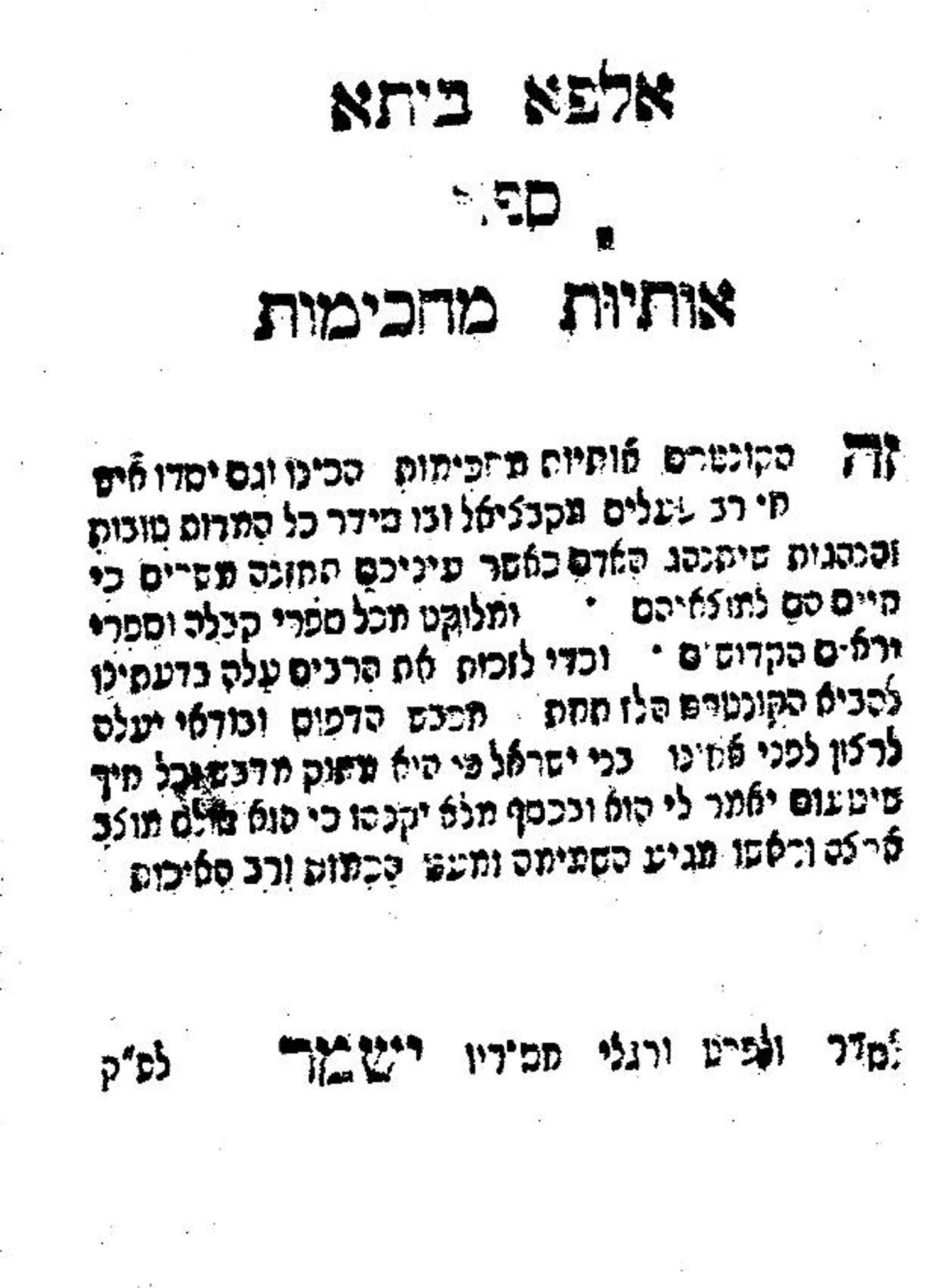
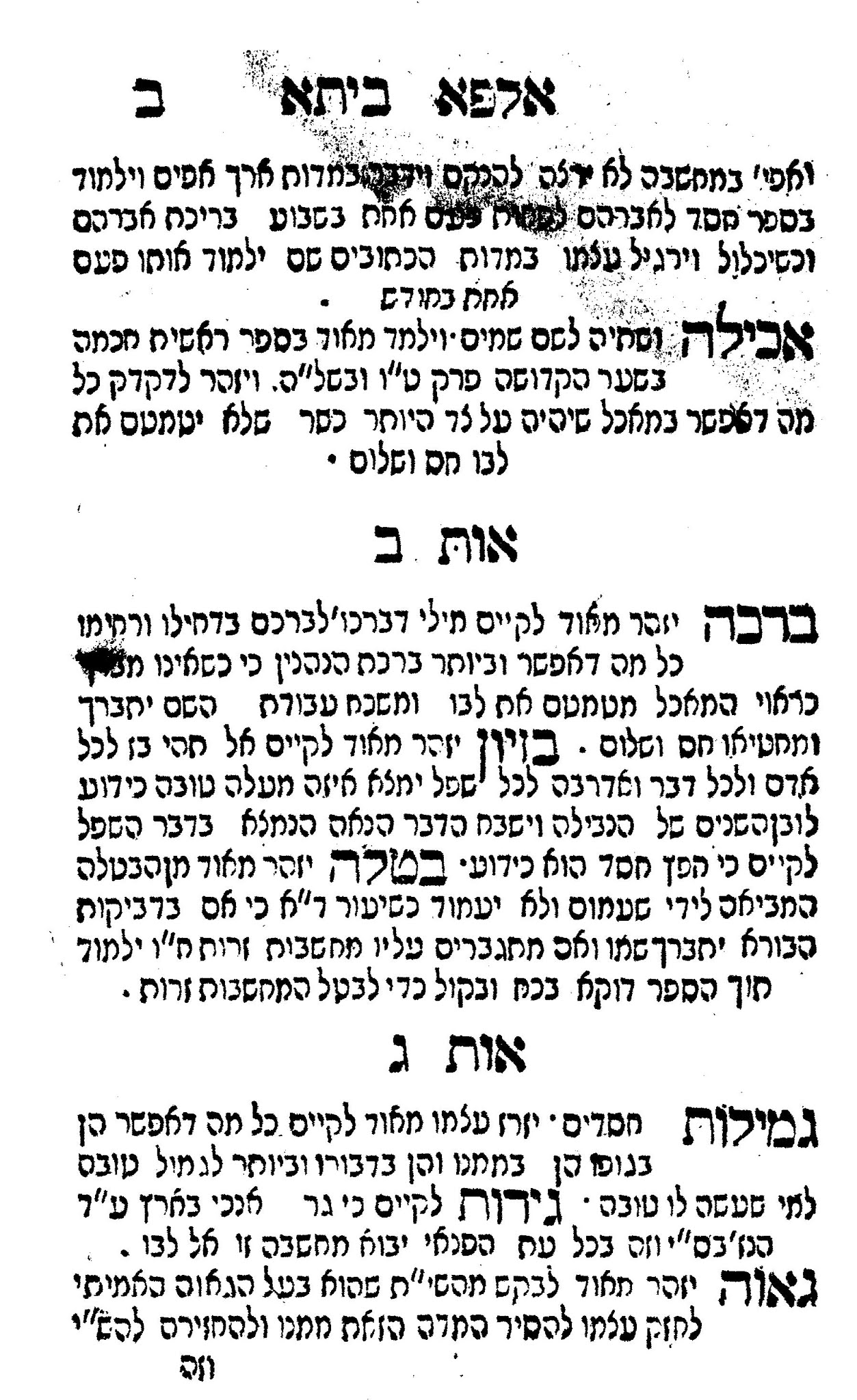
Recently, a rather modest institute called Makhon Iyay HaYam has begun reprinting as well as publishing for the first time, the many writings of the great gaon R. Shelomoh Luria, Maharshal. To date, this Makhon has already printed a few of his works and is currently working on many more. In this post, I would like to discuss this great person, the Maharshal, some of his printed works, and the current and future projects of this particular Makhon. As much has already been written on this great goan, including several biographical sketches, as well as a dissertation by Dr. Meir Raffeld on the Maharshal’s magnum opus, Yam Shel Shelomoh (more later), I have limited myself to but a few highlights.

The Maharshal was born circa 1510 (most likely in the city of Brisk or Posen), and died in 1573 in Lublin. He was a Rav in many cities, including Brisk,[1] Ostra and Lublin.[2] Alongside the rabbinate, the Maharshal established and ran yeshivot, training many famous students. Amongst these students are, notably, R. Yehoshuah Falk Katz (author of the Preisha), R. Moshe Meis (author of Mateh Moshe on minhagim as well as Hoel Moshe on Rashi; more on him later), R. Shelomoh Efrayim Lunschitz (author of the Kli Yakar), R. Chayim of Friedberg (author of Sefer HaChayim and brother of the famous Maharal of Prague), and R. Eliyahu of Chelm (the great-great-grandfather of the Hakham Zvi and Rabbi Jacob Emden, famous for being the only latter day Godol to have created a documented golem (see here for Prof. Shnayer Z. Leiman’s post, “Did a Disciple of the Maharal Create a Golem?” at the Seforim blog) all studied in the Maharshal’s Yeshiva. As an historical aside, it is worth pointing out that in the biography printed by R. Chechik, Sefer Chasdei Hashem (Yerushalayim, 5767, pg. 3), R. Chechik makes the claim that the major talmidim of the Maharshal studied in his yeshiva in Lublin. This appears highly implausible as the Maharshal only came to Lublin in 1569, and by then most of his talmidim were already accomplished poskim. More likely these students studied in one of the Yeshivot the Maharshal headed prior to the Maharshal’s Yeshiva in Lublin.

R. Shelomoh Luria was a contemporary of and related to R. Moshe Isserles, the Rama. In his Maalot Hayuchsin (Yerushalayim, 5764), p. 15, R. Efraim Zalman Margolis traces the various ways in which the Rama and the Maharshal were related. Among those was through the marriage of Maharshal’s daughter Miriam to Rama’s brother Eliezer. Additionally, these two Gedolim carried on extensive correspondence between themselves, some taking a rather sharp tone (most noted are those letters regarding the study of philosophy and dikduk). Yet, as R. Efraim Zalman Margolis notes, the utmost respect and esteem was maintained between the two. In fact, they seem to have been keenly interested in the other’s works, there is evidence that they read the other’s work prior to publication. (See Klilas Yoffe p. 9b and Maalot Hayuchsin of R. Efraim Zalman Margolis, pp. 27-28.) [3]

While both the Rama and the Maharshal were well respected and many of the Poskim of that generation were the Maharsha’s students, in a choice between the two regarding how to decide halakha, the Rama is the clear winner. The Shelah HaKadosh, however, bemoans the fact the Maharshal’s decisions were not accepted. This is so as the Maharshal followed the Rama (i.e. the Maharshal died later) and, as such, should have been awarded consenting rulings out of principle (halachisha k’basrayi). As a result, the Shelah HaKadosh calls upon those who fear Hashem to take upon themselves all stringent dissenting opinions of the Maharshal in opposition to the Rama (Shnei Luchot HaBrit, Shaar Ha’Otiyot, #100, Kedushah).

The Maharshal is well-known for his caustic tone in his writings. Many biographers note his use of rather sharp epithets in his works concerning other Gedolim. R. Chaim Dembitzer cites many instances where the Maharshal writes sharply against various Rishonim (Klilas Yoffe p. 11). But, some have questioned the focus on the Maharshal’s tone. For instance, Shmuel Abba Horedesky, who authored a biography on the Maharshal, Kerem Shlomo, included a discussion of the Maharshal’s caustic tone. Horedesky sent his book to the Sdei Chemed, and in a recently published letter, the Sdei Chemed sharply critiques Horedesky’s inclusion of that portion on the Maharshal.[4] (Dr. M. Raffeld, in his dissertation also bemoans the misguided focus of previous historians at these caustic remarks instead of researching the more unknown eras of the Maharshal’s life).

Aside from his goanus, the Maharshal was an extremely prolific writer, writing on many areas. Some of his more famous works include an outstanding work on Shas called Yam Shel Shelomoh. For itself, the work is pretty well known, unfortunately it is not used to its full potential in today’s yeshivah world (this due to many reasons, most importantly the current mahalach halimud) although of late it has been reprinted in a nice block print edition. The style of the Yam Shel Shelomoh is oriented toward halakha. Typically, each topic is examined systematically from its beginning sources, through the Rishonim and through (the then) current minhag (see further Dr. M. Raffeld). This work has not reached us in its entirety, as parts are missing from those mesechtos present. Furthermore, it is clear from many places in his writings as well as quotes from his talmdim that he wrote more than what we have. (To date we have volumes on seven masekhtot, but according to various sources, the Maharshal wrote on sixteen masekhtot. Dr. Raffeld attempts to construct a list of the remaining nine; not all agree to this listing and several substitutes have been suggested). I seem to recall that recently they discovered the volume of Yam Shel Shelomoh on masekhet Baba Batra, but the collector who owns it does not allow anyone to print it and is only willing to sell it for a very large sum of money. Likewise, rumors of Yam Shel Shelomoh on masekhet Shabbat have been circulating among professional circles, without any concrete evidence.

In addition to the Yam Shel Shelomoh on the Gemara, the Maharshal penned many other notes on many masekhtot, dealing with, among his personal novella, the correct girsa’ot of the Gemara. Known today as Hagahot Hokhmat Shelomoh, this work was originally printed as a separate volume. Present-day editions of Gemara find some of the comments having added into the text of the Gemara and Rashi over time, and the authorship erased along with the original gloss. The remaining glosses are printed in the back of almost all recent editions of the Gemara. In his editing, the Maharshal used old manuscripts, as well as variant texts. In a lengthy article in Alei Sefer, vol. 15, Y. Ron deals with this work. Later on Professor Yaakov Shmuel Spiegel dealt with this work in his classic Amudim be-Toldot ha-Sefer ha-Ivry, Hagot u-Maghim (pp. 279-285). Hokhmat Shelomoh on Masekhet Gitten has been recently reprinted by R. Y. Satz, (Toronto: Otzreinu, 1990). The foreword includes a detailed article elaborating on the need to reprint this work, basing the glosses on the exact comments of the Gemara used by the Maharshal. Large amounts of the glosses have been deleted by editors who mistakenly attributed them to lines already corrected, while in fact the Maharshal had another point in mind.

A partial list of the Maharshal’s other famous works include Teshuvot Maharshal, responsa quoted by all poskim; glosses on Rashi al haTorah called Yerios Shlomo, reprinted several times of late; glosses to Sefer Shaarey Dura by R. Yitzhak of Duren called Ateret Shelomoh. He also wrote glosses on the Sefer haMitzvot haGadol (SMaG) by R. Moshe of Coucy, called Amudei Shelomoh. Makhon Yerushalayim has issued a critical edition of this work, in three volumes, based on manuscripts and first prints, replete with footnotes by R. Yosef Luban. In addition to stand-alone volumes, the Makhon has also included the Maharshal’s valuable glosses in their critical edition of the Sefer haMitzvot haGadol.

Now for the works printed by Makhon Iyay HaYam:

As previously mentioned, the Maharshal routinely wrote marginal notes on a vast number of seforim. Of the most popular, were his glosses on the side of the Tur. In large, these notes are quoted by his talmid, R. Yehoshua Falk Katz, the Preisha, as well as the Bach (Sefer Bayit Chodosh) and many other Poskim, but until this century, these notes were never printed. In 1957, the editors of Tur Hotzaat ‘El Hamikoros’ commissioned R. S. Werner to ‘liberate’ these notes from manuscript ‘captivity,’ allowing for a tremendous find for the halakhic world. Unfortunately, thirty simanim in Yoreh Deah were lost from the copyist, and were listed as missing in the manuscript. In 1995, R. A. Chavatzelet published these simanim in a Sefer Zikaron for R. Werner, with the intention of completing the sefer on Yoreh Deah.

While researching another work, R. Y. M. Dubovick found citations to glosses not printed in R. Chavazelet’s addendum. Further perusal revealed the existence of more manuscripts in libraries worldwide that R. Werner was unaware of, and of which R. Chavatzelet had not availed himself. With more accurate texts, and numerous additional pieces not found in the manuscripts R. Werner had been given, it was clear of the need to edit the hagahot from the beginning. R. Dubovick decided to print this whole work again with all the corrections and missing pieces. First, R. Dubovick published an expository article in the journal Yeshurun (vol. 11) listing many missing parts on Yoreh Deah. In 2000, he issued a limited printing of the hagahot on Even HaEzer (including hagahot on the last ten simanim, a notable lack in R. Werner’s edition). More recently, he released a critical print of the first sixty simanim of Tur, Yoreh Deah with footnotes, surrounding the text of the Tur (Crimea, 1558) as used by the Maharshal. Therein, he references all the relevant writings of the Maharshal and his talmidim to the glosses on the Tur, as well as citations of these glosses by the poskim.

R. Dubovick intends to conclude the rest of Yoreh Deah in the near future and deal with Orah Hayyim and Hoshen Mishpat next, and finally, a reissue of Even HaEzer.

The focus of this recent volume on Yoreh Deah is the Sefer Ateret Shelomoh a commentary on the Shechitos u’Bedikos of R. Yaakov Weil, the hagahot on Tur an addendum to this rare work. As little as less than a hundred years ago every shochet had been tested specifically on this work, and virtually every small-town rav had to be an expert in this area as well. Many of the she’elot presented to a local rav were on these very topics and could not be referred to another Rav, as by than the animal would spoil. Nowadays, a shochet is tested on Sefer Beit David (R. David Tschechovitz), and unfortunately, the shechitot and bedikot of R. Yaakov Weil are almost unknown by anyone today, save for the occasional excerpt in other seforim.

Seeing how this valuable work has not been reprinted with the Maharshal’s notes in the past 400 years, Makhon Iyay HaYam recently undertook this project to enrich the public with yet another one of the Maharshal’s many invaluable works, reprinting the text based on the only two printings, and a manuscript fragment. R. Dubovick set himself to the task, painstakingly annotating along the way with extremely thorough notes on the entire sefer. Albeit some times his notes are a bit lengthy, there is a wealth of singular information contained in them, both on the halakhic field as well as the bio-bibliographic, which the editor could not deny the public, and did not omit them from print. A few examples; when the Maharshal quotes his grandfather, R. Yitzchok Klauber, noted are many of the places where the Maharshal cites his grandfather, throughout his many seforim (p. 3, n.6), along with a brief biographical sketch. [5] The same style note can be found when the Maharshal mentions his father-in-law R. Kalonymus (Kalman) Havarkstein-Yerushalmi; a listing of other citations, along with a thumbnail bio, including the Maharshal’s wife’s name (p. 38, n.28). With an eye on the halakhic ramifications of reprinting this sefer, R Dubovick notes that R. Efraim Zalman Margolis highlighted the importance of studying this sefer for those learning shechita, and yet, due to the sefer having been published as an addendum to the sefer, Sha’arei Dura, and not having a distinct title page from the Sha’rei Dura, remained unknown. (Introduction to Ateres Shlomo, see also Ma’alos haYhuchsin, p. 35) Additionally, regarding R. Efraim Zalman’s work on treifus in lungs (Rosh Efraim), R. Efraim Zalman states that Shechitot u’Bedikot were written last, even after Yam Shel Shelomoh, and the Halakha should be fixed accordingly, even against a dissenting opinion in Yam Shel Shelomoh (p. 38, n.27). In addition, he includes interesting sources to the practice of watering cattle before shechita (p. 55, n.92), as well as bringing to light a fascinating source to the puzzling minhag of peeling off sirchos (lesions) from the lung (p. 64, n.129).

The Maharshal’s extreme regard for maintaining minhagei Ashkenaz and their halakhic impact are spread throughout both his and his talmidim’s many writings. One can especially find this true with regard to R. Moshe Meis’ classic work Mateh Moshe. A while back, a manuscript was discovered of some minhaghim of the Maharshal called Hanhagot HaMaharshal. Dr. Y. Refael printed this work in a Sefer Hayovel and then later on as a separate pamphlet. These minhagim were written anonymously, and the editor attributes them to R. Moshe Meis, author of Mateh Moshe, and known to have been a personal member of the household of his teacher, R. Shelomoh Luria. As these minhagim do not cover the whole year, Dr. Refael concludes that the text is only a segment of a much larger work, which had unfortunately been lost. Interestingly enough, R. Shmuel Ashkenazi told me recently he did all the work in annotating this sefer and preparing it for print, although for some reason he wasn’t credited for it. (While this edition was printed from a manuscript, copied expressly for R. Nachum Ber Friedman of Sadigura (Areshet, vol. 1 397-98), there is another, variant edition, printed in the back of some copies of Nagid uMitzaveh (Sinai, vol. 63, p. 96)).

Among the interesting minhagim included in here is: [6]

מורי מוהר”ש אמר שקצת מינות באמירת י”ג עיקרים שתקנו באני מאמין שיש בו י”ג עיקרים, כי קצת אומרים וחושבים בלבם כשמאמינים בי”ג עיקירים אף על פי שעשו כל התועבות שבעולם ר”ל מכל מקום יש להם תקנה ואינו כן אלא אפילו מדברי חז”ל הוא עיקיר אחד, כמו שמצינו שאמר מה נאה הלכה זו ולא משבח האחרות גם כן אינו עושה כהוגן. ולא נתקנו אלו הי”ג עיקירים רק בשביל פילסוף מימים הקדמונים שהיו עושים עיקרים בכללים ולא עשו כמנין הללו באו חז”ל ותקנו גם כן בכלליהם וכן ביגדל אלקים חי נתקן י”ג עיקירם גם כן ולא אמר מורי אחד מהם ולא יגדל ולא אני מאמין”.

Also, the Maharshal discusses the Shir HaYichud, and offers a rather radical explanation of who the author of Shir HaYichud was: [7]

ביום טוב אחרון של פסח ביום ב’ אירע שנפל נר על דף של סידור ואמר בחור אחד בבית הכנסת של מורי מהר”ש לכבות אותו ולהציל ספרי קודש מדליקה. ואמר אפשר מותר ובפרט ביום ב’ של יום טוב שהוא דרבנן ובחור אחד אמר שהוא משיר היחוד ואמר מורי מהר”ש אל תבכו, גם זה לטובה שנשרף, שהוא סובר שלא בר סמכא עשאו, שמין עשאו

Similarly, in the Siddur Siddur Shabtei Sofer, vol. 1 pp. 89-90, R. Shabtei records in the name of the Maharshal:

והנה נוהג’ ברוב קהלות אשכנז לומר שיר היחוד הזה בכל יום רק במדינת רוסיא בקהלות אשר נהג בהם רבנות הגאון מהר”ר שלמה לוריא ז”ל אין אומרים אותו כל עיקר. ושמעתי מפי רבים מזקני הדור שהגידו לי ששמעו את מהרש”ל שהיה דורש בק”ק לבוב ובק”ק לובלין בתחלת בואו לנהוג שם רבנות ואמר בדרשותיו שאין לומר שיר היחוד מפני שמצא שחיבר אותו מין, ובעבור זה היה מוחה בכל הקהלות מושבותיו מלאמרו

Another rather unknown work of the Maharshal, is his Zemirot for Shabbat. While this work has been printed many times, not one of these editions has been reprinted based on the first printing and manuscript and many of the modern printings have actually detracted from the sefer’s integrity. This rare sefer is comprised of songs the Maharshal composed for Shabbat and Motzei Shabbat, with the author’s commentary to those songs. Included in his explanations are many halakhot and minhagim of Shabbat. Some examples of which are; women should wear a special garment when lighting the Shabbos candles; a reference to the custom of wearing a kittel on Shabbos. Another example, he praises the people of Ashkenaz for having a set system with regard to hosting yeshiva students for Shabbat meals. (Interestingly enough, while Prof. Simha Assaf mentions this minhag in his biographical sketch of the Maharshal printed in Sefer haYovel Lichvod Prof. L. Ginzburg, he makes no note of it in his Mekorot LeToldot HaChinuch biYisrael, even though he does mention several other sources to this custom pp. 229, 236, 633). [8]

Here too, R. Dubovick is working on reprinting these zemirot, along with an excellent commentary of his own on this work. A few samples of his efforts have been published in the journal Yeshurun (vol. 16). Here, I was simply amazed at the sources and comments of R. Dubovick regarding the various points of the Maharshal. One only hopes he will finish this work soon along with all his many projects relating to the Maharshal.

Notes:
I would like to thank R Y. M. Dubovick and Dan Rabinowitz in for their extremely helpful suggestions and sources in writing this post.

[1] On the Maharshal’s tenure in Brisk see the letter of R. Nosson Rabinovitch (author of Dikdukei Sofrim) in Eyur Tehilah p. 198.

[2] On the Maharshal’s time in Lublin, see the story brought in Simchas Hanefesh (see here for an earlier post, “Simchat ha-Nefesh: An Important But Often Ignored Work on German Jewish Customs,” at the Seforim blog) from R Yehudah Chassid pg 109-110. A similar story is quoted by the Chida in Shem haGedolim, erech R Avrhoum Mocher Yerokos.

[3] For a recent lengthy discussion of these correspondences, see Y. Elbaum in his Pisichut Vehistagrot (pg 156 and onwards), as well Dr. Asher Siev’s biography of the Rama (1972). For the exchange of letters between Rama and Maharshal on philosophy, as part of the appendix of translations of primary texts from 16th-century East-European Jewish Thought, see Leonard Levin, “Seeing With Both Eyes: The Intellectual Formation of Ephraim Luntshitz,” (Ph.D., Jewish Theological Seminary of America, 2003), 299-284, esp. 299-311.

[4] On the caustic comments of the Maharshal see Iggerot S’dei Chemed, vol. 1, siman 11, pp. 24-25; see also R. Barukh haLevi Epstein, Mekor Barukh, Introduction, pp. 89-93.

[5] For more on the Maharshal’s grandfather see M. Rafeld, in Daniel Sperber, Minhagei Yisrael (Jerusalem: Mossad Harav Kook, 2007), 8:174-96.

[6] For more on Ani Manmin see HaSiddur, pp. 232-36; Marc B. Shapiro, The Limits of Orthodox Theology: Maimonides’ Thirteen Principles Reappraised (Oxford: Littman Library of Jewish Civilization, 2004), pp. 19-20 (citing opinion of the Maharshal).

[7] For more on this topic see: A. Berliner, Kesavim Nevcharim, vol 1 pg 145-170; R. Dovid Hanazir , Kol Haneveha pgs 124, 143-144; H.J. Zimmels, Askenazim and Sephardim, pp. 132-134; A Haberman, Shiur Hayichud Vhakovod (intro), Y. Dan, Shiur Hayichud (facsimile edition) with the commentary of R. Yom Tov Muelhausem, Introduction; R.Y. Stal, Sefer Gematryios L’Rabenu Yehudah Hachassid, vol 1 pg 32-38; R. Y. Golhaver Minhaghei Hakehlos, vol 1 p. 132: and my forthcoming article in the Yerushasenu volume two.

[8] Another person who missed this source while discussing this topic is Mordechai Breuer, in his comprehensive book on the Yeshivot, Oholei Torah: The Yeshiva, Its Structure and History (Merkaz Zalman Shazar 2003), pp. 405-409.


Crafting the Commandments

Albert D. Friedberg’s Crafting the Commandments has just appeared. The Seforim Blog is happy to present the following excerpt from the book’s conclusion.
Scholars have ascribed far too much importance to Maimonides’ enumeration of the commandments and far too little to the motivations that lay behind his appropriation of R. Simlai’s aggadah as the basis for the enumeration and to the significance that Maimonides attached to this aggadah. The proximate reason for creating an enumeration was his need to have a reasoned and methodical outline of all Torah legislation in front of him, a reminder of topics to guide his preparation of the upcoming code of law, a massive and unique undertaking. Thus we find him saying in the introduction to the ShM [Sefer ha-Mitzvot]:
All this [I would do] in order to guard against omitting any topic [emphasis added] from discussion, for only by including them in the enumeration of the commandments [heading the various treatises] would I insure against such omission.
This sense is reinforced by some of the Rules, especially Rules 7 and 10-14, which are essentially taxonomic rules rather than definitions of what constitutes a mitsvah. I posited that the logically unnecessary identification of this outline with R. Simlai’s count of 613 commandments owed its existence to Maimonides’ desire to incorporate the two fundamental beliefs of the Jewish faith, God’s existence and His oneness, into the legal realm, and thus transform their intellection into obligations, a dramatic departure from the preceding geonic paradigm. I inferred this conclusion from a dispassionate and unapologetic assessment of the mitsvah count. Maimonides stretched the meaning of mitsvat ‘aseh well beyond its common rabbinic usage, relying uncharacteristically on an aggadah of questionable legal worth, a homiletic creation with didactic aims and no pretensions of being precise, and resorted to a contrived and hardly compelling logic to arrive at the numerical target, likely fully aware of the variant results that could be legitimately obtained.
The enumeration, qua a reasoned list of commandments, has diverted the attention of the countless students of his works ever since the ShM left his hands. But I posit that it was not R. Simlai’s dictum that 613 commandments were given to Moses at Sinai that was significant, but rather R. Hamnuna’s accompanying exegesis. Maimonides used R. Hamnuna’s midrashic exegesis that the verses I am the Lord thy God and Thou shalt have no other God before Me specifically formed part of the count of 613 commandments to prove that to intellect the existence of God and His oneness constituted a positive, performative obligation. The credibility of R. Hamnuna’s exegesis was even more firmly established when Maimonides inferred from its language what he believed was a theological truth: the nature of the commandments to believe in the existence of God and to believe in His oneness was categorically distinct from the nature and motivation underlying the rest of the commandments. He explained this distinction by averring that the former were philosophically demonstrable truths, capable of being apprehended without the medium of revelation, while the latter were only conventions, necessitating the mediation of a lawgiver and prophet.
The two articles of faith occupy the most prominent position in the MT, appearing in the opening lines of the Sefer ha-Madda’. In a letter to his disciple, Joseph b. Judah, Maimonides wrote that he undertook to compile a code of law in his zeal for the glory of God, “in seeing a nation bereft of a truly comprehensive book (diwan) of law, and bereft of clear and correct [theological] notions.”  Only the inclusion of these two beliefs in the canon of law could have satisfied the requirements of “a truly comprehensive book (diwan)” containing “correct theological notions.”  In sum, the unequivocal and unique statement found in R. Simlai’s aggadah, that the beliefs in God’s existence and His oneness constituted positive obligations, led Maimonides to appropriate the aggadah, adopt its numerical value of 613, and conflate it with the outline that he was preparing—all despite the constraints that it imposed.
In the second half of the book, I turned my attention to the sub-section of positive commandments and drew some conclusions from the way they are described and defined in the Halakhot. While my readings hinged on what Maimonides actually wrote, I recognized that, being human, Maimonides was bound to make the occasional mistake. That said, the exceptional (but more than occasional) omission of the formulaic phrase “X is a mitsvat ‘aseh” at the start of a topical discussion held my special attention because of the implausibility of it being forgotten: the phrase is rich, bold, highly informative, and consistent with Maimonides’ sustained interest for making categorical distinctions. Additionally, and just as importantly, my readings focused on how Maimonides expressed himself. The rhetoric, the literary presentation of his ideas, and the logic of composition mattered as much to me as the slight inferences one could arrive at by noting the absence or presence of a particular term, elements which have constituted the more traditional way of studying his works.
I began the book’s second section by noting that in the Halakhot, Maimonides moves away from the contrived artificiality adopted in the ShM of using the term mitsvat ‘aseh to designate all types of legal themes: here he applies the term to a very specific case, that of an absolute and unconditional obligation. Combing scriptural and rabbinic sources, Maimonides searches for clear indications of unconditional commands and imperatives to perform well-defined acts. These he designates boldly and prominently at the commencement of each topical
discussion, with a formulaic phrase that states that the directive at hand is a mitsvat ‘aseh. Where Maimonides withholds the mitsvat ‘aseh designation, I theorized that he must have done so because the scriptural and/or rabbinic evidence was insufficient to make such a determination. I tested for this evidentiary insufficiency, and when confirmed, I theorized further that under the influence of reigning Islamic legal theory (which was also heavily if not wholly influenced by rabbinic thinking), Maimonides opts for a softer definition. As a result, certain scriptural directives are categorized as recommendations rather than orders, wise pieces of advice rather than commands. Supporting these with scriptural proof texts, he labels them with the solo term mitsvah, a label that he also uses to designate rabbinical directives. The scriptural mitsvot include such prominent directives as to love and fear God, to imitate Him, to appoint a king, to heed the call of a prophet, to rebuke the sinner, to honor the wise, to testify in court, and a few others.
I conjectured further that Maimonides deliberately withheld the scriptural designation from certain commandments that had been labeled as scriptural in the ShM when the plain reading of the scriptural text did not appear to provide sufficient evidence for them, even when rabbinic interpretation suggested otherwise. To this end, he chose an artful but somewhat concealed literary device to designate them as such, the participle of correct practice. This is the case with such prominent practices as the recitation of the Shema, the binding of the tefillin, the writing and placing of the mezuzah and the study of Torah.
In the heavily politicized atmosphere of Cairo, where Rabbanites were both assiduously courted and continuously attacked by sectarian groups (largely Karaites) over the role of the oral law in interpreting Scripture, Maimonides chose to keep his radical opinions hidden yet recoverable. When applied to the legal sections of the Torah, Maimonides’ peshateh di-qera hermeneutics would likely raise hackles among his own co-religionists and, worse yet, give comfort to the deniers of the oral law. His carefully planted literary cues could lead the reader who is familiar with rabbinic terminology and unburdened by popular and superficial conclusions to discover the Master’s true opinion or at the very least sense his ambivalence.
Maimonides was informed by a hermeneutics of peshateh di-qera that was firmly and demonstrably anchored in the Andalusian tradition. His insistence on presumed philological validity, however, left him uneasily placed, uncomfortably close to sectarian investigation and interpretation. Ironically, this led him at times to mount a struggling defense of his own traditional Rabbanite views, well aware that the plain sense of Scripture did not lend convincing support for such a stance.
Consciously or unconsciously, Maimonides navigated his legal system between the Rabbanites and the Karaites, upholding the former’s respect for authoritative tradition and the latter’s insistence on relying only on philologically informed readings. Maimonides’ extraordinarily novel application of peshateh di-qera to the halakhic corpus threatened the very foundations of a Rabbanism, one that was intimately intertwined with the Talmud and its authority. Nahmanides understood this too well when he criticized Rule 2:
[F]or this book of the master, its content is delightful, full of love [based on Song of Songs 5:16] except for this principle, which uproots great mountains of the Talmud and throws down fortified walls of the Gemara. For the students of the Gemara, this notion is evil and bitter. Let it be forgotten and not said.
Of course, Maimonides would not have conceded this point: he would have maintained that his paradigm flowed quite naturally from the pages of the Talmud. Did not the Talmud’s quest for peshateh di-qera support the distinction between divine and man-made law? Did not the rabbis of the Talmud acknowledge that explicitly stipulated scriptural laws enjoyed an epistemic advantage over and a distinction from man-made laws? To Maimonides the answer to these two questions was a resounding yes.


Thanks to his remarkable codification, Maimonides left an indelible mark on Jewish law. Unfortunately, an important part of his jurisprudence, the exquisitely fine distinctions he made between divine and human law and between command and advice, was never fully appreciated, perhaps because of its radical import—or perhaps because Maimonides, for his own good reasons, hid many of these contributions behind formulaic omissions, terminological nuances, and subtle literary devices. It is this rich and layered nuancing that in some modest way I have tried to recover.


Rambam The Poet?

Rambam The Poet?

Ovadya Hoffman

Most readers are familiar with the general character and productivity of Maimonides, I will therefore keep the preamble to a minimum. The indelible legacy left by Maimonides is that of a legalist and thinker, not of a poet or a preacher. That’s not to say that Maimonides lacked the poetic skill. In fact, even from his purely legal works one can detect his elegant tongue and imaginative faculties, never mind the many missives, introductions and intermittent non-legal material included in his Code which exhibit overt tones of a skillful mouthpiece characterized by his eloquent and passionate appeals, charming metaphors and moving rhetoric.[1] And yet, not much –if any- of his authentic, complete pieces of poetry survived.[2]

One poem ascribed to Maimonides was composed in Arabic depicting the story of Purim. Recently, a dear friend, Jacob Djmal of The Jewish Bookery, showed me a book containing this poem declaring it to be of Maimonidean authorship. I will use this source as my point of departure.

R. Yosef Shabbtai Farhi published a book titled Nora Tehilot in Livorno 1864.[3] On the title page the author states he has translated the book of Esther into colloquial Arabic (“ולכן נתתי אל לבי… להעתיקה בלשון ערבי”) and included a piyyut in Arabic authored, so he claims, by Maimonides (“ונפך שפי’ר[4] פיוט בל’ צח ערבי מהרמב”ם ז”ל יפה אף נעים”). However, Farhi provides no information as to the piyyut’s provenance. One wouldn’t be afoul to suspect that, regardless of the piyuut’s origin, its attribution to Maimonides could easily garner sales. Who would pass up a book containing a rare glimpse of the great Maimonides’ poetic creativity? Again later on (31a) the author titles the aforementioned piyyut “בלשון ערבי מהרמב”ם ז”ל מיוסד על פי מאמרי רז”ל על סדר א”ב… לחן אימפיסאר קירו קונטאר”. So what are we to make of this piyyut? Where did Farhi get it from?

A manuscript housed at the Ben Zvi institute (MS. 1327), dating from a year before Farhi’s book was published, is a handwritten copy of what alleges to be an Arabic translation of Esther authored by Maimonides (“ספר מג'[ילת] אס'[תר] מלערבי הנקרא שרח אל מגלה להר’ משה בר מימון זלה”ה”).[5] At the end of the manuscript (beginning on p. 76) the same piyyut which appears in Farhi’s book is produced here except it lacks any attribution.[6] It could be fair to assume that the copyist only naturally considered the piyyut to be of the same authorship as the translation, Maimonides, although he didn’t state as much. He may have chosen to include it in the manuscript on the belief that it was from Maimonides or he may have harbored doubts as to its authenticity and therefore left it unattributed. In any case, where did this copyist get it from?

Another book titled “פירוש מגלת אסתר בלשון ערבי הנקרא שרח אל מגלה להנשר הגדול ארך הכנפים ורב הנוצה הרמב”ם ז”ל” was published in Livorno 1759 at the behest of Abraham b. Daniel Lombroso.[7] At the end of the first paragraph (2a) it reads: “ואל שרח משחר אליה מלקוטין מן כלאם רבותינו ז”ל ואל תלמודיין אל בבלי ואל ירושלמי” (loosely translated: a translation based on an anthology of both Talmuds). At the conclusion of the translation a number of piyyutim by various authors are produced. One of those piyyutim are evidently of anonymous authorship and simply titled “פיוט בלשון ערבי מיוסד על פי מאמרי רז”ל לחן אינפיסר קיירו אקונטאר” (p. 46a).

With no older documentation of this piyyut, I can only guess that one -possibly Farhi himself- hastily assumed an Arabic poem, appended to an Arabic translation authored, allegedly, by Maimonides belonged to him as well and consequently formalized the attribution.

Addendum

In 1845 Michael Sachs wrote that he was skeptical about Maimonides’ involvement and authorship of poetry.[8] About a year later, in a letter to Sachs upon receiving his book, Samuel D. Luzzatto argued with one of Sachs’ points regarding a particular piyyut ascribed to Maimonides and then marshaled evidence from R. Shimon b. Tsemaḥ (Duran) in his Magen Avot p. 84[a] where it is evident that Maimonides wrote two other piyyutim. However, Luzzatto added, the word “הרמב“ן” in Magen Avot is a printing error and should read “הרמב“ם”; [9] more on this below. Years later, in 1854, Shneur (Senior) Sachs repeated the notion of Maimonides’ aversion to composing poetry and maintained that all which we have from him is a single piyyut.[10] Eliezer Landshuth further attempted to set the record and addressed the later Sachs in his book, quoting Shadal and his emendation to the text of the Magen Avot.[11] I won’t go on to list a record of all the authors who followed suit in quoting the Magen Avot as a source for Maimonides’ authorship of a couple other piyyutim and will suffice to say that as late as the early 1900s Meir S. Geshuri asserted the same claim[12] and he was likewise cited by the celebrated Hayyim Schirmann.[13]

The Magen Avot was first published in Livorno 1785. Here[14] is the page:

Alternatively, here is the text:

כבר כתבתי כי הן הם דברי הרמב”ן בה’ יסודי התורה וכן כתב בתשובה שהנפש צורה בלא גולם ולא גוף אבל זוהר וגזרה ומקור הדעת ואינה צריכה לגוף לפי’ … אבד הגוף לא תאבד היא אלא עומדת בעצמה וקיימת כמו מלאך ונהנית באורו של עולם והוא עה”ב וכן יסג הוא ז”ל במחרך א’ בך רוח בשם נקבה חיה כשגל נצבה. ממקור החיים חוצבה. מידעה שגבה. מגלגל שכל שאבה. חכמתה כים רחבה. ייהי הגיית איש לראש. נשמה שרי דרוש. אכן רוח היא באנוש. וכן יסד בגאולה המתחלת אמרו בני אלהים כמה אתן לפועלי צדק וגם אני מכם מה לבני שאול ולי. וכן בפיוט יפתה עלמת לא נודע מי יסדו אבל אומר כי המיסד סוח יענים יסדו שאומר כי ירמיה יסדו אכל נראה שחכם גדול היה דבר באותו פיוט בסוד הנשמה ובבית א’ אומר על הנשמה שאלה חופש מאשר עובר בה יחלה יום להנפש בו ואל תכבד העבודה כי יסוד נפש חי כלי אובד יום פרידה כאשר קדמת הגוף יהי נמצא הוא קדומה אך לפי תומת מעשיה נרצה או זעומה

Besides for the unintelligible sentences and typos, the most glaring error is, as Shadal and others called attention to, the printing error of רמב”ן instead of רמב”ם. Now, if that’s all one corrects it is now conceivable that Duran ascribed to Maimonides the piyyutim which he mentioned. Somewhat surprising, or not, is that the same errors appear exactly so in the newer edition of Magen Avot published by Mechon HaKtav in Jerusalem 2007, despite the publisher’s claim of it being critically edited.[15]

Of the different manuscripts I consulted in determining the original text only one had a different and coherent read. This manuscript is estimated to be from 15th-16th century and is housed in The Royal Danish Library.[16] In order to grasp the flow of the material it is necessary to include the preceding paragraph (in the image above, it begins four lines above the yellow box). Following, is my transcription of the manuscript:

וכן החכם ר׳ אברהם ז״ל כתב בפי׳ קהלת כי מה שאמ׳ והרוח תשוב אל האלהים אשר נתנה סותר דברי האומרים שהנפש מקרה שהמקרה לא ישוב וכן נראה שזה הוא דעתו כי כתב בפי׳ תלים כי הנפש והנשמה והרוח שם אחד לנשמת האדם העליונה העומדת לעד ולא תמות ונקראה נפש גם רוח בעבור שלא תראה לעין כי אם אלה וכן כת׳ בפרש׳ כי תשא ובכל מקום קורא אותה נשמה עליונה כמו שכתב בפרש׳ ואלה המשפטים ר״ל כי היא אינה מושגת אלא מצד פעולותיה הנקראים נפש ורוח רואה החכם ז״ל כי הנשמה יצאו ממנה כח ההזנה הנקרא נפש וכח ההרגש הנקרא רוח אבל הוא עצם אלהי לפי הנראה מדעתו ולא הכנה לבד. וכן יסד הוא ז״ל במחרך אחד בך רוח בשם נקבה חיה כשגל נצבה ממקור אור יוקבה מצור החיים חוצבה מי דעה אותה שגבה מגלגל שכל שאבה חכמתו היא רחבה ויהי בגויית איש לראש נשמה שדי דרוש וכן רוח היא באנוש. וכן יסד בגאולה המתחלת אמרו בני אלהים במה אתן לפועלי צדק וגם אני מכם מה לבני שאול ולי. וכבר כתבתי כי כן הם דברי הר״ם במז״ל בהלכות יסודי התורה. וכן כתב בתשובה שהנפש צורה בלא גולם ולא גוף אבל טהר וגזרה ומקור הדעת ואינה צריכה לגוף לפי׳ כשיאבד הגוף לא תאבד היא אלא עומדת בעצמה וקיימת כמו מלאך ונהנית באורו של עולם והוא עולם הבא וכן בפיוט יפתה עלמת לא נודע מי יסדה אבל אומרי׳ כי המיסד סורו יענים יסדו אשר אומרים כי ירמיה הנביא יסדו אבל נראה שחכם גדול היה דבר באותו פיוט בסוד הנשמה ובבית אחד אומר׳ על הנשמה שאלה חופש מאשר עובד בה יחידה יום להנפש בו ואל תכבד העבודה כי יסוד נפש חי בלי׳ אובד יום פרידה באשר קדמת גוף יהי נמצא היא קדומה אך לפי תומת מעשים נרצה או זעומה

As observed by others, we see that the correct reading is רמב”ם instead of רמב”ן. But most significantly, we see that some lines from Duran’s discussion of Abraham ibn Ezra’s view [regarding the nature of the soul] were transposed to after the mention of Maimonides, giving the impression that “וכן יסד הוא ז”ל” and “וכן יסד” refers to Maimonides, thereby leading scholars to believe that Duran attributed these piyyutim to Maimonides. Indeed the quoted muḥarrakh[17] “בך רוח” and the geulah[18] “אמרו בני אלהים” are both compositions of ibn Ezra.[19] In conclusion, the basal support, which for years scholars have pointed to for evidence of Maimonides’ rôle as a poet, is negated.

At this point we should make mention of the last piyyut which Duran notes that “some say Jeremiah authored, nevertheless it’s apparent a great sage spoke it”. This piyyut, also of the muḥarrakh genre, has since been identified as being authored by R. Joseph ibn Zaddik (11-12th century) and subsequently published in a collection of his piyyutim.[20]

As I attempted to have this brief essay completed in time for Purim I lay here the pen and hope to return to a discussion of a perplexing and elusive piece quoted by Duran.

[1] See, however, Isadore Twersky, Introdution to the Code of Maimonides (New Haven & London 1980), 250 fn. 29.
[2] Cf. Hayyim Schirmann, Toldot HaShirah Ha’Ivrit BeSfarad HaNotsrit Ubederom Tsarfat (Jerusalem 1997), 280 fn. 6 for bibliographical references. See also addendum below.
[3] https://hebrewbooks.org/34131
[4] A play-on-words of Ex. 28:11 “והטור השני נפך ספיר”; with ‘שפיר’ meaning ‘good, fine’.
[5] See the journal Sarid U’palit (R. Yaakov Moshe Toledano, Tel Aviv n.d.), i p. 65 and Perush Megilat Esther LeHanesher HaGadol Rabbenu HaRambam (trans. Yosef Yoel Rivlin, Jerusalem 1952 [in a note to the latter’s preface 1943 is given as the publication year for Toledano]). Toledano believed this to be an original translation by Maimonides and only alluded to anonymous gainsayers. See however Hartwig Hirschfeld’s critical analysis of the translation in his essay Notiz uber einen dem Maimuni untergeschobenen arabischen Commentar zu Esther (Semitic Studies in Memory of Rev. Dr. Alexander Kohut, Berlin 1897) 248ff. Per Toledano’s dismissal of the translation belonging to Rabbi Maimon, Maimonides’ father, on account of a quote not found in the respective translation, cf. Tiferet Yisrael (R. Shlomo b. Tsemaḥ Duran, Venice c. 1600) 118b, quoting an Arabic translation, which according to his father, was authored by Rabbi Maimon.
[6] https://www.nli.org.il/en/manuscripts/NNL_YBZ000115506/NLI#$FL31920894
[7] https://www.nli.org.il/en/books/NNL_ALEPH001773455/NLI . Cf. above, fn. 5.
[8] Die religiöse Poesie der Juden in Spanien (Berlin 1845), 204.
[9] Ozar Nechmad (Vienna 1857), vol. 8 p. 27. Shadal’s letter is dated 26 Kislev 1846. Leopold Zunz likewise suggested the correction, Literaturgeschichte der synagogalen Poesie (Berlin 1865), 478.
[10] Kerem Hemed (Berlin 1854), viii p. 30.
[11] Amude Ha-Aboda (Berlin 1857), 230.
[12] Rabbenu Moshe ben Maimon, ed. J.L. Fischman (Tel Aviv 1935), 289.
[13] Toldot HaShirah Ha’Ivrit BeSfarad HaNotsrit Ubederom Tsarfat (Jer. 1997), 281 fn. 9; see also Yosef Tobi in Ben ‘Ever La’arav (Tel Aviv 2014), vii 83 fn. 148. Regarding the halachic texts of Maimonides and the Geonim which Tobi cites to demonstrate Maimonides’ assailment of poetry, cf. Boaz Cohen’s Law and Tradition in Judaism (New York 1959), 167ff.
[14] https://hebrewbooks.org/pdfpager.aspx?req=9446&st=&pgnum=171&hilite=
[15] https://hebrewbooks.org/pdfpager.aspx?req=39932&st=&pgnum=552
[16]  http://www5.kb.dk/manus/judsam/2009/sep/dsh/object21822/en/#kbOSD-0=page:174
[17] Arabic for ‘mover’; alternatively, ‘prompter’. Of Spanish style, and often employed by ibn Ezra, the muḥarrakh was usually recited before a reshut for Nishmat Kol Ḥai. On the reason for the given name, cf. Ezra Fleischer’s Shirat Hakodesh Ha’ivrit Beyeme Habenaim (Jerusalem 1975) 399-400, Leon J. Weinberger’s Jewish Hymnography (London & Oregon 1998) 436, Peter Cole’s The Dream of the Poem (Princeton University Press 2007) 537 and an original theory suggested by Ephraim Hazan in Tarbiz (Jerusalem 1977) xlvi 323.
[18] The concluding piece of a Yotser sequence.
[19] The former was published in toto in Jacob Egers’ Diwan LeRabbi Avraham ibn Ezra (Berlin 1886), 21 fn. 67 [beginning “אל מתנשא על כל לראש”], but confused, and thence omitted, by Israel Davidson in Otsar HaShirah VeHapiyyut (New York 1970), i n. 3854 with another “אל מתנשא” incorrectly supplying Egers as a source. Davidson’s reference to David Rosin’s Reime und Gedichte des Abraham ibn Esra (Breslau 1887) “ב 16”, does not yield our piyyut and appears to be incorrect. The latter was published, most recently, in Avraham ibn Ezra – Shirim, ed. Israel Levin (University Tel Aviv 2011), 191; here and other editions have “במה אתן לפועלי חסד ואם אני…” unlike Magen Avot. Cf. Egers, ibid., 165 n. 198; translated into English in Leon J. Weinberger’s Twilight of a Golden Age (University of Alabama Press 1997), 246ff.
[20] Yonah David, Shire Yosef ibn Zaddik (Israel 1982), 55 and elegantly translated into English by Peter Cole, ibid., 139.


The Chanukah Omission

The Chanukah Omission

by Eliezer Brodt

    Every Yom Tov has its famous questions that show up repeatedly in writings and shiurim. Chanukah, too, has its share of well-known questions. In this article, I would like to deal with one famous question that has some not-very-famous answers. A few years ago I dealt with this topic on the Seforim Blog (here). More recently in Ami Magazine (# 50) I returned to some of the topics related to this. This post contains new information as well as corrections that were not included in those earlier articles. The question is, why there is no special masechta in the Mishna devoted to Chanukah, as opposed to the other Yamim Tovim which have their own masechta?[1] Over the years, many answers have been given, some based on chassidus, others based on machshava, and still others in a kabbalistic vein.[2] In this article, I will discuss a few different answers. While, answering this question I will touch on some other issues: what exactly is Megillas Taanis, when was it written, and what role did Rabbenu Hakadosh have in the writing of the Mishna.

A first source and the seven masechtos

At the outset, I would like to point out that the first source I have found thus far that deals with this question is Rabbi Yosef Karo in his work Maggid Mesharim.[3]It is interesting to note, that the most famous question related to Chanukah was also asked by Rabbi Yosef Karo, and is commonly referred to by the name of his sefer, as the “Bais Yosef’s Kasha.[4] That question, is: Why is Chanukah eight days? Since there was enough oil for one night, what exactly was the miracle of the first night? One of the answers given to the question is based on a famous Rambam that gives an important insight about what Rabbenu Hakodesh included in the Mishna. According to the Rambam, the halachos of tefillin, tzitzis, and mezuzos, as well as the nusach of tefillah and several other areas of halacha are not included in the Mishna at all because these halachos are well-known to the masses; there was no need to include them.[5]

אבל דיני הציצית והתפלין והמזוזות וסדר עשייתן והברכות הראויות להן וכן הדינים השייכים לכך והשאלות שנתעוררו בהן אין ממטרת חבורנו לדבר בכך לפי שאנחנו מפרשים והרי המשנה לא קבעה למצות אלו דברים מיוחדים הכוללים את כל משפטיהם כדי שנפרשם, וטעם הדבר לדעתי פרסומן בזמן חבור המשנה, ושהם היו דברים מפורסמים רגילים אצל ההמונים והיחידים לא נעלם ענינם מאף אחד, ולפיכך לא היה מקום לדעתו לדבר בהם, כשם שלא קבע סדר התפלה כלומר נוסחה וסדר מנוי שליח צבור מחמת פרסומו של דבר, לפי שלא חסר סדור אלא חבר ספר דינים (פירוש המשנה, מנחות פרק ד משנה א.

(There are some achronim who posit that this rationale applies to Chanukah, as well. That is, Chanukah was also well-known, and that’s why it was not necessary to include it in the Mishna.[6] Rabbi Yaakov Schorr has a problem with the statement by the Rambam that the laws and details of tefillin and mezuzah were well known—these mitzvos are very complicated and contain many details. Indeed, they are arguably much more complex than Kriyas Shema, which does have its own mesechta. To illustrate this point, the Chofetz Chaim’s son writes that his father spent months working on just two simanim of Hilchos Tefillin for his work, the Mishna Berura.[7] So too, there are many halachos related to Chanukah, and it is hard to believe that everyone knew all the halachos. However, the Maharatz Chayes, who bases his answer to the question on this same concept of the Rambam, adds an important point which would answer Rabbi Schorr’s problem. He says that the masses all knew about lighting the menorah. All the rest of the halachos of Chanukah which are discussed in the Gemara are from after the period of the Mishna, he says, and that is why Rebbe did not include them in the Mishna.[8] Rabbi Schorr resolves his own problem by suggesting that there was a Maseches Soferim devoted to the laws of tefillin, but it was lost. He claims that it forms the basis of the Maseches Soferim which we have today.[9] With this introduction, we can perhaps understand the following answers to our question, which are based on the assumption that there was a Maseches Chanukah which was lost. The Rishonim refer to “seven minor masechtos“; however, the earlier Achronim did not have these masechtos. Today, we do have “seven masechtos “, although, as we shall see, not everyone agrees that these are the same seven masechtos that the Rishonim had. During the period that these masechtos were unknown, there was some speculation as to what they contained. Rav Avraham Ben HaGra quotes his father, the Gra, in regard to what the exact titles of the seven masechtos were, and he told him that amongst the titles was Maseches Chanukah.[10]

אמנם שמעתי מאדוני אבי הגאון נר”ו שהשבע מסכות קטנות המה חוץ מאשר נמצא לנו והן מסכת תפלין ומסכת חנוכה ומסי’ מזוזה. (רב ופעלים הקדמה דף ח ע”א) As far as we know today, we have all the seven masechtos and none of them are about Chanukah.[11]

But it is possible that there was such a masechta which was lost. Rav David Luria (Radal) assumes as much and uses this assumption to understand the Teshuvos Hagaonim and says that it evidences additional masechtos that are no longer extant.[12]

ובא אלינו איש חכם וחסיד זקן ודרש בישיבה כתיב ופן תשא עיניך השמימה וראית את השמש זה נדר ואת הירח זו שבועה… וסדר משנה תוספת על סדרי שלנו ראינו בידו שהיה מביא ולא זכינו להעתיק שסבתו גדולה ונחפז ללכת ואתם אחינו הזהרו בענין זה וטוב לכם (שערי תשובה, סימן קמג).

The Vilna Gaon’s great-nephew reports that the Gra said there was even a masechta titled Maseches Emuna, which also appears to have been lost.[13]

ואמר לי איך ששמע מדו”ז הגאון מו”ה אלי’ ז”ל שהיו כמה וכמה מסכות על המדות כמו מסכתא ענוה ומסכתא בטחון וכדומה רק שנאבדה ממנו.

The one we already had

A different answer given by many [14] is that the reason why Rebbe did not have a whole masechta about Chanukah was because there was one already: Megillas Taanis! In fact, in one of the editions of Megillas Taanis (the original edition with the Pirush ha-Eshel), it says on the frontispiece: “Megillas Taanis, which is Masseches Chanukah.” The Perush ha-Eshel on Megilas Taanis wants to suggest that the Gra did not mean that there was a masechta titled Chanukah. Instead, the Gra meant Megillas Taanis. Indeed, in earlier printings of the Shas, Megillas Taanis was included with the Masechtos Ketanos.[15] Whether or not the Gra himself meant Megillas Taanis, many do say that Megillas Taanis is really Maseches Chanukah, since the most important and lengthy chapter is about Chanukah. Therefore the answer to why Rebbi did not include a masechta about Chanukah was simply because there was one already— Megillas Taanis. This answer is backed up with a statement found in the Behag, which says “that elders of Beis Shamai and Hillel wrote Megillas Taanis.”[16] זקני בית שמאי ובית הלל,… והם כתבו מגילת תעניות… To better understand this, an explanation about the nature of Megillas Taanis is needed. Megillas Taanis is our earliest written halachic text, dating from much before our Mishnayos. Some say it was so well-known that even children knew it by heart.[17] In the standard Megillas Taanis, there are two parts: one written in Aramaic, which is a list of various days which one should not fast or say hespedim on. This part is only two hundred and seventy words long. The other part was written in Hebrew and includes a lengthier description of each particular day. The longest entry in the latter part is about Chanukah. It contains reasons for the Yom Tov and some of the halachos. With this in mind, it’s not so strange to say that there is no need for a special masechta about Chanukah. Since in the earliest written text we have there is a lengthy entry about Chanukah, why would Rabbenu Hakodesh have to repeat it? The problem with this answer is that while Megillas Taanis dates from before our Mishnayos, it contains significant additions from a later time. The Maharatz Chayes and Radal say that the Aramaic part was written very early, at the point when it was not permissible to write down Torah Sheba’al Peh. At a later point, when it was permitted, the Hebrew parts were added. Maharatz Chayes says that it was after the era of Rabbenu Hakodesh. Earlier than him, Rav Yaakov Emden wrote (in his introduction to his notes on Megillas Taanis) that it was completed at the end of the era of the Tannaim. The bulk of the discussion regarding Chanukah that appears in Megillas Taanis is in the Hebrew part. It doesn’t make sense that Rebbi did not include Chanukah in the Mishna because of sections of Megillas Taanis that had yet to be written.[18] The Gedolim who first suggested that Megillas Taanis is the reason that Rabbenu Hakodesh did not include Chanukah in Mishnayos did not realize that it was written at two different time periods. However, Rabbi Dovid Horowitz in an article in Hapeles turns the historical difficulty on its head when he argues, based on Tosafos, that the person who wrote the Hebrew parts of Megillas Taanis was Rabbenu Hakodesh.[19] The problem with Rabbi Horowitz’s point is that it seems most likely that the Hebrew portion was written later than Rabbenu Hakodesh, and most do not agree with Tosafos on this point. [20] Therefore, this answer does not explain the omission of Chanukah from the Mishna according to most authorities.[21] Another answer in the same vein was suggested by Rabbi S.Z. Schick. Rav Schick conjectures that there was a Sefer Hashmonaim written by Shammai and Hillel which recorded the nissim of Chanukah, and therefore, there was no separate Mishna.[22] This seems to be based on the quote from the Behag we brought earlier. Others say this might be a reference to Sefer Makabbim or Megillas Antiyochus. Although it is likely that these two works are from early times, it is not clear how early.[23] As an aside, there is a book bearing the title Maseches Chanukah, but it was written as a parody, similar to Maseches Purim of Rav Kalonymus[24].

Rebellion, Romans, and the Power of Tradition

Another explanation for the Chanukah omission is from the Edos Beyehosef, who quotes a Yerushalmi[25] which relates the following: A child was born to the King Trajanus on Tisha B’av, and the child died on Chanukah. The Jews were not sure whether or not to light neros Chanukah, but in the end, they did. The king’s wife told him to come back from a war that he was in middle of fighting in order to fight the Jews who were rebelling against him!

בימי טרוגיינוס הרשע נולד לו בן בתשעה באב והיו מתענין מתה בתו בחנוכה והדליקו נירות שלחה אשתו ואמרה לו עד שאת מכבש את הברבריים בוא וכבוש את היהודים שמרדו בך חשב מיתי לעשרה יומין ואתא לחמשה אתא ואשכחון עסיקין באורייתא בפסוקא ישא עליך גוי מרחוק מקצה הארץ וגומ’ אמר לון מה מה הויתון עסיקין אמרון ליה הכין וכן אמר לון ההוא גברא הוא דחשב מיתי לעשרה יומין ואתא לחמשה והקיפן ליגיונות והרגן אמר לנשיהן נשמעות אתם לליגיונותי ואין אני הורג אתכם אמרון ליה מה דעבדת בארעייא עביד בעילייא ועירב דמן בדמן והלך הדם בים עד קיפרוס באותה השעה נגדעה קרן ישראל ועוד אינה עתידה לחזור למקומה עד שיבוא בן דוד (תלמוד ירושלמי,סוכה, פרק ה)

The Edos Beyehosef writes that Rabbenu Hakadosh chose not to include Chanukah in the Mishna. If a simple lighting of neiros caused such a reaction from our enemies, all the more so if this would be included in our crucial text—the Mishna.[26]

וכתיבת דיני נר חנוכה יש בה פירסום יותר מהדלקה מפני שהדלקה היא בבתי ישראל בזמן מועט חי’ ימים בשנה חצי שעה בכלל לילה ואפ’ זה סמיה בידן להדליק בפנים אם יש חשש סכנה אבל דבר בכתב קיים כל הימים ומתפשט בעולם על ידי כל אדם המעתיקם כל מה שרוצה… ומפני זה השמיט רבי כתיבת דיני חנוכה…

Rabbi Yehoshua Preil in Eglei Tal relates that the Roman emperor, Antoninus, was a good friend of Rebbi, and he allowed the Jews to start keeping Shabbos and other Mitzvos. However, since he had just become king, allowing the Jews to celebrate Chanukah was dangerous for his kingdom. Therefore, Rebbi did not speak about this Yom Tov openly. [27]

כי הנה אנדריונוס קיסר אחרי הכניעו את המורדים בביתר שפך כאש חמתו על כל ישראל וישבת חגם, חרשם ושבתם כי גזר על שבת ויום טוב מלה ונדה וכיוצא בו, אולם בימי המלך הבא אחריו אנטוניוס פיוס ידידו של רבי רוח לישראל כמעט, אך כנראה לא השיב את גזרת ההולך לפניו בדבר חנוכה, כי באמת יקשה גם על מלך חסיד כמוהו להניח חג לאומי כזה לעם אשר זה מעט הערה למות נפשו ואך בעמל רב נגרע קרנו זה שנות מספר, ועל כן לא היה יכול רבינו הקדוש נשיא ישראל לדבר בזה בפומי…

Rabbi Reuven Margolios answers, along these lines, that the Romans at the time were interested in the Torah She-be’al Peh, specifically concerned that there was nothing in Torah She-be’al Peh that was against the non-Jews. Thus, in order that the Romans shouldn’t have the wrong idea about the Jews’ loyalty to the government, Rebbi did not want to include Chanukah in the Mishna.[28]

ובכן כאשר תלמי המלך בזמנו צוה להעתיק לו התורה שבכתב לידע מה כתיב בה כן התענייה הנציבות לידע תוכן התורה שבעל פה … דרישה כזאת היא אשר יכלה להמריץ את נשיא ישראל להתעודד ולערוך בספר גלוי לכל העמים תורת היהודים וקבלתם יסודי התורה שבעל פה להתודע ולהגלות שאין בה הטחת דברים נגד כל אומה ולשון ולא כל תעודה מדינית. ואחר אשר חשב רבי שספרו יבוקר מאנשי מדע העומדים מחוץ ליהודת שיחרצו עליו משפטם לפני כס הממשלה המרכזית ברומא. נבין למה השמיט ממשנתו דברים חשובים עקרים בתורת ישראל … כן לא שנה ענין חנוכה והלכותיה במשנה, בעוד אשר להלכות פורים קבע מסכת מיוחדת, שזהו לאשר כל כאלו היו למרות רוח הרומיים שחשבום כענינים פוליטיים חגיגת הנצחון הלאומי ותוקת חפשיותו.

Rabbi Dov Berish Ashkenazi writes that since the Chanukah miracle was to show us the authenticity of the transmission of Torah from Moshe Rabbeinu, the story of Chanukah was not written down— it is just based on mesorah[29]. Along these lines, Rabbi Alexander Moshe Lapidos answers that the reason Chanukah isn’t written down is to show the power of Torah She-be’al Peh.[30]

לא נכתבה מגילת חנוכה, לפי שנתקנה להורות תוקף תורה שבעל פה, ותולדתיה כיוצא שלא נכתבה… חנוכה המורה על תורה שבעל פה ע”כ לא ניתנה להכתב…

(תורת הגאון רבי אלכסנדר משה, עמ’ רנו)

Rav Shlomo Zalman Auerbach says something similar. He answers that the main bris between us and Hashem is the Torah She-be’al Peh. The Greeks wanted to take this away from us, yet Hashem made miracles so that it remained with us. That is why this mitzvah is so special to us and that is why it is not written down openly.[31]

יש להבין אם מצוה זו כ”כ חביבה היא לנו, כמו שכתב הרמב”ם שמצוה חביבה היא עד מאד, למה באמת לא ניתנה ליכתב, אולם עיקר כריתת ברית שכרת הקב”ה עם ישראל הוא רק בעבור תורה שבעל פה כמו שכתב בגיטין ס’ ע”ב ומשום כך הואיל ומלכות יון הרשעה רצתה שלא יהי’ לנו ח”ו חלק באלקי ישראל, לכן נתחבבה מצוה זו ביותר שנשארה כולה תורה שבעל פה אשר רק על ידי תורה שבעל פה איכא כריתת ברית בינינו ובין ה’ ולכן אפילו במשניות לא נזכר כלל דיני חנוכה וכל ענין חנוכה כי אם במקומות אחדים בדרך רמז בעלמא.

Another answer given by Rav Alexander Moshe Lapidos is that when Torah She-be’al Peh was allowed to be written, not everything was allowed to be written. Only later on, the Gemara was allowed to be written. Rabbenu Hakadosh only wrote down things that had sources in the Torah, or gezeros (decrees) to make sure one kept things in the Torah. Chanukah does not fall into those categories. Only later on, in the times of the Gemara, was it allowed to be recorded.[32]

דבקושי התירו לכתוב תורה שבעל פה והיו פסקי פסקי. מתחלה סתימת המשנה בימי רבנו הקדוש. ואחר זה בימי רבינא ורב אשי חתימת התלמוד, והשאר היו נוהגין במגלת סתרים עד שלאחר זה הותר לגמרי לפרסם בכתב כל מה שתלמיד ותיק מחדש. ורבנו הקדוש לא הרשה רק מה שהוא לפירוש לתורה שבעל פה ומה שיש לו סמך בכתוב, או מה שהוא לסייג, כמו הלל וברכות, ערובין, נטילת ידים, נר שבת ומגלה (מחיית עמלק). אבל חנוכה שאיננו לא פירוש ואין לו סמך בכתוב, ולא לסייג, לא היה נהוג רק במגלת סתרים בבריתות דר”ח ור”א… רק נרמזה במשנה ב”ק סוף פ”ו ואחריה הורשה לפרסם בכתב בתלמוד.

Rav Shmuel Auerbach writes: ובזה יבואר החביבות המיוחדת שבנס חנוכה, והטעם שאינו מפורש במשנה. בהשתלשלות, כל שלב יסודו מהמצב הקודם, והמשנה שהיא השלב הראשון של תורה שבעל פה, יש לה שייכות לתורה שבכתב, כי היא ראשית החלק הגלוי של תושבע”פ. וחנוכה כל מהותה היא גילוי תושבע”פ בלי מפורש בתורה שבכתב´היינו מציאות שחסר גילו שכינה ונבואה, בזמן של חושך וחורבן, ולזה לא שייך בנס החנוכה כתיבה. ודוקא המציאות שנס חנוכה לא נכתבה במשנה היא הסימן לחביבות מיוחדת, והיינו שחלקי התורה הפחות כתובים הם עילאיים. ומצב של של נס שכולו בתורה שבעל פה, ולא בתורה שבכתב, הרי כל כולו בין הקב”ה לעמו ישראל, ולא מופיע בחלקי התורה שנקראים גם על ידי הגוים בשבעים לשון (אהל רחל, חנוכה, עמ’ ל-לא).

Another answer given by Rav Shmuel Auerbach is: ונתבאר בזה גם הטעם שרבי לא פירוש דיני חנוכה במשנה. אמרו חז”ל עה”פ אילת השחר, שאסתר סוף הנסים, ופירושו, סוף הנסים הכתובים בכתבי הקודש. והמשנה אע”פ שהיא תחילת תורה שבעל פה, מכל מקום דיני המשנה הם דינים שיש להם שורשים בתורה שבכתב, וכל ענינו של חנוכה אינו שייך לתורה שבכתב, אלא הוא כל כולו תושבע”פ, שהתקוף של גילוי האור של תושבע”פ היא דוקא במצב של חושך והסתר פנים, שכבר נפסקה הנבואה, וזכו לכך דווקא מתוך ובגלל החושך, שהוצרכו לעמל ומסירות נפש כדי לגלות את אור התורה (אהל רחל, חנוכה, עמ’ קיח).

The Chasam Sofer’s answer

One of the most famous answers given to this question is by the Chasam Sofer, who is quoted by his grandson Rabbi Shlomo Sofer in the Chut Hameshulash as having said many times that the reason why the miracle of Chanukah is not in the Mishna is because Rabbeinu Hakadosh was a descendant of David Hamelech and the miracle of Chanukah was through the Chashmonaim who illegitimately took away the kingdom from the descendants of David. Since this was not to his liking, he omitted it from the Mishna, which was written with Ruach Hakodesh.[33]

מרגלא בפומי’ כי נס חנוכה לא נזכר כלל במשנה ואמר טעמו כי רבנו הקדוש מסדר המשנה הי’ מזרע דוד המלך ונס חנוכה נעשה על ידי חשמונאים שתפסו המלוכה ולא היה מזרע דוד וזה הרע לרבנו הקדוש ובכתבו המשנה על פי רוח הקודש נשמט הנס מחיבורו (חוט המשולש, דף נ ע”א).

This statement generated much controversy, and many went so far as to deny that the Chasam Sofer said such a thing.[34] The bulk of the issues relating to this answer of the Chasam Sofer were dealt with by Rav Moshe Zvi Neriah in an excellent article on the topic.[35] The most obvious objection to the Chasam Sofer is that the issue is not that Chanukah is never mentioned in the Mishna—in fact, it is a few times. The question is why there isn’t a complete mesechta devoted to it. Another problem raised by Rabbi Neriah is that, as we have seen above, the Behag writes that the elders of Shammai and Hillel, an ancestor of Rebbi, did record the story of Chanukah. Due to these and other issues, some have tried to explain the words of the Chasam Sofer differently.[36] This is not the first statement in the Chut Hameshulash that has been questioned. A daughter of the Chasam Sofer is reported to have said that the work is full of exaggerations.[37] דע לך כי מה שכתוב הרב ר’ שלמה סופר, רבה של בערעגסאס בספרו חוט המשולש על אבא שלי זה מלא הגוזמות. However Rabbi Binyamin Shmuel Hamburger of Bnei Brak, an expert on the Chasam Sofer, writes that today we are able to defend all the statements of R. Shlomo Sofer from other sources, and that it is, indeed a reliable work.[38] This explanation of the Chasam Sofer seems to be based in part on the Ramban, who writes that although the Chashmonaim were great people and without them Klal Yisroel would have been destroyed, in the end they were doomed because they were not supposed to become kings, not being descendants of Yehudah.

זה היה עונש החשמונאים שמלכו בבית שני, כי היו חסידי עליון, ואלמלא הם נשתכחו התורה והמצות מישראל, ואף על פי כן נענשו עונש גדול, כי ארבעת בני חשמונאי הזקן החסידים המולכים זה אחר זה עם כל גבורתם והצלחתם נפלו ביד אויביהם בחרב. והגיע העונש בסוף למה שאמרו רז”ל (ב”ב ג ב) כל מאן דאמר מבית חשמונאי קאתינא עבדא הוא, שנכרתו כלם בעון הזה. ואף על פי שהיה בזרע שמעון עונש מן הצדוקים, אבל כל זרע מתתיה חשמונאי הצדיק לא עברו אלא בעבור זה שמלכו ולא היו מזרע יהודה ומבית דוד, והסירו השבט והמחוקק לגמרי, והיה עונשם מדה כנגד מדה, שהמשיל הקדוש ברוך הוא עליהם את עבדיהם והם הכריתום: ואפשר גם כן שהיה עליהם חטא במלכותם מפני שהיו כהנים ונצטוו (במדבר יח ז) תשמרו את כהונתכם לכל דבר המזבח ולמבית לפרכת ועבדתם עבודת מתנה אתן את כהונתכם, ולא היה להם למלוך רק לעבוד את עבודת ה’ (בראשית מט,י).

It should be noted that not everyone agrees with the Ramban. [i][39] R. Kosman shows[40] that there was some playing around with this piece of the Chasam Sofer. In the first edition it says:

מרגלא בפומי’ כי נס חנוכה לא נזכר כלל במשנה ואמר טעמו כי רבנו הקדוש מסדר המשנה הי’ מזרע דוד המלך ונס חנוכה נעשה על ידי חשמונאים שתפסו המלוכה ולא היה מזרע דוד וזה הרע לרבנו הקדוש ועל כן נשמט הנס מחיבורו

But in the second edition a piece was added to say:

מרגלא בפומי’ כי נס חנוכה לא נזכר כלל במשנה ואמר טעמו כי רבנו הקדוש מסדר המשנה הי’ מזרע דוד המלך ונס חנוכה נעשה על ידי חשמונאים שתפסו המלוכה ולא היה מזרע דוד וזה הרע לרבנו הקדוש ובכתבו המשנה על פי רוח הקודש נשמט הנס מחיבורו

Interestingly enough, the Chasam Sofer in his chiddushim on Gittin explains the Chanukah omission based on the Rambam we mentioned earlier that says that since Chanukah was well-known Rebbe did not include it in the Mishna.[41] Whether or not the Chasam Sofer did say the explanation quoted in the Chut Hameshulash, we have testimony from a reliable source that another gadol said it. The Chasdei Avos cites this explanation from the Chidushei Harim and he ties it to the Ramban mentioned above.[42]

דבשביל שהי’ לבם של בית הנשיא מרה על החשמונאים, שנטלו מהם המלוכה, והוא נגד התורה דלא יסור משבט יהודה, כמו שכתב ברמב”ן ויחי, לכן לא הזכיר רבנו הקדוש דיני חנוכה במשנה.

Rabbi Aryeh Leib Feinstein also offers this explanation on his own and uses it to explain many of the differences between the versions of the miracle of Chanukah found in the Gemara and Megillas Taanis, and to explain who authored the different parts (Aramaic and Hebrew) of Megillas Taanis.[43] Rabbi Avraham Lipshitz says that, based on the answer of the Chasam Sofer, it is possible to answer another famous difficulty raised by many, which is why we don’t mention Chanukah in the beracha of Al Hamichya. Rabb Liphsitz says that in Al Hamichya we mention Zion, which is Ir Dovid. Since the Chashmonaim took away the kingdom at that time from the descendants of Dovid, we do not mention Chanukah in connection to Zion.[44] Another answer suggested by Rav Chanoch Ehrentreu is that the Mishna is composed mostly of various parts from much before Rabbenu Hakodesh, from the time of the Anshei Knesses Hagedolah and onwards, which is before the story of Chanukah took place. When Rebbe began to compose the Mishna there was no place for the halachos of Chanukah, so he did not put them in.[45]With this he answers another problem – we find that the early Tannaim dealt with Chanukah as we see in a beraisa in Shabbos from Ziknei Beis Shammai and Hillel so why isn’t there a Massechtah devoted to Chanukah.

שגוף המשנה על חלקיה העיקריים הוא מעשה אנשי כנסת הגדולה… לאחר ימי אנשי כנסת הגדולה השלימו תנאים במקום שהיה טעון השלמה והוסיפו בשעה שנזקקו להוסיף, וחלקו על פירושה של משנה ראשונה וגם מסרו מחלוקות אלה לדורות. אך המשנה עצמה עתיקה מהלכות חנוכה. לכן ברור שתנאים שנו הלכות בענין חנוכה ונר חנוכה, אך כיון שכבר לא נמצא להם מקום בגוף המשנה נאספו אלה בברייתות

This answer is based on the assumption that there were parts of the Mishna that existed earlier than Rebbe, and that he was just the editor. This topic of when the Mishna was exactly written has been dealt with from the time of the Geonim and onwards and is beyond the scope of this article.[46] However, I would like to make one point that also relates to this and the Chasam Sofer’s answer discussed above. What was Rabbenu Hakodesh’s role in writing the Mishna? Was he an editor that just collected previous material, or did he add anything of his own? Rav Ishtori Haparchi writes in his Kaftor Vaferach that Rebbe never brings something that he does not agree with in the Mishna.

ורבנו הקודש לא יבא לעולם כנגד המשנה שהוא סדרה וחברה

(כפתור ופרח, פרק חמישי)

The Sefer Hakrisus disagrees. He says that Rebbe was mostly an editor. He gathered existing Mishnayos and, together with other Chachomim, chose what to include.[47] מצינו בלשון משנה על רבי הא דידיה הא דרביה… נראה אף על פי שרבי סדר המשניות היו סדורות קודם לכן אלא שסתם הילכתא, וגם על פי עשרים בני תלמידי חכמים זה היה אומר בכה וזה היה אומר בכה והוא בחר את אשר ישר בעיניו אבל המשנה והמסכתא לא זזה ממקומה וסדרה הוא כבראשונה… It would seem that the Chasom Sofer’s answer could only work according to the Kaftor Vaferach and Rabbi Ehrentreu’s answer is only possible according to the Sefer Hakrisus. According to the Sefer Hakrisus, even had Rabbeinu Hakadosh not wanted to include the story of Chanukah for some reason, it was not only his say that was important. This explanation of the Chasam Sofer was the accepted explanation for many years among Jewish historians as to why the Mishna omits the story of Chanukah. For example Zechariah Frankel wrote in his Darchei Ha-Mishnah[48]:

והנה גם מצות חנוכה באה לבד בדרך העברה … ולהדלקת נר חנוכה לא מצינו במשנה אפילו רמז (ועיין ב”ק פ”ו מ”ו). ואפשר שבזמן הבית לא חלקו כ”כ כבוד למצות זאת, כי גם מלכי בית חשמונאי אשר על ידי אבותיהם נעשתה התשועה לישראל, הכבידו עולם על העם ולא נחה דעת החכמים במלוכתם, ומצאו להם די בהזכרתם בתפילה חסדי השם עם עמו, ובמשך הימים כאשר נשכחו הצרות הראשונות תחת המלכים אלה נהגו בנר חנוכה, וגם אז נראה שלא לחובה כ”א למצוה, ונתנו המצוה ביד כל איש ואיש כפי דעתו…

(דרכי המשנה, עמ’ 321).

A while back, Gedaliah Alon wrote a classic article proving that this theory was not true at all. Subsequently, Shmuel Safrai backed this up. They both showed that there is positive mention of the Chashmonaim in many places in halachic literature. Therefore, this explanation does not suffice to explain the omission of Chanukah from the Mishna.[49]

Hidden halachos

The following answers relate to the concept found in the Gemarah numerous times, known as, chisura mechsara, something is missing, when trying to understand a specific statement in the Mishna. The Gemarah says that something is missing and really the Mishna should say this… The question asked by many is how did this happen. Many years ago I heard from one of my High school Rabbyim, Rabbi Lobenstein who heard from his Rebbi, Rav Hutner that this was done on purpose. The whole Heter to write down Torah She Bal Peh was a Horot Sho as Rabbenu Hakodesh saw that it was going to be forgotten. However he did not want all of it to be come accessible to all he wanted to retain a strong part of it to be dependent on Torah She Bal Peh on a mesorah from the past. Therefore he made that certain parts could only be understood based on a transmission from a previous generation. One of the ways he did that was to leave out certain sentences from the Mishna. I later found that Rav Hutner says this concept to explain why there is no special Mishna devoted to the Halchos of Chanukah:

ומקבלת היא נקודה זו תוספת בהירות מתוך עיון בכללי סדור המשנה ובמה שהורונו רבותינו בביאורם. בתוך כללי סידור המשנה נמצא כאלה שאינם נראה כלל כמעשי סידור, כגון אין סדר למשנה, חסורי מיחסרא… וכדומה. והורונו רבותינו בזה כי גם לאחר שהותרה כתיבתה של תורה שבעל פה, ומשום עת לעשות הוכרחו לכתבה או לסדרה לכתיבה, מכל מקום השאירום בשיעור ידוע כדברים שבעל פה גם לאחר שנכתבו, בכדי שגם הכתב יהא נזקק לסיוע של הפה, וסוף סוף לא תעמוד הכתיבה במקומה של הקבלה מפה לאוזן. ודברים הללו הם יסוד גדול בסדר עריכתם של דברי תורה שבעל פה על הכתב… מאורע מועד החנוכה יהא מופקע מתורת כתב, שכן כל עצמו של חידוש מועד החנוכה אינו אלא בנקודה זו של מסירות נפש על עבודת יחוד ישראל בעמים… ופוק חזי דגם במשנה לא נשנו דיני נר חנוכה, ולא נזכר נר חנוכה כי אם אגב גררא דענינים אחרים, והיינו כמו שהורונ רבותינו דגם לאחר שנכתבה המשנה עדיין השאירו בה מקום לצורת תורה שבעל פה על ידי החיסורי מיחסרא וכדומה, ובנר חנוכה בא הוא הענין הזה לידי השמטה גמורה, מפני שאורו של נר חנוכה הוא הוא האור שניתגלה על ידי מסירת נפש על אורות מניעת כתיבתם של דברים שבעל פה. בכדי שעל ידי זה תסתלק יון מלהחשיך עיניהם של ישראל על ידי תרגום דברים שבעל פה, כדרך שהחשיכה עיניהם של ישראל בתרגומם של דברים שבכתב

(פחד יצחק, עמ’ כח-כט).

A little different explanation of the concept of chisura mechsara without tying into Chanukah can be found in the incredible work from the Chavos Yair called Mar Keshisha where he writes as follows:

ובזה מצאנו טעם חכמי משנה שדברו דבריהם בקיצור נמרץ ובדרך זר ורחוק מתכלית הבנתו והמבוקש, וטעם שניהם להרגיל התלמידים בהתבוננות וחידוד, שיבינו דברים ששמעו אף כשהם עמוקים ועלומים, ומתוך כך יוסיפו מדעתם, ויבינו עוד דבר מתוך דבר… ובזה יישבנו גם כן מה שלפעמים דקדקנו בלשון התנא בסידור דבריו ובחיסור ויתור אות אחת… ולפעמים אמרינן חסורא מחסרא במשנה… והכל הוא להלהיב הלבבות ולחדדם ע”י שיעמיקו וידקדקו בלשון התנא, ולפעמים ליישב הדין והמבוקש… (מר קשישא, עמ’ כח-כט; שם, עמ’ נו).

The Rashash says:

ונראה דלפי שהיתר כתיבת המשנה לא היה רק משום עת לעשות וגו’ לכן לא באו בה רק עקרי הדינים בלבד בלי ביאור הטעמים, וכן לא בארה במחלקות הנמצאים בה טענות כל אחד מהצדדים ופעמים לא בארה גם עיקר הדין בשלמותו… וכן חסורי מחסרא והכי קתני, כי לא באה רק שעל ידה יזכרו לגרוס הענינים בשלימותם כפי הקבלה בעל פה, ולזאת תמצא ג”כ רבות שלשון המשנה איננו סובל את הענין כפי ישוב הגמ’ בה רק בדרך רחוק ודחוק, הכי רבינו לא היה יכול לדבר צחות ולבחור לשון ערומים.. שפעמים לא ביאר את הענין בדרך רמז… ויתכן לומר דלכן קראו לאיזו מהם מגילת סתרים

(נתיבות עולם,דף קי”א, ע”א).

Another answer to the mystery of the Chanukah omission is from Rabbi Gedaliah Nadel as I will explain this too has to do with the concept of chisura mechsara. There is a famous concept of various Rishonim and Achronim. Many times, the Gemara uses the phrase chisura mechsara, something is missing, when trying to understand a Mishna. Some Rishonim say that there is nothing actually missing in the Mishna. What appears to be missing is really there, but the naked eye cannot see it. That is what the Gemara means when it says something is missing and then adds the missing text. Just to list some sources for this concept: Rabbenu Bechayh writes:

ורבינו הקדוש שחבר המשנה ולמד אותם ברבים וכתבוה הכל בימיו, כונתו היתה כדי שלא תשכח תורה מישראל שראה הרשעה מתפשטת בעולם וישראל מתפזרין בגלות, על כן הותר לו לעשות כן משום שנאמר:

(תהלים קיט, קכו)

“עת לעשות לה’ הפרו תורתך”, וכתב וחבר המשנה שהיא תורה שבעל פה, ועל כן קראה “משנה” לפי שהיא שניה לתורה שבכתב ורובה לשון הקדש צח כתורה שבכתב… ואחרי כן נתמעטה החכמה וקצרו הלבבות ועמדו רבינא ורב אשי וחברו התלמוד שהוא פירוש המשנה, כי לרוב חכמת רבינו הקדוש וחכמת בני דורו היה פירוש התורה אצלם מבורר ופשוט מתוך המשנה, ואצל דורות רבינא ורב אשי היה עמוק וסתום מאד, ומזה אמרו בתלמוד על המשנה:

(ברכות יג ב)

חסורי מחסרא והכי קתני, שאין הכוונה להיות המשנה חסרה כלל חלילה, אבל הכוונה שהיא חסרה אצלנו מפני חסרון שכלנו מפני שאין אנו מגיעים לעומק חכמת דור של חכמי המשנה…

(רבנו בחיי, כי תשא, לד:כז).

Reb Avrhom Ben HaGra writes:

ומ”ש לפעמים חסורי מחסרא והכי קתני, שמעתי מא”א הגאון החסיד המפורסם נר”ו שאין במשנת רבי שום חסרון בלישנא ומה שהוסיפו הוא מובן בזך הלשון של רבינו הקדוש ז”ל, אפס כדי להסביר לעיני המון הרואים בהשקפה ראשונה לפיהם צריך להסביר יותר, והמעיין בדבריו יראה שהוא כלול בדבריו ביתרון אות אחת, ואחוה לך אחד לדוגמא… (רב פעלים, עמ’ 107).

Reb Yisroel Shklover also writes about the Gra: והיה יודע כל חסורי מחסרא שבתלמוד בשיטותיו דלא חסרה כלל בסדר שסידר רבינו הקודש המתני’

(פאת השלחן, הקדמה).

Rabbi Gedaliah Nadel says that most of Hilchos Chanukah can be found in the Mishna. The Mishna in Bava Kamma (62b) says that if a camel was walking in the public domain with flax, and the flax caught fire from a fire that was in a shop and did damage, the owner of the camel has to pay the damages. However, if the storekeeper’s fire was out in the public domain, then the storekeeper has to pay damages. Reb Yehudah says that if the fire was from neiros of Chanukah, then the storekeeper is not obligated to pay. From here, says Rabbi Nadel, we can learn the basic halachos of Chanukah: the neiros have to be lit outside, over ten tefachim and when people are passing by. The halachos of Hallel and Krias Hatorah are found in other places in the Mishna. The rest of the halachos are side issues.[50]

ולפי זה יש ליישב דענין נס חנוכה ומצות נרות וואדי היה מפורסם לחיוב ולא היה צריך להקדמה כלל, ואף דמ”מ היה צורך להכניס יסוד הדינים במשנה מ”מ לזה סגי לפרש הדברים בדרך רמז במשנה דב”ק. דאם נדקדק בדברי המשנה שם נמצא כל עיקר דין נר חנוכה דילפינן מינה דאיכא חיוב להניח הנר בחוץ ובתוך עשרה טפחים ושיהא בזמן שעוברים בשוק, ורק אנינים צדדים כמו מהדרין וכו’ לא חשש להזכיר. ודין דמדליקין מנר לנר וכו’ איכא למילף מדיני בזוי מצוה. ויתר הלכות חנוכה הוזכר אגב אורחא כל אחד במקומו, וכגון חיוב הלל גבי קרבן עצים (תענית פ”ד מ”ה). וחיוב קריאת התורה גבי דיני קרה”ת (מגילה פ”ג מ”ד ומ”ו), ודין אמירת על הנסים לא נזכר כמו שאר נוסחי תפלות שלא הוזכרו מפני שהיו ידועים ומוסרים

(ליקוט מתוך שעורי ר’ גדלי’, עמ’ מ).

I would like to suggest [51] that this answer is similar to the famous concept of various Rishonim and Achronim [52] mentioned above, nothing actually missing in the Mishna. What appears to be missing is really there, but the naked eye cannot see it. Similarly here, Chanukah is in the Mishna, but it’s not clear to the regular person. As Rav Nadel shows, the basic laws of Chanukah are hidden in the Mishna in Bava Kamma. The Chanukas Habayis, first printed in 1641, is a special work devoted to the halachos of Chanukah. This work explains how all of the halachos of Chanukah are found in a piece of Masseches Soferim—in Haneiros Hallalu.[53] Masseches Soferim, although it was composed at a late date, is really based on an earlier work from the time of Chazal. In other words, it contains halachos which date back to early times.[54] I would like to suggest that perhaps this piece was much earlier—from the times before Rabbenu Hakodesh composed the Mishna. And because it had hidden in it all of the laws of Chanukah, this could be another reason why Chanukah was not included in the Mishna, as there existed a halacha that had in it hidden all of the laws of Chanukah—Haneiros Hallalu.

A famous controversy

This whole issue of the Chanukah omission was a small part of a famous debate. In 1891, Chaim Selig Slonimski wrote a short article in Hazefirah (issue #278) questioning why there is no mention in Sefer Hashmonaim and Josephus of the miracle of the oil lasting eight days. Furthermore, he questioned why the Rambam omits the miracle of the oil when detailing the miracles of Chanukah. He contended that the answer is that a miracle did not actually occur, but the Kohanim created that impression to raise the spirits of the people. As can be expected, this article generated many responses in the various papers and journals of the time and even a few sefarim were written devoted to this topic. A little later, while defending his original article, Slonimski wrote that we do not find the halachos of Chanukah mentioned in the Mishna, only in the Gemara. Rabbi Ginsberg, in his work Emunas Chachimim, pointed out that the halachos are mentioned in Baba Kama.[55] Rabbi Lipshitz in his work Derech Emunah, written to deal with this whole issue, defended this omission based on Chanukah’s mention in Megillas Taanis, as mentioned above. Rabbi Y. Sapir also wrote such a defense.[56]

Appendix one: Megilat Taanis and Chanukah

Earlier I quoted some that some say that the reason why Rebbe did not have a whole masechta about Chanukah was because there was one already: Megillas Taanis! I would like to elaborate on what I wrote earlier and clarify a bit more on the work Megillas Taanis, especially its relationship to Chanukah. Megillas Taanis is our earliest written halachic text, dating from much before our Mishnayos. In the standard Megillas Taanis, there are two parts: one written in Aramaic, which is a list of various days which one should not fast or say hespedim on. This part is only four hundred and seventy words long. The other part was written in Hebrew and includes a lengthier description of each particular day. The longest entry in the latter part is about Chanukah. It contains reasons for the Yom Tov and some of the halachos. A few Achronim already used the MT for Chanukah to show that the famous Bais Yosef’s Kasha of why is Chanukah eight days has been asked by the author of the MT. [58] It would appear that the Bais Yosef did not have a copy of the MT.[59] Be that as it may when one compares the passages about Chanukah in the MT to the Bavli one will find some similarities and many differences. The question is which work influenced which, did the MT influence the bavli or vice versa. The Netziv writes: ת”ר נר חנוכה מצוה כו’ עיקרן של ברייתות אלו המה במגילת תעניות פ”ט, והוסיף שם ואם מתייראין מן הלצים מנחיה על פתח בית (מרומי שדה, שבת דף כא ע”ב). The Chida writes that the Bavli was aware of the MT: מאי חנוכה… דלא על עצם חנוכה שואל, דהרי המשנה סמכה על מגילת תעניות (חדרי בטן, עמ’ צז). There is an interesting little-known correspondence on this topic between the Aderes and R. Yaakov Kahana (Shut Toldos Yakov, Siman 29) about the topic of a Mesechet Chanukah and Megillat Tannis. Rav Kahana was bothered why the Bavli left out most of the MT from its discussion in regard to Chanukah.

וצ”ע מ”ה השמיטו הבעל הש”ס דידן האי בבא ממג”ת הלא דבר הוא… וקצ”ע על בעל הש”ס ירושלמי שלא הביאו האי עובדא דחנוכה המוזכר במג”ת פ”ט המובא בשבת כ”א ב’ וגם פלוגתת ב”ש וב”ה בנרות לא מוזכר שם.

The Aderes responded to R. Kahana: ומה שתמה על הש”ס למה לא הביאו האי בבא דמגילת תענית גם אנכי הערתי בזה ומצאתי תמי’ זו בהגהת הרצ”ה חיות ז”ל ובימי עולמו כתבתי מזה בס”ד ולא אדע אנה. ואשר התפלא מדוע לא נמצא הא דחנוכה בירושלמי באמת גם במשנה לא נמצא אולם בסוף פ”ו דב”ק שם נמצא וגם מעט בירושלמי בשלהי תרומות. ואנכי מתפלא מאד דגם מצות כתיבת ספר תורה לא נמצא במשנה…

R. Kahana wrote a lengthy response. He explained that it does not bother him that the Mishana does not mention this story of Chanukah from MT as the Bavli does not mention any of the incidences in MT. He is more bothered by the omission of the Yerushalmi of this story as found in the MT, as the Yerushlmi does mention other incidences of MT.[59] As to writing a sefer Torah not being mentioned in the Mishna R. Kahana gives a lengthy list of all the Mitzvos that are not discussed in the Mishna (and the list is long). Rabbi Lifshitz writes:

העתקתי כל דברי המגלת תענית כי יש ללמוד ממנו הרבה, האחד כי כל הברייתות המובאות בגמרא אינם ברייתות מאוחרות ודברי אגדה.. רק כולם המה לקוחים מהמג”ת הקדומה הרבה… דרך אמונה, עמ’ 17). Rav Zevin writes: הברייתא של מאי חנוכה שמקורה במגלת תענית והובאה בבלי… (המועדים בהלכה, עמ’ קפז).

We see from all these Achronim that it was obvious to them that the Bavli was written well after the MT. The question is when, was the MT written. Rav Yaakov Emden writes (in his introduction to his notes on Megillas Taanis) that it was completed at the end of the era of the Tannaim. The Chida writes it was written before the Mishna.[60] Earlier I mentioned that while Megillas Taanis dates from before our Mishnayos, it contains significant additions from a later time. Maharatz Chayes and Radal say that the Aramaic part was written very early, at the point when it was not permissible to write down Torah Sheba’al Peh. At a later point, when it was permitted, the Hebrew parts were added. Maharatz Chayes says that it was after the era of Rabbenu Hakodesh. But was it written before the Bavli or after? The Maharatz Chayes concludes that the Bavli did not have the same version of Chanukah as the MT as MT that part of MT was written later. The Maharatz Chayes observes that whenever the Bavli quotes the MT and it uses the words De-khesiv it is referring to the early part written in Aramaic when it says De-tanyah it is referring to the later part.[61] To answer this a bit of background is needed; MT as we have it was first printed in Mantua in 1514. Over the years various editions were printed some with Perushim on them. In 1895 Adolf Neubauer printed a version based on the manuscripts. In 1932 Hans Lichtenstein printed a better version based on the manuscripts.[62] S. Z. Leiman has already noted[63] that this work is to be used with great discretion. As late as 1990, Yakov Zussman noted in his classic article on Halacha and the Dea Sea Scrolls that a proper critical edition was still needed.[64] A little later a student of his, Vered Noam, began working on such a project and in 2003 a beautiful edition of this work was released by the Ben Tzvi publishing house.[65] Over the years Noam has written many articles about her finds unfortunately not all of these important articles are included in this final work printed in 2003.[66] Amongst the points discovered by Noam was that the scholion[67] part (as it was coined by Graetz) exists in two different manuscripts (besides for other fragments) and that each one of these versions are very different and include different things. At a later point these two independent works were combined into a hybrid version which is the basis of our printed text today. The hybrid version included both of the earlier versions and even added things not found in either version of the scholion. In her work, Noam deals with trying to identify when all this was done.[68] One of the key questions in her work is did the scholion have the Bavli or vica versa. She demonstrates that it is not a simple issue and each piece of MT has to be dealt with accordingly to compare the versions and the like. As far as Chanukah is concerned she concludes that most of the parts from the MT are from other sources but parts are from the Bavli but these parts from the bavli that are found in the scholion versions are from a later time. [69] Shamma Friedman argues on Noam’s conclusions in regard to Chanukah; he has many indications to show that as far as Chanukah is concerned the scholion was influenced by the Bavli.[70] One of indications for Friedman was that in one of the two additions of the scholion it says כדאיתא בבמה מדליקין! To clarify this point, in one version of the scholion it says: מצות נר חנוכה נר אחד לכל בית והמהדרין נר אחד לכל נפש והמהדרין מן המהדרין וכו’ כדאיתא בבמה מדליקין. However this passage does not appear at all in the other manuscript of the scholion but it does appear in the Hybrid version with changes. In the Hybrid version it says as follows:

מצות חנוכה נר איש וביתו והמהדרין נר לכל נפש ונפש והמהדרין מן המהדרין בית שמאי אומרים יום ראשון מדליק שמנה מכאן ואילך פוחת והולך ובית הלל אומרים יום ראשון מדליק אחד מכאן ואילך מוסיף והולך. שני זקנים היו בצידן אחד עשה כדברי בית שמאי ואחד כדברי בית הלל זה נותן טעם לדבריו וזה נותן טעם לדבריו זה אומר כפרי החג וזה אומר מעלין בקדש ואין מורידין. מצות הדלקתה משתשקע החמה ועד שתכלה רגל מן השוק ומצוה להניחה על פתח ביתו מבחוץ ואם היה דר בעליה מניחה בחלון הסמוך לרשות הרבים. ואם מתירא מן הגויים מניחה על פתח ביתו מבפנים ובשעת הסכנה מניחה על שלחנו ודיו.

As an aside over here we can see the differences between each version of the manuscripts of the scholion versions one has it in one line one does not have the passage at all and one has a very lengthy version of the passage. Now these words כדאיתא במה מדליקין are not the only factor for Friedman to reach his conclusions in regard to the sources of this passage of the scholion version of MT. He has many other points but just to list one more of them. Friedman has a whole discussion about the origins of the word “Mehadrin.” Louis Ginzburg noted that:

הברייתא שם, מצות חנוכה… והמהדרין וכו’ נראה שהיא בבלית שאין לשון מהדרין לשון חכמי המשנה שבארץ ישראל

(פירושים וחידושים, א, ברכות, עמ’ 279).

Friedman has an article with various proofs to show that this is true.[71] If this is so the fact that MT uses the word Mehadrin would be another indicator that at least in this case the MT was influenced by the Bavli. According to all this it would be impossible to answer that the reason why Rabbenu Hakodesh did not write a Mascetah about Chanukah was because he was relying on MT. As discussed here this part of the MT was written long after the Mishna and possibly even after the Bavli! I would like to conclude this section with some words about the Oz Ve-hador edition of Megilat Taanis. In 2007, the Oz Vehador publishing house released a new edition of Megilat Taanis. A few years back I wrote on the Seforim Blog about some of their censorships in regard to this work. Today I would like to turn to some other issues with this particular edition. In the introduction of this work they explain that one of the benefits of this work is that they used manuscripts and on the side of each page they indicate various differences based on the manuscripts. They write that they only include the differences that are important. They then include a nice long list of all the pieces of manuscripts and Genizah fragments that they used for this work. Ten such items were consulted and used they even give abbreviations for each one of the items in the list. The problem is as follows all this is plagiarized straight from Vered Noam’s edition of the MT printed in 2003. They copied her list and order, word for word, without bothering to even try to cover up their tracks. The reason this is obvious is that Noam made up abbreviations for each of the works, as is common in all critical editions to make it easier when quoting them. Now for whatever reason she decided to choose these abbreviations, for each one of the works Oz Ve-Hador happened to pick the exact same abbreviation. For example, for one genizah fragment she labeled, Gimel Peh and for another one she labeled it Gimel Aleph. Oz Ve-Hador did the same. Now what is interesting is Noam uses all these pieces in her work, as a quick look at her apparatus will show. Oz Ve-Hador only substantially quotes two manuscripts throughout their whole work, the Oxford MS and the Parma MS. They never use any Genizah fragments so why do they even mention them with abbreviations in their introduction? If that is the case, why did they bother to even copy this whole list from her, if they did not even bother to look at any other of the manuscripts or quote them? Why in the world are the abbreviations needed in the first place? The only reason why she has abbreviations is to make the usage of her scientific apparatus user friendly, something which Oz Ve-Hador does not even attempt to do. This would indicate that the person who copied the list did not even have a clue to what it was that he was copying. One other point is that almost all the changes seem to be a minor correction or spelling mistake. When one compares this to the apparatus in Noam’s addition this is absurd. What in the world was their basis for making corrections in the work, only correcting these few things when there are many, many things to correct or at least point out to the reader? Now a careful examination of the MT from Oz Ve-Hador will leave one wondering what exactly they did as far as using manuscripts are concerned. In the Chanukah piece of MT which there are many differences and pieces in each version they were able to come up with three differences! For example the important words כדאיתא בבמה מדלקין or that this whole long piece about Mehadrin etc. does not appear in one version of MT at all, and as explained earlier both of these issues are important. This would indicate to me even more, the person or persons involved in this part of their edition had no real clue to what he was doing, he chose some differences from the manuscripts and that was it. I would even go so far as to say that they did not bother to look at any of the actual manuscripts but rather just used Noam’s work and took a few differences from the two key manuscripts and put them in their work. However I do not have the patience to prove that so it will just remain a strong hunch for now. In short we have yet again another work of Oz Ve-Hador which shows how good and accurate they are in dealing with manuscripts.[72] Another small point of interest to me was that the Oz Ve-Hador edition was careful to never call the Hebrew part of MT the “scholion,” as that was a word coined by Maskilim. One last small point of interest to me in about the Oz Ve-Hador was that they seem to have no problem with the Maharatz Chayes as they quote his piece on the MT word for word with proper attribution. It would seem they argue (as do I) with Rebbetzin Bruriah David who concluded that the Maharatz Chayes was a Maskil.

[1] Chanukah is mentioned a few times in Mishnayos but the issue here is why there isn’t a whole mesechta devoted to it. See Machanayim 34:81-86 [See Tiferes Yeruchem pp. 60, 414]. As an aside, in the Zohar there is also no mention of Chanukah. See Tiferes Zvi (3:397,465) and Rabbi Yaakov Chaim Sofer in Beis Aharon ve-Yisroel (18:2, p. 110) and his Menuchos Shelomo (11: 43). [2] For chassidus sources: see Bnei Yissaschar , Ohev Yisroel and Moadim le-Simcha p. 38. For machshava sources see: R. Teichtal, Mishnat Sachir, Moadim, pp. 411-417; Sifsei Chaim (2:131); Pachad Yitzchak (pp. 29-32); Alei Tamar (Megilah p. 87); Rav Munk, Shut Pas Sadecha, (introduction, p. 7). As to kabbalah, the Yad Neman writes (p. 2b) that when he met Rabbi Dovid Pardo, author of the classic work on Tosefta, Chasdei Dovid, he told him a reason based on kabbalah. As to why the Sugyah of Chanukah in the Bavli is in Messechtas Shabbas, see Rabbi Shmuel Auerbach, Ohel Rochel, p.82, 113; N. Amenach, Sidra 14 (1998), pp. 59-76. For general sources on this topic see Rav Moshe Tzvi Neriyah, Shana Be-shanah 1988, pp. 159-68. It was then included in his Tznif Melucha pp. 177- 182 and then later translated into English in the journal Jewish Thought, Spring 5753, 2:2, pp.23-35. Rabbi Yona Metzger brings most of this piece in his Mayim Halacha (siman 111). (Thanks to my friend Yisroel Tzvi Ickovitz for bringing this and the Shana Be-shanah piece to my attention.) Rav Freund in Moadim Lisimcha relied heavily on this article of Rabbi Neriyah as he drops a few hints in middle of his piece on this topic such as on (p. 34 n.74), but of course without mentioning Rav Moshe Neriyah name as he was a Zionist. The Hebrew Kulmos of Mishpacha magazine, issue 19 (2005), p. 22-23 has a small article on this topic from R. Rosenthal which was then included and updated in his Kemotzo Shalal Rav. He definitely did not use Rav Neriyah article as he has a very small amount of sources on the topic. This year in the latest Hebrew Kulmos, issue 107 (2012), R. Kosman revisited this topic. His article is a rewritten version of Rav Neriyah article on the topic. He also buries the source of Rav Neriyah in one of the last footnotes of his article and does not really add anything to the story as Rav Neriyah presents it. I will mention one nice new point which he adds to this topic. There are also three very important, excellent articles related to this topic from M. Benovitz, See: Tarbitz, 74 (2005), pp. 5-20; Zion, 68 (2003), pp. 5-40; Torah Lishma, 2007, pp. 39-78. I have not included much of the important information found in these articles related to this topic. See also Y. Yerushalmi, Zakor, pp. 24-26. [3] This piece is not found in the regular editions of the Maggid Mesharim but only in one manuscript printed in Tzefunot, 6 (1990), p. 86. He writes: ומסכת מגילה גם כן נאמרה בסיני, כי הראה הקב”ה למשל דור ודור… וענין חנוכה אף על פי שהראהו הקב”ה בסיני, לא ניתן ליסדה בכלל המשנה, לפי שהיה אחר שנחתם חזון. I would like to thank Professor Shnayer Z. Leiman for bringing this important source to my attention. On this work in general see my Likutei Eliezer, pp. 90-118. [4] Although it has been pointed out that many rishonim and even the Megillas Taanis deals with this issue, it’s still called the Bais Yosef’s kasha. [5] Rambam, Perush Hamishna, Menochos 4. See also Melchemes Hashem, (Margolis ed.) p. 82. Regarding the Rambam’s comments in general, see Rabbi Reuven Margolis in Yesod Hamishna Vearichasa (pp. 22-23) who raises some issues with it. He shows that there are many sources that Jews were negligent in Tefilin so how can the Rambam say that there was no need to record the Halachos as they were well known. See my Bein Kesseh Lassur, p. 230. For additional sources on this Rambam see. Y. Brill. Movo Ha-Mishna, pp. 110-112, 156; Z. Frankel, Darchei Ha-mishna, p. 321. [6] The earliest source who gives this answer is Rav Chaim Abraham Miridna, Yad Neman, Solonika, 1804, p. 2b. Subsequently, many others give this answer on their own, such as the Maharatz Chayes (Toras Haneviyim p. 105), Rav Yaakov Reifmann (Knesses Hagedolah (3:90)), Pirish ha-Eshel on Megillas Taanis (p. 58b), Beis Naftoli son (#28), Yad Yitchach (#295) Rav Hershovitz in Minhagei Yeshurun (p. 48) Dorot Harishonim (4:46a) [see also Rav Eliyahu Schlesinger in Moriah (25:123) and in his Ner Ish Ubeso pp. 338-339]. [7] Michtivei Chofetz Chaim, p. 27. [8] Kol Kisvei Maharatz Chayes, vol. 1, pp.105-106. [9] Rav Y. Shor, Mishnas Ya’akov Jerusalem 1990, pp. 33-34. [10] Rav U’Pealyim, Intro, 8a. He also brings this down in his introduction to his edition of Midrash Agadah Bereishis. See also Yeshurun 4:228. On this work see here and Yeshurun, 24:447; Yeshurun, 25: 679-680. [11] See Heiger in his introduction to Masechtos Ketanos p. 6; M. Lerner in The Literature of the Sages, volume I, pp. 400-403; and Rav Brody, The Geonim of Babylonia and the Shaping of Medieval Jewish Culture, 1998, p. 109. [12] Sharei Teshuvah, siman 143; Radal notes to Midrash Rabbah Emor (22:1). See Rav Nachman Greenspan, Pilpulah Shel Torah p. 60 and his Maleches Machsheves p. 6. See also the Radal’s comments in Kadmus Hazohar at the end of section two; Rav Dovid Hoffman, Mishna ha-Rishona, pp.12-14;Yesod Hamishna ve-Arechsa p. 29 (and nt. 15) and 17. [13] See his introduction to his work on Avos, Bais Avos. [14] The earliest source who says this is Rav Yosef Hayyim ben Siman, Edos Beyosef, Livorno, 1800 (2:15). The Chida quotes this explanation in the collection of derashos entitled Devarim Achadim (derush 32). See also his Chedrei Beten, p. 97. Rabbi Lipshitz in Derech Emunah p. 24 also provides this explanation. See also Aishel Avraham in his introduction to his work on Megillas Taanis. [15] Pirush ha-Eshel p. 58, see also his introduction to MT. The piece on pg 58 is not found in the new Oz Vehadar edition as the Pirish Haeshel was printed only partially see this post. See what I wrote in Yeshurun, 25:456. [16] Behag, 3:335. On this statement see V. Noam, Migilat Tannis, pp. 383-385. [17] Rabbi M. Grossburg, Megilat Tannis, p. 26. [18] Mahritz Chayes, vol. 1, pp. 153-54; Radal, Kadmus Hazohar, p. 269. [19] Haples 1:182. On the authorship of the MT and Tosfoes, see: Chesehk Shlomo, RH. 19a; Shut Reishis Bikurim, p. 94; Sharei Toras Bavel, p. 60. [20] For more on all this see the Appendix. Rav Neriyha (above, note two), tries to answer how this answer can work out with the assumption that it was written at two different times but what he says is incorrect. [21] This is a brief explanation of the topic of Migilat Tannis. Here is a list of some of the sources on the time period of the Megillas Taanis and the two versions (and the nature of the work in general): see Y. Tabori, Moadei Yisroel Betekufos Hamishna Vehatalmud, pp. 307-22; Yesod Hamishna ve-Arechsa, p. 12 & n.26, p. 20 ; Rav N. D. Rabanowitz, Beno Shnos Dor Vedor, pp. 28-46; See also the nice introduction to the Oz Vehadar edition of Megillas Taanis; M. Bar Ilan, Sinai 98 (1986) pp. 114-37. See also the important points in Yechusei Tanaim ve-Amorim (Maimon edition) pp. 398-399. [22] Torah Shleimah 3:156a. See also his Shut Rashban, Siman 258 .On the statement of the Be-hag see V. Noam, Megilat Taanis, pp. 383-385. [23] On these works See Radal in his introduction to Pirkei De Reb Eliezer; Iyunim B’divrei Chazal Ubileshonam, p. 116; Binu Shnos Dor Vedor, pp. 121-150; N. Fried in Minhaghei Yisroel, vol. 5, pp. 102-20; Areshet vol.4 p. 166; Y. Tabori, Moadei Yisroel Betekufos Hamishna Vehatalmud, p. 390; Moadim le-Simcha p. 253-265, and Hasmonai U-Banav p. 2, On this Megilah in general see R. M. Strashun, Mivchar Kesavim p. 144; R. M. Leiter, Mamlechet Kohanim pp. 40-159. [24]The manuscript was printed in Areshet, 3:182-191. See also I. Davidson in Parody in Jewish Literature pg 39. One of the things we see from this parody is the widespread custom of playing cards on Chanukah. Another similar parody which also has in it a Masechta Chanukah was printed in New York in 1909 and was called Talmud Yankee. [25] Edos Beyosef (2:15) based on Yerushalmi, Succah 5:1. See Y. Tabori, Moadei Yisroel be-Tekufat ha-Mishna ve-HaTalmud, p. 373 [26] Rabbi Y. Buczvah in Shut Beis Halachmei (#4) does not like this answer as than other yom tovim also should not be included. Regarding this Yerushalmi, see: Yesod Hamishna ve-Arechsa p.22 nt.5; Ali Tamar, Sukkah p. 152; Tzit Eliezer, 19:26. [27] Eglei Tal pp.17-18. [28] Yesod Hamishna ve-Arechsa pp. 21-22. See also Rav Freidman in Machanayim 16:12 and Rav M. Cohen in Machanayim 37:43. [29] Nodeh Besharyim, 110b. [30] Toras Hagon Rebbi Alexander Moshe, p. 256. [31] Halechot Shlomo (p. 306 n.42). See also Shalmei Moed p. 254. [32]This answer is brought by R. Yakov Reiffmann in Knesses Hagedolah (3:90) where he brings that R. Alexander Moshe Lapidos wrote this answer to him. This is historically interesting as it shows that there was a connection between the two even though he was a known maskil (for more on R. Yakov Reiffmann ties with Litvish Gedoilm see here ). As an aside this piece of R. Alexander Moshe Lapidos is omitted from the otherwise excellent, recently printed, collection of all of R. Alexander Moshe Lapidos Torah in Torat Hagoan Reb Alexander Moshe. A similar idea to this is found in Tifres Zvi (3:465). [33] Chut Hameshulsesh, p. 50a. Others bring this answer without saying a source see Shut Beis Naftoli (# 28); Machanyim issue # 17:11. [34] See Mishmar Halevi (Chagigah #46-47); Or Torah (1991) p. 156); Zikhronos u-Mesoros Al ha-Chasam Sofer pp. 13-14; Otzros ha-Sofer (10:96); Hasmonai u-Banov pp. 111-112. [35] Shana Be-shanah 1988 (pp. 159-68, See above note 2. It seems that Rav Neriah was not aware that it was in the Chut ha-Meshulash as he cites only to the Ta’emi ha-Minhagaim (p. 365). [36] Shut MaHaryitz (#78). [37] Me-pehem, p. 171. [38] Rav B. Hamburger in his introduction to his Zikhronos u-Mesoros Al ha-Chasam Sofer, pp. 13-14. [39] Bereshis 49:10. For some sources see Yad Neman (p. 2b); Tzitz Eliezer (19:26), Rav Yaakov Kamenetsky, Emes le-Yaakov pp. 239-40, 271-73 and Chasmonai U-Banav pp.106-113. [40] Kulmos, above note two, p. 13. [41] Chasam Sofer, Chidushim on Gittin,78a. Some want (some of the sources at the end of note two above such as R. Neriyah and R. Kosman) to use this as proof that the Chasam Sofer could not have have said what the Chut ha-Meshulash brings in his name. I think this is a weak issue as the Chasam Sofer could have given different answers at different times. [42] Chasdei Avos (#17). In general on this passage from the Chasdei Avos see Benu Shneos Dor Vedor pg 52-71. [43] Kuntres Aleph Hamagen, pp. 69-72. [44] Yalkut Avrhom, p. 203. For more sources on this topic see Rabbi Reven Margolis, Hagadah Shel Pessach, Ber Miriam, 2002, p. 109; Rabbi Ovadia Yosef, Shut Yabbia Omer, 3:36. [45] Iyunim B’divrei Chazal Ubileshonam, p. 117. [46] This explanation and this whole issue in general gets involved with the famous discussion of what was Rebbe’s role in the writing of the Mishna. Just to list a few basic sources on the topic see: Rav Dovid Hoffman, Mishnah ha-Rishonah; Y.N. Epstein, Movo le-Nussach ha-Mishnah, 2: 692-706; C. Elback, Movo le-Mishna, pp. 99-116; Rav Margolis, Yesod Hamishna ve-Arechsa pp.59-64. Y. Sussman, Mechkarei Talmud, 3, pp. 209-384. See also the excellent doctorate of C. Gafni, The Emergence of Critical Scholarship on Rabbinic Literature in the Nineteenth-Century:Social and Ideological Contexts, pp. 41-111. See also this nice new book on this topic. A. Yoreb, Ha-Shelsheles Mish Lesefer. [47] Sefer Hakriesus, Part 5, Section 2:58. I just mention this issue here briefly for more on this see the important comments of Rabbi Yeruchem Fischel Perlow to the Kaftor Vaferach, pp. 141b- 114b. [48] On Using FrankeI’s work see my Likutei Eliezer, p. 35. I hope to return to the issue of using Frankel’s work shortly but for now see the interesting letter of the Sredei Eish who writes: כבר כתבתי לו כי אני מחוסר ספרים לגמרי… וכן ספרים במקצוע חכמת ישראל, כמו… דרכי המשנה… (יד יוסף, עמ’ תסב-תסג). [49] G. Alon, Mechkarim Betoldos Yisroel, 1:15-25; S. Safrai, Machanyim issue # 37 p. 51-58; M. Cohen, Machanyim issue #37 p. 43; Ben Zion Luria, in his introduction to his edition of Megillas Taanis p.20-32. See also Y. Tabori, Moedei Yisroel Betekufos Hamishna Vehatalmud, pp.372-373; Y. Gafni,Yemei Beis Chashmonyim, pp. 261-276. [50] Likut Me-toch Shiurei Reb Gedaliah, 2003, p. 40. On this work see Y. Shilat, Betoraso Shel Rav Gedaliah, p. 9. [51] Rabbi Nadel connects his answer to the Rambam mentioned in the beginning. The connection to the topic of chisura mechsara is mine. [52] Z. Frankel, Darchei Ha-mishna, p.295; Y.N. Epstein, Movo le-Nussach ha-Mishnah,1, pp. 595-598. [53] Chanukhas Habayis, p.21. [54] See Radal, Kadmus Hazohar, beginning of section three; Rav Dovid Zvi Rothstein, Sefer Torah Menukod, in Kovetz Ohel Sarah Leah, 1999, pp.773 and onwards; Higger, introduction to Masechtos Ketanos; M. Lerner in The Literature of the Sages, volume one pp. 396-403; Rav Brody, The Geonim of Babylonia and the Shaping of Medieval Jewish Culture, 1998, p. 112. [55] pp. 4a-4b. [56] Nes Pach Shel Shemen, p. 30.This controversy generated much discussion. See the article in Sinai, 100:202-09. Amongst those who responded about this was Rav Alexander Moshe Lapidos printed in Torat Hagoan Reb Alexander Moshe p. 456-58. A very sharp response against Slonimski was written by Rav Yaakov Reiffmann, printed from manuscript by M. Hershkowitz in Or Hamizrach (18:93-101). Hershkowitz wrote a bibliography on the topic which, unfortunately the editors Or Hamizrach did not include and, to the best of my knowledge, was never printed. I am currently working on an article collecting all the material on this controversy. A response (from manuscript) on the topic from the Aderes was printed where he wrote to his friend R. Reiffmann after seeing Reifmann’s response here הנני למלא רצונו להגיד לו דעתי על מאמרו הערות בעניני חנוכה, כי כל דבריו כנים ונאמנו בדבר הזה הייתי בר מזלי’, וחלילה לעלות על הדעת כי הרמב”ם לא האמין כלל בגוף נס השמן, וראיותיו צודקות ונאמנות, והחושב על הכהנים מחשבת פיגול במומו פוסל, כפי שידענו מן התורה נביאים וכתובים היו הכהנים העומדים בראש כל ישראל ומהם יצאה תורה לכל העם כולו והם הם שהיו המורים והשופטיםובכל זאת עליהם היו ממונים סנהדרין גדולה ששפטה אותם, ושטות ואולת גדולה לחשוב מה שכתב פלוני על אודות החשמונאים, והיא רק שיחה קלה להשיב לקלי דעת המאמינים לכל דבר ולא לתורתינו ועבדי’ חכמי התלמוד הנאמנים לד’ ולתורתו, אין ספק שמידי מעתיקי הרמב”ם בא אשמת החסרון בדבריו, ואין לדון מאומה מדברי ידידי מעכ”ת שי’ שהר”מ ז”ל האמין בלבבו הטהורה פשוטו כמשמעו, ככל המון בית ישראל, כפשטות ד’ הגמ’, וחלילה לנו להשליך דברי אלקים חיים מבעלי התלמוד אשר מימיהם אנו שותים אחרי גיוינו ולנוע אחרי ספרים חיצונים אשר לא בא זכרם בתלמוד הקדוש ומוקדש קודש הקדשים, ואין המאמר שוה להפסיד העת בבקורתו ילך לו בעל המאמר בשיטתו ואנחנו בשם אלקינו ועבדיו נזכיר אנחנו ובנינו אותו נעבוד כל ימינו לטוב לנו סלה” [57] See for example; Eliyhu Rabah, 670:9; Chida, Devarim Achadim (derush 32); Yemei Dovid, p. 142, 148; Zera Yakov, Shabbas, p.13a; Mahratz Chayis. Shabbas 21b; Shut Minchas Baruch, siman 109; Rav Tavyumi, Tal Oros, 1, p. 93-94. See also R. Illoy, Melchemet Elokyim, p. 203, 215. Rav Kook, Mitzvos Rayehu, (siman 670) [58] As far as a Bar Ilan search shows. See also the article in Ha-mayan 34 (1994), pp. 21-42, about the library of the Beis Yosef. [59] For more on the Yerushalmi’s omission see L. Ginsburg (Ginzei Schechter 2:476) who writes: וראוי להעיר שבתלמוד ארץ ישראל כמעט לא נזכרו דיני חנוכה כלל לא בדברי התנאים ולא בדברי האמוראים ורק בבבל שעובדי האש גזרו על מצוה זו וככל מצוה שמסרו ישראל נפשם עליה נתחזקה מאד בידיהם… See also G. Alon, Mechkarim Betoldos Yisroel, 1:15-2; M. Benovitz, Torah Lishma, 2007, pp. 39-78. [60] Shem Hagedolim, entry for MT. [61] Mahratz Chajes, vol. 1, pp. 153-54; Radal, Kadmus Hazohar, p. 269. The question is who said all this first Krochmal in his Moreh Nevuchei Hazeman (p. 254) brings this idea and adds the Maharatz Chayes proof from the way the Gemara quotes MT and on this last part he attributes it to the Maharatz Chayes. This indicates according to S. Friedman in Zion, 71 (2006), p. 33, in a Yakov Zussman like footnote, that Krochmal was the first to say this actual idea. On the close relationship between them see M. Hershkowitz, Rabbi Zvi Hirsch Chayes, pp. 233-275. However see, A. Rosenthal, Mechkarei Talmud, 2. p. 484. See also R. Elyaqim Milzahagi, Sefer Raviah, pp. 10b-11a, who said this idea himself around the same time. [62] H. Lichtenstein, ‘Die Fastenrolle – Eine Untersuchung zur jüdisch-hellenistischen Geschichte’, HUCA, VIII-IX (1931-2), pp. 317-351 [63] S.Z. Leiman, Scroll of Fasts: The Ninth of Tebeth, Jewish Quarterly Review 74:2 (October 1983), p. 174. [64] Tarbitz, 59 (1990), p. 43, Note 139. [65] For reviews on this work see here. M. Bar Ilan, Moed, 16 (2006), pp. 114-130. [66] See V. Noam in The Literature of the Sages volume two, pp. 339-62. It is worth noting that in 2008 another important page of a manuscript of MT was discovered from the 1300’s See Y. Rosenthal, Tarbiz, 77 (2008), pp. 357-410; V. Noam, Ibid, pp. 411-424. [67] On the name scholion, see S. Friedman, Zion 71 (2006), pp. 31-33. [68] The Scholion to the Megilat Ta‘anit: Towards an Understanding of Its Stemma, Tarbiz 62 (1992-93): 55-99 (in Hebrew); “Two Testimonies to the Route of Transmission of Megillat Ta‘anit and the Source of the Hybrid Version of the Scholion”, Tarbiz 65 (1995-96): 389-416 (in Hebrew). [69] The Miracle of the Cruse of Oil: A Source for Clarifying the Attitude of the Sages to the Hasmoneans? Zion 67 (2001-2): 381-400 (in Hebrew); The Miracle of the Cruse of Oil”, HUCA 73 (2003): 191-226. See also her MT, pp. 266-276. [70] Zion 71 (2006), pp. 5-40. [71] Leshonenu, 67 (2005), pp. 153-160. See also the articles of M. Benovitz cited above in note two. See the latest Hebrew Kulmos, issue 107 (2012), p. 36 for a small article on this topic which was obviously not aware of Friedman’s article on the topic. For more on this word see; Sefer Ha-Tishbi, Erech Hadar; ibid, Raglei Mevaser; Rav Teichtal, Shut Mishna Sachir, Siman 198 [= Mishna Sachir, Moadyim 1, p. 513]; M.B. Lerner, in Torah Lishma, 2007, p. 184. [72] For another recent example of such work by Oz Ve-Hador see the latest Yeshurun 25 (2011), pp. 724-735 in regard to the supposed work of the Malbim on Koheles which was printed from manuscript. [For an updated version of this piece one can e-mail me at Eliezerbrodt@gmail.com]



Tzevi Hirsch of Nadworna’s Sefer Alpha Beta

Tzevi Hirsch of Nadworna’s Sefer Alpha Beta

by Marvin J. Heller[1]

By the riches of the sea they will be nourished, and by the treasures concealed in the sand. (Deuteronomy 33:19).

Sefer Alpha Beta (1799) Nowy Dwor
Courtesy of the National Library of Israel

A primary component of the corpus of Hebrew literature is ethical works. The Torah is replete with examples of virtuous deeds, such as the patriarch Abraham’s numerous acts of kindness, and moral principles and commandments are a primary component of the taryag (613) mitzvot. Subsequent ethical works are innumerable, among the earliest and undisputedly the most popular being Pirkei Avot

Pirkei Avot, the last tractate of Mishnayot in Seder Nezikin, was redacted in the third century C. E. It has since been copied, studied regularly, and been the frequent subject of commentaries. First printed in the incunabular period, it continues to be reprinted to the present-day. The popularity of Avot is attested to by the number of editions, both independently and together with either Mishnayot or prayer books. Dr. Steven Weiss records, in his authoritative bibliography on Avot, from the first printing through 2015, 1,503 such editions.[2]

Among the many other frequently reprinted ethical works are such classics as R. Bahya ben Joseph ibn Paquda’s (second half of 11th century) Ḥovot ha-Levavot; R. Jonah ben Abraham Gerondi’s (Rabbeinu Yonah, c. 1200–1263) multiple ethical works, Iggeret ha-Teshuvah, Sha’arei Teshuvah, and Sefer ha-Yir’ah; R. Hayyim ben Bezalel’s (c.1520-1588) Sefer ha-Ḥayyim; the anonymous Orhot Zaddikim (Prague, 1581), written in Germany in the 15th century, preceded by an abbreviated Yiddish edition as Sefer ha-Middot (Isny, 1542); R. Moses Hayyim Luzzatto’s (Ramhal, 1707–1746) Mesillat Yesharim; and more recently and most notably R. Israel Meir ha-Kohen’s (Kagan, 1838-1933) Hafetz Hayyim, who is referred to today by that title.

Among the many other ethical works of value but less well known, is a small book, booklet really, by R. Tzevi Hirsch ben Shalom Zelig of Nadworna (d. 1801), entitled Sefer Alpha Beta, aphorisms based on hassidic works arranged alphabetically. Zevi Hirsch was a student (disciple) of R. Dov Baer, the Maggid of Mezhirech (d. 1772) but his primary influence was R. Jehiel Michal of Zloczow (c. 1731–1786), both among the early and foremost proponents of the Hassidic movement. Zevi Hirsch was a preacher in Dolina and afterwards was av bet din in Nadworna (Nadvornaya), in the Ivano-Frankovski section of Galicia, his name being associated with the latter community. According to R. Efraim Zalman Margulies of Brody, Zevi Hirsch “turned many sinners to repentance.” He had several illustrious talmidim (students) among them R. Menahem Mendel of Kosov, R. Tzevi Hirsch of Zydaczov, R. Abraham David of Buczacz, R. Tzevi Hirsch of Dilatin, and R. Isaac Landman of Visnitz.[3]

1818, Sefer Tsemah ha-Shem la-Tzevi, Berdichev
Courtesy of the National Library of Israel

Tzevi Hirsch was the author of several other titles in addition to Alpha Beta, well received and reprinted several times. Yitzhak Alfasi writes that Tzevi Hirsch was unusual for Hassidic rabbis, for, in contrast to other Hassidic leaders whose words were written by others, Tzevi Hirsch wrote his own books. That his father was a prolific author is attested to by R. David Aryeh Leib, Tzevi Hirsch’s son, in the introduction to Sefer Tsemah ha-Shem la-Tzevi (above), hassidic homilies on the weekly Torah readings (Berdichev, 1818), printed between two pages of approbations.[4]

1910, Haggadah shel Pesah, Saigat
Courtesy of Hebrewbooks.org

“This is the blessing which” (Deuteronomy 33:1) I found in his treasured files, a detailed listing of his holy writings, in his actual script, on the Torah, on the Prophets, and on many of the sayings of our sages on the Talmud and Aggadah, “founded on the holy mountains” (cf. Psalms 87:1) according to pardes (literal, allusive, discursive, and esoteric interpretations of Torah), mussar, and insight. All written by the hand of the Lord that guided him. If I brought them as they were to a press, hundreds of pages would be insufficient. . . .

Another of Tzevi Hirsch’s works is Sifte Kedoshim (Lemberg, 1873) also homilies on the weekly Torah readings and Psalms, and Haggadah shel Pesah, described on the title-page as having been concealed from the light for more than a hundred years.

We turn now to our subject book, Alpha Beta. That work, according to Ze’ev Gries, reflects the influence of the Maggid of Mezhirech.5 Initially printed as Otiyyot Mahkimot (Instructive Letters) Alpha Beta consists, as noted above, of ethical maxims arranged according to the letters of the alphabet based on Hassidic works. The date of printing is unclear, bibliographic sources giving conflicting dates and places of publication. The Bet Eked Sefarim dates the first edition to Breznitz (1796), followed soon after by Nowy Dwor (1799) and Berdichev (1817) editions. The Thesaurus of the Hebrew Book records a Russia-Poland (1790) edition followed by Ostrog (1793), Zolkiew (1794), Podberezce (1796), Nowy Dwor (1799), Lemberg (1800), Russia-Poland ([1800]), and then the Berdichev (1818) edition.[6] Among the early imprints of Alpha Beta in The National Library of Israel, which has a large collection of that work, are Ostrog (1794), Nowy Dwor (1799), Poland (c. 1800), and Berdichev (1810).

Among the earliest printings of Alpha Beta is the c. 1794/1800 edition, published in octavo (80: [12] ff.) format. The title-page of that edition does not record the date or the place of printing, thus accounting for the dating variances in the bibliographic records. The Library of Agudas Chassidei Chabad Ohel Yosef Yitzhak records it as a 1794 imprint and the press as Zolkiew. In contrast the National Library of Israel records the same edition as c. 1800, place of publication Poland. The title-pages states that it is,

1794/ 1800, Alpha Beta
Courtesy of The Library of Agudas Chassidei Chabad Ohel Yosef Yitzhak

Alpha Beta
This is the book Otiyyot Mahkimot

“A valiant man of many achievements from Kabzeel” (II Samuel 23:20, I Chronicles 11:22). In it are the order of all the middot tovot (good virtues) and the manner in which one should conduct himself as your eyes can see, “for they are life to him who finds them” (Proverbs 4:22). For the public good we have brought this booklet to press. Certainly, it will be pleasing to our brothers the children of Israel for it is “sweeter than honey” (Judges 14:18; cf. Psalms 19:11). All of your days you will taste of it and say for me it “was acquired at the full price (Genesis 23:9, I Chronicles 21:22, 24)” for it is “a ladder set earthward and its reaching heavenward] (Genesis 28:12).” Small in size but of great value.

Furthermore, we have added to this the sefer Torat ha-Adam.

Written by the rav, ha-Maggid R. Aaron ha-Levi, who is the moreh zedek (righteous teacher) in the [holy community] of Zaksanin and author of the sefer Hasdei Avot,

Tzevi Hirsch’s name does not appear on the title-page. The text follows immediately after the title-page, beginning with the phrase “‘these are the words’ (Deuteronomy 1:1) which a man shall carry out and live by them’ (Leviticus 18:5, Ezekiel 20:11, 13, 21), everlasting life, and whomever fulfills these words will assuredly be a great zaddik.” Below this opening phrase is the text, comprised of entries in alphabetic order.

Examples of the subject matter are אות א (letter alef) emet (truth); א ahavah (love): letter ב bet; bracha (blessing): ג gimmel; gemilat hesed (acts of loving kindness): ד daled, no entry; ה heh; hihor (thoughts); ו vav; ve-tikvah (and hope), ז zayin; zahiros, (caution); and concluding with ר resh ratzon (will); ש shin shtikah (silence); and ת tav: teshuvah (repentance). Entries vary in length. Examples of brief entries are:

חבר ח (friend). It is good for a person to have a friend to speak with concerning serving the Lord and to maintain distance from a bad companion, fulfilling “my sin is before me constantly” (Psalms 51:5) and seek from the Holy One, blessed be He, with a broken heart that I should not repeat these sinful deeds nor anything that is not according to the will of the Holy One, blessed be He. It is a mitzvah to very much strengthen oneself with great zeal to arise at chaztot lilah (middle of the night).7

טהרה ט (purity) A person should be pure at all times by immersing his body [in a mikvah, ritual bath) and be careful to wash his hands immediately afterwards so that there should absolutely not be any defilement on them and if possible so as to not go even daled amos. All the more when washing one’s hands in the morning one is responsible for his life (literally subject to death). Purity of his garments, as it is written “cleanse yourself and change your garments” (Genesis 35:2)and all your utensils , cups and plates shall be [ritually] clean for this arouses purity of the soul.

קדושה ק (holiness). A person should sanctify himself in all the ways that hazal (rabbinic sages) has cautioned him and as what is written, one should be very careful to sanctify all his limbs and senses.

The text of Alpha Beta is followed by Torat ha-Adam written by R. Aaron ben Judah ha-Leṿi (18th cent.), also author of Hasdei Avot.8 Torat ha-Adam is also a collection of moral maxims, concluding with a brief alphabetical list of dictums, a few a bit strange, such as כ “all your companions and your brothers will betray you: and even those who lie in your bosom will forsake you”9 and, more customary, ת “give thanks to the Lord your God and then you may go in safety on your way.”


Sefer Alpha Beta (c. 1799) Nowy Dwor
Courtesy of the National Library of Israel

Shortly after the first printing of Alpha Beta several other editions of Alpha Beta were published. Among them is a clearly dated תקנט (559 = 1799) Nowy Dwor edition (title-page above). Nowy Dwor, located in east-central Poland, thirty-one kilometers from Warsaw, was published at the press of Anton Krieger (Krüger), a Christian German cloth merchant.10 The title-page has a brief text, simply stating that it is Alpha Beta, Sefer Otiyyot Mahkimot and giving the place of printing. Here too Tzevi Hirsch’s name is omitted. The volume begins with a brief preface praising the work and then an introduction by Tzevi Hirsch’s son stating that it was previously printed as Otiyyot Maḥkimot, undated and without the place of publication. This edition, more complete, has added material, among it the following entry,

דיבור ד speech. Speech is very precious and should not be used in vain, and all the more to anger or for dispute, G-d forbid, derogatory speech, talebearing, disparaging speech, mockery, or falsehood . . .

Some letters are amplified, that is they are enlarged subheadings within entries, such as א ahavah (love) has been expanded to highlight אמת (truth), followed by ahavah (love), and then אכילה (eating), but this is infrequent. The text of Alpha Beta is followed by Be-Ezer ha-Zur, an alphabetical listing of concise aphorisms, for example,

ו One should be careful to not go daled amos (approximately 6 feet) without netilat yadaim (washing one’s hands).

ז One should be careful to join day and night times with Torah or tefillah (prayers).

יג One should not look at any animal, wild beast, or bird at the time they are occupied one with the other.

יד One should not look at any idol or graven image for his prayers will not be accepted for forty days, G-d forbid.

כד One should be careful not to embarrass anybody.

Sefer Alpha Beta (1799) Nowy Dwor
Courtesy of the National Library of Israel

There is yet another edition late eighteenth-century edition (below) this with the location unknown but clearly dated “He guards the steps of His devout ones ורעלי חסידיו ישמר (550 = 1790)” (Samuel 2:9). If the date is correct this would be the earliest of our printings of Alpha Beta. It was noted above that the Thesaurus records a 1790 Russia-Poland edition, likely referring to this printing, presumably the first printing, prior to the Nowy Dwor edition, which may have been the second edition and the first complete printing of Alpha Beta, excepting the recorded Breznitz Alpha Beta (1796), which was not seen. However, this 1790 Alpha Beta mentions Otiyyot Mahkimot but otherwise makes no reference to earlier printings.

It stands out, however, for within the entries portions of the text are highlighted so that they now appear as several entries. For example, within the above entry on ד דיבור speech there are now two additional entries, that is, the words are highlighted in the text, for example ד דיבור speech, דין judgement, and דרך ארץ respectfulness.

1818, Alpha Beta, Russia-Poland
Courtesy of the National Library of Israel

Two distinct editions of Alpha Beta are recorded as 1818 imprints. One clearly dated as 1818, lacking the place of publication, is recorded as a Russia-Poland imprint and omits Zevi Hirsch’s name. The second edition, tentatively dated 1818, the place of publication also lacking, is frequently recorded as a Berdichev imprint. It clearly identifies Zevi Hirsch as the author. These are the eighth and ninth editions of Alpha Beta.

The Russia-Poland edition is dated אלך באלפא ביתא (578 = 1818) but no printer is given. It is described as 19 cm. (8 ff.). The title-page states,

Alpha Beta
Sefer
Otiyyot Mahkimot

This brochure Otiyyot Mahkimot was prepared and created by “a valiant man of many achievements from Kabzeel” (II Samuel 23:20; I Chronicles 11:22). In it he arranged all the good middot (traits) and conduct with which a person should conduct himself as “your eyes can behold righteousness” (cf. Psalms 17:2) “for they are life to he who finds them” (Proverbs 4:22).

Selected from all the works of Kabbalah and by God fearing men. For the public good we have brought this brochure to press, and it will certainly be pleasing to our brothers the children of Israel for it is “sweeter than honey” (Judges 14:18) and all your life you should taste of it and say for full silver he acquired it for it is “a ladder set earthward its top reaching heavenward” (Genesis 28:13), of small size.

Tzevi Hirsch of Nadworna’s name does not appear on the title-page nor in the brief introductory paragraph that precedes the text, set in rabbinic letters.

The second 1818 edition is generally recorded as a Berdichev imprint, 16 cm. [28] ff. However, a word of caution. Isaac Yudlov notes that Avraham Yaari, in his article on Hebrew printing in Berdichev, in which Yaari records Bedichev imprints, omits this edition of Alpha Beta, suggesting that Yaari, who recorded fifty-six Berdichev titles, either did not believe it was a Berdichev imprint or omitted items that were questionable.11 Nevertheless, most bibliographies do record this edition as a Berdichev imprint.

The most active printer in Berdichev at this time was Israel Bak, who published Tzevi Hirsch’s Tsemh ha-Shem la-Tsevi, also in 1818 (above), also lacking the date of publication. Tzevi Hirsch’s name is clearly given, in enlarged bold letters, on the title-page of this edition of Alpha Beta. The title-page states,

Sefer
Alpha Beta

Otiyyot Mahkimot. Illuminating as saphires, shining as lightening, standing at the top of the peak of the world, who reflects on them at all times will find in it “good reasoning” (Psalms 119:66), a healing for the soul (cf. Proverbs 16:24) and a tonic for your bones (Proverbs 3:8), arousing hearts, and bringing souls closer to their Father in heaven. That came from the mouth of the righteous, the pious, and humble, holy one of the Lord, the esteemed , the rav, the gaon, illustrious in Torah, the godly man Tzevi Hirsch the light of whose Torah shined in Nadworna and other communities.

A second paragraph states that references in the Talmud to idol worshippers and various terms used to describe them do not apply to contemporary nations who are not idol worshippers but give honor to the Torah and its followers and rule with justice and kindness. Such proforma statements are often found in contemporary Hebrew works and editions of the Talmud. The title-page is followed by the introduction of Tzevi Hirsch’s son, David Aryeh. He writes,

Behold, the above holy words that were already published by one who exited and entered in the tent of the Torah of the Rav [Tzevi Hirsch], placing it in his bag, the identity of the one who took this awesome work[12] הכר”ך הנורא הזה completely unknown (lit. obscured from sight) and there is no reason as to why in places it was abbreviated and others lengthened from the author. Now time has turned, thanks to the will of the Creator, to merit my father . . . and to bring the book to press . . .

1818, Alpha Beta, Berdichev
Courtesy of the National Library of Israel Courtesy of Steven Weiss

Ze’ev Gries and Ya’akov Shemu’el Shpiegel both note, referencing the introduction, that the reason for the omission of Tzevi Hirsch’s name in the previous printings was that, beginning with the 1790 Poland or Russia edition, Alpha Beta was frequently printed without the author’s name as the book was plagiarized or printed with changes unbeknownst to the author. The situation was corrected when Tzevi Hirsch’s son, David Aryeh, issued the Berdichev, 1818 edition.[13]

Gries, after comparing the Berdichev and the previous editions, finds that the errors are insignificant, the differences minor, the texts generally alike. He concludes that David Aryeh’s complaints are primarily based on the unauthorized use of his father’s work and the omission of the aphorisms included at the end of the Nowy Dwor edition, which may have been omitted intentionally or because the manuscript in question lacked them.[14]

Printed with this edition of Alpha Beta is Mille d’Avot, a commentary on Pirke Avot. The latter work frequently printed together with Alpha Beta. In Pirke Avot: A Thesaurus Steven Weiss records eleven editions of Alpha Beta beginning with the 1818 Berdichev edition through a 2011 Benei Brak edition.[15] In the introduction David Aryeh informs that the work of “many pearls” (Proverbs 20:15) Mille d’Avot is printed from a manuscript of his father’s, the author of that work, and also notes the publication of Tsemah ha-Shem la-Tzevi.

1848, Alpha Beta, Zolkiew
Courtesy of Otzar Hahochma

Subsequent editions of Alpha Beta clearly mention Zevi Hirsch’s name, for example the 1848 Zhitomir (Zhytomyr), edition (above). That edition was printed by Ḥanina Lipa, Aryeh Leib and Joshua Heschel Shapira, sons of Samuel Abba and Phinehas Shapira, grandsons of R. Moses Shapira. The original family press, in Slavuta, highly regarded, was forced to close after charges were brought by central authorities, but denied by the local Russian authorities, concerning the alleged murder by the Shapira family of a non-Jewish worker who had denounced the press to the authorities for printing Hebrew books without the approval of the censor. The press was reestablished by the Shapira sons in Zhitomir in 1847.

There is at least one recent edition that not only recognizes Zevi Hirsch as the author of Mille d’Avot but even emphasizes Mille d’Avot over Alpha Beta, the Lodz 1930 edition (below).

1930, Alpha Beta/ Mille d’Avot, Lodz
Courtesy of Steven Weiss

Tzevi Hirsch ben Shalom Zelig of Nadworna’s Alpha Beta has been a moderately popular work. The Thesaurus of the Hebrew Book records thirteen editions, the last being a questionable Zolkiew 1850 printing; The Bet Eked Sefarim records an equal number, the latest being a Lublin 1934 printing. While Alpha Beta is highly regarded this number of printings is not, in comparison to the ethical works noted at the beginning of this work, an impressive number of editions. Alpha Beta is a small brochure, portable and more easily learned than the other books mentioned, which are large and, in some instances, multi-volume works. One would have thought that this would have resulted in many more printings of Alpha Beta rather than the relatively small number noted. Given these considerations and the value (importance) of the ethical teachings in Alpha Beta the verse quoted at the beginning would appear to be appropriate for Alpha Beta.

By the riches of the sea they will be nourished, and by the treasures concealed in the sand. (Deuteronomy 33:19).

[1] I would like to express my appreciation to Eli Genauer for reading this article and for his suggestions, Dr. Steven Weiss and R. Yitzhak Wilhelm, Library of Agudas Chassidei Chabad Ohel Yosef Yitzhak Lubavitch, for their assistance.
[2] Steven J. Weiss, Pirke Avot: A Thesaurus: An Annotated bibliography of Printed Hebrew Commentaries, 1485- 2015 [Hebrew with English introduction]. A reason for the custom of saying Pirkei Avot between Pesah and Atzeret is that in these days each and every member of the people of Israel is obligated to purify himself during the days of Sefirah as the children of Israel purified themselves from the defilement of Egypt as is known from the holy Zohar. Seven weeks comparable to the seven days of niddah. (Ohev Yisrael for the Shabbat after Pesah 3:1).
[3] Yitzhak Alfasi, Entsiklopedyah la-Hasidut: Ishim כ-ת (Jerusalem, 2004), cols 603-07 [Hebrew]; Tzvi M. Rabinowicz, The Encyclopedia of Hasidism (Northvale, London, 1996), p. 335.
[4] Alfasi.
[5] Ze’ev G,ries, Sifrut ha-Hanhagot: Toldoteha u-Mekomah be-haye Haside R. Yisrael Ba’al Shem Tov (Jerusalem, 1989), p. 119 [Hebrew].
[6] Ch. B. Friedberg, Bet Eked Sefarim (Israel n.d.), alef 1422 [Hebrew]; Yeshayahu Vinograd, Thesaurus of the Hebrew Book. Listing of Books Printed in Hebrew Letters Since the Beginning of Printing circa 1469 through 1863. I (Jerusalem, 1993-95), p. 11 [Hebrew].
[7] Arising at chaztot lilah (middle of the night) refers to the kabbalistic custom of arising at the middle of the night to recite prayers and lamentations over the destruction of the Temple. (Aaron Wertheim (Author), Shmuel Himelstein (Translator), Law and Custom in Hasidism (Hoboken, 1992), p. 99.
[8] Torat ha-Adam has been printed independently several times, beginning with an Oleksinetz edition (c.1769) entitled Zot Torah ha-Adam. It is refeered to by that title in the Sudilikov (1819) and Munkatch (1904) printings.
[9] Cf. “Trust no friend, rely on no intimate; be guarded in speech with her who lies in your bosom” (Micah 7:5).
[10] Concerning the Nowy Dwor press see Marvin J. Heller, Printing the Talmud: Complete Editions, Tractates, and Other Works and the Associated Presses from the Mid-17th Century through the 18th Century (Leiden/Boston, 2019), pp. 211-18.
[11] Avraham Yaari, “Hebrew Printing at Berdichev,” Kiryat Sepher (1944), p. 100-24 [Hebrew]; Isaac Yudlov, The Israel Mehlman Collection in the Jewish National and University Library: An Annotated Catalogue of the Hebrew Books, Booklets and Pamphlets. Jerusalem 1984, pp. 190-91 no. 1171 [Hebrew].
[12] Concerning this phrase Gries references Ezekiel 1:22 the letters of הכר”ך reversed, the verse stateing “There was a likeness of an expanse above the heads of the Chayah החיה רקיע כעין הקרח, like the color of the awesome ice, spread out over their heads from above.” Also see TB Bava Mezia 24b and Hullin 95a where the phrase “obscured from sight” appears, albeit in a very different context.
[13] Gries, pp. 120-21; Ya’akov Shemu’el Shpiegel, Amudim be-Toldot ha-Sefer ha-Iṿri: hadar ha-meḥaber: be-Sha’ari ha-Defus (Jerusalem, 2014), pp. 25-26 [Hebrew].
[14] Gries, p. 21.
[15] In a private correspondence, dated May 27, 2020, Dr. Weiss writes that, concerning Alpha Beta, he “only listed the editions with Avot.”


A Review of Beis Havaad by Eliezer Brodt

Beis Havaad, Le’arechat Kitvei Rabboseinu, ed. Yoel Hakoton and Eliyahu Soloveitchik, (Jerusalem, 2003); 272 pp. Beis Havaad is a collection of articles based on a series of lectures that were delivered in Yerushalayim dealing with many aspects of the proper way seforim should be published. Beis Havaad was originally intended to be a journal but, to date, no other issue has appeared. With its focus on books, it is only proper that a review of this book should appear at the Seforim blog — albeit somewhat belatedly — and discuss some of the many important points raised in this book. This book is a collection of articles from many of the top names in the field of printing and editing of seforim and includes articles by both rabbanim and professors. This sefer is basically a must have for anyone who wants to understand how seforim are printed, how to write them, how to find information and the importance of printing proper texts. Although I believe it is currently out of print, The sefer is available at Beigeleisen and many of the articles can be accessed online here. I will list some of the many points of interest raised in the various articles in the book. The book begins with an excellent article by Professor S.Z. Havlin regarding the importance of establishing the correct text of the seforim and using manuscripts. He gives some great practical samples demonstrating his points. Havlin also explains and examines the Hazon Ish’s position regarding the use of manuscripts and the need (or lack thereof) to establish a correct text. At the end of the article, Havlin highlights a source not typically used in the discussion about manuscripts etc. Havlin notes that the topic was touched upon in Chaim Potok’s novel The Promise. Havlin is not the only one to deal with this topic in Beis Havaad, R. Eliyahu Soloveitchik, in his article also discusses this topic. Both of these discussions add some more points to this ongoing discussion amongst talmidei hakhamim and scholars alike regarding the use of manuscripts and correcting texts. [I shall return to this topic at greater length in a forthcoming post at the Seforim blog.] Professor Havlin also mentions a bit about the derech halimud of R. Avraham Eliyahu Kaplan. Additionally, included in this journal is a reprint of much of R. Kaplan’s work on the topic. This work of R. Kaplan is a very special blueprint of how to print an extensive commentary on shas. [This great goan and his works will be the subject of a forthcoming post at the Seforim blog.] With permission of the family, they printed parts of this fascinating project which unfortunately never came to full fruition. Another important article in this journal is from R. Hillel Parush of Machon Harav Herzog and deals with other aspects of the nusach of the Talmud. Amongst the topics that he discusses is the the Hagahos of the Maharshal on the gemara, if they were from based on logical deduction or manuscripts. [For more on this topic, see Yaakov Shmuel Spiegel, Amudim b’Toldot Sefer HaIvri, Haghot u’Maghim, pp. 279-85.] There are at least three articles discussing exactly how one should edit seforim. Each of these articles contribute different, yet offer very important points for discussion. The first is from R. Y. Weiss who was the editor of the excellent journal, Tzefenous. He gives many practical samples on mistakes found in various classical seforim and how he would suggest these mistakes be corrected. Following R. Weiss’s article on the topic is another article on the topic from Professor Robert Brody of the Hebrew University of Jerusalem, famous for his work on the geonim. Specifically, Brody’s article discusses how after tracking down all the manuscripts of a specific sefer, the next step is to establish which manuscript is the most accurate text to base the actual text of the sefer. He also points out how one has to be very careful to be crystal clear when printing a sefer to note one’s methods in coming to the decision of which manuscript to use. [As Prof. Brody notes, this whole topic is a very complicated one, one that takes him a few months to teach how exactly this is done. Here, however, he provides an outline of some of the more salient points.]

R. Yoel Koton, co-editor of this volume and editor of the Hamaayan, has an in-depth article with all the rules of writing an article or sefer. Amongst the topics are all rules of grammar and how to quote the sources exactly. This is an extremely important article and anyone who is printing anything for the public should look at it as he raises many important issues. Amongst the points he raises are: the need to cite exactly what source is being quoted, including the edition used as many times there can be many works with the same name or even of the same author with different printings and one trying to track it down has great difficulty doing so; and, consulting experts on particular topics. Koton gives the example of if one is working on Mesechtas Rosh Hashana and comes to the topics relating to Hilchos Kiddush Hachodesh, he should consult people who are familiar with astronomy. [One who looks at the work of R. Chaim Kanivesky on Hilchos Kiddush Hachodesh will see how he consulted an expert on these topics.] As R. Zev Lev writes, in his introduction to Marchei Lev, how he used to explain and discuss the various aspects of science with R. Shlomo Zalman Auerbach when he was working on his teshuvos about opening a refrigerator on Shabbos.

Another article of interest is from Benjamin Richler where he discusses the history of the Institute of Microfilmed Hebrew Manuscripts (IMHM), situated in the Manuscripts and Archives Wing on the ground floor of the Jewish National and University Library, of the Hebrew University of Jerusalem.[2] Richler writes that 95% of the Jewish manuscripts in the world can be found there, either through microfilm, or actual text. This was written a few years ago. More recently, Richler writes only 90% can be found here. Be that as it may, an extremely large percentage of the Jewish manuscripts in the world are found there. He writes that a very large percentage of the halachic works of the Rishonim have been printed. But on kabbalah and other topics there are still many works in manuscript. Richler encourages anyone working on a work of the Rishonim or Achronim to check if perhaps there’s another manuscript that will help them print a more accurate text of the work. See also Benjamin Richler’s posts (here and here) offering some examples on the benefits of the JNUL manuscript room. The catalog is available online, and it is very easy to navigate through. The staff of the manuscript room is very helpful.

Another article is by Ezra Schwat, also of the JNUL Manuscript Room. His article has a list of all the different helpful websites for one to find different manuscripts. These sites are very helpful for all different kinds of research related to all Jewish areas. Another article is from Professor Spiegel, one of the heads of the Bar Ilan Responsa project. He writes that it is very important for any person working on a sefer to use the Bar Ilan program and similar programs, as they are extremely helpful, especially for locating sources. This article was written before the waves of hard drives from Otzar Hachochma, Otzar Haposkim, Otzros Hatorah, and Hebrewbooks.org which are also important to use.

Another important article was written by Rabbi Mordechai Honig. This article is a continuation of an article from Professor Simcha Emanuel, available here, about the great necessity of an updated version of the sefer Sarei Haelef from Rabbi Menahem M. Kasher. The last updated print edition of the Sarei Haelef was in 1979 and much has been printed since then. Emanuel began to list in his article some of the updates and Hoenig gives another few hundred additions. The work is extremely important. Many times when one is working on a topic, one is curious to know if a work quoted by a Rishon was actually printed, or if there was any historical information about the Rishon. One can turn to this reference. But, as both Emanuel and Hoenig show, Sarei Haelef really requires an comprehensive update.

Included in this journal is an article from Rav Yitzchak Shilat dealing with one of his pet projects, the reprinting of the Perush HaMishnah of the Rambam. There is also an article describing the important project of Halacha Berurah based on R. Kook.

One of the articles which seems to be completely out of place of the spirit of this journal is written by R. Yehuda Liba ben Dovid. This author has written many excellent articles in different Torah journals, some of which he collected and printed in a very interesting sefer called Shevet Mi’Yehuda. Reprinted here is an article that was printed many times before, which is his macha’a (objection) on the way many frum authors write their works. His first problem is on two works printed from Machon Ofek, one called the Teshuvos Hagaonim Hachadashos by Prof. Simcha Emanuel and another called Teshuvos R’ Naturnai Gaon by Professor Robert Brody. His main complaint is that both of these works use Christian, Greek, Karai and Maskilic sources. He says that there’s no reason for a frum work to quote any of these works today. He writes that there is a reason why these works aren’t found in the local beis medrash or yeshiva library. Another example he gives is Ahavat Shalom reprinted a work on minhagim called Kesser Shem Tov from Shem Tov Gagen. This author also brings quote in his work from Christians, Karaim, and Reform Jews. Again, R. ben Dovid writes that he doesn’t understand how a respected publishing house could reprint this work. He goes on to list some other examples and complaints.

In my humble opinion I beg to differ on this point. The basic problem with R. ben Dovid’s article is that what he is suggesting runs directly counter to a significant portion of Beis Havaad and general common sense. As the Rambam teaches: Halomed Mikol Adam. Even if the sources aren’t religious or Jewish at all, if they have a good point, they may be quoted. Granted, this approach has been debated throughout the generations by many. In litvish circles, most notably, R. Yosef Zecharia Stern held that one may quote all sources as long as one realizes who he is quoting. Today in the field of Jewish academics and printing new seforim, there’s much to be learned from the way scholars, even non-Jewish ones, have presented their works, and sometimes they might have good point or two that’s beneficial for the work at hand. For example, if one is working on medical halakhic questions, he can’t just rely on the words of the poskim, but he must be familiar with updated studies in the scholarly world of medicine and to be at least aware of what they write about the various medical conditions before he reaches his conclusions. Knowledge of history is also very important especially in learning halakha as one needs to know who learnt by whom and who was born first, all of which plays a great role in deciding halakha. It is quite obvious to all that the Chida in his classic work Shem Hagedolim was not wasting his time when he wrote it.

There are many other examples of why this is important. For another example, see the excellent Haskamah of R. Shlomo Cohen to the Otzar Haseforim [a bibliography of Hebrew books] by Ben Yakov a Maskil – yes, a maskil – how, according to R. Yehudah, could he give a haskamah to such a work. So to in printing these works of Gaonim, Rishonim and even Achronim many times it is very helpful to be aware of history of the time in order to understand there words. Many times statements of the Geonim it has been proven how many things they wrote were specifically against the Karaim (there are numerous examples of this). Of course, no one is suggesting to pasken based on these Karaim or Christian sources, but it just helps one understand the specific words of the Gaonim and Rishonim. Great people had no problem using works that quoted such sources just to list a few: R. Mordechai Gifter, R. Shlomo Zalman Auerbach, R. Shlomo Yosef Zevin, R. Yechiel Yaakov Weinberg and R. Reuven Margoliyot all quote Prof. Saul Leiberman in their writings, as they did not seem to be bothered by R. ben Dovid’s concern. (many others have hid it see Marc B. Shapiro, Saul Lieberman and the Orthodox).

Another example is when Professor A. Sofer, who also taught at JTS, passed away late at night. R. Shlomo Zalman Auerbach, who was a good friend of his, was feeling very weak than yet he made it his business to attend the funeral as a hakarat hatov for all R. Sofer’s work on the Meiri’s writings. (See Yeshurun, vol. 15, p. 501). When one works on minhagim it’s very helpful to be familiar with the history of the time in order to understand the development of certain things as Professor Daniel Sperber ably demonstrates time and time again in his now-eight-volume set of Minhagei Yisrael. Recently an excellent work on minhaghim came out from the ultra-Orthodox — as opposed to academic — circles called Mihnaghei Hakehilos by R. Yehiel Goldhaber. R. Goldhaber also uses such sources and he has received many haskamot from various gedolim. In sum it is important to use all available sources to understand what ever topic one is working on.

Of course, there is the very important point to all this which Professor Lieberman said many times, that the most important thing is to learn real Torah. All of these things are helpful but only a tafal to the learning. All of Professor Lieberman’s excellent writings on Greek in Jewish Palestine were on the side his main learning goals was to complete his works on the Tosefta and Yerushalmi.

In all, Beis Havaad, is an extremely important collection of articles on the topic of seforim in general.