Who was Reb Shlomo?

Who was Reb Shlomo? by Natan Ophir (Offenbacher)
 
Natan Ophir’s book, Rabbi Shlomo Carlebach: Life, Mission, and Legacy, has just appeared. This is a complete biography of Carlebach’s life (not a hagiography) and is essential for anyone with an interest in Carlebach. The Seforim Blog is happy to include this excerpt from the book, pp. 413-419.
1.      Who was Reb Shlomo?
Who was Reb Shlomo Carlebach? This question was deliberated in the obituaries after his death. Elli Wohlgelernter of The Jerusalem Post tried to describe Shlomo’s elusive uniqueness:
The obituaries referred to Rabbi Shlomo Carlebach as the “Singing Rabbi,” but that’s like describing Yankee Stadium as just some ballpark in the Bronx…. To have spent any time with Shlomo – that’s all he was called, never Rabbi Carlebach – was to understand this: he was his own kind of rabbi and they were his own songs, and they will be sung for as long as Jews gather to sing and dance….He was part hippie, part yippie, part beatnik, and part New Age. He was Dylan, Elvis, Arlo and Seeger all rolled into one, with a touch of Sholem Aleichem and Mark Twain.[1]
Indeed, Shlomo just didn’t seem to fit into any restrictive defining label. Menachem Daum, in a video report for Religion News and Ethics, labeled Rabbi Carlebach as the “most unorthodox Orthodox rabbi.” Moshe Stern, the internationally renowned cantor, characterized Carlebach as a combination of “a prodigal tzaddik, a musical genius, perhaps a religious exegete, a hippie in religious-ultra-orthodox garb.” Stern highlighted the all-encompassing nature of Reb Shlomo’s personality which defied categorization:
His greatest strength was and remains chiefly his ability to be all encompassing, a kind of prototype for felling the divides, for blurring the borders. This, it seems, is what the ears and souls of many in that younger generation latched onto, seeking as they did an escape path from the rigid categorizing enforced on them by the split reality of Israeli life.[2]
Similarly, Robert L. Cohen asks: Was there ever such an “embodied paradox, a bundle of contradictions?”[3] Cohen enumerates some of the seemingly contradictory aspects of Shlomo’s life. For example:
A thoroughgoing traditionalist, with Orthodox yeshiva education and rabbinical ordination, he outraged the Orthodox; a man for whom “pluralism” was an alien, ill-fitting concept, he was an implicit pluralist – teaching and singing everywhere, honoring rabbis of every denomination and encouraging others’ unorthodox paths.[4]
Shlomo was equally at home with the Admor of Amshinov, the homeless in Riverside Park, and Hadassah women. But there were subtle differences in how he presented himself. It was a different type of Shlomo comforting soldiers in hospitals during the Yom Kippur War, and another Shlomo singing for Christians in Poland and Germany.
A 1994 obituary by Yossi Klein Halevi in The Jerusalem Report used the term “Pied Piper of Judaism” to describe how Shlomo “taught an orphaned generation numbed by the Holocaust and assimilation how to return to joy.” Halevi captured the uniqueness of Shlomo’s concerts:
A Shlomo concert was part 60s-style happening, part Hasidic revival…. Shlomo always appeared with an entourage – strung-out street people, rebellious yeshivah boys, spiritual seekers, groupies… The only constant was Shlomo himself: his beautiful melodies; his deep, sure voice; his at-once profound and hokey rap ranging from Hasidic stories to exhortations for people to love each other, to mocking and very funny critiques of both ultra-Orthodoxy and Reform Judaism.[5]
The question of who was Reb Shlomo was often a reflection of how people related to him. Sometimes, it was Rabbi Shlomo Carlebach officiating in rabbinical functions such as weddings. Most disciples preferred the appellation “Reb Shlomo” to indicate a Hasidic closeness and warmth.[6] But for many followers, it was simply “Shlomo,” the best friend, informal confidant, eschewing titles or other artificial barriers. He was the rabbi poised at the entrance to his shul on West 79th St. to welcome all with a bear hug. In the setting of Manhattan’s street corners, he was a “holy brother” to many a “holy beggar.”
With a natural ease, Reb Shlomo also assumed the role of a charismatic prayer leader. For example, on Hoshana Rabbah services at West 79th St., wearing a white kittel and black gartel, he was like a choirmaster orchestrating the musical accompaniment of trumpet, violin and
singing congregation. In the full hour-long video dated September 26, 1994 at the Carlebach Shul, one can see the epitome of the new religious structure invented by Reb Shlomo: integrating a selection of his songs for the Hallel, each setting a different mood and spiritual direction; the symbolic waving of the lulav and arava with joyful dancing, and interjections in English creating a thoughtful direction.[7]
This is the Shlomo leading a new form of religious experience specifically adapted to the Orthodox community.
Shlomo was able to blend in to so many different types of communities because he reflected sundry images to diverse audiences. Prof. Shaul Magid uses the metaphor of a mirror:
Most remember him as a mirror: They saw in him what they wanted him to be, or what they imagined themselves to be…. each of his followers heard what he or she wanted and constructed him in their image. The Orthodox offer one reading, the neo-Hasidim another, Diaspora Jews another, Israeli Jews another; leftists read him one way, Jewish militants another. The point is none of them really know… He bequeathed a “Judaism of uncertainty” (“what do we know?” was his catchphrase) so that everything could be reviewed and revised, in the spirit of love and not separation, on compassion and not exclusion.[8]
Nonetheless, of all the images of Shlomo, the most well-known is that of the Singing Rabbi, the father of modern Hasidic music.
2. The Foremost Songwriter in Judaism?
Ari Goldman, in The New York Times obituary in 1994, designated Shlomo Carlebach “the foremost songwriter in contemporary Judaism.”[9] Recently, Goldman reiterated this statement, adding that it has never been disputed.[10] In 1997, music historian, Robert L. Cohen, referred to Shlomo as “the most prolific composer of liturgical folk melodies in this, perhaps any, century.”[11] In a later article, Cohen explained that Carlebach “opened the gates for a new generation of niggun makers” by creating music with a Hasidic flavor that could be accessible to young Americans:
Shlomo Carlebach had a phenomenal gift for melodies that conveyed yearning and joy, sweetness and exultation all at once… His
example inspired an entire generation to set traditional, and some original, verses to their own new melodies… The result has been a garland of new Jewish music – of new wings for our prayers.[12]
This type of recognition recurs in various Jewish encyclopedias and year books. Mark K. Bauman in the 2011 Jewish American Chronology, recognized Shlomo as “the twentieth century’s most prolific and influential composer of Jewish music and a key ambassador of spirituality,
especially to Jewish youth.”[13] Judah M. Cohen, in the Encyclopaedia Judaica entry, defined Carlebach’s extraordinary influence:
At the time of his death, Shlomo Carlebach had become a legend of sorts, having recorded over 25 albums, composed up to 5,000 songs, performed on five continents, released two official songbooks, amassed a broad following, granted semikhah to both male and female students, and given away nearly all his earnings. Several of his songs, moreover, had become “traditional” during Jewish events; revelers would sing such songs as “Esa Einai,” “David Melekh Yisrael,” “Am Yisrael Chai,” and “Od Yeshoma.”[14]
Mark Kligman, professor of Jewish Musicology at Hebrew Union College in New York, in his survey of contemporary Jewish music in the American Jewish Year Book (2001) stated: “Jewish musical artists of today consider Shlomo Carlebach the father of contemporary Jewish music.”[15] Kligman explains that the most innovative part of Shlomo’s musical success was “the blending of Hassidic song with folk music”:
Combining the participatory ease of folk music, the energy of the newly created music from Israel, and the religious fervor of the Hassidic niggun, he succeeded in moving liturgical music out of the synagogue and into a wide range of other settings, including concert halls and night clubs, and used his music to educate and inspire Jews to renew their Jewish identity and discover the beauty of Jewish life.[16]
Nonetheless, not all Jewish musicologists have recognized Shlomo’s importance. Cantor Macy Nulman in his 1975 comprehensive encyclopedia of Jewish music does not have an entry for Shlomo Carlebach.[17] Similarly, in his 1992 masterful survey of Jewish musical traditions, Hebrew University Professor of Musicology, Amnon Shiloah, does not mention Shlomo.[18] Presumably, part of the reason is that popular Hasidic folk songs are not on the same level as professional music. Indeed, Shlomo’s musical success is remarkable considering that he never really trained as a professional musician, and apart from a few voice lessons in Manhattan, was not an expert cantor. Or as Shlomo self-effacingly explained in an interview to Elli Wohlgelenter:
I don’t think I have a good voice. I think my voice is just good enough to inspire people to sing with me. If I would have a gevalt voice like, let’s say, Moshe Koussevitzky, then nobody would want to sing with me, because then they’ll think they don’t want to miss my voice, but my voice is just good enough to make them sing.[19]
Shlomo’s self-comparison to the renowned cantor Moshe Koussevitzky highlights a key ingredient of his musical success. Rather than impress an audience by a beautiful recital, Shlomo led a sing-along of catchy tunes. A typical Carlebach tune is easy to follow.[20] At Shlomo events, participants quickly learned his new songs thus furthering their popularity.
Musicologist Velvel Pasternak explained that if judged by objective musical standards, Shlomo was not the most outstanding composer, singer or guitarist, but his success was due to an uncanny ability to strike an immediate responsive chord in the ears of his listeners:
Even a seemingly banal sounding melody became a hypnotic and mesmerizing chant. The simplicity of his melody line, the intensity of his performances, the charisma of his personality, served to create a worldwide musical following.[21]
Furthermore, by adapting the form and fervor of a Hasidic farbrengen (see above, Chapter 6), Shlomo constructed a new hybrid of folk singing and semi-prayer. To quote the insightful appraisal of Motti Regev and Edwin Seroussi:
Armed with a guitar, dressed like an “orthodox hippie,” and using the most basic harmonies and short, repetitive melodies, Carlebach appeared at concerts that became a kind of unorthodox prayer that recalled the traditional Hassidic tish, an assembly of Hassidim around the table of the rebbe, held on special dates, and characterized by singing and dancing.[22]
In sum, the amalgamation of a Hasidic tish, inspirational storytelling, emotional insights, and ethical exhortations created the innovative Carlebachian musical experience. Samuel C. Heilman, professor of Sociology at Queens College CUNY, describes Shlomo Carlebach as a product of a synergy between Hasidic, Israeli, and American trends:
He attached himself to Hasidic prayer styles from which he took the idea of expressive enthusiasms in prayer and devotional ecstasy as part of Jewish outreach. From American new folk idioms, he took the guitar, rhythms, the practice of sing-alongs, the “talking blues,” concertizing, and the idea of making recordings. From Israeli culture, he borrowed the idea of shirah b’tzibbur, i.e., choral singing as a tool of social solidarity. All these he mixed syncretistically to develop his particular style.[23]
Indeed, this description sums up the secret of the appeal to Reb Shlomo’s music. He was able to bring together the popular folk music of the 1960s and the fervor of Hasidic niggunim to create a new genre of music. But Heilman goes further and explains:
Contemporary Carlebach minyanim have elevated him and his approach to a kind of mythic status. Reb Shlomo, as devotees refer to him these days, is the modern Jew’s counterpart to the Hasidic rebbes and other immortals that the Haredi world has enshrined. Like these rebbes, he is frequently resurrected in stories, songs, aphorisms, and teachings that are meant to shape the attitudes and religious character of those who invoke his memory.[24]
.
[1] Elli Wohlgelernter, “Simply Shlomo,” The Jerusalem Post, April 20, 1995.
[2] Ronit Tzach in Yediot Aharonot, Seven Day Magazine, Feb. 4, 2005, 34. Cited in Shmuel Barzilai, Chassidic Ecstasy in Music (Frankfurt am Main: 2009), 152.
[3] This witty aphorism is a quote from Charles Caleb Colton (1780–1832), Lacon or Many things in Few Words: Addressed to Those Who Think,vol.1, books?id=6AclAAAAMAAJ&pg=PA180&img=1&pgis=1&dq=paradox&sig=ACfU3U0aMhUVF-mTU8guK4hy2jQQRHDH4A&edge=0CCCCVII, p. 1980.
[4] Robert L. Cohen, “Jewish Soul Man.” Moment, August 1997, 59–64, 83.
[5] Yossi Klein Halevi, “The Pied Piper of Judaism,” The Jerusalem Report, Nov. 17, 1994, 45.
[6] Shlomo explained the advantages of using the designation “Reb” rather than “Rabbi” by playfully distinguishing the letters. “Rabbi” is a combination of Ra (Hebrew for “bad”) and Bi (“he gets by”), whereas “Reb” is a shortened form of “Rebbe,” and in Hebrew means “Rabbi” with the letter yod, signifying the Divine Presence – “God is so tremendous inside” – God’s Light in you. Shlomo’s explanation can be heard on segment 4:53–5:11 in part 4 of “Rabbi Shlomo In Concert”, YouTube, http://bit.ly/1bq3rE0. This is from his concert in Feb. 1994 in Miami Beach.
[7] For an hour long program of Reb Shlomo leading the singing for the Hoshana Rabbah service at the Carlebach Shul on 79th St., see Kikarhashabat.co.il; http://bit.ly/16CTaBM. Compare http://bit.ly/1dbGmHj; http://bit.ly/18pI96e. A record was produced entitled R. Shlomo Carlebach – The Last Hoshana Raba, http://bit.ly/HjJRAv, http://bit.ly/1g44CyH; http://bit.ly/18pHZMk.
[8] Shaul Magid, “Carlebach’s Broken Mirror,” Tablet Magazine, Nov. 1, 2012, TabletMag.com, http://www.tabletmag.com; http://bit.ly/1ac2Yc6.
[9] Ari L. Goldman, “Rabbi Shlomo Carlebach,” New York Times, Oct. 22, 1994.
[10] Ari L. Goldman, “Why Carlebach Matters,” The Jewish Week, May 8, 2009.
[11] Cohen, “Jewish Soul Man,” 59.
[12] Robert Cohen, “New Wings for Our Prayers: On American Jewish Music,” Open the Gates!, vol. 1, 2005, excerpted in Tikkun, March 27, 2008, Tikkun.org, http://bit.ly/17Qyw1k. Cohen’s essay accompanies the CD American-Jewish Music for Prayer and describes Jewish religious folk music, its inspiration in the Hasidic movement and its cultural roots in American folk music. The CD includes 18 different composers and performers of prayerful melodies and #17 is “Ein Keilokeinu” of Shlomo Carlebach.
[13] Mark K. Bauman, Jewish American Chronology: Chronologies of the American Mosaic (Santa Barbara, California: 2011), 119.
[14] Judah M. Cohen, “Carlebach, Shlomo,” Encyclopaedia Judaica, 2nd ed., vol. 4, 481–482.
[15] Mark Kligman, “Contemporary Jewish Music in America,” in David Singer and Lawrence Grossman (eds.), American Jewish Year Book. New York: 2001, vol. 101, 88–140.
[16] Kligman, “Contemporary Jewish Music.”
[17] Macy Nulman, The Concise Encyclopedia of Jewish
Music
(New Zealand: 1975).
[18] Amnon Shiloah, Jewish Musical Traditions (Detroit: 1992). His book is based on a course in Hebrew that Shiloah prepared for the Open University in the years 1985–1987.
[19] Wohlgelernter, “Simply Shlomo.”
[20] A typical Carlebach tune has two contrasting sections of only eight bars each, with the second one in a higher register, melodic sequences, and constant syncopation (with the rhythm accenting a normally weak beat) – see Motti Regev and Edwin Seroussi, Popular Music and National Culture in Israel (Berkeley–Los Angeles–London: 2004), 129.
[21] Velvel Pasternak, “A Musical Legacy,” Aquarian Minyan Newsletter, Autumn–Winter, 1995, reprinted in David Wolfe-Blank (ed.), The Aquarian Minyan KhaZak! Khazak!, 388–389.
[22] Regev and Seroussi, Popular Music, 127–128.
[23] Adapted from Samuel C. Heilman, Sliding to the Right: The Contest for the Future of American Jewish Orthodoxy (Berkeley and Los Angeles: 2006), 291.
[24] Ibid.
Special Lecture by Dr. Marc Shapiro

On Nov. 24, 2013 at 7:30pm, Dr. Marc Shapiro will deliver a lecture at the home of Shlomo and Hannah Sprecher, 1274 East 23rd Street (between Ave. L & M) in Brooklyn. The title of the lecture is Rabbinic Biographies: Personal Reflections on the Balance Between Reverence and Historical Truth. All Seforim Blog readers (and anyone else) are cordially invited to attend.

For those who are interested, Dr. Shapiro will also be speaking at the Kingsway Jewish Center in Brooklyn on Shabbat, Nov. 8-9, and at Bnai Israel-Ohev Zedek in Philadelphia, on Shabbat Nov. 15-16.


A New Work about the Ramban’s Additions to his Commentary on the Torah

A New Work about the Ramban’s Additions to his Commentary on the Torah

By Eliezer Brodt

.תוספות רמבן לפירושו לתורה, שנכתבו בארץ ישראל, יוסף עופר, יהונתן יעקבס, מכללה הרצוג, והאיגוד העולמי למדעי היהדות, 718 עמודים

In this post I would like to explain what this work is about.

One of the most important Rishonim was Rabbi Moshe Ben Nachman, famously known as Ramban. Ramban was famous for numerous reasons and has been the subject of numerous works and articles.[1] This year alone two important works were written about him, one from Dr. Shalem Yahalom called Bein Gerona LeNarvonne, printed by the Ben Tzvi Institute and another one from Rabbi Yoel Florsheim called Pirushe HaRamban LeYerushalmi: Mavo, printed by Mossad Harav Kook.

One of Ramban’s most lasting achievements was his commentary on the Torah. This work is considered one of the most essential works ever written on the Chumash. Scholars debate when exactly he write this work, but it appears that he completed the commentary before he left Spain for Eretz Yisroel in 1269. For centuries this commentary has been one of the most studied works on Chumash. However, what is less known is that some time after he arrived in Eretz Yisroel he continued to update his work and sent numerous corrections and additions back his students in Spain.

Correcting and updating works was not an unusual phenomenon in the time of the Rishonim in the Middle ages, as Professor Yakov Spiegel has documented in his special book Amudim Betoldos Hasefer Haivri, Kesivah and Ha’atakah, and many authors at the time practiced this.

We find that R’ Yitzchak Di-min Acco already writes:

.וראיתי לבאר בו המדרש שכתב הרמב”ן ז”ל באחרית ימיו בארץ הצבי, בעיר עכו ת”ו בתשלום פירושו התורה אשר חברו [מאירת עינים, עמ’ שכז]\

Many knowledgeable people know of some pieces where Ramban clearly writes that when he arrived in Eretz Yisroel he realized he had erred in his commentary. One of the most famous of such pieces is what he writes in regard to the location of Kever Rochel[2]:

זה כתבתי תחילה, ועכשיו שזכיתי ובאתי אני לירושלם, שבח לאל הטוב והמטיב, ראיתי בעיני שאין מן קבורת רחל לבית לחם אפילו מיל. והנה הוכחש הפירוש הזה, וגם דברי מנחם. אבל הוא שם מדת הארץ כדברי רש”י, ואין בו תאר רק הסכמה כרוב השמות, והכ”ף לשמוש שלא נמדד בכוון… וכן ראיתי שאין קבורה ברמה ולא קרוב לה, אבל הרמה אשר לבנימן רחוק ממנה כארבע פרסאות, והרמה אשר בהר אפרים (ש”א א א) רחוק ממנה יותר משני ימים. על כן אני אומר שהכתוב שאומר קול ברמה נשמע .(ירמיה לא יד), מליצה כדרך משל… [רמב”ן בראשית לה:טז]\

A different correction to Ramban’s commentary was a letter found at the end of some of the manuscripts of his work, where he writes about the weight of the Biblical Shekel, retracting what he writes in his work on Chumash. Early mention of this letter can be found in the sefer Ha-ikryim

וכן העיד הרמב”ן ז”ל כי כשעלה לארץ ישראל מצא שם בעכו מטבע קדום של כסף שהיה רשום בו צנצנת המן ומטה אהרן שהיה כתוב סביבו כתב שלא ידע לקרותו, עד שהראו לכותיים לפי שהוא כתב עברי הקדום שנשאר אצל הכותיים, וקראו הכתב ההוא והיה כתוב בו שקל השקלים. ואלו הם הדברים שהגיה בסוף פירושו וששלח מארץ ישראל…[ספר העיקרים מאמר ג פרק טז]

This important letter was printed based on a few manuscripts by Rabbi Menachem Eisenstadt in the Talpiot journal in 1950. Rabbi Eisenstadt included an excellent introduction elaborating on the background about this letter and its importance. In 1955 Rabbi Yonah Martzbach was made aware of this article by Rabbi Kalman Kahana while he was preparing the entry ‘Dinar’ for the Encyclopedia Talmudit. He wrote a letter to Rabbi Eisenstadt with some minor comments and requested a copy of this article. A short while later Rabbi Eisenstadt responded thanking him for his comments.[3]

Ramban’s above mentioned letter has been dealt with at length by Rabbi Yakov Weiss in his Midos Umishklos Shel hatorah (pp. 96-97, 113-116) and by Rabbi Shmuel Reich in his Mesorat Hashekel (pp. 83-98).[4]

But no one realized just how many such corrections there were.

In 1852, and again in 1864, Moritz Steinschneider discovered that there were several manuscripts of Ramban’s commentary that had lists of numerous additions at the end of the work. However, he was not sure who authored them.

In 1950, Rabbi Eisenstadt [in the aforementioned article] mentions that in back of a manuscript of Ramban’s commentary there are additions to the pirush, which were written in Eretz Yisroel. In 1958, Rabbi Eisenstadt began printing his edition of Ramban’s commentary with the pirish called Zichron Yitzchak. In his notes throughout the work, he points out the various additions he found highlighted in the manuscript. Unfortunately he never completed his work and only the volume on Bereishis was printed.

In 1969, Rabbi Kalman Kahana printed an article which had a list of all the corrections and updates found in a few manuscripts of Ramban’s commentary. Rabbi Kahana’s list numbered at 134 corrections and additions to Ramban’s commentary. He also included explanations to some of these additions to show their significance in understanding various pieces of Ramban’s commentary. Rabbi Kahana reprinted this article in 1972 in his collection called Cheikar Veiun (volume three). After this article, the subject was barely discussed.

In the edition Ramban’s pirush, printed in 1985 by Rabbi Pinchas Lieberman, with his commentary Tuv Yerushlayim, I did not find that he makes any mention of Rabbi Kahana’s article.

In 2001, Rabbi Dvir began printing an edition of Ramban’s commentary with a super-commentary called Beis Hayayin. In the back of volume one, he reprints Rabbi Kahana’s article, however he barely deals with the topic throughout the sefer.

In 2004, Artscroll began printing a translation of Ramban’s pirush along with a super-commentary. In their introduction, the editors write that besides making use of various manuscripts for establishing their text of Ramban’s pirush, they also used Rabbi Kahana’s list and that they identify the corrected pieces of Ramban’s pirush throughout the work.

In 2006, Mechon Yerushalyim started printed an edition of Ramban’s commentary. In the beginning of their edition, they mention that Ramban added pieces to the commentary after he arrived in Eretz Yisroel and that they will identify those pieces. However, they do not mention the source for those identifications.

In 2009, Mechon Oz Vehadar began printing an edition of the Pirush with a super-commentary. In their Introduction (p. 26), the editors write that they also made use of Rabbi Kahana’s list:

אחרי שעלה רבינו לארץ ישראל הוסיף והגיה בפירושו בכמה מקומות, אשר נמצאו רק במקצת כתבי היד, הוספות אלו נדפסו ללא כל סימן היכר, ובמהדורותינו זיהינו אותם וציינו אליהם, כי לפעמים ההוספה של רבינו אינה נקראת בתוך שטף דבריו, והלומד מתקשה בשינוי הלשון [וגם כי לפעמים מה שהוסיף רבינו אינו אלא כאחד מן הפירושים שהביא מתחילה, ונראה כביכול שהכריע בהוספתו שלא כשאר פירושים, ועל כן חשוב לציין כי זו הוספה שנוספה לאחר מכן…] הוספות אלו ציינו על פי עבודתו ופרי יגיעת הר”ר קלמן כהנא ז”ל, שחקר ובירר ענין זה והדפיסו בחקר ועיון (ח”ג)

All of the above work was done based solely upon the 134 corrections listed by Rabbi Kahana.

In 1997, Hillel Novetsky submitted a paper to Professor David Berger titled “Nahmanides Amendments to his Commentary on the Torah”. In this paper Novetsky deals with what we can learn from these 134 additions to the Pirush and why Ramban added them in. Amongst the reasons for Ramban’s changes, Novetsky points to a firsthand knowledge of the geography of Eretz Yisroel, newly obtained literature (such as Pirush Rabbenu Chananel on Chumash) and general additions based on new thoughts and the like. Recently, Novetsky has returned to this topic, as can be seen here. He also put up online the numerous additions he found while going through the various manuscripts of the Pirush.[5] He discovered that there are actually much more than 134 updates and corrections. However he recommends checking back as not all of his information has been uploaded.

In 2005, Dr. Mordechai Sabato printed a lengthy article[6] dealing with Ramban’s additions to his commentary to Bereishis, showing that a study of the manuscripts shows there are more additions than the number published by Rabbi Kahana. He discovered what he believes are other pieces that were added into the work at a later time which were not included in the lists at the end of some of the manuscripts. In this study he also shows the importance of some of these additions.

Which brings us to the focus of our review Tosfot HaRamban LiPirusho LeTotrah. In this new work , Dr’s Yosef Ofer and Yonasan Jacobs deal with all of issues mentioned the above, and then some. In recent years these scholars have been working on Ramban’s additions, building off of Dr. Sabato’s work and lectures. In various articles they have added much to this subject. For example, see here and here. In this new work of theirs they collected over 300 additions and corrections by Ramban, based on over 50 manuscripts of Ramban’s commentary. Along with Dr. Sabato’s methods, they identified additional ways to note the additions within the Pirush. They were able to categorize the various manuscripts into two divisions; earlier versions and later versions. All this is elaborated carefully in their lengthy introduction to this work. They are able to show how they identified numerous new additions and corrections not found in the previous lists. Almost all of these additions and corrections can be found in the standard editions of the Pirush, however they are not identified as such. In many cases, these unmarked additions cause Ramban’s meaning to become unclear. In the current work, each piece of Ramban’s commentary where they note an addition or correction has been reprinted based on the manuscripts along with a standard academic apparatus of variant readings of the particular text. They then highlight the exact addition or correction made by Ramban to the piece. After laying this textual foundation, they then provide a well written, clear, and concise discussion about the particular piece, explaining why they believe Ramban amended the text in question or what he was adding to the original commentary. Numerous pieces of Ramban’s commentary, which were not properly understood until now, can now be more clearly grasped.

Based on these additions, Dr’s Ofer and Jacobs provide a very good summary in the introduction to their work of various aspects of Ramban’s life and his commentary, along with a section beneficial to understanding how Ramban wrote his work, such as the role played by the various newly obtained literature he saw in Eretz Yisroel and had become a part of his source material.

Also worth pointing out is their edition of the aforementioned letter where he writes about the weight of the Biblical Shekel, retracting what he writes in his work on Chumash based on all the manuscripts (pp. 337-342).

This work is very important and highly recommended for any serious student of Ramban’s commentary, who wishes to understand numerous hitherto fore unclear passages in the Pirush.

Interestingly enough, although the Chavel edition of the Ramban, printed by Mossad Rav Kook, is based on some manuscripts and is for itself an important contribution to the understanding of Ramban’s commentary,[7] while the editor does note that there are some new pieces in the manuscripts, he did not fully grasp their significance nor did he gauge the full sum of these changes. Although he first printed his work in 1960, he was apparently not aware of Rabbi Menachem Eisenstadt in the Talpiot journal in 1950, as is evident from his comments to the letter of the Ramban printed in the back of his edition of the Ramban Al Hatorah (pp. 507-508), despite the fact that though he does cite the entry ‘Dinar’ from the Encyclopedia Talmudit which itself quotes Rabbi Eisenstadt’s article a few times. What is even stranger is over the years Rabbi Chavel updated his edition of Ramban Al Hatorah numerous times, yet apparently he never heard of Rabbi Kalman Kahana’s article listing 134 corrections and additions.

Professor Ta-Shema notes about Ramban:

ותשומת הלב העיקירת במחקר הוסטה על עבר מעמדו של הרמב”ן בתחום חכמי הקבלה הספרדית המתחדשת, ובמעט גם לעבדותו בתחום פרשנות המקרא. המעט שכתב הרמב”ן בחכמת הקבלה, שאינו מצרטף ליותר מכריסר עמודים בסך הכול, לא חדל מלהעסיק את המחקר המדעי שנים רבות, ואילו עבודתו המקיפה בפרשנות התלמוד, המהווה את עיקר פרסומו והשפעתו בשעתו ולדורות לא זכה לעיון ביקורתי… [הספרות הפרשנית לתלמוד, ב, עמ’ 32]

Although some serious advances have been seen recently in the field of Ramban’s Talmudic Novella, especially by Dr’s Shalem Yahalom and Yoel Florsheim in their works mentioned in the beginning of this article, however much research still remains to be done.

Daniel Abrams, in an article first printed in the Jewish Studies Quarterly and then updated in his recent book Kabbalistic Manuscripts and Textual Theory (pp.215-218), outlines a project to print a proper edition of Ramban’s commentary on Torah, based upon all extant manuscripts and including all the known super-commentaries written on the work, both printed and those still in manuscript.[8] This would help reach a proper understanding of Ramban’s Pirush. Abrams’s main concern is with reaching a proper understanding of Ramban’s Torat HaKabalah, but as the bulk of the Pirush is not of a kabbalistic nature, such an edition would benefit everyone greatly. Unfortunately due to lack of funds nothing has yet happened with Abrams’s proposal.

Dr’s Ofer and Jacobs’s new work, based on the numerous extant manuscripts of the Pirush has definitely helped us in getting closer to a proper understanding of Ramban’s work on Torah.[9] We can only hope with time Abrams’s proposal will bear fruit.

For information on purchasing this work, contact me at: Eliezerbrodt@gmail.com Copies are available at Biegeleisen in New York. E-mail if you are interested in a table of contents or a PDF of Rabbi Kalman Kahana’s article.

[1] For a useful write up about the importance of the Ramban, see Yisroel M. Ta-Shema , Ha Safrut Haparshnit LiTalmud, 2, pp. 29-55. I am in middle of attempting to write a complete bibliography of all his writings and studies related to everything he wrote.
[3] On the location of Kever Rochel see Kaftor Vaferach [1:246-247; 2:69]; Tevuot HaAretz, pp. 131-135. See also Tosfot HaRamban LiPirusho LeTotrah, pp. 229-233, 287-292
[3] This article of Rabbi Eisenstadt was reprinted recently in his a collection of his writings called Minchat Tzvi, New York 2003, pp. 125-138. The letter of Rabbi Martzbach is also printed there (pp. 139-140) along with Rabbi Eisenstadt response. The letter of Rabbi Martzbach is also printed in Alei Yonah with some additions but without Rabbi Eisenstadt response (pp. 155-157). The Alei Yonah edition does not say to whom the letter was written to. They also edited out his request for a copy of the article.
[4] See also here.
[5] Thanks to Professor Haym Soloveitchik for pointing this out to me.
[6] Megadim 42 (2005), pp. 61-124.
[7] That is besides for the various criticism of the work, beyond the scope of this article. [See this earlier post].
[8] The recent edition of the Ramban printed by Mechon Yerushalayim is a far cry from what needs to be done for this purpose.
[9] See here for another article of Dr. Ofer which demonstrates the benefit of the manuscripts of the Ramban to reach an understanding of the Ramban.


New Book Announcement – Seder Olam by Prof. Chaim Milikowsky

New Book Announcement
 Eliezer Brodt
סדר עולם: מהדורה מדעית, פירוש ומבוא מאת חיים מיליקובסקי, מכון יצחק בן צבי, שני חלקים, 326+711 עמודים.
 I am very happy to announce the publication of an important work which numerous people (myself included) have been eagerly waiting for quite some time, Professor Chaim Milikowsky of the Bar Ilan Talmud department’s critical edition of the Seder Olam. Professor Milikowsky began working on the Seder Olam over thirty years ago and completed his PhD dissertation ‘Seder Olam : A Rabbinic Chronography‘ in Yale University 1981 (550 pp.) with Professor Shnayer Zalman Leiman serving as his thesis advisor. This version included an English Translation of the Seder Olam. Since then Professor Milikowsky has authored numerous articles, many of which, amongst many other topics, are related to the Seder Olam.
This edition was just printed by the Yad Ben Zvi Press and is comprised of two large volumes. Volume one contains a two hundred and fourteen page general introduction about the Seder Olam, along with the one hundred and seven page critical, synopsis edition of the Seder Olam, based on numerous manuscripts and Genizah fragments. Volume two contains a seven hundred and eleven page(!) commentary, and is thoroughly indexed. This work is incredible on all fronts; in depth and breadth, touching upon anything related to the Seder Olam. It appears that literally every letter of this Tannaitic work has been dealt with. In addition to the scholarly acumen invested in the introduction and commentary, this work serves as an excellent model for preparing critical editions of works of Chazal.
For a Table of Contents or more information about purchasing this work, feel free to contact me at Eliezerbrodtatgmail.com. Copies of this work will be arriving at Biegeleisen shortly.


Publication of New Book, Kana’uteh de-Pinhas, by Seforim Blog Contributor, R. Bezalel Naor

Publication of New Book, Kana’uteh de-Pinhas, by Seforim Blog
Contributor, R. Bezalel Naor
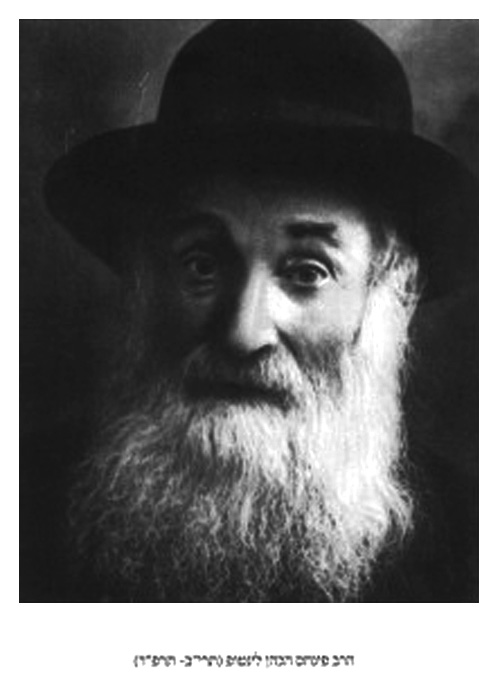
RABBI PINHAS HAKOHEN LINTOP (1852-1924)
Pinhas Hakohen Lintop, Rabbi of the Habad community of Birzh, Lithuania, was an intimate friend and colleague of Rabbi Abraham Isaac Hakohen Kook. Their friendship began when Rabbi Kook served as Rabbi of Zoimel, Lithuania and later Boisk, Latvia, and continued even after Rav Kook immigrated to Erets Israel.
What Rabbis Kook and Lintop shared in common, was the belief that the knowledge of the “inwardness of Torah” (“penimiyut ha-torah”) contained the medicine for the spiritual malady of the generation. Both men attempted, each in his own way, to disseminate Kabbalah to the masses. For this, they came under criticism from their rabbinic peers.
Rabbi Lintop was unique in that he was one of only three major Lithuanian kabbalists in that country at the beginning of the 20th century: Solomon Elyashev, Abraham Isaac Hakohen Kook, and Pinhas Hakohen Lintop.
The present book, Kana’uteh de-Pinhas (The Zeal of Pinhas) pivots on a hitherto unpublished letter of Rabbi Lintop to Rabbi Kook, then serving as Rabbi of Jaffa, Erets Israel. The lengthy letter consists of a detailed critique of the recent work of Rabbi Solomon Elyashev of Shavel (1841-1926), Hakdamot u-She’arim (Piotrkow, 1908), the first part of Rabbi Elyashev’s encyclopedic work of Kabbalah, Leshem Shevo
ve-Ahlamah.
While Rav Kook hailed Hakdamot u-She’arim as a supreme contribution to the wisdom of Kabbalah, Rabbi Lintop opposed the worldview contained therein, which as he pointed out, ran counter to both the teachings of Ramhal (acronym of Rabbi Moses Hayyim Luzzatto) and Habad (acronym of Hokhmah, Binah, Da’at, the school of Hasidism founded by Rabbi Shneur Zalman of Liadi).
Much of the present work is an attempt to unpack Rabbi Lintop’s specific criticisms of Hakdamot u-She’arim, while in the process sharpening our understanding of the ideological touchstones that set apart the respective teachings of these three great kabbalists, Rabbis Elyashev, Kook and Lintop.
The book, in Hebrew with an abstract of a few pages in English, is replete with a photo of Rabbi Lintop, his final repose in Birzh, and facsimiles of the titles of his works and some of his manuscript letters, which are of historic interest for their description of conditions in Lithuanian Jewry in the first quarter of the twentieth century (especially their vivid description of the rapid acceleration of the process of secularization and decline of rabbinic authority in the aftermath of World War I). An appendix of the book discusses Rabbi Lintop’s critique of Maimonides’ Thirteen Principles of Faith, a controversial topic which of late has been the focus of several rabbinic and academic studies. (Of especial note is Marc B. Shapiro’s The Limits of Orthodox Theology: Maimonides’ Thirteen Principles Reappraised.)
Another appendix of the book is devoted to Rabbi Solomon E. Jaffe (1858-1923), Chief Rabbi of New York after the demise of Rabbi Jacob Joseph, and to the short-lived Rabbinical Seminary (Yeshivah la-Rabbanim) that Rabbi Jaffe headed in New York (1909-1910) during the temporary closure of Rabbi Isaac Elchanan Theological Seminary (RIETS), today the rabbinical seminary of Yeshiva University. Rabbis Jaffe and Lintop overlapped in the rabbinate of Vabolnik, Lithuania circa 1888 and maintained cordial relations even after Rabbi Jaffe relocated to the United States.
Kana’uteh de-Pinhas is available at Bigeleisen and also from R. Naor’s website, www.orot.com.


Announcement: Special shiur by Rabbi Yechiel Goldhaber

The readership of the Seforim Blog is invited to a shiur that will be taking place Thursday night [8 Iyaar; 18th April] at 9PM. The shiur will be given by the noted author Rav Yechiel Goldhaber of Eretz Yisroel [link]. He has authored many wonderful articles and works on a wide range of topics most notably Minhagei Kehilos about customs, and Kunditon (link) about the Titanic, and the Cherem on Spain. 
The subject of the Shiur is The influence of the Zohar on Halacha, and it will take place in Brooklyn at 1274 East 23rd Street (the home of Dr. and Mrs. Shlomo Sprecher). 
The shiur is dedicated to the memory of R. Y. Szlafrok, z”l whose 25th Yahrzeit is next Shabbos, 10 Iyaar. 
For reservations, please email goldhabershiur@gmail.com.


New Book Announcement

New Book Announcement 
By Eliezer Brodt 
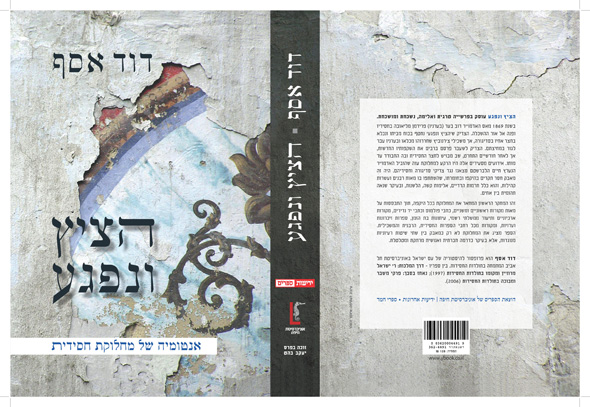
 הציץ ונפגע, אנטומיה של מחלוקת חסידית, דוד אסף, ידיעות ספרים ואוניברסיטת חיפה, 541 עמודים. 

Just released, from University of HaIfa and Yedioth Achronoth, Hazitz Unifgah (הציץ ונפגע), the much-anticipated work by Professor David Assaf on the Sanz Sadigura controversy (see here about this book, on Prof. Assaf’s extremely interesting blog). This controversy began in 1869 and continued for a while afterward. This is the first work to document at great length (541 pp.) all the details of this controversy based on many rare documents and the like. It continues in the path of Assaf’s previous works and will be sure to cause a great stir and much interest, as did his prior books. 
A complete bibliography of the sources that were used for writing this book was printed in the recent volume of Mechkarei Yerushalayim 23 (2011) pp. 407-481. This was not included in this new work.

If you are interested in a table of contents of this work email me at eliezerbrodt @ gmail . com.


New work by Rabbi Stahl

New work by Rabbi Stahl
by Eliezer Brodt
ספר סגולה, ספר ראשון, ירושלים תשע”ב, ר’ יעקב ישראל סטל, 153 עמודים.

As previously mentioned on the blog a new work by Rabbi Yakov Stahl was just printed (for reviews of some of his earlier works see here and here). This work is called Segulah (Hard cover, 153 pp.) Sefer Segulah is a collection of articles on disparate topics, related to Minhag, Halacha, Piyyut, Midrash and Aggadah. It is an excellent collection of articles on topics not often written about in seforim, by others, full of interesting observations from an extremely rich and wide range of sources. There is a special emphasis of usage of Piyutim in many of these articles, which are still an almost untapped mine for sources. Amongst the topics discussed in this work is about an old minhag to have a rooster in front of the darshan at weddings. Another is about staring at Rainbows. Still another is an interesting, possibly new early source for the minhag to say Shirat Hayam every day in davening. There are two nice original articles related to Purim. One deals with an old minhag to read the Megillah during the Shabbasim before Purim and another deals with the Tefilah הרב את ריבנו.

This sefer was printed in a limited edition of 350 copies. A full table of contents and a sample of a chapter are available upon request.

Copies are available while supplies last for shipping; in Eretz Yisroel the price is $13.50, including shipping. To the US and England the price is $16.50, including shipping. Contact me at Eliezerbrodt@gmail.com

Copies of Rabbi Stahl’s other works are still available, such as:

ספר גמטריות לרבנו יהודה חהסיד
אמרות טהורות חיצוניות ופנימיות לרבנו יהודה החסיד
סודי חומש ושאר לתלמידי רבינו יהודה החסיד על התורה שיר השירים איוב ורות
ספר קושית לאחד מהראשונים

Copies of אלפא ביתא תניתא דשמואל זעירא ב’ חלקים by R. Shmuel Ashkenazi and edited by Rabbi Stahl are also still available for purchase. Email me for the table of contents.


“Torah Study on Christmas Eve” free Torah in Motion lecture by Marc B. Shapiro

In the spirit of inyana de-yoma, Torah in Motion is offering, free of charge, Dr. Marc B. Shapiro’s lecture “Torah Study on Christmas Eve,” delivered on Christmas Eve, 2009. You can get it here.

We invite all those who download the lecture to visit Torah in Motion’s website www.torahinmotion.org where over a thousand other lectures are available for download (including lectures by Dan Rabinowitz, Eliezer Brodt, and Marc Shapiro’s bundle of 103 lectures on great rabbinic figures, available here). We also invite you to check out Marc Shapiro’s upcoming tours to Italy and Central Europe. Information is available here. Summer 2011’s tour was sold out and we expect the same thing this summer, so if you are interested, please act quickly.


More new seforim and some other things

More new seforim and some other things

By Eliezer Brodt

One

Here is another list of new of seforim I recently came across in various seforim stores. 1. רבינו חננאל, מסכת ב”ק, שט”ז עמודים+ מבוא, מהדיר ר’ יוסף דובאוויק, ע”י מכון וגשל. 2. נתיבות משפט על רבינו ירוחם – דפוס חדש. [ראה כאן]. 3. שו”ת לבוש מרדכי, ד’ חלקים, כולל תולדות והרבה הוספות. 4. חשק שלמה, ר’ שלמה ב”ר מרדכי, מכון הכתב, חו”מ סי’ א-סח. 5. מקורי התפילה- טעמיה נוסחותיה ומנהגיה, ר’ אפרים זלוטניק, 334 עמודים. 6. דרשות איגרות ותולדות, רבי אריה ליבושי הלוי הורוויץ, בעל שו”ת הרי בשמים, תקנ”ח עמודים. 7. שו”ת וישמע משה- אוצר פסקים ותשובת, שהשיב מרן הגרי”ש אלישב שליט”א, ע”י ר’ משה פריד, תנב עמודים. 8. שיעורי מרן הגרי”ש אלישב –ברכות,- כולל שיעורים ופסקי הלכה בתוספות ביאורים והערות, תשס”ב עמודים. 9. הלכות מועדים, [תש”ע], ר’ שלמה גרוסמן, דיני יום טוב, תצ עמודים. 10. יבקשו מפיהו, הל’ שידוכים, תקמ”א עמודים, פסקי הגרי”ש אלשיב שליט”א, נכתב ע”י ר’ זעליג קוסובסקי. 11. קובץ בית המדרש, פסקי הלכה מבית מדרשו של הגרי”ש אלישב שליט”א, חוברת על שבט, סיון, תמוז, 12. באר ישראל- [תש”ע], הלכות ימים נוראים, וסוכות, ר’ אברהם ישראלזון, כולל פסקי מרן הגרי”ש אלישב שליט”א, רמ”ב עמודים. 13. דבר הלכה, [דפוס חדש] ר’ אברהם הלוי הורביץ, בעל ה’ארחות רבנו’, ב’ חלקים, א’ הלכות יחוד, ב’ הלכות איטור וגידים לענין תפילין. 14. קובץ, אור ישראל, גליון סג. 15. קובץ, היכל הבעל שם טוב, גליון לב. 16. ישורון חלק כה, תשע”ה עמודים [אפשר לקבל תוכן העניינים]. 17. בצל האמונה, דרשות ומאמרים לחג הסוכות, הרב שג”ר, 245 עמודים. 18. נימוקי הרמח”ל, על עניני ראש השנה ויום כיפור, מכון הרמח”ל, 79 עמודים. 19. מטעמי יצחק, הרב יצחק הלוי הורוויץ [ר’ איציקל האמבורגער], ב’ חלקים, ע”י ר’ דוד מנדלבוים. 20. שברו את הכלים, הקבלה והמודרניות היהודית, רוני ויינשטיין, 647 עמודים. 21. Yaacob Dweck, The Scandal of Kabbalah, Princeton Press

Two

I would like to mention copies of both my seforim Ben Kesseh Lassur and Likutei Eliezer are still available for sale. They both contain lots of information related to Elul, Rosh Hashanah and Aswret Yemei Teshuvah amongst other things. Email me at eliezerbrodt@gmail.com for a table of contents or to purchase. For sample chapters of these works, see here and here.

Three

For previous posts on Elul and Rosh Hashanah see the following posts: For saying L’dovid during the months of Elul and Tishrei see here and here. If one can give a knife as a present, see here. About eating Siymonim on Rosh Hashanah see here, about saying tehilim on Rosh Hashanah see here. This post (in Hebrew) discusses the custom of refraining from meat on Rosh ha-Shana. The bulk of the commonly recited piyutim on Rosh ha-Shana are attributed to R. Eliezer ha-Kallir who is discussed here. And, finally, in this post, Dr. Shapiro discusses Adon Olam, the poem that many have the custom to say on Rosh ha-Shana (even if they refrain the rest of the year).

Four

See here at this new blog related to the Mesilat Yesharim for an update to an old post of mine related to the Mesilat Yesharim.

Five

There are many titles left from the seforim sale list posted here.


New Seforim list – Elul 2011

New Seforim list – Elul 2011
by Eliezer Brodt
As
a courtesy to our readers, below I provide a list of some new seforim
and books that I recently have purchased or become aware of. Some are
brand-new, others have been out already for a few months
  1. בית
    היין על הלכות יין נסך, הרב
    צבי הירש גראדזענסקי, ש”ט
    עמודים.
  2. אגרת
    משה חלק ט. [עדיין לא הגיע
    לארץ ישראל ולכן לא ראיתי].
  3. גנזים
    ושו”ת חזון איש,
    תכ”ד עמודים.
  4. ירושלים
    במועדיה, ירח האיתנים,
    הרב אביגדר נבנצל, שי”ח
    עמודים.
  5. תשובות
    וחידוש מעשי למלך, אורח
    חיים, תס”ד
    עמודים.
  6. צוואת
    רבי יהודה החסיד המפאור, מכון
    אוצר הפוסקים, תרי”ח
    עמודים (וגם מבוא מפתחות
    ותולדות המחבר).
  7. אלפא
    ביתא תניתא דשמואל זעירא, כרך
    שני
    – ר’ שמואל
    אשכנזי.
  8. תוספות
    ר”י הזקן, שבת,
    חלק ב, מכון
    אופק.
  9. תשובת
    רב נטרונאי גאון, מהדורה
    חדשה עם תיקונים, מכון
    אופק.
  10. מילי
    דאגרות, ב’ חלקים
    מכתבים של הרב מרדכי גיפטר.
  11. מעשה
    צדיקים, ר’ אברהם
    כלפון (חבר של החיד”א),
    תקצ”ו עמודים
    [ספר מלא חומר חשוב
    ומעניין].
  12. בין
    הכוזרי לרמב”ם, ר’
    יצחק שילת, רפו
    עמודים.
  13. משנת
    ארץ ישראל –ספראי – ראש
    השנה.
  14. משנת
    ארץ ישראל- ספראי-
    ביצה.
  15. אלה
    מסעי, רשימת מסע הרבנים
    בראשותם של הראי”ה קוק
    והגרי”ח זוננפלד,
    274 עמודים.
  16. חמשת
    מיני דגן- זהר עמר,
    252 עמודים.
  17. הקנטוניסטים-
    יוסף מנדלביץ’, 288 עמודים.
  18. לשאלת
    החרם על ספרד, ר’ יחיאל
    גולדהבר, פ’ עמודים.
  19. מבקשי
    פניך שיחות עם הרב אהרן ליכטנשטיין,
    נכתב ע”י
    הרב חיים סבתו, 296 עמודים.
  20. אשירה
    ואזמרה לה’ על עניני שירה
    וזמרה, ר’ מרדכי
    שפר, תשס”ד
    עמודים.
  21. קבלה
    למשה מסיני, ר’ ראובן
    ניסן (קבלה והלכה),
    ר”א עמודים.
  22. סגולות
    האריז”ל, מלוקט
    מכתבי האריז”ל,
    תנ”ט עמודים.
  23. בזכרנו
    את ציון, עניני זכר למקדש
    ואבלות חורבן הבית, ר’
    אורי כהן, תקס”א
    עמודים.
  24. יחיד
    ודורו, שני חלקים,
    תולדות הרב מרדכי צוקרמן.
  25. קראי
    מזרח אירופה בדורות האחרונים, בעריכת
    דן שפירא וד’ לסקר,
    מכון יצחק בן צבי, 289
    עמודים+ 190 עמודים.
  26. התנ”ך
    מן השטח, ראיות ארכיאולוגיות
    והיסטוריות לתנ”ך,
    ר’ לייבל רזניק,
    399 עמודים, ראובן
    מס.
  27. אלוהים
    משחק בקוביות, מה באמת
    אומרת לנו האבולוציה? מיכאל
    אברהם, 503 עמודים.
  28. אגדת
    צפת, עלי יסיף, 273
    עמודים.
  29. על
    זמן חיבורם של ספר הזוהר וספר הבהיר,
    תולדות סימני הניקוד והטעמים
    המקראיים ככלי לתיארוך של ספרי קבלה,
    יצחק פנקובר, הוצאת
    כרוב, 188 עומדים.
  30. כלי
    מחזיק ברכה, ר’ שלום
    קליין, אוסף מאמרים על
    זמני השנה ומעודי ישראל, שס”ד
    עמודים.
  31. אור
    עולם, תולדות הרמח”ל
    ומשנתו, ר’ מרדכי
    שריקי, 203 עמודים.
  32. הוד
    והדר כבודו, פרקי הוד
    ודרשות מהגאון ר’ יוסף
    שחור, [כולל סיפורים
    ומכתבים מהנצי”ב והגר”ח
    מבריסק], 190 עמודים.


Rav Shmuel Ashkenazi, a contemporary Maecenas of the world of seforim.

A few years ago I began fundraising to print seforim of Rabbi Shmuel Ashkenazi. I am happy to announce that finally two volumes were just printed volume one is being sold in stores now and volume two will be released to be sold in stores before Shavos. In earlier posts I have put up some chapters of these new works. In one post I described Rabbi Shmuel Askenazi as follows: One of the hidden giants of the seforim world both in ultra orthodox and academic circles is a man known as Rabbi Shmuel Askenazi. Professor Zeev Gries also a great expert of the Jewish book and bibliography writes about him:
אני ובני דורי נוכל להעיד על בור סיד שאין מחשב שידמה לו, כר’ שמואל אשכנזי גמלאי מפעל הביבליוגרפיה העברית” )הספר כסוכן תרבות מראשית הדפוס עד לעת החדשה, לימוד ודעת במחשבה יהודית (תשסו) עמ’ 257).
This man has authored many books and articles in dozens of journals – both academic and charedi. Besides for authoring so much he has assisted many people in both circles helping in many areas of the Jewish literature. At times he is acknowledge and thanked and other times not. A few years back, a partial bibliography of his writings was printed in a work called Alfa Beta Kadmita de-Shmuel Zera. This book was a start of an attempt to print all of his writings in a multi-volume set. R. Askenazi has been writing and collection information on thousands of topics for close to seventy years. Unfortunately, he did not print much of what he gathered. The main reason for this omission is R. Ashkenzi’s “weakness” for incredible levels of perfection. For personal reasons the project that began a few years back was stopped by R. Askenazi. Two years ago the project was restarted again by others. He and these people have been working daily to prepare the writing for print. To date this project has gotten very far in preparing for print his writings. Two volumes of over five hundred pages were just printed; five more volumes are almost near completion. After that there are many more waiting to be worked on. The only thing holding back the printing of these volumes are funds to print the volumes. Not everything that he gathered is worth printing and heavy editing is done as with many of the available data bases what he gathered today is not worth much as a quick search on these data bases will find the same thing. However much of what he has gathered is very valuable even today with all kinds of search engines. The topics that these works deal with are virtually everything on some level, sources on expressions, minhaghim, dininm, evolvement of famous stories, bibliography, corrections of authors, encyclopedia style information on thousands of topics culled from thousands of seforim many very rare or unknown. There are also thousands of letters to authors and professor’s containing notes on their works additional sources of their work etc; In addition there are R. Askenazei notes on tefilah, piyut, Chumash, Shas, Zohar, and from other seforim that he marked down on the side. These newly released volumes contain about two hundred chapters on a wide range of topics including many of which trace famous statements people say over in the name of Chazal. In these chapters he traces them through an incredible wide range of sources showing how it was used and by whom it was used. The tour of sources going through out all ages of history (literally) that one is exposed to in these chapters is breathtaking. This book is also well written and organized making it a pleasure to read. It is a work that almost anyone interested in the Jewish book will find many things to enjoy. This book is available for purchase by Girsa and other seforim stores in Jerusalem, in Beigleiesein and other stores in the US. It is also available through me. For more information about this work or helping continue this project in any way please e – me at eliezerbrodt-at-gmail.com. A table of contents of this current work is available upon request to the above mentioned e-mail.


New Book On the Kashrut of Modern Etrogim

On the Kashrut of Modern Etrogim

Sukkot is fast approaching. For many this means selecting a “mehudar” etrog. Depending upon where one is this task can involve not only selecting an etrog with or without a pitum, bumpy or smoother, with or without a gartel, or a host of other considerations, but also selecting which type, Berman or Hazon Ish. Indeed, today, there are variety of types of etrogim identified by the farm or personalities that have ostensibly certified them as Kosher for use during the holiday. But, how do we know that any of these types are preferred? Where did these etrogim originate? Are they really Kosher?
Until recently, the answers to many of these questions have been shrouded in mystery. Sure one may have been told that so-and-so decided (mostly by merely looking at a particular tree) this etrog is Kosher. Today, however, Zohar Amar, who has written extensively on agriculture and other issues involving mesorah as it relates to Kashrut, has published a book where he investigates these questions, Etrogei Eretz Yisrael, Israel, 2010, 85 pp.
In reality, this latest book complements his book published last year discussing all the four species, Arbat ha-Minim, Israel, 2009, 101 pp. The earlier book, as it relates to etrogim focuses on how and when we identified the etrog with the biblical commandment of “prei etz hadar.” Amar seeks to disprove the notion that etrogim were not native to the Middle East until far after the Jews were present. This is important as some want to argue that the use of etrogim for araba minim is of late origin and thus undermine the mesorah associating etrog with prei etz hadar. Amar’s thesis is can be summed up using the talmudic expression “lo raenu enu rayah.” That is, much of what has been said about this point is predicated on the lack of etrogim seeds or evidence that can be dated to an early period – i.e. when Jews were in Israel practicing the Torah.
Amar provides the earliest evidence that we have of etrogim and their use on Sukkot. For example, etrogim appear on some Jewish coins and in mosaics. While some may associate the “gartel” or figure eight shaped etrogim with hassdim (probably because some hassidim wear such belts all year-round), in reality, many of these early depictions show etrogim with a gartel.
Additionally, Amar discusses the development of using etrogim from outside of Israel and then their importation and eventual grafting of those etrogim. The reason these foreign etrogim were used were because, for the most part, etrogim that are indigenous to Israel aren’t what we would consider mehudar today. Typically they lacked the pitum and weren’t shaped nicely and were smoother than our bumpy etrogim. Thus, some began to use etrogim from outside of Israel. This in turn created a controversy as to whether those etrogim were Kosher as well as whether there is a preference for Israeli etrogim over those from outside of Israel.
As part of this controversy the issue of grafted etrogim became a much larger issue. Indeed, the issue of grafting etrogim doesn’t appear in Jewish literature until 16th century. Amar, discusses the development and application of this concept as it relates to etrogim.
Returning to Amar’s latest book, Etrogei Eretz Yisrael. This time around Amar turns his focus to the mesorah of Israeli etrogim. He has extensively researched this topic and his research included visiting the etrogim farms and speaking with the farmers. What emerges is that for most of the etrogim available today, the best we can trace their pedigree is 100 years. For many, it is less than that. That. is, while many claim significantly longer pedigrees, the stories fail to match with fact. That is not to say that today’s etrogim aren’t Kosher or that many are grafted, only that we don’t have evidence that today’s etrogim are the same as were used more than 100 years ago. Amar concedes that more research, including genetic and other scientific testing is necessary to determine which etrogim are pure and ungrafted.
In all, this latest book is an important one as it sets the baseline for further research regarding etrogim, and, additionally, provides more background on the specific types of etrogim currently available in the marketplace today.
The books are distributed by Girsa and Shalem in Israel and is available at Beigeleisen in the US.


Some Recently Published Seforim

Some Recently Published Seforim
by: Eliezer Brodt

Here is short list of some recently published seforim on the market. This is only a partial list but we wanted to highlight some notable seforim.
1. The Safari commentary, Mishnayot Mishnat Eretz Yisroel, on Meschect Yoma. This is but one of the many new volumes of this commentary that are coming out at a rapid speed. I hope they continue coming out at such speeds.
2. Zohar Amar’s Esrogei Eretz Yisroel. This volume is a continuation of his work, published last year, Arbat ha-Minim. As the title suggests, the new book focuses on the Etrog in particular and especially the various etrogim on the market today.
3. R. Yitzchack Shilat has retranslated the Kuzari from Arabic.
4. R. Hamberger, of Mechon Morshet Ashkenaz, has just written a beautiful three volume masterpiece on Yeshivat Fuerth, Ha-Yeshiva ha-Rahma be-Fiord.
5. R. Nebentzal on Chol Hamoed.
6. R. Weiss author of Megadim Chadashim on various volumes of Shas, (the works are well-known for containing interesting things) has put out a volume on Chumash Breshis (673 pp.).
7. R. Y. Weiss, Binah le-Etim, two volumes on Tishrei (from Mechon Shem Olam).
8. Volume 23 of Yeshurun. This volume is beautiful; although smaller in size than previous volumes in content it is better (in my opinion). The main highlights are the articles regarding R. N.N. Rabinowich, author of Dikdukei Sofrim, including many letters of his (many of which had not been printed), his notes on Shem ha-Gedolim and a section on Geniza Charsoin. I will be returning to this volume in its own post hopefully very soon.
9. A reprint, and retypeset edition of Chibat Yerushalayim, all about Eretz Yisroel.
10. As far as other Torah journals there are new issues of Or Yisroel, Hamayan (it’s even already upon line), Eitz Chaim and Heichel Ha-Besht.
11. Volume three of Iggerot R. Hayyim Ozer.
In the academic world there also has been some activity. Of note from Ben Tzvi is three volumes of collected article of E. Fleischer on Piut and a marriage guide for Chasanim from the 1700s. From Magnes there is a nice book from A. Melamaed, Rehokot ve-Tavahkot.


New Sefer Announcement

New Sefer Announcement
by: Eliezer Brodt
I just printed a small sefer, Likutei Eliezer, it is 120 pages and paperback. The sefer consists of four chapters each with many parts. Although portions of each chapter appeared on the blog, each has been significantly expanded – over double the amount of new material – as well as corrections and updates. All the pieces are in Hebrew. The first chapter starts out with a discussion of various possible sources regarding the well-known custom of saying Ledovid during Elul and Tishrei. This leads in to a few different historical discussions of various people who were possibly the earlier sources for it being said. After proving (partially based on an earlier post of Dan’s) that the earliest known sources to us today for this custom is from R. Binyomin Benish Bal Shem I have a in-depth discussion of Balei Shem and others our history. I deal a bit with the topic of practicing Kabbalah Ma’asit (Practical Kabbalah) in this chapter.

I should mention that in the latest issue of Kovetz Eitz Chaim there appears an article under my name about Ledovid in Elul. [The version in this new sefer of mine has more than double the material than the article]. I was asked by an editor of this journal for this article. I was happy to give it to them although they have their methods of what to include and what not to include as has been demonstrated in the past on this Blog. However I was very disappointed to see that the besides omitting some of the sources and names they have changed my article with a completely different outcome than that I had written.

The second chapter deals with Efer Parah (ashes of the Red Heifer) and when exactly did we lose it. A version of this chapter appeared in my sefer Bein Kesseh Le-assur (of which copies are still available for purchase) and on the blog. In this new sefer many additions were added. Among topics discussed in this chapter are lengthy discussion of the famous Berita De-mesctas Niddah and if R. Eliezer Kaliar was a Tanna.

The third chapter revolves around the Sefer Hapeulot of R. Chaim Vital. This chapter has twenty sub-chapters based in part on my post on the blog but full of new material. Amongst the topics dealt with are Alchemy, Shelios Chalom, Goralos, automatic writing, ghosts and much much more.
The fourth chapter is about the Maggid of the Beis Yosef. This chapter consists of seven sub chapters focusing on the Poskim and how they viewed this work. I begin with as an example the words of the Maggid to the Beis Yosef (“BY”) not to eat meat on Rosh Hashana (“RH”). I deal with how the Maggid could have forgotten a Mishna which says one is supposed to eat meat on RH and a gereal discussion how a Maggid works in this regard. I have a section dealing with the various sources about eating meat on RH. Another section deals with who was the Maggid talking to just the BY or to everyone. The BY never quotes the Maggid but other poskim do bring him. I deal with the topic of Torah lav ba-shmayim in regard to this. Another section deals with the Rambam forgetting sources. The last section deals with the famous words which the Maggid told the BY many times that he would die Al Kidush Hashem via burning and we know he did not.

This sefer is available for purchase in the US by Biegliesin in NY, in Lakewood at Judaica Plaza and in Mosey at Tuvias’s. In Jerusalem it is available at Girsa, Otzar Haseforim and next to the Mir. It is also available for purchase from the author and can be shipped worldwide. A PDF of the table of contents and index are available, for more information contact me at eliezerbrodt@gmail.com.