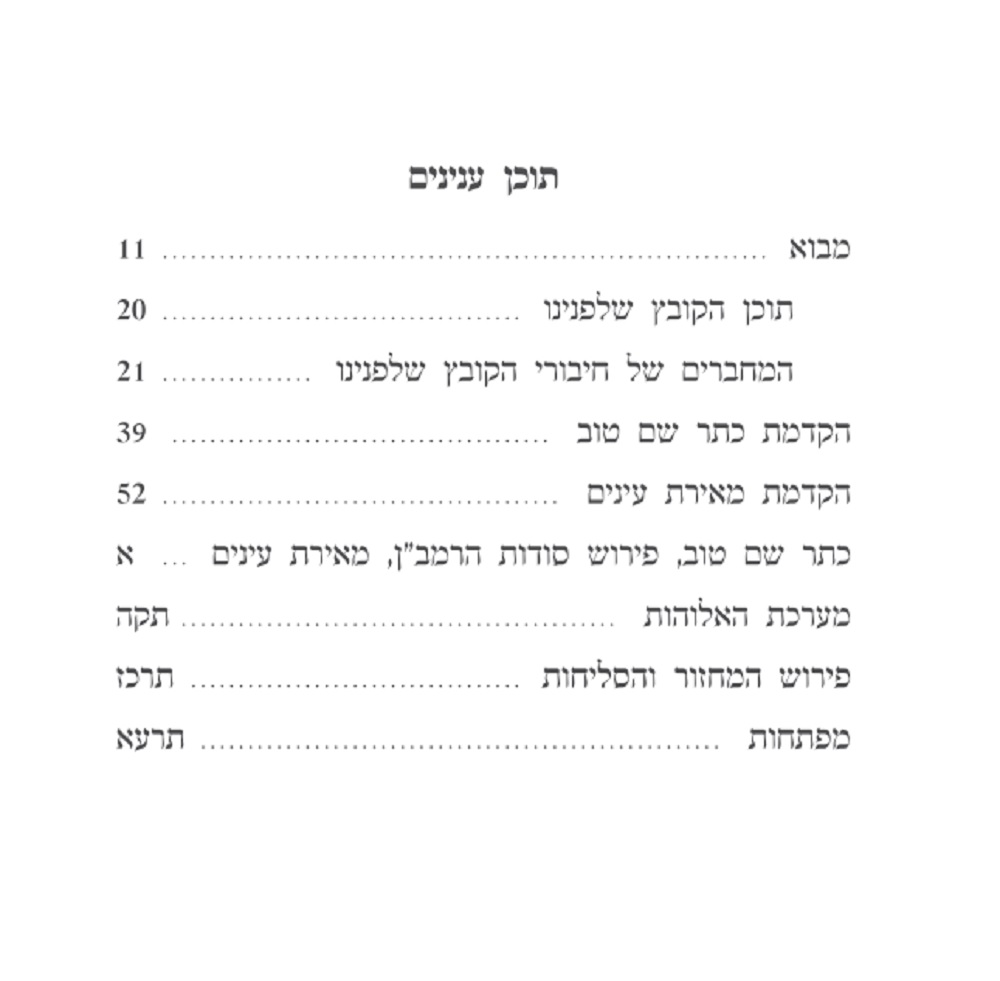
Book Announcement: New edition of the Seder Hadorot
By Eliezer Brodt
ר’ יחיאל היילפרין, סדר הדורות, מאנסי תשפא, חלק שני: סדר התנאים והאמוראים, ב’ חלקים, [אות א, 820 עמ’\ אותיות ב-ט, 717 עמ’]

This post serves a dual purpose; first, to describe in some detail a new edition of a very important work: Seder Hadorot, and thus make the Seforim Blog readership aware of its recent publication. The second purpose of this post is to make this sefer available for purchase to those interested. Part of the proceeds will be going to support the efforts of the Seforim Blog. The seforim are also available for purchase at Mizrahi Books [here]. Contact me at Eliezerbrodt@gmail.com for more information about purchasing it or for sample pages of this new work.
The study of Jewish history for itself, as well noting those who pursued this study are very important topics and IY”H I hope to write about it at length. One of the classic works of Jewish history printed in the past few hundred years is the Seder Hadorot, authored by Rabbi Yechiel Halperin, Av Beis Din of Minsk (1660–1742). Seder Hadorot was first printed in 1769, after the author’s passing, by his grandson and included many Haskamot of Gedolim of the time. Since then, the work has been reprinted numerous times and, as a very authoritative work on the subject, has been quoted thousands of times.
Many sources which made use of this work also cast bright light upon the author’s prodigiousness. One such source can be found in a fascinating piece at the end of R’ Pinchas of Poletsk’s Droshot:
קורות הזמן כאשר יעדתי גלל כן כתבתי בקצרה את חכמי הזמן שנתגלה אורם בהתחלת ימי וקודם מעט כמו עשר שנים, והיה דור דעה ויצאו לדפוס ונתפזרו בישראל לתורה ולתועדה ולהוראה ולפלפול וחריפות, הראשון הרב הגדול הגאון ר’ יונתן מפראג שיצאו ספריו לאור עולם,… והרב הגאון הגדול בעל המחבר ס’ סדר הדורות, כאשר נודע בספריו הקדושים יצאו לאור עולם… [פעולתי השמיני, ב, עמ’ תצה-תצו]
We thus find R’ Halperin listed as one of the great Gedolim in a generation that had many giants.
One significant point of his work is, it demonstrates that R’ Halperin, one of the great Gedolim of his time, saw fit to invest much time on history, as a topic for itself and even stressed its importance in his lengthy introduction.
We find the work quoted by Gedolim already close to its printing; e.g., R’ Yosef Steinhart, in a teshuvah to his extraordinary brother-in-law R’ Yeshaya Berlin, wrote:
ואחר כותבי הדברי’ האלה בא לידי ספר נקרא סדר הדורות נדפס מחדש בשנת תקכ”ט עם הסכמה גם ממני וראיתי שם, בסדר תנאי’ ואמוראים … [שו”ת זכרון יוסף, סוף סי’ טו].
Perhaps one of the greatest comments about this work was by the Chida who wrote in his Shem Hagedolim:
סדר הדורות מהגאון מהר”ר יחיאל אב”ד דק”ק מינסק… ובחלק התנאים ואמוראים הן הראנו את כחו בתלמוד ועוצם בקיאותו דכל רז לא אנס ליה כאשר יסתכל המעיין… והרגיל בו יכיר גדולתו כי הבבלי והירושלמי והמדרשים כמאן דמונח בכיסתיה, והקדמתו הארוכה והנוראה ותקוני הש”ס שאחריה וחלק התנאים והאמוראים מבהילים את הרעיון מראות נפלאות ופלאי פלאות בקיאותו וחפ”ש מחופש בכלהו ספרי דבי רב אשר היו עמו במחיצתו [שם הגדולים, מערכת ספרים, אות ס [ח] סדר הדורות]
This particularly powerful description is all the more impressive when we consider the Chida‘s almost unrivaled expertise in history.
However, from the first printing of the work and onward numerous typos crept in and more and more were created over time with each subsequent printing. Another issue with the sefer is that many of the author’s abbreviations were misunderstood leading to erroneous readings. Additionally, many paragraphs were transposed or similarly garbled and all too often the author’s true intent was misunderstood, left cryptic or worse.
In 1878-1882, R’ Naftoli Maskeleison published an edited edition of Seder Hadorot, in an attempt to correct these major issues, after having spent twenty years working on the project. This edition received many impressive Haskamot.
The original work of the Seder Hadorot contains three sections:
סדר ימות עולם סדר הדורות; תולדות אישים ומאורעות מאז בריאת העולם ועד סמוך לדורו של המחבר
סדר התנאים ואמוראים; תולדות התנאים והאמוראים
שמות בעלי מחברים וכל הספרים בערך א”ב מסודרים. מדור מיוחד למחברים ומדור מיוחד לספרים
Now, after close to two decades of work, a new version of the Seder Hadorot was recently released by Rabbi Yeshaya Miller and Rabbi Yitzchok Hager of Monsey, New York. The two volumes just published are just the beginning of the lengthy, encyclopedic work, covering the Seder Hatannaim V’amoraim section, letters Aleph (820 pp.) and Beis-Tes (717 pp.).
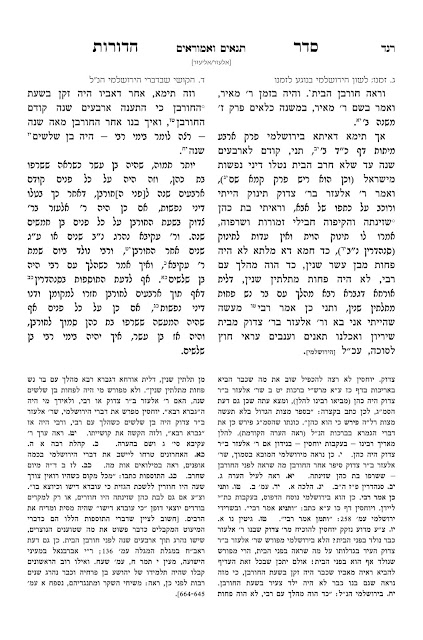
This section of the Seder Hadorot is the most important and original part of the work, and where the author’s intellectual prowess is clearly displayed, as highlighted by the Chida’s remarks (quoted above). Hence the editors’ decision to begin the printing of their edition of the work from this section, hoping IYH to continue on to the rest of the work. [The rest of the work is finished they are just working on preparing it for print].
With regard to this section’s importance, it’s worth quoting the Shoel Umeshiv‘s Haskamah to the Dikdukei Soferim:
מו”ה רפאל… ועמד על כל אות ואות מה שנמצא מכפי הדפוסים אשר נמצאו בידינו… כי הוא יהיה לנו לעינים לעמוד על עומק כוונת הש”ס על פי הגרסות החדשות הנמצאות שם גם בחלוף שמות התנאים והאמוראים ומואד שמח לבי בזה… והתועליות הגדולות אשר יצאו מזה אם בשמות התנאים והאמוראים אשר נמצאו בהשינוים וכבר האריך בזה… בעל הסדר הדורות בהקדמתו והגאון מהרי”ב ולבי אומר לי אם היו רואים השינוים האלה הנמצאים בכ”י וראשונים היה שמחים לקראתם
Many years ago, during one of my first meetings with R’ Shmuel Ashkenazi z”l, the Seder Hadorot came up. He asked me if I knew someone named Yeshaya Miller from Monsey who had been working on the sefer. At the time, R’ Ashkenazi was very excited about this and eagerly awaited its publication.
R’ Shmuel Ashkenazi wrote in a Letter to the Editors of this edition:
זה לי רבות בשנים יחלתי למהדורה מתוקנת של סדר הדורות. ואולם נער הייתי גם זקנתי ולא ראיתי מי שיקבל על עצמו את העבודה הקשה הזאת. והנה שמחתני בפעלך ובצפיתי אצפה לחזות בנועם הופעת ח”א בעגלה ובז”ק כשהוא מתוקן ומקובל [אגרות שמואל, ג, עמ’ 1588]
A few weeks ago, I received several copies of this new edition. I began going through the edition and was simply blown away by the editor’s tremendous investment and efforts in producing a stunningly masterful critical edition of Seder Hadorot. I elaborate:
The editor’s state:
הגהה מדויקת על פי דפו”ר, קארלסרוא תקכט; חלוקת הקטעים; כותרות קצרות לפני כל ענין; השוואה לכת”י רבינו המחבר שרשם בגליוני ספר יוחסין; בדיקת כל מקור בספרי דפוס וכת”י בדקדוק רב; השלמת אלפי ציונים; העתקת לשונות הספרים שצויינו בספר
Simply put, they invested years upon years in checking and double checking every source mentioned; literally every word was examined and researched to understand the author’s intent. This was accomplished by consulting early editions of R’ Halperin’s sources thus verifying his readings and comments. Many of these sources were extremely rare, however the editors spared no effort or cost in tracking down each and every source, thus enabling them to better understand each comment.
The following excerpt, sampled from just one footnote serves to give us a small glimpse of the prodigious amount of effort invested into this editorial endeavor:
אבוה דשמואל ולי עיילי לבית הכנסת. דשף ויתיב בנהרדעא והתפללו שם (ראש השנה כד ב, עבודה זרה, מג ב) כתב מסעות בנימן בעיר שפיתה בית הכנסת שנבנה מאבנים ועפר ירושלים
שפיתה. לא ידוע לנו מאיזה דפוס העתיק רבינו את הכתיב “שפיתה”. בדפוסי קושטא שג, פרייבורג שמג, ליידן שצג (שני הדפוסים), אמשטרדם תנא: “שפיתיב” (וכן העתיק בוקסטורף בספרו ‘טיבריאס’, באזל 1620, עמ’ 25). במסעות ר’ בנימין דפוס פיררא שיו: “שיפיתיב”. ובדפוס אמשטרדם תנח: “שפי’ תיב”. על הכתיב “שפיתיב”, במקום “שף יתיב”, ראה: המגיד שנה כא חוברת 25 עמ’ 237; ירחון הכרמל שנה ד עמ’ 274; מקור ברוך לר”ב עפשטיין חלק ג דף תשלה ע”א-ע”ב
בית הכנסת “דשף ויתיב” נבנה מאבני ירושלים ועפרה על ידי יכניה ואנשי גלותו, כמו שכתוב – בנוסחאות שונות – באגרת רב שרירא גאון עמ’ 62-61; תשובת רב האי גאון, בתוך: תשובות הגאונים – שערי תשובה סי’ עא; ערוך ערך שף השני; רש”י ראש השנה כד ב ד”ה דשף, ועבודה זרה מג ב ד”ה דשף; ספר התרומה הלכות ארץ ישראל; כפתור ופרח פרק י, חלק א עמ’ רלג, ועוד
מסורות שונות בנוגע למקום בית הכנסת זה וקורותיו, מובאות בסבוב העולם לר’ פתחיה (אוצר מסעות עמ’ 52); שו”ת הרשב”א חלק ח סי’ ד; שו”ת צדקה ומשפט הקדמת ר’ עזרא ראובן דנגור; עלי תמר זרעים ב עמ’ע
While working on this edition they discovered R’ Halperin’s personal copy of Sefer Yuchasin by R’ Avraham Zaccuto, which he used and even wrote numerous glosses along the margins, thus enabling R’ Miller and R’ Hager to further decipher many previously cryptic passages in Seder Hadorot. All of R’ Halperin’s glossa are included in the notes of this edition.
However, the editors did not simply content themselves with referencing R’ Halperin’s sources; wherever possible but further searched after the first edition of every source mentioned in Seder Hadorot — and in many cases, even the manuscript copies. This was done to avoid relying solely upon possible mistaken information R’ Halperin may have been exposed to, due to errata introduced in subsequent printings of his sources.
Other important additions to this new edition are: punctation to enhance readability; the creation of title and section headings to each entry, thus dividing the contents into material that can be easily and expediently perused; graphically differentiating between R’ Halperin’s comments and his base text, Sefer Yuchasin, by varying the fonts used. This last point is quite crucial; R’ Halperin quotes Sefer Yuchasin extensively, all the while interspersing his own thoughts and comments and differentiating between the two authors enables the reader to better comprehend the Seder Hadorot. Finally, I must note that the typesetting is beautifully done and makes reading the work an absolute pleasure.
The new edition includes a section titled: Likutei He’aros. In the editors’ words:
לקוטי הערות: אלפי הערות שנלקטו מפי ספרים וספרים, הנושאים ונותנים בדברי רבינו המחבר, מהן שהיו עד עתה בכת”י ומהן שכבר נדפסו; מופיעות כאן לראשונה הערות מכת”י החיד”א, בעל שער בת רבים הגה”ק משימאני, בעל איתן אריה, בעל אפרקסתא דעניא, מרן הגרח”ק, ורבים אחרים
Many Gedolim and scholars have commented on this work since it was first printed. In this section, literally thousands of comments and additions from numerous manuscripts and printed works were collected and printed in a very organized manner.
A third section of this edition is Meluiyim:
מילואים: הרחבת דברים במקומות שראינו צורך לתת השלמה, בירור נוסף ועיון מעמיק לענינים הנידונים בספר ובלקוטי הערות; בירורי גירסאות רבות על פי עדי נוסח קדומים; הצעת דעות, פירושים והערות שונות לכל הקשור לעניני הספר; העתקים לשונות ארוכים שלה הכילם הגליון בפנים
This section is devoted to lengthier pieces devoted to elaborating upon particular passages in Seder Hadorot. The research invested in this section is simply incredible; no stone was left unturned.
One example of this: Seder Hadorot lists three hundred and thirty mentions of ר’ אליעזר הגדול in the Mishnah. In their almost ten-page elaboration of this in this section, the editors examine each of these mentions. This is extremely valuable to scholar and researcher alike, as many passages are attributed to ר’ אלעזר בן שמוע.
In conclusion: this outstanding new edition of this incomparable work is truly masterful and I eagerly await the completion of this set.