In Memoriam: Rabbi Dr. Norman Lamm z”l

In Memoriam: Rabbi Dr. Norman Lamm z”l

by David Berger

In the early modern period, we find reference in the works of Jews in the Islamic orbit to the ideal of a hakham shalem—expert in both Torah and the various forms of wisdom. If we wish to be yet more ambitious, we can imagine an individual who supplements these already daunting characteristics with a constellation of exceptional personal qualities.

Rabbi Norman Lamm came remarkably close to meeting this extraordinary standard. He was a major thinker who articulated and embodied an ideal of interaction between Torah in its purest sense and world civilization and culture. He contributed to the academic study of Jewish thought. He composed works that inspired Jews to renewed and enhanced observance of mitzvot. He delivered shiurim to classroom audiences and to packed auditoriums, and he published a book of hiddushei Torah. He was an orator of almost transcendent talent; no one in the Jewish world—certainly in the Orthodox world–after Rav Soloveitchik came close. He radiated atzilut (which I would translate inadequately as an aristocratic demeanor) while maintaining genuine concern for virtually everyone he knew; he is said to have responded personally to every letter he received, and he sent congratulatory notes to friends and acquaintances upon reading a review or even a letter to the editor of which he approved. He stood at the helm of a religious movement, leading its central, indispensable institution, founding the Orthodox Forum, the Orthodox Caucus, and the Torah u-Madda Project, serving as the first editor of Tradition, and initiating GPATS, the primary expression of Modern Orthodoxy’s commitment to genuinely advanced Talmud study for women.

Several years after Gerson D. Cohen left Columbia to become Chancellor of the Jewish Theological Seminary—and well before his tragic, debilitating illness– he told me, “I am out of commission as a scholar.” Cohen was a brilliant, driven figure of stunning intellectual breadth and vibrant energy. I often thought of this comment when contemplating the remarkable productivity of Norman Lamm as he led a much larger, far more complex institution, and I shook my head in wonderment.

My one opportunity to characterize an aspect of Rabbi Lamm’s multifaceted accomplishments came when I was invited to write the Foreword to the Deuteronomy volume of his Derashot Ledorot, a series made possible by my wife Pearl, who was then Dean of Yeshiva University’s libraries. She spearheaded an initiative—in consultation with Rabbi Lamm– to place the treasure trove of his typewritten sermons in a digitally accessible data base, which continues to register triple-digit hits on a weekly basis, available here.

In that Foreword, I wrote about my reaction to his sermons, noting among other things his linguistic brilliance. My favorite example was his striking reformulation in a sermon about the drug culture of the late 1960’s of a classic line by Marx. “Opium,” said Rabbi Lamm, “is the religion of the masses.”

I conclude with the following passage from that Foreword recording two memorable incidents unrelated to the published sermons:

One [of these incidents] left me with an enduring impression of Rabbi Lamm’s extraordinary sermonic instinct, and the other revealed a sharp, quick, and agile mind that supplemented the deep and serious intellect expressed in his scholarly and philosophical works.

In March of 1987, Yeshiva University held “A Centennial Event Honoring the Establishment of the Yeshiva University Archives.” Because the archives contain major collections relating to the Holocaust, particularly the records of Orthodox organizations like Vaad Hatzalah and Rescue Children, the program was entitled, “Zachor: Written and Oral History,” and Prof. Geoffrey Hartman of Yale, who directed a video archive of Holocaust-related testimonies, was invited to address the gathering. Rabbi Lamm’s role was to provide a brief introduction to the event. He was by no means the principal speaker, and he could have fulfilled his obligation with a routine comment or two requiring barely a moment of thought or preparation. His introduction was indeed brief, but it was more memorable than anything said by the distinguished visitor.

I wondered, said Rabbi Lamm, why the director of an oral archive would be invited to speak at the launching of an archive of written materials. But then, he continued, I realized that when the Torah speaks of the requirement to remember Amalek, the quintessential precursor of the Nazi murderers, it introduces the divine commandment as follows: “Write this as a remembrance in a book, and place it in the ears of Joshua” (Exodus 17:14). Remembering Amalek requires both a written and an oral archive.

The second episode emerged in the wake of a position that Rabbi Lamm took on a controversial issue that need not detain us here. A prominent rabbi in the Traditionalist Orthodox community responded in a public address with the assertion that Rabbi Lamm was a sone’ Hashem, a hater of God. The editor of the Yiddish newspaper The Algemeiner Journal asked the purported God-hater for his reaction. Rabbi Lamm replied with a single, brief quotation from the Talmud: “Those who are shamed and do not shame in return, who hear their disgrace and do not respond…—of them Scripture declares, “All who love Him shall be like the sun rising in strength” (Judges 5:31).

We have suffered the loss of a unique leader whose legacy will remain with us in virtually every nook and cranny of our Jewish lives.


On the Passing of Yeshayahu Vinograd, the Bibliographer and the Man

On the Passing of Yeshayahu Vinograd, the Bibliographer and the Man

Moshe Dovid Chechik

Yeshayahu Vinograd (1933–2020), the renowned scholar and bibliographer, passed away on Thursday, 7 May 2020. He authored Otzar ha-Sefer ha-‘Ivri (Thesaurus of the Hebrew Book), Otzar Sifrei ha-Gra (Thesaurus of the Books of the Vilna Gaon), and (published) Siddur Ezor Eliyahu. The following reminiscences were written by Moshe Dovid Chechik at the request of the editors of The Seforim Blog, and translated from the Hebrew by Daniel Tabak.

While most frontmatter is forgettable, one of the most amazing prefaces that I will never forget is the one composed by Reb Shaya of blessed memory for his magnum opus, Otzar ha-Sefer ha-‘Ivri (Thesaurus of the Hebrew Book). If there were an anthology of prefaces, an entire section would be dedicated to this one, as it is truly sui generis. Its heading reads “Preface and Acknowledgments,” but only the latter is accurate. Spanning nearly four folio-sized pages is a list of every institution and individual who assisted in the writing of the book. Considering that this was a labor of many years, it was only natural that a goodly number of people would make contributions, and so Reb Shaya, a bibliographer through and through, remembered each and every one of them, dedicating a line or two or three to mark their efforts.

This preface encapsulates some of Reb Shaya’s most beloved attributes. First and foremost, he was a diligent collector of all things. In this introductory frontmatter—as in his writings themselves—he amassed all of the relevant particulars, because the omission of even one would mar the final product. Naturally, this was inextricably bound up with Reb Shaya’s characteristically phenomenal memory, as well as his drive to be as precise as possible—not to over- or understate matters, but to delineate precisely what we know and what we do not. Finally, it reflects his good-heartedness, how he found joy in sharing in the success of others and in sharing of himself with others.

In the preface, Reb Shaya did not forget about himself and so provided us with a rough self-eulogy:

The National and University Library [of Israel] served as my home and as my primary source of information and bibliographical data. […] The catalogue room [today, the computer lab] served as my main office for years, and many visitors to the library considered me staff, addressing their questions and even complaints to me… [points of ellipsis in the original].

These are the wonderful qualities that made Reb Shaya who he was. He could not have been further from the stereotype of the stodgy bibliographer who lives in a world of dry facts.

Reb Shaya’s sarcastic wit was ever-present. Thirteen years ago, a few months after I moved into his neighborhood, I ran into him on his way to the Mahane Yehuda market. At the time, we didn’t know each other. I stopped him with some hesitation and asked him when the new edition of the siddur Ezor Eliyahu would be printed. In response he asked, “Are you Chechik?” I nodded, bewildered, as if I had been caught red-handed. In an undertone I remarked that I really hope he didn’t ask every passerby if they are Chechik. He gave a hearty laugh and quickly reassured me that he bore me no grudge for the critical review I had penned two years earlier on the siddur. Quite the contrary, he added, he thought the criticism was well placed. Faced with his grin and bright eyes, I couldn’t help but believe him. We were friends ever since, and recently he reminded me of our first encounter, making sure I remembered my amusing retort.

R. Shaya’s daily route to and from the market passed under my window, allowing him to grab me for a chat when he liked. And since the stop for the 7 bus to the National Library was located under the window to his office on Bezalel Street opposite Hagidem, it gave me a chance to engage him in conversation. He would beam when reporting on the progress of every edition of the siddur, which he never ceased updating and improving, and he insisted on gifting me a copy of every edition, paying no mind to my protests.

He spoke to everyone as an equal. The age gap of fifty years that separated us never surfaced in our conversations. Neither did the immense store of knowledge he carried around. I was always astounded by his insatiable curiosity for new fields or unfamiliar topics. This was no passing interest, as he always remembered to press me about whether I had looked into something or had found a balm for some burning question of his.

R. Shaya’s trademark was his constant smile. As a neighbor, I can say that I never saw him get angry at anyone.

In recent years, when R. Shaya was already in his eighties, his main efforts were expended on a work that he unfortunately never completed. This was the Otzar ha-Ziyyufim, a compendium intended to document every instance of a Hebrew press mentioning an incorrect imprint—for whatever reason—on a title page. This painstaking work demanded a detective’s perceptive hunch, a historian’s vast knowledge, a bibliophile’s intimate familiarity with countless volumes, and, of course, a taxonomist’s complex classification scheme, which he himself had to devise and define. The illness and passing of his wife brought his work to a full stop, but recently he informed me on several occasions that his work was nearing its conclusion, even if, as we had come to expect, he would find new cases for inclusion on a daily basis. His perfectionism confined his final work to a drawer.

It is difficult to capture R. Shaya’s enormous contribution to the world of Hebrew bibliography, for which we owe him a tremendous debt. Who knows how many hours and days he saved us with the meticulously written and organized Otzar ha-Sefer ha-‘Ivri. More than twenty-five years since its publication, and in spite of the impressive technological advances of recent decades, this colossal work of Reb Shaya the bibliographer has yet to be superseded. But for his colleagues, friends, and loved ones, there is none who can replace R. Shaya the man, with his wonderful personality, good humor, and wit.


Notice on the passing of R. Shlomo Biegeleisen

All אוהבי ספר join in mourning the passing of R. Shlomo Biegeleisen, זכרונו לברכה. One of the most knowledgeable Jewish bookdealers in recent Jewish history, he did not merely sell books. He proffered sound advice, introduced customers to each other, and – in general – provided a congenial setting for תלמידי חכמים, scholars, collectors, bibliophiles, and “ordinary” Jews to meet and exchange ideas. Many a חידוש and scholarly article resulted from a conversation that took place (or: was overheard) at Biegeleisen’s Jewish bookstore. Aside from his private customers and their collections, he helped build many of the leading public libraries, including those of prominent Yeshivos and prominent academic institutions. יהא זכרו ברוך!

Special כוס תנחומין to his wife Mrs. Gina Biegeleisen; to his brother and partner R.Moshe Biegeleisen; and to his son Mr. Yossie Biegeleisen. A third generation of Biegeleisens has now joined the family business, and there could not be better testimony to this family’s ability to transmit from one generation to the next their אהבת התורה ,אהבת ישראל, and אהבת הספר.

Shnayer Leiman


On R’ Aron Zelig Halevi Epstein Ztz”l

R’ Aron Zelig Halevi Epstein Ztz”l

By Eliezer
Brodt

On
יג
מנחם אב תשס”ט I and thousands of others suffered a great loss. Our great Rosh
Yeshivah, R’ Aron Zelig Halevi Epstein of Yeshiva Shar Hatorah, was niftar.
During the years 2004-2006, through the efforts of My dear friend
Meir Kahn, I had the special Zechus to have many interesting conversations with
the Rosh Yeshivah Ztz”l. The following is a selection of pieces from those
conversations. This article originally appeared in the Hebrew Newspaper Mishpacha,
in the Kulmos section for Succos. Thanks to them for allowing it to be
reprinted here.
משיחתו של רבי זליג
מאת אליעזר יהודה בראדט
דמותו הזוהרת של הגאון רבי אהרן זליג הלוי
עפשטיין זצ”ל, ראש ישיבת “תורה ודעת” ו”שער התורה”, אינה
מוכרת דייה לבני התורה בארץ ישראל / משך למעלה מחמישים שנה הרביץ ר’ זליג תורה
באלפי תלמידיו, והיה תל-תלפיות שהכל פנו אליו לעצה ותושיה / תלמיד העלה על הכתב
שיחות מאלפות שזכה לשמוע מפי ר’ זליג, דברי חכמה ואורחות מוסר וזכרונות נעימים
מעולמן של ישיבות ליטא
אחר מטתו של הגאון רבי יעקב קמנצקי זצ”ל,
בקיץ שנת תשמ”ו, הספידו מו”ר הגאון רבי אהרן זליג הלוי אפשטיין
זצ”ל בקהל עם רב במחנה אור שרגא, ובין דבריו הנרגשים דיבר על מעלת השהייה
במחיצתו של אדם גדול. מו”ר זצ”ל סיפר מעשה בבעל ה”ישועות
יעקב” מלבוב שטרח פעם אחת לילך אל דרשה שנשא המגיד מדובנה, ומיד כשפתח המגיד
את דבריו פרץ ה”ישועות יעקב” בבכי והלך. ביאור הדבר, הסביר מו”ר זצ”ל,
כי בעבור ה”ישועות יעקב”, עצם העמידה במחיצתו של המגיד כבר עשתה בו רושם
ועוררה אותו לבכי. כך, אמר ר’ זליג, היא התחושה בשהייה במחיצת אדם גדול. גם אם אי
אפשר לתארה במילים ולהעביר את החווייה לאחרים, מכל מקום היא עמוקה ובעלת רושם כביר
על נפש האדם.
דומני כי כל אדם שעמד במחיצתו של מו”ר
זצ”ל יכול להעיד על כך: גם אם לא ניתן לתאר כיאות את טיבה של החווייה, הייתה
זו אמנם תחושה עמוקה ומיוחדת של עמידה במחיצתו של אדם גדול.
אך גם אם לא ניתן לתאר את החוויה כמו שהיא, עם
זאת אנסה לזכות לאחרים בשיחות נעימות ומעשירות שזכיתי לשמוע מפי מו”ר
זצ”ל. מדי פעם היה מו”ר נהנה לספר על גאוני ליטא ועולם ישיבותיה שלפני
המלחמה, ואף פירסם מאמר חשוב על ישיבת גרודנה (“ישיבת שער תורה
דגרודנה”, בתוך: מוסדות תורה באירופה בבנינם ובחורבנם, הוצ’ עוגן, ניו-יורק
תשט”ז, עמ’ 291-305). בין השנים תשס”ד-תשס”ו זכיתי לשמוע לקח מפי
ראש הישיבה, הגאון רבי זליג אפשטיין זצ”ל, ואף לשוחח עימו על עניינים שונים ובפרט
בענייני ספרים וגאוני הדורות. הדברים להלן מבוססים על מה ששמעתי בעצמי או מפי
מקורות נאמנים.
ר’ זליג אהב לספר ולדבר על גדולים מדור שעבר. חביב
במיוחד היה עליו הספר “הגדול ממינסק” על הגאון רבי ירוחם יהודה לייב
פרלמן זצ”ל ממינסק מאת ר’ מאיר היילפרין, ואף היה מרבה לצטט ממנו. ייחודו של
הספר הוא בתיאור השיחות הישירות של מחבר הספר עם נשוא הספר, הגדול ממינסק
זצ”ל. משיחות אלו של תלמידי חכמים ניתן ללמוד רבות, דברי תורה וחכמה, אורחות
חיים ודעת זקנים.
זכיתי ללמוד מספר שנים בישיבת “שער התורה”
ובמחנה-הקיץ “אור שרגא”, לשמוע מפי ראש הישיבה זצ”ל שיעורים ושיחות
מוסר רבים ואף לשאול אותו שאלות מן הסוג שאנשים אוהבים לשאול אנשים גדולים. אך משך
כל תקופת לימודיי ב”שער התורה” לא היה לי קשר אישי מיוחד עם ר’ זליג. רק
בתקופה מאוחרת יותר, כאשר הלכתי ללמוד בישיבת ליקווד, בתיווכו של ידידי ר’ מאיר קאהן
שזכה לשמש את ראש הישיבה זצ”ל שנים רבות, התקרבתי יותר אל מו”ר והייתי
בא מדי פעם לבקר אותו בביתו ולשוחח איתו בעניינים שונים.
לפעמים הייתי שואל על רב או על נושא מסויים, ולפעמים
הבאתי לו ספר חדש שיצא לאור ובכך זוכה לשמוע את דבריו בעניינים שונים. פעמים
הצטרפתי לנסיעתו מביתו בפלטבוש אל הישיבה בקווינס, ואף שם היה משוחח בדברי חכמה.
לצערי, לא רשמתי כל מה ששמעתי בשיחות נפלאות אלו, ורק בחלקן ניתנה בי הדעת למהר
להעלותן על הכתב עם חזרתי אל ביתי.
כתב העת התורני “ישורון” הדפיסו כרך
המוקדש לזכרו ולתורתו, כרך לב, שיצא לאור בשנת תשע”ה. בשורות הבאות אנסה לתאר
מקצת מן השיחות המאלפות שזכיתי לשמוע מפי רבי זליג זצ”ל.
על לימודיו בישיבות ליטא
ראש הישיבה, הגאון רבי זליג אפשטיין זצ”ל,
נולד בי’ בתמוז תרע”ד בעיר סלונים, ונפטר בי”ג באב תשס”ט. למעלה
מחמישים שנה כיהן כראש ישיבה בישיבות “תורה ודעת” ו”שער
התורה” וזכה ללמד מאות ואלפי תלמידים.
בילדותו למד בישיבה קטנה בעיר סלונים בראשותו
של הגאון רבי שבתי יגל זצ”ל, עד קיץ שנת תרפ”ט. כשלמדתי אני הכותב מסכת
גיטין בישיבה שמעתי ממו”ר רבי עקיבא וויינר שהביא ראייה משמו של ר’ זליג,
שאותה אמר בגיל צעיר בפני רבי שבתי יגל. לימים, כאשר שאלתי את ר’ זליג על כך,
הוסיף שסופו של הסיפור היה שר’ שבתי נהנה כל כך מן הראייה שהביא התלמיד הצעיר, עד
ששלח שליח לקנות בקבוק בירה ולעשות לחיים לכבוד החידוש היפה… עוד אמר לו ר’ שבתי
שזכה לכוין בראייתו לדברי ה”ישועות יעקב”.
בשנת תרפ”ט נשלח ר’ זליג על ידי ר’ שבתי
יגל ללמוד בישיבת מיר, שם למד כעשר שנה, עד שנת תרצ”ט. במיר זכה לשמוע שיחות
ממרן המשגיח רבי ירוחם ליבוביץ זצ”ל והתקרב אליו מאד. ר’ זליג סיפר שהוא זוכר
כל דקה ורגע שהוא שהה לצד המשגיח, וכל מילה שאמר עדיין חקוקה במוחו!
בשבתו במיר היה כותב את מאמריו של ר’ ירוחם
לבקשת רבו, והספר “”חבר מאמרים” שיצא לאור בווילנא תרצ”ט
מבוסס בחלקו על דברים ממחברותיו של ר’ זליג באותה תקופה. כאשר החיבור נדפס שוב
בתפזורת בין כרכי ספר “דעת חכמה ומוסר”, נכתב בהקדמת בנו של רבי ירוחם: “כל
מאמרים הם… ועוד אחד שליט”א אשר בקש להעלים שמו על כי בסתר חפצו”.
פעם כשדיברנו על ישיבת מיר הוא סיפר, שמנהגם של
תלמידי הישיבה במיר היה ללמוד כל ליל שישי, ולהמשיך את תלמודם אף ביום שישי בבוקר,
אך בערב שבת קודש בצהריים לא היו רבים בבית המדרש. בזמן זה היה כל אחד נפנה
לטרדותיו ולטיפול בעניינים שנדחו מפני הלימוד בכל השבוע, כגון תפירת ותיקון בגדים
וכדו’. עד כדי כך, סיפר ר’ זליג, שדרשן אחד היה אומר בדרשתו כי איש אחד עלה אל
עולם האמת ונשאל “עסקת בתורה” כמשפט, והשיב “לא, הייתי חייט ועסקתי
בתפירת כפתורים, כמו הבחורים במיר בערב שבת שתופרים כפתורים ואינם לומדים, גם אני
לא יכולתי ללמוד בגלל שעסקתי בתפירת בגדים”…
בשנת ת”ש למד ר’ זליג כחצי שנה בקלם
והתקרב לרבי דניאל מובשוביץ הי”ד. שם, בין השאר, עסק גם בעריכת כתבי הסבא,
וחלק נכבד מן הספר “חכמה ומוסר” הוא מן השיחות שערך באותה תקופה. ר’
זליג סיפר שהוא עשה שלוש העתקות לעבודתו, ואחת מהן נועדה לעצמו. כאשר עמד לעזוב את
קלם ורצה לקחת את העותק שיועד לעצמו, מנע רבי גרשון מידניק הי”ד בעדו וטען
שאין לו רשות לקחת. ר’ זליג טען לעומתו שמלכתחילה לא עסק במלאכת הכתיבה והעריכה
אלא על דעת שיוכל בכך לקחת עותק לעצמו, ורבי דניאל הביא ראיה שהצדק עימו. רבי
גרשון הי”ד שמע את דבריו וביטל את דעתו.
בסוף שנת תש”א הצליח ר’ זליג בדרך נס להגיע
אל העיר מונטריאול שבקנדה. שם התקרב אל הגאון רבי יעקב קמנצקי זצ”ל, אליו
נשאר קשור עד סוף ימיו. בשנת תש”ד התחתן עם בתו של הגאון ר’ משה שקופ, בנו של
הגאון רבי שמעון שקופ זצ”ל. החתונה התקיימה בביתו של רבי יעקב קמנצקי.
התמדתו המופלאה של ר’ זליג
זמן קצר לאחר מכן הגיע ר’ זליג לארצות-הברית
והחל למסור שיעורים בישיבת “תורה ודעת”. משך עשרות שנים כיהן כראש ישיבה
ב”תורה ודעת”, ובשנת תש”מ הוזמן על ידי בנו הגאון ר’ קלמן
שליט”א ועמיתו הגאון ר’ שלום יוסף שפיץ שליט”א, למסור שיעורים בישיבת
“שער התורה”. משך יותר מעשרים שנה היה מגיע כמעט בכל יום מביתו בפלטבוש
אל בנין הישיבה בקווינס, נסיעה של כחצי שעה.
התמדתו של ר’ זליג הייתה מופלאה. שמעתי מדודי
הגאון ר’ שלום שפיץ, שזכה להכיר את ר’ זליג קרוב לארבעים שנה, שהיה לומד כמה ימים
ברציפות כמעט ללא שינה. ר’ זליג זכה ללמוד את כל הש”ס בעיון וכתב חידושי תורה
בכל חלקי התורה (ואף היה כותבם במכונת כתיבה). אף נתן שיעורים בעיון על רוב חלקי
הש”ס, ועל תחומים רבים אחרים. על “ספר המצוות” לרמב”ם מסר משך
כמה שנים סידרת שיעורים בעיון, על השורשים ועל המצוות. לאחרונה הקימה ישיבת
“שער התורה” אתר מסודר שממנו ניתן להוריד חינם הקלטות מאלפים רבים של
שיעוריו על מאות נושאים.
עובדה אחת אציין על התמדתו של ר’ זליג. באחד
ההספדים שנשא עליו, סיפר דודי הגאון ר’ שלום שפיץ כי פעם אחת, לפני כ-40 שנה, כאשר
הוא והגאון ר’ קלמן (בנו של ר’ זליג) למדו יחד בישיבת ליקווד, סיימו את לימודם
בשעת לילה מאוחרת מאוד, אחר השעה 2 לפנות בוקר, והנה הוא רואה שהגאון ר’ קלמן הלך
להתקשר אל אביו לשוחח איתו בלימוד. לאחר שהדבר חזר ונשנה, חשש ר’ שלום שמא נמצא
חולה בבית או כל סיבה אחרת שבגינה אפשר להתקשר בשעה מאוחרת כל כך אל אביו, ושאל על
כך את הגאון ר’ קלמן. ר’ קלמן השיב לו בפשטות שדווקא זמן זה הוא הטוב ביותר לשוחח
ברוגע עם אביו, כיון שהוא יושב בביתו ולומד באין-מפריע כמעט עד אור הבוקר!
אף אני זכור כיצד במחנה-הקיץ “אור
שרגא” היה ר’ זליג נראה לעתים כשהוא נכנס אל בית המדרש בשעה אחת בלילה, בודק
דבר מה בספר ויוצא. היה זה כאשר גילו היה למעלה מ-85!
על הספר “התורה המשמחת”
פעם אחת השאלתי לו את הספר “התורה
המשמחת” שכתב ר’ יוסף אליהו על הגאון רבי שלמה זלמן אויערבך זצ”ל. כאשר
החזיר לי את הספר אמר לי שזכה להכיר אנשים גדולים רבים, אבל חבל מאוד שלא זכה
להכיר באופן אישי את ר’ שלמה זלמן. העזתי לשאול את ר’ זליג איזה סיפור אהב במיוחד
בספר, ואמר לי: “את הסיפור על האוטובוס הציבורי”. כוונתו הייתה למעשה
המסופר שם שפעם אחת עלה ר’ שלמה זלמן לאוטובוס ובתחנה שלאחר מכן עלתה אשה בלבוש
בלתי-צנוע והתיישבה על ידו. ר’ שלמה זלמן צלצל בפעמון וירד בתחנה הבאה, שם המתין
לאוטובוס אחר. היה מי שראה את הנהגתו ותמה על כך. השיבו ר’ שלמה זלמן: היו בפניי
שלוש אפשרויות. להמשיך את הנסיעה ולהתעלם מן היושבת לצדי, אלא שאין זה נעים ואף
עשוי לגרום חילול שם שמים מצד הרואים; לקום ולעבור למקום אחר באוטובוס, אלא שבכך
הייתי עשוי לפגוע בכבודה של האשה, וכי מפני שאינה לבושה בצניעות הותר לי לפגוע בה?
בחרתי אפוא באפשרות השלישית… (“התורה המשמחת”, עמ’ 289). אחר כך סיפר
לי שאף קרא את הספר הזה פעמיים, דבר שכמעט לא עשה אף פעם.
על הספר “מקור ברוך”
בשיחה אחרת דיברנו באריכות על הספר הידוע “מקור
ברוך” מאת רבי ברוך הלוי עפשטיין, בעל ה”תורה תמימה”. בשנת
תשמ”ח תרגמה הוצ’ ארטסקרול חלקים מן הספר והוציאתם לאור תחת השם “הדוד
שלי: הנצי”ב”. תלמוד-תורה ליקווד שלח את הספר כמחווה לתורמים, אלא
שחודשים ספורים לאחר מכן שלחה הנהלת הת”ת מכתב התנצלות, בו היא ממליצה שלא
לעיין בספר בשל דברים המופיעים בו שאינם מתאימים להשקפותיו של הנצי”ב.
בין הדברים שהוצגו כבעייתיים בספר, הוא המסופר
בו, שהנצי”ב נהג לקרוא עיתונים בשבת. שאלתי את ר’ זליג מה דעתו על כך. תחילה
אמר ר’ זליג שה”תורה תמימה” היה ירא-שמים, ושהוא מוצא את רוב הדברים
שמביא ה”תורה תמימה” בשם ועל הנצי”ב כמתאימים מאוד לנצי”ב
וניכרים דברי אמת (אגב, ר’ זליג היה ‘חסיד’ גדול של הנצי”ב, וכפי שסיפר לי
בשיחה אחרת – עוד גדלה הערצתו לנצי”ב לאחר שלמד בעיון את “קדמת
העמק” שבראש חיבורו הגדול של הנצי”ב “העמק שאלה”).
ר’ זליג סיפר שהספר “מקור ברוך” יצא
לאור לראשונה כאשר למד בישיבת מיר, ומספר חברים התארגנו יחד לקנות את הספר במשותף.
ר’ זליג הוסיף שהספר יצא לאור בימיו של ר’ חיים עוזר, ואילו הייתה טענה של ממש על
אמינות הספר מן הסתם היה ר’ חיים עוזר נזקק לזה.
בספר
“מקור ברוך” מספר ר’ ברוך עפשטיין על דודו הנצי”ב: “ואחר
שקידש דודי על היין וטעמו מיני מאפה קלה, ואחר שקרא מעט בעתונים שנתקבלו מחדש…”
(מקור ברוך, חלק ד, עמ’ 1790), ושוב: “זוכר אני, כי “המגיד” היה
דרכו להתקבל בכל ערב שבת לפנות ערב, ובלילה לא קרא אותו, מפני שליל שבת היה קודש
לו לחזור בעל פה על המשניות ממסכתות שבת ועירובין… וקרא בו (=בהמגיד) במשך היום…
וכאשר נקרה, שנתאחר “המגיד” לבא בזמנו בערב שבת, היה אומר, כי באותה
השבת חש הוא כאילו חסר לו דבר מה, כמו שמרגיש “בשבת חזון” זה הרגיל ללכת
למרחץ בכל ערב שבת, ובערב שבת חזון נמנעים מזה; וכן היה אומר כי העתונים יחשבו לו
כמביאים אליו ברכת שלום מכל העולם ועל כן יוקירם וייחל להם (מקור ברוך שם, עמ’
1794).
שאלתי
את ר’ זליג באופן נקודתי על דברים אלו, ור’ זליג חזר עוד פעם על כך שאין לו כלל בעיה
להאמין לדברים אלו. אז סיפר שזכה פעם אחת לשבות אצל אדם גדול שגם היה נחשב לצדיק,
בשם רבי דוד טעבל דיינובסקי הי”ד, ובתו הייתה יושבת וקוראת לפניו מעיתון
ביידיש. מעניין שהספר שהדפיס ר’ דוד דיינובסקי בעילום שם, בשם ‘מאמר לקראת צמא’ (פיעטרקוב
תר”צ) שהוא מלחמה כנגד הציונים, הרצל ותנועת המזרחי, עמוס בציטוטים מן
העיתונות (ראה למשל עמ’ 5-6, 20, 26, 29-31, 35, 37, 40, 45-46, 49-50). נראה שהיה
טורח לקרוא בהם כדי לדעת מה לכתוב עליהם.
אגב,
מן הראוי לציין את דבריו של ר’ שרגא אברמסון בדבר השפעתו של ר’ דוד דיינובסקי על
החוקר ר’ שאול ליברמן: “לא רחוק מעיירת מולדתו, מוטלה, היתה ישיבה קטנה
שידועה היתה בשעתה, לפני מלחמת העולם הראשונה, זו ישיבת מאלטש, בראשה עמד אדם
מיוחד: רב העיירה וראש הישיבה ר’ דוד טעבל דיינובסקי, הי”ד, מבעלי ההגיון
שבלימוד התלמוד ומבעלי המוסר מיסודו של ר’ ישראל סאלאנטר. היסוד שהונח לו לליברמן
בישיבה זו, היינו, לימוד התורה ולימוד המוסר, נשאר אצלו חזק בכל ימי חייו, וליברמן
הכיר בהשפעה שהושפע בישיבה זו וזכר לה חסד נעוריו כל ימיו” (לזכרו של ש’
ליברמן, האקדמיה הלאומית הישראלית למדעים, ירושלים תשמ”ד, עמ’ 24-25).
על ה”מסילת ישרים”
הספר
“מסילת ישרים” לרבנו הרמח”ל היה חביב מאוד על ר’ זליג. לפני מספר
שנים ראיתי בחנות-הספרים ספר עב-כרס בשם “בית דין מכין ועונשין”, הוצאת
מגנס, ובפתיחתו ראיתי שהמחבר, פרופ’ אהרן קירשנבוים, מקדיש את הספר “לכבוד
רבותי, ר’ יעקב קמנצקי, ר’ זליג עפשטיין ושאול ליברמן”. באופן טבעי התעניינתי
מאוד להכיר את המחבר, שרבותיו הם שני גאוני דורנו לצד החוקר המפורסם במדעי היהדות…
זמן
מה לאחר מכן, ידידי פרופ’ לייב מוסקוביץ שאלני אם ראיתי את ספר זכרונותיו של פרופ’
אהרן קירשנבוים, “בין ישן וחדש”. נזכרתי שזהו החכם שרבותיו הם ר’ יעקב
ור’ זליג, וגברה התעניינותי להכיר את האיש. לאחר שהתברר לי כי ספר זכרונותיו אינו
נמכר בחנויות ויש לפנות אל המחבר בעצמו, קבעתי עימו פגישה שבה נתן לי עותק אחד
מספרו. הספר הנדיר הזה מומלץ מאוד באפן כללי, אך מעבר לכך עניינה אותי במיוחד
כתיבתו על אודות ר’ זליג. בין היתר הוא כותב עליו: “הוא היה תלמיד חכם מן
המדרגה ראשונה, איש אשכולות… אם אני נחשב היום יהודי אורודוקסי הרי זה בזכותו”.
פרופ’
קירשנבוים מספר על השיחה הראשונה שהייתה לו עם ר’ זליג, בה עלה שמו של רבנו
הרמח”ל: “כן”, אמרתי בקול יומרני של “משכיל” יודע כול, “הלא
בספר תולדות הספרות העברית החדשה, מייחד לחובר את הפרק ראשון ללוצאטו, בזכות
מחזותיו, משום היותו היורש של ההומניסטים העבריים של המאות הט”ז והי”ז
של איטליה, ובהתחשב בפתיחותו לרעיונות חילוניים של סופרים לא יהודים”. “זהו
הרמח”ל שלכם”, השיב ר’ זליג ביידיש בקול שקט (הוא השתמש במילה
“איהר” הנימוסית ולא במילה “דו” הבלתי-פורמלית). “לנו
בני תורה יש רמח”ל אחר”, ונתן הרצאה צלולה, מאירת עיניים, בת שבע-שמונה
דקות על מסילת ישרים. עומק ההסבר השאיר אותי, ללא ידיעתו, מבויש בזוכרי שבמחברתי
הוקדשה הערת שוליים נידחת אחת על ספר זה שכעת התברר לי שהוא מן החשובים ביותר
בתולדות ספרות המוסר” (שם, עמ’ 68).
עבודתו באנציקלופדיה התלמודית
בהזדמנות
אחת סיפרתי לו שהשגתי עותק של הספר המעניין “נצח ישראל” מאת הגאון רבי
אליהו מאיר פייבלזון זצ”ל. ר’ זליג סיפר לי על ספר אחר שחיבר הרב פייבלזון,
“פיקוח נפש” ואמר שהוא ספר מצוין וכשעסק בכתיבת הערך “פיקוח
נפש” בעבור האנציקלופדיה התלמודית נעזר בו וציטט ממנו רבות.
באותה
שיחה סיפר לי שלפני שנים רבות עסק הרבה בכתיבה לאנציקלופדיה, וגייס בעקבותיו
תלמידי חכמים נוספים כדוגמת הגאון רבי אליהו חזן זצ”ל, ראש ישיבת תורה ודעת.
כן סיפר לי שכתב את הערכים “צער בעלי חיים” ו”היזק שאינו
ניכר” ועוד. ר’ זליג החזיק מאוד ממפעל האנציקלופדיה וסבר שיש לו תועלת חשובה,
אך הפסיק לכתוב בעבורה מפאת הזמן הרב שהדבר לקח ממנו.
על תרגום הש”ס לאנגלית
בפתח
שיחה אחת פנה אליי ר’ זליג ואמר: “נו, אליעזר, מה יצא לאחרונה מעניין?”.
השבתי לו שזה עתה הייתי בחנות הספרים הידועה “ביגלאייזן”, וקניתי חוברת
חדשה שיצאה לאור על ידי חכם אחד מחסידי סאטמר, המוקדשת כולה לדברי ביקורת ומחאה
נגד תרגום הש”ס לאנגלית, שהופיע באותם ימים על ידי הוצאת ארטסקרול (ש”ס
שוטנשטיין).
ר’
זליג שאל אותי מה הטענות הכתובות בחוברת? אמרתי שלטענתם התרגום גורם לחסרון ביגיעת
התורה. ר’ זליג הפטיר “טענה ישנה, וכבר רֶ’בּ שך (=הגרא”מ שך זצ”ל)
טען כך אבל עניתי לו על זה”. שאלתיו מה כוונתו בזה, וסיפר לי שכאשר החלו לצאת
לאור כרכי הש”ס המתורגמים לאנגלית סבר הגרא”מ שך לפרסם שיש להחרים את
התרגום, והוא – ר’ זליג – שוחח עם הגרא”מ שך שיחה ארוכה שבסופה השתכנע הרב
שלא לצאת כנגד התרגום.
שאלתי
את ר’ זליג מה היה הדיון בשיחה עם הגרא”מ, אך ר’ זליג אמר שהבטיח לרב שך שלא
יפרסם את תוכן השיחה. עם זאת סיפר ר’ זליג שבין הדברים הם דנו על הסכמת ה”חתם
סופר” לתרגום הש”ס שנעשה בימיו על ידי החכם פיינר, שבתחילה החת”ס
נתן לו הסכמה אך סמוך לאחר מכן חזר בו והתחרט על מכתבו. הגרא”מ שך סבר שיש
להוכיח מכך שה”חתם סופר” התנגד לעצם המלאכת התרגום לשפת עם לועז, ואילו
ר’ זליג השיב לו שחרטתו של ה”חתם סופר” הייתה בשל דברים בעייתיים שנמצאו
בחכם שעסק בתרגום (לסקירה רחבה על הסכמת ה”חתם סופר” לש”ס המתורגם וחזרתו
בו, ראו מאמרו של ידידי ר’ יחיאל גולדהבר, “הסכמה על הדפסת התלמוד בגרמנית
שנגנזה”, ירושתנו, ספר שלישי ה’תשס”ט, עמ’ שי-שלז).
ר’
זליג המשיך וסיפר שכמה שנים לאחר מכן החלו בהוצאת ארטסקרול לעסוק בתרגום הש”ס
לעברית, והיו בארץ ישראל אנשים שביקשו לפעול לפרסום חרם כנגד הש”ס החדש. אחד
מגדולי ירושלים, שידע על קיומה של השיחה בין ר’ זליג ובין הגרא”מ שך, פנה אל
ר’ זליג בעניין והוא שיכנע אותו שאף הפעם יש להימנע מקול מחאה על תרגום הש”ס.
בכך, למעשה, “הציל” ר’ זליג את הדפסתו ותפוצתו של הש”ס המבואר!
באותה
שיחה שאלתי את ר’ זליג, שהלא יש לחשוש שאכן יגיע זמן שבו הש”ס המתורגם יגרום
לחוסר יגיעה, כיון שהלומדים יסמכו מיד על התרגום. ר’ זליג ענה לי שאין בעיה בזה.
בשעת מעשה לא הבנתי את תשובתו והוטרדתי מכך שהיא לא הניחה את דעתי. רק שנים לאחר
מכן נראה לי שירדתי לסוף דעתו, וזאת בעקבות שיחה אחרת עימו.
פעם
אחת שוחחתי עימו על השיעורים שהוא מוסר. משך שנים רבות היה מגיע בכל יום ראשון
בבוקר אל הישיבה ומוסר שיעור לבעלי בתים במסכת שבת, ולפני החגים בענייני המועדים.
חברי, שהיה שותף לשיחה זו עם ראש הישיבה, אמר לר’ זליג שהוא נהנה פחות משיעורים
אלו מפני שבעלי-הבתים שואלים יותר מדי שאלות… ר’ זליג ענה לו שיש אמנם שני סוגי
שואלים בשיעורים מסוג זה – אלו ששואלים כהלכה ואלו שאין להם כלל מושג במה שמדברים,
אבל – הוסיף ר’ זליג מיד – זה לא העיקר! “העיקר הוא שרבונו של עולם רואה אנשים
“טומאלט אין לערנן” (=מתאבקים בלימוד התורה)”, “העיקר אינו
שישמעו ‘שטיק’ל-תורה שלי'”.
אף
באותה שיחה לא הבנתי מיד את עומק דבריו של ר’ זליג, כפי הידוע שאורך זמן רב עד
שאדם עומד על דעת רבו. רק לימים הבנתי את כוונת מו”ר בשתי שיחות אלו. ר’ זליג
אכן ידע שתרגום הש”ס עשוי לגרום לבני-ישיבות לחסרון ביגיעת התורה, אבל מנגד –
כמה אלפים ורבבות יהודים זכו לפתוח דף גמרא בסיוע הש”ס המתורגם! ובסופו של
דבר, עיקר העיקרים הוא ריבוי העוסקים בלימוד התורה, העובדה שאנשים מכל קצווי תבל
ובעלי מלאכות שונות, כולם מוצאים את עצמם עוסקים בלימוד התורה, זהו הדבר החשוב
יותר מכל.
באותה
שיחה סיפר לי ר’ זליג שהוא נוהג להביא הרבה מדברי רבי צבי הירש חיות זצ”ל
בשיעוריו על “ספר המצוות”, אף שכמעט תמיד חולק עליו, מפני שזו דרך
להיכנס אל עומק הנושא. שאלתי אותו מה דעתו עליו, לפי שעוררו עליו שהיה ‘משכיל’. ר’
זליג ענה לי שאמנם היה אדם גדול ובקי גדול, אך לא היה למדן, אלא שלא היה ‘אשם’ בזה
כיון שלא זכה ללמוד בישיבות על דרך הלימוד הליטאית.
בהזדמנות
אחרת שוחחתי עימו על הגאון האדר”ת זצ”ל וספריו, בעקבות הוצאתו לאור של
ספר נוסף מכתב ידו, אותו הגשתי לו במתנה. ר’ זליג אמר לי שאינו מצליח להבין כיצד
היה לאדר”ת זמן לכתוב כל כך הרבה, והוסיף שאמנם לדעתו לא היה ראוי להדפיס את
כל מה שכתב, כי לא כל דבר ראוי לדפוס.
בשיחה
אחרת שנסובה על פולמוס המוסר בזמן הגאון רבי ישראל סלנטר זצ”ל, סיפר ר’ זליג
סיפור נפלא. בעיצומו של הפולמוס ערך הגאון רבי יצחק אלחנן ספקטור זצ”ל חתונה
לבנו, רבי צבי הירש. אנשים ממתנגדי המוסר שיכנעו את השמש שהופקד על חלוקת ההזמנות
לחתונה שלא להזמין את רבי ישראל סלנטר. אך רבי ישראל שמע מאליו שעומדת להיערך
החופה, והיה נבוך בדעתו אם להשתתף בה אם לאו, כי מצד אחד היה מיודד עם רבי יצחק אלחנן,
אך מנגד – הרי לא הוזמן בה ואולי יש בזה משום חשש גזילה. לבסוף הכריע רבי ישראל
שעליו להשתתף בחתונה, כדי שלא תגרום היעדרותו ממנה להתלקחות נוספת בפולמוס. כאשר
הגיע לחתונה ראה שרבי יצחק אלחנן ממתין לו כדי לכבדו.

ר’
זליג סיים את הסיפור והוסיף שעל פי זה יש לבאר בדרך דרוש, מדוע נקרא חורבן
בית-המקדש על שם “קמצא ובר-קמצא” ומה אשמתו של קמצא הידיד שלא הוזמן?
אלא שכיון שהיה חבר קרוב של בעל הסעודה, היה עליו לבוא אל השמחה גם מבלי שהוזמן…
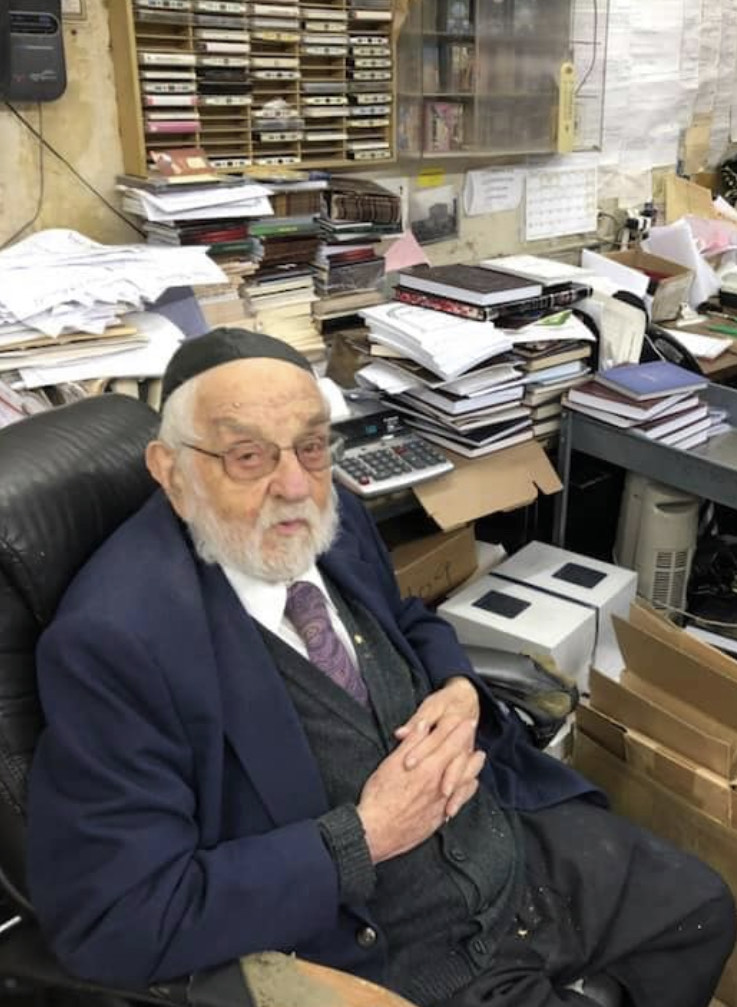

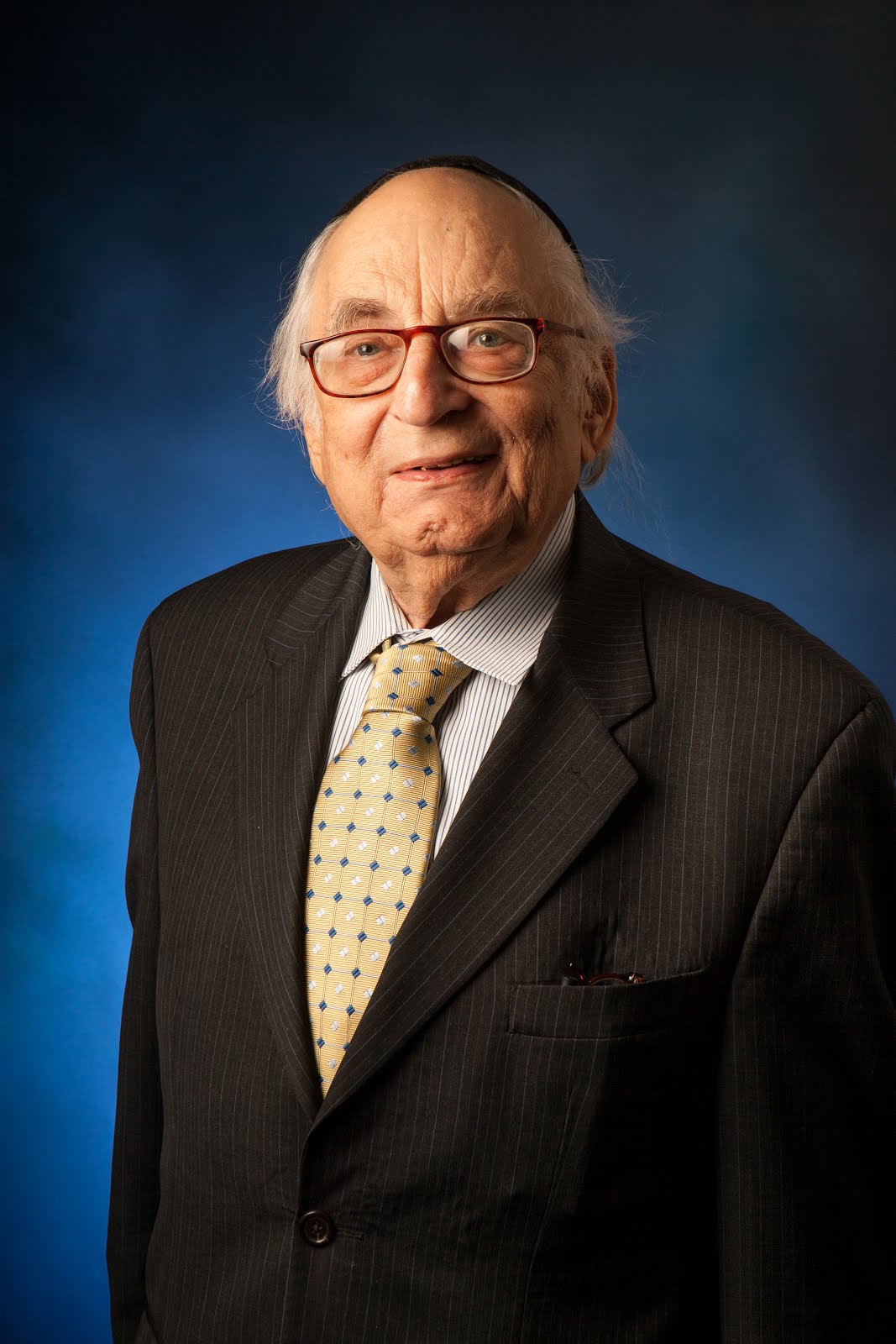
Dr. Shlomo Sprecher ז”ל: In Memoriam

Dr. Shlomo Sprecher ז”ל: In Memoriam
אין חכמת האדם מגעת אלא עד מקום שספריו מגיעין,
ולכן ימכור אדם כל מה שיש לו ויקנה ספרים, כי דרך
משל מי שאין לו ספרי התלמוד אי איפשר לו להיות
בקי בו, וכמו כן מי שאין לו ספרי הרפואה א”א להיות
בקי בה.
דרכי התלמוד לר’ יצחק קנפאנטון
A person’s wisdom reaches only as far as his library. Therefore, a person should sell everything he owns and
acquire books. For example, one who doesn’t own a set of the Talmud cannot possibly master its content. Similarly, one who doesn’t own the basic medical books cannot possibly be expert in the field of medicine.
          It is with deep sadness that the Seforim Blog joins the thousands who mourn the death of our dear contributor and supporter, Dr. Shlomo Sprecher ז”ל. A distinguished תלמיד חכם and radiologist, R. Shlomo was a world renowned collector of books, who mastered their content, and spent a lifetime sharing his books and his knowledge freely with others. Doubtless, רבי יצחק קנפאנטון had the likes of R. Shlomo in mind, in the passage cited above.
          R. Shlomo was a מרביץ תורה and a מרביץ חכמה to a degree rarely seen in modern times. Despite a professional medical career that in and of itself would have exhausted others, he somehow found time ללמוד וללמד. He learned Torah incessantly, gave public שיעורים on a regular basis, and managed to arrange for others, often younger scholars, to give שיעורים and lectures in his neighborhood. He served with distinction on the editorial boards of ישורון and Hakirah, where he contributed his own studies and, and no less significantly, recruited, indeed cajoled others to publish the results of their research.
          R. Shlomo’s literary legacy includes such gems as:
1.   Introduction and table of contents for the reissue of R. Meir Dan Plotzki’s שאלו שלום ירושלים (New York, 1991).
2.   מבחר כתבי מו”ה מרדכי גומפל שנאבר הלוי לעווינזאהן ז”ל (Brooklyn, 1995). The  English section includes a lengthy introductory essay (by R. Shlomo and Mati Sprecher) on the life and times of Mordechai Gumpel Schnaber – not surprisingly, an eighteenth century rabbinic scholar and physician.
3.   “בסתר בצל: קווים לדמותו הסמויה של הג”ר בצלאל בנו יחידו של המהר”ל מפראג זצ”ל” in
ישורון  2(1997), pp. 623-634.
4.   “הפולמוס על אמירת מכניסי רחמים” in ישורון 3(1997), pp. 706-729.
5.   “Mezizah be-Peh – Therapeutic Touch or Hippocratic Vestige?”
in Hakirah 3(2006), pp. 15-66.
6.   “A Gemeinde Gemeinheit,” (by R. Shlomo and Mati Sprecher), posted on the Seforim Blog, June 9, 2009. An earlier version appeared in a pamphlet distributed at the wedding of Uri and Rivi Sprecher on November 13, 2008.
    In common, all of R. Shlomo’s contributions are characterized by dazzling erudition, lucid presentation, and originality. They advanced discussion significantly. It will certainly be a measure of consolation – and an important contribution to Jewish scholarship – if the family will gather his published studies and publish them in a bound volume. 
Above and beyond R. Shlomo’s intellectual excellence was his excellence of character. Others, more talented than us, will have to write about it. For those of us who experienced it, no further descriptions are necessary. For those of us who never experienced it, we doubt that the breadth and depth of his excellence of character can be adequately described in mere words. R. Shlomo leaves a void that will not easily be filled.
חבל על דאבדין ולא משתכחין.
 Eliezer Katzman
 Shnayer Leiman 


Dean of Historians of Jewish Philosophy: Necrology for Professor Arthur Hyman (1921-2017)

Dean of
Historians of Jewish Philosophy:
Necrology for
Professor Arthur Hyman (1921-2017).
By
Warren Zev Harvey
Warren Zev Harvey is Professor
Emeritus in the Department of Jewish Thought at the Hebrew University of
Jerusalem where he has taught since 1977. He studied philosophy at Columbia
University, writing his PhD dissertation under Arthur Hyman. He has written prolifically
on medieval and modern Jewish philosophers, e.g. Maimonides, Crescas, and
Spinoza. Among his publications is Physics
and Metaphysics in Hasdai Crescas
(1998). He is an EMET Prize laureate in
the Humanities (2009).
This is his first contribution to
the Seforim Blog.
Arthur
Hyman, 1921-2017
 
Photo
courtesy of Yeshiva University
Arthur
(Aharon) Hyman was born on April 10, 1921 (2 Nisan 5681), in Schwäbisch
Hall, Baden-Württemberg, Germany, the son of Isaac and Rosa (Weil) Hyman.
In 1935, at the age of 14, three years before Kristallnacht, he immigrated with
his family to the United States. He pursued undergraduate studies at St. John’s
College, Annapolis, which had recently adopted its Great Books curriculum
(B.A., 1944). He did graduate studies at Harvard University, studying there
under the renowned historian of Jewish philosophy, Harry Austryn Wolfson (M.A.,
1947; Ph.D., 1953). He concurrently studied rabbinics at the Jewish Theological
Seminary under the preeminent Talmudist, Saul Lieberman (ordination and M.H.L.,
1955). He taught at the Jewish Theological Seminary (1950-1955), Dropsie
College (1955-1961), and Columbia University (1956-1991). His main academic affiliation,
however, was with Yeshiva University, where he taught from 1961 until last
year, was Distinguished Service Professor of Philosophy, and Dean of the
Bernard Revel Graduate School of Jewish Studies (1992-2008). He also held
visiting positions at Yale University, the University of California at San
Diego, the Catholic University of America, the Hebrew University of Jerusalem,
and Bar-Ilan University. I had the privilege of studying with him at Columbia
University in the 1960s and early 1970s, and wrote my dissertation under his wise
supervision. Among Hyman’s other doctoral students are David Geffen and Charles
Manekin (at Columbia University), and Basil Herring and Shira Weiss (at Yeshiva
University). Hyman received wide recognition for his scholarly accomplishments.
He was granted honorary doctorates by the Jewish Theological Seminary (1987)
and Hebrew Union College (1994). He served as president of both the Société Internationale pour l’Étude de la Philosophie Médiévale
(1978-1980) and the American Academy for Jewish Research (1992-1996)
.
He was married to Ruth Link-Salinger from 1951 until her death in 1998, and
they had three sons: Jeremy Saul, Michael Samuel, and Joseph Isaiah. From 2000
until his death he was married to Batya Kahane. He died in New York City on
February 8, 2017 (12 Shevat 5777).
Hyman
was a scholar’s scholar. He was an outstanding historian of philosophy, thoroughly
at home reading recondite philosophical texts in Greek, Latin, Hebrew, Arabic,
German, French, or English. He masterfully taught classical, medieval, and
modern philosophy. However, his great love and the main focus of his research
was medieval Jewish philosophy. He is the author of more than fifty scholarly
studies on diverse philosophical subjects. He was the editor, together with
James J. Walsh, of the popular anthology of medieval philosophy, Philosophy in the Middle Ages: The
Christian, Islamic, and Jewish Traditions
(1967), a volume that did much to
shape the study of medieval philosophy over the past four decades (a revised
third edition appeared in 2010 with the collaboration of Thomas Williams). He
edited and annotated the medieval Hebrew translation of Averroes’ Arabic
treatise On the Substance of the Orbs
(1986). He founded and edited the scholarly journal Maimonidean Studies (1989-), which became an important venue for interdisciplinary
research on the Great Eagle. His book Eschatological
Themes in Medieval Jewish Philosophy
(2002) was his Aquinas Lecture,
delivered at Marquette University. In addition, he wrote pioneering studies on
Averroes, Maimonides, Spinoza, and other philosophers.
Hyman
was staunchly committed to the teaching of Jewish philosophy as philosophy.
He was not interested in appropriating it as a means to foster Jewish identity
or religiosity. Similarly, he was not enamored of academic approaches that put
too much emphasis on “esotericism” or “the art of writing,” which, in his view,
served to distract one from the hard nitty-gritty work of analyzing the
philosophic arguments. Medieval philosophy, he argued, is an integral part of
the history of philosophy, and Jewish philosophy is an integral part of
medieval philosophy. Thus, medieval Jewish philosophy should be taught in departments
of philosophy. Hyman, in practice, did teach medieval Jewish philosophy in philosophy
departments at Yeshiva University, Columbia University, and elsewhere. He also
believed that modern Jewish philosophy should be taught in philosophy
departments, but was less unequivocal about it. He thought that it is difficult
to discern a “continuous tradition” of modern Jewish philosophy, and elusive to
define the philosophic problems and methods common to it. He often noted that
in most universities modern Jewish philosophy is not taught in philosophy
departments, but in departments of Jewish studies or religion.
Hyman
and Walsh’s Philosophy in the Middle Ages
presents medieval philosophy as a tradition common to Jews, Christians, and
Muslims. Of 769 pages (in the 2nd edition), 114 are devoted to Jewish
philosophers (Saadiah, Ibn Gabirol, Maimonides, Gersonides, and Hasdai
Crescas), 134 pages to Muslims, and the remainder to Christians. As a general
textbook in medieval philosophy that included philosophers from all three
Abrahamic religions, Philosophy in the
Middle Ages
was downright revolutionary.
In
his essay “Medieval Jewish Philosophy as Philosophy, as Exegesis, and as
Polemic,” published in 1998 (Miscellanea Mediaevalia 26, pp. 245-256),
Hyman observed that medieval Jewish philosophy was originally of interest to
historians of philosophy only as “a kind of footnote to medieval Christian
philosophy.” This situation, he continued, began to change in the 1930s with
the work of scholars like Julius Guttmann, Leo Strauss, and Harry Austryn
Wolfson, and later Alexander Altmann, Shlomo Pines, and Georges Vajda. Owing to
their pioneering work, he concluded, “Jewish philosophy…has taken its rightful
place as an integral part of the history of Western philosophy” and “[i]n
universities in the United States it is now [in 1998] taught regularly in
courses on medieval philosophy.” Hyman, always modest, did not add that the
anthology he edited with Walsh, Philosophy
in the Middle Ages
, was in no small measure responsible for enabling Jewish
and Islamic philosophy to enter the curricula of courses in medieval philosophy
in universities throughout North America. Hyman was mild-mannered and courteous
in his personal relations, but as a scholar he was a revolutionary who helped
redefine the academic field of medieval philosophy.
Writing
on “The Task of Jewish Philosophy” in 1962 (Judaism 11, pp. 199-205),
Hyman bemoaned the alienation in the modern world: “though the means for
communication have increased immensely, communication itself has all but become
impossible.” He argued that the cause of this alienation was the loss of
Reason. Jewish philosophy, he urged, has a role to play in “the rediscovery of
Reason.” He defined its task as “the application of Reason to the
interpretation of our Biblical and Rabbinic traditions.”
More
than three decades later, in a 1994 essay, “What is Jewish Philosophy?” (Jewish
Studies
34, pp. 9-12), Hyman sought to clarify who is a Jewish philosopher.
“One minimal condition for being considered a Jewish philosopher,” he suggested,
“is that a given thinker (a) must have some account of Judaism, be it religious
or secular; and (b) must have some existential commitment to this account.” Given
his requirement of “existential commitment,” he unhesitatingly excluded Spinoza,
Marx, and Freud. A second condition for being considered a Jewish philosopher,
according to him, is simply that a given thinker must be a philosopher; that
is, his or her account of Judaism must be interpreted “by means of philosophic
concepts and arguments rather than in aggadic, mystic, literary, or some other
fashion.”
The
notion of “existential commitment” provides a key that enables Hyman to distinguish
the historian of Jewish philosophy from the Jewish philosopher, that is, the scholar
from the thinker or practitioner. The Jewish philosopher has an existential
commitment to a particular account of Judaism, while the historian of Jewish
philosophy must analyze the various accounts of different Jewish philosophers,
without preferring one account over another. The historian qua historian
remains uncommitted existentially, that is, he or she remains impartial and objective.
“It should be clear,” Hyman concludes, “that for the historian of Jewish
philosophy there is not one, but a variety of Jewish philosophies.”
Although
Hyman excluded Spinoza from the category of Jewish philosophers, he wrote two of
the most important studies on his debt to medieval Jewish philosophy, namely,
his “Spinoza’s Dogmas of Universal Faith in the Light of their Medieval Jewish
Backgrounds” (1963) and his “Spinoza on Possibility and Contingency” (1998). In
these essays, he showed how critical arguments in Spinoza’s Theologico-Political Treatise and Ethics reflected arguments found in the
Jewish and Muslim medieval philosophers, particularly Maimonides. In uncovering
Spinoza’s covert debt to medieval philosophy, Hyman continued the line of research
of his mentor, Wolfson. Hyman’s Spinoza was formatively influenced by
Maimonides and other Jewish philosophers in his ethics, politics, and
metaphysics, but he nonetheless was not a “Jewish philosopher” because he
lacked an existential commitment to some account Judaism, whether religious or
secular. Hyman’s insistence on an existential commitment is crucial. For a
philosopher, according to him, to be considered a Jewish philosopher, it was not sufficient for him or her to be ethnically
or culturally Jewish, or even to be well-educated in Jewish law and lore. An
existential commitment was required.
In
the introduction to the Jewish Philosophy section of Philosophy in the Middle Ages, Hyman gave a simple definition of
medieval Jewish philosophy. “Medieval Jewish philosophy,” he wrote, “may be
described as the explication of Jewish beliefs and practices by means of
philosophical concepts and norms.” It is an explication,
not a defense or apology. One might say that, according to Hyman, Jewish
philosophy is a philosophic explication of a Jew’s existential commitment.
The
medieval Jewish philosopher who stands in the center of Hyman’s research is Maimonides.
He wrote important technical studies on Maimonides’ psychology, epistemology, ethics,
and metaphysics. He always emphasized the difficulties involved in understanding
Maimonides. As he put it felicitously in his 1976 essay, “Interpreting
Maimonides”: “[The] Guide of the Perplexed is a difficult and
enigmatic work which many times perplexed the very reader it was supposed to
guide” (Gesher 5, pp. 46-59). The only way to understand Maimonides, he
insisted, is by carefully analyzing his philosophic arguments, and comparing
them with those of the philosophers who influenced him, e.g., Aristotle, Alfarabi,
Avicenna, and Algazali. In Philosophy in
the Middle Ages
, he describes the purpose of the Guide of the Perplexed: “The proper subject of the Guide may…be said to be the
philosophical exegesis of the Law.” Hyman quotes Maimonides’ statement that the
goal of the book is to expound “the science of the Law in its true sense.” In
other words, the purpose of the Guide
is to give a philosophic account of Judaism. “Maimonides,” writes Hyman,
“investigated how the Aristotelian teachings can be related to the beliefs and
practices of Jewish tradition.” He sought, if you will, to explicate
philosophically his existential commitments as a Jew.
Perhaps
Hyman’s most well-known essay on Maimonides is his 1967 exposition of
“Maimonides’ Thirteen Principles” (in A. Altmann, ed., Jewish Medieval and Renaissance Studies, pp. 119-144). Presuming
the unity of Maimonides’ thought, Hyman shows that the famous passage on the
“Thirteen Principles” in his early Commentary
on the Mishnah
coheres well with his later discussions in his Book of the Commandments, Mishneh Torah, Guide of the Perplexed, and Letter on Resurrection. He rejects the view
that the Thirteen Principles were intended as a polemic against Christianity
and Islam, and also rejects the view that they were intended only for the
non-philosophic masses. He argues for a “metaphysical” interpretation according
to which the Thirteen Principles are intended to foster true knowledge among all
Israelites, thus making immortality of the soul possible for them all, as it is
written in the Mishnah, “All Israel has a place in the world-to-come” (Sanhedrin 10:1).
A
word should be said here about Hyman’s excellent edition of the Hebrew translation
of On the Substance of the Orbs,
written by Averroes, the great 12th-century Muslim philosopher who
was Maimonides’ fellow Cordovan and elder contemporary. Averroes’ book contains
profound speculative investigations into the nature and matter of the heavens. It
is lost in the original Arabic, but was extremely popular in the Middle Ages
and the Renaissance in its Hebrew and Latin translations, and several important
commentaries were written on it by Jewish and Christian philosophers. Hyman
offers a critical annotated edition of the anonymous medieval Hebrew
translation accompanied by his own new English translation. His lucid English translation
is based on the Hebrew translation but also uses the Latin translation. His erudite
and instructive notes clarify the meaning of the text, and discuss the
development of technical philosophic terms from Greek and Arabic to Hebrew and
Latin.
In
his eulogy for his revered teacher, Harry Austryn Wolfson, printed in the Jewish Book Annual 5736 (1975-1976),
Hyman wrote as follows: “[He] showed himself the master of analysis who could
bring to bear the whole range of the history of philosophy on his
investigations. This scholarly erudition was combined with clarity of thought felicity of style, and conciseness of expression.” I think it would not be
amiss if I now conclude my remarks by applying these very same words to Professor
Arthur Hyman, my own revered teacher.
Yehi
zikhro barukh