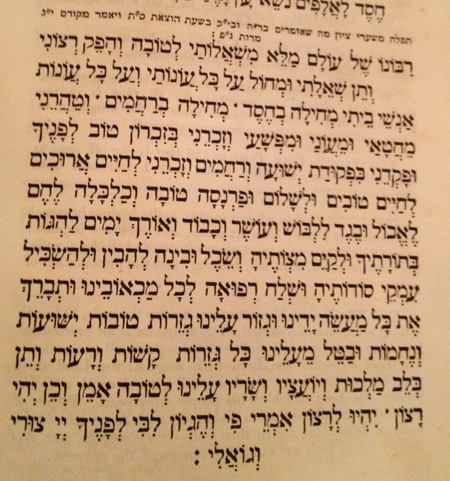
מנהג אמירת ‘שלש-עשרה מידות’ בהוצאת ספר תורה בימים נוראים ובשלש רגלים ובפרט כשחל בשבת
מנהג אמירת ‘שלש-עשרה מידות’ בהוצאת ספר תורה בימים
נוראים ובשלש רגלים ובפרט כשחל בשבת
נוראים ובשלש רגלים ובפרט כשחל בשבת
מאת: אליעזר יהודה בראדט
אתחיל בעדות
אישית[1].
בליל יום הכיפורים תשס”ה, שבאותה שנה חל בשבת, שמעתי באזני מפי הגרי”ש
אלישיב זצוק”ל, שענה לשואל אחד שאין לאמרם בשבת, אע”פ שהשואל הסתייע
מלוח ארץ ישראל לרי”מ טוקצ’ינסקי שיש לאומרם. אחר כך סיפר השואל לנוכחים
שמפרסמים פסקים בשם הרב שאינם נכונים כלל וכלל.
אישית[1].
בליל יום הכיפורים תשס”ה, שבאותה שנה חל בשבת, שמעתי באזני מפי הגרי”ש
אלישיב זצוק”ל, שענה לשואל אחד שאין לאמרם בשבת, אע”פ שהשואל הסתייע
מלוח ארץ ישראל לרי”מ טוקצ’ינסקי שיש לאומרם. אחר כך סיפר השואל לנוכחים
שמפרסמים פסקים בשם הרב שאינם נכונים כלל וכלל.
לשאלת השואל היה המשך מעניין:
ויהי ערב ויהי בוקר. בתפילת שחרית
לא נכח הגרי”ש בבית הכנסת, ובהוצאת ספר תורה פתח החזן באמירת ‘שלש-עשרה
מידות’. קם אחד המתפללים וגער בו בקול: ‘אתמול קבע הרב שליט”א שאין לאומרם
בשבת!’ נעמד לעומתו נאמנו של הגרי”ש ר’ יוסף אפרתי, וסיפר כי אמש לאחר שאלת
השואל, ישב הרב בביתו על המדוכה בדק ומצא כי בספר ‘מטה אפרים’ פסק לאומרו, וסמך
עליו. ולפיכך יש לאומרו גם ביומא הדין שחל בשבת.
לא נכח הגרי”ש בבית הכנסת, ובהוצאת ספר תורה פתח החזן באמירת ‘שלש-עשרה
מידות’. קם אחד המתפללים וגער בו בקול: ‘אתמול קבע הרב שליט”א שאין לאומרם
בשבת!’ נעמד לעומתו נאמנו של הגרי”ש ר’ יוסף אפרתי, וסיפר כי אמש לאחר שאלת
השואל, ישב הרב בביתו על המדוכה בדק ומצא כי בספר ‘מטה אפרים’ פסק לאומרו, וסמך
עליו. ולפיכך יש לאומרו גם ביומא הדין שחל בשבת.
כך יצא שאותו שואל שהתרעם על כך
שמפרסמים פסקי-שווא בשם הרב לא נכח שם, וגם הוא לא זכה לשמוע משנה אחרונה של הרב
בענין זה.
שמפרסמים פסקי-שווא בשם הרב לא נכח שם, וגם הוא לא זכה לשמוע משנה אחרונה של הרב
בענין זה.
מתוך כך התעניינתי בנושא וזה מה
שהעליתי במצודתי:
שהעליתי במצודתי:
מקור אמירת י”ג מידות
ב’חמדת ימים’, קושטא
תצ”ה, חלק ימים נוראים, פרק א עמ’ ט, נאמר: “והרב זצ”ל כתב שכל המתענה
בחדש הזה שיאמר ביום שמוציאים בו ספר תורה בעת פתיחת ההיכל הי”ג
מידות ג’ פעמים”[2].
תצ”ה, חלק ימים נוראים, פרק א עמ’ ט, נאמר: “והרב זצ”ל כתב שכל המתענה
בחדש הזה שיאמר ביום שמוציאים בו ספר תורה בעת פתיחת ההיכל הי”ג
מידות ג’ פעמים”[2].
כל דברי ספר זה לקוחים
ממקורות שונים ואין לו מדיליה כמעט כלום. דברי האריז”ל מופיעים כבר ב’שלחן
ערוך של האריז”ל’, שנדפס לראשונה בקרקא ת”ך[3]. ומשם
העתיק זאת ר’ יחיאל מיכל עפשטיין לספרו ‘קיצור של”ה’, שנדפס לראשונה בשנת
תמ”א[4]
[דפוס ווארשא תרל”ט, דף עה ע”א]. וכ”כ ר’ בנימין בעל שם, בספרו ‘שם
טוב קטן’ שנדפס לראשונה בשנת תס”ו[5], וגם
בספרו ‘אמתחת בנימין’ שנדפס לראשונה בשנת תע”ו[6]. כל
החיבורים הללו נדפסו קודם ‘חמדת ימים’.
ממקורות שונים ואין לו מדיליה כמעט כלום. דברי האריז”ל מופיעים כבר ב’שלחן
ערוך של האריז”ל’, שנדפס לראשונה בקרקא ת”ך[3]. ומשם
העתיק זאת ר’ יחיאל מיכל עפשטיין לספרו ‘קיצור של”ה’, שנדפס לראשונה בשנת
תמ”א[4]
[דפוס ווארשא תרל”ט, דף עה ע”א]. וכ”כ ר’ בנימין בעל שם, בספרו ‘שם
טוב קטן’ שנדפס לראשונה בשנת תס”ו[5], וגם
בספרו ‘אמתחת בנימין’ שנדפס לראשונה בשנת תע”ו[6]. כל
החיבורים הללו נדפסו קודם ‘חמדת ימים’.
גם בחיבור ‘נגיד ומצוה’
לר’ יעקב צמח, שנדפס לראשונה באמשטרדם שנת תע”ב[7], מצינו:
“מצאתי כתוב בסידור של מורי ז”ל בדפוס כמנהג האשכנזים, והיה כתוב בו אחר
ר”ח אלול מכתיבת מורי ז”ל: שכשהאדם עושה תענית, שישאל מן השי”ת
שיתן לו כפרה וחיים ובנים לעבודתו יתברך, וזהו בהוצאת ס”ת, ויאמר אז
הי”ג מדות רחמים שלש פעמים, ואני תפלתי שלשה פעמים…”. ר’ יעקב צמח
הוסיף שם: “יש סמך לזה בזוהר יתרו קכו וגם בעין יעקב ר”ה סי’ יג
בפירושו”[8].
לר’ יעקב צמח, שנדפס לראשונה באמשטרדם שנת תע”ב[7], מצינו:
“מצאתי כתוב בסידור של מורי ז”ל בדפוס כמנהג האשכנזים, והיה כתוב בו אחר
ר”ח אלול מכתיבת מורי ז”ל: שכשהאדם עושה תענית, שישאל מן השי”ת
שיתן לו כפרה וחיים ובנים לעבודתו יתברך, וזהו בהוצאת ס”ת, ויאמר אז
הי”ג מדות רחמים שלש פעמים, ואני תפלתי שלשה פעמים…”. ר’ יעקב צמח
הוסיף שם: “יש סמך לזה בזוהר יתרו קכו וגם בעין יעקב ר”ה סי’ יג
בפירושו”[8].
ומשם הועתק בקיצור אצל ר’
אליהו שפירא ב’אליה רבה’ (סי’ תקפא ס”ק א) שנדפס לראשונה לאחר פטירתו בשנת
תקי”ז בשם ר’ יעקב צמח[9].
אליהו שפירא ב’אליה רבה’ (סי’ תקפא ס”ק א) שנדפס לראשונה לאחר פטירתו בשנת
תקי”ז בשם ר’ יעקב צמח[9].
ממקורות אלו עולה כי רק
מי שמתענה בחודש אלול ראוי שיאמר י”ג מידות בשעת הוצאת ס”ת[10].
מי שמתענה בחודש אלול ראוי שיאמר י”ג מידות בשעת הוצאת ס”ת[10].
ר’ נתן נטע הנובר כתב
בחיבורו הידוע ‘שערי ציון’ (נדפס לראשונה בפראג תכ”ב ובשנית באמשטרדם
תל”א): “בראש השנה וביוה”כ בשעת הוצאת ס”ת יאמר י”ג מדות
ג”פ, ואח”כ יאמר זאת התפילה, רבונו של עולם מלא משאלותי לטובה…”[11].
בחיבורו הידוע ‘שערי ציון’ (נדפס לראשונה בפראג תכ”ב ובשנית באמשטרדם
תל”א): “בראש השנה וביוה”כ בשעת הוצאת ס”ת יאמר י”ג מדות
ג”פ, ואח”כ יאמר זאת התפילה, רבונו של עולם מלא משאלותי לטובה…”[11].
ב’שער הכוונות’ מצינו: “וביום
שבועות יקרא ג’ פעמים י”ג מדות ואח”כ יאמר תפלה זו רבש”ע מלא כל
משאלתי…”. העתיקו ר’ בנימין בעל שם בספרו ‘אמתחת בנימין’ שנדפס לראשונה
בשנת תע”ו.
שבועות יקרא ג’ פעמים י”ג מדות ואח”כ יאמר תפלה זו רבש”ע מלא כל
משאלתי…”. העתיקו ר’ בנימין בעל שם בספרו ‘אמתחת בנימין’ שנדפס לראשונה
בשנת תע”ו.
בחיבור ‘מדרש תלפיות’ לר’
אליהו הכהן שנפטר בשנת תפ”ט כתב שיש לומר בר”ה, ביו”כ, בסוכות
ובשבועות, י”ג מידות ג”פ ואחר כך יאמר רבש”ע[12].
אבל יש לציין שחיבור זה נדפס לראשונה בשנת תצ”ז באיזמיר.
אליהו הכהן שנפטר בשנת תפ”ט כתב שיש לומר בר”ה, ביו”כ, בסוכות
ובשבועות, י”ג מידות ג”פ ואחר כך יאמר רבש”ע[12].
אבל יש לציין שחיבור זה נדפס לראשונה בשנת תצ”ז באיזמיר.
ר’ יצחק בער כתב בסידורו:
“שלש עשרה מדות ורבון העולם לי”ט ור”ה וי”כ אינם בשום סדור
כ”י ולא בדפוסים ישנים אבל הם נעתקות אל הסדורים החדשים מס’ שערי ציון שער
ג”[13]. וכ”כ בסידור אזור
אליהו עי”ש[14].
“שלש עשרה מדות ורבון העולם לי”ט ור”ה וי”כ אינם בשום סדור
כ”י ולא בדפוסים ישנים אבל הם נעתקות אל הסדורים החדשים מס’ שערי ציון שער
ג”[13]. וכ”כ בסידור אזור
אליהו עי”ש[14].
ומכאן למנהג הגר”א.
ר’ ישכר בער כתב בספר ‘מעשה רב’, אות קסד: “בשעת הוצאת ס”ת אין
אומרים רק בריך שמיה ולא שום רבש”ע וי”ג מידות“[15].
ונכפל באות רו, בהלכות ימים נוראים: “וכן אין אומרים י”ג מדות בהוצאת
ס”ת”. בין בשבת בין בחול.
ר’ ישכר בער כתב בספר ‘מעשה רב’, אות קסד: “בשעת הוצאת ס”ת אין
אומרים רק בריך שמיה ולא שום רבש”ע וי”ג מידות“[15].
ונכפל באות רו, בהלכות ימים נוראים: “וכן אין אומרים י”ג מדות בהוצאת
ס”ת”. בין בשבת בין בחול.
אבל בשאר מקומות בליטא
כנראה נהגו לאמרו, וכמו שכתב ר’ יעקב כהנא: “לי”ג מדות… והנה חזינן…
ויש מקומות אשר כל ימי אלול עד אחר יו”כ אומרים אותו בכל יום, ויש מקומות
שאומרים אותו בכל יום ב’ וה’ ויש מקומות שאומרים אותו בכל יום כל השנה ולא משגחו
וטעמא מיהא בעי…”[16].
כנראה נהגו לאמרו, וכמו שכתב ר’ יעקב כהנא: “לי”ג מדות… והנה חזינן…
ויש מקומות אשר כל ימי אלול עד אחר יו”כ אומרים אותו בכל יום, ויש מקומות
שאומרים אותו בכל יום ב’ וה’ ויש מקומות שאומרים אותו בכל יום כל השנה ולא משגחו
וטעמא מיהא בעי…”[16].
מקור אמירת י”ג מידות שלוש פעמים
כתב ר’ זלמן גייגר, ב’דברי
קהלת’: “והוא מנהג שלא מצאתיו בפוסקים ואין נכון בעיני לאמר י”ג מדות
בראש השנה, כי לא תיקנו לאמרן בתפילות ר”ה ולא בפיוטיו, אך יעב”ץ כתב המנהג
על פי האר”י ואין משיבין את הארי, אבל לא כתב דבר שיאמר ג’ פעמים כי הוא נגד
הדין לדעתי כי פסוקי שבחים גדולים כי”ג מדות אסור לכפלם”[17].
קהלת’: “והוא מנהג שלא מצאתיו בפוסקים ואין נכון בעיני לאמר י”ג מדות
בראש השנה, כי לא תיקנו לאמרן בתפילות ר”ה ולא בפיוטיו, אך יעב”ץ כתב המנהג
על פי האר”י ואין משיבין את הארי, אבל לא כתב דבר שיאמר ג’ פעמים כי הוא נגד
הדין לדעתי כי פסוקי שבחים גדולים כי”ג מדות אסור לכפלם”[17].
ר’ יעקב אטלינגר מביא בספרו
‘שו”ת בנין ציון’ שאלה שנשאל: “לא ידעתי על מה נסמך המנהג לומר בראש
השנה ויוה”כ וי”ט בשעת הוצאת הס”ת ג’ פעמים י”ג מדות וג’
פעמים ואני תפלתי, הרי לפי פירוש רש”י בהא דאמרינן האומר שמע שמע הרי זה
מגונה דזה באמר מלה וכופלו אבל בשכופל הפסוק משתקין אותו, ולפי’ רב אלפס עכ”פ
הרי זה מגונה ובשניהם דהיינו בי”ג מדות וגם באני תפלתי לא שייך הטעם שכתב
רש”י בסוכה (דף ל”ח) שכופלין בהלל מאודך ולמטה כיון דכל ההלל כפול וגם
לא טעם הרשב”ם בפסחים בזה משום דאמרו ישי ודוד ושמואל ואולי רק בשמע ומודים
הוי מגונה או משתקינן מטעם דנראה כב’ רשויות אבל הכפלת שאר פסוקים שרי…”.
‘שו”ת בנין ציון’ שאלה שנשאל: “לא ידעתי על מה נסמך המנהג לומר בראש
השנה ויוה”כ וי”ט בשעת הוצאת הס”ת ג’ פעמים י”ג מדות וג’
פעמים ואני תפלתי, הרי לפי פירוש רש”י בהא דאמרינן האומר שמע שמע הרי זה
מגונה דזה באמר מלה וכופלו אבל בשכופל הפסוק משתקין אותו, ולפי’ רב אלפס עכ”פ
הרי זה מגונה ובשניהם דהיינו בי”ג מדות וגם באני תפלתי לא שייך הטעם שכתב
רש”י בסוכה (דף ל”ח) שכופלין בהלל מאודך ולמטה כיון דכל ההלל כפול וגם
לא טעם הרשב”ם בפסחים בזה משום דאמרו ישי ודוד ושמואל ואולי רק בשמע ומודים
הוי מגונה או משתקינן מטעם דנראה כב’ רשויות אבל הכפלת שאר פסוקים שרי…”.
לאחר שהוא מאריך בסוגיה זו הוא
משיב לשאלת השואל: “נראה לי לחלק דדוקא באומר שני דברים שווים דרך תחנה ובקשה
או דרך שבח ותהלה שייך החשד דב’ רשויות, לא כן בקורא פסוקי תורה וכתובים. וראי’
לזה שהרי מצוה לחזור הפרשה שניים מקרא, וע”פ האר”י יש לכפול כל פסוק
ופסוק וקורין הפסוק שמע ישראל ב’ פעמים זה אחר זה, ואין קפידא. וכיון דמה שמזכירין
י”ג מידות אין זה דרך תחנה, דא”כ יהי’ אסור לאומרם ביום טוב אלא ע”כ
לא אומרים רק כקורא פסוק בתורה וכן בואני תפלתי, ע”כ אין בזה משום קורא שמע
וכופלו. כנלענ”ד”[18].
משיב לשאלת השואל: “נראה לי לחלק דדוקא באומר שני דברים שווים דרך תחנה ובקשה
או דרך שבח ותהלה שייך החשד דב’ רשויות, לא כן בקורא פסוקי תורה וכתובים. וראי’
לזה שהרי מצוה לחזור הפרשה שניים מקרא, וע”פ האר”י יש לכפול כל פסוק
ופסוק וקורין הפסוק שמע ישראל ב’ פעמים זה אחר זה, ואין קפידא. וכיון דמה שמזכירין
י”ג מידות אין זה דרך תחנה, דא”כ יהי’ אסור לאומרם ביום טוב אלא ע”כ
לא אומרים רק כקורא פסוק בתורה וכן בואני תפלתי, ע”כ אין בזה משום קורא שמע
וכופלו. כנלענ”ד”[18].
ר’ ישראל איסערלין מו”ץ בעיר
וילנא, כתב בספרו ‘פתחי תשובה’ ליישב קושיית השואל בדרך אחרת: “ולולא
דמסתפינא ליכנס בענינים העומדים ברומו של עולם הייתי אומר דבי”ג מדות לא שייך
כלל החשד דב’ רשיות כמו בשמע, דהענין שהיו אומרים אחד פועל טוב ואחד רע וכי”ב
מהבליהם והי”ג מדות גופיה הוא סתירה לדבריהם, דבו נכלל כל המדות והנהגות
העולם והכל ביחיד, כידוע ליודעי חן”[19].
וילנא, כתב בספרו ‘פתחי תשובה’ ליישב קושיית השואל בדרך אחרת: “ולולא
דמסתפינא ליכנס בענינים העומדים ברומו של עולם הייתי אומר דבי”ג מדות לא שייך
כלל החשד דב’ רשיות כמו בשמע, דהענין שהיו אומרים אחד פועל טוב ואחד רע וכי”ב
מהבליהם והי”ג מדות גופיה הוא סתירה לדבריהם, דבו נכלל כל המדות והנהגות
העולם והכל ביחיד, כידוע ליודעי חן”[19].
שאלה. מצינו כתוב
בסידורים שיאמר אדם בר”ה וימים טובים בעת הוצאת ס”ת ג”פ י”ג
מדות ואח”כ יאמר בקשתו. ונסתפקנו איך יוכל לכפול הפסוק של י”ג מדות שיש
לחוש בזה כאשר חששו רז”ל כאומר שמע שמע ומודים ומודים. יורינו המורה לצדקה
ושכמ”ה.
בסידורים שיאמר אדם בר”ה וימים טובים בעת הוצאת ס”ת ג”פ י”ג
מדות ואח”כ יאמר בקשתו. ונסתפקנו איך יוכל לכפול הפסוק של י”ג מדות שיש
לחוש בזה כאשר חששו רז”ל כאומר שמע שמע ומודים ומודים. יורינו המורה לצדקה
ושכמ”ה.
תשובה. אין לחוש חששות
אלו מדעתנו אלא רק במקום שחששו בו חז”ל שהוא בפסוק שמע ישראל ובמודים, והראיה
דכופלים כל יום פסוק ה’ מלך וכו’ וכן בעשרת ימי תשובה שמוסיפים לומר ה’ הוא האלהים
ג”כ כופלים אותו. ואין לומר התם שאני שעניית הציבור מפסקת בין קריאת החזן וכן
קריאת החזן מפסקת בין עניית הציבור, דזהו אינו, דהא אפילו היחיד כאשר מתפלל ביחיד
ג”כ כופל פסוקים ואומרם בזא”ז ועוד אעיקרא פסוק ה’ הוא האלהים הוא בעצמו
כפול שאומר ה’ הוא האלהים ה’ הוא האלהים, ונמצא דאין כאן חשש שחששו בשמע ומודים, וא”כ
ה”ה בפסוק זה של ה’ ה’ אל רחום וחנון אם יכפול ליכא חשש. והיה זה שלום ואל
שדי ה’ צבאות יעזור לי. כ”ד הקטן יחזקאל כחלי נר”ו[21].
אלו מדעתנו אלא רק במקום שחששו בו חז”ל שהוא בפסוק שמע ישראל ובמודים, והראיה
דכופלים כל יום פסוק ה’ מלך וכו’ וכן בעשרת ימי תשובה שמוסיפים לומר ה’ הוא האלהים
ג”כ כופלים אותו. ואין לומר התם שאני שעניית הציבור מפסקת בין קריאת החזן וכן
קריאת החזן מפסקת בין עניית הציבור, דזהו אינו, דהא אפילו היחיד כאשר מתפלל ביחיד
ג”כ כופל פסוקים ואומרם בזא”ז ועוד אעיקרא פסוק ה’ הוא האלהים הוא בעצמו
כפול שאומר ה’ הוא האלהים ה’ הוא האלהים, ונמצא דאין כאן חשש שחששו בשמע ומודים, וא”כ
ה”ה בפסוק זה של ה’ ה’ אל רחום וחנון אם יכפול ליכא חשש. והיה זה שלום ואל
שדי ה’ צבאות יעזור לי. כ”ד הקטן יחזקאל כחלי נר”ו[21].
אמירת י”ג מידות בשבת
ר’ נחמן כהנא מספינקא
הביא בספרו ‘ארחות חיים’ בשם שו”ת בשמים רא”ש (סימן עא) בשם רב האי
גאון, שלא לומר י”ג מידות בשבת[22]. אך
ר’ אפרים זלמן מרגליות מבראדי, בספרו ‘מטה אפרים’ (סי’ תריט, סעיף יח), הכריע
שלמרות זאת כדאי לאמרו. וכפל דבריו בספרו ‘שערי אפרים’ (שער י, סעיף ה)[23].
הביא בספרו ‘ארחות חיים’ בשם שו”ת בשמים רא”ש (סימן עא) בשם רב האי
גאון, שלא לומר י”ג מידות בשבת[22]. אך
ר’ אפרים זלמן מרגליות מבראדי, בספרו ‘מטה אפרים’ (סי’ תריט, סעיף יח), הכריע
שלמרות זאת כדאי לאמרו. וכפל דבריו בספרו ‘שערי אפרים’ (שער י, סעיף ה)[23].
ר’ חיים עהרענרייך בפירושו ‘קצה המטה’ (שם,
סעיף סד) כתב עליו: “אבל המעיין יראה שאין לסמוך על דברי הבשמים רא”ש
הנ”ל ולאו הרא”ש חתום עלה”[24].
סעיף סד) כתב עליו: “אבל המעיין יראה שאין לסמוך על דברי הבשמים רא”ש
הנ”ל ולאו הרא”ש חתום עלה”[24].
וראה דברי ר’ יעקב עמדין בסידורו (ירושלים תשנ”ג, חלק
ב, עמ’ רמ בהוספות מכ”י): “כשחל בשבת אין לאמרה”. וכ”כ ר’
חיים אלעזר שפירא[25];
ר’ שבתי ליפשיץ[26];
ר’ חיים צבי עהרענרייך[27]; ר’
ישראל הלוי ראטטענבערג בעל אור מלא[28], ר’
יוסף אליהו הענקין[29] ורי”י
קניבסקי בעל ‘קהילות יעקב’[30].
ב, עמ’ רמ בהוספות מכ”י): “כשחל בשבת אין לאמרה”. וכ”כ ר’
חיים אלעזר שפירא[25];
ר’ שבתי ליפשיץ[26];
ר’ חיים צבי עהרענרייך[27]; ר’
ישראל הלוי ראטטענבערג בעל אור מלא[28], ר’
יוסף אליהו הענקין[29] ורי”י
קניבסקי בעל ‘קהילות יעקב’[30].
אמנם ר’ אברהם פפויפר מביא
בספרו ‘אשי ישראל’ בשם הגרש”ז אויערבאך, שטוב לומר פסוקים אלו גם בשבת[34].
בספרו ‘אשי ישראל’ בשם הגרש”ז אויערבאך, שטוב לומר פסוקים אלו גם בשבת[34].
מקור קדום לאמירת י”ג מידות
בשעת הוצאת ספר תורה ואפילו אם חל בשבת מצינו במנהגי בית הכנסת הגדול בק”ק
אוסטרהא: “בעת הוצאת ספר תורה בר”ה ויה”כ אומרים י”ג מדות
אפילו אם חלו בשבת…”[35].
בשעת הוצאת ספר תורה ואפילו אם חל בשבת מצינו במנהגי בית הכנסת הגדול בק”ק
אוסטרהא: “בעת הוצאת ספר תורה בר”ה ויה”כ אומרים י”ג מדות
אפילו אם חלו בשבת…”[35].
בספרו ‘עובר אורח’ מתעד האדר”ת:
“סיפר לי מה שראה בבית הכנסת שמה גיליון הגדול ממה שהנהיג מרן המהרש”א שם
ומהם זוכר שני דברים…”[36]. שני
הדברים שהוא מביא מופיעים ברשימת המנהגים הנ”ל, ומכאן שמייחסים מנהגים אלו למהרש”א.
לפי זה, כבר בזמן המהרש”א קיים מנהג זה של אמירת י”ג מידות בשעת הוצאת
ספר תורה. מהרש”א נפטר בשנת שצ”ב[37].
“סיפר לי מה שראה בבית הכנסת שמה גיליון הגדול ממה שהנהיג מרן המהרש”א שם
ומהם זוכר שני דברים…”[36]. שני
הדברים שהוא מביא מופיעים ברשימת המנהגים הנ”ל, ומכאן שמייחסים מנהגים אלו למהרש”א.
לפי זה, כבר בזמן המהרש”א קיים מנהג זה של אמירת י”ג מידות בשעת הוצאת
ספר תורה. מהרש”א נפטר בשנת שצ”ב[37].
אמנם יש לציין לדברי ר’ מנחם
מענדיל ביבער, שעל פיהם אין להביא ראיה שכך עשו בזמן המהרש”א:
מענדיל ביבער, שעל פיהם אין להביא ראיה שכך עשו בזמן המהרש”א:
“של נעלי החומר
מעליך כי המקום הזה קדוש הוא, במקום הזה התפללו אבות העולם גאונים וצדיקים…
המהרש”ל זצ”ל ותלמידיו, השל”ה הקדוש ז”ל המהרש”א
ז”ל ועוד גאונים וצדיקים… המנהגים אשר הנהיגו בה הגאונים הראשונים נשארו
קודש עד היום הזה ומי האיש אשר ירהב עוז בנפשו לשנות מהמנהגים אף כחוט השערה ונקה?
ולמען לא ישכחו את המנהגים ברבות הימים כתבו כל המנהגים וסדר התפילות לחול ולשבת
וליום טוב דבר יום ביומו על לוח גדול של קלף והוא תלוי שם על אחד מן העמודים אשר
הבית נשען עליהם. הזמן אשר בו נבנתה וידי מי יסדו אותה ערפל חתולתו, ואם כי בעירנו
קוראים אותה זה זמן כביר בשם בית הכנסת של המהרש”א ולכן יאמינו רבים כי
המהרש”א בנה אותה בימיו אבל באמת לא כנים הדברים…”[38].
מעליך כי המקום הזה קדוש הוא, במקום הזה התפללו אבות העולם גאונים וצדיקים…
המהרש”ל זצ”ל ותלמידיו, השל”ה הקדוש ז”ל המהרש”א
ז”ל ועוד גאונים וצדיקים… המנהגים אשר הנהיגו בה הגאונים הראשונים נשארו
קודש עד היום הזה ומי האיש אשר ירהב עוז בנפשו לשנות מהמנהגים אף כחוט השערה ונקה?
ולמען לא ישכחו את המנהגים ברבות הימים כתבו כל המנהגים וסדר התפילות לחול ולשבת
וליום טוב דבר יום ביומו על לוח גדול של קלף והוא תלוי שם על אחד מן העמודים אשר
הבית נשען עליהם. הזמן אשר בו נבנתה וידי מי יסדו אותה ערפל חתולתו, ואם כי בעירנו
קוראים אותה זה זמן כביר בשם בית הכנסת של המהרש”א ולכן יאמינו רבים כי
המהרש”א בנה אותה בימיו אבל באמת לא כנים הדברים…”[38].
לאור דברים אלו אין להביא ראיה מרשימת
המנהגים דבית הכנסת הגדול בק”ק אוסטרהא שמנהג אמירת י”ג מידות היה קיים
כבר בזמן המהרש”א. אמנם רואים שנהגו לאמרו גם בר”ה ויו”כ שחל בשבת.
המנהגים דבית הכנסת הגדול בק”ק אוסטרהא שמנהג אמירת י”ג מידות היה קיים
כבר בזמן המהרש”א. אמנם רואים שנהגו לאמרו גם בר”ה ויו”כ שחל בשבת.
גם בשבע קהילות ובראשן ק”ק
מטרסדורף מצינו שנהגו לומר י”ג מדות בשעת הוצאת ספר תורה אף כשחל בשבת[39].
מטרסדורף מצינו שנהגו לומר י”ג מדות בשעת הוצאת ספר תורה אף כשחל בשבת[39].
ר’ שריה דבליצקי מביא בחיבורו
‘קיצור הלכות המועדים‘ את שני
המנהגים[40],
אבל למעשה כתב שבר”ה שחל בשבת אין אומרים אותו ורק ביוה”כ שחל בשבת
אומרים י”ג מידות[41].
‘קיצור הלכות המועדים‘ את שני
המנהגים[40],
אבל למעשה כתב שבר”ה שחל בשבת אין אומרים אותו ורק ביוה”כ שחל בשבת
אומרים י”ג מידות[41].
וכן כתב רב”ש
המבורגר ב’לוח מנהגי בית הכנסת לבני אשכנז’ המסונף לשנתון ‘ירושתנו’ ספר שביעי
(תשע”ד), עמ’ תז: “בהוצאת ספר תורה אומרים י”ג מידות ותפילת ‘רבון
העולם’ אף כשחל בשבת”, ואילו לגבי ר”ה שחל בשבת הוא כותב שאין אומרים י”ג
מידות ותחינת רבונו של עולם[42].
המבורגר ב’לוח מנהגי בית הכנסת לבני אשכנז’ המסונף לשנתון ‘ירושתנו’ ספר שביעי
(תשע”ד), עמ’ תז: “בהוצאת ספר תורה אומרים י”ג מידות ותפילת ‘רבון
העולם’ אף כשחל בשבת”, ואילו לגבי ר”ה שחל בשבת הוא כותב שאין אומרים י”ג
מידות ותחינת רבונו של עולם[42].
כנראה שהחשש מלומר י”ג מידות בשבת הוא
משום איסור שאלת צרכיו בשבת, כפי שהעיר ר’ יששכר תמר על המנהג המובא בשערי ציון לומר
י”ג מדות בשבת[43]. ענין
זה רחב ומסועף, ואחזור לזה בעז”ה במקום אחר, אך יש להביא חלק מדברי
הנצי”ב בזה:
משום איסור שאלת צרכיו בשבת, כפי שהעיר ר’ יששכר תמר על המנהג המובא בשערי ציון לומר
י”ג מדות בשבת[43]. ענין
זה רחב ומסועף, ואחזור לזה בעז”ה במקום אחר, אך יש להביא חלק מדברי
הנצי”ב בזה:
לענין מש”כ
המג”א שם בס”ק ע’ שאין לומר הרבון של ב”כ בשבת, ולכאורה מ”ש
שבת מיו”ט בזה… והטעם להנ”מ בין יום טוב לשבת יש בזה ב’ טעמים, הא’
משום דכבוד שבת חמיר מכבוד יום טוב, או משום שביו”ט יום הדין שהוא רה”ש
כידוע, ונ”מ ביום טוב שחל בשבת דלהטעם משום דכבוד שבת חמיר א”כ יום טוב
שחל בשבת אין לאומרו, אבל להטעם משום דיו”ט של ר”ה שהוא יום הדין יש לאומרו,
א”כ אפילו חל יום טוב בשבת ג”כ צריך לאמרו, והרמב”ם שכתב דתחינות
ליתא בשבת חוה”מ, דוקא בשבת חוה”מ, אבל יום טוב שחל בשבת יש לאומרו,
וכיון דשרי תחינות אומרים נמי הרבון, ומעתה אזדי כל הראיות שהביא המ”א
מתשובות הגאונים דא”א הרבון בשבת, דהמה מיירי בשבת לפי מנהגם שנ”כ בכל
יום, וקאי על שבת שבכל השנה. משא”כ במדינתנו שאין נו”כ אלא ביום טוב,
ולא משכחת אלא בשבת שחל ביום טוב, ויוכל להיות שבכה”ג אומרין גם בשבת, וכן
באמת המנהג פ”ק וולאזין לומר הרבון בשבת שחל ביום טוב… איברא הראיה
שהביא המ”א מאבינו מלכנו, שאין אומרים בשבת שחל בר”ה, ראיה חזקה היא,
אבל לפי טעם הלבוש שהביא המג”א (סי’ תרפ”ד) שהוא משום שנתיסד כנגד תפלת
שמונה עשרה ניחא הא דאין אומרים אבינו מלכנו, אבל תחינות מותר לאמרן, ובאמת הלבוש
הביא טעם הר”ן והריב”ש משום שאין מתריעין בתחינות בשבת, ודחה דשאני
ר”ה ויוהכ”פ, וממילא ה”ה כל יום טוב שהוא יומא דדינא, והראיה
שג”כ מרבים בתחנת גשם וטל, מותר לאמר גם הרבון לדעתי[44].
המג”א שם בס”ק ע’ שאין לומר הרבון של ב”כ בשבת, ולכאורה מ”ש
שבת מיו”ט בזה… והטעם להנ”מ בין יום טוב לשבת יש בזה ב’ טעמים, הא’
משום דכבוד שבת חמיר מכבוד יום טוב, או משום שביו”ט יום הדין שהוא רה”ש
כידוע, ונ”מ ביום טוב שחל בשבת דלהטעם משום דכבוד שבת חמיר א”כ יום טוב
שחל בשבת אין לאומרו, אבל להטעם משום דיו”ט של ר”ה שהוא יום הדין יש לאומרו,
א”כ אפילו חל יום טוב בשבת ג”כ צריך לאמרו, והרמב”ם שכתב דתחינות
ליתא בשבת חוה”מ, דוקא בשבת חוה”מ, אבל יום טוב שחל בשבת יש לאומרו,
וכיון דשרי תחינות אומרים נמי הרבון, ומעתה אזדי כל הראיות שהביא המ”א
מתשובות הגאונים דא”א הרבון בשבת, דהמה מיירי בשבת לפי מנהגם שנ”כ בכל
יום, וקאי על שבת שבכל השנה. משא”כ במדינתנו שאין נו”כ אלא ביום טוב,
ולא משכחת אלא בשבת שחל ביום טוב, ויוכל להיות שבכה”ג אומרין גם בשבת, וכן
באמת המנהג פ”ק וולאזין לומר הרבון בשבת שחל ביום טוב… איברא הראיה
שהביא המ”א מאבינו מלכנו, שאין אומרים בשבת שחל בר”ה, ראיה חזקה היא,
אבל לפי טעם הלבוש שהביא המג”א (סי’ תרפ”ד) שהוא משום שנתיסד כנגד תפלת
שמונה עשרה ניחא הא דאין אומרים אבינו מלכנו, אבל תחינות מותר לאמרן, ובאמת הלבוש
הביא טעם הר”ן והריב”ש משום שאין מתריעין בתחינות בשבת, ודחה דשאני
ר”ה ויוהכ”פ, וממילא ה”ה כל יום טוב שהוא יומא דדינא, והראיה
שג”כ מרבים בתחנת גשם וטל, מותר לאמר גם הרבון לדעתי[44].
אמנם ר’ יעקב הלל האריך
להוכיח על פי קבלה שאין לומר י”ג מידות בראש השנה ויום כיפור אפילו כשאינו חל
בשבת, וכל המנהג בטעות יסדו, ושזה אינו מהאר”י הקדוש לאחר שקיבל מאליהו
הנביא. עיי”ש באריכות הוכחותיו[45]. ומעניין
שר’ עובדיה יוסף קיבל דבריו וגם לדעתו אין לומר י”ג מדות ביום טוב[46].
להוכיח על פי קבלה שאין לומר י”ג מידות בראש השנה ויום כיפור אפילו כשאינו חל
בשבת, וכל המנהג בטעות יסדו, ושזה אינו מהאר”י הקדוש לאחר שקיבל מאליהו
הנביא. עיי”ש באריכות הוכחותיו[45]. ומעניין
שר’ עובדיה יוסף קיבל דבריו וגם לדעתו אין לומר י”ג מדות ביום טוב[46].
ואלה דברי ר’ אליהו
סלימאן מני: “ובשעת הוצאת ספר תורה… בבית אל… אומרים י”ג מדות ואני
לא נהגתי לומר, ואפילו שהזכירה בשער הכוונות, דאיתא זכירה דיש מי שפקפק בזה מטעם
שאין אומרים י”ג מדות ביו”ט, וגם אתיא זכירה בחמדת ישראל שפקפק בזה,
ואמר כמדומה לי שכתב כן [האר”י ז”ל] בתחלת למודו. ולכן לא הנהגתי
לאומרו…”[47].
סלימאן מני: “ובשעת הוצאת ספר תורה… בבית אל… אומרים י”ג מדות ואני
לא נהגתי לומר, ואפילו שהזכירה בשער הכוונות, דאיתא זכירה דיש מי שפקפק בזה מטעם
שאין אומרים י”ג מדות ביו”ט, וגם אתיא זכירה בחמדת ישראל שפקפק בזה,
ואמר כמדומה לי שכתב כן [האר”י ז”ל] בתחלת למודו. ולכן לא הנהגתי
לאומרו…”[47].
יש לסיים בדבריו החשובים של ר’ חיים מפרידברג אחי מהר”ל
מפראג בספרו הנפלא ספר החיים:
מפראג בספרו הנפלא ספר החיים:
אף על גב ששלש עשרה מדות
הן שמותיו של הקדוש ברוך הוא וכמו ששמו קיים לעד ולנצח כך הזכרת מדותיו אינו חוזר
ריקם, מכל מקום אינו אומר שיהיו נזכרים, רק כסדר הזה יהיו עושין לפני לפי שהעשיה
הוא עיקר, שצריך האדם לדבוק באותן המדות ולעשותם, ובעשרה אפשר שיהיו נעשים, שזה
רחום וזה חנון, וזה ארך אפים וכן כולם, שעיקר המדות הללו הם עשר. ולפי שבדורותינו
זה יהיו נזכרים ולא נעשים, על כן אין אנו נענים בעונותינו הרבים[48].
הן שמותיו של הקדוש ברוך הוא וכמו ששמו קיים לעד ולנצח כך הזכרת מדותיו אינו חוזר
ריקם, מכל מקום אינו אומר שיהיו נזכרים, רק כסדר הזה יהיו עושין לפני לפי שהעשיה
הוא עיקר, שצריך האדם לדבוק באותן המדות ולעשותם, ובעשרה אפשר שיהיו נעשים, שזה
רחום וזה חנון, וזה ארך אפים וכן כולם, שעיקר המדות הללו הם עשר. ולפי שבדורותינו
זה יהיו נזכרים ולא נעשים, על כן אין אנו נענים בעונותינו הרבים[48].
והוא כיון לדברי ר’ אברהם סבע בחיבורו צרור המור:
והנה בכאן למדו סדר שלשה
עשר מדות שבם מרחם ומכפר לחוטאים וזאת היא תשובת שאלת הראני נא את כבודך, ולכן אמר
ויעבור ה’ על פניו, ללמדו היאך יסדר אלו הי”ג מדות הוא והנמשכים אחריו לביטול
הגזרות ולכפרת העונות, כאומרם ז”ל אלמלא מקרא כתיב אי אפשר לאומרו, כביכול
נתעטף בטליתו ואמר לו כ”ז שישראל עושים כסדר הזה אינן חוזרות ריקם, שנא’ הנה
אנכי כורת ברית. ופירושו ידוע, שהרי אנו רואים הרבה פעמים בעונותינו שאנו מעוטפים
בטלית ואין אנו נענין, אבל הרצון כל זמן שישראל עושים כסדר הזה שאני עושה, לרחם
לחנן דלים ולהאריך אפים ולעשות חסד אלו עם אלו, ולעבור על מדותיהן כאומרם כל
המעביר על מדותיו וכו’, אז הם מובטחים שאינן חוזרות ריקם. אבל אם הם אכזרים ועושי
רשעה, כל שכן שבהזכרת י”ג מדות הם נתפסין. וזהו וחנותי את אשר אחון, מי שראוי
לחול ולרחם עליו. ולכן הוצרך לומר ויעבור ה’, כאילו הוא מעצמו עבר לפניו ללמדו
כיצד יעשה וכיצד יקרא. כמו שהש”י קרא ואמר ה’ ה'”[49].
עשר מדות שבם מרחם ומכפר לחוטאים וזאת היא תשובת שאלת הראני נא את כבודך, ולכן אמר
ויעבור ה’ על פניו, ללמדו היאך יסדר אלו הי”ג מדות הוא והנמשכים אחריו לביטול
הגזרות ולכפרת העונות, כאומרם ז”ל אלמלא מקרא כתיב אי אפשר לאומרו, כביכול
נתעטף בטליתו ואמר לו כ”ז שישראל עושים כסדר הזה אינן חוזרות ריקם, שנא’ הנה
אנכי כורת ברית. ופירושו ידוע, שהרי אנו רואים הרבה פעמים בעונותינו שאנו מעוטפים
בטלית ואין אנו נענין, אבל הרצון כל זמן שישראל עושים כסדר הזה שאני עושה, לרחם
לחנן דלים ולהאריך אפים ולעשות חסד אלו עם אלו, ולעבור על מדותיהן כאומרם כל
המעביר על מדותיו וכו’, אז הם מובטחים שאינן חוזרות ריקם. אבל אם הם אכזרים ועושי
רשעה, כל שכן שבהזכרת י”ג מדות הם נתפסין. וזהו וחנותי את אשר אחון, מי שראוי
לחול ולרחם עליו. ולכן הוצרך לומר ויעבור ה’, כאילו הוא מעצמו עבר לפניו ללמדו
כיצד יעשה וכיצד יקרא. כמו שהש”י קרא ואמר ה’ ה'”[49].
[1] מאמר זה הוא נוסח מעובד ורחב
מההערה שכתבתי במאמרי ‘ציונים ומילואים לספר “מנהגי הקהילות”‘, ירושתנו,
ב (תשס”ח), עמ’ ריב-ריד. בעז”ה אכתוב על כך באריכות בספרי ‘עורו ישנים
משנתכם’.
מההערה שכתבתי במאמרי ‘ציונים ומילואים לספר “מנהגי הקהילות”‘, ירושתנו,
ב (תשס”ח), עמ’ ריב-ריד. בעז”ה אכתוב על כך באריכות בספרי ‘עורו ישנים
משנתכם’.
עוד
בענין אמירת י”ג מידות ראה: שדי חמד מערכת יום כיפור סימן ב אות כא; ר’ ישראל
חיים פרידמאן, ליקוטי מהרי”ח, ג, ירושלים תשס”ג, עמ’ כז; ר’ שמואל מונק,
קונטרס תורת אמך (בסוף שו”ת פאת שדך או”ח, ח”ב), אות קד והערה
91; ר’ אברהם ראזען, שו”ת איתן אריה, סי’ קכ; י’ מונדשיין, אוצר מנהגי
חב”ד, ירושלים תשנ”ה, עמ’ קג; ר’ יהודה טשזנר, שערי הימים הנוראים,
תשע”א, עמ’ תשד-תשו.
בענין אמירת י”ג מידות ראה: שדי חמד מערכת יום כיפור סימן ב אות כא; ר’ ישראל
חיים פרידמאן, ליקוטי מהרי”ח, ג, ירושלים תשס”ג, עמ’ כז; ר’ שמואל מונק,
קונטרס תורת אמך (בסוף שו”ת פאת שדך או”ח, ח”ב), אות קד והערה
91; ר’ אברהם ראזען, שו”ת איתן אריה, סי’ קכ; י’ מונדשיין, אוצר מנהגי
חב”ד, ירושלים תשנ”ה, עמ’ קג; ר’ יהודה טשזנר, שערי הימים הנוראים,
תשע”א, עמ’ תשד-תשו.
[2] ראה מש”כ אברהם ברלינר,
כתבים נבחרים, א, ירושלים תשכ”ט, עמ’ 44-45; וראה מה שהעיר מ”ד צ’צ’יק,
‘עוד על סידור הגר”א’, המעין, מז, גל’ ד (תמוז תשס”ז), עמ’ 84 מס’ 9.
כתבים נבחרים, א, ירושלים תשכ”ט, עמ’ 44-45; וראה מה שהעיר מ”ד צ’צ’יק,
‘עוד על סידור הגר”א’, המעין, מז, גל’ ד (תמוז תשס”ז), עמ’ 84 מס’ 9.
[3] על חיבור זה ראה: זאב גריס,
ספרות ההנהגות, ירושלים תש”ן, עמ’ 86 ואילך; יוסף אביב”י, קבלת
האר”י, ב, ירושלים תשס”ח, עמ’ 752-753.
ספרות ההנהגות, ירושלים תש”ן, עמ’ 86 ואילך; יוסף אביב”י, קבלת
האר”י, ב, ירושלים תשס”ח, עמ’ 752-753.
[4] ראה ר’ י”ש סופר, ‘לתלומת
ייחוס מנהג כיסוי השופר בשעת ברכות לב”ח ולשל”ה, ירושתנו ז
(תשע”ד), עמ’ שפא ואילך.
ייחוס מנהג כיסוי השופר בשעת ברכות לב”ח ולשל”ה, ירושתנו ז
(תשע”ד), עמ’ שפא ואילך.
[5] עמ’ כח במהדורת ירושלים
תשכ”ו.
תשכ”ו.
[6] עמ’ נז במהדורת ירושלים
תשכ”ו. על חיבורים אלו ראה מה שכתבתי בליקוטי אליעזר, ירושלים תש”ע, עמ’
יג ואילך.
תשכ”ו. על חיבורים אלו ראה מה שכתבתי בליקוטי אליעזר, ירושלים תש”ע, עמ’
יג ואילך.
[7] וכן מצינו בחיבורו ‘לחם מן השמים’ שהוא נוסח
מורחב של החיבור (נדפס לראשונה רק בשנת תרס”ה), דף לה ע”ב.
מורחב של החיבור (נדפס לראשונה רק בשנת תרס”ה), דף לה ע”ב.
על שני חיבורים אלו ראה: זאב גריס, ספרות ההנהגות, ירושלים
תש”ן, עמ’ 82 ואילך, 87 ואילך; יוסף אביב”י, קבלת האר”י, ב,
ירושלים תשס”ח, עמ’ 593-595, ועמ’ 670-671.
תש”ן, עמ’ 82 ואילך, 87 ואילך; יוסף אביב”י, קבלת האר”י, ב,
ירושלים תשס”ח, עמ’ 593-595, ועמ’ 670-671.
[8] נגיד ומצוה, ירושלים תשע”ב,
עמ’ קפז.
עמ’ קפז.
[9] ר’ ברוך יהודה בראנדייס, לשון
חכמים, פראג תקע”ה, דף סה ע”א.
חכמים, פראג תקע”ה, דף סה ע”א.
[10] על עצם הענין של תענית בחודש
אלול, הארכתי בספרי ‘עורו ישנים משנתכם’.
אלול, הארכתי בספרי ‘עורו ישנים משנתכם’.
[11] שערי ציון, מודיעין עילית
תשע”ב, עמ’ עח.
תשע”ב, עמ’ עח.
[12] מדרש תלפיות, ווארשא תרל”ה,
עמ’ 98, ענף בקשה. עליו ראה: ג’ שלום, ‘ר’ אליהו הכהן האיתמרי והשבתאות’, ספר היובל לכבוד אלכסנדר מארכס, ניו יורק תש”י, עמ’ תנא-תע; וכן במבואו של ר”ש אשכנזי [לא על שמו] לשבט מוסר,
ירושלים תשכ”ג.
עמ’ 98, ענף בקשה. עליו ראה: ג’ שלום, ‘ר’ אליהו הכהן האיתמרי והשבתאות’, ספר היובל לכבוד אלכסנדר מארכס, ניו יורק תש”י, עמ’ תנא-תע; וכן במבואו של ר”ש אשכנזי [לא על שמו] לשבט מוסר,
ירושלים תשכ”ג.
[13] עבודת ישראל, תל אביב תשי”ז
(ד”צ), עמ’ 223.
(ד”צ), עמ’ 223.
[14] אזור
אליהו, ירושלים תשס”ו, עמ’ סט. וראה מש”כ ר’ בנימין שלמה המבורגר,
ירושתנו ב (תשס”ח), עמ’ תמא.
אליהו, ירושלים תשס”ו, עמ’ סט. וראה מש”כ ר’ בנימין שלמה המבורגר,
ירושתנו ב (תשס”ח), עמ’ תמא.
[15] וראה ר’ שריה דבליצקי, בינו שנות
דור ודור, עמ’ פ אות טז, שכך נהגו בית הכנסת הגר”א בתל אביב.
דור ודור, עמ’ פ אות טז, שכך נהגו בית הכנסת הגר”א בתל אביב.
[16] שו”ת תולדות יעקב, וילנא
תרס”ז, סי’ כט, דף לב ע”א. אי”ה אעסוק בחיבור זה בהזדמנות אחרת.
תרס”ז, סי’ כט, דף לב ע”א. אי”ה אעסוק בחיבור זה בהזדמנות אחרת.
[17] דברי קהלת, פרנקפורט תרכ”ב,
עמ’ 178.
עמ’ 178.
[18] שו”ת בנין ציון, סי’ לו.
[19] פתחי תשובה, ווילנא, תרל”ה,
סי’ תקפד ס”ק א.
סי’ תקפד ס”ק א.
[20] על חיבור זה ראה המבוא המקיף של
המהדורה שי”ל ע”י אהבת שלום בתשע”ג.
המהדורה שי”ל ע”י אהבת שלום בתשע”ג.
[21] שו”ת תורה לשמה, ירושלים תשע”ג, סי’
מה.
מה.
[22] ארחות חיים, סי’ תקסה אות ג וכ”כ בדעת
תורה שם.
תורה שם.
[23] וראה ר’ דוב בער רפימאן, שלחן
הקריאה, בערלין 1882, עמ’ 164.
הקריאה, בערלין 1882, עמ’ 164.
[24] על חיבור זה ראה מה שכתבתי
במאמרי ”ציונים ומילואים למדור נטעי סופרים – על הגאון ר’ רפאל
נתן נטע רבינוביץ זצ”ל בעל דקדוקי סופרים’,
ישורון כד (תש”ע), עמ’ תכה-תכז.
במאמרי ”ציונים ומילואים למדור נטעי סופרים – על הגאון ר’ רפאל
נתן נטע רבינוביץ זצ”ל בעל דקדוקי סופרים’,
ישורון כד (תש”ע), עמ’ תכה-תכז.
[25] דרכי חיים ושלום, ירושלים תש”ל, עמ’ רנא.
[26] שערי רחמים, ברוקלין תשס”ד, ס”ק ח.
[27] ‘שערי חיים’ על שערי אפרים שם, ס”ק ז.
[28] הליכות קודש, ברוקלין
תשס”ז, עמ’ קפה.
תשס”ז, עמ’ קפה.
[29] כתבי הרב הענקין, א, ניו יורק
תש”ס, עמ’ 126; שו”ת גבורות אליהו, ירושלים תשע”ג, עמ’ רעב. וראה
שם עמ’ רצב והערה 1150.
תש”ס, עמ’ 126; שו”ת גבורות אליהו, ירושלים תשע”ג, עמ’ רעב. וראה
שם עמ’ רצב והערה 1150.
[30] ר’ אברהם הלוי הורביץ, ארחות
רבינו, ב, בני ברק תשנ”ו, עמ’ רח.
רבינו, ב, בני ברק תשנ”ו, עמ’ רח.
[31] ר’ נתן הלוי במברגר, ליקוטי
הלוי, ברלין תרס”ז, עמ’ 28.
הלוי, ברלין תרס”ז, עמ’ 28.
[32] ר’ יששכר דובער שווארץ, מנחת דבשי, אנטווערפען
תשס”ז, עמ’ רצ.
תשס”ז, עמ’ רצ.
[33] ר’ אליהו יוחנן גורארי’, חקרי מנהגים: מקורות, טעמים והשוואות במנהגי
ברלין, חולין תשס”ז, עמ’ 95.
ברלין, חולין תשס”ז, עמ’ 95.
[34] אשי ישראל, ירושלים תשס”ד,
עמ’ תקפו, אות פא. וכ”כ בשם ר’ שלמה זלמן אויערבאך, הליכות שלמה, ירושלים
תשס”ד, הלכות יום כיפור, פרק ד הערה 14.
עמ’ תקפו, אות פא. וכ”כ בשם ר’ שלמה זלמן אויערבאך, הליכות שלמה, ירושלים
תשס”ד, הלכות יום כיפור, פרק ד הערה 14.
[35] מנהגים אלו נדפסו בפעם הראשונה
במחזור כל בו, חלק ג, וילנא תרס”ה, עם הערות של ר’ אליהו דוד ראבינאוויץ
תאומים (האדר”ת) שנכתבו בשנת תר”ס. לאחרונה נדפסו מנהגים אלו בתוך ‘תפילת
דוד’, קרית ארבע תשס”ב, עמ’ קנז-קעז; ‘תפלת דוד’, ירושלים תשס”ד, עמ’
קלט-קנ. חלקם של המנהגים נדפסו על ידי ר’ יצחק ווייס, ‘אלף כתב’, ב, בני ברק
תשנ”ז, עמ’ ט-י. וראה: ר’ אליהו דוד ראבינאוויץ תאומים, סדר פרשיות, בראשית,
ירושלים תשס”ד, עמ’ שפד, אות 49.
במחזור כל בו, חלק ג, וילנא תרס”ה, עם הערות של ר’ אליהו דוד ראבינאוויץ
תאומים (האדר”ת) שנכתבו בשנת תר”ס. לאחרונה נדפסו מנהגים אלו בתוך ‘תפילת
דוד’, קרית ארבע תשס”ב, עמ’ קנז-קעז; ‘תפלת דוד’, ירושלים תשס”ד, עמ’
קלט-קנ. חלקם של המנהגים נדפסו על ידי ר’ יצחק ווייס, ‘אלף כתב’, ב, בני ברק
תשנ”ז, עמ’ ט-י. וראה: ר’ אליהו דוד ראבינאוויץ תאומים, סדר פרשיות, בראשית,
ירושלים תשס”ד, עמ’ שפד, אות 49.
[36] עובר אורח, ירושלים תשס”ג,
עמ’ צא, אות סה.
עמ’ צא, אות סה.
[37] ר’ מנחם מענדיל ביבער, מזכרת
לגדולי אוסטרהא, ברדיטשוב תרס”ז, עמ’ 42-46; ש’ הורדצקי, לקורות הרבנות,
וורשא תרע”א, עמ’ 183; ר’ ראובן
מרגליות, תולדות אדם, לבוב תרע”ב, עמ’ יז ועמ’ צ-צא.
לגדולי אוסטרהא, ברדיטשוב תרס”ז, עמ’ 42-46; ש’ הורדצקי, לקורות הרבנות,
וורשא תרע”א, עמ’ 183; ר’ ראובן
מרגליות, תולדות אדם, לבוב תרע”ב, עמ’ יז ועמ’ צ-צא.
[38] ר’ מנחם מענדיל ביבער, מזכרת לגדולי
אוסטרהא, ברדיטשוב תרס”ז, עמ’ 26-27.
אוסטרהא, ברדיטשוב תרס”ז, עמ’ 26-27.
[39] ר’ יחיאל גולדהבר, מנהגי הקהילות,
ב, ירושלים תשס”ה, עמ’ נט.
ב, ירושלים תשס”ה, עמ’ נט.
[40] ‘קיצור הלכות המועדים’, ירושלים תשס”ג,
עמ’ צא.
עמ’ צא.
[41] סכותה לראשי, בני ברק
תשס”ט, עמ’ יט-כ; וזרח השמש, עמ’ לח אות כ, ועמ’ מז אות יד. וראה ר’ יוסף
הענקין, שו”ת גבורות אליהו, ירושלים תשע”ג, עמ’ רצב והערה 1150.
תשס”ט, עמ’ יט-כ; וזרח השמש, עמ’ לח אות כ, ועמ’ מז אות יד. וראה ר’ יוסף
הענקין, שו”ת גבורות אליהו, ירושלים תשע”ג, עמ’ רצב והערה 1150.
[42] ירושתנו א (תשס”ז), עמ’ שא.
וראה עוד מה שכתב בענין זה ב’נספח ללוח מנהגי בית הכנסת לבני אשכנז’, ירושתנו ב
(תשס”ח), עמ’ תמא.
וראה עוד מה שכתב בענין זה ב’נספח ללוח מנהגי בית הכנסת לבני אשכנז’, ירושתנו ב
(תשס”ח), עמ’ תמא.
[43] עלי תמר, אלון שבת תשנ”ב,
שבת, עמ’ קכד. וראה ר’ יעקב פישר, קונטרס בקשות בשבת, ירושלים תשס”ה, עמ’ לה;
ר’ יהושע כהן, אזור אליהו, ירושלים תשס”ו, עמ’ תרז-תריא.
שבת, עמ’ קכד. וראה ר’ יעקב פישר, קונטרס בקשות בשבת, ירושלים תשס”ה, עמ’ לה;
ר’ יהושע כהן, אזור אליהו, ירושלים תשס”ו, עמ’ תרז-תריא.
[44] שו”ת
משיב דבר חלק א סימן מז.
משיב דבר חלק א סימן מז.
[45] שו”ת וישב הים, ב, ירושלים תש”ס,
סי’ יא. וראה דבריו בהקדמה ל’שער התפלה’, ירושלים תשס”ח, עמ’ 24. וראה ר’
דניאל רימר, תפילת חיים, ביתר תשס”ד, עמ’ רמו-רמח.
סי’ יא. וראה דבריו בהקדמה ל’שער התפלה’, ירושלים תשס”ח, עמ’ 24. וראה ר’
דניאל רימר, תפילת חיים, ביתר תשס”ד, עמ’ רמו-רמח.
[46] חזון עובדיה, ימים נוראים, ירושלים תשס”ה, עמ’
קט.
קט.
[47] ר’
אליהו סלימאן מני, מנהגי ק”ק בית יעקב בחברון, ירושלים תשנ”א, עמ’ לב, אות עא. וראה שם, עמ’ מא אות פג לענין
יו”כ.
אליהו סלימאן מני, מנהגי ק”ק בית יעקב בחברון, ירושלים תשנ”א, עמ’ לב, אות עא. וראה שם, עמ’ מא אות פג לענין
יו”כ.
[48] ספר החיים, ירושלים תשנ”ו,
ספר סליחה ומחילה, פ”ח, עמ’ קפג.
ספר סליחה ומחילה, פ”ח, עמ’ קפג.
[49] צרור המור, בני ברק תש”ן,
א, עמ’ תפח [דודי ר’ שלום יוסף שפיץ הפנני למקור זה]. וראה מה שכתב ר’ דוד צבי רוטשטיין,
מידת סדום, ירושלים תשנ”א, עמ’ 138 ואילך.
א, עמ’ תפח [דודי ר’ שלום יוסף שפיץ הפנני למקור זה]. וראה מה שכתב ר’ דוד צבי רוטשטיין,
מידת סדום, ירושלים תשנ”א, עמ’ 138 ואילך.