1

Some Observations Regarding the Mah Nishtannah

Some Observations Regarding the Mah Nishtannah[1]
by: Mitchell First

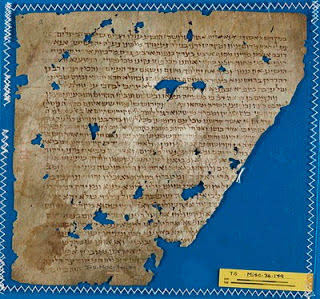
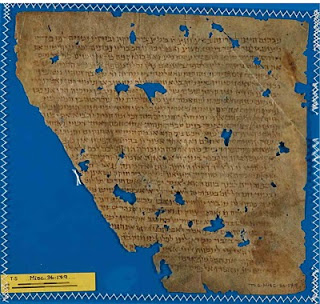
1. It is well-known that the Mishnah in the tenth chapter of Pesachim includes a set of mah nishtannah. But if one opens a standard printed Babylonian Talmud (Pes. 116a), one sees four questions[2] in the text of the Mishnah (matzah, maror, roast, and dipping), while if one opens a standard printed Jerusalem Talmud, one sees three (dipping, matzah and roast). Is this an instance of a disagreement between the text of the Mishnah preserved in Babylonia and the text of the Mishnah preserved in Palestine? There are such disagreements,[3] but this is not one of them. Here, the manuscript evidence points overwhelmingly to the conclusion that the original text of the Mishnah recorded only the questions of dipping, matzah and roast.[4] Moreover, if one opens up a standard Masechet Pesachim of the Babylonian Talmud and looks at the text of the Mishnah recorded in the Rif and the Rosh, one sees that they too record a Mishnah which included only the questions of dipping, matzah and roast. Also, Rambam utilized a text of the Mishnah which included only these three questions.[5] Let us see how the Encyclopaedia Judaica in its original and new editions deal with this issue. When Daniel Goldschmidt published his classic work on the Haggadah in 1960, after earlier German and Hebrew versions,[6] he clearly took the position that the original text of the Mishnah included only three questions.[7] It was therefore somewhat surprising when the “Mah Nishtannah” entry in the original Encyclopaedia Judaica (published in 1972 and written by the anonymous editors) stated that “[t]he Mishnah enumerates four questions.” In its bibliography, this entry had cited only Goldschmidt’s 1960 work, and one other less scholarly source.[8] We are now in the 21st century. There is now a widespread consensus among scholars that the original text of the Mishnah included only three questions.[9] But when one looks at the new edition of the Encyclopaedia Judaica, one finds only a reprint of the original entry![10] —— 2. A widely quoted explanation of the Vilna Gaon takes the positions that there were always four questions, and that, after the churban, the roast question was substituted by the reclining question.[11] We have already seen that the first of these positions is incorrect. The Haggadah fragments found in the Cairo Genizah show that the second of these positions is incorrect as well. Genizah material generally dates from the 10th through the 13th centuries.[12] It is reasonable to assume that this is roughly the period of the Haggadah fragments from the Genizah.[13] Of course, not all of the Haggadah fragments from the Genizah span the mah nishtannah section. But of those that do, many include the roast question.[14] (The survival of the roast question for 1000 years, post-churban, has been implicitly acknowledged in the Haggadah shel Pesach, Torat Chayim, published by Mossad ha-Rav Kook, at p. 29, n. 59.) [15] Furthermore, although most of the mah nishtannah Haggadah fragments found in the Genizah record four questions the way they are asked today,[16] we also find the following:[17] -Several record three questions: matzah, dipping, and roast,[18] just like the original text of the Mishnah. Most likely, the fragments with these three questions reflect the original Palestinian tradition of the Haggadah,[19] which followed the text of the Mishnah, and the fragments with four questions reflect the Babylonian tradition,[20] which gradually penetrated into Palestine and its surrounding areas.[21] -One records the following three questions: dipping, matzah and reclining.[22] -One records five questions: dipping, matzah, roast, maror, and reclining.[23] (See the photograph in M. Kasher, Haggadah Shelemah, p. 93.) In this fragment, the roast question is phrased:… צלי כולו המקדש בבית אוכלים היינו הזה והלילה. This is the only fragment in which the roast question is phrased with such a qualification. [24] -Two record only the questions of dipping and roast.[25] (But there does not appear to be any reason why the matzah question would have been intentionally discontinued. Perhaps the matzah question was accidentally dropped by a scribe in one source, and further copies were later made from that source. It would have been easy for a scribe to accidentally turn his eye to the wrong mah nishtannah line in the source he was copying from, and thereby omit a question.) – One records only the questions of dipping and matzah. I would like to focus on this last source, which is not actually a Haggadah fragment, but is a section of an anonymous Geonic responsum which includes an outline of the procedures at the seder. It can be deduced that the responsum was composed in Babylonia because it includes avadim hayyinu, which was not a part of the Palestinian seder ritual in this period.[26] This responsum was published by Louis Ginzberg, in his Ginzey Schechter, vol. 2, pp. 258-260. [27] Theoretically, it is possible to argue that the author of this responsum gave only an abbreviated version of the mah nishtannah, and listed only the first two questions, even though his practice was four. This seems to be the understanding of Ginzberg, who writes (p. 259, n. 1): הראשונות השאלות ‘ב אלא כאן נאמרו ולא נתקצר נשתנה מה נוסח. B.M. Lewin included this responsum in his Otzar ha-Geonim, Pesachim (pp. 154-55), and he seems to agree with Ginzberg. (See p. 154, n. 13: נתקצר נשתנה מה נוסח.) But this interpretation seems very unlikely. The whole purpose of the responsum was to spell out the procedures and text of the seder. Abbrevation here would have defeated its purpose. The Safrais take a different approach to this responsum in their monumental work, Haggadat Hazal. They write (p. 64, n. 53) that the third and fourth questions are העמוד בסוף חסרות, implying that these questions were originally included in this responsum but were cut off. Moreover, in their chart on p. 266, they put brackets over a supposed area of the third and fourth questions in this responsum, implying that these questions were once there. They take this approach so that the set of questions in our responsum could then parallel the set of questions found in the other known Babylonian Geonic sources of the Haggadah text: Seder R. Amram Gaon, Siddur R. Saadiah Gaon, and the Haggadah text published in 1984 by M. Lehman.[28] All these sources record the standard four questions: dipping, matzah, maror, and reclining.[29] But I was able to view an image of the responsum (T-S Misc.36.179), and with the kind permission of the Cambridge University Library, have included this image at the end of this article. It is clear that the third and fourth questions were never there. The first side of the fragment ends with the last words of the matzah question (the last three words of this question were written below the last regular line), and the next side continues immediately with avadim hayyinu. It is clear from the image that there are no missing lines in between. Assuming we reject the unlikely interpretation of Ginzberg, this source records a two-question set in Babylonia.[30] The idea that we have now been able to “excavate” such a set, evidence of a period before four questions became the universal practice there, is truly remarkable. An issue remains whether the responsum dates to the period before the maror and reclining questions were added in any Babylonian communities, or whether it dates to a period after they were added, but was composed in a community which did not add them. The latter seems more likely. (The responsum does have at least one other unique aspect.[31] It includes the statement: חורים בני היום[ו] עבדים היינו אתמול. The Safrais discuss this statement at p. 111 and do not mention any other fragments from the Genizah with this language.[32] On the image at the end of this article, this statement is found on the first page, six lines above the last full line.) Regarding the issue of when the maror and reclining questions were added, the following are some reasonable observations that have been made by scholars to date: ◦ The reclining question was probably the last question to be added.[33] Unlike the maror question, it did not make its way into in any manuscripts of the Mishnah,[34] and in all communities, it is the last question of the set.[35] ◦ The maror question probably did not arise until after the text of the dipping question was changed in Babylonia (see Pes. 116a[36]) and the dipping question lost its connotation as a maror question. Once the dipping question lost this connotation, it was probably viewed as necessary to add a question relating to maror.[37] ◦ The reclining question probably originated in Babylonia as well.[38] It was probably added, after the maror question, due to a desire to fix the number of questions at four, parallel to the themes of four cups of wine and four sons.[39] Aside from Haggadah fragments found in the Genizah, the earliest sources which include the reclining question are: Seder R. Amram Gaon,[40] Siddur R. Saadiah Gaon,[41] and the Geonic Haggadah text published by Lehman in 1984. (With regard to Seder R. Amram Gaon, it is accepted that many additions and changes were made to it in the centuries after R. Amram’s death, c. 875. The three surviving manuscripts of the work are only from the 14th-16th centuries. See D. Goldschmidt, Seder R. Amram Gaon, pp. 11-13. With regard to the Siddur R. Saadiah Gaon, the material in our possession has traditionally been viewed as representing a generally reliable version of the original 10th century work by R. Saadiah.[42] With regard to the Geonic Haggadah text published by Lehman, see above, n. 28.) —— 3. A main issue of debate among scholars has been whether the mah nishtannah set of the Mishnah reflects questions from Temple times. If we focus on the roast question ( הלילה הזה כולו צלי ), a reasonable initial assumption is that this question is referring to the pesach sacrifice, since the pesach sacrifice was something that was required to be roasted. This would suggest that this question, and hence perhaps all the questions, were composed during Temple times. But many scholars argue that the roast question is not referring to the pesach sacrifice and that this question was composed after the churban (and hence, the other questions probably were as well.) They make the following arguments: 1. A practice arose after the churban, approved (or perhaps initiated) by Rabban Gamliel of Yavneh, of eating a gedi mekulas as a method of commemorating the pesach sacrifice.[43] See Betzah 2:6-7 and Eduyyot 3:10-11. (Although these two sources do not specify that the Rabban Gamliel they are referring to is Rabban Gamliel of Yavneh, it seems fairly clear, for a variety of reasons, that this is the case here.[44]) The meaning of the term mekulas is subject to debate.[45] Nevertheless, it is clear that the gedi mekulas was not designated as a pesach sacrifice, but was arranged on the spit during the roasting process in the same manner as a pesach sacrifice, and was roasted in its entirety just like a pesach sacrifice. See Tosef. Betzah 2:11 (איזהו גדי מקולס? כולו צלי ראשו וכרעיו וקרבו ) and Pes. 74a.[46] The Sages prohibited the gedi mekulas,[47] but it is possible that a large section of Jewry followed the leniency of Rabban Gamliel and engaged in this practice.[48] The roast question could have been composed post-churban in an area which followed this practice and could be referring to this practice.[49] 2. The Mishnah at Pesachim 4:4 records:מקום שנהגו לאכול צלי בלילי פסחים, אוכלים; מקום שנהגו שלא לאכול, אינן אוכלין. It is possible that this Mishnah was composed during Temple times and is referring to a practice of eating roast meat on the seder night outside the Temple. But just as likely, this Mishnah was composed after the churban and is referring to a post-churban practice of eating roast meat[50] as a commemoration of the pesach sacrifice. It is possible to understand the roast question in the Mishnah as composed, post-churban, in an area which followed this practice and as referring to this practice.[51] But (as pointed out to me by my friend Sam Borodach) the precise phrasing of the roast question does not support either of these interpretations. When read in light of the parallel matzah question, the roast question implies that the question is about a required behavior of the evening. While there were areas which had a custom on this evening, post-churban, to eat a gedi mekulas or to eat roast meat, these were not required behaviors. It is hard to imagine the roast question phrased the way it was by someone composing it with the above optional commemorative behaviors in mind. The language of the roast question, read in light of the parallel matzah question, fits the pesach sacrifice best.[52] Does it follow from this interpretation that the roast question was composed during Temple times? Not necessarily. Even if the roast question is referring to the pesach sacrifice, it very possibly could have been composed after the churban, as a simulation of a question that might have been asked during Temple times. Once the idea for a mah nishtannah question about matzah took hold, it would be have been natural and instructive to create a parallel question covering such an important commandment as the pesach sacrifice, even if the pesach sacrifice was no longer being offered. (All the more so if practices commemorating the pesach sacrifice were ongoing!) (It is also possible to understand the roast question as having been composed post-churban if the pesach sacrifice itself continued after the churban.[53] But the evidence for this is weak.[54]) The Mishnah that concerns us, Pesachim 10:4, is found in the last chapter of this masechet. This suggests that this Mishnah was composed after the churban, since it is reasonable to presume that mishnayot that are presented in the early parts of a masechet were composed first and that mishnayot that are presented later were composed later.[55] Moreover, there is specific evidence suggesting that this particular chapter was composed after the churban. Mishnah 10:3 includes the statement:ובמקדש מביאין לפניו גופו של פסח. This statement suggests that the normative statements in this chapter describe only post-churban practice.[56] Of course, the questions themselves could still reflect questions from earlier times, which were recorded in a chapter composed after the churban. Based on recent scholarly developments, a new argument can be made to support the idea that the questions were composed post-churban. The mah nishtannah is not included in the tenth chapter of the Tosefta. This chapter includes much material parallel to the tenth chapter of the Mishnah. In his Tosefta Atikta, published in 2002, Shamma Friedman studied the relationship between the Mishnah and Tosefta of Pesachim in the first four chapters and in the tenth chapter.[57] He came to the conclusion that the material in the Tosefta in these chapters seems to have originated earlier.[58] If Friedman is correct, this also tends to support a post-churban origin for the mah nishtannah. So far, I have not discussed the precise role that the mah nishtannah serve in the Mishnah. But most likely, the mah nishtannah of the Mishnah was not a mandated piece of liturgy to be recited by the father or a typical son. Rather, it was what the child who lacks understanding is taught to ask (…מה נשתנה אביו מלמדו, אם אין דעת בבן).[59] This also perhaps implies that the mah nishtannah text was a later development. ——– Note finally that the Talmud, at Pes. 70a, records and accepts a statement by R. Hisda that the roast question was authored by Ben Tema. Ben Tema took the position that the chagigah too had to be roasted. In the view of R. Hisda, the language of the roast question, הלילה הזה כולו צלי, fit the position of Ben Tema only. Ben Tema is only mentioned at Pes. 70a and Yoma 83a and there is not enough information to determine if he lived during Temple times. (Some suggest that he is to be identified with R. Judah Ben Tema, who probably dates to the second century C.E,[60] but this identification is only conjecture.) The above statement of R. Hisda is not recorded again at Pes. 116a, where one would expect it.[61] R. Hisda’s statement is also surprising, because it takes an overly literal approach to the roast question. There is also no statement in the Jerusalem Talmud expressing the view that the roast question was authored by Ben Tema.[62] ———- To summarize, it is possible that the mah nishtannah was composed during Temple times, but it also possible that it was composed post-churban. In support of the latter is that the mah nishtannah is found in the last chapter of the masechet, and in a chapter whose normative language suggests that it was composed post-churban. The inclusion of a question about roast meat is not inconsistent with this approach. This question could have been composed post-churban in an area which followed the post-churban practice of preparing a gedi mekulas or in an area which followed the post-churban practice of eating roast meat. More likely, if the question was composed post-churban, it is referring to the pesach sacrifice and was composed for educational purposes, as a simulation of a question that might have been asked during Temple times. The fact that the mah nishtannah is not included in the Tosefta may also support a post-churban origin for it. ——— Cambridge University Library T-S Misc.36.179 (reproduced by kind permission of the Syndics of Cambridge University Library)

[1] I would like to acknowledge Dr. Jay Rovner, Rabbi Mordy Friedman, and Sam Borodach for their thoughts and assistance. The views expressed are solely my own. Several sources will be cited throughout: -D. Goldschmidt, Haggadah shel Pesach (1960), cited as “Goldschmidt.” -M. Kasher, Haggadah Shelemah (third ed., 1967), cited as “Kasher.” -Y. Tabory, Pesach Dorot (1996), cited as “Tabory.” -S. and Z. Safrai, Haggadat Chazal (1998), cited as “Safrai.” -S. Friedman, Tosefta Atikta: Masechet Pesach Rishon (2002), cited as “Friedman.” -R. Steiner, “On the Original Structure and Meaning of Mah Nishtannah and the History of Its Reinterpretation,” JSIJ 7 (2008), pp. 1-41, cited as “Steiner.”[2] I will call them questions, even though some have argued that they are best understood, in the context of Mishnah 10:4, as explanations or exclamations. See, e.g., Safrai, pp. 31 and 206, and the sources cited by Steiner, pp. 21-22. Steiner strongly defends the traditional understanding of the mah nishtannah as questions (actually, as one long question). He points out that the Talmud (Pes. 116a) includes the following passage:ת”ר חכם בנו שואלו ואם אינו חכם אשתו שואלתו ואם לאו הוא שואל לעצמו ואפילו שני תלמידי חכמים שיודעין בהלכות הפסח שואלין זה לזה מה נשתנה הלילה הזה מכל הלילות שבכל הלילות אנו מטבילין פעם אחת הלילה הזה שתי פעמים:(Although the printed editions have punctuation between שואלין זה לזה and מה נשתנה, this punctuation is only a later addition. See Steiner, p. 26, n. 95, and Kasher, p. 35. But see Goldschmidt, p. 11, and Safrai, p. 112, for a different approach to the above text.) Steiner argues that the Mishnah is most properly understood as intending only one (long) question, i.e., “what special characteristic of this night is causing us to depart from our normal routine in so many ways?” He shows that R. Saadiah Gaon and every early medieval source understood the mah nishtannah as only one long question. It was not until the 13th century that a medieval source first referred to them asשאלות (plural). A study of the the mah nishtannah inevitably raises other issues. Is the mah nishtannah to be recited by the child only if he cannot formulate his own questions? Is it perhaps to be recited by the father? On these issues, see, e.g., Goldschmidt, pp. 10-11, Kasher, pp. רד-רב, Safrai, p. 31, ArtScroll Mishnah Series, comm. to Pes. 10:4, p. 210, and J. Kulp and D. Golinkin, The Schechter Haggadah: Art, History, and Commentary, p. 196. Most likely, the correct understanding of Mishnah 10:4 is that the mah nishtannah is what the child who lacks understanding is taught to ask. See Steiner, pp. 26, and 33-36. (Steiner suggests that we should read the beginning of Mishnah 10:4 elliptically as if it includes the words לשאל after בבן דעת אין, and again after אביו מלמדו.) It was only sometime in the post-Talmudic period that the mah nishtannah began to be treated as a mandated piece of liturgy.[3] A well-known example is the first Mishnah in the fourth chapter of Bava Metzia. On this topic generally, see M. Schacter, “Babylonian-Palestinian Variations in the Mishnah,” JQR 42 (1951-52), pp. 1-35. [4] This is what the earliest and most reliable Mishnah manuscripts record. See Safrai, p. 26 and Tabory, pp. 260, 262, and 361.With regard to the order of these three questions, almost all of the early sources which record the mah nishtannah as dipping, matzah and roast, record them in that precise order. See Tabory, p. 262. Kasher, p. 113, n. 6, refers to eight manuscripts of the Babylonian Talmud to Pesachim which include the Mishnah. All but one include only the above three questions in their text of the Mishnah (in the order dipping, matzah, and roast). (In this note, Kasher did not cite the Munich 95 manuscript of the Talmud, which also includes only these three questions, because it includes them in a different order.) Almost certainly, it was the familiarity of later copyists with the maror question from the texts of their Haggadah that led them to insert it into texts of the Mishnah. See H. Guggenheimer, The Scholar’s Haggadah, p. 250. Now that it has been established that Mishnah 10:4 includes only three questions, many scholars claim that the three explanations of R. Gamliel at Mishnah 10:5 (pesach, matzah, maror) are the answers to the mah nishtannah. But this approach must be rejected. As Steiner explains (pp. 32-33), although the topics of the mah nishtannah match the topics of the three explanations (the dipping question was the maror question of the time), the “explanations” given do not specifically answer the questions posed. Moreover, the mah nishtannah is most properly understood as only one long question, i.e., “what special characteristic of this night is causing us to depart from our normal routine in so many ways?” If so, what we should be looking for in an answer is one fundamental answer and not three piecemeal ones. According to Steiner, כל הפרשה … מתחיל בגנות is the answer expressed in the Mishnah to the mah nishtannah. (The prevalent view among the Rishonim was that avadim hayyinu was the answer to the mah nishtannah. See Steiner, p. 31. But avadim hayyinu is not found in the Mishnah, and was not even included in the Palestinian seder ritual. See Steiner, p. 32 and below, n. 26.)[5] See the edition of the Rambam’s commentary on the Mishnah published by Y. Kafah. Rambam copied a text of the Mishnah (presumably one that he felt was authoritative) and wrote his commentary on that text. For most of the sedarim of the Mishnah (including Pesachim), we have this text of the Mishnah and the Rambam’s commentary, all written in the Rambam’s own hand. This text of the Mishnah with the Rambam’s commentary was published by Kafah. The edition of the Rambam’s commentary on the Mishnah included in a standard Talmud volume does not include a text of the Mishnah.[6] The German version was published in 1936. The earlier Hebrew version was published in 1947.[7] Goldschmidt, pp. 11-12. He also clearly took this position in the 1947 version (pp. 9-10, and p. 29). I have not seen the 1936 version.[8] The other source cited was: “J. Levy, A Guide to Passover (1958).” There is a typographical error here, as the author’s name was Isaac Levy. This was not a work which compared in any way with the level of scholarship reflected in Goldschmidt’s 1960 Haggadah. At p. 27, Levy assumed, without any discussion, that the Mishnah enumerated the matzah, maror, roast, and dipping questions.[9] E.g., Safrai, p. 26, Tabory, pp. 260, 262 and 361, Steiner, p. 32, and Kulp and Golinkin, pp. 198-99.[10] It includes no new bibliographical references either, unlike many of the other entries.[11] The Gaon’s explanation is printed at Kasher, at p. 115. According to this explanation, reclining at the seder would not have been a shinui prior to the churban, since it was the practice to eat while reclining all year round. Only after the Temple was destroyed did reclining at the seder become something unusual. At the same time, the pesach sacrifice ceased. The Gaon’s explanations to the Haggadah were first published in 1805 (a few years after his death) by his student R. Menachem Mendel of Shklov. The Encylopaedia Judaica entry “Mah Nishtannah” also essentially follows the approach of the Gaon. Another widely quoted view is that of the Rambam, who writes that there were originally five questions before the question about roast meat was dropped. The Rambam writes (Hilchot Chametz u-Matzah 8:3): בזמן הזה אינו אומר והלילה הזה כולו צלי שאין לנו קרבן. [12] R. Brody, The Geonim of Babylonia and the Shaping of Medieval Jewish Culture, p. 32.[13] For a listing of the Haggadah fragments from the Genizah, see Safrai, pp. 293-301. Most of these have not been published.[14] For some published examples, see: 1) I. Abrahams, “Some Egyptian Fragments of the Passover Haggadah,” J.Q.R. (O.S.) 10 (1898), pp. 41-51, fragments # 2, 7,8 and 10; 2) the Haggadah manuscript first described briefly in an article by J.H. Greenstone in 1911, and later published in full by Goldschmidt; 3) the Haggadah manuscript published by Jay Rovner, “An Early Passover Haggadah According to the Palestinian Rite,” J.Q.R. 90 (2000), pp. 337-396, and 4) MS Cambridge T-S H2.152 (photograph at Kasher, p. 93). There are other such fragments as well. For example, see Safrai, p. 53, n. 21 and p. 114, nn. 9 and 11. (The manuscript published by Rovner is probably, but not certainly, from the Genizah.). In only one of these texts (T-S H2.152) was the text of the question amended to צלי כולו המקדש בבית אוכלים היינו. With one exception (see below), the roast question is found only among sets of mah nishtannah which are based on the three questions included in the Mishnah. These sets either follow the set of three included in the Mishnah, or have a modified version of the set which leaves out the matzah question (perhaps erroneously, see the discussion in the text). (But not all of the fragments which include the roast question include a complete set of questions, so the above conclusions are not absolute.) The exception is T-S H2.152 which includes the roast question along with four other questions. One text from the Genizah (Abrahams, fragment #5) includes the following blessing immediately after ha-motzi: מרורים מצות לאכל אבותינו את צוה אשר העולם מלך … ‘ה ‘א ‘ב הברית זוכר ‘ה ‘א ‘ב גבורותיו את להזכיר אש צלי בשר(The Safrais quote this text at p. 30, but erroneously leave out the words אבותינו את.) Whatever community was using this text was almost certainly eating roast meat at their meal, although Tabory (p. 103) raises the possibility that they may have only been partaking a small, symbolic amount. A similar blessing is found in a different Genizah fragment printed by the Safrais at p. 289. There, however, the blessing is included before the blessing for washing and ha-motzi, so it is less clear that the blessing was meant to precede the actual eating of roast meat. Regarding the concluding blessing הברית זוכר, there are other fragments from the Genizah which include such a blessing in this section of the Haggadah (without reference to אש צלי בשר ). See, e.g, the Greenstone-Goldschmidt manuscript (Goldschmidt, p. 83), and Abrahams, fragment #7. For further discussion of this concluding blessing, see Goldschmidt, p. 60, n. 10.

[15] The passage reads:
זו שאלה גם גורסים הגדות שבמספר י עמ׳ שלמה הגדה עי׳.

[16] Safrai, p. 113. (I am not concerned with variation in the order of these four questions.)[17] In this section, I am only including fragments whose total number of questions in their mah nishtannah set can be determined. Therefore, I am not including fragments such as Abrahams #7 and Abrahams #8, which include mah nishtannah questions but which are cut off mid-set. For example, Abrahams fragment #7 starts with the roast question, but is cut off before it. Abrahams fragment #8 starts in the middle of the matzah question. [18] See, e.g., Abrahams, fragments #2 and #10. See also our discussion below of the Greenstone-Goldschmidt fragment. Safrai writes (p. 65) that ניכר מספר of the Haggadah fragments from the Genizah are of this type. [19] Safrai, pp. 26, 64 and 113. But a few fragments which include the roast question follow the Babylonian rite in other essential respects. See Safrai, p. 30, n. 55, and p. 114, n. 9.[20] Safrai, pp. 113 and 206.[21] We know from many other contexts that Babylonian customs gradually penetrated into Palestine and its surrounding areas and became the majority custom. See, e.g., Brody, The Geonim of Babylonia and the Shaping of Medieval Jewish Culture, pp. 111, 115, and 117. (An example is the practice of reciting kedushah in the daily amidah. The letter of Pirkoi ben Baboi, early 9th cent., describes how Babylonian Jews moved to Palestine and forced Palestinian Jews to adopt the Babylonian practice of reciting kedushah daily.) See also I. Ta-Shema, Ha-Tefillah ha-Ashkenazit ha-Kedumah, p. 7. [22] See Kasher, p. 113, n. 11. Kasher calls this manuscript “21ק.” It is MS Cambridge T-S H2.145. It is possible that this is not a legitimate variant and that the maror question was omitted in error by the scribe who copied this fragment. As explained in the text, the reclining question was almost certainly the last question added and there was little reason for a community to have dropped the maror question. We also have evidence of a mah nishtannah set of dipping, matzah, and maror. This does not come from the Genizah, but from additions inscribed at the end of a certain siddur. The siddur was authored by a rabbinic authority from Morocco, who lived in the 11th or 12th century. The additions, inscribed by the owner of the siddur, describe various local rites, and include a mah nishtannah set of dipping, matzah and maror. See Rovner, p. 351, n. 57.[23] T-S H2.152. [24] Safrai, p. 53. This set is so aberrant that it may not reflect an actual rite. Possibly, the set was created by a lone scribe who combined the various questions that he knew of into one set. Since this set records the language of the roast question in a manner found nowhere else, this is evidence that the scribe who copied this fragment may have been a creative one.[25] The Haggadah manuscript published by Rovner clearly records only these two questions. The Greenstone-Goldschmidt manuscript initially recorded only these two questions, but a later scribe inserted the matzah question. See the last line of fragment א/ד and the first line of fragment ב/ד, in the photos at Goldschmidt, p. ii. These photos show that these lines are in a different handwriting. (The Safrais also print a text of the Goldstone-Goldschmidt manuscript. But they print it as if it included all three questions initially. See Safrai, pp. 286-89.) [26] Safrai, p. 50. See also the responsum of R. Natronai Gaon quoted, for example, at Kasher, pp. 27-28, Goldschmidt, p. 73, and Safrai, pp. 56-57. (In this responsum, R. Natronai criticizes an alternative Haggadah ritual for many reasons, one of which was the ritual’s omission of avadim hayyinu. R. Natronai thought it was a sectarian Haggadah ritual. It turns out that he was criticizing the Palestinian Haggadah ritual. See Goldschmidt, p. 74, Safrai, pp. 56-59, and Brody, p. 96.)[27] It is cited in Kasher, p. 113, n. 11 with the symbol ש. The responsum is not devoted solely to the seder. The first few lines of the responsum, whose beginning is cut off, deal with the hoshanot of Sukkot.[28] M. Lehman, Seder ve-Haggadah Shel Pesach le-Rav Natronai Gaon Al Pi Ketav-Yad Kadmon, in Sefer Yovel li-Chevod Morenu ha-Gaon Rabi Yosef Dov ha-Levi Soloveitchik Shelita, ed. S. Israeli, vol. 2, pp. 976-993, at p. 986. The title of Lehman’s article is unfortunate. The text of the article does not even claim that the Geonic Haggadah text published there served as the Haggadah of R. Natronai Gaon. Lehman composed the article initially based on a manuscript which spanned three sections, one of which was a Haggadah text. The first section of the manuscript included a caption stating that the material in that section (a long paytanic version of kiddush for Passover, and a long paytanic version of the blessing before drinking the second cup) was enacted and arranged by R. Natronai. The Haggadah section had its own caption which stated that what followed was the text of the Haggadah accepted by the Talmud and the Geonim (with no mention of R. Natronai). Three Passover-related responsa followed, without any caption. Later, Lehman acquired another page from the same manuscript. He writes that the body of his article was already in final form by this time, but he was able to add his discussion of the new page at the end of the article. The new page included three anonymous responsa, one of which is recorded elsewhere in the name of R. Hai Gaon. This made Lehman realize (p. 991) that his pages were part of a collection of material from various Geonim, and not material that may all have had some connection to R. Natronai. Probably, the article was given its title (by Lehman or perhaps by someone else) before Lehman acquired the additional page. But even before Lehman acquired the additional page, the title was unjustified, as the Haggadah section had its own caption which did not connect it to R. Natronai. (Despite its caption, even the material in the first section of the manuscript may not have been composed by R. Natronai.) It is unfortunate that the Safrais refer to Lehman’s text throughout their work as the “Haggadah of R. Natronai Gaon.” It is evident fom their discussion of this text (p. 261) that all they were really willing to accept is that the text reflected a Haggadah from the time of the Geonim in general.[29] See Safrai, pp. 261 and 266.[30] See Kasher, p. 42, J. Rovner, “An Early Passover Haggadah: Corrigenda,” JQR 91 (2001), p. 429 (correcting p. 351, n. 59 in his original article), and J. Kulp and D. Golinkin, The Schechter Haggadah: Art, History, and Commentary, p. 199. Note that the Rif quotes a text of M. Pesachim 10:4 which includes only the questions of dipping, matzah and roast, and then remarks פסחא לן דלית צלי בשר לימא לא והשתא. It can be argued based on this that, in his community, the mah nishtannah at the seder may have only included dipping and matzah.[31] Perhaps close examination of the responsum will reveal other unique aspects. The responsum follows an alternative nusach for kiddush, but this nusach is widely attested to. See, e.g., Siddur R. Saadiah Gaon, pp. 141-142, Kasher, pp. 183-85 and ג-ב, Safrai, p. 61, and Lehman, pp. 977-980 and 982-83. The responsum records the Sages in Bnei Brak as having been מסיחין about yitziat mitzrayim all night. But there is other evidence for this reading or its equivalent: משיחין. See Safrai, p. 208.[32] But this language is recorded in the haggadot of Djerba (which also include the standard language that we are now slaves and will be free next year). See Kasher, p. 201, and Safrai, p. 111, n. 6. (Djerba is an island off the coast of Tunisia. The Jewish community there has ancient roots. ) R. Shlomo Goren saw fit to to include the above Geonic language (along with the standard language) in the haggadah he composed for the use of the Israeli army. See, e.g., Kasher, p. 201, citing the 1956 edition of the Haggadah Shel Pesach published by הראשית הצבאית הרבנות. Many editions of this haggadah were published and I saw this language in later editions as well. Kasher discusses the Geonic language at pp. 198-201 and attempts to provide a rationale for it.[33] Tabory, p. 260.[34] The maror question made its way into some, but not the earliest, texts of the Mishnah. See Tabory, p. 261.[35] Tabori, p. 261, n. 36.[36] In Amoraic Babylonia, there was no practice of dipping throughout the year. This led the Babylonian Amoraim to rephrase the question. Based on the statements by the Babylonian Amoraim expressed at Pes. 116a, the text of the dipping question was changed in many Mishnah manuscripts. Various forms of the question developed. See Safrai, p. 27, and Goldschmidt, p. 77.[37] Tabory, pp. 261-262. Almost certainly, the original formulation of this question described the herb as מרורים. See Siddur R. Saadiah Gaon, p. 137, Goldschmidt, p. 12, Kasher, pp. 113-14 and pp. יא-י (variant readings), and Tabory, p. 261. See also Rambam, Hilchot Chametz u-Matzah 8:2. (In the nusach ha-haggadah included in the standard printed Mishnah Torah, the reading is מרור. But the Frankel edition points out that some versions read מרורים here.) מרורים is the phrase used in the Bible (Ex. 12:8 and Num. 9:11). Moreover, the singular מרור refers to only one of the five herbs with which one can fulfill one’s obligation. See M. Pes. 2:6.[38] In suggesting that both the maror and reclining questions arose in Babylonia, I am following the approach of the Safrais. The Safrais believe that even though the majority of the mah nishtannah Haggadah fragments from the Genizah include dipping, matzah, maror and reclining, these fragments do not reflect the original Palestinian custom. These fragments only show that the Babylonian custom became the majority custom in Palestine and its surrounding areas. [39] Guggenheimer, p. 250. [40] P. 113 (ed. Goldschmidt).[41] P. 137.[42] But N. Cohen has noted several contradictions between the instructions provided by R. Saadiah and the liturgical texts, and between parallel prayer texts in different sections. According to Cohen, some of the liturgical texts included in the Siddur may have been supplied by later copyists, or at least changed by them. See Cohen, le-Ofiyyo ha-Mekori shel Siddur Rav Saadiah Gaon, Sinai 95 (1983/84), pp. 249-67. Cohen does not address the mah nishtannah in her study.[43] A gedi (=young goat) was one of the animals permitted for the pesach sacrifice. Ex. 12:5 states that the pesach sacrifice must come מן הכבשים ומן העזים (=from a lamb or a goat). [44] One such reason is that plain references to Rabban Gamliel (i.e., without the description “ha-Zaken”) are almost always references to Rabban Gamliel of Yavneh. See Safrai, p. 28, n. 50, E. Schurer, The History of the Jewish People in the Age of Jesus Christ, ed. Vermes, Millar and Black, vol. 2, p. 368, n. 48, and Tos. Niddah 6b, s.v. בשפחתו. A story referring to a practice of preparing a gedi mekulas among Roman Jewry, and the objection of the Sages of Palestine, is found in many sources. See, e.g., Pes. 53a: תודוס איש רומי הנהיג את בני רומי לאכול גדיים מקולסין בלילי פסחים שלחו לו אלמלא תודוס אתה גזרנו עליך נדוי שאתה מאכיל את ישראל קדשים בחוץ … See also Ber. 19a, Bezah 23a, and in the Jerusalem Talmud: Pes. 7:1, Bezah 2:7, and Mo’ed Katan 3:1. Most scholars believe that Todos lived after the churban. See Tabory, p. 98. But there are some scholars who believe that Todos lived during Temple times. See Safrai, p. 28, n. 52. Even if it can shown that there was a practice outside of Palestine of preparing a gedi mekulas during Temple times, this does not mean that there was such a practice in Palestine, where going to Jerusalem and participating in an actual pesach sacrifice was largely possible. (The version of the above story in the standard printed edition of the Talmud at Ber. 19a states that the message to Todos was sent by Simeon b. Shetach. But this is an erroneous reading. See Tabory, p. 98.) Aside from being recorded in both Talmuds, the above story is also recorded in the Tosefta (Bezah 2:11). But the Tosefta has a slightly different reading:תודוס איש רומי הנהיג את בני רומי ליקח טלאים בלילי פסחים ועושין אותן מקולסין… טלא is the Aramaic term for שה, a broader term than גדי . Regarding the significance of this reading, see S. Lieberman, Tosefta ki-Feshutah, 5, p. 959.[45] See the following note.[46] Tosef. Betzah 2:11:איזהו גדי מקולס? כולו צלי, ראשו וכרעיו וקרבו. בישל ממנו כל שהוא שלק ממנו כל שהוא אין זה גדי מקולס … Pes. 74a: איזהו גדי מקולס דאסור לאכול בלילי פסח בזמן הזה כל שצלאו כולו כאחד .נחתך ממנו אבר נשלק ממנו אבר אין זה גדי מקולס (Perhaps it was only the preparation of a gedi mekulas that was forbidden by the Sages, or perhaps the preparation of any kind of מקולס שה was forbidden as well. See the version of the story involving Todos recorded in Tosef. Betzah 2:11 and Lieberman, Tosefta ki-Feshutah, 5, p. 959.) There was a dispute as to the proper manner of positioning the legs and entrails of the pesach sacrifice while it was being roasted. See M. Pesachim 7:1. The view of R. Akiva was that they are hung outside it. This perhaps sheds light on the meaning of the difficult term mekulas. Mekulas in Aramaic can be interpreted as wearing a helmet (see the similar word at Targum Pseudo-Jonathan to I Sam. 17:5). According to Rashi, comm. to Pes. 74a, when R. Akiva expressed the view that the legs and entrails were roasted outside the animal, he meant that they were placed above its head. This made the goat look like it was wearing a helmet. Mekulas would therefore be another way of describing the method of positioning according to R. Akiva. (Rashi elsewhere give a slightly different interpretation of how the term mekulas accords with the view of R. Akiva. See Rashi, comm. to Pes. 53a and Betzah 22b.) An alternative approach is to understand mekulas as meaning “beautiful” or “praised.” See, e.g., Rambam, comm. to Mishnah, Betzah, 2nd chap. The root קלס often has the meaning “to beautify” or “to praise” in rabbinic literature, derived from the Greek word καλος (beautiful). See also J. Gereboff, Rabbi Tarfon: The Tradition, the Man, and Early Rabbinic Judaism, p. 70, where two other Greek derivations for mekulas are suggested: καλως, an animal led on a string, and κολος, a hornless animal. Gereboff also cites S. Krauss for the view that χαυλος in Greek means “helmeted.” See also Tabory, p. 97, n. 248.[47] No reason is given in the Mishnah for the Sages’ prohibition. But in the response to Todos, a reason is given. If the practice of preparing a gedi mekulas is permitted, people will think that kodshim can be eaten outside of the azarah, because the practice was to refer to the gedi mekulas as if it were a pesach offering. Probably, Palestinian Jewry as well as Roman Jewry referred to the gedi mekulas as if it were a pesach offering. See below, n. 54.[48] There would be evidence of this if the custom referred to at M. Pesachim 4:4 is the custom to prepare and eat a gedi mekulas. [49] The Safrais (p. 28), for example, take this approach, as does Friedman (p. 92).[50] Some scholars argue that the custom being referred to in this Mishnah is simply the custom to prepare and eat a gedi mekulas. See, e.g., Safrai, pp. 27-28. But this is not the plain sense of the Mishnah.[51] Scholars who take this approach include G. Allon, The Jews in their Land in the Talmudic Age, pp. 264-65, and Goldschmidt, p. 12. In this approach, the roast question arose in connection with what was perhaps the practice of a large section of Jewry. By contrast, the custom to prepare a gedi mekulas may not have been a widespread custom. [52] A response to this would be that the roast question was phrased the way it was so it could be parallel to the matzah question, even though the phrasing did not exactly fit the concept of an optional commemorative practice.[53] There are those who suggest that the pesach sacrifice (and other sacrifices as well) continued after the churban (perhaps outside the makom ha-mikdash and without the permission of the Sages). See, e.g., J. Brand, “Korban Pesach le-Achar Churban Bayit Sheni,” Ha-Hed 12/6 (1937) and 13/7 (1938), and the references at D. Bleich, Contemporary Halakhic Problems, vol. 1, pp. 247-48. See also Tabory, Moadey Yisrael be-Tekufat ha-Mishnah ve-ha-Talmud, p. 99, n. 65.[54] For example, M. Pesachim 7:2 records a story in which Rabban Gamliel told his slave Tavi to go out and roast “the pesach” on the roasting tray. (The Rabban Gamliel who had a slave named Tavi was Rabban Gamliel of Yavneh. See Safrai, p. 28.) But this story can easily be interpreted as involving only the preparation of a gedi mekulas, post-churban, with the term “pesach” being used only loosely. For similar probable loose usages of the term “pesach,” see Tosef. Ohalot 3:9 and 18:18, and J. Talmud Meg. 1:11. See also Tabory, p. 100-101. The argument that the pesach sacrifice continued after the churban has also been made based on a passage in Josephus’ Antiquities. Josephus writes (II, 313): “to this day we keep this sacrifice in the same customary manner, calling the feast Pascha…” Josephus tells us (XX, 267) that he completed this work in the 13th year of the reign of Domitian (= 93-94 C.E). (The precise year that book II was written is unknown.) But Josephus was writing in Rome, not Palestine, and almost certainly all he meant is that the pesach sacrifice has been kept throughout the centuries through approximately his time. See also B. Bokser, The Origins of the Seder, p. 106. The historian Procopius, describing events in Palestine in the 6th century, wrote: [W]henever in their calendar Passover came before the Christian Easter, [Justinian] forbade the Jews to celebrate it on their proper day, to make then any sacrifices to God or perform any of their customs. Many of them were heavily fined by the magistrates for eating lamb at such times… In the late 4th or early 5th century, the church father Jerome wrote: Take any Jew you please who has been converted to Christianity, and you will see that he practices the rite of circumcision on his newborn son, keeps the Sabbath, abstains from forbidden food, and brings a lamb as an offering on the 14th of Nissan. See Secret History of Procopius, ed. R. Atwater, pp. 260-261 and S. Krauss, “The Jews in the Works of the Church Fathers,” JQR (OS) 6 (1893/1894), p. 237. But almost certainly, these passages are only referring to the practice of slaughtering a gedi mekulas. See Safrai, p. 30, n. 55. (Obviously, the references to “sacrifices” and “offering” in the above passages are only translations.)

There is evidence that the practice of preparing a gedi mekulas on the seder night continued in Palestine through at least the 7th century. This is seen from the Palestinian work Sefer ha-Maasim which dates from this time and includes the following passage:
… קרבו על כרעיו ראשו על שלם ניצלה זה מקולס גדי .

See T. Rabinovitz, “Sefer ha-Maasim le-Vnei Eretz Yisrael:Seridim Hadashim,” Tarbitz 41 (1972), p. 284. Sefer ha-Maasim is a work whose purpose seems to have been to record decisions of halachah applicable in its time. Safrai p. 30, and Rabinovitz, p. 280.[55] Actually, the matter of the order of the chapters in Mishnah Pesachim is not so simple. Some manuscripts of the Talmud and commentaries by Rishonim follow an arrangement in which the tenth chapter follows the first four chapters. All these chapters together are called Masechet Pesach Rishon and the other chapters are called Masechet Pesach Sheni. R. Menachem Meiri writes that this alternative arrangement dates from the time of the Geonim or later. See Safrai, p. 19, n. 1. But some scholars, such as Shamma Friedman, believe that this alternative arrangement has a more ancient origin. See Friedman, p. 12, n. 5. If this alternative arrangement was the original arrangement, it is a mistake to view the tenth chapter as if it were the last of ten chapters.[56] Also, the names of the Sages included in the tenth chapter are: R. Tarfon, R. Akiva, R. Yose, R. Yishmael, Rabban Gamliel, and R. Eliezer b. R. Tzadok. (References to “Rabban Gamliel” in the Mishnah, without the description “ha-Zaken,” are almost always references to Rabban Gamliel of Yavneh. As to R. Eliezer b. R. Tzadok, he was active both before and after the churban.) M. Pesachim 10:6 records that R. Akiva included a prayer for the rebuilding of Jerusalem at his seder. The introductory statement ערבי פסחים סמוך למנחה לא יאכל אדם עד שתחשך and the detailed instructions governing the drinking of wine also give the impression of a chapter composed after the churban, detailing how an individual was obligated to conduct himself in his home. See Friedman, p. 409. Two arguments between Bet Hillel and Bet Shammai are also included in this chapter. In general, these reflect arguments from Temple times. But the author or editor of chapter 10 could simply have inserted this earlier material into a chapter composed after the churban. See Safrai, p. 19. Many printed editions of Mishnah 10:3 read: ובמקדש היו מביאין לפניו גופו של פסח. But היו is a later addition. (See Safrai, p. 25 and Friedman, pp. 89 and 430.) Some have argued that the absence of היו provides a basis for dating this section of the Mishnah, and by implication, the rest of the chapter, to Temple times. In this interpretation, the Mishnah first states the practice in the גבולין in its time (…הביאו לפניו), and then continues with the practice in theמקדש in its time (…ובמקדש מביאין). But as Safrai (p. 25) and Friedman (pp. 89, 430-32 and 438) point out, such an interpretation is very unlikely, and the addition of היו does not change the meaning of the phrase but correctly clarifies the original meaning. The debate about whether the tenth chapter was composed before or after the churban is summarized nicely by Friedman (see, e.g., pp. 88-92, 430-432, and 437-38). Friedman strongly advocates the position that the chapter was composed after the churban.[57] With regard to why these particular chapters were chosen, see above, n. 55.[58] The precise relationship between the Mishnah and the Tosefta has always been an issue. See, e.g., the entry “Tosefta” in the original Encyclopaedia Judaica and the revised entry in the new edition.[59] Steiner, pp. 26, and 33-36. Steiner suggests that we should read this statement elliptically as if it includes the words לשאל after בבן דעת אין, and again after מלמדו אביו.[60] See EJ 10:354 and S. Friedman, le-Ofiyyan shel ha-Beraitot be-Talmud ha-Bavli: Ben Tema u-Ben Dortai, in Netiot le-David: Sefer ha-Yovel le-David Halivni, pp. 248-255.[61] But see Tos., s.v. כולו.[62] Many authorities seem to disregard the statement of R. Hisda. For example, the Rif writes that the chagigah is to be commemorated at the seder by an item that is mevushal. Yet he implies in a different passage that the roast question was a normative question during Temple times. Similarly, the Rambam does not follow the position of Ben Tema (see Hilchot Karban Pesach 10:13), but at the same time, he includes the roast question in his list of mah nishtannah from Temple times. See Hilchot Chametz u-Matzah 8:2 (and Lechem Mishneh there). Note that R. Joseph Caro, OH 473, takes the position that the egg that commemorates the chagigah should be מבושלת. Compare Tos. Pes. 114b, s.v. שני (the halachah follows Ben Tema), and R. Moses Isserles, OH 473 (the egg that commemorates the chagigah must be roasted). Friedman, in his Tosefta Atikta: Masechet Pesach Rishon (2002), pp. 91-92, accepts the essence of the interpretation of R. Hisda, but believes that the roast question must have been composed in accordance with a majority view. This leads him to conclude that the roast question must have been composed after the churban. (In Temple times, a chagigah offering was brought, and according to the majority view, it was not roasted. Since the roast question includes the phrase הלילה הזה כולו צלי, it could not have been composed in accordance with the majority view in Temple times.) In a later article, le-Ofiyyan shel ha-Beraitot be-Talmud ha-Bavli: Ben Tema u-Ben Dortai, pp. 195-274, in Netiot le-David: Sefer ha-Yovel le-David Halivni (2004), Friedman discusses the Ben Tema passage extensively, and takes a different approach.


Seforim For Sale – List 1

Seforim For Sale – List One

Eliezer Brodt

We will be introducing a new feature to the seforim blog.

From time to time we will be offering some hard-to-find seforim and academic books for very reasonable prices.

Most of the titles mentioned here are out of print and, for some of the listed titles, there are only a few copies available. For example, for-some of the titles there are only 5 copies available for sale while others there are many more available. Thus, these books are on a first come first serve basis. E mail your order to EliezerSeforim-at-gmail.com. I will than send you a bill based on what is available. Payment has to be done Via Pay Pal. Shipping is available, its about $4.50 a sefer. If one buys 5 seforim the price goes down a bit. All books will be air mailed out after I receive the money. All questions about information of the seforim should be sent to the above E mail address. I will be putting up another list or two soon enough. Enjoy!

א. פתיחות והסתגרות – $19

ב. תשובות הלב וקבלת יסורים – $16

ג. מחקרי תלמוד חלק א- $12

ד. פירושים לספר משלי לבית קמחי – $19

ה. בימי המשנה ובימי המשנה שמואל ספראי ב' חלקים– $26

ו. מחקרים במדעי היהדות  ב' חלקים – אוסף של מאמרים של אפרים א' אורבך $36

ז. שפת השיר על הפיוט בארץ ישראל הקדום $13

ח. אז באין הכל– $14

ט שארית יוסף– $12

י.מחזורי שבעתות לסדרים ולפרשיות– $18

יא.על הקדושה – $20

יב.בין אשכנז לספרד – $16

יג.מחקרים בספרות המקרא – $17

יד. מורה הפרישות- ר' דוד בן יהשוע מימוני – מהדיר יוסף ינון –  Paul Fenton
מקיצי נרדמים תשמ"ז 55 עמ' + 109 עמ' – $17

טו. תשובת ופסקים מאת חכמי אשכנז וצרפת- מהדיר אפרים קופפר
מקיצי נרדמים תשל"ג, 348 עמ' -$18

טז. ספר העיונים והדיונים ר' משה אבן עזרא- מהדיר אברהם הלקין
מקיצי נרדמים תשל"ה, כז עמ' + 335 עמ' – $18

יז. הלכה הליכה ומשיחיות בכת מדבר יהודה– $19

יח. פתרון תורה- ילקוט מדרשים ופירושים- מהדיר אפרים אורבעך (מבוא הערות ומפתחות) -415 עמ' – $22

יט. יהודי פולין וליטא עד שנת ת"ח– $17

כ. עשרת הדברות -$20

כא. בדרכי היהודי הנצחי- יעקב אברמסקי – בן של ר' יחזקאל אברמסקי – 400 עמ' – $10

כב.על חרס וגומא – $17
 
כג. ראשית תולדותיו של האלפבית– $15

כד. שרי התורה – יצחק אלפסי מאורות מעולם הרבנות – כרמל תשנ"ג 370 עמ' – $14

כה. ש"י עולמות– דן סדן- $10

כו.World of Qumran from within – $45

כז. ארץ ישראל ופיוטיה–  $18

כח. בנין אריאל – יוסף אביב"י – ירושלים תשמ"ז – $20 על הפולמוס עם ספר זה ראה כאן.

כט. ממדיה העולמיים של ההיסטריה היהודית שלום בארון – $11

ל. The Encyclopedia of Jewish Life and thought – $22


Kosher Tube: TV Series on the 13 Principles

TV Series on the Thirteen Principles
by: Marc B. Shapiro
My next post will, God willing, appear after Pesah (in three parts). In the meantime, I wanted to let readers know about the thirteen episodes of a show focusing on the Thirteen Principles. It is called Credo 13 and you can find it here.
It appeared on Canadian television and “stars” myself, David Novak. Benjamin Hecht, Shalom Carmy, Eliezer Breitowitz, Mayer Schiller, and Leib Tropper. (If you can’t tolerate, or figure out, the game played by the girls in the show, just fast-forward through that section. Also, for some reason the quality of parts 10-13 is not perfect).
I was very impressed with the speakers, in particular Rabbi Breitowitz. Unlike the others, I had never heard of him, and found him to be a very insightful and really wonderful member of the “team”. The one weak link, in my opinion, was Leib Tropper, and I say this without any connection to recent events. Apart from the fact that he speaks as if he is talking to yeshiva bochurim rather than the larger community, there are times when he is simply wrong. For example, what he says in part 8 about the text of the Torah is based on a misunderstanding, and contrast what he says with the perceptive comments of Schiller and Hecht.
On this topic, in my book I cited a number of examples of authors who have no knowledge of the history of the Torah text[1] (or perhaps they do have knowledge, but are consciously engaged in the creation of a religious myth). A recent example of this is R. Ezriel Tauber, Pirkei Mahashavah al Yod Gimel Ikarei ha-Emunah (Jerusalem, 2008). This is what he says regarding the text of the Torah (p. 206):
עינינו הרואות כי מסורת זו נשמרה בישראל עד לימינו. ואף על פי שכלל ישראל התפזרו לארבע כנפות הארץ, בכל אופן כל ספרי התורה של כל העדות בכל התקופות ובכל המקומות הם בנוסח אחיד, והם זהים. זוהי תופעה מופלאה מאד שלאחר העתקות כה רבות וטלטולים נותרו כל ספרי התורה באותו נוסח.
What is one to make of such a statement? Can it be that Tauber really knows so little about this matter? Is he ignorant of a number of famous talmudic passages, of numerous teshuvot of rishonim and aharonim that deal with differences in Torah texts, of the famous comment of R. Akiva Eger? Does he not know anything about the Masoretes, and the work of Rambam, R. Meir ha-Levi Abulafia, R. Menahem Lonzano, and R. Yedidiah Solomon Norzi to establish a correct text? Does he not know that as we speak, the Yemenite text is not identical to the Ashkenazic and Sephardic texts?
I don’t for a minute think that Tauber, who is a very learned man, is ignorant of any of this. In fact, elsewhere in his book one finds a different perspective (p. 215):
בכל תפוצות ישראל אין הבדל משמעותי בין ספרי התורה
Is there any way to explain what Tauber is doing other than assuming that in the first passage I cite he is creating a religious myth, but his true opinion is reflected in the second passage?
Perhaps another example of his creation of a religious myth is the following comment, which is designed to illustrate the universal nature of Jewish observance despite the myriad of details in halakhah (p. 216):
אם באנו למנות את כל הדינים וההלכות הכלולים בזוג תפילין, נגיע לכשלושים אלף הלכות!
Correct me if I’m wrong, but it seems to me that this can only be read as לשון גוזמא , in other words, designed to impress and inspire, rather than being factual. Rashbam states (Pesahim 119a):
משוי שלש מאות: לאו דוקא וכן כל שלש מאות שבש”ס
R. Zvi Hirsch Chajes brings a bunch of other talmudic examples where the number 300 is used in an exaggerated fashion.[2] I think we can say the same thing about the number 30,000 in Rabbi Tauber’s book.
With regard to the text of the Torah, in Limits, p. 97 n. 41, I discussed the different readings of the word דכא vs. דכה in Deut. 23:2. I stated that Ashkenazim and Sephardim read it with a heh and Yemenites read it with an aleph. This is also how the matter is described in the responsum of R. Ovadiah Yosef that I refer to in this note. Yet matters are actually more complicated than this. R. Chaim Rapoport informs me that the Chabad practice is to write with an aleph. Furthermore, there was also an old Ashkenazic minhag to write it with an aleph.[3]
Right before I was going to post this, S. of On the Main Line asked me if I could make sense of a sentence that appeared in a Yated Neeman article entitled “Letter by Letter: The Story of the Romm Publishing House and the Vilna Shas”, available here.
The strange sentence reads: “The first manuscript that the Romm family obtained was Rabbenu Chananel’s commentary which now appears alongside the gemora on many masechtos. The manuscript was kept in the Vatican archives but it had not been well preserved. The pages were very worn and were marked by rust stains, while the edges of the sheets had been eaten away. Moreover, the commentary was written in Latin characters, which made deciphering and copying it much harder.”
One doesn’t need to be an expert in Hebrew manuscripts to realize that this is real howler. But S. wondered where they got got the idea that R. Hananel’s commentary was written in Latin characters. Before I was able to examine the matter carefully, Dan replied with the answer. The whole article is taken (and censored) from an earlier article by Shmuel Shraga Feigensohn,[4] as Dan has already shown. See here. As for the information about the Latin characters, Dan points to this passage
בראשית שמנו לבנו להעתיק כתב יד פירושו של רבנו חננאל בר חושיאל ז”ל (מימי המאה השמינית לאלף החמישי) על מסכתות רבות מתלמוד בבלי שנמצאו באוצר הספרים שבוואטיקאן ברומי והכתב הוא באותיות רש”י בצורות איטאליאניות [נוסח איטלקי] אשר רוב ישראל בזמננו לא כהלין כתבא דא למקריה
What this mean is that the manuscript was written in the Hebrew script popular in Italy, which was not easy for non-Italians read. The anonymous person who wrote this article thought that this referred to Latin characters! (Rashi letters in Latin characters!)
When reading this passage I was reminded of another error, this time not by an anonymous Yated writer, but, bi-mehilat kevodo, by Rabban shel Yisrael, R. Moses Isserles. In his responsa, no. 128, he suggests that Rashi’s commentary to the Torah was written in the vernacular, which I assume means French, and only later translated into Hebrew. It is a mystery how he came up with this bizarre idea. R. Asher Siev, in his edition of the responsa, writes about Rama’s suggestion:
השערה תמוהה ומיוסדת על סברת עצמו ולא על שום בסיס היסטורי או עובדתי
In the subsequent responsum, no. 129, R. Samuel Katzenellenbogen writes to Rama:
והס שלא להזכיר שפירוש רש”י לא נעשה בלשון הקדש כאשר כתב אדוני
As I noted in an earlier post, it is possible to find at least one strange idea in even the greatest of our sages.

Notes
[1] I neglected to cite Yosef Reinman, who writes as follows in One People, Two Worlds, p. 119:

[A]n examination of Torah scrolls from all over the world, from Ireland to Siberia to isolated Yemen, all handwritten by scribes, yielded just nine instances of one-letter spelling discrepancies. Nine! And none of them affect the meaning of the text. Why is this so? Because every week we take out the scrolls and read them in public. The people follow the reading closely and if something is wrong, they are quick to point it out.

Unfortunately, Reinman doesn’t realize that it was the invention of printing that unified Torah texts by creating a standard version that soferim could have access to and be guided from. Printed humashim also enabled people listening to the reading to point out errors. Yet let us not forget that most of the differences in Torah scrolls have concerned male and haser. Contrary to Reinman’s implication in his last sentence, there is no way for the people following the reading to catch such an error.
I also must point out that Reinman’s first sentence is an egregious error, and one doesn’t need to go to Ireland or Siberia to prove this (and, of course, no one has ever performed such an examination). If one simply takes fifty Torah scrolls from Lakewood one will find all sorts of discrepancies. I know this because the people who check sifrei Torah by computer claim that the overwhelming majority of scrolls they check, including those that have been in use for decades, have contained at least one error. In other words, contrary to what Reinman is statng, the truth of Torah does not rise or fall because of scribal errors. If it did, then we would be in big trouble because as I just mentioned, almost every Torah scroll in the world has discrepancies. What Reinman doesn’t seem to get is that while contemporary halakhic authorities are in dispute about only nine letters, this has nothing to do with the quality of actual Torah scrolls, which are obviously subject to human errors by scribes.
For the information on errors in Torah scrolls, including eye-opening pictures, see Kolmos, Elul 5748. Here is part of R. Shmuel Wosner’s letter quoted on p. 7
עכשיו שנכנס עבודת הקאמפיוטער בזה למסלולו, ונתברר על ידו לתמהון לבב כולנו, שמבערך ששים ספרים, ס”ת שהיו בחזקת בדוקים יצאו רק תשע ספרים נקיים מכל שגיאה וברובא דמינכר מאד נמצאו שגיאות פוסלות לרוב. וכן בדידן הוי עובדא בס”ת שנכתב ע”ש תלמידים גדולים וצדיקים שנספו בעו”ה, נמצאו ה’ טעיות ממש בחסר ויתר
[2] Mavo ha-Talmud, ch. 30 and his comment to Sotah 34a. For more on rabbinic exaggerations when it comes to numbers, see R. David Yoel Weiss, Megadim Hadashim (Jerusalem, 2008), Berakhot 51b.
[3] For details, see R. Yaakov Hayim Sofer in Mekabtziel 35 (Tishrei 5769), p. 124; R. Avihai Yitzhak, Masoret Teman be-Of (Zichron Yaakov, 2009), pp. 188ff.
[4] Yahadut Lita (Tel Aviv, 1959), vol. 1, pp. 268-296. See also Feigensohn’s Aharit Davar, at the end of the Romm ed. of Nidda.

Update from Dr.Ezra Chwat of the Giluy Milta B’alma blog:
R’ Hananel in the Vilna edition employed three manuscripts. Vatican 126/128 covers all of Moe’d. The missing pages at the beginning of 126 (Yoma 2-8) are also missing in print. This is in a clear, undamaged Ashkenazic square hand, perfectly legible even to laymen. More on Vatican 126/128 here: http://nli.org.il/imhm/vaticanhebmss.pdf Pages 91-92. Bava Qama and Bava Metzia are from London BL Add. 27194 (cat. 408), as both include only BQ 2-37 and BM 2-51. This is manuscript slightly less legible. The rest of Neziqin is from Rome, Angelica (not Vatican) 83. The censor’s erasure of 4 lines on fol. 100 (on Sanhedrin 43b), is described in respective daf in Vilna, in the editors footnote. Had the Vilna editors used the BL copy mentioned above, which continues to the end of Nezikin (except for Horiyot), they would not have omitted the page on Sanhedrin 18, which is missing from Angelica (between fols. 81-82), nor the missing line on Sanhedrin 43a, both are copied in BL. This is in Italian semi-cursive hand, slightly more difficult than the others. More on the uncensored Talmud and R’ Hananel on Sanhedrin 43 (of particular interest to Daf yomi participants, coming up, how hauntingly appropriate, this Shabbat Hagadol)Here: http://imhm.blogspot.com/2010/03/blog-post.html


Kitniyot and Stimulants: Coffee and Marijuana on Passover

Kitniyot and Stimulants: Coffee and Marijuana on Passover
One of the more interesting customs for Pesach in that of refraining from kitniyot. There is much discussion regarding the origins of this mysterious custom.  That is, the exact time this custom began, as well as it initial rationale is cloaked in mystery. That is not to say that numerous reasons haven’t been offered, only that we probably will never know for certain why this was enacted.  Moreover, what exactly is encompassed in this custom is similarly cloaked in mystery.  We have food items running the gamut.  Aside from the standard fare of rice, we have those prohibiting such seemingly odd foods as garlic and carrots.  Thus, it should come as no surprise that many have included foods that there is no legitimate reason for doing so. Indeed, as we shall see, in some instances the foods in question are prohibited although it is clear that the persons prohibiting them have no idea what exactly the foods are.  This hearkens to the idea espoused by Dr. Daniel Sperber, discussed in this article, and expanded upon in this book, that if one understanding of history, bibliography and other relevant areas is lacking this may lead one to make grievous errors in halakhic matters. In this post we will deal with two foods, both of which were prohibited under the rubric of kitniyot, and, apparently, those who made these decisions were unaware of the actual characteristics of the foods in question.  The two items we shall deal with are coffee and cannabis (hemp, hemp seed, and marijuana). [Our discussion below is with the recognition that one must always comply with all relevant federal and state laws and we limit our discussion to what position Jewish law takes regarding this topic.]
Coffee
Coffee was introduced to Western Europe in the 17th century. [See David Liss’s excellent fictionalized account of the burgeoning coffee trade in Jewish Amsterdam, The Coffee Trader. (Avner Gold has an Artscroll book, A Scandal in Amsterdam, that uses much of the same material, one wonders if it was “influenced” by Liss’s book.)]  With its introduction, some rabbis began dealing with its halakhic status, which blessing is required and, as relevant here, whether it is permissible on Passover.  R. Ya’akov Reischer (1670-1733), in his Shevut Ya’akov (vol. 2 no. 5), deals with both these questions.  Regarding the first, he holds a shehakol is the correct blessing.  Regarding the issue of Passover, he permits coffee.  He is skeptical that coffee would be considered kitniyot because “he has been told” that coffee is grown on trees, and whatever one may think about the scope of kitniyot, it does not encompass tree fruits.  But, R. Reischer hedges a bit and notes that even if coffee would be deemed kitniyot, as coffee is roasted, or, as he refers to it “burnt prior to Passover” this renders coffee unfit for even a dog and permissible on Passover.
R. Yosef b. David of Breslau, in Hok Yosef (no. 457, first published in 1730), however, disagrees.  He first questions the argument regarding roasting or burning the beans and notes that the roasting process is an integral part of coffee process.  More fundamentally, he argues that indeed coffee is kitniyot. He notes that his father-in-law, R. Abraham Broda, similarly held that coffee is kitniyot and prohibited.
R. Hayyim Yosef David Azulai (HIDA), disputes this holding in very strong terms.  HIDA explains (Shu”t Tov Eyin, no. 8) that these rabbis “should be forgiven [for holding coffee is prohibited as kitniyot] because coffee is the fruit of a tree.”  Regarding this classification HIDA is not speaking from second hand accounts like R. Reischer, rather HIDA notes that “a few years ago I saw a coffee tree in Amsterdam in the botanical gardens, as well as in Pisa and thus there is no reason to be strict regarding coffee.”  HIDA in his travelogue describes in detail his visit to the Amsterdam botanical gardens, Hortus Medicus. On the 18th of Iyar, 1778, in the afternoon,  HIDA went to the gardens. He says “that these gardens are truly indescribable they are so beautiful, all the plants and grasses are in rows, and everything is so clean, it is a testament to human intelligence.  Every plant is labeled. There are plants from America, Portugal and Turkey all in rows according their nationalities.  The wall have holes where fires can be lit to control the temperature of the gardens and ensure that the plants can survive even in the cold climate of Amsterdam.  Among the plants I saw was the coffee plant.”  (Ma’agel Tov ha-Shalem p. 150-51 ) While HIDA is unwilling to accede that these rabbis were completely unaware that coffee is tree fruit, it begs the question what those who prohibit coffee were thinking in considering coffee kitniyot.
It is not only those who prohibit coffee who seem to be unaware of exactly what they are discussing.  More recently, R. Yitzhak Isa’ak Weiss (1875-1944), one of the Spinka Rebbis, discusses “two” types of coffee, one grown on trees and the other grown “in gardens.”  He ultimately holds that both types of coffee are permitted, but the issue is that coffee always grows on tress.  There are two major types of coffee, arabica and robusta, both of which grow on trees.  Perhaps what R. Weiss is discussing is another type of coffee – one that was commonly substituted for coffee – but is not in fact coffee.  The common substitute, which has its own history and own halakhic issues, is chicory. [See. R. Y. Goldhaver’s excellent articles regarding chicory and its treatment under Jewish law in Yeshurun 19:792-834, 20:839-864] Chicory is indeed a bush and not a tree and perhaps is what R. Weiss is discussing.
Today, for most (with Passover, one can almost always find a group that prohibits something) coffee is not deemed kitniyot and is Kosher for Passover.  Indeed, one of the more common haggadot is the one produced by the Maxwell House Coffee company. (For more on the Maxwell House haggadah see our  post, “On The Maxwell House Haggadah.”)  One scholar has commented on this phenomenon: “As always, entrepreneurs, Jewish and otherwise, capitalized on wives’ and mothers’ desires to have just the right foods on the table for Passover, that longest standing of traditions.  Maxwell House coffee, reportedly, caused a stir at many seder meals when it introduced a new ‘tradition’ of drinking coffee rather than tea at the end of the sumptuous holiday banquet. A decade or so later, the company would print its own Haggadah to insure a ‘unique relationship between a product and a people.” (Jeffrey S. Gurock, Orthodox Jews in America (Bloomington: Indiana University Press, 2009), p. 151.) Maxwell House even advertised in Yiddish in HaPardes: [Thanks to M. Butler for these two sources.]


Marijuana
In 2007, the Green Party in Israel made headlines in coming out that Ashkenzim should not smoke marijuana on Passover.  There were articles from the Jerusalem Post on the topic as well as other publications.  Most are notable only in that how poor they are in substance.  Indeed, another recent example can be found here.  Although from reading these articles one may get the sense that rabbis haven’t discussed the marijuana, indeed there is at least one responsa on cannabis, the plant from which marijuana is derived, and its status on Passover.
R. Yitzhak Ya’akov Weiss (1902-1989), in Shu”t Minhat Yitzhak (vol. 3 no. 138(b)), discusses cannabis on Passover.  Specifically, he is dealing with two foods, cannabis and cotton-seed oil, but we will focus on cannabis. Prior to engaging in this discussion we should note that the cannabis plant produces three things: (1) hemp which is fibrous and can be used to make clothing, and was commonly used to make strong rope; (2) hemp seed, which is used in food and in some homeopathic remedies; and (3) as a narcotic referred to as marijuana. [See also Y. Felix, Marot ha-Mishna, Jerusalem: 1977, p. 131; and Z. Amar, “Hashish and the Hashishim in Eretz Yisrael and Syria During the Medieval Period,” in Ariel 120 (1997), pp. 277-282 (he discusses, among other topics the band of assassins that are associated with the narcotic).]  R. Weiss first notes that cannabis shouldn’t be questionable at all for Passover as Rambam, in the laws of prohibited mixing of seeds, labels cannabis as a vegetable and not kitniyot.  However, R. Weiss points out that there is an internal problem with the Rambam, one that many of commentaries on Rambam have dealt with, but not to R. Weiss’s satisfaction. It should be noted that one commentary, Radbaz (1479-1589 or 1463-1573), in his discussion of this issue makes it apparent that he is aware of cannabis’s narcotic use.  He explains that “in Egypt they eat [smoke?] cannabis and become high and those who do report that it makes them very happy . . . in other places they use cannabis to make clothing like linen.” Returning to the conflict in Rambam, R. Weiss’s solution is that there is no conflict and instead Rambam is referring to two distinct plants both of which are called cannabis.  He arrives at this conclusion by noting that cannabis is defined differently.  Some define cannabis as a fiber and others refer to it as a food item.  Thus, he concludes that there must be two different plants which share the same name.  This conclusions is of course wrong.  There are not two distinct plants but a single plant that has a variety of uses.  [Additionally, it should be noted that R. Weiss “proves” his point by referencing a Mishna that contains nikkudot.  He doesn’t identify which edition he is referring to – Kehati or some other, but using such a source is highly questionable. The Kaufmann Mishna, one of the oldest examples of a nikkud mishna doesn’t contain both mentions of cannabis in the Mishna and therefore it is impossible to determine if the nikkud follows that advocated by R. Weiss.]
R. Weiss, based upon his non-existent two plant types, concludes that hemp would be included in the prohibition of kitniyot. In so doing, R. Weiss provides yet another example of someone incorrectly categorizing a food based on lack of knowledge of the plant itself. In all events, this responsum of R. Weiss, even though it is incorrect, is not referred to in any of the above cited articles.  Indeed, the Star-K reaches the opposite conclusion and lists hemp and hemp seed as permitted on Passover (so long as one ensures there are no errant grains mixed in). Thus, it appears that marijuana would equally be deemed non-kitniyot.
Even if one accepts that marijuana is kitniyot, there is another reason that smoking it on Passover would be permitted.  This is so as R. Ya’akov Emden, (Mor u-Kitziya no. 511) discusses using tobacco on Passover where there is a fear that the tobacco may have been soaked in beer.  R. Emden explains that using such tobacco poses no problem on Passover for many reasons.  In fact, he is so sure that such tobacco is permitted he “would have announced that Jew can affirmatively soak his tobacco in beer prior to Passover, but for the fact that am haratzim would view this as wrong.” [In part this sweeping permission is due to the fact that tobacco is inedible and thus immediately after the beer is mixed in it is no longer edible.]  R. Emden concludes that he “remembers that his father [R. Tzvi Ashkenzi, Hakham Tzvi] used to laugh at those who displayed piety (mit-hassdim) and purchased Kosher for Passover tobacco.”  R. Emden’s rationale applies with equal force to marijuana.  In particular, R. Emden explains that smoking is merely deriving benefit and not considered ingesting the item in question.  This is so even if one derives benefit through one’s mouth.  R. Emden goes further to allow one to use snuff where one is partially ingesting the tobacco.  Thus, according to R. Emden, smoking something that contains hametz (beer) is not a problem, surely something that is kitniyot would pose no problem. Therefore, presuming one is smoking marijuana, this would be allowed on Passover even according to those who consider it kitniyot.
What is particularly surprising is that if one is resorting to Jewish law to determine the status of marijuana, this question is not limited to Passover.  Indeed, irrespective of marijuana’s status vis-à-vis Passover, various Rabbis have opined that using marijuana is always prohibited. For example, R. Moshe Feinstein (Shu”t Iggerot Moshe, Y”D vol. 3, no. 35) was asked about “the Yeshiva bochorim that have begun to smoke hashish (marijuana)” and if this is permissible.  R. Feinstein replies unequivocally that according to Jewish law the practice is prohibited. Similarly, R. Shlomo Zalman Auerbach prohibits the use of marijuana.  (Nishmat Avraham, O”H no. 155, no. 4)  He also deals with the issue of if one is under the influence what is their halakhic status. (Shulchan Shelmo, Refuah, vol. 2, p. 223).
Additional Sources Regarding Kitniyot Generally:
Israel Ta-Shma, “Prohibition of Kitniyot on Pesach,” Early Franco-German Ritual and Custom (Jerusalem: Hebrew University Magnes Press, 1992), p.271-282 (Hebrew)
R. Shlomo Yosef Zevin, Ha-Mo’adim be-Halakha, pp. 305-312
Simcha Emanuel, Deroshot ha-Rokeach le-Pesach, Mossad Bialik, pp. 51-53 (reviewed here)
Shut Beis Mordecai (Fogelman) #23
R.Yakov Chaim Sofer, Menuchas Sholom 7, 93-99, Menuchas Sholom, 8, p. 219-230
Minhag Avotenu be-Yadnu, 2, Chapter 20
There is also a chapter on kitniyot in Mo’adim le-Simcha although there are some inaccuracies contained therein.  Additionally, some of those inaccuaries are the same that appear in the early article in Minhag Yisrael Torah vol. 2 no. 457, thus providing yet another example of plagiarism on the Mo’adim le-Simcha‘s part.  


“A Woman Is Not an Elephant”

“A Woman Is Not an Elephant” – Some Jewish, Islamic and Classical Perspectives On the Conflict Between Authority and Truth

by Yitzhak of Bein Din Ledin

Unusually Long (Human) Gestations: Islam

The Middle East Media Research Institute (MEMRI) reports (hat tip: Rabbi Natan Slifkin):

Egyptian Medical Doctor Criticizes the Phenomenon of Accepting Unscientific Islamic Beliefs, like the Notion that a Woman's Pregnancy Can Last Up to Four Years

In an article on the liberal website Elaph, Dr. Khaled Montasser, a liberal Egyptian physician, criticizes the phenomenon of endorsing traditional ideas that have been disproven by science, such as the Muslim belief that a woman can be pregnant for up to four years. He points out that this notion is believed even by some Muslim doctors, and is acknowledged in the laws of some Arab countries, including those that are not theocracies. He calls on the Muslims not to accept outdated and unscientific ideas just because they were proposed by important clerics, stressing that contesting the opinions of religious scholars is not tantamount to attacking or disparaging the religion itself.Following are excerpts from his article:

At a Medical Conference, a Professor Raised the Notion of a Hidden Pregnancy Lasting One to Four Years

"In a medical conference held at one of the faculties of general medicine, a professor asked for permission to speak, and said: 'Why doesn't this conference deal with [the phenomenon of] hidden pregnancy?' When the participants asked what he meant by 'hidden pregnancy,' he replied: 'I mean a pregnancy that lasts one, two, three or four [years].' The conferees, both the students and the professors, were puzzled and asked one another, 'Is there such a thing as a pregnancy that lasts three or four years?' The professor answered confidently, with contempt for his colleagues' ignorance: 'Of course. Imam Malik [founder of the Maliki school of Islam] stayed in his mother's womb for three years.'"The danger posed by this belief is that, [in this case], the one who held it was a professor of medicine, who is probably schooled in the doctrine of scientific thinking, and relies on medical journals as his source [of knowledge]. Faced with a medical question, such as how long a pregnancy can last, he [is expected to] rely on what he has learned and read in these [scientific] sources, rather than on what he has read in texts of Islamic jurisprudence."Unfortunately, however, this doctor was not [just] speaking for himself. He represents a phenomenon, namely the victory of tradition over reason. He represents a school of thought that is willing to sacrifice all medical learning in order to uphold the predominance of jurisprudential Islamic texts and traditional fatwas. Proof of this is [the fact] that it is not only this professor who holds such views. I will have you know that the chief proponent of female circumcision [in Egypt] is a professor of gynecology and obstetrics, who even argued against the minister of health in a court hearing [about this matter]."

The Notion of Hidden Pregnancy Has Crept into the State Laws

"Some Islamic scholars, like those of the Hanafi [school], believe that a pregnancy can last up to two years, while those of the Maliki and Shafi'i schools think it can last up to four years, and some of them [have said] even five years or more. We [can] accept these statements as a kind of folklore, but not as any kind of scientific truth… I refuse to let anyone force me to accept this nonsense under the pretext of implementing the shari'a. Islam is a religion of reason, and [cannot] be associated with these medieval notions. Moreover, my mind refuses to accept something just because the Mufti wrote it in his book or because it appears in the Al-Azhar curriculum. How can I accept this as science when not a single gynecologist or obstetrician has ever witnessed [such an event] since the advent of scientific gynecology and obstetrics?… And from a moral perspective, how can I provide a jurisprudential loophole for a woman who was probably promiscuous after the death of her husband and then presented her baby, conceived in sin, as a baby of her dead husband by relying on the [notion] of a hidden pregnancy or on a fatwa issued by some [cleric] or religious school? This is what happened on December 14, 1927 at a shari'a court in Mecca. The qadi… ruled that the baby was conceived by the woman's dead husband who had died five years previously."The important question is whether the notion of a 'hidden pregnancy' is confined to religious legal texts and is acknowledged only in [Muslim] theocracies, or has [also] found its way into the laws of non-theocratic [Muslim] states that have been terrorized [into submission] by the slogans of the pressure group called political Islam. [Is Egypt] a state that respects reason and [rational] thinking or one that sanctifies tradition and accusations of heresy?"Science is familiar with the notion of a fetus, but does not recognize the notion of a hidden pregnancy or a pregnancy lasting more than ten months, let alone two to four years. The law is expected to be guided by [science] instead of pandering to religious scholars at the expense of science. [The ideas about 'hidden pregnancy'] are religious opinions that [reflect the beliefs] of past eras, and they should be treated as such, not as a sword that hangs over the neck of the legislator."It seems inconceivable that the laws of Egypt, Syria, or the Gulf states should include clauses about hidden pregnancy that reflect beliefs from the fourth century – [but the fact is that they do]. For example, [Egyptian] Law No. 15 from 1929 states that 'a woman's appeal to acknowledge her dead husband [as the father of] her child will not be considered if [the baby] was born over a year after [the husband's] death.' Law No. 131 from 1948 includes a clause stipulating that 'the law will take into account the rights of [a child] born as the result of a hidden pregnancy,' and Law No. 67 from 1980 [states that] 'a hidden pregnancy is legitimate [grounds] for granting rights.' Article 29 of the Personal Status Code [says]: 'The guardian of a child born [as a result of] a hidden pregnancy must inform the Attorney General's [office] when the pregnancy ends.' Article 128 in the Syrian legal code and the property guardianship law in Bahrain say the same thing."

A Woman Is Not an Elephant – She Can't Be Pregnant for More than 10 Months

"The proponents of tradition and enemies of rationality always argue that the religious scholars are [simply] cognizant of [unusual] cases that are possible, though rare. But there is a big difference between rare and impossible. It is impossible that a woman, who belongs to the human race, should suddenly turn into an Asian elephant and be pregnant for over two years. Even [a pregnancy lasting] one whole year… is impossible… The womb is not a storeroom… When a fetus stays in his mother's womb over 42 weeks, he is in danger of dying in utero, and if he stays there more than 43 weeks he will surely die… A 50-week fetus will certainly start to rot in his mother's womb… The duration of pregnancy is not a random affair; it is not a matter of possibilities, of changes in human nature or of changes that occur with time. Someone who says today that Imam Malik stayed in his mother's womb for three years is making light of a serious matter – and the blame lies not with those who said this in the past, but with those who endorse this opinion today."Debating and criticizing the opinions of religious scholars does not mean criticizing or disparaging religion. We mustn't be too sensitive to discuss a scientific issue that was misunderstood by the religious scholars of the past. There is no need to wave swords when discussing such issues. The fault lies not with those who [dare to] contest the [opinions of the religious scholars], but with those who think that these opinions are synonymous with the religion itself. The despicable questions that the clerics ask, [such as] 'Are you saying that the religious scholars were liars?' or 'Who are you to [argue] with figures of their caliber?' – are an impediment to any progress in science and in thinking."We are not accusing the religious scholars of lying, but are [merely] treating their opinions as part of [the beliefs] that prevailed in their time. We do not regard [these opinions] as sacrosanct just because those who held them were authoritative figures. Scientific truths are judged by other criteria that have nothing to do with the piety or devoutness of those who propose them. Moreover, one who contests a clerical opinion having to do with science is not attacking or disparaging the religious scholars, even if he is less pious than they. But he is probably equipped with modern research tools that are more effective than those that were available to those scholars. This does not in any way detract from their importance [as religious scholars] or from the [value] of their religious opinions…"The issue of hidden pregnancy opens a gateway to debating all the scientific and medical notions that appear in the jurisprudential texts. It is inconceivable that today, in the 21st century, we should repeat the opinions of ancient religious scholars – [such as the notion] that the menstrual blood feeds the fetus during pregnancy and turns into breast milk [after birth] – and discard everything science has taught us about gynecology… It is inconceivable that we should use terms like 'the man's [white] fluid' and 'the woman's [yellow] fluid' in discussing genetics, sexology, or infertility, while discarding [terms like] semen, ova, and the enormous wealth of knowledge gained since the discovery of DNA. The same goes for all the religious notions about medicine that are treated as religious commandments instead of as outdated medical [ideas], such as the notion of bloodletting which is defended so much that you would think it’s the sixth Koranic Pillar [of Islam]."

Unusually Long (Human) Gestations: Judaism

And what does our religion say about the possibility of abnormally long pregnancies? The Halachic discussion revolves around this Sugya: תניא איזהו בן שמנה כל שלא כלו לו חדשיו רבי אומר סימנין מוכיחין עליו שערו וצפרניו שלא גמרו טעמא דלא גמרו הא גמרו אמרינן האי בר ז' הוא ואישתהויי הוא דאישתהיאלא הא דעבד רבא תוספאה עובדא באשה שהלך בעלה למדינת הים ואישתהי עד תריסר ירחי שתא ואכשריה כמאן כרבי דאמר משתהאכיון דאיכא רבן שמעון בן גמליאל דאמר משתהי כרבים עבד דתניא רשב"ג אומר כל ששהה ל' יום באדם אינו נפל[1]The Shulhan Aruch, following the preponderant opinion of the Poskim, accepts the ruling of רבה תוספאה: האשב שהיה בעלה במדינת הים ושהה שם יותר מי"ב חדש וילדה אחר י"ב חדש הולד ממזר שאין הולד שוהה במעי אמו יותר מי"ב חדש ויש מי שאומר שאינו בחזקת ממזר וכיון דפלוגתא הוא הוי ספק ממזר: הגה אבל תוך י"ב חדש אין לחוש דאמרינן דאשתהי כל כך במעי אמו ודוקא שלא ראו בה דבר מכוער אבל אם ראו בה דבר מכוער לא אמרינן דאשתהי כל כך וחיישינן ליה[2]So normative Halachah recognizes pregnancies of up to twelve months as possible, if improbable,[3] but of longer than twelve months as impossible. There are, however, minority opinions that dissent from this position in both directions:

Even Longer Pregnancies

Meiri recounts a remarkable incident in his day of a woman who gave birth after a gestation of fifteen months, and although he acknowledges that Rambam, as well as his teachers, in the name of "The Book of Healing", by "great sages" in that discipline, deny that possibility, he stubbornly insists that his empirical experience trumps that view: ואחר שכן [שמכשירין את הולד שנולד לסוף י"ב חודש] אף ביתר משנים עשר חדש ואף בימינו אירע מעשה באשה ששהתה חמש עשרה חדשים וילדה והיה עיבורה ניכר כל ימי העבור שלא היה בה שום חשד והיו כל בני המחוז תמהים עליה וסבורים שהיה חולי הקרוי ריחים וילדה בן והיו שערו וצפרניו גדולים כאלו נולד ונתגדלוגדולי המחברים כתבו שאין העובר משתהא במעי אמו יותר משנים עשר חדש ואף רבותי העידו לי כן באותו זמן בשם ספר הרפואה לגדולי החכמים שבה אלא שמעשה שהיה כך היה ונראה לי לדון בה למעשה.[4]Rav Haim Yosef David Azulai (Hida) cites a manuscript comment of Rav Yosef (Haim) Corinaldi, which cites an incident from "their histories" that the wife of one Caesar had a fourteen month gestation, and the resulting son eventually succeeded his father as Caesar: ראיתי להרב מהר"ר דוד קורינאלדי זלה"ה בעל בית דוד על המשניות שכתב דבדברי הימים שלהם כתוב דאשת קיסר שהה הולד במעיה ארבעה עשר חדש והיה קיסר אחר אביו והיה עולה על לב דרבה תוספאה דהכשיר עד תריסר ירחי מעשה שהיה כך היה והוא הדין אם שהה יותר כל שלא ראו בה דבר מכוער אבל כבר כתב הרמב"ם דאין הולד שוהה במעי אמו יותר מי"ב חדש וגם בה"ג דאמר דאינו בחזקת ממזר לא אמרה מטעם דשוהה יותר אלא משום דיש לומר בצנעא בא כמו שכתב בטור ובבית יוסף וחלילה להקל נגד מה שפסק מרן דהוי ספק ממזר עכ"ל בהגהותיו כ"י:[5]Hida then mentions Meiri, but concludes by accepting as Halachah the opinion of Maran (and Rav Corinaldi), and declaring that we "obviously pay no attention to their histories": וראה זה חדש שראיתי בפסקי הרב המאירי ז"ל ליבמות שנדפסו מחדש … והוא פלא דנקטינן שאינו משתהא יותר מי"ב חדש. ומכל מקום לענין הלכה כל שנשתהא טפי מי"ב חדש הוי ספק ממזר כמו שכתב מרן וכמו שכתב הרב מהרד"ק הנזכר ופשיטא דאין להשגיח בדברי הימים שלהם. ומה שכתב הרב המאירי ז"ל הוא מציאות רחוק מאד מאד ומה גם דשם ניכר בשינוי שערו וצפרניו גדולים. הלכך טפי מי"ב חדש הוא ספק ממזר See also Ozar Ha'Poskim[6] for various other sources on the issue of abnormally long pregnancies, including several who emphatically insist on the impossibility of a gestation of longer than twelve months, but also a couple who seem to consider it possible.

The Two Hundred and Seventy One Day Maximum

In counterpoint to the view of Meiri is the stance of some of the Tosaphists and their followers, who maintain that Le'Halachah, any baby born after a gestation of longer than two hundred and seventy one days (nine "full" months of thirty days each) is considered a mamzer. Helkas Mehokek and Beis Shemuel mention this view, although it is not clear how much weight they give it: התוספות בנדה (דף ל"ח בד"ה שפורא גרים) כתבו דלא קיימא לן כרבה תוספאה (דממנו הוציא הרב דין זה) ואין הולד משתהי יותר מרע"א ימים היינו ט' חדשים שלמים כל אחד ל' יום:[7]מיהו התוספות נדה דף ל"ח כתבו דלא קיימא לן אשתהי וכן פסק באגודה[8]See Ozar Ha'Poskim[9] for more sources on this view.[After I had completed this paper, Eliezer Brodt showed me a fascinating and remarkably erudite thirty eight page comprehensive survey, by יעקב ישראל סטל, of references in Jewish literature to unusually long pregnancies.[10]  This exhaustive article cites the aforementioned sources as well as numerous others, and includes suggestions that Yissachar, son of Ya'akov, experienced a gestation of twelve months or longer, and that Binyamin, son of Ya'akov, experienced a gestation of twenty four months, or even thirty months!I have not had a chance to carefully read the entire article, but I did notice one apparent error: the author repeatedly asserts that the Talmudic passage that we have cited clearly rejects the possibility of a pregnancy lasting longer than twelve months, to the extent that he wonders why a couple of Aharonim claim merely that such pregnancies are “against nature”, and not that they are “against the Talmud and the Halachah”.[11]  But as we have seen, the Talmudic passage itself merely asserts that pregnancies lasting up to twelve months are possible; it is not at all clear that longer ones are impossible, and those who insist that they are, such as Hida, are relying primarily on the authority of Rambam and Maran.Incidentally, one of these Aharonim is Rav Ya'akov Emden, whose comment appears in the midst of his “expurgation of the Zohar”:[12]אך זה שכתוב עוד שם. ומן דרחל אתעברת מבנימין. לא אתעכב תמן. זה אי אפשר. לפי חשבון ששהה יעקב אבינו ע"ה בדרך שתי שנים. עד שנולד בנימין. כמו שכתב בסדר עולם ומוסכם בתלמוד  מאין חולק. והרי בכאן מאריך ספר הזוהר ימי עיבורו של בנימין חוץ לטבע. מה שלא נמצא דוגמתו.[13]]

Rejecting Incorrect Scientific Opinions of Religious Scholars: Islam

We have seen Dr. Montasser's claim that: Debating and criticizing the opinions of religious scholars does not mean criticizing or disparaging religion.R. Slifkin comments that: The parallels are interesting – including how, 800 years ago, Muslims would definitely not have been so traditionalist!Indeed. As the great Muslim thinker Abū Ḥāmid Muḥammad ibn Muḥammad al-Ghazālī writes in the Introduction to his great classic Tahafut Al Falasifah (Incoherence of the Philosophers): [T]here are those things in which the philosophers believe, and which do not come into conflict with any religious principle. And, therefore, disagreement with the philosophers with respect to those things is not a necessary condition for the faith in the prophets and the apostles (may God bless them all). An example is their theory that the lunar eclipse occurs when the light of the Moon disappears as a consequence of the interposition of the Earth between the Moon and the Sun. For the Moon derives its light from the Sun, and the Earth is a round body surrounded by Heaven on all the sides. Therefore, when the Moon falls under the shadow of the Earth, the light of the Sun is cut off from it. Another example is their theory that the solar eclipse means that the interposition of the body of the Moon between the Sun and the observer, which occurs when the Sun and and the Moon are stationed at the intersection of their nodes at the same degree. We are not interested in refuting such theories either; for the refutation will serve no purpose. He who thinks that it his religious duty to disbelieve such things is really unjust to religion and weakens its cause. For these things have been established by astronomical and mathematical evidence which leaves no room for doubt. If you tell a man who has studied such things – so that he has sifted all the data relating to them, and is, therefore, in a position to forecast when a lunar or a solar eclipse will take place; whether it will be total or partial; and how long it will last – that these things are contrary to religion, your assertion will shake his faith in religion, not in these things. Greater harm is done to religion by an immethodical helper than by an enemy whose actions, however hostile, are yet regular. For, as the proverb goes, a wise enemy is better than an ignorant friend. If someone says:The Prophet (may God bless him) has said: The Sun and the Moon are two signs among the signs of God. Their eclipse is not caused by the death or the life of a man. When you see an eclipse, you must seek refuge in the contemplation of God and in prayer." How can this tradition be reconciled with what the philosophers say?We will answer:There is nothing in this tradition to contradict the philosophers. … The atheists would have the greatest satisfaction if the supporters of religion made a positive assertion that things of this kind are contrary to religion. For it would then be easier for them to refute religion which stood or fell with its opposition to these things. (It is, therefore, necessary for the supporter of religion not to commit himself on these questions,) because the fundamental question at issue between him and the philosophers is only whether the world is eternal or began in time. If its beginning in time is proved, it is all the same whether it is a round body, or a simple thing, or an octagonal or hexagonal figure; and whether the heavens and all that is below them form – as the philosophers say – thirteen layers, or more, or less. Investigation into these facts is no more relevant to metaphysical inquiries than an investigation into the number of layers of an onion, or the number of seeds in a pomegranate, would be. What we are interested in this is that the world is the product of God's creative action, whatever the manner of that action may be.[14]Note that this ringing endorsement of at least a certain basic rationalistic insistence on the preposterousness of rejecting the ineluctable conclusions of mathematics and astronomy actually occurs in the Preface to a work whose goal is the defense of religion against what the author perceives as the deeply misguided, heretical arrogance of the philosophers. The book is, after all, titled Incoherence of the Philosophers, and virtually every single chapter title contains either the phrase "their inability to prove" or "refutation [of some belief of the philosophers]". As al-Ghazālī writes (in that same Introduction): Now, I have observed that there is a class of men who believe in their superiority to others because of their intelligence and insight. They have abandoned all the religious duties Islam imposes on its followers. They laugh at all positive commandments of religion which enjoin the performance of acts of devotion, and the abstinence from forbidden things. They defy the injunctions of the Sacred Law. Not only do they overstep the limits prescribed by it, but they have renounced the faith altogether, by having engaged in diverse speculations, wherein they followed the example of those people who "turn men aside from the path of God, and seek to render it crooked; and who do not believe in the life to come." The heresy of these people has its basis only in an uncritical acceptance – like that of the Jews and Christians – of whatever one hears from others or sees all around. … The heretics in our times have heard the awe-inspiring names of people like Socrates, Hippocrates, Plato, Aristotle, etc. They have been deceived by the exaggerations made by the followers of these philosophers – exaggerations to the effect that the ancient masters possessed extraordinary intellectual powers; that the principles they have discovered are unquestionable; that the mathematical, logical, physical and metaphysical sciences developed by them are the most profound; that their excellent intelligence justifies their bold attempts to discover the Hidden Things by deductive methods; and that with all the subtlety of their intelligence and the originality of their accomplishments they repudiated the authority of religious laws; denied the validity of the positive contents of historical religions; and believed that all such things are only sanctimonious lies and trivialities. When such stuff was dinned into their ears, and struck a responsive chord in their hearts, the heretics in our times thought that it would be an honour to join the company of great thinkers for which the renunciation of their faith would prepare them. Emulation of the example of the learned held out to them the promise of an elevated status far above the general level of common men. They refused to be content with the religion followed by their ancestors. They flattered themselves with the idea that it would do them honour not to accept even truth uncritically. They failed to see that a change from one kind of intellectual bondage to another is only a self-deception, a stupidity. What position in this world of God can be baser than that of one who thinks that it is honourable to renounce the truth which is accepted on authority, and then relapses into an acceptance of falsehood which is still a matter of blind faith, unaided by independent inquiry? Such a scandalous attitude is never taken by the unsophisticated masses of men; for they have an instinctive aversion to following the example of misguided genius. Surely, their simplicity is nearer to salvation than sterile genius can be. For total blindness is less dangerous than oblique vision.[15]

Rejecting Incorrect Scientific Opinions of Religious Scholars: Judaism

Rav Yitzhak Arama vigorously endorses al-Ghazālī's stance, applying it, mutatis mutandis, to Hazal's parallel statement about the causes of eclipses: [אמרו חז"ל] בגמרא סוכה (כ"ט.) על ד' דברים מאורות לוקים על כותבי פלסתר ועל מעידי עדות שקר ועל מגדלי בהמה דקה בארץ ישראל ועל קוצצי אילנות טובות.כי פשוטו מבואר הביטול. ורש"י כתב שם בסמוך על מאמר הדומה לו אשר אזכרנו עוד. לא שמעתי טעם הדבר. ואמר זה לפי שפשוטו שקר מבואר. שהרי הלקיות הם מחוייבים שיחולו ברגע היום ההוא או הלילה היוצא על פי חשבון תנועת גלגלי המאורות הידוע משערי החכמה ההוא. ואינן נתלים בחטאת האדם וזכיותיו. ואין מתנאי התורני לקבל שקרים מפורסמים ולהעמיד דמיונות לקיים פשט דברי הנביאים או החכמים. וזה הענין בעצמו כתבו החכם אל"גזלי בתחלת ספר הפלת הפלוסופים על מה שטענו על מאמר נמצא מפי מניח דת הישמעאלים. וזה נוסחו. השמש והירח הם שני אותות מאותות הקל יתברך שאינן לוקין רק בסבת מות אחר חיותו. וכאשר תראו אותו גורו לכם והחזיקו בתפלה וזכרון הקלעד כאן. וכבר היה זה המאמר לסבה שאמרנו לשמצה בקמיהם. אמר זה לשונו. ומי שחשב שהויכוח בבטל את זה הוא מן האמונה כבר נשתגע באמונה ונחלש ענינו. לפי שאלו הענינים כבר עמדו עליהם המופתים ההנדסיים המספריים וכו': ואמר מי שיפקפק בהם לומר שהוא כנגד התורה לא יפקפק רק בתורה. וההזק הנמשך לתורה במי שעיין בה שלא כדרכה יהיה רב מההזק הנמשך ממי שיטעון ויחלוק עליה כדרכה: והנה זה הוא כמי שיאמר שהאויב[16] המשכיל הוא טוב מהאוהב הכסיל עד כאן דבריו: ואנו צריכין לקבל האמת ממי שאמרו ולדעת שאין כוונת הדברים האלה למניחיהן כפשוטן. רק להורות בהם ענינים נכבדים על דרך הרמז יושגו למעיינים בהם בדברים יש קצת יחס להם עם נגליהם:[17]Indeed, Rav Arama is so enamored of al-Ghazālī's clarion call  that he approvingly invokes it once again, in the context of the problematic passage in the Torah implying that rainbows are special signs from God, and not purely naturalistic phenomena:[18]הנה הרמב"ן ז"ל נתפרסם מגדולי המאמינים וכתב על ברית הקשת ז"ל. ואנחנו על כרחנו נאמין לדברי היונים שמלהט השמש באויר הלח יהיה הקשת בתולדת כי בכלי מים לפני השמש יראה כמראה הקשת וכאשר נסתכל עוד בלשון הכתוב נבין כך. כי יאמר את קשתי נתתי בענן ולא אמר אני נותן כאשר אמר זאת אות הברית אשר אני נותן. ומלת קשתי תורה שהיתה לו הקשת תחלה. עכ"ל.הנה הודה בהכרח על האמת המפורסם מהנסיון וגם אשר יאמתהו הנביא באומרו כמראה הקשת אשר יהיה בענן ביום הגשם (יחזקאל א') כמו שאמרנו בספקות והוא המוסר הישר אשר כתבנו בפתיחה מפי החכם בספר ההפלה שכתב על ענין הלקיות מהנזק המגיע אל התורה מהליץ בעדה שלא כדרכה ממה שיחלוק עליה כדרכה.[19]

Captain James Cook's Tahitian Expedition

Here is Rav Pinhas Eliyahu Horowitz of Vilna's vivid and picturesque account of the predictability of eclipses:ואני ראיתי אשר נעשה תחת השמים לקוי [השמש] על ידי הלבנה ב' פעמים א' בק"ק האג אשר במדינת (האלאנד) ואחד בק"ק ווילנא אשר במדינת (ליטא) עיר מולדתי,[20]I do not know which eclipses he is referring to, but he now discusses the Transit of Venus of 1769, which was accurately predicted years in advance by astronomers at “the University” in England:גם היה בימי לקוי שמש פעם אחת על ידי כוכב נוגה הנקרא (פענוס) שעבר לפני השמש כנקודה קטנה שחורה ועגולה, כי כמו הירח לא יאיר אלא כשהוא לנוכח השמש אבל כשהוא תחת השמש הוא חשוך כן מראה הנוגה חשוך כשהיא תחת השמש אף על פי שהוא יפה מאד כשהוא לנגד השמש,וזה הלקוי היה מפורסם בעולם בטרם היותה זמן רב. כי חכמי התכונה בבית מדרש החכמה הנקרא (אוניווערזיטעט) אשר (בענגלאנד) חקרו וחשבו מהלכי כוכבי לכת ומצאו שעתיד לבא עת ידוע אשר יעבור נוגה את פני חמה וכתבו זה בספר כמה שנים קודם שכך יקרה בעת ההיא ויהיה נראה במדינה זו בזו השעה, ובמדינה זו בזו השעה וכאשר כתבו כן נראה בכל מדינה ומדינה באותה שעה ממש,He proceeds to describe Captain James Cook's first voyage to Tahiti in “a mighty ship” (the celebrated bark HMS Endeavour) to observe the Transit:ולכן בשנה שלפניה נסעו הרבה בני שרים וחורי ארץ ממדינת (ענגלאנד) למדינה רחוקה מאוד מעבר לים בצי אדיר מהלך שנה תמימה היא אי אחת מאיי הים הנקרא (אטעהייטע) אשר במדינת (אמעריקא) לראות שם הנהיה הדבר הזה באותה מדינה כשאר כתבו ואיש כלי מחזה בידו וכלים המגדלים את הראות אשר כל אדם חזו בו היטב, הן המה כלי ההבטה הנקראים (פערען גלעזער) אשר המציאו חכמי (דיאפטיקא), ויהי כאשר באו שמה יום אחד לפני היום המוגבל הכינו את אשר הביאו מאותן הכלים במקום ידוע למען יעמדו ויהיו נכונים ליום מחר לראות על ידם הלקוי ההוא, ובלילה ההוא גנבו אנשי הארץ ההיא הכלים ההם מן המקום ההוא גנבו וגם כחשו, וכמעט היה בחנם כל נסיעתם וטרחתם, ועל ידי השתדלות רב החזירו להם, וכאשר פתרו כן היה נראה שמה גם כן לקוי חמה מנוגה נגדו ובאותה שעה אשר כתבו לא נפל דבר מכל אשר כתבו:The instrument stolen by the locals was apparently actually a quadrant, not a telescope:Used for fixing longitude from the stars with a 19 mm diameter objective and focal length of 330 mm and radius arm of 300 mm this instrument was stolen by the locals who thought it must have great powers because it was moved around in a wooden box and guarded with a sentry.it was recovered, attempts had been made to pull it to pieces but it was put back together again some would say that it had lost its original alignment and accuracy. The counter weight hanging at the left hand side was immersed in water to dampen any vibrations that might occur during observations. A mahogany tripod was used to support the quadrant when used on location around Tahiti.[The above is taken from here; see the page for the photographs of the instrument.]R. Horowitz then claims that the ability to retrodict eclipses enables us to refute a Chinese claim that the earth is much older than the Biblical five millenniums believed by the Europeans:ואל תתמה על החפץ כי אף גם כל לקות החמה והלבנה יחשבו החכמים יודעי העתים מקודם כאשר מחשבים את המולד ואת התקופה העתידה לבא, וכמו כן נוכל לחשוב עתה כל הלקות למפרע הפונה קדים (א פאסטריארי) לדעת הלקות אשר היו מימי קדם כי על חשבון צדק יהלך {הלקות} החמה או הלבנה יחשב לו כפי שניו אשר היה מחויב להיות אז כאשר נוכל לחשוב כל המולדות והתקופות למפרע עד התחלת הבריאה וראשית היצירה.ועל ידי תחבולות חכמה זו נצחו חכמי (אירופא) לתושבי ארץ (חינא) האומרים העולם הזה כבר עברו עליו אלפים רבבות שנים באמרם כי כן נמצא כתוב על ספר דברי הימים שלהם כמה רבבות מלכים אשר מלכו בארצם זה אחר זה וכמה שנים מלך כל אחד וכמה מלחמות עשה וכל הקורות אותו וכל לקוי חמה ולבנה אשר היו בימיו.וחכמי (אירופא) נתנו עיניהם בלקות חמה ולבנה הנמצא כתוב אצלם בחשבון חשבו עליהם ובדקו אחריהם בעיון יפה על פי חשבון האמיתי דרך הקדים למפרע ומצאו כל הלקות אשר מפאת קדמה עד ראשית הבריאה המפורסם אצלנו ואצל כל גויי הארצות הכל אמת צדקו יחדו, ואשר שם ולמעלה ההולך קדמה הבריאה לא מצאו אפילו אחד בהם שבא בעתו ובזמנו הראוי לו על פי החשבון, וזה לנו האות אשר פיהם דבר שוא בכל שארי הדברים והקורות מימי קדם קדמתה גם כן, וכל הנמצא כתוב על ספר שלהם דברי כזב הם והכל שקר כי לא היה ולא נברא עדיין העולם, ונחזיק טובה לחכמי (אירופא) אשר במזימות זו חשבו ודידן נצח, כי אין מעשה וחשבון ודעת אחר בכל ספרי הבל שלהם אשר מראש מקדמי ארץ שנוכל לברר השקר נגד פניהם כמו ענין הלקות והוא בנין אב לכל שאר דבריהם כי הכל הבל, וכל ענין ומספר לפי רוב השנים קדמוניות אשר בידם ירושה אינם אלא במוחם החלושה.וזה הלקוי על ידי נוגה היה בשנת תקכ"ט לפ"ק.I do not know exactly what Chinese records he is referring to, but here's Wikipedia's discussion of historical eclipses:Historical eclipses are a valuable resource for historians, in that they allow a few historical events to be dated precisely, from which other dates and a society's calendar may be deduced. Aryabhata (476–550) concluded the Heliocentric theory in solar eclipse. A solar eclipse of June 15, 763 BCE mentioned in an Assyrian text is important for the Chronology of the Ancient Orient. Also known as the eclipse of Bur Sagale, it is the earliest solar eclipse mentioned in historical sources that has been identified successfully. Perhaps the earliest still-unproven claim is that of archaeologist Bruce Masse asserting on the basis of several ancient flood myths, which mention a total solar eclipse, he links an eclipse that occurred May 10, 2807 BCE with a possible meteor impact in the Indian Ocean. There have been other claims to date earlier eclipses, notably that of Mursili II (likely 1312 BCE), in Babylonia, and also in China, during the Fifth Year (2084 BCE) of the regime of Emperor Zhong Kang of Xia dynasty, but these are highly disputed and rely on much supposition.

A Famous, Pseudepigraphic Aphorism

al-Ghazālī

Incidentally, in that same Introduction al-Ghazālī cites this purported aphorism of Aristotle: This is Aristotle, who refuted all his predecessors – including his own teacher, whom the philosophers call the divine Plato. Having refuted Plato, Aristotle excused himself by saying: "Plato is dear to us. And truth is dear, too. Nay, truth is dearer than Plato."

Ibn Janah and Rav Zerahiah Ha'Levi

Educated medieval Jews were also familiar with this aphorism; a version of it even appears in the introduction to the Sefer Ha'Meoros, where Rav Zerahiah Ha'Levi, in the course of his gathering numerous sources in justification of his temerity in disputing some positions of Rif, notes that Rav Yonah (Abu-l-walīd Marwān) Ibn Janah marshals the aphorism in defense of his boldness in dissenting from aspects of the grammar of his revered predecessor Rav Yehudah (Abu Zakariyya Yahya ibn Dawūd) Ibn Hayyuj: וזה המנהג נהגו כל חכמי העולם כמו שכתב החכם המורה אבן גנא"ח בהשיבו על המורה הגדול בעל הדקדוק רבי יהודה ז"ל הזכיר דברי הפילוסוף שהשיב על רבו ואמרריב לאמת עם אפלטון ושניהם אהובנו אך האמת אהוב יותר[21]

Rav Yosef Kimhi

Versions of the aphorism also appear at least twice in the writing of Rav Yosef Kimhi (Rikam, surnamed Maistre Petit): ואמר פילוסוף אחד בהשיבו על אפלטון ראש החכמים אמר האמת ואפלטון שניהם אהובינו והאמת יותר חביבנו[22]ענה חכם בלבבו בר, בחלקו על דברחכמה ומדע, ותט לו אוזן והוא נדיבנוכי האמת אהוב ונחמד ורצוי, ואפלטוןגדול ורב ומאד צורב, גם הוא אהובינו,משפט שניהם נבחרה לנו, אך האמת יותר חביבנו:[23]Answer the wise in a fair, honest way when they discuss a matter with knowledge and wisdom; give ear to such, and they will become thy benefactors, for truth is a thing to be loved, desired, and received with favor; and even though our friend be a Plato, great and exalted, and renowned for his learning, the right of our judgment we claim in the matter of truth, for Truth is to us a friend dearer by far than aught.[24]These citations by Rav Zerahiah and Rav Kimhi are discussed by Prof. Howard Jacobson, in a brief JQR note,[25] in which he actually implies that Rav Zerahiah's citation of Ibn Janah is more complete than the defective extant text of the latter's Kitab al-Mustalḥaḳ, in which the aphorism apparently appears.[26]The Canadian folklorist Yehudah Leib Zlotnick (Avida) has an article on this aphorism in his מדרש המליצה העברית אמרי חכמה ואמרי אנשי, in which he collects numerous citations of versions of it by various Jewish authors, and he goes so far as to claim that: הננו רואים כי זהו מאמר מהמפורסמים ביותר אצלנו, אבל הנוסחאות שונות ומענינות[27]Here are some of the sources he mentions:

Rashba

ולא עוד, אלא שאף מצד החקירה אין לנו לדון לבטל דבר שחקירת חכם מן החכמים מחייב בטולו, אם יש בידינו קבלה על קיומו. ולמה נסמוך על חקירת החכם ההוא, ואולי חקירתו כוזבת מצד מיעוט ידיעתו בעניין ההוא. ואולי אם יעמוד חכם ממנו, יגלה סתירת דבריו וקיום מה שסתר, וכמו שקרה לחכמים שקדמו לאפלטון עם אפלטון. ושקרה לאפלטון עם ארסטו תלמידו הבא אחריו, ואמר שיש ריב לאמת עמו. ואיני אומר שנסמוך על הדין הזה להכזיב כל מה שיאמר כל חכם, כי אילו אמרנו כן היה כסילות באמת. אך אני אומר: במקום שיש מצווה או אפילו קבלה, אין מדין האמת לבטל הקבלה מפני דברי החכם ההוא, מן הצד הזה שאמרתי.[28]

Menasseh Ben Israel

מודעת זאת בכל הארץ שירמיה הנביא אחר שנבא ארבעים שנה ונחרב הבית הלך לו לארץ מצרים ועמד שם שנים רבות עד יום מותו וממנו קבל אפלטון רוב חכמתו כאשר חכמי היונים מעידים. וכן תראה שרוב דרכיו דרכי נועם וכל נתיבותיו שלום עם חכמי האמת והצדק. ובפרט בדברו על עסקי הנפש יחשוב שיש לנשמה צורות רשומות שעל ידיהן היא לומדת. כי הלמוד אצלו אינו רק הזכרה מה ששכח מיום היותה על האדמה. ואחריו בא תלמידו ארסטו ולהראות שחכמתו גדולה משלו ולהגדיל תפארתו בעיני העמים וששומעו ילך בכל הארצות חלק עליו בכל תוקף ואמר. אהוב אפלטון אהוב סוקרט אבל יותר אהובה האמת. …[29]Regarding the claim that Plato learned his wisdom from Yirmiyahu, see R. Josh Waxman's excellent discussion of this legend.

Rav Yair Haim Bacharach

כתב ראש הפילוסופים היוני אהוב סקראט אהוב אפלטון רק האמת אהוב יותר הביאו בספר נשמת חיים מ"ב פ"י ובספר מאור עינים חלק אמרי בינה פמ"ח. ובספר בא גד פ"ד ובהקדמת ספר חזוק האמונה ובהקדמת ספר האמונות ובכמה דוכתי ובכהאי גוונא כתב ריב"ש תשובה סימן ע'.[30]

Rav Tam Ibn Yahya

הן אמת כי נפלאה אהבתי אליך וחפצתי צדקך למען תזכה בשפטך. אך האמת יותר אהובה אצלי וארשתיה לי לעולם ולא אוכל כפרה.[31]One last mention of the aphorism, by R. Horowitz, who uses it to counter what he considers excessive deference to Rambam on matters of science:ותמהני על הרבה אנשים שלדעתם כל אשר ימצאו כתוב על ספר להרמב"ם ז"ל יחשבון שהודאי כן הוא עליו אין להוסיף וממנו אין לגרוע והפכו נמנע, ולא כן אבי, אבל האמת הוא שלא בכל הענינים כיוון לאמיתו של דבר והרבה יש בדבריו אשר הפכם הוא האמת כאשר כתבו שרים רבים ונכבדים מחכמי ישראל בספריהם הקדושים, כמו ספר עין הקורא לר' שם טוב ברבי שם טוב ועבודת הקודש לרבי מאיר גבאי ובעל נוה שלם ואור ד' לר' חסדאי ובדומה לאלה ספרים הרבה בשם הגדולים אשר בארץ החיים, ואנכי איש רש ונקלה לפני כבודו כגרגר חרדל לפני עולם מלא גם אני וכל מאמינים שהוא ואין בלתו ואין דוגמתו ביהודה וישראל החכמה והמדע והתורה הכל יכול וכוללם יחד כי מי כמוהו מורה בדת ודין במצות התורה בכל זאת אם בספרו היד החזקה אשר לפניו תכרע כל ברך יש בו כמה דברים שלא פסקינן כמותו מכל שכן בשאר ענינים:וכבר כתב בעל גבעת המורה בהקדמת ספרו שהסיבה מה שנתאחרה הפילוסופיא להגיע אל שלמותה זמן רב היה בעבור גודל חכמת (אריסטו) ופרסומו הנפלא ועל ידי כן נמשכו כל חכמי דור ודור בעיונם זמן רב אחר דעותיו והנחותיו בחשבם החולק עליו כחולק על דבר שאין ספק באמיתו עכ"ל.ככה ממש הסיבה מה שנתאחרה האמת להגיע באומתנו זמן רב הוא בעבור שרבים חושבים כי החולק על דבר מדברי הרמב"ם ז"ל כחולק על דבר שאין ספק באמיתו, וכמעט היינו הך כי כל דבריו משפט העיון אשר לאריסטו כי הוא ז"ל הלך בעקבותיו בעיוניות כידוע, אמנם כל איש ישר הולך אוהב הרמב"ם ז"ל ואוהב האמת יותר כאשר אמר החכם אהוב אריסטו אהוב סאקראט והאמת אהוב יותר:[32]The thesis that an unhealthy reverence for Aristotle had greatly retarded European scientific progress for centuries is the premise of L. Sprague de Camp's classic science fiction alternative history / time travel short story Aristotle and the Gun:Speculating that small changes in past history might have profound consequences on the present day world, scientist Sherman Weaver appropriates an experimental time machine to project himself back to the era of Philip II of Macedon. There he hopes to meet Aristotle, his belief being that the influential ancient philosopher's lack of interest in such had retarded scientific progress through much of subsequent history. Equipped with modern-day marvels and pretending to be a conventional traveler from India, which he represents as their source, he attempts to demonstrate to his new acquaintance the value of experimentation in the furtherance of knowledge.The Aphorism's Actual Provenance

Although the actual aphorism does not actually appear in any of Aristotle's writings, Prof. Henry Guerlac (bio: PDF)) has suggested that "there is more than a grain of truth" in the association of the aphorism with Aristotle, and he notes that Aristotle himself is "indebted to Plato … for the idea":

Indeed the aphorism has sometimes been associated with Aristotle himself; and in this there is more than a grain of truth: while it does not appear verbatim in any of Aristotle's works, the proverb is a succinct paraphrase of a passage in the Nicomachean Ethics. Aristotle, discussing the Idea of Form of the universal Good, remarks that the inquiry "is made an uphill one by the fact that the Forms have been introduced by friends of our own. Yet it would perhaps be thought to be better, indeed to be our duty, for the sake of maintaining the truth even to destroy what touches us closely, especially as we are philosophers or lovers of wisdom; for while both are dear, piety requires us to honor truth above our friends.Aristotle is, in fact, indebted to Plato, the inventor of the Forms, for the idea expressed in that passage. In the Republic (X, 595) Plato has Socrates arguing that poetry is dangerous to the state, and remarking Although I have always from my earliest youth had an awe and love of Homer … for he is the great captain and teacher of the whole of that charming tragic company; but a man is not to be reverenced more than the truth, and therefore I will speak out. Again, in the Phaedo, Socrates says: This is the state of mind, Simmias and Cebes, in which I approach the argument. And I would ask you to be thinking of the truth and not of Socrates. But clearly we are far from having the sentiment compressed into an aphorism. …[33]See the rest of Guerlac's paper, summarized here, for the various medieval sources of the aphorism, its classical antecedents, and its appearances in the literature of the medieval period and subsequent ones.[1]              יבמות פ: – קשר[2]              שולחן ערוך אה"ע סימן ד' סעיף י"ד[3]              The degree of improbability is the matter of some dispute: see Ozar Ha'Poskim 7:46:1.[4]              בית הבחירה, יבמות דף פ' ע"ב ד"ה וגלגלו בה מעשה באשה שהלך בעלה למדית הים[5]              יוסף אומץ סימן צ"ד אות ג' – קשר[6]              7:43:4[7]              חלקת מחוקק שם ס"ק י[8]              בית שמואל שם ס"ק י"ז[9]              7:48:5-6.  See also the suggestion of Rav Meir Posner (published in Resp. Rabbi Akiva Eiger I:100, cited in Pis'he Teshuvah EH 11:11) that one can plead קים לי according to this view.[10]              אמרות טהורות חיצוניות ופנימיות (ירושלים תשסו), מילואים מאמר ו[11]              Notes 147 and 166.[12]              This description of the Mitpahas Sefarim is from the Jewish Encyclopedia entry on Rav Emden by Max Seligsohn and Solomon Schechter.[13]              Mitpahas Sefarim (Altona 1768), Part I Chapter 4 #24 – link.[14]              Tahafut Al Falasifah (Incoherence of the Philosophers) (Pakistan Philosophical Congress: 1963 – Lahore), translated by Sabih Ahmad Kamali, Preface Two, pp. 6-8, available here: (PDF).[15]              ibid. pp. 2-3.[16]              בנדפס "שהאוהב", והיא טעות מוחלטת, כמובן, וכמבואר במקור באל"גזלי כנ"ל. ונראה שנתחלף להמהדיר "אויב" ב "אוהב"[17]              עקידת יצחק, מבוא שערים בשם ד', עמודים י"ט: – כ. – קשר[18]              See the exegesis of Ibn Ezra, Commentary to Genesis, 9:14 – link, and Ramban, Commentary to Genesis, ibid.link, (a portion of which is cited by Rav Arama). It is ironic that Ramban is the one who is convinced here of the correctness of the naturalistic explanation of the Greek scholars, while Ibn Ezra, usually seen as the greater rationalist, hedges.  See also R. Pinhas Eliyahu Horowitz's discussion in his Sefer Ha'Bris (see below) Section I Essay 10 Chapter 12.[19]              עקידת יצחק, שער ארבעה עשר (פרשת נח), עמוד קכו: – קשר[20]              ספר הברית (ירושלים תש"ן) חלק א' מאמר ד' שני המאורות פרק י"ב ד"ה ואני ראיתי. דפוס ראשון (ברין תקנ"ז): קשר. הקטע בענין הויכוח עם "חינא" לא נמצא שם, וכנראה שהוא מההוספות במהדורה השניה.[21]              הקדמה לספר המאורות[22]              ספר הגלוי, הקדמה עמוד 2 – קשר[23]              שקל הקודש, #254 – קשר[24]              Translation of Professor Hermann Golancz – link.[25]              "A Note on Joseph Qimkhi's "Sefer Ha-Galuy"", The Jewish Quarterly Review, New Series, Vol. 85, No. 3/4 (Jan. – Apr., 1995), pp. 413-414 – link.[26]              See fn. 2, ibid.[27]              מדרש המליצה העברית – אמרי חכמה ואמרי אנשי, עמוד 18 – קשר[28]              שו"ת הרשב"א חלק א' סימן ט' – קשר. הרבה מתשובה זו מועתקת פה[29]              נשמת חיים מאמר שני ריש פרק י' – קשר[30]              שו"ת חות יאיר ריש סימן ט' –קשר[31]              תומת ישרים / אהלי תם – קשר[32]              ספר הברית שם מאמר ב' חוג שמים פרק ו' ד"ה ותמהני[33]              Henry Guerlac, "Amicus Plato and Other Friends", Journal of the History of Ideas, Vol. 39, No. 4 (Oct.-Dec., 1978), pp. 627-633 – link. I am indebted to Mississippi Fred Macdowell for providing me with a copy of the article.


Elliott Horowitz – “”Most of all you’ve got to hide it from the kids…’ Reading Esther before Bed”

Elliott Horowitz teaches at Bar Ilan University and is co-editor of Jewish Quarterly Review.
This is his fourth contribution to the Seforim blog. We hope that you enjoy.
“”Most of all you’ve got to hide it from the kids…’:
Reading Esther before Bed”

Elliott Horowitz
“The problem of selecting Bible stories for the early grades is an especially difficult one,” wrote Emanuel Gamoran in his introduction to the first volume of Lenore Cohen’s Bible Tales for Very Young Children (2 vols, 1934-36), of which he was the editor. “Not all stories of the Bible are suited to the needs of little children,” continued Gamoran, who was an American Reform rabbi, and a disciple of the pioneer Jewish educator Samson Benderly,[1] “nor should all those children be told them in their entirety. In some instances certain details should be omitted.” In comes as little surprise, then, that in the second volume of Cohen’s Bible Tales the book of Esther contains only a single casualty – the evil Haman, who by the king’s order is hanged on the gallows he had prepared for Mordecai. No mention is made of the death by hanging of Haman’s ten sons, or of the more than 75,000 non-Jews killed, with the king’s permission, by Mordecai’s coreligionists. This was clearly one of those instances in which, according to Rabbi Gamoran, “certain details should be omitted.”
The identical omissions had been made three years earlier in a biblical anthology for children (The Children’s Bible: Selections from the Old and New Testaments) whose contents were “translated and arranged” by two distinguished non-Jews: Henry Sherman, who headed the “department of religious literature” at Charles Scribner’s Sons, which published the book, and Charles Foster Kent, who, as indicated on the frontispiece, was “Woolsey Professor of Biblical Literature in Yale University.”[2] The same editorial policy had earlier been followed by the American children’s writer Frances Jenkins Olcott (1873-1967) in her delightful Bible Stories to Read and Tell, published by Blue Ribbon Books in 1916.
Cohen and Gamoran, then, followed a venerable tradition in saving their “very young” readers from any knowledge of the sad fate of Haman’s sons. Yet they could arguably have followed the model of their British coreligionist Mrs. Philip Cohen in her two-volume Bible Readings with My Children (2nd ed., 1899). In her retelling of the book of Esther she acknowledged that not only Haman, but also his “ten sons were hanged on the gallows which their father had set up for Mordecai.”[3] Moreover, unlike Frances Olcott, who omitted mention of the permission given the Jews by Ahasuerus to defend themselves, and Messrs. Sherman and Kent, who included “the king’s “command that the Jews who were in every city should gather together and protect their lives,” but said nothing about the consequences thereof, Mrs. Cohen felt that it was safe to tell children that “the Jews, in defending themselves, killed numbers of their enemies.”
Mrs. Cohen’s justly popular anthology went through several editions, the fourth of which appeared in London in 1923. In that same year the future (but now lamented) Bible scholar Nahum Sarna was born in London. Not surprisingly, it was from that anthology that he acquired his earliest knowledge of Scripture. Reminiscing decades later about how he came to devote his life “to the study and teaching of the Hebrew Bible,” Sarna, then recently retired from Brandeis University, recalled that among his “earliest and most agreeable recollections is my father reading to me every Shabbat, with unfailing regularity from a little two-volumed work entitled Bible Readings with my Children by a Mrs. Philip Cohen. I am not certain, but I believe I was about three years old when the regimen began.”[4]
II
Bible Readings with my Children was not the first such anthology produced for Jewish children in Victorian England. Already in 1877 Ellis Davidson had published The Bible Reader under the explicit “sanction” of Britain’s Chief Rabbi Nathan Marcus Adler.[5] It was intended, as its subtitle indicated for the Use of Jewish Schools and Families, With the Addition of Questions on the Text, and Moral Reflections on Each Chapter. Davidson’s Bible Reader contained material from the popular book of Esther, but not much from the book’s brutal ending. Thus, anticipating Sherman and Kent’s Children’s Bible of 1930 readers were informed of the permission granted the Jews by Ahasuerus “to destroy, to slay, and to annihilate any armed force…that might attack them, with their children and their women,” but learned nothing of the consequences of that permission. Davidson did find a way to include the deaths of Haman’s sons, which both the Children’s Bible and Frances Olcott’s earlier Bible Stories later chose to omit, but he did so at the cost of changing the biblical story. They “were slain in battle,” and only afterwards hanged, wrote Davidson, “to show the people how utterly the whole house of Haman was degraded, and in order that future assaults might be prevented.”[6]
During the 1890’s two graduates of Oxford, each of whom had been at Balliol College when it was headed by the legendary Benjamin Jowett (1817-93), brought out their own biblical anthologies intended – at least in part – for young readers. The first of these to appear was John William Mackail’s Biblia Innocentium: Being the Story of God’s Chosen People Before the Coming of Our Lord…upon Earth, Written Anew for Children (1892). Mackail (1859-1945), who was born on the Isle of Bute and whose father was a minister of the Scottish Free Church, had overlapped as an undergraduate at Balliol with Claude Montefiore (1858-1938), who was a great nephew of the renowned Sir Moses. It is likely that they knew each other, since neither – unlike the bulk of their classmates – was an Anglican product of a posh “public school.” Both were also among the college’s most distinguished students; achieving “firsts” in the demanding course of study known as Greats (Literae Humaniores) in which their classmate George Nathaniel Curzon (a former Etonian and future viceroy of India) received only a “second.”[7]
In 1896 Montefiore, who was presumably familiar with Mackail’s Biblia Innocentium (which had appeared in a second edition in 1893) brought his Bible for Home Reading (1896), a two-volume anthology “with comments and reflections for the use of Jewish parents and their children. ” In certain respects Montefiore’s anthology followed the limitations that both his coreligionist Davidson and his former classmate Mackail had imposed upon themselves. No mention was made, for example, of the rape of Dinah in Genesis 34 or the subsequent massacre perpetrated by her brothers in Shechem. Yet with regard to the book of Esther Montefiore took a diametrically different approach. Whereas both previous Victorian anthologies, the one Jewish and the other Christian, had informed their readers of the permission granted the Jews to defend themselves but not of the bloody consequences thereof, Montefiore decided to include all the chpaters of Esther in their entirety despite what he acknowledged as the “religious and moral deficiencies.” These, he claimed, had been “ignored or explained away” by some, but also “exaggerated and falsely labelled” by others.” The best solution, he believed was to let readers, young and old, judge for themselves.
There were other ways of dealing with the book’s “religious and moral deficiencies” when presenting its contents to young readers. In his Story of the Bible: first published in 1904, Jesse Lyman Hurlbut (1843-1930), a Methodist Episcopal clergyman, reported not only that “Haman died upon the gallows that he made for Mordecai, but also that his sons “were put to death for their father’s evildoing.” He added, however, that this had been done “according to the cruel usage of those times.”[8] In contrast to Ellis Davidson’s clumsy attempt, in 1877, to make the hanging of Haman’s sons more palatable to his younger readers, Hurlbut, a native of New York, showed that it was possible to add without detracting.
Notes:
[1] On both Gamoran and Benderly, see Penny Schine Gold, Making the Bible Modern: Children’s Bibles and Jewish Education in Twentieth-Century America (Ithaca, 2004).
[2] H. A. Sherman and and C. F. Kent, The Children’s Bible (New York, 1933), 223-25.
[3] Mrs. Philip Cohen, Bible Readings with my Children, two volumes (rev. ed. London, 1899), II, 336.
[4] Nahum Sarna, “Ruminations of a Jewish Bible Scholar,” Bible Review 4:3 (June 1988). See also the obituary by Tom Long in the Boston Globe (25 June 2005).
[5] On Davidson, see Geoffrey Cantor, “‘From nature to nature’s God’: Ellis A. Davidson—mid-Victorian educator, moralist, and consummate Designer,” Jewish History 23:4 (December 2009): 263-388.
[6] On Davidson’s work and its treatment of the book of Esther, see Elliott Horowitz, Reckless Rites: Purim and the Legacy of Jewish Violence (2nd ed., Princeton, 2008), 24.
[7] On Montefiore at Balliol and the impact on the college of Jowett, see Horowitz, Reckless Rites, 25, and the sources cited there.
[8] Hurlbut, Story of the Bible: For Young and Old (Philadelphia, 1952).