1

Using the works of Shadal and R. N. H. Wessely

Using the works of Shadal and R. N. H. Wessely

By Eliezer Brodt

This post is a continuation of my review of Rabbi Posen’s Parshegen, here. Many thanks to S. of On the Main Line for help with certain points.
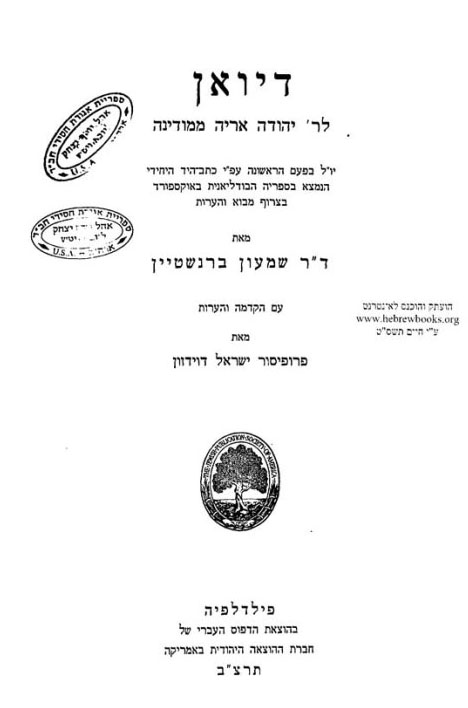
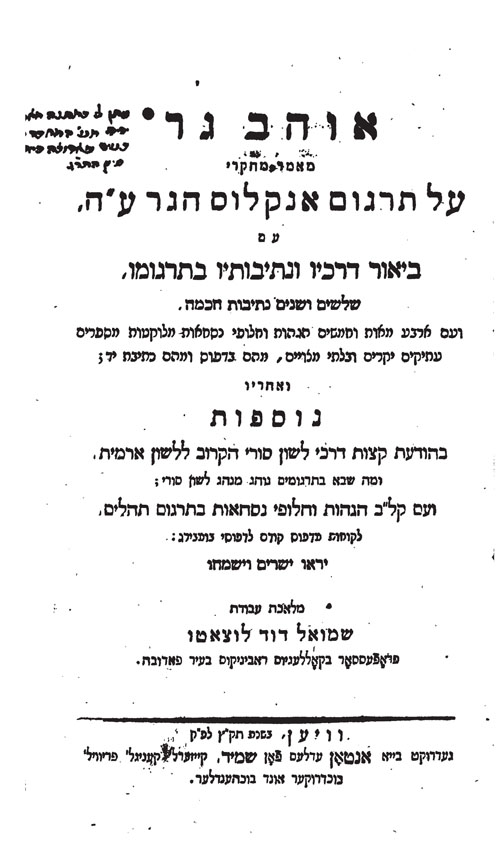
In the beginning of Parshegen, when listing the important works on Targum Onkelos (TO), Rabbi Posen notes that one of the most crucial works ever written on the topic is Shadal’s Ohev Ger (Vienna 1830; rpt. Cracow 1895). He mentions in a footnote that today most Charedi works on TO do not use him, or do not mention it if they did. He notes that in the first generations after Shadal wrote Ohev Ger everyone used it. He refers his article in Italia 19, (2009) (pp. 104-109) on the topic of Shadal as a Parshan of the Targum, where he has a few pages dealing with Charedi works that use him, including the Minchas Yitzchak. Posen notes that the Maharatz Chajes quotes him respectfully, but what is important about this is that the Maharatz Chajes did not see eye to eye with Shadal on other issues[1] and even wrote an essay attacking his criticisms of the Rambam (link). Posen notes that R. D.Z. Hoffman uses him in his Shu”t Melamed Lehoel. I would add (something Posen is certainly well aware of) that R. Hoffman also uses him many times in his works on Chumash[2].
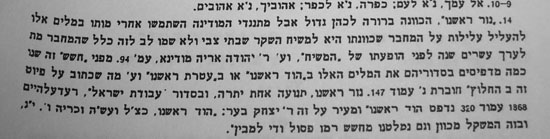
I would like to add a few more names toRabbi Posen’s list of people who used Shadal. Shoel Umeshiv[3], R. Yosef Zechariah Stern[4], R. Pesach Finfer[5], Dikdukei Sofrim[6], Seridei Eish[7], R. Chaim Heller[8], R. Kalman Kahana[9], R. Wolf Leiter[10] andR Dovid Tzvi Hillman[11]. S. of On the Main Line informs me that he has many more such references and is working on an extensive piece about Shadal in the eyes of talmidei chachomim through the ages.
I also found in the list of works recommended by the great Galician posek R. Meshulam Roth for students to learn in a proposed new school system, at the request ofR. Meir Shapiro, among the many interesting things he wanted talmidim to read when learning Targum Onkelos was Ohev Ger.[12]

When talking about this topic of the usage of Shadal in Charedi and Charedi-acceptable circles, Posen cites the introduction of Rabbi Yaakov Zvi Mecklenburg (1785-1865) to his Ha-Kesav Ve-ha-Kabbalah, printed only in the first edition of the work in 1839[13]. In this introduction he quotes a lengthy letter from Shadal[14] and clearly mentions that one of the works that he used when writing his sefer was from Shadal (which we would know anyway, because Shadal is cited by name many times in the commentary). Posen points out that in all subsequent editions this introduction has been removed. Posen suggests that the son-in-law who reprinted this work after he died (1880) removed it, and perhaps he did so due to the list of people that he used, especially theway he refers to Shadal, perhaps then no longer politically correct. Now, to be a little more accurate, the second edition of the work was printed in 1852 while Rabbi Mecklenburg was quite alive, and there a different version of the introduction appears. In this shorter version of the introduction it includes some of the works he used but there is no longer a specific mention of Shadal, neither in regard to using his work, or the lengthy letter of Shadal, which is now missing. In all subsequent editions printed after he died no introduction was printed. Thus we can see the son-in-law had nothing to do with it, but since it could hardly have been coincidental perhaps it did have to with Shadal’s image in some way, as Posen suggests. In his excellent article on the topic[15] Edward Breuer points out that there were differences between the two introductions, but he only notes that Julius Fuerst, whose name was mentioned in the first version of the introduction, was removed in the second version. Breuer did not note that Shadal’s name was also omitted.
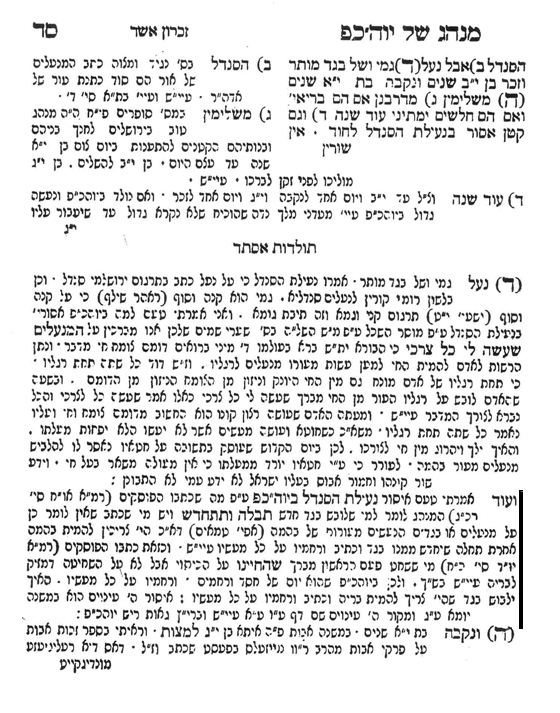
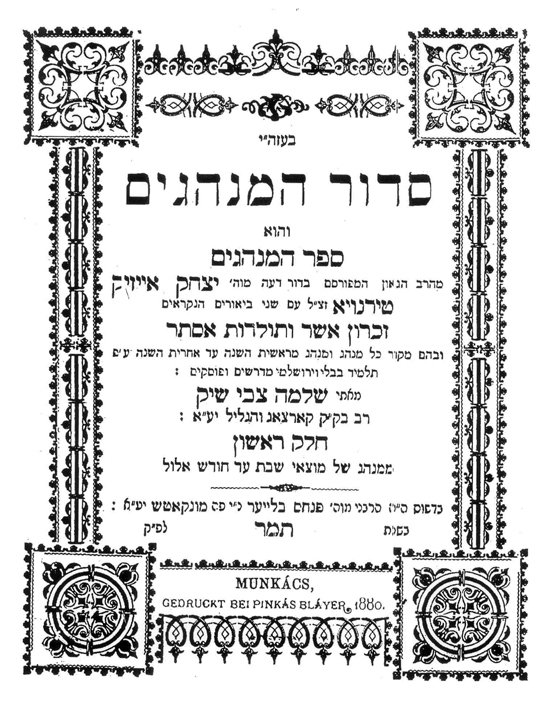
Compare the introductions:

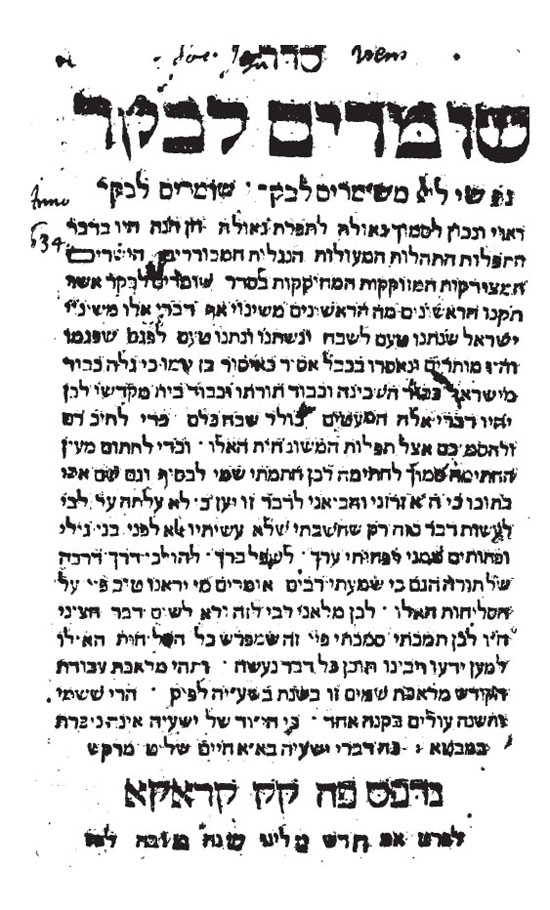
Mecklenburg – Haksav vehakabbalah 1839

Mecklenburg – Haksav vehakabbalah 1852

Since many of the controversial aspects of Shadal’s intellectual profile where already well-known by 1839 (e.g., proposing textual emendations of Nakh, fierce criticisms of the Rambam, assigning an author other than Shlomo to Koheles, etc.)[15b] my tentative suggestion as to why Shadal’s name and his letter were omitted by Rabbi Mecklenburg in the second edition could be because 1852 saw the printing of Shadal’s anti-Kabbalah work, the Vikuach Al Chochmas Ha- Kabbalah[16] (subtitled al Kadmus Sefer Ha-zohar). In addition, perhaps the advent of this work explains why later many did not use Ohev Ger on TO, feeling that they could not quote someone who was so anti-Zohar and anti-Kabbalah, even where he is not problematic and writes worthy ideas.
In Matzav Hayashar, R. Shneur Duber after quoting from Shadal’s work Vikuach Al Chochmas Ha- Kabbalah writes:

וה’ שד”ל בספרו ויכוח על חכמת הקבלה… וכל אלו הספרים הנההיראים החרדים לדבר ה’ נזהרים מאוד מלאחזיקם בביתם ומכש”כ מלעיין בהם משוםשהמה מהפכים את הלב האדם הקורא בהם ועושים רושם גמור בלבו רק לי התירו כמה גדולירבנים גדולים משום דאיתא במסכת אבות (פ”ב משנה יד) ודע מה שתשיב…”(מצבהישר, ב עמ’ 66].

It is also possible that R. Yaakov Kamenetsky was referring to the Vikuach in a sort of hidden way in Emes Leyaakov (p. 399). R. Yaakov records that he was asked by someone why is the Yom Tov of Hoshana Rabbah hidden and only found in Kabbalah literature? Before giving an answer R. Yaakov remarks he suspected there was a bit of cynicism in this question against the Zohar. It could be that he was hinting to the opening debate (before it spring boards in to other topics) in Shadal’s Vikuach Al Chochmas Ha-Kabbalah which takes place on Hoshana Rabbah and it is about where is the source for this Yom Tov.[17]
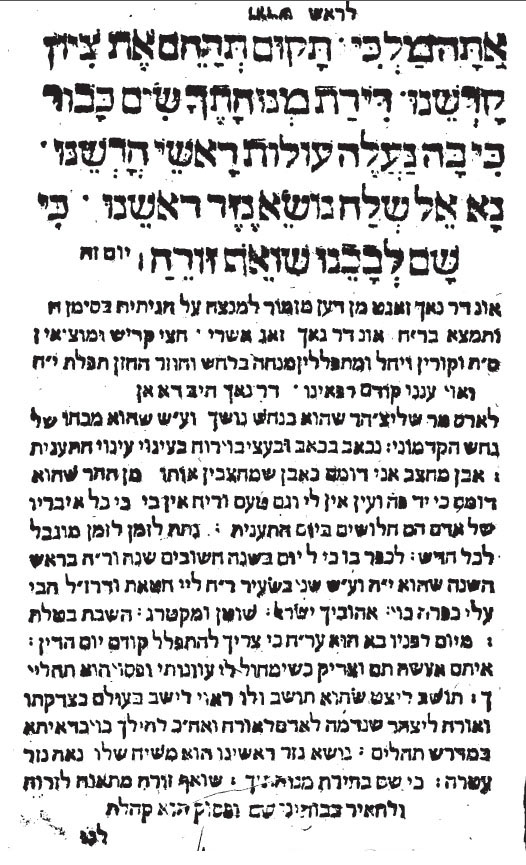
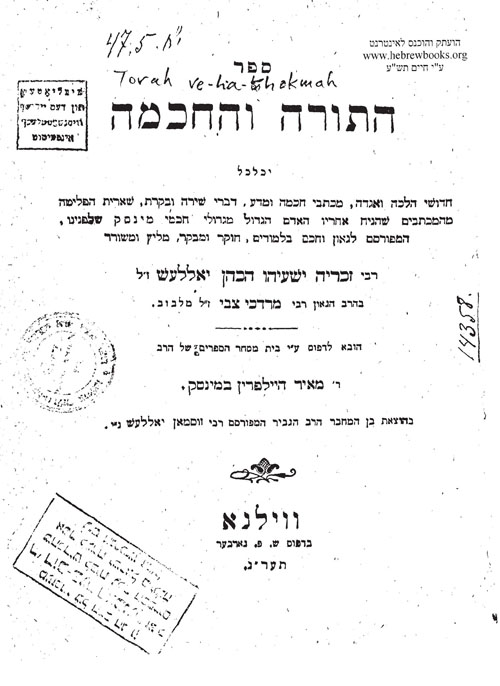
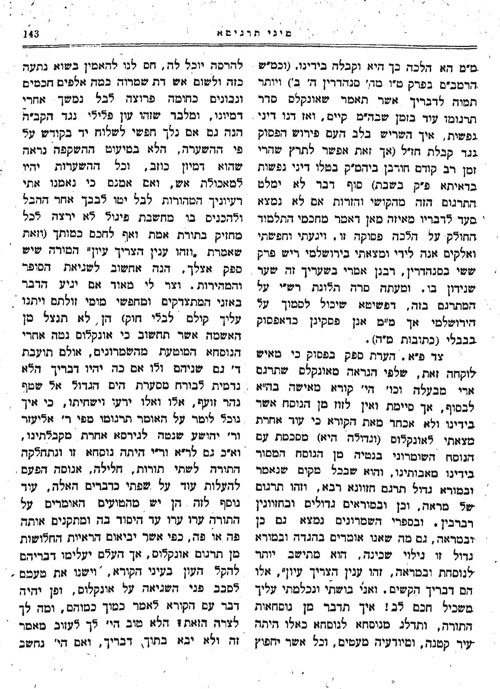
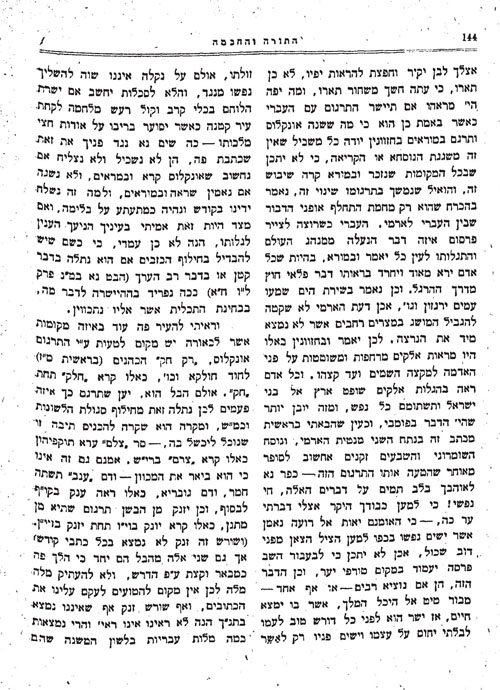
Another possible explanation as to why many did not use the works of Shadal could be understood with the complaints of R. Z. Y. Yolles in Hatorah VeHachochma. R Z. Y. Yolles sent Shadal a nice long letter related to TO in general and some comments on the Ohev Ger[18] in particular, which he liked a lot. He then writes:

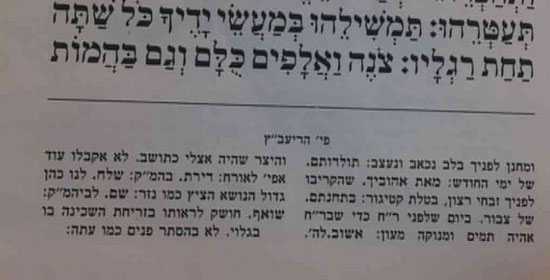
ואין לזוז מן הנוסח אשר בידינו… כי עוד אחרת מצאתי לאונקלוס…מסכמת עם הנוסח השומרוני בנטיה מן הנוסח המסור בידינו מאבותינו,… וזהו ענין הצריך עיון… אלו הם דבריך הקשים [19],ואני בושתי ונכלמתי עליך משכיל חכם לב איך תדבר מן נוסחאות התורה, ותדלג מנוסח אל נוסחא כאלו היתה עיר קטנה, ומיודעיה מעטים וכל אשר יחפוץ להרסה יוכל לה, חס לנול האמין בשוא נתעה כזה ולשום אש דת שמרוה כמה אלפים חכמים ונבונים כחומה פרוצה לבל נמשך אחר דמינו, ומלבד שזהו עון פליפי נגד הקב”ה הנה גם אם נלך חפשי לשלוח יד בקודש על פי ההשערה, הלא במיעוט השקפה נראה שהוא דמיון כוזב, וכל ההשערות יהיו למאכולת אש, ואם אמנם כי נאמנו אתי רעיוניך הטהורות לבל יטו לבבך אחר ההבל ולהכניס בומחשבת פיגול… וזאת שאמרת וזהו ענין הצריך עיון המורה שיש ספק אצלך הנה אחשוב לשגיאת הסופר והמהירות וצרי לי מאוד אם יגיע הדבר באזני המתצדים ומחפשי מומי זולתם ויתנו עליך קולם לבלי חוק… הלא טוב הי’ לך לעזוב מאמר זה ולא יבא בתוך דבריך…

Here are Yolles and Shadal:

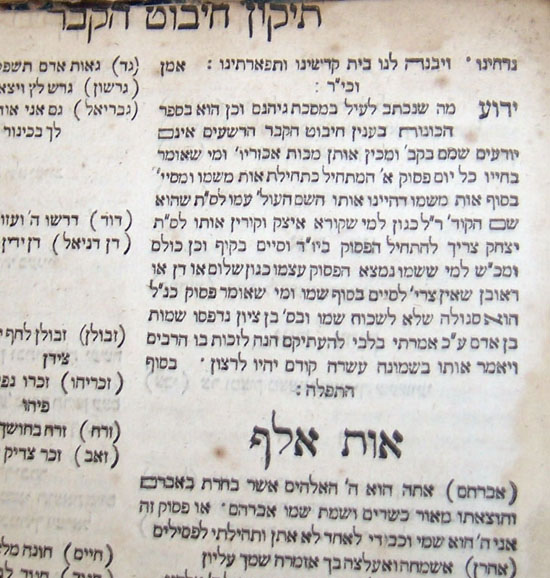
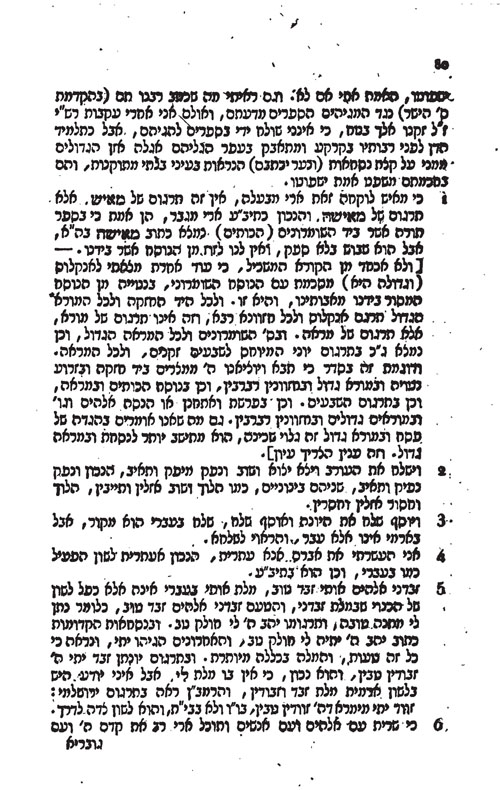
Here is the page from Ohev Ger with which the letter is concerned:

Although Shadal was very opposed to changing any texts in the Torah[20] and in a sense could be seen as standing in the breech, it could be that even such comments scared people away from his works.
Returning to the introduction of Rabbi Yaakov Mecklenburg to his Ha-Kesav Ve-ha-Kabbalah; It is of interest to me how he refers to R. Naftali Hirz Wessely (Weisel). He not only includes Wessely in the list of works he used, but in thebeginning of the introduction he says that Wessely is the only good work on Toras Kohanim which ties Torah Shebekhesav to Torah Shebaal Peh. This piece is also not found in the second edition of the introduction and is not noted by Breuer in his aforementioned article. A careful reading of the Ha-KesavVe-ha-Kabbalah shows that he used Wessely’s work numerous times throughout the work. Naturally no new views of Wessely’s were revealed between 1839 and 1852 to make Wessely more controversial.

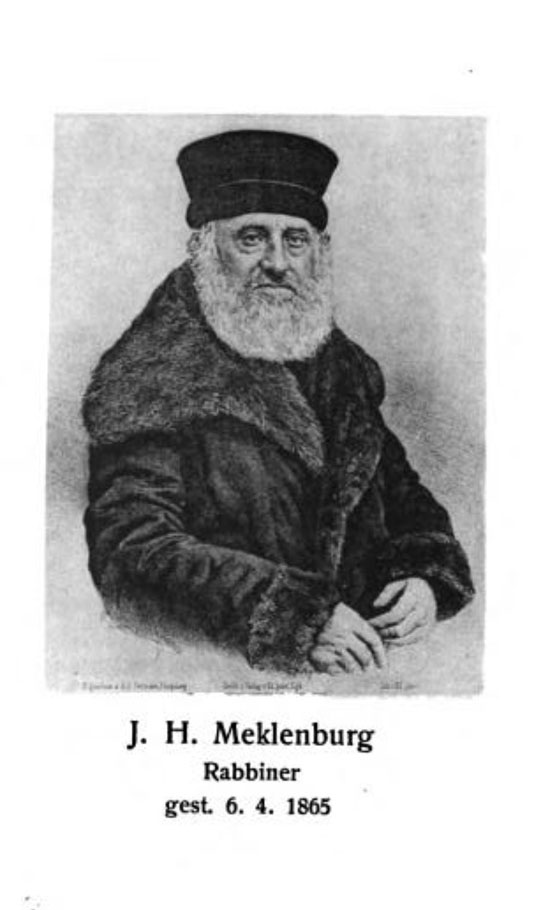
Incidentally, here is a beautiful portrait of R. Mecklenburg as printed in the Festschrift zum 200 jährigen Bestehen des israelitischen Vereins für Königsberg (1904):

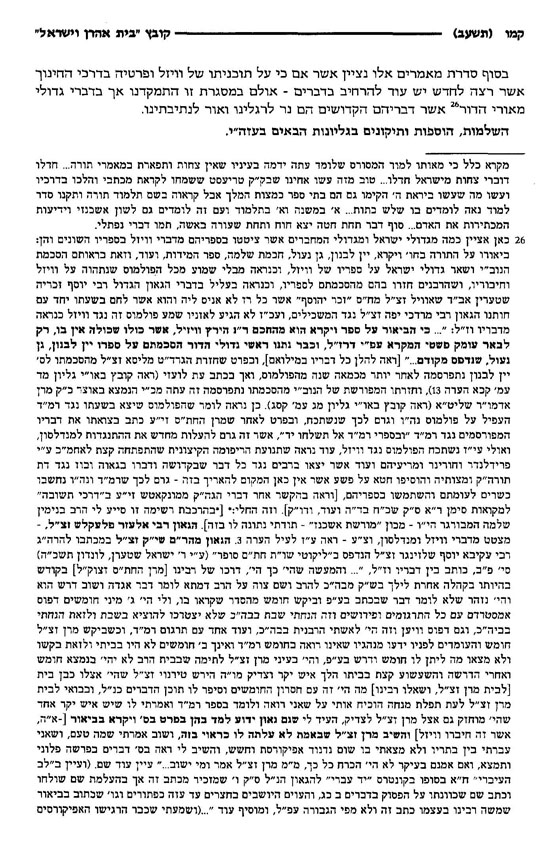
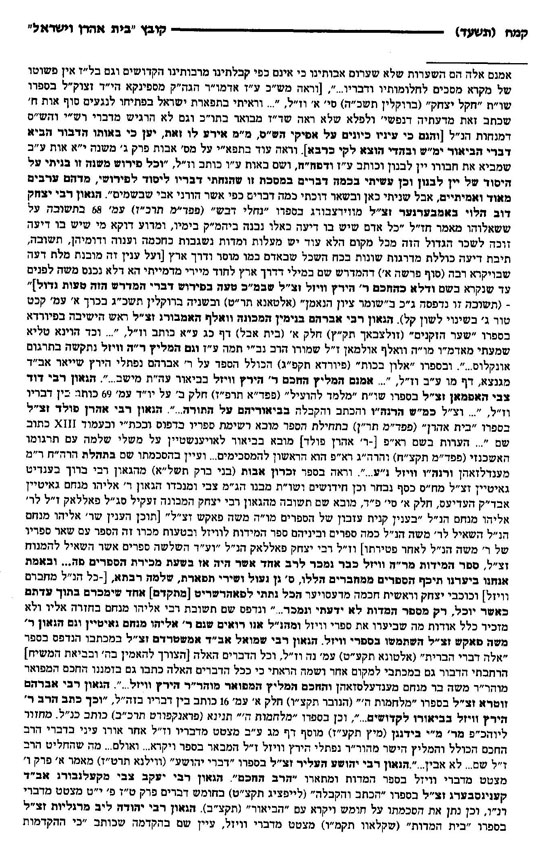
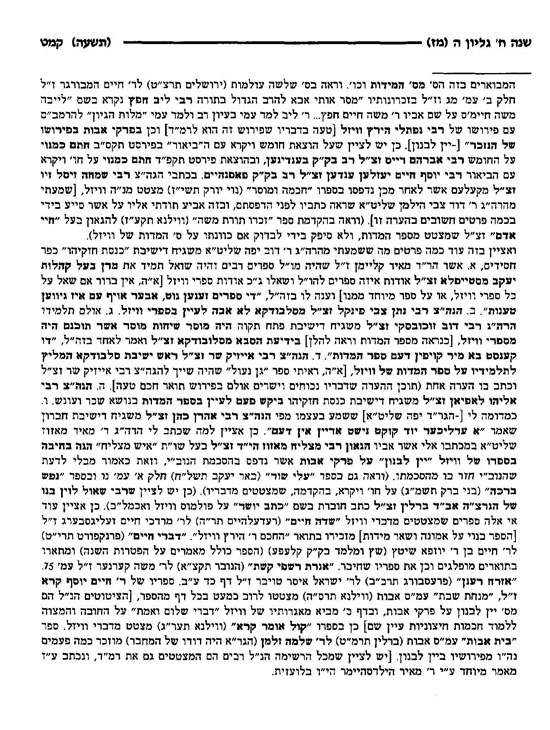
A few years ago in the pages of the excellent journal Ha-maayan, a controversy took place in relation to how to cite various works of people considered questionable (here). In the course of the controversy it turned to quoting Mendelssohn and Wessely, and their stories. Rabbi Posen mentioned that there was nothing wrong with Wessely, to which others argued. This controversy in regard to Wessely was not a new one[21], a few years before in the Kovetz Beis Aharon VeYisroel there was a series of articles based on various manuscripts showing how the gedolim at the time were very against Wessely. Towards the end of the series the author did a strange thing – he collected many citations of big name gedolim who did use Wessely’s work even after the controversy (here). Almost all of these gedolim were well aware of the controversy over Wessely’s Divrei Shalom ve-Emes in which his maskilic program for educational reform was outlined, and they came after the outcry of those early gedolim. So obviously disagreed with them (or were at least willing to accept him as a source to be used and cited by name). To me this was strange, as he undermined his own research – he wound up showing that there was a big controversy with many big people on both sides, so how in the world did he reach his conclusion that Wessely was bad according to everyone? Also of note, י”שר appears after Wessely’s name only in the first piece in the series. Perhaps in the course of his research the author realized that te matter was not as black-and-white as it first seemed.[22]
Nor did the modern controversy about Wessely end there, as a few years later two works of Wessely’s were reprinted; his Sefer Hammidos (2002), and his Yeyn Levanon (2003). In the introduction of both works there are lists of great people who used Wessely’s works. To be sure the kannoim did not remain quiet about this. That same year (2003) in the introduction to the Tomer Devorah reprinted by the Mishar publishing house, an introduction was printed about the evil works of Wessely recently reprinted. A few months ago the Kovetz Eitz Chaim (15, 2011, pp. 13-30) printed another manuscript on the controversy against Wessely, including some letters of various contemporary gedolim against the evil Wessely. In the recent work on R. Elyashiv Shlita, Hashakdan (2, pp. 136-137) they also mention how he was against the reprinting of the works of Wessely. The problem to me is how do they explain all the great Gedolim who did use his works? There is no clear answer.

To add to the lists of Gedolim who used Wessely’s works or quoted him in a positive light see; R. Eleazer Fleckeles[23], R.Moshe Kramer[24], Netziv[25], R. Mordechai Gimpel Yaffe[26], R. Yosef Zechariah Stern[27], R. Eliyahu Feivelson[28], R. Ezriel Hildsheimer[29], Dikdukei Sofrim[30], R. Y. Haberman[31], R. Chaim Bachrach[32], R. Y. Heller[33], R. Shneur Duber[34], R. Lazer Gordon[35], and R. Dovid Tzvi Hoffman[36]. Also see R. Moshe Mendelssohn (a maternal uncle of R Hirsch)[37] for many interesting remarks on Wessely. See also these great posts here and here in regard to Wessley.
I am sure many more sources for usages of both Shadal and Wessley can be found by searching Google Books, Hebrew Books and Otzar Hachochmah and just plain old learning, but I did not have a chance to do that yet.

I would liketo conclude with the following dream: just as R. Shlomo Dubno was vindicated in the past few years by R. Dovid Kamentsky,[38] it is my hope that Wessely too will be vindicated from all false charges against him and people will realize there is nothing wrong with his fine writings which are filled with chochma and yirah.

[1] See M. Hershkowitz, Maharatz Chajes,pp. 314-323. See also R. Toresh, Shivah Kochevei Leches, p. 8. Of course it will be argued that he is controversial too. However, this is only the case in some Torah circles. Where he is considered a perfectly reputable talmid chochom his use of Shadal could be considered notable.
[2] e.g., in Bereshis, p. 132. Shemos, p.287, 290, 351, 355. In Chumash Vayikra in his introduction he writes: הערות מצוינות אשפר למצוא… ובהמשתדל לש. ד. לוצטו.
[3] See Shem Me-shimon, (1965), p. 29, where it is related that he had a question related to Hilchos Gittin and he borrowed Shadal’s work on targum to help him. See M. Hershkowitz, MaharatzChajes, p. 445.
[4] Haggadah Shel Pesach, p. 7a.
[5] Mesoras Hatorah Vehaneviyim, p.6, 8, 14, 40, 42, 64.
[6] See his notes to Shem Hagedolim, (Yeshurun 23, p. 240, 289.) A look at the list of his working library in Ohel Avraham shows that he had all his seforim in this collection, including his work Vikuach Al Chochmas Ha- Kabbalah. The library belonged to his patron Abraham Merzbacher, but in many letters he refers to it as his library.
Dikdukei Sofrim quotes Shadal in Maamar al Hadfasas Ha-talmud p. 42 and numerous other places . He usually calls him רשד”ל. See this recent amazing post at On the Main Line for some general stuff about the Dikdukei Sofrim.
[7] Mechkarim Betalmud, p. 51, 60. See also Kesvei Sredei Eish 2, p. 323.
[8] Al Targum Yerushalmi, p. 36; Al Targum Hashivim, p. 36.
[9] Cheker Veiyun, p. 142. This is an incredible piece where he deals with a piece of R. Menashe Me-Ilya has on how to translate the wordהרעי where he says an original pshat that the Shoel Umeshiv attacks. See also M. Hershkowitz, Maharatz Chajes, pp. 449-451.
[10] Me-Torason Shel Rishonim, (p.102). [This is in regard to the topic of אמרי לה כדי that Rashi is supposed to say כדי is a name of a chacham. This source is not cited in the excellent essay on the topic in R. M. Friemann, Pores Mapah, pp. 61-94. See also Mar Kishisha, p. 121; D. Halivni, Mavos Limekorot Umesorot, pp. 34-35]. Shu”t Zion Lenefesh Chayah, Siman 109 [This is the famous Teshuvah where he attacks R. Reuven Margolios for plagiarism in his work Nefesh Chayah. He claims that he stole a particular piece from R. Meir Arik in his Tal Torah. He then goes on to note that Shadal has a piece on the topic. While I hope to return to this teshuvah to see what the exact claims of plagiarism are, in this case I do not see why R. Leiter assumes he stole this from R. Arik]. Note that R. Leiter thanks Alexander Marx and Boaz Cohen of the JTS in the English Foreward, and prays,” Remember this unto them, O G-d, for good.” See also the introduction to S. Freehof The Responsa Literature, where he thanks R. Leiter.
[11] In the Sefer Hazichron for the Seridei Eish, p. 109, 113. R. Hillman was known for not being a big liberal.
[12] This list is found in back of his Mevaser Ezra on Ibn Ezra p. 175. To be sure R. Roth was not a liberal, as is well known with the incident when he was supposed to receive the Kook prize with Saul Lieberman and he refused it. See: Iggeros of R. M. Roth recently printed; Marc B. Shapiro, Saul Lieberman and the Orthodox, pp.27-36.
[13] For a listing of all printings of the Ha-Kesav Ve-ha-Kabbalah see N. Ben Menachem, ‘Shtei Iggrot R. Yaakov Tzvi Meklenburg’, Sinai 65 (1969), pp. 327-332. For more on Rabbi Yaakov Mecklenburg and his Ha-Kesav Ve-ha-Kabbalah See: D. Druck, “Ha-Gaon Rabbi Jacob Zvi Mecklenburg,” Chorev4:1-2 (March – September 1937): 171-179 (Hebrew); C. Rabinowitz,’ R. Yaakov Tzvi Mecklenburg’, Sinai 57, pp. 68-75; Jay M. Harris, How Do We Know This? Midrash and the Modern Fragmentation of Judaism (Albany: SUNY Press, 1995), 212-220; Michal Dell – Orthodox Biblical Exegesis in an Age of Change – Polemics in the Torah Commentaries of R. J.Z. Mecklenburg and Malbim, PhD, Bar-Ilan University, 2008; Hebrew.
[14] Edward Breuer writes that he was unable to locate the source of this letter from Shadal (p. 271 fn. 39). I would like to suggest that as later in that article (p. 272) Breuer notes that the only published works of Shadal that Rabbi Yaakov Mecklenburg could have seen at this point was OhevGer and various articles in journals and that he corresponded with Shadal about his Ha-Kesav Ve-ha-Kabbalah (Igros Shadal, 5, pp. 647-648), so perhaps this too was a letter from Shadal written to Rabbi Yaakov Z. Mecklenburg. But S. of On the Main Line informed me that the letter is printed in Bikure Ha-ittim 7 (Vienna 1826) pg. 183 (link), under the title “המלות גזרת ענין (Etymologia),” and therefore was not specifically sent to Mecklenburg.
[16] See Breuer, p. 282. As an aside, Breuer points out (p. 281) that in the second edition Rabbi Yaakov Mecklenburg added a bunch of pieces from the Zohar, and also omitted a small number of comments from Shadal, Wessely and R. Shlomo Pappenheim. Note that many references to Shadal and Wessely remain in the commentary and are in all the editions to this day. Also note that the Latin title page in the 1839 edition, where it is named “Scriptura Ac Traditio,” was changed to German in the later editions, where it is titled “Schrift und Tradition.”
For more on Shadal’s work see, J. Penkower, ‘S. D. Luzzatto, Vowels and Accents and the Date ofthe Zohar’, Italia: Conference Supplement Series 2, Samuel David Luzzatto: The Bi-Centennial of His Birth, Magnes 2004, 79 – 13 [= Al Zeman Chiburim Shel Sefer HaZohar Vesefer HaBahir, 2011, pp. 75-116]; B. Huss, Kezohar Harekiyah, pp. 346-347
[17] See here for an English translation of this part ofthe Vikuach, and here for the entire translation by R. Josh Waxman of Parshablog. On the general question, see R. Shlomo Zalman Auerbach Halichos Shlomo, Moadim , 1 pp. 428-434.
[18] Hatorah VeHachochma, pp. 135- 153. The part I am quoting is on p. 143. See Shadal’s Response in Hatorah VeHachochma, pp. 148-149.
[19] Ohev Ger, p. 86.
[20] See: Z. Shazar, MePardes HaTanach,pp. 179-183; M. Margolies, Samuel David Luzzatto: His life and works, pp. 120-123; S. Vargon, Shadal Kecholetz Chokrei Hamikrah Hayehudim, Iyuni Mikra, 6, pp. 71-148; S. Vargon Yechasu shel Shadal le-farshanut ha-halakkah shel Chazal JSIS @ (2003) ; E. Chamiel, author of “Life in Two Worlds, ‘The Middle Way’: Religious Responses to Modernity in the Philosophy of Z.H. Chajes, S.R. Hirsch and S.D.Luzzatto,” (Hebrew; unpublished dissertation, Hebrew University ofJerusalem, 2006).
On the general topic of Shadal here, regarding targumim and our Mesorah, see R. Chaim Heller, Al Targum Hashivim; Seridei Eish, Mechkarim Betalmud, pp. 145-146; M. Shapiro, Between the Yeshiva World and Modern Orthodoxy, pp. 169-170. Also see M. Shapiro, ‘On Targum and Tradition: J.J. Weinberg, Paul Kahle and Exodus 4:22’, Henoch Vol. XIX, 1997, pp. 215-232.
[21] Much has been written on this controversy. See, e.g., M. Samet, Chodosh Assur Min Hatorah, pp. 67-92. But a full treatment in a doctorate is still needed. See also
S. Feiner מהפכת הנאורות pp. 16-187.
[22] The list of gedolim who appreciated Wessely’s commentary to Vayikra is not small. See here for the reported attitude of the Steipler and his son R. Chaim Shlit”a. The Vilna Gaon too is reported by Kalman Schulmann to have really admired this commentary. Schulmann gives as his source R. Meir Raseiner, a talmid of the Gra, who personally told him this. The gist of all the admiration is thatWessely did an excellent job tying together peshuto shel mikra and the halakhic interpretation of Chazal. In this he was a pioneer and precursor to Mecklenburg and Malbim.
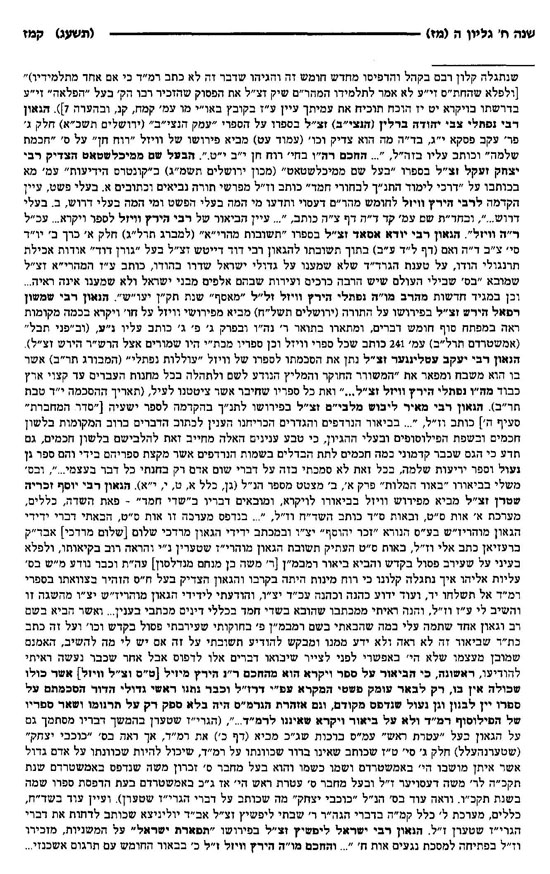
These are the pages in Kovets Beis Aharon ve-Yisrael which list many who used the works of Wessely:

[23] Ahavat David, Introduction, see here and here. Not surprisingly it was edited out of some versions of the sefer.
[24] Zera Kodesh, p. 16b, 17b, Igres Rishpei Kodesh, p. 41.
[25] See Gil Perl, Emekha-Neziv A Window into the Intellectual Universe of Rabbi Naftali Zvi Yehudah Berlin, PhD dissertation, Harvard University (2006), p. 143.
[26] Haggadah shel Pesach, Beis Mordechai, p. 67.
[27] Haggadah Shel Pesach, p. 24, 52; Maamor Talachos Haagaddos, p. 9
[28] Netzach Yisroel, p. 166 but see ibid. p. 52, 22.
[29] Shut, O.C. p. 467.
[30] He had all his works in his collection, see Ohel Avraham, and above, note 6.
[31] Shearis Yakov, p. 14a.
[32] Zichron Chaim, p. 8a.
[33] See Y. Mark, Be-mechitzasom Shel Gedolei Hador, p. 54.
[34] Matzav Hayashar, 2, p. 94.
[35] See Pirkei Zichronos (p. 255) where Ben-Tzion Dinur writes that he used to quote it often and praise it. See also S. Stampfer, The Lithuanian Yeshiva, heb., p. 354.
[36] Introduction to Chumash Vayikra, p. 14: כמו כן ידוע הביאור המצוייןלתורת כהנים מאת נפתלי הירץ ויזל
[37] Pnei Tevel, pp. 239-241. About him see here and here.
[38] See Kamenetsky’s pieces in Yeshurun 8, 9 and 10 and Y. Mondshein in Or Yisrael 16. On this matter, see here.


Parshegen, an amazing new work on Targum Onkelos

Parshegen, an amazing new work on Targum Onkelos

By Eliezer Brodt
רפאל בנימין פוזן, פרשגן, ביאורים ומקורות לתרגום אונקלוס, בראשית,963 עמודים.
הנ”ל, העקיבות התרגומית בתרגום אונקלוס, מגנס, ירושליםתשס”ד, 362 עמודים.
After many years of waiting, one volume of a highly anticipated work on Targum Onkelos, Parshegen, has finallyappeared. This volume by Rabbi Dr. Rafael Posen is an in-depth study of Targum Onkelos. Many have studied Targum Onkelos over the centuries, and continue to do so – especially when doing Shenayim Mikra Ve-echad Targum weekly, but few have penetrated the depths of this incredible work. To be sure, many others have treated the Targum before this work, most notably Rashi and the Ramban. Different works and articles by many authors have focused on different aspects of the Onkelos. But there are few that have done what Rabbi Posen sets out to do in this work.
Rabbi Posen has long demonstrated his great expertise in the Targum in numerous articles in various journals (both academic and rabbinic) over many years. A few years ago Rabbi Posen published a work on the Targum based on his doctorate called Ha-Iykivut Ha-targumit Be-Targum Onkelos (The Consistency of Targum Onkelos’ Translation). This work, printed by Magnes Press, outlines some of his themes in dealing with the Targum.[1] I highly recommend it for someone who wishes to grow in his appreciation for Onkelos (henceforth TO). One of his themes in this book, which others have also dealt with, is to show the great consistency within TO and the significance of the exception. Many times TO uses a certain word to explain something consistently throughout the Chumash except for one or two places where he uses a different term. Posen successfully shows that there was a coherent system in how and when TO used which words in which places. He explains why he deviated in some places and that it was in no way random or sloppy. It is precisely these deviations, when understood, which can show what makes TO so special and that is not just a simple translation of the Torah.
In this work Posen uses manuscripts and the academic literature available on TO side by side with all the traditional seforim written on TO. He does not just gather information but he dissects and analyzes it all very carefully, sometimes reaching his own original conclusions. He also deals with other important aspects related to understanding why Onkelos translated as he did as it relates to Halacha, Aggadah and other theological issues, such as how TO deals with anthropomorphism, which is probably the most famous TO issue of all. He also deals with the relationship of Onkelos to Midrashei Halacha and Aggadah. In each case he gives a good overview of the prior literature and issues that have been raised on that particular topic.
However in this book he only gives samples of his commentarial work on TO, outlining his ideas, so although he deals with many different pieces in TO (as a quick look at the index will show) it’s not a running commentary of TO in any way.
In the introduction he mentions that he is in middle of writing a work on Targum Onkeles called Parshegen which will be a running commentary on the whole Targum. Parshegen volume one has just been released by Yefeh Nof, his nephew’s publishing house [which will perhaps explain why there is no mention that Rabbi Posen is a Dr. having written a PhD on TO][2].This new volume is just on Genesis and is 963 pages! The presentation of the material is beautiful, well organized, concise and to the point (and if it’s 963 page and concise, you know it’s good). It is therefore a veritable goldmine. Rabbi Posen’s focus is to give the reader a clear explanation of why TO says what it does. Under the assumption that TO always has a very good reason for specifically translating the words, Rabbi Posen demonstrates how exactly TO did this. As he does in his other work, he uses the necessary manuscripts, early prints of the Targum[3] and the academic literature available alongside the seforim written on TO. He does not just gather information, but he dissects and analyzes it very carefully, checking if they are consistent with other places in the Targum. His competent use of manuscripts show how many times they can help one understand different Targumic issues. This path was not followed by many of the more recent Charedi works on TO. Posen also shows how having a good background in the Aramaic language helps a great deal. Another area he focuses on is the various statements of TO that play a role in Halacha and to underscore this, how at times it is even quoted in the Shu”t literature. He also focuses on the Targum’s usage of Midrash (both Halacha and Aggadah) which others have dealt with before. To better understand Onkelos he sometimes compares and contrasts it with the other Targumim.
To mention some other highlights of the work, in the beginning he includes a nice collection of sources about Onkelos and a very good overview of the Targum literature in general, and who likely wrote TO, and where. He included a very cool, lengthy poem about Onkelos, written in Aramaic, which he authored, as well as a running commentary explaining it. The work concludes with a nice appendix (over forty-five pages) dealing with perhaps the most famous issues that his many predecessors, beginning with the Rambam, have dealt with – TO’s approach to anthropomorphism. Parshegen includes a very nice haskamah from Rabbi Avigdor Nebenzahl, who mentions that he went through this whole work as it was written over the years, adding many comments which Posen found useful and included in this work.
All in all if, one wants to learn TO on a high level and to appreciate how special the Targum is, I highly recommend it. I feel that Rabbi Posen successfully accomplishes the goals he set in the introduction of his book: to write a clear and concise commentary on the Targum Onkelos. If one uses it one will definitely be able to understand why TO enjoys pre-eminence of all the Targumic literature. I only hope that the remaining volumes will appear in the near future as planned.
 
Parshegen is distributed by Yefeh Nof and it should be available in all stores shortly. For now see Girsa in Jerusalem and Biegeleisen in NY. If one wants some samples pages please contact me at Eliezerbrodt@gmail.com.
I wanted to add one notation to this work. An area of halacha in which Targum Onkelos plays an important role isto differentiate between the names of Hashem in the Torah which are Kodesh and which are Chol. The reason why this is important is because the halacha is that every time a sofer writes a name of Hashem in a Sefer Torah he has to articulate that it’s “Leshem Kedushat Hashem. Failing to do so, the Sefer Torah is pasul. Now Rabbi Posen is well aware of this and deals withTO as it relates to this issue. However, one important work which I did not see him quote from is the Meleches Hakodesh(Prague 1812) of Rabbi Eleazer Fleckeles, who gathered all these ambiguous name, the opinions of everyone who remarked upon them and reached conclusions about each one. In addition, he deals with Onkelos in many of the places.[4]
Another work in relation to this topic, which Rabbi Posen does use, is called Biur Shemos Kodesh Vechol. This work was printed in 1923 by Haham Moses Gaster. For many years it was assumed to be from the Rambam, as per the attribution. Rabbi Kirshbaum wrote some interesting notes on this sefer (Tzion Le-menachem, siman 6). In 1985, Y. Levinger proved that it is a forgery and it is not from the Rambam.[5] Rabbi Posen writes that Rabbis Kapach and Nebenzahl also do not agree that it is from the Rambam. R. Yitzchac Shilat told me that he too does not believe it to be authentic. Rabbi Posen points all this out in a footnote in the end of the book (pp. 922-923). However he should have mentioned this already in the beginning when he quotes the work a few times (see p. 77, 112). Other recent works used this sefer without even realizing that – at best – it is hardly clear that it is an authentic work of the Rambam, such as Miat Tzori (p. 6) and Nikadesh es Shimcha (all over the sefer).
There will be follow-up post about Rabbi Posen’s footnote in Parshegen about Shadal’s path-breaking Ohev Ger (Vienna 1830; rp. Cracow 1895) on Targum Onkelos and it’s use. I will jump off from there and also discuss the use of Shadal and Rabbi Naftali Hirz Wessely in seforim in general.
[1] Reviewed in Hamayan 45:1 pp. 88-89.
[2] Although the author is not referred to asa Dr., the works of S. Leiberman (p. 66) Cassuto (p. 161) L. Ginzburg (p.4 3 ) L. Zunz (p. 42) are all referenced normally. In the volume printed by Magnes Press Posen thanks his teachers Dov Rafel and Nechama Leibowitz in the introduction, but probably for similar reasons he does not do so in this volume, although he does quote them both [for ex. see p. 142, 152]. This volume is surely intended as a “sefer.”
[3] See R. M. Frieman, Pores Mapah, pp. 190-198.
[4] On this topic see also R. Avraham ibn Ezra (not that one!), Batei Khnesiot, siman 285; R. Yaakov Shor, Mishnat Yakov p. 6.
[5] I. Twersky when he quotes this work inhis work on the Rambam does not comment. H. Davidson in his work on the Rambam, Moses Maimonides, (Oxford Press 2005), where he deals with works misattributed to the Rambam does not even mention such a work.


The sukkah on Shemini Atzeret controversy

The sukkah on Shemini Atzeret controversy
by William Gewirtz

Introduction: Arguments about eating in the sukkah on Shemini Atzeret outside of Israel have a long and somewhat baffling history.[1] While not the only example of practice in opposition to the Shulchan Aruch, it appears to be among the most argued. The gemara, Rambam, the Tur and the Shulchan Aruch, written in many locales, all seem to be as unambiguous as possible in requiring one to eat in the sukkah. The Gaon, incensed by the spreading Chassidic custom to eat outside the sukkah, perhaps lemigdar miltah, went so far as to mandate sleeping in the sukkah on the night of shemini atzeret, in opposition to the Maharil, the Magen Avraham and normative custom. Despite consensus among all major decisors to require eating in the sukkah, an undercurrent of opposition has existed from at least the times of the early rishonim. Support for that opposition has been based on a number of apparently legitimate points. However, despite some early and consistent opposition, despite the logic and halakhic rationale of those who did not sit in the sukkah, and despite the problematic nature of the gemara (as explained below), I hope to explain the basis for the concluding and declarative statement in the gemara: “we sit but do not make a berakha.” In fact, the assumption, explicitly found[2] as far back as the times of the rishonim, that the declarative ruling was interpolated at a later point, is fundamental to explain both sides of the controversy. Some, as early as the times of the rishonim, argue that we can discount such geonic interpolations in deference to the original text which, as will be demonstrated, concludes not to sit in the sukkah. My goal is to explain why the interpolation is to be followed despite its ostensible opposition to the remainder of the text. The major thesis proposed is that one has to differentiate between a period of doubt as existed in both the yerushalmi and bavli when rosh chodesh was declared based on the observation of witnesses and a later period when rosh chodesh was determined using a fixed calendar. The geonic interpolation into the text of the gemara occurred at that later point; its rationale and inconsistency with the texts of the gemara needs to be addressed from that perspective. If I am correct, then in the period when rosh chodesh was declared based on the observation of witnesses, as in the times of Rav Yochanon and Rav,[3] sitting in the sukkah was not always required. However, when the fixed calendar was in use, the rabbis (eventually) decreed that sitting in the sukkah on Shemini Atzeret was obligatory. It may well have been more akin to a gezairah required at their time versus a continuation of historic practice. The remainder of the paper focuses on:

  • An analysis of the primary texts of the gemarot that demonstrates opposition to sitting in the sukkah on Shemini Atzeret.
  • A conjecture that the level of doubt in the times of the gemara was minor.
  • Possible objections to sitting in the sukkah on Shimini Atzeret when not required and why they were perhaps considered overriding particularly given the level of doubt. Additionally, there are critical factors that differentiate Shemini Atzeret from other cases of yom tov sheni.
  • The interpolation by the geonim, and their insistence on sitting in the sukkah despite earlier halakhic rulings.
  • The objection to the gemara’s conclusion by some early authorities and their different practices.
  • Reasons that would exempt you from sukkah in general, would certainly exempt you on Shemini Atzeret; mitztayer and kabbalat penai rabbo are analyzed as bases for not sitting in the sukkah.
  • A summary and a modest proposal.

Section 1 – An analysis of the primary text of the gemarot demonstrates opposition to sitting in the sukkah on Shemini Atzeret. The sugya in the bavli masechet sukkah beginning on 46b contains three parts:[4] A. The disagreement of Rav Yochanon and Rav. R. Judah the son of R. Samuel b. Shilath citing Rav ruled: The eighth day which may be the seventh is regarded as the seventh in respect of the sukkah and as the eighth in respect of the benediction. R. Yochanon, however, ruled: It is regarded as the eighth in respect of both. B. Two approaches to interpreting the disagreement. FIRST APPROACH: That one must dwell [in the sukkah on the eighth day] is agreed by all, they only differ on the question of the benediction. According to him who regards the day as the seventh in respect of the sukkah, we also recite the benediction [of the sukkah], while according to him who holds that it is regarded as the eighth in respect of both, we do not recite the benediction [of the sukkah]. R. Joseph observed: Hold fast to the ruling of R. Yochanan, since R. Huna b. Bizna and all the notables of his age once entered a sukkah on the eighth day which may have been the seventh, and while they sat therein, they did not recite the benediction. But is it not possible that they were of the same opinion as he who laid down that once a man has recited the benediction on the first day, he has no more need to recite it? — There was a tradition that they had just come from the fields. SECOND APPROACH: (the ikka de’amri) There are some who say that the ruling that one must not recite the benediction [of the sukkah] is agreed upon by both, and that they only differ on the question whether one must sit [inthe sukkah]. According to him who ruled that it is regarded as the seventh day in respect of the sukkah, we must indeed sit in it thereon, while according to him who ruled that it is regarded as the eighth day in respect of both, we may not even sit in it thereon. R. Joseph observed: Hold fast to the ruling of R.Yochanan. For who is the authority of the statement? R. Judah the son of R. Samuel b. Shilath [of course], and he himself sat on the eighth day which might be the seventh outside the sukkah. C. A declarative ruling that “we sit but do not make a berakha.” And the law is that we must indeed sit in the sukkah but may not recite the benediction. A. The disagreement of Rav Yochanon and Rav: Rav states that Shemini Atzeret is treated as the seventh for “this” and the eighth for “that.” Rav Yochanon states it is the considered as the eighth for “this” and “that.” The two approaches differ as to what “this” and “that” refer.[5] B. Two approaches to interpreting the disagreement: The first alternative assumes that all agree that sitting in the sukkah is obligatory; the argument concerns whether to make a berakha. In this approach Rav is asserting that one makes a berakhaleishev ba’sukkah.” The phrase “the seventh for this” refers to this obligation for a berakha on sitting in the sukkah. “The eighth for that” refers to the fact that the other prayers of Shemini Atzeretkiddush and tefillah – mention only the eighth day and make no mention of Sukkot. Rav Yochanon asserts we make no reference to Sukkot, making no berakha when sitting in the sukkah on the eighth. It is the eight for “this” refers to sitting in the sukkah without a berakha; “the eighth for that” is interpreted identically to Rav. According to both opinions, “this” refers to whether or not a berakha is made when sitting in the sukkah on Shemini Atzeret. According to both opinions, “that” refers to the mention of only Shemini Atzeret in the prayers of the eighth day. This reading is rather forced in that there does not appear to be any disagreement about what holiday ought to be referred to in the various prayers and blessings of the eighth day. While the word “this” is informative, the word “that” is not. Stating both Sukkot and Shemini Atzeret in one prayer/blessing would be contradictory; declaring a day to be both Sukkot and Shemini Atzeret was never even raised as a possibility and for good reason. The first approach then quotes practice that supports the view of Rav Yochanon, suggesting that we are to follow the opinion of Rav Yochanon. The second approach assumes not making a berakha on sitting in the sukkah is undisputed; the argument is about even sitting in the sukkah. Thus the second part of the phrase – the eighth for “that” states that common view of both Rav and Rav Yochanon omitting a berakha on sitting in the sukkah. “This” refers to the obligation to sit in the sukkah. Rav maintains for “this” it is considered the seventh and hence one is obligated to sit in the sukkah. Rav Yochanon maintains it is the eighth for “this” as well with no obligation to sit in the sukkah. Note that in this approach of the ikaa de’amri, both parts of the sentence are informative. The second approach then also quotes practice that supports the view of Rav Yochanon, suggesting that we follow the opinion of Rav Yochanon Were the sugya to end at this point, the conclusion would be clear for two reasons. Each reason itself is two-fold, resulting from both a general principle as well as a detail present in this specific case.

  • First, generally, where there are two alternative approaches, the second, the ikaa de’amri, is assumed normative.[6] As well in this specific case, as indicated, the phrase of both Rav and Rav Yochanon is more informative in the formulation of the ikka de’amri.
  • Second, when there is a dispute between Rav and Rav Yochanon, we generally follow Rav Yochanon.[7]As well, in this specific case the text in both alternatives immediately includes an example of practice that follows the opinion of Rav Yochanon.

Taken together, we would assume to follow the second alternative and the opinion of Rav Yochanon – and not sit in the sukkah on Shemini Atzeret. According to many readings, this conclusion is made even more strongly by the yerushalmi.[8] While the bavli addresses the obligation to sit in the sukkah, the yerushalmi notes that one may not sit in the sukkah while making kiddush but one may enter the sukkah afterwards if he so desires. While some rishonim quote this yerushalmi as opposing the psak of the bavli,[9] others claim[10] that the yerushalmi is addressing a region of Israel where there was no doubt about what day the courts declared rosh chodesh. Rabbi Schacter, in support of the former opinion, observed that the yerushalmi uses the expression “leilai yom tov achron;” the plural, “leilai” is only relevant if there is a yom tov sheni on the ninth. Given this interpretation, the yerushalmi is making a rather strong point of equating the nights of the eighth and ninth, dismissing any possibility of an obligation to eat in the sukkah on the eighth.[11] C. A declarative ruling that “we sit but do not make a berakha:” Despite the reading of the gemara as outlined, the bavli concludes that “we sit but do not make a berakha.” This opinion is that of both Rav in the second alternative and Rav Yochanon in the first alternative. This ruling corresponds to two of four opinions quoted; the two alternative opinions – not sitting at all or sitting and making a berakha – are only supported by one amora and only according to one alternative. Despite that, this ruling is contradicted by the normal principles of psak where we would follow Rav Yochanon’s opinion in the second alternative, as well as the yerushalmi. The language of the gemarashemini safek shevii,” and in particular the various amoraim cited, place the gemara not in the period of calculation based on a fixed calendar, but still during a period where rosh chodesh was declared based on observation. During that period, yom tov sheni was observed because of real doubt and also, at some point, as a precaution even during those years where doubt did not exist. Given the establishment of a fixed calendar in 359 CE by Hillel II, it is not entirely clear in exactly what era yom tov sheni was firmly established and, more importantly, when it was extended to include sitting in the sukkah on Shemini Atzeret. It is entirely plausible, that this declarative ruling obligating sitting in the sukkah on Shemini Atzeret followed the period debated in the gemara by multiple centuries. This resolves the apparent contradiction in the text. Why this was not stated explicitly in the gemara is only problematic if one does not assume it was obvious. Section 2 – A conjecture that the level of doubt in the times of the gemara was minor. Returning now to the period of real doubt over which day was declared rosh chodesh, the question of why was sitting in the sukkah not considered mandatory? We will deal with a number of reasons that would argue against sitting in the sukkah in the next section. However, there are two factors that would reduce the level of doubt in the times of declaration based on observation.

  • First, atmospheric conditions in the Middle East around the beginning of Tishrai are normally excellent and the ability for a new moon crescent to be observed is very high.[12]
  • Second, the beit din had flexibility to reduce any doubt around Rosh HaShana. When necessary, the beit din could delay declarations of rosh chodesh Elul to guarantee that a moon’s crescent would always be present to be observed on the evening following the 29th of Elul.[13]

These two factors lowered the level of doubt considerably. In addition,

  • the late date in the month when Shemini Atzeret occurs and
  • the effort to determine Yom Kippur

would likely reduce the level of doubt even further. After fasting only on the 10th day of Tishrai as Yom Kippur, it is entirely possible that in spite of observing yom tov sheni on the first days of sukkot, the level of doubt was minimal and insufficient to overcome the objections covered in the next section.[14] Section 3 – Possible objections to sitting in the sukkah on Shemini Atzeret when not required and why they were overriding particularly given the level of doubt. Additionally, one can differentiate Shemini Atzeret from the more usual case of yom tov sheni on multiple grounds. There are two potential issues with sitting in the sukkah on Shemini Atzeret, tarti de’sasreh, acting in a contradictory manner[15] and violating the prohibition to add to a mitzvah, by adding an additional day of sukkah observance, particularly on Shemini Atzeret where sitting in a sukkah is not part of the observance.[16] In the case of sitting in the sukkah, a potentially neutral act, neither is violated if some aspect of performance is compromised; however, the degree of compromise required may be in dispute. Regardless of which of the two reasons[17] is invoked, in a case of limited doubt, one or the other or both may have been sufficient to make sitting in the sukkah on Shemini Atzeret either not obligatory or perhaps not even permitted without some restrictions. Both the yerushalmi and various opinions in the main text of the bavli, support this conclusion. At some point after a fixed calendar was established in the fourth century, a second day of yom tov was formalized (or maintained.)[18] As Rav Soloveitchik explained, an additional level of kedushat yom tov was applied to either an ordinary day (the day after a yom tov, isru chag) or the first day of chol hamoed because of sefaikah de’yoma. This additional level of kedusha, automatically invoked obligations for kiddush, tefillah, sippur yetziat mitzraim, etc. as well as prohibitions from work. Of course, such an approach could not be applied to Shemini Atzeret; it was already a holiday and one could not add to its kedusha, only change it. This was not done; note that we do not mention Sukkot nor do we observe the mitzvah of lulav. We simply sit in the sukkah without a berakha, something that is both different from a halakhic perspective from other observances of yom tov sheni that derive from the changed status of the day, and in Rav Soloveitchik’s opinion, less than satisfactory conceptually. He said, perhaps half-seriously, that despite his unwavering adherence to normative halakha, the position of the chassidim makes more sense. In any case, sitting in the sukkah is a unique observance with textual, historical and conceptual challenges. Section 4 – The interpolation by the geonim[19], and their insistence on sitting in the sukkah despite earlier halakhic rulings. I do not know the precise history of yom tov sheni. However, both reciting berakhot during yom tov sheni against normal halakhic practice,[20] as well as the assumed halakhic interpolation by the geonim requiring sitting in the sukkah on Shemini Atzeret may both have similar origin – the need to reinforce the observance of yom tov sheni. As Dr. Haym Soloveitchik points out,[21] the case of sukkah on Shemini Atzeret proves the wisdom of insisting on a berakha; the one mitzvah of yom tov sheni for which we do not recite a berakha, resulted in widespread non-observance. It seems more than likely that this interpolation was recognized as “outside the norm” if the practice during the period of doubt did not include sitting in the sukkah on Shemini Atzeret. Like berakhot, it may have been viewed as necessary particularly following a single day observance of Yom Kippur to strengthen the observance of yom tov sheni. One can only assume that the ruling’s discontinuity from the remainder of the text of the gemara was recognized and did not need elucidation; when first written, a then contemporary reader would recognize the change in practice. Section 5 – The objection to the gemara’s conclusion by some early authorities and their different practices. Given universal acceptance of the observance of yom tov sheni in the times of the rishonim, one would not have expected any deviation from the gemara’s definitive conclusion. Rabbi Schacter and Dr. Soloveitchik highlight a number of sources that illustrate the lack of universal acceptance of the gemara’s conclusion by Rashi’s rebbe and members of his family,[22] a distinguished member of the Maharil’s community,[23] and by a member of the Kolonymous family.[24] Citing the core sugya in the bavli and the yerushalmi, while certainly relevant does not in and of itself justify deviating from a clear conclusion even if it is of geonic origin. What is universally conjectured is that the cold climate of Northern Europe motivated a change. For the geonim omitting a berakha constituted enough of a heker to obviate either objection – either a tarti de’sasreh or violating a prohibition to add to a mitzvah by adding an additional day of sukkah observance. In a temperate climate, eating outside without a berakha renders sitting in the sukkah a more balanced act – clearly not a complete fulfillment of the obligation to sit in the sukkah, but, nonetheless, still honoring the institution of yom tov sheni shel galyot. However, in the cold climate of Northern Europe, even absent a berakha, either objection would, as it did in the times of real safek, make sitting in the sukkah (at least during kiddush) problematic. Note as well that the custom of returning to the sukkah during the day is consistent with this logic. During the day:

  • the temperature is milder,
  • there is no tarti de’sasreh from the recitation of kiddush, and
  • having been absent from the sukkah at night, as Rav Soloveitchik pointed out, creates a discontinuity of performance that renders sitting in the sukkah the following day a non-violation of adding to the mitzvah.

What is perhaps most surprising is that even after the period of the Tur and Shulchan Aruch, Rav Yosef Yuzpa, the dayan in Frankfurt am Mein around the end of the 16th and beginning of the 17th century, when Rav Isaiah Horowitz, the Shelah HaKadosh, was Rav, in his sefer Yosef Ometz was still able to state that a family, descendant of Troyes, who does not sit in the sukkah, “has on what to rely.”[25] Section 6 – Reasons that would exempt you from sukkah in general, would certainly exempt you on shemini atzeret; mitztayer and kabbalat penai rabbo are analyzed as bases for not sitting in the sukkah. Mitztayer would exempt one from sitting in the sukkah not just on Shemini Atzeret but also on Sukkot proper. However, mitztayer is likely not binary. At one extreme, by living unnaturally in the sukkah one may not even fulfill one’s obligation, regardless of intent, as would be the case in extreme cold or very rainy weather. If, however, it is somewhat uncomfortable given the elements, sitting in the sukkah may no longer be obligatory, while it would still remain a fulfillment of one’s obligation. It seems logical as well to differentiate further the notion of mitztayer as it might apply to Sukkot versus Shemini Atzeret. Perhaps a yet lesser degree of mitztayer, not sufficient to allow eating outside the sukkah on Sukkot, might nonetheless, be more than sufficient to override and invalidate the level of heker made by not reciting a berakha. I have not seen any discussion of this notion by poskim, despite its apparent logic.[26] By analogy, one might not be legally drunk, but nonetheless it would be wise not to drive a car. Similarly, one might argue for eating outside the sukkah on Shemini Atzeret in conditions that do not meet the halakhic definition of mitztayer on Sukkot proper. Thus, cold temperatures that might not justify eating outside the sukkah on Sukkot could nonetheless justify, and indeed perhaps mandate, not eating in the sukkah on Shemini Atzeret. Rav Soloveitchik, in an attempt to justify Chassidic practice, noted the importance of the night of Shemini Atzeret, following the “guten kvitel” that Kabbalists associated with the day of Hoshana Rabbah. Like the exemption accorded to the celebration of sheva berachot even on Sukkot, when the sukkah does not comfortably provide adequate room, one can argue that the large celebrations by Chassidim where they are mekabeil penai rabbom, would similarly provide an exemption. I would add that here as well, a lesser degree of need might again be seen as voiding any heker provided by just omitting a berakha. Of course, while this explains why a tisch was held outside the sukkah, it does not in any way justify a general practice of avoiding the sukkah that has become widespread in many Chassidic circles.[27] Section 7 – A summary and a modest proposal. The discussion in the gemara covered a period of history where there was real doubt about the declaration of rosh chodesh, although in the case of Shemini Atzeret, that doubt was minimal. In the face of minimal doubt, the reasons not to sit in the sukkah prevailed. The geonim, perhaps in order to strengthen the notion of yom tov sheini, instituted the practice that “we sit but do not make a berakha.” It is not my intent to give halakhic advice; some might suggest that perhaps we ought to not even ask a local rabbi as much as follow family practice. In any case, for those who eat in the sukkah, I would consider situations of partial mitztayer that might arise, where eating in the sukkah may not be appropriate. On the other hand, given widespread laxity, one might argue that the stringencies of the geonim and the Gaon might again be particularly relevant. Of course, most fundamentally for those whose ancestors ate outside the sukkah in Warsaw, conditions are rather different in Miami,[28] or even in Baltimore or Boston.

[1] Shiurim by Rav Joseph B. Soloveitchik ztl on the Bergen Torah Beis Medrash website, as well as by Rabbi Dr. Jacob Schacter on 10/02/2007 and by Rabbi Yosef Adler on 9/29/2009, both on the YU Torah website, provide important background. I benefited greatly from their analysis; elements of their perspective are reflected. Many of the sources referenced were assembled by Rabbi Schacter (including important sources cited by Dr. Haym Soloveitchik, whose seminal review essay is quoted extensively by Rabbi Schacter) in his comprehensive shiur on this subject. Most of the materials referenced below that are not available in standard editions of the gemara can be downloaded in the extensive maarei mekomot provided by Rabbi Schacter available on YU Torah in conjunction with his shiur.
[2] One might argue this was also known during the geonic period but assumed to be common knowledge.
[3] Certainly Rav Yochanon and Rav, the major disputants in the bavli as well as the text of the yerushalmi preceded the established use of a fixed calendar. We assume that the entire sugyah, quoting only Rav Yochanon and Rav and their students, was framed in the period prior to the determination of a fixed the calendar; the conclusions of the sugyah may have reflected practice that was followed for an even longer period.
[4] Translation below is from the Soncino Talmud.
[5] Analysis of the text of the gemara below, benefitted extensively from “Law and Custom in Hasidism” a translation by Shmuel Himelstein of Rabbi Dr. Aaron Wertheim’s original book, Ktav Publishing House, Hoboken, NJ. 1992, pages 279 – 286.
[6] See for example, Hasogot haRaavad, Taanit 11. Both the Rosh and Ran on Avodah Zarah 7a indicate that some geonim and rishonim always follow the second opinion. Others differentiate based on Torah, Rabbinic, monetary or religious law. For example, tosofot, s.v. Beshel Torah, in Avodah Zarah 7a, quotes Rashi in a case of an ikka de’amri as deciding according to the lenient view in cases of Rabbinic law. According to that view, given that sitting in the sukkah on Shemini Atzeret in times of Rav and Rav Yochanon may be a real safek with respect to Torah law, one might follow the stricter view, the first opinion. In the times of fixed calendar, however, presumably sitting in the sukkah on Shemini Atzeret is only Rabbinic, and we might also follow the second, more lenient view.
[7] Rif Baba Metziah, Chapter 4, 29a, in the dafei haRif.
[8] Sukkah Perek 4, halakha 5, 17b.
[9] Sefer HaPardes.
[10] Minhagim of Rabbeinu Yitzkhak MiDura.
[11] An uncontested view of the yerushalmi, versus contested views in the bavli, adds additional credence to a preference for the opinion of Rav Yochanon according to the second alternative – not to sit in the sukkah on Shemini Atzeret.
[12] Note that the gemara in Beitzah 4b-5a records a singular event where witnesses were delayed in coming on the 30th of Elul to declare that day as the 1st of Tishrai. In early times they [the Sanhedrin] admitted the testimony about new moon throughout the [whole] day. Once, however, the witnesses were late in arriving and the Levites erred in the chant. Given how rare it is for the moon to be obscured by clouds throughout the night in the environs of Jerusalem, normally, one could expect witnesses to arrive earlier in the day. The Hebrew of the text of the gemara – “pa’am achat” appears to denote a rare event.
[13] Perhaps in our fixed calendar Elul always has 29 days in commemoration of prior practice.
[14] Ritva, in complete opposition to this approach, assumed that prior to a fixed calendar, one would likely be dealing with standard case of doubt with respect to a biblical commandment and sitting in the sukkah would clearly be mandatory.
[15] The Ran, in his commentary on the Rif, adds the element of zilzul of Shemini Atzeret by acting in a manner that would equate a holy day to a day of chol hamoed. Zilzul adds an additional dimension; the activity is not just conflicting, a tarti de’sasre, but demeaning of Shemini Atzeret as well. Perhaps, unlike other cases of a tarti de’sasre, absent an element of zilzul, a day might legitimately have a dual character. Furthermore, my nephew, Joshua Blumenkopf, noted that tarti d’sasri is not an independent principle; it merely means that you cannot use two contradictory kulot at the same time, something not present in this case.
[16] Were it not Shemini Atzeret it would be no different than eating matzah on the eighth day of Pesach because of sefaikah de’yoma.
[17] A reason to justify sitting outside the sukkah on Shemini Atzeret, cited by Rabbi Werthheim, based on the Midrash Tanchuma, parshat Pinkhas, that one has to pray sincerely for rain, would appear to be more a rationalization than a halakhic factor.
[18] The history and details of this complex and controversial topic are not addressed. One could assume that detailed halakhot varied across the various possible periods of history including: the original period of uncertainty when rosh chodesh was declared based on observation, a later period where rabbinic rulings mandated yom tov sheni even prior to the period of the fixed calendar, the initial period of a fixed calendar and various later periods in the fixed calendar. Aligning various sugyot to those periods could shed additional light on this topic. For example, consider the gemara in Beitzah 4b. Is the gemara referring to a period when the fixed calendar was already established or is referring to an earlier period where knowledge of sod haibur was used to reduce doubt? The latter seems to be more consistent with language that refers to knowledge of as opposed to use of the sod haibur.
[19] The interpolation is often ascribed to Rav Yehudai Gaon.
[20] Not reciting berakhot on a minhag.
[21] Haym Soloveitchik, “Olam Ke-Minhago Noheg: Review Essay,” AJS Review 23:2 (1998): 223-234.
[22] Sefer HaPardes.
[23] Maharil – Minhagim, Hilkhot lulav – 6.
[24] Yekhusai Tannaim ve Amoraim, (ed. Y. L. Maimon), pages 329-330, cited by Dr. Soloveitchik, makes (a less complete version of) the textual arguments outlined in Section 1.
[25] Yosef Ometz – 1058.
[26] The Aruch HaShulchan attempts to justify various customs for only partially observance of sitting in the sukkah as creating a yet greater heker given cold temperatures.
[27] In addition to attribution of the trend to sit outside the sukkah on Shemini Atzeret to the Chassidic celebrations of the evening following Hoshana Rabbah, see as well Rabbi Dr. Aaron Wertheim’s “Law and Custom in Hasidism,” pages 279 – 286 for attribution to other kabbalistic sources.
[28] Miami is closer to the equator than cities in the Middle East.

A Quotation Fabrication: What the Rema did Not Say on Wearing Leather Shoes on Yom Kippur

A Fabricated Rema Quotation on Wearing Leather Shoes
by Rabbi Ari Z. Zivotofsky

The PETA website (accessed Aug 2, 2011) states:

“Jews are prohibited from wearing leather on Yom Kippur.”

The site continues by stating:
“Jewish Vegetarians of North America President Richard H. Schwartz explains “One reason is that it is not considered proper to plead for compassion when one has not shown compassion to the creatures of G-d, whose concern extends to all of His creatures.” (see his website)
They further assert:
“Many rabbis through the ages have shared this view. Rabbi Moses Isserles (c. 1528-1572), aka the Rema, said, “How can a man put on shoes, a piece of clothing for which it is necessary to kill a living thing, on Yom Kippur, which is a day of grace and compassion, when it is written ‘His tender mercies are over all His works’?” (Psalms 145:9).”

I came across this while researching my Fall 2011 Jewish Action column on the misconception that it is prohibited to wear leather items, such as a leather belt or yarmulke, on Yom Kippur and Tisha B’av (see here). Actually, as I show in that article, there is no general prohibition against wearing leather on Yom Kippur. Furthermore, there is not even a prohibition of wearing “leather shoes.” Rather, the prohibition on Yom Kippur and Tisha b’Av is wearing “shoes”, which in normative halacha are defined as leather shoes, although not everyone agrees to that and many authorities assume the prohibition is to wear any protective shoe.[1] Thus, not wearing leather shoes has nothing to do with compassion to animals, but is rather an innui for us, not compassion for animals. In addition, these rules also apply on Tisha B’av when there is no “pleading for compassion” and when we also wear leather at Mincha – when we put on tefillin.

But most intriguing was this “quote” from the Rema that PETA cited from Richard H. Schwartz. It did not sound like the Rema, and indeed it does not exist. So I proceeded to track down its origin. (It seemed unlikely that Richard Schwartz would simply fabricate a quote.) The Rema (OC 223:6, cf KSA 59:13) does quote that verse, but in a different context. He records that it is customary that when someone acquires a new garment people wish him well by saying “tivale v’tichadash – may you wear it out and get a new one”, however some people say not to say that on leather garments because then another animal will need to be killed and God is merciful on all his creatures. Amazingly, the Rema then rejects that argument as weak. Thus, in the only place where the Rema cites that pasuk he rejects it as a reason.

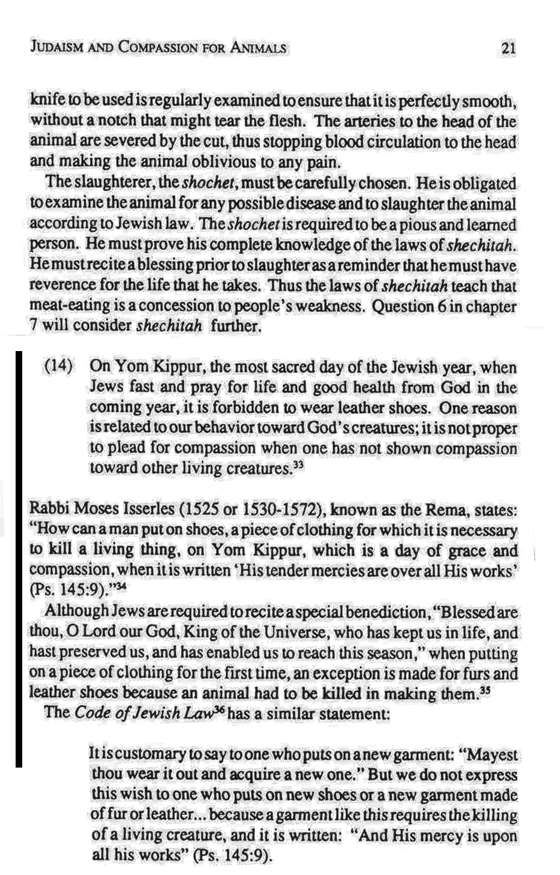
So where did PETA find this “quote”? In Schwartz’s book Judaism and Vegetarianism (p. 21 in the 1988 ed.) he includes this –


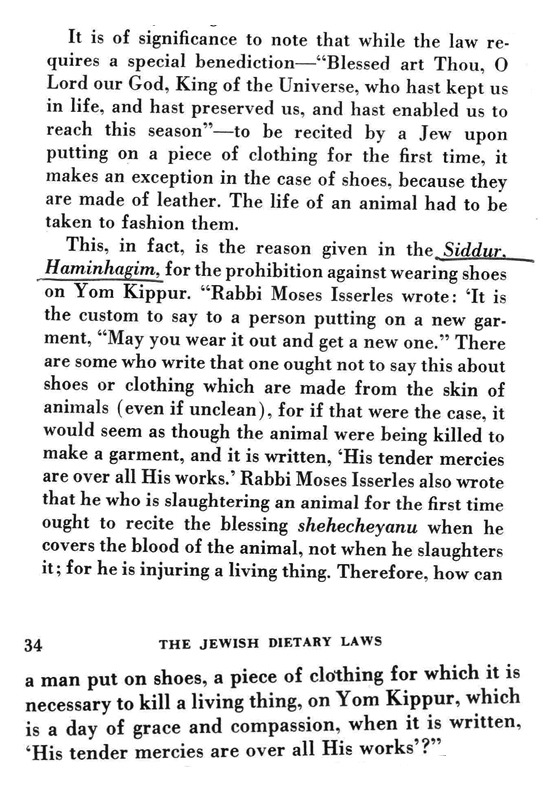
– and in footnote 34 he tells us that his source for this amazing quote is Samuel Dresner, The Jewish Dietary Laws (p. 33-34, 1966 ed). Unfortunately, Schwartz misread Dresner, misunderstood where quotes ended, did not look up Dresner’s source, and thereby fabricated a quote from the Rema.

Dresner’s point of departure was the law cited above regarding the good wishes offered upon putting on a new garment. He then cites a novel reason for the prohibition of leather shoes, but does not give much detail about his source. It turns out that this reason is found for the first time in Toldot Esther, a commentary by Rabbi Shlomo Tzvi Shück (1844-1916) on the Siddur haMinhagim of Rabbi Yitzchak Isaac Tirna (64a in the 1880 ed. link).

Dresner may or may not have understood where the quotes end, but it is indeed confusing in his English rendition.

He quotes the Rema regarding leather clothing along with the pasuk from Tehillim (and following Shick, leaves out the Rema’s rejection). He then quotes the Rema regarding no shechiyanu on shechita and, without opening or closing quotes, proceeds into Shick’s novel reason for not wearing leather shoes on Yom Kippur.

Rav Shick (see scan below) was very clear in how he explained himself. He wrote that he had his way of explaining the prohibition of wearing (leather) shoes on Yom Kippur. He then cited the Rema on new clothes and the Rema on shehechiyanu on a first occasion, and based on those asked rhetorically how on Yom Kippur which is a day of chesed v’rachamim one can wear a garment that necessitated killing an animal. He had no fabricated quotes, but he does offer a perplexing explanation for something that was not looking for one. As noted above, the prohibition on Yom Kippur is to wear shoes, which some people understand to mean leather shoes. But the prohibition is derived from the fact that going shoeless is an innui. It also therefore applies on Tisha b’Av and to mourners, obviously unrelated to chesed v’rachamim. Furthermore, leather may be worn on Yom Kippur.

Thus, a novel, difficult to understand explanation for a straightforward prohibition has spawned a fabricated quote from the Rema that is now fairly widespread on the web.

[1] Safrai, Mishnat Eretz Yisrael, demonstrates that the earliest prohibition was to wear any shoe, leather or otherwise. They point to the Tosefta which prohibits “even empilia of cloth.” They understand that to mean a cloth shoe. The Yerushalmi, that distinguishes between leather shoes is modifying the original prohibition, as found in the Tosefta, that prohibited all shoes. According to this, it is somewhat understandable how one could shun all shoes today.[2] Another source does give a reason why specifically leather shoes are prohibited. Shu”t Maharshag (#110 in 5743 ed.) (Rav Shimon Greenfield, 1860 – 1930; one of the leading rabbis in post-Word War I Hungary. A student of Rav Moshe (“Maharam”) Shick, a cousin of Rabbi Shlomo Tzvi Shick) parenthetically quotes that the Pri Eitz HaChaim quotes the AriZal gave a kabbalistic reason why on Yom Kippur specifically leather shoes are prohibited. Again, it has nothing to do with leather or compassion to animals.Rav Yehuda Aszod (1796-1866; Shu”t Yehudah Ya’aleh 1:164) was asked whether one may shecht on Rosh Hashana. It is clear from Tanach (Nechemia 8:10) and the Mishna (Hullin 5:3) that meat was commonly eaten on Rosh Hashanah. Nonetheless, Rav Aszod noted that all shechita includes an element of tzar ba’alei chaim and without the Torah’s explicit permission would be prohibited. On the yom ha-din when we are asking for mercy it is inappropriate to shecht an animal.


More new seforim and some other things

More new seforim and some other things

By Eliezer Brodt

One

Here is another list of new of seforim I recently came across in various seforim stores. 1. רבינו חננאל, מסכת ב”ק, שט”ז עמודים+ מבוא, מהדיר ר’ יוסף דובאוויק, ע”י מכון וגשל. 2. נתיבות משפט על רבינו ירוחם – דפוס חדש. [ראה כאן]. 3. שו”ת לבוש מרדכי, ד’ חלקים, כולל תולדות והרבה הוספות. 4. חשק שלמה, ר’ שלמה ב”ר מרדכי, מכון הכתב, חו”מ סי’ א-סח. 5. מקורי התפילה- טעמיה נוסחותיה ומנהגיה, ר’ אפרים זלוטניק, 334 עמודים. 6. דרשות איגרות ותולדות, רבי אריה ליבושי הלוי הורוויץ, בעל שו”ת הרי בשמים, תקנ”ח עמודים. 7. שו”ת וישמע משה- אוצר פסקים ותשובת, שהשיב מרן הגרי”ש אלישב שליט”א, ע”י ר’ משה פריד, תנב עמודים. 8. שיעורי מרן הגרי”ש אלישב –ברכות,- כולל שיעורים ופסקי הלכה בתוספות ביאורים והערות, תשס”ב עמודים. 9. הלכות מועדים, [תש”ע], ר’ שלמה גרוסמן, דיני יום טוב, תצ עמודים. 10. יבקשו מפיהו, הל’ שידוכים, תקמ”א עמודים, פסקי הגרי”ש אלשיב שליט”א, נכתב ע”י ר’ זעליג קוסובסקי. 11. קובץ בית המדרש, פסקי הלכה מבית מדרשו של הגרי”ש אלישב שליט”א, חוברת על שבט, סיון, תמוז, 12. באר ישראל- [תש”ע], הלכות ימים נוראים, וסוכות, ר’ אברהם ישראלזון, כולל פסקי מרן הגרי”ש אלישב שליט”א, רמ”ב עמודים. 13. דבר הלכה, [דפוס חדש] ר’ אברהם הלוי הורביץ, בעל ה’ארחות רבנו’, ב’ חלקים, א’ הלכות יחוד, ב’ הלכות איטור וגידים לענין תפילין. 14. קובץ, אור ישראל, גליון סג. 15. קובץ, היכל הבעל שם טוב, גליון לב. 16. ישורון חלק כה, תשע”ה עמודים [אפשר לקבל תוכן העניינים]. 17. בצל האמונה, דרשות ומאמרים לחג הסוכות, הרב שג”ר, 245 עמודים. 18. נימוקי הרמח”ל, על עניני ראש השנה ויום כיפור, מכון הרמח”ל, 79 עמודים. 19. מטעמי יצחק, הרב יצחק הלוי הורוויץ [ר’ איציקל האמבורגער], ב’ חלקים, ע”י ר’ דוד מנדלבוים. 20. שברו את הכלים, הקבלה והמודרניות היהודית, רוני ויינשטיין, 647 עמודים. 21. Yaacob Dweck, The Scandal of Kabbalah, Princeton Press

Two

I would like to mention copies of both my seforim Ben Kesseh Lassur and Likutei Eliezer are still available for sale. They both contain lots of information related to Elul, Rosh Hashanah and Aswret Yemei Teshuvah amongst other things. Email me at eliezerbrodt@gmail.com for a table of contents or to purchase. For sample chapters of these works, see here and here.

Three

For previous posts on Elul and Rosh Hashanah see the following posts: For saying L’dovid during the months of Elul and Tishrei see here and here. If one can give a knife as a present, see here. About eating Siymonim on Rosh Hashanah see here, about saying tehilim on Rosh Hashanah see here. This post (in Hebrew) discusses the custom of refraining from meat on Rosh ha-Shana. The bulk of the commonly recited piyutim on Rosh ha-Shana are attributed to R. Eliezer ha-Kallir who is discussed here. And, finally, in this post, Dr. Shapiro discusses Adon Olam, the poem that many have the custom to say on Rosh ha-Shana (even if they refrain the rest of the year).

Four

See here at this new blog related to the Mesilat Yesharim for an update to an old post of mine related to the Mesilat Yesharim.

Five

There are many titles left from the seforim sale list posted here.


Book Review: Pischei Tefilah u-Mo’ad by Y. S. Spiegel

Book Review

by Eliezer Brodt

פתחי תפילה ומועד, יעקב שמואל שפיגל, ירושלים תש”ע, 540 עמודים.

Pischei Tefilah u-Mo’ad, Y. S. Speigel, Jerusalem: 2010, 540 pp.

Professor Speigel is one of the most prolific writers in the Jewish academic scene, as the author of over 160 articles and 18 books (16 of those are publications for the first time of works which remained in manuscript. The other two are his own original and important studies; one of the latter is reviewed here). His articles cover an incredibly wide range of subjects related to many areas of Jewish Studies, including history of Rishonim, piyutim authored by Rishonim, bibliography and minhaghim, to name but a few. His uniqueness lies not only in the topics but also that his work has appeared in all types of publications running the gamut from academic journals such as Kiryat Sefer, Tarbiz, Sidra, Alei Sefer, Assufot, Teudah, Kovetz Al Yad and also in many prominent Charedi rabbinic journals such a Yeshurun, Yerushasenu, Moriah, Sinai and Or Yisroel. It is hard to define his area of expertise, as in every area he writes about he appears to be an expert! His doctorate was related to later additions in the Talmud by the Savoraim but most of his subsequent work focused on completely different areas. He has edited and printed from manuscript many works of Rishonim and Achronim on Massekhes Avos and the Haggadah Shel Pesach. He is of the opinion, contrary to that of some other academics, that there is nothing non-academic about printing critical editions of important manuscript texts. Although there is a known “belief” in the academic world, “publish or perish,” which some claim is the cause of weak articles and books, at times, Spiegel’s prolific output does nothing to damper the quality of his works. Another point unique to Speigel’s writings, besides his familiarity with all the academic sources, he shows great familiarity with all the classic sources from Chazal, Geonim, Rishonim and Achronim, to even the most recent discussions in Charedi literature – this bekius (breadth) was apparent well before the advent of search engines of Hebrew books and Otzar Ha-hochmah. Alongside all this is his penetrating analysis and ability to raise interesting points. This new collections contains 32 articles related to tefilah, kriyas ha-Torah, halacha and minhaghim related to the mo’adim. Four of these articles are entirely new, and some of the reprinted articles are already classics, quoted and used many times in recent literature. I would just like to list and describe some of the topics, found in this excellent collection. There are parts of the Zecher Tzadik (written in 1467) which is still in manuscript. The section on Pesach was printed by Speigel in a separate book via Ofek. In this collection the Halachos of tefillin and Rosh Hashana were printed. Other articles are various Shu”t from manuscript on a wide range of topics, amongst them, where the Kohanim should say Nesiat Kapayim, a Kotton davening for the Amud, washing when eating vegetables, the fast of the Bechor on erev Pesach, and consumption of sesame oil on Pesach. Each piece has a thorough introduction about the author and topic and the texts contain many useful notes. There is a great article of Hilchos Rosh Hashnah in the Azharot form from Reb Pinchas Halevei, the brother of the Reah. The notes and introduction are very good. I should point out that in the introduction to this piece, Spiegel deals a bit with the famous question of who was the author of the Sefer Hachinuch. Similar pieces in this collection are Azharot from other Rishonim which contains Hilchos Yom Kippur and another on HILchos Succos. Another piece worth mentioning is a teshuvah printed for the first time about the Beracha on Coffee. In the introduction of this piece, Spiegel collects many different aspects of coffee that early Halachic works dealt with. But we should note that his discussion regarding the appropriate shiur (amount) that would require making a beracha acharona really requires an examination of the various forms in which coffee was historically drank. Some coffees are meant to be consumed in small doses while others in larger formats. Today, for example, a typical espresso shot is just an ounce, while a standard cup of coffee is 12 ounces. While espresso is a more recent, it would be helpful to know if one’s position regarding beracha achrona is more a function of size of common cup where the person lived than a sweeping position on coffee generally. There is an article discussing the piyut Achlu Mashmanyim which is customarily recited on Shabbos Chanukah. As an aside, he provides an early source for eating sufganiyot on Chanukah. For Purim he has a large collection of Halachos pertaining to the concept of Venahaphechu – that we do the opposite of what we would think. Another special article related to Purim is a very comprehensive discussion on cross-dressing on Purim and other happy occasions throughout the year. He prints in this collection a Derasha of a talmid of the Rosh on Pesach for the first time (the Halacha part was printed by Speigel in a recent issue of Moriah). One interesting passage in this Derasha which I found was: אם אנשי’ באים ללמוד ונשים באות לשמוע טף למה בא, כדי לתת שכר טוב למביאיהן, אלמא שהתינוקות כמו כן יש שכר גדול למביאיהן לחנכם במצות. ויותר חביב לפני הב”ה בשעה שהתינוקות עונין קדיש או קדושה יותר מגדולים, שאינו דומה הבל שיש בו חטא להבל שאין בו חטא… Hopefully in the future I will return to this topic of bringing kids to shul. Amongst my favorite pieces in this collection is his article on the piyut which we say on the Yomim Noraim of Useshuvha Usefilah Utzedaka. In this piece he deals with piyutim and Halacha- namely, did Paytanim say things contrary to halacha. He deals with the Rambam’s negative opinion of Baalei Azharot (see here). He also deals with the sources of the famous story of Reb Amnon and Unesaneh Tokef. Another favorite piece is his discussion of saying Chazak! when we finish reading each book of the Chumash. A side topic of interest dealt with in this same piece is saying Yashar Koach to the Kohanim after they do nesiat kapyim. Other pieces worth mentioning are his discussions of saying Parsahas Hazinu daily. Another important part of this piece is a discussion of sources for saying Maamodos daily. Another comprehensive piece deals with when the crowd says a Passuk during Krieas Hatorah and Megilot. One last piece worth mentioning is an excellent collection of sources dealing with who decided where the baal koreh stops by each Aliyah. We can only hope that Professor Speigel collects the rest of his articles into a few volumes similar to this collection.