1

Review: Daniel Sperber, On Changes in Jewish Liturgy

Review: Daniel Sperber, On Changes in Jewish Liturgy

By Dan Rabinowitz and Eliezer Brodt


Daniel Sperber, On Changes in Jewish Liturgy, Options & Limitations, Urim Publications, Israel: 2010, 221, [1] pp.

The ever prolific Professor Daniel Sperber’s most recent book focuses on Tefillah. This book, as some of his others, has drawn some sharp criticism, most notably from Professor Aryeh Frimer in Hakirah (available here). To be sure, this post does not attempt to defend Professor Sperber or the feminist movement with regard to these issues, but, in the course of our review we hope to offer some relevant comments that will further this important discussion. Our main interest remains the substance of the book on this important topic – changes to the Jewish liturgy.

This book grew out of a lecture given at the Jewish Orthodox Feminist Alliance. Professor Sperber then decided to revisit the broader issue of the parameters of acceptable changes to the liturgy.

The prayerbook has become – and this is not a new trend – a battleground. In 19th century, the battle lines were drawn between Reform and Orthodox movements. Of course, earlier heterodox movements had also created their own prayerbooks, such as the Karaites, but in those instance, the praybook was more a reflection and outgrowth of the movement and was not, in and of itself, one of the wedge issues. In the modern period, however, the advent of the Reform movement argued for a variety of changes to the prayerbook to account and adjust for modernity. In this instance, it was both the substance of the prayers as well as their execution (Hebrew or not) that was at issue See generally, Jacob J. Petuchowski, Prayerbook Reform in Europe, New York, 1968.

Earlier examples of prayerbook controversy touched upon other theological debates; for example, some questioned the inclusion of Machnesi Rachamim as it can be read as a request for assistance from angels and not God (see here). Others questioned the inclusion of piyutim generally. Ibn Ezra’s critical comments regarding this topic are well-known. Sometimes prayer itself was employed for polemical purposes. Naftali Weider discusses a version of the blessing over the Friday night candles that incorporated a polemic against Karaism (see N. Weider, Hisgavshos Nusach HaTefillah B’Mizrach U’BeMaariv, Jerusalem, 1998, 329). And, of course, one must mention the oft-discussed blessing against heretics [in some versions] in the Shemoneh Esrei (see, most recently, Ruth Langer, Cursing the Christians?: A History of the Birkat HaMinim, Oxford Univ. Press: 2011).
Thus, it is scarcely surprising that discussing changes to the prayerbook might arouse controversy. That said, we must note – and this is the essential point of this book – the texts of the prayers have never been static, and they have been constantly evolving. At times this evolution was controversial while at other times the evolution and changes to the liturgy appears to have passed almost without notice.
Dr. Sperber focuses in this book on historic changes in an effort to support change today, mainly changes that are more sensitive to women. Sperber discusses a variety of changes to the prayerbook that are non-standard. For example, we have added whole sections, a liturgy for Kabbalat Shabbat (essentially created in the 16th century), abbreviated others – yotzrot, piyutim – and changed texts for a variety of reasons – grammatical, Kabbalah, and nationalist. For the most part, to those familiar with the history of the prayerbook, as well as Sperber’s prior works, much of this book is well-tread territory. Moreover, as Sperber notes, the notion of a a fixed nusach is absurd insofar as a large segment for those professing orthodoxy regarding the siddur, themselves pray in an entirely new nusach, one developed in the the past 200 years, namely the rite known as nusach Sefard. While this nusach may have antecedents in the Sefad Kabbalistic movement, that only moves it back to the 16th centruy, a veritable spring chicken vis-a-vis the purported codifiers of tefilah, Anshe Kenneset ha-Gedolah.
Sperber’s focus is on changes that incorporate women more directly into the tefilot as well as adapting the tefilot to be more sensitive to women. He then discusses exactly what the acceptable parameters for change are and discusses specific examples of historical change. He provides detailed discussions both in the body of the work as well as the numerous appendixes.
Sperber does an admirable job distinguishing between permanently fixed language to which change is prohibited, and the lesser fixed portions for which change is permissible. Sperber notes that even is quasi-fixed prayers, like those appearing in the first three and last three blessing in Shemonei Esreh, historically, we have altered those blessings. On this point Professor Frimer takes issue with some of Sperber’s conclusions, but some of Frimer’s criticism is rather weak. Rather than directly addressing the issue, Frimer attempts to delegitimatize and discredit the manuscripts that Sperber relies upon. (p. 76 note 38) Frimer merely states that we know little about those manuscripts that Sperber relies upon, or, in other words, Frimer, without any compelling argument or proof doubts the veracity of the manuscripts. This argument has been used by many in what has been coined the Chazon Ish’s Shitta about new manuscripts and the like. In this case the attempt is really to go further and dismiss much of the Geonic literature that has been discovered in the past century and, and Frimer’s reliance upon this argument demonstrates a serious lack of awareness of the scholarship in the area of manuscript authentication (a topic which we hope to return to at length in a future post).
Indeed, independently of the manuscript sources, Sperber goes even further showing that during the Ten Days of Repentance, we add and alter the first and last (supposedly immutable) blessing, but those alterations cannot be dated to Hazel or the Anshei Kenest ha-Gedola but date rather to the Geonim. Some, however, have argued that changes by the Geonim or Rishonim proves nothing, as they are special but we are not. Their argument goes (and Frimer is an ardent supporter of this) that somehow those persons were allowed to change prayer. Unfortunately, this argument is unsatisfying. Simply put, that rationale begs the question of what power did those persons use to make changes? Was it based upon their own view that they were worthy of changing the prayers? That is, if the only rule is “great people can change prayer” who told them at the time that they qualified as “great people?” Or, is this entirely post-hoc rationale just the tautology that because they changed the prayers and only special people can change prayer they must be special people? Sperber, however, has surveyed the literature and offered concrete rules of when and how to change the prayers that do not fall prey to these logical infirmities. Indeed, he would concede that certain prayers are immutable.
Sperber’s also takes a more reasonable view of which prayers are ripe for change. His view is that if some find it offensive, we should, if we can, attempt to appease those persons. Others have taken the somewhat counter-intuitive position that even if some find a prayer offensive if there is a non-offensive explanation for the prayer, that is satisfactory. Of course, this position ignores the very real fact that some may be offended by those prayers, no matter how many explanations are offered. Sperber’s position is that insofar as there is no prohibition to change, why not attempt to remove the offensive text entirely?
One of the changes that Sperber suggests is related to the שלא עשני אשה controversy and concerns the suggestion to remove it completely as it is offensive toward woman. This suggestion has been discussed in numerous articles, and Sperber cites many of them. Everyone feels they can add their two cents on the suggestion, so we will too. I will begin by saying that having davened in many shuls of all kinds in my life, I have almost never even heard them say this berachah out loud in the first place. While many woman, especially today, find this Beracha offensive and for this alone there might be grounds to remove it (as other berachos were removed over the ages for similar reasons – see Tzvi Groner’s excellent book for a good list) I (EB) personally do not understand why this issue is so contentious.
I will just quote three ideas from others on the topic which I honestly believe is not apologetic but, of course, some may disagree.
R. Yaakov Emden writes:
מה ששמעו אזני בשבוע זו… כי ערל אחד חרש רעה על היהודים שמברכים בכל יום ברוך שלא עשני גוי, אמר היהודים אינם מחשיבים לגוי אלא כבהמה מפקירים דמו וקנינו רוכושו, אמרתי אני שגם זה הבל זה הערל לא לבד ערל בשר אלא גם ערל לב הוא, ושלא היה לו לב לדעת מה שאנו אומרים עוד שתי ברכות הסמכות לזו ברוך שלא עשני עבד, ברוך שלא עשני אשה, הלא בודאי אין אנו נוהגין מנהג הפקר לא אפילו בעבד כנעני שחייב במצות שאשה חייבת בהן, ואמר איוב אם אמאס משפט עבדי כו’, אצ”ל באשה שלנו שאנו חייבים בכבודה וכבדה יותר מגופינו, הלא יראה מזה שנשתבש אותו המוציא דבה עלינו בעבור זה, אבל הענין ברכה זו לפי שהגוי אינו מצווה בתרי”ג מצות כמונו יוצאי מצרים ולכן אינו מצווה גם כן על שביתת שבת ויום טוב כמונו, כמו שהוא ענין בברכותינו על ,שלא עשנו עבד ושלא עשנו אשה שהעבד גם כן אינו מחוייב במצות רק כאשה, ואשה אינה חייבת רק במצות עשה שאין הזמן גרמא, ונכנעת תחת בעלה והוא ימשול בה, מ”מ חביבין עלינו כגופותינו כן הוא הענין בגוי [הקשורים ליעקב, עמ’ ריט].
R. Reuven Margolios writes:
ולאשר האשה אינה נענשת על בטול המצות עשה שהזמן גרמא וחלקה בעולם הבא כחלק האיש הי’ מקום למי אשר לא הגיע לחזות בנועם ה’ לומר מי יתן והייתי אשה שאז נפטרתי מעול כל מצות אלו לכן תקנו חכמינו ע”ה שימסור כל איש מודעה כי המצות האלו כן תקנו גם הודאה כוללת לכל זרע ישראל שנתחייבו במצות הרבה בכדי להגיע לחיי עולם הבא בעוד אשר הנכרי המקיים מצותיו השבע הוא בן עולם הבא והי’ מקום להמתרשל לומר מי יתן והייתי בן לאחד מגוי הארצות ולא נתחייבתי בכל אלו, לשלול זה יודה כל בן או בת ישראל לה’ על שלא עשהו גוי להורות שעושה המצות מאהבה (טל תחייה, עמ’ מז).
In regard to the topic of feminism in general see the Kesav ve-ha-Kabbalah who writes an important insight in his work on the Siddur:
והתבונן עוד כי מצות התורה יש להם סדר מיוחד לאיש איש כפי כח הכנתו הנפשית, יש מן המצות הערוכים ושמורים לכל נפשות זרע ישראל, ומהם נערכים במשקל ובמדה נאמנה לנפש זולת נפש, כי מהן המחוייבות רק לכהנים לבדם, ומהן ללויים לבדן ומהן לכהן גדול לבדו, ומהן לזכרים לבדם ולא לנקבות, כי לפי שהתורה מאת אדון כל היוצר רוח האדם בקרבו לא יפלא ממנו דבר, לחקוק חקים ומפשטים לפי ערך ומדרגת כל נפש, עד שיהיו מקובלים על לב כל אחד מהם, והם אפשרי הקיום לפי הכנת נפשו, עד”מ שאין ספק כי זרע אהרן הכהן מוכשרים הנפשות שנאצלו בהן כחות יקרות בשיעור רב מה שאין שאר זרע ישראל מוכשרים אליהן, וכן משפחות הלוי, וכפי הבדל נפשותיהן נבדלו בענין המעשים והעבודות המקבילות נגד נפשותיהן המעולות. וכן הכהן הגדול בעבור היות נפשו עוד נבדלת מכל אחיו הכהנים בכחות יקרות פנימיות הנודעות ליוצר כל ית’ , לכן מוכשר לקבל עוד מצות היתרות על שאר הכהנים, וכן הבדל כחות הנפש שבין זכרים לנקבות, הוא המסבב הבדל חיוביהן במצות, כי המצות הערכים במשקל ובמדה נאותה לפי הכנת על נפש ונפש, עד שאין מצות ממצותיה וחוק מחקותיה יוצא מגדר באפשרי משום נפש, לפי חלוף מצבי הנפשות בכחותיהן , ועל זה אמר ומתקן ומקבל. התורה במצותיה מתקנת ומסודרת, עד שהיא מתקבלת בלב כל איש ואיש לפי מצב נפשו וכח הכנתו, ואין אחד מהם יוכל לומר קיום דבר זה אצלי מסוג הנמנעות (עיון תפילה, דף נ ע”ב-נא ע”א).
Another offending passage Sperber discusses (pp. 46-47) is found in the Ve-hu Rachum tefilah where it says ושקצונו כטומאת הנדה. Sperber brings versions that did not have these words and suggests that we take it out. He then concludes (p. 50) that maybe this whole tefilah of Ve-hu Rachum should be made into a private tefilah and not obligatory, as its a late addition to the liturgy in the first place. Now it should be noted that although this sounds radical, in reality it is not. The omission of this prayer is common amongst Chassidm for far weaker reasons. Many omit it for any and all yarzheits of anyone who ever wore the mantel of “Rebbi.” Thus, Sperber appears to be in good company.
In regard to Sperber’s suggested change to add in the Imahot in the first bracha of Shemonah Esrei, although he does provide evidence that changes were made even in these berachos, I (EB) find it hard to accept these suggestions and I would have to agree with the issues Frimer raises in this regard.
One last point: while this study definitely shows that many changes were made in our liturgy, it is still not clear as to when and how and why. Exact guidelines, if there are any, need to be defined more clearly it is buried in a mass of amazing historical and bibliographical notes. Summaries and more exact conclusions should be written out more clearly, as this is such a dangerous topic as Sperber himself is well aware (see p. 129 and 124).
Here are some general notes and sources to add to Sperber’s plethora of sources. We would just like to mention that today, because of the internet, the study of Siddur has and will greatly change. Many rare and early printed siddurim and manuscripts related to Siddur are available for viewing in ones’s own home instead of being only available in far-flung libraries, available to professional scholars. Using these sources alone can revolutionize the study of the development of the Siddur.
Suggested Additions
p.9 on the Prayer for State of Israel see Joel Rappel, “The Identity of the Author of the Prayer for the State of Israel,” in Shulamit Eliash, Itamar Warhaftig, Uri Desberg, eds., Masuah Le-Yitzhak: Rabbi Yitzhak Isaac ha-Levi Herzog Memorial Volume (Jerusalem: Yad ha-Rav Herzog, 2008; Hebrew), 594-620, and his “The Convergence of Politics and Prayer: Jewish Prayers for the Government and the State of Israel,” (PhD dissertation, Boston University, 2008).
p. 23. regarding studies on Kabbalat Shabbat: to date the most comprehensive study on this topic is from Rabbi Y. Goldhaber, Kovetz Beis Aron V’Yisroel, 64: 119-138; 70: 125-146; 73: 119-13. Hopefully he will collect and update all this into a full length book in the near future.
p. 32 note 2 there is a typo it should read Shmuel Askenazi.
p. 36 see also D. Rabinowitz, “Rayna Batya and other Learned Women: A Reevaluation of Rabbi Barukh Halevi Epstein’s Sources,” Tradition 35 (2001).
p. 33-39:On the Shelo Asani Ishah controversy see E. Fram, My Dear Daughter, HUCP 2007, pp.37-41.
p. 34. On Rabbi Aaron Worms of Metz see the important article from Y. Speigel, Yerushasnu, 3, 2009, pp. 269-309; R. Dovid Tzvi Hillman, Yeshurun, 25, 2011, pp. 619-621.
p.40 and onwards; related to the שלא עשני אשה controversy see Yoel Kahn, The Three blessings Boundaries, Censorship, and Identity in Jewish Liturgy, Oxford 2010.
p. 41-42: On R Abraham Farissol see David B. Ruderman, The World of a Renaissance Jew, the life and thought of Avrhom Ben Mordechai Farissol, HUCP, 1981.
p. 52 D. Rabinowitz, “Is the Modern Placement of Bameh Madlikin A Polemic Against Hassidim?” Or Yisrael, 2007, 180-84.
p. 73 note 4 there is a typo, it should say R. Dovid Cohen.
p. 80 see D. Rabinowitz, “The Pitfalls of Changing the Liturgy: On Changes to the Nikkud of Kaddish,” Or Yisrael, 158-62, 2007.
p.100 See E. Brodt, The Avudraham and his usage of the Tur and Pirush of R Yehudah Ben Yakar (In print).
pp. 108-109: In regard to R. Emanuel Hai Ricchi see: B. Naor, Post Sabbatian Sabbatianism, pp. 53-57: Yeshurun, 24, p. 444.
p. 109: Darchei Noam is worth mentioning as this work is one of the only works that received a Haskamah from the Gra, see Eliach, Hagaon 3, p. 1257.
p. 133: It should say the brother of the Ketzot Ha-choshen, R. Yehudah author of the Terumot Ha-Kerei.
p. 157: On R. Yakov Emden’s Siddur and additions from others over the years. It is worth mentioning that a few years ago the printing house Eshkol printed a new version of the siddur including many new additions of R. Emden himself, from a manuscript of the siddur. One of the important features in this edition is they put all the material that was not R. Emden’s in different fonts so one can see exactly what was added by others over the years. Additionally, they provided a photo reproduction of the original siddur at the end of volume two.
p. 177: Sperber brings the special work of the Aderes on Tefilah. Sperber notes this books is full of textual changes, some based on manuscript but mostly on his own. To be more exact and correct, what Sperber writes about this work a very small part was printed in the Journal, Knesset Hagedolah. Many years later a few pieces of this work was printed in the journal Yeshurun. In 2002, Y. Amechi printed this work from manuscripts with many notes. In 2004 Ahavat Sholom printed this work again based on even more manuscripts. They also included other articles of his printed elsewhere related to Tefilah. The main thing worth noting is that this is a very special work related to Tefilah.
p. 179 on the well-known reason why during the week we say Magdil and on Shabbat we say Migdol, see: Shut Lev Shlomo, Siman 23; Noam Megidim, p. 13b; R. Reuven Margolios, Haggadah Shel Pesach p. 60; Y. Speigel, Yeshurun 6, 1999, pp. 759-762.
p. 189: A wealth of sources on the topic worthy of mention, regarding adding Zachrenu Lechaim during Aseret Yemei Teshuvah can be found in R. Dovid Zvi Rothstein, Sefer Torah Menukod, in Kovetz Ohel Sarah Leah, 1999, pp.632-771. See also the important article on this from U. Fuchs, Tarbitz 75 (2006), pp. 129-154.


Review of a Recent work of Rav Zvi Hirsch Grodzinsky

Review of a Recent work of Rav Zvi Hirsch Grodzinsky

By: Eliezer Brodt

בית היין, על הלכות יין נסך עם ביאור קונדיטון, יצא לאור לראשונה מכתב יד, מאת הגאון רבי צבי הירש גראדזענסקי זצ”ל, מאנסי ניו יורק תשע”א, ש”ט עמודים.

In this post I would like to discuss an unknown Gaon – Rav Zvi Hirsch Grodzinsky, and a recently published manuscript of his on Hilchos Yayin Nessech. Not much is known about him except for what has been collected in a very nice article about him written by Jonathan Rosenbaum and Myron Wakschlag, “Maintaining Tradition: A survey of the Life and Writings of Rabbi Zvi Hirsch Grodzinsky,” AJH 82:14 (1994), pp. 263-288 which was of help to me when writing this post. R. Hirsch Grodzinsky was born in Lithuania in the year 1857. He was an older cousin of the famous Gadol Hador, Rabbi Chaim Ozer, and he learned by R. Chaim Ozer’s father for a few years. It is interesting to see what he writes about his younger cousin R’ Chaim Ozer:

ואת הגאון ר’ חיים עוזר ז”ל הייתי מכיר אותו מימי ילדותו… וכבר הכרנו אז הכשרונות של הילד הזה ר’ חיים עוזר ז”ל שעתיד להיות גדול בשיראל… (מקראי קודש, ג, הקדמה עמ’ 6).

In 1891 he moved to Omaha, Nebraska where he served as the Rav until he died in 1947 (and was known as Rabbi Henry Grodzinski). It is unclear why he chose to move so far out in the US rather than to a major Jewish center like New York City; perhaps it was so that he would be able to devote most of his time to his own learning rather than the pastoral duties of a rabbi in a large Jewish community. Evidently, this great gaon moved to the United States for parnassah, and is it perhaps due to this move he is basically unknown today. Had he remained in Europe he would likely have been better known and appreciated (but, of course, probably not with a peaceful end).


R. Grodzinsky was a prolific writer who authored many works on numerous topics. His first work, printed in 1898 was called Mikvei Yisrael, an in-depth work on Hilchos Mikvaos. He received haskamahs on this first work from various gedolim, among them R. Yitzchack Elchanan Spektor, (it is not established with certainty, but he might have even had semicha from him. According to one report R. Ephraim Oshry said that it was accepted as fact in the Litvishe yeshivos that R. Zvi Hirsch Grodzinsky had semicha from R. Yitzchak Elchanan). Either way, he was a great admirer of R. Yitzchak Elchanan, as he writes an incredible description about him in the introduction of his work on Hilchos Kriyas Hatorah, Mikroei Kodesh

לא כן רבותינו הרבנים והגאונים שהיו בדור שלפני דור זה, המה היו… ודעתם וסרותיהם הרחבה היה להלכה ברורה בכל מקצועות התורה בכל חלקי השלחן ערוך, כמו מרן הגאון האמתי רשכבה”ג מהרי”א זצ”ל אבד”ק קאוונא, שהיה ראשית דבר רב… בעל הוראה בכל ד’ חלקי השלחן ערוך, כבח”מ ואה”ע, כן בש”ע או”ח וי”ד כבש”ך וסמ”ע כן במג”א ופרמ”ג כבקצות ונתיבות, כן בחו”ד ודה”ח וח”א, כל רז לא אנס ליה, ומי כמוהו מורה ממנו יצא אורה בכל מקצועת התורה דבר קטן ודבר גדול, כמו בעניני עגונה כן בה’ ציצית ותפלין וקה”ת כו’, הכל גלוי וידוע לפני כסא כבודו מראשונים עד אחרון שבאחרונים, הוא היה בר סמכא, לסמוך על הוראותיו האמתי בכל הפרטים… פנו אליו בשאלות וספיקות לדינא בכל מקצעות התורה, ועל כולם השיב כהלכה לקטן ולגדולן גם לעת זקנותו… (מקראי קודש, ג, הקדמה עמ’ 5).

In 1916 he printed another work called Likutei Tzvi. In 1923 he printed another work called Mili Debrochos which is on part of Masseches Berachos (part two of this work was printed later). In 1936 he began printing his massive, three volume Mikraei Kodesh on Hilchos Kriyas Hatorah which he completed in 1941. This work is exceptional in both its breadth and depth. There are other important books on this topic from great gedolim such as the Chida and R. Ephraim Zalman Margolis, but none compare to this work. His later works do not have haskamos, as he writes against them in the introduction to the third volume of his Mikraei Kodesh.

ועתה בעו”ה נוהגין המחברים באמעריקא מנהג יפה מאד… לקבל הסכמה על חיבוריהם מהאי הדיוט בעל הלשון… דמיום שחרב בית המקדש גברו בעלי הלשון, ואל תהי הסכמת ההדיוט קלה בעינך ובדין הוא משום דלפנים היו מחברים ספרים בשביל ת”ח והיו צריכין להסכמת ת”ח הגדול בדורו, אך עתה במדינתנו שרוב המחברים מחברים ספריהם בשביל הדיוטים, לכן צריכין ליקח הסכמה ג”כ מהדיוט גדול, ובזכות זה יזכו שההדיוטים יקפצו לקנות חבוריהם ויראו שכר לעמלם, אשרי שככה לו, ואשרי הדור שיפתח בדורו כשמואל בדורו.

He left behind many complete manuscripts on different topics. After he died in 1947 his manuscripts were taken to Mechon Otzar Haposkim in Eretz Yisrael. Unfortunately almost nothing of his was printed except for a few teshuvos of his in various Torah Journals.[1] A few months ago a complete manuscript was printed, the Beis Hayayin, a complete work on Hilchos Yayin Nessech. This volume was published by Shalom Jacob, who has put out important and special works in the past (see here). The production of this work was a truly beautiful job. The work consists of two parts; the top is the Halachos in short, and the bottom part is called Kunditon. In the Kunditon, R. Grodzinsky goes through all the sources of each Halacha, starting from the Gemarah and going forward through the sugyos with the Rishonim and Acharonim. A small section was added by the editor at the bottom of each page called Mekorei Habayis which adds some additional sources and quotes related to the topics in the Kunditon section. The print and paper is beautiful, including small summaries on the side of each piece, making it a pleasure to use. Besides for these, there is an extremely thorough index of the work. To mention some of the interesting side points in this work; R. Grodzinski has a nice discussion of the way wine was made in the U.S. in his time (p. 42-43), as he was a rav hamachshir, he traveled to wine companies in California, to check out the exact way they made the wine. Another important piece is a lengthy discussion of the various levels of Mechalelei Shabbos in the U.S. (pp. 31-32, 190) in his time. This discussion gives us a sad but realistic glimpse of the level of American Jewish observance in those times. He writes that there were three categories; one group that came with the full intention of remaining frum, but due to the parnassah problem were forced to work on Shabbos, virtually having no other choice. This group he says, was very disturbed about having to be mechalel shabbos and whatever was not related to parnassah they were careful to observe the prohibitions. This group has a din of an oness. A second category were people who though initially forced to work on Shabbos due to parnassah issues kept on working on even when they became wealthy. Though they kept Shabbos in their homes, they do not have a din of an oness. The third category was people who besides working on Shabbos for parnassah never bothered to keep anything of Shabbos in their homes. These people, he writes, are the worst level of the three.
Another piece of interest to me was how he suggests a textual change in the girsa of a Yerushlami (p. 155). He is not one that is fast to do so in general, as a bit later where he quotes the Shach saying that there was a printing mistake, he goes out of his way to show that there is no need to suggest such a thing (p. 162). Another particular piece of interest for me was his using a piece of Rabbenu Chananel, from the fairly recently (in his time) printed manuscript on Avoda Zara (p. 54). There are two reasons why I found this interesting. One, in the journal Yeshurun (v. 2, pp. 202-205) there is a teshuva of his in regard to the custom of standing when the ba’al keriah recites the Aseres Hadibros (see here for more on this minhag). Someone had shown him a newly printed manuscript of the Shu”t Ha-Rambam who said it is improper to stand. R. Grodzinsky writes:

כי תשובות המיוחס להרמב”ם ז”ל לא נמצא אצלי ומעולם לא ראיתיו. רק פעם אחד הביא אלי השו”ב מק”ב את תשובות הנ”ל וראיתי כי נמצא שם כמה דברים הסותרים למ”ש הרמב”ם בספרו הגדול משנה תורה. ולבי אומר לי כי כמה דברים הנמצא שם ע”ש הרמב”ם הוא לא אמת רק איזה תלמיד טועה כתבם ויחסו ע”ש הרמב”ם ע”ד שאמרו חז”ל אם בקשת וכו’ התלה באילן גדול…

From this piece I generalized that he was opposed to “new rishonim” and the like. However, from this work I see it was not the case, or so simple, as he used the newly printed Rach. It is important to note that the Chazon Ish was against using the Rach[2] as he writes:

“וכן ראיתי בל’ ר”ח הנדפס בדפוס ראם, אבל לא ידענא אם אפשר לסמוך על הנדפסין מחדש שכבר הפסיקה המסורה בינינו, ואין אנו יודעין מי המה המעתיקים, שמלאכת ההעתקה כבדה מאד, ואף על ידי זריזין ומדקדקים מצוי ט”ס הרבה, ואם יעבור הדבר ע”י איזה רפיון בדקדוק הדברים יכול הדבר להשתנות לגמרי, ולכן הפוסקים שלא הפסיקה המסורה בינם ובינינו בכל הדורות, ששקדו עליהם חכמי דור דור, לשמרם ולנקותם, צריכים אנו לחשוב את ספריהם ליותר דוקנית, וכש”כ במקום שאין ללמוד מכונת הדברים אלא מדקדוק לשונם, שקשה לסמוך על החדשים…” (חזון איש, הל’ עירובין סי’ ס”ז, אות י”ב).

The Mishna Berurah argues, as we find numerous times he brings from the

ר”ח הנדפס מחדש [ביאור הלכה, סי’ ש”ב, ד”ה עליה; סי’ שט”ו, ד”ה טפח; סי’ תרכ”ו, ד”ה צריך; סי’ תרמ”ח, ד”ה מיהו, ועוד].

One thing I was rather surprised about was that there was no mention of the famous teshuva of the Rema on yayin nessech anywhere in this work. I was hoping to see his take on it. To summarize, this work is extremely important for anyone learning the complicated laws of yayin nessech and it is well worth the money.[3] The sefer is available for purchase at Biegeleisen in the U.S., and at Girsa and Otzar Haseforim in Jerusalem. I would just like to end by wishing Rabbi Jacob much success in printing the rest of the Rav Grodzinsky’s wonderful works from manuscripts.[4]

[1] Worth noting is the teshuvos printed in the Sefer Zicrhon Iyunim Beta’anis, pp. 174-183 regarding the fast that the Rabbonyim made during World War Two.
[2] For more on this topic see what I wrote in the Yeshurun 24 (2011), pp. 430-431
[3] I cannot neglect to mention that besides for this new work on YN, one’s understanding of the sugyos of YN, in the rishonim and the realia of their time would be greatly enhanced by using the special works of Professor Haym Soloveitchik on the topic (which will hopefully be translated into English in the future).
[4] Some of the notebooks have gone “missing” in recent years. If anyone knows their whereabouts it would be greatly appreciated if they would let me know.


“Rabbi David Hoffmann, ZL” by Eliezer M. Lipschuetz – A Translation

Rabbi David Hoffmann, ZL
By Eliezer M. Lipschuetz
Introduction, Translation, and Notes by David S. Zinberg
David S. Zinberg blogs at Realia Judaica.

Introduction

Rabbi Dr. David Zvi Hoffmann was a unique figure in the history of both German Jewish Orthodoxy and academic Jewish Studies.[1] He was widely regarded by contemporaries as an unequaled master of Halakha and Wissenschaft, and as a major leader in both communities. The biographical essay below by Eliezer Meir Lipschuetz, translated from Hebrew, was attached to the Hebrew translation (by Eliezer Barishansky) of Re’ayot Makhri’ot Neged Velhoizen, Hoffmann’s critique of the Documentary Hypothesis (Jerusalem, 1928 and available on HebrewBooks.org). Hoffmann’s original version, Die Wichtigsten Instanzen gegen die Graf-Wellhausensche Hypothese, was published in Berlin in 1904 (available on archive.org). Carla Sulzbach’s English translation, an MA thesis titled David Zvi Hoffmann’s . . . main arguments against the Graf-Wellhausen hypothesis, can be downloaded here.

Lipschuetz’s brief but rich portrait is notable for its first-hand account of Hoffmann, as a scholar, teacher, writer, and as a pious Jew. While clearly enamored of his subject, Lipschuetz expresses some gentle criticism of Hoffmann. He laments the fact that Hoffmann wrote in German rather than Hebrew, and harshly criticizes the general neglect of Hebrew by both Wissenschaft and German Orthodox writers. Lipschuetz also faults Hoffman for not proposing an alternative theory to the Documentary Hypothesis to reconcile inconsistencies in the Torah, even if Hoffmann successfully – in Lipschuetz’s estimation – negated the theory by demolishing its assumptions. Following the latter critique, Lipschuetz offers a somewhat tentative defense of Hoffmann.
For a brief biography of Lipschuetz, see the entry here in David Tidhar’s Entziklopedia Le-Halutze Ha-Yishuv U-Vonav.

The translation is non-literal, but I have tried to preserve the tone and style of the original. Where Lipschuetz’s Hebrew terminology adds value to the translation, I include it in square brackets. Common dates have been added alongside, or substituted for, Hebrew dates. In the notes, I include links to online versions of works cited.
__________

The story of his life – the properly developed life of a Torah scholar – was not eventful. His birthplace, Jewish Hungary, was unique; she experienced a late spiritual awakening, and for generations lacked any great Torah scholar or spiritual leader. But from the very moment her Torah began to shine, she was granted a short-lived daybreak full of light and vitality. She influenced much of the Diaspora, in many fields of study, both within and beyond the Jewish domain. He was born in the community of Verbó (Nitra province) in Hungary,[2] on 1 Kislev 5604 (November 24, 1843). His father was a local religious arbitrator [dayan]. He received the standard cheder education, though it included personal attention and supervision. From the time of Rabbi Moses Sofer, Hungary was blessed with yeshivot whose curricula differed from those of Lithuanian yeshivot. Even as a young man, he earned a reputation as a Talmudic prodigy [ilui]. He studied at the yeshivot of Verbó and Pupa[3] and later at the yeshiva of that generation’s most prominent rabbi [gadol ha-dor], Rabbi Moses Schick, in Sankta Georgen[4] near Pressburg,[5] where he was his teacher’s absolute favorite.

Around this time, a notable event took place in Hungary: Rabbi Esriel Hildesheimer, a German Torah scholar who served as rabbi of Eisenstadt, founded a yeshiva for both Torah and secular studies during a period of extremist agitation. The two opposing camps had separated angrily, and the Jewish community was split in two. At this inopportune time, the life of this yeshiva was cut short, as was the residence of its founder in Eisenstadt, due to the shrill protests of the ultra-conservative camp. It was feared that an extremist war would be waged against Rabbi Hildesheimer or, even worse, that he would mount a counter-offensive against the Torah leadership. Purity and Torah were in danger of becoming apostasy; alas, such is the power of communal dissension. He escaped the place of expected misfortune and returned to his native Germany where he became a rabbi and innovative leader of the Orthodox community.

Rabbi Hoffmann was Rabbi Hildesheimer’s student at his yeshiva in Eisenstadt and when his teacher departed, he did as well, arriving at the Pressburg Yeshiva, the central yeshiva in Hungary. Later, he studied at the University of Vienna and from there moved to Germany where he taught at the preparatory school of the Jewish Teachers Institute at Höchberg, near Würzburg. There, he was a colleague of Rabbi Seligman Baer Bamberger, another German Orthodox rabbi, whose goal was to safeguard the light of Torah within daily life. Rabbi Bamberger was a old-school scholar; he was mild mannered in ideological controversies and viewed the Jewish community as single entity which should not easily be split.

In 1875 [sic], Rabbi Hoffmann composed a dissertation, A Biography of Mar Shmuel,[6] and received a doctorate from the University of Tübingen.[7] He then married a woman from a prominent family, who survived him, and was invited by Rabbi Samson Raphael Hirsch to teach at the high school he had founded. This was the first modern school for Orthodox students. Rabbi Hirsch fought the battle for Torah with the weapons of modern Enlightenment. He strove to consciously combine Enlightenment and Jewish ideology, but he viewed himself as a wartime general, and was inclined to separate and confine the Orthodox community. Rabbi Hoffmann served for a number of years as a teacher in Rabbi Hirsch’s school, and was close to him. After only a short time, Rabbi Hoffmann became closely connected with three of the spiritual leaders of the new Orthodox movement in Germany. At that time, Orthodox Judaism was aroused to defend itself, to establish relations with the new culture, and to create a Torah lifestyle within a foreign society. These three great leaders, though they had different personalities and goals, stood at the vanguard of the movement, to organize and dig in the troops. Rabbi Seligman Baer Bamberger continued to support earlier developments, disapproved of separatism, and strove to preserve an ideal of perfection untarnished by current fads. Rabbi Samson Raphael Hirsch understood the full extent of the battle; he felt obligated to pursue total, uncompromising Enlightenment, and a Judaism that included full intellectual awareness. He established an ideological basis for Judaism, founded on intellect, and created a rationalist system based on principles of faith. He considered his age one of creating boundaries and he preferred separatism. Rabbi Esriel Hildesheimer believed that his mission was to advance the scientific understanding of Judaism and to preserve its image in the eyes of science. He desired that Torah should never be forgotten in Israel, and although he too believed at the time in the need for separation, he maintained his sense of responsibility towards the wider community. The leadership of German Orthodoxy succeeded, then and forever, to create the type of Jew who combines within himself involvement in daily life [derekh eretz] and the fear of God, and to create a modern Orthodox lifestyle, including an Orthodox literature and science, though not on a large scale. These were transitional years, and immersion in transitional conflicts did not cause Rabbi Hoffmann mental anguish or psychological trauma; “he came and he left in peace.”[8] He was close with all three leaders at a formative period of his life; he was influenced by all three, but his approach was primarily that of his original teacher, Rabbi Esriel Hildesheimer. Together, they set themselves a goal, and worked towards it jointly throughout their entire lives.

When Rabbi Hildesheimer founded the Rabbinical Seminary in Berlin, as a center of Torah and Science in our time, he called on his student to teach Talmud. Rabbi Hoffmann taught Talmud and halakhic works [posekim] at that institution for forty-eight years. After the founder’s passing, he was appointed Rector of the Rabbinical Seminary (1899). The government and the University granted him the title of Professor (1918) and through old age he never left the Beit Midrash; he taught Talmud and posekim to the students and held a class on Talmud for lay members of the community.

Those who knew him while he was still alive know that his personality was as great as his Torah. One would have to return to the medieval period to witness such a persona among the German or French Hasidim. He was a man with no sense of his own greatness. He exuded humility and everything about him was simplicity. His words, in writing and in speech, were always to the point; he never spoke extravagantly, or used ornate speech, or showed off his knowledge. Truth was the expression of his personality. A measure of spirituality, piety, and modesty resided within his diminutive, silent frame, which was crowned by a brilliant mind. This is exactly how he appeared to me just weeks before his passing. He had attained a sort of calm, an equanimity, contentment, and clarity, which bestowed on him a peaceful beauty. He was always willing to serve even the most minor student; he was never indignant and no one could insult him. This man, who was as diligent in religious observance as one of the ancient righteous [tzadikim ha-rishonim], was shy by nature and humble before God and man. His integrity guided his relationships, without making him bitter or prickly. He had a sense of humor, was pleasant with everyone he met, and could even poke fun occasionally without ever hurting a soul. While his teacher Rabbi Hildesheimer was an activist, he was a “dweller in tents,” inclined to quiet research and study.

As much as he rarely left the “four cubits of Halakha,” he was not removed from daily life. He was well versed in the ways of the world and sensitive to life’s problems. There was no human or Jewish issue with which he was unfamiliar. Although not a political person, he participated in the movements of our people, joined in Orthodox undertakings, and had an appreciation for activism and political movements. In spirit, he was close to Mizrahi, but was an executive member of Agudath Israel, a member of the Aguda’s Council of Torah Sages, and a president of the Orthodox rabbinic association.[9] (The latter group was ideologically close to the Berlin Rabbinical Seminary and was not radically secessionist. There is another rabbinical association based in Frankfurt[10] which is completely secessionist, and yet another general union[11] for rabbis of all camps). He valued equally the undertakings of all those loyal to Torah, and did not exclude even those Jews who rejected separatism. In general, it was not his nature to stand apart, create divisions, or engage in weeding out opponents. He was a true pursuer of peace [rodef shalom]; he endeavored to abstain from conflict and was not combative in matters of Torah. He debated, but would not attack or behave triumphantly. The very essence of his being was peace [hotamo hayya ha-shalom].

His German style is clear and simple, without excessive use of flowery expressions. It is the fine language of a scientist, suitable for scientific material; there is gentleness in such simplicity. His Hebrew style is rabbinic, and it too is not weighed down by flowery expression (though occasionally it does show the influence of Haskalah writing). But his Hebrew style is plodding, apparently unable to express modern ideas. Hebrew’s major effort in recent times has been the adaptation of the language to modern concepts, the expansion of word usages, and the substitution of archaic usages with modern ones. He never acquired this level of Hebrew (though we should not think that he opposed the recent effort towards linguistic adaptation). He did not write much in Hebrew. For the most part, he wrote in Hebrew only when he composed halakhic responsa, notes, and a handful of commentaries. For the sake of being recognized by Gentile scholars, Wissenschaft Des Judentums sacrificed Hebrew on the altar of foreign language. German Orthodoxy committed a comparable sin by abandoning Hebrew in order to level the playing field between Orthodox Judaism and Liberal Judaism. It is a pity that Rabbi Hoffmann’s works were written in a foreign tongue, and were thus destined to have limited influence or value.[12] In any language, his ideas are properly organized and clearly stated, the ordering and contents are lucid and plain, and there is no strain or drag in his writing. His method is to offer a theory, accompanied by evidence, in a convincing and logical manner.

Rabbi Hoffmann had an extensive, multi-faceted grasp of European learning. He knew classical languages thoroughly, studied Semitic languages, and mastered several European languages. His knowledge spanned the entire range of Enlightenment learning and science.

He was also a great Torah scholar [gadol ba-Torah], without equal in Germany. We tend to measure a gadol by both erudition and intellect. Rabbi Hoffmann was great in both senses, in the sense of the term as used by elite Torah scholars [lamdanim]. His erudition covered all areas of Torah learning. Unlike those modern scholars who consider the Talmud a subject for antiquarian study, he studied the early and late Talmud commentaries. Talmud was not only fit for historical research; it was a living subject that had never died, whose past could only be explained by its continuity through the ages. He would clarify and simplify, and remove later embellishments. During the course of his teaching and his analysis, complexities became clear. He disliked artificial Talmudic sophistry [pilpul shel hidud],[13] but valued Talmudic analysis based on true notions [pilpul shel emet], which he practiced his entire life. He taught Torah publicly throughout his life; his teaching style was plain and clear. He would explain the topic under discussion in the simplest manner, and those who understood him realized that there was a thesis underlying this simplicity that could resolve halakhic disputes, determine the correct interpretation, and might even refute the opinion of an early or late Talmudic authority. Most scholars who teach Talmud disregard fundamental, introductory principles, relying on previously acquired knowledge; Rabbi Hoffmann did not. He would explain fundamental ideas that could be easily understood. These included synthetic words, popular expressions, halakhic issues, archeology, Talmudic methodology, the structure of Talmudic passages, and their textual context. He would explain all of these matters logically and lucidly.

His responsa[14] were published posthumously; others edited them for publication. He never intended to publicize them[15] and most were products of their time [le-tzorekh sha’a]. For decades, critical issues and complex questions from every corner of Germany were sent to him, by laymen as well as rabbis, who considered themselves his disciples and relied completely on his wisdom. Sometimes, a village rabbi would be confounded by a halakhic question and would travel that day to Berlin to consult with his teacher, or else send a telegram, or write a letter with his halakhic query. He was like the Great Sanhedrin for all German Jewry. Most questions were on contemporary matters that remain of practical interest. Essentially, these were questions on the Jew’s relationship to daily phenomena and technology: Issues related to manufacturing and commerce; social and communal matters; prayer and synagogue practices; questions on electricity and the telephone pertaining to Sabbath law; attending non-Jewish schools on the Sabbath; business arrangements with non-Jewish partners with regard to the Sabbath; laws pertaining to medication on Passover; the question of an Orthodox rabbi presiding over a Liberal congregation; the law on taking an oath bare-headed; shaving for medical reasons; Torah education for girls (he permitted it); women’s suffrage. In his responsa, he determined the halakha in a straightforward manner, by reference to the early and late authorities; he categorized their positions, and arrived at a halakhic decision. There were times when he utilized modern science or critical methods to clarify Talmudic issues. He may cite the writings of natural scientists, quote the opinion of medical experts, refer to scientific works, and then reply with his halakhic ruling. He only rarely engaged in the lengthy give-and-take of halakhic argumentation. For the most part, he simply cited his sources and outlined his halakhic ruling. He did not hesitate to reference halakhic abridgements, which most great Torah scholars normally ignore. In this transitional period, circumstances required setting patterns of daily life and social norms for Judaism within the modern world which, willy nilly, impacted the Jew. An important creation of German Orthodoxy was this model of modern life within which the Orthodox Jew could live without conflict. Rabbi Hoffmann was involved in all of these questions. He helped establish Halakha’s attitude to modern life and set parameters for permitted and prohibited behavior. Some of the questions he was asked by laymen display a real integrity that bring honor to the questioner.

The secular courts regularly consulted with him to clarify points of Jewish Law. He was often called as an expert witness in court at infamous trials, i.e., trials of anti-Semites. These events affected him deeply. When the survival of the German Empire hung in the balance,[16] I heard him say that this was divine punishment, measure for measure, for the monarchy’s lack of intervention in the trial of Fritsch,[17] who blasphemed against Heaven. As he said this, his voice shook with emotion. As a result of such trials, he composed his work on the Shulhan Arukh (first edition, 1885; second edition, 1895),[18] in which he outlined the role of posekim in our tradition – even though Rabbi Joseph Karo [ha-Mehaber] is the normative posek – and he clarified many details of the laws pertaining to Gentiles. Based on first editions of printed works, he explained the halakhic distinctions between Christians and other Gentiles. This work contains much detailed knowledge and explanations derived from his deep understanding.

The Wissenschaft establishment considered him one of its architects. Wissenschaft is primarily concerned with reconstituting the past from literary remnants, employing an historical-philological method, and embracing all aspects of Judaism. It is conservative by nature. Its originators held traditional beliefs but, over time, it became fundamentally antagonistic to Orthodox Judaism. The Orthodox were distressed over the inability of this heritage to strengthen tradition. The goal of Rabbi Hoffman and his teacher Rabbi Hildesheimer was to fortify the borders of Wissenschaft so that it could not harm tradition, and so that traditional ideology would not be harmed by Wissenschaft scholarship. They were determined to analyze the sources using the scientific method, and were confident that the Torah could not be damaged by true science. He demanded extreme caution, both from himself and from others. Whenever he discovered a conflict between scholarship and Torah he suspected that the conflict stemmed from a lack of precision, from flawed science or from superficial disregard of the sources. He was not narrowly constrained within his field; all of Jewish scholarship and all fields of Torah study were within his purview. Aside from the books he wrote, he published numerous articles. He stood constant guard, responding to every scientific discovery in his fields from the standpoint of both scientific criticism and traditional ideology. The truth of tradition was part of his consciousness. There was no boundary between his Talmudic analyses and his scientific research. He did not employ two methodologies, even if he was a master of two methodologies. He might clarify a halakha using textual variants or historical considerations, and he would employ all the tools of a Torah scholar to confirm details of critical study. For the benefit of critical scholarship, he made available a vast quantity of Talmudic and rabbinic material previously inaccessible to scholars.

In his book The First Mishna (1882, and translated into Hebrew by Dr. Samuel Greenberg),[19] he cast new light on the history of the Oral Law, and laid a foundation for the new field of Mishna criticism. Previously, most scholars believed that prior to our Holy Teacher, Rabbi Judah the Prince, there were only scattered, disorganized, and disjointed halakhot, until Rabbi Judah compiled them. It was considered groundbreaking when someone tried to show that compilations of halakhot were available in the Beit Midrash in Rabbi Akiva’s day. Had this issue come up earlier, many scholars may have hesitated to address it; but the question with its full implications had not yet arisen. Rabbi Hoffmann came forward and proved – with proofs withstanding critical evaluation – that at the time of the elders of the Shamai and Hillel schools there existed a First Mishna, fully complied and having a fixed text. Major mishnayot and basic halakhot in our Mishna derive from the First Mishna, and the very expression mishna rishona found in the sources is not only meant in contrast to a late Mishna on a particular halakha, but that this was the title of a compilation of halakhot used in the Beit Midrash during this period. He adduced proofs from mishnayot which, he showed, were from the Second Temple period; from common terminology; from the internal arrangement of the halakhot; and, primarily, from Tannaitic disputes. He believed that for the most part, these disputes were based on disagreements about the original wording and interpretation of the First Mishna, and that the relationship of the later Tannaim to the First Mishna was like that of the Amoraim to the Mishna as a whole. From the time the First Mishna was compiled, it was subject to much editing and came out in several revisions, comprising layer upon layer, until it was finalized in Rabbi Judah’s time. He then attempted to determine, by precise criticism, the makeup of the First Mishna, using internal signs as well as statements of Amoraim who were familiar with the Tannaitic world (though he did not employ enough of the latter method).
As examples he used Tractate Avot, in which he identified three revisions, and chapters in Pesahim and Yoma in which he identified multiple layers. He believed that mishnayot containing halakhic midrash were the oldest. He was of the opinion that prior to the compilation of the Mishna, the Soferim and the Tannaim studied the Oral Law in the format of halakhic midrash, accompanying Scripture. Associated with each verse they transmitted any relevant halakha, accepted interpretation, popular custom, and contemporary statute. These were attached to the biblical words and verses. The Soferim and early Tannaim proceeded from one verse to the next, interpreting each word, and associating halakhot with each and every letter. Mishnayot surviving from this early midrash are embedded in our Mishna, a clear sign that they derive from the First Mishna. Rabbi Yitzhak Isaac Halevy[20] succeeded him and followed his method (without mentioning his name[21]), though he disagreed with some of the details of Rabbi Hoffmann’s thesis. Rabbi Halevy dated the compilation of the First Mishna (which he termed the “Foundational Mishna” [yesod ha-mishna]) earlier, to the period of the late Soferim, the last members of the Great Assembly. This theory is reasonable, but must be considered speculative, while Rabbi Hoffmann’s dating is supported by evidence and can withstand serious critical appraisal. Still, one should not dismiss Rabbi Halevy’s opinion as mere reasonable speculation. One may criticize Rabbi Hoffmann for underemphasizing the notion of gradual, anonymous, literary evolution, which could account for the Mishna’s creation from an historical perspective. Rabbi Halevy also disagreed with Rabbi Hoffmann’s view – a view shared by Rabbi Zechariah Frankel – that halakhic midrash preceded the Mishna. Rabbi Halevy took the opposite position, that the apodictic Mishnayot preceded halakhic midrash, and that the latter defined and restricted the apodictic halakhot. I believe that Rabbi Halevy was unsuccessful in shaking the foundations of Rabbi Hoffmann’s thesis. I believe one must distinguish between the midrash of the Soferim – which derives Halakha from Scripture, and for each new question applies exegesis to Scripture as an halakhic source – and the midrash of the Tannaim, which attempts to support and define previously compiled halakhot.[22] In one fell swoop, Rabbi Hoffmann illuminated the entire process of the Mishna’s creation, explicated the Tannaitic period, and laid the foundation for the field of scientific criticism of the Mishna, a field whose future is bright. This discipline does not damage traditional belief. On the contrary, it pushes back the date of the Oral Law’s compilation, and thus bolsters the antiquity of tradition.

There is obvious scientific value to his book An Introduction to Halakhic Midrashim (Berlin, 1887),[23] in which he defined the evolutionary pathways of halakhic midrash. He discovered two trends or styles within halakhic midrash: One of the school of Rabbi Akiva and the other of Rabbi Ishmael. He identified the signs by which one may distinguish between these two schools: Variations in exegetical style; differences in the names of Tannaim cited; differences in linguistic expression and exegetical structure. He demonstrated that there were once two parallel sets of halakhic midrashim on four books of the Pentateuch, written according to each method. His thesis was validated when it helped discover remnants of Tannaitic midrash. He published these in edited and annotated versions:

1. “On a Mekhilta to Deuteronomy,” in Shai la-Moreh (Berlin, 1890)[24]
2. Likutei Batar Likute mi-Mekhilta le-Sefer Devarim (Berlin, 1897)[25]
3. Midrash Tannaim al Sefer Devarim (Berlin, 1908)[26]
4. Mekhilta de-Rabbi Shimon al Sefer Shemot (Frankfurt, 1905)[27]
5. Midrash ha-Gadol al Sefer Shemot, two volumes (Berlin, 1913-1921)[28]

Two of these books[29] were published by the author in complete form; their conclusions are straightforward and they are clear and well-organized. When I discussed these two books with him, he admitted that with respect to his ideas, he was preceded by Rabbi Israel Lewy of Breslau, in the latter’s books The Mishna of Abba Shaul[30] and Mekhilta De-Rabbi Shimon.[31] However, it must be noted that Rabbi Lewy – an unequaled scholar – wrote obliquely, whereas Rabbi Hoffmann constructed fully developed systems. Rabbi Hoffmann also translated and wrote a commentary on Mishna Nezikin and began work on Taharot. [32] He calmly expressed doubt about completing the commentary on Taharot in his lifetime. Although the translation was intended mainly for laypeople, the commentary includes notes and explanations of lasting value, especially on Taharot.

Scattered among his articles and responsa are studies on Talmudic philology and Jewish History. He was among the first to use the Samaritan Aramaic translation of the Bible for linguistic study of the Mishna and Talmud. He made emendations to the Talmud; interpreted obscure passages; attempted to reconcile conflicting chronologies; researched the history of the Sanhedrin; resolved difficulties in the writings of Josephus; utilized Jewish Hellenistic literature to explain Talmudic passages; analyzed etymologies of loanwords from Greek and Latin; tried his hand at comparing Hebrew and Aramaic to other Semitic languages; interpreted difficult chapters in Tractate Midot; elucidated Talmudic archeology; wrote commentaries on liturgy and piyyutim; and, he founded a scholarly journal which he edited for several years (1876-1893), the Magazin für die Wissenschaft des Judentums.[33] He achieved his self-imposed goal: To study Judaism by the scientific-critical method, and to bring respectability to scholarship that is loyal to tradition. His spoke with equanimity and conducted himself with humility. No opponent could act presumptuously toward him, and no one could cast doubt on his commitment to scientific scholarship.

In the end, he crossed over the boundary he had originally set for himself, and engaged in biblical studies. At most rabbinical seminaries in the West, there was no study of the Written Law except for some instruction on medieval commentaries. Wissenschaft scholars did not study Bible out of fear of taking a stand on fundamental principles concerning the Torah. They did not have the courage to challenge the prevailing opinions of Gentile scholars. Chumash was studied at two Berlin seminaries – at Maybaum’s Liberal seminary,[34] and also at the Orthodox seminary founded by Rabbi Hildesheimer – since both academies recognized the challenges posed by modern biblical studies, and each had its own unique approach to Torah study. Teaching Chumash at the seminary led him to study exegesis and to analyze the conclusions of biblical criticism. He then wrote his book against Wellhausen, the most prominent biblical critic, The Principle Arguments Against Wellhausen [Re’ayot Makhr’iot Neged Velhoizen],[35] published in 1904, in which he sanctified God’s name by his critique of criticism. He critically assessed the proofs employed by criticism, and highlighted the flaws in its arguments. In this way he attempted to destroy Wellhausen’s structure, removing each level, brick by brick. He especially fought the Documentary Hypothesis, refuting its assumption of multiple textual layers. He revealed its artificiality and its lack of foundation, as well as its internal inconsistencies, using proofs based on the methods and principles of the critics themselves. He refuted their proofs for the existence of separate biblical source-documents, based on the notion of distinctive terminology, by listing parallels between expressions used in the Prophets and in the Torah, thus negating the belief that the Prophets were unaware of sections of the Torah. He cited ironclad evidence regarding internal connections between the sources, showing how they were indeed parallel according to the critics’ own methodology.

After this fundamental work, he devoted himself to publishing his commentaries on Leviticus[36] and Deuteronomy.[37] Here he battled the destructive criticism on behalf of Scripture, using every available scientific and deductive weapon. At the same time, by citing a vast quantity of Talmudic and rabbinic material, he demonstrated the contribution of the Oral Law to understanding the simple meaning of Scripture. From one chapter to the next, he pursued critical theory, contradicted each of its conclusions, and made sense of the verses.

He also made an effort, in which he was preceded by several Jewish scholars (Rabbis Naftali H. Wesseley, Meir L. Malbim, J. Z. Mecklenberg), to demonstrate the unity of the Written and Oral Laws, both in the long introduction to Leviticus and within the commentary. He investigated the division and ordering of biblical paragraphs [parshiyot], and even addressed matters of philosophy and the rational justification of the commandments [ta’ame ha-mitzvot]. One might consider his commentary the “Orthodox version” of scientific exegesis. Before his time, Orthodox Judaism was resigned not to respond to criticism, choosing silence instead. He blazed a new path which, however, is not suited for the general public. It is a pity that he did not write his commentaries in Hebrew, but we can rejoice at the fact that his fundamental work against Wellhausen has now been translated.

One might fault him for responding to biblical criticism by negation only; for demonstrating the emptiness of the critics’ proofs but not offering a positive resolution to the problems they raise; for not confronting speculation with certitude; for not proposing a positive theory to resolve inconsistencies in the Torah. It is possible that he intended only to negate, and left the positive response to faith and tradition.[38]

Six years ago today, on 19 Marheshvan 5682 (November 20, 1921), he passed away at the age of 78. At the time, we all felt that he had no replacement, and that the generation had been orphaned. He was accorded much honor by his students and by all of German Orthodoxy; an honor that cultured people confer on their teachers; an honor that brings honor to those who give it.

There is no replacement for a giant, but there is comfort in his teaching.

May his soul be bound in the bond of life.

19 Marheshvan 5688 (November 14, 1927)
[1] For an introductory bibliography on Hoffmann, see the note here on a Seforim Blog post by Dr. Shnayer Leiman. The following sources can be found online on archive.org: Marx, Essays in Jewish Biography; Ginzberg, Students, Scholars and Saints.
[2] Today: Vrbové, Slovakia
[3] Today: Pápa, Hungary
[4] Today: Svätý Jur, Slovakia
[5] Today: Bratislava, Slovakia
[6] Mar Samuel, Rector der jüdischen Akademie zu Nehardea in Babylonien (Leipzig, 1873); available on Google Books.
[7] The dating of Hoffmann’s doctorate to 1875 is either a mistake or a typographical error, as the date on the published version of Mar Samuel (see previous note) is 1873. In Essays in Jewish Biography, p. 204 (see note 1), Alexander Marx dates Hoffman’s doctoral diploma to December 17, 1870.
[8] A reference to Rabbi Akiva’s return from the pardes (“orchard”) of secret mystical learning, free of physical, psychological, or religious injury; cf. Hagiga 13a. Hayyim Tchernowitz (Rav Tzair) uses the same expression with regard to Hoffmann in his biographical essay; cf. “R. David Zvi Hoffmann: Le-Partzufo Haruhani,Ha-Tekufah, v. 13 (1922), p. 479.
[9] Vereinigung Traditionell-Gezetzestreuer Rabbiner
[10] Verband Orthodoxer Rabbiner. Thanks go to Dr. Marc B. Shapiro for this identification.
[11] Allgemeiner Rabbiner Verband in Deutschland. On the history of these organizations, see Matthias Morgenstern, From Frankfurt to Jerusalem: Isaac Breuer and the History of the Secession Dispute in Modern Jewish Orthodoxy (Leiden, 2002) pp. 38ff.
[12] Lipschuetz echoes Hoffmann’s own fear about the legacy of his German writings (see his introduction to Melamed Le-Ho’il and see note 15). Nearly a century later, we can state that Hoffmann’s major German works have had and will continue to have lasting influence, as nearly all of his published monographs have appeared in Hebrew translation. His commentary on Exodus was recently published in Hebrew from a German manuscript (trans. Asher Wasserteil, Jerusalem, 2010).
[13] Hoffmann appears to have changed his attitude to this type of pipul in his later years. In his introduction to Melamed Le-Ho’il (p. 2), he states that pilpul designed to sharpen the minds of students, even if it disregards logic, is more desirable in Germany than it once was. Since Torah scholarship and appreciation for Torah scholars has waned, pilpul shel harifut may help endear Torah learning to students. Hoffmann makes this point to justify the inclusion of his own pipul-style writings in Melamed Le-Ho’il.
[14] Melamed Le-Ho’il (Frankfurt, 1926); available on HebrewBooks.org.
[15] Melamed Le-Ho’il was edited by Hoffmann’s son Moses and published posthumously in 1926. But there is evidence to suggest that Hoffmann wished to publish the manuscript in some form; see Moses Hoffmann’s testimony here in his introduction to the printed version: וידוע למקורביו כי היה בדעתו בימי זקנותו להוציאם לאור הדפוס. In his own introduction to the manuscript, the senior Hoffmann expresses the hope that his children and his students benefit from its contents. He also states clearly his desire that Melamed Le-Ho’il becomes part of his permanent legacy – ויהיה לי לזכרון לדור אחרון – compared to his German writings which, he says, may soon be forgotten.
[16] Presumably near or at the conclusion of World War I.
[17] Theodor Fritsch (1852-1933), German anti-Semitic writer and publisher. See Richard S. Levy, Antisemitism: A Historical Encyclopedia of Prejudice and Persecution, v. 1 (Santa Barbara, 2005), pp. 249ff; link here.
[18] Der Schulchan-Aruch und die Rabbinen über das Verhältniss der Juden zu Andersgläubigen (Berlin, 1885); available on Google Books.
[19] Die erste Mischna und die Controversen der Tannaim (Berlin, 1882); Hebrew translation, Ha-Mishna Ha-Rishona U-Felugta De-Tanna’ei (trans. Samuel Greenberg, Berlin, 1914); available on HebrewBooks.org.
[20] Yitzhak Isaac Halevy Rabinowitz (1847-1914), author of Dorot Ha-Rishonim (Frankfurt, 1906ff.); available on HebrewBooks.org.
[21] Tchernowitz (p. 485) makes the same accusation against Halevy.
[22] I.e., Hoffmann was correct in saying that the earliest midrash, of the Soferim, was written as an interpretive layer attached directly to Scripture, and that it preceded the compilation of the First Mishna. However, Tannaitic midrash was indeed written as a subsequent elaboration of the First Mishna.
[23] Zur Einleitung in die halachischen Midraschim
[24]Uber eine Mekhilta zu Deuteronomium,” in Jubelschrift zum Siebzigsten Geburgstag des Dr. Israel Hildesheimer (Shai la-Moreh) p. 83ff.; available on Google Books.
[25] Available on archive.org.
[26] Available on HebrewBooks.org.
[27] Available on HebrewBooks.org.
[28] Available on HebrewBooks.org, here (v. 1) and here (v. 2).
[29] Presumably nos. 3 and 4.
[30] Uber Einige Fragmente aus der Mischna des Abba Saul (Berlin, 1876).
[31] Ein Wort über die Mechilta des R. Simon(Breslau, 1889); available on Google Books.
[32] Mishnayot : Shishah Sidre Mishnah Be-Nikud Ha-Otiyot Uve-Haʻataḳah Ashkenazit (Berlin, 1893-1897).
[33] Began publication in 1874 as Magazin für Jüdische Geschichte und Literatur, edited by Abraham Berliner. From 1876, was renamed and published under the joint editorship of Berliner and Hoffmann.
[34] Siegmund Maybaum (1844-1919), lecturer at the Hochschule für die Wissenschaft des Judentums.
[35] Original version, Die Wichtigsten Instanzen Gegen die Graf-Wellhausensche Hypothese (Berlin, 1904); available on archive.org. Hebrew translation by Eliezer Barishansky (Jerusalem, 1928); available on HebrewBooks.org.
[36] Original version, Das Buch Leviticus (Berlin, 1905-1906); available on Google Books, here (v. 1) and here (v. 2). Hebrew version, Sefer Vayikra (trans. Zvi Har-Sheffer and Aharon Lieberman, Jerusalem, 1976).
[37] Original version, Das Buch Deuteronomium (Berlin, 1913-1922). Hebrew version, Sefer Devarim (trans. Zvi Har-Sheffer, Tel Aviv, 1961); available on the Daat website. Hoffmann’s commentary on Genesis, Sefer Bereshit, was published in Hebrew from a German manuscript (trans. Asher Wasserteil, Bnei Brak, 1969) and is available on Daat.
[38] Tchernowitz (pp. 489ff.) makes the same observation regarding Hoffmann’s sole focus on negating Wellhausen and offers a similar, though more vigorous, defense of Hoffmann. He says that “negating the negation” [shelilat ha-shelila] was sufficient for his purpose, since the burden of proof lies on one who questions the traditional view of the Torah. He adds that many had tried, but failed, in their attempt to prove the traditional view. Thus, the negative approach was preferable, by which Hoffmann could show that science does not contradict tradition. Moreover, Tchernowitz says, Hoffmann’s main objective was to show that the Documentary Hypothesis, though widespread, was merely a belief – and an unsupportable one at that – lacking scientific merit.


How much Greek in “Greek Wisdom”? On the Meaning of Hokhmat Yevanit

How much Greek in “Greek Wisdom”? On the Meaning of Hokhmat Yevanit

by Eliyahu Krakowski

      In the medieval controversies over the study of philosophy, one of the major points of contention was the Talmudic prohibition against hokhmat yevanit. Modern historians, who are generally well-disposed toward the Maimonidean proponents of philosophy (often at the expense of the anti-rationalists), nevertheless often assume that the anti-rationalists had the better of this particular argument. The Maimonidean defense of philosophy against the Talmudic stricture, if not an outright distortion, was at least a forced explanation.[1] However, the truth seems to be the opposite—it was not the defenders of philosophy who “redefined” the Talmudic passages, it was philosophy’s opponents. The success of this redefinition indeed put the proponents of philosophy on the defensive, but without good reason. To demonstrate this thesis, we will briefly consider the Talmudic evidence, and then turn to the history of the interpretation of the phrase hokhmat yevanit. Most contemporary scholars who have discussed the Talmudic passages have concluded, with varying degrees of certainty, that hokhmat yevanit incorporates Greek philosophy. Gerald Blidstein, noting the indeterminacy of the sources nevertheless concludes, “Though no Talmudic source indicates what is included in this wisdom, it is likely that literature, rhetoric, and philosophy are what is meant, while language instruction in a matter of further debate.”[2] Louis Feldman likewise claims that, “when the Talmud imposes a curse on those who instruct their sons in Greek wisdom, a good guess is that this wisdom is philosophy,” and “that the rabbis were strongly opposed to the study of philosophy may be inferred from the fact that … its teaching is cursed together with swine herding, and hence is associated with the antithesis of Judaism.”[3] Noah Efron claims unambiguously that, “if one wants still more evidence of rabbinic indifference toward philosophy of nature, it is worth considering that, in many places in the Talmud (and then for centuries after the Talmud), a synonym for philosophy of nature was ‘Greek wisdom.’”[4] David Shatz formulates his position more carefully: Regarding Talmudic and Midrashic literature, Shatz says, “we find no evidence of extensive involvement with philosophy… and we even encounter statements that could be construed as opposed to ‘Greek wisdom,’ ‘the wisdom of the nations,’ and ‘logic.’[5]

However, when we turn to the Talmudic passages in question, the evidence for the identification of hokhmat yevanit with philosophy is lacking. In context, these passages support a narrower definition of hokhmat yevanit:

בבא קמא (פב ע”ב – פג ע”א): תנו רבנן: כשצרו בית חשמונאי זה על זה, היה הורקנוס מבפנים ואריסטובלוס מבחוץ. ובכל יום היו משלשים להם בקופה דינרין, והיו מעלים להם תמידין. היה שם זקן אחד שהיה מכיר בחכמת יוונית, אמר להם: כל זמן שעוסקין בעבודה אין נמסרים בידכם. למחר שילשלו דינרין בקופה, והעלו להם חזיר. כיון שהגיע לחצי החומה נעץ צפרניו בחומה, ונזדעזעה ארץ ישראל ארבע מאות פרסה על ארבע מאות פרסה. באותה שעה אמרו: ארור האיש שיגדל חזירים, וארור האדם שילמד את בנו חכמת יוונית… וחכמת יוונית מי אסירא? והתניא, אמר רבי: בארץ ישראל לשון סורסי למה? או לשון הקדש או לשון יונית! … אמרי: לשון יוני לחוד, חכמת יונית לחוד. וחכמת יונית מי אסירא? והאמר רב יהודה אמר שמואל משום רשב”ג: (איכה ג) עיני עוללה לנפשי מכל בנות עירי – אלף ילדים היו בבית אבא, חמש מאות מהם למדו תורה, חמש מאות למדו חכמת יונית, ולא נשתייר מהם אלא אני כאן ובן אחי אבא בעסיא! אמרי: שאני בית רבן גמליאל, שהיו קרובים למלכות; וכדתניא: המספר קומי הרי זה מדרכי האמורי, אבטולמוס בר ראובן התירו לו לספר קומי, מפני שהוא קרוב למלכות; של בית רבן גמליאל התירו להם לספר בחכמת יונית, מפני שקרובים למלכות.

In this passage, the knowledge of hokhmat yevanit enables communication with the Greek enemy. Furthermore, the initial confusion between “lashon yevani” and “hokhmat yevanit” and the use of the verb “lesapper”—to speak—regarding hokhmat yevanit indicate that we are discussing a linguistic phenomenon. The next Talmudic relevant passage is more problematic, and seemingly presents a prohibition on everything but Torah study:

מנחות צט ע”ב: שאל בן דמה בן אחותו של ר’ ישמעאל את ר’ ישמעאל: כגון אני שלמדתי כל התורה כולה, מהו ללמוד חכמת יונית? קרא עליו המקרא הזה: לא ימוש ספר התורה הזה מפיך והגית בו יומם ולילה, צא ובדוק שעה שאינה לא מן היום ולא מן הלילה ולמוד בה חכמת יונית.

However, in light of the prohibition on hokhmat yevanit, it would seem more likely that R. Yishmael’s response should not be construed as a prohibition on all non-Torah pursuits, but as a rhetorical enforcement of the existing ban on hokhmat yevanit. This reading receives support from a parallel in the Jerusalem Talmud:

ירושלמי סוטה פ”ט הט”ו: שאלו רבי יהושע מהו שילמד אדם את בנו יונית. אמר להן ילמדנו בשעה שאינה לא יום ולא לילה דכתיב והגית בו יומם ולילה. מעתה אסור לאדם ללמד את בנו אומנות בגין דכתיב והגית בו יומם ולילה. והתני רבי ישמעאל ובחרת בחיים זו אומנות. רבי בא בריה דרבי חייה בר בא בשם ר’ יוחנן מפני המסורות.

Turning now to the medieval commentators, Maimonides addresses the definition of this term in his commentary on the Mishnah (Sotah 9:15):

ואמרו יונית, רוצה לומר חכמה יונית, לפי שהיו מכנים את הרמזים שבדבור, וכן דברים שאינם כפשוטם אלא יש להן ענין נסתר חכמה. ובתלמוד אמרו ר’ משתעי לשון חכמה והזכירו דברי חידה כמו שנתבאר בגמר עבודה זרה. והיה אצל היונים דברים מעין אלה מיוחדים אצל אומה זו שמשוחחים בהם מה שרוצים כעין רמזים וחידות, וטעם אסור דבר זה לפי שבזמן בית שני צר אחד ממלכי בני חשמונאי על ירושלם והיו אנשי ירושלם משלשלין להם למחנה קופה דינרין בכל יום ונותנין להם בהם שני תמידין לקרבן והיה שם איש היודע אלו הרמזים שהמציאו היונים ודבר עמהם בהם, וכך הוא לשון התלמוד לעז להם בחכמה יונית שכל זמן שהם מקריבין לא תוכלו לכבשם והפסיקו מהם הקרבן, באותה שעה אסרו שילמד שום אדם אותם הרמזים שהמציאו היונים לדבר בהם. ודבר זה אין לי ספק שנשתקע ולא נשאר ממנו בעולם היום לא מעט ולא הרבה.

According to Maimonides, hokhmat yevanit has nothing to do with Greek philosophy, and Maimonides adds emphatically, whatever coded language intended by this term is undoubtedly no longer in existence. In accordance with his position here, Maimonides makes no mention of what is now an obsolete prohibition in his code. A number of contemporary scholars have assumed that Maimonides’ explanation is the result of his predetermined position on the merit of Aristotelian philosophy, and therefore an attempt to redefine a problematic prohibition.[6] Yet if we look at Maimonides predecessors, his position is hardly novel. Rashi in his Talmudic commentary takes a position essentially identical to Maimonides. In his commentary to Menahot (64b) Rashi defines hokhmat yevanit in one word: “רמיזות”. In the Sotah passage (49b), Rashi explains further: חכמת יוונית – לשון חכמה שמדברים בו בני פלטין ואין שאר העם מכירין בו. This position is not unique to Rashi. Tosafot likewise assume as self-understood that hokhmat yevanit refers to a coded language. Thus in explaining the Talmudic passage according to which Babylonia has no “ketav,” Tosafot (Avodah Zarah 10a) cite R. Isaac of Dampierre who explains this to mean that Babylonia lacks its own “important language” akin to hokhmat yevanit:

לכך פירש ר”י כתב לשון חשוב שהמלכים משתמשין בו כעין חכמת יונית והיינו דאמרינן במגילה (דף י: ושם( והכרתי לבבל שם ושאר שם זה לשון ומאי קאמר דהא בלשון ארמי הם מספרים ועודם משתמשין בו אלא בודאי לשון מלכות קאמר.[7]

Nor is this view of hokhmat yevanit limited to Ashkenazi predecessors of Maimonides. An anonymous Gaon (quoted in R. Betzalel Ashkenazi’s Shitah Mekubetzet to Bava Kama 83a) also explains: חכמת יונית לחוד. דחכמת יונית אסורה והאי חכמת יונית ברמיזה הוה. גאון ז”ל. Likewise, later halakhists who believed that it is prohibited to sudy Greek philosophy nevertheless did not understand the prohibition of hokhmat yevanit as a prohibition against philosophy. For example, R. Isaac b. Sheshet (Rivash) was asked whether hokhmat yevanit refers to Aristotle’s Physics and Metaphysics. Although he forbids study of these works, Rivash argues that they are not prohibited as hokhmat yevanit:

ומה ששאלת: מה היא חכמת יונית אשר יתרחק האדם? ואם הם אותם ספרים המפורסמים בעולם כשמע טבעי, ומה שאחר הטבע? … נראה, שאין הספרים ההם בכלל גזרה זו, שאם מצד שהם כתובים בלשון יוני, הלשון לא נאסר, וכלם היו בקיאין בו… ואם מצד החכמה בעצמה, מהו זה שלעז להם הזקן ההוא? ולכן נ”ל, שחכמת יונית היא לדבר בלשון יוני בחידות ובלשון סתום, שלא יבינו אותו ההמון, רק אותם שלמדו והורגלו באותן החידות. דמיון מ”ש (בפרק כיצד מעברין נג:): אמהתא דבי רבי, כי הוו משתעון בלשון חכמה, אמרין הכי: עלת נקפ’ בכד ידאון נשריא לקיניהון. ור”ל שהכלי הקטן ששואבין בו היין מן החבית, מנקפת בשולי החבית, לפי שכבר כלה היין, ולכן שיעופו וילכו התלמידים למקומם… וחידות כאלו, כשנאמר בלשון יוני, נקראים חכמה יונית… אמנם, ספרי הטבע המפורסמים, לא מן השם הוא זה, אבל ראוי לימנע מהם, אם הם מתאמצים לעקור עקרי תורתינו הקדושה. ובפרט שני עמודי התווך אשר היא נכונה עליהם, שזהו, חדוש העולם, והשגחת השם יתברך בפרטי המין האנושי. והם מביאים ראיות ומופתים לפי דעתם לקיים קדמות העולם, ושהוא מחוייב מן השם יתברך, כמו שהאור מחוייב מן השמש, והצל מן האילן, ואין יכולת לשם יתברך לשנות דבר מטבעו, ולא להאריך כנף הזבוב, ולא לקצר רגל הנמלה; כמו שאין יכולת בשמש לשנות האור הנמשך ממנו, ולא האילן הצל. וכן, שהשגחת השם יתברך לא תהיה במה שהוא למטה מגלגל הירח. וכתבו בספריהם, שאין ידיעה שלמה רק אותה שהיא מצד החקיר’, לא מצד הקבלה. ואנחנו מקבלי האמת, דעתנו, שהתורה שלנו שלמה, שבאה אלינו במעמד הר סיני מפי הגבורה ובאמצעות אדון הנביאים ע”ה, היא למעלה מהכל, וכל חקירתם אפס ותהו לערכה.[8]

It is not hard to see the reason for this commentatorial consensus. The Talmudic account refers to an old man communicating with the enemy in hokhmat yevanit as the cause for this prohibition. It is hard to see how Greek philosophy could have served as an effective mode for secret communication.[9] But there is another reason to prefer this identification as well. The Talmud consistently refers to hokhmat yevanit, not to hokhmah yevanit. The latter should indeed be translated as “Greek wisdom”; the former, however, means instead “wisdom of Greek.” Here the word “Greek” is not an adjective describing the kind of wisdom, but a noun, meaning the Greek language. This nuance is reflected in the commentaries which understand hokhmat yevanit not as Greek wisdom but as a cryptic language based on Greek. If not from the traditional Talmudic commentators, where then does the identification of hokhmat yevanit with “Greek wisdom” come from? As far as I can tell, the first to identify “hokhmat yevanit” with Greek philosophy is R. Yehudah Halevi. In a well-known poem, Halevi warns a friend not to be seduced by hokhmat yevanit: ואל תשיאך חכמת יונית אשר אין לה פרי כי אם פרחים. ופריה – כי אדמה לא רקועה וכי לא אהלי שחק מתוחים. ואין ראשית לכל מעשה בראשית ואין אחרית לחדוש הירחים.[10] Halevi alludes to the Aristotelian doctrine of eternal matter, which he sees as flower without fruit, or appearance without substance. Were Halevi’s anti-Aristotelian poem the first source for this explanation, we would have reason to remain skeptical about its veracity. However, despite Halevi’s use of the term “hokhmat yevanit,” there is little reason to assume that Halevi really believes this is the meaning of these words in the Talmud. Using a poetic license, it would be hard for an anti-Aristotelian like Halevi to pass up the rhetorical opportunity granted by the Talmud’s curse on teaching hokhmat yevanit, which, even if not literally the same, at least provides a negative association for the accursed ‘Greek wisdom.’[11] Bernard Septimus notes what he views as use of this term by a twelfth century proponent of Aristotelian philosophy, Abraham ibn Daud.[12] In his Sefer ha-Qabbalah, ibn Daud describes the positive attributes of some of his predecessors:

והיה [האמורא, שמואל] חכם גדול בכל חכמה יונית מוסף על תורתו.[13] ומוסף על חכמתו ותורתו היה פייטן גדול ויודע בחכמה יונית ורבץ תורה הרבה והעמיד תלמידים הרבה.[14] היה רב ברוך זה יודע בחכמה יונית מוסף על תורתו וחכמתו והעמיד תלמידים הרבה ואני קטן שבכלם. [15] ר’ משה בר’ יעקב בן עזרא מזרע המשרה וחכם גדול בתורה ובחכמה יונית.[16]

However, in all these cases, ibn Daud refers not to hokhmat yevanit, which is the term used by the Talmud for the prohibited subject matter, but hokhmah yevanit, which indeed must mean “Greek wisdom.” As a proponent of Greek philosophy, it is hard to imagine ibn Daud would not have made this distinction. For if hokhmah yevanit is identical with the Talmud’s prohibited subject, ibn Daud, at very least has some explaining to do, which evidently he does not feel to be the case. Thus, instead of support for the theory that hokhmat yevanit refers to Greek philosophy, ibn Daud provides indirect support for the difference between “Greek wisdom”—hokhmah yevanit—and that which the Talmud calls hokhmat yevanit. If we are correct, we have yet to find the first usage of hokhmat yevanit to refer to Greek philosophy in an unambiguously literal sense. Interestingly, it seems that the first documented examples of this usage occur in rapid succession during the controversy over the study of Greek philosophy in the 1230s. R. Yehudah Alfakar, in his letter to R. David Kimhi in opposition to the pro-philosophic faction, refers to hokhmat yevanit a number of times:

ואינו כדאי מופת חכמת יונית לעקור את הכל שנאמר ובא האות והמופת וגו’ וכתוב בתריה לא תשמע אל דברי הנביא, ועוד שאפילו לדבריהם שהם מדברי סופרים ולא מפי ספרים, כי כל מופת שלם צריך עיון גדול עד מאד מפני שפעמים יתערב בו דבר מתעה מאותה חכמה שקרנית שנקרא בלשון יון סופיסטיק”ה ובהתחברות אליו יעשה מרמה ללכוד חכמים בערמה כגון שיהיה באות ובמופת או בהקדמות מהקדמותיו עד סוף כל העולם אחד מן המומים הפוסלין המחפפים משותפים או טענות מחופות מזוייפות צנומות דקות שדופות ונמצאים תולדותיהם כיוצא בהם שאינן משיחין לפי תומם כי זנתה אמם לפי דרכנו למדנו שהסומך על דבריהם בדברי תורתו לא יצא ידי חובתו וכל שכן לענין מופת הקדמות שהוא פוסל את השבת במומו… מפני שהיתה כונתו שלא לשנות מנהגו של עולם למען העמיד התורה עם חכמת היונית יחד לחבר את האהל להיות אחד ודימה היות הראשונה עם השניה כשתי עפרים תאמי צביה והיתה תאניה ואניה ולא נשא אותם הארץ לשבת יחדו להיות כשתי אחיות כי לא כנשים המצריות העבריות ופוסחים על שתי הסעיפים והם חושבים כי הם לכאן ולכאן והם באמת יורדים ואינם עולים אלא עומדים בתוך לנדה ביניהם לא אור התורה נגה עליהם ולא שם חכמה יונית נקרא בהם.[17]

According to Alfakar, all philosophy risks sophistry, and should therefore not be relied on for religious purposes. In light of Alfakar’s hostility toward ‘Greek wisdom,’ it is interesting that he does not refer directly to the Talmud’s prohibition. If this is out of respect for the “Andalusian tradition,” his fellow Spanish anti-Maimonidean, R. Joseph ben Todros Abulafia, feels no such constraint:

והנה איך יתחמץ לב אדם על רבותינו הצרפתים וכליותיו ישתוק אשר גזרו לבל ילחם אדם בלחם חכמי יונים בצלם אל יתלונן דהא ודאי קדמום רבנן ואסור ללחום בלחמם שחטיהם שחטי מנית(?) [מינות?] ואמרו ארור המלמד בנו חכמה יונית והנה גם מלכי הערב בתחלת מלכותם חכמו השכילו זאת הבינו לאחריתם ושמו בראשית חקיהם ודתם לבל יהגה אדם בכל חכמת ההגיון ובכל חכמות יונים מפני שבדבריהם דברי מינים, ואתם בעקבות חכמי הקבלה לא יצאתם וכמשפטי הגוים אשר סביבותיכם לא עשיתם, ואם לחשך אדם לומר דע מה שתשיב את אפיקורס: לקומם חרבות האמונה יאמרו, לא להרוס, כי תשובת חכמי היונים הם האפיקורסים הם המינים, ודבריהם הם נכוחות למשמע אזנים ולחפצים לפרוק מעליהם עול מלכות שמים ודבריהם קרובים להבין ואזני הפתאים קשובות להאזין אם ימתק בפיהם ענינם יכחידו תחת לשונם, ואף אם ישמעו עליהם דברי רבנו בספר המורה בתשובות נצחות ולשון מדברת צחות קרובים דבריו בפיהם ורחוקים מכליותיהם.[18]

Unsurprisingly, this position was also taken by an Ashkenazi polemic at the time of the controversy: כל גאוני צרפת ואשכנז אשר לא שתו לבם לשעות בדברי שוא ולעזוב מקור חיים הלכות ואגדות לעסוק בחכמה יונית אשר אסרו חכמים ללמד את בנו חכמה יונית[19]

This term occurs again in the controversy of the 1230s in the conciliatory letter of Nahmanides to the French rabbis:

הביטו וראו היש מכאוב כמכאובינו, כי גלו בנים מעל שלחן אביהם ויתגאלו בפת בג המלך וביין משתיהם ויתערבו בגויים וילמדו ממעשיהם אף כי חרב השמד אשר בעוונותינו שרד בגלות ירושלים אשר בספרד והותר לקרובי מלכות ללמוד חכמת יוונית להבין במלאכת הרפואות לשער כל מדה ולדעת כל תבנית ויתר החכמות ותחבולותם להחיות נפשם בחצרות המלכים ובטירותם אף כי אלה חכמות מותרות [ו]רבותינו ז”ל הזהירונו בהם וצוונו עליהם וכאשר אבדו ספרי חכמותנו באבדן מולדתנו והוצרכ[נ]ו ללמד בהם מספרי היונים והעמים שונים נמשכו הלבבות אחר המינות התחילו בשבח וסיימו בגנות[20]

Nahmanides argues that the Ashkenazi rabbis must recognize the plight of Spanish Jewry, who in her exile was contaminated. In this context, he makes use of the Talmud’s leniency for kerovim la-malkhut to study hokhmat yevanit—clearly this does not refer to the coded language of earlier commentators, but Nahmanides’ exact position regarding Greek wisdom here remains somewhat unclear. The fact that the interpretation of hokhmat yevanit as Greek philosophy first arose in the controversy over the legitimacy of the study of this subject, by the opponents of such study, should alert us to the possibility that this is not the original intent of the Talmudic passage. Yet to participants in the controversy, even to the proponents of philosophy, this point was not so obvious. R. Yaakov Anatoli, author of the philosophical Malmad ha-Talmidim addresses the question of “foreign study” in the introduction to his work:

גם אם אחד בדור ימלאנו לבו ללמוד החכמות הנמצאות בלשון אחרת המועילות להשלים כונת התורה, יחשב הלמוד ההוא לעון אצל רוב בני דורו. ונותנים טעם לדבריהם ממה שאמרו רז”ל: מנעו בניכם מן ההגיון וכן ממה שהזהירו שלא ללמוד חכמת יונית. ואין ספק למי שבוחן שאר דבריהם שאותה המניעה אינה כוללת אבל היא לנערים וכיוצא בם, לפי שהחכמה ההיא אם לא יקדים לה למוד התורה ותלמודה ובלבד שיהא הלומד ההוא איש נעים ובעל מדות טובות הנכללות ביראת שמים היא בלא ספק גורמת להוציא האדם מן הכלל. לפי שהחכמה ההיא עמוקה מאד וכל ראיותיה משקול הדעות ומעט הם הראויים לה, כי היא צריכה אנשי לב נבונים ירא אלהים יודעי התורה ותלמודה, והם שנכנסים לפרדס בשלום ויוצאים בשלום לפי שמטים ספיקותיהם אחר האמת המקובלת אצלם מצד התורה הנטועה בלבם אבל חסר לב יקצץ נטיעות לפי המבוכה היוצאת לו בקצת ענינים ומקשים לבם ומגלים פנים בתורה ומטים הספיקות אחרי יצרם ושרירות לבם ולפיכך היתה המניעה ראויה אל הרוב. [21]

Anatoli accepts the anti-philosophic definition of hokhmat yevanit, but argues that anyone familiar with the corpus of Hazal must recognize that this prohibition cannot be construed as a blanket prohibition, but as a limitation on those who are unprepared. Likewise, R. Samuel b. Abraham Saporta, a defender of the philosophic camp, does not reject this interpretation of hokhmat yevanit but rather argues that the prohibition could not have been based on heretical content, because then the dispensation for kerovei malkhut would be incomprehensible:

והנה אפילו לאומרים שהחכמות האלה הן החכמה היונית, לא גזרו עליהם מפני שישי בה מינית, אלא מפני מעשה שהיה כאשר הוא מפורש באותה שאמרו ארור אדם שיגדל חזירים וארור שילמד את בנו חכמה יונית, והרי חכמה יונית הותרה לקרובי מלכות ואם היה בה שמץ מינות אפילו להבין ולהורות נאסר ללמדה, כמו שאמרו הלמד דבר אחד מן המכשף מן המגושי חייב מיתה, ואלו הם לא התירוה לקרובי מלכות ומצינו למדין שהחכמה היונית לא נאסרה מפני צד מינות.[22]

Although the “philosophical” interpretation of hokhmat yevanit was born during the first Maimonidean controversy, it did not die with the controversy’s end. The Spanish kabbalist Abraham Abulafia, active during the second half of the thirteenth century, uses this definition in a discussion of the relationship between divine, revealed wisdom and “human” wisdom, including mathematics, logic and dialectics:

ועל דרך האמת אשר אין בה ספק למי שחננו חונן הדעת מדע והשכל, כי החכמה העליונה האלהית התוריית אינה חכמה היוונית הנקרא לימודית ושמה בלשון יון מתימתיק”א, ולא החכמה אשר שמה הגיון ובלשון יון דיאליטיק”א וגם לוגיק”א, שעל החכמה ההיא אמרו מקבלי האמת מנעו בניכם מן ההגיון. [ור’ שמואל בן תיבון ז”ל אמר עליו פירושים זרים מהאמת, שאמר כי על כן אמרו מנעו בניכם מן ההגיון] ולא עצמכם, כלומר שבניכם אינם יכולים לקבל החכמה. ולפי דעתי מהחכמה האלהית, דבר נראה בעיניי פירושו מעולה מאד ואין ספק כי הוא טעם טוב לבעלי ההגיון אבל לא לנו, שכבר ידענו באמת עיקר המאמר הנכבד הנבואי ההוא, והוא בלא ספק שהזהירונו חכמי האמת מהשתדל בחכמות היווניות ההן, מפני שאנחנו עם הקודש עם יי’, יש לנו תורה קדושה מורה אמיתת שתי החכמות אשר הם מקדימים החכמה הלימודית להן כדי לאמתן במופתים לפי סברת שכלם, כי לא השיגו מה שראוי להשיג עד שידעו אמיתתן מבלי הקדמת ספריהם. ובאמת כי הם עשו דבר גדול במה שעשו, ולפי מה שקראתיו אני מספריהם ראיתיו שהשיגו דברים רבים שמספיק להשגתם כח השכל האנושי, אבל בדברים שהוצרכו אל השכל האלהי לאמתם, לא השיגו להם עניין כלל, ועל כן טעו ברובם כמו שנודע מספריהם. ושתי החכמות ההן הן חכמת הטבע וחכמת האלהות, שהן כוללות כל עצמות המציאות ונקראו בלשוננו מעשה בראשית ומעשה מרכבה. וההבדל אשר בינינו לבינם שאנחנו קראנום בשמות מורים חידוש מעשים נבראים בכוונה וראשון, והם קראום בשמות מורים קדמות מעשים נמצאים בחכמה תמידית בלתי כוונה רצונית, ודעתם הפך מדעתנו בלא ספק… אבל אין ספק אצלנו אנחנו בעלי התורה אשר קבלנו ממנה הקבלות האלהיות, שהתורה השלמה היא מגדת לנו כל מה שסופק להם.[23]

Abulafia recognizes the achievements of human reason, but denies their necessity for a people possessed of divine revelation. Abulafia also accepts the Maimonidean definition of ma’aseh bereishit and ma’aseh merkavah as hokhmat ha-teva’ and hokhmat ha-elohut—but says the terminological distinction between the Greeks and the Hebrews points to their essential difference, namely creation vs. eternity. This fundamental difference is based on the power of revelation to solve the doubts which philosophy cannot resolve. In contrast to the opponents of philosophy, for Abulafia, the Torah and Greek wisdom have a hierarchical relationship. The results of philosophical inquiry are valuable, but incomplete. R. Abba Mari ha-Yarhi, the primary instigator of the “Maimonidean controversy” of 1303-1305, took a position similar to Abulafia’s. In his Minhat Kena’ot, R. Abba Mari defends Aristotle for his belief in eternity of the universe:

על כן אני אומר על ארסטו כי עינו הטעתו בראותו עולם כמנהגו נוהג גזר ואמר כי כל חלוף דבר מטבע נמנע והביא ראיות על הקדמות ואין לענשו על כך כי אין זה מכלל ז’ מצות שנצטוו בני נח אך על זה יזכר לטוב כי הביא ראיות על מציאת האל יתברך ואחדותו והיותו בלתי גשם ולא ישיגהו הפעלות ושינוי ובזה הלך אחרי עקבות אברהם ע”ה שהיה תחלה לגרים, וכן נמצא כתוב בספר התפוח כי הוא תשתדל לבטל הדעות הנפסדות כמו שעשה אברהם ראש לפלסופים אשר בטל עבודת שמש וירח בחרן ע”כ.[24]

According to R. Abba Mari, Aristotle cannot be faulted for his belief in the eternity of the world, because after all, that is not one of the seven Noahide commandments.[25] Instead, Aristotle should be credited for following in the footsteps of Abraham, a view supported by Aristotle’s own alleged recognition of Abraham as the father of philosophy. At the same time, R. Abba Mari expresses his deep ambivalence about philosophy as a legitimate enterprise for Jews:

באמת ובברור בקושי גדול ובהכרח התירו ללמוד מספרי החכמות, ואפי’ לשבח המאמרים שלהם אע”פ שאין בהם דבר רע כלל… וארז”ל בספרי: ודברת בם, עשה אותן עיקר ואל תעשהם טפלה, שלא יהיה משאך ומתנך אלא בהם, שלא תערב בהם דברים אחרים, שמא תאמר למדתי חכמת ישראל אלך ואלמד חכמת האומות, ת”ל ללכת בם ולא להפטר מתוכם, וגרסינן במנחת פ’ שתי הלחם, שאל בן דמא בן אחותו של ר’ ישמעאל את ר’ ישמעאל אני שלמדתי כל התורה מהו שאלמוד חכמת יונית? קרא עליו המקרא הזה, לא ימוש ספר התורה הזה מפיך והגית בו יומם ולילה, צא ובדוק שעה שאינה לא מן היום ולא מן הלילה. ולאותם שהם קרובים למלכות, התירו להם ללמוד חכמת יונית מפני שהם קרובים למלכות.[26]

R. Abba Mari’s ambivalence about philosophy, together with his respect and admiration for Maimonides himself, mark the contrast between this episode of the Maimonidean controversy and its previous outbreak in the 1230s. This time, the debate was not over the legitimacy of Maimonides, but over the true legacy of Maimonides.[27] R. Abba Mari, like Abulafia, did not deny the efficacy of philosophy but argued that the Jewish people, in possession of revelation, were not in need of its benefits. Another participant in the controversy, R. Menahem ha-Meiri, a moderate Maimonidean, took two opposing views of hokhmat yevanit in his Talmudic commentaries. In his commentary on Hagigah, Meiri takes the traditional view of hokhmat yevanit as a secret language:

בית הבחירה (חגיגה ז.): יש דברים שאין להם מן התורה שיעור למטה וחכמים נתנו שיעור בקצתן וכלן יש בהוספתן מצוה עד שאין להם ג”כ שיעור למעלה ואלו הן … ותלמוד תורה שלמטה אף בקריאת שמע שחרית וערבית קיים והגית בו יומם ולילה ואין צריך לומר שאין לה שיעור למעלה ואמרו עליה בתלמוד המערב שאלו לר’ יהושע מהו ללמד את בנו חכמה יונית אמר להם כתיב והגית בו יומם ולילה צא וראה אי זו שעה שאינה לא מן היום ולא מן הלילה, כלו’ ואך אפשר בכך? מעתה יהא אסור ללמדו אומנות, והא תני ר’ ישמעאל ובחרת בחיים זו אומנות, א”ר יוחנן מפני המסורות. ופירשוה חכמי נארבונאה שלא אסרה ר’ יהושע אלא מפני המסורות שלא יהו בקיאים בה וכמו שאמרו בפרק מרבה (פ”ב ע”ב) על אותו זקן שלעז להם בלשון יוני ולמדו מכאן שחכמת רמיזה בלבד הוא שאסרו. ושנו עוד שם ר’ אבהו בשם ר’ יוחנן מותר ללמד את בתו תורה מפני שתכשיט הוא. שמע שמעון ברבא אמר בגין דו בעי מילפא לבנתיה תלי ליה בר’ יוחנן, יהא עלי אם שמעה מר’ יוחנן.[28]

However, in his commentary to Bava Kama (82b), Meiri adopts the newer view of hokhmat yevanit as philosophy, while giving a new interpretation to the scope of the prohibition:

לשון יוני כבר בארנו במגלה שהוא ממאושרים שבלשונות ומ”מ חכמה שלהם אסור ללמדה מפני שמושכת לבו של אדם והורסת הרבה מפנות הדת וקרובי מלכות שלהם מצד שהם צריכים בה לכמה דברים בתכסיסי מלכיהם שהיו נמשכים אחר חקירת החכמה עד להרבה ולא היו מקרבים כל כך אלא מי שהוא שלם בחכמות ודעתו צלולה בכל הדברים הותר להם ללמדה ואף החכמים השלמים שכבר מלאו כרסם בשר ויין ר”ל התורה ותלמודה וסודות מצותיה אין לך קרובים למלכות יותר מהם והרי נאמר בי מלכים ימלוכו ומותר להם ללמדה כדי להשיב עליהם ולחזק ענין הדת במסמרים לא ימוט.

Perhaps this second interpretation, in which Meiri abandons the tradition of Talmudic commentators in favor of the “polemical” view, reflects Meiri’s newfound awareness of the dangers of unrestricted philosophic engagement. Not all the opponents of philosophy in this wave of the controversy shared R. Abba Mari’s moderate position. R. Asher b. Yehiel, the great Ashkenazi Talmudist who left his native Germany in 1303, arriving in Spain via Provence in 1305, only reluctantly supported the Rashba’s ban on philosophy—because it did not go far enough. According to the ban, philosophy was only forbidden until the age of twenty five, but according to R. Asher, alluding to the Talmudic passage in Menahot, it is never permitted: ועוד כי החרימו על דת משה דכתיב והגית בו יומם ולילה, ולאותה חכמה צריך שעה שאינה לא מן היום ולא מן הלילה.[29] ,[30] Yisrael Ta Shma pointed to another dispute in which R. Asher argued against philosophy, this time against using “philosophical reasoning” in determining halakha. R. Yisrael b. Yosef ha-Yisraeli, a member of R. Asher’s beit din, argued that in a case of communal decrees, questions must be decided not on the basis of Talmudic knowledge, but by possession of sound logic and knowledge of the literary Arabic in which the decrees were composed:

מאחר שהכל מודים שיש לנו להתנהג בירושת האשה על פי תקנת הנישואין, ואין חולק בדבר הזה, מעתה אין לנו עסק בדין זה עם הגמרא כלל, ואין ראוי שיפסוק אלא מי שיש בו שני הדברים הללו, האחד שיהיה בעל סברא נכונה, והשני שיהיה בקי בלשון ערב האמיתית, וכשיהיה בתכלית השלימות בשנים הללו, ראוי לסמוך עליו ולעשות על פיו, ואפילו אם יבא רב אשי ויחלוק עליו אין שומעין לו.

This position earned the fierce denunciation of R. Asher:

הצעה הראשונה שכתבת שאין ראוי שיפסוק דין זה אלא מי שיש בו שני דברים הללו, שיהיה בעל סברא נכונה… תהלה לאל חנני אלקים ויש לי כל בסברא אמיתית של תורת משה רבינו ע”ה ככל חכמי ספרד הנמצאים בימים האלה, ואע”פ שלא ידעתי מחכמה החיצונית שלכם בריך רחמנא דשיזבן מינה כי בא האות והמופת להדיח האדם מיראת השם ותורתו… ועל שכתבת מגזרת השכל וגזרת הדת, מה אשיב על זה, לא תהא תורה שלנו כשיחה בטילה שלכם, חכמת הגיונכם אשר הרחיקו כל חכמי הדת נביא ממנה לחייב ולזכות, לאסור ולהתיר, והלא חוצבי מקורה לא האמינו במשה ובמשפטים ובחוקים צדיקים אשר נתנו על ידו בכתב ובקבלה, ואיך שואבי מימיה יביאו ראיה מהם לחוקים ומשפטים של משה רבינו עליו השלום ולפסוק דינין במשלים שהורגלו בהם בחכמת הגיונם? האף אין זאת וכי בימי ובמקומי יפסקו הדינין על פי המשלים, ת”ל בעודי חי עוד יש תורה בישראל להביא ראיה מהמשנה וגמרא, בבלית וירושלמית, ולא יצטרכו להביא משלים לפסקי הדינים, כי חכמת הפילוסופיא וחכמת התורה והמשפטים אינן על דרך אחת, כי חכמת התורה היא קבלה למשה מסיני, והחכם ידרוש בה במדות שנתנה לידרש בהם ומדמה מילתא למילתא, אע”פ שאין הדברים נמשכים אחר חכמת הטבע אנו הולכין על פי הקבלה. אבל חכמת הפילוסופיא היא טבעית וחכמים גדולים היו והעמידו כל דבר על טבעו ומרוב חכמתם העמיקו שחתו והוצרכו לכפור בתורת משה לפי שאין כל התורה טבעית אלא קבלה… ועל זה אמר החכם כל באיה לא ישובון, רוצה לומר כל הבא ונכנס מתחלה בחכמה זו לא יוכל לצאת ממנה להכנס בלבו חכמת התורה, כי לא יוכל לשוב מחכמה טבעית שהורגל בה כי לבו תמיד נמשך אחריה. ומחמת זה לא ישיג לעמוד על חכמת התורה שהיא ארחות חיים כי יהיה לבו תמיד על חכמת הטבע ותעלה ברוחו להשוות שתי החכמות יחד ולהביא ראיה מזו לזו ומתוך זה יעוות המשפט כי שני הפכים הם צרות זו לזו ולא ישכנו במקום אחד.[31]

The ideological background of this dispute becomes clearer when we keep in mind R. Asher’s position on philosophy in general, and compare it to that of R. Yisrael:

ראוי לאדם להקדים תחילה לימוד התורה והתלמוד והלכותיו ולהגות בו ולדקדק עד אשר ישקע בלבו וידע כלליו ופרטיו ודיניו ומשפטיו ואח”כ ילמוד החכמות החיצוניות כדי לדעת תשובות הטועים וינצחם וטענותיהם. ולכן אחז”ל, “מנעו בניכם מן ההגיון” (ברכות כח ע”ב) ולא אמרו מנעו עצמכם, לפי שהבנים לא ריוו צמאון שכלם בתורה ובתלמוד, ואם ילמדו מיד ההגיון, והוא ההקדמה ללימוד שאר החכמות, אולי ישתבשו בסברתם ויצאו מהרה מן הכלל בר מינן, וכן אמרו ארור המלמד את בנו חכמה יוונית, ולא אמרו ארור שילמוד חכמה יוונית… לא הזכירו רק את בנו.[32]

R. Yisrael adopts the position of Shmuel ibn Tibbon, and R. Asher does not take kindly to that position.[33] A new argument against the identification of hokhmat yevanit with philosophy appears in the work of R. Levi b. Avraham, a prime target of the anti-philosophy camp in the controversy of 1303-1305. In a recently published section of his work Livyat hen, R. Levi distinguishes between two forms of hokhmat yevanit, one which is forbidden because it falls under the prohibition of hukkot ha-emori, and another form which is forbidden because it is a waste of time:

יודע לך כי חכמה יוונית הם שני מינין: המין האחד הוא ספרי דתם ונימוסיהם שהם כחקות האמורי, וזה אסור להתעסק בו… המין השני סיפורי מלכיהם ודברי הימים, בכלל זה ההתמדה במלאכת השיר, בהשתמשו בו בדברים דלים פחותים… וזה המין אין בו איסור אבל כליון הזמן, וכן הענין בספר בן סירא, ועל זה שנינו במסכת מנחות פר’ שתי הלחם: שאל בן דמה בן אחותו של ר’ ישמעאל את ר’ ישמעאל כגון אני שלמדתי כל התורה מהו שאלמד חכמה יוונית, קרא עליו מקרא הזה והגית בו יומם ולילה… כלומ’ כי ראוי לעסוק תמיד בתורה ובחכמה שהיא בכלל התורה… אבל לא דיברו בספרי החכמה שחיברו הפילוסופים האמתיים כסוקראט ואפלטון וארסטו ודומיה’, כי חדשים היו בימים ההם ועדיין לא התפשטו בכל, כי זה המין מן החכמה היה מצוי בין חכמי ישראל בספרים עבריים מיוחדים לזה, וכל חכמה מפוארת לא היו מייחסים רק [=אלא] לישראל, כמו שאמ’ כי היא חכמתכם ובינתכם. וצווי למנוע דברים אלה מן הילדים, גם מן ההגיון שהוא התחלה לשאר החכמות, להיותם דברים מושכים את הלב, ויהיה זה גורם להם לעזוב הקבלה, ועוד כי לתגבורת החומר בהם יטו אל דעת הכופרים דשאני מינות דמשכח [צ”ל דמשכה—א.ק.]…[34]

R. Levi objects to the classification of the philosophy known to us by means of Socrates, Plato and Aristotle as “Greek wisdom” because the sages would not have attributed such wisdom to the Greeks, but “only” to the Jews, from whom this wisdom was lost. The same argument is presented by R. David ha-Kokhavi, a Provencal Maimonidean and halakhist, in his Sefer ha-batim:

כבר כתבנו בהקדמתנו בחלק השני כי ראיות רבות יש מדברי התורה והנביאים ומאמרי רבותינו שידיעת ה’ על דרך האמת בראיות מופתיות הוא העקר, אשר ההתחלה הצריכה לזה היא מלאכת ההגיון, כדי לדעת דרכי ההקש ועשיית המופת ועניני הנצוח ההטעאה. ומה שטענו החולקים על זה בקצת הענות מדברי רבותינו, אחת מהם אמרם כי רבותינו אסרו להתעסק במלאכה הזאת והביא ראיה מאמרם מנעו בניכם מן ההגיון והושיבום בין ברכי החכמים, וכן אמרו שאסרו חכמה יונית, ואומרים כי “חכמת הטבע” והאלקות היא המיוחסת לחכמה יונית ואסורה. נאמר כי מה שאמרו רבותינו מנעו בניכם מן ההגיון בארוהו קצת מהמפרשים שלא נאמר על מה שאנו קורין היום “הגיון” שהוא כלי לחכמות, אך כוונו אל דרכי חידות הדיבור אין תועלת בו, והוא מפעל הבטלה כמו שבאר הר”ם בחכמה יונית כמו שאבאר… ומה שאמרנו [צ”ל: שאמרו] שהחכמה יונית היא חכמת הטבע והאלוקות, הנה הם רחוקים מכוונתנו. כי ידוע הוא כמו שהורנו הר”מ מורה צדק שמעשה בראשית ומעשה מרכבה הם חכמת הטבע והאלקות, וחכמה זו איננה יונית, וחלילה שתתיחס רק [=אלא] לזרע קדש והיא חכמת משה והנביאים והמדברים ברוח הקודש, וזה יתבאר לאשר יתן לו ה’ לב לדעת דברי תורה והנביאים.[35]

Both of these Provencal Maimonideans object to describing Greek philosophy as Greek, when it should properly be described instead as Jewish. Abraham Bibago, in his Derekh Emunah, gives this argument a universalist twist. Hokhmat yevanit cannot refer to philosophical speculation, because such inquiry belongs no more to one nation than another—it is the property of mankind as a whole:

ולהתיר הספקות נאמר כי החכמה היונית איננה חכמת החקירה המופתית הנאמרת, כי חכמת החקירה היא חכמה שכלית והיא לאדם במה שהוא אדם, אם כן היא חכמה אנושית לא חכמה יונית, והחכמה הנקראת חכמה יונית היא דבר מיוחד לאומת יון לא לאומה אחרת. וכבר נודעה חכמת שלמה ע”ה שקובל ממנו היות אלו החכמות באות מספריו, כי נאבדו לאורך הזמנים, ונעתקו ללשונות האומות הזרות, אם כן אלו החכמות הן הנה חכמות אנושיות לא חכמות יוניות… ולמה שהוא מצד צורתו הכוללת שהוא בה אדם, יהיה בעל שכל וישכיל וישלם בהשכלה, הנה ראוי לו ומחוייב ללמוד החכמה, כי בה יהיה אדם ויבדל מיתר בעלי חיים היותר חסרים ממנו…

For Bibago, the tradition of the Solomonic origins of philosophy proves that philosophy belongs neither to the Greeks nor to the Jews, but to mankind. R. Meir ibn Gabbai, the post-expulsion Spanish kabbalist, uses Bibago’s argument about the universality of philosophy as its own undoing. If philosophy is as universal as Bibago suggested, as no doubt it is, it cannot be the same as Solomon’s wisdom:

הפלוסופיא, והיא הנקראת חכמה יונית לרז”ל, ונתיחסה ליונים לפי שמהם יצאה והם המציאוה בעולם ובדוה מלבם, לפי שנתנו דעתם לחקור על הנמצאות ולשקלם בשקל שכלם ונקראת בלשון פלוסופי בני עמנו חכמת הנמצאות, לפי שהתחכמו בהן לפי דעתם, ובלשון יון פלוסופיא, היא אסורה לכל אשר בשם ישראל יכנה, ואיסורה מבואר ממה שאמרו בסוטה פרק עגלה ערופה, ובקמא פרק מרובה, אמרו שם בזה הלשון תנו רבנן כשצרו בית חשמונאי זה על זה, היה הורקנוס מבפנים ואריסטובלוס מבחוץ, ובכל יום ויום היו משלשלים להם בקופה דינרין, והיו מעלים להם תמידים, היה שם זקן אחד שהיה מכיר בחכמה יונית, אמר להם כל זמן שעוסקין בעבודה אין נמסרים בידכם, למחר שלשלו דינרין בקופה והעלו להם שועל, כיון שהגיע לחצי החומה נעץ צפרניו בחומה, נזדעזעה ארץ ישראל ארבע מאות פרסה על ארבע מאות פרסה. באותה שעה אמרו אסור לאיש מישראל שיגדל שועלים, (!) וארור האדם שילמד את בנו חכמה יונית… והחכם ר’ אברהם ביבאגי’ ז”ל יצא לישע הפלוסופיא והליץ בעדה והתירה לבא בקהל, ולהרים מכשול מדרך עם הקדש אביא דבריו בזה בקצרה, ואם הוא האריך והשיב עליהם ואשוב להוכיח כי הפלוסופיא והיא החכמה העיונית המופתית, אסורה לבא בקהל וגזרת רז”ל היתה עליה בייחוד… וכבר הארכתי בזה בפרק י”ו מהחלק הב’ מזה הספר בסייעתא דשמיא יבוקש משם, כי הוא פלא וחלילה שתיוחס החכמה השכלית לישראל, אבל היא חלק שאר האומות להיותה אנושית, ולזה נמצאו באומות חכמים ונבונים בה יותר ויותר הרבה ממה שנמצאו בישראל, בזמן שנתפתו אחריה גדולי פלוסופי בני עמנו, אבל חכמת ישראל פנימית אלהית מקובלת מפי הגבורה לא זכו בה האומות, וכמו שכתוב מגיד דבריו ליעקב וגו’ לא עשה כן לכל גוי, וחכמת שלמה ע”ה אלהית נתונה לו במתנה שנאמר ויי’ נתן חכמה לשלמה ומעולם לא יצא חוץ לאומה והיא מיוחדת לישראל, ומעולם לא זכו בה שום אומה ולשון, ואלו היתה שכלית אנושית היתה שוה לכל… ויראת יי’ היא חכמת האלהות שהיודעה הן הוא ירא הש”י וכו’, אמת כי היודע חכמת האלהות ירא את יי’ ואוהבו, אבל אינה החכמה שבדא היוני מלבו לאלהות כי לא השיג האמת ואיך איפשר שתמשך היראה ממנה.[36]

Ibn Gabbai was preceded in this argument by R. Shem Tov b. Shem Tov, who objected to the identification of ma’aseh bereishit and ma’aseh merkavah with physics and metaphysics because, “If that were so then these mysteries are available to all, to the pure and the impure, to the believer and the heretic, to the Canaanite, Hittite, Amonite and Moabite.”[37] Whereas R. Levi b. Abraham and R. David ha-Kokhavi are indignant at the thought that philosophical wisdom should be ascribed to the Greeks and not to the Jews, ibn Gabbai and Shem Tov are equally horrified that such universal wisdom be ascribed to the Jews. Ibn Gabbai (unlike Shem Tov) also rejects the notion of the Jewish roots of philosophy, so favored by proponents of philosophy. Philosophy as a discipline is properly named “Greek wisdom” because it is an invention of the Greeks. The true wisdom of Solomon is not the product of the Socratic method, but of divine revelation. Warren Harvey has noted that for medieval Jewish Aristotelians, Aristotle is simply “ha-filosof,” which means not merely that he is the Philosopher, but that his identity transcends the bounds of nationality and religion such that he needs no accompanying description. In contrast, anti-Aristotelians such as Halevi, Nahmanides and Crescas refer to Aristotle as “ha-yevani”—he is not a universal figure who escaped the bounds of his culture and place, he is a Greek, and his philosophy is not universal, it is Greek. [38]What is implicit in one’s choice of titles for Aristotle becomes explicit when it comes to classifying his philosophy. Bibago, foreshadowed by his Provencal predecessors, disputed the “Greekness” of philosophy. Ibn Gabbai, on the other hand, argued that the Greekness of philosophy is inseparable from its essence. [39] In the twentieth century, the argument that “Greek wisdom” is universal wisdom was challenged as itself being based on Greek premises. Philosophy following Plato seeks to move from the world of matter to the world of forms, to discover the universal essence which lies behind the particular instance. This underlies the idea that Greek philosophy expresses universal truth. However, there is a paradox in the idea that Greek philosophy represents universal wisdom. For the Greeks, the only things worthy of consideration is the unchanging essence, because only that is universal—but the idea that only universals are worthy of consideration is particularly Greek. Instead of the opposition of faith and reason, the philosopher Horace Kallen argued that the source of the ancient dichotomy between Athens and Jerusalem, or between Hebraism and Hellenism, is their respective interpretations of existence. For the Greek, the world represents “structure, harmony, order immutable, eternal; for the Hebrew, flux, mutation, imminence, disorder… In a word, for the Greeks, change is unreal and evil; for the Hebrews the essence of reality is change.”[40] William Barrett likewise contrasts Hebraism and Hellenism, where the “Hebraic” viewpoint is a precursor for existentialist philosophy’s shift of perspective to the individual: Hebraism does not raise its eyes to the universal and abstract; its vision is always of the concrete, particular, individual man. The Greeks, on the other hand, were the first thinkers in history; they discovered the universal, the abstract and timeless essences, forms, and Ideas… [For the Greeks,] the ‘really real’ objects in the universe, ta ontos onta, are the universals or Ideas. Particular things are half real and half unreal—real only insofar as they participate in the eternal universals. The universal is fully real because it is eternal; the fleeting and changing particular has only a shadowy kind of reality because it passes and is then as if it had never been. Humanity, the universal, is more real than any individual man.”[41] With this backdrop, we can now answer the following question: If the evidence for hokhmat yevanit as Greek philosophy is so weak, how did the anti-philosophy interpretation become so prevalent? The answer, in part, is because of the rationalists’ rejection of the dichotomy between Athens and Jerusalem. For them, the project of reconciling philosophy and Judaism was one of recovery, of reinstituting the lost Jewish tradition of philosophy. For the medieval rationalists, the content of Jewish revelation had to be understood in light of Greek reason. It was the anti-rationalists who challenged this identification. Of course, in the history of Western thought, the anti-rationalists won this argument, and the dichotomy of Athens and Jerusalem or Hebraism and Hellenism became firmly entrenched. To the eyes of history, there was no question—the anti-rationalists won the argument about the opposition between Athens and Jerusalem. This “victory” explains the readiness of modern authors to accept the anti-rationalist interpretation of hokhmat yevanit as Greek philosophy, despite the lack of evidence for this conclusion. The broad interpretation of hokhmat yevanit aligns perfectly with the Athens-Jerusalem dichotomy so well-ingrained for moderns. In fact, however, this interpretation which was created during the controversies over philosophy in the thirteenth and early fourteenth centuries, subsequently waned. Forged as a polemical weapon, it is withdrawn again only by authors like R. Shem Tov b. Shem Tov and R. Meir ibn Gabbai for whom philosophy is an enemy to be combated by all means. [42]


[1] The typical position is concisely summarized by David Berger, “Judaism and General Culture in Medieval and Early Modern Times,” in Judaism’s Encounter with Other Cultures: Rejection or Integration, ed. Jacob J. Schacter (Northvale, NJ: Jason Aronson, 1997), p. 92: “The rationalists were clearly uncomfortable with the Talmudic prohibition of ‘Greek wisdom’ and we find efforts at redefinition that limit the meaning of the term to a kind of coded language that has not survived and that therefore poses no limitation whatever to the philosopher’s intellectual agenda.” See further for some additional examples of this view, which prevalent in most of the recent discussion of this topic.
[2] Gerald Blidstein, “Rabbinic Judaism and General Culture: Normative Discussion and Attitudes,” in Judaism’s Encounter with Other Cultures, p. 9.
[3] Louis H. Feldman, Judaism and Hellenism Reconsidered (Brill, 2006), pp. 22-23. Cf. Feldman, Jew and Gentile in the Ancient World: Attitudes and Interactions from Alexander to Justinian (Princeton University Press, 1996), p. 467 n. 82.
[4] Noah J. Efron, Judaism and Science: A Historical Introduction (Westport, CT and London: Greenwood Press, 2007), p. 44. See also R. Isaac Herzog, Judaism: Law and Ethics (London, 1974), pp. 183-191, who accepts a definition of hokhmat yevanit that includes Greek philosophy.
[5] David Shatz, “The Biblical and Rabbinic Background to Medieval Jewish Philosophy,” The Cambridge Companion to Medieval Jewish Philosophy (Cambridge University Press, 2003), p. 29. Interestingly, Saul Lieberman, in his frequently referenced article “The Alleged Ban on Greek Wisdom,” Hellenism in Jewish Palestine, (New York, 1962) remains agnostic as to the definition of what he calls “Greek Wisdom”—see p. 105 and n. 35. See also W.Z. Harvey, “Rabbinic Attitudes Toward Philosophy,” in Blumberg et al., eds., “Open Thou Mine Eyes”: Essays on Aggadah and Judaica Presented to Rabbi William G. Braude (Ktav, 1992), p. 89. According to Harvey, “it would be an exaggeration to say that the Rabbis considered philosophy to be subversive. However, they certainly did have an ambivalent attitude toward what they called ‘Greek Wisdom,’ whatever this cryptic term means.”
[6] Isadore Twersky refers to Maimonides’ “special definition” which “helps clear the way for his exaltation of philosophy” (Introduction to the Code of Maimonides, p. 366 n. 25; cf. Twersky, Halakha ve-hagut: kavei yesod be-mishnato shel ha-rambam, pp. 91-92). Others are less charitable: Adolphe Franck, referring to Maimonides’ interpretation, says, “This opinion is utterly ridiculous, and does not deserve further consideration” (Franck, The Kabbalah: The Religious Philosophy of the Hebrews [New York, 1926], p. 230).
[7] This view is also cited by R. Isaac’s brother, R. Samson of Sens, in his Tosafot to the same passage: תוספות הר”ש (בשיטת הקדמונים) עבודה זרה דף י’ ע”א: וי”מ דכתב ולשון דהכא היינו כתב ולשון של מלכות שמשתמשין בו המלכים כעין חכמת יונית דסוף מרובה.
[8] שו”ת הריב”ש סימן מה
[9] This point has been noted by the one recent author I have seen who accepts this definition of hokhmat yevanit: “We are at first sight on familiar terrain: to us, Greek wisdom evokes the founding figures of Western philosophy, Socrates, Plato and Aristotle. However these philosophers are nowhere mentioned in rabbinic writings; it is clear that the rabbis’ awareness of Greek philosophy must have differed considerably from ours. Moreover, it is unlikely that ‘Greek wisdom’ refers… to philosophy, for the phrase ‘he informed on them in Greek wisdom’ would then be nonsensical” (Sacha Stern, Jewish Identity in Early Rabbinic Writings [Leiden, New York & Köln, 1994], pp. 176-177).
[10] Ha-shirah ha-ʻivrit bi-Sefarad uve-Provans: mivhעar shirim ve-sipurim mehעorazim, ed. J. Schirmann (Jerusalem: Bialik Publishing, 1960), vol. 1b, pp. 493-494. This passage is cited by B. Septimus (Hispano-Jewish Culture in Transition: The Career and Controversies of Ramah, Harvard University Press, 1982, p. 85), D. Schwartz (“Hokhmah yevanit: behinah mehudeshet be-tekufat ha-pulmus ‘al limmud filosofiah,” Sinai vol. 104, p. 149) and Berger (pp. 77-78).
[11] Shmuel ha-Naggid, who did not share Halevi’s antipathy for Greek philosophy, avoids this potential trap when in an autobiographical poem written in the third person he acknowledges God who והודיעך תבונת היונים והשכילך בחכמת הערבים (Diwan Shmuel ha-Naggid, ed. D. Yarden, vol. 1 p. 58).
[12] Septimus, Hispano-Jewish Culture, p. 85.
[13] Sefer ha-Qabbalah: The Book of Tradition, ed. G. Cohen (Philadelphia, 1967), p. 24.
[14] Ibid., p. 61. Gerson Cohen notes that, “The enumeration of secular learning (lit., wisdom) and Greek wisdom as discrete categories alongside that of Torah may be intended to correspond to the three fold division of philosophical sciences adopted by medieval Jewish philosophers, among them ibn Daud: mathematics (‘secular learning’; cf. Abot 3.18); physics (‘Greek wisdom’), theology (‘Torah’).”
[15] Ibid., p. 65.
[16] Ibid., p. 73.
[17] ר’ יהודה אלפאכר, קובץ תשובות הרמב”ם, הובאו לדפוס ע״י אברהם ליכטענבערג, לפסיא, תרי״ט, אגרות קנאות, עמ’ ב.
[18] Kevutzat mikhtavim be-‘inyanei ha-mahloket ‘al devar sefer ha-moreh ve-ha-madda (Bamberg 1875), S.J. Halberstamm, ed., p. 14, qtd. in Berger, 90. Compare R. Yosef’s brother, R. Meir Abulafia (Ramah), cited in R. Betzalel Ashkenazi, Shitah Mekubetzet, Bava Kama 83a: והרמ”ה ז”ל כתב בפרטיו דחכמת יונית היינו כגון אלה חוזים בכוכבים מודיעים לחדשים ע”כ.
[19] י’ שצמילר, “לתמונת המחלוקת הראשונה על כתבי הרמב”ם”, ציון לד (תשכ”ט), עמ’ 139
[20] Kitvei ramban, ed. C.D. Chavel, Vol. 1, p. 339, with modifications based on J. Perles, MGWJ 5 (1860), p. 186.
[21] Anatoli’s conclusion ולפיכך היתה המניעה ראויה אל הרוב is noteworthy in light of Maimonides well-known description of Torah law (Guide III:34) as directed toward the majority, without exceptions for the minority for whom it may be harmful (ibn Tibbon translation): מה שצריך שתדעהו גם כן, שהתורה לא תביט לדבר הזר, ולא תהיה התורה כפי הענין המועט, אבל כל מה שירצה ללמדו מדעת או מדה או מעשה מועיל, אמנם יכוון בו הענינים שהם על הרוב ולא יביט לענין הנמצא מעט ולא להזק שיבא לאחד מבני אדם מפני השעור ההוא וההנהגה ההיא התורייה, כי התורה היא ענין אלהי, ועליך לבחון הענינים הטבעיים אשר התועלות ההם הכוללות הנמצאות בהם יש בכללם, ויתחייב מהם נזקים פרטים כמו שהתבאר מדברינו ודברי זולתנו, ולפי זאת הבחינה גם כן אין לתמוה מהיות כונת התורה לא תשלם בכל איש ואיש, אבל יתחייב בהכרח מציאות אנשים לא תשלימם ההנהגה ההיא התורייה.
[22] קבוצת מכתבים, עמ’ 95
[23] אבולעפיה, סתרי תורה, ירושלים תשס”ב, עמ’ לה-לז, צוטט ע”י מרדכי ברויאר, “מנעו בניכם מן ההגיון”, בספר מכתם לדוד: ספר זכרון הרב דוד אוקס (רמת גן, תשל”ח), עמ’ 254; Jellinek, Philosophie und Kabbalah (Leipzig, 1854), p. 38. The bracketed passage was omitted in the version cited by Breuer and Jellinek, (probably because of a טעות הדומות). Significantly, this means that R. Jacob Anatoli’s father in law, R. Shmuel ibn Tibbon, was likely the uncredited originator of the distinction between teaching children and independent learning of these subjects. Ibn Tibbon, in turn, was likely responding to his own opponents. His defensive posture reflects his self-perception as a member of a beleaguered pro-philosophic minority, although this preceded the major controversy of the 1230s—see Aviezer Ravitzky, “Samuel ibn Tibbon and the Esoteric Character of the Guide of the Perplexed,” in History and Faith: Studies in Jewish Philosophy (Amsterdam, 1996), pp. 206-208.
[24] R. Abba Mari of Lunel, Minhat Kenaot, (Pressburg, 1838), qtd. in D. Schwartz, “Changing Fronts in the Controversies over Philosophy in Medieval Spain and Provence,” Journal of Jewish Thought and Philosophy Vol. 7 (1997), p. 73. Sefer ha-tappuah is a medieval pseudo-Aristotelian work.
[25] This passage is relevant to the debate between Maimonides and Mendelssohn over the question of whether Noahides are obligated to keep their commandments because they were revealed to Moses or because they are required by reason (see, e.g., S. Schwarzschild, “Do Noachites Have to Believe in Revelation,” in The Pursuit of the Ideal: Jewish writings of Steven Schwarzschild, ed. M. Kellner, pp. 29-60.) In R. Abba Mari’s (overlooked) view, Noahides are not obligated to believe in creation, because unlike Jews, they are not responsible for the contents of revelation.
[26] ר’ אבא מארי, ספר הירח (בתוך מנחת קנאות) פרק י”ג
[27] D. Schwartz, “Changing Fronts”; Moshe Halbertal, Bein Torah le-Hokhmah: Rabi Menahem ha-Meʼiri u-vaʻale ha-halakhah ha-Maimonim be-Provans (Jerusalem, 2000), ch. 5.
[28] Meiri apparently had a variant text of the Yerushalmi, according to which instead of R. Abbahu permitting one to teach his daughter Greek, he permits teaching her Torah; although this makes little sense contextually, it has far more contemporary resonance.
[29] רא”ש, מנחת קנאות, מכתב צט (עמ’ 178). This position was also espoused by the fourteen Provencal rabbis who wrote to support the Rashba, seeמנחת קנאות מכתב צג .
[30] The Rashba himself apparently did not agree with the Rosh about the scope of the Talmudic prohibition, and felt that his decree was based on the needs of the time (cf. Lieberman, p. 103 n.24). Interestingly, the Rashba’s student R. Bahye b. Asher follows the position of the Rosh against that of his teacher (Commentary, Deuteronomy 30:12): …ומכאן שאין להתעסק בשאר החכמות אלא בעיקר שהיא תורתנו. צא ולמד משמואל שלא היה מתעסק בהם אלא במקום האסור לדבר שם דברי תורה, והוא מקום בלתי טהור, וכן אמרו רז”ל (מנחות צט ב): צא ובקש שעה שאינה לא מן היום ולא מן הלילה ולמד חכמת יונית. והטעם מפני שמתוך עסק שאר החכמות יבא האדם לפעמים בדת לידי נטיה מדרך האמת, כי אין לך שום חכמה בעולם שאין בה פסולת וסיג, כי לכך נמשלות החכמות כלן לכסף, כי הכסף ברוב יש בו סיגים ואינו כסף צרוף, אבל תורתנו כסף שאין בו סיג כלל, ולכך נמשלת לכסף צרוף, הוא שכתוב: (תהלים יב, ז) “כסף צרוף בעליל לארץ מזוקק שבעתים. This becomes more perplexing in light of R. Bahye’s own hermeneutical method which includes philosophical interpretation as the third of the four levels of Pardes (which R. Bahye often refers to as derekh ha-sekhel). In fact, R. Bahye was criticized harshly for his incorporation of philosophy by the 16th century anti-philosophical reactionary R. Joseph Ashkenazi: ומה ארבה לדבר הלא מוטב היה לו לרבינו בחיי להניח דרך השכל שהוא דרך השקר ולכתוב דרך הקבלה שאמר הוא עצמו שהוא דרך האמת… מי התיר לו לפרש התורה בדרך חיצוני אשר לא דרכו אותה אבותינו כי הלא לא מבני ישראל הוא … (ג’ שלום, “ידיעות חדשות על ר’ יוסף אשכנזי, ה’תנא’ מצפת”, תרביץ שנה כח, עמ’ 85-86). Obviously, R. Bahye’s philosophical interpretation does not contradict his position on external wisdom, because for R. Bahye philosophic interpretation is not ‘external wisdom’ but one of the layers of Torah meaning. It is nonetheless discordant.
[31] שו”ת הרא”ש כלל נ”ה; תא שמע, “שיקולים פילוסופיים בהכרעת ההלכה בספרד”, ספונות 18, עמ’ 101-102.
[32] ר’ ישראל בן יוסף, פי’ לאבות ב:יד, תא שמע, עמ’ 105. This position received the endorsement of Saul Lieberman, pp. 102-104. Jacob Howland argues that the prohibition according to this interpretation, “bears comparison to Socrates’ assertion that no one under thirty years of age should be exposed to dialectical argumentation, lest he be ‘filled with lawlessness’ (Republic 537e)” (Howland, Plato and the Talmud, Cambridge University Press, 2011, p. 8).
[33] Cf. Berger, pp. 111-112.
[34] לוי בן אברהם: לוית חן, דב שוורץ: “‘חכמה יוונית’—בחינה מחודשת בתקופת הפולמוס על לימוד הפילוסופיה”
[35] ספר הבתים: ספר מצוה, בעריכת מ’ הרשלר (ירושלים, תשמ”ב), מ’ ל”ת א (עמ’ רפד-רפה)
[36] ר”מ אבן גבאי, עבודת הקודש, חלק התכלית פרק ט”ז-י”ז
[37] Sefer Ha-Emunot, qtd. in Jacobs, “Attitudes of the Kabbalists and Hasidim Towards Maimonides,” The Solomon Goldman Lectures 5 (1990), p. 46. Interestingly, R. Shem Tov adopts the “moderate” position of Meiri (and Nahmanides) with regards to the prohibition of hokhmat yevanit: ויען וביען בארך הגלות נסגרו דלתי האמונות הנכוחות במשלים וחדות הנביאים והחכמים בספריהם ואי אפשר לעמוד על עקר האמונות מתוך חבור אחד על כל דיני התורה והמצות וגם בזה נפלו מחלוקות גדולות בכל הדורות הוצרכו רבים ונכבדים בספרד ובמלכיות אחרות מחשובי בני הגולה לחקור ולדרוש בדרכי היונים והישמעלים והנוצרים ויתר האומות הנמשכים אחריהם בדרכי החקירה, ואף שרבותינו הקדושים גזרו על חכמה יונית, מהם שהיו קרובים למלכות והוצרכו לעיון בדרכי הכבוד ופתחו להם פתח ועלו בסולם לאמונות… (ספר האמונות, בתוך: עמודי הקבלה, ירושלים, 2001, עמ’ ג).
[38] W. Z. Harvey, R. Hעasdai Kעresלkעasל (Jerusalem: Merkaz Zalman Shazar, 2010), p. 46 [Hebrew].
[39] Reflecting these two views, the Maharal takes two opposite views on the question of the identity of hokhmat yevanit. In his Hiddushei Aggadot (Menahot 64b), the Maharal adopts the view of ibn Gabbai, in which external wisdom is unequivocally forbidden: באותה שעה אמרו וכו׳… ארור מי שמלמד בנו חכמת יונית וכו׳. פי׳ ‘חכמת יונית’ היינו חכמת הטבע, וכל חכמות הטבע הם בכלל חכמת יונית כל אשר הוא חוץ מן התורה… ואין מותר רק חשוב תקופות ומזלות שיביט פועל השם, אבל שאר החכמות אסור ללמוד אם לא ע״י התורה, ועל זה אמרו: הפוך בה והפוך בה דכולה בה, שהכל יוצא מן התורה, ובענין זה יש ללמוד אותם, אבל בעצמם מבלי שיצא מן התורה אסור ללמוד חכמת יונית, כך יראה והוא נכון. ומכ״ש שיש דברים באלו חכמות שהם קוצים גמורים והם דברי סרה על ה׳ ועל תורתו, ומזה לא דברו חכמים, רק דברו מן הדברים אשר אינם מגיעים אל האמונה כמו ספר הטבע וספר חוש ומוחש וספר אותות עליונות וכיוצא בהם אלו דברי׳ נקראו חכמת יונית. However, in his Netivot ‘Olam, the Maharal argues at length against the interpretation which he accepted in his Hiddushei Aggadot. Here, the Maharal accepts Bibago’s argument that knowledge of nature cannot be described as Greek inasmuch as it is the property of all mankind: ומה שאמרו שחכמת הטבע נקראת חכמה גמורה… מזה נראה כי יש ללמוד חכמת האומות, כי למה לא ילמד החכמה שהיא מן השם יתברך, שהרי חכמת האומות גם כן מן השם יתברך שהרי נתן להם מחכמתו יתברך. ואין סברא לומר כי אף שהחכמה היא חכמה גמורה, מכל מקום אין לו לסור מן התורה כדכתיב “והגית בו יומם ולילה”, ויש להביא ראיה אל סברא זאת ממסכת מנחות (צט ע״ב): שאל בן דמא בן אחותו של רבי ישמעאל: כגון אני שלמדתי כל התורה כולה מהו שאלמד חכמת יונית? קרא עליו המקרא הזה “לא ימוש ספר התורה הזה מפיך”, צא ובדוק איזה היא שעה שלא מן היום ולא מן הלילה ולמוד בה חכמת יונית, ואם כן מוכח דחכמת יונית אסורה ללמוד מפני שכתוב “והגית בה יומם ולילה”. אבל נראה דחכמת יונית דהתם איירי חכמה שאין לה שייכות אל התורה כלל, כמו חכמה שהיא במליצה או משל, וחכמה זאת אין לה שייכות כלל אל התורה וכתיב (יהושע א׳) “והגית בו יומם ולילה”. אבל החכמות לעמוד על המציאות וסדר העולם, בודאי מותר ללמוד. והכי מוכח דפירוש ‘חכמת יונית’ היינו מליצה ולשון, דבפרק מרובה (ב״ק פב ע״ב) אמרינן: באותה שעה אמרו ארור האיש שיגדל חזרים וארור האדם שילמד את בנו חכמת יונים, של בית ר״ג התירו להם לספר בחכמת יונית מפני שקרובים למלכות, ומדאמר ‘לספר’ שמע מינה שהוא שייך אל הלשון. ומפני כי דבר זה אין בו תועלת להבין חכמת התורה, ולכך אסרוה. אבל דברי חכמה אינו אסור כי החכמה הזאת היא כמו סולם לעלות בה אל חכמת התורה. ועוד כי למה היו קוראין אותו ‘חכמת יונית’, אם היא לעמוד על המציאות שהוא בעולם, הלא החכמה הזאת היא חכמת כל אדם? (נתיב התורה פרק יד נתיבות עולם א עמוד נט-ס)
[40] H.M. Kallen, “Hebraism and Current Tendencies in Philosophy,” in Judaism at Bay (Bloch Publishing Co., 1932), p. 9. See also H.A. Wolfson, “Maimonides and Halevi: A Study in Typical Jewish Attitudes toward Greek Philosophy,” JQR, NS, Vol. 2, No. 3 (Jan., 1912), pp. 297-330.
[41] William Barrett, Irrational Man: A Study in Existential Philosophy (Anchor Books, 1962), pp. 77, 85.
[42] At the close of the fourteenth century, the classification of philosophy as “hokhmat yevanit” is no longer the commonplace that it was during the thirteenth and early fourteenth centuries. R. Shem Tov ibn Shem Tov and R. Meir ibn Gabbai are two exceptions which prove the general rule, that Talmudists and kabbalists opposed to philosophy do not classify it under the prohibition of “hokhmat yevanit.” We have already mentioned the case of R. Isaac b. Sheshet who, despite his opposition to philosophy, does not classify it under this Talmudic prohibition. Rivash’s senior colleague, R. Shimon b. Zemah Duran, whose position on the merit of philosophy is rather ambivalent, also rejects this classification. See his Magen Avot to Avot 2:19 and 5:26. In the sixteenth century, R. Solomon Luria (Maharshal), in his letter rebuking R. Moshe Isserles for his study of philosophy, likewise fails to cite this prohibition (She’elot u-teshuvot ha-Rema, 6). See also שו”ת רדב”ז מכתב יד (חלק ח’) סימן קצא (בני ברק, תשמ”ב). (The attribution of this responsum to Radbaz has been called into doubt. See David Tamar, “Al teshuvah be-inyanei filosofia ha-meyyuheset be-ta’ut la-radbaz,” Sinai vol. 78, pp. 66-71. According to Tamar, the responsa is the product of R. Eliyahu Halevi, another 16th century Egyptian rabbi, who was a student of R. Eliyahu Mizrahi. Tamar’s position appears to have been ignored by subsequent authors. See e.g.,אבי שגיא, “הפולמוס על החכמות החיצוניות בספרות השו”ת: עיון בשלוש גישות בשאלת היחס לתרבות שב’חוץ'”, – available at <http://lib.cet.ac.il/pages/item.asp?item=16868>; Introduction to Radbaz, Metzudat David, ed. Moshe Tzuriel (Jerusalem, 2003), pp. 14-15.)


The Chanukah Omission

The Chanukah Omission

by Eliezer Brodt

    Every Yom Tov has its famous questions that show up repeatedly in writings and shiurim. Chanukah, too, has its share of well-known questions. In this article, I would like to deal with one famous question that has some not-very-famous answers. A few years ago I dealt with this topic on the Seforim Blog (here). More recently in Ami Magazine (# 50) I returned to some of the topics related to this. This post contains new information as well as corrections that were not included in those earlier articles. The question is, why there is no special masechta in the Mishna devoted to Chanukah, as opposed to the other Yamim Tovim which have their own masechta?[1] Over the years, many answers have been given, some based on chassidus, others based on machshava, and still others in a kabbalistic vein.[2] In this article, I will discuss a few different answers. While, answering this question I will touch on some other issues: what exactly is Megillas Taanis, when was it written, and what role did Rabbenu Hakadosh have in the writing of the Mishna.

A first source and the seven masechtos

At the outset, I would like to point out that the first source I have found thus far that deals with this question is Rabbi Yosef Karo in his work Maggid Mesharim.[3]It is interesting to note, that the most famous question related to Chanukah was also asked by Rabbi Yosef Karo, and is commonly referred to by the name of his sefer, as the “Bais Yosef’s Kasha.[4] That question, is: Why is Chanukah eight days? Since there was enough oil for one night, what exactly was the miracle of the first night? One of the answers given to the question is based on a famous Rambam that gives an important insight about what Rabbenu Hakodesh included in the Mishna. According to the Rambam, the halachos of tefillin, tzitzis, and mezuzos, as well as the nusach of tefillah and several other areas of halacha are not included in the Mishna at all because these halachos are well-known to the masses; there was no need to include them.[5]

אבל דיני הציצית והתפלין והמזוזות וסדר עשייתן והברכות הראויות להן וכן הדינים השייכים לכך והשאלות שנתעוררו בהן אין ממטרת חבורנו לדבר בכך לפי שאנחנו מפרשים והרי המשנה לא קבעה למצות אלו דברים מיוחדים הכוללים את כל משפטיהם כדי שנפרשם, וטעם הדבר לדעתי פרסומן בזמן חבור המשנה, ושהם היו דברים מפורסמים רגילים אצל ההמונים והיחידים לא נעלם ענינם מאף אחד, ולפיכך לא היה מקום לדעתו לדבר בהם, כשם שלא קבע סדר התפלה כלומר נוסחה וסדר מנוי שליח צבור מחמת פרסומו של דבר, לפי שלא חסר סדור אלא חבר ספר דינים (פירוש המשנה, מנחות פרק ד משנה א.

(There are some achronim who posit that this rationale applies to Chanukah, as well. That is, Chanukah was also well-known, and that’s why it was not necessary to include it in the Mishna.[6] Rabbi Yaakov Schorr has a problem with the statement by the Rambam that the laws and details of tefillin and mezuzah were well known—these mitzvos are very complicated and contain many details. Indeed, they are arguably much more complex than Kriyas Shema, which does have its own mesechta. To illustrate this point, the Chofetz Chaim’s son writes that his father spent months working on just two simanim of Hilchos Tefillin for his work, the Mishna Berura.[7] So too, there are many halachos related to Chanukah, and it is hard to believe that everyone knew all the halachos. However, the Maharatz Chayes, who bases his answer to the question on this same concept of the Rambam, adds an important point which would answer Rabbi Schorr’s problem. He says that the masses all knew about lighting the menorah. All the rest of the halachos of Chanukah which are discussed in the Gemara are from after the period of the Mishna, he says, and that is why Rebbe did not include them in the Mishna.[8] Rabbi Schorr resolves his own problem by suggesting that there was a Maseches Soferim devoted to the laws of tefillin, but it was lost. He claims that it forms the basis of the Maseches Soferim which we have today.[9] With this introduction, we can perhaps understand the following answers to our question, which are based on the assumption that there was a Maseches Chanukah which was lost. The Rishonim refer to “seven minor masechtos“; however, the earlier Achronim did not have these masechtos. Today, we do have “seven masechtos “, although, as we shall see, not everyone agrees that these are the same seven masechtos that the Rishonim had. During the period that these masechtos were unknown, there was some speculation as to what they contained. Rav Avraham Ben HaGra quotes his father, the Gra, in regard to what the exact titles of the seven masechtos were, and he told him that amongst the titles was Maseches Chanukah.[10]

אמנם שמעתי מאדוני אבי הגאון נר”ו שהשבע מסכות קטנות המה חוץ מאשר נמצא לנו והן מסכת תפלין ומסכת חנוכה ומסי’ מזוזה. (רב ופעלים הקדמה דף ח ע”א) As far as we know today, we have all the seven masechtos and none of them are about Chanukah.[11]

But it is possible that there was such a masechta which was lost. Rav David Luria (Radal) assumes as much and uses this assumption to understand the Teshuvos Hagaonim and says that it evidences additional masechtos that are no longer extant.[12]

ובא אלינו איש חכם וחסיד זקן ודרש בישיבה כתיב ופן תשא עיניך השמימה וראית את השמש זה נדר ואת הירח זו שבועה… וסדר משנה תוספת על סדרי שלנו ראינו בידו שהיה מביא ולא זכינו להעתיק שסבתו גדולה ונחפז ללכת ואתם אחינו הזהרו בענין זה וטוב לכם (שערי תשובה, סימן קמג).

The Vilna Gaon’s great-nephew reports that the Gra said there was even a masechta titled Maseches Emuna, which also appears to have been lost.[13]

ואמר לי איך ששמע מדו”ז הגאון מו”ה אלי’ ז”ל שהיו כמה וכמה מסכות על המדות כמו מסכתא ענוה ומסכתא בטחון וכדומה רק שנאבדה ממנו.

The one we already had

A different answer given by many [14] is that the reason why Rebbe did not have a whole masechta about Chanukah was because there was one already: Megillas Taanis! In fact, in one of the editions of Megillas Taanis (the original edition with the Pirush ha-Eshel), it says on the frontispiece: “Megillas Taanis, which is Masseches Chanukah.” The Perush ha-Eshel on Megilas Taanis wants to suggest that the Gra did not mean that there was a masechta titled Chanukah. Instead, the Gra meant Megillas Taanis. Indeed, in earlier printings of the Shas, Megillas Taanis was included with the Masechtos Ketanos.[15] Whether or not the Gra himself meant Megillas Taanis, many do say that Megillas Taanis is really Maseches Chanukah, since the most important and lengthy chapter is about Chanukah. Therefore the answer to why Rebbi did not include a masechta about Chanukah was simply because there was one already— Megillas Taanis. This answer is backed up with a statement found in the Behag, which says “that elders of Beis Shamai and Hillel wrote Megillas Taanis.”[16] זקני בית שמאי ובית הלל,… והם כתבו מגילת תעניות… To better understand this, an explanation about the nature of Megillas Taanis is needed. Megillas Taanis is our earliest written halachic text, dating from much before our Mishnayos. Some say it was so well-known that even children knew it by heart.[17] In the standard Megillas Taanis, there are two parts: one written in Aramaic, which is a list of various days which one should not fast or say hespedim on. This part is only two hundred and seventy words long. The other part was written in Hebrew and includes a lengthier description of each particular day. The longest entry in the latter part is about Chanukah. It contains reasons for the Yom Tov and some of the halachos. With this in mind, it’s not so strange to say that there is no need for a special masechta about Chanukah. Since in the earliest written text we have there is a lengthy entry about Chanukah, why would Rabbenu Hakodesh have to repeat it? The problem with this answer is that while Megillas Taanis dates from before our Mishnayos, it contains significant additions from a later time. The Maharatz Chayes and Radal say that the Aramaic part was written very early, at the point when it was not permissible to write down Torah Sheba’al Peh. At a later point, when it was permitted, the Hebrew parts were added. Maharatz Chayes says that it was after the era of Rabbenu Hakodesh. Earlier than him, Rav Yaakov Emden wrote (in his introduction to his notes on Megillas Taanis) that it was completed at the end of the era of the Tannaim. The bulk of the discussion regarding Chanukah that appears in Megillas Taanis is in the Hebrew part. It doesn’t make sense that Rebbi did not include Chanukah in the Mishna because of sections of Megillas Taanis that had yet to be written.[18] The Gedolim who first suggested that Megillas Taanis is the reason that Rabbenu Hakodesh did not include Chanukah in Mishnayos did not realize that it was written at two different time periods. However, Rabbi Dovid Horowitz in an article in Hapeles turns the historical difficulty on its head when he argues, based on Tosafos, that the person who wrote the Hebrew parts of Megillas Taanis was Rabbenu Hakodesh.[19] The problem with Rabbi Horowitz’s point is that it seems most likely that the Hebrew portion was written later than Rabbenu Hakodesh, and most do not agree with Tosafos on this point. [20] Therefore, this answer does not explain the omission of Chanukah from the Mishna according to most authorities.[21] Another answer in the same vein was suggested by Rabbi S.Z. Schick. Rav Schick conjectures that there was a Sefer Hashmonaim written by Shammai and Hillel which recorded the nissim of Chanukah, and therefore, there was no separate Mishna.[22] This seems to be based on the quote from the Behag we brought earlier. Others say this might be a reference to Sefer Makabbim or Megillas Antiyochus. Although it is likely that these two works are from early times, it is not clear how early.[23] As an aside, there is a book bearing the title Maseches Chanukah, but it was written as a parody, similar to Maseches Purim of Rav Kalonymus[24].

Rebellion, Romans, and the Power of Tradition

Another explanation for the Chanukah omission is from the Edos Beyehosef, who quotes a Yerushalmi[25] which relates the following: A child was born to the King Trajanus on Tisha B’av, and the child died on Chanukah. The Jews were not sure whether or not to light neros Chanukah, but in the end, they did. The king’s wife told him to come back from a war that he was in middle of fighting in order to fight the Jews who were rebelling against him!

בימי טרוגיינוס הרשע נולד לו בן בתשעה באב והיו מתענין מתה בתו בחנוכה והדליקו נירות שלחה אשתו ואמרה לו עד שאת מכבש את הברבריים בוא וכבוש את היהודים שמרדו בך חשב מיתי לעשרה יומין ואתא לחמשה אתא ואשכחון עסיקין באורייתא בפסוקא ישא עליך גוי מרחוק מקצה הארץ וגומ’ אמר לון מה מה הויתון עסיקין אמרון ליה הכין וכן אמר לון ההוא גברא הוא דחשב מיתי לעשרה יומין ואתא לחמשה והקיפן ליגיונות והרגן אמר לנשיהן נשמעות אתם לליגיונותי ואין אני הורג אתכם אמרון ליה מה דעבדת בארעייא עביד בעילייא ועירב דמן בדמן והלך הדם בים עד קיפרוס באותה השעה נגדעה קרן ישראל ועוד אינה עתידה לחזור למקומה עד שיבוא בן דוד (תלמוד ירושלמי,סוכה, פרק ה)

The Edos Beyehosef writes that Rabbenu Hakadosh chose not to include Chanukah in the Mishna. If a simple lighting of neiros caused such a reaction from our enemies, all the more so if this would be included in our crucial text—the Mishna.[26]

וכתיבת דיני נר חנוכה יש בה פירסום יותר מהדלקה מפני שהדלקה היא בבתי ישראל בזמן מועט חי’ ימים בשנה חצי שעה בכלל לילה ואפ’ זה סמיה בידן להדליק בפנים אם יש חשש סכנה אבל דבר בכתב קיים כל הימים ומתפשט בעולם על ידי כל אדם המעתיקם כל מה שרוצה… ומפני זה השמיט רבי כתיבת דיני חנוכה…

Rabbi Yehoshua Preil in Eglei Tal relates that the Roman emperor, Antoninus, was a good friend of Rebbi, and he allowed the Jews to start keeping Shabbos and other Mitzvos. However, since he had just become king, allowing the Jews to celebrate Chanukah was dangerous for his kingdom. Therefore, Rebbi did not speak about this Yom Tov openly. [27]

כי הנה אנדריונוס קיסר אחרי הכניעו את המורדים בביתר שפך כאש חמתו על כל ישראל וישבת חגם, חרשם ושבתם כי גזר על שבת ויום טוב מלה ונדה וכיוצא בו, אולם בימי המלך הבא אחריו אנטוניוס פיוס ידידו של רבי רוח לישראל כמעט, אך כנראה לא השיב את גזרת ההולך לפניו בדבר חנוכה, כי באמת יקשה גם על מלך חסיד כמוהו להניח חג לאומי כזה לעם אשר זה מעט הערה למות נפשו ואך בעמל רב נגרע קרנו זה שנות מספר, ועל כן לא היה יכול רבינו הקדוש נשיא ישראל לדבר בזה בפומי…

Rabbi Reuven Margolios answers, along these lines, that the Romans at the time were interested in the Torah She-be’al Peh, specifically concerned that there was nothing in Torah She-be’al Peh that was against the non-Jews. Thus, in order that the Romans shouldn’t have the wrong idea about the Jews’ loyalty to the government, Rebbi did not want to include Chanukah in the Mishna.[28]

ובכן כאשר תלמי המלך בזמנו צוה להעתיק לו התורה שבכתב לידע מה כתיב בה כן התענייה הנציבות לידע תוכן התורה שבעל פה … דרישה כזאת היא אשר יכלה להמריץ את נשיא ישראל להתעודד ולערוך בספר גלוי לכל העמים תורת היהודים וקבלתם יסודי התורה שבעל פה להתודע ולהגלות שאין בה הטחת דברים נגד כל אומה ולשון ולא כל תעודה מדינית. ואחר אשר חשב רבי שספרו יבוקר מאנשי מדע העומדים מחוץ ליהודת שיחרצו עליו משפטם לפני כס הממשלה המרכזית ברומא. נבין למה השמיט ממשנתו דברים חשובים עקרים בתורת ישראל … כן לא שנה ענין חנוכה והלכותיה במשנה, בעוד אשר להלכות פורים קבע מסכת מיוחדת, שזהו לאשר כל כאלו היו למרות רוח הרומיים שחשבום כענינים פוליטיים חגיגת הנצחון הלאומי ותוקת חפשיותו.

Rabbi Dov Berish Ashkenazi writes that since the Chanukah miracle was to show us the authenticity of the transmission of Torah from Moshe Rabbeinu, the story of Chanukah was not written down— it is just based on mesorah[29]. Along these lines, Rabbi Alexander Moshe Lapidos answers that the reason Chanukah isn’t written down is to show the power of Torah She-be’al Peh.[30]

לא נכתבה מגילת חנוכה, לפי שנתקנה להורות תוקף תורה שבעל פה, ותולדתיה כיוצא שלא נכתבה… חנוכה המורה על תורה שבעל פה ע”כ לא ניתנה להכתב…

(תורת הגאון רבי אלכסנדר משה, עמ’ רנו)

Rav Shlomo Zalman Auerbach says something similar. He answers that the main bris between us and Hashem is the Torah She-be’al Peh. The Greeks wanted to take this away from us, yet Hashem made miracles so that it remained with us. That is why this mitzvah is so special to us and that is why it is not written down openly.[31]

יש להבין אם מצוה זו כ”כ חביבה היא לנו, כמו שכתב הרמב”ם שמצוה חביבה היא עד מאד, למה באמת לא ניתנה ליכתב, אולם עיקר כריתת ברית שכרת הקב”ה עם ישראל הוא רק בעבור תורה שבעל פה כמו שכתב בגיטין ס’ ע”ב ומשום כך הואיל ומלכות יון הרשעה רצתה שלא יהי’ לנו ח”ו חלק באלקי ישראל, לכן נתחבבה מצוה זו ביותר שנשארה כולה תורה שבעל פה אשר רק על ידי תורה שבעל פה איכא כריתת ברית בינינו ובין ה’ ולכן אפילו במשניות לא נזכר כלל דיני חנוכה וכל ענין חנוכה כי אם במקומות אחדים בדרך רמז בעלמא.

Another answer given by Rav Alexander Moshe Lapidos is that when Torah She-be’al Peh was allowed to be written, not everything was allowed to be written. Only later on, the Gemara was allowed to be written. Rabbenu Hakadosh only wrote down things that had sources in the Torah, or gezeros (decrees) to make sure one kept things in the Torah. Chanukah does not fall into those categories. Only later on, in the times of the Gemara, was it allowed to be recorded.[32]

דבקושי התירו לכתוב תורה שבעל פה והיו פסקי פסקי. מתחלה סתימת המשנה בימי רבנו הקדוש. ואחר זה בימי רבינא ורב אשי חתימת התלמוד, והשאר היו נוהגין במגלת סתרים עד שלאחר זה הותר לגמרי לפרסם בכתב כל מה שתלמיד ותיק מחדש. ורבנו הקדוש לא הרשה רק מה שהוא לפירוש לתורה שבעל פה ומה שיש לו סמך בכתוב, או מה שהוא לסייג, כמו הלל וברכות, ערובין, נטילת ידים, נר שבת ומגלה (מחיית עמלק). אבל חנוכה שאיננו לא פירוש ואין לו סמך בכתוב, ולא לסייג, לא היה נהוג רק במגלת סתרים בבריתות דר”ח ור”א… רק נרמזה במשנה ב”ק סוף פ”ו ואחריה הורשה לפרסם בכתב בתלמוד.

Rav Shmuel Auerbach writes: ובזה יבואר החביבות המיוחדת שבנס חנוכה, והטעם שאינו מפורש במשנה. בהשתלשלות, כל שלב יסודו מהמצב הקודם, והמשנה שהיא השלב הראשון של תורה שבעל פה, יש לה שייכות לתורה שבכתב, כי היא ראשית החלק הגלוי של תושבע”פ. וחנוכה כל מהותה היא גילוי תושבע”פ בלי מפורש בתורה שבכתב´היינו מציאות שחסר גילו שכינה ונבואה, בזמן של חושך וחורבן, ולזה לא שייך בנס החנוכה כתיבה. ודוקא המציאות שנס חנוכה לא נכתבה במשנה היא הסימן לחביבות מיוחדת, והיינו שחלקי התורה הפחות כתובים הם עילאיים. ומצב של של נס שכולו בתורה שבעל פה, ולא בתורה שבכתב, הרי כל כולו בין הקב”ה לעמו ישראל, ולא מופיע בחלקי התורה שנקראים גם על ידי הגוים בשבעים לשון (אהל רחל, חנוכה, עמ’ ל-לא).

Another answer given by Rav Shmuel Auerbach is: ונתבאר בזה גם הטעם שרבי לא פירוש דיני חנוכה במשנה. אמרו חז”ל עה”פ אילת השחר, שאסתר סוף הנסים, ופירושו, סוף הנסים הכתובים בכתבי הקודש. והמשנה אע”פ שהיא תחילת תורה שבעל פה, מכל מקום דיני המשנה הם דינים שיש להם שורשים בתורה שבכתב, וכל ענינו של חנוכה אינו שייך לתורה שבכתב, אלא הוא כל כולו תושבע”פ, שהתקוף של גילוי האור של תושבע”פ היא דוקא במצב של חושך והסתר פנים, שכבר נפסקה הנבואה, וזכו לכך דווקא מתוך ובגלל החושך, שהוצרכו לעמל ומסירות נפש כדי לגלות את אור התורה (אהל רחל, חנוכה, עמ’ קיח).

The Chasam Sofer’s answer

One of the most famous answers given to this question is by the Chasam Sofer, who is quoted by his grandson Rabbi Shlomo Sofer in the Chut Hameshulash as having said many times that the reason why the miracle of Chanukah is not in the Mishna is because Rabbeinu Hakadosh was a descendant of David Hamelech and the miracle of Chanukah was through the Chashmonaim who illegitimately took away the kingdom from the descendants of David. Since this was not to his liking, he omitted it from the Mishna, which was written with Ruach Hakodesh.[33]

מרגלא בפומי’ כי נס חנוכה לא נזכר כלל במשנה ואמר טעמו כי רבנו הקדוש מסדר המשנה הי’ מזרע דוד המלך ונס חנוכה נעשה על ידי חשמונאים שתפסו המלוכה ולא היה מזרע דוד וזה הרע לרבנו הקדוש ובכתבו המשנה על פי רוח הקודש נשמט הנס מחיבורו (חוט המשולש, דף נ ע”א).

This statement generated much controversy, and many went so far as to deny that the Chasam Sofer said such a thing.[34] The bulk of the issues relating to this answer of the Chasam Sofer were dealt with by Rav Moshe Zvi Neriah in an excellent article on the topic.[35] The most obvious objection to the Chasam Sofer is that the issue is not that Chanukah is never mentioned in the Mishna—in fact, it is a few times. The question is why there isn’t a complete mesechta devoted to it. Another problem raised by Rabbi Neriah is that, as we have seen above, the Behag writes that the elders of Shammai and Hillel, an ancestor of Rebbi, did record the story of Chanukah. Due to these and other issues, some have tried to explain the words of the Chasam Sofer differently.[36] This is not the first statement in the Chut Hameshulash that has been questioned. A daughter of the Chasam Sofer is reported to have said that the work is full of exaggerations.[37] דע לך כי מה שכתוב הרב ר’ שלמה סופר, רבה של בערעגסאס בספרו חוט המשולש על אבא שלי זה מלא הגוזמות. However Rabbi Binyamin Shmuel Hamburger of Bnei Brak, an expert on the Chasam Sofer, writes that today we are able to defend all the statements of R. Shlomo Sofer from other sources, and that it is, indeed a reliable work.[38] This explanation of the Chasam Sofer seems to be based in part on the Ramban, who writes that although the Chashmonaim were great people and without them Klal Yisroel would have been destroyed, in the end they were doomed because they were not supposed to become kings, not being descendants of Yehudah.

זה היה עונש החשמונאים שמלכו בבית שני, כי היו חסידי עליון, ואלמלא הם נשתכחו התורה והמצות מישראל, ואף על פי כן נענשו עונש גדול, כי ארבעת בני חשמונאי הזקן החסידים המולכים זה אחר זה עם כל גבורתם והצלחתם נפלו ביד אויביהם בחרב. והגיע העונש בסוף למה שאמרו רז”ל (ב”ב ג ב) כל מאן דאמר מבית חשמונאי קאתינא עבדא הוא, שנכרתו כלם בעון הזה. ואף על פי שהיה בזרע שמעון עונש מן הצדוקים, אבל כל זרע מתתיה חשמונאי הצדיק לא עברו אלא בעבור זה שמלכו ולא היו מזרע יהודה ומבית דוד, והסירו השבט והמחוקק לגמרי, והיה עונשם מדה כנגד מדה, שהמשיל הקדוש ברוך הוא עליהם את עבדיהם והם הכריתום: ואפשר גם כן שהיה עליהם חטא במלכותם מפני שהיו כהנים ונצטוו (במדבר יח ז) תשמרו את כהונתכם לכל דבר המזבח ולמבית לפרכת ועבדתם עבודת מתנה אתן את כהונתכם, ולא היה להם למלוך רק לעבוד את עבודת ה’ (בראשית מט,י).

It should be noted that not everyone agrees with the Ramban. [i][39] R. Kosman shows[40] that there was some playing around with this piece of the Chasam Sofer. In the first edition it says:

מרגלא בפומי’ כי נס חנוכה לא נזכר כלל במשנה ואמר טעמו כי רבנו הקדוש מסדר המשנה הי’ מזרע דוד המלך ונס חנוכה נעשה על ידי חשמונאים שתפסו המלוכה ולא היה מזרע דוד וזה הרע לרבנו הקדוש ועל כן נשמט הנס מחיבורו

But in the second edition a piece was added to say:

מרגלא בפומי’ כי נס חנוכה לא נזכר כלל במשנה ואמר טעמו כי רבנו הקדוש מסדר המשנה הי’ מזרע דוד המלך ונס חנוכה נעשה על ידי חשמונאים שתפסו המלוכה ולא היה מזרע דוד וזה הרע לרבנו הקדוש ובכתבו המשנה על פי רוח הקודש נשמט הנס מחיבורו

Interestingly enough, the Chasam Sofer in his chiddushim on Gittin explains the Chanukah omission based on the Rambam we mentioned earlier that says that since Chanukah was well-known Rebbe did not include it in the Mishna.[41] Whether or not the Chasam Sofer did say the explanation quoted in the Chut Hameshulash, we have testimony from a reliable source that another gadol said it. The Chasdei Avos cites this explanation from the Chidushei Harim and he ties it to the Ramban mentioned above.[42]

דבשביל שהי’ לבם של בית הנשיא מרה על החשמונאים, שנטלו מהם המלוכה, והוא נגד התורה דלא יסור משבט יהודה, כמו שכתב ברמב”ן ויחי, לכן לא הזכיר רבנו הקדוש דיני חנוכה במשנה.

Rabbi Aryeh Leib Feinstein also offers this explanation on his own and uses it to explain many of the differences between the versions of the miracle of Chanukah found in the Gemara and Megillas Taanis, and to explain who authored the different parts (Aramaic and Hebrew) of Megillas Taanis.[43] Rabbi Avraham Lipshitz says that, based on the answer of the Chasam Sofer, it is possible to answer another famous difficulty raised by many, which is why we don’t mention Chanukah in the beracha of Al Hamichya. Rabb Liphsitz says that in Al Hamichya we mention Zion, which is Ir Dovid. Since the Chashmonaim took away the kingdom at that time from the descendants of Dovid, we do not mention Chanukah in connection to Zion.[44] Another answer suggested by Rav Chanoch Ehrentreu is that the Mishna is composed mostly of various parts from much before Rabbenu Hakodesh, from the time of the Anshei Knesses Hagedolah and onwards, which is before the story of Chanukah took place. When Rebbe began to compose the Mishna there was no place for the halachos of Chanukah, so he did not put them in.[45]With this he answers another problem – we find that the early Tannaim dealt with Chanukah as we see in a beraisa in Shabbos from Ziknei Beis Shammai and Hillel so why isn’t there a Massechtah devoted to Chanukah.

שגוף המשנה על חלקיה העיקריים הוא מעשה אנשי כנסת הגדולה… לאחר ימי אנשי כנסת הגדולה השלימו תנאים במקום שהיה טעון השלמה והוסיפו בשעה שנזקקו להוסיף, וחלקו על פירושה של משנה ראשונה וגם מסרו מחלוקות אלה לדורות. אך המשנה עצמה עתיקה מהלכות חנוכה. לכן ברור שתנאים שנו הלכות בענין חנוכה ונר חנוכה, אך כיון שכבר לא נמצא להם מקום בגוף המשנה נאספו אלה בברייתות

This answer is based on the assumption that there were parts of the Mishna that existed earlier than Rebbe, and that he was just the editor. This topic of when the Mishna was exactly written has been dealt with from the time of the Geonim and onwards and is beyond the scope of this article.[46] However, I would like to make one point that also relates to this and the Chasam Sofer’s answer discussed above. What was Rabbenu Hakodesh’s role in writing the Mishna? Was he an editor that just collected previous material, or did he add anything of his own? Rav Ishtori Haparchi writes in his Kaftor Vaferach that Rebbe never brings something that he does not agree with in the Mishna.

ורבנו הקודש לא יבא לעולם כנגד המשנה שהוא סדרה וחברה

(כפתור ופרח, פרק חמישי)

The Sefer Hakrisus disagrees. He says that Rebbe was mostly an editor. He gathered existing Mishnayos and, together with other Chachomim, chose what to include.[47] מצינו בלשון משנה על רבי הא דידיה הא דרביה… נראה אף על פי שרבי סדר המשניות היו סדורות קודם לכן אלא שסתם הילכתא, וגם על פי עשרים בני תלמידי חכמים זה היה אומר בכה וזה היה אומר בכה והוא בחר את אשר ישר בעיניו אבל המשנה והמסכתא לא זזה ממקומה וסדרה הוא כבראשונה… It would seem that the Chasom Sofer’s answer could only work according to the Kaftor Vaferach and Rabbi Ehrentreu’s answer is only possible according to the Sefer Hakrisus. According to the Sefer Hakrisus, even had Rabbeinu Hakadosh not wanted to include the story of Chanukah for some reason, it was not only his say that was important. This explanation of the Chasam Sofer was the accepted explanation for many years among Jewish historians as to why the Mishna omits the story of Chanukah. For example Zechariah Frankel wrote in his Darchei Ha-Mishnah[48]:

והנה גם מצות חנוכה באה לבד בדרך העברה … ולהדלקת נר חנוכה לא מצינו במשנה אפילו רמז (ועיין ב”ק פ”ו מ”ו). ואפשר שבזמן הבית לא חלקו כ”כ כבוד למצות זאת, כי גם מלכי בית חשמונאי אשר על ידי אבותיהם נעשתה התשועה לישראל, הכבידו עולם על העם ולא נחה דעת החכמים במלוכתם, ומצאו להם די בהזכרתם בתפילה חסדי השם עם עמו, ובמשך הימים כאשר נשכחו הצרות הראשונות תחת המלכים אלה נהגו בנר חנוכה, וגם אז נראה שלא לחובה כ”א למצוה, ונתנו המצוה ביד כל איש ואיש כפי דעתו…

(דרכי המשנה, עמ’ 321).

A while back, Gedaliah Alon wrote a classic article proving that this theory was not true at all. Subsequently, Shmuel Safrai backed this up. They both showed that there is positive mention of the Chashmonaim in many places in halachic literature. Therefore, this explanation does not suffice to explain the omission of Chanukah from the Mishna.[49]

Hidden halachos

The following answers relate to the concept found in the Gemarah numerous times, known as, chisura mechsara, something is missing, when trying to understand a specific statement in the Mishna. The Gemarah says that something is missing and really the Mishna should say this… The question asked by many is how did this happen. Many years ago I heard from one of my High school Rabbyim, Rabbi Lobenstein who heard from his Rebbi, Rav Hutner that this was done on purpose. The whole Heter to write down Torah She Bal Peh was a Horot Sho as Rabbenu Hakodesh saw that it was going to be forgotten. However he did not want all of it to be come accessible to all he wanted to retain a strong part of it to be dependent on Torah She Bal Peh on a mesorah from the past. Therefore he made that certain parts could only be understood based on a transmission from a previous generation. One of the ways he did that was to leave out certain sentences from the Mishna. I later found that Rav Hutner says this concept to explain why there is no special Mishna devoted to the Halchos of Chanukah:

ומקבלת היא נקודה זו תוספת בהירות מתוך עיון בכללי סדור המשנה ובמה שהורונו רבותינו בביאורם. בתוך כללי סידור המשנה נמצא כאלה שאינם נראה כלל כמעשי סידור, כגון אין סדר למשנה, חסורי מיחסרא… וכדומה. והורונו רבותינו בזה כי גם לאחר שהותרה כתיבתה של תורה שבעל פה, ומשום עת לעשות הוכרחו לכתבה או לסדרה לכתיבה, מכל מקום השאירום בשיעור ידוע כדברים שבעל פה גם לאחר שנכתבו, בכדי שגם הכתב יהא נזקק לסיוע של הפה, וסוף סוף לא תעמוד הכתיבה במקומה של הקבלה מפה לאוזן. ודברים הללו הם יסוד גדול בסדר עריכתם של דברי תורה שבעל פה על הכתב… מאורע מועד החנוכה יהא מופקע מתורת כתב, שכן כל עצמו של חידוש מועד החנוכה אינו אלא בנקודה זו של מסירות נפש על עבודת יחוד ישראל בעמים… ופוק חזי דגם במשנה לא נשנו דיני נר חנוכה, ולא נזכר נר חנוכה כי אם אגב גררא דענינים אחרים, והיינו כמו שהורונ רבותינו דגם לאחר שנכתבה המשנה עדיין השאירו בה מקום לצורת תורה שבעל פה על ידי החיסורי מיחסרא וכדומה, ובנר חנוכה בא הוא הענין הזה לידי השמטה גמורה, מפני שאורו של נר חנוכה הוא הוא האור שניתגלה על ידי מסירת נפש על אורות מניעת כתיבתם של דברים שבעל פה. בכדי שעל ידי זה תסתלק יון מלהחשיך עיניהם של ישראל על ידי תרגום דברים שבעל פה, כדרך שהחשיכה עיניהם של ישראל בתרגומם של דברים שבכתב

(פחד יצחק, עמ’ כח-כט).

A little different explanation of the concept of chisura mechsara without tying into Chanukah can be found in the incredible work from the Chavos Yair called Mar Keshisha where he writes as follows:

ובזה מצאנו טעם חכמי משנה שדברו דבריהם בקיצור נמרץ ובדרך זר ורחוק מתכלית הבנתו והמבוקש, וטעם שניהם להרגיל התלמידים בהתבוננות וחידוד, שיבינו דברים ששמעו אף כשהם עמוקים ועלומים, ומתוך כך יוסיפו מדעתם, ויבינו עוד דבר מתוך דבר… ובזה יישבנו גם כן מה שלפעמים דקדקנו בלשון התנא בסידור דבריו ובחיסור ויתור אות אחת… ולפעמים אמרינן חסורא מחסרא במשנה… והכל הוא להלהיב הלבבות ולחדדם ע”י שיעמיקו וידקדקו בלשון התנא, ולפעמים ליישב הדין והמבוקש… (מר קשישא, עמ’ כח-כט; שם, עמ’ נו).

The Rashash says:

ונראה דלפי שהיתר כתיבת המשנה לא היה רק משום עת לעשות וגו’ לכן לא באו בה רק עקרי הדינים בלבד בלי ביאור הטעמים, וכן לא בארה במחלקות הנמצאים בה טענות כל אחד מהצדדים ופעמים לא בארה גם עיקר הדין בשלמותו… וכן חסורי מחסרא והכי קתני, כי לא באה רק שעל ידה יזכרו לגרוס הענינים בשלימותם כפי הקבלה בעל פה, ולזאת תמצא ג”כ רבות שלשון המשנה איננו סובל את הענין כפי ישוב הגמ’ בה רק בדרך רחוק ודחוק, הכי רבינו לא היה יכול לדבר צחות ולבחור לשון ערומים.. שפעמים לא ביאר את הענין בדרך רמז… ויתכן לומר דלכן קראו לאיזו מהם מגילת סתרים

(נתיבות עולם,דף קי”א, ע”א).

Another answer to the mystery of the Chanukah omission is from Rabbi Gedaliah Nadel as I will explain this too has to do with the concept of chisura mechsara. There is a famous concept of various Rishonim and Achronim. Many times, the Gemara uses the phrase chisura mechsara, something is missing, when trying to understand a Mishna. Some Rishonim say that there is nothing actually missing in the Mishna. What appears to be missing is really there, but the naked eye cannot see it. That is what the Gemara means when it says something is missing and then adds the missing text. Just to list some sources for this concept: Rabbenu Bechayh writes:

ורבינו הקדוש שחבר המשנה ולמד אותם ברבים וכתבוה הכל בימיו, כונתו היתה כדי שלא תשכח תורה מישראל שראה הרשעה מתפשטת בעולם וישראל מתפזרין בגלות, על כן הותר לו לעשות כן משום שנאמר:

(תהלים קיט, קכו)

“עת לעשות לה’ הפרו תורתך”, וכתב וחבר המשנה שהיא תורה שבעל פה, ועל כן קראה “משנה” לפי שהיא שניה לתורה שבכתב ורובה לשון הקדש צח כתורה שבכתב… ואחרי כן נתמעטה החכמה וקצרו הלבבות ועמדו רבינא ורב אשי וחברו התלמוד שהוא פירוש המשנה, כי לרוב חכמת רבינו הקדוש וחכמת בני דורו היה פירוש התורה אצלם מבורר ופשוט מתוך המשנה, ואצל דורות רבינא ורב אשי היה עמוק וסתום מאד, ומזה אמרו בתלמוד על המשנה:

(ברכות יג ב)

חסורי מחסרא והכי קתני, שאין הכוונה להיות המשנה חסרה כלל חלילה, אבל הכוונה שהיא חסרה אצלנו מפני חסרון שכלנו מפני שאין אנו מגיעים לעומק חכמת דור של חכמי המשנה…

(רבנו בחיי, כי תשא, לד:כז).

Reb Avrhom Ben HaGra writes:

ומ”ש לפעמים חסורי מחסרא והכי קתני, שמעתי מא”א הגאון החסיד המפורסם נר”ו שאין במשנת רבי שום חסרון בלישנא ומה שהוסיפו הוא מובן בזך הלשון של רבינו הקדוש ז”ל, אפס כדי להסביר לעיני המון הרואים בהשקפה ראשונה לפיהם צריך להסביר יותר, והמעיין בדבריו יראה שהוא כלול בדבריו ביתרון אות אחת, ואחוה לך אחד לדוגמא… (רב פעלים, עמ’ 107).

Reb Yisroel Shklover also writes about the Gra: והיה יודע כל חסורי מחסרא שבתלמוד בשיטותיו דלא חסרה כלל בסדר שסידר רבינו הקודש המתני’

(פאת השלחן, הקדמה).

Rabbi Gedaliah Nadel says that most of Hilchos Chanukah can be found in the Mishna. The Mishna in Bava Kamma (62b) says that if a camel was walking in the public domain with flax, and the flax caught fire from a fire that was in a shop and did damage, the owner of the camel has to pay the damages. However, if the storekeeper’s fire was out in the public domain, then the storekeeper has to pay damages. Reb Yehudah says that if the fire was from neiros of Chanukah, then the storekeeper is not obligated to pay. From here, says Rabbi Nadel, we can learn the basic halachos of Chanukah: the neiros have to be lit outside, over ten tefachim and when people are passing by. The halachos of Hallel and Krias Hatorah are found in other places in the Mishna. The rest of the halachos are side issues.[50]

ולפי זה יש ליישב דענין נס חנוכה ומצות נרות וואדי היה מפורסם לחיוב ולא היה צריך להקדמה כלל, ואף דמ”מ היה צורך להכניס יסוד הדינים במשנה מ”מ לזה סגי לפרש הדברים בדרך רמז במשנה דב”ק. דאם נדקדק בדברי המשנה שם נמצא כל עיקר דין נר חנוכה דילפינן מינה דאיכא חיוב להניח הנר בחוץ ובתוך עשרה טפחים ושיהא בזמן שעוברים בשוק, ורק אנינים צדדים כמו מהדרין וכו’ לא חשש להזכיר. ודין דמדליקין מנר לנר וכו’ איכא למילף מדיני בזוי מצוה. ויתר הלכות חנוכה הוזכר אגב אורחא כל אחד במקומו, וכגון חיוב הלל גבי קרבן עצים (תענית פ”ד מ”ה). וחיוב קריאת התורה גבי דיני קרה”ת (מגילה פ”ג מ”ד ומ”ו), ודין אמירת על הנסים לא נזכר כמו שאר נוסחי תפלות שלא הוזכרו מפני שהיו ידועים ומוסרים

(ליקוט מתוך שעורי ר’ גדלי’, עמ’ מ).

I would like to suggest [51] that this answer is similar to the famous concept of various Rishonim and Achronim [52] mentioned above, nothing actually missing in the Mishna. What appears to be missing is really there, but the naked eye cannot see it. Similarly here, Chanukah is in the Mishna, but it’s not clear to the regular person. As Rav Nadel shows, the basic laws of Chanukah are hidden in the Mishna in Bava Kamma. The Chanukas Habayis, first printed in 1641, is a special work devoted to the halachos of Chanukah. This work explains how all of the halachos of Chanukah are found in a piece of Masseches Soferim—in Haneiros Hallalu.[53] Masseches Soferim, although it was composed at a late date, is really based on an earlier work from the time of Chazal. In other words, it contains halachos which date back to early times.[54] I would like to suggest that perhaps this piece was much earlier—from the times before Rabbenu Hakodesh composed the Mishna. And because it had hidden in it all of the laws of Chanukah, this could be another reason why Chanukah was not included in the Mishna, as there existed a halacha that had in it hidden all of the laws of Chanukah—Haneiros Hallalu.

A famous controversy

This whole issue of the Chanukah omission was a small part of a famous debate. In 1891, Chaim Selig Slonimski wrote a short article in Hazefirah (issue #278) questioning why there is no mention in Sefer Hashmonaim and Josephus of the miracle of the oil lasting eight days. Furthermore, he questioned why the Rambam omits the miracle of the oil when detailing the miracles of Chanukah. He contended that the answer is that a miracle did not actually occur, but the Kohanim created that impression to raise the spirits of the people. As can be expected, this article generated many responses in the various papers and journals of the time and even a few sefarim were written devoted to this topic. A little later, while defending his original article, Slonimski wrote that we do not find the halachos of Chanukah mentioned in the Mishna, only in the Gemara. Rabbi Ginsberg, in his work Emunas Chachimim, pointed out that the halachos are mentioned in Baba Kama.[55] Rabbi Lipshitz in his work Derech Emunah, written to deal with this whole issue, defended this omission based on Chanukah’s mention in Megillas Taanis, as mentioned above. Rabbi Y. Sapir also wrote such a defense.[56]

Appendix one: Megilat Taanis and Chanukah

Earlier I quoted some that some say that the reason why Rebbe did not have a whole masechta about Chanukah was because there was one already: Megillas Taanis! I would like to elaborate on what I wrote earlier and clarify a bit more on the work Megillas Taanis, especially its relationship to Chanukah. Megillas Taanis is our earliest written halachic text, dating from much before our Mishnayos. In the standard Megillas Taanis, there are two parts: one written in Aramaic, which is a list of various days which one should not fast or say hespedim on. This part is only four hundred and seventy words long. The other part was written in Hebrew and includes a lengthier description of each particular day. The longest entry in the latter part is about Chanukah. It contains reasons for the Yom Tov and some of the halachos. A few Achronim already used the MT for Chanukah to show that the famous Bais Yosef’s Kasha of why is Chanukah eight days has been asked by the author of the MT. [58] It would appear that the Bais Yosef did not have a copy of the MT.[59] Be that as it may when one compares the passages about Chanukah in the MT to the Bavli one will find some similarities and many differences. The question is which work influenced which, did the MT influence the bavli or vice versa. The Netziv writes: ת”ר נר חנוכה מצוה כו’ עיקרן של ברייתות אלו המה במגילת תעניות פ”ט, והוסיף שם ואם מתייראין מן הלצים מנחיה על פתח בית (מרומי שדה, שבת דף כא ע”ב). The Chida writes that the Bavli was aware of the MT: מאי חנוכה… דלא על עצם חנוכה שואל, דהרי המשנה סמכה על מגילת תעניות (חדרי בטן, עמ’ צז). There is an interesting little-known correspondence on this topic between the Aderes and R. Yaakov Kahana (Shut Toldos Yakov, Siman 29) about the topic of a Mesechet Chanukah and Megillat Tannis. Rav Kahana was bothered why the Bavli left out most of the MT from its discussion in regard to Chanukah.

וצ”ע מ”ה השמיטו הבעל הש”ס דידן האי בבא ממג”ת הלא דבר הוא… וקצ”ע על בעל הש”ס ירושלמי שלא הביאו האי עובדא דחנוכה המוזכר במג”ת פ”ט המובא בשבת כ”א ב’ וגם פלוגתת ב”ש וב”ה בנרות לא מוזכר שם.

The Aderes responded to R. Kahana: ומה שתמה על הש”ס למה לא הביאו האי בבא דמגילת תענית גם אנכי הערתי בזה ומצאתי תמי’ זו בהגהת הרצ”ה חיות ז”ל ובימי עולמו כתבתי מזה בס”ד ולא אדע אנה. ואשר התפלא מדוע לא נמצא הא דחנוכה בירושלמי באמת גם במשנה לא נמצא אולם בסוף פ”ו דב”ק שם נמצא וגם מעט בירושלמי בשלהי תרומות. ואנכי מתפלא מאד דגם מצות כתיבת ספר תורה לא נמצא במשנה…

R. Kahana wrote a lengthy response. He explained that it does not bother him that the Mishana does not mention this story of Chanukah from MT as the Bavli does not mention any of the incidences in MT. He is more bothered by the omission of the Yerushalmi of this story as found in the MT, as the Yerushlmi does mention other incidences of MT.[59] As to writing a sefer Torah not being mentioned in the Mishna R. Kahana gives a lengthy list of all the Mitzvos that are not discussed in the Mishna (and the list is long). Rabbi Lifshitz writes:

העתקתי כל דברי המגלת תענית כי יש ללמוד ממנו הרבה, האחד כי כל הברייתות המובאות בגמרא אינם ברייתות מאוחרות ודברי אגדה.. רק כולם המה לקוחים מהמג”ת הקדומה הרבה… דרך אמונה, עמ’ 17). Rav Zevin writes: הברייתא של מאי חנוכה שמקורה במגלת תענית והובאה בבלי… (המועדים בהלכה, עמ’ קפז).

We see from all these Achronim that it was obvious to them that the Bavli was written well after the MT. The question is when, was the MT written. Rav Yaakov Emden writes (in his introduction to his notes on Megillas Taanis) that it was completed at the end of the era of the Tannaim. The Chida writes it was written before the Mishna.[60] Earlier I mentioned that while Megillas Taanis dates from before our Mishnayos, it contains significant additions from a later time. Maharatz Chayes and Radal say that the Aramaic part was written very early, at the point when it was not permissible to write down Torah Sheba’al Peh. At a later point, when it was permitted, the Hebrew parts were added. Maharatz Chayes says that it was after the era of Rabbenu Hakodesh. But was it written before the Bavli or after? The Maharatz Chayes concludes that the Bavli did not have the same version of Chanukah as the MT as MT that part of MT was written later. The Maharatz Chayes observes that whenever the Bavli quotes the MT and it uses the words De-khesiv it is referring to the early part written in Aramaic when it says De-tanyah it is referring to the later part.[61] To answer this a bit of background is needed; MT as we have it was first printed in Mantua in 1514. Over the years various editions were printed some with Perushim on them. In 1895 Adolf Neubauer printed a version based on the manuscripts. In 1932 Hans Lichtenstein printed a better version based on the manuscripts.[62] S. Z. Leiman has already noted[63] that this work is to be used with great discretion. As late as 1990, Yakov Zussman noted in his classic article on Halacha and the Dea Sea Scrolls that a proper critical edition was still needed.[64] A little later a student of his, Vered Noam, began working on such a project and in 2003 a beautiful edition of this work was released by the Ben Tzvi publishing house.[65] Over the years Noam has written many articles about her finds unfortunately not all of these important articles are included in this final work printed in 2003.[66] Amongst the points discovered by Noam was that the scholion[67] part (as it was coined by Graetz) exists in two different manuscripts (besides for other fragments) and that each one of these versions are very different and include different things. At a later point these two independent works were combined into a hybrid version which is the basis of our printed text today. The hybrid version included both of the earlier versions and even added things not found in either version of the scholion. In her work, Noam deals with trying to identify when all this was done.[68] One of the key questions in her work is did the scholion have the Bavli or vica versa. She demonstrates that it is not a simple issue and each piece of MT has to be dealt with accordingly to compare the versions and the like. As far as Chanukah is concerned she concludes that most of the parts from the MT are from other sources but parts are from the Bavli but these parts from the bavli that are found in the scholion versions are from a later time. [69] Shamma Friedman argues on Noam’s conclusions in regard to Chanukah; he has many indications to show that as far as Chanukah is concerned the scholion was influenced by the Bavli.[70] One of indications for Friedman was that in one of the two additions of the scholion it says כדאיתא בבמה מדליקין! To clarify this point, in one version of the scholion it says: מצות נר חנוכה נר אחד לכל בית והמהדרין נר אחד לכל נפש והמהדרין מן המהדרין וכו’ כדאיתא בבמה מדליקין. However this passage does not appear at all in the other manuscript of the scholion but it does appear in the Hybrid version with changes. In the Hybrid version it says as follows:

מצות חנוכה נר איש וביתו והמהדרין נר לכל נפש ונפש והמהדרין מן המהדרין בית שמאי אומרים יום ראשון מדליק שמנה מכאן ואילך פוחת והולך ובית הלל אומרים יום ראשון מדליק אחד מכאן ואילך מוסיף והולך. שני זקנים היו בצידן אחד עשה כדברי בית שמאי ואחד כדברי בית הלל זה נותן טעם לדבריו וזה נותן טעם לדבריו זה אומר כפרי החג וזה אומר מעלין בקדש ואין מורידין. מצות הדלקתה משתשקע החמה ועד שתכלה רגל מן השוק ומצוה להניחה על פתח ביתו מבחוץ ואם היה דר בעליה מניחה בחלון הסמוך לרשות הרבים. ואם מתירא מן הגויים מניחה על פתח ביתו מבפנים ובשעת הסכנה מניחה על שלחנו ודיו.

As an aside over here we can see the differences between each version of the manuscripts of the scholion versions one has it in one line one does not have the passage at all and one has a very lengthy version of the passage. Now these words כדאיתא במה מדליקין are not the only factor for Friedman to reach his conclusions in regard to the sources of this passage of the scholion version of MT. He has many other points but just to list one more of them. Friedman has a whole discussion about the origins of the word “Mehadrin.” Louis Ginzburg noted that:

הברייתא שם, מצות חנוכה… והמהדרין וכו’ נראה שהיא בבלית שאין לשון מהדרין לשון חכמי המשנה שבארץ ישראל

(פירושים וחידושים, א, ברכות, עמ’ 279).

Friedman has an article with various proofs to show that this is true.[71] If this is so the fact that MT uses the word Mehadrin would be another indicator that at least in this case the MT was influenced by the Bavli. According to all this it would be impossible to answer that the reason why Rabbenu Hakodesh did not write a Mascetah about Chanukah was because he was relying on MT. As discussed here this part of the MT was written long after the Mishna and possibly even after the Bavli! I would like to conclude this section with some words about the Oz Ve-hador edition of Megilat Taanis. In 2007, the Oz Vehador publishing house released a new edition of Megilat Taanis. A few years back I wrote on the Seforim Blog about some of their censorships in regard to this work. Today I would like to turn to some other issues with this particular edition. In the introduction of this work they explain that one of the benefits of this work is that they used manuscripts and on the side of each page they indicate various differences based on the manuscripts. They write that they only include the differences that are important. They then include a nice long list of all the pieces of manuscripts and Genizah fragments that they used for this work. Ten such items were consulted and used they even give abbreviations for each one of the items in the list. The problem is as follows all this is plagiarized straight from Vered Noam’s edition of the MT printed in 2003. They copied her list and order, word for word, without bothering to even try to cover up their tracks. The reason this is obvious is that Noam made up abbreviations for each of the works, as is common in all critical editions to make it easier when quoting them. Now for whatever reason she decided to choose these abbreviations, for each one of the works Oz Ve-Hador happened to pick the exact same abbreviation. For example, for one genizah fragment she labeled, Gimel Peh and for another one she labeled it Gimel Aleph. Oz Ve-Hador did the same. Now what is interesting is Noam uses all these pieces in her work, as a quick look at her apparatus will show. Oz Ve-Hador only substantially quotes two manuscripts throughout their whole work, the Oxford MS and the Parma MS. They never use any Genizah fragments so why do they even mention them with abbreviations in their introduction? If that is the case, why did they bother to even copy this whole list from her, if they did not even bother to look at any other of the manuscripts or quote them? Why in the world are the abbreviations needed in the first place? The only reason why she has abbreviations is to make the usage of her scientific apparatus user friendly, something which Oz Ve-Hador does not even attempt to do. This would indicate that the person who copied the list did not even have a clue to what it was that he was copying. One other point is that almost all the changes seem to be a minor correction or spelling mistake. When one compares this to the apparatus in Noam’s addition this is absurd. What in the world was their basis for making corrections in the work, only correcting these few things when there are many, many things to correct or at least point out to the reader? Now a careful examination of the MT from Oz Ve-Hador will leave one wondering what exactly they did as far as using manuscripts are concerned. In the Chanukah piece of MT which there are many differences and pieces in each version they were able to come up with three differences! For example the important words כדאיתא בבמה מדלקין or that this whole long piece about Mehadrin etc. does not appear in one version of MT at all, and as explained earlier both of these issues are important. This would indicate to me even more, the person or persons involved in this part of their edition had no real clue to what he was doing, he chose some differences from the manuscripts and that was it. I would even go so far as to say that they did not bother to look at any of the actual manuscripts but rather just used Noam’s work and took a few differences from the two key manuscripts and put them in their work. However I do not have the patience to prove that so it will just remain a strong hunch for now. In short we have yet again another work of Oz Ve-Hador which shows how good and accurate they are in dealing with manuscripts.[72] Another small point of interest to me was that the Oz Ve-Hador edition was careful to never call the Hebrew part of MT the “scholion,” as that was a word coined by Maskilim. One last small point of interest to me in about the Oz Ve-Hador was that they seem to have no problem with the Maharatz Chayes as they quote his piece on the MT word for word with proper attribution. It would seem they argue (as do I) with Rebbetzin Bruriah David who concluded that the Maharatz Chayes was a Maskil.

[1] Chanukah is mentioned a few times in Mishnayos but the issue here is why there isn’t a whole mesechta devoted to it. See Machanayim 34:81-86 [See Tiferes Yeruchem pp. 60, 414]. As an aside, in the Zohar there is also no mention of Chanukah. See Tiferes Zvi (3:397,465) and Rabbi Yaakov Chaim Sofer in Beis Aharon ve-Yisroel (18:2, p. 110) and his Menuchos Shelomo (11: 43). [2] For chassidus sources: see Bnei Yissaschar , Ohev Yisroel and Moadim le-Simcha p. 38. For machshava sources see: R. Teichtal, Mishnat Sachir, Moadim, pp. 411-417; Sifsei Chaim (2:131); Pachad Yitzchak (pp. 29-32); Alei Tamar (Megilah p. 87); Rav Munk, Shut Pas Sadecha, (introduction, p. 7). As to kabbalah, the Yad Neman writes (p. 2b) that when he met Rabbi Dovid Pardo, author of the classic work on Tosefta, Chasdei Dovid, he told him a reason based on kabbalah. As to why the Sugyah of Chanukah in the Bavli is in Messechtas Shabbas, see Rabbi Shmuel Auerbach, Ohel Rochel, p.82, 113; N. Amenach, Sidra 14 (1998), pp. 59-76. For general sources on this topic see Rav Moshe Tzvi Neriyah, Shana Be-shanah 1988, pp. 159-68. It was then included in his Tznif Melucha pp. 177- 182 and then later translated into English in the journal Jewish Thought, Spring 5753, 2:2, pp.23-35. Rabbi Yona Metzger brings most of this piece in his Mayim Halacha (siman 111). (Thanks to my friend Yisroel Tzvi Ickovitz for bringing this and the Shana Be-shanah piece to my attention.) Rav Freund in Moadim Lisimcha relied heavily on this article of Rabbi Neriyah as he drops a few hints in middle of his piece on this topic such as on (p. 34 n.74), but of course without mentioning Rav Moshe Neriyah name as he was a Zionist. The Hebrew Kulmos of Mishpacha magazine, issue 19 (2005), p. 22-23 has a small article on this topic from R. Rosenthal which was then included and updated in his Kemotzo Shalal Rav. He definitely did not use Rav Neriyah article as he has a very small amount of sources on the topic. This year in the latest Hebrew Kulmos, issue 107 (2012), R. Kosman revisited this topic. His article is a rewritten version of Rav Neriyah article on the topic. He also buries the source of Rav Neriyah in one of the last footnotes of his article and does not really add anything to the story as Rav Neriyah presents it. I will mention one nice new point which he adds to this topic. There are also three very important, excellent articles related to this topic from M. Benovitz, See: Tarbitz, 74 (2005), pp. 5-20; Zion, 68 (2003), pp. 5-40; Torah Lishma, 2007, pp. 39-78. I have not included much of the important information found in these articles related to this topic. See also Y. Yerushalmi, Zakor, pp. 24-26. [3] This piece is not found in the regular editions of the Maggid Mesharim but only in one manuscript printed in Tzefunot, 6 (1990), p. 86. He writes: ומסכת מגילה גם כן נאמרה בסיני, כי הראה הקב”ה למשל דור ודור… וענין חנוכה אף על פי שהראהו הקב”ה בסיני, לא ניתן ליסדה בכלל המשנה, לפי שהיה אחר שנחתם חזון. I would like to thank Professor Shnayer Z. Leiman for bringing this important source to my attention. On this work in general see my Likutei Eliezer, pp. 90-118. [4] Although it has been pointed out that many rishonim and even the Megillas Taanis deals with this issue, it’s still called the Bais Yosef’s kasha. [5] Rambam, Perush Hamishna, Menochos 4. See also Melchemes Hashem, (Margolis ed.) p. 82. Regarding the Rambam’s comments in general, see Rabbi Reuven Margolis in Yesod Hamishna Vearichasa (pp. 22-23) who raises some issues with it. He shows that there are many sources that Jews were negligent in Tefilin so how can the Rambam say that there was no need to record the Halachos as they were well known. See my Bein Kesseh Lassur, p. 230. For additional sources on this Rambam see. Y. Brill. Movo Ha-Mishna, pp. 110-112, 156; Z. Frankel, Darchei Ha-mishna, p. 321. [6] The earliest source who gives this answer is Rav Chaim Abraham Miridna, Yad Neman, Solonika, 1804, p. 2b. Subsequently, many others give this answer on their own, such as the Maharatz Chayes (Toras Haneviyim p. 105), Rav Yaakov Reifmann (Knesses Hagedolah (3:90)), Pirish ha-Eshel on Megillas Taanis (p. 58b), Beis Naftoli son (#28), Yad Yitchach (#295) Rav Hershovitz in Minhagei Yeshurun (p. 48) Dorot Harishonim (4:46a) [see also Rav Eliyahu Schlesinger in Moriah (25:123) and in his Ner Ish Ubeso pp. 338-339]. [7] Michtivei Chofetz Chaim, p. 27. [8] Kol Kisvei Maharatz Chayes, vol. 1, pp.105-106. [9] Rav Y. Shor, Mishnas Ya’akov Jerusalem 1990, pp. 33-34. [10] Rav U’Pealyim, Intro, 8a. He also brings this down in his introduction to his edition of Midrash Agadah Bereishis. See also Yeshurun 4:228. On this work see here and Yeshurun, 24:447; Yeshurun, 25: 679-680. [11] See Heiger in his introduction to Masechtos Ketanos p. 6; M. Lerner in The Literature of the Sages, volume I, pp. 400-403; and Rav Brody, The Geonim of Babylonia and the Shaping of Medieval Jewish Culture, 1998, p. 109. [12] Sharei Teshuvah, siman 143; Radal notes to Midrash Rabbah Emor (22:1). See Rav Nachman Greenspan, Pilpulah Shel Torah p. 60 and his Maleches Machsheves p. 6. See also the Radal’s comments in Kadmus Hazohar at the end of section two; Rav Dovid Hoffman, Mishna ha-Rishona, pp.12-14;Yesod Hamishna ve-Arechsa p. 29 (and nt. 15) and 17. [13] See his introduction to his work on Avos, Bais Avos. [14] The earliest source who says this is Rav Yosef Hayyim ben Siman, Edos Beyosef, Livorno, 1800 (2:15). The Chida quotes this explanation in the collection of derashos entitled Devarim Achadim (derush 32). See also his Chedrei Beten, p. 97. Rabbi Lipshitz in Derech Emunah p. 24 also provides this explanation. See also Aishel Avraham in his introduction to his work on Megillas Taanis. [15] Pirush ha-Eshel p. 58, see also his introduction to MT. The piece on pg 58 is not found in the new Oz Vehadar edition as the Pirish Haeshel was printed only partially see this post. See what I wrote in Yeshurun, 25:456. [16] Behag, 3:335. On this statement see V. Noam, Migilat Tannis, pp. 383-385. [17] Rabbi M. Grossburg, Megilat Tannis, p. 26. [18] Mahritz Chayes, vol. 1, pp. 153-54; Radal, Kadmus Hazohar, p. 269. [19] Haples 1:182. On the authorship of the MT and Tosfoes, see: Chesehk Shlomo, RH. 19a; Shut Reishis Bikurim, p. 94; Sharei Toras Bavel, p. 60. [20] For more on all this see the Appendix. Rav Neriyha (above, note two), tries to answer how this answer can work out with the assumption that it was written at two different times but what he says is incorrect. [21] This is a brief explanation of the topic of Migilat Tannis. Here is a list of some of the sources on the time period of the Megillas Taanis and the two versions (and the nature of the work in general): see Y. Tabori, Moadei Yisroel Betekufos Hamishna Vehatalmud, pp. 307-22; Yesod Hamishna ve-Arechsa, p. 12 & n.26, p. 20 ; Rav N. D. Rabanowitz, Beno Shnos Dor Vedor, pp. 28-46; See also the nice introduction to the Oz Vehadar edition of Megillas Taanis; M. Bar Ilan, Sinai 98 (1986) pp. 114-37. See also the important points in Yechusei Tanaim ve-Amorim (Maimon edition) pp. 398-399. [22] Torah Shleimah 3:156a. See also his Shut Rashban, Siman 258 .On the statement of the Be-hag see V. Noam, Megilat Taanis, pp. 383-385. [23] On these works See Radal in his introduction to Pirkei De Reb Eliezer; Iyunim B’divrei Chazal Ubileshonam, p. 116; Binu Shnos Dor Vedor, pp. 121-150; N. Fried in Minhaghei Yisroel, vol. 5, pp. 102-20; Areshet vol.4 p. 166; Y. Tabori, Moadei Yisroel Betekufos Hamishna Vehatalmud, p. 390; Moadim le-Simcha p. 253-265, and Hasmonai U-Banav p. 2, On this Megilah in general see R. M. Strashun, Mivchar Kesavim p. 144; R. M. Leiter, Mamlechet Kohanim pp. 40-159. [24]The manuscript was printed in Areshet, 3:182-191. See also I. Davidson in Parody in Jewish Literature pg 39. One of the things we see from this parody is the widespread custom of playing cards on Chanukah. Another similar parody which also has in it a Masechta Chanukah was printed in New York in 1909 and was called Talmud Yankee. [25] Edos Beyosef (2:15) based on Yerushalmi, Succah 5:1. See Y. Tabori, Moadei Yisroel be-Tekufat ha-Mishna ve-HaTalmud, p. 373 [26] Rabbi Y. Buczvah in Shut Beis Halachmei (#4) does not like this answer as than other yom tovim also should not be included. Regarding this Yerushalmi, see: Yesod Hamishna ve-Arechsa p.22 nt.5; Ali Tamar, Sukkah p. 152; Tzit Eliezer, 19:26. [27] Eglei Tal pp.17-18. [28] Yesod Hamishna ve-Arechsa pp. 21-22. See also Rav Freidman in Machanayim 16:12 and Rav M. Cohen in Machanayim 37:43. [29] Nodeh Besharyim, 110b. [30] Toras Hagon Rebbi Alexander Moshe, p. 256. [31] Halechot Shlomo (p. 306 n.42). See also Shalmei Moed p. 254. [32]This answer is brought by R. Yakov Reiffmann in Knesses Hagedolah (3:90) where he brings that R. Alexander Moshe Lapidos wrote this answer to him. This is historically interesting as it shows that there was a connection between the two even though he was a known maskil (for more on R. Yakov Reiffmann ties with Litvish Gedoilm see here ). As an aside this piece of R. Alexander Moshe Lapidos is omitted from the otherwise excellent, recently printed, collection of all of R. Alexander Moshe Lapidos Torah in Torat Hagoan Reb Alexander Moshe. A similar idea to this is found in Tifres Zvi (3:465). [33] Chut Hameshulsesh, p. 50a. Others bring this answer without saying a source see Shut Beis Naftoli (# 28); Machanyim issue # 17:11. [34] See Mishmar Halevi (Chagigah #46-47); Or Torah (1991) p. 156); Zikhronos u-Mesoros Al ha-Chasam Sofer pp. 13-14; Otzros ha-Sofer (10:96); Hasmonai u-Banov pp. 111-112. [35] Shana Be-shanah 1988 (pp. 159-68, See above note 2. It seems that Rav Neriah was not aware that it was in the Chut ha-Meshulash as he cites only to the Ta’emi ha-Minhagaim (p. 365). [36] Shut MaHaryitz (#78). [37] Me-pehem, p. 171. [38] Rav B. Hamburger in his introduction to his Zikhronos u-Mesoros Al ha-Chasam Sofer, pp. 13-14. [39] Bereshis 49:10. For some sources see Yad Neman (p. 2b); Tzitz Eliezer (19:26), Rav Yaakov Kamenetsky, Emes le-Yaakov pp. 239-40, 271-73 and Chasmonai U-Banav pp.106-113. [40] Kulmos, above note two, p. 13. [41] Chasam Sofer, Chidushim on Gittin,78a. Some want (some of the sources at the end of note two above such as R. Neriyah and R. Kosman) to use this as proof that the Chasam Sofer could not have have said what the Chut ha-Meshulash brings in his name. I think this is a weak issue as the Chasam Sofer could have given different answers at different times. [42] Chasdei Avos (#17). In general on this passage from the Chasdei Avos see Benu Shneos Dor Vedor pg 52-71. [43] Kuntres Aleph Hamagen, pp. 69-72. [44] Yalkut Avrhom, p. 203. For more sources on this topic see Rabbi Reven Margolis, Hagadah Shel Pessach, Ber Miriam, 2002, p. 109; Rabbi Ovadia Yosef, Shut Yabbia Omer, 3:36. [45] Iyunim B’divrei Chazal Ubileshonam, p. 117. [46] This explanation and this whole issue in general gets involved with the famous discussion of what was Rebbe’s role in the writing of the Mishna. Just to list a few basic sources on the topic see: Rav Dovid Hoffman, Mishnah ha-Rishonah; Y.N. Epstein, Movo le-Nussach ha-Mishnah, 2: 692-706; C. Elback, Movo le-Mishna, pp. 99-116; Rav Margolis, Yesod Hamishna ve-Arechsa pp.59-64. Y. Sussman, Mechkarei Talmud, 3, pp. 209-384. See also the excellent doctorate of C. Gafni, The Emergence of Critical Scholarship on Rabbinic Literature in the Nineteenth-Century:Social and Ideological Contexts, pp. 41-111. See also this nice new book on this topic. A. Yoreb, Ha-Shelsheles Mish Lesefer. [47] Sefer Hakriesus, Part 5, Section 2:58. I just mention this issue here briefly for more on this see the important comments of Rabbi Yeruchem Fischel Perlow to the Kaftor Vaferach, pp. 141b- 114b. [48] On Using FrankeI’s work see my Likutei Eliezer, p. 35. I hope to return to the issue of using Frankel’s work shortly but for now see the interesting letter of the Sredei Eish who writes: כבר כתבתי לו כי אני מחוסר ספרים לגמרי… וכן ספרים במקצוע חכמת ישראל, כמו… דרכי המשנה… (יד יוסף, עמ’ תסב-תסג). [49] G. Alon, Mechkarim Betoldos Yisroel, 1:15-25; S. Safrai, Machanyim issue # 37 p. 51-58; M. Cohen, Machanyim issue #37 p. 43; Ben Zion Luria, in his introduction to his edition of Megillas Taanis p.20-32. See also Y. Tabori, Moedei Yisroel Betekufos Hamishna Vehatalmud, pp.372-373; Y. Gafni,Yemei Beis Chashmonyim, pp. 261-276. [50] Likut Me-toch Shiurei Reb Gedaliah, 2003, p. 40. On this work see Y. Shilat, Betoraso Shel Rav Gedaliah, p. 9. [51] Rabbi Nadel connects his answer to the Rambam mentioned in the beginning. The connection to the topic of chisura mechsara is mine. [52] Z. Frankel, Darchei Ha-mishna, p.295; Y.N. Epstein, Movo le-Nussach ha-Mishnah,1, pp. 595-598. [53] Chanukhas Habayis, p.21. [54] See Radal, Kadmus Hazohar, beginning of section three; Rav Dovid Zvi Rothstein, Sefer Torah Menukod, in Kovetz Ohel Sarah Leah, 1999, pp.773 and onwards; Higger, introduction to Masechtos Ketanos; M. Lerner in The Literature of the Sages, volume one pp. 396-403; Rav Brody, The Geonim of Babylonia and the Shaping of Medieval Jewish Culture, 1998, p. 112. [55] pp. 4a-4b. [56] Nes Pach Shel Shemen, p. 30.This controversy generated much discussion. See the article in Sinai, 100:202-09. Amongst those who responded about this was Rav Alexander Moshe Lapidos printed in Torat Hagoan Reb Alexander Moshe p. 456-58. A very sharp response against Slonimski was written by Rav Yaakov Reiffmann, printed from manuscript by M. Hershkowitz in Or Hamizrach (18:93-101). Hershkowitz wrote a bibliography on the topic which, unfortunately the editors Or Hamizrach did not include and, to the best of my knowledge, was never printed. I am currently working on an article collecting all the material on this controversy. A response (from manuscript) on the topic from the Aderes was printed where he wrote to his friend R. Reiffmann after seeing Reifmann’s response here הנני למלא רצונו להגיד לו דעתי על מאמרו הערות בעניני חנוכה, כי כל דבריו כנים ונאמנו בדבר הזה הייתי בר מזלי’, וחלילה לעלות על הדעת כי הרמב”ם לא האמין כלל בגוף נס השמן, וראיותיו צודקות ונאמנות, והחושב על הכהנים מחשבת פיגול במומו פוסל, כפי שידענו מן התורה נביאים וכתובים היו הכהנים העומדים בראש כל ישראל ומהם יצאה תורה לכל העם כולו והם הם שהיו המורים והשופטיםובכל זאת עליהם היו ממונים סנהדרין גדולה ששפטה אותם, ושטות ואולת גדולה לחשוב מה שכתב פלוני על אודות החשמונאים, והיא רק שיחה קלה להשיב לקלי דעת המאמינים לכל דבר ולא לתורתינו ועבדי’ חכמי התלמוד הנאמנים לד’ ולתורתו, אין ספק שמידי מעתיקי הרמב”ם בא אשמת החסרון בדבריו, ואין לדון מאומה מדברי ידידי מעכ”ת שי’ שהר”מ ז”ל האמין בלבבו הטהורה פשוטו כמשמעו, ככל המון בית ישראל, כפשטות ד’ הגמ’, וחלילה לנו להשליך דברי אלקים חיים מבעלי התלמוד אשר מימיהם אנו שותים אחרי גיוינו ולנוע אחרי ספרים חיצונים אשר לא בא זכרם בתלמוד הקדוש ומוקדש קודש הקדשים, ואין המאמר שוה להפסיד העת בבקורתו ילך לו בעל המאמר בשיטתו ואנחנו בשם אלקינו ועבדיו נזכיר אנחנו ובנינו אותו נעבוד כל ימינו לטוב לנו סלה” [57] See for example; Eliyhu Rabah, 670:9; Chida, Devarim Achadim (derush 32); Yemei Dovid, p. 142, 148; Zera Yakov, Shabbas, p.13a; Mahratz Chayis. Shabbas 21b; Shut Minchas Baruch, siman 109; Rav Tavyumi, Tal Oros, 1, p. 93-94. See also R. Illoy, Melchemet Elokyim, p. 203, 215. Rav Kook, Mitzvos Rayehu, (siman 670) [58] As far as a Bar Ilan search shows. See also the article in Ha-mayan 34 (1994), pp. 21-42, about the library of the Beis Yosef. [59] For more on the Yerushalmi’s omission see L. Ginsburg (Ginzei Schechter 2:476) who writes: וראוי להעיר שבתלמוד ארץ ישראל כמעט לא נזכרו דיני חנוכה כלל לא בדברי התנאים ולא בדברי האמוראים ורק בבבל שעובדי האש גזרו על מצוה זו וככל מצוה שמסרו ישראל נפשם עליה נתחזקה מאד בידיהם… See also G. Alon, Mechkarim Betoldos Yisroel, 1:15-2; M. Benovitz, Torah Lishma, 2007, pp. 39-78. [60] Shem Hagedolim, entry for MT. [61] Mahratz Chajes, vol. 1, pp. 153-54; Radal, Kadmus Hazohar, p. 269. The question is who said all this first Krochmal in his Moreh Nevuchei Hazeman (p. 254) brings this idea and adds the Maharatz Chayes proof from the way the Gemara quotes MT and on this last part he attributes it to the Maharatz Chayes. This indicates according to S. Friedman in Zion, 71 (2006), p. 33, in a Yakov Zussman like footnote, that Krochmal was the first to say this actual idea. On the close relationship between them see M. Hershkowitz, Rabbi Zvi Hirsch Chayes, pp. 233-275. However see, A. Rosenthal, Mechkarei Talmud, 2. p. 484. See also R. Elyaqim Milzahagi, Sefer Raviah, pp. 10b-11a, who said this idea himself around the same time. [62] H. Lichtenstein, ‘Die Fastenrolle – Eine Untersuchung zur jüdisch-hellenistischen Geschichte’, HUCA, VIII-IX (1931-2), pp. 317-351 [63] S.Z. Leiman, Scroll of Fasts: The Ninth of Tebeth, Jewish Quarterly Review 74:2 (October 1983), p. 174. [64] Tarbitz, 59 (1990), p. 43, Note 139. [65] For reviews on this work see here. M. Bar Ilan, Moed, 16 (2006), pp. 114-130. [66] See V. Noam in The Literature of the Sages volume two, pp. 339-62. It is worth noting that in 2008 another important page of a manuscript of MT was discovered from the 1300’s See Y. Rosenthal, Tarbiz, 77 (2008), pp. 357-410; V. Noam, Ibid, pp. 411-424. [67] On the name scholion, see S. Friedman, Zion 71 (2006), pp. 31-33. [68] The Scholion to the Megilat Ta‘anit: Towards an Understanding of Its Stemma, Tarbiz 62 (1992-93): 55-99 (in Hebrew); “Two Testimonies to the Route of Transmission of Megillat Ta‘anit and the Source of the Hybrid Version of the Scholion”, Tarbiz 65 (1995-96): 389-416 (in Hebrew). [69] The Miracle of the Cruse of Oil: A Source for Clarifying the Attitude of the Sages to the Hasmoneans? Zion 67 (2001-2): 381-400 (in Hebrew); The Miracle of the Cruse of Oil”, HUCA 73 (2003): 191-226. See also her MT, pp. 266-276. [70] Zion 71 (2006), pp. 5-40. [71] Leshonenu, 67 (2005), pp. 153-160. See also the articles of M. Benovitz cited above in note two. See the latest Hebrew Kulmos, issue 107 (2012), p. 36 for a small article on this topic which was obviously not aware of Friedman’s article on the topic. For more on this word see; Sefer Ha-Tishbi, Erech Hadar; ibid, Raglei Mevaser; Rav Teichtal, Shut Mishna Sachir, Siman 198 [= Mishna Sachir, Moadyim 1, p. 513]; M.B. Lerner, in Torah Lishma, 2007, p. 184. [72] For another recent example of such work by Oz Ve-Hador see the latest Yeshurun 25 (2011), pp. 724-735 in regard to the supposed work of the Malbim on Koheles which was printed from manuscript. [For an updated version of this piece one can e-mail me at Eliezerbrodt@gmail.com]

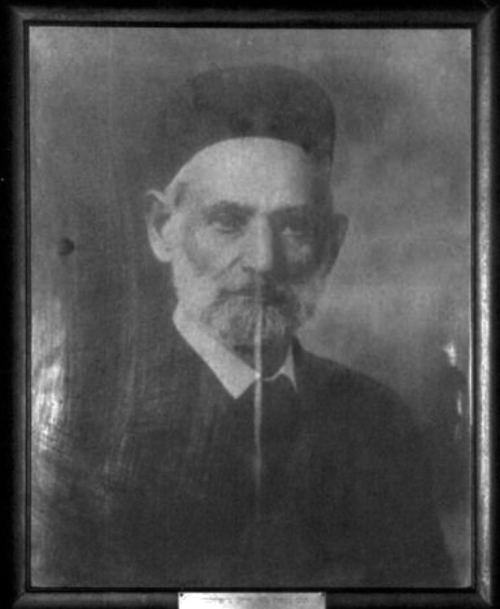


“Torah Study on Christmas Eve” free Torah in Motion lecture by Marc B. Shapiro

In the spirit of inyana de-yoma, Torah in Motion is offering, free of charge, Dr. Marc B. Shapiro’s lecture “Torah Study on Christmas Eve,” delivered on Christmas Eve, 2009. You can get it here.

We invite all those who download the lecture to visit Torah in Motion’s website www.torahinmotion.org where over a thousand other lectures are available for download (including lectures by Dan Rabinowitz, Eliezer Brodt, and Marc Shapiro’s bundle of 103 lectures on great rabbinic figures, available here). We also invite you to check out Marc Shapiro’s upcoming tours to Italy and Central Europe. Information is available here. Summer 2011’s tour was sold out and we expect the same thing this summer, so if you are interested, please act quickly.