What is wrong with Artscroll?

What is wrong with Artscroll?
by Eliezer Miller
A better question would be is what is right?
The latest work produced by Artscroll in the Milstein Series is Isaiah[1]. Written by Rabbi Nosson Scherman, the general editor of Artsrtscroll himself, it is the inaugural volume of the interpretation of the Later Prophets.
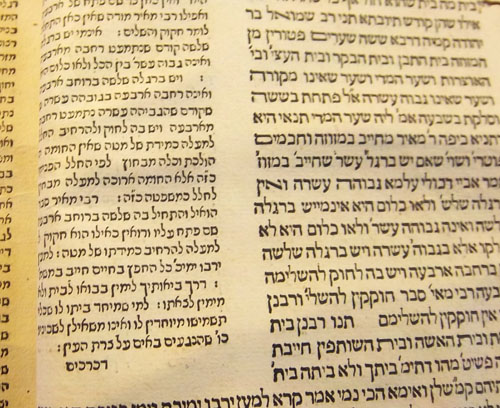
Firstly, one must praise Artscroll for a completely new typesetting of the Rashi, Radak, Metzuadas David and Metzudas Zion. But to what purpose?  If was to give us a clear text, has not a clearly superior work of this kind has been done by Keter? They, at least, addition, edited these works using ancient manuscripts.  If, then, they are printed in this series is to help us with the translation and commentary – is that not the very purpose of Artscroll’s English translation and commentary? Perhaps, then, they are included to keep the tradition of Mikraos Gedolos?  If so why are many other parts of Mikraos Gedolos commentators like Gr’a and Toldos Aharon missing?  The space taken by these commentaries could have surely been used for a lengthier, more comprehensive, English commentary.
Secondly, one can understand why the editors ignored the extensive archeological work that has been done in the past few years. Archeology in the City of David and Samaria shed much light on the realia that is part of the prophecy[2].
The discovery of the Dead Sea scrolls has changed the whole of the study of Isaiah.  The Isaiah scrolls are the only complete text of a sefer in Tanach from that time. They have revealed multiple variants and commentaries.
However, to include these studies in the sefer would have negated the principles on which “Mesorah” publication stands, that of strict adherence to the received tradition.
Similarly, the incredible amount that has been learnt from etymological studies by Semitic language scholars is hard to ignore. Because non-traditional scholars do this work, they are ignored by Rabbi Scherman – to his, and to his readers, loss.
Thirdly, one could also understand the “bowlderisation”[3] involved in the translation.  The great poetic masterpiece that was achieved by the Revised Authorized Version has inspired myriads of readers; the majestic language gave, at least faint echoes of Isaiah’s monumental use of his imagery and metaphors.  That translation surely has Christological inferences and counter-Halachic tendencies.[4] Their exclusion is understandable.
On the other hand, Artscroll’s awkward phraseology, mistranslations, and incorrect insertions make one, literally, cringe.  Their translation has managed to change one the worlds greatest literary work into a children’s eighth-grade reader, unworthy of the text.
Lastly, one must feel that Rabbi Scherman is forced to ignore the obvious parallels to the rebuilding of Zion in our days. The Return to Israel, the re-establishment of the State of Israel and the foretold “footsteps of the Messiah” are apparent to any reader of the prophecy. This omission is so enormous, that it is difficult for the modern reader to swallow.  Has the orthodox world been so influenced by the rejectionist in the Satmar- Neture Karta – Brisk axis, that they have accepted the absurd notion that that the State of Israel has no theological significance?
Given all the above critiques, and understanding the reasons, the real problem is internal. The real problem of this work is that it contradicts the very basis of the credo of Mesorah Publications.
There are a number of examples as how Mesorah publications has disregarded their mandate.
1) The Prophecy of Isaiah was a focal point in the Talmud and Midrash.  There is hardly a Pasuk that is not quoted and explicated in the classical sources.  One would venture to say, that percentage wise, in the Talmud and Medrash, many more pasukim from Isaiah are mentioned than pasukim from Chumash[5].  Indeed works that cite these sources are widely available.[6] Yet these citations are few and far between in the commentary[7].  When they are cited, the accompanying commentaries by the Rishonim are rarely mentioned.
This lacuna is distressing.  Did Rabbi Scherman not make an effort to use them, or was he oblivious to their existence?
A few random examples:
I) 42:5 ….Who gives a soul to the people upon it, and a spirit to those who walk upon it Artscroll pg.323: He gives a soul equally to all the people on earth (Radak) A spirit of sanctity (or prophecy- Abarbanel) to those who walk in his ways.
Yet: Yerushalmi[8]: Rashbal in the name of Bar Kapra:  The land on which I placed life first, will be the first for the coming of the Messiah.  What is the reason “He gives a soul to the people upon it.   Thus the Rabbis of Babylon have lost.  Rabbi Simai said:  The Almighty makes the land slippery in front of them and thus they slide like bottles.  When they reach the land of Israel their souls are with them….
ii) 27:13 ….It shall be on that day a great shofar will be blown… Artscroll pg. 209: On that great day of ingathering, all the exiles will be gathered together (as if –Radak) by the blast of a great shofar Abarbanel, R’ Hirsch
Yet: Talmud[9]:  The ten tribes have no place in the world to come… these are the words of Rabbi Akiva.  …Rabbi Simon said: if their actions are (still) like today, they will not return.  If not, they will return.  Rebbi said: They will come to the world to come as it said “On that day a great shofar will be sounded”.
(One feels that these random examples, among many, are teaching fundamentals of Jewish thought. Why were they not mentioned?  In their place Artscroll quotes two Chassidic Vortlach!)
2) There are comparatively few extant works by the Rishonim on Isaiah.  One would suppose that the Christian censors either cut them severely[10] or discouraged their publication. However, a few such works have been found and published.[11]  In these sefarim are important ideas that have not found their way into Artscroll, once again to its, and our loss.
A few random examples;
I) On that day (people) will sing about (Israel), “A vineyard of fine wine”. I am Hashem who guards it: I water it frequently, lest it be held account against it, night and day I will guard it.
Artscroll pg.203: From the cup of punishment I shall pour on them only a little at a time, because if I were to deliver the full of retribution all at once, they would not survive it. (Rashi)
Yet: Ibn Ganach:  It comes to tell us that Israel will not be included in the punishment, that is to say; I will revisit their sins on the nations, but I will not revisit (Israel’s) sin
ii) 52:2 Formerly he grew like a sapling ….
Artscroll (pg. 401): Before the redemption raises Israel to its new eminence, the nations will regard it with contempt…
Yet: Rambam: The quality of the ascent (of the Messiah) is that not that we will know at all before his ascent whether he is or not the Messiah, even if it is said of him that he is the son of so-and-so from so-and-so’s family.   Rather an unknown man shall rise before his identity is revealed, with signs and miracles, which we will see that it is he that performs them.  This will prove the truth of his claims and the truth of his patrimony.
(Again One feels that these are basic to our beliefs, and are puzzled by their omission)
3) The truth that even a casual reader will note that there are at least two different styles of commentaries of Isaiah in this work.  The first 40 or so chapters were written in one style, and the last chapters by a different commentator.  (Perhaps the same author wrote them at different times of his life.)
The first Chapters are basically a summary of the classical commentators.  These summaries are widely available[12], albeit in Hebrew[13]. If he wished to improve on these works, one wonders why Rabbi Scherman ignored Rav Eliezer MiBalgantzi, Rabbi Yishaya Mitrani, Ibn Kaspi and Ayin Hamesorah (published from manuscripts in Keter).
Remarkably, the style of commentaries in the second part of the Sefer are completely different.  No longer only the classical commentaries are mentioned. Mari K’ra, Orchos Chaim, Shem Shmuel, Artscroll’s own edition of Rav Schwab, and many other commentaries suddenly make an appearance.  Rabinowitz masterful Daas Sofrim[14] and Hirsch’s Essays are mentioned.
One, however, wonders how Rabbi Scherman chose whom to exclude.  Rav Schwab’s, somewhat idiocentric ideas are often quoted while Sorotzkin’s Rinat Yitchak[15], Rav Dovid Cohen’s many works [16]are ignored.  One understands (but does not condone) the omission of Mossad Harav Kook’s Daas Mikra[17] because of its “modern” leaning, but what could be wrong with Hatorah Hatemimah[18]? Emek Hanetziv is Kosher (pg. 385) but the G’ra does not make the cut[19]!  Additionally there are many commentaries of the Haftorahs, which are similarly ignored
A few random examples:
I) 41:2 Who inspired (the one) from the East, at whose  (every) footstep righteousness attended….
Artscroll pg.311: This is a reference to Abraham, who came from Aram, which is east of Eretz Israel…
Yet: Rinat Yitzchak[20] explains this verse as the dispute between Rashi and the Gr’a.  In Shabbat 156a uses this verse to prove that there is no Mazal (Astrology) for Israel. Rashi explains that prayer and repentance can change the mazal.  The G’ra explains that Mazal only applies to the nations, whereas Israel is above the stars and independent of Mazal.
ii) 28:7 …the kohen and the (false) prophet have erred because of liquor and corrupted by wine, they have strayed because of liquor, erred in vision.
Artscroll pg. 211: Rather than refer to the drunkenness and hedonism of the people, Isaiah refers to the drunkenness and the hedonism of the leadership, the Kohen and the prophet.
Yet: Rabinowiz[21]: To claim that this refers to the kohanim in the beis hamikdash and to the prophets, contradicts all accepted opinions.
…. Nowhere does Isaiah mention false prophets, for no one would dare to call himself a prophet in the days of Isaiah…. It is unlikely that Isaiah would refer to the priests of Baal as Kohanim.  It is certain that Isaiah was referring to himself.  He was not able to communicate with people that were immersed in wealth and success, indulging in feasts and parties.  It is unlikely that he speaks of gross drunkenness.
4) Perhaps the most important criticism is that, as in many of Artscrolls biblical works, there is the tendency to trivialize Judaism.  In the Schottensten Talmud, (especially the Jerusalem Talmud) Artscroll has shown that they are able to do extensive research, and to explicate almost all fundamentals[22]. Not so in the Artscroll Tanach series. There is little attempt to explain the fundamental concepts of Judaism.
Instead we are fed homilies, “Vortlach”, Hassidic Meiselach and childish moralisms.  We miss the scholarly discussions, the Machlokes and textual variations that are so beautifully presented in the Schottenstein Talmud.
Yishayahu speaks to the generations.  To portray him as a medieval sermonizer is, to sat the least, disrespectful and trite.  The Milstein Series could, and must, do a better job.  They owe this to modern reader.
Artscroll’s job is to sell books.  Apparently, in their eyes, the public is not interested in serious scholarship, nor keen to hear Isaiah’s biting criticism of the hypocrisies of institutions. They perhaps feel that to try to sell a sefer that practically tells the buyer that Hashem does not support these institutions would make no sense.  One hopes that this is not true.
But at least let Rabbi Sherman fulfill his mandate by presenting us with a traditional comprehensive commentary equal to the Schottensten scholarly commentaries on the Talmuds.


[1]
The Later Prophets: Isaiah, Mesorah Publications 2013
[2]
We can see the upper pool and the lower pool, etc.
[3]
To modify by abridging, simplifying, or distorting in style or content
[4]
“Unto us a child is given.”Etc.
[5]
In an unscientific count in Ayn Hamesorah, about 30% of Chumash pasukim are cited compared to 98% of Isaiah’s pasukim.
[6]
Stern, Menachem: Torah SheB’al Peh, Jerusalem 2001. Neusner, Jacob: Isaiah in The Babylonian Talmud and Medrash, , NY 2007.
[7]
A cursory reading counts only a few dozen citations.
[8]
Kesubos 12:3
[9]
San: 110b
[10]
See Neubauer’s edition of the  ‘hine yaskil avdi”
[11]
Kovetz Perushim Lesefer Yishayahu, Jerusalem 5731.  Tafsir Saadia Gaon, S. Ratzabi Bnei Brak 2004
Laniado Shlomo: Keli Paz, , 1637, Reprinted Jerusalem 5731
[13]
An adequate work by Rosenberg, A. J.: Mikraos Gedolos, The Judaica Press, 1992 has long been available
[14]
Rabinowitz, Chaim Dov, Daas Sofrim, Jerusalem 1980
[15]
Rinat Yitzchak, Yitzchak Sorotzkin, Wikliff 1998
[16]
Cohen, David: Ohel David,  1998 –
[17]
Chacham, Amos: Daat Mikra, Jerusalem 1988
[18]
Stern, Yechiel Michal: Hatorah Hatemimah, Jerusalem 5732
[19]
Katzenelenbogen, S.:Biur Hagr’a Neviim, Jerusalem 2002
[20]
ibid pg. 144
[21]
Ibid
[22]
See however: Our Torah, your Torah and their Torah: An evaluation of the Artscroll phenomenon by B. Barry Levy and Tradition 19(1)(Spring 1981): 89-95 and an exchange of letters in Tradition 1982;20:370-375.


A selection from Strictly Kosher Reading by Yoel Finkelman

The Seforim Blog is happy to present this selection from Yoel Finkelman’s recent book, Strictly Kosher Reading: Popular Literature and the Condition of Contemporary Orthodoxy.

Coalescence
The first function of Haredi popular literature involves the “coalescence” of the Jewish and the non-Jewish. In defining coalescence, Sylvia Barack Fishman distinguishes it from two other common ways of describing relationships between Judaism and general culture. First, “compartmentalization” involves a situation in which the Jewish tradition holds sway in its own spheres, such as the synagogue or Shabbat table, while non-Jewish culture dominates in other areas of life, such as the workplace or the theater. Despite its conceptual clarity, Fishman claims that “compartmentalization” does not accurately describe actual American Jewish practice, since contemporary American Jews are too Americanized and America is too welcoming of Judaism for such neat divisions to have much explanatory power. Second, “adaptation” involves a situation in which the Jewish and the non-Jewish exist side by side. Tension between the two remains, and the individual or community “privileges one or the other as the situation seems to demand.”[1] Adaptation, she explains, “implies a continuing awareness of difference” between Jewish and general values and an attempt to negotiate these differences.
Yet, claims Fishman, many American Jews have lost an awareness of differences between Jewish and American values.
During the process of coalescence… the ‘texts’ of two cultures, American and Jewish, are accessed simultaneously…. These values seem to coalesce or merge, and the resulting merged message or texts are perceived not as being American and Jewish values side by side, but as being a unified text, which is identified as authoritative Judaism…. Many American Jews – including some who are very knowledgeable and actively involved in Jewish life – no longer separate or are even conscious of the separation between the origins of these two texts.[2]
Haredi popular literature, like much of Haredi popular culture, seamlessly merges aspects of the Jewish tradition with contemporary American cultural norms and styles. In coalescence, normative Judaism becomes a hybrid or syncretic combination of the Jewish and the American, the traditional and the modern, the past and the present. For example, Haredi music takes its lyrics from traditional Jewish texts, but its musical style imitates contemporary pop music.[3] Haredi self-help books, as we shall discuss, present contemporary values of individualism, personal happiness, self-expression, and (according to some critics) self-absorption as Jewish values, supposedly in the self-improvement tradition of musar.[4] Haredi novels borrow literary genres and formulas from the general best-sellers and fill them with Haredi characters and values. [5]
Given Haredi commitment to isolationism and rejection of non-Haredi culture, Haredi coalescence seems surprising. Still, Haredi Jews are genuinely acculturated, and the same cultural forces that make a genre or idea popular among the general public make it popular among Haredi Jews as well. Community members may prefer a Haredi version of a literary genre, such that it will more precisely match their values and style. In addition, imitating the most contemporary styles helps make the tradition seem sophisticated and up-to-date. This allows Haredi Judaism to respond to modernity and its perceived anti-Orthodox biases on modernity’s own terms.[6]
Take the example of Yaakov Levinson’s book, The Jewish Guide to Natural Nutrition. According to Levinson, there are “Jewish roots to natural nutrition.” Holistic health and natural foods are presented as traditional Jewish values. Levinson works to “combine a system for healthy living and eating with a strong connection to our important Jewish heritage.” He rhetorically grounds his work in traditional Judaism, explaining that “Rambam’s [Maimonides’] medical writings contain the Jewish roots of today’s system of natural nutrition. Our modern approach is basically an extension of his main principles and teachings.” [7]
Yet, the author says little about Maimonides’ specific nutritional advice or his medieval biology, and Levinson quotes from Maimonides’ medical writings only very rarely. Instead, Levinson focuses on contemporary scientific concepts such as cholesterol, vitamins, and the USDA food pyramid. Maimonides does not serve as an authority on the workings of the body. Rather, he is an authoritative precedent for the borrowing of contemporary medical advice. Levinson is, to a great degree, aware of and articulate about the fact that the medical and nutritional advice he suggests does not come from Torah, but from modern science. He dances a cautious dance between the new and the old, the modern and the traditional. Maimonides’ “medical writings were based on Jewish Talmudic sources as well as on secular, non-Jewish teachings.”[8] In other words, Levinson argues that it is authentically and traditionally Jewish for today’s Haredi Jews to self-consciously adapt contemporary scientific theories, just as Maimonides did in his day. Maimonides is important to Levinson not as a source of information about eating and health, but as a figure whose very name and reputation can help make the book seem authentically Jewish and grounded in the tradition, even if the book’s content is not actually derived from his writings.
The dust jacket of The Jewish Guide to Natural Nutrition clearly articulates coalescence. The author’s biography on the dust jacket celebrates his extensive Torah studies as well as his accomplishments in the field of medicine. Photographs visually reinforce this. The front cover shows a professional studio photograph of a bearded man – presumably the author – carrying a large, attractive basket of fresh green apples and dressed in a clean white lab coat. The apples signify the value of natural and healthy eating, while the lab coat symbolizes the scientific validity and authority of the book’s nutritional suggestions. The back cover includes a parallel photo of the same man dressed in Hasidic garb carrying a stack of Maimonides’ halakhic writings. Science and Jewish religion, including both its mystical-Hasidic and its rationalistic-legal-Maimonidean strands, are not only compatible with one another, but mutually enforcing. The authority of science is backed, symbolically and visually, by Torah, and Torah leads to an appreciation of contemporary nutritional science. Not accidentally, the book opens with three almost identical approbations: two by well-known yeshiva deans and one by a professor at a Jerusalem medical school. The approbation from the medical doctor praises coalescence, in that the book “melds an expert’s view of nutrition and disease with its special implication and application to religious Jewish tradition.”[9]
Levinson’s coalescence goes further. He not only provides standard American nutritional advice for Haredi readers, but also claims that following that advice is fundamentally a spiritual experience and religious obligation. Here Levinson goes beyond his Maimonidean precedent. For Maimonides, maintaining one’s health is a means to an end, a requirement so that illness or weakness would not distract the
individual from the higher values of study and religious self-development. “It is impossible to understand or know anything of the knowledge of the Creator when one is ill. Therefore a person must distance himself from things which damage the body and a person should become accustomed to things which make one healthy.” For Levinson, in contrast, health is not merely a means toward a higher end; rather, there is an inherent “spirituality in eating.”[10] Combining kabbalistic language and basic biology of the digestive system, Levinson explains that healthy eating exemplifies a central religious goal of separating the “good” from the “evil” in creation. The “nutrients” are good and therefore associated with the holy “sparks” of the Kabbalah, while the “waste” is the evil, associated with the evil kabbalistic “husks.” “The separation of nutrients from waste in the act of eating has its spiritual counterpart in the extraction of the sparks of holiness which are contained in food. And is not the physical and spiritual separation of good from evil the very meaning of human existence?”[11]
Levinson also hints that the foods people eat and how they eat them are not value free, but exemplify their cultural identity. “Foods are much more than just a collection of nutrients; they are a wealth of influences and connotations…. The various religions use foods to connote their special approach to life.” Levinson’s health advice exemplifies this point, perhaps more clearly than he intended. While he intends to underscore the inherent spirituality, according to Judaism, in eating, he also implies that eating like an American means having absorbed American mores and sensibilities. He advocates a “healthier, lighter style of eating,” which became a virtual American infatuation in the nutrition discourse of late twentieth and early twenty-first centuries (even as Americans grew fatter).[12] Levinson’s concern with calorie counting, weight-loss, and balanced consumption of nutrients reflects the biological knowledge and cultural aesthetics of contemporary America, a community of plenty with an almost infinite variety of foods to choose from, with a deep concern with the long-term health impact of overeating, and an aesthetic that celebrates thinness. For almost all of human history, the central culinary dilemma facing humans involved procuring enough food to fend off starvation or at least chronic hunger. In contrast, Levinson and his American Haredi readership share with other middle-class Americans a challenge of negotiating an almost unlimited quantity and variety of food.[13] The late twentieth-century American infatuation with light, healthy eating, which Levinson exemplifies, supports values that Haredim and the general population share and which are reflected in their culinary culture and popular literature. Levinson’s book suggests that religious people, even those profoundly committed to a given canon, read and interpret their scripture and tradition not only in their own terms, but “in order to make sense of their lived experiences.”[14]
That Haredi Jews share a culinary culture with their neighbors, and that they follow the best medical and health advice available, are relatively unproblematic notions from a Haredi perspective. After all, the Jewish tradition for the most part supports the idea that Jews should seek quality medical treatment,[15] and Maimonides indeed advocated learning from the best available science. However, other examples of coalescence raise significant ideological and religious challenges.
For example, Haredi popular literature, like its devout Christian counterparts, adopts the modern notion of the “companionate marriage.” Here the coalescence appears in a matter of profound ideological and religious significance, since, as Helen Hardcare explains about Protestant Fundamentalists, the family is a “primary unit for ritual observance as well as an influential site of religious education and the transmission of religious knowledge from one generation to the next.”[16] Or, as one Haredi author puts it, “The Jewish family [is] a vital force in insuring our people’s continued existence.”[17] Popular Haredi works identify the Torah’s “timeless formula for marriage,” and contrast that with the “non-Jewish system” that is “floundering in its own confusion” and therefore “has nothing to offer the Jew.”[18] Yet, a brief historical comparison reveals how acculturated Haredi families have become, and how the Haredi popular literature coalesces by presenting the modern, monogamous, suburban nuclear family as part and parcel of the tradition.
Both the contemporary Haredi family and the pre-modern Ashkanazic one share a commitment to strict monogamy, as opposed to the polygamy of ancient Judaism and at least some of historical Sephardic culture. Yet, in pre-modern Ashkenaz, parents contracted marriages for their children, often with the help of professional matchmakers. When choosing a partner for their child, parents paid less attention to emotional or romantic compatibility and more to finding a spouse who could offer the greatest socio-economic advantage. Often, marriages were arranged, if not always consummated, when the children were in their mid-teens. This marriage was more of an economic agreement than a romantic one, certainly at the outset. The couple might continue to live with the bride’s family for some time, until they became financially and socially independent. In this constellation, “personal compatibility not to speak of romantic attachment [between the couple] were not taken into account at all.” [19] On occasion, feelings of love and mutual attraction would push a young couple to choose one another as marriage partners, but rabbis and community members saw this as a rebellion against communal values rather than a fulfillment of them.[20]
Today, Haredi couples, usually in their early 20s, care deeply about emotional compatibility and therefore search for marriage partners through dating. This period of courtship allows the young couple to determine if they are emotionally compatible and romantically suited. Under these circumstances, when courtship and emotional compatibility have become central to Haredi images of marriage, Haredi authors write dating guidebooks for such young people, providing “guidelines for dating and courtship,” so that the dating couple can most effectively determine if they share the same values, if they have the same expectations from married life, and if their “personalities” will enable “the couple to get along with each other.”[21]
Furthermore, for medieval Ashkenazic Jews the home was a center of economic life, because merchandise and services were produced in the home for the use of its residents as well as for trade with others. Women, though also mothers, played central roles in the medieval Jewish marketplace, at a time and place when parenthood was not considered a full-time endeavor and where raising children was perceived as requiring less moment-to-moment vigilance than it does today.
For contemporary Haredi rhetoric, in contrast, the “Jewish home” rather than being a locus of economic production, serves as a “haven in a heartless world,” a domestic shelter from the dangers of the marketplace and the outside culture.[22] It is a modern, middle-class, child-centered, nuclear family. In these families, rearing offspring, who require full-time attention and continuous nurturing, requires parents primarily and educators secondarily to be sensitive, vigilant, and loving toward children more or less on a constant basis. Women are, therefore, encouraged by Haredi literature to dedicate themselves first and foremost to being mothers and wives, and to go to work only if the family’s financial situation requires it.[23]
As numerous historians of both the Jewish and non-Jewish family have noted, these modern family patterns, in broad terms, developed with the rise of the middle class, under conditions of urbanization and industrialization.[24] In their popular literature, acculturated contemporary Haredim describe, analyze, and celebrate this modern family. In particular, Haredi popular literature celebrates one particular aspect of this modern family: what historians and sociologists have come to refer to as the “companionate marriage.” In this modern family, marriage ought to lead to self-fulfillment, happiness, and the satisfaction of the psychological need for friendship and emotional closeness.
The ideal of companionate marriage came to dominate discussions of marriage in twentieth-century America…. It elevated anticipation of achieving emotional, sexual, and interpersonal fulfillment in marriage. The goal of marriage was no longer financial security or a nice home but emotional and sexual fulfillment and compatibility. Though marriages were not expected to be conflict and tension free, it was hoped that disagreements could be overcome if husbands and wives talked about their feelings, recognized the existence of conflicts, and worked out their problems through close “communication.”[25]
The norm of the companionate marriage has penetrated Haredi circles, and Haredi books which guide couples to achieving that kind of relationship serve as prime examples of coalescence. For medieval Ashkenazic Jews, there was “an absence of any philosophy promising happiness in marriage.”[26] Today’s Haredi books on marriage view happiness and self-fulfillment as the central goals of married life. These works focus particularly on communication skills between couples, in order to assure that the couple will remain emotionally responsive to one another. “A healthy relationship is built on clear and honest communication. Listening, understanding and conversing all contribute to the empathy so vital to a marriage.”[27] Furthermore, “Marriage… creates the possibility of the closest emotional relationship that can exist between living beings, the love between husband and wife.” “Happiness in marriage” can be achieved by “building trust,… maintaining affection,… [and] creating intimacy.” Ultimately, “Marriage is a primary catalyst for the development of each partner’s individual potential to the utmost.”[28]
The adoption of the model of the companionate marriage relates closely to another very popular genre of Haredi popular literature, namely the parenting guide. Here, too, coalescence prevails, with these parenting guides presenting images of child rearing as part and parcel of the Jewish tradition. And here too the coalescence appears in discussions of central religious values: how to raise children to become Torah-observant and God-fearing Jews. Hence, one might expect a greater reliance on traditional sources and a more suspicious stance toward contemporary norms. Still, Haredi parenting guides, even those that claim to reject so-called “modern” approaches to parenting, adopt the strategy of coalescence and share much of their style and content with their non-Haredi counterparts.
Lawrence Kelemen’s parenting guide, To Kindle a Soul, for example, claims in the subtitle to contain “ancient wisdom.” “At the foot of a mountain in the Sinai desert, the Creator of the universe directly revealed His profound wisdom to approximately three million people…. Those present received… a comprehensive guide for raising great human beings.” The book attempts to describe “this ancient, Torah approach to education” which is “more comprehensive and effective… than any of the schools of child psychology I studied at university.” Kelemen describes the “significant” differences between these supposedly “ancient traditions” and the practices of contemporary parents.[29]
Yet Kelemen’s parenting approach fits neatly within late twentieth-century American parenting discourse, and it differs significantly from that of pre-modern Jewish sources. Kelemen combines an American religious-right critique of supposedly decadent American family life with a child-centered parenting approach advocated by endless American mass-market parenting guides in the 1990s. Criticism of American materialism and permissiveness; advocacy of limiting the mother’s time at work; polemics against spanking; emphasis on good nutrition, proper sleep time, and bedtime routine; concerns about the adverse impact of television viewing; claims to provide a “system” for raising moral children; and advocacy of “quality-time” for empathy and close communication between parents and children, all characterized American experts’ suggestions to worried middle-class parents at the end of the twentieth century. Even Kelemen’s claim that his approach derives from the Bible follows the pattern of American religious parenting guides. Indeed, the book’s unstated assumptions – that parenting is a full-time endeavor, and that parents should actively monitor their children’s moment-by-moment lives – typify experts’ advice and popular assumptions in America during the so-called “century of the child.” [30]
Not only does Kelemen’s approach match that of contemporary parenting experts, but it differs from traditional Jewish sources on the topic. While a complete history of Jewish approaches to children and family has yet to be written, it is enough in this context to note that traditional Jewish literature speaks of childhood and parenting in spotty and unsystematic ways, scattered in works focused on other topics.[31] This reflects a historical past in which families were considerably less child-centered than they are today, and parents learned how to parent more by imitation, instinct, face-to-face conversation, and osmosis than from the written word of experts. Pre-modern Jews did not write parenting manuals since they assumed that knowing how to parent was an intuitive or natural thing.[32]
Take the example of Kelemen’s approach to corporal punishment and spanking. This is a particularly important example because traditional sources do say quite a bit on the topic, and what do they say clashes rather dramatically with the approach of contemporary Haredi parenting literature. Kelemen polemicizes against corporal punishment of children, and even harsh verbal reprimands. Instead – reflecting both contemporary notions of individual autonomy and the voluntary nature of modern religious commitments, which make it difficult to coerce people into religious conformity – he insists that parents should calmly explain to their children what is proper and improper. Parents should then serve as living role models of the proper, hoping thereby to help children come to their own appreciation of and identification with the parents’ values. While Kelemen advocates setting clear and consistent boundaries on children’s behavior, he claims that enforcing those boundaries with violence and verbal harshness undermines the child’s respect for the parents and prevents children from being receptive to higher values. “Yelling and hitting usually flips [sic] children out of the learning mode… which is characterized by a relaxed and happy state that facilitates accepting the educator’s values… and into the obedience mode… which is characterized by a nervous, distrusting or rebellious state.” Spanking is part of an “authoritarian” approach typical of “dictatorships,” which leads to uninspired obedience in which youth do not come to identify with the values of the parents. Ultimately, “harshness” leads to “rebellion.” Kelemen also argues for the importance of parental affection. “Affection is more than just attention. Attention just requires being responsive to a child’s needs. Affection is the next step. It is warm and it is the most powerful medium we possess for communicating love.” Kelemen teaches that, “If we want to produce people with integrity, internally driven by a specific value system, we must utilize gentle means.”[33]
This advice stands in stark contrast to traditional Jewish sources on child rearing, which explain that spanking does not promote rebellion but prevents it. In a typical passage, the ancient Jewish text, Midrash Rabbah, quoting the book of Proverbs, relates that, “‘He who spares his rod hates his child.’ This teaches that preventing physical punishment (mardut) leads [the child] to bad culture.”[34] R. David Altschuler, the seventeenth century Galician author of the Biblical commentary Metzudat David, goes further in commenting on the same verse: “Do not refrain from making [your son] suffer even if you see that this is not effective, because there is hope that much reproof will be effective.”[35] Sources, particularly from early-modern Ashkenazi culture but from other contexts as well, openly polemicize against fatherly affection. For example, R. Alexander Ziskind of Grodno, the eighteenth century mystic, explained that, “Even though I had many sons, I never kissed even one of them, and never held them in my arms, and never spoke with them of frivolous things, God forbid.”[36] The seventeenth century rabbi, Yeshayahu Horowitz (the Shlah), states: “If the father rebukes his son early in his life with the staff… and uses fear while he is young… then he [the son] will be accustomed to fear his father always.… If in childhood the father displays great affection… then later when he matures he will not listen.… Mothers are… not to spare the rod but to strike their sons even if they scream.… Women who are compassionate with their children… murder them.”[37]
In the next chapter we will examine the complex ways in which Kelemen defends the idea that his approach derives from the ancient tradition. Here it is enough to note the way in which his book reflects the strategy of coalescence: identifying contemporary American values as being authentically Jewish. To Kindle a Soul, like other contemporary Haredi books on parenting, shares more with contemporary American mass-market parenting guides than it does with pre-modern Jewish sources on parenting. However, a close examination of other aspects of these works on families reveals that coalescence is not the whole story. Haredi works may borrow the companionate marriage and child-centered parenting from contemporary culture, but they borrow selectively. This leads to a second function of Haredi popular literature in mediating the tension between isolation and acculturation: filtering.
[1] Ibid.
[2] Ibid.
[3] Haym Soloveitchik, “Rupture and Reconstruction,” 75.
For internal Haredi discussion regarding this issue, see Mordechai Schiller,
“Chasidus in Song – Not for the Record,” The Jewish Observer
10:8 (March, 1975), 21; Breindy Leizerson, “Set the Record Straight,”
The Jewish Observer 20:4 (May, 1987), 40-41; Dovid Sears, “Who Took
the ‘Jewish’ Out of Jewish Music?,” The Jewish Observer 29:10
(January, 1997), 12-16; Yosef C. Golding, “How to Get the Entire Jewish Music
World Angry at Me… Or a Parent’s Guide to What Your Children Listen To,” The
Jewish Observer
40:4 (May, 2007), 36-37.
[4] Stolow, Orthodox by Design, 132-142; Andrew R.
Heinze, “The Americanization of ‘Mussar’: Abraham Twerski’s Twelve Steps,” Judaism
48:4 (1999), 450-469. On the self-absorption of this therapeutic self-help
literature, see Wendy Kaminer, I’m Dysfunctional, You’re Dysfunctional: The
Recovery Movement and Other Self-Help Fashions
(New York: Vintage Books,
1993).
[5] See below and Yoel Finkelman, “Medium and Message in
Contemporary Haredi Adventure Fiction,” The Torah U-Madda Journal 13 (2005), 50-87.
[6] The academic literature has focused on this trend
primarily regarding the development of Orthodox historiography. See below,
Chapter Four, n. 4.
[7] Yaakov Levinson, The Jewish Guide to Natural
Nutrition
(Jerusalem and New York: Feldheim, 1995), 4-5. Much of the
following analysis could be duplicated for the issue of The Jewish Observer
entitled “A Healthy and Productive Life as a Torah Jew,” 40:8 (November, 2007)
and for David J. Zulberg, The Life-Transforming Diet: Based on the Health
and Psychological Principles of Maimonides and Other Classical Sources

(Jerusalem and New York: Feldheim, 2007).
[8] Levinson, Natural Nutrition, 5. Zulberg, The
Life-Transforming Diet
, quotes more extensively from selected passages from
Maimonides’ medical writings, those in line with contemporary sensibilities.
[9] Unpaginated approbation of Prof. Leon Epstein.
[10] Maimonides, Mishneh Torah, Hilkhot De’ot,
4:1; Levinson, Natural Nutrition, 128.
[11] Levinson, Natural Nutrition, 136.
[12] Ibid., 4. Maimonides did advocate eating until not
fully satiated, though Levinson’s language, as noted, derives from modern, not
Maimonidean categories. See Maimonides, Mishneh Torah, Hilkhot De’ot,
4:2.
[13] Harvey Levenstein, Paradoxes of Plenty: A Social
History of Eating in Modern America
(New York and Oxford: Oxford University
Press, 1993), Chap. 16. For further reflections on the contemporary Orthodox
diet, see Brill, “Judaism in Culture,” 3 and Stolow, “Aesthetics/Ascetics:
Visual Piety and Pleasure in a Stricly Kosher Cookbook,” Postscripts 2:1
(2006), 5-28 (some of which also appears in his Orthodox by Design).
Levinson does not put as much emphasis as American general culture on the
aesthetic aspects of weight loss, perhaps because he does not perceive looking
attractive as a religious goal. In this, Zulberg’s The Life-Transforming
Diet
comes closer to the general American concern with body-image and
aesthetics.
[14] Molly Worthen, “Housewives of God,” The New York
Times Magazine
, November 12, 2010, available here  viewed November, 2010.
[15] See, for example, Shulhan ‘Arukh, Yoreh
De’ah
, 336:1. The ambivalence about seeking doctors, on the theory that divine
providence governs illness and heath, was generally of theoretical import only,
and usually did not have practical implications. See the commentary of the Taz,
ibid.
[16] Helen Hardcare, “The Impact of Fundamentalism on
Women, the Family, and Interpersonal Relations,” in Fundamentalisms and
Society
, Eds. Martin E. Marty and R. Scott Appleby (Chicago and London:
University of Chicago Press, 1993), 129. On similar Christian conflation of
modern notions of marriage with traditional ones, see James Davison Hunter, Evangelicalism:
The Coming Generation
(Chicago and London: University of Chicago Press,
1987), 76-93.
[17] Avraham Pam and Tzvi Baruch Hollander, “The Jewish
Family – In Its Glory and in Crisis,” The Jewish Observer 29:4 (May,
1996), 6.
[18] Yirmiyohu Abramov and Tehilla Abramov, Two Halves of
a Whole: Torah Guidelines for Marriage
(Southfield, MI: Targum/Feldheim,
1994), 158.
[19] Jacob Katz, Tradition and Crisis: Jewish Society
at the End of the Middle Ages
(New York: Schocken, 1971), 141-142.
Unfortunately, a systematic history of the Jewish family has yet to be written.
But see, Elisheva Baumgarten, Mothers and Children: Jewish Family Life in
Medieval Europe
(Princeton: Princeton University Press, 2004); ChaeRan
Freeze, Jewish Marriage and Divorce in Imperial Russia (Hanover, NH:
Brandies University Press, 2004); David Kraemer, Ed., The Jewish Family:
Metaphor and Memory
(New York and Oxford: Oxford University Press, 1989);
Avraham Grossman, Pious and Rebellious: Jewish Women in Medieval Europe,
Trans. Jonathan Chipman (Waltham, MA: Brandeis University Press, 2004), Chaps.
2-4.
[20] David Biale, Eros and the Jews (New York:
Basic Books, 1992), Chap. 3.
[21] Meir Winkler, Bayis Ne’eman b’Yisrael: Practical
Steps to Success in Marriage
(Jerusalem and New York: Feldheim, 1988), 53,
57.
[22] The expression comes from Christopher Lasch, Haven
in a Heartless World: The Family Besieged
(New York: Basic Books, 1977).
[23] Ironically, in the early modern period, the Haskalah,
rather than the tradition, called for marriages based on love and compatibility
rather than socio-economic advantage, and called to protect women from the
marketplace by carving out for them a domestic role in which they could spend
more of their time and energy on child-rearing. The central Jewish polemic
against marriage as a financial arrangement and against women’s role in the
workplace came from Haredi popular literature’s rhetorical enemies, the maskilim.
See Biale, Eros and the Jews, 159-161.
[24] Lawrence Stone, The Family, Sex, and Marriage in
England 1500-1800
(New York: Harper and Row, 1977); Steven Mintz and Susan
Kellogg, Domestic Revolutions: A Social History of American Family Life
(New York: Free Press, 1988).
[25] Mintz and Kellogg, Domestic Revoluations, 115,
describing the particular model of companionate marriage advocated by early
twentieth century progressives in America. Also see 186. Haredim, like these
progressives, advocate “divorce by mutual consent… on the grounds of incompatibility,”
at least as an unfortunate consequence of the failure of the companionate
marriage (ibid.). Yet, Haredim are less likely than these progressive to
support free use of contraception and open sex-education. Haredim also remain
attached to Victorian sensibilities that distinguish between the
feminine/domestic/secure sphere and the masculine/public/dangerous sphere, a
distinction against which progressives polemicized.
[26] Katz, Tradition and Crisis, 141-142.
[27] Abramov and Abramov, Two Halves, 65.
[28] Aharon Feldman, The River, the Kettle and the
Bird: A Torah Guide to Successful Marriage
(Israel: CSB Publications,
1987), 11; Radcliff, Aizer K’negdo: The Jewish Woman’s Guide to Happiness in
Marriage
(Southfield, MI: Targum/Feldheim, 1988), 11. Abramov and Abramov, Two
Halves
, 19. Also see Malka Kaganoff, Dear Kallah: A Practical Guide for
the New Bride
(Jerusalem and New York: Feldheim, 1993); Winkler, Bayis
Ne’eman
.
[29] Lawrence Kelemen, To Kindle a Soul: Ancient Wisdom
for Modern Parents and Teachers
(Southfield, MI: Targum Press and Leviathan
Press, 2001), 19-21. Some of Kelemen’s formulations, as well as one of the
book’s central metaphors – that parenting consists of “building” and “planting”
– come from the parenting guide of the twentieth-century Israeli Haredi rabbi,
Shlomo Wolbe, which Kelemen had been involved in translating into English.
Wolbe’s ideas themselves are influenced by modern psychological and cultural
categories, though the influence of modern psychology on contemporary
musaristis like Wolbe has yet to be studied, to the best of my knowledge. See
R. Shlomo Wolbe, Zeri’ah U’Vinyan BeHinnukh (Jerusalem: Feldheim, 1995),
23-24, and his Planting and Building: Raising a Jewish Child, Trans.
Leib [Lawrence] Kelmen (Jerusalem and New York: Feldheim, 2000).
[30] See Peter N. Stearns, Anxious Parents: A History
of Modern Childrearing in America
(New York and London: New York University
Press, 2003), and Ann Hulbert, Raising America: Experts, Parents, and a
Century of Advice About Children
(New York: Vintage Books, 2003), Chap. 11.
[31] On the difficulties in determining ancient Jewish
attitudes toward child rearing, see David Kraemer, “Images of Childhood and
Adolescence in Talmudic Literature,” in his Ed., The Jewish Family,
65-68.
[32] Baumgarten, Mothers and Children, 155.
[33] Kelemen, To Kindle a Soul, 129-152. Quotes
from 109, 130, 132-133.
[34] Shemot Rabbah, 1 s.v. Ve’eleh Shemot,
quoting Proverbs 13:24
[35] Also see B.T. Makkot, 8a, Bava Batra 21a;
Midrash Tehillim, Buber, 6; Midrash Tenaim, Devarim 25:3;
Rashi on Mishlei 13:24 and on 19:18; Rambam, Mishneh Torah, Hilkhot
Talmud Torah
, 2:2; Shulhan ‘Arukh, Yoreh De’ah, 240:20 and
Rama, 245:10; Sefer Hasidim, 302, cited in Baumgarten, Mothers and
Children
, 162; R. Yeshayahu Horowitz, Shenei Luhot HaBerit
(Jerusalem: n.p., 1975), Letter Daled, paragraph 23-32; The Gaon of Vilna, Even
Shelemah
(n.p.: n.d., n.d.), 6:4. When Shulhan ‘Arukh, Yoreh
De’ah
, 240:20 insists that one not beat his older children (according to
Rama, 22-24 years old), this is not due to any opposition to corporal
punishment per se, but, following his source (BT Mo’ed Qatan 17a),
because the son might retaliate and violate the more serious prohibition of
injuring one’s parent.
[36] R. Alexander Ziskind of Horodno in his ethical will,
quoted in Simhah Asaf, Meqorot LeToldot HaHinnukh BeYisrael (New York
and Jerusalem: Jewish Theological Seminary, 2002), Vol. 1, 688. Also see
Yitzchak ben Eliakim, author of Sefer Lev Tov (published in Prague in
1620), who insists that parents “not reveal their love [of their children] in
their presence because then the children would not fear them and would not obey
them.” Cited in Gerson David Hundert, “Jewish Children and Childhood
in Early Modern East Central Europe,” in Kraemer, Ed. The Jewish Family,
82. Also see the related sources quoted in Hundert, 83, and Ephraim Kanarfogel,
“Attitudes Toward Childhood in Medieval Jewish Society,” in Approaches
to Judaism in Medieval Times
, Ed. David R. Blumenthal (Chico, CA: Scholars
Press, 1985), Vol. 2, 1-34.
[37] Horowitz, Shnei Luhot HaBerit, Letter Daled,
para. 23-25.


What’s Wrong With Wealth and Honor?

What’s Wrong With Wealth and Honor? 
by Eli Genauer
                                                                    
Below, we will present some timely notes regarding an English/Hebrew Machzor for Rosh Hashana which was printed in England in 1807.  We will touch upon a variety of issues, and thus first present general backgrounds regarding Hebrew printing in London, the prayer for the state, and Kol Nidrei.  
Hebrew Typography in London  
The earliest use of Hebrew typography in England is sometime in the middle to the late 1520s.  Of course, at that time, Jews were banned from England and the earliest works containing Hebrew type in England were produced for non-Jews.  
The prize of first was thought to go to Thomas Wakefield’s publication of his address regarding “Three Languages” – Hebrew, Arabic and Chaldean (Oratio de laudibus et utilitate trium linguarum [link]). The type, as you can see, was quite primitive.
This lecture was given in 1524, and as the book itself is undated, it was assumed that the lecture was published soon after it was given.  Thus, many dated it to 1524/25.  Wakefield, a noted Hebraist, actually spends the majority of the book discussing Hebrew and the other two languages get short shrift.[1]   
Recently, however, the dating of this work has been challenged and been shown to likely incorrect.  The author, in the self-described “Holmesian manner,”[2]   highlights the various persons Wakefield claims to have tutored in Hebrew and the honorifics used to describe those persons.[3] Based upon some of the descriptions, it seems likely that Wakefield’s work was not published prior to 1527 and most likely in 1528.   [4] This conclusion, coupled with the dating of another work by a different author, unseats Wakefield’s book claim to first.  Instead, Richard Pace’s Praefatio in Ecclesisten, printed in August 1527, is the most likely candidate for the first use of Hebrew typography in England.[5] Here is a sample:
It took nearly two hundred years after the appearance of Hebrew typography for the first Hebrew book published for a Jewish audience in England.  The controversy surrounding R. David Nieto’s remarks and their affinity or lack thereof to Spinoza would produce the first printed Jewish Hebrew book in England.  The first was a very small one, only a few pages, of a responsum written by R. Tzvi Ashkenzi, in R. Nieto’s defense, and published in 1705. It included both Spanish as well as Hebrew (available here).[6]   For more on R. Nieto and this controversy, see the Seforim Blog’s earlier post here
The Prayer for the Welfare of the State
The prayer for the welfare of the king or ruler is ancient.  Many point to the statements of Ezra as well as the passage in Avot as early sources for the prayer.  A variety of rationales are offered for this obligation.  For example, Rabbenu Yonah interprets the need for these prayers as indicative of a Universalist worldview, which requires all humans to display empathy for one another.  In order to effectuate that goal, Jews therefore pray for not only the Jewish leaders but also the secular one.  R. Azariah di Rossi, claims that the prayer carries a pacifist message as he emphasizes the lack of allegiance to a specific ruler or country and thereby transforms the prayer into one arguing for peace among all nations. 
The earliest extant prayers are from the Geniza, and can be dated to between 1127 and 1131.  The prayer is for the “Fatimid caliph al-Amir bi-ahkam Allah who ruled Egypt and its regions during the years 1101-1131.” See S.D. Goitein, “Prayers from the Geniza for Fatimid Caliphs, the Head of the Jerusalem Yeshiva, the Jewish Community and the Local Congregation,” in Sheldon R. Brunswick, ed., Studies in Judaica, Karaitica and Islamica: Presented to Leon Nemoy on His Eightieth Birthday (Ramat-Gan: Bar-Ilan University Press, 1982), 47-57.[7]   In this instance, the prayer includes not only a prayer for the secular ruler, but also a prayer for the local Rosh HaYeshiva.  Additionally, it blesses all of the Rosh HaYeshiva’s deceased predecessors, providing a nice genealogy. Goiten posits that these prayers may have been written in response to specific historical events and may not be indicative of the general practice in 12th century Egypt.  See id. at ___. 
The earliest sources, however, do not include the modern formulation of HaNoten Teshua.  Instead, early on there was a lack of conformity regarding this prayer.  Kol Bo records the custom but indicates that each community had its own practices.  But, none used the HaNoten Teshua formulation.  The first extant example of HaNoten Teshua is found in a Spanish manuscript dated between 1479-92.[8]   Ironically, this example was prepared for King Ferdiand V, who, in 1492, issued the expulsion order.  
It appears that with the expulsion and dispersion of the Spainish Jews, the HaNoten Teshua was disseminated throughout the Jewish world.  Indeed, the inclusion of this prayer in Yemenite rites, appears to undermine a major thesis of the noted Yemenite scholar, R. Yosef Kapach.  He asserts that the rite presents a pristine rite, unchanged over hundreds of years.  But, as the Yememite rite includes HaNoten Teshua, which is from the 15th century, indicates that the Yemenite rite is less pristine than Kapach would have it. [9]  
The prayer is also linked to the readmission of Jews into England.  Menasseh ben Israel in his plea  for readmission of the Jews to England (link) provides the full text – in English – of the HaNoten to demonstrate the Jews’ loyalty to their rulers.[10]
A English Hebrew Machzor Printed in London
The Jewish Encyclopedia notes “In 1794 David Levi published an English version of the services for New-Year, the Day of Atonement, and the feasts of Tabernacles and Pentecost, and thirteen years later gave a new version of the whole Mahzor. This second edition was “revised and corrected” by Isaac Levi, described as a “teacher of the Hebrew Language.”
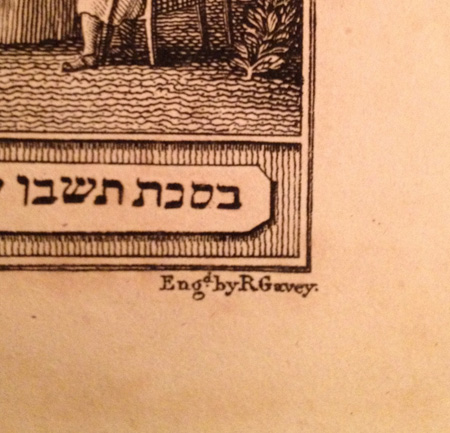
The Machzor features a frontispiece with various engravings of the Jewish holidays. The engraving for Shavuos features Moshe Rabbeinu dressed in a manner probably unknown 3,000 years ago, and holding the Aseres HaDibros with the numerical sequence from left to right. Yom Kippur correctly shows two identically sized “Se’irim” as per our tradition.
If you look closely at the name of the engraver, you will see that it was done by an R. Gavey.
I tried to find out more about R. Gavey and finally came upon a website which dealt with his family. I sent an email to the address listed and waited and waited. Two years later, I received the following response from a fellow in Australia:

“Robert Gavey b.1775 London was my 4xGreat Grandfather. He is listed as an engraver. Both his father and grandfather were watch makers.  Robert Gavey’s daughter Harriot Angelina Gavey  married my 3x Great Grandfather whose son James Fletcher  emigrated to Australia 1852. The Fletchers were originally Huguenot silkweavers with the surname Fruchard and I believe the Gavey’s would have been Huguenots also.” 

It turns out that Robert Gavey’s Australian descendent had a copy of his certificate of indenture as an engraver to a goldsmith named William Norris. Robert was 15 years old at the time (1790) and his period of indenture lasted for seven years. He promised not get married during that time period or play cards or dice. He also was forbidden to frequent taverns or playhouses or engage in any act which would cause his master a loss of money. (Click to see a large, high-resolution image.)


The certificate of indenture was signed in May of 1790 which was noted as the thirtieth year of the reign of George III who is described as the king of Great Britain, France, and Ireland.
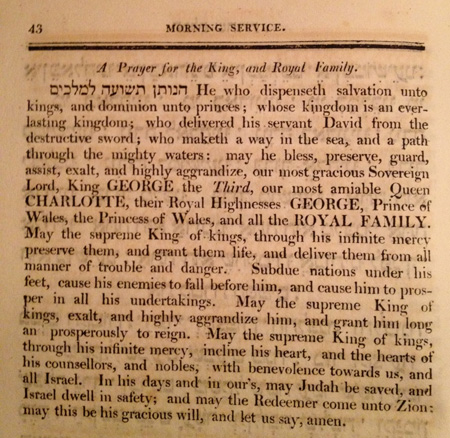
Speaking of George III, he received much better treatment in this Machzor than in our American Declaration of Independence. On our side of the pond, we know George III as a man who “ has plundered our seas, ravaged our Coasts, burnt our towns, and destroyed the lives of our people.” As part of the agreement by Cromwell to allow Jews back into England, the Jews promised to always pray for the welfare of the ruler. Accordingly, this Machzor blesses King George in this manner:

This is not the only edition that continued to praise the monarch.  Isaac Lesser, published the first complete machzor in the United States in 1837-38, for the Spanish and Portuguese rites with an English translation.  Lesser’s translation relies heavily upon that of David Levi’s translation.[11]   In an attempt to sell his machzor in both the United States as well in other English-speaking locals, he includes two version of the prayer, one asked that God “bless, preserve, guard, assist, exalt, and raise unto a high eminence, our lord the king.”  The other, replaced this phrase with the request that God “bless, preserve, guard, and assist the constituted officers of the government.”[12]  

The person who finally brought the prayer for the government more in keeping with American democratic values was Max Lilienthal (1814-1882).[13]   While some had been willing to change the prayer, they did so only in the vernacular but retained the Hebrew HaNoten Teshua.  Lilienthal, however, totally reworked the prayer, altering its tone and focus.  Lilienthal removes all mention of kings, focuses on the country more than its rulers, and seeks to bestow God’s blessing, not on the ruler but on all the inhabitants of the land.  This version was included in Henry Franks’s Teffilot Yisrael, a siddur containing the Orthodox liturgy. This siddur was first published in 1848, and reissued in more than 30 editions.  As Sarna notes, the acceptance of the prayer is somewhat ironic in that Lilienthal, later became part of the American Reform movement, was the author of a prayer that became the standard even in Orthodox siddurim.[14]  Id. at 436.

Aside from changing the text of the prayer to fit American sensibilities, how the prayer was recited was also changed.   Congregation Shearith Israel, in New York, after the revolutionary war, “ceased to rise for Hanoten Teshu’ah. According to an oral tradition preserved by H.P. Solomon, ‘the custom of sitting during this prayer was introduced to symbolize the American Revolution’s abolition of subservience.’”[15]

The United States was not the only country to undergo significant changes to its governmental structure.  France, in 1787, abolished (temporarily) the monarchy.   After which the prayer for the welfare of the government was radically changed.  Instead of praying for the benefit of kings and rulers, the French prayer focuses upon the Republic and its people.  All the biblical verses included bless the people and not the king.   [16] The prayer begins “Look down from your holy place on our land, the French Republic, and bless our nation, the French people, Amen.”

Other changes to the prayer, due to time and place, were common. For example, during the height of the Sabbati Zevi messianic frenzy, two versions of the prayer were produced, not asking to bless the secular ruler, but, instead, blessed Shabbati Zevi.

Today, the most significant change to this prayer has been the new prayer on behalf of the State of Israel.  The authorship of the prayer as well as its use is subject to controversy.[17]

In the most recent “Prayer For the State” news, French President François Hollande, specifically invoked this prayer when discussing French Jews’ relationship to the state.  He included in his remarks, translated in NYRB, commemorating the round-up of Jews at the Vélodrome d’Hiver: “Every Saturday morning, in every French synagogue, at the end of the service, the prayer of France’s Jews rings out, the prayer they utter for the homeland they love and want to serve. ‘May France live in happiness and prosperity. May unity and harmony make her strong and great. May she enjoy lasting peace and preserve her spirit of nobility among the nations.'” 

Kol Nidrei 
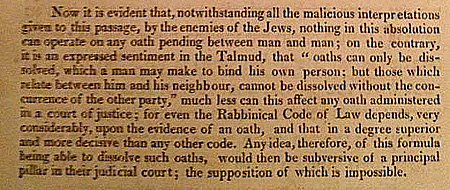
The Yom Kippur volume of this set contains a detailed “apology”for the Kol Nidre prayer. The Jews endeavored to incorporate themselves into general society and felt the need to emphasize that their word was binding on them. Kol Nidre was seen as indicating otherwise, so an explanation of the prayer was seen as necessary, both for Jew and Gentile. (See Y. Goldhaver, Minhagei Kehilot, Jerusalem: 2005, pp. 209-19 on the history of Kol Nidre and the controversy.) It concludes as follows.

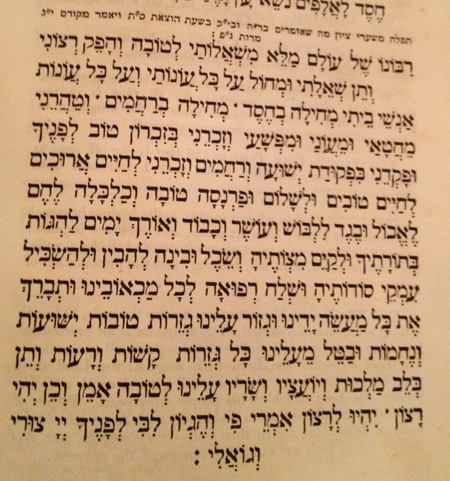
Finally, I would like to focus on the special prayer said during the Yamim Noraim when the Torah is taken from the Aron Kodesh. It first appeared in the Siddur Shaarey Tzion of Rabbi Nathan Hanover and begins with the words “Ribbono Shel Olam”.

In it we ask Hashem to remember us for a long and good life, with everything that comes along with that. We include in our request that Hashem should provide us with “Lechem Le’echol, Beged Lil’Bosh, V’Osher V’Chavod”.  Let us see how David Levy translates these words.

As you can see, the request for “wealth and honor” is nowhere to be found in the English translation. I was curious about this and asked Dan Rabinowitz for his opinion. He offered that it is possible that this Machzor was printed at a time when the English community was quite interested in the Hebrew language. Non-Jewish scholars eagerly bought any books printed in Hebrew. As such, it could be that Levy decided to leave out the reference for our desire for wealth and honor because, well, maybe it was a bit too pushy on our part.

I hope all of you are blessed with a Shana Tova, even one that includes within it the promise of wealth and honor.

[1]  See Marvin J. Heller, The Sixteenth Century Hebrew Book, Brill, Leiden:2004, entry for Oratio and pp. 959-60 and the sources cited therein. But see Brad Sabin Hill, Incunabula, Hebraica & Judaica . . .” Ottawa:1981, #52 asserting that 1561 is the earliest introduction of Hebrew typography to England. It is unclear what the basis of that assertion is.

[2] Richard Rex, “Review: Robert Wakefield On Three Languages 1524,” The Journal of Ecclesiastical History 42:1 (Jan. 1991) 159.
[3] Richard Rex, “The Earliest Use of Hebrew in Books Printed in England: Dating Some Works of Richard Pace & Robert Wakefield,” Transactions of the Cambridge Bibliographical Society, Vol. 9, No. 5 (1990), 517-25.
[4] Id. at 517-18.
[5] Id. at
[6] See B. Roth, The Hebrew Printing Press in London, Kiryat Sefer 14 (1937), pp. 97-99.
[7] See also, Fenton,
[8] See Aaron Ahrend, “Prayers for the Welfare of the Monarchy and State,” in Aaron Ahrend, ed., Israel’s Independence Day: Research Studies (Ramat-Gan: Bar-Ilan University Press, 1998), 176-200 (Hebrew). This date is contrary to Schwartz who incorrectly posits that there is no evidence of HaNoten Teshua prior to the 16th century, and none in pre-expulsion Spain. See Barry Schwartz, “Hanoten Teshua: The Origin of the Traditional Jewish Prayer for the Government,” in HUCA, 57, (1986) 113-20. Sarna appears unaware of Ahrend’s article as he continues to assert that HaNoten Teshua was not composed prior to the 16th century. See Jonathan Sarna, “Jewish Prayers for the United States Government: A Study in the Liturgy of Politics and the Politics of Liturgy,” in Ruth Langer & Steven Fine, eds., Liturgy in the Life of the Synagogue: Studies in the History of Jewish Prayer (Winona Lake, Indiana: Eisenbrauns, 2005), 207 & n.9 (link).
[9] See Ahrend, “Prayers for the Welfare,” at 183.
[10] See Menasseh ben Israel, The Humble Address to his Highness the Lord Protector, 1655.
[11] Leeser was not the first American to utilize Levi’s translation. The first Hebrew prayer book published in the United States, The Form of Daily Prayers (Seder Tefilot), New York, 1826, also includes an English translation by Solomon Henry Jackson. Jackson, who emigrated to the United States from London, also relied heavily upon Levi’s translation. Jackson, in the introduction, indicates that HaNoten Teshua was adapted for U.S. audience, in fact, the Hebrew remained the same, only the “translation” was altered. See Sarna, Jewish Prayers, 213.

Additionally, some time in the 1820s, there was an attempt to reprint Levi’s machzor in the United States. A prospectus was issued, but Levi’s machzor was never reprinted in the United States. See Yosef Goldman, Hebrew Printing in America 1735-1926, Brooklyn, NY, 2006, no. 33.
The first appearance of HaNoten Teshua in the United States is found in the first prayer book published in the United States. Isaac Pinto’s holds that honor. In his English only edition whose first volume was published in 1761 with the second volume published in 1766, he includes HaNoten Teshu’ah.
[12] Jonathan Sarna, “Jewish Prayers for the United States Government,” at 215.

[13] See Jonathan Sarna, “A Forgotten 19th-Century Prayer for the United States Government ,” in Hesed ve-Emet, Studies in Honor of Ernest S. Frerichs, ed. Magness & Gitin, Atlanta, Georgia, 1998, 431-40.

[14] Today, however, the most widely used Orthodox siddur in the United States, Artscroll, does not include the prayer in any form in its standard editions. It is unclear why Artscroll omitted this very old prayer.

[15] Sarna, Jewish Prayers, at 210.

[16] Moshe Katon, “An Example of the Revolution in the Hebrew Songs of the French Jews,” Mahut 19 (1997) 37-44, esp. 37-8.

[17] See Aharon Arend, “The Prayer for the Welfare of the Monarchy and Country, in Arend ed., Pirkei Mehkar le-Yom ha-Atzmot, Ramat Gan: 1998, 192-200.


A Preliminary Review of The New Koren Talmud Bavli: A Goldilocks edition

A Preliminary Review of  The New Koren Talmud Bavli:  A Goldilocks edition
by Jeremy Brown

Jeremy Brown lives outside of Washington DC. He is the author of New Heavens and a New Earth: The Jewish Reception of Copernican Thought, to be published later this year by Oxford University Press.

We are only weeks away from finishing the seven-year cycle of Daf Yomi.  Right on cue, publishers are ready to meet the demand of those ready to study Daf Yomi the first time as the cycle begins anew, or perhaps students who wish to learn Talmud at a slower pace.  We are promised Daf Yomi apps (“apps” did not exist seven years ago) and the publication in English of a new translation and commentary on the Talmud: the Koren Talmud Bavli, with a commentary by Rabbi Adin Even-Israel, better known as Adin Steinsaltz.  The team is led by Rabbis Tzvi Hersh Weinreb (formally executive Vice President of the OU) and Joshua Schreier (formally at Midreshet Lindenbaum) both of whom have stellar reputations, and the project will eventually comprise the entire Talmud Bavli in 41 volumes.  The regular price of each volume will be $49.95, but Amazon is advertising Berakhot at a significantly discounted rate of $29.54.  If these prices are maintained, the entire English Steinsaltz could be purchased for about $1,200; by comparison the entire (full size) ArtScroll English Talmud in 73 volumes, costs about $2,450  – twice as much.   Inevitably, comparisons will be drawn to both the older translation by Isidore Epstein and much more recent ArtScroll English translations, and even a cursory glance reveals striking differences between the productions. (To keep things simple, we will refer to the Koren edition as the “Steinsaltz” Talmud; the ArtScroll Schottenstein edition will be called the “ArtScroll” edition; and the translation by Isidore Epstein will be called the “Soncino” edition.)  
First, there are significant production differences. While the ArtScroll production team included several women proofreaders, the Steinsaltz team includes women as translators as well as language consultants.  This change does not guarantee a better product of course, and the outcome must be judged on the basis of its merits alone. However this approach demonstrates a commitment to a refreshing worldview in Jewish publications in which outstanding scholars are no longer barred from contributing simply because they do not carry a Y chromosome. With the repugnant attempts to marginalize women occurring in some fundamentalist sectors of Jewish society today, the Steinsaltz Talmud reminds us that Talmudic scholarship and teaching are no longer male dominated spheres. It is a message needs to be heard in Jerusalem and in Brooklyn.
Another difference also points to a subtle but palpable embracing of the modern: the approach to transliteration. The Steinsaltz team has adopted a transliteration schema that generally reflects the Academy. Thus the letter ח is transliterated as H with a dot under the letter, a כ is  kh, and ת is t. ArtScroll published Berachos, Steinsaltz published Berakhot. Again, such differences do not guarantee a better product, but imply that the Steinsaltz Talmud has an approach that might include lessons from the academy and modern scholarship. Finally, the designers have added a magnificent full color cover to the book, which is both eye-catching but utterly impractical if the volume is to be carried every day since the translucent paper easily scars.  Still, there is a simple solution to this. Just remove the cover while learning from the Talmud. If you do this you will notice the warm red tone of the volume, which is remarkably similar to many editions of the standard Hebrew only ש”ס today. Was this a clever way to disguise the book for those who feel the need to do so? 
Haskamot
Interestingly the Steinsaltz Talmud includes five haskamot from rabbis who died recently or long ago. Two are from R. Moshe Feinstein dated from 1970 and 1983.   An even earlier haskamah from R. Menachem Schneerson, the late Lubavitcher Rebbe, dates from 1969, or some 43 years before the publication of the English edition. There is an undated haskamah from R. Moshe Zevi Neriah who died in 1995, and the final haskamah is from R. Mordechai Eliyahu, who served as the Sephardi Chief Rabbi of Israel and died in 2010.  Quite what these haskamot are doing here is not clear; do such things persuade the reader to that the work is indeed appropriate, or do they serve instead as a kind of spiritual shield, meant to deflect any criticism of the project? The five haskamot printed in the Steinsaltz Talmud are all translated, so perhaps the target audience is indeed the reader who is not fluent in Hebrew, although I doubt there is much persuasive power in the haskamah as a book blurb. In comparison, ArtScroll printed twelve signed haskamot, but translated none of them. (Essay question: Compare and contrast the haskamot of the Steinsaltz and ArtScroll editions of the Talmud.)
Introduction
The Steinsaltz Talmud contains an introduction to Masekhet Berakhot which is more or less a translation of the original Hebrew, but generally improves on it.  Here perhaps the editors faced an important question: should this opening volume of 
ש”ס contain introductory essays about the place of the Talmud in Jewish thought and history, its development and why it must remain a meaningful foundation of Jewish identity? Or should the reader instead be thrown headfirst into the project, learning what Talmud is by, well, learning Talmud. In fact such a guide already exists, written by Steinsaltz and published by Random House in the 1989 English language Reference Guide. This work will soon be reprinted in a re-edited book as part of the larger Steinsaltz English Talmud set.  Such a guide will help many of those taking their first steps along the path of Talmud study. 
The introduction that is provided is both inspiring and welcoming, as the following will demonstrate.  Consider for example, the ArtScroll Talmud, which (after some 37 pages listing the sponsors) opens its introduction to Berachos in this way: 

Berachos [“Blessings”] as its name implies, deals primarily with the assorted blessings that are recited at various times and occasions. In essence a ברכה, blessing…is an acknowledgment of God as the Creator of the phenomenon beheld, the Commander of the mitzvah performed or the Provider of the benefit enjoyed.

Here in comparison is the Steinsaltz introduction: “Tractate Berakhot is the first tractate in the order of “Faith.” The primary focus of the tractate is the myriad ways in which a Jewish person expresses faith throughout his life.” There is a certain grandeur here that is captured, a certain look at the big picture that lies behind the detailed halakhic discourse.  This theme is echoed later in the introduction when the reader wonders just how the detailed halakhic path can lead to greater appreciation of the divine.  

Furthermore, faith, despite its broad scope, is not a palpable presence, in one’s daily life. True, faith as Weltenschauung and as a general approach exists, in one form or another in the hearts of all people, at different levels of consciousness and acceptance.  However, the difference between that faith and real life is too significant. There is no comparison between accepting the fundamental tenets of faith in one’s heart and fulfilling them in practice, especially at all of those minor, uninspiring opportunities that constitute a majority of one’s life.  If the abstract concepts of faith are not manifest in a practical manner in all of the details of a person’s life, faith will loose its substance; consequently all of life’s details will be rendered worthless and pointless.  Indeed the fundamental demand of religion is well characterized in the phrase “if you devote your heart and your eyes to Me, I know that you are mine.”

This introduction addresses one of our great challenges, and yet it is rarely acknowledged. Every day life is often, well, just ordinary everyday life.  Although we may, at times, be keenly aware that life is a gift that cannot be taken for granted, in truth, there are many “minor and uninspiring” moments, and these do indeed constitute the majority of life. Yes, there is indeed chasm that separates faith and real life, and the introductory essay addresses this existential reality head on. 
Content
The layout of the Talmud is a radical departure from that of the Vilna 
ש”ס  and follows the earlier decision of Steinsaltz when his Hebrew translation and commentary no longer stuck to the Vilna format.  In that version each single amud was split into two pages, whereas in this English edition there is no allotted page format, and hence no automatic rubric that ties the page of the English translation with that of the Vilna 
ש”ס . For the ArtScroll translation the need to retain the look and feel of the Vilna 
ש”ס  was a guiding editorial principle that resulted in the same Hebrew page being reproduced several times in order to accommodate the English translation alongside.  The editors of the Steinsaltz Talmud made the wise decision that assumed their reader would be comfortable reading a page of Talmud in a form that no-longer resembled the standard page of Talmud, and the decision works.  Should the reader wish to refer to the page of the Vilna 
ש”ס , the entire masekhet is reproduced at the back (or front depending on your orientation) of the volume but with the addition of vowels. The result is that Masekhet Berakhot is in one volume, unlike the ArtScroll edition in which the Berachos is spread over two.  
Despite this break with traditional formatting, the Steinsaltz page maintains a Talmudic feel with its central text in Hebrew to the left of the English translation, surrounded by notes, just as in the Vilna 
ש”ס  there is a central Talmudic text surrounded on three sides by later commentaries.  In the original Hebrew Steinsaltz edition the various comments were largely to be found at the bottom of the page, whereas in the English edition they are where Rashi and Tosafot are usually to be found.  The result is a central ancient text surrounded by later comments – which is very Talmudic indeed.
The actual text is a pleasure to read, using Koren’s by now very familiar fonts.  Phrases in Hebrew are widely separated from each other, and the English translations are also printed in a paragraph style, rather than as a running text, which was generally how it appears in the ArtScroll.  The Steinsaltz presentation is, as a result, a greater pleasure to read and the Talmudic arguments are easier to follow than the page presented in either the traditional Vilna format or as translated in the ArtScroll or Soncino editions.  Small notes direct the reader of the English text to notes found at the borders of the page.  Like the original Hebrew Steinsaltz, these comprise of Notes on the Talmudic discussion, Background on material, Halakha (which references the Shulhan Arukh and Rambam), Language and Personalities.  These notes are supplemented with high quality color illustrations (although only in black and white in the Steinsaltz Daf Yomi edition). The illustrations are generally a superb addition and aid.  In a discussion of ritual impurity (36b), the illustration of the crown of the pomegranate is critical to understanding the text. Similarly the illustration of the issar (28b), a small coin, helps the reader understand the discussion. However the text states an opinion that one must bend down during the Amidah “until he can see an issar [on the ground]” so here the discussion might have been better illustrated with a reproduction of the actual size of the coin since this is most germane to the issue.  Some illustrations are vital – like that of a katedra or chair from the Talmudic era (43a) which was significantly different from the modern chair, and Talmudic era burial cave (14b). Others seem rather unnecessary; does the modern reader really need a color picture of a lion (56b) or elephant (57a)? And there are some errors too: Ursa Major is not “the largest a star in Taurus” (59a). Indeed it is not a star at all, but rather a constellation. Nor is it “the eye of the ox;” that would be Aldebaran. Elsewhere we correctly learn that polycythemia vera is one of the only conditions for which bloodletting remains an effective therapy. This is true, but the description of the disease causing excessive bleeding from the gums and from ordinary cuts is not; that would be hemophilia. (There is a subgroup of patients with PV who have thrombocytosis and dysfunctional platelets in whom bleeding can occur, but this is an obscure detail).   Perhaps, to complement the impressive group of translators and language consultants, the publisher should add a scientific consultant. These (relatively) minor quibbles aside, the notes provide important clarifications and points of interest which change the often dry Talmudic texts into accessible and even enjoyable reading material.
The censored text
The publisher’s preface to the Steinsaltz Talmud notes that the standard “Vilna edition was read against other manuscripts and older print editions, so that texts which have been removed by non-Jewish censors have been restored to their rightful place.” This is evident with the inclusion of a censored text on 17b in which the censored Vilna (and ArtScroll) text reads  שלא יהא לנו בן או תלמיד שמקדיח תבשילו ברבים  .  The original uncensored text identified the student who caused others to sin by name:שלא יהא לנו בן או תלמיד שמקדיח תבשילו ברבים כגון ישו הנצרי.  No mention of the censored text is mentioned in the ArtScroll Talmud, which instead directs the reader to the Ritva “for a specific reference.” The Ritva indeed mentions the reference to Jesus, but why did ArtScroll decline to amend the censored text? Of what precisely, were they afraid?  
This is not an isolated example. The text of the Talmud is also censored on 3a.  The original uncensored text reads  אוי לי שהחרבתי את ביתי ושרפתי את היכלי והגליתים לבין אומות העולם
However the Hebrew text of the English ArtScroll (and the Soncino) reads as follows:
אוי לבנים שבעונותיהם החרבתי את ביתי ושרפתי את היכלי והגליתים לבין אומות העולם
The additional words  לבנים שבעונותיהם  were added by Christian censors and the corrupted text was noted in Dikdukei Soferim. None of was evident to the editors of the English ArtScroll, who compounded the error by adding the following homiletic note to the corrupted text.
In its effort to comment on (nearly) everything, the ArtScroll edition has added a homiletic explanation of a text written (almost certainly) by a Jewish apostate serving as Christian censor. Fortunately, the Hebrew and English editions of the Steinsaltz, together with the Hebrew Schottenstein (ArtScroll) have returned the text to its original and uncensored form.  
While the number of such censored Talmudic texts is not especially large, the modern reader should expect no less than the most accurate text of the Talmud, and the editors of the Steinsaltz Talmud seem to have been sensitive to this need.
Side by side comparisons
The real test of the new Steinsaltz Talmud is how it feels to use it, and how that experience compares to the older ArtScroll and much older Soncino translations.  What follows is a comparison of a section of text chosen at random. The comments are preliminary; an in-depth comparison of the three editions would require far more space than this review allows. First the Talmud itself, from ברכות ז:
Here is the Soncino translation togther with the foonotes, (which are not found on the same page in the orginal):
Next, the ArtScroll:
And finally the Steinsaltz with the Notes as they appear on the printed page:
In elucidating the meanings of this passage, the Soncino provides the minimalist approach, which consists of a translation of the biblical verse as it is cited in the Talmud, together with a translation of the comments of R. Yohanan and Resh Lakish.  The English text is understandable, but only with some effort. (What exactly are “stripes”?) In order to appreciate the biblical proof text cited the reader would have to look up the verse in its entirety. The notes provided in the Soncino edition are at the foot of the next page, so that in order to know where the verses are from, the reader must divert her attention from the text to the notes.   Finally, having studied this passage, the reader is left wondering just why regret is preferable to punishment.  Should her skills allow she could read Rashi’s explanation (who emphasizes that regret is reached through a personal reckoning), or provide an explanation of her own.  
The ArtScroll translation does more work for the reader, filling in the missing biblical text so that the verse is understood in its entirety without the need to actually reach for a Bible to look it up.  But the explanation, like the reference explaining where the verse comes from, is to be found in a footnote under the text, which is distracting.  Even more disruptive is the explanation of the verse provided in note thirty-two.  It explains how the verse may be understood metaphorically in the context of Hosea’s rebuke of Israel’s infidelity, but this is of no relevance in understanding the Talmud here.  Finally, following Rashi’s explanation, the ArtScroll translation of the verse from Proverbs used as the proof text for Resh Lakish is unnecessarily verbose: “The humbleness following from reproof…”
The Steinsaltz Talmud adopts a different approach than the ArtScroll, placing the references into the flow of the text so that the reader never has to search for the biblical citation.  Like the ArtScroll translation, it fills in the words missing from the biblical quotes, but it also provides a psychological explanation in the body of its translation, noting that “remorse is more effective than any externally imposed punishment.” The reader’s attention is directed to a note that appears immediately next to, (rather than below and distant from) the text that is being studied, and it here that the text is explained; it reveals an educational methodology in which a student learns best when “approached in a sensitive manner.”  This insight is acknowledged to come from Ein Ayeh, although the opportunity to tell the reader that this is a work of Rabbi A. I. Kook was sadly missed.  Finally, in its translation of the verse from Proverbs, the less verbose Steinsaltz translation is more germane and better understood: “A rebuke enters deeper into a man of understanding…”
The Soncino translation, once of great service as the only English translation, uses language that is anachronistic. It is difficult to use, and lacks the kinds of explanations that the modern reader is looking for. The ArtScroll translation is busy both esthetically and in its content, with so many references that the reader is often not able to distill what is of true value – namely, understanding the meaning of the Talmud and using it whenever possible to guide contemporary Jewish living. The Steinsaltz approach provides a Goldilocks translation, one that is just right, providing the reader with enough detail and explanation to discern the meaning of the Talmud, and to leave its study with a profound lesson that is applicable to contemporary society. For the student who wishes to study the Talmud in depth but who lacks the Hebrew skills to do so, the ArtScroll translation provides plenty of references and additional material.  For the more casual student, and for the reader engaged in the challenge of following the Daf Yomi cycle, the Steinsaltz translation is more readable and the page less overwhelming, without sacrificing any of the ability to understand the text itself. Less is certainly more.  Much more.  
Conclusion – the Talmud evolves
Writing some one hundred and forty years ago, Raphael Nathan Rabbinovicz described the 1554 edition of the Sabbioneta Masekhet Kiddushin as “the most becoming and beautiful. If the entire Talmud had been printed, it would have been the glory and most beautiful jewel of Israel.  All the editions before and after would not have compared to it…” The new English Steinsaltz Masekhet Berakhot deserves no less an accolade.  Aesthetically attractive, and containing new and important elucidations of the text, it is not simply a “me-too” translation, but a statement of the relevance and evolution of the central text of rabbinic Judaism.  It deserves a place on the shelf of every English speaking modern-Orthodox house and Bet Midrash, or better yet, every English speaking Jewish home.  The Koren Steinsaltz Talmud invites us to savor the Talmud. It shows us that far from being a work that is difficult and at times frustratingly opaque, the Talmud can be a colorful work that is not only easy to understand, but a pleasure to read. Ravina and Rav Ashi would have been proud.


The Proselyte Doth Protest Too Much

THE PROSELYTE DOTH PROTEST TOO MUCH
By Eli Genauer
I recently acquired an early edition of Abarvanel’s Peirush Al Neviim Rishonim. It was printed in Leipzig in 1686. It was only the second edition of this commentary, following the first edition printed in Pesaro in 1511 by Gershom Soncino.
The publisher of this edition was Mauritium Georgium Weidmannum. The editors were Friedrich Albrecht Christiani, an apostate, and August Pfeiffer, a German Lutheran theologian. It was printed primarily for a Christian reading audience for reasons we shall discuss.
F. A. Christiani, who was the main editor, is described in a publication called “World – Today’s News Christian Views” (March 2, 2002):

“Friedrich Albrecht Christiani is stunned to find himself believing in Christ. The Hamburg resident, educated in the Talmud, says, ‘I was so zealous for my Jewishness that had someone told me then of my prospective conversion, it would have appeared as strange to me as it seems incredible to others.’ But finding himself unable to refute Esdras Edzard’s arguments, he decides to go with what his mind, rather than tradition, tells him, and takes the last name “Christiani.””

It seems that later on he returned to Judaism as noted by this entry in the Encyclopedia Judaica:

“He was baptized in 1674 at Strasburg, having formerly borne the name of Baruch as Hazzan at Bruchsal. After having occupied for twenty years the chair of Semitic studies at the University of Leipsic, he retired to Prossnitz, where he returned to Judaism.”

For the purpose of this study, we will assume that he was a practicing Christian when he edited this book by the Abarvanel, as this was before he had returned to Prossnitz. 
In studying the cover page of my Leipzig edition, I noticed the following handwritten notation:
The top notation reads עיין דף רמ”ד 2 (“see page 244b”). I do not know who made this notation in the last 300+ years, but I was curious to see what it was all about.
Shlomo Hamelech had died and his son Rechavam took over as king. The people had asked him to relieve some of the burdens placed on them by Shlomo, but instead he told the people that he would deal much more harshly with them than had his father. The people replied that they wanted nothing to do with him as king.
Their reply is reflected in the following pasuk in Melachim Alef 12:16.

טז וַיַּרְא כָּל-יִשְׂרָאֵל, כִּי לֹא-שָׁמַע הַמֶּלֶךְ אֲלֵהֶם, וַיָּשִׁבוּ הָעָם אֶת-הַמֶּלֶךְ דָּבָר לֵאמֹר מַה-לָּנוּ חֵלֶק בְּדָוִד וְלֹא-נַחֲלָה בְּבֶן-יִשַׁי לְאֹהָלֶיךָ יִשְׂרָאֵל, עַתָּה רְאֵה בֵיתְךָ דָּוִד; וַיֵּלֶךְ יִשְׂרָאֵל, לְאֹהָלָיו 

16 And when all of Israel saw that the king had not listened to them, the people answered the king, saying: ‘What portion have we in David? Neither have we inheritance in the son of Yishai; to your tents, O Israel; now see to your own house, David.’ So Israel departed unto their tents.

Abarvanel cites a Maamar Chazal which explains that the Jews meant as follows:
אין לנו חלק בדוד, זו מלכות שמים. ולא נחלה בבן ישי זו מלכות דוד.לאוהליך ישראל זה בית המקדש אל תקרי לאהליך אלא לאלוקיך
The people stated that they had no portion in the Kingship of Heaven, the Kingship of the House of David, nor of the Beis HaMikdash, which is interpreted to mean that they wanted no part of Hashem.
First let us look at how this section looks in the first edition printed in Pesaro in 1511. Starting on the 3rd line it reads ….. ובפרק כהן גדול אמרו אין לנו חלק בדוד . Clearly there is no editorial note in this edition after the words ובפרק כהן גדול אמרו אין..


Now let us see how this is recorded in our Leipzig edition, whose editor was F.A. Christiani.

It turns out that the quotation is actually from Yalkut Shimoni, Shmuel Aleph 8:26 (and quite similarly in the Midrash Shmuel Chapter 13) but the Abarvanel mistakenly cites “Perek Kohen Gadol” in Maseches Sanhedrin as the source.
This error precipitated Christiani to launch into what can only be termed a “rant”.
You can follow his harangue starting on the first line, inside the parentheses, starting with the abbreviation א”ה

Let me paraphrase what Christiani writes: “So says the editor…It is truly unbelievable what he (Abarvanel) says…..the Rav has made so many mistakes in citing specific sources from the Rabbis….he should be totally embarrassed to cite a source that is not found anywhere close to where he said it was…It is only because he relied on his memory and his mind, which is a conceited and harmful trait….because, setting his honor aside, it is a bold and shamefaced lie to say that this saying is contained in this Perek or in any Perek in Sanhedrin…I have looked high and low for this Maamar Chazal and have found it nowhere …if anyone can find it and bring to a close this terrible error, he will truly be blessed.”
Christiani opens himself up for some criticism by stating that he has searched, “Chipus achar chipus be-gemaros u-midrashim” and was not able to find this Maamar Chazal. And yet we know that it is found both in the Yalkut Shimoni and the Midrash Shmuel, both of which pre-dated Christiani by many centuries. The Jewish Encyclopedia lists Abravanel as the first to quote from Yalkut Shimoni saying, “after the beginning of the 15th century, on the other hand, the work must have been disseminated in foreign countries, for it was used by Spanish scholars of the latter half of that century, Isaac Abravanel being the first to mention it.”
One might imagine that launching a diatribe against a respected Jewish scholar was to be expected of a Meshumad. However, Christiani’s hakdamah to this edition shows a complete other side of him. He writes as follows (starting from the second line with the word od):
Again, let me paraphrase: 

“I found in many places where the Rav erred in citing sayings of Chazal by saying that it was in this Masechta and it turned out to be in another one…..The reason for this might be that he relied on his memory or relied on other authors who misquoted the source. It is also possible that he did not have with him his books, as he was exiled from the land of his birth and wandered from place to place with his books being lost…as he himself laments in the foreward to this and in other works.”

Christiani is referring to Don Isaac’s life on the run. He lived in Portugal until 1483 and was forced to flee to Spain at that time leaving behind his books and his wealth. He fled Spain in 1492, again leaving everything behind. He settled in Naples and was forced to flee from there in 1495. He wrote his commentary on Yehoshua, Shoftim and Shmuel in 1483 after he had fled to Spain. He wrote his commentary on Melachim in 1493 after he had fled to Naples. Most ordinary humans would have been satisfied to just survive, but the Abarvanel did much more than that. He continued to write with or without a library, relying on an almost superhuman memory, and was truly one of the creative geniuses of commentary in Jewish history. Christiani seems to acknowledge that in his foreward, but he cannot contain himself later on from lashing out at the Abaravanel. What gives?
I mentioned before that this Leipzig edition was produced by Christians for a Christian audience. It would be helpful to find out what attracted them to Abarvanel. B.Z Netanyahu in his book “Abaravanel, Statesman and Philosopher” (fifth edition, Cornell 1998, pp.252-253) gives several reasons on what made Abarvanel popular with Christian audiences. Among them are:
1. “His lucid and colorful style was preferred to the schematic, sometime illusive language which characterized the works of other Jewish commentators.”
2. “His manysided method of discussion….was preferred….to the terseness of his predecessors..”
3. The audacity he displayed in refuting certain Jewish authorities and the objecitivity with which he treated certain Christian biblical interpretations. ( my paraphrase)
However he concludes with the following statement:

“These, however, were merely contributory causes to Abarvanel’s influence in the Christian world. The main cause from a Christian standpoint, lay not in the positive aspects of Abarvanel’s writings, but rather in their negative ones. More plainly, his influence in Christendom was due to his attack upon Christianity as a whole and its messianic doctrine in particular, and that is why it was in the religious world, even more than in the world of learning, that Abarvanel’s figure loomed large.”

It seems that what Netanyahu is describing is that the Christians had somewhat of a love/hate relationship with Abarvanel. The love portion is displayed in Christiani’s hakdamah where he makes excuses for the Abarvanel, but the hate portion comes to the fore when he digs into the Abarvanel for misquoting a source. It is almost as if he tried to control himself, but in the end, was not able to.
There was another edition of the Abarvanel printed in Hamburg in 1687. It was meant for a Jewish audience and quite clearly did not contain Christiani’s editorial note.
At the end of the seventh line starting with “u-be-pherek”, you can see that the diatribe by the Lepizig editor is missing because the Hamburg edition was copied from the first edition printed in Pesaro in 1511.
The next printed edition of the Abarvanel did not appear until 1956. The title page looks like this:
It states quite empahitically that this edition was researched and edited very carefully according to all the previous editions “by the hands of one of the resident Rabbis of Jerusalem who is great in Torah,” והכל מוגה על צד היותר טוב בעיון רב על ידי אחד הרבנים מתושבי ירושלים גדול בתורה.
This great Torah scholar was not aware that Christiani’s diatribe was written by a Meshumad, or I doubt whether he would have included it in the edition he so carefully researched!
You can see it above starting from the 8th line from the bottom.
The next edition of the Abarvanel was printed between 1989 and 1999 as one of the commnetaries in a Mikraot Gedolot. The title page looks like this:
Here too we find the offensive hagaha ( starting on the 4th line):
We finally find it missing from the latest edition which was printed in 2011. The editor of this latest edition notes that he based his edition “Al pi defus rishon, u-defusim yeshanim”, but not on any kisvei yad of the Abarvanel. Here, the editor cites Midrash Shmuel as the source. While most editions of the Midrash Shmuel do not read exactly the way it is quoted in the Abarvanel, Shlomo Buber in his Cracow 1893 edition notes that in a manuscript of the Medrash Shmuel, the last portion is found אל תקרי לאהליך אלא לאלוקיך.
Finally, I want to mention that Christiani’s edition did receive praise from a noted scholar of the 19th century. This scholar composed an entry on Abarvanel in A Cyclopedia of Biblical Literature, John Kitto ed., 3rd ed., J. B. Lippincott and Co, Philadelphia, 1866.
The end of the entry speaks about which editions of Abarvanel’s various works are recommended by this scholar.
This scholar writes clearly that the best edition of the commentary on the earlier Prophets is the one printed in Leipzig in 1686 and edited by Professor Pfeiffer and F. A. Christiani. This scholar bypasses the first edition printed in Pesaro in 1511, and the Hamburg edition printed in 1687 which included the important commentary of Rabbi Yaakov Fidanque. He signed his name to this entry as C.D.G. He is better known by his full name Christian David Ginsburg, the noted 19th century scholar of the Masoretic corpus of the Tanach. He is described in the Jewish Encyclopedia in part as: “English Masoretic scholar and Christian missionary; born at Warsaw Dec. 25, 1831. He was converted in 1846, and was for a time connected with the Liverpool branch of the London Society’s Mission to the Jews, but retired in 1863, devoting himself entirely to literary work.” It seems that in many ways, he followed in the footsteps of F. A. Christiani and perhaps that is why he favored Christiani’s edition of the Abarvanel.


A Picture is Worth a Thousand Questions – Part II

A PICTURE IS WORTH A THOUSAND QUESTIONS – PART II (Part I)
by Eli Genauer

The classic Vilna Shas, published by the firm of the Widow and Brothers Romm, was completed during the years 1880-86. It was the most complete and accurate edition of the Talmud printed until that time, containing many new Peirushim and using new sources to ensure the accuracy of text. This fact was not lost on the chief editor Shmuel Shraga Feiginsohn as he states in the famous Achris Davar at the end of Maseches Nidah.

“We did not print a Shas like every other Shas,… by copying what came before us like a monkey. We wanted to create something entirely new and to illuminate it with an entirely new light”

My purpose here is to concentrate on one small Sugya in Shas , the commentary of Rashi on it, with the accompanying diagrams in the Vilna edition. I will then show diagrams from some previous editions of the Talmud that are more illustrative and more accurate. Perhaps the reader will then conclude that there were some portions of previous editions that the Vilna Shas should have copied rather than the one that it did.

The Gemara on Yoma 11b discusses doorways that are or not required to have a Mezuzah. It then discusses one type of doorway for which there is a Machlokes between Rav Meier and the Rabbanan and that is the so called Shaar Madai. As Rashi there explains it, a Shaar Madai is a gate in the wall of a city which has within it an arched doorway (Kipah) and was used commonly in Madai. For our own purposes, think of the Shaar Yafo which is substantive structure in itself and within it is the actual doorway into the old city.

As a bit of background, for a doorway to require a Mezuza it needs to have three elements. It has to be at least four Tefachim wide on the bottom and the top, it’s side posts ( Raglayim) have to be ten tefachim high, and it has to have a lintel on top. The Gemara states that the only case of Shaar HaMadia where there is disagreement in Halacha between Rav Meier and the Rabbanan is this: The doorway starts with a width of 4 Tefachim on the bottom, each side of the doorway ( Regel) rises up straight at least 3 Tefachim so that at that point there are still 4 Tefachim between them, but then the doorway starts curving inwards, rising on each side to a height of 10 Tefachim. However, at that point, there is no longer 4 Tefachim in width between the two sides. Rav Meier says that if the gate structure( the Chomah) itself is at least 4 Tefachim wide at a height of at least 10 Tefachim, we apply the concept of “Chokekin L’Hashlim” to this case. Chokekin L’Hashlim is a Halachic concept which literally means that we “excavate to complete ( the required measurement)”.Rav Meier says that if the walls surrounding the archway are thick enough that had they been excavated, the doorway could be made 4 Tefachim wide for a height of ten Tefachim, then the doorway requires a Mezuzah. The Rabbanan disagree and say that even this type of Shaar Madai does not require a Mezuzah.

Let’s go through the Rashi: “V’Yaish B’Ragleha Shlosha” “The sides of the doorway rise up ( at least) three (Tefachim)”….still maintaining a width between them of four Tefachim….but the width between them is not four Tefachim at the height of ten Tefachim…because before the sides rise to the height of ten Tefachim, they narrow to a width of less than four Tefachim…but you can expand the emptied out space contained in the encompassing structure ( The Chomah) to the width on the bottom ( 4 Tefachim)… for the gate structure does not parallel the inner doorway like this (“Kazeh”)…rather the wall ( meaning the gate structure)is longer on top than the doorway opening like this (“Kazeh”)

There are very nice diagrams of the two possibilities mentioned by Rashi in the 1829-1831 edition of the Shas printed in Prague by Moshe Yisrael Landau, grandson of the Nodah B’Yehudah.

It is very clear from the diagrams that the first possibility mentioned by Rashi ( the one that is not referred to in the Gemara) is where both the doorway and gate structure curve inwards so that neither of them has a width of 4 Tefachim on top. The actual case discussed by the Gemara ( the second possibility of Rashi) is where the doorway curves in to be less than four Tefachim on top, but the gate structure itself retains at least the width of four Tefachim on top and is also straight on top.

Similar diagrams appear in the Lemberg small and large folio editions of 1862, and the Vienna edition of 1841. Here is what the small folio version of the Lemberg edition looks like.

Before we take a look at the diagrams presented in the Vilna Shas, let us look at these diagrams in much earlier editions so we can trace their development. The only manuscript copy of Rashi that I was able to obtain (courtesy of Dr. Ezra Chwat at Hebrew University) looks like this.

The first thing you notice is that this manuscript does not have the word “Kazeh” after the first case, rather just referring to the second case. The illustration for the second case shows a curved doorway within a rectangular structure, exactly the way we have seen it in the Prague, Vienna and Lemberg editions. This illustration also seems to indicate that the sides of the inner doorway must be at least 10 Tefachim high before curving inwards. The words “Ragleha Asarah” are inside the doorway structure making it appear that they apply to the sides of the doorway being ten Tefachim before they curve inwards. This seems to be the case where even the Rabbanan agree that a Mezuzuah is needed. The diagram goes against Rashi’s Lashon here which is “She”kodem She’Higbiah Asarah,Nisma’et Rechava Mi’Daled”.

Advancing to the printed edition, we first look at Bomberg 1521.

The Bomberg scholars must have had a Rashi manuscript which had the word “Kazeh” after both the first and second case in Rashi. However, they did not leave any room for it to be filled in by hand as in other Masechtos which have missing drawings. Here is an example of such a situation in the Bomberg Eiruvin.

Moving forward I did not find these diagrams from Yoma 11b in the Constantinople 1585 edition, the Frankfurt on Oder 1698 edition ( even though it has the diagrams from Eiruvin ), or the Amsterdam 1740 edition. I did find fairly accurate diagrams in an Amsterdam 1714 edition but I believe they were drawn in.

The first edition I found these printed diagrams in was Amsterdam 1743 from the Proops printers. Here is what it looks like.

I did not find this diagram ( maybe it is two diagrams?) very helpful in understanding what Rashi meant when he said “Kazeh”. The diagram seems almost humorous to us, but imagine how many eyes studied this diagram and tried to make sense of it.

As mentioned before, by 1831, there were very helpful diagrams in editions printed in Prague, Vienna and Lemberg. The same cannot be said of the Zhitomir edition of 1864 which looks like this.

The first diagram is not nearly as accurate as the one in the previously mentioned editions. It mainly tries to show that the structure of the gate parallels the doorway by “curving” inwards. The second diagram which resembles a tooth, shows the doorway narrowing as it extends upwards with the gate structure maintaining its rectangular shape. My opinion is if a Rashi says Kazeh, the diagram should be as helpful as possible. No one expects a sophisticated illustration but it should be something that clearly shows what Rashi meant. In this case, I think the diagram should look like a doorway within a gate or walled structure.

We finally get to the Vilna Shas. The editors of this Shas clearly had the Vienna, Prague and Lemberg editions at their disposal. They knew what these diagrams could look like. Yet their diagrams look very much like the Zhitomir edition, with a little improvement on the second diagram.

It is possible they did not have the technology to replicate the Prague 1831 edition but that seems unlikely, because in a parallel Sugya in Eiruvin 11b they have diagrams that look like this.

Maybe they had a Rashi manuscript that made the first diagram look like this ^. But even so, I think they should have tried to make things as clear as possible and the two diagrams they chose just do not do that.

Perhaps the ultimate irony in this whole Sugya is that not only may the diagrams be incorrect, but even the term “Shaar Madai” may be incorrect. The Rashash notes that in K’sav Ashuris, a Mem and a Tes look similar, and because of a Ta’us Soferim, the term Madai was used instead of the correct “Shaar Taddi”, which was a gate on the Har Habayis.


Change Has Come To Modena

Change Has Come To Modena

By Eli Genauer

I would like to thank S. of “On The Main Line” for his assistance and insightful comments.

The Kitzur Shelah by Rav Yechiel Michel Epstein, was first published in Fürth in 1683.[1] It was not truly an abridgement of the Shnai Luchos HaBris, but rather a Sefer which stood on its own. It was used for many years by people in smaller communities as a guide for what to do at different times of the year.[2] As many know, it is reputedly the source of the actual Pesukim recommended for the custom of saying Pesukim Lishemot Anashim. [3]

I have an old copy of this Sefer (Amsterdam 1707) whose title page looks like this:

In fact, this custom of reciting a Pasuk associated with one’s name is recorded there at the very end.

Chapter 5 of Post Sabbatean Sabbatianism by Rabbi Dr. Bezalel Naor goes into the reasons why Rav Yakov Emden blacklisted this book. It is based on the Hakdamah which uses the expressions Mashiach Ha’Amiti and Y’Mot HaMashiach, which equal 814 and is also the Gematria for Shabbetai Zvi.[4] The copy I have from 1707 comes with the original quotation marks, functioning like italics, on both Mashiach Ha’Amiti and Y’mot Hamashiach. (Starting from the third line from the bottom with the word V’Yizku.)

Detail:

I was looking through the book to find the part that speaks about the Pesukim L’Shemot Anashim and found it at the very end. I was fascinated to see that immediately before the final section, Rabbi Epstein concludes his Sefer with a hope for the coming of Moshiach, and he refers to Moshiach as Nezer Rosheinu ( bottom line below).

I was curious about the words Nezer Rosheinu to describe Moshiach, and suspecting foul play, I did two things. Firstly, I wrote to Dr. Shnayer Leiman and asked him about the Kitzur Shelah and its use of the word Nezer Rosheinu. This is what Dr. Leiman answered (posted with permission).

“Briefly, Kitzur Shelah is a Sabbatian work. It is suffused with Sabbatian material, so one needn’t look for evidence just at the beginning and end. It was already identified as Sabbatian by R. Yehezkel Katznellenbogen in the first quarter of the 18th century. See also Krengil’s שם הגדולים השלם, vol. 2, p. 148, in הגהות עין חנוך, where the work is identified as Sabbatian.

נזר ראשינו (if that is the correct נוסח — one always need to check the first 3 editions; Amsterdam, 1707 is the 4th edition) is surely a reference to Sabbetai Zevi. The latter name in gematria totals 814, a sacred number for Sabbatians. נזר ראשינו adds up to 824. Either the author wrote נזר ראשנו which totals 814, and the printer misspelled it ראשינו; or, the total 824 stands for ה”ה שבתי צבי. Sabbatians regularly wrote ה”ה before his name. It is an abbreviation for המלך המשיח.

What really needs to be noted is that in a recent edition of קיצור של”ה (Ashdod, 1998), the offensive phrase has been censored and replaced.”

It appears then that Kitzur Shelah has Sabbatean allusions right from the Hakdamah ( which anyone can see for themselves by the use of Mashiach Ha’amiti, etc.) to the last lines which use the words Nezer Rosheinu. It is almost as if it is Koheles in reverse where “its beginning is words of Torah and its end is words of Torah” (Shabbat 30b).

I also did a search online putting in the words “Shabbetai Zvi” and “Nezer Rosheinu”. I got one pertinent hit and it brought up an entirely new issue. I found referenced an article from the Israeli publication HaMaayan published by Mossad Yitzchak Breuer in Tammuz of 5743 (1983).

There we find an article by Rav Yosef Yehoshua Apfel (a Dayan in Leeds, and a noted Talmid of the Seridei Eish) on Yom Kippur Kattan, where he writes about the connection between Nezer Rosheinu and Shabbetai Tzvi. Rav Apfel references the famed Siddur Avodas Yisroel printed in 1868 by Dr. Yitzchak (Seligmann) Baer:

and specifically the Piyyut Yom Zeh Yehi Mishkal Kol Chatasai, included in the Yom Kippur Kattan service which appears there.

He writes as follows

Rav Apfel is at first puzzled a bit as to why Modena would write a Piyyut for a Kabbalistic service (“Ha’Inyan Hu K’tzas Muzar”). He then tells us that Dr. Baer changed the last line of the Piyyut by exchanging the phrase “נא א-ל שלח נושא נזר ראשנו” for “נא א-ל שלח נושא הוד ראשנו”. Dr. Baer explains his reasoning for this change: because he wanted to restore the proper meter, and because he wanted to save the Piyyut from having a “Remez Passul.” Rav Apfel understands this to mean a hint of Shabbetai Zvi. Dr. Baer did this even though, as Rav Apfel writes, Rabbi Yehuda Aryeh MiModena could not have been referring to Shabbetai Zvi, because the Piyyut was written around 1614, and Shabbtai Zvi was only born in 1626. Rav Apfel writes that the Nussach of “נא א-ל שלח נושא נזר ראשנו” appears in many Siddurim (בהרבה סדורים). I recently looked at many Siddurim at the Library of Congress and found this to be true, especially in ones published pre-1868.

Rav Yakov Emden, who needed little prompting to find Sabbatean allusions, did not understand this phrase as referring to Moshiach, but rather to the Kohen Gadol. This booklet contains the Yom Kippur Katan service with the commentary of Rav Yakov Emden:

The Peirush of Rav Yaakov Emden on the words “נא א-ל שלח נושא נזר ראשנו” indicates as such. “שלח לנו כהן גדול הנושא הציץ כמו נזר”.

The phrase “נא א-ל שלח נושא נזר ראשנו” is also used in the following book which is generally based on Kisvei Yad of Modena found in the Bodleian Library, although this particular Piyut is not from a Ksav Yad. [5]

(דיואן – יהודה אריה ב”ר יצחק ממודינא, courtesy of Hebrewbooks.org)

In this book, Professor Simon Bernstein takes on the change in phrase matter and writes[6]:

Probably the best proof as to what the original Nusach really was comes from a book named Seder Shomrim LaBoker printed in Cracow in 1626, only 12 years after the Piyyut was probably written.

As you can see, not only is the phrase Nosei Nezer Rosheinu used, the commentary actually explains that it refers to Moshiach and not to the Kohen Gadol (נושא נזר ראשינו הוא משיח שלו נאה נזר עטרה)!

All the many Siddurim that I looked at in the post-1868 period also have the phrase which includes the words Nezer Rosheinu. The new ArtScroll Siddur printed in August of 2010 which includes for the first time the Yom Kippur Kattan service, has the Nussach of Nezer Rosheinu. It seems that in the end, that Nussach won out. The only one I could find who used Hod Rosheinu, following Dr. Baer, was T. Carmi in the Penguin Book of Hebrew Verse (1981):

I am not sure what Dr. Baer’s main reason for changing the Nussach from what seems was the normative one. Could it have mainly been the fixing of the meter and the Shabettai Zvi issue was brought along Agav Urchay?[7] He introduces his comment on his version of the text with the abbreviation כצ”ל . Does this mean that he had a written source for his version? In the introduction to his Siddur, Dr. Baer lists more than 25 post-1650 Siddurim that he consulted in the process of putting together his work. I am curious as to why he did not cite a source for this textual variation. As stated by Rav Apfel and Dr. Bernstein, it is clear that this phrase when written in 1614, did not originally refer to Shabbetai Zvi who didn’t “appear” until a few decades later. Was Dr. Baer reacting to a later development in history and changing the past to reflect the present? We have seen that quite often lately, and example of which was pointed out by Dr Shnayer Leiman above: “What really needs to be noted is that in a recent edition of קיצור של”ה (Ashdod, 1998), the offensive phrase has been censored and replaced”

[1] Encyclopedia Judaica, Keter Publishing House, Jerusalem, 1972. Article entitled “Epstein, Jehiel Michal Ben Abraham Ha-Levi” attributed to Dr. Yehoshua Horowitz
[2] Ibid.
[3] This matter is in contention and is based on the question of when the book was first printed. S. wrote me “When was the Kitzur first published? Like the Encylopedia Judaica, many sources state that the book was first published in 1683, Steinschneider contends that it was published in 1693. He claims that this is what the chronogram on the title page adds up to. Since this is a dispute about a yud, my guess is that he is correct. The first significant bibliographer before him, Julius Fuerst (Bibliotheca Judaica v. 1 pg. 246 under Eppstein) listed the year 1683. However, shortly afterward Steinschneider cataloged the Hebrew books in the Bodleian Library and there he writes that it’s 1693. He not only bases this on the chronogram, but also on the content of the haskamos. Following him is the next significant Jewish bibliographer, Isaac Benjacob, who in his Otzar Ha-seforim (pg. 535) agrees with Steinschneider. Whether or not Benjacob saw the book, I cannot say, but Steinschneider obviously did.

“What makes this interesting is that if this is true, then the Kizur Ha-shelah was actually published three years *after* the Sefer Ben Zion, (which lists actual Pesukim Lishmot Anashim) not seven years before. This would make the Ben Zion the first to list names and pesukim [that we know of so far].”

Be that as it may, here is an excerpt from the page on Names in my Kitzur Shelah (Amsterdam 1707):

[4] What I find fascinating is that the author of the Encyclopedia Judaica article cited above, completely ignores this point. He writes “It is very doubtful that he (Rav Epstein) had any associations with the Sabbatean movement, although he was suspected of it because of the wording of a certain passage in his Siddur”.
[5] Yom Zeh Yehi Mishkal, which is printed on page 199, is not from Modena’s Divan, which evidently didn’t include this pizmon. Rather, the poem was so famous that the editor evidently thought he simply had to include it. He copied it from a Siddur, the 1845 Prague edition of Seder Tefilat Yisrael edited by Wolfgang Wessely.
[6] In the Introduction to the Divan, Bernstein also writes:

[7] S.’s conclusion was that Dr. Baer’s primary concern was grammatical. There were at least two sources prior to him which alluded to a Sabbatean suspicion about Nezer Rosheinu in Yom Zeh Yehi Mishkal (and both of them reject it as absurd). If the concern was primarily about Sabbatianism, why then didn’t he change Nezer to Keter? The answer must be that this change would not fix the problematic meter, but Hod does. Thus under the cover of removing even a “Shemetz” of a doubt, despite it not even being a real issue, he makes the change which soothes his grammarian’s soul.


Parshegen, an amazing new work on Targum Onkelos

Parshegen, an amazing new work on Targum Onkelos

By Eliezer Brodt
רפאל בנימין פוזן, פרשגן, ביאורים ומקורות לתרגום אונקלוס, בראשית,963 עמודים.
הנ”ל, העקיבות התרגומית בתרגום אונקלוס, מגנס, ירושליםתשס”ד, 362 עמודים.
After many years of waiting, one volume of a highly anticipated work on Targum Onkelos, Parshegen, has finallyappeared. This volume by Rabbi Dr. Rafael Posen is an in-depth study of Targum Onkelos. Many have studied Targum Onkelos over the centuries, and continue to do so – especially when doing Shenayim Mikra Ve-echad Targum weekly, but few have penetrated the depths of this incredible work. To be sure, many others have treated the Targum before this work, most notably Rashi and the Ramban. Different works and articles by many authors have focused on different aspects of the Onkelos. But there are few that have done what Rabbi Posen sets out to do in this work.
Rabbi Posen has long demonstrated his great expertise in the Targum in numerous articles in various journals (both academic and rabbinic) over many years. A few years ago Rabbi Posen published a work on the Targum based on his doctorate called Ha-Iykivut Ha-targumit Be-Targum Onkelos (The Consistency of Targum Onkelos’ Translation). This work, printed by Magnes Press, outlines some of his themes in dealing with the Targum.[1] I highly recommend it for someone who wishes to grow in his appreciation for Onkelos (henceforth TO). One of his themes in this book, which others have also dealt with, is to show the great consistency within TO and the significance of the exception. Many times TO uses a certain word to explain something consistently throughout the Chumash except for one or two places where he uses a different term. Posen successfully shows that there was a coherent system in how and when TO used which words in which places. He explains why he deviated in some places and that it was in no way random or sloppy. It is precisely these deviations, when understood, which can show what makes TO so special and that is not just a simple translation of the Torah.
In this work Posen uses manuscripts and the academic literature available on TO side by side with all the traditional seforim written on TO. He does not just gather information but he dissects and analyzes it all very carefully, sometimes reaching his own original conclusions. He also deals with other important aspects related to understanding why Onkelos translated as he did as it relates to Halacha, Aggadah and other theological issues, such as how TO deals with anthropomorphism, which is probably the most famous TO issue of all. He also deals with the relationship of Onkelos to Midrashei Halacha and Aggadah. In each case he gives a good overview of the prior literature and issues that have been raised on that particular topic.
However in this book he only gives samples of his commentarial work on TO, outlining his ideas, so although he deals with many different pieces in TO (as a quick look at the index will show) it’s not a running commentary of TO in any way.
In the introduction he mentions that he is in middle of writing a work on Targum Onkeles called Parshegen which will be a running commentary on the whole Targum. Parshegen volume one has just been released by Yefeh Nof, his nephew’s publishing house [which will perhaps explain why there is no mention that Rabbi Posen is a Dr. having written a PhD on TO][2].This new volume is just on Genesis and is 963 pages! The presentation of the material is beautiful, well organized, concise and to the point (and if it’s 963 page and concise, you know it’s good). It is therefore a veritable goldmine. Rabbi Posen’s focus is to give the reader a clear explanation of why TO says what it does. Under the assumption that TO always has a very good reason for specifically translating the words, Rabbi Posen demonstrates how exactly TO did this. As he does in his other work, he uses the necessary manuscripts, early prints of the Targum[3] and the academic literature available alongside the seforim written on TO. He does not just gather information, but he dissects and analyzes it very carefully, checking if they are consistent with other places in the Targum. His competent use of manuscripts show how many times they can help one understand different Targumic issues. This path was not followed by many of the more recent Charedi works on TO. Posen also shows how having a good background in the Aramaic language helps a great deal. Another area he focuses on is the various statements of TO that play a role in Halacha and to underscore this, how at times it is even quoted in the Shu”t literature. He also focuses on the Targum’s usage of Midrash (both Halacha and Aggadah) which others have dealt with before. To better understand Onkelos he sometimes compares and contrasts it with the other Targumim.
To mention some other highlights of the work, in the beginning he includes a nice collection of sources about Onkelos and a very good overview of the Targum literature in general, and who likely wrote TO, and where. He included a very cool, lengthy poem about Onkelos, written in Aramaic, which he authored, as well as a running commentary explaining it. The work concludes with a nice appendix (over forty-five pages) dealing with perhaps the most famous issues that his many predecessors, beginning with the Rambam, have dealt with – TO’s approach to anthropomorphism. Parshegen includes a very nice haskamah from Rabbi Avigdor Nebenzahl, who mentions that he went through this whole work as it was written over the years, adding many comments which Posen found useful and included in this work.
All in all if, one wants to learn TO on a high level and to appreciate how special the Targum is, I highly recommend it. I feel that Rabbi Posen successfully accomplishes the goals he set in the introduction of his book: to write a clear and concise commentary on the Targum Onkelos. If one uses it one will definitely be able to understand why TO enjoys pre-eminence of all the Targumic literature. I only hope that the remaining volumes will appear in the near future as planned.
 
Parshegen is distributed by Yefeh Nof and it should be available in all stores shortly. For now see Girsa in Jerusalem and Biegeleisen in NY. If one wants some samples pages please contact me at Eliezerbrodt@gmail.com.
I wanted to add one notation to this work. An area of halacha in which Targum Onkelos plays an important role isto differentiate between the names of Hashem in the Torah which are Kodesh and which are Chol. The reason why this is important is because the halacha is that every time a sofer writes a name of Hashem in a Sefer Torah he has to articulate that it’s “Leshem Kedushat Hashem. Failing to do so, the Sefer Torah is pasul. Now Rabbi Posen is well aware of this and deals withTO as it relates to this issue. However, one important work which I did not see him quote from is the Meleches Hakodesh(Prague 1812) of Rabbi Eleazer Fleckeles, who gathered all these ambiguous name, the opinions of everyone who remarked upon them and reached conclusions about each one. In addition, he deals with Onkelos in many of the places.[4]
Another work in relation to this topic, which Rabbi Posen does use, is called Biur Shemos Kodesh Vechol. This work was printed in 1923 by Haham Moses Gaster. For many years it was assumed to be from the Rambam, as per the attribution. Rabbi Kirshbaum wrote some interesting notes on this sefer (Tzion Le-menachem, siman 6). In 1985, Y. Levinger proved that it is a forgery and it is not from the Rambam.[5] Rabbi Posen writes that Rabbis Kapach and Nebenzahl also do not agree that it is from the Rambam. R. Yitzchac Shilat told me that he too does not believe it to be authentic. Rabbi Posen points all this out in a footnote in the end of the book (pp. 922-923). However he should have mentioned this already in the beginning when he quotes the work a few times (see p. 77, 112). Other recent works used this sefer without even realizing that – at best – it is hardly clear that it is an authentic work of the Rambam, such as Miat Tzori (p. 6) and Nikadesh es Shimcha (all over the sefer).
There will be follow-up post about Rabbi Posen’s footnote in Parshegen about Shadal’s path-breaking Ohev Ger (Vienna 1830; rp. Cracow 1895) on Targum Onkelos and it’s use. I will jump off from there and also discuss the use of Shadal and Rabbi Naftali Hirz Wessely in seforim in general.
[1] Reviewed in Hamayan 45:1 pp. 88-89.
[2] Although the author is not referred to asa Dr., the works of S. Leiberman (p. 66) Cassuto (p. 161) L. Ginzburg (p.4 3 ) L. Zunz (p. 42) are all referenced normally. In the volume printed by Magnes Press Posen thanks his teachers Dov Rafel and Nechama Leibowitz in the introduction, but probably for similar reasons he does not do so in this volume, although he does quote them both [for ex. see p. 142, 152]. This volume is surely intended as a “sefer.”
[3] See R. M. Frieman, Pores Mapah, pp. 190-198.
[4] On this topic see also R. Avraham ibn Ezra (not that one!), Batei Khnesiot, siman 285; R. Yaakov Shor, Mishnat Yakov p. 6.
[5] I. Twersky when he quotes this work inhis work on the Rambam does not comment. H. Davidson in his work on the Rambam, Moses Maimonides, (Oxford Press 2005), where he deals with works misattributed to the Rambam does not even mention such a work.


מסכת אבות – ספרי ראשונים, ספרי ליקוטים ומהדורת ‘עוז והדר’

מסכת אבות:
ספרי ראשונים, ספרי ליקוטים ומהדורת ‘עוז והדר’

עקביא שמש

סקירה כללית קצרה
מסכת אבות והגדה של פסח בחלקה העיקרי, הם שני חיבורים המכילים את תורתם של התנאים. אין קשר בין שני החיבורים הללו בתוכן הפנימי שלהם. אבל יש דמיון חיצוני בין שניהם. למרות ששניהם חיבורים קטנים, הרי שנתחברה סביבם ספרות פרשנית רבה ביותר, שככל הנראה אין דומה לה בהיקף. והנה בעוד שביחס להגדה של פסח נתחבר ספר מיוחד שנרשמו בו כל ההגדות שיצאו לאור למיניהם, והוא מעודכן כמעט עד לימינו,[1] הרי שביחס למסכת אבות יש בידנו רישום מסוים, ואף הוא רק עד שנת תשל”ב.[2] ברם, אם רישום מלא אין בידינו, הרי שרי”י כהן סקר באופן מקיף את פירושי מסכת אבות לפי מקום ישיבתו של המחבר. כמו כן דן באופי הפירוש ובנקודות נוספות שבחר לעמוד עליהן.[3]

אין מן הצורך לומר כי בארבעים שנה חסר שתים שחלפו מאז, נדפסו חיבורים רבים נוספים על מסכת אבות. על פי בדיקה כללית בקטלוגים, אני מעריך את מספר הנוספים בשבע מאות.

והנה ריבוי הפירושים על מסכת זו, יצר את הצורך, כבר לפני כארבע מאות ושלושים שנה, לחבר ילקוט פירושים על המסכת. דבר זה נעשה ע”י ר’ שמואל די אוזידא, מחכמי צפת ומגורי האר”י.[4] הוא כתב את מדרש שמואל על אבות, שנדפס לראשונה בויניציאה שנת של”ט. מאז חזר ונדפס פעמים רבות. ר’ שמואל ליקט את דבריו מפירושים, שחלקם נדפסו כבר בתקופתו, ושחלקם היו לפניו בכתבי יד. ר’ שמואל הוסיף עליהם גם מדברי עצמו. בדרך זו הביא ר’ שמואל לפני הלומדים פירושים שלא היו בהישג ידם, וכוונתי בעיקר לפירושים שהיו בכתבי יד.

במאה שנים האחרונות, כאשר הנגישות לספריות ולכתבי יד המצויים בהם הלכה וגדלה, זכינו להוצאה לאור מכתבי יד של מספר פירושים של רבותינו הראשונים, ושל חכמים שחיו סמוך לגירוש ספרד. להלן מספר דוגמאות:
רמ”א במברגר הוציא לאור את פירוש ר’ יוסף אבן נחמיאש, פאקש, תרס”ז. רב”ז בכר את ספר המוסר, פירוש על אבות לר’ יוסף בן יהודה אבן עקנין, ברלין, תרע”א. מכון תורה שלמה את פירוש ר’ אברהם פריצול, ירושלים, תשכ”ח. רמ”ש כשר ורי”י בלכרוביץ הוציאו לאור שלושה חיבורים: א) פירוש ר’ יוסף אבן שושן, ירושלים, תשכ”ח. ב) פירוש ר’ יצחק בר שלמה מטולידו, ירושלים, תשל”ב. ג) פירושי ראשונים למסכת אבות: פירוש רש”י, פירוש ר’ ידעיה הפניני, פירוש ר’ יוסף חיון, ירושלים, תשל”ג. רי”ש שפיגל הוציא לאור שלושה חיבורים: א) מרכבת המשנה לר’ יוסף אלאשקר, לוד, תשנ”ג (מהדורה שנייה, לוד, תשס”ז). ב) פירוש ר’ מתתיה היצהרי, ירושלים, תשס”ו.[5] ג) מגן אלהים המיוחס לר’ יצחק אבוהב, פתח תקוה, תשס”ז. בשנת תשנ”ב נדפסה בבני ברק מסכת אבות עם פירוש רש”י עפ”י דפוסים ראשונים ונדירים עם מבוא מ”מ ציונים הערות והשוואות בעריכת רמא”ז קינסטליכר, ועם פירוש ראב”ן לר’ אליעזר בן רבי נתן יו”ל לראשונה עפ”י כת”י בעריכת רשי”ה שפיצר. מכון בית אהרן וישראל הוציא לאור את ראשי אבות לר’ יצחק אלאחדב, ירושלים, תשס”ב. רב”צ בן לוי הכהן, סוד פרקי אבות, פירוש קבלי עתיק מאת ר’ דוד בן יהודה החסיד, תל אביב, תשס”ט.

בימינו, אנו עדים למגמה נוספת. פירושי ראשונים למסכת אבות שיצאו לאור זה מכבר, נדפסים שנית, אלא שהדפסה זו היא על פי כתבי יד חדשים, ודבר זה הוא כמובן פועל יוצא של הנגישות לספריות ולכתבי יד המצויים בהן. אף כאן אתן מספר דוגמאות:
מצאנו שוב את זוג החכמים רמ”ש כשר ורי”י בלכרוביץ מוציאים לאור מחדש את פירוש ר’ יונה על אבות על פי כתבי יד, ירושלים, תשמ”ד. ר’ בנימין נתן כהן מדפיס את פירוש ר’ יונה על פי כתב יד קדמון הנמצא במוזיאון הבריטי, ירושלים תשנ”ג,[6] וחזר והדפיסו שוב.[7] ר”י שילת פרסם את פירושו של הרמב”ם למסכת אבות מתוך עצם כתב יד קדשו של הרמב”ם, עם מבוא והערות, ירושלים, תשנ”ד. כן יצאה לאור מהדורה חדשה של בית הבחירה לר’ מנחם המאירי, על פי כתב יד שנתגלה בימינו, עם מבוא, שינויי נוסח, הערות וביאורים מאת רש”ז הבלין, מכון אופק, תשנ”ה. מגן אבות לרשב”ץ דוראן, יוצא לאור מחדש על פי כתבי יד ודפוסים ראשונים, עם מבוא והערות על ידי רא”ח זייני, ירושלים, תש”ס.[8] ולאחרונה יצאה לאור מסכת אבות עם פירושי הראשונים, הנקראת ‘משנת ראובן’, מוסד הרב קוק, ירושלים, תשס”ה-תש”ע. נדפסו בה פירושי הראשונים: רש”י, ר’ יעקב ב”ר שמשון, רמב”ם, רבינו יונה, מאירי, רבינו בחיי, רשב”ץ, ספורנו, על פי כתבי יד ודפוסים ראשונים, עם מבוא ציוני מקורות הערות וביאורים מאת רמ”ל קצנלבוגן.

יש ופירושים של הראשונים מודפסים שוב, לאו דווקא על פי כתבי יד חדשים, אלא עם מראי מקומות והערות. הנה ר’ הלל בריסק הדפיס את מסכת אבות עם פירוש ר’ יונה בתוספת הערות וביאורים, ירושלים, תשס”ד. כך מצאנו גם ביחס לראשוני האחרונים. פירושיהם נדפסו מחדש, לא על פי כתבי יד, אלא לכל היותר עם השוואה לדפוסים ראשונים. הוצאתם לאור מחדש באה בגלל התוספת של מקורות וביאורים. כך לדוגמה פירושו של מהר”ל מפראג, דרך חיים, נדפס מספר פעמים עם מקורות וביאורים.[9]

בנוסף לפירושי הראשונים, אנו עדים גם לשפע רב של פירושי האחרונים במשך הדורות. הריבוי של פירושי הראשונים בימינו, וכן הריבוי של פירושי האחרונים שלא סקרנו כאן, הביא ליצירת ספרי ליקוטים על מסכת אבות בצורות שונות.

יש ספרי ליקוטים המבוססים אך ורק על פירושי הראשונים. יש ספרי ליקוטים המשלבים הן מפירושי הראשונים והן מפירושי האחרונים. המלקטים כותבים את הליקוטים שבחרו בהם בשתי דרכים. דרך אחת, הם מעתיקים את לשון המקור ממש, ולכל היותר יוסיפו בסוגריים או בהערה מלות הסבר לפי הצורך. דרך שנייה, המלקטים מעבדים את לשון המקור, מרחיבים את הדברים, מוסיפים הסברים ודוגמות ועוד.[10] עריכת הדברים בתוספת הסברים, הרחבתם והבאת מקורות מקבילים, וכדומה, נותנים כנראה צידוק למלקטים לרשום את עצמם כמחברי הספר, בלא להזכיר כי ביסודו של דבר הספר מושתת רובו ככולו על פירושים ורעיונות שנאמרו כבר בדורות קודמים. יש מחברים שמזכירים עובדה זו בהקדמתם, ויש שפוסחים על כך.

משרבו ספרי הליקוטים כפי שתיארנו זה עתה, החלו להופיע ספרי ליקוטים בצורות נוספות. יש[11] המלקטים מספריו של מחבר מסוים (אחד) את כל מה שיש בספריו אשר קשור עם מסכת אבות.[12] ויש[13] המלקטים מספריהם של מספר מחברים כאשר יש בין המחברים הללו קשר מסוים.[14]

 
מהדורת עוז והדר
במאמר זה נייחד את הדיבור בעיקר על מהדורה מיוחדת של מסכת אבות, שיצאה לאור זה מקרוב. כוונתנו לספר מסכת אבות המבואר, מתיבתא, מהד’ עוז והדר, ישראל, תשס”ט.
ברצוני לציין מיד כי אין מטרת המאמר חלילה וחס לפגוע במהדורה זו, ולא בתלמידי החכמים שעסקו בהכנתה. אין ספק כי מהדורה זו ראויה לשבח, והיא לעזר רב ללומדי מסכת אבות. מטרת הדברים היא ללמד את כל העוסקים במלאכת ההדרה, או הכתיבה והליקוט, עד כמה עליהם להיות קפדנים, דייקנים וזהירים בהבאת מקורות, בבדיקתם, ובכל הנוגע להצגתם הנכונה לפני הלומדים.
בשער הספר נדפס:
מסכת אבות – המשנה ומפרשיה במתכונת ‘משניות ע”א פירושים’: רע”ב, מלאכת שלמה, תוספות יו”ט, תוס’ רע”א, ביאור הגר”א, תפארת ישראל, ועוד, וכן מסורת הש”ס, שינויי נוסחאות, וילקוט מפרשים.
ביאור מתיבתא – המשנה מבוארת עפ”י גדולי הדורות עם המדורים הבאים: באורי המשנה עם ציונים והערות, ורקע לכל משנה. ילקוט ביאורים – אוצר נרחב מבאר רבותינו. אליבא דהלכתא ופניני הלכה – הלכות והליכות כפתור ופרח – פניני דרוש מוסר וחסידות.
בראש הספר הוצב מבוא ייחודי ומקיף על מהות מסכת אבות, שמותיה, מיקומה בש”ס, ספרי חז”ל שנתחברו עליה, ברייתות שנספחו לה, שלשלת מסירת התורה, מנהג קריאתה בשבת, סקירת מעלות מסכת אבות מהדורת ‘עוז והדר’.
לפנינו מהדורה מפוארת בת ששה כרכים, הנקראת מהדורת נוסענצווייג, כשכל כרך מכיל פרק אחד של המסכת. המהדורה נערכה על ידי צוות גדול של רבנים, ביניהם גם מבקרים ועורכים, כדי שיצא מתחת ידם דבר מתוקן. שמותיהם נמצאים בראש הספר, והם כששים רבנים, שזהו מספר מכובד ביותר. ואכן לפנינו מהדורה נוחה מאוד ללימוד. מיגוון הפירושים הוא רב ביותר, ומאפשר ללומד לעמוד על הבנת המשנה באופנים שונים. גם העיצוב של המהדורה נאה ביותר, ואף הוא מושך את לב המעיין.

בראש הספר לאחר שמות הרבנים נמצאים דברי פתיחה מאת ר”י לייפער נשיא ומייסד מכון ‘עוז והדר’, וכן דברים מאת רמ”מ פומרנץ. לאחר מכן, מתחיל מניין דפים חדש, ונדפס “מבוא למסכת אבות”, ללא שם מחבר. אחריו, מתחיל מניין דפים חדש, ונדפס: “מסכת אבות מהדורת ‘עוז והדר’ – כמה מעלות טובות”, מאת הרב ישראל ליפל. הרב ליפל מונה את מעלותיה של מהדורה זו, ודבריו הם הרחבה רבה על התאור הנמצא בשער הספר שהעתקנו לעיל. ואחר כל דברי הפתיחה הללו, מתחיל מניין דפים חדש, ומתחיל גוף הספר כמתואר לעיל, ונכתבהו עתה בפירוט.

בתחילה נמצא מדור ‘המשנה ומפרשיה’, שבו מודפסת המשנה בניקוד, עם הפירושים הרגילים על הדף כמו בדפוס וילנא,[15] אבל בעיצוב חדש. לאחר מכן מדור הנקרא: ‘קובץ מפרשים’, כמו בדפוס וילנא, אלא שהוא סודר מחדש על פי סדר המשנה, ובעיצוב חדש. המדור הבא: ‘פרקי אבות, מתיבתא’. מדור זה נחלק לארבעה חלקים. הראשון: ‘ביאורי הפשט’. כאן נדפסה המשנה בניקוד, עם ר”ע מברטנורא. בתחתית העמוד מדור הנקרא ‘ביאורי המשנה’ עם ‘ציונים והערות’ כמוסבר בשער הספר. חלק שני: ‘ילקוט ביאורים’. חלק שלישי: ‘אליבא דהלכתא’. חלק רביעי: ‘כפתור ופרח’, הכל כמתואר בשער הספר.
ועתה הבה נעיין בגוף המהדורה שלפנינו.
א. דיון במבוא
נפתח במבוא שהוצב בראש הספר. המבוא מתואר בשער הספר במלים: מבוא ייחודי ומקיף (הדגשה שלי). נבחן אפוא את טיבו.
נכון שבמבוא דן המחבר במספר שאלות, שאין דרכן של מהדורות רבניות לעסוק בהן, אבל יש לדעת כי בדורנו מבוא מסוג זה, כבר אינו דבר יוצא מהכלל גם בספרות הרבנית. בחלק מהספרים על מסכת אבות שיצאו לאור בדורנו יש מבואות מסוג זה.[16] אולי היקף השאלות שנידון בהם קטן יותר מהמבוא שלפנינו, ולכן המבוא הנדון אכן מקיף יותר, ואפשר שהוא ייחודי בזה, אבל אין הוא ייחודי בטיבו.
(א) הערות על מקורות הנזכרים במבוא
1. בדף ד ע”א, הערה טז נכתב: “ראה בפתיחה לספר ‘התוספתא לפי סדר המשניות’ חלק הוריות מהג”ר שוורץ” וכו’. ספר זה אינו ספר עצמאי, אלא הוא מאמר שנדפס בתוך ספר היובל למלאות 75 שנים לסמינר הרבנים בברסלאו, תרפ”ט, כרך ב, עמ’ 33-1. הספר מכיל מאמרים בגרמנית ובתוכם נמצא גם מאמר זה בעברית. נמצא שאין לפנינו ספר בפני עצמו, ולפיכך הקורא המעוניין לראות מה כתוב בספר זה לא יישער בדעתו כיצד לחפש ספר זה. יתר על כן, מחבר בשם: הג”ר [=הגאון רבינו] שוורץ אינו אומר דבר, שהרי השם שוורץ, נפוץ כמעט כמו השמות: כהן, לוי וכד’. האם לא היה ראוי לכתוב אריה שוורץ. זאת ועוד. הג”ר אריה שוורץ הוא פרופ’ אריה שוורץ, שהיה תלמידו של ר’ זכריה פרנקל, והוא עצמו היה ראש בית המדרש לרבנים בווינה. ידוע הוא, שעל פי המדיניות הבלתי כתובה של ‘עוז והדר’ אסור באיסור חמור להזכיר שמו של אדם זה בספר, או להשתמש בספרו, וכאן הם עברו על איסור זה.

כיצד אירע הדבר? על כרחנו עלינו לומר כי מקור זה לא היה לנגד עיניהם, אלא הם ראו מקור זה מצוטט בספר אחר. כדי להעצים את המבוא, הם שילבו הפניה זו. וזו אינה צריכה שתאמר, שאין להפנות לשום מקור מבלי לראותו עין בעין. 

2. בדף ז רע”א נכתב: “ואכן לבד מהנוסחא הרגילה והנפוצה של אדר”ן שנדפסה בש”ס… נתגלה כת”י נוסף אשר תואם לציטוטים רבים מן הראשונים שאינם מופיעים בנוסחה הרגילה. כת”י זה נדפס לראשונה בוינה בשנת תרמ”ז”. היה ראוי לכתוב את שם הספר שבו נדפס כתב יד זה, כדי שיהיה קל ללומדים למצוא את הספר הזה. אכן המהדיר שלזכותו יש לזקוף את גילוי כתב היד ופרסומו, הוא החוקר שלמה זלמן שכטר. לשון אחר, הספר נקרא: אבות דר’ נתן מהד’ שכטר. מעתה אנו מבינים  מדוע הועלם שם הספר, שהרי כפי שאמרנו לעיל, זו היא גישתה של מערכת ‘עוז והדר’.
ברם יש לשאול, אם מהדורה זו פותרת בעיות ויש לה חשיבות ללימוד תורה, כפי שכותב המבוא עצמו הוכיח זאת, מדוע להקשות את הגישה אליה מבני תורה על ידי העלמת שמה?

3. בדף יא, יש דיון במפרשי פרק שישי. אנו קוראים בע”ב: “מצוי בידינו פירושו של רבינו שם טוב ב”ר שם טוב, שנדפס לראשונה מכת”י בירושלים תשכ”ב”. גם כאן נעדר שמו של המהדיר הוא ר’ יהודה לייביש דייטש, שהוציא לאור לראשונה את פירוש רבינו בחיי על אבות מכתב יד זה, וצירף בסופו את פירוש ר’ שם טוב לפרק שישי. איני יודע גם מה טעם נעדר שמו של הרב דייטש, הרי לשיטת מערכת ‘עוז והדר’ אין הוא נמנה עם החוקרים שהוזכרו לעיל.
באותו דף ניתן גם צילום מכתב יד ומתחתיו נכתב: “פירוש רבינו שם טוב ב”ר שם טוב כת”י בריטיש 464”. הקורא סבור כי הואיל וניתן צילום של כתב היד, מן הסתם המובאות בספר נבדקו על יסוד הצילום. לא מיניה ולא מקצתיה. הצילום הניתן במבוא, נלקח כדמותו וכצלמו מספרו של הרב דייטש.[17] מעתה לא מובן מה מטרתו של צילום זה במבוא. אדרבה, יש בפרסום באופן שכזה, מבלי להזכיר את הרב דייטש, משום הטעיה מסוימת. הרי בעל המבוא עצמו לא השתמש בכתב היד, וגם בפירושים שנלוו לפרק שישי לא נעשה שימוש בכתב היד כפי שנכתוב מיד לקמן, אלא הם השתמשו במהדורה המודפסת של הרב דייטש, וא”כ מה בא צילום זה ללמדנו?
4. בעניין פירוש ר’ שם טוב לפרק שישי, יש להוסיף עוד ידיעה. ר”ט כצמאן הוציא לאור שוב את פירוש ר’ שם טוב על פרק שישי מאותו כתב יד, ירושלים, תשס”ב. סופו של כתב היד קשה לקריאה, אבל ר”ט כצמאן הצליח לקרוא חלק ממנו, ולכן מהדורתו עולה בהיקפה על המהדורה הראשונה של הרב דייטש (שהוזכר במספר 3). כמו כן במספר מקומות הוא קרא אחרת מהרב דייטש.[18] לצערנו, נעלמה מהם ידיעה זו, והם לא עשו שימוש במהדורת הרב כצמאן. וראה עוד לקמן סעיף ו.
(ב) הערות נוספות
5. בדף ב ע”ב, הערה ז נאמר: “מצינו לרבותינו הראשונים שהשתמשו בשם ‘משנת חסידים’ בהזכירם את המסכת, כהמאירי ב’חיבור בהתשובה’ מאמר א פ”ד ד”ה וכן עניין המתחבר, ובעוד מקומות בחיבור זה”. נקטו לשון רבים (רבותינו) והביאו רק מדברי המאירי. על פי חיפוש בתקליטור השו”ת של אוניברסיטת בר אילן, לא מצאנו מרבותינו הראשונים חכם נוסף שיקרא למסכת בשם זה. חשבתי לומר שלשון רבים שהשתמשו בו לאו דוקא.[19] אלא שמצאתי[20] כי הרשב”ץ בסוף הקדמתו כתב: “ונקראת זאת המסכתא מסכת אבות, לפי שנזכרים בה אבות הקבלה, ושמה[21] האמיתי הוא משנת חסידים, כי זה הוא המכוון ממנה להפליג במעשה הטוב יותר מהמצווה בו וזהו ענין החסידות”, ואם כן צדקו שנקטו לשון רבים.

עם זאת ציינו בהמשך המבוא אגב אורחא, בהערה כב, כי השיטה מקובצת לב”ק ל ע”א הביא בשם ר”י הכהן מלוניל:[22] “מילי דאבות – אבות דרבי נתן שהם פרקי דחסידי”. אפשר שבכותבם ‘רבותינו’ התכוונו למאירי ולר”י הכהן מלוניל,[23] וא”כ היה עליהם להפנות בהערה ז להערה כב.

6. בדף ד ע”ב נכתב: “הרשב”ץ (הקדמה למסכת אבות) ורבינו יונה ביארו כי סידור המסכת בסדר נזיקין, הוא ע”פ מה שאמרו חז”ל (ב”ק ל.) ‘האי מאן דבעי למיהוי חסידא לקיים מילי דנזיקין. רבא אמר מילי דאבות’. על כן הניחום יחדו”.

היה ראוי לכאורה להקדים את ר’ יונה לרשב”ץ, שהרי הוא קודם לו, אלא שבהרבה המקרים, ובכל חלקי הספר, אין הקפדה על סדר הזמנים. מה גם שאפשר שכאן לא הקפידו על סדר הזמנים כי הרשב”ץ האריך יותר. אבל זו אינה עיקר הערתינו, אלא הדבר הבא:

דע, כי הציטוט שכתבו ממסכת ב”ק, אינו נמצא ברשב”ץ כל עיקר, אלא רק בר’ יונה ובאופן שונה. אבל עיקר העניין הוא שההסבר שכתבו ‘על כן הניחום יחדו’, מתאים רק לדברי ר’ יונה כפי שיראה המעיין, ואין כל קשר לדברי הרשב”ץ.

בהמשך נכתב שם: “עוד כתבו הרשב”ץ ורבינו יונה… וכן יש לה זיקה נוספת למסכת סנהדרין, והיא האזהרות האמורות בה לדיין כמו ‘הוו מתונים בדין’ וכ”כ הרמב”ם”.

רבינו יונה לא כתב טעם זה כלל ועיקר. ואילו הרשב”ץ שאכן כתב זאת, ברור שנסמך על הרמב”ם, ולכן היה ראוי להביא מלכתחילה טעם זה בשם הרמב”ם, ולהוסיף: וכ”כ הרשב”ץ.

7. בדף יג ע”א, על ציטוט מספר מגן אבות לרשב”ץ, נכתב בהערה נז: “מהדורת זייני, ירושלים, תש”ס, עמ’ לח-לט. הקדמת הרשב”ץ לאבות ארוכה היא עד מאד, ואף לא ראתה אור במשך מאות שנים”. לא נתברר לי על יסוד מה נכתב כי הקדמת הרשב”ץ “ארוכה היא עד מאד”. המעיין בה יראה שהיא אינה כה ארוכה, לכל היותר היא כוללת שניים או שלושה עמודים. יתר על כן, מדבריהם נוצר הרושם שהקדמת הרשב”ץ נדפסה לראשונה רק במהדורת רא”ח זייני, אבל לא כך הדבר. ההקדמה נדפסה כבר בדפוס ראשון של מגן אבות, ליוורנו, תקכ”ג, ומאז נדפסה בכל הדפוסים.
ב. דיון במדור המשנה ומפרשיה
לעיל העתקתי את תיאור המדור כפי שנכתב בשער הספר: “במתכונת ‘משניות ע”א פירושים'”. נראה שבכותבם ‘במתכונת’ הם התכוונו לומר ששינו מספר דברים. ואכן, צויין לעיל שהם ניקדו את המשנה.[24] הואיל והם ניקדו את המשנה, הם כתבו אותה בכתיב חסר,[25] ובכך שינו מנוסח משניות דפוס וילנא הכתוב, בדרך כלל, בכתיב מלא. בגליון הוסיפו את ‘תורה אור השלם’, שבו הביאו את הפסוקים הנזכרים במשנה בשלימותם.[26] על שינויים נוספים בנוסח המשנה ראה לקמן מספר 1. כתוצאה משינויים אלו, וכתוצאה מכך שהוסיפו בגוף הספר עוד שלושה פרשנים,[27] היה עליהם לעמד מחדש את המשנה ומפרשיה, והם עשו זאת בעיצוב נאה וברור ביותר.

פרק שישי, כידוע לא נתפרש ע”י רע”ב ותויו”ט. במשניות וילנא הדפיסו תמורתם את מדרש שמואל על פרק זה בפנים. הם השמיטוהו, כנראה משום אורכו הגדול יתר על המידה. במקומו הם הדפיסו את תפארת ישראל בצידי המשנה. כמו כן את הליקוטים לפרק זה שנדפסו במשניות וילנא בסוף הפרק, הם הדפיסו בפנים בתחתית המשנה לפי הסדר. מובן שגם את פרק שישי היה עליהם לעמד מחדש. כל השינויים הללו נעשו לטובת המעיין, ותבוא עליהם ברכה. אבל יש שינויים שניתן להרהר אחריהם.
1. נוסח המשנה בהשוואה לדפוס וילנא
צויין לעיל כי נדפס בשער הספר שהמשנה ומפרשיה נדפסו “במתכונת ‘משניות ע”א פירושים’, ללמדך שהם שינו מדפוס וילנא. מתברר שהם שינו גם את נוסח המשנה בצורה זהירה. הרי המקומות שעשו כן:
בפ”ב מ”י נדפס: הם אמרו שלשה (שלשה) דברים. בפ”ד מ”ב נדפס: בן עזאי אומר הוי רץ למצוה קלה (כבחמורה). שם מ”ה: רבי ישמעאל (בנו) אומר. שם מ”י: ואם עמלת בתורה יש (לו) שכר הרבה לתן לך. בפ”ה מ”ב: עד שבא אברהם אבינו וקבל (עליו) שכר כלם. שם מ”ד: (עשר מכות הביא הקדוש ברוך הוא על המצרים במצרים). שם מי”ח: על חטאות ירבעם (בן נבט). בפ”ו מ”ב: וכל מי שעוסק בתורה (תדיר).

מקובל, אם כי הם לא כתבו זאת במפורש, כי סוגריים מסוג זה משמעותם מחיקה. כלומר, בכל המקומות הללו הם סבורים שיש למחוק את המלים המוקפות. ברם, אין הסבר על יסוד מה נקבע שיש למחוק את המלים הללו. נראה שמהדירי ‘עוז והדר’ סמכו על המעיין במדור שינויי נוסחאות, ששם ימצא הסבר למחיקה, או לפחות ימצא שאכן יש נוסח התומך במחיקה. עם זאת יש לדעת כי בדפוס וילנא, לא הקיפו מלים אלו בסוגריים, אף שהמדור שינויי נוסחאות הוכנס לראשונה בדפוס וילנא, ולפני מדפיסי וילנא עמדו כל הנוסחים הללו.[28] אלא שאיני משוכנע שמהדירי ‘עוז והדר’ נסמכו על המדור שינויי נוסחאות. זאת משום שכל המקומות הללו הוקפו בסוגריים כבר במשניות מהדורת “זכר חנוך”, שיצאה לאור על ידי הוצאת ח’ וגשל, ירושלים, תשנ”ט.[29]
אבל יש מקום אחד שלא הוקף בסוגריים במשניות “זכר חנוך”, אלא רק במהדורה שלפנינו. כוונתי לפ”ב מ”ו: אף הוא ראה גלגלת אחת שצפה על פני המים אמר (לה) על דאטפת” וכו’. המעיין במדור שינויי נוסח לא ימצא על יסוד מה הוצע למחוק מלה זו. יתר על כן, מדברי המפרשים עולה בבירור כי הם גרסו מלה זו. גם בספרו של ש’ שרביט, מסכת אבות לדורותיה, ירושלים, תשס”ד שבו ניתנו חילופי נוסח למסכת אבות על פי כתבי יד ודברי המפרשים, לא נמצא שום נוסח התומך במחיקתה של מלה זו.
נמצא שהמקום היחיד שבו לא נגררו אחר הוצאת וגשל, אלא שינו מדעתם, הוא המקום היחיד שאין להם על מי לסמוך בשינוי זה.[30]
2. הערות בדפוס וילנא על שינויי נוסח ברע”ב ותויו”ט
מדפיסי וילנא חיזרו אחר פירושי רע”ב ותויו”ט דפוס ראשון ורשמו על פיהם שינויי נוסחאות,[31] אולם במהדורה זו הושמטו ההערות הללו. לדוגמה. בפ”א מ”ו: עשה לך רב, כתב רע”ב: “ואני שמעתי עשה לך רב שיקבל לו רב” וכו’. בדפוס וילנא נרשם כי ברע”ב דפוס ראשון הנוסח הוא: “שיקבע”. וכן באותה משנה ובמשנה שאחריה העירו בדפוס וילנא על נוסח דפוס ראשון, וכל זה הושמט במהדורה שלפנינו. כך הדבר גם ביחס לתויו”ט. לדוגמה. בפ”א מ”ח יש הערה על נוסח נכון בתויו”ט לפי דפוס ראשון, וגם הערה זו הושמטה במהדורה שלפנינו.[32] מה טעם ראו להשמיט הערות אלו, לא נתברר לי.
3. הערות על צורת הדפסת הפירוש תפארת ישראל.
(א) בדפוס וילנא השוו את נוסח הפירוש תפארת ישראל שלפנינו, עם נוסח דפ”ר [=דפוס ראשון], וכפי שנהגו ביחס לפירוש רע”ב ותויו”ט, וכמו שראינו לעיל. כך בפ”ד מ”כ: ושותה יין מגתו, הקיפו בסוגריים בתפארת ישראל את המלה: כנדרים, ורשמו בהערה בגליון כי המלה: כנדרים, אינה בנוסח תפא”י ד”ר [=דפוס ראשון]. במהדורה שלפנינו מלה זו נשארה מוקפת בסוגריים, אבל ההערה הושמטה. יתר על כן. בדפוס וילנא יש הפניה לעיין בתפארת יעקב, שהוא כידוע פירושו של רי”צ שפירא הדן בדברי תפא”י. אבל בקובץ מפרשים במהדורת ‘עוז והדר’, שהוא אוסף הפירושים שנדפסו במשניות וילנא, המסודר מחדש לפי סדר המסכת, אין ‘תפארת יעקב’ על עניין זה.

אכן הם היו רגישים לענייני נוסח בתפארת ישראל, שהרי הרב ליפל כתב בדף ב ע”ב, אות ו: “בחיבור ‘בועז’ נעשתה השוואה יסודית בין נוסח ה’דפוס הראשון’ לעוד ארבעה דפוסים, וסיקלנו על ידם הרבה שגיאות או שיבושי העתקה שנפלו בין המהדורות”. ואתה תמה מדוע עשו כן רק ביחס לחיבור זה, ולא עשו כן גם ביחס לחלק הנקרא ‘יכין’, שהוא החלק העיקרי. איני יכול להתייחס לטיב מלאכתם בזה, הואיל והם לא נתנו דוגמאות, ובנוסף לכך הדפוסים הראשונים של תפארת ישראל אינם תחת ידי.

אבל יש בידי תפארת ישראל, ווילנא, תרנ”ב, ובשערו נדפס בין השאר: “נדפס ראשונה ע”י רבינו המחבר זצוק”ל בדאנציג בשנת והטובה לישראל לפ”ק [תר”ד], ואח”כ נדפס בתוספות מרובות מידי רבינו המחבר זצ”ל… גם הרבה הגהות וחידושים מבן רבינו המחבר… ועתה הוצאנום לאור… ונתנו להם פנים חדשות כי ראינו אשר רבו בהם השגיאות והשבושים בדפוסים הקודמים… ונגיהם מחדש ע”י מגיהים מומחים”. לפי הרישום בקטלוגים מהדורה זו מ’בן רבינו המחבר’ נדפסה בברלין, תרכ”ג.  לפי זה היה על הרב ליפל לפרש מה כוונתו באומרו ‘דפוס ראשון’. אם כוונתו לדפוס דאנציג, או לדפוס ברלין שהרי רק בדפוס שני נשלם הפירוש, או לשניהם גם יחד. כמו כן איני יודע על אלו ארבעה דפוסים מדבר הרב ליפל, שהושוו עם דפוס ראשון, הואיל והוא לא פרט את מקום ההדפסה ושנת ההדפסה. לפי הרישום בקטלוגים כנראה שהיו ארבעה דפוסים עד דפוס ווילנא, ובראשם דפוס דאנציג ודפוס ברלין. נמצא כי ניתן להשוות את דפוס דאנציג לכל היותר עם שלושה דפוסים נוספים. אבל  השוואה עם דפוס ווילנא אין בה תועלת, שהרי מדפיסי ווילנא עצמם מעידים שהנוסח הוגה ע”י מגיהים שונים, ולכן אי אפשר לסמוך עליו מבחינת נוסח שיצא מידי המחבר.

(ב) מחבר תפארת ישראל ציין אותיות בגוף המשנה, שהן המקשרות בין המשנה לפירוש. כך נימק זאת בהקדמתו למשנה: “גם בחרתי ברשומי האותיות מפני ג’ עניינים טובים שמסתעפים עי”ז. הא’ כדי לקצר מקום הפסקא. הב’ שהאות יהיה כמזכיר לקורא, לאמור שא נא עיניך אל הפירוש, לפרנס נפש הרעבה ולהשביעה טוב. והג’, למען גם כרגע ימצא המקום אשר הכינותי בפירושי, וכמקלט מקלט כתוב על פרשת דרכים”. במהדורה שלפנינו לא התחשבו ברצונו של המחבר, אלא השמיטו את האותיות, ובמקומן כתבו בתוך דבריו דבור המתחיל. אכן הם מודעים לשינוי זה, ובדברי הרב ישראל ליפל, בדפים א-ב, אנו קוראים: “הוספנו בראשית הקטעים ‘דיבור המתחיל’ מדברי המשנה שעליהם נסובים דבריו, ובכך מנענו מהלומדים את הטורח לבדוק בכל קטע את שייכותו למשנה”. ואתה תמה, אדרבה הרי בכך הם הטריחו מאוד על המעיין, שכאשר הוא לומד את המשנה אינו יכול לדעת אלו מלים מהמשנה פירש בעל תפארת ישראל ואלו לא פירש. והרי בגלל הקושי הזה בעל תפארת ישראל המציא שיטה חדשה, והיא סימון אותיות בגוף המשנה, ובאמצעות הציון באותיות רצה להקל על הלומדים.

(ג) לא זו בלבד, אלא שהשמטת האותיות מגוף המשנה גרמה לאי דיוק בדבריו, וזאת כאשר יש אותיות החוזרות על עצמן. לדוגמה, בפרק ב מ”א נדפס בוילנא כך: “והוי מחשב הפסד מצוה­ה) כנגד שכרהו) ושכר עבירהז) כנגד הפסדהו)”. ובפירוש תפארת ישראל נכתב: “ו) בעולם הנצחי”. אבל במהדורת ‘עוז והדר’ נדפס: “כנגד שכרה, בעולם הנצחי… כנגד הפסדה“. הם העתיקו את הדבור המתחיל (כנגד הפסדה), אבל לא שמו לב שיש להצמיד גם לכאן את אותו הפירוש: “בעולם הנצחי”.

(ד) נוסף לכך השמטת האותיות גרמה לדבור המתחיל שהוא ארוך יתר על המידה. לדוגמה, במשנה הראשונה נדפס בתפארת ישראל במהדורת ‘עוז והדר’: “ומסרה ליהושע ויהושע לזקנים, הן השופטים שאחר יהושע”. די היה בדבור המתחיל: לזקנים, וכפי שהוא בר”ע ברטנורה. וכל מעיין יראה מקומות נוספים כאלה באותה משנה, וכן בכל משנה ומשנה.

אכן, לאחר עיון נרחב בפירוש תפארת ישראל במהדורתם, התברר לי כי מטרתם היתה להכניס את כל דברי המשנה לתוך הפירוש תפארת ישראל, ולכן לא אחת הוכרחו להאריך בדבור המתחיל ובלבד שפירוש תפארת ישראל יכיל את כל לשון המשנה. רעיון זה של שילוב כל המשנה בתוך הפירוש, עשאו בראשונה ר”פ קהתי בביאורו למשנה, הנקראת היום מהד’ קהתי. בעל תפארת ישראל לא כתב את פירושו בצורה זו. אבל מהדירי ‘עוז והדר’ הצליחו, למעט מספר מקרים, לשלב את המשנה ואת הפירוש תפארת ישראל בצורה נאה לנוחיות המעיין. יש כאן שינוי מכוונת מחבר תפארת ישראל, אבל אפשר שהוא היה מסכים לכך, אם הוא היה משוכנע שיש בכך תועלת ללומד.
(ה) אלא שמפליא לראות, כי למרות השמטת האותיות על ידם, הם עצמם מציינים לתפארת ישראל על פי המיספור באותיות במקומות מסויימים. ברור כי הלומד במהדורתם לא ימצא את האותיות הללו. כך לדוגמה ב’ילקוט ביאורים’, פ”א מ”ח, דף סז ע”א הם כותבים: “ובתפארת ישראל (אות לג) כתב” וכו’, ויש מקומות נוספים בכגון זה.
(ו) בעוד שאת האותיות של התפארת ישראל השמיטו, הרי שמצאו לנכון להחזיר למקומם את הסימנים בצורת כוכבים שקבע מחבר תפארת ישראל בפירושו. וכך כתב הרב ליפל כהסבר, בדף ב ע”ב, אות ה: “המסומן בסימן כוכב כזה * הוא מדברי המחבר שחידש מעצמו ולא העתיק או שמע מרבותיו [כמו שכתב בהקדמתו]”. הבה נראה את דברי מחבר תפא”י בהקדמתו: “ולמען דעת כל מקום אשר נטיתי מפי הר”ב, ופירשתי פי’ אחר הנזכר כבר בדברי רבותינו האחרים וכל מקום שהאיר ה’ עיני לחדש פי’ אחר כפי קט שכלי שלא נזכר עדיין בדברי רבותינו נרשם על אותו אות דמות כוכב כזה *”. לאמור, הסימן הזה מלמד דרך קבע כי הפירוש אינו כפירושו של ר”ב, אבל למקורו תתכנה שתי אפשרויות. האחת, שפירוש זה נמצא “בדברי רבותינו האחרים”. השניה, שפירוש זה הוא חידוש של המחבר.[33] נמצא כי הרב ליפל לא דק פורתא.
קצת תמוה שבמהדורה זו מצאו, ובניגוד לדעת המחבר, להוריד את האותיות, ולהגדיל את הדבור המתחיל בנימוק של נוחיות המעיין. ומנגד ויתרו על נוחיות המעיין, וראו צורך להחזיר את הכוכבים שתועלתם העיקרית היא להודיע ללומד שפירוש זה אינו לקוח מרע”ב. הקורא יחליט בעצמו אם אכן התועלת בהחזרת הכוכבים גדולה יותר מהתועלת שהיתה מושגת בהשארת האותיות.
ג. דיון במדור ביאורי הפשט עם ציונים והערות
זה טיבו של המדור הבא, כפי שכתב הרב ליפל בדף ב ע”ב:
ביאורי הפשט – ביאור נרחב, על דרך הפשט המבוסס על פירושי הראשונים, רש”י, רמב”ם ורבינו יונה, וכן על פי דברי הרע”ב [וכמובן על פי המתבאר בברייתא של מסכת אבות דרבי נתן]. ואת שאר השיטות והפירושים הנחוצים הבאנו בתמצית ראויה בהערות[34] אשר בתחתית העמוד. בהערות אף הובאו מקורות לכל הפירושים… הביאור מובא מתחת לדברי המשנה, כשהוא משולב עם דבריה של המשנה, ומסייע ביד הלומדים לקרוא בקלות את דברי התנאים.
לאחריו, ובפני עצמו ולא על דף המשנה, נדפס מדור ילקוט ביאורים שהוא הרחבה למדור הקודם, וכך תיארו הרב ליפל בדף ג ע”א:
הורגש צורך גדול לליקוט זה, הואיל ומרבית הפירושים והשיטות מפוזרים בין ספרים רבים, וידו של אדם כהה מלהשיג את כולם ולהגות בהם. ומשום[35] מונחים הרבה מהם בקרן זוית ולא עלו על שולחנם של רבנן. מדור ‘ילקוט ביאורים’ זה יביא לנגד עיני הלומד את היקף הידיעות בשיטות הראשונים, את משאם ומתנם של האחרונים, קושיותיהם ותירוציהם…
ברור ששני מדורים אלו הם עיקרה של המהדורה שלפנינו. נעשה כאן ליקוט גדול ביותר, שאכן מציג לפני הלומד את דעות רבותינו ואת דיוניהם במשך הדורות. ב’ילקוט ביאורים’ נוספה כותרת בראש כל ליקוט, כך שהמעיין רואה מיד מה העניין הנדון באותו ליקוט, ומה דעת המחברים השונים המובאים בו. הדברים נכתבו בלשון ברורה וקלה לנוחיות המעיין. עלינו לשבח את שני המדורים הללו שנעשתה בהם עבודה לתפארת. אבל יחד עם זאת יש להצביע על מספר נקודות שהיה מן הראוי למלקטים ליתן עליהם את הדעת.
אתן דוגמה אחת ובקצרה, וממנה יתבררו מספר נקודות. ודע כי לרוב הנקודות שאסיק מדוגמה זו, או אף לכולן, ניתן להביא דוגמות נוספות, אבל קיצרתי ולא רציתי להרבות בדוגמות, והמעיין כראוי ימצאן בעצמו.

במדור ‘ביאורי הפשט’ בחלק הנקרא ‘ציונים והערות’ למשנה הראשונה אות ד, יש דיון בשאלה מדוע נאמר משה קבל תורה מסיני, הרי משה קיבל את התורה מידי ה’. תשובה ראשונה כתבו בשם מרכבת המשנה ופרקי משה. תשובה שניה מר’ בחיי. שלישית מר’ יצחק מטולידו. רביעית משושנים לדוד. במדור ‘ילקוט ביאורים’ ניתנו לאותה שאלה תשע תשובות, כאשר הראשונה מר’ בחיי כפי שכבר כתבו במדור ציונים והערות.

העולה מכאן:
1. יש כפילות במדור, ‘ילקוט ביאורים’. לאמור, דברים הנאמרים בראשון, חוזרים בשני. זאת ועוד. החזרה על תירוצו של ר’ בחיי נעשתה בצורה מקוצרת.
שמא תאמר שכפילות זו מכוונת היא, משום שרצו להביא את כל השיטות ב’ילקוט ביאורים’, לא כך הדבר, שהרי לא הביאו בו את התירוץ הראשון של מרכבת המשנה ופרקי משה הנמצא רק במדור הקודם. אין לנו אמות מדה כדי שנבין מה השיקול לכפול תירוץ זה או אחר, ולהשמיט את שאר התירוצים.
בהערות לתירוצו של ר’ בחיי במדור ‘ילקוט ביאורים’ צויין כי כן כתב גם ר’ יצחק ב”ר שלמה. ר’ יצחק זה הוא ר’ יצחק מטולידו שהוזכר בציונים והערות. אם כן אותו חכם מופיע בשני המדורים בשמות שונים. מכאן:
2. קיים חוסר אחידות בין שני המדורים הללו.
ב’ילקוט וביאורים’ התירוץ השני הוא בשם מדרש שמואל. השלישי: “במדרש שמואל בשם ר’ שמואל בן סוד”.[36] הרביעי: “עוד כתב במדרש שמואל בשם הר”י אבוהב”. החמישי בשם מהר”ל. הששי בשם תויו”ט. השביעי בשם החסיד יעב”ץ.
הואיל ולפנינו תירוצים שונים שאינם קשורים זה בזה, היה נראה לי כי עדיף לסדרם לפי סדר הדורות, לאמור ראשונים לפני אחרונים. לכן מן הראוי היה להקדים את ר”י אבוהב, ר’ שמואל ן’ סיד, החסיד יעב”ץ, לפני האחרים. מכאן:
3. אין הקפדה על כך שיש להקדים את דברי הראשונים לאחרונים.
כפי שראינו דברי ר”י אבוהב הובאו ממדרש שמואל. אבל דברי ר”י אבוהב נדפסו עתה מכתב יד בספר מגן אלהים המיוחס לר”י אבוהב, כפי שציינו בראשית דברינו, ואם כן מדוע לא הובאו הדברים ממקורם. יתר על כן, פעמים רבות הם עצמם מביאים אותו כך: “מגן אלהים (לר”י אבוהב)”.[37] האם לא מתאים יותר לציין למקור הדברים, ולא להביאו מכלי שני?[38] מכאן:
4. אין הקפדה על הבאת הדברים ממקור ראשון.
יש להוסיף כי הם הביאו גם את התירוץ השני שכתוב במגן אלהים בזו הלשון: “או שהמ”ם רומזת לארבעים איש שקיבלו התורה איש מפי איש ממשה עד רבינא ורב אשי כמו שמנה אותם הרמב”ם בהקדמה למשנה תורה, וכל אלו היו בסיני וקיבלו את התורה”.
והנה עיון במדרש שמואל, וגם במגן אלהים, מלמד כי המלים: “כמו שמנה אותם הרמב”ם בהקדמה למשנה תורה”, אינן נמצאות שם. מנין הגיע משפט זה לציטוט שלהם? התשובה לכך היא כי י”ש שפיגל שההדיר את מגן אלהים כתב משפט זה כהערה לדברי מגן אלהים,[39] והם הכניסו הערה זאת פנימה.[40]
כאן אנו נוגעים בשאלה מהותית ביחס למלאכת הליקוט. האם הליקוט צריך להיות בלשון המקור, או מותר לשנותו כדי להקל על הלומד? יש דעות לכאן ולכאן. אבל ברור שאסור לעשות במקור שינויים מהותיים. כאן נעשה שינוי מהותי, שהרי אין אנו יודעים לבטח כי בעל מגן אלהים הסתמך על הקדמת הרמב”ם. כמו כן אין אנו יודעים אם הוא היה קורא לספרו של הרמב”ם בשם משנה תורה, או בשם אחר, מה עוד שעצם השם משנה תורה לא נתקבל כידוע. יש לשאול מדוע לא כתבו המלקטים את המשפט הזה בהערה? מכאן:
5. המלקטים לא הקפידו על הבאת לשון המקור במדויק, גם כאשר השינוי בלשון המקור הוא מהותי.
בדומה לזה נביא את הדוגמה הבאה.
ב’ילקוט ביאורים’ דף ו רע”א, וכן בעוד מקומות, כתבו: “והמדרש שמואל מביא בשם הר”י אלשקר”. אבל יש לדעת כי מדרש שמואל לעולם אינו מביא דברים בשם ר”י אלשקר, אלא רק בשם מהר”ם אלשקר. כיום נודע כי ר”י אלשקר כתב פירוש לאבות בשם מרכבת המשנה. מדרש שמואל מביא דברים מספר זה, אבל הוא אינו מזכירו בשם ‘מרכבת המשנה’, אלא קורא למחבר, בטעות, בשם מהר”ם אלשקר. זאת אנו יודעים כיון שמרכבת המשנה לר”י אלשקר נדפס לראשונה בימינו על פי שלושה כתבי יד, ולכן אין ספק בשם החבור ובשם מחברו.[41] יש לציין כי המלקטים עמדו על כך, וכאשר הם מביאים את מרכבת המשנה, הם מציינים, לעתים, כי המפרש הוא ר”י אלשקר.[42] כמו כן לעולם הם אינם מביאים כי מהר”ם אלשקר כתב פירוש לאבות. בזה יש אפוא לשבחם, כי אחרים לא עמדו על כך.[43] אבל בכל זאת הם היו צריכים להיות זהירים יותר, שהרי אי אפשר לכתוב דברים בשם מדרש שמואל, והם אינם נמצאים בו.[44] היה עליהם להעיר על כך, או לכתוב זאת כהודעה בתחילת הליקוט.
אגב שאנו עוסקים בזה, נימא בה מילתא, ואפנה את המעיין לעוד שלוש דוגמות של שינוי שנעשה על ידם, ואם הוא מהותי או לאו יחליט הקורא.
(א) ב’ילקוט ביאורים’ פ”ה מ”ה על המשנה “עשרה נסים… לא הפילה אשה מריח בשר הקודש”, ועל דברי רש”י שם, כתבו בדף לא ע”ב:
ויש שכתב ליישב בדעת רש”י שבידינו גירסא משובשת בלשון רש”י, והגירסא הנכונה בדבריו היא הגירסא המובאת במשניות שהדפיס המהר”ל מפראג,[45] וזה לשון רש”י במהדורה זו: ‘שאם היתה מריחה ואין נותנים לה, ואף על פי כן לא הפילה’.
ובהערה על המלים “ויש שכתב”, כתבו: “כן ביאר בבנין יהושע [(על אבות דר”נ). הסוגריים במקור.[46] עקביא], והובאו דבריו בילקוט הגרשוני”.
והנה כך כתב בבנין יהושע: “ז”ל רש”י כפי אשר נדפס בס’ ד”ח של זקיני הגאון מהר”ל מפראג ז”ל שאם היתה מריחה אין נותנין לה ואעפ”כ לא הפילה עכ”ל ונחסר רק ואו וצ”ל ואין נותנין לה”, וכו’. וכן כתב בילקוט הגרשוני, וכ”ה גם בדפ”ר של דרך החיים, קראקא, שמ”ט. אבל הם שינו מדבריהם, וכתבו כי הנוסח ברש”י שהדפיס מהר”ל הוא: “ואין נותנים לה”, ואין זה נכון, אלא בעל בנין יהושע הוא שהגיה כן בנוסח רש”י.[47]
(ב) ב’ילקוט ביאורים’, פ”ד מ”ג, דף יח ע”א, סוף הערה יג, נכתב קטע ממדרש כך: “ואמר קלי קלי למה עזבתני”. יש כאן שינוי מלשון הכתוב, מפני כבוד ה’. ברם נראה ששינוי זה פוגע בכבוד ה’, יותר מאשר הוא מתקן. מעניין כי חמש שורות לפני זה נכתב: “וברח והודה לאל על מעשיו”. מה טעם לא שינו כאן? והרי בסוף אותו קטע נכתב: “ולא ראוי לבן אדם להלעיג במעשה הקל”, לאמור גם כאן שינו.
מן הראוי להביא בזה את שכתב רא”ח זייני, בהקדמתו למגן אבות, עמ’ כב, מס’ 10:
הקפדתי להשאיר את שמותיו של הקב”ה כפי שכתבם רבינו, כיוצא מכתבי היד ומהדפוסים הקדומים, לא רק מתוך נאמנות לדברי רבינו, אלא גם משום הנוהג הנוכחי (אצל רוב מולי”ם) לשנות את שמות ה’ תוך הכנסת ‘קופי”ם’ בהם – כגון אלוקים – יש לא רק משום מוציא לעז על רבותינו שבכל הדורות לא נהגו כך, אלא גם משום עבירה חמורה של בזיון שמו של הקב”ה. לא ניתן להבין, וגם לא ניתן למחול לאלו המסרסים את שמותיו של הקב”ה בכל מיני כינויים.[48]
אפשר שלא כולם יסכימו לדבריו בעניין זה, אבל בדוגמה דלעיל מדובר בפסוק המובא במדרש, שלדעת רוב הפוסקים מותר לאומרו ככתבו,[49] וודאי שמותר לכותבו ככתבו. בנוסף לכך ראינו חוסר עקביות בנושא זה, וא”כ אחד מהם הוא ודאי שלא כהלכה.
(ג) ב’ילקוט ביאורים’ פ”א מ”ח, דף סח ע”ב נכתב: “וכתב היעב”ץ (שם [מגילה יד ע”א] ד”ה תוד”ה משום)… ובספר מאורי אור (עוד למועד דף קכב ע”א) כתב שמדברי היעב”ץ מוכח שסובר”, וכו’.
אבל לא יתכן שר”א וירמש בעל מאורי אור יתייחס לדברי היעב”ץ, כיון שהגהותיו של יעב”ץ נדפסו לראשונה בש”ס וילנא, ור”א וירמש נפטר כחמישים שנה לפני שש”ס וילנא יצא לאור. ואכן המעיין בספרו של ר”א וירמש ימצא כי אין זכר להגהות יעב”ץ. נמצא כי הם הכניסו בדבריו התייחסות לחיבור שהוא לא ראהו כל עיקר. אפשר שעשו כן כדי שהדברים יובנו טוב יותר, והקורא ישפוט בעצמו.
נחזור לדברי מגן אלהים דלעיל. בסוף דבריו לעיל נאמר: “וכל אלו היו בסיני וקיבלו התורה”. משפט זה, הקובע כי כל מעתיקי השמועה היו בסיני, טעון הסבר או לכל הפחות מקור. ואכן מהדיר מגן אלהים כתב בהערה שם: “עי’ תנחומא, יתרו יא, אבל כדברי רבינו ממש לא מצאתי”. האם לא היה מן הראוי להביא הערה זו לתועלת הלומדים? מכאן:
6. המלקטים לא תמיד מצאו לנכון להסביר, להעיר, לציין מקור, על דברי הספר שממנו ליקטו.[50]
בתירוץ התשיעי נכתב: “בספר קרבן אהרן כתב שבא התנא לומר” וכו’. מהו ספר קרבן אהרן, מי מחברו, היכן ומתי נדפס? ספר קרבן אהרן המוכר הוא פירוש לספרא מאת ר’ אהרן אבן חיים, אלא שכאן כיוונו לספר אחר. כוונתם בשם זה לספר על מסכת אבות, שנכתב בידי ר”א סטשבסקי, פיעטרקוב, תרנ”ט. אבל אם כאן הצלחנו לזהות את הספר, הרי לעתים מלאכת הזיהוי תהיה יותר קשה הואיל יש מספר ספרים בעלי אותו שם,[51] ואין אתה יכול לדעת מי הספר ומי מחברו. הרוצה לבדוק את הדברים במקור, יכול להיות שיצטרך לטרוח כדי לברר באיזה ספר מדובר. ברור שזה חסרון הניכר, ומדוע לא לחוס על המעיינים? ולא זאת בלבד. הנה בדף יד הערה ב, הביאו את דברי המאירי וסיימו: “וראה ברבי חיים פלאג’י שהאריך בזה”. פירוש המאירי לאבות יצא בדורנו במספר מהדורות, לא בכולן נמצאות הערותיו של ר”ח פלאג’י, ולכן אין בטחון שהמעיין יודע בכלל שר”ח פלאג’י כתב הערות על פירוש המאירי. דברים מסוג זה יש לציין ברשימת ספרים.[52] ויש עוד דוגמאות מסוג זה.[53]
ברור שהאמור נובע משום:
7. אין בספר רשימת ספרים,[54] מהדורות ומהדירים, שמהם נלקטו הביאורים.
כבר הערנו לעיל על חוסר אחידות בהפניה: ר’ יצחק מטולידו, או: ר’ יצחק בר שלמה. והנה ב’ילקוט ביאורים’ דף טו ע”ב מוזכר פעמיים: ריב”ש. אני מסופק אם מעיין רגיל יודע למי הכוונה, ומן הסתם יחשוב שהמדובר בר’ יצחק בר ששת המפורסם בעל שו”ת ריב”ש. אבל הכוונה היא לר’ יצחק בר שלמה דלעיל. נמצא כי חכם זה מופיע בשלושה אופנים שונים. אבל לא די בכך. ב’ילקוט ביאורים’ לפ”ד מ”ג דף יט סע”א אנו מוצאים: “ואל תהי מפליג לכל דבר. פירש רבינו יצחק בשם הרשב”ם”. רבינו יצחק זה הוא ר’ יצחק מטולידו, הוא ר’ יצחק ב”ר שלמה, הוא ריב”ש. ארבעה (!) כינויים לאותו חכם.  ומכאן:
8. חוסר אחידות באיזכור שם של חכם.[55]
9. אין רשימה של ראשי תיבות.
ועל כל האמור עד הנה נוסיף עוד פרט.
בילקוט ביאורים פ”א מ”ו אות ג נכתב: “הרב אריה די מדינא זצ”ל וכן הרע”ב (ד”ה קנה) מפרשים” וכו’. בהערה יג הרחיבו עוד:  “והטעם… מבאר הרב אריה די מדינא זצ”ל”.
והנה מלבד שסדר הדורות כאן אינו כהלכה, שהרי רע”ב קדם לרב אריה די מדינא, יש להעיר כי הם לא ציינו מקור לדברי הרב אריה די מדינא, ולא ידוע לנו על פירוש שלו למסכת אבות. אכן מצאתי כי בספר לקוטי בתר לקוטי על מסכת אבות, לר’ שמואל אלטר, ניו יורק, תשי”א, הביא דברים אלו בשם ר’ אריה די מדינא, והוא לא ציין מקור מדויק. נראה שהם העתיקו ממנו, ומן הראוי שיטרחו ויציינו את מקור הדברים. מכאן:
10. בילקוט ביאורים מובאים פירושים שונים מבלי לציין את מקורם.
ד. דיון במדור אליבא דהלכתא
המדור הבא הוא אליבא דהלכתא. כאן העתיקו את דברי הפוסקים: רמב”ם, שו”ע, ערוך השולחן, משנה ברורה, ועוד פוסקים שדבריהם קשורים למשנה. למטה מהם במדור פניני הלכה, הרחיבו את האמור למעלה, ודנו בעניינים נוספים, בהביאם מספרי פוסקים אחרים, שו”ת ועוד. מדור זה ערוך בצורה יפה, הלשון פשוטה וברורה, גם מראי המקומות ברורים, והנושאים שבו מגוונים. לעתים הקשר למשנה אינו הדוק, ובמיוחד במדור פניני הלכה, ושמו מעיד על כך. לדוגמה. פ”א מ”י: ושנא את הרבנות, יש דיון על חזקת רבנות. מי”ב: אוהב את הבריות ומקרבן לתורה. יש דיון אם מותרת התחברות לרשע לצורך קירובו ללימוד תורה, וכאן הקשר קרוב יותר.מי”ד: אם אין אני לי מי לי, יש כאן דיון ארוך בנושא: “ייחוד כספים לצדקה בצוואה”, ונושא זה רחוק מאוד מהאמור במשנה, והמעיין ימצא עוד.
אבל לא בכל משנה אני עדים למדור פניני הלכה. כך לדוגמה על מט”ו: “שמאי אומר עשה תורתך קבע”, לא כתבו במדור זה מאומה. אבל היו יכולים להביא את שו”ת יד אליהו (לובלין) סי’ נה: “אם המורה החליט בדעתו להתיר איזה הוראה אך לבו נוקפו קצת ורוצה להחמיר על עצמו לבדו ורוצה להקל בזה ליתן לבני ביתו ומכ”ש שרוצה להתיר לאחרי'”. בדיונו התייחס גם לדברי רע”ב במשנה זו.[56] מובן שאפשר לתת דוגמאות נוספות, שהרי כיום אין כל קושי למצוא בספרי שו”ת קשר לנושאים הקשורים למסכת אבות ומפרשיה, משום שניתן להעזר בתקליטור פרויקט השו”ת של אוניברסיטת בר אילן, וכן במאגר אוצר החכמה, ובמאגרים נוספים, וכפי שעשיתי בעצמי בדוגמה זו.
אגב עיון במדור זה, נתעוררתי על דבריהם במדור זה בפ”ו מ”ב על המשנה: “אמר ריב”ל בכל יום ויום בת קול יוצאת מהר חורב ומכרזת ואומרת אוי להם לבריות מעלבונה של תורה”. הם דנים בשאלה: “אדם האומר ששמע בת קול בזמנינו אם הוא נביא שקר”. מצד אחד הם מביאים את פירוש הבעש”ט המובא בתולדות יעקב יוסף שהקשה “ממה נפשך, אם אי אפשר שישמע שום אדם הכרוז הזה א”כ למה יוצא בת קול כלל, ואם אפשר שישמע, א”כ מ”ט לא נשמע, שאם יאמר אדם ששמע ידונו אותו כנביא השקר”, ולכן הסיק כי בת קול זו היא במחשבה בלבד. ומצד שני הביאו את פירושו של בעל תפארת ישראל שכתב בשם ספרי הטבעיים כי גם “עכשו נשמע באויר שממעל לההר קול הברה כעין קול רעם דברים ואין מבין וזה דבר פלא”. והם מסיימים: “נמצא… לדעת תפארת ישראל אינו נביא שקר שהרי נשמע משם בת קול עד היום הזה, אך לביאור הבעש”ט הרי הוא נביא שקר כפי שאמר להדיא”.
אבל יש לשאול, מדוע הוא נחשב נביא. הרי אין כאן נבואה, והוא גם לא אומר שה’ שלחו, והמעיין ברמב”ם בהל’ יסודי התורה פ”ט יראה שאין כאן כל יסוד לקרוא לו נביא שקר. ומה שכתב כך בתולדות יעקב יוסף לא כתב זאת אלא על דרך ההפלגה בלבד, וכוונתו שאינו אלא שקרן בעלמא.
אכן ברור לכל כי המדור הזה הוא מדור מיוחד בלימוד מסכת אבות. הוא נותן למעיין במסכת זו תחום נוסף, שאינו מקובל על רוב העוסקים במסכת זו, ובכך תורם מדור זה להגדלת תורה ולהאדירה.
ה. דיון במדור כפתור ופרח – פניני דרוש מוסר וחסידות
בראש מדור כפתור ופרח נכתב: “רשימה חלקית של הספרים שאינם מצויים כ”כ, שגם מתוכם נלקטו הפנינים והפירושים”. הרשימה מונה כארבעים ספרים. ואתה תמה מדוע הרשימה היא חלקית? אם כבר הגיעו למסקנה הנכונה שיש לרשום את הספרים, מדוע למנוע טוב מבעליו. הרי הדבר יכול לגרום לאי הבנה. לדוגמה. בפרק א, דף ח ע”א, נרשם כמקור: ספר זכיות. ספר זה אינו מופיע ברשימה החלקית. אני מודה שאיני יודע מהו ספר זה, ולא הצלחתי למוצאו בקטלוגים השונים, ולא אצל יודעי דבר. או בדף כב ע”א נמצא כמקור: עטרת פז. גם ספר זה אינו נמצא ברשימה החלקית. גם כאן אני מודה שאיני יודע לאיזה ספר כוונתם.
על כך נוסיף כי גם ההפניות במדור כפתור ופרח אינן מלאות, והדבר מתבטא בכך שהם כותבים כמקור רק את שם הספר, ללא הפניה מדויקת. לכן המעוניין לראות את הדברים במקור, הרי שבמקרים אלו מלאכת החיפוש לא תהיה קלה עבורו. אם בדף ז ע”ב נכתב כמקור: ספר השם לבעל הרוקח, או בדף טו ע”ב נכתב: בני יששכר, ברור שיקשה מאוד לחפש את המקום המדויק של התייחסות המחבר לפרקי אבות בספר המדובר.
יש לזכור כי יש ספרים שנדפסו במספר מהדורות, ויתכן שהמהדורות שונות זו מזו, ואם אין רישום מדויק לספר זה, הרי שגם אם נעבור על כל הספר מראשו ועד סופו, לא נמצא את המקור. לדוגמה. בפ”א מ”ג, דף כו ע”א, וכן פ”א מ”ה, דף מד ע”א, הביאו פירוש בשם ספר שמועות טובות. עברתי על ספר שמועות טובות לרח”א דייטשמן, וורשא, תרנ”ו, ולא מצאתי דבר זה. נראה שהסיבה לכך היא כי ספרים ממחבר זה יצאו במספר מהדורות וגם שמות שונים, ואם אין יודעים את המהדורה שהם השתמשו בה, אי אפשר למצוא את המקור.
לעצם הליקוט. במדור זה המלקטים השתדלו לשמור על לשון המקור,[57] וזאת בשונה מדרכם במדור ‘ילקוט ביאורים’. אבל יחד עם זאת, הם הוסיפו פיסוק וכד’, וכן השמיטו דברים שאינם שייכים במישרין לנושא, וטוב עשו. כאשר בספר לפניהם היו מראי מקומות הם ציינו זאת, אבל אם לא היו בו מראי מקומות, לא תמיד השלימו את החסר, ולכן לעתים חסרים מראי מקומות לגמרא, מדרש וכד’. אין צורך לומר שלא תמיד הסבירו מקומות מוקשים הדורשים הסבר.[58] דברים אלו ימצא המעיין בעצמו באופן ניכר, ולכן אין צורך לתת דוגמאות.
נראה שלא תמיד ביררו היטב את הליקוט, ולכן מצאנו פירושים שהובאו אמנם מספרים שונים, אבל למעשה הם אותם פירושים. כך בפ”א מ”ג: “ויהי מורא שמים עליכם”, הביאו בדך לג ע”ב פירוש מספר בעל שם טוב על התורה.[59] בדף לד סע”א הביאו פירוש על משנה זו מספר דעת סופר, והמעיין יראה כי זה למעשה אותו פירוש, אם כי מעט קצר ממנו.[60]
יש לציין כי ב’כפתור ופרח’ נעשה ליקוט מספרים שלא חוברו ישירות על מסכת אבות, כגון: ספרי פרשנות לתורה מסוגים שונים, ספרי דרשות ועוד, שקשה ללומד להגיע למקומות שיש בהם התייחסות למסכת אבות, וזו אכן מלאכה חשובה.
אבל חלק ניכר מהליקוטים אינו מספרי דרוש ומוסר, אלא ממפרשים על מסכת אבות כמו: דרך החיים למהר”ל, דרך אבות לר’ אליהו שיק, פרקי משה לר”מ אלמושנינו, רוח חיים לר”ח מוולוז’ין, מרכבת המשנה לר”י אלאשקר, ועוד. בנוסף לכך יש לתמוה מה ראו להכניס חיבורים אלו במדור זה ולא הכניסום במדור הקודם ‘ילקוט ביאורים’.
התמיהה גדולה עוד יותר כשאתה בודק את רשימת הספרים הנמצאת בראש המדור, שמהם נעשו הליקוטים. בדקתי רק את שנים עשר הספרים הראשונים, ומתברר כי כולם ספרי פרשנות רק על מסכת אבות, או שיש בהם פירושים לש”ס ובתוכם מסכת אבות וכד’. לאמור, עבודת הליקוט אינה מתוך ספרי שו”ת, דרשנות, פרשנות לתורה וכד’, אשר מפרשים מאמר ממסכת אבות אגב הילוכם, והמעיין יתקשה מאוד להגיע אליהם. אלא לפנינו ליקוט פשוט ביותר, שיש בו מלאכה ולא חכמה. ולכן לכל היותר מקומם של ליקוטים אלו הוא ב’ילקוט ביאורים’ ולא במדור זה.
אגב. עברתי מקופיא על המובאות מספרים שונים הנמצאים במדור ‘כפתור ופרח’ של פרק ראשון. נראה לי כי מתוך ארבעים הספרים שברשימה שבראש מדור זה, נמצא מובאות ב’כפתור ופרח’ אולי משלושה ספרים המוזכרים ברשימה. אם כן מה פשר רשימה זו, שאין בינה לבין הליקוט, לפחות בפרק הראשון, אלא שלושה ספרים בלבד? תן דעתך שעוד מצאו לנכון להדגיש שזו רשימה חלקית בלבד, והמעיין סבור כי מן הסתם הוא עתיד לפגוש בליקוט, עוד כהנה וכהנה מספרים שלא הוזכרו.
בנוסף לכך יש להעיר כי הליקוט לא נרשם וגם לא נבדק כהלכה. הרי דוגמה לכך. על המשנה בפ”ד מ”ד: “נפרעין ממנו בגלוי אחד שוגג ואחד מזיד בחלול השם”, אנו קוראים בכפתור ופרח דף לא ע”ב: “לא שנפרעין ממנו על השוגג כמזיד, אלא שאף השוגג נפרעין ממנו בגלוי, וכל אחד כפי עונו ישא… לפיכך חייבו הכתוב קרבן שיכפר לו (מאירי על התורה)”.
הקורא דברים אלו שואל את עצמו, מה טעם ראו המלקטים להביא מדברי המאירי על התורה, ולא מפירושו על מסכת אבות. שמא הדבר מלמד שהמאירי לא פירש משנה זו באבות? אבל בדיקה בפירוש המאירי על אבות מלמדת שהמאירי פירש משנה זו. אלא שמתגלה כאן דבר מעניין. פירושו לאבות אינו תואם את המובא בפירושו על התורה. המעיין הרוצה להעמיק בדברי המאירי שואל את עצמו, כיצד אירע שמהדירי המאירי למיניהם, ובתוכם המהדורה המשובחת של פירוש המאירי לאבות בההדרת רש”ז הבלין שהזכרנו לעיל, לא העירו מאומה על סתירה זו בדברי המאירי. ברור שמצינו סתירות וחזרות בדברי הראשונים, אבל יש להעיר על כך. הואיל והם לא העירו מאומה, לא נותר לנו אלא לבדוק מה כתוב בפירושו של המאירי לתורה.
כבר כתבנו לעיל כי יפה עשו מלקטי ‘עוז והדר’ שליקטו מספרים שלא חוברו על מסכת אבות, שהרי קשה למעיין להגיע למקורות אלו. אבל לא יפה עשו שלא ציינו את המקור המדויק, כדי שנוכל לבדוק בספר עצמו. כך במקרה שלפנינו לא ציינו את המקום בספר מאירי על התורה. יתר על כן, ספר בשם זה אינו נמצא ברשימת הספרים שבראש המדור. הקורא עומד נבוך, זאת משום שספר בשם: מאירי על התורה, אינו קיים ברשימות הספרים בקטלוגים, או במאגרי מידע. ובכן מה עליו לעשות? כיצד ניתן לאתר ספר זה?
אלא שהיודע ומכיר את חיבורי המאירי הנדפסים, יודע שלא נדפס פירוש של המאירי לתורה. אם כן מה טיבו של ספר זה? ובכן, נגלה לקורא טיבו של ספר זה. רחי”א גד, הידוע כמחברם של ספרי ליקוטים שונים, ליקט פירושים שונים מכל חיבוריו של המאירי וסידרם על פסוקי התורה. הוא הוציא ליקוט זה לאור בשם: פירוש רבנו מנחם המאירי על התורה, לונדון, תשי”ז. זהו הספר אליו התכוונו מלקטי ‘עוז והדר’. חיפוש בספר מגלה כי אכן דברים אלו נמצאים שם בפרשת קדושים, דף צט ע”א.
אבל לא די בכך. המלקט, רחי”א גד, רשם ברוב המקרים את המקור ממנו שאב את פירוש המאירי על פסוק מסוים. אבל דווקא כאן, הוא לא רשם מה מקורו של הפירוש, והיכן הוא נמצא בחיבוריו של המאירי. מלקטי ‘עוז והדר’ כפי שכבר נוכחנו לראות, בדרך כלל אינם מוסיפים דבר על דברי הספר שממנו ליקטו. גם כאן נהגו כך, ולא טרחו לבדוק היכן כתב המאירי דברים אלו, ומהיכן העתיקם רחי”א גד. ברור שלמצוא את המקור לכך בחיבורי המאירי זו מלאכה לא קלה, שהרי המאירי כתב מספר חיבורים. אבל אסור היה למלקטי ‘עוז והדר’ לנהוג כך, אלא מוטלת עליהם החובה לבדוק כל ליקוט וליקוט לגופו, ולא לסמוך על מלקטים קודמים. מה עוד שבמקרה שלפנינו הם היו צריכים לשאול את עצמם, הרי דברים אלו אינם מתאימים עם פירוש המאירי לאבות, וכיצד ניתן ליישב תמיהה זו.
אילו נהגו כך, היו מגלים כי דברים אלו אינם נמצא בספרי המאירי, אלא הם דברי רבינו יונה בפירושו לאבות על משנה זו מלה במלה. רחי”א גד ליקט בספר זה גם מעט מספריו של ר’ יונה, ואף הודיע שעשה כן בשער הספר.[61] אבל מלקטי ‘עוז והדר’ לא שמו לב לכך, וכאמור לא טרחו לבדוק את מקורו של הליקוט.
דומה שדוגמה זו מיטיבה להראות לנו עד כמה מצד אחד יש חוסר מידע למעיין בדרך הצגת הליקוט, ומצד שני עד כמה המלקטים צריכים להיות זהירים בליקוט. אין מן הצורך להוסיף דברים על דוגמה זו.
כאן אנו עוברים לנקודה העולה משלושת המדורים האחרונים, ושרמזנו עליה לעיל בקצרה. לית מאן דפליג שאי אפשר ללקט מכל הספרים שנתחברו ישירות על מסכת אבות, וקל וחומר אם נוסיף עליהם את ספרי הליקוטים, שליקטו מכל מקום שאפשר לשייכו למסכת אבות. לכן, מן הראוי היה שכל מלקט יודיע בראש ספרו מה דרכו בליקוט, על מה העדיף להתמקד, באלו ספרים ביכר להשתמש ועוד ועוד. רוב המלקטים אינם נוהגים כן, אבל נראה שניתן לעמוד על דרכם על פי רשימת הספרים, או על פי עיון בגוף הספר. יכול אני להביא דוגמאות מספרי מלקטים בימינו, אבל הדברים מובנים מאליהם ואין צורך להאריך. גם בליקוט שלפנינו ניתן לעמוד על מגמה מסוימת, שאיני מביע דעה לגביה, והיא כי מספרי חסידות מובאים בדרך כלל ספרי בעל ישמח משה, ר’ משה טיטלבוים, וכל בני משפחתו.
ו. דיון בפרטים נוספים
לאחר הדברים האלו נדון בדברי ר”י ליפל, בתארו את הנעשה על ידיהם, בדבריו בדף א סע”א:
במהדורה זו נעשתה מלאכה ארוכת שנים, שעיקרה ההדרת פירושי המפרשים ל’פרקי אבות’, בתכלית הדיוק והשלמות. במהלכה בדקנו את נוסחאות כתבי היד של הפירושים תוך השוואה ביניהם ובדיקת הדברים ביסודיות ובדקדוק רב. כמו כן הוספנו מראי מקומות וציונים לתנ”ך, חז”ל ושאר ספרים, הדגשות הערות והארות, פתחנו את ראשי התיבות והקיצורים.
ר”י ליפל כתב “בדקנו את נוסחאות כתבי היד”, סתם ולא פירש. מי הם המפרשים שבידינו נמצאים כיום כתבי יד של פירושם? היכן נמצאים כתבי היד הללו, ומה סימנם באותם ספריות? כיצד הם ציינו במהדורתם את השינויים בין כתבי היד? כיצד הכריעו מה הנוסח הנכון? על כל השאלות הללו אין תשובה בדבריו.
זאת ועוד. כבר ציינו בפתיחה כי חלק מהפירושים הנמצאים כיום יצאו לאור במהדורות הנותנות חילופי נוסח בין כתבי היד השונים. אם כוונתו למהדורות אלו, הרי שחכמי ‘עוז והדר’ לא עשו מלאכה זו, אלא המהדירים של אותם חיבורים עשו זאת, ואין מהדורת ‘עוז והדר’ יכולה לזקוף זאת לזכותה. אבל גם לאחר שיש בידינו מהדורות אחדות של מפרשים עם שינויי נוסח, והן מונחות לפני צוות ‘עוז והדר’, לא מצאתי לעת עתה במהדורת ‘עוז והדר’ התייחסות לשינויי נוסח בדברי המפרשים.[62] כל העובר על מהדורות אלו ומשווה אותן עם מהדורת ‘עוז והדר’ יאשר דברים אלו. יש בידינו אפשרות נוחה לבדיקת נכונות דברי הרב ליפל שהבאנו לעיל, והיא באמצעות מסכת אבות ‘משנת ראובן’, שהזכרתי לעיל בפתיחה. ניתן להיווכח כי לא נעשתה עבודה של בדיקת נוסחאות מכתבי יד במהדורת ‘עוז והדר’.
ר”י ליפל כתב כי הוסיפו מראי מקומות. אכן הם עשו זאת, אולם לא עשו זאת בשלמות. כבר צויין לעיל סעיף ג, מספר 6, שלא תמיד עשו זאת, וראה שם הערה 50 על דרכם, ואין טעם לכפול הדברים, ולהאריך בדוגמאות.
בסיכום. במהדורה שלפנינו נעשתה עבודה חשובה מאוד, המועילה הרבה ללומדי מסכת אבות. על כך מן הראוי לומר ברכת תודה להוצאת ‘עוז והדר’. עם זאת יש מקום לשיפור המהדורה במהדורות הבאות. לשם הבהרה אחזור שוב על הדברים שציינתי בראש דבריי.
אין מטרתי חלילה וחס לפגוע במהדורת עוז והדר, ולא בתלמידי החכמים שעסקו בהכנתה. ברור שמהדורה זו ראויה לשבח, והיא לעזר רב ללומדי מסכת אבות. מטרת הדברים היא ללמד את כל העוסקים במלאכת ההדרה, או הכתיבה והליקוט, עד כמה עליהם להיות קפדנים, דייקנים וזהירים בהבאת מקורות, בבדיקתם, ובכל הנוגע להצגתם הנכונה לפני הלומדים. דברים אלו אמורים גם לגבי שתי התוספות הבאות.
ברצוני עתה להתייחס לשתי מהדורות שפורסמו לפני מספר שנים, ולבדוק את טיב עבודת המהדירים. מדובר בפירוש ר’ יונה ובפירוש הרשב”ץ, שהודפסו מחדש לפי כתבי יד. בחרתי בשתי מהדורות אלו, משום שהפירושים הללו של ר’ יונה והרשב”ץ, נדפסו מספר פעמים, ולפיכך מעניין לראות מה חידוש יש במהדורות הללו כלפי הדפוסים הקודמים. כמו כן משום שבמהדורות הללו יש צילומים של כתבי היד, ולפיכך יש אפשרות לערוך בדיקה על טיב עבודת המהדירים. ברצוני לציין כי הבדיקה שערכתי אינה בדיקה מקיפה, אלא בדקתי מקרים ספורים, אבל בכל זאת נראה בעיני שניתן לקבל על ידה “תמונה” מסוימת מעבודת המהדירים. כמו כן התייחסתי בעיקר לעבודת המהדירים בעניין הנוסח, ולא למבואות שהם כתבו, או למראי מקומות ולהערות שנוספו על ידם.
ברצוני להבהיר, כי אין אני דן כאן במסכת אבות ‘משנת ראובן’, שאף בה חזרו ונדפסו פרשנים אלו מחדש על פי כתבי יד, ולפיכך איני מתייחס לנוסח שנדפס במהדורה זו. המעיין יכול לעשות השוואה זו בעצמו.
תוספת א – פירוש ר’ יונה למסכת אבות מהדורת ר’ בנימין נתן כהן
פירושו של ר’ יונה למסכת אבות נדפס לראשונה בברלין-אלטונא, שנת תר”ח. מאז חזר ונדפס מספר פעמים, וגם נדפס בש”ס וילנא. כל ההדפסות נעשו על פי דפוסים קודמים ולא מכתבי יד. המהדיר הראשון לא מסר כל פרטים על כתב היד שעמד לפניו, ורק לאחרונה זוהה כתב היד על ידי ר”ט כצמאן.[63]
צויין לעיל כי פירוש ר’ יונה נדפס מחדש בשנת תשמ”ד על ידי רמ”ש כשר ורי”י בלכרוביץ על פי שני כתבי יד: אסקוריאל, ווטיקן. איני דן במהדורה זו.
ר’ בנימין נתן כהן הדפיס בשנת תשנ”ג את פירוש ר’ יונה על פי כתבי יד,[64] ועל מהדורה זו נתעכב עתה. בשנת תשס”ח הוא הדפיס שוב את פירוש ר’ יונה.[65]
במבואו, עמ’ 11, כתב ר’ בנימין כי “ראינו את המודפס והוא לוקה בחסירות וההבנה בו קשה מחוסר מילים והשמטת קטעים”. הוא לא פירש לאיזו מהדורה כוונתו באומרו “המודפס”, האם הכוונה למהדורת וילנא, או למהדורת כשר-בלכרוביץ. אליבא דאמת איני יודע מדוע הוא לא הזכיר כלל שהם קדמוהו והדפיסו על פי שני כתבי יד. יתכן שלא ראה את מהדורתם, או שסבור כי מהדורתם אינה טובה, ולא רצה להזכירם מפני הכבוד.
בדקתי מספר מקומות במהדורתו בפרק ראשון המקופים בסוגריים מרובעים, ללמדך שלפנינו נוסח כתב יד המוזיאון הבריטי, וברוב המקרים נוסח זהנמצא כבר במהדורת כשר-בלכרוביץ, אבל בכל  זאת מצאנו שינויים בין שתי המהדורות הללו,[66] ואם כן יש במהדורתו מה שאין במהדורתם.
אבל אין זה עיקר ענייננו כאן, אלא רצוננו לבדוק את מהדורתו. הוא כותב כי היו לפניו מספר כתבי יד, והבסיסי למהדורתו הוא כתב יד המוזיאון הבריטי, שהוא כתב יד משובח מאוד. בכתב היד השני שהוא כתב יד פירנצאה-לורנציאנה, הוא נעזר “להשלים ולהשוות”. כן נעזר לדבריו גם בכתב יד אסקוריאל ובכתב יד וטיקן.
בעמ’ 12 הוא כתב את הדברים הבאים ובהדגשה בולטת:
ועריכתי בהוצאה מושלמת ומתוקנת זו היתה שכתב יד לונדון [הוא כ”י המוזיאון הבריטי. עקיבא] לקחתי אותו לעיקר ההעתקה מפני אמינותו עתיקותו ודיוקו, ובכל מקום שהיתה טעות גמורה בהעתקה הגהתיו על פי כת”י פירנצאה-לורנציאנה, אסקוריאל, ווטיקאן, ולא מדעתי. ובמקום שהיה נראה טעות ואפשר להעמיד הגירסא ואפילו בדוחק הבאתי את הקיים בכת”י לונדון בסוגריים עגולות, והתיקון וההוספה משאר כתה”י הוצב בסוגריים מרובעות,[67] כדי שהלומד יוכל לבחור בשיקול דעתו… ובכל זה הושקע מאמץ רב, תוך התייעצות עם צוות תלמידי חכמים במטרה להגיע אל הגירסא הנכונה והמדוייקת של הספר, לאחר סידור הספר נעשתה הגהה מיוחדת ומקיפה מארבעה כתבי היד.
נמצא שלפי עדותו מונחת לפנינו עבודה יסודית וחשובה. אבל הבודק את דבריו מגלה כי במקום כ”י לונדון אינו כהלכה, נראה כי ר’ בנימין לא השתמש בשאר כתבי היד. כך בפ”א מ”ה ד”ה מכאן אמרו חכמים, נדפס אצלו: “הפריץ [נדצ”ל: הפריז]”. במהד’ כשר-בלכרוביץ נדפס: “הפליג”. ללמדך שכנראה לא השווה ר’ בנימין מקור זה עם כתבי היד האחרים, שהרי לו עשה כן, או שהיה מבטל את הגהתו, או שהיה מציין לנוסח הנמצא בם. מעניין להביא את שכתב ר”ט כצמאן על מהדורה זו:[68] “כנראה לא השתמש המהדיר בכ”י עצמו [כוונתו לכ”י וטיקן. עקיבא] אלא סמך על העתקות ממנו במהדורת הרבנים כשר ובלכרוביץ, כפי שניתן להוכיח מתוך טעויות משותפות”. לעת עתה לא מצאתי טעויות משותפות, אלא שבדקתי רק מעט מאוד. עם זאת ראינו שבמקומות מוקשים לפי הנוסח בכ”י הבריטי, הוא לא תיקן על פי הנוסח שלהם, וא”כ לא השתמש במהדורתם, ולא בכתבי היד שהיו לפניהם.
ברם, עד שאנו זקוקים להשערות ששיערתי לעיל על פי הנדפס במהד’ כשר-בלכרוביץ, או לדבריו של ר”ט כצמאן, אמרתי הבה נבדוק בעצמנו. טובה עשה לנו ר’ בנימין שנתן צילום של עמוד אחד מכתב יד אסקוריאל, ולפיכך נבדוק על פי צילום זה.
ובכן, בספ”ב ולא אתה בן חורין, הוא הדפיס: “כי עבד קנוי אתה עליה להגות בה”, אבל בכ”י אסקוריאל, וכן במהד’ כשר-בלכרוביץ, הנוסח: “כי עבד קנוי אתה עליך להגות בה”. סביר שנוסח זה הוא הנכון, אם כי גם הנוסח במהד’ ר’ בנימין אפשרי, ואפשר שיש במהד’ ר’ בנימין טעות דפוס. שם ד”ה ודע מתן, הוא הדפיס: “יתחזק ידיך לעסק בתורה”, אבל בכ”י אסקוריאל, וכן במהד’ כשר-בלכרוביץ, הנוסח: “יתחזקו ידיך לעסוק בתורה, וכך מסתבר. שמא גם כאן יש במהד’ ר’ בנימין טעות דפוס. ברפ”ג ד”ה ולאין אתה הולך, הוא הדפיס: “לא תחפוץ בתענוגים וּבְהֶעְדֵּנִים[69] כי לתהו אתה טורח”. בכ”י אסקוריאל, וכן במהד’ כשר-בלכרוביץ, הנוסח: “לא תחפוץ בכל התענוגים והעדונים כי לרמה אתה טורח”. נכון שר’ בנימין הדפיס לפי כ”י לונדון, ואין הוא לפני ואיני יכול לבדוק, ולכן איני יכול להתייחס לשני ההבדלים, שהם: חסרון המלה “בכל”, והחילוף של רמה-תהו. אבל להבדל השלישי ניתן להתייחס גם ללא עיון בכתב היד. לפי נוסח כ”י לונדון, לפנינו מלה חדשה: העדן, שלא מצאתיה במילונים, ולכן אני מסופק אם כך נכתב בכ”י לונדון.
יש בידינו אפשרות לבדוק את טיב עבודתו בפני עצמה ללא קשר עם מהדורות קודמות. זאת משום שבתחילת הספר ניתן צילום של עמוד מכ”י המוזיאון הבריטי. בצילום זה בסופו נמצא קולופון. נמצא שצילום זה הוא העמוד האחרון של כתב היד המתייחס למסכת אבות. עיון בעמוד אחרון זה מלמד שאנו נמצאים בפרק החמישי משנה יד. נמצא, כי מכאן ואילך ועד סוף הפרק חסר הפירוש בכ”י זה. אולי זו היתה כוונתו של המהדיר במלה “להשלים”, כלומר, שהוא משלים את המשך הפירוש על פי שאר כתבי היד, אבל היה עליו לציין זאת במפורש. אלא שגם בצילום עמוד מכתב היד השני פירנצאה-לורציאנה שצירף המהדיר לספר, נמצא קולופון בסוף הצילום, ומקומו בפרק חמישי משנה יט. לאמור, חסר סוף הפירוש, ממשנה יט ואילך. המהדיר לא מסר לקורא על חסרונות אלו.
עתה נתייחס לטיב העתקתו. בהעתקת כתב יד המוזיאון הבריטי אנו למדים כי מלים מסויימות הכתובות בכתיב מלא (מיושר, יאסוף, ליתן, העבירות, פירושו), נכתבו בהעתקה בכתיב חסר. כנראה משום שהוא ניקד את פירוש ר’ יונה, וממילא כתבו בכתיב חסר. אבל דוגמה אחת לפחות אינה מתיישבת בהנחה זו. הנה בכתב היד כתוב: ממדה הבנונית. ובנדפס: ממדה הבינונית. לאמור הפך את החסר למלא, בניגוד לכתב היד ובניגוד לדרכו להחסיר.
יש גם מספר טעויות בהעתקה. כגון הוא הדפיס: חשך מישר כמוהו ונקרא רשע. בכתב היד: כמותו נקרא רשע. בנדפס: יורא. בכ”י: יורה. המהדיר תיקן על פי הכתיב בפסוק. בכ”י: שהוא מדת. בהעתקה: שהיא מדת (אבל מספר שורות לפני זה העתיק כהלכה: הכילות ההוא, אלא שניקד את האות ה’ בחיריק, וכך היה צריך לעשות גם כאן).
נעבור עתה לבדיקה של העתקתו על פי כתב היד השני פירנצאה-לורנציאנה. גם כאן כתיב מלא בכתב היד (עבירה) הועתק ככתיב חסר (עברה), וזאת בהתאם לדרכו כפי שראינו לעיל. אבל יש בהעתקתו גם אי דיוקים שאינם קשורים לכתיב מלא וחסר. בכ”י: אין מתאוה. בנדפס: ואין מתאוה. בכ”י: שכן היה אברהם אבינו ע”ה. בנדפס הושמט: ע”ה (אבל בתחילת המשנה נדפס כהלכה וגם נפתח: עליו השלום). בכ”י: ובכל הנאות העולם. בנדפס: ובהנאות העולם. בכ”י: יצר הרע מעולם כלל כי נפשו שפלה כמו שנא’. בנדפס: יצר הרע לעולם כי נפשו שפלה שנאמר. בכ”י: כמו שנ’ וירע הדבר מאד וגו’ על אודות בנו הרע לו ועל אודות הגר לא הרע לו. בנדפס: כמו שנאמר וירע הדבר מאד בעיני אברהם על אודות בנו וגו’, על אודות בנו הרע לו ועל אודות הגר לא הרע לו. בכ”י: לא נתאוה. בנדפס: לא התאוה. בכ”י: ולא לפני המקום בלבד רוחו נמוך לא לפני בשר ודם. בנדפס: ולא לפני המקום בלבד [רוחו נמוכה][70] אלא אפלו לפני בשר ודם.
יש לציין כי נוסח המשנה אינו מתאים תמיד לנוסח דבור המתחיל הנמצא בפירוש,[71] ואין על כך הערה מאת המהדיר, ולכן אין לדעת מה הנוסח הנמצא בכתב היד.
 נוסיף עוד כי אמנם הוא השתמש במספר כתבי יד, אבל תיקוניו נעשו באמצעות סוגריים עגולים או מרובעים. לפי דבריו במבוא עשה כן על פי כתבי היד, אבל קשה כמובן לדעת אם כך נהג תמיד. רק בפ”ה מ”ה, כתב בהערה מה הנוסח הנמצא בכתבי יד אחרים.
תוספת ב – מגן אבות מהדורת ר’ אליהו חיים זייני, ירושלים, תש”ס
מגן אבות לרשב”ץ נדפס לראשונה בליוורנו, תקכ”ג, על ידי ר’ חיים יונה דוראן, מצאצאי המחבר. מאז חזר ונדפס מספר פעמים על פי הדפוס הראשון (דפ”ר). בשנת תשכ”א נדפסה בירושלים מהדורה נוספת, כאשר בשערה נכתב: “עתה יו”ל מחדש אחרי תיקון הטעויות והשיבושים שנפלו בדפוסים הקודמים”. כל הדפוסים הודפסו כאמור זה מזה, ללא שימוש בכתב היד, ולכן כל התיקונים שבהם, כולל כמובן דפוס תשכ”א, נעשו מסברה.
לכן יש לשבח את רא”ח זייני שהוא הראשון שהשתמש בכתבי יד בהדפסת פירוש זה. בהקדמתו עמ’ יט-כ, מנה את כתבי היד שעמדו לפניו, והסיק כי כתב יד פריס (=כי”פ) הוא המשובח, וכי “בזכותו הושלמו קטעים ארוכים שהיו חסרים בכל ההוצאות”.[72] הוא ממשיך ומודיע כי למרות זאת:
לאחר עיון הגעתי למסקנה שבמקומות [כצ”ל] רבים כתב היד שעמד לרשות ר”י דוראן [דהיינו: דפוס ראשון תקכ”ג, שהודפס על פי כתב יד זה. עקביא] עדיף על [כצ”ל.[73]] כי”פ, וכן ההגיון נותן שכתב יד שעמד לרשות צאצאי המחבר בודאי הוא אחד מכתבי היד הטובים. לכן בסופו של דבר החלטתי לבנות הוצאה זו על מהדורתו של ר”י דוראן שהיא התשתית והבסיס למהד’ ירושלים [היינו מהדורת ירושלים, תשכ”א. עקביא]. אלא שבמקום שדברי הכת”י יותר מבוררים הכנסנו בגוף הספר את דברי כתב היד (או לא)[74] בסוגריים מרובעים בדרך כלל, ומ”מ הדבר צויין תמיד בשינויי הנוסחאות בהערה.
וכאן יש לשאול. אם כתב היד המשפחתי עדיף, מי יתקע לידינו כי כל ההוספות שבכי”פ הן מקוריות. שמא מאן דהוא שאינו בר סמכא הוא זה שהכניסן. ואם נניח שהן מקוריות, ולשונן מוכיח כן, שמא המחבר החליט אח”כ להשמיטן. אפשר לומר כי המהדיר עצמו נסתפק בדבר ולכן הוסיפן בסוגריים ולא קבע בהן מסמרות. אבל אם כתב היד המשפחתי הוא כל כך חשוב, כיצד לא השתמש המהדיר בדפוס ראשון, שהוא למעשה כתב היד, אלא סמך על מהדורה מאוחרת, ומה עוד שבשערה נדפס, כפי שהעתקנו לעיל: “אחרי תיקון הטעויות והשיבושים שנפלו בדפוסים הקודמים”. שמא תאמר אולי דפוס ראשון הוא ספר נדיר, ואין בידי המהדיר להשיגו. ברם, אין הדבר כן, שהרי בעמ’ 431-430, נתן המהדיר צילום של שער הדפוס הראשון, ועוד עמוד אחד מהספר עצמו. לפיכך רבה התמיהה על התעלמותו מהדפוס הראשון.
הבה נראה דוגמה לשיבוש שנוצר כתוצאה מכך. פ”א מ”ו נדפסה המשנה: יהושע בן פרחיה ונתנאי הארבלי קבלו מהם וכו’. ולאחריה דברי הרשב”ץ כך: “יהושע בן פרחיה ונתן הארבלי קבלו מהם. הפירוש אלו השנים היו בדור” וכו’. על המלה “ונתן”, מעיר הרב זייני כך: “יש פה גירסא שונה מכתוב[75] במשנה עצמה… ונראה שמדובר בטעות, כי אפילו רבינו בפירושו כאן גורס ‘נתאי’, ולפי זה יש לבדוק האם דבורים מתחילים אלו הם מרבינו בכלל”. אבל אילו היה מעיין בדפ”ר, היה רואה שכל הדבור המתחיל הזה אינו נמצא שם, ולפיכך אין כאן טעות כל עיקר, אלא תוספת של אחד הדפוסים. לא טרחתי לבדוק מהו הדפוס הראשון שהדפיס תוספת זו.
דוגמה נוספת. המהדיר בעמ’ כג מס’ 11 קבע את הדבר הבא:
לגבי הכינוי ‘הקדוש ברוך הוא’ הקפיד רבינו להשתמש בראשי התיבות: הב”ה. שמרתי על כתיב זה לא רק כדי להשאר נאמן לדברי המקור, אלא משום שבעשרות מקרים (אם לא ברובם) לא ניתן להכריע אם הם קיצור של ‘הקדוש ברוך הוא’ או של ‘המקום ברוך הוא’, כדרכם של רבים מרבותינו הראשונים.
יש לתמוה על רא”ח זייני שהודיענו כי שמר על כתיב זה כדי “להשאר נאמן למקור”. הרי לדבריו עצמם המקור הקובע הוא כתב יד המשפחתי, הוא דפוס ראשון, ובו הרי כתוב באופן קבוע: הקב”ה.
אביא עתה דוגמה המלמדת עד כמה הרב זייני מקדש את דפוס ירושלים, בבחינת “קדושה שנייה (הדפסה שנייה והלאה) קידשה לשעתה וקידשה לעתיד לבוא”, ואין אדם רשאי לשנות מדפוס זה מאומה. בפ”ד מכ”ו, עמ’ 311, נדפס: “רמז לדבר מה שאמרו בספר יצירה תמורת ענג נגע, כי מעט שינוי בסדר החקירה מביא לידי מכשול. ושלש תמורות הן: תמורת כתר, כרת. תמורת ענג, נגע. תמורת תם, מת. ובמדרש רות אמרו” וכו’. המשפט המודגש כאן, נדפס מודגש במהדורת הרב זייני. ואם ברצונך להבין מה טעם הודגש המשפט, אתה מקבל תשובה בדבריו שבהערה 266: “הדגשתי מלים אלו כי הן מודגשות בד”י” [בדפוס ירושלים]. וכאן יש לשאול, האם יש טעם הגיוני להדגשה זו, מלבד הטעם שכך נעשה בדפוס ירושלים? הרי בדפוס ראשון אין כאן כל הדגשה, ואכן אין כל סיבה סבירה להדגיש זאת. וכי עלינו לקדש את דפוס ירושלים ללא טעם הנראה לעין? המדפיס הירושלמי עשה כן מטעמים השמורים עמו, אבל אין עלינו לחקותו ללא סיבה.
המהדיר נתן בסוף הספר צילום של כי”פ. הבה נבדוק אם “הדבר [כלומר כל שינוי הנמצא בכי”פ. עקביא] צויין תמיד בשינויי הנוסחאות בהערה”. איני מדבר על כתיב מלא וחסר כי לכך לא התייחס המהדיר כל עיקר בשינויי הנוסח. נבדוק אפוא את הנוסח שהדפיס המהדיר ואת הנוסח שבכי”פ.
בראש ההקדמה של הרשב”ץ בעמ’ לז נדפס: “ומצא חן ושכל טוב בעיני אלהים ואדם [חלק י”י אל עמו הוא החלק הרביעי] אמר” וכו’. כאמור, לפי דברי רא”ח זייני, סוגריים מרובעים הכוונה שזו תוספת בכי”פ. ואכן כך הדבר, אלא שבכי”פ הנוסח הוא: חלק י”י עמו ללא תיבת ‘אל’, וכצ”ל, כי זו לשון הפסוק דברים לב, ט. הרי עוד מספר מקומות שמהדיר לא רשם את הנוסח שבכי”פ. בנדפס: בה”ר צמח. בכי”פ: בן הה”ר צמח. בנדפס: זאת המסכתא יש לה יתר שאת. בכ”י חסר: יש לה. בנדפס: אמרו לצדיק כי טוב כי פרי מעלליהם יאכלו וכי יש צדיק טוב. בכ”י, וכ”ה בדפ”ר: אמרו צדיק [כך לשון הפסוק ישעיהו ג, י, וכצ”ל] כי טוב וגו’ וכי יש צדיק טוב. בשינויי נוסחאות נדפס: בכי”פ: כי טוב וגו’ וכי וכו’. אבל על השינוי הנכון בלשון הפסוק לא עמד המהדיר. בנדפס: שגור בפיו כל שעה. בכ”י, וכ”ה בדפ”ר: בכל שעה. בנדפס: המביאה לידי חסידות. בכ”י, וכ”ה בדפ”ר: המביא. בנדפס: שישמור האדם. בכ”י: שישמר (אולי זה בגדר מלא וחסר, אבל תלוי בניקוד כמובן). בנדפס, וכ”ה בדפ”ר: אפילו בסיבה רחוקה ובגרמא. כמו שהיו חסידים הראשונים. בכ”י: אפי’ בסבה רחוקה. [כאן יש סימן הפסק בכתב היד. עקביא] ובגמ’ כמו שהיו חסידים הראשונים.  בנדפס, וכ”ה בדפ”ר: המביאה לידי חסידות. בכ”י: המביא. יותר לא השוויתי עם הצילום. כמו”כ לא השוויתי את הצילומים של כתבי היד האחרים שניתנו שם.
העובדה שהמהדיר לא השתמש בדפ”ר מביאה אותו לציין דברים שאינם מדוייקים. כך בפ”א מ”א: ועשו סיג לתורה, הוא מציין כי: בכי”פ: סייג. אבל כי”פ אינו חריג, אלא כך הוא גם בדפ”ר, והדפוסים המאוחרים הם ששינו.
למרות שההשוואה שערכנו היא קצרה, אנו למדים ממנה כי יש מקרים שהמהדיר לא נתן תמיד את הנוסח שבכי”פ. לאור שינויי הנוסח הרבים בהשוואה לכי”פ הנמצאים בהערותיו, יש להניח שבמרבית המקרים ניתנו חילופי הנוסח, ורק באי אלו מקרים משום מה לא ציין זאת. עוד אנו למדים כי לעתים הנוסח שבדפ”ר זהה לכי”פ, ואף מדויק יותר מהנדפס, אבל אין אנו יודעים נוסח זה כיון שהמהדיר לא הביאו.
לסיום. אני חוזר על דברים שאמרתי לעיל. על הקורא לדעת כי לא דנתי כאן בטיב המהדורה, המקורות, ההפניות, הביאורים וכד’, אלא עסקתי רק בנוסח הפירוש במהדורה זו, וכיצד הוא נקבע וכיצד הוא נדפס על ידי המהדיר.

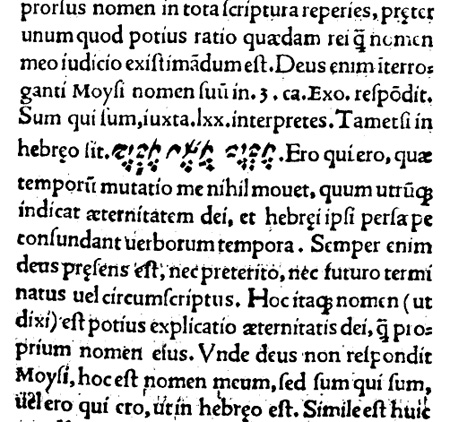
[1]        א’ יערי, ביבליוגרפיה של הגדות פסח, ירושלים, תשכ”א. לאחר מכן יצא לאור באמצעות מפעל הביבליוגרפיה העברית הספר, אוצר ההגדות: ביבליוגראפיה של הגדות פסח מראשית הדפוס העברי עד שנת תש”ך, בעריכת יצחק יודלוב, ירושלים, תשנ”ז.
[2]        ר’ יהוה רובינשטיין הדפיס מחדש את ספרו של אביו ר’ מרדכי רובינשטיין דורש לפרקים על מסכת אבות, ניו יורק, תשל”ב. בסוף הספר הוא הדפיס קונטרס נחלת אבות ובו רשימה של כל מהדורות מסכת אבות מראשית ימי הדפוס ועד שנת תשל”ב.
[3]        ראה רי”י כהן, מקורות וקורות, ירושלים, תשמ”ב, עמ’ 73-40: מסכת אבות, פירושיה ותרגומיה. מעניין שלא הזכיר את דורש לפרקים הנזכר בהערה הקודמת.
[4]        יש לציין כי ר’ בצלאל אשכנזי, שהיה במצרים בתקופת האר”י, חיבר אף הוא ילקוט פירושים, הנודע בשם שיטה מקובצת. האם קיימת ברקע החיבורים הללו השפעת האר”י? לא מצאתי דיון בכך.
[5]        לשני הספרים הראשונים המהדיר צירף צילומים של חלק מכתבי היד שעל פיהם נדפסו, אבל לא נהג כן בספר השלישי, ששם לא צורף צילום. קריאה בצילום שבראש פירוש ר’ מתתיה מגלה אי דיוקים בהעתקה. בנדפס בסוף שורה 1: ורעות. אבל בצילום (שורה 3) יש קרע בכתב היד, ואף שההשלמה מסתברת, יש להעיר כי זו השלמה. שורה 4: נתיצבו. בצילום (שורה 6): נתישבו. שורה 5: בה נתישב רב נשיא. בצילום (שורה 6) יש ריוח של מלה לאחר נתישב. אולי נכתב כאן שם הרב ואולי לא, מ”מ נראה שיש להעיר על כך. שורה 11: נפש דאבה. בצילום (שורה 13): נפש דוה.
[6]        בתוך: פירושי הראשונים (רש”י, רמב”ם, ר’ יונה) על מסכת אבות. על טיבה של מהדורתו ראה לקמן תוספת א.
[7]        ירושלים, תשס”ג. את פירוש ר’ יונה חזר והדפיס שוב בירושלים, תשס”ח. בסוף הקדמתו למהדורה זו כתב: “ועתה ההדר במהדורה מתוקנת ומשופרת”. ברם, כל מה שכתבתי בתוספת א ביחס למהדורת תשנ”ג, נשאר גם ביחס למהדורה זו.
[8]        ראה על טיבה של מהדורה זו בתוספת ב.
[9]        כגון: נשמת חיים, דרך חיים על אבות עם פירוש מאת ר”א שרהסהאן, ירושלים, תשכ”א; דרך חיים עם פירוש מאת ר”ח הלוי פרדס, תל אביב, תשל”ה; דרך חיים מהד’ רי”ד הרטמן, ירושלים, תשס”ה-תש”ע (6 כרכים).
[10]       ספר מסוג זה הוא: יחל ישראל על אבות מאת רי”מ לאו, ירושלים, תשס”ה (6 כרכים), ויש עוד ספרים כמותו. אגב אורחא ארשה לעצמי להעיר כאן על טעות מצערת בספר זה. המחבר הדפיס את המשנה בניקוד, ובצדה הוסיף את פירושו של ר”ע מברטנורה. כך כתוב גם בפרק שישי. אבל ידוע הוא כי רע”ב לא פירש את פרק שישי, ולכן אין גם תויו”ט על פרק זה, אלא הפירוש שהדפיס רי”מ לאו הוא פירושו של רש”י, והכותרת לאורך כל הפרק המודיעה כי הפירוש הוא של ר”ע מברטנורה, היא טעות.
[11]       תופעה זו החלה כבר עם הספר ירים משה על אבות לר”מ אלשיך. ר”מ אלשיך לא כתב פירוש על מסכת אבות, אלא ר’ ירמיה שלנקר, ליקט מספריו את הקשור למסכת אבות, והדפיסו בשם ירים משה, פיורדא, תקכ”ד. מאז נדפס הספר כך, וביותר מעשר מהדורות. היו עוד מלקטים מסוג זה, אבל כאמור בדורנו נתעצם הדבר מאוד.
[12]       לדוגמה: גבורות רמח”ל (ליקוטים מכל ספרי רמח”ל על אבות), מאת ר”י שינברגר, ירושלים, תשס”ג; וידבר משה (לקוטים מכל ספרי ר’ יחיאל אלימלך מלברטוב על אבות), מכון גנזי מהרי”ץ, ירושלים, תש”ן; ליקוטים מספרי הגר”א, מספרי החתם סופר, ועוד ועוד.
[13]       צורה דומה לזו היתה עוד לפני כן, כגון: עקבי הצאן לר’ אהרן ב”ר יחיאל מיכל ממיכיילישוק, הוסיאטין, תרס”ד, שיש בו ליקוט מהספרות החסידית, אבל אין בו ליקוט מגדולי החסידות לפי מפתח מסוים.
[14]       לדוגמה: לשונות של אש (ליקוטים על אבות מהאדמו”ר מקוצק ומהשושלות ממנו), רא”ד מנדלבוים, בני ברק, תשס”ב; לשונות קודש (ליקוטים על אבות מאדמו”רי בית רדומסק), רא”ד מנדלבוים, בני ברק, תשס”ג. ועוד בכגון אלו.
[15]       נוספו על הדף: מלאכת שלמה, חי’ אגדות מהרש”א, הגהות וחידושי הרש”ש.
[16]       כך בספר יחל ישראל (לעיל הערה 10) המבוא דן בפרטים הבאים: הטעם לשם אבות, מיקומה של מסכת אבות, אמירת פרקי אבות בשבתות הקיץ על שום מה. דנים בעניינים עוד רבים ממפרשי אבות, וארשום לדוגמה שני ספרים נוספים, ויש עוד דוגמתם, שאף בהם יש מבוא הדן בנושאים אלו: ר”מ רוזמרין, דבר משה, ירושלים, תשמ”ט; ר”מ קלירס, פרקי משה, ירושלים, תשס”ה.
[17]       צא וראה כי הצילומים של כתבי יד שנעשו בדורינו וצורפו על ידי המהדירים (שהוזכרו לעיל) של מסכת אבות לספריהם, הם באופן שכתב היד הוא שחור, והרקע לבן. רק בצילום זה, שהוא הצילום היחיד בספר, כתב היד הוא לבן על רקע שחור, בדיוק כפי שהופיע במהד’ הרב דייטש.
[18]       יש לציין כי בפרק שישי מובא פירושו של ר’ שם טוב בילקוט ביאורים כמעט בכל משנה, אבל המפליא הוא שהחל מדף קטז, ד”ה נושא בעול עם חבירו, אין הוא מובא יותר, למרות שבמהדורת הרב דייטש ממשיך הפירוש קצת יותר מעמוד נוסף.
[19]       מעין האמור בקידושין נא ע”ב: “מאי בוגרות בוגרות דעלמא”, והכוונה ליחיד למרות לשון הרבים.
[20]       בתקליטור של בר אילן לא הוכנסה משום מה הקדמת הרשב”ץ, ואנו רואים כמה יש להצטער על דבר זה.
[21]       במהד’ רא”ח זייני נדפס: “[ואם] (ו)שמה האמיתי… מהמצווה בו (וזהו) ענין החסידות”. לא נתברר לי פשר התיקונים הללו.
[22]       פירוש ר”י הכהן מלוניל נדפס בימינו, וא”כ היה אפשר להביאו ישירות. אבל כך נוהגים רבים שלא לצטט מן המקור הראשון, וכן נוהגים בספר זה.
[23]       דע כי הראשונים באומרם ‘פירקי דחסידי’ מתכוונים לפ”ג דתעניות, ששם מסופר על חסידים, ודברי ר”י הכהן מלוניל נראים כיוצאים מן הכלל.
[24]       לא מצאתי בדבריהם מה היתה דרכם בניקוד המשנה, ולפיכך לא אדון בכך. בכל זאת אעיר כי הם  ניקדו בהתאם למקובל בתנ”ך, ולכן כאשר מלה מסתיימת בתנועה גדולה והיא סמוכה למלה הבאה אחריה, הרי שבראש המלה השניה לא בא דגש קל. אבל בפ”א מ”ט: וכשיהיו בעלי דינין וכו’, הדגישו את האות ב, בניגוד לשאר המקרים באותה משנה עצמה (פעמיים: יהיו בעיניך, הב’ רפויה). כך הדגישו גם במי”א: הזהרו בדבריכם, את האות ב, בניגוד להרבה משניות שבהן כאמור לא הדגישו אות זו לאחר תנועת שורוק.
[25]       לפיכך יש לתמוה על הכתיב של משנת כל ישראל בריש המסכת, שנכתב בו כך: ועמך כולם צדיקים וגו’. היה עליהם לכתוב: כלם, בכתיב חסר לפי שיטתם, ומה עוד שכך הוא גם בפסוק. מן הסתם זו טעות דפוס, שהרי יש דגש באות ל, וזה מתאים לכתיב חסר.
[26]       ברם במשנה בסוף פרק ראשון: שנאמר אמת ומשפט שלום שפטו בשעריכם, לא ציינו בגוף המשנה את מקומו של הפסוק בתנ”ך, וגם בגליון נעדר כאן ‘תורה אור השלם’.
[27]       ראה לעיל הערה 15.
[28]       אגב אורחא נוסיף כי במהדורת ‘עוז והדר’ לא נרשמה במדור שינויי נוסחאות שום תוספת, אף שמדפוס וילנא ועד היום נודעו עוד כתבי יד של מסכת אבות. אבל הם הלכו בזה לשיטתם, שהרי הודיעו במפורש כי עיקר עבודתם היא מפרשי המסכת.
[29]       גם במהדורה זו לא הוסבר מדוע הקיפו מלים אלו בסוגריים. אבל בתחלית מסכת ברכות, עמ’ 9, נדפס מעין מבוא קצר הנקרא: “משניות ‘זכר חנוך’ – סדר עבודתינו”, שבו נאמר: “במקומות מועטים תיקנו את נוסח המשנה שנדפס בוילנא ע”פ דפוסים אחרים ובעיקר ע”פ מהדורת אשכול המנוקד” וכו’. לא נכתב כיצד נעשה התיקון, ואפשר שהסוגריים מלמדים על כך. לא בדקתי את מהדורת אשכול, הואיל ואין זה מענייננו.
[30]       אמנם במשניות תפארת ישראל, הנובר, תק”צ-תר”י (על פי אוצר החכמה), מלה זו מוקפת בסוגריים, ואפשר שנסמכו על דפוס זו. איברא, בדפוס זה יש מקומות נוספים במסכת אבות שהוקפו בסוגריים, ולא בא זכרם במהדורת ‘עוז והדר’.
[31]       שינויים אלו נרשמו, בדרך כלל, בתחתית הפירוש, באמצעות הפניה על יד כוכבית.
[32]       וכן כבר ברע”ב משנה א, תויו”ט משנה ב, ועוד. במשנה ג נמצא הערה פרשנית על רע”ב, וגם היא הושמטה.
[33]       כידוע בפרק שישי אין פירוש של ר”ב. לפי זה כל פירושי בעל תפא”י בפרק זה היו אמורים להיות מסומנים בכוכבית. אכן, ברור מאליו שאין בכך צורך, ולכן ויתר בעל תפא”י על כוכבים בפרק זה. מעתה יש לתמוה על שמצינו כי במקומות בודדים יש בכל זאת סימן של כוכבים. כוכב נמצא במ”א ד”ה שנאמר לי עצה ותושיה אני בינה לי גבורה, מ”ג ד”ה שנאמר כבוד חכמים ינחלו ותמימים ינחלו טוב, ועוד. לא בדקתי דפוסים ראשונים ואיני יודע מה נמצא בהם בעניין הכוכבים בפרק זה.
[34]       כוונתם למדור הנקרא: ציונים והערות, הנמצא בתחתית הדף.
[35]       צ”ל: ומשום כך.
[36]       וכן כתבו בעוד מקומות, אבל במדרש שמואל דפוס ראשון, ובשאר הדפוסים, כתוב: ן’ סיד. ללמדך, ששם אביו לא היה סיד, אלא זה כינוי המשפחה. בימינו לא תמיד מקפידים על צורת הכתיבה ן’, ואולי הם הכניסו כאן את עצמם לכלל ישראל. מכל מקום יש טעות סופר בשם עצמו: סיד, ולא: סוד.
[37]       אבל לפעמים כתבו בסתם: מגן אלהים. ודע, כי יש עוד ספרים שלעתים הקפידו לציין את שם המחבר בסוגריים, ולעתים נמנעו מלציין זאת. כגון: מרכבת המשנה. לעתים כותבים אותו בסתם, ולעתים מוסיפים בסוגריים: לר”י אלאשקר. עניין זה יוצר חוסר אחידות גדול מאוד, ונותן גם פתח לטעות שמא יש מרכבת המשנה שמחברו אינו ר”י אלאשקר. כנראה יש לתלות חוסר אחידות זה, בעובדה שמספר אנשים היה מעורב בליקוט, אבל בכל זאת על העורכים היה להקפיד על אחידות. כמו כן לעתים כותבים כתב ר’ פלוני בלי להזכיר את ספרו (כגון: כתב ר”י אלאשקר), ולעתים כותבים כתב בספר פלוני בלי להזכיר את מחבר (כגון: כתב מרכבת המשנה), ובשני המקרים הכוונה לאותו מחבר ואותו חיבור, אבל העדרו של פרט מזהה נוסף, מקשה לעתים על הזיהוי המדויק של החיבור, ובפרט שאין במהדורתם מפתח של שמות הספרים והמחברים.
[38]       נכון שהמהדיר י”ש שפיגל, ציין בזהירות בשער הספר: המיוחס לר”י אבוהב, אולם במהדורה שלפנינו לא הקפידו על כך כפי שציינתי בפנים, ומגן אלהים נחשב בעיניהם כמקור ראשון, ולכן היה עליהם לציין אליו.
[39]       כאן יש להוסיף כי הם עצמם במדור כפתור ופרח, דף ח ע”א, הביאו מספר מגלה עמוקות, ואתחנן, אופן רמו, כי האות מ רומזת על: “וכן מ’ דורות ממשה עד רבי שסידר המשניות”, ולא העירו מאומה על דברים אלו, ועל היחס בינם לבין דברי מגן אלהים.
[40]       נמצא כי המלקטים ראו זאת במקור, ובכל זאת כתבו: “במדרש שמואל בשם ר”י אבוהב”. נראה שראוי היה להם לכתוב: ר”י אבוהב הובא במדרש שמואל.
[41]       לעיל כתבנו כי י”ש שפיגל ההדירו והדפיסו לראשונה בשנת תשנ”ג, ובמבואו עמד על כך. 
[42]       כתבתי ‘לעתים’, כי גם כאן פעמים רבות אין הם מציינים, אבל זו דרכם ראה לעיל הערה 37.
[43]       כך לדוגמה בספר יחל ישראל (לעיל הערה 10), שהוא ליקוט משובח, מביא את מהר”ם אלאשקר פעמים רבות, ואין הוא יודע מכל מה שכתבנו.
[44]       באותו אופן הם מטעים כשהם כותבים, כגון בילקוט ביאורים ב, ט, דף פה ע”א, ד”ה ובמרכבת: “ובמרכבת המשנה כתב… והביא במדרש שמואל שקרוב לפירוש זה” וכו’. פשטות הדברים היא שבמדרש שמואל מובא הפירוש בשם מרכבת המשנה, ומדרש שמואל מוסיף עליו. אבל לשוא יחפש המעיין את דברי מרכבת המשנה במדרש שמואל. זאת משום שמדרש שמואל לעולם אינו מביא דברים מספר הנקרא מרכבת המשנה. אכן דברים אלו נמצאים בשמו של מהר”ם אלאשקר.
[45]       בהערה הוסיפו: “בספרו דרך חיים”. נראה לי כי בדבריהם “שהדפיס המהר”ל מפראג” כיוונו לומר שהספר נדפס בחייו, ואכן החיבור דרך החיים [כך בה’ הידיעה, כך נדפס בדפ”ר, והם כתבו: חיים] נדפס בחייו של מהר”ל, אבל לא ברור מה רצו לומר בזה, וכי המהר”ל השגיח על ההדפסה של פירוש רש”י, או שהוא קבע את הנוסח של פירוש רש”י. היה יותר פשוט לומר כי כך נמצא בפירוש רש”י שנדפס בספר דרך החיים על אבות למהר”ל מפראג, קראקא, שמ”ט.
[46]       ואני מוסיף שכן נמצא בפל”ה.
[47]       אכן בדפוסים מאוחרים של דרך החיים נמצא ברש”י: ואין (עם ו’), אבל זו כנראה הגהה מאוחרת.
[48]       הוא מפנה לדברי הרב דוד אבן כליפא, שו”ת דרכי דוד, סי’ כו, שמחה על כך.
[49]       ראה לדוגמה מה שהאריך בזה ר”ע יוסף בשו”ת יביע אומר, ח”ג או”ח סי’ יד, ובמיוחד באות ט שם, וכן ר”ש משאש בתשובותיו תבואות שמש, יו”ד, סי’ עג-עז, חילופי דברים בינו לבין הר”מ מלכה, וראה גם רא”י וולדינברג, שו”ת ציץ אליעזר חי”ג, סי’ א, ולא נאריך בזה יותר.
[50]       מתקבל הרושם שהם נהגו בדרך הבאה. אם המקורות היו בספר שלפניהם, אזי בדרך כלל הם הביאום, אבל אם בספר שלפניהם לא היו מקורות, אזי בדרך כלל הם לא הוסיפו עליו דבר. אמנם יש להודות כי במקרים מסויימים הוסיפו מקורות כראוי. אכן, העובדה שאין אחידות בדרכם, ויש מקומות שלא הוסיפו מאומה על המונח לפניהם, מלמדת כי יש מקום לשיפור בנושא זה. וראה עוד לקמן בסעיף ו.
[51]       כגון: מגן אבות, מילי דאבות, נשמת חיים (בשנת תשס”א נדפס פירוש על מסכת אבות בשם זה).
[52]       ב’ילקוט ביאורים’ פרק ג ראש מ”ה נמצא: ר’ יהודה אבן עקנין. ואילו בהמשך דף כז ע”א נמצא: ר’ יוסף אבן עקנין. וכן גם שם בעמוד הקודם, הערה ה, כתוב: ר’ יוסף אבן עקנין. ובכן, המעיין שואל עצמו האם בשני יוסף בן שמעון עסקינן, אם לאו?
[53]       פ”א מט”ו, דף קא ע”ב: “במגן אבות ובישמח משה כתבו”. עד כמה שידוע לי אין פירוש ישמח משה על אבות. צריך בירור לאיזה ליקוט כוונתם.
[54]       לו היתה רשימה כזו, אפשר שהם היו מונעים גם את עצמם מטעויות. הנה כך כתבו ב’ילקוט ביאורים’ פ”ה מ”ה דף ל ע”ב הערה יא: “והיעב”ץ בספרו לחם שמים הוכיח מדברים אלו… וכן הביא בפתח עינים בשם עץ אבות”. מדבריהם עולה כי לפנינו שני חיבורים שונים. האחד לחם שמים. השני, המובא בחיד”א, הוא עץ אבות, שהחיד”א לא ציין מי מחברו. אבל עץ אבות הוא הוא פירושו של היעב”ץ לאבות, המחולק לשני פירושים שהאחד נקרא: לחם שמים, והשני נקרא: לחם נקודים. נמצא שלפנינו אותו חיבור עצמו.
[55]       יש כאן גם חוסר אחידות בין המדורים השונים.
[56]       ראה גם שו”ת מהרש”ם ח”ה סי’ נו, ד”ה סוף דבר; שו”ת יביע אומר, ח”ב, או”ח סי’ כג, אות טז; שו”ת משנה הלכות, ח”ה סי’ צא ד”ה והנה מאד.
[57]       אמנם בספרים שנדפסו על פי כתבי יד, הם לא הביאו את הערות המהדיר בענייני נוסח, ובחרו לעצמם את הנוסח שנראה בעיניהם.
[58]       אבל יש גם מקרים שבהם התייחסו להערות המהדירים, ואף הוסיפו עליהם, אלא שהם עשו זאת במדור ‘ילקוט ביאורים’. ראה לדוגמה פ”ד מ”ד, ‘ילקוט ביאורים’, דף כט ע”א, בהערה מה.
[59]       אגב, שם נכתב: “כמאמר חובת הלבבות כל העבוד” וכו’. אבל לא צויין המקור בספר חובת הלבבות. וראה לקמן סעיף ו.
[60]       שהרי שם חסר הציטוט מחובת הלבבות.
[61]       כך כתוב בשער: פירוש רבינו מנחם מאירי על התורה, ונלוה לזה פירושי רבינו שלמה בן גבירול ז”ל ורבינו יונה הגירונדי (כך כתוב) ז”ל. אגב, מי שמכיר את דרכו של רחי”א גד בליקוטיו יודע שיש לבדוק אחריו, אבל נראה שממלקטי ‘עוז והדר’ נעלמה עובדה זו.
[62]       דוגמה בולטת לכך נמצאת בדברינו לעיל סעיף א, מס’ 3, 4, על פירוש ר’ שם טוב, כפי שיראה המעיין. וכן ראה לעיל ליד הערה 57.
[63]       ‘השלמה לפירוש רבינו יונה על אבות’, ישורון, כא (תשס”ט), עמ’ מט-סד. תודה לר”א בראדט שהפנני למאמר זה.
[64]       בשער הספר נדפס: ספר פרושי הראשונים על מסכת אבות הכולל בתוכו: פרושי רש”י פרושי הרמב”ם פירושי החסיד רבינו יונה מגירונדי סודר מחדש מתוך כתב יד קדמון וכו’.
[65]       בשער הספר נדפס: “מסכת אבות עם פרושי החסיד רבינו יונה זצ”ל מגירונדי מנקד… ונוסף בו פירוש רבנו עובדיה מברטנורא… פעיה”ק ירושלם תובב”א שנת תשנ”ג לפ”ק ועתה ההדר במהדורה מתוקנת ומשופרת”. כפי שאנו רואים הוא ציין בשער את שנת ההדפסה של המהדורה הראשונה, ויש כאן אי דיוק מסוים, הואיל ובמהדורה הראשונה הוא לא הדפיס את פירוש רע”ב. אבל זה פרט קטן. יותר מכך הוא שנראה בעיני שהוא לא דייק בכותבו: “מהדורה מתוקנת ומשופרת”. לא ראיתי הבדל בין שתי המהדורות בפירוש ר’ יונה. אולי כוונתו שהשיפור והתיקון נעשה בפרטים אחרים.
[66]       לדוגמה: במהדורתם, פ”א מ”ז, ד”ה ואל תתחבר נדפס: “הוא חוטא ושכנו וחביריו מעדו כן מפורש”. ואילו במהד’ כהן נדפס: “[הוא] חוטא וחברו (מנגד) [מנגיד, עיין מכות יא, ב]”. הסוגריים מציינים כי הוא תיקן כאן על פי כתב יד מוזיאון הבריטי. במהדורתם אין תיקון, כיון שלא השתמשו בכ”י זה, ובנוסף לא ציינו מקור למשפט זה. בסוף משנה זו במהדורתם: “פיד שונא הקב”ה ופיד שונא המלך”. במהדורתו: “פיד (שניהם) שונא המלך ופיד שונא הקדוש ברוך הוא יתעלה”.
[67]       בפ”א מ”י ד”ה ושנא את הרבנות הוא הדפיס: “סמך זה לעבודת המלאכה, שהן מענין אחד (אחר)”. לפי דבריו כאשר אין סוגריים מרובעות, הרי שאין כאן תיקון על פי כתב יד אחר. א”כ לפי זה יש להסיק שבכ”י לונדון היה כתוב: אחד אחר, והוא תיקן את כ”י לונדון. אף שהדבר אפשרי, נראה לי שקשה לומר שכך כתוב בכ”י לונדון. בכ”י וטיקן, שצילום של עמוד זה נמצא בראש מהדורת ר’ בנימין, הנוסח הוא: שהן מענין אחד, וכן נדפס במהד’ כשר-בלכרוביץ. נראה שלפנינו תיקון של ר’ בנימין מבלי להודיע על כך למעיין.
[68]       במאמרו הנזכר לעיל, בהערה 63, עמ’ מט, הערה 2.
[69]       כאמור, ר’ בנימין ניקד את כל פירוש ר’ יונה, וכאן היה עלי להעתיק את הנוקוד, כדי שנבין במה מדובר.
[70]       נראה שכאן סימן המהדיר כי תיקן את כתב היד, אבל היה לו לסמן תיקון רק על המלה: נמוכה.
[71]       לדוגמה. ברפ”ג: “ולאן אתה הולך”. אבל בדבור המתחיל הנוסח הוא: “ולאין אתה הולך”. שם מ”ב: “איש את רעהו חיים בלעו”, אבל בדבור המתחיל הנוסח הוא: “איש את רעהו חיים בלעונו”, ועוד בכגון אלו.
[72]       כבר ש”ז שכטר עמד על חשיבותו של כי”פ ופרסם ממנו כמה השלמות בסוף אבות דר’ נתן, שיצא לאור על ידו, ניו יורק, תשכ”ז, עמ’ 176-174. ר”א בראדט העירני כי בספר הזכרון הצבי והצדק, באר שבע, תש”ס, עמ’ עה-פו, פירסם ר”ט כצמאן, השמטות מספר מגן אבות להתשב”ץ. הוא השתמש באותו כ”י שהשתמש בו שכטר, אבל הוסיף על פיו עוד כמה מקומות שנעלמו משכטר.
[73]       כאן המקום להעיר כי במהדורה זו יש טעויות דפוס מרובות באופן יחסי. לא אציין כאן למקרים נוספים, אבל יש דוגמות בולטות, כגון בפ”א מי”ב: “הוי מתלמידיו של אהרן”, ואילו בפירוש נדפס בד”ה: “הוי מתלמידיו של אהרון”. פ”א מי”ח: “רבי [רבן] שמעון בן גמליאל”. בשינויי נוסח כתב שהנוסח בסוגריים הוא בכי”פ. אבל כ”ה גם בדפ”ר, ובדפוסים מאוחרים הדפיסו: רבי.
[74]       כך במקור.
[75]       נראה שצ”ל: מהכתוב.


Censorship in the Sefer Chofetz Chaim?

Censorship in the Sefer Chofetz Chaim?

(Another chapter of R. Shmuel Ashkenazi's Latest Work)

Unfortunately, the amount of responses regarding assisting the publication of R. Ashkenazi's work was underwhelming (we are trying very hard to raise the money but are still far from the end) so it is still uncertain when the seforim will actually be published. Until then – here is another chapter. For previous articles of R. Ashkenazi see here here and here. For more information to contribute (any amount is extremely helpful) contact me at eliezerbrodt-at-gmail.com.

In the past I received requests for more information about R. Ashkenazi. What follows is a small biography (along with an appeal for help) on him written recently.

מוקירי תורה וחכמיה, נדיבים שבעם! דומה שאין איש אשר לא הגיעו שִׁמְעוֹ של האיש הנכבד, הנאמן בכל בית הספרים היהודי, ר' שמואל אשכנזי שליט"א. ספרו "אלפא ביתא קדמייתא דשמואל זעירא" שיצא לאור בירושלים, בשנת ה'תש"ס, פתח בפני כלל חכמי ישראל וחובבי תורה את שערי אוצרותיו, חשף בפניהם מעט מבקיאותו המפליאה והטעימם מרעיונותיו והגיגיו הנעימים אלא, שהעומדים משתאים מול היקף המידע והידע הנגלה מבין דפי "אלפא ביתא קדמייתא'', ודאי יופתעו כפליים בשמעם שאין זה אלא מעט שבמעט מאוצרותיו של ר' שמואל שעודם בכתובים, מצפים לאנשי רוח ומביני דבר שירתמו לסייע בהוצאתם לאור עולם והפצתם להגדיל תורה ולהאדירה.ר' שמואל – המקפיד בתוקף שלא להוסיף על שמו כל תואר נוסף פרט לר' – נולד ביום יא בטבת תרפ"ב. בשנות העשרים המוקדמות לחייו כתב עשרות ערכים ב"אנציקלופדיה לתולדות גדולי ישראל" (בעריכת ד"ר מרדכי מרגליות, ירושלים תשו-תשי), בכרכים הראשונים של ה"אנציקלופדיה העברית" ובשתי אנציקלופדיות אחרות של הוצאת 'מסדה'. בהמשך עסק בעריכת ספרים ב"מוסד הרב קוק", ב"מכון תורה שלמה" ובאופן עצמאי. בראשית שנת תשכ"ז ועד פרישתו לגמלאות עבד ב"מפעל הביבליוגרפיה העברית" שבבית הספרים הלאומי בירושלים, ומבחינה מסוימת הוא היה מתווה דרכה ביחד עם הביבליוגרף הבלתי נשכח מר נפתלי בן-מנחם ז"ל. אף לאחר שפרש לגמלאות הגיע למקום בכל יום שלישי וקיבל בסבר פנים יפות את כל המתייעצים עמו, בהם בכירים באקדמיה שעמדו לפתחו ושאלו לעצתו. בשנת תשס"א נתמנה כחבר כבוד בהוצאת הספרים המיתולוגית "מקיצי נרדמים", לאור בקשתם המפורשת של מזכירה וחבריה.החל משנת תש"ד (בהיותו בן-שמונה עשרה) החלו להתפרסם מאמריו הרבים בבמות מכובדות ומפורסמות, ולעיתים עוררו תגובות חריגות (כמו מאמריו "טעויות סופרים" ו"מילונות עברית כיצד?"). בין לבין נענה לשאלות שבכתב שהופנו אליו מכל קצווי הארץ ומחוצה לה, ושיגר במשך השנים כאלפיים מכתבי תשובה. בין ספריו המופתיים ניתן למנות את: "הגדה שלמה", ירושלים תשט"ו; "אוצר ראשי תבות", ירושלים תשכ"ה; "הרי"ף ומשנתו", ירושלים תשכ"ז. ואת עריכתו המופתית ניתן לראות בספר "משלי ישראל ואומות העולם", ירושלים תשכ"ד. טביעת אצבעותיו המיוחדת ניכרת בספרים רבים אחרים, כמו: "בן המלך והנזיר", תל-אביב תשי"א; "אוצר המשלים והחידות", ירושלים תשי"ז; "מחברות עמנואל הרומי", ירושלים תשי"ז; "אוצר פתגמים וניבים לטיניים", תל-אביב תשי"ט (מהדורה שניה: ירושלים תשמ"ב); "צרור המור", בני-ברק תש"נ; "אוצר הספר העברי", ירושלים תשנ"ה; "אוצר תפילות ישראל", א-ב, ירושלים תשנ"ז.כתיבתו של ר' שמואל יחודית ומאופיינת: קצרה, ענינית ומקיפה, ובעיקר – מדויקת. רגיל היה, אף לאחר הגיעו לגבורות, לכתת רגליו רק כדי לראות את הדברים בדפוס הראשון או לבדוק אם אכן הפנייה כלשהי מדויקת וכדומה.בימים אלה הולכים ומותקנים לדפוס שני ספרים נוספים ממעיינותיו של רבי שמואל, הלא הם "אלפא ביתא תנייתא" המהווה המשך ישיר לספר הראשון וכולל בתוכו בירורים מקיפים למקורם של ביטויים, פתגמים ואמרות עממיות, ו"אלפא ביתא תליתאי" הכולל בירורים בנושאים כלליים. שניהם בדרכו הייחודית של ר' שמואל, האוצר בזכרונו וברשימותיו רבבות מקורות עלומים וגנוזים ומעבדם בתבונתו וחוש ביקורתו הנודע.כל אחד מן הספרים מתפרס על פני שלושה כרכים, ויחדיו כוללים הם למעלה מ-2500 עמודים מלאים וגדושים בדברי תורה וחכמה ופנינים נפלאות מעולם הספר היהודי על כל גווניו ואפיקיו.את מלאכת עריכת הספרים לקח על עצמו ידידנו ר' יעקב ישראל סטל הי"ו, אשר ביד אמן, במתינות ובתבונה הופך את פיסות הנייר, פנקסיו ופתקאותיו של רבי שמואל לכדי יצירה מפוארת כיאה לכבוד יוצרה ותורתו.אולם, ידידינו הנעלים, הוצאות ההדפסה כבדו מנשוא! איש פרטי וצנוע הוא ר' שמואל, לא מכוני מחקר ולא קרנות לו לאיש, לא בית הוצאה לאור ולא בית מסחר ספרים. מעודו, נחבא ר' שמואל אל הכלים ואינו מבקש את פרסומו הראוי לו. לולי תושייתם של אוהבי תורה ודעת שנגה עליהם מעט מאורו של רבי שמואל, כי אז היה נותר אלמוני, הוא ואוצרותיו העצומים.ועתה, עם סיום מלאכת עריכת שני הספרים שלפנינו, הרי הם יושבים ומצפים לגואל, איש אשר רוח בו ולב מרגיש לו להבין את יקרתם של דברי תורה אלו, וישאוהו רעיוניו להטות שכמו לעזרת ר' שמואל ולשקוד על תקנת חכמי ישראל, במתת יד נכבדה כשיעור הנצרך להדפסת הספרים היקרים. עורכי הספר אינם מבקשים דבר על המלאכה הכבירה והזמן היקר והרב שהושקעו בהתקנת הספרים לדפוס. זאת עשו בלב רחב ובנפש חפצה, מאשר יקרו בעיניהם נכבדו פניניו של ר' שמואל. אולם עלות ההדפסה כבדה עליהם ואין לאל ידם להשלים את המשימה ללא עזרת ה' בגיבורים.חושו, ידידינו, חושו לעמוד לימין ר' שמואל ולעזרת כל אוהבי תורה, והרימו תרומתכם להדפסת הספרים הנכבדים הללו! שוו בנפשכם מה רבה התועלת העולה ממאמריו ומחקריו הנעימים של ר' שמואל להרמת קרן התורה וכבודה; הוכיחו קבל עם ועדה כי כבוד התורה יקר בעיני הוגיה וכי אין מניחים הם לדברי תורה להיות מונחים בקרן זווית, גנוזים וכמוסים באין דורש!!
And now for the main article:

לכבוד מערכת בית יעקב                                                              ב"ה. ה במנחם-אב תשלאמ"נ,מזמן לזמן מזדמנים לפני גליונות של ירחונכם הנכבד, שאני מוצא בהם ענין ומתענג על קריאתם. לא כן קרני הפעם הזאת. הגיע לידי גליון 137 (תאריך הופעתו [סיון תשלא?] לא צוין!), ומיד עם פתיחתו נתקלתי במאמר גדול, מאת יצחק מ. שמואלי, המשתרע לארכם ולרחבם של שני עמודים שלמים (5-4), ומעליו שלוש כותרות מרעישות: 1) על משמר קדשי האומה. 2) מיהו "צנזור" במהדורות חדשות של ספרי-קודש? 3) תגלית מדהימה על מעשה-זיוף מגמתי בכתביו של בעל "חפץ חיים" זצ"ל.וזה "מעשה הזיוף": בקונטרס שפת תמים, לבעל חפץ חיים, פרק ד, נאמר: וראיתי בספרים מעשה נפלא שהיה בימי הריב"ש, שבא אחד בגלגול סוס והיה עובד בכל כחו כדי לשלם את חובו. ואילו "במהדורות החדשות… שהופיעו לאחר השואה (ונדפסו מתחילה באמריקה, על-ידי יורשיו של בעל המחבר) נחלף הנוסח המקורי לפי כתב-ידו של החפץ חיים הקדוש בנוסח 'מתוקן' כזה: 'וראיתי מעשה נפלא, שהיה בימים הראשונים'".כותב המאמר שואל: "מה היתה מטרתו ותכליתו של 'שינוי' זה?" והוא משיב: "אין מפלט, כמובן, מאותה מסקנה הכרחית, שלא היה, כנראה, לרוחם ולטעמם של בעלי הזכויות של המהדורה החדשה, שבעל החפץ חיים מזכיר ומסתמך בספרו על מעשה נפלא שמתייחס אל מייסד החסידות רבי ישראל בעל-שם-טוב… הם התביישו בכך, הם לא יכלו לבלוע זאת, הם נרתעים ממש בפני ההשפעה העלולה להתקבל מהתייחסותו של החפץ-חיים אל הבעש"ט" ולכן זייפו וסילפו את דברי המחבר "כדי לחבל ברגשי-האחווה שנתרקמו אצל… חסידים ומתנגדים".אין הכותב נוקב בשמם המפורש של "בעלי הזכויות". אך הכל יודעים, שהכוונה לחתן המחבר "הרב פנחס מענדיל יוסף זאקס, ר"מ דישיבת חפץ חיים בראדין" אשר הוציא מחדש את ספרי חותנו, בניו-יורק, בשנת תשיב ובשנת תשך. ואותו מאשים הכותב ב"מעשה מביש כזה" אשר "בדין הוא ש… יזעזע את דעת-הציבור שלנו"."וכדי שלא לפרסם אשמה מזעזעת כזו… בלי ביסוס עובדתי מלא" טרח הכותב וצירף למאמרו שלושה פקסימילים המוכיחים באופן "מדעי" מוחלט את "הסילוף הגס והמביש… שנעשה בחיבורו של החפץ חיים"."והיות שהמדובר… בסילוף מכוון שיש בו מגמה שקופה בהחלט… מן הדין להרים קול זעקה ומחאה, להוקיע קבל עם ועדה את הסילוף הנורא והמחריד ולתבוע במפגיע תיקון הדבר מידי אלה הנושאים באחריות לכך!"אם באמת ובתמים נתכוון הכותב לזעזע את דעת הקוראים ולהזעיקם למחאה, הרי עלה הדבר בידו… שכן אני נזדעזעתי למקרא דברי ההשמצה והטחת ההאשמות כלפי חתן המחבר, אשר ריבה פעלים לתורה ויראה בהפיצו ספרי ההלכה והמוסר של חותנו בעל חפץ חיים. ואומר אל לבי: מצוה להציל עשוק מיד עושקו ולהגן על כבודו של ת"ח מפני המתנפלים עליו בשצף קצף על לא חמס בכפו ולא עולתה בו.ואם עדיין הייתי מהסס בדבר וחושש, שלא להרבות בחלול כבוד התורה על ידי הבעת מחאתי ברבים, בא המאורע דלהלן וחיזק את החלטתי לפרסם ברבים את בטולו של המאמר הנז'.וזה אשר קרני [אין מקרה בעולם, אלא כי הקרה ה' לפני את הדבר הזה!]. ביום המחרת (לאחר קבלת הגליון הנז') נכנסתי לבית המדרש להתפלל שחרית. והנה על השולחן לפני מונח ספר חפץ חיים, הוצאת ועד שמירת הלשון, ירושלים תשכז, ונספח אליו קונטרס שפת תמים. פתחתיו בעמ' טו ואראה בגליון (ליד המלים "מעשה נפלא שהיה בימים הראשונים") הערה כתובה בדיו אדומה על ידי חסיד-שוטה: המילה ראשונים היא זיוף מוחלט ושפל בדברי רבנו וצ"ל בימי הריב"ש (ר' ישראל בעש"ט) כהוצאה הראשונה.ויהי כראותי עד היכן הדברים מגיעים, נזדרזתי לקרבה אל המלאכה: לבדוק את הנוסח הנדפס בהוצאות השונות של קונטרס שפת תמים. לאחר יגיעה מרובה נתברר לי, שקונטרס זה נדפס על ידי מחברו, כנספח לחלק א של "ספר שמירת הלשון… והוא השלמת הספר חפץ חיים", בשנת תרלו, וחזר ונדפס לא פחות מעשרים ושלוש פעמים*. והרי רשימת ההוצאות השונות (אלה שלא ראיתי מסומנות בכוכב):1* ווילנא, דפוס ר' יהודה ליב מ"ץ, שנת שמר פיו [תרלו], 1876.2 הוצאה שניה, ווילנא, דפוס הנ"ל, תרלט, 1879. סודרה ונדפסה דף על דף על פי 1.3* הוצאה שלישית. נדפסה בין תרם לתרמג. והיא ששימשה אבטיפוס להוצאות הבאות, שאינן אלא דפוסים-סטראוטיפיים או דפוסי-צלום של 3.4 "הוצאה שלישית", ווארשא, דפוס ר' יוסף אונטערהענדלער, תרמד, 1884. ד"ס של 3.5* "הוצאה שלישית", ווארשא, דפוס הנ"ל [תרמח?]. בשער: תרמד, 1884. ד"ס של 4.6 "הוצאה שלישית", ווארשא, דפוס בוימריטטער וחתנו גאנשאר, תרן, 1890. ד"ס של 5.7 "הוצאה רביעית", ווארשא (דפוס ב' טורש, צנז' 1892 [תרנב]). ד"ס של 6.8 "הוצאה חמישית", ווארשא (דפוס בוימריטטער), תרנה, 1895. ד"ס של 3?9 "הוצאה חמישית", ווארשא (דפוס אונטערהענדלער, צנז' 1902 [תרסב]). בשער: תרנה, 1895. ד"ס של 8.10 "הוצאה חמישית", ווארשא (דפוס לעווין-עפשטיין, 1910 [תרע]). ד"ס של 7.11 "הוצאה חמישית", ווארשא (דפוס הנ"ל, 1914 [תרעד]). ד"ס של 10.12* "הוצאה שלישית" (הוצאת הרב הילל גינסבורג, ראדין), ווארשא (דפוס פומפיך), [תרף?]. ד"ס של 4?13 "הוצאה שלישית", ווארשא (דפוס פימענט), [תרפ-]. בשער: דפוס יוסף אונטערהענדלער, תרמד. ד"ס של 12.14 "הוצאה שלישית", ווארשא (דפוס לעווין-עפשטיין), [תרפח]. ד"ס של 13.15 "הוצאה שלישית", שנגהי [תשד?]. ד"צ של 12.16 הוצאה רביעית", [גרמניה תשז?]. בשער: ווארשא. ד"צ של 7.17 "הוצא ע"י חתנו הרב מנחם מענדיל יוסף זאקס", ניו יורק תשיב. ד"צ של 8.18 "הוצאת הרב הרשקוביץ", (ירושלם תשטז). סודרה ונדפסה על פי 8.19 "הוצאת אגודת חכמי סלאוויטא, בני ברק", ירושלים (תשך). ד"ס של 18.20 "הוצא ע"י חתנו הרב מנחם מענדיל יוסף זאקס", ניו יורק תשך. ד"צ של 17.21* "הוצאת ועד שמירת הלשון", ירושלים תשכה. סודרה ונדפסה על פי 8.22 "הוצאת הרב הרשקוביץ", ירושלים [תשכז]. ד"ס של 18.23 "הוצאת ועד שמירת הלשון", ירושלים תשכז. ד"ס של 21.24 כנ"ל, ירושלים [תשל]. בשער: תשכז. ד"ס של 23, אלא שבמהדורה זו נספח קונטרס שפת תמים לספר שמירת הלשון ולא לספר חפץ חיים.לא עלה בידי למצוא טופס שלם** מן ההוצאה הראשונה, אך היו למראה עיני תשע עשרה מן ההוצאות הבאות.והנה בעשר מהן נדפס: בימי הריב"ש (2 4 6 7 10 11 16-13), ובתשע: בימים הראשונים (8 9 20-17 24-22).מתשע מהדורות אלו נדפסו שבע לאחר השואה, ואילו שתים מהן נדפסו כבר בימי המחבר ובהסכמתו: הראשונה (מס' 8) בשנת תרנה [כיובל שנים לפני השואה] והשניה (מס' 9) בשנת תרסב. בהוצאת תרנה נדפס: "שהיה בימים הראשונים" ושתי האותיות האחרונות (ים) יוצאות מחוץ לשורה, אך בהוצאת תרסב סודרה השורה מחדש, כדי ליישרה עם חברותיה, ונדפס: שהי' בימים הראשוני'.כל המשוה את שתי ההוצאות של הרב זאקס (ניו יורק תשיב ותשך) להוצאת ווארשא תרנה, יתברר לו למעלה מכל ספק שהראשונות אינן אלא דפוסי-צלום של האחרונה! וחתן המחבר לא תיקן, לא סילף ולא זייף את הנוסח המקורי. ואף ההוצאות האחרונות, שסודרו מחדש, נדפסו על פי ווארשא תרנה. ואין לתלות בוקי סריקי במוציאיהן. נמצינו למדים, שאך לשוא שקד הכותב (המסתתר בכנוי "יצחק מ. שמואלי") למלא שש עמודות (450 שורות!) בדברי הבל וריק ובהטחת האשמות שוא ללא כל יסוד.ואם ישאל שואל: מה טעם תוקן הנוסח בהוצאת תרנה? אין בפי תשובה ודאית. אך ניתן לשער, כי המחבר "נכשל" בפענוח הריב"ש וסבור היה שהוא בעל שו"ת הריב"ש, היינו ר' יצחק בר ששת, מחכמי הראשונים (ה'פו-קסח), וכאשר נודע לו מקור הסיפור (שבחי הבעש"ט!) ונתבררה לו זהותו של הריב"ש שהוא ר' ישראל בעל שם, רבן של חסידים, הלך והחליף את המלים "בימי הריב"ש" במלים אחרות (בימים הראשונים). ואך צחוק עשה לנו הכותב בקביעתו המגוחכת כי "לפני קרוב למאה שנים, עת המתיחות בין המתנגדים ולבין החסידים… בא בעל ה'חפץ חיים' לעשת צעד פייסני כזה, להזכיר את הריב"ש, יוצר החסידות, בספרו… כנגד… לשון הרע"…אינני מתימר להיות בקי בספריו המרובים של החפץ חיים, אך לפי מיעוט ידיעתי אין הוא מזכיר בשום מקום לא מחבר חסידי***, לא ספר חסידי ולא ספור חסידי. ולו חפץ היה "לעשות צעד פייסני כזה" הרי היו לפניו הזדמנויות מרובות מלבד המעשה "בגלגול סוס". ואם לא עשה כן, ודאי טעמו ונמוקו עמו, משום שהיה "מתנגד" לחסידות. מובן, שאין בכך כדי לגרוע ח"ו מכבודו. ואף החסידים הכירו בגאונותו ובצדקתו, וספריו נתחבבו עליהם. ושלום על ישראל.ואחתום במאמרו של רב יהודה: לא חרבה ירושלים אלא בשביל שביזו בה תלמידי חכמים (שבת קיט ע"ב). יהי רצון שנזכה לנחמת ציון ובנין ירושלים.שמואל אשכנזי 
* שמואלי כותב: "קונטרס 'שפת תמים' צורף לכל המהדורות הראשונות של הספר 'חפץ חיים'". ואני איני מכיר אלא מהדורה אחת בלבד שבה נספח הקונטרס לספר חפץ חיים, והיא אחרונה (23). מהדורה זו נדפסה בשם "כל ספרי המוסר על עניני שמירת הלשון, מאת רבנו רבי ישראל מאיר… הכהן".** ראיתי טופס שנשמט ממנו הקונטרס. ומן הענין להעיר, שגם מן ההוצאה השניה (תרלט) מצויים טפסים בהשמטת הקונטרס. גם בימינו נדפס ספר שמירת הלשון בלי הקונטרס, כגון: ירושלים תשיד (הוצאת הרב הרשקוביץ) ותשטז (הוצאת הועד המרכזי לשמירת הלשון).*** להוציא את רש"ז מלאדי, ש"שולחן ערוך" שלו הובא הרבה במשנה ברורה.
הערות מאת אליעזר בראדט:

א. לאחרונה ענין זה נדון על ידי ר' יהושע מונדשיין כאן וכאן.
ב. בביאור הלכה סי' רי"ד בסוף הוא הביא דברי ה'דרך פקודיך'.
ג. במשנה ברורה סי' תצד ס"ק יב לענין טעם לאכילת מאכלי חלב בשבועות הוא כתב בשם גדול אחד: "אמר טעם נכון לזה כי בעת שעמדו על הר סיני וקבלו התורה [כי בעשרת הדברות נתגלה להם עי"ז כל חלקי התורה כמו שכתב רב סעדיה גאון שבעשרת הדברות כלולה כל התורה] וירדו מן ההר לביתם לא מצאו מה לאכול תיכף כ"א מאכלי חלב כי לבשר צריך הכנה רבה לשחוט בסכין בדוק כאשר צוה ה' ולנקר חוטי החלב והדם ולהדיח ולמלוח ולבשל בכלים חדשים כי הכלים שהיו להם מקודם שבישלו בהם באותו מעל"ע נאסרו להם ע"כ בחרו להם לפי שעה מאכלי חלב ואנו עושין זכר לזה". ר' גדלי' אבערלאנדער בספרו 'מנהג אבותינו בידנו', ב, מאנסי תשסו, עמ' תרלד מביא שר' נחום גרינוואלד העיר שגדול אחד הוא ר' לוי יצחק מבארדיטשוב שדבריו בזה הובא בספר תולדות יצחק לר' יצחק מנשכיז. [על דברי ה'גדול אחד' ראה דברים חשובים אצל ר' אהרן מיאסניק, מנחת אהרן, ירושלים תשסח, עמ' קב-קו; פרדס אליעזר, עמ' רעט- רפב].

ד. בקשר לדעת החפץ חיים על חסידים וחסידות ראוי להביא דברי בנו ר' ליב בשם אביו החפץ חיים בזה:
1. בעשירות שניו לעת זקנתו היה מחשיב מאוד עדת החסידים, באמרו כי הם בזמנינו ככותל אבנים שנקרא בראנדוואנט שמעמידים בין בתי עץ, שאינה מניחה להתפשטות שריפה, ובימינו שנגף הכפירה פשטה בכל עבר ופאה, ולאלפים שהם מאמינים בד' ובתורתו  אבל כמו מתביישים בקיום מצותיה, בריש גלי, בל יהא לשחוק בין הגויים, ובין פרצי עמנו שרבו המלעיגים מכל קודש, עלינו לשבח החסידים שהם אמיצי רוח, עושי דברו ביד רמה, ובפומבי, ועוד הם מגדלים בניהם לתורה ולעבודה כאבותיהם. רוממות אל בגרונם, ולשונם כחרב להשיב להחפשים אל חיקם עשרת מונים בוז וקלון,, ועל כל פשעים, תכסה אהבת ה'… (דוגמא מדרכי אבי זצ"ל, עמ' טו, אות מ).

2. זכרוני לפני שלשים שנה בערך בהתישבי בפולין והחלותי למכור ספרי מר אבי ז"ל, עיקר פדיוני היה בבתי מדרשות של החסידים, שרובי הכתות שבהם הם בני תורה, והיו לוהטים מאד לספרי מר אבי. ביחוד לספרי משנה ברורה שכפי מבטא שלהם הוא נחוץ להם כמו לחם, וכמעט כל חסיד קנה ספרינו (דוגמא מדרכי אבי זצ"ל, עמ' טז, אות מא).
3. פעם שמע שמדברים על רודת החסידות והמגרעות שיש בהם, ולא נחה דעתו, וסיפר להם מעשה איך שבימי הגאון ר' חיים מוואלזין היה בעירו בעל הבית אחד, שלמד תלמוד ואמרו עליו שחזר כבר על הש"ס כמה פעמים, והוא בקי כמעט בו, והירדו הגאון ר"ח בקימה כשנכנס, והיו אז בישיבת ר' חיים אברכים גדולי תורה, ושחקו כשקם רבם בפני הבעל הבית הלז, באמרם, בפני מי קם רבנו, אם בקי הוא במלות, אבל בכמה מקומות אינו מבין הפשט, וענה להם רבם ר"ח, יש שני שסים ש"ס אחד הוא דפוס אמשטרדם, יקר מאוד הן במראיתו הן בהגהות ותיקונים רבים שיש בו, ויש ש"ס זולצבאך, עליו אינם בהירים כל כך, גם נמצא בו שיבושים אבל אם יעלה על הדעת מי שהש"ס דזולצבאך אין לו קדושת ש"ס. כן הבעל הבית הזה, אפשר יש בתורתו איזה שיבושים אבל בעיקרו יודע הוא את הש"ס, והנמשל הוא לענין חסידים אם יש בהם איזה שגיאות, אבל בעירם הם מחזיקן בתורת ה' בכל נפשם ומגדלים את בניהם ביראת ה' ומשיאים את בנותיהם לשומרי תורה ומצוה, ומה לנו עוד" (דוגמא מדרכי אבי זצ"ל,  עמ' יז-יח, אות מב).
4. דברו אתו פעם על דבר חסידים ומתנגדים, ענה ואמר, חכמינו אמרו לעתיד לבוא מבא הקב"ה ספר תורה ומניחה בחיקו ואומר מי שעסק בה יבא ויטול שכרו, הרי שאין שואלים כלל לאיזה עדה הוא שייך, אלא אם קיים התורה הרי טוב ואם לאו ח"ו, לא יועילו לו שום עדה ששייך לה, גם אח לא פדה יפדה איש (דוגמא מדרכי אבי זצ"ל, עמ' סב, אות לב).
 

5. בתשמד פרסם ר' משה גליס רשימה בביליוגרפית של החפץ חיים בשם 'כתבי החפץ חיים הרב ישראל מאיר מראדין', ושם בעמ' 42-44 הוא מונה 34 מהודרות של הספר עד שנת תשלט.


R. Flensberg, Donkeys, Antelopes and Frogs

R. Flensberg , Donkeys, Antelopes and Frogs

Recently, a book, Aggadata de-Ve Rav, Machon Limud Aggadah, Ashdod, 2010, pp. 50, 176, 56, collecting various works attempting to explain the difficult and, on their face, rather odd stories (aggadot) that appear in Baba Batra (73a-74) many of which involve odd animals do odd things.  In addition to these passages, there is another odd passage in Bechorot (7b) which also involves an animal, a donkey also engaging in odd behavior. This passage was too was also the subject of many works attempting to explain it. This new book reprints four of the many works attempting to decipher the stories in Baba Batra, R. Elyakim Getz, Redfunei be-Tapuchim, R. Zev Wolfe Boskowitz, Le-Binyamin Amar, R. Eliyahu Guttmacher, Tzafnat Panach, and the fourth is Aggadot Soferim, which a collection of materials on the topic from Ritva, Gra, and R. Efrayim Lunschutz (author of Kli Yakar, among other works).  While three editions of Redfunei be-Tapuchim are available on Hebrewbooks (here, here and hereLe-Binyamin Amar and Tzafnat Panach are not. The book also provides biographical details about these authors (56 pp.).  Additionally, a list of others books devoted to the Baba Batra stories which are not reprinted herein are included.  The list provides over 25 such works devoted to the stories in Baba Batra.  Regarding the donkey of Bechorot there are almost as many books on that topic.  We have found 23 such works.  One of those discussing the donkey of Berchorot is an important, little-known and recently reprinted book on that topic.  Specifically, R. Hayyim Yirmiyahu Flensberg’s Nezer ha-Nitzhon, Vilna, 1883 (reprinted Machon Mishnas Rabbi Aaron, Israel, 2001).*  Amongst the many who praised Flensberg’s book, was his teacher, the Netziv.  And, it was not only the Netziv, but Flensberg received a request from his alma mater, Volozhin, that his book was so popular could he please send ten additional copies. Thus, in light of this book discussing, what is arguable similar aggadot, we provide background on this little-known Lithuanian rabbi, his works and children.


Flensberg was born in 1842.  And, as many great rabbis, there are both miraculous stories told of his conception and birth as well as how bright he was.  Indeed, it is said that he knew 300 pages of Talmud, with Tosefot, at his bar-mitzvah.  While those stories are not unusual, what is unusual was the bar-mitzvah gift he received from his rebbi, R. Ya’akov Tuvia Goldberg, a copy of Avraham Mapu‘s Ahavat Tzion, perhaps the first Hebrew novel.  As his rebbi saw that Flensberg expressed an interest in studying Hebrew, his rebbi decided this book would be appropriate.  Apparently, this gift was so important, that in the biography of Flensberg, written by his son Yitzhak Yeshayahu Flensberg, some seventy years later, records this.  It is worth noting that, although this biography appears at the beginning of the second volume of Flensberg’s Torah commentary which was reprinted in 2000 by the Lakewood publisher, Machon Mishnas Rabbi Aaron, this fact remains in this edition.

It should also be noted that, while on its face, it is questionable how much one can read into a single bar-mitzvah gift, Shaul Stampfer views this gift as highly significant.  Stampfer writes, that although the policy of the Volozhin rabbinic administration was to prohibit haskalah literature, Flensberg is used as an example to prove that “not all the students viewed reading haskalah literature as conflicting with torah study.”  Shaul Stampfer, The Lithuanian Yeshiva, Jerusalem, 2005, 171.  Stampfer cites the story of the bar-mitzvah gift and notes that although Flensberg received this gift “he still went to study in Volozhin.”  Id. at 172.  Indeed, it is even more questionable to use the bar-mitzvah gift to understand the Volozhin students’ views on haskalah literature when one considers the timing.  Flensberg didn’t go to Volozhin immediately after his bar-mitzvah, rather it would be over a year and a half before he went to Volozhin. [1] During that time, Flensberg stopped studying with R. Goldberg, the bar-mitzvah gift, giver and began studying with R. Leib Charif (eventual Chief-Rabbi of Tytvenai and Rietavas Lithuania).  (Also relevant for our purposes is that R. Leib  authored a book on the donkey Gemara in

Bechorot called Eizot Yehoshua.) Thus, there are two significant factors that may sever any ties between Flensberg’s bar-mitzvah gift and his ultimate decision to go to Volozhin.  


In all events, Flensberg thrived at Volozhin.  He studied in the Netziv’s group and was close to the Netziv.  Additionally, he was selected for the highly prestigious position at the Volozhin Yeshiva as the Purim Rav of Volozhin.  His appointment to this position took place sometime before he left Volozhin in 1859, making this the earliest, and perhaps one of the only, recorded mention of this custom from Volozhin.[2] In fact, there are those who doubt the existence of the custom of Purim Rav at Volozhin.[3] This appears to undermine that position.  Additionally, the description of the Purim Rav position is of interest.  According to Flensberg, the position was fairly innocuous.  For the two days of Purim, the Netziv would cede his position to the best student. The student would wear the Netziv’s hat and use the Netziv’s walking stick.  All the students would give the Purim Rav great deference.  They would also pepper him with questions both about Purim and more comical questions.  The Purim Rav would answer in the Purim spirit.  Nowhere is there any mention of lack of respect or, seemingly anything that is objectionable. 

After leaving Volozhin, he married Itta, whose father was R. Mendel Katz, who would eventually become a rabbi in Radin.  After his marriage he went to study in a bet midrash in Kovno.  Although some refer to this place as “the Kovno Kollel,” it cannot be referring to the famous Kovno Kollel as that did not begin until 1877 long after R. Flensberg left Kovno and entered the rabbinate.  During his time in Kovno Flensberg became friendly with R. Yitzhak Elchonon Spektor. After leaving Kovno in 1869 to his first rabbinic position, and, in 1889, after a few other employment changes, Flensberg ended up in Shaki as the chief rabbi. 

Flensberg found the rabbinate a good fit and focused on derash and philosophy.  But, before publishing any of his books, he penned a number of important articles in various newspapers including Ha-Levonon, Ha-Melitz, and Ha-Maggid.  In general, he took a rather novel views towards newspapers.  At the time, many viewed newspapers as a threat to Orthodox Judaism as it exposed people to different views that they otherwise wouldn’t be exposed to.  Thus, many took the position that reading a newspaper was prohibited.  Flensberg, however, recognized that merely ignoring the problem is ineffective.  Instead, he proposed that the Orthodox start their own newspaper so that their views will be available to all. This view echos that of R. Yaakov Ettlinger, who started the Orthodox journal Shomer Tzion ha-Ne’eman. (And, it appears, the same debate is happening, again, today with regard to the internet and related technologies.) In addition, Flensberg also penned a series titled Moreh Neukei ha-Zeman he-Hadash, which some view an indirect attack against Nachman Krochmal‘s similarly titled work. Flensberg wrote this essay during a time that he was suffering from headache and prohibited from Torah study.  Thus, turned his focused to producing essays for newspapers.  


After his wife died in 1882, he published his first work, Nezer ha-Nitzhon.  As mentioned above, this book contains a lengthy explanation of the talmudic story regarding the famous donkey.  Additionally, he includes two derashot at the end.  In the introduction, he credits his wife for the publication and explains that this book is in her memory. In 1897, he published his next books, She’alot Hayyim, Divrei Yirmiyahu in Vilna.  The first titled portion is comprised of responsa and the second titled portion is comprised of dershot.  The second part also contains a lengthy introduction regarding Flensberg’s view on derush, and a eulogy for R. Yitzhak Elchonon Spektor and the Godol of Minsk.  

It appears that not everyone, including those who normally are very well-read, were familiar with R. Flensberg’s works.  Katzman explains that R. Zevin, in Ishim ve-Shetot (p. 71), confuses R. Hayyim Flensberg with another R. Hayyim – R. Hayyim Soloveitchik.  The statement R. Zevin attributes to a child R. Hayyim Soloveitchik, and which R. Zevin himself doubts it comports with what we know about R. Hayyim Soloveitchik’s manner of deciding law, actually appears in R. Hayyim Flensberg’s She’alot Hayyim, no. 14.[4] 

In 1905,[5] he published his commentary on Hasdai Cerscas’ Ohr Adonay.[6]  This is one of the very few commentaries on this very difficult work.  Flensberg prefaces the book with an in-depth introduction regarding the work and its author.  R. Yehiel Yaakov Weinberg wrote a glowing review of the book.  Weinberg expressed surprise that no one else, with one exception, had seen fit to review such a worthy book.  Weinberg notes that to write such a commentary requires not only “an ish ma’adai” but also one must be a “rav ve-goan talmudi.”[7] Flensberg includes a few pages of comments on Moreh Nevukim at the end of the book, and there are two letters one from Abraham Harkavey and the other from R. Dr. Abraham Berliner, at times, taking issue with some of Flensberg’s conclusions.  This was intended to be the first part of two of Flensberg’s commentary on Crescas.  According to Flensberg’s son, in 1909 the second portion was published but languished at the printer. And, after World War I broke out in 1914, the Flensberg’s were under the impression all the copies were lost.  In 1925, they learned that Ester Rubinstein, Flensberg’s daughter, had saved the plates as well as other manuscripts.  It is unclear if the second portion was ever actually reprinted.  The JNUL appears to only have a few leaves from the second volume.

In 1910, Flensberg published his commentary on Shir ha-Shirim, Merkevot Ami. And, that same year, he also published his first volume of commentary on the Torah, Divrei Yirmiyahu, covering Genesis. 

In 1914, Flensberg died, his full epitaph is included in his son’s biography which appeared in the second volume of Flensberg’s Torah commentary which was published posthumously in 1927. This version of the epitaph is the only complete one as the one on his headstone accidentally left out a line “for some [unnamed] reason.” 

He was survived by his son, Yitzhak Yishayahu, and his daughter, [Haaya] Ester Rubinstein.  Yitzhak Yishayhu lived in Pilwishki the town where R. Yehiel Yaakov Weinberg served as Rabbi.  When Weinberg describes the learned people in Pilwishki, one of the ones he singles out is Yitzhak Yishayahu.[8] Flensberg’s daughter, however, was more well-known than his son.  She married Yitzhak Rubinstein, who subsequently became Chief Rabbi of Vilna – the first in over 200 years – and she was heavily involved in Vilna community affairs and was an ardent Zionist.  This is in contrast to her father who compared Zionists to “the Berlin group . . . of maskilim.”[9] She was also very learned and R. Weinberg provides that when her father couldn’t remember a source, he would ask Ester who could always provide it.

Ester was also involved in woman’s issues.  She started a girls school in Vilna and wrote why woman’s suffrage is allowed under Jewish law.[10]

Ester died young, at age 43, in 1924.  A Sefer Zikhron was published in her honor and, among others, R. Weinberg wrote a beautiful article describing Ester in the most honorific terms. An English translation was published by Dr. Leiman. Additionally, a memorial service was held in the Great Synagogue of Vilna, according to Leiman, “this was the only woman ever accorded this honor.”

Yitzhak, after Ester died, was involved in a bitter fight for the Vilna rabbinate that pitted him against R. Hayyim Ozer Grodzenski, and the Mizrachi versus the Agudah.  In the end, Rubinstein was elected by a majority of the vote.  This was viewed as untenable, and the chief rabbi position was split between the halakhic and administrative, giving both Rubinstein and Grodzenski positions.[11] This controversy was memorialized by Chaim Grade in his Rabbis and Wives, where he “resurrects” the dead Ester and imagines her as the driving force in her husband’s push for the Rabbinate.  This part is untrue. However, Grade’s story of how Rubinstein was almost shouted down during his first speech (and his supporters forcibly ejected the shouters) after his election is true.

Two Broadsides Attacking Rubinstein and Urging Voters to Pick Number 18, R. Hayyim Ozer’s Number
These may have been penned by the Hazon Ish as he was heavily involved in the campaign to elect Grodzenski.

From a private collection.


Yitzhak would leave Europe to the United States to teach in Yeshiva University in 1941. On May 23, 1944, the day Belkin is inaugurated president of Yeshiva University, Rubinstein received an honorary doctorate of divinity from Yeshiva University. See also, N.Y. Times, May 23, 1944 p. 21.  Rubinstein died on Oct. 30, 1945 [23 Marchesvan 5706] and is buried in Mt. Carmel cemetery in Queens.
In conclusion, R. Flensberg’s books from the one, Nezer ha-Nizhon, on the odd donkey passage to his more run of the mill responsa to his philosophy and derush are all of interest. Additionally, his children were no slouches either.

Notes

[1] Katzman asserts that Flensberg didn’t go to Volozhin until he was 16 or 17, which makes any connection between a bar-mitzvah gift and Flensberg’s entrance into Volozhin even more tenuous.  See Eliezer Katzman, “A Biography of the Rav from Shaki – The Goan Rabbi Hayyim Yirmiyahu Flensberg ZT”L,” in Hayyim Yirmiayahu Flensberg, She’elot Haayim, Machon Mishnas Rabbi Aaron, Israel, 2001, 1.  Katzman, however, provides no citation in support of his dates.  We rely upon Flensberg’s son’s biography for our chronology.  See Yitzhak Flensberg, “In Place of an Introduction,” in Hayyim Yirmiyahu Flensberg, Divrei Yermiyahu al ha-Torah, Vilna, 1927, vol. 2, V-VI. 
[2] This has been noted by Katzman, “Biography” p. 2 n.2. It is odd that in Stampfer’s discussion of the Purim Rav in Volozhin, he fails to note Flensberg’s importance in establishing the existence of this custom even though the source is the same biography that contains the bar-mitzvah gift story.  Cf. The Lithuanian Yeshiva at 165-68.  Indeed, it is on the very next page after the bar-mitzvah gift.  See “In Place of an Introduction” at VI. 
[3] See this excellent article by Yehoshua Mondshein which demonstrates that the most well-known story regarding the institution of Purim Rav is likely more legend than fact.  Additionally, Mondshein collects those who doubt the existence of the Purim Rav custom. But see Stampfer, at 168 where he provides that the Purim Rav custom was abolished at Volozhin because of the Netziv’s second marriage after his first wife died.  At the time of the marriage the Netziv was in his sixties, and his new wife was in her twenties.
(The exact age difference is unclear, Stampfer’s source, Meir Berlin, Rabban shel Yisrael, pp. 124-31 states that the Netziv was 50 and that there was “only” a thirty year age difference and not forty.) She was a divorcee who had divorced her first husband because she felt he wasn’t a world class “lamdan.”  And, she was extremely protective of her husband’s honor. It appears that she or the Netziv or both became the butt of jokes and she insisted that the Purim Rav custom end. Based upon her insistence, the custom died. For additional sources regarding the Purim Rav, see Mondshein’s article cited above and Eliezer’s post in note 23. See also R. Nosson Kamenetsky, Making of a Godol, Jerusalem, 2002, vol. 2, p. 1062 regarding Netziv and Purim Rav.   
[4] See Katzman, “Biography” at 3 regarding Flensberg’s plea for an Orthodox newspaper and id. at 5 regarding R. Zevin. Regarding R. Ettlinger’s journal see Judith Bleich, Jacob Ettlinger his Life & Works, unpublished doctoral dissertation, NYU, 1974, 291-321.
[5] It should be noted that there is some confusion regarding the publication date.  According to the title page that appears on the soft outer cover, the book was published in Elul 5,667 [Sept./Oct. 1906], according to the two virtually similar title pages that follow the soft cover, the book was published in 5665 [1904/1905]. In Weinberg’s review, he first refers to a 1901 publishing date which appears to be a typographical error and then, later, mentions that he was writing his review over four years after Flensberg’s commentary was published.  Weinberg’s review was written in 1912 and if he was being exact, that would give it a publication date of 1908. We have used the 1905 date as it is the date given by Flensberg’s son in his biography.  It is clear, that whichever year it was published, Flensberg’s commentary was not composed that year as Flensberg had been working on this commentary for some twenty years.  See “In Place of an Introduction” at VII-VIII. 
[6] Regarding the propriety of using of god’s name in titles see R. Hezkiyah Medini, Be’ari ba-Sadeh in his Sedei Hemed. Medeni was forced to defend the title of his magnum opus, Sedei Hemed, even though he didn’t use god’s name, only a word, that in this context refers to god only if read incorrectly. See also Ya’akov Shmuel Spegiel, Amudim be-Toldot Sefer ha-Ivri: Ketivah ve-Hatakah, Bar Ilan Univ. Ramat Gan, 2007, pp. 608-10; R. Moshe Hagiz, Halachot Ketanot, Jerusalem, 1981, no. 314 (sedi). 
[7] The review originally appeared in Ha-Ivri, Jan. 26, 1912, p. 47 and is reprinted in Collected Writings of Rabbi Yehiel Yaakov Weinberg, Marc B. Shapiro, ed., vol. II, Scranton, 2003, 115-18.
[8] See Yehiel Yaakov Weinberg, “Introduction,” in R. Abraham Abba Resnick, Keli She’aret, Netanya, 1957 reprinted in Shapiro, Collected Writings, vol. II, pp. 388-402. For an overview of Weinberg’s time in Pilwishki see Marc B. Shapiro, Between the Yeshiva World & Modern Orthodoxy, Littman Library, 1999, 18-50.
[9] Kaztman, “Biography” at 3. 
[10] See Leiman, n. 4.
[11] See Gershon Bacon, “Rubinstein vs. Grodzinski: The Dispute Over the Vilnius Rabbinate and the Religious Realignment of Vilnius Jewry. 1928-1932,” in The Goan of Vilnius and the Annals of Jewish Culture, Izraelis Lempertas, ed., Vilnius Univ., 1998, 295-304; see also the end of Menachem’s very comprehensive post, for additional sources regarding the election. 

*
In 2001, Machon Mishnas Rabbi Aaron republished all of R. Flensberg’s works with the exception of R. Flensberg’s commentary on Crescas.


Review: Or Hayyim Commentary

ביקורת ספרים: אור החיים על חומש בראשית הוצאת מוסד הרב קוק[1]מאת: רב צעיר
ביריד הוצאת מוסד הרב קוק בחודש ניסן האחרון ראיתי שיצא לאור חומש עם פירוש אור החיים בצורה ערוכה ומהודרת. עד לחודש ניסן יצא לאור הפירוש לחומשים בראשית, שמות, ויקרא. מכיוון שתכננתי להתחיל ללמוד את פירוש אור החיים לקראת תחילת ספר בראשית השנה, החלטתי לרכוש את הספרים מתוך תקווה שעד ליריד בניסן הבא יצאו שני החלקים האחרונים (שמאז יצאו לאור, ונעיר עליהם בקצרה בהמשך).פירוש אור החיים בהוצאה זו הוגה והוכן לדפוס על פי דפוס ראשון בתוספת הערות ביאורים ומראי מקומות על ידי הרב ישראל יוסף פרידמן (כך נכתב בעמוד השער). מלבד המהדיר, הרב ישראל יוסף פרידמן, חתומים בשמם על כרכים אלו כצוות העורכים: הרב שמואל נחום הלחמי, הרב מרדכי ליב קצנלנבוגן, הרב אליעזר טורק והרב נתן לויפר. כשרכשתי את הספר, לא בדקתי תחילה שאכן מדובר בספר איכותי כי סמכתי על הוצאת מוסד הרב קוק ועל עורכיו שהוציאו בעבר ספרים איכותיים מאד בתחום הפרשנות כמו חומש “תורת חיים”, הגדת תורת חיים, מגילת אסתר תורת חיים, פרקי אבות “משנת ראובן” ועוד, שאני מאד נהנה מהם. כך, חשבתי שמן הסתם גם כאן מדובר בהוצאה איכותית. הנחתי שהמטרה של מהדורה בתוספת הערות וביאורים הוא להסביר ללומד יותר טוב את כוונתו של האור החיים בפירושיו. לצערי, התבדיתי. במקום לקבל פירוש מדויק ופשוט לדברי האוה”ח המתבסס על דבריו, בספר זה ניתן למצוא דרשנות ופירושים שאינם קשורים לדבריו של האור החיים. ניתן מספר דוגמאות. שתי הדוגמאות הראשונות הן של טעויות ממש וחוסר הבנה מוחלט של דברי האור החיים. הדוגמא הראשונה היא אולי הדוגמא הבוטה ביותר שנתקלתי בה והיא מופיעה בפרשת תולדות. שם כותב האור החיים (בראשית כה ל):”על כן קרא שמו אדום” פירוש הוא עשו קרא שמו אדום, והטעם לא לצד שקרא שם האדום האדום שני פעמים, אלא לצד שהיה הולך למות ובו החיה נפשו קרא שמו אדום בשמו ועשו בדיק בשמא היה כאומרו “הכי קרא שמו יעקב ויעקבני זה פעמיים”.המהדיר כאן יצא מגדרו וחידש דבר שלא מופיע בשום מקום:ר”ל עשו קרא לנזיד ‘אדום’ על שמו כי לשון נופל על לשון הוא… ועי’ דעת זקנים לבעלי התוס’ שהקשו וכי בשביל הלעטה של מעט עדשים יקראו שמו אדום… ולדברי רבינו לא דבאמת כינו לעשו בשם אדום עוד קודם אכילת הנזיד, ועשו הוא הקורא לנזיד עדשים בשם אדום על שמו, ובזה יתיישב גם מה שאמר הכתוב ‘על כן קרא שמו אדום’ ולא אמרו ‘קראו’ לשון רבים [דאז הכוונה שקראו כן לעשו]. מלבד הטעות המוחלטת בהבנת דברי אור-החיים, כאילו שאור-החיים הבין ש”על כן קרא שמו אדום” פירושו שעשו קרא לנזיד אֶדום, המהדיר לא שם ליבו להסביר, עפ”י שיטתו, מדוע שהתורה תספר לנו איך קראו לנזיד? האם זו קושיא פחותה מזו של בעלי התוספות? הדוגמא הבאה היא גם כן חוסר הבנה מוחלט של דברי האור החיים. את הפסוק “יוסף היה רועה את אחיו בצאן” (בראשית לז ב) מפרש האור החיים:אכן כוונת הכתוב היא על זה הדרך ‘היה רועה את אחיו’ בעניין הצאן, פירוש בדרך אכילת הצאן. ברור מהמשך דברי האור החיים שהכוונה היא שיוסף היה משגיח על אחיו בעניין הדרך שבו הם היו אוכלים צאן – שהוא חשד בהם על אבר מן החי, שכן כך כותב האור החיים רק מספר שורות לאחר מכן:וממוצא דבר אתה למד מאומרו ‘רועה את אחיו’ בדין הצאן, הא למדת שנחשדו אצלו בפרט זהאך למהדיר היתה כאן הברקה של ממש:בדרך אכילת צאן- אפשר כוונתו על דרך שאמרו במדרש [ילקוט שמעוני תהלים רמז תתכג]: “ויבחר בדוד עבדו ויקחהו ממכלאות צאן. רבי יהושע הכהן בשם רבי חנינא בר יצחק מהו ממכלאות צאן שהיה דוד כולא אלו מפני אלו מוציא הגדיים ומאכילן ראשי עשבים, מוציא את התישים ומאכילן אמצען של עשבים, מוציא את הזקנות ומאכילן עיקרן של עשבים”. וזה יורה על הכשרתו למלכות כמו שאמרו (שם) על דוד שאמר הקב”ה “הואיל ויודע לרעות את הצאן יבא וירעה צאני”. כלומר, המהדיר הבין שהאור החיים כתב שיוסף היה משגיח בעניין הרגלי האכילה של הצאן. זה בודאי לא מה שהתכוון האור-החיים.עוד דוגמא למה שבעיני היא טעות בהבנה מופיעה בפרשת בראשית (בראשית ב ג), שם כותב האור החיים:”ויברך אלקים וגו'” – צריך לדעת מה היא הברכה… והנכון במשמעות הכתוב הוא כי להיות שהעולם הזה צריך הוא לשפע המקיים והיא בחינת האכילה והשתיה וצורכי האדם, וכולן מושגים על ידי טורח ויגיעה הגשמית וחולין היא, וה’ כשרצה לקדש יום השביעי קדם וברכו שלא יחסר בו דבר, הגם שאין טובת העולם השפל מושגת מהפרישות והקדושה אלא מעסק חול, אף על פי כן ברכו שלא יחסר טוב, ועוד לו שהוא יתר על שאר הימים לחם משנה שלש סעודות ותענוגים יתירים, וזו היא ברכתו והוא דבר הפך הסדר.כלומר, מכיוון שהשבת היא “שבת לה'” היינו מצפים שיידרש מן האדם להינזר מכל הנאות העולם הזה הגשמיות שהם ענייני חול, ויעסוק רק בעניינים רוחניים – כמין יום כיפור של פעם בשבוע. אך במקום זאת אנו מוצאים שדווקא בשבת האדם יותר נהנה מענייני העולם הזה מאשר בימות השבוע – הוא אוכל שלש סעודות במקום רק שתיים, הוא אוכל לחם משנה, ישן יותר וכד’. זהו הברכה שברך אלקים את היום השביעי – על אף שזה יום שאנו פורשים מעסקי החול, יום השבת לא רק שאיננו חסר בהנאות הגשמיות אלא יש בו יותר הנאות גשמיות מיום רגיל. על המילים האחרונות “והוא דבר הפך הסדר” מעיר המהדיר:כי הסדר הטבעי הוא שאם אינו מתעסק במלאכתו ביום השבת יהיה חסר ויפסיד מממונו חלק השביעי בכל שבוע, ואעפי”כ נתברך יום השביעי שלא יהיה חסר מאומה, ויותר מכך שמרבים בו בתענוגים וכמ”ש חז”ל ‘לוו עלי ואני פורע’.אך האמת היא שהאור החיים סך הכל מתמודד עם השאלה הפרשנית מדוע נכתב “ויברך… את יום השביעי ויקדש אותו” – לכאורה היה נכון יותר לומר שמברכים את היום לאחר שהוא כבר קדוש, כלומר “ויקדש… את יום השביעי ויברך אותו”. “היפך הסדר” הוא שהקב”ה קודם ברך ואחר כך קידש את יום השביעי. עוד מקום שהמהדיר טעה בו, לדעתי, זה בתחילת פרשת וישלח. שם כותב האור החיים: “ויירא יעקב מאד ויצר לו” פירוש נכנס בגדר להרוג או ליהרג, לזה כנגד ‘ליהרג’ ירא מאד, וכנגד ‘להרוג’ וייצר לו, ולזה לא אמר הכתוב ‘מאד’ אחר ‘וייצר’.עוד ירצה כי לצד שהודיעוהו כי עשו מערים להראות אחוה והוא שונא, ירא יעקב שלא להכין עצמו למלחמה שמא עשו יהרגהו ואין בידו של יעקב כלי קרב, והכין עצמו בכלי קרב “ויצר לו”, כי אפשר שלא יעשה עשו רע, וכשיראהו מוכן בכלי קרב יאמר עשו הלא יעקב הוא דורש רעה ובזה יחדש שנאתו, ולזה נתחכם “ויחץ וגו'” פירוש חיצה העם, חצי העם מראים פני אהבה וחיבה כאח לאחיו וחצי מחנהו מוכן ומזויין. כך מסביר המהדיר את החלק הראשון של דברי האור-החיים:”לא אמר הכתוב מאד אחר וייצר” וכמו שאמרו חז”ל “בתורתו של רבי מאיר מצאו כתוב והנה טוב מאד והנה טוב מות” כי לצדיקים טוב הוא המות שהם מזומנים לקבל שכרם, אך מכל מקום היה יעקב ירא כי חשש שנתמעטו זכויותיו בשביל הנסים שנעשו לו, וכמו שאמר “קטנתי מכל החסדים”, וכמו שפירש רש”י שם, אבל היה מיצר על שיהרג עשו, וכמש”כ רש”י שהיה מיצר שמא יהרג ושמא יהרוג הוא את עשו. זאת, כאשר ברור שכוונת האור החיים לומר שליהרג יעקב פחד “מאד” ולהרוג הוא לא פחד “מאד” וחס ושלום לומר “כי לצדיקים טוב הוא המות”. על חלקו השני של דברי אוה”ח המהדיר כותב כך:ויצר לו – יו”ד שויצ”ר דגושה כאילו נכתב וייצר וכמש”כ רבינו, וזה על דרך מה שנאמר לעיל “וייצר ה”א את האדם” ואמרו חז”ל “וייצר שתי יצירות” אף כאן שני צרות היו לו אם עשו בא להלחם עמו הרי אין לו כלי קרב, ואם יכין כלי קרב והוא בא לשלום תתעורר אצלו השנאה בראותו יעקב מכין עצמו למלחמה. זאת, כאשר דברי האור החיים מסובים על הכפל של “וירא” ו”ויצר” – ולא על הדגש ביו”ד של “ויצר” כמובן (ובודאי שאין שום קשר ל”וייצר ה’ אלקים את האדם”). עוד דוגמא מהסגנון הזה ניתן להביא מתחילת פרשת נח (בראשית ו’ ט’), שם דן האור החיים בשאלת החזרה על המילה “נח” בפסוק “אלה תולדות נח, נח איש צדיק”. האור החיים מסביר כך:עוד יתבאר כל הכתוב על זה הדרך, “אלה תולדות נח וגו'”, פירוש אלה סדר תולדותיו מה שהוליד מהטובות באמצעותו, אחד ‘נח’, והוא על דרך אומרם ז”ל: ‘…ריש לקיש אמר: קודם נח היו המים עולים ומציפין אותם מקבריהן כיון שבא נח ננוחו וכו” ע”כ. זה הוא שמונה בסדר תולדותיו באומרו פעם שנית ‘נח’.כלומר האור החיים מפרש את הפסוק כך: “אלה תולדות נח: [א.] נח – שהאנשים נינוחו. [ב.] איש. [ג.] צדיק. [ד] תמים. וכו'”. וכאן מסביר האור החיים מה פירוש ש’נח’ הוא מעשה טוב שעשה נח. ואיך הבין המהדיר? כך:”מה שהוליד מהטובות באמצעותו” פי’ מה שחידש נח טובה לבאי עולם באומרו פעם שנית ‘נח’, כי תיבת ‘נח’ הראשונה תורה על המנוחה שאלו שמתו והיו בקבריהן נינוחו.כמובן שהאור החיים למד שנינוחו ממילת ‘נח’ השניה, ולא הראשונה. פירוש דברי האוה”ח “מה שהוליד הטובות באמצעותו” זה פשוט הסבר למילים “אלה תולדות נח” שעיקר תולדותיהם של צדיקים מעשים טובים, והפירוט מה הם המעשים הטובים הוא: נח, איש, צדיק, תמים וכו’ כפי שהסברנו לעיל, ודבריו של המהדיר הם מוטעים לחלוטין.  לעומת מקומות שבהם המהדיר טעה באופן מוחלט בהבנה, פעמים שסתם מדובר בספקולציות חסרות כל בסיס וחסרות כל קשר לדברי האור החיים. לדוגמא, האור החיים מסביר את הפסוק “המלוך תמלוך עלינו אם משול תמשול בנו” (בראשית לז ח) באופן הבא:טעם כפל “המלוך” “אם משול” להיות כי יש בפירוש החלום שני דרכים, האחד מלכות ממש, והשני ממשלה. והנה המלכות היא בגדר ספק בפתרון אבל הממשלה בגדר מוחלט… ולזה תרגם אונקלוס במלכות-את מדמי, ובממשלה-את סביר. המהדיר מנסה להסביר מה ההבדל בין מלכות לבין ממשלה:בקול אליהו כתב בשם הגר”א מוילנא וכ”ה באבן עזרא שמלך הוא מי שהעם ממליך אותו מרצונו, ומושל הוא זה מי שמושל מעצמו בכח, ואפשר שלזה נתכוין רבינו בדרך הראשונה שהוא מלכות ממש דהיינו שהעם ממנים אותו, ודבר זה הוא בגדר ספק כי לפי שנאתם אותו ודאי לא ימליכוהו מרצונם, והדרך השני הוא החלטיי-ודאי כי זאת הדרך היחידה שיטיל ממשלתו עליהם בכח הזרוע. בהמשך מביא המהדיר גם את דעת הרמב”ן ש”המלוכה והממשלה שניהם ענין אחד, רק שהממשלה דרגה נמוכה מהמלוכה”. אעפ”כ הוא ממשיך להסביר את דברי האור-החיים בדרך הגר”א והאבן-עזרא שהוא הביא בתחילה, בדבריו בהסבר הראיה מתרגום אונקלוס:במלכות את מדמי- ‘מדמי’ פירושו מדמה בנפשו. ועל המלכות שהיא ספק אמרו לו שהוא מדמה בנפשו, כי ודאי אין הדבר יתכן, שהם ימנוהו למלך עליהם מרצונם. ובממשלה את סביר- ‘סביר’ פירושו שכך אתה סבור ומוחלט הדבר בדעתך שתהיה למושל עלינו. יש להדגיש שבשום מקום באור החיים אין ראיה או סיבה להסביר כך את דעתו על החלוקה בין מלוכה לממשלה, ודווקא מזה שהוא כתב “מלכות ממש” משמע שהוא סובר כרמב”ן ש”המלוכה והממשלה שניהם ענין אחד, רק שהממשלה דרגה נמוכה מהמלוכה”. דוגמא נוספת מעניין זה מופיעה בתחילת פרשת לך-לך (בראשית י”ב א’), שם שואל האור החיים אודות:שדיבר אליו ה’ קודם הראות לו מה שלא עשה כן בכל הנבראיםאת דבר השאלה הסביר המהדיר באופן פשוט מאד:שלא נאמר ‘וירא אליו’ אלא לקמן פסוק ז’ [וירא ה’ אל אברם ויאמר וכו’].לענ”ד השאלה יותר מורכבת מזה, והיא נובעת מתוך השוואה למשה, גדעון ושמואל שהיתה אליהם התגלות בפעם הראשונה שה’ דבר אליהם וכאן אין שום התגלות כזאת. אך אני מוכן לקבל, במקרה הזה, את הסברו של המהדיר כהסבר לגיטימי. האור החיים עונה על השאלה כך:להיות שהוא [-אברהם] עליו השלום נשתדל בהכרת בוראו מה שלא עשה אדם זולתו, ובן חמש שנים הכיר את בוראו מעצמו בהתחכמותו, לזה לא הוצרך להגלות אליו אלא אמר אליו דברותיו וכבר הוכר אצלו המדבר. כדי להסביר את דברי האור החיים, המהדיר ראה צורך להביא את דברי חז”ל:”נשתדל בהכרת בוראו” כמשאחז”ל (בראשית רבה לט א) ‘לפי שהיה אבינו אברהם אומר תאמר שהעולם הזה בלא מנהיג, הציץ עליו הקב”ה ואמר לו אני הוא בעל העולם’. “בהתחכמותו” …ששאל ‘וכי יש בירה בלא מנהיג’.אבל משום מה המהדיר בחר להוסיף עוד משפט. על סוף דברי האור החיים “לזה לא הוצרך להגלות אליו”, כותב המהדיר:ובאמת במדרש אמרו שנגלה אליו ואמר לו ‘אני בעל הבירה’. מה ראה המהדיר לכתוב משפט זה? מה הוא רצה ללמד בזה? לי אין תשובה. הדוגמא האחרונה מהסגנון הזה שבחרתי להביא הוא מדברי האור החיים על הפסוק “ויאמר ה’ לא ידון רוחי באדם לעולם” (בראשית ו’ ג’), שם כותב האור החיים:ומשחרב המעון נסתם חזון ונשארה בחינת רוח הקודש, וכשנסתתמו עיני ישראל אין אתנו משיג ריח הקודש ואין צריך לומר רוח הקודש, וזו היא צרת בית ישראל שאין למעלה ממנה הצמאים להריח ריח אבינו שבשמים ותחי רוחינו. כאן מעיר המהדיר כך:עי’ שו”ת דברי חיים לגה”ק ר’ חיים מצאנז (ח”ב יו”ד סי’ רה) שאלה אודות אחד שפגע בכבוד רבינו האוה”ח הקדוש ואמר שלא עשה ספרו ברוח הקודש, ומסיים שם את תשובתו שודאי רבינו אוה”ח הק’ חיבר את ספרו ברוח הקודש, ולפי”ז מ”ש כאן הוא רק מחמת ענתנותו (- כך במקור). קשה לומר שזה פשט דברי האור החיים, וקשה עוד יותר לומר שניתן לפרש כך את דבריו כאן. אמנם, בודאי שיש מקום להזכיר את דבריו של הדברי-חיים, אך התוספת של המהדיר על דבריו רק גורע. בהקדמה לספר, המהדיר בחר שלא לכתוב שום דבר על תולדותיו של רבי חיים בן עטר, בעל האור החיים (מלבד זה שהוא יליד מרוקו). כמו כן, הוא גם לא מצא לנכון לכתוב משהו על שיטת פרשנותו, מלבד פיסקה אחת:חיבור ה”אור החיים” על התורה אינו ספר דרושי, עיקרו הוא ביאור על התורה בדרך הפשט, חדירה לעומק השיתין של פשטי הכתובים, עמידה על קוצו של יוד בביאורי הכתובים ובלשונות השונים שהתורה נוקטת בהם, אף סדרי הכתובים גם הם מוצאים את ביטויים בהבנתו החודרת של רבינו, כשהוא חוקר ודורש למשמעותן של המאורעות וסדרי הכתובים ותוך כדי דבריו אנו מוצאים בהם פירושים מחודשים וביאורים מתוקים מדבש לאמיתה של תורה.לא נכתב שום מילה על הזמן בו נכתב הספר, על האופן בו נכתב הספר או שום דבר אחר בסגנון זה. המהדיר גם לא שטח בפני הלומד באילו ספרים הוא נעזר במהלך עבודתו. מוסד הרב קוק הם בעלי הזכויות על חלק גדול מכתביו של הרב ראובן מרגליות ביניהם ספר “נר למאור” ובו ציוני המקורות לפסוקים ולמאמרי חז”ל שבדברי אור החיים וכדרכו בקודש הוא מעיר ומפרש ביטויים קשים בדברי האור החיים (ראוי לציין כאן גם לעובדה שהרב מרגליות גם כתב ספר תולדות האור החיים). את העבודה הרבה שעשה הרב מרגליות בזמנו בעזרת מוחו החריף, היום קל מאד לבצע בעזרת חיפושים פשוטים במחשב, כך שבהחלט ייתכן שהמהדיר לא השתמש בציוני המקורות שכתב הרב מרגליות. אך חלק מההערות הקצרות שהעיר הרב מרגליות בתוך דבריו הועתקו כלשונם לתוך דברי המהדיר בתוספת “(נל”מ)” בסופו. אדם שאיננו מכיר את ספרו של הרב מרגליות, נר למאור, אין שום דרך לדעת מה זה נל”מ. יש ספרים נוספים שהמהדיר מפנה אליהם באותו צורה: שפ”ח, ברכ”ש. כמו כן גם כאשר המהדיר מפנה בפירושיו לספרים נוספים בשמם המלא הוא איננו מציין מי מחברם של ספרים אלו, היכן בדיוק (פרק, עמוד) נמצא המידע אליו הוא מפנה, על איזה הוצאה מדובר, וכדומה. דוגמא לכך מופיעה בבראשית פרק מ”א פסוק א’ ד”ה “עד ששלמו” בו מפנה המהדיר “כדאיתא בספר צפנת פענח”, מבלי להזכיר מיהו “צפנת פענח” זה, היכן איתא בספר זה וכדומה. דוגמא נוספת בבראשית פרק ל”ז פסוק ב’ ד”ה “והיכן הם” בו כותב המהדיר “וכן הקשה בסגולת משה” מבלי להזכיר כנ”ל. לאחרונה ראיתי באתר של מוסד הרב קוק שלפני כמה חדשים סיימו להדפיס גם את פירוש האור החיים לחומש במדבר ודברים. מעניין לציין שלפירוש על חומש במדבר התווסף מהדיר נוסף על הרב פרידמן, ובחומש דברים המהדיר הוחלף לחלוטין. אין לי דרך לדעת אם שינויים אלו התרחשו בעקבות טיב העבודה שהודגמה לעיל מחד, או אם שינויים אלו שיפרו במשהו את איכות העבודה על במדבר ודברים מאידך.כך או כך פניתי בשבועות האחרונים למוסד הרב קוק בנוגע לספר זה ושטחתי בפניהם את טענותי על טיבו הירוד של הספר, וביקשתי שיחזירו לי את כספי שהוצאתי בטעות מתוך מחשבה שמדובר בספר איכותי ויורידו את הספר כליל מהמדפים למען שמם הטוב. נעניתי על ידי יו”ר הנהלת מוסד הרב קוק, הרב יהודה רפאל, באופן הבא: פירוש “אור החיים” בהוצאתינו התקבל בברכה ובשמחה רבה על שולחנם של גדולי ישראל.מותר לך לחלוק על הערותיו של המהדיר ולפרש את דברי האור החיים בצורה שונה.אין מושג שמקבלים כסף בחזרה מסיבה זו שאינך מרוצה מפירושו של המהדיר.תמיד מפליא אותי איך אנשים מכובדים מוכנים להעליל על גדולי ישראל שהם נותנים את ידם לכל מיני שטויות, תוך שהם מתנסחים באופן שמשתמע כאילו הם מכבדים את אותם גדולי ישראל, אך בפועל הם בעצם מבזים אותם בטענות מסוג זה (עוד דוגמא להתנהגות מסוג זה ראו כאן). מאידך, אם יש מישהו שחושב שהאור החיים הקדוש יכול לכתוב שהתורה מספרת לנו שעשו קרא למרק אדום בשם “אֶדום”, אולי אין מה להתפלא.לסיכום, ממה שהעליתי מלימודי בספר “אור החיים” בהוצאת מוסד הרב קוק עד היום, אינני ממליץ לרכוש סדרת ספרים זו. סדרה זו, המכילה ששה כרכים, בודאי איננה מצדיקה את עצמה. להוצאת מוסד הרב קוק אני ממליץ להוריד סדרה זו מהמדפים ולמסור לתלמיד חכם המבין בפרשנות המקרא בכלל ובפירושי האור החיים בפרט את המלאכה להוציא מחדש את פירוש האור החיים על התורה.     
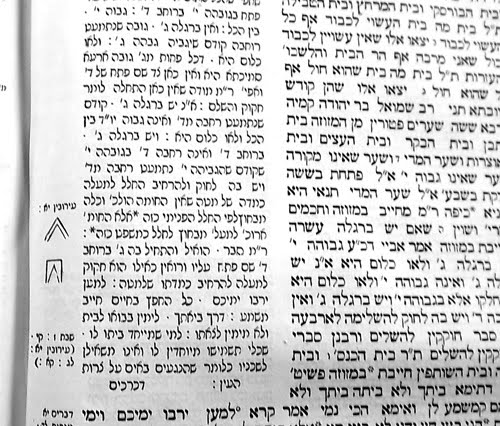
[1]ברצוני להודות למו”ח פרופ’ דניאל י. לסקר שעבר על רוב דברי ועזר בהערותיו להכנת המאמר לפרסום.


Eliezer Brodt: Corrections and Clarifications


Corrections and Clarifications on Two Editions of R. Chaim Berlin’s Responsa: An Egregious Example of Censorship
by: Eliezer Brodt


From time to time I get feed back about some of my previous posts some good some bad – aside from the standard criticism of poor grammar, editing or transliterating, all of which are my fault entirely. The blog does not have a full time editor (its all on a volunteer basis), and the goal of the editors, in general, is to get out posts at high speed with good content (many of which could have been printed in journals) but this avoids the whole long process of printing etc. Sometimes the feedback shows that some things need more clarifications or statements I made are simply wrong and need to be corrected. Thus, I definitely encourage all feedback. When I write posts (although I spend much time researching and writing them) I am still collecting information on these topics which I hope to incorporate at future times (at times I have done so already). Another point, which almost goes without saying, is that I am definitely not trying to Pasken any halachic leniency with what I quote.  I just like to bring interesting, nice points to public knowledge. With this introduction I would like to clarify some issues as a few very important remarks and corrections are in order about a previous post of mine Two Editions of R. Chaim Berlin’s Responsa: An Egregious Example of Censorship

In this post I accused the editors of the new edition for censorship in a few places most notably a leniency about shaking woman hands and a pro-Chassidus statement. I then concluded that there are probably more examples of censorship in this work but I do not have time to go through all four volumes. In general before I write a review on a sefer I read the sefer cover to cover a few times carefully. Since this work has four massive volumes I did not do so. Instead I used the many indexes of the sefer based on topics, Shas and names of the people mentioned etc. I could not find the various pieces so I concluded that there was censorship. I recently received a letter from an old friend who read through this post very carefully and had a few very important comments. I would like to deal with some of his comments. 

On Shaking hands with woman

First of all I accuse the editors of the new edition of censoring this Teshuvah by removing it,  but that is simply a false accusation. This Teshvah is included in the new edition in volume two p.257. 
Second of all my friend writes: “I will admit that when I first saw the teshuvah I too understood it to mean that,  but after a careful reading that R. Chaim Berlin actually never permits shaking hands at all. Rather, R. Berlin brings the Gemarah in Brochos about someone who hands money to a woman in order to look at her, R. Berlin therefore deduces that if the intent is not in order to look at her (as is the case in the one who asked the shaila) then this would not apply and it would be permissible to pass money from his hand to hers. He then adds that it would be better to be careful about this too, but if this proves impossible one should not be machmir etc. that’s all. It would seem quite clear that he is discussing a situation of someone who has a business or runs a store (as the one who asked the shaila, R. Alshvang, did) and needs to hand money (or merchandise) to his customers. This is the case of the above mentioned Gemarah (i.e. passing money, not shaking hands). After finding this teshuvah in the new edition I saw that the publishers of the new edition were kind enough to explain this (and were careful to put this explanation in brackets; the accepted form of an editors addition).”

 
I will admit this argument sounds convincing but I am not sure it is correct. The exact quote of the Teshuvah is as follows:
 
אשר שאל על דבר נתינת ידו לרשעים או לנכרית, הנה ליתן יד לפושעים אין שום איסור בזה אם אין בזה הודאה וחיזוק להנהגותיהם בשרירות לבם. ולתת יד לאשה לשון הש”ס הוא ברכות ס”א א’ המרצה מעות לאשה מידו לידה כדי להסתכל בה, מבואר דאם אינו מכוין לשום דבר וכש”כ שאינו עושה כדי להסתכל בה כמו מעלתו שכל מעשיו לשם שמים אין איסור בזה לרצות מעות מידו לידה. ודאי אם יוכל להזהר בזה מה טוב, אבל אם אי אפשר לו להנצל מזה כגון אם הנכרית הקדימה והושיט לו את ידה ואין דעתו לשום הרהור ח”ו אין להחמיר בזה, ודרכיה דרכי נועם, ואהבת את ה’ אלקיך אמרו חכמים יומא פ”ו א’ שיהא שם שמים מתאהב על ידך, ולא יאמרו על יראי ה’ שהם משוגעים ואינם בעלי דרך ארץ.
 

A simple reading of the first part was about shaking the hand of a Rasha or non-Jewish woman as his answer implies where he says “as long as it does not show any agreement to their behavior”. I would assume that is not referring to just taking money from them. He then goes on to dealing with the story by a Jewish woman as he says “to give a hand to a woman”. To which he answers based on the Gemarah of giving money to a woman… which I think also answers the question of shaking a woman’s hand. It would definitely be helpful to have the original question of R. Alshvang but I do not. The new edition after the words אשר שאל על דבר נתינת ידו לרשעים או לנכרית, stuck in the words

[בהושטת הפרקמטיא או המו”מ בהרצאת המעות, האם צריך להקפיד שלא למסור מיד ליד]

Now they do not write that they did (nor do they mention in the introduction that they ever do this) this making you think R. Chaim Berlin writes that. But aside for that I am not sure that this is true as his reply does not make sense when he answers אין שום איסור בזה אם אין בזה הודאה וחיזוק להנהגותיהם בשרירות לבם. if he was talking about shaking hands then this statement makes sense but if its just about handing over money I am not sure what it means.

 
 One last point I am not concluding via this possible pesak of R. Chaim Berlin that it is permitted to shake woman’s hands that is for one to ask their local Rav as where I come from we go with the strict pesak of R Moshe Feinstein that it is prohibited as he writes:
ולהושיט יד לאשה כדרך הנותנים שלום בהפגשם, פשוט שאסור אף לפנויה שהרי הן נדות וכ”ש לאשת איש (אגרת משה, או”ח, א, סי’ קיג).
 
Other cases of supposed Censorship:
The piece I brought of additions to the Mishana where R. Chaim Berlin writes:

שביארתי מאמרם ז”ל התמוה מאד בשלהי מס’ סוטה מ”ט ב’ על משנתינו משמת רבי בטלה ענוה ויראת חטא א”ל ר”י לתנא לא תיתני ענוה דאיכא אנא א”ל ר”נ לתנא לא תיתני יראת חטא דאיכא אנא. והתמיה מפורסמת איך אמוראים קדושים כאלה ישבחו עצמם בענוה ויראת חטא, והמלך החכם אמר יהללך זר ולא פיך. וביארתי בס”ד על פי מש”כ הרע”ב ז”ל על האי בבא משמת רבי בטלה ענוה שתלמידיו של רבי הוסיפו וכתבו זה במשנה, וכ”כ בתוס’ רע”ק בשם הרמב”ן בחי’ ע”ז ל”ז א’ שהוא תוספת שהוסיף בר קפרא או לוי במשנה, והמה היו תנאים אחרונים תלמידי רבי. ואמרתי שהוא הוא התנא שדברו עמו רב יוסף ורב נחמן, שרב יוסף א”ל לזה התנא שהוסיף במשנה משמת רבי בטלה ענוה א”ל לא תיתני ענוה שאתה מסתיר מדותיך הטובים ושונה במשנה משמת רבי בטלה ענוה ואנא ידענא שגם אתה ענוותן כרבי ועדיין לא בטלה ענוה משמת רבי, וכן א”ל רב נחמן לזה התנא שהוסיף במשנה משמת רבי בטלה יראת חטא א”ל לתנא לא תיתני יראת חטא שאתה מסתיר מדותיך הטובים ושונה במשנה משמת רבי בטלה יראת חטא ואנא ידענא שגם אתה ירא חטא כרבי, ועדיין לא בטלה יראת חטא משמת רבי, כן ביארתי זה המאמר לפי חומר הנושא.  


I could not figure out why this piece was edited out but my friend has a much more logical explanation. In the introduction of the sefer the editors write they hope to collect all the pieces of R. Chaim Berlin on Agadah and print them shortly.


The pieces where he writes: 

ועל דבר כסוי ראש האשה במטפחת אחת, אם אין שערה נראין אין בזה שום איסור, ועדיף טובא מפיאה נכרית, ואין צריך כלל שני כסויין, ואם אך אין השער נראה בחוץ די בכסוי אחד אף ברשות הרבים, ורשאי גם לקרות ק”ש כנגדה,ואין להחמיר עוד בזמן הזה.
 
I also accused the editors of the new edition of censoring this Teshuvah out but that is simply a false accusation. This Teshvah is included in the new edition in volume two p.260.
 
The pieces where he writes:
לדבר עם אשה בשוק לא נאסר אלא לתלמיד חכם ולא למי שאינו מוחזק בתלמיד חכם, וכשם שתלמיד חכם המדבר עם אשה בשוק גורם בזה חלול השם כן מי שאינו מוחזק לתלמיד חכם הנזהר בזה שלא לדבר עם אשתו לעיני הבריות הוא מיחזי כיוהרא, ויש בזה גם כן חלול השם …
I also accused the editors of the new edition of Censoring this Teshuvah out but that is simply a false accusation. This Teshvah is included in the new edition in volume two p.261. Furthermore in both of these last two pieces, in the new edition we have an addition – the exact question posed to R. Chaim Berlin see p.258-259.


 The Piece Pro Chassidus:

 R. Chaim Berlin writes:

ולהתפלל בבית הכנסת של החסידים אין שום חשש בזה, וגזירת רבינו הגר”א ז”ל לא הי’ אלא בזמנו שהקילו אז בכבוד תלמידי חכמים לומדי תורה, ולא כן בימינו שהחסידים חולקים כבוד לכל לומדי תורה והם יראי ה’ ושומרים תורהומצוה. אך על דבר שינוי נוסחת התפלה, אסור לשנות בפרהסיא ממנהגיהם ומנוסחאותיהם ובנוסח הקדושה יאמר קדושת כתר בשביל שנאמרת בקול רם ויש בזה איסור לא תתגודדו, וגם שלא לעורר מחלוקת ח”ו, אבל בתפלה בלחש לא ישנה כבודו ממנהג אבותיו וממנהגו מעולם, ויתפלל שמונה עשרה בלחש כנוסח אשכנז.


I claimed that this piece is censored out from the new edition, this too is a a false accusation. This Teshvah is included in the new edition in volume two p. 261. Furthermore in the new edition we have an addition – the exact question posed to R. Chaim Berlin (p.259):

והנה נא הואלתי לשאול עוד דבר אחד לבד. אם ראוי או נכון להתחבר עם החסידים היינו להתפלל בנוסח שלהם, וגם יש בהם חלוקי דעות ואיזה מהם קודם. ואם הגר”א אשר אסר שני פעמים להתחבר עמהם כלל והרחיקם במאוד למה אנו וכל גדולי ישראל נוהגין לקרבן ולהתקרב להם ודבר טוב ראיתי בהם שבחייהם חיי אחדות יותר ממנו.


Reading Newspapers on Shabbos and reliability of Torah Temimah:

Another piece my friend takes issue with is what I write about newspapers on Shabbos. My friend writes: Whether or not the Netziv read newspapers on shabbos I don’t know. I would be inclined to believe what R’ Chaim Berlin says about this; after all even those who opposed him on Volozhin never accused him of being a liar. But either way to bring ‘testimony’ from Mekor Boruch is ludicrous; everyone knows that! As for R’ Meir Bar Ilan’s ‘testimony’ it might be worth something (if his childhood memories can be trusted) it also might be just an ‘echo’ of Mekor Boruch (i.e. he might have sent it there himself), but the truth is that this is not at all important to the issue at hand, because he doesn’t talk about shabbos at all.
 

First I would like to clarify there have been many many articles written about the Mekor Baruch showing plagiarism and mistakes he made. Others have shown that he is not reliable in his quotes from his father about Chabad. I am not here to add to that all I have to say is anything he wrote about his uncle that was public fact I doubt he played around with or lied about. He received a beautiful haskamah from R. Kook I doubt he would have received one had he said such lies about Netziv his rebbe. Also many people at that time were alive at that time who learnt by the Netziv yet no opposition was expressed as far as we know to date. I am not Chas vesholom calling R’ Chaim Berlin a liar. Perhaps he was expressing his opinion based on a conversation he had with his father early on in life whereas maybe the Netziv changed his mind over time and that was what Mekor Baruch was reporting. As for R’ Meir Bar Ilan he does not write that the Netzv read newspapers on Shabbas. All he says is he did in general and on Shabbas he held it was ok as he wrote in Itur Sofrim. I guess he was not aware of what R. Chaim Berlin said on the topic.

 
Woman covering their Hair:

Much has been written about how the responsa literature can aid in reconstructing the history of the period, this sefer also shows us this. Just to cite one example in volume one (p. 88) of the newer version (which shockingly was not edited out) someone wrote to R. Chaim:
גלוי וידוע לכבודו עד כמה פשתה הנגע בארצינו וביתר שאת בארצות אוירפפה ושדה תיכלה כמעט בכל בנות ישראל שוע ודל אשר גם בעליהן ואבותיהן המה משלומי אמוני היהודים המחזקים בדתינו הקדוש והמה גם הנה אינן ח”ו מפורקי עול בדרך כלל, ובכל זאת עברו ושנו ונעשה להן כהתיר לילך בגליות שער ראשיהן אחת המרבה ואחת המטמעטת, עיר ועיר ומדינה ומדינה כמנהגה וכפי חוקות המאדע שלה. ולא ישמרו את נפשותיהן מזה לילך כן גם בבתי כנסיות ובבתי מדרשות ובמסיבות אנשים שרים סביב לשלחן בעת סעודות נשואין שבת ויום טוב…
 
We see from this that the well known phenomena of woman not covering their hair in previous generations. The question which was posed to R. Chaim was what one should do about saying
berokhot or Shema in front of such a woman. To which R. C. Berlin replied:
לענין קריאת שמע גופא יש מקילין בזמן הזה שכבר נהגו לגלות ראשן ודומה לשער שמחוץ לצמתן… ומעתה למעשה בזמן הזה, מי שאינו מחפש למצוא לו יתד על מה לסמוך, ומקלו יגיד לו, יוכל לסמוך על המקילין. ומי שהוא ירא חטא ורוצה לצאת ידי שמים גם בסתר כבגלוי, ודאין אין לו לסמוך על המקילין.
   Some points which my friend pointed out is one this Teshuvah is on p.78, and the writer was referring to Germany in 1909. Another point which is a typo on my part is it should say: 

מי שאינו מחפש אלא למצוא לו יתד על מה לסמוך, ומקלו יגיד לו, יוכל לסמוך על המקילין.

 Meaning if your looking for a heter you have one but that is not what you should be doing.


One last point my friend made is what R. Chaim Berlin concludes:

והעצה היעוצה לו, לעוצם עיניו, שדבר הזה הוא נקל מאוד… דאם אי אפשר לו באופן אחר, יוכל לסמוך על המתירין עצימת עינים, ומי שעוצם עיניו מראות שוא, יזכה לראות פני שכינה.

In conclusion it is proper to quote the famous words of the Rambam which one should ultimately do:

וממה שראוי שתדעהו שהאדם אין לו לדבר ולדרוש באזני העם עד שיחזור מה שרצונו לדבר בו פעם ושתים ושלש וארבע וישנה אותו היטב ואחר כן ידברו… ועל מה שירשם האדם בידו ויכתבהו ראוי שיחזירהו אלף פעמים אלו יתכן זה… (אגרת השמד, שילת, עמ’ לג-לד).


Review of Ma'amar al Yishma'el

Review: Ma'amar al Yishma'el
by Eliezer Brodt & Ish Sefer  Solomon Ibn Aderet, Ma'amar al Yishma'el, Bezalel Naor ed., Spring Valley, NY, 2008, 178 pp.
Bezalel Naor, Mitsvat Hashem Barah, Spring Valley, NY, 2008, 220 pp.
  R. Bezalel Naor, who has published a host of translations and explanations of R. Kook's writings, as well as Post Sabbatian Sabbatianisms, discussing Sabbatean works, has published two works in a single volume. The first, Ma'amar al Yishma'el, is a critical edition of R. Solomon Ibn Aderet's (Rashba) discussion of Islam.   This work was printed from manuscript (which today is lost) for the first time in 1863 by Y. Perles. Most recently it was printed in the new Shut ha-Rashba by Machon Yerushalayim in their last volume (siman 367). At first it was not accepted that Rashba authored this work but today it is accepted that  he is indeed the author. Naor's edition begins with an excellent introduction dealing with amongst many things the authorship of this work, Naor raises the possibility that R. Dovid who was a talmid of the Ramban was the author. Throughout the text he brings various proofs about the authorship from other writings of the Rashba. As an appendix Naor printed a copy of a manuscript of Steinschneider where he deals with the authorship of this text.   The main topic of this work is about the Rashba defending the Torah from an Islamic attack. Although much has been written on Jewish Christian disputes, when it comes to Jewish Islamic disputes, much less is written or known. Indeed, most are probably unaware that the Rashba wrote this work defending Judaism against Islam. Naor's edition begins with an excellent introduction discussing the work generally and specifically providing background materials on exactly what the Rashba was responding to.  Naor discusses both the Jewish as well as Islamic sources in all languages. It is pretty incredible to see his command in both these groups of sources, it is clear that much time and hard work went into preparing this work.   The main topic which the Rashba deals with is defending that the Torah which we have is 100% accurate and was never tampered with. The Rashba deals with many specific examples in a very orderly fashion. Specifically, the Rashba elaborates why the torah publicized what seems to be sins of Reuven (p.74) and Yehudah (pp. 73-74). The Rashba also deals with why the torah had to include the story of Lot and his daughters (pp. 72-73). Another issue that the Rashba defends is proving that the numbers of the Jews given by the Torah was 100% accurate (pp. 63-71). Additionally, the Rashba deals with the famous incident of the finding of the Sefer torah in Yoshiayhu's time. There are also many Chidushim with regard to the seven Noachide commandments.   Regarding why Hashem chose to give the Torah publicly the Rashba writes (p. 90):והתבונן כי בשתי תורת האלו, רוצה לומר, תורת בני נח ותורת משה עליו השלום לא רצה השם יתברך שיקבל אותם ממנו נביא, ויקבלו אותם מן הנביא שאר העם. וזה לשתי פנות גדולות האחד: כדי שלא יוכל אחד ממי שנתחייב באורה התורה, להסתפק בקבלתה, ולחשוד מי שקבלה, שבדה מלבו, או ששבש בם קצת… והשניה, כדי שלא יוכל לשבש בדת ובאמונה לאחר זמן, ויטעון שהשם יתברך נתן עתה על ידו תורת כן וכן, כמו שנתן תורה ראשונה מתחלה עד יד הנביא פלוני אשר קדמו. אלא קבץ כל הנמצא באותו זמן ונתן רוחו עליהם והתנבאו…   Naor already points out that although this is similar to the proof offered by the Kuzari, however, this proof has a new addition to it as it includes the notion that the ז' מצות בני נח were also directly and publicly given by God!    Besides for the actual main topics that the Rashba deals with and its great importance (as he is one of our most important Rishonim) there is also a wealth of interesting side points and discussions in this work.   Amongst the many important points that the Rashba writes is that although we find many times about the Torah that the Gemarah says שכחה התורה וחזרה ויסדה (one of example of this is by with Ezra). The Rashba explains at great length that it does not mean the Torah was almost completely forgotten at these times. Rather all of torah is connected and if one thing is forgotten it is as if everything is forgotten so Ezra prevented this from happening (pp. 100-05). With this the Rashba explains many things amongst them the famous Gemarah in Pesachim (66b)תנו רבנן: הלכה זו נתעלמה מבני בתירא. פעם אחת חל ארבעה עשר להיות בשבת, שכחו ולא ידעו אם פסח דוחה את השבת אם לאו. אמרו: כלום יש אדם שיודע אם פסח דוחה את השבת אם לאו? אמרו להם: אדם אחד יש שעלה מבבל, והלל הבבלי שמו, ששימש שני גדולי הדור שמעיה ואבטליון ויודע אם פסח דוחה את השבת אם לאו. שלחו וקראו לו. אמרו לו: כלום אתה יודע אם הפסח דוחה את השבת אם לאו? אמר להם: וכי פסח אחד יש לנו בשנה שדוחה את השבת? והלא הרבה יותר ממאתים פסחים יש לנו בשנה שדוחין את השבת. אמרו לו: מנין לך? אמר להם: נאמר מועדו בפסח ונאמר מועדו בתמיד. מה מועדו האמור בתמיד – דוחה את השבת אף מועדו האמור בפסח – דוחה את השבת. ועוד, קל וחומר הוא: ומה תמיד שאין ענוש כרת דוחה את השבת, פסח שענוש כרת – אינו דין שדוחה את השבת. מיד הושיבוהו בראש ומינוהו נשיא עליהם, והיה דורש כל היום כולו בהלכות הפסח. התחיל מקנטרן בדברים, אמר להן: מי גרם לכם שאעלה מבבל ואהיה נשיא עליכם – עצלות שהיתה בכם, שלא שמשתם שני גדולי הדור שמעיה ואבטליון. אמרו לו: רבי, שכח ולא הביא סכין מערב שבת מהו? אמר להן: הלכה זו שמעתי ושכחתי. אלא, הנח להן לישראל אם אין נביאים הן – בני נביאים הן. למחר, מי שפסחו טלה – תוחבו בצמרו, מי שפסחו גדי – תוחבו בין קרניו. ראה מעשה ונזכר הלכה, ואמר: כך מקובלני מפי שמעיה ואבטליון. Many people have discussed this Gemarah throughout the ages (its was a popular derasha topic for Shabbat HaGadol) how could they forget such a thing? The Rashba explains it with his same theme. Here to Naor includes an excellent lengthy footnote dealing with this Gemarah providing many sources.  Another important statement of the Rashba (pp. 116-17) is:כל שכן ספר כולל מה שהוא ומה שהיה ועתיד להיות כתורתנו השלמה והתמימה שכוללת מן החכמה כל מה שהיה מן הבריאה הראשונה עד תכלית כל חכמה. ואפילו בא נביא מן הנביאים לכתוב בפרטי כל מה שתרמוז בה לא יכיל גליון וכן בפירושי מצותיה.    When talking about Rabbenu Hakodesh role in the writing of the Mishna he writes (p. 119): והודיעונו יתרון חכמת רבינו הקדוש בסדור ספרו סדר המשנה חברו בתכלית החכמה בקצור ובסדור בסתם ואחר כך מחלוקת ומחלוקת ואחר כך סתם וכולל ענינים גדולים בדברי קצתם.   Although, as mentioned above, the notes are generally excellent there is comment that deserves to be discussed. The Rashba referring to a Gemrah in Mesectas Pesachim calls (p. 103) it מסכת פסח שני. Here, Naor does not explain what the Rashba meant. The intention of the Rashba is that many rishonim called the part of Pesachim which deals with Korbon Pesach, Pesach Shenei, and referred to the first part of Pesachim that deals with Chametz and perek Arvei Peachim as Pesach Rishon. This fact was not known to everyone see for example Hagadah Shelemah (p.197) where it is pointed out that the Abarbanel was not aware of this and made a mistake because of this. [See also R. N. Rabonowitz, Mamar Al Hadfosass Hatalmud, p.27]. The Merei writes (Peachim 57b):אמר מנחם בן שלמה לבית מאיר י"א זאת המסכתא ר"ל מסכת פסח שני היא מסדר מועד וכבר ביארנו בפתיחת החבור שבסדור רבינו הקדוש ע"ה היו מסכת פסח ראשון וזאת המסכתא חוברות אשה אל אחותה נכללות במסכתא אחת נקראת פסחים ופרק ערבי פסחים היה אחרון לכל פרקיה ובימי הגאונים ז"ל חלקוה . לשתים וקראו הראשונה פסח ראשון והעתיקו פרק ערבי פסחים ממקומו וסדרוהו בסוף פסח ראשון וקראו שם המסכתא הזאת פסח שני ועל זה הצד הורגלנו בלמודה אחר מסכת פסח ראשון על הדרך שסדרנו בפתיחת החבור והיא כוללת חמשה פרקים וסדרם לפי שיטתנו…
Another nice piece is (p. 67): יש לנו להשיב ולומר שלא כל התולדות אשר היו להם זכר הכתוב רק מקצת מהם או מקצת מן הנזכרים ואף על פי שהיו להם או למקצתם בנים אחרים רבים מאלה, אלא שלא זכר כאן רק אותם שהיה הצורך מביא לזכרם, מפני שאלה היו ראשי בית אבות למשפחותם והאחרים בלבד יקראו על שמם כאשר קרה ליוסף שלא זכר הכתוב מכל בניו רק מנשה ואפרים…   The text of Ma'amar also contains extensive footnotes which provide the sources for the Rashba's statements as well side discussions. In the final section of this work, Naor explores, in greater detail, some issues he raised in passing in his notes. Just to mention a few of the many topics he deals with in the notes and appendixes (with just a few additional sources). These topics are rather eclectic ranging from the Ramban's position regarding the Ibn Ezra (pp. 136-143). In the introduction Naor has another nice discussion about the Ibn Ezra's position regarding the authorship of the Torah (pp. 23-28) although many deal with this topic Naor has some new important points based on some manuscripts showing what R. Ezra of Gerona, the Rebbe of the Ramban, thought of the Ibn Ezra. Other issues he deals with in regard to the Ibn Ezra are with his work the Iggeres ha-Shabbat (p. 141 n.578) [see also Ohr Yisrael 54:238] and additions which were put in by others in his works (p.142 n.582) [see also my Bein Keseh Lassur (Jerusalem, 2008), p. 53]. Others issues Naor deals with: did the Rashba know Arabic (p.21 n.24), the authorship of the classic Kabbalah work Mereches Aleokus (pp. 53-55). It is interesting that the Rashba always refers to Muchamed as Meshugah (see the note on p. 61-62 about this) [One can add to this Marc B. Shapiro, Studies in Maimonides and His Interpreters (Scranton and London: University of Scranton Press, 2008), 151-52]  Another great note is about R. Abraham Ben Ha-GRA whose usage of very rare editions of the Talmud (pp. 72-72 n.236), and also about Ba'al Tosef on Taryag Mitzvot and the seven Noahide Laws (pp. 86-90). These are but a few samples.In the introduction Naor writes that only after he completed working on this sefer did he find out that Chaim Zalman Dimitrovsky printed it already with notes – had he known he never would have bothered working on it. As is obvious, Naor has a tremendous command of the sources in Hebrew and academic world and he did incredible research for this work yet he never discovered the well known source where most should begin with when working on the Rashba – Dimitrovsky's works. It was good that he only found it at the end as he did a beautiful job dealing with many many things which Dimitrovsky did not, making it very worth while that he too worked on this sefer.   One minor piece of criticism is that Naor makes paragraph divisions between each section giving each chapter a heading.  While this is very useful, Naor does not explain that these are his creation and not the Rashba's and thus can cause some confusion.  For example, on page 120 he quotes a piece from Yigdal which would be a nice early source but after checking it out with other versions of the Mamar its clear that Naor himself added this in -to be helpful.  The second book included in this volume is Mitzvat Hashem Barah. This book deals with the seven Noahide commandments. Rather than dealing with the actual commandments – i.e. a mere list – this book delves into rather interesting issues that surround these laws. For example, Naor has a fascinating discussion regarding R. Hayyim Hirschensohn's opinion that all commandments can be adduced logically. This discussion implicates what obligations there are in absence of specific commandments or, in the classic parlance, what happened before Matan Torah (pp.72-83). As an aside although it is very useful that he quotes the exact lengthy pieces of Hirschensohn he says he is doing so as they are very rare seforim. Although it is true that a hard copy of the seforim are hard to get but anyone can access them today thanks to Hebrew books.

Naor also presents the controversy between R. Jacob Emden and Moses Mendelssohn regarding the Noachide laws (pp. 16-34). While some maybe aware of the correspondence R. Emden had with Mendelsshonn regarding determining the time of death (see Moshe Samat's article in Hadash Assur min ha-Torah (Jerusalem: Dinur Center & Carmel Publishing, 2005), 157-227), most are not aware of this important philosophical debate. For two additional scholarly sources to this topic not mentioned by Naor, see the important unpublished paper of Professor Lawrence Kaplan, "On the Boundary between Old and New: The Correspondence Between Moses Mendelssohn and R. Jacob Emden," delivered at the Jewish Thought in the Eighteenth Century conference, Harvard University (Spring 1984), and the extensive discussion in chapter seven of Jacob J. Schacter, "Rabbi Jacob Emden: Life and Major Works," (PhD dissertation, Harvard University, 1988), 661-747 ("The Emden-Mendelssohn Correspondence"), and see esp. 720n3 for citations to previous descriptions of the correspondence, and also 725n37, 726n48, 742n150, 743n165, 744n168, where he discusses Kaplan's paper. Naor adds much to this topic. After these discussions, Naor then provides insights on the various Parshiyot ha-Torah that implicate Noahide laws especially before Matan Torah. Again the topics covered and, more importantly, the manner in which they are covered are terrific in scope and depth. His command of the "Yeshivish" sources along with Kabbalah (pp.97-102) and hasidut is excellent. Although much has been written on this topic of seven Noahide commandments especially before Matan Torah including a massive sefer (in size) called Birkot Avot and a recent pamphlet Mebei Medrasha from R. K. Redisch, Naor brings many new things to the table not dealt with before.
Here to he has many great footnotes scattered throughout the sefer some strictly for the sake of a very side footnote one such example is on pp. 5-6 about the Tosafot Yom Tov which writes (Nazir 5:5):והכוונה בודאי ממאמר מי שלא נתקיימו דבריו הוא מה שאמרנו עכ"ל. ונתקיימו דבריו. אע"פ שבגמרא לא פירשו כן. הואיל לענין דינא לא נפקא מינה ולא מידי. הרשות נתונה לפרש. שאין אני רואה הפרש בין פירוש המשנה לפירוש המקרא שהרשות נתונה לפרש במקראות כאשר עינינו הרואות חבורי הפירושים שמימות הגמ'. אלא שצריך שלא יכריע ויפרש שום דין שיהא סותר דעת בעלי הגמ':   He brings a few sources that a סברא is דאורייתא (p.78 n.180) Just to add one obscure source to his list see R. Avraham Grodzensky in Torat Avraham (p.264) who writes:גם סברת האדם ושכלו הפשוט כמקרא מפורש הוא, ואדרבה כל סברא פשוטה ביותר מפורש הוא ביותר כאשר נבאר איתא בב"ק (מו:) מניין להמוציא מחבירו עליו הראיה… מתקיף לה רב אשי הא למה לי קרא סברא הוא… קושיא זו של רב אש אינה על סברא שדעת התורה והשקפתה כלולה בה, אלא על סברא פשוטה שהולה מבקש את הרופא מפני שמרגיש את כאביו ואל סברא זו מקשה…
One point of interest although this could really be nothing when Naor quotes Mendelssohn (pp.16-34) and Weisel (p. 19 n. 48, 200-203) in the text of the sefer he brings there name in abbreviation one suspects it has to do with fear for citing their names openly only in the notes (p.22 n.51) which much less people read does he quote Mendelssohn by full name.

On page 69 he deals with a Rambam who says יראה לי explaining that when ever the Rambam uses such language he is saying his own hiddush. It is surprising that although through out  this work Naor demonstrates great bekiyut in the works of the Aderet here he does not mention in the notes that he composed a work on all the Rambam's that say יראה לי recently reprinted by Ahavat sholom called Teshuvah Meyerah and more importantly he deals with this Rambam. One weakness is neither of these two works in the volume have an index which would have been rather useful as there are many many topics of interest in this sefer and one can not find them easily.   

Finally, it is worth noting that the book itself is rather nice to look at in part due to the color cover depicting a Spanish synagogue scene from the period of the Rashba. All in all this work is well worth owning and reading carefully.

The book is available in Jewish bookstores in Baltimore, Boston, New York and Pittsburgh or via the Orot website, with a special offer here.  


Rabbis &amp: History A Review of the Koreh HaDorot, Ahavat Shalom ed

Rabbis & History: A Review of the Koreh HaDorot, Ahavat Shalom ed. by Eliezer Brodt  This is the first post in what I hope to be a series on various attitudes towards studying history.  The prism through which we will examine this issue is that of the many works written by gedolim discussing history.  The subject of this post is a new edition of the classic work Koreh Hadoros (KH) by R. Dovid Conforte (printed recently by Ahavat Sholom).  After discussing the actual sefer and its author,  I will conclude with a few comments about this recently printed edition.   R. Conforte was born in Salonika around 1617 and died sometime after 1678. Throughout his life he traveled to many places (including Eretz Yisroel), and in KH he describes his meetings with many great personalities, including R. Menachem Lonzano, author of Sheti Yadot, and R. Hayyim Benevisti, author of the Keneset Hagedolah. As he enumerates throughout the book, R. Conforte studied with R. Moredcahi Kalai and many others (see, for example, pg. 163, 175, 176, 179; all page references are to the new edition).  At times he also emphasizes with whom and when he studied Kabalah (pg. 172-73), which he started to learn at the young age of seventeen (p. 150). He seemed to have authored a few other works, most of which are lost. Recently, a responsum of his was printed in the journal Yeshurun (vol. 7, pg. 55ff). [In that article, the authors write of a plan to collect all R. Conforte's torah as well as to reprint the KH]. In Sinai (28:279-295), R. Toledano published a manuscript called Zikhron Yerushalim about gravesites in Eretz Yisroel, which the author proves was written by R. Conforte.   The KH is one of the most famous historical works written by a talmid chacham and continues to be studied to this day. This sefer was printed a few times (once even under a mistaken name –  see R. M. Strashun, Mivchar Kesavim, p. 240), and remains very popular amongst gedolim and scholars alike. Most notably, the Chida quotes this work extensively in all his seforim (as an aside, it's rather strange that his entry on R. Conforte in Shem Hagedolim is very small and uninformative). Indeed, when, many years ago, R. Meshulam Roth created a curriculum for his yeshiva, he included the Koreh Hadoros as an essential sefer for his talmidim to read (among other interesting things in the program; see Mivasar Ezra, pg. 176, and Mivasar Vomer, pg. 119); R. Meir Shapira even asked R. Roth if he could use the latter's curriculum for Yeshivat Chachemei Lublin (see Mivasar Ezra, pg. 172).  Even today scholars use this work extensively; check the index of almost any of the works of Meir Benayhu and one can see how often he quotes the KH.    KH begins with the era of the Rabbonan Savorei ("Saboraim"), continues with the geonic period and the rishonim, and ends with R. Confotre's own generation, in total covering a period of a few hundred years. The idea of this work is to list the different gedolim from each period and include basic information about them, such as when they were born and died, with whom they stiudied, and what they wrote. At times the KH includes a more lengthy entry on a specific person. Much of this information, especially that of R. Conforte's own period, is very important,  as we have no other such sources for it.  Much of the other material is taken from other classic "history" works, as R. Conforte himself notes (e.g. Igerres R. Shreriah Goan, Sefer Hakablah l'Ha'Ra'avad, Sahlsheles Hakablah, and Sefer Yuchsin, all of which will hopefully be subjects of their own posts in the future); yet, though R. Conforte uses these works extensively, he will at times disagree with these works. One work which, for some unknown reason, R. Conforte does not use, and which R. D. Kassel already pointed out, is the Zemach Dovid, obvious from the fact that the section on Askenaz achronim is quite weak. Finally, throughout the sefer he quotes many interesting things he heard from purportedly reliable sources, rare seforim, and manuscripts which he saw. In the recent Ahavat Sholom edition, they discuss about fifty such works which R. Conforte mentions. Indeed, Koreh HaDoros shows an incredible bikiyut in shas, rishonim, and achronim (and all of this in the pre-Bar-Ilan days!).   In 1842, D. Kassel printed an annotated version of KH. Though he included many short notes on various points in the sefer, his additions included nothing extensive. Among the reasons Kassel provides for this is that he was told Leopold Zunz was working on his own edition.  However, Zunz never ended up publishing his own edition and, as such, Kassel's edition, which still left room for much work, became the standard edition. More recently, this sefer was reprinted by Ahavat Sholom. One of the benefits of the Ahavat Shalom edition is that it collects all the Chida's comments on the sefer (scattered throughout his writings) and prints it here in the proper places. The truth is that Kassel already references when and where the Chida discusses particular points in KH; still, the Kassel edition only includes citations to the Chida's works without reproducing what the Chida says.  The Ahavat Shalom edition, on the other hand, includes the full text of the Chida's relevant comments. To be sure, even a cursory Bar-Ilan project search shows that the Ahavat Shalom edition missed a few of the Chida's comments, and I am sure that this is true of the many other seforim of the Chida not included the in the Bar-Ilan database.  Another plus of their edition are the indexes, which are very extensive- over a hundred pages (which include every time any sefer or name is mentioned)! Finally, the edition also has a retyped set,  making the sefer  more readable and clearly marking paragraph and topic breaks. They were also kind enough to reference pages numbers of the first edition, a useflul tool in tracking down quotes from the original edition. Another positive aspect of this edition is a very thoroughly researched introduction about the author and the sefer. The Ahavat Shalom printing includes an entire section devoted to many of the manuscripts and seforim that R. Conforte may have seen (discussing what happened with the seforim if they were printed since then, etc.). Just to point out some additions to their discussion: The KH mentions a sefer from R. Yisroel Nigra which is a collection of his derashos called Mikveh Yisroel. They write (p. 35) that it exists in many manuscripts and that one derasha was printed already in Yeshrun (10:134). The truth is that this manuscript was printed partially in the early 1900s, but, more recently, S. Regev printed all the dershos (Bar Ilan Press, 2004) in a critical edition (675 pgs.), including an excellent introduction to the work Interestingly, R. Y. Goldhaver seems not to have been aware of this edition as he only quotes the manuscript (see his Minhaghei Hakehilos, 1:287). Another sefer that the KH mentions, also authored by R. Yisroel Nigra, is Sheris Yisroel, which is a collection of Nigra's songs. In the Ahavat Sholom introduction they mention that it exists in manuscript. It is interesting to note that the manuscript was in the collection of R. Aryeh Lipshiz, as mentioned in his Avos Atrah Lebanim (p. 109).                                                                                                             The main weakness of this new edition are the notes. Aside for putting in all the comments of the Chida taken from Shem Hagedolim, there is almost nothing as far as notes go. On the one hand, one could argue that Ahavat Shalom did not feel it is necessary to put in more notes than they did. However, in a recent issue of a journal called Mikabsel (# 32) – published by Ahavat Shalom – the editors include the introduction to KH, including the history of the author and a sampling of over fifty notes on various topics in the sefer. Even these notes, too, could have been more comprehensive, they are still very useful. For some odd reason, most of these notes were not included in the published edition of KH. In sum, Ahavat Sholom should be thanked for printing an important sefer which has not been around for some time; nevertheless, a critical edition is definetely still needed and eagerly awaited.  I would just like to give a list of some of the many points and discussions which R. Conforte brings up in the sefer. As previously mentioned, he deals with the Geonic period, mostly basing himself on the earlier works available to him such as Iggerot R. Sherirah Gaon and Sefer Hakablah of the Ra'avad.     He records the famous puzzling statement about the death of R. Sherirah Goan that: ונתלה רב שרירא מידו אחת והוא כבן מאה שנה, ולא הוסרו מגאונות.   For a recent summary of the discussions of this statement and a new suggestion as to its interpretation, see R. Nosson Dovid Rabonvitz, Rishumot Teshuvos R. Sherirah Gaon, pp. 42-45.   Another one of the interesting things R. Conforte brings up, and which is rather famous (and hopefully the subject of its own post shortly), is the dictum:  ומצאתי כתוב שיש אומרים כי הגאונים נקרא כל אחד מהם בלשון גאון על שם שהיה יודע שם ס' מסכתות כמנין תיבת גאון (עמ' יח).   In a footnote of the Ahavat Sholom edition, the editors note that the Meiri makes the same point in his Seder Hakablah. In the introduction, they note (p. 31) that the KH probably saw this in the Meiri's  manuscript. However, from R. Conforte's discussion of the Meiri, it appears to me that he never saw the sefer (see p. 83). Furthermore, if he had seen this particular sefer of the Meiri (which, parenthetically, could have helped him much in this work), he would have quoted it as he quoted from his other sources. A more likely source where R. Conforte could have seen this phrase is from the Sefer HaTishbi (pg. 122), which he did see and from which he often quotes.    He includes a nice amount of information on the Rambam, including the famous legend regarding him being buried in Tevariah (Tiberias) and why the Ra'avad wrote a critical work on the Rambam. One of the things R. Conforte points out (as do many others) is that the Rambam studied under the Ri Migash (though the Chida comments that this is not chronologically possible).  What is less well known is what R Avraham Ben Ha-Rambam wrote about this:  ואבא מארי זצ"ל למרות היותו נמנה עליהם וקורא להם בחיבורו הגדול רבותי משום שאביו שהוא רבו הנו תלמידו של רבינו יוסף ז"ל  (המספיק לעובדי השם מהדורת נ' דנה עמ' 177-178).  KH mentions the famous legend about the death of R. Yehudah Halevi (already discussed previously here ). He also includes many interesting points about Rashi. Amongst them, he deals with a famous question that many ask: if Rashi died in middle of writing his work on Baba Basra, how is it that others say he died while working on Makos? R. Conforte's seemingly obvious answer is that Rashi must have been working on both at the same time (p. 56).  He includes an extensive list (almost fifteen pages) of all the various Rishonim quoted by Tosofos, including places where they quote from the Rambam and Ibn Ezra., further portraying the author 's tremendous bekiyut in Shas. In the new Ahavat Sholom edition, the editors actually provide the exact sources for all these pages.   The KH writes a very interesting possibility about the authorship of the Kol Bo: ושמעתי אומרים שאשה חכמה חברה ספר זה, אבל אין דעתי נוטה לזה, מפני שחכמת הספר ההוא אינו מדעת אשה אלא מדעת איש חכם גדול ורב מובהק, ומחמת ענוה יתירה שהיה בו לא רצה להזכרי ולפרסם שמו בתוך הספר. For more on this point, see Y. Levine in her introduction to Simchat Torah L'yad Rivkah Tiktiner, pg. 17 (as well as my Ben Keseh Lassur, pg. 143). Although the possibility is mentioned (and dismissed) by the KH that a woman wrote this work, A. Grossman's excellent book Chasidos U'morodos (pp. 282-289) does not mention it at all, though he provides a lengthy list of many of the learned woman in times of Rishonim (as an aside, I did not see a discussion of this list in the Sefer Toras Emechah, which deals with at length with the issur to teach Torah to women).   The KH has a lengthy discussion of the authorship of the Sefer Tanya, as it is well known that it appears to be a direct copy of the Shibbolei Ha-leket (pg. 76-77). In the latest volume of Yeshurun (20:696-697), R. Yakov Chaim Sofer goes so far as to discuss whether a similar point made by both the Shibbolei Ha-leket and the Sefer Tanya can "count" as two Rishonim or only as one. He proves at the end that the Eliyahu Rabah (in many places) counts them as two Rishonim. R. Conforte concludes that the author was most likely R. Yecheil, the author of the Malos Hamidos, and perhaps more famous as the sofer who copied the Yerushalmi Leiden. Throughout the past few centuries, the authorship of this sefer has been constantly aruged and discussed. Recently, Profesor Feintuch (Mesoros Venuscos B'talmud, pp. 65-76) proved conclusively that the KH is certainly correct (see also, I. Ta-Shma, Creativity and Tradition, pp. 77-79).   When discussing the place where the Reshis Chochma is buried, he mentions, as an aside, that the Matnes Kehunah is buried next to him (p. 146). Others disagree on this point, showing that the Matnes Kehunah was actually buried in Poland (see Zev Gris, Safrus V'hanhagos, pp. 41-42).   When talking about R. Shlomo Halevi, R. Conforte writes (p. 165):  וצוה בשעת פטירתו… שהספסל שהיה משים עליו הספרים כשהיה לומד, שיעשו ממנו ארון כדי לקוברו בו.     On this topic of burying one using the table on which one studied, see the many sources of R. S. Askenazi in his notes on the Kav Hayashar, and his updates in his Alpha Beta Kadmidta Deshmuel Zeria, pp. 487-93.   When discussing the Lechem Mishna, R. Conforte brings down an incredible story which he heard (pg. 153):  ושמעתי מפי זקנים כי נפטר בערב שבת במגפה ונקבר בין השמשות ובא השמש, והתחילו מצטערים לומר שחללו את השבת. וכשחזרו מבית הקברות לבתיהם זרחה השמש והאיר להם היום ושמחו על שלא חללו את השבת.   As D. Tamar notes (Areshet, Vol. 1, p. 474), the KH is the first historical sefer (p. 127) to attribute the Magid Mesahrim to R. Yosef Karo (contrary to what R. Y. Greenwald writes in his book R. Yosef Karo Ve'doro, pg. 192). Of course today we have much earlier and excellent proof as to the authenticity of this work; see, in partiuclar, the works of R. J.Z. Werblosky and M. Benayhu (in Yosef Becherei).   The KH also brings (p. 128) an incredible tidbit about the Beis Yosef which he heard from the Beis Yosef desendants:  ספר לנו קצת משבחי זקנו ז"ל, ובכלל שבחיו אמר לנו שהרב זקנו אמר בשעת פטירתו שזכה ללמד התלמוד כלו שלשה פעמים.    In the introduction to the Ahavat Sholom edition, the editors note that this sefer was also used to learn halacha, such as in the discussion of teaching torah to Karaties. They reference, for example, how the first source on this topic in the Sdei Chemed is the KH (Sdei Chemed, Klal Beis, Siman 34:13). While it is true that the Sdei Chemed does quote the KH, in reality he is only quoting Shut Mizrachi as brought in the KH. However, a Bar-Ilan search does show a few cases where the Shut Minchat Yitzcahk uses this sefer in his works. As far as Halachos of Klalei Ha'pesak, I am certain that KH could play a role.   In the recent ("controversial") book Reckless Rites Elliot Horowitz has a excellent extremely comprehensive chapter on local Purims throughout history. One of the Purims he discusses is the Purim of Cairo (pp. 286-89) he mentions that we have various sources showing it was observed over several centuries. Another source, not mentioned by Horowitz, is that a reference to this Purim can be found in the KH where he mentions that in his times it was also celebrated (p. 119).   One last point of great interest about R. Conforte is that although he lived in the time of Shabetai Tzvi, no mention of Shabetai Zvi can be found in the entire sefer. This point was made by B. Deblitski in his article in Mekabseil (pg. 606); however, the introduction of the Ahavat Sholom edition omits this very important and interesting point.