A Note on R. Bezalel Alexandrov’s משכן בצלאל and its Prenumeranten

A Note on R. Bezalel Alexandrov’s משכן בצלאל and its Prenumeranten
By Shnayer Z. Leiman
            Not much appears to be known about R. Bezalel Alexandrov (circa 1850-1930). Born in Grodno, he would ultimately come under the influence of the teachings of R. Yisrael Salanter (1809-1883), largely through the efforts of R. Yitzchak Blazer, i.e., R. Itzel Peterburger (1837-1907). R. Bezalel considered R. Itzel to be his primary teacher, especially during the period they both resided in Kovno. R. Bezalel was a close associate of R. Yosef Yozel Horowitz (1847-1919) of Nevarodok, perhaps the last of the disciples of R. Yisrael Salanter. A musar enthusiast, R. Bezalel served as a moreh zedek (i.e., a dayyan) in Minsk, where he also founded a kibbutz (a kind of kollel for advanced – and mostly married — students) in the Minsk suburb of Kamerovka.[1]
            R. Bezalel published two books in his lifetime, משכן בצלאל (Vilna, 1923) and ילקוט בצלאל (Piotrkow, 1927-9). Both are significant, rarely seen, and often miscatalogued by the few bibliographers who managed to hold copies in their hands. Here, we shall focus primarily on משכן בצלאל.
            מפעל הביבליוגרפיה lists only part 1 of משכן בצלאל, with 40 pages. Doubtless, מפעל הביבליוגרפיה’s bibliographer recorded exactly what he saw, a bound volume with 40 pages. But, in fact, aside from the 40 page edition, an edition including parts 1 and 2, and totaling 136 pages, was published in a bound volume, also in Vilna, 1923.[2] The book is largely a polemic against young Jewish men who insist on postponing marriage beyond the age of 20.[3] R. Bezalel’s second book, ילקוט בצלאל expands the polemic to other public manifestations of disregard for the rules of the Shulhan Arukh , such as the disregard of the mitzvot of ציצית, תפילין, מזוזה, and Sabbath observance.[4] In brief, R. Bezalel was a musarnik who was addressing the Jewish confrontation with modernity in Lita. At one point in his writings, he summarizes the confrontation as follows:[5]
Even aside from their general content, משכן בצלאל and its companion volume ילקוט בצלאל are of special interest for three reasons:
1.      They were accorded a letter of approbation from R. Yisrael Meir Ha-Kohen, the חפץ חיים.[6]
For the most part, the חפץ חיים wrote הסכמות with the greatest of reluctance. Generally, he refrained from writing הסכמות, offering a wide range of excuses why he could not do so. These included: he was not worthy to do so; he had not the time to do so; his failing eyesight and old age made it difficult to do so; he feared that by acquiescing to one request, he would be inundated with requests from others; and – most importantly – he had resolved long ago not to write הסכמות. After offering one or the other of these excuses, he would invariably close his letter with words of blessing and encouragement for the author – without a word said about the quality of the book. Nonetheless, it cannot be denied that the חפץ חיים did write a handful of genuinely enthusiastic הסכמות where he praised the books themselves.[7]

It is difficult to categorize the הסכמה written by the חפץ חיים for R. Bezalel Alexandrov’s משכן בצלאל. Not a word is said about the content of the book, but much is said about the author. Moreover, the חפץ חיים offers his blessing to all who come to the aid of the author. In context, this clearly means a blessing to all who buy a copy of his book.[8] Indeed, the חפץ חיים himself is listed as the first subscriber to the book (see below, item 3)! Nevertheless, the sense one has from reading the הסכמה is that it was an act of חסד by the חפץ חיים, rallying to the aid of a colleague in need.
2.      They record teachings of R. Itzel Peterburger (and other musarniks, such as R. Yisrael Horodner, the Maggid of Minsk[9]) not recorded elsewhere.
Here, one sample will suffice. Although we have many accounts of R. Itzel Peterburger’s “vow of silence” during the 40 day period from Rosh Hodesh Elul through Yom Kippur,[10] R. Bezalel’s account offers details not recorded elsewhere:[11]
3.      A lengthy list of subscribers is appended to משכן בצלאל that sheds light on the history of Vilna’s kloyzen.[12]
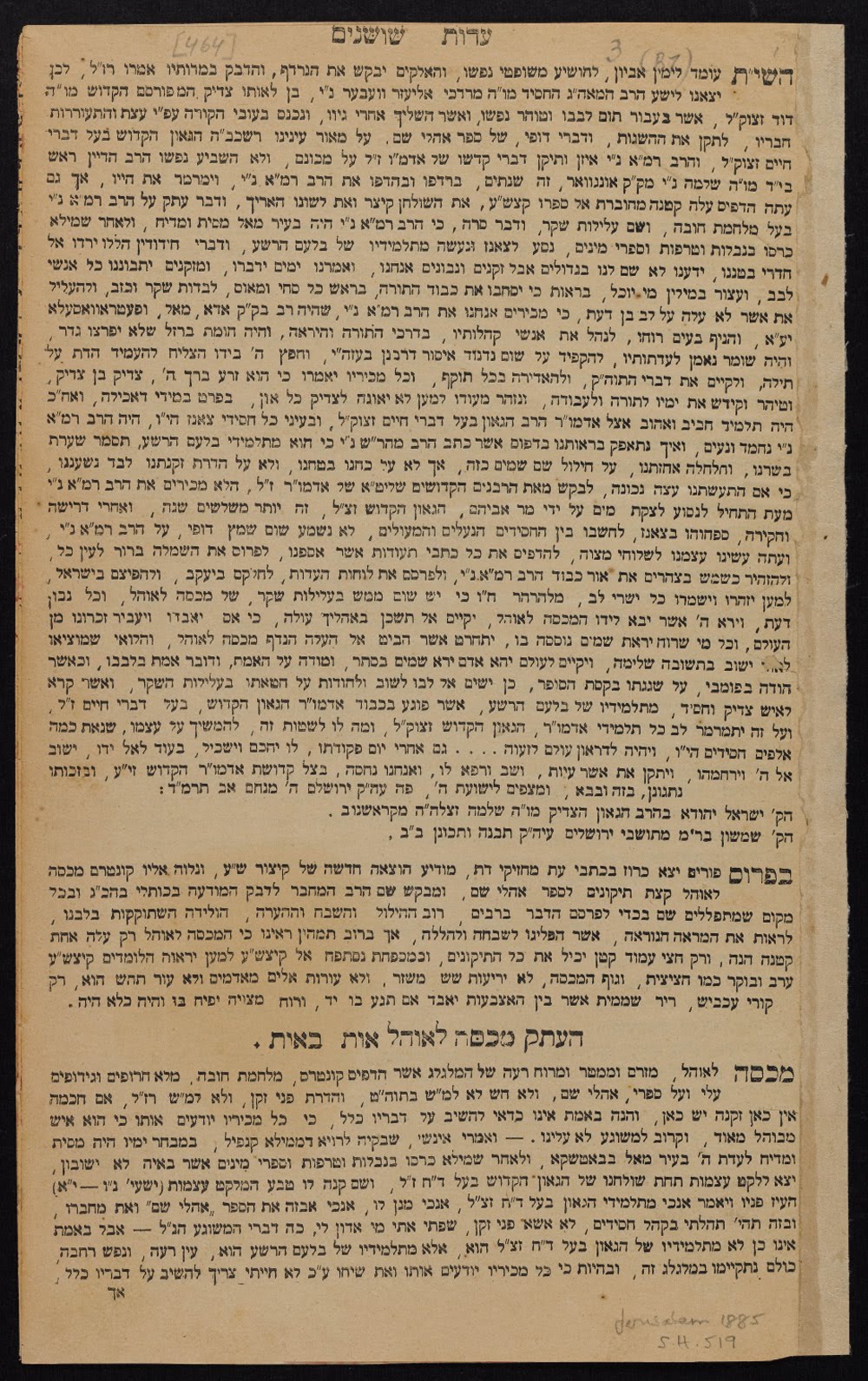
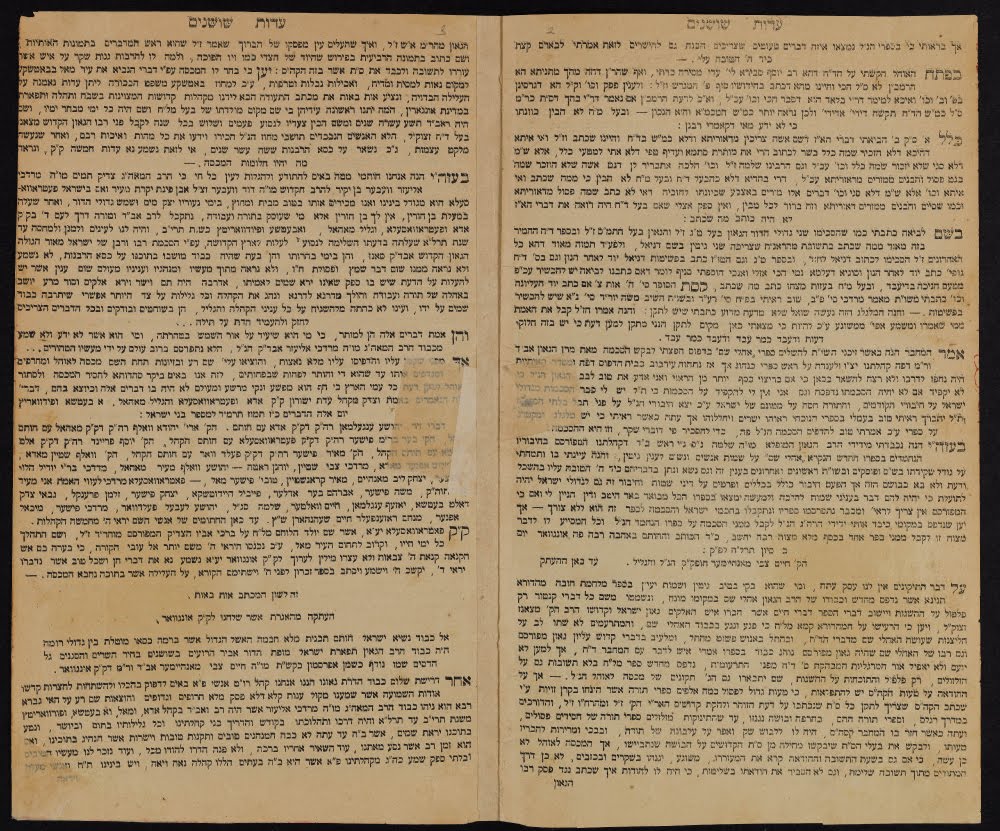
Lists of subscribers, known as prenumeranten,[13] are significant for a variety of reasons. Often, they tell us how far and wide authors traveled in order to raise the funds necessary for the publication of their books. They tell us who bought the books, and when and where they were purchased. Our list is particularly significant because it is mostly kloyzen driven, i.e., the books were acquired for the libraries of the various synagogues, בתי מדרשים, and kloyzen in Vilna. Indeedour list includes several kloyzen not listed in the most recent and most comprehensive list of Vilna kloyzen published in 2012![14] Our list also lists key members of the various kloyzen in 1923. There are more such lists of Vilna subscribers and their kloyzen, and they all need to be examined.[15]

Notice that our list includes among the subscribers the חפץ חיים, R. Chaim Ozer Grodzenski, R. Menachem Krakowski (maggid mesharim of Vilna), and R. Boruch Ber Leibowitz (then serving as Rosh Yeshiva of Yeshivas Kneses Beis Yitzchak in Vilna, and as a moreh zedek in Vilna). Each is accorded the title הגאון הגדול. Also among the subscribers (fourth on the list) is R. Isaac Rubinstein, listed is the רב מטעם, i.e., “the crown rabbi.” It is surely no accident that he is listed as הגאון, but not as הגאון הגדול. He was a distinguished – and tragic – rabbinic figure,[16] and it seems quite clear that R. Bezalel Alexandrov wanted to make a distinction between the various rabbis listed as subscribers.

In sum, the list reproduced here serves as a reminder to scholars that it is not enough to examine archival lists and history books. One often needs to examine other kinds of evidence – such as prenumeranten – that shed much light on Jewish social and intellectual history.[17]

Notes:

[1] See S. Even-Shoshan, ed., מינסק עיר ואם (Tel-Aviv, 1975), vol. 1, pp. 99-100. Cf. S. Weintraub, נובהרדוק (Bnei Brak, 2014), vol. 1, pp. 255- 257.
[2] A copy of the 136-page edition is available at the Mendel Gottesman Library of Yeshiva University. Neither the 40-page edition nor the 136 page edition is available online on HebrewBooks.org, אוצר החכמה, and אוצרות התורה.
[3] In general, see the sources cited in S. Stampfer, “Marital Patterns in Interwar Poland,” in Y. Gutman, ed., The Jews of Poland Between Two World Wars (Hanover, 1989), pp. 173-197. Cf. his “The Social Implications of Very Early Marriage,” in S. Stampfer, Families, Rabbis and Education (Oxford, 2010), pp. 7-25. None of the social historians seem to have been aware of משכן בצלאל.
[4] ילקוט בצלאל consists of two parts, the first contains 86 pages, and the second contains 102 pages. Part 1 is available online on Hebrew Books and אוצר החכמה, but not on אוצרות התורה. Part 2 is not available online. A copy with parts 1 and 2 is available at the National Library in Jerusalem.
[5] ילקוט בצלאל, part 1, p. 71.
[6] The letter of approbation was designated for משכן בצלאל, where it first appeared. The author took the liberty of reprinting it (together with two other letters of approbation that first appeared in משכן בצלאל) in his ילקוט בצלאל.
[7] See מאיר עיני ישראל (Bnei Brak, 2003), vol. 6, pp. 782-801.
[8] So, apparently, it was understood by R. Bezalel Alexandrov himself. See משכן בצלאל, p. 2.
[9] See, e.g., משכן בצלאל, p. 66. On R. Yisrael, see M. Heilprin,הגדול ממינסק (Jerusalem, 1994), pp. 96, 121-122, and 201.
[10] See, e.g., D. Katz, תנועת המוסר (Tel-Aviv, 1954), vol. 2, pp. 232-235; Ch. E. Zaichyk, המאורות הגדולים (Brooklyn, 1953), pp. 149-165; and M. Blazer, רבי איצלה (Bnei Brak, 2014), pp.475-540. None stresses the fact that R. Itzel, aside from his frequent hortatory Musar talks throughout Yom Kippur eve and day, also led the Kol Nidrei, Musaf, and Nei’lah services! It may well be that R. Itzel didn’t do this ordinarily on Yom Kippur (or in his old age), but R. Bezalel offers eyewitness testimony to what he experienced as a youth in Kovno.
[11] ילקוט בצלאל, pp. 31-32. A lengthy דבר תורה by R. Itzel follows the passage excerpted here.
[12] On Vilna’s kloyzen, see in general Khaykl Lunski, מהגיטו הוילנאי (Vilna, 1921), pp. 48-65, and the much fuller and more comprehensive listing of 135 (and more) kloyzen in A. Cohen-Mushlin et al, eds., Synagogues in Lithuania N-Z (Vilnius, 2012), pp. 281-353.
[13] On prenumeranten, see Berl Kagan, ספר הפרענומעראנטן [Hebrew Subscription Lists], New York, 1975; Shlomo Katzav, ספר החותמים (Petah Tikvah, 1984), vol. 2; and idem, ספר החותמים (Petah Tikvah, 1992), vol. 3. [See the late Tovia Preschel’s review of Berl Kagan’s ספר הפרענומעראנטן in the Jewish Press, May 30, 1975, p. 40; I am indebted to Menachem Butler for bringing the review to my attention. More importantly, see the recently published מאמרי טוביה, vol. 1 (Jerusalem, 2016) for a treasure trove of reviews and essays by Tovia Preschel, bibliophile and bibliographer par excellence. No Judaica library – public or private – should be without this volume, and without the full set when brought to completion.] These volumes provide indices to all Hebrew books that include prenumeranten by listing alphabetically all the towns and cities where the authors solicited subscriptions. Under each place listed, appear the titles of all Hebrew books that include subscribers from that place. Thus, if your great-grandfather was from Jaroslaw in southeastern Poland, you would locate the entry “Jaroslaw” in the Kagan or Katzav volumes, and immediately see the appended list of Hebrew books that include prenumeranten from Jaroslaw. You would then have to examine (online or at the library of your choice) each of the titles listed to see if your great-grandfather’s name appears on its list of prenumeranten. Cf. below, note 17.
[14] Cf. above, note 12. Thus, for example, בהמ”ד חורשי עצים, בהמ”ד קו”ק, and בהמ”ד פועלי צדק are either not mentioned or not properly identified in Synagogues in Lithuania. בהמ”ד שומר אמונים is mentioned in Synagogues in Lithuania (p. 340) but not identified.
[15] See, e.g., the highly informative list of prenumeranten and kloyzen in Vilna in R. Ch. S. Gluskin, רחשי לב (Bilgoray, 1934), pp. 271-272.
[16] On Rabbi Rubinstein, see G. Bacon, “Rubinstein vs. Grodzinski: The Dispute Over the Vilnius Rabbinate and the Religious Realignment of Vilnius Jewry 1928-1932,” in I. Lempertas and L. Lempertiene, eds., The Gaon of Vilnius and the Annals of Jewish Culture (Vilnius, 1998), pp. 295-304, and the references cited in Bacon’s note 4.
[17] It is with great joy and much anticipation that we welcome the recent publication of the first volume of קונטרס שמות החותמים (Brooklyn, 2016).

Unlike the indices listed above in note 12, it reproduces the full lists of prenumeranten exactly as they appeared when first printed. The volume contains 670 pages of prenumeranten from lists that appeared in books printed between 1790 and 1840. Presumably, the volumes to follow will print all lists from 1840 through the mid 20th century, when such lists mostly fell into desuetude. If brought to fruition, the entire set will probably consist of four volumes. The advantage of the קונטרס שמות החותמים volumes, of course, is that here we have the names of all the subscribers before our very eyes. The first volume is surely a gold mine of information, but questions remain. Lacking an introduction, we are not informed who is really responsible for the volume; what are its goals; whether or not there will be a full index of titles, names, and places; which libraries are providing the material that is being scanned; and which books are being included and which are being excluded. It seems obvious that either all or most of the books scanned by קונטרס שמות החותמים are from the Lubavitch Library in Brooklyn, certainly one of the world’s greatest collections of Judaica. But no single Judaica collection (not even the National Library in Israel) has copies of every Hebrew (and Yiddish) book. Any project attempting to gather all lists of prenumeranten will, by definition, have to be a universal project, involving the great Judaica libraries the world over. It is, for example, unclear, why the first list of prenumeranten in קונטרס שמות החותמים is from 1790, when such lists were quite common throughout much of the last quarter of the 18th century (e.g., יסוד עולם, Berlin, 1777; שבילי דרקיע, Prague, 1784). Despite these misgivings, קונטרס שמות החותמים is certainly a welcome addition to every Jewish bibliophile’s bookshelf. What ultimately needs to be done is to have all the lists of prenumeranten gathered together in one place, digitized and OCRed, so that the information contained in them (especially names of persons, names of towns and cities, and dates and places of publication) becomes searchable and retrievable. The yield for תלמידי חכמים, social historians, genealogists, and linguists (spelling of Hebrew and Yiddish names and places, history of surnames) is inestimable.

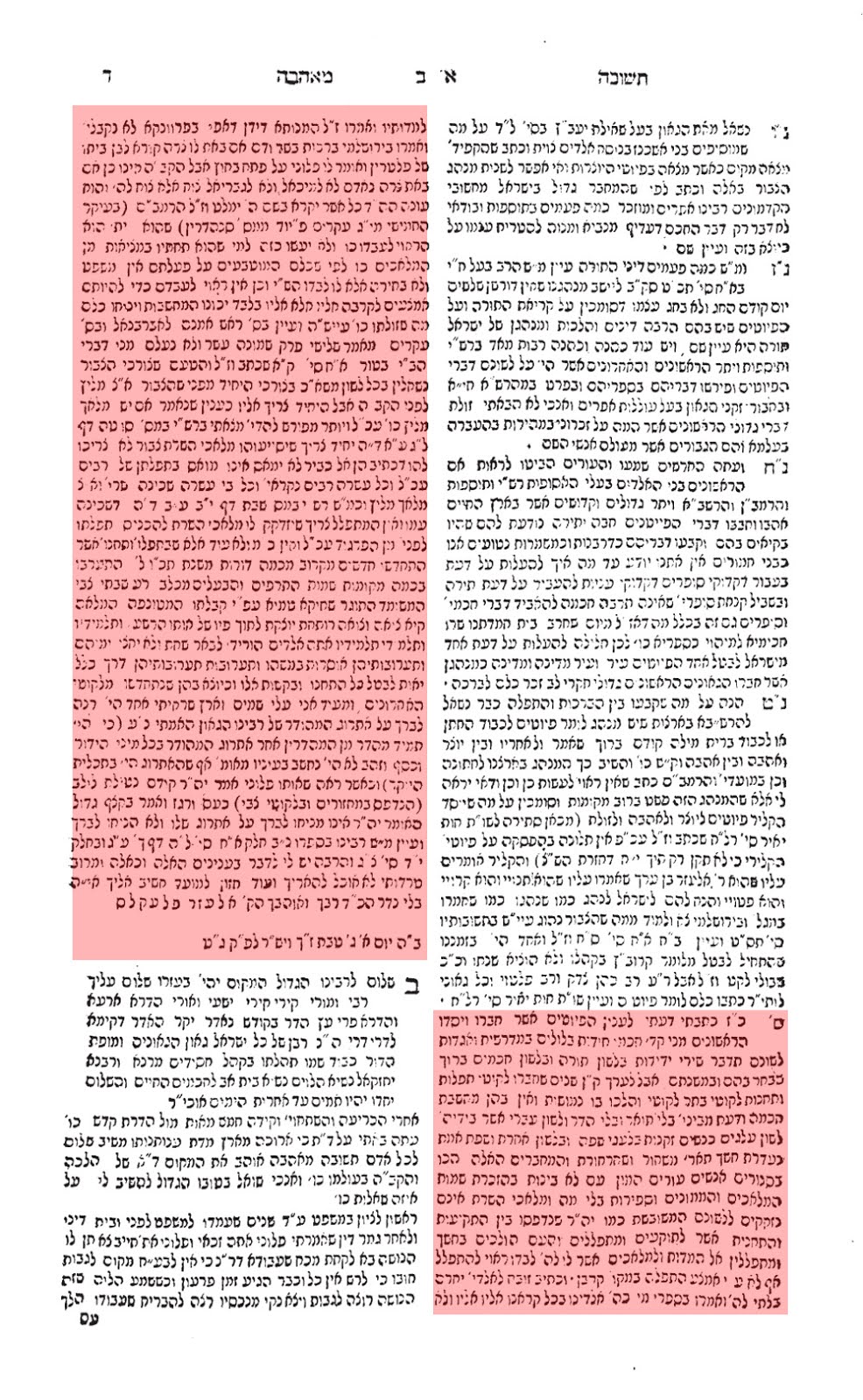
As a sample of some of the treasures that one can find in the new volume, we reproduce the title page of R. David Friesenhausen’s מוסדות תבל (Vienna, 1820), and two of its 14 pages of prenumeranten. These appear on pp. 331, 332, and 345-346 in קונטרס שמות החותמים. [ We have reproduced the pages from the original Vienna, 1820 edition, since the editor of קונטרס שמות החותמים sometimes divides a single page into two parts, presenting them as two pages.]

It will be noticed that the opening page of the prenumeranten lists the
ישמח משה, R. Moshe Teitelbaum (d. 1841) of Ujhely as one of the subscribers to מוסדות תבל. A later page of the prenumeranten lists the חתם סופר, R. Moshe Sofer (d. 1839) of Pressburg as a subscriber to מוסדות תבל.  The appearance of these two distinguished names (and there are more) – arguably the two greatest rabbinic leaders of Hungarian Jewry – on the same list of prenumeranten surely attests to the reputation of the author of מוסדות תבל in 1820. On R. David Friesenhausen, an early advocate of the Copernican theory, see my introductory note to the late Chaim Reich’s reissue of מוסדות תבל (Brooklyn, 1997), and the fuller discussion, with references, entitled “R. David Friesenhausen: Precursor of Torah and Derekh Eretz,” in Jacob J. Schacter, ed., Judaism’s Encounter with Other Cultures (Northvale, 1997), pp. 158-164. See also the bibliographical note in Eliezer Brodt, “יחסה של הספרות היהודית לקופרניקוס במשך הדורות,” Hakirah 13 (Spring 2012), Hebrew section, p. 17, n. 33; and Jeremy Brown, “Rabbi David Friesenhausen’s Zemirah for the Solar System,” Hakirah 14 (Winter 2012), pp. 249-271. I am deeply grateful to Eliezer Brodt for bringing these references to my attention. The haunting account in David Schoen’s שוחרי השם בהרי הקרפטים (Jerusalem, 2005), pp. 43-50, is embedded in a historical novel, and cannot be accorded more esteem and historicity than the esteem and historicity accorded to the best of historical novels. They remain novels. 


Blood Accusation in Ragusa (Today Dubrovnik, Croatia) 1622 – A bibliographical mistake

Blood Accusation in Ragusa (Today Dubrovnik, Croatia) 1622 – A bibliographical mistake 
Dan Yardeni, an engineer by profession (Technion – Israel Institute of Technology, 1963), is entrepreneur specializing in cutting edge materials and materials production processes. As a sideline, he researches problems in the history of Hebrew books printing and printers. He also contributes articles to the Culture and Literature sections of Haaretz and other Israeli newspapers. This is his second contribution to the Seforim Blog.
במסגרת עבודה על פרשת עלילת הדם שהתחוללה בעיר ראגוזה (היום דוברובניק בקרואטיה) בשנת שפ”ג לפ”ק (1622) נתקלתי בטעות ביבליוגרפית:
האזכור הראשון לעלילת דם זו בספרות היהודית הוא בקונטרס מצורף  בסוף “ספר שמן הטוב על הראש שיורד על הזקן, זקן אהרון” שנדפס בוונציה בדפוס ונדראמין בשנת 1657 בשם “מעשה ישורון”. הספור נכתב על ידי אהרון בן דוד הכהן, שהיה עד ראיה כנער קטן לאותו אירוע נורא ומסופר על ידו סמוך למותו בשנת 1956. גיבור האירוע הוא סוחר יהודי בשם יצחק ישורון שהואשם בכך שביקש מתושבת לא יהודייה בראגוזה, לרצוח נערה צעירה כדי להשתמש בדמה לצרכי הפולחן היהודי. הרוצה לקרוא את סיפור המעשה הזה, מופנה לקישור למאמר שכתבתי: here .

והנה, בתיאור הספר  בקטלוג “הספרייה הלאומית” (מספר מדף: R=2=4638, מספר מערכת: 001125100) מופיעים הקישורים הבאים: אוהב שלמה (סבו של המחבר),  אהרון בן דוד הכהן מרגוזה (מחבר הספר) ו-ישורון, יצחק בן אברהם חיים. כיתוב אחרון זה הוא טעות הדורשת תיקון.
גם בתיאור כתב יד שהועתק מהקונטרס “מעשה ישורון”, כ”י  דז’אלובסקי מהמאה ה-18 ונמצא בגנזי “הספרייה הלאומית” (מספר מערכת 000045693) מופיע הקישור: “ישורון, יצחק בן אברהם חיים, נפטר ב-1655” וכן
בתרגום “מעשה ישורון” לקרואטית שנדפס ב-1882 (מספר מערכת 001907126). קישור זהה חוזר בכל ההוצאות המאוחרות יותר של “מעשה ישורון” המופיעות בקטלוג “הספרייה הלאומית”.
בגוף הסיפור “מעשה ישורון” כפי שנדפס בראשונה, מצטייר יצחק ישורון כאיש פשוט שגורלו אינה לו תפקיד שאם היה נשבר תחת העינויים הקשים שעבר, היה דן למוות לא את עצמו בלבד אלא גם את כל הקהילה היהודית שנכלאה בגטו היהודי בראגוזה כל עת המשפט. לבד מכך, הסיפור אינו מספר עליו מאומה, לא לפני האירוע ולא לאחריו. אם כך, מאיפה לקח הביבליוגרף את היותו בנו של אברהם חיים?
בדיקה גנאלוגית  מגלה שמשפחת ישורון שמוצאה בחצי האי האיברי הייתה נפוצה באותה תקופה בכל ארצות אירופה המערבית וביחוד בארצות השפלה (הולנד ובלגיה של ימינו), צפון גרמניה ואיטליה. רבים מהם עסקו  במסחר בין לאומי, בעסקי ציבור ובלימוד. ועוד, השם יצחק שכיח מאד במשפחה זאת.
נראה שקרתה כאן טעות בזיהוי: איננו יודעים עדין מי היה יצחק ישורון, גיבור “מעשה ישורון”, אך יצחק ישורון בן אברהם חיים הוא ללא כל ספק הרב הספרדי של העיר המבורג באותן שנים ממש, מקורבו וידידו של רבי שמואל אבוהב. (תיאור מעניין על קשריהם נמצא בספרו של מאיר בניהו “דור אחד בארץ”, בדף מ”ה – מ”ט, ו וכבר כתב על כך אלי שטרן). יצחק ישורון בן אברהם חיים גם חיבר את הספר “פנים חדשות” הכולל חידושי דינים והלכות שונות שנדפס אף הוא בדפוס ונדראמין בוונציה בשנת 1655 (ראה בספרו של בן מנחם על “המשפט העברי”, דף 1082) ויתכן שזהו מקור הטעות ברישום הביבליוגרפי.


שמועות נדירות בעניני ספרים וסופרים

שמועות נדירות בעניני ספרים וסופרים

מפי מור הגר שמרישולמאן שליטא

מחס באר שרים, אור לישרים, מריש בבירה, שומר הפתח, שומר מצוה ועוד

זה לי עשר שנים שזכיתי ליצוק מים על ידי אחד המיוחד מזקני הגאונים בדורינו משיירי כנה”ג דור אחרון של גאוני רבני ליטא הגאון מוהר”ר שמריהו שולמאן שליט”א. מלבד גדלותו בתורה המשתקפת מכל דף ודף מעשרות ספריו, ונוסף על זה שכבר מנעוריו נודע הגאון כבעל זכרון מופלא שאינו מאבד טיפה, עוד הוא ממלא תפקיד חשוב כממשיך שרשרת לגדולי הדורות מדורות עברו, שהוא עצמו זכה להתקרב אתם ולשמש לפניהם. הגאון המיוחד הזה זכה ללמוד וללמד תורה ברבים יותר מששים שנה באיזור קווינס, ובמיוחד בקיו גארדענס היללס, ובכל בתי המדרש ובתי הכנסת בקווינס מתבדרין שמעתיה. וכמו שזכה ללמוד וללמד בצעירותו, כן יזכה ללמוד וללמד בזקנותו, לקיים מה שנאמר בבקר זרע את זרעך ולערב אל תנח ידך.

ראיתי לנכון לרשום מקצת שמועות נדירות ששמעתי ממנו משך השנים, ולתת ברכה לפניכם היום, ומובטחני שיהיו לתועלת לשוחרי והוגי תושיה. יצויין שהדברים הבאים היו למראה עיני מו”ר הגאון, והוא אף אישר את תוכנם. התודה והברכה לידידי ר’ משה מיימון על סיועו בהכנת המאמר.

אברהם י’ וילנר

א] בתחילה אציין כמה דברים ששמעתי ממו”ר בשם רבו הגדול רבי יעקב יצחק רודערמאן זצ”ל ר”י נר ישראל בנוגע לספרים שונים.

  • הרוצה לחלק על המחנה אפרים צריך להביא ראיה לדבריו, וא”א לחלק עליו רק מסברא שסברתו היה כ”כ חזקה.
  • הראש ישיבה (=הרב רודערמאן) היה רגיל לומר שיש להסתכל בכל ספרי האחרונים, אבל בספר אור שמח צריכים ללמוד. (ר”ל שכדי להבין דבריו של האור שמח לעומקם א”א בריאה בלבד אלא שצריך לעמל וללמוד אותם כראוי, ושמעתי כמה וכמה פעמים ממו”ר עד כמה העריץ הראש ישיבה את האור שמח ועד כמה היה מפליג בשבחו).
  • אמר שכל קושיות הטובות של האחרונים אפשר למצוא אותם בשער המלך.
  • כשאמרתי למו”ר שראיתי הרבה חולקים על פסקו של רבי חיים עוזר בענין הג’אלאטין, וגם אלו שבדרך כלל לא היו פוסקים נגדו כמו, הרב אליעזר סילבר, בזה פסקו אחרת ממנו. אמר לי שהראש ישיבה הרב רודערמאן זצ”ל אמר לו, שהחזון איש אמר שעל כל פסקי רבי חיים עוזר אפשר לסמוך בלי שום פקפוק, חוץ ממה שהתיר לשמש במוך היכא שהסיבה לשימוש במוך הוא מצד האיש, שבזה א”א לסמוך1.

ב] אמר לי מו”ר שהגאון הרב חיים העליר זצ”ל אמר לו שעל שני אחרונים יש חזקה עליהם שראו כל הספרים שהיו מצוים בזמנם, הש”ך ורבי עקיבא איגר, ולכן אי אפשר לומר עליהם “אילו היה רואה דברי פלוני היה חוזר”, דליתא דכל מה שיש לראות ראו.

ג]ומו”ר כה התפעל מבקיאותו של רעק”א עד שמפאת זה החליט שכפי הנראה רעק”א כתב גליונתיו במשניות ובש”ס רק לעצמו דרך לימודו, ולא ע”מ להדפיסם. שהרי יש קושיות וחידושים בגליון הש”ס שנמצאים בספרים שקדמו, ובע”כ שלא נתכוון רעק”א בגליונותיו אלא לרשום לעצמו הערות בין משלו בין משל אחרים. לדוגמא: בגליון הש”ס ב”ק דף נ”ו העושה מלאכה במי חטאת ובפרת חטאת (כגון ששקל כנגדן משקלות) פטור מדיני אדם וחייב בדיני שמים, ופרש”י ד”ה פטור דהיזק שאינו ניכר לא שמיה היזק, והקשה ברעק”א בגליון הש”ס שם שבמקרה זה ששקל כנגדן פטור מדיני אדם אף אם היזק שאינו ניכר שמו היזק, שמכיון שלא נעשתה מלאכה בגופם לא נפסלו בכך ע”ש בגיטין דף נ”ג. וכבר הקשה כן השער המלך בפ”ז חובל ומזיק ה”ד וכן הקשה הפרי חדש בספרו מים חיים בחידושיו לגיטין דף נ”ב ע”ב (דף ט ע”ב מדפי הספר).

ובמגילה פרק א משנה ה, אין בין יום טוב לשבת אלא אכל נפש בלבד. והקשה שם בתוס’ רעק”א קשה לי למ”ש הב”י סימן רמ”ו ובהגהת שו”ע שם ס”ג בשם שבולי הלקט דאין אדם מצוה על שביתת בהמתו ביו”ט. וכן הרמב”ן בספר תולדות אדם כתב די”ל דליכא ביו”ט איסור שביתת עבדו הובא בב”י ס’ תקכ”ו א”כ אמאי לא חשיב במתני’ דבין יו”ט לשבת שביתת בהמתו ועבדו עכ”ל. והעיר מו”ר בספרו אור לישרים עמ”ס ראש השנה עמוד רו בהערות קצרות אות א’ וז”ל: “אמנם נפלא הדבר שכל הנ”ל מפורש בבית יוסף סימן תצה ד”ה כתב הכל הבו שכתב וז”ל ‘ואיני יודע טעמו של המתיר (שביתת בהמתו ביו”ט) דהא כיון דמקשינן יו”ט לשבת חוץ ממקצת דברים שנתפרשו בתלמוד ושביתת בהמה אינה מכללם האיך אפשר לומר שהיא מותרת ביו”ט’ ע”ש כל דבריו”. (א”ה ואף שיש לדחוק ולומר שיש מקום לקושיות רעק”א שהרי הוא שואל אליבא דהסוברים דאכן שביתת בהמתו מותרת ביו”ט וא”כ קשה למה לא מוזכר במתני’, והב”י סבר שא”א להתיר מכח קושיא הנ”ל אבל לאלו שסוברים תקשה כהנ”ל ומ”מ גם זה מן התימה שלא העיר רעק”א כלל שעצם הנידון כבר דנו הבית יוסף, וכן הב”ח שמלא אחרי דברי הב”י ע”ש).

ד] מלבד בקיאותו הנוראה של רעק”א, עמקותו היה להפליא, ואמר לי מו”ר שהגר”ח צימערמאן2 אמר לו שדברי רבי עקיבא איגר עמוקים מאוד מאוד, וקשה לרדת לסוף דעתו. ואמר הנ”ל שהיחיד שבאמת הבין דברי רבי עקיבא איגר עד תומם היה העילוי ממיטצי’ט, רבי שלמה פולאציק זצ”ל.

ה] ואמר לי מו”ר שאפשר להוסיף אחרון שלישי להרשימה שידעו כל ספר שהיו בנמצא בזמנם, והוא הרב חיים העליר עצמו. ומו”ר הפליג מאד את בקיאותו של הרב העליר, ואמר לי שפעם היה דין תורה קשה שהביאו לפני הרב העליר, ועקב חולשתו הפנה הד”ת לתלמידו הרב מתתיהו קאגאן זצ”ל אב”ד דקאראנא נ”י בעמ”ס מתת ידי3, ואחר שמיעת כל צדדי הד”ת כתב ר’ מתתיהו תשובה ארוכה בנידון והראה אותו לרבו, הרב העליר. אחר שעיין הרב העליר בתשובתו, שאל אותו אם הוא בעצמו חידש הדברים כאן או שהם לקוחים מאיזה ספר, וענה לו תלמידו שאלו הם דברי עצמו. אז הראה לו הרב העליר איזה ספר ישן נושן נדיר שבו היה כתוב בדיוק אותו חידוש.

ו] קצת ממה שמעתי ממו”ר אודות רבי אליעזר סילבר זצ”ל.

  • מרגליה במופיה דרבי אליעזר סילבר שאצלינו אין שום “פאריטץ’עם”4, ואפילו על רבי מאיר שמחה אפשר לחלוק.
  • סיפר לי מו”ר שכשלמד בבלטימור בימי המלחמה, הגיע לישיבה הרב אליעזר סילבר זצ”ל ושאל את הבחורים מה הם לומדים, וענו בבא בתרא והרב הנ”ל הגיב בהתפעלות “מה? רק מסכת אחת? צריכים ללמוד ש”ס!”5, ואמר כשהוא היה צעיר למד סדר א נשים, וסדר ב נזיקין.
  • כשהגיע הגרי”ד הלוי סולובייצ’יק לארצה”ב כיבדו אותו האגודת הרבנים למסור שיעור, והיה אז בעשרת ימי תשובה, ומסר שיעור על עניני עבודת יום הכיפורים בפני כל הרבנים. לפני השיעור לחש לו אביו, הרב משה, שאין עליו לדאוג ולפחד מאף אחד, חוץ מהרב אליעזר סילבר זצ”ל, שהרי כל תוספות ישנים שביומא ידועים לו.

ז] סיפר לי שאחד ממקורבי החפץ חיים, הרב פופקא, אמר לו שאחר שיצא לאור ספר משנה ברורה קיבל החפץ חיים מכתב מהרב יצחק שוסטער שהיה רב באיזהו עייריה בליטא ונודע כבקי גדול בירושלמי, ובו הרבה הערות על המשנה ברורה מהירושלמי. הח”ח קרא לבנו רב לייב6 להביא לו הכת”י מהספר, ואמר לו “תראה שכל ההערות של הרב הנ”ל כבר כתבתי אודותיהם, ויישבתי הקושיות, אלא שלא רציתי להכניס את כל הפילפול והלומדות לתוך הספר”. הרי שמטרת ספרו לא היה להראות גדלותו בתורה רק שיהיה משנה ברורה – כשמו כך הוא.

וכן אמר לי מו”ר כמה פעמים לעיין היטב בדברי המשנה ברורה וביאור הלכה שהספר באמת מלא לומדות, רק שאינו ניכר כל כך משום שקיצר החפץ חיים בלשונו, והרבה מהלמדות שלו “מובלעים הם” תוך דבריו במילים ספורות. וחזר על הנ”ל שלא היה ברצונו להראות גדלותו בתורה וכו’.

ח]סיפר לי שהוא שמע זה מאיש שהיה נוכח אז, לפני למעלה משמונים שנה כשהמקרר היה דבר חדש בעולם, התקיים אסיפת רבנים בבית רבי משה סולובייצ’יק לדון אי מותר לפתוח דלת המקרר בשבת. וכידוע ששלחו שאלה זו להרב שמחה זעליג ריגר הדיין מבריסק, והלה העלה להתיר (ותשובתו נדפסה ב’הפרדס’). בשעת האסיפה אמר הגר”מ שרב שמחה זעליג התיר, ורב אחר שהיה נוכח שם אמר “נו, ומה אומרים הפוסקים האחרים?”. מיד התחילו הנוכחים לצטט פוסקים אחרים בנושא, ואמנם הרבנית, אשת הגר”מ, שהיתה בחדר הסמוך שמעה כל המו”מ וקראה בקול “אני לא מבינה, אם רב שמחה זעליג התיר האם צריכים עוד לדון מה סברו אחרים?” והגר”מ אמר שהיא צודקת ואין על מה לדון עוד, ובכך נסתיים הדיון.

ט] הנה מפורסם מה שאומרים (יש מייחסים השמוע להרב ברוך בער, ובספר תולדות חייו של רבי ברוך בער מובא שרב ברוך בער אמר זה בשם רבו הגר”ח) שמה שהספר שאגת אריה הוא מקובל בעולם יותר משאר ספריו הטורי אבן והגבורת ארי, הוא משום שספרו הראשון שאגת אריה נכתב בימי עניותו ואילו שאר ספריו נכתבו שכבר היה לו במה לפרנס את עצמו. ואמר לי מו”ר שהגר”ח צימערמאן זצ”ל אמר שהשמועה אינה נכונה וא”א לומר דבר כזה, והשאגת אריה היה אותו שאגת אריה בכל המצבים – עם כסף ובלא כסף.

י] אמר לי פעם שהעיקר בפסק הוא הסייעתא דשמיא שיש לרבנים. וסיפר לי ששמע מהרב אנשיל וויינהיוז (אחד מלומדי ישיבת מיר בפולין) שהיה פעם שאלה קשה על איזה ריאה של בהמה בבית המטבחיים בבריסק, וירד הגאון רבי חיים זצ”ל, רבה של בריסק, ביחד עם הדיין, רבי שמחה זעליג זצ”ל, לבדוק אותה, ופסק הגר”ח להקל והכשיר הבהמה. ואז שאל רש”ז את הגר”ח “תינח בבריסק שיש לנו רבי חיים שיכול לפסוק שאלה קשה כזאת, אבל מה יהיה אם שאלה כזאת תהיה בעיירה אחרת שאין לה את הגר”ח?”, ענה לו הגר”ח שאין למה לדאוג שיש סייעתא דשמיא מיוחדת לרב לפסוק ההלכה הנכונה. הנה באותו עת הגיע איזה רב מעיר אחרת שבא לבקר אצל הגר”ח, ושאל אותו מה הוא סובר על אותה שאלה שהם דנו, וענה אותו רב שמותר כמו שכתוב בספר פלוני בדף פלוני, והלכו אח”כ הגר”ח ורש”ז לראות הספר בפנים וראו שבאותו ספר שהרב ציטט, פוסק לאיסור בנד”ד – בדיוק ההיפך ממה שסבר הרב. אז אמר הגר”ח להרש”ז אתה רואה איזה סייעתא דשמיא יש לרבנים, שהוא כיון להפסק הנכון (לדעתו של הגר”ח) תוך טעות בזכרון.

יא] מו”ר שמע מישיש אחד יליד לבוב, כשנפטר בעל הישועות יעקב הציעו לנכדו שהיה בעל מסחר, שימלא את מקומו של זקנו כרבה של לבוב אבל הלה סירב. ואח”כ כשהתחיל עסקו לרדת והפסיד הרבה כסף עד שכמעט פשט רגל, אשתו הציעה לו שילך להתפלל על קבר של זקנו בעל הישועות יעקב להתפלל להטבת מצבם , ענה לה בתמיה “לזקנו? הלא הוא זה שגרם לי כל הירידה הזאת, שרצונו הוא שאני יקבל עול הרבנות במקומו ולא לעסוק בעסוקים”.

עוד אמר מו”ר שהסיבה שהשני גיסים הגדולים בעלי המגן גיבורים הפסיקו ללמוד אחד עם השני (ולכן הספר שלהם הולך רק עד סוף הלכות ערבית) היה עקב המחלוקת הגדולה ביניהם בענין מצת מכונה. ואמר מו”ר שרואים גדלותו של הספר ממה שהמשנה ברורה בשני חלקים הראשונים אינו זז מדבריהם.

יב] מו”ר שמע מישיש אחד מתושבי סלוצק, שבימי הגאון מוה”ר יוסף ז”ל אבד”ק סלוצק ביום ב’ או ה’ בתפלת הבקר היה שם בעל ברית וגם יארצייט, ושניהם בקשו להכבד בעלייה לתורה, והורה שיקראו לבעל הברית לעלות לתורה. וכששאלוהו ע”ז הרי במג”א (סימן רפ”ב) מפורש דמי שיש לו יארצייט קודם לבע”ב, ענה דה”מ כשיש רק מנין א’ בעיר, אבל בק”ק סלוצק יש תה”ל הרבה בימ”ד והרבה מנינים, ורק הברית מיוחדת בביהכ”נ זו מפני שהיה שם כסא של אליהו מיוחד, ומשו”ה כל הבר”מ היו שם בבית הכנסת, ובעל היארצייט יוכל למצוא הרבה מנינים ובתי כנסיות אחרים7.

יג] פעם הזכרתי למו”ר חקירה מחודשת מספר יד שאול לבעל השאול ומשיב שחקר אם חייבים לעמוד בפני גר שנתגייר כשהיה מעל גיל שבעים מאחר שגר שנתגייר כקטן שנולד דמי, ומו”ר מאוד התפעל שאפשר לחקור חקירה כזאת שנשמע מאוד מוזר, ואמר שזה מזכירו האיך הגר”ח ציממרמן היה תמיד מתלוצץ על החקירה אם ב’ אחים שנתגיירו ומתו מחמת מילה אם יבוא אח שלישי שרוצה להתגייר אי אמרינן עליו שאין יכול למולו משום מתו אחיו או לא, משום גר שנתגייר כקטן שנולד דמי ואינם נקראים אחיו, והגר”ח ציממרמן היה מתלוצץ על זה שבדברים שתלוים במציאות א”א לחקור חקירות עליהם.

1 הנה ממש לאחרונה יצא לאור ספר מסורת משה חלק ב’ (ירושלים תשע”ו) ושם בעמ’ שיג-ד נמסר מפי הגר”מ פיינשטיין כדברים האלה: “אבל כדי להתיר מוך, שהוא באמת אסור, שלא נראה שהוצדק הרב חיים עוזר במה שמחשיבו כדרך תשמיש, צריך מצב של סכנה”.

2הגר”ח צימערמאן ויבל”ח מו”ר שליט”א היו ידידים טובים ונאמנים במשך שנים רבות, ומו”ר מרבה בשבחו ומצטט תמיד דבריו חידושיו ומאמריו, ואמר מלבד גדלותו בתורה היה הגר”ח סמל של “ערליכער איד” שפירושו של ערליכער איד אמיתי אינו כשאחד מתנהג ע”פ רוח התורה כשנוח לו, רק המתנהג כן בשעת נסיון, ולהגר”ח הוצע לו כמה פעמים מטעם בית מדרש לרבנים ע”ש שכטר לבוא וללמוד אצליהם בלי שום משרה רשמית ולקבל תקציב הגון רק עבור לימוד בבית מדרשם (והסמינר אז לא היה כזה גרוע כמו היום) והגר”ח היה דוחה אותם כל פעם בלי לחשוב לרגע קט, למרות כמה היה זקוק לכסף אז. ואמר אף שהגר”ח לא פחד לדבר ולהתווכח בלימוד ולכנס לריתחא דאורייתא עם אף אחד עכ”ז עם שנים היה הגר”ח מכניע כתלמיד לפני רבו ודיבר איתם בסיגנון אחר לגמרי דודו רבי ברוך בער ורבי משה סולובייציק. ומו”ר אמר לי שהגר”ח העריץ רבי יעקב ספסל העילוי מווישקי כרבו.

3 מו”ר היה מאריך בשבחיו כמה פעמים, ומאחר שהוא אינו ידוע כ”כ היום, אגיד קצת שבחיו ממה שמעתי ממו”ר במשך השנים. הרב קאגאן למד אצל רבי חיים העליר בברלין ואמר לי פעם שהוא היה לא פחות מהמפורסמים שלמדו אצל הגר”ח בברלין, ובהזדמנות אחרת אמר לי שיש בספרו כמה מו”מ בינו ובין מרן הגר”מ פיינשטיין זצ”ל שהיה מקשה על דברי הגר”מ וכו’ ואמר “שהיה ראוי לכך לשאת וליתן עם הגר”מ”. ואגב אציין שאלה הלכתית מעניינת שהיתה בין מו”ר והרב קאגאן, שלתקופה מסויימת היה מו”ר הבעל קורא בבית כנסת של רב קאגאן, ובשבת אחד באמצע החורף כשירד שלג גדול לא הגיע מנין אנשים באותו שבת להתפלל, לשבוע הבא הורה הרב קאגאן לקרוא שני פרשיות, פרשת השבוע ולהשלים משבוע שלעבר שלא קרינו בתורה, ומו”ר התווכח איתו ואמר שאין דין תשלומין אלא בכגון שהיה מנין ולאיזה שום סיבה לא קראו בתורה אבל אם בכלל לא היה מנין אז לא חל עליהם חיוב קריאות התורה שבעי להשלים, ולכן אם יהיו עשרה אנשים שלא הגיעו לבית הכנסת אם הם כולם יגיעו השבוע הבא אין שום חיוב עליהם להשלים, רק על מנין שלא קראו, והרב קאגאן לא הסכים איתו. וע’ בספרו מתת ידי סימן י”ד מש”כ בזה.

4 ברוסיא פעם היו האיכרים משועבדים לשר בעל הקרקע כאילו נמכרו לו ממכרת עבד. ושר זה נקרא בלשונם פאריטץ, וכמובן היו מפחדים ממנו.

5 ואמר את זה בהברה הליטאית המובהקת שלו שנשמע כאילו אמר ‘ס”ש’.

6 באחד הפעמים שסיפר לי הנ”ל אמר שאגב שמעניין שהחפץ חיים היה קורא לבנו בתואר רב, רב ליב.

7 מו”ר משתמש בסיפור זה בספרו שומר הפתח על יו”ד בראשית דבר עמוד ג’ כדוגמא שאפילו הלכות פסוקות ומפורשות צריכות גם כן רבא. ע”ש שמביא דוגמאות נוספות להנ”ל.


The Valmadonna Broadside Collection: a Review Essay

The Valmadonna Broadside Collection: Review essay
By Eliezer Brodt and Dan Rabinowitz

The Writing on the Wall: A catalogue of Judaica Broadsides from the Valmadonna Trust Library, edited by Sharon Liberman Mintz, Shaul Seidler-Feller and David Wachtel, London-New York: 2015, 320 pp.

Jews have been collecting books or manuscripts for centuries. A related category that is collected by fewer is ephemera, including broadsides, documents and letters of historical significance. Of late, a few annual auctions have included some of these documents among the other objects to be auctioned. Sadly, after their appearance in the auctions’ catalogs, most of the rare items disappear in to private collections and are invariably almost impossible to track down post-auction. The result is that a valuable amount of historical information is lost to the public. Moreover, to date, there is no database that tracks or records these items.[1]
First, a definition of the type of material – broadsides; they “are all around us whether we recognize them as such or not. Walking down the street… entering the lobby of a public building… we daily even hourly see flyers for event, advertising posters, public announcements and more.” Using “the most expansive conception we can say that the broadside has been with us since antiquity… The public display of information… has been ubiquitous for a very long time.” (p. 6).
In an important and excellent essay on Jewish bibliography written in 1976,[2] Professor Israel Ta-Shema remarks that because broadsides were intended and read by “thousands and potentially hundreds of thousands” they are among the “important sources for both Jewish history and the history of Hebrew printing.”

ענין לעצמו שלא זכה למיטב ידיעתי לשום טיפול עד עצם היום הזה, הוא רישומם הביבליוגרפי של ‘הדפים הבודדים’. לפי הערכות שקולות מגיע מספרם של אלה לאלפים רבים, ואולי עד כדי רבבה, וחשיבותן הן לידיעת תולדות ישראל והן לידיעת קורות הדפוס העברי גדולה ביותר. בדרך כלל קשורים דפים אלה במריבות בין חשובי הקהל ורבניהם, סכסוכי משפחות, בנים נודדים, פולמסים דתיים וכו’. דפים אלה שנתלו או הודבקו על קירות בתי הגיטו או בבתי הכנסת וכד’ אבדו ברובם המכריע, וכל מה שנשתמר מהם הוא בגדר יוצא מן הכלל. ערך ביוחד יש לסוג ספרותי זה ביחס לפולמוסים הפנים-חסידיים והמתגנגדיים. לסוג זה יש לצרף את המודעות והכרזות עד לתקופתנו אנו, כולל כרוזי המחתרות האנטי היטלריסיות בחו”ל והאנטי מנדטריות בארץ ישראל, כרוזי נטורי קרתא וכד’, שהם רבים מאוד. מלבדם נדפסו על דפים בודדים, קמיעות וסגולות, לוחות קיר, דברי פרסומת, הסכמות נפרדות ועוד, ויש ביניהם גם מעשיות עממיות קצרות על דף אחד. [מצוי ורצוי בביבליוגרפיה העברית, יד לקורא טו (תשל”ו), עמ’ 79-7 ].        

History is not the only subject to benefit from broadsides.  The prolific author, R. Eliyahu David Teomim (Aderet), published and annotated a broadside recording the customs of the Great Synagogue of the Austria, whose Rabbis had included R. Shmuel Edels (Maharsha).[3]  
Recently some of collectors of broadsides have begun printing and reproducing these priceless treasures.[4] The Valmadonna Trust Library (see here), still one of the most significant private Hebraica libraries (for an appreciation of the Valmadonna Library, penned by its librarian and published at the Seforim blog in 2009, see here), published a catalog of the broadsides in its collection, The Writing on the Wall: A catalogue of Judaica Broadsides from the Valmadonna Trust Library, edited by Sharon Liberman Mintz, Shaul Seidler-Feller and David Wachtel (see here). In conjunction with the publication of the catalog, the Trust also made available online (here) all of the documents in its collection for further study. The collection is comprised of broadsides from the sixteenth to twentieth centuries and incorporates items from Italy (the library generally focused on Italy and Italian items and broadsides are no exception, with Italian broadsides being the largest of the collection), and elsewhere in Europe, Israel, Yemen, Iraq, Constantinople, India, and even one from America.
The book consists of a few parts. It begins with five scholarly essays on specific subjects by various experts. Following are excellent full-page reproductions of thirty-six highlights from the collection, including a description explaining the significance of the specific document. A full catalog of the collection is included and is divided into six main categories; each category is chronologically ordered. The six categories are: Poems, Prayers, Documents from Within the Jewish Community, Documents from Outside the Jewish Community, Calendars and Education. Each entry includes a description of the item, the title, author place and date of printing, printer, size and language. Some entries include additional bibliographical sources; others provide a small image of the item. Additionally, the non-English broadsides included in the highlight section are translated. The volume concludes with various other useful indexes.
The first introductory essay is an excellent overview of Jewish broadsides by Adam Shear. Shear asks and answers the basic questions that come to mind, such as: “What was the purpose?”, “Who was the audience?”, “Where were they displayed?” and the like, none of which can be answered singularly.  
The second essay is by Elisheva Carlebach and focuses on the Jewish wall calendars in the collection.[5] She explores what can be learned from tracing the cultural history of one of the printers of these calendars through various calendars he printed. Some of these calendars were very sophisticated and it’s unclear who the targeted audience was. Emphasizing calendar broadsides’ unique value, she concludes that “the most ephemeral of forms, broadside calendars preserve a glimpse of the printshop as workspace, the spirit of entrepreneurship and the enduring values of the creators of these humble yet precious objects” (p. 30).
The third essay is written by Ruth Langer and focuses on the Liturgical Broadsides of the collection.  Some are prayers for current events, one of interest (printed on p.33) is for a memorial service for a building that collapsed in Mantua in 1776 where three weddings were taking place simultaneously.[6] Also discussed are the prayers for various civic events (p. 35) and for the various governing powers, a subject which still needs to be explored in depth. Some of these broadsides were clearly displayed in shuls; one includes the language of the prayers, defusing the power of bad dreams and request for substance, that are recited along with Birchat Cohanim (p.15), others include prayer that are recited during Selichot (p.14). One broadside, printed in Izmir in 1890, contains the Vidduy of Yom Kippur, printed with each entry of the Aleph Beis featuring other sins under that letter, very similar to the sheets given out in various shuls today (p.44). Not all were intended for the public display, the following broadside from Venice 1607 (Item # 153) appears to have been hanging in the house, for the owners’ personal use.
The next essay, by Dvora Bregman, focuses on the Hebrew poems in the collection (mostly from Italy). This section also highlights various pieces of historical interest. Reading through it, one is amazed how poems were written for literally every occasion – completion of Mishna, Venice, 1630 (p.55), receiving a medical degree (p.51, there are sixteen examples in the collection), in honor of R. Israel Chazan’s[7] visit to the old Greek synagogue in Corfu in 1853 (item # 134) (see below). Some of the poems were written after the deaths of prominent people such as an Italian elegy for R’ Moshe Zacuto which is reproduced in full and translated from Italian to English. Other elegies include one for R’ Yehudah Aryeh Modena (see below) and for R’ Mordechai Gerondi, the latter written by his friend Shadal (see below). There are also many “wedding riddles” in the collection – providing evidence of another rich and diverse aspect of Jewish life in Italy. 

The next section, originally written in Hebrew by Nachum Rakover and translated into English for this volume by Shaul Seidler-Feller, focuses on the Takanot broadsides found in this collection. Sumptuary edicts, limiting the size of a celebratory affair and the amount of people invited, the amount of food to be served, or the amount of money to be spent on various sorts of occasions were commonplace from the medieval until the modern period.  For example, we note that the Nodeh Beyhehudah and his beis din in Prague issued a list of such Takonot.[8] Rakover is in middle of preparing for publication a thorough study on the subject. In the volume under review, his article deals with the seventeen Italian broadsides related to sumptuary laws in the Valmadonna Collection from 1598-1794. The article is impressive in its sweeping review of the topic and the placement of these items within the larger narrative. What is apparent from the examples in the collection is that sumptuary laws have been persistent. Indeed, recently the cudgel has been taken up anew and a new round of such edicts by numerous rabbis and Hasidic leaders to limit spending has been promulgated. 
                                                  
Exploring the Collection
The introductory essays are only the beginning in what can be uncovered in a collection as rich as this one.  By providing online access, the Trust has insured that can occur.  To begin that exploration, we discuss a few choice examples.
As was recently the case with American Pharaoh, Jewish have been involved in sport, and specifically horse racing.  The collection includes two Italian broadsides discussing the horses and the Jewish sponsorship of a horse race. (Nos. 311 & 328).
One surprising and lengthy – some ninety lines – ode was composed in Hebrew (ca. 1740) and is a “poem of praise and supplication addressed to Angelo Maria Quirini (1680-1755), an Italian Cardinal.”  This item is “a single bi[-]folio excised from a larger work, most likely a pamphlet,” and is “not a true broadside.” (No. 130). No additional information is provided on this intriguing item.[9]

Friday Night Candle Lighting Prayers

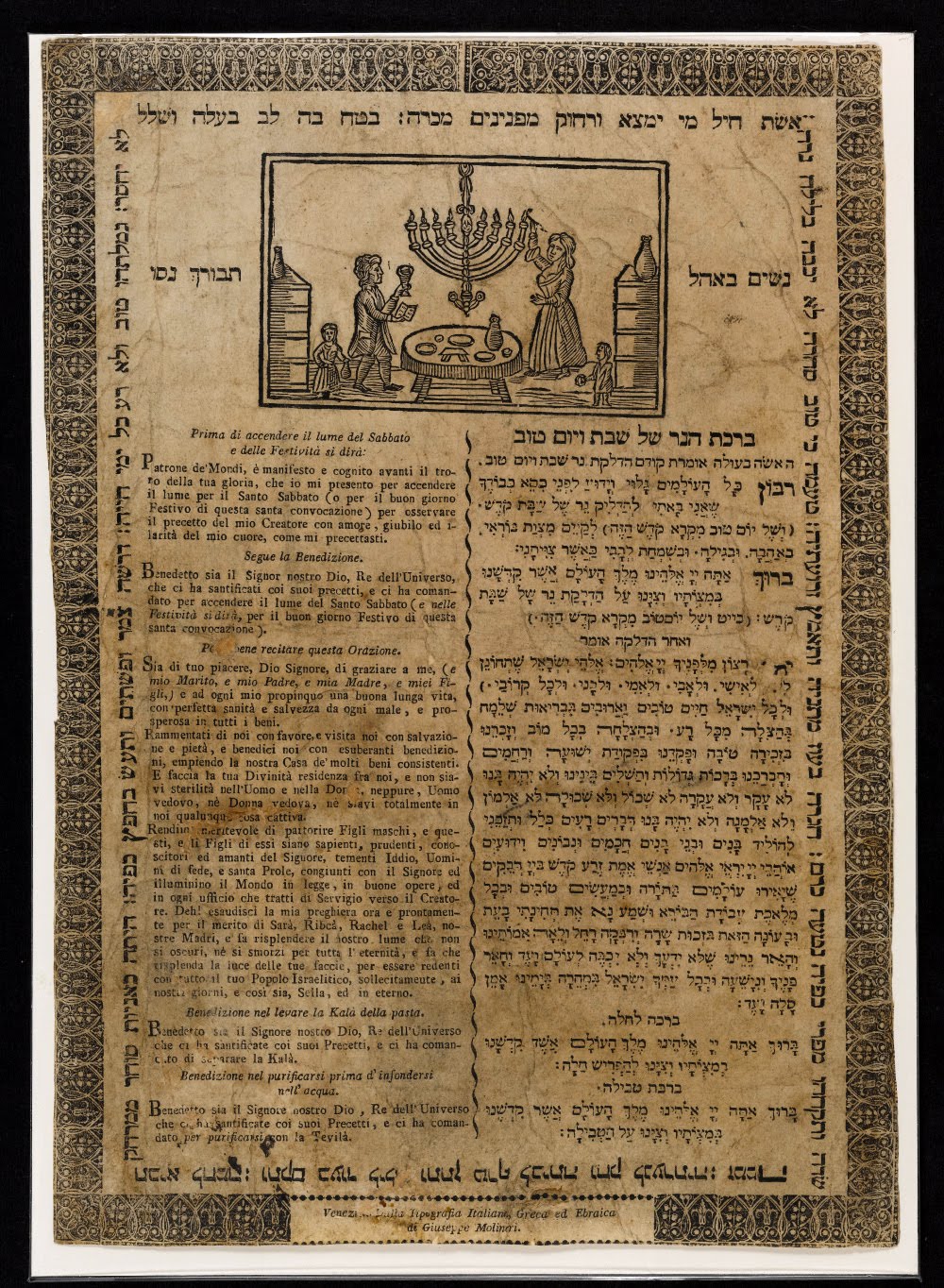
The following broadside from Venice 1835, (reproduced on p. 17), contains the text of the prayers that were customarily recited by women on Friday evening during the candle lighting ceremony.

The illustration depicts a woman lighting eight candles. The Rishonim, including Italian sources, Shibolei Haleket (Siman 59) and Sefer Hatadir (p.196), only require and discuss two candles for Shabbos.[10] The question is when exactly did people start lighting more? The exact time when this began is unknown. However, in the “Shulchan Aruch” from R’ Yehudah Aryeh Modenah (1571-1648) he describes the Italian custom of lighting multiple candles:
והנשים חייבות להדליק בבית נר של שמן ובתוכו לכל הפחות ארבע או שש פתילית להאיר בערב עד עבור חלק גדול מהלילה [עמ’ 54].
Some continued to advance the numbers and in the 19th century, one author records the custom of lighting 31, 45, and 52 candles weekly.
מה מאוד היה מכבד שבת ויום טוב והיה מנהגו להדליק בכל שבת ל”א נרות כמנין אל כי בו שבת אל מכל מלאכתו, ובסוף ימיו מ”ה נרות, ולפני מותו היה מצווה להדליק בשנה ראשונה בחדר שהיה לומד בו נ”ב נרות כל שבת [מה שהעידו על ר’ הירץ אברהם נפתלי שייאר בהקדמת נכד המחבר לפירושו תורי זהב, (על שיר השירים), ירושלים תשס”ג, עמ’ טז].
Corporal Punishment
The following broadside poster for the instruction of children is from Italy 1846 (125):[11]


One striking part of the image is of the teacher hitting children in school. This sort of practice is recorded in a number of Jewish texts.[12]  For example:

A 17th century autobiography recounts that “the new teacher was of an irritable temper… he hit me and put me to shame…”. [Alexander Marx, Studies in Jewish History and Booklore, New York 1944, p. 193].

R’ Yaakov Emden writes in his autobiography:
בשנות הילדות… אזכיר איזה גרגרים, שלשה דברים נוראים שקרו לי בימי ילדותי הרכות. … ומלבד המכות אשר הוכיתי בית מאהבי המלמדים אשר נמסרתי בידיהם ללימוד, היו על פי רוב אכזרים, היכוני בלי חמלה… [מגלת ספר, עמ’ 84].
Saul Berlin writes in his satirical work:
ומתועלת ההכאה עוד, כי הוא צד היתר למלמדים לקבל שכר, כי על הלמוד לבד אסור לקבל שכר, משום קרדום לחתו בו, ואם כן כל מלמד המרבה להכות הרי זה משובח… ועוד רבה התועלת ע”י ההכאה אשר הילדים מכים ולוקים בבית הספר, כי ליראתם את המכות קרבת מוריהם יחפצו וירבו עליהם מוהר ומתן למען חנות אותם, ובהגיע חודש ומועד יפצירו הילדים באבותם לתת להם משאת רב, להביא אל רבם לתתם לו כופר נפשם…”. [כתב יושר, [בתוך: יהודה פרידלנדר, פרקים בסאטירה העברית בשלהי מאה הי”ח בגרמניה, תל אביב תש”ם], עמ’  98].
R’ Yosef Kara writes:
שבהיותי בצוותא חדא אם כבוד ידידי הגאון הצדיק מו”ה שמעון סופר אב”ד דק”ק קראקא… והוא אמר ז”ל כי זה רע חולי שאין חפץ לגדולי לומדי תורה להיות מקרי דרדקי, כי הוא חרפה להם ע”כ מוכרחים אבות הבנים ליתן בניהם הקטנים אל איש אשר לא ידע ספר קרוא מקרא ודקדוק אך ידע להכות הבנים ולזעוק בקול גדול… [קול אמר קרא, פ’ פנחס, עמ’ 20].
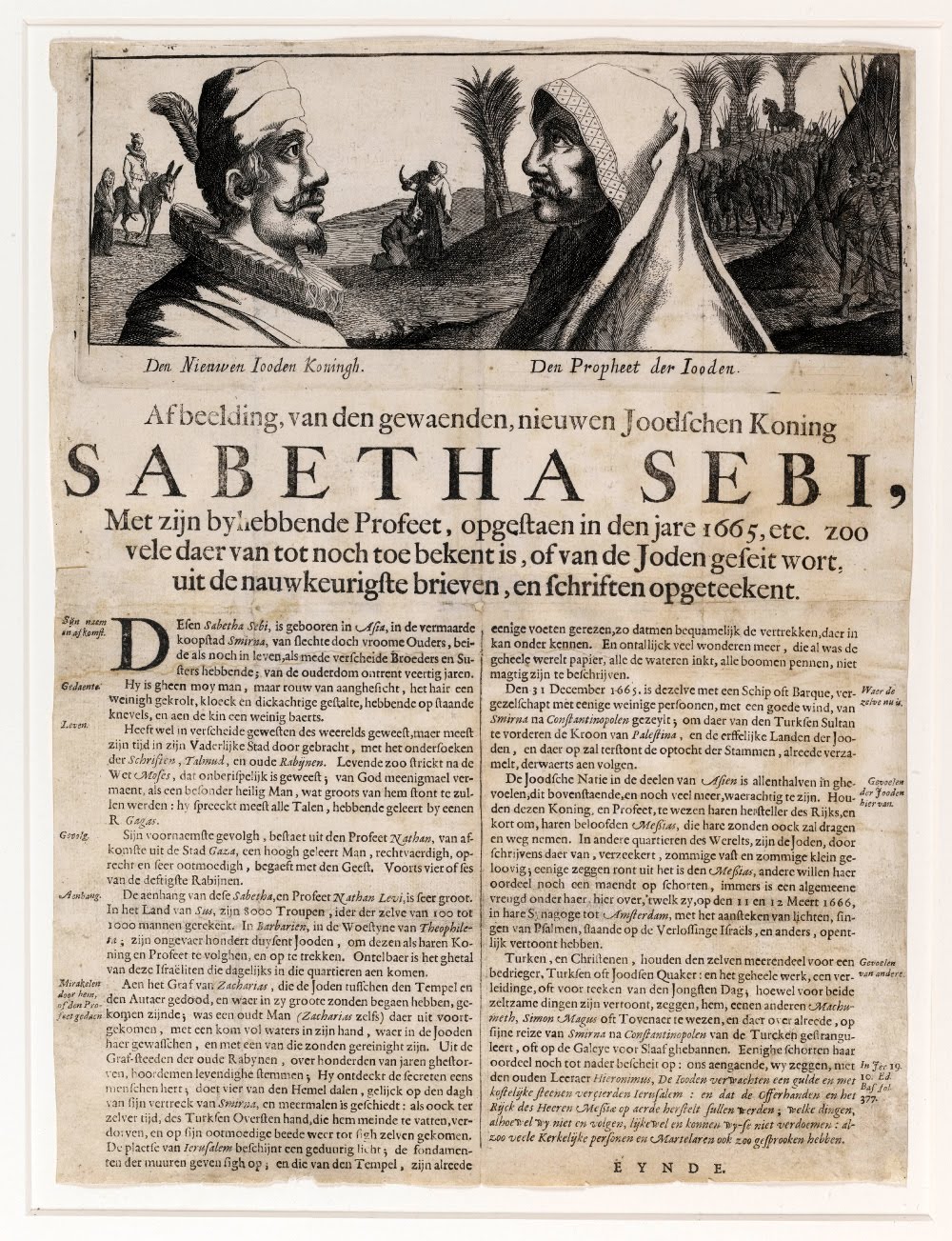
This broadside from Amsterdam 1666 is a little more famous, as it’s a supposed depiction of Shabbetai Tzvi. A complete translation for the Dutch is provided in at the appendix (pp.264-65).

Gershom Scholem writes that this portrait of Tzvi is fictitious – one of a number of imaginary portraits. (Sabbatai Sevi, pp. 190-191, 158). The only picture of Shabbetai Tzvi believed to be authentic (that is, drawn by a witness) is the one found in the beginning of Thomas Coenen’s book Ydele Verwachtinge der Joden, Amsterdam 1669.[13] There might be others as well, but King Jan Casimir ordered all pictures of him to be destroyed (id., p. 597). This one, fortunately, was published.

(This is from Scholem’s personal copy.)

Kabbalistic Tefilos for Rosh Hashanah


This broadside from Mantua 1790, reproduced in the book (p.43), is of interest for several reasons. First, the top part of the broadside has the twenty fourth chapter of Tehilim, said by many Kehilot on Rosh Hashanah as a segulah for Parnasa.[14] In a work written around 1700, recently printed from manuscript, we find the author writes:

אחר ערבית, יש לי תוכחת מגולה ומסותרת אם קצת משכילים, שהנהיגו לקרות בבית הכנסת בציבור אחר עלינו לשבח בלילי ר”ה, מזמור לה’ הארץ ומלואה, ולכוין הנקוד של השם, ככתוב בספר שערי ציון, שהוא מסוגל לפרנסה, שלא יפה הם עושים, כי לא כן צוה הרב המגיד לנו סוד זה, והצנועים נהגו לאמרו בשני הלילות שתי פעמים בכל לילה תכופים זה לזה… והקריאה על שולחנו קודם ברכת מזון… דבר הלמד מענינו, בהצנע לכת עם אלקיך. על כן אמרתי ימים ידברו, להויע ידידי הקורא שדבר בדוק ומנוסה שכל סגולה הנעשית על ידי תפלה בשום כוונה או שם, שאין לך לפרסמו ברבים. ולא לגלותו כי אם לתלמיד הגון ירא חטא ובלחישה, לבל היה מוליך רכיל מגלה סוד, שאז תהיה הפעולה חלושה… [ר’ כליפא בן מלכה, כף נקי, [לוד תשע”ד] עמ’ 167].

The second part of this broadside is also of interest, as it has the tefilos said before, during and after the shofar blowing, including some of the Kabblastic tefilos with names of angels. Of note is what is omitted here, those parts said between the various sets of Shofar blowing, which has been the subject of lots of literature[15], as it includes a very strange phrase, that seemingly evokes Jesus: ישוע שר הפנים””.
Here is an article written on this topic by R’ Shmuel Ashkenazi written in 1944 (!) under one of his pen names:

One more point related to this topic is a case of censorship. R’ Chaim Kraus writes:
 הנה בזכר יהוסף… מתיחס לזה שבדפוסים האחרונים בשו”ת תשובה מאהבה הושמט הענין הנ”ל שכתב בחריפות נגד אמירת היהי רצון שמות המלאכים… [מכלכל חיים בחסד, עמ’ סד].
However, upon checking the sources to see when in the printing of the sefer Teshuvah M’Ahavah this censorship took place, one is hard pressed to find it, as it’s simply not there. The actual issue is a bit different; Kraus misunderstood R’ Yosef Zechariah Stern’s teshuvah.
In an extraordinary teshuvah dealing with these prayers (Zecher Yehosef, Siman 210), R’ Yosef Zechariah Stern mentions a certain case of censorship:
ובתשובה מאהבה ח”א סי’ א שהועתקה תשובתו בדבר הפיוטים ברוב המחזורים.. והמדפיסים להפיס דעת ההמון שהורגלו באמירת היהי רצון שבתקיעות השמיטו מה שהזכיר בסוף התשובה אות ס’ שמרעם בהזכרת שמות המלאכים… וכן השמיטו המדפיסים בהעתקתם מהתשובה מאהבה מה שהעיד מהנודע ביהודה שאחד היה רוצה לברך על אתרוג המהודר שלו וכשראה שאומר היהיה רצון… אמר איני מניחו לברך על אתרוג שלי…
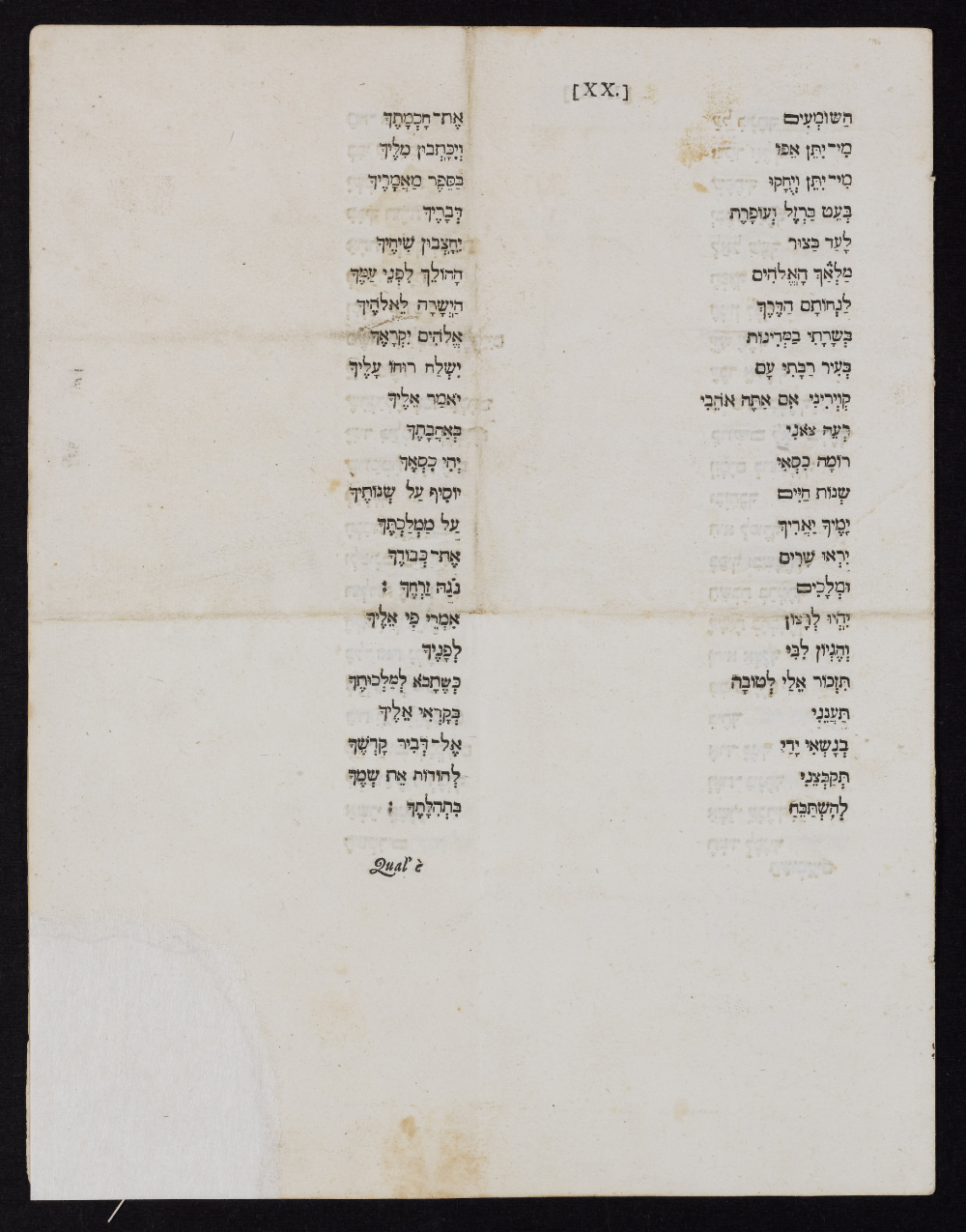
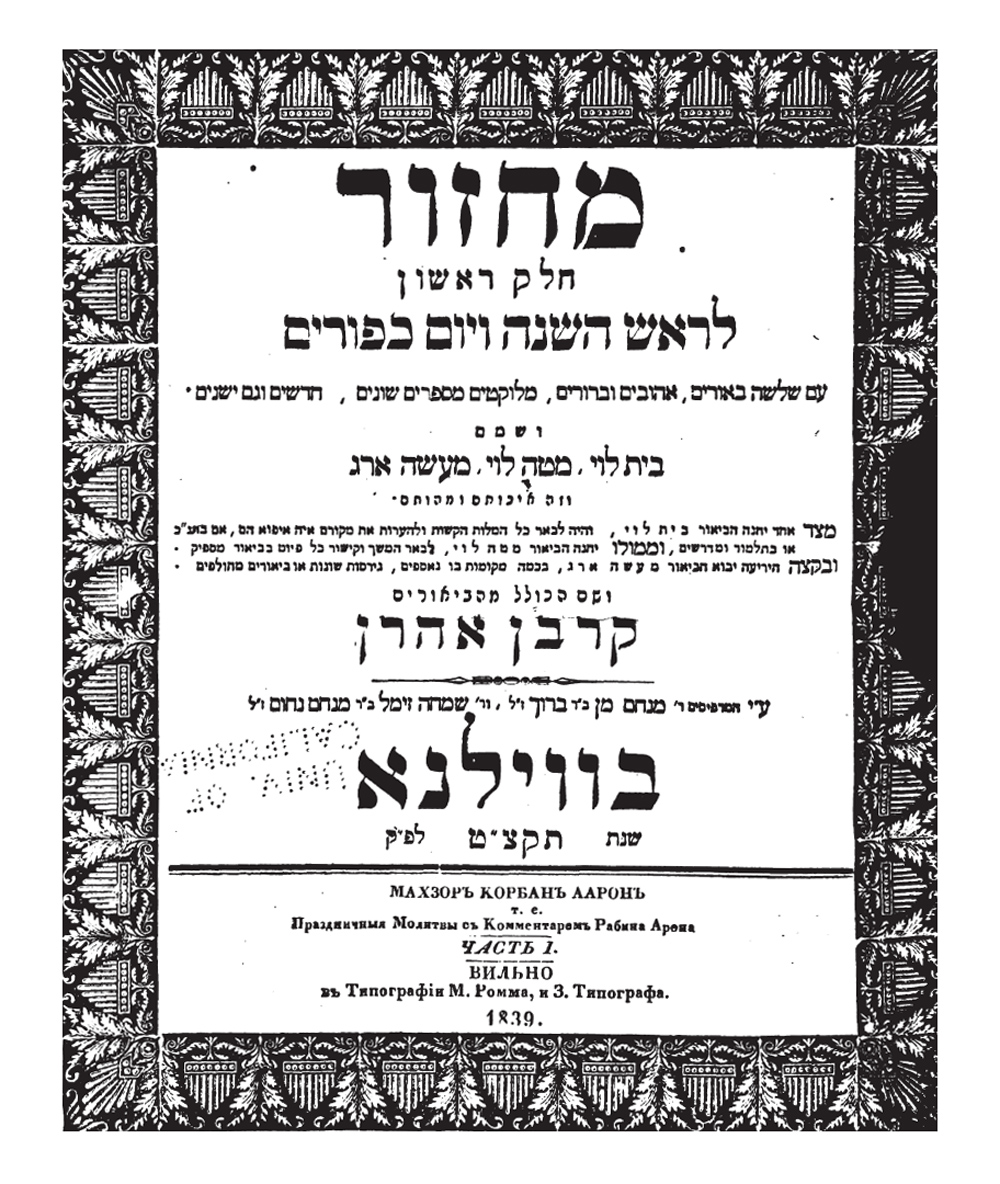
This Teshuvah was printed in various Machzorim at the time and that is where these parts of the teshuva were indeed bowdlerized. See the following images for the pages as they appear in the Korbon Aharon Machazor printed in Vilna in 1839 and compare with the first print of the teshuvah (Prague, 1809).

Amulet Broadsides


This image from Jerusalem 1870 (pp. 130-131) highlights another notable part of this collection – the Amulet section. It contains numerous broadsides against the “evil eye”, aimed at protecting the newborn mother from Lilith and the like (pp. 132-135, 141-143, 194-197). This is yet an additional set of documents which demonstrate how widespread it was for people to use amulets and the fear of the “evil eye” and the like.
There are numerous sources on regarding amulets, some mentioned here.[16] One source, that was only recently published in English, is from a fascinating memoir by Pauline Wengeroff, who writes: “for the same purpose of protecting the newborn, Jews used to affix kabbalistic prayers called shemaus over the head of the new mother, a second page on the door and a third between the cushion of the child.”[17]
Controversy against R’ Shlomo Ganzfried – Author of Kitzur Shulhan Aruch

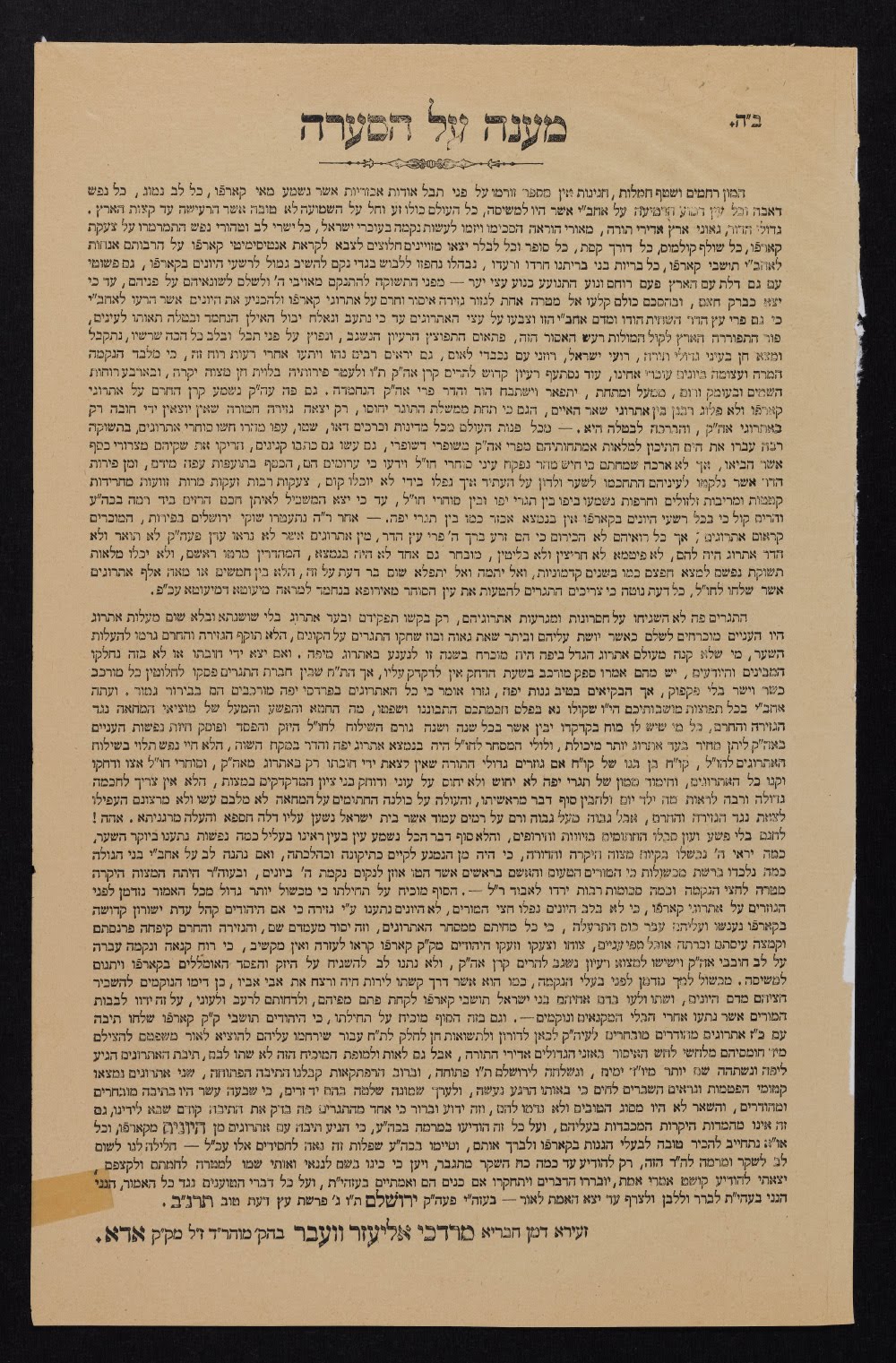
This document relates to a controversy between R’ Shlomo Ganzfried and the R’ Chaim Halberstamm, the Divrei Chaim. In his work Ohali Shem on Gittin, R’ Ganzfried took issue with some legal rulings of the Divrei Chaim. This erupted into a series of small works from R’ Weber, starting in 1882, defending the honor of the Divrei Chaim. R’ Ganzfried responded to one of them in the back of the 1884 edition of his Kitzur Shulchan Aruch.
This broadside (above) from R’ Weber against R’ Ganzfried, found in the Valmadonna Collection, is very rare (p. 217 #360).[18] 
The Valmadonna Collection has another rare broadside from R’ Weber (below), related to the famous controversy of the Corfu Esrogim (p. 219 # 369).[19] This is not included in Naftali Ben Menachem’s otherwise comprehensive article regarding R’ Weber.

Regarding this broadside, it’s worth quoting the great historian[20] and native of the Old Yishuv, Eliezer Malachi:
ור’ מרדכי אליעזר וובר, הרב דאדא, זה האחרון היה אש לוהטת, ובקנאותו לא ידע גבול, עד שבשנת תרנ”א אסרו את אתרוגי קורפו לטובת אתרוגי ארץ ישראל, נלחם הוא להתיר אתרוגי קורפו ולאסור את אתרוגי ארץ ישראל שגדלים בפרדסי המושבות של חובבי ציון [מנגד תראה, עמ’ 225].
The volume is beautifully produced, the reproductions are excellent, and is available in a larger format “coffee table” size. This is a great volume, for collectors of books and history. It is available for purchase here and at the YU Seforim sale here.

[1] The Otzar Ha-Hochma database should be commended for including some auction catalogs in its archive, and even some broadsides, which will provide at least fragmentary information regarding the existence of these invaluable documents.
[2] This essay does not appear in Ta-Shema’s four volume collected writing, it is unclear why it was excluded. 
[3]  For more on this see: Eliezer Brodt, Likutei Eliezer, pp. 11-12.
[4] We discuss two broadsides related to the election of the Vilna chief rabbi between R. Hayyim Ozer and R. Y. Rubenstein (here).The Israel Musuem mounted an exhibit of broadside regarding Haredim.  See Pashkevilim, Wall Announcements and Polemic Posters in the Ultra-Orthodox Street, Israel Museum-Yad Ben Tzvi, Jerusalem: 2005 (Hebrew). This volume contains a number of introductory essays, and germane here, Menachem Friedman’s essay “The Pashqevil (Pasquinade) and Public Wall Poster/Bulletin Board Announcements in  Haredi (Ultra-Orthodox) Society” is especially important, although it is not cited in the Valmadonna volume.
[5] See the lengthier treatment of the topic in her book, Elisheva Carlebach, Jewish Calendar and Culture in Early Modern Europe (Cambridge, Mass.: Belknap Press of Harvard University Press, 2011.
[6]  See also p. 210 # 332.
[7]  On this great person, it is well worth quoting Professor Yaakov Sussman’s assessment in a footnote, in a book-length (175 pp) essay – one of the most important ones written in the past decade on the writing of Torah She-Bal Peh – where writes:

מסה מרשימה ביותר בבקיאותו, בחריפותו, בפלפולו בתקיפותו של המחבר לאורך כמאה עמודים גדושים, שבה סיכם כמעט כל מה שנאמר לפניו בנושא… בתשובה זו מתגלה המחבר כחכם בקי, תמים ובעל חושב ביקורתי כאחת, שכל רז לא אניס ליה, לא בספרות הרבני ולא במחקרי זמנו, והוא מצליח לגייס את ידיעתיו להגצת עמדתו… ואין פלא כלל שתשובה מרשימה זו כבשה במהרה את הלבבות והייתה למילה אחרונה בנושא ודעתו נתקבלה כמעט על כל החוקרים [מחקרי תלמוד, ג, עמ’ 235].
[8]  See Mofas Hador, pp. 37-40. See also Yerushaseinu 5 (2011), pp. 265-299; R’ Betzael Landau (here).
[9] We doubt that the composer was Jewish or the text was intended for a Jewish audience. Instead, similar odes – in Hebrew and the subject is Christian – appear in a number of Latin translations of Hebrew texts. See, for example, Coccejus’ Latin translation and abridgement of tractates Sanhedrin and Makkot, includes Hebrew poems in his own honor and that of his teacher. Duo Tituli Thalmudici Sanhedrin et Maccoth, ed. Joanne [Coccejus], Amsterdam, 1629, unpaginated introduction.
Another notable example of clerical citation is Cardinal Egidius de Viterbo who appears in Elijah Levita’s works.  See Solomon Buber, Tolodot Eliyahu ha-Tishby, Leipzig, 1856, nn. 15-18.
[10]  For more sources on this, see: Rabbi Oberlander, Minhag Avosenu Beyadneu, (Shonot), pp. 11-19; R’ Yechiel Goldhaber, Minhaghei Hakehilot, 1, pp. 174-175; Eliezer Brodt, Yerushaseinu 2 (2008), pp. 203-204; Rabbi Y.M. Dubovick, Minucha Sheleimah (2014), pp.26-27.
[11] The full document is translated in the appendix of the book (pp. 288-290).
[12] For additional sources on this subject, see S. Assaf, Mekorot le-Tolodot ha-Chinuch be-Yisrael, s.v. makot.
[13] Coenen’s book is a very important contemporaneous account of the messianic fervor surrounding Tzvi.  The book was translated from Dutch into Hebrew, Tzepiot Shav shel ha-Yehudim Kefi she-Hetgalu be-Demuto shel Shabbati Tzvi, Merkaz Dinur, Jerusalem, 1998. 
[14]  On this see: R’ Yechiel Goldhaber, Minhaghei Hakehilot, 2, pp. 31-33; Eliezer Brodt, Yerushaseinu 2 (2008), p. 211.
[15]  See R’ Yechiel Goldhaber, Minhaghei Hakehilot, 2, pp.61-65, where he traces how far back the custom of saying these Tefilos can be dated. See also Eliezer Brodt, Yerushaseinu 2 (2008), p. 214. The main work on this subject, collecting vast material, is R’ Chaim Kraus, MiChalkel Chaim Bechesed 2, (1982). See also R’ Zev Rabinowitz, Sharei Toras Bavel, p.12; R’ Chaim Lieberman, Ohel Rochel, 1, pp. 511-515; Y. Leibes, Mechkari Yerushalayim Bimachshevet Yisrael 6 (1986), pp. 171-195.
[16]  See also Eliezer Brodt, Likutei Eliezer, pp. 13-22, 69-72; Jewish Magic through the ages: Angels and Demons, edited by Filip Vukosvoviv, Bible land Museum, Jerusalem 2010.
[17]  Pauline Wengeroff, Memoirs of a Grandmother, 2, 2014, p. 89.
[18] On R’ Ganzfried, see R’ Y. Rubinstein, HaMayan 11:3 (1971), pp. 1-13; ibid. 11:4. pp. 61-78. See also Naftoli Ben Menachem, HaMayan 12 :1 (1972) pp. 39-42.  On this controversy, see R’ Rubenstein, ibid. pp. 10-11. On R’ Weber, see Naftoli Ben Menachem, in: Studies in Jewish bibliography, history, and literature in honor of I. Edward Kiev, Charles Berlin (editor), New York 1971, pp. 13-20. On this broadside, see Shoshanna Halevy, Sifrei Yerushlayim Ha-Rishonim, p. 188. On the other works by R’ Weber related to this issue, see ibid, pp. 156-157, 186-187, 219-220. See also Moshe Carmilly, Sefer VeSayif, pp. 264-265.
For an additional controversy between the Divrei Chaim and R’ Ganzfried see David Assaf, HeTzitz Unifgah, (2012) pp. 362-367.
About R’ Ganzfried and Chasidim, see Heichal HaBesht 3 (2003), pp. 105-117. For more on the Divrei Chaim’s methods of Pesak, see Iris Brown, Rabbi Hayyim Halberstam of Sanz: His Halakhic Ruling in view of his Intellectual world and the challenges of his time, (PHD Bar Ilan University) 2004 (heb.).
[19]  This is the subject of a future article. For now, see R’ Yosef Zechariah Stern, Zecher Yehosef, siman 232.
[20]  About Malachi, see Jacob Kabakoff, “Some Notable Bibliographers I have Known”, Judaica Librarianship, Vol.11 :1-2, (2003), p. 67-75.


Towards a Bibliography of seforim related to Shavous and Megilas Rus (new and old)


Towards a Bibliography of seforim related to Shavous and Megilas Rus (new and old)

By Eliezer Brodt

In this post I intend to start a list towards a more complete bibliography to the various seforim (new and old) and articles related to Shavous. I hope to update it much more in the future as my computer (with all my information just died).

When learning the Halachos of Shavous, one is struck how the Tur does not mention anything special for Shavous except for instructions related to davening and Keriyas Hatorah. The only custom he mentions that is unique to Shavous is saying Azharot. Rabbi Yosef Caro in both of his works, Beis Yosef and Shulchan Aruch pretty much follows in this path. In the Codes is not until the Rema that some of the famous customs related to this Yom Tov are brought down, such as the custom of placing flowers in shuls and houses, the custom of eating Milchigs and eating special lechem to remember the Shtei Halechem. Only afterwards through the writings of the Matteh Moshe, Knesses Hagedolah and especially the Magen Avraham are the other customs related to this Yom Tov brought forward, among  them, when exactly is one supposed to daven Maariv Shavous night, staying up the whole night learning, saying Akdamus, using a special Trope when leining the Aseres Hadibros,and leining Megilas Rus[1].

The first work worth mentioning, as its one of my all time favorites, is Rav Zevin’s Moadim Be-halacha. In this work he has four pieces, none of which needs my approval ! – related to Shavous. He has a general piece, one related to various issues about the Shtei Halechem, another related to Megilas Rus and one related to various aspects of Aseres Hadibros.

Regarding general aspects of Aseres Hadibros one should see the collection of articles in the volume called
Aseres  Hadibros
edited by B. Segal (Magnes Press, 1986) and the work
Aseres  Hadibros Ve-keriyas Shema
from Moshe Weinfeld (2001).

For a discussion of the special Trope used when leining the 
Aseres  Hadibros see the article from Amnon Shiloah in the volume
Aseres  Hadibros
edited by B. Segal. See also Rabbi Dovid Yitzchaki in the back of his edition of Luach Eresh pp. 524- 540; the series of articles of Y. Laufer (available here, here and here) [special thanks to my good friend Mr. Yisroel Israel for bringing this to my attention]; this article from Y. Ofer.

For discussion of the custom to stand during the leining of 
Aseres  Hadibros see this earlier post by Dan Rabinowitz available here and especially the sources listed at the end. To add to the usage of the Teshuvos Harambam mentioned there, see Rav Zevin, Moadim Be-halacha, p. 389-390. See also what I mention here, and also Rabbi Oberlander, Minhag Avosenu Beyadenu, pp.605-622.

Regarding Shtei Halechem see the excellent work Birchat Haaretz from Rabbi Y. Mashbaum available here.

Regarding the time when to daven Maariv Shavous night see Rabbi Binyomin Hamburger, Shorshei Minhag Ashkenaz, 4:344-369.

Regarding staying up Shavous night, see R. Hamburger, Shorshei Minhag Ashkenaz, 3:268-364, where he traces this minhag and deals with, at great length, the minhag of saying Tikun. See also Professor Moshe Chalamish, Ha-Kabalah, pp. 595- 612. See also J.D. Wilhelm, “Sidrei Tikkunim,” in Alei Ayin: Essays Presented to Salman Schocken (Jerusalem: Schocken 1948-1952), pp. 125-146, (Hebrew). Of course I must mention my good friend Menachem Butler’s favorite article relating to all this, Elliott Horowitz, “Coffee, Coffeehouses, and the Nocturnal Rituals of Early Modern Jewry,” AJS Review 14:1 (Spring 1989) pp. 17-46. For other Halachic issues related to staying up all night see the recent work, Ha-niyur Kol Ha-laylah.

Regarding saying Akdamot see this earlier post from Dan Rabinowitz available here. See also Rabbi Dovid Yitzchaki in the back of his edition of Luach Eresh, pp. 541-542. See also Jeffrey Hoffman, “Akdamut: History, Folklore, and Meaning,” Jewish Quarterly Review 99:2 (Spring 2009) pp. 161-183.

Regarding the custom of saying Azharot on Shavous see what I wrote here. I hope to update this post in the near future. Meanwhile, see what I wrote in Yeshurun 25:447-449.

Another area worth learning about is Bikurim. For this I recommend the volume of the Safrai Family from their series of Mishnas Eretz Yisrael.

Regarding the custom of placing flowers in Shul and at home, see the works of Rabbi Oberlander, Minhag Avosenu Beyadenu, pp. 573-604 and the collections of material found in Moadim Li-simcha and Pardes Eliezer.

Regarding the custom of eating Dairy on Shavous, much has been written. See the works of Rabbi Oberlander, Minhag Avosenu Beyadenu, pp. 623-647 and the collections of material found in Moadim Li-simcha and Pardes Eliezer. Recently Rabbi Moshe Dinin collected 160 reasons (!) for this custom in  Kuntres Matamei Moshe (2008). Even more recently Rabbi Yosef Ohev Zion printed a work called Yoma De-atzartah (2009) [thanks to Yissochor Hoffman for bringing this work to my attention]. For important discussion related to this topic see the articles of my friend Rabbi Yehudah Spitz available here and here.

Related to this one should read the great article by Aviad A. Stollman, “Halakhic Development as a Fusion of Hermeneutical Horizons: The Case of the Waiting Period Between Meat and Dairy,” AJS Review 28:2 (November 2005) pp. 1-30 (Hebrew) [expanded from his M.A. on Perek Kol Habassar.

Another custom that originally took place on Shavous was when a child turned three they used to conduct a special seder with eating cakes and reciting various pesukim and the like. This custom was dealt with by many; for a recent discussion of this topic, including sources, see my article in Yerushasenu 5 (2011), pp. 337-360. [A PDF is available upon request].

Another issue of interest worth mentioning related to Shavous is the plagiarism of the highly controversial Sefer Chemdas Yamim discussed many times on this blog (see here). Isaiah Tishbi in his various essays where he proves the plagiarism’s of the Chemdas uses many different topics related to Shavous. See the collection of his articles Chikrei Kabbalah Veshiluchoseh pp. 374-376 (regarding when to daven Maariv), 382-383 (which day was Matan Torah), pp. 389-391 (regarding standing during Aseret hadibrot), pp. 391-393 (regarding the Maggid visiting the Beis Yosef on Shavous night) and pp. 340-341 (regarding eating meat after milk).

Here is a listing of some general works related to Shavous that deal with many of the above aspects and more:

א. ר’ שלמה קלוגר, קהלת יעקב, ירושלים תשס”ו, תמז עמודים.

ב. ר’ פנחס שווארטץ, מנחה חדשה, תרצ”ז, נו עמודים.

ג. ר’ יצחק ווייס, בינה לעתים, בני ברק תשסד.

ד. ר’ שריה דבליצקי, קיצור הלכות מועדים, תשס”ו, פב עמודים.

ה. ר’ אבוגדר נבנצל, ירושלים במועדיה.

ו. ר’ עובדיה יוסף, חזון עובדיה, יום טוב, ירושלים תשס”ג.

ז. ר’ אהרן מיאסניק, מנחת אהרן, ירושלים תשס”ח, רצב עמודים.

ח. ר’ גדליה אבערלאנדער, מנהג אבותינו בידינו, מאנסי תשס”ו.

ט. פרדס אליעזר.

י. ר’ טוביה פריינד, מועדים לשמחה, ירושלים תשס”ח.

יא. ר’ יצחק טעסלער, פניני המנהג, מונסי תשס”ח, תצב עמודים, ספר זה כולל אלפי מקורות וס”ד פרקים על עניני החג.

יב. ר’ יוסף חיים אוהב ציון, יומא דעצרתא, ירושלים תשס”ח.

Over the centuries numerous works have been written explain this Megilah. Just to mention a few: until last year the best collection of Rishonim was in the Toras Chaim edition printed by Mossad Rav Kook. This edition has the commentaries of nine Rishonim printed based on manuscripts.

A few year ago the Even Yisrael company printed a nicely done edition which had a few Rishonim and Achronim. But I cannot offer an opinion if it does not have mistakes and the like. More recently they reprinted this, adding many more Rishonim and Achronim. If one is interested in buying any one volume related to Rus this is the best to buy for your money, as you get a bunch of commentaries all in one volume.

Another work worth mentioning is called Tosfos Haslem this is a collection from many different manuscripts of the Baalei Hatosfos on the Megilah.

Another work on Rus worth mentioning is the Shoresh Yeshai from Rabbi Shlomo Alkabetz. There are many editions of this work, but I recommend the one printed a few years ago edited by Rabbi Shmuel Askhkenazi, as it includes a very good introduction, many notes and some very useful indices.

Another beautiful work on Rus worth learning through is the Meshivos Nefesh from the Bach. This perush goes through everything related to the megilah very thoroughly. He also wrote a work on Rashi called Be’er Mayim. This work was printed many times.

Another work is the Torah Sheleimah continuing in the path of Rabbi Menachem Kasher’s Torah Sheleimah on the Torah, collecting the many Midrashim on the Megilah. However the great notes of Rav Kasher are definitely missed by many.

Another work I enjoyed on Rus was from Rabbi Yosef Zechariah Stern – one of my favorite Gedolim – his bekius here is simply remarkable (as it is in all his other works).

Another collection of useful works on Megilas Rus was printed a few years ago by my good friend Rabbi Moshe Hubner. The title of the volume is Uryan Toilessyah (314 pp.). This volume contains four works, the first being his own called Uryan Toilessyah. The style of this work is to deal with many of the issues that come up while learning the Megilah.The questions and answers are based on a very wide range of sources. He also includes many nice ideas of his own to various problems. It is very organized clear and to the point. He also printed three other earlier works, the first being Invei Hagefen first printed in 1863, the second being Rishon Mekor Hachaim first printed in 1697. He also reprinted some Teshuvos and articles related to Shavous from his grandfather Rabbi Shmuel Hubner, author of the Nimukei Shmuel. [A few copies of this work are still available; email me for more details].

This year a few more important works related to Megilas Rus were just printed. First worth mentioning is the Mikraot Gedolot Haketer from Bar Ilan. This series began a few years back and has fallen asleep for awhile. Last week the project “woke up” and five volumes were released in the small size. The point of this series is to offer the most accurate texts of various Rishonim on Tanach based on all the manuscripts.

Another excellent work just printed is the Eshkol Hakofer from Rabbi Avraham Sbba, author of the Tzeror Hamor (259 pp.). This work had been printed many years ago based on one manuscript but this edition is printed based on numerous manuscripts and contains many pieces not found in the printed edition. This work is simply beautifully done, with a nice introduction and many useful notes.

Another great work that just was printed for the first time was the Toldos Shlomo by  Rabbi Shlomo Kluger (436 pp.).

Another new work on Megilas Rus is called Megilas Rus Im Otzros Hameforshim (482 pp.) This work contains a few sections the first part contains separate extensive perushim on Targum, Rashi, Rav Yosef Kara and Ibn Ezra’s perushim. Besides for this, it contains an extensive peuish on the Megilah. Another section has in-depth lengthy discussions on various topics related to the Megilah, Rus and David Hamelech. As the bibliography at the end of the sefer shows it is based on many seforim.

Another work worth mentioning is the Ke-Motzo Shalal Rav on Rus and Shavuos. This work continues in the path of Rabbi Rosenthal’s earlier works on chumash and Yomim Tovim with the same name, collecting and presenting nice material, written clearly, and easy to understand related to Rus and Shavous from famous and less famous works.

Regarding whether or not to stand for the recitation of the Aseres Hadibros, see here. Thanks thanks for Yissachar Hoffman for sending me this. In the work Shiurei Rav Elyashiv on Berachos (p. 93) it says that he says its assur to stand based on this teshuvah of the Rambam. I will add that I davened for many years at Rav Elyashiv’s minyan on shabbos. I always wanted to see if he would sit or stand but he almost always got that aliya – until one time he did not and I was able to see that he indeed stayed seated!

[i] The Rema mentions this minhag earlier (490:9) but not in hilchos Shavous.


Purim roundup

Since Purim is almost upon us, here are some older Seforim Blog posts dealing with Purim themes (arranged chronologically):
Purim, Mixed Dancing and Kill Joys (3.06.2006); Mahar”i Mintz permitted cross dressing and mixed dancing on Purim. Also discussed are other rabbinic reactions to Purim merrymaking.
Review of Reckless Rites by Elliott Horowitz (4.07.2006). This controversial book subtitled “Purim and the Legacy of Jewish Violence” discusses incidents of Jewish violence toward non-Jews on Purim and the way Jewish historians sometimes downplayed these incidents.
Tussle Over Horowitz’s Book (10.11.2006) discusses the resulting fallout of this book, whose thesis was disliked by Hillel Halkin in Commentary.
The Origins of Hamentashen in Jewish Literature: A Historical-Culinary Survey (2.28.2007), a classic post by Eliezer Brodt on this relatively recent Jewish custom.
Judah Wistinetzky and Mishloach Manot to his American friends (3.02.2007); Menachem Butler points out a post by Ari Kinsberg about a sefer distributed as a mishloach manot gift to the author’s friends.
Purim and Parodies (3.17.2008) by Eliezer Brodt. Eliezer discusses everything from a humorous Purim piyut included in Mahzor Vitry, to Kalonymus ben Kalonymus’s Massekhet Purim to the very rare Sefer Ha-kundas, a 19th century parody of the laws of trouble-making in the style of the Shulhan Aruch.
The Origins of Hamentashen in Jewish Literature: A Historical-Culinary Survey Revisited by Eliezer Brodt (3.18.2008). Eliezer revisits his post, updated with many additions and corrections.
“‘Most of all you’ve got to hide it from the kids…’ Reading Esther before Bed” by Elliott Horowitz (2.25.2010). This post discusses bible tales adopted for children in softened form.
The Origin of Ta’anit Esther by Mitchell First (3.3.2011). In this recent post, it is argued that this fast’s origin is even later than the original She’iltot (8th century).
***
Also, here are a few Purim posts from fellow-traveller On the Main Line:
A duel fought with swords on Purim, 1891 a duel fought with swords on Purim, between a Jew and a modern-day Haman.
How Moses Montefiore spent his time on Purim – giving matanot la-evyonim.
1841 Purim in New York, to bang at Haman’s name or not to bang?