Towards a Bibliography of Coronavirus-related Articles & Seforim written in the past month (updated): Black Weddings and others Segulot

Towards a Bibliography of Coronavirus-related Articles & Seforim written in the past month (updated)

Black Weddings and others Segulot

By Eliezer Brodt

Introduction

When the lockdown began in Israel a few weeks ago, a friend of mine e-mailed me an article about plagues he was about to complete, asking if I had anything to add. Upon checking my collections of material, I found I had nothing special marked down in my indexes about the topic. At the time I had no plans of writing anything about it. However, a few weeks later, when I started preparing my e-mail of reading material which I send out a few times a year, I saw that I indeed had several articles related to different aspects of the current Coronavirus pandemic, articles which I had either received or collected from various sources. By that time, I myself was deep into writing an article on R’ Akiva Eiger and the 1831 Cholera outbreak (which I hope to complete shortly IYH).

I had originally planned on including an appendix to that article with some of the material published in the past few weeks. I then decided to just make it into its own blog post, which was published last week. I was not attempting to put up everything I saw or collected on this topic – there is just so much out there! Normally, I do not update such a post so early on, however this time I decided to make an exception. I would like to thank all those that sent me material and links, I hope people will continue to do so.[1]

In my first version of the bibliography I included about twenty-five booklets and articles. This new Version has more than double, listing over fifty items, plus new links and information on the subject.

The purpose of the post is to collect a wide range of material, covering many different aspects of the Coronavirus pandemic and making it available for people to learn from. I am not necessarily endorsing the various pieces or links mentioned.

I also included Two new Appendices. One related to a famous old segulah, the so-called ‘Black Wedding’. Another one relates to a Segulah of R. Shimshon of Ostropoli. (See also Footnotes 2 & 7).

Many of us have been under some sort of lockdown for over a month – some of us for less, some for more. However, this has not silenced the ‘voice of the Torah’; all kinds of Shiurim & classes on a wide range of topics have been made available via various methods. Otzar Hachochmah has made their database available free of charge as have the Bar Ilan Responsa Project and Project Kotar. Others have chosen to spread Torah by putting digital pen to Digital paper.

The truth is, like almost every other topic, it’s hard come up with something new; plagues and the like have occurred numerous times throughout our long history.

The famous bibliographer Avraham Ya’ari already devoted a chapter of a book of his to listing some of the Seforim which were written during plagues.[2]

One thing of note is that in contrast to the past, the speed which material is coming out in typeset, PDF form etc, is simple remarkable. Many of these booklets are being updated with new material every few days making it even more difficult to keep track; some of these booklets have been updated over five times!

I believe there has never been a time when so much material on a specific topic has been flowing at such speeds. This is due to the new age of technology and new information becomes available so fast. One suggestion I would make is based on the Rambam who wrote:

וממה שראוי שתדעהו, שהאדם אין ראוי לו לדבר ולדרוש באזני העם עד שיחזור מה שרצונו לדבר פעם ושנים ושלש וארבע, וישנה אותו היטב, ואחר כך ידבר, וכן אמרו עליהם השלום, והביאו ראיה מלשון הכתוב: “אז ראה ויספרה הכינה וגם חקרה”, ואחר כך “ויאמר לאדם”. זה נאמר על מה שצריך לאדם לדבר בו בפיו. ואולם מה שיחוק האדם בידו ויכתבהו על הספר, ראוי לו שיחזירהו אלף פעמים אילו יתכן זה; וזה האיש שלא עשה דבר מזה, אבל כתב אלו הענינים הנכבדים בטופס, ולא ראה לכתבם תחלה ולתקנם, מפני שהיה דברו אצלו בלי ספק בענין שלא היה צריך לחזור עליו, ומסרו ביד איש שישוט בם בכל עיר ובכל מדינה, והאפיל בם לבות בני אדם, שלח חושך ויחשיך ,איגרות הרמב”ם, מהדורת ר’ יצחק שילת, איגרות השמד, עמ’ לג-לד

He wrote this long before the printing press! I would say how much more so in our times, with computers and the world wide web, and the speed with which our words are disseminated; one should be even more careful as to what they say, and especially what they print, and realize it has lasting effects, not only now but in many years to come.

During each of these times in the past, many discussions related to aspects of plagues and epidemics arose.[3] The sources range from descriptions of the situation, discussions of what one should do, i.e. stay put or run,[4] tefilot[5] and/or segulot,[6] Hashkafah discussions,[7] to Halachik rulings regarding observing various Halachos.[8]

Right before Pesach, Machon Yerushalayim released a 300-pp. digital work collecting hundreds of such sources (item #20).

In the most recent issue of the journal Ha-Ma’ayan (#233) released this past month my good friend R’ Moshe Dovid Chechik wrote an article titled “The Prohibition or the Obligation to Flee the city during an Epidemic” (item #18). Since, others have written about it [see below (#4&5)]. [Here is a link to a recent Shiur on this topic from Rabbi Dr. Dovid Katz on the subject].

Much has been written about R’ Akiva Eiger and the 1831 Cholera outbreak (see below – R’ Eli Fisher and Dr. Eddie Reichman’s articles items 1,2 and 20). [See also Rabbi Pinni Dunner here].

This week, I received an excellent work from Rabbi Guttman all about the 1831 Cholera outbreak (item #24) [available upon request]. I too am working on an article on the topic and hope to complete it IYH within the next few days.

This terrible time has already seen many Teshuvot written, in regard to Pesach, Sefirah, and Minyanim. Especially of note is the vast amount written and that will continue to be written about davening with a Minyan (see below #34, and item # 35 and many others below, see also R’ Avishay Elbaum’s recent post [here]).

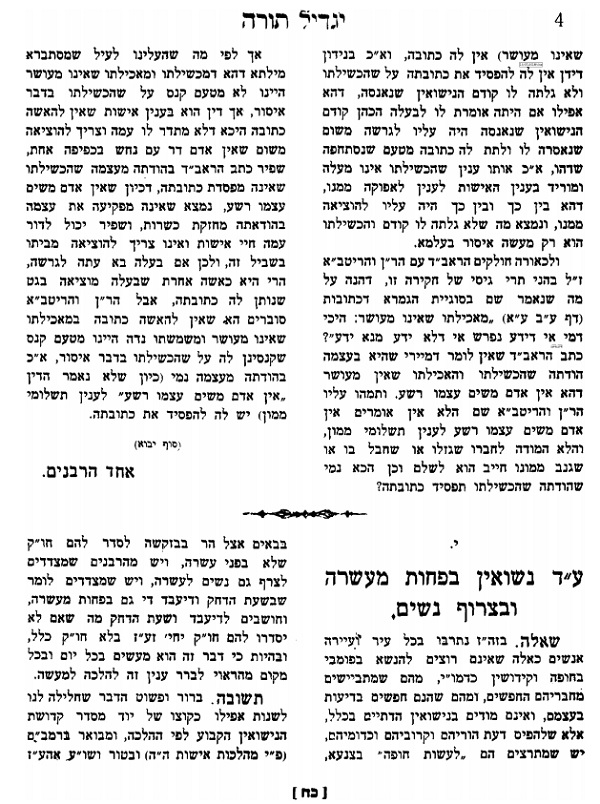
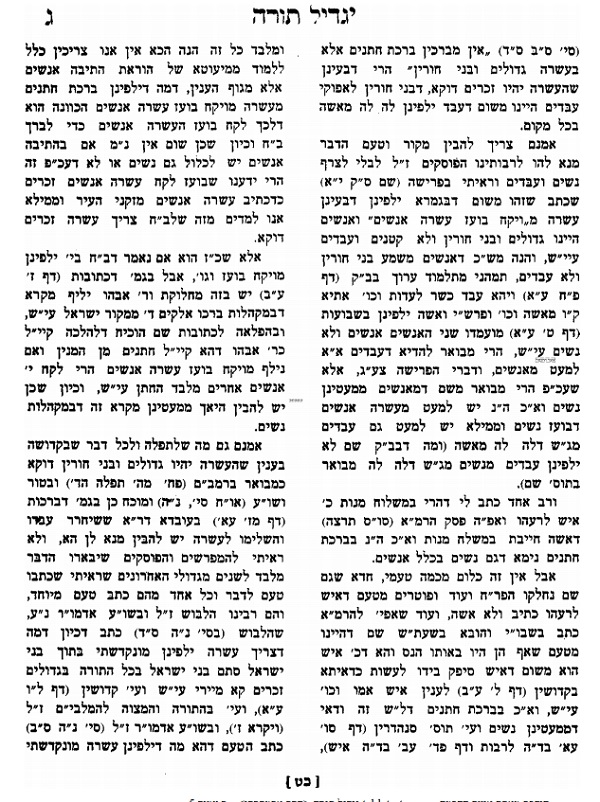
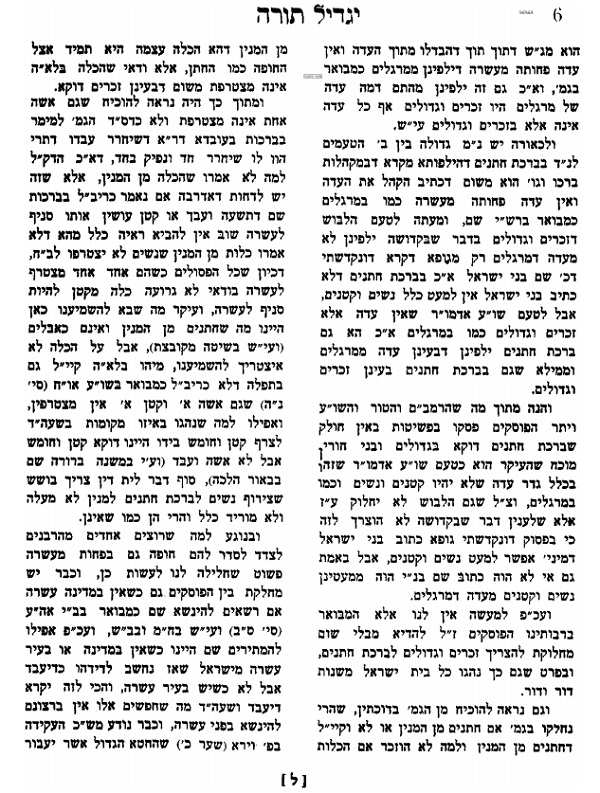
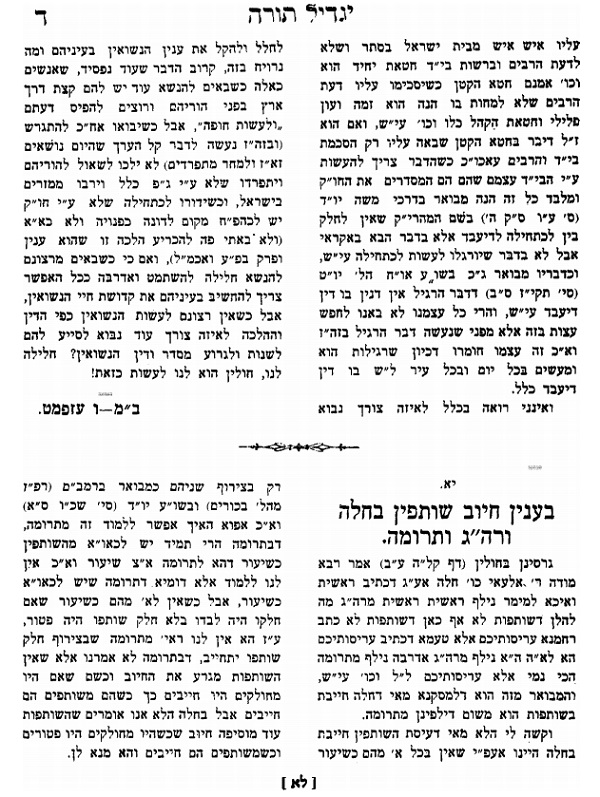
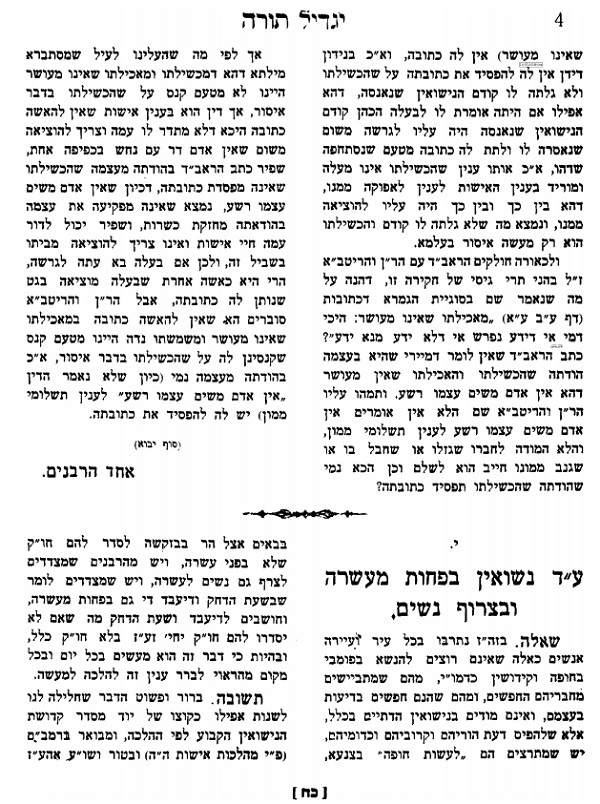
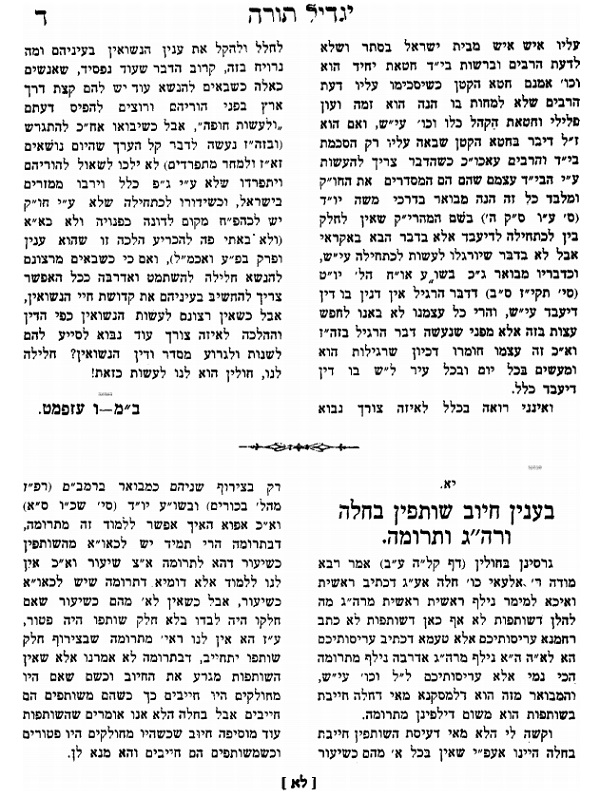
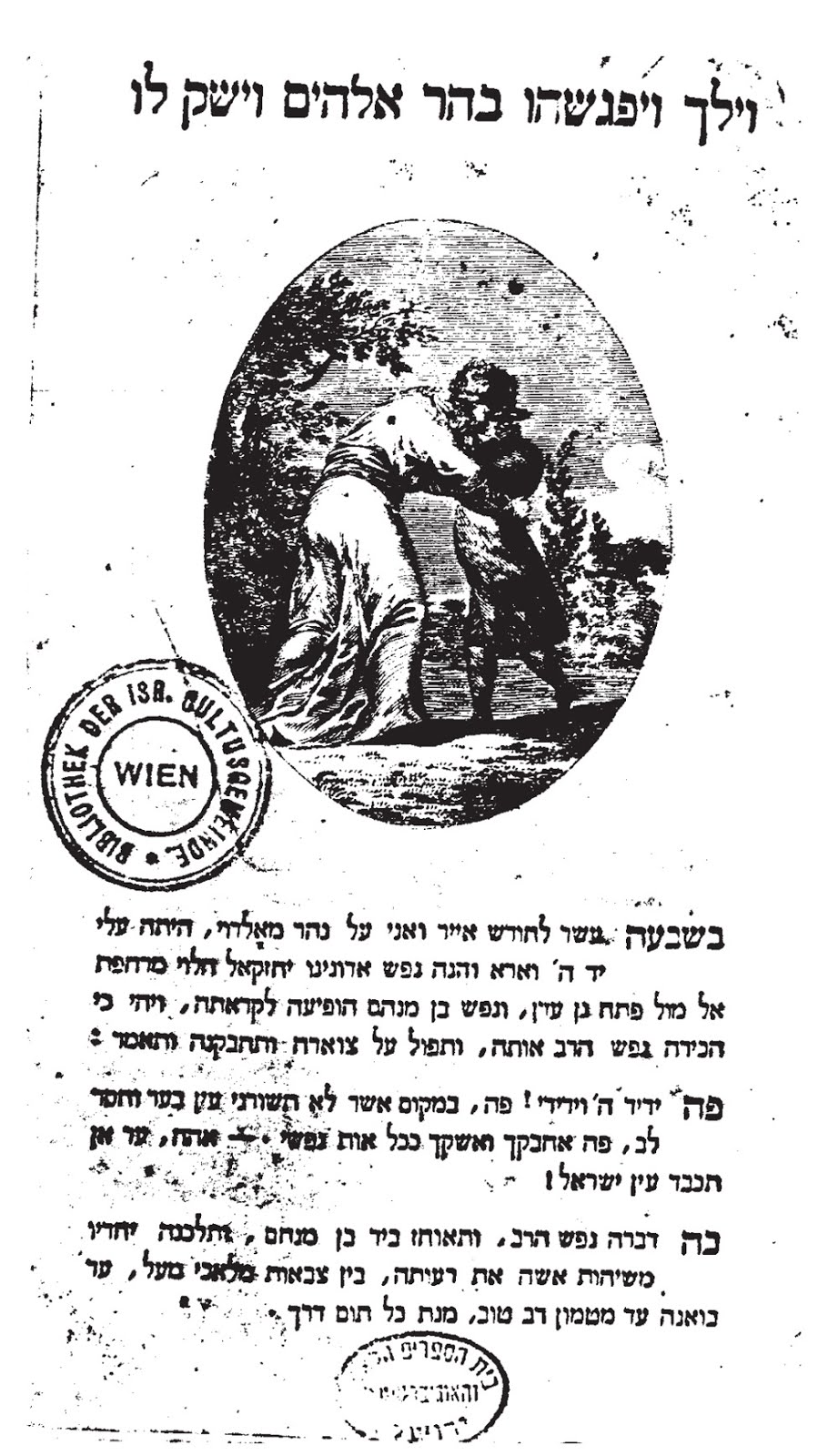
See below (Appendix five for a Teshuvah I came across recently, about a wedding with less than 10 people for a minyan, published in Russia in 1928 in the Journal Yagdil Torah edited by Rav Zevin and R’ Abramsky.

Databases – Blogs

There are also some online databases of material devoted specifically to the current Coronavirus pandemic. Kol Corona (here) is an excellent collection of material related to the Halachic aspects of Coronavirus pandemic, with many links.

Another is a database with links of material for a comparative study of Responses in Judaism, Islam and Christianity.

The Lehrhaus Blog also has many valuable articles related to the Coronavirus pandemic (see this link), as does the Torah Musing blog (see this link).

Worth mentioning is the online Newspaper-Journal Called Zarich Iyun: Charedi Thoughts and Ideas. Most of its articles are in Hebrew (below # 45-48). However, some of its Coronavirus pandemic related articles have been translated into English (see below #13-16). Some of the articles (especially # 48) have generated numerous comments as, one can see from the links. Related to some of this is Rav Michael Abraham’s article, available here, which also generated numerous comments.

Each week, Rabbi Y. Sprung of the The Beit Medrash Govoha for Medical Halacha (affiliated with Technion Medical School and under the leadership of Rav Asher Weiss) releases an article (in Hebrew and English) relating to the parsha and medicine. The past few weeks (from Ki Sisa) have related to coronavirus. See this link for these articles.

All of the items mentioned in the Bibliography bellow are available from me free of charge – just E mail me at eliezerbrodt@gmail.com

English

  1. Rabbi Eli Fischer, Rov in a Time of Cholera (here)

  2. Dr. Eddie Reichman, From Cholera to Coronavirus: Recurring Pandemics, Recurring Rabbinic Responses (here)

  3. Dr. Eddie Reichman, Incensed by Coronavirus: Prayer and Ketoret in Times of Epidemic (here)

  4. Rabbi Gil Student, Talmudic Advice on Epidemics (here)

  5. Dr. Tamara Morsel-Eisenberg, “Is It Permitted to Flee the City?” (here)

  6. Rokhl Kafrissen, Plague Weddings (here)

  7. Dr. Jeremy Brown, A Long-Forgotten Jewish Remedy for the Coronavirus Outbreak (here)

  8. Rabbi Shlomo Zuckier, Making Seder out of the Zoom Controversy (here)

  9. Rabbi Shlomo Brody, Does Jewish Law Oblige Doctors to Risk Their Own Health to Heal the Sick? (here)

  10. The Layman’s Guide to the laws of Mourning, By R’ Holzer, Based on the Rulings of Rav Asher Weiss

  11. Rabbi Prof. Avraham Steinberg, The Corona Virus Pandemic 2019-20- Historical Medical and Halakhic Perspectives, (41 pp.)

  12. Rabbi Michael Broyde, An Introduction to Pandemic Jewish Law, Responsa of Rabbi Hershel Schacter and Rabbi Asher Weiss (here)

  13. Rabbi Yehoshua Pfeffer, Coronavirus: The Charedi Response (here)

  14. Rabbi Reuven Leuchter, COVID-19: A view From Above (here)

  15. Rabbi Eli Stern, Coping without Community (here)

  16. Rabbi Moshe Farkash,COVID19: A community in Crisis (here)

  17. Professor Shaul Magid, COVID-19, Haredi Jewry, And Magical Thinking (here)

Hebrew

  1.  משה דוד צ’צ’יק, האיסור או החובה לברוח מן העיר בשעת המגפה [כאן]
  2. ר’ מנחם מענדל רוזנפלד, זמן מגיפה: הורים ילדים ומפחדים [כאן]
  3. ר’ דוד אברהם, נאמנו מאד, עדויות גדולי ישראל על הליכותיהם ומנהגיהם בימי חולי ומגיפה, אשר נאספו ונלקטו מתוך כתביהם וחיבוריהם, מכון ירושלים [ספר שלם, 300 עמודים]
  4. שמירת הסופר להינצל מחולי ומגפה מתורת החתם סופר [ספר שלם, קמא עמודים + חלק חדש של עוד 35 עמודים]
  5. ר’ שמואל ויטל, סדר משמרה לזמן המגפה, מכתב יד, בההדרת ר’ ישראל זאב גוטמאן
  6. אדם ישר, סגולות ותפילות לזמן המגפה, שחיבר ר’ יצחק אייזיק סאפרין מקאמרנא, בעל היכל הברכה [מהודרה חדשה], מא עמודים
  7. ר’ ישראל זאב גוטמאן, קונטרס טללי נוחם, כולל מכתב אגרות שפירין
  8. קונטרס תפילות מיוחדת למניעת מגיפת הקורונה, כבקשת… המקובל רבי בניהו שמואלי שליט”א, 40 עמודים [וגם קמיע למניעת המגיפה]
  9. הרב זלזניק, לוח ההלכות ומנהגים לחודש אייר, מיוחדת עם הלכות הנוגעות למגיפת הקורונה, 17 עמודים
  10. אוסף של 35 תשובות של הרב צבי שכטר שליט”א [בעברית וחלקם גם באנגלית]
  11. פסקי קורונה מאת הרב צבי שכטר שליט”א [51 עמודים]
  12. מנחת אשר, לקט שיעורים תשובות אגרות ומאמרים הנוגעים למגפת הקורונה מאת הרב אשר וייס שליט”א [100 עמודים]
  13. מנחת אשר, לקט שיעורים תשובות אגרות ומאמרים הנוגעים למגפת הקורונה מאת הרב אשר וייס שליט”א, מהדורה תניינא, [172 עמודים]
  14. הרב פרופ’ אברהם שטינברג, מגפת הקורונה התש”פ, היבטים היסטוריים, רפואיים והלכתיים, 30 עמודים
  15. ווי העמודים וחשוקיהם, ליקוט משעורי וחידוש ר’ יצחק זילברשטיין, קנו עמודים
  16. ר’ שלמה אבינר, קונטרס כתר יתנו לך, קורונה בהשקפה ובהלכה
  17. קונטרס פסקי הלכות, בשאלות שהזמן גרמן, מתוך כתבי ר’ אברהם יחיאל סגל דויטש
  18. ר’ צבי רייזמן, ‘צירוף למנין תפילה בציבור וברכת כהנים ב’בידוד בקורונה’
  19. ר’ יששכר אייכארן, פי כהן, בענין אם העומדין בשתי רשיות ורואין אלו את אלו מצטרפין למנין עשרה, 35 עמודים
  20. ר’ משה מרדכי קארפ, בדין צירוף לדבר שבקדושה ע”י חבורות ויחידים הרואין זא”ז ומניני המרפסות, 15 עמודים
  21. אליעזר יהודה בראדט, סגולת ברכת לבנה, [כאן]
  22. ר’ אברהם מימון, קונטרס בדד ישב, נח עמודים
  23. גליון עיטורי מרדכי, הלכות למגיפת הקורונה ע”י הרב מרדכי יעקב מאיר, 23 עמודים
  24. ר’ נהוראי אוחנה, הקורונה בהלכה, מהדורה חמישית, 123 עמודים
  25. ר’ יצחק לובינשטיין, המגיפה בתורה, 72 עמודים
  26. ר’ אברהם דרברמדיקר, קונטרס הקורונה, 23 עמודים
  27. קונטרס הסתר פנים, [חמישה שערים: שער חולי, שער בידוד, שער מגפה, שער חיים ושער בשורה טובה], 93 עמודים
  28. ר’ יהושע פפר, חרדים מהקורונה [כאן]
  29. ר’ ראובן לויכטר, מהותה של מגפה: מבט על [כאן]
  30. ר’ אלי שטרן, מי אנחנו ללא הקהילה? [כאן]
  31. ר’ משה פרקש, לעמוד על נפשנו [כאן]
  32. לקט מקורות ‘שומר מצוה לא ידע דבר רע’
  33. מעלת אמירת פרשת הקטרות להינצל ממגפה [מכון תורת הקרבנות], 16 עמודים
  34. קובץ תורני מה טובו אהליך יעקב, גליון י [כל הקובץ] [585 עמודים] [עניני פסח וקורונה]
  35. קישור לאוסף מאמרים על חג הפסח והמגיפות בהיסטוריה, בספרות בפיוט ובהגות. המאמרים פרי עטם של חברי וחברות סגל הפקולטה למדעי היהדות באוניברסיטת בר-אילן [כאן]
  36. לשונות של גאולה, אסופת שירה וספרות, 37 עמודים
  37. קובץ עץ חיים גליון לג [יש כמה מאמרים על קורונה]
  38. ירחון האוצר # 40 [יש כמה מאמרים על קורונה]


[1] Thanks to Nathan Hirsch from the NLI for sending me a few items which I did not see or did not have digital versions of.
[2] Mechkaray Sefer, pp. 90-99. See also Marvin Heller, Further Studies in the making of the early Hebrew Book, pp.79-90. See these recent posts here & here.

One of works mentioned by Ya’ari is R’ Chaim of Friedberg’s (the brother of the Maharal), beautiful work Sefer HaChaim (first printed in 1593) which, as he states in his introduction, he wrote during a plague in 1578. Less known (and not mentioned by Ya’ari) is that his earlier work Igerret Hatiyul was also written during an earlier Plague, in 1569. [For more information about these works see Eric Zimmer, The Fiery Embers of the Scholars, (heb.), pp. 177-219].

One bibliographical note about the Sefer HaChaim is the Haskamah of the Apta Rav who writes in the 1817 reprint:

…כל דיבור ודיבור מרגינותי’ תחותיה וברוח הקודש נאמרה

Recently the first draft of the Sefer HaChaim was printed in Yerushaseinu 10 (2019), pp. 19-55.

See note 7 for additional comments on Yaari’s article.
[3]See for example about one in Italy 1630-1631: R’ Yehudah Aryeh Modena, The Autobiography of a Seventeenth Century Venetian Rabbi, pp. 134-136; Sefer Olam Hafukh, a History of the Plague in Padua in the Year 1631, by Abraham Catalano, Kovetz Al Yad 4 (XIV) (1946), pp. 65-101 (printed by Cecil Roth). See Appendix Three about another plague in Italy in 1656.

For a description of one in 1866 see Y. Kotik, Ma SheRuetee, Edited by David Assaf, pp.349-354 (PDF available upon request).
[4] See Asher Ziv, HaRama, pp. 112-116.

See also, R’ Raphael Mordechai Malchi, Medical Essays, (ed. M. Benayahu), pp, 139-140. See also his Grandson, R’ David De Silva, Pri Megaddim, [Zohar Amar, Ed.], pp. 71-74.
[5] Two weeks, ago Rabbi Guttman released online, a PDF of a manuscript of R’ Shmuel Vital of Seder Tefilos based on Kabbalah, to say during such times (item #22). See also item # 23 & 25. See also #3, Dr. Eddie Reichman’s article on the topic.
[6] About Fasting, see Omer Ahituv, Fasting in Ashkenaz at the Beginning of the Seventeenth Century, MA thesis, Tel Aviv University 2019, (Heb.) pp. 70-74.

For other Segulot, see the various collections listed below. See also Appendix One about ‘Black Weddings’ and items # 6 &7.
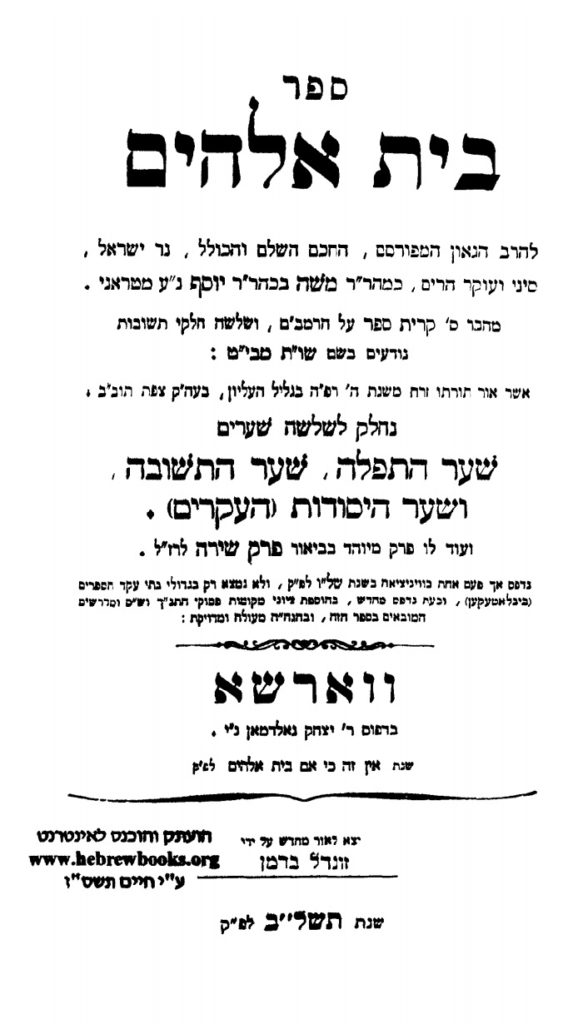
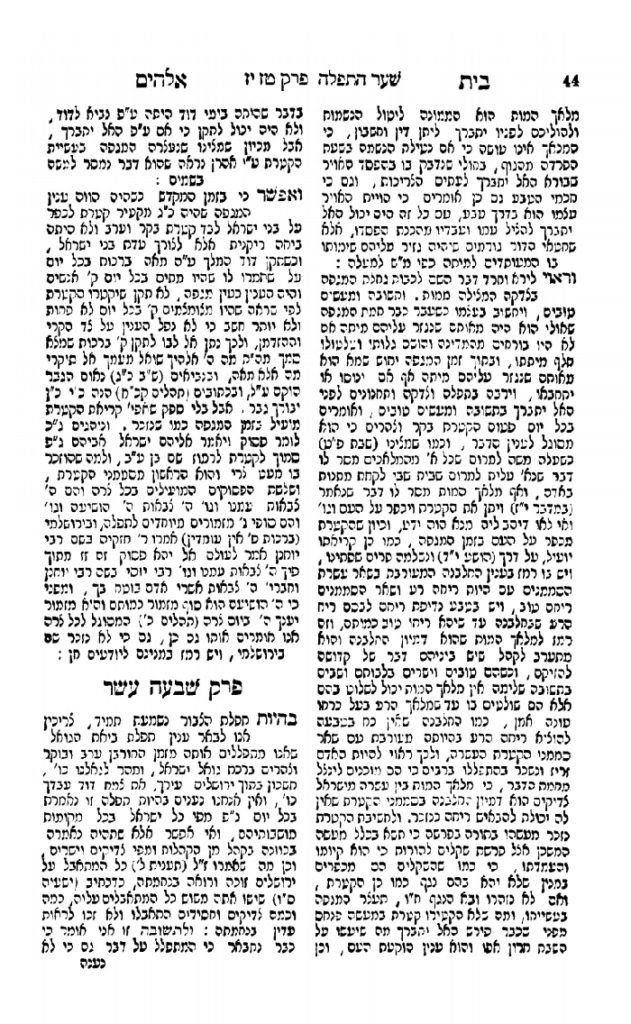
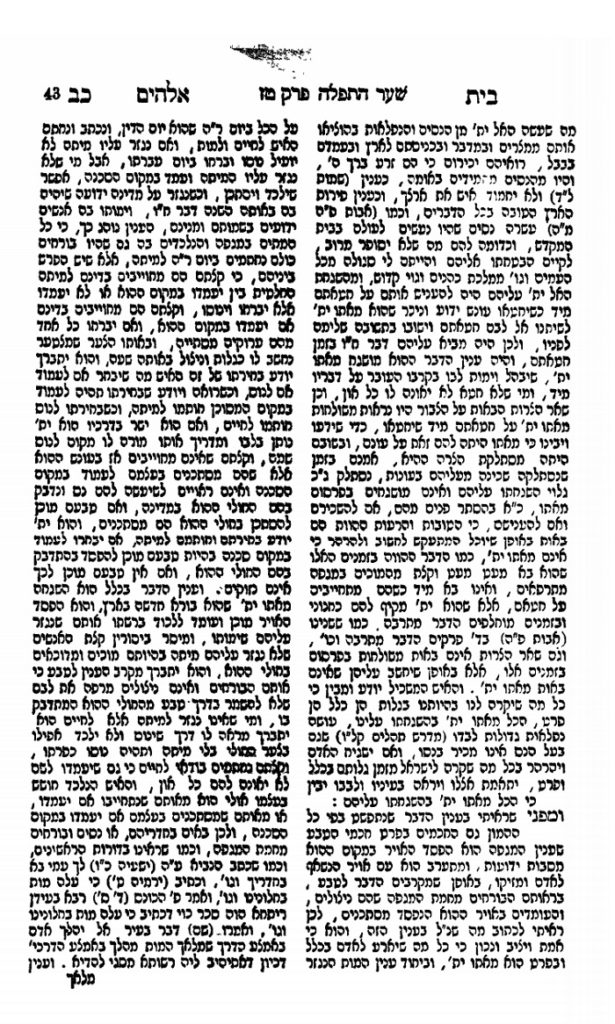
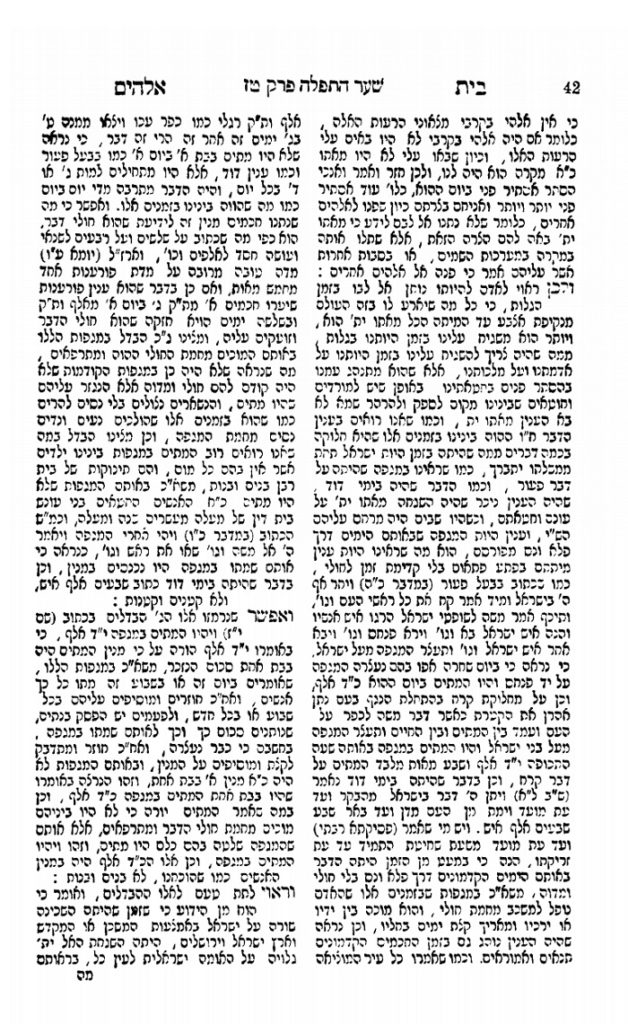
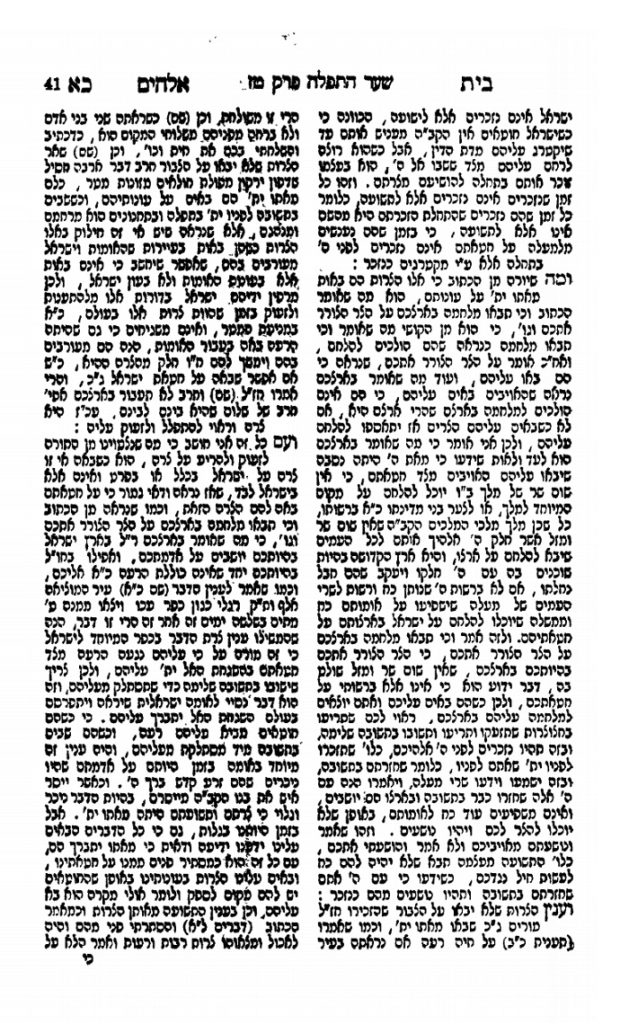
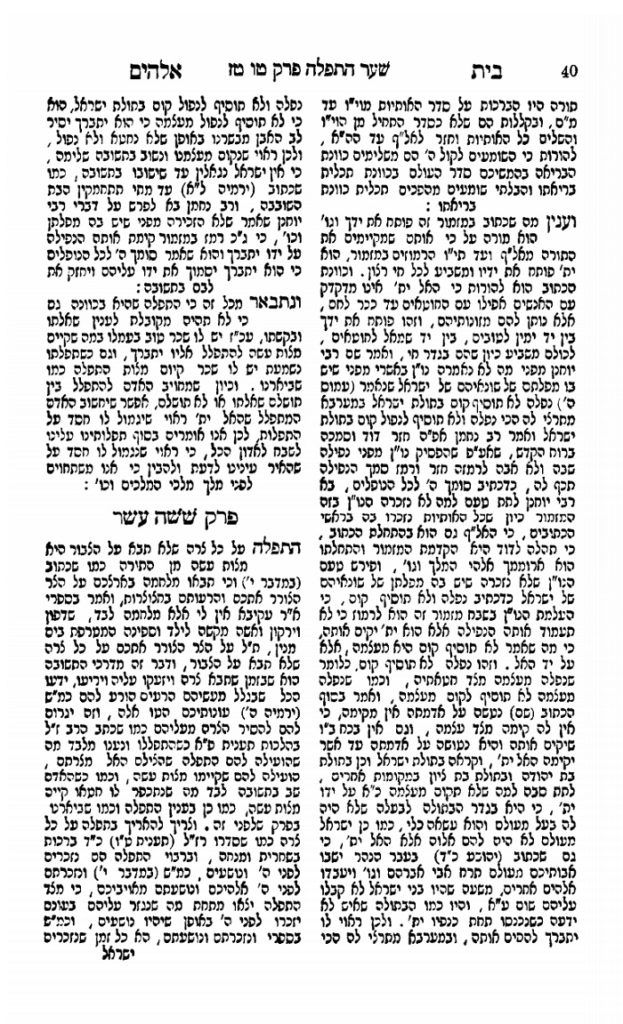
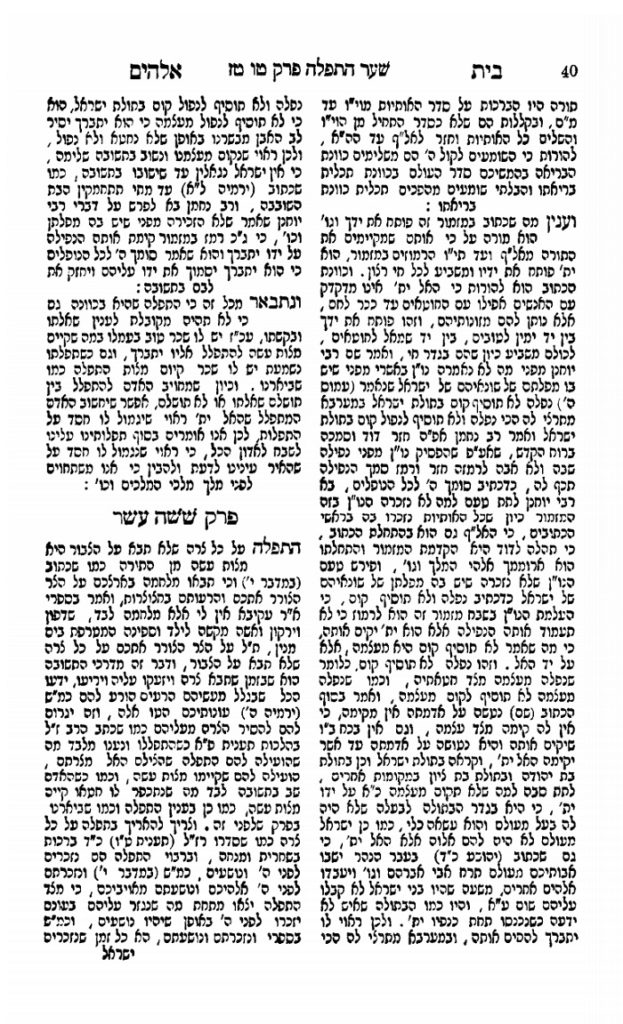
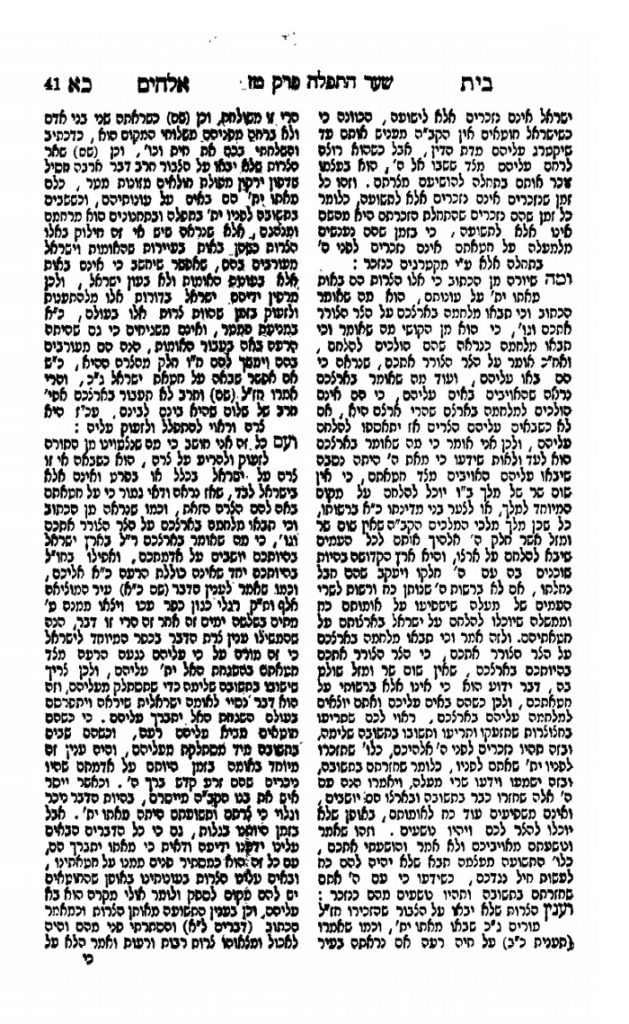
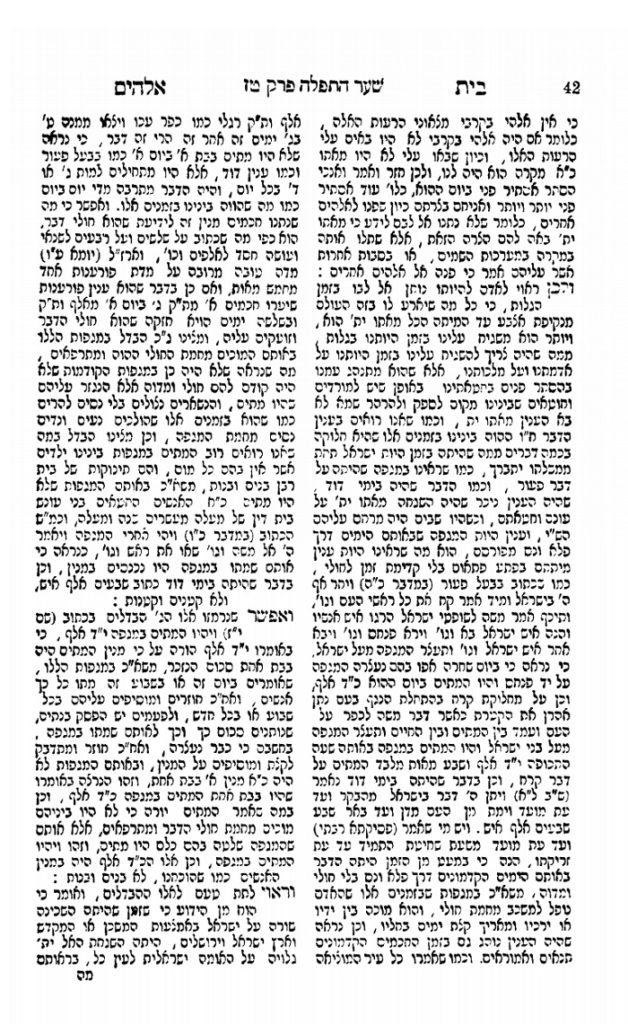
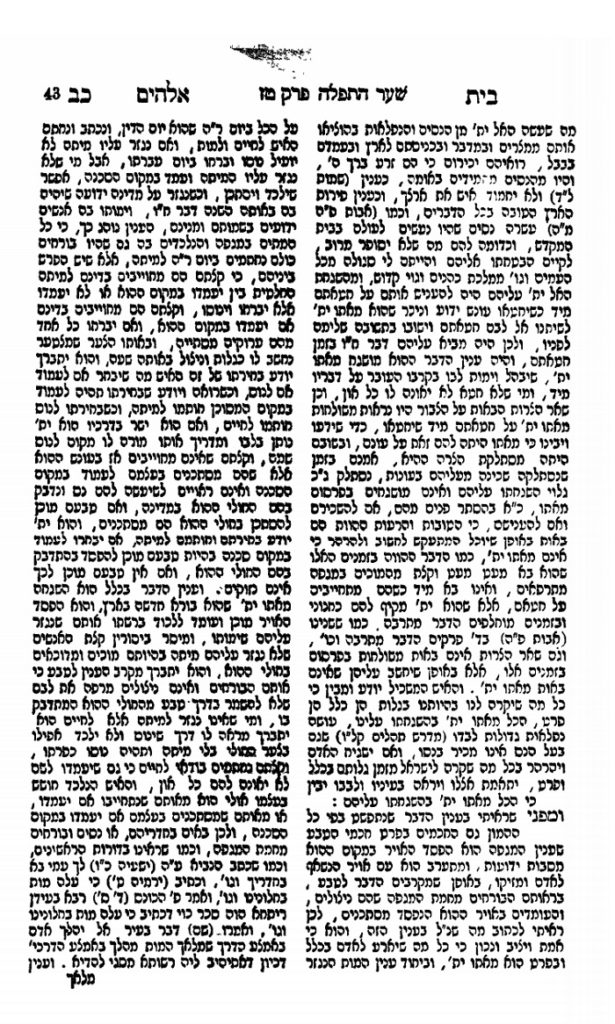
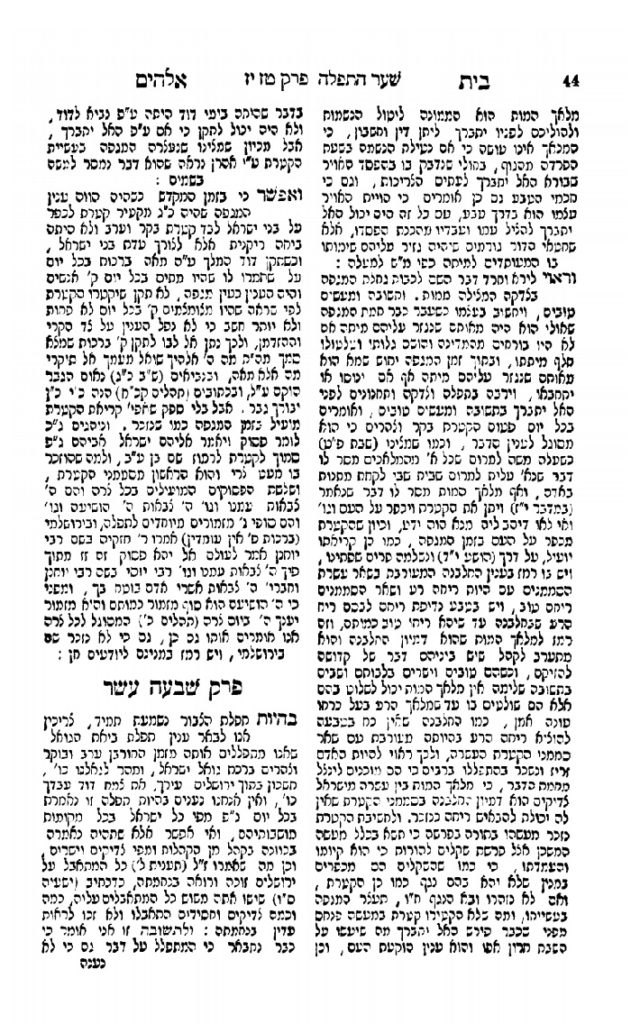
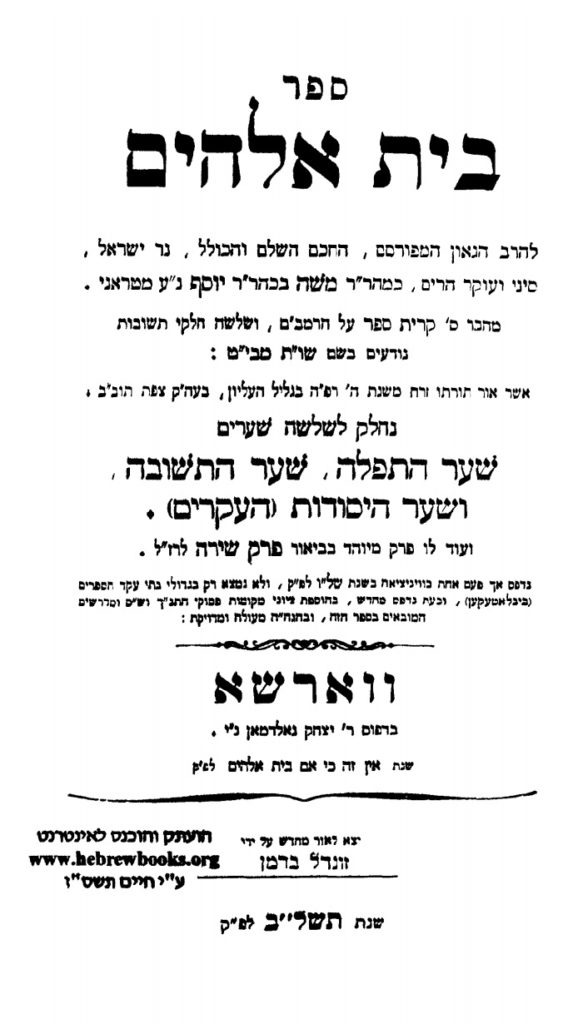
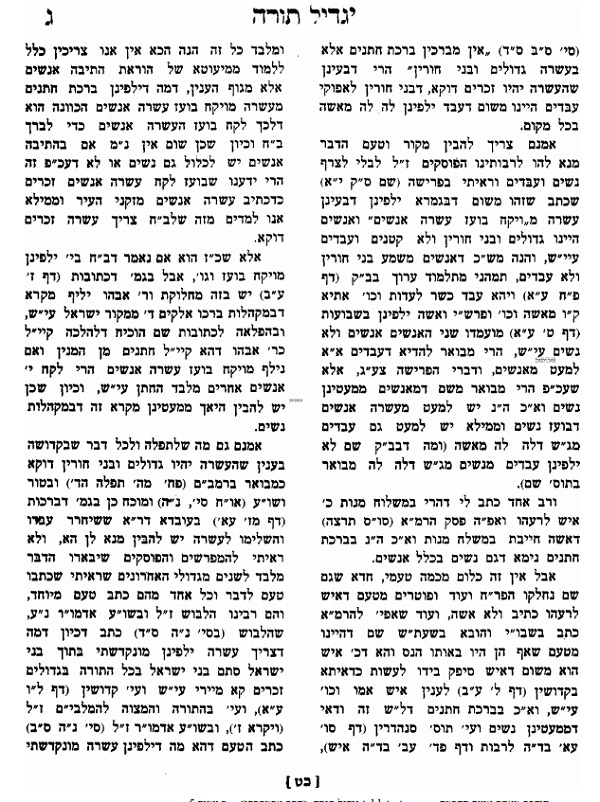
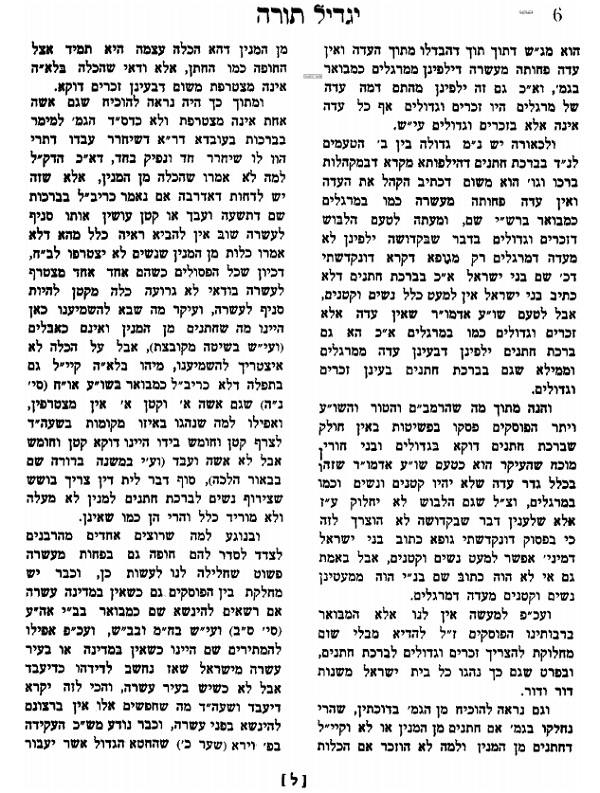
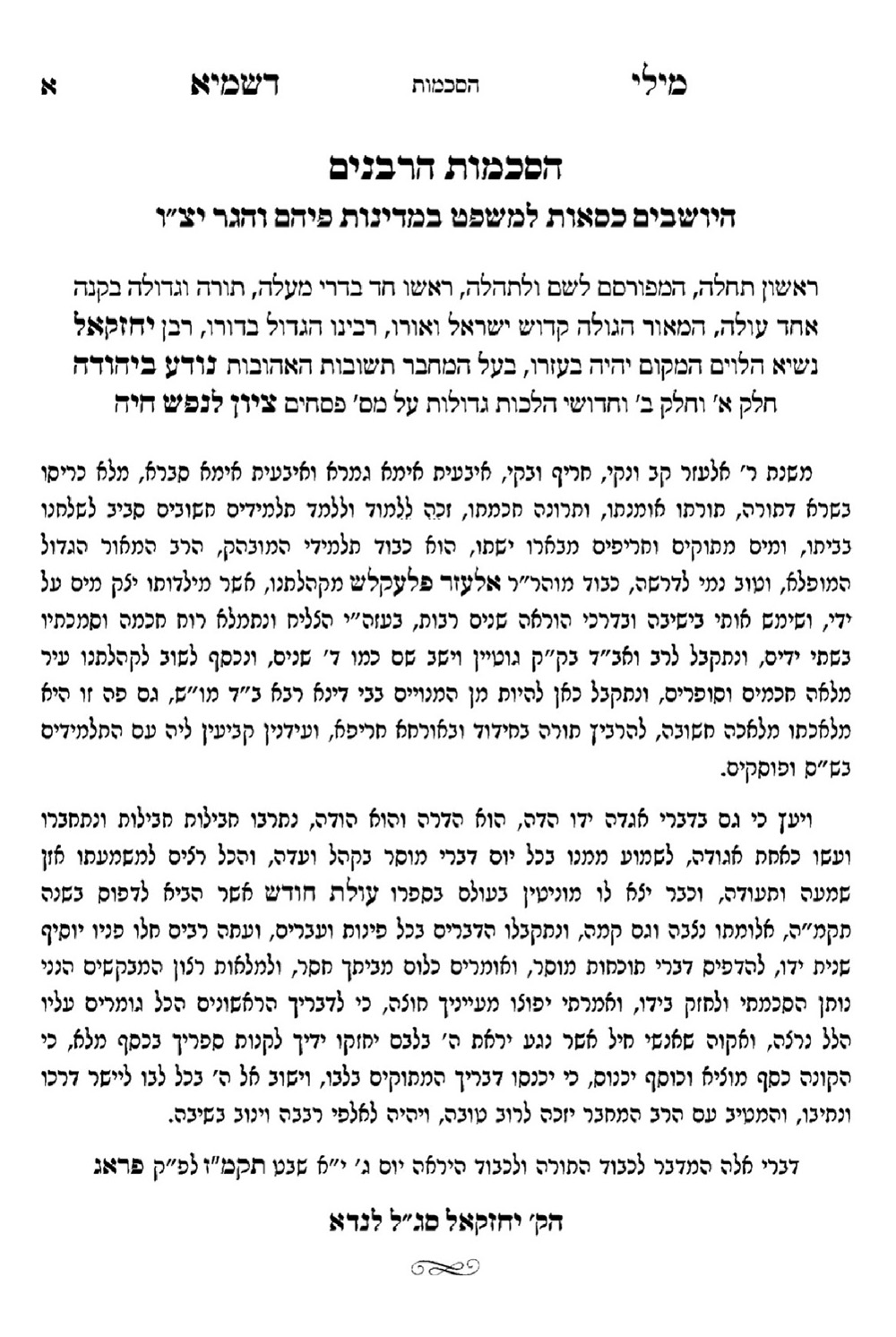
[7] See Appendix Four, for an important chapter from the Mabit’s incredible work Beis Elokiym, related to plagues in Hashkafah. The Mabit was writing about this based on experience as he lived through a few plagues himself and even authored a small work during one such plague called Igrot Derech Hashem, first printed in 1553. [Interestingly enough this work too is lacking from Ya’ari above cited chapter]. See Meir Benayahu, Yosef Bechiri, pp. 28-30,121-122. See also Ibid, p.131 about the story behind the writing of the Igrot Derech Hashem.

In an autobiography of The Mabit’s son the Maharit we find him describing some of these plagues (and others):

שנת השל”ג היתה מגפה בעיר והלך הרב אבא מארי ז”ל עמי לבוק”ע ובתחלתה נח נפשיה של הרב מהר”ר יצחק אשכנזי ז”ל מפני הרעה נאסף הצדיק. ובסוף המגפה נפל ממנו רב רב עתה הרף ידך הרב מהר”ר דוד ן’ זמרא ז”ל [שלם א (תשל”ד), עמ’ 215].

השל”ט באלול בבירייא הוכתי במגפה ובאתי בשערי שאול לולי אלקי’ אבי בעזרי בזכות א”מ והתענה עלי כל ח’ ימים ובחסדו העלה ארוכה לי [שם עמ’ 217].

השמ”ז ירדתי למצרים… בברחי מפני אימת המגיפה… [שם, עמ’ 219].

השנ”ה שנת השמיטה גלינו מאימת המגיפה בפורים לטבריא ובפסח לירושלים עיר הקדש… ושם חיברתי קונטריסין צרות הבית… [שם, עמ’ 221].

השס”ב ברחנו מחמת המגיפה כשמנה חדשים לבוקיעה… [שם, עמ’ 222].

In this autobiography we learn about an additional work written during a plague, by the Maharit. Now Yaari writes:

ר’ יוסף ב”ר משה מטראני ברח בשנת שנד מפני מגיפה מצפת… ושם חיבר את ספרו דרך הקודש על צורת בית המקדש שנדפס רק בשנת תע בקושטאדינא יחד עם הספר מגיד בראשית…”.

Yaari then quotes a passage from the Maharit at the end of the Derech Hakodesh where he describes writing this work during a plague. This complete passage from Ya’ari was quoted in a recent article in HaMevasser on the subject of seforim written during plagues without attribution. However, this information is incorrect. The Sefer that the Maharit wrote during the plague in 1595 was called Tzurot Habayis (as the Maharit wrote in the above passage). R’ Chayim Alfandri saw a manuscript copy of this work (as he writes in his introduction) and when he wrote his sefer Derech Hakodesh on the same subject he quoted numerous passages from it. However, the actual sefer by the Maharit was never printed. In 2007 Machon Zichron Aharon reprinted the Derech Hakodesh with numerous footnotes and indexes. On page 270 they list the numerous times the Maharit’s Tzurot Habayis is quoted (along with other manuscript works by Maharit that R”C Alfandri used).
[8] See the very special work by H.J. Zimmels, Magicians, Theologians and Doctors, pp. 99-110, 228-233 who has an excellent collection of material on this. See also the excellent work, Julius Preuss, Biblical and Talmudic Medicine, (translated by Fred Rosner), pp. 151-160; Herman Pollack, Jewish Folkways in Germanic lands (1648-1806) Studies in Aspects of Jewish Life, pp. 130-133, 304-305.

The Shvut Yaakov wrote in middle of a Teshuvah about money set aside for Pidyon Shivyoim, if one can use it instead for people suffering from a plague,:

אבל עכשיו בעו”ה שנתרבה עלינו עול הגלות ועלילות שקרי’ משונאינו שמעלילין עלינו כאלו הדבר בא ע”י ישראל דוקא וכשהיה הדבר בשנת תע”ג ברוב מקומות שהיו שמה מבני עמינו היה סוגרים רחוב היהודים באין יוצא ואין בא ממש ובדוחק ע”פ שתדלנו’ גדול שהניחו להביא להם צרכי מזונותיהם ובאיזה מקומות הוצרכו לילך ולחבות עצמן ביערים ומערות וישראל שהיו בדרך ועל פני השדה היו ממש מופקרים למות ואשרי מי שלא חמאן בצער ודוחק גדול כזה ואין לך שבי גדול מזו דגרע מכולהן דכולהן איתנהו ביה על כן אין צריך לפנים דמצוה זו הוי ממש פדיון שבוים ואפשר דגדול ממנו ולא הוי שינוי מדעת הנותן כי אין שעת הדחק גדול מזו (שבות יעקב, ב, סי’ פד).

[9] More sources for this can be found in H.J. Zimmels, Magicians, Theologians and Doctors, p. 233, footnote 141; David Assaf in his edition of Y. Kotik’s, Ma SheRuetee, p. 350 Hanna; Wegrzynek, Shvartze Khasene Black Weddings Among Polish Jews, Holy Dissent, 2011, pp. 55-68; Tzvi Friedhaber, Plague Marriages as Reflected in Hebrew Literature and the Hebrew Press, Dappim: Research In Literature 7 (1990), pp. 305-316; Kulmos 21, p. 26.
[10] On this work See A. Yaari, Shiluchei Eretz Yisroel, pp.96-97.
[11] Y. Kotik’s, Ma SheRuetee, p. 350.
[12] Nathaniel Deutsch, The Jewish Dark Continent: Life and Death in the Russian Pale of Settlement, p.233

Appendix One: Graveyard weddings of orphans

Recently (here, here and here) there has been some discussion about an old Segulah, performed by some towns during plagues, ; make a Wedding for Orphans in a graveyard.[9] One was even recently done in Bnei Brak (see here and here).

I would like to add some more sources to this segulah. One of the earliest sources quoted is R’ Moshe Reisher’s excellent work Sharei Yerushlayim, first printed in 1868.10 R’ Weiss, after quoting the Sharei Yerushlayim, writes:

[וגם אני שמעתי מזקני שער שעשו כן בשנת תרל”ג בפ”ב [שו”ת שיח יצחק, סי’ תצא

However, Y. Kotik, in his excellent memoir writes about a plague in 1866:

Due to the cholera epidemic, Jews resorted to all sorts of remedies; in other words: a crippled, mute virgin was married to a blind man. The wedding ceremony was held in the graveyard in the hope that they would produce a generation of righteous offspring…”.[11]

Another source from 1901 writes:

ראיתי להעלות על שלחן מלכים… על מה שנהו בסביבותנו בהרבה מקומות בעידן ריתחא ומחלת הח”ר ר”ל משיאין יתום ויתומה … ומעמידים החופה על בית הקברות ובעירנו בשנת תרנ”ג העמידו החופה סמוך שער גדר בית הקברות מבחוץ…. [ציוני שלום, יד שלום, עמ’ 154-155

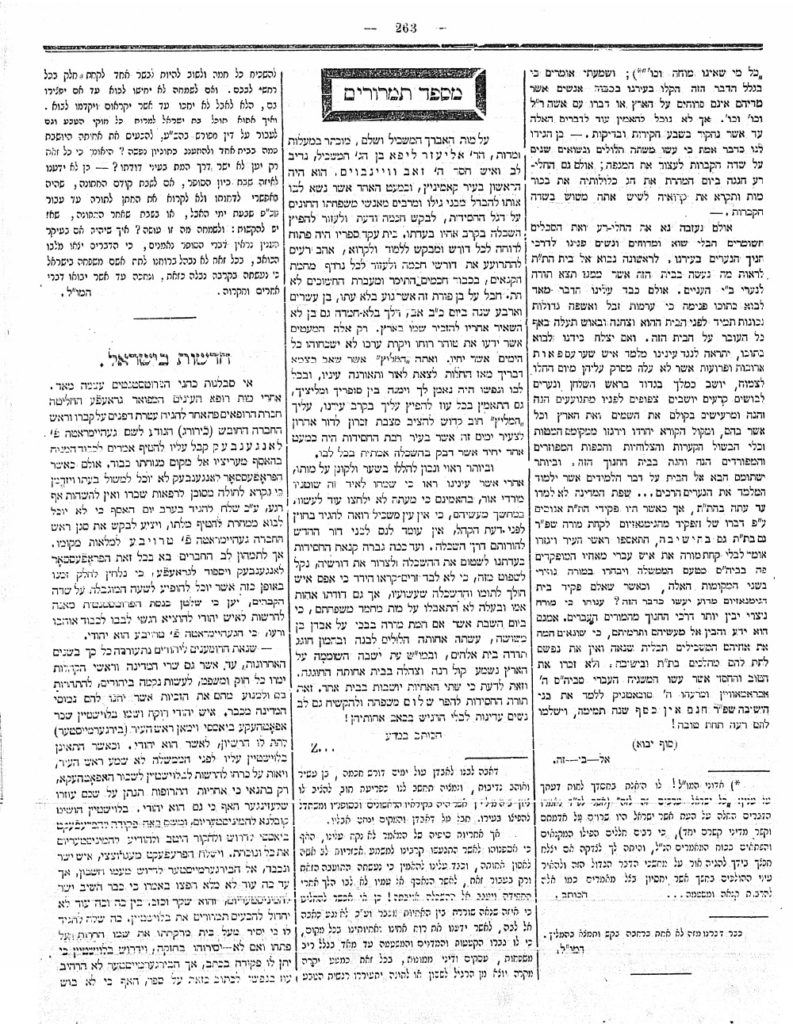
While searching for something else I came across mention of this in an article in Hamelitz 1871 (Year Eleven, Issue 33, p.263)


In the early 1900’s, the famous author and ethnographer who went by the pen-name S. Ansky started working on collecting and cataloging hundreds of details about every aspect of Jewish life in Europe. One of the ways he was planned on doing this was through a survey. The survey, in Yiddish, was a 200-page questionnaire with 2,087 questions about the Jewish life cycle. Sadly, he never got to finish the project. But each set of questions gives us a fascinating window into what Jewish life was like before World War I. In his introduction he set forth his goal:

“In order to revive traditional Jewish culture with all its customs, traditions, practices and beliefs, the team has put together a survey, hoping to reach everyone who remembers how people behaved in the past as well as in the present, in those places where Jewish life still continues in the old manner. When numerous responses to all the questions are collected, it will be possible to bring to life the entire structure of the traditional Jewish community, the Jewish family and communal life.”

In the wedding section[12] of the survey we find the following:

Do you know stories about weddings in cemeteries carried out as protections against misfortune? Does this occur only during a plague, or also in other cases, and if so which ones?

One last source related to this can be found in the Shut Maharsham (4:40)

ועד”ש לאשר נפרץ בעירו חולאת ילדים ר”ל ומורגל בין ההמון סגולה להעמיד חופה של יתום ויתומה בביה”ק וזה כמה שבועות עשו שם ביה”ק חדש שהקצוה לזה וגם כבר קברו שם כמה מתים ובנו סביבה מחיצות אבל לא נגמרו המחיצות עוד סביב רק ברוב המקומות כבר מקיף מחיצות.

והנה חתן היתום הוא כהן ונשאל מעכ”ת אם מותר להעמיד החופה בביה”ק תוך מקום המחיצות רחוק ד”א מהקברות עצמן. ורו”מ אסר מב’ טעמים מחשש הברכות על הבה”ק משום לועג לרש… אבל יל דוקא לזרוע ולנטוע שמרגילים רגל אדם משאכ בנד דהוי דבר מקריי פעם איש להקל וכיון דרוב מקום הפנוי אין בו קבר יל דכיון דלש בזה כל קבוע כמש הרש מקינון ועיחד סיקי אכ תלינן ברובא להקל וגם הרי לדבר מצוה מותר לילך בשדה שנחרש בה קבר כמש ביוד סישעב והנ הוי דבר מצוה להשקיט המיית המון העם ופחדם בעת ההוא:

Appendix Two: R’ Shimshon Ostropoler

I recently wrote an article about a book called The Rabbis Suitcase by Eli Friedwald. This book is based on Letters found in a suitcase buried in an attic, which contained over one thousand documents, as well as numerous letters from many Gedolim across the Globe. The correspondence belonged to two Litvish Rabonim in England who became dayanim on the Chief Rabbi’s Beis din during the years 1879-1905: Rabbi Yaakov Reinowitz (1818- 1893) and his son in law, Rabbi Sussman-Cohen (1841-1907). They included letters with the Netziv, R’ Yitzchok Elchonan Spektor, R’ Shmuel Salant, R’ Yehoshua Leib Diskin, R’ Yisroel Salanter, R’ Shmuel Mohilever and, R’ Eliezer Gordon, just to list a few names.

The author Eli Friedwald sent me a document found in a suitcase dated from 1754 which was headed as a segula of R. Shimshon Ostropoler.
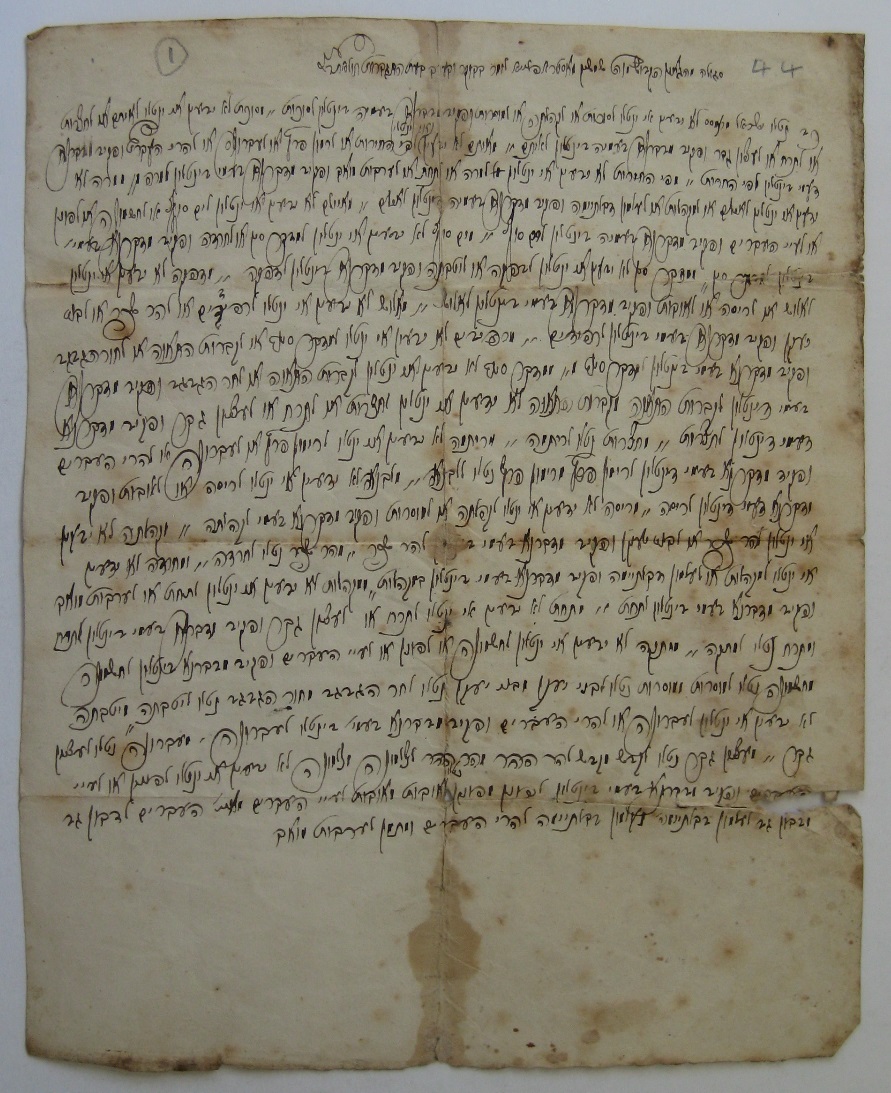


I reached out to Rabbi Bombach who has written and collected the existing material on R’ Shimshon who replied:

.אכן זו הסגולה נגד המגפה שהדפיס רבי פסח מזאלקווא בן אחותו של רבי שמשון בספרו זבח פסח (נדפס תפ”ג בערך) על סגולות ורפואות. ונדפסה בספרי ניצוצי שמשון פרשת מסעי, עם ביאור על פשר הדבר

Appendix Three

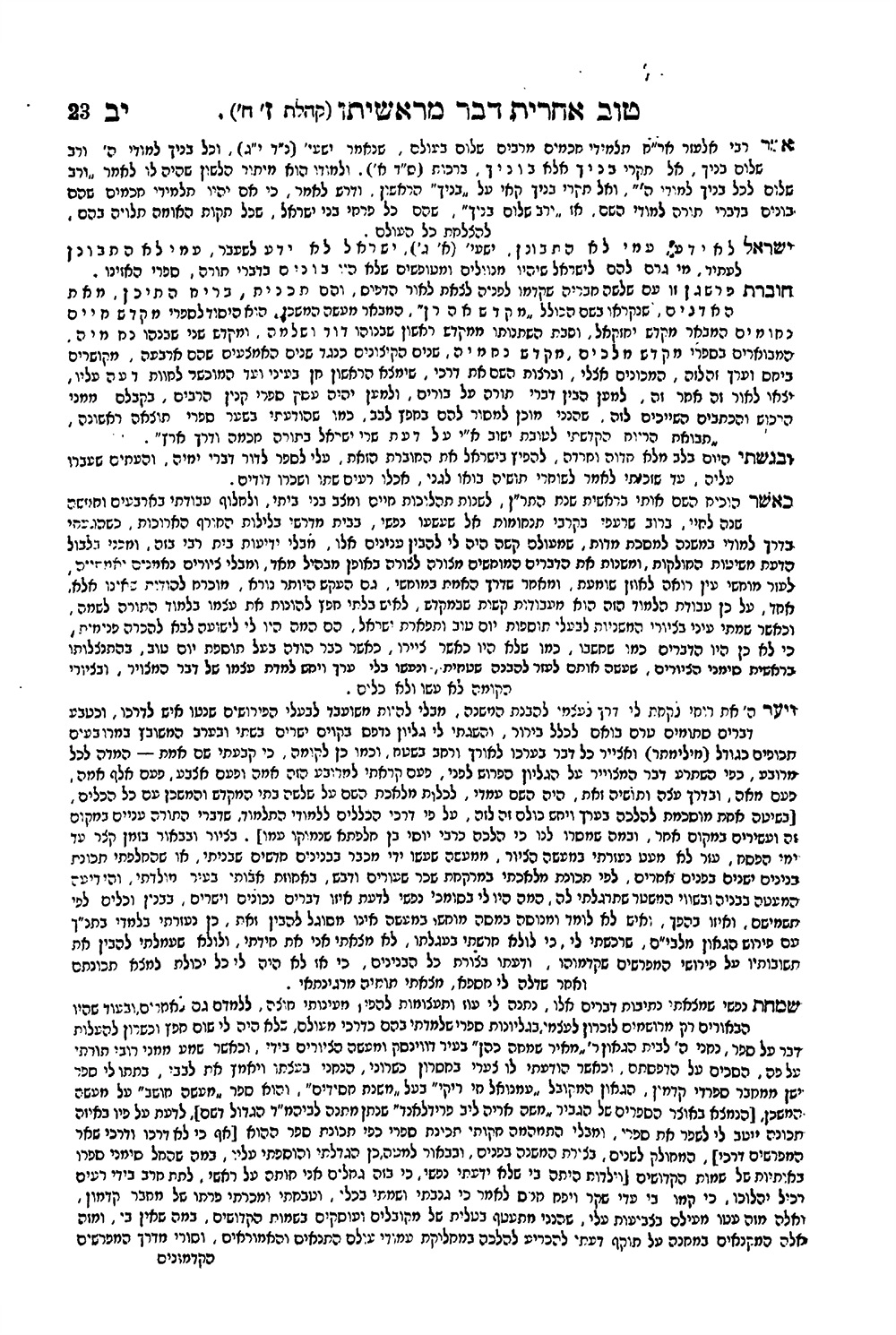
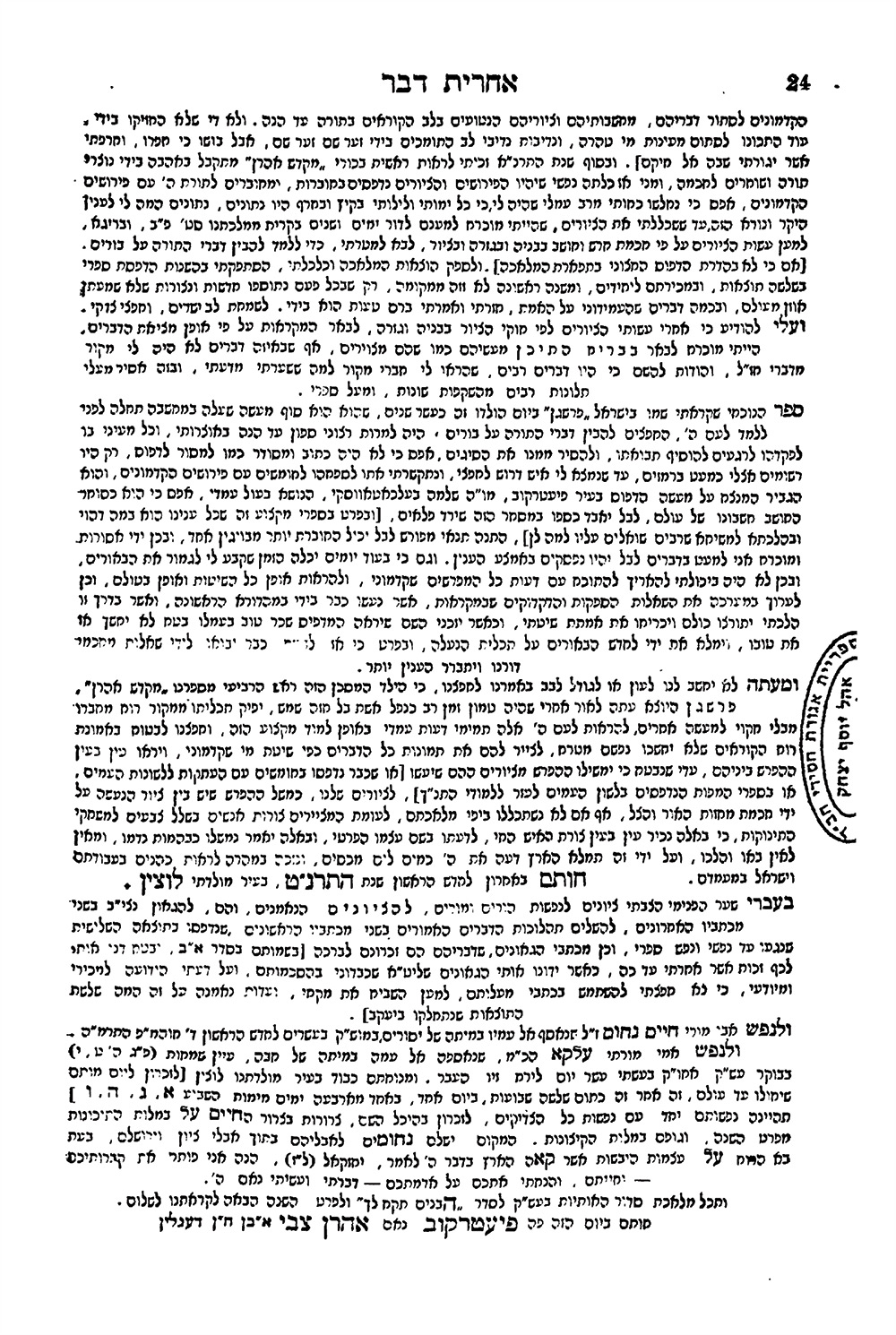
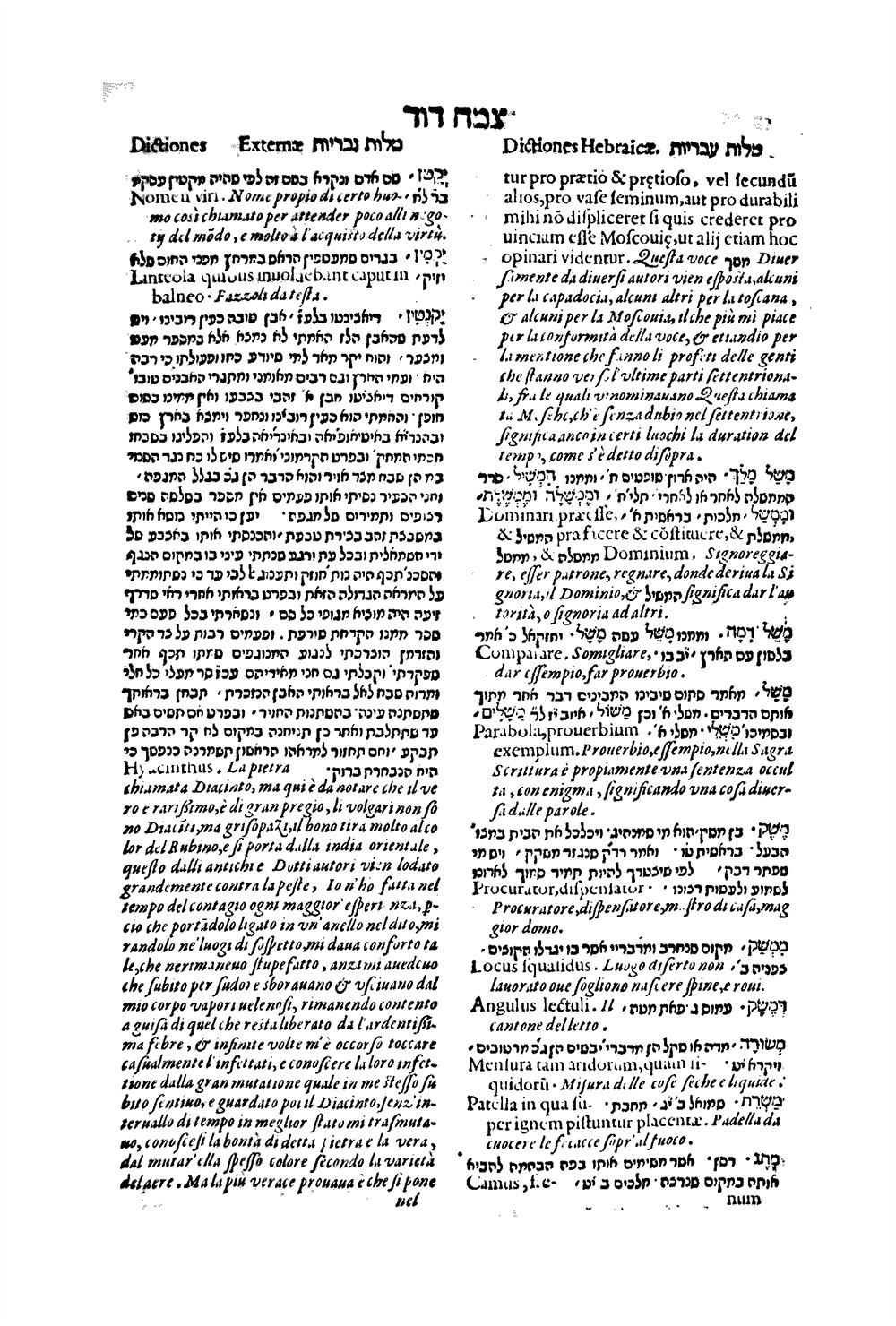
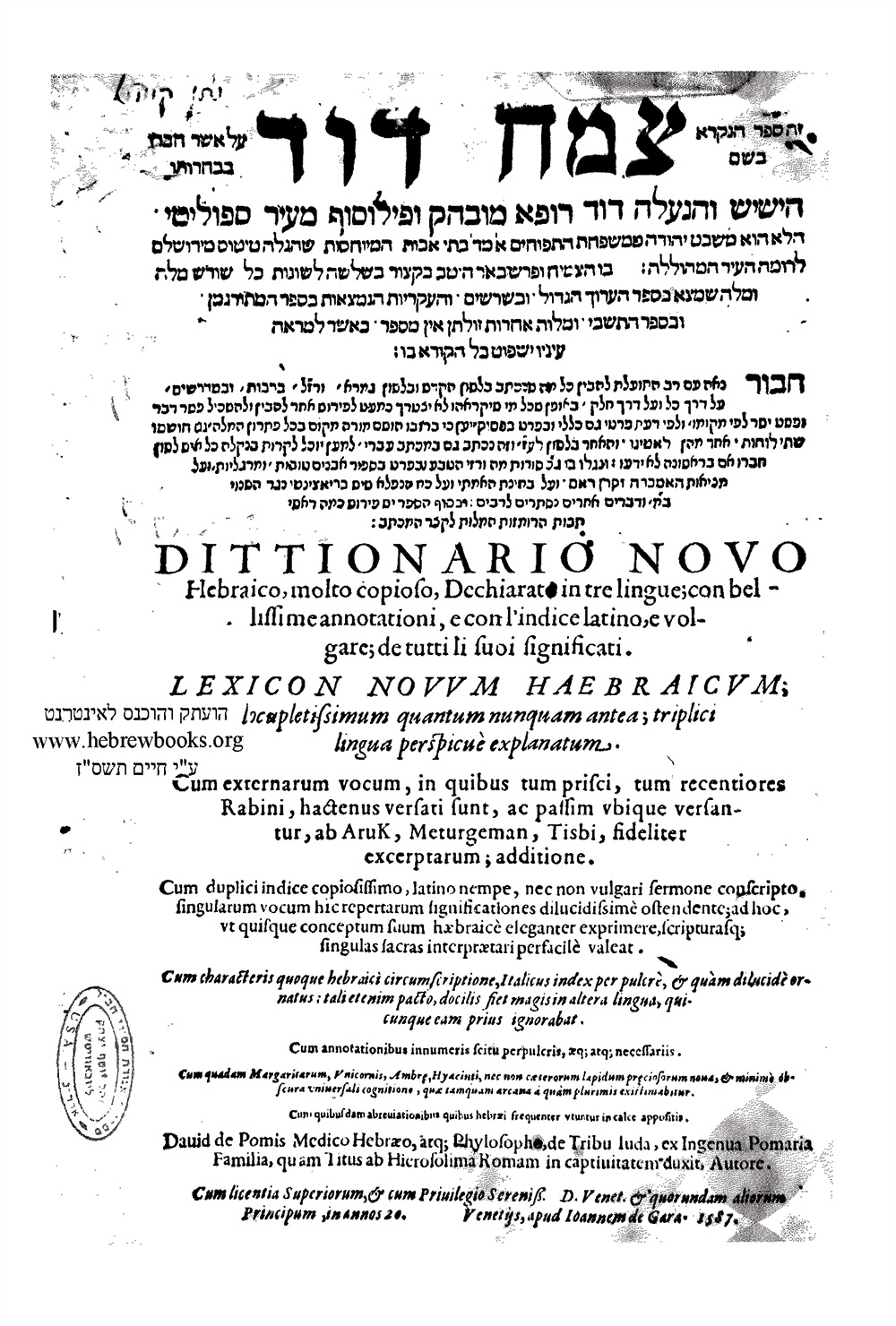
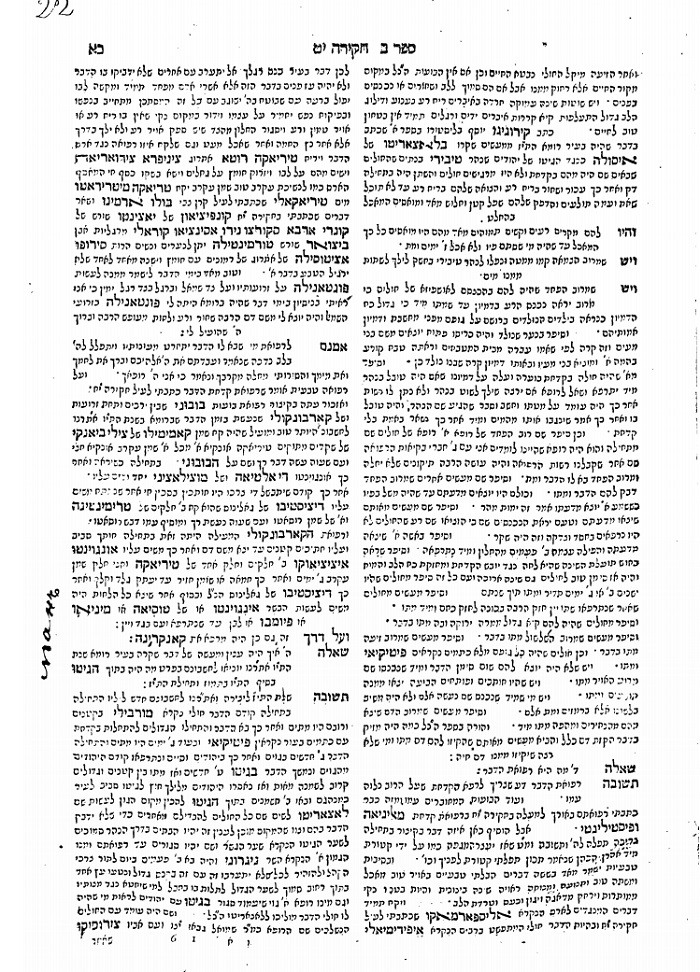
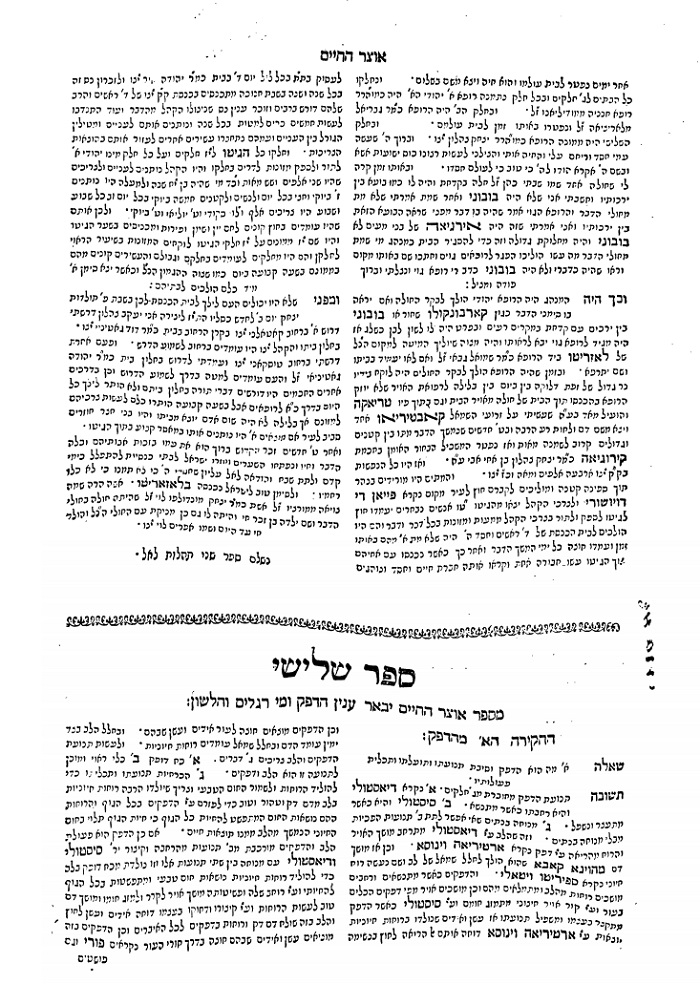
In a post from a few years back I wrote about R’ Yaakov Zahalon (1630-1693), a graduate of medical college in Rome, became a doctor at the age of twenty-six, and for several years, was also a Rav and Baal Darshan in Rome. He was famous for his important medical work, Otzar Ha-Hayyim. I also wrote a little about the work (see here).

He was very involved in the famous plague in the ghetto of Rome in 1656, which he describes at length in his work, Otzar Ha-Hayyim. Here is the very interesting passage about it which has relevance today.
Appendix Four Mabit


Appendix Five Yagdil Torah:


Towards a Bibliography of Coronavirus-related Articles & Seforim written in the past month

Towards a Bibliography of Coronavirus-related Articles & Seforim written in the past month
By Eliezer Brodt


Many of us have been under lockdown for over a month – some of us for less, some for more. However, this has not silenced the ‘voice of the Torah’; all kinds of Shiurim & classes on a wide range of topics have been made available via various methods. Otzar Hachochmah has made their database available free of charge as have others. Others have chosen to spread Torah by putting digital pen to Digital paper. 

The truth is, like almost every other topic, it’s hard come up with something truly new;  plagues and the like have occurred numerous times throughout our long history. 

The famous bibliographer Avraham Ya’ari devoted a chapter of a book of his to Seforim which were written during plagues.[1]

During each of these times many discussions related to aspects of plagues and epidemics arose.[2] The sources range from descriptions of the situation, discussions of what one should do, i.e. stay put or run,[3] tefilot[4] and/or segulot[5] to Halachik rulings regarding observing various Halachos.[6] Right before Pesach, Machon Yerushalayim released a 300 page, digital work collecting hundreds of such sources (item #8).

In the most recent issue of the journal Ha-Ma’ayan (#233) released this past month my good friend R’ Moshe Dovid Chechik wrote an article titled “The Prohibition or the Obligation to Flee the city during an Epidemic” (item #1). Since, others have written about it [see below (#4&5)]. 

Much has been written about R’ Akiva Eiger and the 1831 Cholera outbreak (see below – R’ Elli Fisher and Dr. Eddie Reichman’s articles items 1,2 and 9). [See also Rabbi Pinni Dunner here]. I too am working on an article on the topic and hope to complete it IYH within the next few days.

This terrible time has already seen many Teshuvot written, especially in regard to Pesach. See especially bellow #11-15. Much has been written and will continue to be written about davening with a Minyan (see below #15, see also R’ Avishay Elbaum’s recent post [here]).

See below (Appendix Three for a Teshuvah I came across recently, about a wedding with less than 10 people for a minyan, published in Russia in 1928 in the Journal Yagdil Torah edited by Rav Zevin and R’ Abramsky.

All of the items mentioned in the Bibliography below are available from me free of charge – just e-mail me at eliezerbrodt@gmail.com.

English 

1. Rabbi Elli Fischer, Rov in a Time of Cholera (here).
2. Dr. Eddie Reichman, From Cholera to Coronavirus: Recurring Pandemics, Recurring Rabbinic Responses (here).
3. Dr. Eddie Reichman, Incensed by Coronavirus: Prayer and Ketoret in Times of Epidemic (here).
4. Rabbi Gil Student, Talmudic Advice on Epidemics (here).
5. Dr. Tamara Morsel-Eisenberg, “Is It Permitted to Flee the City?” (here).

Hebrew

  1.  ר’ משה דוד צ’צ’יק, האיסור או החובה לברוח מן העיר בשעת המגפה, כאן
  2.  ר’ מנחם מענדל רוזנפלד, זמן מגיפה: הורים ילדים ומפחדים, כאן
  3. [נאמנו מאד, עדויות גדולי ישראל על הליכותיהם ומנהגיהם בימי חולי ומגיפה, אשר נאספו ונלקטו מתוך כתביהם וחיבוריהם, מכון ירושלים, [ספר שלם, 300 עמודים
  4. [שמירת הסופר להינצל מחולי ומגפה מתורת החתם סופר [ספר שלם, קמא עמודים
  5. ר’ שמואל ויטל, סדר משמרה לזמן המגפה, מכתב יד, בההדרת ר’ ישראל זאב גוטמאן
  6.  [אוסף של31  תשובות של הרב צבי שכטר שליט”א [בעברית וחלקם גם באנלגיש
  7.  [פסקי קורונה מאת הרב צבי שכטר שליט”א [51 עמודים
  8.  [מנחת אשר, לקט שיעורים תשובות אגרות ומאמרים הנוגעים למגפת הקורונה מאת הרב אשר וייס שליט”א [100 עמודים
  9. קונטרס פסקי הלכות, בשאלות שהזמן גרמן, מתוך כתבי ר’ אברהם יחיאל סגל דויטש שליט”א
  10. ר’ צבי ריזמן, ‘צירוף למנין תפילה בציבור וברכת כהנים ב’בידוד בקורונה’
  11. [קובץ תורני מה טובו אהליך יעקב, גליון י [כל הקובץ] [585 עמודים] [עניני פסח וקורונה
  12. קישור לאוסף מאמרים על חג הפסח והמגיפות בהיסטוריה, בספרות בפיוט ובהגות.  המאמרים פרי עטם של חברי וחברות סגל הפקולטה למדעי היהדות באוניברסיטת בר-אילן, כאן
  13. [קובץ עץ חיים גליון לג [יש כמה מאמרים על קורונה

Appendix One:

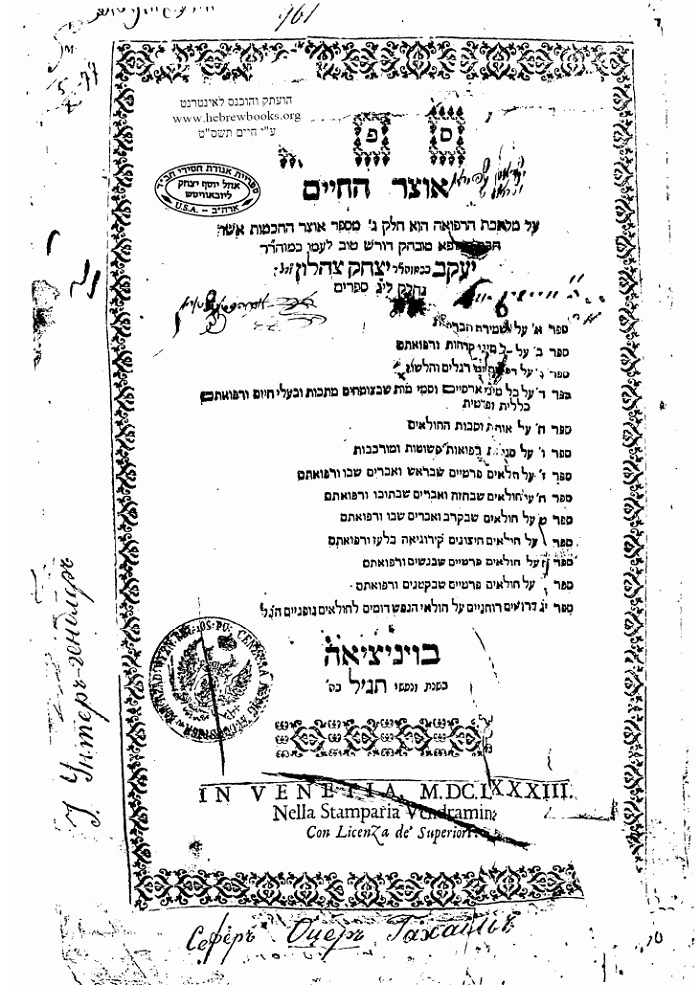
In a post from a few years back I wrote about R’ Yaakov Zahalon (1630-1693), a graduate of medical college in Rome, became a doctor at the age of twenty-six, and for several years, was also a Rav and Baal Darshan in Rome. He was famous for his important medical work, Otzar Ha-Hayyim. I also wrote a little about the work (see here).

He was very involved in the famous plague in the ghetto of Rome in 1656, which he describes at length in his work, Otzar Ha-Hayyim. Here is the very interesting passage about it which has relevance today.
Appendix One:


Appendix Two:


Appendix Three:


[1] Mechkerey Sefer, pp. 90-99. See also Marvin Heller, Further Studies in the making of the early Hebrew Book, pp.79-90. See these recent posts here & here.
[2] See for example about one in Italy 1630-1631: R’ Yehudah Aryeh Modena, The Autobiography of a Seventeenth Century Venetian Rabbi, pp. 134-136; Sefer Olam Hafukh, a History of the Plague in Padua in the Year 1631, by Abraham Catalano, Kovetz Al Yad 4 (XIV) (1946), pp. 65-101 (printed by Cecil Roth).
[3] See Asher Ziv, HaRama, pp. 112-116. See Appendix Two for an important chapter from the Mabit’s incredible work Beis Elokiym related to Plagues in Hashkafah. See also, R’ Raphael Mordechai Malchi, Medical Essays, (ed. M. Benayahu), pp, 139-140. See also his Grandson, R’ David De Silva, Pri Megaddim, [Zohar Amar, Ed.], pp. 71-74.
[4] Two weeks, ago Rabbi Guttman released online, a PDF of a manuscript of R’ Shmuel Vital of Seder Tefilos based on Kabbalah, to say during such times (item #11). See also #3, Dr. Eddie Reichman’s article on the topic.

[5] About Fasting, see Omer Ahituv, Fasting in Ashkenaz at the Beginning of the Seventeenth Century, MA thesis, Tel Aviv University 2019, (Heb.) pp. 70-74.
[6] See the very special work by H.J. Zimmels, Magicians, Theologians and Doctors, pp. 99-110, 228-233 who has an excellent collection of material on this.

In middle of a teshuvah about Pidyon Shivyoim the Shvut Yaakov wrote:

אבל עכשיו בעוה שנתרבה עלינו עול הגלות ועלילות שקרימשונאינו שמעלילין עלינו כאלו הדבר בא עי ישראל דוקא וכשהיה הדבר בשנת תעג ברוב מקומות שהיו שמה מבני עמינו היה סוגרים רחוב היהודים באין יוצא ואין בא ממש ובדוחק עפ שתדלנוגדול שהניחו להביא להם צרכי מזונותיהם ובאיזה מקומות הוצרכו לילך ולחבות עצמן ביערים ומערות וישראל שהיו בדרך ועל פני השדה היו ממש מופקרים למות ואשרי מי שלא חמאן בצער ודוחק גדול כזה ואין לך שבי גדול מזו דגרע מכולהן דכולהן איתנהו ביה על כן אין צריך לפנים דמצוה זו הוי ממש פדיון שבוים ואפשר דגדול ממנו ולא הוי שינוי מדעת הנותן כי אין שעת הדחק גדול מזו (שבות יעקב, ב, סיפד).

See also the excellent work, Julius Preuss, Biblical and Talmudic Medicine, (translated by Fred Rosner), pp. 151-160.


Keter Shem Tov: A Study in the Entitling of Books, Here Limited to One Title Only

Keter Shem Tov: A Study in the Entitling of Books, Here Limited to One Title Only[1]

by Marvin J. Heller

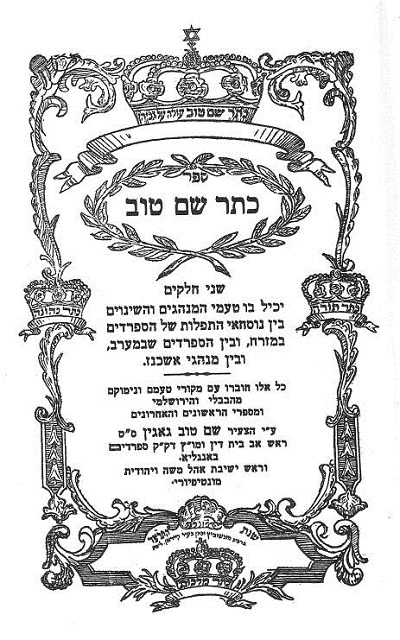
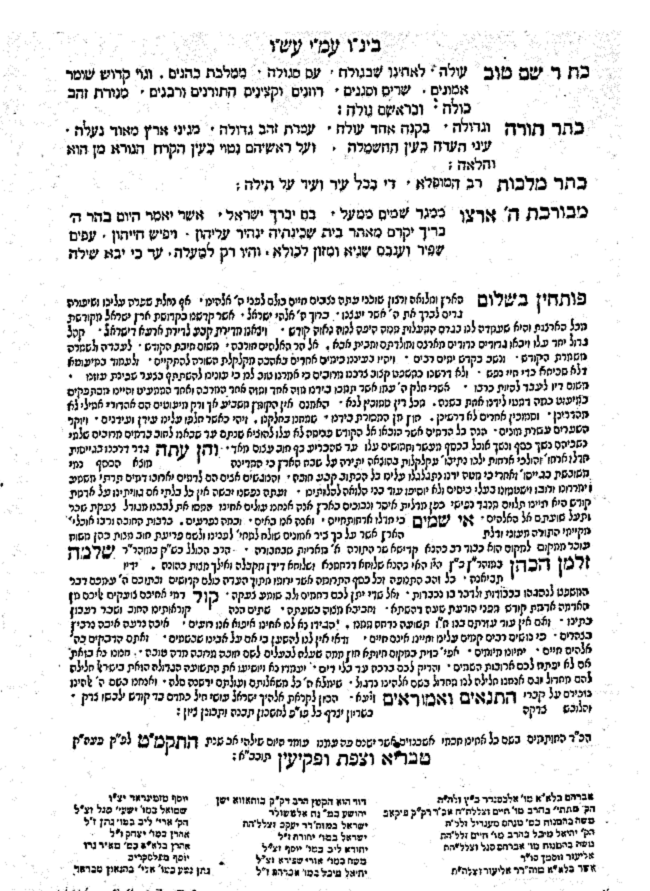
Entitling, naming books is, a fascinating subject. Why did the author call his book what he/she did? Why that name and not another? Hebrew books frequently have names resounding in meaning, but providing little insight into the contents of the book. This article explores the subject, focusing on one title only, Keter Shem Tov. That book-name is taken from a verse “the crown of a good name (Keter Shem Tov) excels them all (Avot 4:13). The article describes the varied books with that title, unrelated by author or subject, and why the author/publisher selected that title for the book.

  1. Simeon said: there are three crowns: the crown of Torah, the crown of priesthood, and the crown of royalty; but the crown of a good name (emphasis added, Keter Shem Tov) excels them all (Avot 4:13).

“As a pearl atop a crown (keter), so are his good deeds fitting” (Israel Lipschutz, Zera Yisrael, Avot 4:13).

Entitling, naming books, remains, is, a fascinating subject. Why did the author call his book what he/she did? Why that name and not another? Hebrew books since the Middle-Ages often have names resounding in meaning, but providing little insight into the contents of the book. A reader looking at the title of a book in another language, more often than not, is immediately aware of the book’s subject matter. This is not the case for many Hebrew titles, the name having been selected by the author for any one of a number of reasons, least of all the book’s subject matter, but rather the intention is/was to give the book “the crown of a good name (Keter Shem Tov).”

Book titles have been addressed in both books and articles. Menahem Mendel Slatkine wrote a two volume work, Shemot ha-Sefarim ha-Ivrim: Lefi Sugehem ha-Shonim, Tikhunatam u-Te’udatam (Neuchâtel-Tel Aviv, 1950-54) on book names; it has been the subject of encyclopedia articles in both The Jewish Encyclopedia and the Encyclopedia Judaica; and such authors as Abraham Berliner, Joshua Bloch, and Solomon Schechter have written articles on book titles, all this apart from this subject being mentioned in passing in numerous other works. I too have addressed the subject, first in “Adderet Eliyahu; A Study in the Titling of Hebrew Books,” describing about thirty books with that single title, two only related to each other, and in “What’s in a name? An example of the Titling of Hebrew Books,” describing varied books taken from a single verse “Your neck is like the tower of David built with turrets, on which hang one thousand bucklers, all of them shields of mighty men (Song of Songs 4:4).[2]

What then is the justification for yet another article on the same subject? It is, as suggested above, the allure of how authors of varied unrelated works came to entitle their books, reflective of their intellectual or emotive processes or objectives. The title selected here, Keter Shem Tov, unlike Adderet Eliyahu, is not the title of as large a number of books, but the titles here are certainly as varied as those in the previous articles. Indeed, the works so entitled are sufficiently different, again providing insight into authors’ thoughts and, perhaps, an article of interest to the reader. We will not attempt to second guess or analyze an author’s motives, all of whom intended their book to have the crown of a good name (Keter Shem Tov), but rather we will let the authors speak for themselves when describing their books

In several instances, books are so entitled as to reflect the author’s name, Shem Tov. The use of a line from Avot, to reiterate the injunctions noted previously (“Adderet”), rather than directly using the author’s name, is to avoid violating R. Judah ben Samuel he-Hasid of Regensburg’s (c.1150-1217) proscription to not do so, so as to not benefit from this world, thereby decreasing one’s portion in the world to come, or to not reduce their offspring and the good name of their progeny in this world.[3] The Roke’ah (R. Eleazar ben Judah of Worms, c. 1165–c. 1238), however states at the beginning of the introduction to his Roke’ah, that everyone should inscribe his name in his book, as we find in the Tanna de-Vei Eliyahu.[4] Indeed, the Sefer ha-Roke’ah, is so entitled because the numerical value of the family name, Roke’ah (רקח=308), equals his personal name, Eleazar (אלעזר=308). It is, therefore, permissible to allude to the author’s name, for example, a Shem Tov using the title Keter Shem Tov, a quotation from Avot. Indeed, a substantial number of the books described here refer to the author’s name.

Our selection encompasses homilies on the Torah, Kabbalah on the Tetragrammaton, halakhah and minhagim (customs), the sayings of the Ba’al Shem Tov, in praise of Sir Moses Montefiore, a letter on behalf of the Jewish community in Tiberias, and a highly unusual work on the Dead Sea scrolls. Finally, this article is a vignette, no more no less, an insight into and, in a manner of speaking, a photograph of one manner of how Hebrew books are named.

Several caveats. First, our Keter Shem Tovs are organized within subject categories, beginning with 1) discourses, both literal and kabbalistic on the Torah, followed by 2) halakhah and minhag (custom), 3) biographical and related anecdotal works, 4) miscellanea, all ordered chronologically within category, and concluding with 5) a brief summary. Secondly, our approach will be somewhat expansive, the various Keter Shem Tovs giving us entry into related aspects of Hebrew printing and Jewish history. Lastly, while the number of works entitled Keter Shem Tov is not large, that notwithstanding, our examples are an overview and not meant to be all inclusive or comprehensive but intended as an interesting insight into an aspect of Hebrew book practice.

I Discourses, Literal and Kabbalistic on the Torah

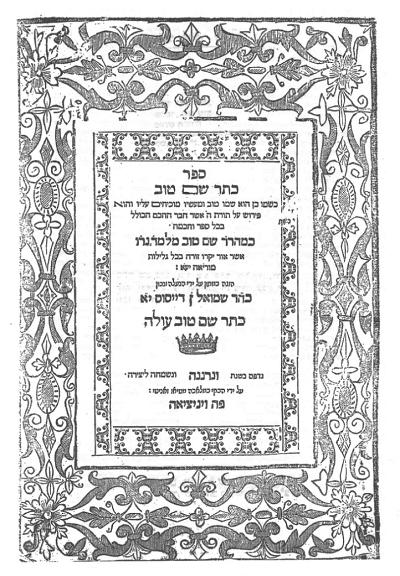
Keter Shem Tov, R. Shem Tov ben Jacob Melamed, Venice, 1596: Our first Keter Shem Tov is a commentary on the Torah by R. Shem Tov ben Jacob Melamed. It was printed in Venice (1596, 20: 136, 16 ff.) at the press of Matteo Zanetti. This Zanetti, a member of the famous Venetian printing family of that name, established his print-shop on the Calle de Dogan, publishing seven books from 1593 to 1596. Among his titles, in addition to Shem Tov Melamed’s Keter Shem Tov, are R. Nathan Nata Spira’s (Shapira) Be’urim, R. Bezalel Ashkenazi’s responsa, and R. Solomon le-Bet ha-Levi’s Divrei Shelomo.

The title page has the decorative frame employed by Zanetti on several of his books with a smaller frame in the center about the text. The title-page states that,

Keter Shem Tov

As is its name so is his name good and his deeds confirm it of him. It is a commentary on the Torah of HaShem written by the sage, the complete, in every book and wisdom.

Shem Tov Melamed

Whose precious light shines throughout [may

God shield him].

Edited patiently by the lofty and exalted

Samuel ibn Dysoss [may God watch over him]

Keter Shem Tov excels

Printed in the year, “that we may rejoice ונרננה (5356=1596) and be glad [all our days]” (Psalms 90:14) from the creation.


The introduction, from a student of the author, R. Samuel ben Solomon Segelmassi follows (2a), then a page of verse from the editor Samuel ibn Dysoss, the text (3a-136a), his apologia (136b), indexes (1a-16a), errata (16a), and the colophon (16b), which states that it was completed, “on the very day that Moses went up to the firmament (6 Sivan) and the Egyptians drowned in the sea (21 Nissan), in the year, “Then he saw it, and declare it ויספרה (5356=1596) (Job 28:27), from the creation.” It is unclear why there are two apparently contradictory completion dates. The text is in two columns in rabbinic type, excepting headings and initial words.

In the introduction Samuel ben Solomon writes that one who knows matters in truth and faithfully,

“shall come back with shouts of joy” (Psalms 126:6), “to perceive the words of understanding” (Proverbs 1:2) and this is the first intent of every man who presumes in his heart (Esther 7:5) to write “goodly words” (Genesis 49:21) in a book to leave after him a blessing. . . . It is a commentary on the holy Torah, “high and lofty” (Isaiah 6:1, 57:15), on each and every parshah . . .

The introduction continues that it contains derashot (discourses) according to the literal meaning, casuistic (pilpul), and very sharp. In the following paragraph we are informed that not everything that was said on every parshah was printed because of financial restraints. In the apologia ibn Dysoss adds a familiar plaint for the period, type set late erev Shabbat could not be properly corrected. Moreover, the compositors, not Jewish and not fully familiar with Hebrew and Hebrew letters, did that which was right in their eyes, and for which he should not be held responsible.

That the title clearly alludes to the author’s name, R. Shem Tov ben Jacob Melamed, is further suggested by the last line of verse at the end of the introduction, which states that “you will find that the crown of a good name (KETER SHEM TOV) excels them all. This is, as noted above, that authors’ names were frequently employed in book-titles, but, in keeping with the injunction of R. Judah he-Hasid, indirectly, here by referencing a quote from Avot.

Shem Tov Melamed was also the author of Ma’amar Mordekhai (Constantinople, 1585), a commentary on Megillat Esther, printed by Joseph Jabez. Melamed is described on the title of this work as a physician.

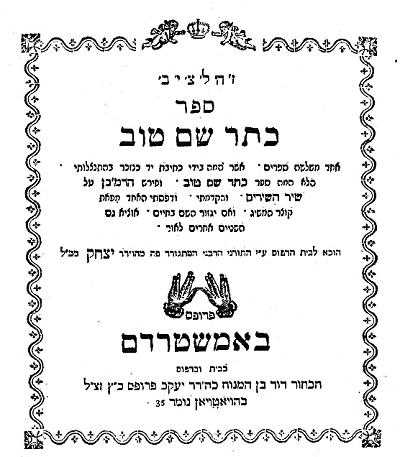
Keter Shem Tov, Amsterdam, R. Abraham ben Alexander (Axelrad) of Cologne, c. 1810-16: A kabbalistic Keter Shem Tov on the Tetragrammaton by R. Abraham ben Alexander (Axelrad) of Cologne (13th century). In Judaism the Tetragrammaton, the four letter divine name, is not directly expressed but instead referred to with a euphemistic name for God. The title-page describes this Keter Shem Tov as,

זהלציב [This is the gate of the Lord: the righteous shall enter through it] (Psalms 118:20)

Sefer

Keter Shem Tov

One of three books in my hand in manuscript, as described in my apologia. They are Keter Shem Tov and the commentary of the Ramban (R. Moses ben Nahman, Nachmanides, 1194–1270) on Shir ha-Shirim (Song of Songs). I have first printed one book only due to limited means. If the Lord will so decree I will publish the other two books. . . .


Although the title-page refers to three books two only are mentioned. The third work, noted in the editor’s apologia, is a commentary on the Merkavah of Ezekiel. Keter Shem Tov is not dated, so that various bibliographic sources date it as 1810 or 1816. The title-page is embellished by the Proops’ family press-mark, consisting of the kohen’s spread hands at the time he pronounces the priestly blessing. This edition of Keter Shem Tov (80: 5, 7 ff.) was printed in Amsterdam by David ben Jacob Proops. The Proops’ press, founded by Solomon Proops in 1704, was the longest lasting and most productive of the Hebrew printing-houses in Europe in the eighteenth century; it would continue to print Hebrew books until the mid-nineteenth century when, in 1869, the widow of David Proops sold the press to the Levissons, who printed until 1917.

Abraham, a student of R. Eleazar ben Judah of Worms (c. 1176–1238, Roke’ah), traveled through Spain between approximately 1260 and 1275, where he reportedly studied with R. Solomon ben Adret (Rashba, 1235–1310), the latter praising Abraham’s oratorical skills. Keter Shem Tov, as noted above, deals with the Tetragrammaton and also the Sefirot, addressing sacred names, using gematriot and synthesizing the mysticism of the Ashkenaz pietists (Hasidim) and Sephardic Kabbalistic methodologies.[5] Here too the reason for the title is not explicitly stated but, given the subject matter, is obvious.

This is not the first printing of Abraham ben Alexander’s Keter Shem Tov. It appeared earlier, included in a collection entitled Likkutim me-Rav Hai Gaon (Warsaw, 1798), under the title Ma’amar Peloni Almoni (ff. 26-32a). It has since been reprinted several times, often among collections of other works.

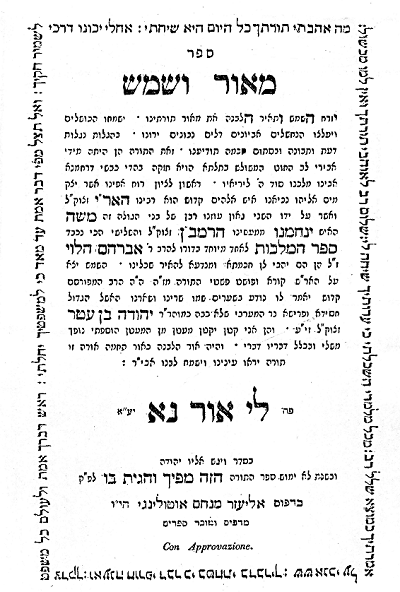
Ma’or va-Shemesh, R. Shem Tov ben Abraham ibn Gaon, Livorno, 1839: The next Keter Shem Tov, by R. Shem Tov ben Abraham ibn Gaon, is also a kabbalistic discourse on the Torah, this part of a larger multi-volume work entitled Ma’or va-Shemesh (Livorno, 1839, 80: [3], 3-11, [1], 128 ff.) printed by Eliezer Menahem Ottolenghi. The inclusion of Ma’or va-Shemesh represents a more expansive view of works entitled Keter Shem Tov as it is an independent work included in a larger collection of dissertations. The author (compiler) of Ma’or va-Shemesh, R. Judah ben Abraham Coriat (d. 1787) of Tetuán, was a scion of a distinguished Moroccan family.

  1. Shem Tov ibn Gaon (c. 1287-c. 340) was born in Soria, Spain and went up to Eretz Israel in 1312, settling in Safed where he wrote most of his books. He was a student of R. Solomon ben Adret (Rashba, 1235–1310) and R. Isaac ben Todros (13th cent.). Best known of ibn Gaon’s titles is Migdal Oz, on Maimonides’ Mishneh Torah as well as several works in manuscript. Keter Shem Tov, his first book, was reportedly written in Spain, while Rashba was still alive.[6]

The title-page of Ma’or va-Shemesh has a frame comprised of verses, all from Psalm 119:

“O how I love your Torah! It is my meditation all the day” (Psalms 97);

“O that my ways were directed to keep your statutes!) (5);

“The sum of your word is truth; and every one of your righteous judgments endures for ever” (160);

“So shall I have an answer for him who insults me; for I trust in your word” (42);

“So shall I have an answer for him who insults me; for I trust in your word” (162);

“I have more understanding than all my teachers; for your testimonies are my meditation” (99); “Great peace have those who love your Torah; and nothing can make them stumble” (165).


An additional verse is employed for the date, “This Book of the Torah shall not depart from your mouth; but you shall meditate on it הזה מפיך והגית בו (599 = 1839)” (Joshua 1:8). The title too is from Psalms, “The day is yours, the night also is yours; you have prepared the light and the sun (Ma’or va-Shemesh)” (Psalms 74:16).

The text of the title-page notes several of the authors whose kabbalistic works comprise Ma’or va-Shemesh, notably the Ari ha-Kadosh (R. Isaac Luria, 1534 – July 25, 1572), R. Moses ben Nahman (Ramban), Sefer ha-Malkut, and R. Judah ben Attar, Coriat’s maternal grandfather. The verso of the title-page has a pressmark, a lion rampant holding thistle under crown and below it the phrase Gur Aryeh Yehudah. This device was used previously in Livorno by Eliezer Saadun. When employed by Ottolenghi the lion has been turned to face right, it having previously faced left.[7]


There are introductions from R. Elijah Benamozegh and Abraham ben Judah Coriat, the former comprised of five paragraphs, each beginning with the word Kol and concluding with Judah, the latter’s introduction comprised of eight paragraphs, each beginning with Ben and concluding with Av. The text is comprised of several kabbalistic works, among them Shem Tov ben Abraham ibn Gaon’s Keter Shem Tov (ff. 25-54a), here not explicitly stated but rather entitled Perush Sodot ha-Torah. Shem Tov was a kabbalist, who studied with the Rashba and R. Isaac ben Todros. He was greatly influenced by the Ramban (R. Moses ben Nachman), reflected in his Keter Shem Tov, which is a kabbalistic super-commentary on Ramban’s Torah commentary. Here too, the title comes from the author’s name, Shem Tov.

A small portion of ibn Gaon’s Keter Shem Tov was printed previously (ff. 41b-44a), in R. Jehiel ben Israel Luria Ashkenazi’s Heikhal ha-Shem (Venice, 1601), on the ten Sefirot, Likkutei Kabbalah Kadmonim.


This much expanded version of Keter Shem Tov is based on an 1810 manuscript prepared by R. Elijah Lombroso.

II Halakhah and Minhag

Keter Shem Tov, R. Shem Tov ben Isaac Gaguine, Kaidan, Lithuania, 1934: An encyclopedic work on the varied customs and liturgy of eastern and western Sephardim and Ashkenazim by R. Shem Tov Gaguine (Gaguin, 1884-1953). Gaguine, scion of a famous Moroccan Rabbinical dynasty which emigrated to Palestine from Spain, was a great-grandson of R. Hayyim Gaguin the first Hakham Bashi of Eretz Israel in the Ottoman Empire and a great-great grandson of the kabbalist Sar Shalom Sharabi. Gaguine, who received semicha (ordination) from R. Hayyim Berlin, served as a dayyan in Cairo, rabbi and dayyan in Manchester, England, Rosh Yeshivah of Judith Montefiore Theological College, Ramsgate, and, from 1935, as head of Sephardi Medrash Heshaim in London.[8]


This Keter Shem Tov is comprised of seven volumes, the first two published in 1934, and the last four published posthumously by his son Dr. Maurice Gaguine. The complete work has been republished several times.

As noted above, Keter Shem Tov is a comprehensive work describing the liturgy and customs of eastern and western Sephardim and of Ashkenazim, accompanied by detailed footnotes from the Babylonian and Jerusalem Talmuds and later halakhic authorities. Although most of the entries explain more familiar customs, many are unusual. Example of the latter are:

The custom in [Eretz Israel and Syria, Turkey and Morocco] when the father, grandfather, father-in-law, one’s rabbi, or elder brother has an Aliyah, to stand on one’s feet until he returns to his place, and to go to them, kiss their hand and receive a blessing (I:213).

An unusual custom of the Sephardim in the city of Algiers is the phrase “marror zeh (this marror)” is said three times and then thrown to the ground, and afterwards picked up and returned to the ka’arah (Seder plate).[9]

Why is the marror called hasa or hazeret (lettuce or horse raddish)?

The Ashkenaz custom is to take, in place of hazeret a type of dry radish called in their language hrain, which is as sharp as mustard and does not have a bitter taste. The Sephardic custom is specifically hazeret. . . . (III: 158-59).

Keter Shem Tov, R. Avishai Taharani, Jerusalem, 2000: Another work on halakhah and customs, this most specific, described on the title-page as “a treasure of all the halakhot and personal customs concerning naming sons and daughters” by R. Avishai Taharani. The title-page continues that in it are explained the basic guidelines for giving names “by whose observance man shall live” (Leviticus 18:5, Ezekiel 20:11, 13, 21). Also addressed are the names that one should refrain from using.

In the introduction (pp. 1-23) to this two volume work, Taharani informs that he has so entitled the book, based on the injunction of the Roke’ah (above), as well as several other works. He has done so, however, with gematriot (numerical equivalencies) for “Avishai Taharani ben my lord and father Isaac אבישי טהרני בן לאדוני ואבי יצחק (977) which corresponds to Keter Shem Tov כתר שם טוב (977).” The text is wide ranging, comprehensive, and accompanied by detailed footnotes. Several examples of the more unusual entries in the text are:

If a father errs and calls his son or daughter with two names, forgetting that the additional name was given to another child, there are those who say that until thirty days he may change the name (I:118).

Some say that if one has a child from an unmarried woman, the child should be called with a name that predates [the time of the] Patriarch Abraham or with a name that is not customary, for example, Dan, so that he will be judged according to his problem. There are places that it is customary to give these names to those who are kosher and Heaven forfend one should come to question those who are kosher (I: 237-38).

Some say that one should not call [a child] with one of the names that predates the Patriarch Abraham, for example: Adam, Noah, and all who call by a name that predates the Patriarch Abraham is not in the category of one who “labors in the Torah, and does not give pleasure to his Creator” (cf. Berakhot 17a). (I:397-400).

It is permissible to shorten a name, whether for a son or a daughter, as long as that name is used only casually, and it is best to use the full name at least once a day in order that the short form dies not become customary (II:110-13).

In a lengthy footnote to the third entry concerning names that predate the Patriarch Abraham a source for the entry is given, ha-Mabit (R. Moses ben Joseph of Trani, 1500 – 1580). It is followed by a number of contrary sources by other prominent rabbis, and then a lengthy discussion. That this Keter Shem Tov has proven to be a relatively popular work is evident from the publication of two additional editions, the last in 2007.

Keter Shem Tov, Kollel Keter Shem Tov, Kiryat Bialik, 2002: Collection of discourses and responsa on Shulhan Arukh Hoshen Mishpat by rabbis from the Kollel Keter Shem Tov in Kiryat Bialik, located in the vicinity of Haifa. There is an introduction from R. Mahluf Aminadav Krispin, Chief Rabbi of Kiryat Bialik, followed by the text, comprised of nineteen articles, including one by the Rosh Yeshiva R. Solomon Shalosh. Examples of the articles are 5) “on the prohibition turning to secular courts” by R. Efied Hagibi, member of the Kollel; 6) finding a relative or one who is unfit among the judges by R. David Alharar, member of the Kollel; 9) witnesses who have fulfilled their charge” by R. Evied Elul, member of the Kollel; 11) “the obligation of rent after divorce, the portion in the residence” by R. Abraham Atlas, av bet din, Haifa; 14) “acquisition through forgiveness (relinquishment) by R. Solomon Shalaoh; and 19) “the wages of a worker and contractor who did not provide the agreed upon benefit” by R. Abraham Atlas.

The title-page numbers the volume as no. one, but it is not known whether additional volumes were published.

III Biographical and Related Anecdotal Works

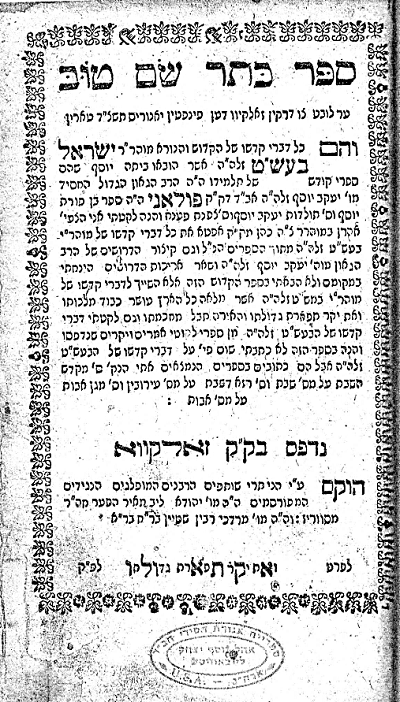
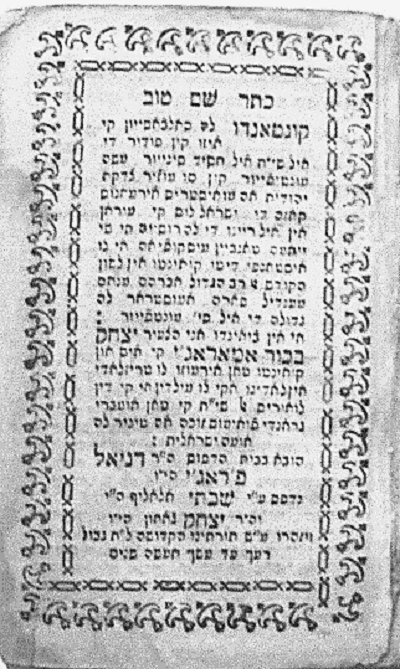
Keter Shem Tov, R. Aharon ben Zevi ha-Kohen of Apta, Zolkiew, 1794/95: The most popular of our Keter Shem Tovs, based on the printed editions, is the collection of tales and stories of the remarkable and astounding deeds of the Ba’al Shem Tov (R. Israel ben Eliezer, Besht, c. 1700–1760), founder of the Hasidic movement, as well as his recorded sayings, assembled from the works of his disciples. This collection of tales and sayings was assembled by R. Aaron ben Zevi Hirsch ha-Kohen of Opatow (Apta).


The book is in two parts, each with its own title-page but identical text, except that the first title-page is dated with a chronogram, the second title-page, printed a year later, is dated in a straightforward manner, תקנ”ה (555 = 1795). Perhaps the reason that the second title-page is so dated is that the first title-page exists in two forms, the rare first title-page, is dated “and the glory of his splendid majesty ואת יקר תפארת גדולתו (544 = 1784)” (Esther 1:4), which is incorrect, the book having been printed a decade later. The error was likely quickly caught, for the corrected and much better known title-page has the same chronogram, now reading ואת יקר תפארת גדולתו, the yod in the second word enlarged and emphasized, for a correct total of 554 (1794).[10] The variants are recorded separately in several bibliographic works.[11]

The title-page informs that that much of the contents are from the works of R. Jacob Joseph ben Zevi ha-Kohen av bet din of Polonnoye (d. c. 1782), the Ba’al Shem Tov’s leading disciple, that is, Toledot Ya’akov Yosef, Ben Porat Yosef, and Zafenat Pa’ne’ah, as well as discourses, also from other works. Among these latter sources are Likkutei Amorim and the sayings of the Ba’al Shem Tov, all collected by R. Aaron ben Zevi Hirsch ha-Kohen of Opatow (Apta).

In addition to the variations to the first title-page, the second title-page also exists in two formats, with, unlike the first title-page, some textual variations. Within the text of the book, despite Aaron ben Zevi Hirsch ha-Kohen’s comments that he has assembled the Ba’al Shem Tov’s words from the above mentioned titles, he did not, in fact, merely transcribe them in toto, nor did he distinguish which were the words of the Ba’al Shem Tov and those of Jacob Joseph.[12]

Keter Shem Tov has an approbation from R. Menachem Mendel of Liska, followed by the famed Iggeret Hakodesh, a letter from the Ba’al Shem Tov to his brother, dated Rosh Ha-Shanah, 1747, in which he relates that his soul ascended to heaven where he met with the Messiah, and then the text. This Keter Shem Tov, as noted above, has proven to be an enduring and popular work; it was printed soon after in Korezec (1797), Lemberg (1809) and several times afterwards there, in numerous other locations, and continues to be republished to the present.

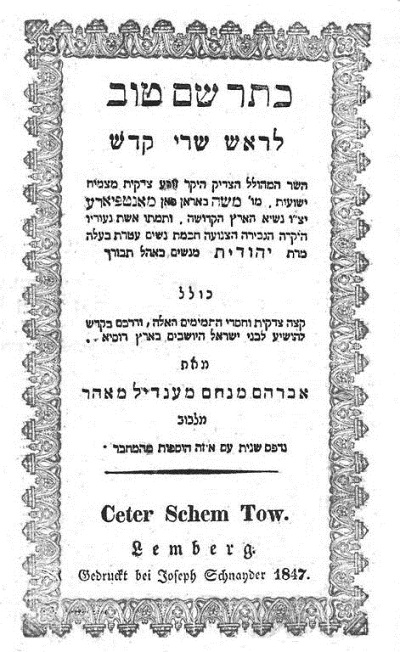
Keter Shem Tov, Abraham Menahem Mendel Mohr, Lvov (Lemberg), 1847: Sir Moses Montefiore (1784–1885) was one of, if not the most prominent member of English Jewry in the nineteenth century. Cecil Roth described him as “the most notable Jew, and indeed one of the most notable Englishmen, of the 19th century by virtue of his outstanding philanthropic work extending over a period of three-quarters of a century, into his venerable old age.”13 Montefiore traveled to the Middle East during the Damascus Affair, to Russia, Morocco, and Rumania on behalf of persecuted Jewry, as well as providing leadership and support of Jewry at home and in Eretz Israel. His indefatigable efforts on behalf of world Jewry are recorded and acknowledged in books, articles, and newspapers, several works entitled Keter Shem Tov.

The first Keter Shem Tov praising Sir Moses Montefiore is by Abraham Menahem Mendel Mohr (1815–1868), a scholarly maskil, author of a number of Hebrew and Yiddish books. The title-page states that it is,

Keter Shem Tov

For the chief, holy prince

The praiseworthy, the righteous, the dear, who sows righteousness and brings forth salvation. Our teacher, Moses Baron from Montefiore [May his Rock and Redeemer protect him], prince of the holy land. And the pure wife of his youth, the honorable lady, the modest, the wisdom of women “is a crown to her husband” (Proverbs 12:4), the lady Judith “blessed shall she be above women in the tent” (Judges 5:24). . . .

The title-page continues that the text includes some of the righteousness and perfect kindness on behalf of the Jews in Russia. A small book, (80: 16 pp.: Joseph Schnander), the text begins with verse, with the header “from Moses to Moses there was none like Moses” normally referring to Maimonides but here applied to Montefiore. The verse beginning,

“Moses ben Amram brought Israel out from the burdens of Egypt

and Moses Montefiore redeemed them from death to life.

Moses ben Amram “struck the rock, so that the waters gushed out” (Psalms 78:20)

and Moses Montefiore softened the heart of stone with “words of lips” (cf. II Kings 18:20, Isaiah 36:5). . . .


The volume concludes with a letter of appreciation from Sir Moses Montefiore.

A Ladino (Judeo-Spanish) version of Mohr’s Keter Shem Tov was printed in Salonika (1850, 80: 48, 53-80 ff.) together with two other works, Tiferet Yisrael on the Rothschilds, and Ma’aseh Eretz Israel on Eretz Israel from the destruction of the Temple to the nineteenth century. Among the many other works either praising or including a section on Montefiore are Kol Kitvei Rabbi Ya’akov Saphir ha-Levi (Jerusalem, 1934), the writings of R. Jacob Saphir (1822–1886), an emissary of the Jewish community in Jerusalem and the author of Even Saphir on the Jewish communities in such varied places as Yemen, Egypt, India, and India that he visited. In Kol Kisvei is a section entitled Keter Shem Tov Kenaf Renanim Sir Moses Monrefiore, accompanied by a cameo of Montefiore.


Yet another Keter Shem Tov about Montefiore was published by Hayyim Guedalla (London, 1884). The Hebrew title-page is followed by an English title-page that states,

The Crown of A Good Name

a brief account

of a few of the

Doings, Preachings, and Compositions

On

Sir Moses Montifieore’s Natal Day,

November 8th, 1883,

on which he was favored with a succession of telegraphic

Congratulations from the QUEEN OF ENGLAND and many

Eminent People of all Creeds.

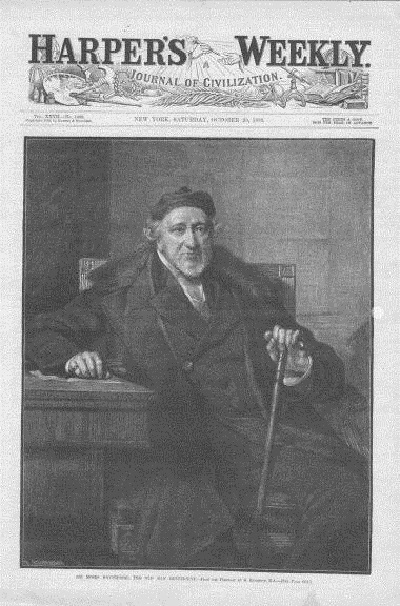
Below is the quote from Pirke Avot. The text includes congratulatory letters from the Queen, the Duke of Edinburgh, many others, and special services in both Hebrew and English. In addition, many other publications relate to Moses Montefiore, among them, albeit this not directly pertinent to the article but of interest as a further example of how widespread the high esteem in which the venerable Sir Moses Montefiore was held, is the title page of the October 20. 1883 Harper’s Weekly Journal of Civilization (New York), with a full cover portrait of Montefiore.


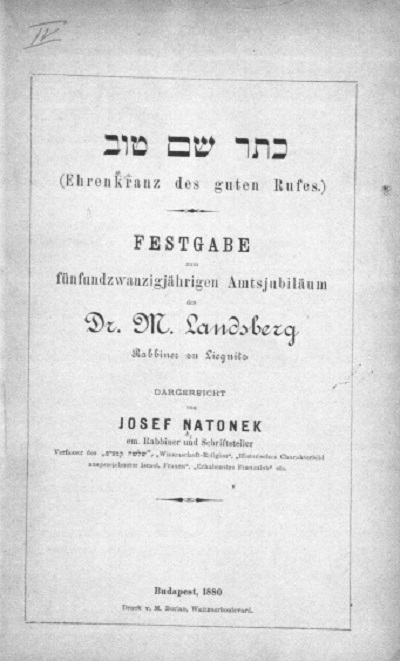
Keter Shem Tov (Ehrenkranz des guten Rufes), R. Josef Natonek, Budapest, 1880: German Keter Shem Tov by Josef Natonek in honor of Rabbi Dr. Moritz Landsberg (1824-80), son of R. Elias Landsberg (1800-79). Except for a Hebrew header the title page is entirely in German, as is the text (32 pp.), with only occasional Hebrew.


The title, Ehrenkranz des guten Rufes, is our “crown of a good name,” a Festgabe zum fünfundzwanzigjährigen Amtsjubilaeum des Dr. M. Landsberg, Rabbiner zu Liegnitz dargereicht von Rabbiner Josef Natonek em Rabbiner und Schriftsteller verfasser, that is a festive volume presented to Landsberger on the twenty-fifth jubilee of his service as rabbi in Liegnitz, by R. Josef Natonek (1813-92), a rabbi and author. Landsberg, doctor of philosophy educated in Berlin, became, in 1854, the rabbi of Legnica. Born in Rawicz, He served as rabbi for twenty-five years until his death in Liegnitz (Legnica, Silesia).[14] Landsburg was also the author of a number of studies on the history of medicine, particularly in ancient times, published for the most part in the journal Juno, published by von Henschel.[15]

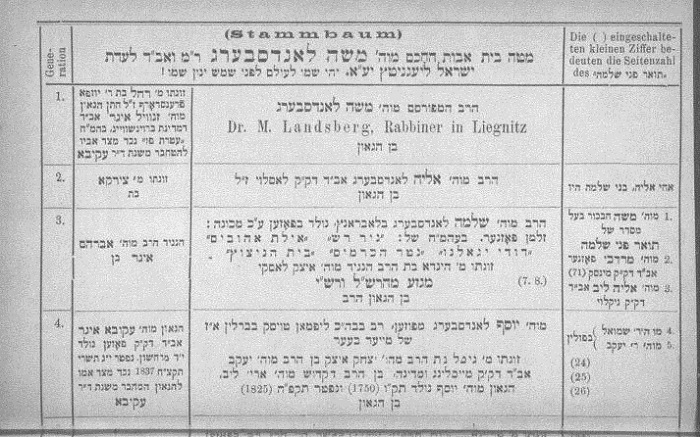
At the end of the volume is a two page Stammbaum (family tree) of the Landsberg family.


IV Miscellanea

Keter Shem Tov, R. Solomon Zalman ben Zevi Hirsch ha-Kohen, Livorno, c. 1789: Our next Keter Shem Tov is a quarto sized page printed in Livorno in c. 1789 for the Hassidic Tiberius Kollel Ashkenazim. It informs that R. Solomon Zalman ben Zevi Hirsch ha-Kohen (d. 1799) is an emissary of the Merciful One and of us (the Ashkenaz Hasidic community of Tiberias). The letter is signed by twenty-one rabbis.[16]


The letter begins with a reference to Keter Shem Tov followed by a list of honorifics “but the crown of a good name (Keter Shem Tov) excels them all. To our brothers in the exile, a treasured people, ‘a kingdom of priests and a holy nation’ (Exodus 19:6), keepers of the faith, princes and chieftains, princes and leaders, ‘a lampstand all of gold’ (Zechariah 4:2) Torah scholars and rabbis.”

It informs about their joy in the merit to live in Eretz Israel. Until now they had relied upon support from the country from which they had come; but now, however, due to war between Russia and the Ottoman Empire, they could no longer depend on that funding, so that they are now turning to Jews in other lands for support. Indeed, in describing the situation the letter notes the dire financial situation and that the land “‘is infested with bandits’ (Yevamot 115a, 122a) ‘the task masters hurried them’ (Exodus 5:13), they ‘lie in wait for blood’ (Micah 7:2). . . . ‘But now our soul is dried away; there is nothing at all (Numbers 11:6)’”

Solomon Zalman had traveled twice previously as an emissary to Russia (1779-81/1784-85), but this was his first trip to Western Europe. Avraham Yaari relates that Solomon Zalman’s undertaking was not without objection. The Sephardic community protested that the Hasidic community, which had previously received support from Eastern Europe, a venue now closed to them, was, by sending an emissary to Western Europe, entering into the domain of the general Tiberias community. The dispute was resolved several years later when joint representatives of both communities went to Eastern Europe.[17]

The letter begins with that part of the phrase from Avot referring to Keter Shem Tov intimating that a way one obtains the “crown of a good name (Keter Shem Tov)” is through good deeds and charity, which, as noted above, is “As a pearl atop a crown (keter), so are his good deeds fitting,” certainly appropriate for an appeal for the destitute community in Israel, the subject of the our Keter Shem Tov.

Keter Shem Tov, Shani Tzoref, Ian Young, Editors; Piscataway, NJ, 2013: A highly unusual Keter Shem Tov, this the proceedings of a conference on the Dead Sea scrolls held in memory of the late emeritus professor Alan David Crown in late 2011 at the University of Sydney, Mandelbaum House. This volume is part of a series entitled Perspectives on Hebrew Scriptures and its Contexts published by Gorgias Press, which describes itself as “an independent academic publisher of books and journals covering several areas related to religious studies, the world of ancient western Asia, classics, and Middle Eastern studies.” Among their subject matter is Ancient Near East, Arabic and Islam, Archaeology, Bible, Classics, Early Christianity, Judaism, Linguistics, Syriac, and Ugaritic.

Professor Alan David Crown (1932-2010) in whose memory this book was published, was Professor in Semitic Studies at the University of Sydney, and a renowned scholar and author. As noted on a website referring to him the title relates to the name Crown (Keter), for “He may have inherited the name Crown from his parents, but he earned the title ‘CROWN’ – the Crown of Torah, through his own merit, his sharp intellect and his deep respect for scholarship.”[18] The editors are Dr. Shani Tzoref, Ph.D., Skirball Department of Hebrew and Judaic Studies, New York University and currently a Qumran Institute Fellow, Seminar für Altes Testament, Georg-August-Universität Göttingen, and Dr. Ian Young, Associate Professor, Chair of Department at the University of Sydney, Australia, teaching Classical Hebrew and Biblical Studies.

This edition of Perspectives on Hebrew Scriptures and its Contexts 20: Keter Shem Tov (x, 400 pp.) is comprised of sixteen articles on various subjects in the field of Qumran studies (Dead Sea scrolls) from scholars in the field. The articles encompass the development and phases of Qumran scholarship; textual transmission of the Hebrew Bible, including Samaritan texts and Masada Biblical Scrolls; reception of Scripture in the Dead Sea Scrolls; community and the Dead Sea Scrolls; and eschatology and sexuality in the So-Called Sectarian Documents from Qumran; and the Temple and the Dead Sea Scrolls.

V Summary


This concludes our survey of books with the title Keter Shem Tov. As noted above, the article is vignettes of books so entitled. There is no single pattern in the use of the title, it being applied to a wide variety of books. There are discourses on the Torah, both literal and kabbalistic, works on Jewish law and customs, biographic or anecdotal, and several miscellaneous works, among them an appeal for support of Jewish communities in the Holy Land and on the Dead Sea scrolls. The title Keter Shem Tov has been chosen because it refers to an author’s name, for example, R. Shem Tov Melamed, R. Shem Tov ibn Gaon, and R. Shem Tov Gaguine; bibliographical works such as those referring to the Ba’al Shem Tov, Sir Moses Montefiore, and Rabbi Dr. Moritz Landsberg; and more diverse works, such as one being the novellae of a Kollel, the Dead Sea scrolls, and even topically related as in R. Avishai Taharani’s Keter Shem Tov, which actually deals with laws and customs applicable to names.

We began by noting that the title of Hebrew books, unlike books in other languages, may have “been selected by the author for any one of a number of reasons, least of all the book’s subject matter; rather the intention is/was to give the book ‘the crown of a good name (Keter Shem Tov)’.” Indeed, not one book in this article, with the possible exception of Taharani’s Keter Shem Tov, indicates its subject matter by the title. What each of these examples do have in common, is the intent to associate the name of the author, subject, or even organization with the Mishnah in Pirke Avot, which states,

  1. Simeon said: there are three crowns: the crown of Torah, the crown of priesthood, and the crown of royalty; but the crown of a good name (emphasis added, Keter Shem Tov) excels them all (Avot 4:13).

[1] I would like to thank Eli Genauer for reading the article and his comments and my son-in-law, R. Moshe Tepfer, for his assistance and research in the National Library of Israel, including getting the 1789 Livorno illustration from
[2] Marvin J. Heller, “Adderet Eliyahu; A Study in the Titling of Hebrew Books,” in Studies in the Making of the Early Hebrew Book (Brill, Leiden/Boston, 2008), pp. 72-91; idem. “What’s in a name? An example of the Titling of Hebrew Books,” in Further Studies in the Making of the Early Hebrew Book (Brill, Leiden/Boston, 2013) pp. 371-94.
[3] Judah he-Hasid, Sefer Hasidim (Jerusalem, 1973), ed. Re’uven Margaliot, pp. 210-11, n. 367 [Hebrew].
[4] Eleazar ben Judah, Sefer Roke’ah ha-Gadol (Jerusalem, 1967), ed. Barukh Shimon Shneurson, p. 1 [Hebrew].
[5] Gershom Scholem, Kabbalah (New York, 1974), p. 51.
[6] Shimon Vanunu, Encyclopedia Arzei ha-Levanon. Encyclopedia le-Toldot Geonei ve-Hakhmei Yahadut Sefarad ve-ha-Mizrah IV (Jerusalem, 2006), pp. 2152 [Hebrew].
[7] Avraham Yaari, Diglei ha-Madpisim ha-Ivriyyim (Jerusalem, 1943, reprint Westmead, 1971), pp. 96, 174 no. 160, [Hebrew].
[8] Shimon Vanunu, Encyclopedia Arzei ha-Levanon. Encyclopedia le-Toldot Geonei ve-Hakhmei Yahadut Sefarad ve-ha-Mizrah IV (Jerusalem, 2006), pp. 2155-56 [Hebrew].
[9] In contrast, the Mishnah Berurah (477:1:5) quotes the Shelah ha-Kodesh who states that ” have seen people of status who kiss the matzah and the marror . . . all to cherish the mitzvah.”
[10] Such errors and their corrections are known as stop-press corrections. Sheets were proof read while the press-run was under way; while it certainly was preferable to correct the sheets before the run began, reading also took place while the run was under way. When the corrector would find an error he would stop the run, remove the forme, quickly correct the error, and resume printing. Unless substantial, stop-press corrections did not necessitate disposing of the previous sheet – four pages in a folio, more so in a smaller format – but rather both the altered states and the originals are used. In such a case, there will be variant copies of the book, consisting of sheets printed from forms in both the earlier and later states, as is the case here.
[11] The copy with the misdated title-page in the Chabad-Lubavitch Library is attractively bound in a soft brown leather, the cover stamped כתר שם טוב ב”ק אדמו”ר שליט”א, that is, it was in the private library of the Lubavitcher Rebbe, R. Menachem Mendel Schneeersohn (1902–94). The reading room librarian, R. Zalman Levine, informs me that to his knowledge this is the only book so bound, and that it “was given to the rebbe with this binding.
[12] Keter Shem Tov (Brooklyn, 1972), p. v [Hebrew].
[13] Cecil Roth, “Moses Montefiore, 1784-1885,” in Essays and Portraits in Anglo-Jewish History (Philadelphia, 1962), p. 262.+
[14] As an aside, Jewish settlement in Lieignitz can be traced to the Middle Ages, interrupted by pogroms, the first in 1447 due to a dispute between Elżbieta, Duchess of Legnica with Jewish bankers, who demanded that she return a loan. Liegnitz is best remembered for a battle that took place there in 1241, when a Polish-German Army lead by Duke Henry II of Silesia engaged invading Mongol near the town. The Mongols were victorious, collecting nine sacks of ears from their fallen enemies, all of whom perished.
[15] Klatzkin, Jacob and Ismar Elbogen, editors, Enyclopaedia Judaica: Das Judentum in Geschichte und Gegenwart 10 (Berlin, 1928-34), p. 619.
[16] The signatories are R. Abraham ben Alexander Katz of Kalisk; R. Matthias ben Hayyim; R. Moses ben Menahem Mendel; R. Jehiel Michal ben Hayyim; R. Moses ben Abraham Segal; R. Eliezer Sussman; R. Asher ben Eliezer; R. David he is the Katan, rav of Bohava Yeshain; R. Joshua ben Noah Altshuler; R. Israel ben Jacob; R. Israel ben Judah; R. Judah Leib ben Joseph; R. Moses ben Uri Shapira; R. Jehiel Michal ben Abraham; R. Joseph of Zimigrad; R. Samuel ben Isaiah Segal; R. Aryeh Leib ben Nathan; R. Aaron ben Isaac; R. Aaron ben Meir; R. Joseph of Poloskov; and R. Nathan Nata ben Eli of Brod.
[17] Avraham Yaari, Sheluhei Eretz Yisrael II (Jerusalem, 1951, reprint Jerusalem, 1997), pp. 619-28 [Hebrew].
[18] http://learning.mandelbaum.usyd.edu.au/about-us/alan-crown/


Towards a Bibliography of seforim related to Shavuos and Megilas Rus (both new and old) – updated

Towards a Bibliography of seforim related to Shavuos and Megilas Rus (both new and old)

By Eliezer Brodt

Originally posted May 24, 2012 – Updated June 3, 2019

In this post I intend to start a list towards a more complete bibliography to the various seforim (new and old) and articles related to Shavuos (including many links). I hope to update it in the future.

When learning the Halachos of Shavuos, one is struck how the Tur does not mention anything special for Shavuos except for instructions related to davening and Keriyas Hatorah. The only custom he mentions that is unique to Shavuos is saying Azharot. Rabbi Yosef Caro in both of his works, Beis Yosef and Shulchan Aruch pretty much follows in this path. In the Codes is not until the Rema that some of the famous customs related to this Yom Tov are brought down, such as the custom of placing flowers in shuls and houses, the custom of eating Milchigs and eating special lechem to remember the Shtei Halechem. Only afterwards through the writings of the Matteh Moshe, Knesses Hagedolah and especially the Magen Avraham are the other customs related to this Yom Tov brought forward, among  them, when exactly is one supposed to daven Maariv Shavuos night, staying up the whole night learning, saying Akdamus, using a special Trope when leining the Aseres Hadibros, and leining Megilas Rus[1].

The first work worth mentioning, as its one of my all-time favorites, is Rav Zevin’s Moadim Be-halacha. In this work he has four pieces, none of which needs my approval! – related to Shavuos. He has a general piece, one related to various issues about the Shtei Halechem, another related to Megilas Rus and one related to various aspects of Aseres Hadibros.

Regarding general aspects of Aseres Hadibros one should see the collection of articles in the volume called Aseres Hadibros edited by B. Segal (Magnes Press, 1986) and the work Aseres Hadibros Ve-keriyas Shema from Moshe Weinfeld (2001).

For a discussion of the special Trope used when leining the  Aseres Hadibros see the article from Amnon Shiloah in the volume  Aseres Hadibros edited by B. Segal. See also Rabbi Dovid Yitzchaki in the back of his edition of Luach Eresh pp. 524- 540; the series of articles of Y. Laufer (available here, here and here) [special thanks to my good friend Mr. Yisroel Israel for bringing this to my attention]; this article from Y. Ofer. See also Jordon, Penkower, ‘Maimonides and the Alepp Codex‘, Textus IX (1981), pp. 115-117.

For discussion of the custom to stand during the leining of  Aseres  Hadibros see this earlier post by Dan Rabinowitz available here and especially the sources listed at the end. To add to the usage of the Teshuvos Harambam mentioned there, see Rav Zevin, Moadim Be-halacha, p. 389-390. See also what I mention here, and also Rabbi Oberlander, Minhag Avosenu Beyadenu, pp.605-622. In addition see here [thanks for Yissachar Hoffman for sending me this source]. In the work Shiurei Rav Elyashiv on Berachos (p. 93) it says that he held it’s assur to stand based on this teshuvah of the Rambam. I will add that I davened for many years at Rav Elyashiv’s minyan on shabbos. I always wanted to see if he would sit or stand but he almost always got that aliya – until one time he did not and I was able to see that he indeed stayed seated!

Regarding the dating of Matan Torah see A. Lifshitz, The Date of the Giving of the Torah In Rabbinic Sources, Netuim 16 (2010), pp. 33-68.

Regarding Shtei Halechem see the excellent work Birchat Haaretz from Rabbi Y. Mashbaum available here.

Regarding the time when to daven Maariv Shavuos night and making Kiddish see Rabbi Binyomin Hamburger, Shorshei Minhag Ashkenaz, 4:344-369. See also Eliezer Brodt, Halachic Commentaries to the Shulchan Aruch on Orach Chayim from Ashkenaz and Poland in the Seventeenth Century, PhD, Bar Ian University) July 2015, pp. 338-341.

Regarding staying up Shavuos night, see R. Hamburger, Shorshei Minhag Ashkenaz, 3:268-364, where he traces this minhag and deals with, at great length, the minhag of saying Tikun. See also Professor Moshe Chalamish, Ha-Kabalah, pp. 595- 612. See also J.D. Wilhelm, “Sidrei Tikkunim,” in Alei Ayin: Essays Presented to Salman Schocken (Jerusalem: Schocken 1948-1952), pp. 125-146, (Hebrew). Of course, I must mention my good friend Menachem Butler’s favorite article relating to all this, Elliott Horowitz, “Coffee, Coffeehouses, and the Nocturnal Rituals of Early Modern Jewry,” AJS Review 14:1 (Spring 1989) pp. 17-46 [available here for download]. For other Halachic issues related to staying up all night see the recent work, Ha-niyur Kol Ha-laylah. See Also my article Tracing the history of Shavuos night learning available in English here and Here. See also Eliezer Brodt, Halachic Commentaries to the Shulchan Aruch on Orach Chayim from Ashkenaz and Poland in the Seventeenth Century, PhD, Bar Ian University) July 2015, pp.354-360.

Regarding saying Akdamot see this earlier post from Dan Rabinowitz available here. See also Rabbi Dovid Yitzchaki in the back of his edition of Luach Eresh, pp. 541-542. See also Jeffrey Hoffman, “Akdamut: History, Folklore, and Meaning,” Jewish Quarterly Review 99:2 (Spring 2009) pp. 161-183. See also the recent work, from Rabbi Strickoff, Inside Akdamus and Yetziv Pisgam, 2019 (176 pp.) See also my extensive article on this in hebrew available here and updated here in the latest volume of Yerushaseinu (2018), pp.514-534, which also deals with Yetziv Pisgam. I hope to complete part two shortly.

Of course, I need to mention an earlier book related to this from one of my favorite writers, Y. Rivkind, Di Historishe Alegorye Fun R. Meir Shats, Vilna 1929 (Yiddish) (64 pp.) [A PDF is Available upon request]. Also, worth mentioning is the very valuable PHD on the topic originally written in Hungarian in 1946 from Naftoli Berger, Tefilos UPiutyim… Shirat Akdamut. It was translated into Hebrew in 1973.

For an interesting older Perush on Akdamus with a nice overview see here. See also this work.

Regarding the custom of saying Azharot on Shavuos see what I wrote here and available in pdf form here]. I hope to update this post in the near future. Meanwhile, see what I wrote in Yeshurun 25:447-449.

Another area worth learning about is Bikurim. For this I recommend the volume of the Safrai Family from their series of Mishnas Eretz Yisrael.

Regarding the custom of placing flowers in Shul and at home, see the works of Rabbi Oberlander, Minhag Avosenu Beyadenu, pp. 573-604 and the collections of material found in Moadim Li-simcha and Pardes Eliezer. See also Rabbi Yehuda Spitz, Adorning the Shul with Greenery on Shavuos (part one & part two). See also this earlier article on the seforim blog & my Hebrew article on it here (IyH, A more complete version is going to print shortly].

Regarding the custom of eating Dairy on Shavuos, much has been written. See the works of Rabbi Oberlander, Minhag Avosenu Beyadenu, pp. 623-647 and the collections of material found in Moadim Li-simcha and Pardes Eliezer. Recently Rabbi Moshe Dinin collected 160 reasons (!) for this custom in Kuntres Matamei Moshe (2008). Even more recently Rabbi Yosef Ohev Zion printed a work called Yoma De-atzartah (2009) [thanks to Yissochor Hoffman for bringing this work to my attention]. For important discussion related to this topic see the articles of my friend Rabbi Yehudah Spitz available here and here.  See More recently my articles on the topic , “The Mysteries of Milchigs”, Ami 71 (2013), pp. 89-93 (here) and the updated version, Tracing the history of eating milchigs on Shavuos (here). See also Rabbi Yehuda Spitz, The Halachic Challenges of the Cheesecake (here).

Related to this one should read the great article by Aviad A. Stollman, “Halakhic Development as a Fusion of Hermeneutical Horizons: The Case of the Waiting Period Between Meat and Dairy,” AJS Review 28:2 (November 2005) pp. 1-30 (Hebrew) [expanded from his M.A. on Perek Kol Habassar. See Also R’ Eitam Henkin HYd article available here.

Another custom that originally took place on Shavuos was when a child turned three, they used to conduct a special seder with eating cakes and reciting various pesukim and the like. This custom was dealt with by many; for a recent discussion of this topic, including sources, see my article in Yerushasenu 5 (2011), pp. 337-360. [A PDF is available upon request or its downloadable here].

Another issue of interest worth mentioning related to Shavuos is the plagiarism of the highly controversial Sefer Chemdas Yamim discussed many times on this blog (see here). Isaiah Tishbi in his various essays where he proves the plagiarisms of the Chemdas, uses many different topics related to Shavuos as samples. See the collection of his articles Chikrei Kabbalah Veshiluchoseh pp. 374-376 (regarding when to daven Maariv), 382-383 (which day was Matan Torah), pp. 389-391 (regarding standing during Aseret hadibrot), pp. 391-393 (regarding the Maggid visiting the Beis Yosef on Shavuos night) and pp. 340-341 (regarding eating meat after milk).

Here is a listing of some general works related to Shavuos that deal with many of the above aspects and more:

  1. ר’ שלמה קלוגר, קהלת יעקב, ירושלים תשס”ו, תמז עמודים..
  2. ר’ פנחס שווארטץ, מנחה חדשה, תרצ”ז, נו עמודים
  3. ר’ יצחק ווייס, בינה לעתים, בני ברק תשסד
  4. ר’ שריה דבליצקי, קיצור הלכות מועדים, תשס”ו, פב עמודים
  5. ר’ אבוגדר נבנצל, ירושלים במועדיה
  6. ר’ עובדיה יוסף, חזון עובדיה, יום טוב, ירושלים תשס”ג
  7. ר’ אהרן מיאסניק, מנחת אהרן, ירושלים תשס”ח, רצב עמודים
  8. ר’ גדליה אבערלאנדער, מנהג אבותינו בידינו, מאנסי תשס”ו
  9. פרדס אליעזר
  10. ר’ טוביה פריינד, מועדים לשמחה, ירושלים תשס”ח
  11. ר’ יצחק טעסלער, פניני המנהג, מונסי תשס”ח, תצב עמודים, ספר זה כולל אלפי מקורות וס”ד פרקים על עניני החג.
  12. ר’ יוסף חיים אוהב ציון, יומא דעצרתא, ירושלים תשס”ח.
  13. ר’ שמעון קרסנר, נחלת שמעון, ב’ חלקים, באלטימאר תשע”ה, תסו+של עמודים.

Over the centuries numerous works have been written explain this Megilah. Just to mention a few: until last year the best collection of Rishonim was in the Toras Chaim edition printed by Mossad Rav Kook. This edition has the commentaries of nine Rishonim printed based on manuscripts.

A few year ago, the Even Yisrael company printed a nicely done edition which had a few Rishonim and Achronim. But I cannot offer an opinion if it does not have mistakes and the like. More recently they reprinted this, adding many more Rishonim and Achronim. If one is interested in buying any one volume related to Rus this is the best to buy for your money, as you get a bunch of commentaries all in one volume.

Another work worth mentioning is called Tosfos Haslem this is a collection from many different manuscripts of the Baalei Hatosfos on the Megilah.

Another work on Rus worth mentioning is the Shoresh Yeshai from Rabbi Shlomo Alkabetz. There are many editions of this work, but I recommend the one printed a few years ago edited by Rabbi Shmuel Askhkenazi, as it includes a very good introduction, many notes and some very useful indices.

Another beautiful work on Rus worth learning through is the Meshivos Nefesh from the Bach. This perush goes through everything related to the megilah very thoroughly. He also wrote a work on Rashi called Be’er Mayim. This work was printed many times.

Another work is the Torah Sheleimah continuing in the path of Rabbi Menachem Kasher’s Torah Sheleimah on the Torah, collecting the many Midrashim on the Megilah. However, the great notes of Rav Kasher are definitely missed by many.

Another work I enjoyed on Rus was from Rabbi Yosef Zechariah Stern – one of my favorite Gedolim – his bekius here is simply remarkable (as it is in all his other works).

Another collection of useful works on Megilas Rus was printed a few years ago by my good friend Rabbi Moshe Hubner. The title of the volume is Uryan Toilessyah (314 pp.). This volume contains four works, the first being his own called Uryan Toilessyah. The style of this work is to deal with many of the issues that come up while learning the Megilah.The questions and answers are based on a very wide range of sources. He also includes many nice ideas of his own to various problems. It is very organized clear and to the point. He also printed three other earlier works, the first being Invei Hagefen first printed in 1863, the second being Rishon Mekor Hachaim first printed in 1697. He also reprinted some Teshuvos and articles related to Shavuos from his grandfather Rabbi Shmuel Hubner, author of the Nimukei Shmuel. [A few copies of this work are still available; email me for more details].

This year a few more important works related to Megilas Rus were just printed. First worth mentioning is the Mikraot Gedolot Haketer from Bar Ilan. This series began a few years back and has fallen asleep for awhile. Last week the project “woke up” and five volumes were released in the small size. The point of this series is to offer the most accurate texts of various Rishonim on Tanach based on all the manuscripts.

Another excellent work just printed is the Eshkol Hakofer from Rabbi Avraham Sbba, author of the Tzeror Hamor (259 pp.). This work had been printed many years ago based on one manuscript but this edition is printed based on numerous manuscripts and contains many pieces not found in the printed edition. This work is simply beautifully done, with a nice introduction and many useful notes.

Another work on Rus worth mentioning is Nachlas Yosef from R’ Yosef Lipovitz available here. About this Interesting personality see Hillel Goldberg, Between Berlin and Slobodka, pp. 137-145 and more recently in Sholomo Tikochinski, Torah Scholarship, Mussar and Elitism (2016), pp. 309-310.

Another great work that just was printed for the first time was the Toldos Shlomo by Rabbi Shlomo Kluger (436 pp.).

Another new work on Megilas Rus is called Megilas Rus Im Otzros Hameforshim (482 pp.) This work contains a few sections the first part contains separate extensive perushim on Targum, Rashi, Rav Yosef Kara and Ibn Ezra’s perushim. Besides for this, it contains an extensive peuish on the Megilah. Another section has in-depth lengthy discussions on various topics related to the Megilah, Rus and David Hamelech. As the bibliography at the end of the sefer shows it is based on many seforim.

Another work worth mentioning is the Ke-Motzo Shalal Rav on Rus and Shavuos. This work continues in the path of Rabbi Rosenthal’s earlier works on chumash and Yomim Tovim with the same name, collecting and presenting nice material, written clearly, and easy to understand related to Rus and Shavuos from famous and less famous works.

 [1] The Rema mentions this minhag earlier (490:9) but not in hilchos Shavuos.


Towards a Bibliography About Realia and Chumash, specifically relating to the Mishkan and Bigdei Kehunah

 Towards a Bibliography About Realia and Chumash, specifically relating to the Mishkan and Bigdei Kehunah 
By Eliezer Brodt
Learning Chumash and Nach is extremely important for many reasons. Over time it became a neglected subject (why is the subject of a different post IY”H) and in many circles is still true today. Sadly, many people remain with the images of the various stories from Tanach the way they heard it in their youth without a genuine understanding of the events. I strongly believe that learning Tanach properly (by both students in school and adults) could help with some of the issues we face today. In recent years there have been attempts to fix this problem but there is still much work to be done.[1] There are many works out there to help one deepen their understanding of Tanach, each focusing on different aspects.
In this post I will limit myself to mentioning some of the recent, general works on the topic that I feel can help. However, the main focus of the post will be a listing and description of works to help one learn Parshiyos Terumah through Pekudei, with emphasis on works that focus on the Realia. I will also quote some general sources of the significance of understanding the Realia. Eventually I will return to add more works and Parshiyos to this list. I will also deal with other aspects of learning Tanach. Just to mention one area to help one understand Chumash which I dealt with a bit in the past – that is Via learning Targum Onkelos properly, see here and here.
General works
 
אמנון בזה, עד היום הזה, שאלות יסוד בלימוד תנ”ך, ידיעות ספרים, 470 עמודים.
היא שיחתי, על דרך לימוד התנ”ך, בעריכת ר’ יהושע רייס, מכללת הרצוג תשע”ג, 264 עמודים
בעיני אלוהים ואדם, האדם המאמין ומחקר המקרא, בעריכת יהודה ברנדס, טובה גנזל חיותה דויטש, בית מורשה ירושלים תשע”ה, 487 עמודים
Moshe Sokolow, Tanakh, An Owner’s Manual, Authorship, Canonization, Masoretic Text, Exegesis, Modern Scholarship and Pedagogy, Urim 2015, 219 pp.
David Stern, The Jewish Bible, A Material History, Washington Press 2017, 303 pp. [Beautifully produced]
Yitzchak Etshalom, Between the lines of the Bible, Genesis, Recapturing the Full meaning of the Biblical Text (revised and Expanded), Urim/OU Press, NY 2015, 271 pp.
Yitzchak Etshalom, Between the lines of the Bible: Exodus: A study from the new school of Orthodox Torah Commentary, Urim/OU Press, NY 2012, 220 pp. [On this work see here]
See also the incredible site ALHatorah.org which is extremely useful.
Also, worth mentioning is the new series which I am enjoying so far:
יואל בן נון, שאול ברוכי, מקראות עיון, רב תחומי בתורה, יתרו,  278 עמודים
יואל בן נון, שאול ברוכי, מקראות עיון, רב תחומי בתורה, 608 עמודים
See their Website for more information here.
Many years ago, when I was in fourth Grade, my Rebbe, Rabbi Zacks (who loved seforim) taught us the Parshiyos of Terumah etc. While learning it he would take out this fancy and expensive book with color pictures of the various Kelim in the Mishkan and of the Bigdei Kehunah to help us better understand what we were learning. He was using visual aids of pictures to help the students understand Chumash. I recall that when it was Friday of Parshas Terumah there was non-stop knocking on the classroom door, because Rabbeyim from different classes sent students to borrow the sefer so that they too could show their classes the pictures while learning Parshas Hashavuah. A few years later I recall someone bringing and setting up a real model of the Mishkan and Kelim to our school. All this helped us understand the Chumash a bit better.
A few years ago I heard a shiur in Jerusalem from the prolific Rabbi Yechiel Stern on Visual aids for learning, as he had written many such seforim to help students. He described that at first there was much opposition to what he was doing but eventually it became more and more accepted.
At the time I realized that this was something that the academic world was busy with for well over hundred years and wrote on this numerous works. However, that obviously would not help the case to get mainstream Yeshivos to use these works even when the authors were frum and the like. (See further on).
However, the truth is that there were many Gedolim who had realized the significance of using Visual aids while teaching and of understanding the Realia while learning Chumash.
Just to list some sources.
R’ Sofer writes about the Chasam Sofer:
לתכלית גדול הזה לברר הלכה לאמיתו ולהעמיד כל ענין על בוריו הי’ לו לכל שיעורי תורה כלים מיוחדים מדודים מאתו בדקדוק הדק היטב להראות לתלמידיו וכן הי’ לו בארגז מיוחד שני צורות תבנית זכר ונקבה מעשה אומן מופלא והיו נעשים פרקים פרקים וכל חלקי הפנימים מעשה חדש נפלא ללמוד וללמד חכמת הניתוח ולא הראה זה רק לתלמידים מובהקים אשר יראת ה’ אוצרם בעת למדו אתם הלכות נדה וכדומה.[2]
Regarding the Minsker Godol after he got his first position, he sat with the head Dayan to see exactly how to Pasken. His reason for this was:
 “מעולם לא ראיתי הדברים האלה במציאות, וכל ידיעותי אינן רק מהעיון והלימוד בספרים…”.[3]
In a Haskamah of the Aderet he writes as follows:
בואו ונחזיק טובה להרב המובהק הנ’… אשר המציא להשכיל להטיב לצעירי התלמידים להקל מעליהם למוד ההוראות במקצוע הל’ שחיטה וטריפות בהמציאו ציורים ותמונת מכל אבר ואבר לכל פרטי מוצאיו ומובאיו על פי מקורים נאמנים… התענגתי מאד לראות חיבורו סי’ אהל יוסף נחמד למראה וטוב למעשה לא לבד לצעירי התלמידים אשר לא ראו ניתוח בעלי חיים מעודם, כי אם גם למוריהם, כי יקל הלימוד לתלמידיהם להורותם הלכה למעשה על כל פרט ופרט לאמר בזה ראה וקדש”.[4]
In the extremely interesting autobiography of Eliezer Friedman he writes:
מצאתי אצל אחד… ספר רבני ובו לוח הריאה וציורים. אנכי הייתי אז בקיא מאוד ביורה דעה. ראיתי כי באמת נחוץ לחניכי הרבנים לומדי היו”ד, לוח הריאה אבל לא כזה שמצאתי שאינו אומר כלום… צירתי עלי גליון גדול, צורת הריאה, אונותיה ואומותיה וכל סוגי השאלות אשר אפשר להוליד בהלכות ריאה. הכל מצויר בצבעים שונים, צבעים טבעיים כפי הלקוי והמחלה אשר ידובר עליהן בש”ס ופוסקים. על כל לקוי, הצגתי אות מספרי ובצד הציור כתבתי בקצור נמרץ שם הלקוי, תמצית דעות הפוסקים והחלט הדין להטריף או להכשיר, את הציור אזה הראיתי לגאונים ר’ נפתלי צבי יהודה מוולואזין ור’ שלמה הכהן מווילנא. הם סמכו ידעם על הציור להשתמש בו הלכה למעשה, ואמכור אותו למדפיסים ראם בווילנה. גם סמיכה להורות ולדון נתנו לי (ספר הזכרונות, עמ’ 136).
See also the important introduction related to this in Rabbi Moshe Leib Shachor, Bigdei Kehuna (pp.10-11).
Turning to these Parshos in Chumash in Particular.
In 1612, R’ Abraham Portaleone (1542-1612), a Talmid Chochom and medical doctor, printed in Mantua his encyclopedic masterpiece Shiltay HaGiborim. This work deals in great depth with every aspect of the Mishkan and Mikdash, with a tremendous focus on Realia. For example, when dealing with the Kitores, he methodologically investigates every aspect of it (pages upon pages) drawing upon his expert knowledge in sciences and command of ten languages. Similarly, when discussing the stones of the Choshen, he tries to identify the stones, using these same tools, while covering other aspects related to them. When dealing with the music and the instruments used in the Beis Hamikdosh, he again devotes many pages to the subject, explaining it via knowledge of the Realia. This last section on Music was the Subject of a PhD dissertation in 1980 written in Tel Aviv by Daniel Sandler.
In a lecture about this work, Prof. Zohar Amar said as follows (one can see it here or read it here):
רבנו אברהם הצליח להקיף ולהתמודד בחיבורו עם נושאים שונים ומגוונים הקשורים למקדש, כמו תוכנית מבנה המקדש וכליו, הקרבנות הראויים לעלות למזבח, בגדי כהונה, אבני החושן, סממני הקטורת, עצי המערכה, תפקידי הלויים, ובהם שירה וזימרה, שמירה, וכן סדר התפילות והקריאה בתורה ועוד נושאים רבים. בכל אחד מהנושאים שעסק, הוא הפגין ידע ובקיאות מעוררת השתאות, בתחומי הזואולוגיה, הבוטניקה, מנרולוגיה, מוסיקה, רפואה, טכנולוגיה ועוד ועוד. בעצם לפנינו חיבור אנציקלופדי רחב היקף,  האנציקלופדיה הראשונה שנכתבה על המקדש.
 
אז מה הופך את רבנו לחוקר ? ראשית, רבנו אברהם היה בעל ידע נרחב בכל הספרות היהודית לדורותיה, ובהקדמתו הוא מנה כמאה מקורות בהם השתמש, החל מספרות חז”ל, הגאונים, הראשונים וחכמים בני תקופתו. אולם מקורות הידע שלו לא הצטמצמו לארון הספרים היהודי, אלא הוא היה בקיא גם בכל מכמניה של הספרות הקלאסית, היוונית, הרומית והערבית, וספרות המדע שהתפתחה בתקופתו. רבנו אברהם ניחן באחד מכלי המחקר החשובים ביותר והיא ידיעת שפות. על פי עדותו בהקדמה הוא השתמש בחיבורו בעשר שפות: איטלקית, ארמית, גרמנית, צ’יכית, יוונית, לטינית, ספרדית, ערבית, פרסית וצרפתית.
In 2010 Mechon Yerushalyim and Mechon Shlomo Uman put out a beautiful, annotated edition of this special work (47+709 pp). At the end of the thorough introduction they are very open and quote  Prof. Amar as follows:
אולם פרופ’ זהר עמר העיר בצדק שלצורך הוצאת מהדורה מדעית מלאה של הספר נדרשת עוד עבודה רבה מאוד. מדובר בספר מסובך עם מאות רבות של מונחים בשפות לועזיות שונות, והוא דורש התמודדת עם הספרות הקלאסית היוונית והלטינית (כמו אריסטו, תיאופרסטוס, פליניוס, דיוסקורידס וסטארבו) מחד, וספרות ימיו של רבנו המחבר (כמו חיבוריהם של פרוספר אלפין ואחרים) מאידך, ויש צורך להשוות את כל הציטוטים עם המקורות עצמם על רקע העובדה שהמחבר הוא הראשון שמביא את תרגומם בעברית. מעבר לכך חייבים לזהות באופן שיטתי את כל הצמחים, בעלי החיים והמינרלים שבספר, ולהתחקות אחרי תהליכי ייצור וטכנולוגיה המוזכרים בו (למשל ייצור סבון). כל זה דורש מחקרים נוספים בעזרת מומחים לתחומים השונים, והרבה הרבה זמן (יתכן שכדאי יהיה להוציא בעתיד נספח מדעי למהדורה זו.
Although what Amar writes is very true, what they did do is extremely useful.
Just to add one more source about R’ Abraham Portaleone: See the two excellent chapters devoted to him by Andrew D. Berns, in his recent book The Bible and Natural Philosophy in Renaissance Italy, Cambridge 2015, pp. 153-230. One chapter focuses on his correspondence with his Gentile colleagues found in an unpublished manuscript of his. The other chapter deals with R’ Abraham Portaleone’s sections devoted to the Kitores.
Over the centuries other works were written devoted to explaining the Realia of the Mishkan and Mikdash (hopefully one day I will compile a detailed list). In 1891 a work called Mikdash Aron was printed’ a bit later the same author printed another work also devoted to this subject called Parshegen.
Rav Kasher writes about this work as follows:
וראיתי להעיר כאן על ספר זה, שמוקדש לביאור מעשה המשכן וכל כליו, הלוחות וספר תורה ולחם הפנים. המחבר עשה מלאכה גדולה, שערך הכל בקצור נמרץ והכניס הרבה, חומר על כל אלה ,ענינים בעשרים דפים (40 עמוד) ונראה, מתוך ספרו שהשקיע בו הרבה זמן ויגיעה גדולה. אמנם הסדר שלו הוא מוזר. מחבר זה סדר לו פנים וביאור. הפנים נכתב באופן סתמי ומוחלט שהקורא חושב שהוא מועתק מאיזה, מקור והביאור נותן המקורות, וכל מעיין משתומם לראות אין שבכל ענין וענין כותב לו בפנים דברים שהם השערות גרידא מהרהורי לבו שאין להם שום מקור ויסוד ,והרבה פעמים מציין מקורות אבל לא הבין הדברים כראוי, וכותב להיפך מהמבואר בראשונים כי דרכו הוא בלשון מדברת גדולות ולכן אין לסמוך על דבריו רק צריכים לבדוק המקורוות ותמה אני על א׳ מהגדולים המסכים על ספרו בהערות להוצאה שניה, מהספר מביא שכמה מהגדולים בזמנו פלפלו עמו וכנראה, שלא נפנו לקרוא בעיון בהספר, לכן לא העירו להמחבר על עיקר גישתו שאינה נכונה [תורה שלמה, כב, מילואים, עמ’ 23].
 Rav Kasher writes he does not understand how one of the Gedolim who gave a Haskamah did not comment. This appears to be a strange story and requires further investigation of the various editions of the work. The author has various letters from Gedolim and brings various comments he received from them about the work. One of the Gedolim who he was in correspondence about his works was the Netziv. Interestingly, the Netziv writes in one of these letters:
תבנית הארון והלוחות כבר שלחתי להגרש”מ כמבוקשו…
[Some of the letters were reprinted in Igrot Netziv, pp. 39-41 but not all of them. I have no explanation for this].
Of interest is what the author writes describing how he came to writing this work and his meeting with R’ Meir Simcha
Besides for publishing works on the Mishkan others built models. R’ Tuviah Preshel collected a bunch of accounts of people who actually built such models of the Mishkan to help people understand it  (See Ma’amarei Tuvia, 1, pp. 412-419 available here).
One work in particular which still has not been outdated is the Living Torah from Rabbi Aryeh Kaplan. Although his translation on the whole torah is very important, the sections on these Parshiyos are extremely special and useful.
Turning to specific “ingredients” we find mentioned in these parshiyos time and time again. There are a few works of Zohar Amar relevant, all of which investigate the particular topic from the early sources until recent developments. See for example:
זהר עמר, בעקבות תולעת השני הארץ ישראלית, תשס”ז, 106 עמודים
זהר עמר, ספר הקטורת, תל אביב תשס”ב, 197 עמודים
זהר עמר, הארגמן, פורפורה וארג’ואן במקורות ישראלועוד בירורים בענייני התכלת, תשע”ד, 281 עמודים
In it he writes:
במסגרת המחקר פיצחתי כ-11000 קונכיות של ארגמונים לצורך מיצוי צבע מהם (עמ’ 13).
See also
ר’ ישראל ראזענבערג, קונטרס מרכבו ארגמן, והוא בירור מהות צבע ארגמן מדברי חז”ל עד האחרונים וביאור המסורה בזה [וגם יתבאר בו מהות תולעת שני], נד עמודים.
I am specifically avoiding listing material on תכלת as there has been a recent explosion on the topic (especially of note are the booklets coming out of Lakewood). Someone needs to put out a proper bibliography of all the works on this hot topic. Just to mention three recent discussions related to the topic.
I, See Dovid Henshke’s recent article in Assif 5 (2018)
פתיל תכלת וגידלי ציצית בירורים בקיום מצות תכלת בציצית
Available here
II,
ר’ יהושע ענבל, קוציו של ארגמון, האוצר יא (תשע”ח), עמ’ רעא-שיב.
A PDF is Available upon request.
Three Listen to this Shiur – specifically the Part from Rabbi J. D. Bleich.
The Aron
 
A special article devoted to literary all aspects of the Aron is from R’ Menachem Silber, published in Sefer HaZicron LeRebbe Moshe Lipshitz (1996), pp. 229- 272. The Article is titled ארון העדות ולוחות הברית: צורתם ותבניתם. The article is written very concise, in an encyclopedic style, includes hundreds of footnotes and  is well worth ones time to go through.
An interesting point related to this article is in a publication of Encyclopedia Talmudit where they discuss various issues related to their publication:
ערך לוחות הברית, לאורך זמן רב פקפקנו אם יש לו מקום באנצ”ת. הנושא אינו הלכתי ממש, ניתן לראותו יותר כרקע להלכה, שיש להניחם בארון שבקדש הקדשים, ולדעת הרמב”ן יש מצוה מיוחדת לעשות ארון לצורך הלוחות, כגון אם נמצא אותם בלי ארון. אכן ענין זה כבר נידון כללית בערך ארון. והנה סמוך לסוף הכרך קבלנו מאחד מלומדי האנצ”ת עבודה יפה שהוא ערך בנושא, ובקשנו לראות אם היא מתאימה לנו. במבט ראשון אכן נראתה דומה לערך באנציקלופדיה, וכאן המקום להודות לו מקרב לב. זה עורר אותנו לשיקול מחדש, ובסופו של דבר הערך נכתב, ולמעשה השתנה מהמסד עד הטפחות, והלומד ימצא בו ריכוז של סוגיות שונות בתלמוד בבלי וירושלמי, סביב צורתם של הלוחות.
I assume they got a copy of Rabbi Silber’s article and this helped them change their minds. See the entry in Encyclopedia Talmudit, 37, pp. 143-150. In Footnote # 21 they quote the article (I think they should write out the authors name).
See also
ר’ עזריאל לעמל כ”ץ, קונטרס מנוחת השכינה, מראי מקומות וביאורים בענין הארון, ביאור מקיף בענין מנוחת השכינה על הארון, נצחון ישראל, נגד האויבים ע”י נשיאת הארון למלחמה, ושמות של הקב”ה שהיו מונחים בארון, ועוד, תשע”ו, צח עמודים
Lechem Hapanim
 
For information about all aspects of the of Lechem Hapanim: See the excellent entry in one of the most recent volumes of Encyclopedia Talmudit, 37, pp. 483-591
About making of Lechem Hapanim see:
זהר עמר, חמשת מיני דגן, תשע”א, עמ’ 129-172
 
On the Menorah throughout the ages: 
 
See Daniel Sperber, “The History of the Menorah”, Journal of Jewish Studies 16:3-4 (1965) pp. 135-59, and in his Minhaghei Yisroel, 5, pp. 171-204. Daniel Sperber in Daniel Sperber Articles, Reviews and Stories 1960-2010, Jerusalem 2010, p. 11.
See also the very interesting new work on the subject from Steven Fine, The Menorah, From the Bible to Modern Israel, Harvard University Press 2016, 279 pp.  [For a review on this work see here]. Related to this and a recent display he arranged see here.
Baraita De-Melekhet Ha-Mishkan
 
A much earlier “neglected” work important to use when learning these parshiyos is Baraita De-Melekhet Ha-Mishkan.
For Meir Ish Shalom’s edition see here. R’ Chaim Kanievsky commentary on this work is available here. A recent critical edition of this work was done by Robert Kirschner, Baraita De-Melekhet Ha-Mishkan: A Critical Edition with Introduction and Translation, 1992, 320 pp. For a review of this edition see Chaim Milikowsky, “On Editing Rabbinic Texts: A Review-Essay of Baraita de-Melekhet ha-Mishkan: A Critical Edition with Introduction and Translation by R. Kirschner”, JQR 86 (1996), pp. 409-417 (here). For a recent commentary on this work see:
ר’ חיים דיס, דברים אחדים, אנטווערפען תשע”א, על ברייתא דמלאכת המשכן, בגדי כהונה ועוד, תקנו עמודים
This work is available free in PDF here.
Two other random works I will mention here are:
רבינו שמעיה השושני, סוד מעשה המשכן, כ”י, [מדורו של רש”י], מהדיר: ר’ גור אריה הרציג, 2013, 20 עמודים.
יעקב שפיגל, לשון הזהב (חישוב הזהב הנדרש לכלי המשכן והמקדש) לר’ יצחק בן שלמה אלאחדב, בד”ד 12 (תשס”א), 5-34
Bigdei Kehunah
 
An important work that had tremendous impact on many of those related to Wissenschaft as well as those who identified with the Haskalah movement was R’ Azariah de Rossi’s Meor Einayim. This work, first printed in Mantua in 1573, was really a few hundred years ahead of its time. However, for a long period of time it remained underaappreciated and, in some circles, even banned. De Rossi’s book was an attempt to deal with the chronological and intellectual history of Judaism during the Second Temple and early Rabbinic periods. The author devoted a considerable amount of space towards understanding Chazal and Aggadah. De Rossi employed critical methods, including philology, going back to translating early original documents from their source languages. Many of these methods eventually became the trademark of Wissenschaft.[5] Zunz wrote the first definitive study on the history and usage of this work, emphasizing its importance.[6] The work also influenced people affiliated with the “GRA school”, such as RaShaSh and Netziv (who quotes it in relation to the Bigdei Kehuna).[7] One lengthy section of this work is devoted to the Bigdei Kehuna (See his Imrei Bina, Ch. 46-50) where he has a lengthy discussion based on Rishonim and other sources such, as Yosifon and Philo. While I am not sure if R’ Abraham Portaleone in his Shiltei HaGiborim, also printed in Mantua a bit later, made use of the Meor Einayim‘s discussion, it’s worth mentioning that he also deals extensively with the Bigdei Kehuna.
One outstanding work on the topic of the Bigdei Kehuna is Rabbi Moshe Leib Shachor, Bigdei Kehunah (1971) 447 pp.
For a review on this book see Daniel Sperber, Daniel Sperber Articles, Reviews and Stories 1960-2010, Jerusalem 2010, p.51 who writes about it:

It is the work of a true Talmid Chacham with a tremendous Bekiyut… applying the traditional methods… to a relatively unexplored field… The depth and detail of treatment is sometimes most astounding… His sharpness and his critical abilities glimmer through the printed words… This book has a wealth of information on a little-known subject. It is clearly written, well organized….

An older work on Bigdei Kehunah is available here.  For a recent book on this subject see:
ר’ זאב לופיאן, לשרת בקודש, ירושלים תשע”ו, בעניני בגדי כהונה, תפו עמודים
See also
ר’ ישראל גארדאן, קונטרס לב ישראל, בעניני האפוד והחושן, ללוס אנג’לס תשע”ג, 123 עמודים
See also
זאב ספראי, משנת ארץ ישראל, יומא, עמ’ 249-269
The stones of the Choshen
 
Recently much has been written on the Stones of the Choshen.
See
     .זהר עמר, החן שבאבן, אבני החושן ואבנים טובות בעולם הקדום, תשע”ז, 350 עמודים
See also the important article on the topic from Rabbi Yankelowitz:
זיהוי אבן החושן על פי תרגום השבעים והתרגומים הארמיים, חצי גיבורים י (תשע”ז), עמ’ תעח-תקמא.
A pdf is available upon request.
See also the chapter of Andrew D. Berns, in his recent book The Bible and Natural Philosophy in Renaissance Italy, Cambridge 2015, pp. 109-152, “The Grandeur of the Science of God” David De Pomi and the stones of the High Priests Breastplate. The Chapter is specifically devoted to understanding David De Pomi of the Tarshish stone in his Tzemach Dovid[8] where he identifies it as the diacinto and mentions the Segulos of this stone.
Appendix:
It appears that even though some will use visual aids and Realia for teaching Chumash,  many are nervous about introducing Realia when learning Talmud. See here, here and here for some recent discussions on the subject. [For Earlier posts related to this see here and here] Although I personally am not sure how one can say its not important or relevant (but I am biased and tainted from Academia already). I suspect that part of the issue is that the fear is at times the outcomes might clash with Halacha. This itself has many ramifications and is an explosive topic which I hope to return to someday.
To cite just one example, over ten years ago I wrote:

One of the greatest poskim of the past century, R. Shlomo Zalman Auerbach, was famous for how he consulted experts and tried to understand the exact facts before issuing a pesak. This is evident in all his writings on all of the modern-day issues. One example: In recent years there has been much written on the bottle cap opening of shabbat — it even has its own huge sefer (as virtually everything else does these days) on the topic! One of the rabbanim who has been involved with this topic for years is R. Moshe Yadler, author of Meor Hashabbat, where he has written on this topic and spent many hours speaking to many gedolim about it. When he was researching the topic he made sure to track down every type of bottle, he visited factories to see how bottles are made so that he would be able to understand exactly how it is made so he would be able to pasken properly. When he gives a shiur about this topic he comes with a bag full of all types of caps to demonstrate to the crowd the exact way it is made, etc. He told me once that he spoke to R. Shlomo Zalman Auerbach about this many times. At one point he requested R. Shlomo Zalman Auerbach to put in writing all his pesakim on the subject to which the latter did. R. Shlomo Zalman Auerbach’s son told R. Yadler that his father sat for three days with a soda bottle in front of him the whole time he was writing the teshuvah and he kept on taking it on and off.

Yet elsewhere we find R’ Shlomo Zalman writes in regards to some of the discoveries of Yehudah Felix:
קיבלתי יקרת מכתבו מעולם לא אמרתי לשנות מהמסורת והשו”ע וכמו שאין שומעין לפרופ’ פליקס (שהוא שומר מצוות) ששבולת שועל הוא לא מה שקוראים העולם, ואין שומעין לו ומברכין מזונות, וכן הוכיח באותות שתמכי הנקרא חריין לא היה כלל בזמן חז”ל ואין יוצאין בזה מרור, ואעפ”כ אין שומעין לו נגד המסורות. וכ”ש בענין זה שמפורש בשו”ע וכידוע (ר’ צבי גולדברג, מסורתנו, ירושלים תשס”ג, עמ’ 6).
For another article against Felix see R’ Yonah Merzbach, Aleh LeYonah (2102), pp. 535-539. About Y. Felix see Zohar Amar article in Jerusalem and Eretz Yisroel 4-5(2007), pp. 7-10. Available here.

[1]  In the next version of this article I will cite sources about this, IYH.

[2]  חוט המשולש, כט ע”א.

[3] הגדול ממינסק, ירושלים תשנ”ד, עמ’ 51.

[4] שו”ת אהל יוסף, ניו יורק תרס”ג, בהקדמה.

[5] On this work there is extensive literature. See for example Bezalel Safran: Azariah de Rossi’s Meor Eynaim, PhD, Harvard 1979 (Thanks to Menachem Butler for this source); Robert Bonfil: Azariah De’ Rossi Selected chapters from Sefer Meor Einayim, Jerusalem 1991; Lester Segal: Historical Consciousness and Religious Tradition in Azariah de’ Rossi’s Meor Einayim, New York 1989.

[6] Toledot Rabi Azariah min ha-Adumim, Kerem Hemed 5 (1841) pp. 131-58; Tosefot le-Toledot R’ Azariah min ha-Adumim, Kerem Hemed 7 (1843) pp. 119-24.

[7] Gil Perl, The Pillar of Volozhin:  Rabbi Naftali Zvi Yehuda Berlin and the World of Nineteenth-Century Lithuanian Scholarship, Boston: Academic studies Press 2013, pp.105-126. This is the subject of a future article.

[8] On the Tzemach Dovid see Shimon Brisman, History and Guide to Judaic Dictionaries and Concordances, Ktav 2000, p. 61, 290.


Some New Seforim, Books, R’ Eleazar Fleckeles, R’ Naftali Herz Weisel, Frankism and (of course) Censorship, Pt. I

Some New Seforim, Books, R’ Eleazar Fleckeles, R’ Naftali Herz Weisel, Frankism and (of course) Censorship*
By Eliezer Brodt
It’s been awhile since I posted a list of new seforim. I hope to post an updated list of a few hundred titles within the next few weeks. In this post I want to focus on a few new titles that, aside for being new, all have a connection to one topic. This is also an update to some earlier posts relating to this topic.
As a bochur about twenty years ago, I came across a small sefer called Olas Chodesh by R’ Eleazar Fleckeles during one of my daily shopping trips in seforim stores in Meah Shearim. Until then I had only been familiar with his Shu”t Teshuva m’Ahava. Besides the excellent price ($3), I also enjoy derush so I was happy with my purchase. Going through the sefer I was not let down, as it was especially interesting and even included some nice pieces from his rebbe, the Noda Bi-Yehudah. A few years later, while in Monsey, I made a short, enjoyable visit to Tuvia’s Bookstore. There I came across another small sefer by R’ Eleazar Fleckeles, Meleches haKodesh. After going through this sefer, I was once again blown away with how never ending Torah is (this is a daily occurrence!) . A bit later I was in a special library in Lakewood where I came across yet another obscure sefer by R’ Eleazar Fleckeles called Ahavat David, devoted to attacking Frankism. I immediately photocopied the sefer and went through it, marking off some interesting pieces. (Here is a link to a complete version of the work from the Reich collection, and here is a link to it on Google Books.)
In 2007 I wrote a review of the Meleches haKodesh [here] called ‘god or God: A Review of Two Works on the Names of God’. In that post I mentioned a letter found in the beginning of the Ahavat Dovid quoting a letter from R. Naftali Hertz Wesseley which says;
כי שמעתי מפי הגאון המקובל הגדול שהי’ ידוע הזוהר וכל ספרי האר”י ז”ל בעל פה הוא הרב ר’ יהונתן אייבשיטץ זצ”ל שהיה אומר לשומעי דבריו בעיני הקבלה כשראה שהם מפקפקים בהם ואמר אם לא תאמינו אין בכך כלום כי אין אלו מעיקרי אמונתנו, וכן היה אומר לאלו המביאים הקדמות מדברי קבלה לישב איזה גמרא או מדרש לא חפצתי בזאת ומה חדוש על פי קבלה תוכל ליישב מה שתרצה אמור לי הפשט הברור על ידי נגלה ואז אודך וכל זה אמת עי”ש עוד.
A bit after writing that post, I received an e-mail from Marc Shapiro asking me where I saw that letter, as the edition of Ahavat Dovid that he checked did not have it. I told him I had photocopied the whole sefer from an original. Some time after that, in February 2010, On The Main Line wrote about this censorship:
The book included a 1796 letter from Wessely, which Fleckeles offered… I will just note that I examined the pdf of Ahavas David twice, and I was unable to find the letter. I couldn’t understand why I couldn’t find it, so I asked several friends (literary men) if they knew what page it was on. Dr. Marc Shapiro replied that this edition — a Copy Corner reprint — is censored; it doesn’t include the letter! I suppose it’s theoretically possible that the censorship, ie, removal of the letter occurred long before the scanning of the book. That is to say, there’s no way at the moment to tell who removed it and when, but we can probably guess why. In any case, at the same time I asked Shapiro for clarification, Rabbi Brodt told me that his copy of Ahavas David includes the letter, and he sent it to me.
This censorship was later included and discussed by Marc Shapiro in an article[1] and then again in his work Changing the Immutable, (p.220). 
In 2007 I already noted some of the significance of this letter; i.e. it is notable that R’ Fleckeles quotes R’ Wesseley at all[2], as Wesseley was one of the early leaders of the haskalah movement, was close to Mendelssohn and was the author of the Biur on Vayikrah. R’ Fleckeles, like R’ Landau was firmly against the Biur.[3]
The significance of this letter in relationship to all this was already pointed out by Meir Hildesheimer, in a footnote in his excellent article “Moses Mendelssohn in Nineteenth Century Rabbinical Literature,” (Proceedings of the American Academy for Jewish Research (PAAJR) 55 (1988), p. 87 n. 23).
As an aside, all this is yet another example why scanned copies of seforim are not enough, as at times the scanner deletes pages on purpose (or even by accident). Examining originals are therefore important.
Both Meir Hildesheimer and On the Main Line[4] already noted that a copy of this letter was printed again in HaMelitz (#48, p. 750) in 1886.

In 1930, Dovid Zinz, in his extensive biography on R’ Yonasan Eibeschuetz, Gadlut Yonasan, lists R’ Wesseley as a talmid of R’ Yonasan (p.280), and also reprints this letter without claiming it’s a forgery (pp.245-246).
In November 2011 I wrote a two part post on the incredible work Parshegen by Rabbi Dr. Rafael Posen. In the second post, titled Using the works of Shadal and R. N. H. Wessely, I wrote:
A few years ago in the pages of the excellent journal Ha-maayan, a controversy took place (here) in relationship to how to cite various works of questionable people, in the course of the controversy it turned to quoting Mendelson and Wessely and their stories. Rabbi Posen mentioned that there was nothing wrong with Wessely which others argued. This controversy in regard to Wessely was not a new one[5], a few years back in the Kovetz Beis Aron VeYisroel there was a series of articles based on various manuscripts showing how the Gedolim at the time were very against Wessely. Towards the end of the Series of articles the author did a strange thing, he collected many citations of big name gedolim who did use Wessely’s work even after the controversy (herehere and here). Almost all of these gedolim were well aware of the controversy of Haskalah and came after the early gedolim obviously disagreeing with them. To me this was strange as he undermined his research – he showed that there was a big controversy with many big people on both sides so how in the world did he reach his conclusion that Wessely was bad according to everyone.
The controversy about Wessely did not end there as a few years later two works of Wessely were reprinted, his Sefer Hamidos (2002), and his Yeyn Halevonon (2003). In the introduction of both works there are lists of great people who used Wessely’s works. To be sure the kanoyim did not remain quiet about this, that same year (2003) in the introduction to the Tomer Devorah reprinted by the Mishor publishing house an introduction was printed about the evil works of Wessely that were reprinted. A few months ago the Kovetz Eitz Chaim (15, 2011, pp. 13-30) printed another manuscript on this controversy against Wessely including some letters of various gedolim of today against the evil Wessely.  In the recent work on R. Elyashiv Shlita, Hashakdon (2, pp. 136-137) they also mention how he was against the reprinting of the works of Wessely. The problem to me is how do they explain all the great Gedolim who did use his works? [In that post I included a list of Gedolim who used the works of Wessely, or quoted him in a positive light.[6] I then concluded with the following:]
“I would like to conclude with the following dream just as R. Shlomo Dubno was vindicated in the past few years by R’ Dovid Kamenetsky. It is my hope that Wessely will too be vindicated from all false charges against him and people will realize there is nothing wrong with his writings.”
Fast Forward to 2014

A few years ago I mentioned a sefer called Rabbenu written by R’ Eliyhua Starrit about R’ Ovadiah Yosef. This work is very valuable, as the author printed numerous conversations he had with R’ Ovadiah Yosef while learning with him and we get a rare, authentic glimpse into his study habits and private learning sessions. Among the numerous interesting pieces in this work we “hear” R’ Ovadiah’s opinion on different seforim and their authors. However, at times a juicy tidbit or name is censored out and we are left in the dark with just a tease of a conversation.

Here are two such pieces. The first refers to the reprinting of the Chemdas Yamim (hopefully I will return to that in the future). The second refers to the reprint of R. N. H. Wessely’s work by Yerid Haseforim a few years ago. As you can see, part is edited out.

We see that R’ Ovadiah Yosef was also against the reprinting of R’ Wessely’s works.

And 2016

In April this year, a complete edition of Ahavat Dovid was put up for auction by Legacy Judaica as was mentioned here, with a signature of it having been owned by R’ Binyomin Lowe, author of Sha’arei Torah.
A few months ago a few more volumes of R’ Wessely were printed, some for the first time from manuscript, by R’ Moshe Tzuriel. One volume includes three new seforim. 1) Sefer HaMidos which includes an additional one hundred and twenty five new pages from manuscript, printed for the first time. 2) Sefer Migdol HaLevonon, about one hundred and fifty new pages from manuscript, printed for the first time. This work focuses on Shemos Nirdafim (synonyms). 3) Chikur Hadin, a thirty page article on Sechar VeOnesh. The second volume is a reprint of Gan Na’ul (934 pp.) with notes and indexes. There is a whole section of this work printed here from manuscript for the first time, numbering about 250 pages!

Here are two samples of pieces from this beautiful work.


It is worth seeing this haskamah of the Noda Bi Yehuda to Gan Na’ul:

In the introduction to this new work, the editor notes (p. 6) that R’ Fleckeles quotes a letter from R’ Naftali Hertz Wesseley in his Ahavat David and mentions that it has been censored out of some versions, referring to his introduction of the Yeyin Levonon that he printed in 2003 (p. 26).

A few months ago R’ Eleazar Fleckeles’ Ahavat Dovid was reprinted by Mechon Netzach Yakov together with his Olas Chodesh Hasheni (more on this further on). 
However when reprinting the Ahavat Dovid, they censored R’ Naftali Hertz Wesseley’s letter and removed it. They write (p.251) their reasoning for doing so as follows:

בראות רבינו זצ”ל גדול המכשלה שנגרם ע”י לימוד תורת הנסתר ואיך שנמשכו כמה אנשים פשוטים עם ללימוד זה, ומתוך כך נאחזו בסבך כת הפראנקיסטן וירדו להתום, ביקש רבינו לעשות כל פעולה ותחבולה לעוררם ולמונעם מלימוד זה לשם כך יצא מן הקו, ובבחינת עת לעשות ל’ וגו’ העתיק בתחילת הספר מכתב מהמשכיל הנודע לשמצה נ”ה ויצל, מה שכתב בשנת תקנב לאחד מתובי העיר פראג, הגדת עדות מה ששמע בנעוריו מפי אחד מגדולי ישראל המפורסמים מדור הקודש, ליזהר מלימוד בספרי קבלה, ולעסוק אך ורק בנגלות התורה. במשך השנים נשמט מכתב זה מדפוסי ספר ‘אהבת דוד’ וכן ראינו לנכון שלא להעתיקו, כי לפי הנראה לא היתה אלא בתורת הוראת שעה, לעורר ההמון והמתחדשים בעם לבל יומשכו אחר כת הארורה הזאת. וראה עוד בענין זה בקובץ בית אהרן וישראל…”.

Aside from deleting the letter and claiming that R’ Eleazar Fleckeles did not really agree with its contents, they also complete misquote it.

Emes LeYakov

A few weeks ago a work called Emes LeYakov (696 pp.) from R’ Yakov Emden[7] was released by R’ Goldstein of Monroe.[8] It includes all of R’ Emden’s notes and novella on the Zohar[9] from a manuscript in Oxford (R’ Goldstein has shown a while ago that Bick’s edition (printed by Mossad HaRav Kook) of R’ Emden’s notes on the Zohar is worthless).[10] The volume begins with a 140 page introduction of the significance of these notes on the Zohar and the general history of the Zohar and various works and editions.[11]

In passing, R’ Goldstein (p. 20) writes regarding of R’ Naftali Hertz Wesseley’s letter printed by R’ Eleazar Fleckeles.

 בספר אהבת דוד… הביא מכתב מאחד ממשוררי הזמן (שלימים נודע שהוא מראשוני וראשי המשכילים, ואף רבו של רבי אלעזר ה”ה בעל נודע ביהודה זצ”ל, לחם נגדו ונגד דעותיו, והדברים ידועים ואכמ”ל), שכתב שם חי נפשי, כי שמעתי בנעורי מפי הגאון המקובל… הרב מוהר”ר יונתן… כי אין אלו מעיקירי אמונתנו ע”ש ובלי ספק מי שאינו מאמין לו, כי יצאו הדברים האלו מפי הגאון רבי יונתן בוודאי אין בכך כלום, אמנם ראינו חובה להעיר על אלו הדברים מדברי רבנו כאן כי המכחיש קבלת חכמת האמת הוא מין ואפיקורוס גמור’ ודי בזה”.

Basically he claims it’s false and what follows is that R’ Eleazar Fleckeles was mistaken to print this letter.
Shu”t Zecher Yehosef

Another recent work that has a connection to this post is the new two volumes of Shu”t Zecher Yehosef on Yoreh Deah by R’ Yosef Zechariah Stern. Many years ago Mechon Yerushalayim announced that they would be printing R’ Yosef Zechariah Stern’s works still in manuscript. In 1994, they printed the shut on Even Haezer. In 2014 they reprinted his shu”t on Orach Chaim, which had been impossible to find, while also adding in some new material. This summer they released two completely new volumes on Yoreh Deah from manuscript (380+413 pp.) (of course it’s amazing). R’ Yosef Zechariah is the subject of a future post; for now it’s worth mentioning Siman 173, his teshuvah connected to this topic.[12] It’s a slightly different version that the one that appears in the Sdei Chemed:


The editor writes in a footnote: 

ראה קובץ בית אהרן וישראל… ועי’ במבוא לספר יין לבנון מהדורת תשס”ג שהביאו הרבה גדולי עולם שדעתם כדעת רבינו, ויש לפקפק על הערעורים כנגד. אבל אינו ברור מה ידעו עליו בדור שאחר הפולמוס, ועי’ קובץ עץ חיים גליון טו…

I am not sure what that is supposed to mean? That later on we found out he is evil?

Olos Chodesh Sheini

We now return to the new edition of R’ Eleazar Fleckeles’ work. This is the third volume of R’ Eleazar Fleckeles works printed by a Boro Park-based Machon called Netzach Yaakov. When writing about the last volume they printed, I remarked: “I really hope they continue to print the rest of R’ Fleckeles’ works”. B”H, they are doing good job continuing with reissuing his works. This beautifully produced edition includes an introduction about R’ Fleckeles, sources to his words, at times quoting R’ Fleckeles references from his other works, and a detailed index of topics and seforim quoted by R’ Fleckeles at the end of the volume. 

The first part of the sefer is R’ Eleazar Fleckeles Olos Chodesh Sheini.

I would just like to quote a few passages from this beautiful work.

The first point to note about this sefer is the beautiful Haskamah that the Noda Bi-Yehudah wrote:


Elsewhere in the sefer he writes about himself: 

כך אני אומר, אני אחד מסוחרי הקטנים אין לי כל בבית כי את אשר ראיתי במראה יחזקא”ל, מראה נאוה קודש, פנים מאירות להלכה ופנים שוחקות לאגדה, מעט הון תמורת העבודה אשר יגעתי מנעורי ושמשתי מילדותי עד היום הזה, את רבינו גדול הדור רבן של ישראל [מילי דשמיא, עמ’ קעב]. 

The sefer is full of references to material from the Noda Bi-Yehudah, both oral and written.

What apparently was relevant in our day was in his day too:

כאשר בעונינו עד היום, אם המוכיח הוא בעל מעשה, אזן וחקר ותקן משלים, הכל רצין אחריו והכסילים יצאו מבוהלים, אך שהוא למשל ולשנינה, ודבריו לא היה ולא נבראו אלא למשל, ואין מחשבתו כלל לשם שמים, כי מחשבתו ניכרת מתוך המעשה, שמאריך מאד מאד, וחוד חידה, וממשל משל, במעשה הבל, ומעה תעועים, ואינו חפץ כלל להדריכם  בדרך ישרה שיבור לו האדם, להמשל משל אל בית מרי, כי אם תחלת המחשבה על סוף המעשה, לסרס הלכה למעשה, להיות חביב בעיני הבריות, שממשל משלים הוא, משלי שועלים ושעלים הלכו בו, ואמרים קדוש וברוך ומבורך בפי כל משבחים ומפארים מהמעשים אשר לא יעשו ושמו אותו לאדון על כל המעשים. ואיש האלקים אשר מעיו מוכיחין, תוכחות מוסר הכל, גדולים מעי ה’, צדק משפט ומישרים דברים אינם נמעים, וחכמתו בזויה, אפילו אם יושב ודורש כמשה מפי הגבורה [מילי דשמיא, עמ’ לו].

In another derasha he writes:

ולא כן השורים המשוררים. אין כוונתם לשיר ה’ כי אם לשיר חדש. ואינם מדקדקים אם יושר שיר הזה בארץ יהודים. או אם יהיה לצור מכשול כשירת הזונה…. כי אין יראת אלקים במקום הזה ולא אימת רבן… הנה בכל השנה החזנות חזיונות ושעיפי לילה חזון שוא ותפל. מכל שכן בראש השנה ויום הכיפור השתא הלל לא אמרינן. משום שמלך יושב על כסא הדין וספרי חיים וספרי מתים פתוחים כדאמרו ז”ל… וז”ל הרמב”ם בפירוש המשניות שלא היו קורין הלל לא בראש השנה ולא ביום כיפור. לפי שהם ימי עבודה והכנעה ופחד ומורא… ואיך נשיר את שיר הכסילים. כשמסתכל אדם יום המיתה… ואיך להעלות על הדעת שתפלות הללו יעשה רושם למעלה ויעלו חן ויהיו לרצון על מזבח ה’ [עמ’ קיג].

Of course there are numerous parallels[13] to this in other sources; to cite just one, R’ Shabesai Sofer writes in his Siddur:
ויותר מזה צריכים להזהר החזנים בתפלותיהם, הממונים להוציא רבים ידי חובותיהם  … כי על הרוב אינם מקפידים רק על קול נעים… ולא זו בלבד אלא שהם מנגים נגוני נכרים… [הקדמה פרטית סי’ כז].

In another derasha he writes:

לא בשליחי ציבור בלבד רעה זה חולה ראיתי, אלא אף בהתמניות הרבנים יושבי על מדין, מתוועדים בעלי בתים יחד יושבי קרנות, אשר לא יצאו מבית הספר מעולם, ואין להם ידיעות בית רב, ומעידין באיש פלוני שהוא איש האלקים גבר בגוברין, וכדי הוא לסתכל במראה קשת גבורים ללמד בני יהודה קשת, ולאחוז פני כסא הוראה כבוד חכמים מחוכמים, ומקבלים אותו לרב ומורה גדול בזזרוע נטויה וביד חזקה, בלי ידיעות תופשי התורה אשר להם משפט הבחירה, ולא כאשר נהגו אבותינו הקדושים ז”ל שבחורי ישראל הכריעו [עמ’ קטז].

Another derasha, dated during Aseret Yemi Teshuvah 1784, is devoted in part to attacking Mendelsohn’s Biur.[14] In addition, he quotes a piece from the Noda Bi-Yehudah related to this.
Interestingly enough the great bibliographer Ben Yaakov when writing about this work notes:

דרושים שונים נחלק למאמרים ובו דברי ריבות על העתקת התורה להרמבמ”ן [אוצר הספרים, עמ’ 432].


While an examination of all the statements of the Noda Bi-Yehudah about this need to be properly analyzed, it’s worth pointing out to a censorship on this subject. 

In the beginning of his new book, Maoz Kahana[15] writes as follows:

ראשון הביוגרפים של ר’ יחזקאל לנדא היה בנו יעקב. הקונטרס “דברי ידידות”, ששלח לאחיו שמואל לקראת הדפסת ספר נודע ביהודה תנינא בשנת 1810, שבע עשרה שנים אחר פטירת האב, מהווה עד היום אוסף ידיעות ומסורות ראשון ורב ערך. חלק מסוים של דברי ידידות נערך ונדפס בראש הספר הנזכר, וחלקים אחרים שלו נדחו וצונזרו, אותם אפשר להעלות מכתב היד הארוך המקורי של יעקב, מלווה בהערות העריכה של שמואל שנשמר בספריית קרלין סטולין בירושלים. [מהנודע ביהודה לחתם סופר, עמ’ 23].

Further on in his book he writes:

בשנת 1813 הדפיס ייטליס בהערה צדדית בספרו ‘מבוא הלשון ארמית’ דיון אוהד מאוד של הנודע ביהודה בתרגום המנדלנסוני ובהכרעותיו הפרשניות. את הדיון הזה לקח ייטליס ממכתב יעקבקא לנדא שהיה בידי אחיו שמואל בפראג. המכתב המדובר הוא ‘דברי ידידות’…  שכתב ר’ יעקבקא בברודי בשנת 1810, ובו תיעד ביקורו אצל אביו בפראג בשנת תקמ (1780). תארוך העדות האוהדת לשנה זו, סמוך להדפסת ‘עלים לתרופה’ של ה’ביאור’ (1778), אך לפני פרשת וויזל (1782) מאיר יפה את יחסו החיובי של הנוב”י למנדלסון ב’תקופת הביניים’ הקצרה הזו, בין 1778 לבין 1782. כתב היד המדובר נדד לבסוף אל גנזי חסידות קרלין סטולין, ומשם צולם לבית הספרים הלאומי בירושלים בשנות התשעים. אך אותה הסיבה שגרמה למשכיל יהודה ייטליס בשנת 1813 לצטט דווקא את הפסקה הזו מתוך כתב היד הארוך, גרמה למי מהעוסקים במלאכת הצילום כעבור כמאה ושמונים שנים לצנזר בעזרת דף נייר חלק את… אותה הפסקה ממש. ראה י’ ייטליס, מבוא הלשון ארמית, פראג תקע”ג, הקדמה והשווה לכתב יד קרלין-סטולין ירושלים (F49262) מספר 435… הפיסקה לא נכללה גם בדברי ידידות הנדפס… [מהנודע ביהודה לחתם סופר, עמ’ 190-191 הערה 80].

It’s worth mentioning this passage from R’ Ber Oppenheimer describing his reaction to reading the דברי ידידות about the Noda Bi-yehuda, whom he knew:


When examining the manuscript in Hebrew University the first page states:

קונטרס בן ל”ב עמודים שכתב הגאון ר’ יעקבקא סגל לנדא לאחיו הגאון ר’ שמואל סגל לנדא לפני הדפסתו ספר נודע ביהודה מהדורא תנינא והגאון מהר”ש הוציא מכאן את דברי ידידות… יש כאן כמה וכמה דברים שנשמטו בדפוס וכמובן שבכוונה מכוונת השמיטם הגר”ש ביניהם הוא ענין הביאור של רמ”ד.

This following passage is already quoted by Sandler in 1941,[16] and Moshe Samet in 1970.[17] In 1911 this letter was mentioned in the Encyclopedia Otzar Yisroel (p. 62), where the author writes:

 כי כל דברי האגרת הזאת הם מזויפים, כי סגנון הלשון ושבחו של מנדלסון יעידון כי יצא מפי משכיל ולא מפי רב בימים האלה.


It’s silly to say that it was a forgery, as the work has a haskamah from both R’ Shmuel Landau and R’ Eleazar Fleckeles and was printed in their lifetime in their city and there is not a single trace of any protest or opposition on their part.

Now this is even more interesting; R’ Fleckeles, in his work Meleches haKodesh (first printed in 1812), uses Mendelssohn’s Biur for halachic purposes.[18] He also quotes R. Shlomo Dubno in his Tikun Sofrim many times.[19] Most printings of this work are in various editions of Mendelssohn’s Biur. It’s unlikely that he was quoting it from the rare standalone version when it was printed itself without the Biur, if we already know that he used the Biur.[20]
In a work that was printed in 1793, a Hesped on the Noda Bi-Yehudah, we find on the cover it has a picture of Mendelssohn and the Noda Bi-Yehudah embracing. It’s already mentioned here by On the Main Line and more recently by Maoz Kahana (ibid, pp. 192-193).


The truth is, a proper analysis of the primary sources (such as the derasha quoted above) shows that the Noda Bi-Yehudah‘s and R’ Fleckeles’ main issue with Mendelssohn’s Biur was not on the Biur portion[21]; it was on the German translation written by Mendelssohn.
Here are two rare sources[22] which are very important for understanding this subject. The first is an Haskamah signed by both Noda Bi-Yehudah and R’ Fleckeles to a Chumash printed in 1785; as one can see on the Sha’ar there is a direct influence of Mendelssohn on this work. However in the Haskamah they explain why they are giving one – it could compete with Mendelssohn’s edition, as it also translates for the convenience of the reader, but without Mendelssohn’s literary German to which they are opposed.


The second source is a haskamah written by R’ Fleckeles to a Chumash printed Prague in 1824 with a German Translation! Here too, R’ Fleckeles outlines why he is giving it a Haskamah. 

This Haskamah is printed at the end of Silber and Kahana’s above quoted article. They print the Haskamah as it appears in Bereshis, this is the one for the Shemos volume. In the National Library and Mifal Bibliography they only record the volume on Vayikra. But more importantly, they do not note R’ Fleckeles’ Haskamah. This is an uncatalogued haskamah of R’ Fleckeles which helps understand his take on Mendelsohn.[23]

Coffee

Returning to the Olas Chodesh, like other volumes of Derush, this one is rich in giving one a sense of the people and their sins. R’ Y. Greenwald already writes:

פה ושם הזכירו גם בדרשותיהם שדרשו והוכיחו את בני עדתם ולא עצרו מלהגיד את פשעם אשר ראו בהם… הרבה יש ללמוד מהדרשות שדרשו גדולי הדור ממעמד המוסרי של ישראל בימיהם בהדרשות של הגאון רבנו יונתן אייבשיטץ ב’יערות דבש’… וכן תמצא כדברים הללו בספר דורש לציון להג”ר יחזקאל לאנדא… [לפני שתי מאות שנה, עמ’ 26].

Just to list two samples both of which are related to coffee:[24]

בעינינו ראינו ובאזנינו שמענו כמה פעמים שאומרים לגוי להסיק את התנור וכיריים בשבת אפילו אם אין קור כל, כי אם כדי להחם הקאפע [מילי דשמיא, עמ’ קסד]. 

יש כמה אנשים בני בלי שם שאינם עוסקים לא באומנות בורסקי… כי אם יושבים אגודות אגודות מאור הבוקר עד צאת הכוכבים בפונדקאות של גויים, בקאפע הייזר וביר הייזר… ודוברים עתק בגאוה ובוז על מנהיגי עיר ולומדיה, על רבנן ותלמידיהון… [מילי דשמיא, עמ’ קט].

 In another passage he describes Yom Kippur at night:

הרי אפילו בשעה הראוי לכל משכיל לעמוד באימה וביראה בזיע ורחת מפני פחד ה’ ומהדר גאונו, כל אחד מתנשא לומר אני אמלוך ואני אלך בראש אני תהלה, וגברה הקנאה והשנאה הנקימה והטירה וגסות הרוח יתירה, עד שכבתה אש הראשונה שניה ממהרת לבא, כל אחד רודף אחר הכבוד, לכבדו בשיר הכבוד שיר היחוד,[25] להיות מבעלי השיר היוצאים בשיר, ואם אין הגבאי מכבד לאומר שיר היחוד, מחרחר ריב ומדון בשאט נפש וזדון, ומלקין על היחוד, כל אחד נכבד בעיניו ומעשיו גדולים משל חבירו, זה בתורה הנקראית קנין, וזה בחלום ברוב ענין, זה ברוב בנין, וזה ברוב מנין, וכמה קטטת ומריבות רבות מסתעפות עד שנהפוך השיר היחוד לשיר של פגעים, כשיר כסילים פגיעתן רעים, וכה מחלוקות שלא לשם שמים שמענו בליל כל נדרי [מילי דשמיא, עמ’ קמט].

Ahavat David

Turning to the Ahavat David; as mentioned, this work was also just reprinted. In 1799, R’ Eleazar Fleckeles gave a series of three derashos devoted to blasting Sabbateanism and Frankism. In 1800, he printed one of them. He learned much from his Rebbe, the Noda Bi-Yehudah, regarding battling them;[26] in his introduction he writes:

גאון הגאונים בעל שו”ת נודע ביהודה… גם הוא ספר לי מעשים רבים משפטים התועבים מכת ש”צ הרשעה פגיעתן רעה… [אהבת דוד, עמ’ רנז]. 

רבנו גדול העולם. נודע ביהודה, איך היה מוסר נפשו על קדושת השם יתברך לבער הרשעים אשר בחייהם מטמאין טומאת רקב… זכרו נא לימים מה עשה… רבינו… בליל הושענא רבה תקי”ט… כאשר החל השרץ הטמא… והחרים בארור חרם נוי שמתא בתקיעת שופר ובכבוי נרות את יעקב רמאה… וברוב הדרשות אשר דרש במקהלות הזכיר מכת הרשעה הארורה הזאת [אהבת דוד, עמ’ שיז].

The Noda Bi-Yehudah writes:

וצריך אני להראות כי שכלם כוזב.. ותשמע הארץ אם כת הכופרים שבתי צבי שכל דבריהם כפירות ומינות מלא דברי שטות, להפוך דברי אלקים חיים, ולהפוך עבירות למצות עפרא לפומייה… נגד אלו השוטים בעלי ש”ץ ימח שמם נגד טענותיהם המזויפות… [דאיסטים שבתאים ומקובלים בקהלת פראג דרשה מצונזרת של הרב יחזקאל לנדא, תק”ל[27], עמ’ 357].וכת הארורה והגרועה מאוד שבתי צבי [שם, עמ’ 362].

Frankism, in the Derashos Beis Peretz

One more passage related to Frankism, from the Derashot Beis Peretz, a contemporary of the Noda Bi-Yehudah, just printed[28] from manuscript states as follows:

זה רמז גדול אשר קרה לנו באחרית הימים בשנת תקי”ט לפ”ק על ידי המינים האפקורסים ש”ץ ימח זכרם, שהיו עומדין עלינו לכלותינו בפני האומות, שהי’ להם וויכוח גדול בק”ק לבוב עם כל הרבנים של מדינות פולין, יותר מן מאתים של אפקורסים ש”ץ ונעו כולם משומדים עם נשיהם ובניהם, והי’ להם וויכוח בשאלות ותשובות לפני שרים רבים ונכבדים מאומות העולם, ולפני כומרים ובישופים הרבה, והי’ להם ראש אחד ביניהם והי’ ספרדי מכשף גדול בשמות הטומאה… שרצו לבטל תורה שבעל פה, וכבר נשרף על ידם מן האומות הכומרים כל הש”ס ורמב”ם וטורים באמצע בעיר בפני כל עם ועדה, וגזרו שמד בכל הקהלות ישרפו תורה… ומפורסם בכל מידנות פולין שהי’ אז נס גדול ומפורסם, שהכומר השר הגדול שצוה לשרוף הספרים הנ”ל הי’ לו מפלה גדולה תיכף מיד אחר מעשה זאת, ומת מיתה משונה, והי’ מכין אותו ביסורין קשים מן השמים, והי’ צועק קודם מותו שהספרים הנ”ל הם שורפין אותו. ואח”כ כל רשעים הנ”ל נשתמדו, ויצאו מכלל ישראל וכתבתי זאת שיהי’ זכרון בספר כמו מחיית עמלק, למען תספר באזני בנך ובן בנך את הנס שנעשה השי”ת בעתים הללו [בית פרץ, עמ’ תו-תז].

Broadside

R’ Fleckeles writes;

גם פה עיר הגדולה לאלקים, נדפס התפ”ו קול כרוז מגדולי הדור ופרנסי העדה, ונדפס פעם שנית שנה זו ממני ומאחי הרבנים המובהקים המאורות הגדולים בית דין מורה שוה [אהבת דוד, עמ’ רפט].

Here is a facsimile of this actual broadside[29]:

In the beginning of the Drasha, R’ Fleckeles quotes from Frankist literature:

כל השומע ורואה יכול לקרות, את דברי האגרות, יצחק וישחק… בלעגי שפה… כלו מגומגום לא עברי ולא תרגום, לא ספרד ולא צרפת לא אשכנז וריפת ולא מפני יפת לשונם אשר הגו בגרונם, כאחד המונם, במלות מזויפות וטרופות כדבר אחר המבשלות והאופות… ואראה דוגמא ראשית האגרת,… וכן יתר דברי האגרת מהומה ומגערת, מאיימים ומפחידים… [אהבת דוד, עמ’ רנח].

What letter he is referring to? Paweł Maciejko writes that he is referring to the Red Letters.[30] This document was written around 1800. It was printed in Hebrew and English from manuscript by Ben Zion Wacholder, ‘Jacob Frank and the Frankists Hebrew Zoharic Letters’, Hebrew Union College Annual, Vol. 53 (1982), pp. 265-293.[31] Examining this document we see that this is the letter that R’ Fleckeles was quoting as the exact passages appear there. The reason they were called Red documents, writes Maciejko, is “because of the color of the ink that they were written and the symbolic association between the biblical kingdom of Edom and the Hebrew word adom, red”.[32] In one place in the Derasha R’ Fleckeles even writes:

 וכל מה שכותבים הוא בצבע אדום [אהבת דוד, עמ’ שה].[33]

What was the result of this Derasha? Paweł Maciejko writes: 
Shortly after the sermons were delivered, riots erupted in the city, and although Fleckeles did not mention any names, the mob apparently knew very well whom to assault. During the Funeral of a known Sabbatian, a crowd attacked the procession and the body was profaned. It seems that woman were especially targeted: there was turbulence in the female section of one of the Prague synagogues and many of the wives and daughters of known Sabbatians were insulted or attacked on the city’s streets.[34]
When discussing this group he writes:

גם אלה אשר הנשים יושבות ועוסקות אף עמהם, כי שב”י כלהו איתנהו בהו הכל ממירין אחד אנשים ואחד נשים הכל סר יחדו נאלחו בדברי שוא [אהבת דוד, עמ’ רפג]. 

יעקב איש רע מעללים… טף ונשים באים לשמוע קבלת יעקב רמאה, ועוסקים יחדיו במעשה מרכבה טמאה למען ספות הרוחה את הצמאה [שם, עמ’ שכ].[35]

Oral Derasha Versus a Printed One

In this Derasha we find several times that R’ Fleckeles was very graphic while describing the Frankists’s depravities (pp. 257,290, 323-324). I would like to suggest the following: In general, there is a known issue when learning derush seforim; are printed Derashos exact translated versions of the oral original, or were they edited for print? For the most part, I would say this was an actual version of what he said in the oral Derasha he gave. However, orally he was not as explicit, thus the reason why he rushed to print this Drasha almost immediately after he gave it was that it’s easier to write certain things and he wanted to immediately expose how awful they were.[36]
In a similar context (in relation to the word graphic), in 1936 R’ Avrohom DovBer Kahana Shapiro, author of the classic work Dvar Avrohom, gave an incredible Derasha[37] in Yiddish to thousands of woman on the subject of Taharas Hamishpacha. It was then printed in Yiddish with some notes in Hebrew and in 1940 was printed in Hebrew with more notes. A few years ago it was reprinted. In the introduction the editor writes:

כאמור החוברת הזאת היא הרשמה סטינוגרפית, המוסרת בעינם את הדברים הנפלאים כפי שיצאו מפי הנואם הגדול, רק מפני שבמקומות אחדים שבשעת הרצאתו קיצר הרב שליט”א כבר יותר מדי מפני טעמי צניעות מובנים בנוכחותן של אלפי נשים, בקשנוהו למלאות כפי האפשר בהמסר החוברת לדפוס… 

מטעמי צניעות מובנים ומחמת נוכחותו של קהל הנשים הגדול קיצר הרב שליט”א בדבריו שהיו מרומזים מדי. אמנם באשר לכתיבה, המתאפשרת להימסר בהרחבה, נענה לבקשתנו לפרט ולהרחיב…

In the beginning of the Drasha he said:

נושא הרצאתי מעלה בזכרוני את המשנה על הדברים שנקראים ולא מתרגמים נקראים במקורם ולא מתרגמים בשפה המדוברת. בעקב זה נאלץ אני באי אלו מקומות להיות מוגבל בלשוני, לקצר בדברי, לחפש ולברור מלים נאותות ביותר ולהמנע מכמה ביטוים השייכים ישר לענין בכדי לא לפגוע ברגשות ידועים… אמנם כמאור אאלץ באי אלו מקומות לקצר בתכלית ולהסתפק ברמיזה [7-8].

Related to this he writes in the introduction:

החוברת הזאת שלדה ועיקרה הוא הנאום שנשאתי לפני בית יעקב בשפה המדוברת אולם בצאתה פעמיים בדפוס נוספו כמה דברים ובעיקר הערות בפ”ע מתחת לקו עד כי נסבה ורחבה ותשלח בדים וענפים מעל לגבולות נאום עד כי מדת ספר קטן. לזאת יש ממכרי שיעצוני לשנות קצת את סדרה ופניה, פני נאום, לעבדה ולהקציעה ולתת לה פני ספר לאוהבי ומוקירי אלא אענית הבדל עיקרי יש בין ספר לנואם הספר מושגו לשימות איכותית בענין שהוא דן עליו היקף ועיבוד, והנואם הוא בחינת קטע או קטעים מענין הנידון בחינת מקופיא. ובהיות שלא עיבדתי את הדברים עיבוד גמור ובהיות שרובם אינם ממקצועי, לא הייתי חושב להרימם למעלת ספר במובן האמור, לחשבו לדבר שלם ומקיף…


Sefer HaBris

One bibliographical point related to the Drasha can be found where R’ Fleckeles writes:

מצות בטלות לעתיד לבוא[38]… ובעל הברית אשר נאמן בבריתו[39] וקים מאמרי רז”ל נעלם ממנו דברי הרשב”א [אהבת דוד, עמ’ שב]

The new edition does not reference to what he is referring to, but it’s to a passage in R’ Pinchas Hurwitz’s Sefer HaBris, a work which he quotes two more times further on[40] (also not noted in the sources). Here is the passage:


What is more interesting is that he quotes R’ Pinchas Hurowitz’s Sefer Habris three times in a drasha which was delivered in 1799, less than two years after the Sefer Habris was first printed (1797); this shows us that he went through parts of the work right away.[41] This is yet an additional source demonstrating the great popularity Sefer Habris enjoyed even right after it was printed. 

Learning Kabbalah

The cause for this evil movement, writes R’ Fleckeles, was because:

ושורש כל הקלקול הוא בעבור שאינם עוסקים בגמרא ושלחן ערוך רק במדרשי האגדות ובמאמרי זוהר, לחזק בנינים של שוא ותהו [אהבת דוד, עמ’ שו].

In this Derasha he writes out very clearly that one should not learn Kabbalah if one did not yet master other areas of Torah first.

וזה העיקר שיעשה האדם וחי לעולם אם הוא שונה הלכות כדתנא דבי אליהו והובא מגילה… כל השונה הלכות בכל יום מובטח לו שהוא בן עולם הבא, ופירש”י, משנה ברייתא… לא מצינו לא בבבלי, לא בירושלמי, ולא בתנא דבי אליהו, ולא בספרי וספרא ומכילתא, ומדרש רבות, שאליהו בא לבשר כל העוסק בסודי תורה בכל יום הוא בן עולם הבא [אהבת דוד, עמ’ רצב] 

אחי ורעי הנאמנים בבריתי, שמעו ותחי נפשכם, די לנו ולבנינו בתוך הגולה, אם אנו עוסקים לילות כימים, בתלמוד בבלי עם הרי”ף והרמב”ם ותוספות והרא”ש והטור והשלחן ערוך, עם האחרונים הוא תלמוד הקדוש, והעוסקים בו קדושים. וקבלה בידינו מאת גאונים הקדמונים הקדושים אשר בארץ המה, אם משיח ה’ אשר יתגלה כבודו ימינו בקרב, לא יהיה בקי בכל הש”ס עם כל הראשונים והאחרונים, אף שיהיה שלם בכל החכמות הרמות ונשגבות, ברור כשמש שאין זה משיח ה’, אלא מלבד כל המעלות ומדות שמנו חכמים ונביאים, צריך להיות גם כן גדול שבגדולים בגמרא ובפוסקים, וכלל גדול הזה הוא בכל דברי הנביאים והחכמים, והמשכיל יבין [אהבת דוד, עמ’ שח].

This is why the content of the letter from R’ Wesseley quoting R’ Yonasan Eibeschuetz was very important for him to quote at the outset; this is one of the main themes of the work.

Elsewhere in the drasha he writes:

ידעתי שיביאו ראיות, מספרים אשר לא נשנו בי רבי חייא ורבי אועיה, ואף הרי”ף והרמב”ם ורש”י ותוס’ ור”ן והרא”ש לא ידעו מהם, ולאו בעיזקתא דשלמה מלכא, ואף לאו מר בריה רבנא חתים עלייהו, ובפרט כאשר שמענו כן ראינו, הקלקול יותר על השבח המגיע לכתבים, הרבה עסקו בספרים האלה ומצאו מקומות לטעות, ואמרו דיין האמת על שמועות רעות, וקצצו בנטיעות, והמירו טוב ברע, ושמו חשך לאור. אבל מלימוד גמרא ופוסקים, לא יצאה מעולם שום תקלה, ולא מקום לטעות, רק דרכיה דרכי נועם… [אהבת דוד עמ’ רצד].

 A parallel to this might be what the Noda Bi-Yehudah wrote:

אם במה שמקובל בידינו אמרו כלל גדול, כל ברייתא דלא מתניי’ בי’ ר’ חייא ור’ אושעיא לא מתבינן מינה, הרי שחששו שלא נמלטו מן הטעות והשיבוש… וכן בכתבי האר”י לאו האר”י חתים וגם לא תלמידו מהרח”ו רק בחליו של הרח”ו גנבו הכתובים ממנו ונעתקו בלילה א’ כמה מאות ניירות ע”י כמה סופרים הלא קרוב הדבר שנפלו בהם שגיאות רבות ועצומות [דאיסטים שבתאים ומקובלים בקהלת פראג דרשה מצונזרת של הרב יחזקאל לנדא, תק”ל, עמ’ 355].

This topic was very important to him. In the introduction to his shu”t he writes:


About Kabbalistic Kavanos

Related to all this he writes:

ואחרי אשר דיבר בתקיעה של מצוה, אמר תסתירני מסו”ד מרעים, מאנשים המתנשאים בסוד שיח שרפי קודש, ועושין כוונות שוא בתקיעות, וקוצצים בנטיעות, כאשר הארכתי ובארתי קדש זה עשרים שנה, והוא בחיבור עולת ציבור ונכון להביא הדברים פה שניות, והוא כתפוחי זהב במשכיות, אמנם אמרי אחר שהוצאת הדפוס רבה היא, תמכתי עליך אתה ידידי ורעי הקורא, שתשא עיניך שמה, ומצאת את אהבה נפשך [אהבת דוד, עמ’ רעא].[42]

In the Derasha, he referred to what he wrote some twenty years earlier in Olas Chodesh Hashenei, at great length:

אני הגבר ראה ראיתי רבים מתיהדים בסודי סודות הנטועות בתקיעות, בכונות שונות ולשער הפנימית פונות, ונבעו מצפונות. אמנם עקרת הכוונה הנכונה התיכונה, לעשות המצוה כתיקונה על מכונה, שצריך לכוון עליה התוקע והשומע, זו היא לקיים מצות המלך הקדוש, אשר קדשנו במצותיו הקדושות, וצונו זה היום קדוש, תקעו לפני בשופר כי קדוש היום לאדונינו, ושארי כוונות הידועות בסוד התקיעות כולם כלולות בכונה זו, ומינה לא תזוע [מילי דשמיא, עמ’ פב].

Then he continues:

He repeats this again elsewhere in his writings:

אין רצונו לומר כוונות הספירות אלא הכונה נאמנה שלא כתב לשם קדושת השם, אלא כשאר דברים בעלמא והוא פשט פשוט בדעת כל הפוסקים ועם נעמים לא אבוא, ומעולם לא עלה על דעת קדושים הראשונים חכמים וסופרים, לחשוב מחשבות ספירות, כי בימיהם לא ידעו מאומה, מספירות בלי מה, ולדעתי העניה בלב ים הקבלה, קרוב אליך הדבר מאד בפיך ובלבך להטעות, ומה לי ולך אצל דברים הן כבשונו של עולם, ובהדי כבשי רחמנא למה לך מה דמפקדת על פי הגמרא והרי”ף והרמב”ם והרא”ש איבעי לך למיעבד… [מלאכת הקודש, עמ’ קלג].

He concludes this Drasha by bringing the famous Teshuvah of the Maharshal about Kabbalah and some other famous sources and finally two Teshuvos of his Rebbe, the Noda Bi-Yehudah, one of them the famous Teshuvah related to saying Leshem Yichud.  

In my previous post I wrote a bit about Leshem Yichud and I quoted a passage from Sharon Flatto who writes in her ‘The Kabbalistic Culture of Eighteenth Century Prague’: 

Notably a Haggadah was recently discovered that was owned during the late 1780s by Fleckeles…. The margins of this Haggadah contain leshem yihud formulas to be recited before the blessing on the four cups of wine penned in Fleckeles’ hand. 
In the footnote she writes they seem to have been written between 1784-1790. (pp. 225-226). While I wish I had more clearer sources about this discovery. She does not note that the Haggadah that R’ Fleckeles himself printed in Prague in 1818 nor in the manuscript updates of R’ Fleckeles to his own Haggadah does he write to say Leshem Yichud or any such Tefilah in the Haggadah.

I recently received a copy of those margins from the owner of this rare Haggadah.


From the Ari Bergmann Collection (Lawrence, NY) 

I am not sure what R’ Fleckeles held in his younger years but it appears from his later writings that he “held” strongly of this Responsa of the Noda Bi-Yehudah, as he quotes it often – in this Drasha and in his Meleches haKodesh (p. 132). 

Baruch Linda

 At the end of the work R’ Fleckeles writes: 

יעקב הסרחן ועיין ראשית למודים שער ששי מבע”ח הנושכים כו’ סדר הששי סימן כה [אהבת דוד, עמ’ שכט].

 The editors of the new edition do not elaborate which work and passage, are being quoted.

 Here is the sha’ar of the work and the relevant section being referenced.


One source about the author, Baruch Linda, is R’ Matisyahu Strashun, who writes:

וכתב על החכם ברוך לינדא תואר ירא ה’ אשר אמנם כפי הנודע בברלין עיר מגורתו עד יום מותו, חלף חוק ודת ישראל (אף כי לא המיר), שכח מועד ושבת, ובימי זקנותו לא יכול אף קרוא עברית כמעט [מבחר כתבים, עמ’ רמ].[43]

This is yet another source showing how popular this work was at the time. As an aside, this quote shows that R’ Fleckeles was into “interesting seforim,” and I will deal with this in a future post. Another such sefer which he gave a haskamah to and his name is in the Prenumeranten in the 1793 issue of the Igrot Orchos Olam.

Calculating when Moshiach is coming[44]

Worth mention is one final issue that R’ Fleckeles writes a lot against, namely attempting to calculate when Moshiach will come. In the beginning of the derasha he writes that this is one of the purposes of why he wrote it: 

לכן כתבתי דרשות האל לחק ולזכרון בקהל עדת ישורון, למען ידעו עד דור אחרון, ואל ישעו אתכם דברי הרמזים, אף שהם מחורזים בדברי הנביאים והחוזים, ואל תאמינו באומר רזי לי רזי לי ואני חכם הרזים, כי סתומים וחתומים הדברים עד עת קץ הפלאות, אז המשכילים יבינו כל היעודים וכל הנביאות, ועיין רבינו סעדיה גאון ור”י ורבינו אברהם ן’ עזרא סוף דניאל ואחרי ששוטים האלו מביאים ראיות מן הזוהר, ומחשבים קץ הפלאות בנוטריקון וגימטריאות, אף אני אביא ראיות מן הזוהר, כי תועים ומתעתעים ומוגעים, בכל חשבונות ודמיונות וחזיונות, חלומות המדומות [אהבת דוד, עמ’ רנט-רס].

Later on he writes about it at length here is the fascinating section.

R’ Elazar Fleckeles and R’ Yonasan Eibeschuetz

One final point, returning to the letter that R’ Eleazar Fleckeles printed from R’ Wessely quoting R’ Yonasan Eibeschuetz which was discussed in the beginning of this post.
I think that one point that is of some significance is not only that he is quoting a letter from R’ Wessely but that it quotes R’ Yonasan Eibeschuetz. As is well known, the relationship between R’ Yonasan Eibeschuetz and R’ Eleazar Fleckeles’ Rebbe the Noda Bi-Yehudah was “interesting”, as fully documented in Sid Leiman’s special essay When a Rabbi is Accused of Heresy; R. Ezekiel Landau’s Attitude Toward R. Jonathan Eibeschuetz in the Emden Eibeschuetz Controversy. He also refers to his various works in this volume (the Olas Chodesh Hashenei and Ahavat Dovid) with great respect.
ותמה הגאון האמיתי בספרו יערות דבש [מילי שמיא עמ’ קכט]. עיין באורים ותומים סי’ צז [שם, עמ’ קמא]; ומביאו הגאון אהבת יהונתן [שם, עמ’ נב]; וקרוב לזה מצאתי באהבת יהונתן [אהבת דוד, עמ’ רעח].
One last source on this topic is from the work Sicha bein Shnat 5560 UVein 5561 printed in Prague in 1800 written by R’ Baruch Jeiteless[45] another talmid of the Noda Bi-Yehudah which is also a work devoted to fighting Frankisim. 


*Many thanks to Shimon Steinmetz for his help with tracking down some of the Rare sources.
[1] In Milin Havivin volume 5 (available here), p.6.
[2] In Teshuva m’Ahava 1:10 he writes וביאור החכם ר”ה וויזל
[3] On R’ Wesseley see overview from Professor Chaim Shapiro (son of the Dvar Avraham), Safrut Haskalah BeMerkaz Germany (1784-1829), pp.194-246.
[4] There is a typo about the exact source in On the Main line’s post. 
[5] Much has been written on this controversy see M. Samet, Chodosh Assur Min Hatorah, pp. 67-92. But a full scale dissertation on the topic is still lacking.
[6] One other point of interest related to all this: the great Galicianer posek, R. Meshulam Roth, at the request of R. Meir Shapiro towards a new school system, penned a list of works for students to learn. Among the many interesting things he wanted talmidim to read was the Shirei Tiferes! [Printed in back of his R’ M. Roth, Mevaser Ezra on Ibn Ezra p. 176 [=Mevaser VeOmer, p. 120]. This is referring to a poetic work by Wesseley.
[7] All this is part of the recent welcomed flood (by book lovers) of his material, including his Shu”t Sheilos Yaavetz (3 volumes) including a volume of new material, (with some mysterious din torah around it), Meturgeman by R’ Eliyahu Bachur with R’ Emden’s extensive glosses (printed by Mechon Zichron Aharon) and Emunas Chachamim with his notes taken from Mitpachas Sofrim (also printed by Mechon Zichron Aharon). This is aside from various marginalia of his printed in some of the recent volumes of Yeshurun. 
[8] It also includes a new edition of ציצים ופרחים, based upon manuscript (the third edition to come out within the past year). In addition it has the R’ Emden’s marginalia to a few seforim, including: the Meor Eynayim which was printed earlier by him in a journal from Tosh (based on the copy in JTS); Rabbenu Bachaya; Paneach Raza; Marshah Al HaTorah. Worth pointing to is the lengthy discussion about R’ Moshe Kunitz (pp.126-140). To this, see what I wrote in Yeshurun 24, p. 466 and here I hope to return to this in the future.
[9] For an understanding of this work see Moaz Kahana’s forthcoming study. 
[10] Related to this it’s worth pointing to the newest sefer of R’ Meir Mazuz called, MeGedolei Yisrael (534 pp.). This work is a collection of his articles about different Rishonim and Achronim written over the years. There is supposed to be 2 more volumes to this set coming out. In his chapter devoted to R’ Yaakov Emden, he concludes (pp. 149-150) with some comments on the notes of R’ Emden printed by Mossad HaRav Kook and shows that Bick could not read the manuscript, as he already noticed many mistakes while comparing Bick’s transcription to the page of the manuscript Bick included in the beginning of his edition. 
[11] Although this introduction is very useful and brings new material etc. it is very weak on naming the sources that helped him, citing academic sources very infrequently and only by title of book not by name (a common occurrence in such works). 
[12] For recent discussion on this see Yaakov Spiegel, Amudim BeToldos HaSefer HaIvri: BiSharei Hadefus, pp. 164-199.
[13] See Leo Landman, The Cantor: An Historic Perspective.
[14] Parts of this dersaha are quoted in the excellent series of R’ Dovid Kamentsky on R’ Shlomo Dubno in Yeshurun 8 (2001) pp. 740-741; however it appears that a small typo crept in, he writes the drasha is in Olas Chodesh volume one when it’s in volume two.
[15] I hope to return, more in depth, to this special work in the near future. But for now a few words on this work, (full disclosure: the author is a good friend). There are two Gedolim in particular who are considered giants in the world of Halacha and their words carry great weight until today in all circles, the Noda Bi-Yehudah and the Chasam Sofer. This book analyzes many aspects of their rich lives (tying many controversies together and showing how both of them wrote and dealt with them). It’s well written and researched; it includes a fresh look and in-depth analysis of many famous topics and plenty of discussion about new subjects. The author shows a tremendous command of the primary Torah sources, relevant manuscripts and puts down his thoughts clearly and very chronologically. Some fascinating and unknown people are discussed throughout the book. The author did not attempt to deal with everything both of these Gedolim wrote about as that would require a few volumes. He has already completed a few more articles related to these giants. The first edition already sold out, a second edition is due out shortly.

[16] HaBiur LeTorah, p. 204.
[17] HaChadash Asur Min Hatorah,p. 75.
[18] See pp. 4, 52, 88, 91.
[19] See pp. 3,23,25,26,49,56,61,62,66,92,104,111,115,116. These sources are not noted by R’ Dovid Kamenetsky when he writes about the Tikun Sofrim of R’ Dubno in Yeshurun 10, pp. 758-761.
[20] In the actual drasha against the Biur (p. 46) he quotes a discussion about a shem Hashem in HaAzeinu. In his Meleches haKodesh (p. 111) when he talks about this pasuk, he quotes Dubno. See also what R’ Fleckless writes in תשובה מאהבה, א, סי’ א: 

“עיין בהערה לשירת הים מן השלם המפורסים מוה’ שלמה מד”ו רבתי בבאורו לבאר המתורגמן החכם השלם מוהר”ם דאסע”
 The “מתורגמן החכם השלם מוהר”ם דאסע,” is of course Mendelssohn. 

[21] As an aside in a forthcoming auction by Jerusalem of Gold, Auction 11 they are auctioning off numerous editions of the Biur.
[22] Many thanks to Shimon Steinmetz for tracking down copies of these works.
[23] This is not the only item related to R’ Fleckeles that I could not find mention of it in the National Library and Mifal Bibliography. Ben Yaakov records :
יקר החיים, ה”ר אלעזר פלעקיל דרוש הספד על מות שר וגדול ר’ חיים עדלער פאן פאפר פראג תקנ”ה 80 [אוצר הספרים, עמ’ 229].
 However, on Google books (here) one can find this small work.


[24] It’s worth reading the excellent article by Maoz Kahana who puts this in context with a much bigger picture called שבת בבית הקפה של קהילת קודש פראג, ציון, עח:א (תשע”ג) עמ’ 5-50. See also Robert Liberles’ recent book, HaCoffee VeHayihudim.
[25] For recent work on Shir HaYichud, see Chitzei Giborim 9 (2016), pp. 258-277.
[26] For more on this see Maoz Kahana, MeHaNodeh Beyehudah Le Chasam Sofer , pp. 37-60 and his article “The Allure of Forbidden knowledge: The Temptation of Sabbatean Literature for Mainstream Rabbis in the Frankist Moment, 1756-1761”, Jewish Quartely Review 102:4 (2012), pp. 589-616 [available here].
[27] Printed in Kabbalah 21 (2011), available here. See ibid, p. 365.
[28] This work was first printed in 1759 with the author receiving many haskamos, including one from the Noda Bi-Yehudah (although one has to be careful how much to read into it, see Sharon Flatto ‘The Kabbalistic Culture of Eighteenth Century Prague‘, pp. 105-106, 110, 144). In 2014 this work was reprinted with some drashos added from manuscript, one of which contains the passage quoted above. They also added extensive useful notes just focusing on tracking down his sources and included a very through index. They did not mention (or they were not aware) that Avraham Yaari printed this passage I quoted about the Frankist from the manuscript in 1958 in his Mechkarei Sefer (pp. 455-457). This work is disused in the important work of M. Piekarz, BiYemei Zemicha Hachasidus, pp. 86-88.
[29] Jahrbuch der Gesellschaft für Geschichte der Juden in der Čechoslovakischen Republik 9, 1938, after p. 374.
[30] The most recent, updated, academic work on Frankism was written in English by Paweł Maciejko called The Mixed Multitude: Jacob Frank and the Frankist Movement, 1755-1816, Pennsylvania 2011, based on his Ph.D dissertation, The Development of the Frankist Movement in Poland, the Czech Lands and Germany (1755-1816) (Ph.D.), Oxford University, 2003. The work is excellent, well-researched and written, based upon a rereading of all the previously known documents in their original languages and upon many new discoveries. This book has a few pages devoted to of R’ Eleazar Fleckeles’ Ahavat David (pp. 249-251). The book was just translated into Hebrew called Eruv Rav and published by Zalman Shazar. I am not sure why, but some of the material found in his Ph.D about Prague and Frankism (pp. 241-242) does not appear in his book.
[31] See also The Mixed Multitude: Jacob Frank and the Frankist Movement, 1755-1816, pp. 239-241.
[32] Ibid, p. 184.
[33] Moshe Viener notes this passage in Koheles Moshe (p.31) but does not write what it’s referring to. However Eliezer Rosenthal in his Bibliographishes verzeichniss eines grossen theiles, Yodeh Sefer, (p. 293), when writing about this work, does point to a journal where the letter was printed in German. 
[34] Ibid, pp. 250-251.
[35] For discussion of these passages see:  Boaz Huss, KeZohar Harakiah, pp. 275-276; Ada Rapoport-Albert, Chasidim, Shabtos Anoshyim Vnashim, pp. 356-357,359-360.
[36] See Marc Saperstein, Jewish Preaching, pp.  Zev Gries, Hasefer HaIvri Perakyim Letoldosov, pp. 122-165.
[37] I first heard about it when I was 15, when I heard a tape of a derasha by R’ Mordechai Gifter who praised it highly. At the time, I tried tracking it down but had no luck. Later, as a Bochur learning in Eretz Yisroel, I located it in the (then-named) Hebrew University and National Library. It was extremely rare and I had to get special permission to look at it. I was always able to see from reading parts then that it was indeed special and that R’ Gifter was certainly not exaggerating. A few years later I found an original copy of the rare Yiddish version (available here) for next to nothing in a used bookstore. I always dreamed of finding the Hebrew one and reprinting it. However a few years ago someone beat me to it. (See here for a fascinating post related to this). Instead I hope to return to discuss this special work in a future article. 
[38] On this passage of Mitzvos LeAsid see Saul Lieberman, Shekiyin, pp. 80-81.
[39] This is not the only pun on the Sefer HaBris’s title. R’ Moshe Koerner writes:

בעסקי… ברלין… הצדיק התמים הרב המחבר סי’ הברית לפני נגלה כי הוא חברו היו אז מימינים ומשמאלים, והגאון מהרצ”ה זצ”ל אמר בשחוק הוא המכניס והמוציא הברית (בל”א קוואטר כמ”ש בא”ח סי’ תקנא במג”א ס”ק ג ובי”ד ברמ”א סי’ רסה סעי’ יא) [אגרת רשפי קשת, עמ’ 8].

Eliezer Rosenthal in his Bibliographishes verzeichniss eines grossen theiles, Yodeh Sefer, (p.284) quotes this story but does not site his source.
[40] p. 288, 320.
[41] See also David Ruderman, A Best-Selling Hebrew Book of the Modern era: The Book of the Covenant of Pinhas Hurwitz and its Remarkable Legacy, Washington 2104, p. 153.
[42] This new edition is kind enough to bring this piece of the derasha in the footnote. One nitpick; although in the rest of the volume, when he references his other writings or the like this is very useful, here however it is silly to copy five pages that are found earlier in this volume (pp.82-86) – just refer the reader to there. There is a limit to how lazy one would have to be not to turn back and this is a waste of space.
[43] For more about this author and his work see Tal Kogman, HaMaskilim HaMadayim (2013) Magnes Press.
[44] One source on this topic can be found in the Work of R’ Ephrayim Yaboroer, BaKoshrot, printed in Cracow 1607. This fascinating work was extremely rare until a few weeks ago when Mechon Zichron Aharon reprinted it in their massive two volume set called אוצר ממעונות אריות. The passage I am referring to is in volume one, pp. 58-59. These two volumes collect much of the Zemiros, Piutyim and historical works written about Tach Vetat by early Polish and Ashkenazi Rabbonim. It’s full of many rare works and they deserve special thanks for printing these volumes. One correction; in volume one (pp.539-546) they reprinted the rare work Shirei Yehudah, (not presently found on Hebrew Books or Otzar Ha-hochmah] first printed in Amsterdam 1696. However either they used an incomplete edition or something else went wrong as its missing most of this small rare sefer. On this work, see Elisheva Carlebach, ‘Two Amens That Delayed the Redemption: Jewish Messianism and Popular Spirituality in the Post-Sabbatian Century’, Jewish Quarterly Review, New Series, Vol. 82:3/4 (1992), pp.241-261.  
[45] For the updated discussion regarding the authorship of this book, see Paweł Maciejko, The Development of the Frankist Movement in Poland, the Czech Lands and Germany (1755-1816) (Ph.D.), Oxford University, 2003, pp. 241-242. Gershom Scholem wrote on the front page of his copy that the author was R’ Yehudah Jeiteless.