מנהג ה’תשליך’ מאת ר’ איתם הנקין הי”ד

מנהג התשליךמאת ראיתם הנקין היד

[הותקן לפרסום מתוך רשימה מכתי]

.מנהג התשליך מוזכר באופן ברור לראשונה בסוף המאה ה-14, בספר המנהגים לרבי יצחק אייזיק טירנא (סוף מנהגי ראש השנה, דה ושליח צבור“): “ורגילין לילך על הנהר ולומר תשוב תרחמינו וגו‘, ורואים דגים חיים

בסמוך לו לפניו מוזכר המנהג במהריל (מנהגים, הלכות ראש השנה אות ט‘): “מה שנוהגין לילך ברה אחר סעודה אצל ימים ונהרות להשליך במצולות ים כל חטאותינו, משום דאיתא במדרש זכר לעקדהומהרי סגל נהג גכ להלוך אצל הנהרות. ואמר, כשהולכין אל הנהרות ביום טוב אל יוליכו עמהם שום מזון כדי לזרוק אל הדגים שבנהרות להראות להם לשמוח בהן, דאית ביה חילול יוט…”. במקור זה לא נאמר שהיו אומרים אמירה כלשהי, ומתוך דבריו אנו שומעים שהיו מן העם שנהגו לזרוק בהזדמנות זו אוכל לדגים כדי להראות להם [ו]לשמוח בהן” (בדומה לדברי מהרי טירנא על כך שרואים דגים חיים“).

גם בלקט יושרלרבי יוסף בר משה, בן המאה ה-15, מוזכר מנהג זה כבדרך אגב, שרבו הרי איסרלין בעל תרומת הדשןלא הקפיד כל כך ללכת לתשליך: “ואינו מקפיד ככ אם אינו הולך לתשליך, אבל לפעמים הולך” (חא, אוח עמ‘ 131, עניין ד; מהדמכון שלמה אומן, עמרצד עניין נב). במקור זה אנו כבר מוצאים שהמנהג מכונה תשליך“, על שם הפסוק המרכזי הנאמר בו (מיכה ז יט).

הרמא מזכיר מנהג זה גם בספרו ההגותי – תורת העולה חג פרק נו: “מנהג ישראל תורה הוא, במה שהולכים על המים ואומרים תשליך במצולות ים כל חטאתם. להיות כי מן מצולות ים ניכר ענין בריאת העולם, כי מצולות ים הוא התהום, והוא המקום היותר עמוק בים, וכשאנו הולכים שם אנו רואים גבורתו של יוצר בראשית. ולכן אנו הולכים על המים בראש השנה שהוא יום הדין, לשים כל אחד על נפשו ענין בריאת העולם, ושהיתעלה מלך הארץ. ועל זה נאמר תשליך במצולות ים כל חטאתם, כי באמת המתבונן בענין מצולות ים ומכיר שהעולם מחודש, על ידי זה עומד על מציאות היתעלה, ומתחרט על ידי זה על כל עוונותיו וחטאיו נמחלים, ועל דרך זה נשלכים החטאים במצולות הים“.

קיימת במחקר סברה שהועלתה לראשונה עי יעקב צ. לאוטרבך (H.U.C.A כרך יא – 1936) שמקור המנהג בתיאור מתקופת הגאונים, המוזכר גם ברשי שבת פא עב: “בתשובת הגאונים מצאתי שעושין חותלות מכפות תמרים וממלאין אותם עפר וזבל בהמה, וכב או טו יום לפני רה עושין כל אחד ואחד לשם כל קטן וקטנה שבבית, וזורעים לתוכן פול המצרי או קיטנית וקורין לו פורפיסא וצומח. ובערב רה נוטל כל אחד שלו ומחזירו סביבות ראשו שבעה פעמים ואומר זה תחת זה וזה חליפתי וזה תמורתי ומשליכו לנהר“.

אולם מדובר בספקולציה בעלמא, שכן הקשר היחיד בין המתואר שם לבין מנהג התשליך הוא המילים ומשליכו לנהר“; כל השאר אינו קשור כלל, וגם מן הבחינה הגיאוגרפית והכרונולוגית אין כל דבר המחבר בין שני המנהגים. גם עצם הראיה מההשלכה לנהר הינה מפוקפקת, שכן רק במהריל מוזכר נוהג לזרוק למים דברים כלשהם בשעת התשליך‘, ואילו בספר המנהגים ובלקט יושר אין לכך זכר. ואף אם נניח שהמוזכר במהריל הוא המשקף את המנהג הרווח ביהודי אשכנז, עדיין מדובר במנהג בעל טעם אחר מוגדר – לזרוק אוכל לדגים כדי לראות אותם ולשמוח בהם – ושונה לחלוטין מטעם ההשלכה למים במנהג הגאונים.

מקור קדום וסביר יותר כהשראה למנהג זה, נדפס באוצר המדרשים של אייזנשטיין, עמ‘ 406: “…וכשם שהשלג מיד נעשה ממנו מים והולכים לים, כך עונותיו של אדם: מיד כשיעשה תשובה ימסו לְמים, שנאמר ‘[ו]תשליך במצולות ים כל חטאתם‘” (מדרש כמעט זהה מובא בפירושי סדור התפילה לרוקח, מהדאייזנבך, הוצמכון סודי רזיא ירושלים תשסד, עמתקה). מוזכר כאן הן הפסוק המרכזי שנאמר בתשליךושעל שמו קרוי המנהג, והן הרעיון הסמלי שהעוונות כָּלים במים – סמליות שמתבטאת באמירת הפסוק על הנהר.

מדרש דומה מובא בפסיקתא רבתי (מהדאיש שלום, סוף פיסקא מד), על הפסוק שובה ישראלהלקוח מן הפטרת השבת שבין ראש השנה ליום כיפור: “אמרו: רבונו של עולם, ומה את עושה לכל עונותינו? אמר להם: עשו תשובה והם נבלעים מן העולםאמרו לו: ולהיכן אתה משליכם? אמר להם: לים – שנאמר ישוב ירחמנו יכבוש עונותינו, ותשליך במצולות ים כל חטאתינו‘ (במקור: “כל חטאתם“)”. למעשה, פסוק זה כשלעצמו כבר מכיל את הרעיון הסמלי שבבסיס המנהג – השלכת החטאים לים – וייתכן אפוא שבזמן מסוים החלו באופן ספונטני לקיים את מנהג זה על בסיס הפסוק לבדו.

הקשר בין פסוק זה לימים הנוראים מוזכר כבר בסדר רב עמרם גאון, שם מובא הפסוק בתוך סדר אשמורות” – סדר הסליחות לעשרת ימי תשובה. מאוחר יותר, בספר מנהג מרשלייאהלרבי משה בר שמואל אחיינו של רבי יצחק בעל העיטור‘, מובאת התפילה יהי רצון מלפניך האלוקינו שתשליך [במצולות ים כל חטאותינו]” (מנהג מרשלייאה, סדר תפילת יום הכיפורים. בתוך: קובץ על יד, ספר כד, הוצחברת מקיצי נרדמים, ירושלים תשנח, עמ‘ 132).

ההתנגדות הראשונה לעצם מנהג התשליך הועלתה בזמן האחרונים, עי המטה אפרים (אלף המגן, על סיתקצח סק ז) והתוספות חיים (על בינת אדם, כלל קלט אות כז), ונבעה מסיבה צדדית: התקהלויות התשליך גרמו לתערובת גברים ונשים, ולכן הפוסקים הללו קראו לבטל את המנהג. גישה זו רמוזה כבר בהקדמה לספר צבי לצדיק“, שם מובא שהחכם צבי מנע מבנותיו ללכת לתשליך.

לנושא זה התייחס הערוך השלחן וקבע שיש למנוע מהנשים ללכת לתשליך, ואם יש תערובת גברים ונשים אזי אין ללכת כלל; והוסיף הערוהש שבלאו הכי יש בזמננוהנמנעים ללכת לתשליך מטעמים הידועים להם, “ונכון הוא“. במה מדובר? הערוהש סתם את דבריו, אך ניתן אולי לשער שהכוונה לתופעה שהיתה ידועה לאורך הדורות, והוא שהגויים האשימו את היהודים שהם מרעילים את המים, ואולי נתלו במנהג התשליך הנעשה על הנהר ומצאו בו הוכחהלטענתם. הרב שפרבר, מנהגי ישראל, חג, עמקכא, הערה 23, מביא כמה מקורות לעלילה הנוצרית הרווחת בשלהי ימי הביניים של הרעלת הבארות עי היהודים.

[הערת העורך: התנגדות הגרא, מתועדת בספר מעשה רב (אות רט), כי הגרא לא היה הולך לנהר או לבאר לומר תשליך“.]

כעין זה, אם כי בצורה שונה מעט, מובא בספר עמק ברכהלראברהם הורוויץ אבי השלה (מהדירושלים תשלז, עמקע), שאין לנער את הכיסים בתשליך ולחשוב שבכך העבירות מנוערות מן האדם, שכן הדבר מביא לחילול המצד הגויים המלעיגים על כך. וכך נאמר שם: “הגהה. ראוי לבטל מן האנשים שדעתן קלות כנשים, שאומרים בזה הלשון: איך וויל גיין מיין עבירות שיטלן [אני רוצה ללכת להשליך את העבירות שלי] ואוחזין בכנף בגדיהם ונוערין בהם, וסוברין בדעתן שעי זה יכול האדם לנער כל העבירות שעשה כל השנה. וחו לחשוב כן. וכן הוא באמת חילול שם גדול בפני האומות שיודעים מזה, ואם רואים היהודים שהולכים את הנהר אומרים דרך שחוק: היהודים הולכים שיטלן אירי זינד אין וואשר [להשליך את חטאיהם במים]. אלא אם רוצה לקיים המנהג יאמר בזה הלשון: איך וויל גיין תשליך מאכן [אני רוצה לקיים תשליך“]”.

[הערת העורך: בדיקה בדפוס הראשון של עמק ברכה“, קראקא שנז, העלתה כי פיסקה זו חסרה שם והיא תוספת ברכה של המול, נכד המחבר, ראברהם דיין מפוזנא בר ישעיהו סגל, במהדורה השנייה של הספר, שנדפסה באמשטרדם תפט.]


Pets on Shabbat, Rabbi Morenu, and Epidemics

Pets on Shabbat, Rabbi Morenu, and Epidemics

Marc B. Shapiro

1. In my last post here I wrote as follows:

R. Yitzhak Nahman Eshkoli calls attention to what he sees as another mistake made by those who published R. Moshe Feinstein’s works.[1] Here is Iggerot Moshe,Orah Hayyim 5, 22:21.

According to the text of R. Moshe’s responsum, animals are muktzeh, even those that children play with. This means that R. Moshe held that pets are also muktzeh. Yet in the small print the editor added that pets are permitted, even though this completely contradicts the first part of the sentence. See also Iggerot Moshe, Orah Hayyim 4, no. 16 (end), where R. Moshe forbids moving a fish tank on Shabbat and Yom Tov: דבע”ח מוקצין.

If you search online you will find a number of people who deal with R. Moshe’s view of pets on Shabbat. R. Chaim Jachter, referring only to Iggerot Moshe, Orah Hayyim 4, no. 16, states that R. Moshe held that pets are muktzeh. See here. Rabbi Dov Lev writes:

See Orach Chaim 308:39 that all animals are considered muktzeh. However, see Shu”t Igros Moshe (Orach Chaim 5:22:21) that rules that designated pets are exceptional and are not muktzeh. On the other hand, Rabbi Y. P. Bodner writes (Halachos of Muktzeh, Feldheim, p. 118) that he heard from Rabbi Feinstein that pets are indeed muktzeh. This is supported by Rabbi Feinstein’s responsum (#24) at the end of the book as well as by Shu”t Igros Moshe (Orach Chaim 4:16).

There are two interesting things here. The first is that R. Lev cites the most recent responsum in Iggerot Moshe that pets are not muktzeh without taking note of what many have seen as a contradiction between what R. Moshe wrote and the small print added by the editors. Also of significance is that R. Pinchas Bodner, who wrote a book on muktzeh and consulted with R. Moshe, claims that R. Moshe told him that pets are muktzeh. See also R. Natan Slifkin, Man and Beast: Our Relationships with Animals in Jewish Law and Thought, p. 237 n. 1.

R. Yonason Rosman, Petihat ha-Iggerot, p. 314, quotes R. Moshe Kaufman, a son-in-law of R. Mordechai Tendler, that after R Moshe gave his stringent answer to R. Bodner, he then reconsidered and came to a lenient opinion. R. Kaufman adds that  R. Moshe permitted his son-in-law, R. Moshe Tendler, to handle his cat on Shabbat.

R. Doniel Yehuda Neustadt, The Daily Halacha Discussion, p. 115, n. 108, writes that “there are conflicting sources regarding Harav M. Feinstein’s opinion on this subject.”

R. Anthony Manning writes:

In the 8th volume of Iggrot Moshe (published posthumously) (O.C. 5:22:21) Rav Moshe again rules that animals are muktza. However Rav Moshe’s grandson, R. Mordechai Tendler, adds afterwards – (אלא א”כ הם מיוחדים לשעשועים (פעטס. It is not clear if Rav Moshe agreed with this addition. Rabbi Pinchas Bodner writes (Halachos of Muktza p. 119 footnote 6) that he heard directly from Rav Moshe that pets are muktza.

R. Zvi Ryzman was also troubled by the apparent contradiction inIggerot Moshe,Orah Hayyim 5, 22:21. He wrote to R. Shabbetai Rapoport, as it was R. Rapoport and R. Mordechai Tendler who were the editors of this posthumous Iggerot Moshe volume and the ones responsible for the small print. Ryzman published his correspondence with R. Rapoport in Moriah 36 (Nisan 5778), pp. 358-359.[2]


I think that for most people R. Rapoport’s letter will settle the matter that R. Moshe did not regard pets as muktzeh. It would thus be permissible to handle your own cat that lives in your home, but not to do so with a stray cat or with an animal on a farm, as they are not pets. While we must be grateful to R. Rapoport for explaining matters, there is no question that this should have been properly explained in Iggerot Moshe, as the poor editing job there has created an enormous amount of confusion.[3]

Ryzman provides a number of sources in traditional texts that express a negative view of having dogs as pets. Chronologically, the first on his list is R. Jacob Emden in She’elat Ya’avetz, vol. 1, no. 17.[4] It is worth noting that R. Emden also discusses this matter in Birat Migdal Oz (Warsaw, 1912), p. 127a (5:16):

.ולגדל לשחוק בהן אית ביה איסור מוסיף אחד אנשים ואחד נשים ביחוד אותן המשתעשעים ומגעגעים בכלבים חלקים מעשה עכו”ם הוא ר”ל

R. Emden had another issue with dogs, in that he tells us that one of the leading members of the Ashkenazic community of Amsterdam named his dog after R. Emden’s father, as a way of showing how he despised him. This matter greatly upset R. Emden, and all he can write is:[5]

‘שהיה מגדל כלב וקורא לו שם כו
‘הוא גידל כלב וקרא שמו כו

We thus don’t know what exactly he called the dog. Azriel Shohet writes that he called it “Hakham Zvi,”[6] but that is not in the text, and he could have just as easily called the dog simply “Zvi” or some other form of the name.

Regarding dogs, the Shulhan Arukh, Even ha-Ezer 22:18, states:

אלמנה אסורה לגדל כלב מפני החשד

“A widow is forbidden to raise a dog, because of suspicion [people will suspect her of bestiality].”

As far as I can tell, there is agreement among the aharonim that this law also applies to a divorced woman, but there is no consensus about a single woman. There also seems to be agreement that there is no problem with a female dog.

Despite the fact that this halakhah is found in the Shulhan Arukh, there is no question that it is ignored in the Modern Orthodox world, either because people don’t know about it or because they find it far-fetched or even offensive. The Taz, Even ha-Ezer 22:10, brings a limud zekhut for ignoring this law from Tosafot, Bava Metzia 71a, s.v. lo, who understood the matter as being in the realm of humra, but that there is no actual prohibition as Jews are not suspected of bestiality:

לא תרבי כלבא: משום לזות שפתים בעלמא לפי שהולך אחריה שלא נחשדו ישראל על הזכור ועל הבהמה וגם אין אסור להתייחד

(The Taz’s words should be examined in the Machon Yerushalayim or Rosh Pinah editions which are corrected based on manuscripts.)

R. Isaac Lampronte (1679-1756) testifies that in eighteenth-century Italy theShulhan Arukh‘s ruling was ignored and the rabbis did not protest.[7]

אלמנה לא תגדל כלב בתוך ביתה . . . והאידנא לא ראיתי מוחים באלמנה מלגדל כלב אולי דעתה לא נחשדו ישראל על כך

In general, dogs don’t come out looking too well in rabbinic literature, something which must be distressing for all of us dog lovers. In a future post I will give examples of what I am talking about. However, there are a few positive things said about dogs as well. For example, Yalkut Shimoni, Shemot ch. 11 (no. 187), tells us that the dogs were rewarded for not whetting their tongues against the Israelites (Ex. 11:7):

שזכו לעבד עורות מצואתן לכתוב בהן ספר תורה תפילין ומזוזות

In this same section of Yalkut Shimoni there is the following passage about dogs, but I don’t think you can regard it as saying anything positive about them:

כת’ לכלב תשליכון אותו (שמות כב, ל) ללמדך שהכלב מכובד מן הגוי שהרי טריפה לכלב ונבילה לגוי

Let me make one final point about dogs. In Louis Jacob’s autobiography, Helping With Inquiries, pp. 54-55, he writes:

Before leaving my account of the Gateshead Kolel, I feel it would be incomplete unless I said something more about Rabbi Dessler, one of the most remarkable men I have ever met. Until he became the spiritual guide of the Ponievezh Yeshivah in B’nai B’rak, near Tel Aviv, Rabbi Dessler was the moving spirit behind the Kolel and his wise counsel was sought by its members even when he had moved to Israel. He was physically small and had a full but neatly trimmed beard until he went to Ponievezh, when he allowed it to grow long. He had studied in his youth at the famed Musar School in Kelm, presided over by the foremost disciple of Reb Israel Salanter, R. Simhah Züssel. He married the daughter of Reb Nahum Zeev, son of Reb Simhah Züssel. Reb Nahum Zeev was also an outstanding Musar teacher. He earned his living as a merchant in Koenigsberg, where he dressed and conducted his life in Western style. His wife and daughters dressed in the latest fashion. He even had a dog. Rabbi Dessler told us of the occasion when a Polish rabbi, in Koenigsberg to consult a physician, was invited by Reb Nahum Zeev to be a guest in his home. Witnessing the Western style in which the home was conducted, the rabbi was careful to eat very little, suspecting that the food was not completely kosher. Late at night, the Polish rabbi was awakened from his sleep by the sound of bitter weeping from a nearby room. Thinking someone needed help, the rabbi went on tiptoe to the room from which the sobs were coming only to hear the “Westernised gentleman” sobbing his heart out as he chanted the verse from Ecclesiastes: “Vanity of vanity; all is vanity.” Needless to say, after this experience, the rabbi had no further qualms about eating at Reb Nahum Zeev’s table.[8]

I cite this passage because it reports that that R. Ziv had a dog, and this information must have come from R. Dessler.

R. Ziv was a very great man and there is a lot more that can be said about him. R. Jehiel Jacob Weinberg reports that when he lived in Germany, not only did he dress in a modern fashion, but he also trimmed his beard and shook the hands of women. R. Yosef Yozel Horowitz of Novardok was very upset about these things and asked the young R. Weinberg, at this time serving as a rabbi in Pilwishki, to rebuke R. Ziv. R. Ziv told R. Weinberg, “What does he want from a Jew in Germany? I am just a simple Jew and I do not wish to cause ahillul ha-Shem. I behave like the other German Orthodox Jews.”[9] R. Weinberg added that all of R. Ziv’s actions were infused with Mussar ideals, and when he had a question, he traveled to the Hafetz Hayyim to consult with him.[10]

2. In my last post here I gave an example where the people who put together Mesorat Moshe from R. Mordechai Tendler’s notes did not understand what was being discussed. Here is another example from Mesorat Moshe, vol. 3, p. 343, no. 1.

It begins by saying that R. Moshe Feinstein receive a letter from רב מורינו. The editor explains that this refers to Jacob Rosenheim. When I read this I immediately knew it was a mistake. This volume of Mesorat Moshe covers Tevet 5735-Tevet 5736, and Rosenheim died ten years prior to this, in 1965.

Leaving this aside, the editors were led to think that the story concerned Rosenheim as he was given the honorary title “Morenu ha-Rav” by the Agudat Israel organization.[11] Yet even if he was alive at the time of the story, no one would have referred to him as “Rabbi Morenu.” In fact, he was not a rabbi even though subsequent to his death and continuing until now he is constantly given this title,[12] much like today every askan or writer associated with the Agudah is referred to as “Rabbi”. (R. Jehiel Jacob Weinberg commented that for the Agudah every rabbi who joins them is treated like a great gaon,[13] to which we can add that every askan is treated like a rabbi. For the haredi critics of the Agudah, it is not only that the askanim are treated like rabbis, but that they are often treated like gedolim. A recurring theme in haredi criticism of the Agudah, since the beginning and continuing until today, is that many of the important decisions taken by Agudat Israel in the past century were made by the askanim without consultation with the Torah leaders who are supposed to be in charge.[14])

Although I knew that Mesorat Moshe could not be referring to Rosenheim, I had no idea who רב מורינו was, and assumed that there was some problem in the transcription. It never occurred to me that מורינו here was actually a name. I have to thank R. Mordechai Berger who pointed out to me that the letter is referring to R. Zev Moreno (Morejno in Polish), who served as rabbi in Lodz until 1973 when he came to New York. R. Moreno has a Wikipedia page devoted to him here.

Even after leaving Lodz, R. Moreno continued to be regarded as the chief rabbi not only of this city but of the entire country of Poland. R. Moshe Feinstein even ruled that in all matters dealing with religious life in Poland, such as appointing rabbis or shochetim, R. Morenu had to give his approval. See here and here. When R. Menahem Joskowitz arrived in Warsaw in 1989 and started functioning as the Chief Rabbi of Poland, this caused a big dispute with R. Morenu who travelled to Warsaw to confront the new rabbi. See here.

R. Morenu was clearly somewhat of a character, as only such a person would have written letters to President Ephraim Katzir, Prime Minister Menachem Begin, and Foreign Minister Moshe Dayan with the following “genius” suggestions, in which great rabbis are placed in the highest political offices as figureheads, while the politicians do all the real work: The president of the State of Israel should be the Satmar Rebbe, three vice presidents (a position that Israel does not even have) should be R. Moshe Feinstein, the Gerrer Rebbe, and the Lubavitcher Rebbe, who will serve together with Katzir. R. Zvi Yehudah Kook should be appointed prime minister, while the real work of the prime minister’s office should be conducted by Begin. The foreign minister should be R. Yosef Shalom Elyashiv while Dayan carries out the actual duties of the foreign ministry. You can read all about his political suggestionshere.

R. Berger also called my attention to another source relevant to my last post where I discussed R. Abraham Sofer. In 2018 Minhagei Yeshivat Torah va-Da’at (Torah Vodaath)[15] was published. On p. 23 n. 45, the following story about Sofer appears. Particularly interesting is the report that the Satmar Rebbe told the young man who refused to allow Sofer to get an Aliyah and publicly embarrassed him to ask Sofer for forgiveness.

פעם נכנס לישיבת ביהמ”ד עליון תלמיד חכם נכבד נכד החת”ס, אשר מחמת דוחק הפרנסה עבד במוסד של קאנסרבטיבים. כאשר כבדו הגבאי בעליה, קפץ אחד מתלמידי הישיבה ועלה במקומו לס”ת, והוכיח את החכם הנכבד האיך יכול הוא לעבוד אצל פוקרים בעוד שסבו נלחם במסי”נ נגד הניאולוגים, וביישו ברבים עד שההוא יצא מביהמ”ד מבוייש. כאשר סיפרו זאת להרב ראובן גרוזובסקי זצ”ל, אמר שהוא בבחינת הלכה ואין מורין כן, וכשסיפור זה הגיע לאזניו של האדמו”ר מסאטמאר זצ”ל הגיב שהבחור עשה כהוגן, אך משום כבודו של החת”ס שהוא זקנו של הלה .הורה לבקש ממנו מחילה.

3. Since so many have recently discussed rabbinic responses to epidemics, let me add the following. In years past there were two understandings of how diseases were spread. One is known as the Miasma Theory, and I can do no better than to quote the opening lines of the Wikipedia entry on the topic: “The miasma theory (also called the miasmatic theory) is an obsolete medical theory that held diseases—such as cholera, chlamydia, or the Black Death—were caused by a miasma (μίασμα, ancient Greek: ‘pollution’), a noxious form of ‘bad air’, also known as night air. The theory held that the origin of epidemics was due to a miasma, emanating from rotting organic matter.”

The other theory is Germ Theory, which in non-scientific language must be regarded as a fact. Germ theory explains the spread of disease as coming about through the spread of living organisms. Until the second half of the nineteenth century, both the Miasma Theory and Germ Theory (in earlier versions) found supporters in the scientific community.

In an article published in 1851,[16] Joseph Loewy claims that the amora Samuel accepted the Miasma Theory. He calls attention to Bava Metzia 107b: “And the Lord shall take away from thee all sickness (Deut. 7:15). . . . Samuel said: This refers to the wind. Samuel follows his views, for he said: All [illness] is caused by the wind.”

Loewy also cites Ta’anit 21b:

Once Samuel was informed that pestilence was raging amongst the inhabitants of Be Hozae, and he ordained a fast. The people said to him: surely [Be Hozae] is a long distance away from here. He replied: Would then a crossing prevent it from spreading?

4. In my last post I discussed letters from R. Hayyim Ozer Grodzinski and R. Jehiel Jacob Weinberg to R. Isaac Unna that were sold by two auction houses. I mentioned how these letters came from the Unna archive at Bar Ilan University which had disappeared. A third auction house has also gotten into the act, and on June 30, 2020 the following letter from R. Grodzinksi to R. Unna is being auctioned. See here.

I refer to this letter in Between the Yeshiva World and Modern Orthodoxy, p. 126 n. 69.

Obviously, the person who acquired the Unna archive has decided to unload it, and as mentioned in my last post, Bar-Ilan University could not care less that documents that it agreed to watch over are now being sold at public auctions. In the previous post I showed how the Bar-Ilan manuscript numbers are clearly visible on the letters that were sold. Take a look at the letter above from R. Hayyim Ozer to R. Unna. There is no manuscript number visible. Yet this is how the letter really looks (ignore my handwriting at the top of the page).

The manuscript number appears right above the name “Grodzienski,” but has been removed from the image used by the auction house (yet presumably is still found on the actual letter).

Excursus

The general practice is to transliterate יעבץ in שאילת יעבץ as Ya’avetz. Yet in I Chron. 4:9-10, the Bible mentions a righteous man named יעְבּץ, and his name is spelled with a sheva under the ע and a dagesh in the ב. When speaking of R. Jacob Emden, יעבץ stands for יעקב בן צבי. Yet in the introduction to שאילת יעבץ, R. Emden tells us that the title also alludes to the righteous man named יעבץ in I Chron. 4:9-10, as both of their births came with pain. On the title page of his responsa, in giving the publication date, R. Emden also cites I Chron. 4:10 with the name of יעבץ.

I assume, therefore, that R. Emden intended us to pronounce the word in the title as Ya’betz. This is also grammatically correct, as there is a sheva under the ע. Regarding the title, also note that the word is written as יעבץ and not יעב”ץ.

In the introduction to שאילת יעבץ, R. Emden mentions that the mother of Othniel ben Kenaz named him Ya’betz because of her painful childbirth. It is true, as Jacob J. Schacter points out, that there is nothing in Chronicles “to support Emden’s assertion that Yavez and Athniel were the same person.” See Schacter, “Rabbi Jacob Emden: Life and Major Works” (unpublished doctoral dissertation, Harvard University, 1988), p. 70 n. 18. However, when R. Emden writes

קראתי בשם ספרי זה שאילת יעבץ, נסמך הכתוב בד”ה שאמו של עתניאל בן קנז קראתו יעבץ לאמר כי ילדה בעוצב

he has in mind Temurah 16a: “A tanna taught: Othniel is the same as Ya’betz. . . . He was called Othniel because God answered him, and Ya’betz because he counselled and fostered Torah in Israel.”

In I Chron. 2:55 it mentions “the families of scribes that dwelt at יעבץ.” Does this city have anything to do with the person Ya’betz mentioned in I Chron. 4:9-10? We have no evidence, but Radak, I Chron. 2:55, suggests that perhaps Ya’betz built the city and it was named after him. Rashi, ibid., connects יעבץ with the city אבץ in Josh. 19:10.

There is another noteworthy point about the name יעבץ. We find the following in Derekh Eretz Zuta, ch. 1:

ט’ נכנסו בחייהם בג”ע ואלו הן חנוך בן ירד ואליהו ומשיח ואליעזר עבד אברהם וחירם מלך צור ועבד מלך הכושי ויעבץ בנו של רבי יהודה הנשיא ובתיה בת פרעה וסרח בת אשר ויש אומרים אף ר’ יהושע בן לוי

This is a list of those who entered Paradise during their lifetimes. A few of the names are not what we would expect and need to be explained. There is also a textual issue, as another version has R. Joshua ben Levi replacing Hiram of Tyre rather than being added. Why Hiram should be on the list in the first place is something I can take up on another occasion. For now, I just want to note that the son of R. Judah ha-Nasi (other versions read בן בנו) was also named Ya’betz, and that he is reported to have entered Paradise alive.

There is another version that lists Ya’betz separately from the son of R. Judah ha-Nasi. See R. Matityahu Strashun, Mivhar Ketavim, pp. 90-91. Alfa Beita de-Ben Sira (Warsaw, 1927), p. 23, has both עבדו של רבי יהודה and Ya’betz.

The Jerusalem Talmud, Hagigah 2:1, refers to an amora named Ya’betz. For a list of post-talmudic figures named יעבץ, see R. Zev Aharon Teller in Beit Va’ad le-Hakhamim (Tishrei 5769), p. 504 n. 88. See also Asher Weiser, “Ya’betz,” Sinai 78 (1975), pp. 6-8. Masoretic scholars know of Ya’betz ben Shlomo. See e.g., Shlomo Zalman Havlin, Masoret Torah she-Be’al Peh (Jerusalem, 2012), p. 611.

For others who referred to themselves as יעבץ, including Judah Leib Gordon, see Saul Chajes, Otzar Beduyei ha-Shem (Vienna, 1933), pp. 162-163.

A very important figure called יעבץ is R. Emden’s contemporary, R. Jacob Ibn Tzur (Abensur; 1673-1753) of Fez, author of the responsa work Mishpat u-Tzedakah be-Ya’akov. For generations, all Moroccan Jews knew R. Ibn Tzur, who was also a poet, yet he is pretty much unknown in the Ashkenazic world. Menachem Elon recalls how he learned about R. Ibn Tzur. He was doing research on a topic and יעבץ was mentioned, but he could see that it did not refer to R. Emden. He investigated the matter and learned that there was another great halakhic authority who also is known as יעבץ. He writes:

גאון מופלג זה, שיותר ויותר התודעתי לתורתו ולאישיותו, היה זמן ניכר בבחינת נעלם בעולם התורה והישיבות הגדולות שבפולין, ליטא ואשכנז, וכמעט לא היה ידוע בין החוקרים, ומאד חוששני שכך הוא הדבר, עד עיצומם של ימים אלה

See Elon, “Yihudah shel Halakhah ve-Hevrah be-Yahadut Tzafon Afrika mi-le-Ahar Gerush Sefarad ve-Ad Yamenu,” in Moshe Bar-Yuda, ed., Halakhah u-Fetihut: Hakhmei Morocco ke-Foskim le-Dorenu (Tel Aviv, 1985), p. 24.

After R. Emden, the most famous יעבץ is R. Joseph Jabez of Spain, author of Or ha-Hayyim among other works. His name is often written as Yavetz or even Yaavetz, but I don’t know how he himself pronounced the first three letters. The one thing I can say is that he did not pronounce the final letter of his name as “tz”, as that is an Ashkenazic (inauthentic) pronunciation which never would have been heard in Spain and won’t even be heard today among Sephardim who have had a traditional Sephardic upbringing. See R. Benzion Cohen, Sefat Emet (Jerusalem, 1997), pp. 114ff. This explains why, for instance, in Hebrew Barcelona is written as ברצלונה and Safed is written as צפת.

With regard to צפת, the modern pronunciation is Tzefat. However, R. Meir Mazuz notes that the correct pronunciation is indeed Safed (using “s” for צ and the accent on the first syllable), and this is in line with the Arabic pronunciation. See his introduction to R. Hayyim Joseph David Azulai, He’lem Davar (Bnei Brak, 2006), p. 27. See also R. Jacob Saphir, Even Sapir (Lyck, 1866), p. 1a. In previous generations, this is how the Sephardim in Eretz Yisrael would pronounce it. See R. Elijah Hazan, Ta’alumot Lev, vol. 3, no. 19 (p. 38b). In the page on Otzar HaChochma the vowels are not clear, but you can see them clearly here.

R. Ovadiah Bartenura, in a letter sent from Eretz Yisrael, refers to the city as ספיתה. It should be vocalized as סׇפֵיתׇה as this is how the locals pronounced it, non-Jews and Jews alike. See Avraham Yaari, Iggerot Eretz Yisrael(Ramat-Gan, n.d.), p. 151.

It is true that there is a city צְפֵת (Tzefat) mentioned in Judges 1:17, yet this is a city in the south and has nothing to do with the northern city of Safed we all know so well. צְפֵת is never again mentioned in the Bible, which is understandable as Judges 1:17 tells us that the city was destroyed and its name was changed to Hormah.

As for the original pronunciation of צפת, R. Mazuz does not note that R. Elazar Kalir indeed pronounced the name of the city as Tzefat. Look at the first two lines below, which come from Kalir’s kinah איכה ישבה חבצלת השרון (from the Goldschmidt edition of Kinot, p. 50).

As you can see, the final word צפת can only be read as צְפַת. It thus seems that the pronunciation as Safed only dates from the medieval period. See Encyclopaedia Judaica, s.v Safed: “Between the talmudic period and the Crusades the history of Safed is not known. The town reappears in 1140 under the name Saphet.”

* * * * * *

[1] Tza’ar Ba’alei Hayyim be-Halakhah ve-Aggadah, p. 514 n. 1171
[2] This was called to my attention by Yonatan Emett. R. Rapoport mistakenly refers to R. Shimon Eider as the recipient of R. Moshe’s responsum instead of R. Pinchas Bodner. He also refers to R. Eider as shlita, even though he passed away in 2007.
[3] From the various quotations, you can see that there are different ways people have transliterated the first word of R. Moshe’s responsa, אגרות. There is a dagesh in the gimel perhaps because of a nun that dropped off. Regarding the word, see R. Solomon Judah Rapoport, Toldot Rabbenu Natan Ish Romi (Warsaw, 1913), p. 24; R. Matityahu Strashun, Mivhar Ketavim (Jerusalem, 1969), p. 82 n. 9.
[4] See Excursus regarding the word יעבץ.
[5] Megilat Sefer, ed. Bombach (Jerusalem, 2012), pp. 41, 64.
[6] Im Hilufei Tekufot (Jerusalem, 1960), p. 104.
[7] Pahad Yitzhak, s.v. almanah.
[8] The same story, with slight variations, is found in Kitvei ha-Saba ve-Talmidav mi-Kelm, vol. 2, p. 649.
[9] That German Orthodox Jews shook hands with women is mentioned by R. Solomon Carlebach, who states that he also does so if the woman puts her hand out and to not shake it would embarrass her. See Meir Hildesheimer, et al., eds. Le-David Tzvi (Berlin, 1914), p. 218 (Hebrew section).
[10] From an unpublished letter of R. Weinberg.
[11] At the beginning of the Hebrew section of the Festschrift fuer Jacob Rosenheim (Frankfurt, 1931), the Agudah declaration is printed.

[12] For R. Zvi Yehudah Kook, the “original sin,” as it were, of Agudat Israel is precisely that it was founded by a layperson (Rosenheim), and R. Zvi Yehudah contrasts this to Mizrachi which was founded by a great Torah scholar, R. Isaac Jacob Reines. See Be-Ma’arakhah ha-Tziburit (Jerusalem, 1986), p. 76. In his eulogy for Rosenheim, R. Jehiel Jacob Weinberg, Li-Frakim (2016 edition), p.  607, also refers to him as the founder of Agudat Israel. Yet it is more correct to say that Rosenheim was the major force in the founding of Agudat Israel, as he cannot be identified as the organization’s sole founder.
[13] “Scholars and Friends: Rabbi Jehiel Jacob Weinberg and Professor Samuel Atlas,” Torah u-Madda Journal 7 (1997), p. 111.
[14] See here for a recent example of the Agudah rabbinic leadership responding to such a claim (regarding synagogue closures and coronavirus). See here regarding Yaakov Litzman serving as minister in the current Israeli government, which was never approved by the rabbinic leadership of Yahadut ha-Torah. See also here.

In R. Jehiel Jacob Weinberg’s letter to R. Moshe Soloveitchik, dated Oct. 20, 1949, and published here for the first time, R. Weinberg writes (ellipsis in original):

.וצדק הרבי ממונקאטש ז”ל שאמר לי כי עתידה האגודה להעביר את מרכז היהדות מביה”מ לאולם האספות ושם ימחאו הרבנים מחיאות כף לנאומים והאדמורי”ם יתכבדו באמירת ברכות . . . חכם עדיף מנביא

[15] On its hundredth anniversary in 2019, Torah Vodaath put out a beautifully produced book, America’s Yeshiva: Celebrating a Century of Torah Leadership in America. The pictures are wonderful and the story of the yeshiva’s beginning and growth are told in an honest way. Also noteworthy is that the yeshiva has a website with a lot of historical information, including most of the high school yearbooks that were produced. See here. Just going through the yearbooks, looking at the pictures, and reading the entries on each of the graduating students makes history come alive. The following yearbooks are missing from the website: 1944, 1947, 1948, 1951, If anyone has these yearbooks, please reach out to the yeshiva so they can be uploaded. The last yearbook on the website is 1978, which I assume means that the students did not publish any more yearbooks.

I do have two comments about the Torah Vodaath website and book. On the website herethere are biographies of the roshei yeshiva. However, there is no biography for R. Dovid Leibowitz, even though the book, pp. 150-152, devotes three pages to him, as well as mentioning him elsewhere. I hope that the omission from the website is not an intentional slight because of the dispute between R. Leibowitz and R. Shraga Feivel Mendlowitz that led to R. Leibowitz leaving Torah Vodaath and founding his own yeshiva. See Moshe D. Sherman, Orthodox Judaism in America (Westport, CT, 1996), p. 129.

While I think the book as a whole is great, there is a real blemish on p. 630 when the newest rosh yeshiva is discussed. I think most will understand why this is a terrible bizayon ha-Torah (a double bizayon ha-Torah, i.e., omitting mention of grandfather and father).

We are grateful that in 2018, just as Torah Vodaath began to mark its milestone centennial year, the Yeshiva welcomed Rav Yitzchok Lichtenstein, a descendant of Rav Chaim Soloveitchik and a grandson through marriage of Rav Reuven Grozovsky, to lead the Yeshiva. Rav Lichtenstein was a talmid of Rav Dovid Soloveitchik in Yerushalayim.

On p. 628 the other rosh yeshiva, R. Yosef Savitsky, is introduced as follows: “Rav Yosef Savitsky was raised in Boston by his father Rav Mordechai, a highly-respected Rav.”

If R. Lichtenstein had distanced himself from his family, I could understand the omissions (not that it would be right, but I could understand it). Yet not only has R. Lichtenstein not done so, but he himself has contributed to the legacy of his grandfather, with his most popular contribution undoubtedly this edition of R. Soloveitchik’s insights on the Haggadah.

[16] “Toldot Shmuel,” Kokhvei Yitzhak 15 (1851), p. 31.


Towards a Bibliography of Coronavirus-related Articles & Seforim written in the past month (updated): Black Weddings and others Segulot

Towards a Bibliography of Coronavirus-related Articles & Seforim written in the past month (updated)

Black Weddings and others Segulot

By Eliezer Brodt

Introduction

When the lockdown began in Israel a few weeks ago, a friend of mine e-mailed me an article about plagues he was about to complete, asking if I had anything to add. Upon checking my collections of material, I found I had nothing special marked down in my indexes about the topic. At the time I had no plans of writing anything about it. However, a few weeks later, when I started preparing my e-mail of reading material which I send out a few times a year, I saw that I indeed had several articles related to different aspects of the current Coronavirus pandemic, articles which I had either received or collected from various sources. By that time, I myself was deep into writing an article on R’ Akiva Eiger and the 1831 Cholera outbreak (which I hope to complete shortly IYH).

I had originally planned on including an appendix to that article with some of the material published in the past few weeks. I then decided to just make it into its own blog post, which was published last week. I was not attempting to put up everything I saw or collected on this topic – there is just so much out there! Normally, I do not update such a post so early on, however this time I decided to make an exception. I would like to thank all those that sent me material and links, I hope people will continue to do so.[1]

In my first version of the bibliography I included about twenty-five booklets and articles. This new Version has more than double, listing over fifty items, plus new links and information on the subject.

The purpose of the post is to collect a wide range of material, covering many different aspects of the Coronavirus pandemic and making it available for people to learn from. I am not necessarily endorsing the various pieces or links mentioned.

I also included Two new Appendices. One related to a famous old segulah, the so-called ‘Black Wedding’. Another one relates to a Segulah of R. Shimshon of Ostropoli. (See also Footnotes 2 & 7).

Many of us have been under some sort of lockdown for over a month – some of us for less, some for more. However, this has not silenced the ‘voice of the Torah’; all kinds of Shiurim & classes on a wide range of topics have been made available via various methods. Otzar Hachochmah has made their database available free of charge as have the Bar Ilan Responsa Project and Project Kotar. Others have chosen to spread Torah by putting digital pen to Digital paper.

The truth is, like almost every other topic, it’s hard come up with something new; plagues and the like have occurred numerous times throughout our long history.

The famous bibliographer Avraham Ya’ari already devoted a chapter of a book of his to listing some of the Seforim which were written during plagues.[2]

One thing of note is that in contrast to the past, the speed which material is coming out in typeset, PDF form etc, is simple remarkable. Many of these booklets are being updated with new material every few days making it even more difficult to keep track; some of these booklets have been updated over five times!

I believe there has never been a time when so much material on a specific topic has been flowing at such speeds. This is due to the new age of technology and new information becomes available so fast. One suggestion I would make is based on the Rambam who wrote:

וממה שראוי שתדעהו, שהאדם אין ראוי לו לדבר ולדרוש באזני העם עד שיחזור מה שרצונו לדבר פעם ושנים ושלש וארבע, וישנה אותו היטב, ואחר כך ידבר, וכן אמרו עליהם השלום, והביאו ראיה מלשון הכתוב: “אז ראה ויספרה הכינה וגם חקרה”, ואחר כך “ויאמר לאדם”. זה נאמר על מה שצריך לאדם לדבר בו בפיו. ואולם מה שיחוק האדם בידו ויכתבהו על הספר, ראוי לו שיחזירהו אלף פעמים אילו יתכן זה; וזה האיש שלא עשה דבר מזה, אבל כתב אלו הענינים הנכבדים בטופס, ולא ראה לכתבם תחלה ולתקנם, מפני שהיה דברו אצלו בלי ספק בענין שלא היה צריך לחזור עליו, ומסרו ביד איש שישוט בם בכל עיר ובכל מדינה, והאפיל בם לבות בני אדם, שלח חושך ויחשיך ,איגרות הרמב”ם, מהדורת ר’ יצחק שילת, איגרות השמד, עמ’ לג-לד

He wrote this long before the printing press! I would say how much more so in our times, with computers and the world wide web, and the speed with which our words are disseminated; one should be even more careful as to what they say, and especially what they print, and realize it has lasting effects, not only now but in many years to come.

During each of these times in the past, many discussions related to aspects of plagues and epidemics arose.[3] The sources range from descriptions of the situation, discussions of what one should do, i.e. stay put or run,[4] tefilot[5] and/or segulot,[6] Hashkafah discussions,[7] to Halachik rulings regarding observing various Halachos.[8]

Right before Pesach, Machon Yerushalayim released a 300-pp. digital work collecting hundreds of such sources (item #20).

In the most recent issue of the journal Ha-Ma’ayan (#233) released this past month my good friend R’ Moshe Dovid Chechik wrote an article titled “The Prohibition or the Obligation to Flee the city during an Epidemic” (item #18). Since, others have written about it [see below (#4&5)]. [Here is a link to a recent Shiur on this topic from Rabbi Dr. Dovid Katz on the subject].

Much has been written about R’ Akiva Eiger and the 1831 Cholera outbreak (see below – R’ Eli Fisher and Dr. Eddie Reichman’s articles items 1,2 and 20). [See also Rabbi Pinni Dunner here].

This week, I received an excellent work from Rabbi Guttman all about the 1831 Cholera outbreak (item #24) [available upon request]. I too am working on an article on the topic and hope to complete it IYH within the next few days.

This terrible time has already seen many Teshuvot written, in regard to Pesach, Sefirah, and Minyanim. Especially of note is the vast amount written and that will continue to be written about davening with a Minyan (see below #34, and item # 35 and many others below, see also R’ Avishay Elbaum’s recent post [here]).

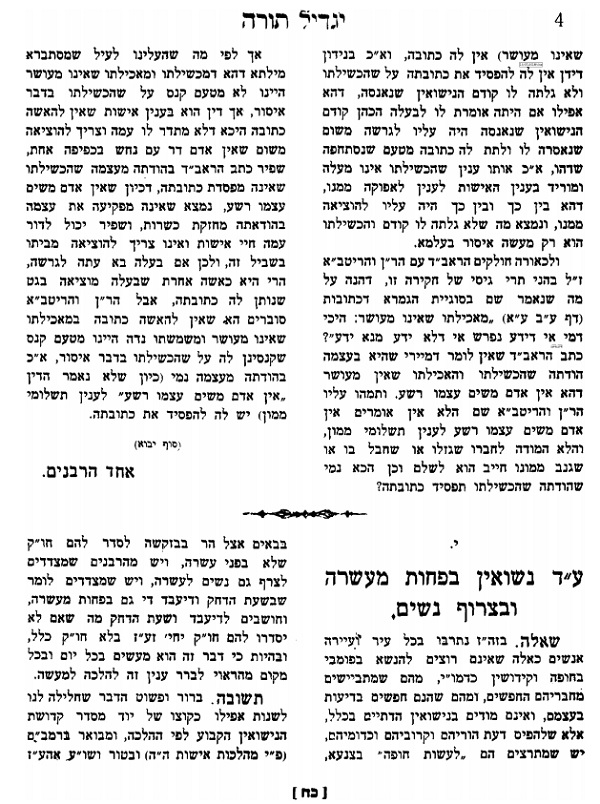
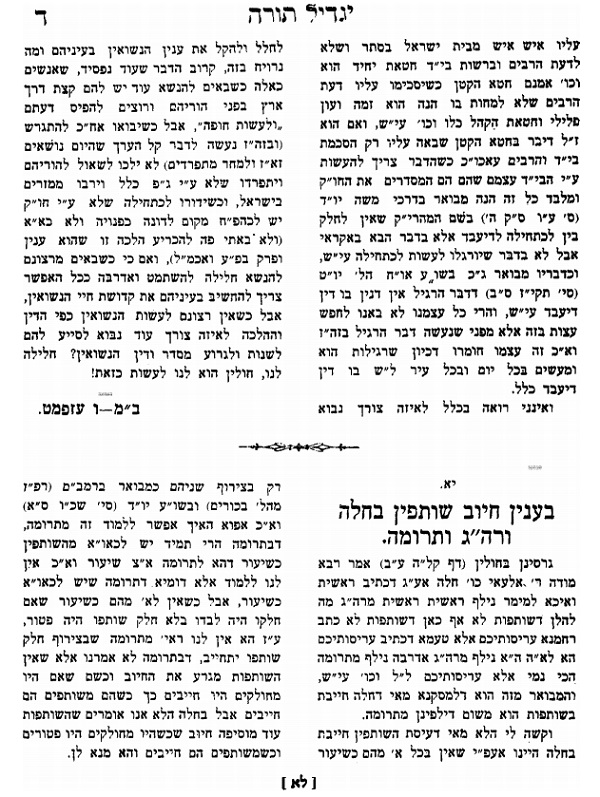
See below (Appendix five for a Teshuvah I came across recently, about a wedding with less than 10 people for a minyan, published in Russia in 1928 in the Journal Yagdil Torah edited by Rav Zevin and R’ Abramsky.

Databases – Blogs

There are also some online databases of material devoted specifically to the current Coronavirus pandemic. Kol Corona (here) is an excellent collection of material related to the Halachic aspects of Coronavirus pandemic, with many links.

Another is a database with links of material for a comparative study of Responses in Judaism, Islam and Christianity.

The Lehrhaus Blog also has many valuable articles related to the Coronavirus pandemic (see this link), as does the Torah Musing blog (see this link).

Worth mentioning is the online Newspaper-Journal Called Zarich Iyun: Charedi Thoughts and Ideas. Most of its articles are in Hebrew (below # 45-48). However, some of its Coronavirus pandemic related articles have been translated into English (see below #13-16). Some of the articles (especially # 48) have generated numerous comments as, one can see from the links. Related to some of this is Rav Michael Abraham’s article, available here, which also generated numerous comments.

Each week, Rabbi Y. Sprung of the The Beit Medrash Govoha for Medical Halacha (affiliated with Technion Medical School and under the leadership of Rav Asher Weiss) releases an article (in Hebrew and English) relating to the parsha and medicine. The past few weeks (from Ki Sisa) have related to coronavirus. See this link for these articles.

All of the items mentioned in the Bibliography bellow are available from me free of charge – just E mail me at eliezerbrodt@gmail.com

English

  1. Rabbi Eli Fischer, Rov in a Time of Cholera (here)

  2. Dr. Eddie Reichman, From Cholera to Coronavirus: Recurring Pandemics, Recurring Rabbinic Responses (here)

  3. Dr. Eddie Reichman, Incensed by Coronavirus: Prayer and Ketoret in Times of Epidemic (here)

  4. Rabbi Gil Student, Talmudic Advice on Epidemics (here)

  5. Dr. Tamara Morsel-Eisenberg, “Is It Permitted to Flee the City?” (here)

  6. Rokhl Kafrissen, Plague Weddings (here)

  7. Dr. Jeremy Brown, A Long-Forgotten Jewish Remedy for the Coronavirus Outbreak (here)

  8. Rabbi Shlomo Zuckier, Making Seder out of the Zoom Controversy (here)

  9. Rabbi Shlomo Brody, Does Jewish Law Oblige Doctors to Risk Their Own Health to Heal the Sick? (here)

  10. The Layman’s Guide to the laws of Mourning, By R’ Holzer, Based on the Rulings of Rav Asher Weiss

  11. Rabbi Prof. Avraham Steinberg, The Corona Virus Pandemic 2019-20- Historical Medical and Halakhic Perspectives, (41 pp.)

  12. Rabbi Michael Broyde, An Introduction to Pandemic Jewish Law, Responsa of Rabbi Hershel Schacter and Rabbi Asher Weiss (here)

  13. Rabbi Yehoshua Pfeffer, Coronavirus: The Charedi Response (here)

  14. Rabbi Reuven Leuchter, COVID-19: A view From Above (here)

  15. Rabbi Eli Stern, Coping without Community (here)

  16. Rabbi Moshe Farkash,COVID19: A community in Crisis (here)

  17. Professor Shaul Magid, COVID-19, Haredi Jewry, And Magical Thinking (here)

Hebrew

  1.  משה דוד צ’צ’יק, האיסור או החובה לברוח מן העיר בשעת המגפה [כאן]
  2. ר’ מנחם מענדל רוזנפלד, זמן מגיפה: הורים ילדים ומפחדים [כאן]
  3. ר’ דוד אברהם, נאמנו מאד, עדויות גדולי ישראל על הליכותיהם ומנהגיהם בימי חולי ומגיפה, אשר נאספו ונלקטו מתוך כתביהם וחיבוריהם, מכון ירושלים [ספר שלם, 300 עמודים]
  4. שמירת הסופר להינצל מחולי ומגפה מתורת החתם סופר [ספר שלם, קמא עמודים + חלק חדש של עוד 35 עמודים]
  5. ר’ שמואל ויטל, סדר משמרה לזמן המגפה, מכתב יד, בההדרת ר’ ישראל זאב גוטמאן
  6. אדם ישר, סגולות ותפילות לזמן המגפה, שחיבר ר’ יצחק אייזיק סאפרין מקאמרנא, בעל היכל הברכה [מהודרה חדשה], מא עמודים
  7. ר’ ישראל זאב גוטמאן, קונטרס טללי נוחם, כולל מכתב אגרות שפירין
  8. קונטרס תפילות מיוחדת למניעת מגיפת הקורונה, כבקשת… המקובל רבי בניהו שמואלי שליט”א, 40 עמודים [וגם קמיע למניעת המגיפה]
  9. הרב זלזניק, לוח ההלכות ומנהגים לחודש אייר, מיוחדת עם הלכות הנוגעות למגיפת הקורונה, 17 עמודים
  10. אוסף של 35 תשובות של הרב צבי שכטר שליט”א [בעברית וחלקם גם באנגלית]
  11. פסקי קורונה מאת הרב צבי שכטר שליט”א [51 עמודים]
  12. מנחת אשר, לקט שיעורים תשובות אגרות ומאמרים הנוגעים למגפת הקורונה מאת הרב אשר וייס שליט”א [100 עמודים]
  13. מנחת אשר, לקט שיעורים תשובות אגרות ומאמרים הנוגעים למגפת הקורונה מאת הרב אשר וייס שליט”א, מהדורה תניינא, [172 עמודים]
  14. הרב פרופ’ אברהם שטינברג, מגפת הקורונה התש”פ, היבטים היסטוריים, רפואיים והלכתיים, 30 עמודים
  15. ווי העמודים וחשוקיהם, ליקוט משעורי וחידוש ר’ יצחק זילברשטיין, קנו עמודים
  16. ר’ שלמה אבינר, קונטרס כתר יתנו לך, קורונה בהשקפה ובהלכה
  17. קונטרס פסקי הלכות, בשאלות שהזמן גרמן, מתוך כתבי ר’ אברהם יחיאל סגל דויטש
  18. ר’ צבי רייזמן, ‘צירוף למנין תפילה בציבור וברכת כהנים ב’בידוד בקורונה’
  19. ר’ יששכר אייכארן, פי כהן, בענין אם העומדין בשתי רשיות ורואין אלו את אלו מצטרפין למנין עשרה, 35 עמודים
  20. ר’ משה מרדכי קארפ, בדין צירוף לדבר שבקדושה ע”י חבורות ויחידים הרואין זא”ז ומניני המרפסות, 15 עמודים
  21. אליעזר יהודה בראדט, סגולת ברכת לבנה, [כאן]
  22. ר’ אברהם מימון, קונטרס בדד ישב, נח עמודים
  23. גליון עיטורי מרדכי, הלכות למגיפת הקורונה ע”י הרב מרדכי יעקב מאיר, 23 עמודים
  24. ר’ נהוראי אוחנה, הקורונה בהלכה, מהדורה חמישית, 123 עמודים
  25. ר’ יצחק לובינשטיין, המגיפה בתורה, 72 עמודים
  26. ר’ אברהם דרברמדיקר, קונטרס הקורונה, 23 עמודים
  27. קונטרס הסתר פנים, [חמישה שערים: שער חולי, שער בידוד, שער מגפה, שער חיים ושער בשורה טובה], 93 עמודים
  28. ר’ יהושע פפר, חרדים מהקורונה [כאן]
  29. ר’ ראובן לויכטר, מהותה של מגפה: מבט על [כאן]
  30. ר’ אלי שטרן, מי אנחנו ללא הקהילה? [כאן]
  31. ר’ משה פרקש, לעמוד על נפשנו [כאן]
  32. לקט מקורות ‘שומר מצוה לא ידע דבר רע’
  33. מעלת אמירת פרשת הקטרות להינצל ממגפה [מכון תורת הקרבנות], 16 עמודים
  34. קובץ תורני מה טובו אהליך יעקב, גליון י [כל הקובץ] [585 עמודים] [עניני פסח וקורונה]
  35. קישור לאוסף מאמרים על חג הפסח והמגיפות בהיסטוריה, בספרות בפיוט ובהגות. המאמרים פרי עטם של חברי וחברות סגל הפקולטה למדעי היהדות באוניברסיטת בר-אילן [כאן]
  36. לשונות של גאולה, אסופת שירה וספרות, 37 עמודים
  37. קובץ עץ חיים גליון לג [יש כמה מאמרים על קורונה]
  38. ירחון האוצר # 40 [יש כמה מאמרים על קורונה]


[1] Thanks to Nathan Hirsch from the NLI for sending me a few items which I did not see or did not have digital versions of.
[2] Mechkaray Sefer, pp. 90-99. See also Marvin Heller, Further Studies in the making of the early Hebrew Book, pp.79-90. See these recent posts here & here.

One of works mentioned by Ya’ari is R’ Chaim of Friedberg’s (the brother of the Maharal), beautiful work Sefer HaChaim (first printed in 1593) which, as he states in his introduction, he wrote during a plague in 1578. Less known (and not mentioned by Ya’ari) is that his earlier work Igerret Hatiyul was also written during an earlier Plague, in 1569. [For more information about these works see Eric Zimmer, The Fiery Embers of the Scholars, (heb.), pp. 177-219].

One bibliographical note about the Sefer HaChaim is the Haskamah of the Apta Rav who writes in the 1817 reprint:

…כל דיבור ודיבור מרגינותי’ תחותיה וברוח הקודש נאמרה

Recently the first draft of the Sefer HaChaim was printed in Yerushaseinu 10 (2019), pp. 19-55.

See note 7 for additional comments on Yaari’s article.
[3]See for example about one in Italy 1630-1631: R’ Yehudah Aryeh Modena, The Autobiography of a Seventeenth Century Venetian Rabbi, pp. 134-136; Sefer Olam Hafukh, a History of the Plague in Padua in the Year 1631, by Abraham Catalano, Kovetz Al Yad 4 (XIV) (1946), pp. 65-101 (printed by Cecil Roth). See Appendix Three about another plague in Italy in 1656.

For a description of one in 1866 see Y. Kotik, Ma SheRuetee, Edited by David Assaf, pp.349-354 (PDF available upon request).
[4] See Asher Ziv, HaRama, pp. 112-116.

See also, R’ Raphael Mordechai Malchi, Medical Essays, (ed. M. Benayahu), pp, 139-140. See also his Grandson, R’ David De Silva, Pri Megaddim, [Zohar Amar, Ed.], pp. 71-74.
[5] Two weeks, ago Rabbi Guttman released online, a PDF of a manuscript of R’ Shmuel Vital of Seder Tefilos based on Kabbalah, to say during such times (item #22). See also item # 23 & 25. See also #3, Dr. Eddie Reichman’s article on the topic.
[6] About Fasting, see Omer Ahituv, Fasting in Ashkenaz at the Beginning of the Seventeenth Century, MA thesis, Tel Aviv University 2019, (Heb.) pp. 70-74.

For other Segulot, see the various collections listed below. See also Appendix One about ‘Black Weddings’ and items # 6 &7.
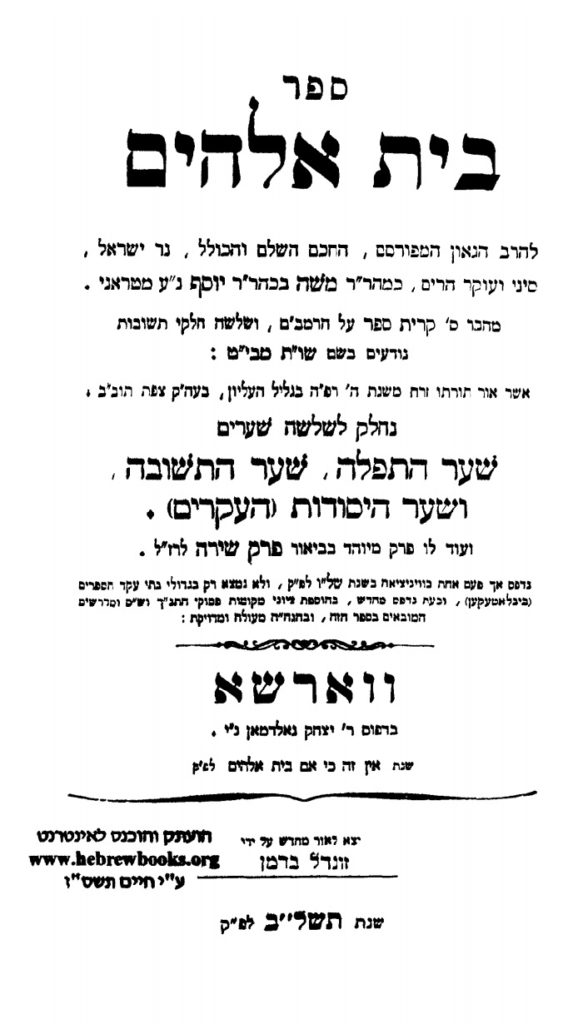
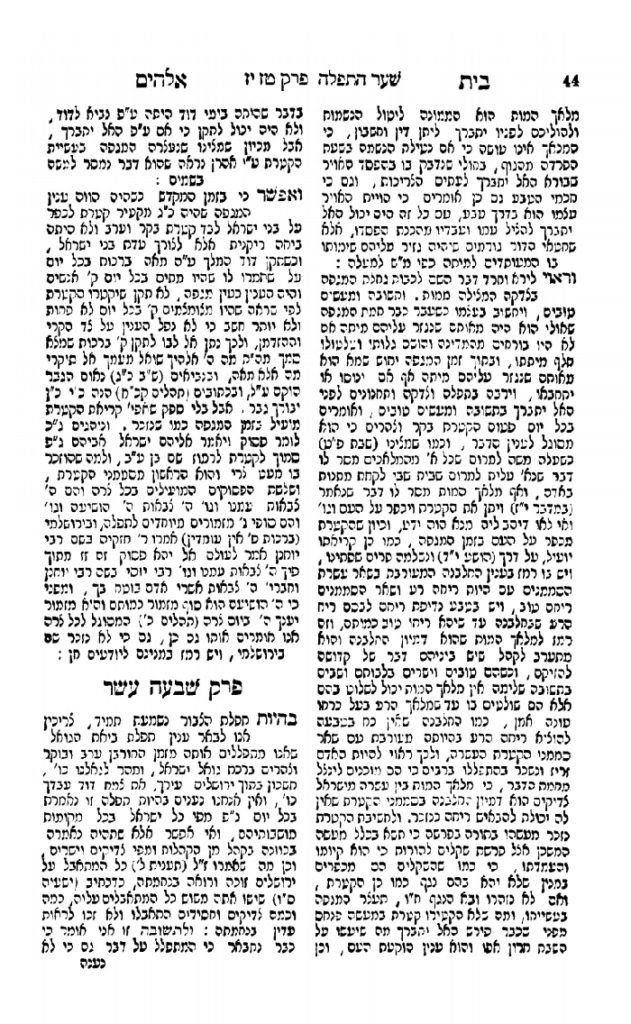
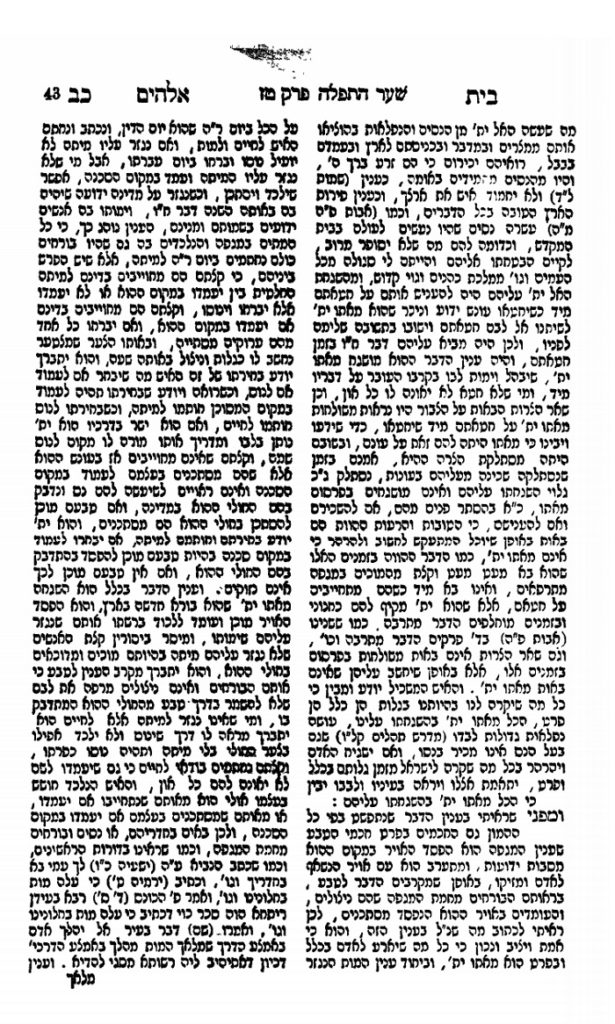
[7] See Appendix Four, for an important chapter from the Mabit’s incredible work Beis Elokiym, related to plagues in Hashkafah. The Mabit was writing about this based on experience as he lived through a few plagues himself and even authored a small work during one such plague called Igrot Derech Hashem, first printed in 1553. [Interestingly enough this work too is lacking from Ya’ari above cited chapter]. See Meir Benayahu, Yosef Bechiri, pp. 28-30,121-122. See also Ibid, p.131 about the story behind the writing of the Igrot Derech Hashem.

In an autobiography of The Mabit’s son the Maharit we find him describing some of these plagues (and others):

שנת השל”ג היתה מגפה בעיר והלך הרב אבא מארי ז”ל עמי לבוק”ע ובתחלתה נח נפשיה של הרב מהר”ר יצחק אשכנזי ז”ל מפני הרעה נאסף הצדיק. ובסוף המגפה נפל ממנו רב רב עתה הרף ידך הרב מהר”ר דוד ן’ זמרא ז”ל [שלם א (תשל”ד), עמ’ 215].

השל”ט באלול בבירייא הוכתי במגפה ובאתי בשערי שאול לולי אלקי’ אבי בעזרי בזכות א”מ והתענה עלי כל ח’ ימים ובחסדו העלה ארוכה לי [שם עמ’ 217].

השמ”ז ירדתי למצרים… בברחי מפני אימת המגיפה… [שם, עמ’ 219].

השנ”ה שנת השמיטה גלינו מאימת המגיפה בפורים לטבריא ובפסח לירושלים עיר הקדש… ושם חיברתי קונטריסין צרות הבית… [שם, עמ’ 221].

השס”ב ברחנו מחמת המגיפה כשמנה חדשים לבוקיעה… [שם, עמ’ 222].

In this autobiography we learn about an additional work written during a plague, by the Maharit. Now Yaari writes:

ר’ יוסף ב”ר משה מטראני ברח בשנת שנד מפני מגיפה מצפת… ושם חיבר את ספרו דרך הקודש על צורת בית המקדש שנדפס רק בשנת תע בקושטאדינא יחד עם הספר מגיד בראשית…”.

Yaari then quotes a passage from the Maharit at the end of the Derech Hakodesh where he describes writing this work during a plague. This complete passage from Ya’ari was quoted in a recent article in HaMevasser on the subject of seforim written during plagues without attribution. However, this information is incorrect. The Sefer that the Maharit wrote during the plague in 1595 was called Tzurot Habayis (as the Maharit wrote in the above passage). R’ Chayim Alfandri saw a manuscript copy of this work (as he writes in his introduction) and when he wrote his sefer Derech Hakodesh on the same subject he quoted numerous passages from it. However, the actual sefer by the Maharit was never printed. In 2007 Machon Zichron Aharon reprinted the Derech Hakodesh with numerous footnotes and indexes. On page 270 they list the numerous times the Maharit’s Tzurot Habayis is quoted (along with other manuscript works by Maharit that R”C Alfandri used).
[8] See the very special work by H.J. Zimmels, Magicians, Theologians and Doctors, pp. 99-110, 228-233 who has an excellent collection of material on this. See also the excellent work, Julius Preuss, Biblical and Talmudic Medicine, (translated by Fred Rosner), pp. 151-160; Herman Pollack, Jewish Folkways in Germanic lands (1648-1806) Studies in Aspects of Jewish Life, pp. 130-133, 304-305.

The Shvut Yaakov wrote in middle of a Teshuvah about money set aside for Pidyon Shivyoim, if one can use it instead for people suffering from a plague,:

אבל עכשיו בעו”ה שנתרבה עלינו עול הגלות ועלילות שקרי’ משונאינו שמעלילין עלינו כאלו הדבר בא ע”י ישראל דוקא וכשהיה הדבר בשנת תע”ג ברוב מקומות שהיו שמה מבני עמינו היה סוגרים רחוב היהודים באין יוצא ואין בא ממש ובדוחק ע”פ שתדלנו’ גדול שהניחו להביא להם צרכי מזונותיהם ובאיזה מקומות הוצרכו לילך ולחבות עצמן ביערים ומערות וישראל שהיו בדרך ועל פני השדה היו ממש מופקרים למות ואשרי מי שלא חמאן בצער ודוחק גדול כזה ואין לך שבי גדול מזו דגרע מכולהן דכולהן איתנהו ביה על כן אין צריך לפנים דמצוה זו הוי ממש פדיון שבוים ואפשר דגדול ממנו ולא הוי שינוי מדעת הנותן כי אין שעת הדחק גדול מזו (שבות יעקב, ב, סי’ פד).

[9] More sources for this can be found in H.J. Zimmels, Magicians, Theologians and Doctors, p. 233, footnote 141; David Assaf in his edition of Y. Kotik’s, Ma SheRuetee, p. 350 Hanna; Wegrzynek, Shvartze Khasene Black Weddings Among Polish Jews, Holy Dissent, 2011, pp. 55-68; Tzvi Friedhaber, Plague Marriages as Reflected in Hebrew Literature and the Hebrew Press, Dappim: Research In Literature 7 (1990), pp. 305-316; Kulmos 21, p. 26.
[10] On this work See A. Yaari, Shiluchei Eretz Yisroel, pp.96-97.
[11] Y. Kotik’s, Ma SheRuetee, p. 350.
[12] Nathaniel Deutsch, The Jewish Dark Continent: Life and Death in the Russian Pale of Settlement, p.233

Appendix One: Graveyard weddings of orphans

Recently (here, here and here) there has been some discussion about an old Segulah, performed by some towns during plagues, ; make a Wedding for Orphans in a graveyard.[9] One was even recently done in Bnei Brak (see here and here).

I would like to add some more sources to this segulah. One of the earliest sources quoted is R’ Moshe Reisher’s excellent work Sharei Yerushlayim, first printed in 1868.10 R’ Weiss, after quoting the Sharei Yerushlayim, writes:

[וגם אני שמעתי מזקני שער שעשו כן בשנת תרל”ג בפ”ב [שו”ת שיח יצחק, סי’ תצא

However, Y. Kotik, in his excellent memoir writes about a plague in 1866:

Due to the cholera epidemic, Jews resorted to all sorts of remedies; in other words: a crippled, mute virgin was married to a blind man. The wedding ceremony was held in the graveyard in the hope that they would produce a generation of righteous offspring…”.[11]

Another source from 1901 writes:

ראיתי להעלות על שלחן מלכים… על מה שנהו בסביבותנו בהרבה מקומות בעידן ריתחא ומחלת הח”ר ר”ל משיאין יתום ויתומה … ומעמידים החופה על בית הקברות ובעירנו בשנת תרנ”ג העמידו החופה סמוך שער גדר בית הקברות מבחוץ…. [ציוני שלום, יד שלום, עמ’ 154-155

While searching for something else I came across mention of this in an article in Hamelitz 1871 (Year Eleven, Issue 33, p.263)


In the early 1900’s, the famous author and ethnographer who went by the pen-name S. Ansky started working on collecting and cataloging hundreds of details about every aspect of Jewish life in Europe. One of the ways he was planned on doing this was through a survey. The survey, in Yiddish, was a 200-page questionnaire with 2,087 questions about the Jewish life cycle. Sadly, he never got to finish the project. But each set of questions gives us a fascinating window into what Jewish life was like before World War I. In his introduction he set forth his goal:

“In order to revive traditional Jewish culture with all its customs, traditions, practices and beliefs, the team has put together a survey, hoping to reach everyone who remembers how people behaved in the past as well as in the present, in those places where Jewish life still continues in the old manner. When numerous responses to all the questions are collected, it will be possible to bring to life the entire structure of the traditional Jewish community, the Jewish family and communal life.”

In the wedding section[12] of the survey we find the following:

Do you know stories about weddings in cemeteries carried out as protections against misfortune? Does this occur only during a plague, or also in other cases, and if so which ones?

One last source related to this can be found in the Shut Maharsham (4:40)

ועד”ש לאשר נפרץ בעירו חולאת ילדים ר”ל ומורגל בין ההמון סגולה להעמיד חופה של יתום ויתומה בביה”ק וזה כמה שבועות עשו שם ביה”ק חדש שהקצוה לזה וגם כבר קברו שם כמה מתים ובנו סביבה מחיצות אבל לא נגמרו המחיצות עוד סביב רק ברוב המקומות כבר מקיף מחיצות.

והנה חתן היתום הוא כהן ונשאל מעכ”ת אם מותר להעמיד החופה בביה”ק תוך מקום המחיצות רחוק ד”א מהקברות עצמן. ורו”מ אסר מב’ טעמים מחשש הברכות על הבה”ק משום לועג לרש… אבל יל דוקא לזרוע ולנטוע שמרגילים רגל אדם משאכ בנד דהוי דבר מקריי פעם איש להקל וכיון דרוב מקום הפנוי אין בו קבר יל דכיון דלש בזה כל קבוע כמש הרש מקינון ועיחד סיקי אכ תלינן ברובא להקל וגם הרי לדבר מצוה מותר לילך בשדה שנחרש בה קבר כמש ביוד סישעב והנ הוי דבר מצוה להשקיט המיית המון העם ופחדם בעת ההוא:

Appendix Two: R’ Shimshon Ostropoler

I recently wrote an article about a book called The Rabbis Suitcase by Eli Friedwald. This book is based on Letters found in a suitcase buried in an attic, which contained over one thousand documents, as well as numerous letters from many Gedolim across the Globe. The correspondence belonged to two Litvish Rabonim in England who became dayanim on the Chief Rabbi’s Beis din during the years 1879-1905: Rabbi Yaakov Reinowitz (1818- 1893) and his son in law, Rabbi Sussman-Cohen (1841-1907). They included letters with the Netziv, R’ Yitzchok Elchonan Spektor, R’ Shmuel Salant, R’ Yehoshua Leib Diskin, R’ Yisroel Salanter, R’ Shmuel Mohilever and, R’ Eliezer Gordon, just to list a few names.

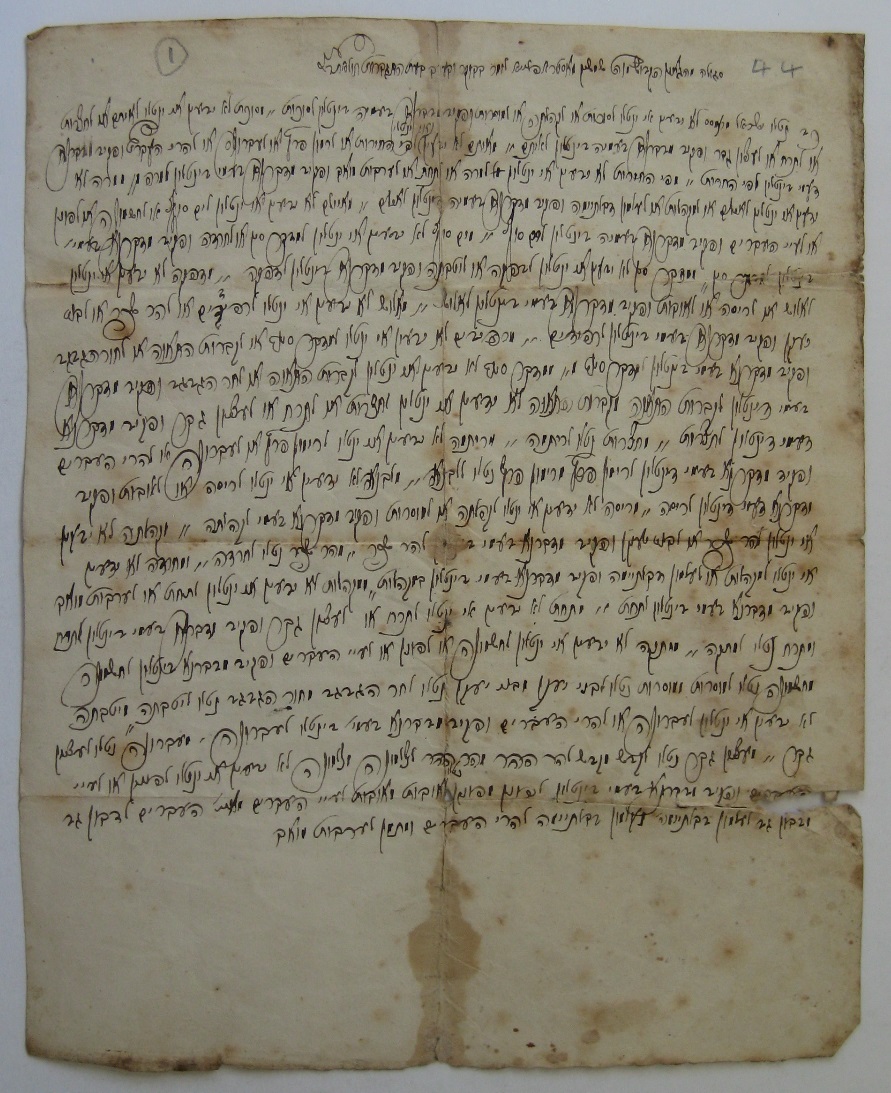
The author Eli Friedwald sent me a document found in a suitcase dated from 1754 which was headed as a segula of R. Shimshon Ostropoler.


I reached out to Rabbi Bombach who has written and collected the existing material on R’ Shimshon who replied:

.אכן זו הסגולה נגד המגפה שהדפיס רבי פסח מזאלקווא בן אחותו של רבי שמשון בספרו זבח פסח (נדפס תפ”ג בערך) על סגולות ורפואות. ונדפסה בספרי ניצוצי שמשון פרשת מסעי, עם ביאור על פשר הדבר

Appendix Three

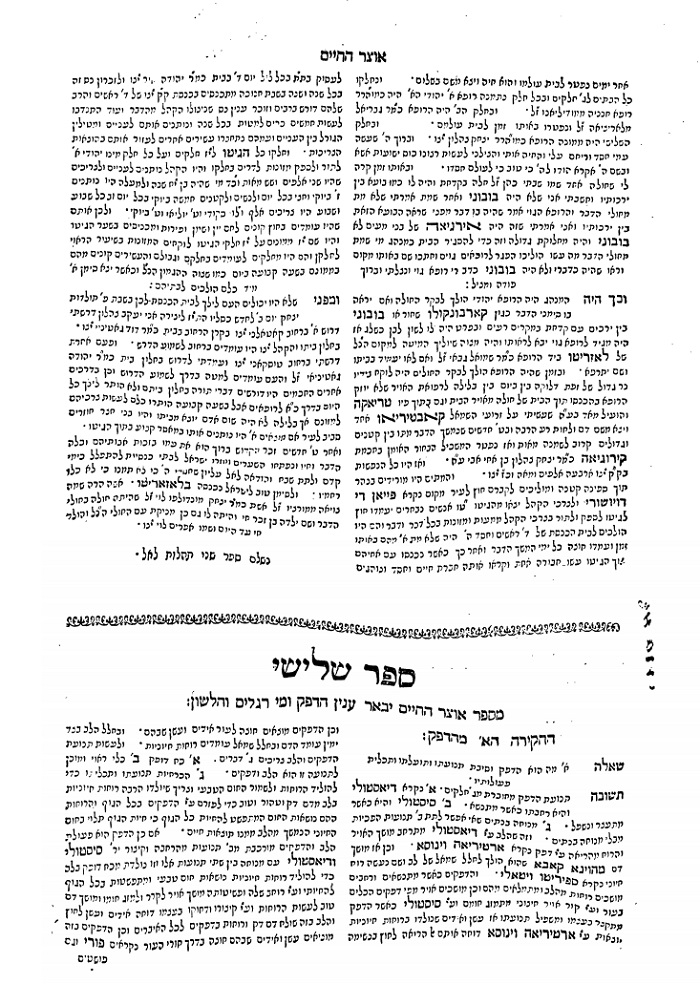
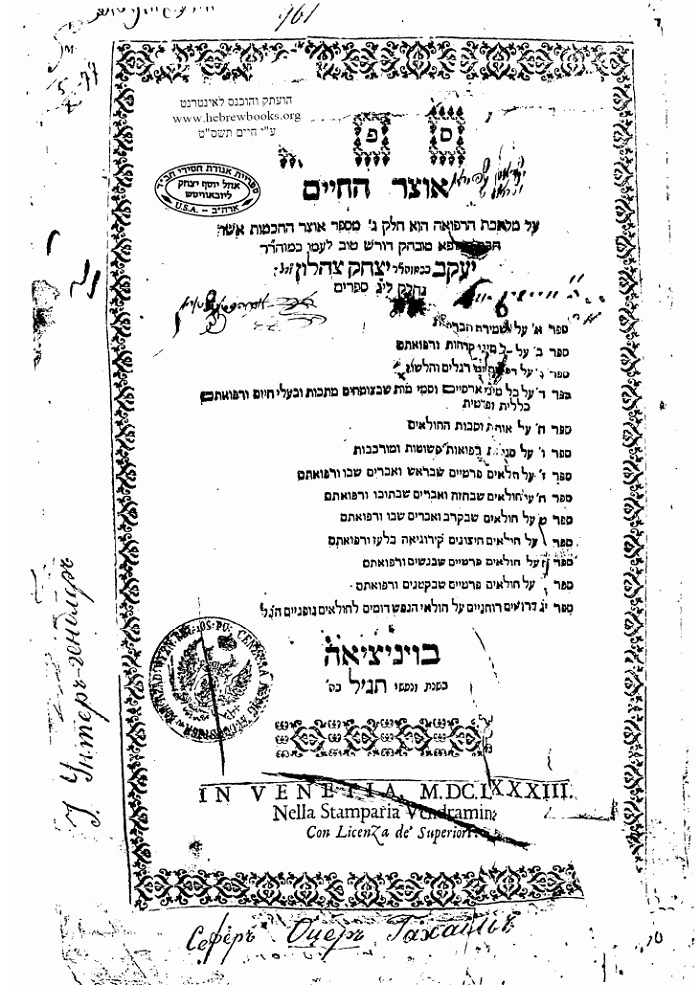
In a post from a few years back I wrote about R’ Yaakov Zahalon (1630-1693), a graduate of medical college in Rome, became a doctor at the age of twenty-six, and for several years, was also a Rav and Baal Darshan in Rome. He was famous for his important medical work, Otzar Ha-Hayyim. I also wrote a little about the work (see here).

He was very involved in the famous plague in the ghetto of Rome in 1656, which he describes at length in his work, Otzar Ha-Hayyim. Here is the very interesting passage about it which has relevance today.

Appendix Four Mabit


Appendix Five Yagdil Torah:


The Segulah of Kiddush Levanah

The Segulah of Kiddush Levanah

By: Eliezer Brodt

The following is an excerpt from a forthcoming article of mine on when to say Kiddush Levanah. This is particularly timely, as this it deals with the segulah attributed to this tefiilah, and its possible connection to plagues.

סגולת ברכת הלבנה1

בתחילת המאמר הבאתי דברי המגן אברהם בשם מגיד מישרים: “כהמגיד, כשמקדשין הלבנה במוציא שבת תהיה הצלחה. וכשתתכסה ולא תוכלו לברך אותו החדש לא יהיה מוצלח. דוק ותשכח“. והבאתי מה שכתב רחיים אלעזר שפירא:

ועיין במגן אברהםולמאן דלא קפיד, ובפרט אם על ידי אונס שנתכסה הלבנה בעננים ולא נראתה כלל במוצאי שבת, וכדי שלא יהיה חו איתרע מזליה כשיירא ויפחד ויחרד לבו מדברי המגידוסיים דוק ותשכח“. נראה לי פשוט, להרואה שם בספר הקדוש מגיד מישרים‘, דכל אלו הדברים רק להבית יוסףלבדו נאמרים, ולא לכל העולם, והיינו לפי שרש נשמתו, והמגידנתהוה מלימוד משנתו. ועל כן אל תתפלאו מכמה דברים הנראים תמוהים ופליאים לעיני הקורא בצדק, כיון שנאמרו לו למרן הבית יוסףאליו לבדוועיין מה שכתב בכתבי האריזל, באיזהו מקומן, בזה הלשון: ‘דלא כמו שאמר המגיד להבית יוסף‘. היינו, כי להאריזל נאמרו הקבלה האמיתית לתיקון העולם, וזה שאמר המגידלבית יוסףרק ליחיד ולשעתו2

אמנם ברשימות מסעו של רחיים אלעזר שפירא לירושלים מסופר:

ביום אואיירהלכנו על המעקה במדור העליון לקידוש הלבנהוהגיד רבינו הקדוש אחר כךולא הרגיש שום אחד מאתנו להזכיר ולעורר על זה בשעת קידוש הלבנה שלא הגיע זמנהאלא הכל בידי שמים בכדי שיגן עלינו המצוה לתוספת זכות לטובה להנצל מצוקה במצולות ים.. ושתגן עלינו זכות מצותה גם כן בשעת הסכנה ביום הזה3

בספר חמדת ימים כתב:

ומסורה בידנו מהקדמוניכי מי שקידש הלבנה ביום שקידשה שוב לא ידאג מן הפורענות כירח יכון עולם באותו חדש וכן מובטח שאל יגזרו עליו מיתה באותו חדש וסימניך וירתך לא יאסף“.4

כוונתו לסיפור הידוע שהובא בכמה מקומות ומקורו מרחיים בוכנר בספרו אור חדששנדפס בשנת תלא:

וקבלתי ממו שב האלוף החסיד מהורר משה מייזלש זצל הה מקק קראקא ובר סמכא הוה, שאם ירצה להנצל יבקש מהעכום הרוצה להורגו שיניחנו לעשות מצוה אחת קודם ובעזה יוכל להנצל. וסיפר לי מעשה רב שאירע לאחד שפגע בעכום בלילה ורצה העכום להרגו, וראה שהלבנה זרחה, ובקש מהעכום שיניחנו לעשות מצוה אחת שצונו הבורא יתברך קודם ואחכ יעשה אתו עמו מה שלבו חפץ, והלבנה היתה בחידושה וקידשה בפניו בכוונה גדולה, ואחכ רוצה למסור נפשו בשמחה על קדושת השם, ונעשה לו נס כשדלג וקפץ גפעמים כמנהג, נשאו רוח מאת העכום ושוב לא ראו זה את זה וניצל ממנו. וגם שמעתי ממנו שמי שיקדש הלבנה מיום שיקדשה שוב לא ידאג שימות באותו חודש מאותו יום ואילך, כי שכרה ככ גדול כמש חזל תנא דבי רבי ישמעאל אלמלא לא זכו ישראל אלא להקביל פני אביהם שבשמים בכל חדש וחדש די. 5

סגולה וסיפור זה הובא בקיצור אצל הרבה מחברים כמו ראליה שפירא בחיבורו אליה זוטאשנדפס תמט6 ובחיבורו המפורסם שנדפס מאוחר יותר אליה רבא‘.7 וכן כתבו ספרים שונים כמו קיצור שלה,8 קסת יהונתן,9 באר היטב,10 דרך חיים,11 ומשם במדרש תלפיות12 וצידה לדרך.13

דברים דומים מצינו בחיבור יוסף אומץשכתיבתו הסתיימה הרבה זמן לפני אור חדש:

ולגודל מעלת מצוה זו אמרתי אספרה כמו ששמעתי מפי מורי ורבי הגאון מהרר הירץ זל אבד פה בשם הגאון מהרר אהרן אבד דקק פוזנא והמדינה זל, כי ליסטים שבו ויבוזו איש אחד וקשרו אותו על הסוס להוליכו למקום חפצם, ויהי בהיותם בשדה בלילה ההוא ראה השבוי כי הלבנה זורחת, וביקש מהשבאי שיעמיד הסוס על עומדו למען יוכל לקדש הלבנה כמצות האלוקינו, והשבאי שמע לקולו. ואז בעת אמירת הברכה נתקו מוסרותימו ממנו, עד כי ברח לו ואין רואה, ושב לביתו לשלום.14

כנראה שזה הרקע לשאלה שמצינו אצל ריעקב ריישר בשבות יעקב:

בחדש כסליו תעה כשבאתי לקבלת רבנות קק וורמיישא היה חדש ימי מעונן וערפל שהיה אא לראות הלבנה בחידושה ולקדשה ונשאלתי מאיזה בב ששמעו מאיזה רב שגזר תענית על הציבור בשביל זה שלא היו יכולין לקיים מצות קדוש לבנה באותו חדש אם דבריו יש על מי שיסמכו משס ופוסקים ראשונים.15

ומצאתי שרמשה חגיז כתב בספרו צרור החיים‘: “הזהר בברכת הלבנה לברך אותה בזמנה בכל חודש, בפעם הראשונה שאתה רואה אותה בחידושה ואל תתעכב מלברך עליה בפרט במדינות הללו דעננים מצוים. ואפשר שאם תמתין עד הזמן שקבעו לה יעבור החדש ולא תוכל לברך. וכבר שמעתי שחודש אחד בקק פפ דמיין יעא מחמת העננין עברו ולא קדשו בברכה וגזרו גדולי העיר תענית16

יש לציין שרעיון זה הובא בספרי דרוש בסגנון אחרת לגמרי, כמו אצל ריהונתן אייבשיץ ביערות דבש‘:

וקידוש לבנה יוכיח, שזהירים במצוה זו יותר מכל מצות, הואיל ונדפס שיש בטחון שלא ימות באותו חדש…”.17

ויותר חריף מזה אצל רצבי הירש הורויץ, בנו של ההפלאה, בספרו לחמי תודה‘:

והנה פליאה נשגבה בעיני על כמה אנשים בדור הלז שאין נזהרין בכמה מצות שבתורה ומכש בדברי סופריובענין קידוש הלבנה מחזיקיאותו מיד חדש בחדשו מטעם שנאבו שהמקדש אותו בכוונה מובטח כל אותו החודש שלא ימות בו. והרי בקיום התורה כתב ביכי הוא חייך ואורך ימיך ולהיפך בהעדר קיומה כתיב כמה עונשיחמורים כמו כרת ומיתה בידי שמים וגם בדברי סופריאמרו כל העובר עליהם חייב מיתה. ולדעתי יל דרך הלצה לפרש מש חזל פני משה כפני חמה פני יהושע כפני לבנה אוי לאותו בושה. דרל שהרי גוף תורת משה שבכתב ושבעל פה אורה גדול כפני חמה. ואעפכ נמצאיכמה בני אדם בדור הלז שאין נזהרין בקיום תורת משה שאורו גדול כפני חמה ובקידוש פני לבנה דהיינו רק פני יהושע המה מחזיקיאותו לקיים מידי חודש בחדשו. וזש אוי לאותו בושה, דרל שהרי בגוף קיום התורה כתיב ביכי הוא חייך ואורך ימיך ולהיפך בביטולה נאמר כל עונשין בעולם וכמש כל העובר על דברי סופריחייב מיתהעיש.18

בספר הברית כתב:

כי מה שכתוב בכל סדורי תפלות ישראל אצל ברכת הלבנה בשם הקדמונים בזה הלשון: מי שקידש הלבנה מיום שקדשה לא ידאג שימות באותו חודש מאותו יום ואילך, והכל יתפלאו על מאמר קדמונינו הזה באמרם כי הנסיון היומי מעיד על ההפוך ועינינו הרואות כי כמה בני אדם קדשו את הלבנה ומתו באותו החודש, אמנה אשר אני אחזה לי בזה הוא כי יש כאן השמטת שתי תיבות וכן צריך להיות לא ידאג שימות באותו חודש בידי אדם מאותו יום ואילך, ורל לסטים מזויינים או שונאים ואויבים הקמים עליו ורוצים להרגו או אם במלחמה ירד וכדומה, כי סגולת מצוה זו להגין ולהציל מידי אדם בעל בחירה, אך לא ממיתה טבעית אם יומו יבא. והעד הנאמן לדברי אלה הוא הנוסח אשר קבעו הקדמונים בעצמם כשם שאני רוקד כנגדך ואיני יכול לנגוע בך כך לא יוכלו כל אויבי לנגוע בי לרעה, תפול עליהם אימתה ופחד בגדול זרועך ידמו כאבן. ומודעת זאת כי פסוק זה נאמר על אלופי אדום אילי מואב וכל יושבי כנען, ומובן כי הכונה הוא על אויב ואורב בן אדם לא על מלאך המות כי לא תפול עליו אימה ופחד במשלחתו ובמלאכתו והלואי שהוא לא יפיל, וכבר זכרו חזל מעשה ביהודי אחד שניצל מרוצח שרצה להרגו ונמלט מידו על ידי שקידש הלבנה. והנה הפלא מזאת המצוה שתגין ותציל מבעל בחירה אשר דבר זה קשה יותר מלהגין ולהציל משאר סיבות רעות, וחביבים המצות שכל אחת יש לה סגולה טובה בפני עצמה, צדקה תציל ממות הטבעיי, וקדוש הלבנה תציל מאדם בעל בחירה, סוכה תציל מטלטול נע ונד וכן כלם...19

המהרשם העיר על זה: “ואין ראייתו מוכרחת דהסגולה מועיל על פי רוב, רק לפעמים החטא גורם וכדומה“.20

יתכן שמקור בעל אור חדשוהבאים אחריו היה על פי דברי המגיד מישרים ואם כן נראה איך סגולה פשוטההפכה במהרה לדיון אצל ריעקב ריישר אם יש לגזור תענית על הציבור. וכך באמת מבואר מלשונו של דרך החיים‘, שבעיניו הוא דבר אחד. כך הוא כותב: “טוב לקדש לבנה קודם צאתו לדרך והיא סגולה להנצל מכל סכנה והאחרונים הביאו מעשה מאחד שניצל מיד ליסטיםוקבלה בידינו שכל המקדש לבנה מובטח שלא ימות באותו חודש והמגיד משירים כתב סימן טוב כשהלבנה נראית במוצאי שבתדוק ותשכח“.21

ככל כנראה זה הרקע על לשאלה שנשאל החתם סופר כפי שכותב (אוח, א, סיקב):

שלום וכט לידידי הרב הגאון המופלג ומפורסם כמהושאול לאנדא ני אבדקק קראקא יעא. יקרתו הגיעני יום עשק העבר, נידון מה שאירע בקהלתו בחדש כסליו נכסה הירח, ויען כי בעוה חולי הקאלרא שלט שם בעת ההיא וכבר אירע כן בחדש כסליו שנת תקצא גכ בשליטת החולי ההיא ולא טוב היאחריתו אז, עכ זחלו ורעדו ונצטערו הרבה בכיסוי הלבנה, ובליל טו אחר חצי כט יב תשצג נראית קצת והרבה אנשים התחילו לברך ברכת החדש ולא עלתה בידם כי חזרה ונתכסה בעבים, ויען כי נצטערו ההמון מאוד על סימנא מילתא, וידוע כי הרופאים מזהירים מאד בזמן המגפה בכלל ובפרט בחולי הנל שלא יצטערו ולא יתנו על לב שום דאגה, עכ התחכם פרמ להשקיט לב הדואגים להורות להם כי עוד יש תקוה גם בליל טז, וכן היה בליל טז בהיר היבשחקים וברכו כמה מאות ברכת החדש ושמחו שמחה גדולה, ונפשו היפה בשאלתו להודיעו דעתי הצעירה מה אומר בדבר זה.

והחתם סופר ענה:

ויעיין ברכות נט [עב] הרואה חמה בתקופתה וכו‘…, דבימות הגשמים כשמתכסה החמה גימים מעננים כשמאירה אחכ מברכים, ואכ פשיטא שהיראוי לברך על הירח החדשה שלא נראה אורה החדש כלל שהימכוסה ושוב האירה הארץ מכבודה אמאי לא נברך אפילו בסוף החודש, ועכצל מפני שאינו שמחה מפני מיעוט הלבנה, ואכ יש לדון קצת בנידון שלפנינו שהיו העם שמחים לקראת בואה כי חושבים זה לסימן טוב ואולי יש באמת רפואה למחלה בקבלת פניה דהוה כקבלת פני השכינה וכתיב באור פני מלך חיים כמש רמבן רפ וירא, ועכפ לא מסמנא מלתא טבא כשמתכסה שלא יכולים לברך עליה כעבד שבא למזוג כוס ושופך קיתון על פניו וככל אותות השמים דעכפ אית בהו סימנא אלא ישראל אל יחתו מהם כי הקדוש ברוך הוא מראה להם שישובו בתשובה ויבטלו גזירת המזלוהנ כן בכסוי הלבנה, אכ לא יועיל מה שמקדשים אחכ אם הוא חוץ לזמנו ומיגרע גרע שעיז לא ישובו, אך יען בזמן המגפה שהצער מסוכן להם ומשוה אין גוזרין בו תענית כמש מגא סיתקעו סקב וגדולה מזה ברמא יד ססישעד, ומצינו שהיו חזל מסתירים בפני עה אפילו שהילהם למכשול עון משום סכנה עיין שבועות טז עא בתוסדה אלא וכו‘, מכש הכא השתא דאיכא למימר כהלכתא הורה כנל, ולא יאונה לצדיק כל און לא תאונה אליו רעה ונגע לא יקרב באהלו ובאוהל בני קהלתו. הירחם על כל עמו וירפאם ויחלימם כחפץ אוהבי הוהעמנו“.22

1 וראה בעניין זה: רטוביה פרשל, ‘זוטות‘, הדאר, נה (תשלו) עמ‘ 343-344 [=הנל, מאמרי טוביה, א, עמרפהרפז]; רשמואל אשכנזי, אלפא ביתא תניתא דשמואל זעירא, ב, ירושלים תשעא, עמ‘ 631-634; רדוד יואל ווייס, מגדים חדשים, דברים, ירושלים תשעו, עמצד; ריהושע איתן, נספחים ליוסף אומץ, ירושלים תשעו, עמתקבתקג; by H.J. Zimmels, Magicians, Theologians and Doctors, p. 147, 260.

2 נימוקי אורח חיים, סיתכו סק א, עמרלז.

3 מסעות ירושלים, ישראל תשעט, עמעהעז. תודה לידידי רמשה היבנר שהפנני למקור זה.

4 חמדת ימים, ב, ראש חודש, פרק ה, דה מצוה על כל.

5 אור חדש [בתוך חמשה ספרים נפתחים‘] ירושלים תשסג, עמקלה.

6 סיתרב סק ד.

7 שם, סק ז.

8 קיצור שלה, ווארשא תרלט, דף סד עא.

9 קסת יהונתן, דיהרנפורט תנז, דף טו עא.

10 סיתרב סק א.

11 דרך חיים, זולצבאך תסג, דף ג עב. [על ספר זה ראה מה שכתבתי במאמר הלכות ברכת הראייה במסגרת הספר מעגל טובלחידא‘ (ג), ישורון לב (תשעה), עמתתסט הערה 112].

12 מדרש תלפיות, ווארשא תרלה, דף קו עא.

13 צידה לדרך, ירושלים תשסא, עמג [נדפס לראשונה תקכא].

14 יוסף אומץ, עמקלג, סיתעו.

15 שות שבות יעקב, ב, סיי.

16 צרור החיים, ווארשא תרלח, פרק י, עמ‘ 28.

17 יערות דבש, א, ירושלים תשמח, עמקפ.

18 לחמי תודה, דף קכד עב.

19 ספר הברית, חלק א, מאמר ד פרק ב. וראה מה שהעיר על פי דבריו רמנשה גראסבערג מטרעסטונא, מטה מנשה, עממב.

20 דעת תורה סיתכו, סעיב , דה ואומר.

21 דרך חיים, זולצבאך תסג, דף ג עב.

22 תודה לידידי רברוך יעקובוביץ שהפנני למקור זה.


The History behind the Ashkenazi/Sephardi divide concerning lighting Chanukah candles

The History behind the Ashkenazi/Sephardi divide concerning lighting Chanukah candles

By Zachary Rothblatt

Zachary Rothblatt learned in Kerem B’Yavneh, Ner Yisroel, and will be receiving Semicha soon from RIETS. He is finishing a graduate degree in Bible and Talmud at the Bernard Revel Graduate School for Jewish Studies. He is a Judaic studies teacher at the Idea School in Tenafly, New Jersey.

One of the most famous halachic debates of Chanukah is the debate concerning how many sets of candles a family should light. Ashkenazim believe, with some variances, that each family member should light a menorah, while Sephardim believe that only one menorah should be lit per family. In this essay I would like to map out the history of how lighting Chanukah candles has been practiced and attempt to explain why in fact Ashkenazim and Sephardim do as they do.

The Shulchan Aruch (Orach Chaim 671:2) records the Sephardic practice of lighting only one set of candles per family. Rema (ad loc) records that the widespread minhag in Ashkenazi communities is for each member of the household to light his or her own set of Chanukah candles. The Taz (‘ס״ק א) notes that this is a unique situation in that Sephardim follow the opinion of Tosafot and that Ashkenazim follow the opinion of the Rambam. Some have taken this as proof of cross-cultural interaction between Sephardim and Ashkenazim. Beit Yosef does indeed say that Sephardic custom is based conceptually on Tosafot and Darkei Moshe Ha’Aruch says that Ashkenazi practice is based on the Rambam. That may be true from a conceptual standpoint. From a historical perspective, I believe the bases of these minhagim are to be found elsewhere.

The details of the Rabbinic commandment to light Chanukah candles are found in the Babylonian Talmud (Shabbat 21b) as well as in the Scholion of Megillat Ta’anit. For our purposes, the textual differences between the two corpora and internally within the manuscripts of the Bavli are negligible. The Talmud quotes a Baraita[1]:

ת”ר מצות חנוכה נר איש וביתו והמהדרין נר לכל אחד ואחד והמהדרין מן המהדרין ב”ש אומרים יום ראשון מדליק שמנה מכאן ואילך פוחת והולך וב”ה אומרים יום ראשון מדליק אחת מכאן ואילך מוסיף והולך

The Sages taught: The mitzvah of Chanukah is each day to have a light kindled by a person, the head of the household, for himself and his household. And the mehadrin, i.e., those who are meticulous in the performance of mitzvot, kindle a light for each and every one in the household. And the mehadrin min hamehadrin, who are even more meticulous, adjust the number of lights daily. Beit Shammai and Beit Hillel disagree as to the nature of that adjustment. Beit Shammai say:On the first day one kindles eight lights and, from there on, gradually decreases the number of lights until, on the last day of Hanukkah, he kindles one light. And Beit Hillel say: On the first day one kindles one light, and from there on, gradually increases the number of lights until, on the last day, he kindles eight lights.

The first level of the mitzvah is defined as one candle per family. The second level, mehadrin, mandates a candle for each member of the family (See later for a discussion concerning who is to light these candles). The level of Mehadrin min HaMehadrin is debated by Beit Shammai and Beit Hillel. As per the general rule we follow Beit Hillel. The fundamental question is whether the third level of Mehardin min Hamehadrin is in addition to the second level, i.e. each household member should have a menorah and light from one to eight candles, or that only one menorah should be lit in such a manner. This point is debated between Rambam and Tosafot, as referenced earlier.

Tosafot writes as follows (ad loc s.v. V’hamehadrin)[2]

והמהדרין מן המהדרין. נראה לר”י דב”ש וב”ה לא קיימי אלא אנר איש וביתו שכן יש יותר הידור דאיכא היכרא כשמוסיף והולך או מחסר שהוא כנגד ימים הנכנסים או היוצאים אבל אם עושה נר לכל אחד אפי’ יוסיף מכאן ואילך ליכא היכרא שיסברו שכך יש בני אדם בבית:

It seems to Ri (Isaac of Dampierre, 12th century) that Beit Shammai and Beit Hilel are referring only to “Man and his household” because in this way there is more beautification of the Mitzvah because there is something recognizable when he keeps adding or leaving out (candles) which corresponds to days that are entering or exiting. However, if he makes a candle for each one (i.e. each member of his household gets his own candle), even if he adds (candles) from this moment and onwards, there is nothing recognizable, because (the people) would think that so is the number of people in the household. (i.e. in this case, instead of attributing the increase or decrease in candles to the intention of the owner to match the corresponding day of Chanukah, people would attribute it to the intention to match the number of people in the household.)

Ri feels that for the Mehadrin min HaMehadrin only one set of Chanukah candles should be lit in order to preserve the distinctiveness of each day. We will return to the Tosafot later.

Rambam writes as follows (Mishneh Torah 4:1-3)[3]

רמב”ם הלכות מגילה וחנוכה פרק ד:א-ג

א. כמה נרות הוא מדליק בחנוכה, מצותה שיהיה כל בית ובית מדליק נר אחד א בין שהיו אנשי הבית מרובין בין שלא היה בו אלא אדם אחד, והמהדר את המצוה מדליק נרות כמנין אנשי הבית נר לכל אחד ואחד בין אנשים בין נשים, והמהדר יתר על זה ועושה מצוה מן המובחר מדליק נר לכל אחד ואחד בלילה הראשון ומוסיף והולך בכל לילה ולילה נר אחד.

ב. כיצד הרי שהיו אנשי הבית עשרה, בלילה הראשון מדליק עשרה נרות ובליל שני עשרים ובליל שלישי שלשים עד שנמצא מדליק בליל שמיני שמונים נרות.

ג. מנהג פשוט בכל ערינו בספרד שיהיו כל אנשי הבית מדליקין נר אחד בלילה הראשון ומוסיפין והולכין נר בכל לילה ולילה עד שנמצא מדליק בליל שמיני שמונה נרות בין שהיו אנשי הבית מרובים בין שהיה אדם אחד.

1. How many lamps should one light on Chanukah? It is a commandment that one light be kindled in each and every house whether it be a household with many people or a house with a single person. One who enhances the commandment should light lamps according to the number of people of the house – a lamp for each and every person, whether they are men or women. One who enhances [it] further than this and performs the commandment in the choicest manner lights a lamp for each person on the first night and continues to add one lamp on each and every night.

2. How is this? See that [if] the people of the household were ten: On the first night, one lights ten lamps; on the second night, twenty; on the third night, thirty; until it comes out that he lights eighty lamps on the eighth night.

3. The widespread custom in all of our cities in Spain is that all of the people of the household light one lamp on the first night. And they continue to add one lamp on each night, until it comes out that one lights eight lamps on the eighth night – whether the people of the household were many or whether it was [only] one man.

Maimonides writes his personal opinion that Mehadrin min HaMehadrin is defined as each individual having a set of candles and adding to it successively over the days of Chanukah. He notes though that the common Minhag in Spain was for a family to only light one set of candles.

As we have seen the Rema codifies the minhag of each individual family member lighting his or her own Chanukah candles. In Darkei Moshe Ha’Aruch he explicitly quotes this idea in the name of Rambam. Similarly, Maharshal in his responsa (no. 85), says the Ashkenazi minhag is based on Rambam. Rav Dovid Novhardoker (19th century) in his Shut Galya Masechet (Responsa no. 6) believes this is an incorrect reading of the Rambam. He believes that a precise reading of the Rambam leads to the conclusion that only one individual should light all the candles corresponding to the number of individuals in a house, based on Rambam’s use of the singular form of the verb (מדליק עשרה). He argues forcefully that there is no source for the concept of each individual lighting his or her own menorah in any Rishon and worries that there may be a concern of bracha l’vetala to follow the standard Ashkenazi minhag.

It is entirely possible that Rema and Maharshal disagreed with the validity of the inference of the Galya Masechet. It’s also possible that they were merely trying to find an early source that is conceptually similar to Minhag Ashkenaz and weren’t concerned for the particular details.

The objections of the Galya Masechet notwithstanding, Rav Ariav Ozer Shlit”a of Yeshivat Itri has pointed[4] to early Geonic evidence that there is a concept of an individual lighting of the Menorah. The relevant responsum is found in a number of places, and in some sources is attributed to the mid-9th century Suran Gaon Sar Shalom b. Boaz. The Genizah version (published in Geonica, no. 343) reads as follows:

גאוניקה 343 (וכן בשי׳ בעשרת הדברות ובשע״ת וה״פ ומובא בטור סי׳ תרע״ז)

ואנשים הרבה בחצר אחת שורת הדין אם משתתפין כולן בשמן יוצאין כולם בנר אחת מדנר שיש לה שתי פיות עולה לשני בני אדם ומדר׳ חונא מילא קערה שמן וכו׳ ומדר׳ זורא מראש הוה משתתפנא בפריטי אלמא בשותפות סגיא אבל הרוצה לחבב ולהדר מצות כל אחד ואחד מדליק נר לעצמו דתנו רבנן מצות נר חנוכה נר איש וביתו והמהדרין נר לכל אחד וא׳ וכו׳

The basic issue in the responsum concerns the possibility of multiple individuals living in one courtyard using one menorah. The Gaon says they technically can chip in together to use one set of candles. Ideally though, they should each light his own menorah as we find concerning the Mehadrin of the Talmud. This reading of the Talmud assumes that the 2nd level of Mehadrin is in fact an individual obligation for each member to light, unlike the Galya Maseches.

It terms of other Geonic material there is an important Genizah find (T-S G2.132 1v) that as of now has only been published in a footnote.[5] The fragment reads as follows:

כחשבון הנפשות, שאם יש חמשה מדליק חמשה או עשרה מדליק עשרה. והמהדרין מן המהדרין הוא טעם שלישי מופרש מן הטעמים הראשונים ובו נחלקו בית שמאי ובית הלל ולא בר…ם ומצוה מן המובחר לעשות כדברי בית הלל כטעם השלישי להדליק לילה הראשונה נר אחד ומיכאן ואילך מוסיף והולך נרות וכך אנו נוהגין מדליקין אנו לילה הראשונה נר אחד בשניֿ שני נרות וב…מוסיפין נר.. ש

It appears the source is saying that the 3rd level is to only light one set of Chanukah candles. If this is the correct inference this would indicate that what eventually became the ‘Sephardic’ custom was already being practiced at a very early period, possibly even in one of the Geonic yeshivot.

As well, In the Siddur of R’ Saadya Gaon[6] we find the following interesting comment (quote is from Assaf’s Hebrew translation)


ומצוותיו הן להדליק נר על פתח כל דירה שלנו, מן ליל כ״ה כסליו עד סוף שמונה ימים, ומהדר ישים נר לכל נפש מאנשי הבית.


Rav Saadya curiously only mentions the 2nd level of Mehardrin. This may be an innocuous omission or it may be an indication that it was not common to light according to the level of Mehadrin min haMehadrin. R. Elazar Hurvitz notes a parallel between Rasag’s words and a Gaonic responsum he published.[7] The responsum contains surprising details both concerning the practice mentioned by the questioner and the Gaon’s response. It reads:

ואשר כתבתם, מנהגנו בחנוכה להדליק בהיכל שמנה נרות, בלילה ראשונה עושין אחת משמאל ושבע לימין ובכל לילה מעתיק אחת מימין לשמאל ע(ל)(ד) לילה שמיני יעשו כולן לשמאל. יודיענו אדונינו גאון היאך עושה. שיש מי שאמר ששה עשרה, שמנה מימין ושמנה משמאל. ילמדינו אדונינו היאך מנהגכם וכיצד נעשה. אנו מנהגינו בבית להדליק כמנין אנשים שיש בבית, כדתנן המהדרין נר לכל אחד ואחד. ובבתי כנסיות עושין כבית הלל, לילה הראשון מדליק אחד, מכאן ואילך מוסיף והולך, ואין עושין כלום מהן מימין, וכך יפה לעשות.

The questioner mentions his own minhag to light eight candles every night! What distinguished one night from the next is that every night one candle was moved from the left to the right. The questioner inquires as to what the Gaon’s practice is, as he has heard some recommend lighting 16 candles (!), eight to the right and eight to the left. The Gaon answers that in fact his minhag is to only fulfill the level of Mehardin min HaMehadrin in the synagogue, while at home the minhag was to perform the 2nd level of mehadrin. So we have explicit proof that there were Gaonim who only lit the level of mehadrin, and Rav Saadya is likely precise in his formulation.

As quoted above, Maimonides noted that the widespread Spanish minhag was for each family to light only one set of Chanukah candles. This minhag is attested in several sources, including the Gaonic responsum above. Another early source for the minhag is the 12th century siddur of Rabbi Shelomo b. Natan.[8] While scholars had originally thought R. Shlomo was from Sijilmassa, Morocco, there has been a growing lack of consensus on the issue. Uri Erlich[9] has suggested the possibility that R. Shlomo was from an area near Aleppo, Syria.

Other later evidence for Spanish practice comes from, among other sources, Ritva,[10] Rabbi Hayim of Toledo,[11] and the Nimukei Yosef.[12] From all these sources it is apparent that the Sephardic custom has unquestionably been to light one set of Chanukah candles per family, in variance with Rambam’s own opinion.

The same minhag is attested in Provence by, among others, both Meiri[13] and Rabbi Meiri HaMeili.[14] Against this, R. Yehonatan of Lunel in his novellae on the Rif[15] says that for Mehadrin min HaMehadrin each individual should have their own set of candles. It is very possible that R. Yehonatan, an avid follower of Rambam, followed Rambam’s personal opinion on the matter. It is unclear if such was ever practiced by a Provencal community.

Returning to Ashkenazic practice, the first explicit source for the minhag to have every individual light appears in the writings of Maharil (c. 1365-1427). Both in his responsa[16] and in the Sefer Maharil,[17] Maharil says the current minhag is for each individual to light, explicitly saying they do not follow the opinion of the Ri. Additionally, Maharil and his students[18] devote significant discussion concerning the possibility for a husband to light separate Chanukah candles when not home (The sources take for granted that even within Minhag Ashkenaz a couple would light only one set of candles, hence the question). These issues were debated extensively by scholars, but no prior discussion of this topic appears. While it is an argument from silence, this alone makes one wonder how popular was the current Minhag Ashkenaz before Maharil (one could also suggest that the minhag used to be that spouses lit their own candles, but this contradicts the simple reading of Shabbat 23a).

Looking through the Ashkenazic Halachic material that precedes Maharil one finds repeated mention of the opinion of Ri that there should be only one set per family. The Mordechai explicitly endorses Ri[19] and quotes that it is the minhag (both in our printed version as well as in Vatican ms. 141, which is the manuscript most authentic to the original Mordechai). As well, the opinion of the Ri is codified in the Agudah[20] (early 14th century), by R. Mendel Klausner[21] (early 14th century) in his Pesakim, and by R. Hizkiya of Magdeburg (late 13th century) in his Pesakim.[22] Not a single source belies any suggestion of the later Ashkenazi minhag.

This leads us back to Tosafot. From the presentation of Tosafot as it appears in our printed Gemaras there is no way of telling how the approach of the Ri related to the contemporaneous practice of lighting in 12th century France and Germany. I had even seen a number of years ago someone cautiously propose that the reason that Mehadrin min HaMehadrin was up for debate in Tosafot was because Jews did not actually light Mehadrin min HaMehadrin and there was no set minhag. A review of the manuscript evidence of Tosafot solves this issue. Guenzburg ms. 636 contains a unique Tosafot on Shabbat authored by a student of Ri.[23] The version of Ri in that manuscript reads as follows:

והמהדר’ין מן המהדרין בית שמי וכו’.נר’אה לר’ דלא קאי אנר לכל אחד ואחד כדי לקיים המנהג שלנו. וטעם נותן ר’בי לדבר דהא לא הוי פרסומי ניסא דהא לא ידיע כמה ימים עברו וכמה יש לבא. וא”ת בפחות או ביתר ידיע שיש בלילה אחת יותר או פחות מחבירתה. בהא לא מינכר משום דאמרי אינשי נתרבו או נתמעטו בני הבית. מ”ר.

In this version, the Tosafot writes that Ri offered this explanation of the sugya specifically in order to substantiate the minhag! This is also found explicitly in the version of Tosafot that appears on the side of the Rif in many manuscripts, and is known as Tosafot Alfas. These Tosafot were gathered by Rabbi Yisrael b. Yoel, also known as R. Zuslein, in the 14th century. He seems to also be the collator of the Rashi on the Rif.[24] His version of Tosafot appears as follows[25]

המהדרין נר לכל אחד נר׳ לר”י שיש הידור כב”ה ליל ראשון אחת ומוסיף כל לילה אחת כמו שאנו נוהגי דאז איכא הכר כל הימים כנגד ימים הנכנסים אבל אם עושה נר לכל אחד ואחד ואפי’ יוסיף מכאן ואילך ליכא הכר שהנכנסים יסברו שכך דרך יש בני אדם בבית…

While not as direct as the previous Tosafot, it is clear that the Ri is explaining the Gemara to be in consonance with the minhag. In fact, upon reexamination, it appears that the Mordechai is in fact just quoting this exact version of the Tosafot when he writes

ולמהדרין נר לכל א’ נראה לר”י שיש יותר הידור לב”ה לילה הראשון א’ ומוסיף בכל לילה א’ כמו שאנו נוהגין…

It turns out then that originally the minhag for Ashkenazim and Sepharadim was the same. Only in the late 14th century is there any explicit evidence of a counter minhag. It is plausible that the rupture of the Black Plague and the related pogroms could have been a factor. Why specifically the minhag would have switched to requiring more people to light candles, and hence cost more money, would be unclear.

But that is not the end of the discussion on Minhag Ashkenaz. Some scholars disagreed with the Ri’s reading of the gemara. They presumably thought it was too farfetched to think that Mehadrin min haMehadrin does not directly build on Mehadrin. Two sources provide a very different way to defend the minhag of lighting only one set of candles. The first is found in the margins of Frankfurt Ms. Oct 81, which is a copy of the Piskei Mahariach on Shabbat.[26] The anonymous author, quoting his father R. Shlomo’s Tosafot, writes as follows:

מתוספות מורי אבי ה”ר שלמה נר”ו, וא”ת למה אין אנו עושין כמו מהדרין, שפירושו נר אחד לכל אחד מבני הבית. טעמא שלא יאמרו הגוים שעושין כשפים בשביל שאין רואין בכל בית בשוה:

While he mentions Mehadrin, I believe he is really inquiring as to why we don’t similarly mandate that each individual light his or her own menorah for Mehadrin min haMehadrin. He says that there is a concern that the non-Jews will think that the Jews are engaged in witchcraft if they see different numbers of candles in different houses. R. Avraham Shoshana in his notes on the Mahariach notes that Ritva quotes the same idea.[27] He writes

ופי’ הר’ יוסף דלהכי אין אנו כמהדרים ולא כמהדרים מן המהדרים פן יחשדו בכשפים (כי) אם היה לכל אחד נר.

This opinion of R. Yosef is immediately contrasted in the Ritva with the Ri. R. Shoshana suggests that this R. Yosef is in fact none other than Ri Porat, a 12th century Tosafist who disputes the Ri concerning a number of Chanukah topics. If this is true then even as early as the 12th century the Ri and Ri Porat were debating if it is possible to read the gemara in accordance with the minhag. Ri Porat is suggesting that there is an external factor that is causing the minhag to differ from dina d’gemara. According to this logic, if circumstances would change it would be appropriate for each individual to light his or her own menorah. This approach may have been a factor behind the switch within minhag Ashkenaz.

There may be some evidence from medieval Italy that would suggest they lit multiple sets of Chanukah candles. The Riaz (13th century) explicitly endorses the opinion that each individual should have their own set of candles.[28] Like Ri MiLunel, it is entirely unclear from the source whether such was practiced in any institution. Unlike Provence though, we do not have the same unequivocal evidence about what the Italian minhag was. In Sefer Tanya, a 13th century work modeled to a large degree on Shibbolei HaLeket, the author writes the following[29]

מצות נר חנוכה מדליק נרות כנגד כל בני הבית ולפחות נר אחד לכולן. ויום ראשון מדליק בה פתילה אחת. וביום שני שתים. וכן מוסיף והולך עד יום השמיני

The Tanya begins by saying that “the candles are lit ‘kneged’ all the members of the house, and at minimum one candle for everyone.” He then begins to describe the level of mehadrin min hamehadrin. From the flow of his comments it seems that kneged means that candles are lit according to the number of household members, and it is possible to add to each set as per mehadrin min hamehadrin, like the Riaz.

Many of the manuscripts of Mahzor Bnei Roma carry a common set of Halachot. Six manuscripts[30] I surveyed all state that on the 25 of Kislev we begin lighting candles

כל אחד ואחד בביתו

Which could be understood that every individual member of the household lights his or her own set of candles. The parallel text is found in Sefer HaTadir[31] (Italy 14th century) that states.

וכן בכל בתי בני ישראל שמנה לילות זו אחר זו כל בעל הבית לעצמו ובכל לילה מוסיפין פתילה אח׳ עד שיעלו בליל האחרון לסכום שמנה.

Which is clear that only the head of the household lights candles. So it is possible there were two competing minhagim in Italy and one may have even influenced minhag Ashkenaz but the data currently is too meager to fully resolve the issue.

[1] Translation and elucidation from The William Davidson digital edition of the Koren Noé Talmud, available on Sefaria.org. Transliteration slightly changed.
[2] Translation from Sefaria.org with some changes
[3] Translation from R. Francis Nataf (2019) available on Sefaria.org
[4] In one of his weekly shiurim that are then typed, I can’t currently find the original write-up.
[5] Transcription is my own from the original fragment  (4 תשובות הגאונים עם תשובות ופסקים מחכמי פרובינציה (ישיבה אוניברסיטה תשנ״ה עמוד 233 הערה
[6] סידור רס״ג עמודים רנד-רנה מהד׳ ש. אסף ירושלים תש״ה
[7] תשובות הגאונים הנ״ל (n. 5) שם חלק ב׳ תשובה צא עמודים 232-233 והערה 2
[8] סידור רבי שלמה בן נתן ירושלים תשנ״ה (עמוד עג) בתרגום
[9] In כנישתא, vol. 4 (pages 23-26)
[10] Commentary on BT Shabbat ad loc, s.v. והמדהרים
[11] Student of Rashba (late 13th- early 14th cen.), in his צרור החיים.
 הדורת ש’ חגי ירושלמי, ירושלים תשכ”ו page 110, משפט חנוכה וראש חדש סימן ב׳
[12] Commentary on BT Shabbat ad loc, s.v. והמהדרין מן המהדרין, Blau ed. page 34 link
[13] In his commentary Beit HaBechirah on BT Shabbat ad loc, s.v. מצות חנוכה
[14] In his commentary ספר המאורות on Shabbat ad loc, sv מצות נר חנוכה, Blau ed. Page 69
[15] 9b in the pagination of the Rif, s.v. נר איש וביתו
[16] No. 145
[17] In the chapter on Chanukah section 8
[18] ׳עיין חידושי דינין והלכות למהר”י ווייל סימן לא, תרומת הדשן סימן קא, לקט יושר הל׳ חנוכה, ושו”ת מהר”י מברונא סימן נ
[19] רמז רע בדפוס
[20]שבת פרק ב׳ סימן לב׳
[21] שבת פרק ב׳ דף כ: מהד׳ בלוי עמוד של״ב link
[22] Piskei Mahariach Shabbat 21b, page 162 in the Blau ed. link
[23] It has been published by Machon Ofeq under the title תוספות ר״י הזקן ותלמידו
[24] For more information concerning the Tosafot written on the Rif see the article from R’ Avraham Chavatzelet of Machon Yerushalayim in Moriah (Yr. 18, Gilyon 11-12, Shevat 5753, Pp 95-102)
[25] Text is transcribed from British Library Add. Ms. 17049
[26] These notes were published as the Gilyon in both Rabbi Blau’s ed. (see note 22) and in R. Shoshana’s edition of the Piskei Mahariach on Shabbat (which is included at the end of vol. 3 of תוספות ר״י הזקן ותלמידו)
[27] Commentary on BT Shabbat ad loc, s.v. והמדהרים
[28] In his Pesakim on Shabbat 21b
[29] Warsaw 1879 ed. page 77 link, I’ve also compared it with ms. versions.
[30] Paris ms. hebr. 599, Parma nos. 2221, 2228, 2405, 3132, and Saraval no. 60
[31] Published by Blau from Parma 2999, Sefer HaTadir also appears in the margins of Mahzor Bnei Roma in Lon BL ms. Harley 5686, text is found in Blau on pgs 204-205 link


Should we celebrate birthdays or not? Is it better to ignore them?

Should we celebrate birthdays or not? Is it better to ignore them?
By Rav Binyamin Wattenberg

This post was originally an answer posted on july 25 2016 on the French website techouvot.com (https://www.techouvot.com/feter_les_anniversaires-vp46393.html).

The author agreed to have it translated into English but did not review the translation.

The author, Rav Binyamin Wattenberg teaches Talmud in Neuilly sur Seine, France, among other talmudic activities (techouvot.com…)

This subject is widely debated in our sefarim. Some are convinced that it is entirely a “non-Jewish” custom which is important not to follow, but I think that it is rather because of ignorance of what has been written on the subject.

I will try to summarize the different rabbinical positions with their reason, and as we will see we can find anything and everything.

GOOD MAZAL

The Yerushalmi Rosh Hashana (III, 8) relates that Amalek placed soldiers on their birthday at the battle front because they would have a good “mazal” and Moshe had to “mix mazalot”. Korban Haeda explains that by raising his hands, Moshe “mixed / disturbed” the Mazalot to counter the good mazal of Amalek’s warriors.

This idea is also found in the Chida who writes (Chomat Anakh, Iyov 3) on behalf of the Kabbalists that the birthday is a day of good mazal.[1]

That would explain the wish of the day: Mazal Tov!

There is also Rabbi Tsadok Hacohen Rabinovicz of Lublin in his Resisei Layla (Divrei Chalomot 20) who writes that a man has nothing to fear on his birthday and while the Gmara Kiddushin (38a) says that Tzadikim die on their birthday (and therefore have something to fear about), it is because for them, death is an accession to a higher level (and is therefore a positive occasion).[2]

There is a more plausible explanation of the Maguen Avraham in his Zayis Raanan on Yalkut Shimoni (‘Habakkuk 3) who answers that it is a blessing for the tzaddik to die on his birthday because “the Holy One, Blessed be He, sits and completes the years of the righteous from day to day” (Kiddushin 38a, Sotah 13b and Rosh Hashana 11a).[3]

But some consider that this good mazal on this day concerns only non-Jews (like Amalek).[4]

This is perhaps why we find several authors who are very reluctant about the idea that a Jew could celebrate such a day.

AGAINST CELEBRATING:

For example, in his Torah Shleima (Vayeshev p.1522 note 49), Rav Menachem Kasher quotes a manuscript (Chemat Hachemda) commentary on Bereshit 40, 20, that still today, non-Jews celebrate birthdays (meaning that Jews do not).[5]

Certainly, in the Gmara (Moed Katan 28a) we are told that Rav Yossef celebrated his 60th birthday, but that also indicates that he did not celebrate his other birthdays – neither he nor the other Amoraim – and it is only for its 60th that he wished to celebrate because – as he says it – it excluded Karet’s punishment.

The Minchat Elazar (the Munkasz’ Rebbe) writes[6] that there is nothing to celebrate on one’s birthday since the Sages tell us (Eruvin 13b) that it would have been better for the man not to be born.[7]

It is also the position of many authors, such as : Rav Horovitz of Strasbourg (and then of Badats of Jerusalem) in his Shout Kinian Torah Bahalacha (III, §21), Arugat Habossem (II, §215),[8] Abelsohn (Shut Knesset Avraham Yoel, §6 p.116 – linked with Shut Etz Chaim),[9] R. Tsadok Hacohen (Likutei Maamarim §13, p.140), the Klausenburg-Sanz Rebbe (Michtevei Torah II, 82 p.55), Rav Shlomo Zalman Bloch (Hatzadik R. Shlomo, p.29, ot 18), Patsovsky rav (Pardes Yosef Vayeshev Milouim p.48 and in the new edition, Bereshit II, p.777), Rav Dunner (Leket Sheelot Hametzuyot IV, p.13 and Kol Hatorah 65, p.164), Rav Stern (Beer Moshe) and Rav Wozner (Shevet Halevy) both quoted by Rav Harfenes in Beit Vaad LaChachamim (adar 2009, p.356), Shut Lehorot Natan (IX, §5, 9),[10] Gdulat Yehoshua (Chelek 2, Hakdama), Rav Shmuel Mohliver (Midei Chodesh BeChodsho, II, Jerusalem 1957, p.192 and Shana Beshana 1976, p.237).

In Hapeles (shana III, 1903, p.633) it cites the Beer Yitzchak of rav Itzchak Ber Levinzohn (p.34) stating that birthdays were non-Jewish holidays close to Avoda zara, although this Rav himself was close to Haskala![11]

The Kinian Torah Bahalacha (III, §21) is also opposed to celebrating birthdays, and quotes in support the Vizhnits’ Rebbe, Ahavat Israel, who refused to make a seuda for his 70th birthday and recited a lot of Tehilim and Bakachot instead.[12]

Rav Israel of Rouzhin also vigorously refused the surprise birthday organized by his wife and dismissed all the guests.[13]

The Otsar Kol Minhaguei Yeshurun (4th ed., §XXVII, 4, p.60 and 3rd ed., St Louis 1917-8, Hashmatot §14, p.304) considers that celebrating one’s birthday is a non-Jewish custom and the only character in the Choumash that one finds celebrating his birthday is Paro.[14]

It seems that it is also the opinion of the Aderet in his Nefesh David (p.129) who did not appreciate when we wished him a happy birthday, saying that it was never a holiday among the Jews and that the only one that one finds celebrating his birthday in the Chumash is Pharaoh, while the Gmara Erouvin (13b) tells us that it would have been better not to be born … He even states that he tries to forget that it is his birthday because it causes him great sadness[15] (because “it is better not to be born …”).[16]

He emphasizes, however, that the Tzadikim have something to celebrate their birth, according to the opinion of Tosfot (Avoda Zara 5a).

He nevertheless rejoiced on the day of his 60 years for the same reasons as Rav Yosef in Moed Katan (28a), as he wrote in a letter (Eder Hayakar II, Igrot, p.93, §14 ).

Not that you have to be ashkenaz to oppose birthdays. The Rav Chalfon Moshe HaC ohen in his Yad Moshe (Vayeshev, §63 daf 70b) writes that the custom of celebrating birthdays is very present in Europe, but we (the Jews) mark this date with fasting and repentance, preferring in this the useful to the pleasant.

There is in any case a very clear tendency to connect the birthday party to Pharaoh and that would therefore be considered as a “non-Jewish” rejoicing.[17]

IN FAVOR OF CELBRATING BIRTHDAYS :

However, one could just as easily see things differently.

For the Sadigura Rebbe,[18] if the Torah tells us that there was a celebration in honor of Pharaoh’s birthday, it is not in vain, it is here for us to learn that we must celebrate birthdays. And even though Pharaoh is not a good person, the fact that the Torah mentions it indicates it has to be a followed practice. He brings as a support we learn the principle of not mixing two feasts (ein mearvin simcha bessimcha) from the Torah relating the habit of the non-Jews and particulary Lavan (see Bereshit XXIX, 27 and see Yeroushalmi Moed Katan I, 7) ; and Lavan is also the source for the idea of the seven days of wedding’s festivities.

Therefore, it should not be considered as a non-Jewish minhag, and there is no problem of Chukot hagoyim in celebrating birthdays (see also Shut Beth David, §176).

Rabbi Meir Mazouz also writes (annotations on Ben Ish Chai shana 1, Ree §7, p.580) that he has heard that some people are against celebrating birthdays but since he remembers reading that the Baal Shem Tov was celebrating his – on Elul 18th – and deduces that there is no problem.[19]

His brother-in-law, Rav Yitzchak Berdah, is even clearer in his Shut Yitzak Yeranen (V, §54) and validates the birthdays minhag by writing that those who do so have whom to rely upon.

Rav Nissim Karelitz (Chut Hashani, §195, 1, 6 p.215), unlike Rav Zeldner cited above, does not seem to consider it problematic to offer a birthday present.[20]

Ben Ish Chai (I, Ree, §17) writes that it is a good custom to celebrate birthdays every year and note that some are celebrating the anniversary of their circumcision, indicating that in his family, they usually follow the first minhag (= celebrate the day of birth).[21]

R. Avraham Pallagi in his Veavraham Zaken (Yod, §19) mentions also the minhag of celebrating birthdays. Yabia Omer (VI, WH, §29) also finds this positive.

The custom of a birthday seuda, has also been endorsed by multiple and different authors such as’ Havot Yair (§70), Shout Beth Israel (Landau) (§32), Beer Moshe (Yeroushalaimsky) (Maamar Zikhron Tov, daf 138a, §5).

The Tiferet Israel, in his will prompts his children to mutually wish each other good wishes on the days of their respective birthdays (Hamaayan -Tamuz 1971- ot 6).

It is also a habit taken seriously by Loubavitsh Chassidim. The chabad literature is full of advice and remarks on to conduct oneself on one’s birthday and even tracks sources for it in Kabbalah (Shaarei Halakha UMinhag II, §302).

We also find many Tzadikim who have celebrated their birthdays themselves.

Rabbi Avraham Pallagi already mentioned, celebrated his birthday every year from the age of 70 – according to the testimony of his son Rabbi Avraham Pallagi (Tsavaa Mechaim §40 and see also Guinzei Chaim, yud §16). And this is also the case of Rabbi David Chazan quoted in Yishrei Lev (daf 2b).[22]

We also find the Midrash Sechel Tov (XL, 20 ; p.247) stating that “the majority of “people” enjoy (mechavevim) their birthday, rejoice and make a feast”. (But it’s not clear if he speaks only of gentiles or also of jews.)

The Ktav Sofer probably did not celebrate each of his birthdays with great fanfare, but celebrated his 50th one publicly (see Shut Ktav Sofer Y “D, §148).[23]

We also know – as mentioned above – that Rav Yosef celebrated his 60th birthday (Moed Katan 28a).

And this habit was followed by several rabanim, such as the Trumat Hadeshen, quoted by his pupil (Leket Yosher II, Y “D, p.40), or the Tshortkov Rebbe and the Rudzimin’s Rabbi both cited by R.A Nayerman in his Toafot Reem (volume 1, Warsaw 1936, p.30, §23).

We also find the idea of especially ​​thanking G-d on one’s 60th birthday, as Pele Yoets in his Chesed Laalafim (§221-230, sk.8, p.372) who advocates reciting Shehechiyanu without shem UMalchut or else to prepare a fruit or a new garment for that. This is also the Ben Ish Chai’s opinion (I, Ree, §9) for the 60th and 70th birthday.

For the 70th birthday, we find in Shut Chavot Yair (§70) that it is necessary to recite Shehechiyanu (without restriction). But this opinion is not followed and the Chida (Birkei Yosef-Shiyurei Bracha §223, sk.2) will impose the same restrictions as for 60th birthday, i.e without pronouncing the name of G-d or wearing a new garment (or eating a new fruit).

See as well the Pri Megadim (Mish Zahav §444, sk.9), Shut Tzitz Eliezer (XVIII, §33), Shut Tshuva Meahava (II, §239), Samach Nefesh (erekh Shehechyanu), Rabbi Avraham Pallagi (Tsavaa Mechaim, §40), Hagahot Chatam Sofer (O.C §225), Shut R. Yedidia Tia Weill (Y “D §106 p.224 of the recent edition), Kaf Hachaim (§223, sk.28), Shut Beth Israel (Landau) (§32), Shut Beth David (§176), Chesed Laalafim (§221-23, sk.8), Divrei Israel (II, p.175) and Afarkasta Deania (I, §123), who all oppose reciting shehchiyanu “only because of the 70th birthday”, since this blessing should only be recited for the situations indicated by Chazal, as Shut Olat Shmuel (Kauder) writes (I, §22 ).[24]

However, it will still be necessary to mark the hit. The Chafetz Chaim, for his 70th birthday, invited rav Elchanan Wasserman and rav Yossef Shlomo Kahaneman for a little cake and drink and recited Shehechiyanu! (Mishnat Yaakov II, §225).

But according to other sources (Hechafetz Chaim, chayav UPealo, p.312), he did it (on his 70th birthday) on a new garment.[25]

The Chafetz Chaim also celebrated his 90th birthday and finished his Beth Israel that day (see Hechafetz Chaim, chayav UPealo, p.25).

I was myself invited to the 80th birthday (the last one) of my teacher Rabbi Chaim Yaakov Rottenberg (see Shut Beth Israel -Landau- §32), he did not recite shehechiyanu, but there was cake anyway.

Rav Fishman-Maïmon also celebrated his 80th birthday, and Rav Reuven Margulies participated to the “party” (Machanayim LXXII of Elul 5722 -1962, page 41).

Rav Nathan Adler, from London, traveled to Hanover, Germany for his mother’s 80th birthday (Letter from Rav Shlomo Eiger, printed in Igrot Sofrim, 1, p.83).

It seems that Rav Sonnenfeld also “celebrated” his 80th birthday and Rav Mendel Alter (son of the Sfas Emes) presented him his wishes despite some hesitation about the dubious origin of the birthday minhag (see his letter printed in Kerem Shlomo – Bobov – vol.205, p.47).

But for the 60 years, it is likely that there was nothing dubious, since his older brother, since the Imrei Emes, organized his (the Imrei Emes) 60th birthday party and during the meal he explained the reason for rejoicing, i.e Moed Katan 28a (Shut Maharaav – R. Avraham Binyamin Zilberberg – NY 1941, Volume 2, §61).

Returning to the 70th birthday, Rav Schneebalg (Shut Shraga Haméir IV, §69) was in favor of celebrating it.

Sdei Chemed also celebrated his (Hameassef X, Tevet 5665, IV, p.43 and p.46), and it is also the case of the Vizhnitz rebbe who celebrated it joyfully with his pupils (Israel Saba Kadisha, II, p. 177). This is also what Rav Michael Goldberger did.[26]

In 1860, for Shir’s 70th birthday (Rav Shlomo Yehuda Rapoport), his students had prepared a feast and honors for him, but he refused the honors, humbly explaining that he was born in the year Takan / TIKEN (1790) but he has not been Metaken – Ma Tikanti? (Toldot Shir of Bernfeld, p.126).

See also Voice of Truth (p.282-3) or in Hebrew Kol Chotsev (p.263-4) about the 70th birthday of Rav Schwadron.[27]

We ca find another rationale for the celebration of the 70th birthday. In the Mekor Chesed (Rav Reouven Margulies) on Sefer Chasidim (§213, note 1 ), it brings that the Yerushalmi (Yevamot VIII, 3) states that a plague occurs (at least) once every 60 or 70 years. Therefore, whoever reaches his 70 years has certainly escaped the plague that has declared “in his day”, and that’s a good reason to make a “seudat Hodaa”!

Finally, we even find in the Orchot Chaim (Bukhner) (Krakow edition 1654, §16) that the 60th and 70th birthday’s meals are of the nature of a Seudat Mitzvah.

We realize therefore that many (to the exception of those mentioned in the previous part) view positively the birthday party, and especially those of the 60th and 70th one. But we still have to define what should be done to celebrate a birthday properly.

HOW TO CELEBRATE?

On one’s birthday, it is proper to :

– as we have seen bless Shehechyanu on a fruit or a new garment (Shut Guinzei Yossef §4, 2 quoting his father-in-law, Rav Deutsch, author of Shut Pri Hassadé);

– give a lot of tzedakah (R. Chaim Pallagi in Tzedaka Lechaim – maarechet ayin §555)

– make it a “day of prayer” (Melitsei Esh p.54)

– dedicate this day or at least most of it for divine service (Torat Shalom-Schneersohn-p.398 ; Kerem Habad II, p.102 ; see also Hapardes, year 62 volume 9, p.2 on the name of the Lubavitsh Rebbe)

– learn a lot (Shut Hillel Omer, O “H §139).[28]

One should also be careful to reserve a moment for introspection and Cheshbon Hanefesh over the past year, as the Chut Hameshoulash (Munkasz edition 1893, volume 1, daf 59b-60a footnote) brings about the Ktav Sofer who had locked up hiself on his birthday (54th one) and someone who mistakenly entered the room found him sitting on the floor crying, and asked him what was happening to which he replied that he was crying over the loss of time over the past years (see also the preface to Ktav Sofer Al Hatorah, p.29)

In Shut Hadar (§18), the author states that his master – the Rav of Stretin – wanted to have an aliyah to the Torah on his birthday (which is not feasible every year …). In the same vein, the Divrei Yechezkel Shraga (parshat Vayakel) and the Tehilat Caim (p.409) bring down that the Divrei Yechezkel of Shinova wanted to be shaliach tzibur on his birthday (which is practicable more often). And this is also what R. Shaul Broch did (Shaul Behir Hashem, Ashkavta derabbi, p.275)

See also Torat Shalom (p. 406) who – for his birthday – advocates having an aliyah to the Torah, giving tzedakah, adding moments of prayer, tehilim, study and introspection, bless shehechiyanu on a fruit or a garnment (etc).

I have also read in the name Spinka Rebbe quoted in the Shut Chakal Yitzchak (I, 3) that it is appropriate on one’s birthday, to take upon oneself the commitment on something one knows he has to work on.[29]

There is also a notion of making a Siyum on a birthday.

Several rabanim wanted to make a siyum on their birthday, the Terumat Hadeshen did one on his 60th birthday (Leket Yosher II, Y “D, p.40).

See also Leket Hakemach (131) that it is appropriate to mix this rejoicing with a siyum massechet.

Thus, the Chatam Sofer planned that the end of the cycle of chumash study with his pupils falls on his birthday – the 7th Tishri (Minhaguei CS, VII, §14, p.31).[30]

His son Ktav Sofer also completed a massechet each year on his birthday (Chout Hameshoulash ed Munkasz 1893, Volume 1, daf 59b footnote).

Another fact deserves to be emphasized:

In the Sheerit Natan (p.392 ; quoted in Or Israel 46, p.249) we find a very particular siyum minhag that was taking place at Yeshivat Chachmei Lublin, every 7th Adar, birthday of the Rosh yeshiva Rabbi Meir Shapira (initiator of the study of Daf Yomi). Talmud treatises were “dispatched”, and each student took a massechet or half of it, in order that they altogether fnished Shas in one night, so that on the next day, the 7th of Adar, they were all together making a great Siyum Hashas with the Rav.

All this being said, personally, I will be tempted to give an argument in favor of those who celebrate their birthdays, but I have not seen any Acharon underlining this aspect (except Torat Shalom -Schneersohn (p.399-400 ) I found recently):

The halacha is to celebrate annually a miracle that would have happened to us (see Mishna Berura end of §218), for example the one who survives a fatal accident must celebrate this event every year.

If it is so, given the great danger of a baby birth, one could consider that it is necessary to celebrate the miracle of his birth each year.

True, nowadays, in civilized countries, the risk of miscarriage is pretty much reduced and infant mortality has also fallen down, B “H, but if the minhag has been implanted since a time when it was not the case, we may continue this custom because the danger is still not totally absent.

Only that according to this, it should also be that each mom celebrates the birthday of each of her children, because she also escaped death that day.

And, according to this rationale, we should celebrate the Hebrew date rather than the civil one.[31]

Anyway, even if no halakhic argument would push to celebrate the birthdays (and it is probable because we proved Moed Katan 28a that the Amoraim did not celebrate any birthday, only Rav Yosef distinguished itself by celebrating 60 years old – and only that one …), there is another reason, especially for children: nowadays this custom is widespread and children are sometimes misled and are tempted to move away from family. It is beneficial to show each child in the family that he is important and at least one day a year, we celebrate together. He becomes the hero of a day.

See also, a bit in this way, Kitvei Reb Eizik (Schwei) (p.273) and Torat Shalom (p.405).

At the time of the Talmud, it was not necessary, but today it can be according to the situations, the families and the place.

It would be inappropriate to say that since the Amoraim did not celebrate them, we must refrain from doing so.

To refrain from them at their time meant nothing particular, because no one was celebrating them (among the Jews at least). Today it would have another meaning for the child …

It cannot be said that he fails to celebrate, but that those who are accustomed to it should not lose it under a “religious” pretext, they must perhaps channel its spirit and enhance it by making it look, more “kadosh”, by giving more meaning to it.

See also Shut Mayim Hahalacha (Metzger) (IV, §46) who writes that it is necessary to know how to give a kedusha spirit to birthdays and not to celebrate them in frivolity.

More generally, Rav Shach used to say (see Machshevet Zkenim p.342 and also p.141 and 332) that each birthday brings us closer to death, so why rejoice? That is why only the “ben aliya”, the one who progresses from year to year in the Torah, must rejoice, because each passing year carries a new advance in Avodat Hashem, so it is closer to Chayei Netsach, the reverse of death, for the tzaddikim are called alive even after their death (Brakhot 18a).

Once a rav had suggested to the great and famous Rav Yechezkel Lewinstein – when he was mashgiach of Ponovez – to suppress the minhag of the “Santukha” (small celebration among friends of the Yeshiva when one of them is engaged) for it is systematically engaged in flattery to highlight the qualities of the chatan and the speaker, in a laudatory spirit, sometimes praises too much, which necessarily leads to a uncontrollable feeling of pride so repudiated by Baalei Moussar.

Rav Lewinstein exclaimed: “Once in the life of a man it happens that his friends give him compliments and even that you want to suppress?! “

IN CONCLUSION: It is perfectly legitimate to wish and celebrate birthdays, but you must know how to do it.

Those who are not used to accompany a family snack with Cheshbon Hanefesh are not required to adopt this minhag. But those who already celebrate this day with a small party should not abandon this beautiful habit because of some rabbis who grumble against birthdays; as we have seen, the rabbis who attached importance to these moments of rejoicing are very numerous and to the extent that one does not feast bestially but for a constructive purpose, with a feeling of Hodaa, Tshuva and introspection, it’s a very good Minhag.

[1] See also Ben Yehoyada Brachot 28a, that if a miracle happens on one’s birthday, it does not diminish his merits…
[2] It seems that some Tzadikim were not so happy to leave this world. The story that is told about the Gaon or the ‘Hazon Ish (or others, depending on the version), who would have cried before dying while saying regret a world where we can buy mitzvot for some pennies like Tzitzis, shows us that feelings are mixed ….
[3] Which means that by dying on that day, it indicates that they could have died before but have benefited from an extension, so it is “positive”.
[4] Taam Vodaas Bereichit XL, 20, however, see Nefesh Chaya (Orach Chaim §580).
[5] From Rav Aharon Zeldner’s Mate Aharon (p.68) it is deduced that giving a gift to a friend on his birthday is a non-Jewish custom not to follow.
[6] Minchat Elazar in his Divrei Torah (V, §88).
[7] This argument seems strange. In fact, we find in the prayers, all kind of different expressions of gratitude to G-d for the life He gives us (the Gomel, for example), which seems to indicate that life has its interest …

Moreover, Ramban (Shemot XIII, 16) writes that we must thank G-d for creating us.

We must therefore temper the teaching quoted (Erouvin 13b), since it is impossible to interpret it as if God had made a mistake by creating us!

It is only from men’s viewpoint that he would have been “noach“, pleasant/easier, to not have been created. Easier, certainly, but not “preferable” since G-d knows what He does.
[8] But his son (Shut Migdalot Merkachim, O.C, §31) greatly relativizes his father’s opposition by explaining the very particular context of this responsum and the specific case of the person who was concerned. Shut Vayaan Yossef (§73) also diminish the opposition of Arugat Habossem stating he was only opposed to big feasts, but not to small family party at home (see also in the same way Kvod Chachamim (Jerusalem 1982 – p.208, rav Meir Eisenstein’s maamar).
[9] See also in his Knesset Chachmei Israel, kountras 3, §66, 4 daf 65b and Kountras 6, §115, 1 daf 125a.
[10] Though he tolerates a birthday meal if it is exclusively reserved for scholars, as Rav Yossef did in Moed Katan 28a – see Lehorot Natan IX, § 5, 11.
[11] Rav H.D Halévy (Asse Lecha Rav IV, §26) has not read it, but writes that it is obvious that there is no issur Avoda Zara nor Chukot Hagoyim, because the Avoda Zara part was only the sacrifices they brought to their gods, but to celebrate a birthday is in itself a healthy idea.
[12] He quotes also his grandfather Rav Pinchas Chaim Horovitz, the Pitcha Zuta, whom he was surprised to see on his birthday – on the 18th Tamouz 1938 – crying while reading Tehilim. He explained to his grandson (the Ahavat Israel) that he was crying over the suffering he had cause to his mother when he was born 80 years earlier … However, see how Rav Eisenstein (Zichron Shlomo, p.214 and following) rejects every argument of Rav Horovitz.
[13] Shout Knesset Avraham Yoel – Abelsohn – §6 p.116 and Knesset Chachmei Israel §115, 1 daf 125a.
[14] He also states that when the pupils of Rav Yitzchak Elhanan Spektor of Kovno in 1889 wanted to celebrate the anniversary of his 50th year in the rabbinate, he was firmly opposed it – but this was not really a birthday [Actually, it was for his 25th years (not the 50th) in Kovno, as we see in Hatzfira (No. 68) and later on in Shana Beshana (1976, p.237), even if it was already his 52th in the rabbinate in different cities].

The opposition of the Rav was also published in Hatzfira (No. 77 – 11 Nissan 1889) and for more on this subject see Toldot Yitzchak p.114 of Rav Yaakov Lifshitz, Darkenu (shana II , guilion 3, p.16) and Pardes Yosef (Vayeshev Miluim p.48) who quotes several opponents of birthdays, including “the Toldot Yitzchak of an Italian rav with the Kotna rav’s haskama” [There is indeed a Toldot Yitzchak of the rav Yitzchak Luzzato but it is a book of poems and songs which does not contains neither an approval of the Kotna’s rav, nor opposition to birthdays party. In fact, the Pardes Yossef mixed up when copying the references on this subject from the Darkenu (op cit) which quotes Toldot Yitzchak and then Kochav MiYaakov of an Italian rav with approval of Kotna’s rav (in the Kochav MiYaakov it’s p.54)].

As an aside, many other rabanim did not mind celebrating the anniversary years of their rabbinate or action for Torah, often by the publication of a sefer Hayovel, as for R. Shimon Schkop for his 50 years of teaching (see what Moshe Avigdor Amiel writs in this collection, in 1943 there will also be a sefer Hayovel for him), Rabbi Meir Shapira from Lublin (in 1930) for his 20 years in the service of the Torah, Rav Fishman-Maïmon for his 50 years (in 1926), sefer Hayovel for Rav Rabinovicz’s 70th birthday (NY 1930), another for 70 years of rav Azriel Hildesheimer (Shay Lemora), and for his rav, rav Yitzchak Bernays, for whom his 25 years of rabbinate in Hamburg were celebrated with great fanfare in 1846 (Shana Beshana 5736 p.238).
[15] Rabbi David Pardo, author of many sfarim including Lamnatzeach LeDavid and Chasdei David, writes at the end of his commentary Shoshanim LeDavid that he finished it on his 34th birthday, 1st Nissan 1752, and it does not seem to sadden him at all …
[16] But he himself writes in his Har Hamoria (Ahavat Shalom ed., P.59) that he requoted the Bracha of Shehechiyanu for his birthday with great joy! [However, in this instance, he was sick, with 41 ° C fever (!) and thought he would pass away. So, when he had the strength to pray Shavuos Maariv BeTzibur, he rejoiced (and thus the Shehechiyanu blessing). Especially since having been born in Shavuot, he perhaps said it for the Yom Tov, although he wrote that he requoted it for his birthday).
[17] We also find some who were opposed to the celebration of a death day (yohrtseit) of a tzaddik! In 1890, some wanted to celebrate the 50 years of the death of Chatam Sofer, but his students, Rav Naftali Sofer (see the beginning of Kountras Beth Efraim printed at the end of Et Sofer Volume 2) and Rav Yehuda Modern (strange name for a disciple of Chatam Sofer, symbol of the opposition to modernism deviating from the massoret) for whom it was a non-Jewish custom directly inspired by Maskilim who had recently (in 1886) celebrated the 100 years of the death of their master Mendelssohn, opposed it. “Yohrtzeit” yes, but “specifically for the 50th years”, no ! (Leket Shoshana (1942, §19) and Beth Vaad Lachachamim (Nissan 5771, p.463)). It is the idea that there would be a particular reason to celebrate only the symbolic years because “round”, which displeased these Rabanim.

Personally, I do not see why this notion should be classified as heretical / non-Jewish, if not – and it is this their real motive – in my opinion – because of the likeness with the Maskilim whose aspirations were rarely holy. The Rabanim at that time were doing everything to remove their flock from the Maskilim in order to stop the spread of the Haskala “virus”, it is a kind of prophylactic disposition. It would have been purely conjunctural, so, nowadays “the prohibition” would no longer be appropriate, but disbanded. And it is probably what could explain why for the 100th years of the death of Chatam Sofer (in 1940), they published a Sefer Hazikaron with a great ceremony in Pressburg, presided over by R. Akiva Sofer himself.
[18] Quoted in Messilot-Kislev 5747 ; see also Abir Yaakov – of the Sadigura Rebbe- p.161
[19] He does not remember where he has read this about the Baal Shem Tov, but I suppose it’s in Chabad literature, for example in Sefer Hasichot (1943, p.154, 187), Kountras Chay Elul, and Kerem Chabad (II, p.100).
[20] See also Rav Halevy in Assé Lecha Rav (IV, §26) for whom there is also no problem.
[21] Shut Beer Eliyahu (Katz) (II, Y “D §32) writes that, in his opinion, the advantage of the day of circumcision can only concern the first twelve birthdays, but from the Bar Mitzvah and on, it is more logical to celebrate the day he took upon himself to commit to the mitzvos, which is birth.
[22] See the Knesset ChaChmei Israel – kountras 3 – §115, 1 for which only birthdays of 60 and 70 deserve attention, but not the following ones.
[23] see Afarkasta Deania (I, §123) who is surprised about it because it seems to be against his father’s position. In fact, the Chatam Sofer states (Torat Moshe, Vayera, Bereshit XXI, 8) that Avraham used to celebrate every year on his son Yitzchak’s circumcision day – not his birthday.
[24] This rationale is rejected by the Tshuva Meahava for whom the Chavot Yair is not absurd (when advocating the shehechiyanu blessing in other occasion than those of takanat chazal) because, as the Bach (où, O.C 225 ?) writes, it is a bracha that has been instituted on man’s joy (and not only on the precise situations listed by chazal.

The Komarno Rebbe (Chulchan Hatahor §223, 7) sides with the Chavot Yair and indicates – at odds with all the poskim listed- to recite the bracha (he often has marginal positions in this book).

See also Rav Shlomo Tzvi Shik (Shout Rashban I, §61). According to whom, Chavot Yaïr does not hold one should recite shehechiyanu (!), but he personally thinks we should.
[25] Hard to know who to trust when the two are also contradicted by Rav Shlomo Zalman Bloch who, when he heard that the Chafetz Chaim would have given a small snack for his 70th birthday, exclaimed : “Sheker Gomur! Dos iz nit kein arbeit far Chofetz Chaim, s’iz nit a yiddishe weg!” (Hatzadik R. Shlomo, p.29, ot 18). In other words, according to him, it is absolutely impossible for the Chafetz Chaim to do so, because it is not “Jewish” to celebrate his birthday … (see Or Israel 24, p.193 note 103).
[26] see Shut Rashban I, §61 where Rav Shik wrote to him that he learned from his son (the son of rav Goldberger) that his father (rav Michael Goldberger) was about to celebrate his 70th birthday and according to him (rav Shik) it would be appropriate to recite Shehechyanu, and that he himself, if he was able to attend, would have recited it (because of Haroe et chavero achar 30 yom) as well as shechalak MeChoChmato liyereav (which is recited at the sight of a great sage in Torah).
[27]
To celebrate the 70th years of a Tzadik is noble and desirable according to the Chesed LeAvraham (Brudno) (volume 2, pticha, p.6 §4)

We also find the idea of ​​rejoicing on the birthday -at least a tzadik’s one- in the Midrash Tanchuma (Pekoudei XI) which states that G-d wished to mix the joy of the Mishkan with the joy of the birthday of Yitzchak (the 1st Nissan).

See also Tosfot and Rosh (Nazir 14a) explaining there is a doubt arising when someone says “I will be as Moshe the 7th adar” (is he Nazir or not?) because this person might allude to Moshe’s death a sad day when mourners engage in a Nezirut, or he alludes Moshe’s birthday a day of celebration and joy …

Still on the subject of celebrating important people birthdays, it seems (from see Oshea (VII, 5) “yom malkenou” and Metzudas David, ad loc) that contrary to what Rav Fraenkel writes in his Labar-mitzvah Encyclopedia (p.217), Jews did celebrate their kings’ birthdays, who explains that this is the birthday of the king and there was a feast. However, Malbim (ad loc) explains otherwise.
[28] In yeshivos, the custom is to “have a mishmar”, i.e to study all the night of the 20 years anniversary.
[29] If we do not find one (we are a great tzaddik or we do not understand the concept), we can always work on acquiring a ” Jewish spirit “. In fact, it is sometimes thought that doing all the mitzvot makes us a good Jew, but the truth is that we can do lots of mitzvot, pray three times a day, put on tfilin and tzitzit, keep Shabbat, eat strictly kosher etc. … and yet … being far from a true Judaism.

The Piaseczner Rebbe, R. Kalmish Shapiro (killed by the Nazis in Trawniki camp on 4th Heshvan 1943 after being deported from the Warsaw Ghetto in April 1943 following the insurrection), had a diary in which he wrote on his 40th birthday (19 Iyar 1929) that he should take a commitment on himself, but that he does not know what to take as “kabala” this year, “to study more? it seems to me that I’m not wasting a moment in my schedule; stay away from Taavos ? Baruch Hashem I am not dependent on any material Taava ; so what do I lack ? What I lack … is being “a Jew”! I feel like a human form, with its colors and shapes etc. to which only one thing is missing: the Neshama! Master of the world! … This is what I wish for this year (from now on), I want to convert and become a Jew! “(Quoted in Mimaayanot Hanetsach p.294).
[30] However, in the Shut Afarkasta Deania (§123), he quotes the Chatam Sofer as being opposed to choosing the birthday rather than circumcision day (see on this subject Or Israel 49, p.142, note 46).
[31] But Zichron Shlomo (Jerusalem 1994, p.219) emphasizes that according to the idea that birthdays are days of good Mazal (as mentioned in the first part), as it is related to the stars (mazalot), one must follow the solar/civil calendar ! But more on this (which date someone should celebrate) in a future post.