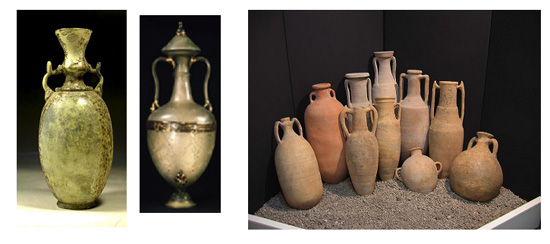
The Origins of Hamentashen from the Evidence of Jewish Literature: A Historical-Culinary Survey Revisited (yet again)

The Origins of Hamentashen From the Evidence of Jewish Literature: A Historical-Culinary Survey Revisited (yet again)
By: Eliezer Brodt
Eleven years ago I wrote about the origins of Hamentashen in Jewish Literature (here). A year later I revisited the topic (here). Two years ago, I rewrote parts of it for Hebrew Kulmos magazine with some new important material.
See here for previous posts on Purim and here for a Purim Round up.
ויאכלו את המן: מנהג אכילת אזני המן, מקורותיו והטעמים השונים שניתנו לו
מאת: אליעזר יהודה בראדט
מה לנו עם אזניו של המן, ומדוע אנו מהדרים לאכלם כשהם מלאים במיני מתיקה? * האם המן היה חרש? או שמא אזניו היו משולשות? * מעקב רב-עניין אחר מקורותיו של מנהג אכילת “אזני המן” והטעמים השונים שניתנו לו
כמו כל חג, גם ימי הפורים עשירים במאכלים מיוחדים שנהגו בהם בני ישראל, להדרם ולאכלם בשפע ובשמחה. בין מאכלי יום הפורים, ידוע מכולם הוא ‘אזני-המן’ או ה’המן-טשאן’. על חקר המאכלים היהודיים בכלל, כבר הצטער החכם מרדכי קוסובר שחכמת ישראל “לא נדרשה, לצערנו, לעניין מזונות ומאכלים במידה הראויה להם, ומעטים מאוד הם החכמים שעסקו בכך” (“על המזון, ברכת המזון וכיוצא בהם”, ניו יורק תשכ”ה, עמ’ 7), והדברים נכונים גם לעניין אזני-המן. מדוע נהגו לאכלם? מה באו לסמל? אימתי נוסד המנהג והיכן פשט? ננסה להטות אוזן אל המקורות ולהתחקות אחר מנהג ישראל תורה.
אך ראש לכל, ראוי לשים לב לאופייה של הספרות הדרושה למחקרנו. כדי למצוא מקורות למנהגים ומסורות העוסקים במאכלי החגים ומאכלים בכלל, עלינו להרחיק בדרך כלל אל ספרות היומנים והזכרונות. כתיבה אוטו-ביוגרפית אמנם לא הייתה נפוצה בישראל בזמנים קדומים, אך נותרו בידינו אי-אלו ספרי זכרונות, כספריהם של גליקל מהאמלין (1646-1724), רבי פנחס קצינעליבוגין ורבי יעקב עמדין זצ”ל ועוד. בספרים מעין אלו נמצאים דברים חשובים על חיי היהודים ונכללים בהם פרטים שונים, שלא מצינו בספרי הלכה ודרוש למיניהם.
בזכרונותיו של חכם אחד המספר על חייו, בשנת תק”פ (1820) לערך, מצינו שהכותב העיד: “בארבע עשר לחודש ניסן עשה אבי ז”ל משתה כי בכור היה… ממיני מתיקה מעשה אופה, אשר נשאר מיום הפורים הנקראים בפי ההמון כרים (קישעלך) וכיסי המן…” (א”ב גוטלובר, זכרונות ומסעות, ירושלים תשל”ו, עמ’ 82).
על הנהוג בערי גליציה מספר חכם אחר: “ביום הפורים היה לו לרבי שליח מיוחד משנה לשנה שהיה הולך… ומביא להם משלוח מנות שלו, כיסי המן אחדים ושאר מיני מגדנות כאלה…” (זכרונות אב ובנו, עמ’ 24).
גם אצל יהודי רוסיה וליטא אכלו ושלחו ‘אזני-המן’ בפורים. כך, למשל, מספר רבי אברהם אליהו קפלן: “הרבנית… מחמשה עשר בשבט ואילך כבר אפשר להשיג אצלה אזני-המן… רמז ליום פורים הממשמש ובא” (בעקבות היראה, עמ’ קמ). ורבי שמחה זיסל מקלם כתב: “אזני המן מנחה שלוחה לבני היקרים לכבוד פורים… הנה האזני-המן, המן-טאש הלז, צריך לאפות אותו יפה יפה…”, ולאחר הקדמה זו הוא מעלה על הכתב רעיון תורני (אור רש”ז, ב, עמ’ קטז).
מסיפורו של רבי ברוך עפשטיין (בעל “תורה תמימה”) על סבו רבי יעקב ברלין (אבי הנצי”ב מוואלוז’ין), ניתן ללמוד כמה היה מנהג זה חשוב בעיניו: פעם אחת, בתחילת חודש אדר, השגיח ר’ יעקב ברלין בכך שלא מכרו את ה’המן-טשאן’ כבכל שנה. לאחר בירור נודע לו הטעם, לפי שמחיר הקמח היה יקר מאוד באותה עת. הלך ר”י ברלין ונתן כסף לאופים לקנות קמח, ועל ידי זה היה המן-טשאן. רבי ברוך עפשטיין מציע טעם להקפדה זו על המנהג, לפי שמשנכנס אדר מרבים בשמחה, וכפי שבפסח נותנים לקטנים אגוזים וקליות כדי שישמחו, כך בפורים נותנים להם אזני-המן לשמחם (מקור ברוך, ב, עמ’ 974).
במקור אחר מסוף המאה ה-19, מספר הכותב על אחד שרבו נהג להענישו ולצערו כל השנה, ובפורים, ‘לאות נקמה’, הכין התלמיד לרבו אוזן-המן מלאה בפלפלים ודברים חריפים, כדי לצערו… (Between Worlds, pp. 37-38).
נוצרי שטייל בארץ ישראל בשנת 1865 בערך, מתאר בספר המסעות שלו כיצד בפורים קיבל מן היהודים מעדנים בעלי צורה משונה (מסעי נוצרים לארץ ישראל, עמ’ 725).
חיים המבורגר, איש ירושלים, כתב בזכרונותיו על ירושלים בתחילת המאה ה-20: “בפורים… והגברות נותנות לתוכה עוגה… אזני המן וכו’, ותוך כדי נתינה מבקשת להשגיח על מעשה ידיה (שלשה עולמות, ג, עמ’ כב). כמו כן בחיבור אחר “ליום הפורים הייתה בעלת הבית אופה עוגות אזני המן… (זכרונות הראשונים, עמ’ 54). גם אצל יהודי אמשטרדם (מנהגי אמשטרדם, עמ’ 149) ויהודי בוכארה (ילקוט המנהגים, עמ’ 210) מצינו שאכלו מאכלים הדומים לאזני-המן.
חוקרי רדיפות הנוצרים גילו כי ממקורות משנת 1803 עולה שהגויים העלילו על היהודים ששמים דם בתוך ‘אזני-המן’! (ראה על כל זה אצל E. Horowitz, Reckless Rites: Purim and the Legacy of Jewish Violence 2006, pp. 9. 218-219, 228 ).
אנו רואים אפוא שמנהג אכילת ‘אזני-המן’ בפורים רווח ברבות מאוד מקהילות ישראל, כבר מתקופות קדומות, ועדיין השאלה במקומה עומדת: מדוע? מה טיבו של מאכל זה, ומה הוא מסמל?
ומדוע הוא נקרא “אזני המן”? בעיתון הנפוץ ביותר בתחום-המושב בפולין וברוסיה, “הצפירה”, תהה כותב אחד בשנת 1912, מדוע ה”עברית המודרני” בחרה את השם “אזני המן” לתרגום המונח “המן טשאן”? האם אכן, רק ה”עברית המודני” היא שהמציאה את הכינוי ‘אזני המן’?


הצגות והעלאת מחזות בפורים
נניח לספרות הזכרונות, ונפנה אל ספרות המחזות. אף זו סוגה שאינה רווחת בישראל, ואולם אף גדולי עולם כרבנו הרמח”ל ורבי משה זכות עסקו בכתיבת מחזות, ומכל מקום – לענייננו, עשויה להימצא לנו תשובה מעניינת לשאלתנו, דווקא מתוך ספרי מחזות, שהשימוש בהם רווח יותר בימי הפורים.
הפוסקים כבר עמדו על השאלה מדוע לא הובאה ב”שולחן ערוך” ההלכה, שמשנכנס אדר מרבים בשמחה. אולם, אף שבשולחן ערוך לא הוזכרה הלכה זו, מכל מקום עמא דבר לנהוג במיני שמחה משנכנס חודש אדר. רבי יששכר תמר הציע שהטעם שבתי כנסיות תולים תמונות עם משפט זה ועם תמונה של בקבוקי יין וכדומה, בימים שקודם הפורים, הוא לפרסם דין זה (עלי תמר, מגילה, עמ’ ג).
דבר נוסף שעשו להרבות בשמחה הוא כתיבת חיבורי מחזות. לא רק שכתבו מחזות, בקהילות מסוימות נהגו אף להעלותם על במה ולהציגם בפני הציבור. יש לכך עדיות רבות בספרי הזכרונות, והד בלשונו של ה”מגן אברהם” בהלכות שבת (סימן שז, ס”ק כב) המרמז לזה: “והוא הדין ההולך לטרטיאות וקרקסיאות, והם מיני שחוק כדאיתא בעבודה זרה דף י”ח, ומיני תחבולה, ולא ידענא מי התיר להם בפורים, ואפשר שנמשך להם משחוק שעושים זכר לאחשורוש…”.
רבי יעקב עמדין כתב על הגמרא המפורסמת במגילה (ז, ב): “קם רבה ושחטיה לרב זירא”, שרבים התקשו להבינה כפשוטה: “נראה לי שלא שחטו ממש, אלא כל זה הענין לפי שהיו שמחים מאוד, וכתיב בכל עצב יהיה מותר, לכן עשה זאת להעציבן… ובאחיזת עינים שחטו רבה לרבי זירא… שהרואים היו סבורים ששחטו באמת…” (הגהותיו למגילה ז, ב). דהיינו שעשו הצגה!
מתוך עיון בחיבורים אלו האריך ישראל דוידזון בספרו הגדול ‘על פרודיס’, והראה כיצד ניתן ללמוד מהם הרבה על חיי היהודים באותן תקופות בכלל, ועל מנהגי ימי הפורים בפרט.
אחד החיבורים הראשונים והמפורסמים שנכתבו בסגנון זה, הוא “מסכת פורים”, שנכתב על ידי קלונימוס בן קלונימוס (1286-1328). סמוך מאוד לכתיבתו הופיע ספר דומה, בשנת 1319, אשר היום ידוע כי נכתב על ידי הרלב”ג. בחיבורים אלו המחברים מביאים דברים יפים בהומור קל, כתובים בסגנון התלמוד ומדרשי ההלכה.
מאות שנים אחר כתיבת ספרים אלו קמה להם התנגדות על ידי רבנים שונים, כמו רבי שמואל אבוהב (דבר שמואל, סימן קצג), חמדת ימים, ברית מטה משה והחיד”א (ראה מאמרו של רצ”י ליפשיץ, ‘מלך ליום אחד’, בגליון זה), שהגיעה עד כדי שריפת עותקים מהם (ספר וסייף, עמ’ 248). אבל כבר העיר החוקר א”מ הברמן, שספרים אלו היו קיימים זמן רב בטרם נשמעה ההתנגדו להם, וזאת מתוך שהובנו מתחילה כספרים הנועדים להרבות שמחה ולא לזלזול וליצנות ח”ו. גם ר’ קלונימוס עצמו כתב בסוף “מסכת פורים” אשר לו: “ולמה השלים המסכתא בפרק אין קורין? לפי שאין קורין בו אלא בשעה שאינו לא יום ולא לילה, שלא נכתב אלא לשחוק בעלמא, לשחוק האנשים ביום פורים, והקורא בו לא הפסיד אלא כמי שקורא בספרי רפואות ובדברים המועילים לגוף ואינן מזיקין לנפש…”.
והנה, שנינו ב”מסכת פורים” לרבי קלונימוס: “רב מרדכי אמר, עשרים וארבע מיני סעודות נאמרו למשה בסיני, וכולם חייב אדם לעשותם בפורים, ואלו הן קשטי ומולייתות, וטורטולי… אין פוחתין מהן אבל מוסיפין עליהם…”. בעיון ברשימת מיני הסעודות שמנה ‘רב מרדכי’, קשה לדעת אם רמז בדבריו גם ל’המן-טשאן’ שלנו. אולם במחזה מאוחר יותר, בן המאה ה-16, כבר ישנה התייחסות ישירה.
המחזה הראשון שנכתב בעברית הוא “צחות בדיחותא דקידושין”, מאת יהודה סומו (1592-1527). בהקדמה מתואר אופיו של הספר: “הוא ספר חדש מדבר צחות, אשר בדה מלבו פ’ בימי בחרותו, לצחק בו בימי הפורים ובשעת חדוה, להראות לכל עמי הארץ כי יש מילה בלשוננו הקדוש לכתוב כל מיני חבורים אשר בהם יתפארו חכמי יונים… ללשוניהם בארצותם…”.
בתוך דבריו אנו קוראים (עמ’ 67):
“יאיר: אם בדברים כאלה אכפרה פניו, כבר יש לי קושיא אחת אשר ייעפו כל תוספי התורה להתירה, כי הנה כתוב במגילת פורים: “ויתלו את המן”, ובפרשת בלק נכתב בפירוש “ויאכלו בני ישראל את המן”. ואיך יאכלו היהודים הנשמרים מכל רע את נבלת התלוי ההוא, ואל הכלב לא ישליכו אותה?
יקטן: גם זה ראיתי אני, וכבר תרץ הקושיא הזאת רב בלעם בן ביבי בשם אביו: כי מה שאמרה התורה “ויאכלו את המן” היא אזהרה וציווי לנו שנאכל בימי הפורים האלה מאזני המן – הן המה הרקיקים הנעשים בסולת בלולה בשמן, וזהו שאמר אחרי כן “וטעמו כצפיחית בדבש”.
יאיר: יפה פירוש בן ביבי זכור לטוב!” (פרופ’ חיים שירמן, שהדפיס את המחזה מכתב-יד, מעיר שהשם ‘רב בלעם בן ביבי’ הוא אחד משמות האנשים המוזכרים בחיבור ‘מסכת פורים’ של ר’ קלונימוס בן קלונימוס).
לאור דברי יהודה סומו אפשר להבין דבר נוסף: בספר ‘התשבי’ מאת ר’ אליהו בחור (1468-1549), שנדפס לראשונה בשנת 1541, כתב בערך ‘מנלן’: “מנלן להמן מן התורה שנאמר ויאכלו את המן; גם זו מלה מורכבת מן שתי מלות: אן ולן…”. כדוגמה לשימוש במילה ‘מנלן’ מביא ר’ אליהו בחור לשון חז”ל שאינה מופיעה בשום מקום, וכבר העיר על כך רבי ישעיה פיק בהגהותיו לספר התשבי: “בחולין איתא ‘המן מן התורה מנלן, המן העץ’. ואולי מצא המחבר דבר זה מפורש במדרש, ואגב דאתיא ליה ממדרש חביבא ליה לאתנויה, אף על גב דהוה ליה להביא מן הגמרא…”.
על כך מעיר רבי מאיר מזוז שליט”א (בהערותיו לספר התשבי): “קרוב לודאי שאין דרשה זו לא בגמרא ולא במדרש כלל, רק היא הלצה אשכנזית על המנהג שאוכלים אזני המן בפורים…”. דבריו מסתברים מאוד לאור העובדה שגם ר’ אליהו בחור עצמו עסק בכתיבת חיבורים מעין אלו, והלשון שהבאנו מן המחזה של יהודה סומו מסייעת לכך.
אך את השם “אזני המן” אנו רואים גם במקור איטלקי נוסף. בשיר של ר’ יעקב פרנסיש (1618-1703) מצינו: “אמנם נזרק העט ונקצר ענינים / כי יום פורים זה בא, נכין לו מעדנים / נכין מרקחות ממתקים מכל מינים / נגדיל אזני המן מאזני השכנים” (כל שירי יעקב פראנסיש, עמ’ 363).
במכתב של רבי מרדכי שמואל גירונדי (1799-1852), רבה של פאדובה, מצינו שכתב: “בעת ששון ימי פורים הלא אדרשה אחי… ותשלח נא אל עבדך מעט מגדי מעדניך… מעט חמאה מעם לחם וחלות רקיקי אזני המן ואסעד” (כתב-יד, הובא אצל מ’ שטיינשטנדר במאמרו “Purim Und parodie”).
נוכל אם כן לסכם שזמן רב לפני ה”עברית המודרני” כבר הכירו את הביטוי “אזני המן” באיטליה, כמאכל מיוחד לפורים.


בין סופגניות לאזניים, ולמה המן לא היה חרש?
מאכל הנקרא בשם “אזניים”, כבר מוזכר בפירושו לתורה של רבי יצחק אברבנאל (1437-1508), בפרשת בשלח (סוף פרק טז): “וצפיחית הוא מאכל הקמח מבושל בשמן, כצורת צפחת המים, והנאכל בדבש. והוא כמו הרקיקים העשוים מן הבצק כדמות אזנים, מבושלים בשמן ויטבלו אותם בדבש, ויקראוהו אזנים – ככה הוא צפיחית בדבש”.
אמנם האברבנאל אינו מדבר על מאכל שנאכל בפורים דווקא, אך אנו מוצאים כאן את תיאורו של מאכל הנקרא “אזניים”, בזמנים קדומים. ייתכן אף שהמקור קדום יותר, כיון שמקור דבריו אלו בפירושו של האברבנאל הוא בדבריו של רבי יוסף אבן-כספי (אשר פרט למקומות שבהם הוא חולק עליו, רבי יצחק אברבנאל אינו מזכירו בשמו), וזה נפטר בשנת 1340! (על נקודה זו העירני רבי שמואל אשכנזי שליט”א).
רמ”מ הוניג העיר לי שהמקור כנראה קדום יותר, כי הן ר”י אברבנאל והן ר”י אבן-כספי הכירו את המנהג הקדום לאכול סופגניות בחנוכה, וכפי שכתב רבנו מיימון אבי הרמב”ם: “אין להקל בשום מנהג ואפילו מנהג קל, ויתחייב כל נכון לו עשיית משתה ושמחה ומאכל לפרסם הנס שעשה השם יתברך עמנו באותם הימים. ופשט המנהג לעשות סופגנין, בערבי אלספינג, והם הצפיחיות בדבש, ובתרגום האיסקריטין הוא מנהג הקדמונים משום שהם קלויים בשמן, לזכר ברכתו (כלומר לנס שבפך שמן)”. בדומה לזה מצאנו במחברת עמנואל (עמ’ 168): “בכסליו… ואחרת תבשל הרקיקים, וצפיחית ומעשה החבתים”.
אולם לאור דברי יהודה סומו שהובאו לעיל, שכתב לעניין אזני-המן: “שנאכל בימי הפורים האלה מאזני המן – הן המה הרקיקים הנעשים בסולת בלולה בשמן, וזהו שאמר אחרי כן ‘וטעמו כצפיחית בדבש'”, אפשר לומר שלכך התכוין אבן-כספי, ולא לסופגניות.
ובכלל, נראה שכוונת כולם לתיאור כללי יותר, של מאפה ממולא, מעין “קרעפלאך”, הנעשה כמה פעמים בשנה, ביניהן חנוכה ופורים, כשלעיתים הוא מבושל במים, נאפה בתנור או מטוגן בשמן. אך מדוע בחג הפורים כינו אותו “אזני המן”?
דב סדן מספר שבילדותו שמע פעמים רבות את הפתגם ‘חרש כמו המן’ (ש”י עולמות, עמ’ 25). מה פשר הכינוי?
במחברת עמנואל הרומי (1261-1336) מצאנו: “מה אומר המן? לכל זמן. וזרש? לא תקלל חרש!” (עמ’ 109). ושוב: “ואם אמר: ארור המן וזרש! ישיבון: אל תקלל, דוד, לחרש!” (עמ’ 169). בעת שעסק בהכנת מהדורה מדעית של הספר “מחברת עמנואל” וחיפש מקורות ומקבילות לכל דבריו, פירסם דב ירדן מאמר קטן ובו דברים שלא מצא להם מקור במדרשים. אחד מן הדברים היה שורות אלו (ידע העם, ג, עמ’ 70). לאחר מכן ציין ירדן שמ”ד קאסוטו קישר דברי עמנואל למנהג אכילת אזני המן (לשוננו יז, תשי”א, עמ’ 148-149), ואף הביא דברי ה’כתר שם טוב’: “ובארץ ישראל… נותנים ביד כל הילדים כמין אוזן עשויה מעץ ובעת שהילדים מסבבים אותו משמיע קול…” (כתר שם טוב, א, עמ’ תקמב). אבל דב ירדן ודב סדן לא הצליחו למצוא מקור או מקבילה לדברי עמנואל הרומי.
אנו מתקרבים אפוא לזיהוי המקור, ודווקא בכתביו של עמנואל הרומי. על כך יש להעיר שתי הערות חשובות: א. פעמים רבות דברי עמנואל הרומי מבוססים על מדרשים וספרי חז”ל, אך בלא מעט פעמים אחרות, הוא הכניס בתוך דבריו דברי ליצנות, ובשל כך פסק ה”בית יוסף” שאסור לקרוא את מחברותיו אף בימות החול. ומכל מקום, אין זו הפעם הראשונה שדברי הבאי ממחברות עמנואל הפכו לדברים שגורים ואף נכנסו למקורות (ראה בדברי ר’ שמואל אשכנזי, אלפא ביתא תנייתא, עמ’ 210-214); ב. גם חשוב לציין, שעמנואל הרומי לא היה קל-דעת מפשוטי העם, כי אם מן החכמים הנכבדים שבדורו. החיד”א כותב ב”שם הגדולים” (מערכת ספרים, אות ב, בסוף, בערך קונטרס אחרון): “שמעתי שאמרו על הפירושים, שבאיוב יקרא האדם פירוש רלב”ג וירוה צמאונו, ובמשלי יקרא פירוש עמנואל, ובתהלים יקרא פירוש רבי דוד קמחי, ואתנח סימנא: שפת אמת תכון לעד. אמת – ראשי תיבות איוב משלי תהלים, לעד – ראשי תיבות לוי עמנואל דוד, והם כסדרן”.
אך יש להוסיף לכל זה מקור נוסף. רבי שמעון חיים נחמני (1707-1779), תלמיד-חכם ומקובל גדול שהרביץ תורה בקהילות סיינה וריגייה, כתב בספרו המפורסם “זרע שמשון”: “וכנגד עשיית העץ שעשה המן למרדכי בשביל שנטה אוזן לעצת אשתו, משום הכי אנו אוכלים מיני מתיקה וקוראים אותם אזנים של המן, שעיקר הנס בא מחמת עשייתו העץ שחרה אף המלך עליו ואמר תלוהו עליו…” (זרע שמשון, ב, עמ’ שכא).
לאור זה יש לנו מקור חדש, שאפשר שהוא כוונת עמנואל הרומי והפתגם ‘חרש כמו המן’: המן היה חייב שלא לשמוע לעצת אשתו, אבל בגלל ששמע  – נגרמה נפילתו. לאור זה, דברי עמנואל לא היו דבר ליצנות כלל.
בספרים מאוחרים מצאנו טעמים נוספים, על דרך דרש, למנהג אכילת אזני המן. רבי אברהם הירשאוויץ מביא בספרו “מנהג ישורון” (עמ’ 131): “הטעם כדי שיזכור כי המן צורר היהודים ביקש להשמיד… והמושיע עשה שתש כחו ולא יכול לעשות רע לכן נקרא המן תש – תש כחו”.
רבי מרדכי זק”ש כתב: “ומכאן החשיבות המיוחדת לסמל מגן דוד שנתקבל בכל תפוצות ישראל, לקבוע על הפרכות של ארוני הקדש בבתי הכנסת… כי המגן דוד הוא הסמל לעם ישאל ולסוד קיומי, כי הרי למגן דוד ישנם ששה ראשי תור לכל שש קצותיו וכן הוא עם ישראל המפוזר בכל ששת קצוות תבל… ובכל ששת הקצוות יש לו ראש תור להבליט את בדידותו מן העמים לבדד ישכון ולא ישכח את יחודו. וייתכן כי מכאן המקור למנהג של אכילת אזני המן בפורים, כי הם משולשים כראש תור, וזהוי התשובה הניצחת… לכל ‘המנים’ שבעולם, למען יאזינו היטב וידעו ויבנו כי עם ישראל הוא עם הנצח…” (מילי דמרדכי, עמ’ צב).
רבי יעקב קמנצקי כתב: “משום דאכילה הוא מעין איבוד של הדבר הנאכל, ובזה יש קיום של מחיית זכר עמלק, שהרי אנו מאבדין גם את המאכלים הנקראים על שמו” (במחיצת רבינו, עמ’ קמב).


אכילת זרעונים ומילוי הפרג
נוכל לומר עתה שמקורן של “אזני-המן” הולך ומתבהר, מן המסורת הקדומה המציינת את שמיעתו לרעה של המן בעצת אשתו. אך מדוע ממלאים את האזניים בפרג? וממתי החלו לנהוג כך?
רבי אהרן הכהן מפרובנס, בספרו “ארחות חיים” כתב: “והולכין לבתיהן לשלום ואוכלין סעודתן, והמנהג לאכול זרעונים באותה לילה זכר לזרעונים שהיו אוכלין בבית המלך דניאל וחבריו, כמו שכתוב ויתנו לנו מן הזרעונים”. דברי ה”ארחות חיים” הובאו ב”בית יוסף” בהלכות פורים. הרמ”א, בספרו “דרכי משה”, מביא רעיון דומה מספר “כל בו”, אף הוא מאת רבי אהרן הכהן מפרובנס, ואף ציין את המנהג במפתו לשולחן ערוך, סימן תרצה. על דברים אלו העיר ה”פרי חדש” (שם): “וטפי הווה ליה למימר זכר לזרעונים שאכלה אסתר, דאמרינן פרק קמא דמגילה, וישנה את נערותיה לטוב – האכילה זרעונים…”.
לפרש מנהג זה קצת, כתב ב”יוסף אומץ” (סימן תתרצט): “חיוב סעודת פורים הוא דוקא ביום, ולפחות עיקרה ביום אף אם יהיה סופה בלילה, וטוב לב משתה תמיד להרבות קצת בסעודה בליל כניסת פורים בין מגילה למגילה. אכן טוב לאכול מיני קטניות, שלא יהא נראה שהיא הסעודה העיקרית, גם הוא זכר לזרעוני דניאל”.
ומקובל זה מכבר שהשומשום או הפרג הניתן באזני המן הוא כדי לצאת ידי המנהג לאכול זרעונים, מבלי להיכנס לשאלה מדוע נקראים אלו ‘זרעונים’ (ראה “מנות הלוי” ב, ט; ש’ קרויס, “קדמוניות התלמוד”, ב, עמ’ 229-233). אך ממתי החלו לעשות כן?
בספר הנפלא “מנוחה וקדושה” שנדפס לראשונה בשנת 1864 בווילנא, מאת אחד מתלמידיו הגדולים של רבי חיים מוואלוז’ין, הוא רבי ישראל איסר מפאניועז שאף זכה לשמש את רבו, מצאנו דברים מעניינים על מנהג מילוי אזני-המן. אלו דבריו:
“ולחמי פורים בודאי מנהג ותיקין, שמוזכרים בתוספות במסכת ברכות. ונראה לי הטעם, שעד אותו הזמן היינו מורגלים בניסים מגולים, כמו מפלת סנחריב, סיסרא והרבה כמותם, וזה הנס היה נראה לכל שהוא על פי טבע… שטבע האיש לבטל דעתו לאהבת אשתו, כן מרדכי ושאר הקרובים למלך ידעו בברור שטבע אחשורוש שלא לחזור מדבריו בשום אופן, והבינו שהיה נס גדול, גם שהיה מוצנע בתוך הטבע ועיקרו הוא נס. לכן לזכר זה התקינו הלחמים שעיקרם המילוי (עיין במגן אברהם, סימן קסח, ס”ק טו) ומוסתר בתוך הבצק, כהצלתם נס מוסתר בתוך הטבע. ובחרו בזרעונים, טעם מפורש בשו”ע לאכול זרעונים בפורים, זכר לדניאל וחבירו… וטעם צורתם משולש כי מחלוקת יש בגמרא מהיכן קריאתה? רשב”י אומר מבלילה ההוא, ועוד שלש דעות, אחד מוסיף מ”גידל המלך את המן”, שני מוסיף מ”איש יהודי”, שלישי כולה, ונפסקה ההלכה לקרוא כולה. נמצא מ”בלילה ההוא” מחויבים לכל הדעות. ועוד נפסקה ונחתכה ההלכה להחמיר עוד כשלושתן, ולזכר זה חותכים הלחמים בשלוש הקצוות לזכור שנחתכה ההלכה כאלו השלושה…”.
ה”מנוחה וקדושה” ממשיך ומציין טעם נוסף: “ועוד אפשר להיות טעם מילואם… שמחמת יראת המלך לכתוב ולשלוח למרחקים בזיונו, עשו בחכמה לאפות לחמים ולהטמין המכתב בתוכם, ומי יעלה על דעתו לחפש בתוך הלחמים שאדם שולח דורון לחברו, ועל ידי זה ניצלו מסכנה. ואם כן היה מוכרח תיקון מילוי לחמים לזכרון זה הנס שנשלחו הכתבים מקצה העולם עד קצהו, ולא נתודע הדבר אל המלך” (מנוחה וקדושה, עמ’ רעא-רעב).
המעניין בדבריו הוא שלא הזכיר בדבריו אף לא פעם אחת, את השם “אזני המן” או “המן טאשן”, כי אכן כל דבריו שייכים גם על ‘קרעפלך’, ואף ציין לדברי ה”מגן אברהם” בסימן קסח, הדן במאכל זה.
גם בספרות הפארודיה לפורים, שהוזכרה לעיל, אנו מוצאים התייחסות למילוי “אזני-המן” בשומשמים. ב”מסכת פורים” מן “תלמוד שכורים” שנדפס לראשונה בשנת 1814, אנו מוצאים: למזבן שומשמין… ונראה למורי דמלתא אגב אורחא קא משמע לן דסמוך לפורים היה, והיה מזבין לעשות מהן למלייתא לבבות ולחמניות, שקורין בלשון אשכנז המן טאש”.
בספר אחר, בשם “כל בו לפורים”, שנדפס לראשונה בשנת 1855, מופיעה שאלה: “נחתום חדש בא לקהלתנו ורוצה לחדש מנהג חדש שלא היה בישראל עד עתה, והוא לעשות לחמניות של פורים שקורין המן טאשין מרובעים ולא משולשים, ולמלא אותם בשומשמין, ורבים מרננים עליו ואומרים דפורץ גדר הוא. תשובה… ועתה הם רוצים להוסיף חטא על פשע לשנות כמנהג אבותיהם ולעשות המן טאשין מרובעים בפורים או לאזנים שכך שומעות… מלבד זו הלחמניות המרובעים האלו חייבין בציצית, כדין כל כסות בת ד’ כנפות, והמן טאשין לאו כסות לילה הם דמצותם כל היום… אבל אותן השומשמין אשר רוצה למלא אותם דעתי נוחה ממנו…”.
מעניין לציין שמנהג אכילת “אזני-המן” לא היה ידוע באשכנז, אבל מאכלי המן אחרים היו והיו. רבי יאיר חיים בכרך מביא בספרו “מקור חיים” (סימן תצ, סעיף ט): “מדקדקים אוכלים בבוקר יום שני של פסח בשר יבש חתיכה הראוי להתכבד, ונקרא בלשון אשכנז המן, זכר לתליית המן בט”ז בניסן”. קודם לך אנו מוצאים בספר המוסר “מסה ומריבה”, מאת רבי אלכסנדר ב”ר יצחק פאפין-הופין, שנכתב בשנת 1627 בעברית וביידיש כשיר ויכוח בין שני מתדיינים, אחד עשיר ואחד עני: “…ברוט עשטו ואר איין ועטין המן”. תרגום: “…לחם אתה אוכל לפני “המן” שמן (מסה ומריבה, ירושלים תשמ”ה, עמ’ 319). המהדירה, ח’ טורניאנסקי (שם, עמ’121) כתבה לפרש כוונתו: “לחג הפורים היה קשור גם המנהג לאכול “המן”. זהו שמו של בשר מעושן שאכלו בחג זה באיזור אלזאס… ייתכן כי שם המאכל ומנהג אכילתו בפורים יסודם בנוהג לתלות את הבשר המעושן לייבוש… ולא שמו של המאפה שנאכל באזורים אחרים, ואפילו קרובים…” (ככל הנראה, גם דבריו של רבי חיים פלאג’י בספר מועד לכל חי, פורים, סימן מד: “גם מה שעושין מעיסה צורת המן ואוכלים הקטנים מהם נמצא כתוב בספר”, מכוונים למנהג זה).
מקורות: דב סדן, ש”י עולמות, עמ’ 25-38; Israel Davidson, Parody in Jewish Literature New York, 1907


Rambam’s Response to the Inclusion of Chicken, Duck and Quail in Qaraite Cuisine

Rambam’s Response to the Inclusion
of Chicken, Duck and Quail in Qaraite Cuisine
By Tzvi H. Adams

In “Waiting
Six Hours for Dairy- A Rabbanite Response to Qaraism” (here)
I posited that Rabbeinu Chananel initiated the practice of waiting six hours
between meat and dairy in order to protect Rabbanite values. This association
was inspired by Dr. Bernard Revel’s studies of 
Rabbanite leaders’ efforts to counter sectarian influences during the
early Middle Ages[1], as well as a shiur by
Rabbi David Bar-Hayim. I then
suggested that Rambam furthered this anti-Qaraite motion by including poultry
into the required six hour waiting category. Rambam’s poultry innovation was intended
to protect Rabbanites from influence of their Qaraite neighbors who cooked meat
and poultry with dairy. Briefly, this latter suggestion was based upon two observations:

a) The simple reading of the Talmud Chullin
104b -עוף וגבינה נאכלין באפיקורן – בלא נטילת ידים ובלא קינוח הפה- as interpreted
by the Gaonim and rishonim for five centuries until Rambam, allowed poultry and
dairy to be consumed consecutively without even kinuach ve’hadacha in
between. Unless we imagine that Rambam possessed a secret hitherto unheard-of
tradition which understood the Talmud’s words in some other fashion, we can
assume that Rambam actually changed the Talmudic halacha in his Yad. Being
the strong proponent of Rabbanite halacha and tradition that he was, Rambam
surely had a compelling reason to make this drastic alteration.

b) There are many instances of
anti-Qaraite creativity in Rambam’s writings and rulings. Examples include:

§ 
Rambam was the first rishon to
disqualify a get (divorce document) written in a Qaraite court by a
Qaraite scribe[2].
§ 
Though the Gaonim and R. Chananel
explicitly say that not eating on the three minor fast days is the individual’s
choice (as per the Talmud’s ruling RH 18b- אין שמד ואין
שלום – רצו – מתענין, רצו – אין מתענין), Rambam chose to
overlook this detail about fast days in his halachic writings. The purpose of
this intentional omission was almost certainly to separate Rabbanites from the
Qaraite community who did not observe the Rabbanite fasting calendar[3].
§ 
Most rishonim recognized the
rabbinic origins of the Yom Kippur afflictions other than not eating or
drinking. Rambam, however, led readers to believe that all five afflictions are
biblically proscribed. It seems that Rambam presented the Yom Kippur restrictions
in this way only to protect the halacha from the Qaraite perspective[4]. 

Other examples were cited in my previous article. It is therefore reasonable to
say that the required waiting period between poultry and dairy, found first in Yad
HaChazaka
, is one more instance of Rambam’s anti-Qaraitic halachic
reformation.

An
analysis of the historical development of Qaraite rules of kosher birds strongly
supports my suggestion[5].
Qaraite halacha did not rely on the Rabbanite Oral Law. Therefore, the kosher
signs of the Mishna Hullin 59a –
 וסימני העוף לא נאמרו אבל אמרו
חכמים כל עוף הדורס טמא כל שיש לו אצבע יתירה וזפק וקורקבנו נקלף טהור ר’ אלעזר
בר’ צדוק אומר כל עוף החולק את רגליו טמא
and the statement of the Talmud Hullin
63b, עוף
טהור נאכל במסורת, were of little
significance to Qaraites. That chicken, duck, quail and other fowl were eaten in
Rabbanite tradition[vi] was
unreliable evidence for these strict Scriptualists. Because the identity of most birds mentioned in the Torah
was ambiguous, Qaraites had no reliable means of recognizing birds as kosher other
than the pigeon and turtledove; they were confident that the correct
translation of תור and יונה had been preserved. The devout Qaraite, therefore, could not
partake of chicken, quail, or duck. Over time, some Qaraites communities became
lenient and found legal rationale to permit these commonly eaten birds. Slowly
over the 12th Description: https://ssl.gstatic.com/ui/v1/icons/mail/images/cleardot.gifand 13th
centuries a lenient policy was adopted by the broad Qaraite community. Because
from the inception of Qaraism its scholars read the passuk, “לא
תבשל גדי בחלב אמו” literally[7],
they had no hesitations against eating and cooking the newly accepted fowl and
dairy together. 

            The
Rabbanite and Qaraite communities were very much interconnected politically and
socially[8];
the divide between the parties was often blurred[9].
Rabbanite leaders sought to protect the integrity of their tradition from sectarian
influence. I demonstrated previously how R. Chananel (990 -1053) and his
disciple, R. Yitchak Al-fasi[10]
(1013
– 1103), created a six hour waiting requirement
between meat and dairy in the early eleventh century – thereby limiting the
social participation of Rabbanites with Qaraites. During the years of the legislating
activity of these sages it was not common practice amongst Qaraites to eat
chicken, duck, and quail, birds on the daily North African Rabbanite menu[11]. R.
Chananel and R. Al-fasi, therefore, did not see a need for demanding a wait
after poultry as there was little concern that Rabbanites and Qaraites would be
dining together over such fowl. Furthermore, it was difficult to reread the
obvious permitting statement of the Talmud, עוף וגבינה
נאכלין באפיקורן. During the century between these sages
and the rise of Rambam (1135-1204) to prominence, Qaraites widely allowed
themselves to eat the same fowl consumed by the Rabbanite community. Now a
Qaraite-Rabbanite poultry dinner was possible and influence from the cooking
practices of “the eaters of milk with meat” (the nickname for Qaraites) was
real. Rambam, seeking to protect Rabbanite tradition from Qaraite values by
building social barriers, creatively placed fowl alongside meat in the
requirement to wait six hours before dairy:
מִי
שֶׁאָכַל בָּשָׂר בַּתְּחִלָּה, בֵּין בְּשַׂר בְּהֵמָה בֵּין בְּשַׂר עוֹף–לֹא
יֹאכַל אַחֲרָיו חָלָב עַד שֶׁיִּשְׁהֶה בֵּינֵיהֶן כְּדֵי שֵׁעוּר סְעוֹדָה
אַחֶרֶת, וְהוּא כְּמוֹ שֵׁשׁ שָׁעוֹת:  מִפְּנֵי
הַבָּשָׂר שֶׁלְּבֵין הַשִּׁנַּיִם, שְׁאֵינוּ סָר בְּקִנּוּחַ
(רמב”ם משנה תורה מאכלות אסורות פרק ט’
הלכה כז)
This addition did not
go unnoticed. In the two generations following Rambam, the greatest rishonim
criticized the Rambam’s reform as it reversed the ruling of the Bavli. Ramban
(1194-1270) was the first to challenge Rambam’s alteration:


אבל הרמב”ן ז”ל כתב דאגרא אפילו עוף ואחר כך גבינה שרא דלישנא הכי משמע
דקאמר עוף וגבינה…(ר”ן על הרי”ף חולין דף לז’)
R. Aaron Halevi
(1230-1300) also challenged Rambam’s ruling:
…ואפילו
הכי שרינן בעוף בלא נטילת ידים משום דקיל דלא מיתסר אלא מדרבנן, ודאי לא שני לן
בין עוף ואחר כך גבינה בין גבינה ואחר כך עוף… הוא הדין לקנוח הפה דלא בעינן
אפי’ בין עוף לגבינה…. ולהוציא קצת מדברי רבי’ ז”ל (=הרמב”ם) שפרשו
דההיא דאגרא דאמר עוף וגבנה נאכלין באפיקורן דוקא גבינה תחילה ואחר כך עוף…
(חידושי רא”ה לחולין דף קד’)
However, within a
century of the publication of Mishna Torah, creative ways of
reinterpreting the words of אגרא were created to fit
this new reform into the Talmud[12].
Tur (1275-1340) YD 89 cites Rambam’s ruling on poultry as if none other exists.
Professor Daniel Frank has thoroughly examined the historical
development of the laws of kosher birds in Qaraite halacha in his monograph,
“May Karaites Eat Chicken? Indeterminacy in Sectarian Halakhic Exegesis”[13].
My chiddush is that the inclusion of chicken, duck, and quail in Qaraite
cuisine in the 12th century provoked Rambam’s tightening of the
poultry and dairy separation laws. Unless noted otherwise, the following
sources and translations are summarized from Frank’s article:

Views of Early Qaraite Scholars
Anan ben David
In his Book of Commandments[14], the early learned schismatic, Anan
ben David (c. 715 – c. 795) writes the following:
Now we do not find any birds were
used for burnt offerings save turtledoves and pigeons, as it is written… (in
lev. 1:14). The juxtaposition of the words ‘of every clean bird’ and ‘he
offered burnt offerings’ thus proves that the only clean birds are turtledoves
and pigeons.
Benjamin Nahawandi
One
of the greatest of the Qaraite scholars of the early ninth century, Benjamin Nahawandi, states:
The only clean birds that can be
eaten are the pigeon and its kind. There are many clean and unclean varieties…
but they cannot be identified by means of physical criteria, since Scripture
does not make these explicit. … The pigeon is (the bird) that makes the cooing
noise in is throat, as it is stated: We coo like doves (Is. 59:11)….
Therefore the only clean bird that is mentioned is the pigeon and its kind[15].
The identification of other clean birds remains uncertain
because the Torah provides no physical description of the birds. Pigeons (and
their turtledove subspecies) are an exception because the Scriptural verse, We
coo like doves
(Is. 59:11), gives a physical sign to identify the
bird.  
Daniel al-Qumisi
Daniel al-Qumisi (d. in Jerusalem 946), founder of the Qaraite
“Mourners of Zion” movement, likewise insisted that because Biblical Hebrew is no longer
the vernacular, the meaning of most of the birds of the Torah has been
forgotten; “for God-fearing people, the only permitted birds are turtledoves,
pigeons and wild pigeons- at least until the coming of the Righteousness”[16].
He attacks the Rabbanites for having invented physical criteria for identifying
kosher birds- as Scripture does not supply these.
Jacob Al-Qirqisani
The
early tenth century Qaraite dogmatist and exegete, Jacob Al-Qirqisani writes similarly
in his Kitabal-Anwar (written in 937):
Should someone say, “The people
already knew these signs via oral tradition from the prophet…” He may be
answered: “As for your statement that the people used to know these signs via
oral tradition from the prophet- this is (but) a claim. You have no proof of
this….”[17]
Japeth ben Ali
The maskil
ha-Golah
and
foremost Qariate Bible commentator, Japeth ben Ali (10th century, born in Iraq
and died in Jerusalem), emphasized that pigeons and turtledoves are the only
unquestionably permitted birds; all other species should be avoided.
Of all the birds, those which are
demonstrably permitted are turtledove and pigeon…. As for chicken, mountain
quail, partridge, duck, goose, crane, sparrow, and others- we must suspend
judgement concerning them all- “until he comes and teaches righteousness”
(Hos.10:12)[18]
Rabbanite Rishonim


The rishonim were very familiar with Qaraite claims.

R. Saadya Gaon
In response to Qaraite scholars, R. Saadya Gaon (882-942) addresses the topic
of the identification of the birds of the Torah in his writings[19],
delivering anti-sectarian polemics.

Targum Psuedo-Yonathan[20]

Dr. Bernard Revel proved in his “תרגום יונתן על
התורה” (here) that the Targum Yonathan (ben
Uziel) was really an early ninth century targum commissioned by the Torah sages
of Eretz Yisroel. He demonstrated that this targum is filled with views of the
Talmud Yerushalmi as well as interpretations aimed at countering sectarian
movements. (here)

וית אלין מינייא תשקצון מן עופא דלית
להון ציבעא יתירא ודלית ליה זפקתא ודקורקבניה ליתוהי מקליף לא יתאכלון (תרגום
יונתן ויקרא יא:יג)
The Targum’s author included the physical criteria for
kosher birds to imply that these signs are contained within the Torah itself
and valid- unlike the views of early Qaraites who disregarded these signs only
known by rabbinic tradition.
Mah-Yedidut [21]

The popular Friday night zemer, Mah-Yedidut, by Menachem (possibly ben
Saruq[22],
920-980 Spain), highlights the differences between the Rabbanite and Qaraite
Sabbath. Menachem emphasizes the obligations of kavod  ve’oneg Shabbos (לְבוּשׁ
בִּגְדֵי חֲמוּדוֹת
and עֹֽנֶג קְרָא לַשַּׁבָּת[23],
וְהַשֵּׁנָה מְשֻׁבַּֽחַת)
and kindling Sabbath lights ([24]לְהַדְלִיק
נֵר בִּבְרָכָה),
the permissibility of thinking of post-Sabbath work ([25]הִרְהוּרִים
מֻתָּרִים)
and gives an allusion to marital relations        (כַּשּׁוֹשַׁנִּים
סוּגָה[26],
בּוֹ יָנֽוּחוּ בֵּן וּבַת וְלָנֽוּחַ בְּחִבַּת) – all points of contention between
Qaraites and Rabbanites.
מַה
יְּדִידוּת מְנוּחָתֵךְ, אַתְּ שַׁבָּת הַמַּלְכָּה, 
בְּכֵן נָרוּץ לִקְרָאתֵךְ, בּֽוֹאִי כַלָּה נְסוּכָה, 
לְבוּשׁ בִּגְדֵי חֲמוּדוֹת, לְהַדְלִיק נֵר בִּבְרָכָה, 
וַתֵּֽכֶל כָּל הָעֲבוֹדוֹת, לֹא תַעֲשׂוּ מְלָאכָה. 
לְהִתְעַנֵּג בְּתַעֲנוּגִים בַּרְבּוּרִים וּשְׂלָו
וְדָגִים. 
מֵעֶֽרֶב מַזְמִינִים, כָּל מִינֵי מַטְעַמִּים, 
מִבְּעוֹד יוֹם מוּכָנִים, תַּרְנְגוֹלִים מְפֻטָּמִים
וְלַעֲרֹךְ כַּמָּה מִינִים, שְׁתוֹת יֵינוֹת מְבֻשָּׂמִים, 
וְתַפְנוּקֵי מַעֲדַנִּים, בְּכָל שָׁלֹשׁ פְּעָמִים. 
לְהִתְעַנֵּג בְּתַעֲנוּגִים בַּרְבּוּרִים וּשְׂלָו
וְדָגִים.  

חֲפָצֶֽיךָ
בּוֹ אֲסוּרִים, וְגַם לַחֲשֹׁב חֶשְׁבּוֹנוֹת, 
הִרְהוּרִים מֻתָּרִים, וּלְשַׁדֵּךְ הַבָּנוֹת, 
וְתִינוֹק לְלַמְּדוֹ סֵֽפֶר, לַמְנַצֵּֽחַ בִּנְגִינוֹת, 
וְלַהֲגוֹת בְּאִמְרֵי שֶֽׁפֶר, בְּכָל פִּנּוֹת וּמַחֲנוֹת. 
לְהִתְעַנֵּג בְּתַעֲנוּגִים בַּרְבּוּרִים וּשְׂלָו וְדָגִים. 
הִלּוּכָךְ תְּהֵא בְנַֽחַת, עֹֽנֶג קְרָא לַשַּׁבָּת, 
וְהַשֵּׁנָה מְשֻׁבַּֽחַת, כְּדָת נֶֽפֶשׁ מְשִׁיבַת, 
בְּכֵן נַפְשִׁי לְךָ עָרְגָה, וְלָנֽוּחַ בְּחִבַּת, 
כַּשּׁוֹשַׁנִּים סוּגָה, בּוֹ יָנֽוּחוּ בֵּן וּבַת. 
לְהִתְעַנֵּג בְּתַעֲנוּגִים בַּרְבּוּרִים וּשְׂלָו
וְדָגִים.

The poet sings of Rabbanite dishes: stuffed chicken (תַּרְנְגוֹלִים
מְפֻטָּמִים),
duck or goose (בַּרְבּוּרִים),
and quail (שְׂלָו)[27]
– poultry one would not find at Qaraite meals. By mentioning these items
Rabbanite tradition is strengthened and cherished.

Byzantium 


Constantinople was a thriving
center of Qaraism during much of the Middle Ages. The Byzantine Rabbanite, Tobiah ben Eliezer (late 11th – early 12th
centuries), often attacks Qaraite ideas[28]
in his Medrash Lekach Tov (written in 1097 and revised it in 1107 or
1108). In Vayikra[29],
Tobiah emphasizes that “generation after generation” birds eaten by the
Byzantine Rabbanites have been permitted: ועוף טהור נאכל
במסורת דור אחר דור כגון האווז ואווז בר ותרנגולת. This indicates that in
his lifetime Byzantine Qaraites refrained from eating the chicken, goose, and
duck.

However, only half a century later, the Byzantine Qaraite scholar, Judah Hadassi, tells that many of
his landsmen allowed themselves to partake of these fowl. In his Eshkol
ha-Kofer
(1148), Hadassi notes this transition in Qaraite law with
disapproval:
Now some of the (Karaite) teachers
approved those domestic fowl, which are customarily raised in their home. (They
did so) because this was the choice of the entire nation, not because there are
any scriptural allusions that justify or confirm (this practice). Happy is he
who guards himself wholeheartedly against uncertainties so that he is stringent
in all (matters pertaining) to ritual slaughter! For knowledge of the Holy
Tongue has disappeared from our midst, and we no longer know the names of (the
birds) so as to recognize which is permitted and which is forbidden to us.
Therefore we will remain silent until (Elijah) comes and teaches us
righteousness. But if we rely upon custom (minhag) and tradition, does
this tradition not take away from and add to our Torah, even contradicting it
in part?
Eventually, the lenient approach to the kosher status of
chicken and duck became the norm and the Qaraite Nicomedian theologian, Aaron ben Elijah
(1328-1369), states definitely in his Gan
Eden
(1354):
Since knowledge of our language has
now become deficient during our exile, we do not know the clean species. All
that remains in fact, is knowledge of several of the names (mentioned) in
Scripture and those known via the tradition (sevel ha-yerushah[30]),
such as pigeon, turtledove, quail, partridge, swan, chicken, and goose. For it
has been transmitted, one person from the next, that these are raised
domestically and that they are permitted…[31]
Spain


These transformations in Qaraite halacha were taking place in the Byzantine
Empire during Rambam’s lifetime though geographically removed from him. The
Rambam did correspond with students and scholars from France to Syria and even
had knowledge of a Jewish community in India. We also see in Rambam much
anti-Qaraite activity. It can be assumed that Rambam had his finger on the
pulse of nuances in Qaraites halachic and cultural development. However, Rambam
may have had an even more intimate knowledge of these developments. There is
evidence that the Qaraite fowl ‘kosherification’ process was taking place in
Rambam’s very own mother country, Spain, while Rambam was yet a young man:
R. Yehuda Halevi (1075 – 1141) writes
in his Kuzari (completed
around 1140):
והייתי
רוצה כי ישיבו לי הקראים תשובה מספקת על זה… ועוד רוצה הייתי כי יבארו לי מה בין
העוף המותר לבין העוף האסור (זולת העופות המפרסמים כיונה ותור) ומנין להם כי
התרנגלת והאוז והברוז והתכי אינם מן העופות הטמאים (כוזרי ג:לה)
 I wish the Qaraites would give me a
satisfactory answer to questions of this kind… I desire an explanation of the
lawful and unlawful birds, excepting the common ones, such as the pigeon and
turtledove. How do they know that the hen, goose, duck, and partridge are not
unclean birds?” (Kuzari 3:35)
This passage indicates that by the 1130s, (note- Rambam was
born in 1135), Qaraites in Spain permitted the consumption of the same fowl
eaten by the Rabbanites[32].

Rambam lived at the end of the Qaraite Golden Age. He observed many Rabbanites
leave the fold for Qaraism and a weakened respect for the Oral Torah in the
Rabbanite community[33].
Witnessing Qaraites begin to consume many birds eaten by the Rabbanite
community, Rambam feared that his followers would be influenced by Qaraite
meat/poultry and milk cooking practices. He tightened baasar be’cholov
laws – a process begun a century earlier by R. Chananel – by requiring a six
hour wait for poultry as well.

Many people ask, “If the political anti-Qaraite origins of
the six hour wait are correct, why was this fact not expressed by rishonim and
medieval writers?” In “Waiting Six Hours for Dairy- A Rabbanite
Response to Qaraism”, I cited the opinion of R. Tam and others that R.
Chananel’s six hour ruling was instituted merely because בקעא
מצאו
וגדרו
בה
גדר. There was indeed some awareness of
social-political causation. However, the anti-Qaraite purpose of Rambam’s
poultry-wait innovation went unnoted. Rambam had discreetly inserted fowl
alongside genuine meat in his Mishna Torah. Many later authorities may
have assumed that Rambam, the scion of an illustrious rabbinical family,
possessed an alternative method of interpreting the Talmud. The reason why R.
Chananel, R. Al-fasi, and Rambam did not disclose the reasons for their
halachic reforms is readily understood in light of the following passage:
…דאמר
עולא כי גזרי גזירתא במערבא לא מגלו טעמא עד תריסר ירחי שתא דלמא איכא איניש דלא
ס”ל ואתי לזלזולי בה (ע”ז לה ע”א)
In
Eretz Yisroel when a decree was issued its purpose was not revealed for twelve
months. This is because many people would not accept the meaning, and
consequently would show a negative attitude toward the decree.  (Avodah Zara 35a)
The general Rabbanite
populace may not have adhered to the new strict laws if they realized they were
merely enacted for social-political reasons.  
HaRav David Bar-Hayim of Machon Shilo has already noted in
his “Meat and Milk” series (here) that Rambam was the first to
require any waiting between poultry and dairy. He therefore opines that one may
eat poultry and then dairy without even kinuach ve’hadacha as clear from
the Talmud, Gaonim, and early Baalei Tosfos[34]. 
For more interesting articles visit www.UncensoredJudaism.com

I
would like to thank Pe’er Barzilai for reading and commenting on this essay. His insights
greatly improved its quality.


[1] A Torah luminary of the last century, Dr. Bernard Revel,
devoted many studies to the relationship between rabbinic authorities and
Qaraism. In his”פרקים
בחילופי המנהגים”  (here)
and
“תרגום
יונתן על התורה” (here), Dr. Revel revealed how much of the rabbinic
writings of the early Middle Ages
were aimed at separating the Rabbanite community from sectarian influence.
Dr.
Revel wrote his 1911 doctoral dissertation
on the origins of Qaraite halacha- “The Karaite Halakhah and Its
Relation to Sadducean, Samaritan, and Philonian Halakhah” (here). Here is a sample from Dr. Revel’s article: The Gaonim (see Beit
Yosef
O.C. 24) opposed holding and gazing at the tzitit during the
recital of the Shema only because this was Qaraite practice in accordance with
the literal understanding of וראיתם אותו. (here)
[2] Responsa 2:628-29 http://hebrewbooks.org/pdfpager.aspx?req=1731&st=&pgnum=351
See Rustow, Heresy and the Politics of Community: the Jews of the Fatimid
Caliphate
(2008), pg. 345.
[3] This topic deserves a comprehensive
discussion. For a preview see “R. Yitchak Al-fasi’s Anti-Qaraite
Legislative Activity” here Case #3.
[4] Rambam writes:
 וכן למדו מפי השמועה, שאסור לרחוץ בו או לסוך או לנעול את הסנדל
או לבעול.  ומצוה לשבות מכל אלו, כדרך ששובת מאכילה ושתייה:  שנאמר
“שבת שבתון”
שבת לעניין מלאכה, ושבתון לעניינים
אלו.  ואין חייבין כרת או קרבן, אלא על אכילה ושתייה בלבד; אבל אם רחץ או סך
או נעל או בעל, מכין אותו מכת מרדות.
Later authorities were perplexed by
Rambam’s view and much ink was spilled trying to resolve it. See Beit
Yosef
O.C. 611 and acharonim there.

Often
Rambam precedes modern academic research by eight and a half centuries. It is
unlikely that he was unaware of the late origins of the Yom Kippur laws. See
Dr. Israel Drazin’s article “Yom Kippur is Not a Biblical Holiday
(here).
Rambam may have lead readers to
believe all five afflictions were biblical only to counter Qaraite views. 

A century ago, Bernard Revel made an identical argument about Targum Pseudo-Yonathan (here). The early ninth century Targum on Lev. 15:29 mentions all
five afflictions as being implicit from the Torah itself. Revel concluded that
the Targum had but one purpose – to oppose the Qaraites and strengthen belief
in the Oral Torah. 

For a thorough analysis of what Rambam meant when he wrote למדו
מפי השמועה, see Albert D. Friedberg’s “An
Evaluation of Maimonides’ Enumeration of the 613 Commandments, With Special
Emphasis on the Positive Commandments” pgs. 275- 281 here (-also in his
recent 2014 Crafting the
Commandments
). 

Another
anti-Qaraism in Mishna Torah may be in Hilchot Chamets u-Matzah where
Rambam describes how chametz is forbidden from midday of the fourteenth
of Nisan:
מצות עשה מן התורה להשבית החמץ קודם זמן
איסור אכילתו
שנאמר “ביום הראשון, תשביתו שאור מבתיכם” (שמות יב,טו)
מפי השמועה למדו שראשון זה, הוא יום ארבעה עשר.  וראיה
לדבר זה
מה שכתוב בתורה “לא תשחט על חמץ, דם זבחי” (שמות לד,כה)
כלומר לא תשחוט הפסח והחמץ קיים; ושחיטת הפסח, הוא יום
ארבעה עשר אחר חצות

(הלכות חמץ ומצה פרק ב:א)

Friedberg
(pg. 282, note 53) suggests that
Rambam adds the emphasis of “from Scripture” – “מן התורה” – only to polemicize with his Qaraite
adversaries who held that chametz could be kept until the beginning of
the first day of the festival.

Another
interesting point Friedberg makes (pgs. 298-302) is that a very careful reading
of Maimonides shows that he regarded tefillin and mezuza as
practices which began with the lay population and were later sanctioned by the
rabbis, or possibly originated by the rabbis, but were certainly not biblical.
In the his conclusion to Crafting
the Commandments
, Friedberg explains why Rambam was
so careful to conceal his view:      
            I conjectured further that Maimonides deliberately withheld the
scriptural designation from certain commandments that had been labeled as
scriptural in the ShM (=Sefer HaMitzvoth) when the plain reading of the
scriptural text did not appear to provide sufficient evidence for them, even
when rabbinic interpretation suggested otherwise. To this end, he chose an
artful but somewhat concealed literary device to designate them as such, the
participle of correct practice. This is the case with such prominent practices
as the recitation of the Shema, the binding of the tefillin, the writing and placing
of the mezuzah and the study of Torah.
In the heavily politicized atmosphere of Cairo,
where Rabbanites were both assiduously courted and continuously attacked by
sectarian groups (largely Karaites) over the role of the oral law in
interpreting Scripture, Maimonides chose to keep his radical opinions hidden
yet recoverable. When applied to the legal sections of the Torah, Maimonides’
peshateh di-qera hermeneutics would likely raise hackles among his own
co-religionists and, worse yet, give comfort to the deniers of the oral law.
His carefully planted literary cues could lead the reader who is familiar with
rabbinic terminology and unburdened by popular and superficial conclusions to
discover the Master’s true opinion or at the very least sense his ambivalence.

[5] I
thank Sam Kahan. His comments on my previous “Waiting Six Hours for Dairy”
article prompted me towards further investigation and discoveries and the
writing of this article.

[6] These birds were eaten by
Jews around the Mediterranean for centuries. See Zohar Amar’s מסורת
העוף 
Tel Aviv (2004).

[7] Al-Qirqisani,
Kitab al-AnWar, XII, 25:4 “‘in its mother’s milk’ refers only to the
milk of its mother”.
[8] I wrote more on this here.
[9] Marina Rustow argues in Heresy and the Politics of
Community
that there was more tolerance of Qaraism in
Rabbanite communities outside Spain. The likelihood of influence was thus also
increased.
[10]
R. Al-fasi may have changed Talmudic halacha in many areas for political
anti-Qaraite reasons. See many examples in “R. Yitchak Al-fasi’s Anti-Qaraite
Legislative Activity” (here).
[11] Correction:

In  “Waiting Six Hours for Dairy- A
Rabbanite Response to Qaraism” I wrote the following:
This Qaraite
breach of the Oral Law earned them the nickname “the eaters of meat with milk”.
This transgression of the Qaraites became symbolic of the entire conflict
between the Rabbanite and Qaraite camps. 
Throughout this period, the two camps were very connected socially,
politically, and economically. There were Rabbanite-Qaraite marriages, joint
business ventures, and joint communities. The lines between the two camps were
not as distinct as we may imagine. At some point in the early eleventh century,
the Rabbanite rishonim devised a way to create greater division and social
split between the two camps. Choosing the very topic which represented the
heart of the schism, they reinterpreted Talmudic passages in a manner which
requires waiting six hours between eating red meat and dairy products, further
separating the Rabbanites from the Qaraites both halachically and socially. However,
Rabbanites and Qaraites could still enjoy a poultry-dairy meal together during
community gatherings or business meetings
. It was more difficult to
redefine an explicit statement in the Talmud allowing poultry and dairy
together without any separation in between (אגרא’s statement). Maimonides was the first to
attempt to further widen the gap by including poultry in the six-hour wait
category. (Italics added for emphasis.)
This is a mistake. Besides for the
occasional pigeon or turtledove, there were no birds which Qaraites could have
eaten with Rabbanites.
[12] See Rashba and Ritva on Hullin 104. They probably
assumed that Rambam had a tradition that this was the way the Talmud is
interpreted.
[13] Daniel Frank,“May Karaites Eat Chicken? Indeterminacy in Sectarian
Halakhic Exegesis”, Jewish Biblical Interpretation and Cultural Exchange
ed. Natalie B. Dohrman and David Stern, (2008) Philadelphia: University of
Pennsylvania Press pgs.124-138.
[14] Harkavy, Zikhron la-rishonim 67-68.
[15] Harkavy, Zikhron la-rishonim 179.
[16] See al-Qirqisani, Kitab al-Anwar 1.16 vol I pg
57. Trans. in W. Lockwood,  Ya’qub
al-Qirqisani on Jewish Sects and Christianity
(Frankfurt am Main: Peter
Lang, (1984) 150. Also Karaite Anthology: Excerpts from the Early
Literatur
e  (1980) ed. By Leon Nemoy
pgs 32-34.
[17] Al-Qirqisani, Kitabal-Anwar XII.2.3-6. Qirqisani also mentions that- “One allows chicken,
another forbids it, while yet another asserts that he does not know whether it
is permitted or forbidden.” (Al-Qirqisani, Kitabal-Anwar
I.19.3 vol.1 pg 61). This tells that though the leading Qaraite scholars
forbade most birds, there were existent alternate views and practices amongst
early sectarians. These lenient views did not become the norm until much later.
[18] Yapheth ben Eli, Comment on Dt 14,11-20
[19] See Frank’s
article for relevant citations. An interesting passage in R. Avraham ibn Ezra’s
commentary discusses R. Saadya:
שם האחד. אמר
הגאון (=ר’ סעדיה) כי פישון יאור מצרים… ואין ראיה על פישון שהוא היאור, רק
שתרגם החוילה כפי צרכו, כי אין לו קבלה. וכן עשה במשפחות, ובמדינות ובחיות ובעופות
ובאבנים. אולי בחלום ראם. וכבר טעה במקצתם כאשר אפרש במקומו. א”כ לא נשען על
חלומותיו, אולי עשה כן לכבוד השם, בעבור שתרגם התורה בלשון ישמעאל ובכתיבתם, שלא
יאמרו כי יש בתורה מצות לא ידענום.
(אבן עזרא בראשית
ב:יא)
R. Saadya Gaon may have fabricated
translations for uncertain names of birds in the Torah only to protect
Rabbanites from Qaraite ridicule. By supplying translations, Saadya saw to it
that Rabbanite Torah readers would not easily sympathize with Qaraite scholars
by thinking that, indeed, their Rabbanite tradition knows very little about the
meaning of words in the Torah.
[20] This source I add
to Frank’s list.
[21] This source I
add to Frank’s list.
[22] R. Yaakov Emden
writes in his סידור בית יעקב pg 154
ובראשי הבתים חתום מנחם (אולי הוא בר מכיר). I suggest that Menachem is not Menachem ben Machir of 11th
century Germany, but Menachem ben Saruq (10th century Spain) or
another early Spanish poet. That this piyut, in recent times, is
traditionally sung mainly in Ashkenazi homes does not disprove Sephardic
anti-Qaraite origins.
[23] See Judah
Hadassi’s words- לאכול ולשתות די מחייתו וקיום נפש ולנוח
מעט במשכבך in Haym
Soloveitchik’s  Collected Essays II,
pg 391.
[24] The blessing
said before kindling the Sabbath lights was likely initiated to strengthen this
rabbinic practice in response to the Qaraite custom. See Naftali Vieder,  התגבשות נוסח התפילה במזרח ובמעריב Volume I (1998), pg. 343-346.

[25] See O.C. 306:8.
Judah Hadassi writes in Eshkol HaKofer 145 (here):
המחשבות והדמיונות הלב ומשפטים
ודקדוקים ועסקים שאין מתורת אלהים אסור לחשוב בימי קודש בדעתך

I
thank R. Shimon Szimonowitz for this source and association.

[26] From Shir
HaShirim
7:3. The literal context in Shir HaShirim is erotic and
sensual. Good poetry has multiple layers of meaning.
[27] וְדָגִים is added
merely so the “im” will rhyme with בְּתַעֲנוּגִים.
[28] See here.
[29] Here
(Shemini pg 31). Also see Devarim Re’eh pg 44- here.
[30] Sevel
ha-yerushah
is a Qaraite term for ‘commonly accepted tradition.’
[31]  Gan Eden, “Inyan shehitah,” chapter 2, 82d
[32]
R. Avraham ibn Ezra (1089–1167), Halevi’s contemporary and
landsman, makes an interesting comment:
הדוכיפת. אמרו הצדוקים שהיא התרנגולת,
ואלה טפשי עולם, כי מי הגיד להם. (אבן עזרא ויקרא יא:יט)
These Qaraite Bible interpreters may have intended to
ridicule Rabbanites by arguing that chicken is the non-kosher דוכיפת bird. It is
apparent that these particular Qaraites still refrained from chicken. If so,
the reality reported in Kuzari may not have yet been uniform throughout
Spain. Or perhaps Ibn Ezra was recording Qaraite views he encountered along his
many global travels.
[32] Qaraites and
Rabbanites lived in adjacent quarters in Cairo—Harat al-Yahud and Harat
al-Yahud al-Qarain. (here
)
[34] Rambam in Moreh Nevuchim 3:48 writes:
אבל אסור בשר בחלב הרי עם היותו מזון גס מאוד בלי
ספק, וגורם מילוי רב אין הדבר רחוק לדעתי שיש לעבודה
וממה שמחזק את זה לדעתי, שאסור בשר בחלב הזכירו פעמים
בתחילת הציווי בו כאשר הזכיר מצוות החג, שלוש פעמים בשנה וגו וכאילו יאמר בחגכם
וביאתכם לבית ה’ אלוהיך לא תבשל מה שתבשל שם בצורה פלונית כפי שהיו הם עושים, זהו
המתקבל יותר לדעתי בטעם איסורו, אלא שלא ראיתי את זה כתוב במה שעיינתי מספרי
ה”צאבה.

Ibn
Ezra:
והנה קדמונינו ז”ל החמירו להסיר כל ספק, ואסרו בשר
בחלב, והשם שנתן להם חכמה, הוא יתן משכורתם שלימה. (ר’ אברהם אבן עזרא שמות כג:יט)
Ibn
Ezra’s view is that meat cooked in the milk of an animal other than its mother
was only forbidden by Rabbinic law (unlike what is understood from Talmud
Chullin and Shulchan Aruch Yoreh Deah).
Accordingly,
we see a three stage development of changes in biblical law. 

First, the early rabbis expanded the Torah’s prohibition against the pagan
practice of cooking a kid in its mother’s milk. They said cooking milk in any
meat is forbidden. Some rabbis even forbade fowl cooked with dairy. This view
eventually became the normative halacha. At this early stage kinuach
ve’hadacha
was required between meat and dairy- though, not between poultry
and dairy.
Second,
in the beginning of the eleventh century, the rabbinic meat-milk prohibition
was expanded by Rabbeinu Chananel to require a separation of six hours between
consuming meat and dairy. About this time Qaraites had loosened their mourning
customs and began eating meat; they did not hesitate to cook that meat with dairy.
R. Chananel created this new law to protect and separate rabbinically-oriented
Jews who accepted the concept and binding force of the Oral Torah from
influence of the Qaraites.
Third,
in the century following R. Chananel’s enactment, Qaraites included chicken,
duck and and other birds on their kosher list and cooked these fowl with dairy.
Now that Rabbanite and Qaraite Jews shared the same list of kosher birds they
could eat poultry meals together. Rambam responded by requiring a six hour wait
for poultry as well, to assure that the two groups would not overly socialize –
so as to avoid Rabbanite Jews being drawn to and accepting Qaraite views.


Waiting Six Hours for Dairy- A Rabbanite Response to Qaraism

Waiting Six Hours for Dairy- A Rabbanite
Response to Qaraism
By Tzvi H. Adams
tzviha@gmail.com

Qaraites are a Jewish group that began around 760 CE. They rejected the Talmud
and rabbinic Judaism and insisted that Jews only observe halacha as expressed
in the literal text of the Torah. “Qaraite” means “Scriptualist”. The movement
started in Iraq and Persia by Jews who objected to the authority of the leaders
of the Babylonian Talmud Academies, the Gaonim. The Gaonim and their
successors, the rishonim, are called Rabbanites because of their stance in
defending the Talmud and rabbinic laws. 
Scholars have noted that many minhagim began as a response to the Qaraite
movement. For example, the recital of במה מדליקין
on Friday evening  after davening [1] was
started in the times of the Gaonim to reinforce the rabbinic stance on having
fire prepared before Shabbos, in opposition to the Qaraite view that no fire
may be present in one’s home on Shabbos [2]. There is evidence that the reading
of Pirkei Avos [3] on Shabbos afternoon, which began in Gaonic times, was to
emphasize to the Jewish masses that the Oral Law was passed down since Moshe
Rabbeinu as stated in the first mishna of Pirkei Avos.

Professor Haym Soloveitchik [4] has argued
convincingly that the unique arrangement of Hilchos Shabbos in Rambam’s Mishna
Torah was organized specifically with anti-Qaraite intent. Briefly, Rambam’s
formulation of the Shabbos laws does not follow a chronological order or any
other expected logical order. In his opening chapters, Rambam lays down the
following rules: preserving lifesaving overrides the restrictions of Shabbos;
only work done on Shabbos itself is forbidden (e.g. shehiyah and hatmanah are
allowed); work done by a Gentile upon a Jew’s request is only forbidden by
rabbinic law. These three rulings were denied by Qaraites. Rambam is then
careful to segregate the Torah laws (di’Oraisas) into one group of
chapters (7-12) and all the rabbinic rulings (di’rabbanans) into another
set (21-24), with eight chapters separating the two. Soleveitchik argues that
this was done to “highlight the very existence and legal force of rabbinic
enactments, both of which were denied by the Qaraites”. Finally, Maimonides
concludes the laws of Shabbos with an uplifting positive note: the laws of kibbud
ve’oneg
Shabbos. This further emphasizes the difference between the Qaraite
and Rabbanite Shabbos, because Qaraites treated Shabbos “as a day of ascetic
retreat and allowed only the barest minimum of eating and sleeping.” Rambam
emphasizesאיזה
הוא
עינוג:  זה
שאמרו
חכמים
שצריך
לתקן
תבשיל
שמן
ביותר,
ומשקה
מבושם,
הכול
לשבת  and
 [5] אכילת
בשר
ושתיית
יין
בשבת,
עינוג
הוא
לה. 
With this argument Soloveichik is suggesting that Rambam organized material in
Mishna Torah so that the differences between Qaraite and Rabbanite Shabbos are emphasized
to the reader. However, Soloveitchik takes matters one step further: He notes
that Rambam is the first to define intimacy on Shabbos as oneg Shabbos: תשמיש
המיטה,
מעונג
שבת
הוא.
 The Talmud only states that intimacy on
Shabbos is allowed, but does not elevate this act to the categorization of mitzvas
oneg Shabbos. Here, Soloveitchik argues that Rambam actually redefined
the Talmudic law for polemical reasons [6]. This is a revolutionary proposition
as we are generally under the assumption that the Mishna Torah is a practical
summary of the Talmud – as Rambam tells us in his introduction to Mishna Torah [7]. Professor Soloveitchik has opened the door for the
understanding that within Mishna Torah there may be Talmudic laws which have
been redefined or reformulated for anti-Qaraite reasons.

Waiting After Chicken: Rambam’s Innovation

I would like to suggest that Rambam’s interpretation of meat-milk
separation laws was also based on anti-Qaraite socio-political motivation. While
some earlier rishonim required waiting between eating beheima meat and eating
dairy, Rambam was the first to state that one must wait after eating poultry,
as well. (Beheima meat refers to meat from cows, sheep or goats.):

מִי שֶׁאָכַל בָּשָׂר בַּתְּחִלָּה,
בֵּין בְּשַׂר בְּהֵמָה בֵּין בְּשַׂר עוֹף–לֹא יֹאכַל אַחֲרָיו חָלָב עַד
שֶׁיִּשְׁהֶה בֵּינֵיהֶן כְּדֵי שֵׁעוּר סְעוֹדָה אַחֶרֶת, וְהוּא כְּמוֹ שֵׁשׁ
שָׁעוֹת:  מִפְּנֵי הַבָּשָׂר שֶׁלְּבֵין
הַשִּׁנַּיִם, שְׁאֵינוּ סָר בְּקִנּוּחַ
רמבם
משנה תורה מאכלות אסורות פרק ט’ הלכה כז

This contradicts the simple reading of the Gemara Chullin
104b:
 תנא
אגרא
חמוה
דרבי אבא
עוף
וגבינה
נאכלין
באפיקורן
הוא
תני
לה
והוא
אמר
לה
בלא
נטילת
ידים
ובלא
קינוח
הפה
which states plainly that poultry and cheese (even
in that order) may been eaten באפיקורן (in one kerchief)) or
without concern (לשון הפקר)  even without washing one’s hands or mouth in
between their consumption. See, for example, Ritva (Chullin 104b) [8]:
פירש”י שאם אכל זה ובה לאכול זה
א”צ לקנח פיו ולא ליטול. ונראה מלשונו אפי’ בשאכל בשר עוף בתחילה…
Earlier rishonim who required a long wait between beheima
meat and dairy did not require this waiting between poultry and dairy. R. Chananel
and R. Yitchak Alfasi required a waiting period only between beheima
meat and dairy, but not between poultry and dairy. Rishonim in the years close
after Rambam’s lifetime challenged his innovation.
Here are the core lines of the sugya (Chullin 105a) which are most relevant to
this discussion:

גופא אמר רב חסדא אכל בשר אסור לאכול
גבינה
אמר מר עוקבא אנא להא מלתא חלא בר
חמרא לגבי אבא דאילו אבא כי הוה אכיל בשרא האידנא לא הוה אכל גבינה עד למחר עד
השתא ואילו אנא בהא סעודתא הוא דלא אכילנא לסעודתא אחריתא אכילנא
R. Chananel comments:

וזה
לשון
רבינו
חננאל
ז”ל, ולא
מצינו
מי
שהתיר
לאכול
גבינה
אחר
בשר
בפחות
מעת
לעת
אלא
מר
עוקבא
דאכל
בשר
בסעוד’
אח’
בסעוד’
אחרת
גבינ’
ואמ’
על
עצמו
דבהא
מלתא
חלא
בר
חמרא
אנא
ואי
אפשר
להתיר
בפחו’
מזה…ע”כ הובא
בתוס’
הרא”ש וחי’
הרשב”א חולין
קה
ע”א))
R. Chananel is not cited in regards to poultry and
it can be assumed he is speaking only of red meat. This is more apparent in the
words of his disciple R. Yitchak Alfasi (1013 – 1103) who shares his master’s
view:
הרי”ף פרק
כל
הבשר- תנא
אגרא
חמוה
דרבי אבא
עוף
וגבינה
נאכלין
באפיקורן
וי”א באפיקוליס הוא תני
לה
והוא
אמר
לה
בלא
קינוח
הפה
ובלא נטילת
ידים…
ושמעינן
מהא
דהאי
דא”ר חסדא
אכל
בשר
אסור
לאכול
גבינה
דלא
שרי
למיכל
גבינה
בתר
בשרא
אלא
עד
דשהי
ליה
שיעור
מה
דצריך
לסעודתא
אחריתי
דלא
אשכחינן
מאן
דשרי
למיכל
גבינה
בתר
בישרא
בפחות
מהאי
שיעורא
It is clear from the Rif’s discussion of the
statement of אגרא that his use of the
words בשר
and עוף
denote two separate entities. Rif’s requirement to wait דשהי
ליה
שיעור
מה
דצריך
לסעודתא”
אחריתי”
is only for red meat, not poultry.  Rif
moved from North Africa to Spain in 1088 and was recognized there as the
leading halachic authority. The psak of R. Chananel and Rif became standard
over time in Spain and people waited after red meat before eating dairy; and
evidence suggests that they did not wait after poultry. One source is in the Sefer
Ittur
of R. Yitchak ben Abba Mari (c. 1122 – c. 1193). In his discussion of
the view of R. Chananel, Ittur makes clear that for fowl there is no six
hour waiting requirement:
 ספר
העיטור
שער
ראשון
הל’
הכשר
בשר
דף
יג
ע”ב והלכתא
… אלא
קינוח
הפה
לגבינה
לבשר.
ושהייה
לבשר
וגבינה…
ועוף
וגבינה
אצ
שהייה
לבשר
וגבינה
ולא
קנוח
הפה
ונט”י לגבינה
ובשר.   

Another source is from Meiri (1249-1306) in his Sefer
Magen Avos
written about 100 years after Rambam’s Mishna Torah.
Meiri wrote Magen Avos to defend the customs of Provence against the
ridicule and challenge of Spanish rishonim:
 מגן
אבות
דף
יא’
הקדמה-
ומה
שהביאנו
לסדר
אופני
אלה
הדברים
שכתבנו…הוא,
שאנחנו
בעיר
הזאת
עיר
פרפיאגיאק
והחזקנו
בהרבה
מנהגים
היו
בידינו
בירושה
מאבותינו…
ביד
חכמי
העיר
ברדש
… ורב
גבול
ארץ
פרובינצה.
ועתה
מקרוב
באו
הנה
קצת
חכמים
מארץ
ספרד…
לערער
בקצת
מנהגינו…
וראיתי
לכתוב
על
ספר
מה
שנשאתי
ונתתי
עמהם
באלו
המנהגות…
He records the Spanish custom not to wait at all
between fowl and milk. He describes how in his time a new generation of Spanish
rabbis began to adopt the stringent view of Rambam and begin a new trend:
דף
מו’-מט’
הענין
התשיעי.
עוד
נשאו
ונתנו
אתנו
במה
שהם
נוהגים
לאכול
גבינה
אחר
עוף,
ואנו
מחמירים
עד
שישהא
שש
שעות
או
חמש
כשיעור
שבין
סעודה
לסעודה
כדין
האמור
בבשר
בהמה….ונמצא
כלל
הדברים,
שכל
מאכל
בשר
בין
של
בהמה
בין
של
עוף
אינו
אוכל
גבינה
אח”כ עד
שיעברו
שש
שעות
או
חמש…ויראה
לי
להקל
עוד
שאף
באכל
עוף
תחילה
אע”פ שצריך
שהיה,
אינו
צריך
שש
שעות,
אלא
כל
שסעודה
לסעודה
אפילו
בקירוב
זמן
הואיל
וסילק
, ועקר….אלא
שהדברים
ברורים
כשטתינו
ואף
הם
הודו
שחכמים
האחרונים
שבגלילותיהם
מחמירים
בה
ונוהגים
כמנהגינו
והנאני
הדבר
It is clear that the former norm in Spain was to eat
cheeses/dairy immediately after poultry with no 
kinuach ve’hadacha, like the Ittur indicates was the
accepted halacha in that country.
(Is interesting to note Meiri’s own leniency for poultry: …ויראה
לי
להקל
עוד
שאף
באכל
עוף
תחילה
אע”פ שצריך
שהיה,
אינו
צריך
שש
שעות,
אלא
כל
שסעודה
לסעודה
אפילו
בקירוב
זמן
הואיל
וסילק
, ועקר.)

In the two generations following Rambam, the
greatest rishonim attacked the Rambam’s reform as it reversed the ruling of the
Bavli. Ramban (1194-1270) was the first to challenge Rambam’s alteration:

… אבל הרמב”ן ז”ל כתב דאגרא
אפילו עוף ואחר כך גבינה שרא דלישנא הכי משמע דקאמר עוף וגבינה…(ר”ן על
הרי”ף חולין דף לז’)
R. Aaron Halevi (1230-1300) was next:
…ואפילו הכי שרינן בעוף בלא נטילת ידים
משום דקיל דלא מיתסר אלא מדרבנן, ודאי לא שני לן בין עוף ואחר כך גבינה בין גבינה
ואחר כך עוף… הוא הדין לקנוח הפה דלא בעינן אפי’ בין עוף לגבינה…. ולהוציא קצת
מדברי רבי’ ז”ל (=הרמב”ם) שפרשו דההיא דאגרא דאמר עוף וגבנה נאכלין
באפיקורן דוקא גבינה תחילה ואחר כך עוף… (חידושי רא”ה לחולין דף קד’)
However, as Meiri noted, the trend in Spain began to
change [9]. Creative ways of reinterpreting the words of אגרא
were created to fit this new reform into the Talmud. Tur (1275-1340) YD 89
cites Rambam’s ruling on poultry as if none other exists.
Why did Rambam change the Halacha?  Perhaps it was an anti-Qaraite measure. By extending
the waiting requirement to include poultry, the divide between Rabbanites and Qaraites
became more apparent. Rabbanite Jews who followed Rambam’s ruling could
participate in only a limited way at a multicourse Qaraite meal which included
poultry and dairy.

Waiting 6 Hours- R. Chananel’s Innovation

Until R. Chananel’s time, waiting between meat and milk was not considered
mandatory by halachic authorities. One could choose instead to perform kinuach
ve’hadacha
– clean out one’s mouth and rinse one’s hands, if they were soiled
from meat. The halachic modification of removing the kinuach ve’hadacha option
was likely planned as an anti-Qaraite legislation.

Two primary authorities report on the halacha as it was in pre- R. Chananel
times. One is the Baal Halochos Gedolos (BaHaG) of either R. Yehudai Gaon, head
of the yeshiva in Sura from 757 to 761, and/or Shimon Kayyara (8th
century). (The correct authorship of BaHaG is a matter of scholarly debate, but
its author was a recognized source of halachic tradition from the 8th century.)

הלכות גדולות הלכות ברכות פרק ששי ט’
א’ (הובא גם בטור או”ח קעג’)- אמצעיים רשות אמר רב נחמן לא שנו אלא שבין
תבשיל לתבשיל אבל בין בשר לגבינה חובה והאי דשרו רבנן גבינה בתר בשר
משמעתיה דרב נחמן … אמר רב חסדא אכל בשר אסור לאכול גבינה ודוקא בלא קינוח אבל
מקנח פומיה שרי למיכל
A careful reading of BaHaG shows that the “רבנן” cited in BaHaG refers
to contemporaneous sages, not only earlier “Chazal”.
The second testimony is from R. Hai Gaon (939-1038), as cited by Rashba:

חידושי
הרשב”א חולין
קה
ע”א אבל
הרב
בעל
הלכות
גדולות
ז”ל כתב
בהלכו’
ברכות…
וכן
דעת
רבינו
יעקב
ז”ל וגאון זכרונו לברכה גם כן כתב אכל
בשר מותר
לסעודה אחרת למיכל גבינה וה”מ בחסידי אבל אנן מקנחינ’ ומחוורינן ידן
ופומן ואכלי’
. אכל גבינ’ שרי למיכל בשר בלא קנוח בלא נטילת ידים וה”מ
דחזייה לידיה דלא מטנפא. (הובא גם בספר העיטור שער ראשון הל’ הכשר בשר דף יג
ע”ב)
The Rashba is clearly citing two separate sources, the
BaHaG and the “Gaon” (R’ Hai [10]). R. Hai Gaon speaks in the plural and says “we
rinse hands and wash out our mouths and eat”. Evidently, this was the common
practice amongst the gaonim.
What triggered the halachic transformation which we observe in the leading
North African and Spanish rishonim of the following generation? (R. Chananel
was about 48 years old when R. Hai passed away.) 
Let’s analyze early Qaraite halachic progressions and how they correlate with
inverse developments in Rabbanite halacha. To fully appreciate the reasons for
R. Chananel’s modernization of milk and meat laws, it is necessary to trace Qaraite
geographic, demographic, and halachic developments.

Historical Development of Qaraite
Halacha

Nathan Shur’s Toldoth haKaraim[11]
provides an overview of Qaraite history. Qaraism began gradually in the late
eighth and early ninth centuries CE. Anan Ben David (c. 715 – c. 795), who was later claimed to be the founder of the
Qaraite movement (though not historically accurate), maintained that it is
forbidden to eat meat until the Temple is rebuilt [12]. Benjamin Nahawendi (early 9th century), Sahl ben Matzliah Abu al-Sari (910–990), and Daniel al-Kumisi  (d. 946), all early
prominent Qaraite scholars and philosophers, forbade their followers from eating meat until the restoration of the
sacrifices [13]. The Tustaries
[14], a family of wealthy influential Qaraites with independent philosophic and
halachic views, also forbade eating meat. Qaraite views were not uniform on all matters; Yacob
Qirqisani, a
leading Qaraite scholar of the first half of the tenth century, limited this meat restriction to Jerusalem but
allowed consumption of meat and wine outside Jerusalem. Slowly over the course of the tenth
century the abstinent trend amongst Qaraites loosened and it became acceptable
to allow meat consumption [15].

From the
inception of Qaraism, its scholars read the passuk, “לא
תבשל גדי בחלב אמו” literally (al-Qirqisani, Kitab al-AnWar,
XII, 25:4 “‘in its mother’s milk’ refers only to the milk of its mother”). They
therefore had no hesitations against eating meat and dairy together and did so once
they had relaxed the mourning restriction. Shlomo ben Yehuda Gaon, (Jerusalem, 1025-1051), records that the
Qaraites ate dairy with meat [16].
These Qaraite
developments coincided with corresponding developments in Rabbanite circles. R.
Chananel
was born in the year 990 and passed away in 1053. We don’t know exactly when he
wrote his commentary to Tractate Chullin requiring a six hour wait, but it
probably was early in the eleventh century. Soon after the Qaraites
began breaching the rabbinic meat and milk halachos in the
mid-tenth century, the Rabbanites responded by building a fence to
guard those same halachos.

Qaraite Geography

In beginning of ninth and tenth century Qaraites were concentrated in Iraq and
Persia, but in the middle of the tenth century they began moving westward to
Jerusalem, North Africa, and Spain. During this time period, Qaraites lived throughout
the Jewish-inhabited world. In every important city besides those in France and
Germany, a Qaraite community could be found alongside each Rabbanite community
[17]. Many of the Qaraites were great philosophers, writers, and wealthy
merchants; some were invested with high political power. In Cairo, Qaraites
were so powerful and influential that many Rabbanites left the fold for Qaraism,
until Rambam came to Cairo in 1166 and stopped this drift by improving the
political power of the Rabbanites [18]. It is thus understandable why Rambam
would seek to modify Jewish practices to widen the separation between Rabbanites
and Qaraites. 
R. Chananel (990 – 1053) and R. Yitchak Alfasi (1013 – 1103), the first rishonim to make the six hour wait an
absolute requirement, lived in Fez, Kairouan, and Spain, side by side with Qaraite
communities. As the Qaraites allowed themselves to eat milk and meat together
over the course of the tenth century, they became nicknamed ‘the eaters of milk
and meat’. They surely influenced some from the Rabbanite community. In order
to protect the Halacha, highlight their symbolic differences, and erect a
social barrier between the two camps, these leaders extended the original kinuach
ve’hadacha
obligation to a six hour wait.
Some historians believe that the Qaraites of the early Middle Ages
counted for close to half of the total Jewish population [19]. Furthermore, recent
analysis of Cairo Geniza documents shows that Qaraite and Rabbanite communities
of North Africa and Eretz Yisrael of the tenth through thirteenth centuries
collaborated in legal affairs, political endeavors, and commerce. There were
even frequent mutually respectful Qaraite-Rabbanite marriages [20]. The
two communities were dependent on each other in many ways. An excellent
description of this historical setting is found in Heresy and the Politics
of Community
by Marina Rustow (2008). The need to defend the rabbinic
Halacha is understood better against such an historical backdrop. As the
divide between the communities was sometimes blurred, reinforcement was
necessary. It is understandable why we find a Rabbanite response to Qaraite
leniencies from North African Rabbanite authorities and not from the heirs
of the Gaonate in Iraq. This is because the center of Qaraite activity had
already migrated from Iraq to the Mediterranean Basin over the course
of the tenth century.

During the tenth and
eleventh centuries Rabbanites from all over the Mediterranean
would make yearly pilgrimages to Jerusalem for Sukkos. On Haosha’na Rabba the
custom was for all
to gather on Har ha’Zaisim and amongst other things declare blessings and bans.
In 1029 and 1038, the Rabbanites proclaimed a ban against the Qaraites. It is
the wording of these charamim which is very revealing. The ban was worded
“against the eaters of meat and milk”.
Rustow explains the deeper context and meaning behind the ban:

…the Rabbanites and the
Qaraites in the Fatamid realm conducted regular professional and personal
relations. The ban’s aim was not to correct Qaraite religious behavior, but to
achieve symbolic or ritual separation between the two groups. …. the principle
violation with which the Qaraites stood charged- challenging the rabbinic claim
to exclusive authority in interpreting biblical law …. The ban was couched, by
a synecdoche that stood for an entire theological aberration, in terms of a
specific infringement: eating meat with milk. [21]
The
milk and meat mixing of the Qaraites symbolized the divide between the Qaraite
and Rabbanite camps. It is clear why the leading rabbinic sages of this era
would fortify and tighten this particular area of law.
Precedent in Rabbeinu Tam

This argument for the political origins of the six hour wait may seem novel and
shocking, but in fact, the truth of its background was known from the
beginning. Rabbeinu Tam (1100-1171) of France who lived shortly after the
innovation of R. Channenel and Rif writes exactly this:

ספר
הישר
לרבינו
תם סימן
תעב.
כל
הבשר.
אמ’
רב
נחמן
לא
שנו
…פירש
רב
יהודאי
בשאלתות
שנשאלו
לפניו…
אבל
בין
בשר
בהמה
לגבינה
בעי
קינוח
והדחה.
והא
דאמר
מר
עוקבא
להא
מילתא
(חלא)
בר
חמרא
אנא
כו’
היינו
גבי
שיהוי
בלא
קינוח.
דהא
בעי
ר’
יוחנן
כמה
ישהא
כו’
היינו
היכא
דלא
קינח
אבל
אי
קינח
לא
בעי
שיהוי.
(ובין)
גבינה
לבשר
לא
בעי
קינוח
כלל….ובין
בשר
לגבינה
בעי
קינוח
או
שיהוי…
וכן
מוכיח
בהלכות
גדולות
של
ברכות….
וכן
עיקר.
ואעג
דר
חנינא
פליג
אהאי
פיסקא
לאו
דסמכא.
דהא
דאורי
שאינן
בני
דאורייתא.
ובקעה
מצא
וגדר
בה
גדר.
וכמו
שפסקתי
נר’
מתוך
ההלכה.
ורב
יהודאי
גאון
פירשה.
והיא
דסמכא….ספר
הישר
לרבינו
תם
חלק
החידושים
י”ל ע”י שמעון
ש.
שלזינגר
תשמ”ה 282-283  

(There appears to be printing error in this text: ר’ חנינא should be חננאל ר’.)
R. Avraham HaYarchi (c. 1155-1215) of Provence in his Manhig Olam paraphrases
Rabbeinu Tam’s words (without the printing error) [22]:

ספר המנהיג
הלכות סעודה אות ט’- ובהלכות ה”ר שמעון קיירא … ודאמר רב חסדא אכל בשר אסור
לאכול גבינה היינו בלא קינוח הפה אבל מי שיקנח פומיה וידיה שרי ליה למיכל…, ואפילו
באותו סעודה קאמר וכן כתב ר”י מנוחתו כבוד בספר הישר… פירש רב יהודאי גאון
בשאלתות שנשאלו לפניו… אבל בין בשר לגבינה בעי קינוח הפה והדחה ,,והא
דאמר
מר
עוקבא
אנא
להא
מילת
חלא
בר
חמרא
אנא
וכו’
היינו
גבי
שיהוי
ובלא
קינוח
הפה
דהא
דבעו
מיניה
דר’
יוחנן
כמה
ישהא
וכו’
היינו
בלא
קינוח
הפה
אבל
בקינוח
לא
בעי
שיהוי,
ובשר
שאכל
אחר
גבינה
לא
בעי
קינוח
ושיהוי
כלל…
וכן
מוכח
בהלכות
גדולות
של
ברכות….
ואעפ
שרבינו
חננאל
פליג
אהאי
פיסקא
וכן
הרב
אלפאסי
לאו
דסמכא
נינהו
ולמקום
שאינן
בני
תורה
חששו
ובקעא
מצאו
וגדרו
בה
גדר
וכן
עיקר
… כפר”ת.
What is meant by בקעא
מצאו
וגדרו
בה
גדר? It refers either to the Qaraites or to
the weakening of Rabbanite community values due to Qaraite influence.

Minhag Ashkenaz

What was the accepted Halacha in the Franco-German Jewish communities of the
early Middle Ages? Their custom was to allow eating dairy after meat as long as
a disuniting action was performed in between. Some Ashkenazi
rishonim required only kinuach ve’hadach; others required birkas
hamazon.
Rashi [23] (as cited by Siddur Rashi and Manhig) and Rashbam [24]
required birkas hamazon– the dairy foods must be consumed in a separate meal.
Rabbeinu Tam allowed their consumption in the same meal with an intermediary kinuach
vehadacha
. Consistency exists between the two Franco-German views- a time waiting
intermission as an absolute requirement was foreign to them [25].
R. Zerachiah
HaLevi Baal Ha-Maor of Provence (c. 1125- c. 1186)
concurred independently [26] with the view of R. Tam and reports that this was
the general custom in France:

 המאור הגדול לרבינו זרחיה הלוי
פרק כל הבשר – נקיטינן מהאי עובדא … היכא דאכל בשר מקמי גבינה אי ההוא בשר דאכל
בשר חיה ובהמה הוא צריך נט”י והוא דאכל בלילה וצריך נמי קינוח הפה … ועוף
וגבינה נאכלין באפיקורין
ולא צריכי ולא מידי … אע”פ שהקדים עוף לגבינה ..
והיכא דשהה ליה ו’ שעות שיעור שהייה שבין סעודה לסעודה אע”פ
שאכל בשר בהמה וחיה מותר לאכול גבינה… בלא ובלא קנוח הפה ולא אמר רב חסדא אכל בשר אסור לאכול גבינה אלא באפיקורן
כלומר בלא נט”י”נט”י
ובלא קנוח הפה אבל בנט”י ובקנוח הפה הכל מותר… ועל
זה הדרך מתיישבת כל השמועות כולן וכן פסק בעל ההלכות הראשונות ז”ל ומזה יתבאר
לך מה שפסק הרי”ף בהלכותיו על לא נכון…וטעו בפירושיהם להעמיד מנהגיהם ומה
שכתבנו היא המחוור וכן נהגו כל חכמי צרפת

The custom of the sages of France and Germany reflects the original
Halacha and simplest reading of the Talmud. There were no Qaraite communities
in France and Germany during that time period and hence the Franco-German sages
saw no need to respond with a symbolic and social barrier. The existence of the
original gaonic custom in European communities is in line with Haym Soloveitchik’s recent “Third Yeshiva of Bavel” hypothesis
[27]. Soloveitchik argues that the Ashkenazi scholarly community was
transplanted from Iraq sometime between the years 930 and 960. This emigration occurred
before R. Chananel’s new legislation [28]. They therefore knew only the ancient
Halacha and stuck with it because they had no reason to change [29].
Rabbi David Bar-Hayim of
Machon Shilo delivered a series of
comprehensive shiurim
(2010) explaining all the fine detail of this sugya in Chullin-
how it was originally understood and how it was later re-explained.
Here are two additional
considerations regarding the words of מר
עוקבא:
 אמר
מר עוקבא אנא להא מלתא חלא בר חמרא לגבי אבא דאילו אבא כי הוה אכיל בשרא האידנא לא
הוה אכל גבינה עד למחר עד השתא ואילו אנא בהא סעודתא הוא דלא אכילנא לסעודתא
אחריתא אכילנא
1) Mar Ukva is well-known in the Talmud for
his extreme piety and righteousness. See Kesubos 67b and Rashi Sanhedrin 31b ד”ה לדזיו. Why shouldn’t this statement be
understood as another example of his extreme personal religiosity [30]? 
2) How could R. Chananel  say-לא
מצינו
מי
שהתיר
לאכול
גבינה
אחר
בשר
בפחות
מעת
לעת
אלא
מר
עוקבא? This statement is shocking. If Jews commonly
waited 24 hours before dairy after eating meat wouldn’t there be some hint of
it somewhere in the vast Tannaic, Amoraic or Midrashic literature? The truth is
to the contrary- מר
עוקבאand his father are the only sages we ever hear
of who waited so long. In fact, his words are expressed in a way which
indicates that he speaks of a personal private custom:  .”אנא
להא מלתא…
ואילו אנא…” R. Chananel
himself was surely aware of the shortcomings of his argument.. He may have only
said these words in order to allow for the creation of a new Rabbanite custom
which would aid in segregating the Qaraites from the Rabbanites.  For the sake of launching the new order of
dietary and hence societal and communal limitations, R. Chananel devised a
clever way of manipulating the brief quasi-aggadic words of Mar Ukva.

Conclusion

The Qaraites from the start understood the biblical verses of lo sevashal
literally, in contrast to the Talmudic/rabbinic interpretation. Qaraite law
allowed for cooking and eating meat with milk. However, this Qaraite departure
from the Oral Law did not cause strife between the two factions during the
first two centuries of the movement’s existence because Qaraites adopted an
ascetic mournful lifestyle, abstaining from any meat at all. Practically,
therefore, during these early years, Qaraites were not cooking and/or eating
any meat and milk together. In the middle of the tenth century, Qaraite
lawmakers gradually adopted a more lenient worldly approach, allowing meat
consumption. With authorization to eat meat, Qaraites did so with no
compunctions about preparing the meat with dairy. This Qaraite breach of the
Oral Law earned them the nickname “the eaters of meat with milk”. This transgression
of the Qaraites became symbolic of the entire conflict between the Rabbanite
and Qaraite camps.  Throughout this
period, the two camps were very connected socially, politically, and economically.
There were Rabbanite-Qaraite marriages, joint business ventures, and joint
communities. The lines between the two camps were not as distinct as we may
imagine. At some point in the early eleventh century, the Rabbanite rishonim devised
a way to create greater division and social split between the two camps.
Choosing the very topic which represented the heart of the schism, they
reinterpreted Talmudic passages in a manner which requires waiting six hours
between eating red meat and dairy products, further separating the Rabbanites
from the Qaraites both halachically and socially. However, Rabbanites and Qaraites
could still enjoy a poultry-dairy meal together during community gatherings or
business meetings. It was more difficult to redefine an explicit statement in
the Talmud allowing poultry and dairy together without any separation in
between (אגרא’s statement). Maimonides was the first to
attempt to further widen the gap by including poultry in the six-hour wait
category. He was quickly attacked by other Talmudists such as Nachmanides and
R. Aaron HaLevi for contradicting the Talmud’s legal allowance. However, in
time even Maimonides’ expansion found justification by means of rereading and
re-explaining the simple meaning of the passage תנא
אגרא
חמוה
דרבי
אבא
עוף
וגבינה
נאכלין
באפיקורן
הוא
תני
לה
והוא
אמר
לה
בלא
נטילת
ידים
ובלא
קינוח
הפה [31]. 

I am very grateful to Rabbi Bar-Hayim of Machon
Shilo. Only after hearing his shiur
was I able to fit in the missing puzzle pieces [32]. This paper
repeats his message but also adds by filling in the historical setting which
caused the new strict waiting practice.  Readers will probably enjoy Rabbi
Bar-Hayim’s restorative conclusions
on this sugya.
[1] See Naftali Vieder,  התגבשות נוסח התפילה במזרח
ובמעריב
Volume I (1998), pgs. 323-351

[2]
Friday after davening was the best time for this recital as people returning
from shul would see the Qaraites in their dark homes- the rabbinic
interpretation of the passuk “לא תבערו אש”
needed to be reinforced by discussion in shul. Even the bracha said before
lighting the Shabbos candles was likely initiated to strengthen this practice
in response to the Qaraite custom. See Vieder ibid. pg. 343-346
[3] Vieder ibid. pg. 350
[4] Haym Soloveitchik, Collected Essays, Volume II
(2014), pgs. 378-395

[5]
Many of us are careful to drink some wine during every Shabbos seuda
shlishis
. The source for this custom originally (before kabbalists created
other reasons) is from Rambam (Shabbos 30:9):
 חייב
אדם לאכול שלוש סעודות בשבת–אחת ערבית,
 ואחת
שחרית, ואחת במנחה…
 וצריך לקבוע כל
סעודה משלושתן על היין

I
don’t think there is any source for this in the Talmud. Like Prof. Haym Soloveitchik
has argued about intimacy, Rambam may have created this ‘halacha’ to oppose the
Qaraite custom of abstaining from wine on Shabbos.
[6]
A similar phenomenon is found in ספר העתים
pg. 25:
ובשבת תקנו חכמים לטמנו מבערב כדי שישתמר
המאכל בחמימתו ויהי’ חם בשבת ואיכא בהא מילתא עונג שבת. ורוב מן החיצונים תלמידי
ביתוס יהי’ אהליהם לנתוץ וירקבו עצמותם אשר הטעו… שהחמין אסור בשבת ותיפח
עצמותיהם… והלכך כל שאינו אוכל חמין בשבת בר נידוי הוא ודרך מינות יש בו וצריך
להפרישו מקהל ישראל…
When
studying the third and fourth perakim of Shabbos one sees a long list of
restrictions and limitations. R. Yehuda Barcelona depicts these halachos in a
positive light: Chazal required shehiya and hatmanna for the purpose of oneg
Shabbos.  The beloved Shabbos lunch cholent
may be an anti-Qaraite creation.
[7] Here is the relevant section from Rambam’s Introduction:
…ואין צריך לומר, התלמוד עצמו: 
הבבלי, והירושלמי, וספרא, וספרי, והתוספתות–שהן צריכין דעת רחבה ונפש חכמה וזמן
ארוך…ומפני זה נערתי חוצני, אני משה בירבי מיימון הספרדי, ונשענתי על הצור ברוך
הוא, ובינותי בכל אלו הספרים; וראיתי לחבר דברים המתבררים מכל אלו החיבורין,
בעניין האסור והמותר והטמא והטהור עם שאר דיני תורה:  כולן בלשון ברורה ודרך
קצרה, עד שתהא תורה שבעל פה כולה סדורה בפי הכול–בלא קושיה ולא פירוק, ולא זה
אומר בכה וזה אומר בכה, אלא.. על פי המשפט אשר יתבאר מכל אלו החיבורין והפירושין
הנמצאים מימות רבנו הקדוש ועד עכשיו
[8] Also other early baalei Tosfos in Or Zarua 1:480.
[9] See Ritva and Rashba on Chullin 104-105. A similar trend is seen amongst
Italian rishonim. R. Yeshaya Trani II writes:

אלא שמורי זקני הרב (=ר’ ישעיה דטראני
הזקן) מתיר גבינה אחר בשר עוף. ורבינו משה (=רמב”ם) אוסר. וכך נראה בעיני
שאסור לאכול גבינה אפילו אחר בשר עוף
[10] I am taking the liberty to assume Rashba refers to R. Hai
Gaon. See for example Rashba on Brachos פרק תפלת השחר
where he cites “הגאון ז”ל” several times and is
certainly referring to R. Hai.
[11]
(2003) Bialik Institute Jerusalem
[12] Ibid. pg. 28
[13] Ibid. pg. 65
[14] Ibid. pg. 55
[15] Ibid. pg. 39

[16]
Ibid.
pg. 66
[17] Marina Rustow, Heresy and the Politics of
Community
(2008), pg. 3
[18] Nathan Shur, Toldoth haKaraim
(2003)
pg. 60-61

[19]
Salo Wittmayer Baron
[20] See Elinoar Bareket , “Karaite Communities in the Middle East”, Karaite
Judaism: A Guide to its History and Literary Sources
(2003) pg. 240: “The
Gaon Shelomoh ben Yehuda (gaon between the years 1025-1051) tells in one of
this letters that before his appointment as gaon he served as prayer leader of
the Karaites in Ramle, and would pray one day with the Rabbanites and the next
with the Karaites…. he pointed out that the two communities “complete each
other  as adultery to a bed…”, that is
sinners are to be found in both communities and there is no difference in this
matter.”

[21] pgs. 206-207
[22]
Also Or Zarua 1:480  :
…ופר”ח שלא פסק כך בקעא מצא וגדר בה
גדר.
[23] סידור רש”י סימן תקפז.
See Aviad Stollman, “מהדורה מדעית וביאור מקיף לסוגיות
ההרחקה בין בשר לחלב” Ramat Gan (2001) note 27.
[24] Compare Tosfos ד”ה לא שנו ,חולין דף קה:
with  .ד”ה לסעודתא אחריתא
[25] The idea of a waiting period only became popular in France and Germany
many generations later- probably because of influence of the seferim from the
Sefardic rishonim.

[26]
R. Aaron HaLevi also agrees with R. Tam in peirush to Chullin as well as סימן מח ויטרי מחזור.
[27] Haym Soloveitchik, Collected Essays, Volume II
(2014), pgs. 150-215

[28] As R. Hai (939-1038) still preserved the original kinuach
ve’hadacha
tradition it is reasonable to assume that R. Chananel
(990-1053) was the very first rishon to require six hours. In fact, R. Tam
places the blame on R. Chananel and was not aware of any earlier source.
[29]
Aviad Stollman in his  “מהדורה מדעית וביאור מקיף לסוגיות ההרחקה בין בשר לחלב”  and
התרחבות בהלכה כהיתוך אופקים פרשני: המתנה
בין בשר לחלב כמקרה מבחן”” AJS Review 28/2 (2005), has made a thorough analysis of
this sugya. Some of the more obscure sources on this topic I found in his
articles. He argues that the minhag Ashkenaz here originates from minhag Eretz
Yisroel and that the custom of the Sefardim to wait six hours originates from a
minhag Bavel. To establish that such a minhag Bavel existed he found it
necessary to downplay the words of BahaG (which indicate lack of a
waiting custom in Bavel) by pointing to ambiguities in BahaG’s wording. I believe R. Hai’s
testimony וה”מ בחסידי אבל אנן מקנחינ’
 ומחוורינן ידן ופומן ואכלי’” is
sufficient evidence that even the rabbinic elite in Bavel did not wait between
meat and dairy.

It
seems that Rabbi Stollman’s approach is based on the century old academic view
that minhag Ashkenaz had its origins in minhag Eretz Yisroel. The remainder of
Stollman’s arguments are built upon that model. More recently though, Haym Soloveitchik
in his Collected Essays, has made a very strong case for the
Babylonian origins of minhag  and
chachmei Ashkenaz (besides for the obvious Palestinian liturgical components of
minhag Ashkenaz). Stollman’s assumption that the non-waiting practice of
Ashkenaz originated from Eretz Yisroel should be reevaluated. Rather, the
minhag Ashkenaz here should be seen as pre-Qaraism Halacha.
It is evident from R. Hai that a small
group of pious men in Bavel did indeed have a waiting practice. Though this
cannot be considered “the minhag Bavel”, it may have been a kernel of precedent
which R. Chananel expanded for political reasons.
[30]
See Aviad Stollman, “מהדורה מדעית וביאור מקיף לסוגיות
ההרחקה בין בשר לחלב” (2001) note 40.
[31] Many later rishonim explained that though the order in Agra’s statement
is- poultry then cheese- it means –cheese then poultry!
[32] Rabbi Dr. Israel Drazin’s post on Qaraism here
also inspired this article. His insightful essays on all areas of Jewish
thought are always filled with depth and wisdom. 


Tracing the history of eating milchigs on Shavuos

Tracing the history of eating milchigs on Shavuos

by Eliezer Brodt
In this post I would like to deal with tracing the early sources for the minhag of eating milchigs on Shavuos. A version of this article was printed last year in the Ami Magazine (# 119). This post contains a few corrections and additions to that version. A much more expanded version of this article will appear in Hebrew shortly (IY”H). Eating the vast array of customary dairy delicacies on Shavuos including, of course, cheesecake, is a minhag that very few people find very difficult. But what is the source of this minhag? This minhag goes back at least to the times of the Rishonim, and varied explanations for it also do.[1] That the minhag of milchigs on Shavuos was observed widely in recent history is very clear. For example, in an informative nineteenth-century Lithuanian memoir, the author describes the milk-based Yom Tov atmosphere:

“And at home there was again roasting and baking namely, many butter cakes! On this Holiday you especially ate all milk and butter dishes. The traditional cheese blintzes with sour cream, a kind of flinsed, were essential… On the second day of Shavuos… a happy mood prevailed; we drank fine aromatic coffee and ate butter cakes and blintshikes.”[2]

In Yeshivas Volozhin, after staying up the whole night, the whole yeshiva would take part in a milchig kiddush at the Netziv’s house.[3] We find the same thing in the Lomza Yeshiva; they had a kiddush after davening with cheesecakes and the like. [4] The question is, where did this minhag of eating milchigs on Shavuos come from? The Rambam, Tur, and Shulchan Aruch do not make any mention of it. In this article, I will trace some of the earliest known sources that we have for this minhag and discuss some of the reasons that are given. This is not an attempt to cover all aspects of this rich minhag, I hope to return this in the future. [5]One of the earliest mentions of this minhag can be found in a Pesach drasha from the Rokeach (1165-1240), which was printed from a manuscript for the first time just a few years ago. [6] Another one of the earliest sources is found in the very interesting work Malmed Hatalmidim from Rav Yaakov Antoli. Rav Antoli was born around 1194 in Provence, in southern France. He married the daughter of Rav Shmuel Ibn Tibon, the famous translator of the Moreh Nevuchim into Hebrew. The Malmed Hatalmidim was only first printed in 1866, with the haskamos of many gedolim, but the manuscript form had been used before that by many Rishonim, most notably the Avudraham.Rav Antoli writes that the custom is to eat milk and honey on Shavuos. He explains that this is because Torah is compared to milk and honey. Since milk is a very important food, so too, the mitzvos of the Torah are food for the soul, he says.[7]
Another early source for eating milchigs is found in the work Even Bochen from Rav Kalonymos ben Kalonymos (1286-1328)[8], where he describes milchig breads made with honey and formed into the shape of a ladder. (We’ll return to the ladder-shaped breads shortly).
Yet another early source can be found in the works of Rav Aharon Hacohen Miluneil (died around 1330) in his early work Kol Bo and in his later work Orchos Chaim. He writes, like the Malmed Hatalmidim, that on Shavuos people have the custom to eat milk and honey because Torah is compared to milk and honey. Women also bake challos with four heads, he says, as a zecher to the lechem hapanim. He says that others dip matzahs left over from Pesach into the spice known as zefrin since it causes happiness.[9] Rav Avigdor Hatzorfoti (died 1275) brings a remez (hint) from the Torah for the minhag. The passuk about Shavuos says, “Ubyom habikurim bihakriyvchem mincha chadasha lashem beshivuaschem.” The beginning letters of the last three words spell out chalav, milk.[10] This minhag is also found in the following early sefarim: the minhagim of the Maharam Merutenberg (written by a talmid of his)[11], Terumas Hadeshen[12], Maharil[13], Rav Isaac Tirina (born around 1380)[14], Meshivas Nefesh from Rabbi Yochanon Luria (1382)[15], Rama[16], Seder Hayom (printed in 1599)[17], Yosef Ometz (1570-1637)[18], and the Shelah Hakodesh (1570-1635).[19]
Aside from the reasons already mentioned, many additional reasons for this minhag have been given over the years. Recently, close to 150 reasons were collected by Rabbi Moshe Dinin in a small work called Kuntres Matamei Moshe. Here are a few reasons and some interesting points related to them. Rav Elyakyim Horowitz says that we eat milchigs because Dovid Hamelech died on Shavuos. The halacha is that when a king dies, all of the Jews have the status of an onen and are not permitted to eat meat.[20] This same reason can also be found in the work of Rabbi Shimon Falk.[21] Rav Avrohom Hershovitz brings the Mishna at the end of Avos, which says that one of the 48 ways the Torah is acquired is through not indulging oneself. Since meat is considered an indulgence, we eat milk products during the chag of Matan Torah as a reminder that this is the way to acquire Torah.[22] Rav Mordechai Leib Zaks points out that in the parsha of Bikurim it says that Hashem gave us the land of milk and honey. Therefore he suggests that the custom is to eat milchigs on the Yom Habikkurim to give thanks to Hashem for giving us the land of milk and honey and as a reminder of the mitzvah of bikkurim, which only included the fruits of Eretz Yisrael, the land of milk and honey.[23] Rabbi Yeshuyah Singer in Zichron B’sefer (printed in 1900) writes an interesting reason which he had heard. The Torah was given on Shabbos. The meat they had prepared before learning the halachos of shechita was assur to eat. It is not permitted to shecht on Shabbos. Therefore Bnei Yisrael had to eat milchigs, as they could not eat the food that they had prepared beforehand.[24]
The Mishna Berurah mentions a similar reason that he heard in the name of “gadol echad.” Immediately after Bnei Yisrael accepted the Torah, they were unable to eat anything but milchigs. The reason for that is because the preparation of kosher meat is very involved. A kosher knife and kosher utensils are necessary. Since this takes a long time, they just cooked milchigs.[25] Who is the “gadol echad” mentioned here? Rabbi Nachum Greenwald located this idea in the work Toldos Yitzchak, first printed in 1868. This idea is mentioned in the name of Rabbi Levi Yitzchak from Berditchev. It is interesting that the Chofetz Chaim did not say the name of the person he heard this idea from.[26] A similar idea can be found in the work Geulas Yisroel first printed in 1821. Rabbi Kapach says that the Jews in Yemen expressed wonder at those who ate just milchigs on Shavuos. They did not like the reason given (as we mentioned before) that the meat slaughtered prior to Matan Torah would be neveilah afterwards, because they argued that only the Erev Rav were unable to shecht before Matan Torah. The rest of the Jews, they claimed, were shechting before Matan Torah, just as we know that the Gemara says that Avraham Avinu kept all the mitzvos of the Torah before they were given.[27] However this statement is not so simple, because even if they were shechting and doing mitzvos before it is heavily debated what that would be considered, since their status as Jews may have changed during Matan Torah. According to many it would follow that after Matan Torah they would need to kasher the utensils and shecht new animals.[28]
Rav Yissachar Teichtal deals with a related issue. He asks that since the Torah was given on Shabbos and they couldn’t shecht and their prior shechita was not kosher, how did they fulfill the obligation of eating meat on Shabbos?[29] Rav Teichtal first mentions the answer of the Zichron Basefer quoted above, which is that they didn’t eat meat that Shabbos. However, Rav Teichtel disagrees. He has an interesting answer to explain how they did indeed have meat on this Shabbos. Basing himself on various sources, he says that they had meat created through the Sefer Yetzirah. The Gemara relates that there were those who were able to create an animal via the Sefer Yetzirah; Rav Teichtal says that that was done here.[30] The Toldos Yitzchak, quoted above, from Reb Levi Yitzchak Berditichever, gives another answer. There is a concept in halacha called Hoiel v’ishtrei ishtrei, which means that if something was permitted at one time, it remains muttar. It follows that they were permitted to eat anything they had prepared beforehand and did not have to throw out their dishes. Then he says that even though it was permitted, the Yidden were stringent and didn’t eat the meat. Since they were accepting the Torah that day, they wanted to be machmir.
A similar idea is found when Moshe Rabbeinu, as a baby, didn’t nurse from a non-Jew even though it was permissible. It appears that this idea is based on a concept found in numerous sources, called chinuch shanei. It means that the first time we do something, we do it in the best way possible, even if other ways are permitted. Moshe Rabbeinu could have been nursed from a non-Jew, but since he was the one who was going to get the Torah, he was kept from doing it. So too, here, the Yidden were machmir by not eating what was entirely permissible.[31]

Speaking of Moshe Rabbeinu, an original reason for this minhag is given by Rabbi Yitzchak Weiss, who says that Moshe Rabbeinu was found by the daughter of Pharaoh on Shavuos. Since they tried to give him milk from a non-Jew and he refused, we eat dairy to remind us of that.[32]

Cheesecake on the clock

Rav Dunner, in a recent article on the topic, lists many gedolim who ate the milchig seudah at night, including the Chazon Ish, Rav Aharon Kotler, Rav Yechezkel Abramsky, and others.[33] It is questionable whether or not there is an obligation to eat meat at night on Yom Tov.[34] In other sources, we see the opposite. There were people who specifically ate milchigs during the day—for example, the Volozhin and Lomza yeshivas, which I mentioned earlier, where there was a kiddush with cheesecake after davening.[35] This is also what the Darchei Teshuvah suggests one should do to avoid many different halachic issues.[36]
There is much discussion in the poskim whether it is permitted to eat milchigs first during the day, and then wait and eat meat. There’s also discussion about how long to wait. Some wait an hour before eating meat. Other poskim deal with the question of whether there is an obligation to bentch after the milchig kiddush.[37] For example, the Knesses Hagedolah (1603-1673) writes that he ate milchigs and honey, then he benched, and after he waited an hour, he ate fleishigs.[38]
However it’s pretty clear that the Magen Avrohom argues when he writes:
ועבי”ד סי’ פ”ט דא”צ להפסיק בב”ה [בברכת המזון] אם אינו אוכל גבינה קשה (סי’ תצד:ו).[39]
What’s interesting is that certain mekubalim did not eat milk the same day they ate meat products. Rabbi Eliyahu de Vidas, author of the Reishes Chochma (d. 1579), in his work Tosos Chaim writes that one should wait 24 hours(!) after eating meat before eating milk. According to this, it wouldn’t be possible to eat milk after meat on Shavuos![40] The Yosef Ometz quotes the Shelah, who says that he would wait 24 hours after meat to eat milk.[41] But later on (in siman 854), he says that people were lenient about this on Shavuos.
Interestingly enough, the Tzror Hamor even says that one should not eat meat within 24 hours of eating milk, and vice versa.
לפי קבלת קדמונינו בא לאסור בשר בחלב. ואמר לא תבשל. ולא אמר לא תאכל. לרמוז לנו כפי חכמי האמת כי אסור לאכול בשר ואחר כך חלב. וכן אסור לאכול חלב ואחר כך בשר. ואעפ”י שנתנו חכמים שיעורים בזה. כבר כתב רשב”י ז”ל כי כמו שאסור חלב אחר בשר. כך אסור לאכול בשר אחר חלב. ודינם שוה לענין השיעור שהוא עד שיתעכל המזון שבמיעיו. שהם כמו שש שעות שהוא זמן מסעודה לסעודה. כי הבישול האמור כאן על בישול האצטומכא הוא. בענין שלא יתבשלו הבשר והחלב באצטומכא בזמן אחד. ולפי שיש אצטומכא מאחרת העיכול. ליראי ה’ ולחושבי שמו אין לאכול גבינה ובשר ביום אחד. וכל שכן בשר וגבינה. וכן נוהגים המדקדקים במצות ואנשי מעשה. והטעם בזה לפי שאין ראוי לערב הכוחות אלו באלו. כח הדין בכח הרחמים. וכח הרחמים בכח הדין. כי הבשר הוא מדת הדין בסוד קץ כל בשר. כי מנפש ועד בשר יכלה הצר. והחלב הוא סוד הרחמים הגמורים המלבינים עונותיהם של ישראל. כאומרו כשלג ילבינו. והחטא הוא אדום בסוד הלעיטני נא מן האדום האדום הזה. ולכן יש להפרידם זה מזה כל אחד על כנו. ואת כל עורב למינו (צרור המור, משפטים, כג:יט).
According to this there would be appear to be no way to eat both milk and meat on Shavuos. The Toras Chaim is also very concerned with this issue of eating meat after milk; he says not to eat milchigs on Shavuos.[42] However, other rabbanim were to the other extreme. The Rokeach writes that his great uncle used to eat cheese, then wash his mouth out and immediately eat meat.[43] There is also a talmid of the Terumas Hadeshen who writes in his work Leket Yosher that his rebbi did the same[44]

From honey to milk

    It would appear that this minhag of eating milchigs ties in with another minhag of Shavuos and perhaps is derived from there.[45] When the talmid of the Maharam Merutenberg brings among the minhagim of the Maharam the minhag to eat milchigs on Shavuos, he brings it right after he brings another minhag: “Special cakes with pesukim on them are made for children as they begin to learn on Shavuos these are made to help them have an open heart [for learning].” There are numerous sources in Rishonim (such as Rokeach and Machzor Vitri) that on Shavuos when a boy begins to learn an elaborate ceremony is performed in which they eat from specially prepared cakes and dip their fingers in honey while saying certain pesukim.[46] This is done to help the boy’s mind open up and is a special segulah to help him remember what he learns. (Some sources do not mention that this was done on Shavuos; most do.)
    This ceremony was done on Shavuos because it is the day we received the Torah. Interestingly, we find sources for a few hundred years in the Rishonim that this minhag continued, at least in German circles. But it appears to have eventually been forgotten. The Shach cites the Rokeach as having mentioned the minhag but says that now it is not done.[47] Rabbi Dovid Ginsburg writes that he only found out about this minhag later on in life and had he known about it earlier he would have definitely done it for his children.[48]
    Rav Yaakov Emden writes that the reason that in earlier times the children excelled in their Jewish education as opposed to in his times was due to that they stopped doing this ceremony quoted in the Rishonim![48] Recently this minhag has been revived as part of the upsherin ceremony. Be that as it may, it is possible that this minhag of eating honey and sweets on Shavuos actually led to the minhag of eating of milchigs, because honey has always been associated with milchigs. As mentioned earlier, some made special milchig breads in the shapes of ladders. In the work Even Bochen from Rav Kalonymos ben Kalonymos we find an explanation, that the gematria of sulam (ladder) is Sinai. The Yosef Ometz and others bring different reasons connecting a ladder and Shavuos.[49]
     Professor Daniel Sperber suggested that the reason why the bread is shaped in the form of a ladder is that it ties in to the ceremonies for children who begin learning. To get the children to ask what is going on we make the breads in an interesting shape, similar to our methods of getting them to ask at the Pesach seder.[50]


  • [1] There are many collections of material on this issue see for example Rabbi Pinchas Schwartz, Minchas Chadasah, pp. 38-44; Rabbi S. Deblitski, Kuntres Hamoyadim, pp. 37-40; Kovet Eitz Chaim (Bobov) 6 (2008) pp. 239-242; an excellent collection of material in Pardes Eliezer, pp. 227-316; Rabbi Freund, Moadyim Lisimcha 6, pp. 490-505 ; Rabbi Yitzchack Tessler, Pininei Minhag, pp. 292-319; Rabbi Oberlander, Kovetz Or Yisroel, 32:104-120 and later updated in his Minhag Avosenu Beyadneu. See also YehudahAvidah in his work on Yiddish foods, Yiddishe Macholim, pp. 43-44; M.Kosover,Yiddishe Macholim, p. 75, 77, 98.
  • [2] Pauline Wengeroff, Memoirs of a Grandmother, 2010, p.150.
  • [3]Reshumot 1, p. 340.
  • [4] See Pirkei Zichronos, (2004) p. 359
  • [5] I hope to return to many other aspects of the minhag in the near future.
  • [6] Drasha Lepesach, ed. Simcha Emanuel (2006), p. 39, 110. See the important comment on this from my friend M. M. Honig in Pininei Minhag, p. 292.
  • [7] Malmed Hatalmdim, p. 121b. I hope to return to this work in a future article; for now see my article in Yeshurun, 24 (2011), p. 457.
  • [8] Even Bochen, p. 34. Mahratz Chiyos in his Kol Sifrei (p. 236) quotes this as an early source for eating milchigs. Both Matai Moshe (siman 692) and Mekor Chaim quote this work when talking about eating milchigs on Shavuos. On Rav Kalonymus ben Kalonymus much has been written already see: Y. Zinberg, Toldos Safrus Yisroel, vol. 1, pp. 411-427; Uberto Cassuto in the intro of the facsimile edition of Mesechtas Purim printed by A. Haberman in 1978; A. Haberman, Toldos Hapiyut Ve-hashira, vol. 2, pp. 142-149; A. Haberman IyunimBshira Ubpyuit, pg 162-179; C. Shirman, Toldos Ha-shira Haivirit Be-sefard, pp. 514-541.
  • [9] Orchos Chaim, p. 78a, Kol Bo, siman 52. Most are not aware that this work was authored by the same person. There were actually those that thought the Kol Bo was authored by a woman; see my Bein Kesseh L’essur (2010) p. 143.
  • [10] See Rav Avigdor Hatzorfoti, p. 478 See his Pirush Rav Avigdor Cohen Tzedek printed in the Toras Chaim edition of Megillas Rus, 2011, p. 53. On Rav Avigdor Hatzorfoti see Simcha Emanuel, Shivrei Luchos, pp. 173-181; E. Kanarfogel, Peering through the Lattices, pp. 107-109.
  • [11] Minhaghim of Maharham, p. 30.
  • [12] Leket Yosher, p. 103
  • [13] Minhaghim p. 85
  • [14] Sefer Minhaghim, Reb Isaac Tirina (2000) p. 67-68. To be more exact this minhag is in the section which is called Hagahos haminhagim. It is unclear exactly who the author is of that section but it assumed to have been written rather early on. On all of this, see S. Spitzer in his introduction to this edition pp. 17-18.
  • [15] Meshivas Nefesh, p. 185. On the dating of this work see Rabbi Yakov Stahl, Deutsche 84, (2010) p. 6.
  • [16] See Igros Moshe OC 1:160. On this topic see this excellent article by my friend Rabbi Yehudah Spitz here.
  • [17] Seder Hayom Shavuos p.78
  • [18] Siman 854
  • [19] Shelah, Mesechtas Shavuos, p. 30a.
  • [20] Zichron Yerushlayim, p. 153. In Reshumot 1, p. 350 we find that some made a special seudah because of this and finished Sefer Tehillim.
  • [21] Shut Shem Mishomon, OC, 2:4, p.15.
  • [22] R. Avraham Eliezer Hershkowitz, Otzar Kol Minhaghei Yeshrun (St. Louis, 1918),p. 201
  • [23]Zemanim, (1951) p. 53 See also his Mili Demordechai, p. 125. For another connection between bikkurim and eating milchigs see Rabbi Shlomo Schick, Seder Minhaghim 1 (1880)pp. 83b-84a.
  • [24] Zichron Besefer, p. 122. See Emes Leyakov (Shulchan Aruch) p. 215 where Rav Yaakov suggests this reason himself and adds some points.
  • [25] Mishna Berurah 494:12. See also Rav Tzvi Farber, Sefer Moadyim, p. 26 (and see there for some other reasons). See also Rabbi Aron Misnik, Minchas Ahron, pp. 102-106; Pardes Eliezer, pp. 279-282.
  • [26] The Chofetz Chaim did not have a problem quoting chassidic sources; he quotes the Shulchan Aruch Harav numerous times. On the Chofetz Chaim and chassidus see what I wrote in the article “Censorship in the Sefer Chofetz Chaim,” here.
  • [27] Halichos Teiman, p. 31. See also Keser Shem Tov, 4 p. 16 who has a similar issue.
  • [28] The status of the Yidden before Matan Torah and the mitzvos performed then has been discussed in numerous works I hope to return to this topic at a later date. See also Rabbi Oberlander (above, note 1) p. 632- 633.
  • [29] Shut Mishnat Sachir, siman 136.
  • [30] Much has been written on how one creates something based on the Sefer Yetzirah and if one can use what has been created through such a method for a mitzvah or the like. I hope to return to this topic at a future date.
  • [31] A subject I hope to return to in the future.
  • [32] Elef Kesav, 1, p. 64.
  • [33] Kovet Eitz Chaim (Bobov) 6 (2008) p. 240
  • [34] See Eitz Chaim Ibid. See Darchei Tesuvah, 89:19.
  • [35] See Pirkei Zicronos, (2004) p. 359.
  • [36] Darchei Tesuvah, 89:19.
  • [37] See Darchei Tesuvah, 89:14; Dershot Mishnat Sachir, 2, pp. 347-348.
  • [38] Shiurei Kness hagedolah, 494. See Shut Sich Yitzchack, 234. On this topic see this excellent article by my friend Rabbi Yehudah Spitz here.
  • [39] I will deal with this Magen Avrhom at great length in the near future B”n.
  • [40] See Tosas Chaim, 2008 p. 79. In the back of this edition there is a lengthy Peirush Ir Hachaim, pp. 245- 249 and for in-depth discussion of this topic see the Pardes Eliezer pp. 233- 238. I will deal with this at greater length in the near future B”n.
  • [41] See Yosef Ometz, siman 137.
  • [42] Toras Chaim, Chullin 83a. However it is worth pointing out that the Toras Chaim in Bava Metzia 86b, says that the reason for eating milchigs on Shavuos is to show the malachim that we are careful about basar b’cholov and that when we eat milk we are careful to do everything halacha says to do before we eat meat.
  • [43] See Drasha of the Rokeach, p. 39
  • [44] Leket Yosher, p. 103
  • [45] This idea was suggested by my friend M.M. Honig. Rabbi Oberlander (above, note 1) also suggests this point. D. Sperber in his Minhagei Yisroel 3, p. 139 also connects the two.
  • [46] See my article on this in Yerushacheinu, 5 (2011) pp. 337-360 especially pp. 344-347.
  • [47] Shach, 245:8.
  • [48] See my article in Yerushacheinu (ibid), p. 347 note 65.
  • [49] Migdol Oz, p. 32.
  • [50] Others have different shapes and reasons; see Rav Yehoshua Falk, Choshevi Machsvos p. 152. See also M. Gidman , Hatorah Vehachaim 3, 108; H. Pollack, Jewish Folkways in Germanic Lands (1648-1806), p. 102, 277
  • [51] Minhagei Yisroel 3, p. 139.


Wine Strength and Dilution

Wine Strength and Dilution
by Isaiah Cox
June 2009

Isaiah Cox trained as an historian at Princeton, and conducted postgraduate work in medieval history at King’s College London. He is also a technologist, with over 50 patents pending or issued to date. iwcox@alumni.princeton.edu

There is a common understanding among rabbonim that wines in the time of the Gemara were stronger than they are today.[1] This is inferred because we know from the Gemara that wine was customarily diluted by at least three-to-one, and as much as six-to-one, without compromising its essence as kosher wine, suitable for hagafen.  While repeated by numerous sources and rabbonim, the earliest suggestion that wines were stronger appears to be Rashi himself.[2]
[3]
In the Torah, wine is mentioned many times, though there is no mention of diluting it. The only clear reference to diluted wine in ancient Jewish sources is negative: “Your silver has become dross, your wine mixed with water.”[4] In ancient Israel, wine was preferred without water.[5]  Hashem would provide “a feast of fats, and feast of lees — rich fats and concentrated lees,”[6] ‘lees’ being shmarim, the sediment
from fermentation. Lees are the most flavorful and strong part of the wine, particularly sweet and alcoholic – more like a fortified port than a regular wine.[7]
Yet if we jump forward to the time of the Mishna and Gemara: wine was considered undrinkable unless water was added?!
In Rashi’s world, wine was drunk neat, and he concludes that wine must have been stronger in the past. We could work with this thesis, except that there is a glaring inconsistency: the Rambam a scant hundred years later shared the opinion of the Rishonim: we require wine for the Arba Kosot to be diluted “in order that the drinking of the wine should be pleasant, all according to the wine and the taste of the consumer.”[8][9] We need not believe that wine was stronger both during the time of the Gemara, and in Rambam’s day — but not for Rashi sandwiched between them.  Indeed, Rambam seems to put his finger on the nub of the issue: the preferences of the consumer.[10]
Today we drink liquors that are far more powerful than wine (distillation as we know it was not known in Europe or the Mediterranean until centuries after the Rambam): cask strength whiskies can be watered down by 4:1 and achieve the same alcoholic concentration as wine – but we like strong whiskies. Wine itself can be distilled into grappa, and we enjoy that drink without adding water. Given sweet and potent liqueurs like Drambuie, it seems quite logical that if wine could be made more alcoholic, we would enjoy it that way as well.
While the Mishnah and Gemara are clear that wine should be drunk diluted, the opinion that wine was too strong to drink came from later
commentators, writing hundreds of years later. In the Gemara itself, Rav Oshaya says that the reason to dilute wine is because a mitzvah must be done in the choicest manner.[11] Indeed, the Gemara itself seems to allow that undiluted wines were drinkable – it was just
not considered civilized behavior. A ben sorer umoreh, a rebellious son, is one who drinks wine — wine which is insufficiently diluted, as gluttons drink.[12] In other words, undiluted wine was drinkable, but it was not the civilized thing to do.
A review of the history of civilizations reveals the origin of the preference for diluting wine: Greek culture. The first mention of diluted wine in Jewish texts is found in the apocrypha: about 124 BCE, “It is harmful to drink wine alone, or again, to drink water alone, while wine mixed
with water is sweet and delicious and enhances one’s enjoyment,”[13] The source, it is critical to point out, was written in Greek, outside the land of Israel.
Greek culture and practices started being influential in the Mediterranean in the final two centuries BCE, and by the time of the Gemara, had become the dominant traditions for all “civilized” people in the known world. When the Mishna was written, for example, all educated Romans spoke Greek, and Latin had become the language of the lower classes. Greek customs were the customs of all civilized people.
And Greeks loved to dilute their wine. Earlier in the latter part of the second century Clement of Alexandria stated:
It is best for the wine to be mixed with as much water as possible. . . . For both are works of God, and the mixing of the two, both of water and wine produces health, because life is composed of a necessary element and a useful element. To the necessary element, the water, which is in the greatest quantity, there is to be mixed in some of the useful element.[14]
Today, wine is not diluted; the very thought of it is repulsive to oenophiles. But just as in Isaiah’s day diluted wine was considered poor (and concentrated dregs were considered choice), the Greeks only liked their wine watered down.[15] We have hundreds of references to diluting wine in ancient Greece through the late Roman period – ancient Greeks diluted wine that Israelites preferred straight. In Greece, wine was always diluted with water before drinking in a vase called “kratiras,” derived from the Greek word krasis, meaning the mixture of wine and water.[16]   As early as the 10th Century BCE (the same time as Isaiah), Greek hip flasks had built-in spoons for measuring the dilution. [17]  Homer, from the 8th or 9th Century BCE, mentions a ratio of 20 to 1, twenty parts water to one part wine. But while their ratios varied, the Greeks most assuredly did not drink their wine straight.[18]  To Greeks, ratios of just 1 to 1 was called “strong wine.” Drinking wine unmixed, on the other hand, was looked upon as a “Scythian” or barbarian custom. This snobbery was not based solely on rumor; Diodorus Siculus, a Greek (Sicilian) historian and contemporary of Julius Caeser, is among the many Greeks who explained that exports of wine to places like Gaul were strong in part because the inhabitants of that region, like Rashi a millennium later, liked to drink the wine undiluted. This fact leads us to an inescapable conclusion: there is no evidence that Greek wine was any stronger than that of ancient Israel, Rome, Egypt, or anywhere else. Greeks and Romans liked their wine with water. Ancient Jews and Gauls liked the very same wine straight up.[19]  We know that it was the same wine, because wine was one of the most important trade products of the ancient world, traveling long distances from vineyard to market. A major trade route went from Egypt through ancient Israel to both northern and eastern climes.[20] Patrick McGovern, a senior research scientist at the University of Pennsylvania, and one of the world’s leading ancient wine experts, believes wine-making became established in Egypt due to “early Bronze Age trade between Egypt and Palestine, encompassing modern Israel, the West Bank and Gaza, and Jordan.”[21]
[22]
By the time of the Gemara, Hellenistic cultural preferences had become so common that nobody even thought of them as “Greek” anymore; civilized people acted in this way. Rambam would no more have thought having water with wine to be a specifically Greek custom than we would consider wearing a shirt with a collar to be the contamination of our Judaism by medieval English affectations.
Another possible reason why certain peoples preferred their wine watered down[23] is that ancient wine was more likely to cause a hangover. The key triggers for a hangover are identified as follows:
1. A bad harvest. If you are drinking wine that comes from a country where a small change in the climate can make a big difference to the quality of wine (France, Germany, New Zealand), then in a bad season the wine contains many more substances that cause hangovers.
2. Drinking it too young. Almost all red wines and Chardonnay are matured in oak barrels so that they will keep and improve. If you drink this wine younger than three years there will be a higher level of nasties that can cause hangovers. If left to mature these nasties change to neutral substances and don’t cause hangovers. As a rule of thumb, wine stored in oak barrels for six months should be acceptable to drink within the first year. If the wine is stored for twelve months or more in oak barrels, it should then be aged at least four years. Some winemakers have been known to add oak chips directly into the wine to enhance flavors (especially in a weak vintage and especially in cheaper wines); this can take years to become neutral.[24]
In other words, in the ancient world, with less precise agriculture, and minimal control over fermentation – and the common consumption of young wine that was not kept in barrels, the wine was surely “stronger” in the sense that the after-effects were far more potent, meriting dilution.
We can also explain the Rashi/Rambam difference of opinion using cultural norms. Greek culture, which dominated the Mediterranen  and Babylonia for hundreds of years, ceased to be dominant in Gaul and elsewhere in Northern Europe after the decline of the Roman Empire. But in the Mediterranean, region, Greek and Roman customs remained dominant in non-Muslim circles for far longer. Rashi was in France, where the natives had never preferred their wine diluted. The Rambam was in Alexandria, where wine, made anywhere in the Mediterranean region (including Israel) had been drunk with water for a thousand years.


Part II
A Brief History of Wine Technology and Dilution
Wine is one of mankind’s oldest inventions; the archaeological record shows wine dating back to at least 3000 BCE, and the Torah describes Noach consciously and deliberately planting a vineyard and getting inebriated. But technology has changed a great deal since then, not always for the better. For starters, wine was always basically made the same way: crush the grapes and let them ferment. Grapes are a wondrous food, in that they collect, on their outer skins, the agents for their own fermentation. Yeast, of various kinds, settle on the exterior skin, and as soon as the skin is broken (when the grape is crushed), the yeasts mix and start to react with the sweet juice inside.
The problem is that there are thousands of different yeasts, and while some of them make fine wine, many others will make an alcoholic beverage that tastes awful.[25] Additionally, there are many bacteria that also feast on grape juice, producing a wide range of compounds that affect the taste of the finished product.
The end result, in classic wine making, was that the product was highly unpredictable. Today, sulfites (sulphur dioxide compounds) are added as the grapes are crushed, killing the native yeast and bacteria that otherwise would have fermented in an unpredictable way. Then the winemaker adds the yeast combinations of his choice, yielding a predictable, and enjoyable product. Today, virtually every wine made in the world includes added sulfites for this very reason. Adding sulfites prior to fermentation was NOT employed in the ancient world, and was only pioneered two centuries ago. There is no mention of killing the native yeast in the Gemara or in the Torah, nor of adding sulfites.
With the advent of Pasteur  in the 19th century, and a new understanding of the fermentation process and of yeasts, the process of winemaking turned from an art to a cookbook science. Wines steadily improved as winemakers learned to add sulfites and custom yeasts, leading to today’s fine wines.
Ancient
Israel and Egypt
Ancient
Greece and Early Rome
Late
Roman – medieval
Europe,
16th Century onward
Europe
19th century to present
Controlled
fermentation
Poorly understood. Unstable results.[26]
Though when wine was boiled before fermentation, it allowed for a more
controlled product.[27]
Poorly understood, with unstable results. Salt-water was often added to the must to
control fermentation.[28]
Wine cellars were sometimes fumigated prior to crushing the grapes.[29]
Grape Juice was known, and could be made to keep.[30]
Poorly understood, with unstable results. Salt-water was often added to the must to control fermentation.[31]
Wine cellars were sometimes fumigated prior to crushing the grapes.[32]
Sulfides became known, and then consciously applied.
Controlled
environments became the norm.
Storage of wine was another matter. The ancient world was better at preserving wine after it was made. In the ancient world (from Egypt through Greece and early Rome), wine was kept in amphorae.
Amphorae are earthenware vessels, typically with a small mouth on top. The amphorae were sealed with clay, wax, cork or gypsum. The
insides of the amphorae, if made of clay, were sealed with pitch, to make them airtight. It was well understood that if air got in, the wine would turn bad, and eventually to vinegar. Some amphorae were even made of glass, and then carefully sealed with gypsum, specifically to preserve the wine.


Wine Strength and Dilution
With proper amphorae, if the wine was good when it went into the vessel, it was quite likely to be good when it was retrieved, even if it was years later. The Egyptians and Greeks and Romans had vintage wines – wines that they could pull out of the cellar decades after it had been made.


But amphorae represented the pinnacle of wine storage, unmatched until the glass bottle was invented in the 19th century.
Around the time of the destruction of the Second Beis Hamikdash, the technology shifted. Barrels became prevalent[33], and remained the standard until the advent of the glass bottle in the 19th century. Barrels are made of wood, and they breathe. Without proper sealing, wine that is uncovered, untopped or unprotected by insufficient sulfur dioxide has a much shorter shelf life. Once a wine goes still (stops fermenting), it’s critical to protect it.[34]
Ancient
Israel and Egypt
Ancient
Greece and Early Rome
Late
Roman – medieval
Europe,
16th Century onward
Europe
19th century to present
Storage
Sometimes sealed amphorae; sometimes poor ones.[35]
Amphorae with good seals.[36]
Sulfur candles were sometimes used. Romans and Greeks continued to add salt
water when the wine was sealed – as well as boiling and using pitch.[37]
Sealed wine is valued.[38]
Even so, amphorae fell out of use, and were replaced with wooden barrels,
which breathe.  But  Gemara forbids sulphur in korbanos.[39]
Wooden
barrels continue.
Wine bottles are used. For the first time since the time of the Beis Hamikdash,
wine can be safely stored for a long time.
Predictability proved to be another major problem for winemakers, especially in the ancient world.
Ancient
Israel and Egypt
Ancient
Greece and Early Rome
Late
Roman – medieval
Europe,
16th Century onward
Europe
19th century to present
Predictability
of product
If the wine was good when sealed, predictability was excellent.
But sulfides were not understood well enough to make the raw product consistently drinkable.
Unpredictable.
Very much a “buyer beware” market, with no warranty, and a belief in mazal to
keep wine good.[40]
Slightly more predictable, as sulfides were sometimes used.
Very good. Storage was good, in barrels.
Excellent. Advances in understanding the role of yeast and bacteria, and the addition of
selected wine yeasts means that wine is highly predictable.
Marcus Porcius Cato (234-150 B.C.), refers to some of the problems related to the preservation of fermented wine. In Cato alludes to such problems when he speaks of the terms “for the sale of wine in jars.” One of the conditions was that “only wine which is neither sour nor musty will be sold. Within three days it shall be tasted subject to the decision of an honest man, and if the purchaser fails to have this done, it
will be considered tasted; but any delay in the tasting caused by the owner will add as many days to the time allowed the purchaser.”[41] Pliny, for example, frankly acknowledges  that “it is a peculiarity of wine among liquids to go moldy or else to turn into vinegar; and whole volumes of instructions how to remedy this have been published.”[42]
Sulfites, which are used now for fermentation and also for stored wine, were in occasional (if not consistent) use in the ancient world as well. The Gemara speaks of “sulfurating baskets,” for example.[43] It is well-documented that by 100 B.C.E. Roman winemakers often burned
sulfur wicks inside their barrels to help prevent the wine from spoiling.[44] They also sealed barrels and amphorae with sulfur compounds, with the same goal. The practise was not universal, and it was not well understood, so results varied widely. Freshly pressed grape juice has a tendency to spoil due to contamination from bacteria and wild yeasts present on the grape skins. Not only does sulfur dioxide inhibit the growth of molds and bacteria, but it also stops oxidation (browning) and preserves the wine’s natural flavor.[45] From the Romans until the 16th Century, wine preservation in the barrel was not reliably achieved; throughout the medieval and early modern period all wine was drunk young, usually within a year of the vintage.[46]… wines kept in barrels generally lasted only a year before becoming unpalatable.
In the 16th century, Dutch traders found that only wine treated with sulfur could survive the long sea voyages without it turning to vinegar. [47] 15th  century German wine laws restored the Roman practise, with the decree that sulfur candles be burned inside barrels before filling them with wine, and by the 18th century sulfur candles were regularly used to sterilize barrels in Bordeaux. The sulfur dioxide left on the container would dissolve into the wine, becoming the preservative we call sulfites. Even then, they were clever enough to realize that the sulfur addition improved wine quality.[48]
Ancient
Israel and Egypt
Ancient
Greece and Early Rome
Late
Roman – medieval
Europe,
16th Century onward
Europe
19th century to present
Shelf
life
Boiled wine lasted a long time, making storage and exports less risky, at the cost
of reduced quality.[49]
Variable, but could be excellent. Vintage wines existed, and old wines were prized.[50]
There were no corks, so wine did not breathe in storage.[51]
By the time of the Gemara, wine only 3 years old was considered very old.   Wine aged very poorly. And the Romans
abandoned the use of sulfites in wine storage.[52]
Shelf life is somewhat longer, as sulfides are rediscovered.  Bottles were introduced in the late 17th
century. Corks also come into use.
Vintage wines once again exist. Corks allow for wine to age in a bottle – the
tradeoff is that shelf life is more limited than in the ancient world.[53]
In the ancient world, wine flavorings appear to be as old as wine itself! The oldest archaeological record of wine-making shows that figs
were used in the wine as well – as we have said, wine made without benefit of sulfites, will be unpredictable at best; fig juice would sweeten the wine and make it more palatable.[54] But with all the added flavorings in the world, the process itself often led to some pretty unattractive results.
The impregnation with resin has been still preserved, with the result of making some modern Greek wines unpalatable save to the modern Greeks themselves. … Ancient wines were also exposed in smoky garrets until reduced to a thick syrup, when they had to be strained before they were drunk. Habit only it seems could have endeared these pickled and pitched and smoked wines to the Greek and Roman palates, as it has endeared to some of our own caviare and putrescent game.[55]
When Hecamede prepares a drink for Nestor, she sprinkles her cup of Pramnian wine with grated cheese, perhaps a sort of Gruyere, and flour.[56] The most popular of these compound beverages was the  (mulsum), or honey wine, said by Pliny (xiv. 4) to have been invented by Aristaeus.
Ancient
Israel and Egypt
Ancient
Greece and Early Rome
Late
Roman – medieval
Europe,
16th Century onward
Europe
19th century to present
Flavorings
Highly variable, and usually added.[57][58]
Added in copious quantities and varieties, almost surely to cover odd tastes and oxidation caused by poor manufacture and storage techniques.[59]
Cornels, figs, medlars, roses, cumin, asparagus, parsley, radishes, laurels,
absinthium, junipers, cassia, peppers, cinnamon, and saffron, with many other particulars, were also used for flavouring wines.[60]
Greeks added grated goat’s milk cheese and white barley before consumption of wine.[61]
Discriminating Romans even kept flavor packets with them when they traveled, so they could flavour wines they were served in taverns along the way.
Became less common, as it is acknowledged that flavorings were to cover failings in
the wine.
Post fermentation,
flavorings are almost never used.
Wine from a bottle is consistently more pure in the modern age than it
ever was before.
Virtually unheard of; to add a flavour to wine would be considered a gross insult to
the winemaker, and the noble grape itself.
Trade also changed greatly over time.  The ancient Mediterranean was a hotbed of trade, and wine was also shipped overland. Many wine presses and storage cisterns have been found from Mount Hermon to the Negev. Inscriptions and seals of wine jars illustrate that wine was a commercial commodity being shipped in goatskin or jugs from ports such as Dor, Ashkelon and Joppa (Jaffa). The vineyards of Galilee and Judea were mentioned then; wines with names like Sharon, Carmel and from places like Gaza, Ashkelon and Lod were famous.[62] Wine was a major export from ancient Israel.
This situation was mirrored in Greece and Rome. Wine was traded throughout the Mediterranean (it was as easy to ship wine 100 miles by
ship as it was to haul it 1 mile across land). But Roman wines were popular, and were shipped overland to Gaul and elsewhere.
In the later Roman period, the spread of winemaking inland (away from the convenient Mediterranean) meant that wines were rarely shipped far. The wine trade remained for the benefit of the very wealthy for over a thousand years, only resuming in the 16th and 17th centuries. And today, of course, the wine trade is ubiquitous, with wines available from around the world.
Grape juice was almost always fermented; before Pasteur, avoiding the fermentation of wine was not well understood, and any grape juice
that is not sulfated will ferment if yeast is added to it. Still, the concept of grape juice was understood before wine – the butler squeezed grapes directly in Pharoah’s cup, after all.  And the Gemara calls it “new wine.”[63] It certainly could be drunk then, though it was far from achieving its full potency.
Ancient
Israel and Egypt
Ancient
Greece through medieval
Europe,
16th Century onward
Europe
19th century to present
Cultural
consumption
In Israel, wine was drunk straight.  Drunkenness was discouraged; self control
praised.
Drunkenness was http://seforim.blogspot.com/2012/10/wine-strength-and-dilution.html#_ftn64″ name=”_ftnref64″ title=””>[64]
wine was consumed in large quantities.
Dilution is seen as a way to cheat the consumer; common in lower class taverns.
Social drinking is praised; wine is drunk to achieve the same buzz the Greeks
praised.
It is evident that wine was seen in ancient times as a medicine (and as a solvent for medicines) and of course as a beverage. Yet as a beverage it was always thought of as a mixed drink. Plutarch (Symposiacs III, ix), for instance, states. “We call a mixture ‘wine,’ although the larger of
the component parts is water.” The ratio of water might vary, but only barbarians drank it unmixed, and a mixture of wine and water of equal parts was seen as “strong drink” and frowned upon. The term “wine” or  oinos in the ancient world, then, did not mean wine as we understand it today but wine mixed with water. Usually a writer simply referred to the mixture of water and wine as “wine.” To indicate that the beverage was not a mixture of water and wine he would say “unmixed (akratesteron) wine.”[65]
There is some question whether or not what “wine” and “strong drink” Leviticus 10:8, 9, Deuteronomy 14:26; 29:6; Judges 13:4, 7, 14; First Samuel 1:15: Proverbs 20:1; 31:4,6: Isaiah 5:11, 22; 28:7; 29:9; 56:12; and Micah 2:11. “Strong drink” is most likely another fermented product – beer. Beer can be made from any grain, and would be contrasted with wine most obviously because it was substantially less expensive  (typically 1/5th the cost, in ancient Egypt) while still offering about the same alcohol content.[66]  (Yeast works the same way in both).
Ancient
Israel and Egypt
Ancient
Greece through medieval
Europe,
16th Century onward
Europe
19th century to present
Watered
down
Isaiah refers to watered wine perjoratively.
Greeks watered down wine, as they preferred to drink large quantities. They knew of
people who drank undiluted wine, but considered it a barbaric practise.. Wine was customarily diluted with water in a
three-to-one ratio of water to wine during Talmudic times.[67]
Still even the famously strong Falernian wines were sometimes drunk straight.[68]
Wine is not diluted, at least not in better establishments
Consumer never drinks wine known to be diluted.
Why did people water down wine? One possibility, given in Section I is that certain wines were more likely to cause a hangover. [69] The more commonly suggested solution than the presence of hangover-inducing components, is that wine served as a disinfectant for water that itself might be unsafe.
Today, we know this is true. Drinking wine makes our water safer to drink, and it also helps sanitize the food we eat at meals when we
drink wine. Living typhoid and other microbes have been shown to die quickly when exposed to wine. [70] Research shows that wine (as well as grape juice)[71], are highly effective against foodborne pathogens[72] while not significantly weakening “good” probiotic bacteria.[73]
In one study, it was shown that wine that was diluted to 40% was still effective against foodborne pathogens, and drier wines were much better at killing dangerous bacteria.
The ancients believed that wine was good for one’s health[74], even if they didn’t have the faintest idea why this was so. Microbes were only discovered in the 19th century, and ancient medicine was in many respects indistinguishable from witchcraft.  Still, it seems hard to deny that Romans and Greeks at least grasped some of the medicinal value of the grape; wines were a common ingredient in many Roman medicines.[75] And given the antibacterial powers of wine, it is obvious that a patient who drank diluted wine instead of water would be helping his body by not adding dangerous microbes when the body was already weakened by something else.
Still, the evidence remains anecdotal. The Torah does not mention wine as having medicinal benefits, though the New Testament does suggest wine as a cure for poor digestion[76] – entirely consistent with what we know about wine’s antibacterial properties. And as noted by the Jewish Encyclopedia, the Gemara reflects many of Galen’s positions on the health-giving qualities of wine:
Wine taken in moderation was considered a healthful stimulant, possessing many curative elements. The Jewish sages were wont to say, “Wine is the greatest of all medicines; where wine is lacking, there drugs are necessary” (B. B. 58b).  …  R. Papa thought that when one could substitute beer for wine, it should be done for the sake of economy. But his view is opposed on the ground that the preservation of one’s health is paramount to considerations of economy (Shab. 140b). Three things, wine, white bread, and fat meat, reduce the feces, lend erectness to one’s bearing, and strengthen the sight. Very old wine benefits the whole body (Pes. 42b). Ordinary wine is harmful to the intestines, but old wine is beneficial (Ber. 51a). Rabbi was cured of a severe disorder of the bowels by drinking apple-wine seventy years old, a Gentile having stored away 300 casks of it (‘Ab. Zarah 40b). “The good things of Egypt” (Gen. xlv. 23) which Joseph sent to his father are supposed by R. Eleazar to have included “old wine,” which satisfies the elderly person (Meg. 16b).   Until the age of forty liberal eating is beneficial; but after forty it is better to drink more and eat less (Shab. 152a). R. Papa said wine is more nourishing when taken in large mouthfuls. Raba advised students who were provided with little wine to take it in liberal drafts (Suk. 49b) in order to secure the greatest possible benefit from it. Wine gives an appetite, cheers the body, and satisfies the stomach (Ber. 35b).[77]
Others have made the bolder argument  — that the core purpose of dilution was to purify water for drinking.[78]
The ancients began by adding wine to water (to decontaminate it) and finished by adding water to wine (so that they didn’t get too drunk too quickly). A letter, written in brownish ink on a pottery shard dating from the seventh century BC, instructs Eliashiv, the Judaean commander of the Arad fortress in southern Israel, to supply his Greek mercenaries with flour, oil and wine.
The [Israel Museum in Jerusalem] exhibition’s curator, Michal Dayagi-Mendels, explains that the oil and flour were for making bread; the wine was not for keeping them happy, but for purifying brackish water. To prove her point, she displays a collection of tenth-century BC hip flasks, with built-in spoons for measuring the dosage.[79]
While the archaeological record is strong in this respect, the lack of textual support, in this author’s opinion, means that there is more evidence that wine was diluted for cultural reasons than because there was a conscious understanding that wine made water safe to drink.
Ancient
Israel and Egypt
Ancient
Greece and Early Rome
Late
Roman – medieval
Europe
19th century to present
Used for health reasons
No direct evidence
Mainstay for medicine; perceived as valuable to health
With safer water, wine not as important.
Recently, wine is prized for its resveratrol for health and longevity, instead of anti-microbial properties as previously.
[1] “Up to and including the time of the Gemara, wines were so strong that they could not be drunk without dilution…. Nowadays, our wines are not so strong, and we no longer dilute them.” Rabbi Avraham Rosenthal (link), “During the time of the Talmud, wine was very concentrated, and was normally diluted with water before drinking. “Rav Ezra Bick (link), “In Talmudic times, wine was sold in a strong, undiluted form, which only attained optimal drinking taste after being diluted with water.” Rabbi Yonason Sacks,  (link), “Records indicate that the alcohol content of wine in the ancient days was very high. Therefore, it was a common practice to dilute the wine with water in order to make it drinkable.” (link), “In ancient times, wines were powerfully strong and adding water to dilute their taste and power was common. … Pure wine, undiluted with water, is highly concentrated and difficult to drink. Rabbi Gershon Tennenbaum, (link), “In the days of the Talmud the wine was so strong and concentrated that without dilution it was not drinkable.” Zvi Akiva Fleisher, (link), “During the time of the Talmud, wine was very concentrated, and was normally diluted with water before drinking.” Rav Yair Kahn, (link), “Our wines, which are considerably weaker than those used in the days of Chazal, are better if they are not diluted.” (link)
[2] Rashi on Berachos 50b
[3] Wine naturally ferments to no more than 16% alcohol (typically 12-14%) before the alcohol kills the yeast off. Alcohol boils away at a lower temperature than water, so boiling wine does not concentrate it. And without the technology of distillation (which was not known in the ancient world), the only practical method that might have concentrated the alcohol in a wine would be to add plaster of paris; water would be absorbed, and the alcohol would be concentrated. But we have no evidence that this was done; it would have been far more than a mere flavoring. (see)
[4] Isaiah 1:22
[5] Spices and flavorings, on the other hand, were considered fit for guests and offerings: Proverbs 9:2,5 and Isaiah 65:11 both refer to wine which is “mem-samech-ches”, meaning that it has been spiced and is ready to serve. This is the best of wine, though as warned in Proverbs 23:30, such wine has dangerous side effects. This is entirely consistent with what we know of wine flavorings in the ancient world (see Part II): spices made wine more palatable, so it could more easily be consumed to excess.
[6] Isaiah 25:6
[7] Dr. Uprichard adds: Fermentation is the conversion of complex sugars, via glucose and pyruvic acid into ethanol and CO2. Natural yeasts die when the alcohol content of their culture medium (i.e. the liquid that is being produced for human consumption) exceeds a certain limit. Limit varies depending on the yeast and other factors, but is generally somewhere between 12-15% alcohol by volume. For wine to be stronger, it has to be fortified. Fortification is a process in which spirit is added to the wine. There are many fortified wines made around the world. However there are only two basic ways of fortification:
1: The Sherry Method – the must, which is a mixture of juice, pulp, skins and seeds, is fermented out, leaving a dry wine. The spirit is then added. Consequently all sherry method wines are dry to begin with. If the final style of wine is other than dry, sweetening is added prior to bottling. Sherry was invented in the 8th Century, CE.
2: The Port Method – the must is only partly fermented, and the process is stopped by the addition of sufficient spirit to prevent the yeast working. ie the alcohol content is raised to a level which kills the yeasts and leaves much of the sugar unfermented. Consequently port-method wines are generally sweet. Adding sugar will feed the process but only until the yeasts (which are effectively the enzymes in the reaction) are used up (or in this case killed off). The Rambam, who diluted wine, did NOT consider fortified wine to be suitable for Kiddush; his wine was unfortified, and undistilled, and therefore could not exceed 15-16% alcohol.
[8] Hilchot Chametz UMatzah 7:9
[9] Rambam considered young new wine (presumably only lightly fermented) to be distinctly unhealthy (see).
[10] It is clear that personal and cultural preferences remain very important when talking about whether to use wine or grape juice for Kiddush or the Arba Kossos. Rav Soloveitichik writes that if one does not enjoy wine, he should use grape juice for the Arba Kosot, as that will be a pleasant drink according to his taste.
[11] Berachos, 50b
[12] Sanhedrin 70a. The Greeks had the same standard: to drink wine diluted 1:1 was repudiated as disgraceful (see).
[13] II Maccabees 15:39
[14] Instructor II, ii, 23.3—24.1
[15] Athenaeus quotes Mnesitheus of Athens: “The gods has revealed wine to mortals, to be the greatest blessing for those who use it aright, but for those who use it without measure, the reverse. For it gives food to them that take it and strength in mind and body. In medicine it is most beneficial; it can be mixed with liquid and drugs and it brings aid to the wounded. In daily intercourse, to those who mix and drink it moderately, it gives good cheer; but if you overstep the bounds, it brings violence. Mix it half and half, and you get madness; unmixed, bodily collapse.” [Odyssey IX, 232.]
[18] Pliny (Natural History XIV, vi, 54) mentions a ratio of eight parts water to one part wine. In one ancient work, Athenaeus’s The Learned Banquet, written around A.D.  200, we find in Book Ten a collection of statements from earlier writers about drinking practices. A quotation from a play by Aristophanes reads: “‘Here, drink this also, mingled three and two.’ Demus. ‘Zeus! But it’s sweet and bears the three parts well!’”
[19] http://www.mmdtkw.org/VRomanWine.html.  Why did the Greeks enjoy diluted wine, and the Jews of ancient Israel preferred it straight?  We cannot be certain of the answer, but it is clear that the Greeks praised drinking very large quantities; it was a feature of every meal, which regularly lasted for hours. For them, wine was a necessity, and the culture rotated around its unrestrained consumption – the Greeks drank by the gallon. Undiluted wine, however, cannot be drunk by the gallon. Greeks liked to get drunk, but they wanted it to take time. Ceremonious, sociable consumption of wine was the core communal act of the Greek aristocratic system. [http://tinyurl.com/cmlsbu].
By contrast, in the Torah wine is consistently praised – in moderation. Drunkenness is never a virtue in Judaism, and the shucking off of self control and loss of inhibitions that was part and parcel of Dionysian rites is considered unacceptable to G-d fearing Jews. So wine, in full strength, was praised and consumed, but consumption for its own sake was not encouraged.
[20] Hundreds of clay jars of wine (with a total volume of some 4,500 liters (118.78 gallons) were buried with one of the first Egyptian kings, Scorpion I (about 3150 B.C.E.). Analysis of the clay shows that the jars were made in the modern Israel-Palestine region. http://www.answers.com/topic/wine-in-the-ancient-world
[22] Had there been any significant qualitative difference between wine grown in one place as opposed to another, it would be apparent by the archaeological and written records we have; the ancient Greeks, for example, spent a lot of ink writing about wine, with no mention that any wine was significantly stronger than any other.
[23] Proposed by Brian Foont
[25] As written about a modern wine that is made without sulfides: “we had an organic, ‘no sulfite added’ chardonnay on the menu. It was an amazing wine to behold. That is when it wasn’t brown and vaguely reminiscent of sewage, which was about one out of every four bottles.” http://winekulers.com/11_1_08.htm . See http://en.wikipedia.org/wiki/Yeast#Wine for more information about the process in general. Ancient wineries, lacking modern sanitation, would have had a much lower “success” rate.
[26] Egyptian wines cannot have been very stable because the grapes were picked and crushed in August, then were slowly crushed and pressed and then rapidly fermented, all in the summer heat. http://www.answers.com/topic/wine-in-the-ancient-world
[27] http://tinyurl.com/dl5ypr . Though according to oeniphiles, boiling the wine at any time destroys the flavor. Boiled wine was not allowed as a korban, though it would have led to a more predictable (if mediocre) product. Terumos 11:1 – Rabbi Yehuda, in a minority opinion, considers boiled wine to be superior.
[28] “Some people—and indeed almost all the Greeks—preserve must with salt or sea-water.” Columella, On Agriculture 12.25.1. Columella recommended the addition of one pint of salt water for six gallons of wine.
[30] Fresh must, when boiled, could have been stored in amphorae and kept sweet, and this could be the boiled wine mentioned in the Gemara. Certainly we don’t need to speculate in the case of the Romans, as http://www.biblicalperspectives.com/books/wine_in_the_bible/3.html writes: Columella gives us an informative description of how they did it: “That must may remain always as sweet as though it were fresh, do as follows. Before the grape-skins are put under the press, take from the vat some of the freshest possible must and put it in a new wine-jar; then daub it over and cover it carefully with pitch, that thus no water may be able to get in. Then sink the whole flagon in a pool of cold, fresh water so that no part of it is above the surface. Then after forty days take it out of the water. The must will then keep sweet for as much as a year.”  [Columella, On Agriculture 12, 37, 1]… This method of preserving grape juice must have been in use long before the time of Pliny and Columella, because Cato (234-149 B.C.) mentions it two centuries before them: “If you wish to keep grape juice through the whole year, put the grape juice in an amphora, seal the stopper with pitch, and sink in the pond. Take it out after thirty days; it will remain sweet the whole year.” [Marcus Cato, On Agriculture 120, 1.]
[31] “Some people—and indeed almost all the Greeks—preserve must with salt or sea-water.” Columella, On Agriculture 12.25.1.
[33] Barrels have many advantages: they are less expensive and less prone to breakage; they stack and roll, and generally allow for easier transportation. The downside of a shortened shelf life for the wine was apparently considered an acceptable price to pay for these advantages.
[35] In Egypt, the clay jars were slightly porous (unless they were coated with resin or oil), which would have led to a degree of oxidation. There was no premium on aging wine here, and there are records of wine going bad after twelve to eighteen months. http://www.answers.com/topic/wine-in-the-ancient-world
[36] Jeremiah 48:11, Moab is compared to a container of fine wine that is not disturbed: “therefore its taste has stayed in it, and its scent was not diminished.” Unsealed wine in the ancient world was known to lose its essence.
[38] The foster-mother of Abaye is authority for the statement that a six-measure cask properly sealed is worth more than an eight-measure cask that is not sealed (B. ‑3. 12a)
[39] John Kitto’s Cyclopedia of Biblical Literature says: “When the Mishna forbids smoked wines from being used in offerings (Manachoth,
viii. 6, et comment.), it has chiefly reference to the Roman practice of fumigating them with sulphur, the vapor of which absorbed the oxygen, and thus arrested the fermentation. The Jews carefully eschewed the wines and vinegar of the Gentiles.” But presumably smoked wines were acceptable for consumption, even if not for offerings?
[40] Rab said that for three days after purchase the seller is responsible if the wine turns sour; but after that his responsibility ceases. R. Samuel declared that responsibility falls upon the purchaser immediately upon the delivery of the wine, the rule being “Wine rests on the owner’s shoulders.” R. ‑Hiyya b. Joseph said, “Wine must share the owner’s luck” (B. B. 96a, b, 98a). If one sells a cellarful of wine, the purchaser must accept ten casks of sour wine in every hundred (Tosef., B. B. vi. 6).
[41] On Agriculture, Chapter 148. http://penelope.uchicago.edu/Thayer/E/Roman/Texts/Cato/De_Agricultura/J*.html .  Cato shares the opinion of Rav: “For three days after purchase the seller is responsible if the wine turns sour; but after that his responsibility ceases.” B. B. 96a.
[43] Berachos 27b, line 14.
[46] Wine and the Vine: An Historical Geography of Viticulture and the Wine Trade Tim Unwin
[47] http://search.japantimes.co.jp/cgi-bin/fg20040813wc.html . Even snakes could recognize the dropoff in quality– only boiled wine, if it
were left uncovered, could be drunk the next morning (Avodah Zarah 30a).
[49] Yerushalmi, on Terumos 11:1 notes that cooked wine is inferior in quality to uncooked wine, but is superior in the sense that it lasts longer.
[50] “The good things of Egypt” (Gen. xlv. 23) which Joseph sent to his father are supposed by R. Eleazar to have included “old wine,” which satisfies the elderly person (Meg. 16b). At the great banquet given by King Ahasuerus the wine put before each guest was from the province whence he came and of thevintage of the year of his birth (Meg. 12a). In Rome, wines were preferred to  aged anywhere from 10 to 25 years. In fact, the Emperor Caligula was once presented with a 160 year old vintage that was considered a supreme treat. http://penelope.uchicago.edu/~grout/encyclopaedia_romana/wine/wine.html
[51] Vintage wines of the ancient world were lost when sealed amphorae were replaced with wooden barrels at the end of the second century, AD (Techernia, 1986), and their reappearance had to await the development in the 17th century of glass bottles stoppered with cork. From “Wine and the Vine: An Historical Geography of Viticulture and Wine Trade”
[52] If William Younger is to be believed, the Romans had entirely abandoned sulfites by the end of their millenium of winemaking. http://www.winecrimes.com/winecrimes/
[53] Singer, Holmyard, Hall et cie “History of Technology”
[55] http://chestofbooks.com/food/beverages/Drinks-Of-The-World/Roman-Wines.html
[57] To prevent wine from becoming acid, moldy, or bad-smelling a host of preservatives were used such as salt, sea-water, liquid or solid pitch, boiled-down must, marble dust, lime, sulphur fumes or crushed iris.
[58] The aroma, taste and texture of Egyptian wines are lost to us, but in any case the wine was often flavored with herbs and spices before being consumed. [http://www.answers.com/topic/wine-in-the-ancient-world]
[59] (1) “alun‑mit,” made of old wine, with a mixture of very clear water and balsam; used especially after bathing (Tosef., Dem. i. 24; ‘Ab. Zarah 30a); (2) “‑3afrisin” (caper-wine, or, according to Rashi, Cyprus wine), an ingredient of the sacred incense (Ker. 6a); (3) “yen ‑ìimmu‑3in” (raisin-wine); (4) “inomilin,” wine mixed with honey and pepper (Shab. xx. 2; ‘Ab. Zarah l.c.); (5) “ilyoston”, a sweet wine (“vinum dulce”) from grapes dried in the sun for three days, and then gathered and trodden in the midday heat (Men. viii. 6; B. B. 97b); (6) “me’ushshan,” from the juice of smoked or fumigated sweet grapes (Men. l.c.); not fit for libation; (7) “enogeron,” a sauce of oil and garum to which wine was added; (8) “api‑3‑mewizin,” a wine emetic, taken before a meal (Shab. 12a); (9) “‑3undi‑mon” (“conditum”), a spiced wine (‘Ab. Zarah ii. 3); (10) “pesinti‑mon” (“absinthiatum”), a bitter wine (Yer. ‘Ab. Zarah ii. 3);
[63] Rabbi Hanina B. Kahana answers the question: “How long is it called new wine?” by saying, “As long as it is in the first stage of fermentation . . . and how long is this first stage? Three days.” Sanhedrin 70a.
[64] The Greeks were aware of the results of excessive consumption of wine, and it was recommended that wine be diluted with water in order to avoid this. It was also seen as socially stigmatizing to drink undiluted wine, and this was often seen as “a habit confined to barbarians”. The Romans were also well aware of the results of drunkenness, and Pliny’s famous comment “in vino verias” is not to be a disinterested observation, but a chastisement of those who “do not keep to themselves words that will come back to them through a slit in their throat.” [http://www.mta.ca/faculty/humanities/classics/Course_Materials/CLAS3051/Food/Wine.html]
[66] Beer is typically less alcoholic than wine; typical brewing yeast cannot survive at alcohol concentrations above 12% by volume. http://en.wikipedia.org/wiki/Beer Wine can run to 15-16%.
[67] R. Eliezer says “boreh pri hagefen” is pronounced only when the wine has been properly mixed with water.
[68] Catullus wrote: Postumia more tipsy than the tipsy grape. But water, begone, away with you, water, destruction of wine, and take up abode with scrupulous folk. This is the pure Thyonian god. [http://ammonastery.wordpress.com/2008/03/16/wine-le-vin/ ] . Falernian wines were as strong as fifteen or sixteen percent alcohol. http://penelope.uchicago.edu/~grout/encyclopaedia_romana/wine/wine.html
[69] Proposed by Brian Foont
[70] http://tinyurl.com/cnzwes [The Origins and Ancient History of Wine By Patrick McGovern, Stuart James Fleming, Solomon H. Katz]
[71] Grape juice and wine are much more beneficial to health than beer with the same alcohol content – other properties of the grape, even before fermentation, are good for people. This means that diluted grape juice (and boiled grape juice or wine) also had health benefits even without alcohol.
[72] such as Helicobacter pylori, Listeria monocytogenes, Escherichia coli O157:H7, Salmonella Typhimurium and Shigella boydii,
[74] A passage in the Hippocratic writings from the section “regimen in Health” draws upon this basic assumption: “Laymen…should in winter…drink as little as possible; drink should be wine as undiluted as possible…when spring comes, increase drink and make it very diluted…in summer…the drink diluted and copious.” [http://www.mta.ca/faculty/humanities/classics/Course_Materials/CLAS3051/Food/Wine.html – Hippocrates dates from 400 BCE] Drugs such as horehound, squills, wormwood, and myrtle-berries, were introduced to wine to produce hygienic effects.
[75] http://en.wikipedia.org/wiki/Ancient_Rome_and_wine The Romans believed that wine had both healing and destructive powers. It could heal the mind from depression, memory loss and grief as well as the body from various ailments-including bloating, constipation, diarrhea, gout, halitosis, snakebites, tapeworms, urinary problems and vertigo. Cato wrote extensively on the medical uses of wine, including espousing a recipe for creating wine that could aid as laxative by using grapes whose vines were treated to a mixture of ashes, manure and hellebore. He wrote that the flowers of certain plants like juniper and myrtle could be soaked in wine to help with snakebites and gout. Cato believed that a mixture of old wine and juniper, boiled in a lead pot could aid in urinary issues and that mixing wines with very acidic pomegranates would cure tapeworms.[23]
The 2nd century AD Greco-Roman physician Galen provides several details about how wine was used medicinally in later Roman times. In Pergamon, Galen was responsible for the diet and care of the gladiator. He made liberal use of wine in his practice and boasted that not a single gladiator died in his care. For wounds, he would bath them in wine as an antiseptic. He would also use wine as analgesic for surgery. When Galen became the physician of Emperor Marcus Aurelius, he worked on developed pharmaceutical drugs and concoctions made from wine known as theriacs. The abilities of the these theriacs developed superstitious beliefs that lasted till the 18th century and revolved around their “miraculous” ability to protect against poisons and cure everything from the plague to mouth sores. In his work De Antidotis, Galen notes the trend of Roman tastes from thick, sweet wines to lighter, dry wines that were easier to digest.[14]
[76] Paul commands Timothy to use alcohol with his water due to his frequent illness (1 Timothy 5:23). Evidently Timothy had been drinking only water, and that was causing sickness.
[78] Inhibitory activity of diluted wine on bacterial growth: the secret of water purification in antiquity, International Journal of Antimicrobial Agents, Volume 26, Issue 4, Pages 338-340 P.Dolara, S.Arrigucci, M.Cassetta, S.Fallani, A.Novelli


?להשתכר על ידי יין בפורים, זו מצוה או עבירה

להשתכר על ידי יין בפורים, זו מצוה או עבירה?

נכתב ע”י משה צוריאל

Editor’s Note: Rabbi Moshe Zuriel’s latest book, Le-Sha’ah u-le-Dorot (two volumes) has just appeared. At over 800 pages, it deals with all sorts of Torah matters, both halakhah and hashkafah.

פסקו רבותינו: “חייב איניש לבסומי בפוריא עד דלא ידע בין ארור המן לברוך מרדכי” (שו”ע או”ח סימן תרצ”ה, סעיף ב’). העיר עליו רמ”א: “ויש אומרים דאינו צריך להשתכר כל כך, אלא ישתה יותר מלימודו [מהרגלו] ויישן. ומתוך שיישן אינו יודע בין ארור המן לברוך מרדכי”. בדורנו ישנם כמה אברכים צעירים הבוחרים להיות שיכורים ממש. אצל חלק מהם אין הפסד גדול בדבר, אבל אצל הרבה מתחילים הם לומר שטויות ויש המתחילים לצעוק ברחובות. יש המקיאים מאכל שבמעיהם לעיני הרואים, ויש הנופלים ברחובות מפני מעידת רגליהם. חילול השם בדבר הוא רב. באנו כאן לברר בעזרת ה’ אם דעת רבותינו נוחה מכך, ונביא סקירה מן גדולי הראשונים והאחרונים (ולא לפי סדרי זמניהם). [א’] ראשית יש להבחין מה פירוש מלה זו “לבסומי”. יש בארמית שתי מילים עבור מי שמושפע נפשית ושכלית מהיין. השיכור “שכרותו של לוט” עד שאיננו מבין מה נעשה איתו, נקרא “רויא” כלשון “שבקיה לרויא דמנפשיה נפיל” (שבת לב ע”א) והוא לשון מקרא “למען ספות הרוה” (דברים כ”ט, י”ח). עיין רשימה גדולה ב”ערוך השלם” (קוהוט) ערך: ר”ו. לעומתו “בסם” הוא מלשון פרסית, ענינה “משתה ושמחה” (ע”פ הערוך), אבל טרם הגיע לאיבוד החושים. אמנם בלשון הקודש יש רק מלה אחת המתארת שני המצבים והיא “שיכור”. אמנם כיצד מחלקים ביניהם? ע”י תוספת המלים “הגיע לשכרותו של לוט” או “לא הגיע לשכרותו של לוט” (עירובין סה ע”א). ולכן רש”י (על מגילה ז ע”ב ד”ה ואיבסום) לא חילק ביניהם וכתב “נשתכרו”, אבל הדיוק בגמרא הוא “לבסומי” ולא כתוב “למרוי”, כלומר התכוונו לדרגא החלשה יותר. הביאור היקר הזה למדנו מדברי “קרבן נתנאל” על הרא”ש (מסכת מגילה פרק א’, ס”ק י) הכותב: “לא קאמר כאן מחייב למרוי, דהתרגום של “וישכר בתוך אהלו” [אצל נח] הוא רוי. אבל הכוונה שמחויב להיטיב לבו ע”י שתיית יין. עד דלא ידע, זהו עד ולא עד בכלל”. עד כאן לשונו. [אמנם רש”י על מגילה ז ע”ב כתב מלה אחת “להשתכר”, כי בלשון הקודש אין לנו הבדלי ניב בין בסומי לבין רויא]. [ב’] וכן כתב ספר של”ה (“שני לוחות הברית”) בסוף פרשת תצוה (מהד’ אמשטרדם, דף שכ”ט ע”ב): “יש לדקדק דקדוק הלשון שאמר ‘חייב לבסומי’. כי השכרות הגדול אינו נקרא ‘בסומי’, רק ‘מבוסם’ נקרא מי שאינו שיכור כל כך. על כן אני אומר שאדרבה, מאמרם זה הזהירנו באזהרה שלא (נשכר) [נשתכר] כל כך, רק חייב איניש להשאר מבוסם”. עד כאן לשונו. [ג’] ובאמת אחרי שפרשנים הללו האירו את עינינו בהבנת מלת “לבסומי”, אפשר כי גם ר’ יוסף קארו הבין גם הוא כך. כי בפירושו “בית יוסף” על הטור (סימן תרצ”ה) שכידוע שימש בסיס לדברי השו”ע שהוא רק קיצור מדבריו בבית יוסף, כתב: “וכתב הר”ן בשם רבינו אפרים דמההוא עובדא דקם רבה בסעודת פורים ושחט לר’ זירא (מגילה ז ע”ב) אידחי ליה מימרא דרבא, ולא שפיר דמי למיעבד הכי. [תוספת המעתיק: ובמיוחד שהרי לשנה הבאה כאשר רבה הזמין את ר’ זירא שוב לבוא לסעודתו, ר’ זירא סירב באומרו “לא בכל שעתא ושעתא מתרחיש ניסא” ובזה הגמרא מסיימת את הנידון. כדלהלן בשם הב”ח]. [ד’] כותב על זה הב”ח שם: “והנכון מה שכתב הרב הגדול רבינו אפרים דמהך עובדא דשחטיה רבה לר’ זירא אידחייא ליה מימרא דרבא, ולאו שפיר למיעבד הכי. וכן כתב בעל המאור והר”ן משמו. ונראה דמהך טעמא סידר בעל התלמוד להך עובדא דרבה ור’ זירא בתר מימרא דרבא, למימרא דהכי הוי הלכתא ולדחויי לרבא. ומיהו דוקא לבסומי עד דלא ידע בין ארור המן לברוך מרדכי, הוא דדחינן לה. אבל מיהו צריך לשתות הרבה מלימודו שייטב לבו במשתה”]. [ה’] וכדברי הב”ח כתב “שבלי הלקט” (סי’ רא). וממשיך “בית יוסף” שם: ב”ארחות חיים” (לר’ יונתן לוניל, הל’ פורים אות לח כתב) חייב אינש לבסומי בפוריא, לא שישתכר, שהשכרות איסור גמור, ואין לך עבירה גדולה מזו, שהוא גורם לגלוי עריות ושפיכת דמים וכמה עבירות זולתן. אך שישתה יותר מלימודו [מההרגל שלו] קצת” עכ”ל “בית יוסף” וכנראה בזה סיכום דעתו כי לא הביא דיעה נגדית. ובכן בעל כרחנו כך היתה כוונתו גם במה שכתב בשולחן ערוך, “ביסומי” ולא “שכרות”. [ו’] וכדברי “ארחות חיים” כתב ג”כ בעל “המאורות” (על מגילה ז’). [ז’] וכן כתב כלשון זו ה”כל בו”. [ח’] והעתיק הדברים הנ”ל “אליהו רבה” (על אורח חיים, סימן תרצ”ה)

[ט’] וכן כתב המאירי (על מגילה ז’, ע”ב) “ומכל מקום אין אנו מצווים להשתכר ולהפחית עצמנו מתוך השמחה, שלא נצטוינו על שמחה של הוללות ושל שטות אלא בשמחה של תענוג שיגיע מתוכה לאהבת השם יתברך והודאה על הנסים שעשה לנו”. [י’] ומפורש כתב “חיי אדם” (הלכות פורים) “ואמנם היודע בעצמו שיזלזל אז במצוה מן המצוות, בנטילת ידיים וברכה וברכת המזון או שלא יתפלל מנחה או מעריב או שינהוג קלות ראש, מוטב שלא ישתכר”. [י”א] ודבריו הובאו ב”ביאור הלכה” (“משנה ברורה”, סי’ צ”ה, ד”ה עד דלא ידע). [י”ב] והעתיק הדברים “קיצור שולחן ערוך” לר’ שלמה גנצפריד (קמב ס”ק ו). [י”ג] וכן כתב תוכחות קשות על המצב המופרז בימיו “מטה משה” (ר’ משה, תלמידו של מהרש”ל, בס”ק תתריב) “עד כי נדמה לרוב המון [עם] שבימים אלו הותר לכל אדם לפרוק עול תורה ומצוות, וכל המרבה להיות משוגע הרי זה משובח. וכל זה בלי ספק רע ומר והוא עון פלילי, כי לא הותר לנו רק שמחה, לא שחוק וקלות ראש” עכ”ל. [וכל הלשון הזו הועתקה ע”י ספר של”ה (סוף ענייני פורים), גם העתיק הביטוי “נדמה לרוב המון וכו’ וכל המרבה להיות משוגע הרי זה משובח” (דף רס”א). [י”ד] דעת הרמב”ם. הזכרנו כבר שהרמ”א פסק שהמצוה היא שישתה קצת יין ויירדם, ובזמן שינתו איננו מבחין בין “ארור המן” ל”ברוך מרדכי”. מה המקור לדבריו? הרמב”ם (הל’ מגילה, פ”ב הט”ו) שכתב: “ושותה יין עד שישתכר וירדם בשכרותו”. מפני מה הרמב”ם הוסיף שתי המלים האחרונות הללו? והרי אינן כתובות בגמרא? אלא בא לבטל פרשנות מוטעית שהכוונה שיכור בשכרותו של לוט (עיין דברים נמרצים נגד השכרות במורה נבוכים, חלק ג’, פרק ח’). אלא כוונת חז”ל שילך לישון, ובמשך זמן שינתו אינו מבחין בין מרדכי להמן. זהו ביאור לשון מליצית של חז”ל “עד דלא ידע”. ומכאן העתיק רמ”א. [והגאון ר’ עובדיה יוסף בספרו “חזון עובדיה” (על הלכות פורים, עמ’ קע”ה) מביא מהספר “סנסן ליאיר”, עמ’ קכא שהמלה “פוריא” היא “מטה” (בבא מציעא כג ע”ב). כלומר “חייב לבסומי בפוריא להיות מבוסם על מיטתו, ואז יירדם]. [ט”ו] גם הגר”א סבור שאין להשתכר כפשוטו. בביאורו לשו”ע (או”ח סימן תרצ”ה) מבאר את המצוה “עד דלא ידע” רוצה לומר [שלא ידע להבחין על מה יש להודות יותר] בין נקמת המן לבין גדולת מרדכי. והוא מה שאמרו (ברכות לג ע”א) גדולה נקמה שניתנה בין שתי אותיות [שמות קודש]. ואמרו גדולה דעה [שניתנה בין ב’ שמות קודש]. וכיון שניטלה דיעה, לא ידע”. כלומר יש כאן הבחנה במחשבת ישראל אם לשמוח על החיובי או על השלילי. היהודי האמיתי שמח מאוד על ביעור הרשעות, ויש בזה כבוד שמים, כדלהלן. כך כותב הגר”א בביאורו לספרא דצניעותא (תחילת פרק ב’, עמ’ י”ז-י”ח): “וענין הכבוד [של הקב”ה] כאשר נכפין כל הדינים, והרשעים כָלים [כ’ מנוקדת קמץ], ושמו מתגדל בעולם כמ”ש ‘הראיני נא את כבודך וכו’ (שמות ל”ג, י”ח) ויעבור ה’ על פניו וכו’ הנה אנכי כורת ברית, נגד כל עמך אעשה נפלאות’ (שמות ל”ד, י’). וכן בקריעת ים סוף וכו’ ‘ואכבדה בפרעה ובכל חילו’ (שמות י”ד, ד’) וכו’. וכן לעתיד לבוא וכו’ ונאמר ‘תכבדני חיית השדה וכו’ (ישעיה מ”ג, כ’). [תוספת המעתיק: שיאכלו את הפגרים של גוג ומגוג שבאו להתגרות בישראל]. והגידו את כבודי בגוים’ (ישעיה ס”ו, י”ט). כי לי תכרע כל בֶרֶך (ישעיה מ”ה, כ”ג). ועוד ‘והתגדִלתי והתקדִשתי לעיני גוים רבים” (יחזקאל ל”ח, כ”ג). והכל שהרשעים כָלים וכו’ לאכפייא דינין”. עד כאן לשון הגר”א. וכמו כן יתרו שהיה גר חדש לא ידע לשמוח על טביעת המצרים בים סוף. כתוב “ויחד ישראל על כל הטובה אשר עשה ה’ לישראל, אשר הצילו מיד מצרים” (שמות י”ח, ט’). הלא משה סיפר לו בפסוק הקודם גם את השלילה: “את כל אשר עשה ה’ לפרעה ולמצרים” (י”ח, ח’). ולמה יתרו לא שמח גם על הרעה שהגיעה למצריים הרודפים? (עיין שם רש”י י”ח, ט’). גם בעלי דעת שלימה ידעו לשמוח על זה. וברור שהבחנה זו בחסדי ה’ עלינו בהגדלתו של מרדכי הצדיק, ומפלתו של המן הרשע, על איזה מהם יש להתפאר יותר. עיון כזה נהיה מטושטש אפילו בשתייה מועטת של יין, ולזה אמרו חז”ל כי די בבסומי ולא צריכים להגיע לשכרותו של לוט. הרי לפנינו שהגר”א שולל שכרות גמורה. אחרת לא היה צריך להביא דברי פרשנות לגמרא דווקא כאן במקום שייעודו לציין לדברי הלכה למעשה בשו”ע. [טז] גם הגאון ר’ אפרים מרגליות (“יד אפרים” על גליון השו”ע או”ח סי’ תרצ”ה) כתב “אין לו להשתכר יותר מדאי, שיתבלבל דעתו ולא יכיר בתוקף הנס כלל. “עד דלא ידע” הוא עד ולא עד בכלל. ומן הגבול הזה והלאה הוא ביטול כוונת חיוב שחייבו חכמים. וכו’ ויש לבסומי רק עד הגבול הזה, ולא יעבור”. אבל לנגדנו עומדים פשטות דברי אריז”ל, שיש להיות שיכור גמור (“שער הכוונות”, ח”ב עמ’ שלב-שלג) לברך את הניצוץ של קדושה שיש בתוך המן “אחר שהוא שיכור ויצא מדעתו”. וזאת היא תמיהה גדולה. אבל כאשר נעיין בגוף הטכסט ניווכח כי אין אלו דברי אריז”ל עצמו. דברי אריז”ל עצמו מסתיימים ארבע פסקאות לפני זה (סוף טור הימני) שם כתוב “עד כאן הגיעו דרושי הרב זלה”ה”. ובהערה בתחתית הדף כתב המעתיק הרב שמואל ויטאל כי רק עד כאן העתיק דברי אריז”ל. ובכן מי הוא המחבר של המשך הדברים, שם כתוב שיש לאדם לצאת מדעתו ממש? אין מנוס מהמסקנה כי אלו הם דברי דרשן אחד שהוסיף הדברים על דברי אריז”ל. במהדורת “שער הכוונות” הקדמון (דף קט סוף ע”ב) כתוב שהם דברי ר’ יעקב ישרוליג”א, לא של אריז”ל. נוסיף לטיעוננו שיש בדבר חילול השם נורא כאשר אברך או רב הידועים לעיני שכניהם וקרובים בציבור הישראלי כמציגים ארחות התורה, אם יהיו שיכורים אין לך בוז וקלסה לתורה יותר מזה. ובמציאות החיים מכירים אנו כי כל הרבנים הגדולים, בין בני פלג הליטאים ובין גדולי אדמורי”ם וכן מקבוצות בני המזרח, אינם משתכרים בפורים. וגם בדורות שהיו לפנינו, לא נודע על מי מהרבנים המפורסמים שהשתכר ממש. גם מה שכותב ר’ יעקב עמדין (בביאורו לסידור תפילות, מהדורת אשכול, חלק ב’, עמ’ תקנ”ח) ששמע מאחרים שאביו ה”חכם צבי” היה מקיים בצעירותו מצוה זו כפשוטה, מזה עצמו יש ראיה לשלול התנהגות זו. כי למה הפסיק אח”כ לנהוג כך כל ימיו? אלא ודאי כי ראה “חכם צבי” שיש הפסד בדבר. כיון שלכל הפחות ששה עשר מגדולי הפוסקים (כפי שפירטנו לעיל) שוללים שכרות גמורה, עלינו ללכת בעקבותיהם. יש לערוך בכל דבר חשבון של ריווח והפסד, ובמיוחד בדבר שיש בו חילול בשם. “אחד שוגג ואחד מזיד בחילול השם” (אבות, פרק ד’).