Megilat Rut: The night of Boaz and Rut Revisited

Megilat Rut[1]:
The night of Boaz and Rut Revisited
 By Chaim Sunitsky
In a well known story of Megilat
Rut, Naomi tells Ruth to bathe herself, put on her [best] clothes and go down
at night to where Boaz is sleeping. Boaz then will “tell her” what to do. The
simple implication of this story is that Ruth would be sent to make a marriage
proposal to Boaz who could simply consummate the marriage immediately.[2]
It has been already noted[3]
that the story of Boaz and Ruth contains many elements of “yibum” procedure and
therefore it was concluded that at that time “yibum” was practiced by other
close relatives, not just the brother of the deceased.[4]
In theory Boaz could have relations with Ruth and thus do yibum immediately
that night, but since there was a closer kin[5]
he did not touch Ruth but waited until the morning. When in the presence of the
elders Boaz offered the closer relative to redeem the fields left for Ruth, he
was willing to do this, but when Boaz stipulated that he would have to marry
Ruth as well he refused saying: פֶּן אַשְׁחִית אֶת נַחֲלָתִי (lest I destroy
my “inheritance”). Hazal[6]
understand him to argue with Boaz’s opinion that a female from Moav is
permitted to “enter the congregation of Israel” i.e. marry a regular Jew. The
word “inheritance” is thus taken to mean descendants who will not be kosher
Jews and won’t be able to marry others in the Jewish nation[7]. 
Before we go on it’s important to
understand a related issue: in the laws of yibum, what is the meaning of
(Devarim 25:6): “The first child born shall stand up in memory of the deceased
brother.” Hazal understand this not to mean the actual name of the person but
rather to be talking about inheritance belonging to the deceased brother.
However they explain[8]
that this inheritance is transferred to the brother that did the yibum.
According to Shadal[9] this
explanation was needed in order to encourage[10]
the brother to want to do yibum, but the original meaning of the Torah was
actually that yibum caused financial loss to the brother doing it as he would
not partake of the inheritance[11]
as it would all belong to the son born[12].
Another important point we need
to discuss before we continue is the issue of “kri” and “ketiv”: “written” and
“read” forms of words. It is well known that certain words in Tanach are not
read the same way as they are written. The Talmud[13]
assumes that this is part of “halacha leMoshe miSinai[14]”
– part of oral traditions stemming from Moshe who received them at Mt. Sinai.
The difficulty with this is that many of these “kri” and “ketiv” forms are in
Neviim and Ketuvim – prophetic works written long after Moshe. R. Reuven
Margolies therefore concludes[15]  that the expression “halacha leMoshe
miSinai” can mean a decision in some generation by the Great Sanhedrin[16].
Another explanation of “kri” and “ketiv” is offered by Radak[17]
and others: the two are preserved in some of the cases when different
manuscripts[18] had
different version of the word(s). Another possibility[19]
is that “kri” can be a kind of correction to the “ketiv” that the “Men of Great
Assembly” made for various reasons. Many of the “kri” and “ketiv” cases in fact
support this last opinion[20].
Some of the “kri” and “ketiv” differ only in that one of them reads as two
words what the other reads as one word. For example, the “ketiv” in “Devarim
39:2 is “Eshadot” but the “kri” is “Esh” “Dat” – fire of religion. Shadal[21]
writes that Dat is a Persian word and therefore the original meaning must have
been according to the “ketiv[22]”.
Coming back to the story of Ruth,
the key verse (4:5) has a “written” and “read” form:
 וַיֹּאמֶר בֹּעַז בְּיוֹם קְנוֹתְךָ הַשָּׂדֶה מִיַּד נָעֳמִי
וּמֵאֵת רוּת הַמּוֹאֲבִיָּה אֵשֶׁת הַמֵּת קָנִיתָה לְהָקִים שֵׁם הַמֵּת
עַל נַחֲלָתוֹ
The key word is written קניתי but is read as קָנִיתָה. It has been noted by modern scholarship[23]
that according to the ketiv (the written form) an opposite[24]
from traditional understanding immerges. According to “ketiv” Boaz did
consummate the marriage and when talking to the kinsman he says that Ruth is
already his wife. If he will later have a child from Ruth, the child will
inherit her husband’s property and the money the other relative paid to redeem
the field will go to waste.[25]
This then is the meaning of the other relative’s rejection of the offer (4:6):
לֹא אוּכַל
<לגאול> לִגְאָל לִי פֶּן אַשְׁחִית אֶת נַחֲלָתִי גְּאַל לְךָ אַתָּה אֶת
גְּאֻלָּתִי כִּי לֹא אוּכַל לִגְאֹל:
“I will not redeem lest I harm my inheritance”, literally
meaning he would lose the field he would purchase.
[1] Many reasons are offered as to why we read Megilat
Ruth on Shavuot, the simplest being that the main action takes place when
gathering barley and wheat crop, around the time of Shavuot.
[2] While most commentators try to avoid this obvious
interpretation, this is implied by Rut Rabbah 7:4. See also Taz, Yore Deah
192:1 who assumes this and discusses why the gezeira of seven days due to “dam
chimud” did not apply.
[3] See for instance Malbim (Ruth 3:4), see also Ramban,
Devarim 25:6.
[4] Boaz was a cousin of Ruth’s husband Machlon (Baba
Batra 91a).
[5] Referred to as “ploni almoni”, he was Machlon’s
uncle.
[6] Ruth Rabbah 7:7.
[7] The simple meaning may be that he did not want to
marry Ruth since he already had another wife (see Targum ad loc) or so that his
older children won’t have to split the inheritance with his children from her
(see similarly Rema, Even Haezer 1:8).
[8] Rashi in the name of Yevamot 40a.
[9] Ad loc.
[10] Similarly later when Ashkenazi Jews encouraged
halitzah, a financial incentive was used for this too, see Rema, Even Haezer
163:2.
[11] Maybe this is the reason Yehudah’s son Onan did not
want Tamar to have children.
[12] The Ramban hints that this son will have the soul of
the deceased thus the inheritance coming back to the original owner.
[13] Nedarim 37b although it might be this is not the only
opinion in this sugia, see also Orach Chaim 141:8.
[14] Presumably this implies that both kri and ketiv have
meaning. Various propositions have been offered regarding the relationship
between the two.
[15] Yesod Hamishna Vearichata, chapter 2 in
berurim (page 36).
[16] The Rishonim already noticed that at least some of
“halacha leMoshe miSinai” statements should not be taken literally see for
instance Rosh in the beginning of Mikvaot, see also Pesachim 110b.
[17] See his introduction to the prophets; see also R.
Marc Shapiro, Limits of Orthodox Theology, page 101 who brings other
Rishonim that follow the same opinion. In one place in his commentary Radak
goes a step further and notices that Targum Yonatan seems to have a reading
where a letter is moved from the beginning of the word to the end of previous
word (Melachim 1:20:33, see also our next note).
[18] We know that there were variant manuscripts of Tanach
in the times of Second Temple and probably before that as well. There are many
examples of this, see for instance Tosafot s.v. Maavirim and R. Akiva
Eiger, Shabbat 55b. One of the famous examples seems to be the well known
drasha in the Agada that criticizes the “wicked” son for excluding himself from
other participants: “lachem velo lo”. The obvious difficulty is that the wise son
also says: “etchem” (to you). Now we know that in some manuscripts the verse in
Devarim 6:20 indeed uses the expression “otanu” (us), see also Yerushalmi
Pesachim 10:4 (70b), Mechilta, end of Bo (chapter 18 in some editions,
paragraph 125 in others). Note also that many of the variants can be learned by
studying the old Torah translations, for instance Septuagint. It seems that
some of “deliberate changes” mentioned in Megila 9a-b were actually based on
variant manuscripts. In case of “naarei bnei yisrael”, we actually learn from
Masechet Sofrim 6:4 and parallel sources that there were variant manuscripts.
Additional examples can include “hamor” – “hemed” and “bekirba” – “bekroveah”,
where the words are very similar. R. Reuven Margolies in his “Hamikra Vahamesora”,
chapter 17 brings some interesting examples of translations that were based on
variant manuscripts. Without knowing this we can’t understand some words of
Hazal correctly. Just to bring two examples here, the question of how to read
“dodecha” in Shir Hashirim 1:2 (see Avoda Zara 29b) can be understood in light
of Septuagint translation as “breasts” (from the word “dad”; this also explains
why this particular question was asked when discussing the prohibition of
non-Jewish cheese; the verses describe that the Jewish nation’s wine, oil, and
breasts, i.e. milk are the best, and we should not use any of these products
made by non-Jews). In this example the difference with Masoretic text is only
in the vowels that are not written in the scrolls (see another example in
Mishley 12:28 that has in our Masoretic text “al mavet” – “not death” but
according to the Aramaic Targum the verse seems to read “el mavet” – “towards
death”). Another example with a real textual difference in consonants is in the
verse of Bereshit 26:32. The Bereshit Rabbah (end of 64) seems to at first not
be sure whether they found water or not. R. Reuven Margolies claims that the
uncertainty was whether the correct reading is “we did NOT find water” (based
on Septuagint translation) or “we found water” (as it is in our Masoretic
text). The difference is whether the word “Lo” should be with “Vav” (they said
to him) or with Aleph (they said: “we didn’t”, see however Rashash ad loc who
thinks that even according to the Masoretic text there is a possibility to
understand Lo with Vav as “not”).
[19] A similar idea is brought in Abarbanel’s introduction
to Yirmiyahu. This may be related to a similar question of what is “tikun
sofrim
”, see R. Marc Shapiro, Limits of Orthodox Theology, starting
with page 98 and R. Saul Lieberman “Hellenism in Jewish Palestine
starting with page 28.  Indeed in
Midrash Tanchuma (Beshalach 16) the tradition is brought that tikun
sofrim is an actual change made by Anshey Kneset Hagedola.
[20] This might be especially true when the “kri” is a
synonym of “ketiv” but the expression used is a softer form, when the “ketiv”
is too crude, see Devarim 28:27 and 28:30, see also Talmud Bavli Megilah 25b.
[21] Ad loc.
[22] In general some of the commentators sometimes follow
the “ketiv” but most explain the meaning of verses according to the “kri”.
[23] Professor Cyrus Gordon “Forgotten Scripts
1982, page 171. He additionally writes based on discoveries in Ebla that ומאת is to be
understood not as “and from” but rather “but”. For Hazal’s understanding of
this “kri” and “ketiv” see Ruth Rabbah 7:10.
[24] It’s actually quite unusual that kri and ketiv would
offer the exact opposite understanding.
[25] Apparently this is the field that Ruth was selling.
It seems that according to the practice of the time a widow of a person was
able to enjoy some of the rights to his property or possibly make decision as
to which of the relatives takes possession of it.

An (almost) Unknown Halakhic Work by Rabbi Shneur Zalman of Liadi and an attempt to answer the question: who punctuated the first edition of the Shulhan Arukh?

An (almost) Unknown Halakhic Work by Rabbi Shneur Zalman of
Liadi and an attempt to answer the question: who punctuated the first edition
of the Shulhan Arukh?

 by Chaim Katz

Chaim Katz is a
database computer programmer in Montreal Quebec. He graduated from McGill
University and studied in Lubavitch Yeshivoth in Israel and New York.

In 1980, the late Rabbi Yehoshua Mondshine
published a manuscript, which was a list of chapters and paragraphs (halakhot  and se’fim), selected by Rabbi Shneur
Zalman of Liadi (RSZ), from the Shulhan Arukh (SA) of Rabbi Yosef Karo.[1]
(RYK)

Figure 1: Part of the list of halakhot prepared by Rabbi
Shneur Zalman and the preliminary and concluding notes written by R. Isakhar
Ber.
R.
Isakhar Ber, who copied the original manuscript, explained the purpose of the
list in a preliminary remark:

A concise study method
of essential laws from the beginning of Shulhan Arukh  Orah Hayim until the end of the Shabbat laws – to know them
fluently  by heart, from Admur  (our master, teacher and Rebbe), our teacher
Zalman of Liozna.
R.
Isakhar also added an epilogue:
I copied all of the
above, from the beginning until the laws of Pesah, but I didn’t check it
completely to verify that I copied everything correctly and G-d willing when
there’s time I will check it. Prepared and researched by the Rabbi and Gaon,
the great light, the G-dly and holy, our teacher, Shneur Zalman, may his lamp
be bright and shine, to know it clearly and concisely, even for those people who
are occupied in business. Therefore I thought I won’t withhold good from the
good.  Isakhar Ber, son of my father and
master … Katz, may his lamp be bright, of the holy community of Shumilina and
currently in Beshankovichy.
The
manuscript was probably composed (or at least copied), between the years
1790-1801, when RSZ lived in Liozna. The existence of this list isn’t
acknowledged in any source that Rabbi Mondshine was aware of, and obviously the
list was never published in book form, either because RSZ
decided not to publicize it or because the list was simply put aside and
forgotten.
RSZ
wasn’t the first who envisioned a popular digest of the SA. Rabbi Yehuda Leib
Maimon lists four works that preceded the famous Kitzur Shulhan Arukh.[2]
They preceded RSZ’s work as well and are all quite similar although they also
have their differences.


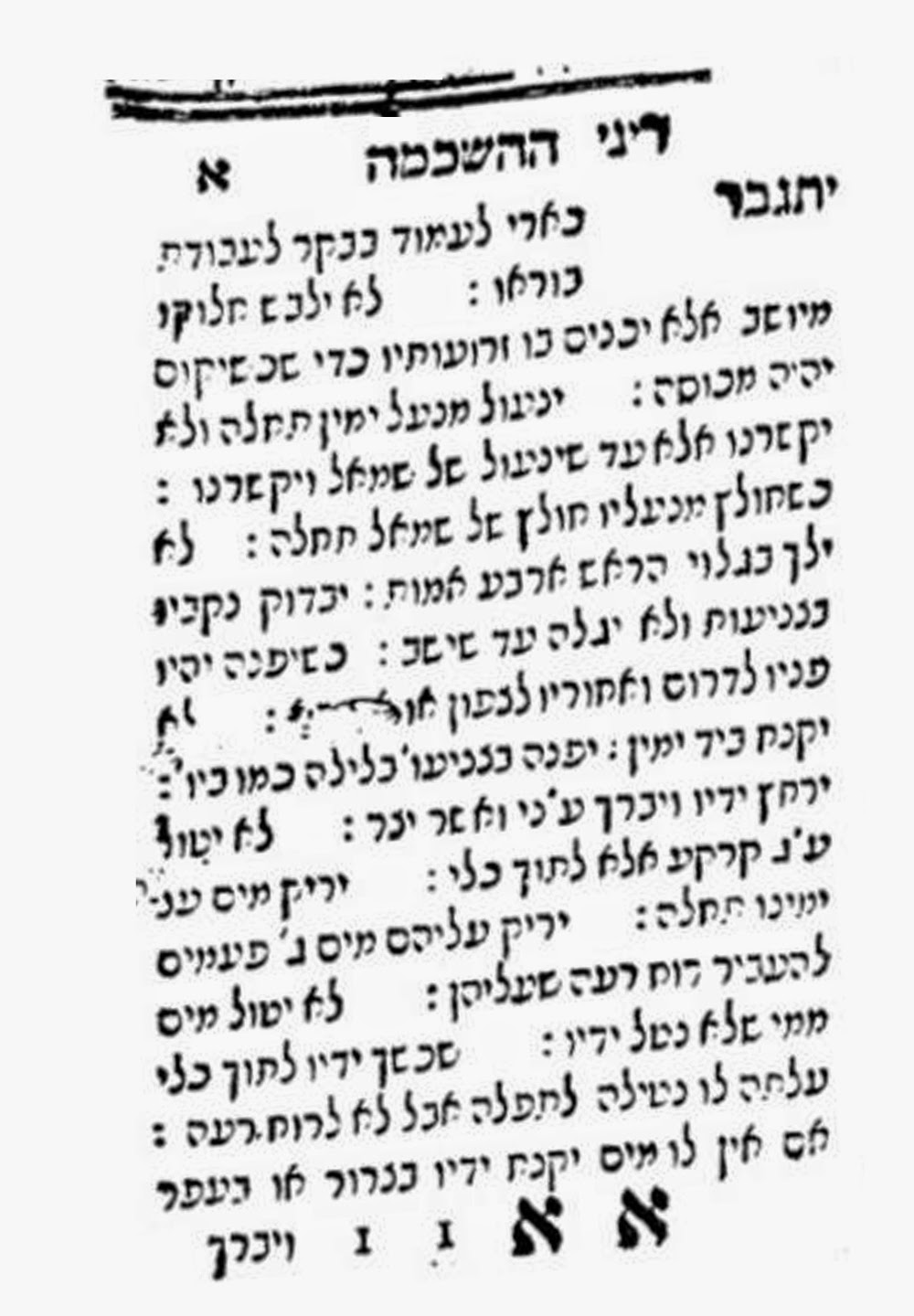
Figure 2: First edition of Shulhan Tahor by Rabbi Joseph Pardo (from
Hebrewbooks.org). The page summarizes three and a half chapters of the original
Shulhan arukh. Note how the author sometimes combines the words of RYK with the
words of Rema (line 11).
Shulhan Tahor covers Orakh Hayim and Yore Deah.
Others have a narrower scope and cover only Orah Hayim. RSZ covers even less.
Some collections are abbreviated extensively; others include more details.[3]
There are variations in the language and content; some quote opinions of later
authorities, some quote Kabbalah, some re-cast the language of the SA and some
retain the language as much as possible.


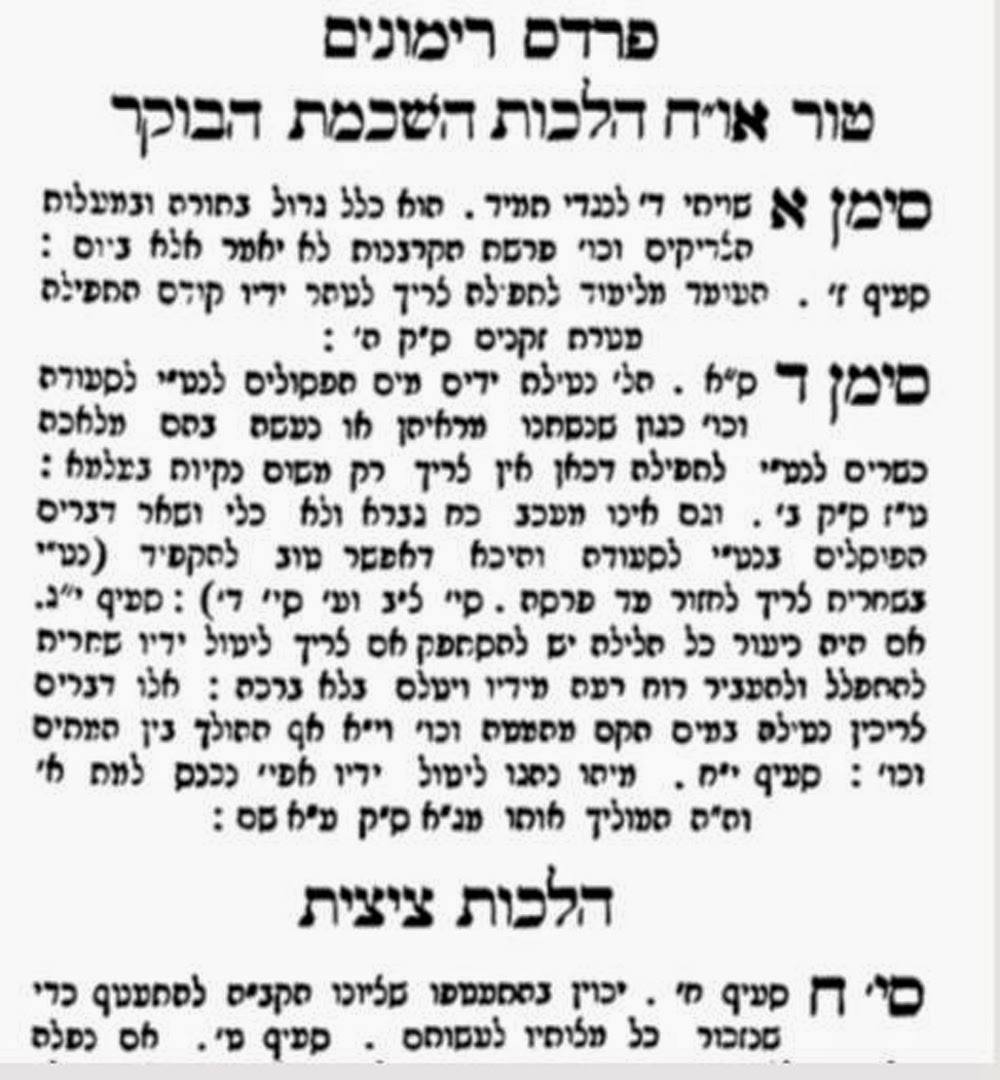
Figure 3: Pardes Rimonim by Rabbi Yehudah Yudil Berlin, (from
Hebrewbooks.org), composed in 1784. Note the author quotes Ateret Zekenim, (R.
MM Auerbach, published in 1702). The additions in parenthesis are by the
publisher of the 1879 edition.
The authors of each of these works possibly had
two goals in mind. One of the goals was to make the basic rules and practices
of the SA more accessible. To this end, certain subjects or details were left
out because they were too technical for the chosen audience. Other rules were
omitted because the situations to which they applied happened only infrequently
(בדיעבד). Many regulations
were left out because daily life and its circumstances had changed so much
since the sixteenth century.

The other goal,
and arguably the primary goal, was to provide a text of law that could be
memorized. In the introduction to Shulhan Tahor, the author’s son writes:
“every man will be familiar and fluent in these laws (שגורים בפי כל האדם)”. Likewise, the
author of Pardes Rimonim defines the purpose of his work: “so that the reader
will be fluent in these rules (שגורים
בפיו)
and will review them each month”.  In
the introduction to the Shulhan Shlomo, the author writes: “Put these words to
your heart and you won’t forget them”, and the motive of R. Shneur Zalman’s
work is:  “to know [these laws] fluently by heart”.

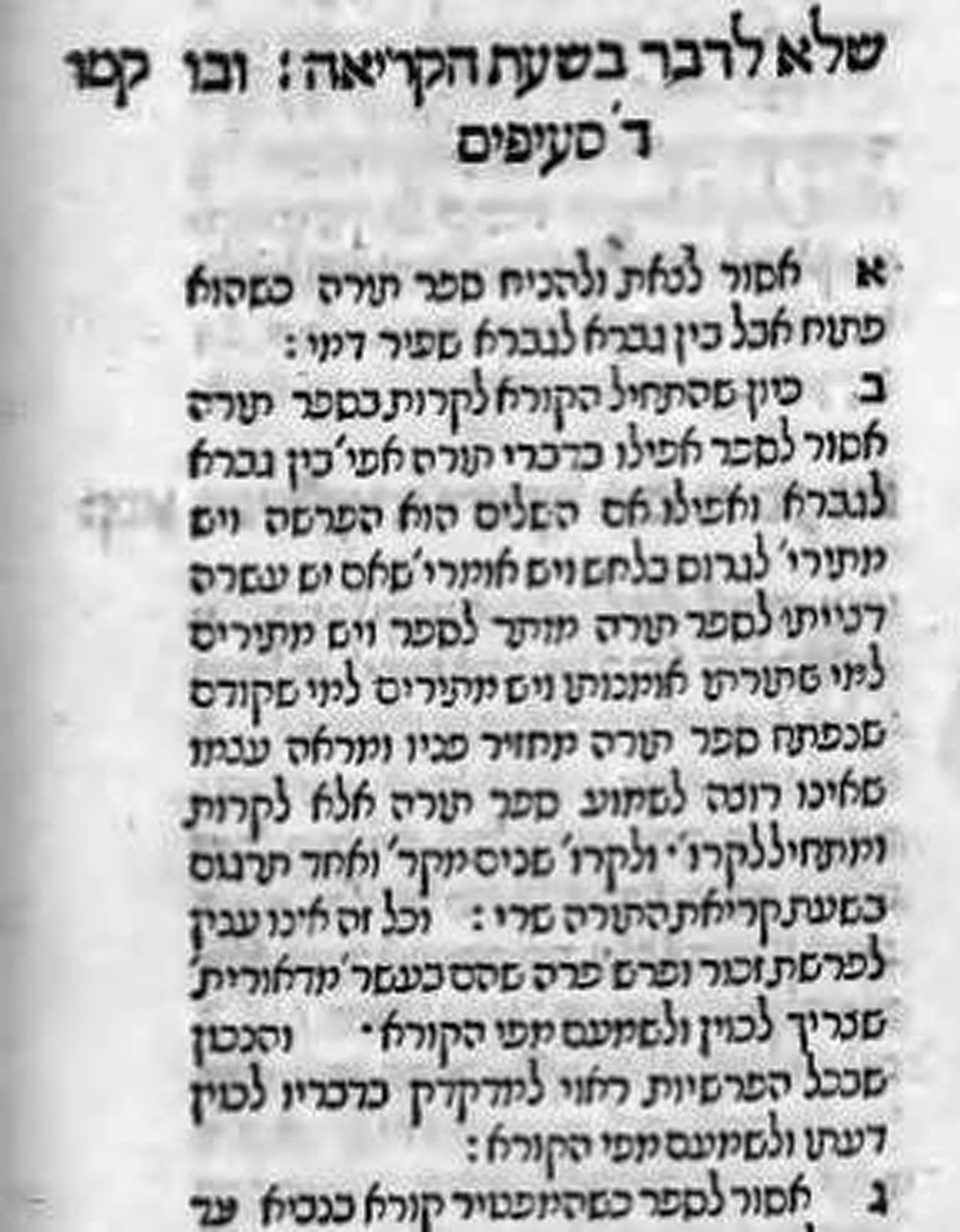
Figure 4: Introduction of Rabbi Yosef Karo – from the first edition
of the Shulhan Arukh, published in Venice in 1565 where memorization is
emphasized (from the scanned books at the website of the National Library of
Israel, (formerly the Jewish National and University Library.)
The
tradition of memorizing practical laws goes back to RYK himself, and probably
goes back even earlier.[4]
RYK writes in the introduction to his Shulhan Arukh:
I thought in my heart
that it is fitting to gather the flowers of the gems of the discussions [of the
Beit Yosef] in a shorter way, in a clear comprehensive pretty and pleasant
style, so that the perfect Torah of G-d will be recited fluently by each man of
Israel. When a scholar is queried about a law, he won’t answer vaguely.
Instead, he will answer:  “say to wisdom
you are my sister”. As he knows his sister is forbidden to him, so he knows the
practical resolution of every legal question that he is asked because he is
fluent in this book…  Moreover, the
young (rabbinical?) students will occupy themselves with it constantly and
recite its text by heart…
I’m
working on a phone version of RSZ’s work using the first print of
RYK’s SA for that portion of the text. However, (aside from the difficulty of
text justification in an EPUB), there is one typesetting decision that I’m
wondering about.  The first edition of
the SA is punctuated with elevated periods and colons.  The colons always separate each halakha, but
infrequently colons appear in the middle of a halakha. Sometimes followed by a
new line and sometimes not. The periods may appear in the middle of a halakha,
sometimes followed by horizontal white space and sometimes not.
Hebrew printing (of holy books) hasn’t changed all that
much in the past 450 years; the colons at the end of each paragraph are present
in most current editions of the Shulan Arukh, but the periods, colons and white
space in the middle of the paragraphs have largely been ignored in subsequent
prints.[5]
Do I try and duplicate this punctuation or not? Here are two examples where I
replaced the elevated period and colons with modern periods, but tried to keep
the original layout.

Figure 5: Note the raised periods and colons in the first print
(from the National Library of Israel web site).

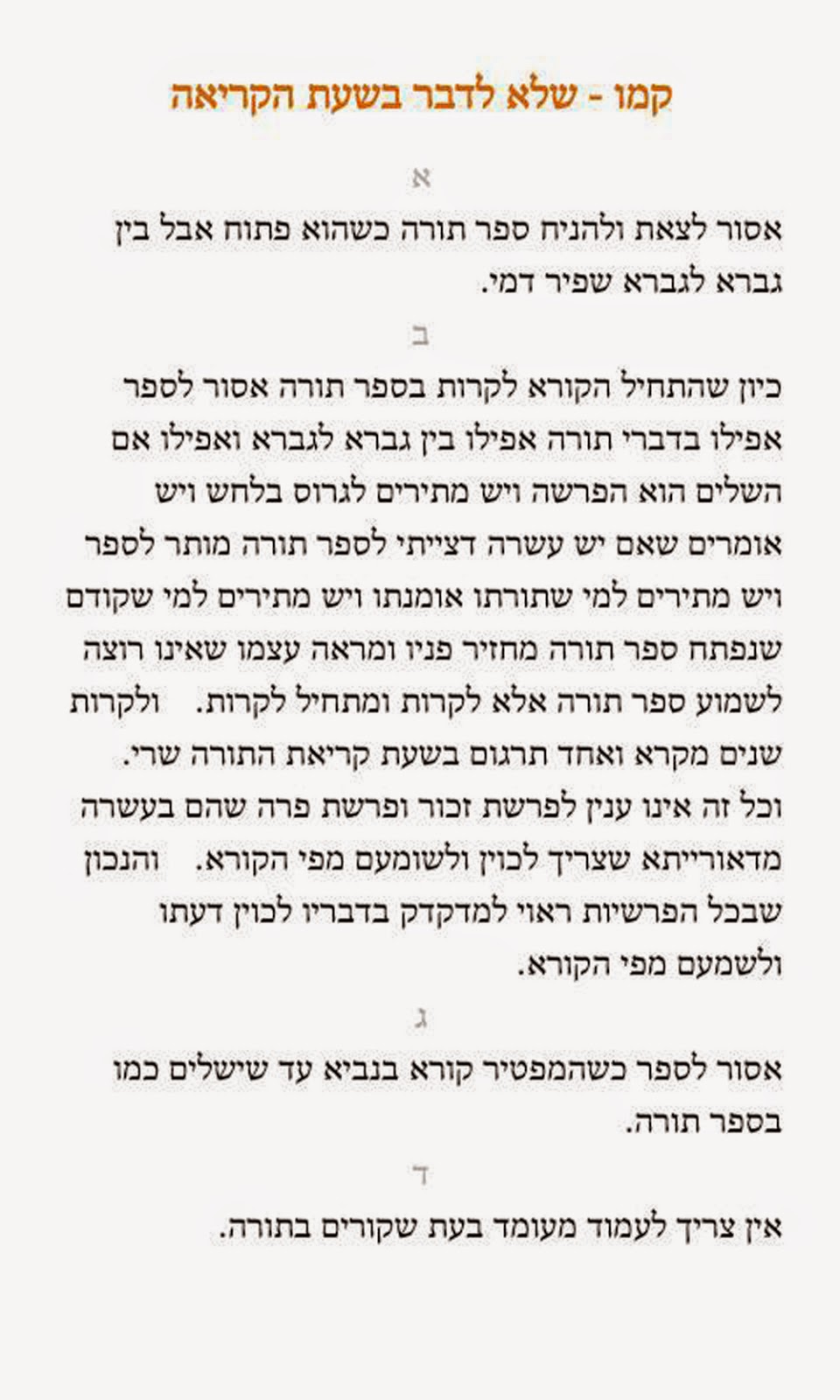
Figure 6: Screenshot of a digital version of R. Shneur Zalman’s
composition. Note periods and line feeds.

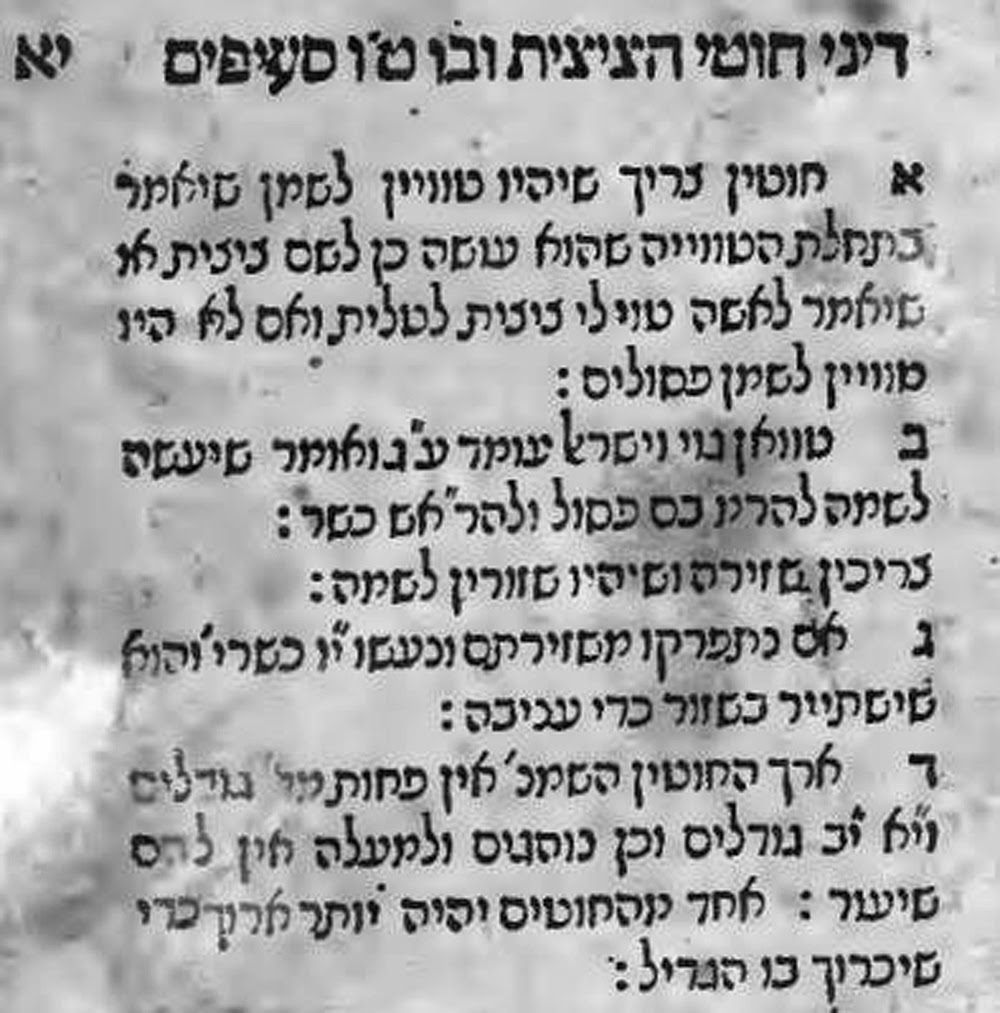
Figure 7: Facsimile of the first print of Shulhan Arukh – beginning
of chapter 11. See the colons in in the fourth halakha.

Figure 8: Screenshot of my smart phone version of R. Shneur Zalman’s
list – chapter 11

I think it’s possible that
the punctuation of the first edition of the SA was copied from RYK’s manuscript. Prof.
Raz-Krakozkin writes: He (Karo) insisted on personally supervising its
publication and made sure that the editors followed his instructions[6]. On
the other hand, I can’t explain why the punctuation marks occur so rarely.

To help decide if RYK
punctuated his manuscript before sending it to the printers, we can compare
other manuscripts that were printed then. For example, the Yerushalmi was first
printed in Venice (1523) from a manuscript, which is still extant today.

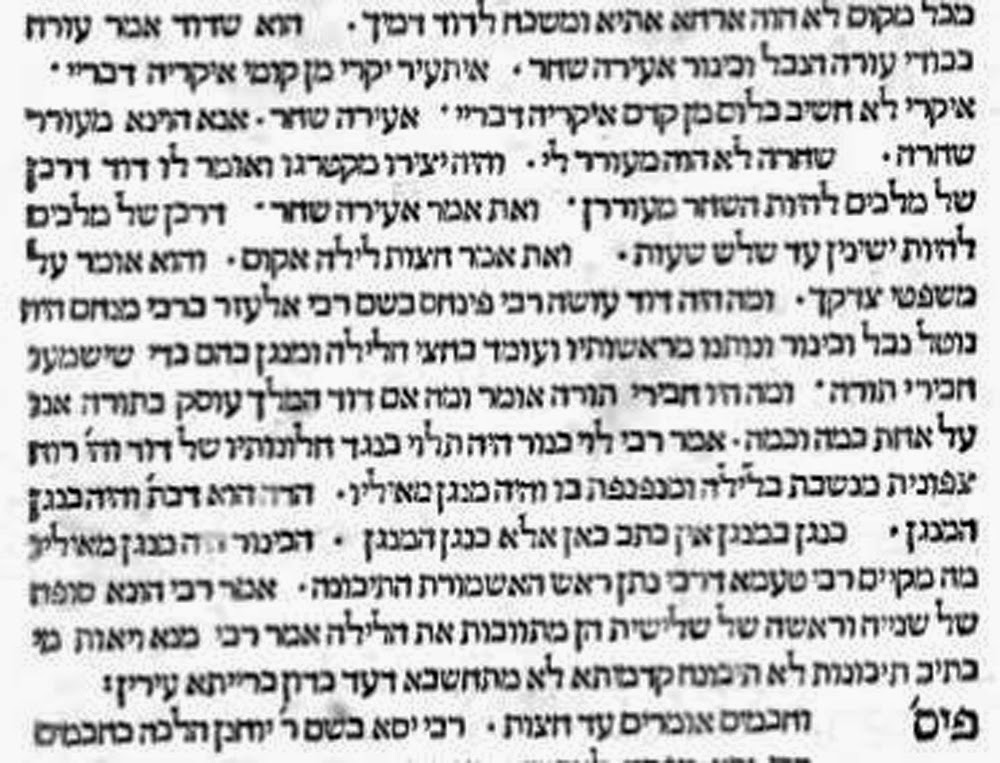
Figure 9: Facsimile of the first print of the Jerusalem Talmud
(Berakhot 1:1), with raised periods to separate word groups from the scanned
books at the website of the National Library of Israel, (formerly the Jewish
National and University Library.)

The printed version of the
Yerushalmi has elevated periods that delineate groups of words. These markings
are already found in the source manuscript in the exact same places.

Figure 10: Facsimile of Leiden manuscript of the Jerusalem Talmud
(1289 CE), Brakhot 1:1 from the Rabbinic Manuscripts on line at the National
Library of Israel web site, (formerly the Jewish National and University
Library).

Prof. Yaakov Sussmann[7]
speaks of two possibilities concerning the origin of the
Talmud Yerushalmi’s punctuation. The punctuation may be relatively recent – the
scribe punctuated the text or the punctuation existed in the manuscript that
the scribe copied from.  Alternatively,
the punctuation might be a reduction or simplification of cantillation marks
that were common in much older rabbinic manuscripts. Either way, the printers
didn’t invent the punctuation.

Our editions of the Gemara (the Babylonian Talmud) have colons (“two
dots”) in strategic places.[8]
These colons already exist in one of the first Talmud editions – the Bomberg
Talmud (Venice 1523).

Figure 11: Facsimile of a page of Bomberg Talmud (Betza 21a) showing
colons. (The horizontal lines near the colons are either blemishes, or markings
by hand.) Note the horizontal white space after the colons.

Most volumes of the Bomberg
edition were not printed from manuscript, but were copied from the Talmud
printed by Joshua Moses Soncino in 1484[9].
In the Soncino Talmud, we find separators in the exact places as the colons of
the Bomberg edition. The Soncino Talmud had two types of
punctuation: a top comma (or single quote mark) that marks off groups of words
(like the Yerushalmi has) and a double top comma (double quote mark). When
Bomberg printed his edition (40 years later), his printers replaced the double
commas with colons (and dropped the single commas).

Figure 12: The bottom of a page in Soncino, coresponding to the same
page (21a) in Betza. Note the two elevated commas, where we have a colon and
the subsequent horizontal white space. (The Soncino Talmud does not have the
same pagination as us). From the National Library of Israel web site.

Figure 13: Top of the next page in the Soncino edition, corresponding
to our Betza 21a. Note again 2 commas where we have a colon.

It would be difficult to trace the origins of the colons much further.
We don’t know which manuscripts were used by the printers of the Babylonian
Talmud, and in any case the many Talmud burnings in the 1550’s in Italy
destroyed most of the manuscripts that were there. Nevertheless, there is at
least one old manuscript that has punctuation marks similar to what we find in
the Soncino Talmud.

Figure 14: Snippet from Gottingen University Library Talmud
manuscript showing the upper double comma separator for the same page – Betza
21a (From the Rabbinic Manuscripts on line at the National Library of Israel
web site, (formerly the Jewish National and University Library).)

The Gottingen manuscript is a Spanish
manuscript from the early thirteenth century[10] – almost three hundred years older than the Talmud printed
in Soncino. It doesn’t have the upper single commas that Soncino edition has,
but it does have the same double comma in the same places that the Soncino
print has.  Just to repeat: the pauses
represented by colons, that we see in our Talmud are at least 800 years old!
It’s at least possible (likely?) that RYK’s own SA manuscript was
punctuated just as the Talmudic manuscripts that he studied from were.
Summary
I introduced RSZ’s
abbreviated (Kitzur) SA, and discussed it in the context of other similar
works. I mentioned that the authors aimed at producing collections of relevant laws
that could be memorized. I noted that the first edition of the SA was punctuated
differently from following versions. I suggested (based on comparisons with
early printed Talmuds) that the punctuation was probably the work of RYK and
not the work of the printers.

[1] Mondshine, Y. (Ed.).
(1984).  Migdal Oz (Hebrew), Kfar Habad:  Machon Lubavitch , pp.  419-421. Dedicated to the memory of Rabbi
Azriel Zelig Slonim ob”m. Essays on Torah and Hassidut by our holy Rabbis, the
leaders of Habad and their students, collected from manuscripts and authentic
sources and assembled with the help of the Almighty.
[2] Maimon, Rabbi Yehuda
Leib, The history of the Kitzur Shulhan Arukh (Hebrew), published in Rabbi Shlomo
Ganzfried, Kitzur Shulhan Arukh, Mossad Harav Kook Jerusalem Israel 1949. The
earlier works mentioned are: Shulan Tahor by R. Joseph Pardo,edited/financed by
his son David Pardo, Amsterdam 1686. Shulan Arukh of R. Eliezer Hakatan  by Eliezer Laizer Revitz printed by his
son-in-law R. Menahem Azaria Katz, Furth 
1697. Shulhan Shlomo by Rabbi Shlomo Zalman Mirkes printed in Frankfort
(Oder) 1771. Pardes Rimonim by R. Yehuda Yidel Berlin, composed in 1784 and
printed for the first time in Lemberg (Leviv) 1879. 
[3] RSZ’s digest from the
beginning until the end of chapter 156 contains 18,000 words while the same
portion of the big Shulhan Arukh contains approximately 40,000 words. A word is
loosely defined as a group of characters separated by a space or by spaces.
[4] In the introduction to
the Mishne Torah, Maimonides writes: “I divided this composition into legal
areas by subject, and divided the legal areas into chapters, and divided each
chapter into smaller legal paragraphs so that all of it can be memorized.”  See: Studies in the Mishne Torah, Book of
Knowledge Mossad Harav Kook, Jerusalem (Heb.) by Rabbi José Faur for a
discussion and explanation of the study methods of Middle Eastern Jews (page 46
and following pages, especially footnote 60).
[5] The National Library of
Israel, (formerly the Jewish National and University Library) has the edition
of the Shulhan Arukh printed in Krakow in 1580. This is the second version with
the notes of the Rema (which was first printed in 1570) and it doesn’t have the
original punctuation marks.
[6]  “From Safed
to Venice: The Shulhan ‘Arukh and the Censor” (in: Chanita Goldblatt, Howard
Kreisel (eds.), Tradition, Heterodoxy and Religious Culture, Ben
Gurion University of the Negev  (2007)
91-115). 
A.M. Haberman, The First Editions of the Shulhan Arukh
(Heb.) on the daat.ac.il web
site, (from the journal Mahanaim # 97 1965 p 31-34.) suggests that the
editor/corrector of the first edition, Menahem Porto Hacohen
Ashenazi created its table of contents.
See also the discussion about who created the chapter headings, (a
pre-requisite for the table of contents), in Gates in Halakha (Heb.), Rabbi
Moshe Shlita, Jerusalem 1983, page 100. He argues that the chapter headings of
the Shulhan Arukh could not be the work of Rav Yosef Karo. 
[7] Talmud Yerushalmi
According to Ms Or 4720 of the Leiden University Library, Academy of the Hebrew
Language Jerusalem 2001 Introduction by Yaakov Sussmann.
[8] Cf. Rashi in the
beginning of Leviticus “What is the purpose of the horizontal white-space (in
the text of the Torah)? It gives Moshe some space to contemplate between a
section and the next section, between a topic and the next topic.  (Rashi Lev. 1:1 s.v. vayikra el Moshe (2nd)
from the Sifra.
[9] Raphael Nathan Nata
Rabbinovicz. Essay on the printing of the Talmud  (Hebrew).
[10]  M. Krupp in The Literature of the Sages,
Oral Torah, Halakha, Mishna, Tosefta, Talmud, External Tractates (Compendia
Rerum Iudaicarum Ad Novum Testamentum)
 Fortress Pr; 1987 Part 1 Shmuel Safarai ed,  p 352. 


אור חדש במעשה ברבי אלעזר בהגש”פ

אור חדש במעשה ברבי אלעזר בהגש”פ
מאת דוד פרקש*
מעשה ברבי אלעזר ורבי יהושע וראב”ע ורבי עקיבא ורבי טרפון שהיו מסובין
בבני ברק, והיו מספרים
ביציאת מצרים כל אותו הלילה, עד שבאו תלמידיהם ואמרו להם, “רבותינו, הגיע זמן קריאת
שמע של שחרית.”
 רבים תמהו על זה, איך אפשר שראשי הרים כאלה, גדולי הדור
כולם, ישכחו זמן קר”ש? והאיך שייך שלא אחד מהם זכר הזמן, עד שהוצרכו
לתלמידיהם להזכירם? הן אפילו מי שאסרו לעסוק בתורה קודם זמן קר”ש כמו שאר
מלאכות שאסורים קודם זמן קר”ש, היינו דוקא כשלומד יחידי, אבל לא כשלומד בבית
הכנסת בצבור. (ע’ הרא”ש ורבינו יונה לברכות ה:, אליבא דרש”י שם,
וע” שו”ע או”ח ס’ פט ס”ו) 
ולכאורה פשוט הטעם מפני שבצבור ליכא למיחש שמא יטרד בגירסא ויעבור הזמן, כי
א”א שאין אף אחד מהצבור יזכור ויאמר לחבירו. ולכן שוב פעם קשה, אי אפילו
להדיוטות לא חיישינן, האיך אפשר שכל חכמים אלו שכחו?
והנה הצעד הראשון הנחוץ לתת פתרון לבעיית כלשהי בדבר הכתוב, הוא להבין בדיוק מה
באמת כתוב.  כאן, נוהגים העולם לקרוא
המאמר דלעיל כאילו באו התלמידים, והם הם אשר אמרו לרביהם  “רבותינו, הגיע זמן קר”ש של שחרית.”
אבל נחזי אנן. מצינו כמה מקומות בספרי חז”ל, בבלי ומדרדים, אשר בהם בעל המאמר
עצמו – כלומר, הסתמא –  קא קרי להרבנן
בהמאמר בשם המונח, “רבותינו.” ראה כמה דוגמאות:
·       
שבת (לג:) ת”ש כשנכנסו רבותינו לכרם ביבנה היה שם רבי
יהודה ור’ אלעזר בר’ יוסי ור”ש נשאלה שאלה זו בפניהם וכו’.
·       
שם (קלח:) ת”ר כשנכנסו רבותינו לכרם ביבנה אמרו עתידה
תורה שתשתכח מישראל שנאמר וכו’.
·       
יבמות (סב:) אמרו שנים עשר אלף
זוגים תלמידים היו לו לרבי עקיבא מגבת עד אנטיפרס וכולן מתו בפרק אחד מפני שלא
נהגו כבוד זה לזה והיה העולם שמם עד שבא ר”ע אצל רבותינו שבדרום ושנאה להם
ר”מ ור’ יהודה ור’ יוסי ורבי שמעון ורבי אלעזר בן שמוע והם הם העמידו תורה
אותה שעה.
·       
ויקרא רבה (ה:ד) מעשה בר’ אליעזר ור’ יהושע
ורבי עקיבא שהלכו לחולות אנטוכיא לעסק מגבת צדקה לחכמים והוה תמן חד בר נש והוה
שמיה אבא יודן והוה יהיב פרנסה בעין טובה פעם אחד ירד מנכסיו וראה רבותינו שם ונתכרכמו
פניו, הלך לו אצל אשתו וכו’
·       
דברים רבה (ואתחנן כד) מעשה שהיו רבותינו ברומי
ר”א הוא אליעזר בן הורקנוס ורבי יהושע הוא יהושע בן חנניה ורבן גמליאל.
·       
שם (ראה ח) מעשה בר”א ור’ יהושע שיצאו
לגבות לעסק מצות רבותינו הלכו לחילתה של אנטוכיא והיה שם אדם אחד והיה נקרא אבא
יודן והיה למוד ליתן לרבותינו ביד רחבה וכו’.
·       
שיר השירים רבה (ב:ג) (מדרש חזית) בשלפי השמד
נתכנסו רבותינו לאושא ואלו הן ר’ יהודה ורבי נחמיה ר”מ ור’ יוסי ורשב”י
ור’ אליעזר בנו של רבי יוסי הגלילי ור’ אליעזר בן יעקב.
אין מן הצורך לכנם לסבך השאלה של זמן עריכת הש”ם
והמדרשים (או חלקיהם.) הרי ידוע כי אפילו אותם מסכתות או מדרשים שהגיעו לצורתם הסופית
בזמן מאוחר, עדיין נכללים בהם מאמרים עתיקים מזמן קדום. הרי עובדה היא כי מונח זה
–  “רבותינו” –  מרגלא בפומייהו של עורכי התלמוד והמדרשים.
וידוע כי גם ההגדה של פסח כבר היה חטיבה בפני עצמה בזמן הגמרא, והיא נזכרת בגמרא ככך.
(ע’ בבא מציעא קטז. רבא אפיק זוגא דסרבלא וספרא דאגדתא מיתמי בדברים העשויין
להשאיל ולהשכיר. ושמא תאמר זהו רק ספרי אגדה בעלמא, ע’ פסחים קטז: והאמר מרימר
שאלתינהו לרבנן דבי רב יוסף מאן דאמר אגדתא בי רב יוסף.)
ושים לב בפרט מי נכללים בהחכמים הנזכרים בתור “רבותינו”
ברוב הדוגמאות דלעיל –רבי אליעזר, רבי יהושע, רבי עקיבא, רבי אלעזר, חכמי יבנה –  היינו בדיוק החכמים שנזכרו במעשה ברבי אלעזר
בבני ברק.[1]
והנה ידוע היא איך שפסיק אחד שלא במקומו עלול לגרום טעות
שלמה בהבנת דברים שבכתב. (לדוגמאה אחת ע’ מחקרים בדרכי התלמוד להגר”מ מרגליות
ערך “רב הונא ורב חסדא”, והוא כותב שם “מכאן אזהרה לאותם
“הפוסקים” תלמודא דידן בסימני פסוק, כמה מומחיות וזהירות צריכה
לכך.”) ללא ידיעת מקום הנכון ששייך הפסיק, המשפט יכול לשנות לגמרי.
ועתה, כבר כתבתי שנוהגים להבין המעשה כאילו התלמידים באו
ואמרו “רבותינו, הגיע זמן.” ברם, אחרי כל האמור לעיל, נ”ל שהמובן
בדיוק הפוך: “רבותינו” כאן הוא דברי הסתמא, לא התלמידים. רבי
אלעזר וחבריו היו מסובין בבני ברק, והיו מספרים ביציאת מצרים כל אותו הלילה
עד שבאו תלמידיהם ואמרו להם רבותינו, “הגיע זמן קריאת שמע של
שחרית.” כלומר, הרבנן בעצמם עסקו בספור יציאת מצרים, ובאו תלמידיהם – לשמוע
ולהקשיב – וכשהגיע זמן קר”ש, הפסיקו הדיון ואמרו רבותינו  בעצמם לתלמידים (או רב אחד אמר לשני) שעכשיו
נפסיק, כי הגיע זמן קר”ש.
ואולי יש להביא קצת ראיה לכך מהמקביל היחיד הידוע לי,
התוספתא האחרונה לפסחים (י:ח) (הובא בטור ס’ תפא) שם כתוב כך:
 “חייב אדם [לעסוק בהלכות הפסח] כל הלילה אפילו בינו לבין
בנו אפילו בינו לבין עצמו אפילו בינו לבין תלמידו מעשה ברבן גמליאל וזקנים שהיו
מסובין בבית ביתוס בן זונין בלוד והיו [עסוקין בהלכות הפסח] כל הלילה עד קרות הגבר הגביהו מלפניהם ונועדו והלכו [להן] לבית המדרש איזו היא ברכת הפסח ברוך אשר קדשנו במצותיו וצונו לאכול הפסח איזו
ברכת הזבח ברוך אשר קדשנו במצותיו וצונו לאכול הזבח.”[2]
אמנם אין מקור זה דומה בדיוק להגש”פ. מיהו, קרוב הוא, וכאמור
זהו המקביל היחיד להמעשה אשר מובא בהגדה. וכאן הרי אין זכר כלל לענין תלמידים. הם
לא נזכרים בכלל, ואין להם שום קשר להמעשה. אדרבה, לפי התוספתא היו עסוקים עד קרות
הגבר. משמע לכאורה כי לא היו התלמידים חלק מרכזי להספור. ולפי הקריאה המסורתי המקובלת,
קצת קשה, כי מי הזכיר הרבנן שהגיע זמן? ברם, לפי הדרך שהצגתי כאן עולה יפה, כי
באמת ביאת התלמידים רק היה גרמא בעלמא –  כמו
קרות הגבר – ששרת כסימן להחכמים שהגיע זמן לפסוק. אבל אפילו בלעדיהם  היו מפסיקים רבותינו  לקרות קר”ש.
יודע אני שקשה לסבול הבנה אחרת לחלוטין מהמובן המסורתי. אבל זה באמת נראה לענ”ד
אמתת הדבר. בהבנה זו מסולקת כל הקושי אשר בו התחלתי. ותכלית הדרשה, כלומר נקודת
הלקח של המאמר, לא זזה ממקומה כלל וכלל. בעל ההגדה מדגיש לנו חשיבות ספור יציאת מצרים,
שהחכמים עסקו בו כל הלילה. לא הוצרכו לתלמידיהם להזכירם, אלא אדרבה, הם הזכירו
אותם. ועתה מנוחתם כבוד.
* Mr.
Farkas, an attorney practicing as in-house labor counsel for FirstEnergy
Corporation, received his rabbinic ordination from Ner Israel Rabbinical
College in 1999. He lives with his family in Cleveland, Ohio.  This is his second appearance in the Seforim
Blog, see his article “Rashbam the Talmudist,
Reconsidered.” (November, 2012).


[1]
אין זאת אומרת כי לא נמצא מקומות אחרות שהמונח “רבותינו” קאי על דור
מאוחר. אדרבה, מצינו בגיטין (עו:) תנא רבותינו התירוה לינשא מאן רבותינו אמר רב
יהודה אמר שמואל בי דינא דשרו מישחא, פרש”י ר’ יהודה נשיאה שהיה בימי
האמוראים בן בנו של רבינו הקדוש. אבל כבר כתב ר”י הלוי בדורות ראשונים (חלק ה
, פרק ט) ש-“יש בזה דבר חדש אשר לא הושם אליו לב כלל ודבר גדול מאד… שדברי
שמואל בגיטין מאן רבותינו, בי דינא דשרו משחא (והיינו ר’ יהודה נשיאה ובית דנו)
אינו על פרט הזה לבד, כי אם שהוא כלל על כל הש”ס, על כל ההכרעות בשם
“רבותינו” אחר דין המשנה.” וע’ש בהמשך דבריו שזהו דור אחרון
של תנאים. אנן הב”ע בדור או דורות שלפני זה.                                     
כמו”כ
מצינו “רבותינו שבבבל” שקאי ארב ושמואל, ו”רבותינו שבארץ
ישראל” שקאי על רב אבא. (שבועות מז.) אבל זהו דוקא בשם לוואי, כמבואר בגמרא
שם, לא בשם “רבותינו” בלבד.                      
                                                                                                                          
          
[2]    אין
שינויים מהותיים בגירסאות המובאות במהדורות חזון יחזקאל או תוספתא כפשוטה


Plagiarism, Citation, and Redemption

Plagiarism, Citation, and Redemption
 By Jeremy Brown
Jeremy Brown is
the author of New Heavens and a New
Earth; the Jewish Reception of Copernican Thought
. He
writes on science, medicine and the Talmud at Talmudology.com
Plagiarism, it
seems, has never been so widespread. Remember How Opal Mehta Got Kissed, Got
Wild and Got a Life
, the 2006 debut novel from Harvard
undergraduate Kaavya Viswanathan? The author had plagiarized several
passages from others (including Salman Rushdie) and the publisher Little
Brown recalled
and destroyed all its unsold copies. It’s not just authors;
politicians plagiarize too. In 2013 the German minister for education
resigned amid allegations
she had plagiarized
her PhD. thesis, and last year Senator Jon
Walsh of Montana had his Master’s Degree revoked by the US Army
War College, which determined that it
had been plagiarized
. (Walsh dropped
out
of the Senate race as a result of the scandal.)  
Plagiarism is
not just for politicians; academics do it to. Retraction Watch has reported at least
268 academic papers that were plagiarized. In fact plagiarism has become
so pervasive in academia (and the need to report it has become so
important) that a recent
paper
paper in Ethics & Behavior gives advice for academics
considering becoming plagiarism whisleblowers. 
This seems
to be a very good time in which to remind ourselves that the full and proper
attribution of the work of others is a core Jewish value.  When authors of
ideas are properly acknowledged, the Talmud (Yevamot 97a) states that “their
lips move in the grave.” Life is briefly restored to the author when his
teachings are recalled.
Sadly, Jewish
literature has a many examples of plagiarism, improper attribution, and other
infractions of publication etiquette. So widespread is the plagiarism of
Jewish texts that it might even be considered a separate genre of Hebrew
literature. Some examples have already been examined in the virtual pages of
this Seforim Blog, but we will focus on
three. They are each different, and their ethical breaches are not to be
equated, but they are reminders of the responsibility of those who publish to
check, double check, and attribute. 
1. PARTIAL
OR INACCURATE CITATION
Inaccurate
citation is a relatively lightweight problem, but it’s a problem
nevertheless. The English language Schottenstein Talmud, published by
ArtScroll, chose a censored text of the Talmud as the basis for its
translation project. (Full disclosure: I enjoy the Schottenstein
Talmud, and study from it each day, God bless it).  As I’ve
pointed out before on
this blog,
this was a sad choice, and a missed opportunity to return the
text to its more pristine (and more challenging) state. 
One example of
ArtScroll’s decision is found very early on in Berachot
(3a). There, the original uncensored text records a statement said in the
name of Rav:
 אוי
לי שהחרבתי את ביתי ושרפתי את היכלי והגליתים לבין אומות העולם
Woe is me
[God], for I destroyed my home [the Temple], burned my Sanctuary,
 and sent [the Jewish People] into exile among the nations of the
world. 
However, the
editors of the English ArtScroll Talmud chose to use a censored text in which
an additional phrase was slipped in by the censor:
Woe to my
children who sinned, [and hence made me, God] destroy my home
[the Temple], burn my Sanctuary, and send them into exile among
the nations of the world. 
Here is
a version of the uncensored text- the one that ArtScroll could have
used.  As you can see, the censor’s additional text is not there:
Then, to
compound the error, the ArtScroll Talmud adds a footnote explaining the
metaphorical meaning of this erroneous text!

To be clear:
ArtScroll did not plagiarize anything, but they should have done a better
job of quoting the text accurately. After all, isn’t that what Rabbi Yochanan
taught us to do? Had they done so, the lips of the great sage Rav, whose
teachings were improperly amended by the censor, would again
“move in his grave”.
Now on to
more egregious issues – hard-core plagiarism.
2.  PLAGIARISM
IN PART

Copying a chunk
of text or some choice word phrases without proper attribution is also
plagiarism. One example of this is found in the 500 year-long debate over
whether Jews could believe in the Copernican model of the solar system in which
the sun was stationary.  In the late nineteenth century Reuven Landau (c.
1800-1883) took a conservative position against this model. He found it to be
existentially threatening, and argued that because humanity was the center of
the spiritual universe, it must live in the very center of the physical one.
But rather than outline his claims in his own words, he stole from the very
-widely read Sefer Haberit, an encyclopedic work that had been published
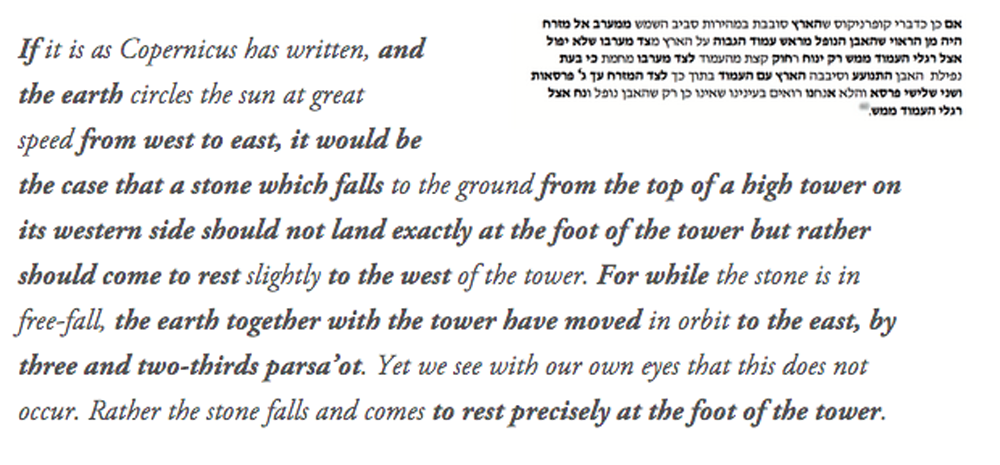
some one hundred years earlier. Here is an excerpt from Landau’s text, in which
he raises what he believes to be scientific objections to the Copernican model.
The bold text shows where the text is identical to Sefer Haberit,
first published in 1798. 
Quite simply
put, Landau stole from Sefer Haberit. A simple attribution was all that
was needed. And it was not there. (You can read more about this plagarism here,
and more about Sefer Haberit in my
book
, and in this
recently published work
from David Ruderman.)


Finally, let’s
look at an example of full, unadulterated plagiarism: the stealing, word for
word, of paragraphs – and then an entire book.
 3.
PLAGIARISM IN FULL: STEALING AN ENTIRE CHAPTER, WORD FOR (ALMOST) WORD
In 1788 in
Berlin, Barukh Linda (not to be confused with the plagiarist Reuven Landau)
published a small encyclopedia for children called Reshit Limmudim. In
it, Linda carefully explained the heliocentric model of Copernicus and how the
planets moved around the sun. This book became, in the words
of the historian Shmuel Feiner the “most famous, up-to-date book on the
Hebrew bookshelf at the end of the eighteenth century,” And then, a year
after it was published a Rabbi Shimon Oppenheimer, living in Prague, stole from
it.
Oppenheimer
(1753-1851) objected to the claim that the earth revolved around the sun, and
in 1789 in Prague he published Amud Hashachar in which he detailed his
opposition. But rather than use his own words, he stole, word for word,
the descriptions of the solar system from the pro-Copernican Reshit Limmudim,
carefully leaving out the bits that supported Copernicus. In a move that pushes
hutzpah to a new level, Oppenheimer even published a moving dedicatory
poem as if it had been written to him, though he changed a few awkward phrases
here and there, since the original poem mentioned Linda by name. However, the
poem plagiarized from one written as a dedication to the real author Linda –
from the great man of letters Naphtali Herz Wessely. 
When it came to
plagiarism, this Rabbi Oppenheimer was a repeat offender.  Because in 1831
he published Nezer Hakodesh,
a book on religious ethics (I’ll say that again in case you missed it – it’s
a book on religious ethics
)…which he plagiarized from the 1556 work Ma’alot
Hamidot
!  Here’s an example so you can see the scale of the
plagiarism.
There is a
fascinating end to the story. The famous Rabbi Yechezkel Landau (that’s
the third Landua/Linda in this little post –sorry), head of the Bet Din in
Prague, banned Oppenheimer from printing further copies of Amud Hashachar,
but not because it was plagarized.  Rather, Chief Rabbi Landau
objected to the book’s frontispiece, in which Oppenheimer described himself as
“The great Gaon, sharp and famous, the outstanding investigator Shimon”.
Read it for yourself:


First edition of השחר עמוד, Prague 1789. From
the Jewish National and University Library, Jerusalem

Remarkably, in
his rebuke, the head of the Bet Din made no mention of the fact that sections
of the book were plagiarized, even though this information was widely known.
Oppenheimer proceeded undeterred, and published a second edition of his
plagiarized and anti-Copernican work – although he was “honest” enough to
remove the stolen poem praising his book – the poem that had originally been
written by Naphtali Herz Wessely in praise of Lindau’s Reshit Limmudim.
In his recently
published autobiography
, the British comedian John Cleese (of Monty
Python
and Fawlty Towers fame) recalls how he reacted the very
first time that he was recognized after a stage performance. As he walked home,
a family who had been in the audience pointed at him and waived. It was by all
accounts a small gesture, but Cleese recalled its effects in
detail even fifty years later:
I can still
remember the sudden feeling of warmth around my heart that swelled and swelled
and lifted my spirits. It is as though I had been accepted into a new family,
and acknowledged as having brought them something special that they really
appreciated. It was only a moment but  it was wonderful, and they didn’t
even know my name…in today’s celebrity culture it must be hard to imagine
that a tiny moment of recognition like that could feel so uncomplicated and
positive…
The need for
recognition is not a vice or a character flaw, but a profound human need.
To ignore it is not just an oversight but an act of neglect.  The rabbis
of the Mishnah and the Talmud understood the corollary: that to attribute
is to nourish. To acknowledge the creative act of another person is a kind
of blessing, like those required before eating, or on seeing a beautiful vista.
 Blessings and citations acknowledge the creative impulse in others, and
so make the world a little bit better. They are redemptive. As we approach
Pesach, the festival of our redemption, we should remember one final text about
the power of correct citation. It was, after all, a citation that saved the
Jewish people:
“Whoever cites
something in the name of the person who originally said it, brings redemption
to the world. As the prooftext states – “And Esther told the King in the name of Mordechai…”  (Pirkei Avot 6:6)


Tools to help one Understand Piyutim

Tools to help one Understand Piyutim
על כלים פרשניים להבנת הפיוטים
מאת: הרב יצחק זילבער ראש הכולל “אור חיים – פארשעי” מאנסי ניו יורק
על כלים פרשניים להבנת הפיוטים
בשנים האחרונות זכינו ליבול מבורך של חיבורים שנועדו להנגיש את פיוטי התפילה לציבור הרחב. אותם פיוטים שאנחנו אומרים בתוך התפילה, בסליחות וכדומה, לשון הפיוטים האלו זרה וקשה בשביל רוב האנשים בימינו, וגם הבקיאים בתחום מתקשים הרבה פעמים להבין את המכוון על בוריו. אליבא דאמת: תופעת כתיבת פירושים לפיוטי התפילה אינה חדשה כלל וכלל, כבר מלפני כאלף שנה לימד רבן של ישראל את פירושי פיוטי התפילה לתלמידיו, והם העלו את הדברים על הכתב (ראה על כך להלן). והיו עוד חכמים בתקופת הראשונים שעסקו בכתיבת פירושים לפיוטים. המפורסם שבהם הוא ספר ‘ערוגת הבושם’ – אבל הוא לא היחיד, גם רבי יוסף קרא ורבינו משולם וראשונים נוספים עסקו בזה, ומאז ועד היום מתפתחת והולכת הסוגה הספרותית הזאת.


אריח על גבי לבינה
רציתי לעמוד כאן על שני אמצעים חשובים היכולים להיות לעזר רב בהבנת הפיוטים, ודווקא אמצעים אלו נזנחו לצערנו בדורות האחרונים. האמצעי הראשון שייך לצורה החיצונית של הפיוט, והשני – לתוכן הפיוט. הצורה של הפיוט – הכוונה לתבנית שהפיוטים מופיעים בספרים הנדפסים לפנינו, וזו מוזרה מאוד! מאז שמשה רבינו כתב את התורה עד ימינו אנו מעולם לא עלה על דעתו של אדם – בן ברית ושאינו בן ברית – לכתוב שירה בשורות מלאות כמו פרוזה. טבעה של שירה שהיא נכתבת בשורות קצרות, איברים איברים. וזהו אכן המצב בכתבי היד של הפיוטים, הם נכתבים בצורה של שירה. בראשית הדפוס – אולי מחמת יוקר הנייר והעבודה, שינו והדפיסו את הפיוטים באופן מעוות, במגילה אחת כמו פרוזה. יחיד בדורו היה רבי דניאל גולדשמיד שהדפיס הפיוטים כתיקונם, אבל לצערנו אחרים לא הלכו בדרכיו. אין ספק שלו ישכילו מדפיסי דורנו לסדר את הפיוטים כתיקונם, זה כשלעצמו לבטח יועיל הרבה להבין את מבנה הפיוט, ומסתבר שגם יועיל להבנת פירוש המילות.
שרשור הפסוקים
ומכאן להשמטה משמעותית יותר שנעשתה במשך דורות – השמטת הפסוקים שבאים דרך קבע אחרי פיוטים שונים. בכל כתבי היד, אחרי פיוטים מסוימים נהגו הפייטנים לשבץ שרשרות פסוקים. לדוגמא: בפיוטים לשחרית של ד’ פרשיות, (מערכת מהסוג הזה נקראת ‘קדושתא’, אומרים פיוטים רק בשלש הברכות הראשונות, והפיוט האחרון, הארוך, עולה [‘סלק’] לתוך הקדושה), בפיוטים מן הסוג הזה משתבצים שרשרות פסוקים בשלושה מקומות. הפייטנים הקדישו תשומת לב רבה לפסוקים האלה: הפסוק הראשון שבשרשרת נבחר תמיד בקפידה, בדרך כלל על פי מסורות קבועות, אחרי ה”מגן” (הפיוט של ברכת מגן אברהם) הביאו את הפסוק הראשון שבקריאת התורה של היום שלכבודו נכתבה הקדושתא, אחרי ה”מחיה” (הפיוט של ברכת מחיה המתים) הביאו את הפסוק השני, ואחרי ה”משלש” (הברכה השלישית) את הפסוק השלישי, או את ראש ההפטרה. במרבית הקדושתאות הפסוק הוא שקבע את עניינו של הקטע הפייטני שלפניו. בסוף הקטע אף דאגו הפייטנים לשלב לשונות מפורשים מן הפסוק המפויט. הפסוק האחרון שבשרשרת זכה אף הוא למעמד בולט, משום שתיבתו האחרונה פותחת תמיד את מחרוזת הסיום המעבירה לחתימת הברכה “מגן אברהם” או “מחיה המתים”, גם יתר פסוקי השרשרות קשורים תמיד באיזה דרך אל הפיוטים שקדמו להם. במידה מסוימת דומים פסוקים אלו לפסוקי ה’סליחות’ שאנו אומרים לפני הפיוט. מי שמתבונן בפסוקים תופס בדרך כלל את הנושא המרכזי של כל הפיוט. ופסוקי הקדושתאות קשורים הרבה יותר לתוכן הפיוט!
גם כאן עשה רבי דניאל גולדשמיד עבודת שמים והחזיר את הפסוקים למקומם. ובעקבותיו הלך בעל מחזור ווילנא (וכדי לא “להביא גאולה לעולם” לא הזכיר לטובה את גולדשמיד, כנראה לא להיכשל באבק האיסור החמור והנורא של ‘דחיקת הקץ’…), למחזור ווילנא היה רעיון חדש: הוא הדפיס את הפסוקים בצבע בהיר יותר, כך שמצד אחד יכולים  לקרוא את הפסוקים ומצד שני מבינים שאין אומרים את הפסוקים היום.
מדוע באמת השמיטו המדפיסים הראשונים את הפסוקים? מסתבר שהם הלכו בעקבות מנהג מקומם, וכיון שבמקומם כבר נהגו לדלג על הפסוקים – השמיטום אף מן הכתב. אבל השמטת הפסוקים היא ממש בכיה לדורות, משום שזה פגם וקלקל את כל מבנה הפיוט. וראוי מאוד שמדפיסי המחזורים והסידורים יחזירו אחר כבוד את הפסוקים האלו למקומם.
“פירוש רש”י ובית מדרשו”
מתי התחילו לדלג על הפסוקים? בשנה האחרונה יצא לראשונה “פירוש רש”י ובית מדרשו” על פיוטים לארבע פרשיות וקרובץ לפורים. קשה להפריז בחשיבותו של הספר הזה, עוד לא נראה כבושם הזה, הפירוש נערך בידי אומן ידידי הרב יעקב לויפר שליט”א גדול המדקדקים שבדורינו, ויצא לאור ע”י מכון “ממלכת כהנים”. מחיבור זה אנחנו למדים שרש”י ז”ל בשעה שלמד את הפיוטים בפני תלמידיו, הוא לימד גם את הפסוקים שבתוך הפיוטים והרחיב את הדיבור על הפסוקים הללו, הן מצד עצמם, והן בנוגע לקישורם לתוכן הפיוט. ולא זו בלבד! בפירוש ה”מגן” של פרשת שקלים (פיוט “אז מאז”) מוכיח רש”י ז”ל את הפירוש הנכון של הפיוט – מכך שהפייטן לא קבע פסוק מסוים כאן בסוף הפיוט!
בתשב”ץ קטן (סי’ קב) מעיד על מנהגו של מהר”ם שלא היה אומר את הפסוקים שבקרובות, ויתכן מזה כנראה נשתלשל מנהג אשכנז לדלג על שרשור הפסוקים. אבל היום שהוצאת הדפוס הוזל משמעתית, למה לא להדפיס את הפסוקים שהם כלי עזר ראשון במעלה להבנת את הפיוטים?
בנוגע לזה יש לציין לשבח את מהדורת ‘סדר יוצרות המבואר – כוונת הלב’ שיצאה לאור הא שתא עם פירוש שנערך גם הוא על ידי ידידי הרב יעקב לויפר, ושם שובצו הפסוקים אחר כבוד בתוך הפיוטים, איש על מחנהו ועל דגלו, עם הערות ביאור המשרטטות את המבנה שלהם ומבארות את הקישור בין הפסוקים לתוכן הפיוט.
כדי לשבר את האוזן נביא כאן את הפיוט הראשון של הקדושתא לפרשת זכור בסידור נכון ומלא:
אַזְכִּיר סֶלָה זִכְרוֹן מַעֲשִׂים. בַּיָמִים הָאֵלֶּה נִזְכָּרִים וְנַעֲשִׂים. גָחוֹן גָּח מִבֵּין עֲכָסִים. דֵּרְאוֹנוֹ לְהַזְכִּיר לְרֶקֶב  כְּעָסִים:
הַחוֹחַ הֵנֵץ מִגַּלְגַּל וְדַרְדַּר. וּמִדּוֹר לְדוֹר גֻּלְגַּל וְדֻרְדַּר. זֵכֶר עֲוֹן אֲבוֹתָיו הָקְדַּר. חַטַּאת אִמּוֹ בְּלִי לְהַעְדַּר:
טָרַף אַף וַיַּשְׁחֵת רַחַם. יְחוּמָתוֹ מִקְּלוֹט בְּהֵרָיוֹן יַחַם. כְּהָפְקַד לְשָׁלִישׁוֹ חֵטְא נוֹחַם. לֻבַּט לְהִלָּחֵם בְּלוֹחֲמֵי לָחֶם:
מַהֲלַךְ אַרְבַּע מֵאוֹת פַּרְסָה. נָע וְנָד מִכְמוֹרֶת לְפָרְסָה. סָע מִשֵׂעִיר וְהִכְמִין פְּרוּסָה. עָיֵף וְיָגֵעַ מְבוּשָׁיו לְסָרְסָה:
פּוֹעֵל שְׂטִימַת בְּכוֹרָה לַעֲכוֹר. צְמִיתוּת צֹאן קָדָשִׁים לִמְכּוֹר. קְלוֹנוֹ הָחֳרַט בָּעֵט לִזְכּוֹר. רֵאשִׁית גּוֹיִם לְגַלַּע בְּזָכוֹר:
שַׁדַּי זָכַר לַיְלָה חוֹלֵק. שֹׁרֶשׁ וְעָנָף בַּחֲלַקְלַק לְהַחֲלֵק: תְּמוּר כִּי חֲשָׁלָיו הִמְלֵק. תָּבַע לְהִזָּכֵר מַעַשׂ עֲמָלֵק:
ככתוב זָכוֹר אֵת אֲשֶׁר עָשָׂה לְךָ עֲמָלֵק בַּדֶּרֶךְ בְּצֵאתְכֶם מִמִּצְרָיִם: ונאמר וַיַּרְא אֶת עֲמָלֵק וַיִּשָּׂא מְשָׁלוֹ וַיֹּאמַר רֵאשִׁית גּוֹיִם עֲמָלֵק וְאַחֲרִיתוֹ עֲדֵי אֹבֵד: ונאמר יִזָּכֵר עֲוֹן אֲבֹתָיו אֶל ה’ וְחַטַּאת אִמּוֹ אַל תִּמָּח: ונאמר זֵכֶר צַדִּיק לִבְרָכָה וְשֵׁם רְשָׁעִים יִרְקָב: ונאמר וְהַיָּמִים הָאֵלֶּה נִזְכָּרִים וְנַעֲשִׂים בְּכָל דּוֹר וָדוֹר מִשְׁפָּחָה וּמִשְׁפָּחָה מְדִינָה וּמְדִינָה וְעִיר וָעִיר וִימֵי הַפּוּרִים הָאֵלֶּה לֹא יַעַבְרוּ מִתּוֹךְ הַיְּהוּדִים וְזִכְרָם לֹא יָסוּף מִזַּרְעָם: ונאמר אֵין זִכְרוֹן לָרִאשֹׁנִים וְגַם לָאַחֲרֹנִים שֶׁיִּהְיוּ לֹא יִהְיֶה לָהֶם זִכָּרוֹן עִם שֶׁיִּהְיוּ לָאַחֲרֹנָה:
לָאַחֲרוֹנָה יִסְעוּ שֶׁבָּם שָׁלַט. כִּי הֶעָנָן מַטָּם פָּלַט: לְעֵת יִמָּחֶה וְלֹא יֻמְלַט. יְגוֹנֵן עַם גָּנוֹן וּמוּפְלָט: בָּרוּךְ אַתָּה ה’ מָגֵן אַבְרָהָם:


Maccabean Psalms? (and more)

Maccabean Psalms? (and more)
By Marc B. Shapiro
(This post was originally part of the previous one, but since I know people don’t like reading posts more than twenty pages long, I split it up into two parts.)
1. I know that every year around Christmas time some people read my article on Torah study on Christmas eve. At the end of the article I raise the possibility that the various Nittel practices were actually based on non-Jewish superstitions. My suspicion was proven beyond any doubt in a wonderful article by Rebecca Scharbach, “The Ghost in the Privy: On the Origins of Nittel Nacht and Modes of Cultural Exchange.”[1] I recommend that everyone add this article to their “holiday reading”. (Due to reasons beyond my control, this post was not able to appear, as planned, before Christmas.)
As for our own holiday of Hanukkah, let me share something that I think people will find interesting. When it comes to the dating of various Psalms, for those in the Modern Orthodox/Religious Zionist world there don’t appear to be any dogmatic issues involved, much like there are no dogmatic issues raised if one assumes that the prophecies beginning in Isaiah chapter 40 come from a later prophet than those in the first part of the book.[2] Nevertheless, I think people generally assume that traditionalists will not speak about “Maccabean Psalms”. (Truth be told, I don’t know if there are even any academic scholars that still identify some of the Psalms as belonging to the Maccabean period.)
See S.’s post here where he notes that Philip Birnbaum, in his siddur, seems to allude to a psalm as having been written in the Maccabean period. However, S. also quotes R. Samson Raphael Hirsch as stating that Orthodox Judaism rejects the notion of “Pseudo-Isaiah”, and of “Maccabean songs under the name of David.” On the other hand, R. Solomon Judah Rapoport believed that at least one psalm (and perhaps more) were written during the Maccabean period. He identified other psalms as dating from the Second Temple period and defended the religious legitimacy of this view. “If the sages of the Talmud advanced the date of a number of Psalms from the time of David to that of Ezra, a period of more than five hundred years, we must have no scruples in advancing them another two hundred years.”[3] R. Samuel Barukh Rabinkow also felt that “the religious value of any of the Psalms is independent of the time of its composition or any historical consideration or reflection.”[4]
I found a very interesting passage by R. Abraham Saba in his Tzeror ha-Mor.[5] He appears to be saying that Psalm 30, which we recite every day (and which many recite after Hanukkah morning tefillah and after lighting the Hanukkah candles) was written when the Temple was rededicated by the Hasmoneans.
אני סבור כי מזמור שיר חנוכת הבית לדוד נתקן על חנוכת הבית של חשמונאי . . . ולכן נעש’ נס בשמן והדליקו ממנה שמנה ימים ועל זה סדר מזמור שיר חנוכת הבית
R. Saba continues by explaining the various verses in line with this conception. Now I realize that one can argue that what he means is that David prophetically wrote the psalm with the Hasmonean rededication in mind, and this interpretation is actually stated by R. Abraham the son of the Vilna Gaon.[6]
מזמור שיר חנוכת הבית לדוד: עשה המזמור הזה לשיר אותו בחנוכת הבית העתידה להיות בימי החשמונאים
Yet such an approach this does not appear to fit with the words of R. Saba:
נתקן על חנוכת הבית של חשמונאי
In his “translation” of this passage Eliyahu Munk writes: “I am convinced that David, in his holy spirit, foresaw such a period and dedicated Psalm 30, 1-13 to that period, therefore commencing with מזמור שיר חנוכת הבית לדוד ‘a song for the consecration of the House,’ the ‘house’ being the reconsecration of the Temple after the Hasmoneans’ victory.”[7] Yet all readers can see that in the original R. Saba does not mention David or his holy spirit.
R. Joseph Hayyim[8] believes that Psalm 30 as a whole was written by David, and he says it is possible that David also wrote the first verse. But he also says that it is possible that the first verse, which speaks of dedication of the Temple, was added to the psalm during the Maccabean period.
אפשר לומר לעולם דוד הע”ה לא אמר פסוק זה של חנוכת הבית, אלא גם הוא התחיל מן ארוממך, ופסוק זה בזמן בית שני כשעשה הקב”ה להם נסים וניצולו וחנכו הבית והמזבח מחדש הוסיפו על מזמור זה פסוק זה מפני שראו דכל דברי המזמור שייכים גם לעניינם.
He adds that this notion should not trouble anyone, as we know that according to one opinion in the Talmud the last eight verses of the Torah were added by Joshua, and he also notes that there were a couple of verses in the book of Joshua that were added after Joshua’s death. In other words, minor additions to abook after the death of the author are not religiously problematic.
Nevertheless, R. Meir Mazuz is indeed troubled by what R. Joseph Hayyim wrote.[9] He claims that the verses added to biblical books noted by R. Joseph Hayyim were added by prophets.[10] Yet in the case of Psalm 30, R. Joseph Hayyim is suggesting that an addition took place during Second Temple times after prophecy had already ceased and there was no longer the institution of anshei keneset ha-gedolah. According to R. Mazuz this is indeed religiously problematic. One can reply to R. Mazuz that while prophecy might have ceased, ruah ha-kodesh did not,[11] and therefore it was permissible for verses to be added to the book of Psalms even in the Maccabean period. After all, a standard view among rishonim is that the book of Psalms is not the product of prophecy but of ruah ha-kodesh.[12]
R. Mazuz adds a second reason why he cannot accept what R. Joseph Hayyim writes. He claims that R. Joseph Hayyim’s position will give support to the modern biblical scholars who believe that verses in the book of Daniel were added in the Maccabean period, a position he also finds religiously objectionable. I don’t understand this objection as the modern biblical scholars do not need, and do not look for, support from traditional commentators. They are completely oblivious to what rabbis like R. Joseph Hayyim have to say on these matters, and have no reason to cite his view as a support for their own position.R. Moses Isaac Ashkenazi discusses the authorship of Psalms in the introduction to his Ho’il Moshe on Tehillim (Livorno, 1880). Although he has his doubts, he says that one who assumes that Psalm 44 was composed during the Maccabean period “has what to rely on.”

So much for Maccabean psalms, but what about post-Davidic psalms in general? R. Ashkenazi identifies Psalms 79 and 137 as having been written during the Babylonian Exile. He also thinks that Psalms 126 and 129 might have been written then. He is led to his view because he can find no evidence that David was a prophet. While David had ruah ha-kodesh, it is only prophecy that reveals future events, and thus the psalms that reflect a post-First Temple era must indeed have been written centuries after David. 

ואין להניח שמזמורים כאלה נכתבו בנבואה, שלא מצאנו בשום מקום שדוד היה נביא ה’, כלומר שה’ דבר עמו כמו שדבר עם שלמה בנו רק שלח אליו נביאיו נתן וגד, אולי מפני ששפך דם הרבה, רק רוח ה’ לבשתהו תמיד כשבא לחבר מזמוריו

As with R. Ashkenazi, his predecessor R. Eleazar ben Samuel Shmelke claims that Psalms 79 and 137 were composed after the destruction of the First Temple. He states that this was also Ibn Ezra’s opinion.[13] In Ibn Ezra’s introduction to Tehillim (which is not found in all mikraot gedolot editions) Ibn Ezra states that “others” held that Psalm 137 and a number of other psalms were written during the Babylonian Exile, yet he does not signal his acceptance of this view.

One of those Ibn Ezra had in mind who held that some psalms were written during the Babylonian Exile was R. Moses Ibn Gikatilla.[14] R. Raphael Berdugo also states that a number of psalms, including Psalm 137, were composed during the Babylonian Exile.[15]
In addition, Malbim, introduction to Tehillim, states that some Psalms were written during the Exile:
התפלות אשר יסדו בגלות בבל על שרפת המקדש ועל הגלות, עד שוב ה’ את שיבת ציון בימי כורש.
He refers in particular to Psalm 137 and also Psalm 85. After saying this, however, he has a footnote in which he states that what he just mentioned is only on the level of peshat, but that he really believes that these psalms were written prophetically in the days of David. I ask readers to examine the text and footnote, and tell me, does anyone think that Malbim is being frank in his comments in the note?

It appears to me that what he writes in the note does not reflect his actual view, which is indeed found in the text. The note is only apologetic, and designed to protect him from being attacked by those who would see his approach as heretical. He would therefore be able to say, “But look at what I wrote in the note.”
According to Rashbam, Commentary to Pesahim 117a s.v. Yehoshua, R. Yose ha-Gelili was of the opinion that the Hallel in Psalms (Ps. 113-118) originated with Mordechai and Esther, i.e., in the Persian period.[16]
In Rashbam’s commentary to Tehillim (which we can expect ArtScroll to censor if it ever publishes it), he points to psalms which were composed during the Babylonian Exile and also states that other psalms were written after Ezra’s return to Jerusalem. For example, Psalm 122:3 states: “Our feet are standing within thy gates, O Jerusalem. Jerusalem, that art builded as a city that is compact together.” According to Rashbam, these references to Jerusalem must date from after the return from exile.[17]
2. Here is a provocative passage quoted in the name of the hasidic master R. Uri of Strelisk (1757-1826).[18] Would any hasidic leader speak this way today?
והרה”ק מסטרעטן זצ”ל אמר משמו עה”פ שומר נפשות חסידיו מיד רשעים יצילם, שאמר: לפני ביאת המשיח יהיו רבי”ס רשעים גמורים ר”ל, אבל הן החסידים הם בתמימותם סוברים שרבם הוא עובד ה’ ולכן נוסעים אליו, לזאת התפלל דהמע”ה שומר נפשות חסידיו כי השי”ת ישמור את החסידים ומיד רשעים יצילם שלא שלא יכשלו ח”ו ברבי”ס כאלו
His comment was only applicable to the phony rebbes. But for an authentic rebbe it is worth travelling great distances and missing out on Torah and tefillah just to hear one bit of wisdom.[19]
אמר שיש ליסע לצדיק אמת אפילו אלפיים פרסאות ולבטל בהליכתו ובחזירתו מתורה ותפלה והכל כדי דיבור אחד של אמת אשר ישמע מפי צדיק אמת
3. Every year there is discussion about the moment of silence in Israel in memory of the soldiers and Holocaust victims, and we always hear about how this is not a Jewish thing to do. Here is a page from R. Ovadyah Hadaya’s Yaskil Avdi, vol. 6, p. 300 (hashmatot Yoreh Deah 2:2).

He regards the moment of silence as entirely appropriate, seeing it as similar to the silence in a house of mourning which shows acceptance of God’s decree.
See also my post here where I wrote that in November 1965 R. Jehiel Jacob Weinberg gave a hesped for four recently deceased rabbis, among them R. Yerucham Warhaftig and R. Eliezer Yehudah Finkel. These latter two were good friends of R. Weinberg, and R. Weinberg’s friendship with R. Finkel went back to their youth. After the eulogy R. Weinberg asked everyone in the room to stand up. They stood silently for around ten seconds and then he asked them to sit down.
In this post I wrote: “I presume this was intended as a show of respect rather than as a moment of silence, since the latter could be done sitting down.” I now think that my statement is probably incorrect, because a moment of silence is also intended as a show of respect, i.e., the two are not in contradiction. In thinking of the story now, it appears that R. Weinberg’s request to stand in silence is really no different than what takes place in Israel.
4. A haredi biography on R. Isaac Blazer has recently appeared. Here is its title page.


Needless to say, R. Jehiel Jacob Weinberg is quoted a good deal in the book. Here is page 410 which contains a picture of R. Weinberg.


The book does not mention that this picture first appeared on the Seforim Blog; see my post here.
In the quotations from R. Weinberg, the book has no problem making “improvements”. For example, R. Weinberg sometimes refers to R. Isaac Blazer as רי”ב, and the new book has altered this to הגרי”ב. R. Weinberg certainly regarded R. Blazer as a gaon, and he sometimes does refer to him as הגרי”ב. However, he did not feel that it was necessary to always refer to R. Blazer this way. The author of the book therefore decided to “correct” what R. Weinberg wrote. I guess this author (who is unnamed) did not think that R. Weinberg showed proper kavod to R. Blazer, which itself is a crazy thought.
Speaking of R. Weinberg and kavod, I think readers will find the following interesting. R. Weinberg stated: “We are all human. I too like kavod. I try not to chase after it, but if it is put on my plate, I will take it.”[20] How many other great rabbis would be honest enough to admit that they are not at the level of the Hafetz Hayyim and R. Elijah David Rabinowitz-Teomim,[21] and that they too like kavod? What R. Weinberg was saying is that this is normal and nothing to be ashamed of, and that for “mere mortals” what is important is not to chase after kavod.5. In my post here. I discussed Haym Soloveitchik’s newly published volume 2 of his collected essays. I neglected to mention that on pp. 285-287 he deals with R. Yitzchak Grossman’s criticism of one of his essays, criticism that appeared on the Seforim Blog here here. Soloveitchik shows his scholarly honesty in that he is prepared to acknowledge that in two of his criticisms Grossman is correct. He also responds to another criticism of Grossman, and I ask people to read what Soloveitchik says very carefully. It was precisely this sort of interpretation, now standard in the academy, that R. Samson Raphael Hirsch was so opposed to. You can be sure that if these words were stated by R. Dov Linzer or R. Ysoscher Katz, that a certain author, on a certain website, would go after them for “undermining the mesorah”.

Ben sorer u-moreh, according to the setam mishnah, nidon al shem sofo. This runs contrary to every principle in Jewish law and, indeed, in most Gentile law. People are executed for crimes that they have committed, not for crimes that they might commit–preventive detention for the criminally inclined perhaps, but preventive execution?! If I find tanna’im attempting to make the implementation of this law impossible, does it strain the imagination to think that they did so because it contradicts their elementary sense of right and wrong? I, for one, think not.

Rabbi Grossman argues that we find a similar ruling about nig’ei battim and there is no ethical problem in this realm. Indeed, there isn’t; however, no one claimed that all instances of “never was and never will be” (lo hayah ve-lo nivra) are a result of ethical issues. Only those in which we find this type of problem, such as ben sorer u-moreh and, to add to the roster, the “apostate city” (ir ha-niddahat) as R. Eliezer Berkovits has contended (as noted by R. Grossman). . . . An exegesis that makes execution of a law more difficult may be simply a matter of interpretation; an exegesis that makes execution impossible has that in mind to begin with. One plausible reason that one might have sought to render a Divine directive inoperable is that such a dictate appeared inconceivable for a just God.

6. I want to call readers attention to the recently published Kovetz ha-Mashbir, vol. 1, edited by Yissachar Dov Hoffman and Ovadyah Hoffman. This volume is devoted to the writings and teachings of R. Ovadiah Yosef and is full of valuable articles. It can be purchased at Biegeleisen.


[1] Jewish Studies Quarterly 20 (2013), pp. 340-373.
[2] The point about Second-Isaiah has recently been made by R. Amnon Bazak, Ad ha-Yom ha-Zeh: She’elot Yesod be-Limud Tanakh (Tel Aviv, 2013), pp. 161-172. There is a good deal that can be said about this book, which deals with a number of themes we have discussed in previous posts. See e.g., p. 274 n. 60, which accepts the notion that sometimes the numbers given in the prophetic books are only symbolic and don’t reflect historical reality.
[3] Quoted in Isaac Barzilay, Shlomo Yehudah Rapoport (Shir), 1790-1867, and his Contemporaries ([Israel], 1969), p. 54.
[4] See Fritz Gumpertz’s recollections in Jacob J. Schacter, ed., “Reminiscences of Shlomo Barukh Rabinkow,” in Leo Jung, ed., Sages and Saints (Hoboken, N.J., 1987), p. 110. Gumpertz, ibid., also notes that Jacob Barth dated a number of psalms to the Second Temple period.
[5] Parashat Noah, p. 13a in the Venice, 1522 edition, and p. 13a in the Warsaw 1879, edition.
[6] Tehillim: Be’er Avraham (Warsaw, 1887), Psalm 30:1.
[7] Tzror Hamor, vol. 1 (Jerusalem, 2008), p. 156.
[8] Rav Pealim, vol. 3, Orah Hayyim no. 5.
[9] See his Emet Keneh on Psalm 30:1 (p. 513), and his recently published Asaf ha-Mazkir (Bnei Brak, 2014), p. 283. (My thanks to Dov Weinstein for kindly sending me a copy of Asaf ha-Mazkir.)
[10] I have discussed the matter of later prophets adding material to the Torah and other biblical books in a number of posts. This is the phenomenon of multiple authors for one book. What do readers make of the following example, which appears to be an example of attributing one verse to more than one prophet? The Av ha-Rahamim prayer states ועל ידי עבדיך הנביאים כתוב לאמור (“your servants the prophets) and then proceeds to only cite a verse from the book of Joel. Does this make any sense? Jacob Reifman did not think so and he actually found a manuscript that had עבדך הנביא. He claimed that  this must be the authentic text and the one that printers should now use when they publish siddurim. See Ha-Magid, Jan. 23, 1861, pp. 14-15, Feb. 12, 1862, p. 55. Yet we also find in the liturgy for a ta’anit dibur that the words עבדיך הנביאים are used and this is followed by three verses from the book of Micah ch. 7. In other words, הנביאים is again used with regard to only one prophet. See this page from Seder ha-Selihot ha-Shalem Ateret Paz, p. 103 (second pagination).

When the phrase עבדיך הנביאים כתוב לאמר is used in the mussaf of Rosh ha-Shanah, in both the silent amidah and the repetition (two times in each), it is followed by citations from different biblical books.
[11] Although Yoma 9b (and parallels) states that ruah ha-kodesh ceased after the days of Haggai, Zechariah, and Malachi, it was always assumed that there were exceptions to this general statement (and some believed that when the Talmud stated “ruah ha-kodesh” it actually meant real nevuah). Also, the Talmud itself, ibid., states that even without ruah ha-kodesh people still had access to a “bat kol”. See R. Reuven Margaliyot’s introduction to his edition of She’elot u-Teshuvot min ha-Shamayim, pp. 25ff. See also R. Meir Ibn Gabai, Avodat ha-Kodesh, vol. 4, ch. 24; R. Isaac Sternhell, Kokhvei Yitzhak, vol. 2, p. 186; R. Aaron Maged, Beit Aharon, vol. 11, pp. 704-705. R. Joseph Engel, Gilyonei ha-Shas, Yerushalmi Shevi’it, 9:1, writes: צ”ל דתרי גווני רוח הקודש הם
[12] See Maimonides, Guide of the Perplexed 2:45, R. David Kimhi, introduction to his commentary on Psalms, Ritva, commentary to Rosh ha-Shanah 32a (col. 296 in the Mossad ha-Rav Kook edition) commentary to Moed Katan 16b, R. David Abudarham, Abudarham ha-Shalem (Jerusalem, 1963), p. 272. See also Meiri’s introduction to his commentary on Psalms, p. 9:
זהו דעת הקדומים בענין דוד המלך ע”ה ר”ל שלא להיות בכלל הנביאים [אבל] ברוח הקדש
[13] Ma’aseh Rokeah (Amsterdam, 1730), p. 65a. See his Ma’aseh Rokeah al ha-Torah (n.p., n.d.), parashat Va-Yehi, where he does not attribute this view to Ibn Ezra. See also Aharon Marcus, Barzilai (Jerusalem, 1983), pp. 271-272.
[14] See Uriel Simon, Four Approaches to the Book of Psalms, trans. Lenn. J. Schramm (Albany, 1991), pp. viii, ix, 120-121, 130ff.
[15] See Mesamhei Lev (Jerusalem, 1990), pp. 141, 222 (both of these page numbers are from the second pagination).
[16] See Yisrael Moshe Ta-Shma, Keneset Mehkarim (Jerusalem, 2004), vol. 1, pp. 286-287.
[17] See the selections of the commentary printed in Aharon Mondshine, “Al Gilui ha-Perush ha-‘Avud’ shel Rashbam le-Sefer Tehillim,” Tarbiz 79 (2010-2011), pp. 130, 133.
[18] Imrei Kadosh ha-Shalem (Jerusalem, 1961), Or Olam, no. 11.
[19] Imrei Kadosh ha-Shalem, no. 42. Regarding phony rebbes, see R. Pinhas Miller, Olamo shel Abba (Jerusalem, 1984), p. 245, regarding a rebbe in Bucharest who drank non-kosher wine.
[20] Hidushei Ba’al Seridei Esh (Jerusalem, 2012), vol. 3, p. 28 n. 21.
[21] See R. Kook, Eder ha-Yekar, p. 64.